Pushing Water Up Hill

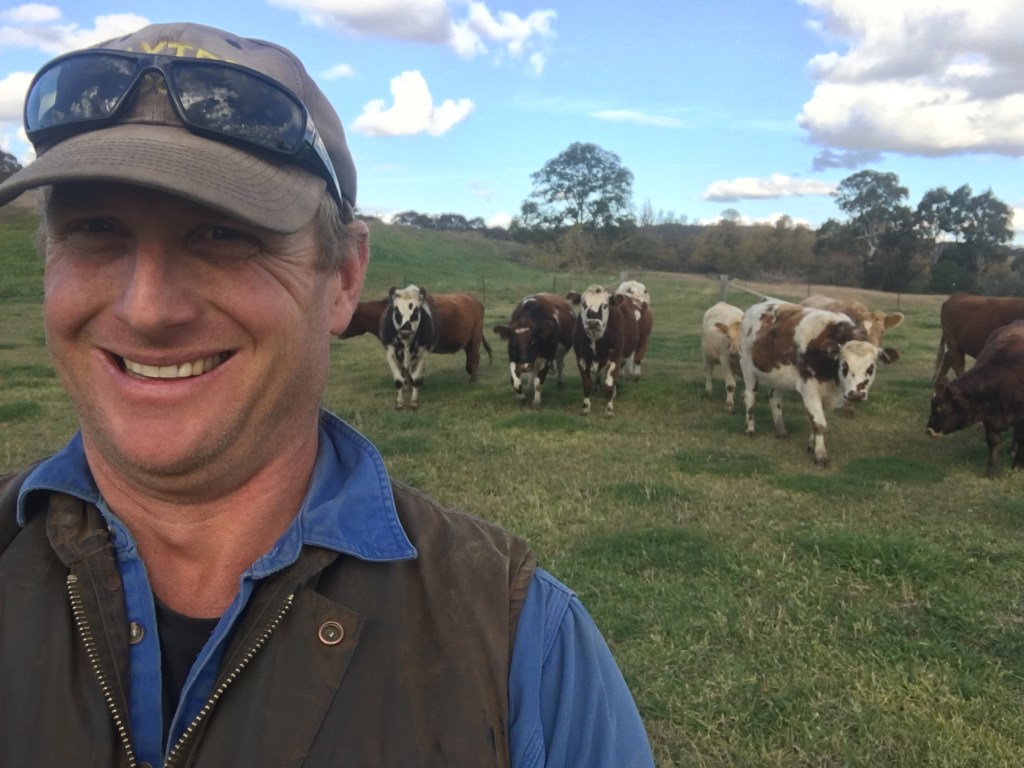
My last post was regarding some of the challenges I face on the Rock Farm. Mostly I love problem solving, however, every now and then it can feel a bit much. I’m lucky in that these feelings don’t last too long. Whether it’s kids or animals, there are so many wonderful opportunities to pick you up.

The belt on the lawnmower was easily replaced (once I selected the right one). The refrigerator was at the repair shop and beyond my control. I was confident I had fixed the car , even though it hadn’t been on a test drive further than the local post office, and the water pump was still not fixed.

So we did the best thing in the circumstances and disappeared for a few days of the school holidays. Nothing like bundling the family up in the as-yet-unproven car for a five hour drive to the coast to catch up with sun, warmth and family. Thankfully the car performed faultlessly. We were lucky the COVID-19 situation was stable enough for us to enjoy a couple of days in the school holidays catching up with the cousins.

Returning home and the white-good repair shop claimed the fridge was working perfectly with no sign of fault. The only thing remaing outstanding was the pump.

That pump…

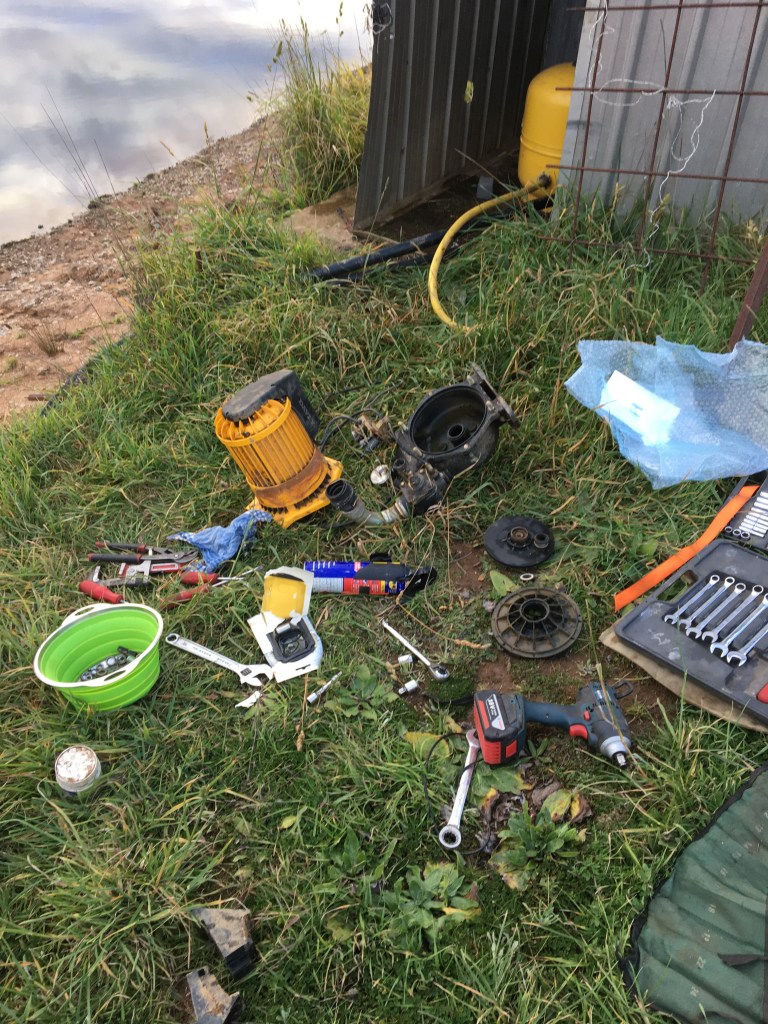
Parts for the pump arrived in our absence, so I set to work the next morning, following the troubleshooting sequence from the owner’s manual. It took a while to figure out how to pull the old impeller out (it looked fine). I replaced the bearings and seals and put it all back together. It seemed to make all the right noises – but I still had the same problem – the pump couldn’t raise enough head (pressure) to reach the house.

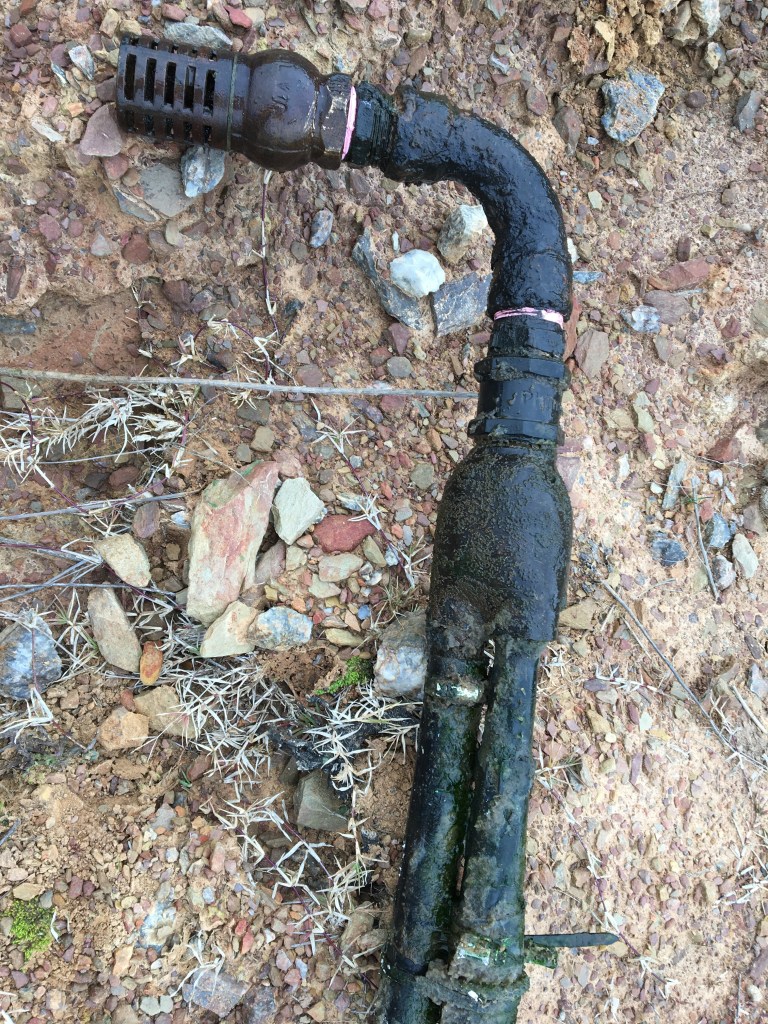
The water jet passes through the venturi to help the pump draw water from a deep well (or low dam). It was slimy and cold. Oh so cold.

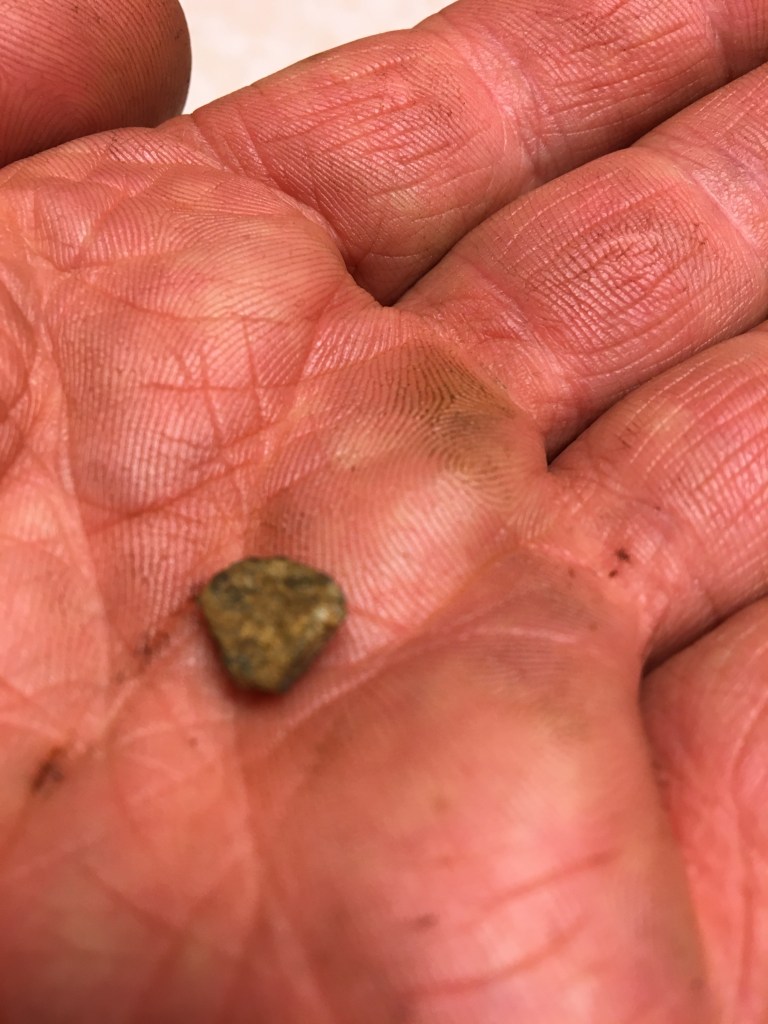
Next item to check from the owners manual was the the water jet at the intake. We pulled in the intake again, pulled it all apart and found a tiny stone wedged in the venturi. Ah ha, I thought and put it all back together – but the pump was still not pushing water up to the house.

That little stone was wedged in the venturi part of the jet… I had hoped this would fix the pump…

I pulled the pump apart again. Pulled the intake apart again. Had to bring down the old falcon ute with the tank to re-prime the line. I was out of ideas, cold, wet and hangry. It was time to take a break.

I can’t believe I am doing this again….

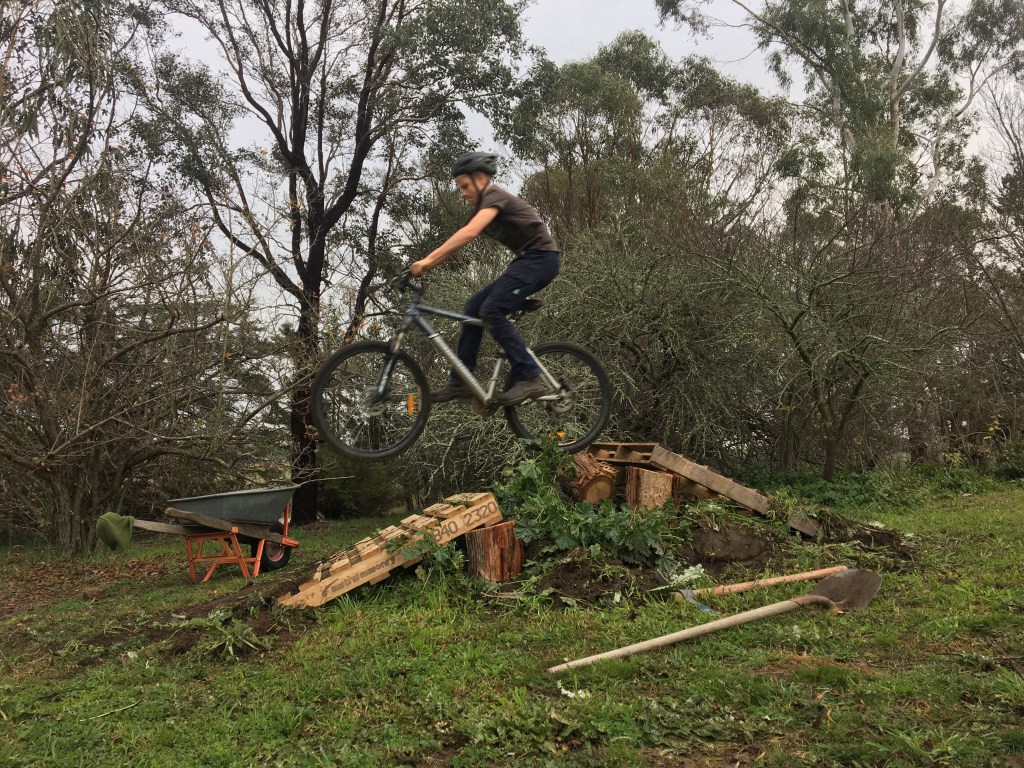
Around this time, the boy’s asked Mum to come and film them taking leaps on their newly constructed mountain bike track in the garden. And it was then Jo heard running water…

They’re crazy – and our garden looks like a disaster zone, but they’re having a blast. And they inadvertently led to a great discovery!

In a forgotten corner of the garden at the end of a spur line we found the leak. The pipe end plug fitting had come away, and the water was pouring down a natural drain, into the garden dam and then cycling back into the big dam…. I might have said EUREKA!!! But I think the actual record would reflect some other word with two less letters.

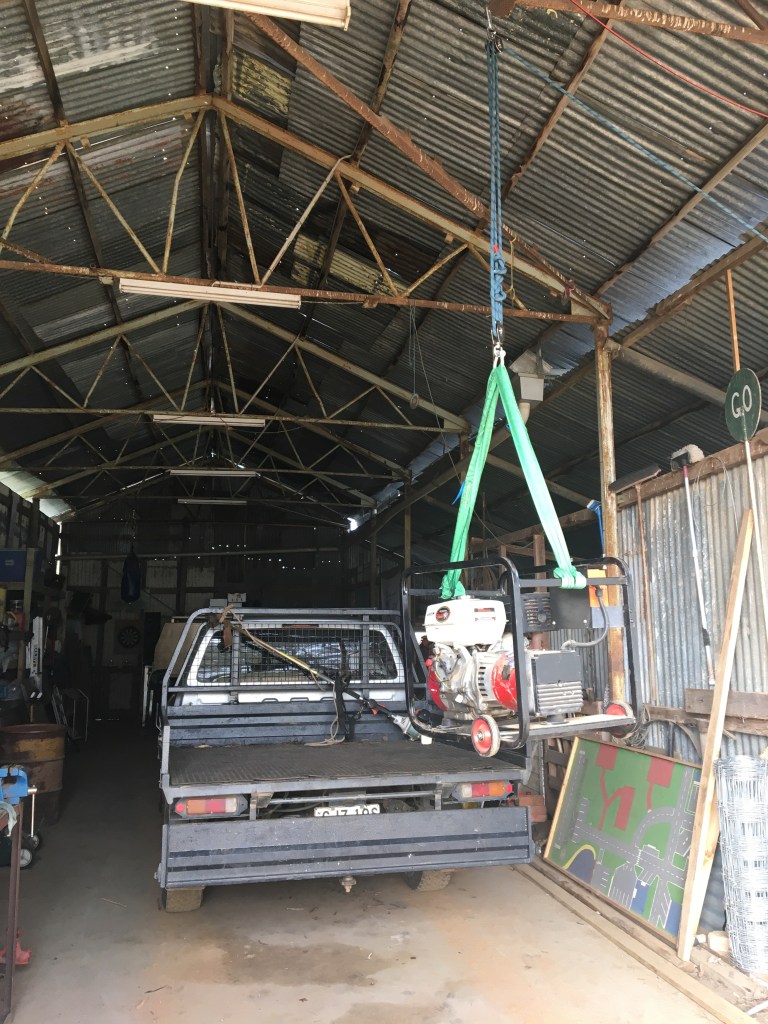
We set the pump running, celebrated the fact our toilets flushed, and moved the cattle back into their paddock to re-commence our cell grazing experiment. The good news is that through this process we seem to have fixed several minor problems. It used to take a couple of days to fill the header tank, but by the following morning the tank was full. The float valve in the tank at last seems to be working properly and at this particular moment in time, everything seems to be in order. I am sure this moment will pass quickly, but for now, it was a chance to breathe a sigh of relief and focus on the next project…. lifting heavy things.

Little Helper’s Holiday Project Part Five and Final!

At last the boy’s part of this project has been completed. I have insisted that I will only pay them for the trailer once their paperwork is submitted… this blog being their final requirement. To say I am super proud of them is an understatement. This is their words.

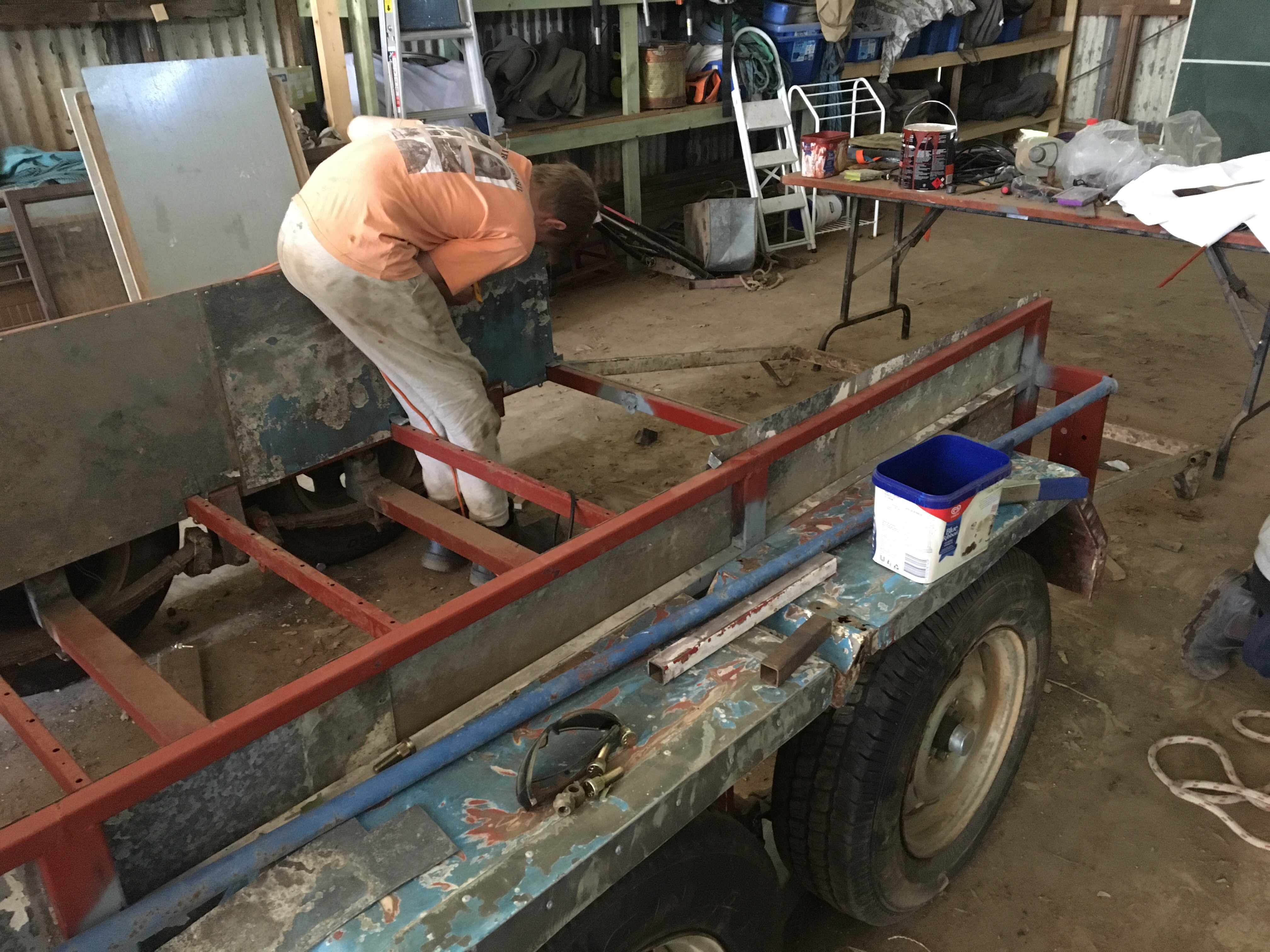
It’s time to get paid!  After a long pause on the project due to school assignments and assessments, we have finally got around to finishing the trailer!  Despite the fear of been charged rent by Dad, we didn’t do much work on the trailer.  Well that is not entirely true, we finished riveting on the sides and then re-painted every surface in sight.

Five weeks after the end of the holidays, losing a significant portion of our potential earnings to Dad’s rent, we got around to the wiring.  On one wet weekend, we put the wiring through the underside of the trailer, connected up the brakes, side lights, rear lights and number plate light to the plug.  Which in turn meant that we could now connect the trailer to the car.
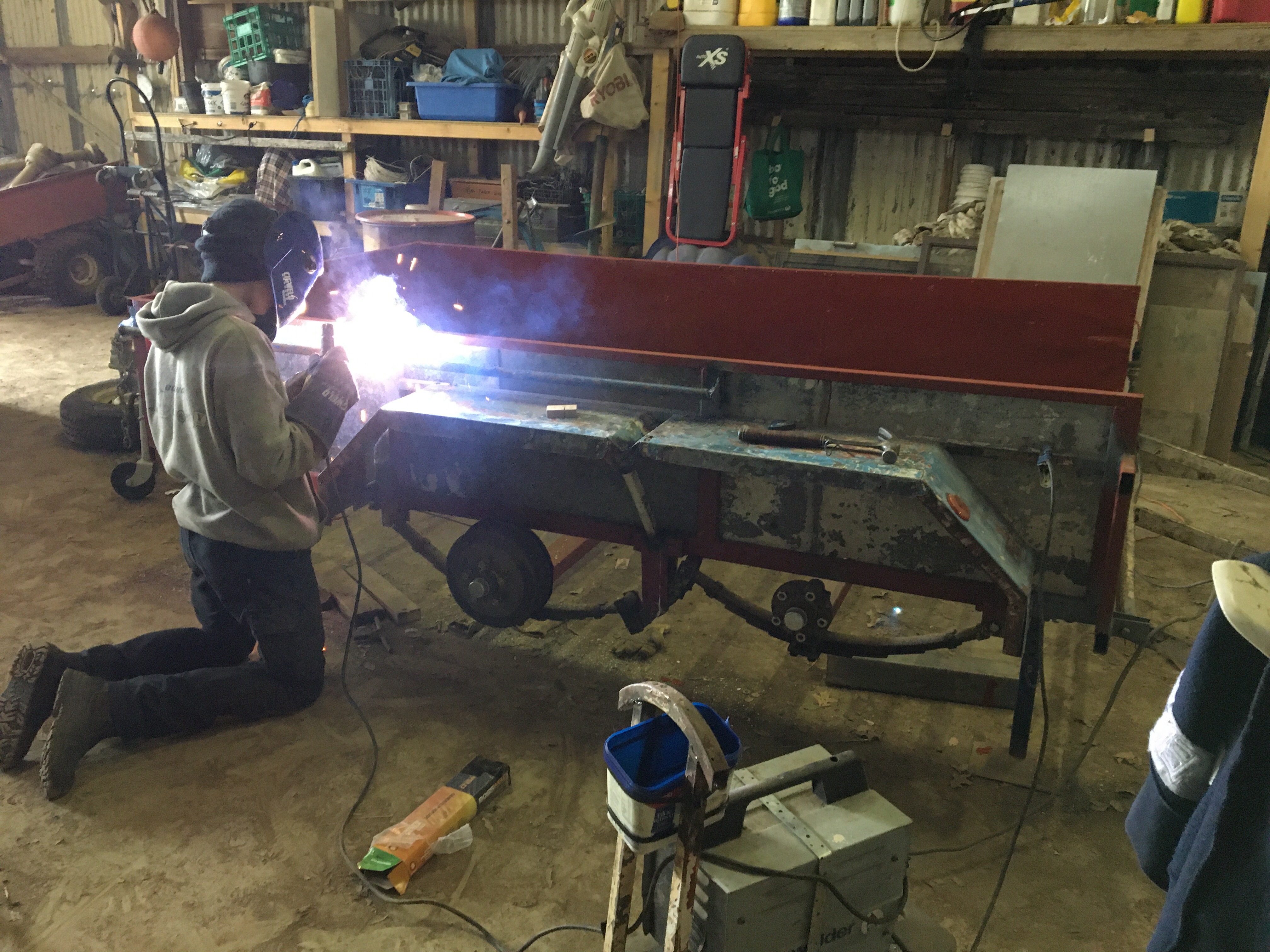
We were all very excited. Dad drove the car into the shed and plugged in the trailer.  Voila!  The side lights and tail lights instantly came on, when Dad turned on the headlights! Dad put the blinkers on, and one after another they worked.  The last thing we needed to do was check that the brakes worked.  Since they are electric, to check if they work, you put your ear close to the wheel and as someone steps on the brake pedal, you should hear the magnet ‘clang’ onto the brakes.  The little Helper and I sat down and listened carefully as Dad stomped on the brakes… and nothing. Not one sound.

What was going on? We were pretty certain that we had wired them correctly, and we could not think of anything else.  My brother and I stood there out of ideas staring numbly at what was turning out to be a disaster. Then Dad sheepishly called out for us to listen again.  Humouring Dad, we did as he said.  “Clunk”. What was that ….. the brake magnet?  Surely not?  As it turns out, the brakes had worked all along, but SOMEBODY had disconnected the electric brake controller in the car.

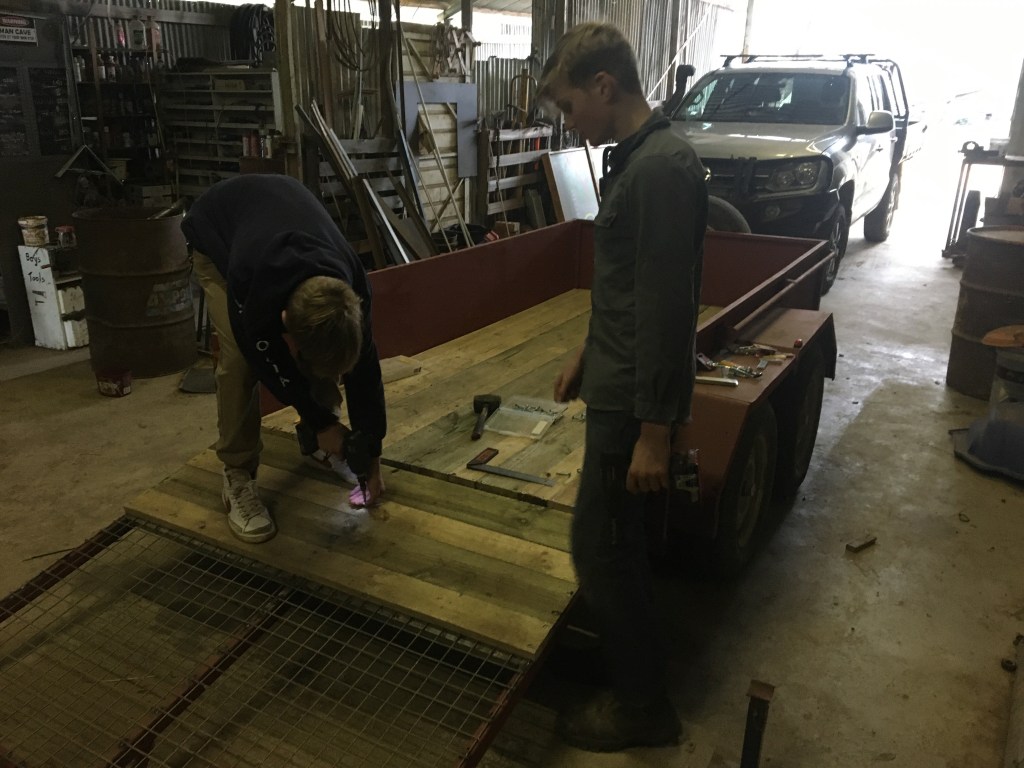
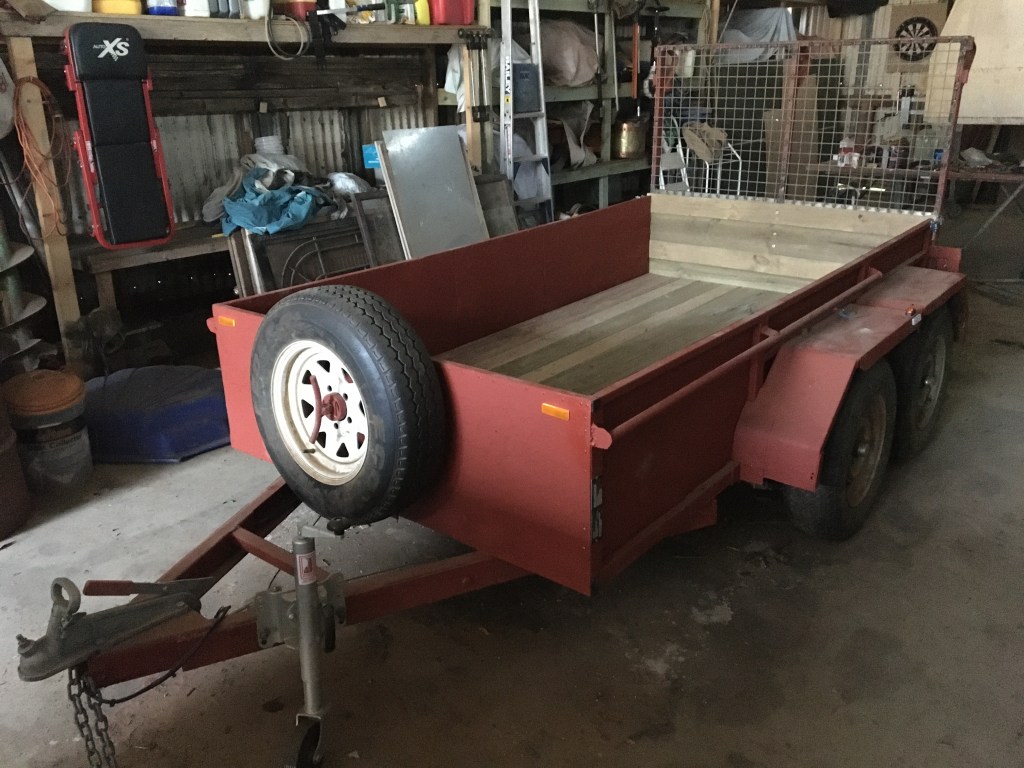
With the wiring in order, it was time to start on the floor.  The floor was relatively straight forward. All we had to do was cut the timber boards to size and then use clamps to push them hard up against the edge. We pre-drilled holes in the timber for the self tapping bugle head screws. We used Dad’s impact driver to drill the screws into the steel chassis. Then we removed the clamps, got the next piece of timber and repeated.  Simple.

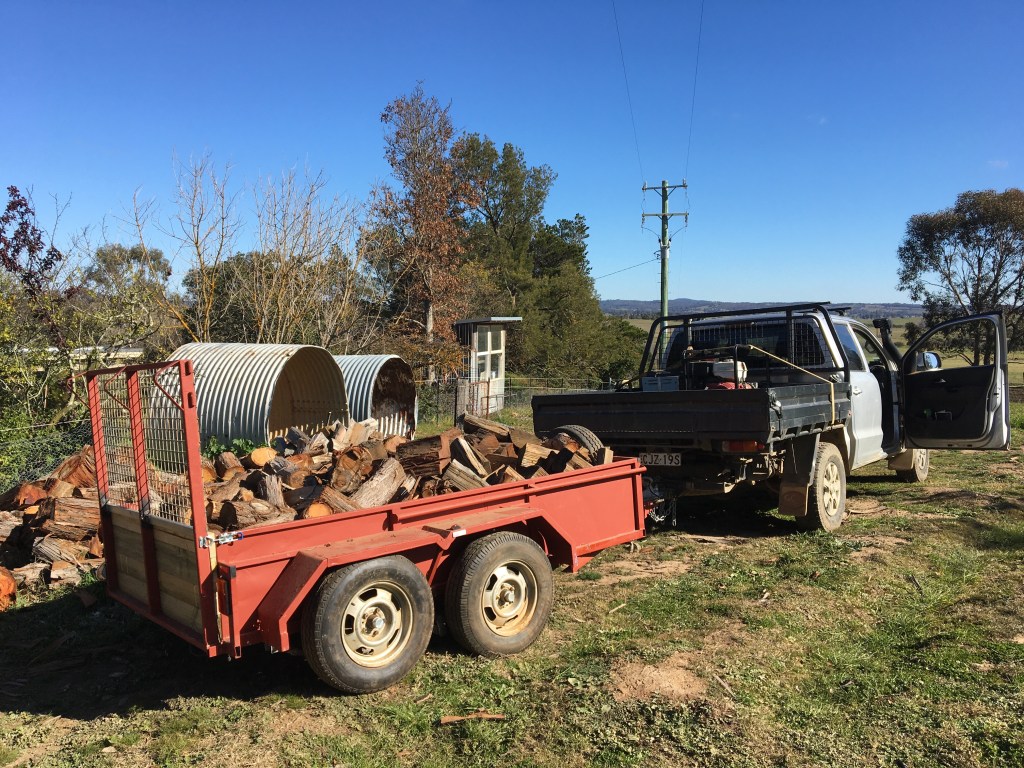
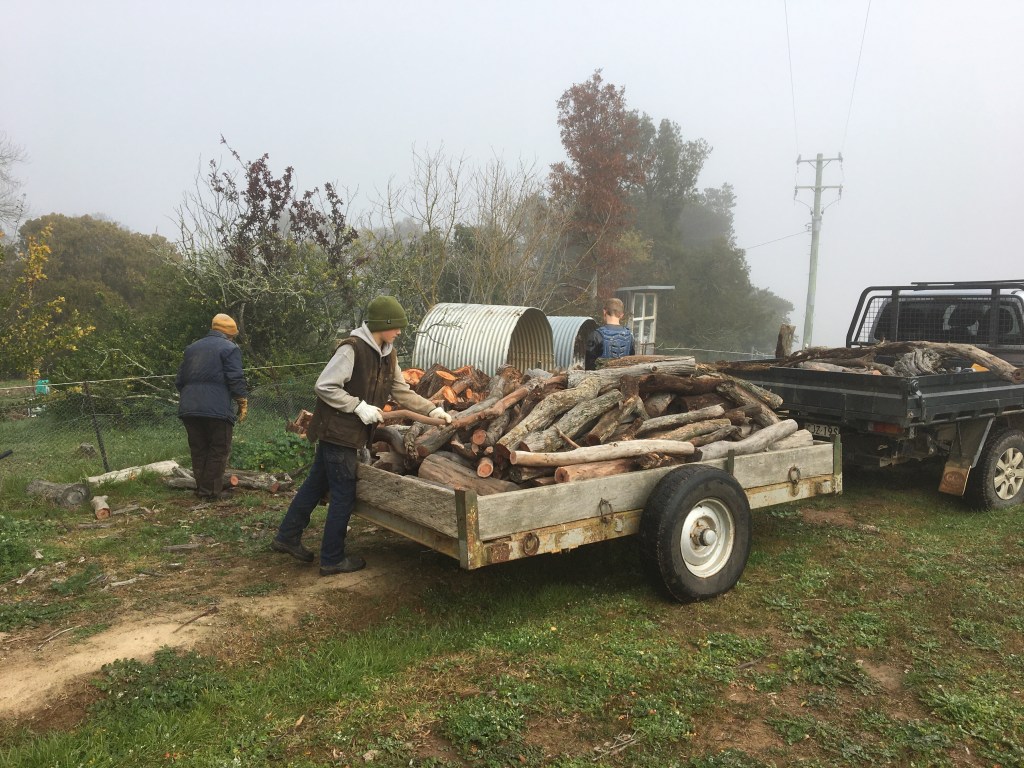
Once the floor was in place, Dad was eager to test out the capabilities of the trailer. He took the opportunity to fill the trailer with tonnes of lovely firewood… twice.  

The trailer turned out to be a big success, but there were still two problems.  The first problem was getting the trailer registered.  Since this is the first time that we are registering this trailer, it needs a blue slip.  Normally this is a simple process but as this is an old trailer manufactured before 1989 we have no paperwork for it. We could not find a chassis number anywhere, so it needs the RTA to issue a VIN. We are not sure whether the RTA will agree to issue us a chassis number at all!

The second problem was with the front wheels of the trailer. They wobble.  This is a very big issue as it means that the bearings overheat. If you want to know why Dad is so sensitive to bearings overheating, take a look at this blog post from our 2014 trip around the country.  After taking the wheels off multiple times, we have concluded that the problem may be with the backing plates for the brake hubs. The trailer’s original backing plates did not fit our new electric brake ones so we had to replace them. We might not have got the new plates on square, which would explain the wobble… Or it could just be down to the very cheap brakes that we bought.  (The brake pads are already showing signs of wear that should not be on brakes that are only hours old.)

Despite the wobble, Dad and I took the trailer to our local weighbridge.  If you are registering a trailer for the first time, it is mandatory that you have a weighbridge certificate.  The weighing was a success with the total weight of the trailer coming out at 460kg.

With the weighbridge certificate in hand, we then drove to a Mechanic who will see if he can sort out the issue with the front axle, and issue a Blue Slip, ultimately allowing us to register the trailer.  Currently, the only thing standing between us and getting paid is this blog.  So with the completion of this sentence, I might just be able to get enough money to buy myself a new mountain bike 😊.

I am extremely proud of their efforts and the skills they have learnt or being exposed to during this little project. If nothing else, it has taught them that these things often take longer than you think. Regardless of the RTA’s decision, I am sure this trailer will be an extremely useful addition to the Rock Farm!

Winter paddock rotations

On the Rock Farm we are continuing our rotation of cattle to fresh pastures, using the regenerative principles of Allan Savory. The cattle manage a pretty good job of eating the grass and a lot of the leafy weeds however they aren’t so keen on the woody weeds or thistles. After I rotate them out of their paddock, it is often worth slashing the remaining weeds, and then following up with the hand chipper a few days later.

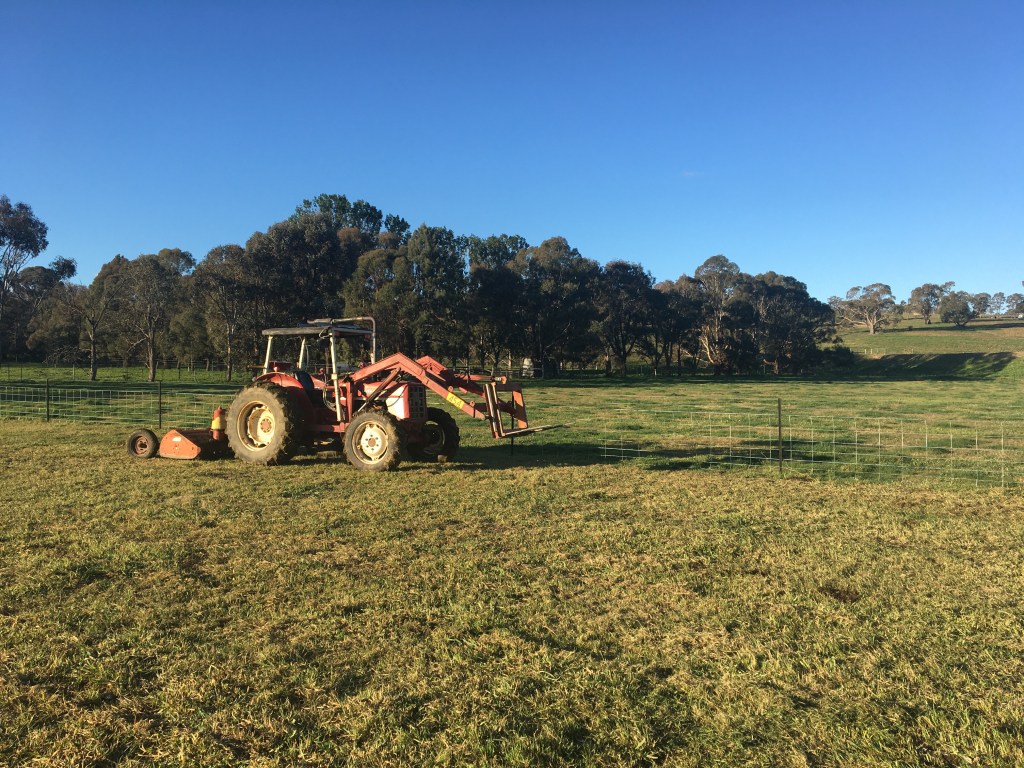
The old tractor and mulcher make short work of the weeds and it doesn’t take long for the paddock to look like a lawn. The mulcher also breaks up dry cowpats and leaves the clippings to mulch back into the soil. Using this process I hope to slowly increase soil microbial activity, and encourage productive grasses to out-compete weeds. This technique has been effective against thistles so far, and whilst there are still plenty of weeds in the paddock, I am loathe to use chemicals to control them.

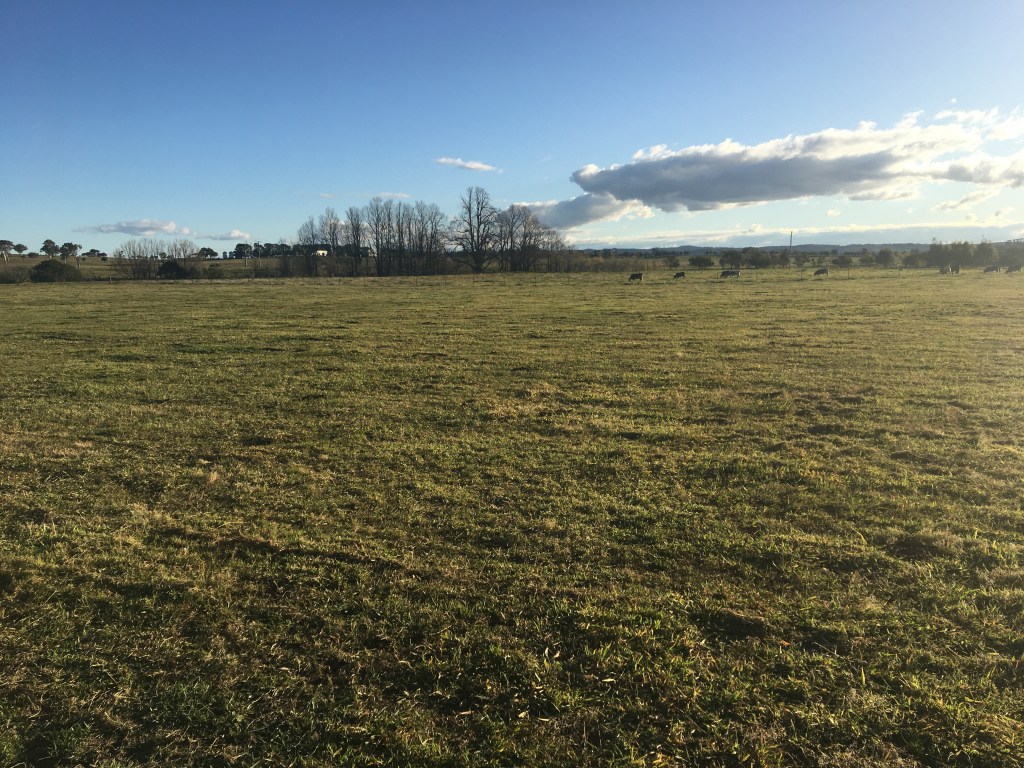
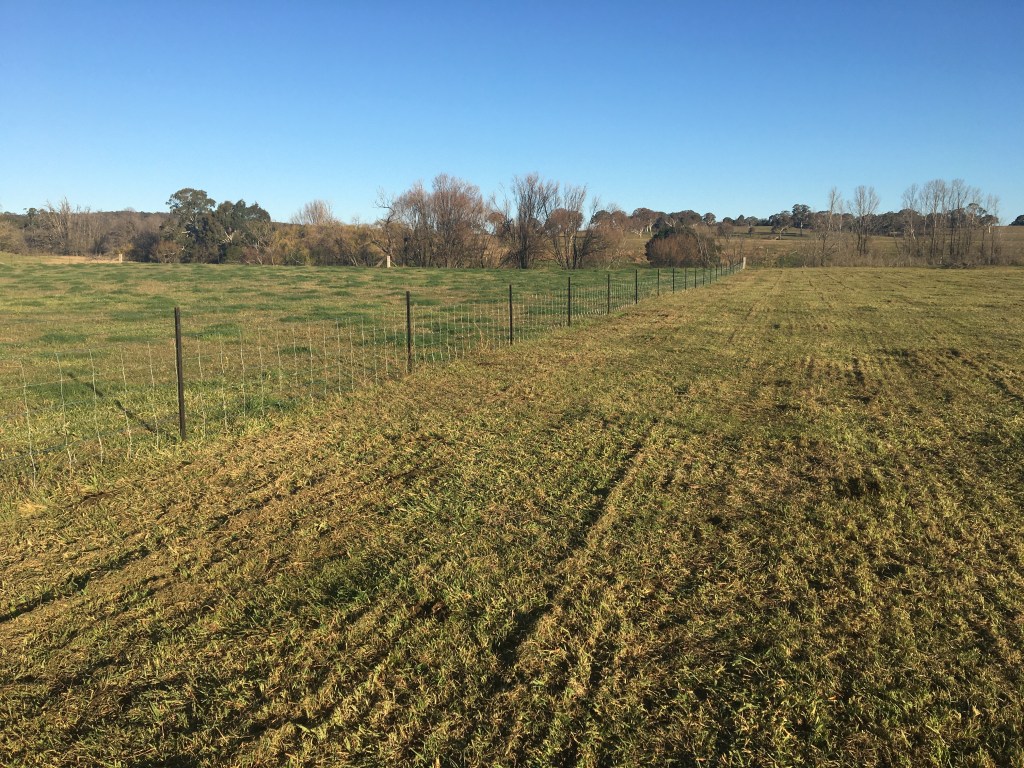
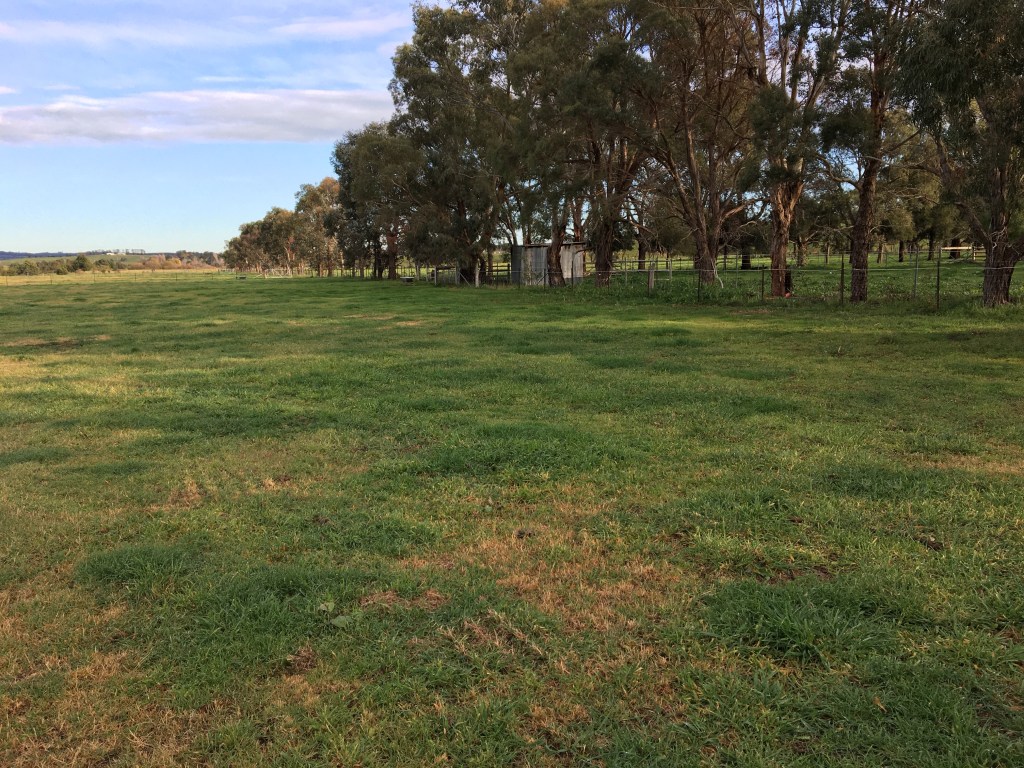
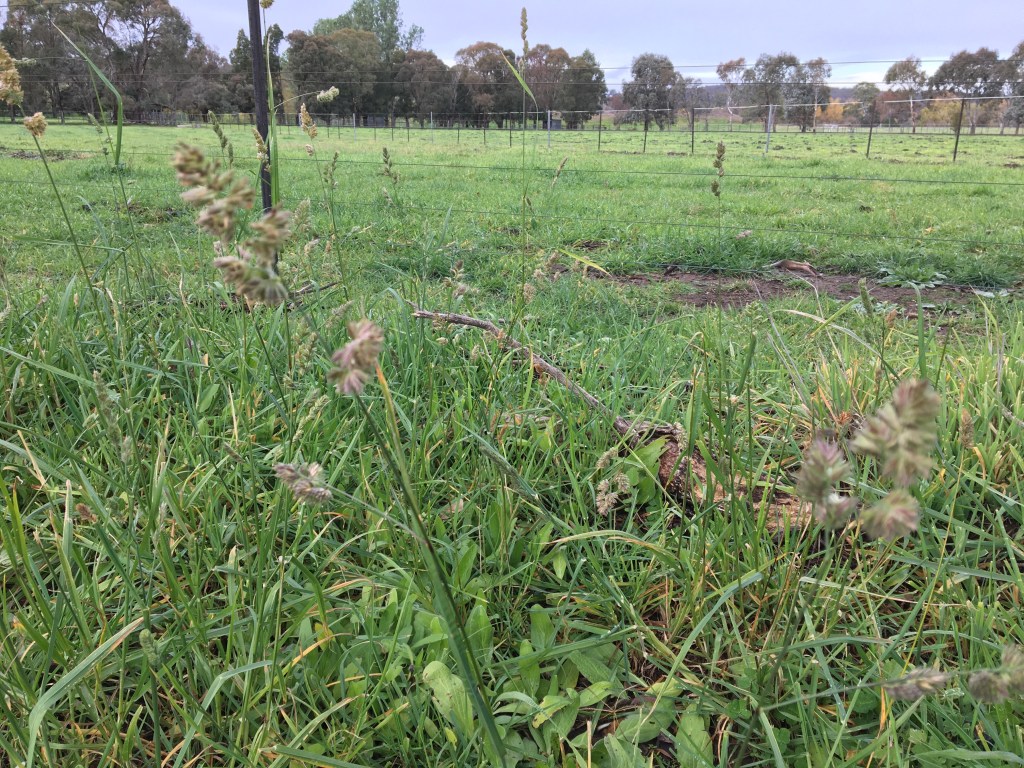
The shot above compares the freshly mulched paddock with the paddock the cattle were in previously, only a couple of weeks ago. The previously grazed paddock is recovering quickly, with healthy patches of barely grass, cocksfoot and clover growing despite the cool weather.

One of the great pleasures this rotation brings is the antics of the cows when you invite them to a new paddock. They carry on like newborn calves – despite their own ever increasing bellies! I love it.

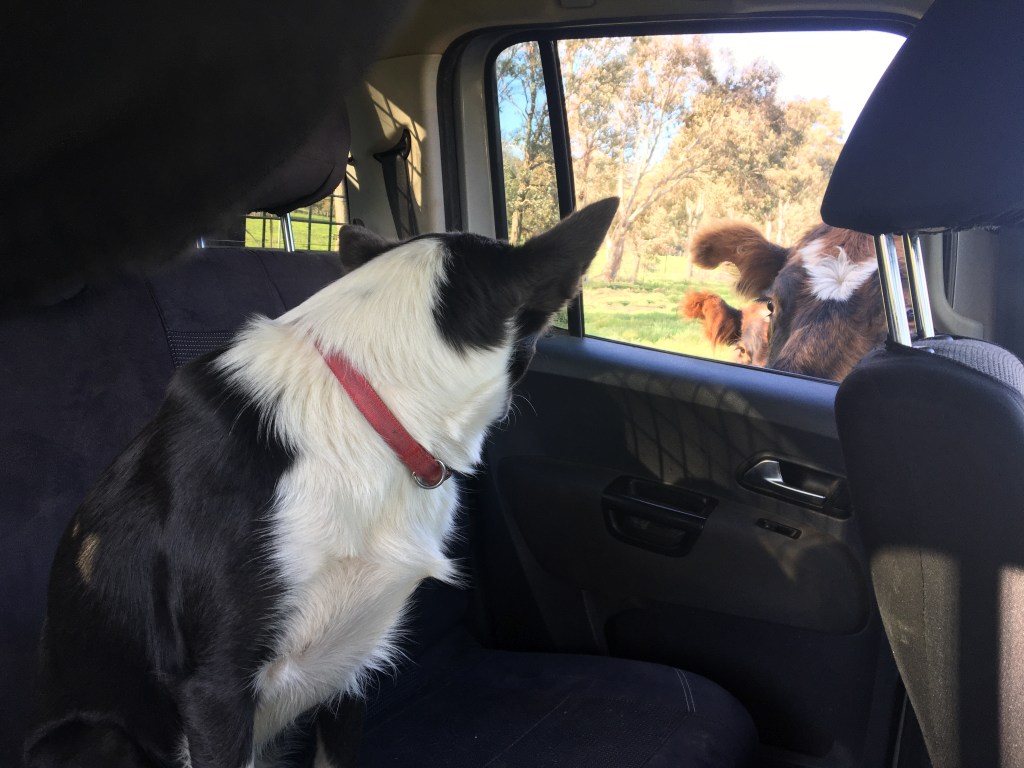
The girls settled quickly into their new paddock – however I needed to duck down and make a small repair to their water trough. The cows not only came over to check out my work, they also gave poor Sapphire the border collie cross a fright. She didn’t know what to do when some gentle (but very big) brown faces came snorting through the window. She placed herself very much in the middle of the seat, as far away from the open windows as she could and kept a very close eye on the inquisitive bovines.

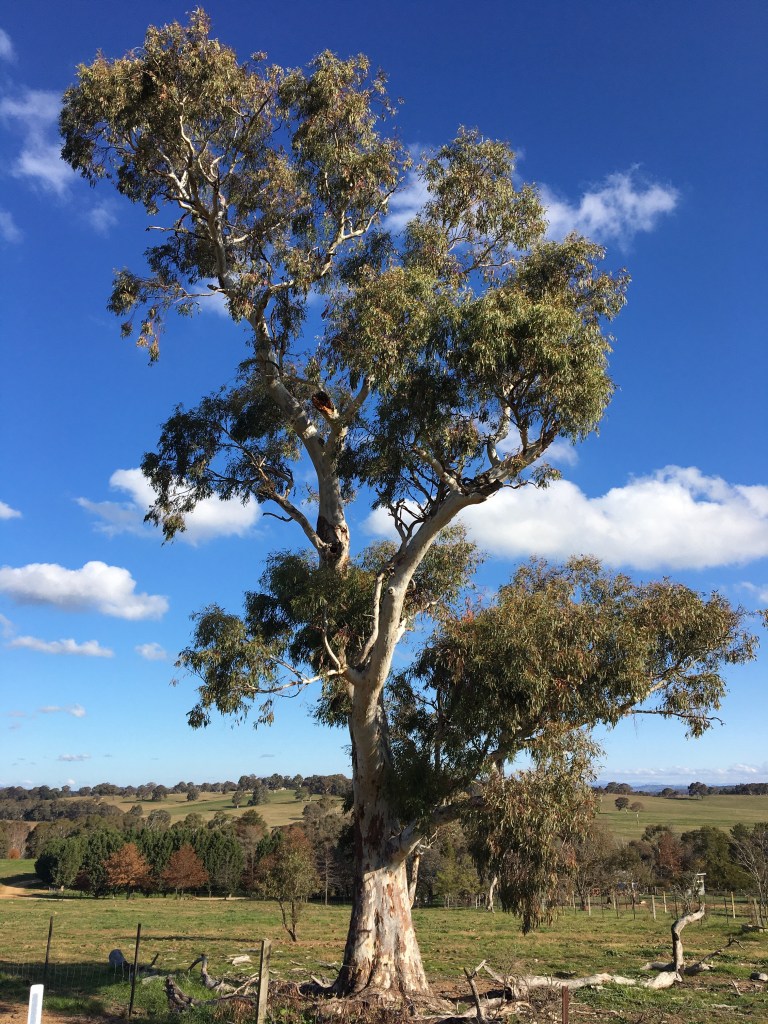
Winter is firewood harvest time. Our neighbours have a great stand of red-box regrowth that we had selectively thinned for firewood about 18 months ago. With that block being recently sold, we took the opportunity to collect the timber we had previously cut. The reason we selected young green branches and trees to harvest is that it encourages the remaining trees to grow large and straight. It ensures we aren’t removing habitat from the area, as most of the hollows required for nesting birds and reptiles are in the large old trees – like the brittle gum below. It also means the timber doesn’t need splitting either – a bonus. We have planted red-box trees on our property, and will be sure to harvest more seed from other red-box trees this year in order to re-establish a stand of these magnificent trees on one of our ridges.

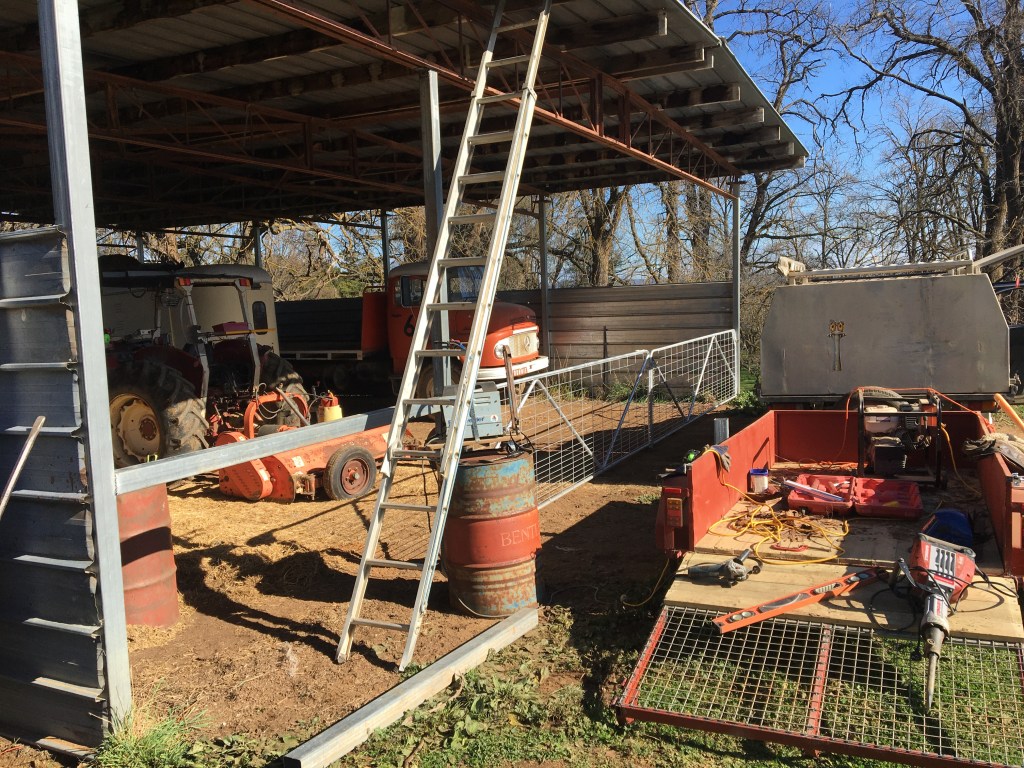
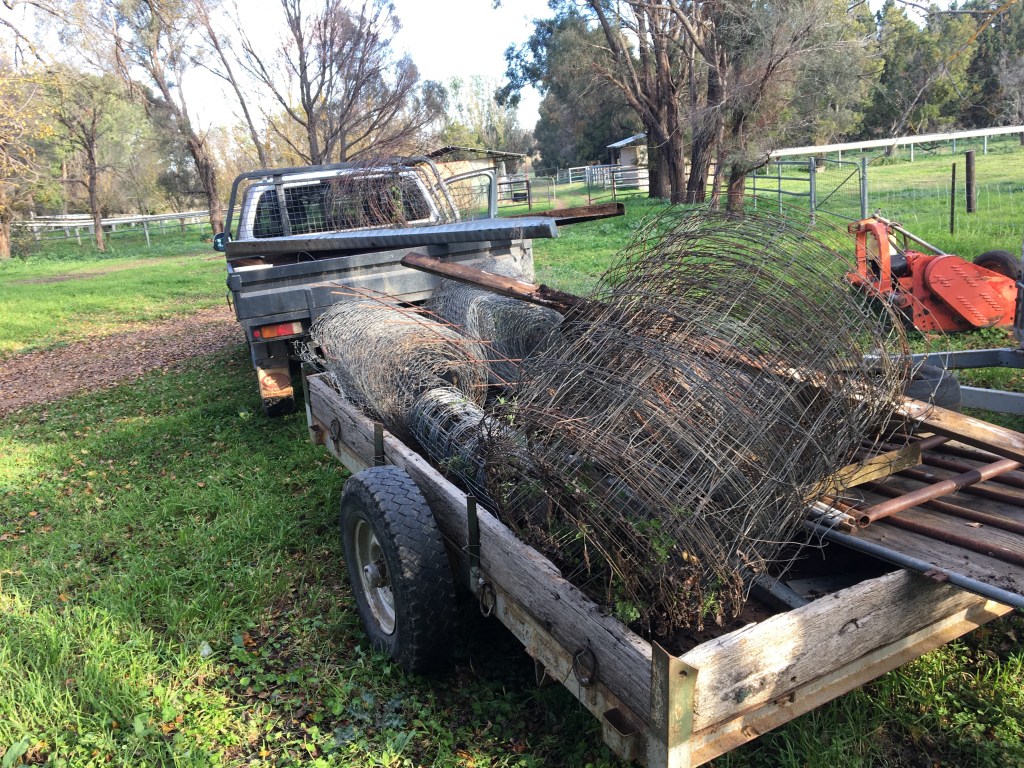
In the meantime we have been slowly working through some of the piles of wire and steel that have been scattered around the Rock Farm. Over the past couple of years we have slowly rounded up dozens of 44 gallon drums, old gates, star pickets, and tyres. They have all been taken to our ‘resource centre’, and some of the steel being recycled at our local tip.

At times it seems like a never ending task, but every now and then we look back and see progress. Whilst it might not add to our little farm’s overall productivity, it does make the farm safer, and improves its appearance. It fits with our philosophy of trying to leave the land in better condition than how we found it.

The only problem is that my wife sees in every pile of scrap an opportunity.. Getting her to help me clean up the farm usually creates more projects than I finish, as her imagination transforms the items into wind-breaks, chook sheds, garden trellises and so on. And I must admit, that isn’t a bad thing 🙂

Getting Winter Ready

As the cooler weather comes to the Rock Farm, I have been busy trying to get everything set up for winter. Whilst our country isn’t cold enough to bring the cattle into sheds or barns over winter, my main focus has been increasing our soil moisture and pasture health to ensure our cattle have plenty of feed.

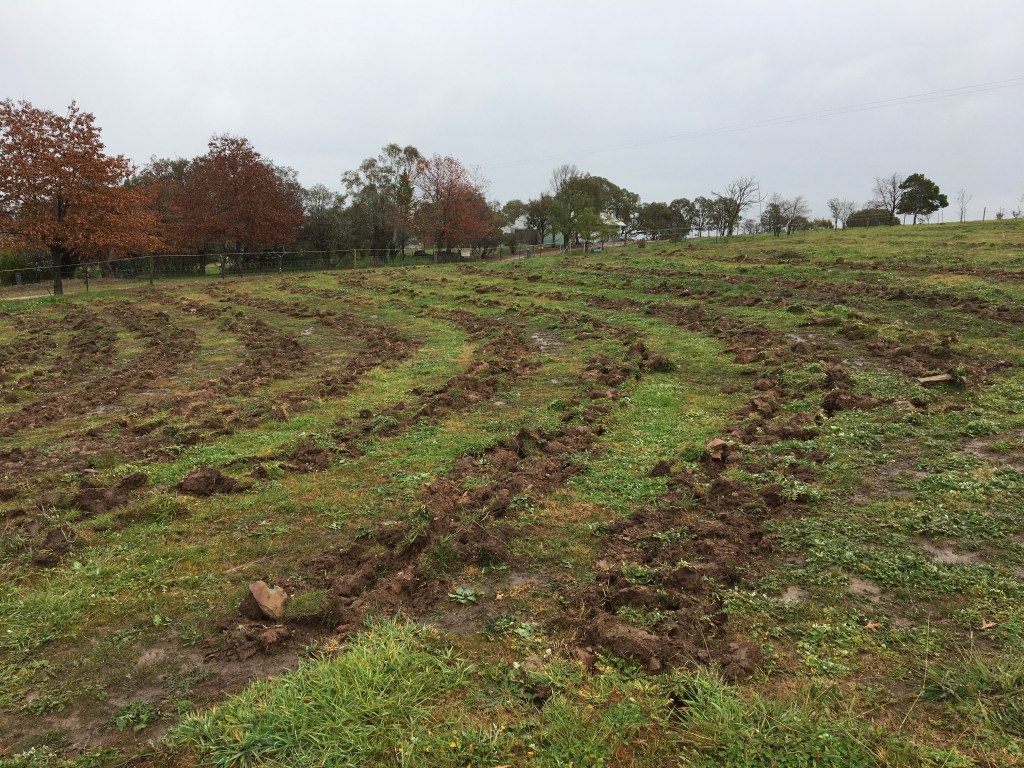
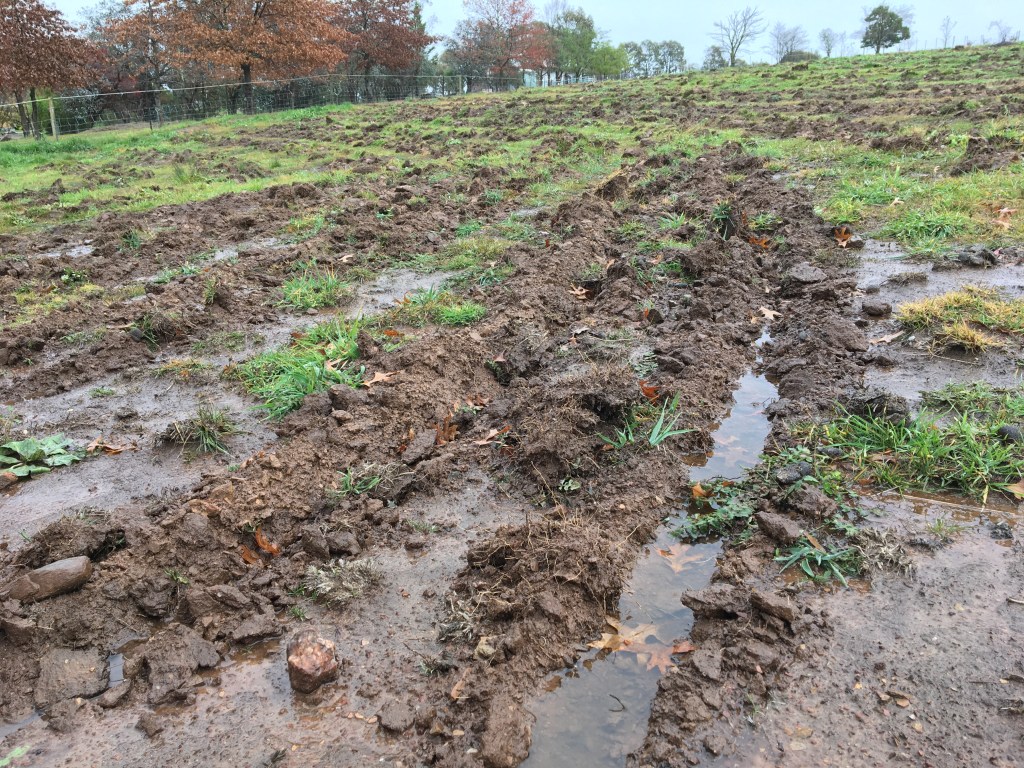
After trialing rip lines on different parts of the Rock Farm, I found we had most success ripping along the contours of our slopes. With a little rain forecast recently, I took the opportunity to put some more rip lines in a small paddock near the house. The forecast 10mm fell , and it was great to see the effectiveness of the rip lines in slowing the water down and allowing it to penetrate the soil. This was particularly evident in areas where the soil is hard, compact and especially hydrophobic. I hope this will encourage pasture to grow in these areas.

Another area we have been working on our pasture and soil health is on our alluvial flats. Regular readers may recall that we recently split our 5.6Ha flat paddock into three smaller paddocks (https://rockfarming.com/2020/04/21/autumn-school-holiday-project-new-paddocks-on-the-rock-farm/). The reason for this is that the cattle were selectively grazing their favourite grasses, and leaving the less palatable weeds. By making three smaller paddocks, we encourage them to heavily graze the paddock, weeds and all. A long period of rest allows the pasture to regenerate and this technique has been shown to improve the pasture quality.

Our experiment is still in its early stages, however the initial results are promising. After putting the cattle in the first of our paddocks for a couple of weeks, they had grazed the grass and most of the weeds. After moving the cattle out of the paddock, I ran the mulcher over the paddock to knock down remaining weed heads (hopefully before they had run to seed).

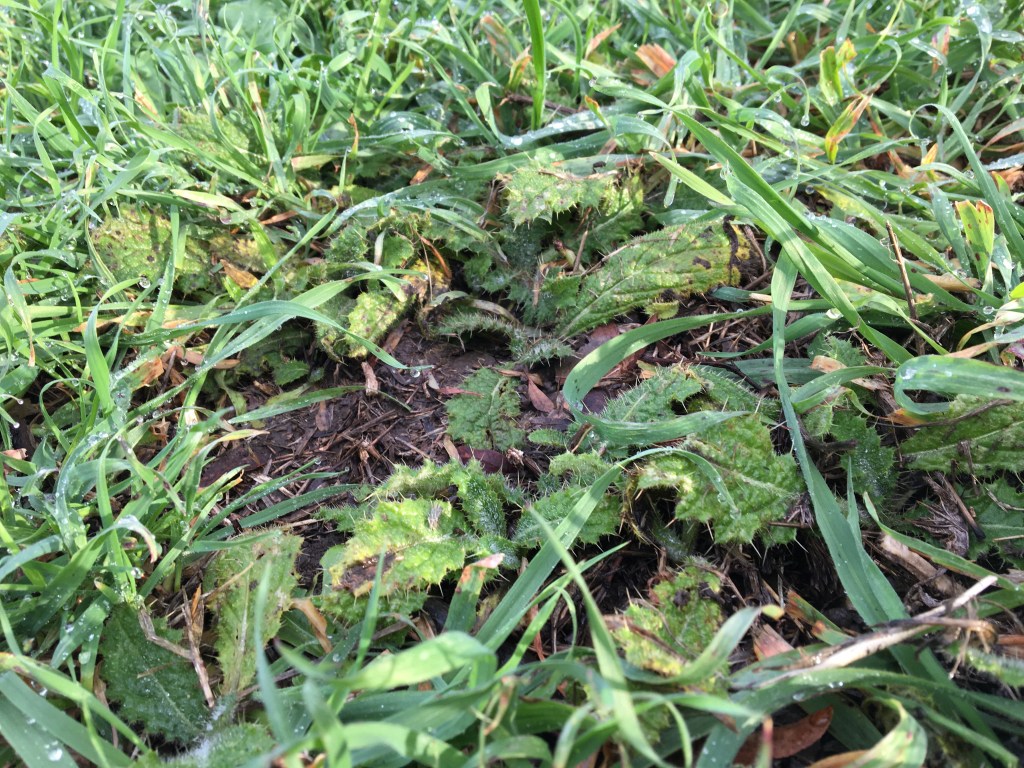
Three weeks later and the grass is growing. The photo above left shows an area that a few months ago was all tall thistles. The pasture in this area is now strong and competing with young thistle plants. I spent about half an hour with the chipper just working on the odd patches of young thistles, and hopefully will prevent them from growing to seed. The cattle have been moved to the next paddock and we hope to repeat the cycle in that paddock too.

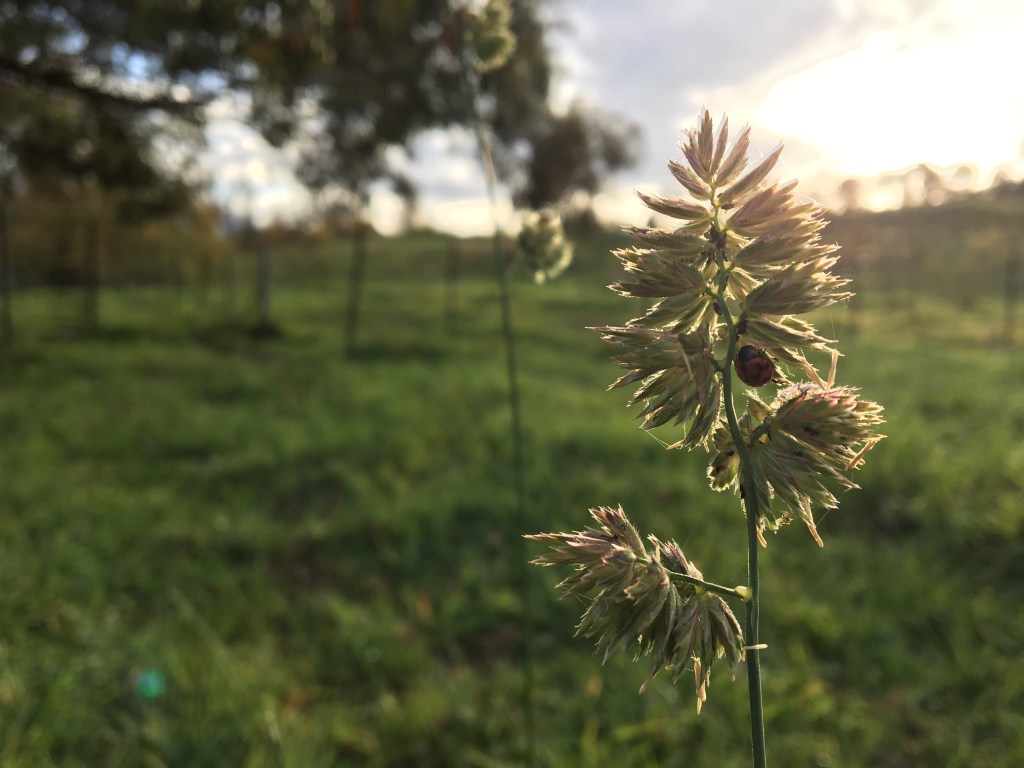
Meanwhile the rest of the farm is being rested. One of my greatest pleasures is taking walks around the farm and observing the recovery of the other pastures. The change in moisture has encouraged some species of grass, like the Cocksfoot above left, to seed. If you look closely, you will see a Ladybird making the most of the shelter. These pleasures make all the effort of living out here all worthwhile.

But it doesn’t take long for reality to bite.

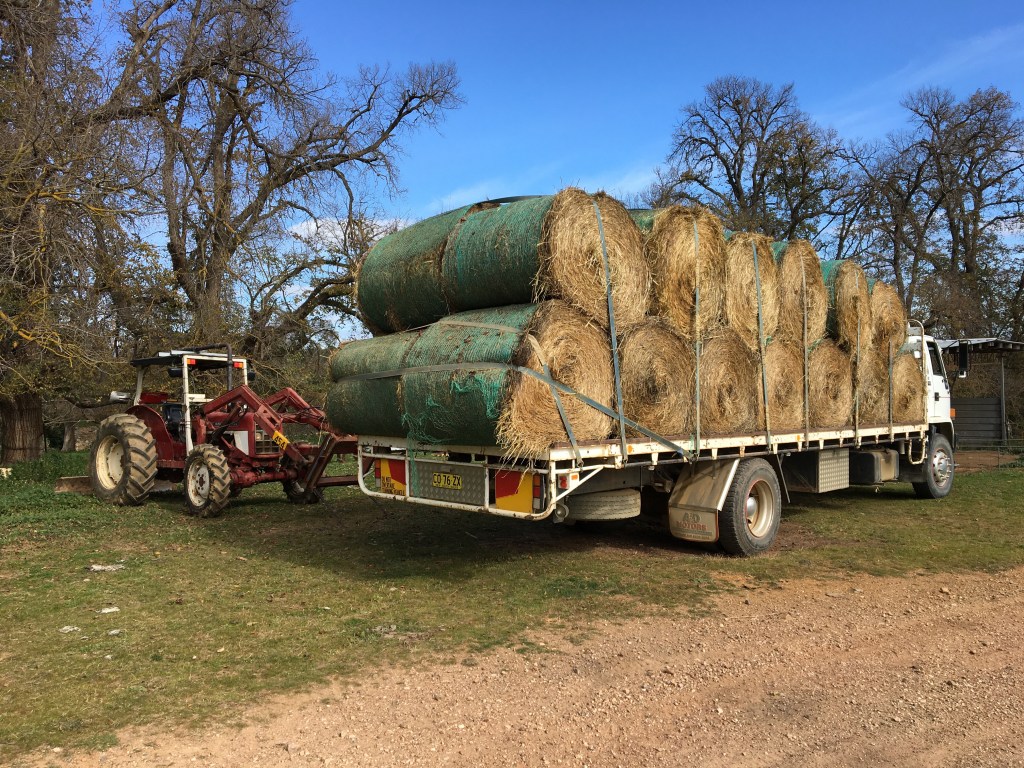
I arranged for a load of pasture hay to be delivered. This hay is insurance for a dry winter or a poor spring. I also look at the hay as fertilizer. It brings nutrients onto the farm, that the cattle will process into the perfect soil food. The hay took a little longer to unload as the tractor seemed to struggle to lift and move the bales – whereas it has previously lifted bales that weigh twice as much…

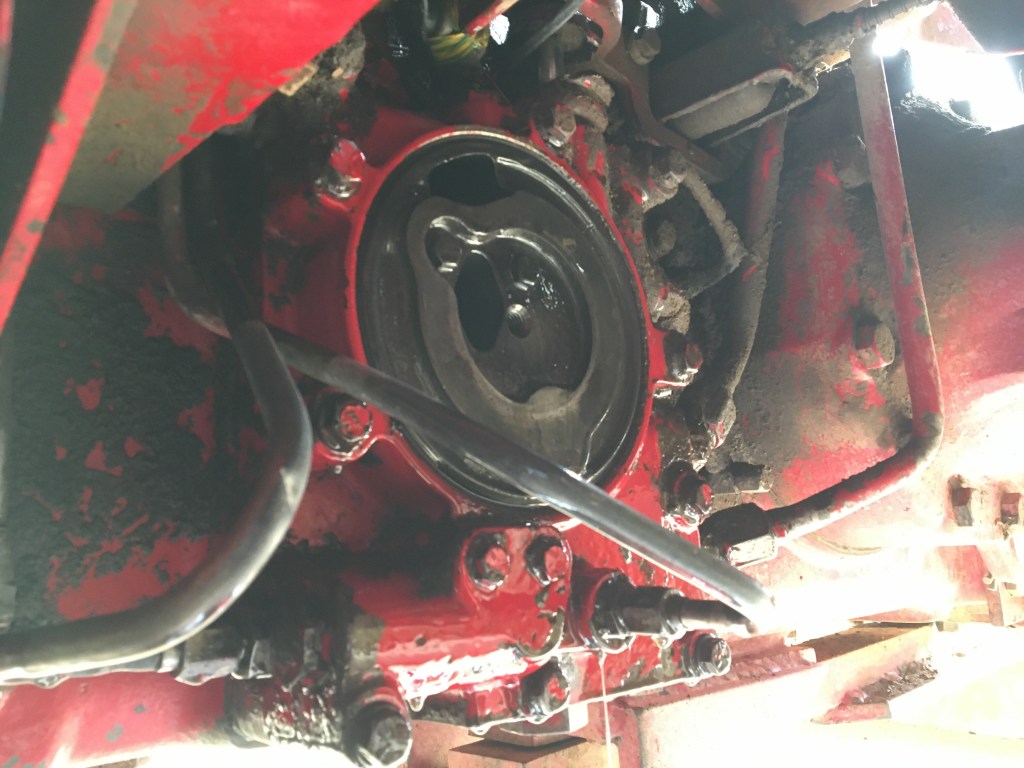
There is a constant requirement for maintenance and repair on any farm, and ours is no exception. Since mulching the first paddock’s weed, the tractor’s hydraulics had become problematic. The hydraulic pump was making horrible noises, and I feared that the diagnosis of a burnt out pump or bearing would be terminal for our old tractor.

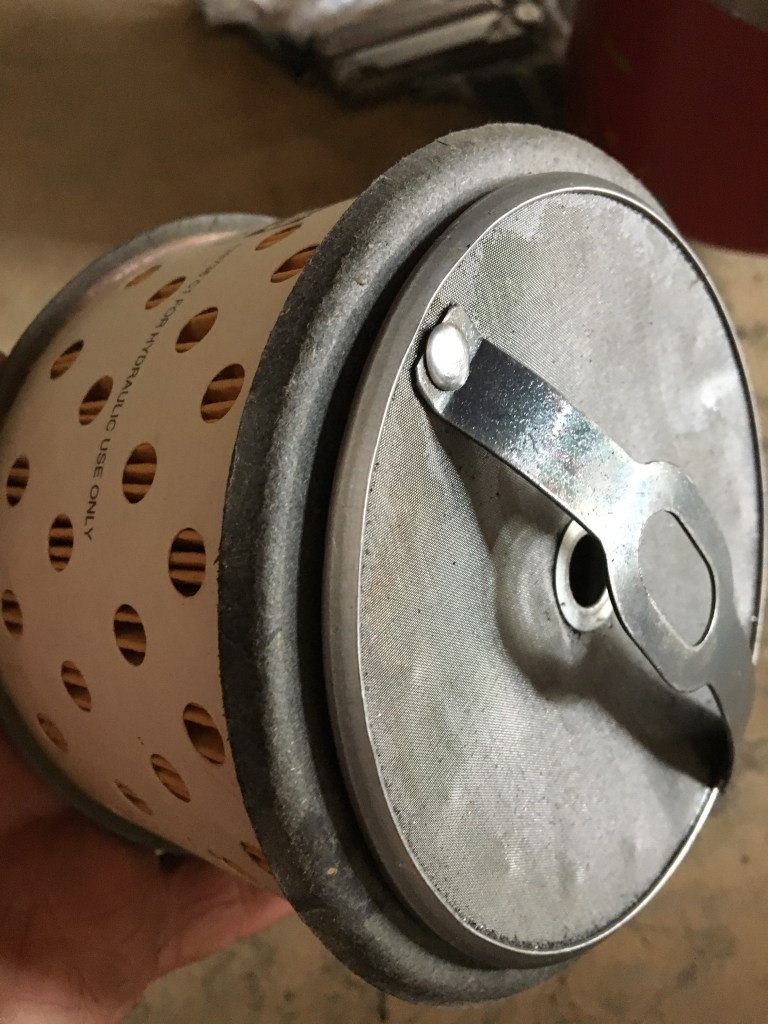
A bit of research online started to lead me towards thinking I might have a problem with the bypass valve. On our tractor this is located low on the chassis, with the hydraulic oil filter. Thankfully the former owner gave me the Owner’s Manual and a new filter when I purchased the tractor. The manual described how to replace the filter and more importantly how to clean the fine mesh of the bypass valve. The clean and new filter was an undoubted success with the tractor hydraulics performing like new again! Phew.

I should have done the maintenance before the load of hay arrived, but I was terrified I’d break something and have no means of unloading the hay. Hindsight is a wonderful thing.

So now I have a shed full of winter hay, a tractor that is fully operational and paddocks that seem to be becoming more productive. I love nothing more than my ambles around the paddocks. Life is good on the Rock Farm.

Best I turn my attention to that other winter activity – harvesting some firewood.

Planting Trees and Un-bogging Tractors

One of our aims on the Rock Farm is to re-rehabilitate the soil and create a parkland type landscape, similar to what was first described in the journals of the first European explorers.  We are doing this with a mixture of native and introduced deciduous species – and last week it was time to plant some natives.

img_6860

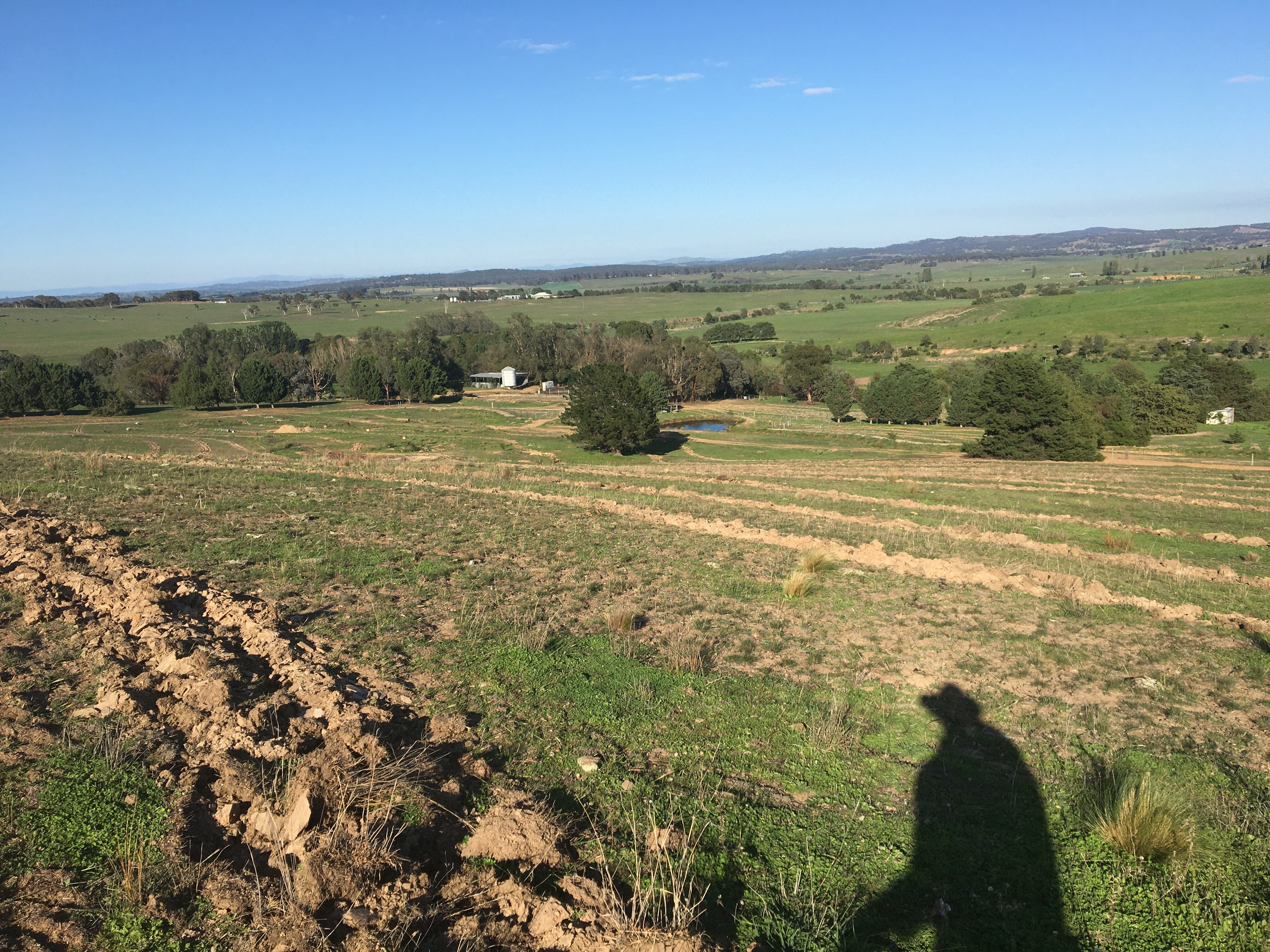
Our back paddock has a fantastic hill, with wide views along the Yass Valley.  We have often camped up here, and enjoyed many sunsets soaking up the atmosphere of this special place.  The only problem with the hill is it has four lonely trees, three Brittle Gum (eucalyptus mannifera) and one Red Box (eucalyptus polyanthemos).  The ground however is littered with huge logs – nearly all Red Box timber, cut for firewood and fence posts many years ago. It does make for a wonderful camp fire, however it is a limited supply, and serves to remind us of what trees once stood in this special spot.

Reading Bruce Pascoe’s book  (see my review here: Book Review: Dark Emu by Bruce Pascoe), I started thinking about how I could improve this part of the farm.  After our last camp, I took the tractor up to the hill, and started spreading the logs around the paddock.  I focused on placing the logs in such a way that they straddled rip lines I made back in March, and placed them to provide protection from the prevailing westerly winds.

Then it was time to plant seed.  The first batch of seeds I planted came from an ironbark (I think it is an eucalyptus sideroxylon) near our front gate.  The others were white cypress pine (callitris glaucophylla) that we collected from our visit to the Pilliga a few years ago.  The ironbark seeds were especially small.

img_6967

The seeds had been stored in paper bags for a few years and the gum-nuts had released their seed.  I cleared grass away from each site, and planted the seeds in the soil, along with some ash from our slow combustion fireplace.  I selected places nestled near the logs I had recently moved, with good sunshine and shelter from the western winds.  The last task was to mark each site with a bit of ribbon tied to a rock.

It helped that it was a glorious morning – even if the four legged helper was more interested in sniffing out rabbits than me digging holes!  As I wandered back to the house, I was able to collect some more gum-nuts from the ironbark, which I put straight into a paper bag.  I will also collect red box, black wattle and other seed in the coming weeks and attempt to re-introduce some of these trees back on this hill too.

A few days later we had an amusing series of incidents at the Rock Farm.  A poor supermarket delivery driver managed to not only get the wrong house, but he took our bottom driveway and managed to get his truck stuck.  A couple of sunny days had failed to dry out the steepest bit of this track that is in full shade all day.  After pulling him out with the tractor, I thought I would fill in the worst of the sections with some gravel that had previously washed down a culvert.  The gravel was nice and handy – but also a little close to a small dam.

The first few buckets went well.  I was me able to skim gravel from the top of the pile, with and only the front wheels dropping into the wet ground.  And then I got greedy and went back for one more bucket.  First one back wheel slipped into the goop, followed by the other and I was stuck.  Proper stuck.

Thankfully the family were all working or schooling from home, meaning help was nearby.  I knew their lunch break would be in about half an hour, so I worked like fury with a shovel trying to move as much gravel as I could under the front wheels (now lifted by the bucket).

I also moved our mighty Mitsubishi down and put it in position.  Being automatic, I figured it would be a little easier for a not-so-little helper to use to drag me out.  With the chain hooked up, the car in low range and the rear differential locked, it was time to call down the helpers (and advisers) to get me out.

Thankfully the recovery all went off without a hitch!  Best I get a load of gravel brought in to give us all weather access to our carport!  Just another job to add to the list 🙂

Little Helper’s Holiday Project (Part 4)

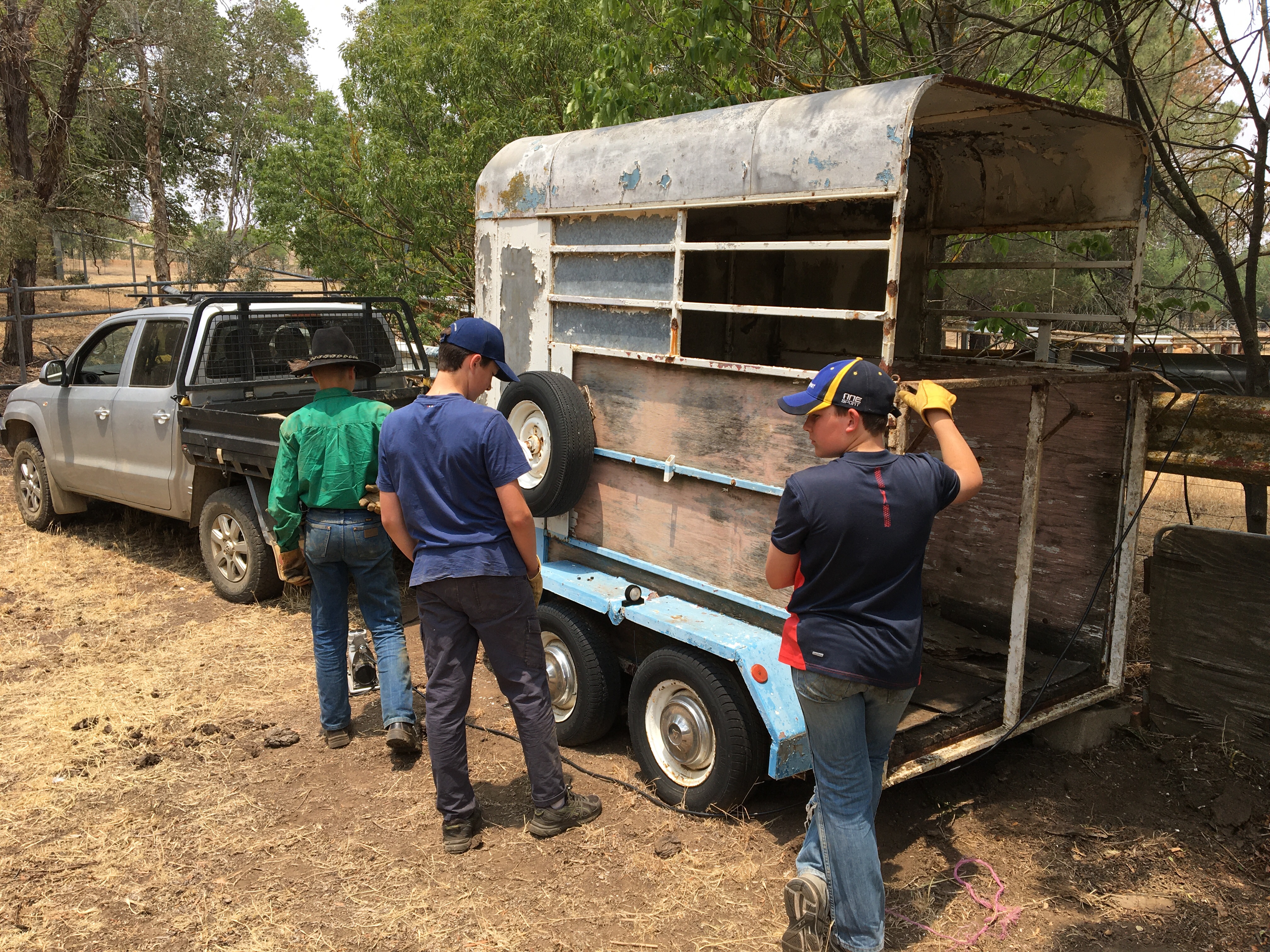
It might have been a long time coming, but the boys have written an update to their re-build of an old horsefloat.  This is their update: 


The horse float project has been put on hold for the past few weeks, as school life got pretty hectic. Assignment due dates crept up, and sport infiltrated our time with grand finals and end of season parties. But due to the virus that is now devastating many business, families and countries, we are all stuck at home in isolation.

School continued for the last few weeks of term through online learning and video chats, but we found that we suddenly had time on our hands. Without the hours driving to school and home again, we realised that we could work on the trailer again.

We did a few bits of work here and there, and by the time the holidays started, we almost had a finished trailer. One side needed a few more rivets, (actually a lot of rivets) to attach the side walls.  It needed to be painted,  new electrics and wiring, a floor and the side tie down rails attached.  The end was close.

img_6886

Then it all went wrong.

The first week of the holidays passed without much trailer work. The time we spent on screens that first week should have broken some world records. And Dad noticed. And Dad didn’t like our work input.

So, he said he would charge us rent.

He said that it needed to be finished by the end of the holidays, rivets, welds, paint, electrics and all. Or, he would charge us $10 dollars rent for each week we were overdue.

To be fair – the boy’s also had plenty of other projects….  They learnt how to change a tyre, and we took them camping for a couple of nights….

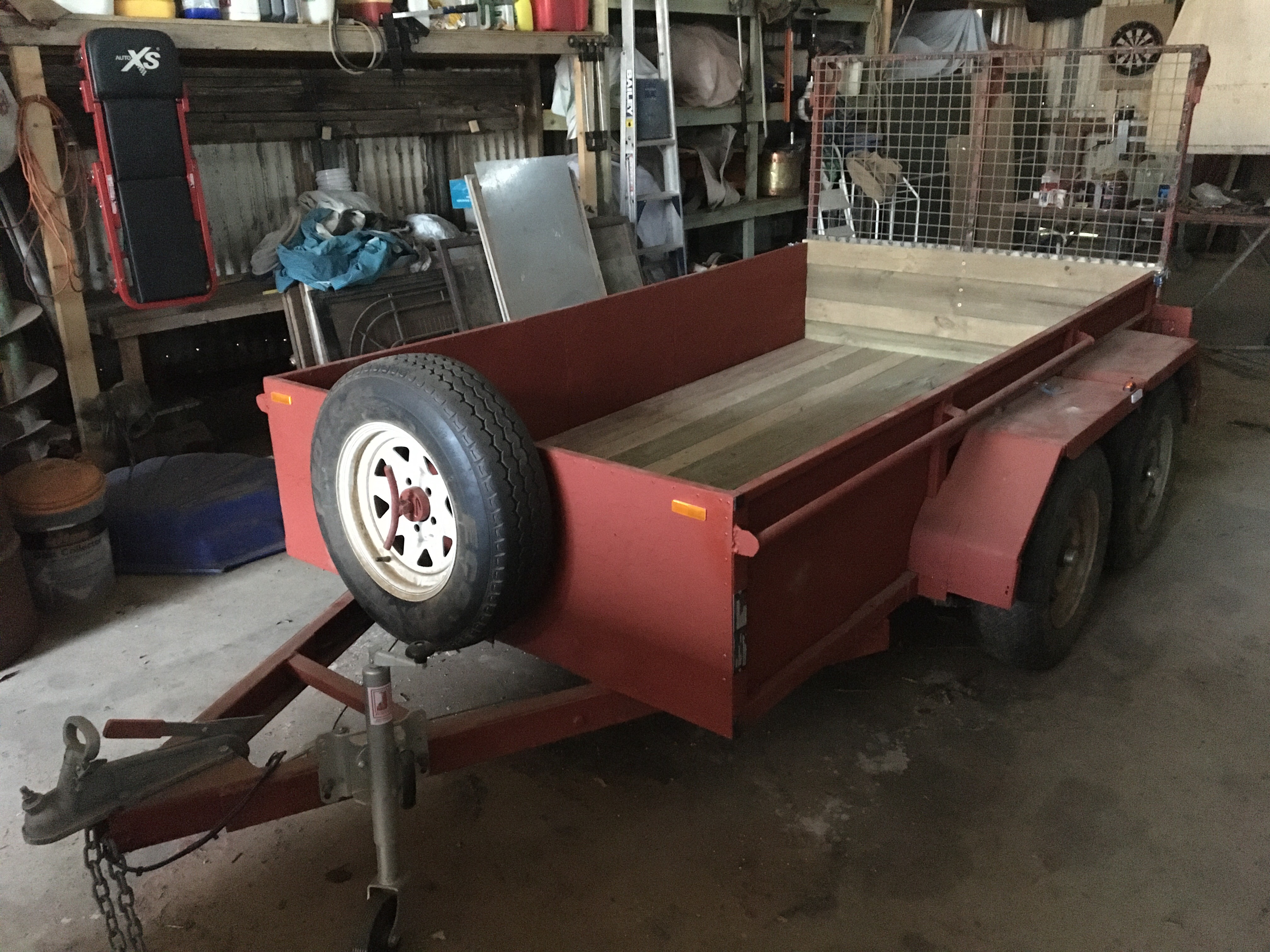
With the motivation and the threat of losing money, the trailer now has two sides riveted on, mudguards attached with bracing, tie-downs welded on, and a lovely, pinky red undercoat paint. (Mum and Dad will probably paint it a different colour soon!). But even with the horrible paint colour, we are proud. We spent hours trying to get the trailer together, and now that it is almost done, we can kind of relax.

img_6928

It still needs wiring and a floor, but due to the current restrictions, we may struggle to get the required materials. Even so, the trailer is something that we are all proud of, and we are all very happy to see it much closer to completion.  Even if we are now being charged rent!

Autumn School Holiday Project – New Paddocks on the Rock Farm

I have been looking forward to the school holidays for a while now.  My last post was about some of the little jobs around the RockFarm that needed doing.  The school holidays have allowed us to tackle some of the bigger ones.

The first major project was to divide our large 5.5 hectare flat paddock into three smaller paddocks of around 1.8 hectares each.   It involved the construction of two new fences, the first of around 150 metres, and the second of around 200 metres.  For the first fence, I only had to install one new strainer post, but the other section required two new posts.  Good job the boys were at home with time on their hands – I have never found installing strainer posts or star pickets so easy!  The boys even stood up and clipped on the hinge joint in record time.  I think they enjoyed working outside – but are secretly looking forward to online lessons resuming so they can get a break from all the farm jobs.

The reason we have decided to split this paddock is two fold.  Firstly it allows us to intensively graze the smaller paddocks – thereby assisting in our weed management.  The cattle eat most of their favourite grass, and as they go, they nibble and trample the weeds.  We can then either chip or slash any remaining weeds once we move the cattle out onto fresh paddocks, hopefully improving the pasture as we go.

The second reason we have split the paddock is to allow us to install shelter belts along the new fence lines.  This will, in time, provide protection to the paddocks from the westerly winds.  The shelter belts are a future project and we intend to plant a variety of shrubs and trees in new stock proof tree guards.

New paddocks are useless without water.  Thus the next stage of the project was to install 150 metres of 1-1/4 inch poly pipe.  Because of the frosts we get in winter, and harsh sun in summer, we buried the pipe.  I don’t have a fancy pipe installer – but I do have a ripper on the tractor and two teenage sons.  The boys cleared the rip lines and I buried the pipe.  A job that would have taken me all day on my own was done in little over an hour.  I was thrilled we were able to get so much done in a morning.  We have a couple of old bathtubs we will install as water troughs once I get all the fittings sorted.

In the meantime we have still been chipping thistles – one little triangle paddock had a really bad patch that we have spent ages working on, with very little progress.  It was time to call out the big guns, so I fitted the mulcher to the back of the tractor for the first time in two years.  Thankfully with a bit of grease and WD-40 on the moving parts, it spun back to life and mashed and mulched the majority of the weeds.  If we can do this a few times and prevent the thistles from seeding, this paddock should turn around.

Thistles aren’t a new thing on the Rock Farm.  When we moved in to the Rock Farm, the adjoining 1.8 hectare paddock on the flat was full of thistles.  I slashed them a couple of times over the summer (https://rockfarming.com/2018/01/04/managing-thistles-on-the-new-farm/).  I am pleased to report that this autumn I was able to chip out the handful of remaining thistles in this paddock in around an hour.  The process works – and with a machine such as the mulcher, it is quick and easy to do – and nutrients remain in the paddock and feed the soil.

With the weeds taken care of (well in this patch at this moment), I had a few broken wires to fix around the place.  The neighbour’s beautiful helpers came down to offer advice and redistribute loose items in the back of the ute such as pairs of gloves and containers of wire clips.

A gorgeous distraction they were – but as far as helping, I’ll take my boys any day of the week!

Autumn Update

It is getting cooler on the Rock Farm.  The shorter days remind us of the approaching winter.  Regular readers might recall that a little over a month ago, we had almost no water or feed on the property and were looking at a the least worst option for our cattle (https://rockfarming.com/2020/02/03/weaning-and-a-rough-plan-for-the-cattle/).  Despite the initial promising falls of rain, and quick growth of some grass (and weeds), I wasn’t convinced that we would grow enough feed to get us through the winter.  We decided to go ahead with one of our options, to sell our steer calves, our heifer calves with horns and one cow, who was a little too aggressive for my liking.


The early weaning paid off, with the calves all averaging over 200kg.  We also sold our 400kg yearling steer Moo, that the Little Helper trained to halter back in July (https://rockfarming.com/2019/07/05/a-lesson-on-leadership-taught-by-a-calf/).  After the initial handling last July, he had been left to run with the cows, and had put on good weight.

We kept four of the naturally polled heifers – bringing our numbers back to 15 head.  As we returned the keepers to the paddock, we drenched them and put them into our large flat paddock with good feed.   I have a feeling we have one or two dry cows, but with the Corona Virus shutting down travel, my expert adviser (Dad) was unable to travel down to teach me how to pregnancy test them.  We will give them another chance.

In the mean time, we have all been working on little jobs around the house.  Jo has got back into the vegetable garden.  Keen to reduce waste, and make rabbit proof vegetable beds, she is re-purposing our old roofing iron to make raised beds.  Despite my initial doubts, it looks fantastic.


The beds are not chicken proof, and poor Sapphire doesn’t know what to do when the chooks ignore her steely gaze and leap up into the beds to scratch for earthworms.  It is hilarious watching her get more and more frustrated with the chooks who are more than happy to forage where they please.

img_6763

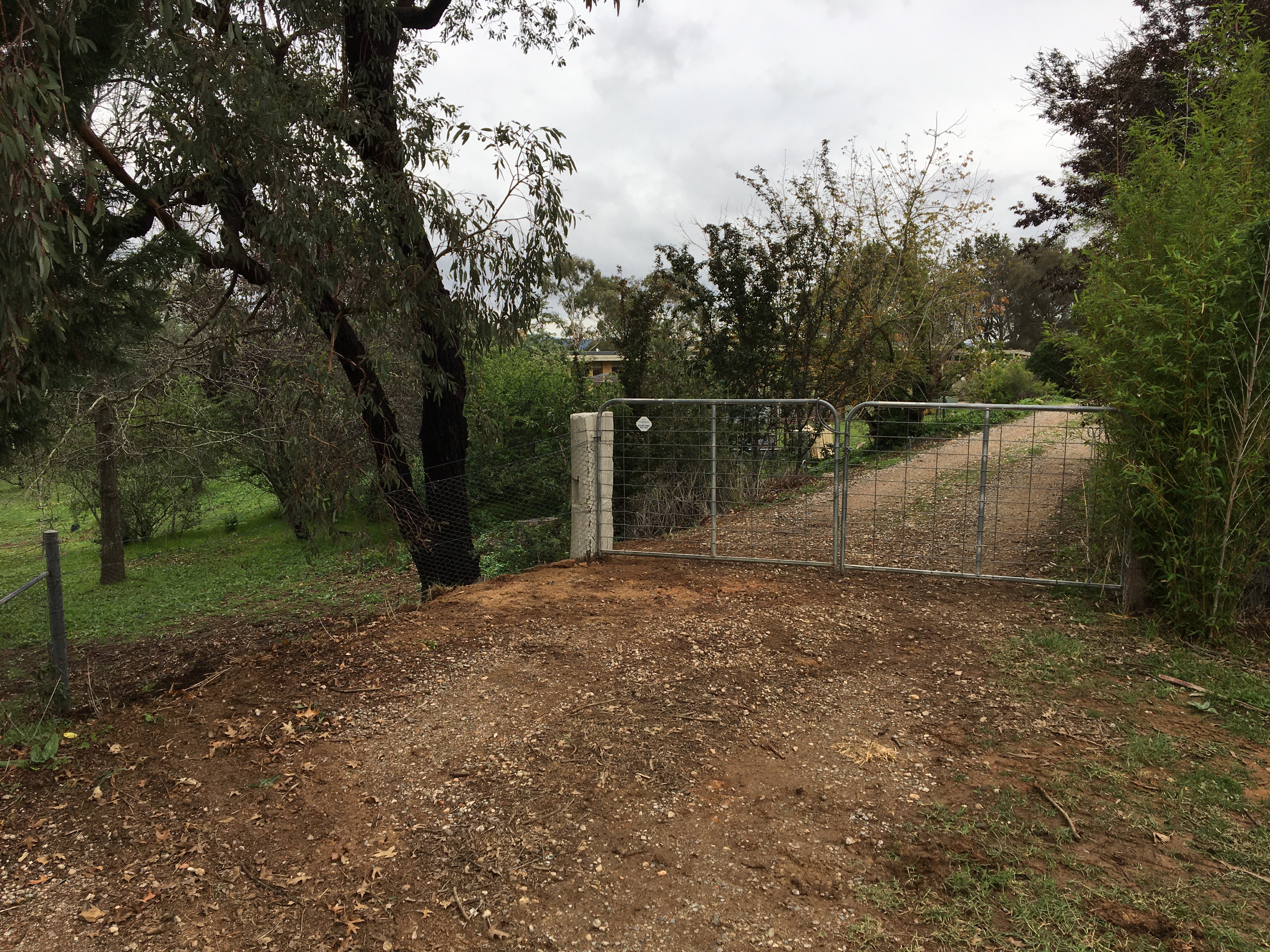
I tackled another job that only became important after using our neighbour’s horses as lawn mowers.  Our garden gate was in a sorry state and had fallen off its hinges.  More correctly, the hinges had fallen out of the rotten post.  The original post had sometime in the past assumed a lean, and a stop gap solution installed by owner previous was to simply put another post in the ground beside it.  The ‘new post’ had rotted completely out, so I dug out both posts and re-installed the original post back where it was originally.  The tractor saved my back lifting the heavy post.


After tidying up the fence – really hard to see in the photo below – it was nice to have a pair of gates that swing again.

img_6746

The boys have remained committed to their school work – but on the weekends we get a couple of hours of ‘farm work’ out of them.  Last weekend they were keen to get on the tools just after breakfast.  I am not sure if they love doing it,  or the reward of quid pro quo X-box time is worth it, but I’ll take any help I get.  It is good outside work that surprisingly I don’t find a chore, and it seems with tunes blasting from a portable speaker, neither do they.

Whilst the battle against the weeds is one I fear we may never get completely on top of, it is great to see some of the grasses in good condition and setting seed.  I am also really happy with the large number of earthworms we are finding in the bottom paddock.  I believe this paddock has been heavily sprayed for weed control in the past, and the earthworms are a sign that the soil is healing.


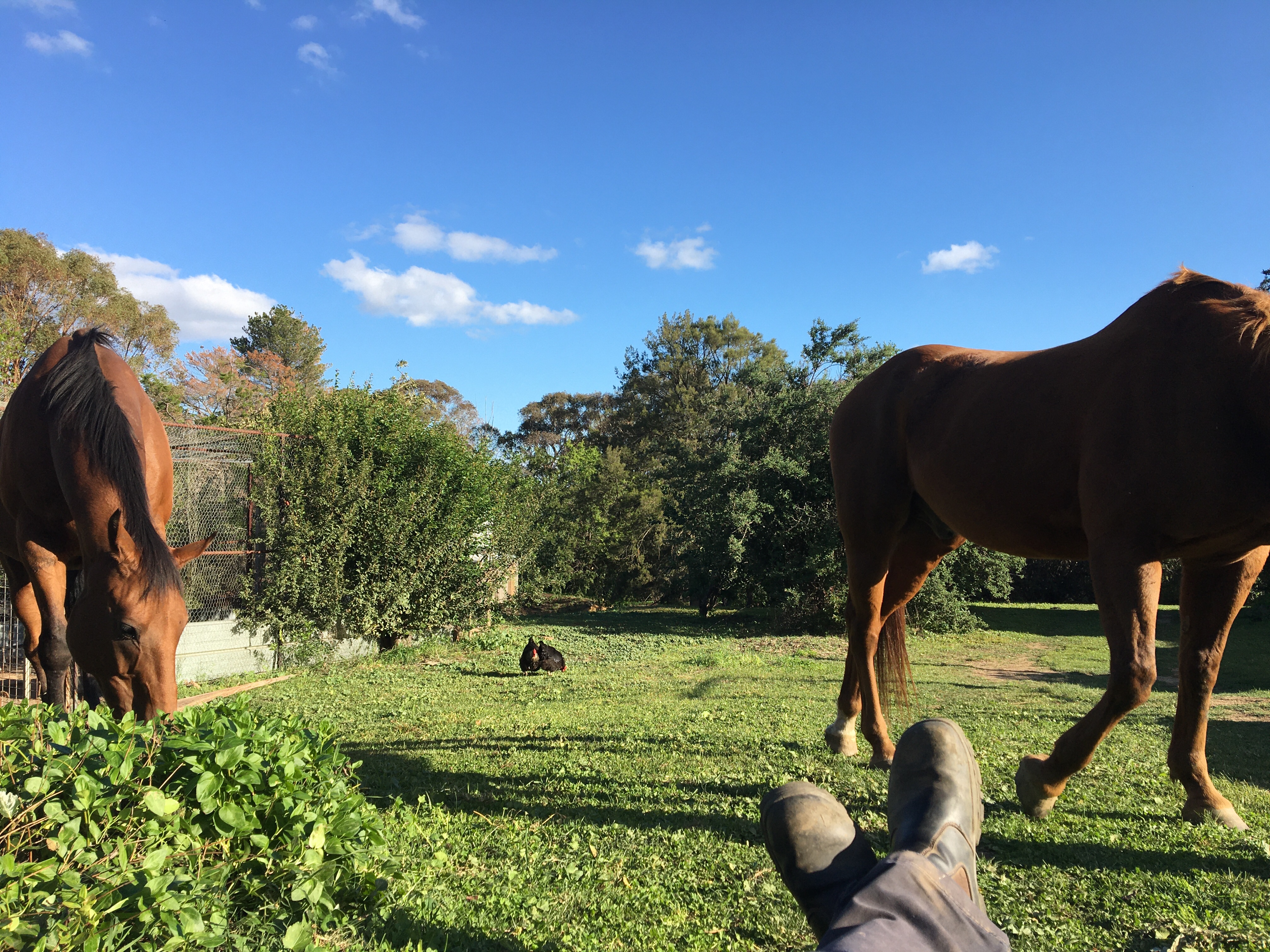
The good news is that the cattle are now relishing the experience of eating long grass – and are putting on condition before winter.  The lawnmowers managed to get ontop of the garden grass, so I even put them down there with the cows for a special treat.  Whilst Mater has spent a good deal of his life working cattle, our cows have never shared a paddock with a horse before and were most curious at their new paddock mate.

img_6738

I hope the warm weather stays around for a little longer.  The first frost will slow the grass grown rates significantly, but for now, we are getting a nice reserve to get us through the next month or two.  It is now time to service the chainsaw, replace the wood splitter handle and get ready for the winter jobs.

Isolation on the Rock Farm

Along with the rest of the Australia, we are in virtual lock-down on the Rock Farm.  I was hoping that it would mean we could all spend some time working on the farm, but sadly the not-so-little helpers are now fully entrenched in online learning, and are expected to be online during school hours.  It is testing not only our wireless internet capacity, but also our patience as there seems to be far more video chats going on than school work!

That said, we get a bonus hour in the morning and in the afternoon together that we wouldn’t normally get – and the cancellation of sport means we are able to spend our evenings going for walks around the farm.  It has been a wonderful opportunity for our family to reconnect, check on our elderly friends in our community, and support our local businesses as best as we can.  Our small rural community has really banded together, and our faith in humanity remains strong.

We are extremely aware how fortunate we are on the Rock Farm.  My last post was on the transformation after our first decent rain in a very long time.  It would appear that just as rust on steel ships never sleeps, weeds don’t sleep either. Among our clover and cocksfoot grass, we also have a large number of weeds competing for sunlight and moisture.

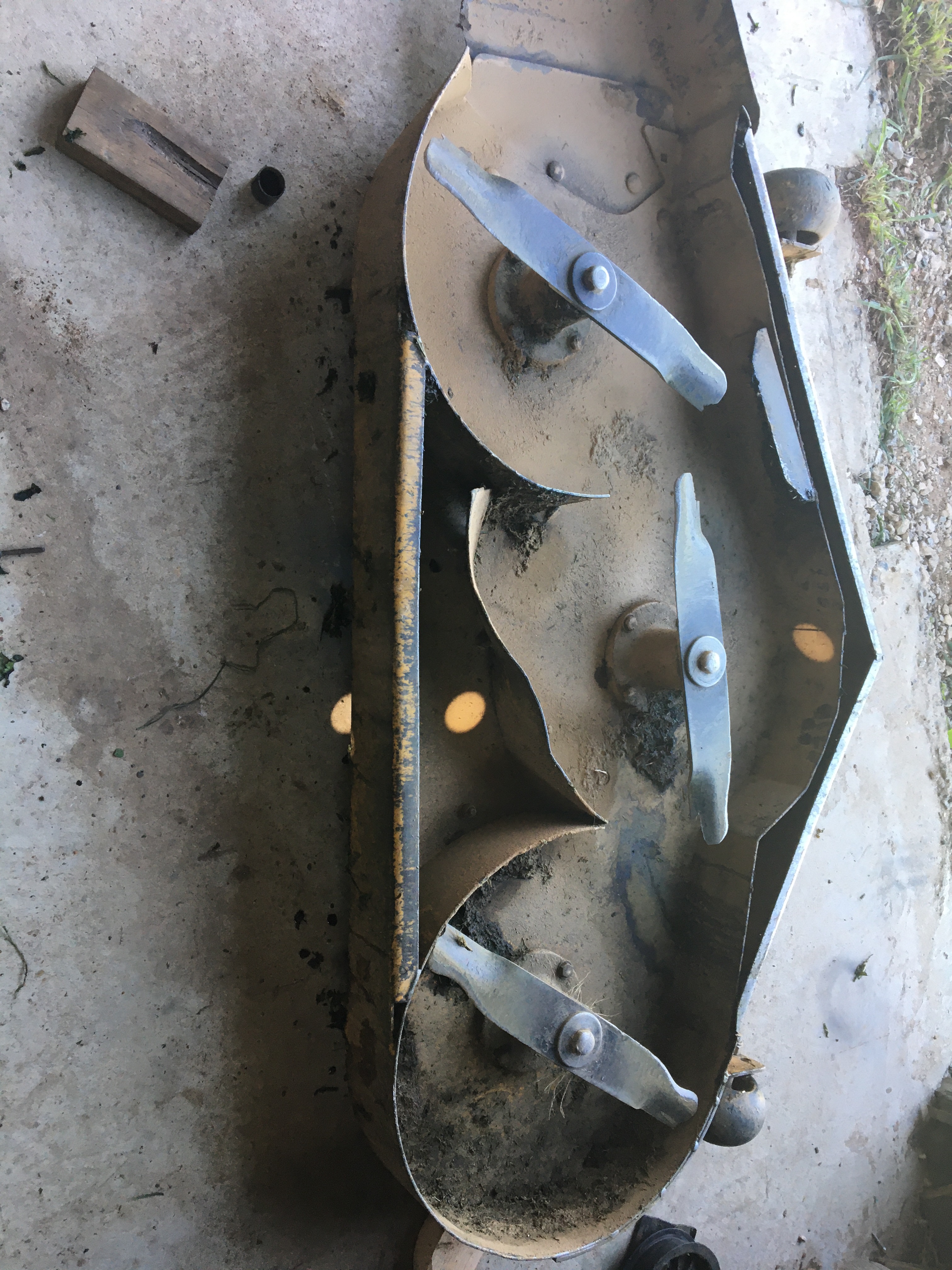
I brought the mower out of retirement and started slashing the worst of the weeds in a couple of the small paddocks with the hope of giving the existing grass a chance to compete and stop the weeds setting seed. The calves were most amused, however I was frustrated.  The mower was doing a terrible job.  It was only after checking out the deck that I realised how bad the blades were, and even worse, the centre guide was completely mangled and bent out of shape.

img_6646

Thankfully the fix was relatively simple – brute force and a bit of work with the welder had the guide back into place.  Some work with the grinder on the blades (including balancing on a screwdriver) and the blades were pressed back into service for another season.  The end result was a much cleaner cut – nice to have a win.

Unfortunately slashing weeds only does so much.  I have spent a fair few hours over the past few days with the chipper cutting out thistles, or the knapsack spot spraying sweet briar.  I have managed to convince Jo to help me with the cause, but for now the boys have always seemed to be busy with urgent homework….

It is good exercise – and on glorious autumn days, it is hardly a chore.  Especially when so many people are stuck inside.  It is pretty easy for me to clock up 25 000 steps or more during the day at the moment.

One good thing about walking around the place is you get a really good understanding of where moisture sits and changes the grasses that grow.  It is also readily apparent how much of a difference my rip lines have made on the slopes.

It is a really good indication that the rip lines along the contour are beneficial to the soil moisture levels and are increasing the ground-cover locally.  We are aiming for one hundred percent ground cover, one hundred percent of the time.  And I think the rip lines will help us achieve it.  Wandering around and seeing the results inspired me to make the most of the softer soil and continue the procedure.

The back paddock is the poorest of our property – similar to the original Rock Farm with Ordovician Shale as its bedrock.  Whilst the paddock has magnificent views, the result is slopes that cause moisture and nutrients to wash away.  I spent a few hours after night shifts ripping along the contours – and I can’t wait for it to rain and start making a difference.

This paddock has far too much bare soil and native tussocks, with patches of clover growing where moisture settles.  The observant of you will also have noticed plenty of scattered serrated tussock.  I hope that by increasing the soil moisture, I will increase the ground cover and protect the remaining soil.  The serrated tussock is next on the hit list.

img_6698

On the domestic front, the grass continues to grow in the garden as well.  The last thing I want to do after managing the paddocks is work on the grass in the garden.  It is a good thing I have recruited a couple of friends to work on that – and if you look closely you might see they have recruited a couple of chooks to help them out.

img_6705

There might be better places to be stuck in isolation – but this one will suit me just fine…

What a difference a day can make

Last Sunday night we were woken from our sleep by a strange noise reverberating around the house, and a sweet smell coming through the open windows.  It was the sound and smell of rain.  Lots of it.  It was such a glorious sound to hear, knowing that our tanks and dam would be filling with water, and we drifted back to sleep with smiles on our faces.

The next morning two things were apparent.  Firstly, we had received a wonderful 80mm or so of rain overnight, and secondly, the tickle in my throat and developed into a full blown cold.

So after feeding the cattle, I went back to lie on the couch and feel sorry for myself whilst Jo and the boy’s went for an explore around the property.

img_8603-1

The first thing the boys excitedly reported was that the driveway was cut.

There was water running everywhere, and it was great to see where I had taken time to rip lines in the paddock, the water seemed to be soaking into the ground.  The rip lines looked to be more effective on the slopes than the flats, and I will be putting more effort into ripping these areas than ever before.

By lunchtime the water had receded and the crossing reopened – much to the boy’s disappointment.

The most striking difference was in our large dam, which you may have remembered in my last post was less than 30cm deep across its entire area.  It had received a huge body of water overnight – with at least a third of it coming through our garden.

The change has been remarkable – with a green tinge almost overnight.  The grass needs follow up rain for all the seed that has germinated to mature and set its own seed.  The storm may have filled the dams and the tanks – but it hasn’t broken the drought.  If anything, we are feeding the cattle more now the rain has fallen, as what little quality  remained in the dry stubble has now gone.

Since time began, our area has experienced dry conditions, and the old timers know that a storm or two isn’t enough to ‘break the drought’.  Our region still very much is sitting in the balance – but we were thrilled with our first real rain in over 12 months.

Nearly 50 years ago, a local historian Errol Lea-Scarlett wrote a wonderful history of our local area.  I was recently reading his work and was struck at how some things really haven’t changed.  Errol was describing the disastrous floods that struck our valley in 1870, 1894 and 1899.  These floods happened during periods of drought.

These occurrences served only to prove the fact that in coastal Australia a drought is not so much a time of no rainfall as a time when unusual climatic and environmental factors combine to make rainfall useless or even positively destructive…..  In March 1897 farmers began to cut down willows for stock feed.  The summer of 1897-1898 brought the first big plague of grasshoppers.  They could do little to worsen the condition of the empty pastures, yet where the insects came to rest and died in the little greenery remaining near Lake George the stinking piles of their carcasses, sometime two feet high, were so offensive that cattle were driven from the water.

This rainfall has been extremely useful.  It filled our dams, at a time when we were seriously considering getting rid of all stock.  It has given hope that perhaps we will get some autumn growth and whilst we will reduce numbers over winter, I think we are in a better position than we were a week ago.

The only problem was that I was crook.  Proper crook.  Whilst part of me wanted to skip for joy, I really needed to get better.  I spent a couple of days in bed, and then when I thought I was past the worst of it,  I sat down for a few minutes on the couch and lost four hours.  When I finally returned to the land of the living I found someone had taken a cheeky photo of the hound and I.

img_6451-3

Thankfully I have emerged out the other side of my cold and it is great to feel human again, although I think Sapphire secretly enjoyed our little quiet time on the couch!  As I get about more, I’ll share more photos of the farm returning to life… and keep my fingers crossed we don’t get a plague of grasshoppers.