A busy spring – marking calves on the Rock Farm and a new boy arrives.

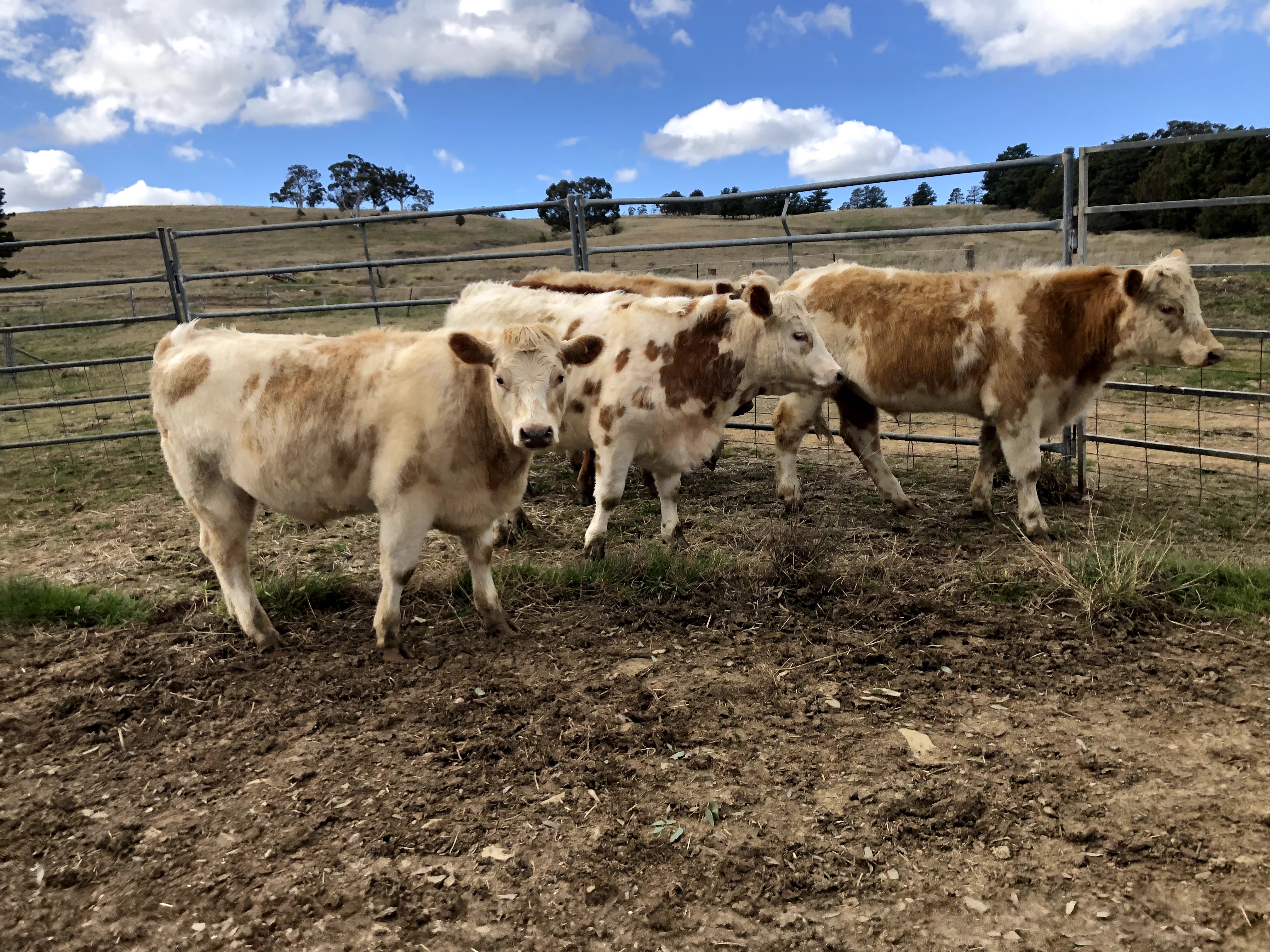
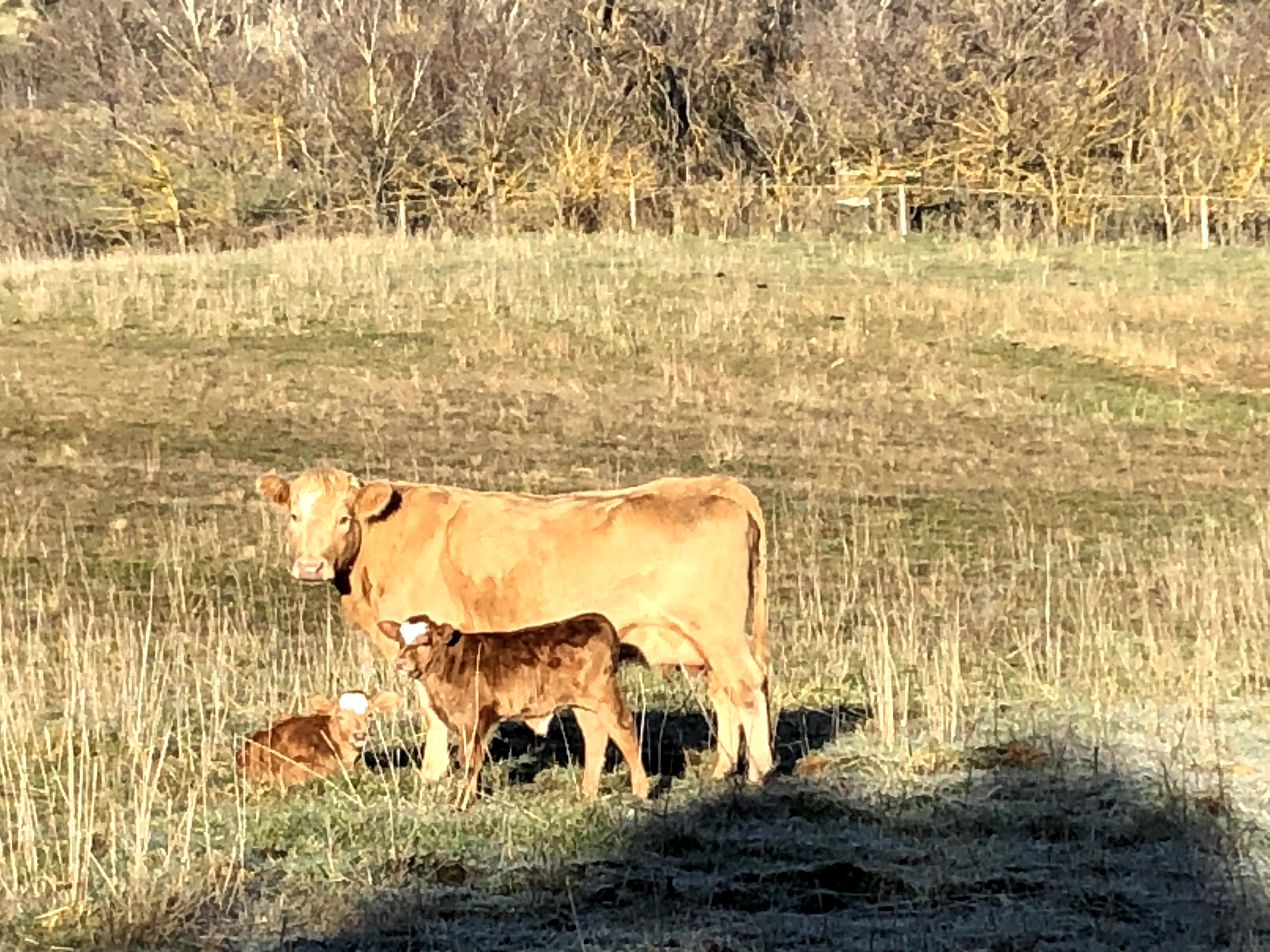
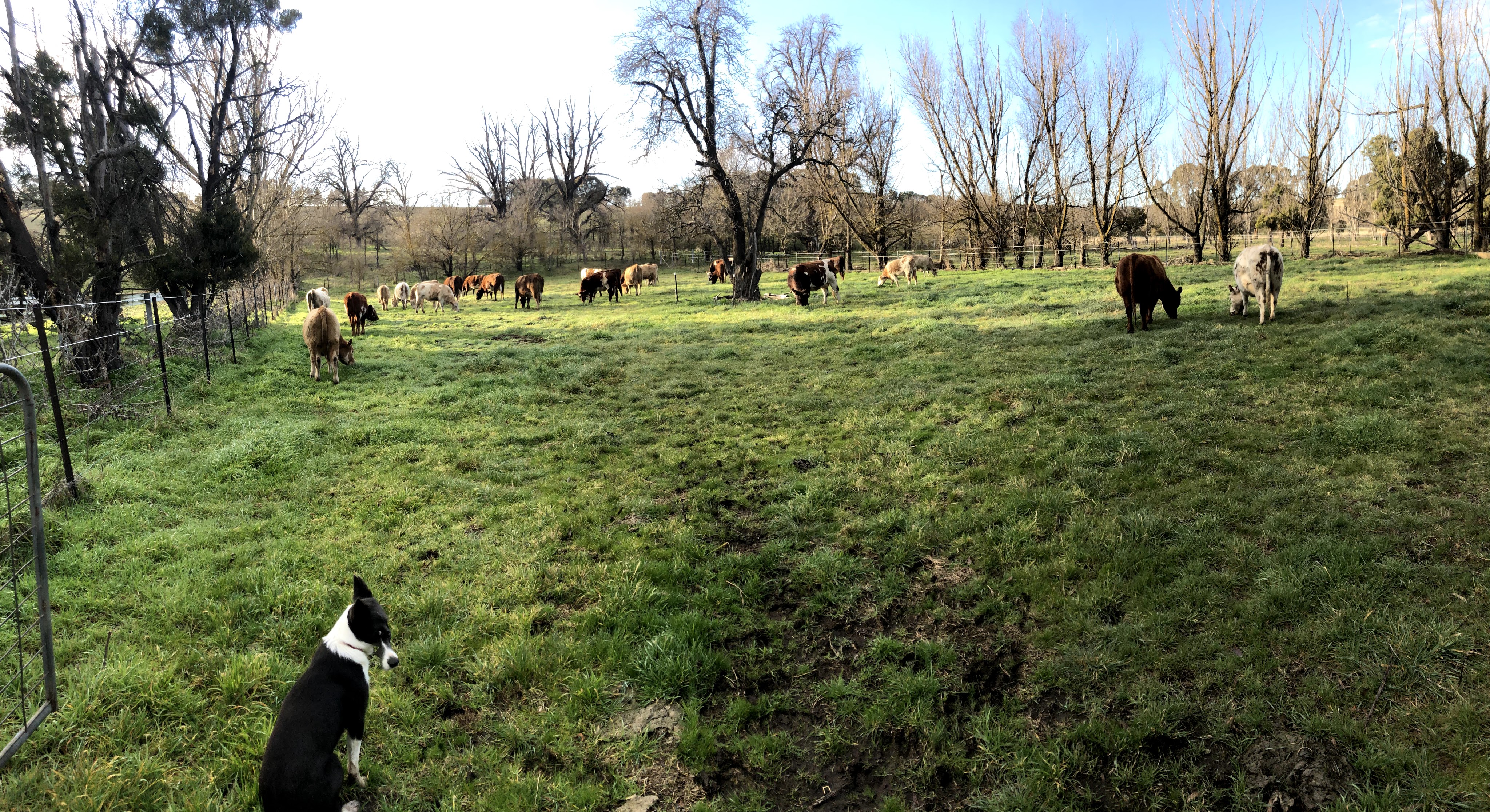
After helping Daisy give birth to Buttercup, the rest of the cows all delivered healthy calves – with the exception of Miss Steak. Miss Steak was on notice, having missed delivering what would have been her second calf last year. Whilst normal commercial operators might have culled her immediately, we were happy to give her a second chance. It seemed our faith was misplaced. Whilst Miss Steak was in rather rotund condition, she didn’t appear to be in calf.
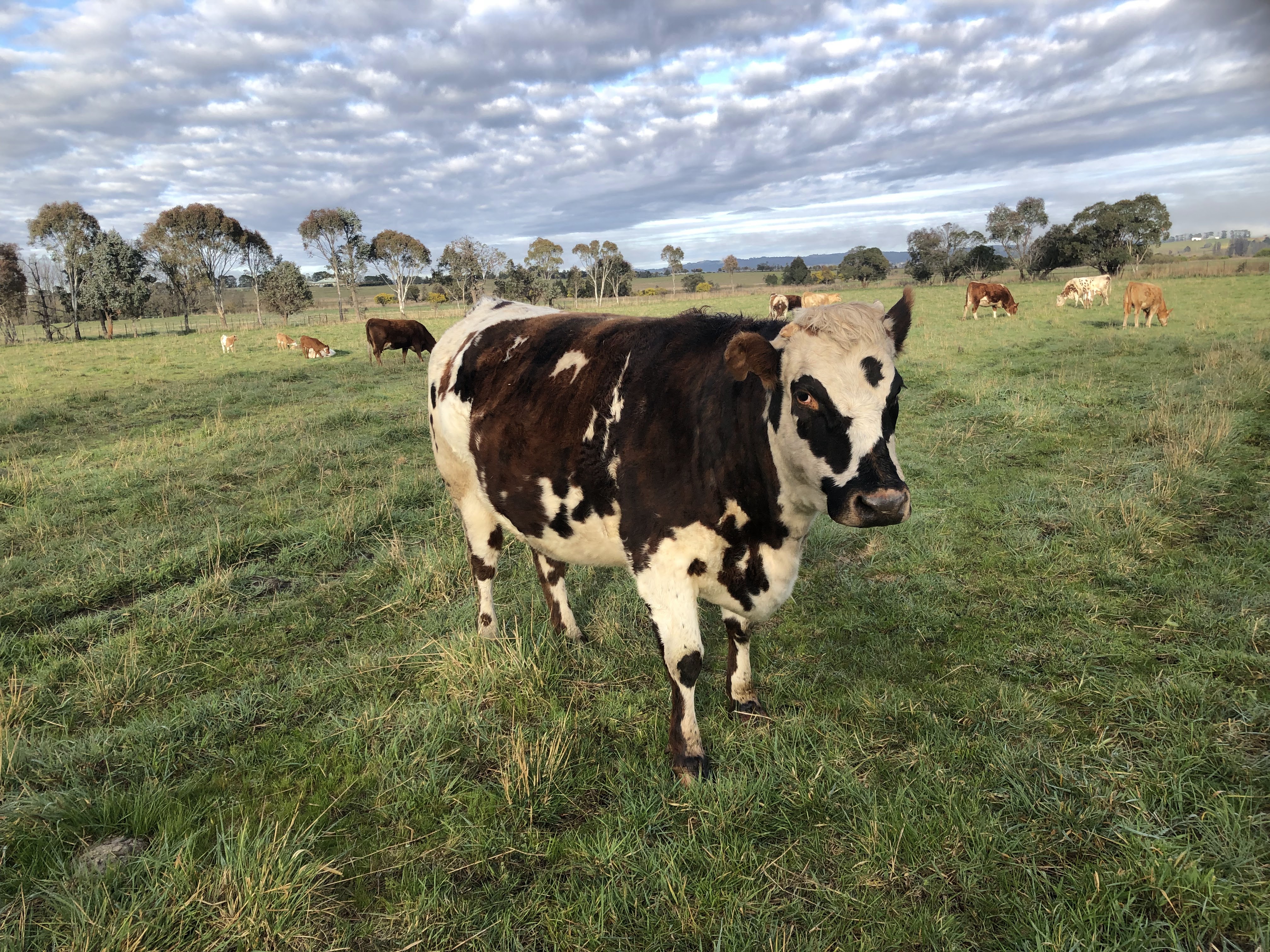
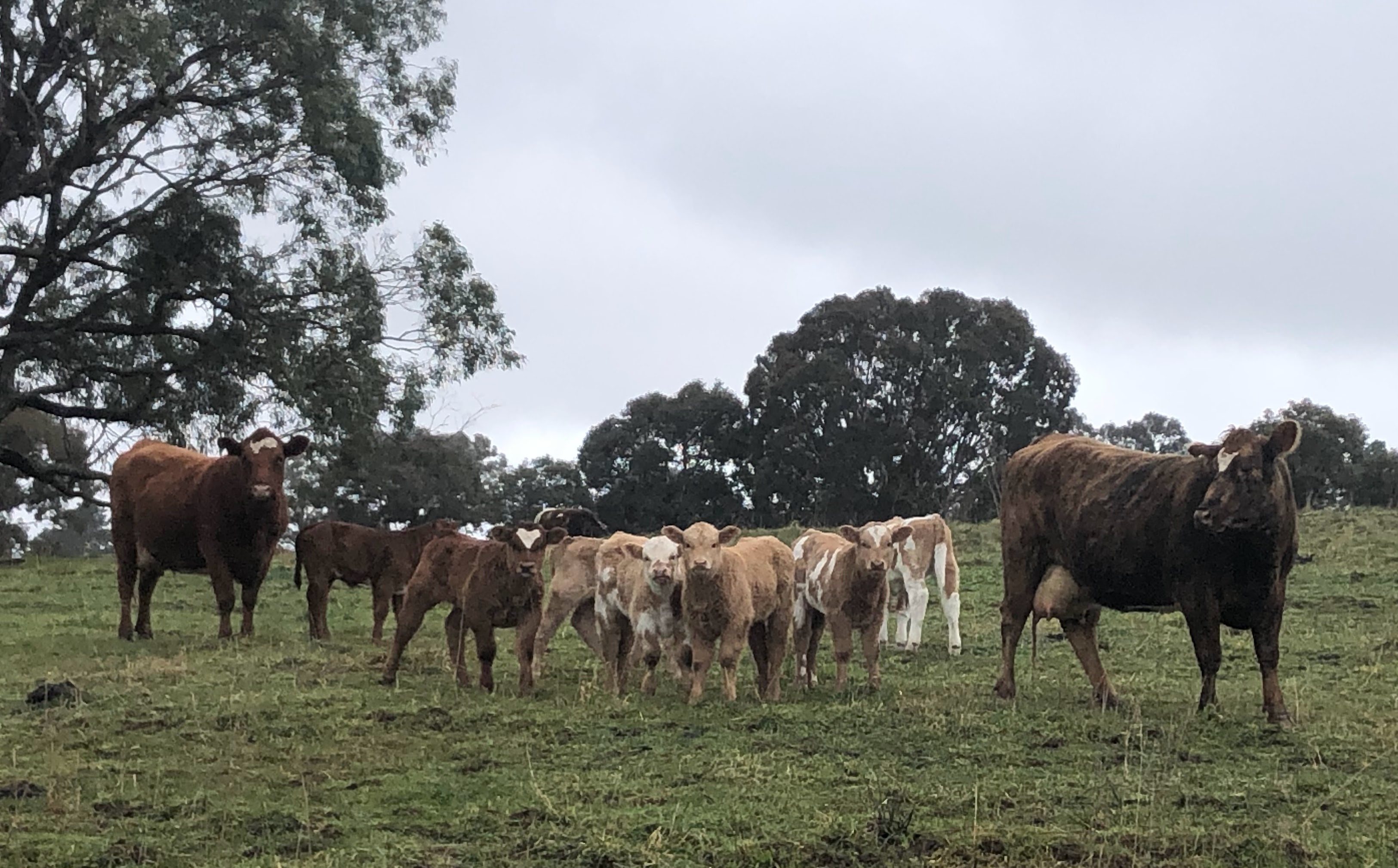
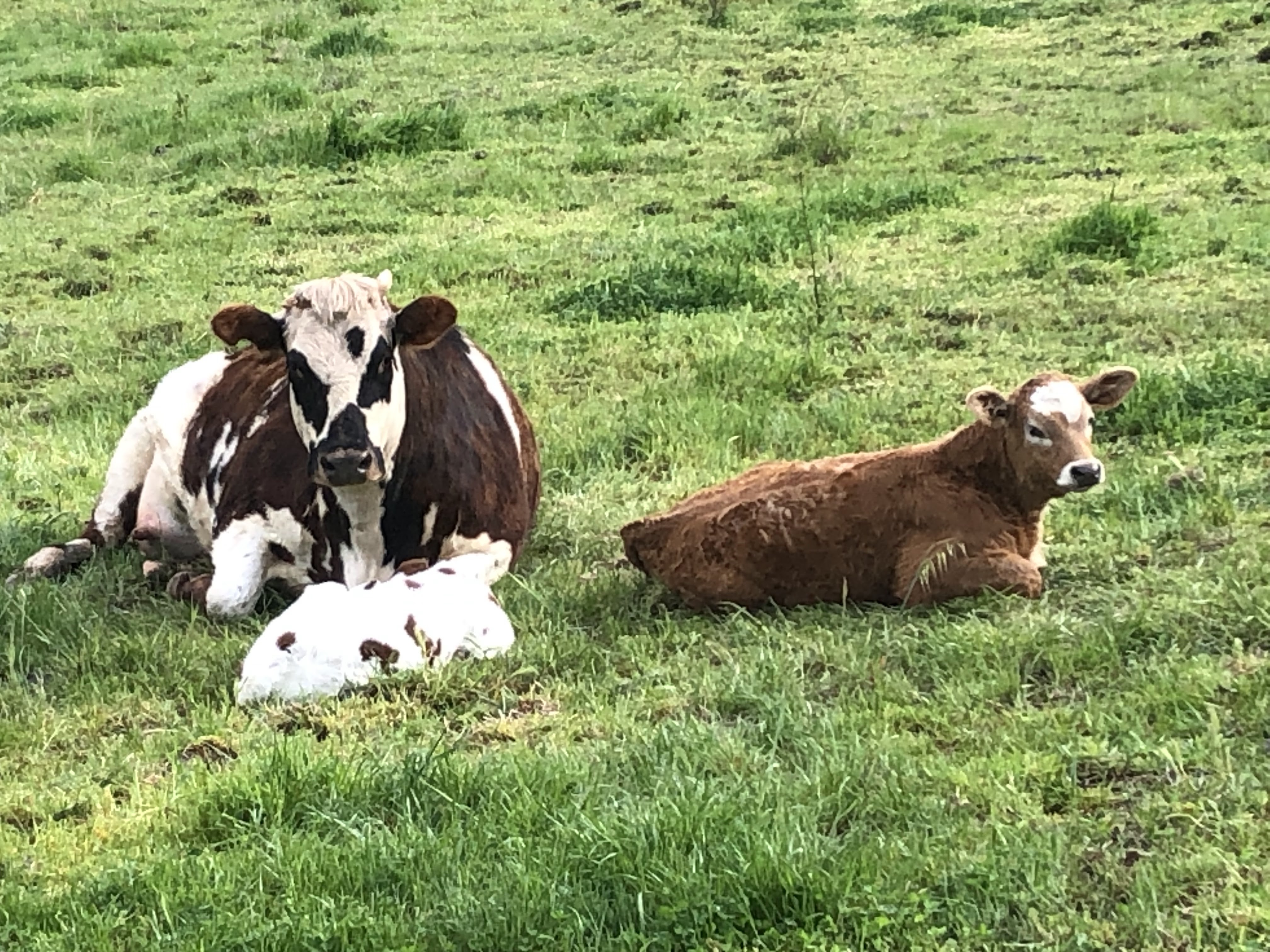
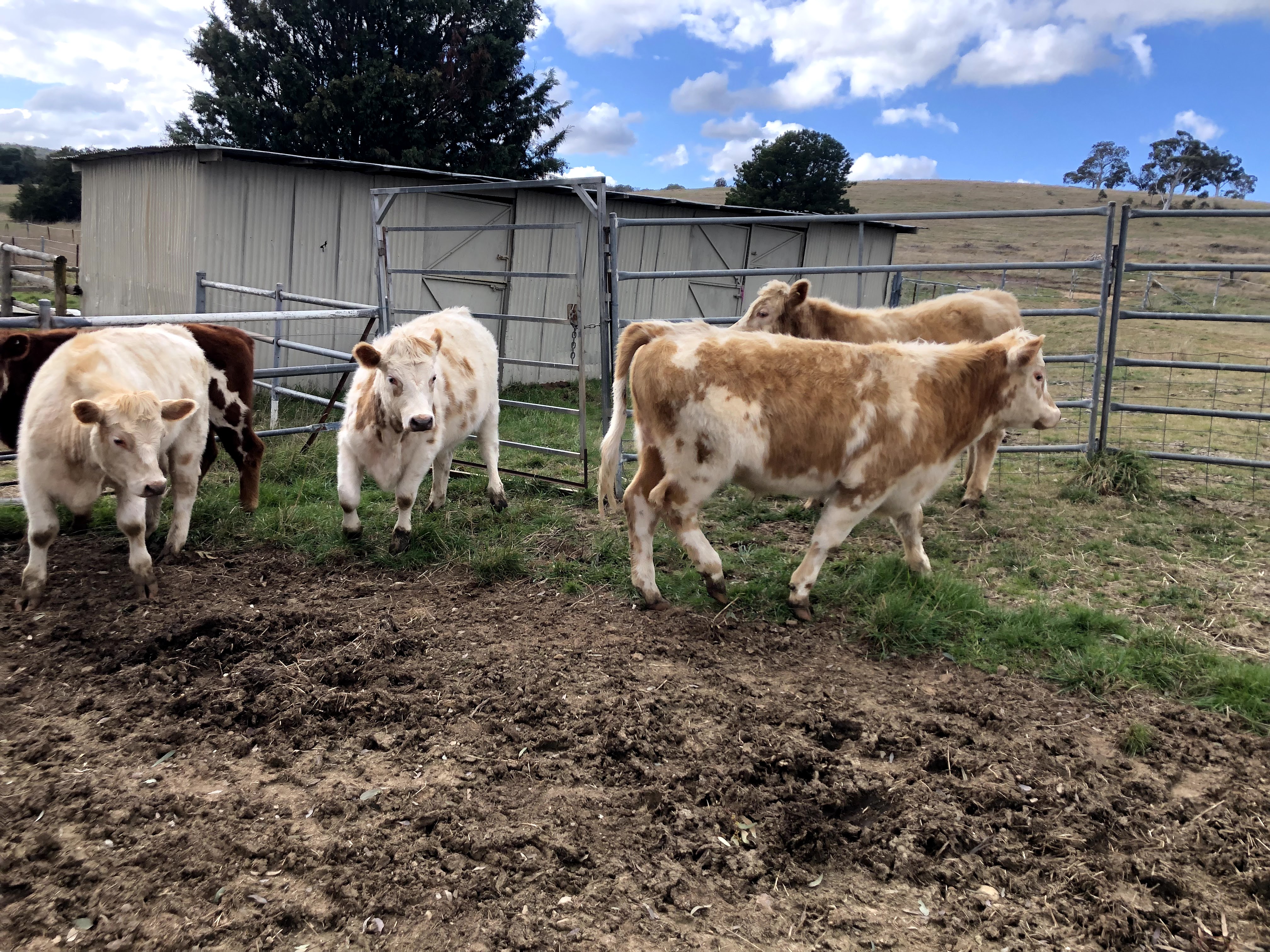
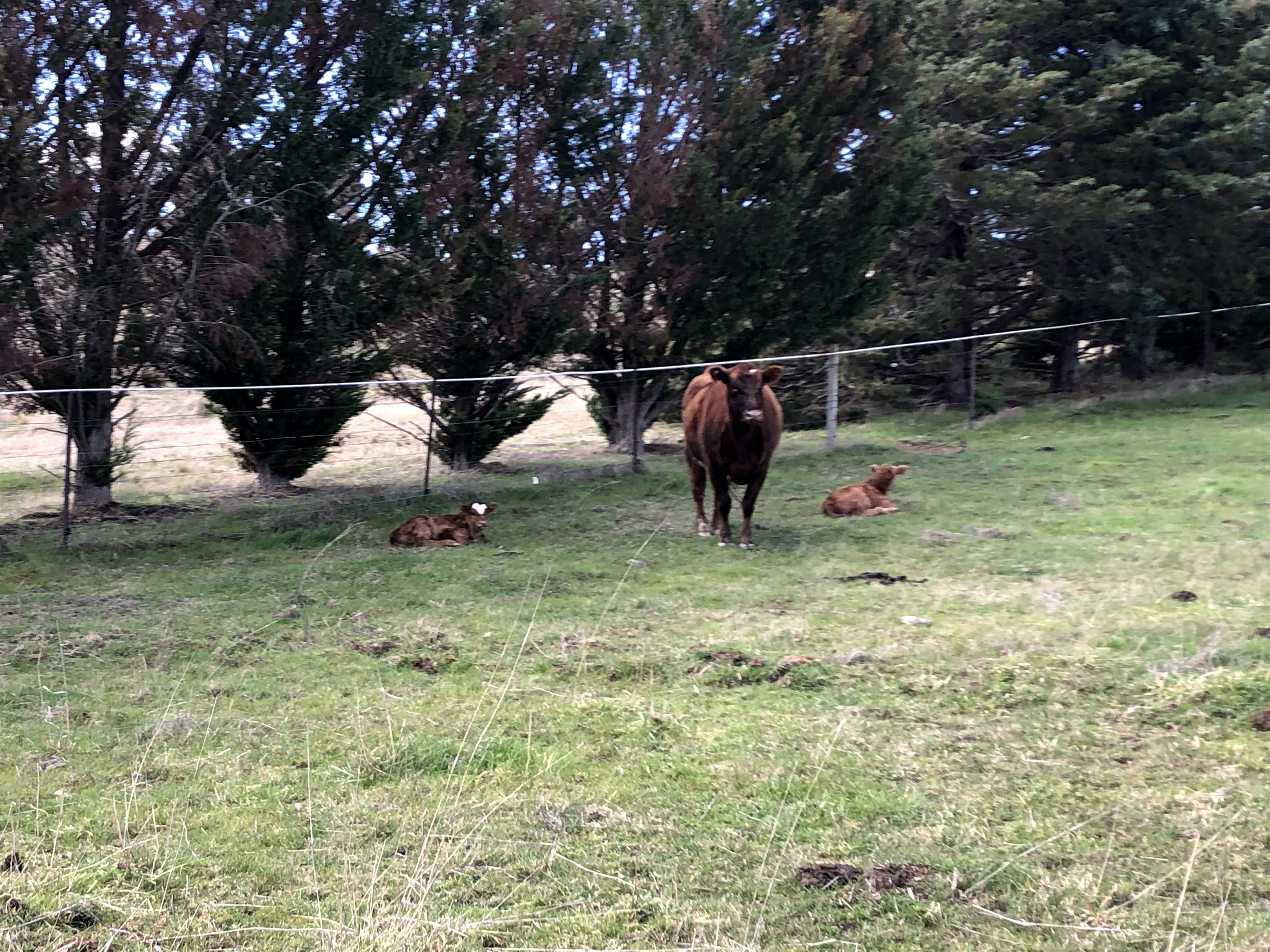
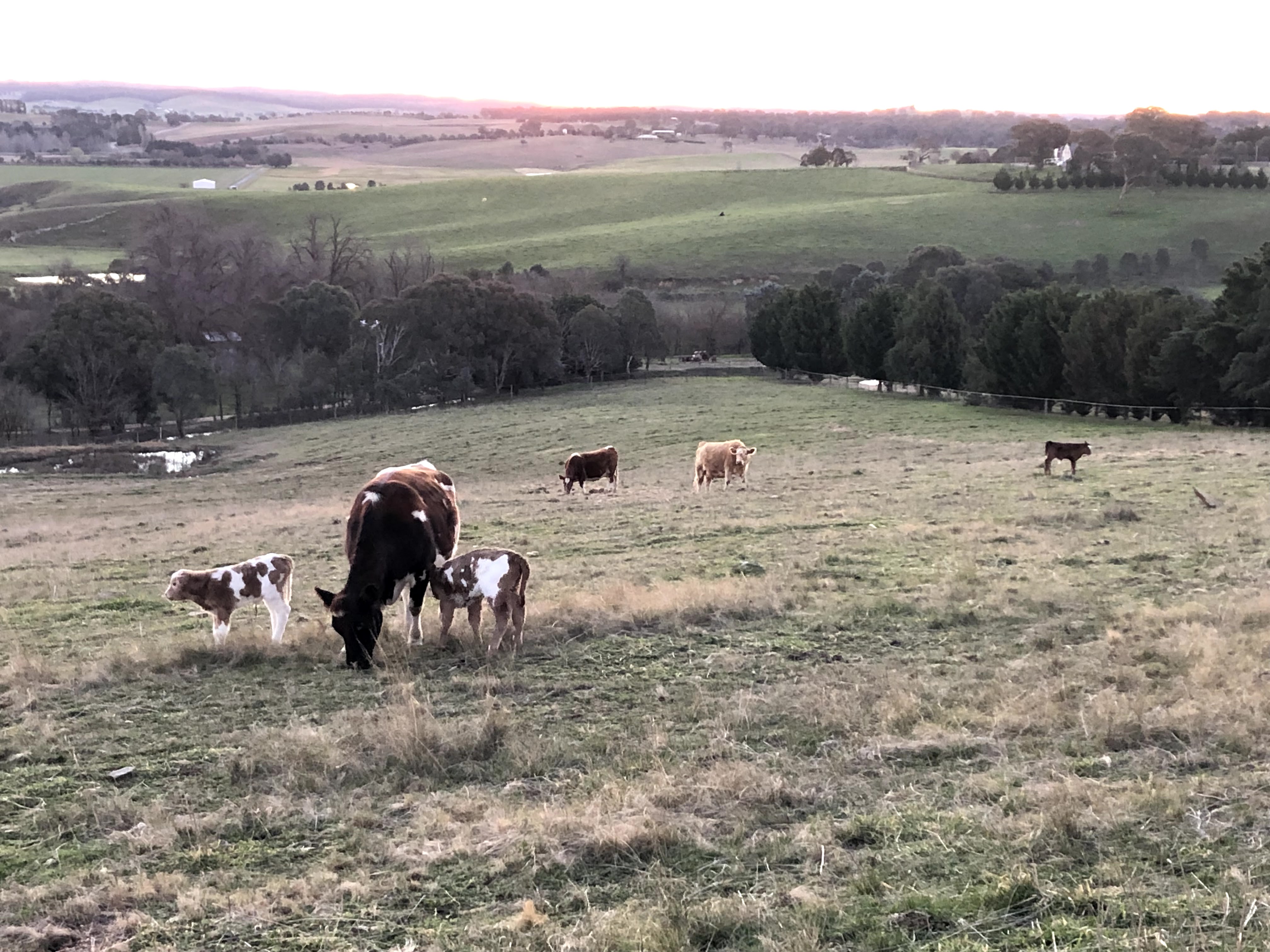
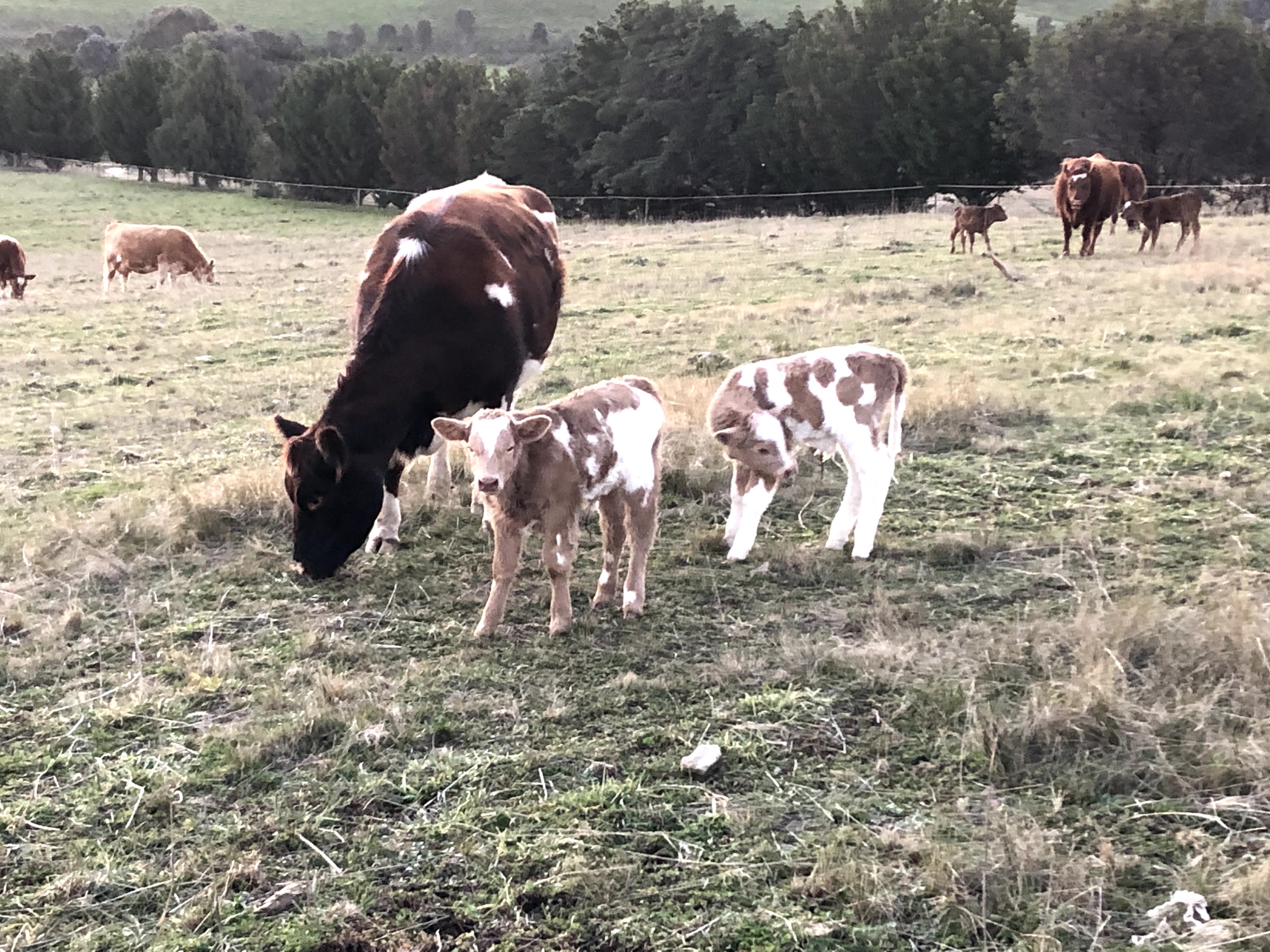
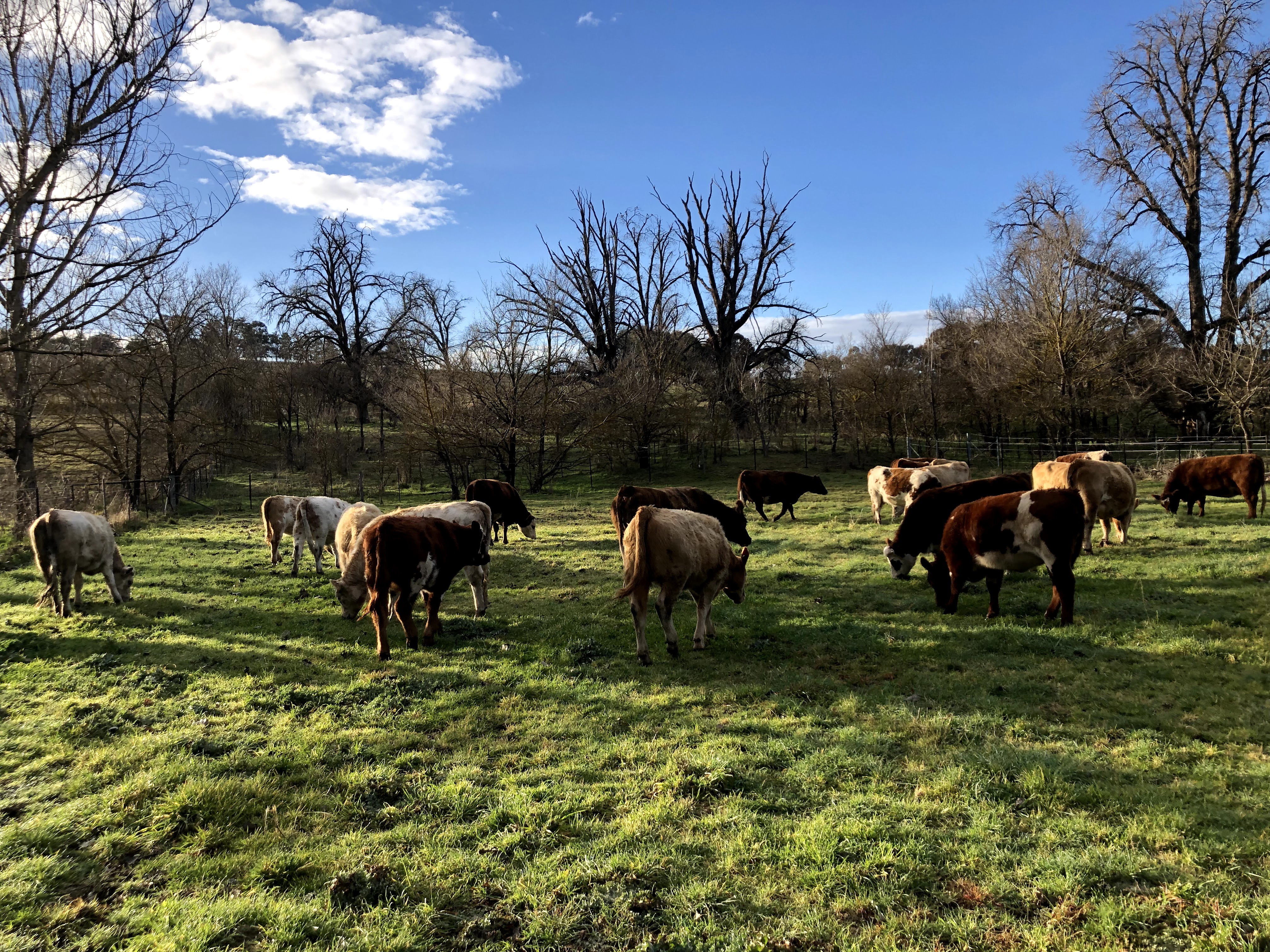
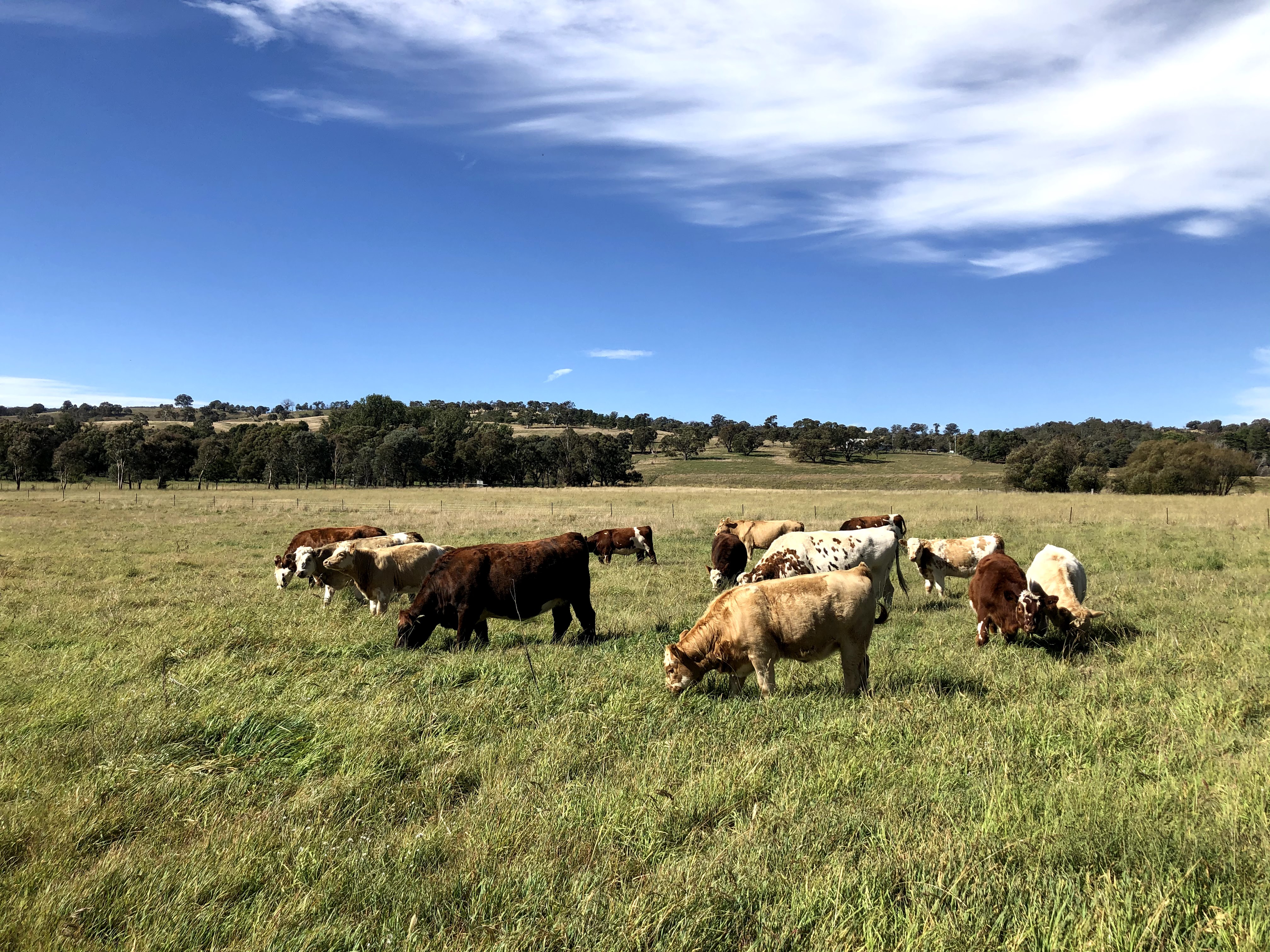
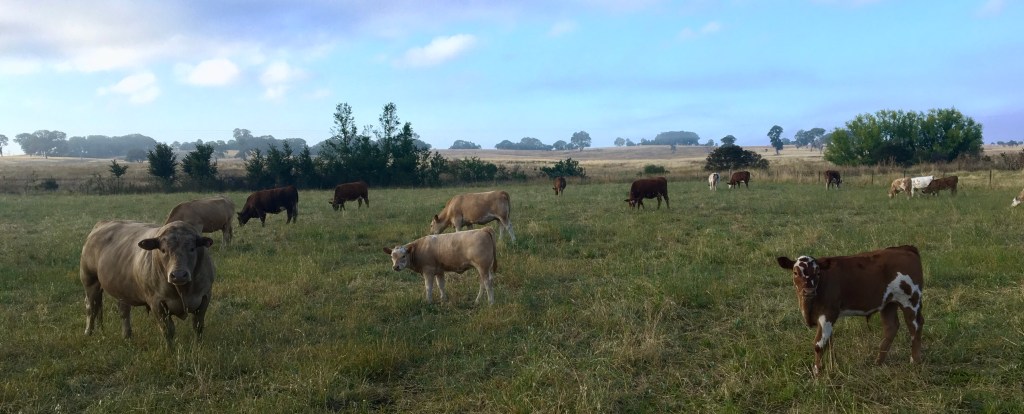
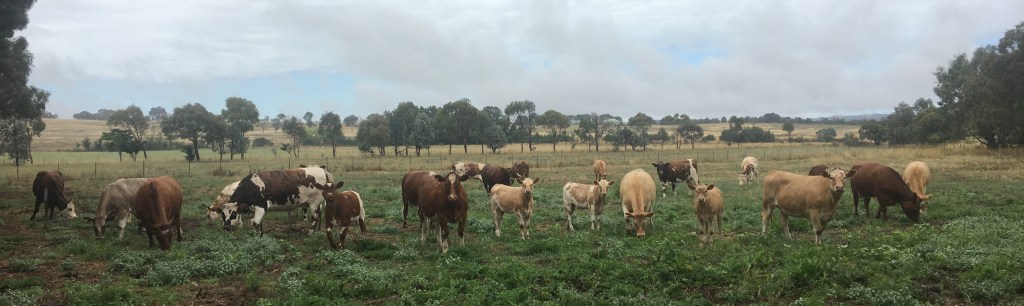
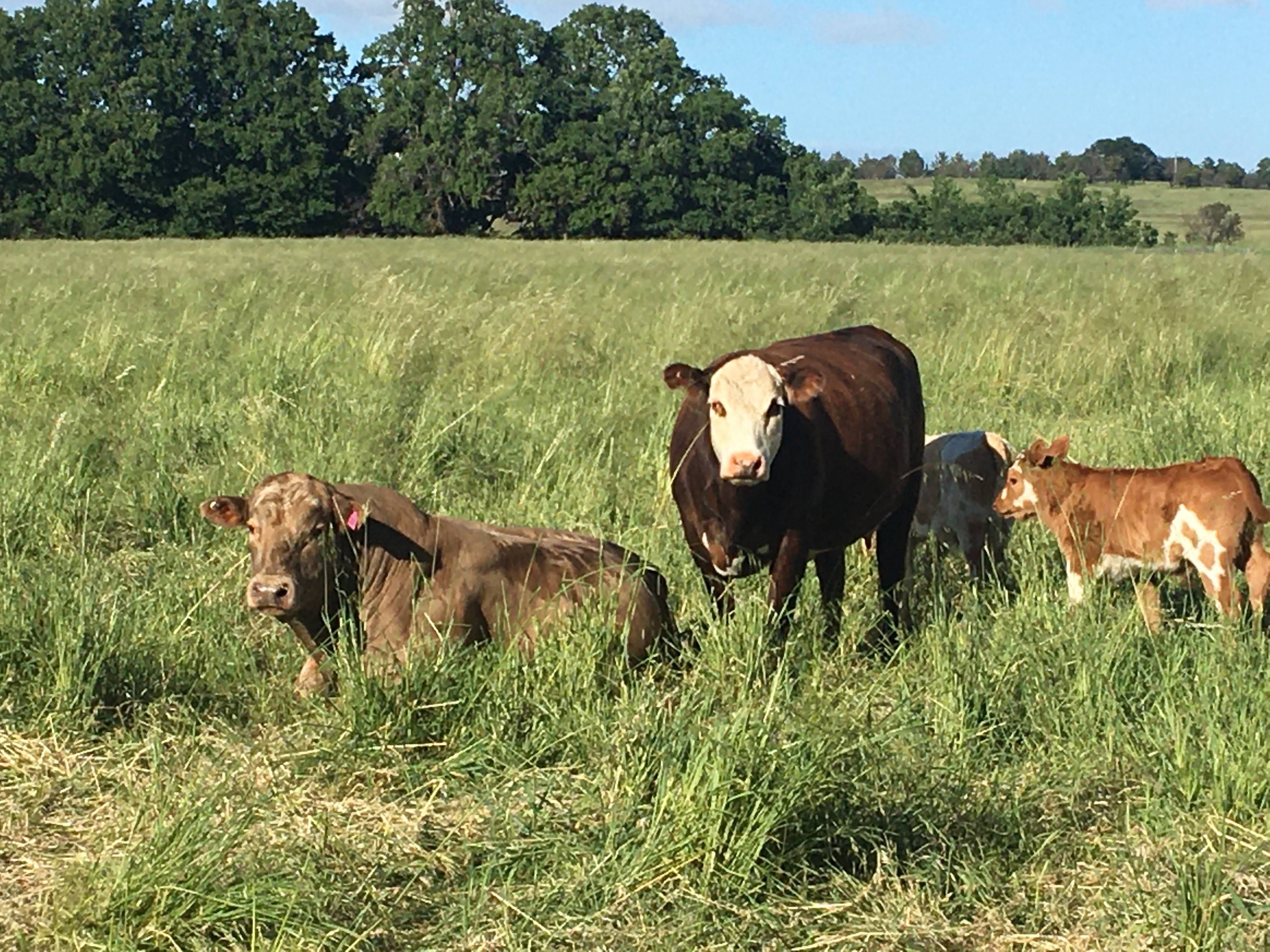
By the 5th of September we had 14 beautiful calves on the ground from the 14 other cows. The maths wasn’t quite that simple, with Uno loosing her calf, and Margurite having twins, but overall it was a pretty good result. After giving Miss Steak another week or so, we decided to mark the calves.

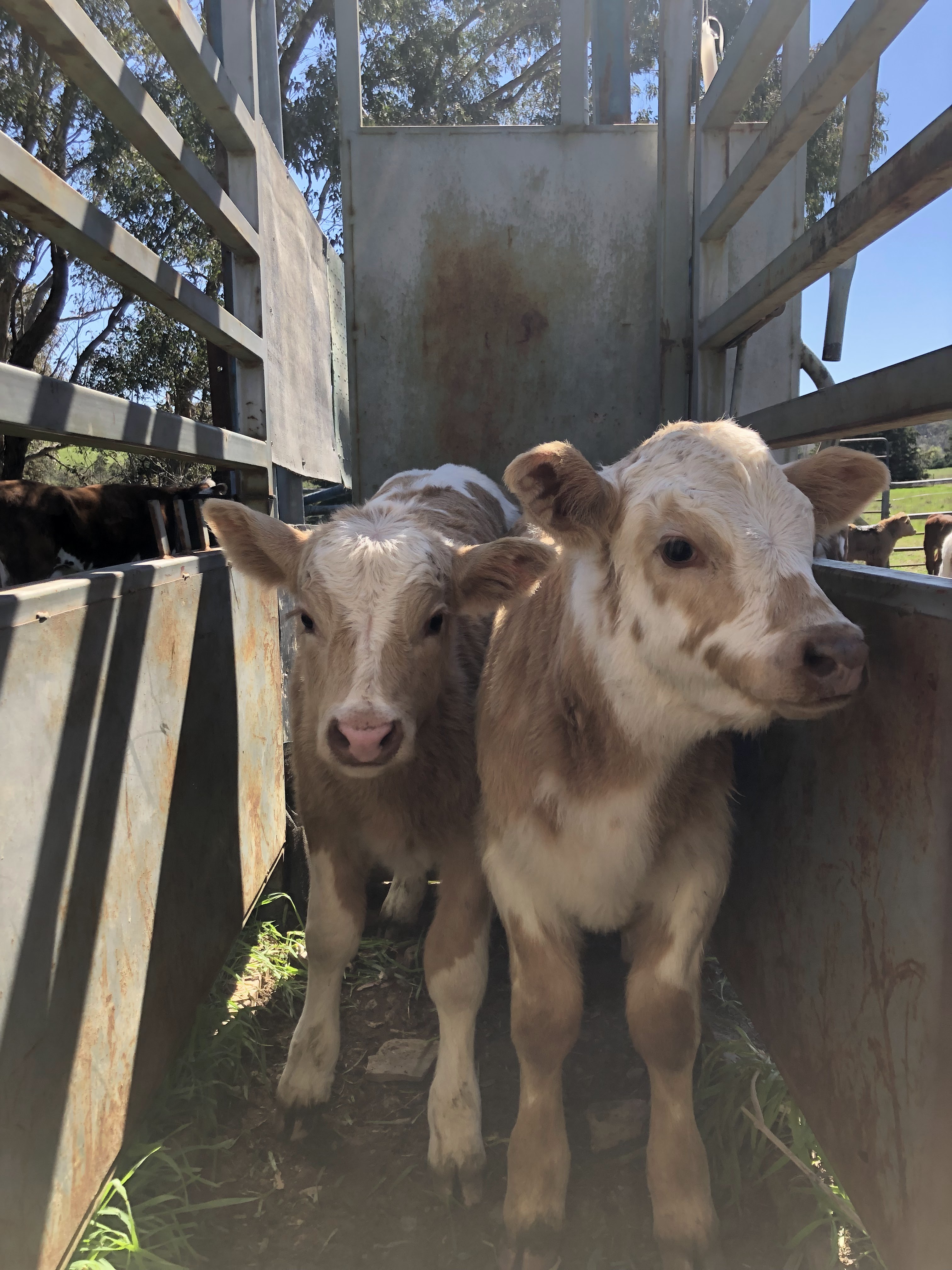
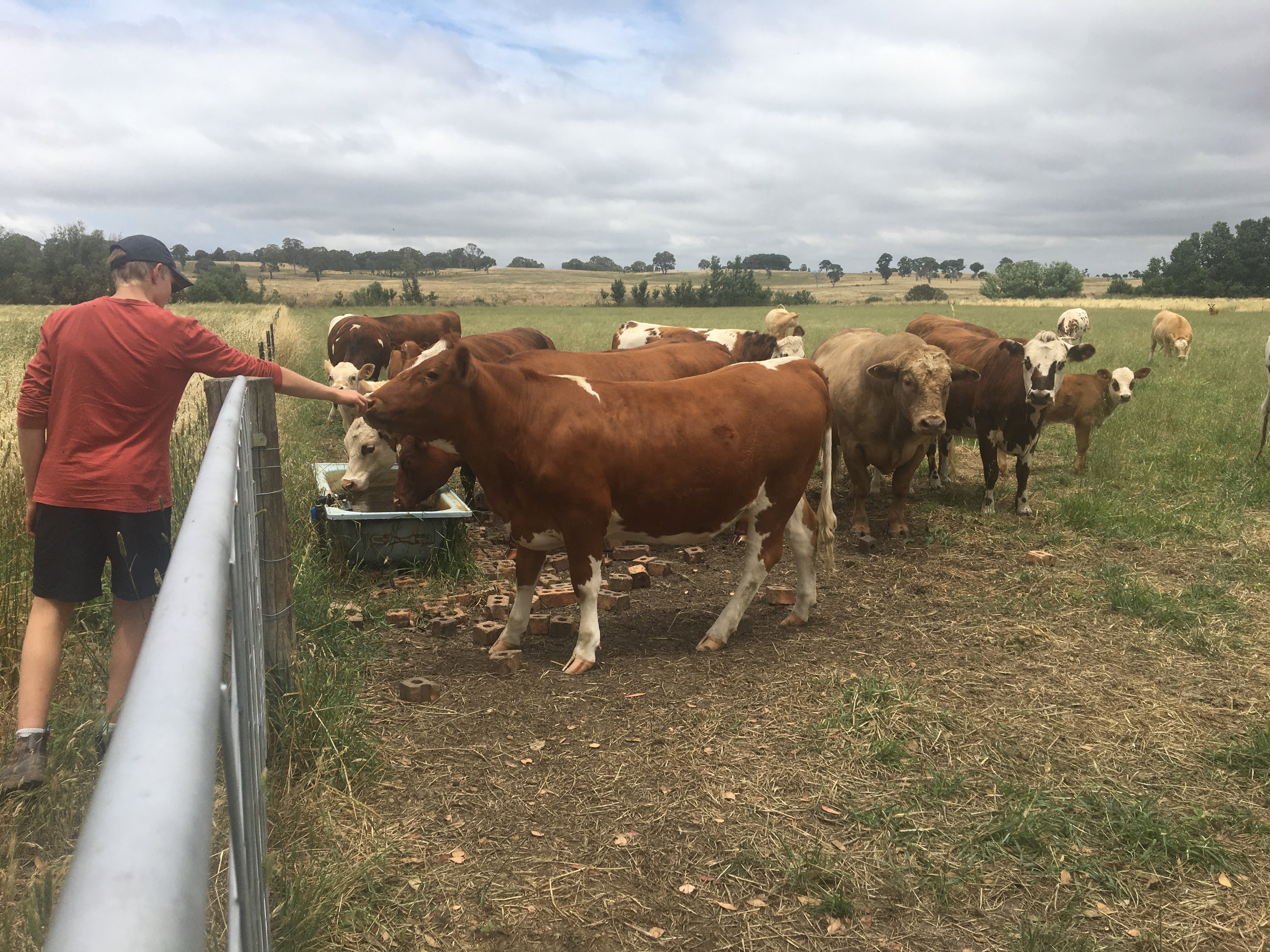
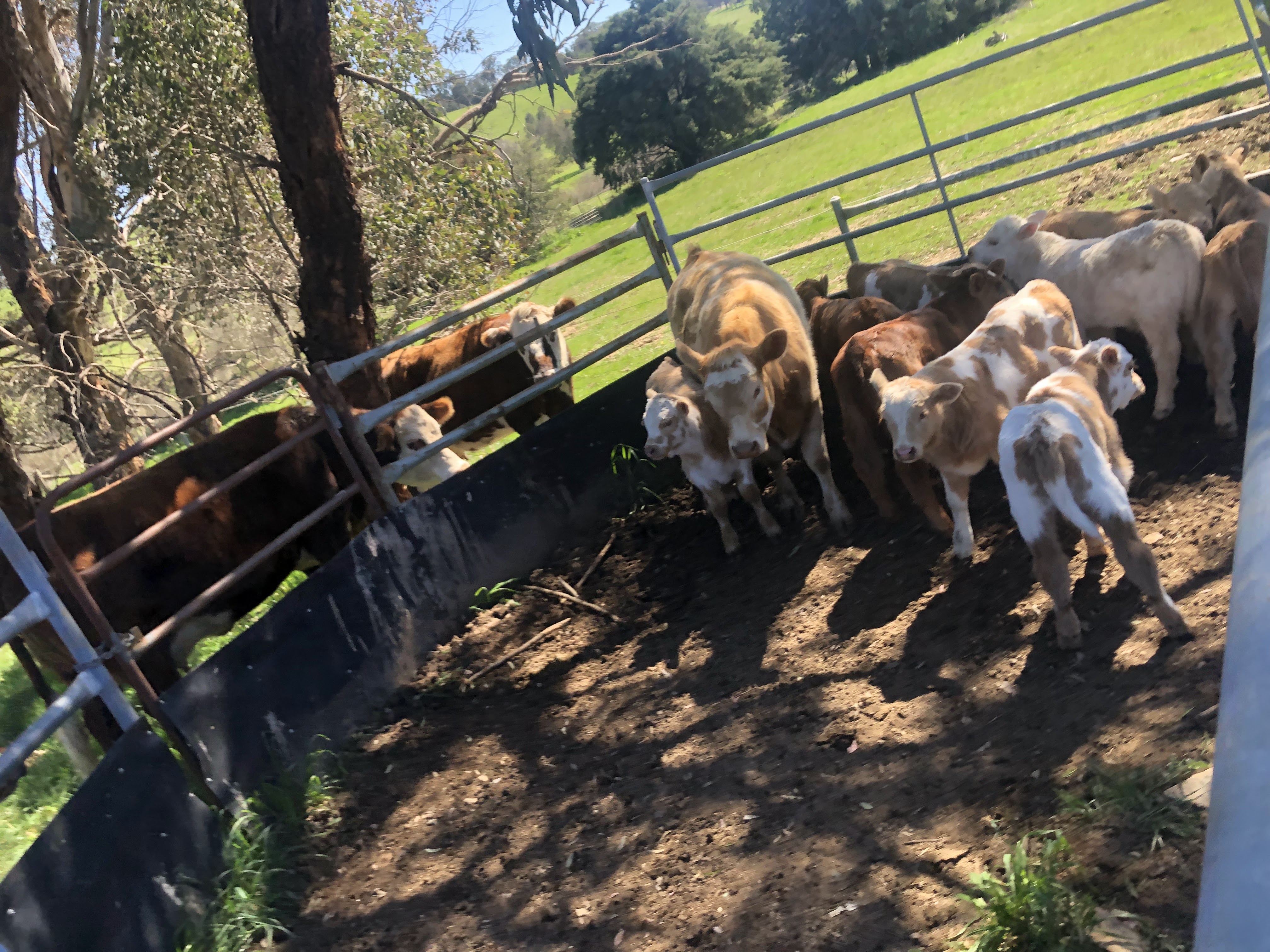
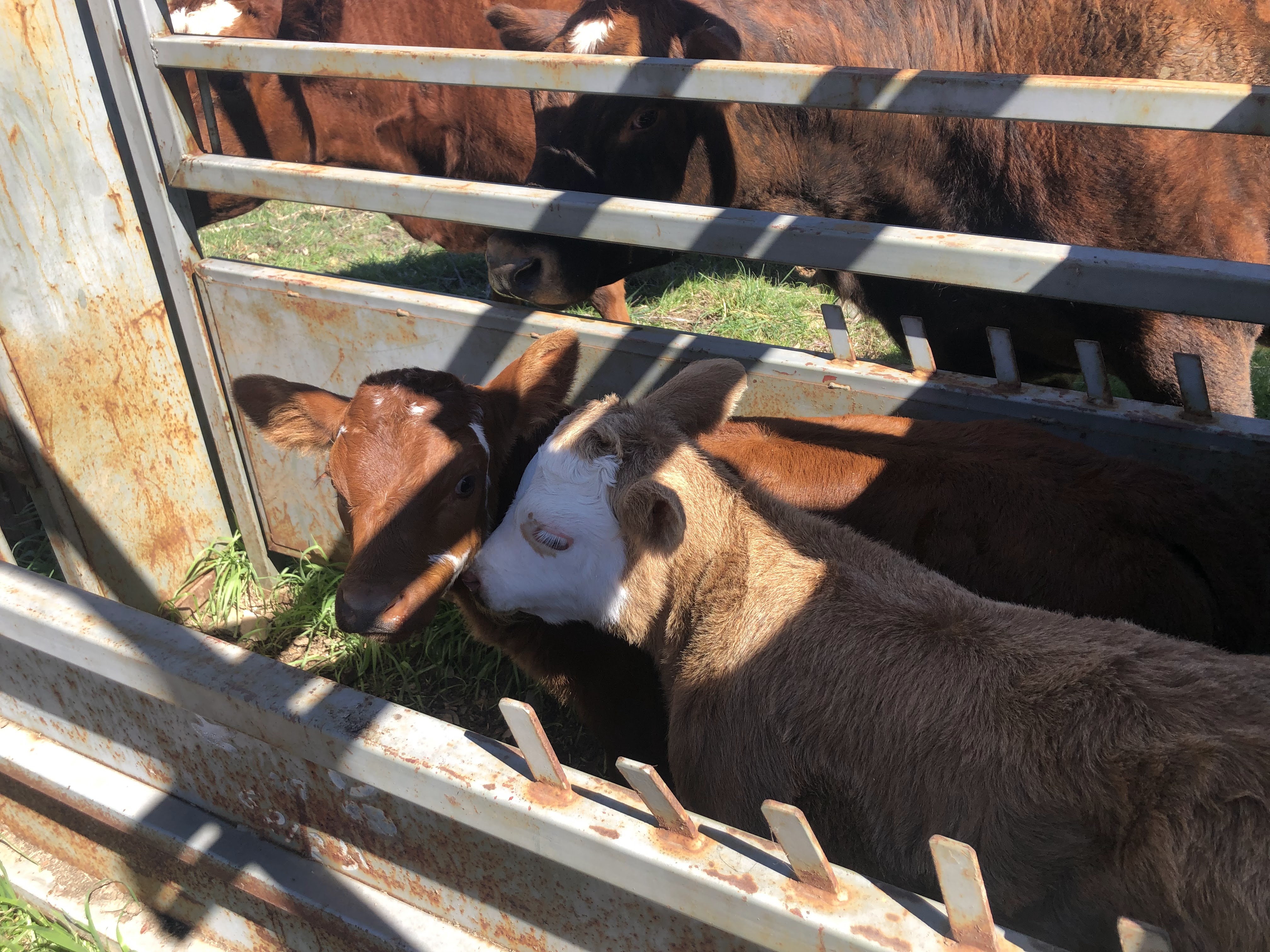
Marking the calves young serves two purposes. The calves are much easier to handle, and the boys are able to be castrated using rubber marking rings. I recruited Master 14 to help with the process. After I vaccinated the calves with a 5 in 1 vaccine, Master 14 was given the job of sliding the rubber rings over the bull calf’s testicles. He really didn’t like it, squirming and wincing and generally doing the whole thing with his eyes closed, which I found hilarious. After we had marked our calves we tallied 7 heifers and 7 steers, with Master 14 looking more cross-eyed than all the boys put together.
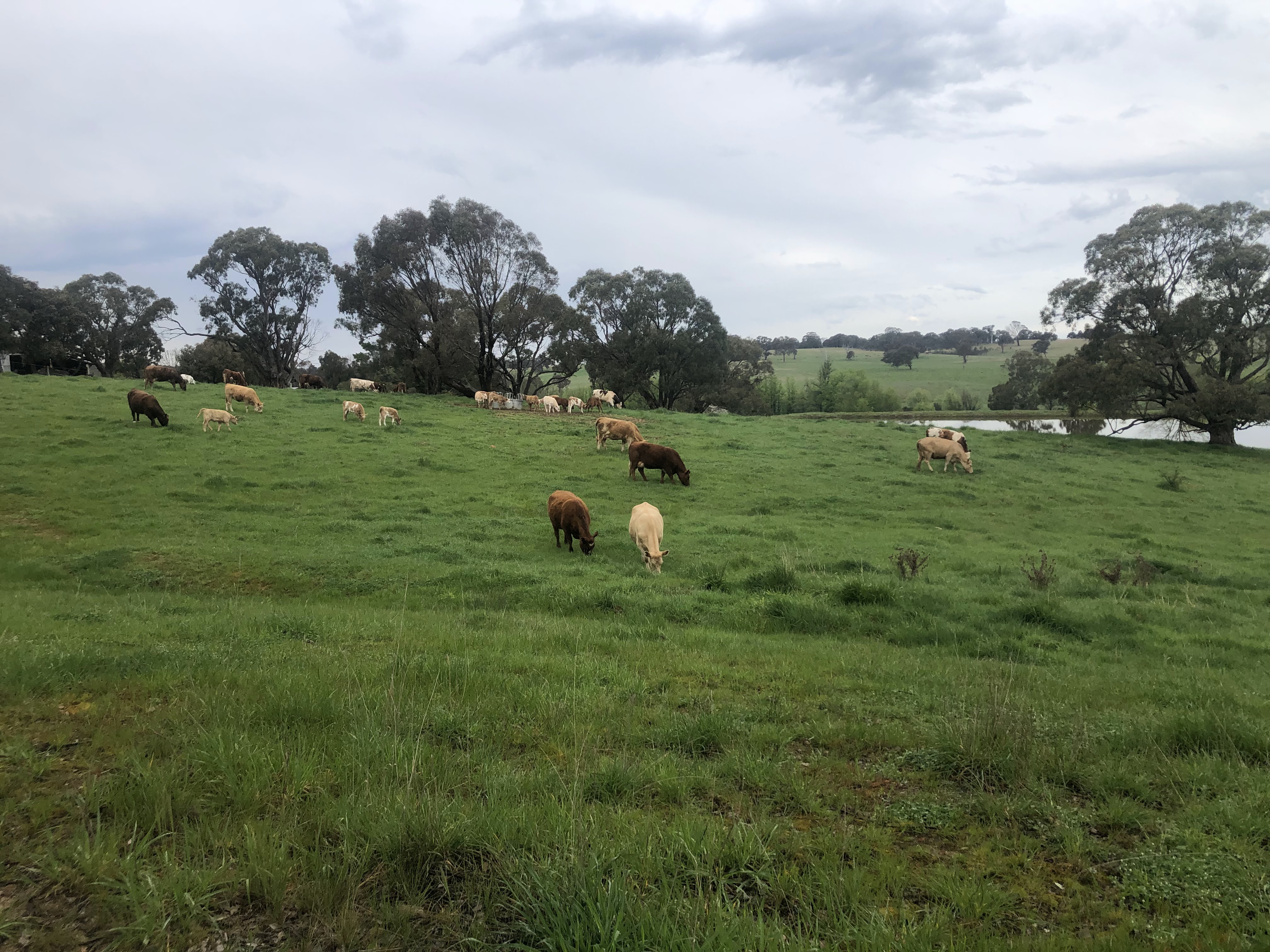
With steady and regular rain falling, we moved into September with the promise of solid growth in our pasture. The rain also was causing the weeds and thistles to grow. I took advantage of Master 16’s eagerness to earn money to upgrade his mountain bike by using his willing lockdown labour to chip out thistles each morning in lieu of the long bus ride into town. The Rock Farm pastures have really started to kick along and look fantastic. The good pastures have the cows cycling again.

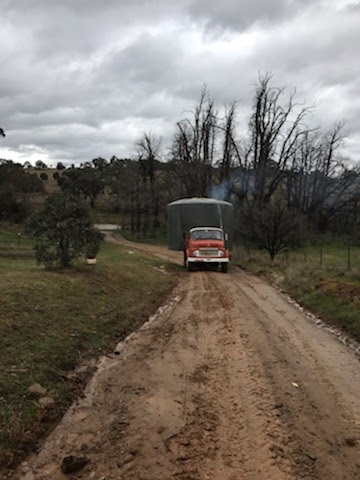
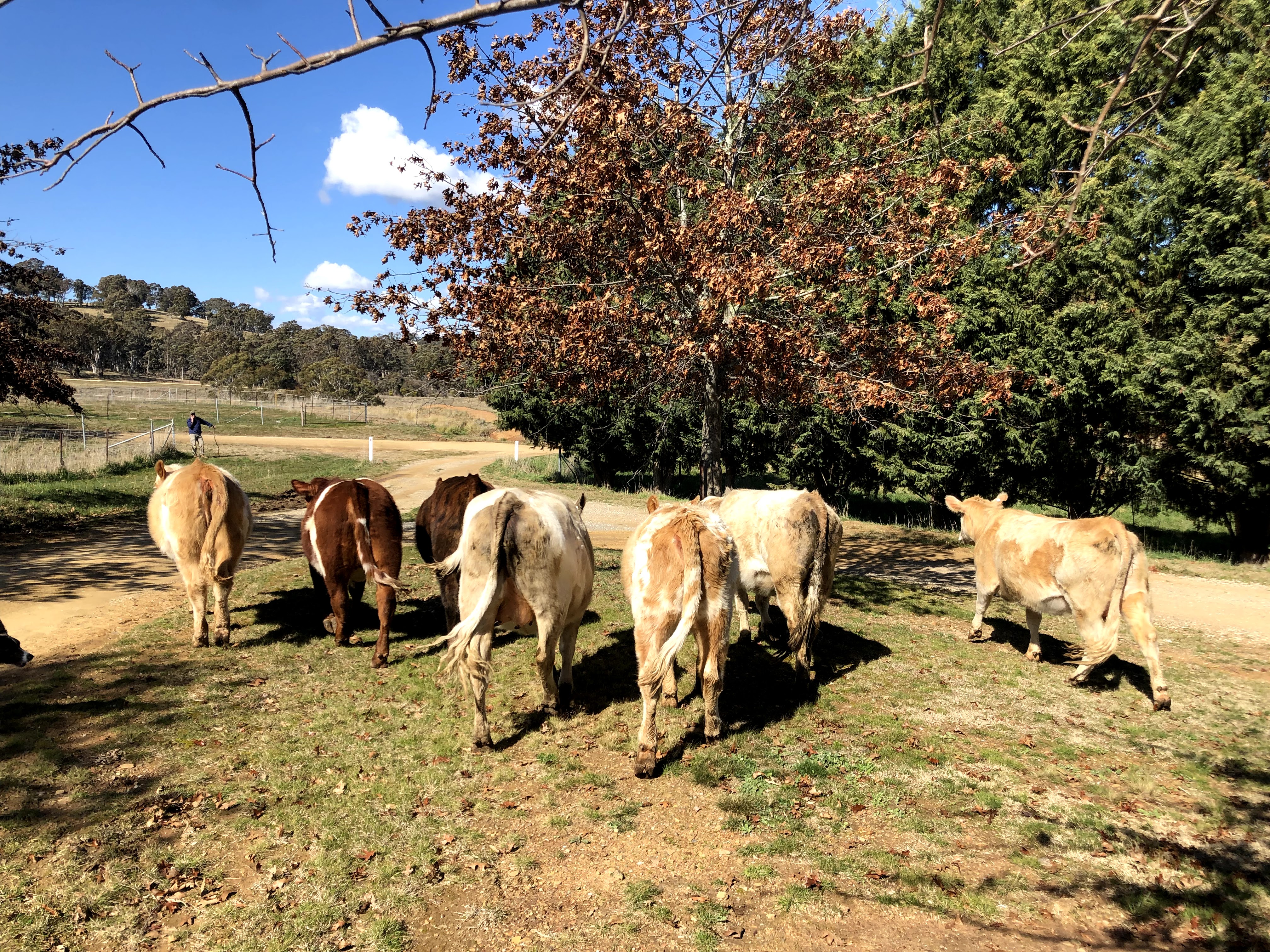
I contacted our mentor and guide John, and arranged to lease another bull this season. I then asked our friend Jimmy if he could pick the bull up and bring him down to the Rock Farm. The truck arranged, it also made sense to send Miss Steak to the sale yards, a small diversion on the same trip. One of the more colourful characters on the Rock Farm, Miss Steak gained her notoriety with a terrible error of judgement she made as a young heifer (https://rockfarming.com/2018/11/16/a-terrible-miss-steak/). Sadly however, after not calving two years in a row, her time was up.

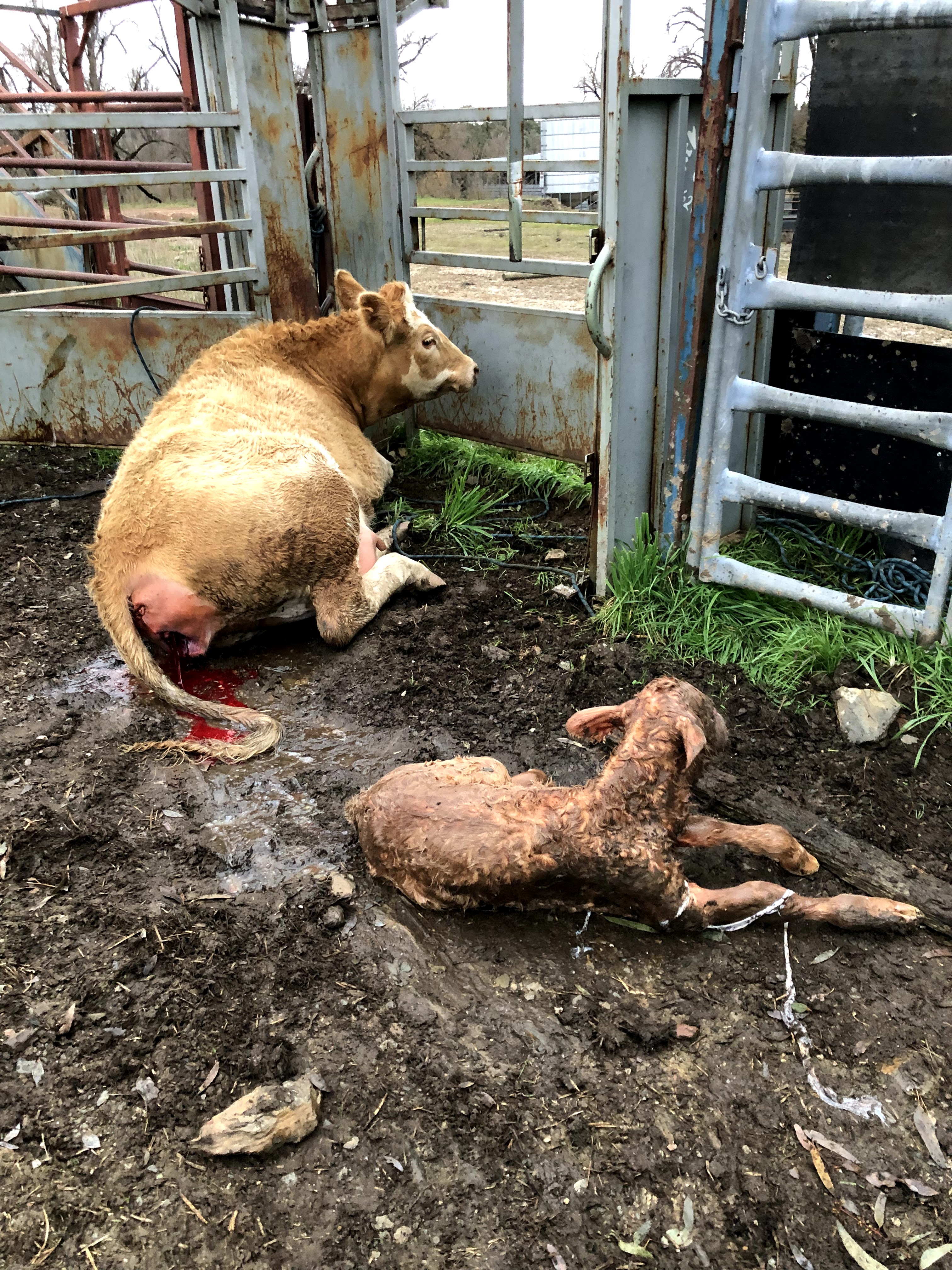
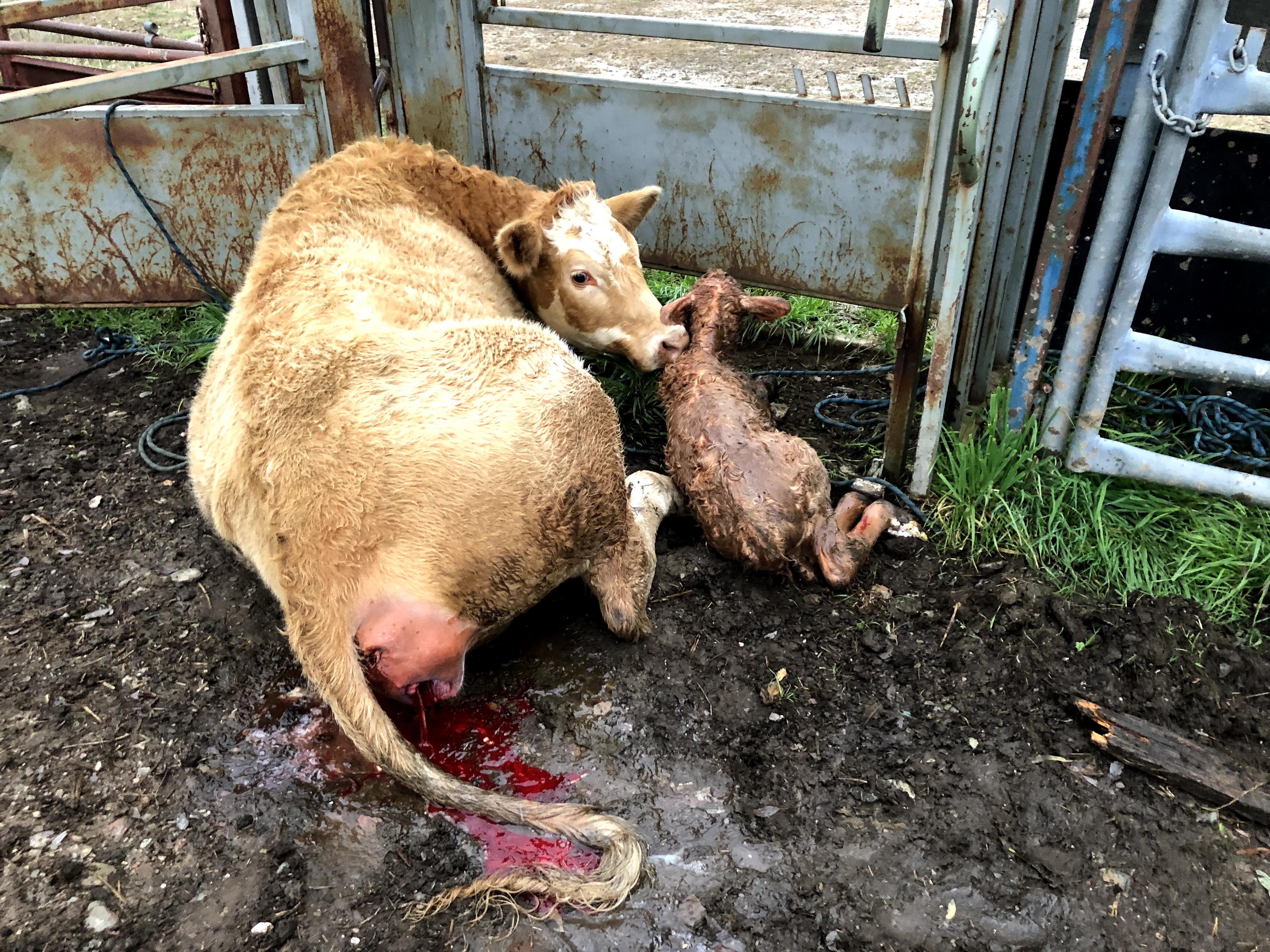
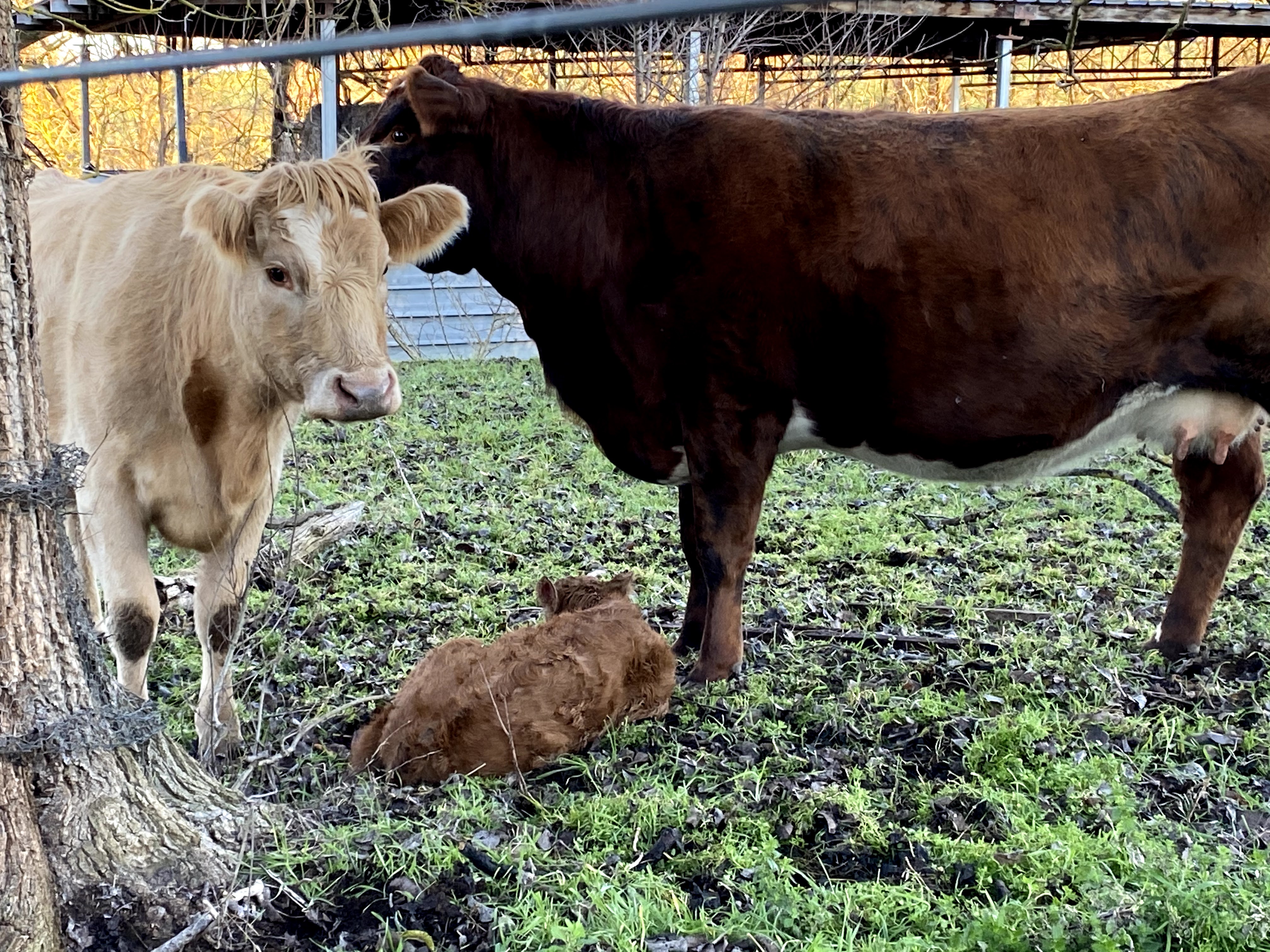
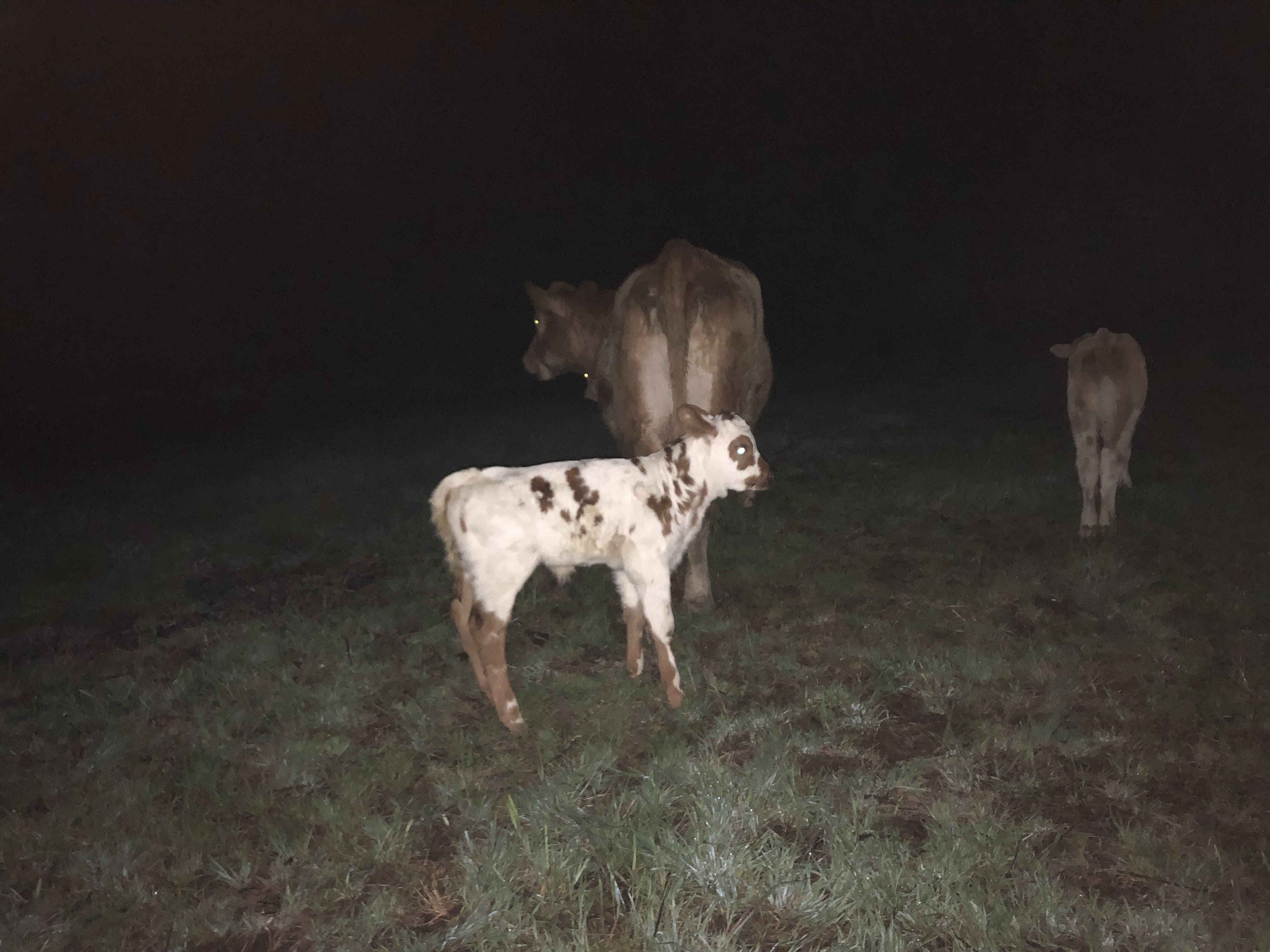
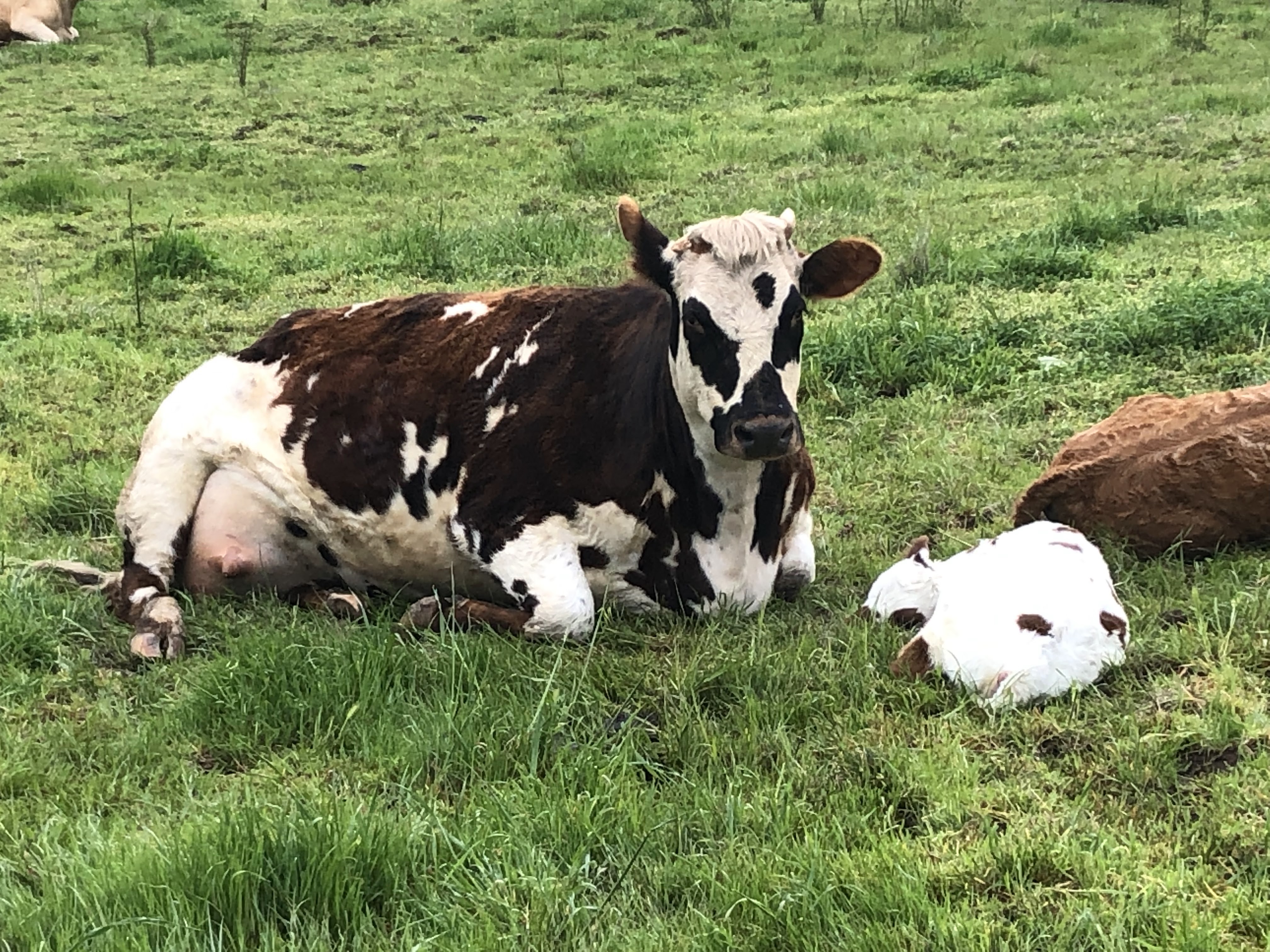
Then, a week before the truck was due to pick her up, her udder started filling. And filling. And filling. And one horrible cold and rainy night she delivered a gorgeous little heifer. Being the last calf calf, and born in the nick of time to Miss Steak, we named her “Minute”!
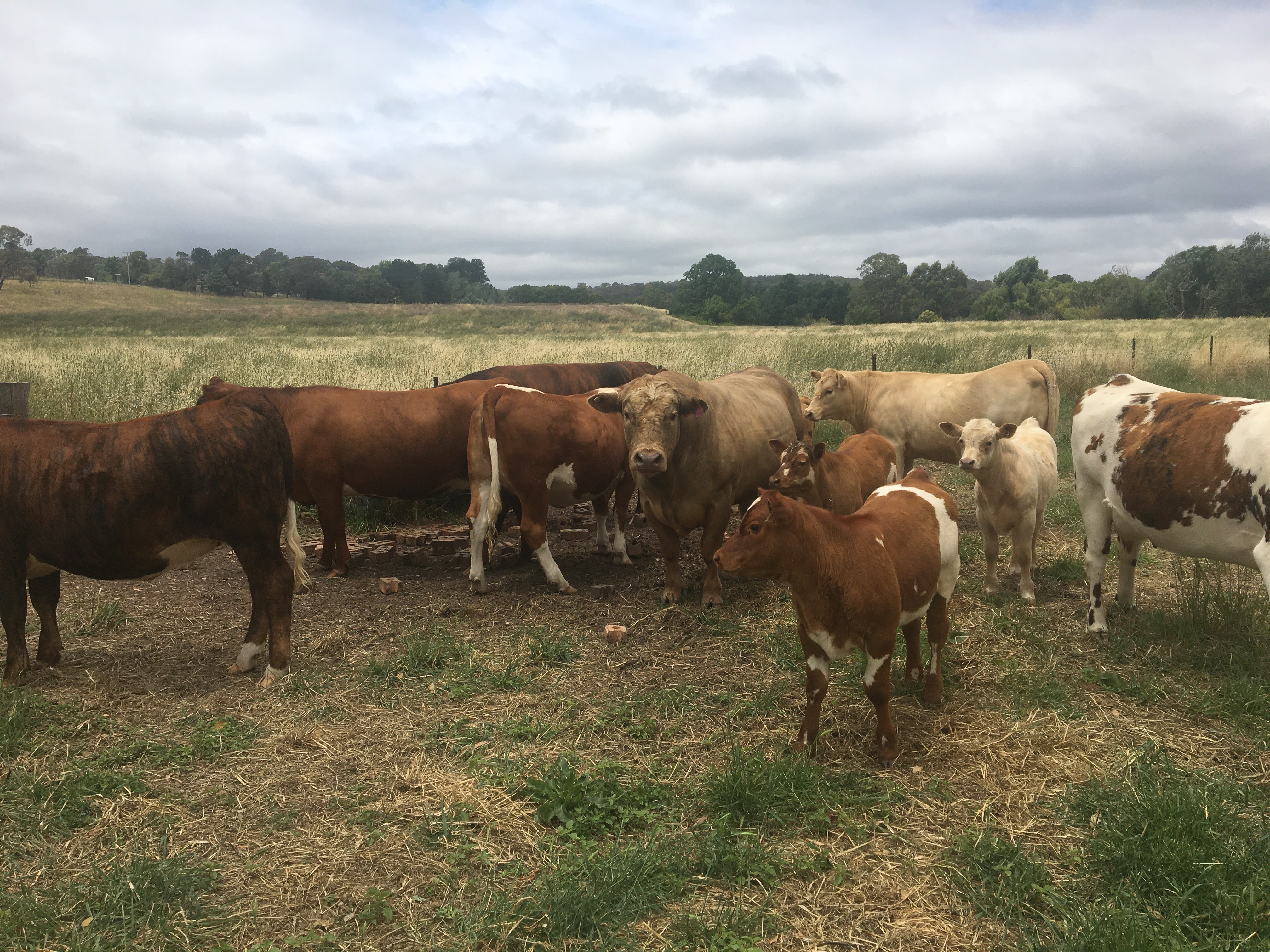
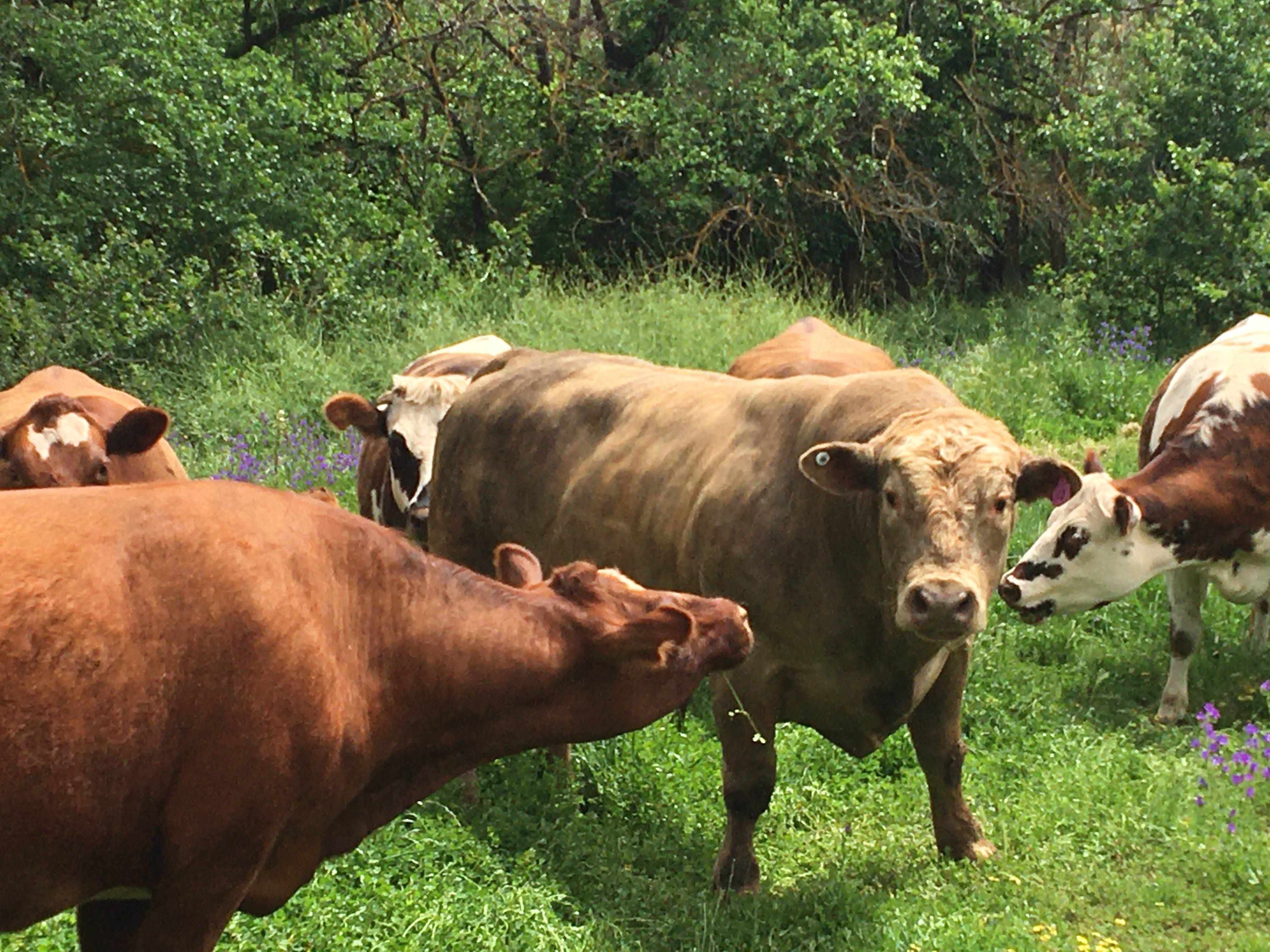
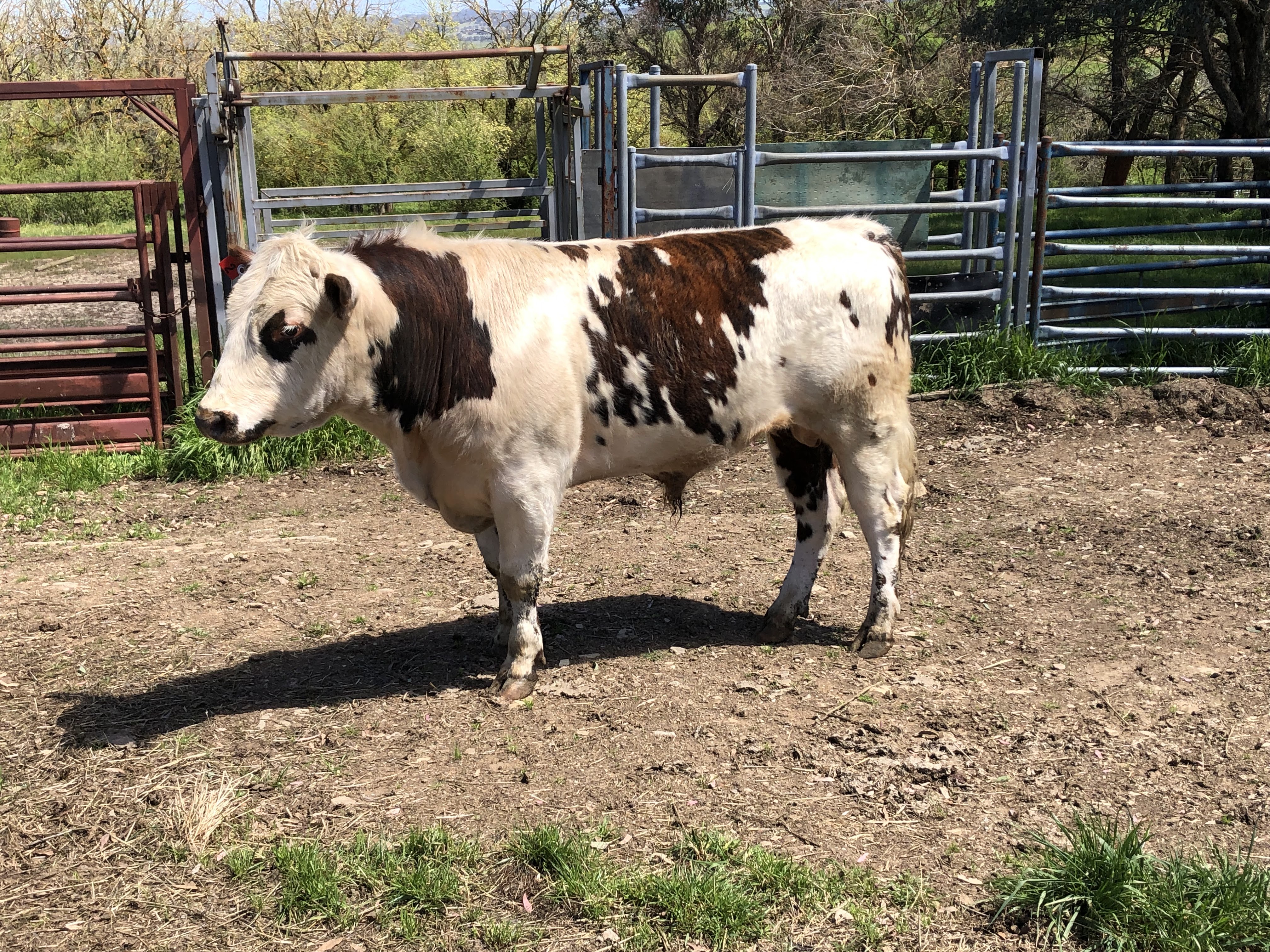
Jimmy happily accepted the change in cartage plans and we picked up our borrowed bull a couple of days later. This magnificent fellow shows is French Normande herritage with his markings and his length. He is also really quiet, and happily settled in with the girls. This year we are joining our 15 cows and 1 heifer with this fellow. They will be due to start calving late July, which is a little early for us, but with the season starting so well, we can only hope it holds.
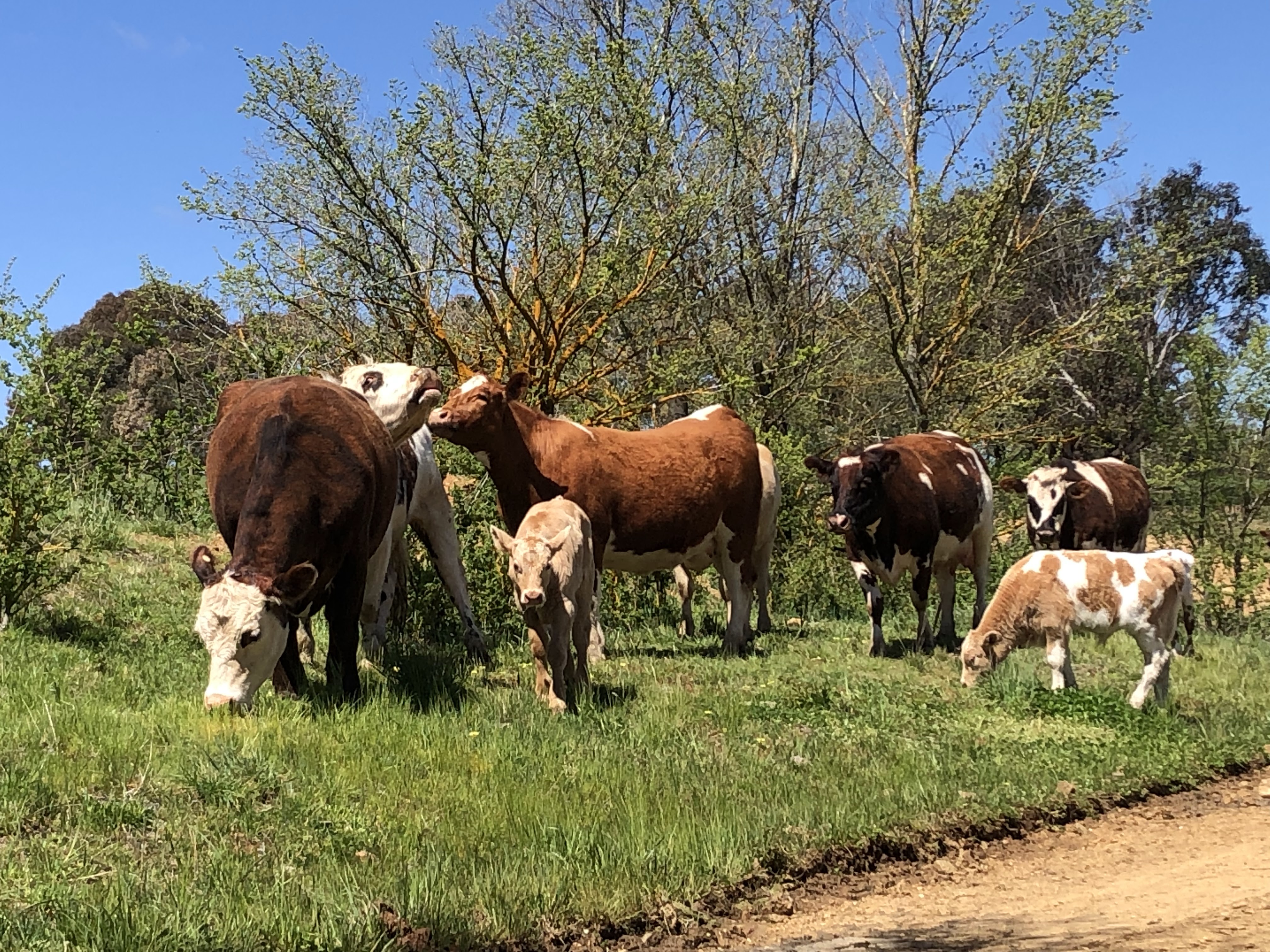
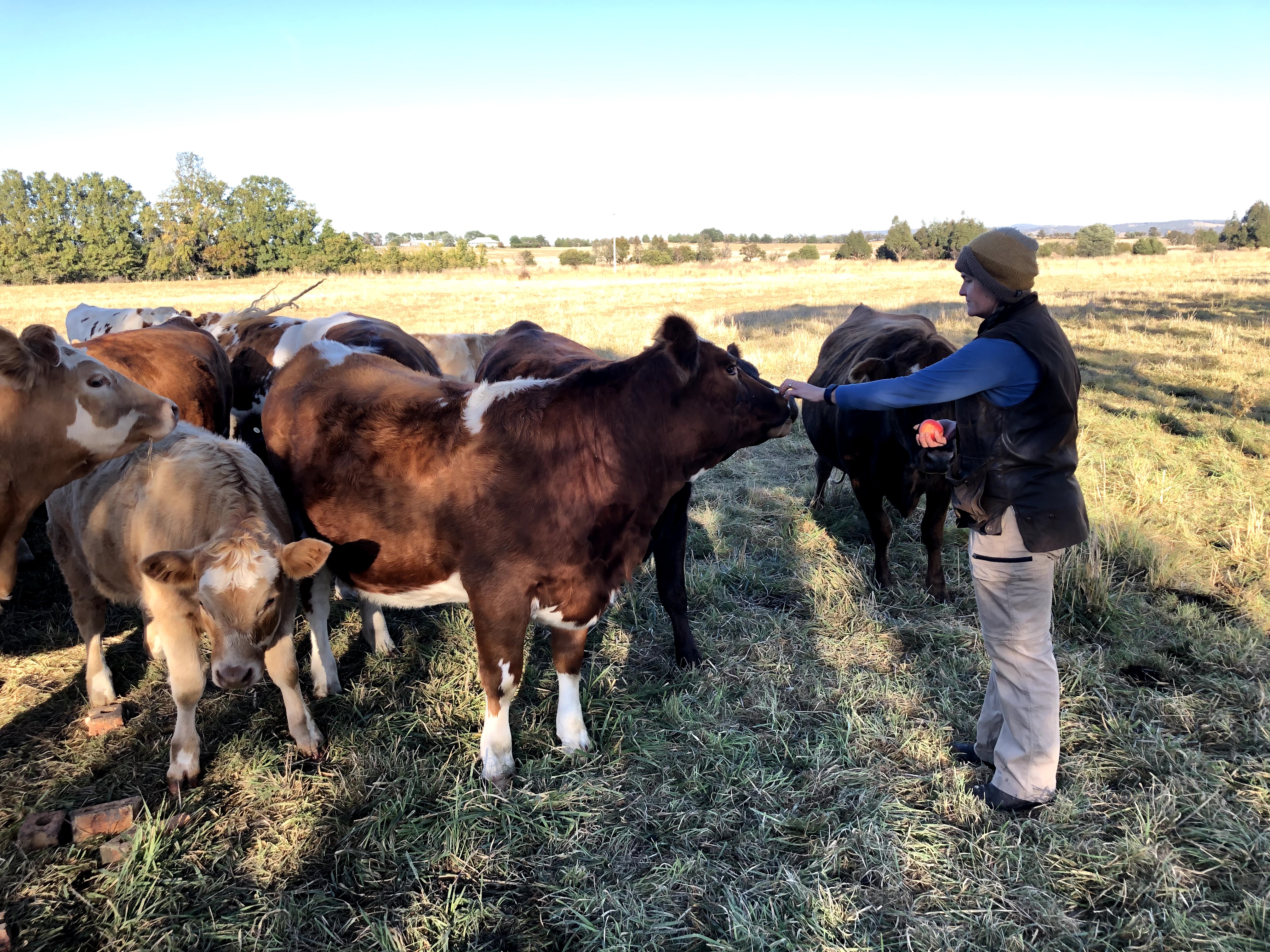
In the mean time, we have been enjoying our daily strolls amongst the cattle. There are far worse ways to be spending lockdown! Special thanks to John for leasing the bull to us, and Jimmy for getting him here 🙂
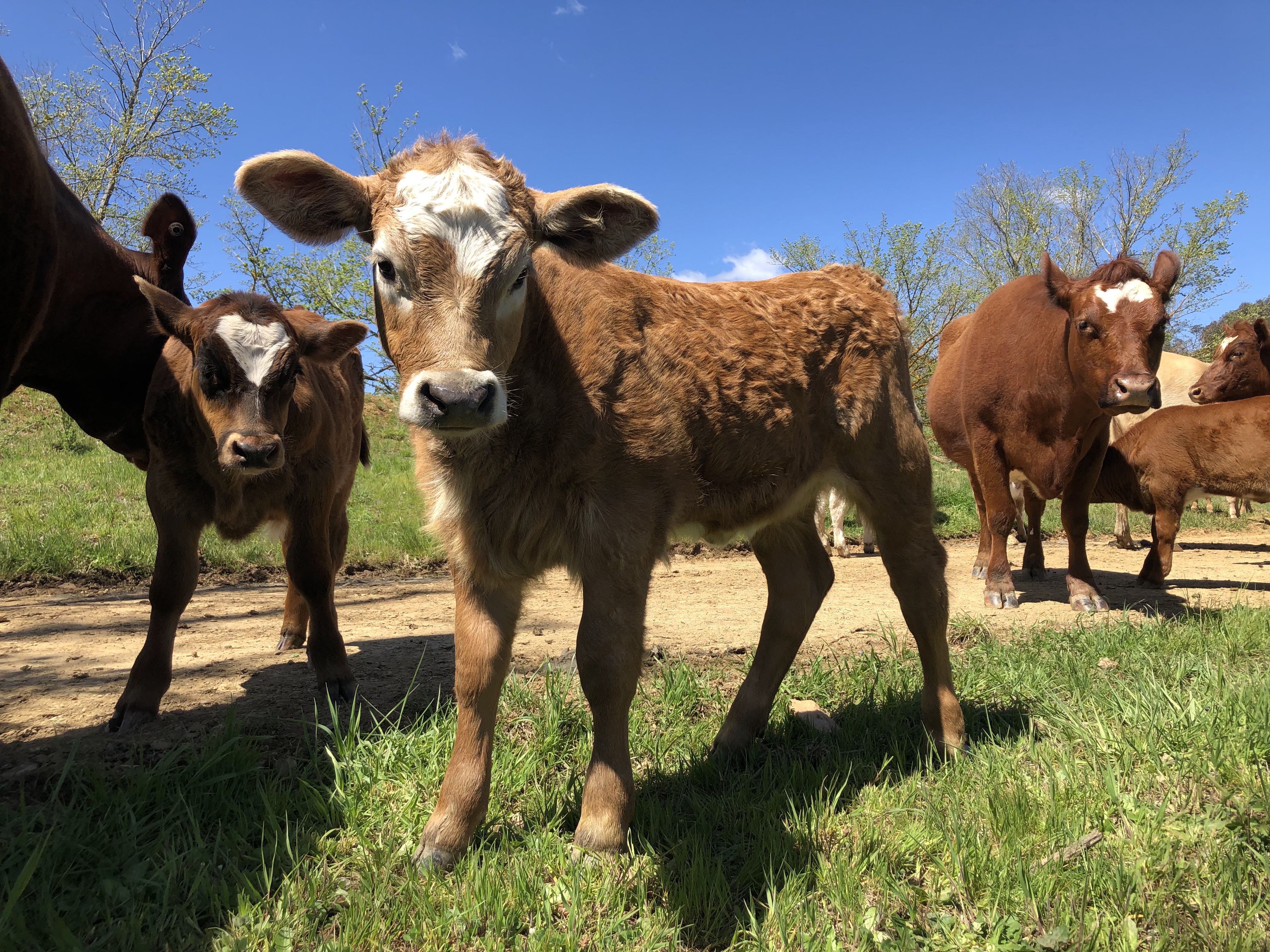
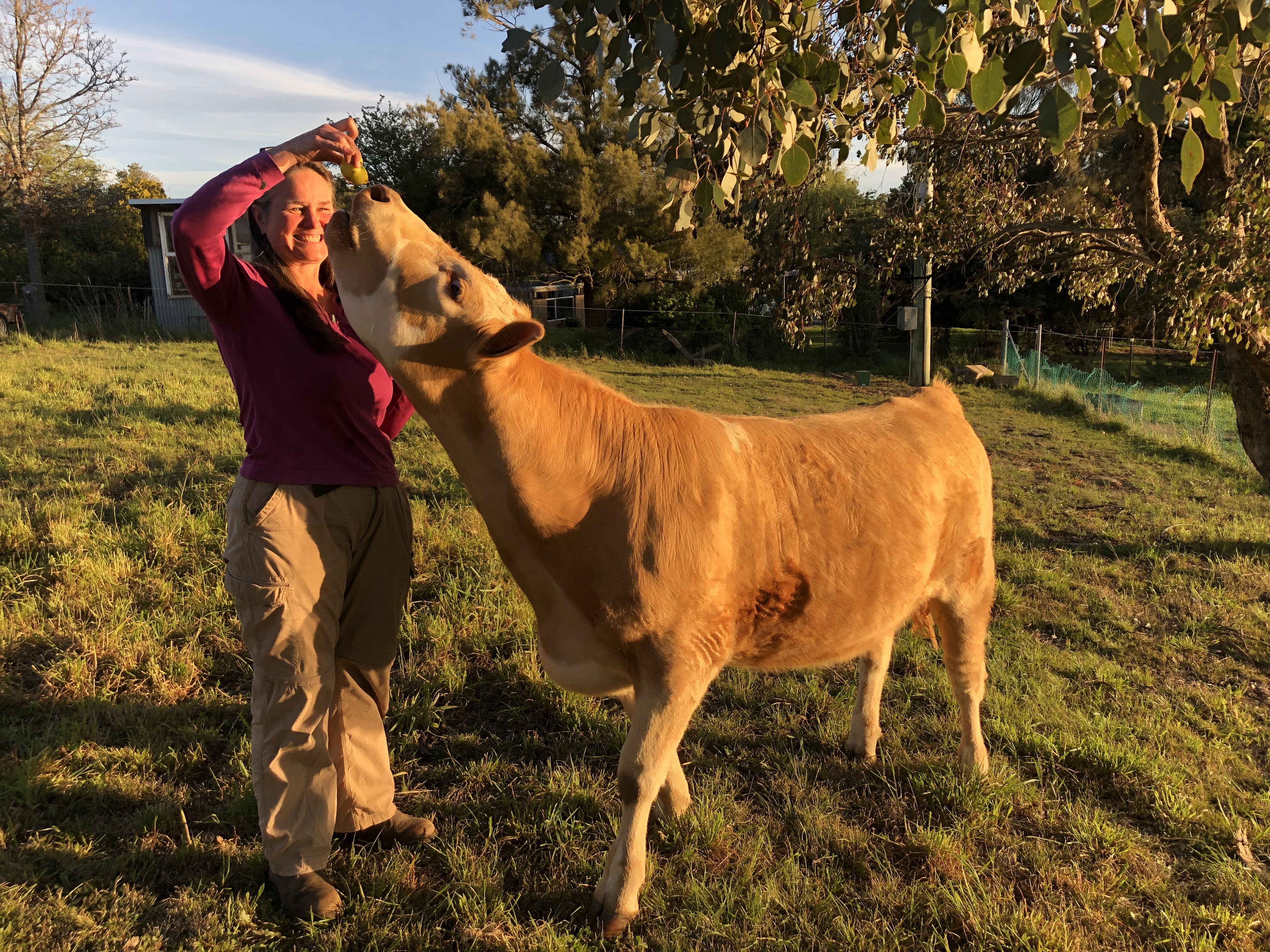
The Battle for Daisy (again)….

A rainy day is welcome any time on the Rock Farm – especially now the days are noticeably longer and the ground is starting to warm up. We now have 8 beautiful calves on the ground. However the old adage, ‘you don’t have livestock without dead stock’ held true. We lost one calf during a particularly long and difficult labour for my favourite maiden heifer, Uno. The loss of the calf was heart-breaking, and we felt the mournful ‘moo’ from Uno deeply.

A rainy day is good for taking stock of things around the farm, and catching up on my blog. However no sooner had I written the paragraph above and my day turned around. By the end of it we were in a desperate struggle to save one of our beautiful girls.

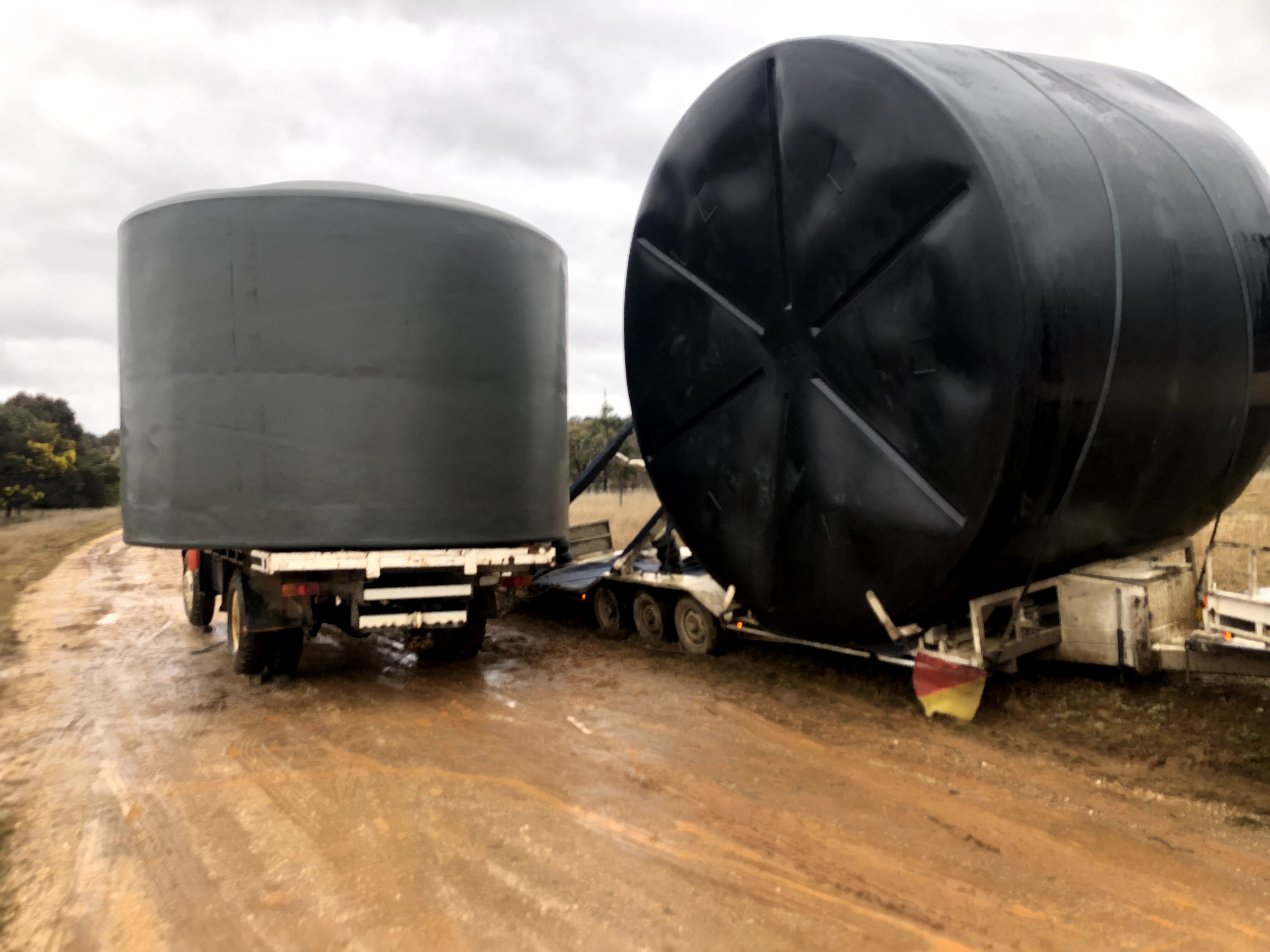
The first event that dragged me outside into the wet was to lend a hand to our neighbour, who needed help with a new water tank delivery. It turned into quite the adventure, with the driveway turned to mush, and the creek (moat?) running deep and fast. The initial plan was to drag the tank delivery truck to the site with the tractor, but when we saw how low his trailer was, we realised it would float downstream on the crossing. Plan B was put into place, which involved rolling the ten thousand gallon, 800kg tank onto the back of Myrtle. This went remarkably well, and we soon had the new tank deposited in our neighbours paddock. Remarkable because no trucks or tractors got bogged during this evolution.

In my dash down to the shed to get the tractor, and then swap it for the truck, I had noticed that Daisy was in labour. When we had done with our unloading, I checked on Daisy again and my heart sank. Daisy somehow managed to beat all the odds when she was born. And despite all my reasoning to sell her, she somehow seemed to have very vocal allies on her side. The whole challenge to save her when she was born can be found here: https://rockfarming.com/2019/09/04/the-battle-for-daisy-rescuing-a-calf-on-the-rock-farm/

Protruding from Daisy’s rear was one hoof and a calf head, with its tongue hanging out. The calf’s tongue was a blueish colour, and there were no signs of life. I knew we had to get her in the yards, try to pull the calf and see if we could save Daisy. Despite our efforts, Daisy had no desire to leave her friends. It took all of us a lot of initially gentle and then more forceful encouragement to get her in the yards. By the time we got her safely secured in the crush, we were all exhausted.

Once in the yards, the real battle for survival began. We used this rope squeeze technique to lay her down. The reason for laying her down was that she can push a lot harder lying down. The next thing to do was to find out what was wrong. By now the cold was seeping through my wet clothes, and I was acutely aware of how cold it was now the sun was setting. Jo kindly brought down a bucket of warm water from the house, some old towels and some ropes. I tried to recall any snippets of advice from a childhood reading James Herriot, but sadly not much was coming. I figured it must be like helping lambs, but only bigger…

A gentle examination revealed only one leg was showing. The other leg was folded back – meaning the calf would never come. It was time to call an expert. Our first phone call was to our vet. The next was to another expert – my father. His advice was really simple – before you can pull the calf out, you’ve got to push it back in to re-align the leg. So – against nature, and the vice like grip of the contractions, I pushed the calf back into Daisy, and desperately felt around for a leg. I was on the point of giving up when I found it. That was the easy bit. Getting it to point the right direction was not so. Eventually we got there, and with both legs aligned, it took a few more tugs and our calf was born.

I was relieved that we had saved Daisy (again), but feeling sad about the calf when the calf opened its eyes and gave a breath. It was alive! My heart skipped a beat, and we quickly rubbed it down with the towels and put her next to a thoroughly exhausted but interested mum. Daisy had given birth to a beautiful little heifer.

As I write, they are safely tucked out of the wind in the yards. I still don’t know if either Daisy or her calf will survive the night, but we figured it was time to let them work it out by themselves. We called the vet and cancelled the late night call, but arranged for them to come out first thing to check on their progress. Time will tell if we have beaten the odds, or delayed the inevitable. But that is how things go on a farm. Things can turn around so quickly. And as hard as it can be, it helps me feel alive.

Comings and Goings on The Rock Farm

As we join the rest of our state in returning to lockdown, It would be nice to say our family has had a great opportunity to sit down and reflect on the journey that led us to choosing to make our life out here on our 100 acre hobby farm. However due to colleagues having to isolate, my regular work has fallen on fewer shoulders, meaning I haven’t had the opportunity to spend anywhere near enough time on the Rock Farm as I would like. I am very aware that we are extremely fortunate to be able to call this small patch of land home, and I hope by sharing our story during this testing time, I might bring some joy to our followers around the world.

Life on the Rock Farm continues to beat to its own schedule. Cattle continue to find their way into the wrong paddocks, machinery breaks, and trees fall on fences. But the Rock Farm continues to recharge my soul. Today my story is about the cattle and some of the comings and goings over the past few weeks.

Regular readers will know I deliberated holding last year’s calves over winter. With a wetter than average forecast, it made sense to hold them, even if we were feeding out a bit of hay. But a few weeks ago, we decided that the new calves were due, and it was time to move our weaners on. We had five steers and five heifers from last year, however I was given very stern orders that one of the heifers – named Zoe – was not to be sold.

With all the family in town at work and school (just before the lockdown), I asked our neighbour to give me a hand to bring the weaners into the yards. I was able to draft them out of the paddock with the cows easily enough, but really appreciated Stuart’s assistance to bring the young cattle into the yards. The added bonus of this arrangement was that Stuart had agreed to buy the four remaining heifers. It was also the perfect time for three two-year-old maiden heifers that had been running with our herd to make their way to their new home. I was absolutely thrilled to know that all of the girls would be going to such caring owners – and that I would still be able to feed them the odd apple over the fence! We soon drafted the small herd, and walked the girls down the lane.

Being such a small producer with full time careers, we are unable to establish a pasture to plate relationship with butchers or other local markets. We also don’t generally have the feed to finish our cattle on grass. This means that we usually sell our cattle to the local livestock exchange at Yass. This year we sent five steers in to a regular sale, and their average weight was 331kg. It was a bitter sweet moment to see the steers leave the property – but it was definitely time to move them on – because the other news of the week was that the next generation of calves had begun to arrive!

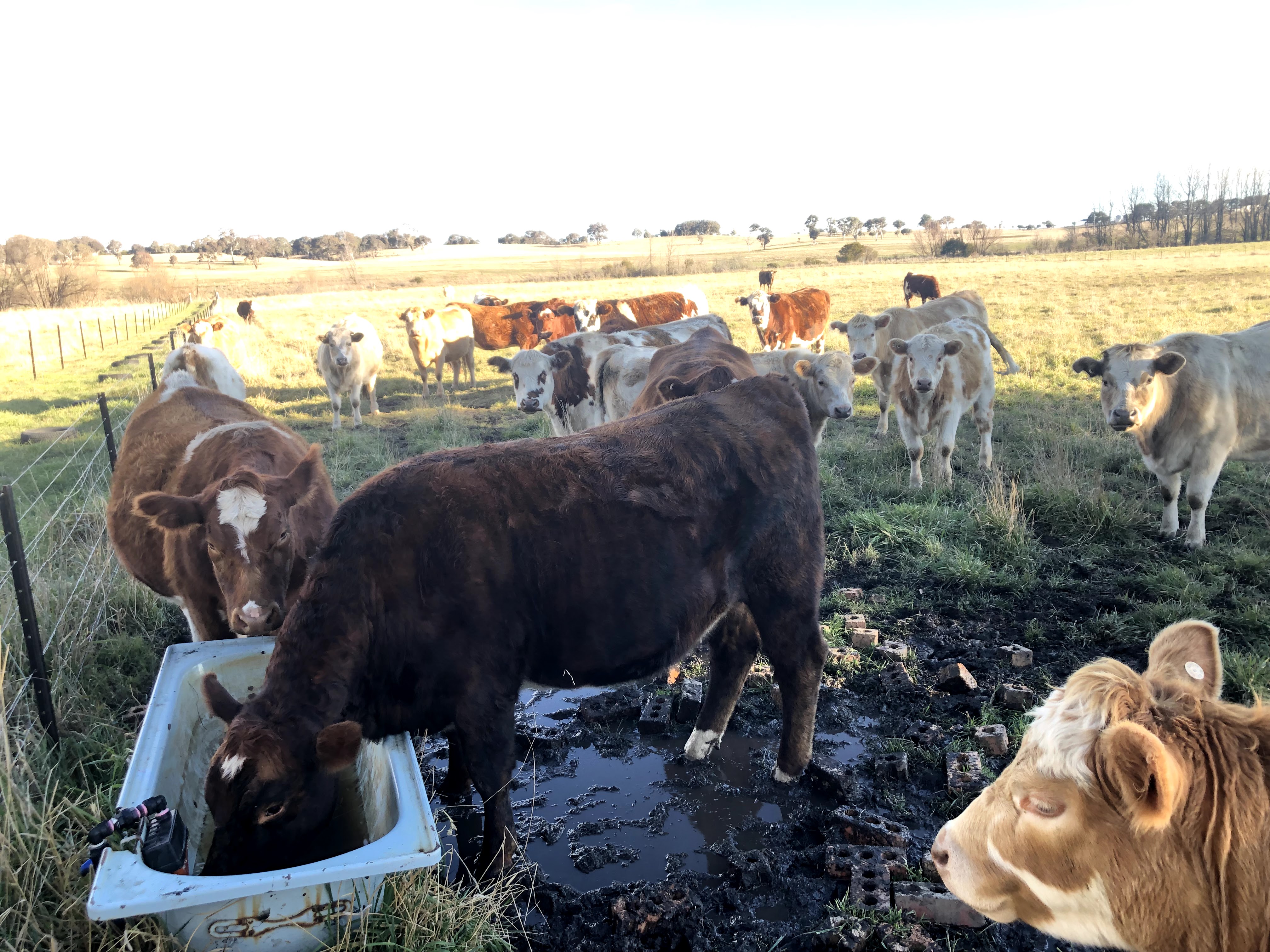
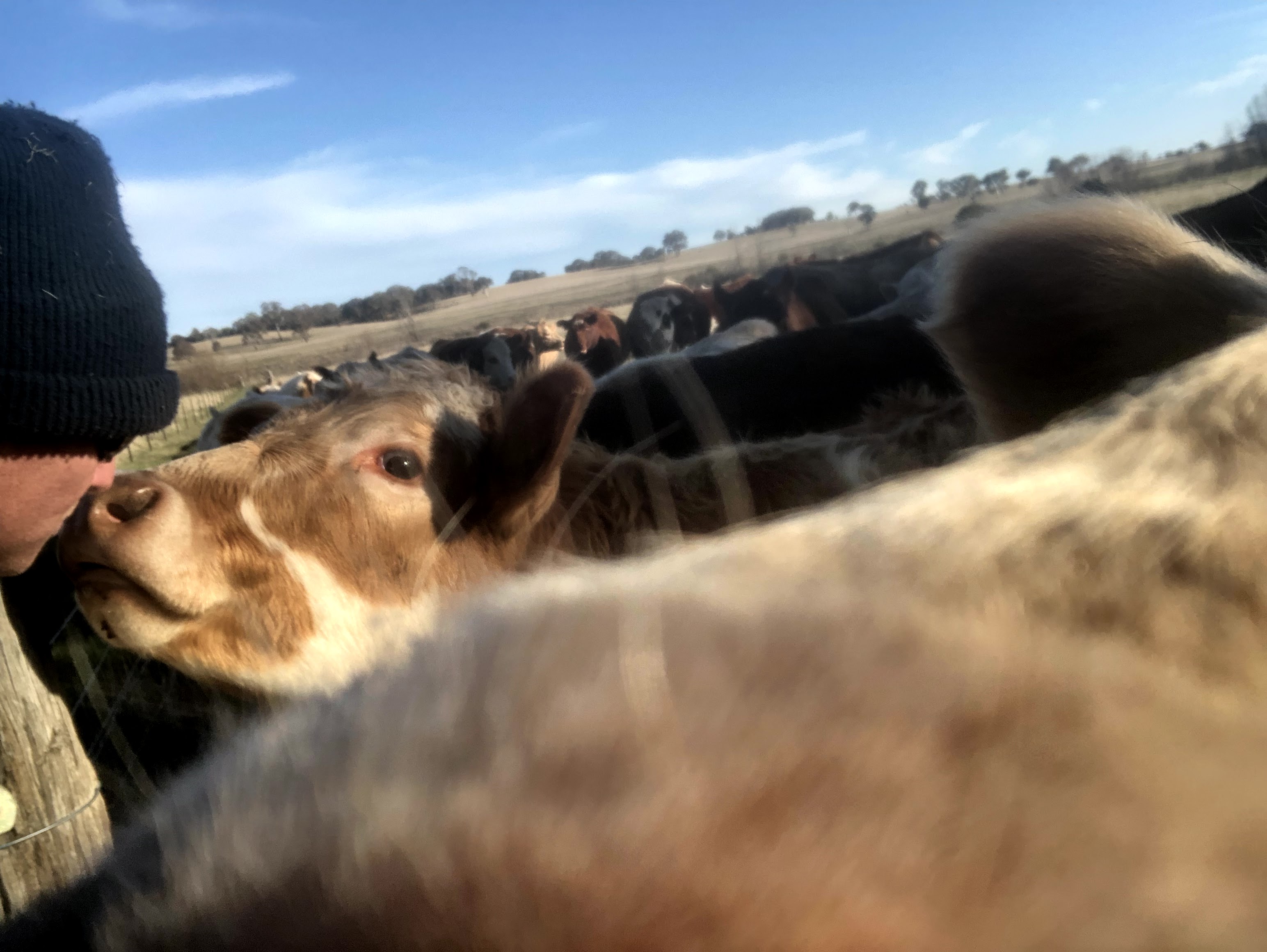
Whilst I might be back to our ideal stock rate of 15 cows (plus Zoe of course), the next generation have started to drop. Precisely 285 days after the bull joined the herd, we had our first calf. There is something magical about seeing the new calves on the ground. Their gentle mothers give me a shake of their head if I look like approaching too close, especially for the first day or two. After they find their feet, the calves are often found in a creche with one cow on supervision duties. They especially love napping in a sunny spot out of the wind. Zoe has settled back in with the the herd also – if you want to know which one Zoe is, she is the one who gave me a kiss in the last blog: https://rockfarming.com/2021/08/01/winter-planning-on-the-rock-farm/

This year, for the first time, one of my favourite cows, Margurite, gave us the most unexpected gift. Twins! Twin calves are not only unusual in cattle, but the mother often rejects one of them. We watched pretty closely for the first couple of days, but Margurite seemed more than happy to accept the duties of looking after both of them.

So be warned – lots of calf photos to follow!

Please stay safe and look after yourselves. We are surrounded by wonderful neighbours who are keeping an eye out for us. We are also fortunate to have regular jobs and meals on the table. For friends who read this – if you’re are finding the going a little tough, please reach out. I hope you enjoyed this little update.

Winter Planning on the Rock Farm

Winter on the Rock Farm this year has been remarkable, with steady rain creating a beautiful slushy feel when walking around the paddocks. With the rain has come plenty of cool overcast days, and some thoroughly miserable windy days. But the rain has also kept the frosts mostly at bay, and this means the grass is still growing, albeit slowly. The cattle all seem to have recovered from the curse of Mavis (https://rockfarming.com/2021/07/10/curse-of-mavis-mange-mite/), and the cows are definitely starting to look uncomfortable with their growing bellies.

Regular readers will be aware I decided to hold last spring’s calves over winter. I have been using a couple of tools to help me determine my strategy. The first is Farming Forecaster (https://farmingforecaster.com.au/). This tool, supported by Local Land Services and CSIRO examines soil moisture profiles at numerous sites. All the sites near the Rock Farm show we are in an exceptional season, with unusually high pasture growth forecast for spring. Whilst most of the sites nearby run merino sheep, there are useful graphs on forecast livestock weight. The model predicts steady increases in stock weight until around the first week in August before a steady decline, associated with lambing.

Farming Forecaster estimates our pasture is growing at around 4-5 kg/ha/day – which is not enough to feed all my hungry mouths entirely. To help me determine the balance required, I use the Local Land Services “Drought and Supplementary Feed Calculator“(DAFSC) app (https://www.dpi.nsw.gov.au/animals-and-livestock/nutrition/feeding-practices/drought-and-supplementary-feed-calculator). This app takes into account the amount of pasture I estimate I have, and allows me to develop a ration to meet the nutritional requirements of the cattle. Practically this means it allows me to calculate how much hay I need to feed the cattle for them to maintain condition. My theory is, if I leave it long enough for me to recognise the cows have lost weight, I have left it too late.

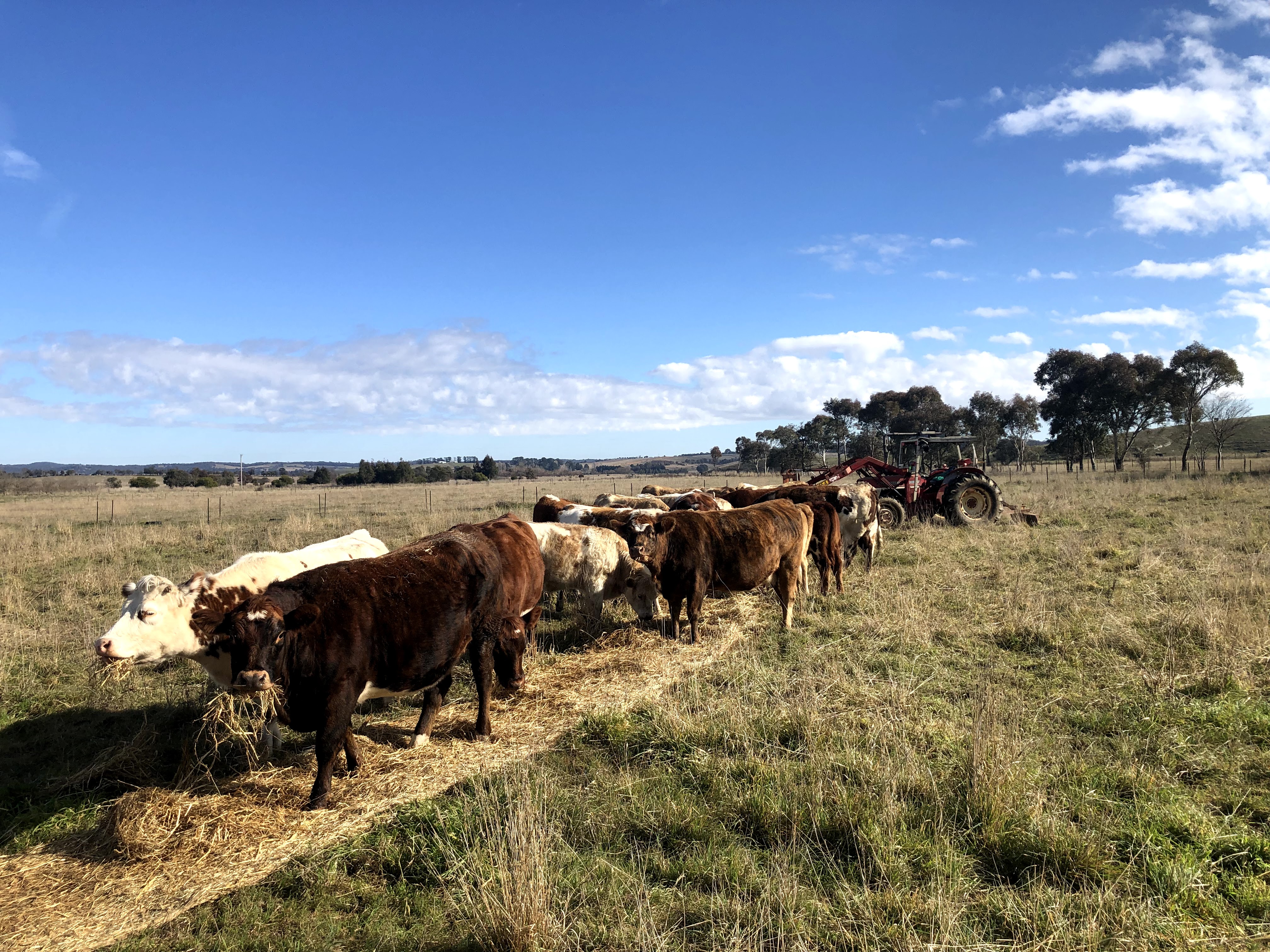
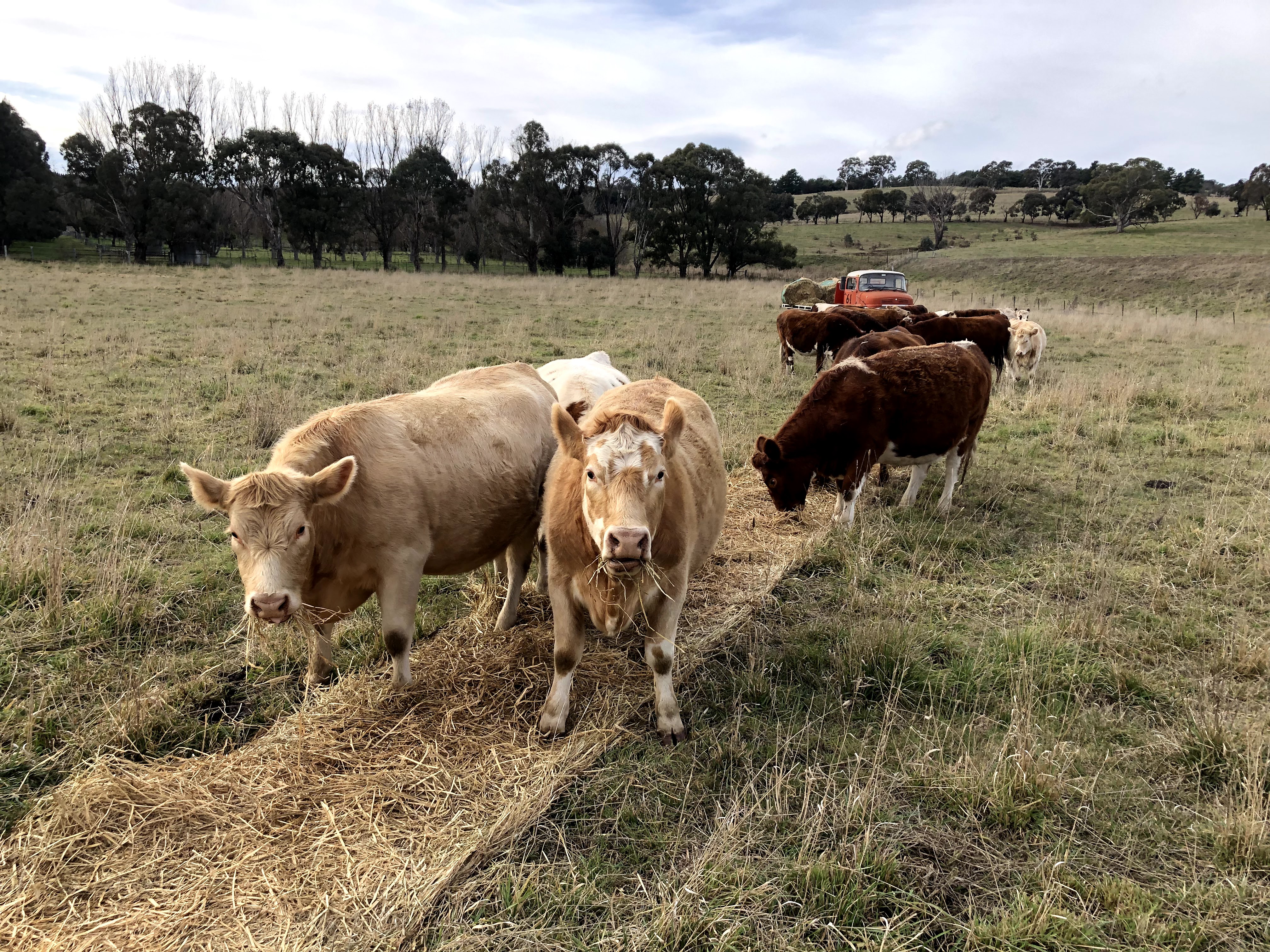
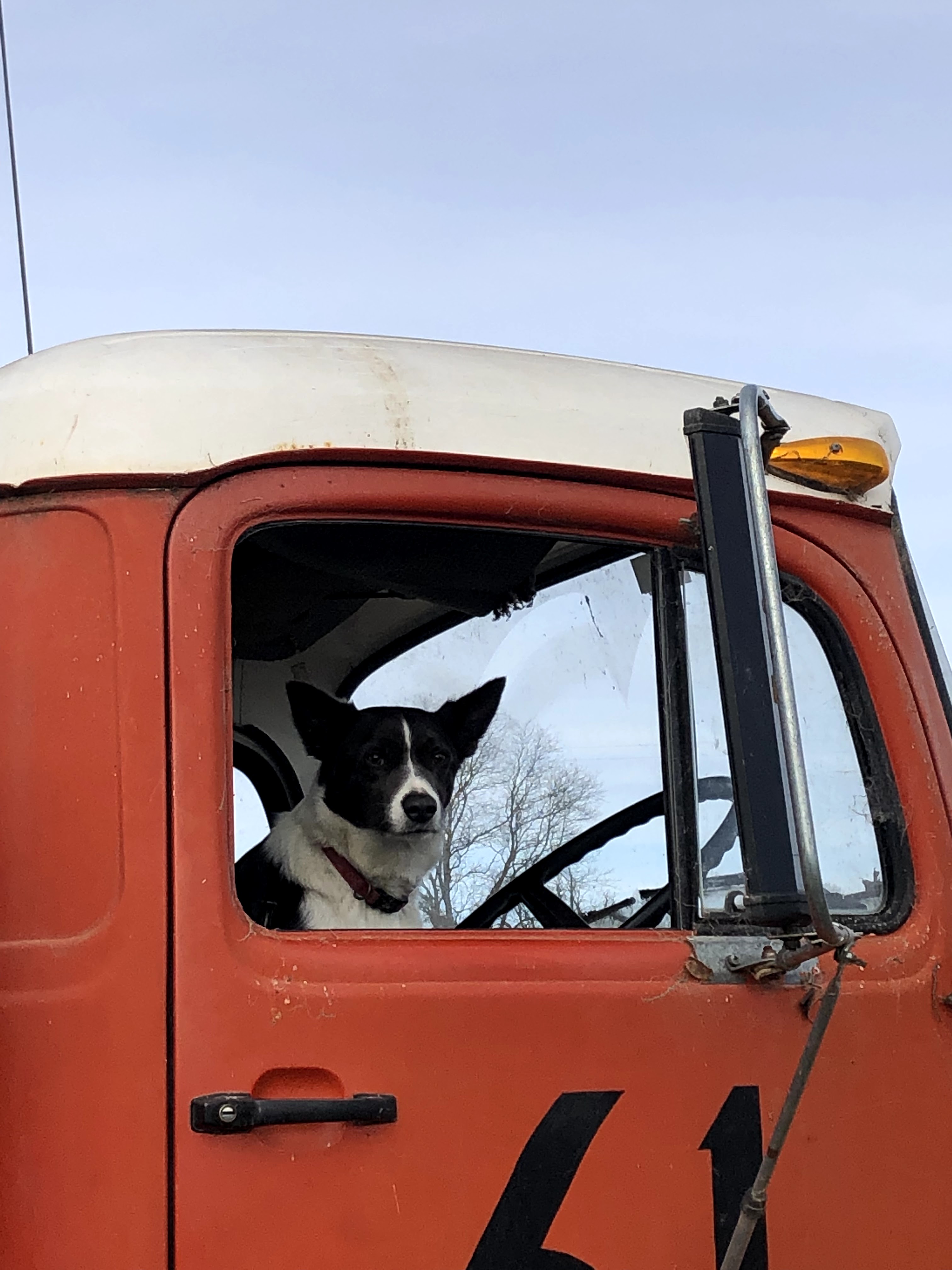
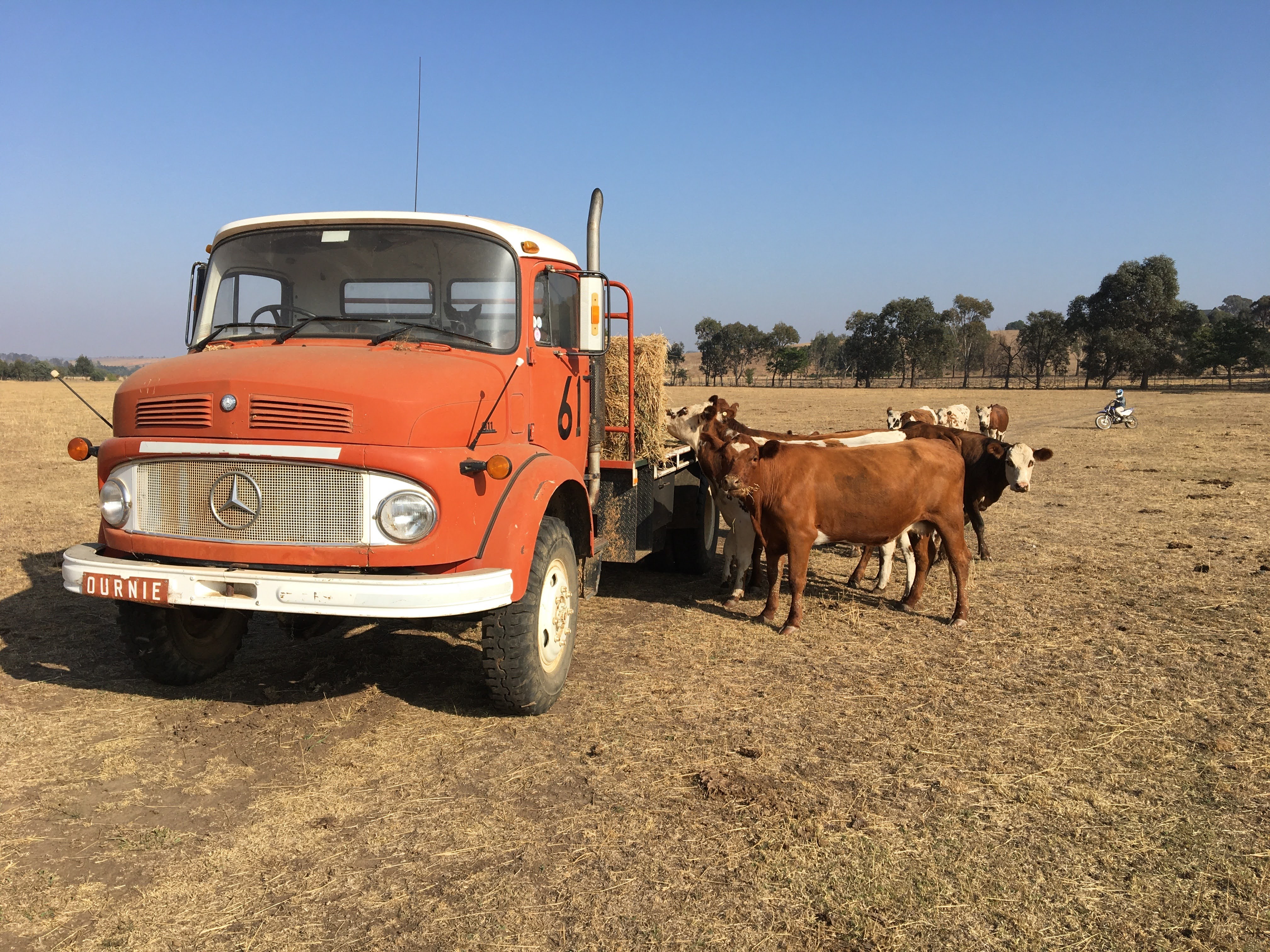
These calculations have allowed me to more accurately determine my supplementary feed requirements. I am feeding out a small round bale of pasture hay to the cattle every couple of days. The cattle love the sound of the tractor starting up. Their antics as I try to work past them into the paddock to unroll the bales make me laugh. I had put a couple of bales on the back of the truck – to allow the family to roll out the hay if I wasn’t there to drive the tractor, but it was more effort than it was worth. Only the hound seemed to think it was a good idea!

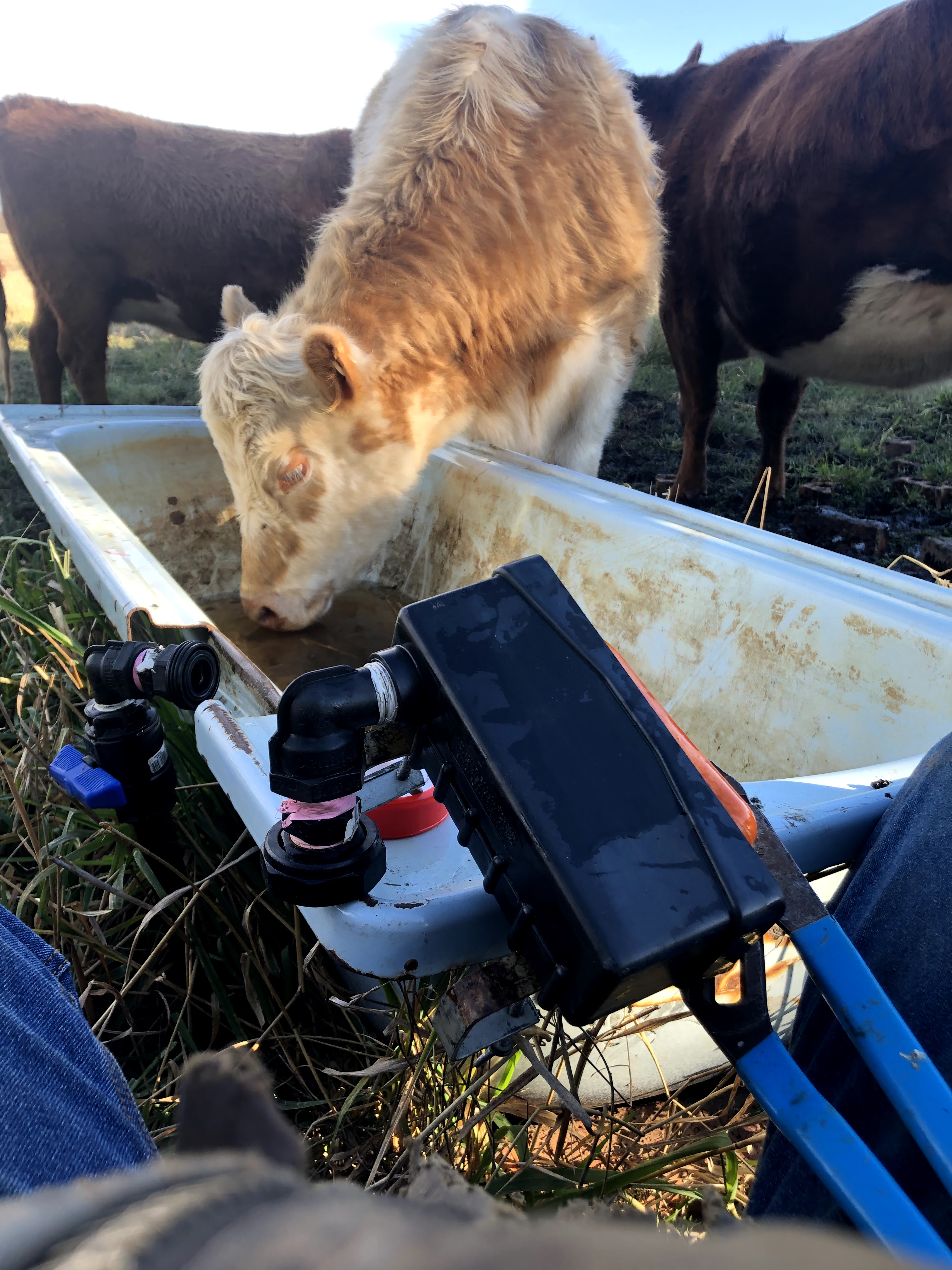
The winter hasn’t been entirely incident free. On one of my daily checks the cattle came running up to me – to let me know the frost (or one of their friends) had knocked the float valve off the trough. Thankfully nothing was broken, and after going and getting a couple of tools and some fresh silicone tape, I was able to get their water flowing.

One of my favourite winter past times is the early morning walks on the Rock Farm. In the still morning fog, the dam takes on an other worldly feel. The crisp crunch of the frosty grass underfoot and the silent flight of a barn owl make such moments exhilarating. After checking on the cattle, it is lovely to retreat back to the warmth of the house for a morning cuppa and cuddle on the couch.

Weaning on the Rock Farm

A few weeks ago we made the decision that we would keep the calves over winter, but I knew that this would be a significant increase on our stocking last year. I have been keeping a close eye on the cows, and noticed a couple of the cows start to show their hip bones. The best way to keep the cows in good condition for the rest of winter is to wean their calves. This should see the cows maintain condition for calving in late August. With a wetter than average winter forecast hopefully yielding reasonable pasture growth, we should be able to keep the calves until spring. To be sure, we organised a load of hay, bringing our stored total to around 15 tonnes of fodder. I just hope the cattle get to eat it before the mice!

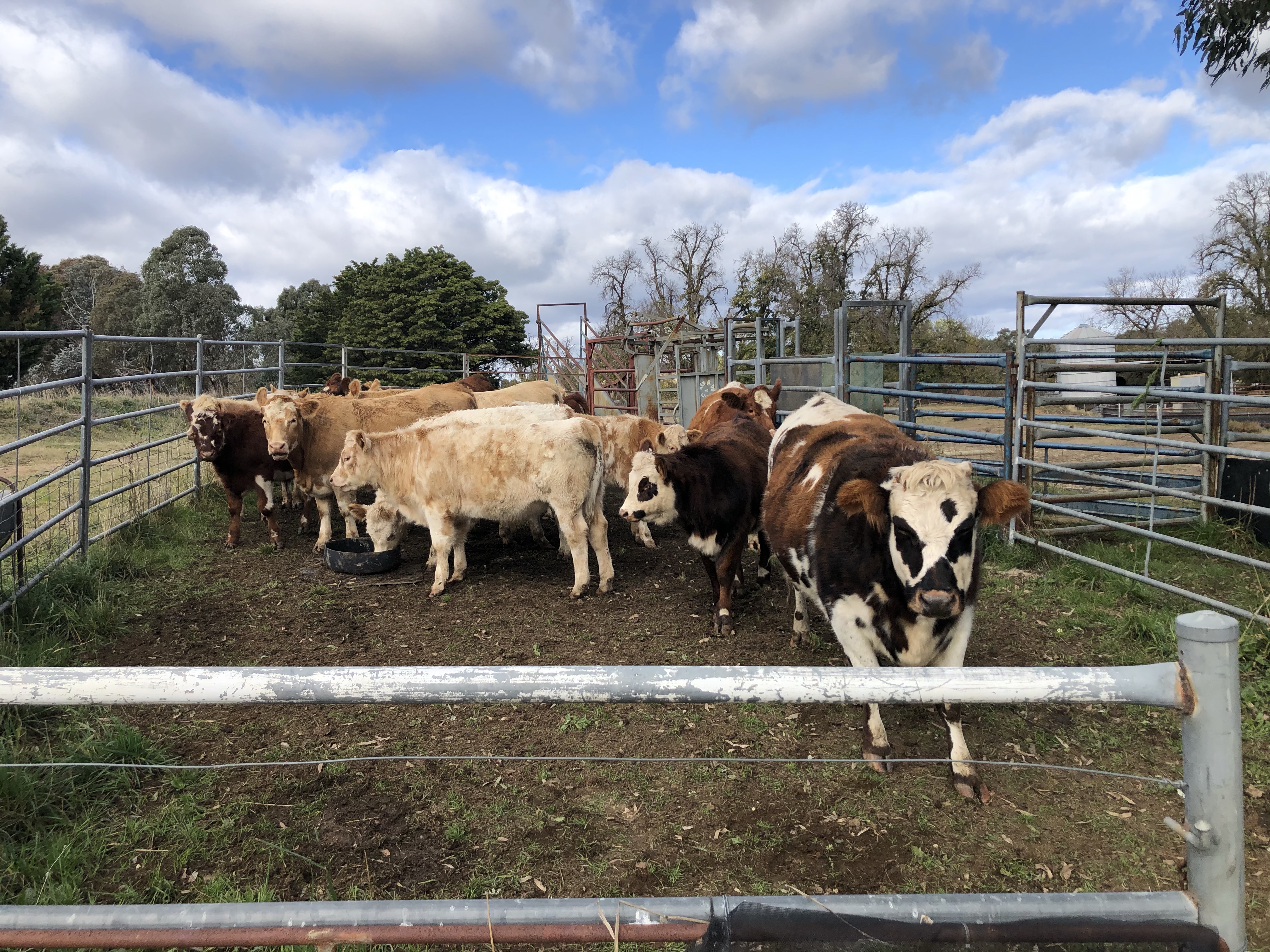
We brought the cattle into the yards, and quietly drafted them into two mobs. We released the mothers into the adjoining paddock, where they seemed to blissfully shrug off the burden of their calves and start feeding. So I moved them an hour later to a nice fresh paddock over the hill, and thought the worst of the weaning process was behind me. Oh how wrong I was.

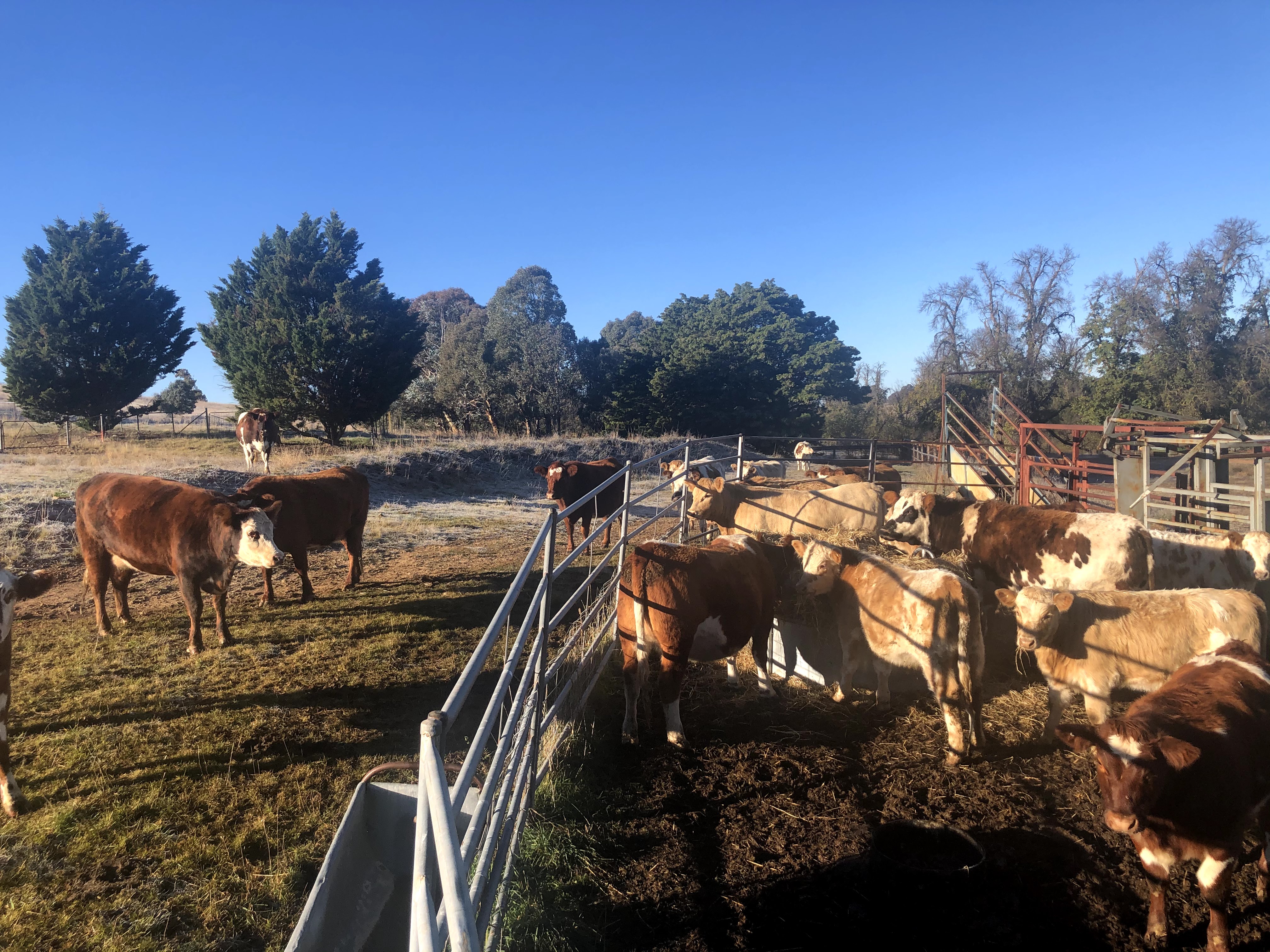
Weaning can be a stressful time for young calves and their mothers. So I left with the calves our four maiden heifers and Miss-Steak, one of our original herd who didn’t calve this spring. The initial separation seemed to go well. The calves, secured in the yards followed the lead of the older cattle and started enthusiastically feeding from our round bale feeder.

Later that evening as udders filled, the cows remembered their obligation to the calves and came back to the yards…. through the fences that separated them. Jo took the initiative and opened the gates to let the rest of the mob through. We left them overnight, bellowing to each other through the panels of the yards.

Over the next week, both mums and bubs started getting the hang of the new routine. I kept the cows in paddocks where they had access to the yards when they wanted to drop in and check on the calves. Most of the time they were happy to graze, but would visit their little ones late in the day. The calves seemed more than happy with the company of their peers

After a couple of weeks, I was able to move the cows away into a new paddock, and this time they didn’t push through fences to get back to their calves. I will keep the calves separated for a few more weeks before running them together again for simplicity. It didn’t take the calves long to associate the sound of the tractor starting up with the delivery of fresh hay.

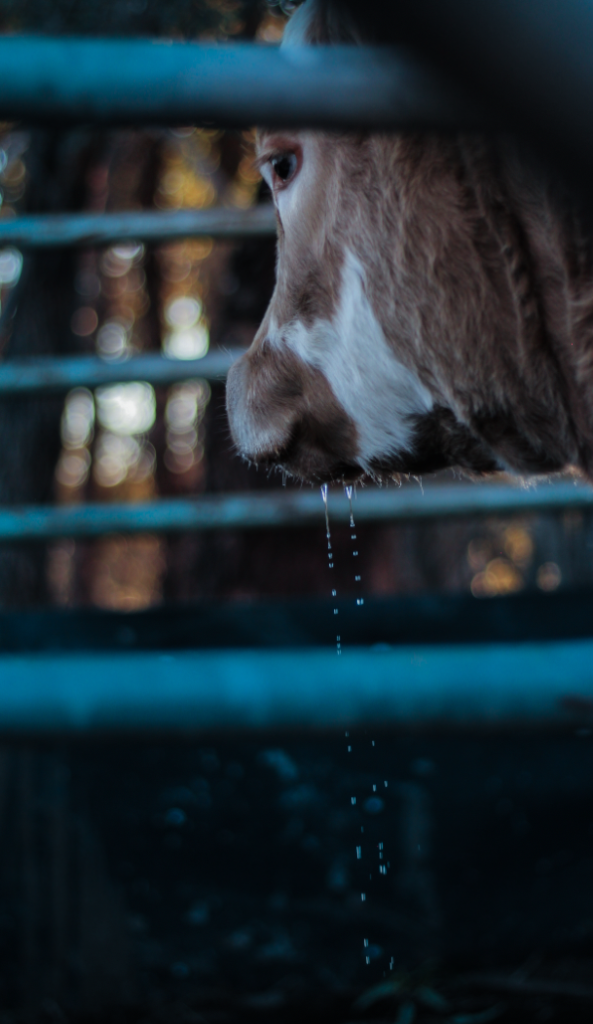
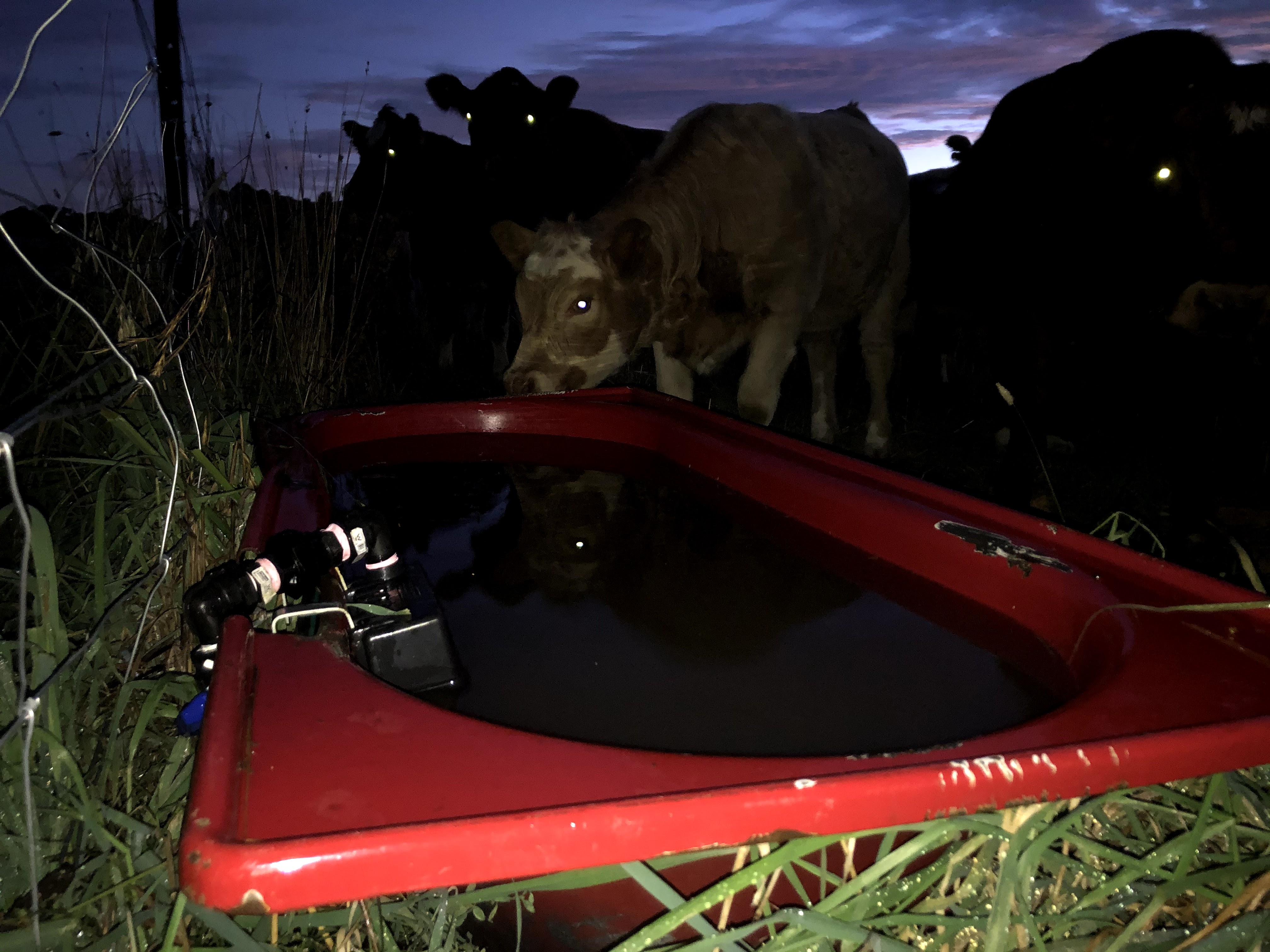
The not-so-little-photographer captured this gorgeous image of one of the calves lifting her head from the water trough. Most mornings I have been breaking the ice on the old bathtub trough so the claves can have an early morning drink… it has been bitterly cold.

It has been a busy few weeks, and juggling work, kids and the cattle. I have had a few late nights down at the yards until well into the night – especially when the float valve controlling the water supply failed due to a rusted split pin. My evening excursions reminded me that I need to recruit some extra help to give me a bit of redundancy if I can’t get around as easily, or if I am out of town. The not-so-little Helper jumped at the chance to drive the tractor, and he is learning the basics of moving it around (with the intention of building jumps for his mountain bike). Jo came down to the shed armed with a laminated instruction sheet on starting the tractor I made up last year. Following the instructions, she too was able to get the tractor in the right place with a bale of hay for the appreciative mouths.

In all, it has been a productive and busy time on the Rock Farm, and despite all the extra work juggling, I wouldn’t change a thing 🙂
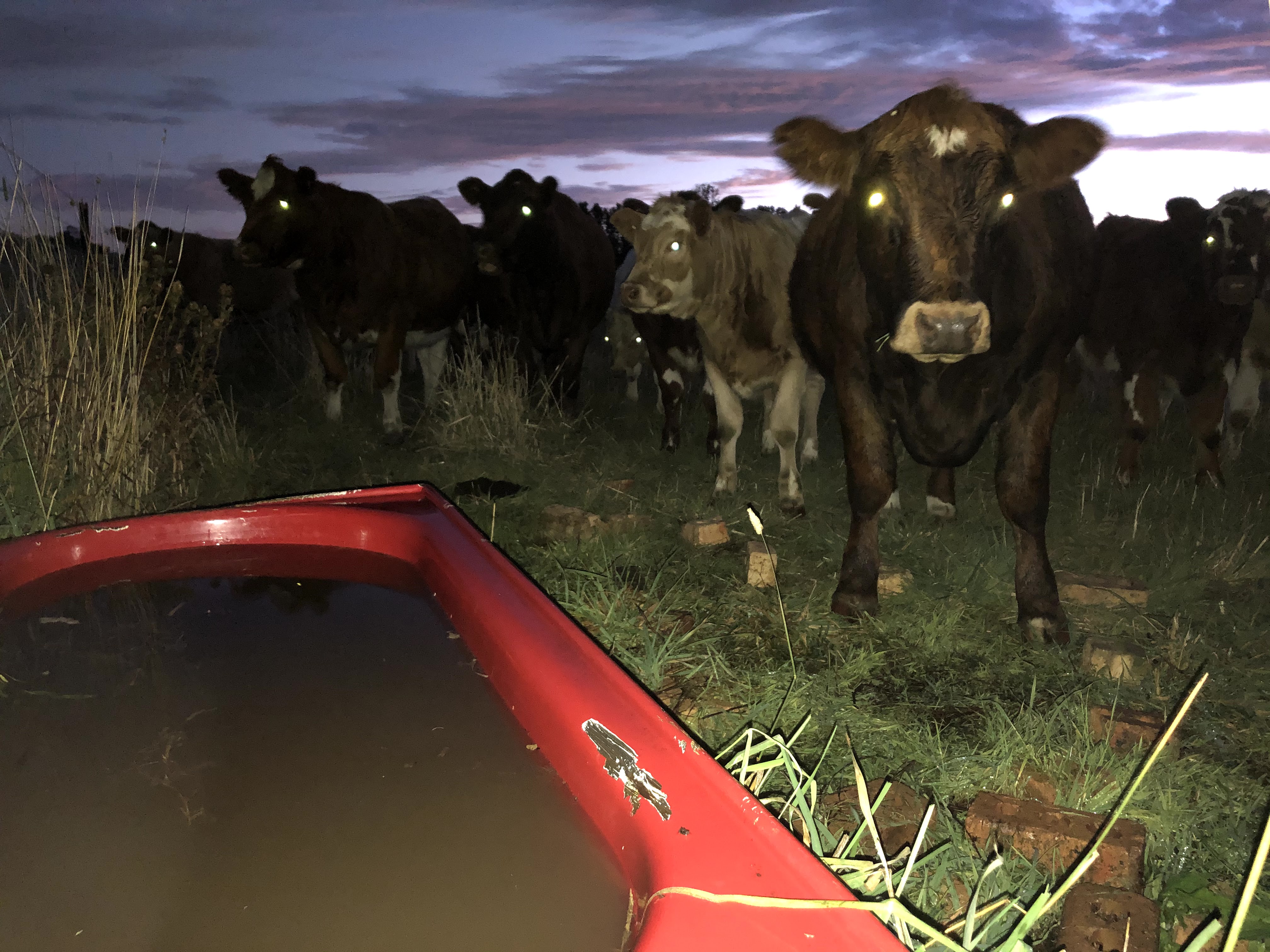
Further information on weaning can be found here: https://www.mla.com.au/research-and-development/Animal-health-welfare-and-biosecurity/Husbandry/Weaning

I also found this research particularly interesting and will investigate doing something similar next time: http://www.beefresearch.ca/blog/low-stress-weaning-benefits-on-several-levels/

Out and about on and off the Rock Farm

After our last good rainfall in late March, we have barely had a drop of rain, and the farm has quickly taken on a bleak winter look. Talking to a couple of local old timers recently, they felt we are in for a long cold winter, and at this point in time, I am inclined to believe them. That said, our cattle and pastures are in good shape, and the hay shed has a good amount of hay in it.

The Rock Farm has been a hive of activity since our last update in early March. A combination of getting the farm winter ready, school holidays, unscheduled repairs combined with a busy run at work has seen the blog take a bit of a back seat.

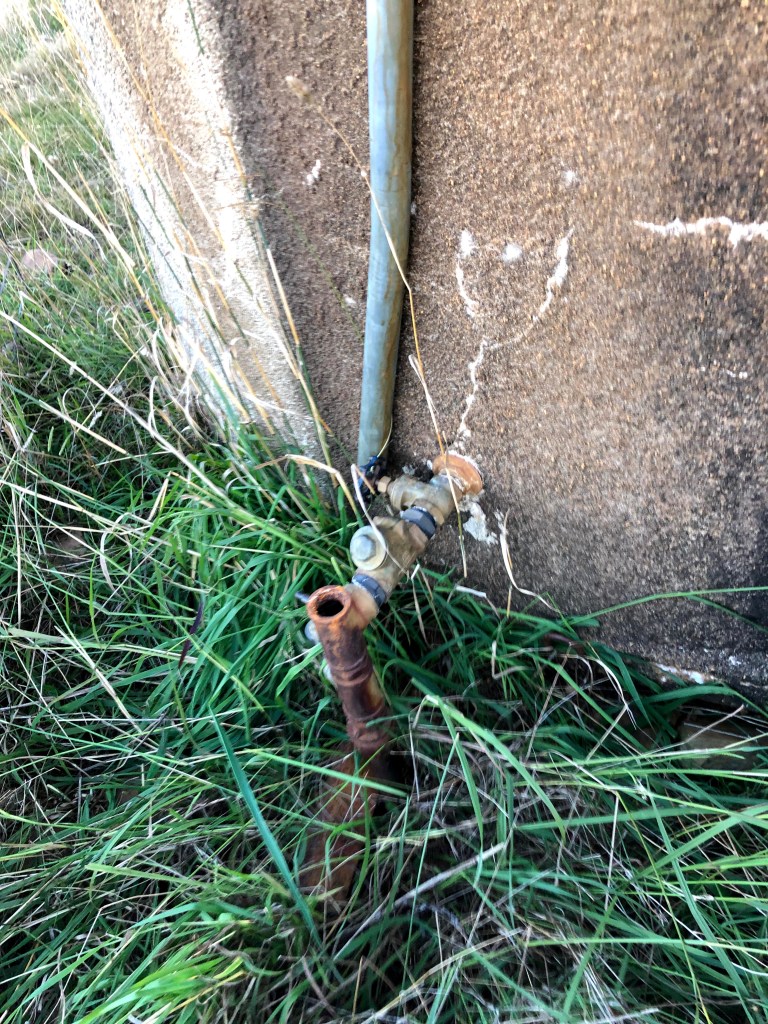
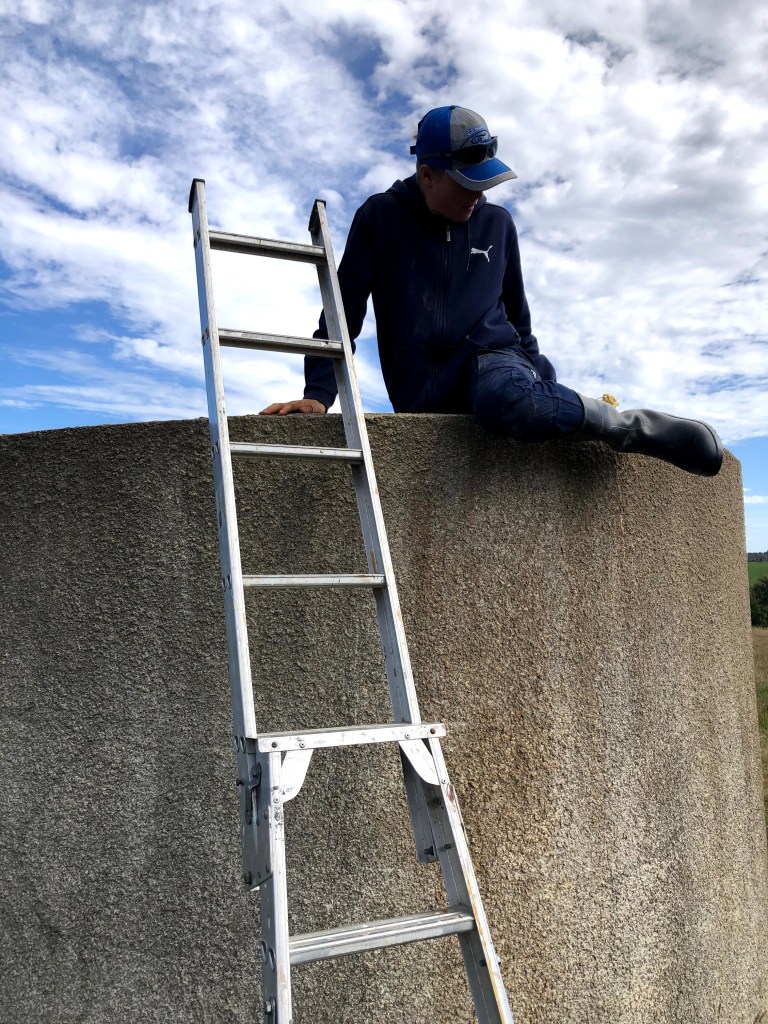
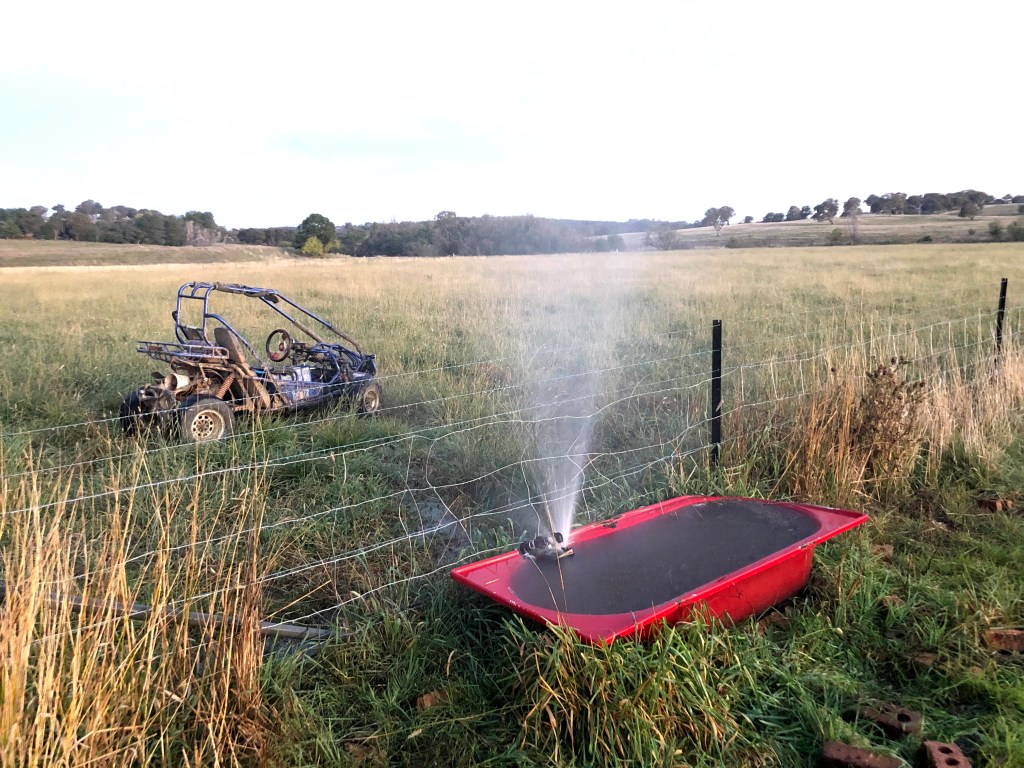
Some of the activities we have been up to included repairs to our dam water header tank. The old galvanised pipe rusted through at the base, meaning that we had no water to our troughs, the garden or the house toilets. Thankfully we were able to replace the rusted section with some new poly pipe – but when the system was pressurised, a new ‘water feature’ appeared in the paddocks!

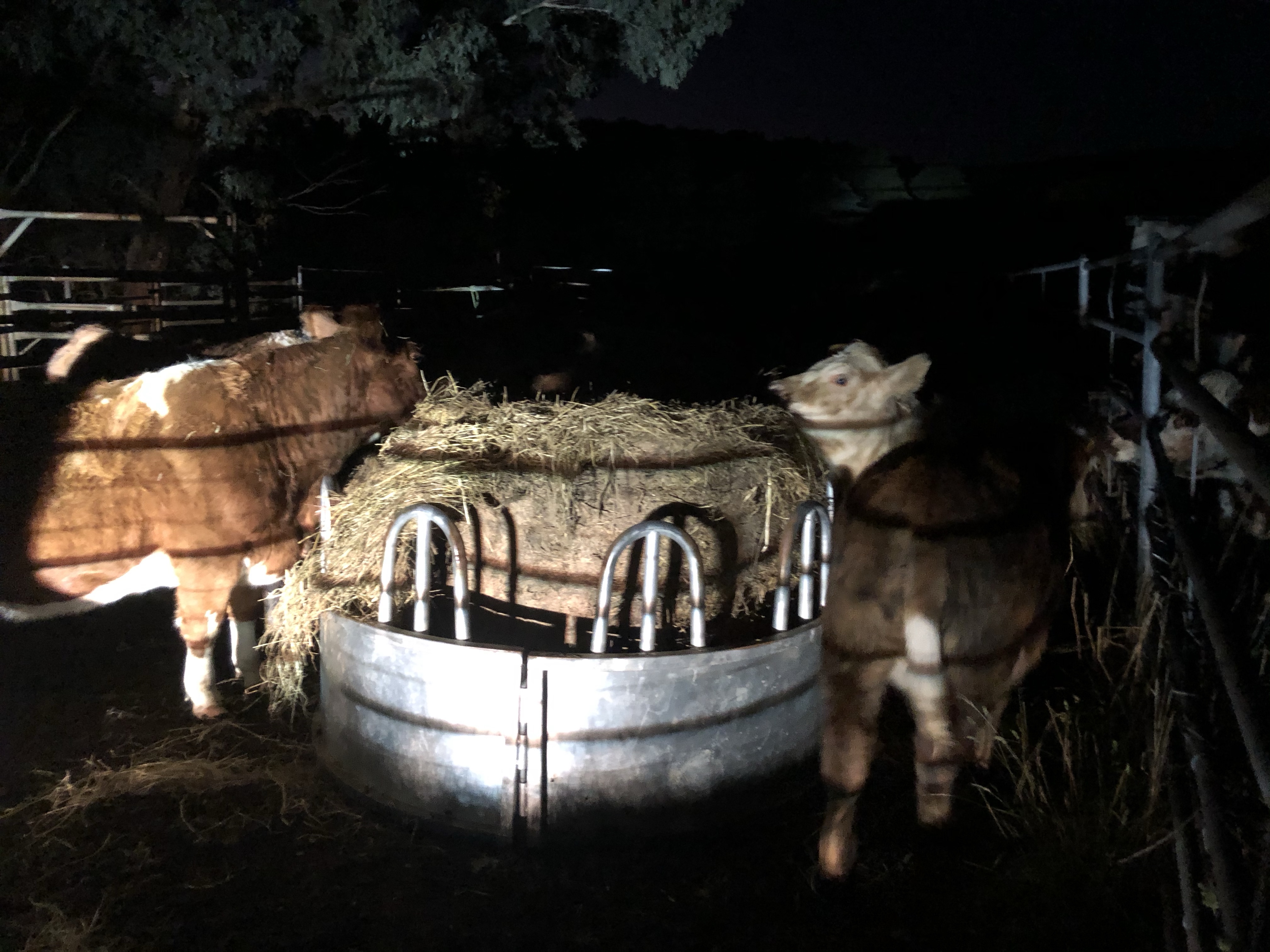
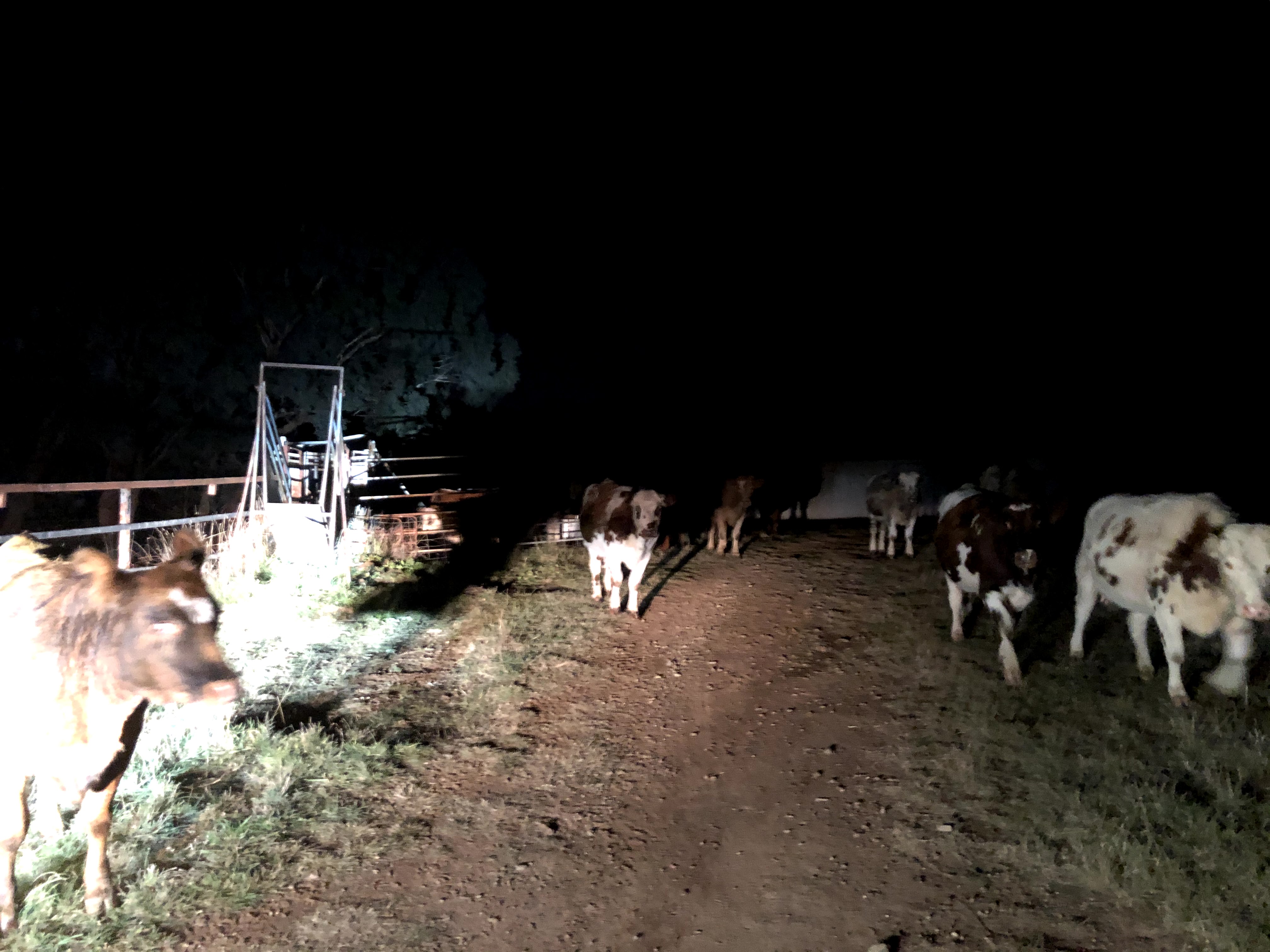
By the time I finished repairing our fountain it was dark, I was cold, however I had an appreciative and curious audience.

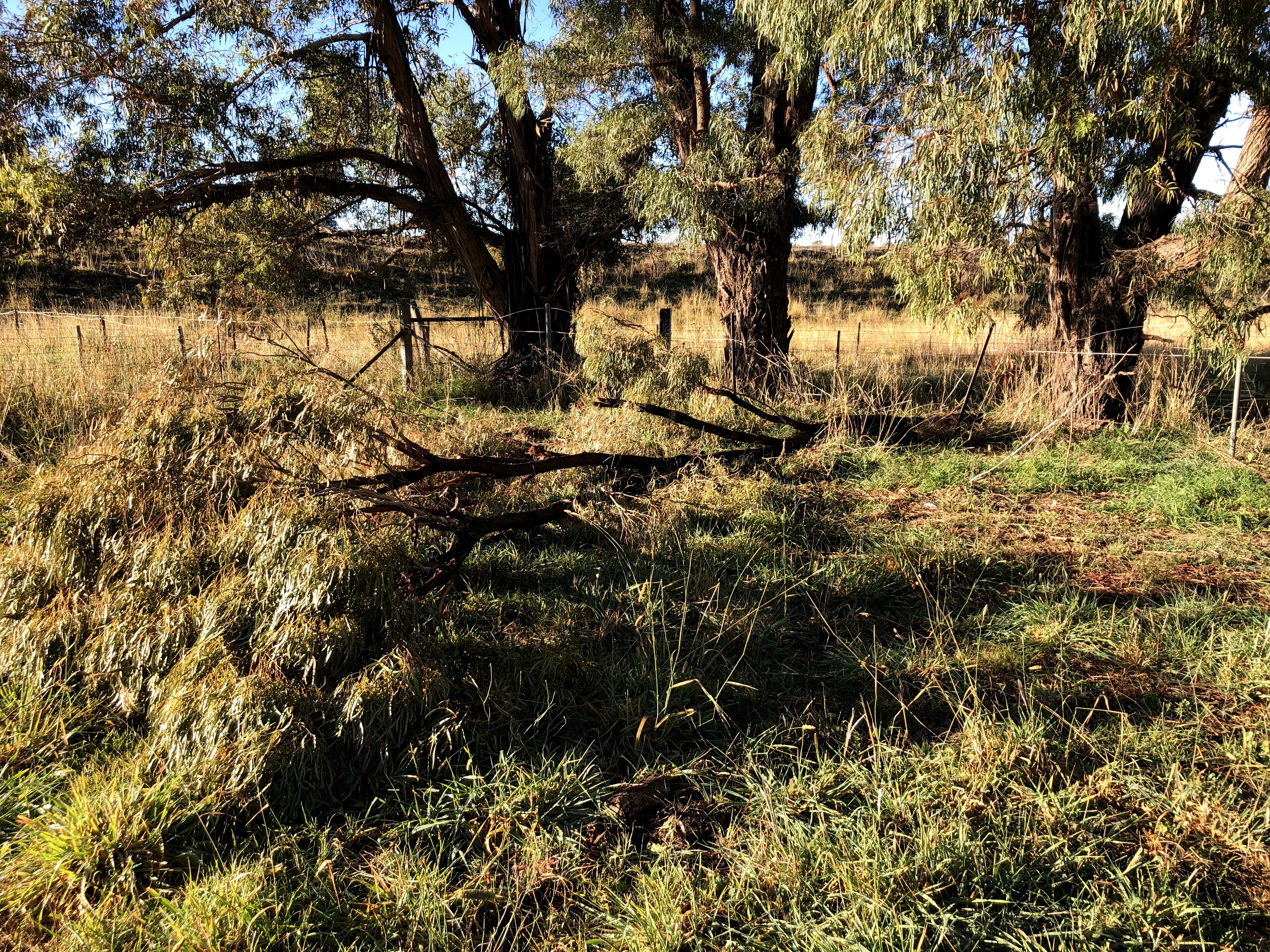
In other parts of the farm, our old Peppermint Gums (eucalyptus nicholli) are in the habit of dropping branches – newly always on fences. It doesn’t take too long to cut up the branch and repair the fence, but it does stop other jobs from being done. I’m beginning to understand why it seems every fence on the place is made up of hundreds of little lengths of wire!

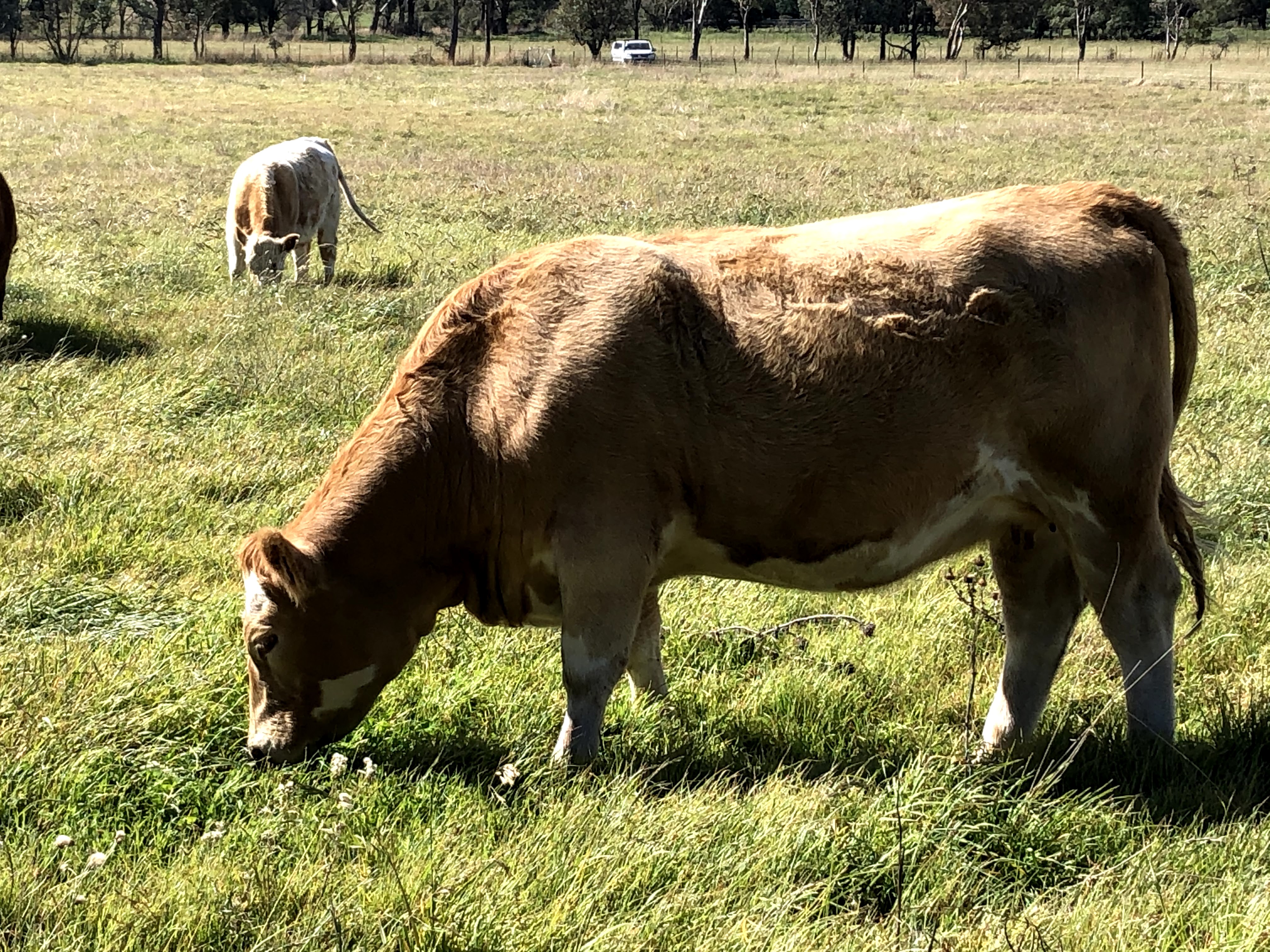
The good news is the cattle are all in excellent condition. The problem I have is that every time I threaten selling the calves to ease the feed burden over winter, I find that more have names. And of course, once it has a name, it stays…. This means that I am relying on our pasture and hay stocks to get us through winter. We are planning on holding on our 10 calves over winter and sell them in Spring when they are 12 months old. I do have an escape plan, and the boy’s did help me put NLIS ear tags in them to ensure that we can sell them at any time should we need.

I am very conscious that the Rock Farm can be all consuming, and it is very much my passion. The kids enjoy the space and help out with many of the job, but they are busy forging their own paths. It is a balancing act to keep the boys engaged, but not feel exploited in their contribution to the farm.

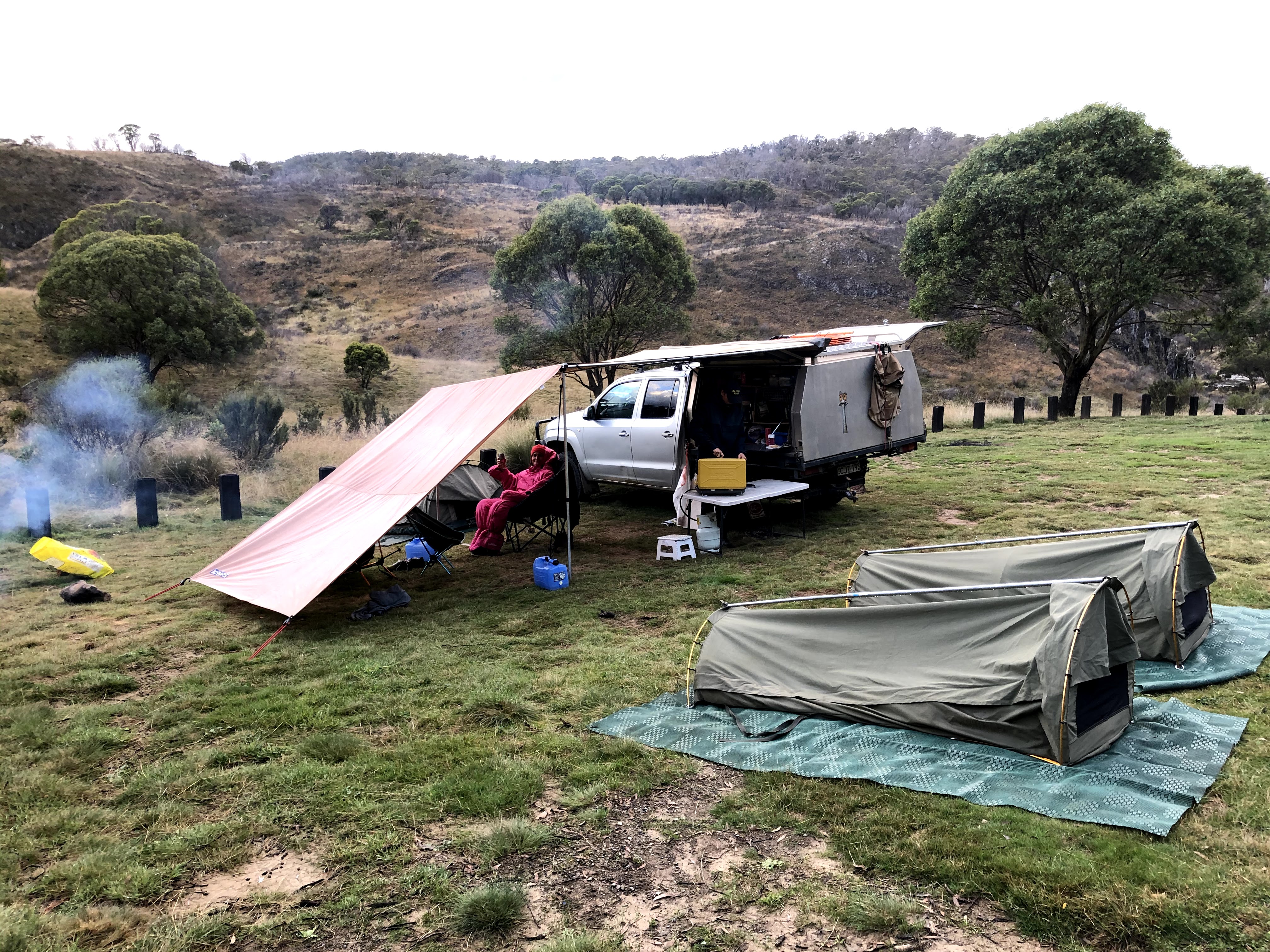
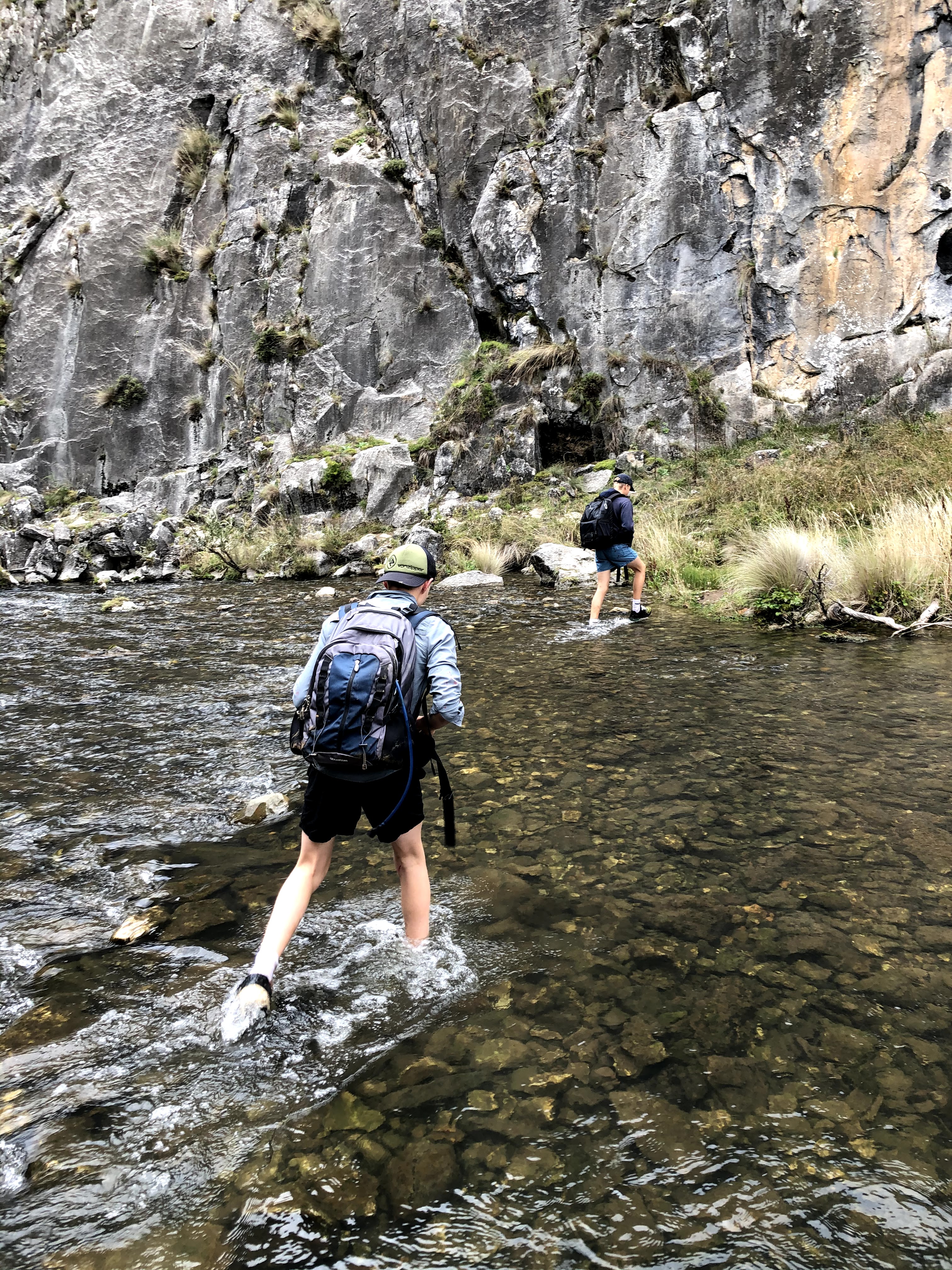
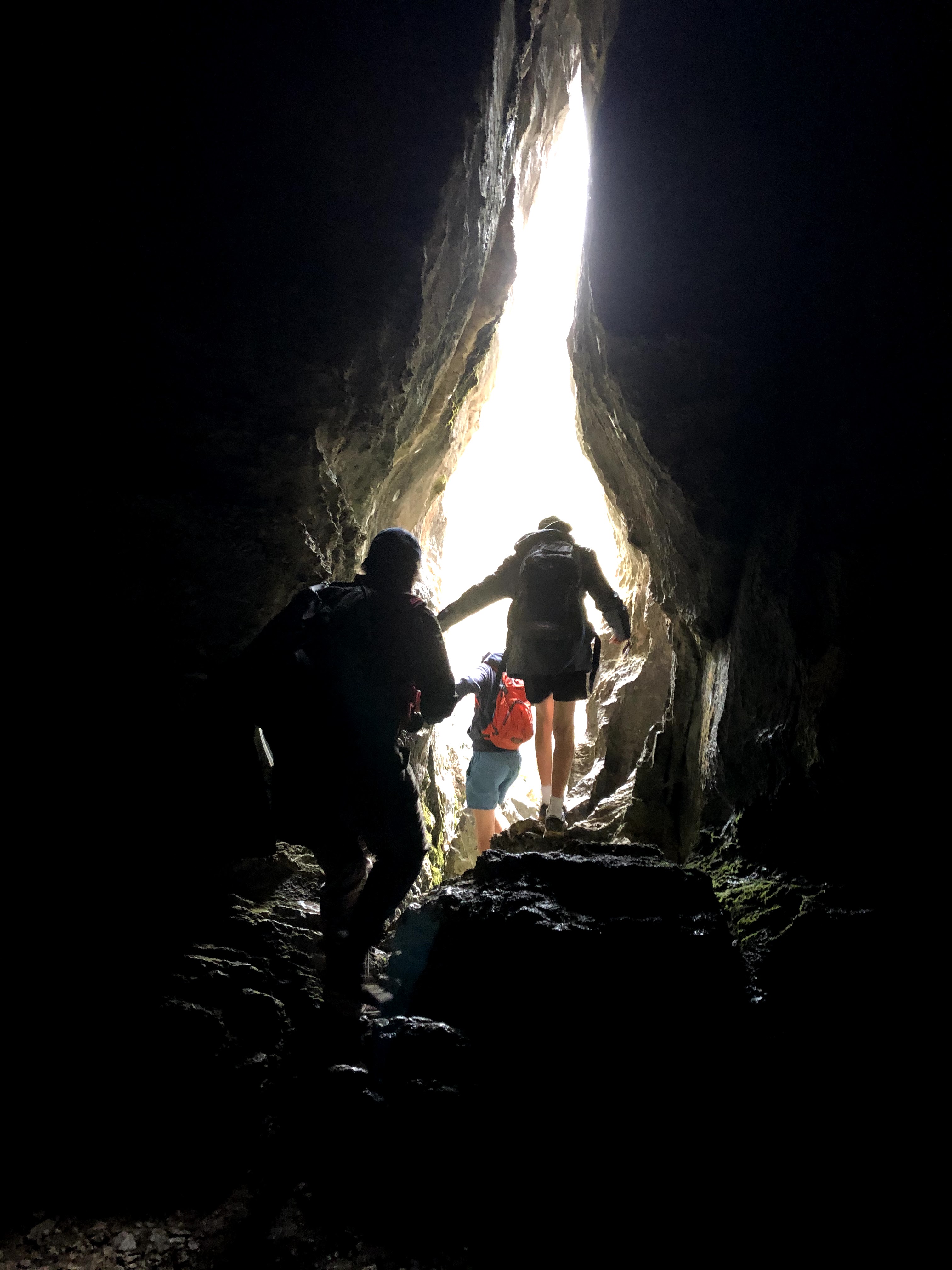
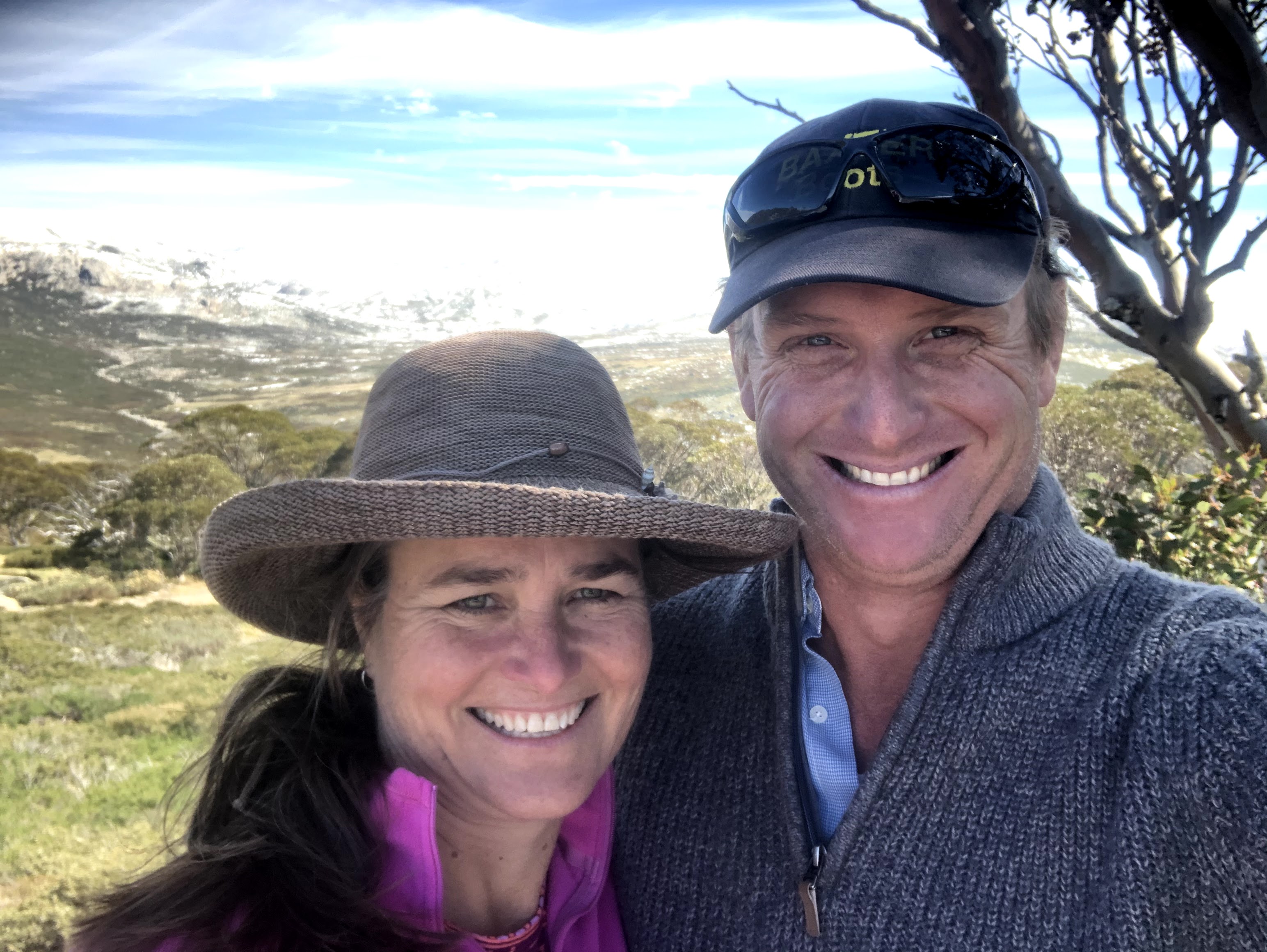
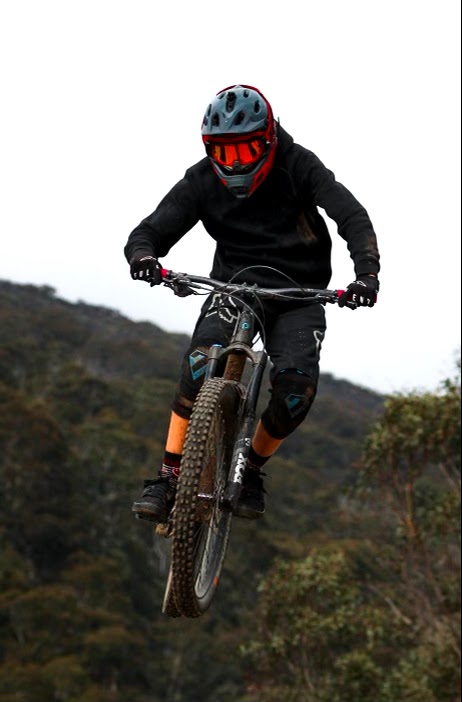
With that in mind, it is important to make time to get away from the Rock Farm. We did enjoy a few nights camping in Koscuizsko National Park and couple of weeks later we stayed at Thredbo. It was great to get the family together and enjoy a break together free from the distractions of work, school or the farm. We loved exploring Blue Waterholes, and the adrenaline junkie loved hitting the slopes at Thredbo on his mountain bike.

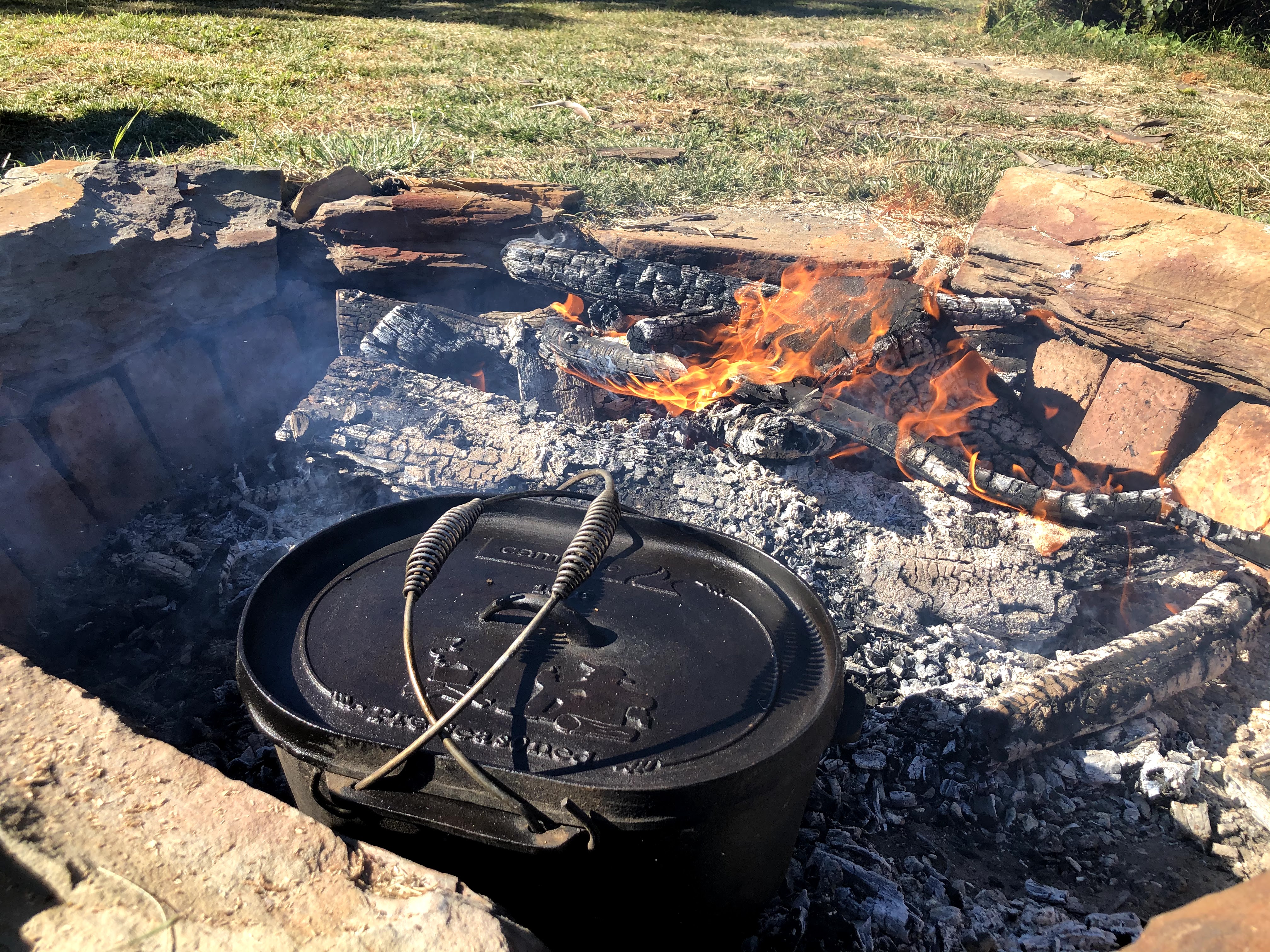
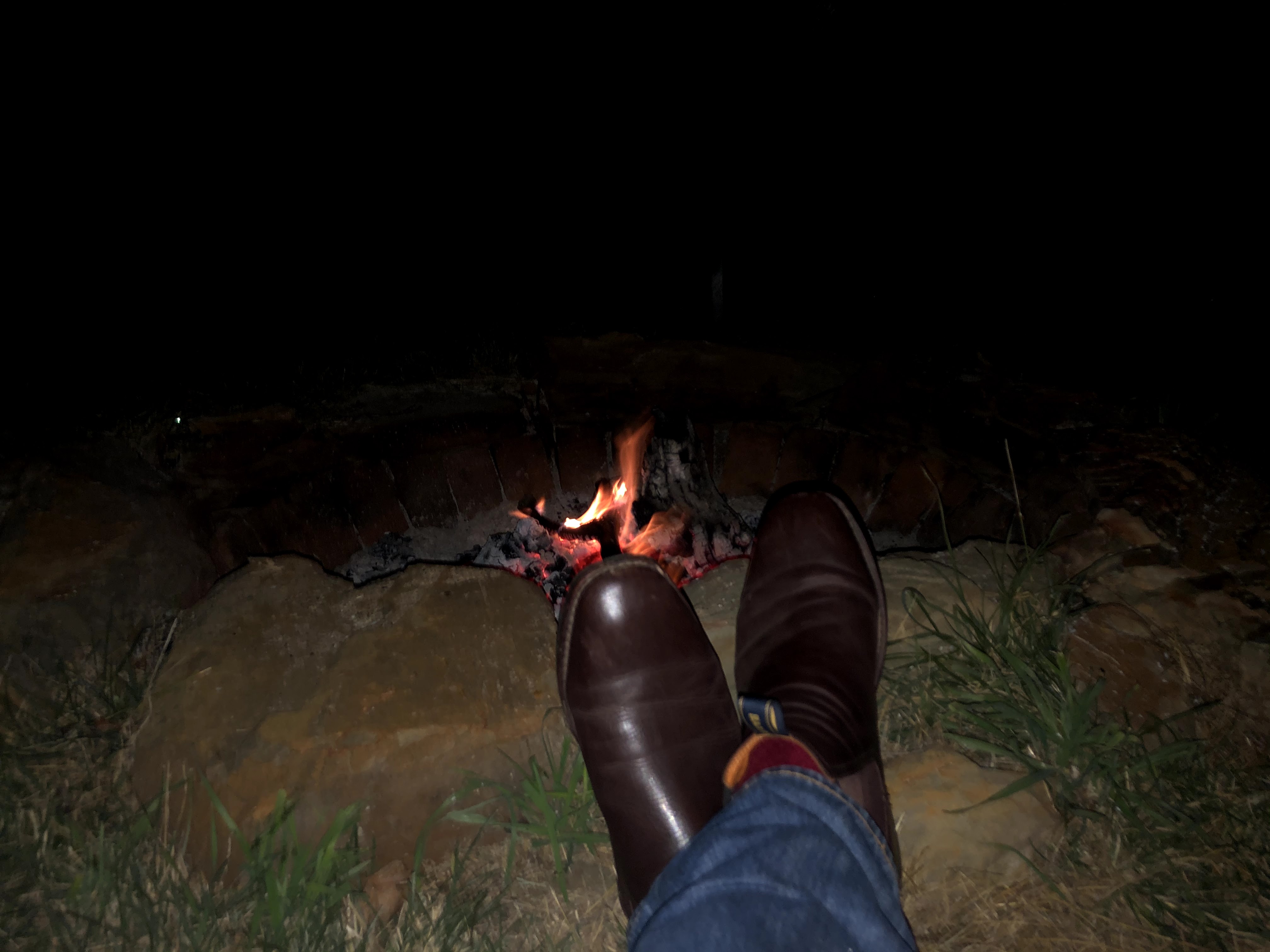
As much as I enjoyed getting away, it was lovely to get back home and enjoy a slow cooked dinner prepared in the fire pit. Something seems to slow down when you’re sitting around a fire.

While the blog might have been a bit quieter than normal, life has been anything but. And that’s a good thing.

Pasture and Trees Update – Rock Farm enters Autumn

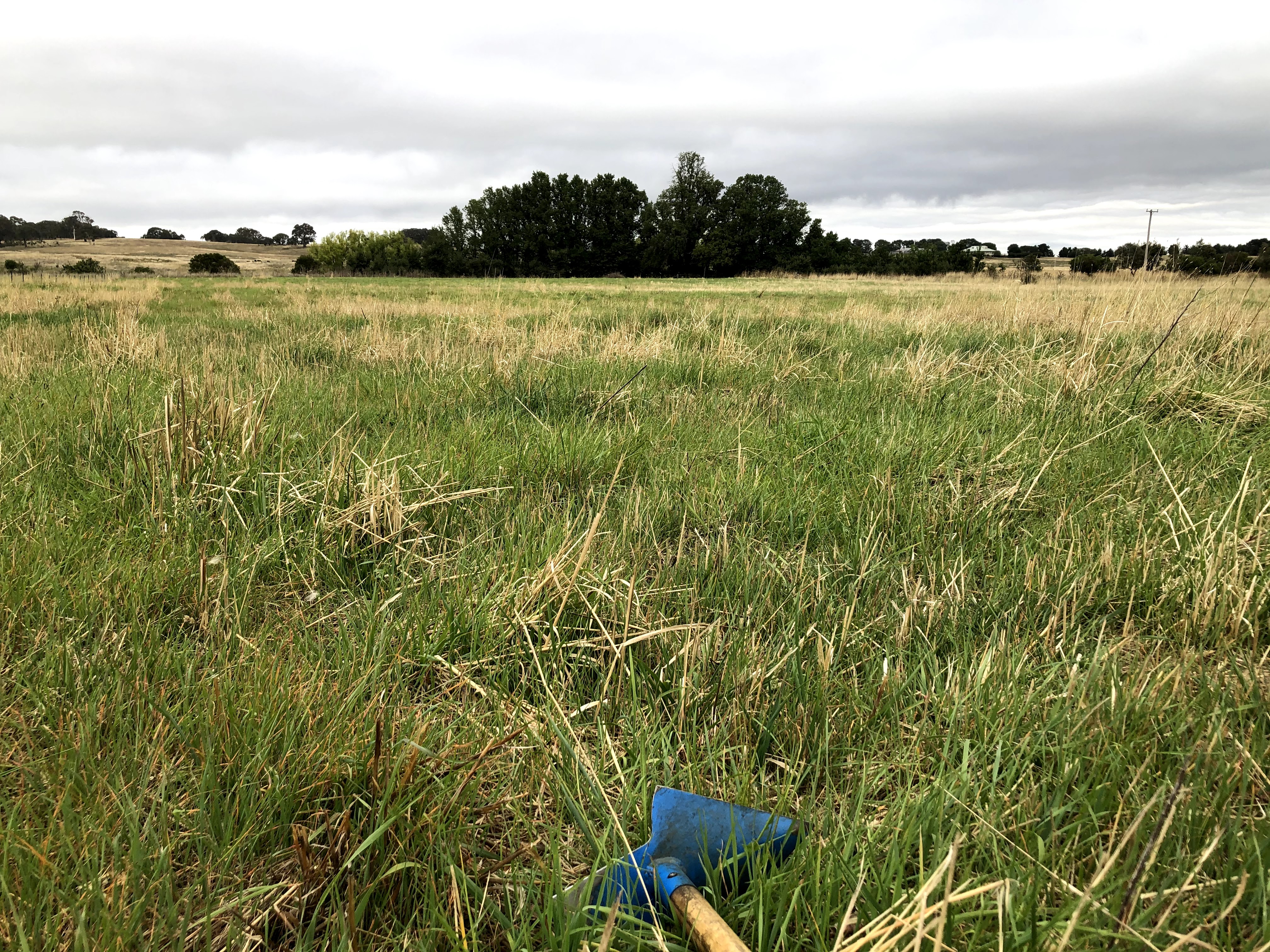
After a most unusually cool and wet summer for this part of the world, I took a stroll around the paddocks this morning to take stock on where we are at in the lead up to winter. As usual, I took my faithful weeding tool, and chipped out a few of the thistles that were on my path.

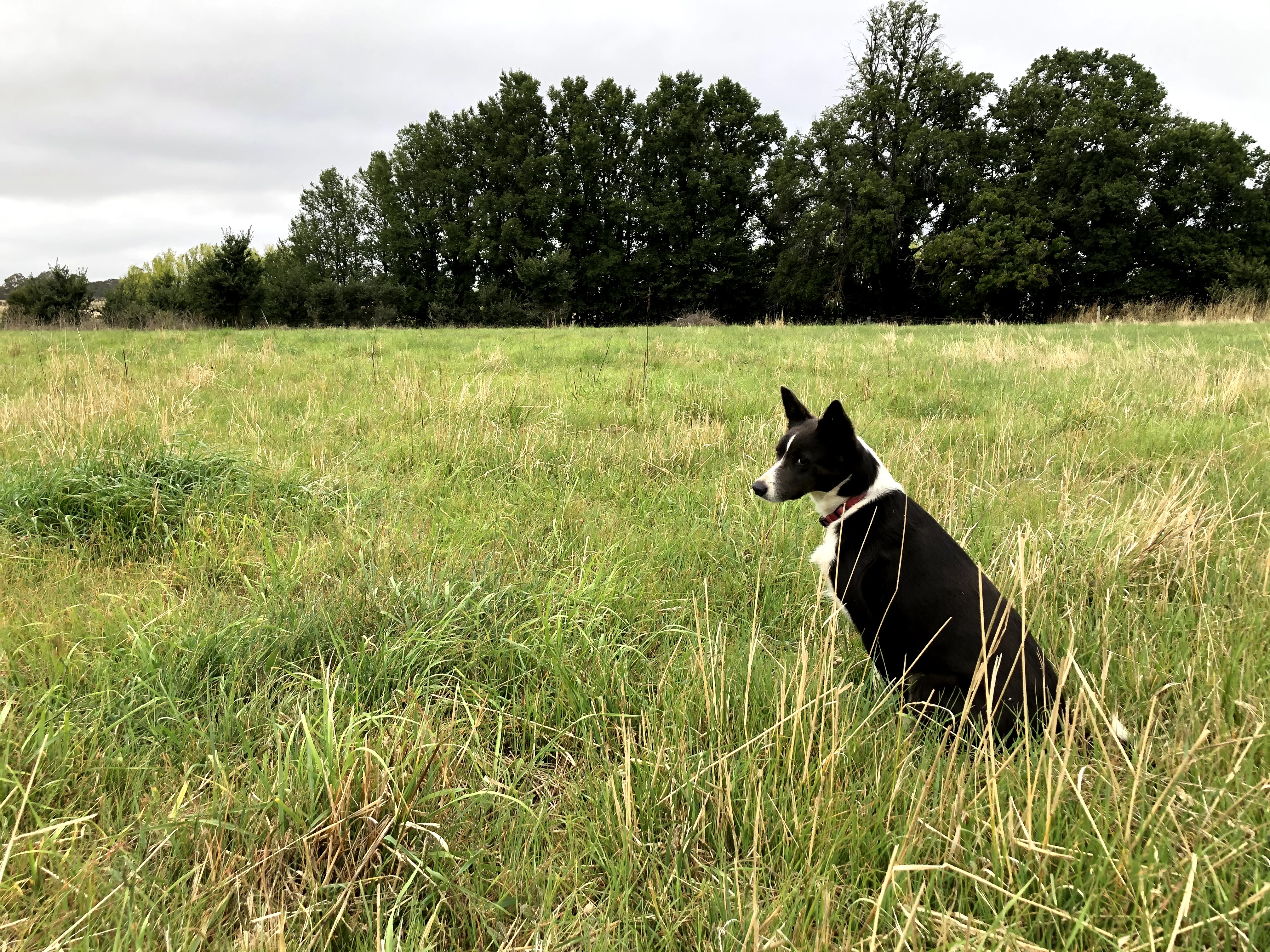
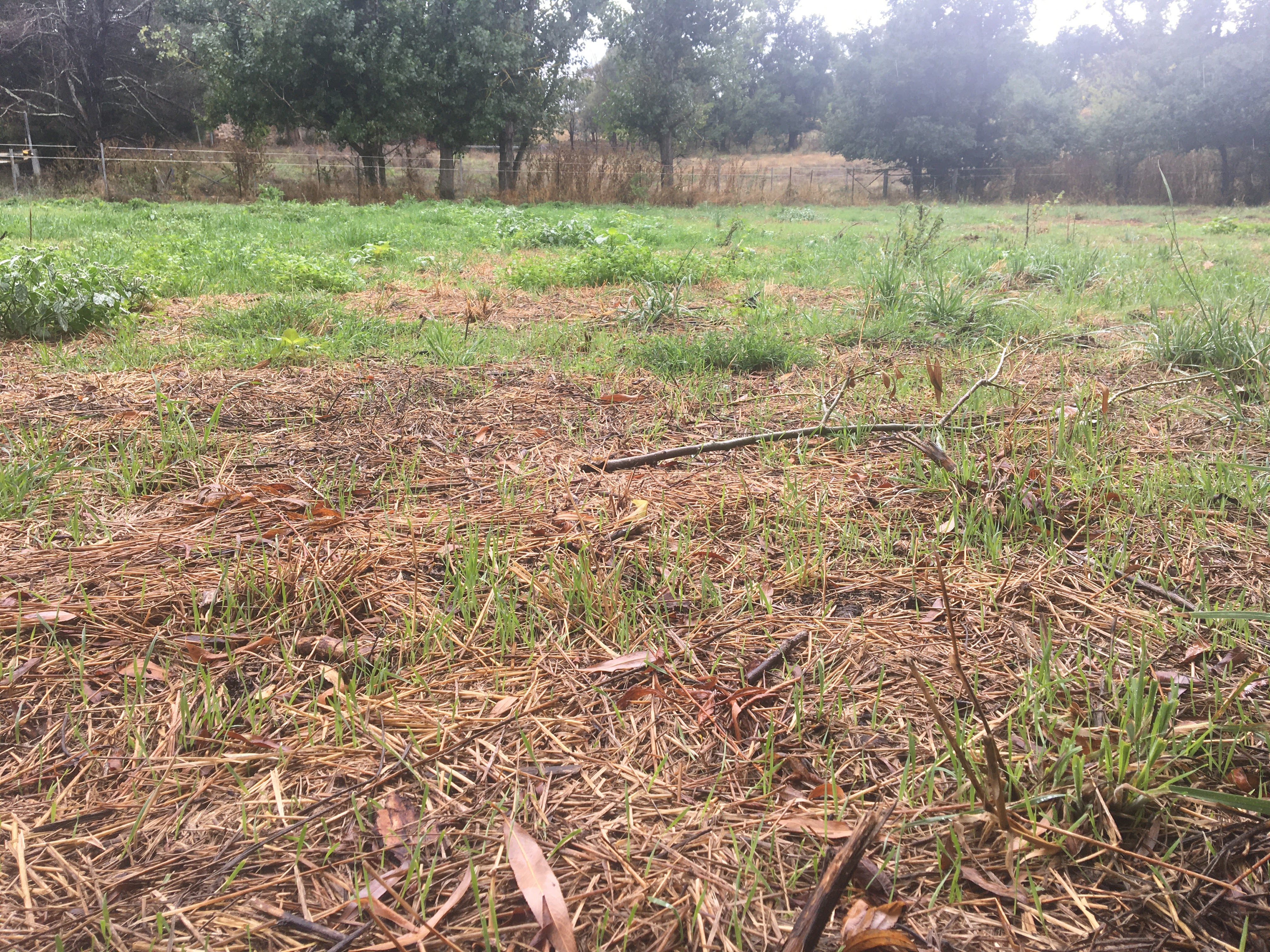
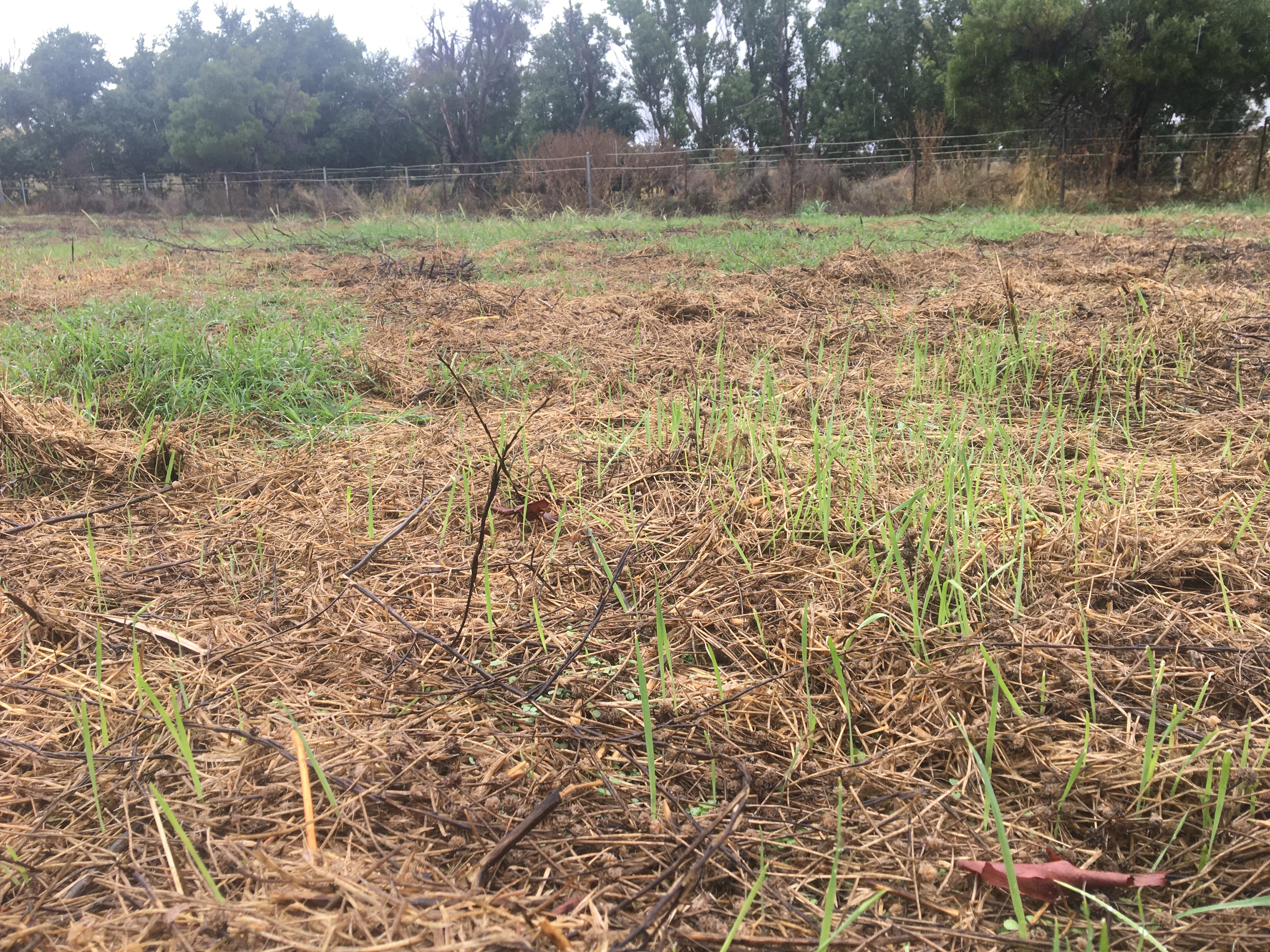
What was most remarkable was the condition of the paddocks – especially the 2 hectare flat paddock I rested this year. After mulching the paddock in the first week of January, I put the cattle on the paddock for four days a month later. After another four weeks of rest, it is in glorious condition, with the old phalaris storks providing excellent mulch on the ground, retaining moisture and allowing the grass to really get going.

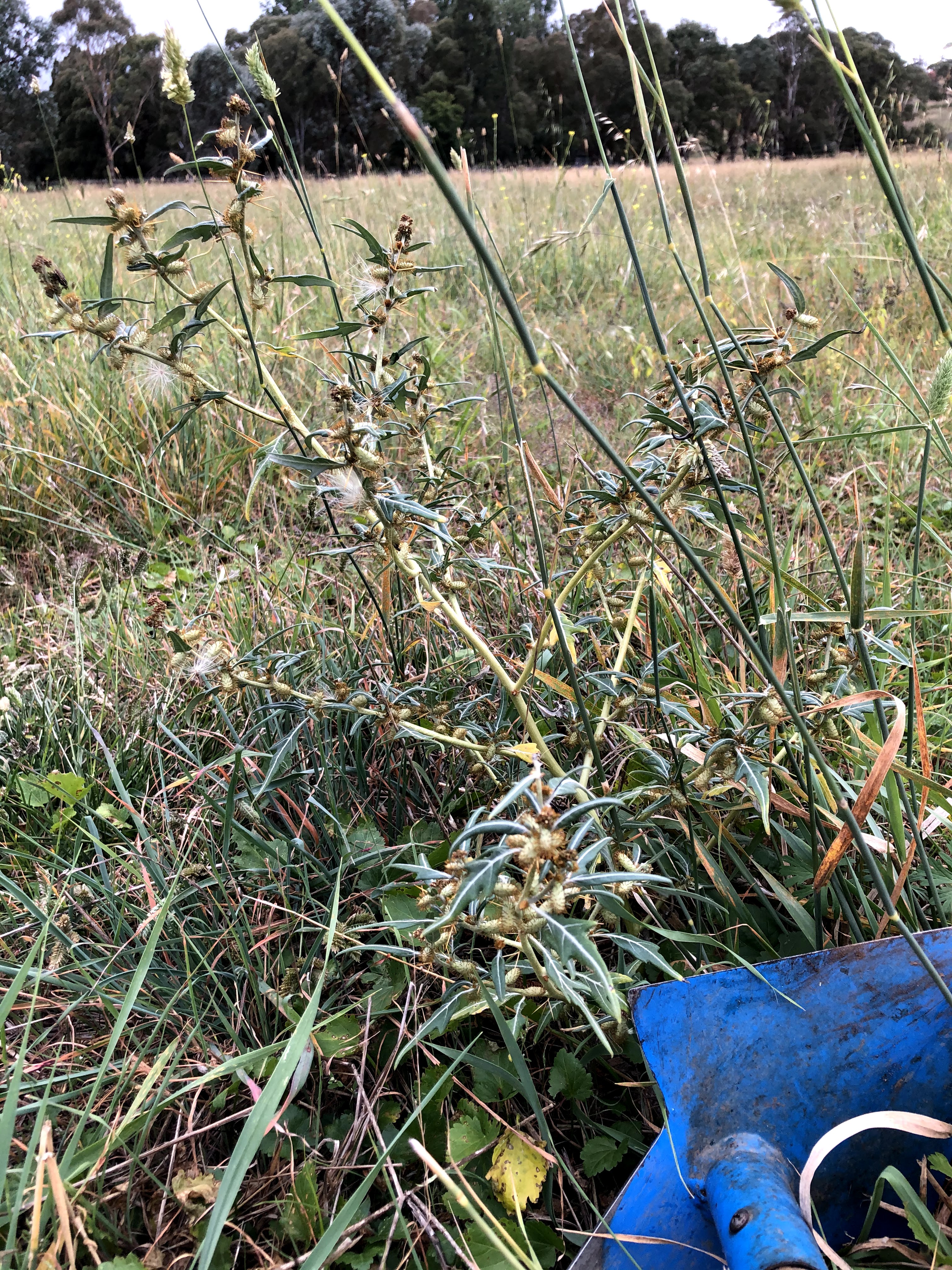
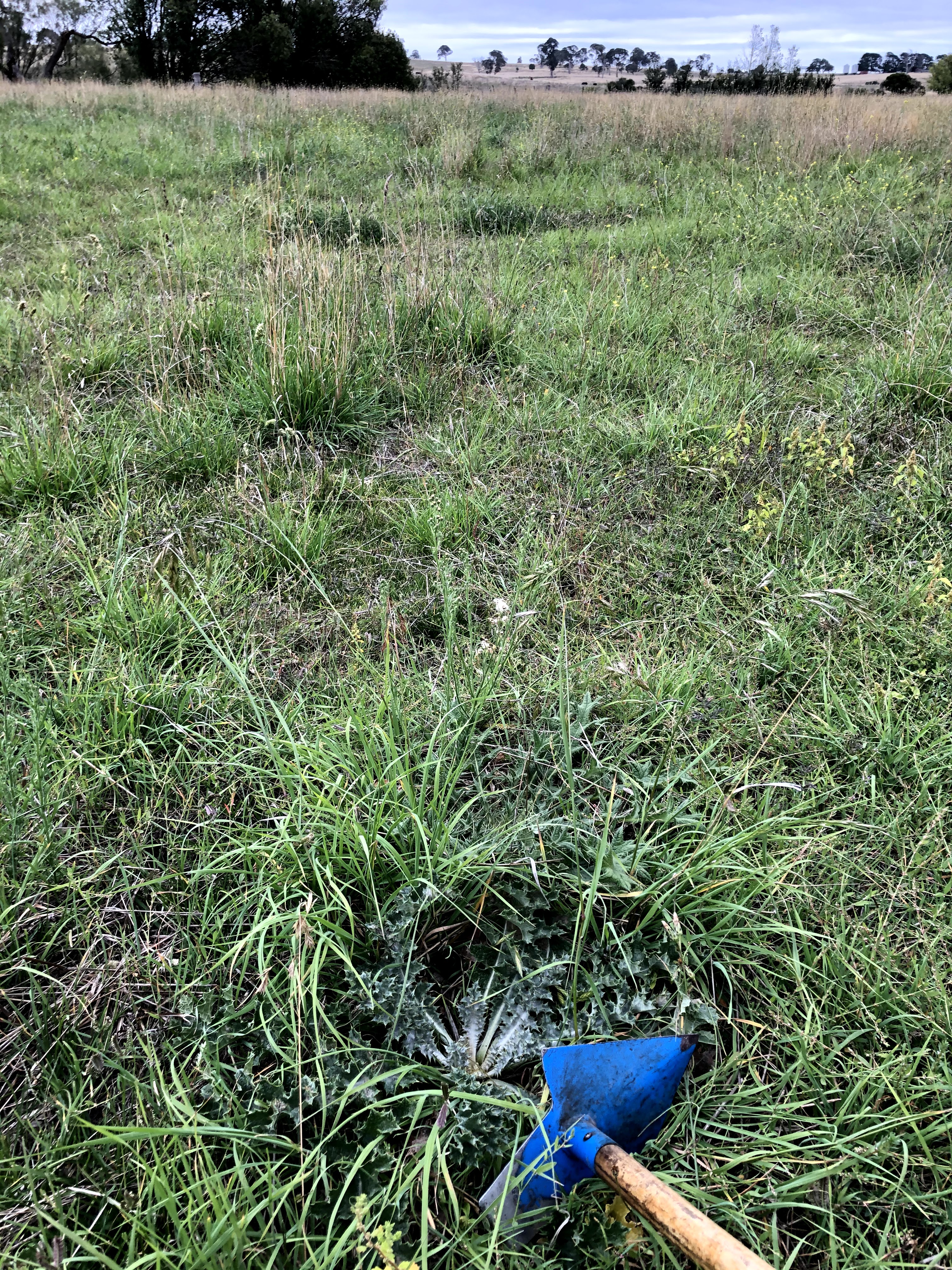
Not all the Rock Farm looks like this. The paddock next door was grazed a lot harder in summer, and is bouncing back also. Without the benefit of the mulch, it is taking longer to come back. The advantage this gives me is that I can more easily see the thistles, my least favourite being Bathurst Burr (the middle photo).

There is a perception that nature will heal itself and find its own balance. Whilst this is partly true in the long term over thousands of years, it doesn’t apply on the scale of our farm, especially if we want to graze animals on it. Organic farming (the type conducted since the beginning of modern times) was a constant challenge, requiring vigilance and management to ensure a yield. Our farm is no exception. Managing the weeds such as thistles, serrated tussock and paterson’s curse require constant effort.

My aim is to assist nature to create healthy, carbon rich soil, through the use of cattle. There is so much I have to learn about the forbs and grasses that are here. By attempting to create a good environment for the grass to grow, I might also be creating the perfect conditions for another weed to grow. I am learning to closely observe the relationships between the different grasses and weeds in my attempt to understand this place better. The cattle won’t do all the heavy lifting, and I also need to put some energy in to help regenerate the landscape.

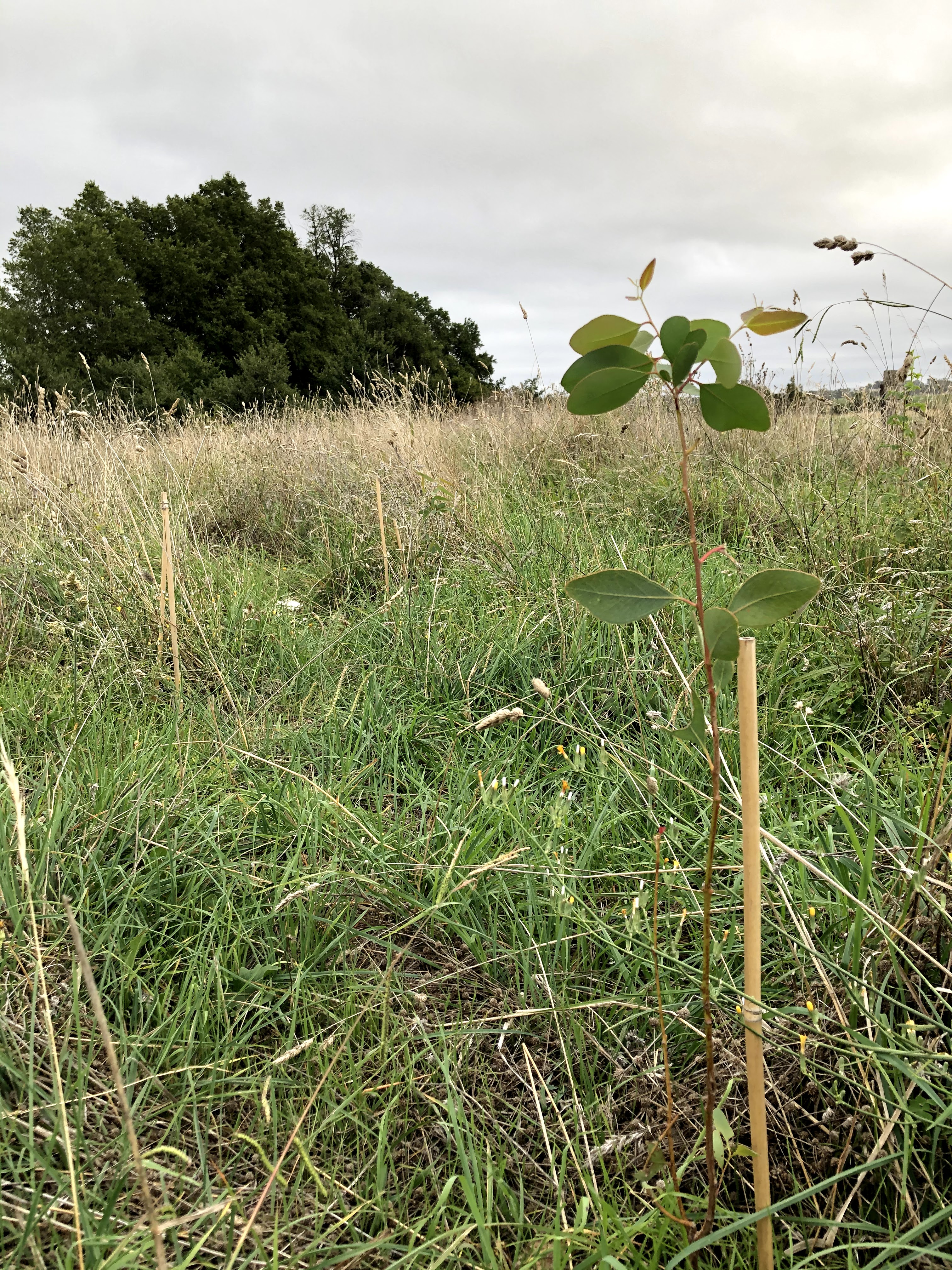
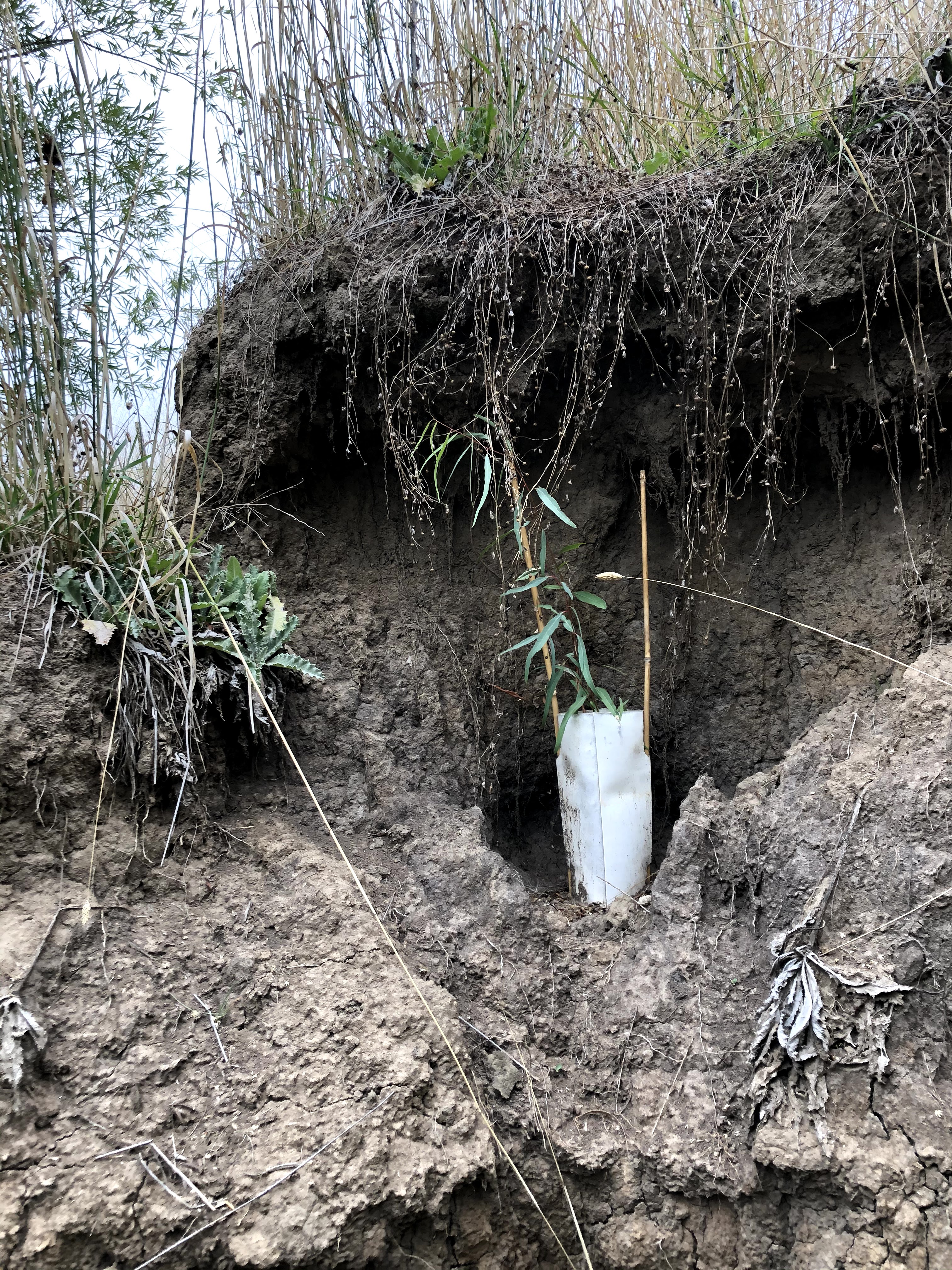
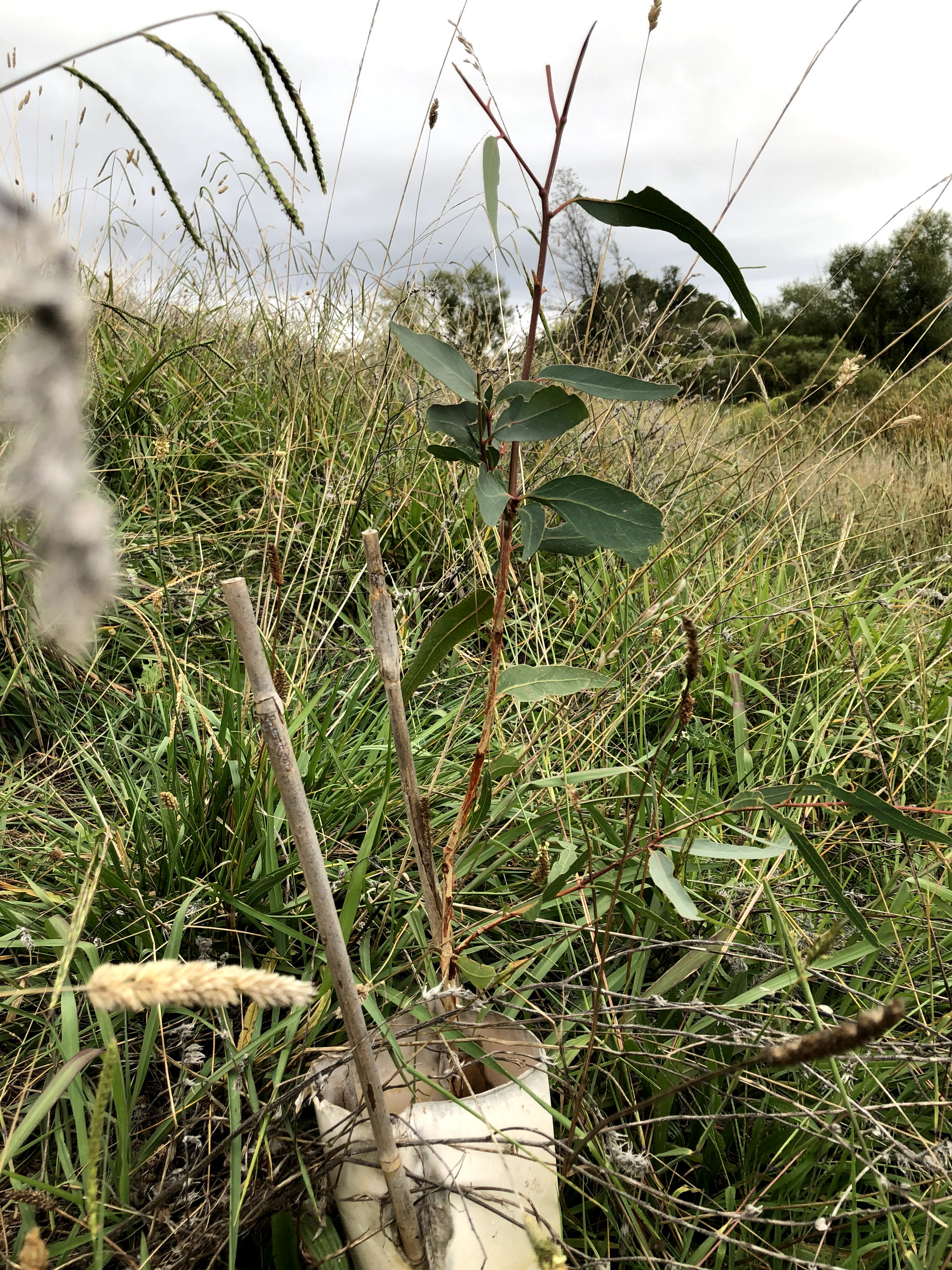
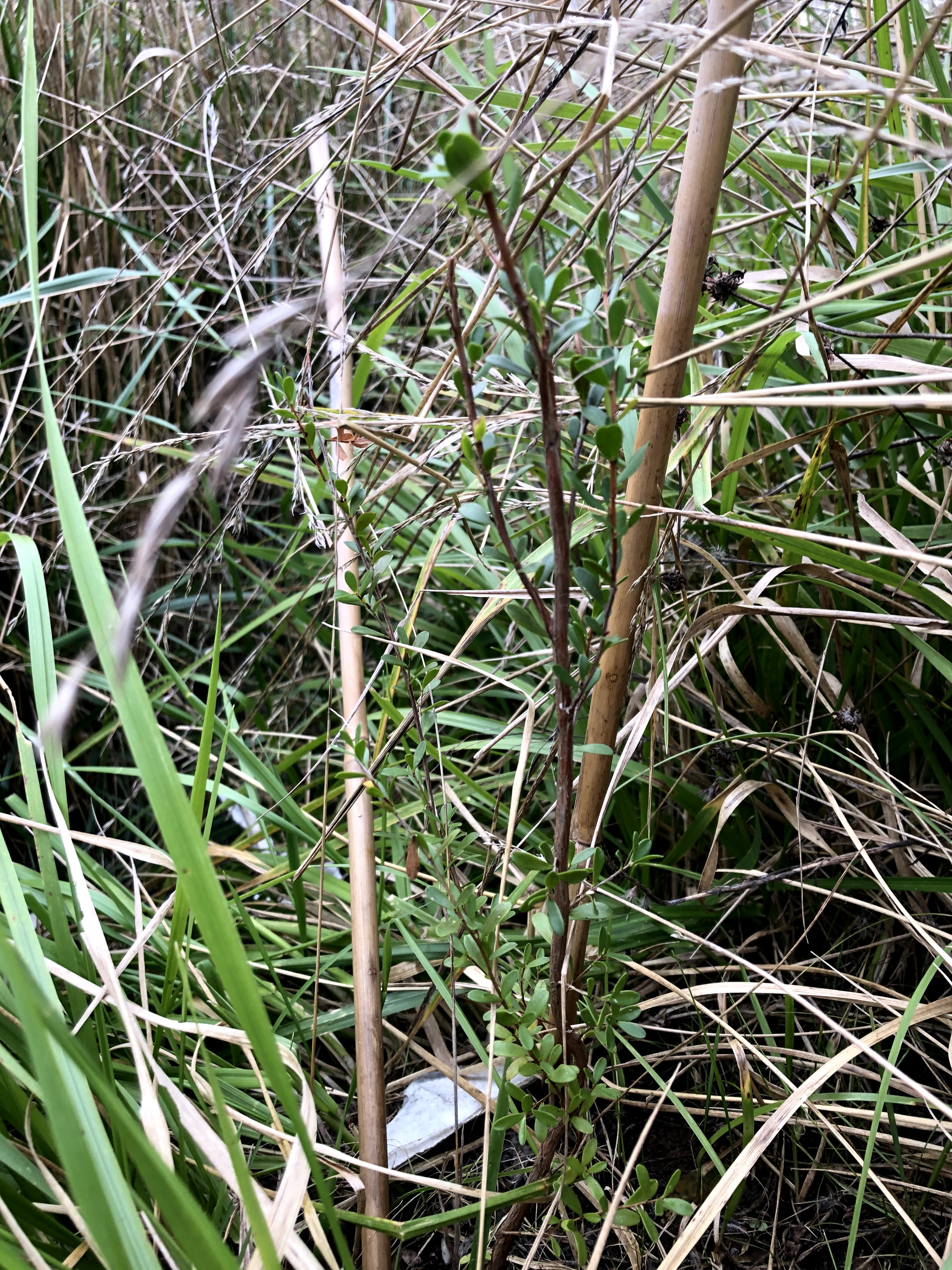
I found myself continuing down to the creek, where many of you will recall we planted 300 trees in September (https://rockfarming.com/2020/09/11/cant-see-the-wood-for-the-trees/). This area has changed dramatically in the past five months. What was an easy area to walk through has become an overgrown tangle of grass, weeds and shrubs. The good news is that most of the trees are still going strong despite being lost amongst the undergrowth.

Some trees have been gnawed by hares and wombats, but I think the long grass has saved many from being discovered and destroyed. On the banks out of the wombat’s reach, the gums and wattles are doing particularly well. The hopbush is doing really well in the creek bed despite being almost lost in the dense growth.

It is such a privilege to be part of this project bringing trees back to the creek bank. I can only hope that the trees are well established before the next drought. Whilst the main purpose of the trees is to stabilise the creek bank and slow the water down, I would also love to be able to sit in the shade of these trees as an old man.

Our tree planting isn’t over for the year. We have plans to plant oak acorns this winter along a couple of fence lines and in some of our other paddocks, and this is where you can get involved and be a part of our journey.

We will be inviting readers to join us in our tree planting mission (and Rock Farm open day??) sometime later in the year once we have harvested our acorns. If you’d like to be a part of the day, please get in touch 🙂
A wet summer creates a problem…

After a hot few days at the end of January, we have been treated with a wet start to February. We had over 70mm of rain fall over the past week, which has been absolutely glorious. None of the rain has run off into the dam, meaning it has soaked into the soil, which isn’t a bad thing. It has however created a rare and unusual problem for us.

But before we get onto that, a couple of weeks ago Ferdinand retuned back home. He arrived on our place in November rather restless, but soon settled in with his new herd. I was a little anxious how we would go getting him back on the truck, but we kept a quiet cow (Miss Steak) in the yards with him. Once the truck arrived, she led him up into the truck. We quickly drafted them into different pens in the truck. A few moments later, Miss Steak was back in the yards, and Ferdinand was on is way home. A special thanks to John for leasing him to us this year. With such small numbers, we really appreciate bringing new genetics into our herd each year.

So what is the problem with the rain? Is it the way it degrades our access road? No, a quick run with the tractor and blade can improve the drive. Is it the way it makes our roof leak? The leaking roof has been an ongoing saga for nearly two years now, but it isn’t that. Is it the way the creek rises and cuts our access? Not this time. With all the ground cover in the catchment, the creek level has barely risen despite all the rain.

The problem I have with the rain is that creates a period of poor feed for the cattle. The rain leeches out any goodness in the standing dry grasses, whilst germinating the seed in the ground. The new grass, whilst beautiful to see, rapidly turns everything green, however the cattle can’t eat it. I am continuing to rotate the cattle through the paddocks – but paddocks that would normally hold them for a week or so are only lasting a couple of days until they start pushing through fences. I am on the point of putting out some feed for the cattle over the next few days to help them through until the fresh grass is long enough for them to wrap their tongues around.

You’d be forgiven for thinking I sound a lot like Hanrahan with his refrain ‘we’ll all be rooned’. The grass pictured above is coming through the tall grass I mulched several weeks ago. I am resting these little paddocks, and hope the mulch helps keep the moisture in the ground for the young grass to get established. We are still at risk of some hot dry spells in February, but I’ll take the moisture whilst we have it. It is so glorious to see the rebirth of the land.

The good news is that the cows haven’t lost much condition, and the calves are growing well. Like everyone in the district, whilst I am able to support these numbers, it makes sense to keep them on the property as long as I can. If the calves are gaining around 1kg a day, they are making close to $4.00 a day. We are likely to hold them until the weather starts getting cooler in April, when we will probably sell the calves.

The most important driving factor behind our decision making is our soil health. The soil is key to everything, and the best way we can protect it is to ensure there is always ground cover. Our strategy about holding or selling changes all the time, and is dependent on the amount of ground cover and available grass. Very soon I will be moving the cattle from our fertile flat paddocks onto our slopes, which have been rested for nine months now. This will allow the flats to rest and have a good cover of grass before winter.

In the meantime, school has resumed for the two Not-So-Little Helpers. For the cricketer, this wet season has resulted in several disappointing weekends with turf wickets off limits due to the rain. For the rower, it seems Dad’s farm-fit program over the holidays paid off. His crew was selected to represent the school at the NSW State Rowing championships despite being a year younger than his competitors. It is a busy, hectic, crazy and wonderful time of life – and we wouldn’t have it any other way.

Harvesting Phalaris

The contrast between this summer and last cannot be more stark. Our beautiful cows are in excellent condition, which is unusual when calves are at foot. I have modified my rotation through the paddocks in an attempt to keep the grass near the house as short as possible. This is to reduce the intensity of any grass fire that may approach our house when the grass goes off.

The good news is that I am able to use the opportunity to rest some paddocks completely. It has led to the phalaris grass setting seed for the first time in years. Phalaris is a drought tolerant perennial grass that is competitive against weeds and aids in control of erosion. Too much phalaris can cause staggers, however it works well in conjunction with companion planting of clover, ryegrass and fescue.

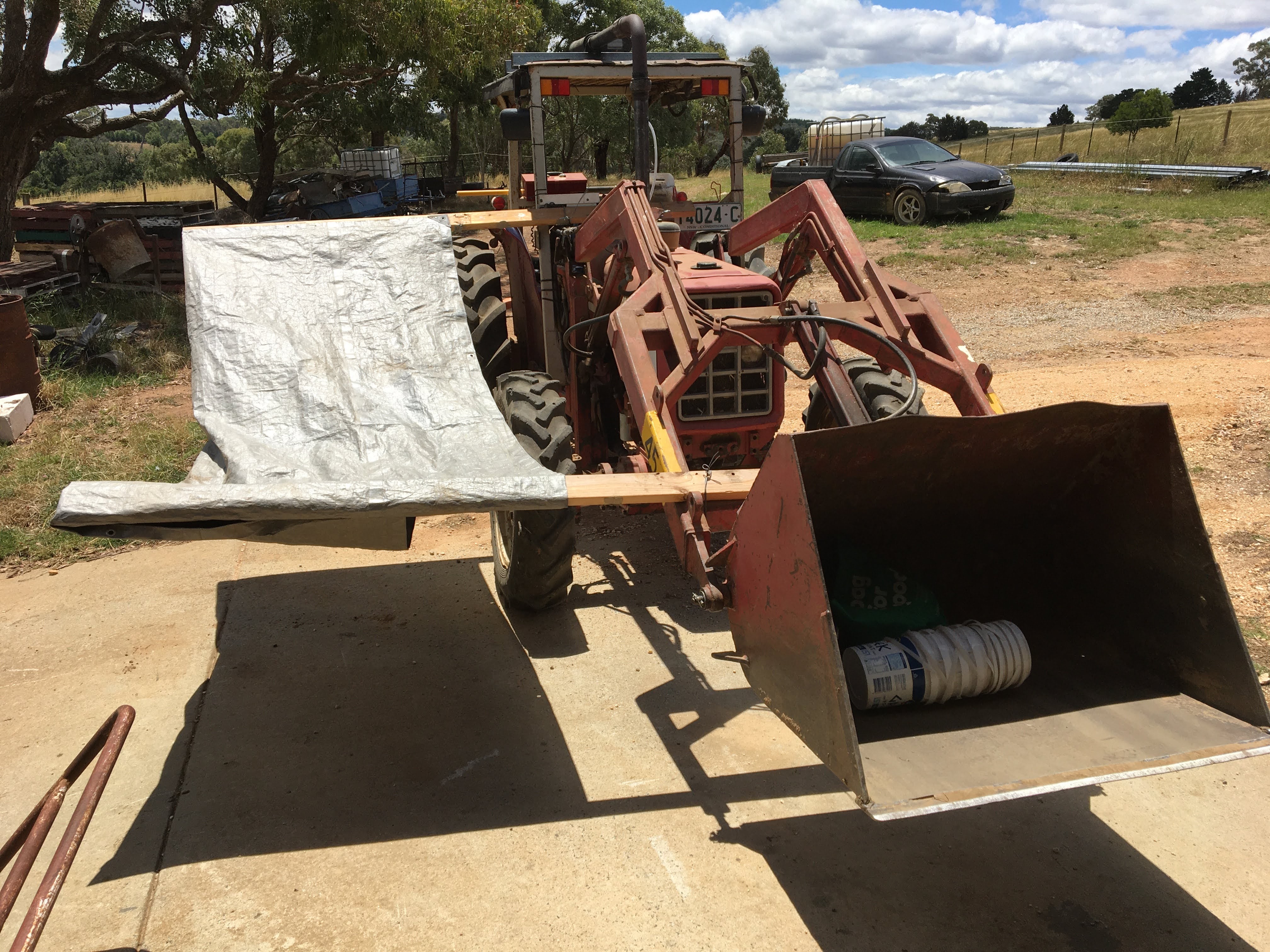
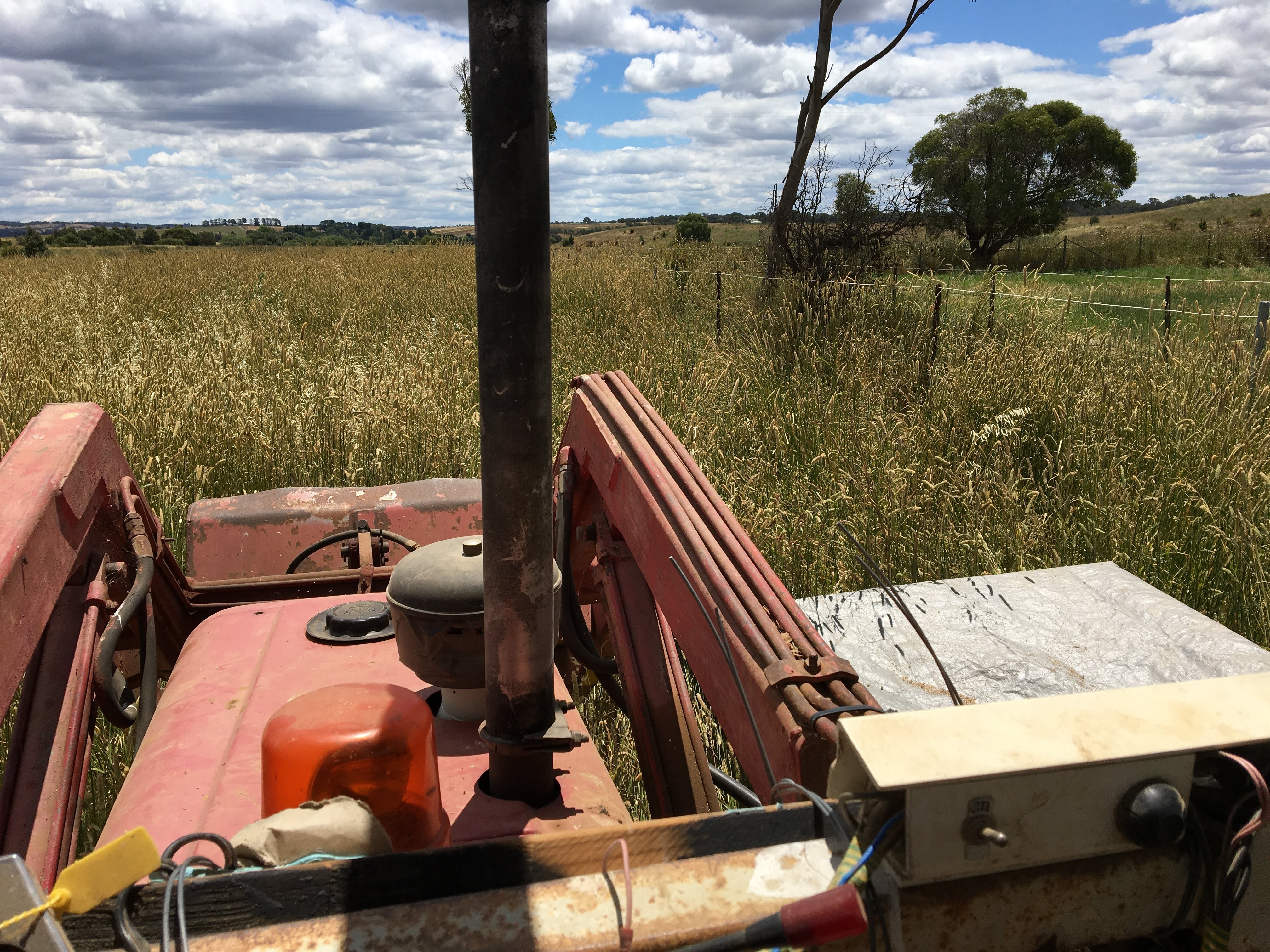
The good news is that harvesting the seed is relatively easy to do. Based on the advice of a local with years of experience, I rigged a couple of pieces of timber beside the tractor, with a tarpaulin loosely draped between them. By putting the front timber on the front end loader, I was able to adjust the height to below the seed heads. It was then a case of driving through the paddock and watching the seed accumulate in the tarpaulin.

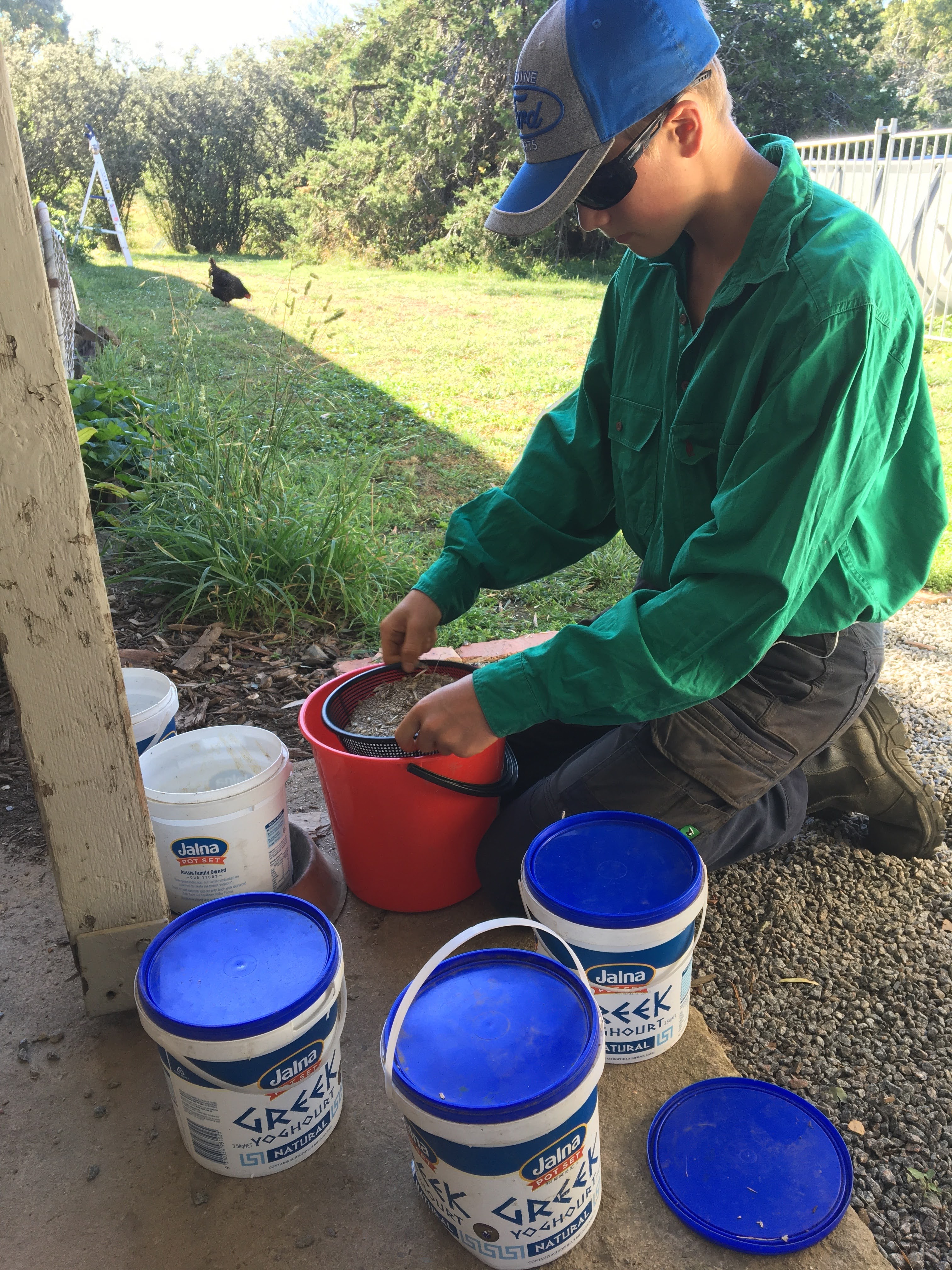
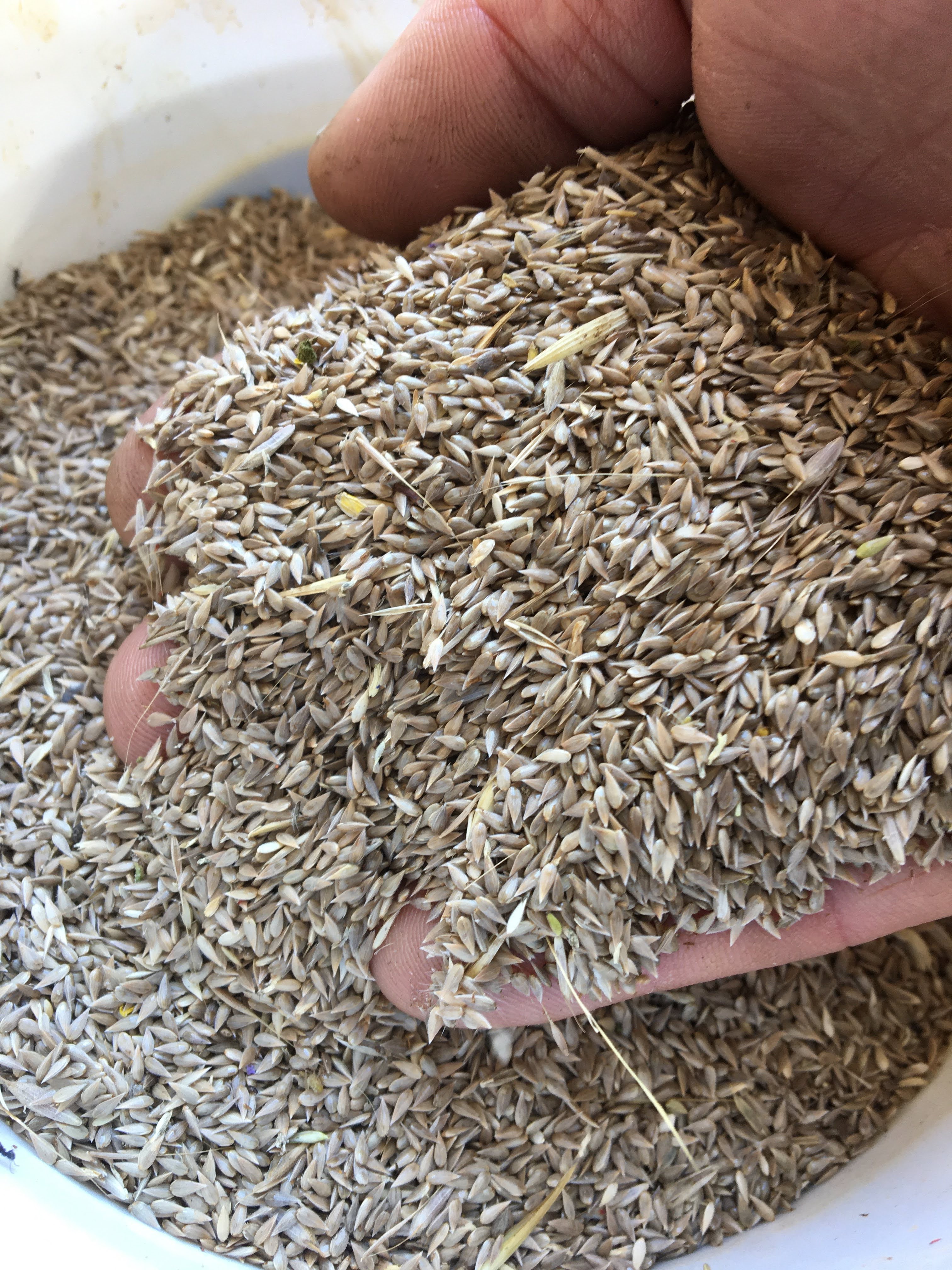
It didn’t take long to fill four small buckets. It took almost as long to sift out the spiders, caterpillars and larger wild oat seeds, but I had a willing assistant – until he caught sight of a large spider disappearing up his sleeve! It was tedious work, but the chickens enjoyed the free feed!

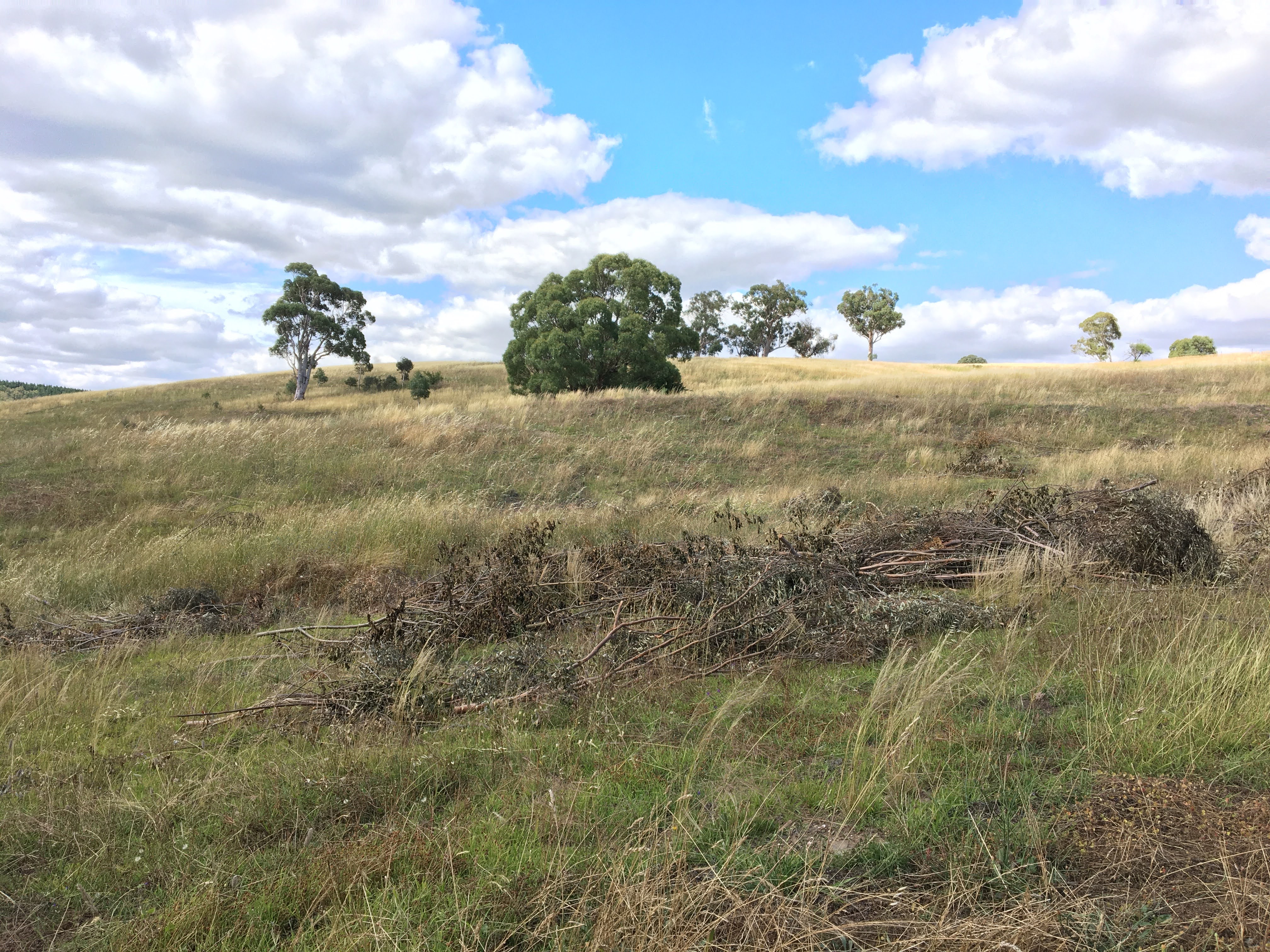
In autumn, I hope to spread the seed amongst areas of unproductive wire grass. I will also spread some seed in areas of erosion or scalding that we have been managing thus far by spreading green waste. I have to be careful to manage the pasture to make sure the phalaris doesn’t dominate, however at this stage, any ground-cover is better than none.

It was also a good exercise to see how easy phalaris seed is to harvest and for that it was a complete success. I always enjoy trying new techniques on the Rock Farm, with a special thanks to Jimmy of Bushfield Farm for his advice. More information on phalaris as a pasture species can be found at the excellent NSW DPI website here: https://www.dpi.nsw.gov.au/agriculture/pastures-and-rangelands/species-varieties/phalaris

It’s not just weeds that are growing on the Rock Farm

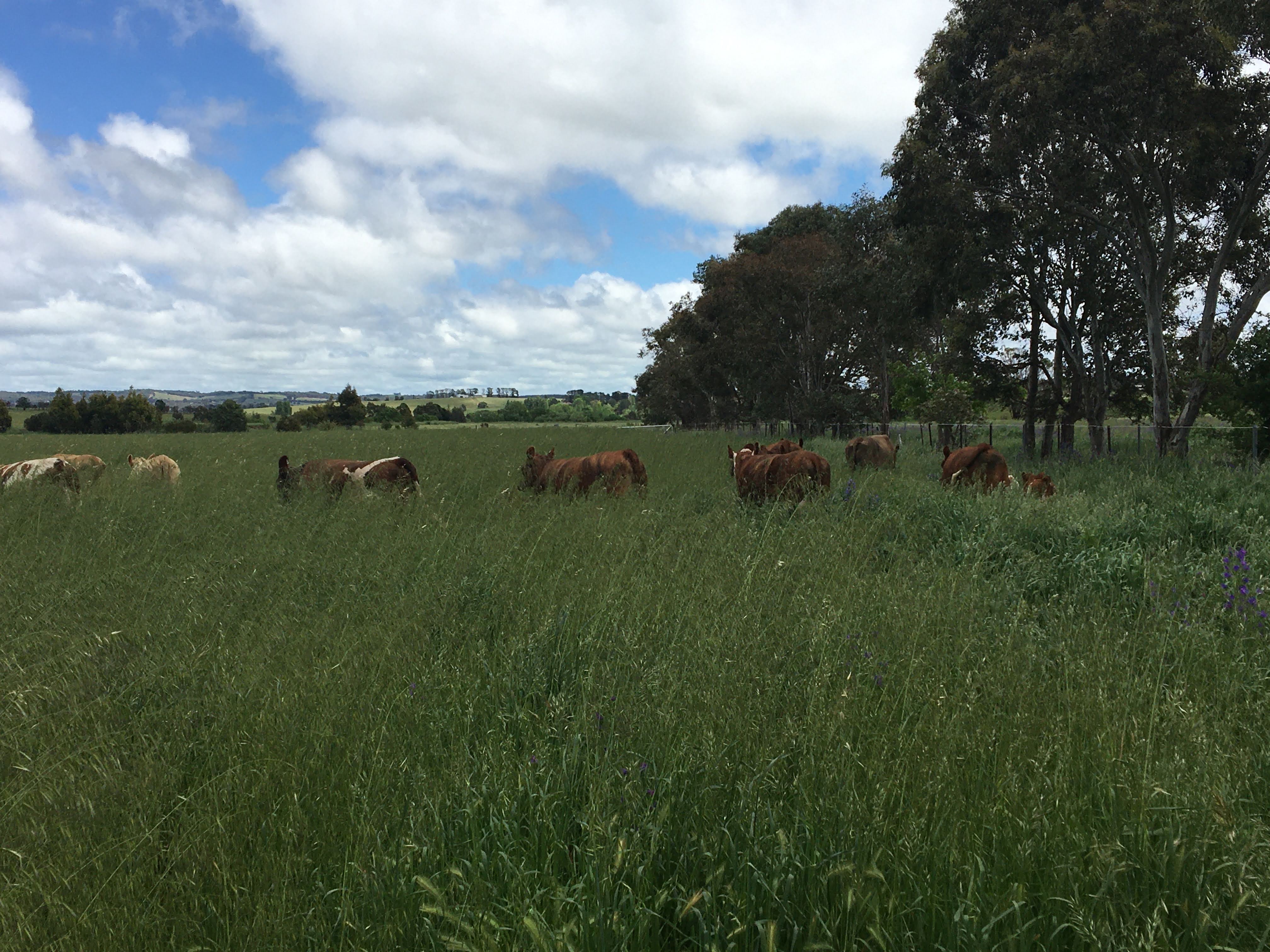
There is no doubt that this is one of the best spring season’s this district has seen in recent memory. Our cattle are in remarkable condition, with the calves growing quickly.

With so much condition on the cows, they have already started cycling. We decided to go with nature and bring forward our leased bull. Ferdinand, as he has been named by the family took a little encouragement to get off the truck, but once he made it down the ramp, he was welcomed quickly into the herd. A magnificent Charolais Cross, his sire was a top performing bull in the United States, especially bred using artificial insemination by our mentor, John. We are extremely fortunate to be able to use some of the world’s best bloodlines in our humble herd.

With the cattle doing extremely well, and requiring little more than a daily water check, I have had time to turn my attention back to more domestic matters. The garden has exploded, and I have been spending quite a bit of time either pruning excess growth or removing branches and trees that died in the drought and haven’t recovered. Unfortunately Jo and I have slightly different objectives with our pruning. I want the area under the trees clear of obstructions so I can mow easily up to the trunk with our mower. Jo would rather I leave the branches down to the ground to make a wind break.

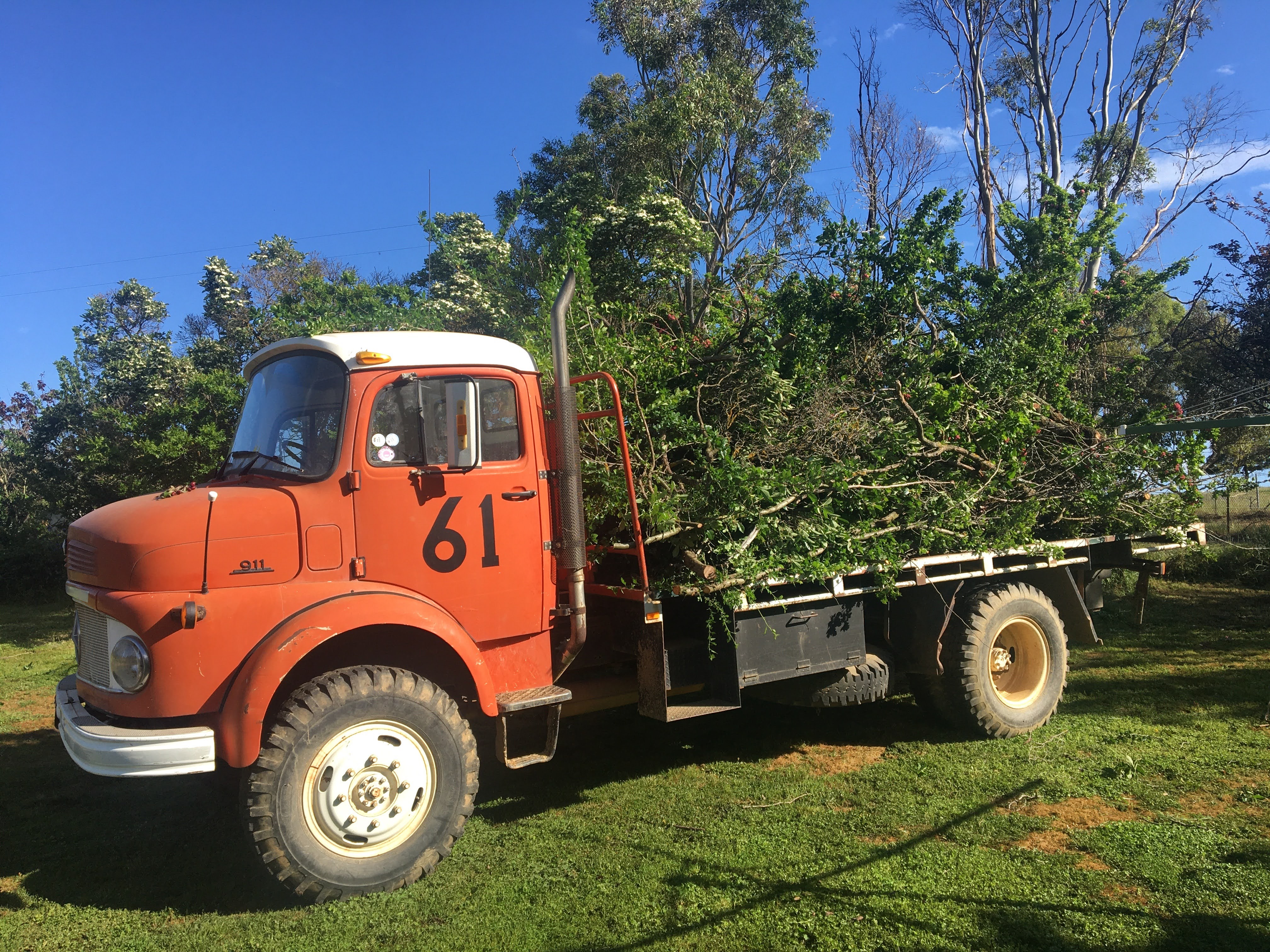
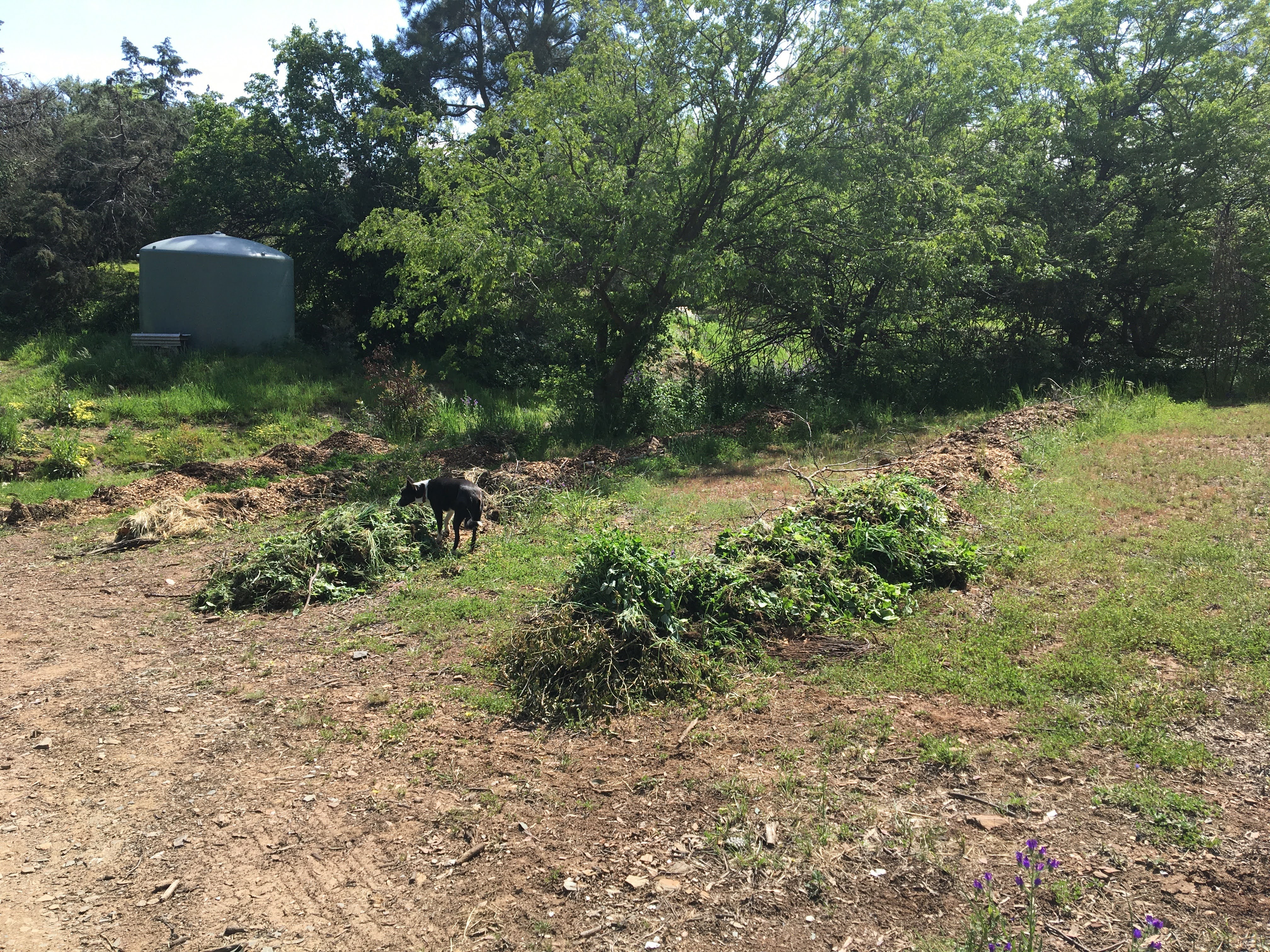
The best thing about a little battery powered chain saw is that you can do a whole heap of pruning before you get caught… It is also the worst thing. I think the shock of seeing the truck laden with clippings caused a moment, but once Jo realised how neater the trees looked I was almost forgiven… almost. The clippings, along with some weeds from garden beds, have been used to make swales in the bottom of the garden to better capture water in the previously dry area.

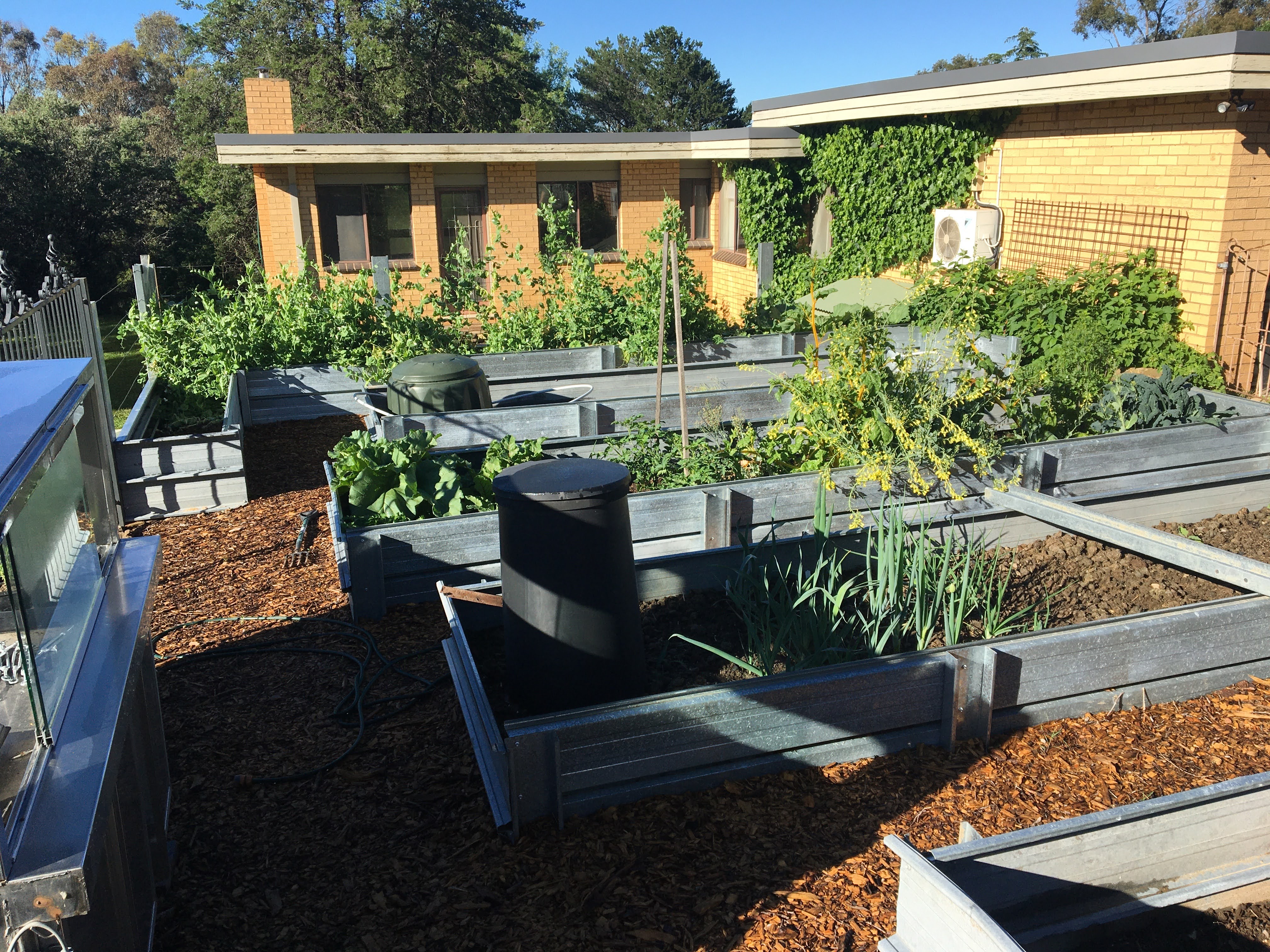
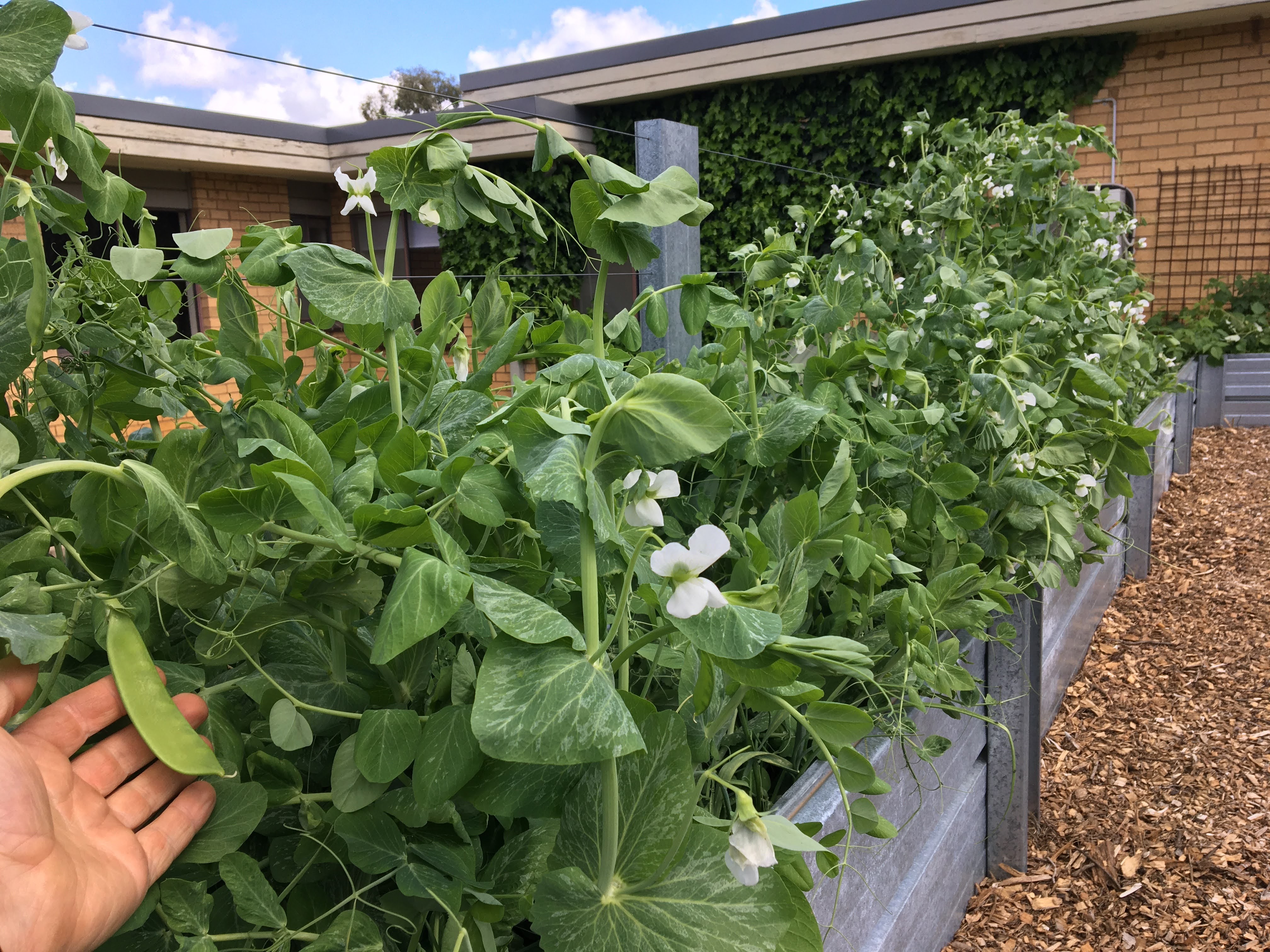
All Jo’s work in the vegetable garden is starting to really pay off. We have harvested our crop of garlic, and the snow peas and green salad leaves are in fantastic condition. We even enjoyed some broccoli before it shot to seed.

I admit I was skeptical about using the old roofing iron to make vegetable beds, but Jo did a great job. The garden looks really impressive, and is a pleasure to work in. There is also something completely wonderful about the taste you get with fresh vegetables and salad leaves picked straight from the garden. I once heard it described that you can taste the sunshine – and I think it is true!

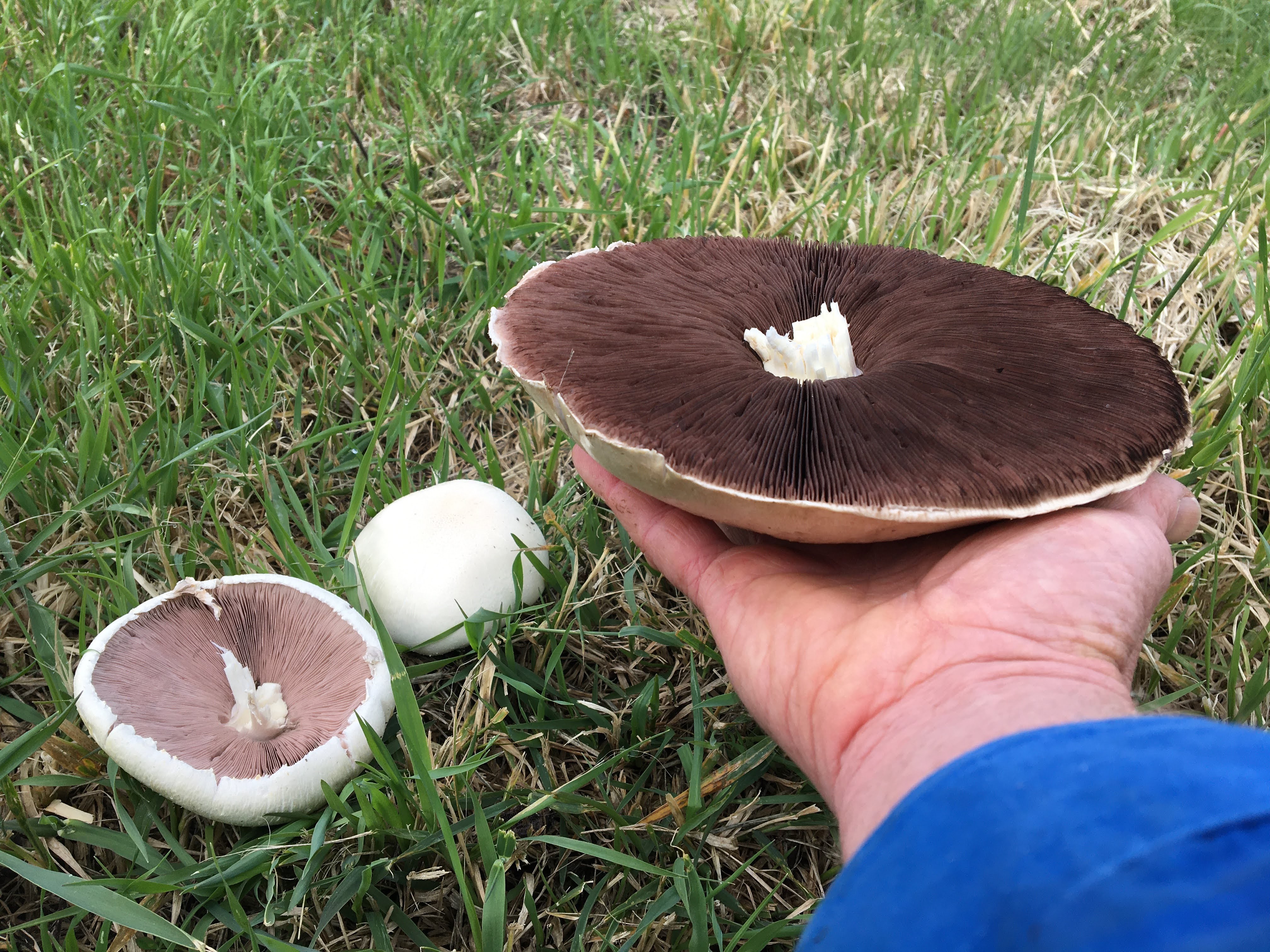
But it is not just the vegetable garden that is putting food on our plate. We are finding magnificent field mushrooms in the paddock. Each mushroom could be a meal in itself, and we have dried some of our excess mushrooms to use in the future.

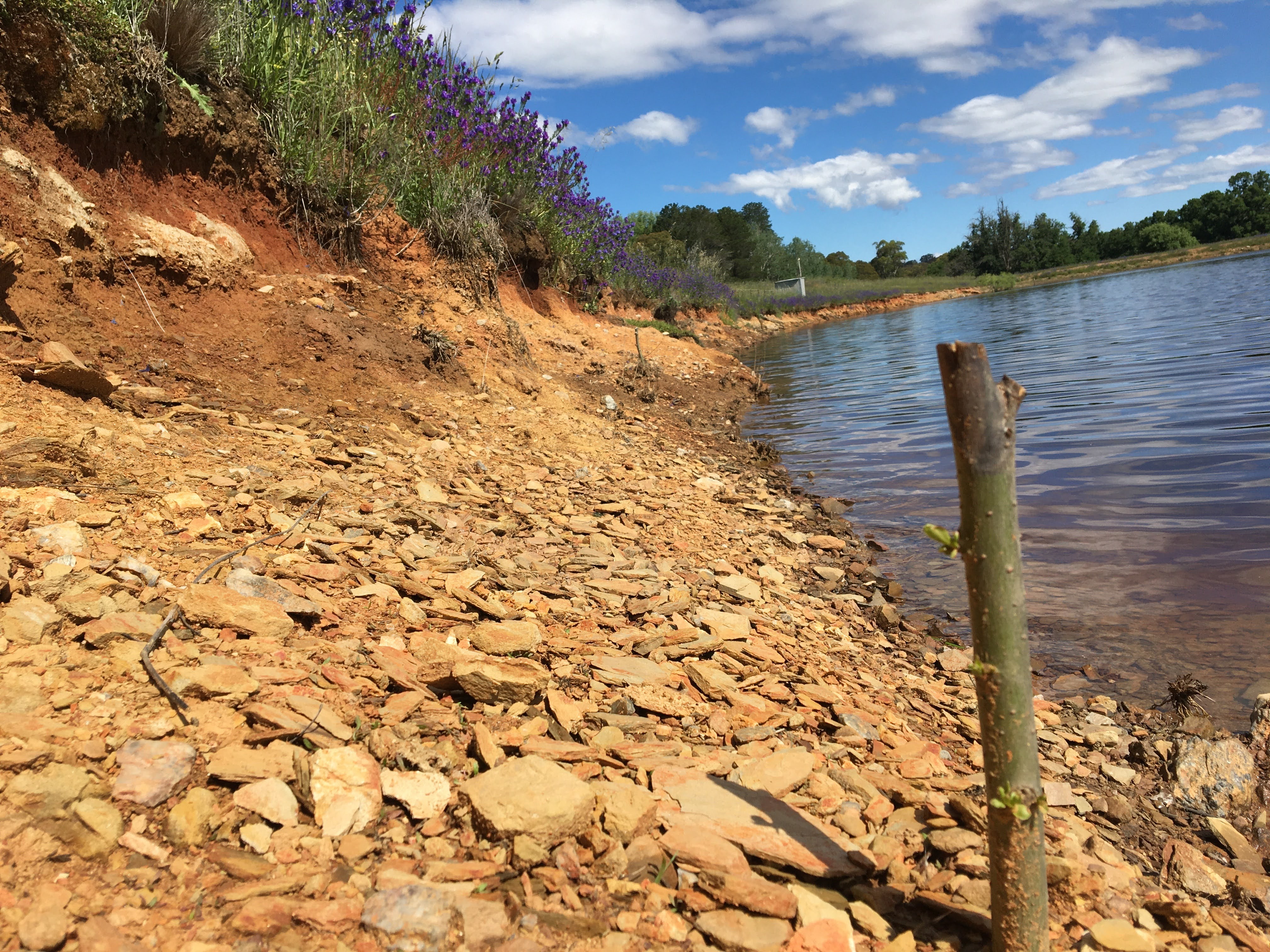
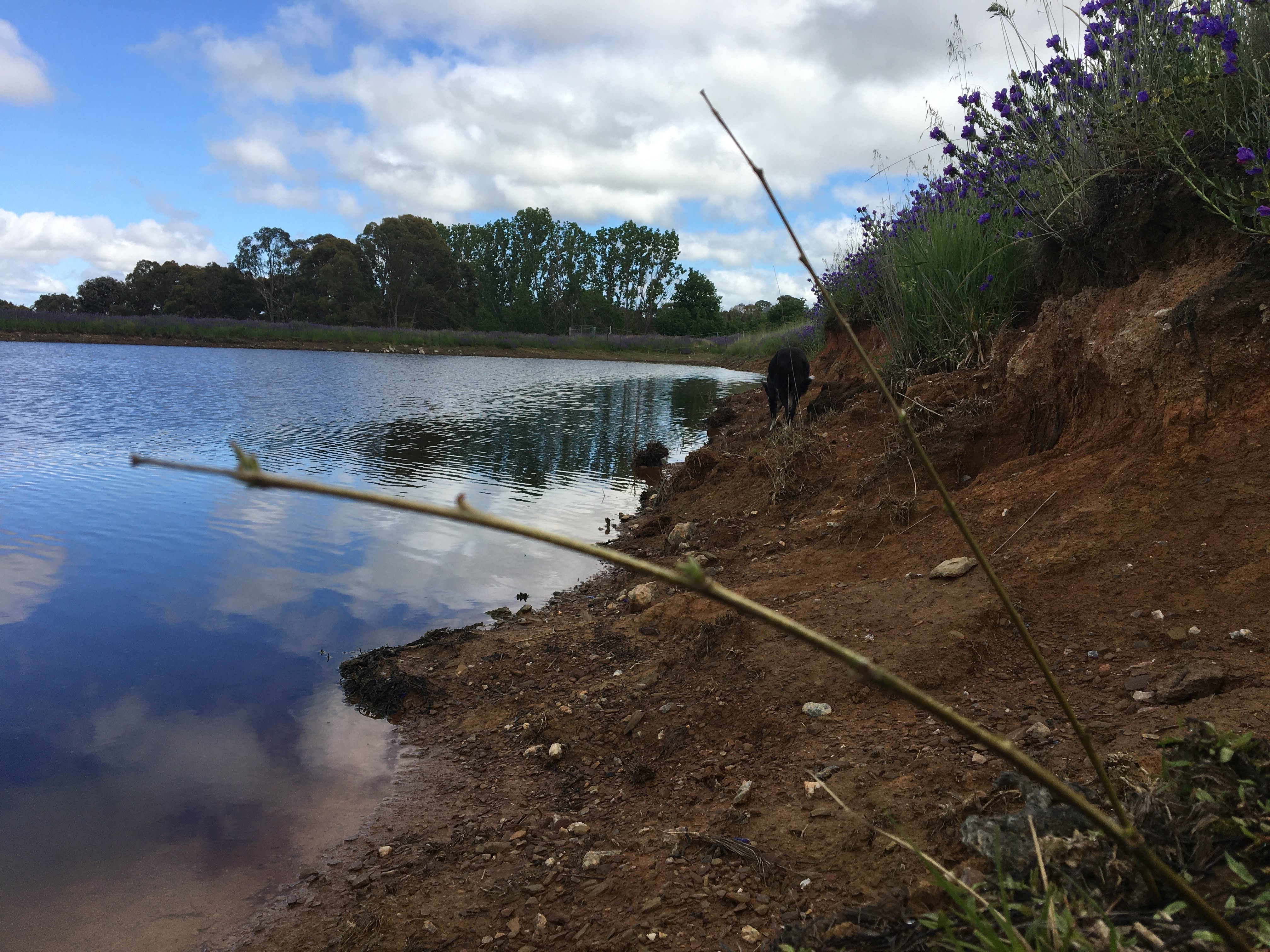
Other things are growing too. I have planted fifty willow cuttings along the leading (and eroding) edge of our dam. It seems most of them have taken and are sprouting green leaves. This is a great result. Some people have queried why I have planted willows along the dam, fearing they use a lot of water. My counter is that they only use water for half the year when they have leaves on them. They will \stabilise the bank, which is their primary purpose. They will give shade when they are bigger, and also provide an emergency stock feed in drought. Being on a dam, they will not enter the catchment either. I hope they continue to grow through the summer and add to the trees on the Rock Farm.

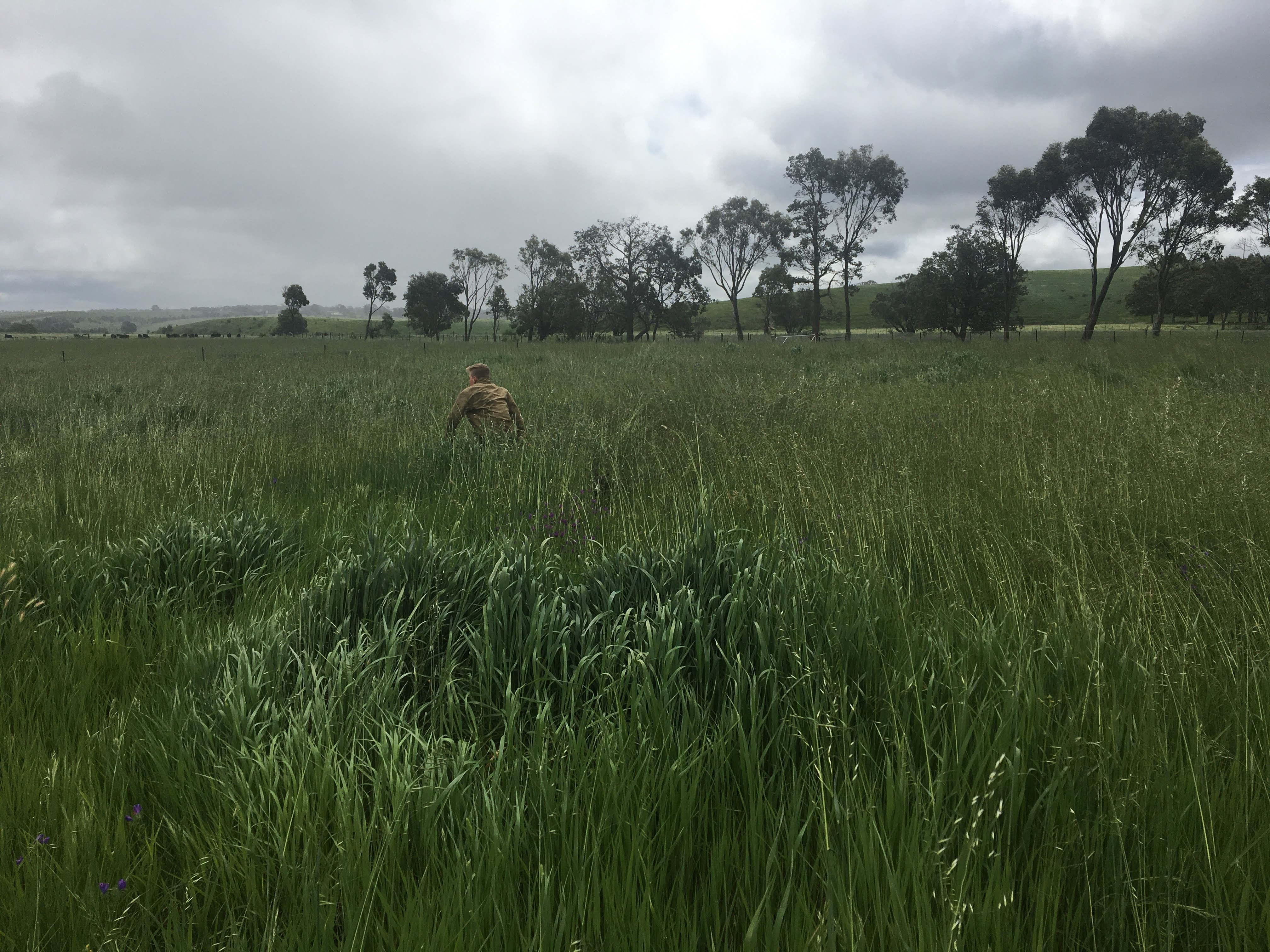
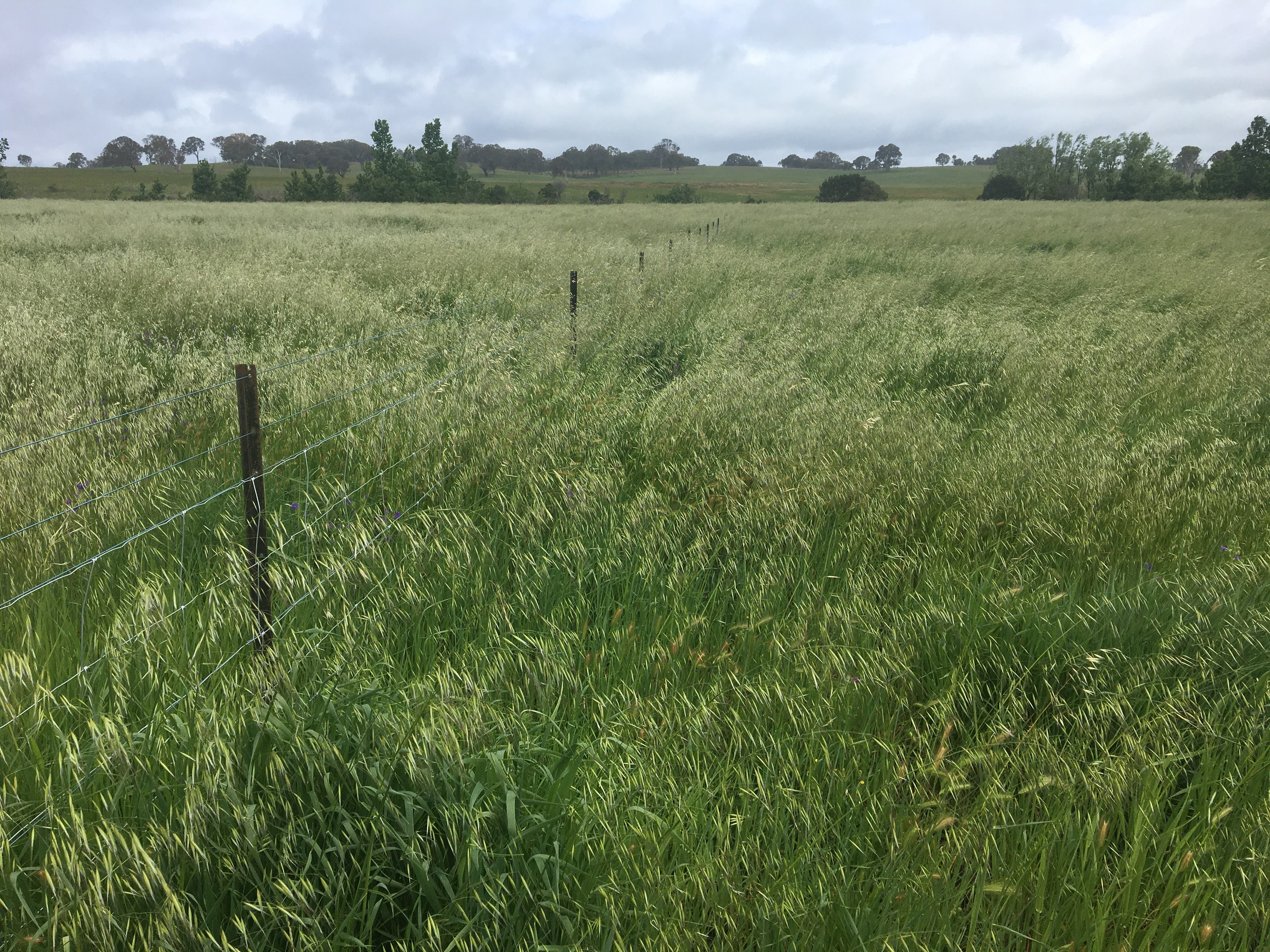
But really the most magnificent change has been the grass. From a paddock that was bare six months ago, there is now chest high grass. You could have seen an ant walk across this paddock at Christmas time (if you could have seen through the smoke haze)….

Last week the kids played hide and seek in this paddock.. All you had to do was run like crazy when the other one was counting and then flatten yourself. With the grass swaying in the breeze, it was really hard to even know where to start looking It was hilarious fun.

It is incredible to see photos of what we went through in the last few years. This is what the same area looked like in January. It is truly amazing what happens when you just add water, lots of water 🙂