Navigating Farm Life: New Calves and Family Milestones

The past couple of months have been bustling both on and off the Rock Farm.

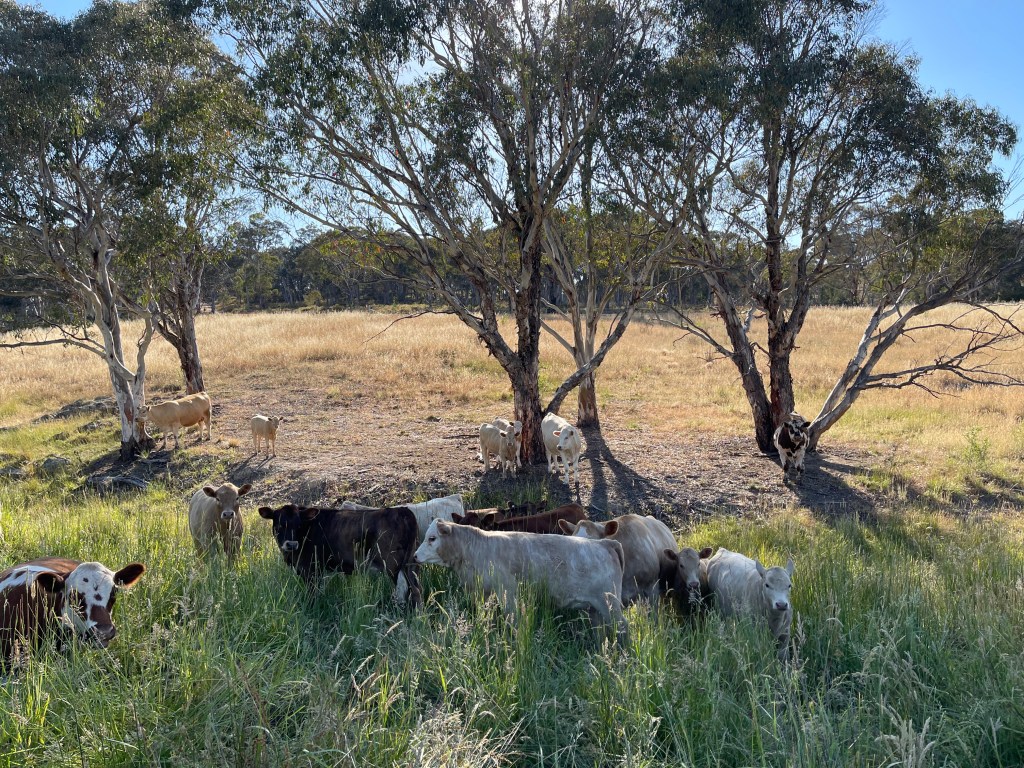
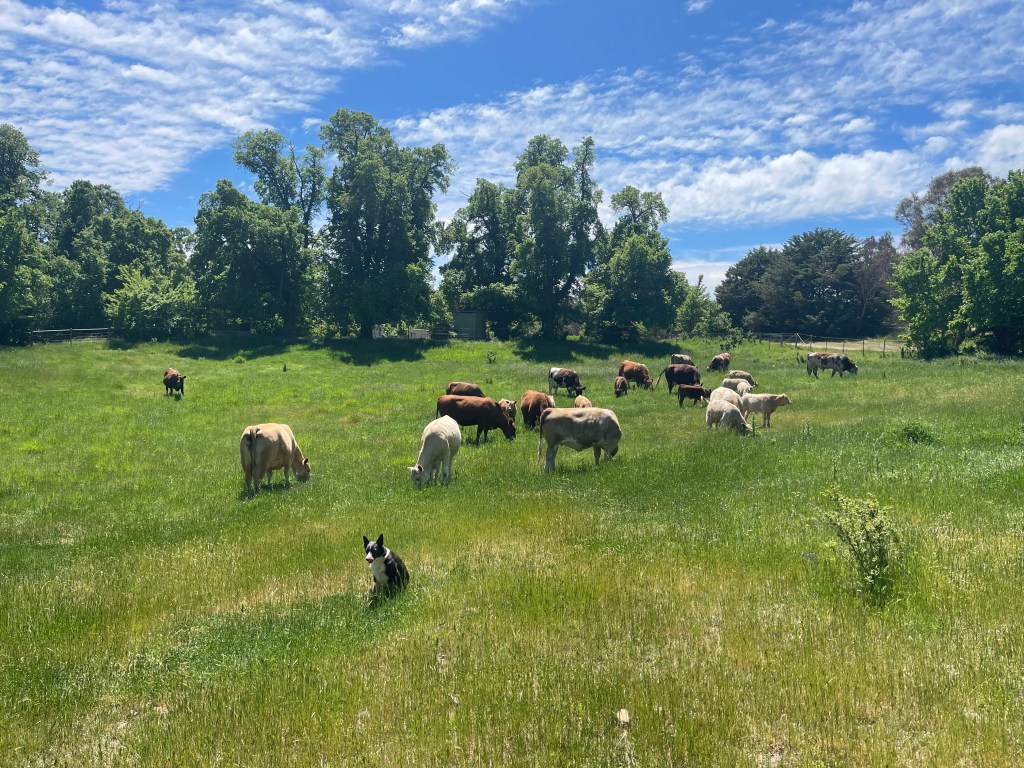
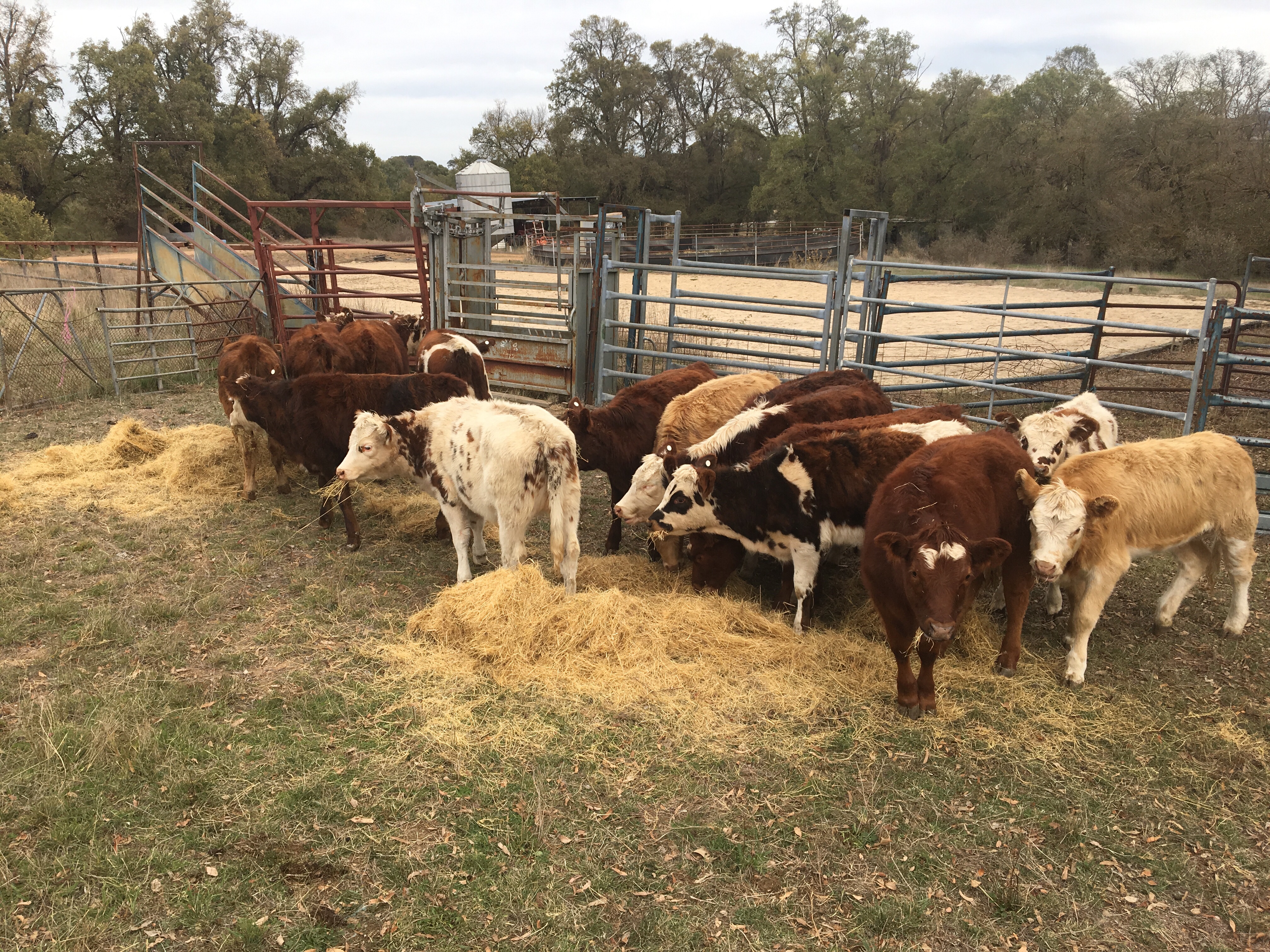
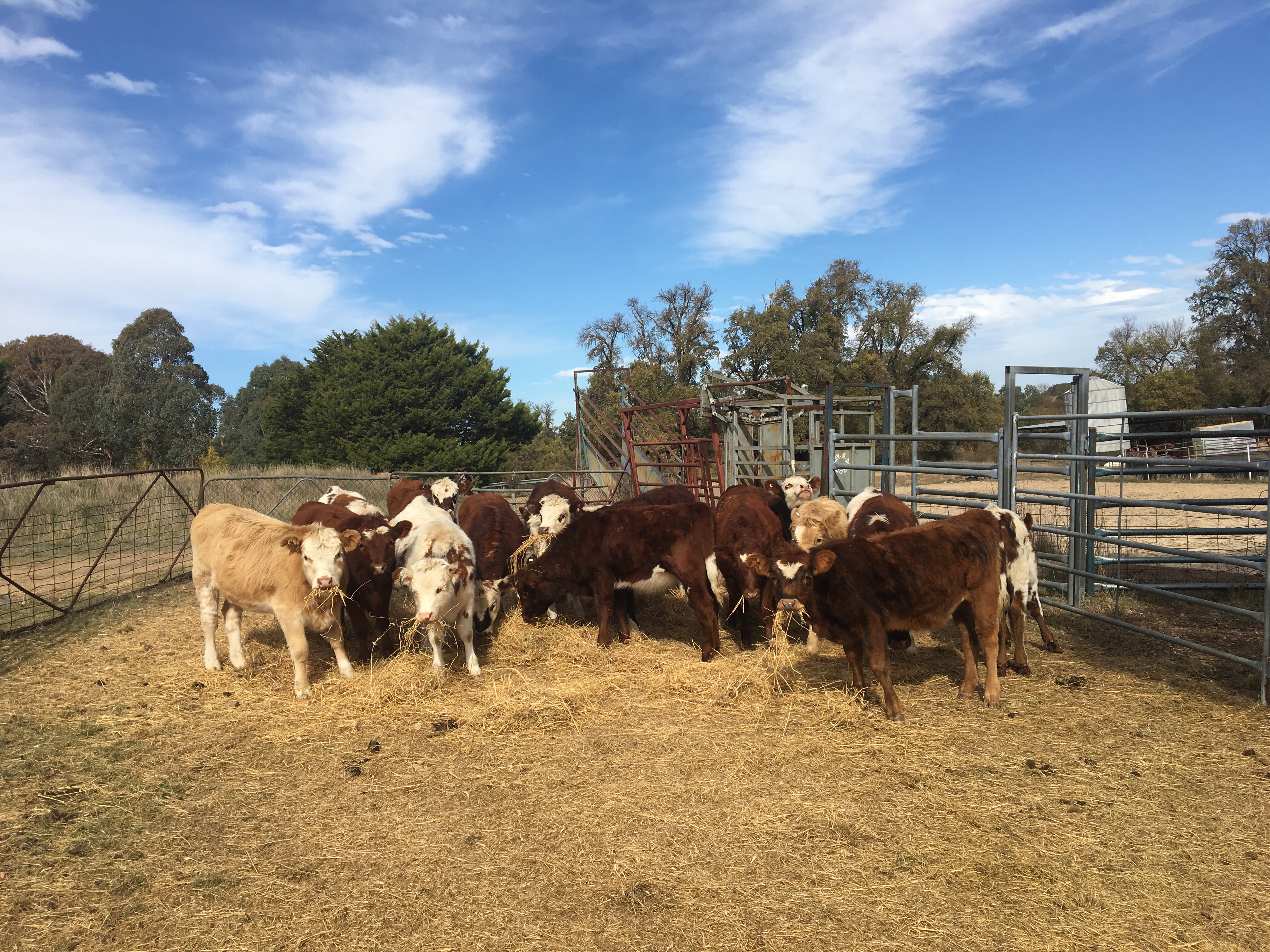
Our beautiful calves, now approaching three months old, are thriving—including our delightful twins. To my surprise, all ten calves turned out to be heifers, a rare occurrence. While steers typically fetch higher prices at the sale yards, having heifers opens up more future options for us. About a month ago, they received their first round of vaccinations and will soon be due for their second. I use a 7-in-1 vaccine to protect them against various clostridial diseases and common leptospirosis strains, which can affect both cattle and humans.
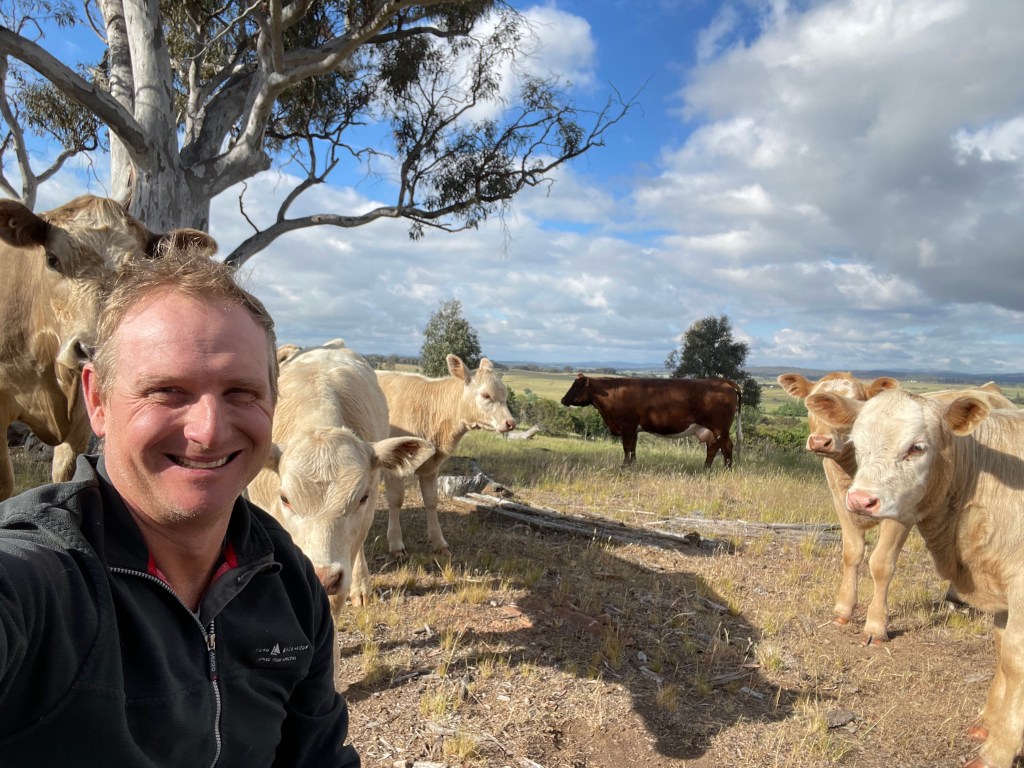
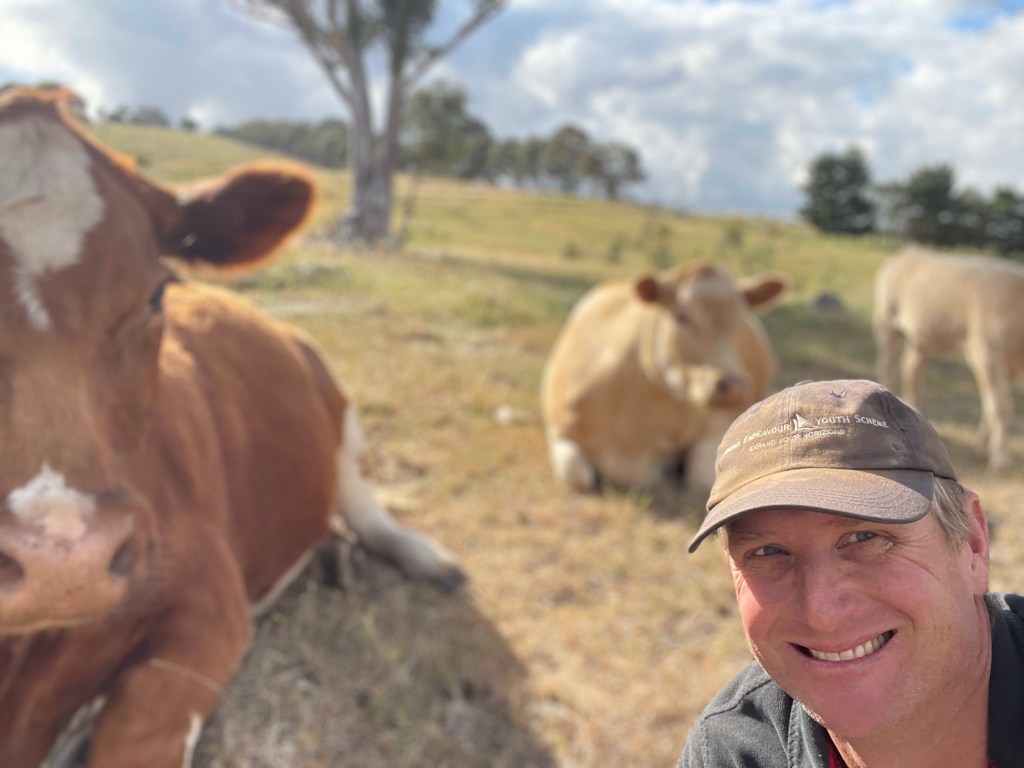
As in previous years, we’ve leased a bull from John at Crookwell. This handsome fellow shows off his Normande ancestry—a dual-purpose dairy and beef breed originating from Normandy, France. Renowned for producing rich milk prized in the cheese industry and for their fast-growing progeny, Normandes are also celebrated for their exceptional carcass quality and marbling potential. In France, Normande beef is branded much like Angus beef is in Australia. (For more information about the breed, visit: https://www.thecattlesite.com/breeds/dairy/68/normande.)
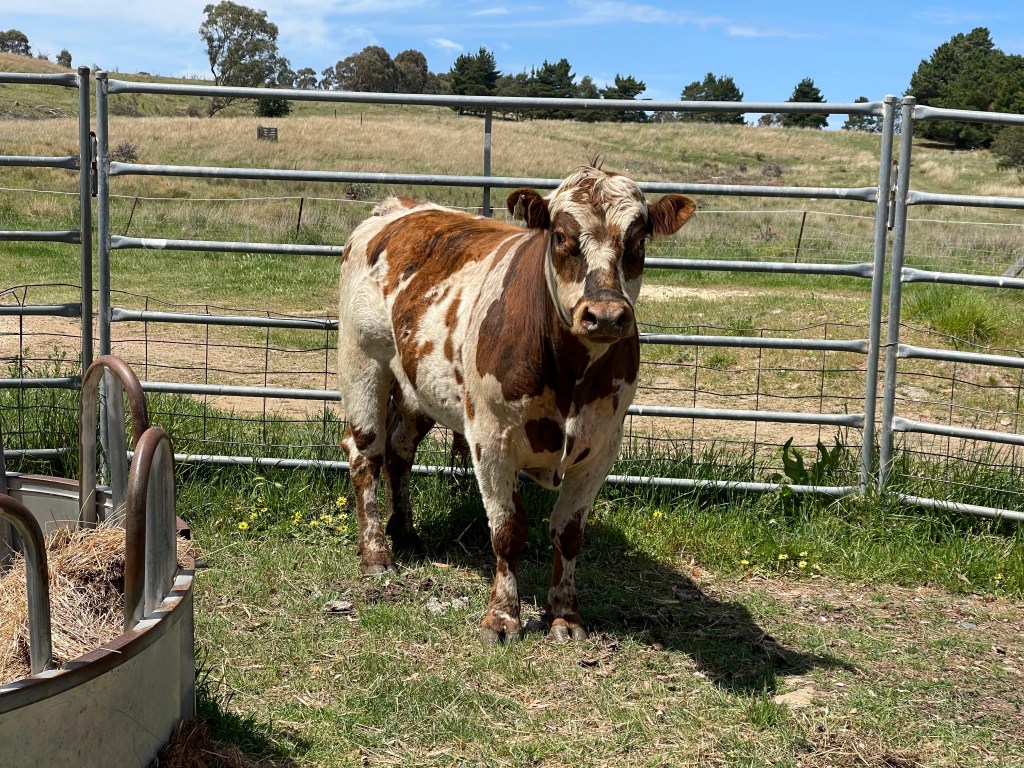
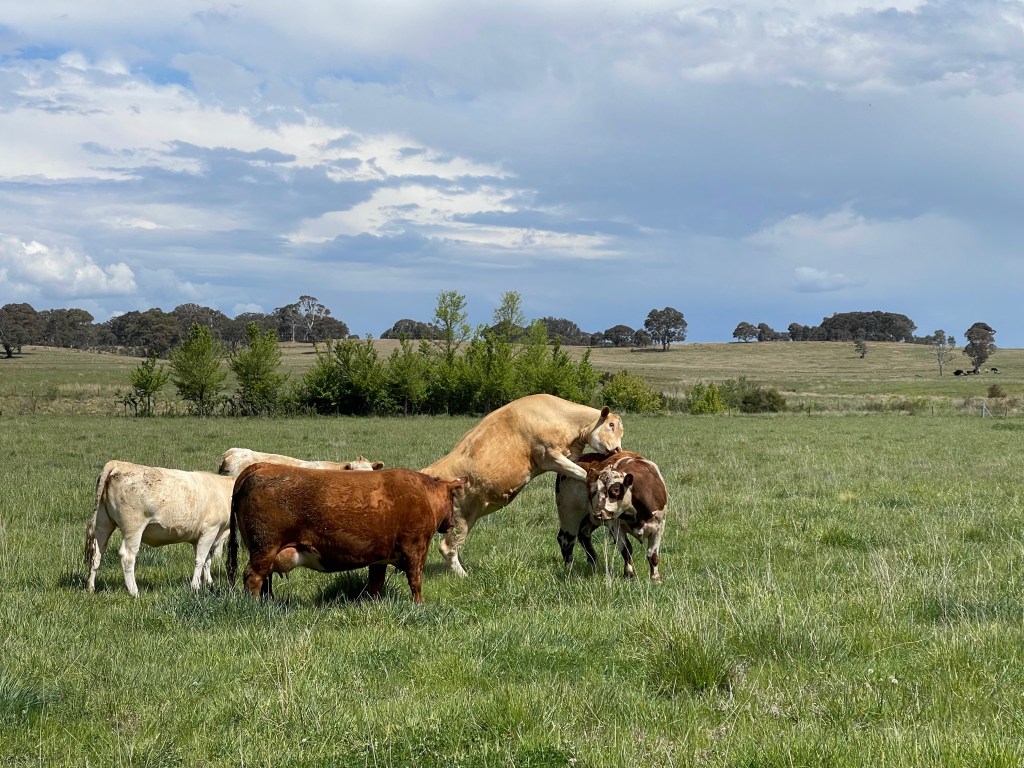
The bull made quite an impression on our girls when they first met, though he seemed a bit unsure of how to handle a group of established, mature cows. Thankfully, he settled in quickly. He’s a gentle, quiet chap, and we’ll miss him when he returns home next week.

Our pastures shifted quickly from lush green to golden brown, as is typical for November. But an unexpected 50mm of rain last weekend soaked the land. While it turned the pasture into mush temporarily, it promises fresh growth that will benefit us through summer. For now, we’ll rotate the cattle through paddocks to manage the short-term feed shortage until the grass catches up.

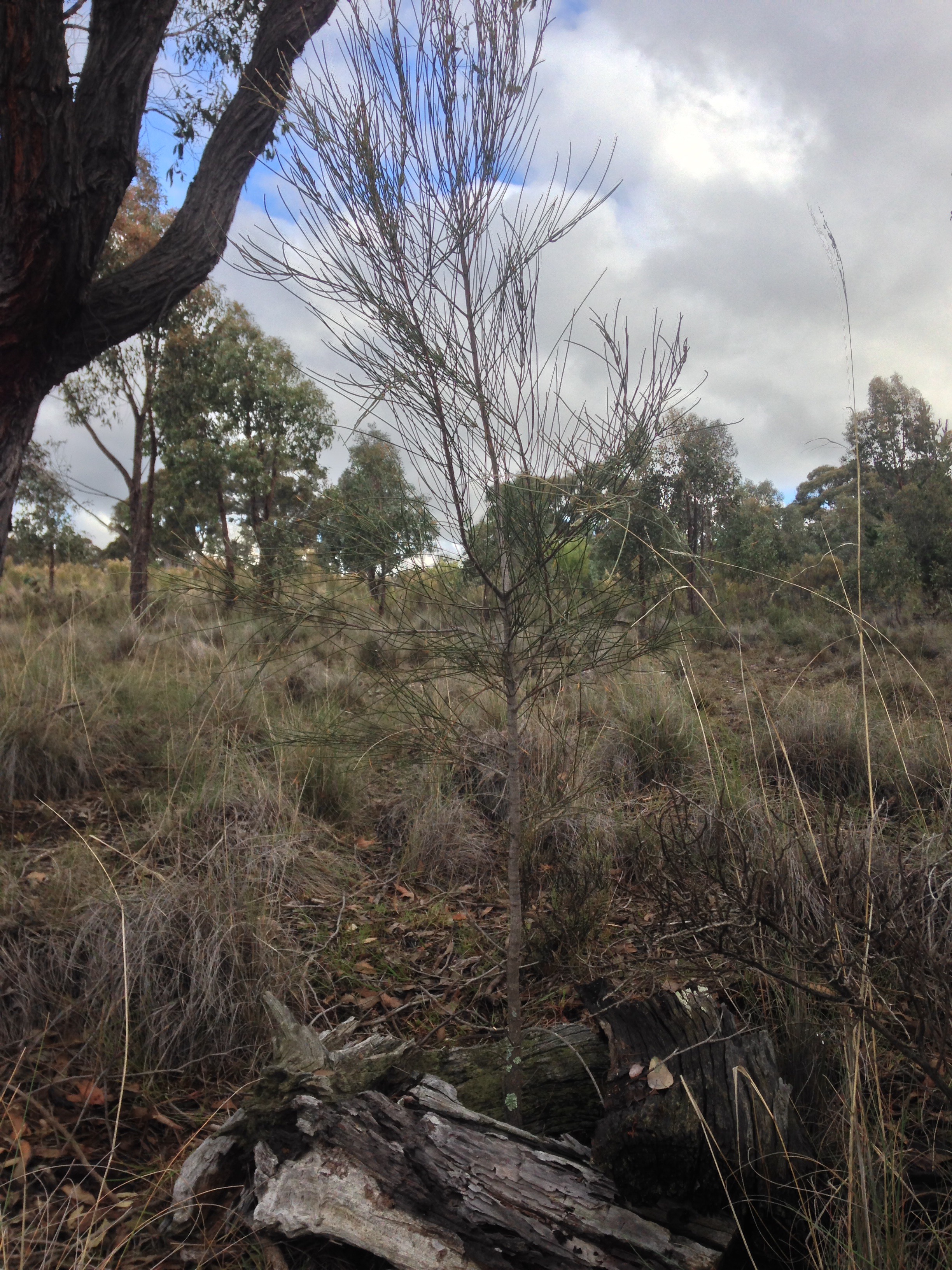
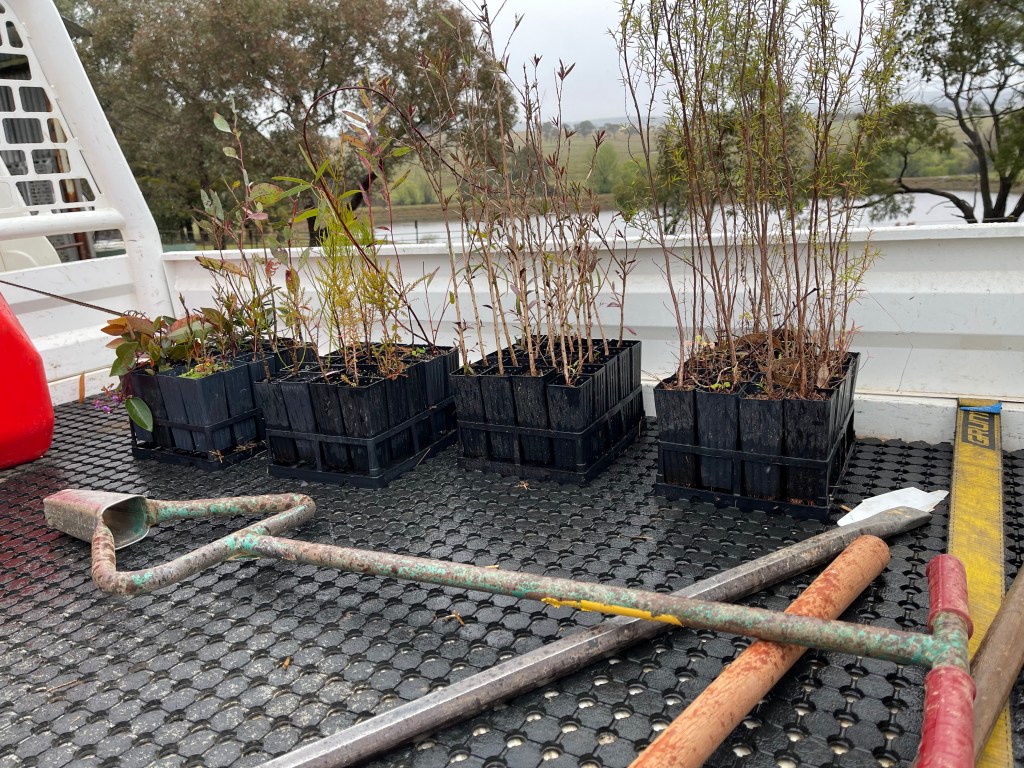
In other news, we’ve planted another hundred or so native tubestock across the farm, purchased from the local Greening Australia plant sale. These will help restore areas around the Rock Farm. I’m particularly excited about the drooping she-oak (Allocasuarina verticillata), one of my favorite trees and a primary food source for the Glossy Black Cockatoo.
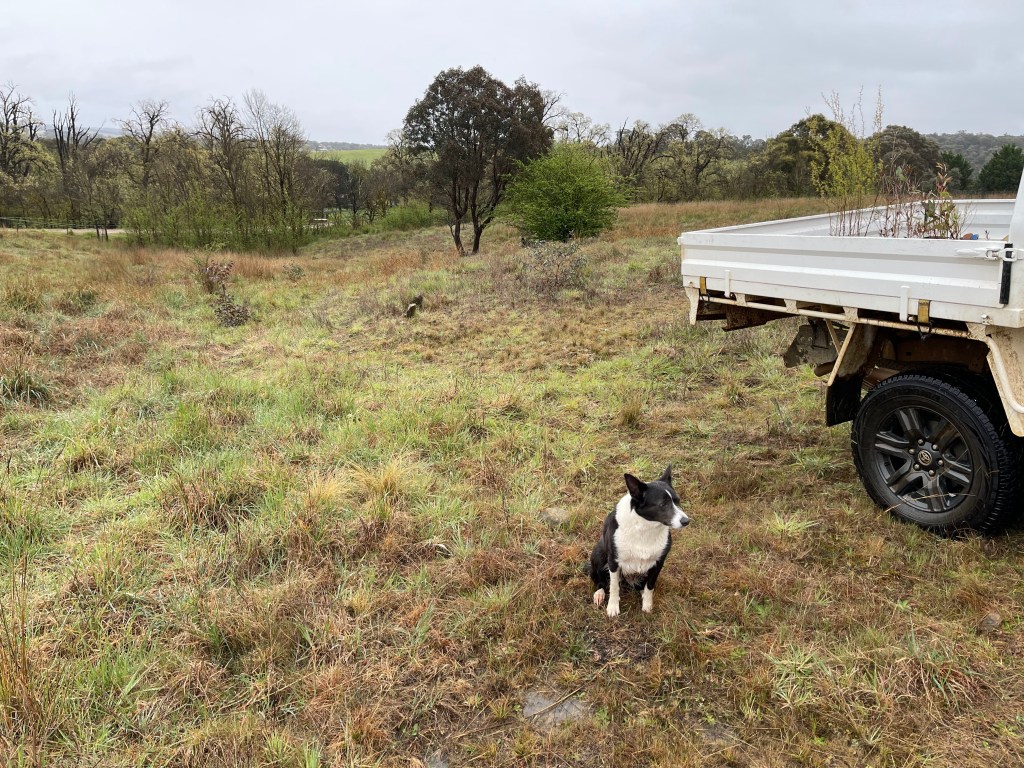
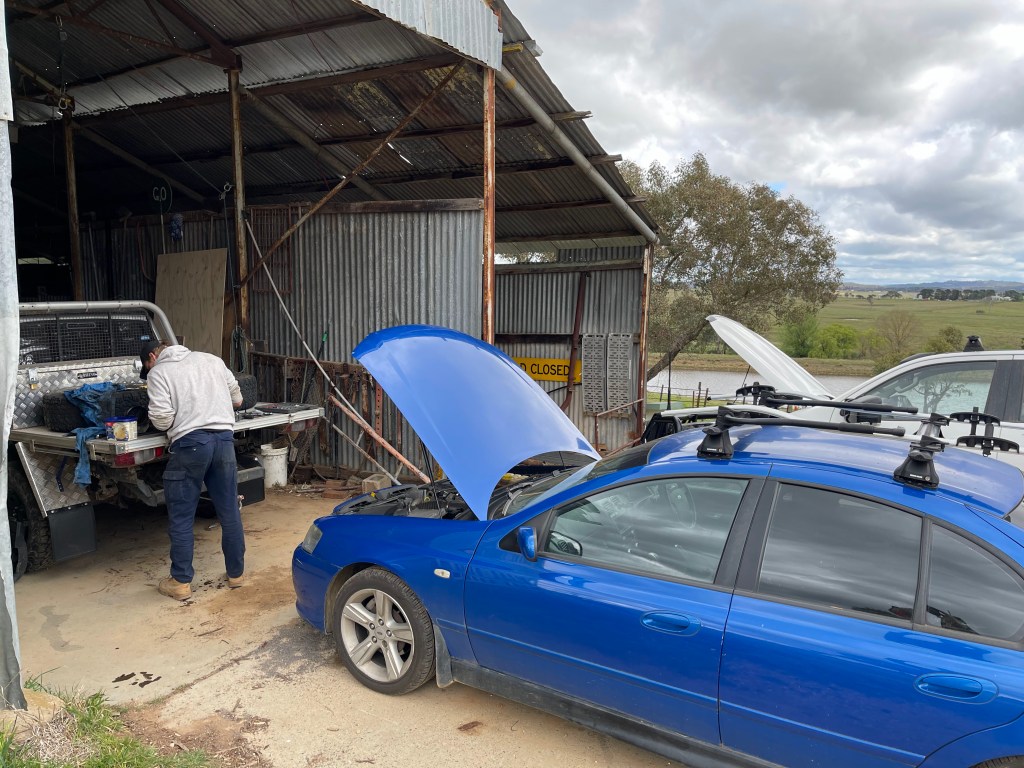
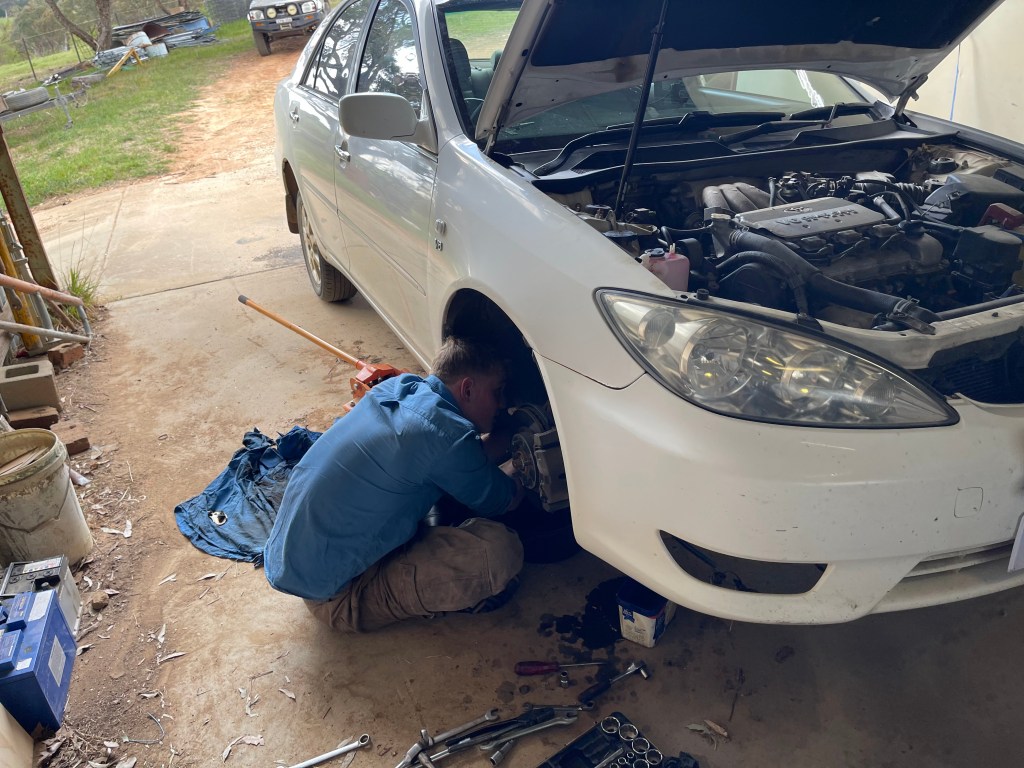
On the family front, the boys are becoming impressively independent. Recently, both tackled replacing power steering pumps on their cars—an easier task on the blue Falcon than the white Camry. It’s been great to see their confidence and skills grow, enabling them to handle such projects and get their vehicles back on the road. The older one is also working on re-registering a 4WD ute. Though the project proved more ambitious than he initially thought, he’s nearly there—a fantastic achievement.
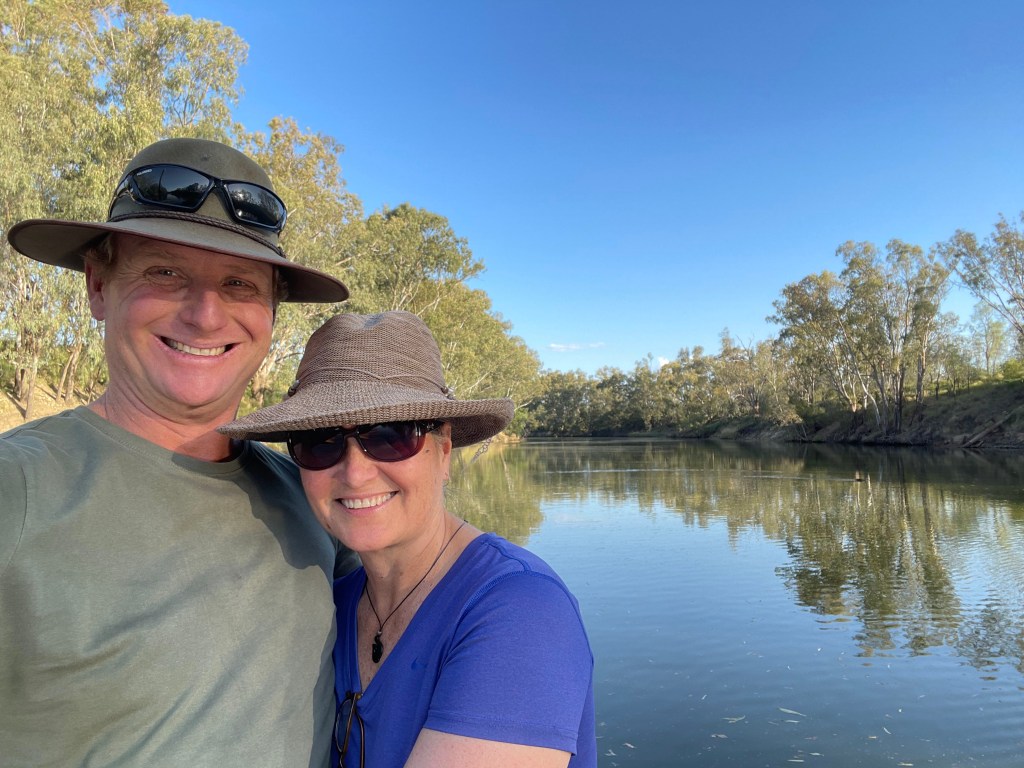
Life hasn’t been all about the farm. We had a couple of family reunions in Warwick and Goondiwindi, which took us north for a few nights. I also managed to squeeze in a couple of stints at sea—just enough to get some salt in my hair and make time fly.

A big milestone for our family was celebrating the youngest helper finishing high school, marking the end of that chapter for us. While the boys aren’t as keen on photos these days, we’re incredibly proud of the young men they’re becoming.

The farm has provided them with so many different opportunities to explore what they want to become. They have made all sorts of crazy contraptions, getting more complex (and expensive) as they have got older. Living out of town brought challenges too, with long drives for school and sports, and the farm occasionally felt more like a burden than a solace, especially when planning long holidays.

But overall, the Rock Farm has been a tremendous gift. It’s built their confidence and equipped them with a range of skills—from handling livestock, riding motorbikes, fixing fences, and welding steel to identifying weeds, handling a rifle safely, and turning timber into art. They can repair machinery, split pipes, and even navigate the digital world with ease—leaving their old man in the dust when it comes to Fortnite, modern mathematics, 3D printing, and design.

Reflecting on these past months, it’s clear how much life on the Rock Farm continues to shape and enrich our lives. Whether it’s nurturing our cattle, restoring the land, or watching the boys tackle new challenges, every moment reinforces the value of this lifestyle. While it’s not without its trials, the farm has been a place of growth, learning, and countless memories. As we look ahead, I’m reminded that it’s these simple, meaningful experiences—shared with family and rooted in purpose—that truly make the journey worthwhile.
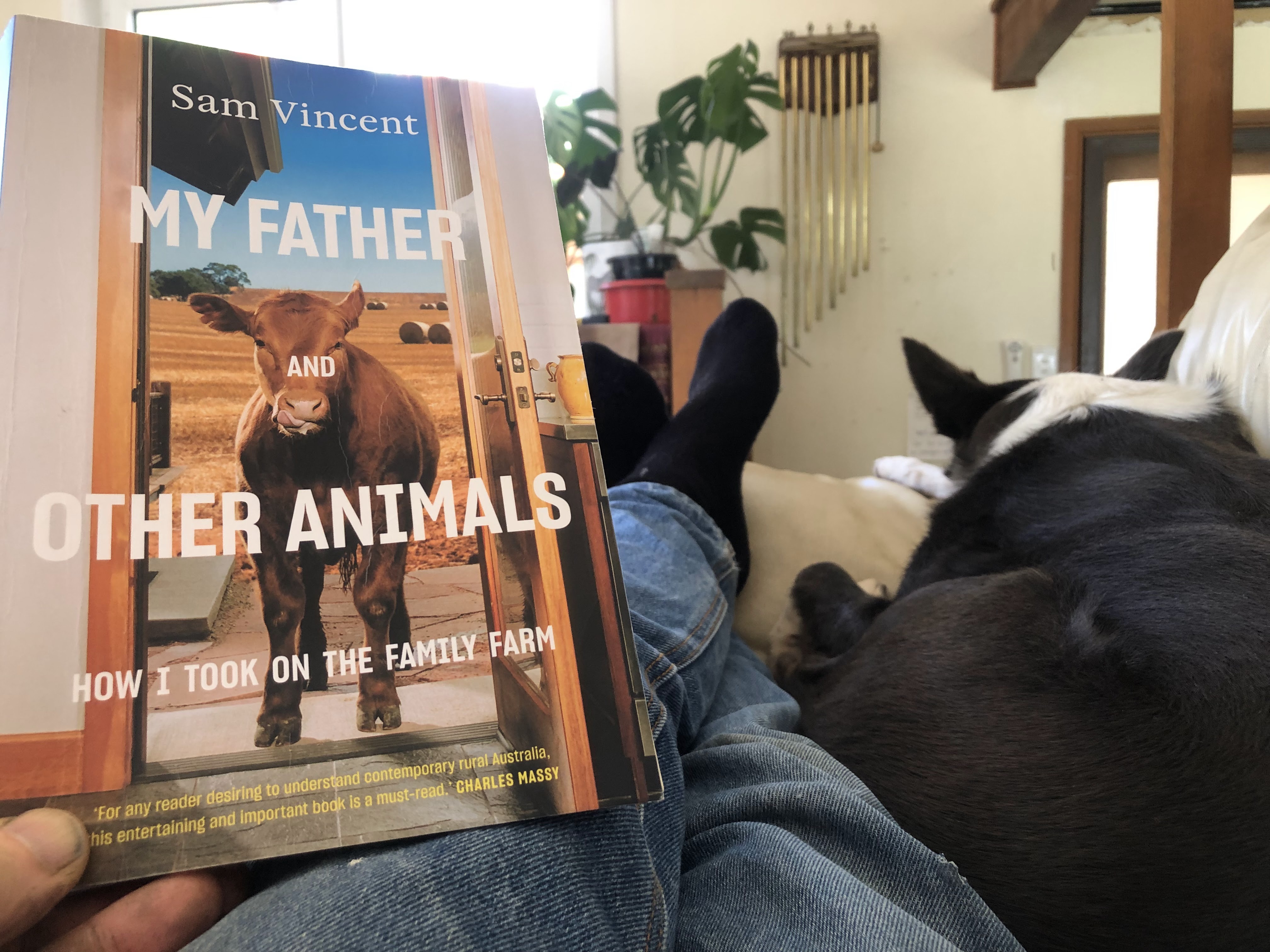
Book Review – My Father and Other Animals by Sam Vincent

Over the summer, I had the great pleasure of reading Sam Vincent’s heart-warming memoir, My Father and Other Animals: How I took on the Family Farm. Sam, a twenty something millennial returned to the family farm to help his father who was becoming increasingly accident prone. Part apprenticeship, part journey, part discovery, Sam’s account of his time learning the rhythm of the farm is touching, hilarious and brutally honest. Of course I wasn’t the only one who enjoyed taking some time out of the heat of the day to turn some pages before nodding off!

Sam Vincent
MY FATHER
AND
OTHER ANIMALS
HOW I TOOK ON THE FAMILY FARM
For any reader desiring to understand contemporary rural Australia, his entertaining and important book is a must-read. CHARLES MASSY

Sam might have grown up on the farm Gollion, and his memories as a child recall a magical place with dams to swim in, trees to climb and gullies to explore. Returning as an adult, it is an entirely different proposition. Sam shares his apprenticeship building fences, managing livestock and growing fruit through the eyes of a total newbie. Sam relates how we gains a deeper connection to not only the farm but also his father,

Sam’s journey is far more than a book about his relationship with his father. Sam shares many of the challenges facing contemporary farming in Australia, especially the responsibility that a custodian bears. He shares some of his philosophies gleaned form his holistic management courses developed by Allan Savory, lessons from Peter Andrew’s Natural Sequence Farming and some of the ethical and moral issues facing small farmers like us in finding markets for respectfully grown and cared for livestock in a mechanised feedlot based industry. Many of these stories are shared through humourous anecdotes with his father as the unwitting star,.

Through our local Regenerative Land Managers Network and nearby Landcare group, not only did I have the opportunity to meet Sam, but also get a tour of his beautiful property Gollion late last year. Gollion is kind-of-famous in a way regenerative agriculturalists will understand. Charles Massey visited Gollion in 2016 after receiving an invitation from Sam’s father to address their local Landcare Group. Touring Gollion, Massey was impressed with a gully filled with rock that had formed a leaky weir. In the reeds growing in the pool of now-permanent water, Massey heard the call of a Reed Warbler bird, not seen (or heard) in the area for 130 years. Inspired, Massey concluded that the reed warbler could only be a talisman of a watercourse and landscape function on the path to regeneration – and named his seminal work “Call of the Reed Warbler” after this experience. I reviewed Massey’s amazing work last year: https://rockfarming.com/2021/05/05/book-review-call-of-the-reed-warbler-by-charles-massey/.

I connected with Sam’s book on so many levels. I felt many parallels with Sam’s experience growing up on Gollion as I felt growing up on Saltersgate, a small farm owned by my parents. Sam articulates many of the feelings I felt about the farm, however he is able to share them with a gentle humour that I cannot hope to posses. My father with his cattle and sheep, and my mother with her horses were inadvertently the main influence on my journey that led me to the Rock Farm after a career forged at sea. Sam’s is a beautiful story, and I loved every page.

My Father and Other Animals has helped me reconsider how I encourage my boy’s to interact with the Rock Farm. Sam reminds me that the Rock Farm is not their dream, it is mine. Secretly I am happy my boys have already lived some of Sam’s apprenticeship. They have helped me build fences, mark lambs and calves and repair cantankerous farm machinery. But I am also glad that they have also made their own happy memories on the farm, exploring gullies, swimming in the dam, testing their courage on motorbikes and cuddling horses or cattle.

I cannot recommend My Father and Other Animals enough for anyone interested in pursuing a tree-change, or adopting regenerative practices. It is a book for anyone who cares about the future of Agriculture in the world. It is also a book about families and the special relationship between a father and his son.

It all starts with ‘why?’

There are some fantastic workshops, courses and field visits open to landowners in New South Wales for people to develop their skills and knowledge to help make their farming enterprises more healthy, and profitable. To get the most out of these opportunities it is important to understand your vision, or your ‘why’. I am in the middle of a Farm Planning Workshop hosted by the Local Land Services. This was the very first question we were asked to consider – and perhaps the most difficult to answer.
I was thankful for the reason to re-examine our vision for the Rock Farm. We haven’t updated our vision statement since I commenced this blog back in 2016. From casting my eyes back over it as we started our farm planning workshop, it was clear our vision needs updating.

Our vision is for sustainable and ecologically sound stewardship of our property, that creates an income and food source for us in an environment that encourages our beautiful boys to grow into gorgeous men. We hope to share this knowledge with others interested in creating a sustainable and healthy future.

The first thing that struck me in re-visiting our vision is that we have moved from sustainable to regenerative in our approach. We don’t just want to maintain our land in its current state, but we want to improve it during our stewardship and set the property up for continual improvement into the future. We want to improve our soil health and fertility. We also want to increase the biodiversity of the plants and animals that live here through creating areas of habitat. We have also come to understand that community and social responsibility are also a key elements of our vision. Oh and you might have guessed, I love managing livestock and Jo loves growing vegetables.

We haven’t got the words yet for our new vision but we have most of the elements of it identified. Through creating a vision statement, we will have a lens through which we can approach all the wonderful learning opportunities that are available to us. It allows us to identify which elements of the books, courses and workshops are relevant to our enterprise, and which aren’t. Perhaps more importantly, it allows us to acknowledge other people’s visions. We can respect that their visions may be different to ours, and this will therefore shape the approach they take to their land management.

I have just discovered a fantastic podcast by Charlie Arnott which will help us define our vision. Charlie interviews some amazing people interested in regenerative agriculture, healthy soils and healthy food from around the world. We have found inspiration in many of his guest’s books or stories. Sometimes it is hard to find the words that best fit what we are trying to achieve on our small farm. To hear Charlie and his guests explain their stories helps us understand that our journey is far from unique. I cannot recommend this podcast enough – especially when he interviews one of our neighbours in episode 15. Please check out Charlie Arnott’s excellent podcast here: https://charliearnott.com.au/podcast/

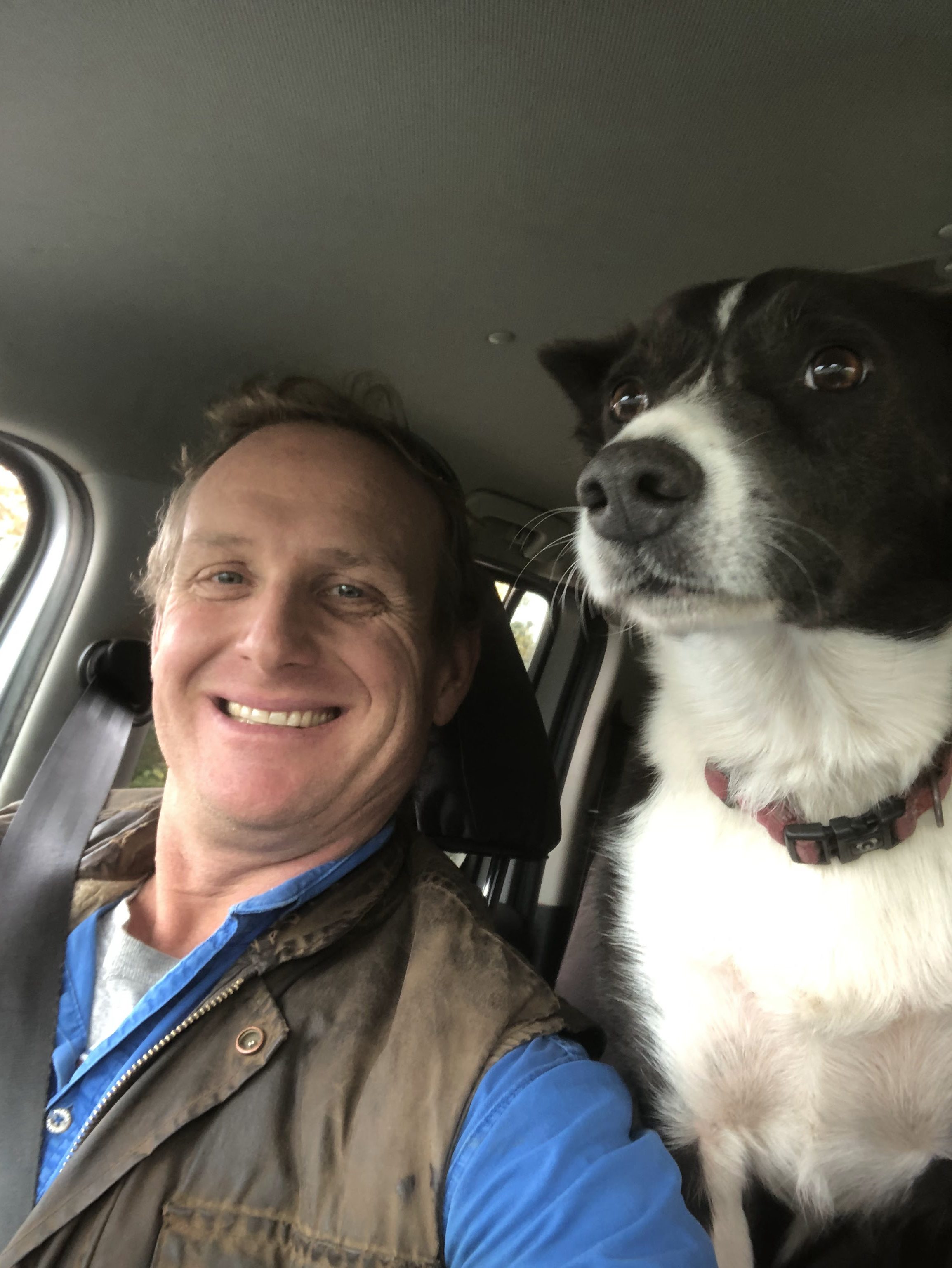
Of course Sapphire knows her ‘why’. It is her job to make sure the fire doesn’t go out, keep rabbits out of the garden, occasionally ask the cattle to hurry up through a gate and make sure Dad doesn’t run into a tree whilst checking the fences!

Isolation on the Rock Farm

Along with the rest of the Australia, we are in virtual lock-down on the Rock Farm.  I was hoping that it would mean we could all spend some time working on the farm, but sadly the not-so-little helpers are now fully entrenched in online learning, and are expected to be online during school hours.  It is testing not only our wireless internet capacity, but also our patience as there seems to be far more video chats going on than school work!

That said, we get a bonus hour in the morning and in the afternoon together that we wouldn’t normally get – and the cancellation of sport means we are able to spend our evenings going for walks around the farm.  It has been a wonderful opportunity for our family to reconnect, check on our elderly friends in our community, and support our local businesses as best as we can.  Our small rural community has really banded together, and our faith in humanity remains strong.

We are extremely aware how fortunate we are on the Rock Farm.  My last post was on the transformation after our first decent rain in a very long time.  It would appear that just as rust on steel ships never sleeps, weeds don’t sleep either. Among our clover and cocksfoot grass, we also have a large number of weeds competing for sunlight and moisture.

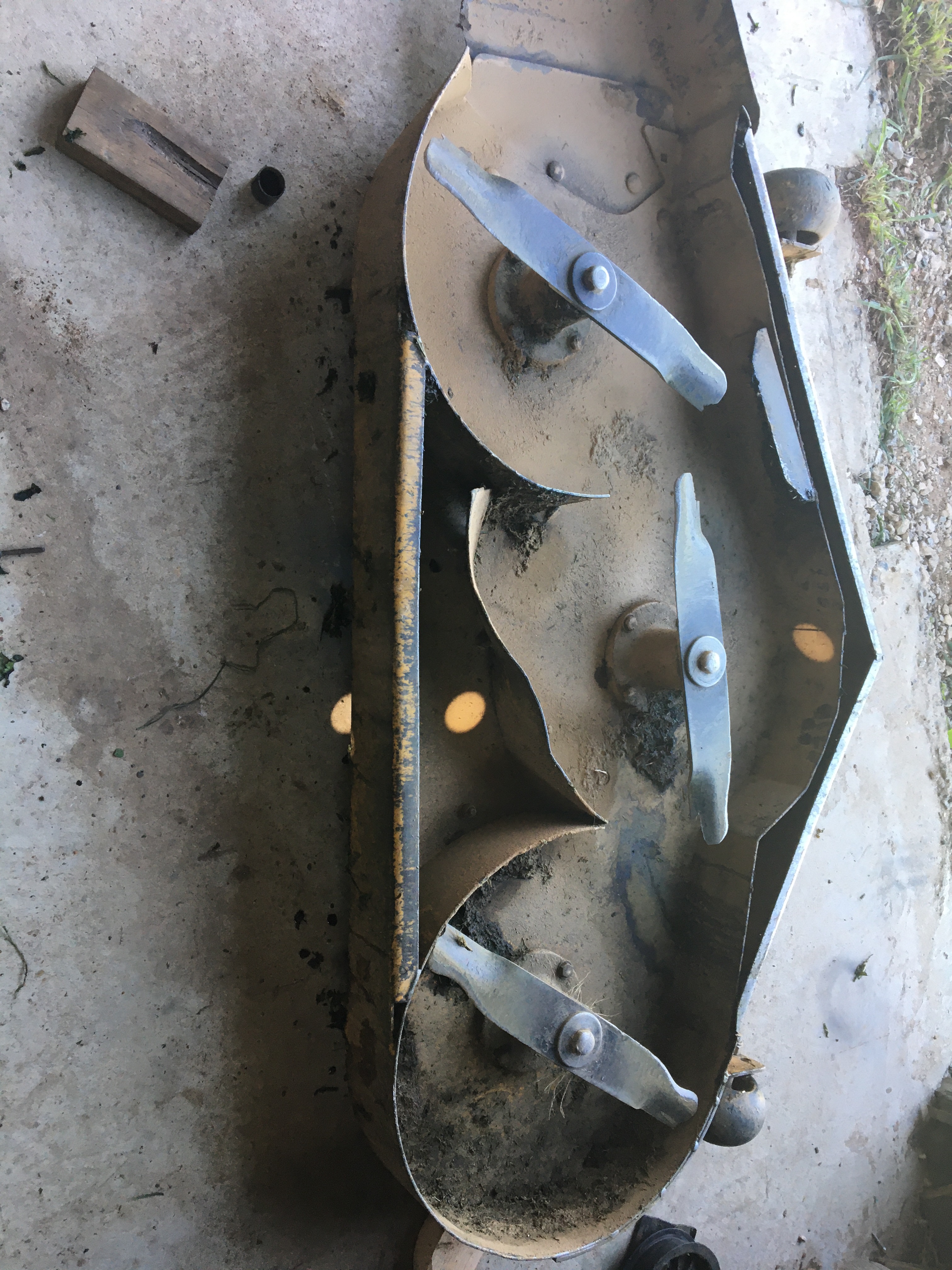
I brought the mower out of retirement and started slashing the worst of the weeds in a couple of the small paddocks with the hope of giving the existing grass a chance to compete and stop the weeds setting seed. The calves were most amused, however I was frustrated.  The mower was doing a terrible job.  It was only after checking out the deck that I realised how bad the blades were, and even worse, the centre guide was completely mangled and bent out of shape.

img_6646

Thankfully the fix was relatively simple – brute force and a bit of work with the welder had the guide back into place.  Some work with the grinder on the blades (including balancing on a screwdriver) and the blades were pressed back into service for another season.  The end result was a much cleaner cut – nice to have a win.

Unfortunately slashing weeds only does so much.  I have spent a fair few hours over the past few days with the chipper cutting out thistles, or the knapsack spot spraying sweet briar.  I have managed to convince Jo to help me with the cause, but for now the boys have always seemed to be busy with urgent homework….

It is good exercise – and on glorious autumn days, it is hardly a chore.  Especially when so many people are stuck inside.  It is pretty easy for me to clock up 25 000 steps or more during the day at the moment.

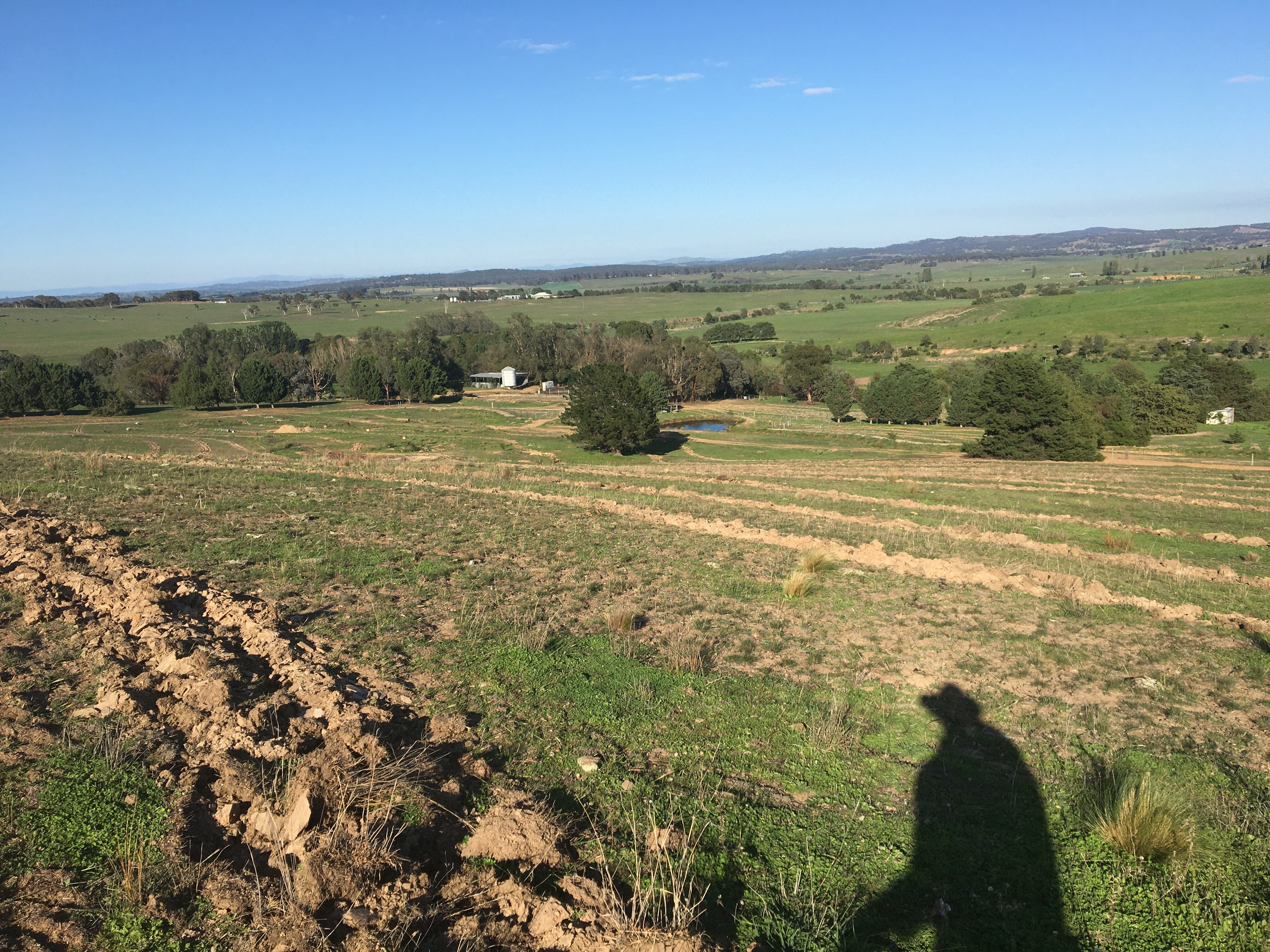
One good thing about walking around the place is you get a really good understanding of where moisture sits and changes the grasses that grow.  It is also readily apparent how much of a difference my rip lines have made on the slopes.

It is a really good indication that the rip lines along the contour are beneficial to the soil moisture levels and are increasing the ground-cover locally.  We are aiming for one hundred percent ground cover, one hundred percent of the time.  And I think the rip lines will help us achieve it.  Wandering around and seeing the results inspired me to make the most of the softer soil and continue the procedure.

The back paddock is the poorest of our property – similar to the original Rock Farm with Ordovician Shale as its bedrock.  Whilst the paddock has magnificent views, the result is slopes that cause moisture and nutrients to wash away.  I spent a few hours after night shifts ripping along the contours – and I can’t wait for it to rain and start making a difference.

This paddock has far too much bare soil and native tussocks, with patches of clover growing where moisture settles.  The observant of you will also have noticed plenty of scattered serrated tussock.  I hope that by increasing the soil moisture, I will increase the ground cover and protect the remaining soil.  The serrated tussock is next on the hit list.

img_6698

On the domestic front, the grass continues to grow in the garden as well.  The last thing I want to do after managing the paddocks is work on the grass in the garden.  It is a good thing I have recruited a couple of friends to work on that – and if you look closely you might see they have recruited a couple of chooks to help them out.

img_6705

There might be better places to be stuck in isolation – but this one will suit me just fine…

Hey Cow!!

One of the most important goals we have for the Rock Farm is to ensure that we leave it in a better state that we received it.  I am really excited with the soil analysis results we received last week, as it will provide a scientific bench mark that we can use to measure our progress.

Whilst the soil analysis reveals the mineral composition of the soil, it doesn’t reveal much about the biological health of the soil.  This microbial activity is far more important, and if we can get this balance right, we will be doing really well.  It is inspiring to read of people who have used various techniques to actively build top soil and repair the health of their land.  Somehow I believe the key to our survival is in the health of our soil, because from it we derive all our food.

One technique to improve soil health I mentioned in my last post was grazing management.   André Voisin  and later Allan Savory developed what we now call holistic management or cell grazing where soil health can be improved by how you graze the land.

Cell grazing involves heavily grazing small areas over a short period, followed by a long rest.  It is expensive to set up, requiring lots of small paddocks (fencing is ridiculously expensive and water must be provided to all paddocks), and time consuming to manage, as stock need to be rotated frequently.  We are lucky in that the new not-so-rocky Rock Farm was initially established to spell race-horses, so has several small paddocks that we can use for this purpose.

And whilst we have beautiful Wiltipoll sheep to graze our paddocks, sheep prefer eating short grass.  They won’t eat the longer grass, leaving it to go rank.  And I refuse to waste precious diesel slashing long grass for it to mulch back into the soil.

So enter the cows!

img_2819

We recently purchased 15 Normande cross weaner hefiers.  Their breeding and the reasons why we chose them is another story entirely. The short story is we wanted quiet cattle, and they had to be any colour other than black!  The Normande is a French beef breed, but you might see that these cattle have an amazing heritage with the best of many breeds in their blood lines.

But for now, they got right on the job.

Allan Savory recommends a stocking rate of around 60 head per hectare, which is extremely high.  The cattle will heavily graze the paddock, eating everything including weeds.  Then when the paddock is rested, everything has a chance to recover.  Normal set grazing sees the cattle eating their preferred grasses, and avoiding the weeds.  This eventually leads to a paddock full of weeds that needs expensive sowing to return to pasture.

Just off our yards, we had a small 1/2 hectare paddock, that was perfect for serving two purposes.  It allowed us to spend a week socialising the cattle and it allowed our soil improvement program to get right underway.  Whilst our stocking rate is about half recommended by Savory, we were soon quick to see the results.  Serrated tussock that had been hidden in the long grass was quickly revealed, making it far easier to hack out.

The small paddock was the perfect place for the cattle to be introduced to the Rock Farm.  I set up a water trough in the yards, and kept them in overnight after they arrived.  The cattle were also drenched on arrival, as our paddocks have been free of cattle for a few years and we want to ensure that our worm burden remains low.

For the first week, I fed the young cattle in the yards and let them have full access to the small paddock adjoining the yards.  It was remarkable how quickly they stopped running away from me and started walking towards the yards with only a gentle word or two of encouragement.  In the space of a couple of days, I was able to comfortably push them into the yards by myself, with the minimum of fuss.

I did all my mustering on foot, at a slow measured walk.  I found that walking slowly calmed the cattle down, and they rarely would run away from me.  The cattle are remarkably sensitive to your body language and where you are looking.  A long stick really helps as an extension of your arm, allowing you to direct their movements.  The cattle are also curious and soon were happy to watch me as I watched them eat.

These beautiful cattle have settled it quickly.  We have started moving them around the Rock Farm, and they are learning that a gentle walk is all I want from them.  I am madly trying to fix up fences in the small paddocks in order for me to establish a good rotation for them – it is all good fun.

In the mean time, they are doing a fantastic job keeping the grass down whilst the tractor rests in the shed. And that isn’t a bad thing!

Pasture improvement and weed control. 

One of the driving forces behind getting a tractor was to allow us to start rehabilitating the precious soil on the Rock Farm.  Our aim is to create a balanced and healthy soil that supports low impact grazing.

One paddock on the Rock Farm is predominantly native pasture with remanent red box, red stringy bark and brittle gum trees.  I have been encouraging the regrowth of thousands of young trees around the older trees, and have been pleased to find the odd drooping she-oak – a vital food source for the Glossy Black Cockatoo.

One problem in this paddock is patches of Sifton Bush (Cassini Arcuata).  This native plant is an invasive weed, producing vast quantities of seed and rapidly colonising bare soil.

img_0996

A section of sifton weed with some Broom Bitter Pea in the foreground

The mature sifton bush plant can produce up to 4 billion seeds a year.  It is unpalatable to most grazing animals and has been suspected of causing poisoning in lambs.  It is a declared weed in our area and we have a responsibility to control it.

The NSW dpi has an excellent page describing the Sifton Bush and its control.  http://weeds.dpi.nsw.gov.au/Weeds/Details/253

Whilst we have worked hard to clear some areas through pulling plants, it is hard work and time consuming.  I had used my mower for a few trials – but it was really hard work for the mower and was causing too much damage (to the mower). Burning is not effective due to the large amount of seedling reinfestation following a fire event.

And so our preferred method for larger areas of infestation is mulching.

img_0998

Lucie hard at work turning sifton bush into mulch

Lucie the tractor has a 2.4 metre wide drum muncher that is effective at shattering the larger stems and mulching the leaves.  As this breaks down, it returns organic matter to the soil, hopefully improving the soil structure and microbial activity.

img_0999-1

The tractor pushes over the mature plants easily – but beware of old stumps

The disadvantage of this method is that some of the sharp stumps remain, making it treacherous to drive a car over the mulched section.  Also some of the younger plants aren’t effectively broken down and may shoot again from damaged stems.

img_1002-1

A much cleaner paddock

The end result is a paddock that not only looks a lot better, but has improved organic matter in the soil.  We have observed grasses recolonising the areas I have mulched as they receive better light and less competition from the sifton bush.

I expect to re-mulch these areas in another couple of years and perhaps take the opportunity then to re-mineralise the soil.  It wont be a quick process as soil takes tens of thousands of years to form, and a heartbeat to destroy.  It is all good fun and I am really enjoying the challenge of improving the Rock Farm.


Mineral supplements for sheep

Australian soils are often described as ancient weathered soils,  poor in nutrient and often have very little organic matter.  Here on the Rock Farm, we take it to another level, with our Ordovican shale bedrock often just below the surface of our thin gravel based lithosols.

There is an old adage  that states ‘if you want to run ten sheep, you feed the sheep until you can run ten sheep’.   This means that the food you feed your sheep becomes the manure that increases your soil fertility until you can run ten sheep.  In essence, your sheep become a vital part of the composting cycle where the imported food is converted to fertilizer.

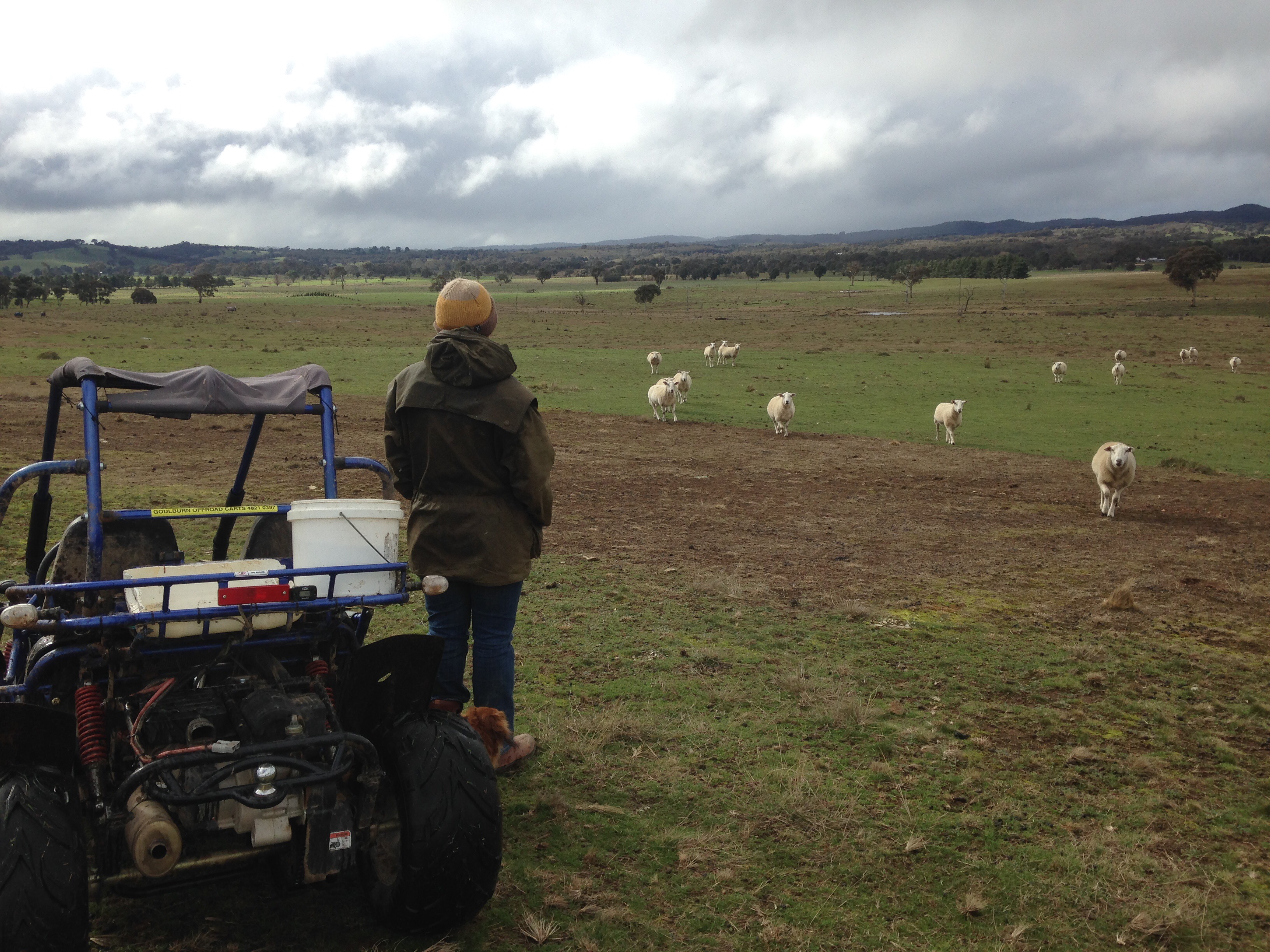
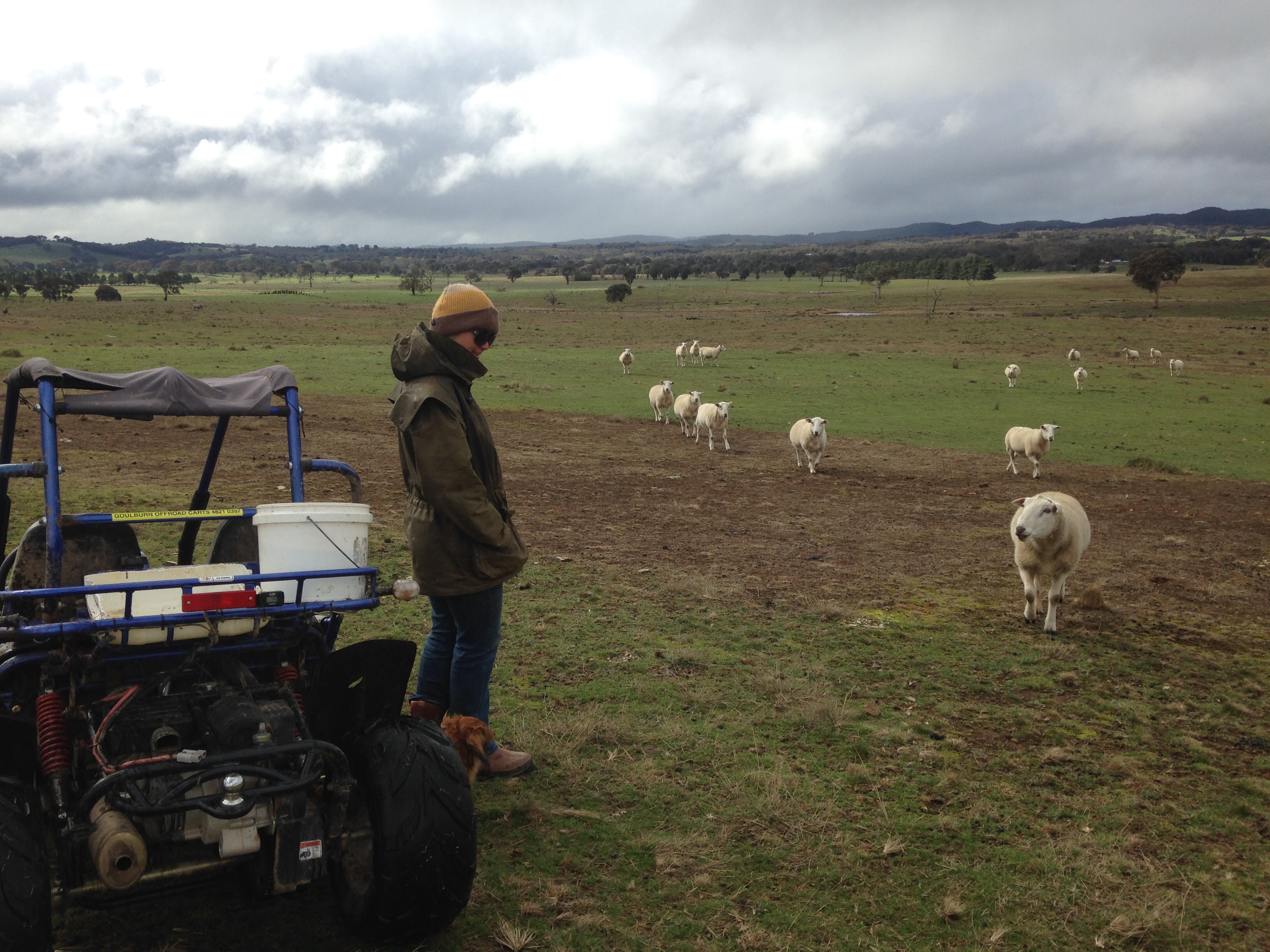
And when you feed your sheep, mustering becomes a whole heap easier, as they come running to you!

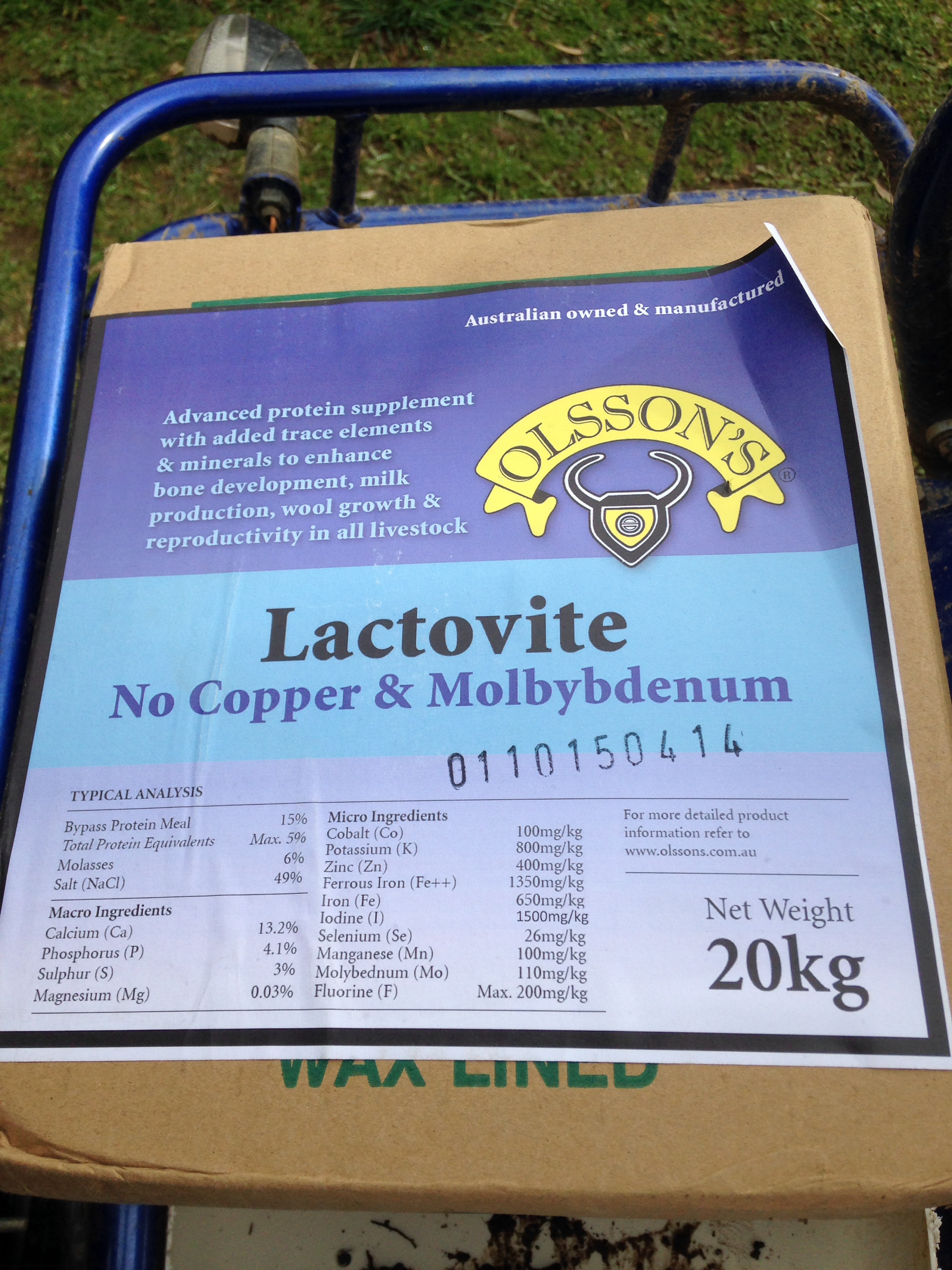
In this good wet winter, our problem isn’t enough food.  There is plenty of bulk in the native grasses at the Rock Farm, but like Burke and Wills, I didn’t want our sheep starving on full bellies.  With mineral deficiencies common, we are experimenting with a salt lick or mineral supplement block.

With the sheep and horses running in the same paddock, we had to pick a mineral supplement that doesn’t contain urea.  Most cattle and sheep supplements contain urea.  Urea is toxic to horses, due to the differences in the gut.  The urea provides nitrogen for the the microflora that lives in the ruminant (cattle and sheep).  Horses only have one stomach (like us), and the urea may cause non-protein nitrogen poisoning.

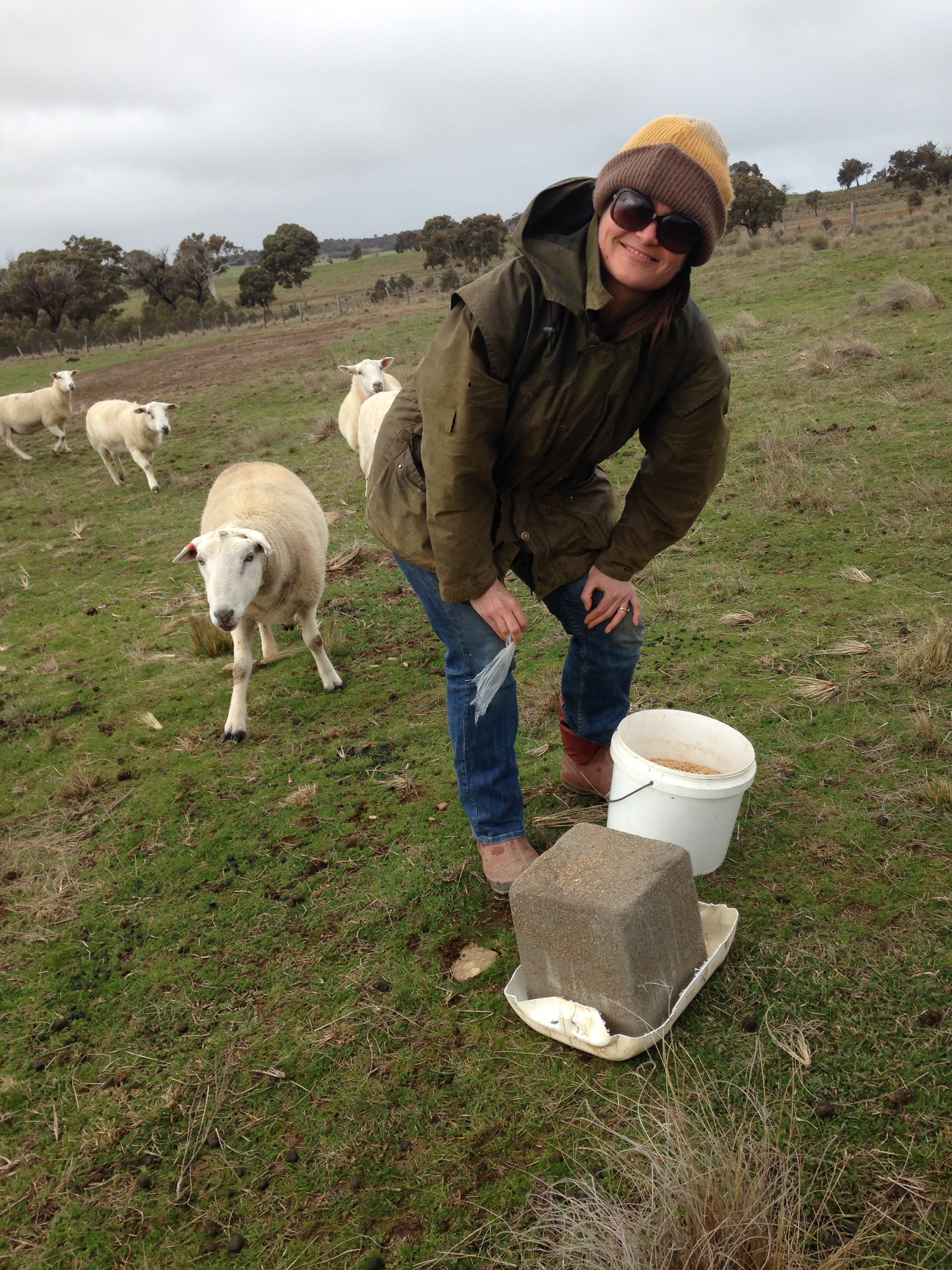
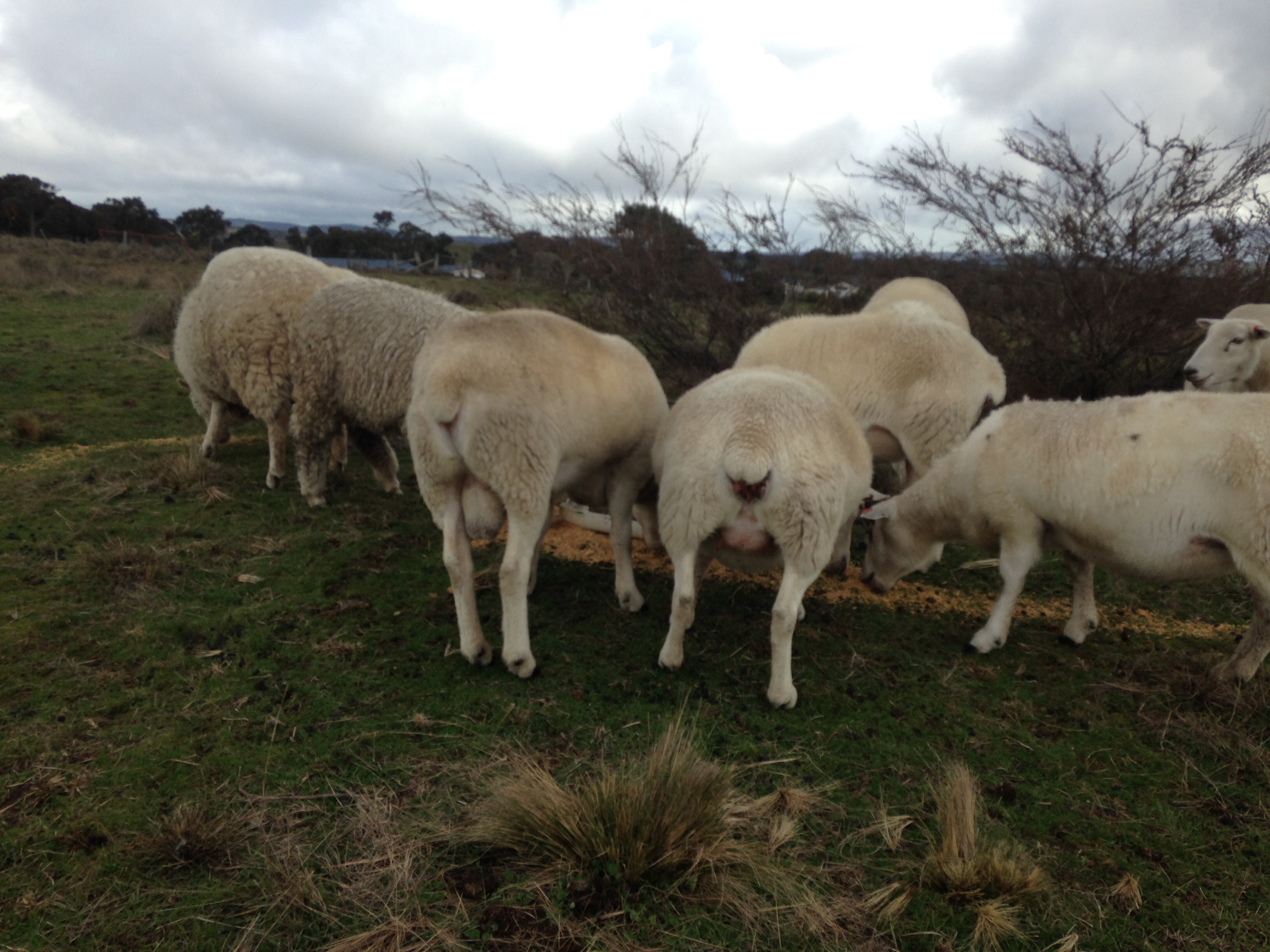
We put the lick out in the paddock, and soon had the sheep wandering up to check it out.  Actually they were checking out the bucket of oats – and looking for a feed.  The benefits of bucket mustering are obvious when they come when you call!

This is obviously a very broad solution to a specific problem.  With a bit more time and effort, we could put out a range of different specific minerals, and see which ones they take.  This will indicate strongly which minerals our land is deficient in.  We hope to get to this point in the future, but in the meantime, the scatter-gun approach will have to suffice.

As an aside, you can see the bands of dead grass in this photo.  The ground has been sprayed in preparation for planting of trees in spring.  Whilst I am generally against chemical use on the paddocks, this is the most effective way to establish trees.

We spread the oats around the lick.  The sheep crowded around it – and devoured the oats. I am not sure how long it will take them to work out the benefits of the mineral supplements now available to them.  We have gone back a couple of times over the past week to encourage the sheep to check out the lick.

I don’t know how successful this will be – but we will see.  Hopefully the sheep will seek out any mineral deficiencies they crave.  Any minerals their bodies don’t require will pass through the sheep and become part of the mineral bank in our soil.  It will take us time to work out what the best way to manage our resources on the Rock Farm… but that is what it is all about.

The (amazing) secret life of Mistletoe

One of the legacies of buying a block that has previously been cleared for grazing is that many of the remnant trees are heavily laden with mistletoe.  Mistletoe is a parasitic plant that has a bad reputation however is a fascinating part of the Australian ecosystem.

Mistletoe’s bad name originated because too many mistletoe on a tree will eventually kill it.  The problem is not having too many mistletoe but of not having enough trees!  When you delve a little deeper, Mistletoe play an extremely important role in not just providing food and refuge for birds, but also for improving soil health too.

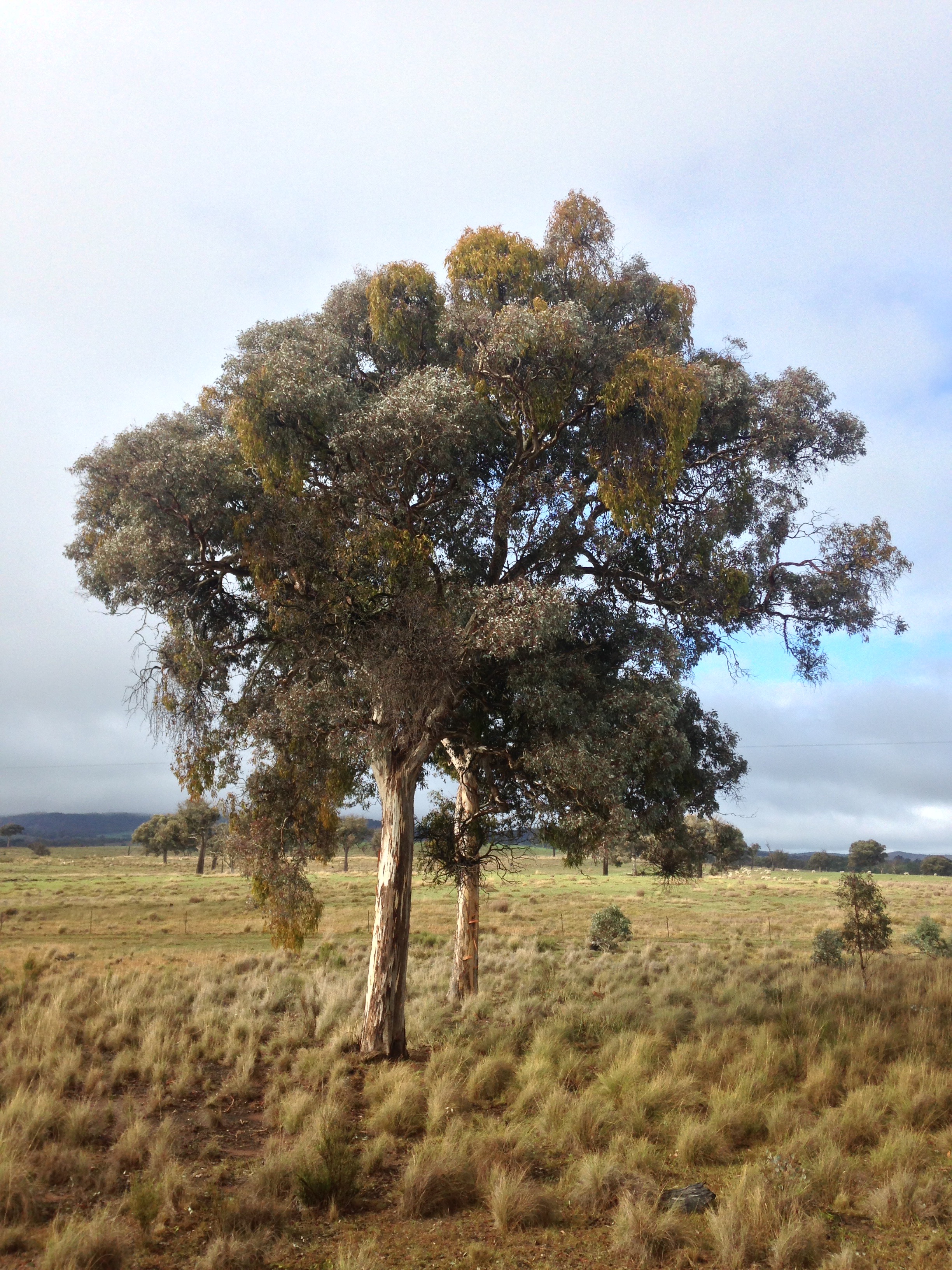
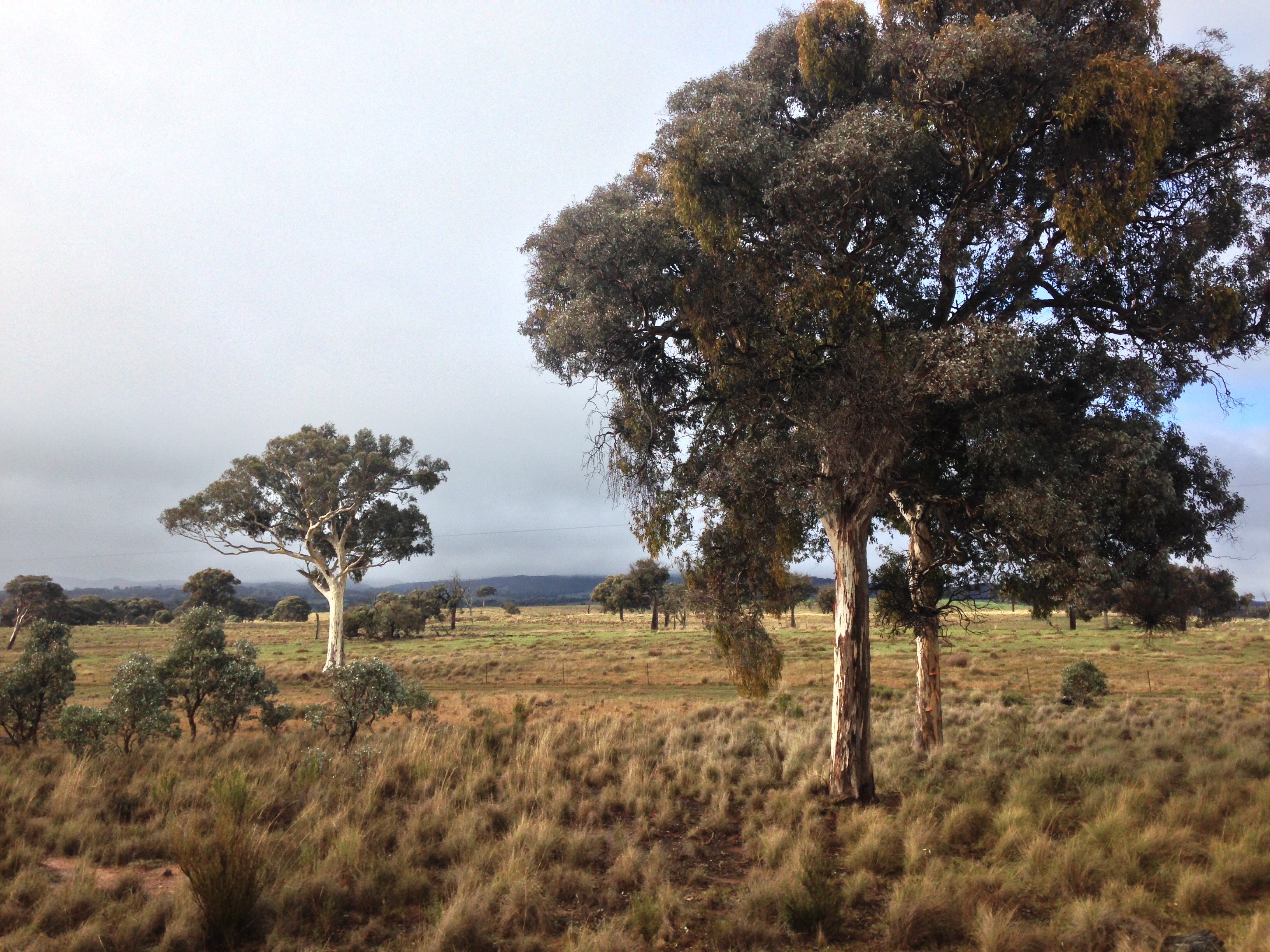
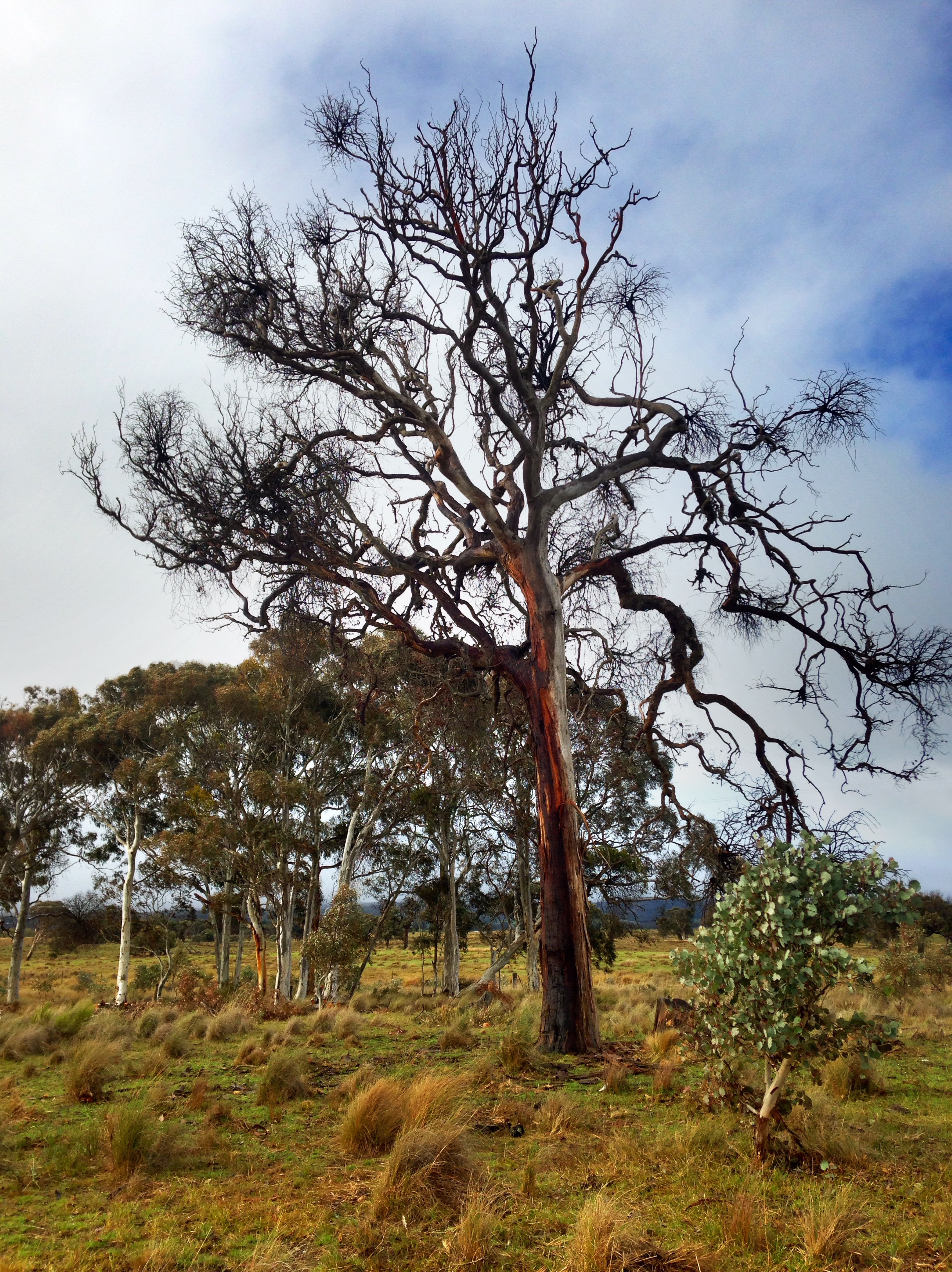
This Red Box Tree (Eucalyptus Polyanthemos) is heavily laden with mistletoe

There are around 90 species of Australian Mistletoe.  Australian Mistletoe has evolved with the Mistletoebird (Dicaeum hirundinaceum), which feeds almost exclusively on its fruit.  The fruit is decidedly sticky, and passes through the bird quickly.  The bird has to rub its backside against a branch in order to remove the seed from its cloaca.  This usually happens to be in an ideal spot for the Mistletoe to grow – typically a nice sunny place with a good outlook.  And it guarantees a good supply of food for the bird.

The Mistletoebird loves branches with a good vantage point, hence remnant trees become heavily infested

The fruit of the mistletoe is an important Aboriginal food.  Commonly called Snotty Gobble, the fruit is a sweet, sticky treat that looks exactly as it sounds.  You split the seed out of its pod, and eat the inside.  It is extremely sticky – which explains how the seed can be deposited by the bird in the most ideal place for germination.

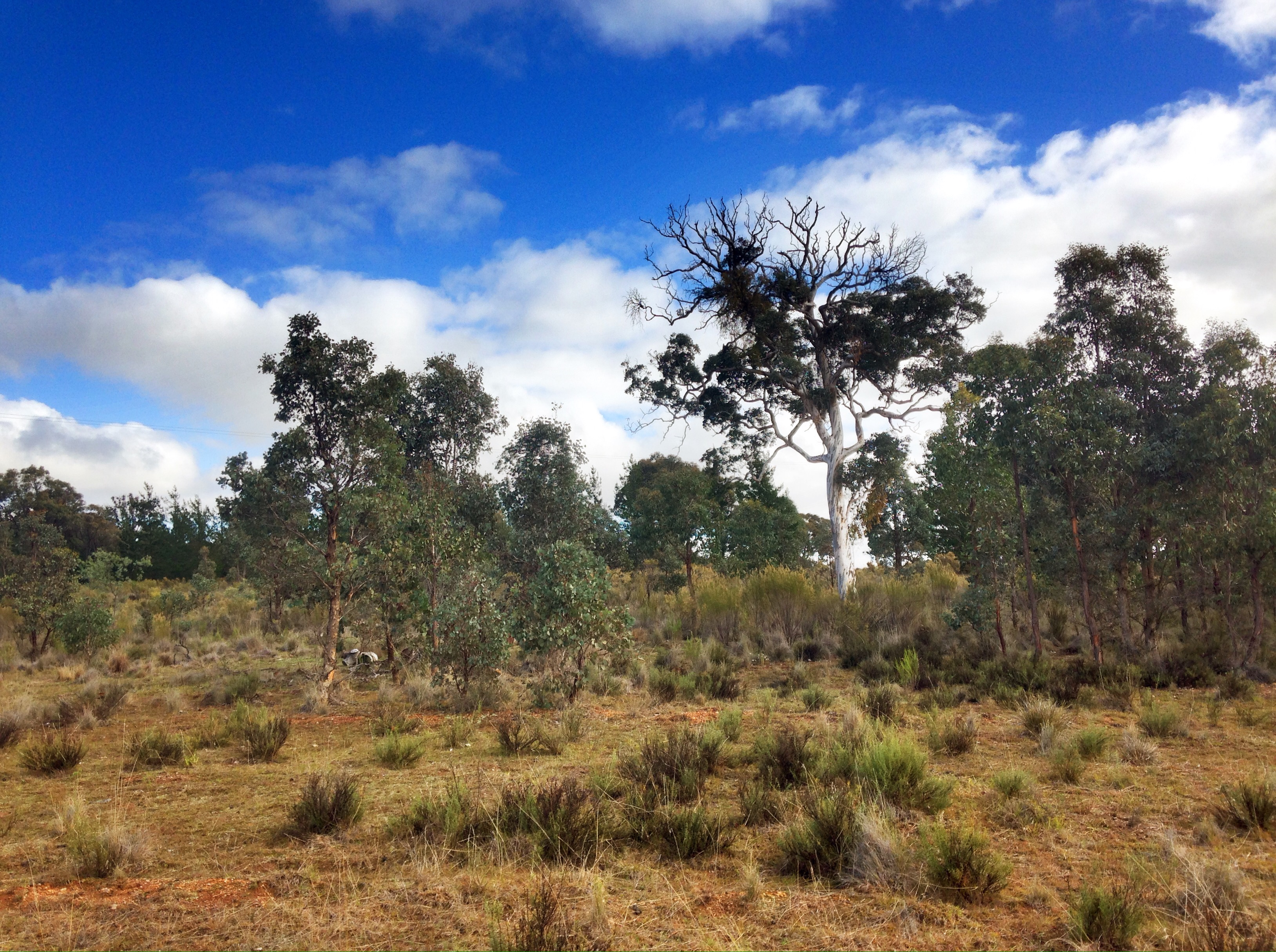
Whilst this tree is suffering from the mistletoe, the soil under the tree is in excellent shape. There are also many young saplings growing around the tree to support future mistletoe growth

The Mistletoe sheds its leaves prolifically.  Unlike the host trees, which hang on to their leaves and thus nutrients as much as they can, the Mistletoe is far more likely to drop its leaves.  This creates areas of much richer nutrient under the tree.  In this photo, you can see the greener grass under the tree – largely as a result of the extra nutrient from the Mistletoe.  The Mistletoe is an important contributor to soil health.

Can you save individual trees? Yes you may, but it can be dangerous and may not worth the risk

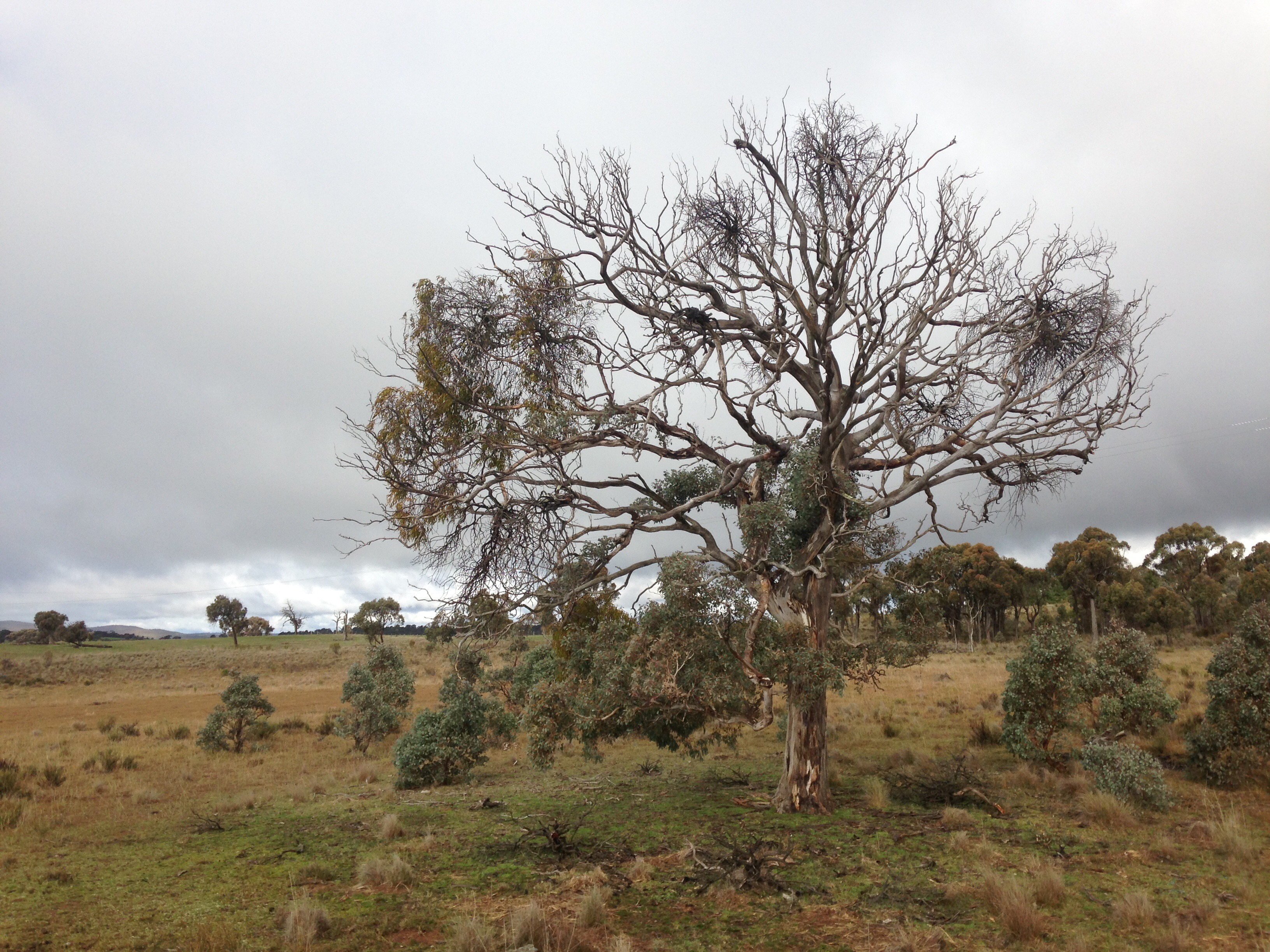
But eventually too much Mistletoe will choke the tree.  This Red Box tree has only one branch that is still alive.  I have considered lopping the dead part from the tree, but it would require me to climb the tree and lop the majority of the crown from the tree – far beyond my capabilities with a saw.

Instead my strategy is to encourage the younger trees to grow.  This will ensure that there are plenty of host trees for the Mistletoe to grow in.  By encouraging many trees to grow, the Mistletoe will be spread among the trees, and won’t overwhelm any single tree.  As I mentioned earlier, the problem isn’t too much Mistletoe, it is too few trees!

Encouraging stands of timber to grow, between grassland areas is our best defence against trees being killed by mistltoe

The other neat thing I found today was our fourth Drooping Sheoak on the Rock Farm (allocasuarina verticillata).  This amazing tree has its own story that I will  share soon.

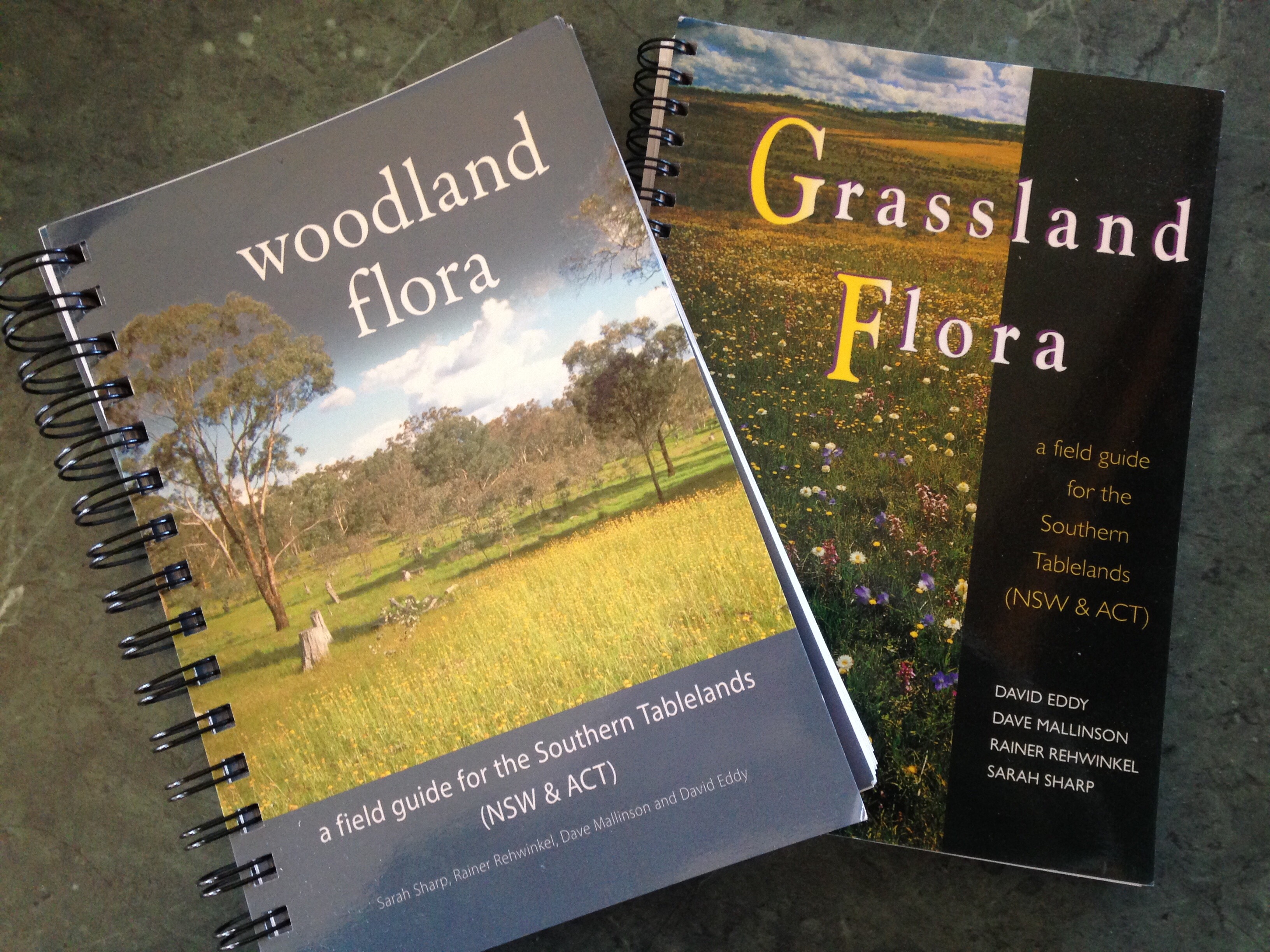
I must thank our friend Amber for her insights into the secret life of Mistletoe. Her knowledge of all native plants is truly encyclopaedic.  There are also a couple of really neat books that have helped me discover the amazing diversity in the plants on the Rock Farm.

Woodland Flora – A field guide for the Southern Tablelands, by Sarah Sharp, Rainer Rehwinkel, Dave Mallinson and David Eddy. (2015)  It is available here: http://www.publish.csiro.au/pid/7609.htm

Grassland Flora – A field Guide for the Southern Tablelands, by David Eddy, Dave Mallinson, Rainer Rehwinkel and Sarah Sharp. (1998)  It is available here: http://www.fog.org.au/grassland_flora.htm

Improving soil health – Repairing bare soil on the Rock Farm

As short time custodians of the Rock Farm, we have a responsibility to leave our land in better shape than we found it.  It can be a bit daunting, but we have found many people  and read several books that have helped us start this journey.

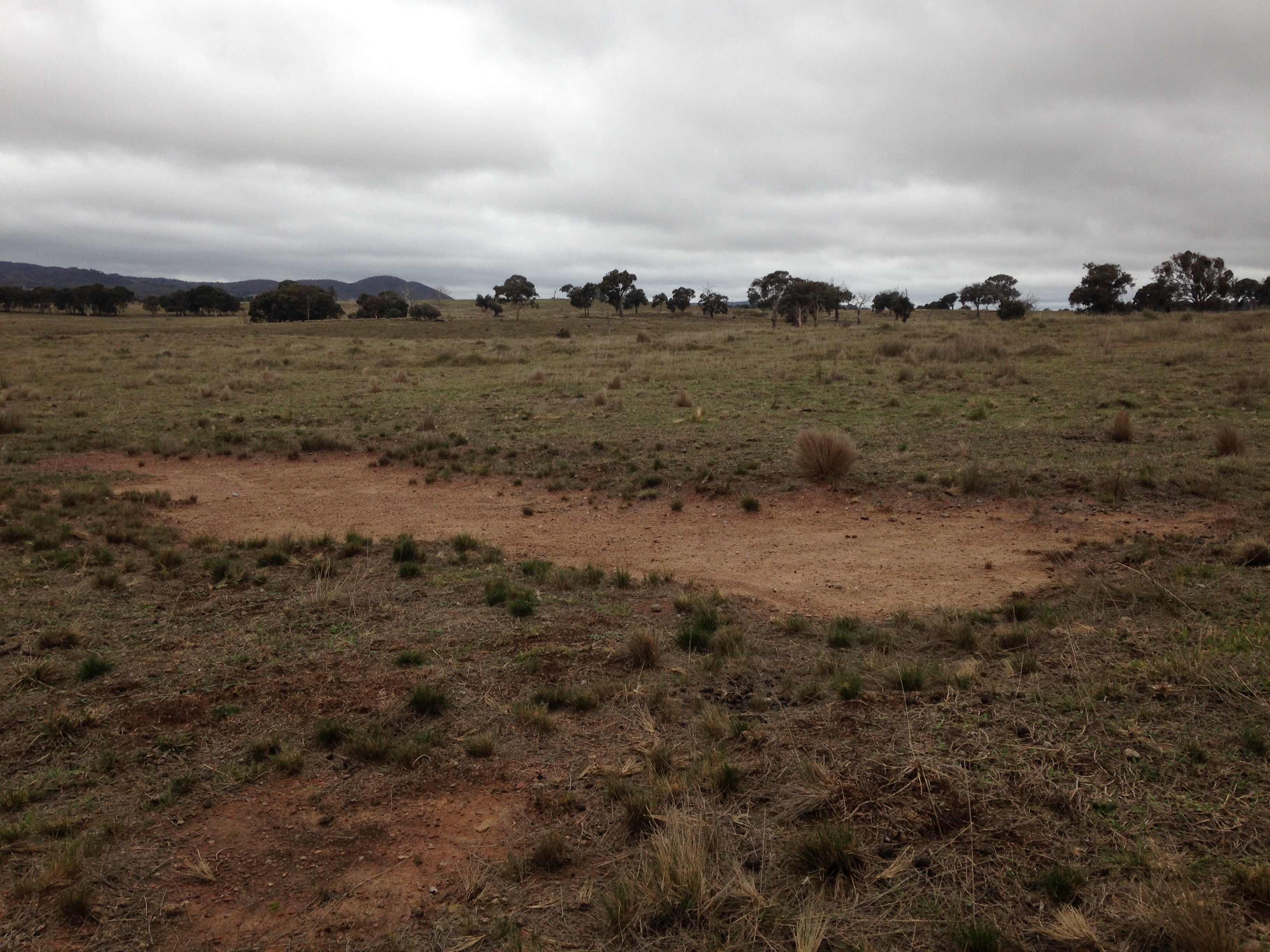
The Rock Farm is in a region of Ordovician shale – and the soil best described as thin, gravel based lithosols (soil consisting of unweathered or partly weathered shale fragments).  The land has been previously cleared, and heavily grazed.  When the grass or ground cover is broken, the fragile soil is lost forever leaving bare patches of earth where nothing grows.

Cleared land with evidence of sheet erosion

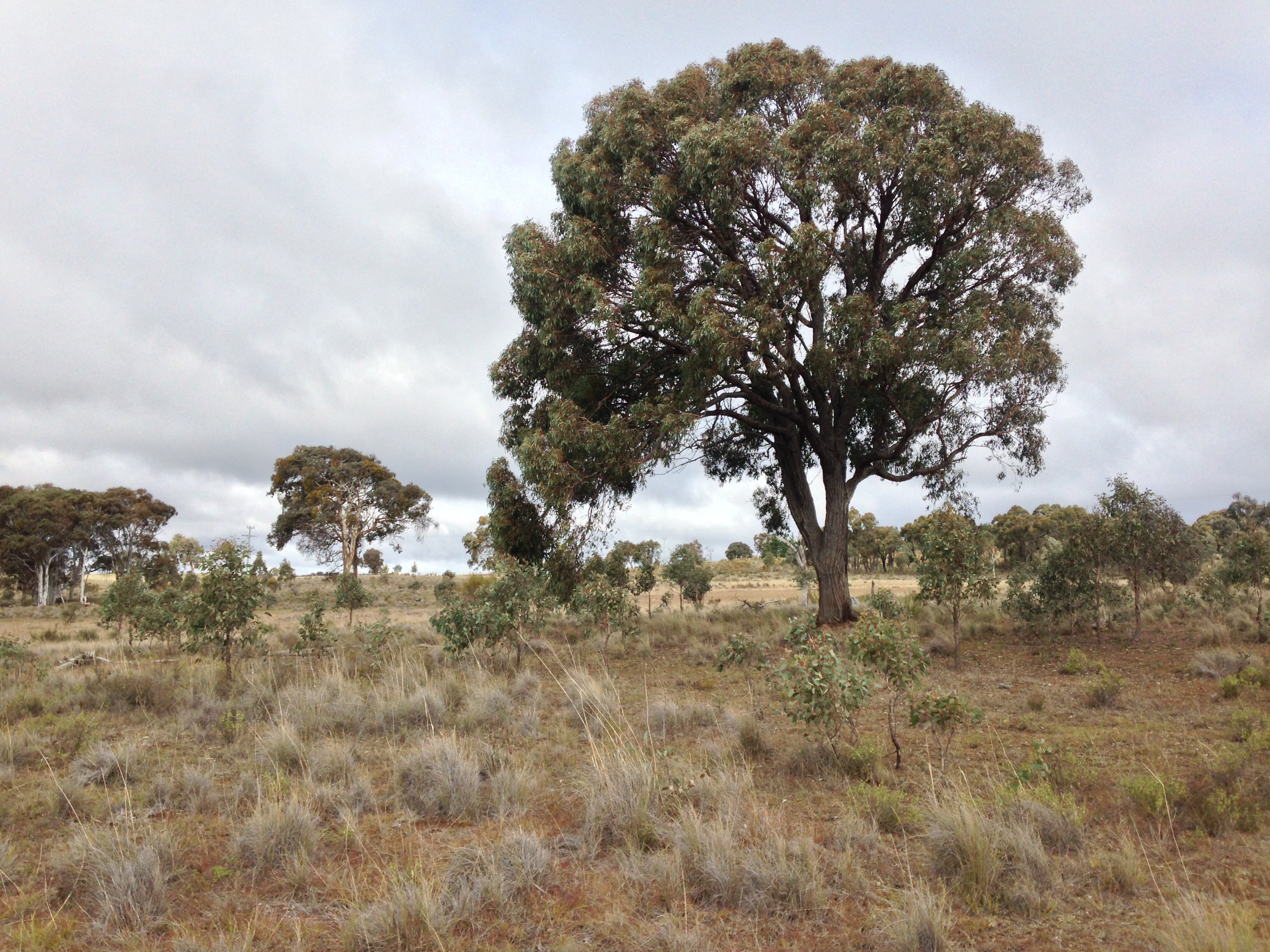
In the few years before we bought the block, the stocking rates had been significantly reduced.   This allowed an explosion of young sapling trees in one paddock.  The old remnant trees were surrounded by many saplings – which was very pleasing to see.

This Red Stringy Bark has many young saplings among native Poa Tussock

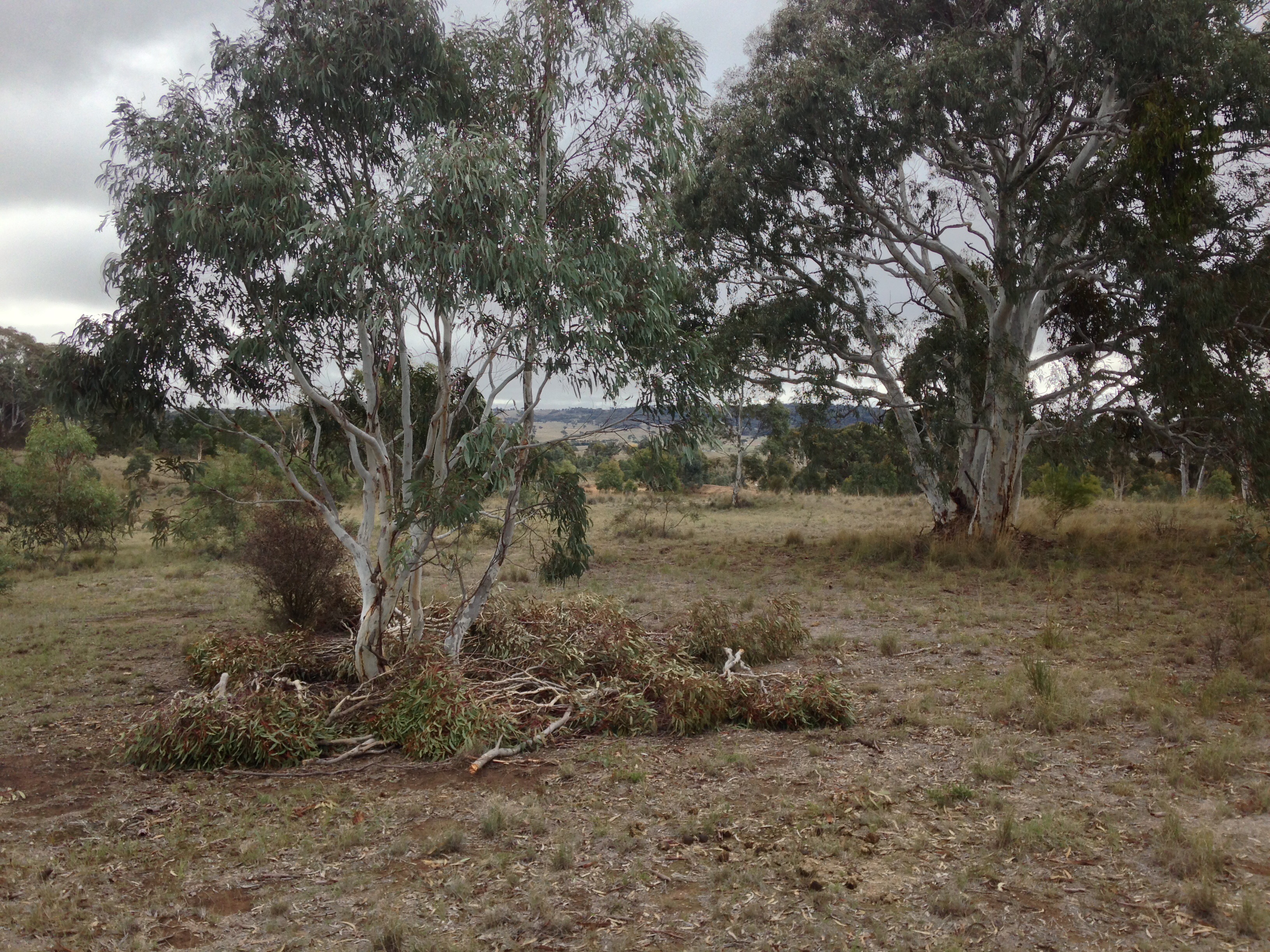
The bare soil however was a problem.  The first priority was to stabilize the soil – and protect it from further erosion.   The easiest way for us to do this was to simply spread lawn cuttings around over the bare soil.  The cuttings protect the soil from wind and animals walking over it. The cuttings also over time will break down, releasing nutrients into the soil.

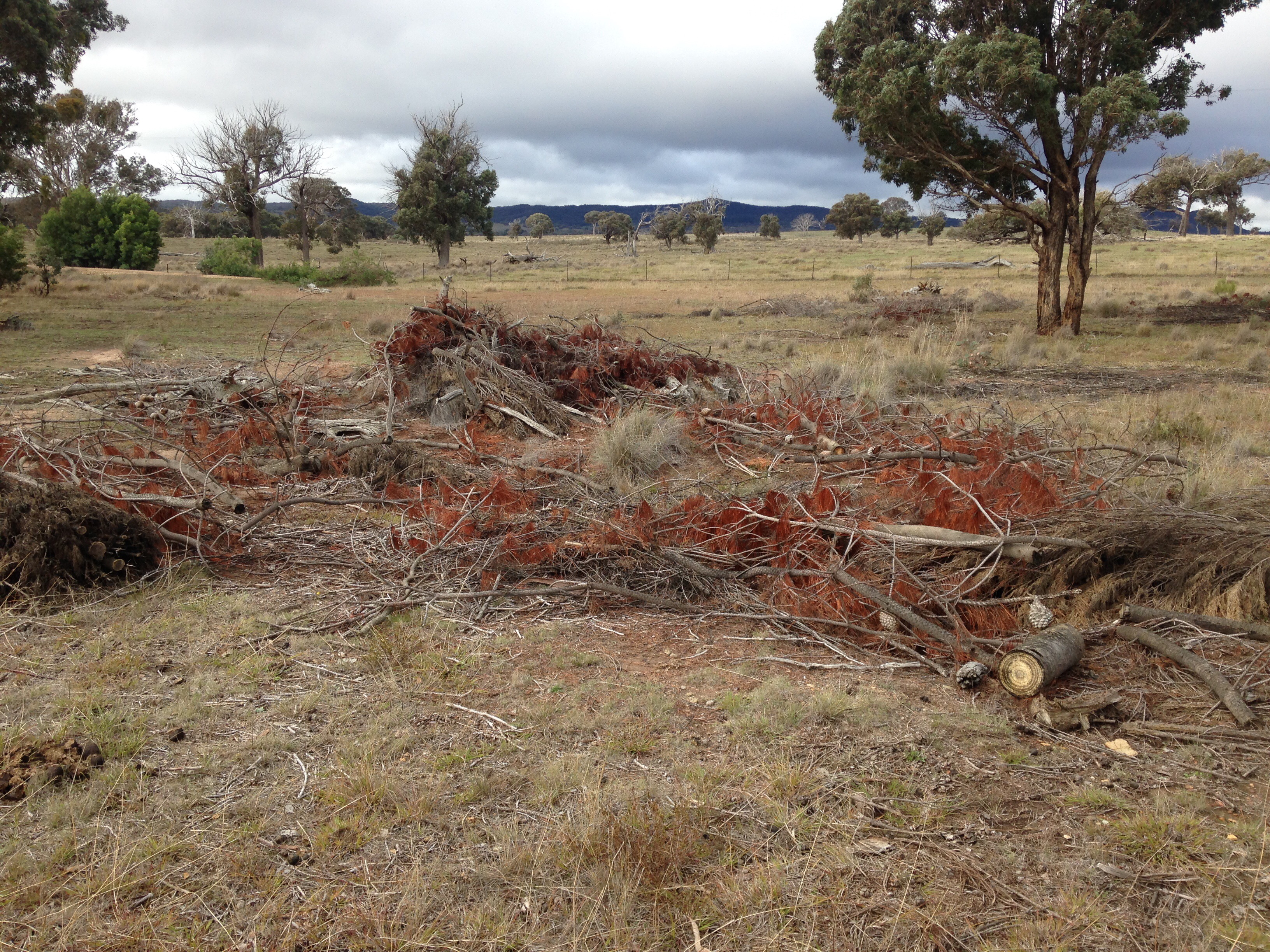
Leaving garden clippings or trimmed branches to break down and provide organic material to the soil

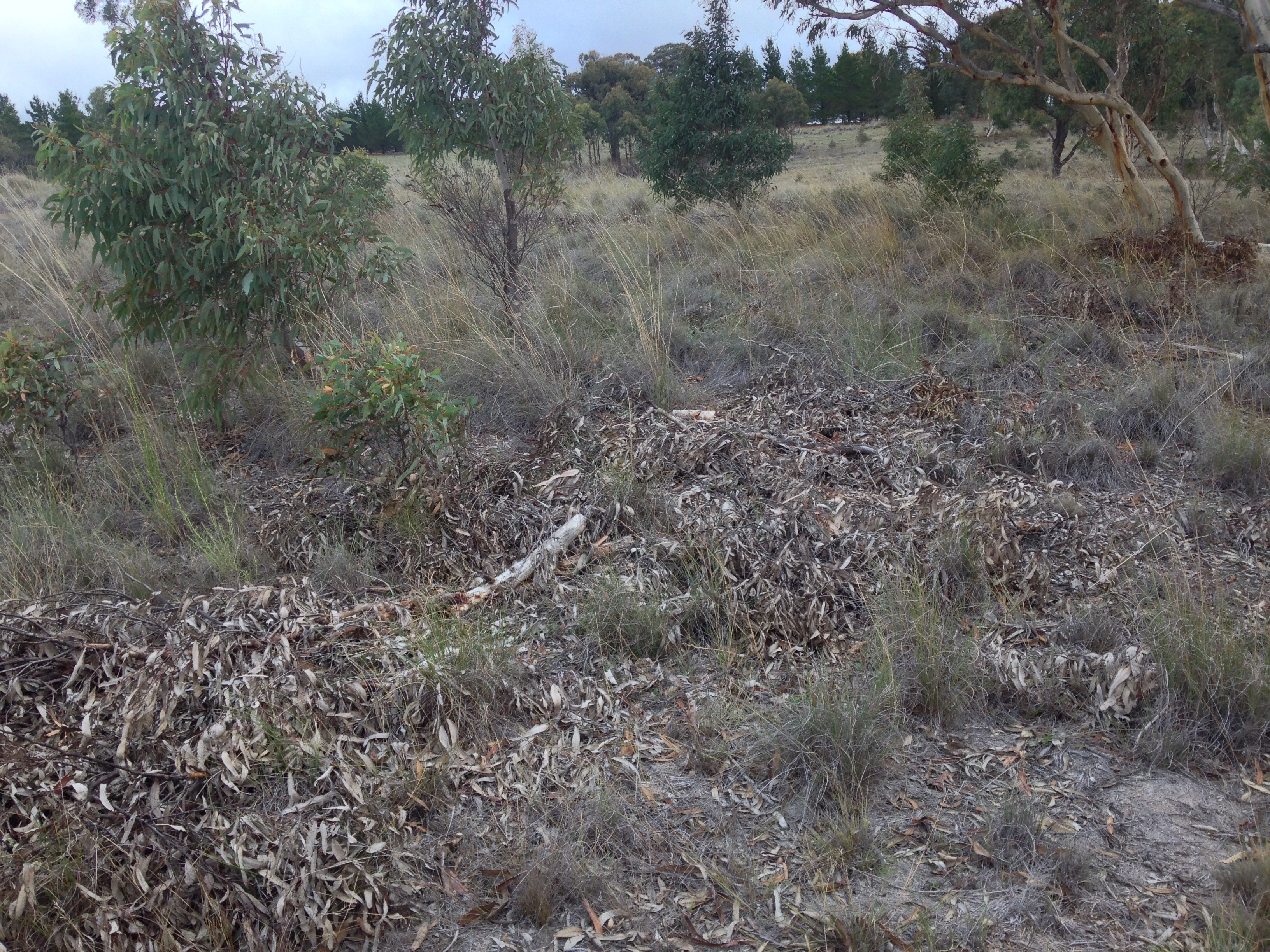
This is not a quick process.  In the hot and dry or cool and dry climate of the Southern Tablelands, this organic material will take years to break down.  But in the mean time, we hope it will provide shelter to allow grass, shrubs, even weeds – anything to grow.  In the mean time, the plant material provides homes and food for many native beetles and bugs.  These in turn increase the number of insect eating birds that visit our place – a real win-win scenario.

Three years on and the light shrub clippings have broken down and grass and weeds are re-colonising the soil

This is a patch that in 3 years, has broken down and is showing signs of colonisation by grass and weeds. The weeds are a sign that the system is out of balance – but repairing.  As the soil improves, the grasses will out compete the weeds (we hope).

Even bigger trees can benefit from protection too

It is a technique I use all the time.  I now cut green timber for firewood (see previous post), and I spread the small green branches over bare soil.  Within a year, the area is a hot bed of insect activity, with many small grubs and beetles munching their way through the bark and leaves, creating a rich organic soil.  The trees soon recover from the branch or two that I lop off, and the added bonus is the richer soils.

img_8251

The leaves quickly break down – these branches have been cut less than six months and are starting to decompose

Of course this process only works on small patches and it takes a long time to come to fruition.  Its best feature is it costs next to nothing – and uses natural processes.  To dramatically increase soil fertility quickly, you need to conduct soil tests, and import fertiliser – preferably an organic or natural compound.

There are many different fertilisers that can be used – but I will discuss these in a later post.

If you are interested in further reading, check out:

Pat Coleby – Natural Farming (http://farmingsecrets.com/experts/pat-coleby/)

Peter Andrews – Natural Sequence Farming (http://www.nsfarming.com/)