Things dry out on the Rock Farm

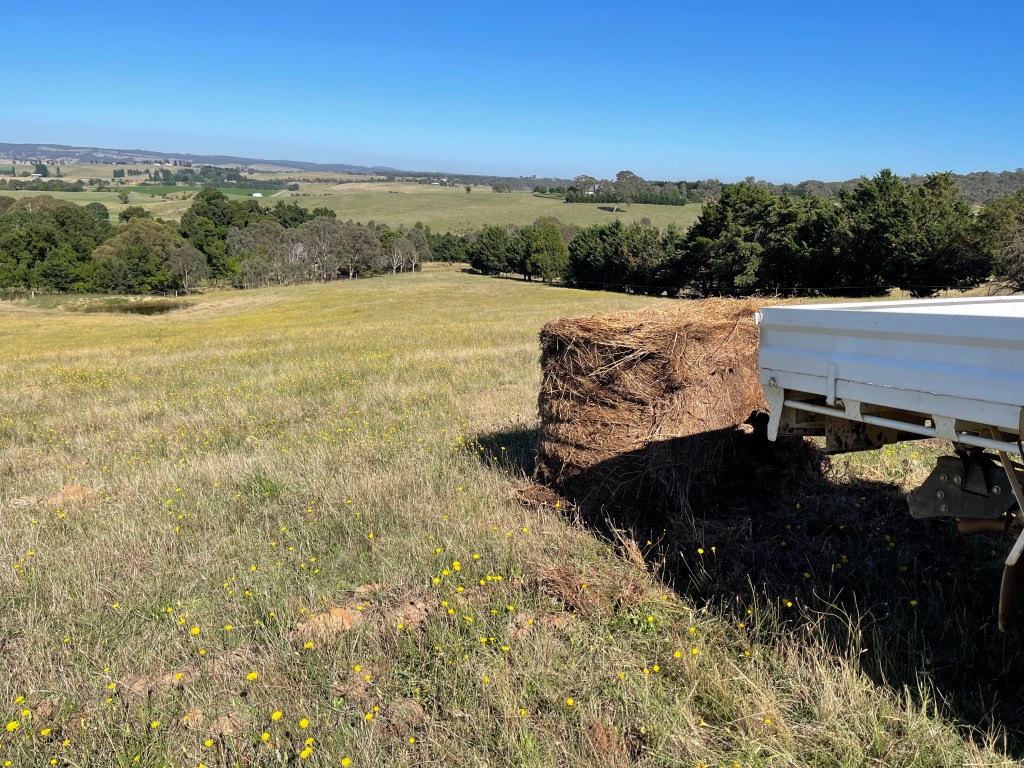
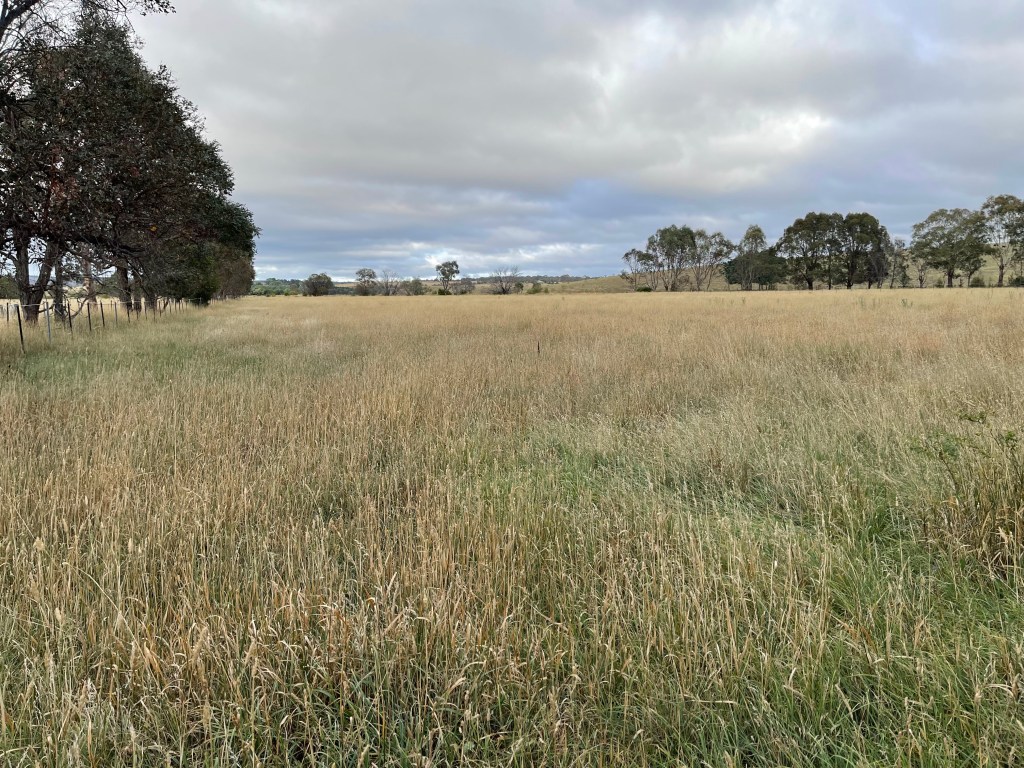
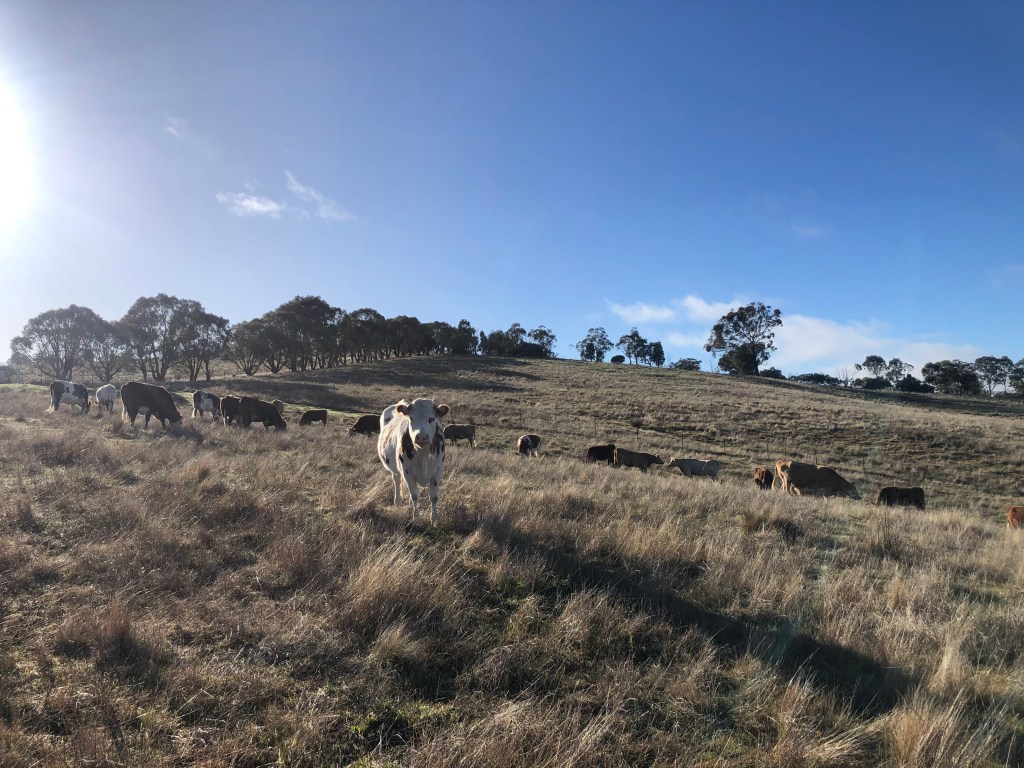
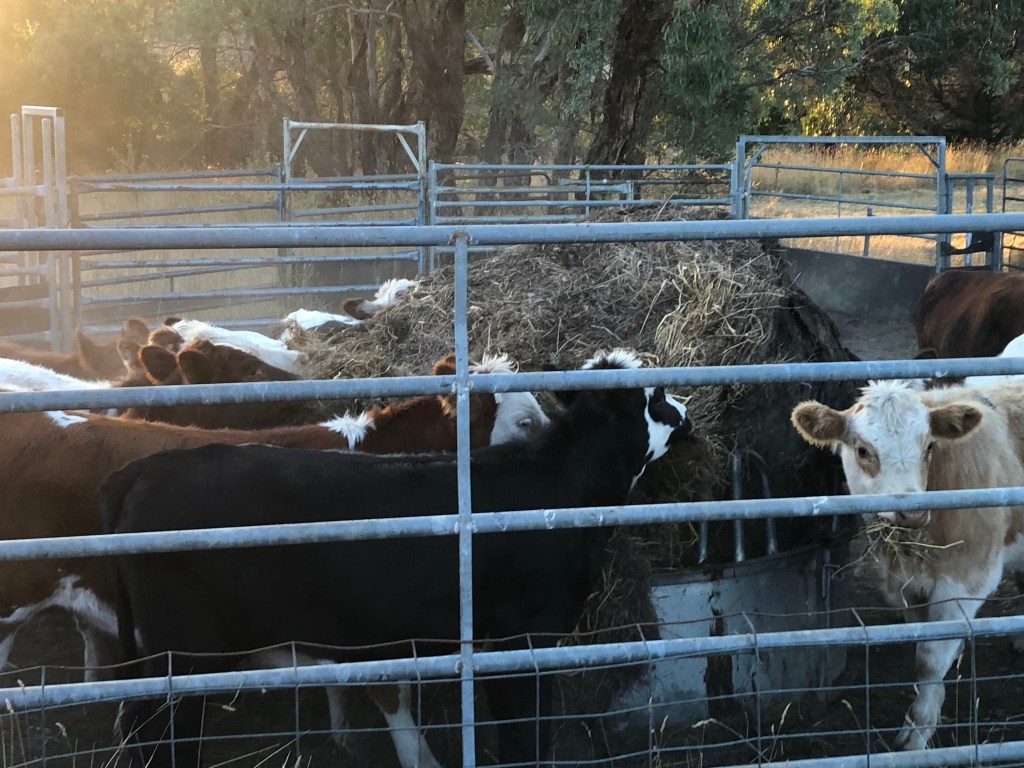
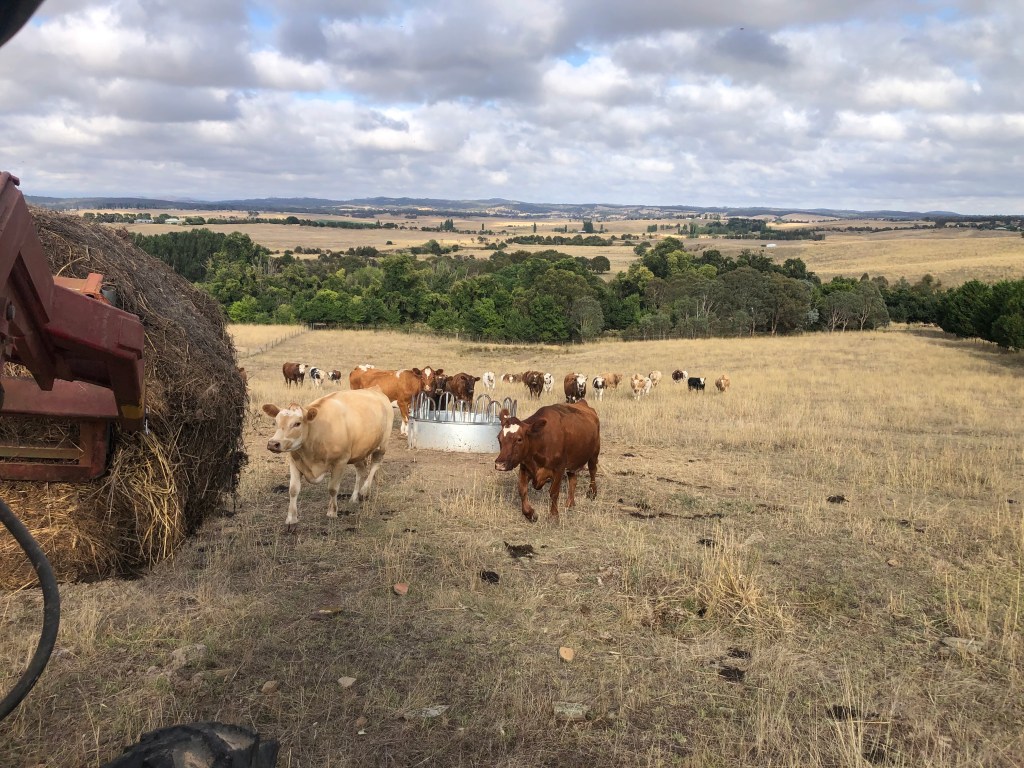
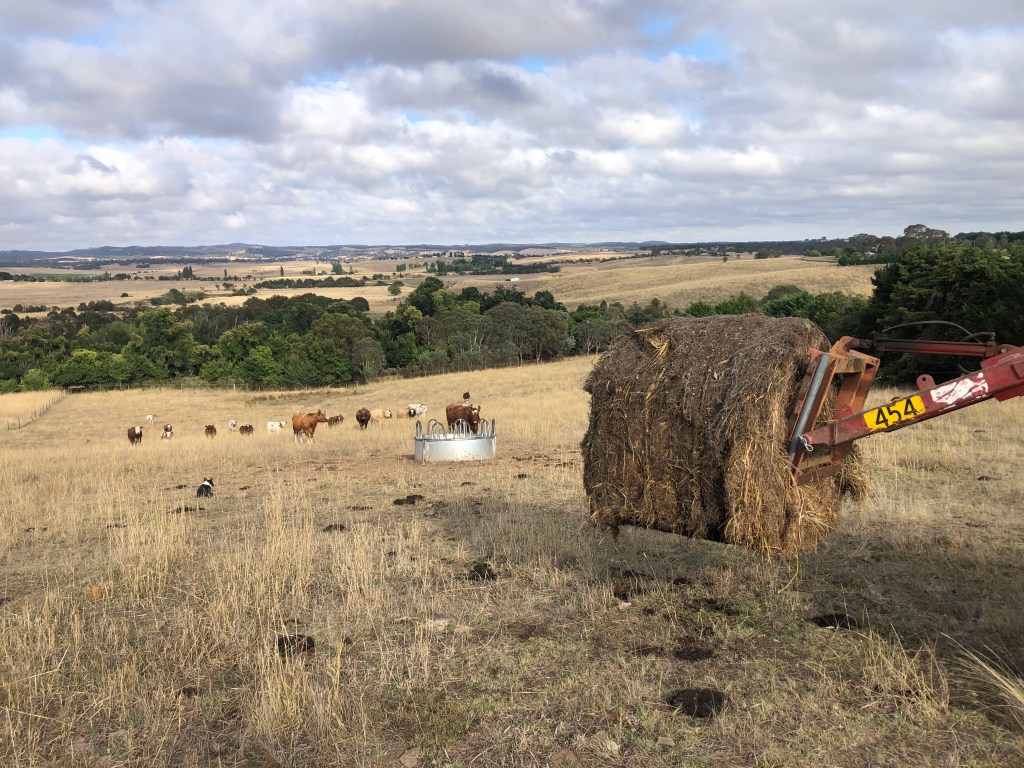
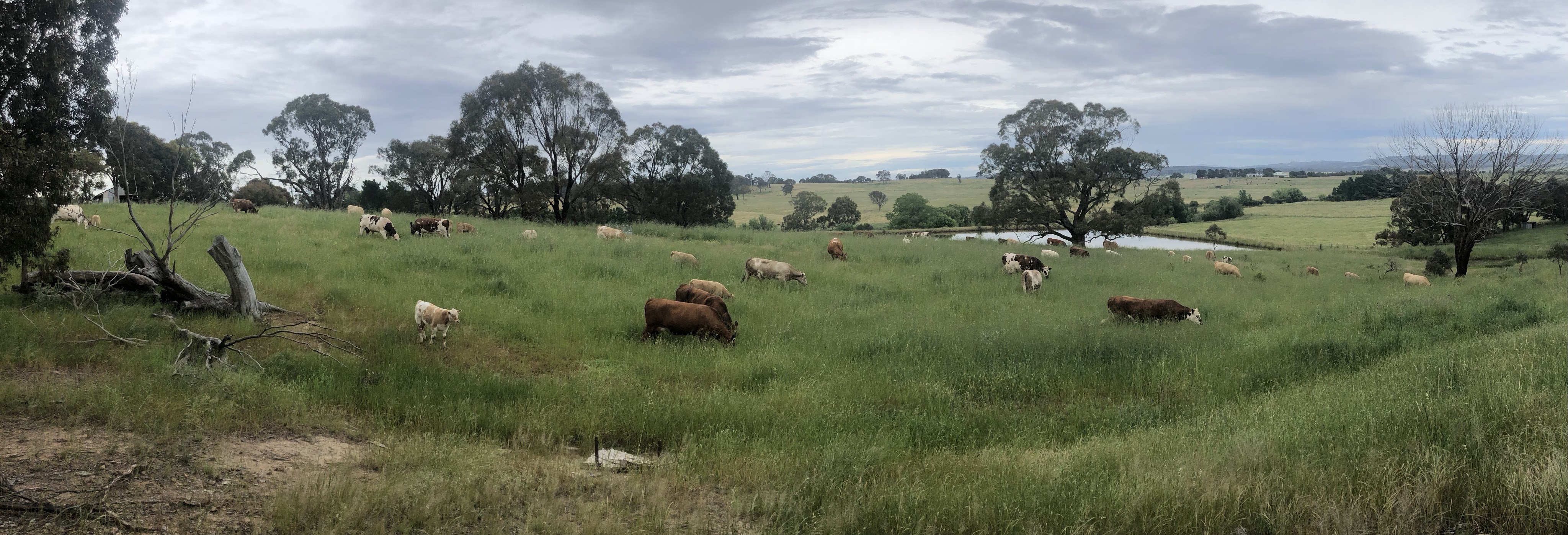
In my last post, I was grateful that some summer storms had helped the pastures along. The Rock Farm was looking surprisingly green for Christmas—an exception rather than the norm in this part of the world. By the end of January, however, it was clear that things were drying out. So, like all good husbands, I packed up and went to sea for a couple of weeks, leaving the farm and livestock in Jo’s capable hands. Before I left I pre-positioned a couple of hay bales in the paddocks to ensure the cattle had feed ahead of them—but I wasn’t prepared for what I found when I got home.
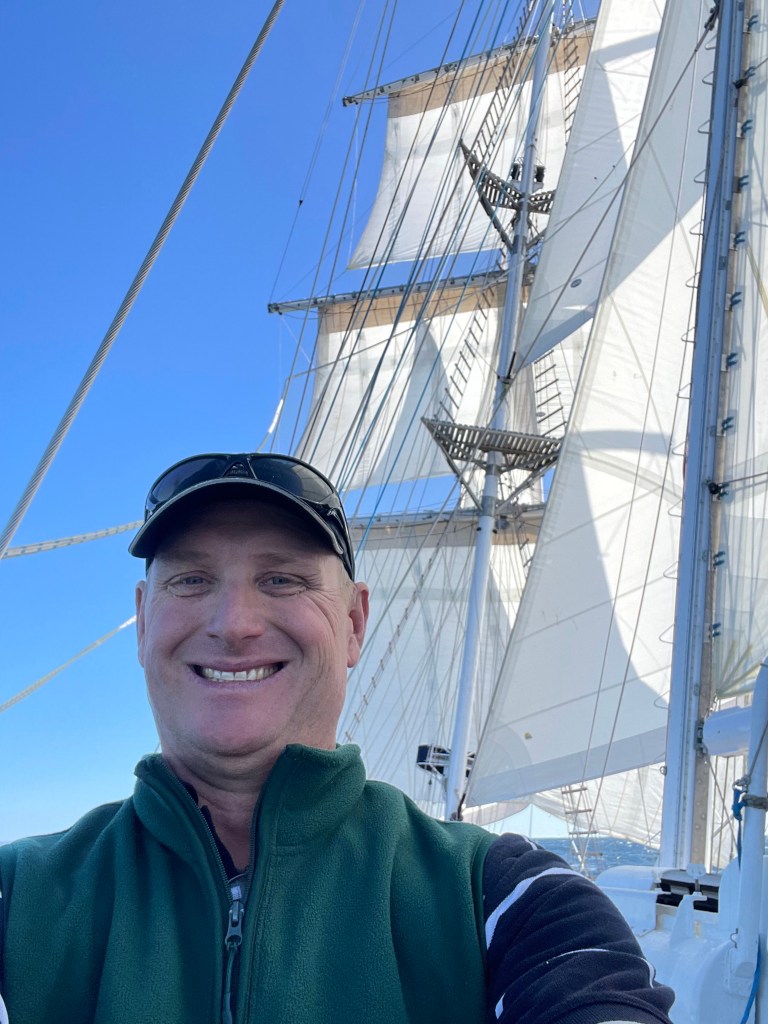
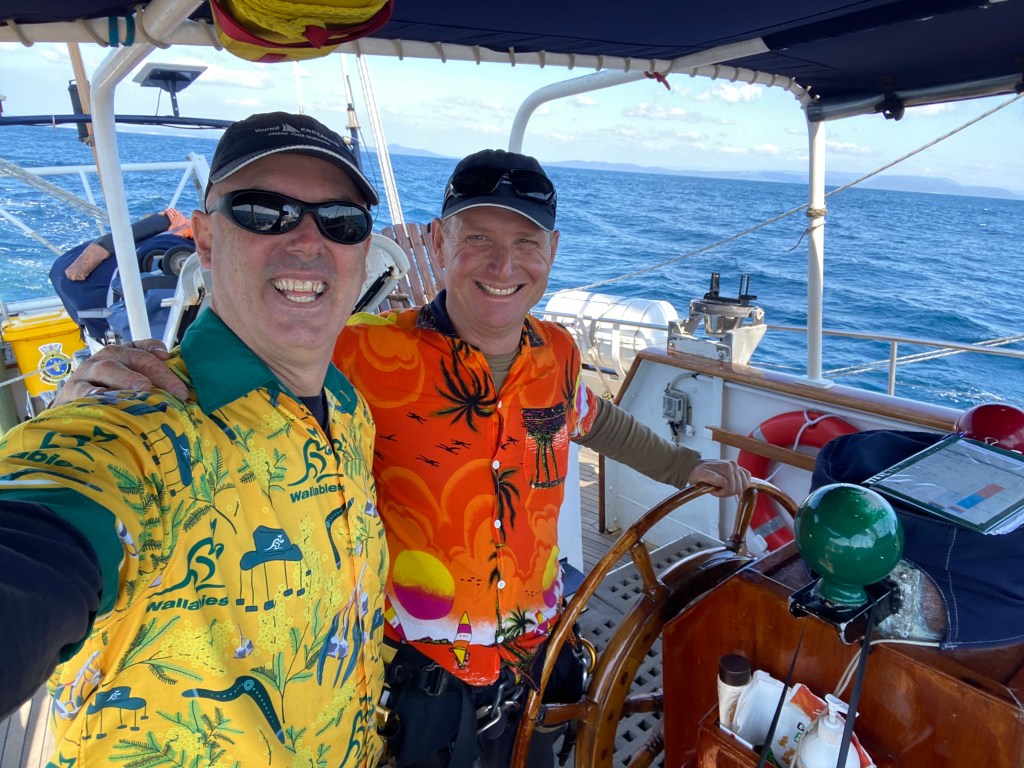
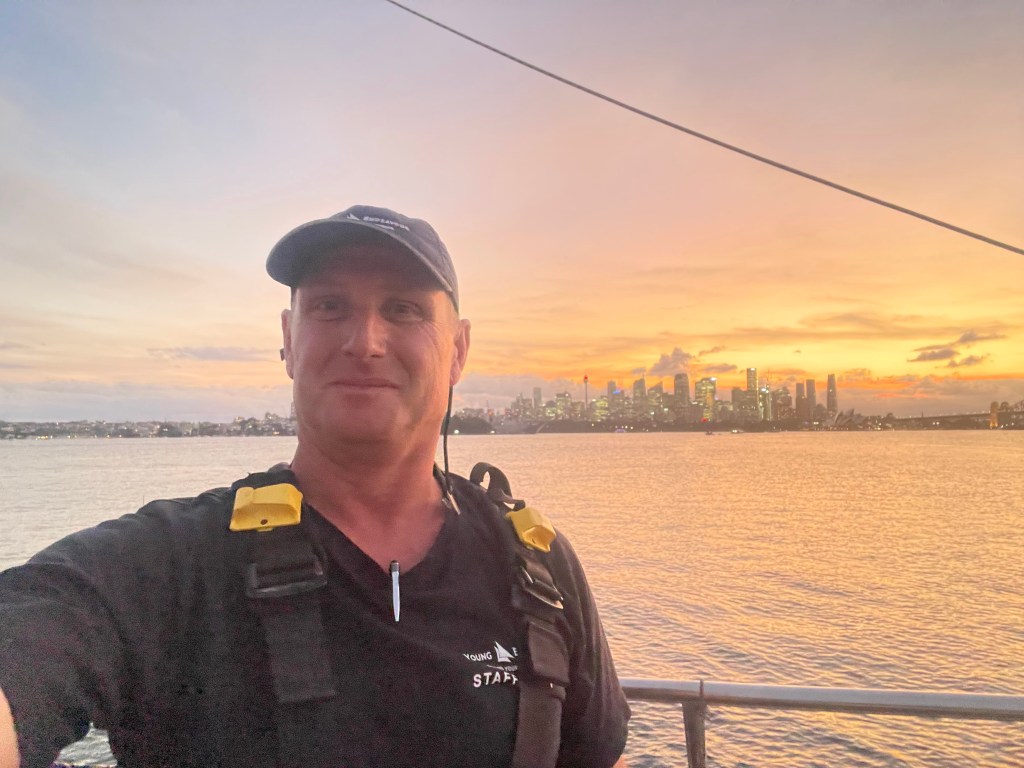
It was a huge amount of fun to return to my old ship and sail north from Hobart back to Sydney. During the voyage we experienced all weathers, including a lively crossing of the infamous Bass Strait in 55-knot winds. As we battled large seas and rolls exceeding 50 degrees (past the limits of the inclinometer, known onboard as the “ooh-aah meter”), I was reminded of the oft-quoted words of John A. Shedd: “A ship is safest in the harbour, but that is not what it was built for.”

What struck me most on this voyage was the advancement in weather forecasting since my first voyages onboard. The ability to track conditions and predict wind changes down to the hour allowed for well-informed decisions, especially regarding the sail plan.

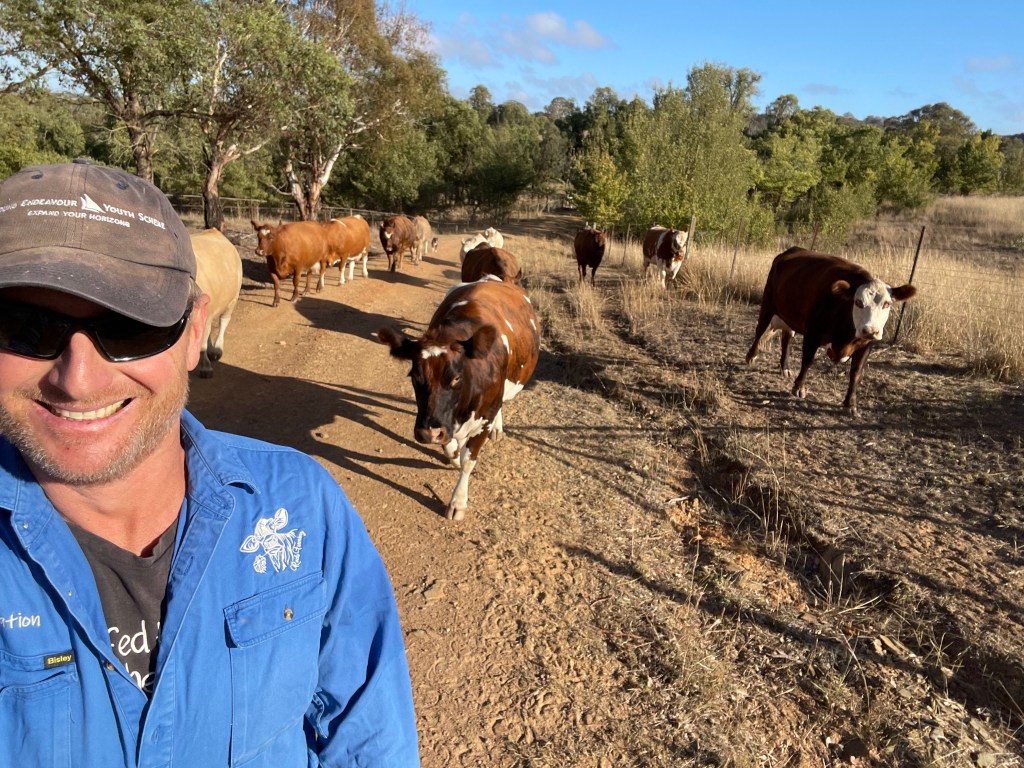
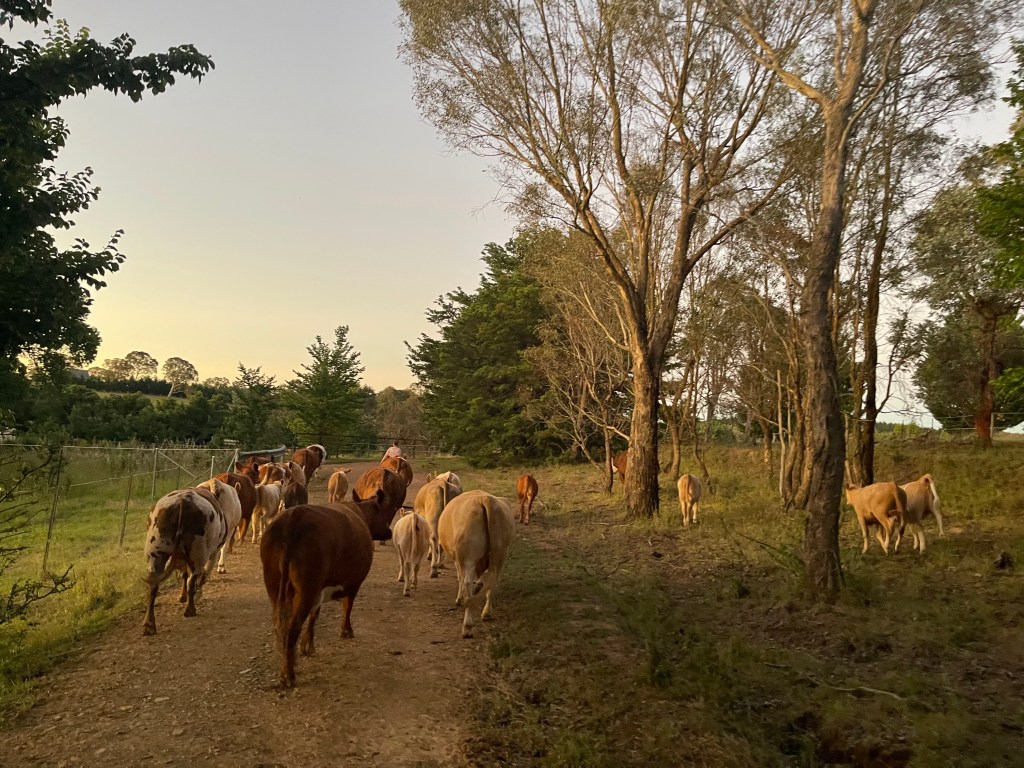
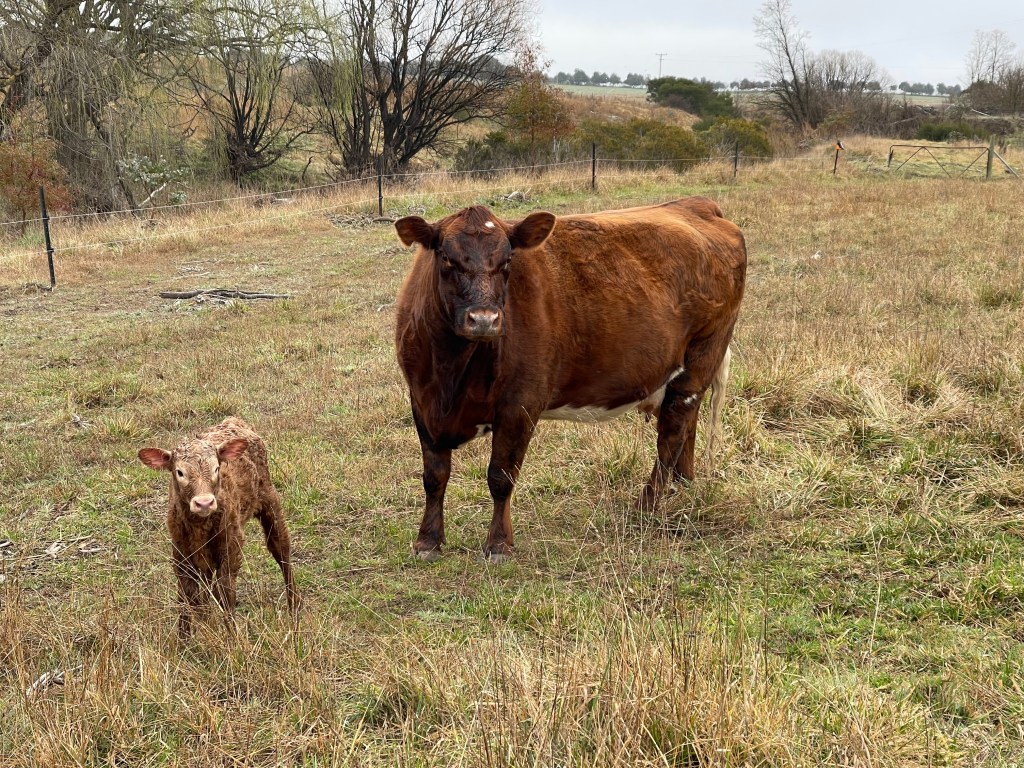
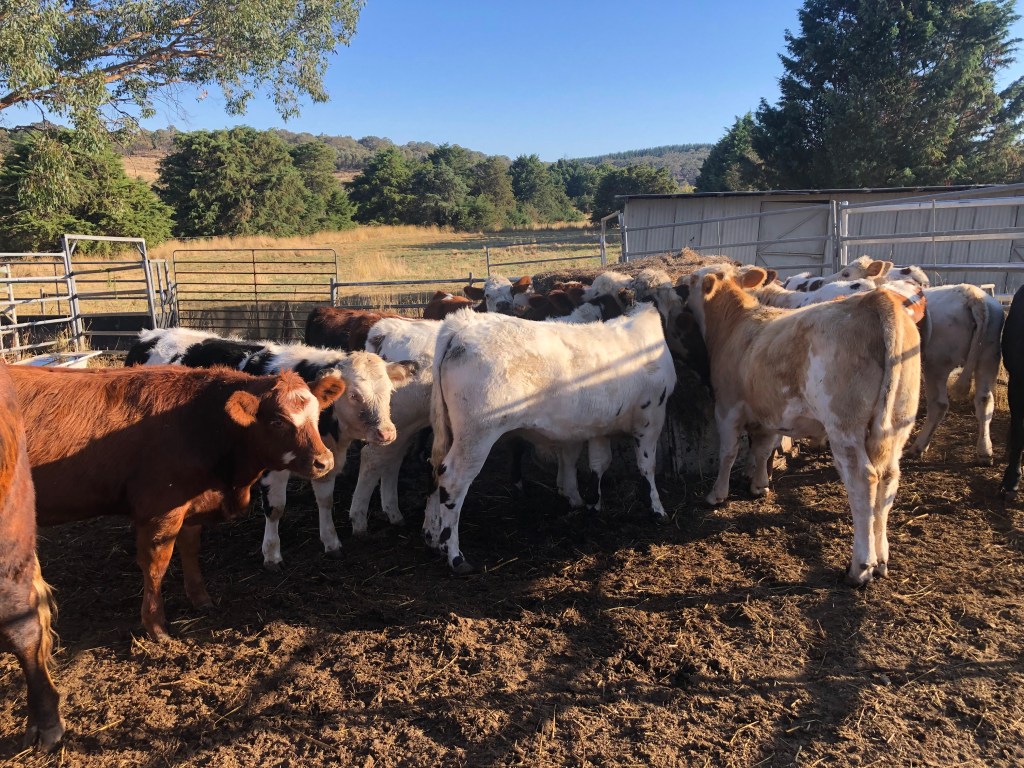
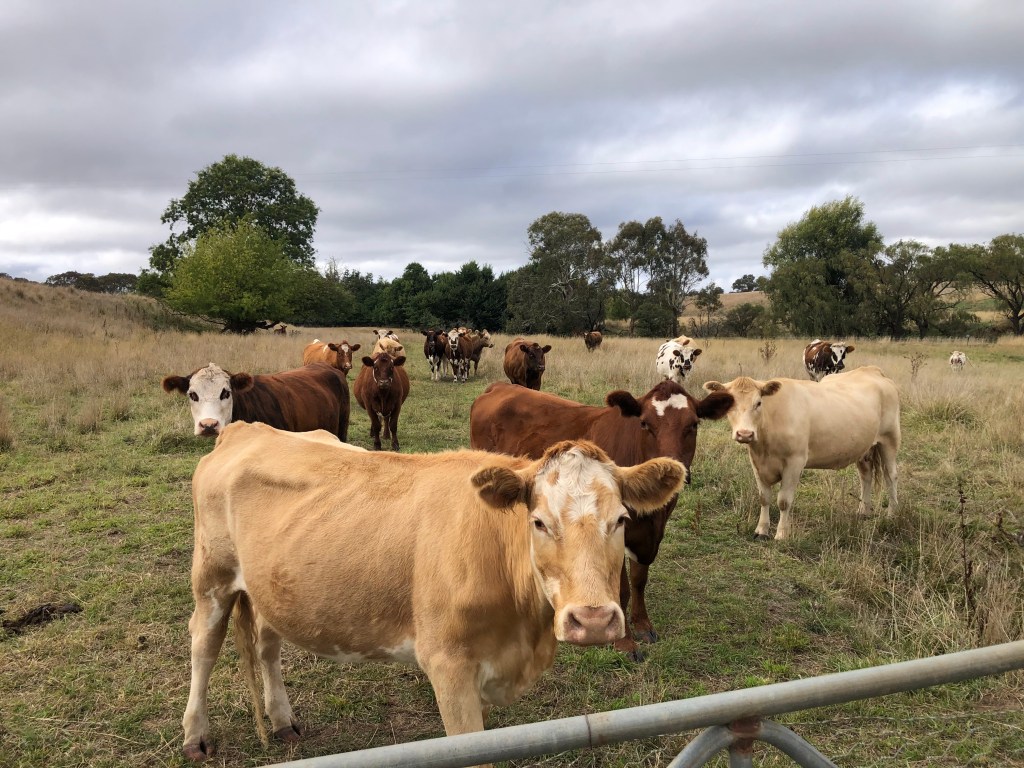
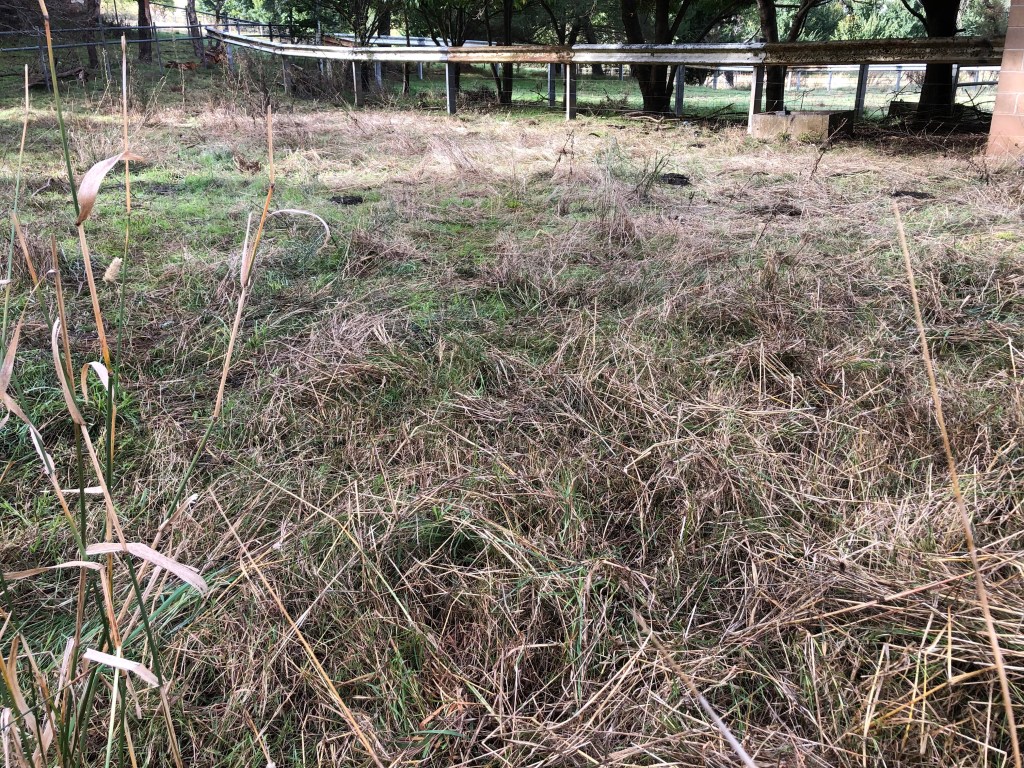
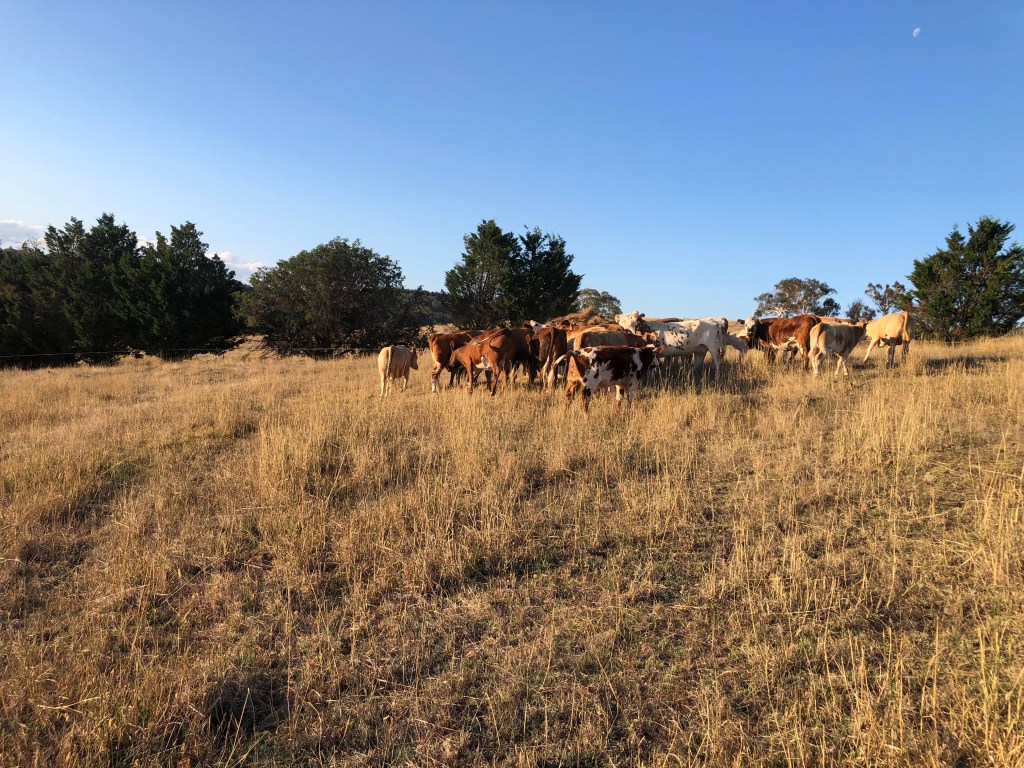
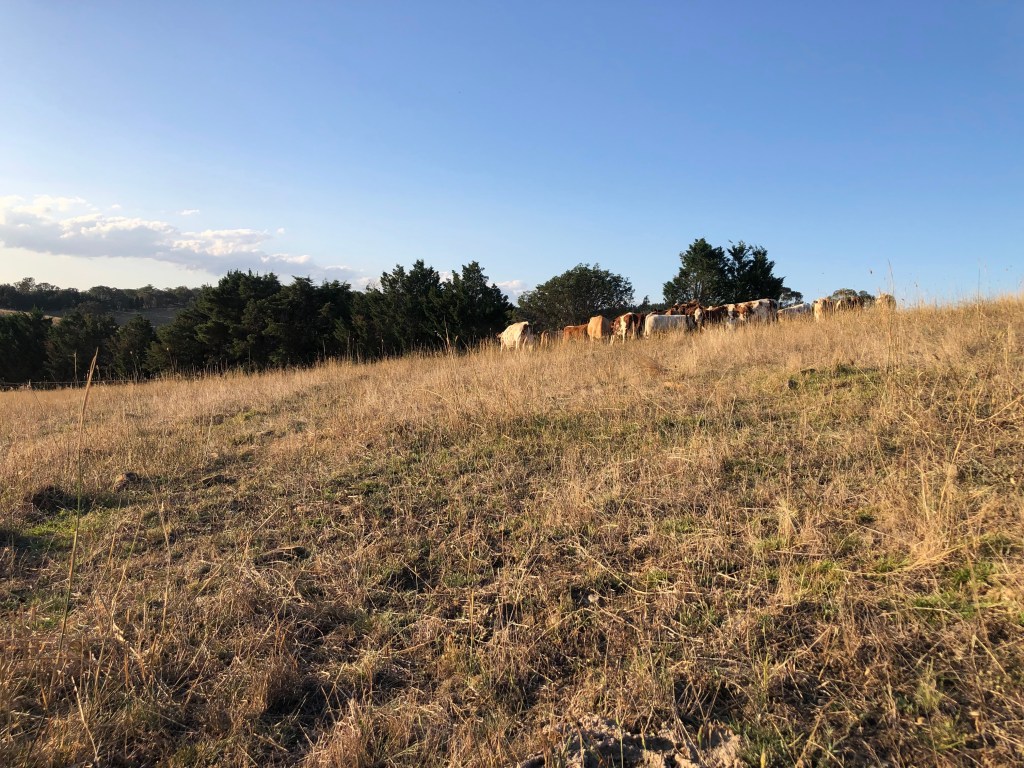
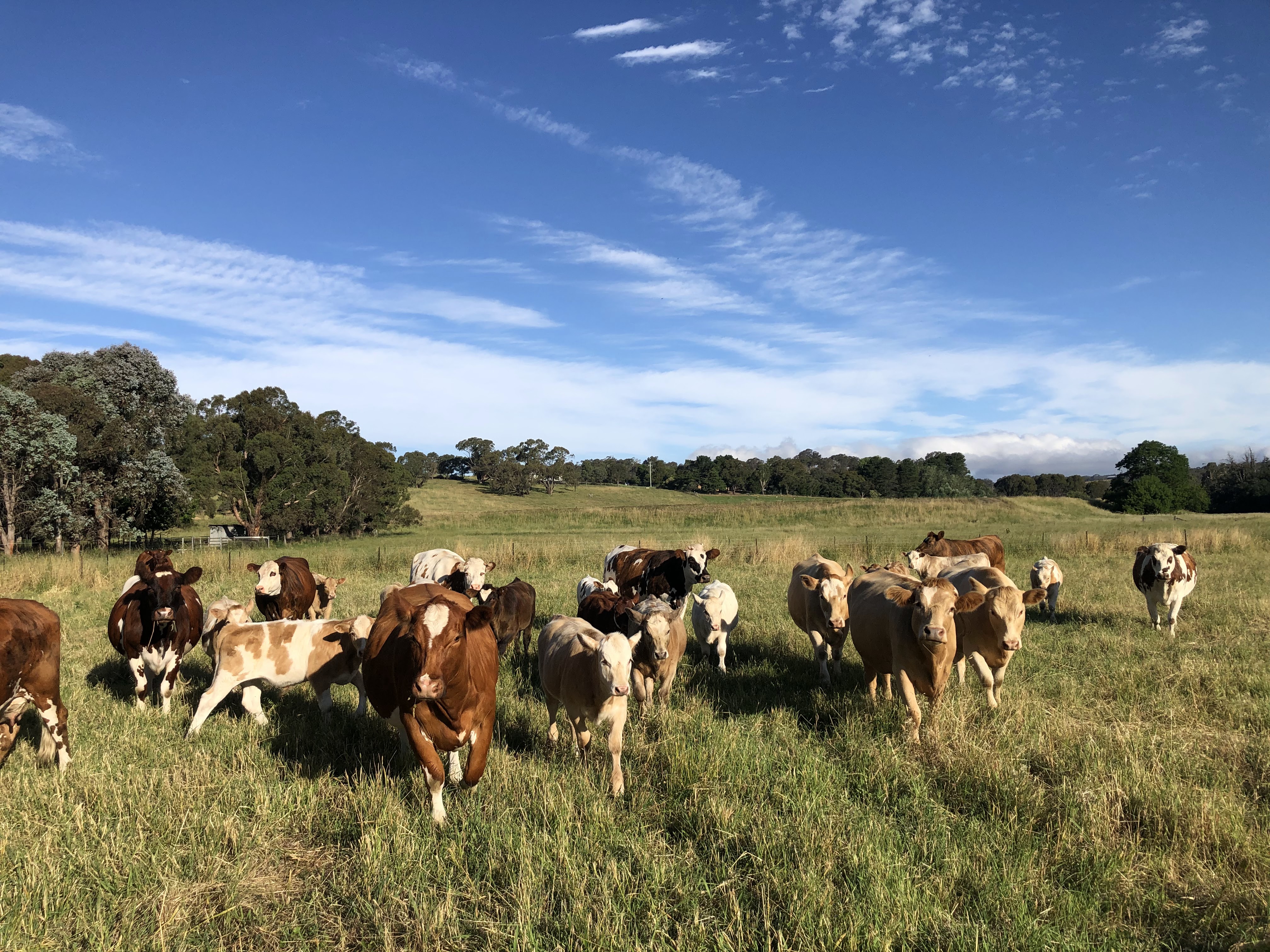
Back home, I returned to happy, well-cared-for stock, (thanks Jo), but even I was surprised by how much the landscape had changed. Paddocks that had been full of feed just weeks earlier were now eaten out. The absence of rain was becoming more apparent, with no fresh growth, and the cattle had begun reaching for anything green to chew.
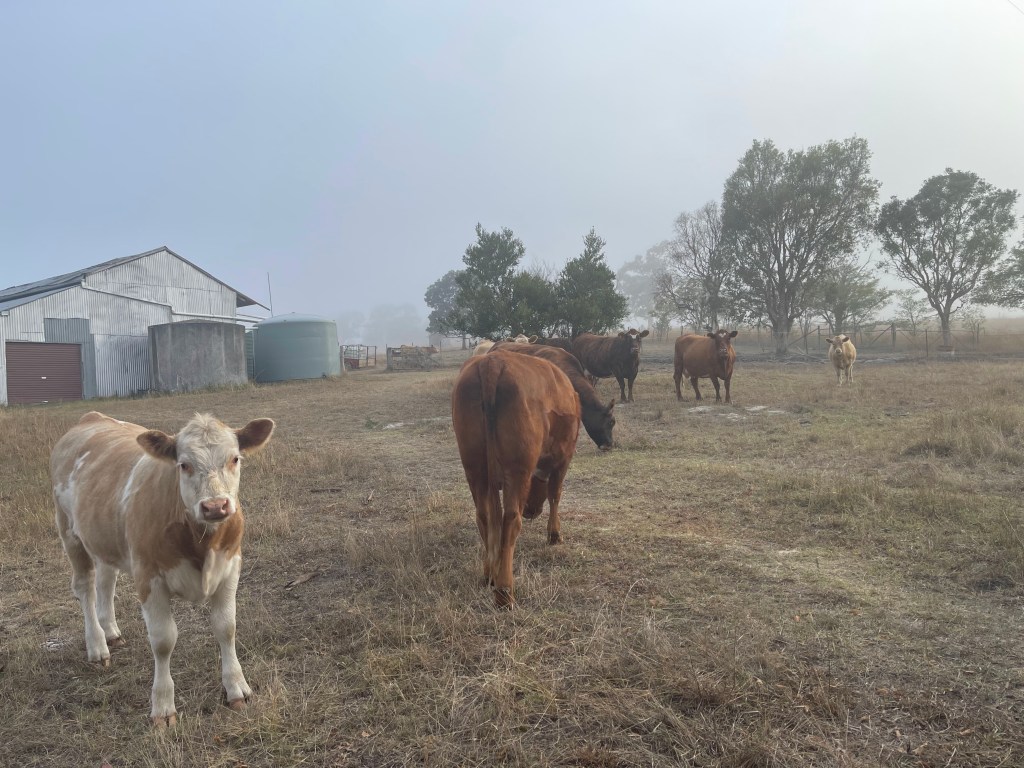
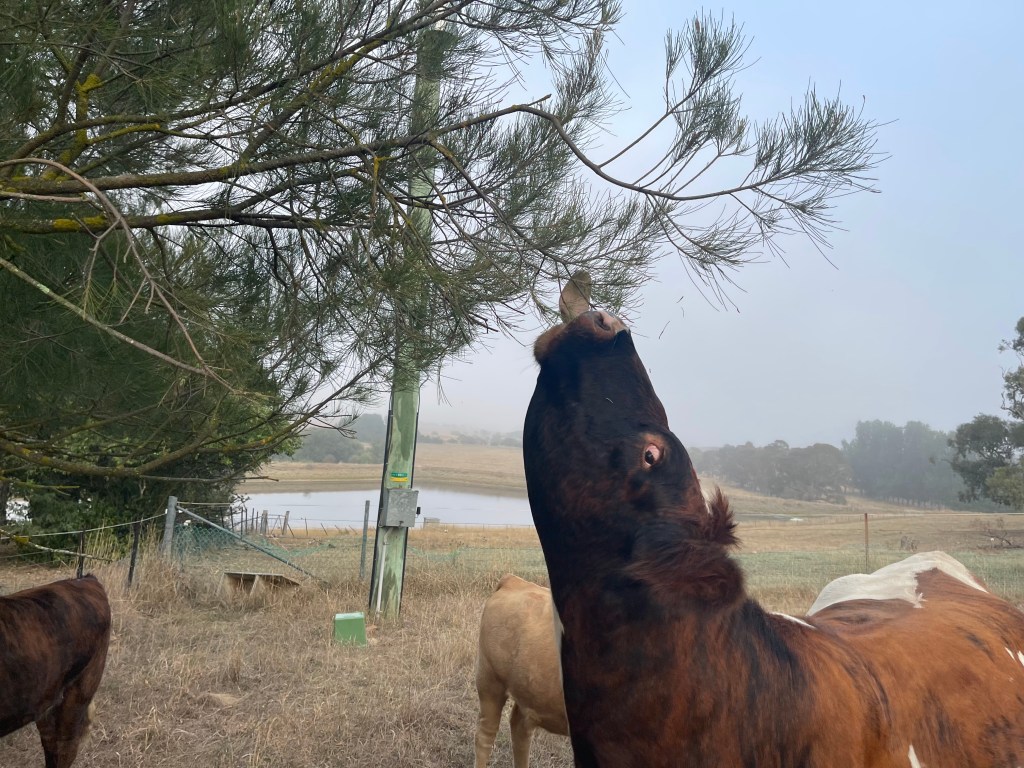
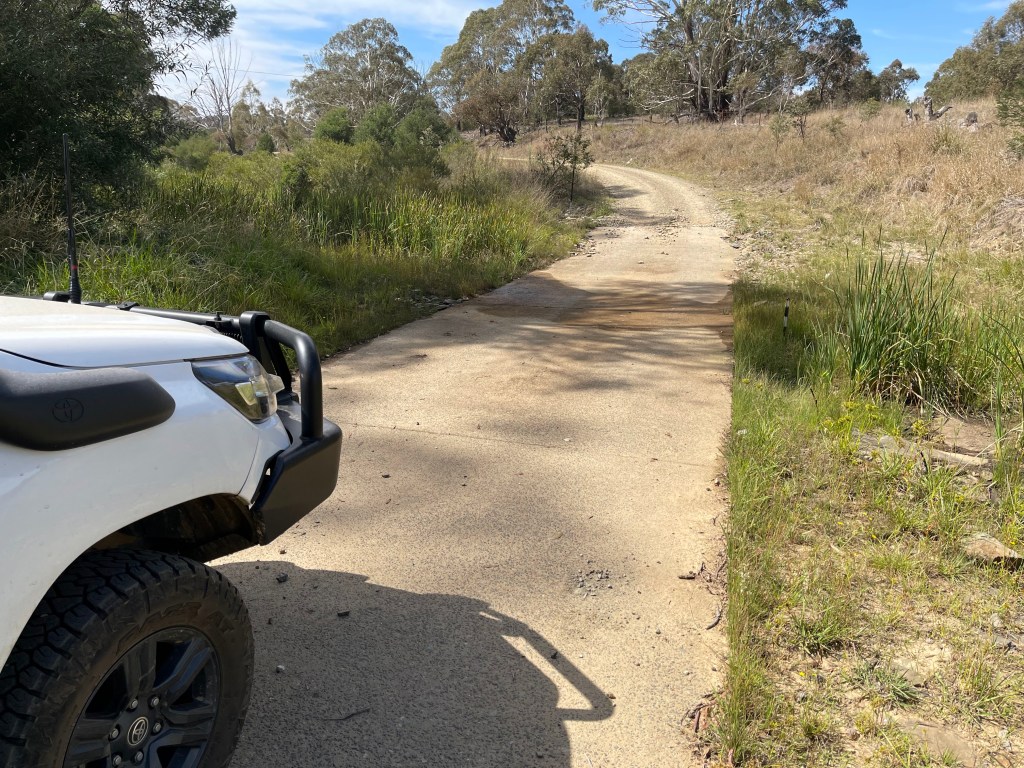
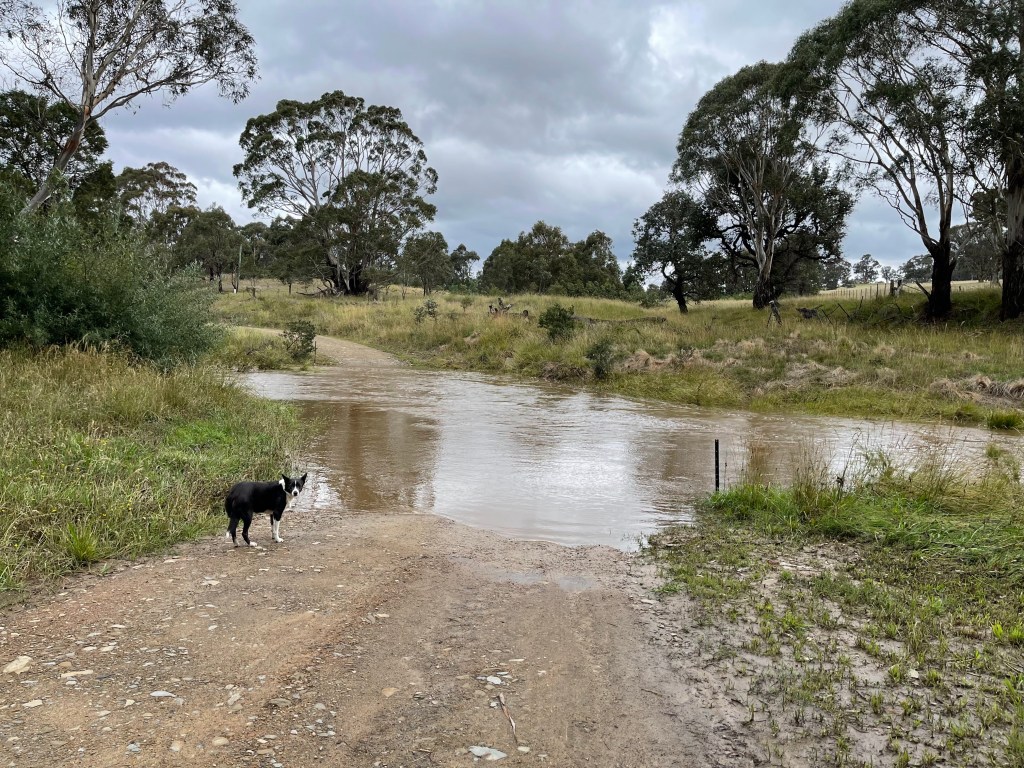
Then came the most telling sign of all. Last week, our creek—flowing continuously at our causeway since the drought broke in February 2020—slowed to a trickle and then finally stopped entirely. It’s a small but significant marker for us.

Looking back at photos from before that drought broke, the farm was in far worse condition than it is now. But the contrast is still striking. (See here: What a Difference a Day Can Make).
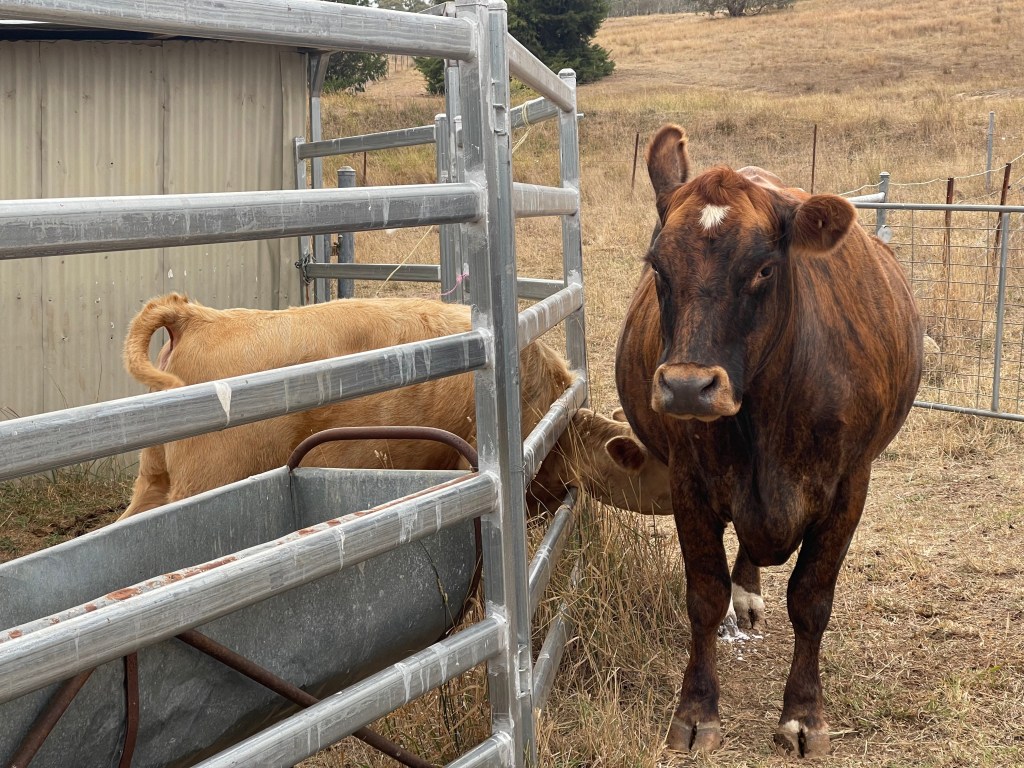
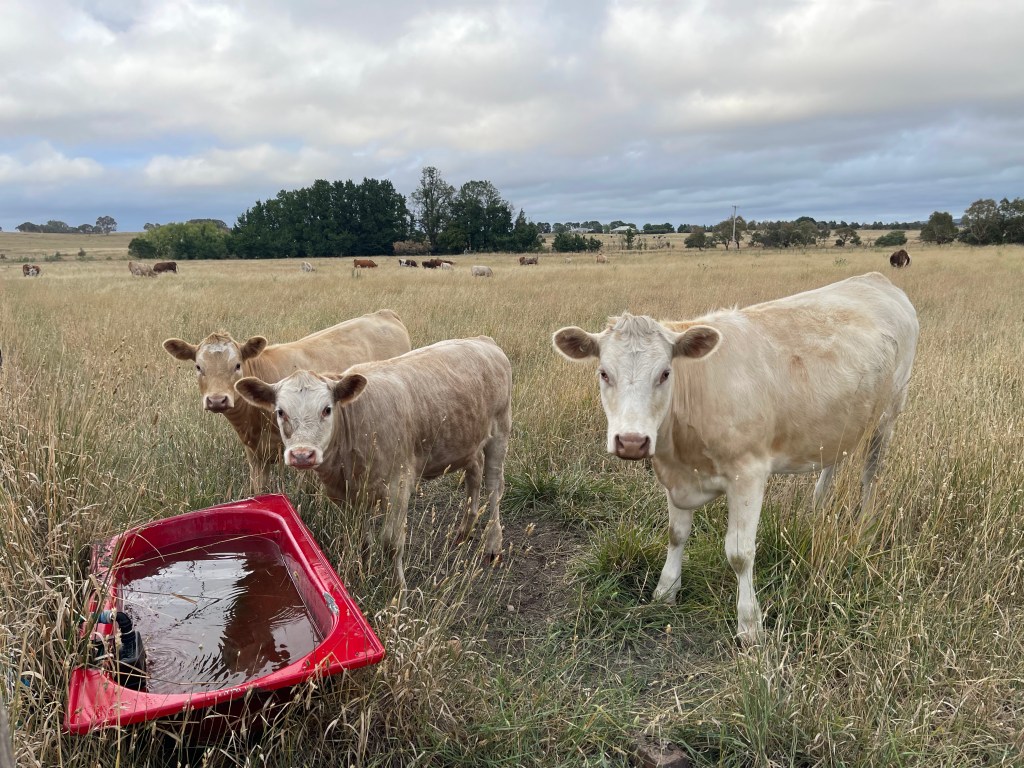
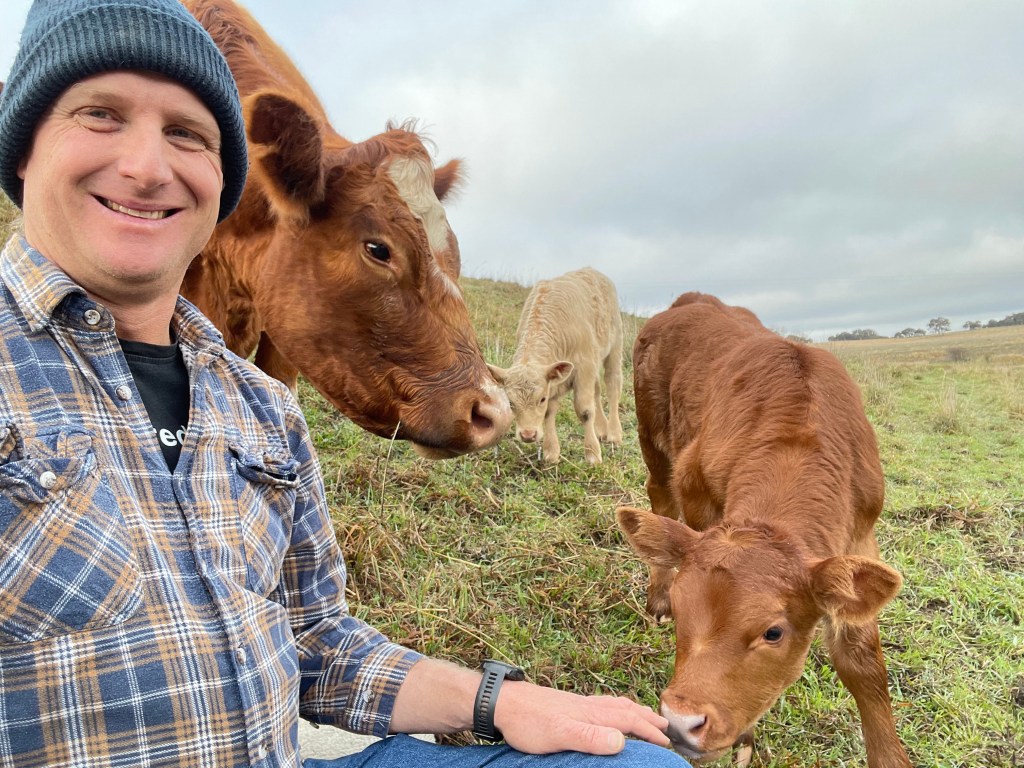
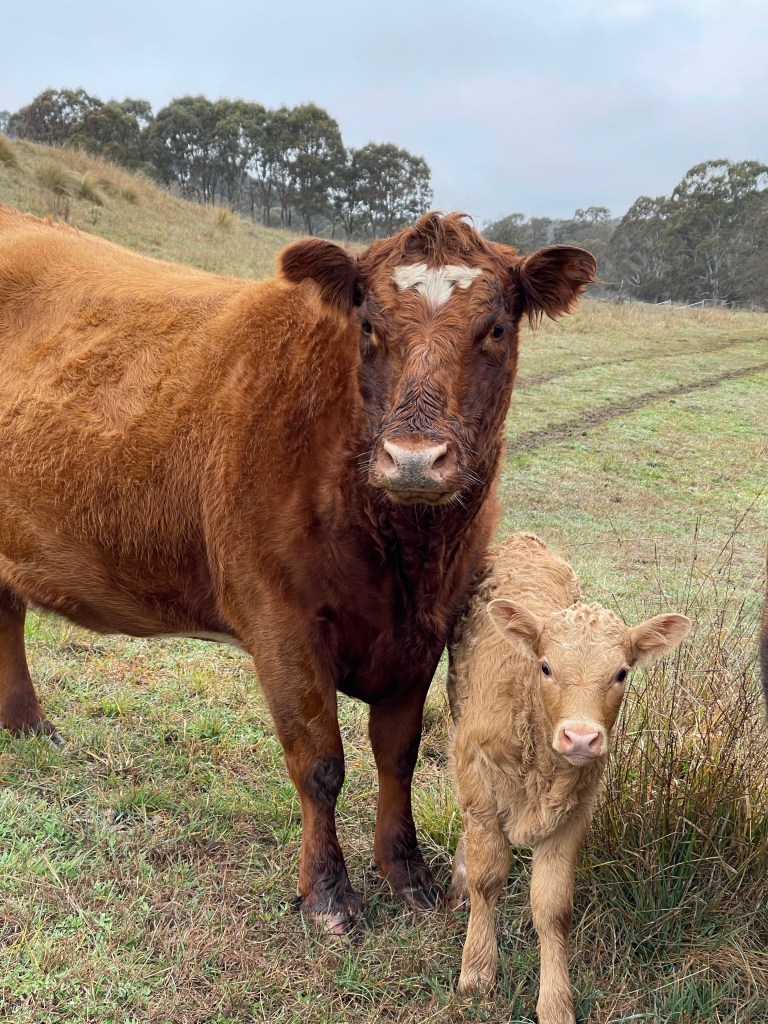
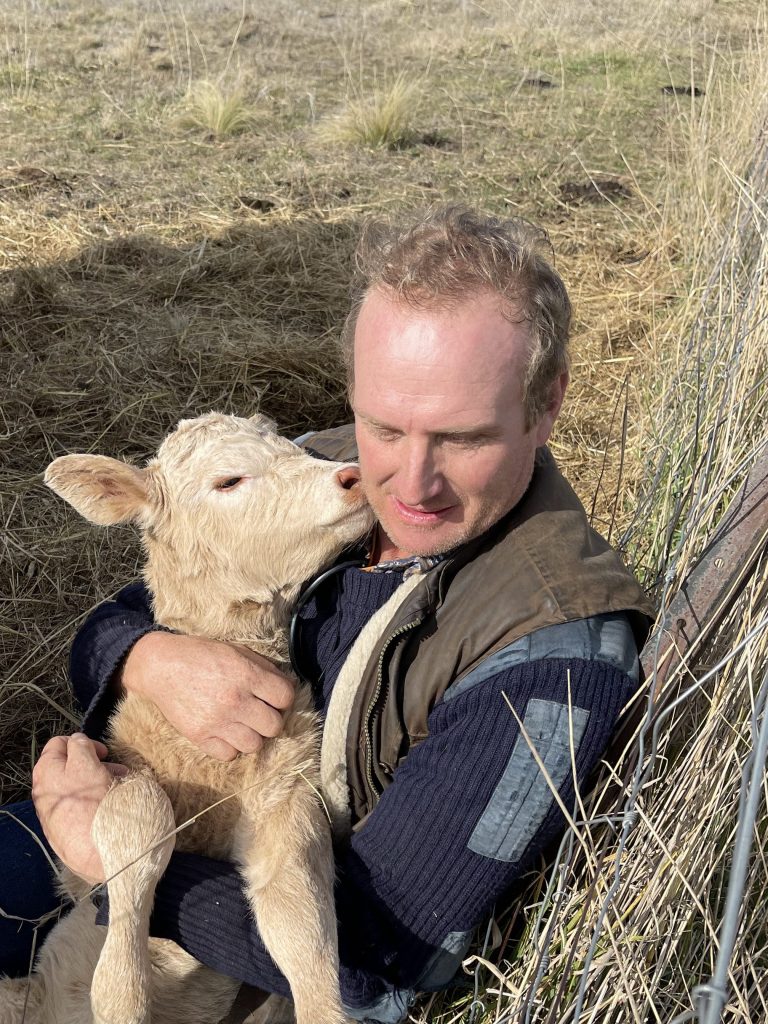
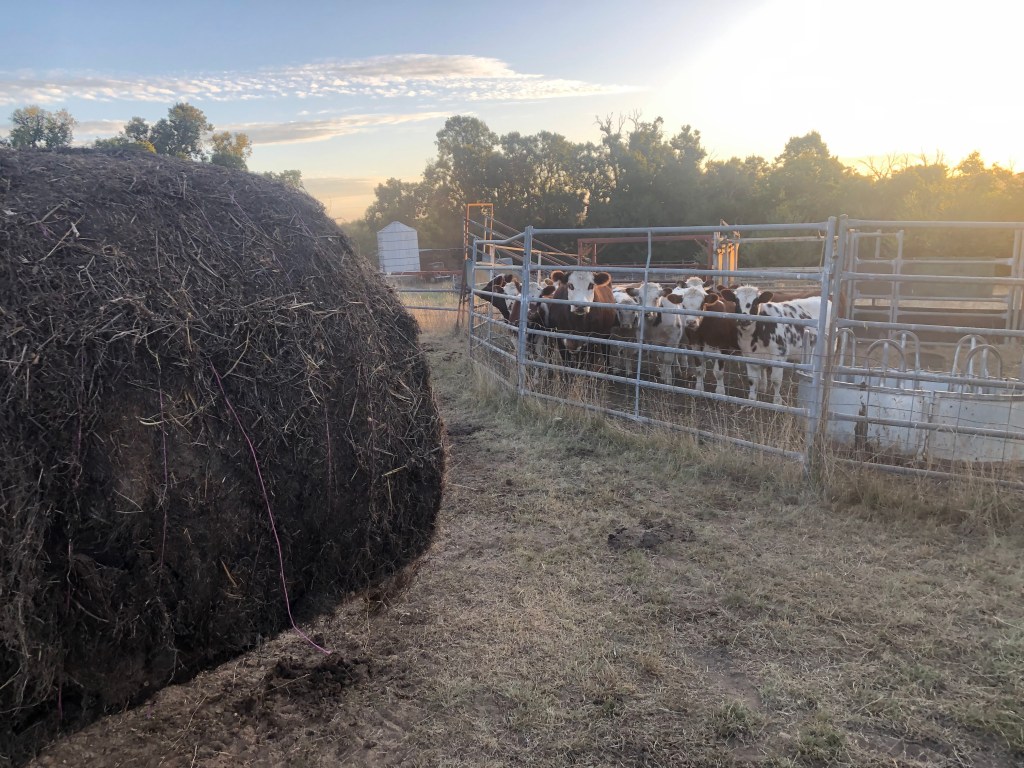
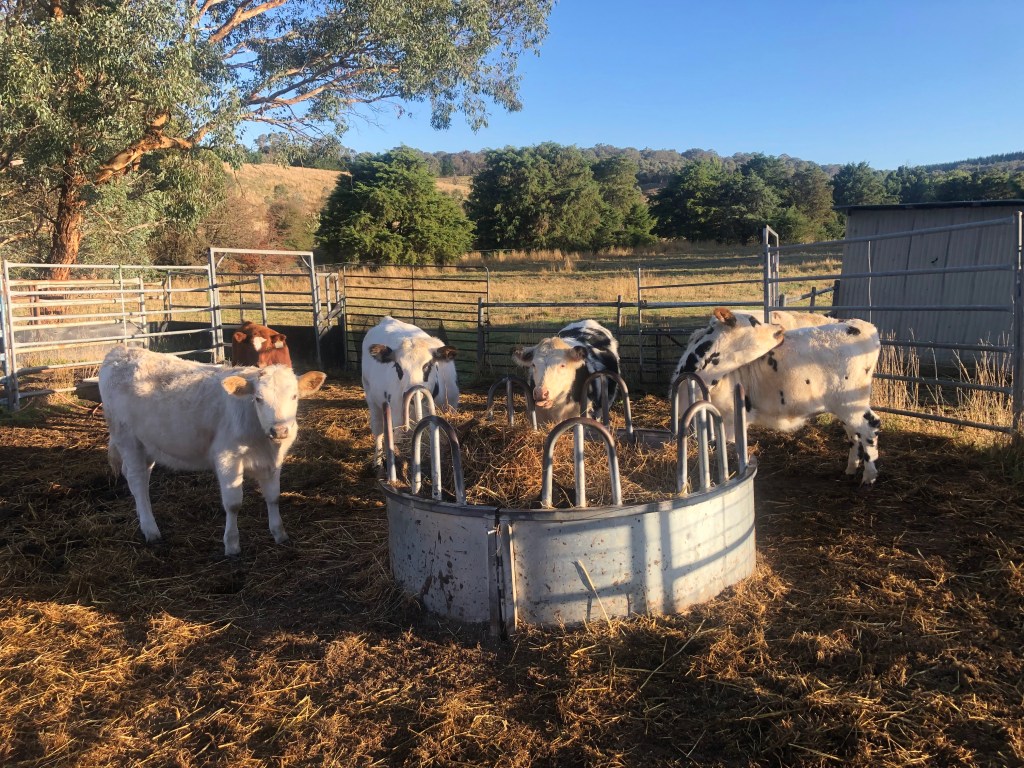
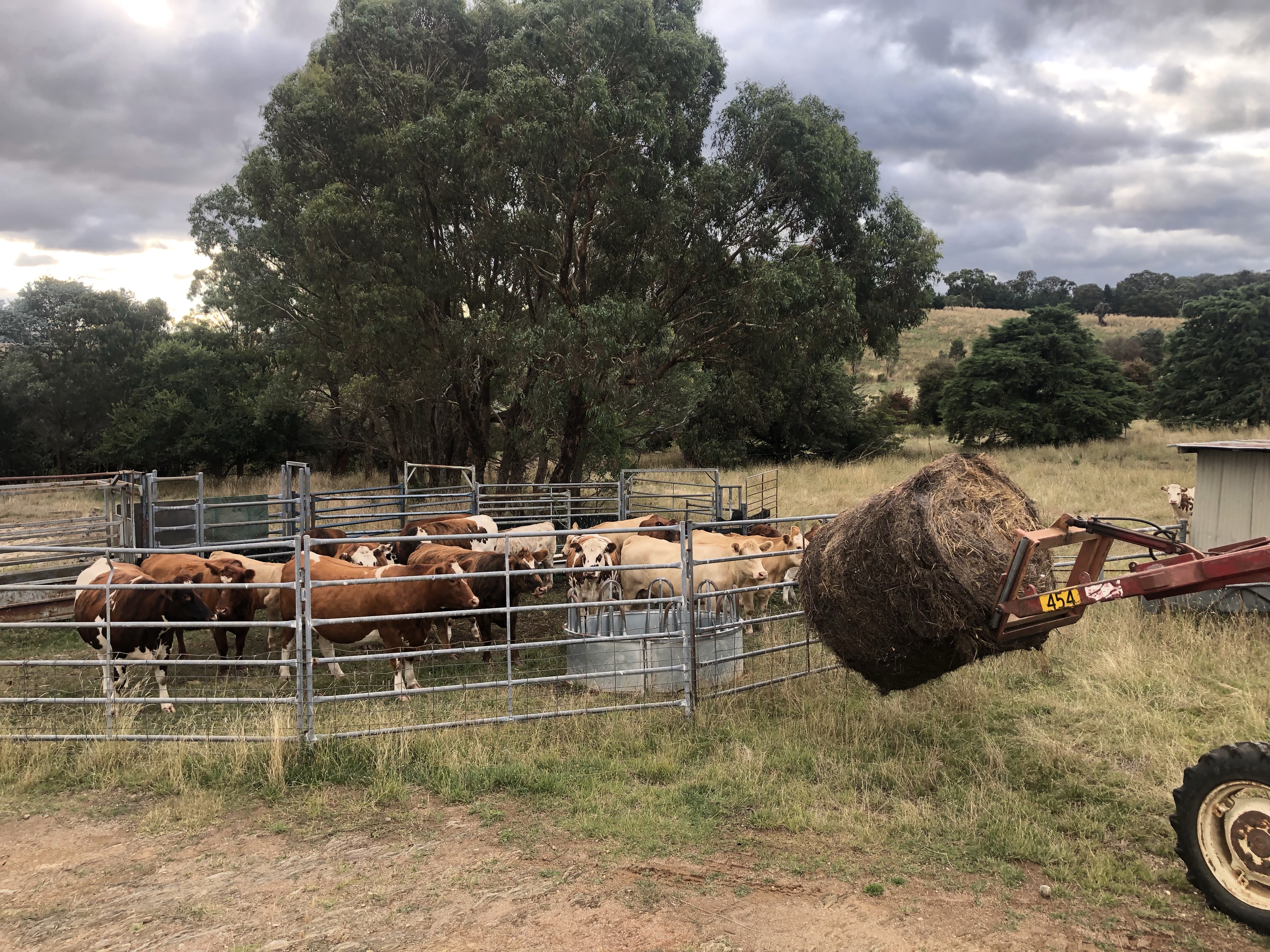
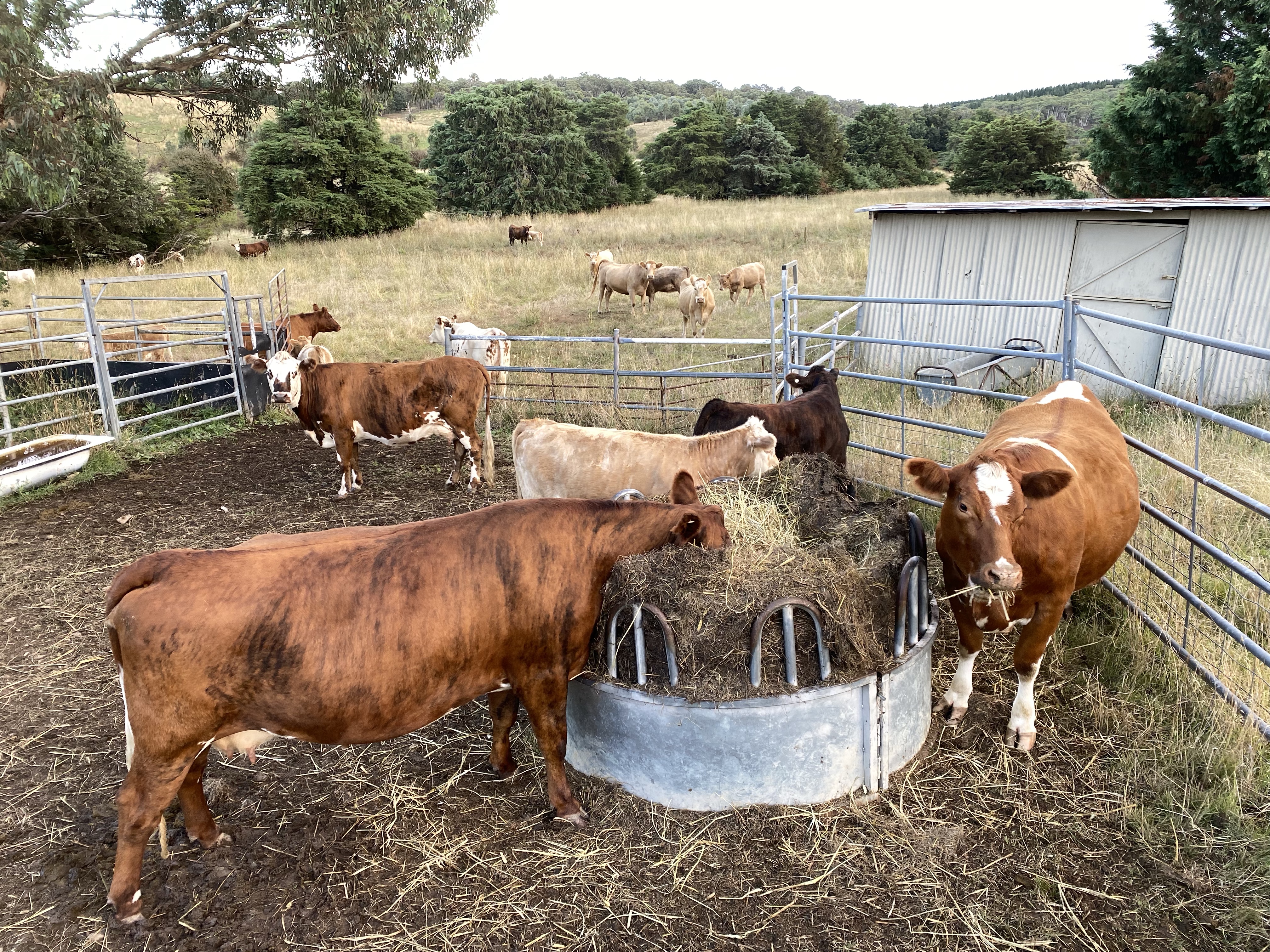
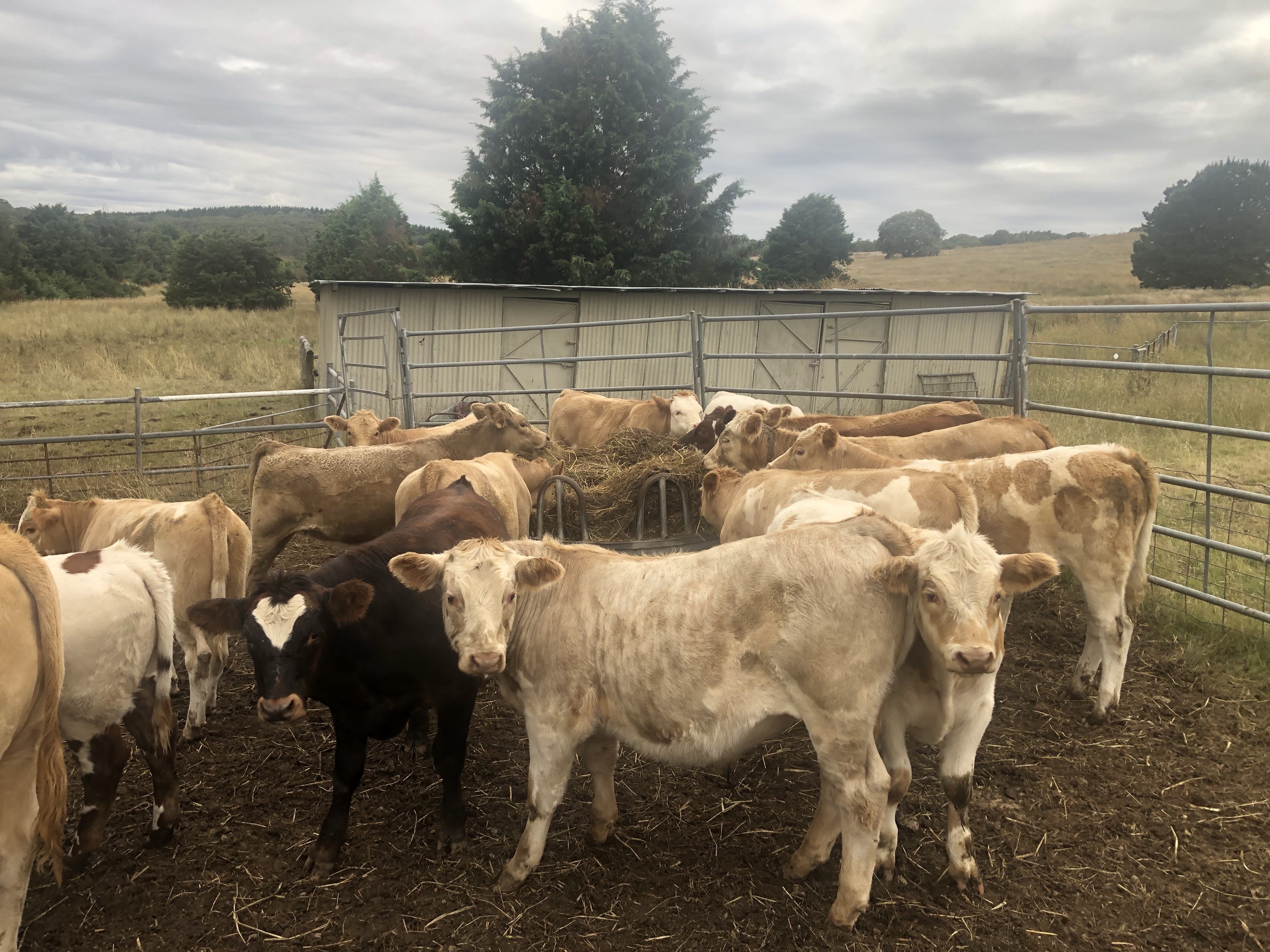
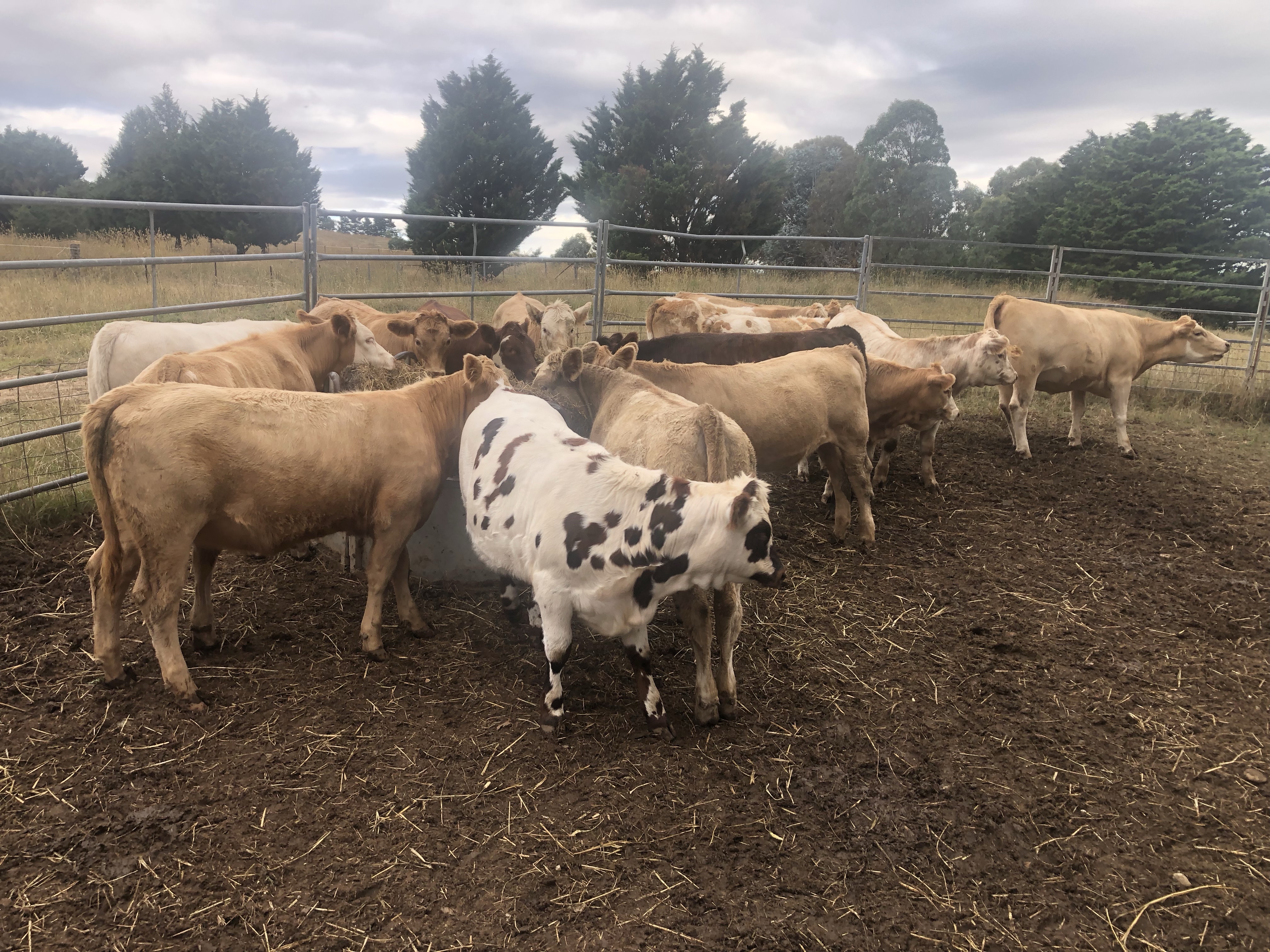
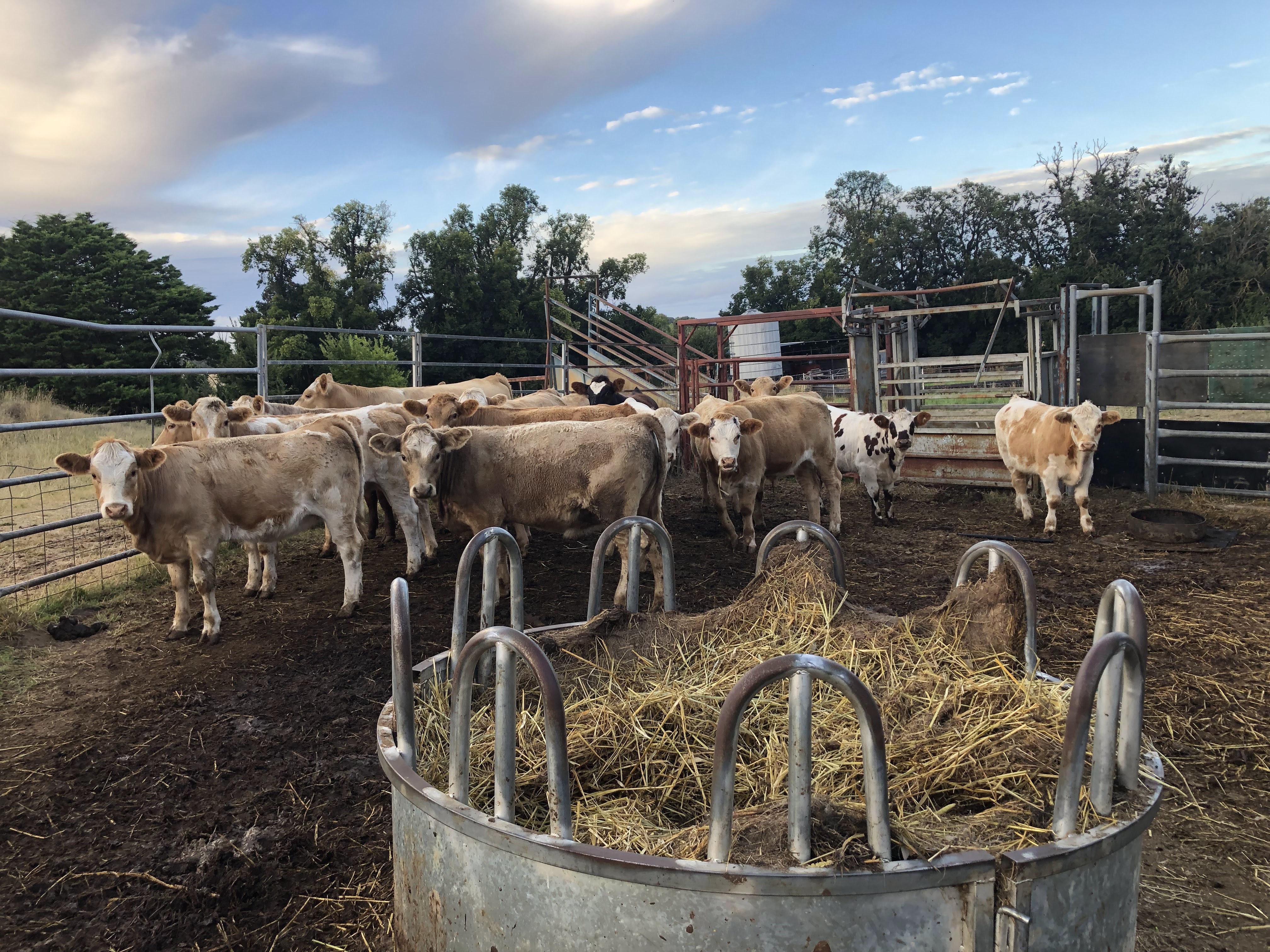
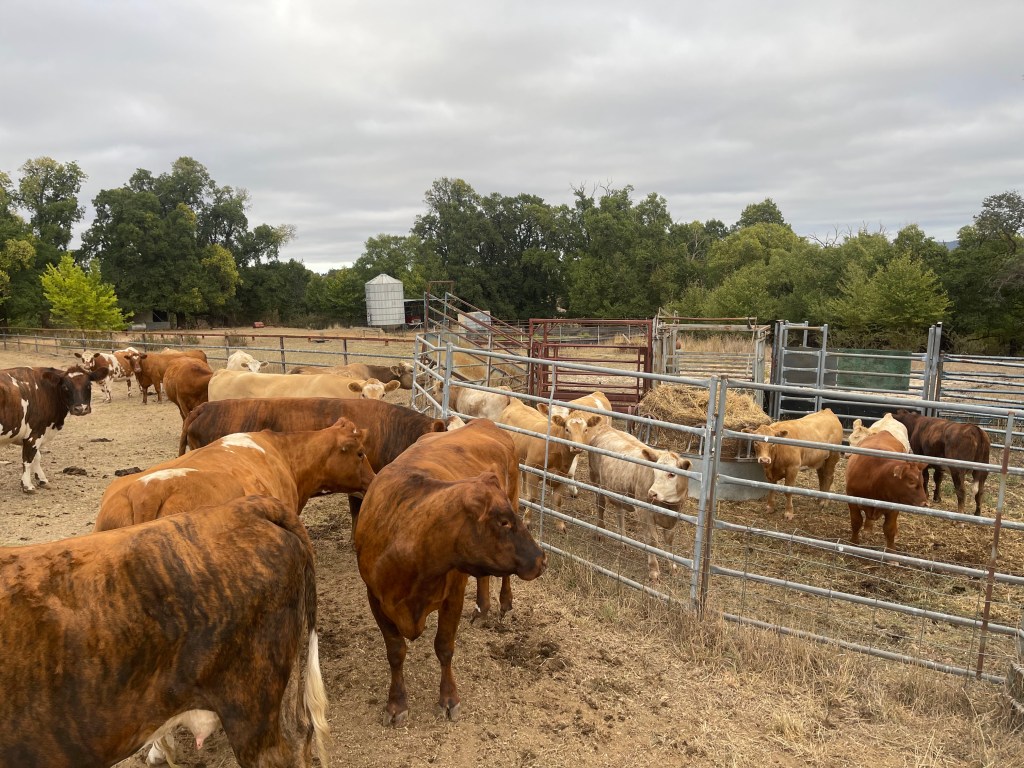
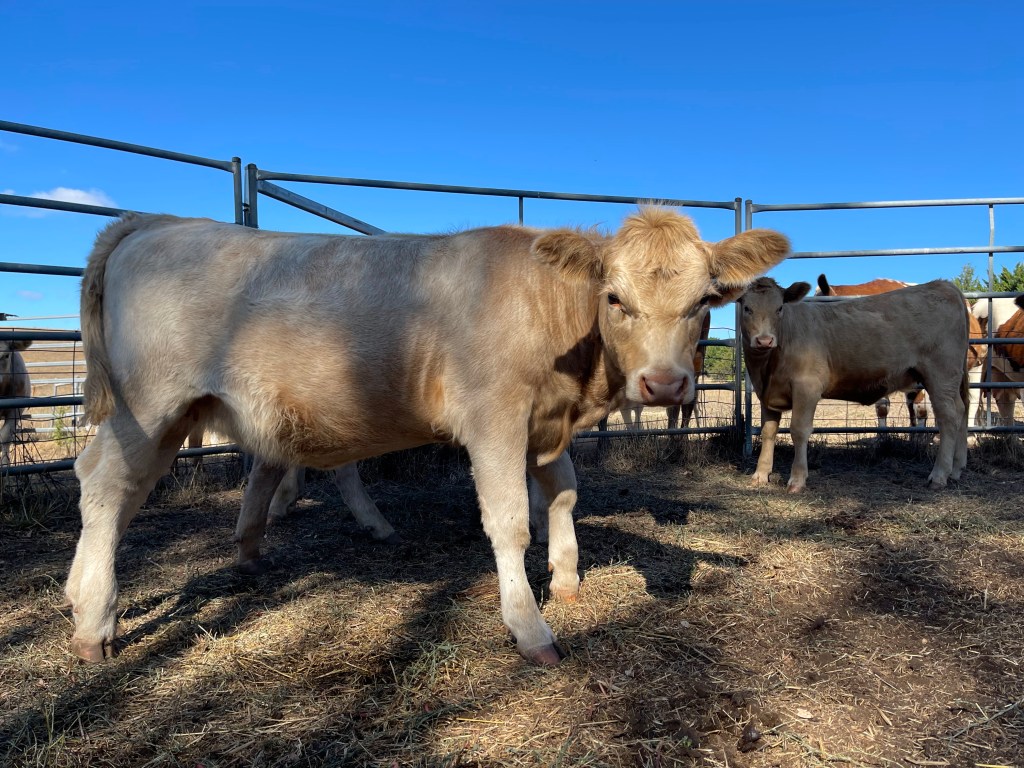
With the season deteriorating and Tropical Cyclone Alfred teasing us with the promise of rain that never arrived, we decided to bring forward the weaning of our heifers. These delightful young calves quickly settled into their new routine—though a couple managed to cheat the system and sneak the occasional drink from their mothers. After a few days, we moved the cows to the other end of the farm and let the calves graze in the “weaning paddock” near the yards.
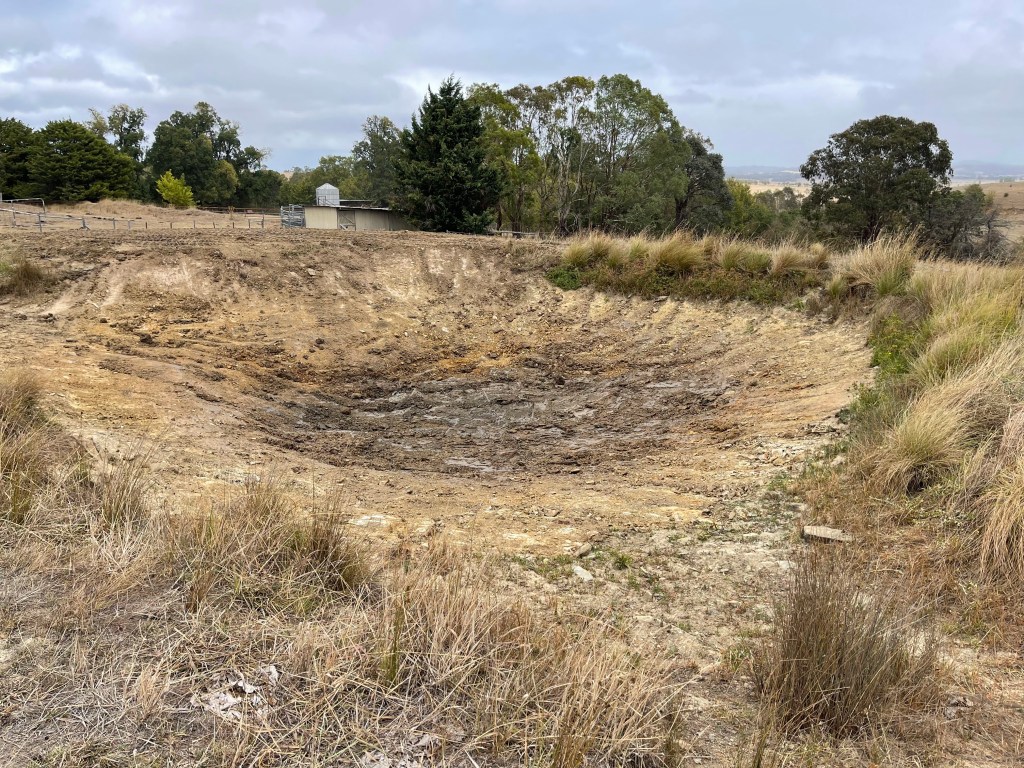
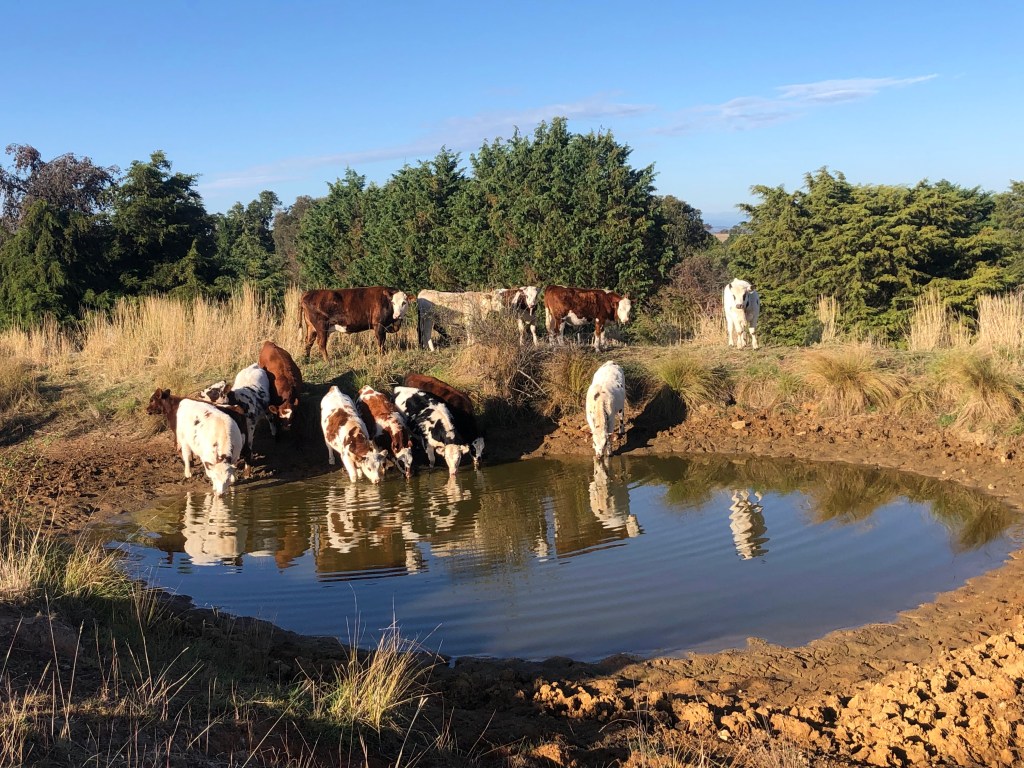
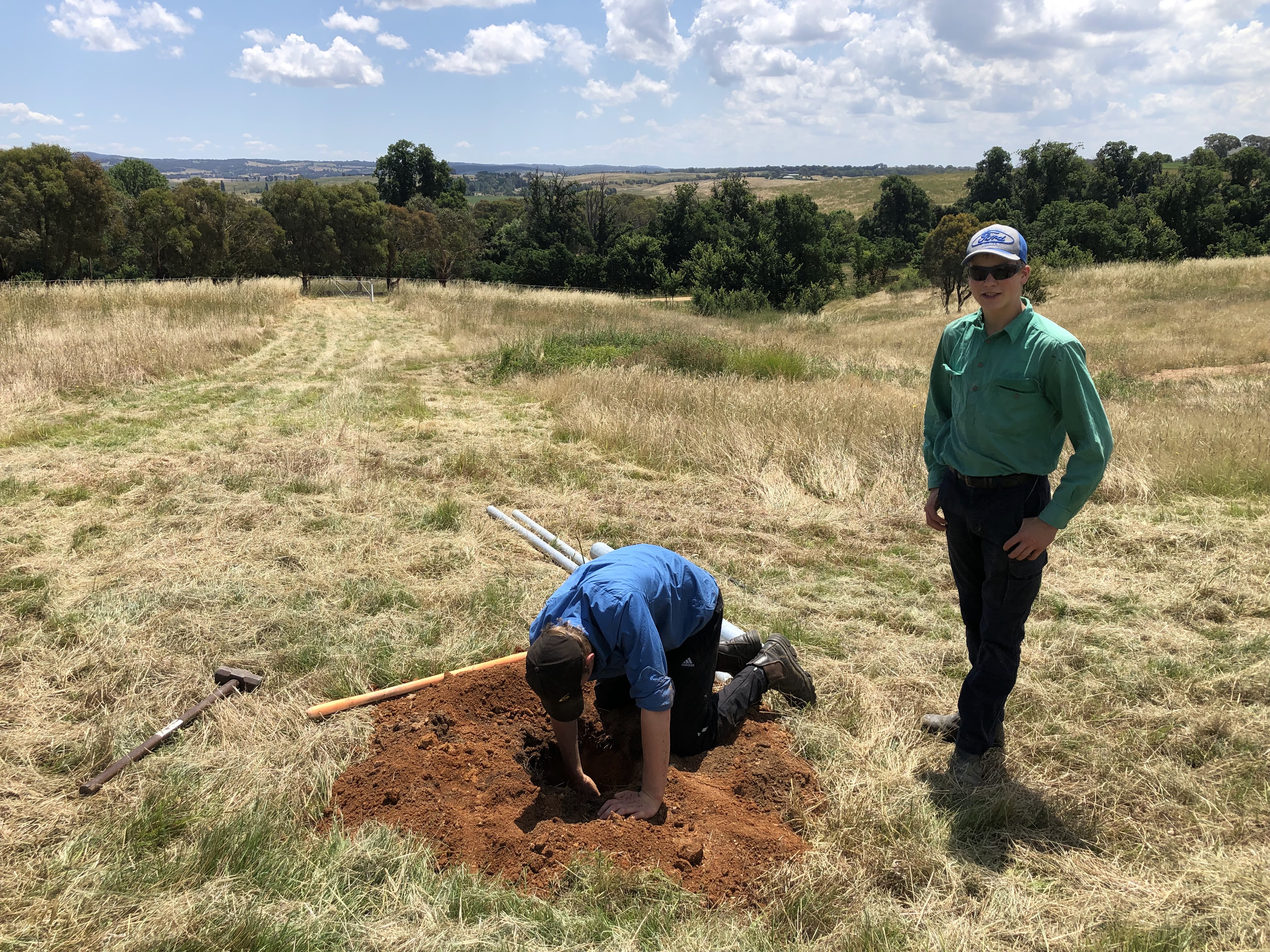
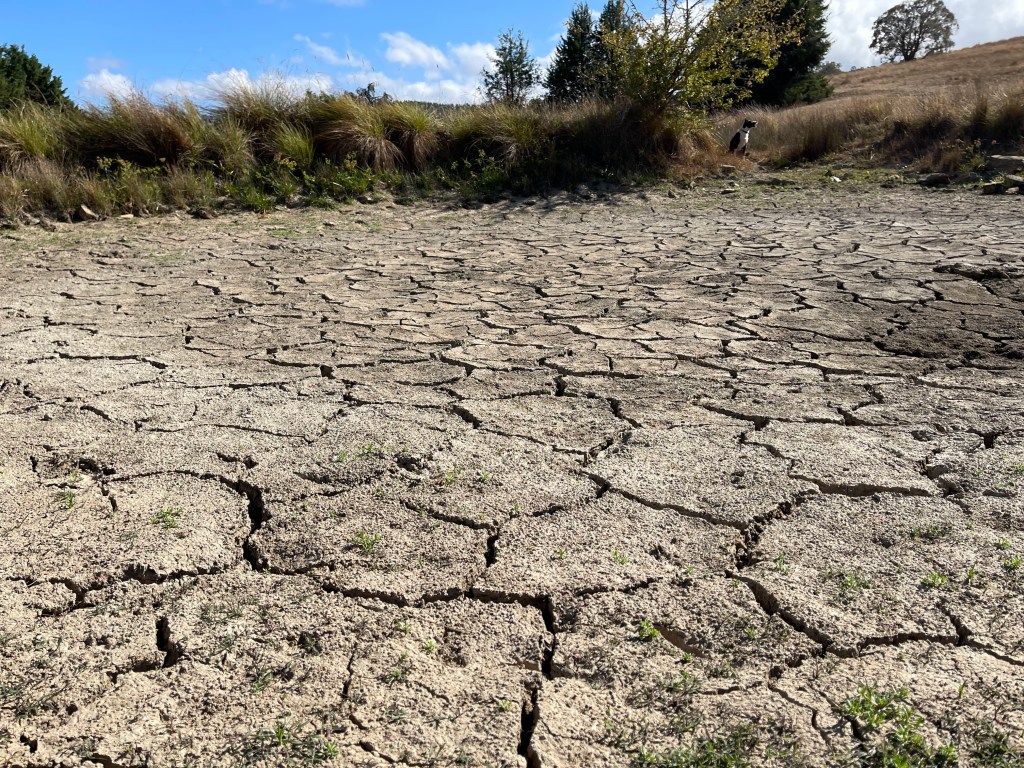
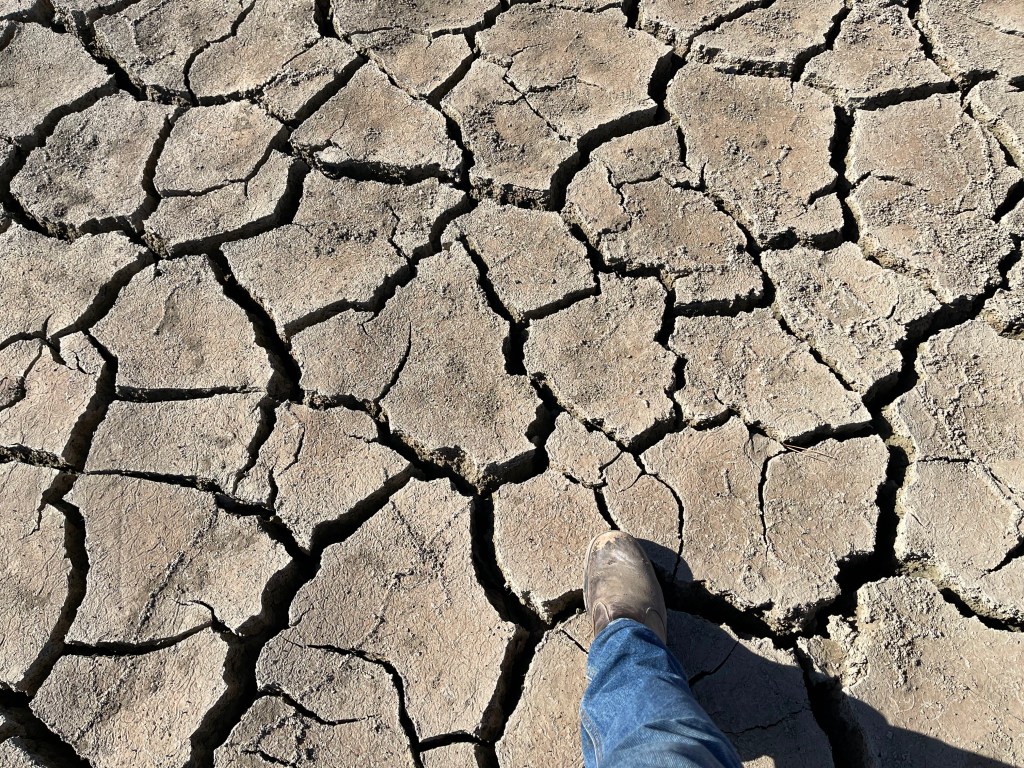
The dry conditions also presented some opportunities. A small silted-up dam had been on my radar for a while, dried out. Our neighbour and friendly earthworks operator, Lou, made short work of cleaning it out. Thanks, Lou!
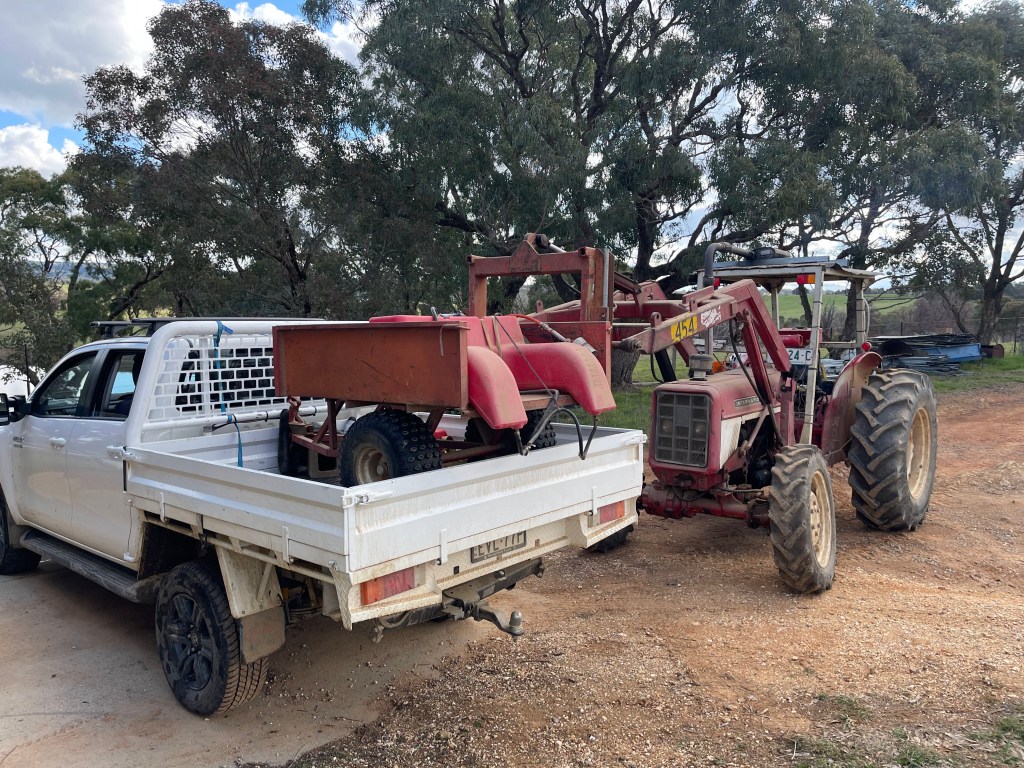
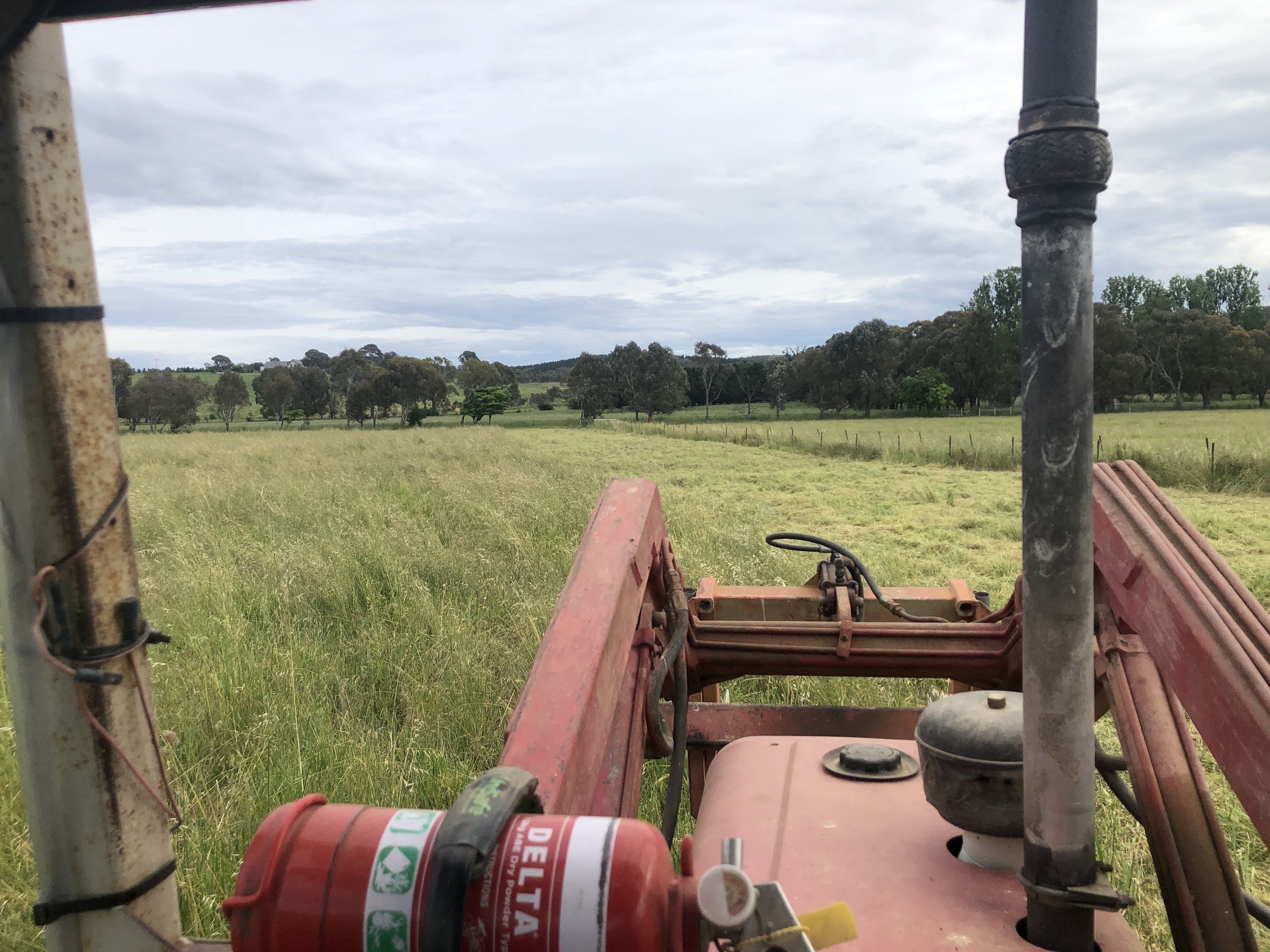
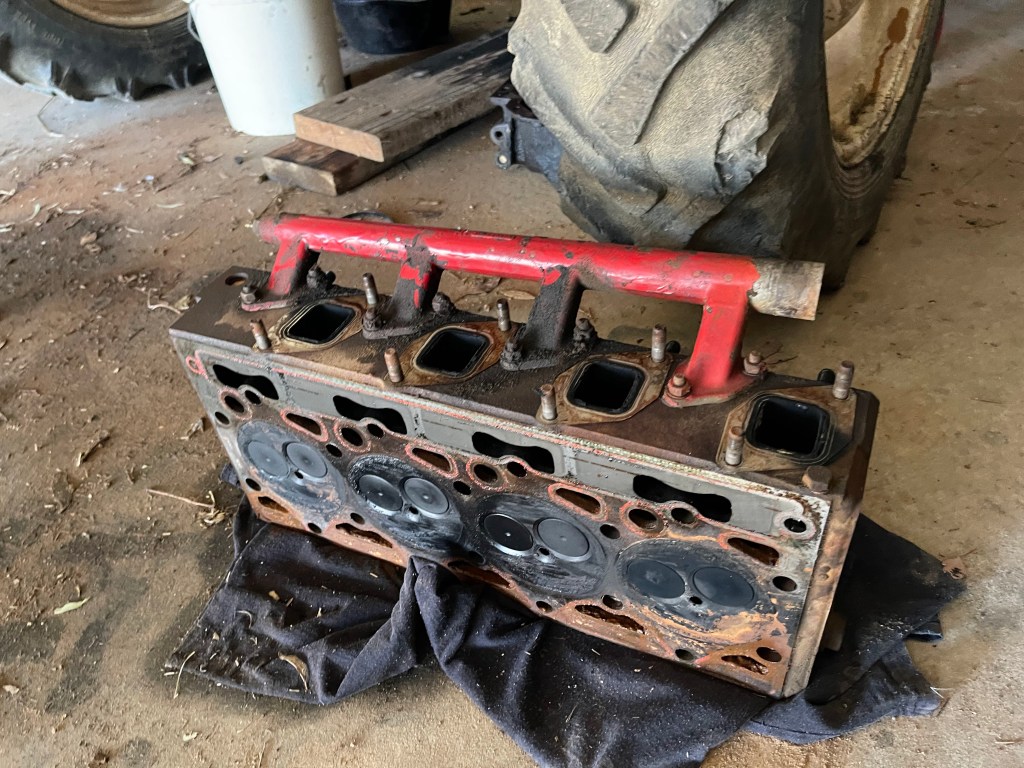
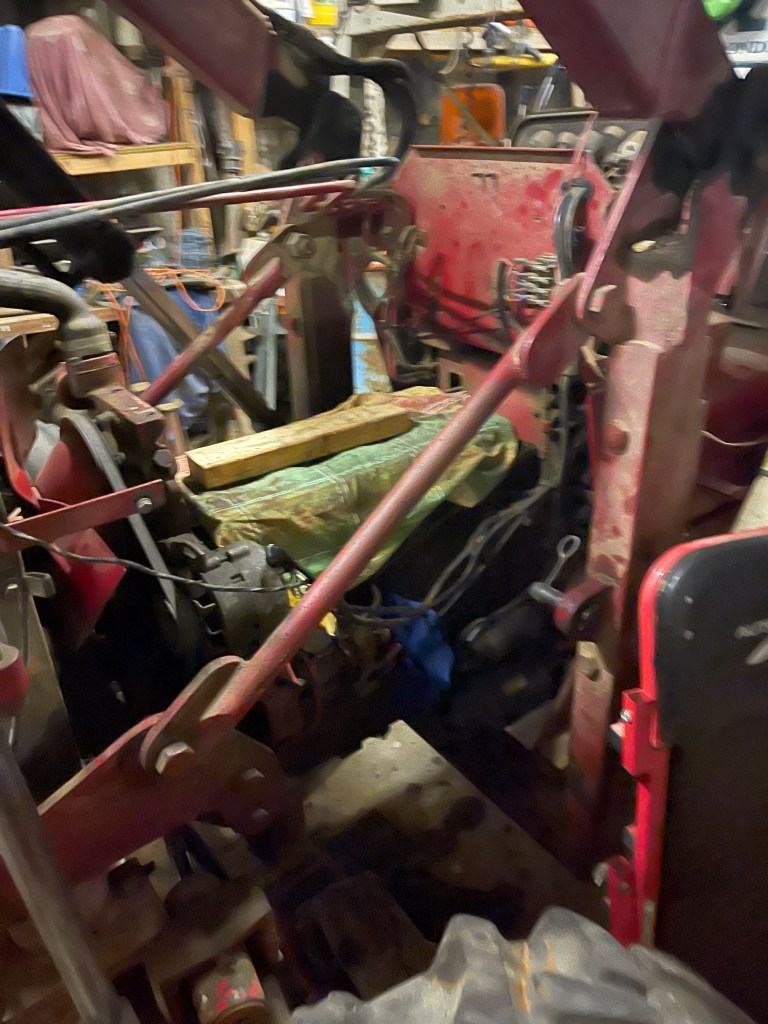
Unfortunately, the news about the tractor isn’t as good. In my last post, I mentioned it was out of action. It had been running extremely rough, with no compression on at least two cylinders. While I was away, Dan—my fantastic mechanic who replaced the clutch in November 2023—pulled the head off and confirmed the head gasket had failed. Further inspection revealed scoring on cylinders #1 and #2, prompting him to remove the crankshaft as well. Full rebuild kits are available, so we’ve ordered new pistons, liners, and everything needed to get the tractor operational again soon.
And, of course, because we clearly don’t have enough going on, we decided to make the most of being empty nesters by starting renovations on our home. After seven years of waiting, we’re finally bringing the house into the modern age—and we’ve well and truly dived in.
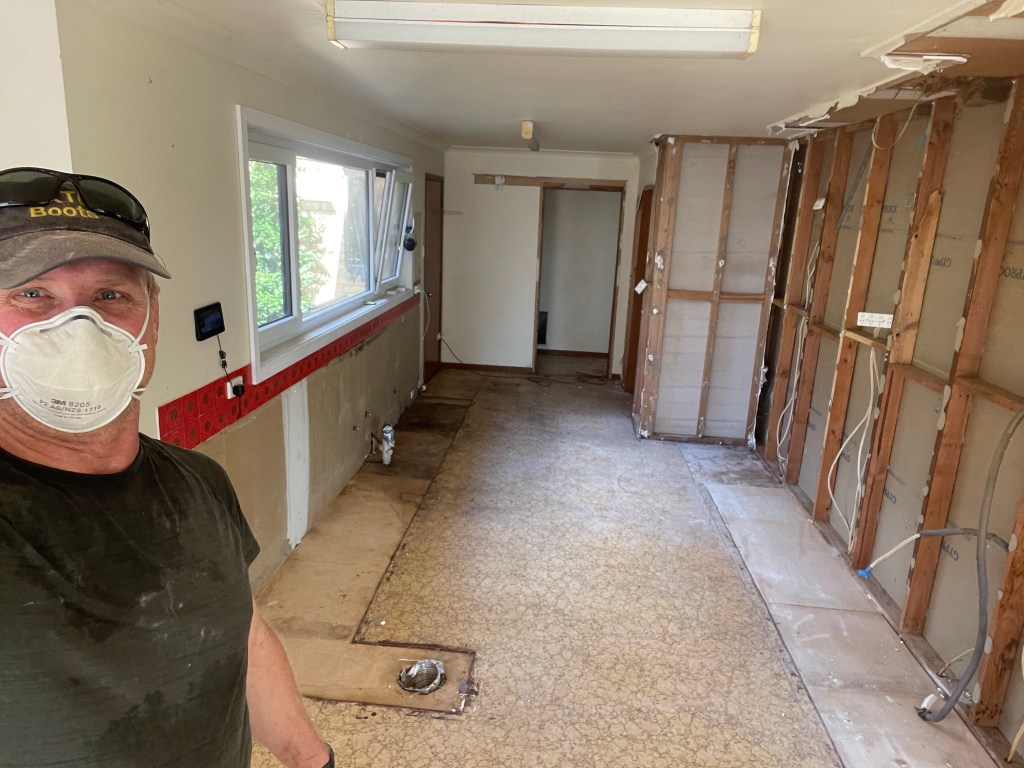
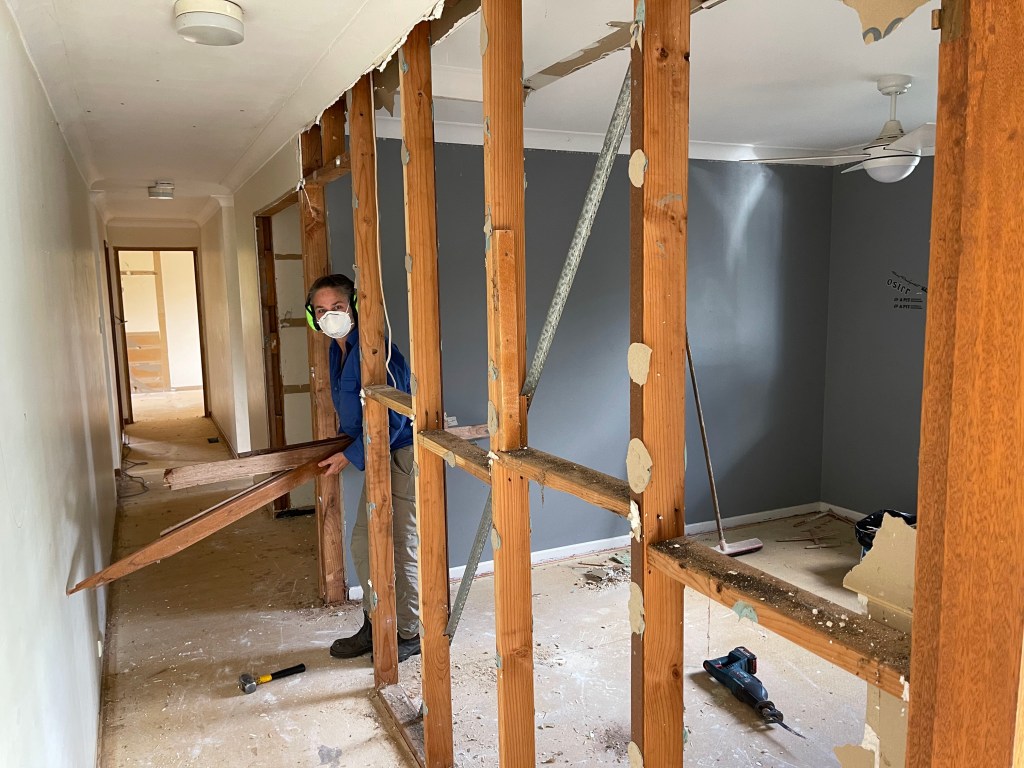
The demolition phase is going well. Fortunately, we can stay in the small flat attached to the house while we work. Pulling up rotten carpets and ripping off gyprock gives the impression of great progress, though we know things will slow down as we move into the reconstruction phase. Still, it’s exciting to see the potential of our home coming to life.

As summer rolls on, the Rock Farm is once again adapting to the changing conditions—just as we are. While the return to dry weather brings its challenges, it also presents opportunities and is a regular feature of this area. We are enjoying the full spectrum of activities, from weaning the heifers tackling long-awaited renovations. With the tractor rebuild underway and the house taking shape, there’s plenty to keep us busy as we look ahead to whatever the next season brings.
Summer on and off the Rock Farm

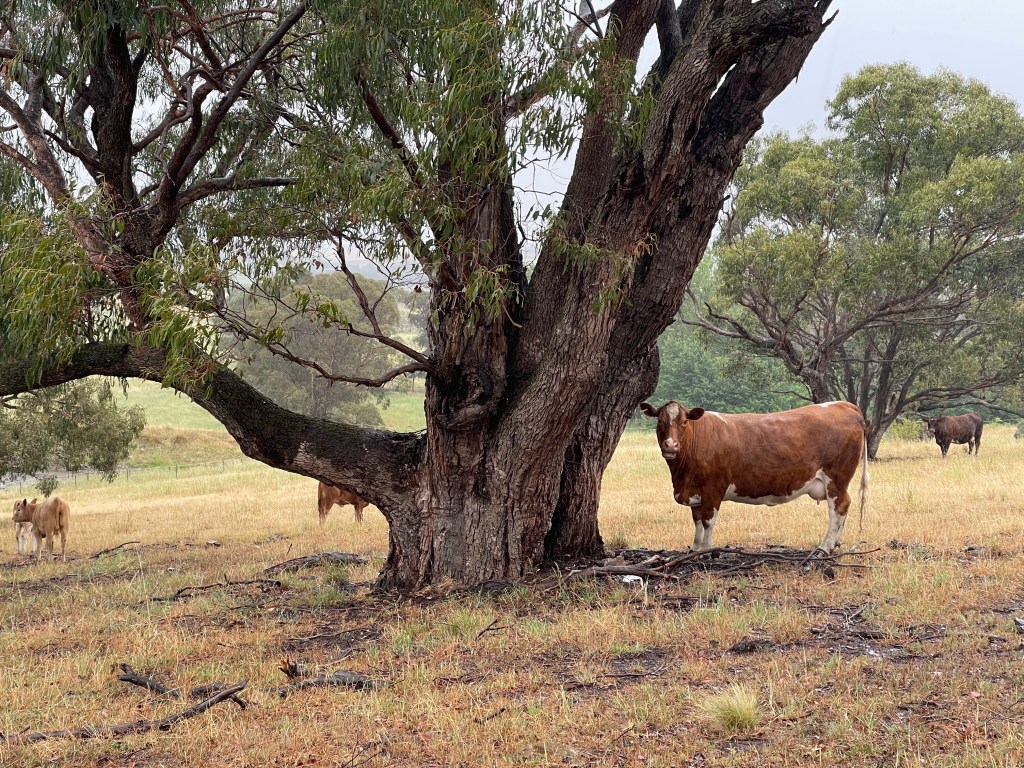
One of the things I love most about the Rock Farm is how much the landscape changes from week to week. This summer has been particularly dynamic—starting with dry, poor conditions but transforming into a green-tinted vista after a few refreshing summer storms. Sadly the green is fast turning back to brown as we have missed follow up rains.

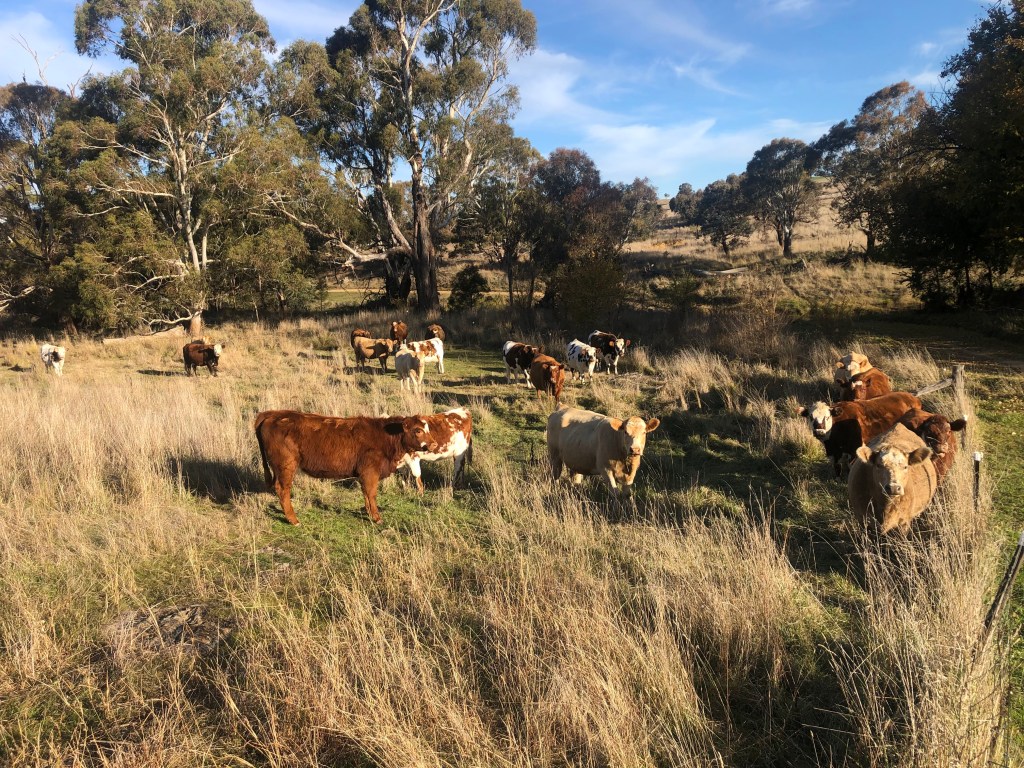
Our cows and their calves are all in excellent condition. As January comes to a close, we’re fortunate to still have plenty of ground cover and grass in the paddocks. Many of our neighbours, both to the north and south, have had to destock due to a lack of feed. I’m relieved we made the decision 12 months ago to significantly reduce our herd size (see here: Comings and Goings in an Unusual Season). That choice has eased the strain on our pastures and made this season much more manageable for both us and the cattle.

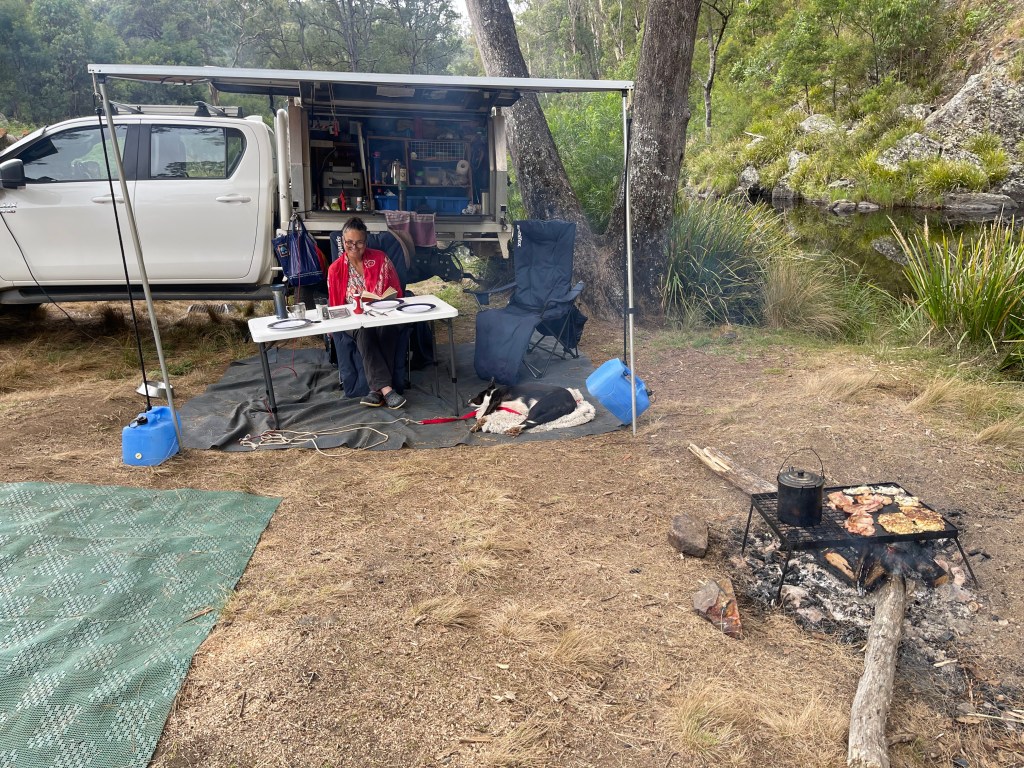
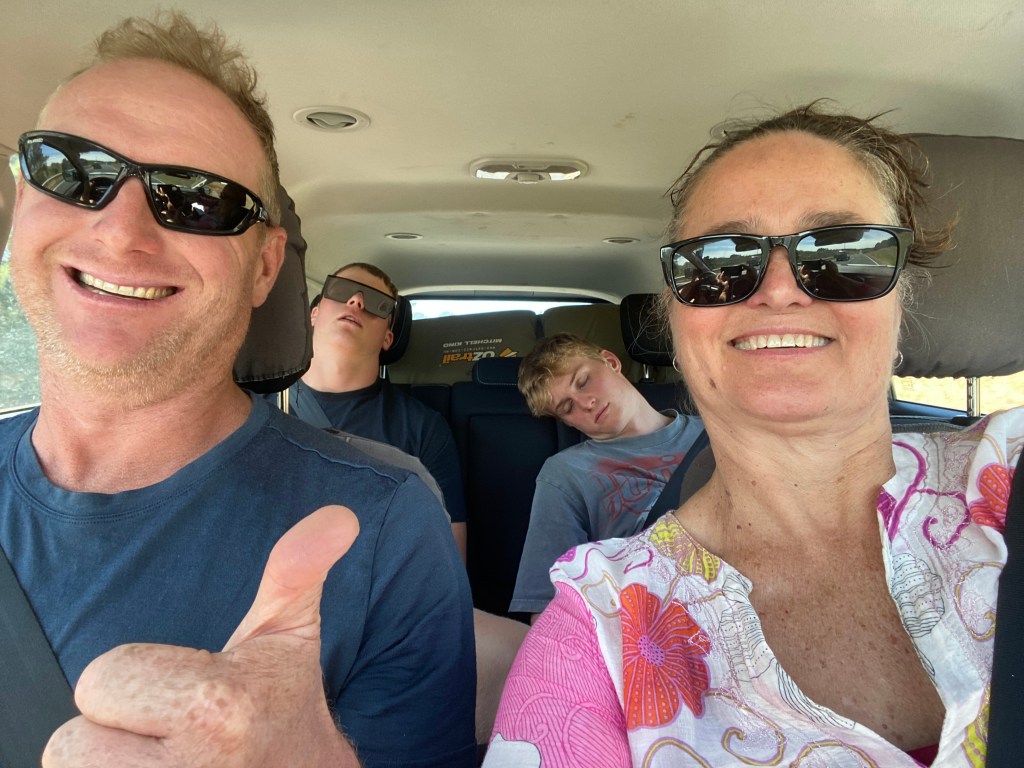
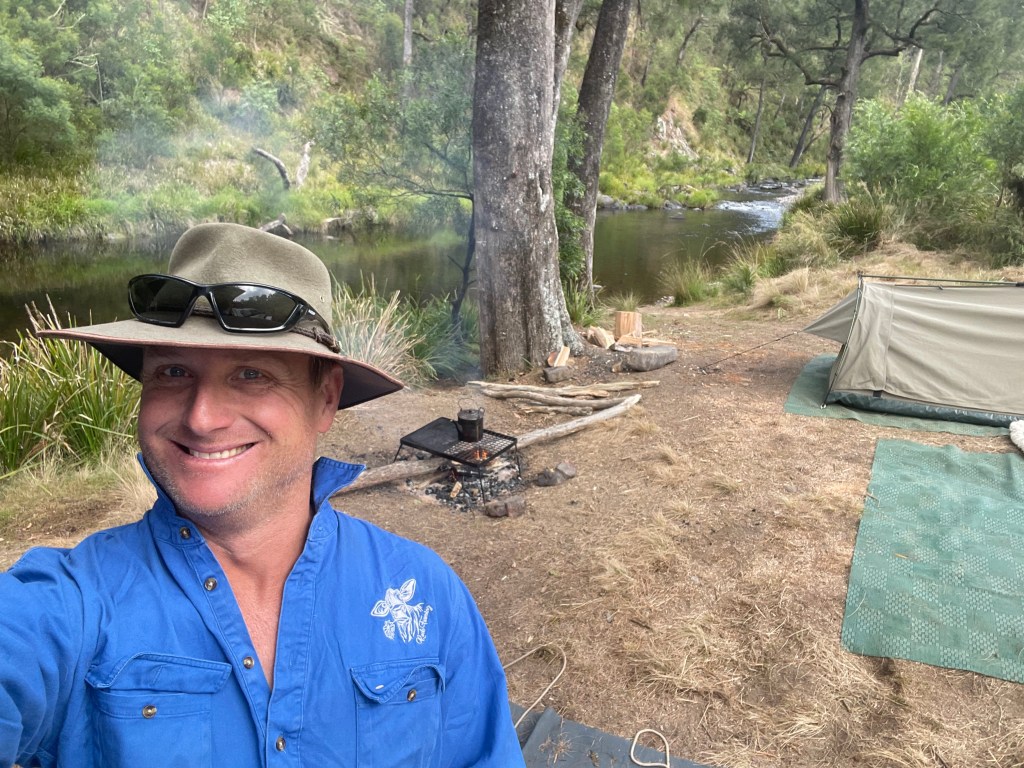
One unexpected benefit of downsizing the herd was the chance to take a short Christmas break. With an extra bale of hay in the paddock and a full dam of water (thanks to Lou’s help: Dry Times Present a New Opportunity), we headed north to spend Christmas with family. The road trip was great fun, made bittersweet as the boys start forging their own paths as young adults. The boys flew home early from the Gold Coast, leaving Jo and me a few days to ourselves. We camped by a swimming hole east of Armidale which were lucky enough to share with a pair of platypus. We had three relaxing nights in our swag before slowly making our way back home.

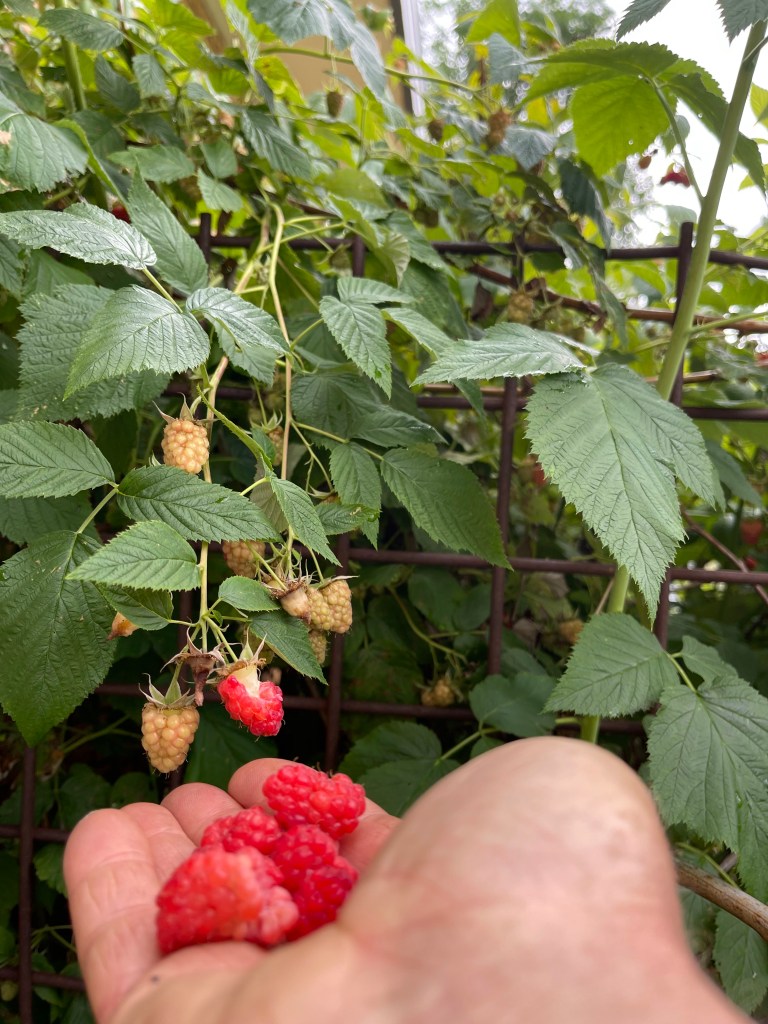
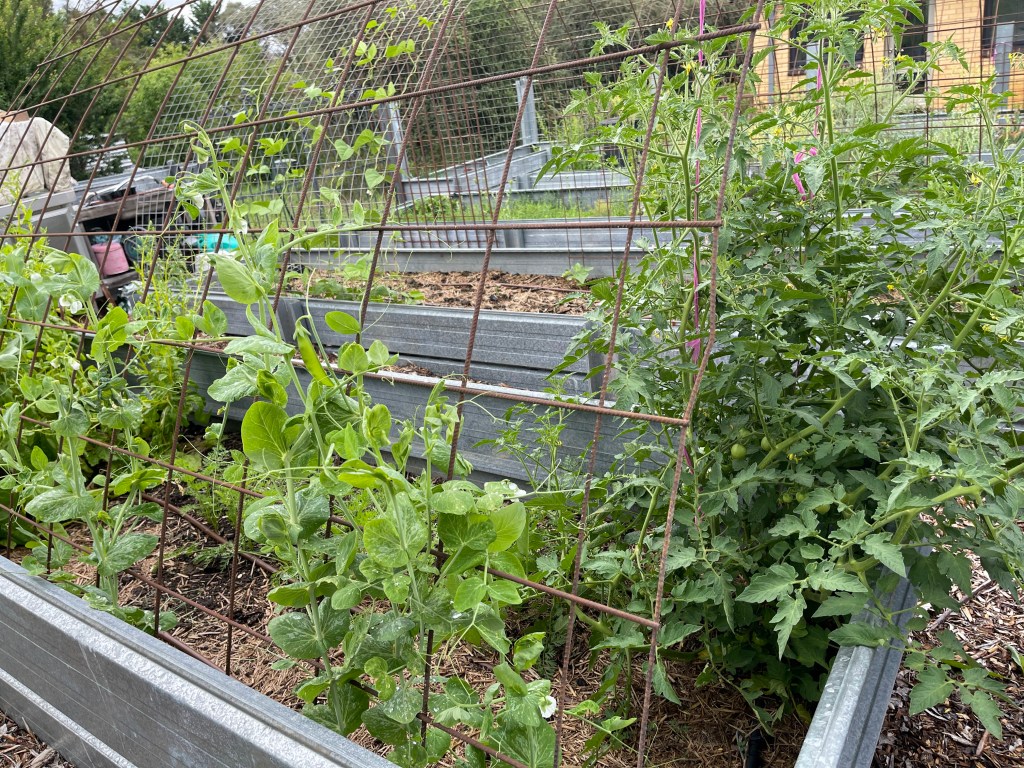
Meanwhile, our vegetable garden has adapted to the season’s changes. The raspberry season was short but delicious. Luckily, our peas, beans, tomatoes, red cabbage, and cauliflowers survived our holiday, and we’re now enjoying the fresh bounty in our kitchen.

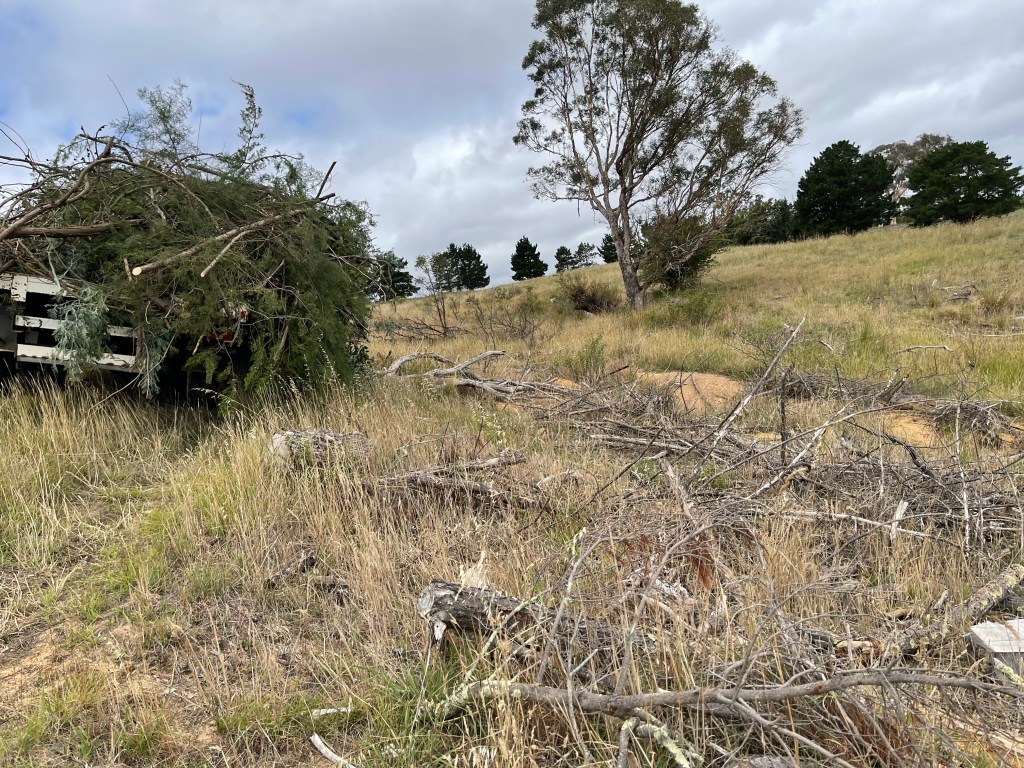
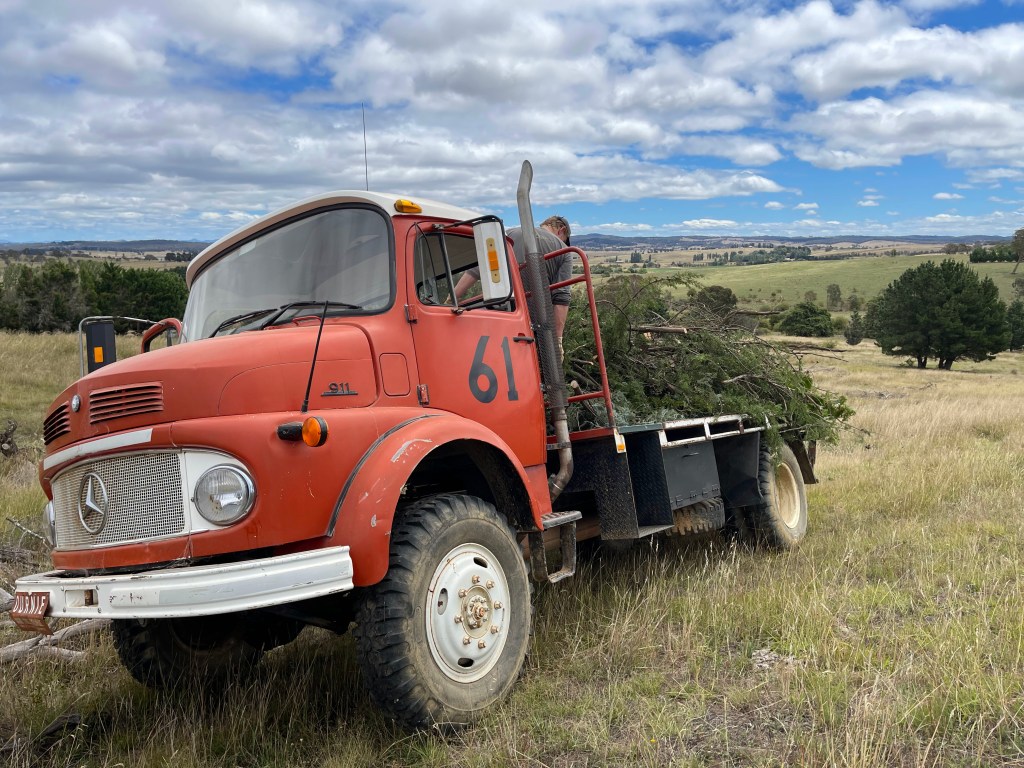
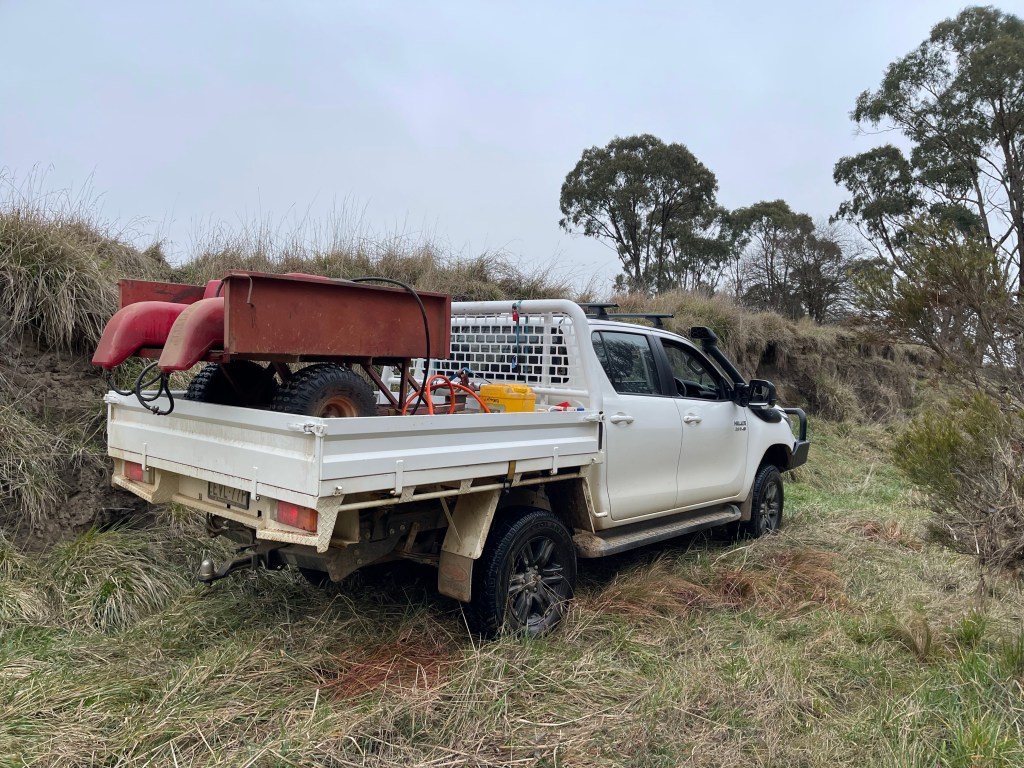
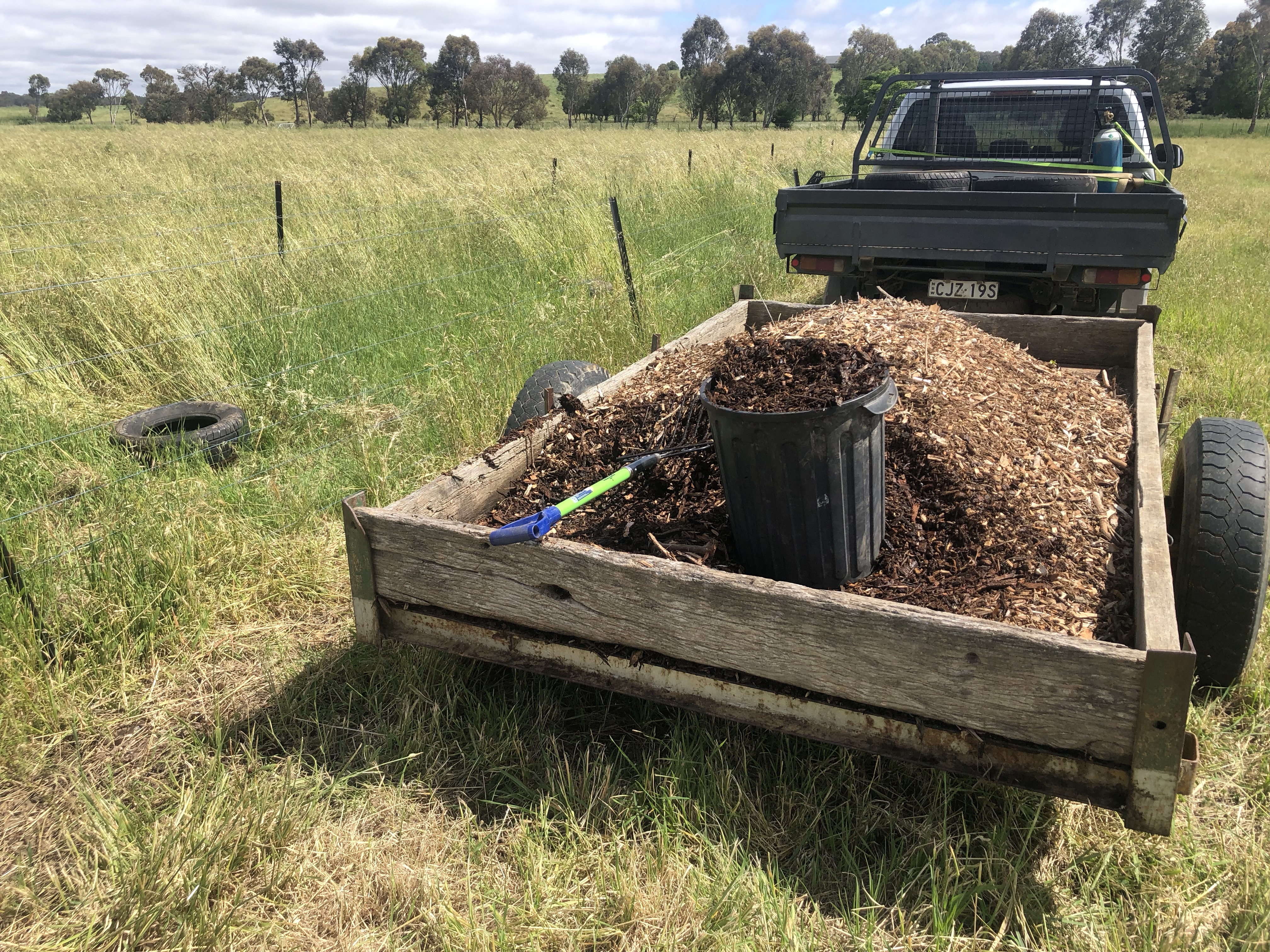
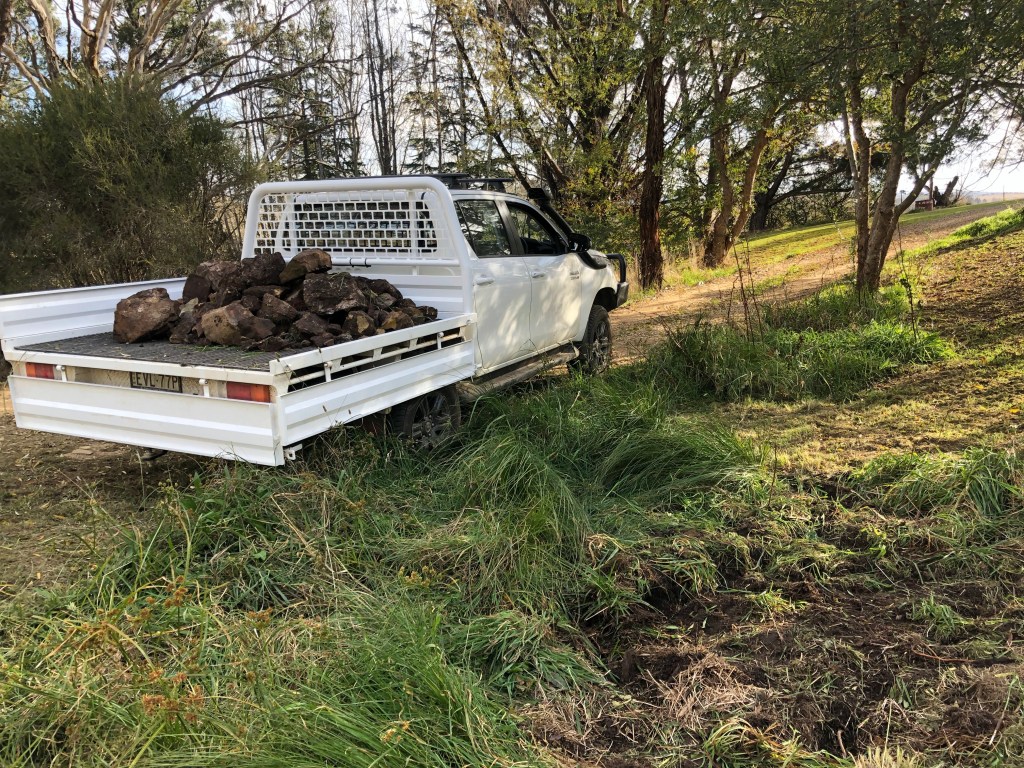
The weather has brought its challenges. While the Bureau of Meteorology hasn’t officially declared a La Niña, the conditions feel markedly different since Christmas. Summer storms have delivered patchy rain and strong winds. Our nearby village lost several trees, but we escaped the worst and we’ve only had some minor clean-up tasks. Myrtle, our big red truck, continues to prove her worth, helping me spread green waste in old gullies. It’s rewarding to see the soil stabilizing and vegetation returning to once-bare patches.

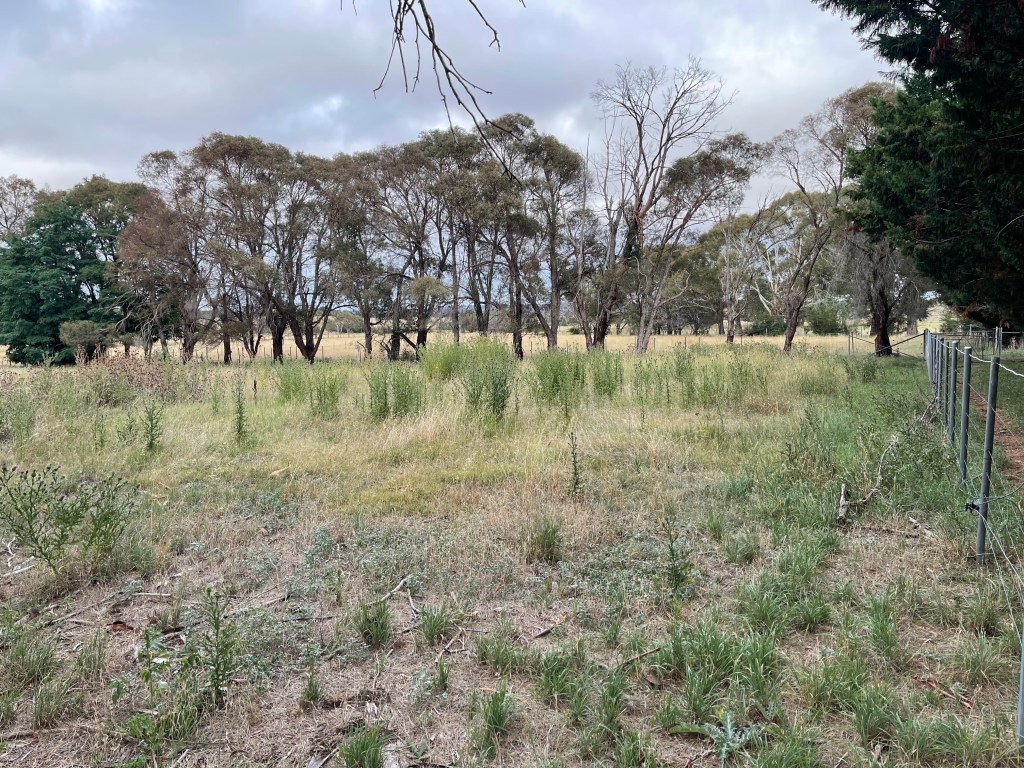
Managing weeds remains a constant challenge on the farm—a timeless battle for farmers. I have a great chipper that is my primary tool for dealing with isolated thistles. A few hours of work (who needs a gym?) allows me to stay on top of most areas.

Slashing has been my go-to method for controlling large areas of thistles. Unfortunately, my tractor is currently out of action. (A whole other story). This means I am falling behind on my thistle control.

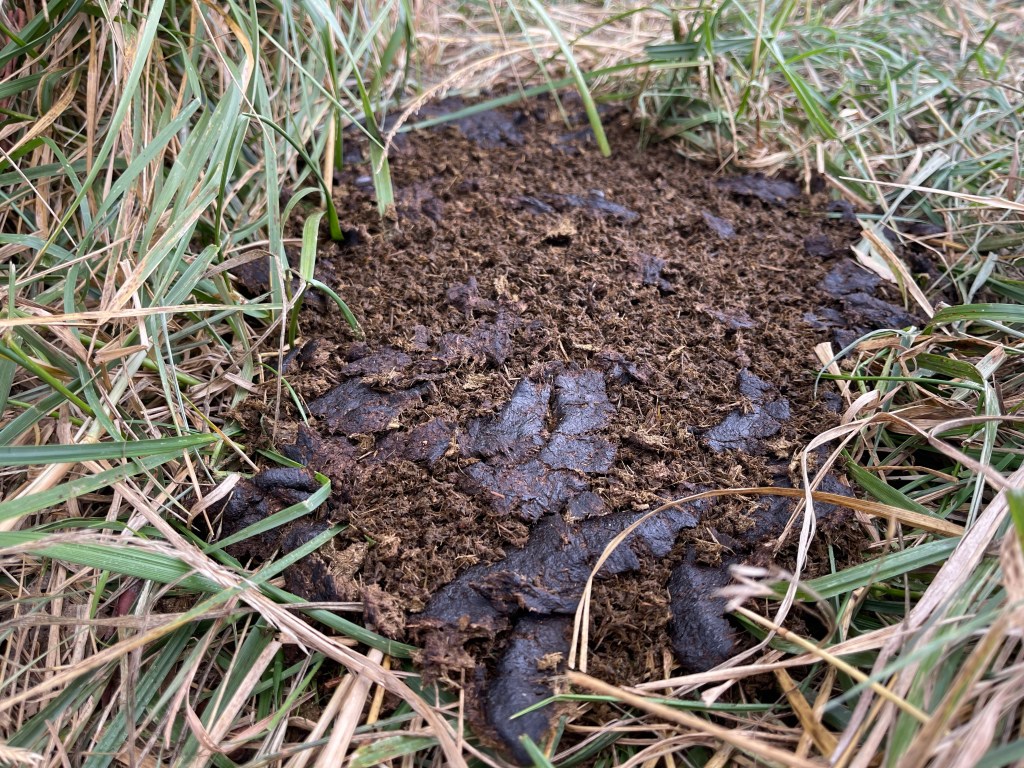
Walking the paddocks with a chipper offers more than just weed control; it’s an opportunity to inspect the pastures closely, clear my mind, and get some exercise. I’ve been especially pleased to see dung beetles at work, rapidly breaking down manure. Their activity is a promising sign of healthy soil—and healthy soil means healthy cattle.

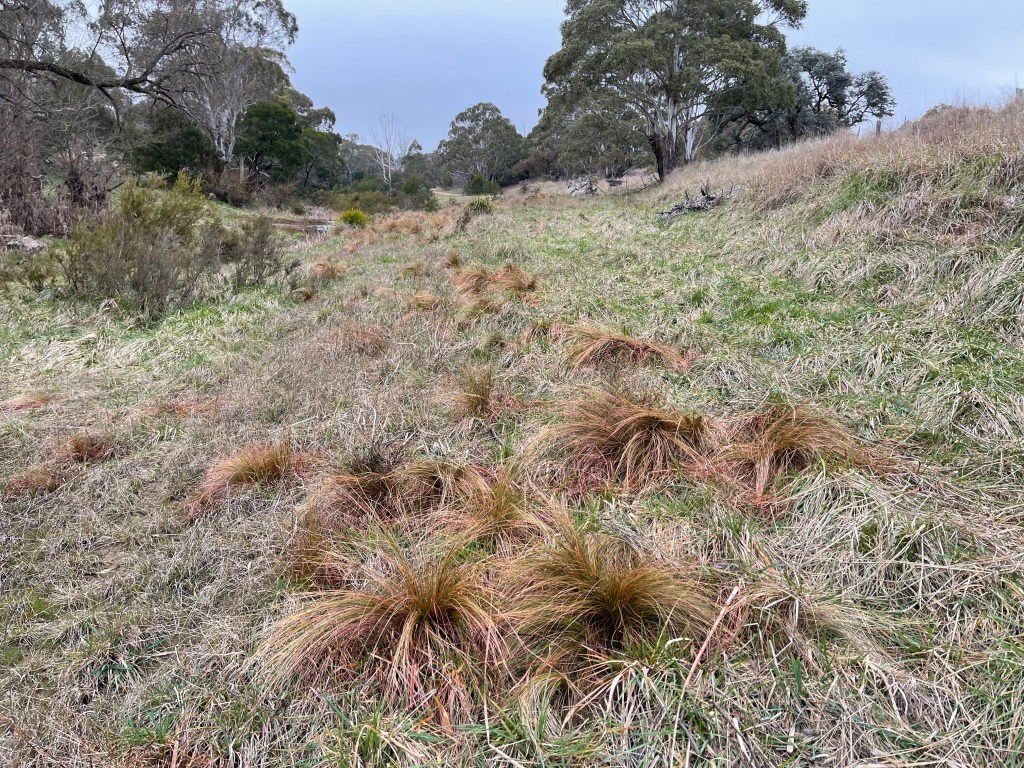
I prefer mechanical methods for weed management over chemical solutions, though my approach often depends on the time I have available. Large areas of thistles. are easily managed by slashing, but more persistent weeds like Serrated Tussock and African Lovegrass need to be chipped out by hand. Unfortunately, I also have to contend with St John’s Wort and Sweet Briar—neither of which respond well to slashing, pulling, or chipping, despite my best efforts and experiments.

The real challenge lies in staying on top of these weeds to avoid using poisons altogether. While herbicides might be effective against the weeds, I can’t help but worry about their potential effects on my health and the health of the soil biota around the sprayed plants. For me, maintaining a balance between effective management and preserving the integrity of the land is an ongoing—and deeply personal—commitment.

As each season brings its challenges and rewards, life on the Rock Farm continues to teach me resilience, adaptability, and gratitude. From managing livestock and nurturing the soil to tackling weeds and adapting to shifting weather patterns, every task reinforces our connection to the land and my responsibility to care for it. The journey isn’t always easy, but the satisfaction of seeing healthy pastures, thriving cattle, and the fruits of our labor makes it deeply fulfilling. With each passing week, the landscape reminds us of its power to change and renew. I love it.

Spring Calving Challenges on the Rock Farm

Calving is one of my favourite times on the Rock Farm. We started a little earlier than normal this year – driven by our desire to have a holiday late last year. Thankfully with the unseasonably warm August, we are getting through it ok. After losing a maiden heifer to bloat a couple of months ago, we are down to 11 cows, but we suspect two are dry.

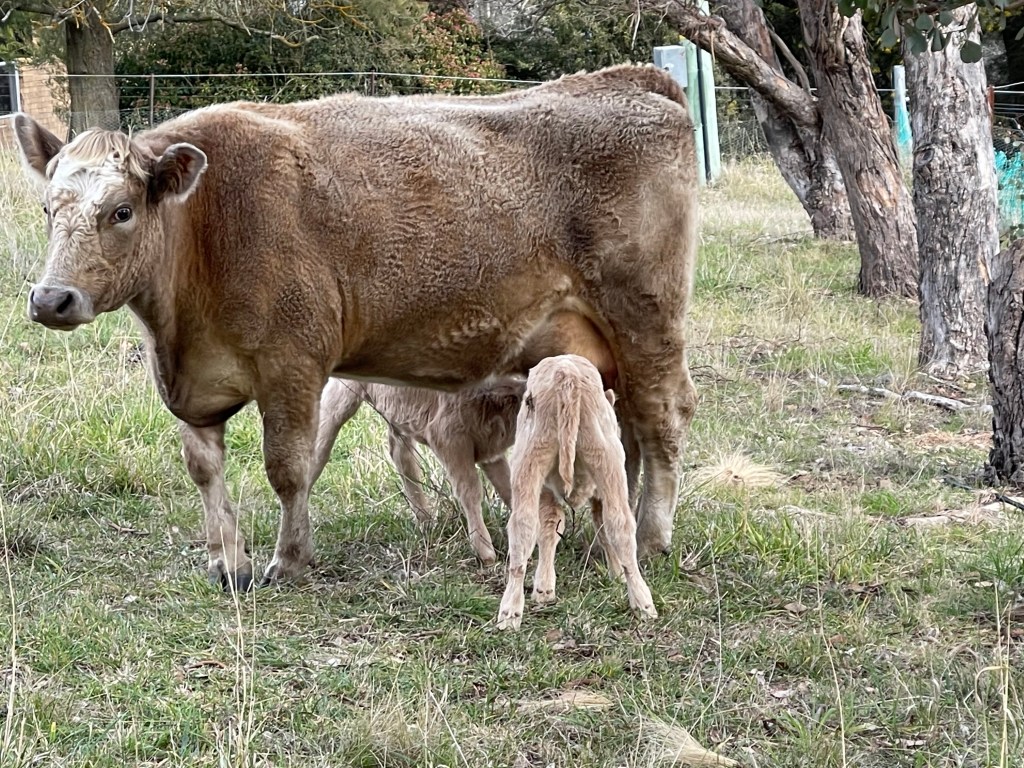
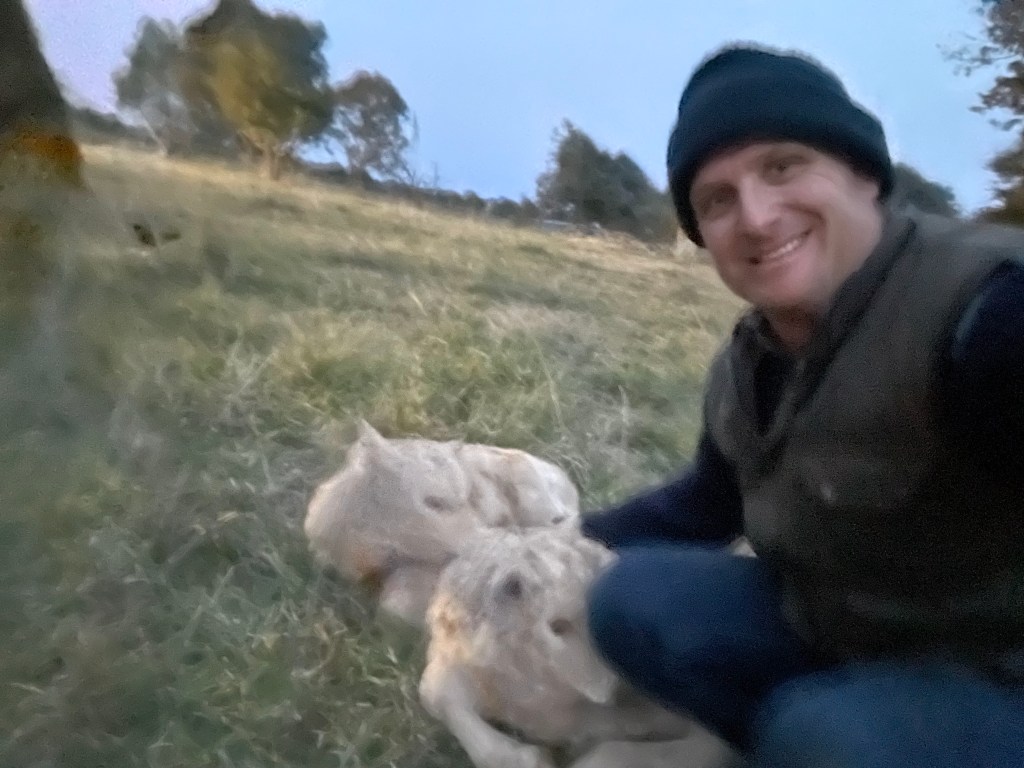
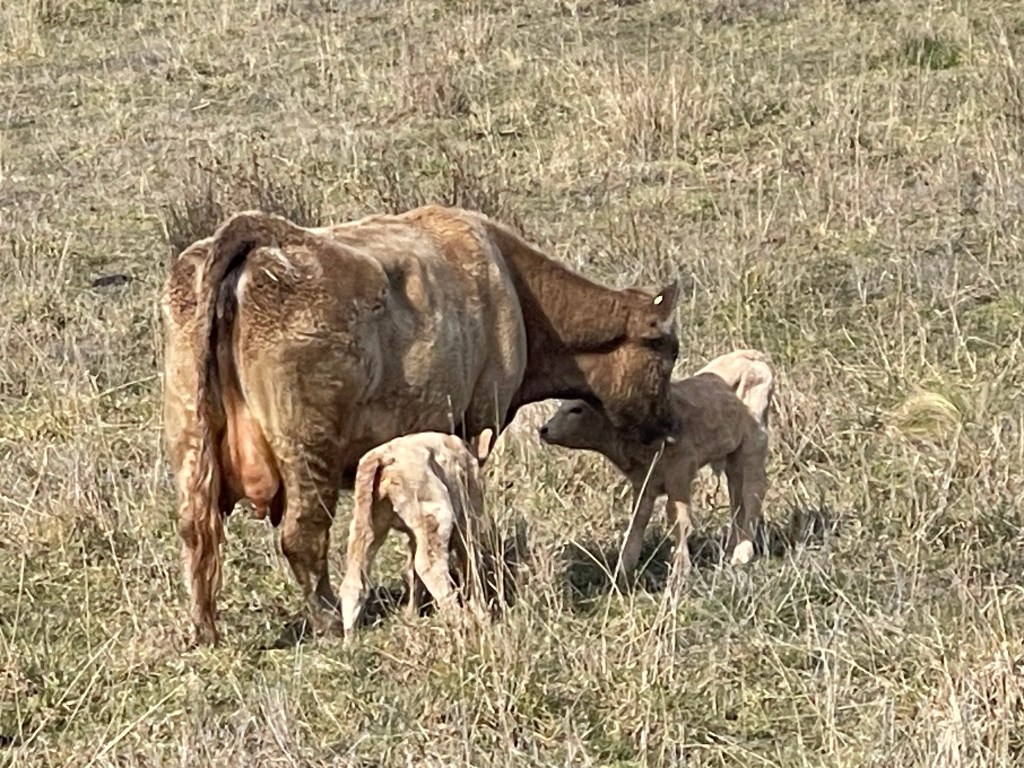
Calving hasn’t all been smooth sailing. It never is. One of our cows had twins. Relatively unusual in cattle, survival of the second calf is extremely rare. And we learnt why. It’s because cows can’t count!

Twins were born to cow Grey Girl. I swear she didn’t realise she had two calves to look after. She seemed surprised to find her calf in front of her, and then, by the time she turned around it appeared behind her again. What started comically almost ended in tragedy. The first morning following their birth, we could only find one calf – pushed through a hinge-joint the fence into the neighbour’s. After quickly reuniting this calf with mum grazing nearby, so commenced a desperate search for the other – with no success. We feared the calf had either frozen overnight, or had been taken by wild pigs.
With downcast hearts, we eventually returned towards the house, only to find at the opposite end of the paddock, tucked into a sunny spot the other twin.

We separated Grey Girl and her twins from the herd and put them in a small paddock for the next couple of days. This allowed the calves to gain strength enough to follow mum around and fight for their own supper. The strategy worked, and a week later Grey Girl and her twins returned to the herd where they continue to prosper.
Whilst it is easy to waste so much time just hanging out with the cows, Spring is also a busy time on the Rock Farm. Sadly in some areas the serrated tussock has got established. Whilst I have been madly chipping out isolated little patches of it, in some areas it was far more effective to use chemical spray. This is my least desired strategy, but it is effective. I had a couple of tight areas, where I knew I wouldn’t be able to reverse a trailer, so I lashed the spray trailer to the ute bed, and got onto the task.

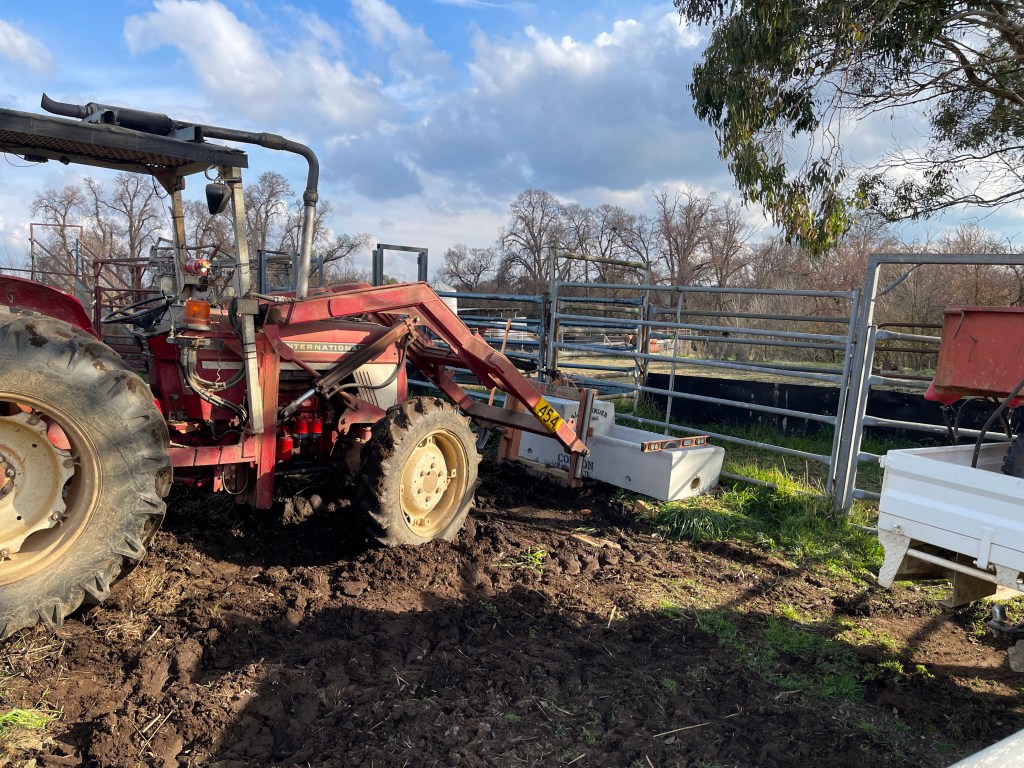
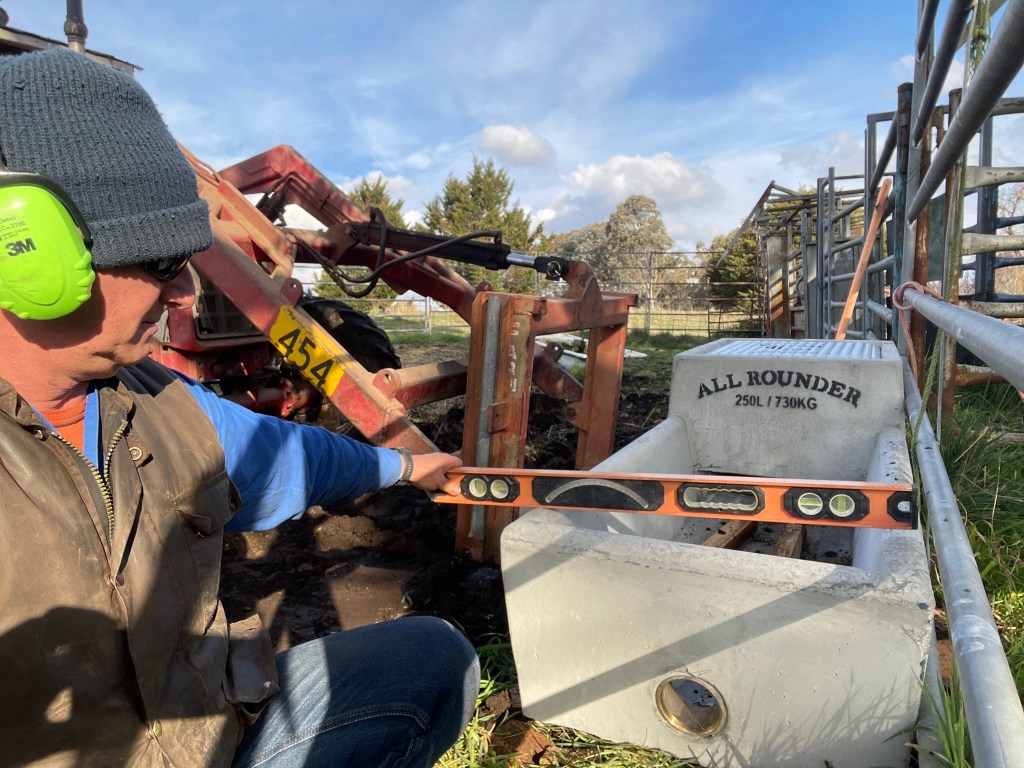
Little (and not so little) projects abound on the Rock Farm. One that had been sitting on my to-do list for a while was to replace the leaky unreliable bathtub water trough in the yards with a new concrete tank. It took a bit of fiddling to get the levels right (after nearly getting tractor well and truly wedged in the yards), but I was happy with the result.

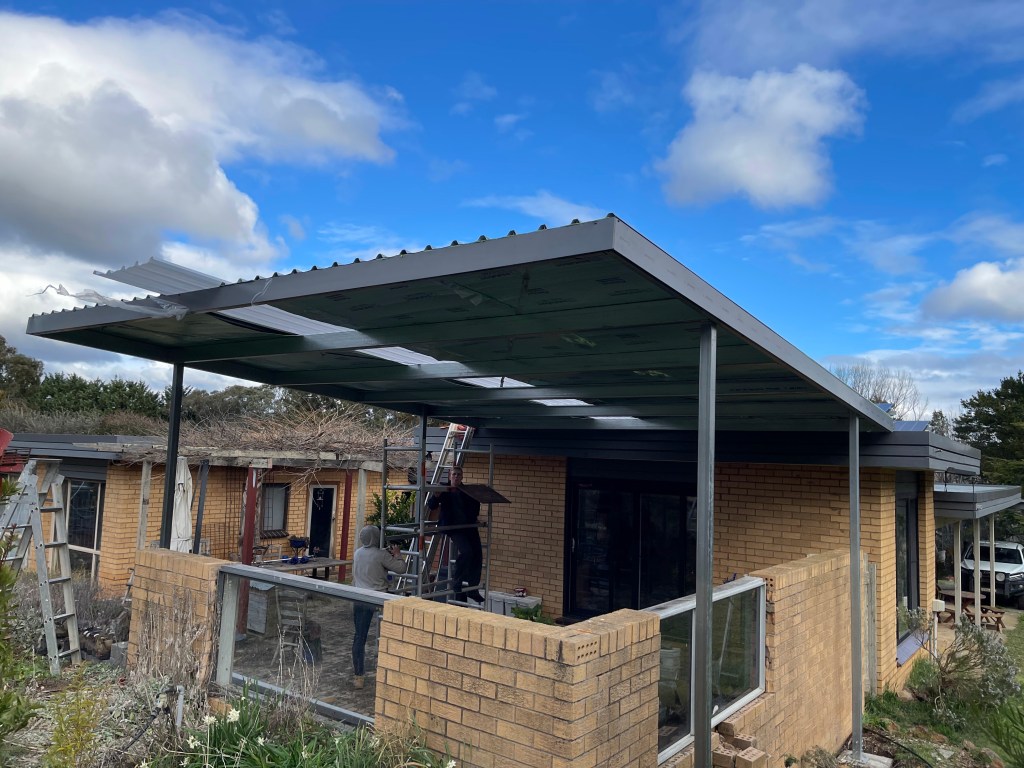
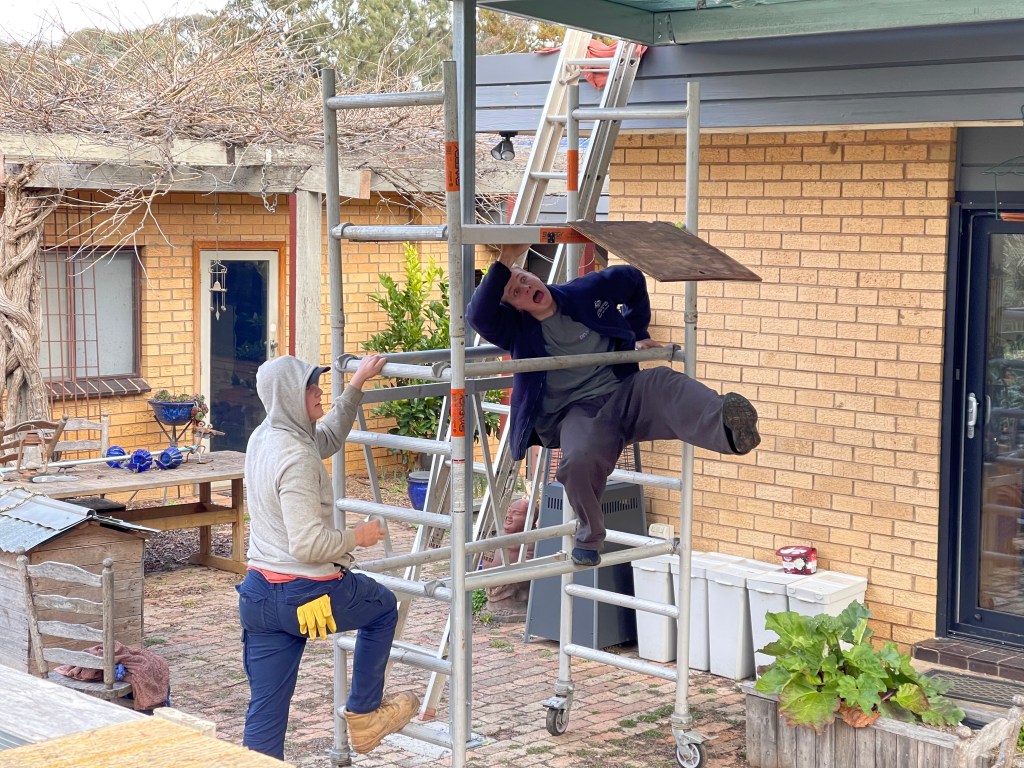
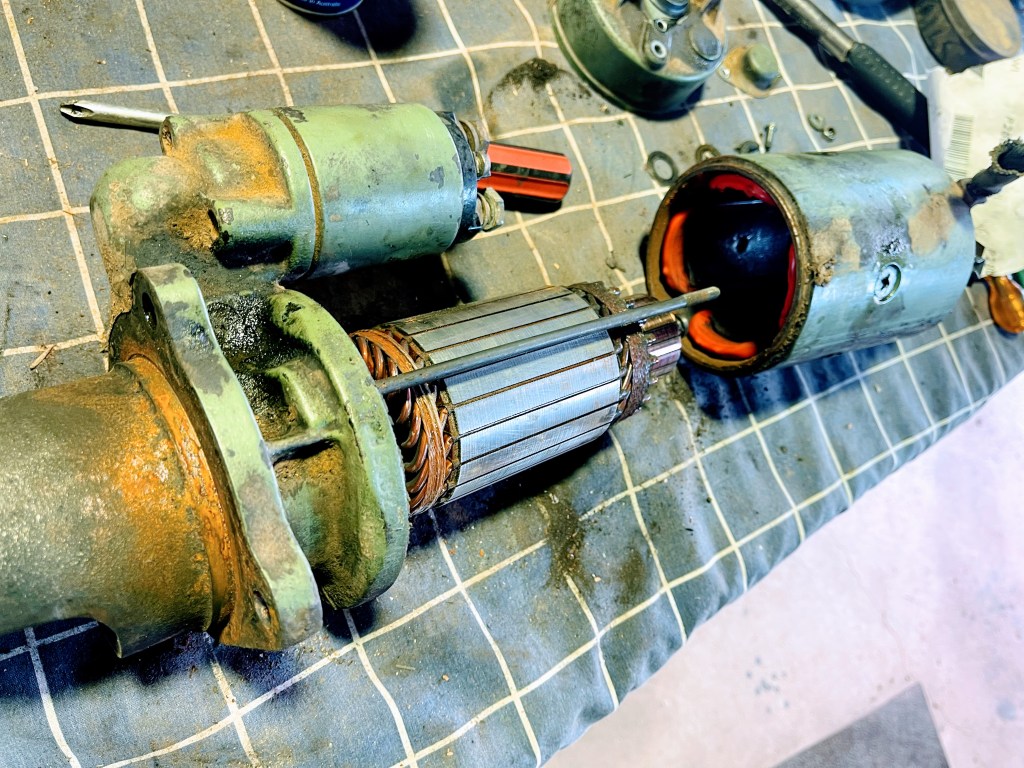
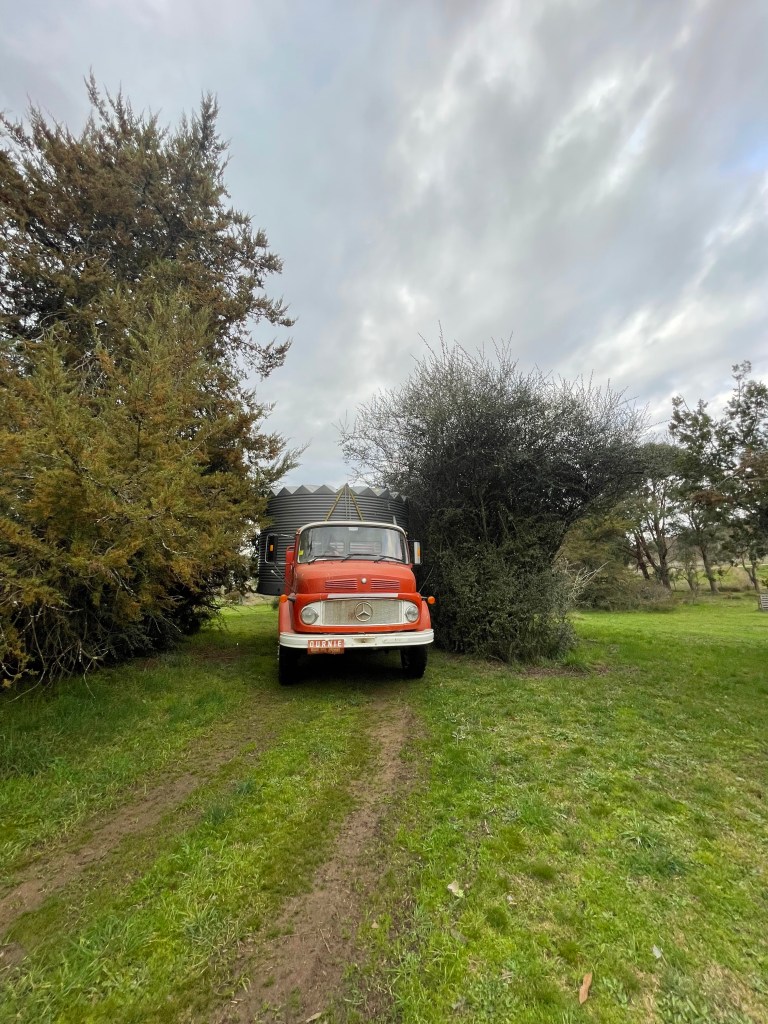
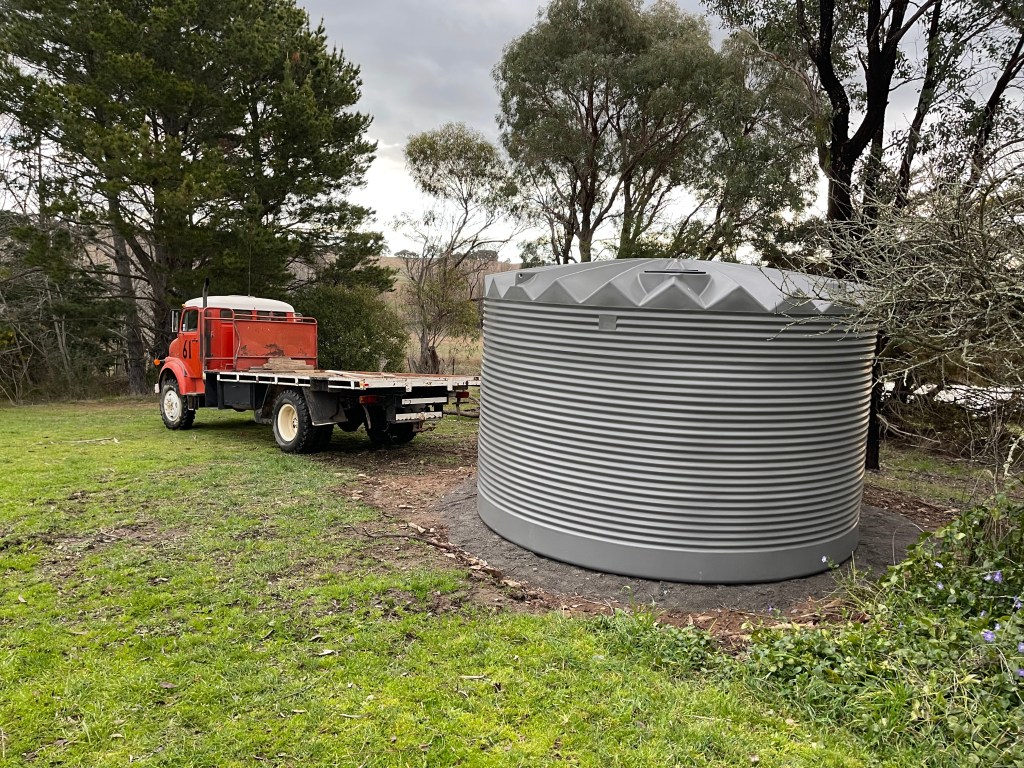
Most projects aren’t wrapped up so quickly and are best described as continuing. We pulled down our existing patio in January. Pulled down is really an euphemism for pulling out a couple of nails and watching it fall down! A new steel carport is slowly taking shape to provide shelter over the BBQ. I was lucky to get the help of a couple of key assistants coinciding with a reduction in wind to get the roof sheeting on. And with any new roof area comes an opportunity to store more water. A new tank arrived, but the delivery driver baulked at taking his shiny new truck to the prepared site. Thankfully Myrtle (sporting a refurbished starter motor – nothing is ever simple) had no problem in taking to the task at hand.

The next challenge is to hook up the down pipes and be ready for the rain if it should ever fall again. We are now almost two months since our last rainfall and things are rapidly changing from being unseasonably warm and growing to stunted growth and grass bolting to seed. The next couple of weeks will be critical in determining what season we will have and we will keep our fingers crossed.

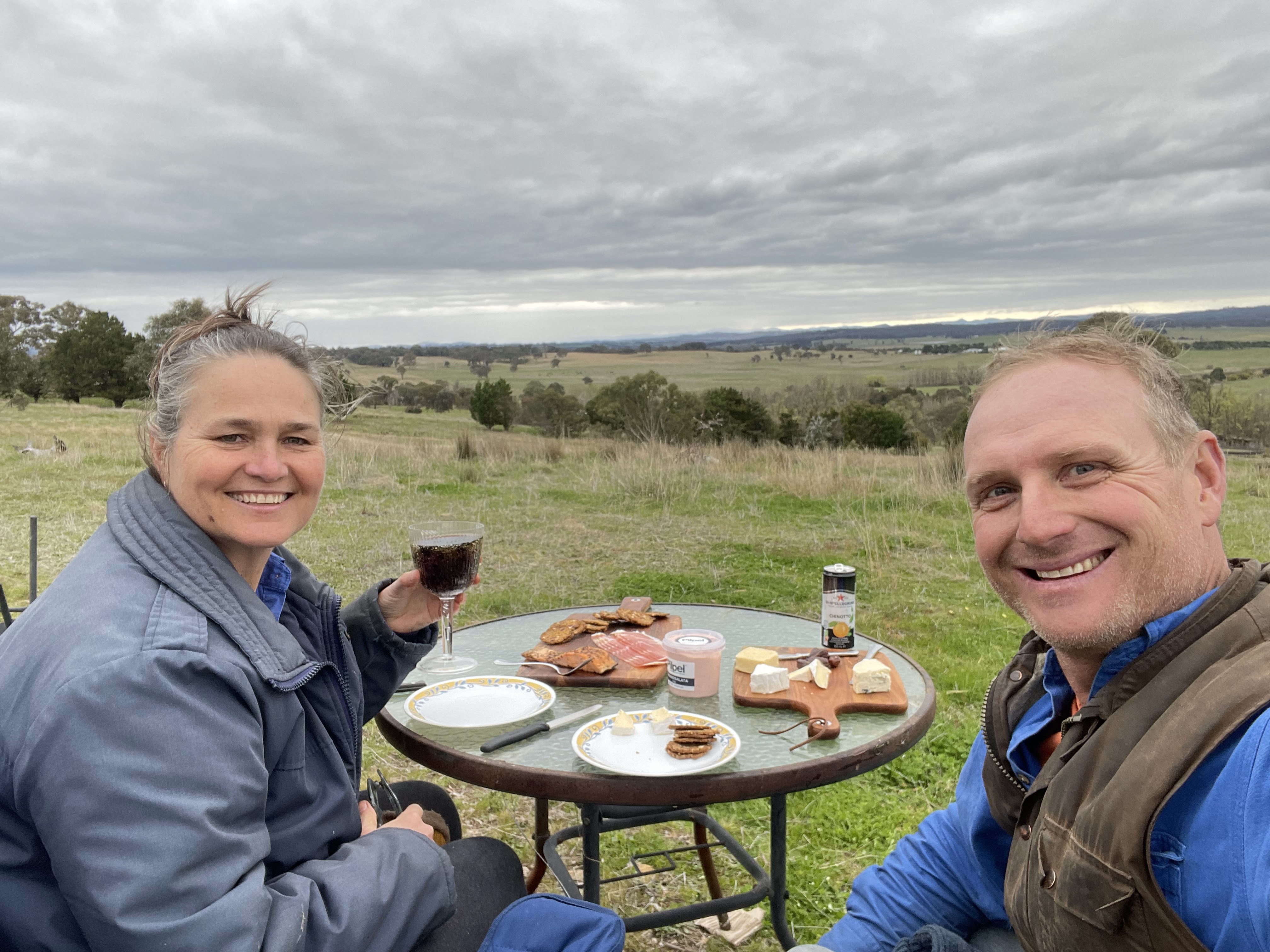
In the meantime it is important to celebrate little milestones like birthdays and wedding anniversaries with the people who matter. After a morning planting bare rooted fruit trees into the orchard, we took a few moments to enjoy lunch on Bee Hill. Sometimes the simple life isn’t that simple, but I sure am lucky to be sharing the adventure with this lovely lady 🙂

Of course I am not the only one with projects! It is great to see the boy’s really getting into their own interests now, but of course, that is a story for another time.

Autumn 2023 on the Rock Farm – with a pleasant visit!

There is nothing like the joy of listening to the rain gently falling on a tin roof. First and foremost it brings life to the pasture, allowing it to continue to grow. It creates an opportunity to catch up on machinery and equipment maintenance, and even housework. Which is why I am doing none of that. I have boiled the kettle and am sitting down with a steaming cuppa in front of the fire and have decided to provide an Autumn update 🙂 I am taking a leaf from Sam Vincent; “there are jobs that have to be done now, and there are those that don’t”.

Our weaner calves went to the sale yards at a recent special weaner sale. They weighed a healthy 255kg on average. Like all these things, timing is everything. Our price was around two thirds the price per kg we received last year. Friends who sent cattle in a month later were lucky to receive around half the price they received the year before. We were lucky as the further drop in prices would have negated any weight gains the cattle would have made by going in a month later.

Our cattle mentor John, has often equated the price of cattle to how many Sydney Morning Herald Newspapers the sale of an animal would purchase. By his reckoning, things are almost as bad in the cattle industry as they were during the 1974-1978 cattle slump when cattle were cheaper to slaughter on farm than send for processing (https://www.beefcentral.com/weekly-grill/episode-35-remembering-australias-1974-78-beef-cattle-slump/). Again I consider myself fortunate that I am using the cattle to improve the soil on the Rock Farm (whilst bringing me great joy), and I am not trying to support my family on the (meagre) income they provide.

The Rock Farm received some beautiful rain for our ‘autumn break’. This has transformed the pastures with lush green grass growing under the yellow stalks from summer. The cows have put on weight after weaning, which means they are in great shape heading into winter. I am carrying 20 cows with two replacement heifers, bring the number of cattle on the Rock Farm to 22. It is no large herd, but we will be watching them closely over winter and into spring to see if we can sustain those numbers. For now, Farming Forecaster is predicting pasture growth of around 30-40kg dry matter per hectare per day, which is fantastic. If a cow eats around 12kg dry matter per day, I am happy the pasture bank is being replenished faster than they are eating it, which will help us in the future.

Our little lambs are continuing to grow and I have just started handling them. They are quickly learning that a bucket means a nice treat, and I am able to gently push them to the gate where they are rewarded with some sheep nuts. It is important that I am able to move them safely around the farm. The Rock Farm is mostly fenced with plain wire, meaning the sheep will almost have free reign should they get out of their current paddock and I want to be able to move them should the need arise.

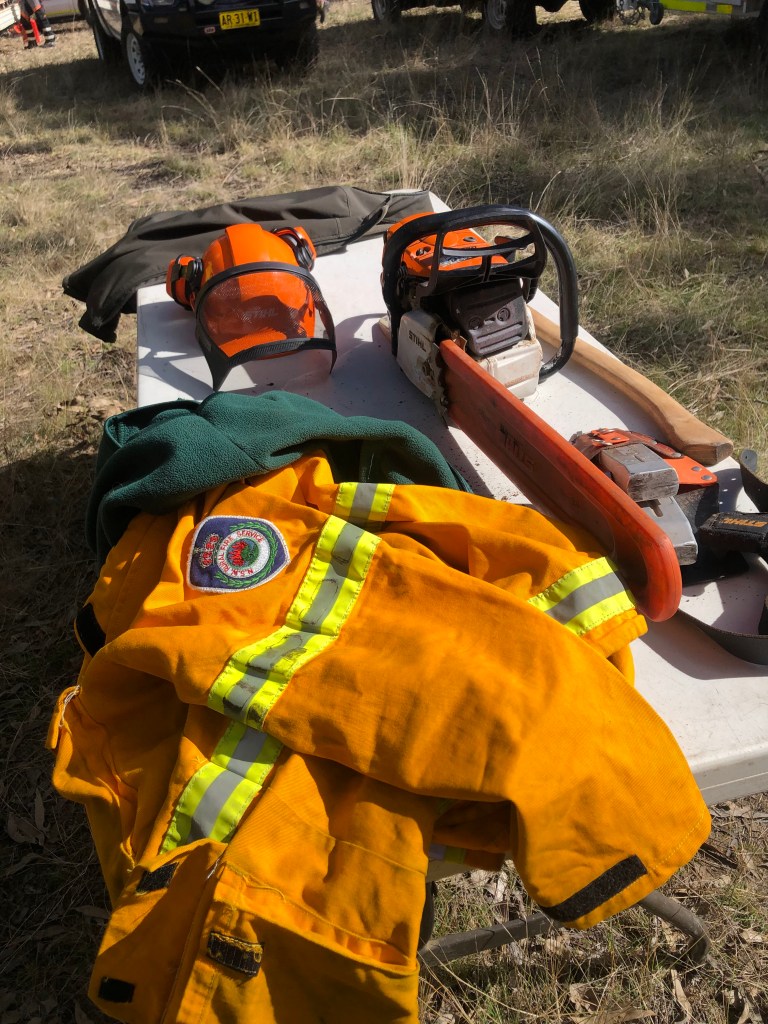
Of course there is always something else to do on and off the Rock Farm. I did finally get the opportunity to attend a chainsaw course with the RFS (Clear Felled Timber). I have been trying to get on this course for years, and finally this year the stars and moons all aligned. It was in a word fantastic. The instructors all had a wealth of experience they willingly shared, with an emphasis on professional attitude and safety. It is not often that people fail RFS courses, but we had several students who didn’t make it through. It is also a course that I am sure has potentially saved lives – including mine. Several bad habits were picked up, and now I am much more aware of my use of a chain saw.

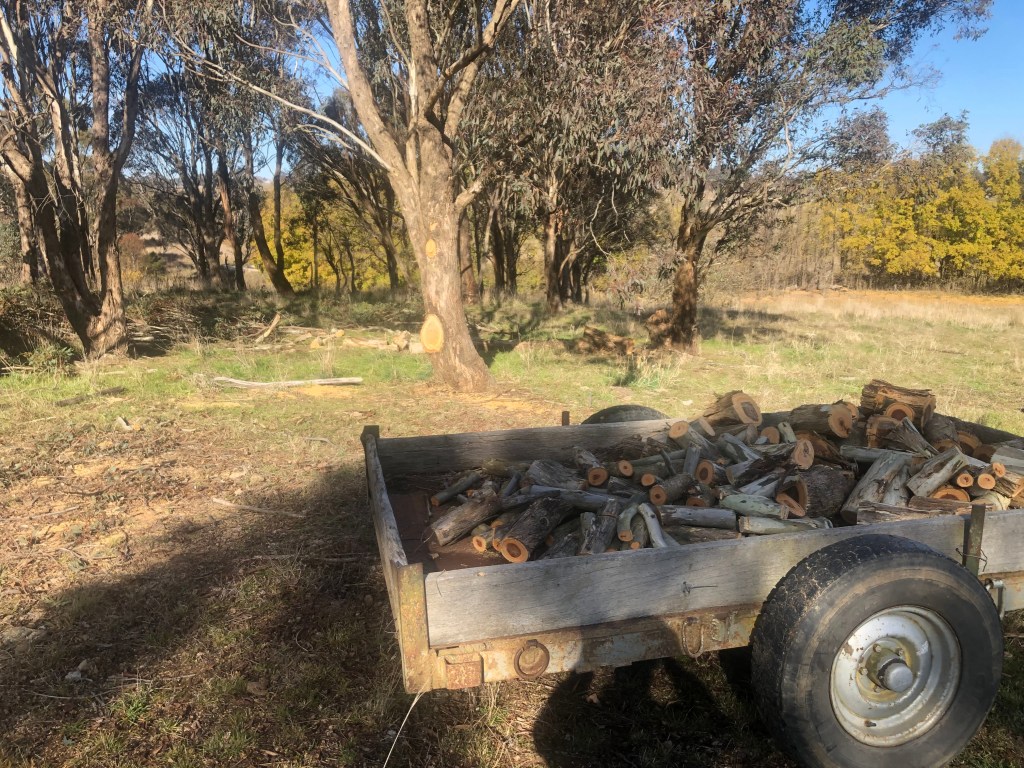
Other little jobs have kept me busy such as moving rocks out of the garden (despite many attempts using the lawnmower to grind them to a lower level), and collecting firewood. It has its own beauty working outside in the cool of autumn.

In the middle of it all we had a lovely visit from the two people who inadvertently sowed the seed for my own dream of what became the Rock Farm – my parents. My mum gave me my love of horses, and my dad gave me my love of cattle. We had a wonderful few days catching up with old friends in the district, feeding apples to the cows and sharing cuppas in front of the fire (concession for the North Queenslanders).

As we head into winter, it is a good time to pause and take stock on where we are at on the Rock Farm. I am becoming more attuned to the rhythms of the land and livestock. I am paying more attention to the birds and what they are feeding on. As I write, half a dozen eastern rosellas and a couple of crimson rosellas are picking at our lawn seeking. The burden of looking after the RockFarm is a responsibility that I find rejuvenates my soul. And it is good.

Weaning on the Rock Farm – 2023

Weaning is a bittersweet time on the Rock Farm. It means winter is coming, and it is time to reduce the number of mouths feeding on our pastures. Without the capacity to keep our young cattle until they are finished for slaughter, it means we are at the mercy of the market when it comes to selling them.

The first stage was to separate the calves from their mothers. This was quickly achieved, and the cows were put in the lane adjoining the yards. This seems to cause the least stress as the cows can go and feed, but come back and check on their calves frequently. We kept one cow in with the young calves to provide some guidance, especially when moving the calves. She had lost her calf to a possible snake bite a couple of months earlier.

The calves quickly settled into their new routine, and the cows also seemed to appreciate a little less demand on their nutrition. After a week or so, I moved the cows to the opposite end of the Rock Farm, and let the calves into a holding paddock behind the yards. To educate the calves, I moved them back into the yards daily with the help of our faithful wanna-be cattle dog Sapphire. It proved to be excellent education for both Sapphire and the calves. After a week or so, the calves would see me arrive with Sapphire and just about trot straight into the yards… although there were exceptions to this rule.

After five weeks, we sent the weaners into the local sale yards where they weighed an average of 255kg. And this is the bit that is hardest. After raising these cattle with care and compassion, we have lost all control of their destiny with the exception of two heifers which returned to our herd. They may return to someone’s paddock for a period of time before being finished in a feedlot, I really don’t know. As a small producer, it is really hard to make a market for small scale, ethically raised grass fed animals. And it is especially difficult when most people are struggling with the cost of living. There are a few options emerging, but in the short term, we rely on the local sale yards. The good news is the cattle sold, and whilst prices were better than the weaner sale the previous month, they were still well down on the prices we received last year.

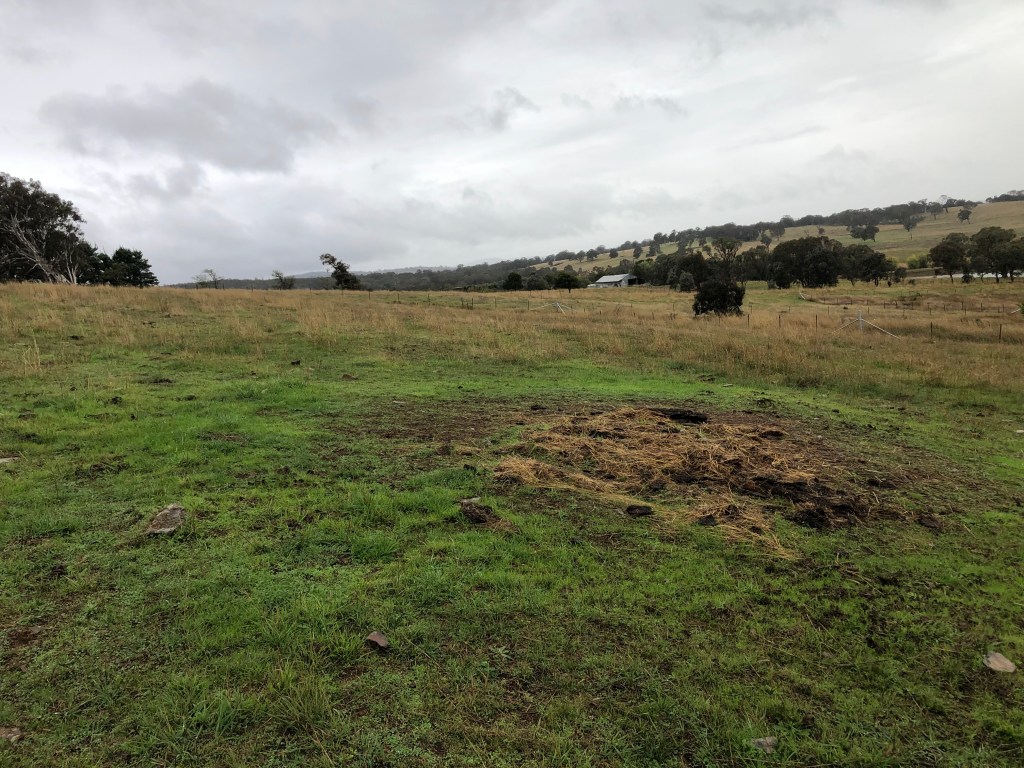
On the other hand, the cattle continue to help me improve the health of the soil on the Rock Farm. I recently trialled some bale feeding on one of our slopes (read about it here) . After resting the paddock for around a month (and some welcome rain), there is a ring of green grass where the cattle trampled heaviest. I will likely resume feeding the cows sometime in winter and will continue this way of feeding the cows, as it seems to be an effective way of returning nutrient to the soil.

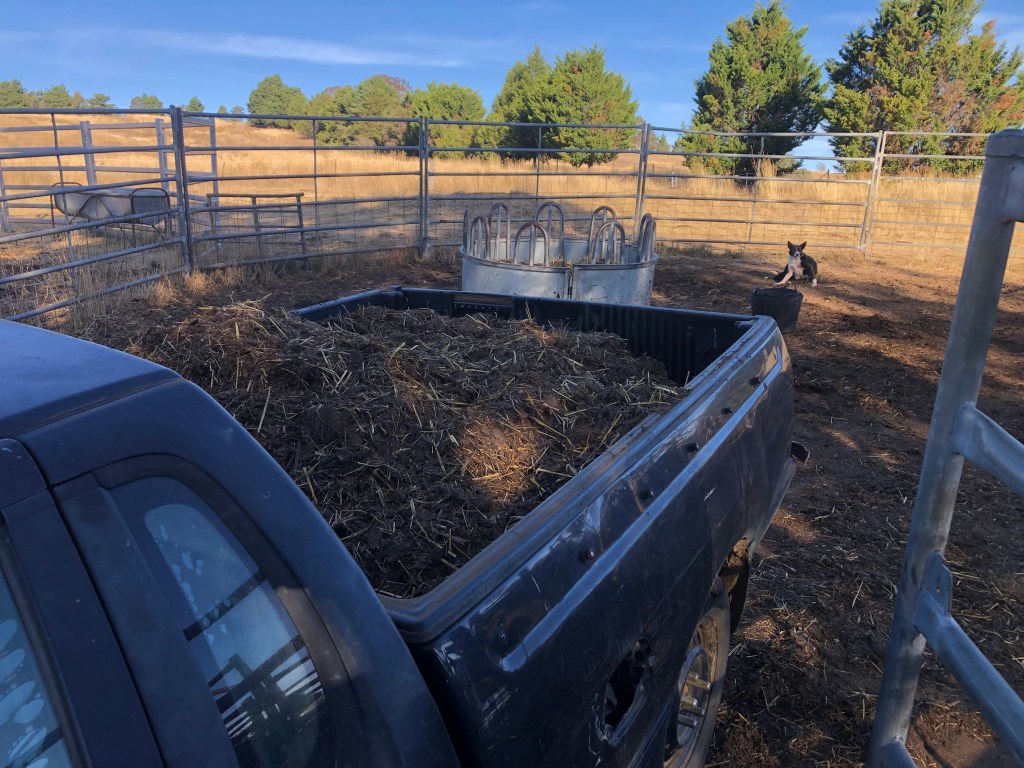
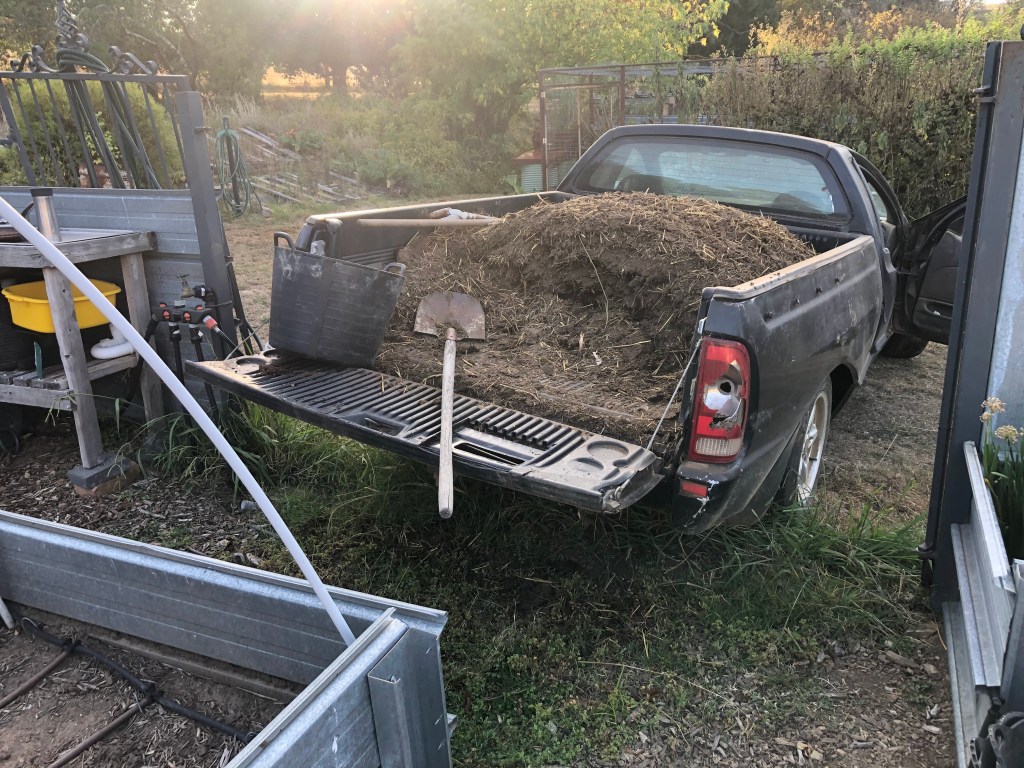
Perhaps the highlight of the whole process however was perhaps my offer to collect a “wheelbarrow” of manure for the vegetable garden. The weaners had left concentrated manure/straw in the yards where they had spent a lot of time over the past month. After 45 minutes or so of concentrated effort, I had filled our black falcon “wheelbarrow”. Another half an hour and the manure mix was spread in the vegetable garden. It should be great for our winter vegetable crop!

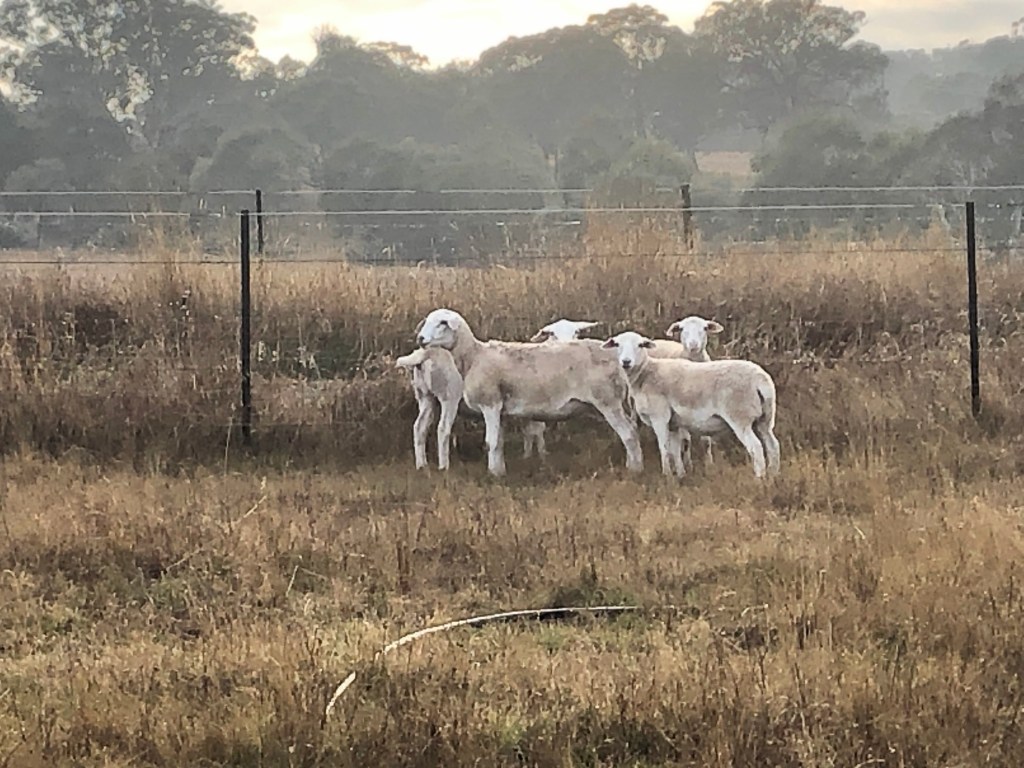
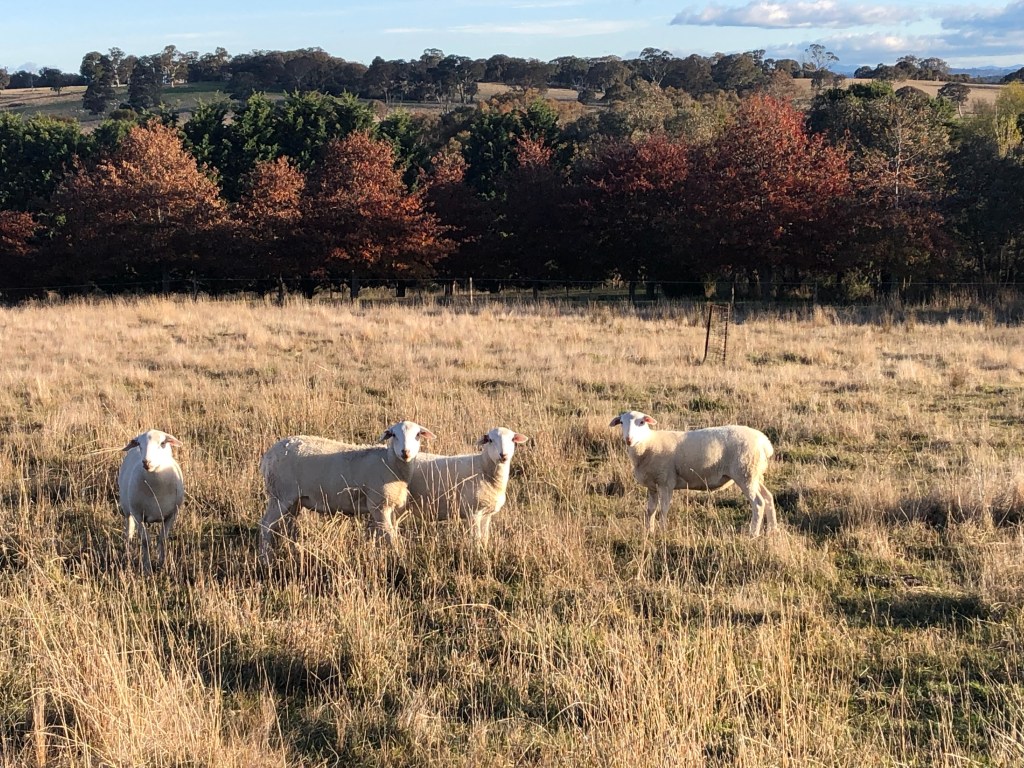
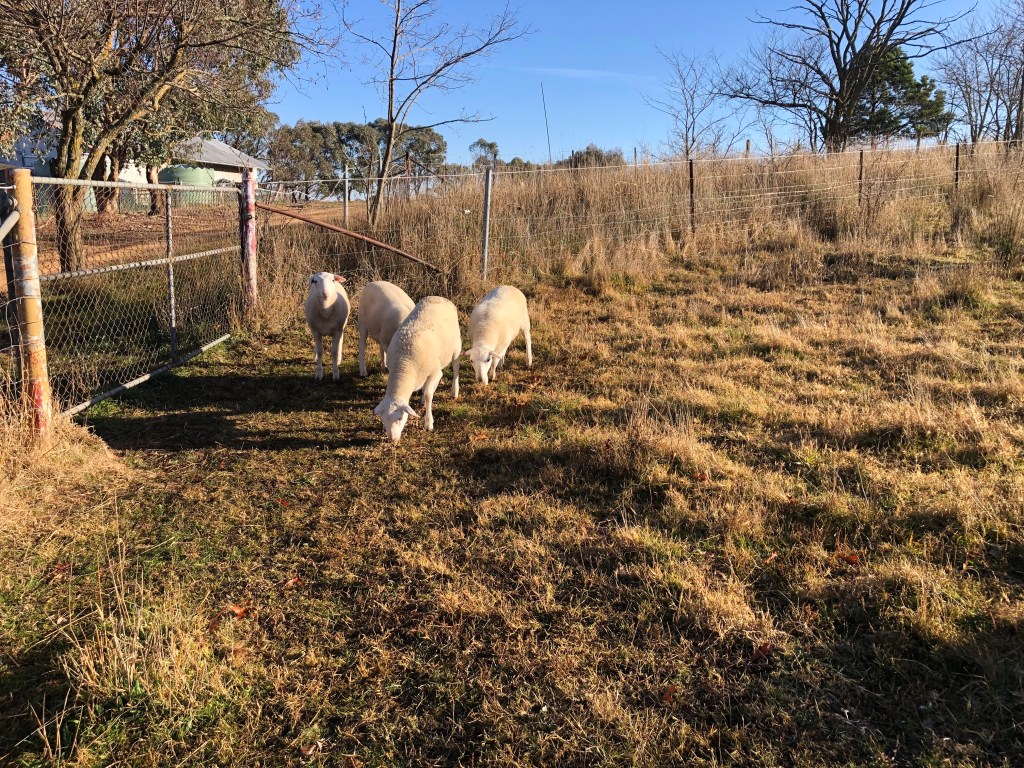
One day I will keep a steer for us to finish. I haven’t finished a steer before, but it is something I intend to do. It is one of my goals to provide grassfed beef for our family (it is hard with such a great butcher nearby who delivers top quality meat to our kitchen table). Sheep are another story, and we recently bought four wether lambs from a neighbour. These are currently enjoying roaming in a paddock that is fully fenced for sheep. It has been a long time since we have had sheep on the Rock Farm, and I am enjoying having them back.

Decision Making on the Rock Farm – and a handy tool

One of the most challenging elements of farming – even on a small hobby farm like ours – is decision making. Decisions range in complexity and scope, the outcomes are not always known, and mistakes are a given. The self-help section of any bookstore is full of books that purport to make you a better manager / leader / thinker… but ultimately many are simply helping you become a better decision maker.

Allan Savory developed holistic grazing management. My basic understanding of holistic management is that it is about making decisions. Broadly you need to properly identify the problem. Start taking action towards addressing your intended outcome and then monitor your feedback loops closely to ensure you’re on track. Savory’s holistic principles can be applied to all kinds of decisions. The principles holistic management help guide our decisions on the Rock Farm.

As custodians of the Rock Farm, our aim is to leave the soil of our property in better health than when we arrived. One of the tools we use to do this is our cattle. Our cattle are used to help control our weeds and undesirable grasses, process grass and turn it into fertiliser to feed the microbes in the soil. The past three years of wet years have given us plenty of flexibility, and have been very forgiving if we have made a mistake – especially with our stocking rate. When it is dry – it is critical that we keep making decisions for the health of our soil – and by default our cattle.

So when the long range forecast is for a dry autumn, I knew it was time to have a good look at the tools available to helps us plan our decisions for winter.

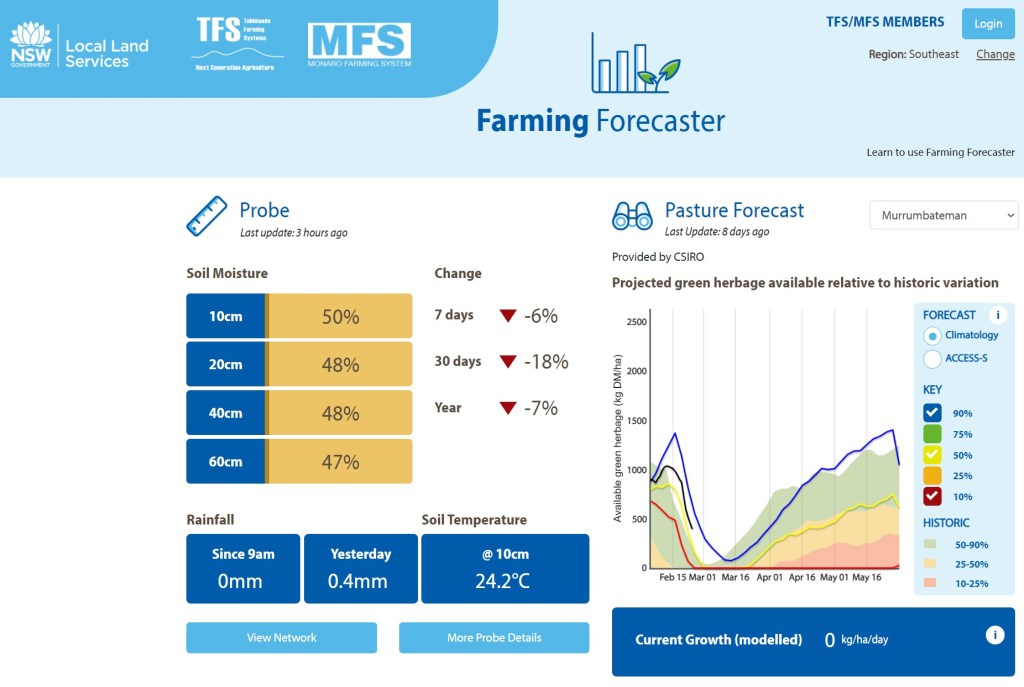
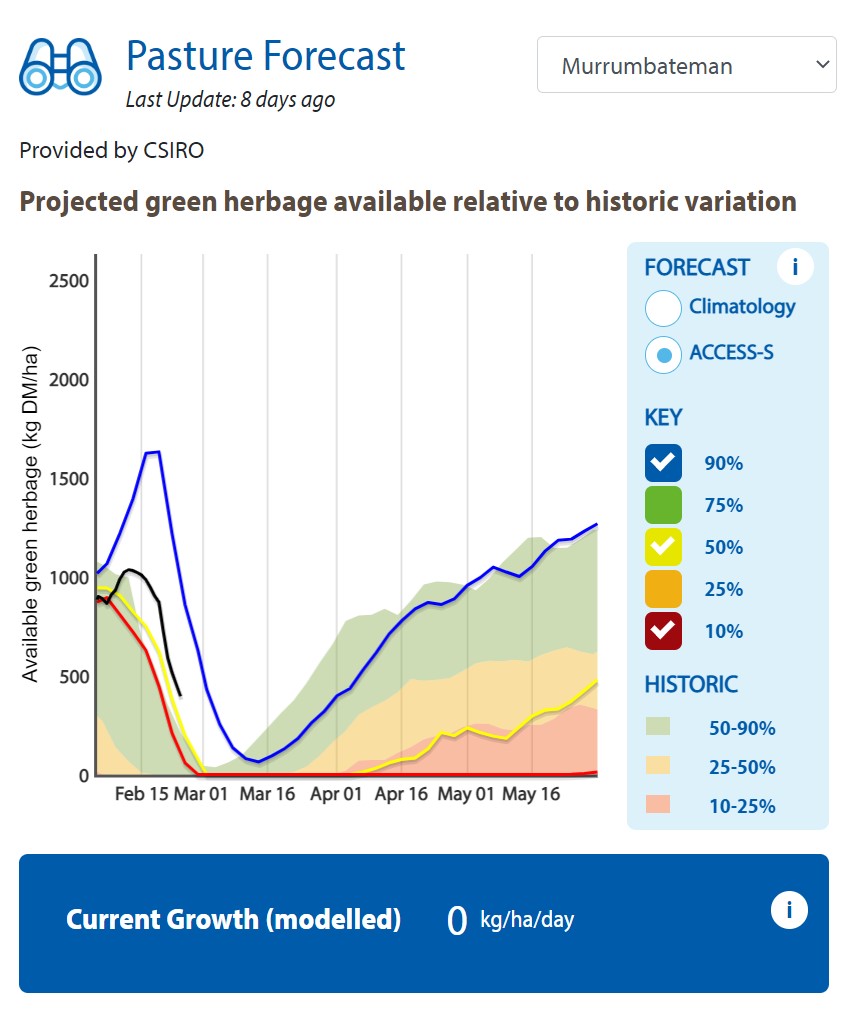
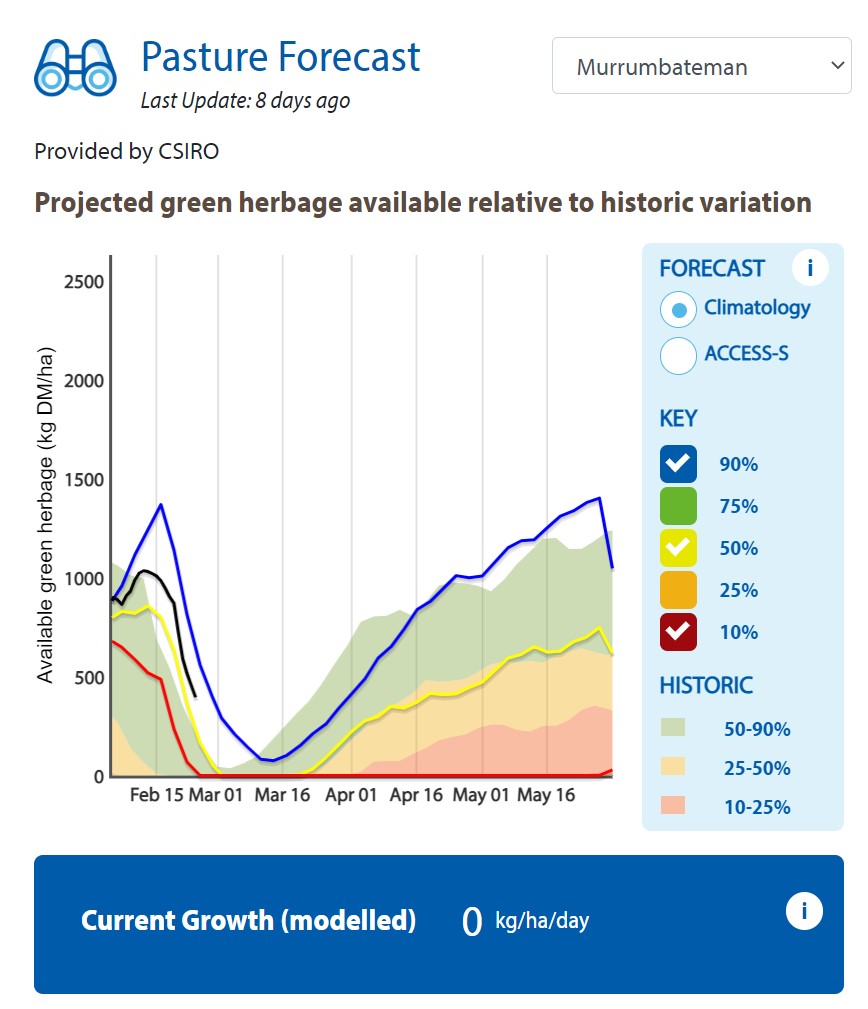
One of the tools I find really useful is Farming Forecaster (https://farmingforecaster.com.au/). It collates 30 years of past soil moisture and helps predict the pasture growth over the next three months. It is really useful for someone like me who doesn’t have a lifetime of accumulated knowledge on seasonal variation on our farm. Below are some screenshots of a nearby soil mositure probe. In reality there are about three probes in our region I look at to help me make a decision on how much pasture I will expect to grow in the next three months.

From the graphs and the long range forecast, we decided we will reduce our stocking pressure this winter. We will make our final decision on numbers based on the pasture growth we will see by 1st of April. This is the logical step of course. The decision process becomes really hard when it comes to deciding which cattle we will sell, especially knowing that we lose all control of their destiny once they are on the truck to the sale yards.

In order to set the calves up for weaning, and to allow other paddocks a longer time to rest before we rotate through the paddocks again, we decided to put some hay out for the cattle. I now know this as a form of bale grazing. Bale grazing is a method of feeding, where hay is fed to stock on the paddock it was cut rather than in a feedlot, thereby keeping nutrients in the system.

We don’t cut hay – and I have long felt that I would rather import fodder (and its nutrient) instead of fertiliser. The cattle and their rumen are the ideal first stage processers to turn fodder into fertiliser for our soil.

We put the bale feeder near the top of a hill, on a patch of wiregrass. Wiregrass is a native grass of little nutritional value – however it is particularly nasty to sheep with seed heads working through the wool and into the skin of the animals. Wiregrass doesn’t like fertile soil, so I hope to improve the soil here and allow other grasses such as microlaena (another native grass) a better chance to grow.

By putting the bale feeder high in the farm, any nutrient that does wash down the hill, remains on the farm and will help feed the soil in the lower slopes.

The other advantage in putting out a couple of bales of hay prior to weaning is that it also will make it less stressful for the calves as they will be comfortable eating hay, and familiar with the feeder. Weaning is always a hard time on the Rock Farm – but it is important. It allows the cows an opportunity to put on some weight before winter. It also familiarises the calves with being handled in yards, being fed and moved around. We will sell our steers and some of our heifers, and this training will help make our cattle quiet and safe for their future owners.

It is always hard selling our cattle, but it is one of the many decisions we have to make in the interests of our soil and farm enterprise. It is part of the responsibility of owning livestock and is inseparable from owning the farm, I generally love it, but it can at times feel overwhelming. As one of the LLS Directors reminded me a few years ago during the height of the last drought. We were talking about some high profile animal welfare cases (with starving stock) in the district. He said it was a mental health issue that led to an animal welfare issue. His words stuck with me, and reminded me how important it is to look after ourselves first, so we are fit and able to make decisions in the best interests of our stock.

If you or someone you care about feels overwhelmed and isn’t making decisions, there are many support options available. The National Centre for Farmer Health is a great place to start: https://farmerhealth.org.au/support

Regenerative Agriculture Reference List: Books, Podcasts and Films

There are so many wonderful people who have inspired us through sharing their story or their experiences. I thought I would start to create a reference list of books, podcasts and films that have opened our minds to the possibilities created through the regenerative agriculture journey. The list is by no means exhaustive, and I will keep adding to it as I am introduced to other wonderful resources and stories.

If I have missed anyone who has inspired you, please share them here so I can build this repository of regenerative agriculture excellence!

I hope you can find something here to help inspire you. Where possible I have provided links to the page of the author so you can find out more about their stories.

Books

Dark Emu by Bruce Pascoe – ISBN 9781921248016 – https://www.magabala.com/products/dark-emu

Fire Country: How Indigenous Fire Management Could Help Save Australia by Victor Steffensen – ISBN 9781741177268 – https://www.hardiegrant.com/au/publishing/bookfinder/book/fire-country-by-victor-steffensen/9781741177268

Grassland Flora: A Field Guide for the Southern Tablelands (NSW & ACT) by Sarah Sharp, Rehwinkel Rainer, Dave Mallinson and David Eddy – ISBN 731360214 – https://www.fog.org.au/grassland_flora.htm

Heartwood: The art and science of growing trees for conservation and Profit by Rowan Reid – ISBN 9781925556117 – https://agroforestry.net.au/products/products.asp

Millpost – A Broadscale Permaculture Farm since 1979 – David Watson – ISBN: 9780646984827 – https://www.millpostmerino.com/product-page/millpost-a-broadscale-permaculture-farm-since-1979

Ngunnawal Plant Use – A Traditional Aboriginal Plant Use Guide for the ACT Region – produced by the ACT Government in partnership with local Ngunnawal elders and their families – ISBN 9781921117152 – https://www.accesscanberra.act.gov.au/s/article/ngunnawal-plant-use-field-guide-tab-overview

Ten Acres Enough The Classic 1864 Guide to Independent Farming – Edmund Morris – ISBN 9780486437378 – https://www.booktopia.com.au/ten-acres-enough-edmund-morris/book/9780486437378.html

The Complete Book of Self Sufficiency – John Seymour ISBN 9780571110957

The Biggest Estate on Earth: How Aborigines made Australia by Bill Gammage – ISBN9781743311325

The Uninhabitable Earth – a story of the future by David Wallace-Wells – ISBN 9780141988870

What Makes a Good Farm for Wildlife – Lead Author David Lindenmayer ISBN 9780643102217 – https://www.publish.csiro.au/book/6450/

Woodland Flora: A Field Guide for the Southern Tablelands (NSW & ACT) – Sarah Sharp, Rehwinkel Rainer, Dave Mallinson and David Eddy – https://www.fog.org.au/woodland_flora.htm

You Can Farm The Entrepreneur’s Guide to Start and Success in a Farming Enterprise – Joel Salatin – ISBN 978-0963810922 – https://www.polyfacefarms.com/you-can-farm/

Podcasts

Regenerative Agriculture Podcast with John Kempf https://regenerativeagriculturepodcast.com/

The Curious Farmer with Kate Field https://www.leapfarm.com.au/podcast

The Regenerative Journey with Charlie Arnott https://charliearnott.com.au/podcast/

The RegenNarration Podcast with Anthony James https://www.regennarration.com/

Working Cows Podcast with Clay Conry https://workingcows.net/

Films

The Biggest Little Farm – John and Molly Chester – https://www.biggestlittlefarmmovie.com/

2040 – Damon Gameau – https://whatsyour2040.com/

Regenerating Australia – Damon Gameau https://theregenerators.co/regenerating-australia/

Weaning Cattle – Autumn 2022

Last year we weaned our calves late, and kept them over winter due to the exceptional season we were having. We made it work, partly because of the abundance of feed, and partly because we were rebuilding our numbers to around 15 breeding cows (https://rockfarming.com/2021/06/06/weaning-on-the-rock-farm/).

This year we have chosen a slightly different tact. We have decided to wean our calves before winter, to reduce the nutrition requirements for the cows, and to reduce the pressure on our pastures. The final stimulus however came when I saw there was a special weaner sale upcoming at our local sale yards – which spurned us to action.

Always eager to continue to improve our weaning system, I consulted a couple of wiser and more experienced heads than mine. John explained that he taught the calves to eat hay, buy first putting them in the yards with their mothers. The cows feed from the hay and teach the calves to eat it too. My other mentor Mac explained that the fences have to keep the calves from getting back to their mothers. They don’t have to stop the cows getting back to their calves!

We brought all the cattle into the yards, and spent a couple of days feeding them. The cows who were with us during the drought remembered the sound of the tractor (Pavlov could just as easily have done his conditioning experiments with hungry cattle!). We gave them access to a small paddock adjoining the yards giving them plenty of space to spread out.

A couple of days later we drafted the cows back to another adjoining paddock / lane where they could feed, but come back and visit the calves when they desired. The weaners all then got the latest fashion accessory (a beautiful white NLIS ear-tag). This RFD chipped tag allows the animals and their meat products to be traced back to the Rock Farm. This helps ensure Australian Beef is internationally recognised as being fully traceable throughout the entire supply chain.

The first few hours of separation saw calves and cows happily feeding, however by evening time, the udders filled. The cows returned to the yards and bellowed at the calves, and the calves bellowed at their mothers. This process repeated morning and night for around a week or so, but the intensity reduced quickly – and I felt it didn’t take long for me to feel that the cows were more interested in the hay I was delivering and not the calves!

The hardest part then came in choosing which weaners get on the truck and go to sale. In the end we sold all seven of the steers, and four of the heifers. The steers averaged 290kg, which was a great result considering they were only 7 months old or so. We kept four heifers, bringing our total head on the Rock Farm to 20. Our present holding comprises of 15 cows, 1 maiden heifer due to calve this spring, and our latest 4 weaner heifers.

We will reassess our stock holdings in Spring, but will be likely to sell some cow and calf units before next Summer. It all depends on rainfall, which is our largest determinant of carrying capacity (despite what the fertiliser company tells me). Whilst I love our cattle, I am also very conscious of being a custodian of the soil, and I need to put the need of the soil first. Healthy soil will lead to healthy cattle.

Special thanks to John and Mac for the advice, and a shout out to Jimmy and Kylie who loaded and trucked our weaners to the sale yards in my absence.

A new opportunity and a “Green Christmas”

In my last post I informed you that I had some exciting news. I was invited to join a group of local land owners (custodians) who, like me, are interested in regenerative agriculture. The aim of the group is to share knowledge and experience whilst also joining a community of people who have a desire to improve their land. None of us are full time farmers, which frees us from the constraint of having to make a living from our land, however does limit the time we can put into repairing the soils of our properties. The group was established by Cate, and our first gathering was generously hosted by Marty on his nearby property.

Marty brought his knowledge of natural sequence farming and showed us how he had been changing the hydrology of his property. At the highest points of his block, Marty had built shallow ponds, which he filled using water from a large dam lower in the property. The ponds allowed water to enter the soil and hydrate the land, with a solar pump and float switches keeping the ponds filled. As we walked downhill, we crossed swales that Marty had built along contours, slowing surface water and allowing it to enter the soil. Beside these Marty had planted banks of trees. At the bottom of the hill in old gullies, Marty had built leaky weirs, which slowed the water and again hydrated the landscape. Gorgeous Belted Galloway cattle grazed the paddocks in a rotational program. It was a wonderful afternoon and I look forward to sharing more ideas with the group into the future.

In such a wet year, the impact of our changes to the landscape are hard to tell. It is easy to convince ourselves that the fantastic condition of the landscape is the result of good management, allowing us to make the most of every drop of rain. It is really hard to know, with over 900mm falling on our farm this year (our average rainfall is closer to 650mm), the property looks fantastic. As we approached New Years Eve, the dryer weather has seen the grass turn to its typical golden summer hues, but it remains plentiful.

Over the past few years when the property was in drought, I spent several hours on the tractor putting rip lines in our paddocks along contours to assist in allowing rainfall to penetrate the subsoil. Once the soil settled, the rip lines could be easily seen as lines of green across the hills (see link: https://rockfarming.com/2019/11/02/update-on-trees-and-rip-lines/). This year, the whole hillsides are a mass of grass, and the rip lines have all but disappeared from view.

The quantity of grass is amazing, and the cattle have been unable to keep up with the growth. After the cattle have rotated out of the paddocks on our flats, I have slashed them to knock down any thistles. This also assists in breaking down the phalaris stalks (like a mulch). The paddocks have quickly recovered with the grass regrowing quickly.

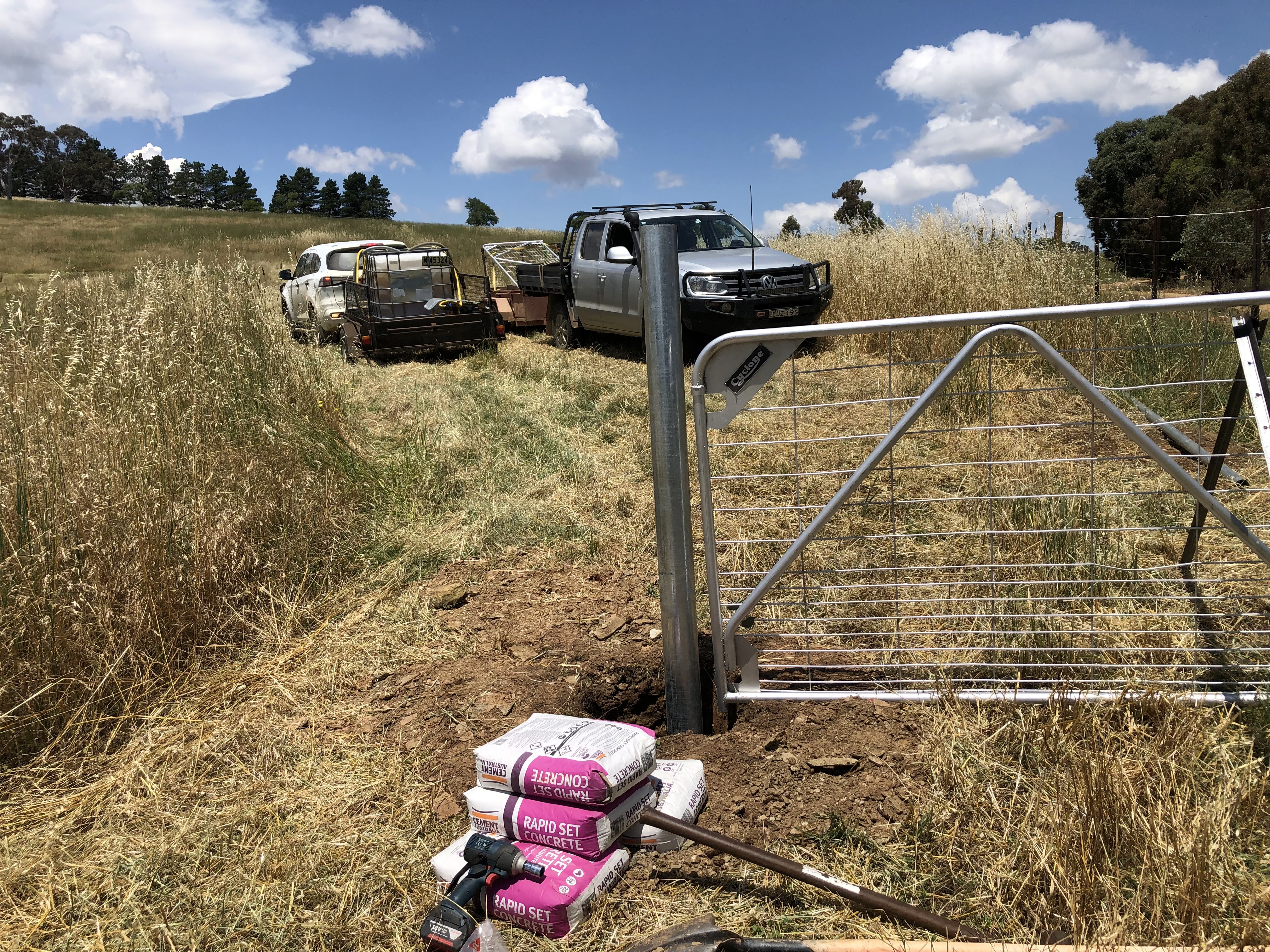
The school holidays have also allowed me to make the most of some cheap available labour! Regular readers might recall in August we planted around eighty trees in an erosion gully (https://rockfarming.com/2021/08/31/more-trees-for-the-rock-farm/). A few weeks later, we planted another fifty or so in the same area. These school holidays we plan to fence around 1 hectare in this 5.5 hectare paddock to create a native vegetation habitat zone. This paddock has been off-limits to the cattle since we planted the trees, but I am fast approaching the time I need to rotate the cattle through here. With a bit of help from our neighbour’s augur, we soon had the seven strainer posts set in the ground. We will bang in the star pickets and run the wire in the next few weeks, allowing us to re-use the “tank paddock” again.

The cattle are in good condition – and revelling in the fact we are enjoying a “Green Christmas”. Our leased bull has returned to his home – after a brief excursion through two fences to our neighbour’s. That is a whole other story, along the lines of “little farms doesn’t always mean little problems”.

It has been a remarkable and challenging year for many of our friends. We consider ourselves so fortunate to live on our little hobby farm / sanctuary. Whilst it hasn’t all been easy on the Rock Farm, and at times it the list of projects feels a bit overwhelming, we do love it out here.

Sapphire and I would love to wish all of our readers best wishes for the New Year. We hope that 2022 is the year we can open up the Rock Farm to share it with you all.

Making the most of the season.

This cool wet summer is glorious. The grass continues to grow, the cattle are fat and rainy days mean inside jobs are slowly being worked through. The rain also means we are able to continue to grow and develop the Rock Farm with a couple of little projects.

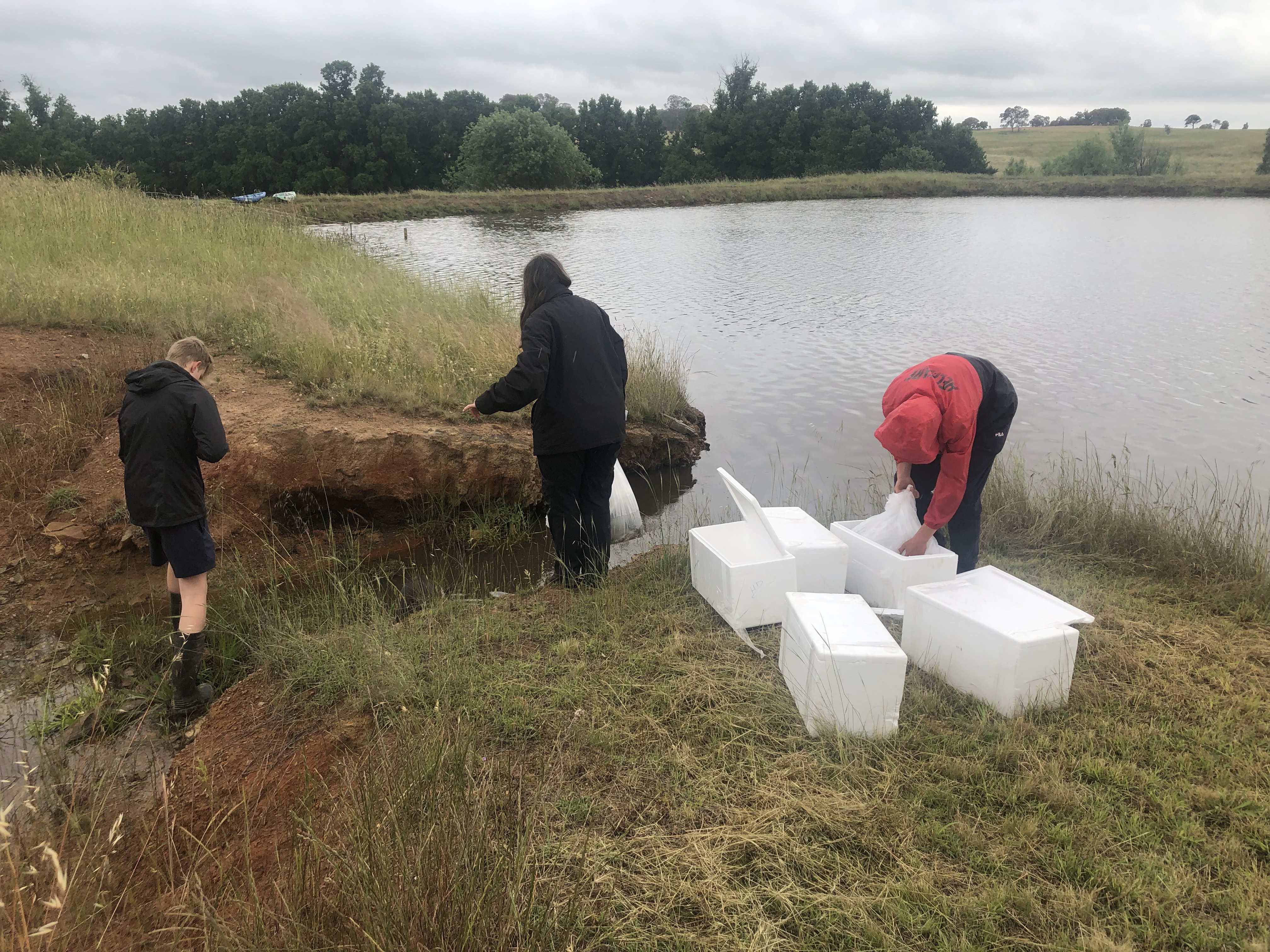
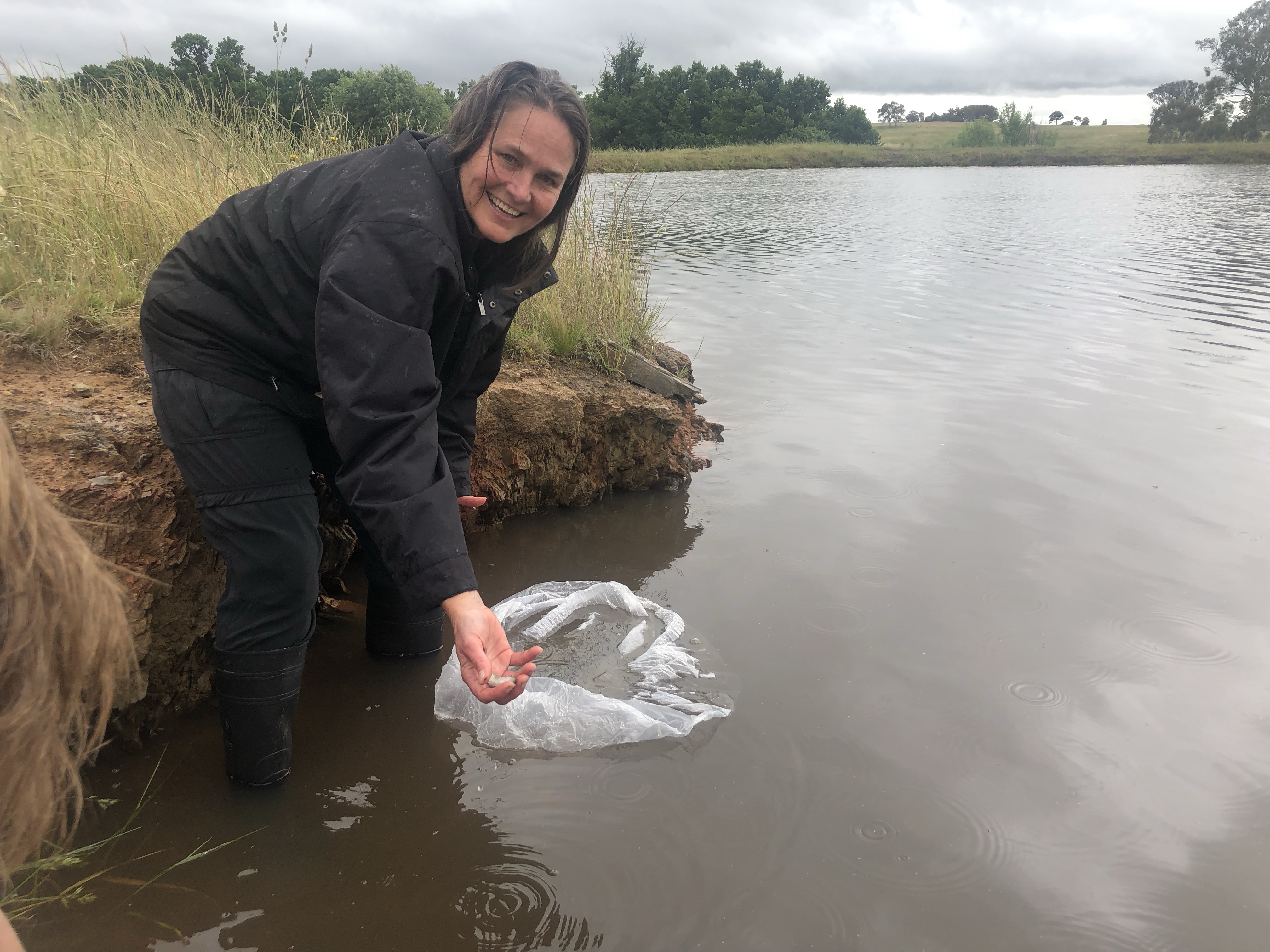
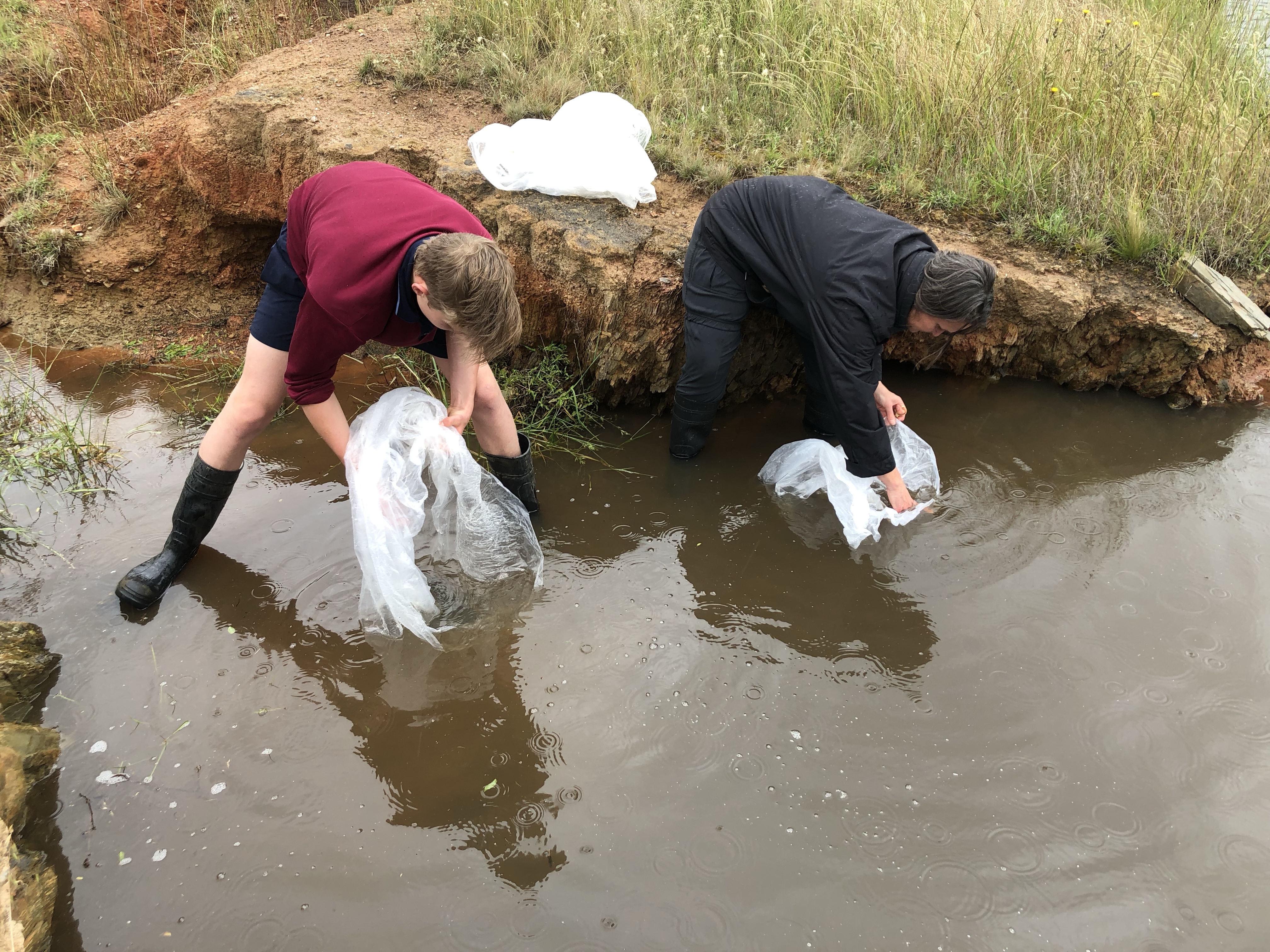
I was really excited to get going on our first project – having placed an order almost 18 months ago. With such a magnificent body of water in our dam, it seemed like a good idea to stock our dam with some fish. Last week we took delivery of 500 Silver Perch (bidyanus bidyanus) fingerlings from Alan at Jamberoo Aquaculture (http://www.silverperch.com.au).

The silver perch is a medium sized native fish found in the Murray Darling Basin. This means that should our dam overflow and fish escape, they will enter their natural habitat. Sadly today the silver perch are functionally extinct in the Murrumbidgee river system, which our local creek eventually joins. Indeed in the last 40 years wild silver perch populations have collapsed, with only a small pocket surviving in the mid reaches of the Murray River. The fish do not breed in dams or other impounded water supplies.

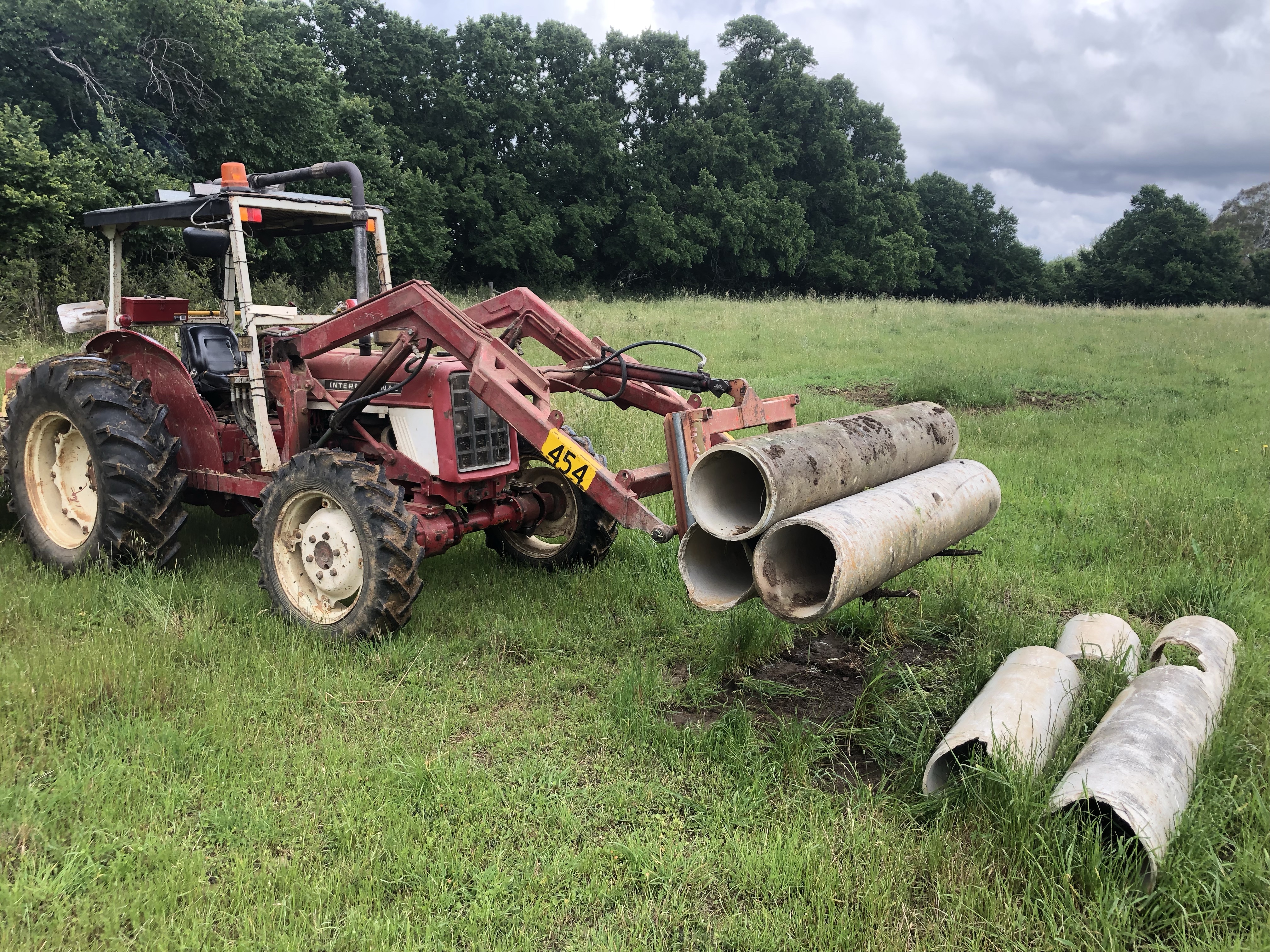
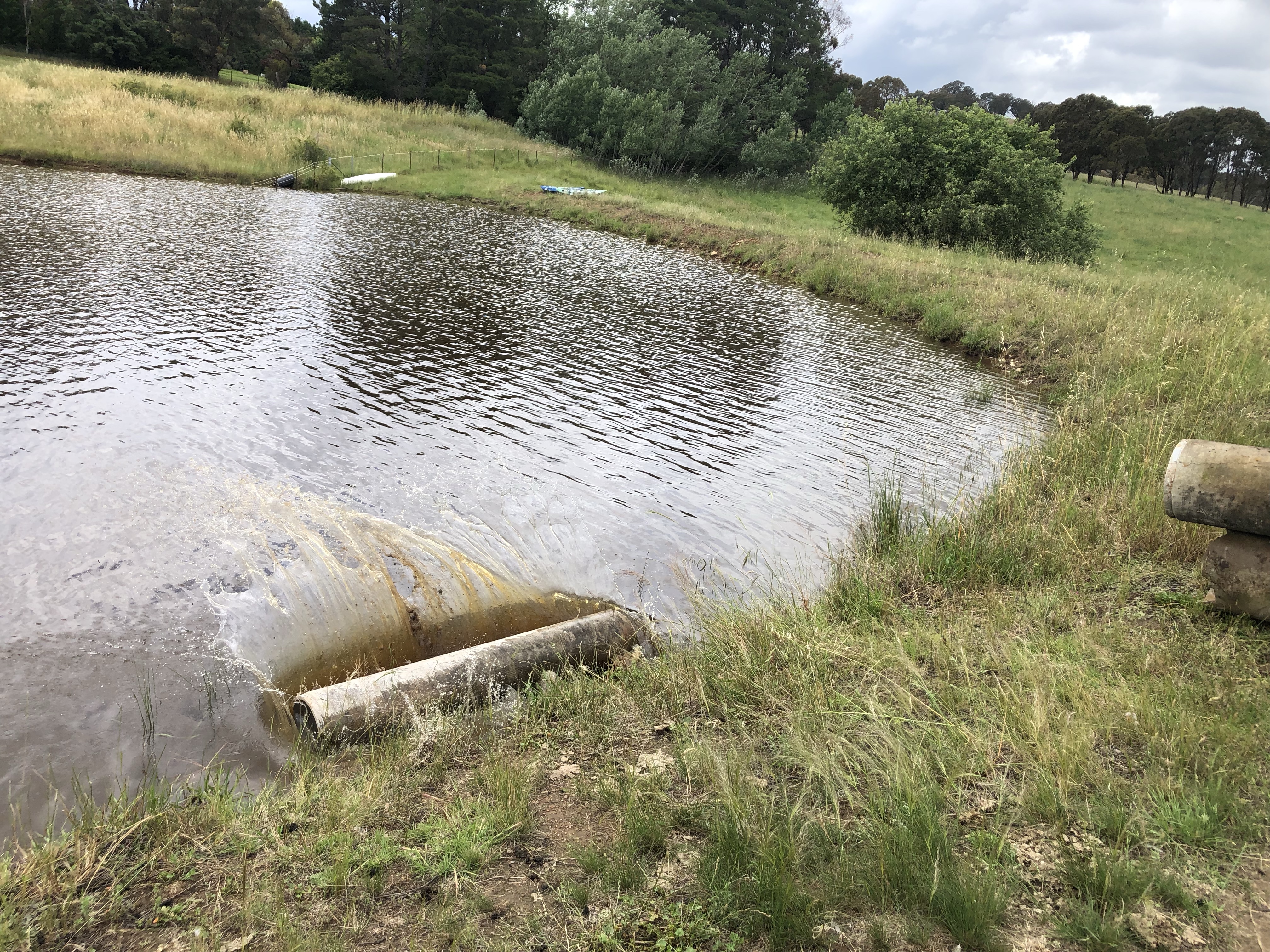
The fish arrived in great shape, and quite a lot larger than we expected. In a couple of years they should be plate size – if the cormorant who has taken to camping on the dam wall doesn’t get them first. To give the fish half a chance, I put some old pipes in the dam to give the fish some shelter should they want it.

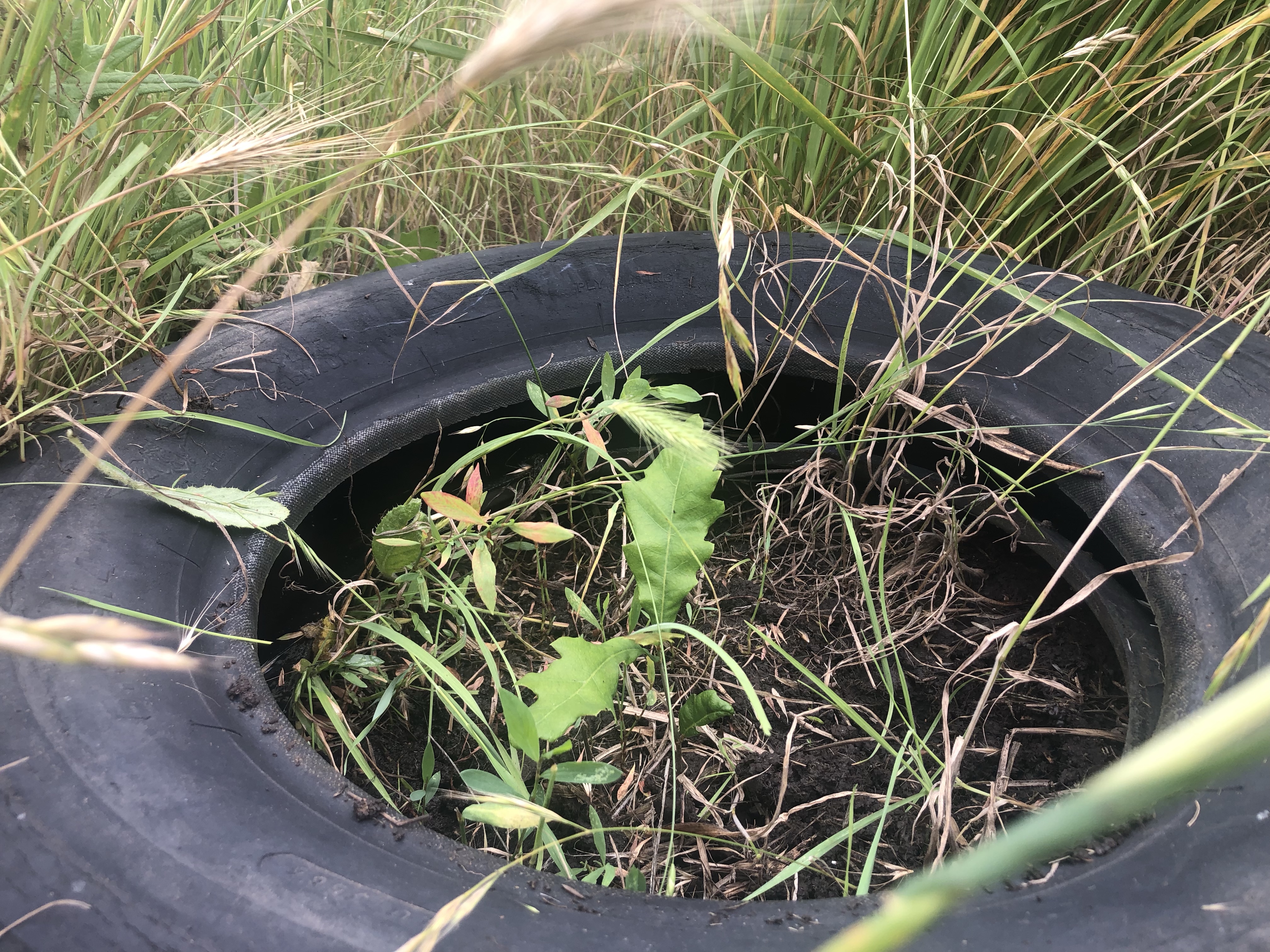
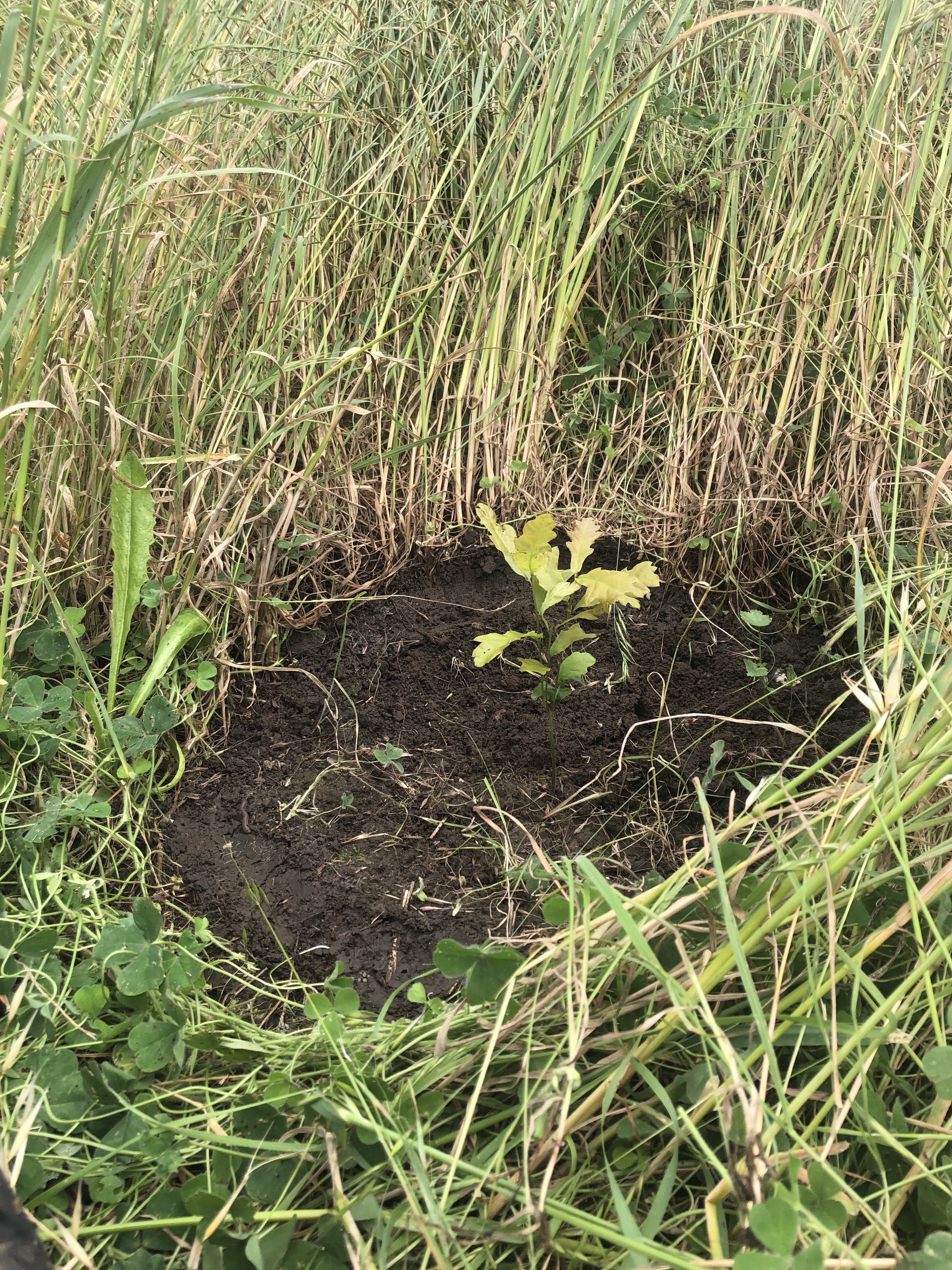
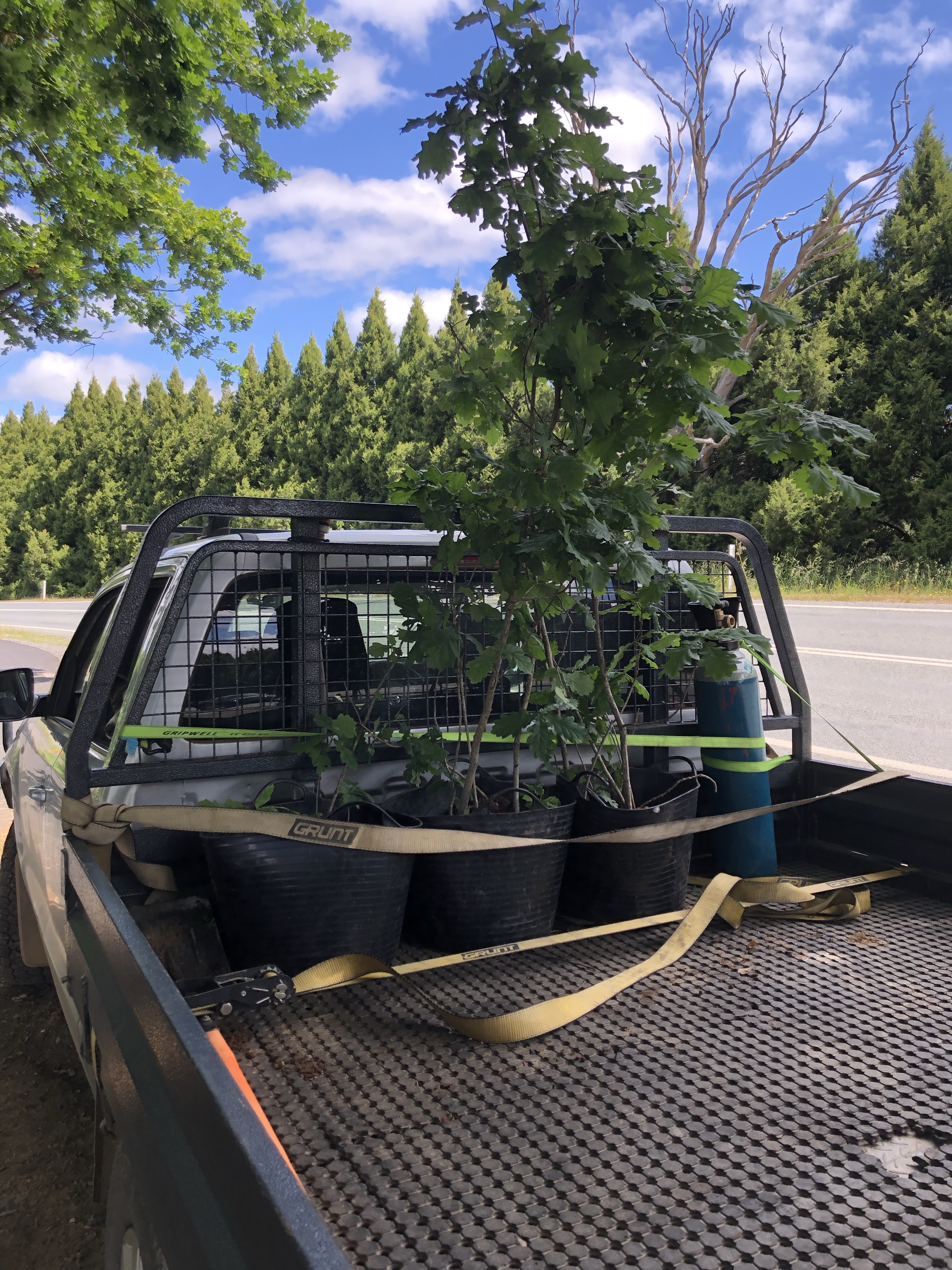
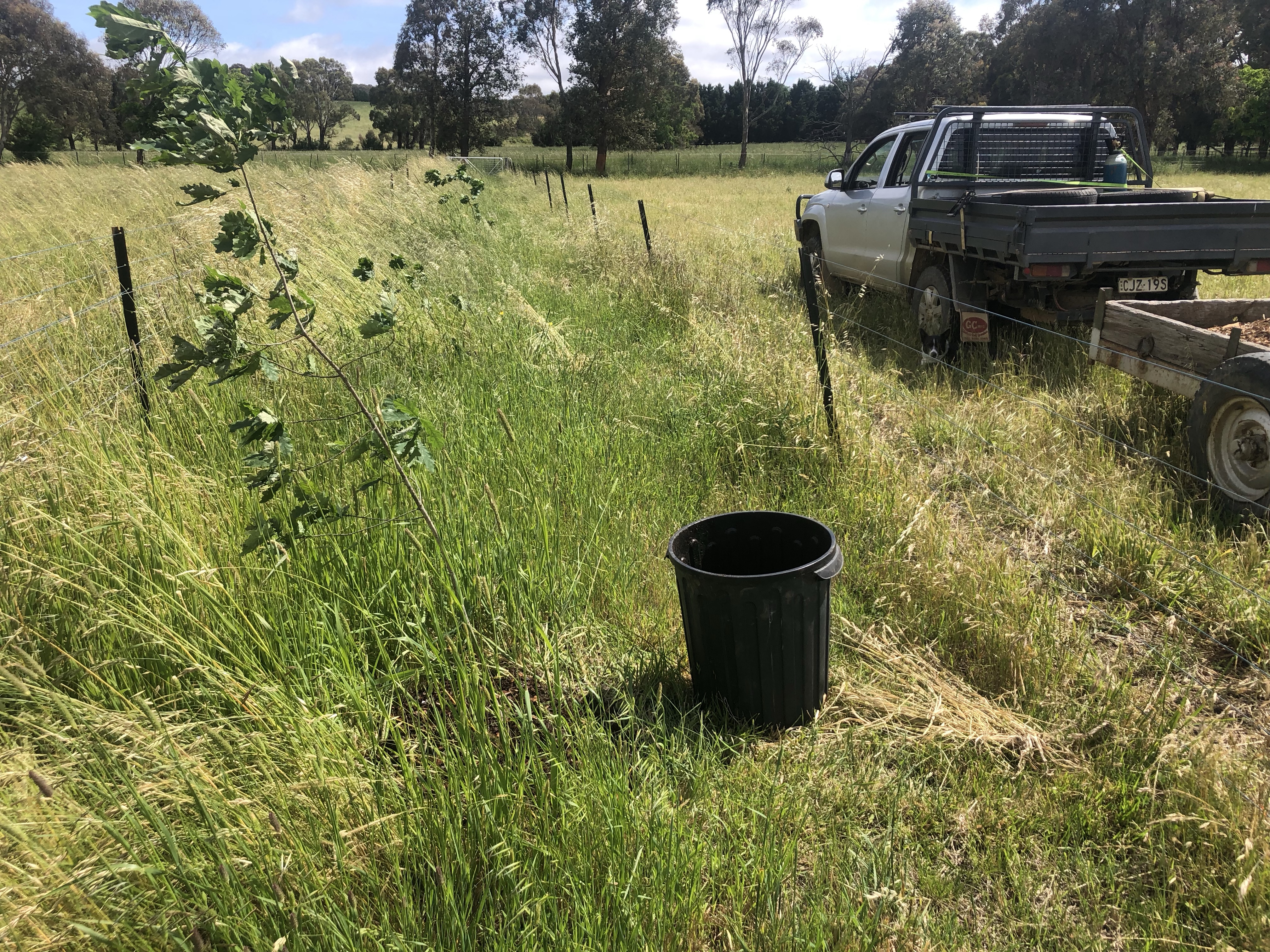
In another part of the farm, we have been watching oaks come out of the ground. We planted a range of acorns last May and around 70% have sprouted and are doing well (https://rockfarming.com/2021/05/16/more-trees-planted-on-the-rock-farm/). I was sharing my progress with a colleague at work, when he invited me to collect a number of oak seedlings that had come up under some oaks growing at his place to fill in my gaps. There were hundreds of little oaks all competing for lights, and I quickly filled all the punnets I had brought. What I didn’t expect was some much taller saplings also looking for a new home. I harvested three buckets of tall saplings and hurried home.

I soon had the new seedlings and taller saplings in the ground. Hopefully they make the most of the rain forecast this week.

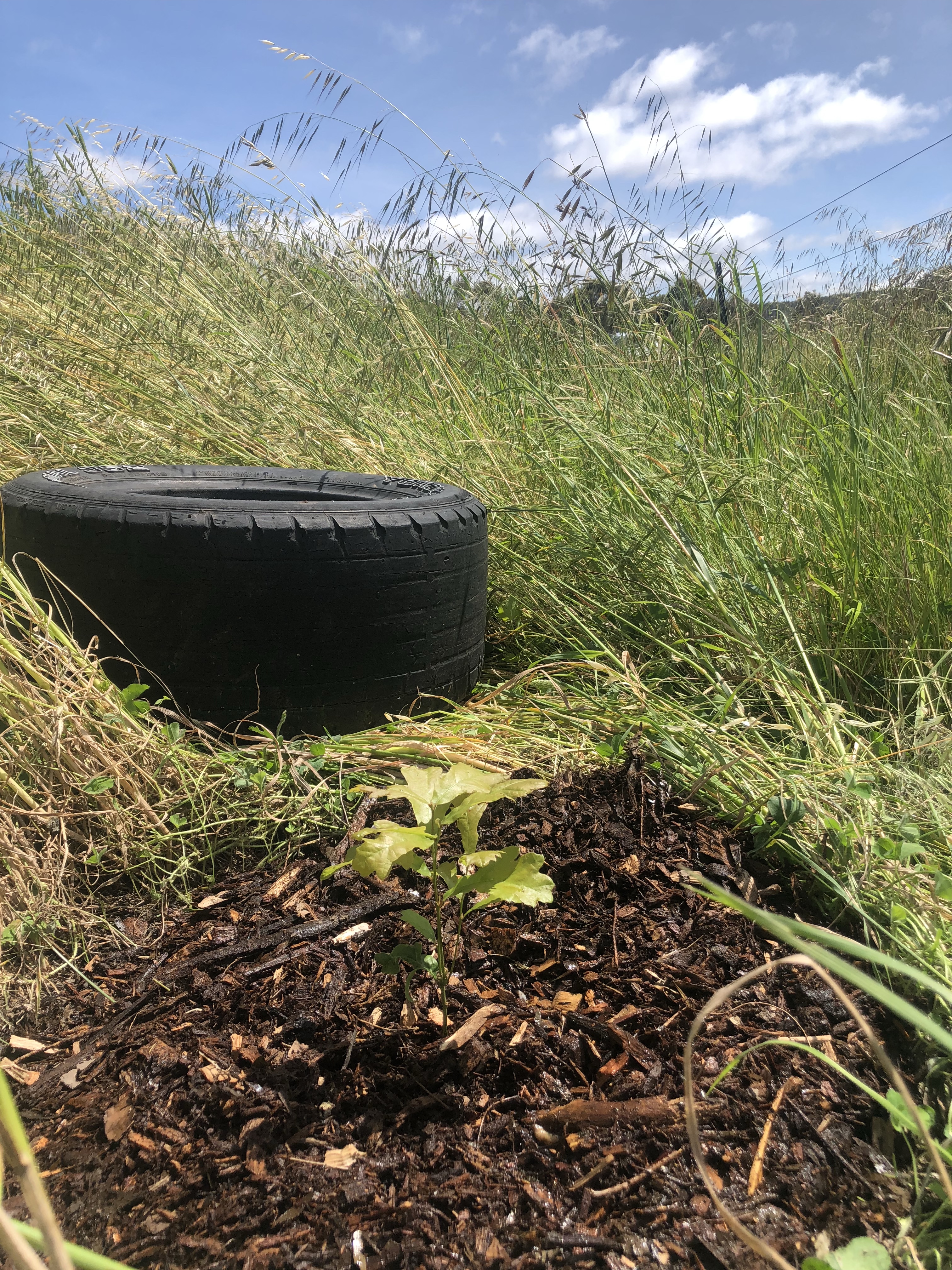
I spent an hour or so weeding around the seedlings, and mulched around these young trees. This really is the most ideal season to get them established. Knowing how many oak seedlings I left behind, I will be going back to get some more soon.

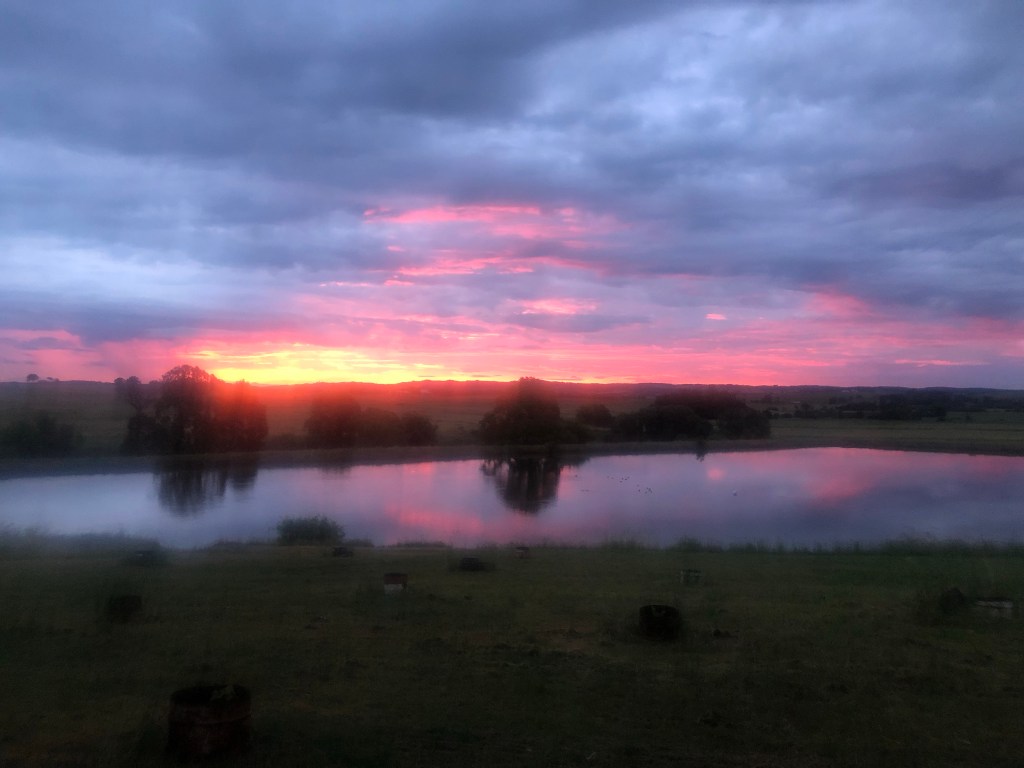
A shout out to CK for the beautiful trees and Alan and Jamberoo Aquaculture for the beautiful fish! It sure makes the sunset photos even more special overlooking the dam with it’s new inhabitants and sharp eyes may spot the oak saplings in the tree guards on the right behind the dam.

My next post has some exciting news – and I can’t wait to share it with you. There are some wonderful people in our local region doing some exceptional things on their farms, and I had the privilege to join some of them to hear their stories and how they are also pursuing the goals of healing their land.