A Cold Winter Settles In On The Rock Farm

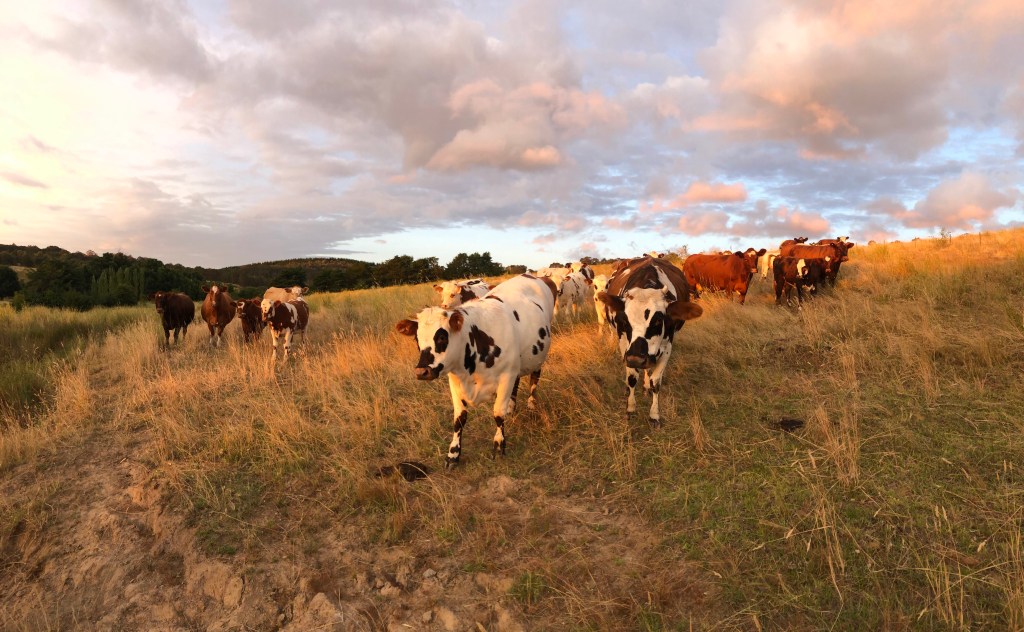
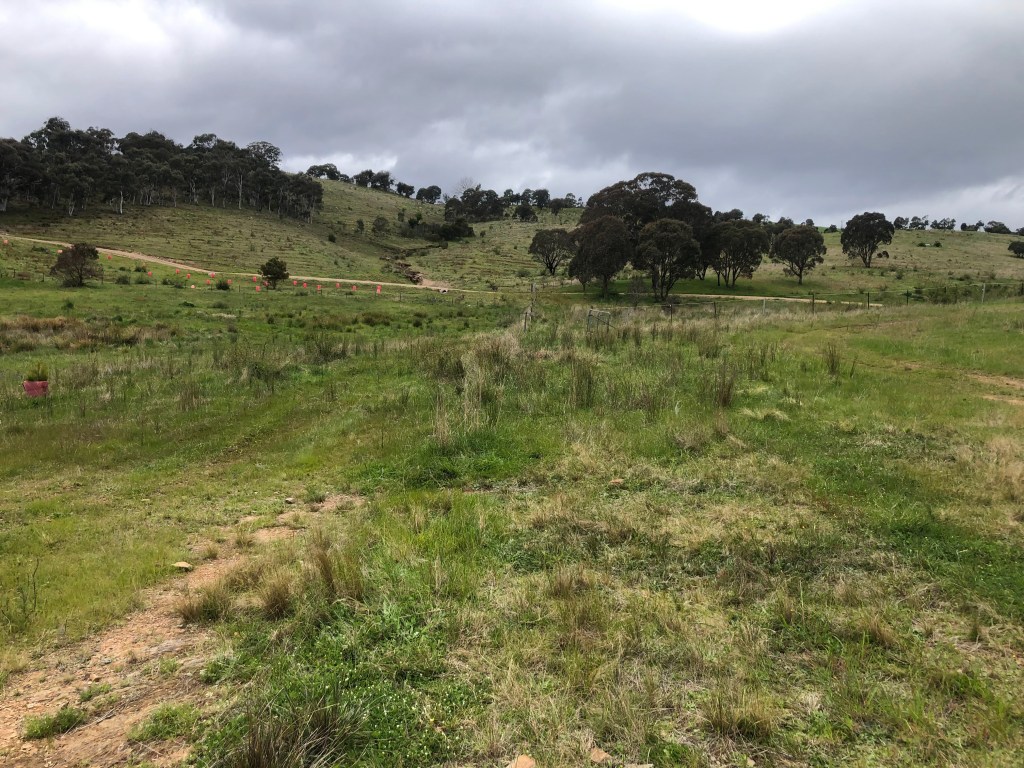
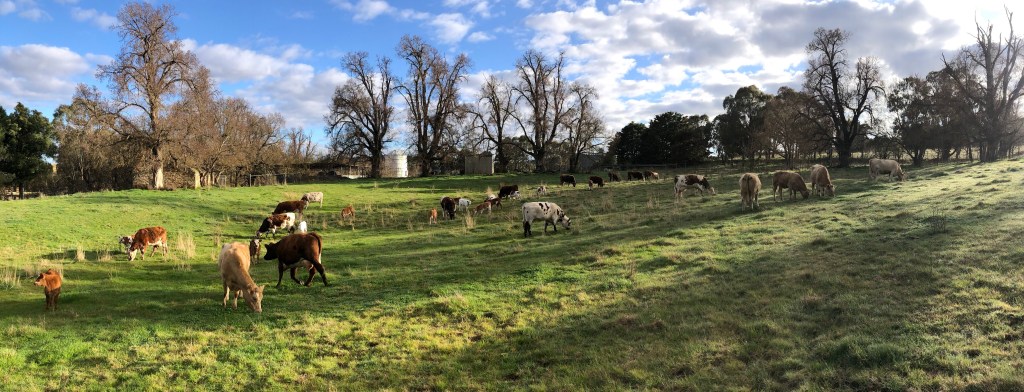
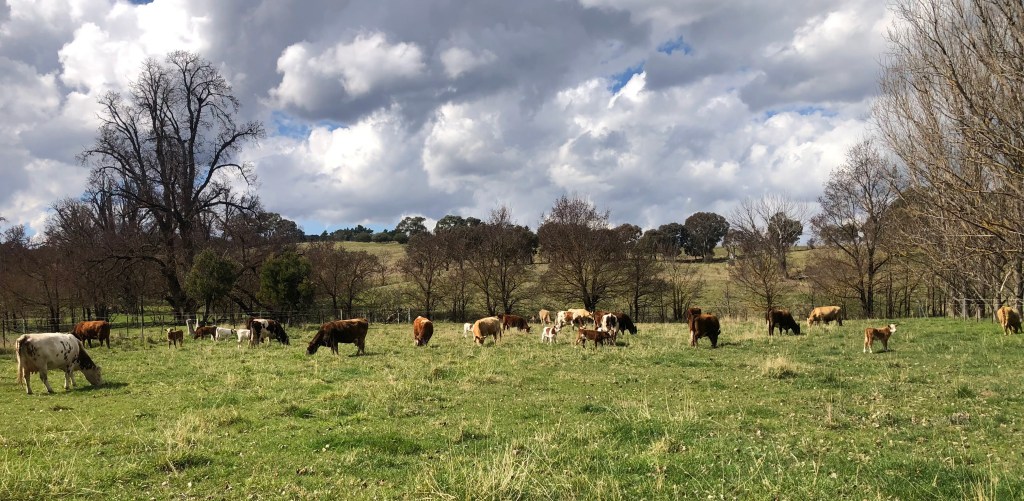
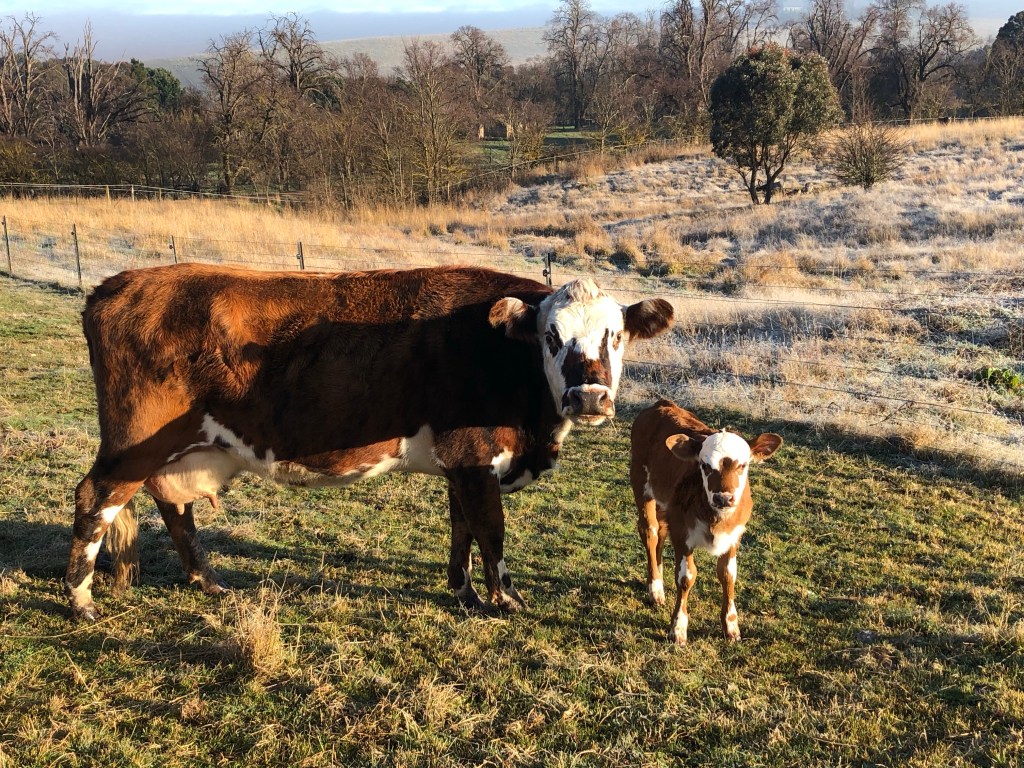
Life on the Rock Farm has well and truly settled into winter. With no meaningful pasture growth during autumn, we knew it was going to be a long season of feeding our cows. Sporadic rainfall hasn’t done much to improve the soil moisture profile around the district—and with a run of spectacularly beautiful, but bitterly cold frosts, whatever warmth remained in the soil has now disappeared. The grass may have turned green, but it’s yet to start growing.

Pastures in our district remain in the bottom 10th percentile for growth this year. (See: https://www.farmingforecaster.com.au/southeast).

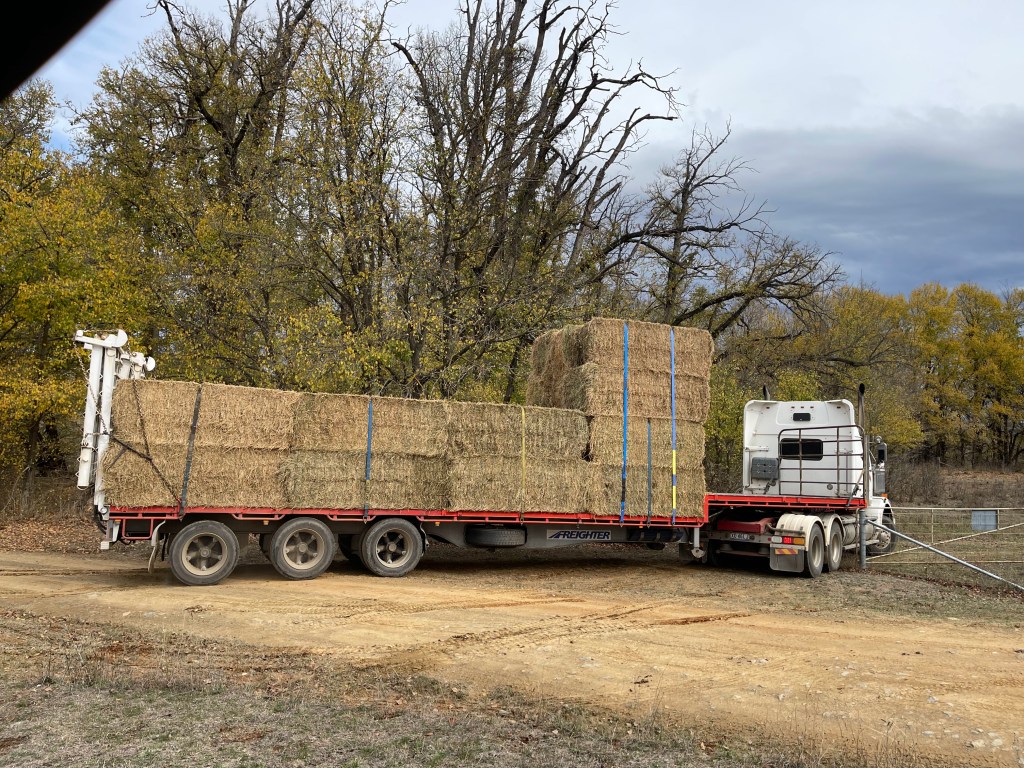
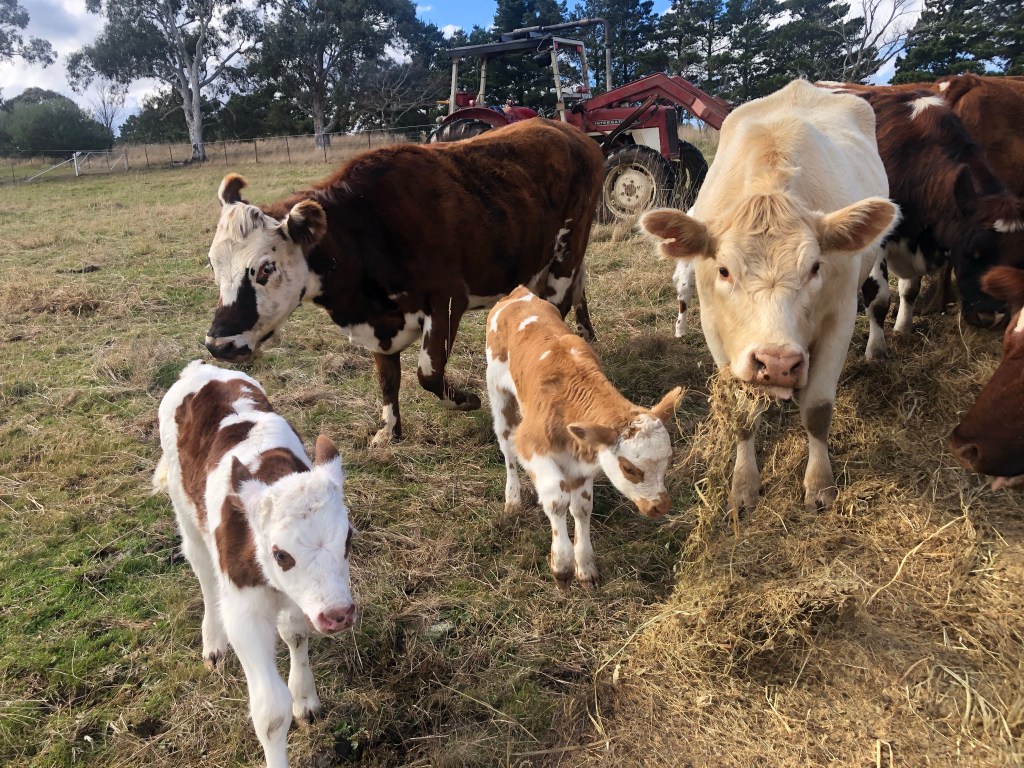
We quickly used up the last of our pasture hay and had to buy a truckload from irrigated country north of here. With our tractor still out of action at the time, our challenges mounted when the carrier also experienced mechanical breakdowns. On the very last day before we completely ran out, the new lucerne finally arrived—and our wonderful neighbours came to the rescue. A massive thank you to Jeff, who brought his tractor and saved the day!
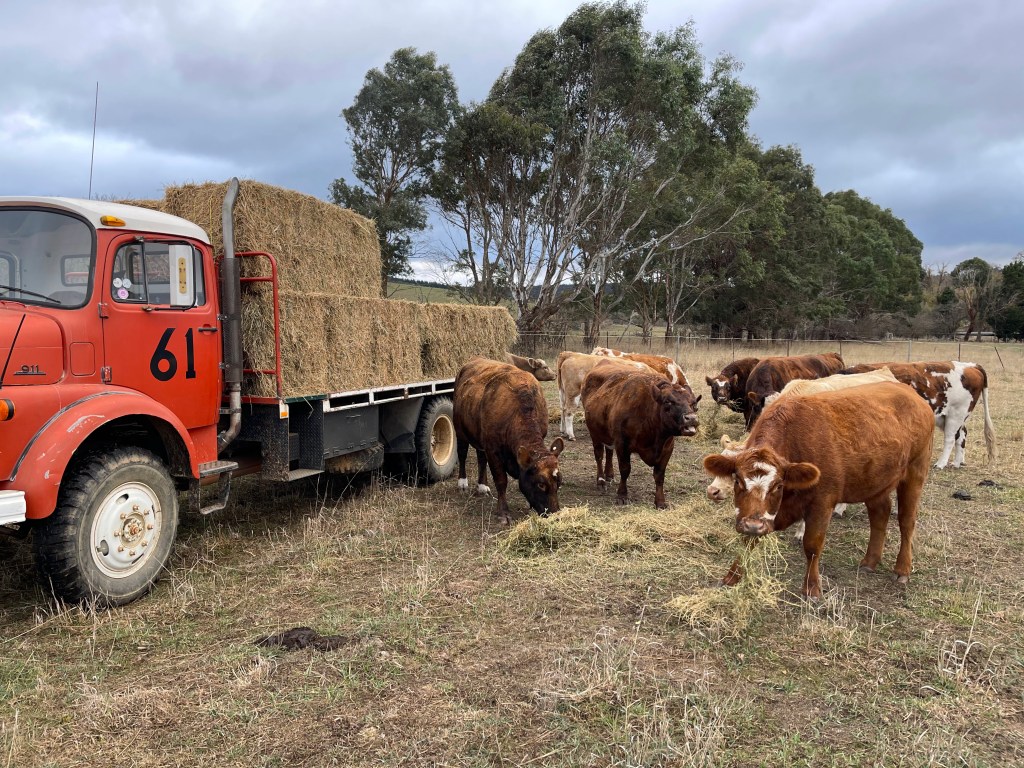
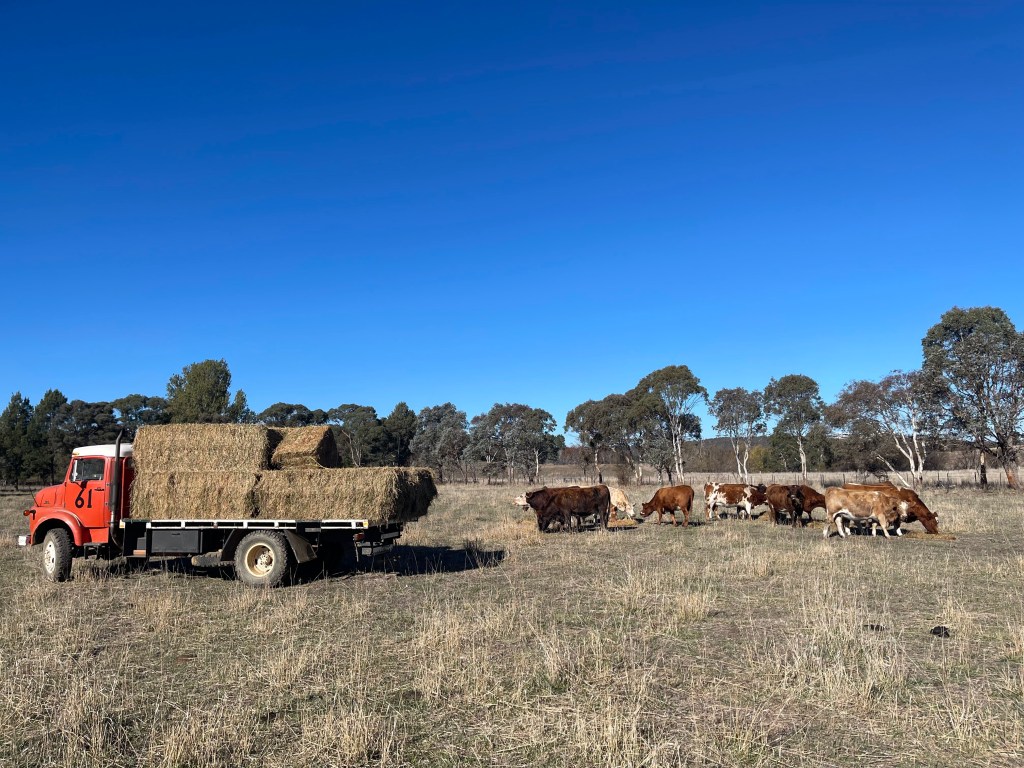
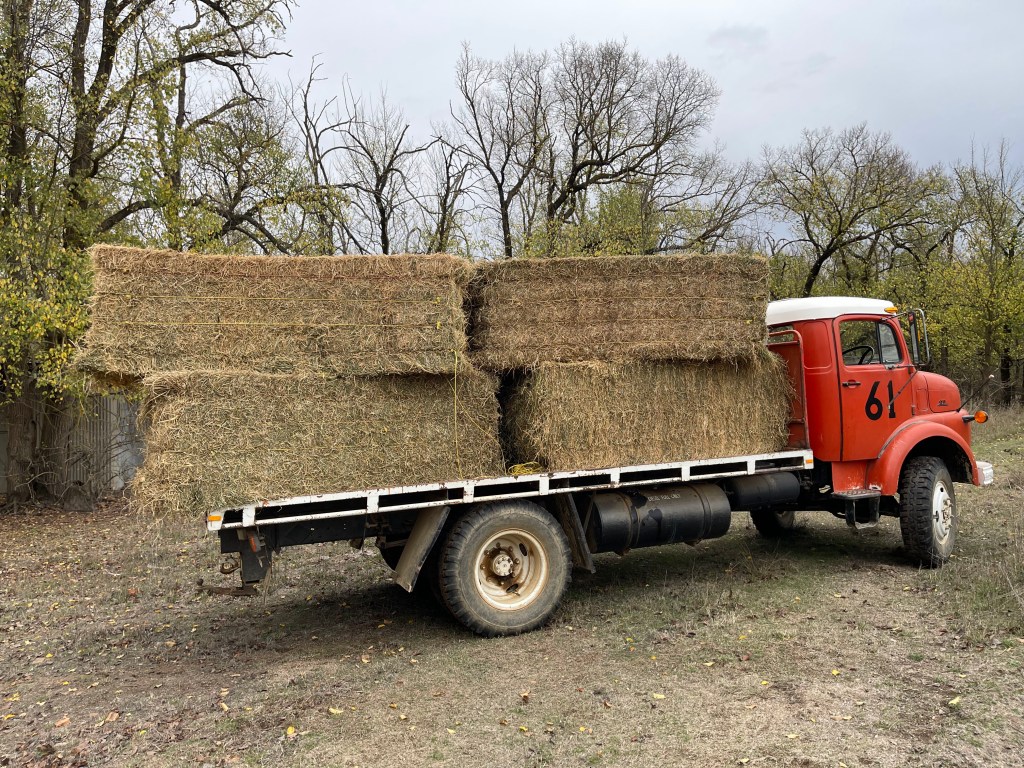
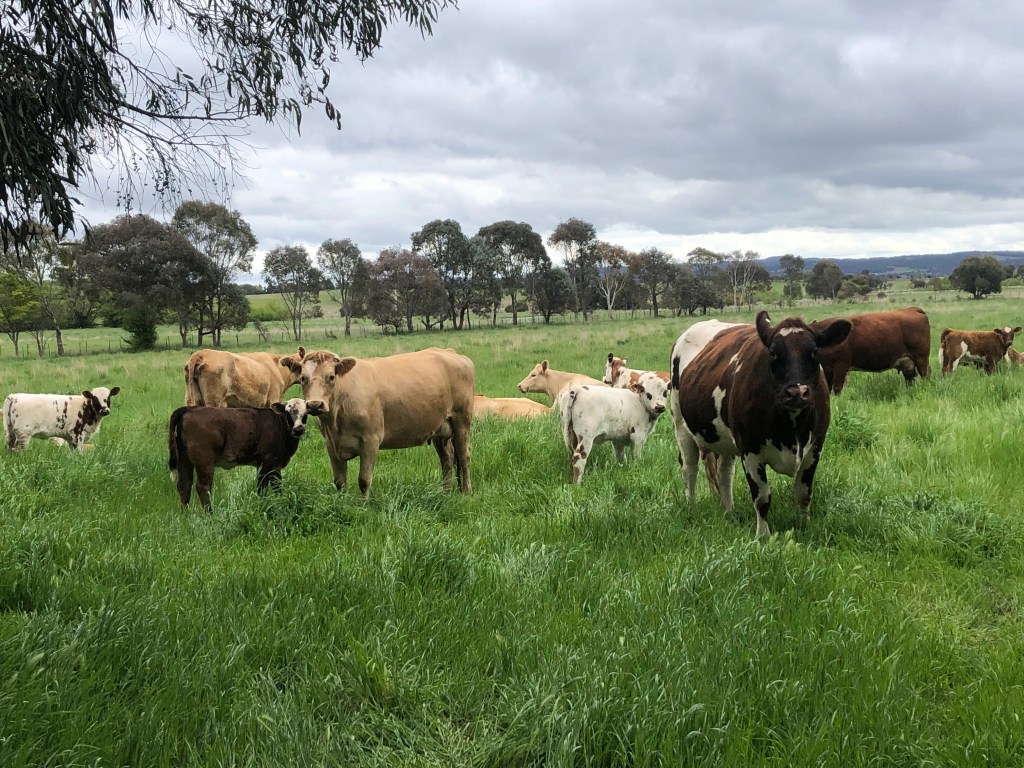
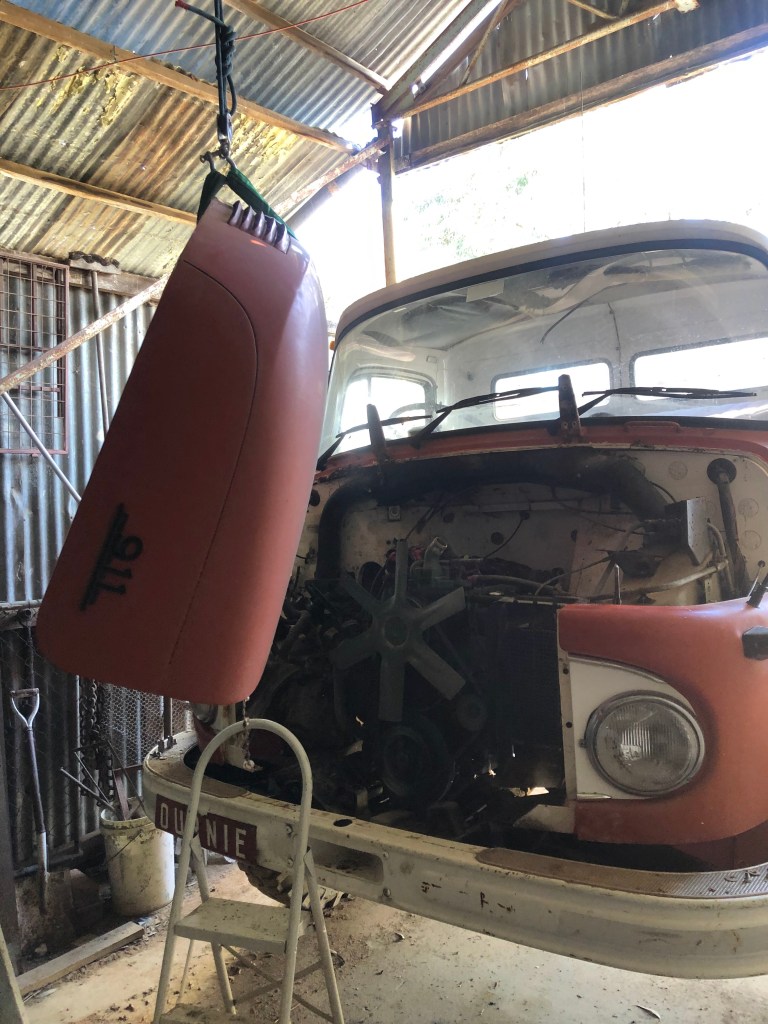
Jeff helped load a few of the large square bales onto the back of our BRT Myrtle, making it much easier to feed out. It didn’t take long for the cows to associate Myrtle with breakfast! I now have a new appreciation for how an ice-cream van driver must feel pulling up to a beach on a hot summer day—the cows come running, kicking their heels in the air at the sound of the truck.
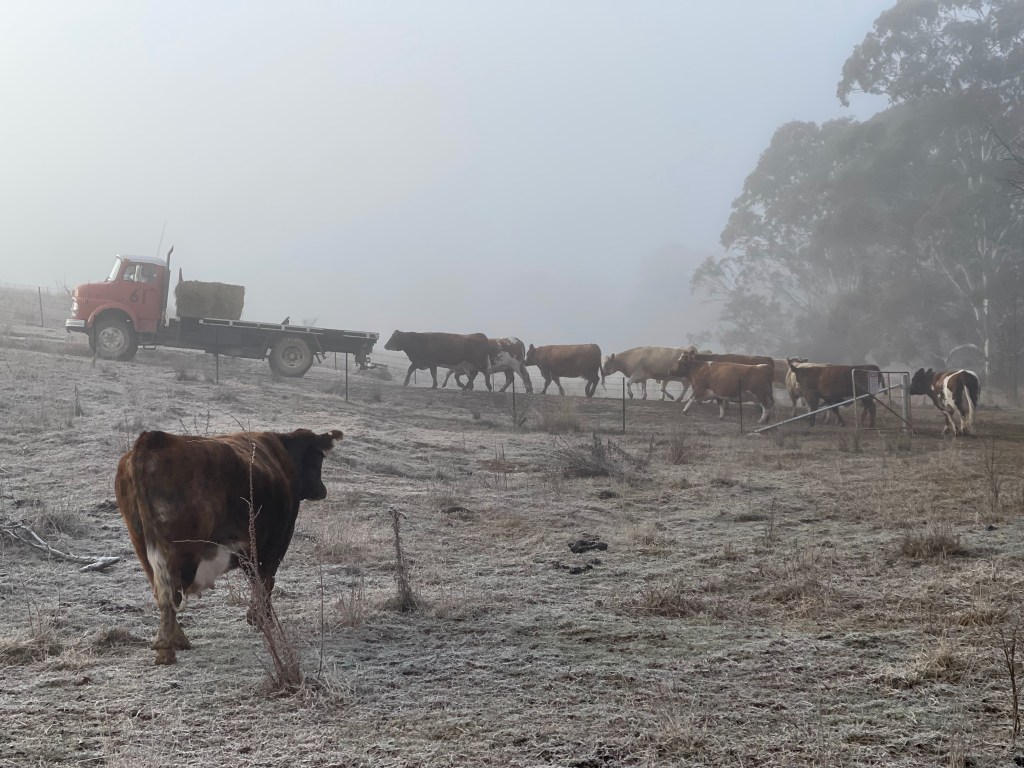
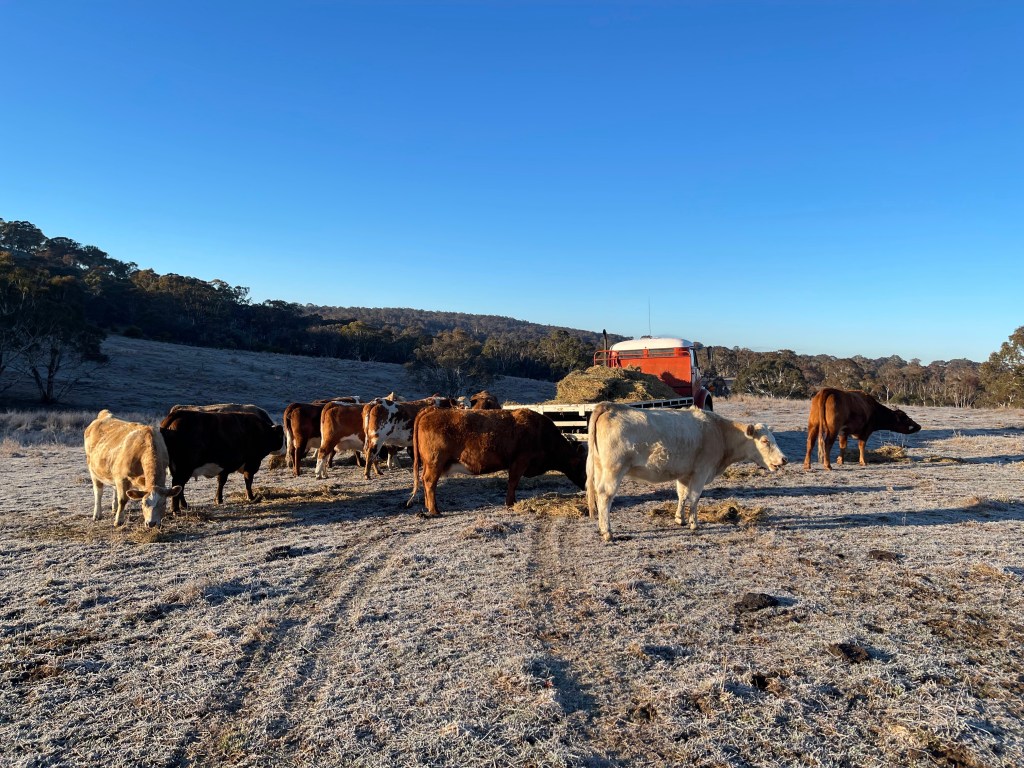
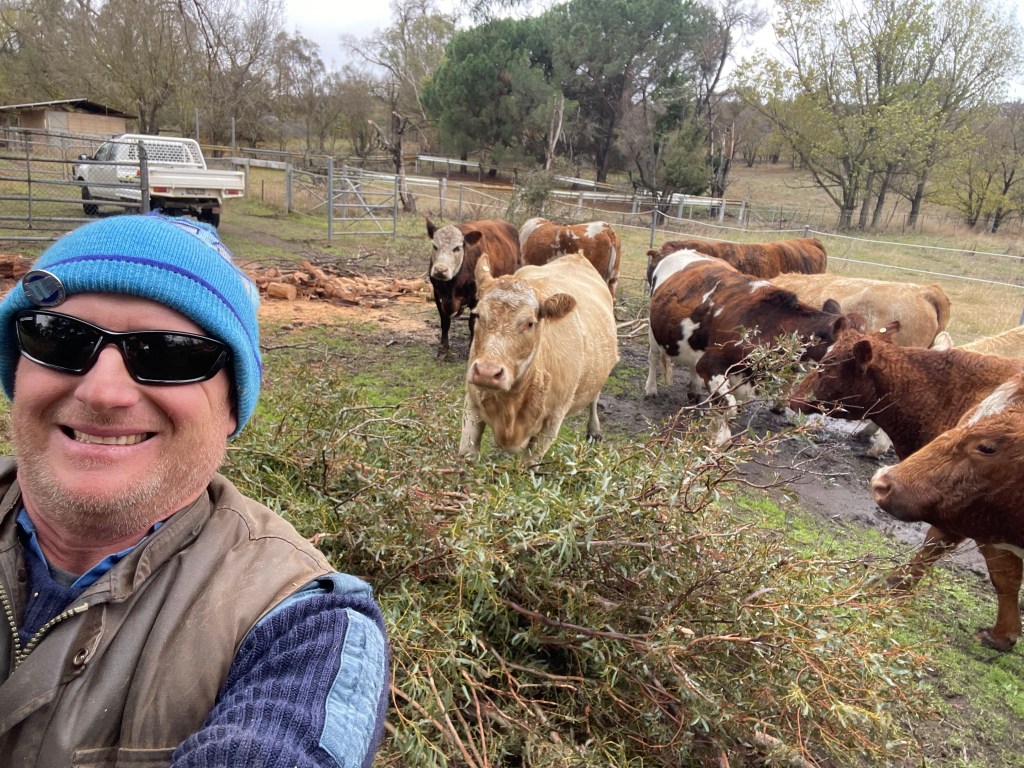
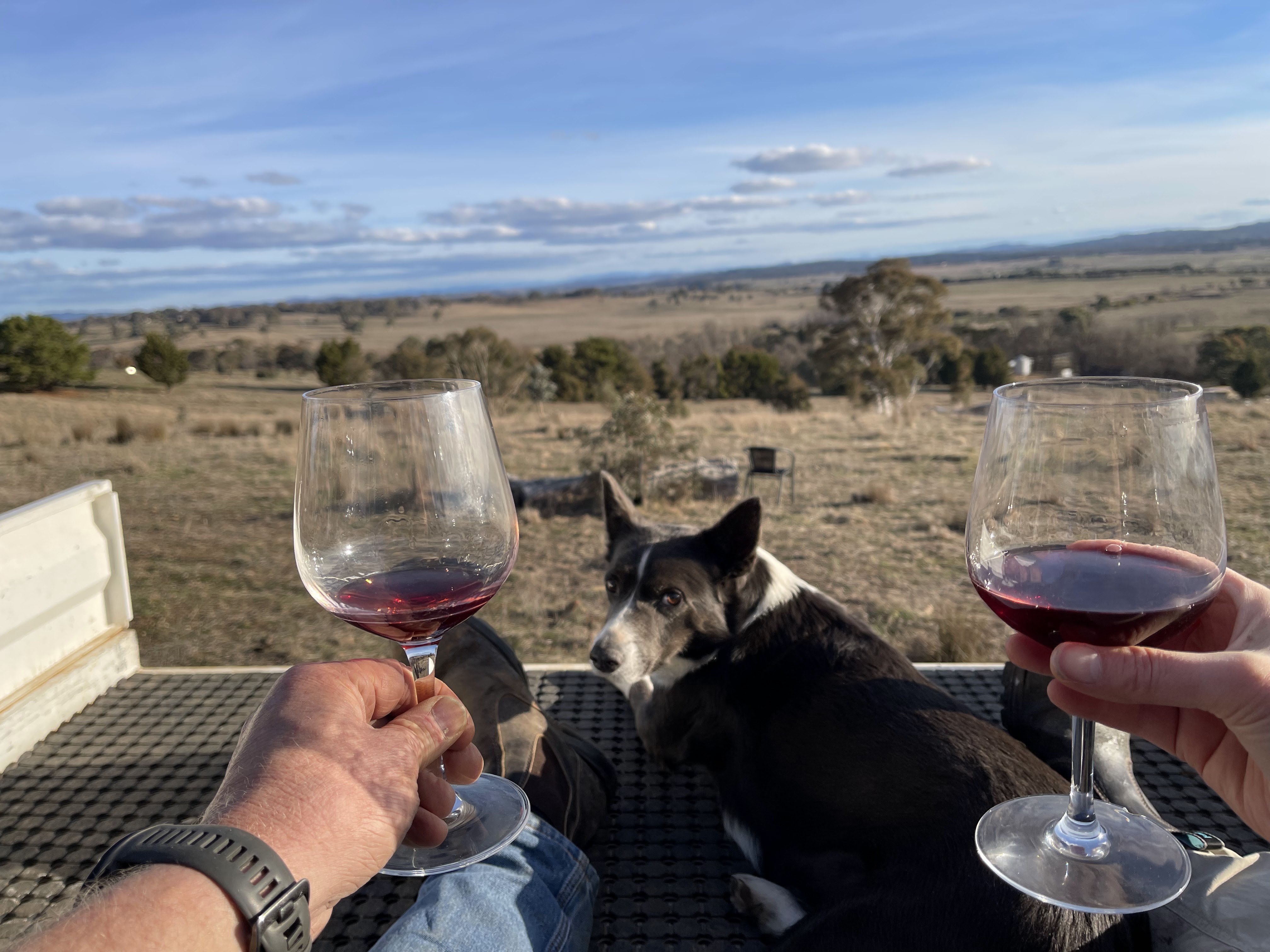
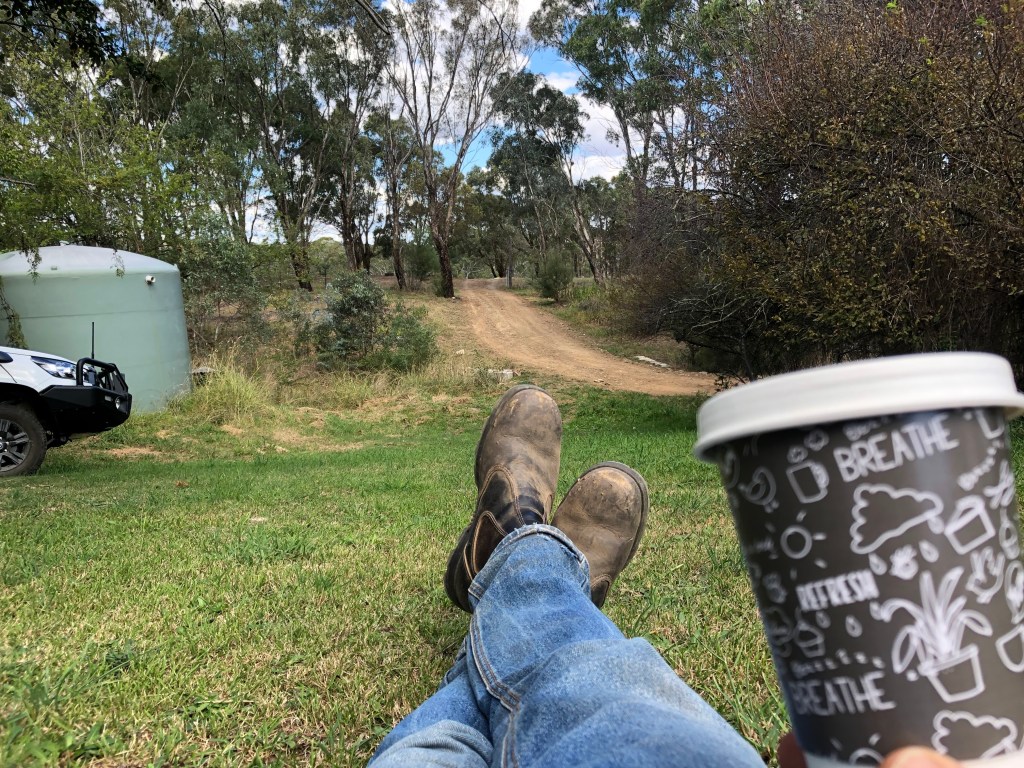
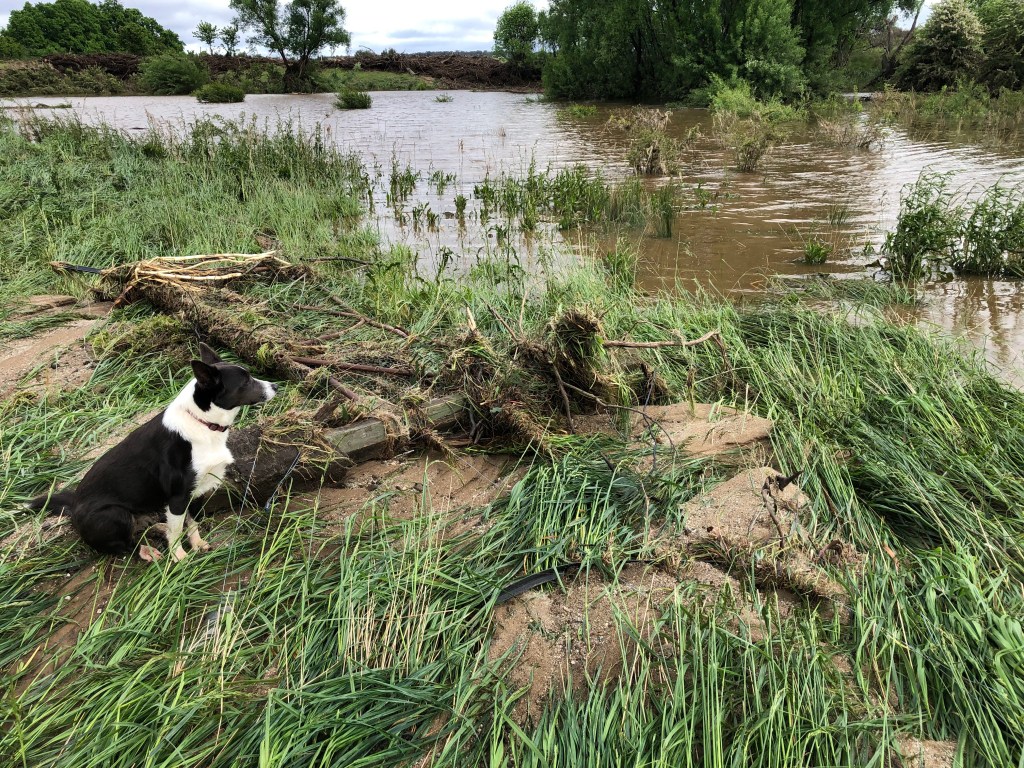
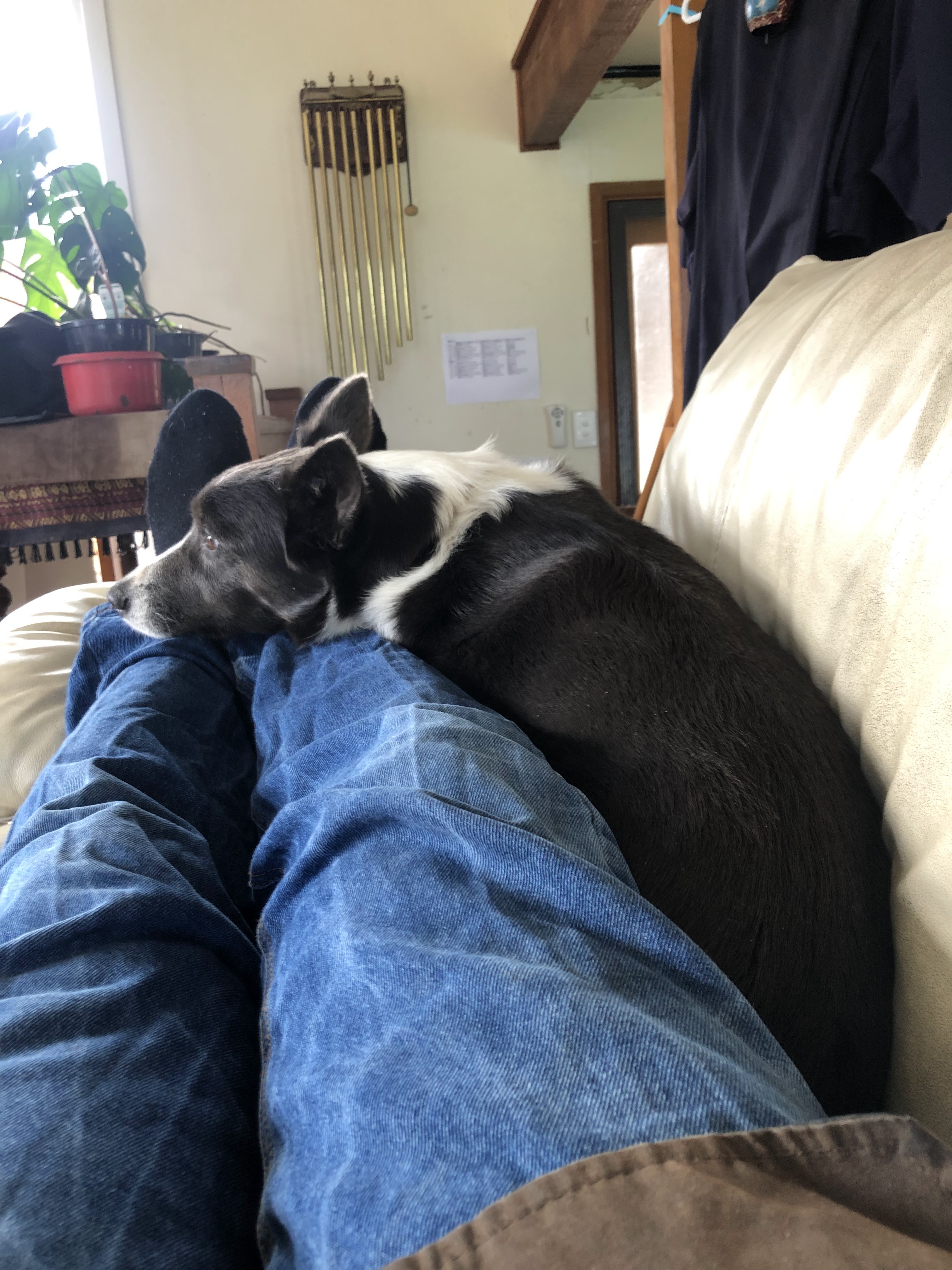
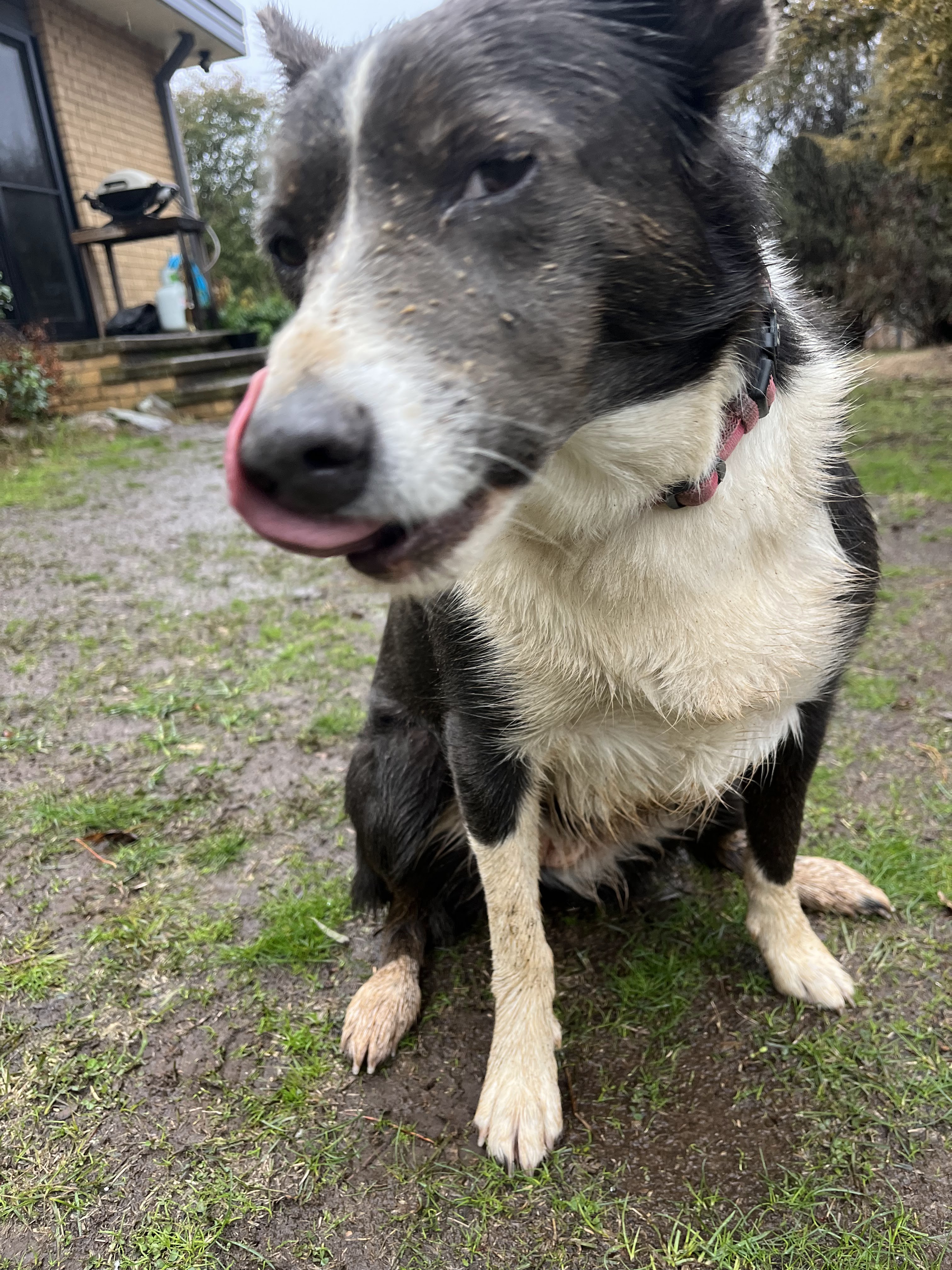
We’re now feeding daily, which has become a very early morning ritual, as I’m currently working regular Monday to Friday hours. It’s actually one of my favourite parts of the day—and the dog agrees, especially enjoying the early starts.

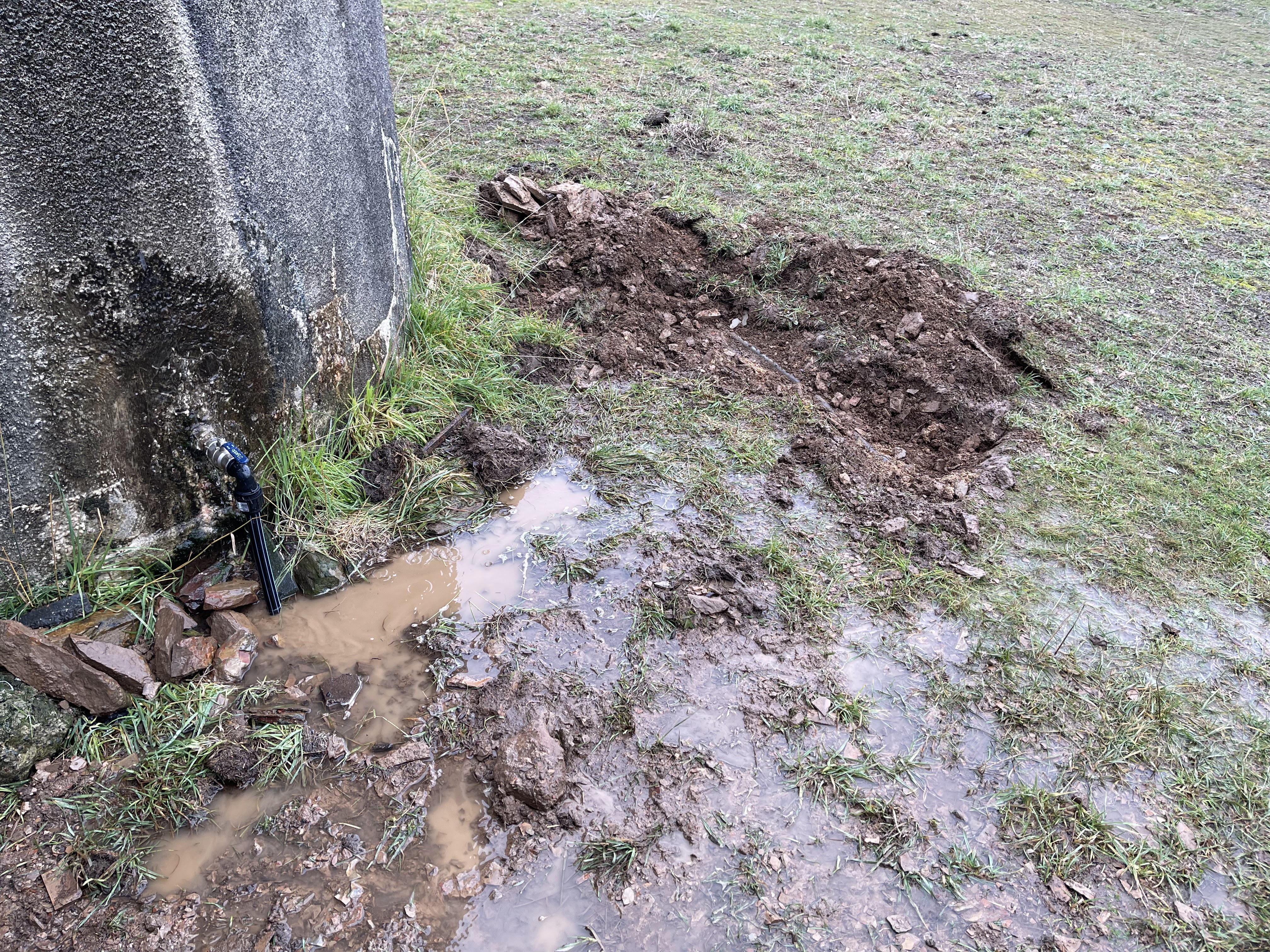
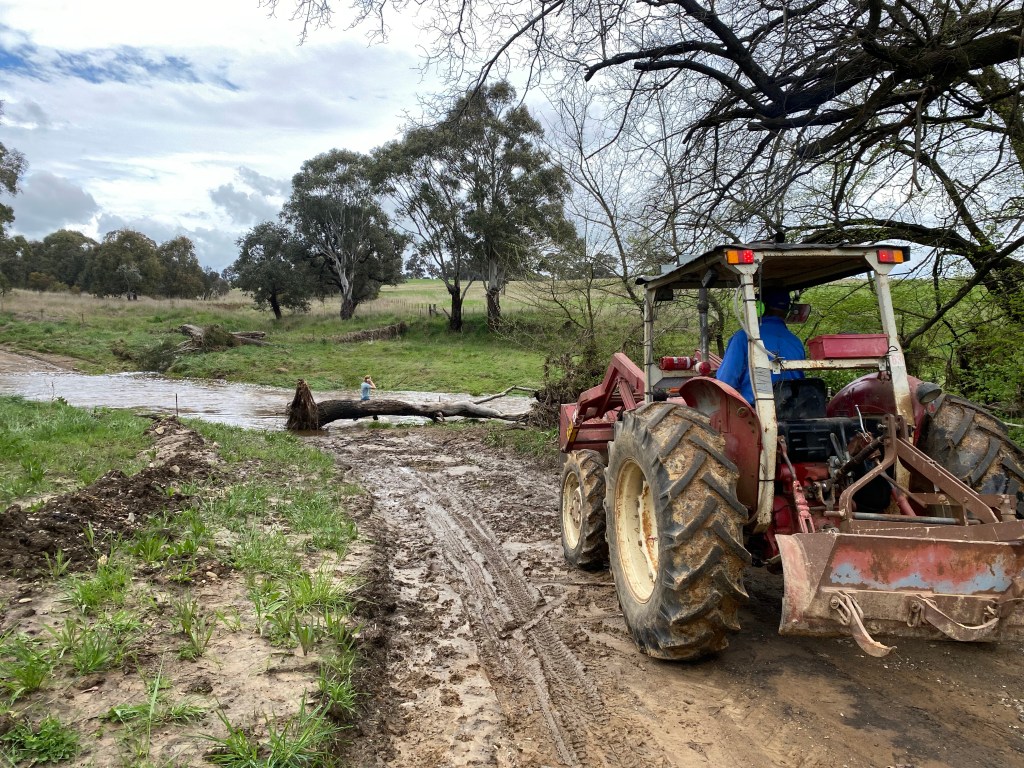
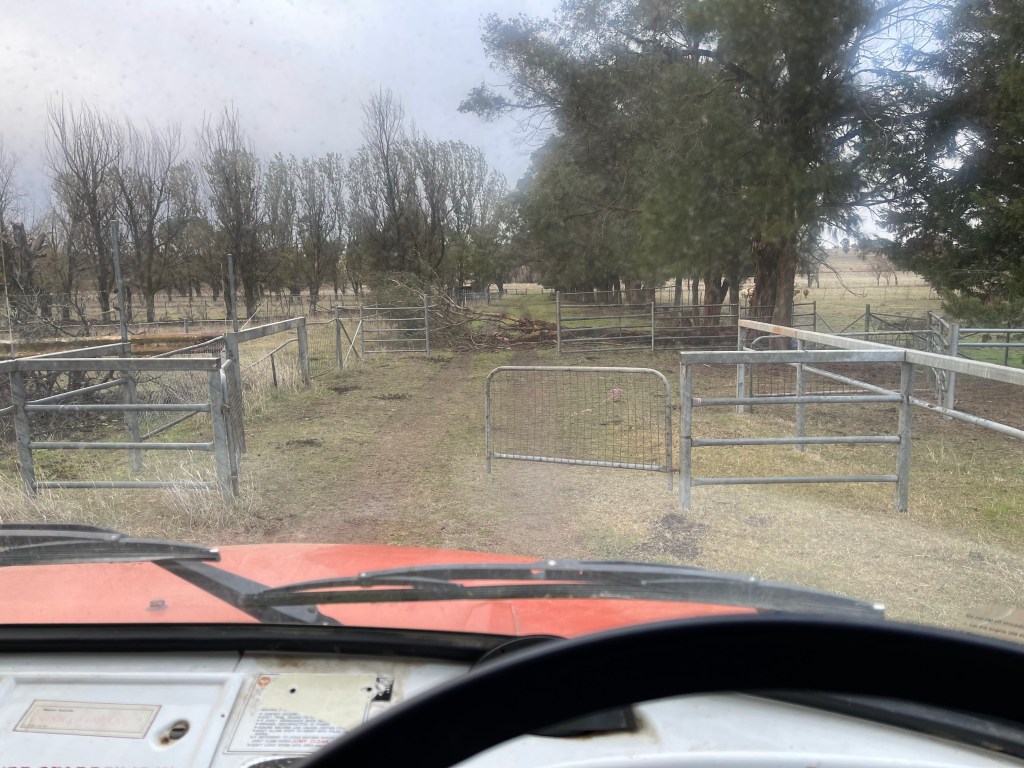
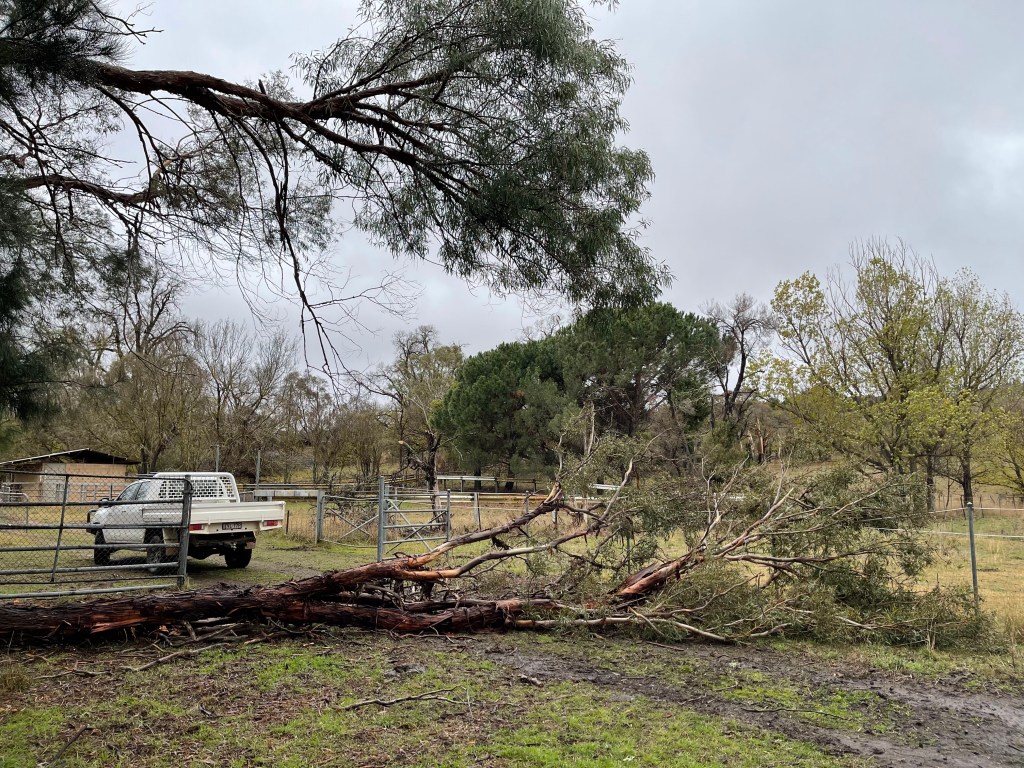
The Rock Farm has become part of the backdrop to a busy schedule. I’m reminded that some jobs must be done immediately, while others can wait. Leaks in the water trough system need urgent attention, as do trees fallen across tracks. Other tasks have taken a back seat—waiting either for warmer weather or for me to return to shift work.
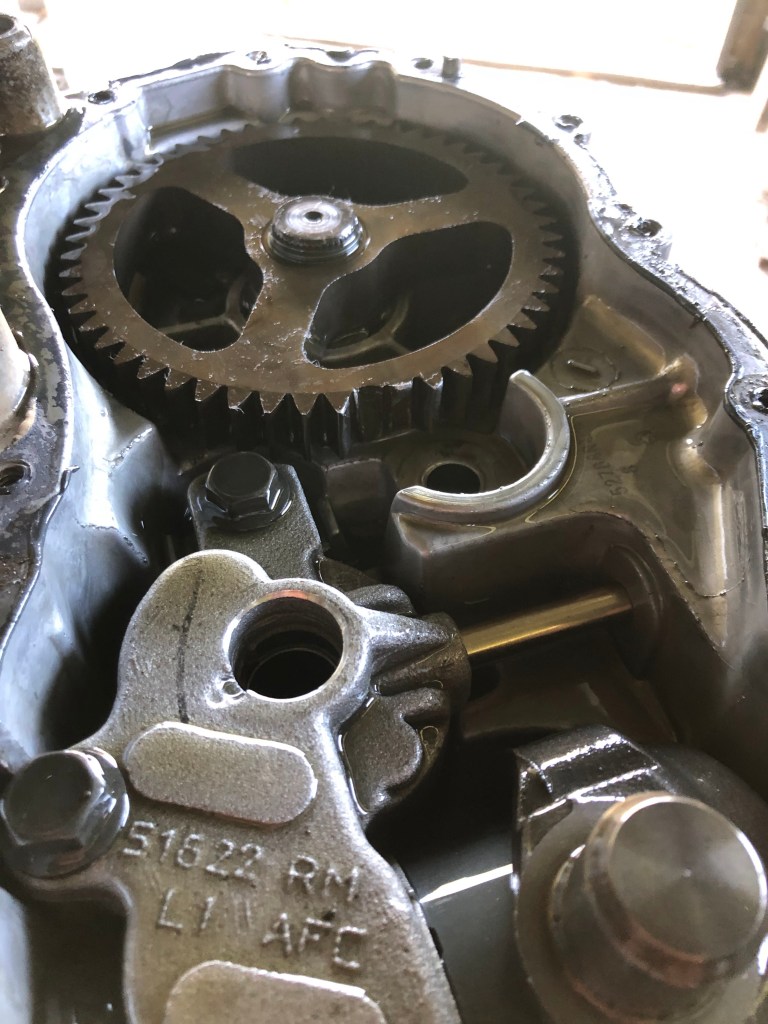
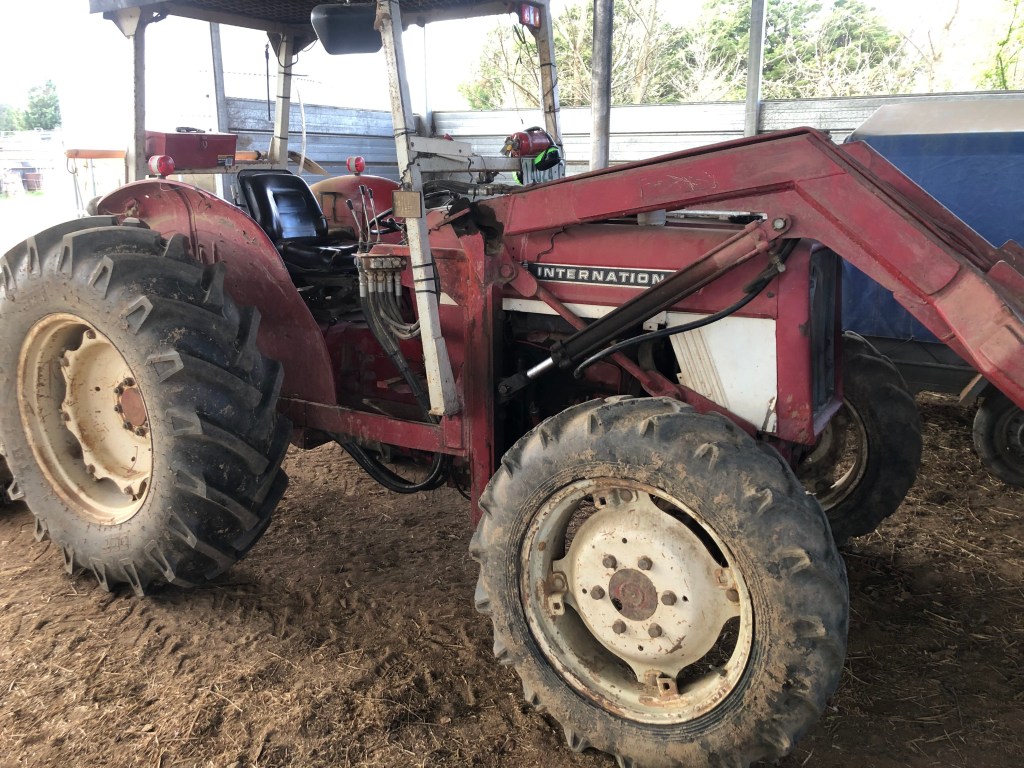
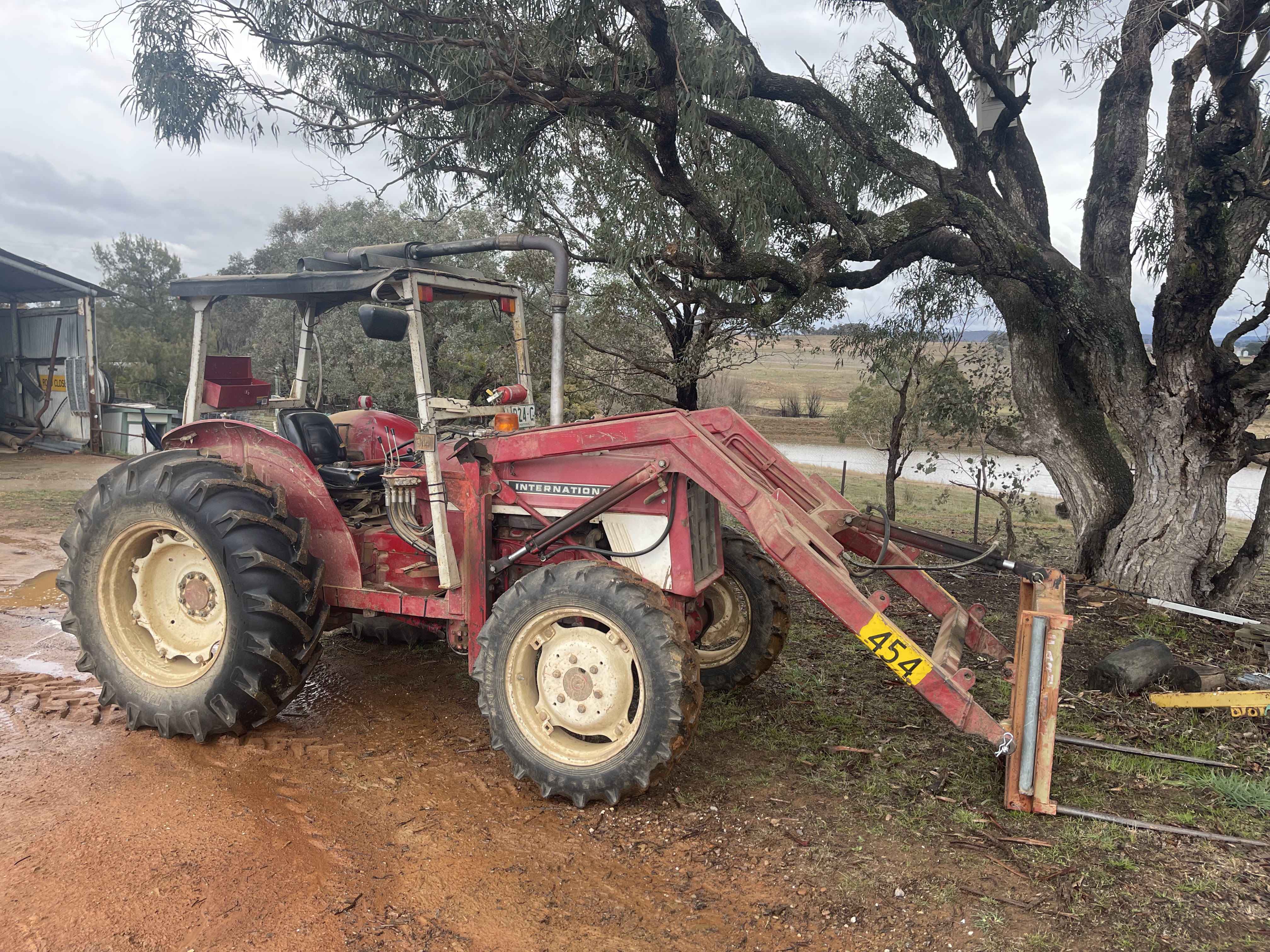
We’re thrilled to have our tractor back after a full engine rebuild. Dan from Direct Diesel Truck and Tractor Repair sourced a rebuild kit—including new pistons and liners—after the head gasket failure. It’s amazing how indispensable an old tractor can be. I hadn’t realised just how much I missed having it available until it was gone. Dan’s work was absolutely top-notch, and I couldn’t be happier.

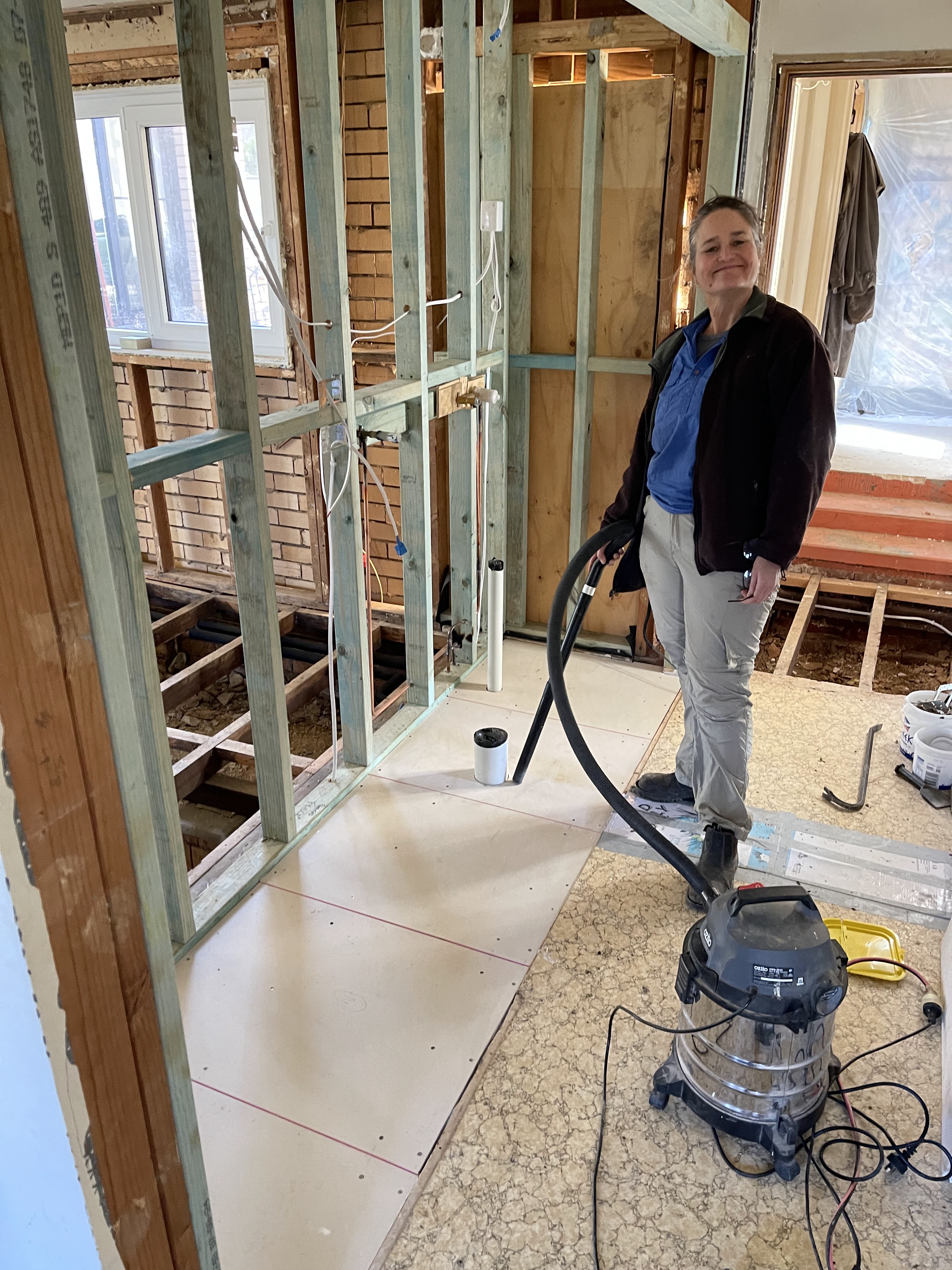
Meanwhile, our house renovation continues to inch forward. The support from local plumbing and electrical services has kept the momentum going. Huge shout-out to Sam from Prime Plumbing Yass and Andrew from APL Electrical, who’ve helped keep the build ticking along while I’ve been tied up with work.
As winter rolls on, we’re reminded that life on the land is full of challenges, but also full of community, resilience, and moments of quiet joy. Whether it’s the early morning feed runs, the clatter of hooves chasing Myrtle, or the steady progress on the house, there’s always something to be grateful for. With spring on the horizon, we’re looking forward to warmer days, greener paddocks, and whatever the next chapter brings for the Rock Farm.
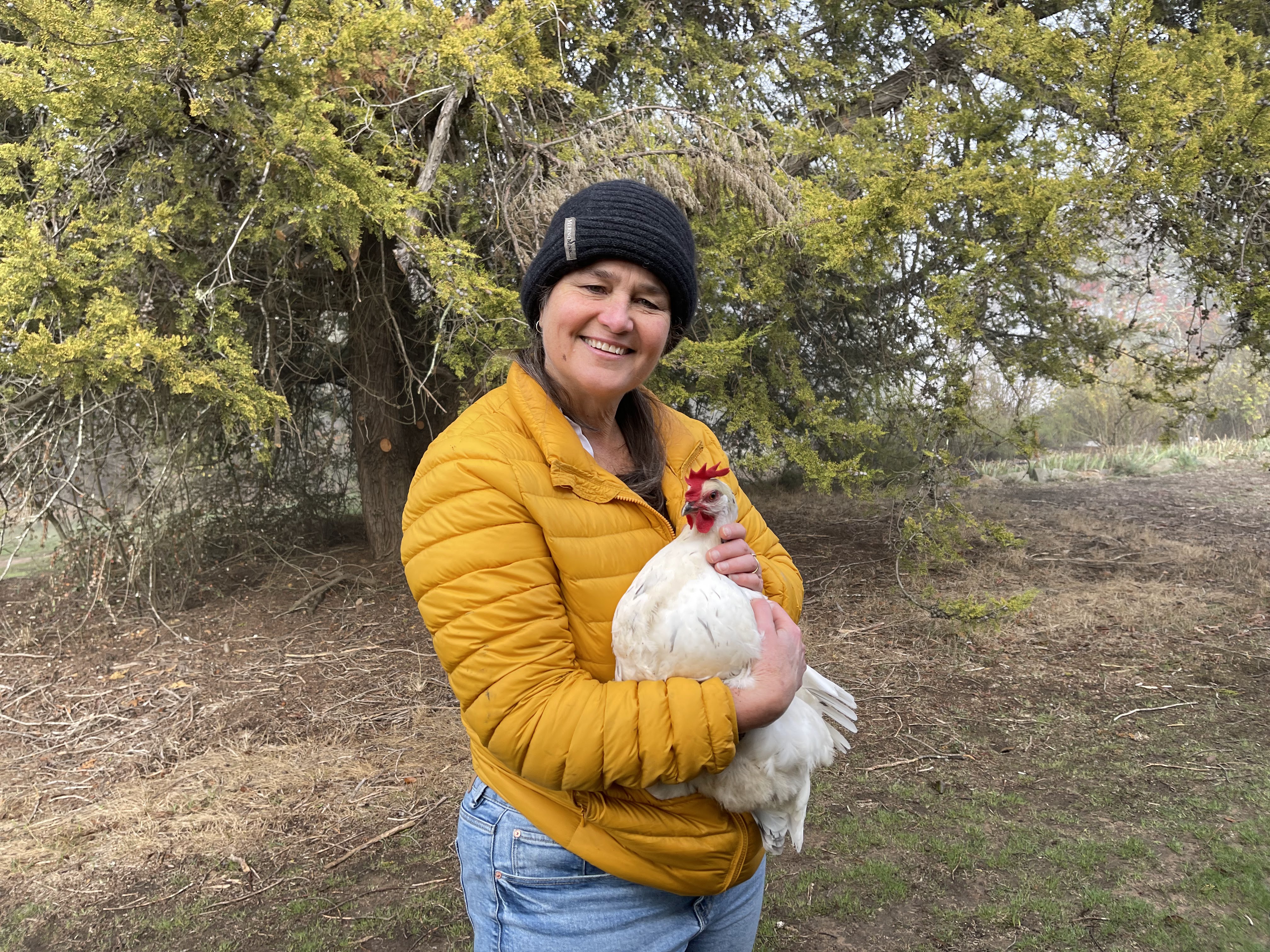
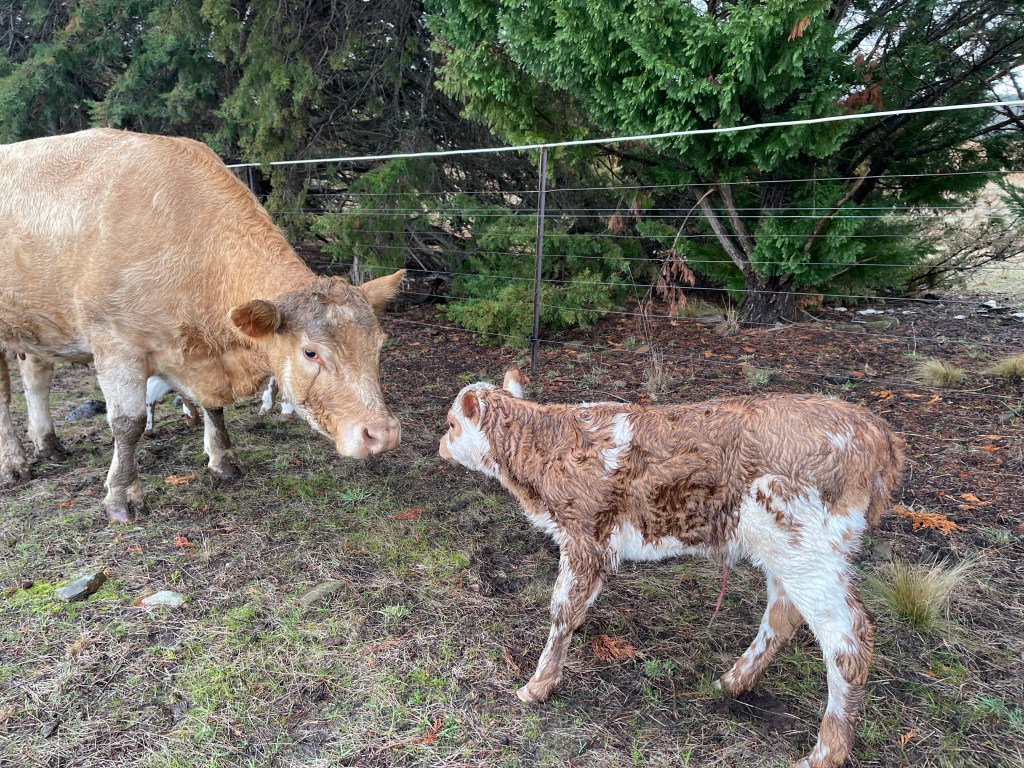
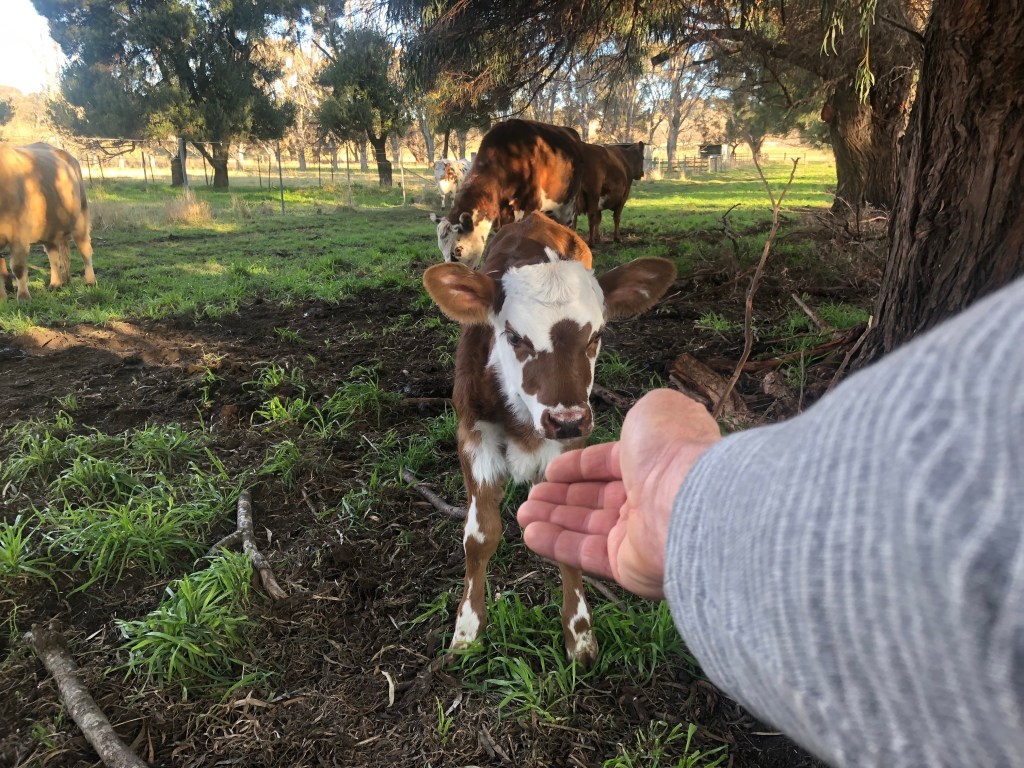
Oh and calves… hopefully lots of calves!
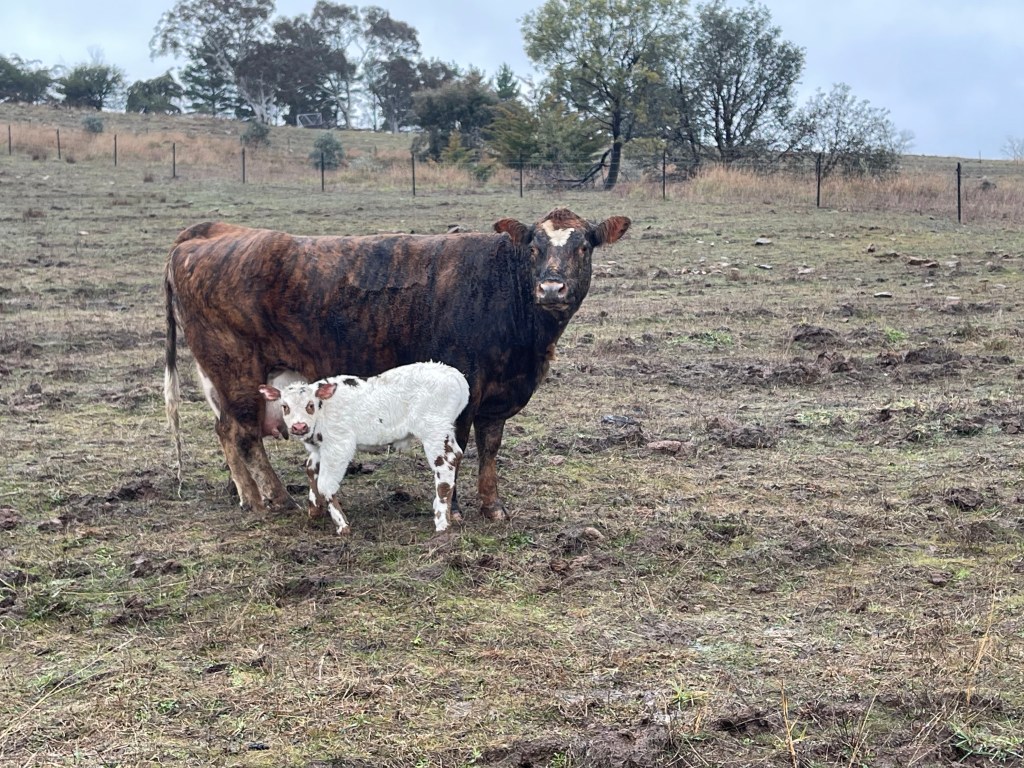
Thanks for following along with our journey — stay warm, and take care until next time.
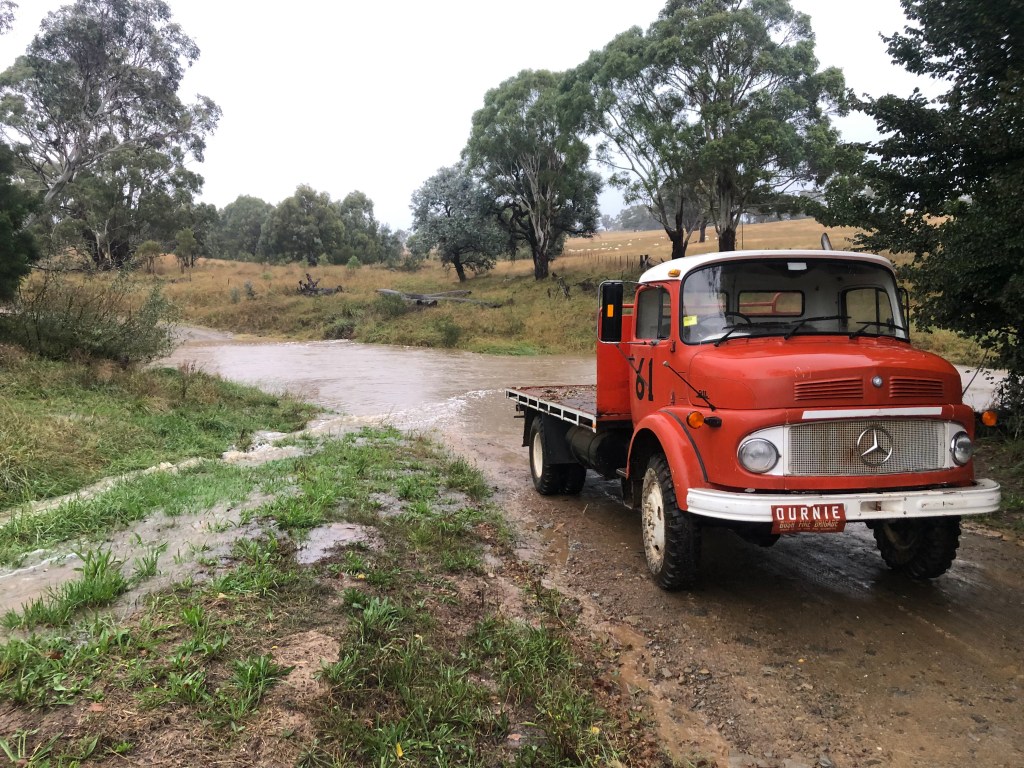
Why does it rain all at once?

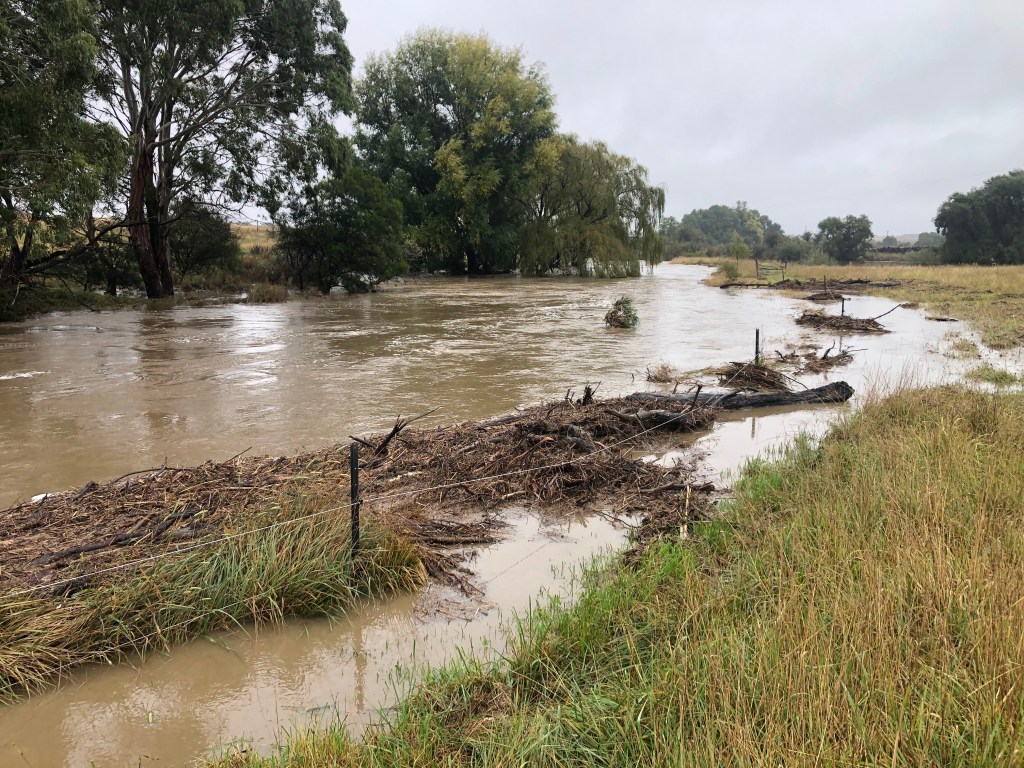
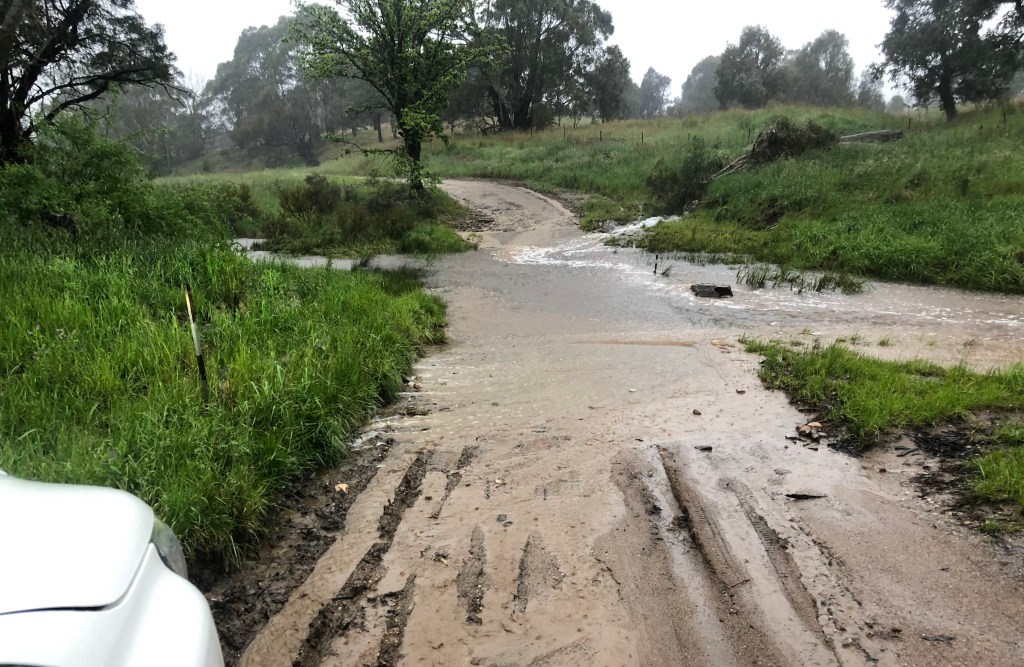
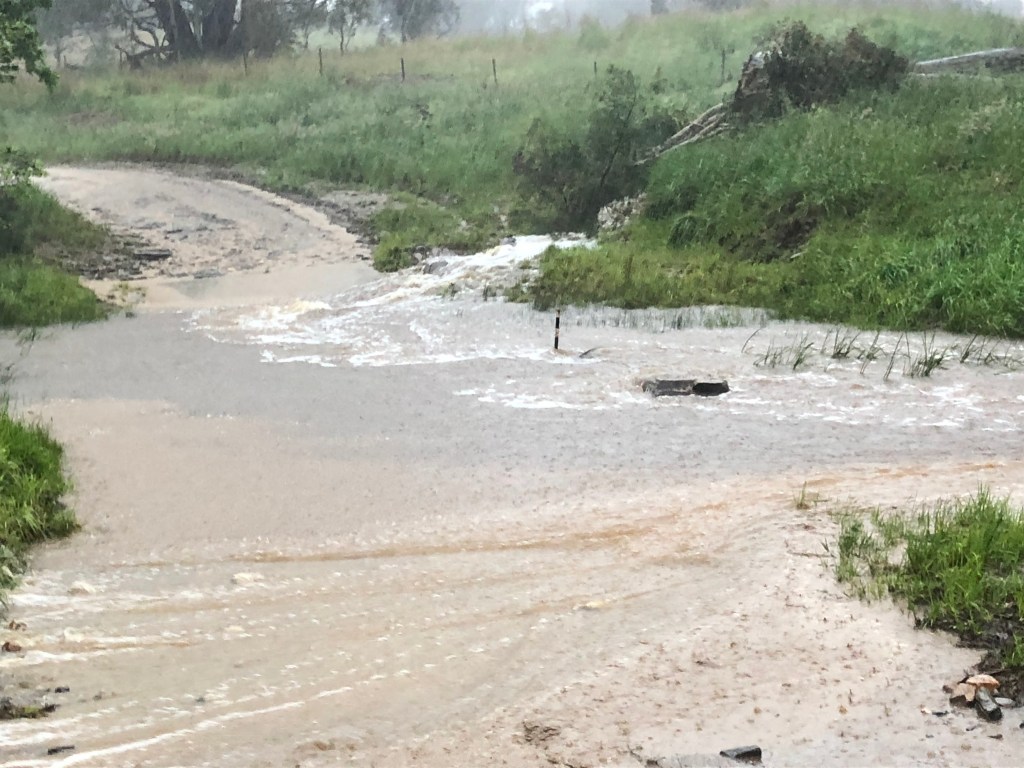
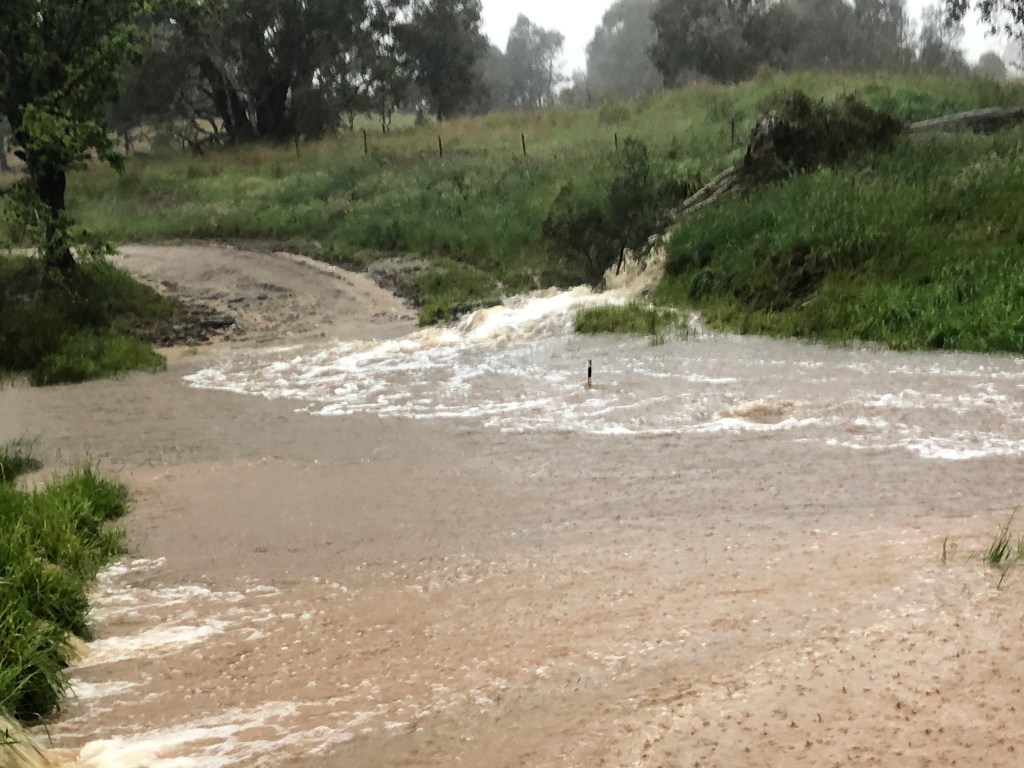
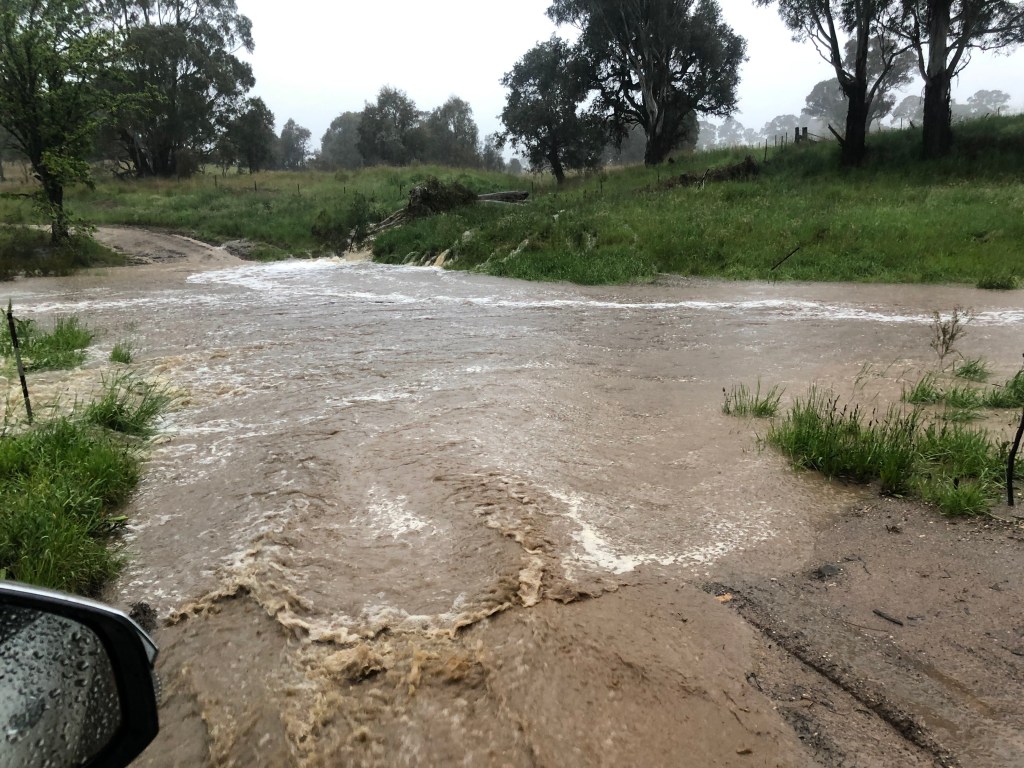
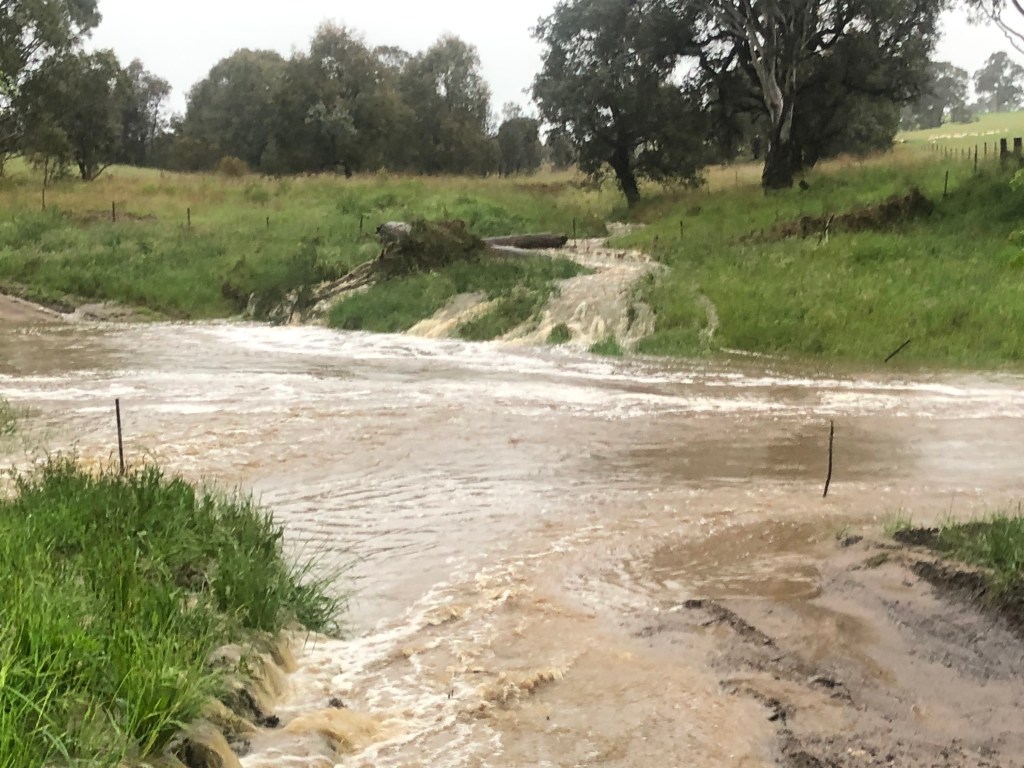
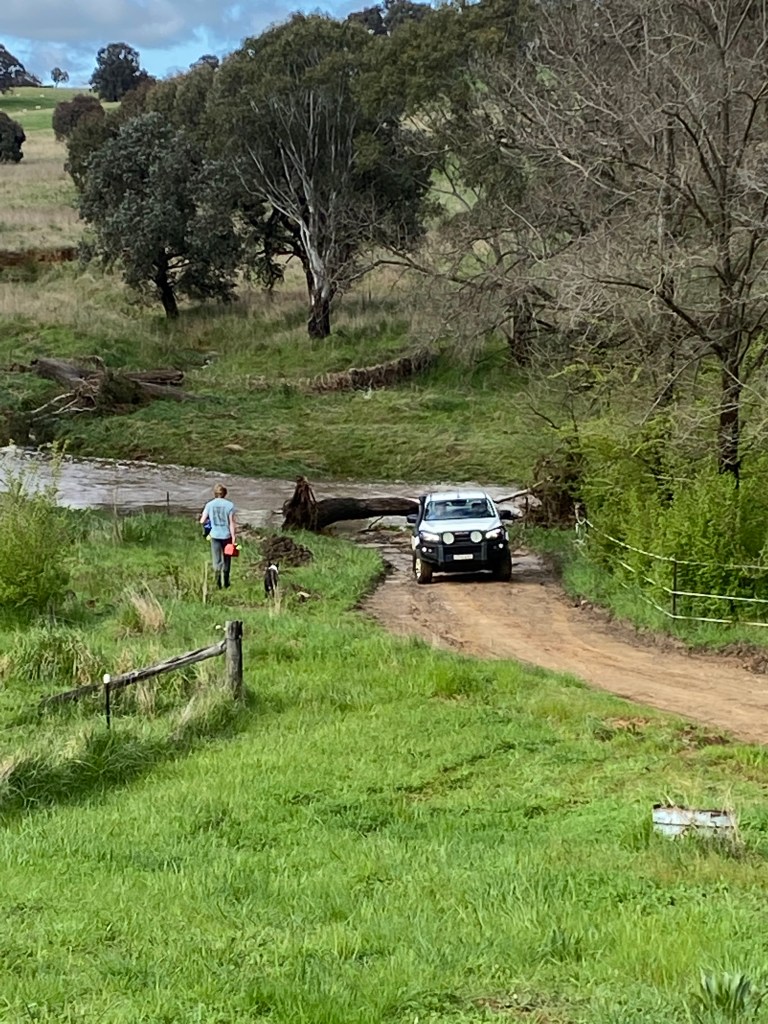
On the law of averages, we have had a good April, with around 100mm of rain falling in the month. Unfortunately it came all at once. The heavy rain caused our creek to flood, blocked our access for a day or so, and caused minor damage to our temporary fence along the creek line. The Red Drawbridge was pressed into service to bring the family safely home – but this kind of work is hard on the machine, and I will need to devote some time maintaining the slave cylinders (part of the brake system) soon.

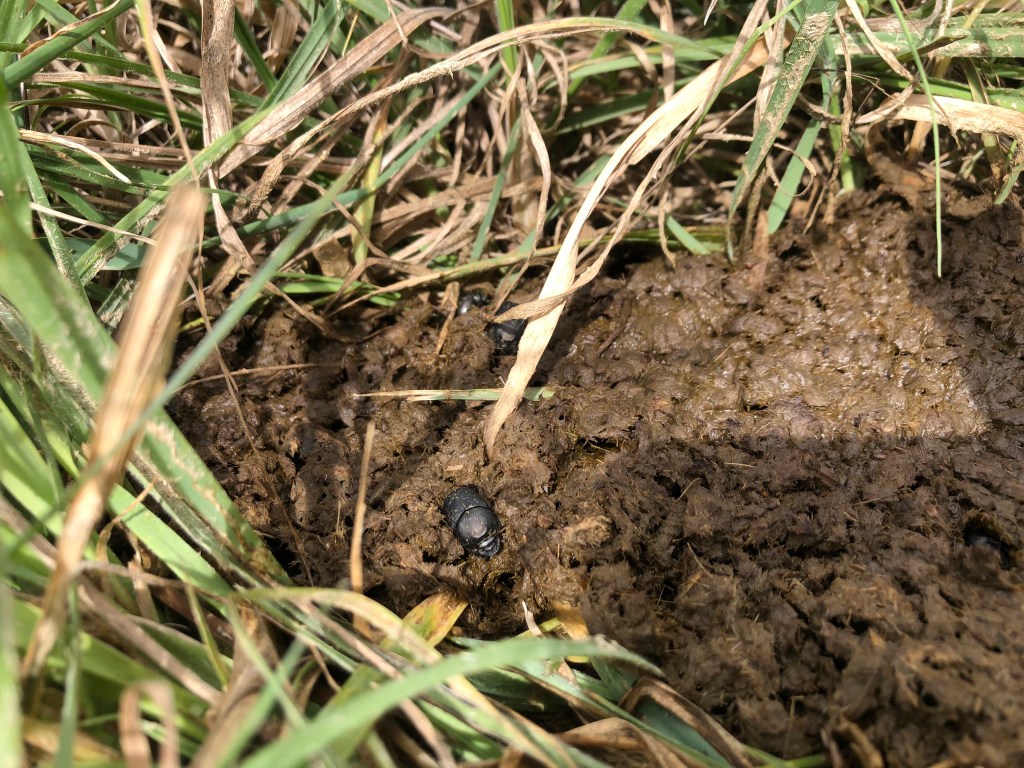
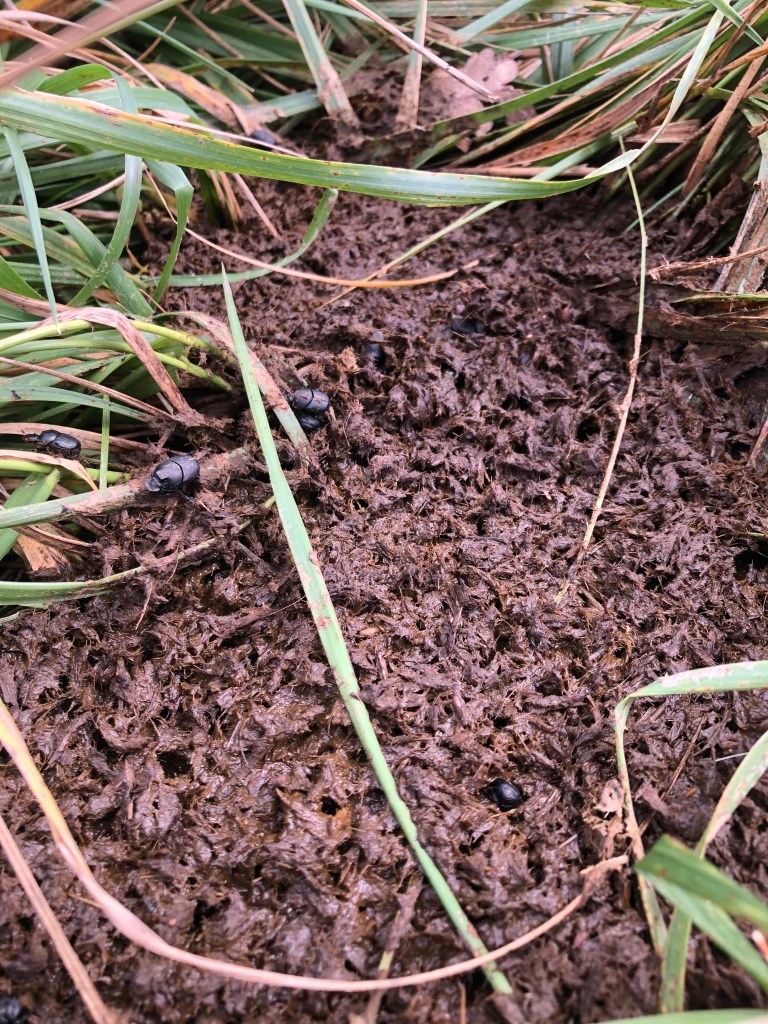
The rain brought some of our hard working little creatures to the surface. A stroll around the paddock after the rain stopped revealed our dung beetles coming up for air from their little burrows beneath the cow pats. These creatures are so important in breaking down manure and turning it into fertilizer – and it was so good to see them working away. Jo is pretty sure these beetles are Onthophasgus Binodis an introduced dung beetle (more info here: https://www.dungbeetles.com.au/species/onthophagus-binodis). Native beetles much prefer the native dung of kangaroos and wombats (of which we have plenty of as well!).

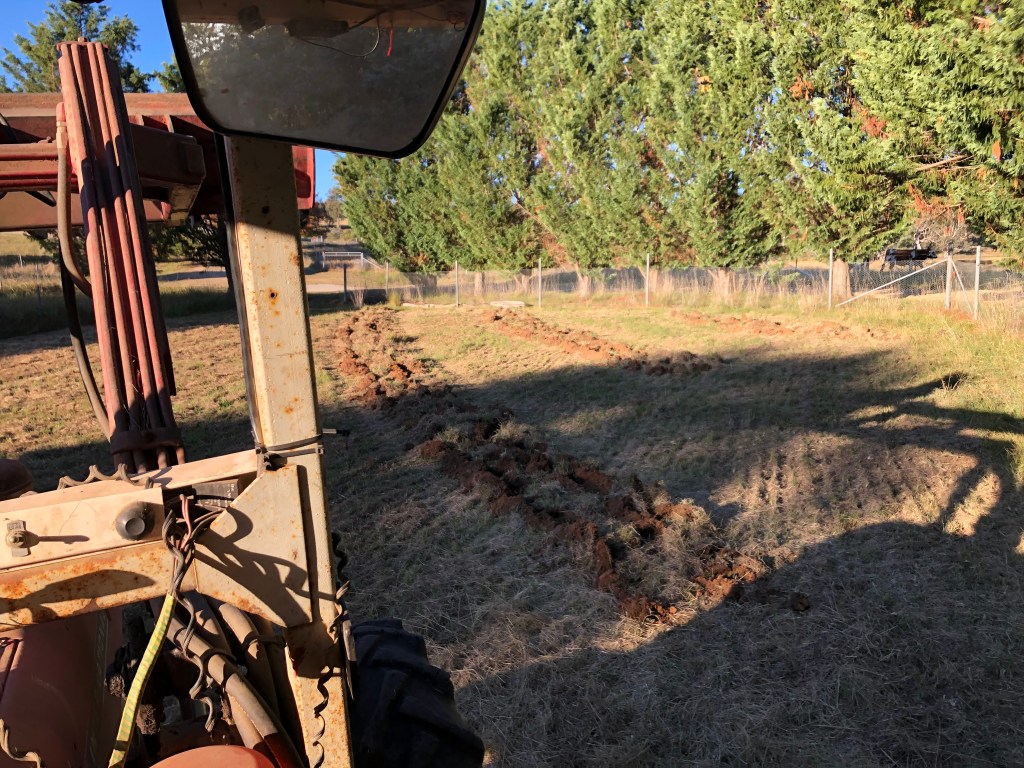
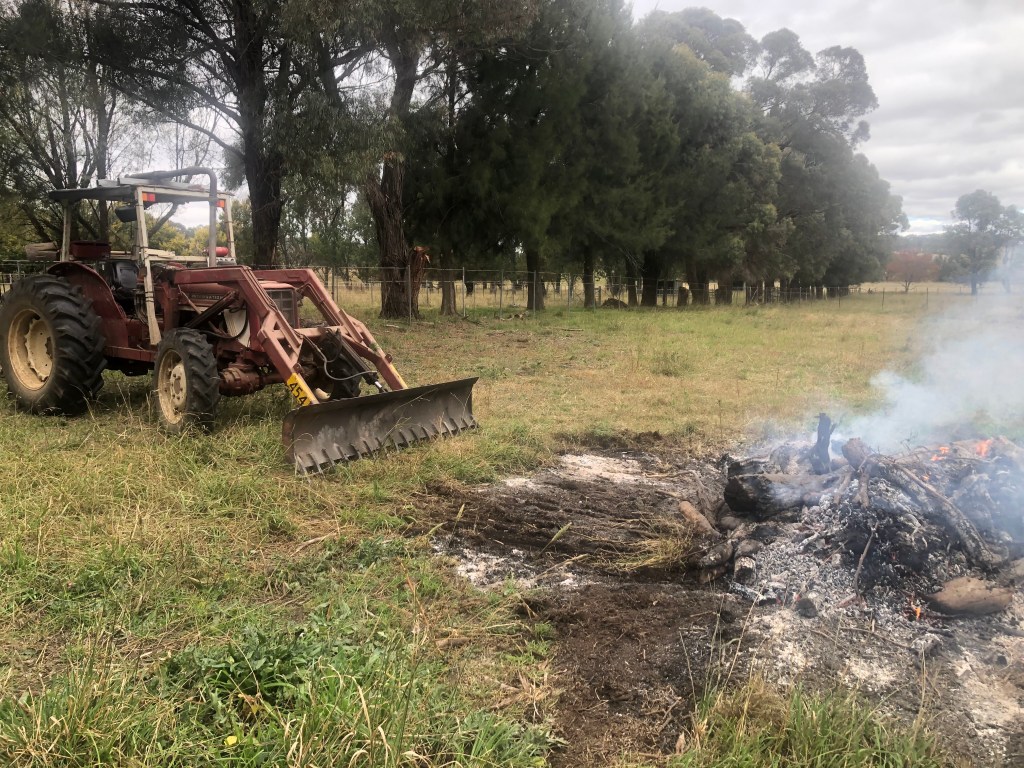
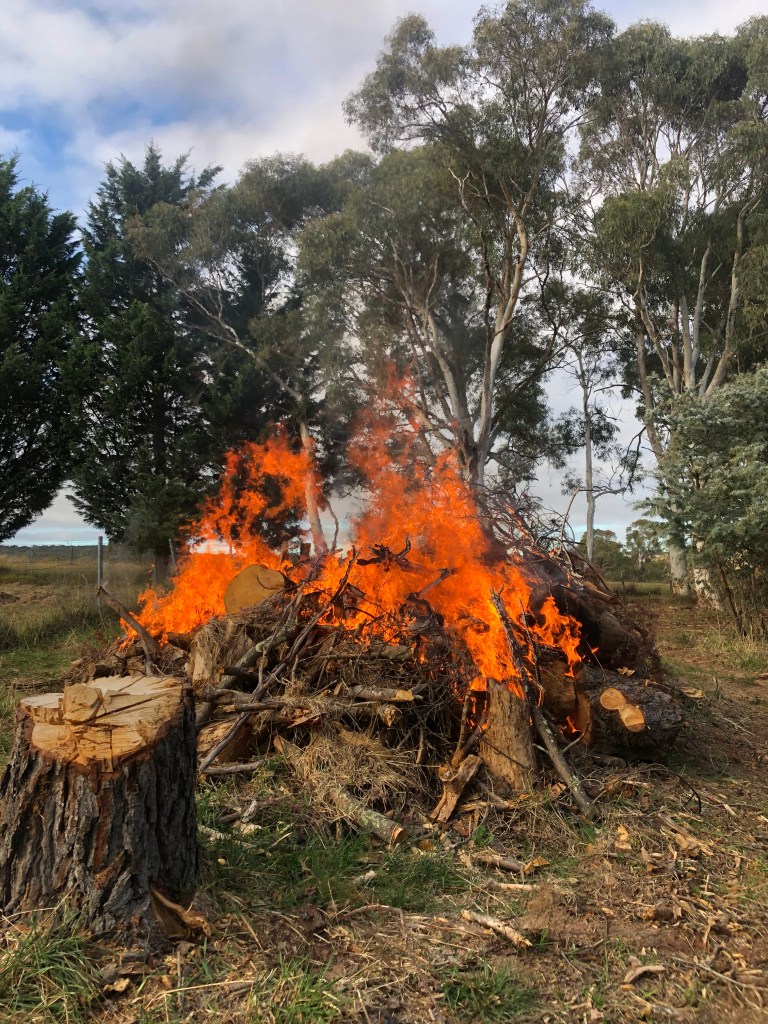
The rain also softened the ground, allowing me to rip contour lines for Jo’s new orchard. We have chosen to re-purpose one of the small foaling paddocks near the house for the orchard. The main reason for this site is that it is close to the house, close to an existing water pipe, and will probably be the easiest place on the farm to net in order to keep birds off the fruit. Of course it is not just simply ‘rip lines and the job is done’. The first thing I had to do was service the tractor. This was complicated by the fact I needed to fit a new fuel cock first to allow me to change the fuel filters first. Then I slashed the paddock, before ripping along the contours. I also needed to fell three nearby pine trees that had died. I removed most of the branches, but I had to wait for appropriate weather window to burn the stumps.

Two months later we are almost ready to plant the trees. I am still to install a new water pipe and watering system with drippers on each line. Whilst a simple tap and hose will be easier to install, we want to make it easy to water the trees in the future. Watch this space for updates as we build the orchard.

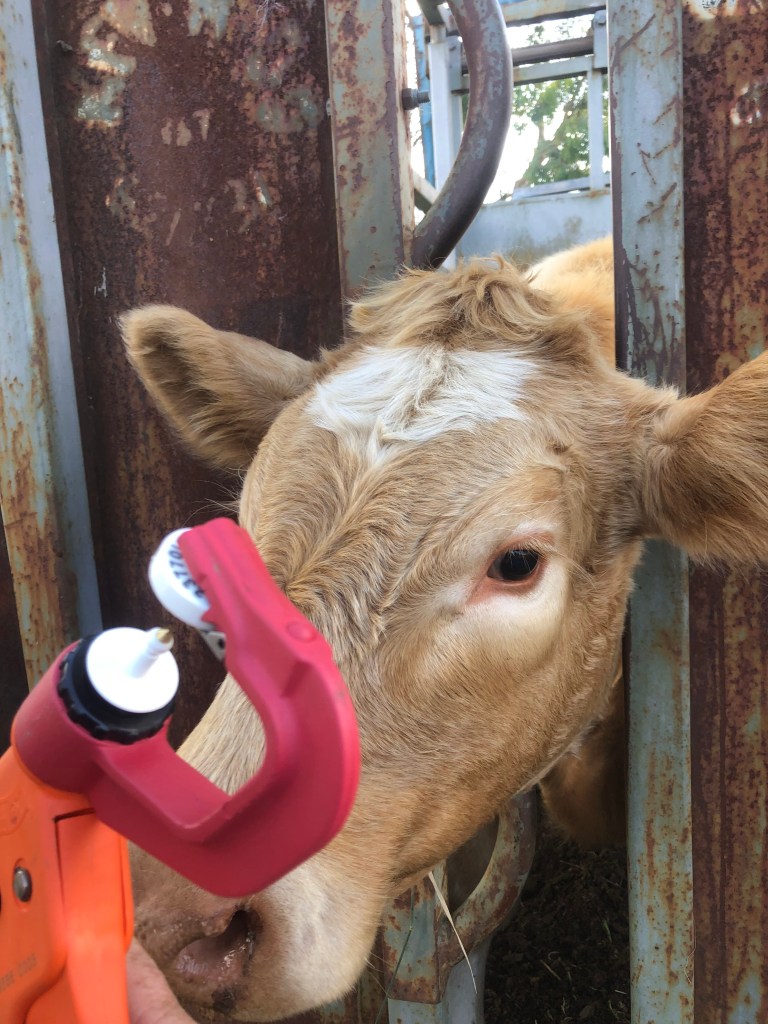
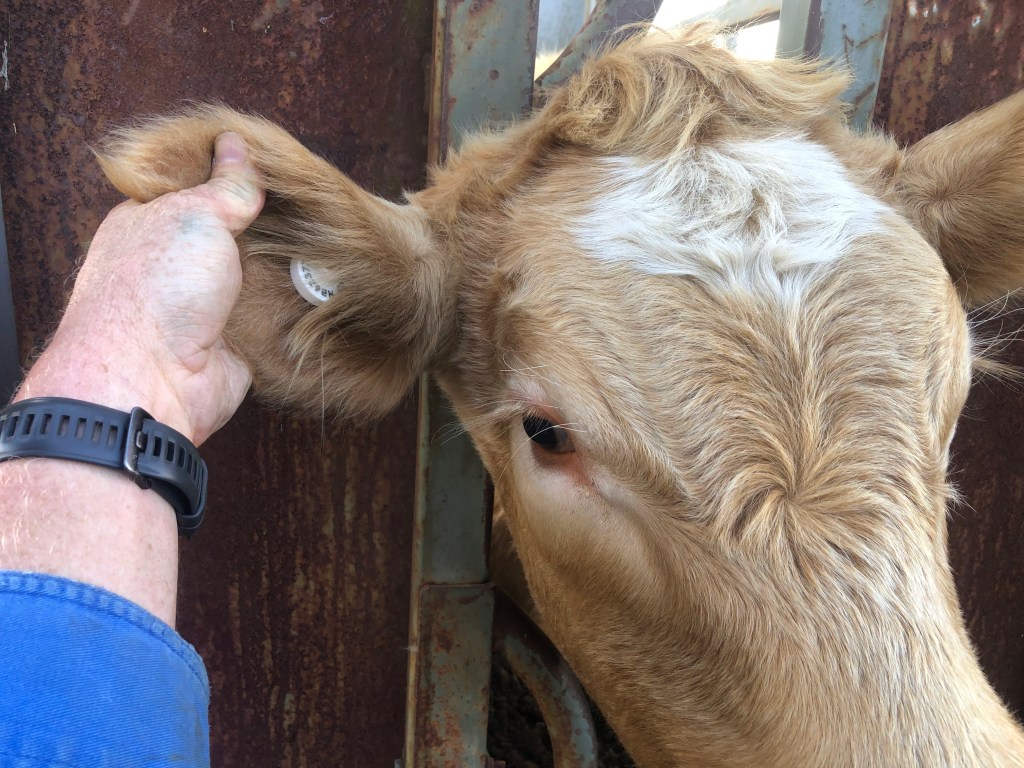
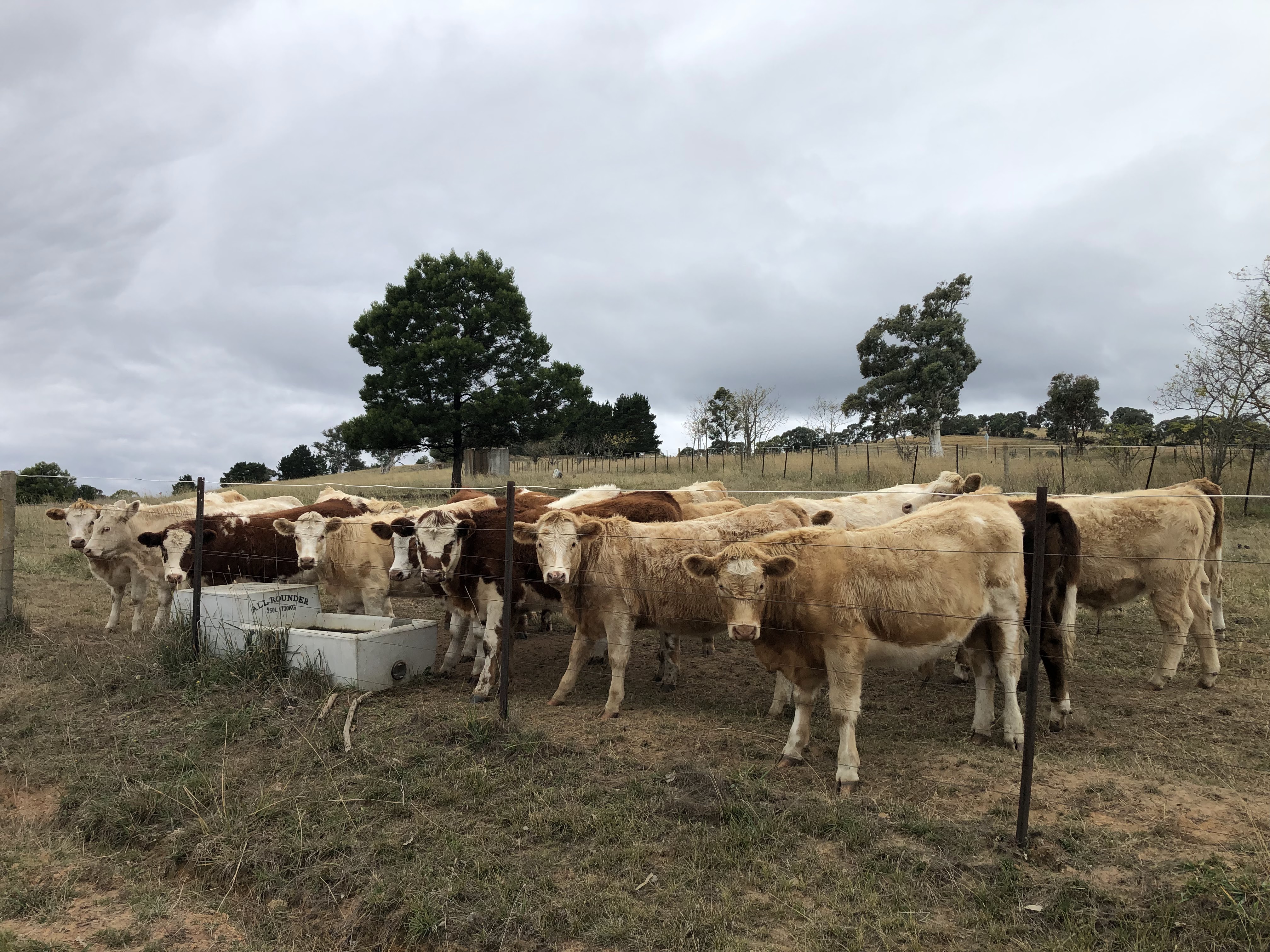
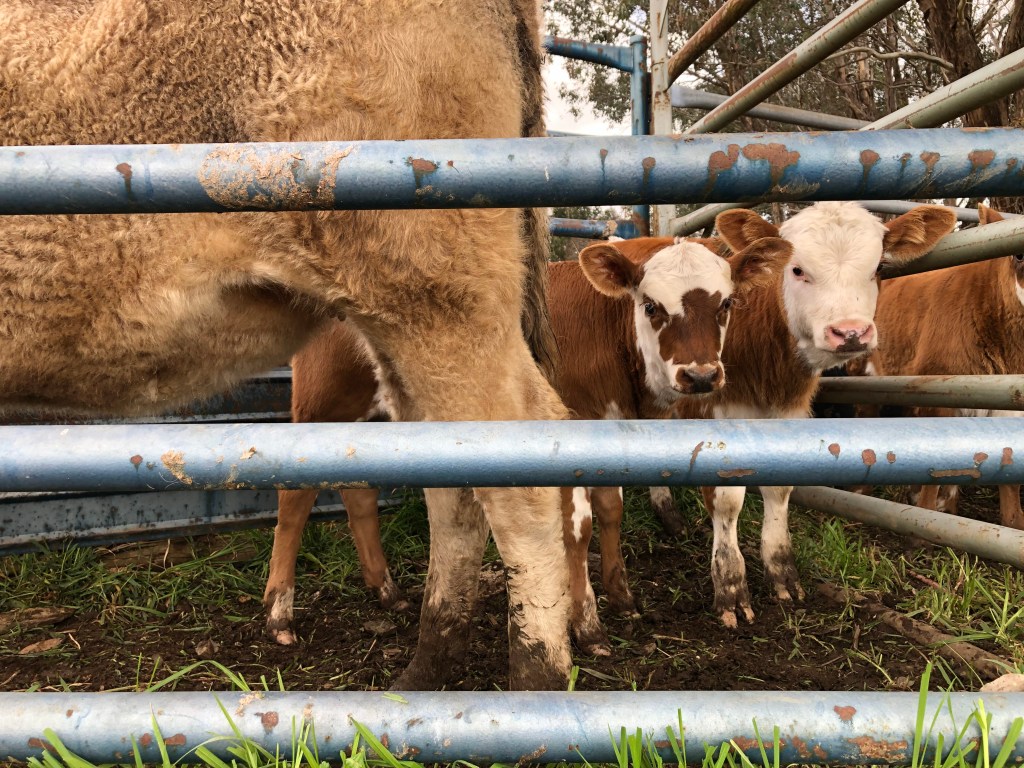
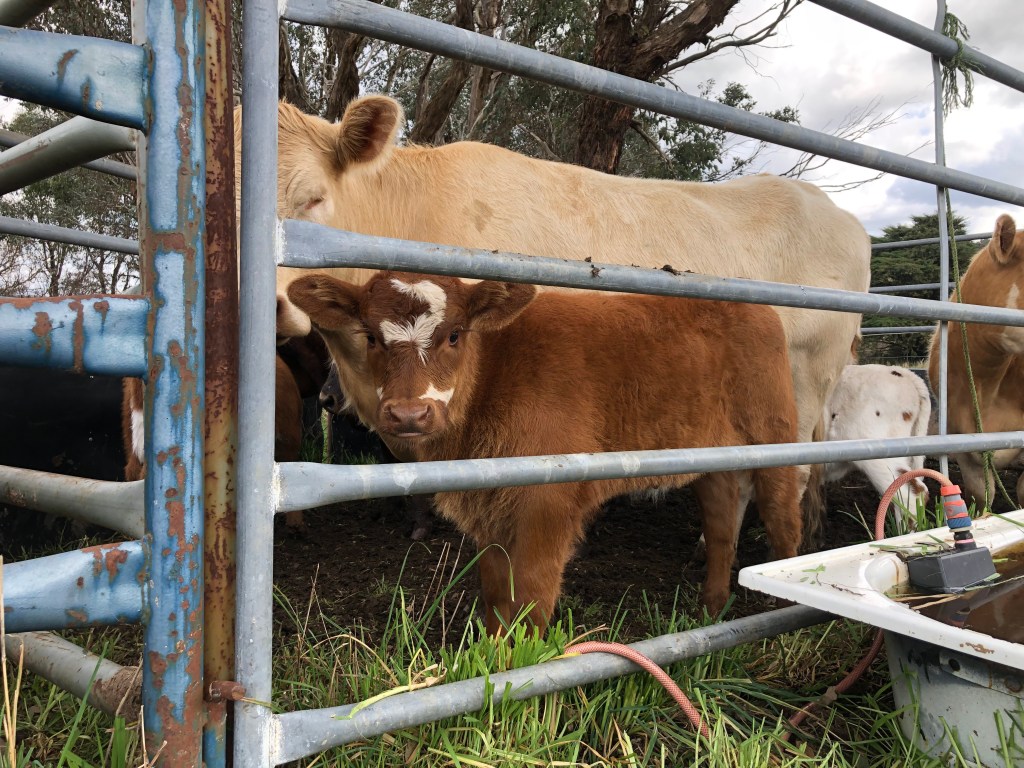
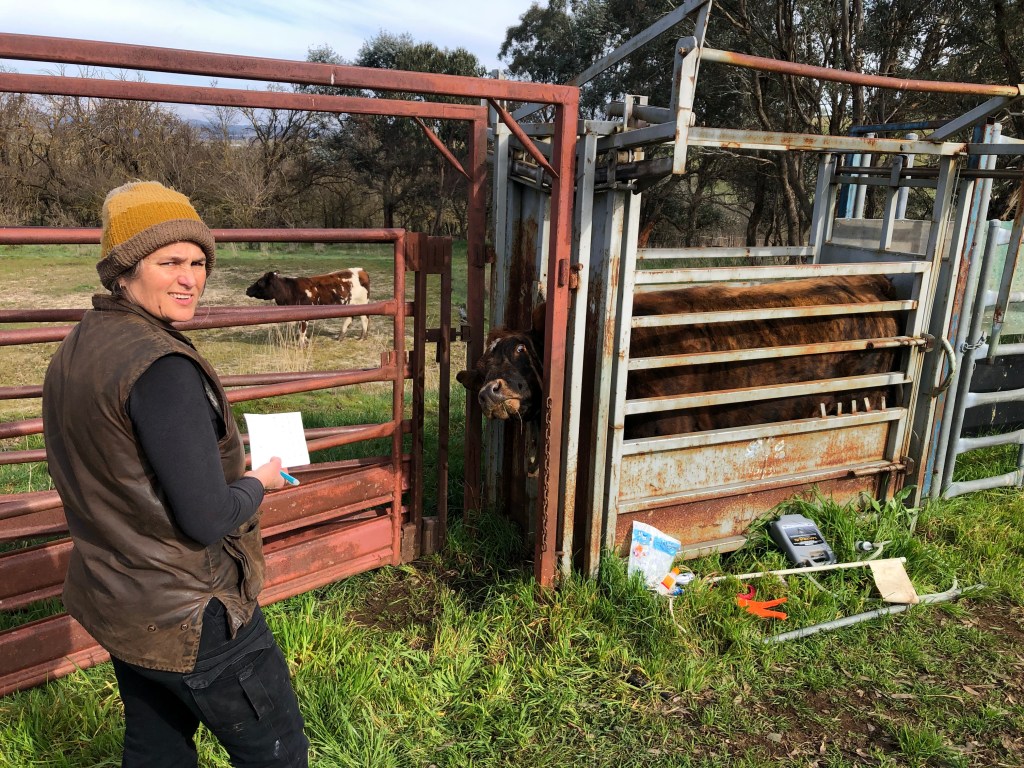
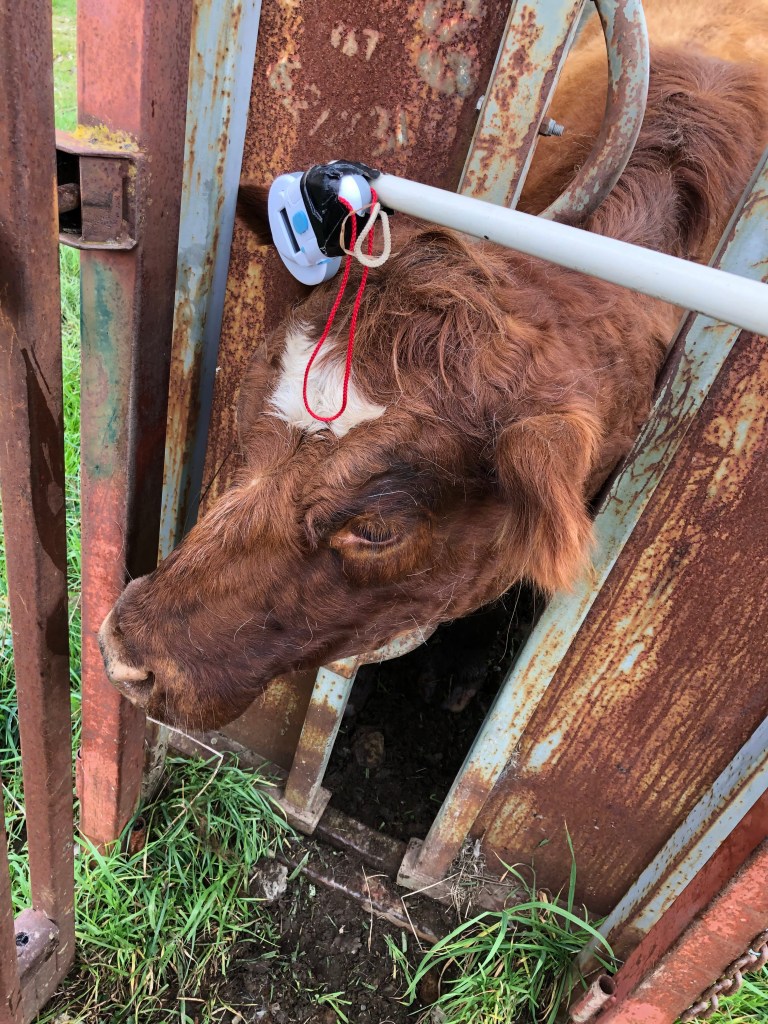
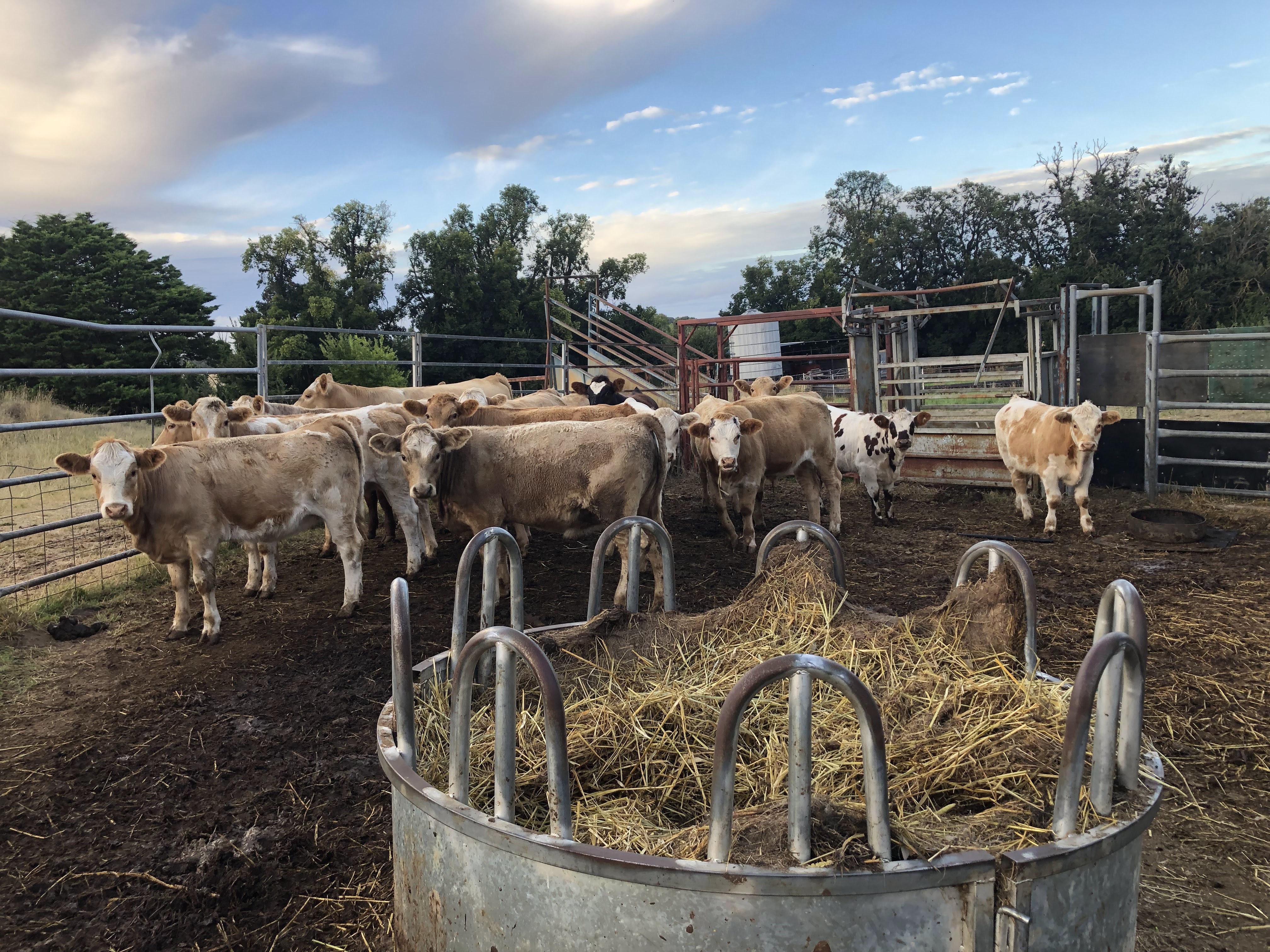
In the meantime our beautiful weaners have continued to grow. Sadly, the irregular rain, and not much grass growth this autumn means we will be unable to feed them over winter. They will be heading to the sale yards later this week. We have decided to keep three heifers, which we will return to the herd of 12 cows. Part of the requirements to sell cattle, is that they must be able to be traced back to the farm of origin. To do this, we fit them with an electronic ear tag with a RFID chip linked to the Rock Farm. They soon all sported the latest fashion accessory, a lovely white ear tag.

The grass situation is a little worrying. We haven’t had much autumn growth, and what little we have had is seeing massive pressure from kangaroos. Our neighbours alarmingly have had feral pigs digging on their property. It is all part of it I guess, but a little frustrating when we try our best to rest paddocks. We have plenty of hay in the shed, which I am happy to feed the cattle (it is after all my method of providing new nutrients onto the farm), but we are delaying feeding as long as possible.

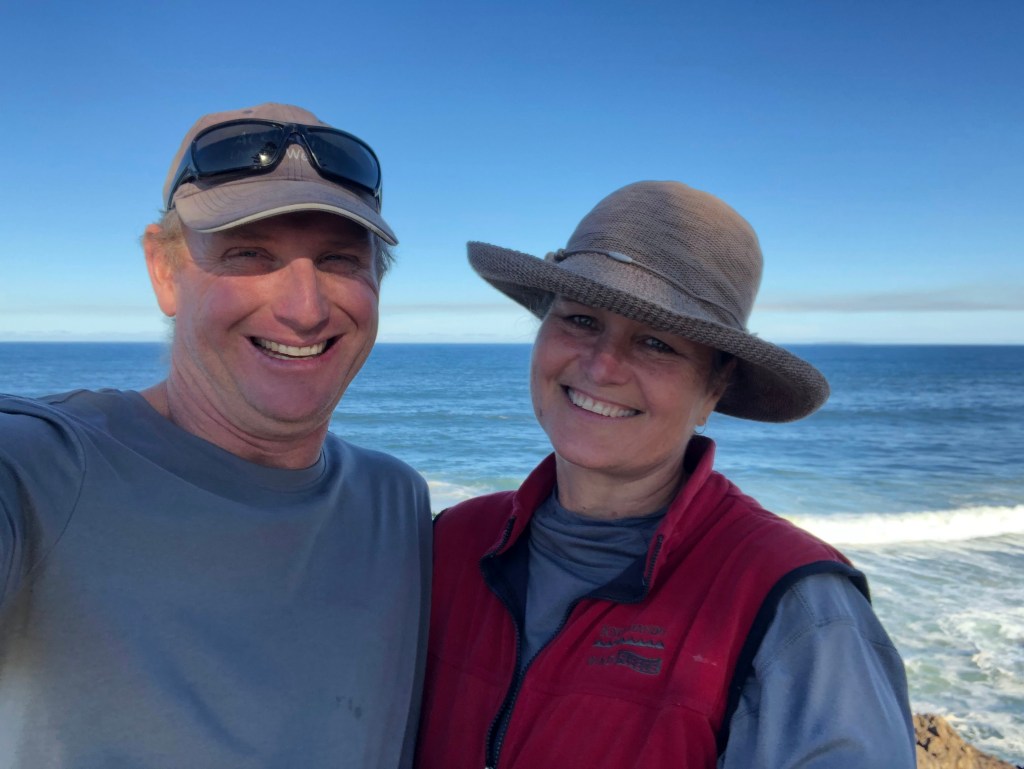
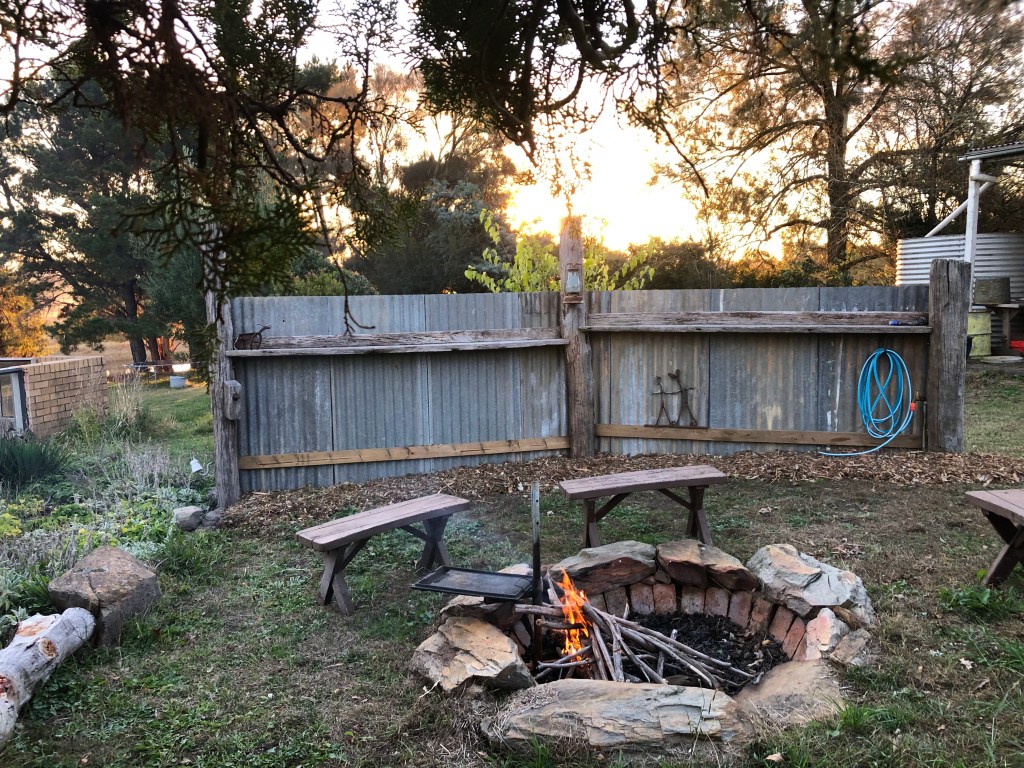
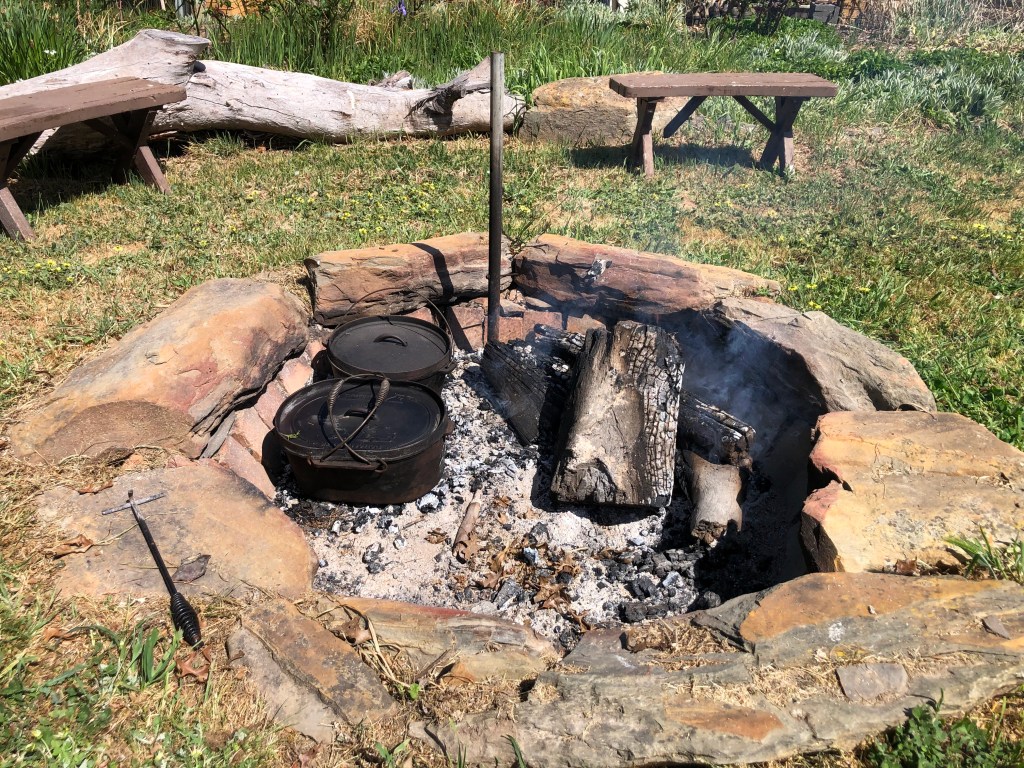
The good news is it hasn’t all been hard work. We did manage a quick night down the coast to make the most of the last warm days of autumn, and have made use of our new wind break around our fire pit, using garden prunings to cook our dinner. We love our little walks around the Rock Farm. Sometimes I can’t see the view for the jobs in front of me, but it doesn’t take much to lift my gaze and pinch myself to realise how lucky I am.

Perhaps our most exciting news relates to our local community. Last weekend we hosted our local Regenerative Land Managers group at the Rock Farm. We have a new direction to take this collection of land managers, and much of our discussion centred on the best structure to move our group to another level. More on that perhaps at my next update.

Fencing, malFunctions, Fires and Family

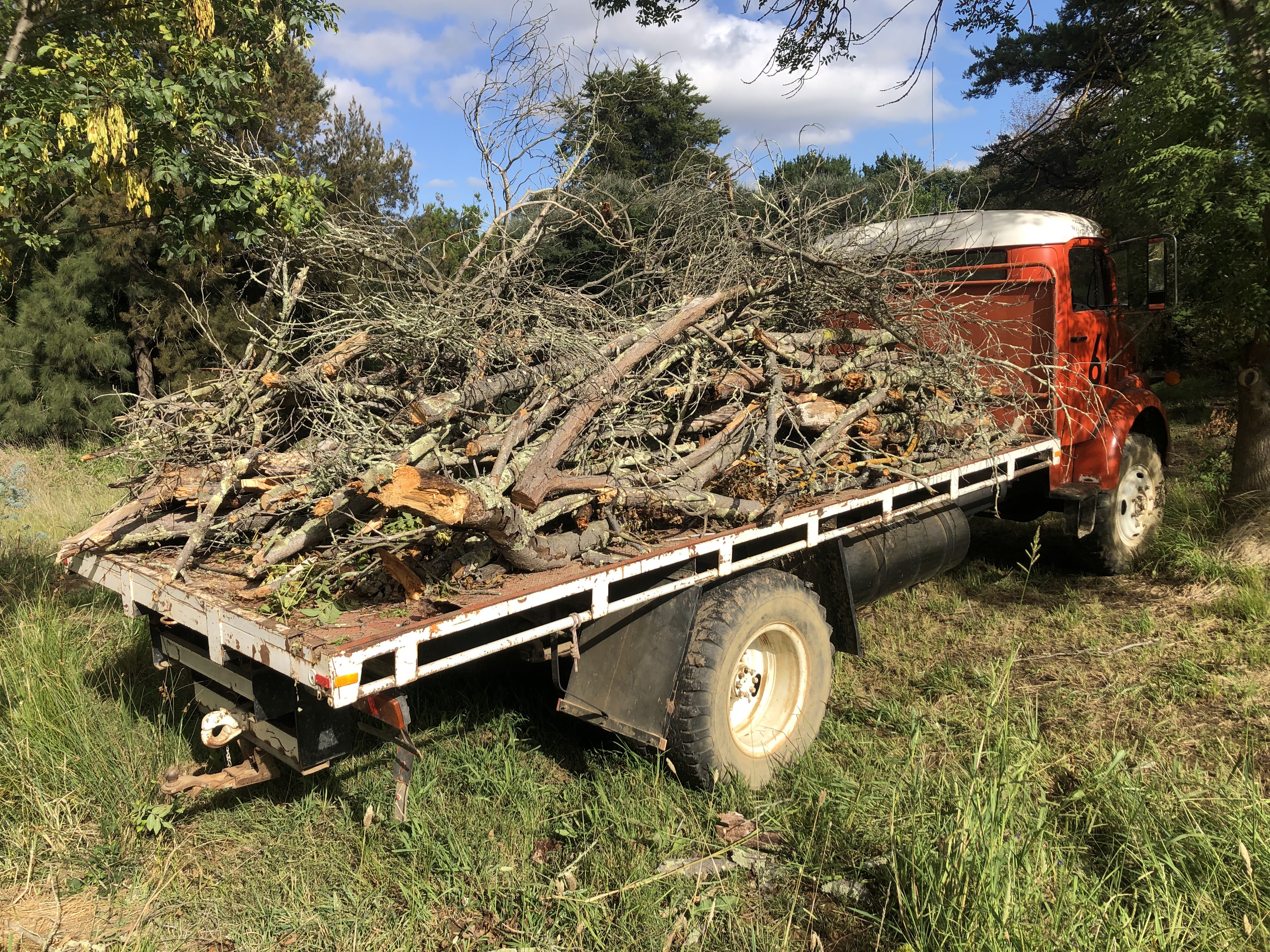
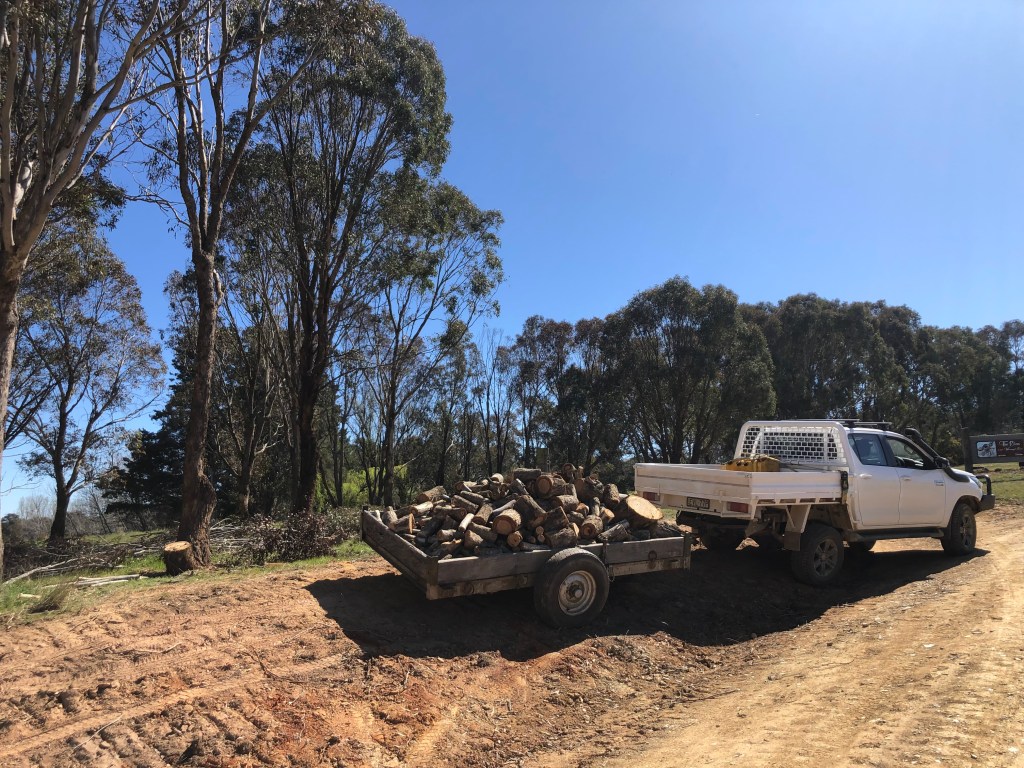
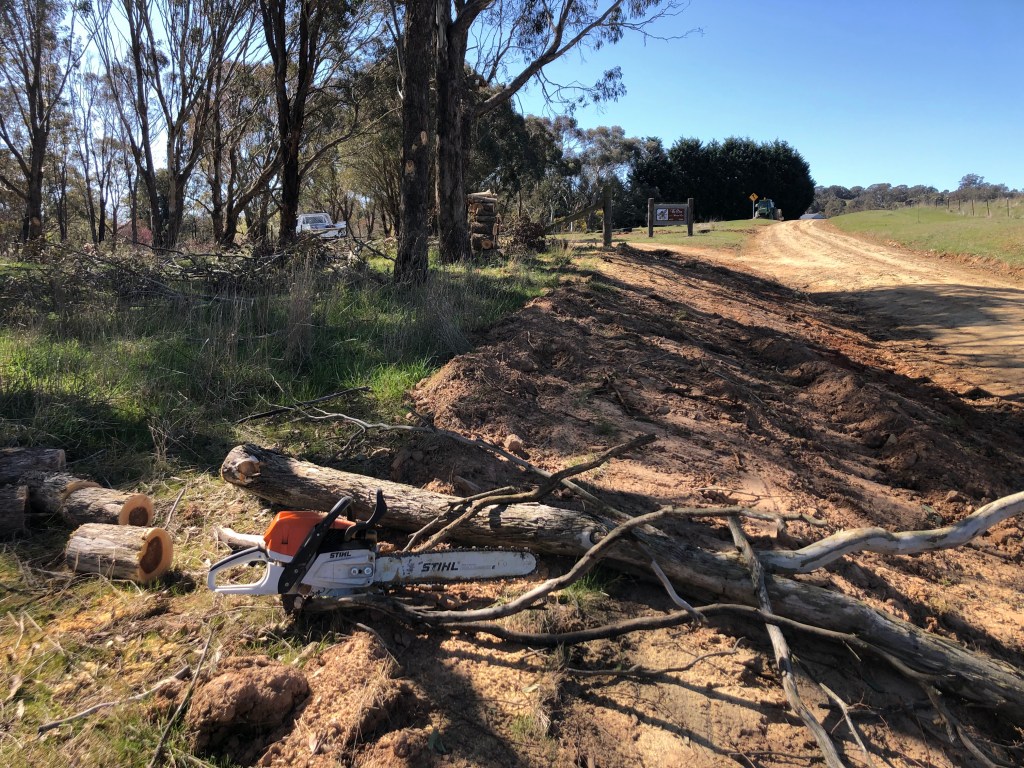
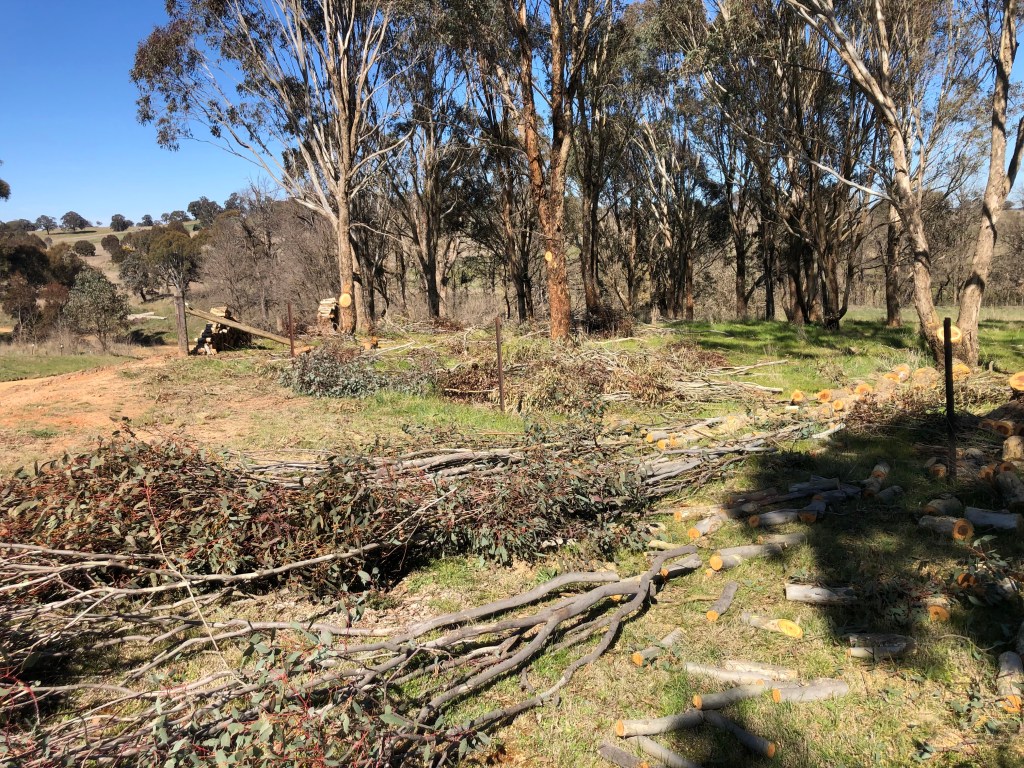
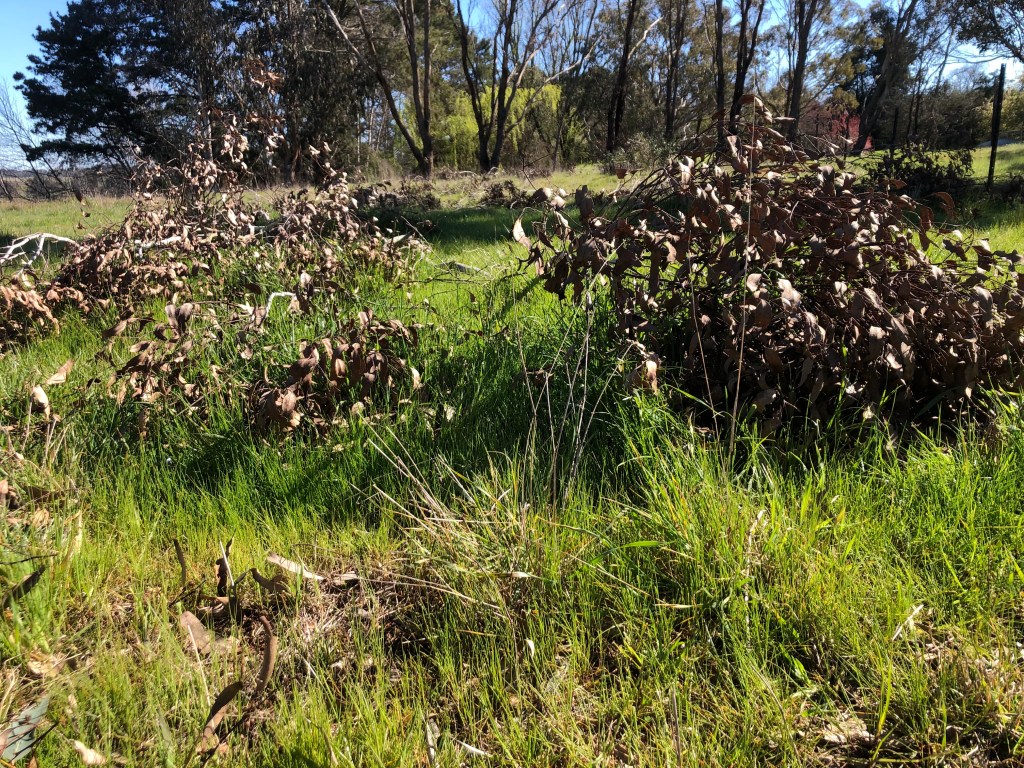
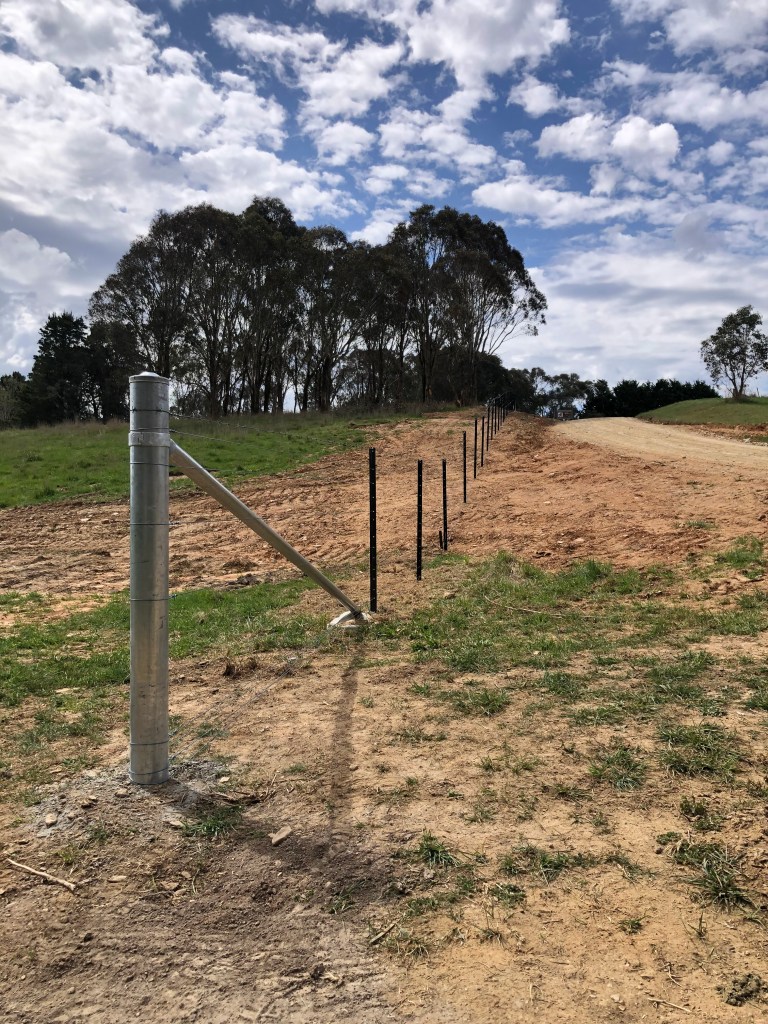
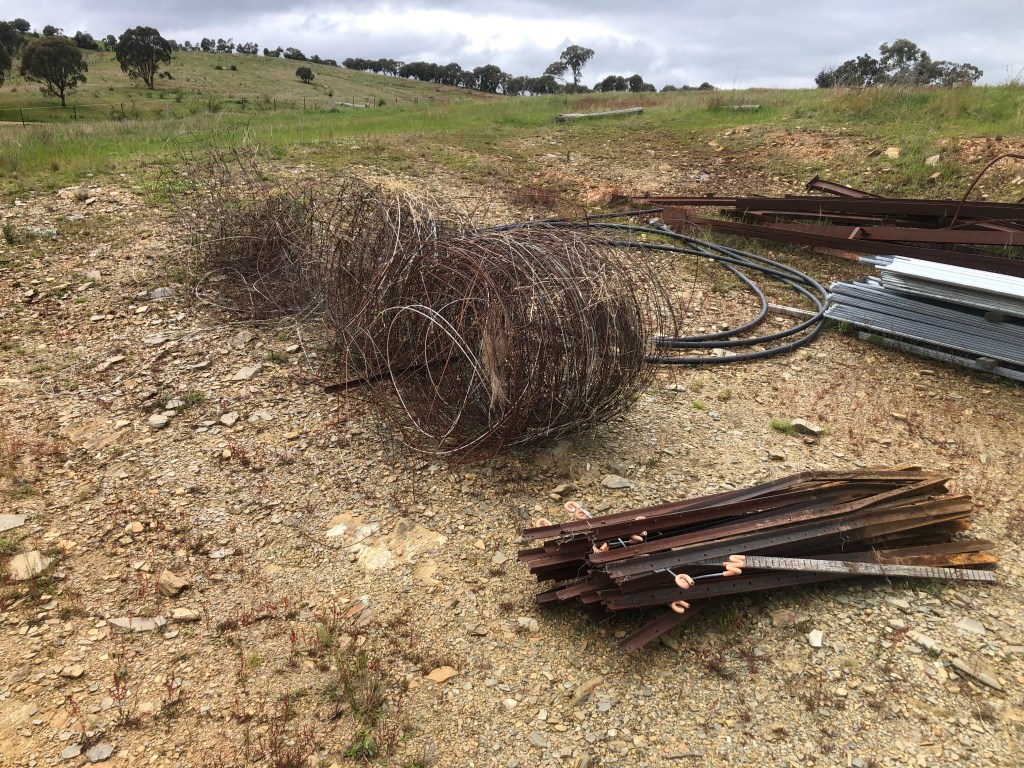
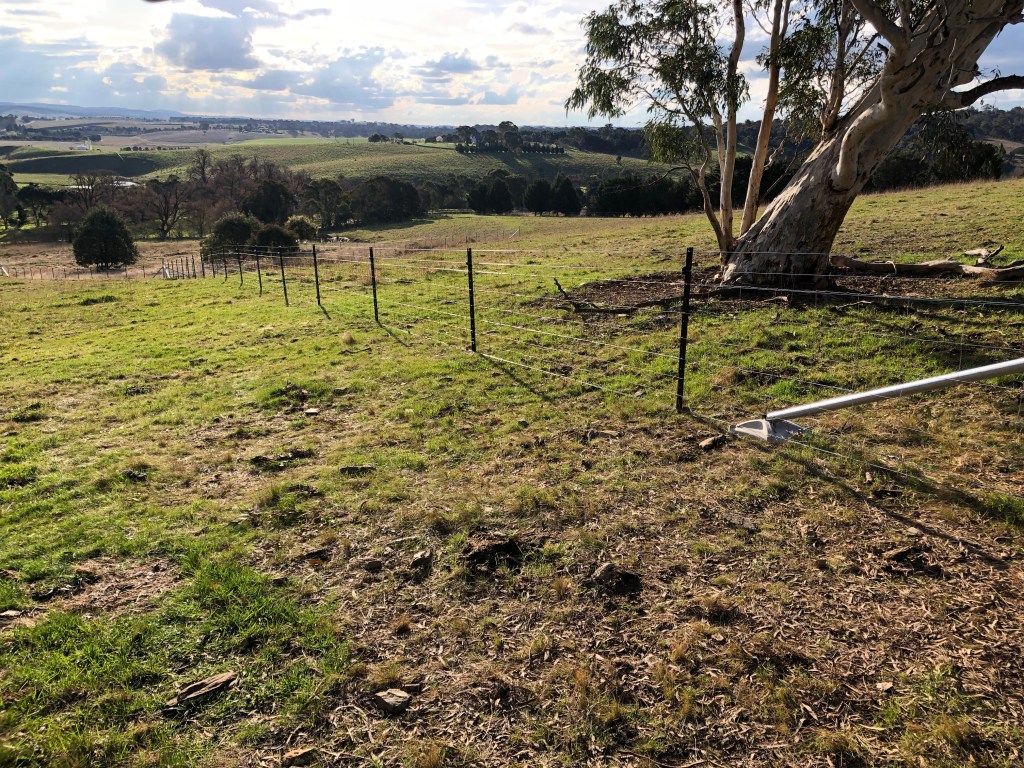
Whilst blog posts have been few and far between, there has been steady progress on the Rock Farm. With a new subdivision going in behind our property, council requested our neighbour upgrade part of the driveway. We were asked to cut our adjoining fence to allow the grader to open the drainage from the road – but I figured it was a good opportunity to pull the old tired fence down and replace the whole section completely. With the fence down, I also had an opportunity to clear overhanging branches with no risk to any fences. This gave me a good load of timber for firewood and mulch to spread around the paddock, and a new fence that should keep the cattle off the lane!

Mechanically things haven’t been going so smoothly on the Rock Farm… malFuncations wasn’t the first word beginning with ‘F’ I considered. Our zero turn mower stripped a couple of teeth from a cog in the transmission. And in the process of draining the oil from the other transmission, I dropped it and cracked the housing. This means I need two new transmissions – both now on back order from the US at great expense.

Lucie The Tractor’s clutch has started slipping badly. I usually can give most things a go, but this is one for the experts. Thankfully a nearby local mechanic will have a look at this for me…. in a month or so (good mechanics being in high demand). I hope to get her back in operation before we start feeding hay to the cattle (expected this summer around Christmas time).

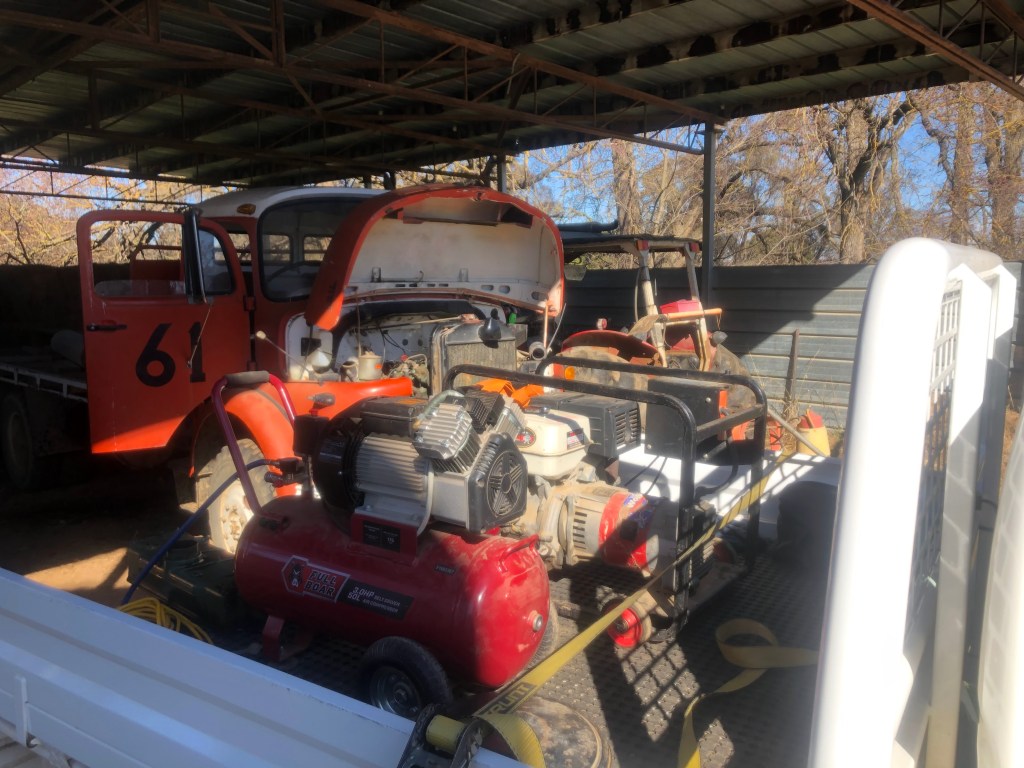
The big red truck Myrtle ran out of fuel – and could I hell as get it going again. I bled the fuel lines, flattened, charged and flattened batteries again trying to get it going to no avail. I figured the fuel line was blocked, and loaded the generator and air compressor into the Hilux to blow back in the line. It worked – and the truck was running again and ready for work on the farm.

The older helper then announced that he would love to arrive at his school formal in a slightly different red two door car than his initial plan (a friend’s red two door Mustang). Now a farm truck is a little different to one on the road, so we are working through the truck to get it ready for a permit to travel. Overall it is in pretty good condition – with a couple of bulbs out, a crack in the exhaust we can weld up and it needs a good clean. The biggest problem is the radiator – some years before we bought it it had been holed, and a solid dab of silicon used to block the leak. No real problem around the farm where it rarely gets hot, and if the repair failed, it wouldn’t be much of a problem, but heading to the big smoke, on a balmy summer’s day, might be beyond it, so we have pulled the radiator out and are getting it recored – thankfully locally.

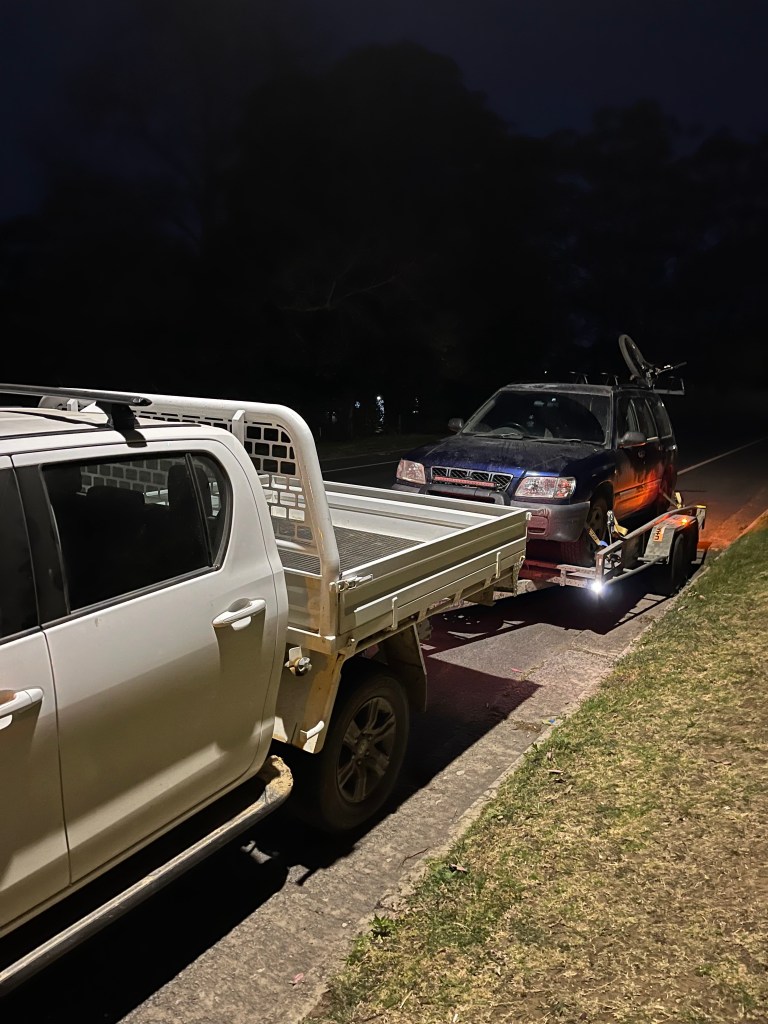
And topping it all off, whilst our little old run around Toyota Camry was in getting some extra attention to it’s cooling system, the older helper called me from the top of Macquarie Pass with a very hot and bothered Subaru Forester. He had been mountain biking and come up the pass nice and gently like all teenage boys drive….. (not). Thankfully he noticed the temperature gauge was well in the red and pulled over in Robertson and let the car cool gently. I hired a car trailer and a many hours later dropped the little Forester beside the Camry for some special attention. The good news is that the head gasket hasn’t seem to have blown (yet), and we may have got away with just a new radiator….

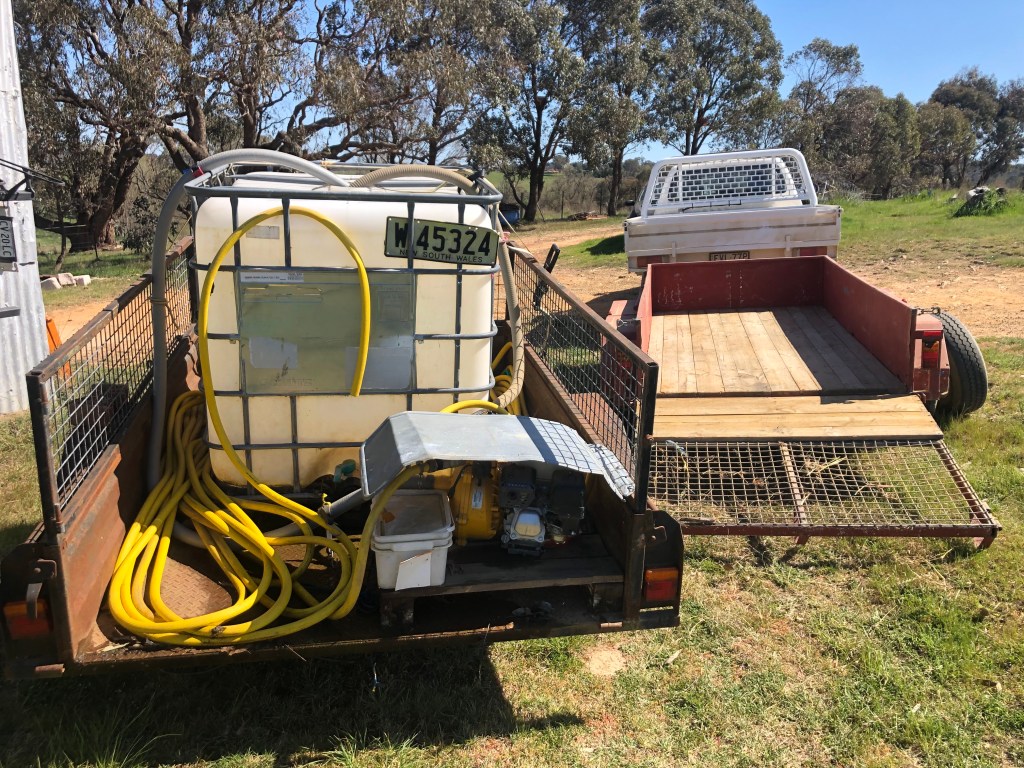
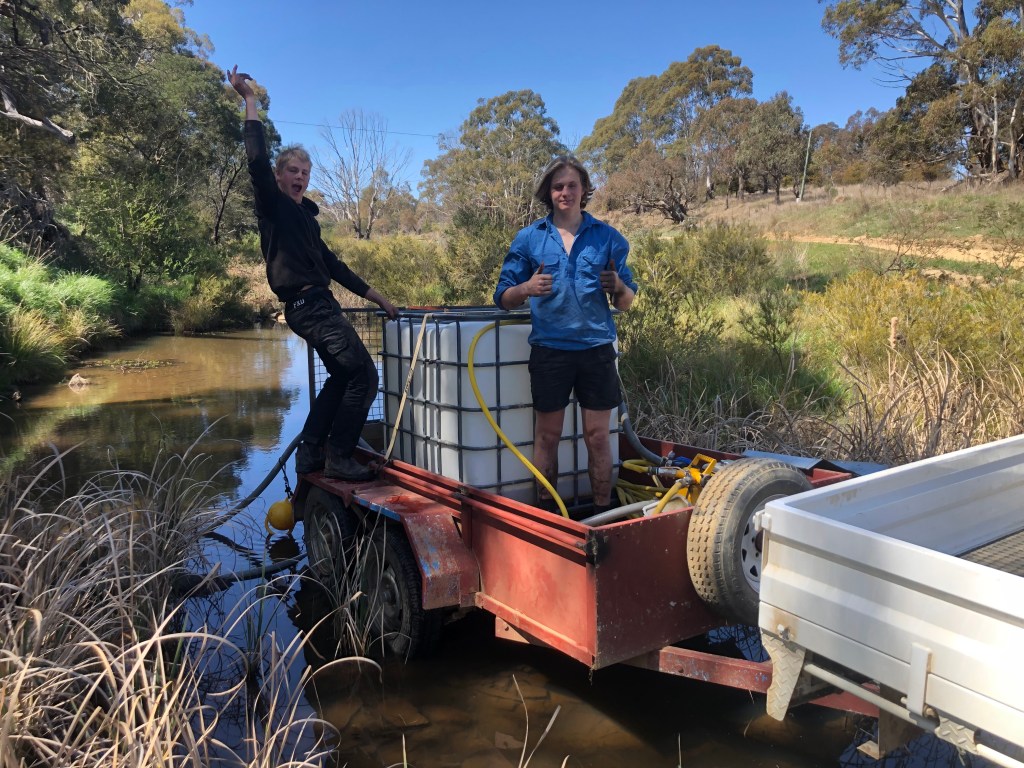
The other mechanical issue we faced was that the old horse float the boys had made into a box trailer was having issues with the brakes. Specifically the left front brake would periodically lock on and not release. We decided to let the rego lapse, and turn the now brakeless trailer into our emergency farm fire trailer… Being a tandem axle, it is far better suited to carry the weight of the IBC container than the old box trailer – and we had a lot of fun running the pumps and checking the system is fully ready for the fire season (did someone say ‘waterfight??’).

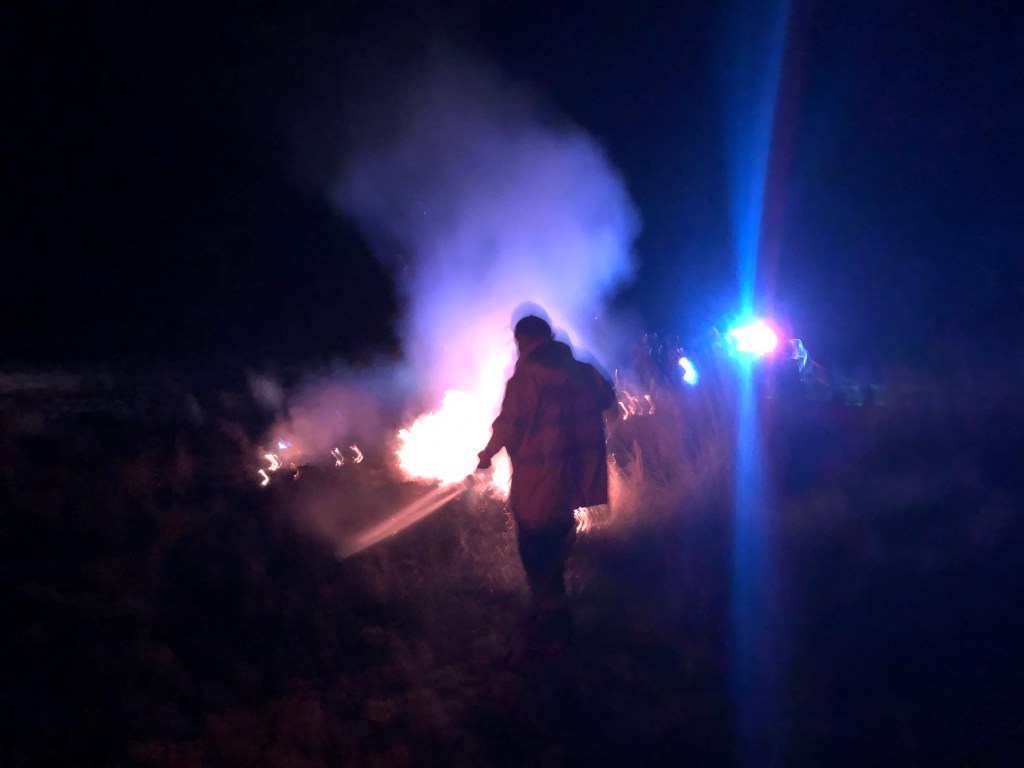
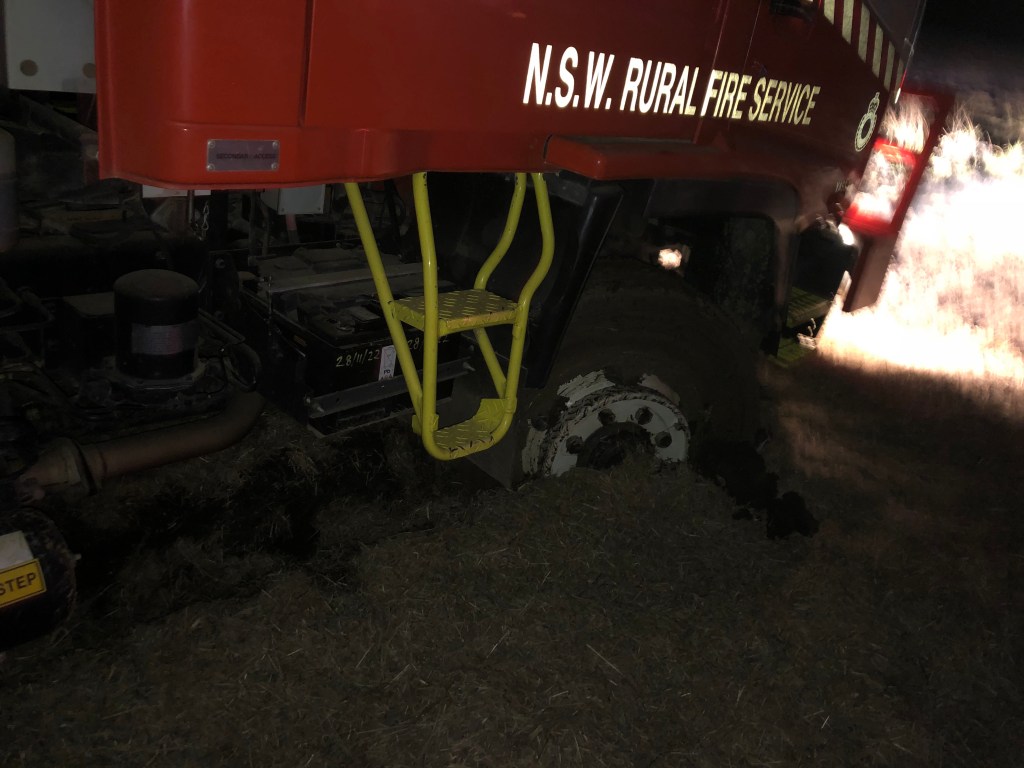
Speaking of the fire season, this year is looking particularly nasty. Our local brigade have already had our first call out for the season. Some dry phalaris stalks had got away from a local landowner. Yours truly at the wheel figured it was a good opportunity to test our grass firefighting skills with the nozzles on the front of the truck- until we got close to the fire and then sank the truck to the axles… It made it a very long night….

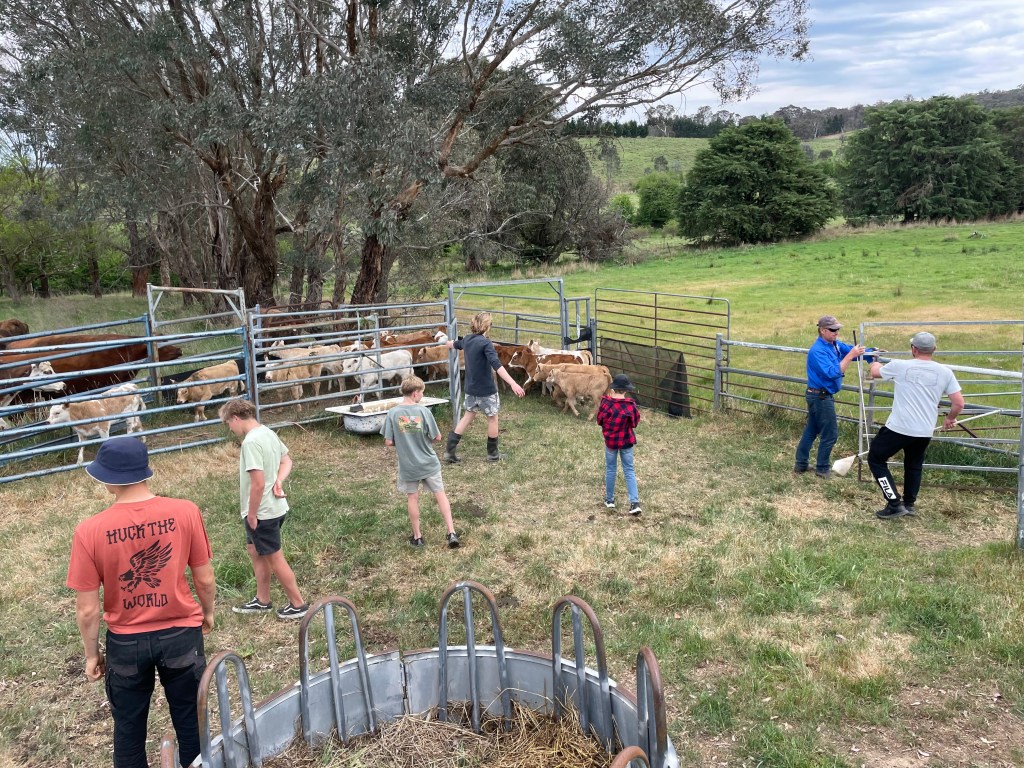
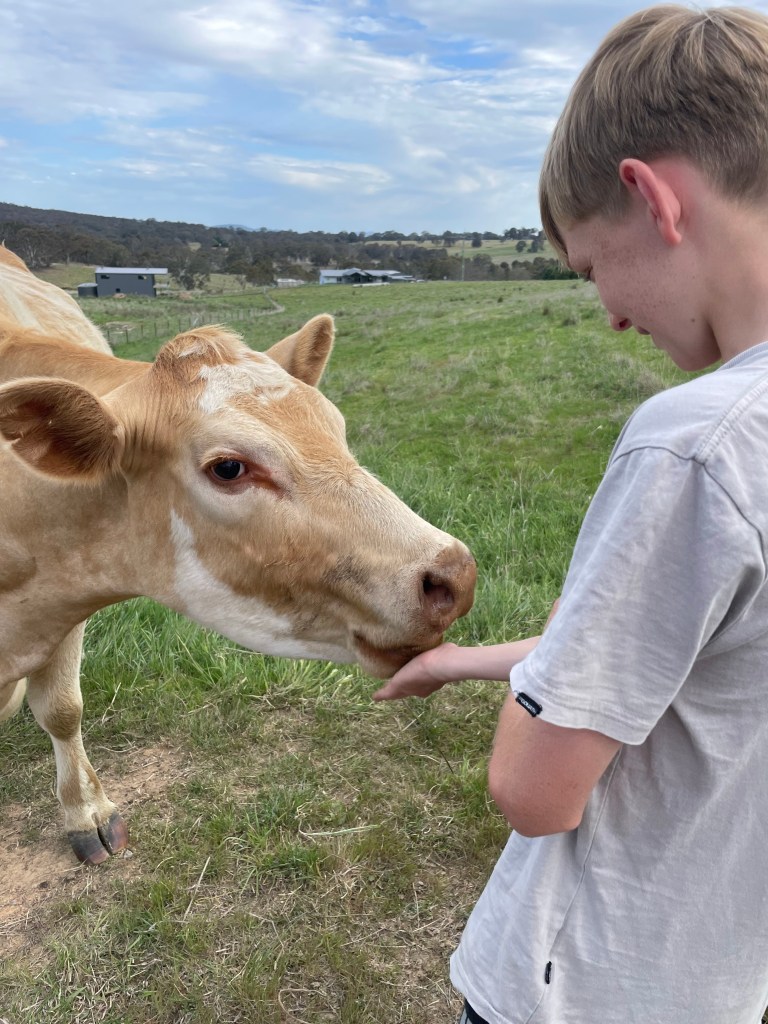
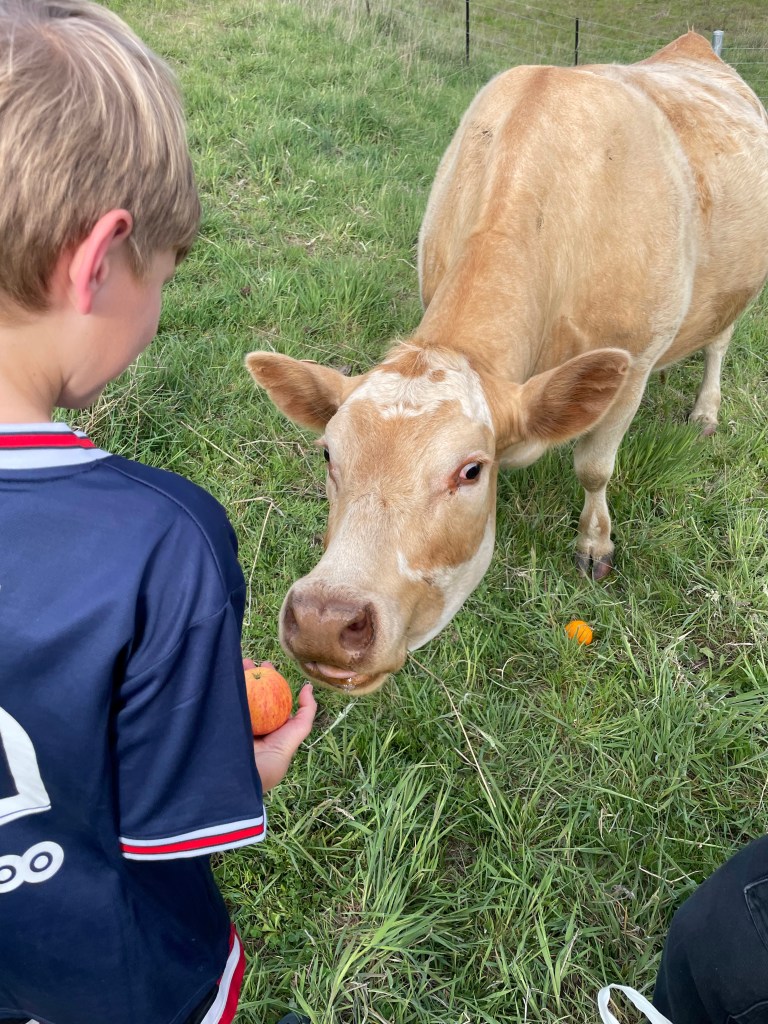
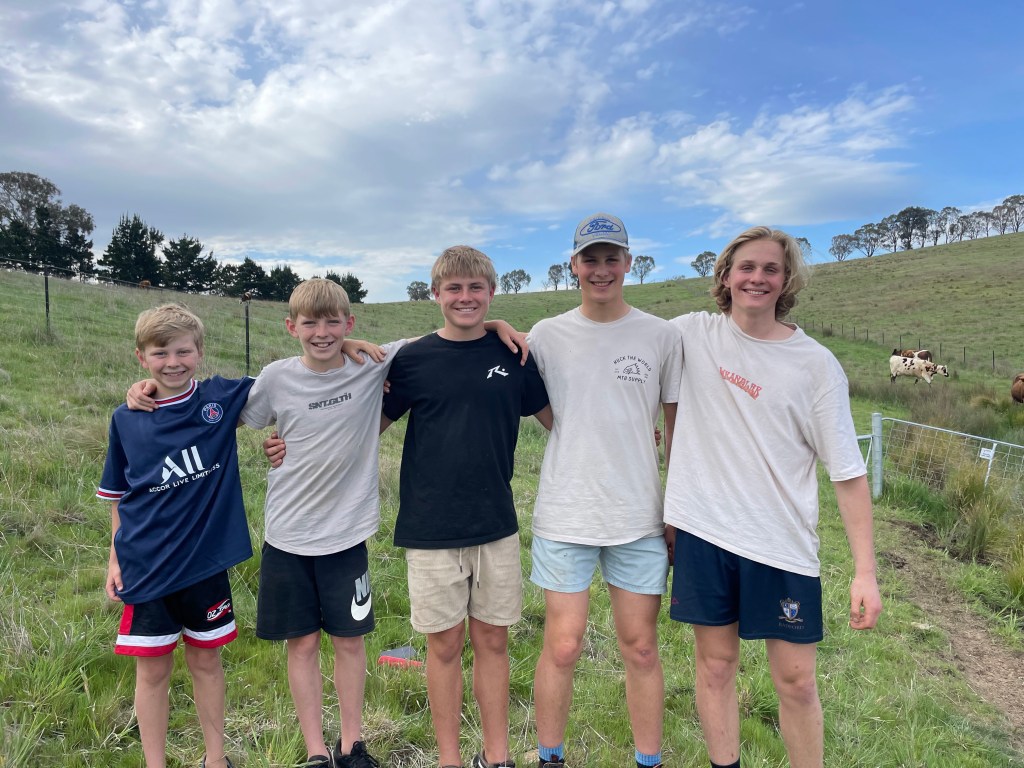
Despite all these distractions, the Rock Farm continues to nurture not just our cattle but also my soul. With my brother and his beautiful family we have marked our calves (12 heifers and 6 steers). The boys had a great time feeding apples and oranges to the cattle, and exploring the farm. One of the highlights was a night walk along the creek spotting possums and wombats doing their thing (quite remarkable considering the noise we were making). And we got to enjoy some slow cooked lamb with very low food miles (perhaps best measured in metres)…

It is wonderful to share the Rock Farm with family. Whilst there is a lot to do, and at times it can feel over-whelming, being able to see the beauty of the landscape through fresh eyes is always a pleasure. We are extremely fortunate to live here surrounded by great family, friends and community.

Flood Repairs, a new fellow and a different kind of holiday on the Rock Farm

I cannot believe three months has passed since my last update. So much has happened that it is hard to know where to start, but a few key themes spring to mind as I reflect on what we have achieved.

  • We repaired flood affected fences and driveway,
  • We built new tree-guards to protect new tree plantings,
  • A bull came to visit the girls and then went back home,
  • We managed a family holiday in a totally different environment,
  • I learnt far more about diesel engines than I ever thought I would,
  • Our local informal regenerative land managers group continued to meet and also took steps to formalise our organisation, and
  • Our calves continue to grow, however not without some heartbreaking news.

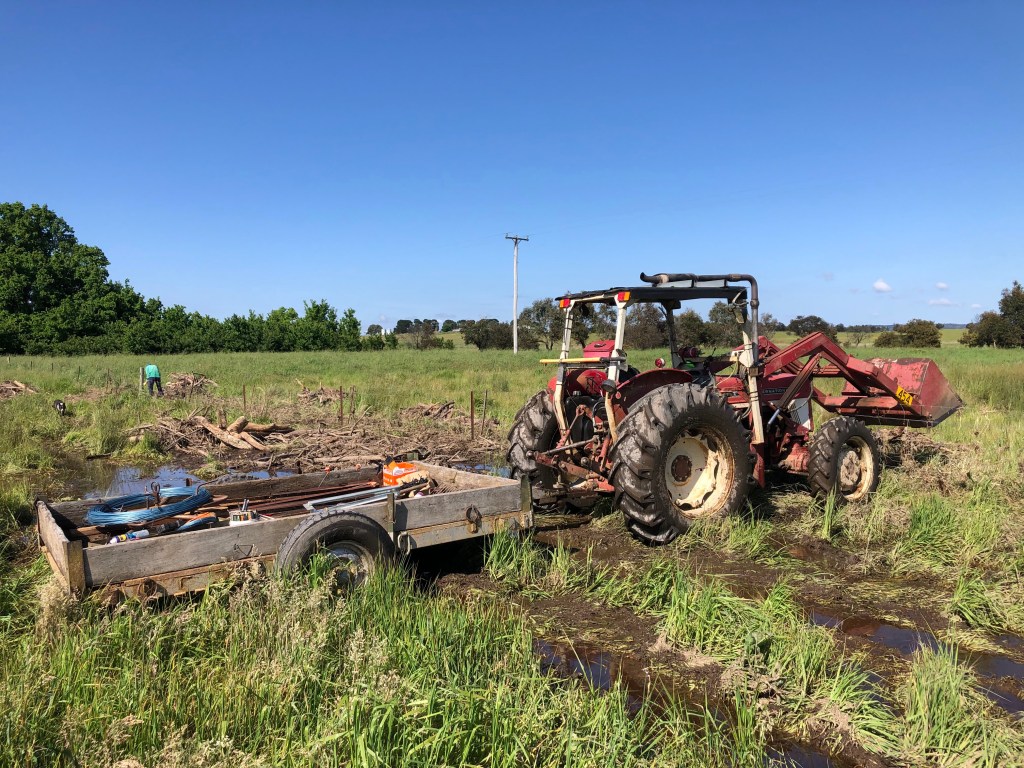
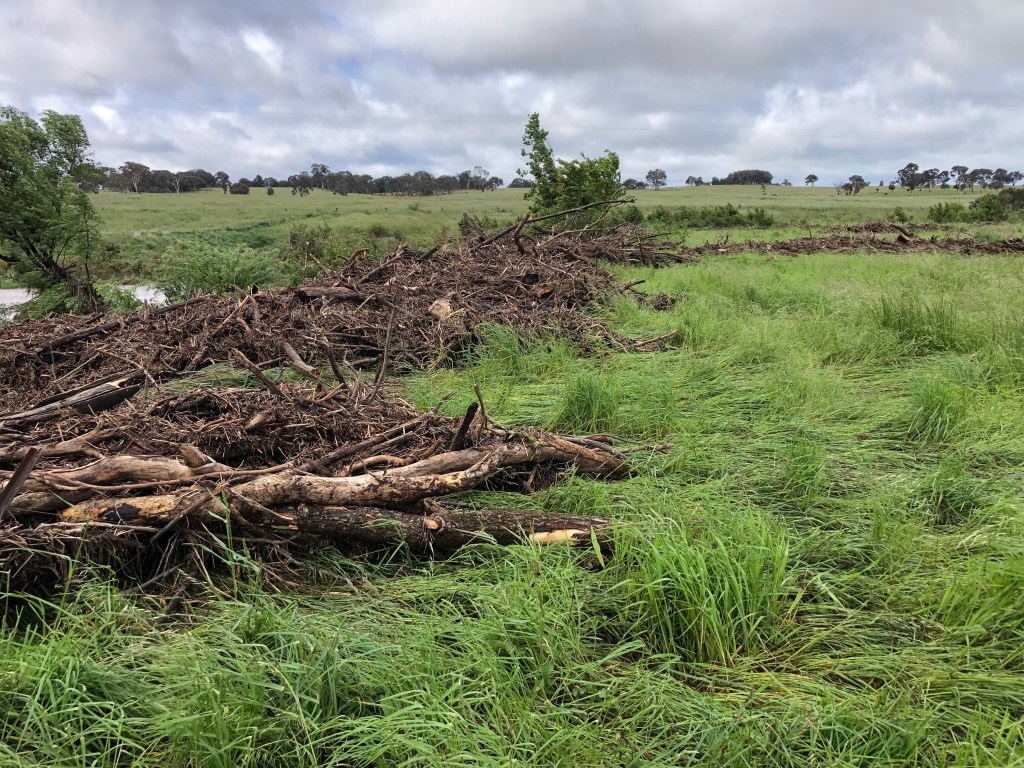
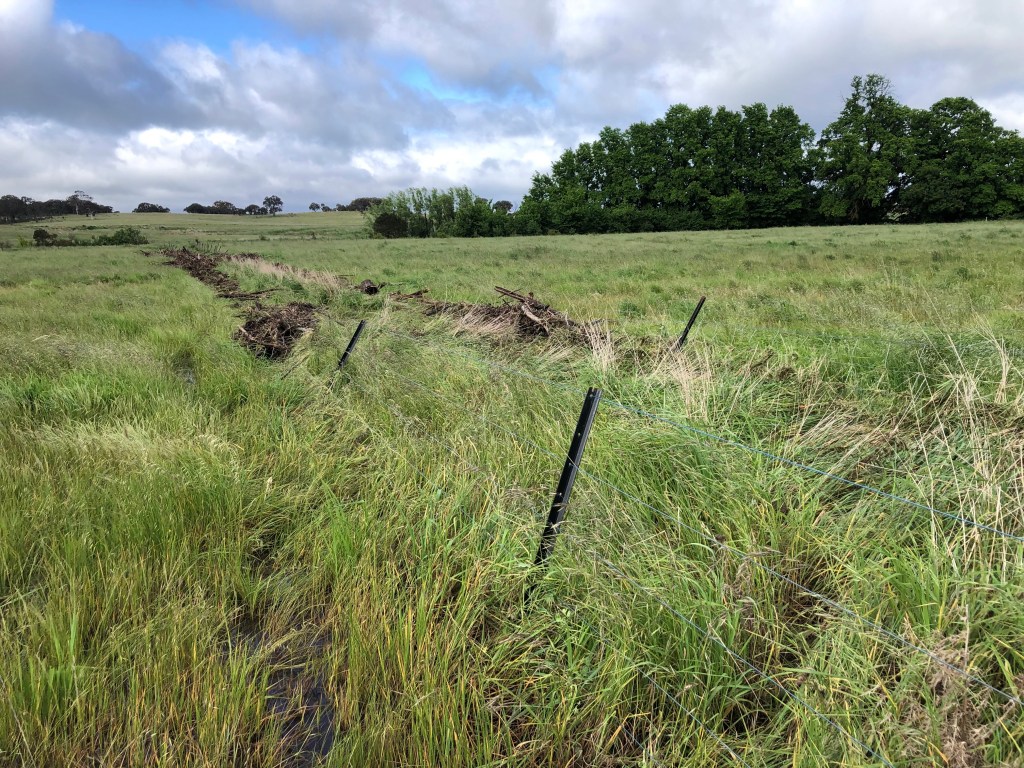
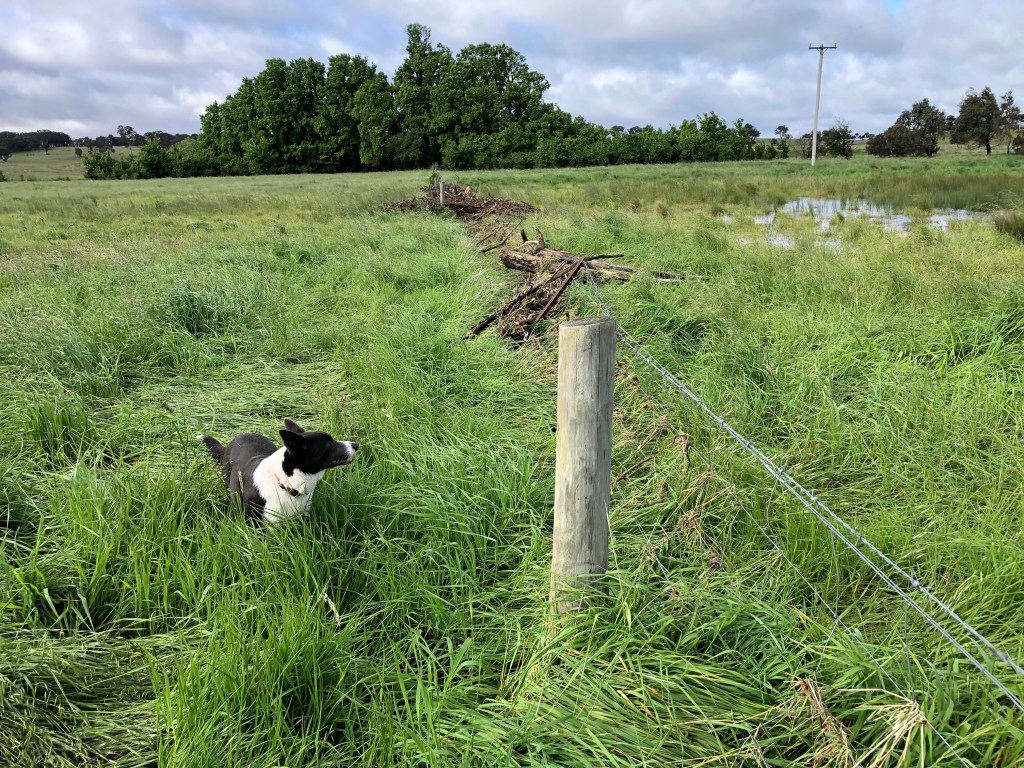
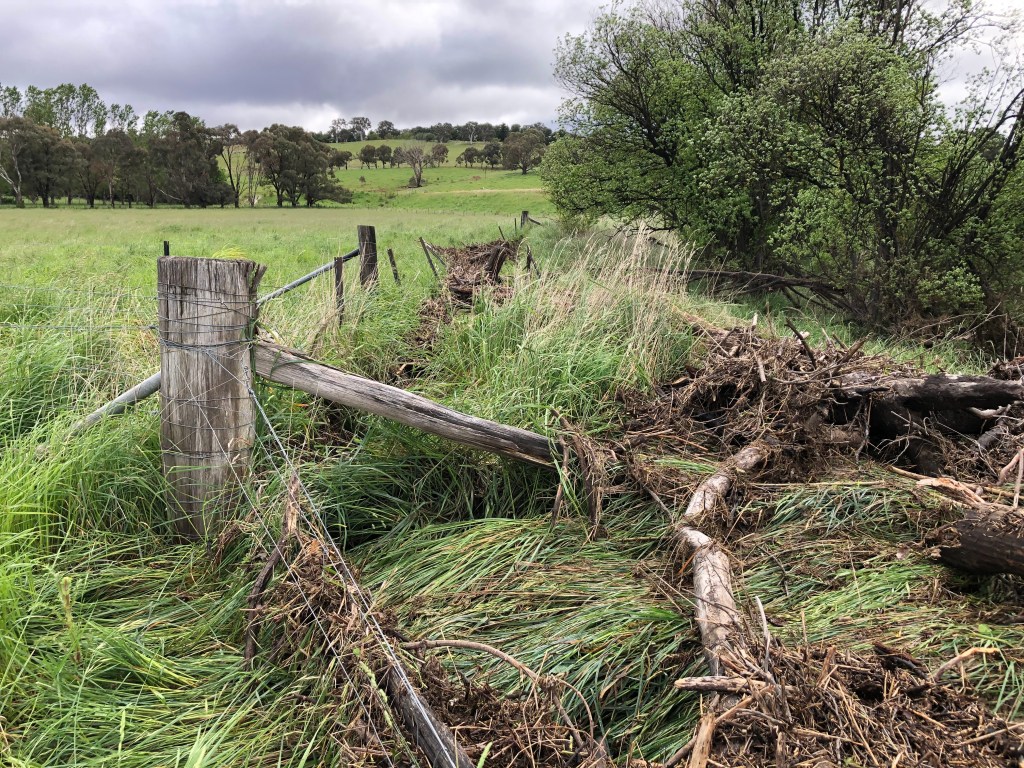
Our floods last October were spectacular – and created several weeks of work for me, clearing debris off fences, then repairing or replacing sections. My priority was to ensure our boundary fence was rebuilt – but Jo sagely asked me how many times I would rebuild it before accepting that our “flats” were actually a flood plain. After making some glib comment that it was the first flood of its kind in over 50 years (the age of the fences), her raised eyebrow caused me to pause. Any husband is wise to listen to his wife – especially when that wife is a Meteorologist and well versed in the matters of rainfall. I elected to focus my attention on repairing the boundary fence to pre-flood strength (critical). Other sections I took Jo’s advice and chose to use temporary electric fencing to keep stock in, using a portable energiser as required. This way if the creek floods again, losses to infrastructure will be minimised.

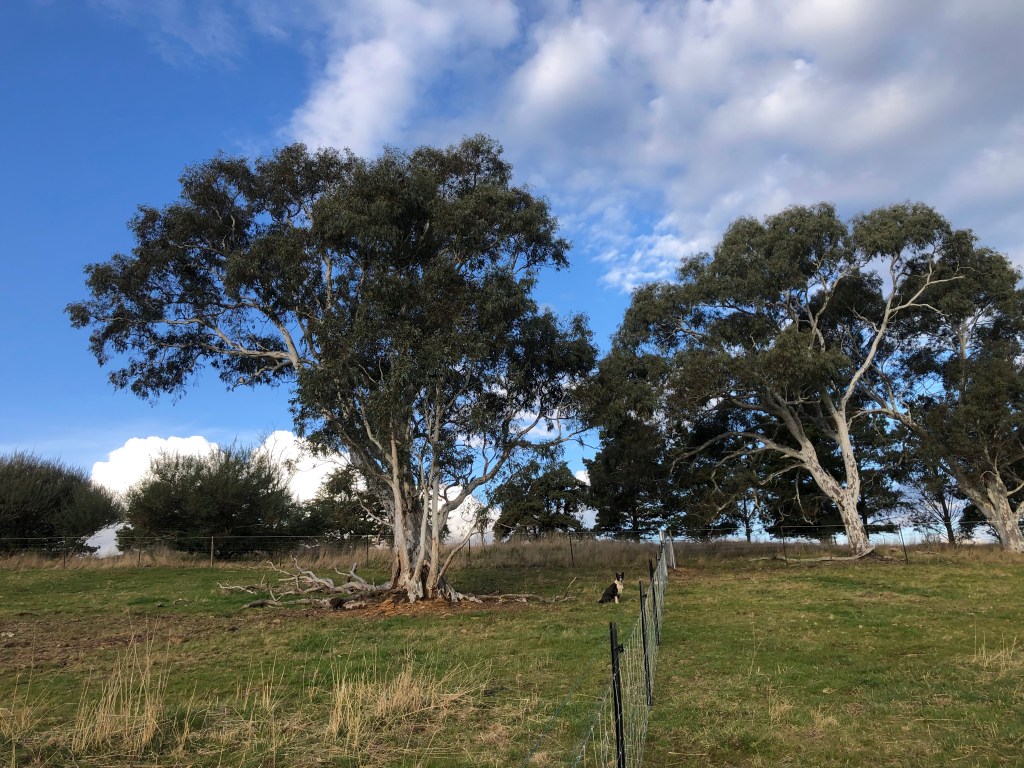
Clearing the fences (thank goodness for the tractor) allowed the opportunity to build a new tree guard around some Cork Oaks (quercus suber) that we had planted along our western boundary. Whilst I had stood up the damaged boundary fence, it wasn’t back to original strength. I took the opportunity to build the tree guard to a high standard three metres in from the boundary. It should not only protect the trees, but keep our cattle in.

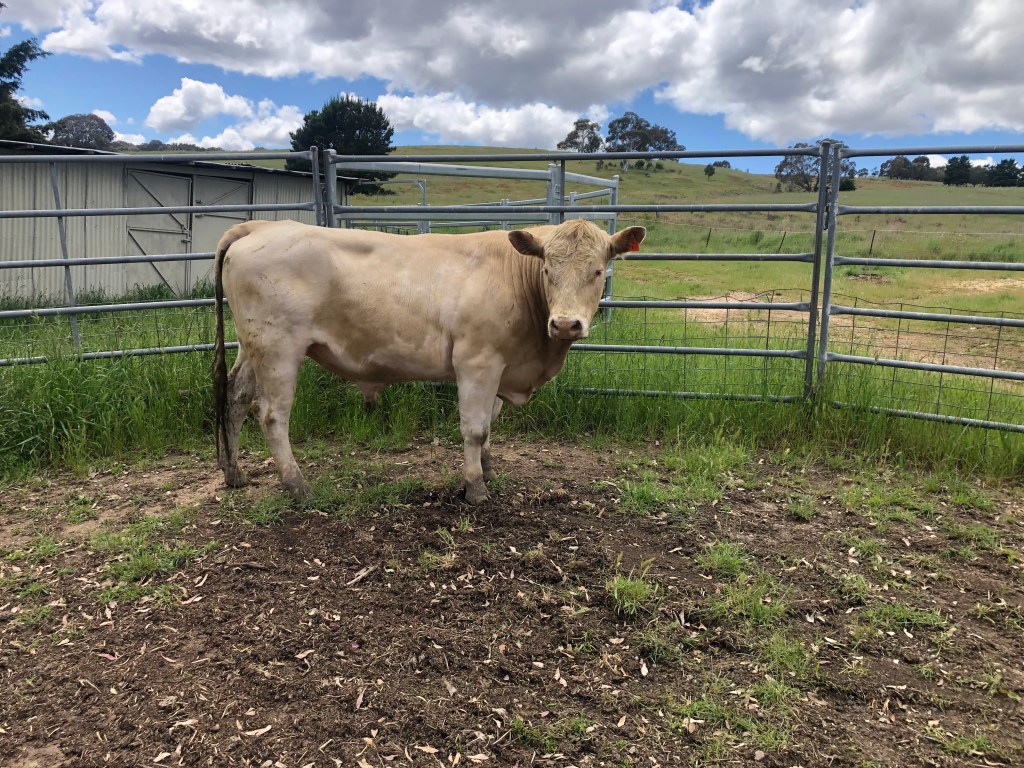
Our cattle mentor John again leased us a bull for this season. This magnificent fellow joined our girls for a couple of months. He settled in to the herd quickly, and seemed very gentle and placid (although it is always wise to exercise a degree of caution in this regard). He followed the girls around and seemed quite happy with the new surroundings for his short stay.

After the experience with our bull last year (he had a little excursion next door), we were keen to get this one home before we went away for a few days with the family before Christmas. Thankfully Jimmy our carrier was able to get the bull safely back home before he was tempted to stray.

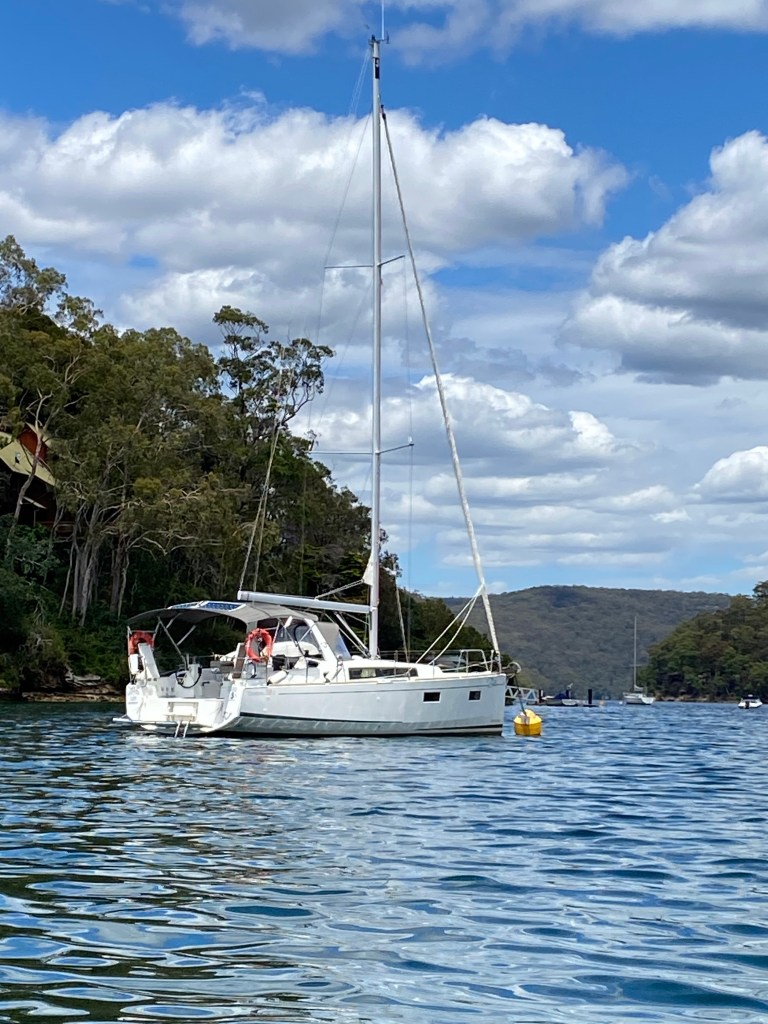
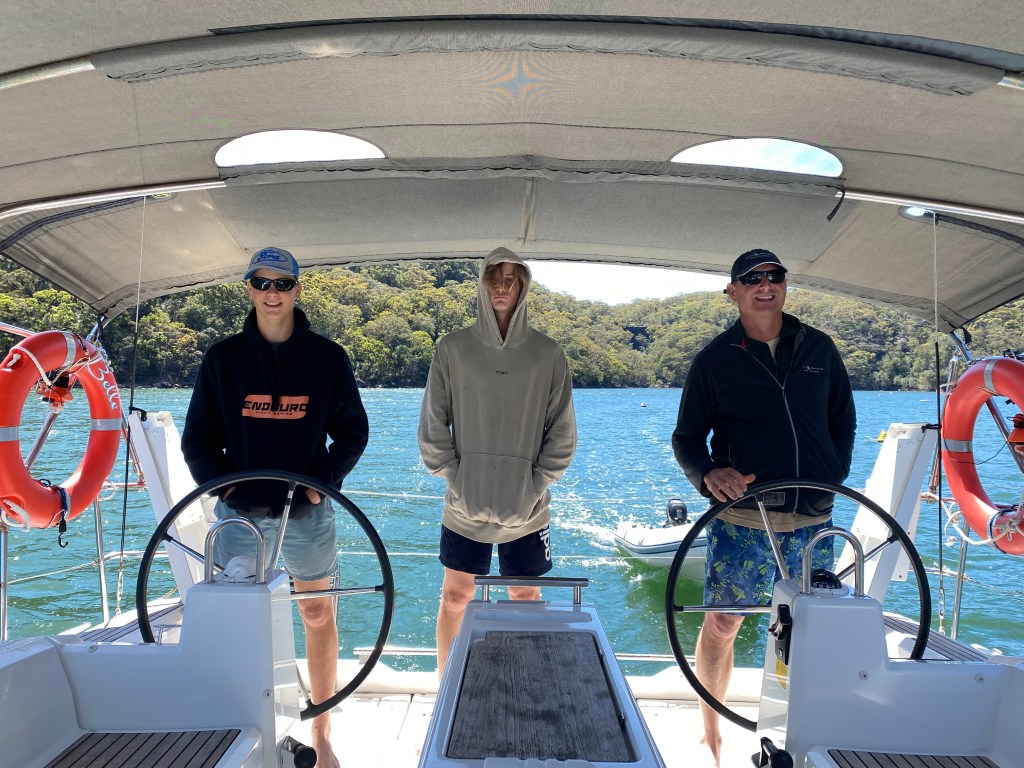
We managed to sneak away on a beautiful bareboat charter in Broken Bay, north of Sydney for three nights. With mobile phones locked away, it was a great opportunity to reconnect with each other and nature of a different kind to the Rock Farm. It also created a hilarious fish-out-of-water moment for the two teenager’s who are convinced their parents don’t know anything about anything!

After getting the run through of the yacht, the charterer politely informed us that the westerly wind blowing creates gusty conditions in Broken Bay, and keeping the sails reefed would be a wise precaution. Shortly after leaving our berth with sails duly reefed, we were barely moving, so we decided to set all our sails. Moments later we were caught in a particularly fresh gust coming down from between a couple of hills. The boy’s eyes opened wide as the yacht heeled over and took off. We decided perhaps we should reef our sails again, and after things settled back down, the boys asked us how fast we had been doing.

It was hilarious watching their faces when they calculated how fast six knots was in kilometres an hour… (about 11km/h).

Both Jo and I have worked on the water before, and we were so glad we took the boys out to enjoy the pleasure of sailing. We moored every night, and all of us loved swimming around the yacht and exploring the bays on the included paddleboard. When we returned the yacht, the charterer couldn’t believe how little fuel we had used over our four day three night charter. It was just perfect exploring the magnificent Broken Bay at the pace dictated by the rhythm of the wind and the water.

There is a kind of magic that comes from being on the water – in many ways it is similar to how it feels on the Rock Farm. There is an inner peace, whilst being acutely aware of how the weather affects each and every part of your day. It is good for the soul.

But we couldn’t stay all at sea forever. There was still extended family to catch up with and plenty to do on the Rock Farm. When we got back home, we started working on the to-do list.

Of droughts and flooding rains….

Dorothea Mackellar had it right when describing her love of Australia in her poem My Country. The Australian landscape has always been one of extremes with periods of drought followed by wet cycles. Whilst the cycle is familiar throughout Australian history, the intensity of droughts and rain events has increased. This, combined with changing land use, further compounds the effects of the climatic changes, meaning we are seeing bigger floods and longer dry periods.

Three years ago, our area was gripped in drought. Doomsayers prophesised that city water supply dams in Australia would never be full again. We anxiously watched our dam drop to a puddle, knowing if we ran out of water, we would have to sell the last of our cattle. Then in early 2020 the drought broke, and we have enjoyed a cycle of wet years, which has replenished water storages, rehydrated the land and grown pasture to feed our cattle.

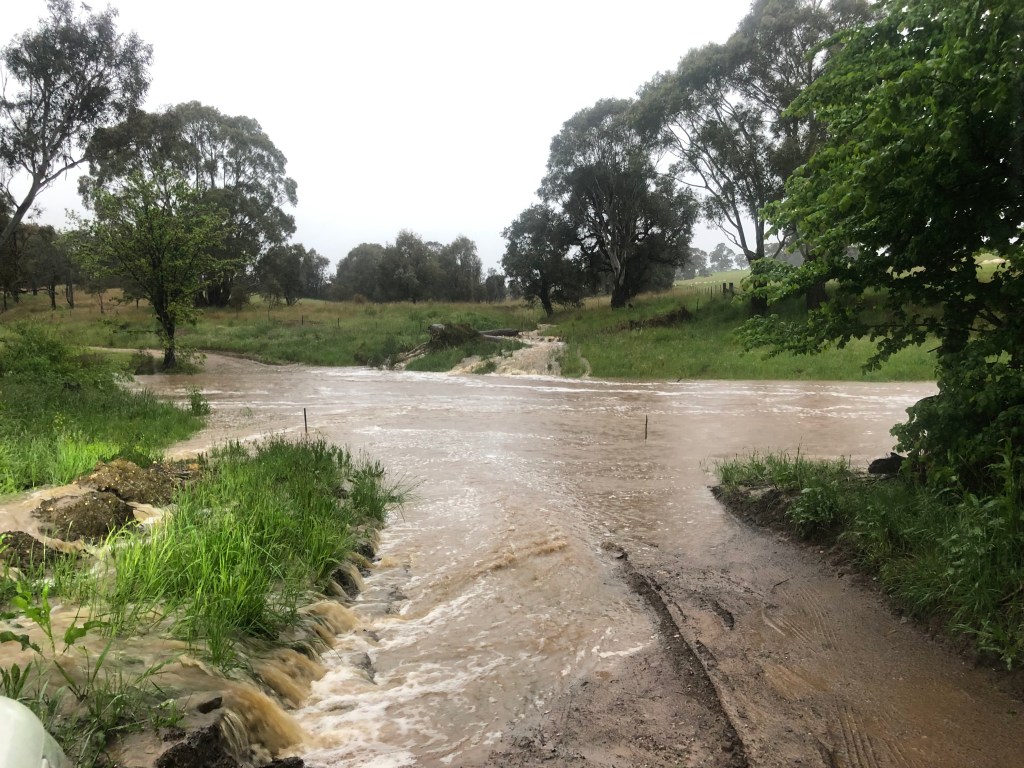
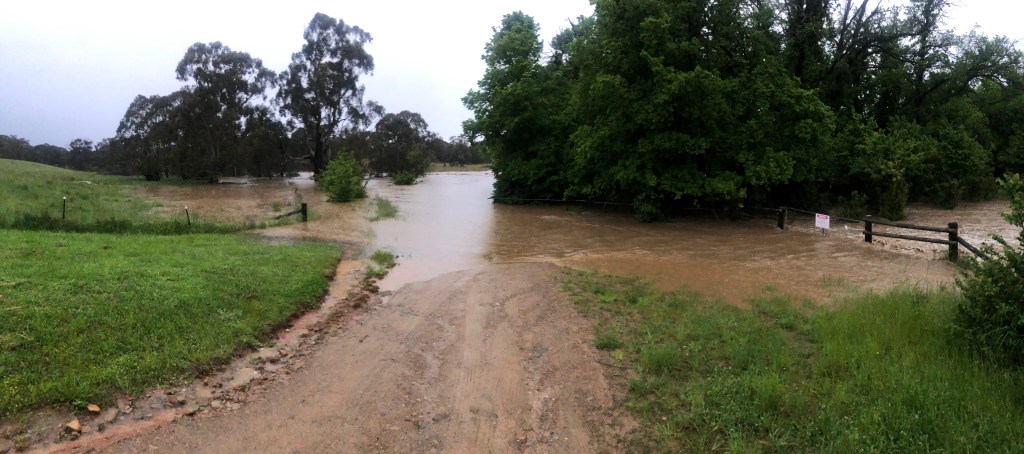
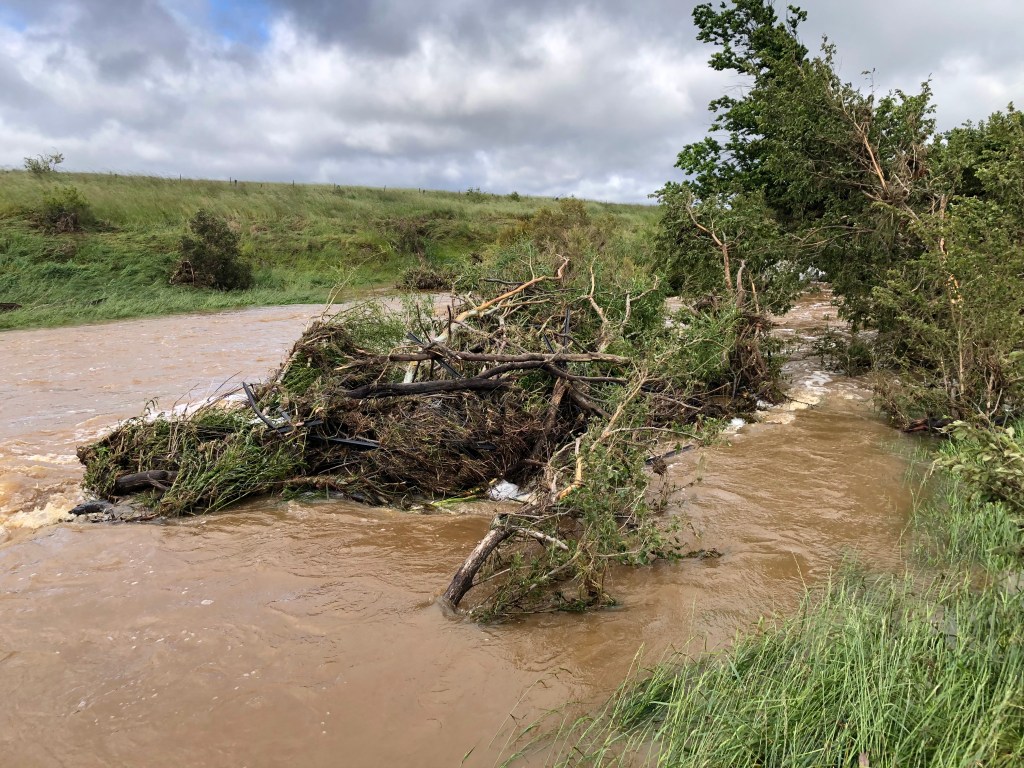
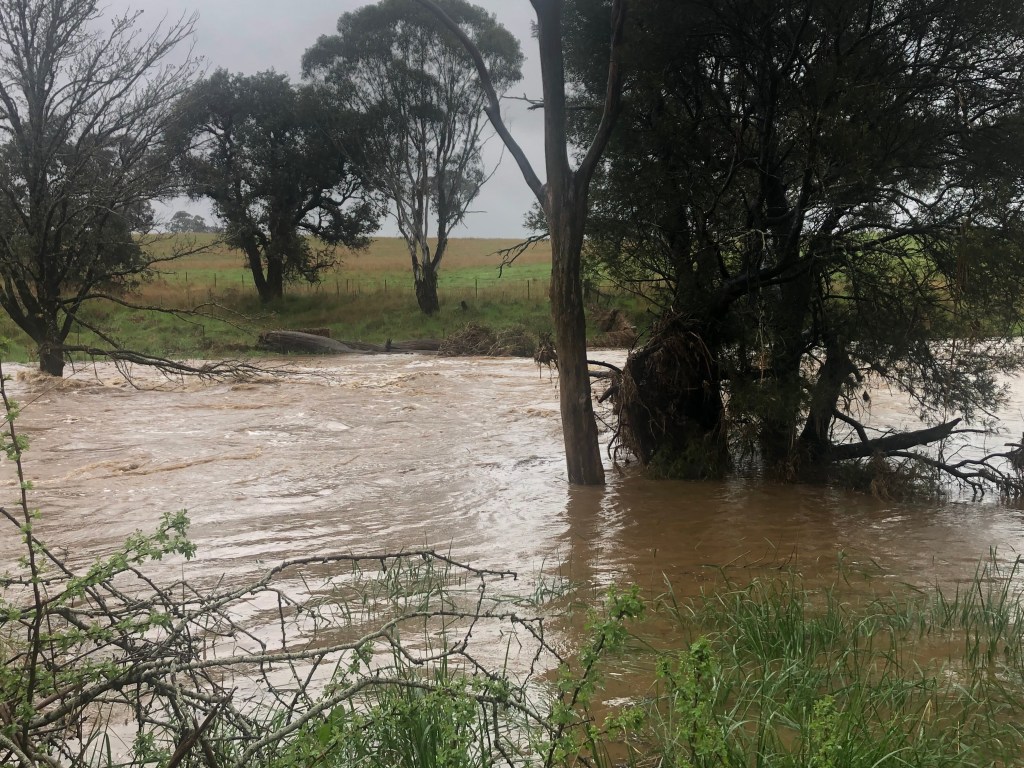
Earlier this week we experienced the highest flood of our creek for at least 50 years. Three hours after the rain started falling, our creek rose quickly from a small trickle to a raging flood that surpassed our last record height by another half a metre. Previously the damage caused by floods on the Rock Farm has been relatively minor, the clean up being an inconvenience. This one was something different again.

This series of photos show how quickly the creek rose during the first hour. I was anxiously waiting for the family to come home but it became apparent that they were never going to get home in time. Thankfully friends opened their doors and Jo and one of the not-so-little helpers enjoyed a night in the village. (Huge thank you to Mark and Mel).
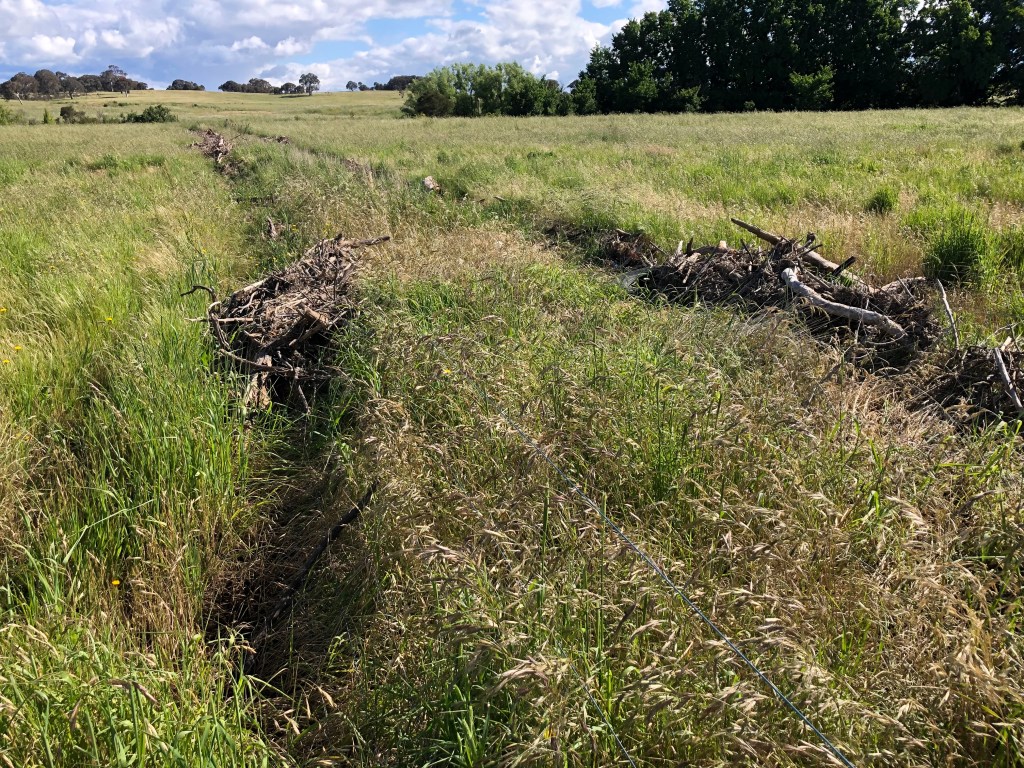
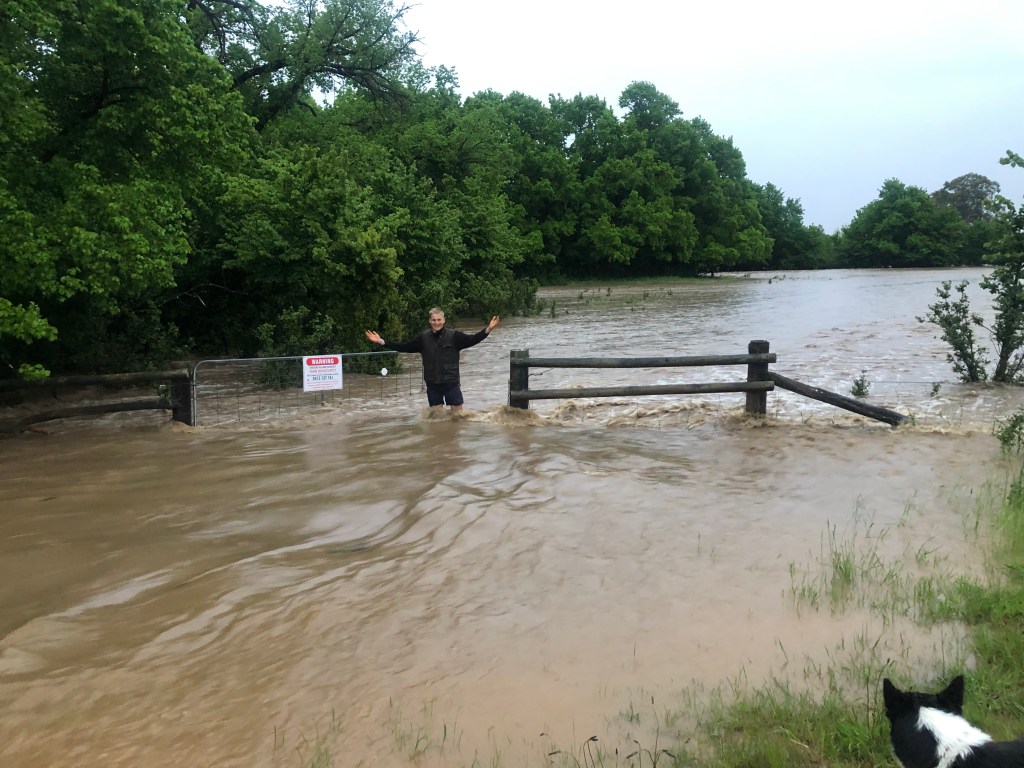
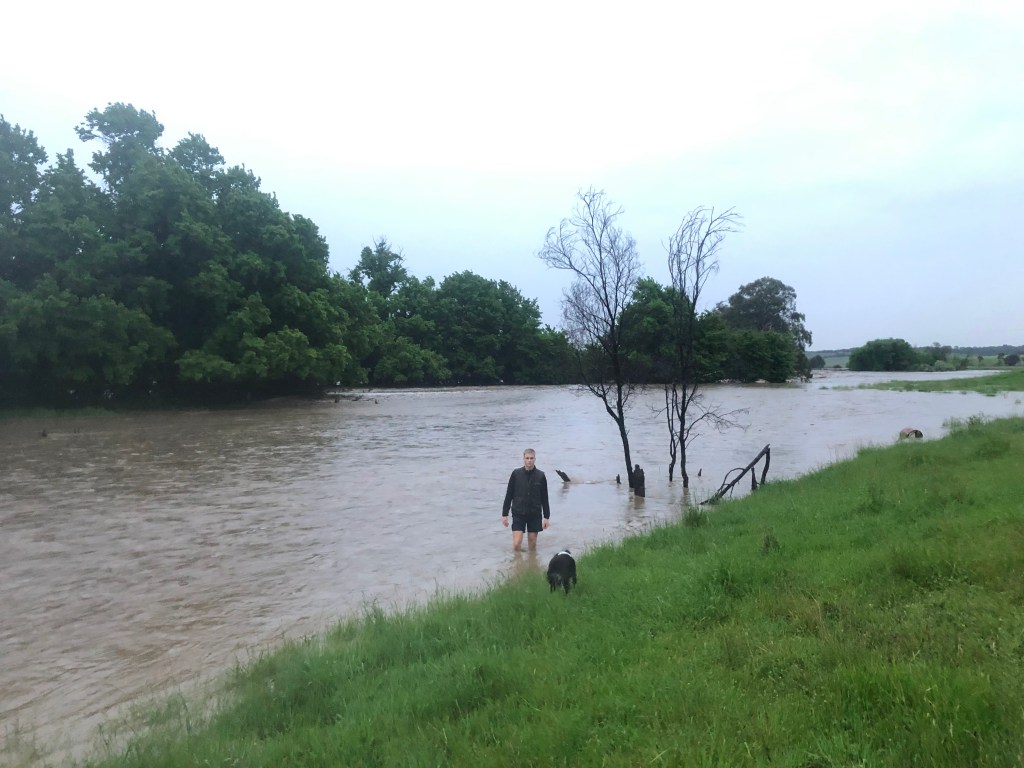
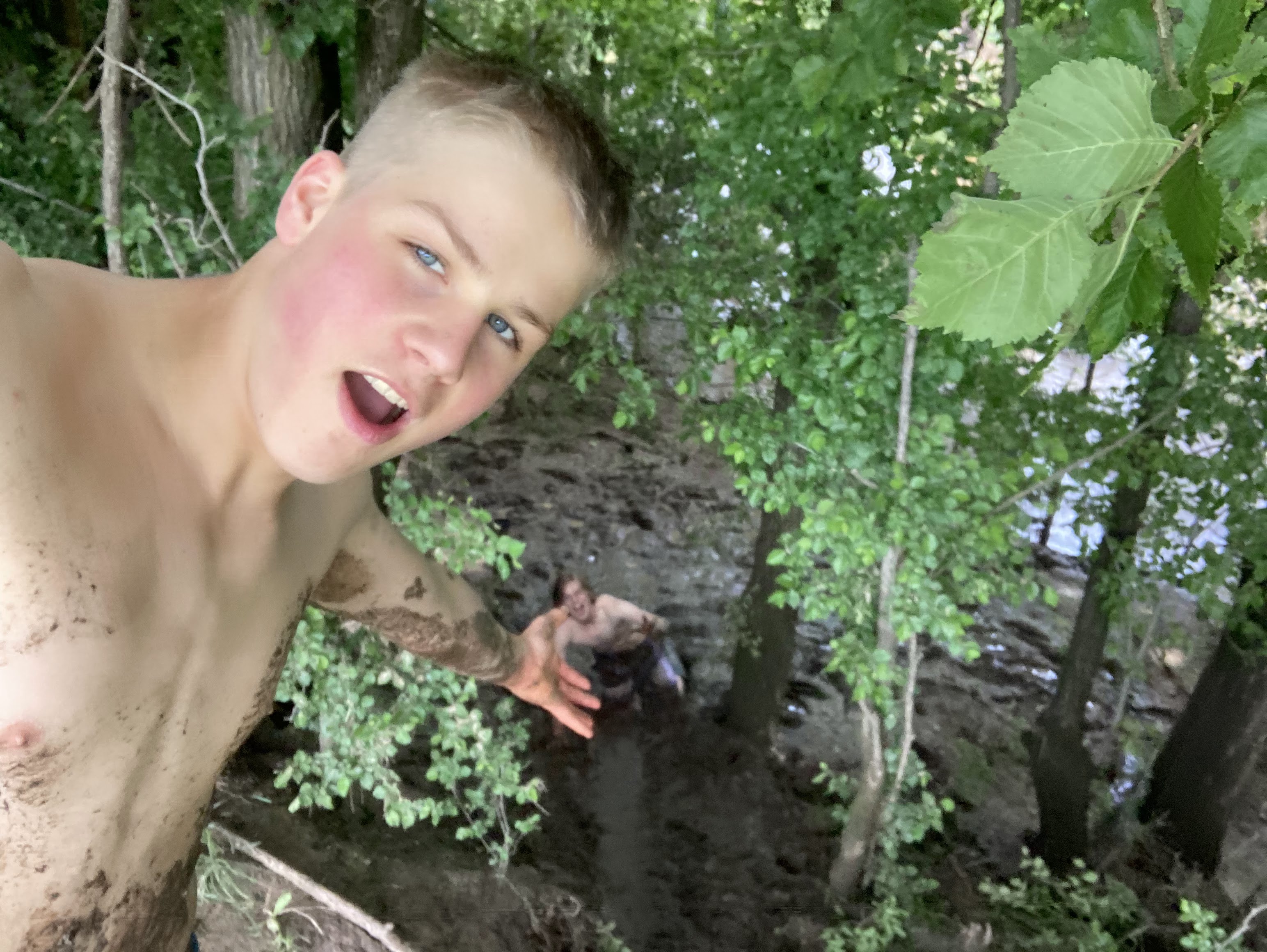
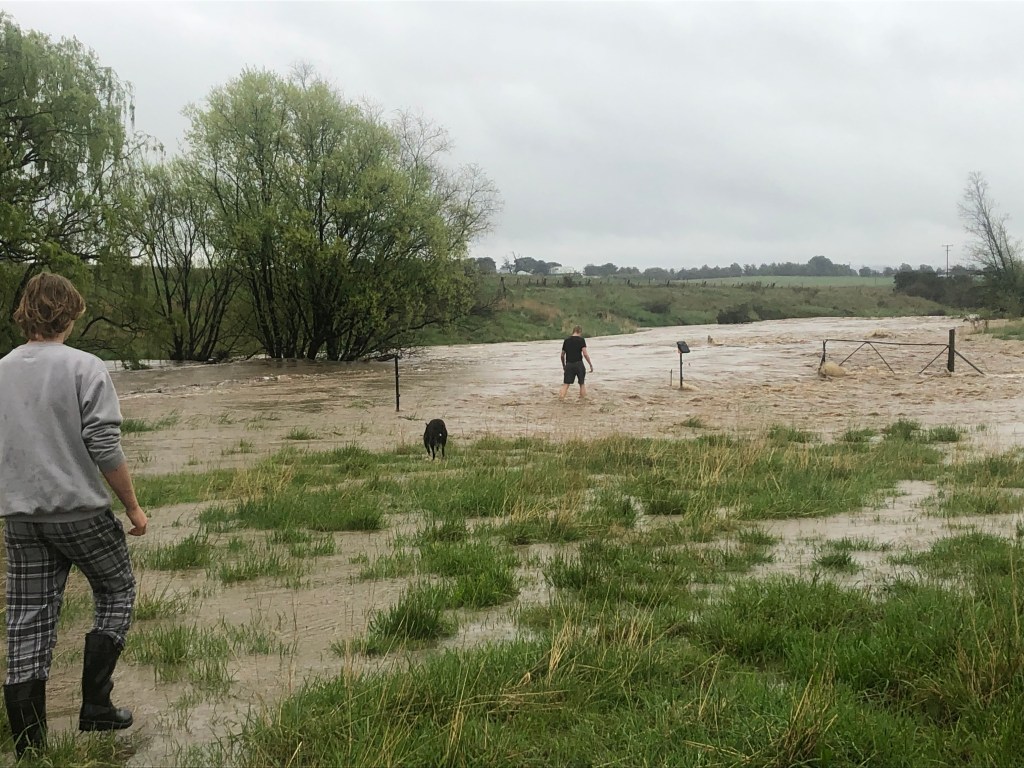
A couple of hours later the flood was in full force. The not-so-little fisherman and I went for a walk in the paddocks, and we weren’t prepared for the amount of water roaring down our creek.

The driveway disappeared. The previous record was to the base of the gate on the right – this one came another half a metre up the gate. I sent the young fellow in to open the gate and reduce the load on the catch.

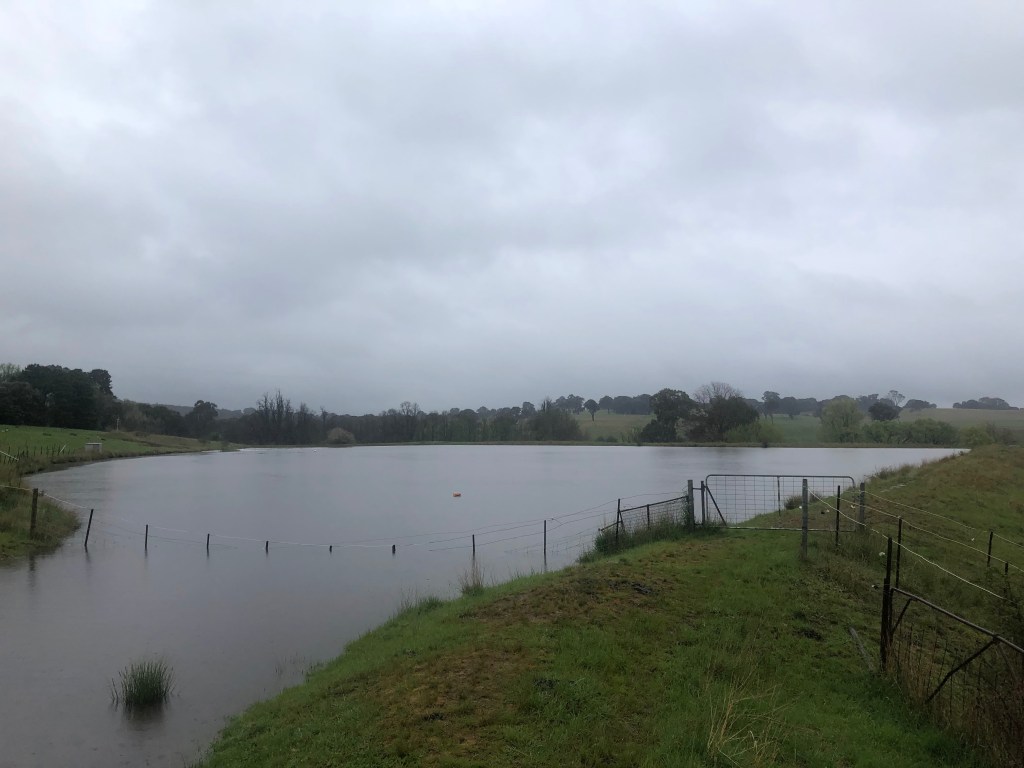
The water came up to our dam wall, and we sat and watched the water for a while. Every minute or so we heard giant Elm trees crack and shake, before seeing them appear in the middle of the flow downstream. The destruction was enormous. I have never before seen these trees break off the banks – indeed they have done a fantastic job of stabilising the bank up until now.

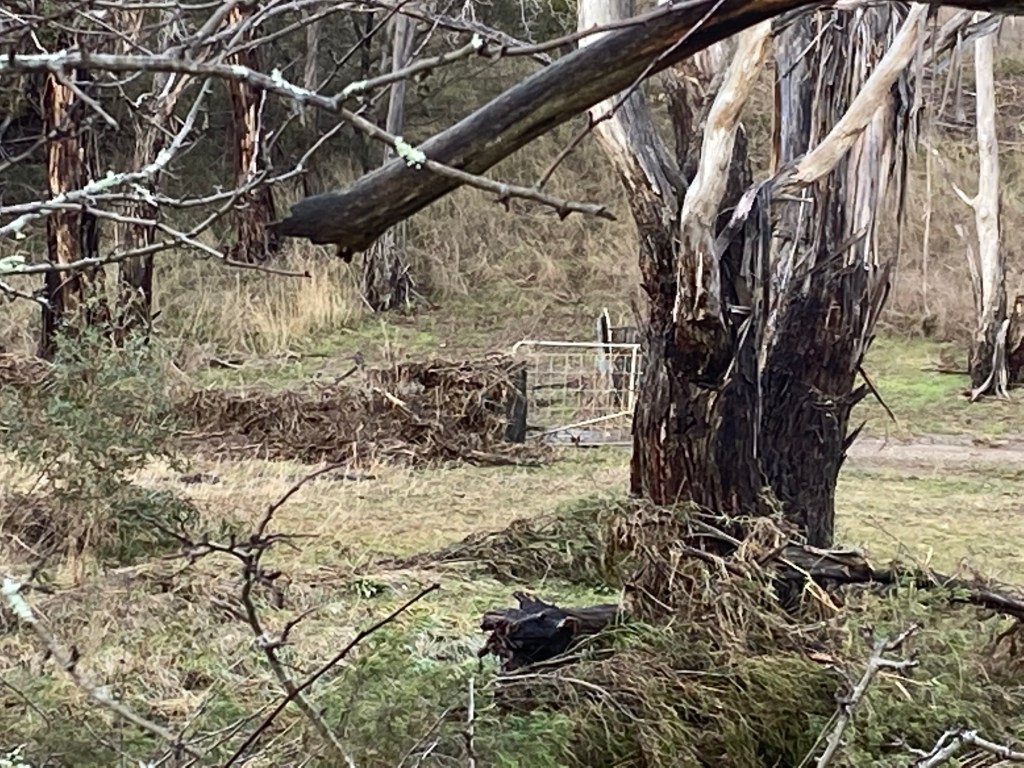
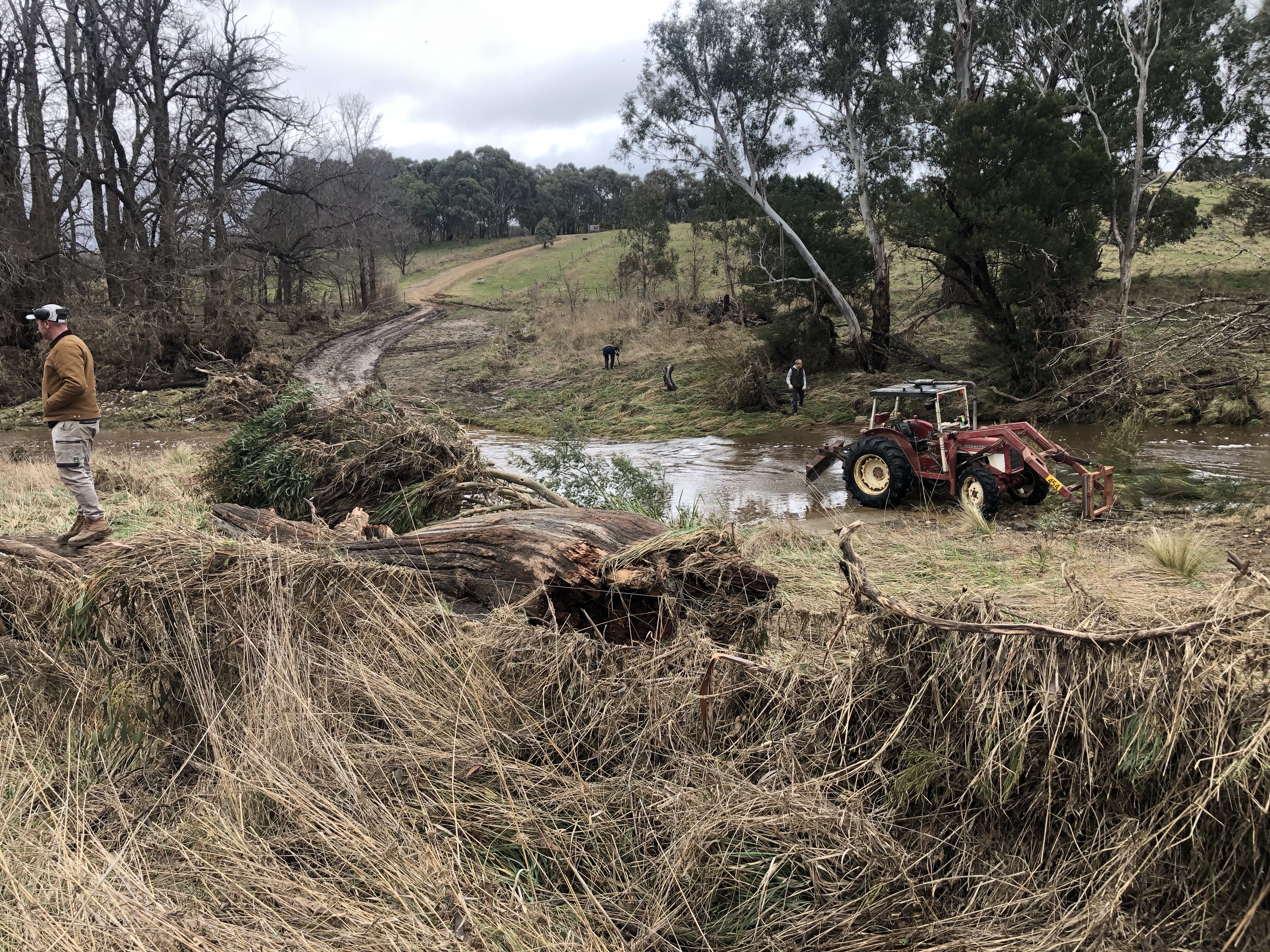
The following morning the water had receded and I went for a walk to check the damage. Debris was pushed up onto and over fences that have been standing for 50 years or so. I found the oak tree that used to stand near our crossing several hundred metres down stream. Several of the Elms that collapsed during the flood were lying in my paddocks. Sections of the creek banks had been scoured out, and areas that were previously grassed and covered in trees turned to river rocks and sand beaches. We have lost quite a large area of our paddock – but the young trees planted on the banks seem to have folded over and bounced back. We need them to grow and grow quickly to help hold the bank together in future floods.

The clean up will take a while – but that is all achievable. I have written a priority list for the fence repairs, however all work is on hold whilst we wait for the paddocks to dry out. It is one thing to walk on the paddocks in calf deep water. It is something else altogether to drive on them with machinery or even just tools. After a bit of work with the tractor, the driveway is again passable

The most important thing is that we are all safe and well. The cattle likewise are all safe and now back on the slopes well above the water level. And of course – it has created a wonderful playground!

In the coming weeks I am sure we will repair our fences and get the farm functioning again. In the longer term, I hope we can lift our gaze and start working at catchment levels to slow water down. If we can slow water in the landscape, it will cause floods to rise slower, the peak to last longer but at a lower height. The landscape has changed enormously in the past couple of hundred years, and any changes we make wont happen overnight. The good news is that change is happening. One of the key organisations that has conducted years of research and is at the forefront of making changes both at a landscape and the political level is the Mulloon Institute. If you’re interested in finding out more about how we can start changing the hydrology of the landscape to reduce impacts of flood events like this, check out their webpage here: https://themullooninstitute.org/

Mechanical, aborial, bovine, fencing and climate challenges on the Rock Farm.

The Rock Farm is looking fantastic with the grass starting to leap out of the ground. The lawn mower has been brought out of the shed and pressed into service keeping the garden in check, the teenage helper’s desire for pocket money overcoming their inherent need to sleep. The first snake of the season has come out to soak in the sun. Our cattle are starting to put on weight, and we will join them with a new bull soon. The wet spring season has created some health challenges for the cattle which we are working through, whilst making access to the Rock Farm difficult. We have continued planting native shrubs. built more tree guards and are replacing boundary fences. We have also been working on a couple of mechanical challenges.

During the first week of the school holidays, our old black falcon ute kept disappearing with two boys, only to be heard from the house revving hard. The Not-So-Little Helpers discovered the fun of going in circles…. however they have also found out that when you push an old engine to the limit, things tend to break.

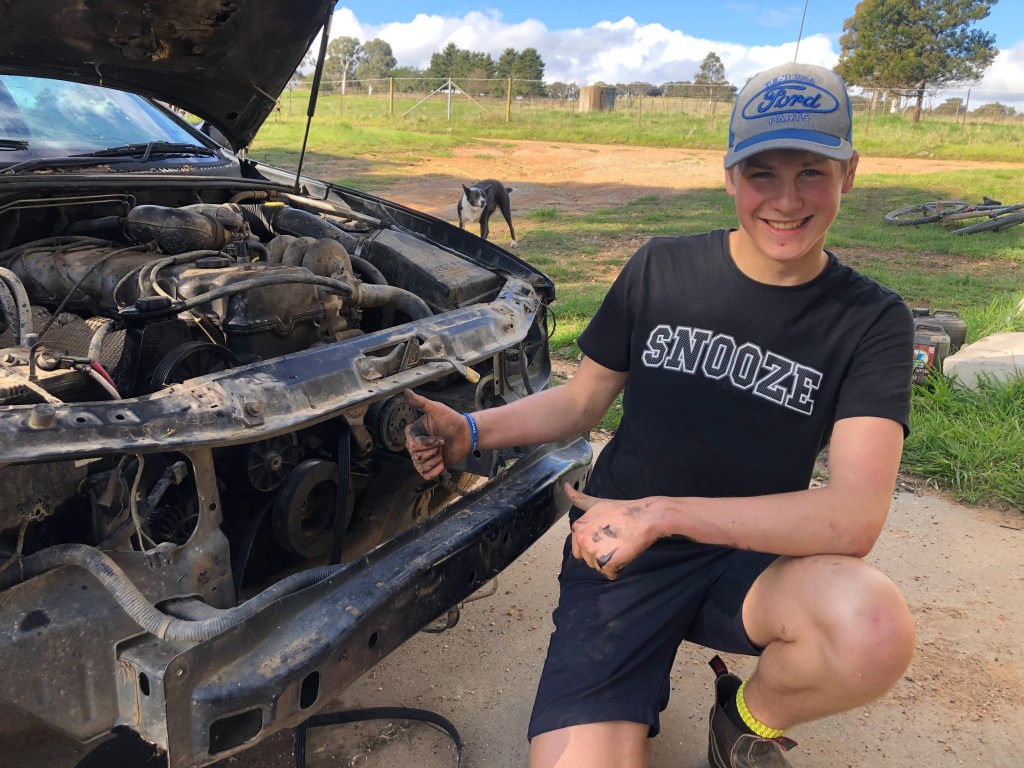
The harmonic balancer collapsed, and the boys sheepishly reported they thought a tensioner pulley had failed, as the fan belt kept coming off. Our family rule is that if you break it, you fix it (the two ‘F’ rule). I explained that I needed the capability of a farm ute – they could work out whether it was in their best interests to repair or replace the car.

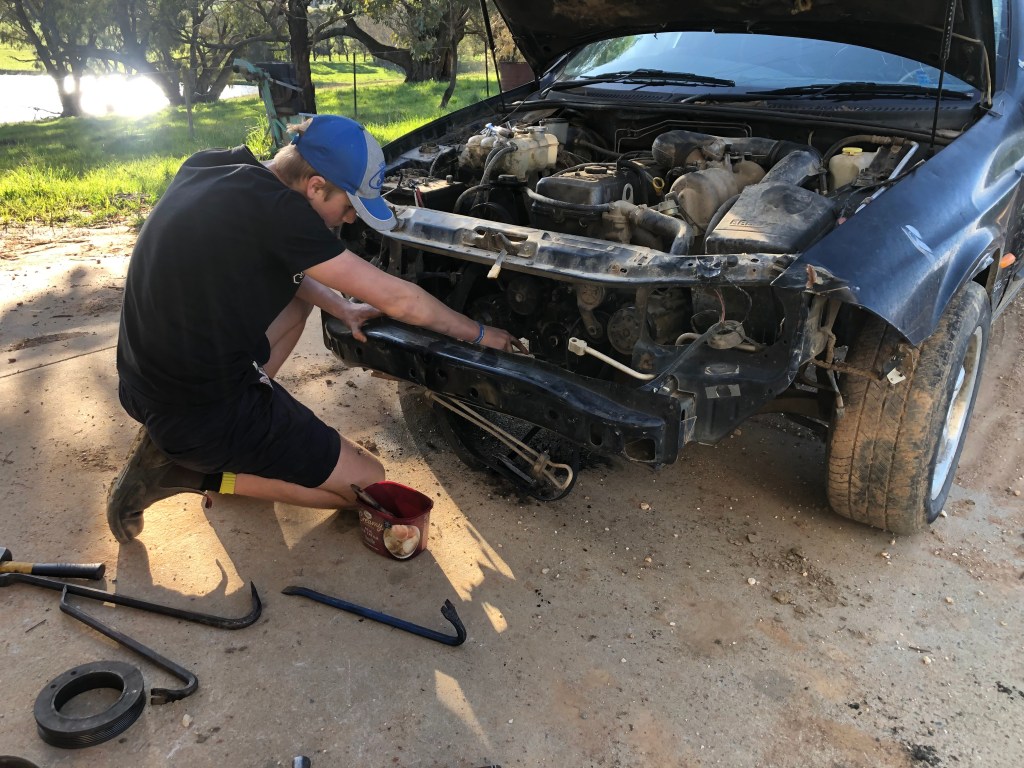
They quickly realised that repair was indeed the cheapest option – even if the parts were more than the original cost of the ute. Fitting the new harmonic balancer was especially easy, as there was no grill or bumper restricting access. After an entertaining hour or so watching the boys fit the new balancer, the ute was back in service…. for a short time until they flogged our both rear tyres.

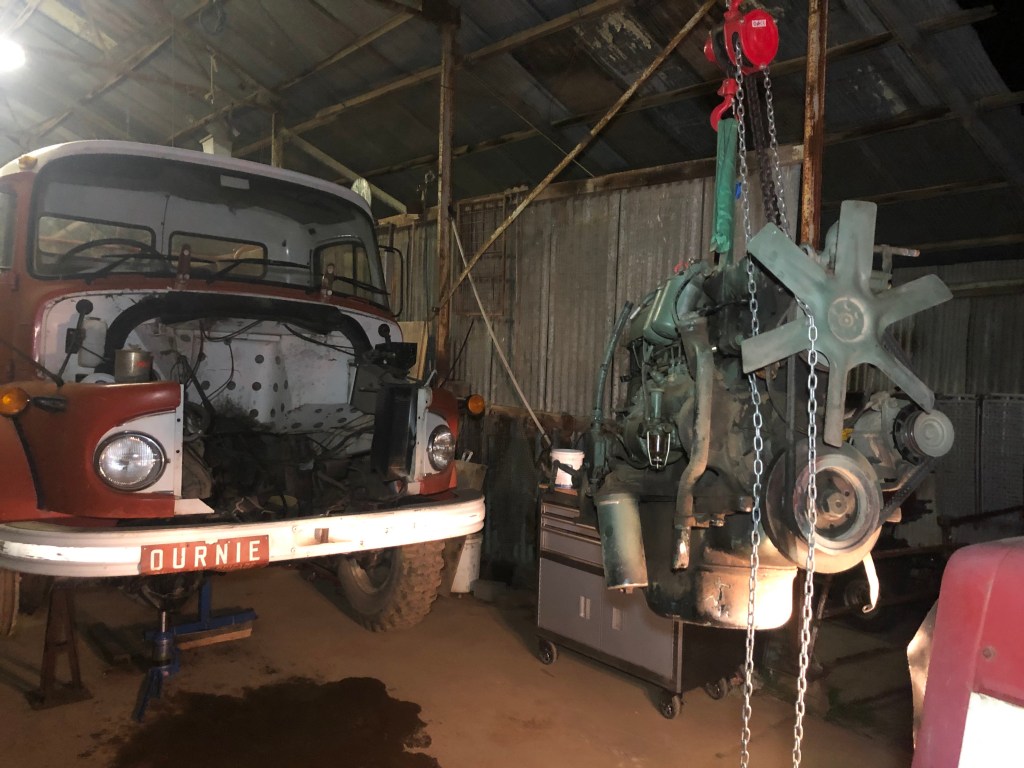
My progress with Myrtle the old Benz has been slower, but I have finally managed to remove the engine. It was straightforward, but not particularly easy. Three out of four engine mounts were easy to extract, one was nigh impossible. Seven out of eight wheel nuts were easy to undo, one was not. It was a common theme as I slowly got the engine ready to remove. I now have to remove the engine from the donor truck – which will probably be in the new year.

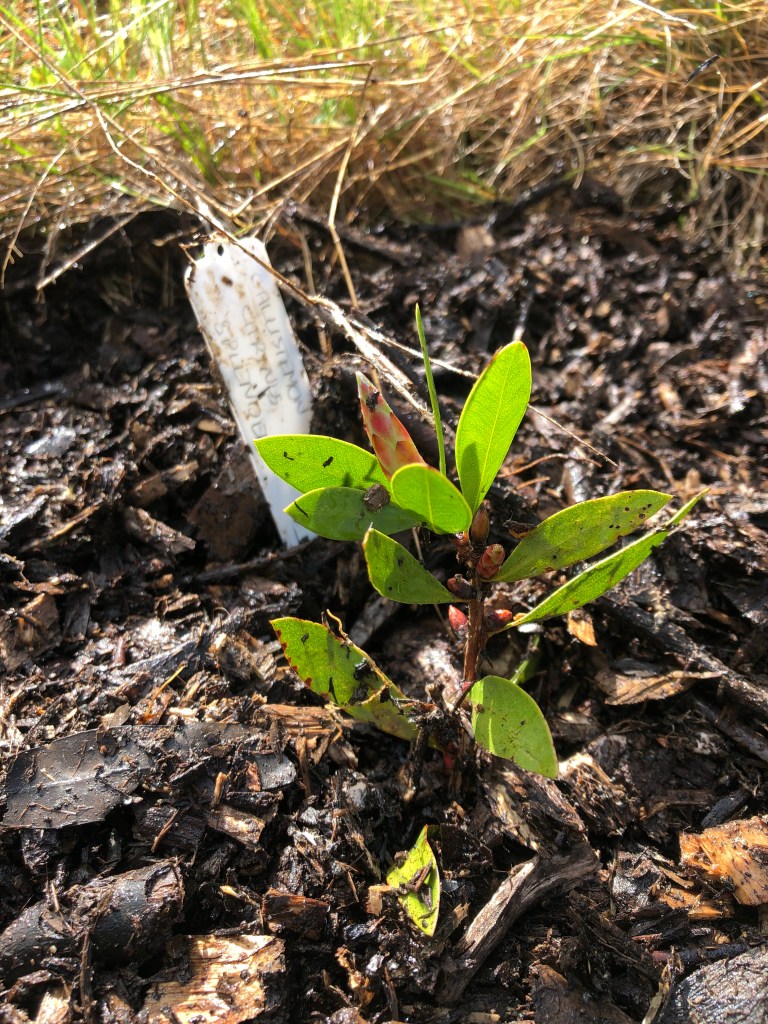
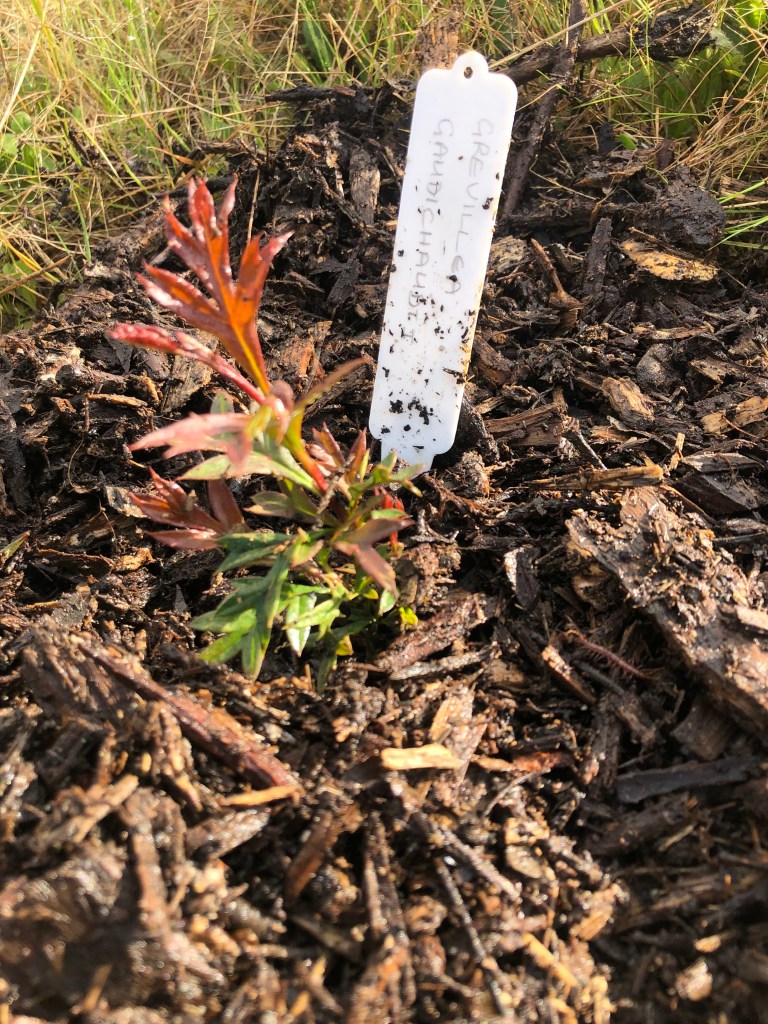
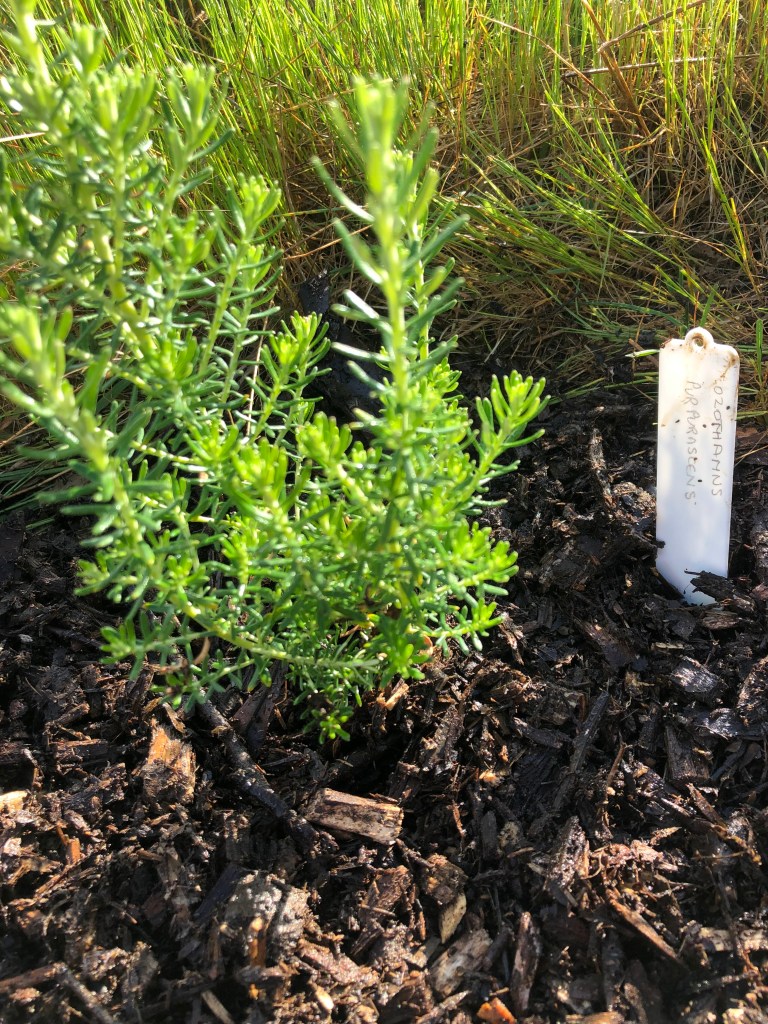
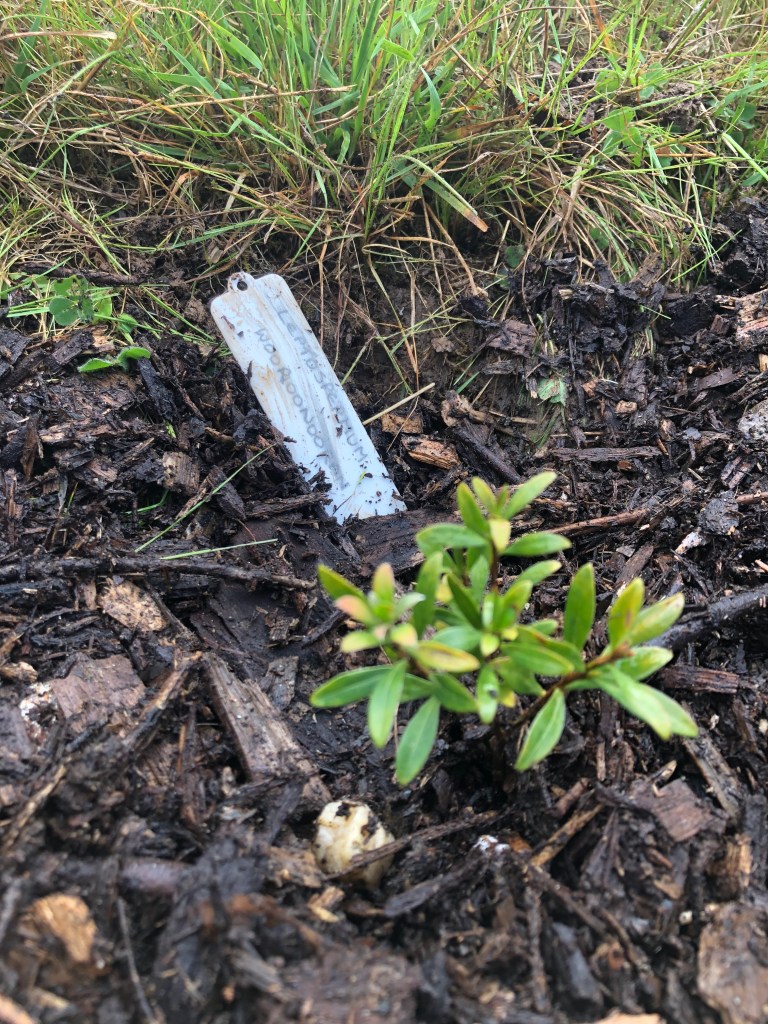
Around the farm tree planting continues, with a range of native shrubs planted in our biodiversity reserve. We hope these will grow and provide food and habitat for native bees, insects and birds. I find planting trees is not only great exercise, but it also incredibly fulfilling. I hope these little shrubs get well established this season, without too much pressure from the hares!

In other areas of the farm, we have been working at improving the infrastructure. We built a new tree guard for the Cork Oaks we planted near the dam (see last post) however I haven’t been game to drive down to fence off the other Cork Oaks on our western boundary due to the wet boggy conditions.

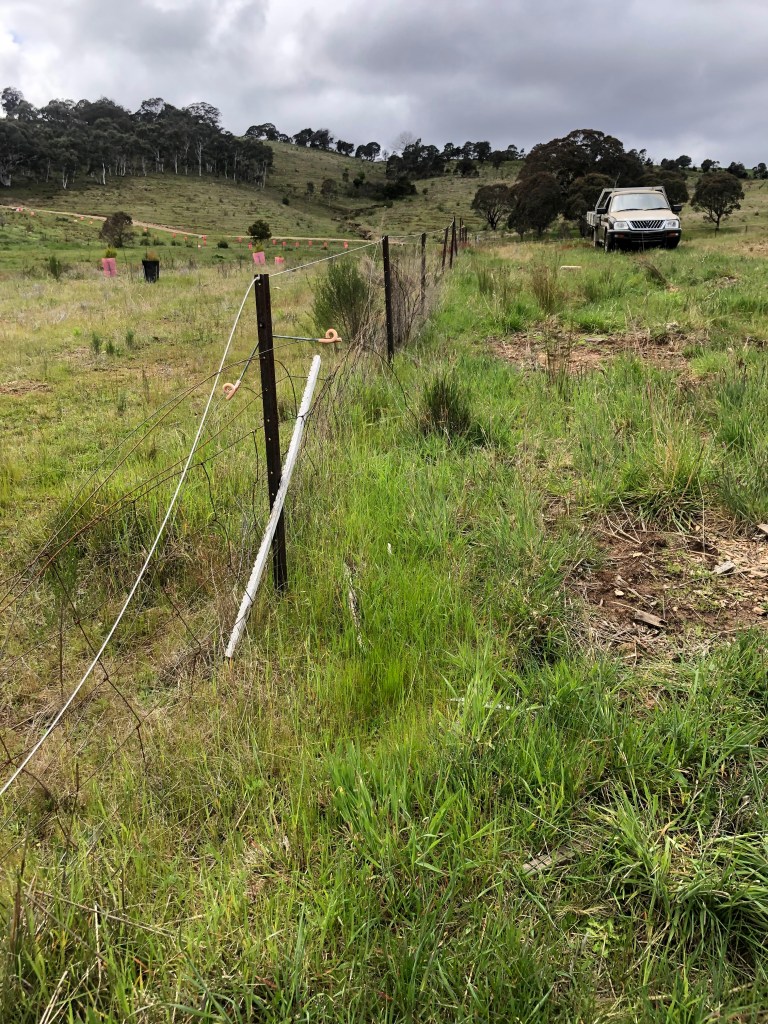
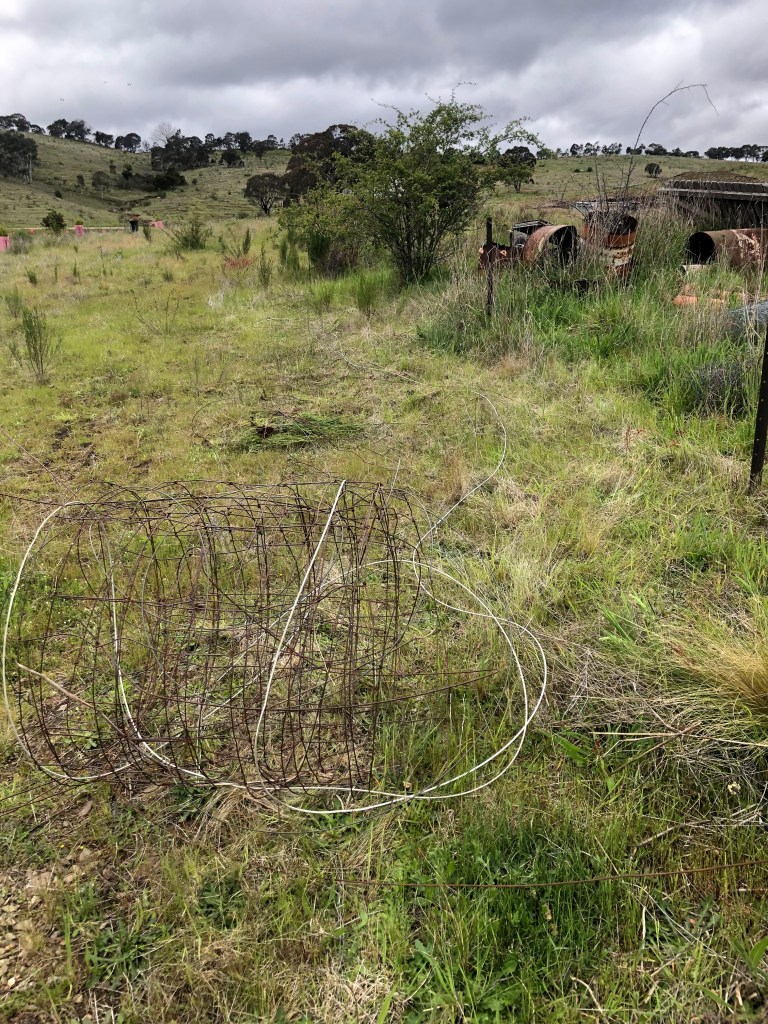
The northern boundary fence was in terrible condition, and I spent a morning removing the old fence so a contractor can replace this section. We are fortunate our neighbour supports these improvements which work for both our properties. We hope to get new posts in the ground this week before the next rain event comes.

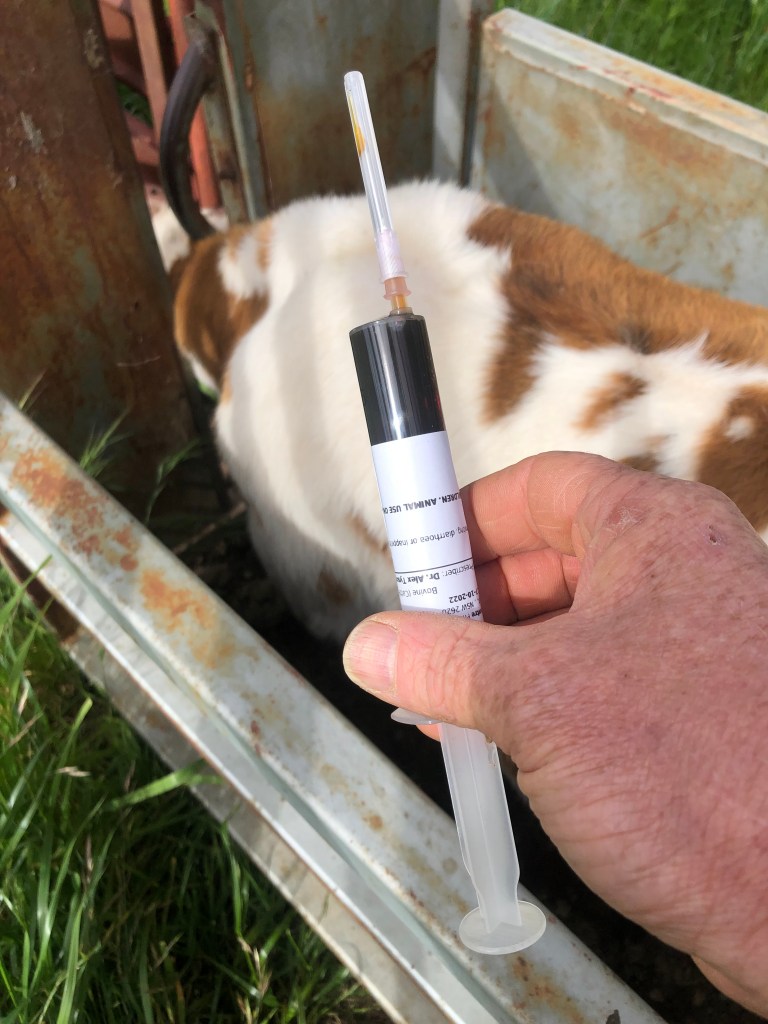
Speaking of the wet, it is having an impact on the health of our cattle. We have been keeping the cattle on the slopes, attempting to keep their feet as dry as possible. Unfortunately all our paddocks have boggy sections. Warm wet conditions increase the likelihood of the animals suffering a painful condition known as footrot (not to be confused with Foot and Mouth disease) – see here: https://www.mla.com.au/research-and-development/animal-health-welfare-and-biosecurity/diseases/infectious/footrot/. We noticed one steer with a limp, and the vet gave us a long acting treatment to help clear the likely abscess in his hoof. The vet explained the injection ‘triangle’ site for the intra muscular injection. The steer wasn’t particularly happy when the needle entered his neck, but I hope he feels better soon.

The record breaking wet is also having a wider impact on our community. Most common complaints are the condition of the roads as the substrates collapse and giant potholes form. We are fortunate that our flooding events normally affect nothing more than our property access (drowning of big red truck aside!). We have a temporary fence in our flood prone areas, from which we need to retrieve our portable electric energiser. We have spent the odd night in town, and lent on friends and neighbours for beds when access is known to be dangerous. When a neighbour got in a spot of bother, our eldest boy rose to the occasion and calmly took charge until everyone was safe and well. It was a proud Dad moment.

Of course the rain isn’t all bad news. It allows the odd excuse to sit down and relax, whilst listening to the rain on the roof. Of course I should be tidying up the shed, and don’t even mention housework!

Somehow I think Sapphire agrees the housework can wait too 🙂

Spring Update – It doesn’t always go to plan….

With the Bureau officially declaring another La-Nina year, we are looking forward to another wet year here on the Rock Farm. It means our tanks and dam will be full, the grass will grow, and we will be able to carry our cattle through to autumn. It also means another great year to establish trees and keep working on improving our natural capital.

Whilst this blog may be a little slow to get updates, it doesn’t mean we have been sitting idly on the Rock Farm. There have been lots of different activities keeping us busy. Some planned, some not planned, but all keeping us busy, fit and challenged.

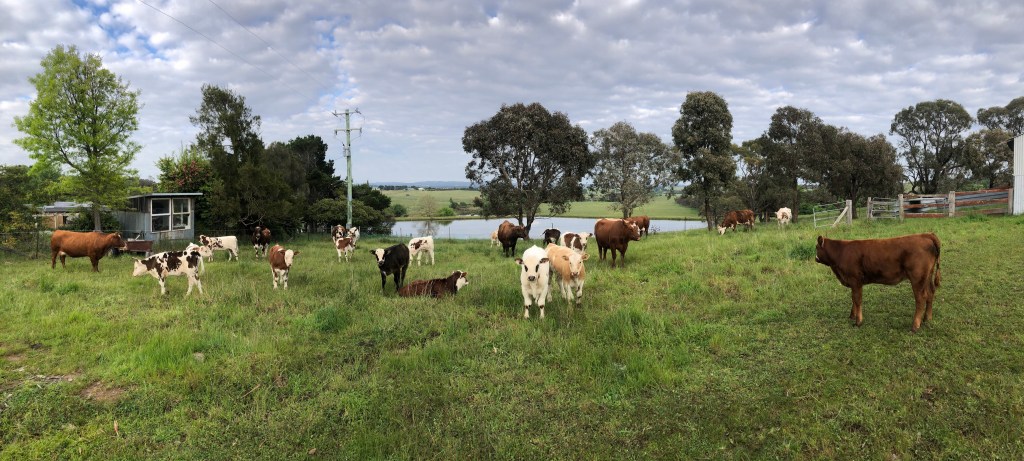
Our beautiful cows, including the four maiden heifers all calved without any difficulty this year, giving us 16 gorgeous calves. With 10 heifers, 6 bull calves, we were thrilled with the result. The antics of the calves are constantly entertaining, and I am happy to admit I spend more time than I should with these creatures. They are naturally shy, but with their quiet mums watching by, their curiosity overcomes their fears, and we have been quite close to several of them.

Once all the calves were on the ground, we marked them. They all received a multi-spectrum 5-in1 vaccination, and we castrated the males (with rubber rings). The good news was that all the calves were polled, meaning we don’t have to de-horn any of them (which is a job I hate). The calves will get another booster vaccine in a few weeks to protect them from the common clostridial diseases found in cattle.  We also took the opportunity to audit the NLIS ear tags in each of the cows. This ensures that our records are accurate and up to date, should a biosecurity event such as Foot and Mouth disease enter Australia.

In other news we have continued our work dividing our paddocks into smaller cells. Taking the opportunity presented by creating a nature reserve in one paddock, we completed a small section of fence to divide the paddock into two smaller paddocks. This will help us better manage grazing in this area, continuing our Savory rotational grazing system.

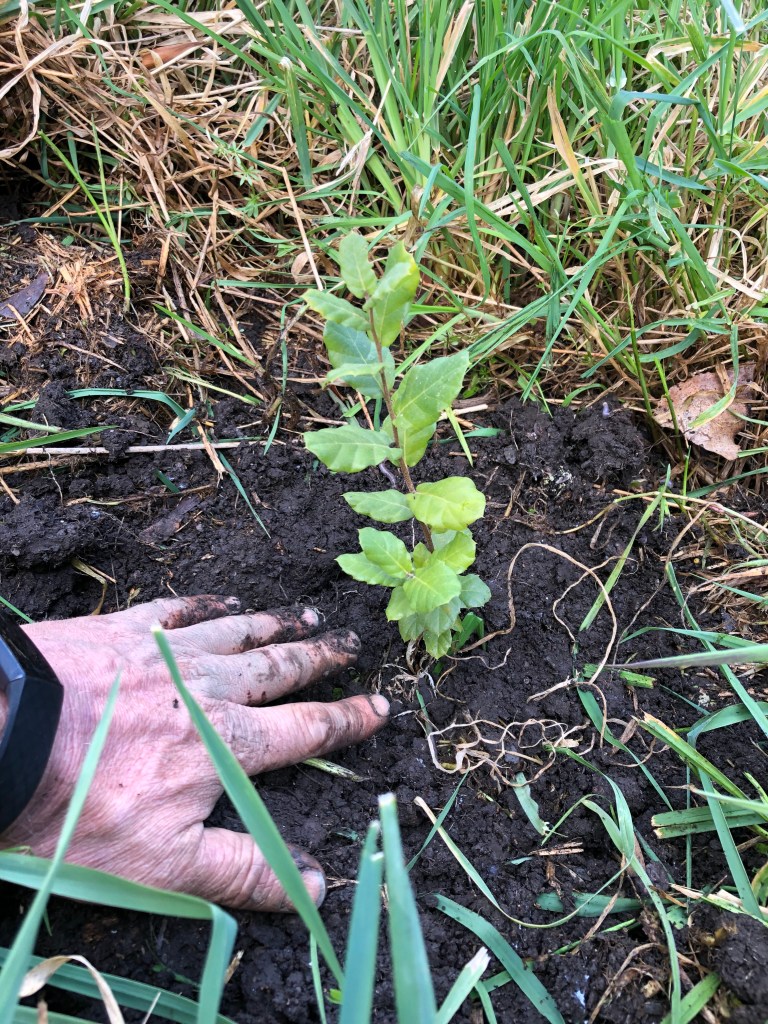
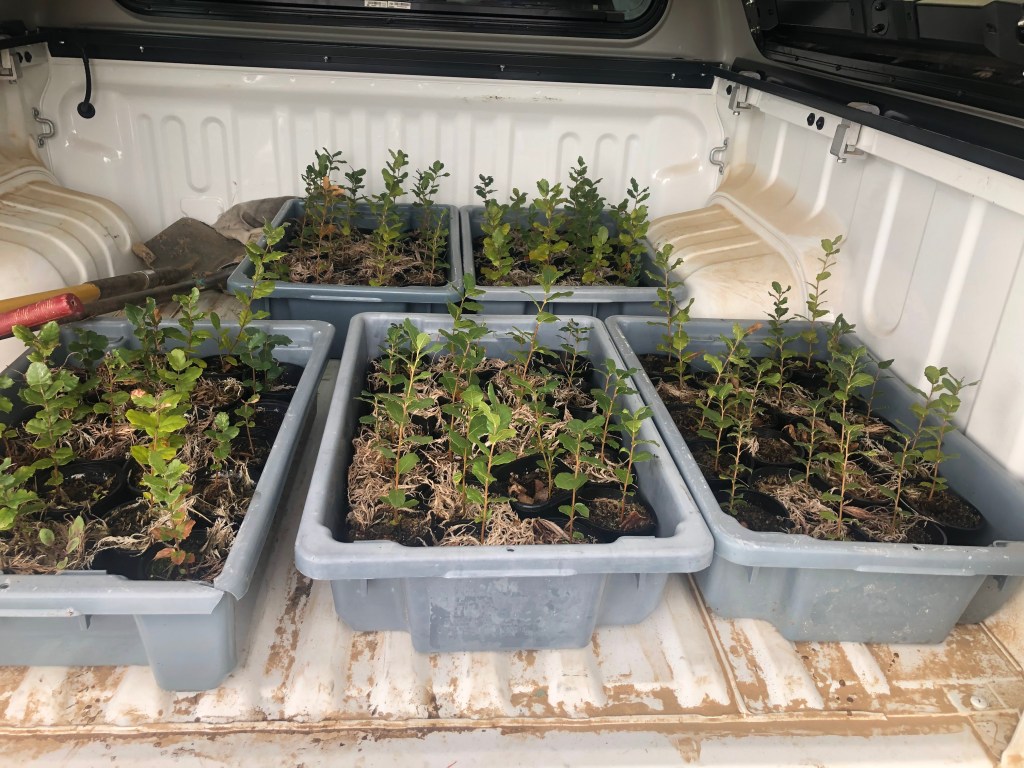
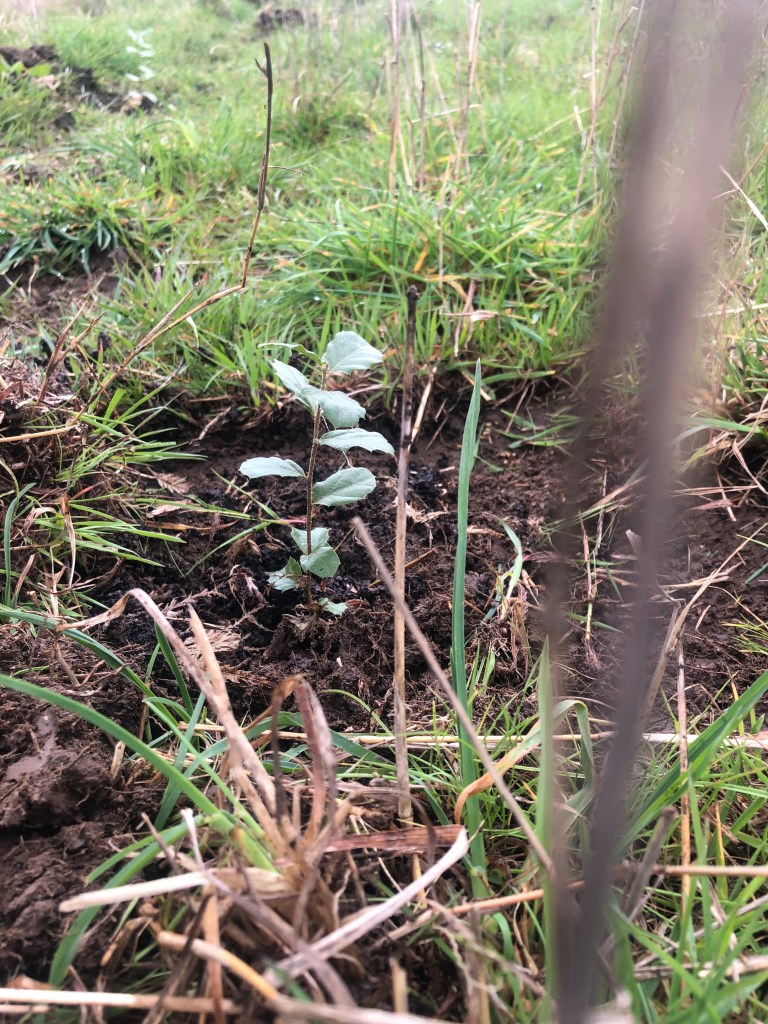
We are continuing to plant trees on the Rock Farm. A friend kindly gave us 120 Cork Oak (Quercus Suber) seedlings. We have planted these in two main areas, to create wind breaks. These medium oaks are ever green, drought hardy and long lived. They are native to the Mediterranean area, and forests are carefully managed as these oaks provide the corks in wine bottles and the centre of cricket balls. We will use temporary electric fence to protect these seedlings in the short term before we build permanent tree guards. Huge thank you to Noel for his donation of these little beauties.

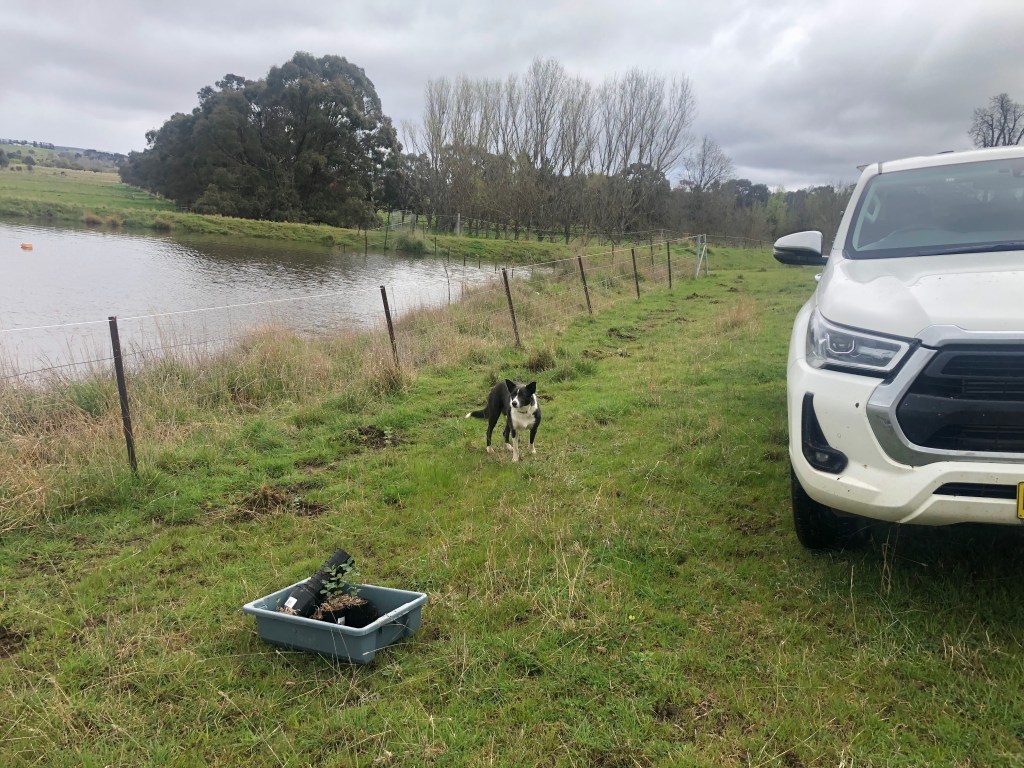
The sharp eyed among you would note in the background our Amarok ute has been replaced with white Hilux. Sadly our Amarok was written off after a particularly nasty pot hole cracked a suspension mount. Whilst our insurance company has been outstanding, they are finding it difficult to replace our ute. It was unexpected (I thought a suspension bush had failed) and whilst I am grateful for the loan of the Hilux with a tub body, it sure is a different set up to our old flat tray. I find it particularly awkward and impractical for our purposes and can’t wait for our replacement vehicle to get here.

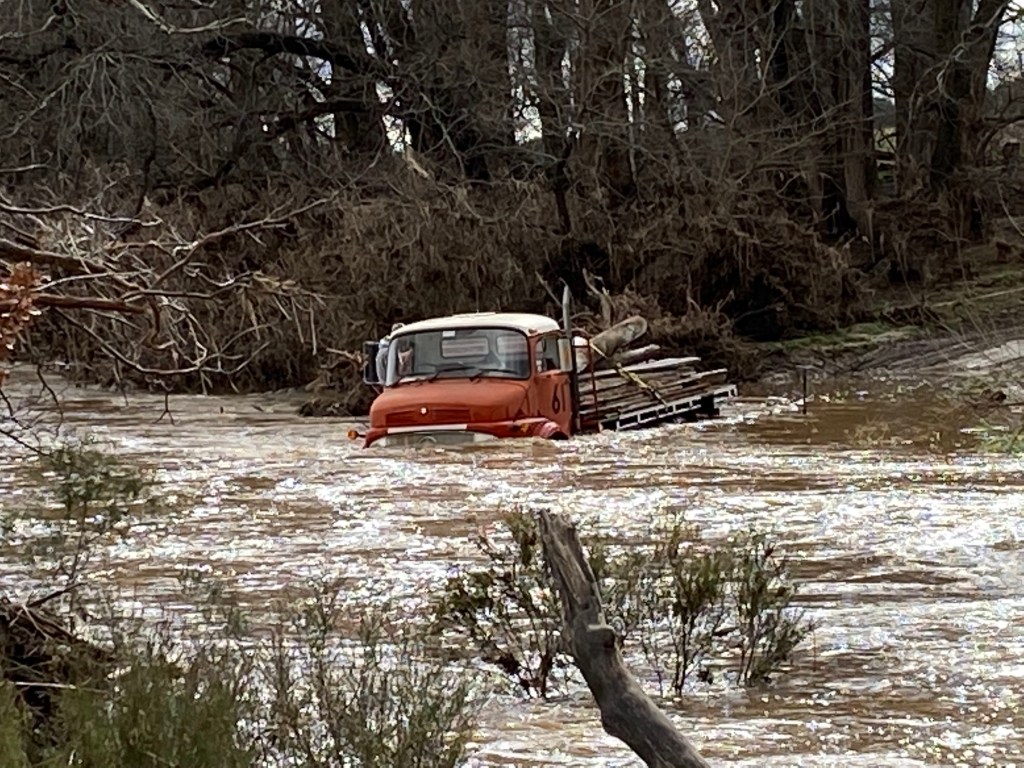
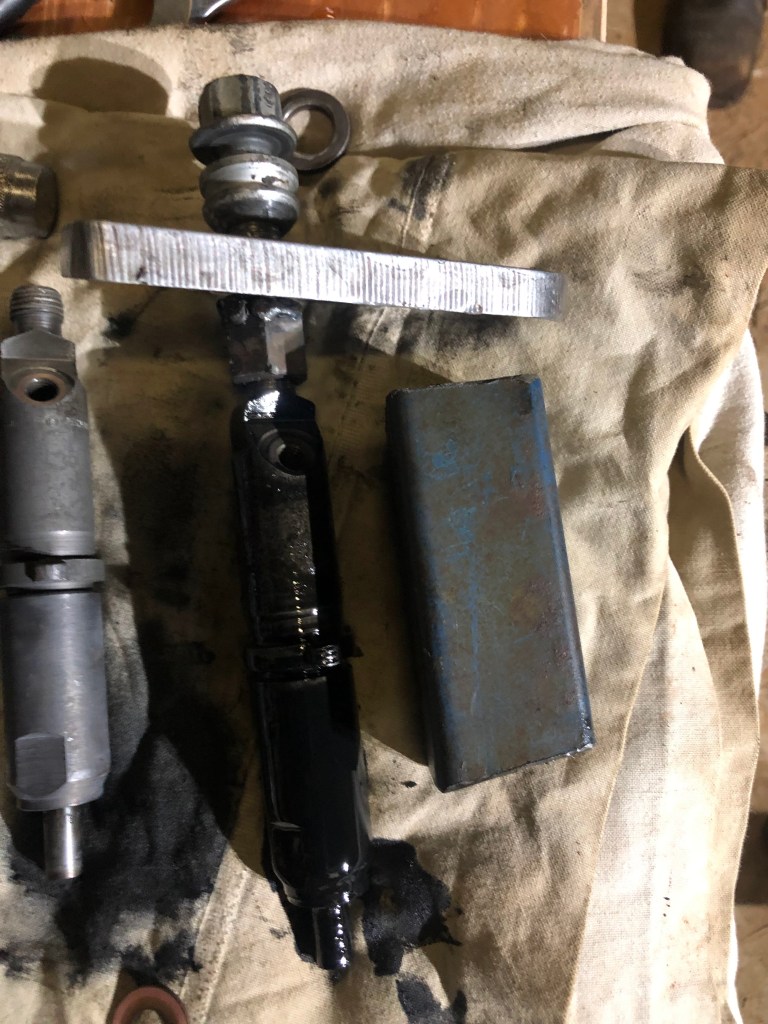
It hasn’t been our year for mechanical devices on the Rock Farm. Our dear old Benz 911 truck Myrtle, suffered a catastrophic engine failure after I took it across our creek in deep water to retrieve the family from the other side. Whilst the air intake was above the water level, I hadn’t countered on the funnel effect which forced water up to the top of the radiator and into the top of the engine. The engine came to a complete stop. After dragging it out of the creek and to the shed with the tractor my worst fears were realised when I pulled the injectors and still couldn’t get the engine to turn over. This was of course no easy process, requiring the fabrication of two Benz ‘special tools’.

Whilst the OM352 engine fitted to Myrtle is common around the world, there aren’t many in Australia. There are a couple of turbo charged variants available (OM352A) but are expensive. I happened to mention my dilemma to our neighbour and he offered an engine from a spare truck at his place. It is an OM366 – which has the same block. It won’t be a straight swap – I will have to get creative – but the engine is far more affordable – and promises 60 extra horses! It might not make Myrtle any faster, but it might not slow down as much on hills! It hadn’t run in a few years, but after hooking up some new batteries, it fired up straight away – so is the path we are pursuing for now.

It means that any spare time I thought I had has been well and truly accounted for. I do love the challenges of the Rock Farm. From getting my hands dirty in the ground planting trees and chipping weeds, to working stock, to solving mechanical problems, it does stretch me. I might not love every minute of it all – but I wouldn’t swap it for the world…

Calving and a big dump of rain!

Calving is without a doubt my favourite time of year. It isn’t without its challenges, and requires twice daily (or more) checks just to make sure all is going to plan. As I write we have 13 beautiful calves on the ground, with a couple more stil to calve. The cows seem to understand what we are up to with our regular checks and seem quite happy with our presence. We only have one maiden heifer, and she gave birth to a bull calf without any issues which was a great relief. Regular readers will recall that Daisy had some difficulty calving last year, and despite my misgivings, remained on the farm. She hasn’t calved yet – indeed she might not even be in calf – but we are watching her closely.

Our gorgeous cows are lovely and quiet, however the new mums can be understandably a little more cautious around us. Over the past few years, any cow that has shown any form of aggression has been sold. That said, there are a couple who quitely let us know with a gentle shake of the head that we have approached close enough. We don’t put any more pressure on them. By sitting down a short distance away, those who want to come up and say hello are able to… and they sure make us smile.

We are calving a little earlier than last year. Whilst the soil moisture is great, the rain has reduced the solar gain on the pastures and hence grass growth is a little less than we expected. We are throwing out a bit of pasture hay, and are providing a magnesium lick to the cattle to support their nutrition requirements.

It is an unusually wet year, with the end of last week culminating in the largest flood waters we have seen on our creek since moving in. Our previous flood record was measured to the base of our front gate post. This most recent flood covered the gate and has fiven us a new height datum. A day of steady rain was followed by a sharp 30mm shower as the sun set. The resultant rise in the creek was mirrored with flooding throughout the district, with several roads cut. The family were safely marooned at home, and I ended up staying in town after work.

The following day the creek dropped, and required a bit of work to clear some of the debris off the crossing. Our neighbour was home and cleared the worst of it (thanks Stuart), allowing me to get home that evening. The following day, we continued to drag silt and logs off the drive way. The size of the timber moved downstream by the flood waters was phenomenal. Sadly several trees were ripped out of the creek banks. I haven’t yet established the extent of the damage, but I do know we have lost some creek bank, new trees and a temporary fence. Over the next week or two we will look rebuilding our flood gates and making the front paddock stock proof again.

It is all part of the cycle of the water way. For all the extra work the creek creates, it adds so much more to our property and we consider it an asset to the Rock Farm.

In the meantime, I will keep hanging out with the cows and enoying their company. It is good for the soul!

Special thanks to Stuart for clearing the debris so I could get home and to the Not-So-Little Helper for his amazing photos.

Improving water infrastructure

You may recall that I recently spoke of the difficulties in leaving the Rock Farm for a few days. The preparations to depart on a holiday can be challenging – especially with livestock who have an uncanny ability to know when they’re unsupervised! I won’t continue the similarities with livestock and children, suffice to say they both seem to know when the adults are not around!

In January we managed to get away for a week. Our holiday was wonderful, but it wasn’t all good when we got home. The Cattle had managed to destroy the float valve in the old bathtub water trough in their paddock. Whilst the backup water supply in the dam held water, it was apparent I needed to upgrade the old bath tub to something more substantial.

With another family visit to Queensland on the cards at Easter, I knew it was time to make a significant change to our water situation. It was a two part solution. Reducing demand and improving the infrastructure.

The first stage was to reduce demand through the sale of our weaners. With special weaner sales at our local yards, we sold all our steers and some of our heifers. The young steers weighed a surprising 290kg average – far exceeding my 250kg estimate. We kept four heifers to add to our herd and sold the rest. This takes our breeding cows to 20. This is well within our soil fertility envelope (next blog entry) – but close to my comfortable maximum.

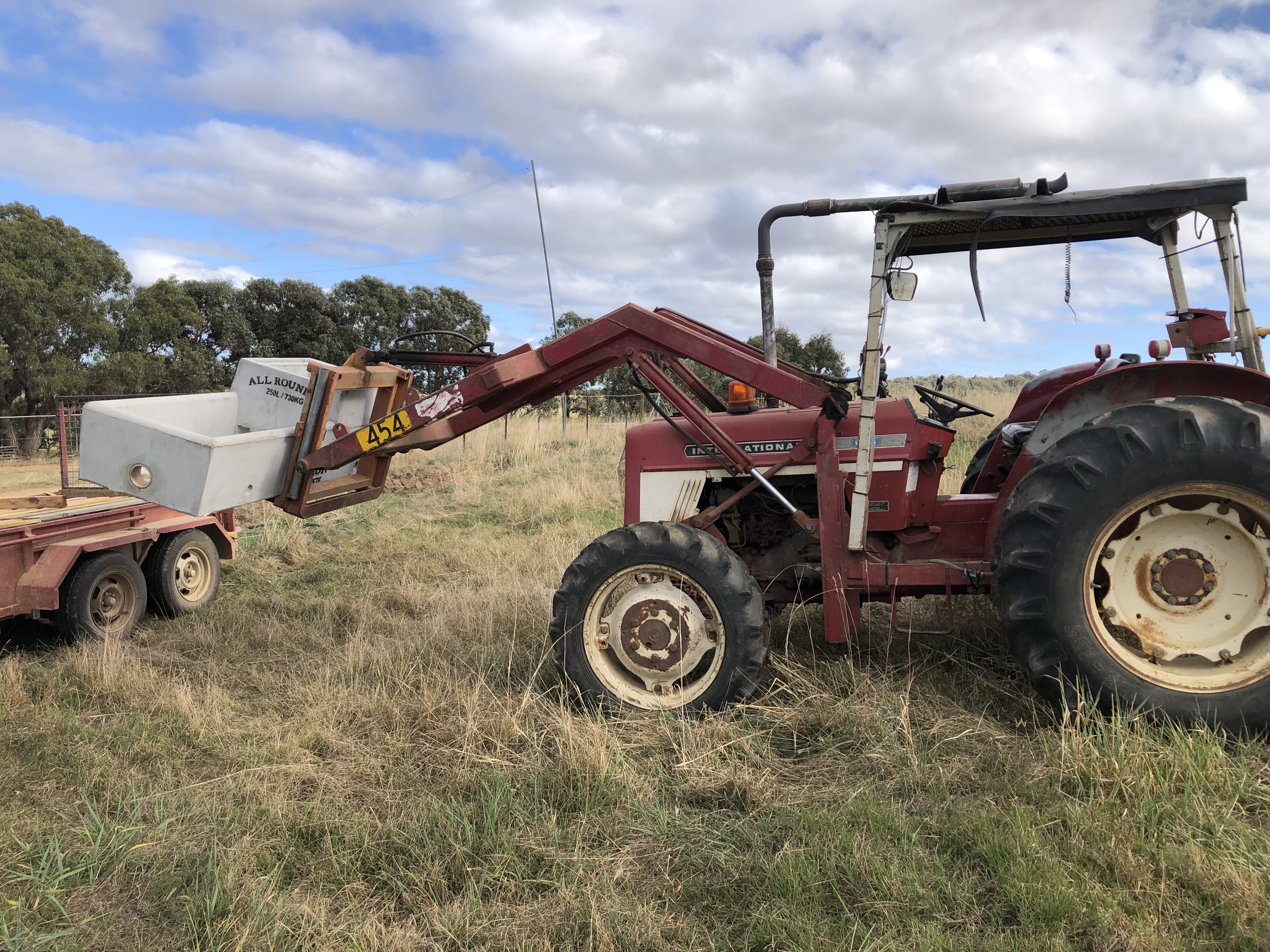
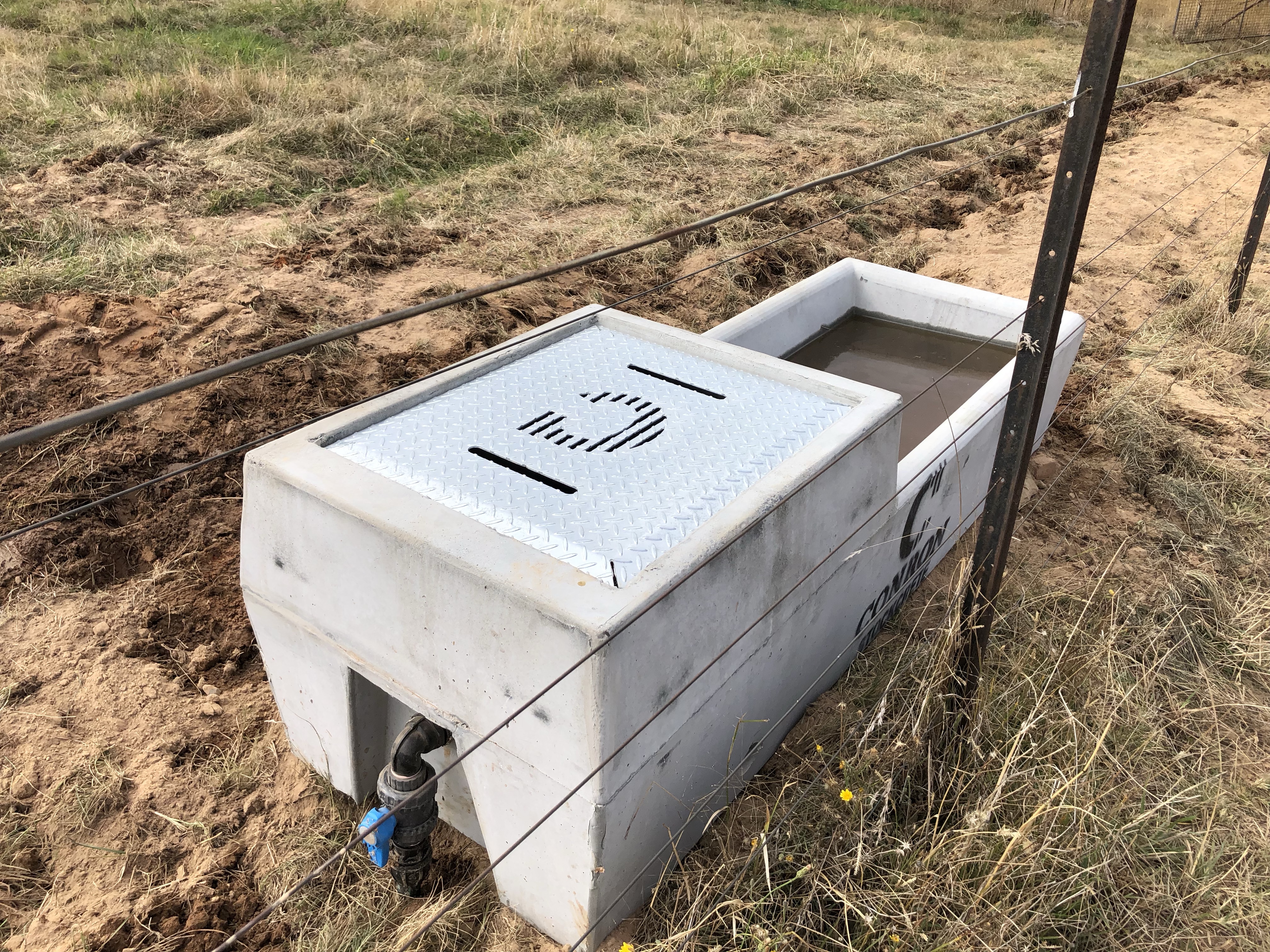
With the proceeds of the sale being, I moved to the second stage, infrastructure upgrade. My plan was to install a new concrete water trough to provide a more reliable water supply. I also wanted to move the trough down hill from the header tank – to provide better water pressure and improve reliability. I figured it would be easy to find the pipe… but how wrong I was.

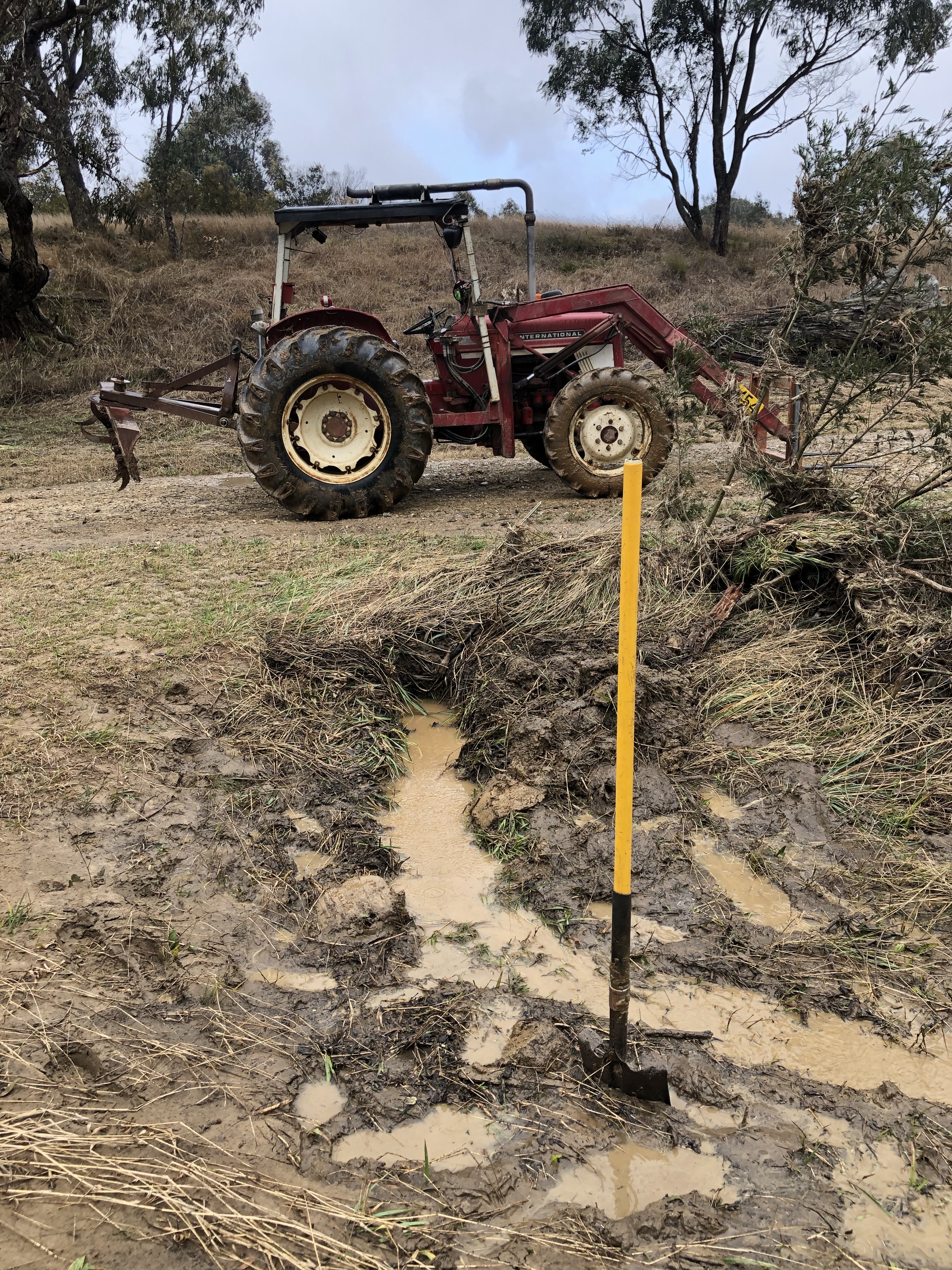
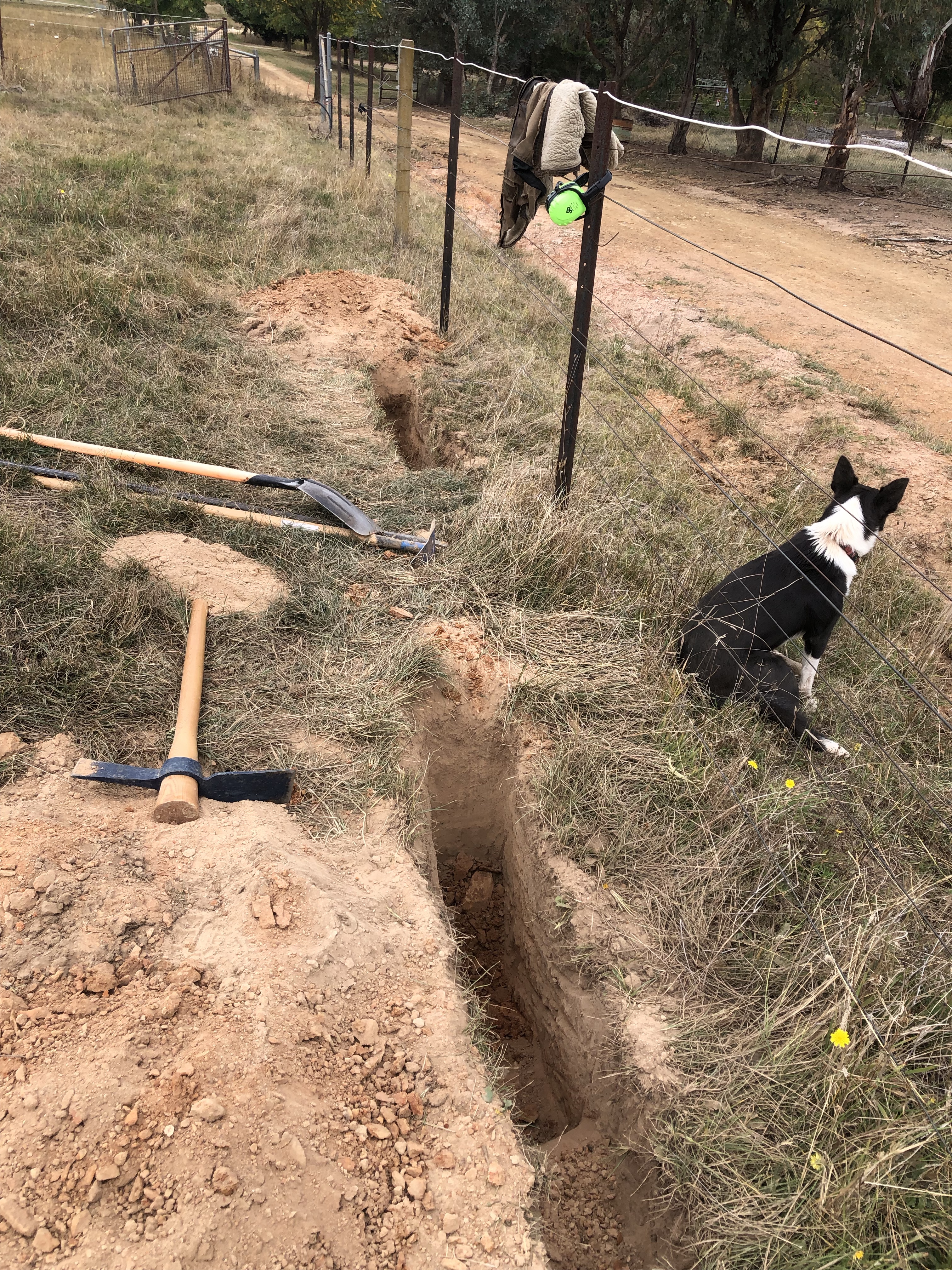
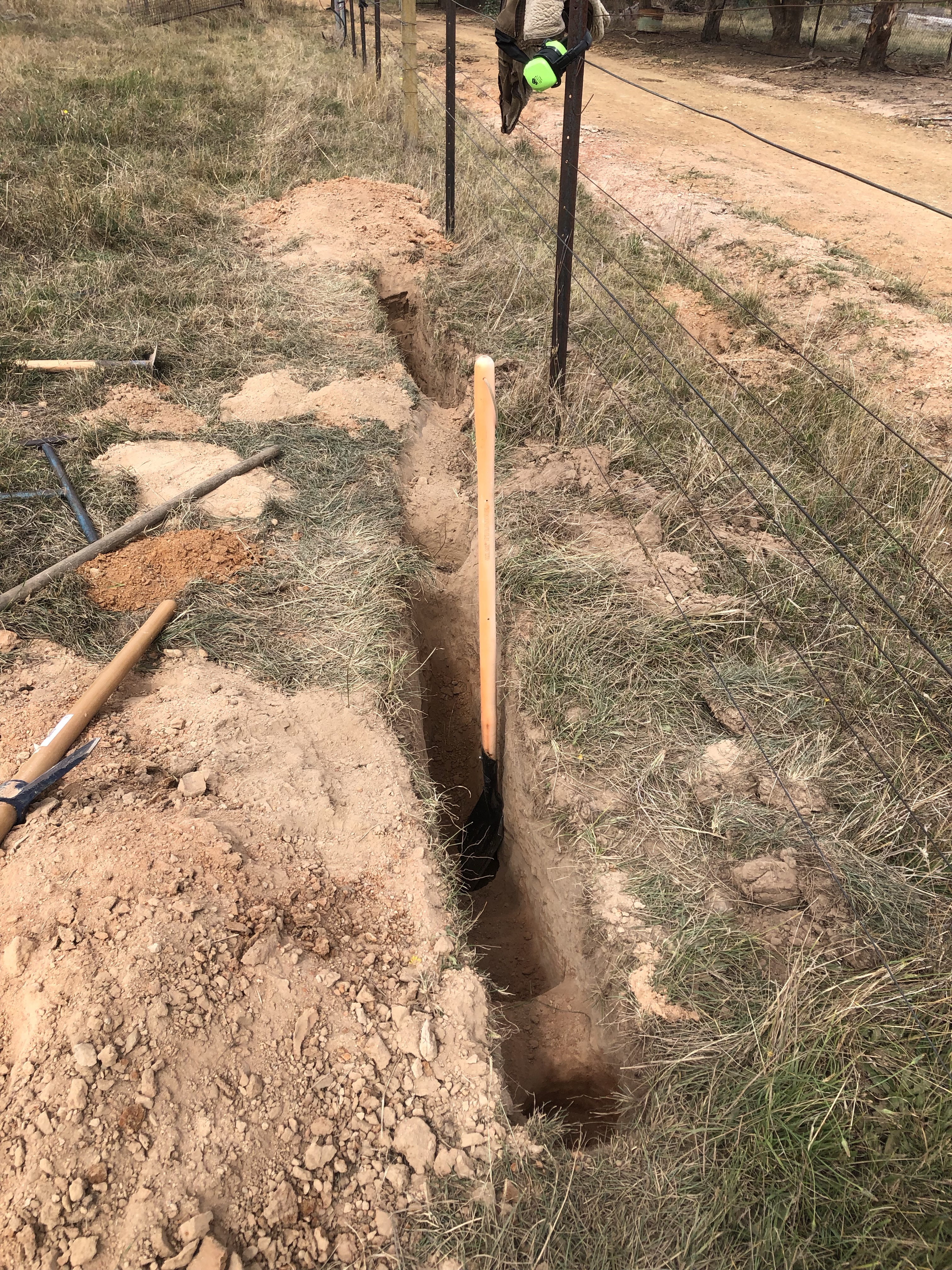
My water divining rods suggested one place to dig… and then another. By the end of it I had followed pipes all over the place and dug trenches all to no avail. I spent nearly all day digging an ever expanding trench. The dog soon realised that to get my attention, she needed to drop her stick in the hole for me to throw it… There was a very dark cloud hanging over The Rock Farm as the shadows lengthened. In desperation I ran the tractor’s ripper back and forth – but it didn’t seem to find the pipe either. In frustration, I called it a night.

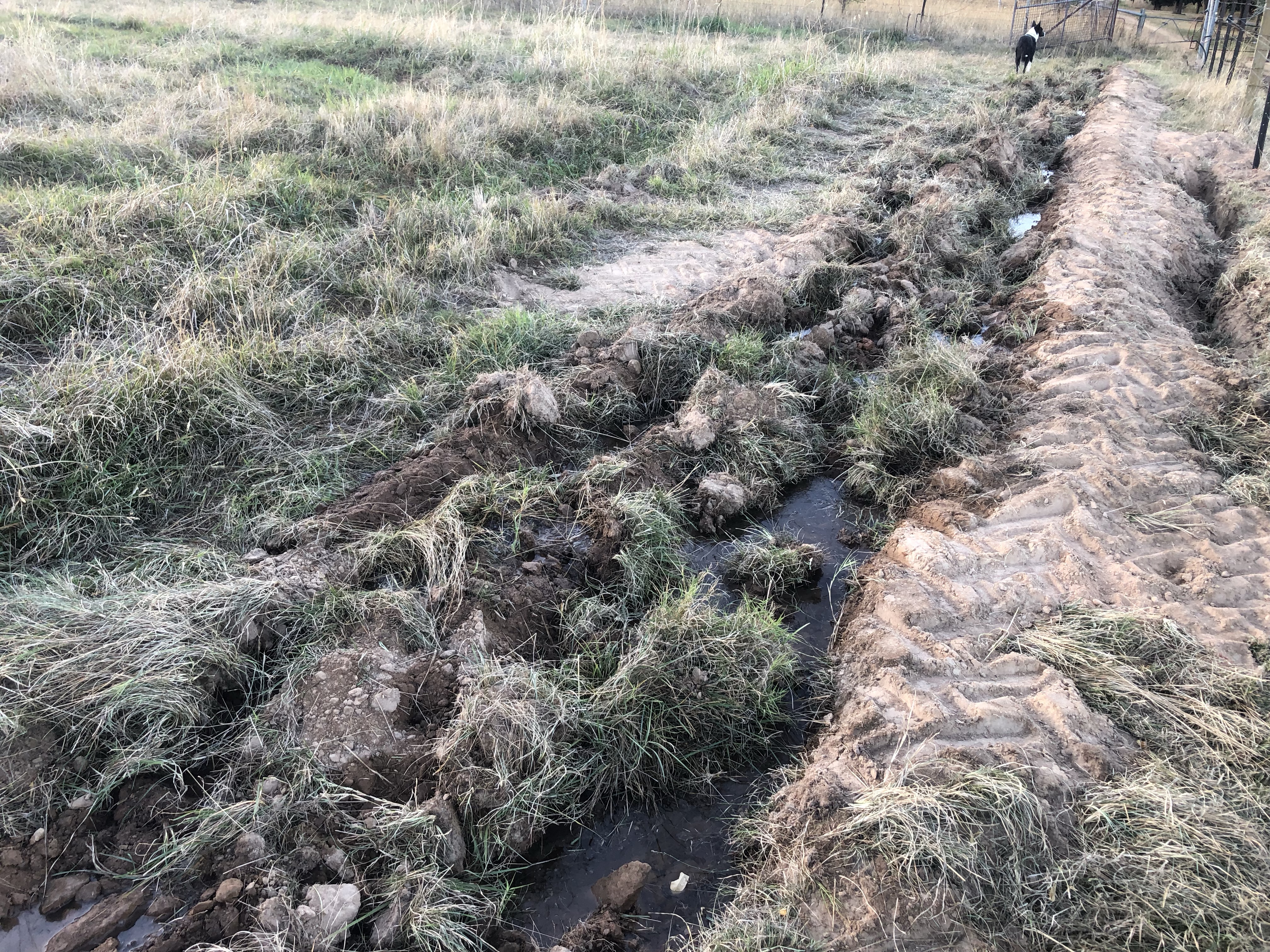
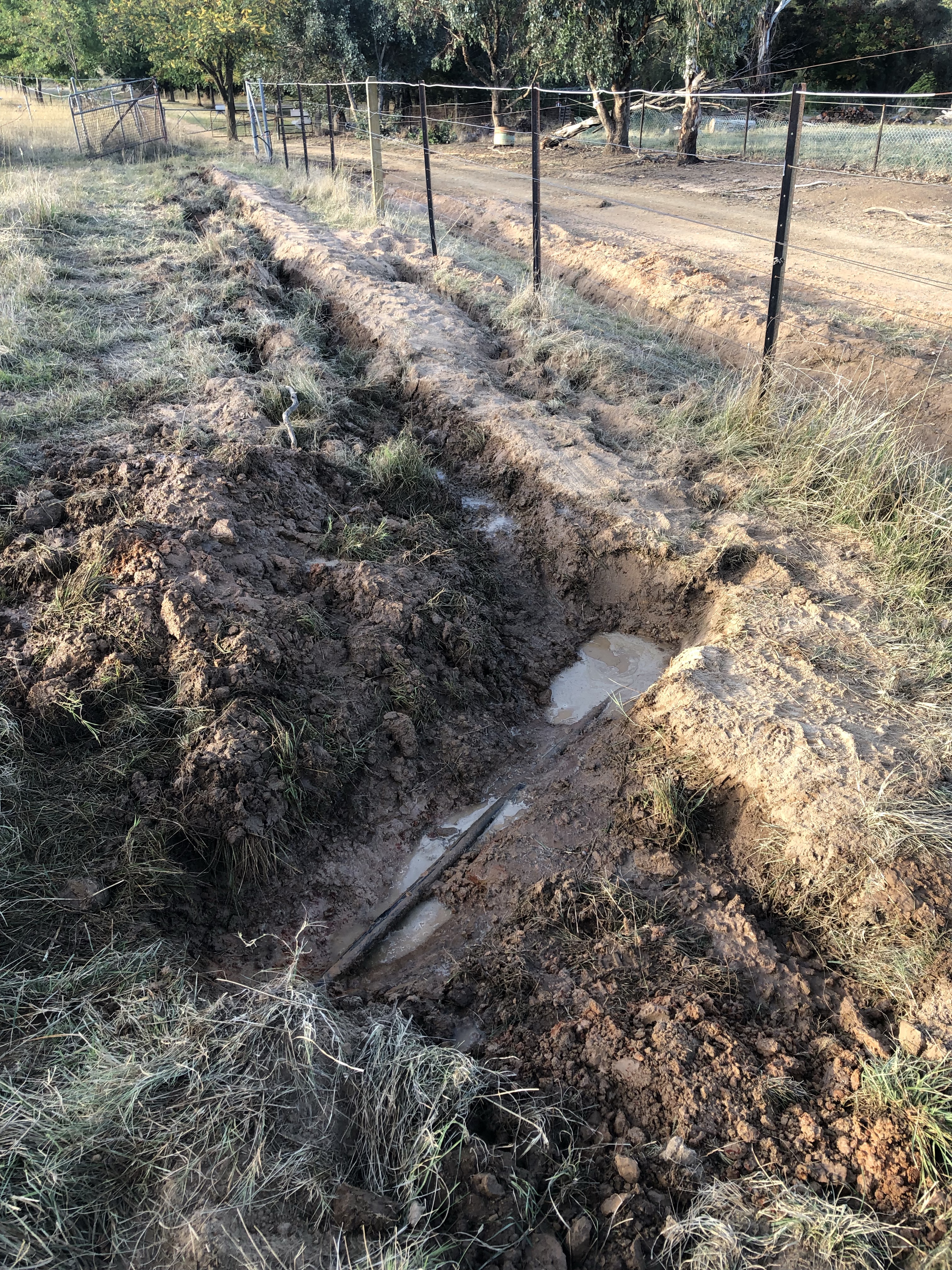
The following morning, I reluctantly returned to the scene of my digging to find water everywhere! The rippers had just run across the top of the pipe! I have never been so happy to find a broken pipe. I quickly turned the pump off, and raced to the rural supply shop to pick up the new trough and fittings.

From there it was relatively easy. My biggest worry was that the tractor would struggle to lift the 730kg water trough out of the trailer, but that was no problem at all. After a bit of work with the levels (and the astute eyes will see I still have a little work to do), it was relatively easy to plumb in the new fittings, repair the leak and fill the trough.

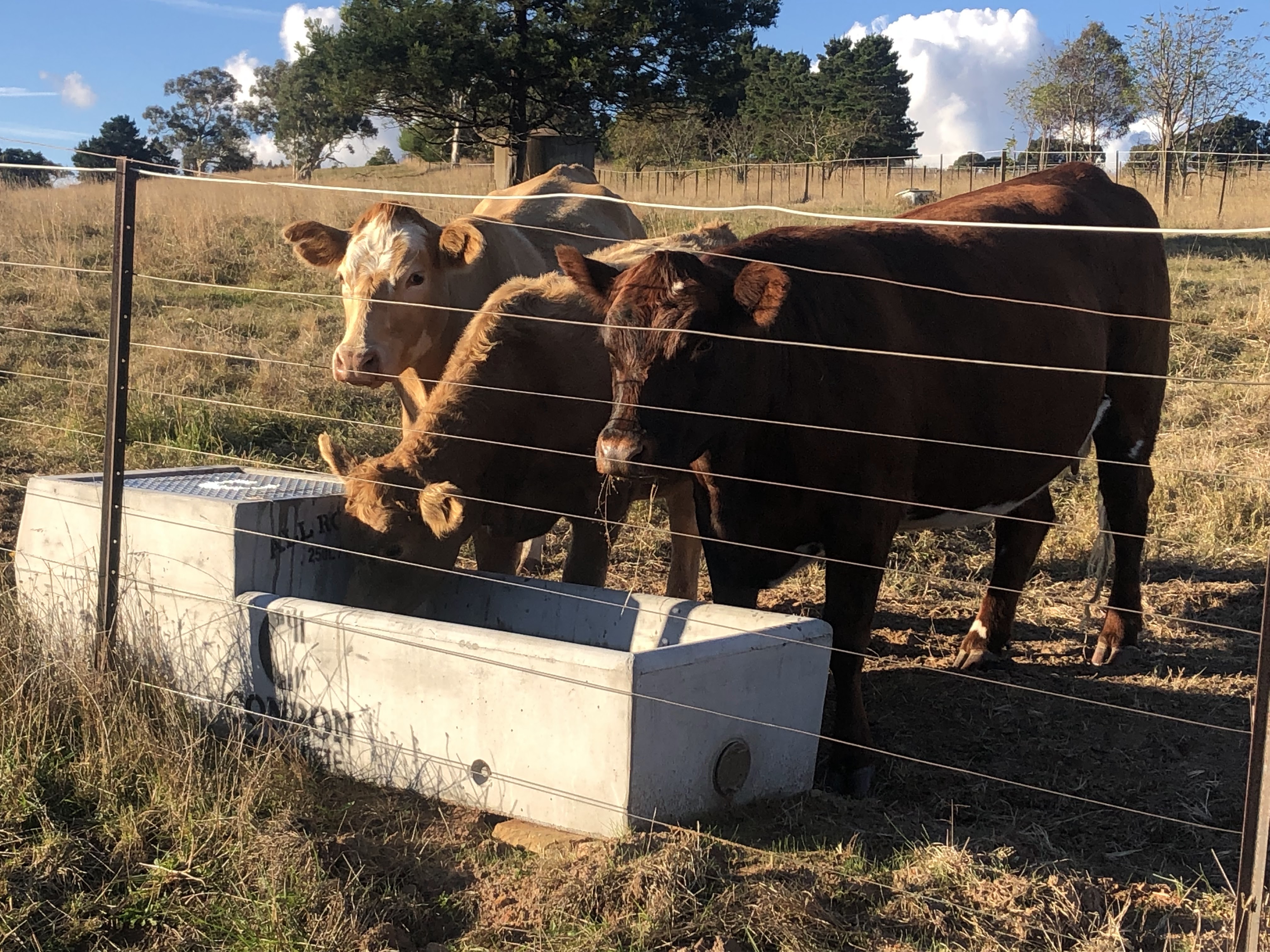
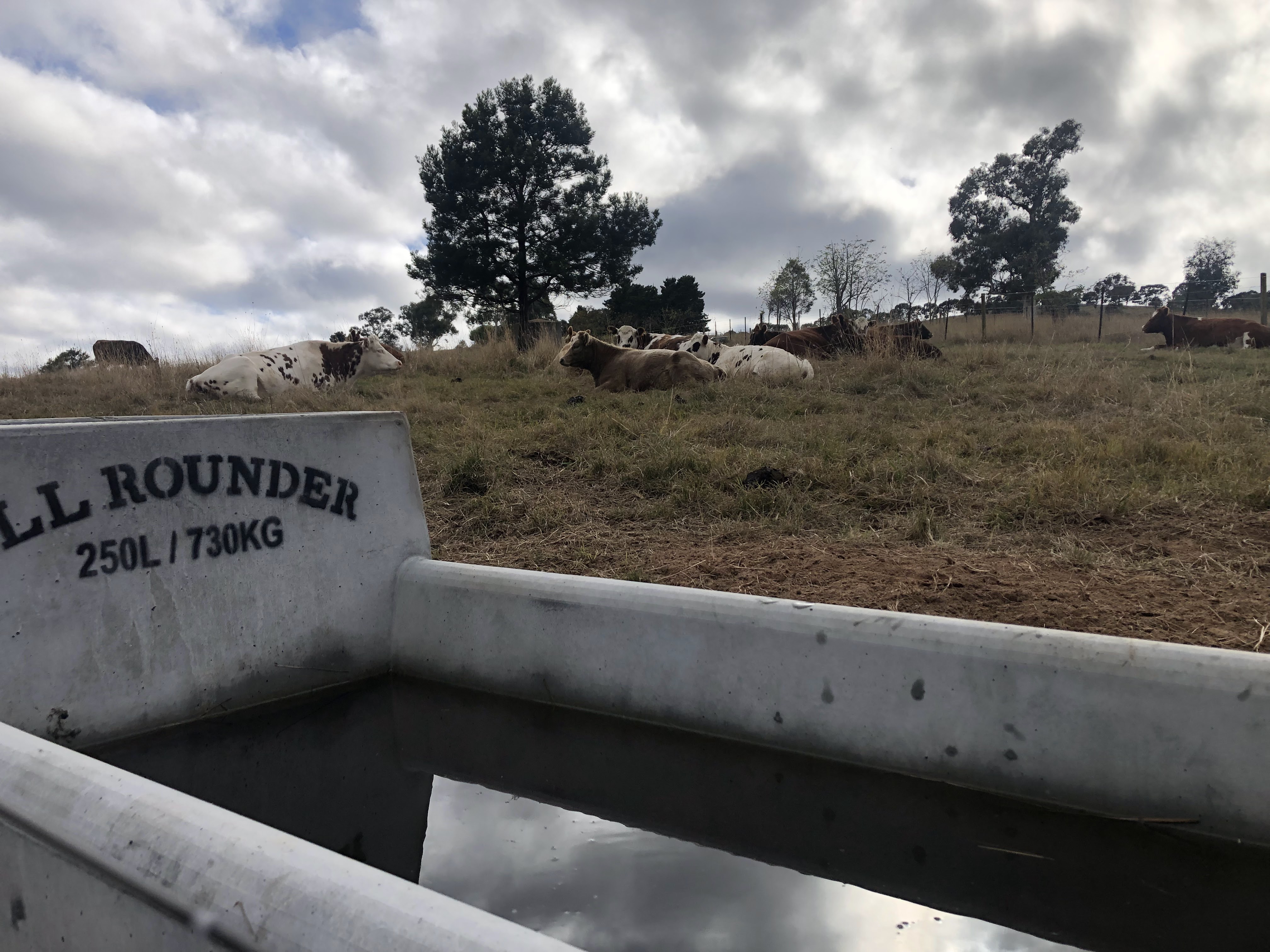
The cattle are happy with the new arrangement. Whilst some studies suggest they perform better on clean trough water instead of water from dams, my main aim was to reduce my maintenance requirements. It was not a cheap investment – but it should last a lifetime.
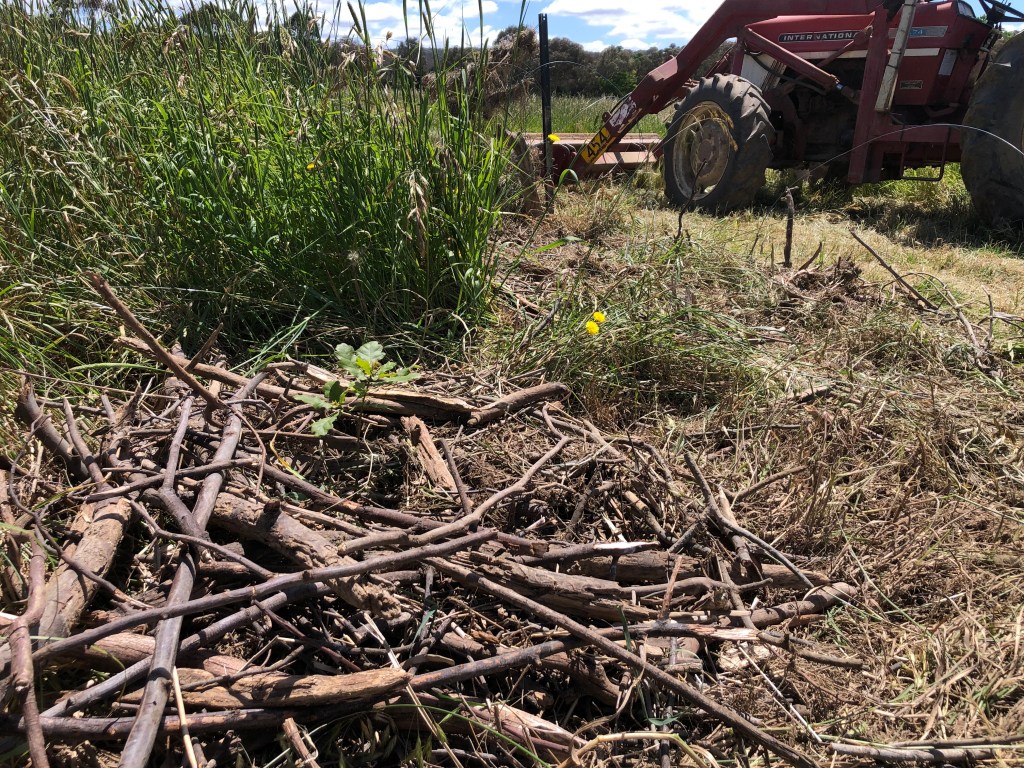
Keeping a driveway

When we built our carport at the Rock Farm, we knew eventually we would have to do some work on the driveway. The carport has been one of the most useful additions to the liveability of our house – with the shade welcome in summer and the lack of frost a bonus in winter for early morning starts. Building the carport was a challenge (https://rockfarming.com/2019/11/22/making-shade/) however it also created other problems that we knew we would need to address one day.

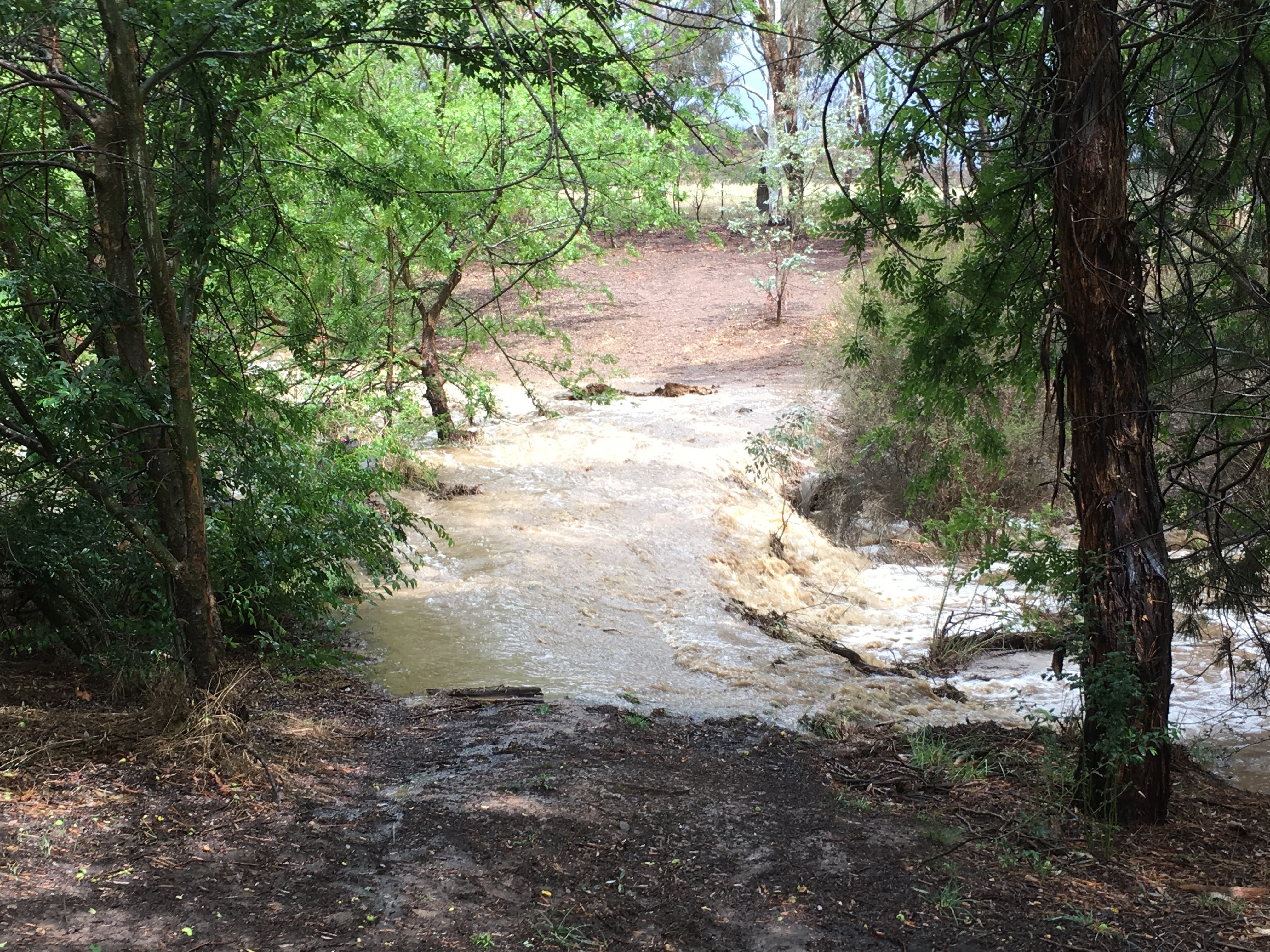
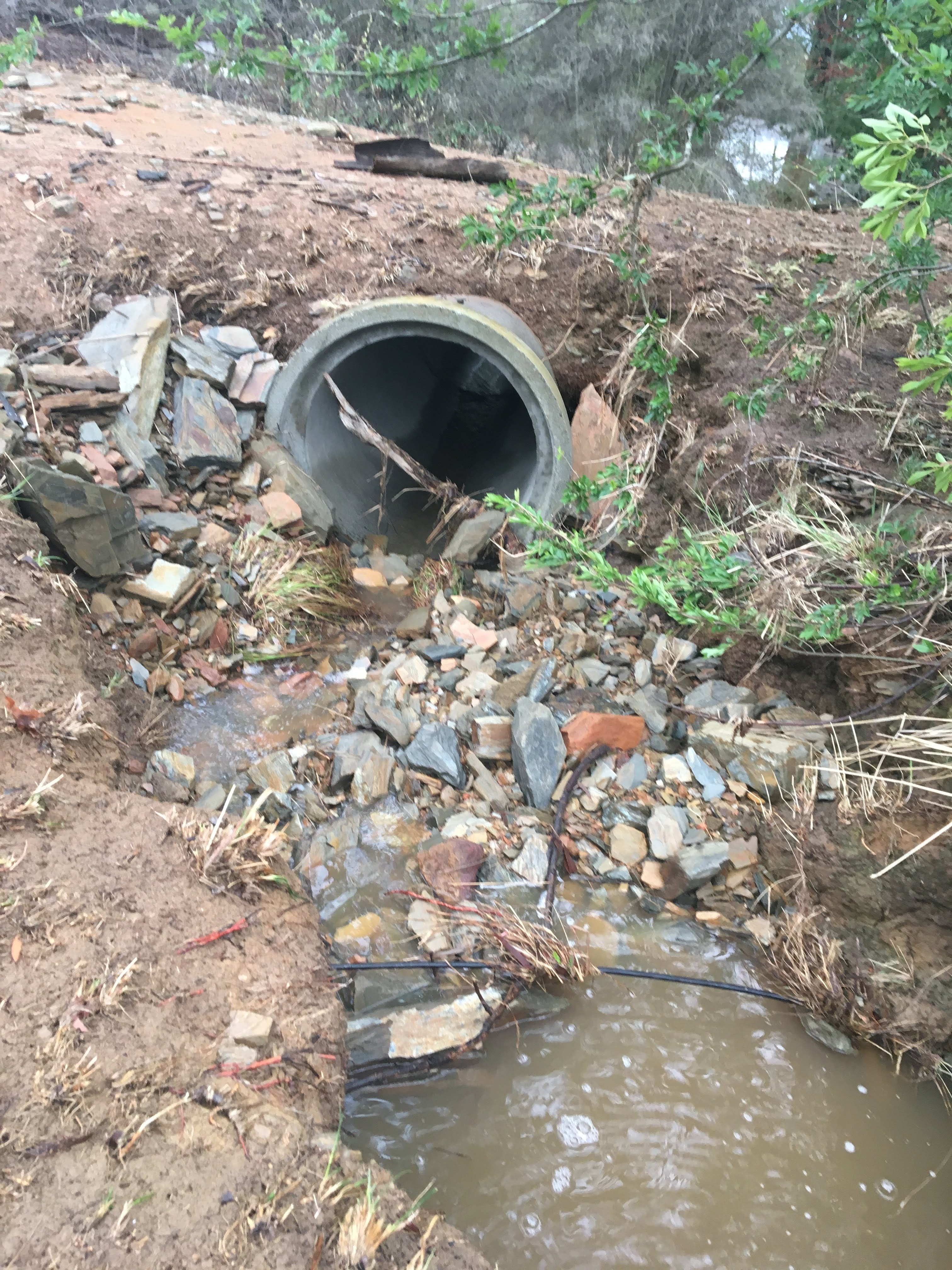
The access to the carport used a track through the garden that had been formed but not used much for the next 40 years. A large concrete pipe carries the drive over a small gully. The problem is to do with the volume of water that comes down the gully. Normally the gully is dry or barely a trickle, however on occasion it comes in torrents, through the pipe and overflowing across the road. Jo always wanted a babbling brook outside the back door…. perhaps not with all-or-nothing features of this one!

When the water subsides, the damage becomes apparent. Over the past 18 months of regular driveway use and occasional floods, the remaining base has become narrower. An attempt to address some of the drainage was of limited success (https://rockfarming.com/2020/08/31/drainage-trees-cattle-and-some-sad-news/). With the driveway now unsuitable for anything but cars, it was time to call in our neighbour, who happens to have his own bob-cat and excavator business.

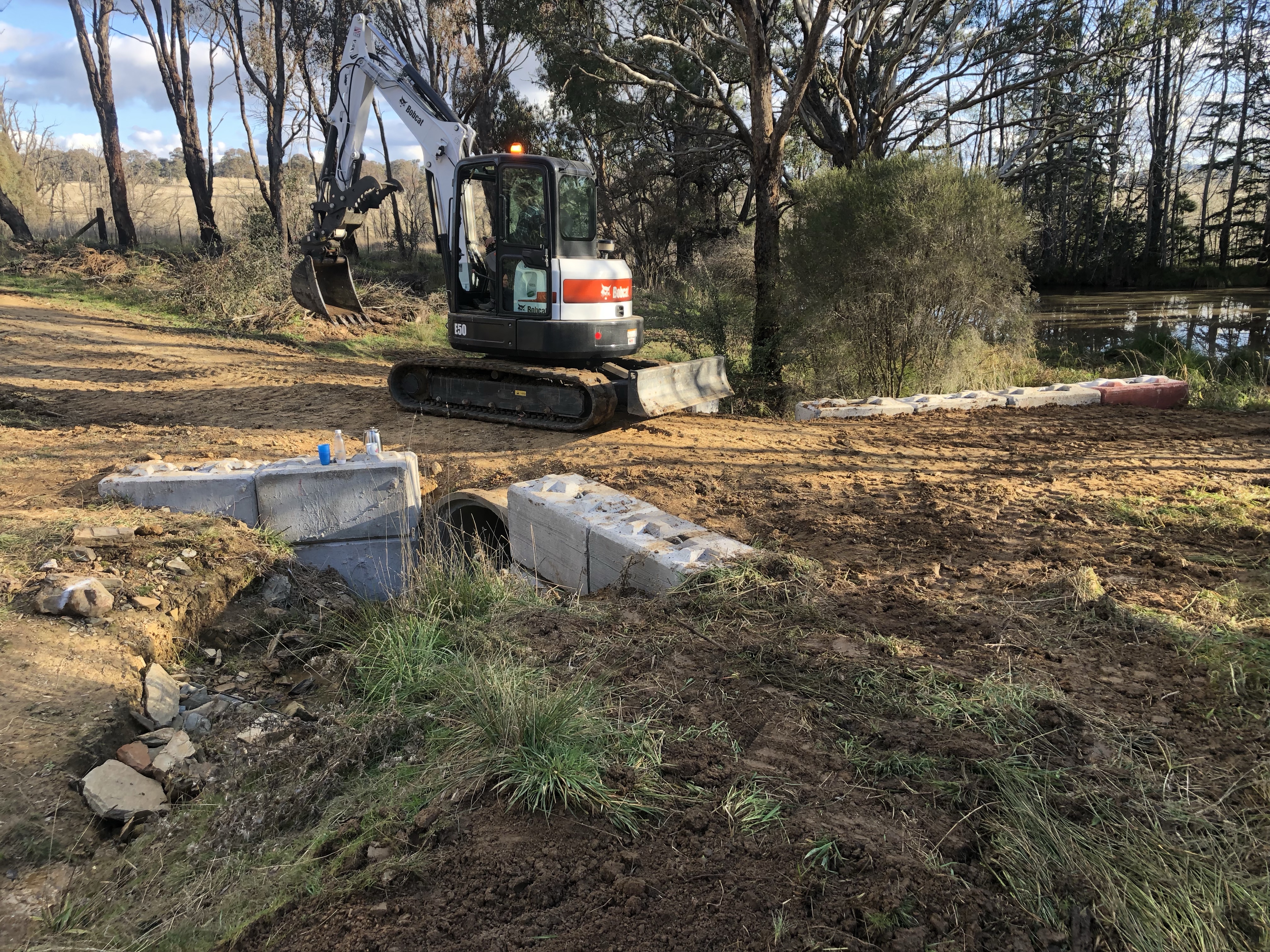
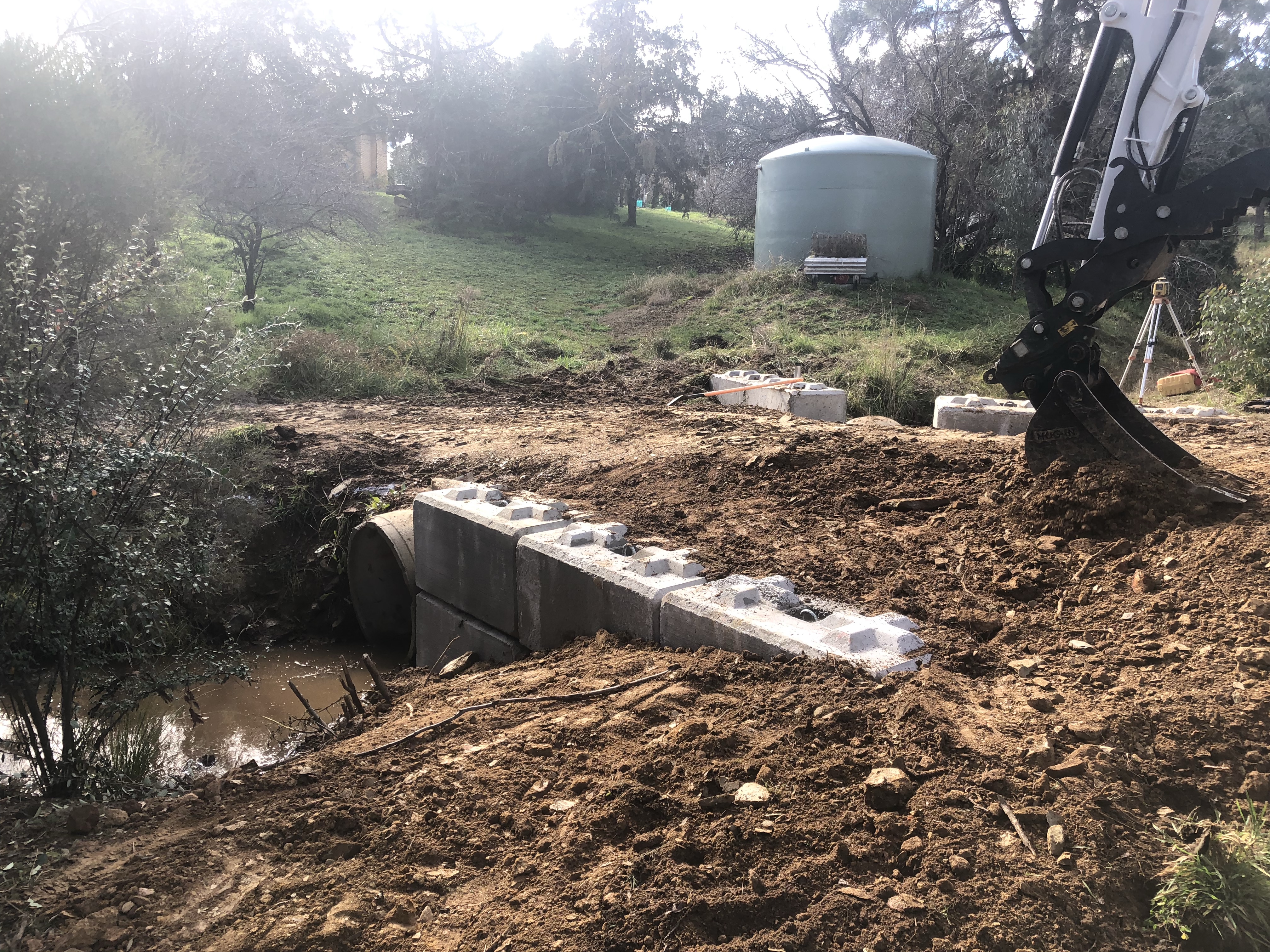
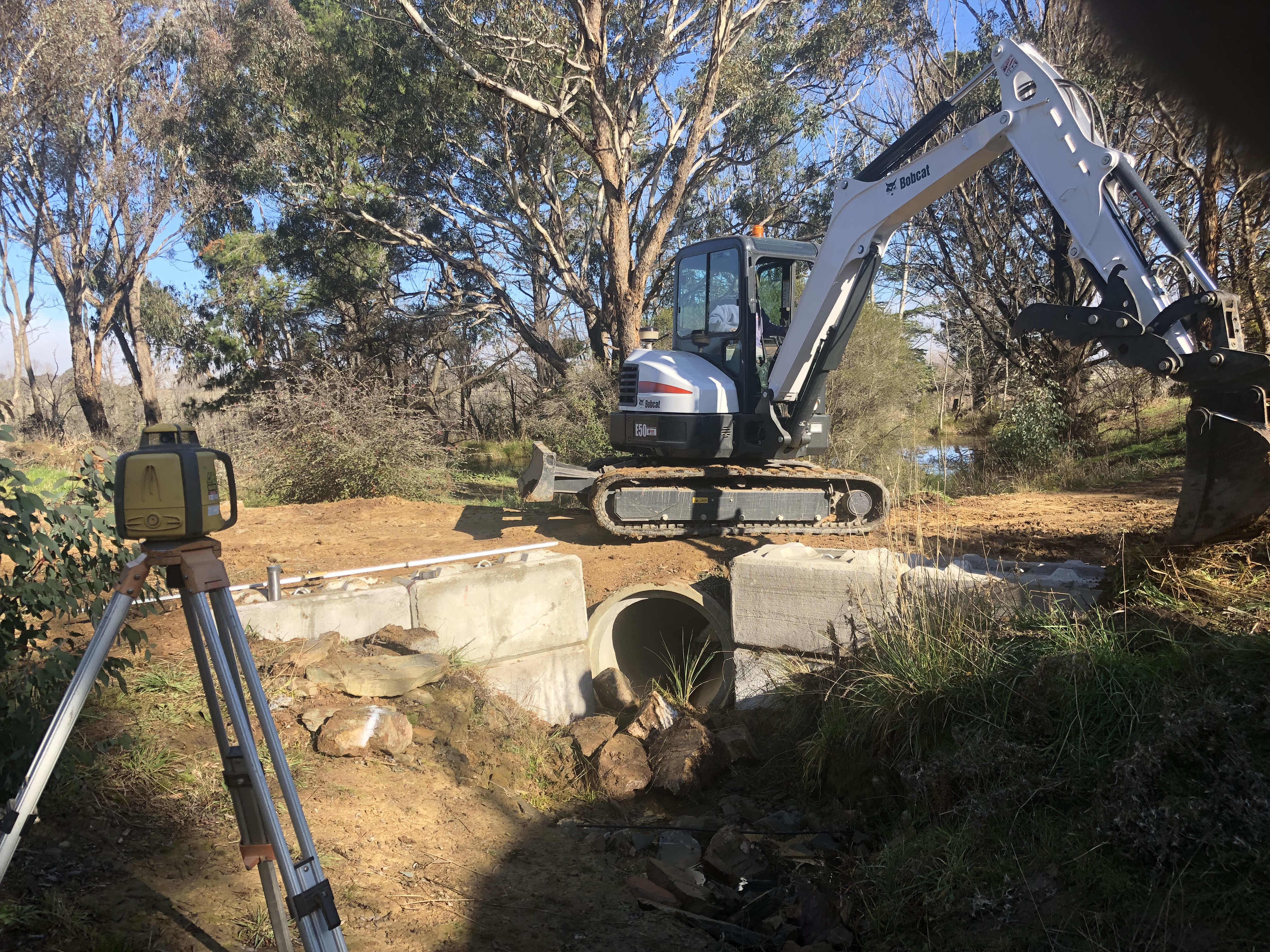
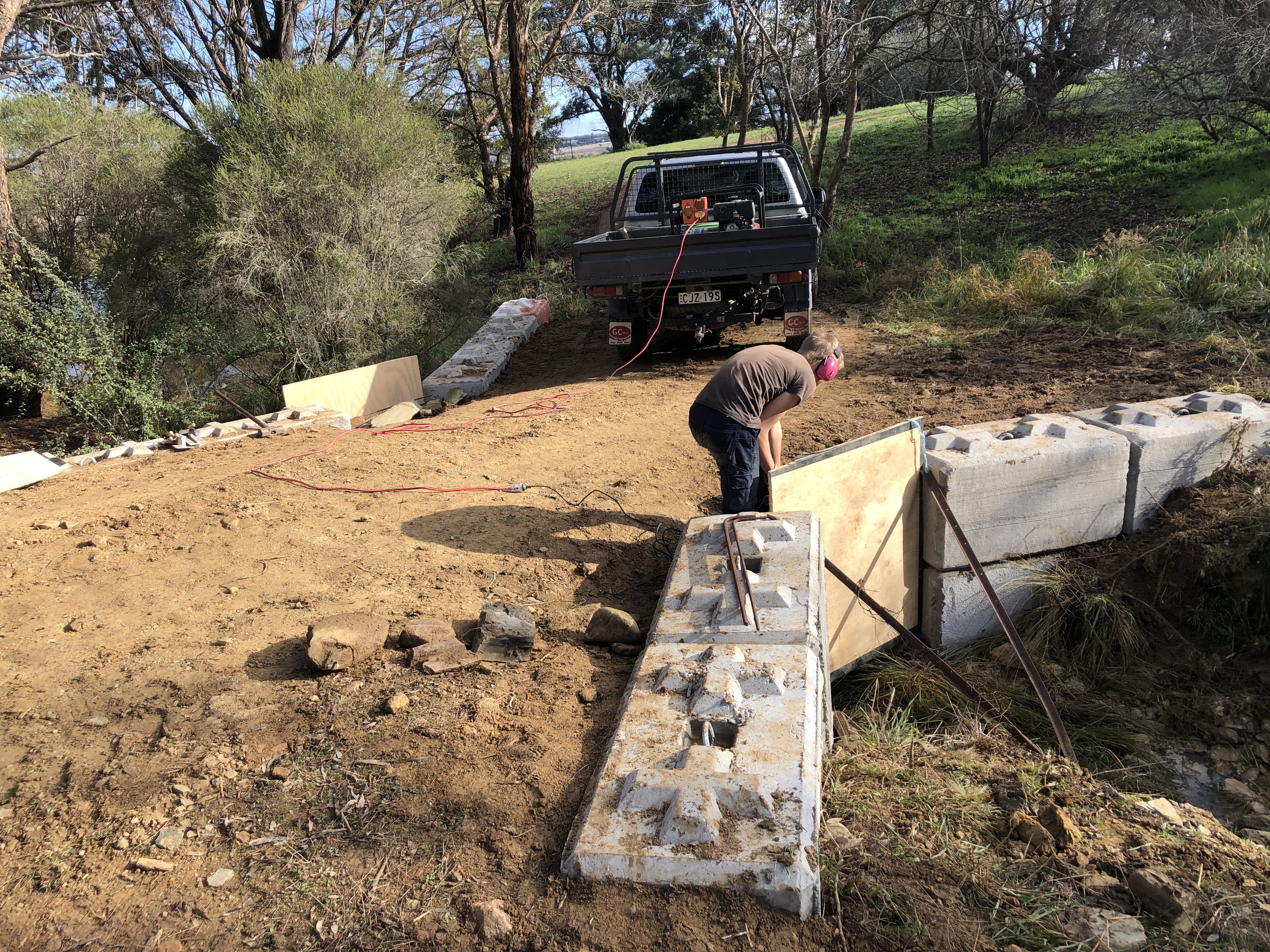
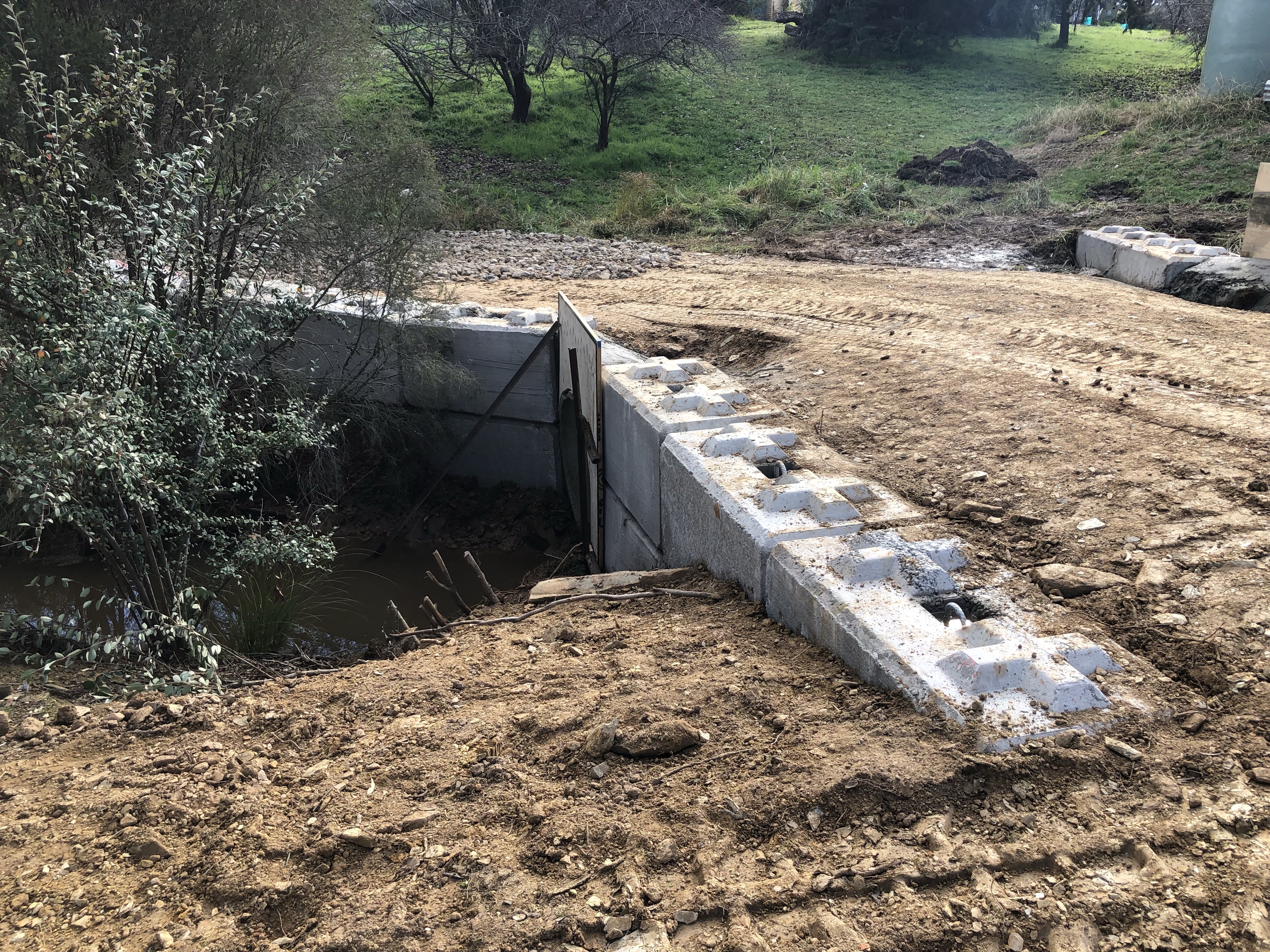
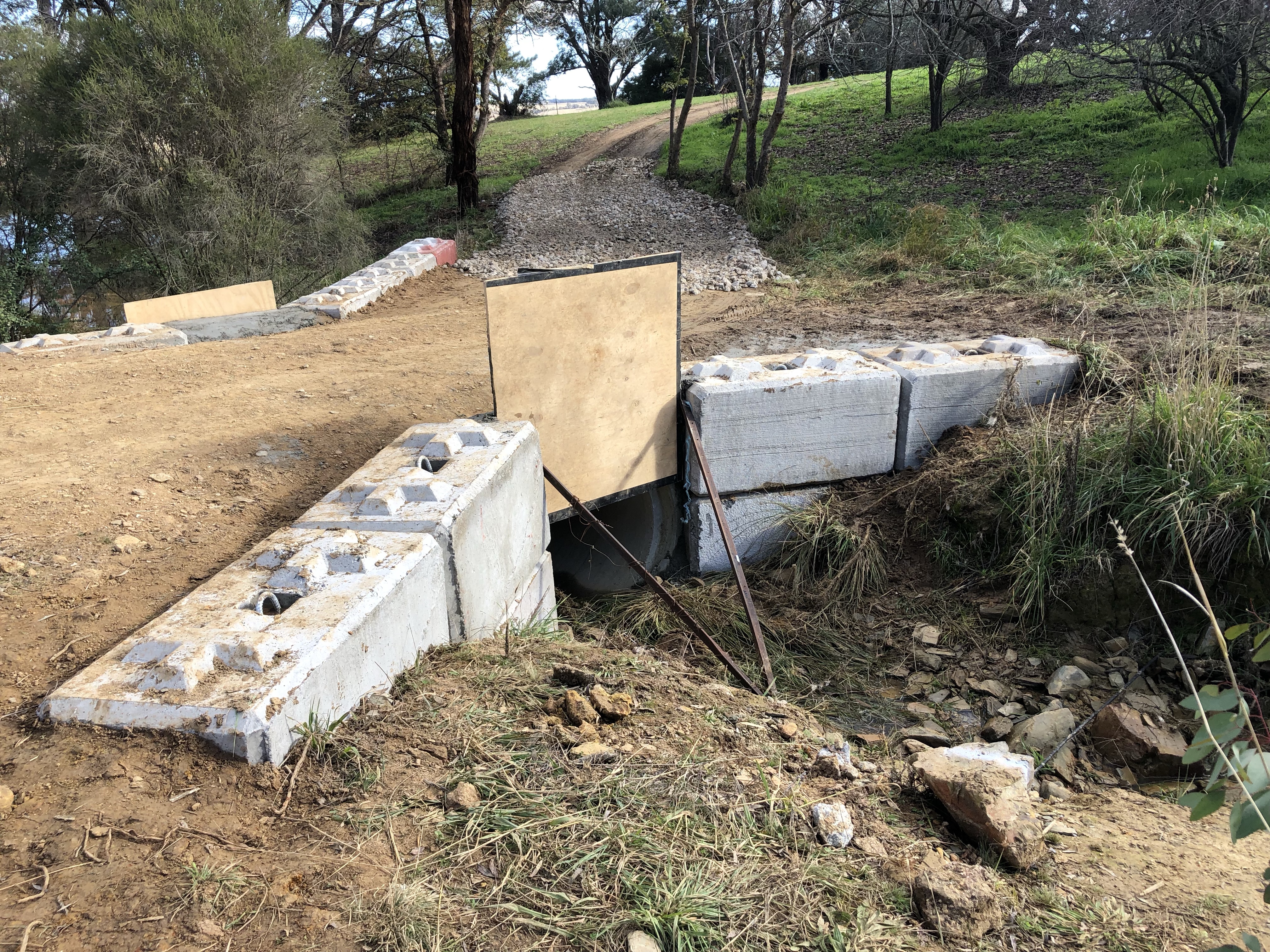
Lou is an absolute master of his machines, and made short work placing large concrete blocks to form a wingwall on both sides of the driveway. The laser dumpy level helped ensure the blocks were all on the same plane – making the job far neater and more precise than I could have achieved for a fraction of the time.
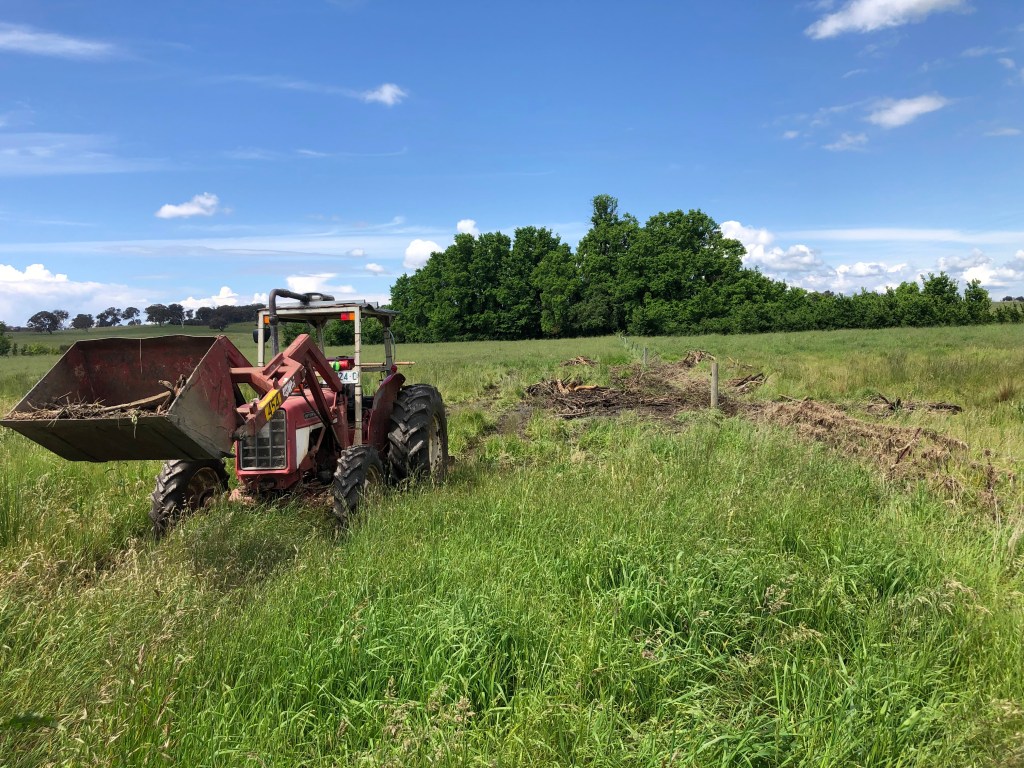
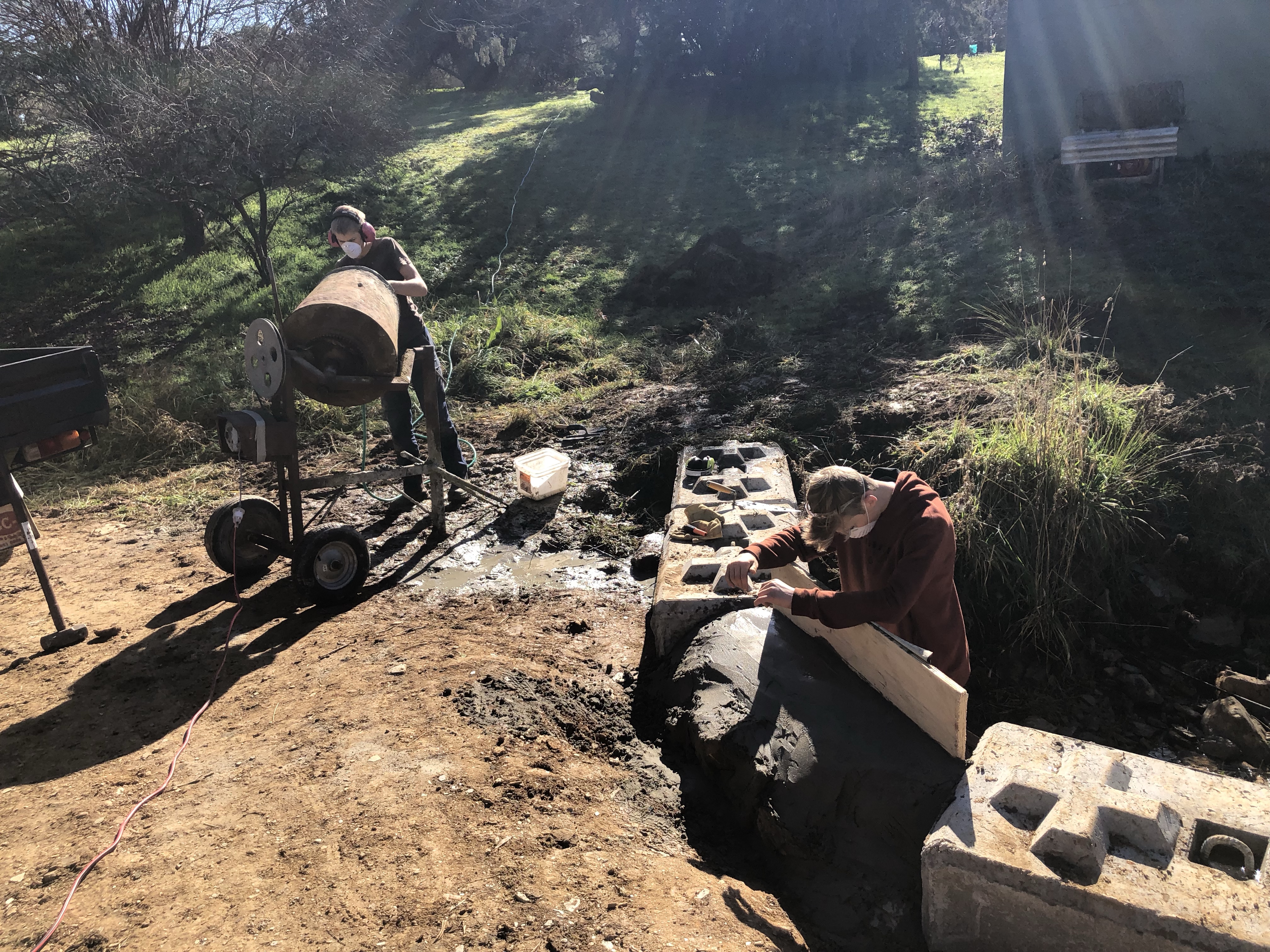
The last job for us to do was to install the headwall. For this I enlisted some school holiday labour. The boys were in a word fantastic, and were soon mixing the concrete to a perfect consistency. They learnt some important skills, and I really enjoyed the time working with them on this little mud pie project.

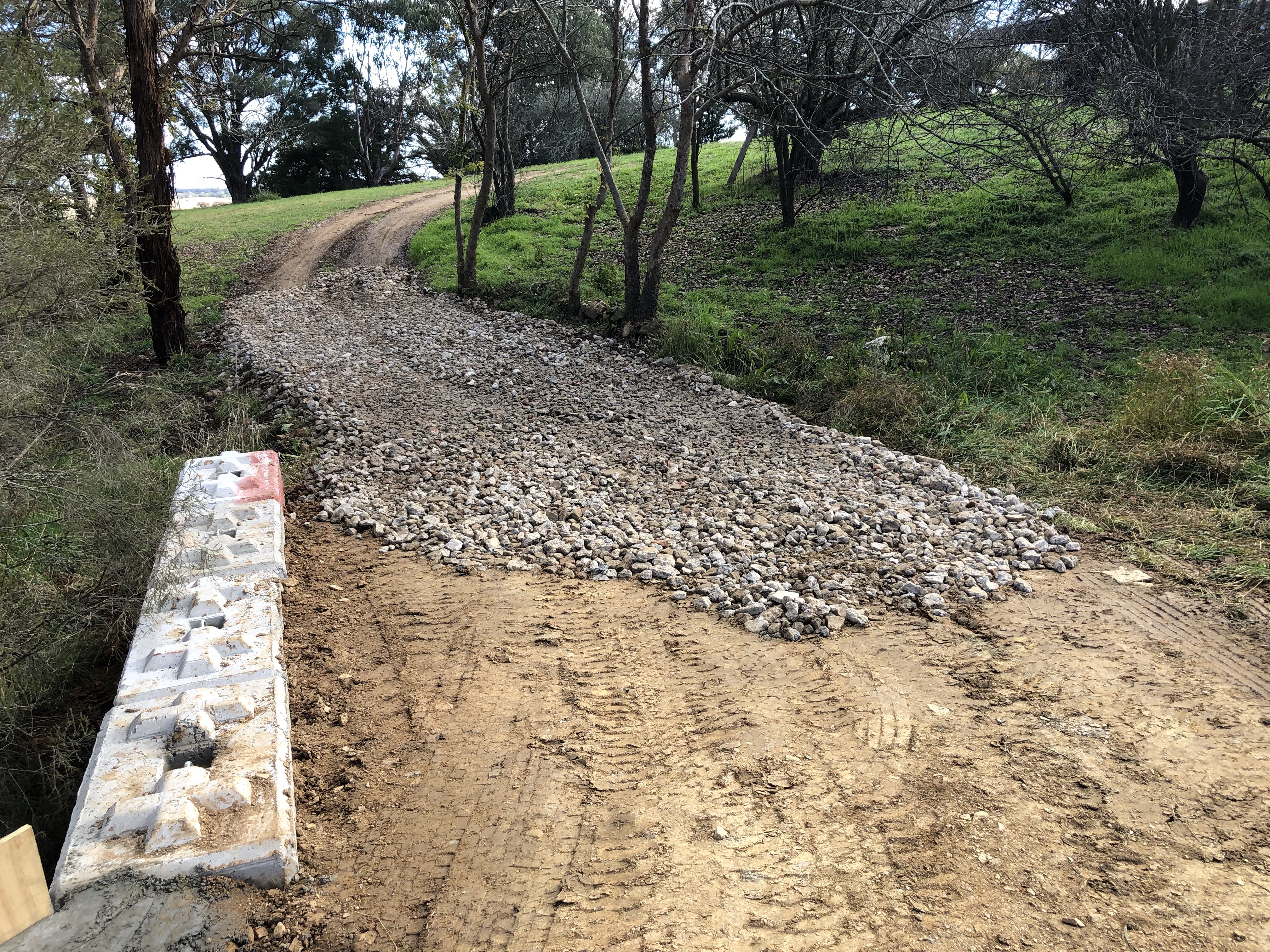
Lou also dropped a load of large recycled concrete over the boggy section – making our driveway a far safer all weather proposition…. well except for the last run up the hill to the house. But that will be a job for another day 🙂
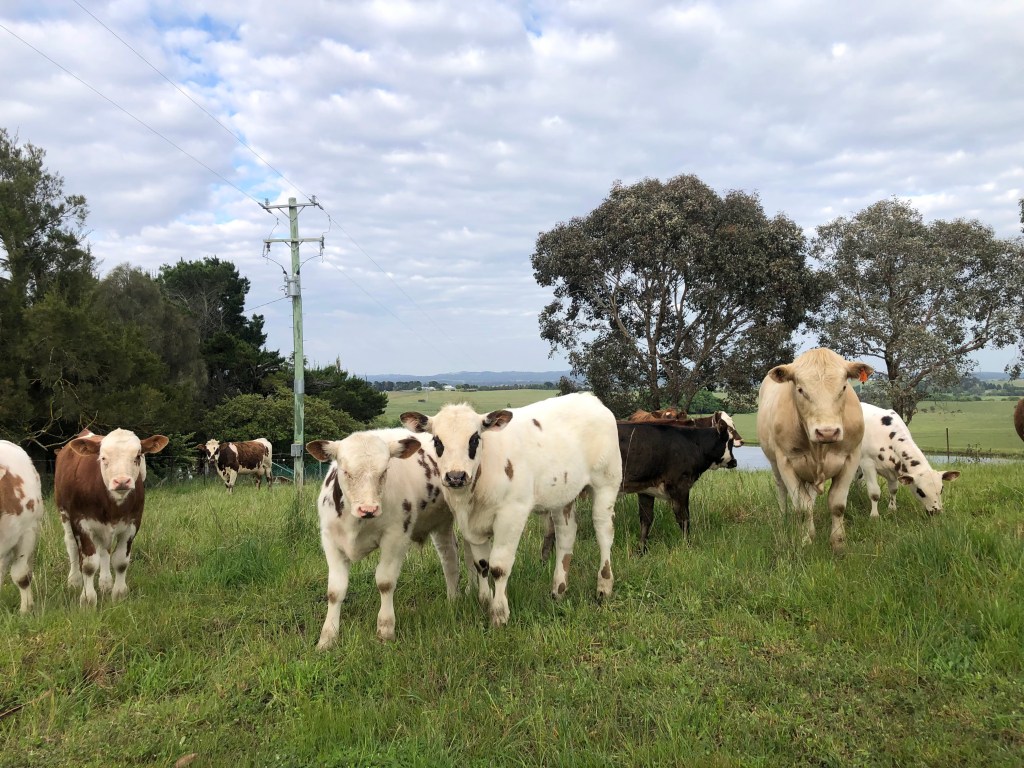
We are thrilled with the change to the driveway. Whilst it still isn’t finished properly, it provides far better access to the house for all vehicles, including RFS tankers. A special thanks to Lou for his mastery of his machinery and the school holiday helpers.