Navigating Farm Life: New Calves and Family Milestones

The past couple of months have been bustling both on and off the Rock Farm.

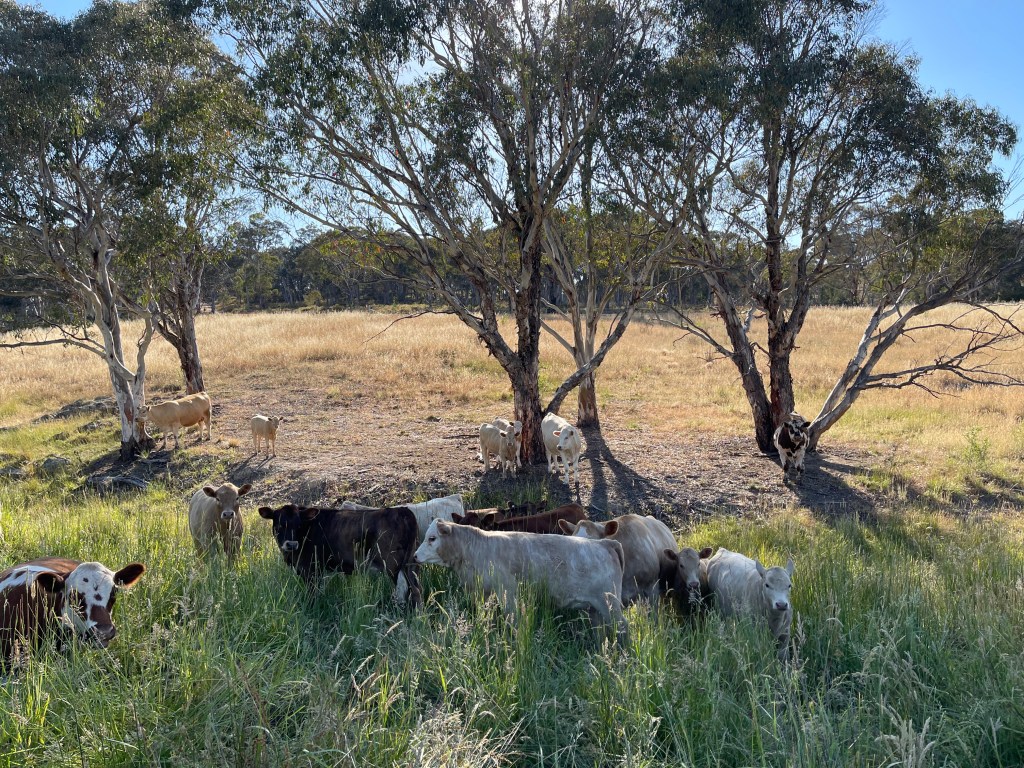
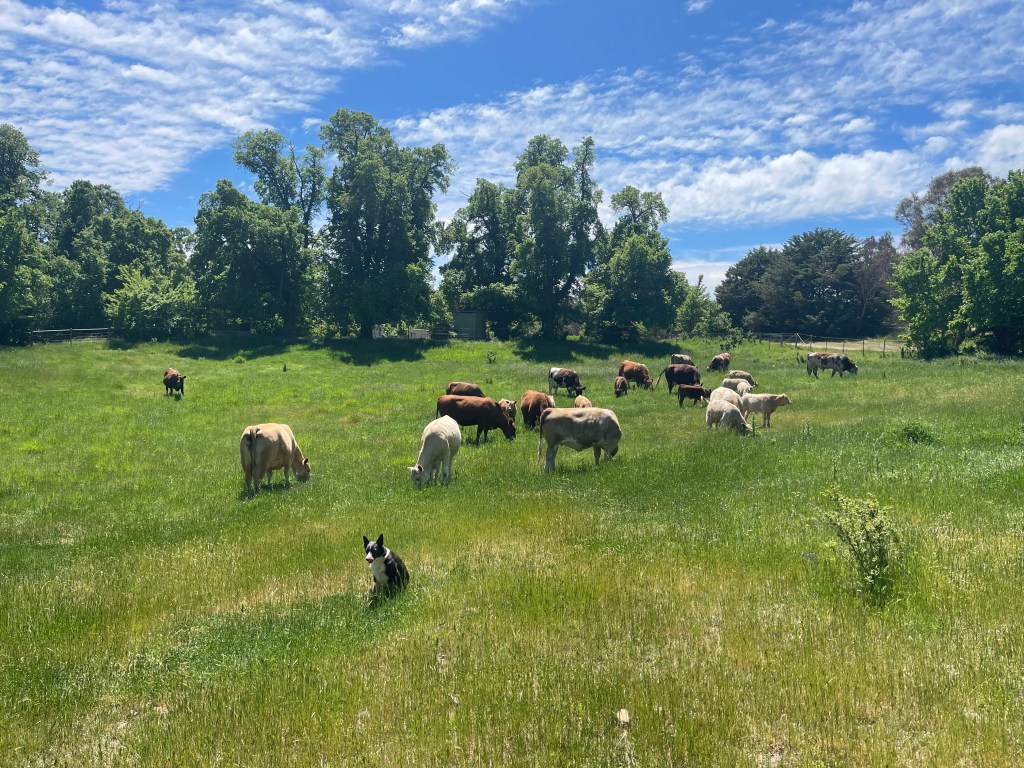
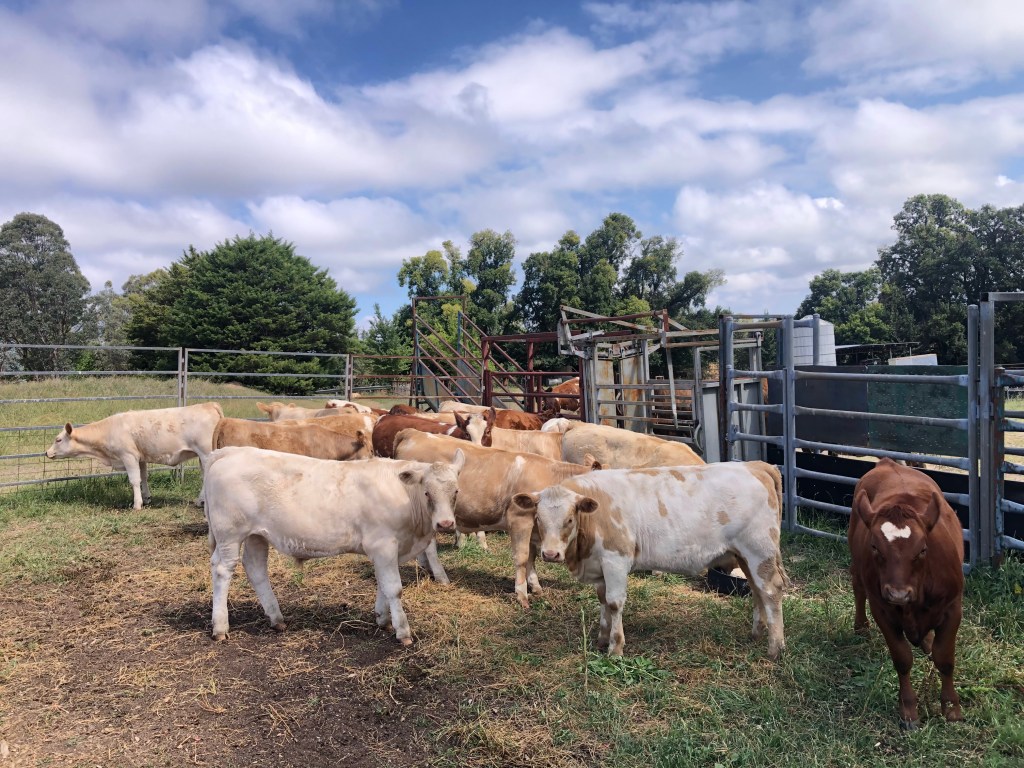
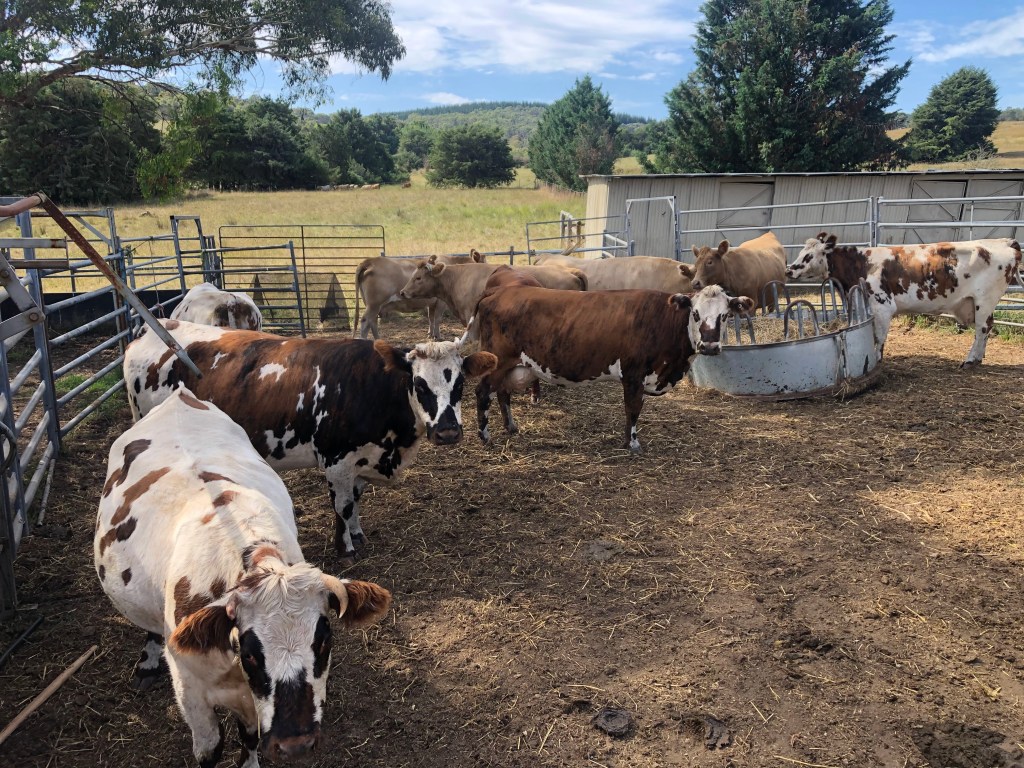
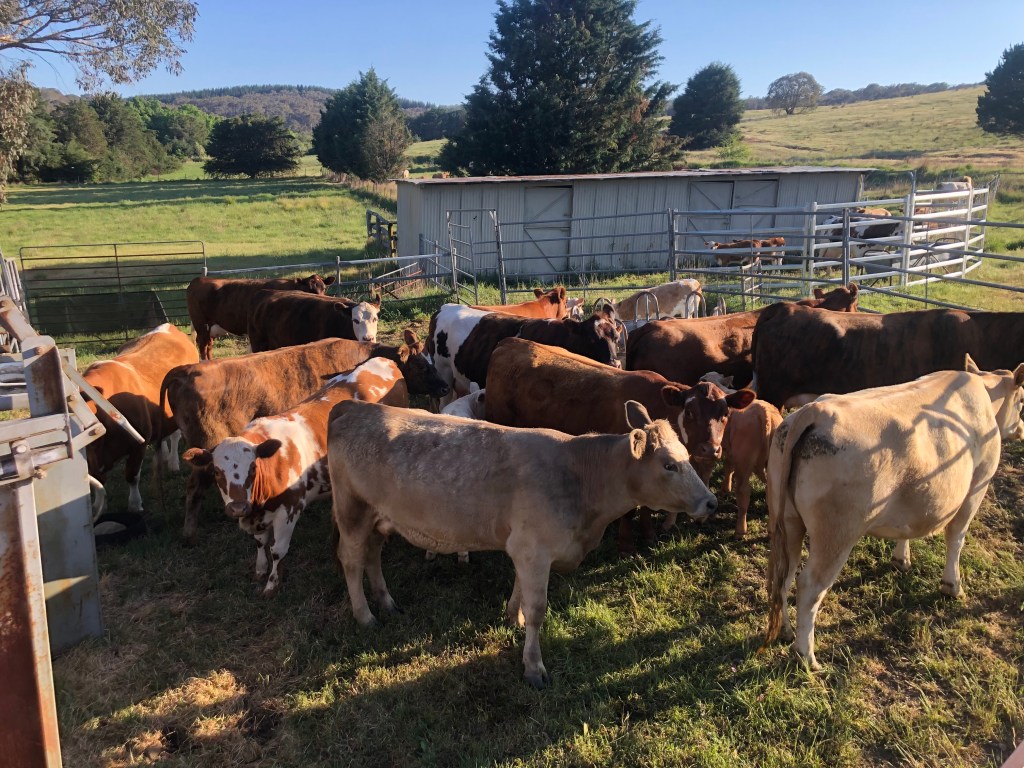
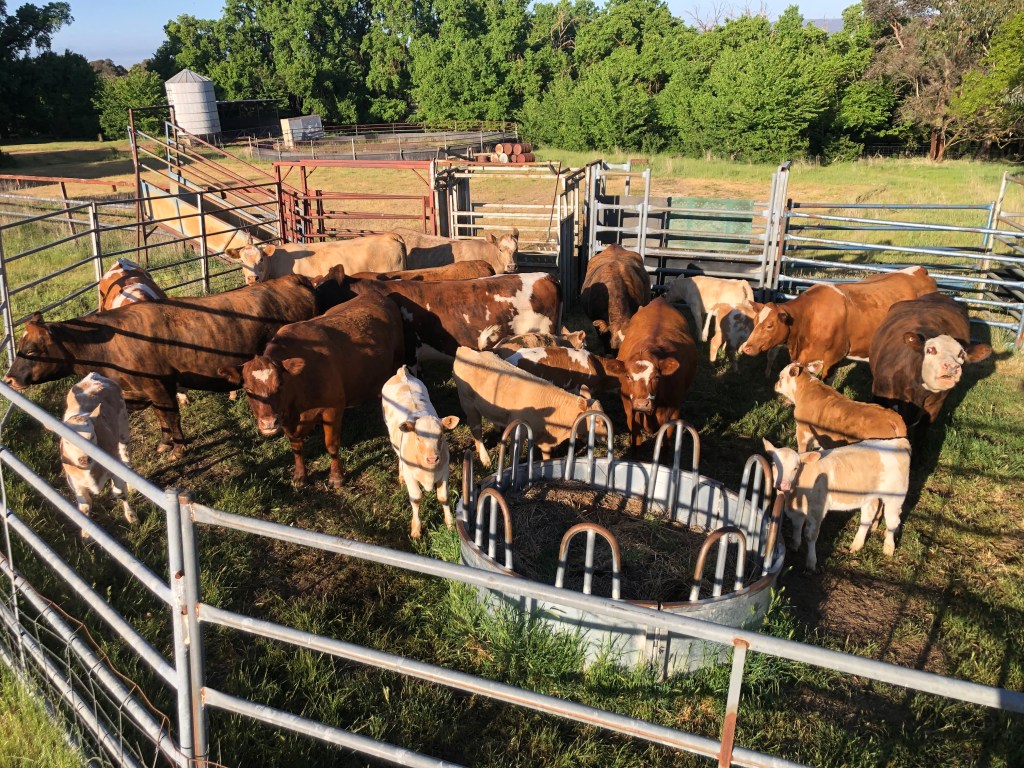
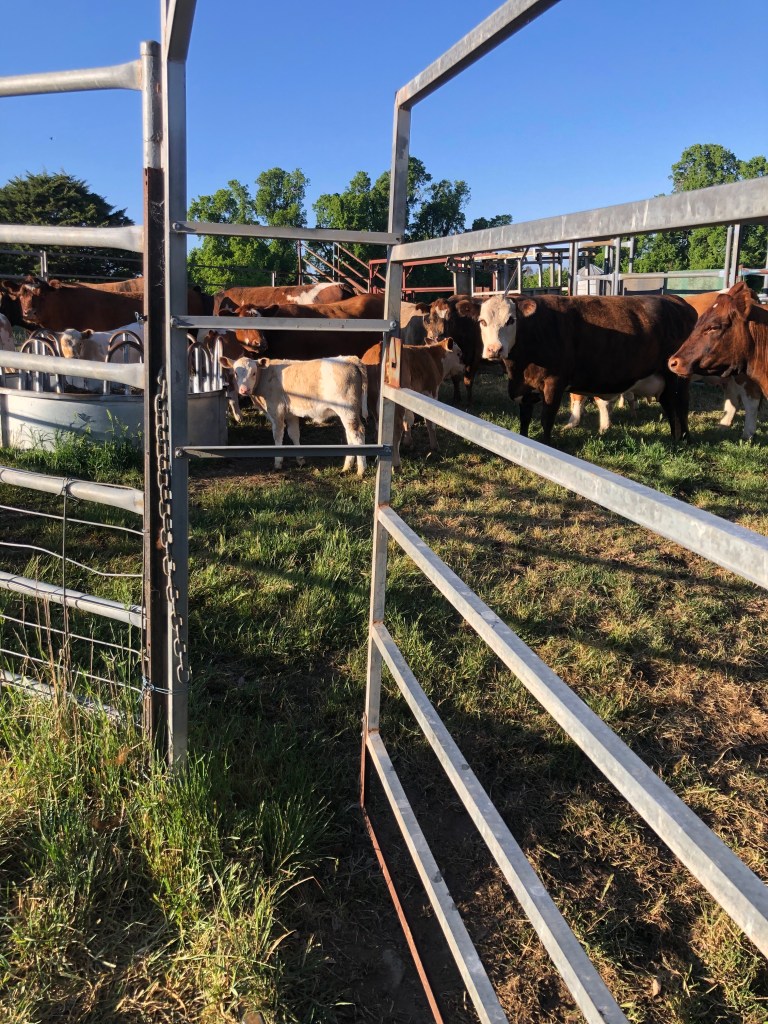
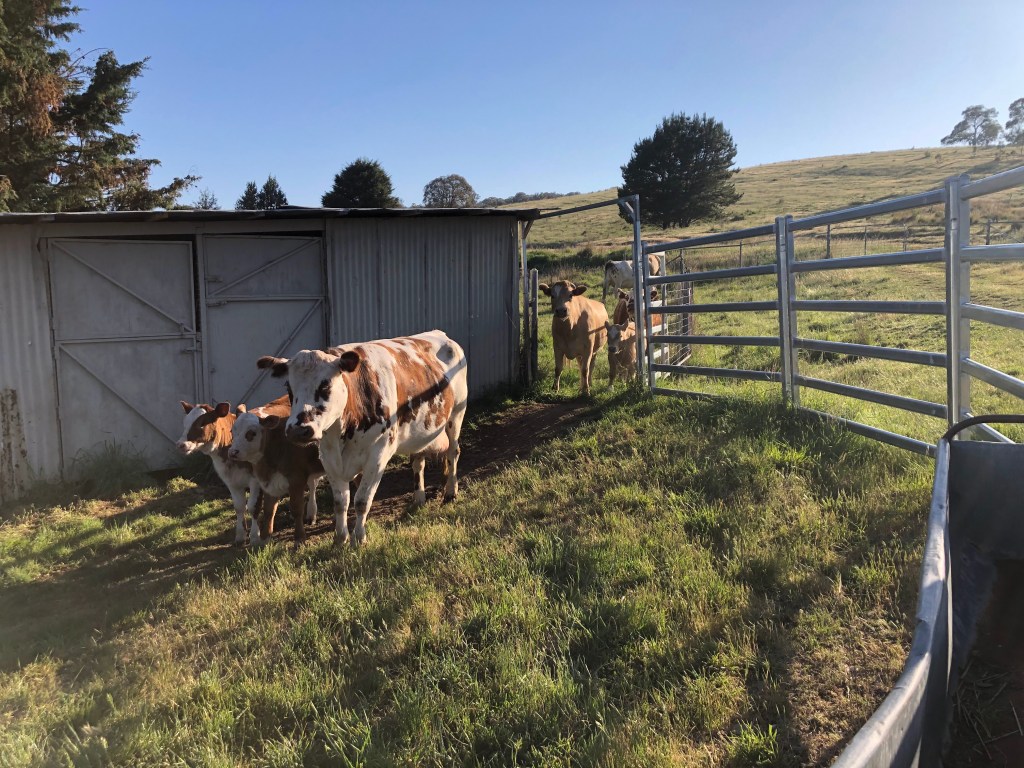
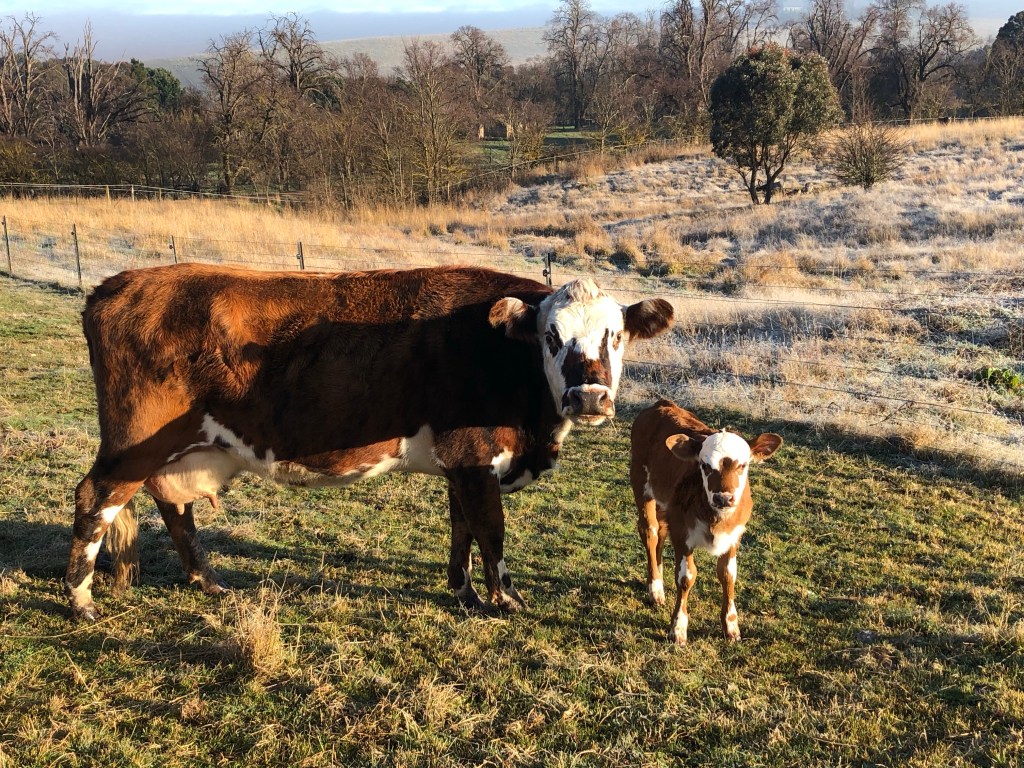
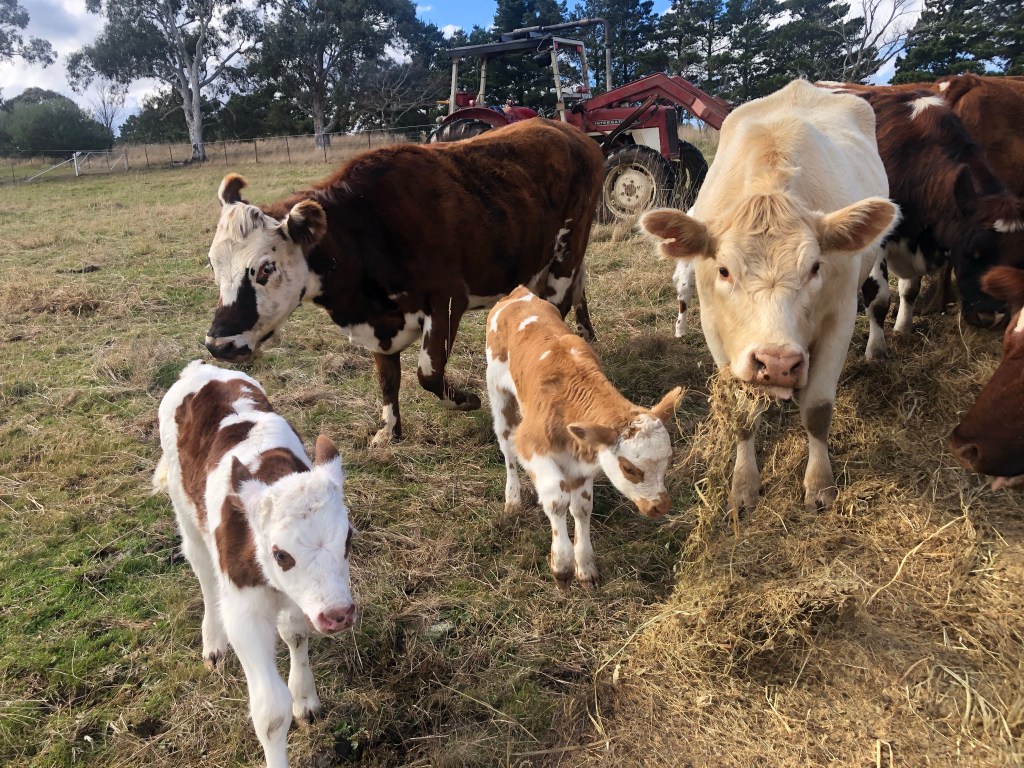
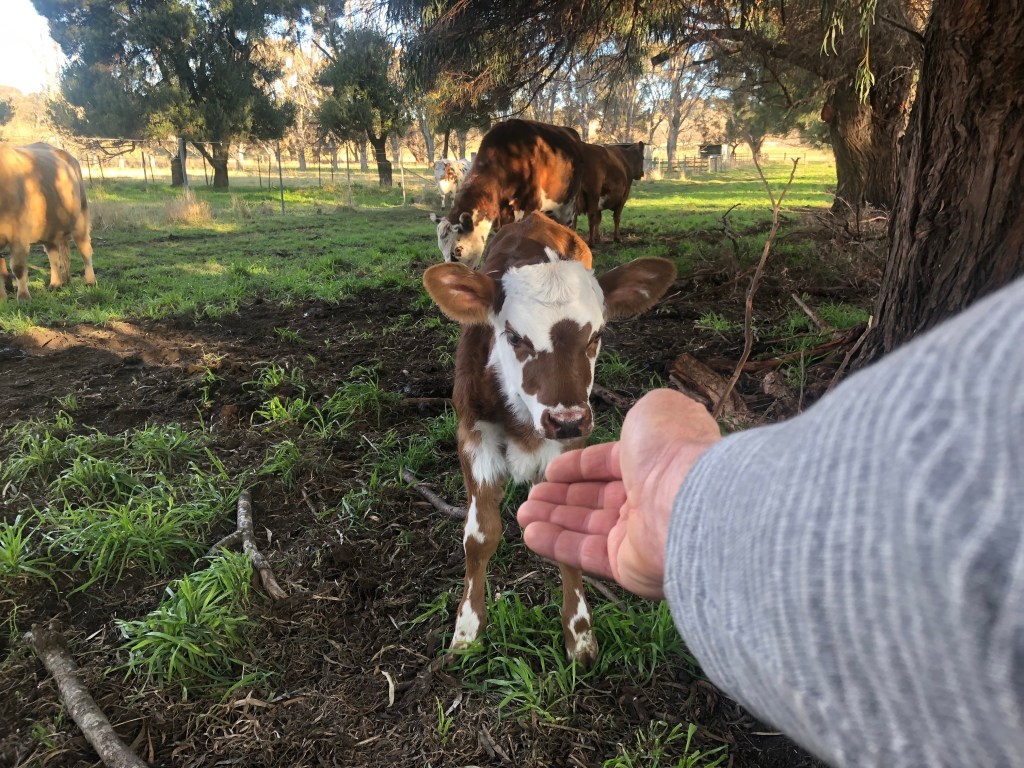
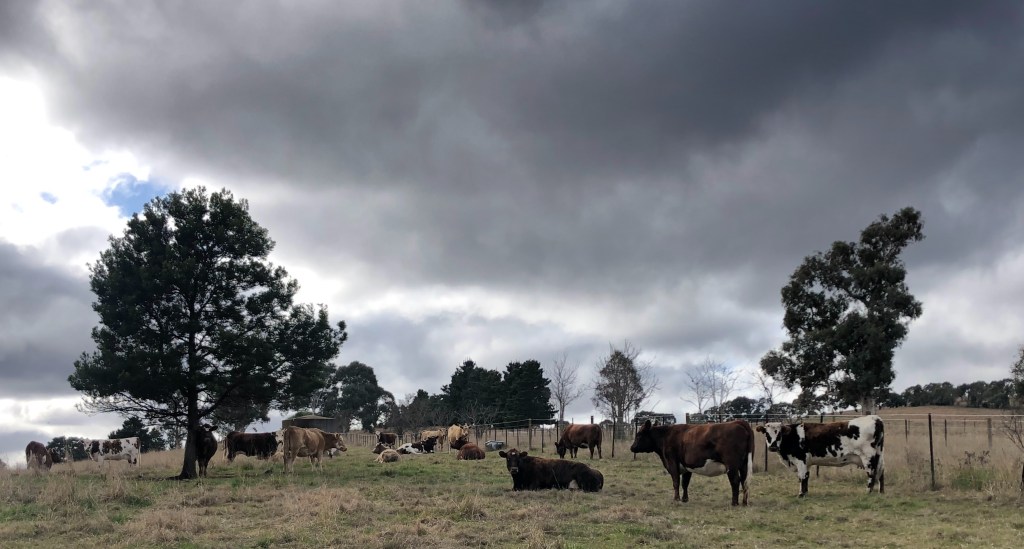
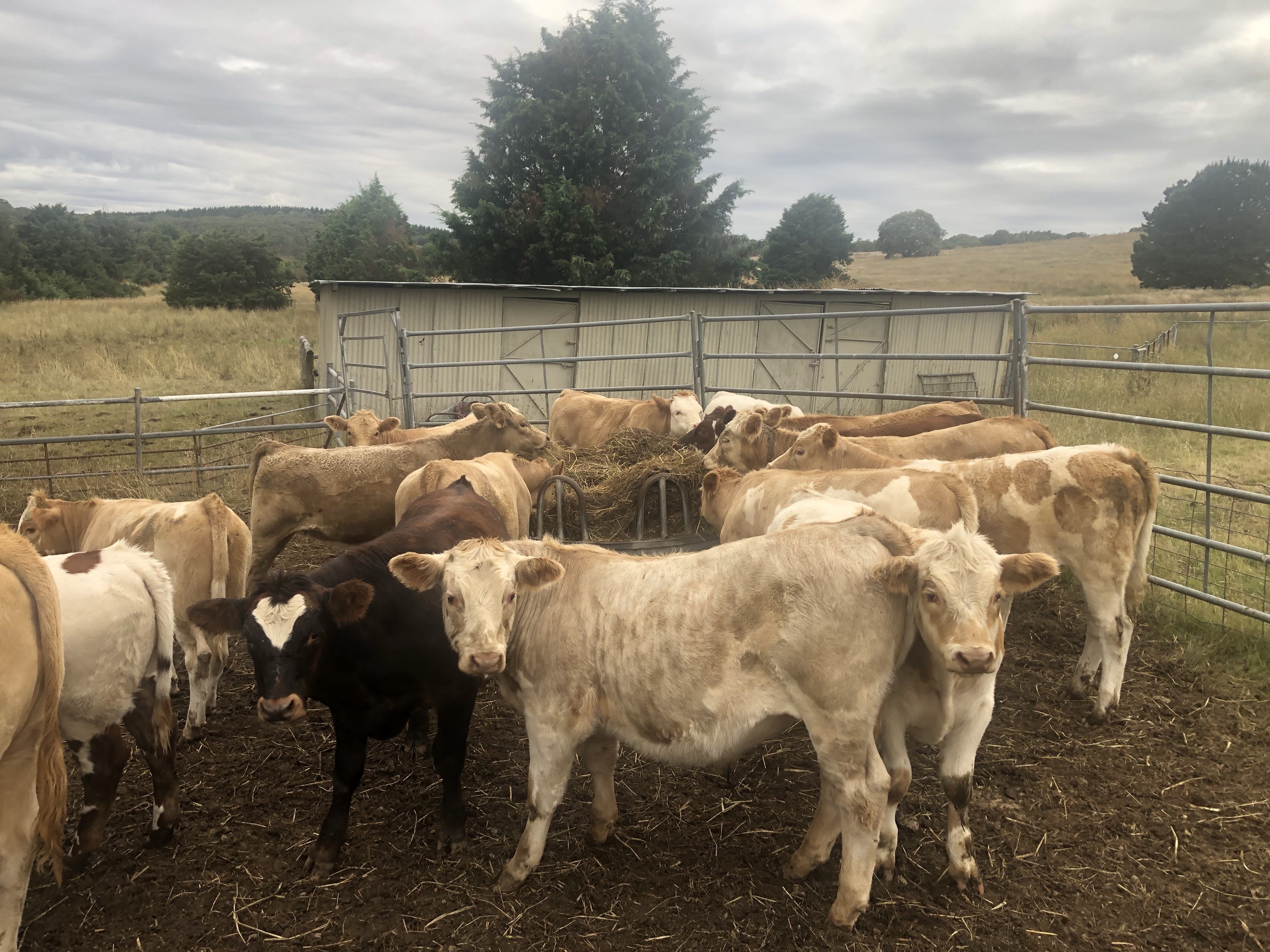
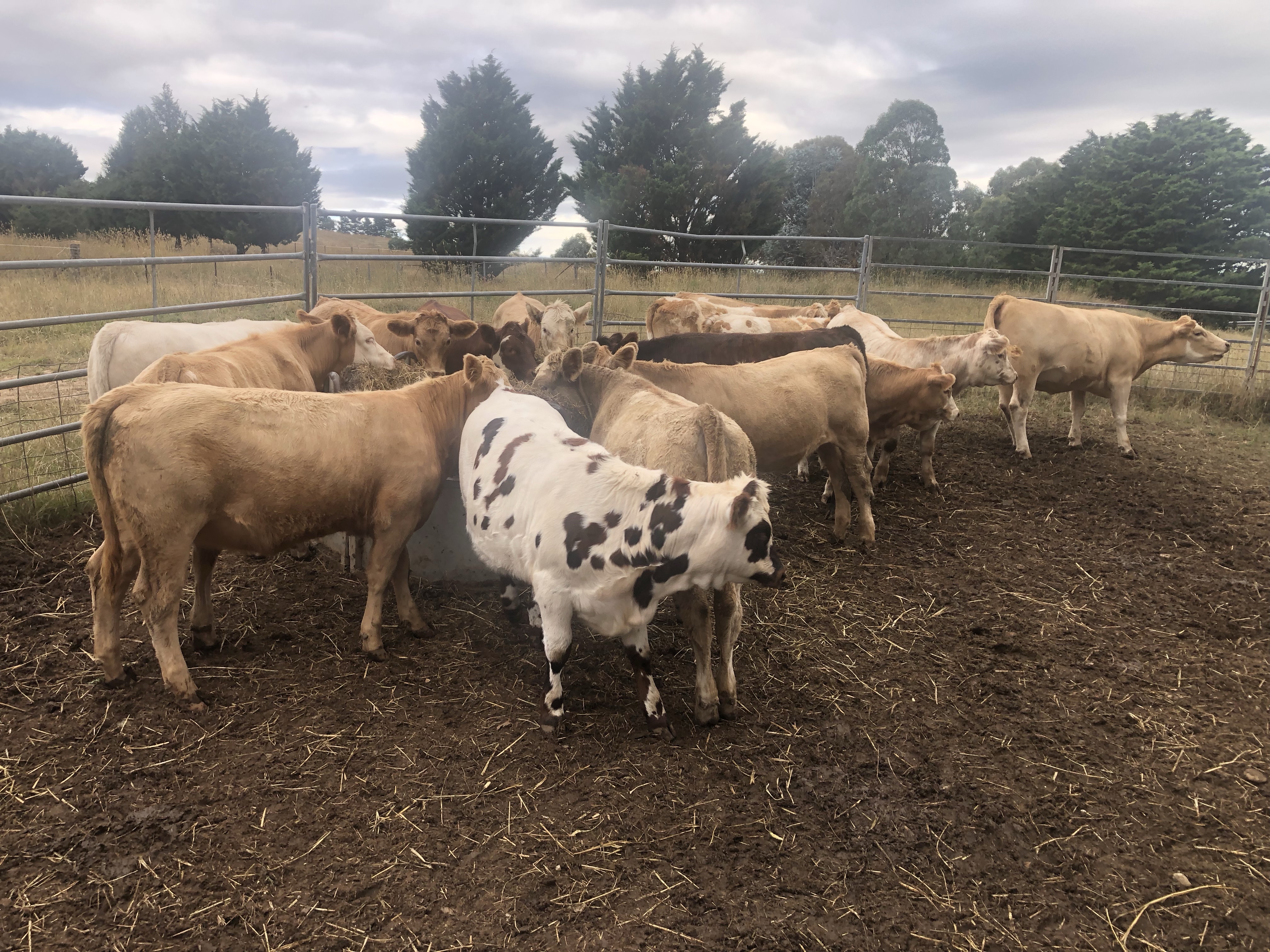
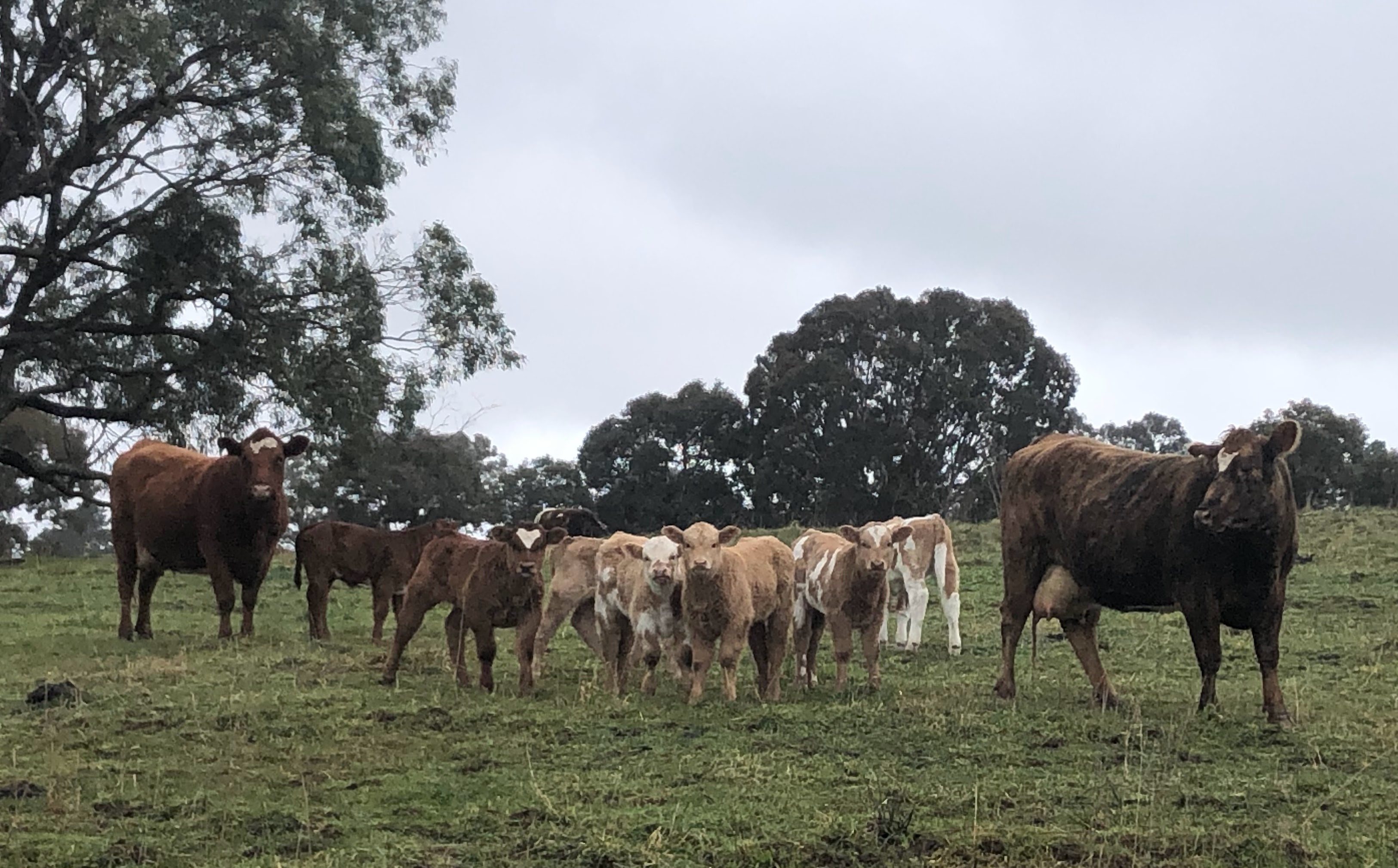
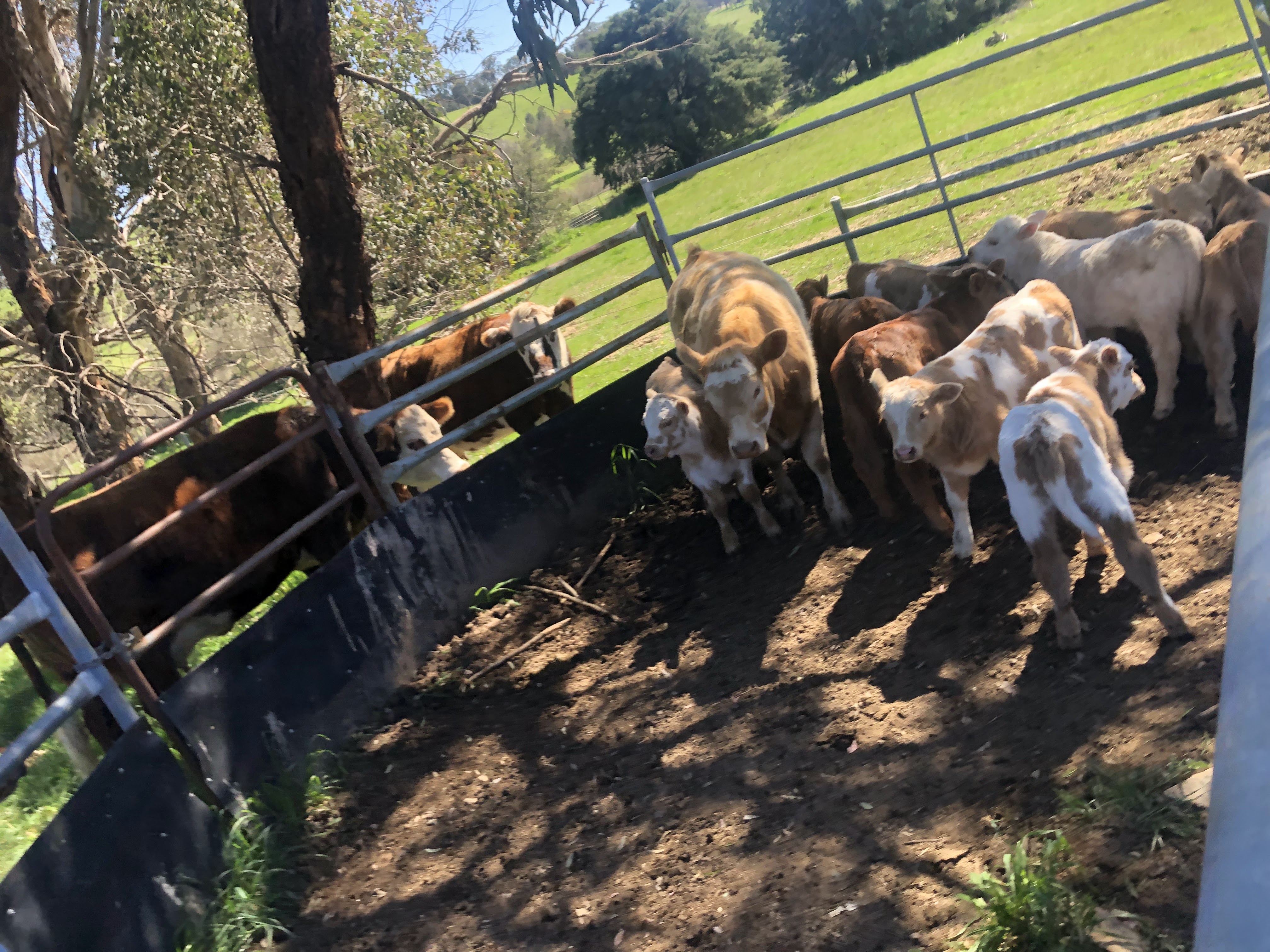
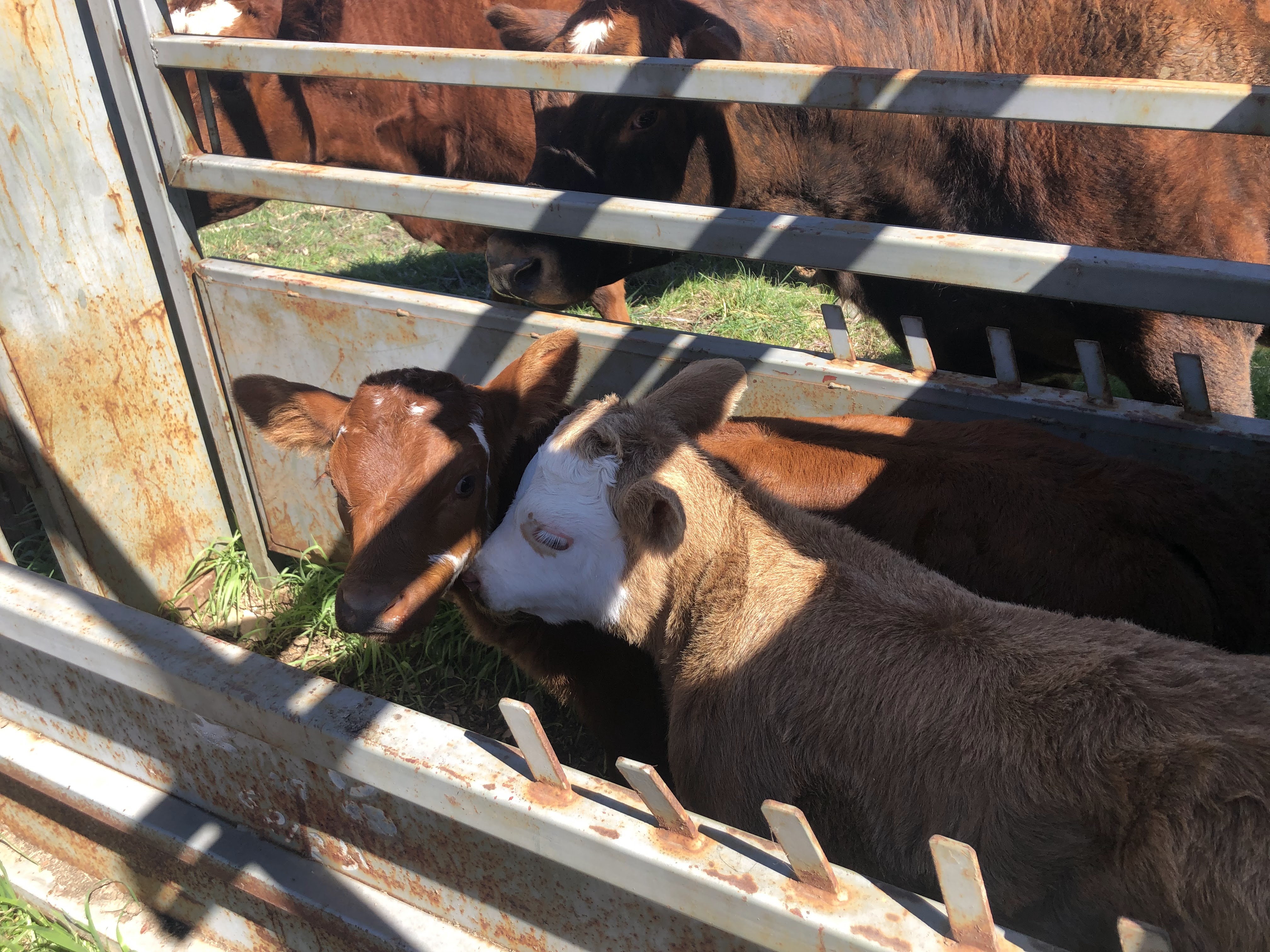
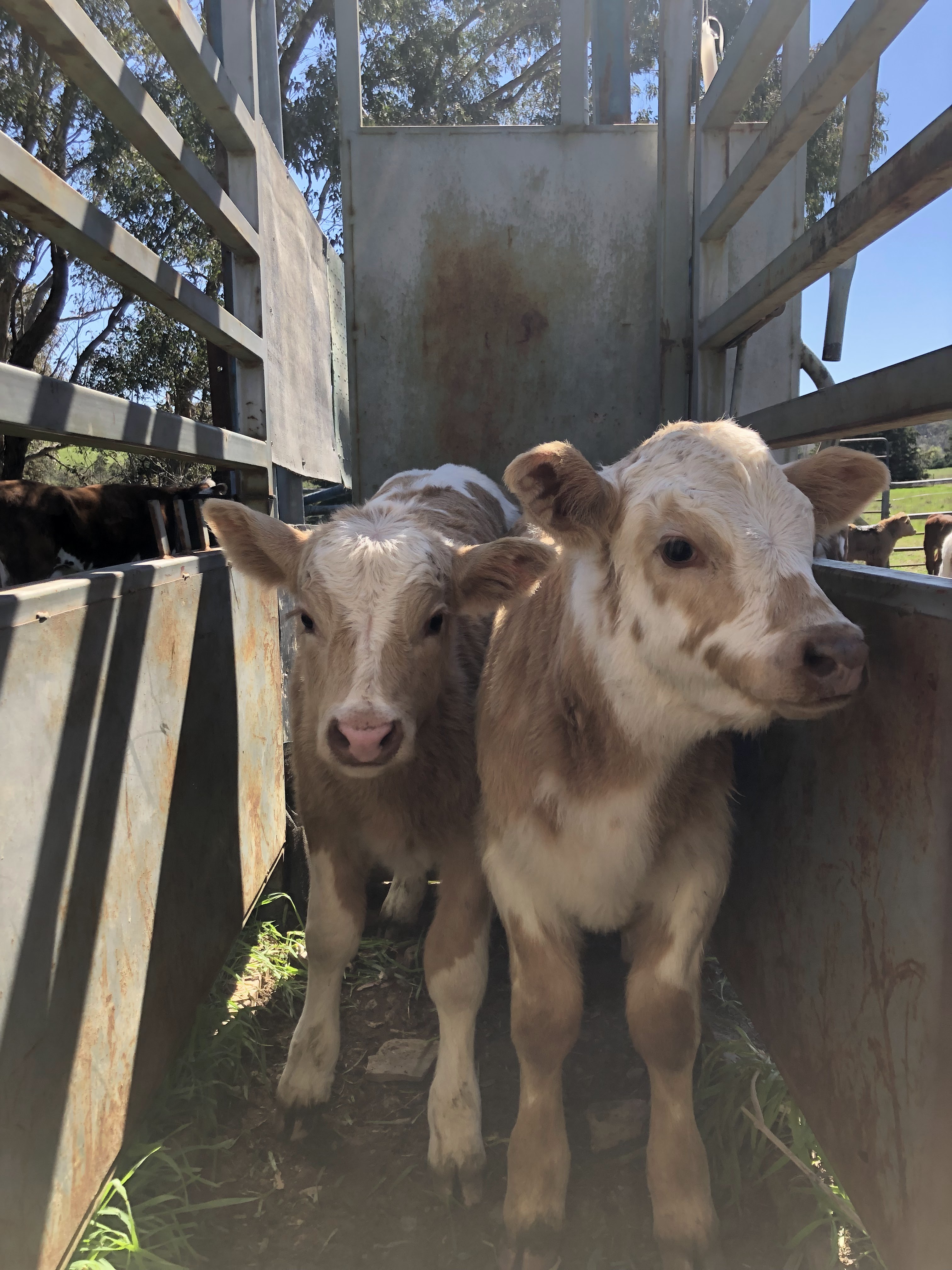
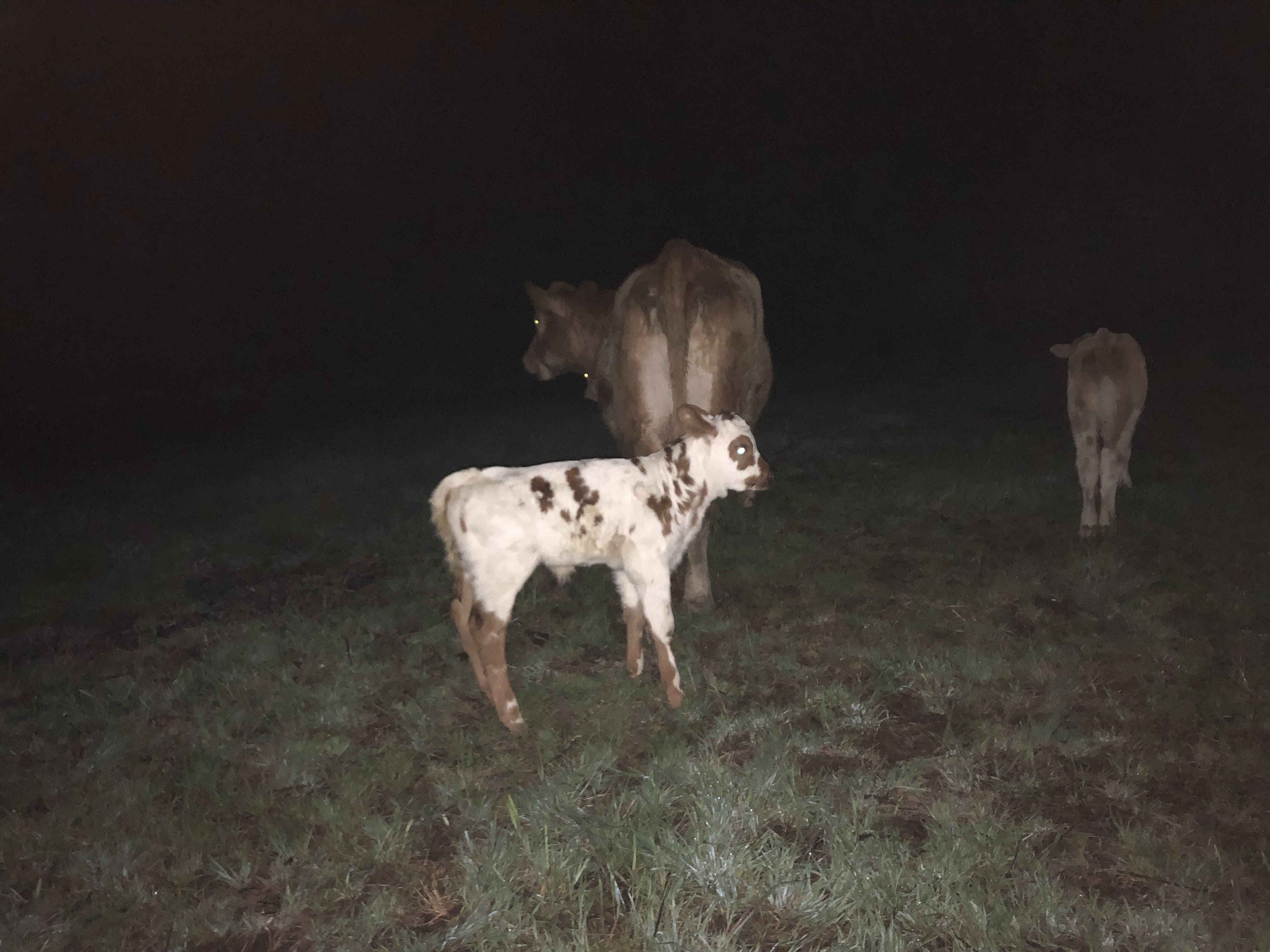
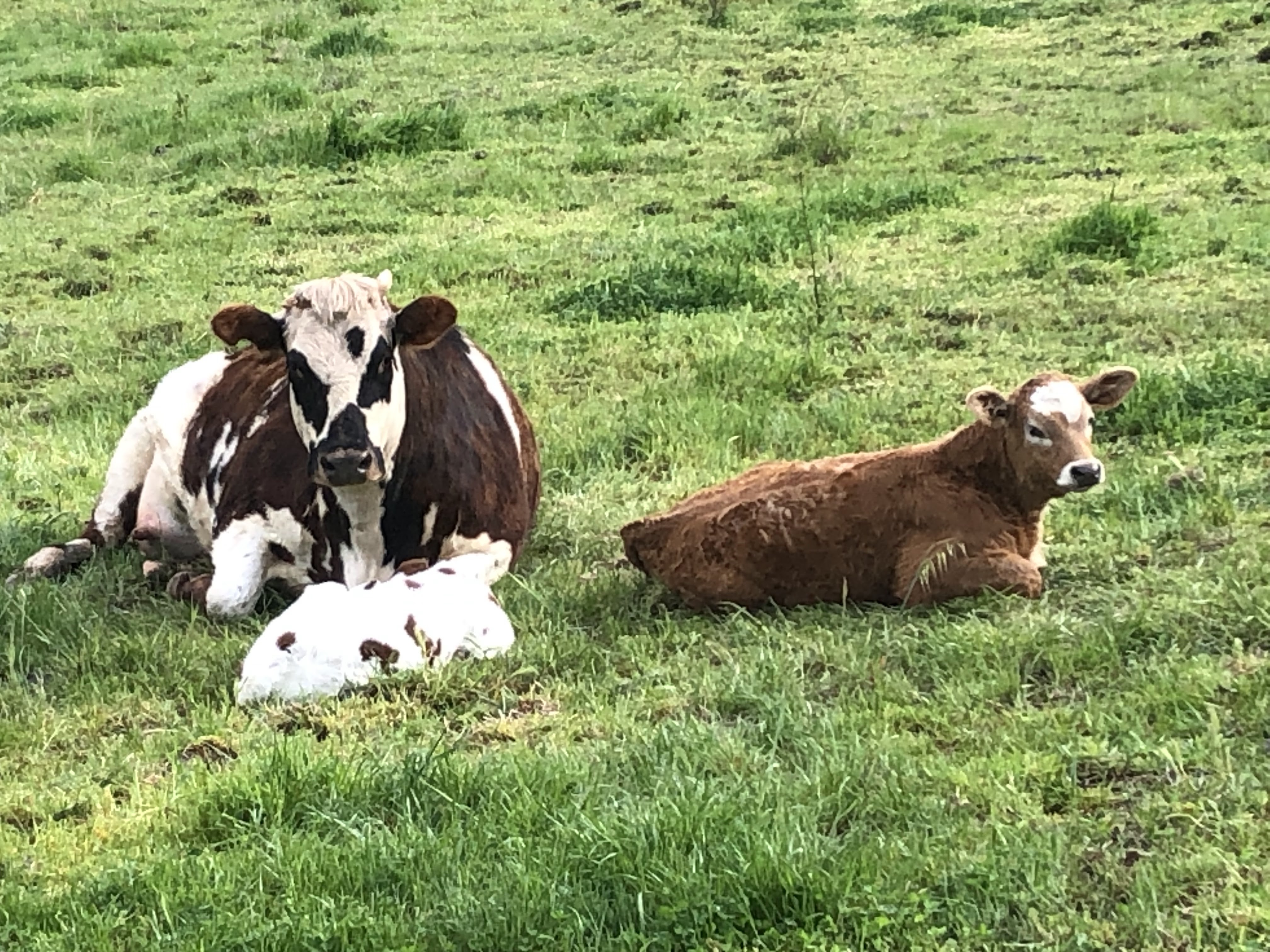
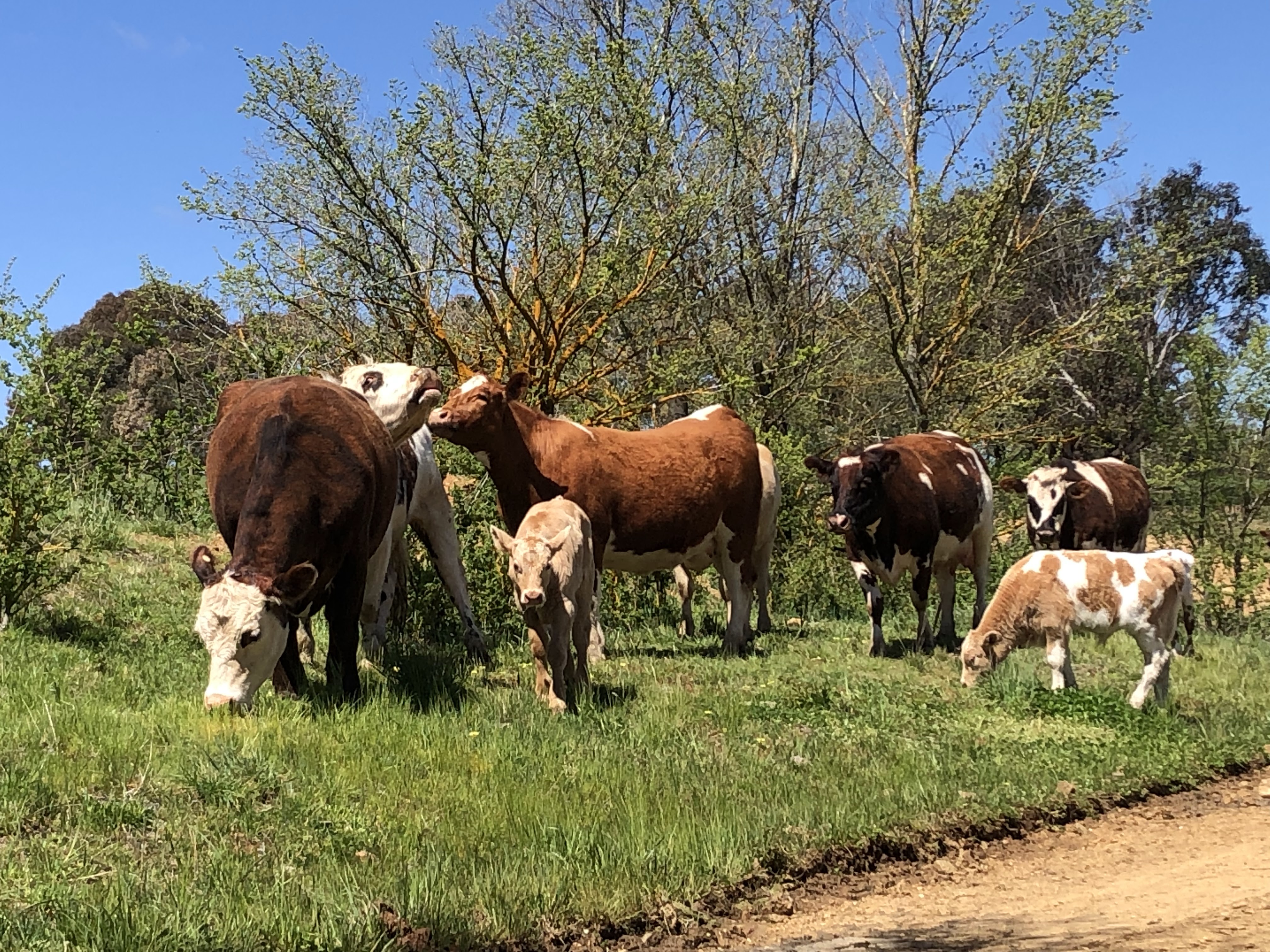
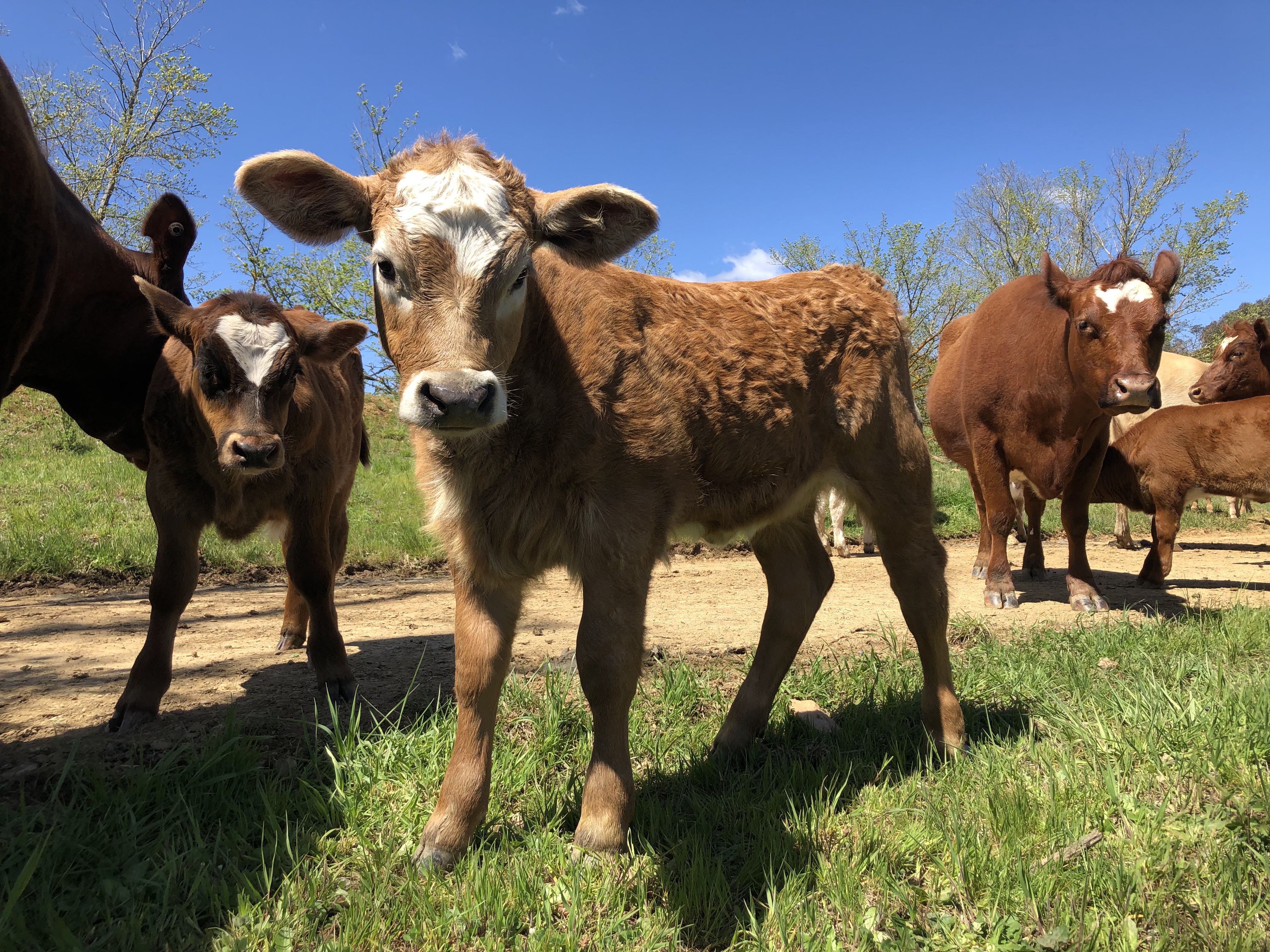
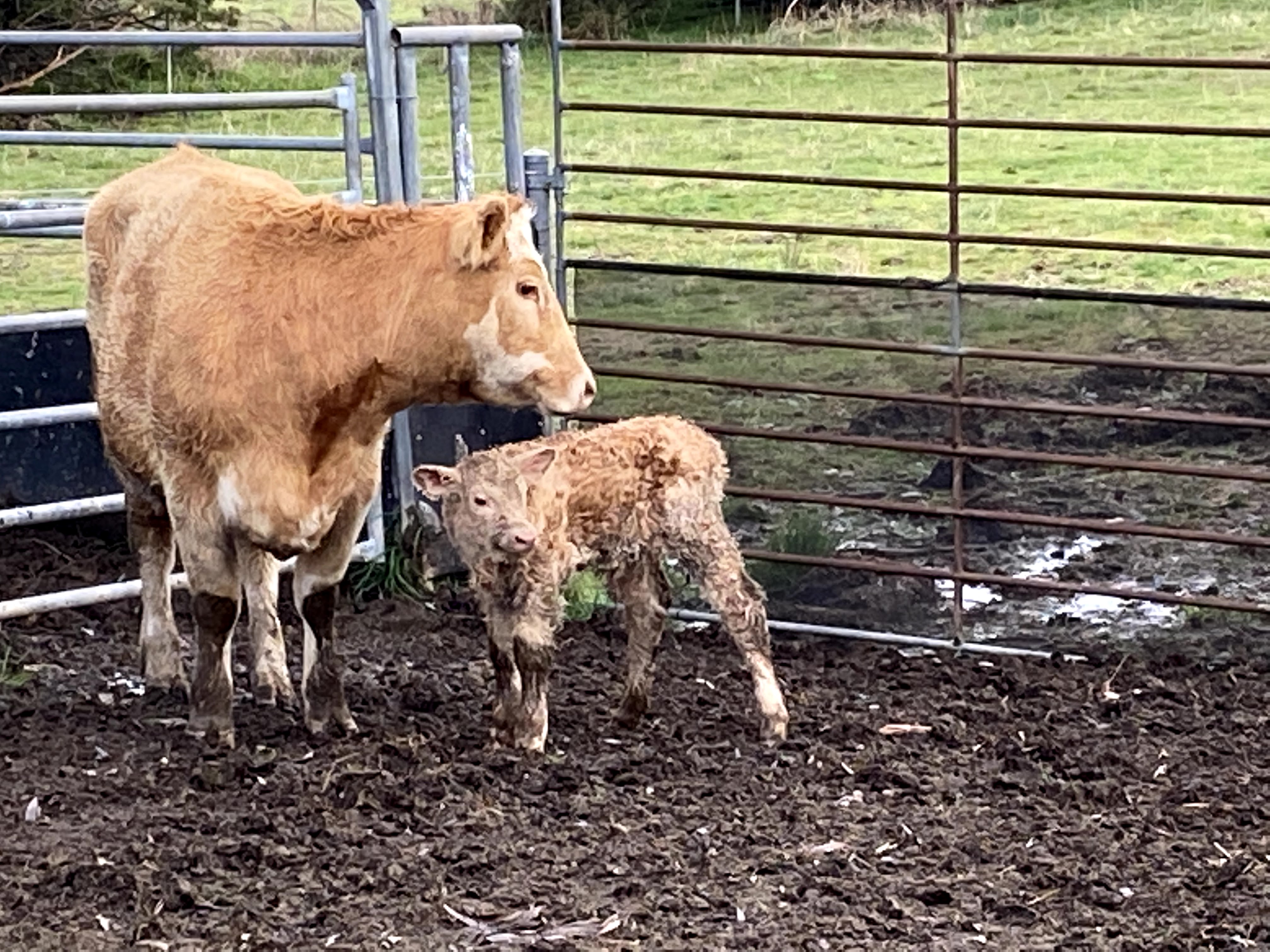
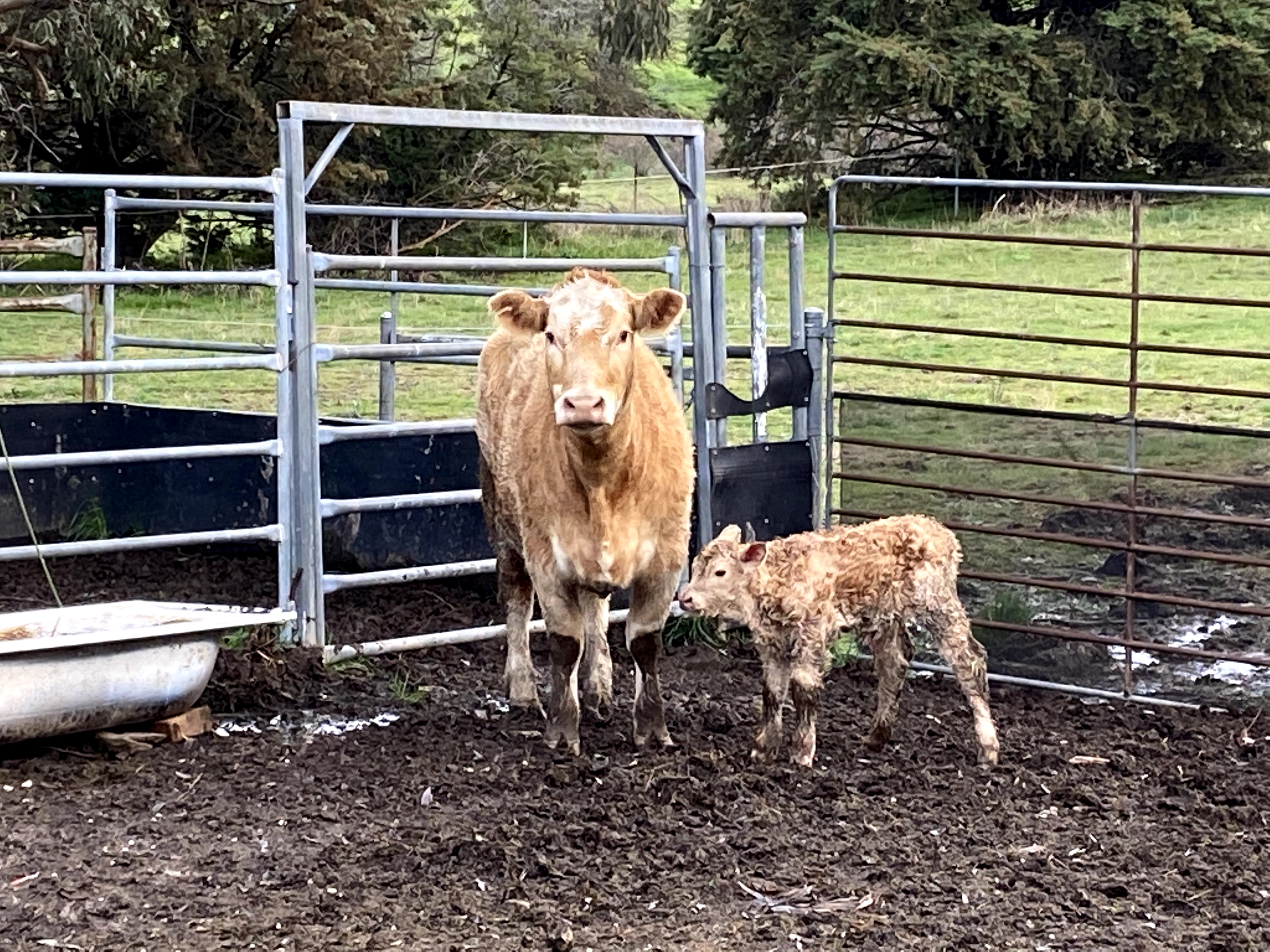
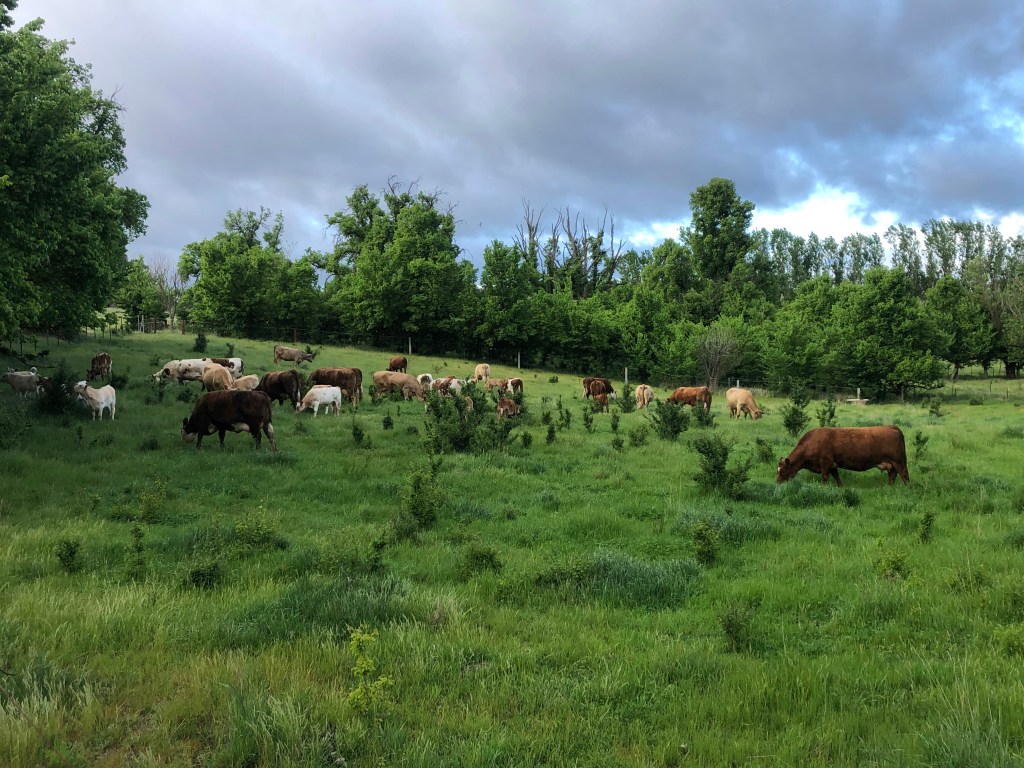
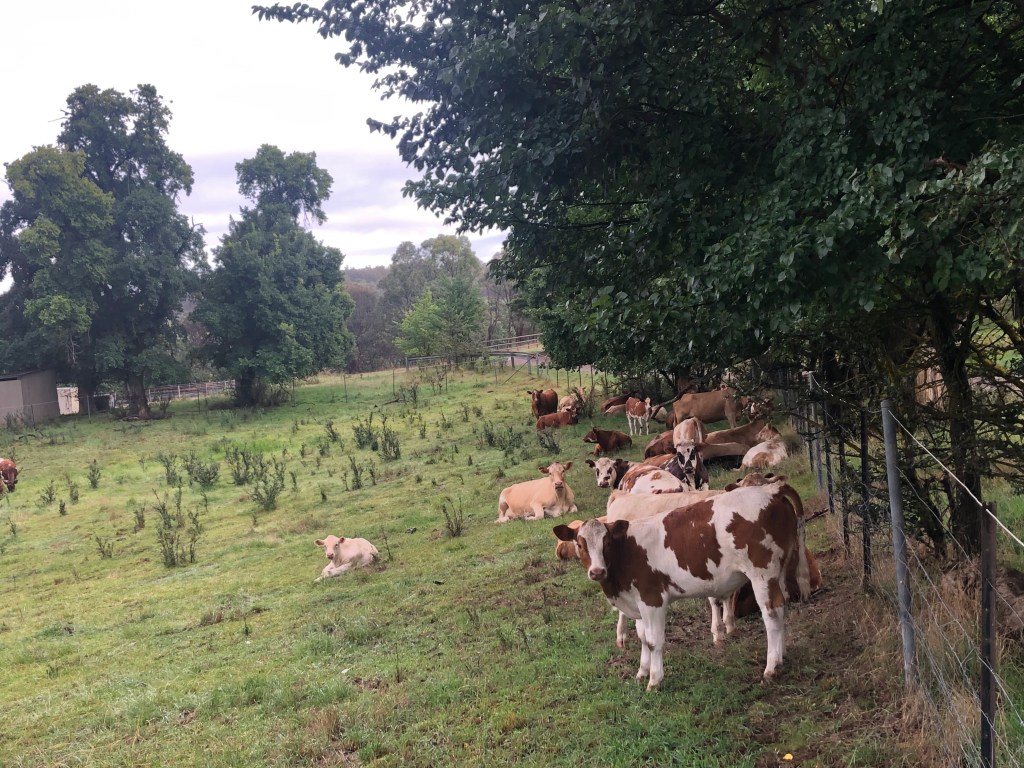
Our beautiful calves, now approaching three months old, are thriving—including our delightful twins. To my surprise, all ten calves turned out to be heifers, a rare occurrence. While steers typically fetch higher prices at the sale yards, having heifers opens up more future options for us. About a month ago, they received their first round of vaccinations and will soon be due for their second. I use a 7-in-1 vaccine to protect them against various clostridial diseases and common leptospirosis strains, which can affect both cattle and humans.
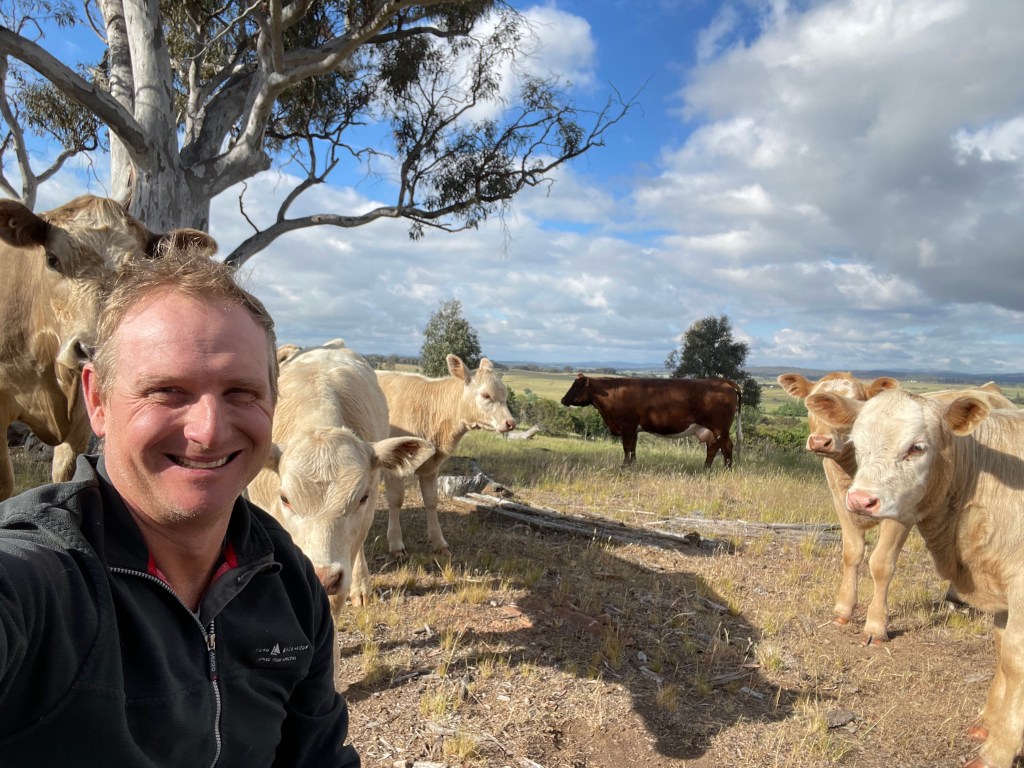
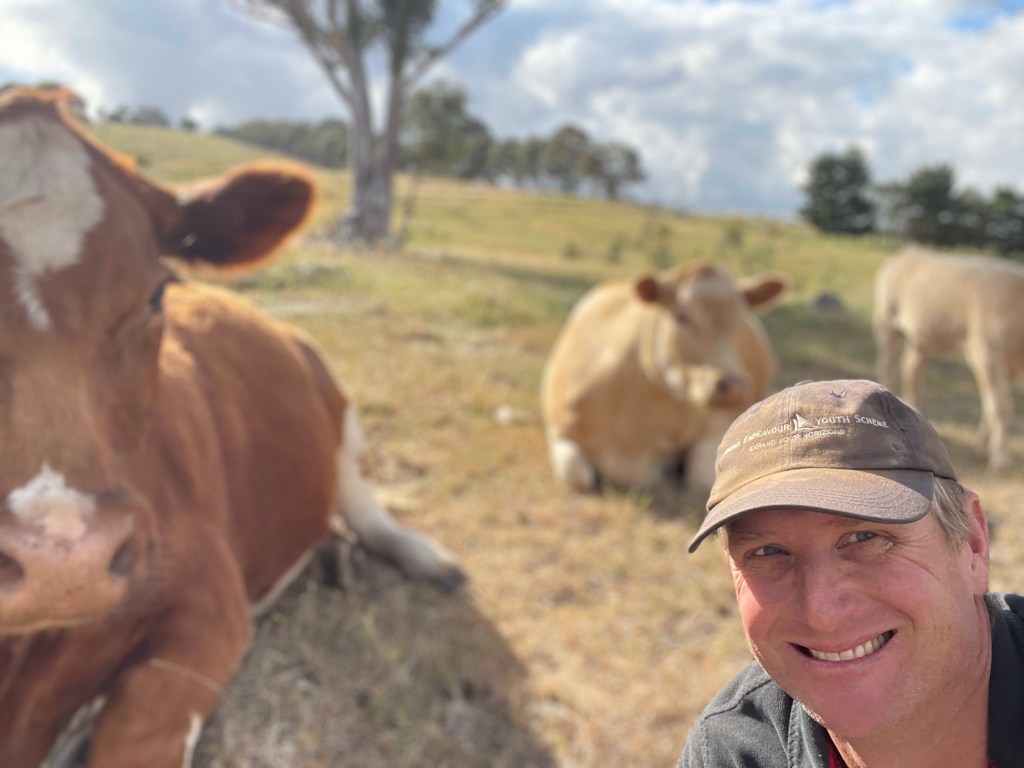
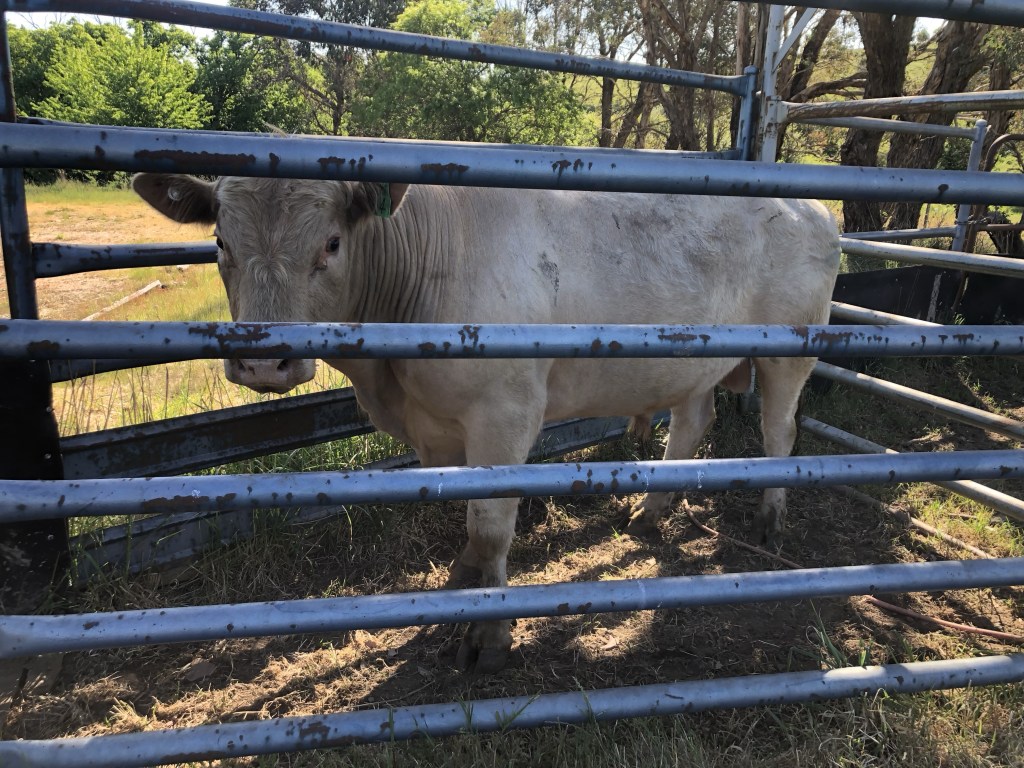
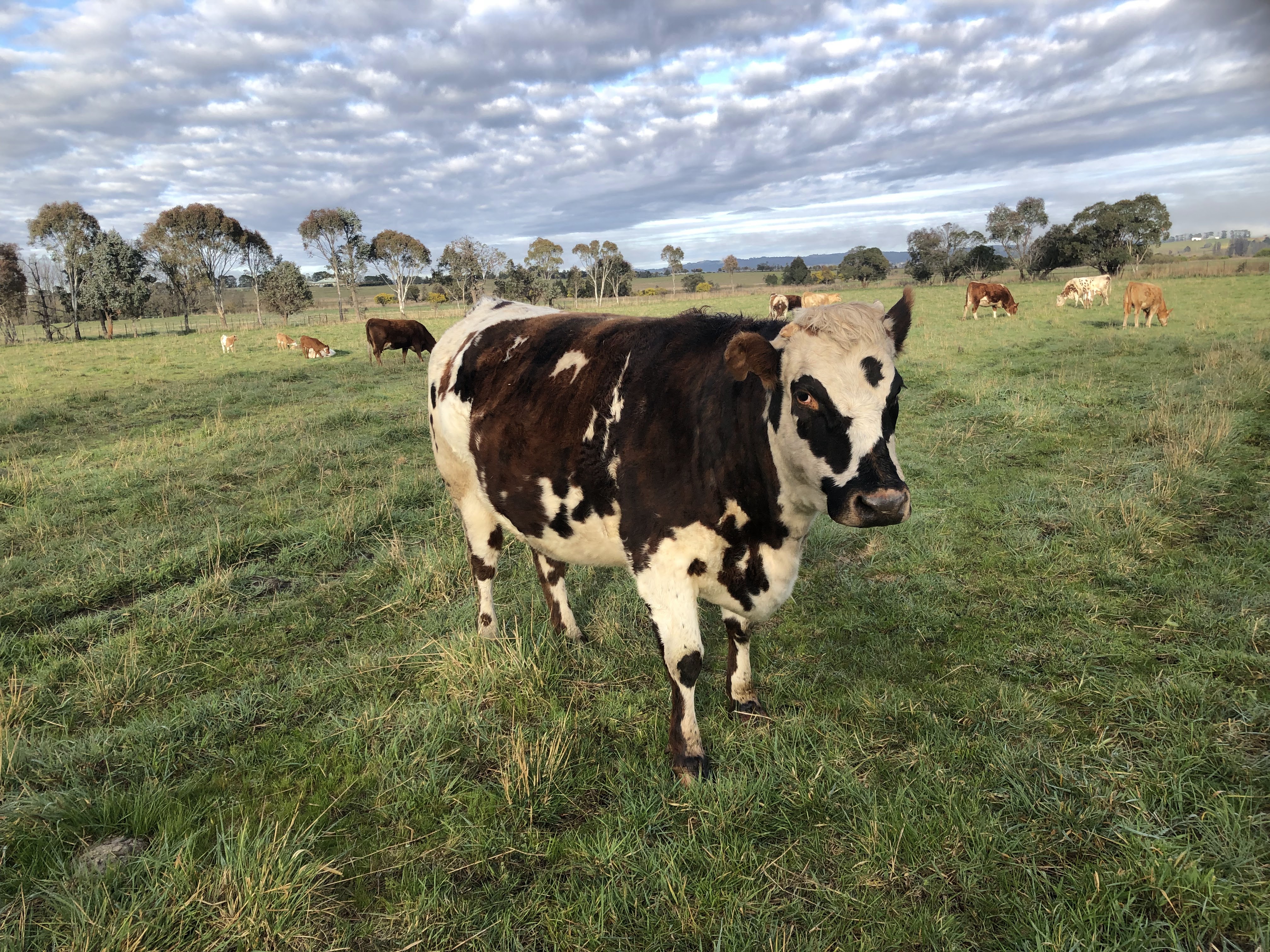
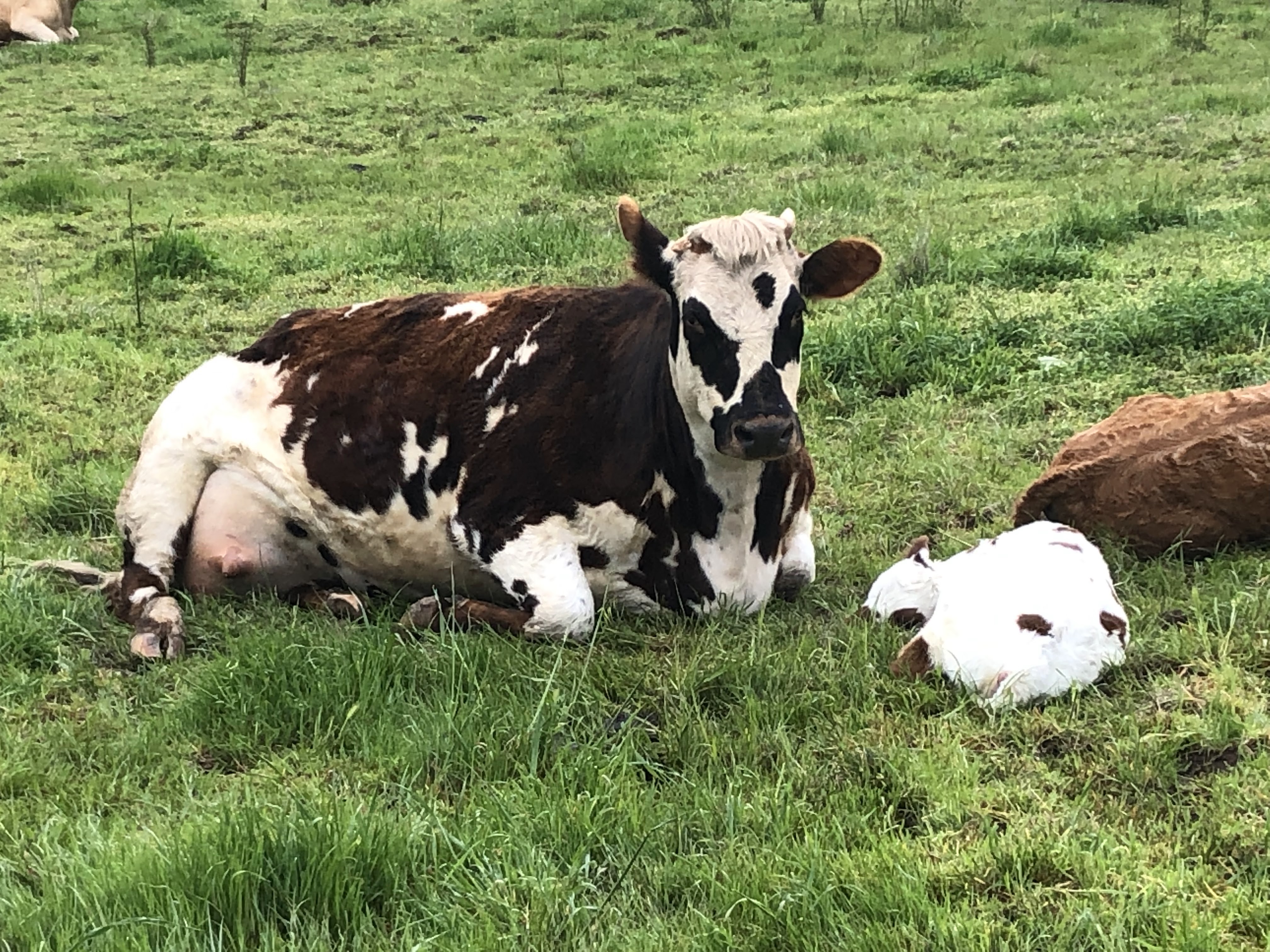
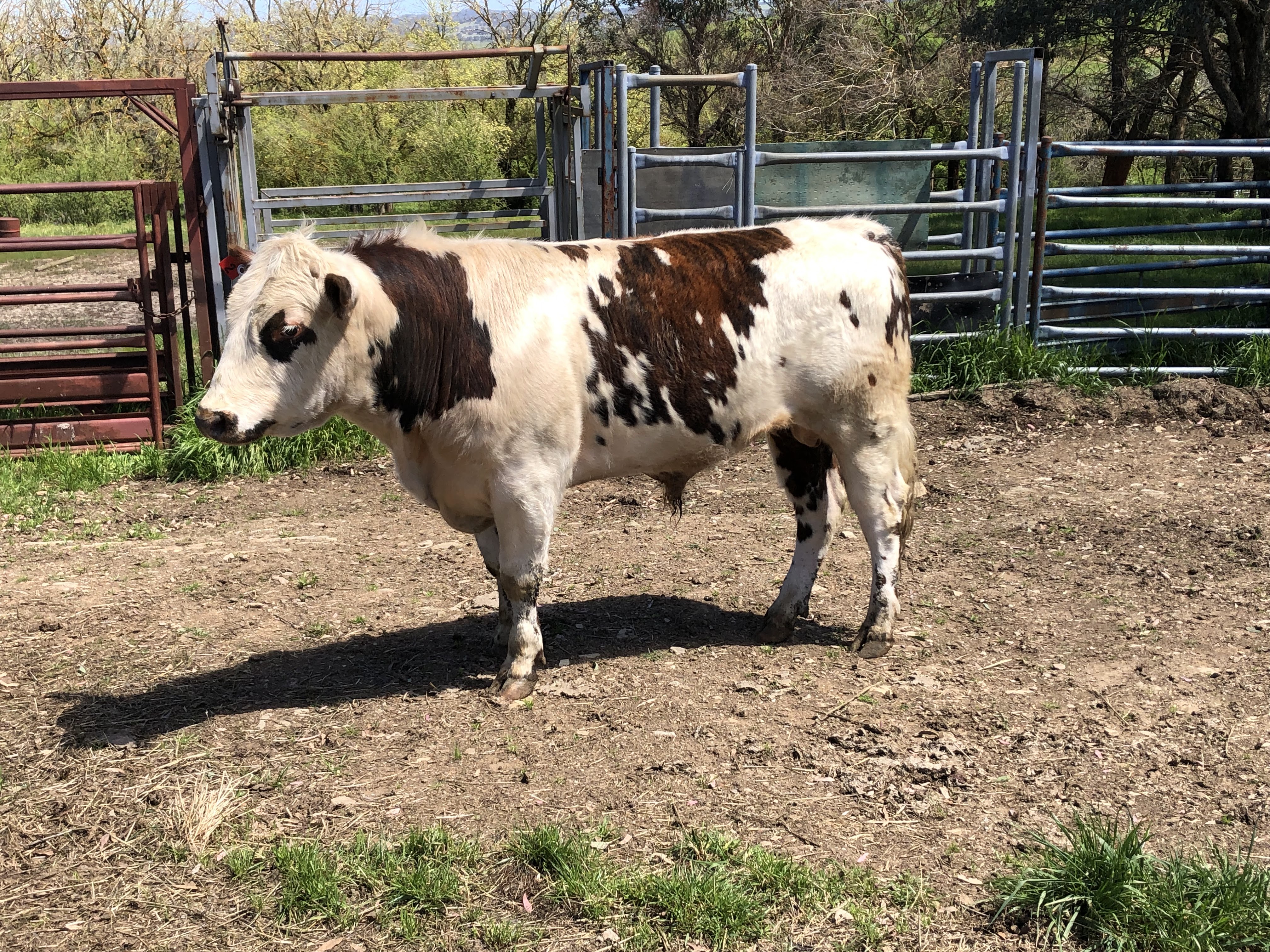
As in previous years, we’ve leased a bull from John at Crookwell. This handsome fellow shows off his Normande ancestry—a dual-purpose dairy and beef breed originating from Normandy, France. Renowned for producing rich milk prized in the cheese industry and for their fast-growing progeny, Normandes are also celebrated for their exceptional carcass quality and marbling potential. In France, Normande beef is branded much like Angus beef is in Australia. (For more information about the breed, visit: https://www.thecattlesite.com/breeds/dairy/68/normande.)
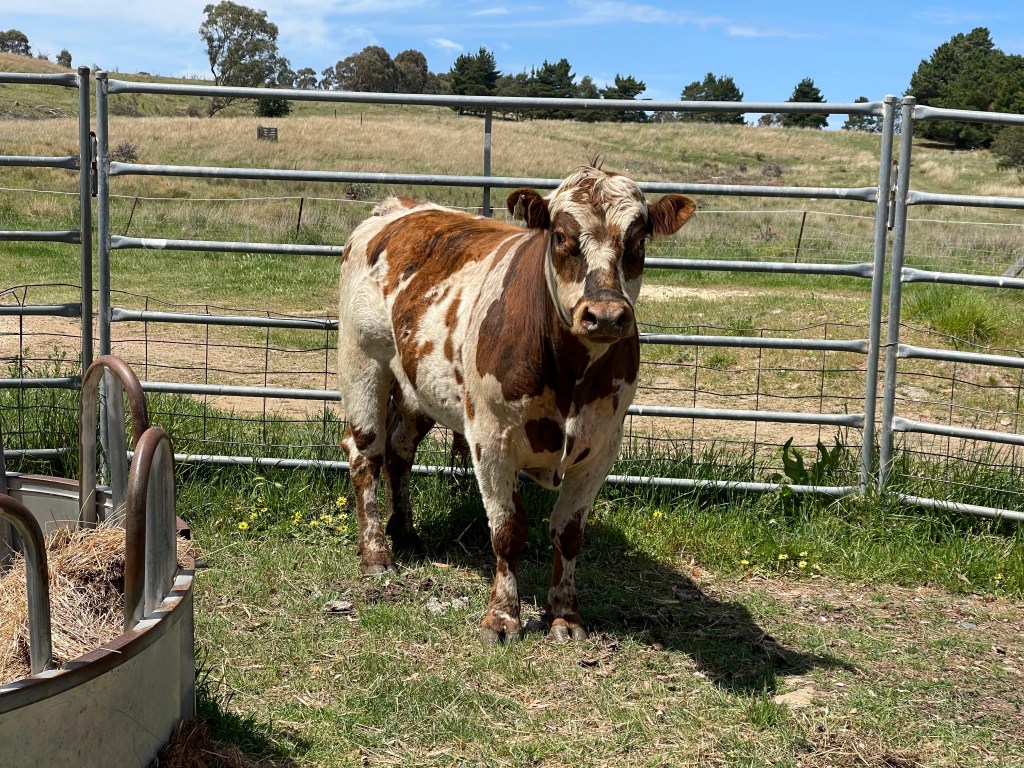
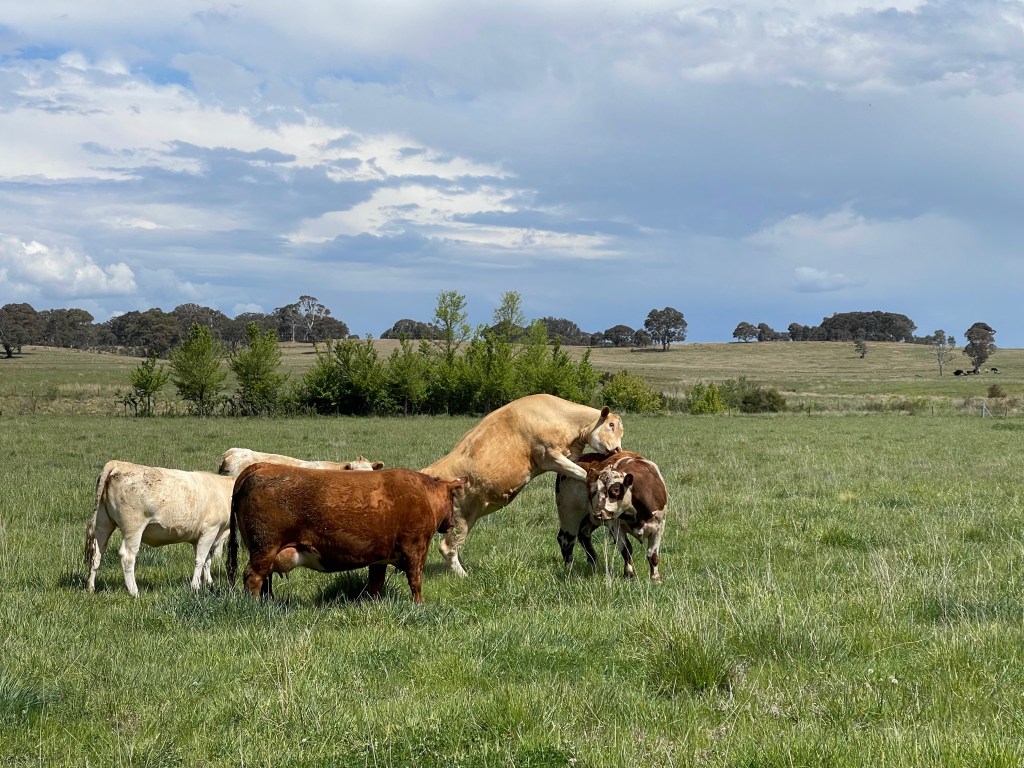
The bull made quite an impression on our girls when they first met, though he seemed a bit unsure of how to handle a group of established, mature cows. Thankfully, he settled in quickly. He’s a gentle, quiet chap, and we’ll miss him when he returns home next week.

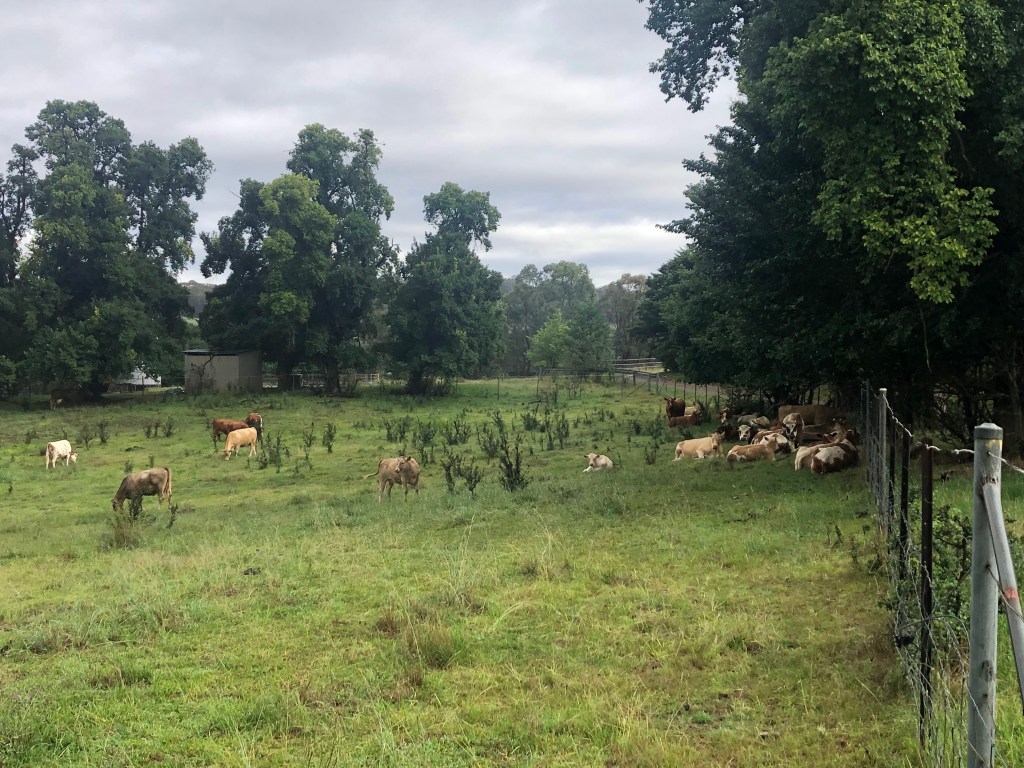
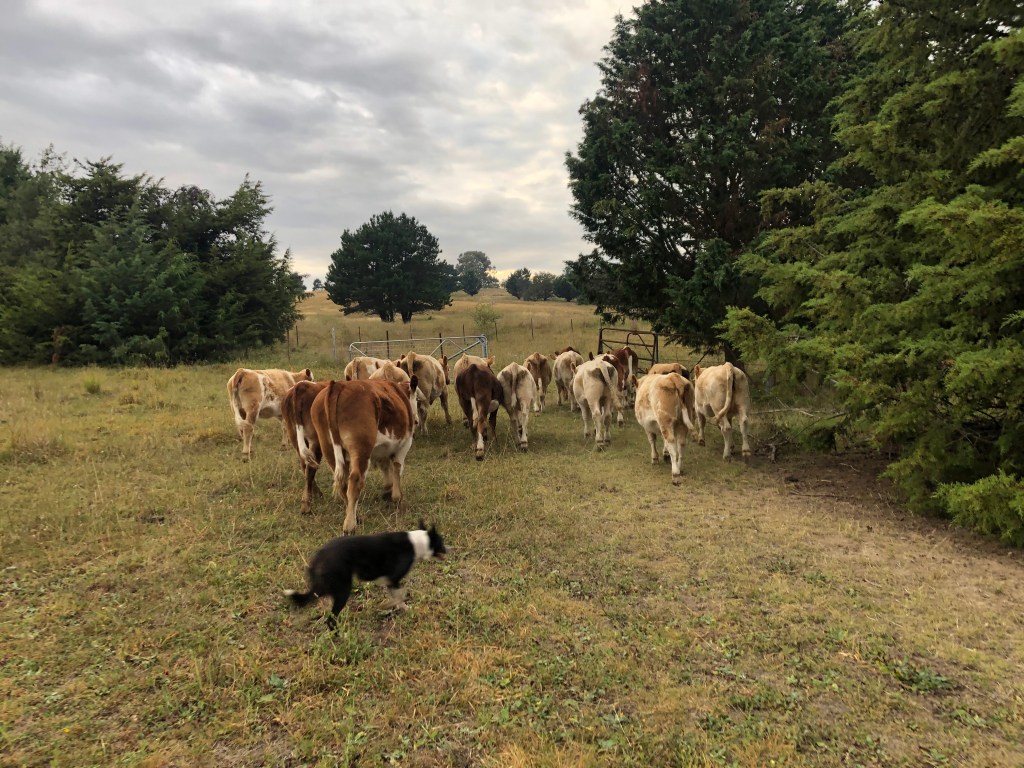
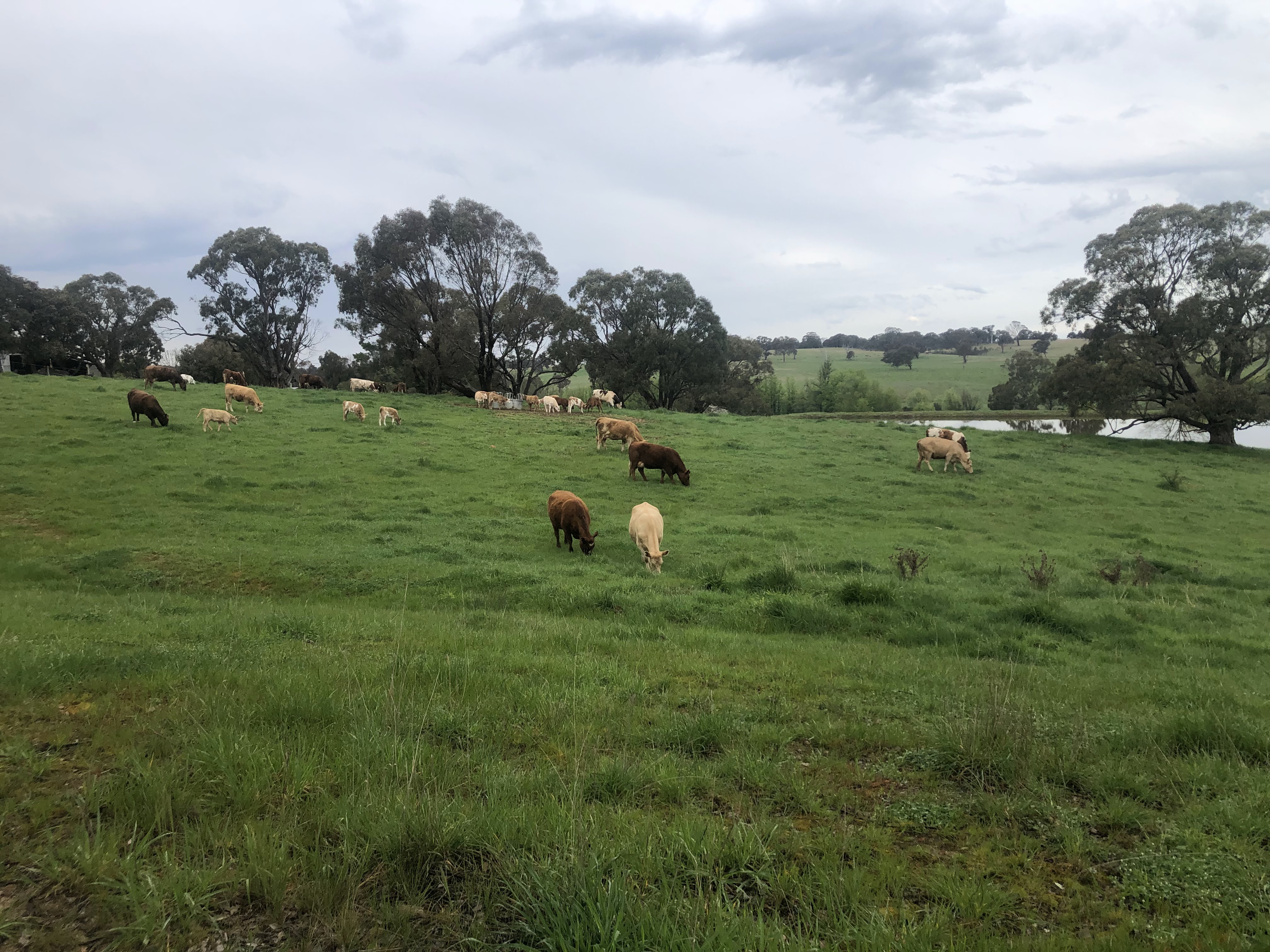
Our pastures shifted quickly from lush green to golden brown, as is typical for November. But an unexpected 50mm of rain last weekend soaked the land. While it turned the pasture into mush temporarily, it promises fresh growth that will benefit us through summer. For now, we’ll rotate the cattle through paddocks to manage the short-term feed shortage until the grass catches up.

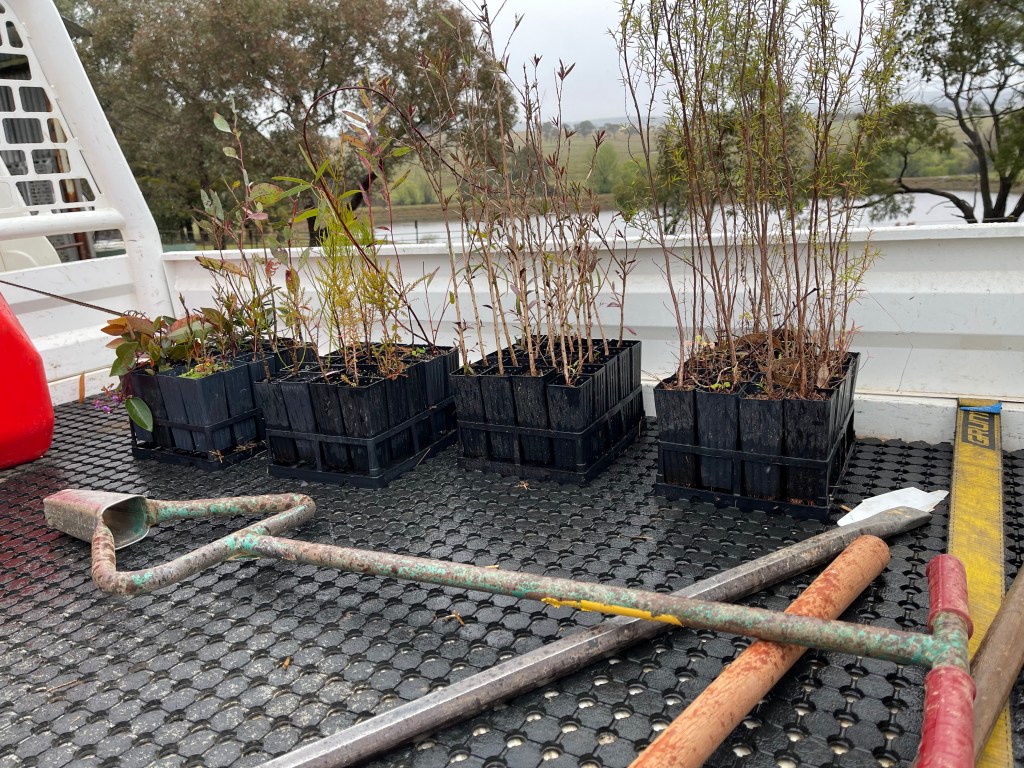
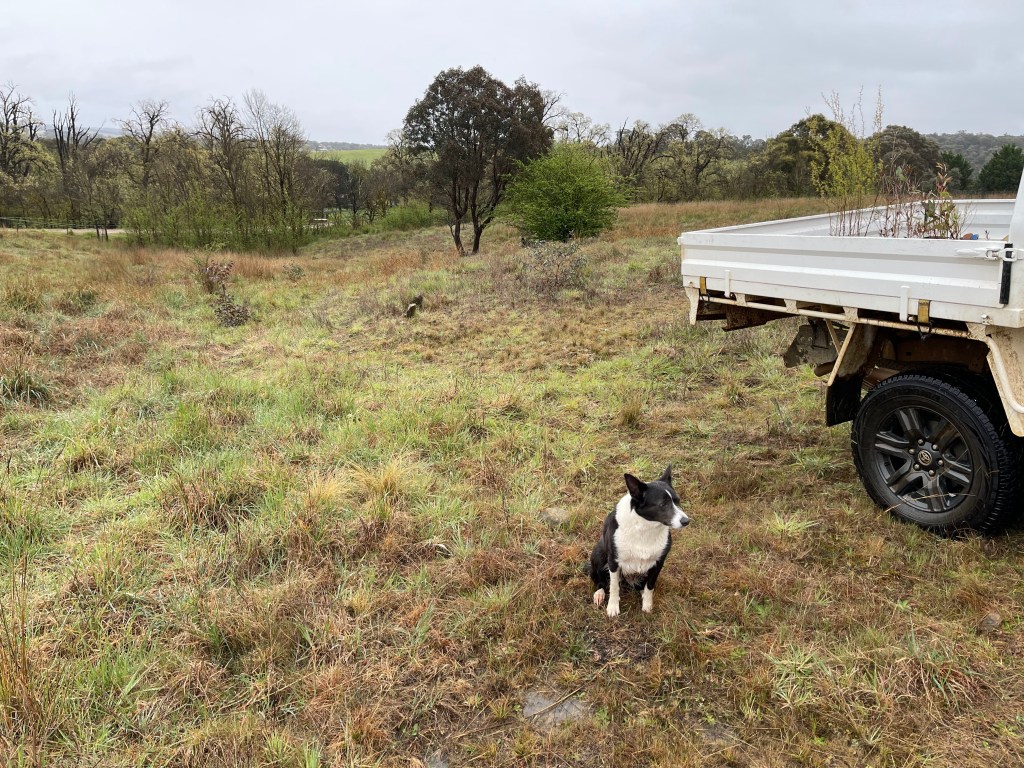
In other news, we’ve planted another hundred or so native tubestock across the farm, purchased from the local Greening Australia plant sale. These will help restore areas around the Rock Farm. I’m particularly excited about the drooping she-oak (Allocasuarina verticillata), one of my favorite trees and a primary food source for the Glossy Black Cockatoo.
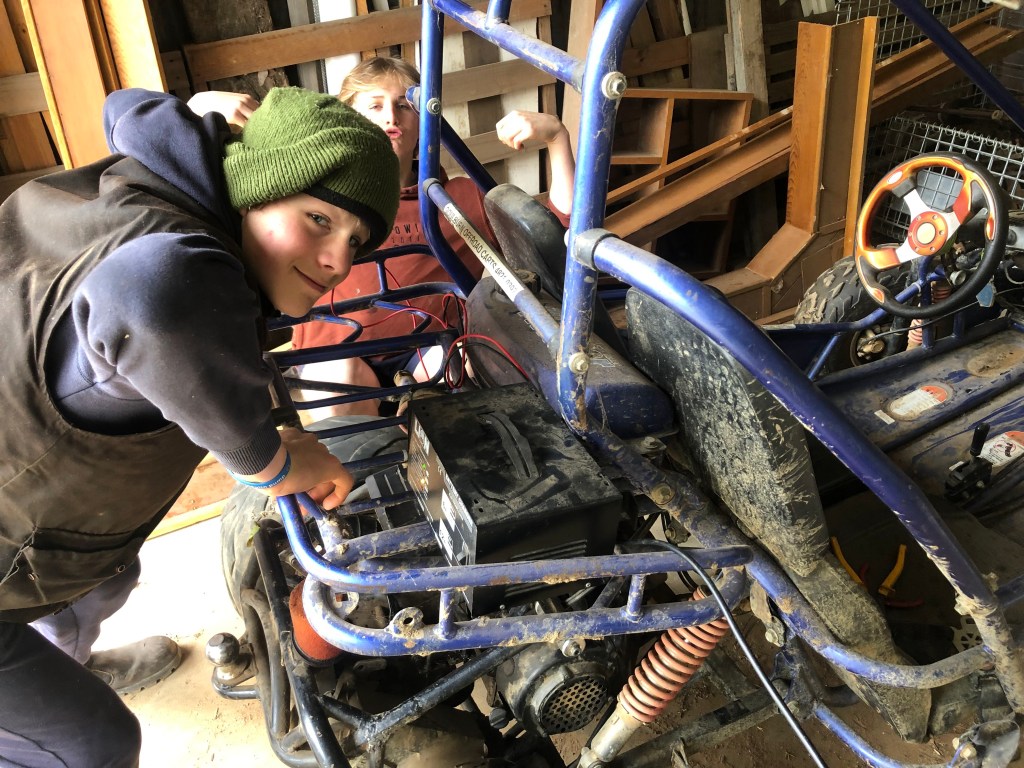
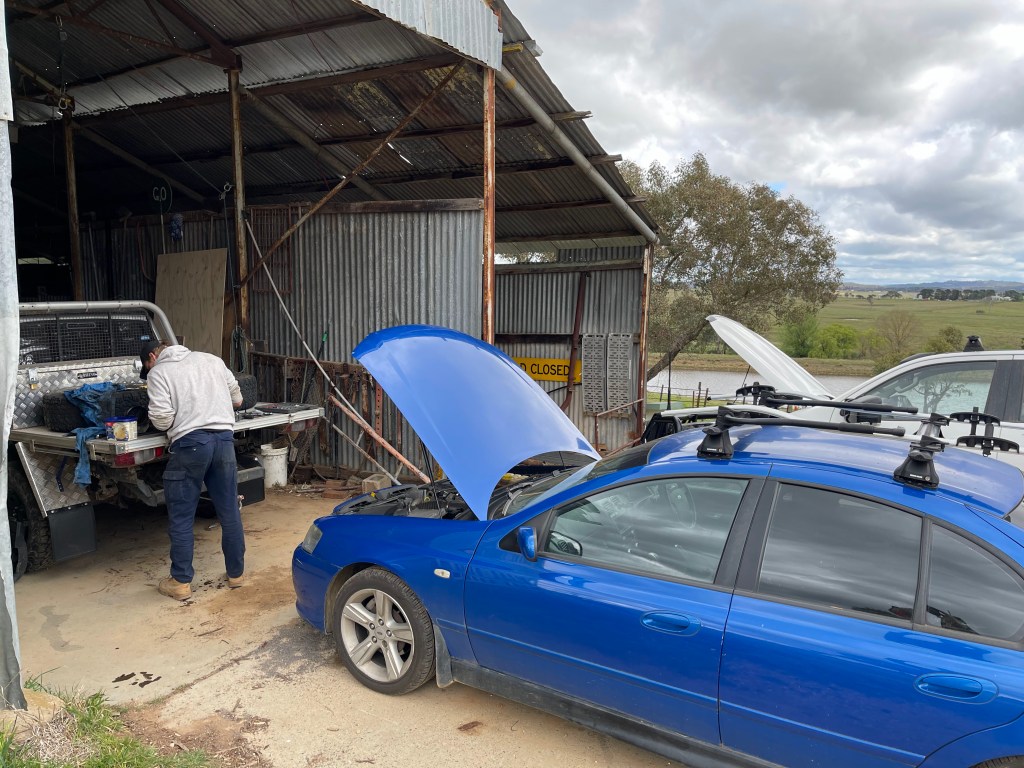
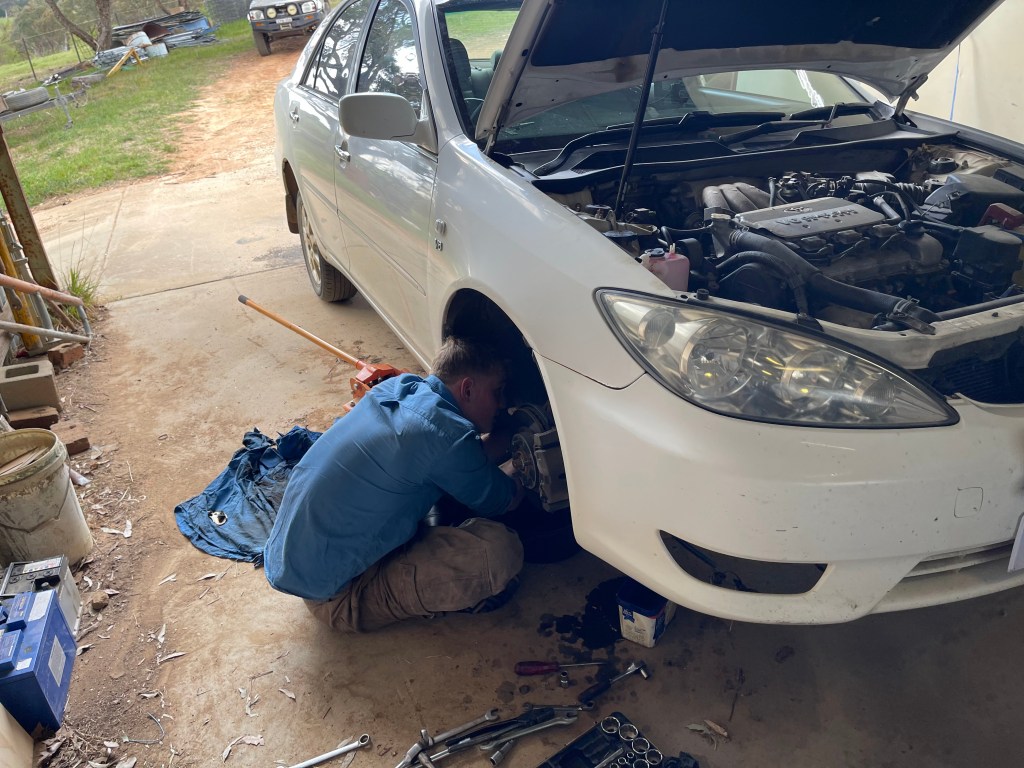
On the family front, the boys are becoming impressively independent. Recently, both tackled replacing power steering pumps on their cars—an easier task on the blue Falcon than the white Camry. It’s been great to see their confidence and skills grow, enabling them to handle such projects and get their vehicles back on the road. The older one is also working on re-registering a 4WD ute. Though the project proved more ambitious than he initially thought, he’s nearly there—a fantastic achievement.
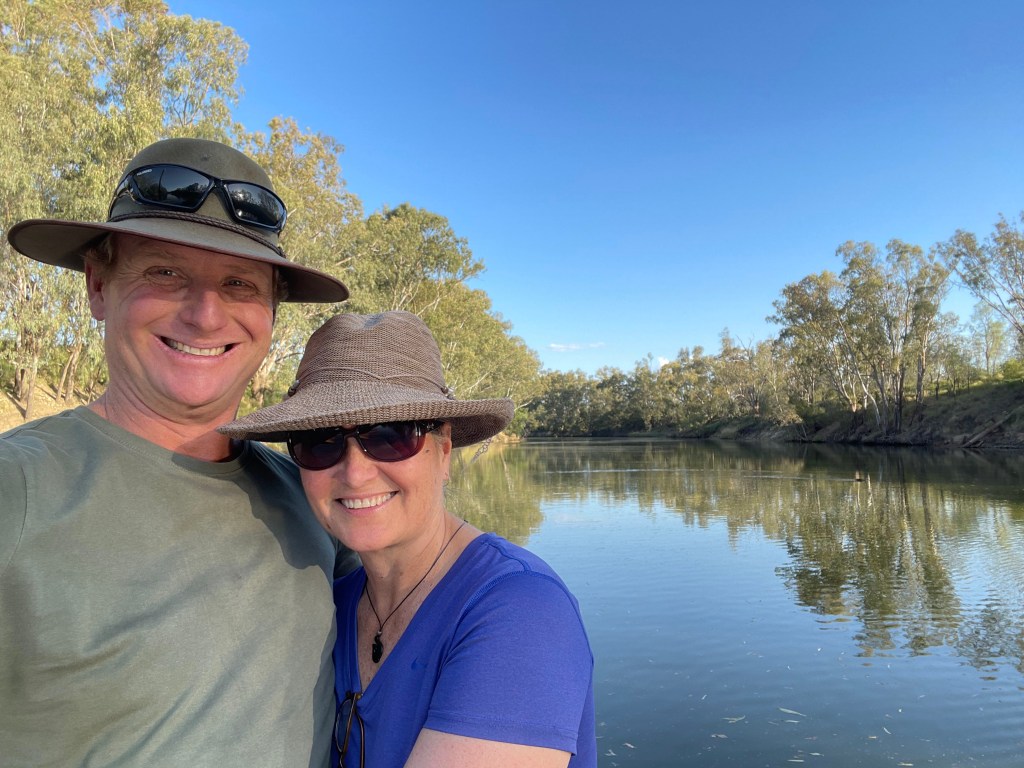
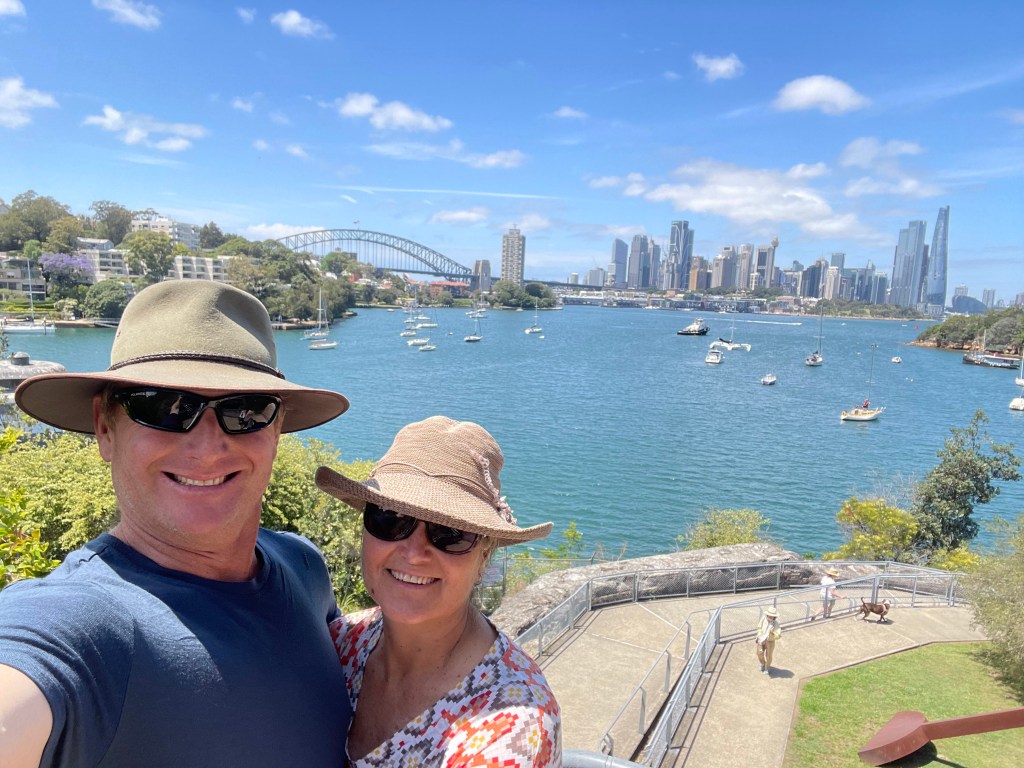
Life hasn’t been all about the farm. We had a couple of family reunions in Warwick and Goondiwindi, which took us north for a few nights. I also managed to squeeze in a couple of stints at sea—just enough to get some salt in my hair and make time fly.

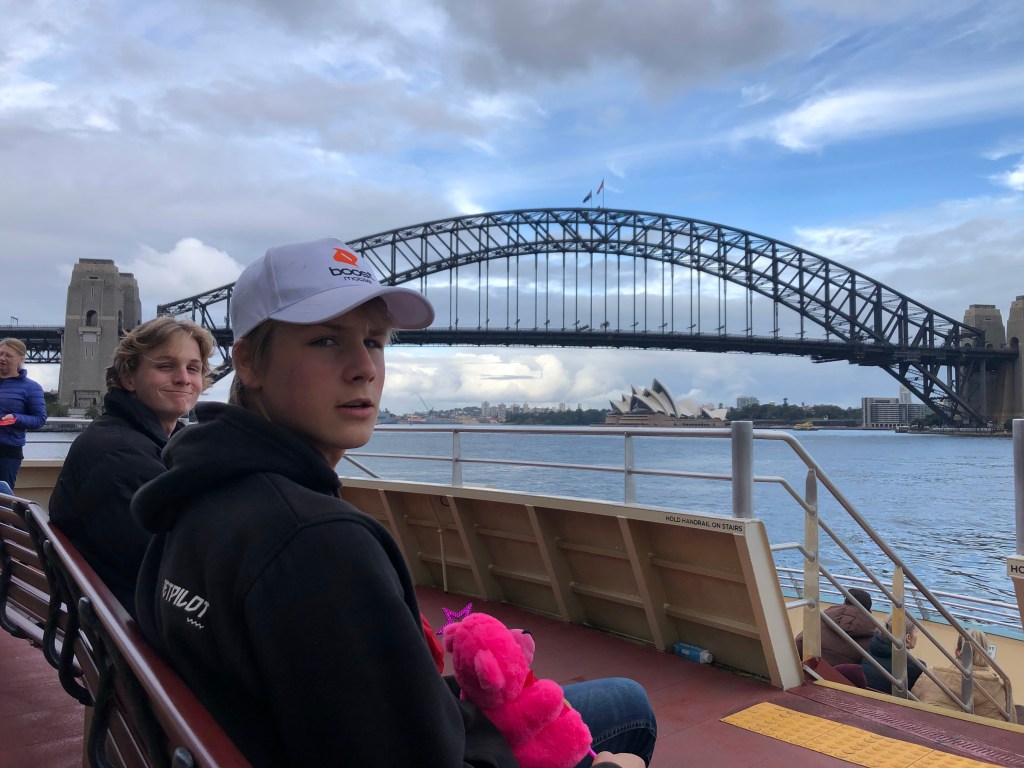
A big milestone for our family was celebrating the youngest helper finishing high school, marking the end of that chapter for us. While the boys aren’t as keen on photos these days, we’re incredibly proud of the young men they’re becoming.
The farm has provided them with so many different opportunities to explore what they want to become. They have made all sorts of crazy contraptions, getting more complex (and expensive) as they have got older. Living out of town brought challenges too, with long drives for school and sports, and the farm occasionally felt more like a burden than a solace, especially when planning long holidays.

But overall, the Rock Farm has been a tremendous gift. It’s built their confidence and equipped them with a range of skills—from handling livestock, riding motorbikes, fixing fences, and welding steel to identifying weeds, handling a rifle safely, and turning timber into art. They can repair machinery, split pipes, and even navigate the digital world with ease—leaving their old man in the dust when it comes to Fortnite, modern mathematics, 3D printing, and design.

Reflecting on these past months, it’s clear how much life on the Rock Farm continues to shape and enrich our lives. Whether it’s nurturing our cattle, restoring the land, or watching the boys tackle new challenges, every moment reinforces the value of this lifestyle. While it’s not without its trials, the farm has been a place of growth, learning, and countless memories. As we look ahead, I’m reminded that it’s these simple, meaningful experiences—shared with family and rooted in purpose—that truly make the journey worthwhile.
Comings and goings in an unusual season

Last October you may recall we were making decisions that would affect our production for the next couple of years (see here:https://rockfarming.com/2023/10/19/a-strategy-emerges/). We had tried to arm ourselves with the best information available about the cattle market, soil moisture and predicted dry weather patterns, with the aim of protecting our soil health and welfare of our stock. The end result was a decision that we would not join 10 of our cows, with the aim of reducing our herd size leading into forecast drought conditions.

All through November and into December, I felt that we had made a sound decision. The weather dried out, and we used it to our advantage to de-silt an old dam. Towards the end of December we went away for a fortnight and came back to an entirely different property. The forecast dry summer had turned into something else entirely, and frequent summer rains continued through to February.

We considered our options, which included bringing the bull back for a late summer calving – but ultimately decided to let our decision to cull the cows stand. Come weaning, we would split our herd and cull 10 dry cows, keeping the remainder 10 cows and 2 maiden heifers (hopefully all in calf) on the Rock Farm.

Two weeks ago we weaned.

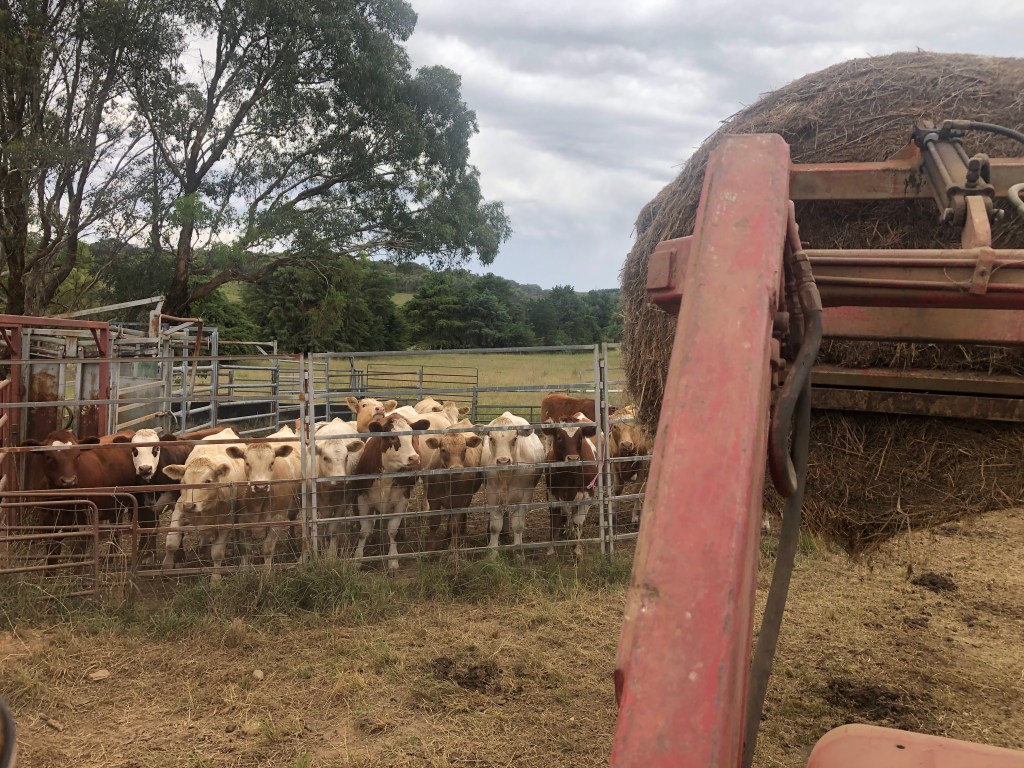
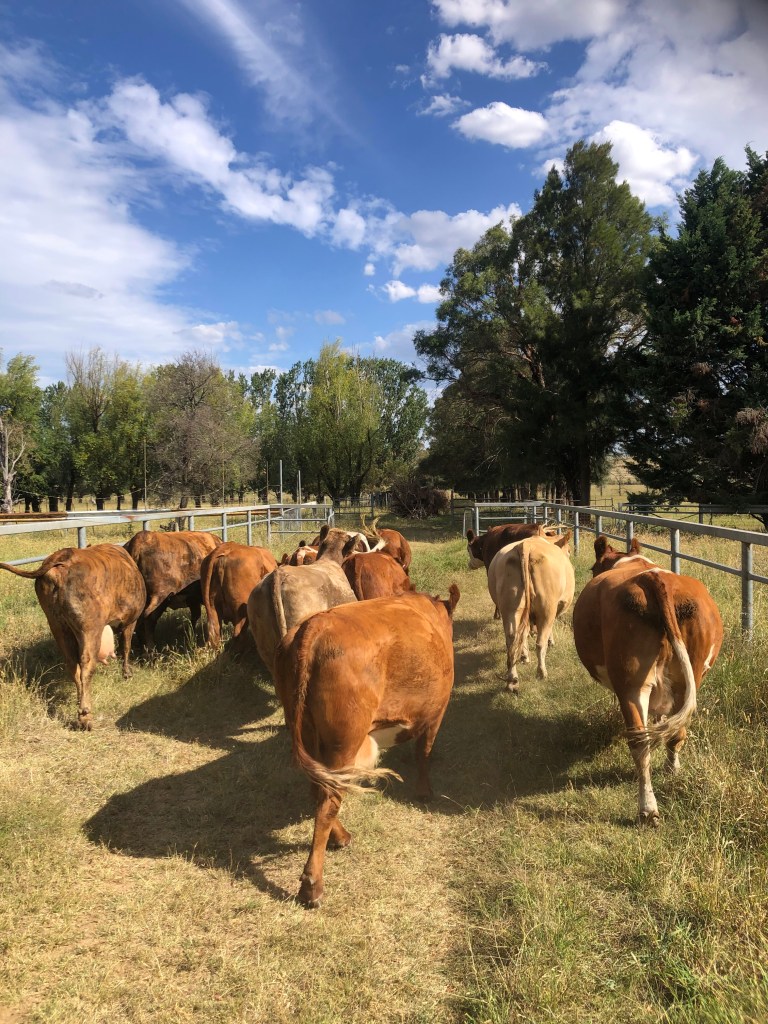
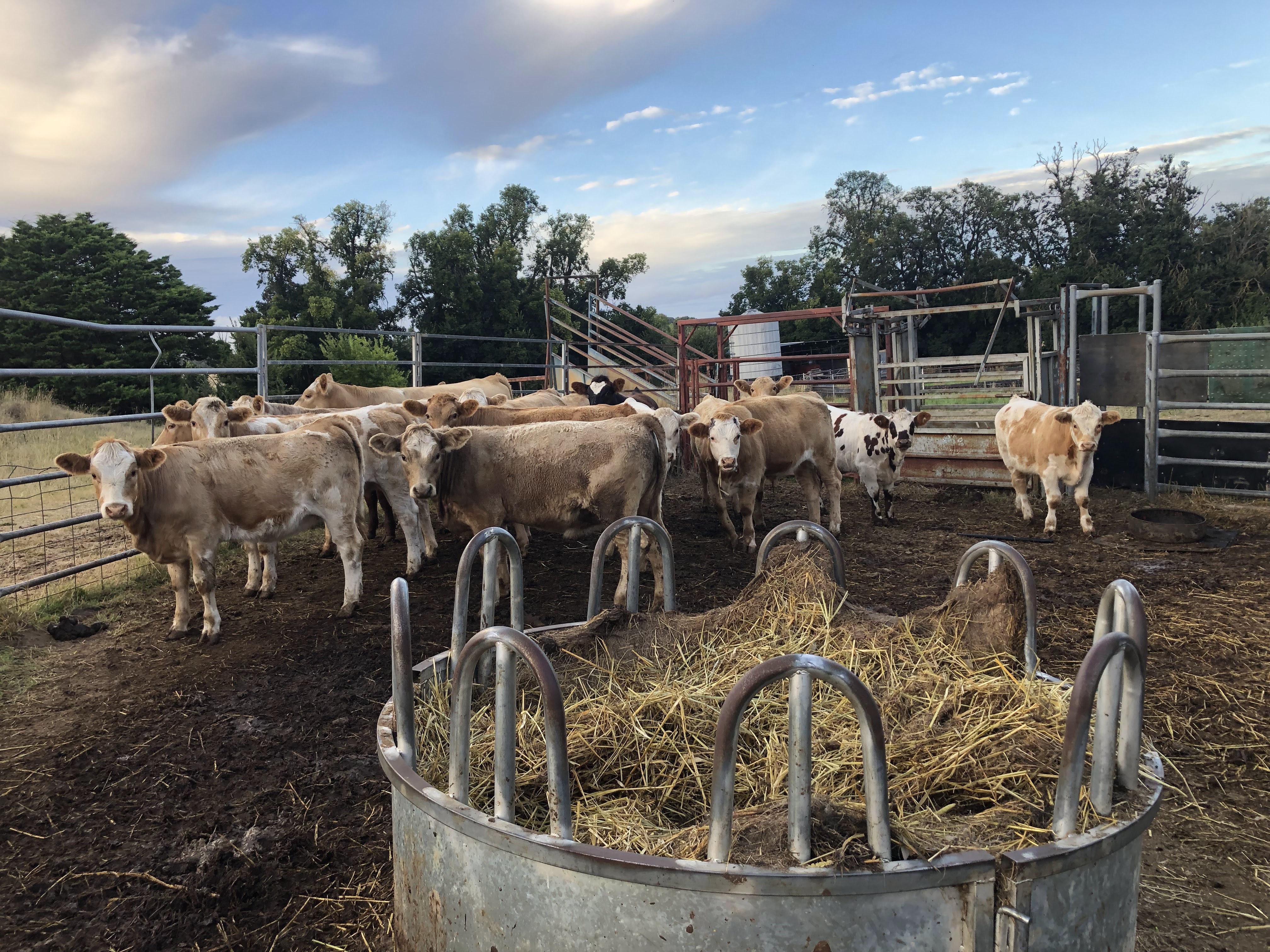
Weaning is always an interesting time. I allow the cows access to the lane leading down to the yards. For the first couple of days, there is lots of bellowing in an evening as the calves call for their supper, and the cows seek relief from full udders. But it doesn’t take long, and the cows are happy to wander off to greener pastures, and the calves settle down and learn that the tractor now brings them supper. Once they are happily independent, I move the cows to the other side of the farm, and let the calves into the paddocks behind the yards, to graze.

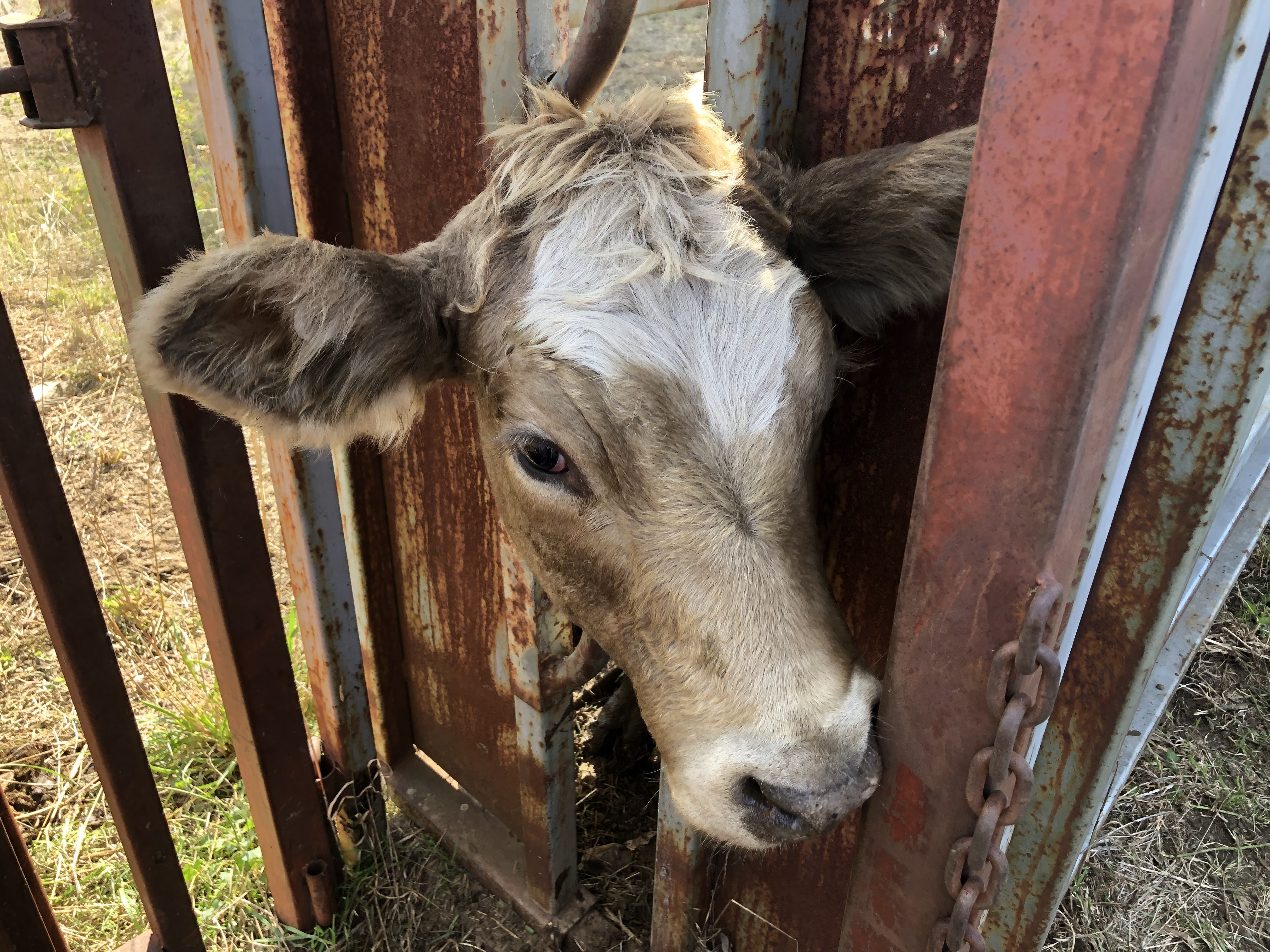
I handle the calves frequently during this time. Sapphy and I make it our morning routine to bring the calves into the yards, and as soon as they are there, we take the pressure off and leave them to return to the paddock. Two weeks into weaning, we brought the cows back to the yards, and split them into the two groups, those staying and those going.

We used some simple rules to determine which cows we would cull from the herd.

  • Any cow that had ever tossed or shaken her head at me or anyone else,
  • Any cows who had ever had any difficulty calving, and
  • Any cows with horns.

At the sale yards, our Agent split the cows into five lots. They made between $1.78 and $1.96 per kilogram live weight and weighed between 495kg and 675kg. Transport, agent’s fees and selling fees will take a fair chunk out of the cheque which is part of the cost of doing business, especially as a small producer.

Most importantly though we have removed ten hungry mouths from the Rock Farm, which will allow our wearers more opportunity to put on weight and value here for a few more weeks. With less mouths and more grass (with the possibility of rain in the next few days), we will assess our winter feed and possibly defer selling the wearers until next Spring.

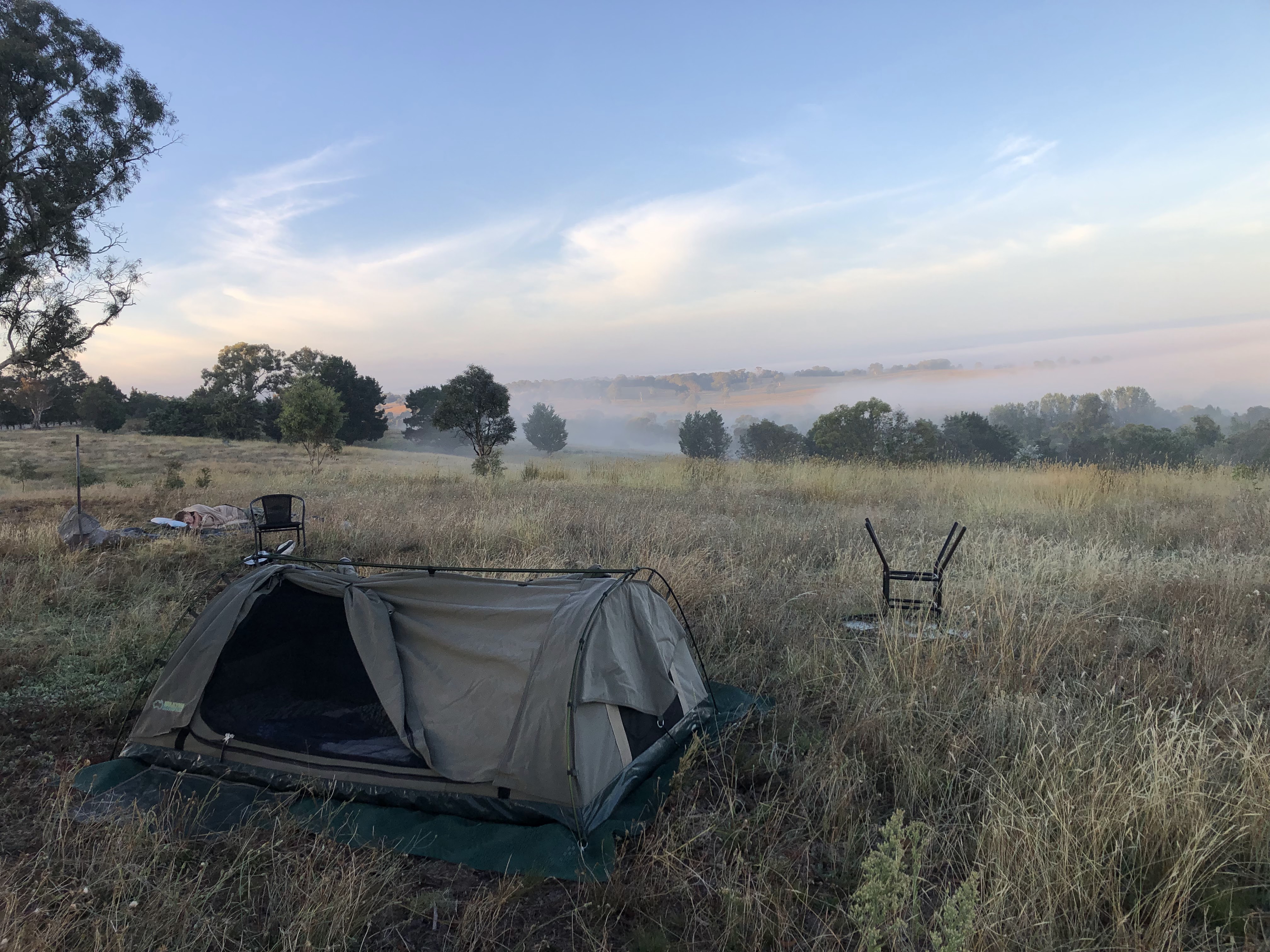
Until then, we will continue to enjoy the cooler evenings and make the most of living (and camping) at our beautiful farm.

A strategy emerges

On The Rock Farm we have been struggling to finalise our strategy for this season. We have been watching the seasonal outlook forecast intense drought and cattle prices fall to extremely low levels . On the Rock Farm, we have been extremely thankful for the odd showers that have kept the grass green in our patch – staving off an immediate requirement to make a hard decision. The crystal ball has been somewhat murky, but thankfully there are some experts out there with some insights available through our the NSW Local Land Services that can help us hopefully make some better decisions.

The grass is still green on the Rock Farm… for now.

We have signed up to a series of webinars that provide specialist advice to producers. We recently joined 400 other producers in a webinar with Simon Quilty from Global Agritrends, who gave some analysis of the the global beef market, global weather patterns and what this means for producers. Some of his information was reported a couple of months ago at online news site Beef Central here: https://www.beefcentral.com/markets/why-simon-quilty-has-a-bullish-five-year-outlook-for-cattle-prices/

The information provided by Simon in the webinar covered a broad range of global issues, such as the chilled and frozen beef stock held in stock in our primary markets, and climatic factors driving foreign herd numbers. Simon’s analysis has allowed us to focus our strategy for this season. Broadly we focused on a couple of takeaways.

  • The beef market in Australia should bottom out in November, and prices will likely plateau for around 12 months before slowly rising to high levels in 2026/27.
  • There is likely to be greater demand from processors for cows instead of young heifers due to the yield from each animal.
  • Processors are operating at historically low levels due to a range of factors, however additional capacity will be in place around the end of the year.

With pages of notes and a whole heap more information, Jo and I sat down and came up with our plan for this season. With the bull arriving the following afternoon, we had to make our minds up quickly. We decided we would split our herd and join 10 cows and the 2 maiden heifers we held in April this year with the bull. We decided we would hold the rest of the herd (other cows with calves at foot) until weaning in March / April. One of the advantages of small numbers is we soon had a list of names of cows to join and those cows we have decided not to join.

This plan will allow us to turn off 10 unjoined and any dry cows in April along with our 6 steers. We would then also be able to make a decision based on how much rainfall we receive as to how many of our 12 heifers we would keep for joining next September.

The following morning, I mustered the cattle and quickly had the cows sorted into their two groups. The cows were easily separated into their groups with little more than a roll call. However the calves were all jumbled up, and I knew I would have a challenge getting the calves to rejoin their mothers, now in seperate groups. I came up with a different plan to join the calves back to their mothers.

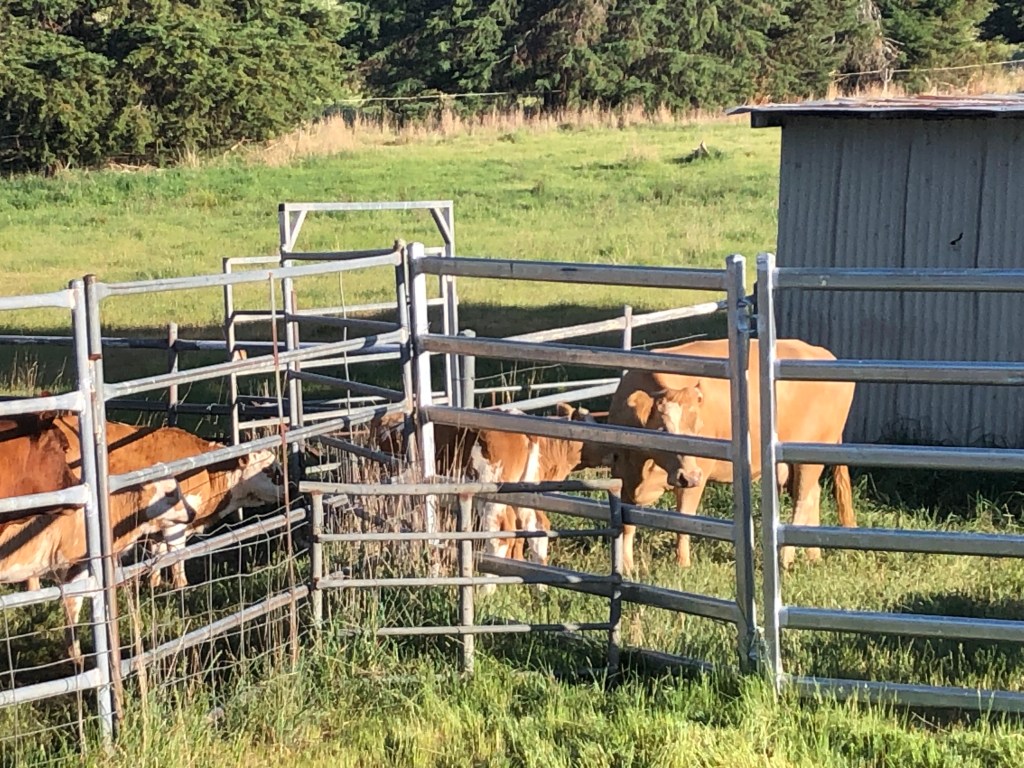
I made a little gate that only the calves could get through. After five minutes of watching them, the first calf made its way through the gate to its mother. Success!!! I left them them at it for a few hours and came back to find they had mostly sorted themselves out. Mostly. It was a far simpler and less stressful way to rejoin the calves to their mothers! Well it sounds easy, but the last couple of calves made Sapphire and I earn our stripes.

It was all sorted in time for our handsome fellow to arrive and join his new lady friends.

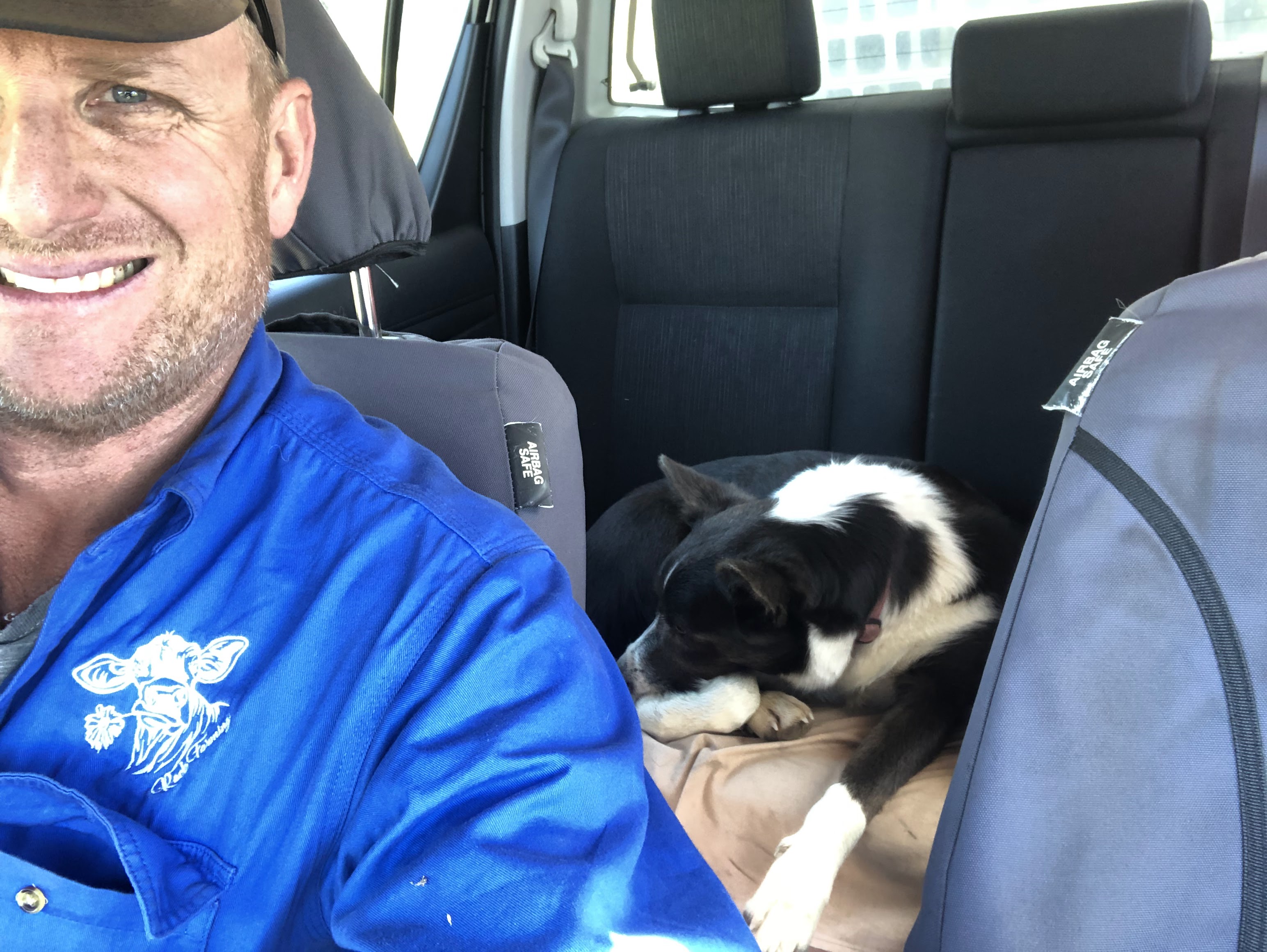
A special thank you to the Local Land Services NSW and Simon Quilty for the information in the webinar. We have signed up the to the series and look forward to learning as much as we can to enhance our decision making on the Rock Farm. And also to Sapphire – who was mostly helpful, and worked so hard she fell asleep on the short drive back home!

Calving and a big dump of rain!

Calving is without a doubt my favourite time of year. It isn’t without its challenges, and requires twice daily (or more) checks just to make sure all is going to plan. As I write we have 13 beautiful calves on the ground, with a couple more stil to calve. The cows seem to understand what we are up to with our regular checks and seem quite happy with our presence. We only have one maiden heifer, and she gave birth to a bull calf without any issues which was a great relief. Regular readers will recall that Daisy had some difficulty calving last year, and despite my misgivings, remained on the farm. She hasn’t calved yet – indeed she might not even be in calf – but we are watching her closely.

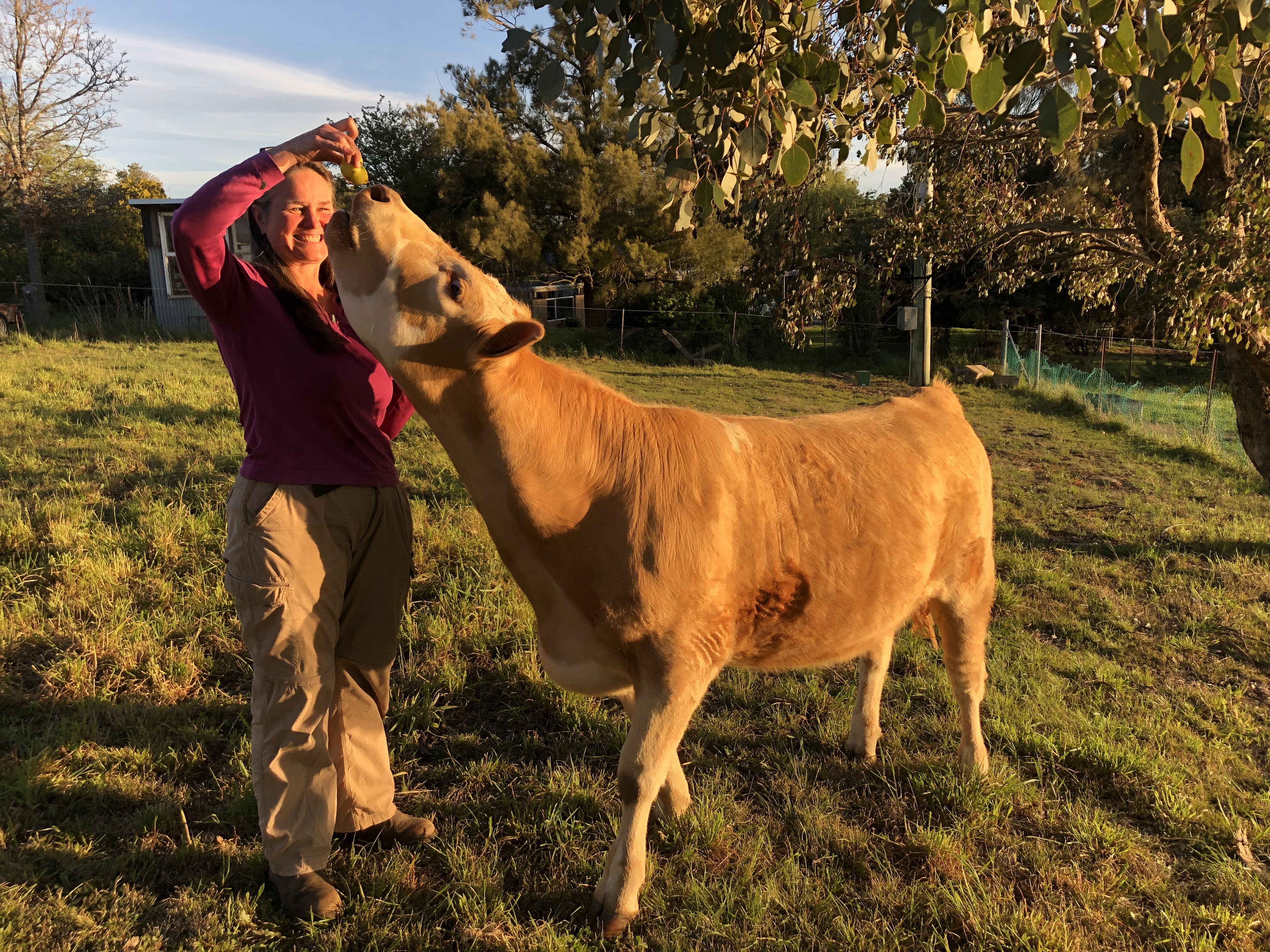
Our gorgeous cows are lovely and quiet, however the new mums can be understandably a little more cautious around us. Over the past few years, any cow that has shown any form of aggression has been sold. That said, there are a couple who quitely let us know with a gentle shake of the head that we have approached close enough. We don’t put any more pressure on them. By sitting down a short distance away, those who want to come up and say hello are able to… and they sure make us smile.
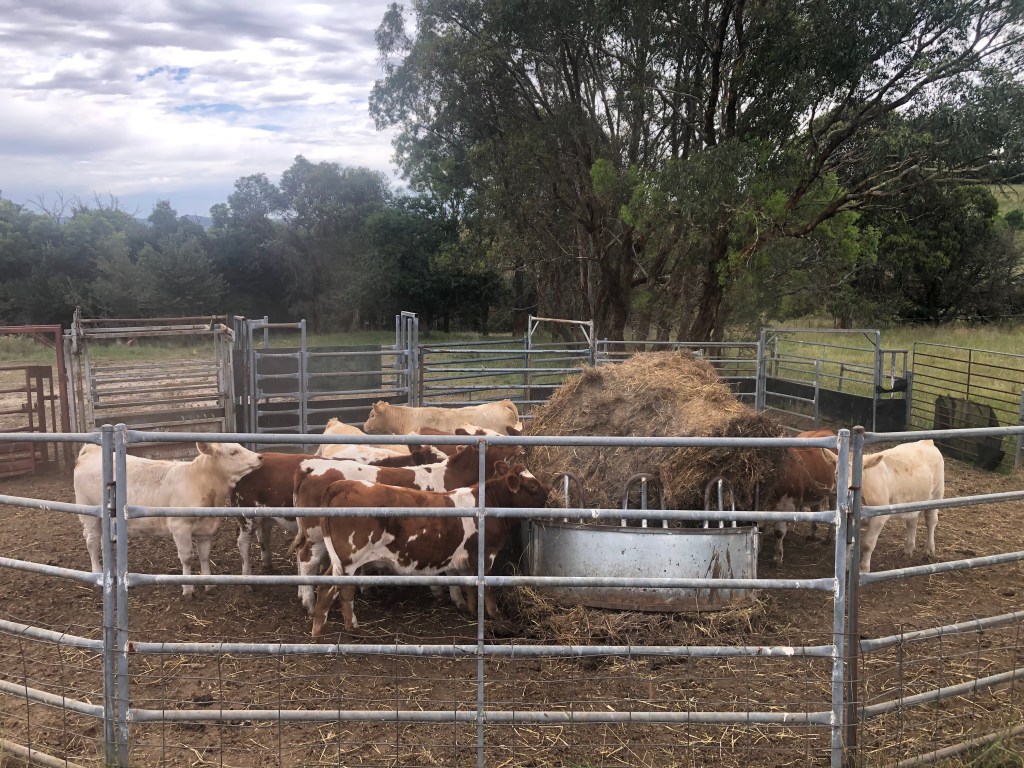
We are calving a little earlier than last year. Whilst the soil moisture is great, the rain has reduced the solar gain on the pastures and hence grass growth is a little less than we expected. We are throwing out a bit of pasture hay, and are providing a magnesium lick to the cattle to support their nutrition requirements.

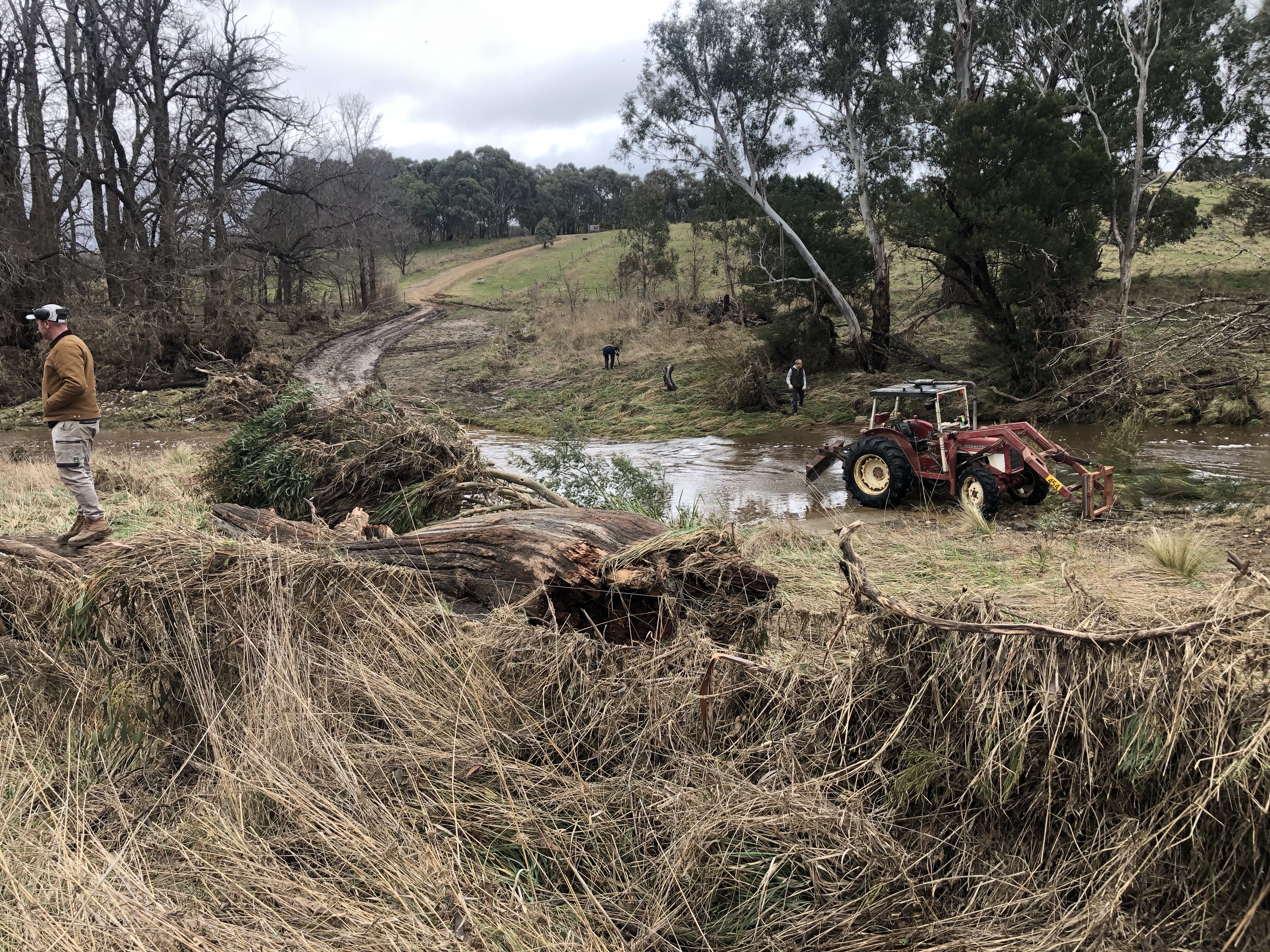
It is an unusually wet year, with the end of last week culminating in the largest flood waters we have seen on our creek since moving in. Our previous flood record was measured to the base of our front gate post. This most recent flood covered the gate and has fiven us a new height datum. A day of steady rain was followed by a sharp 30mm shower as the sun set. The resultant rise in the creek was mirrored with flooding throughout the district, with several roads cut. The family were safely marooned at home, and I ended up staying in town after work.

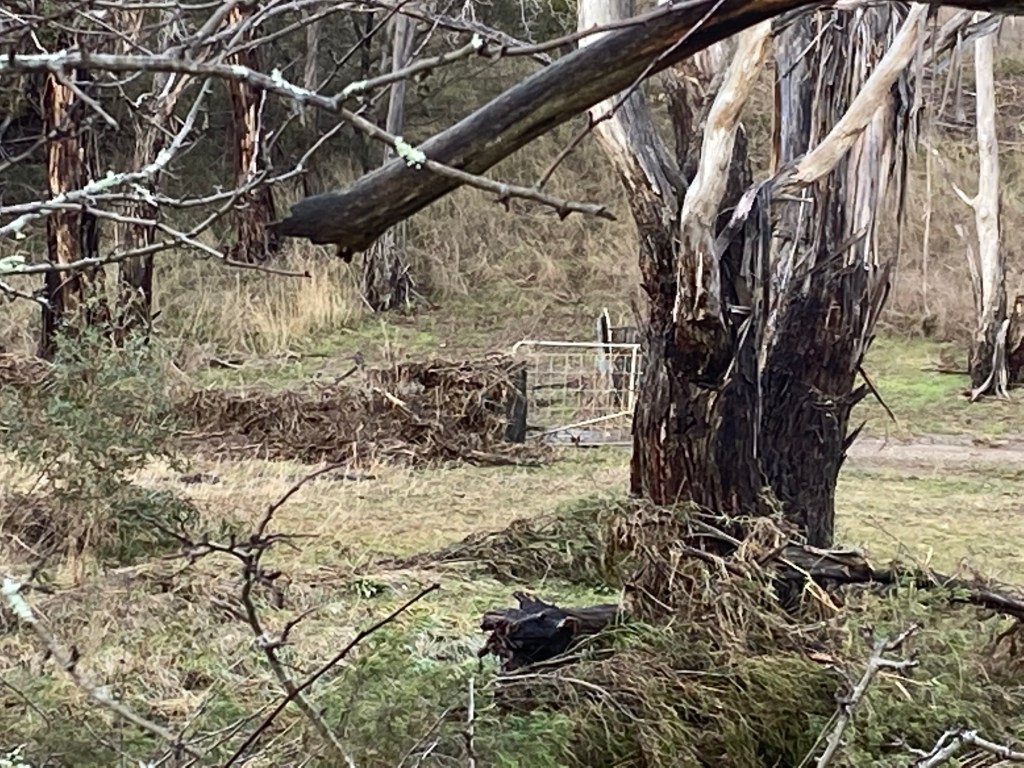
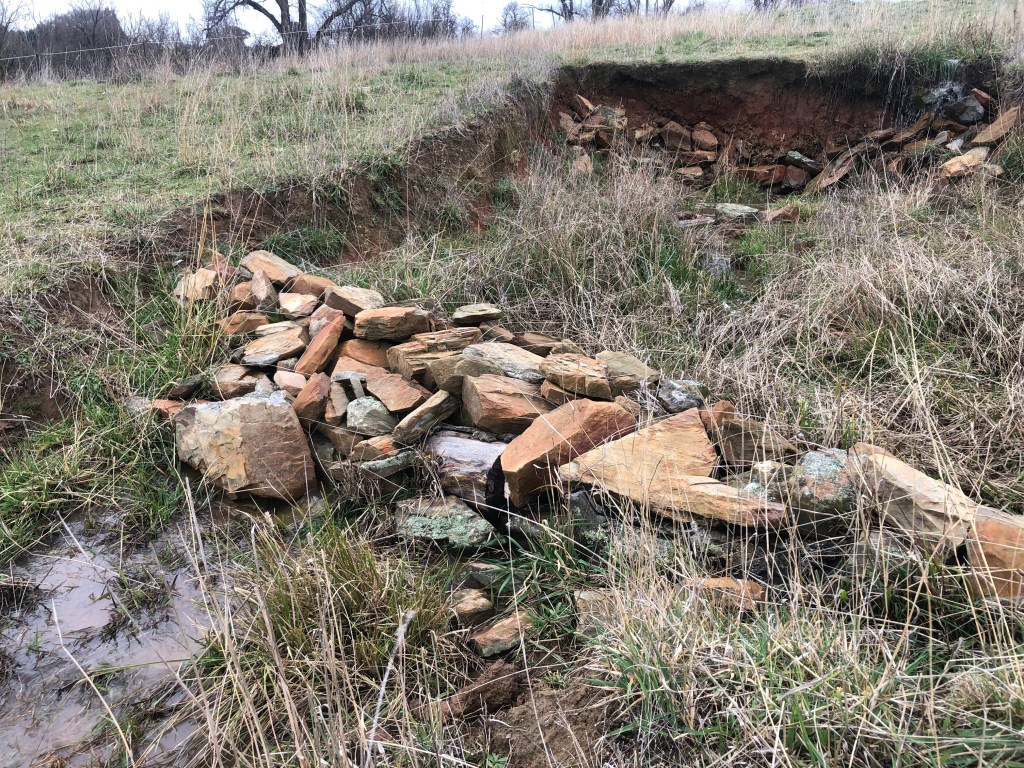
The following day the creek dropped, and required a bit of work to clear some of the debris off the crossing. Our neighbour was home and cleared the worst of it (thanks Stuart), allowing me to get home that evening. The following day, we continued to drag silt and logs off the drive way. The size of the timber moved downstream by the flood waters was phenomenal. Sadly several trees were ripped out of the creek banks. I haven’t yet established the extent of the damage, but I do know we have lost some creek bank, new trees and a temporary fence. Over the next week or two we will look rebuilding our flood gates and making the front paddock stock proof again.

It is all part of the cycle of the water way. For all the extra work the creek creates, it adds so much more to our property and we consider it an asset to the Rock Farm.

In the meantime, I will keep hanging out with the cows and enoying their company. It is good for the soul!

Special thanks to Stuart for clearing the debris so I could get home and to the Not-So-Little Helper for his amazing photos.

Winter 2022 Update

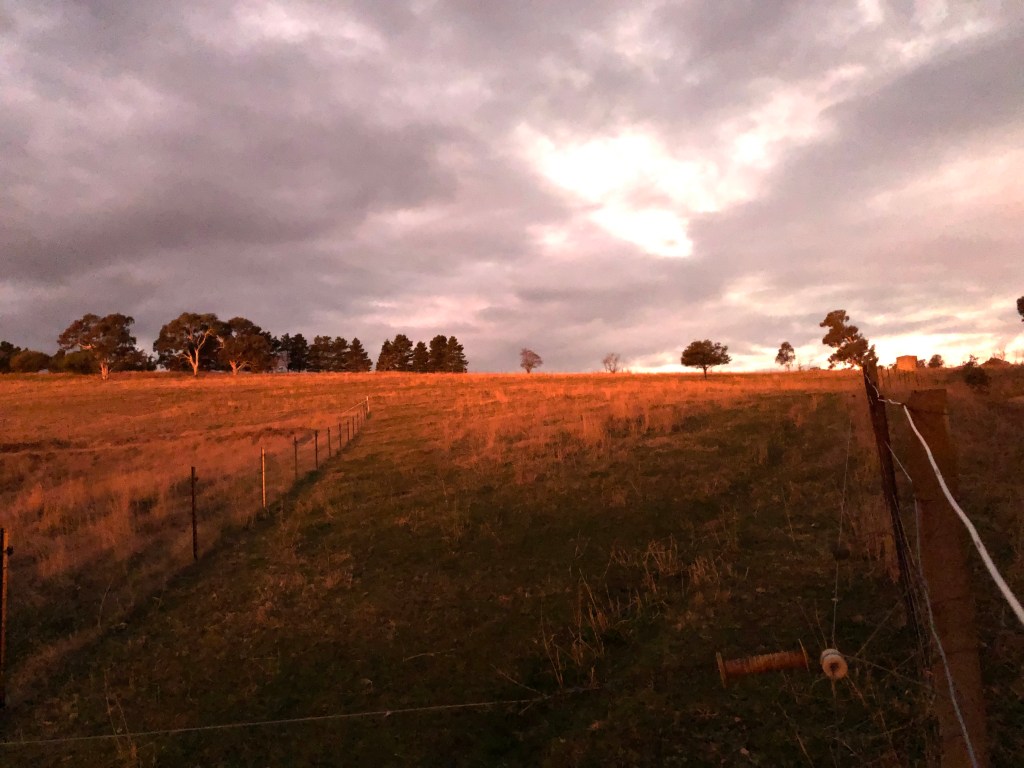
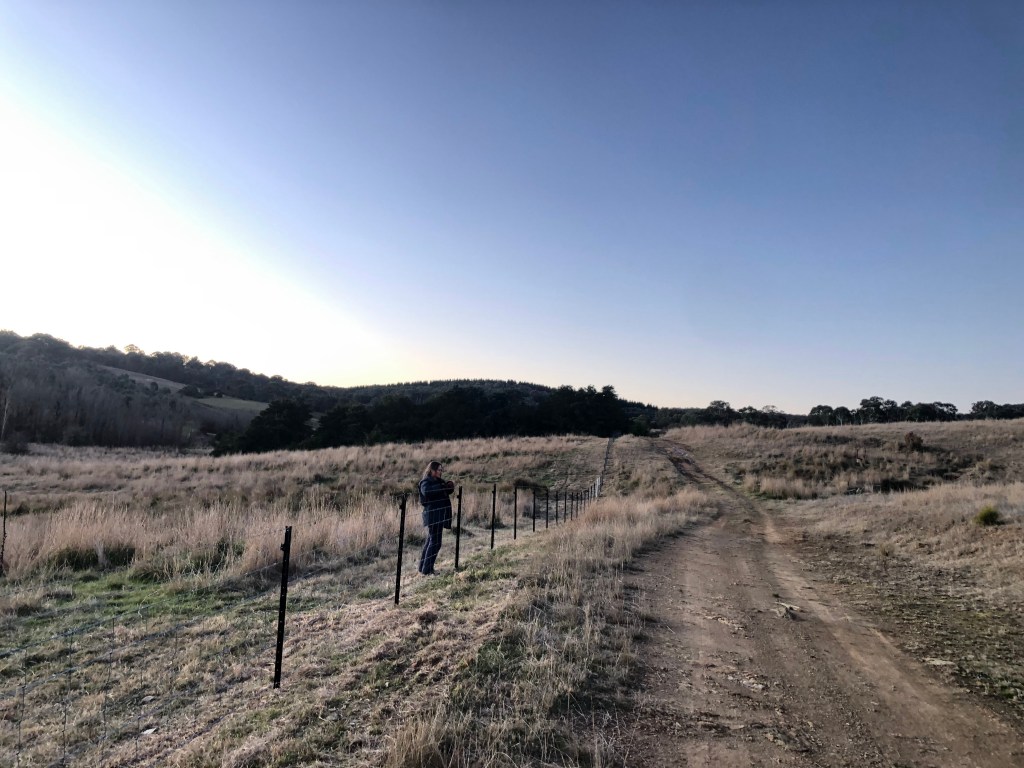
Recently I have written of some of the support and decision making tools available for small farmers like us. Over the past few years I have been actively seeking knowledge and making the most of opportunities to attend workshops and farm visits. I have found great inspiration in many of the people I have met and stories I have listened to, however there is still plenty to do on the Rock Farm. Pipes keep leaking, cattle need feeding, firewood needs carting – but there is great delight in sunset strolls around the property.

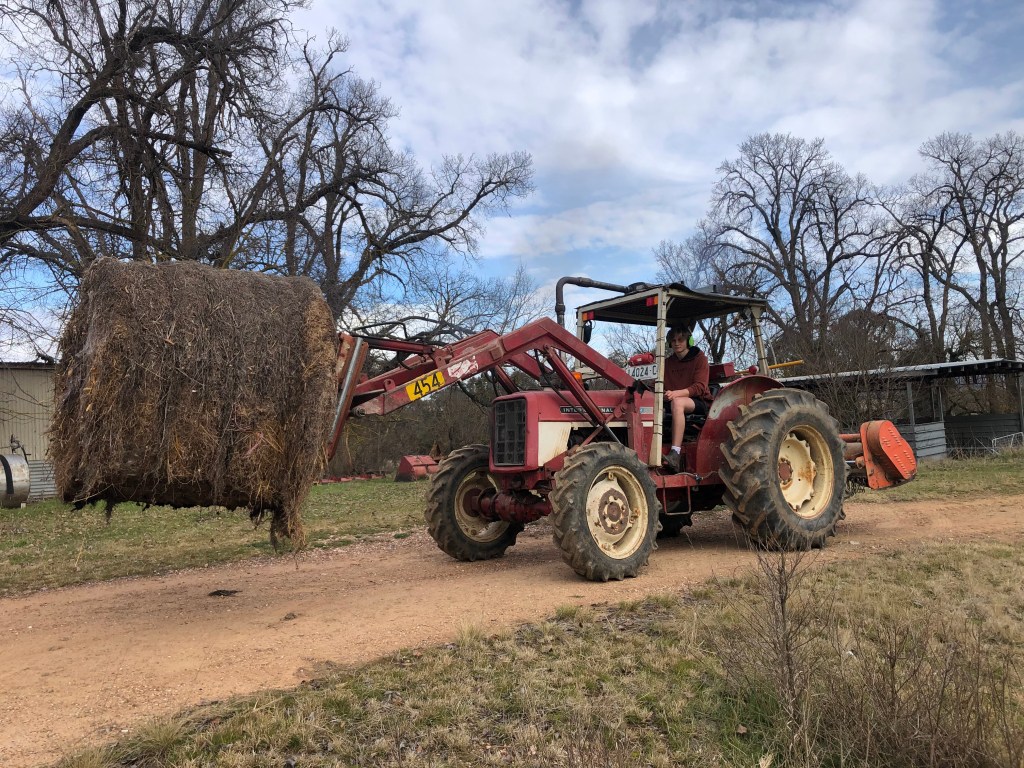
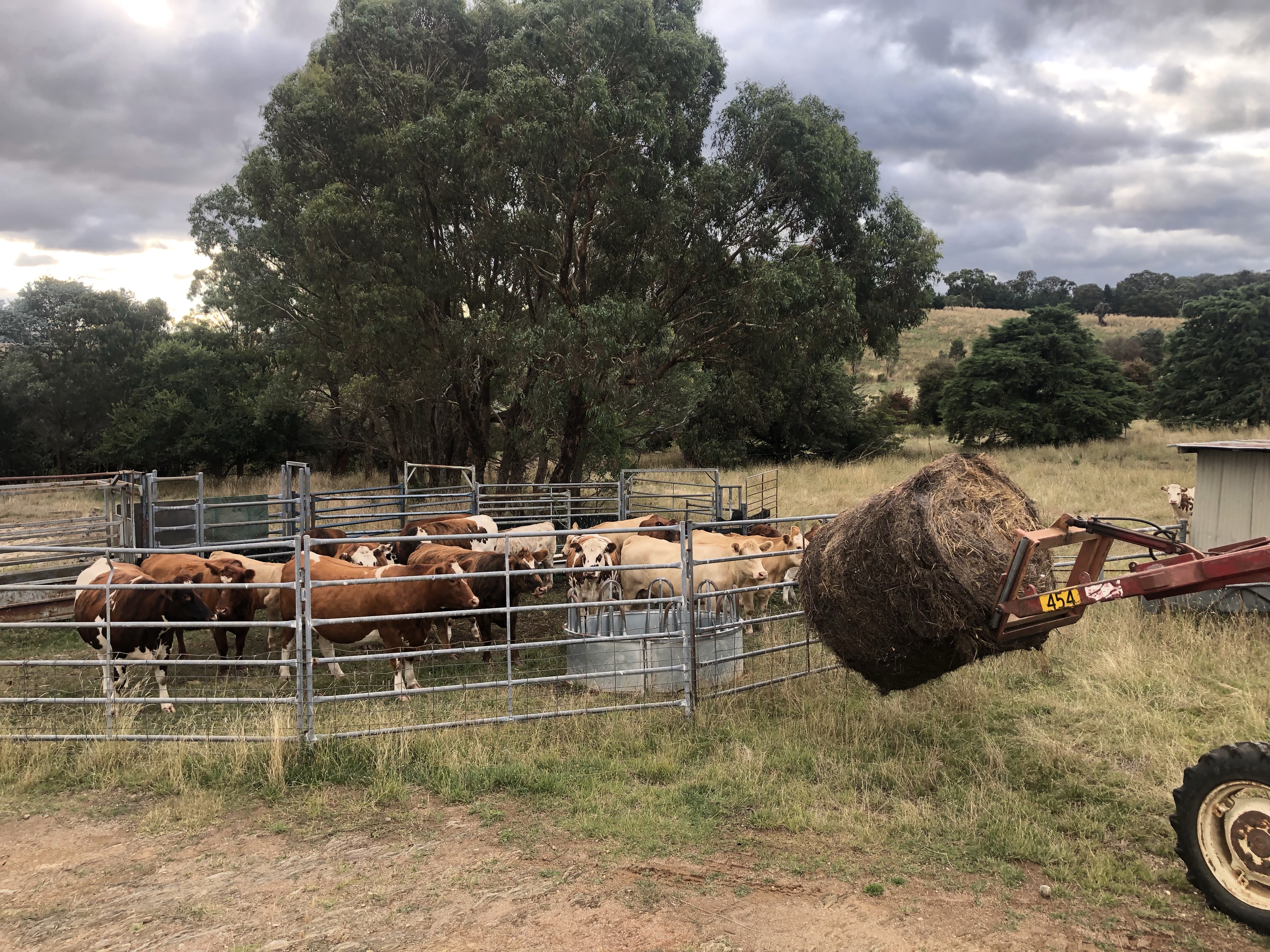
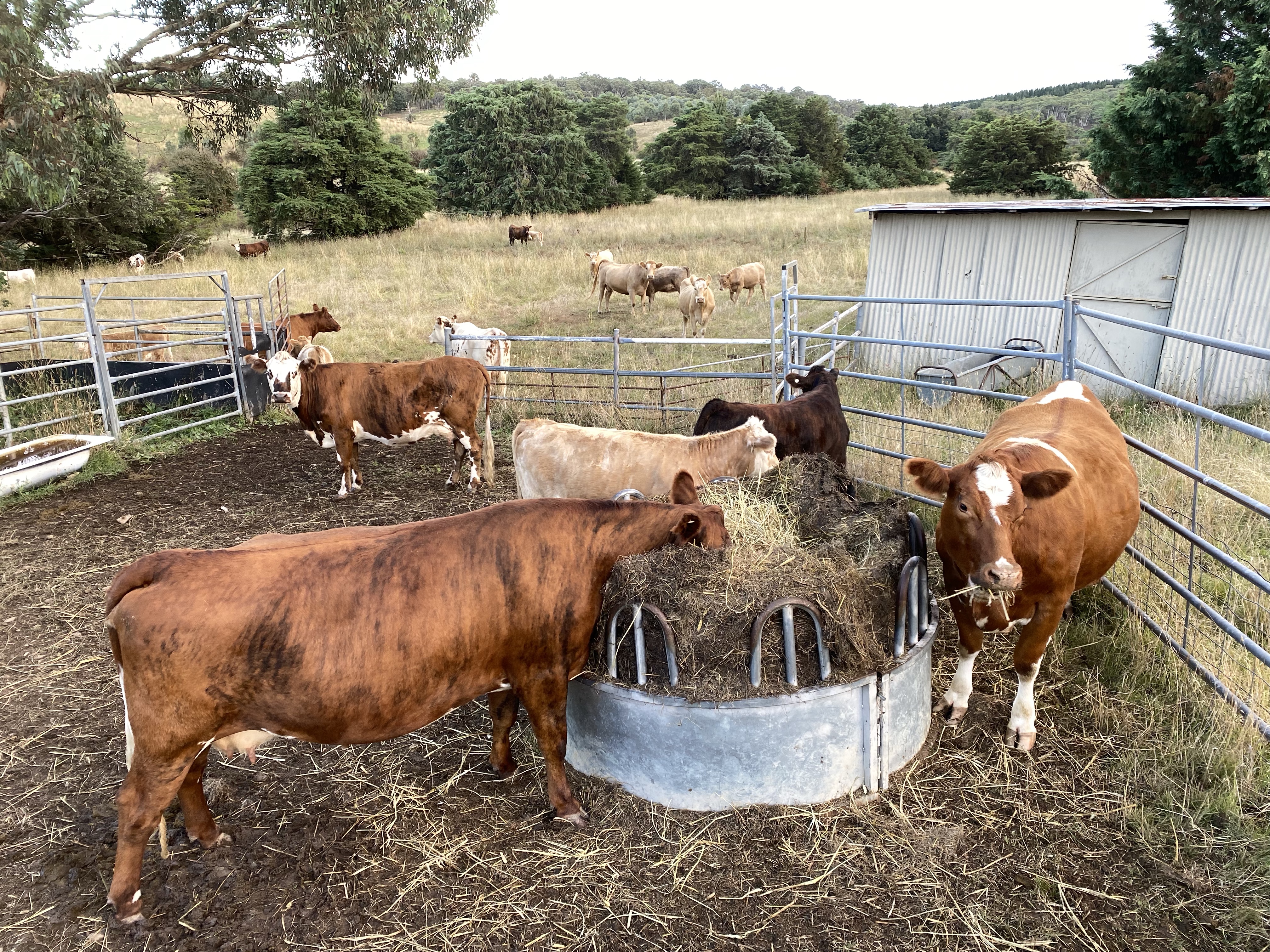
Over the past month or so we have been rotating our cattle every few days to a new paddock. I have been supplementing their feed with the odd bale of hay, just to help extend the rotations, and return some nutrients to the paddocks. The recent school holidays provided an opportunity to refresh the boy’s tractor skills, by getting them to start moving the big round bales safely to feed the cattle. It also means I don’t have to be here to feed the cattle every time.
We also had a bit of school holiday fun on the Rock Farm. After sitting idle for several months with a fuel issue, we got the buggy working again. After a bit of Google and YouTube, the boys gave the carburettor jets a clean, and the buggy roared to life. With two teenage boys (and a slightly older but no less enthusiastic Dad), we decided to test our driving skills with a time trial over a set course. It was great fun – but sadly the buggy wasn’t up to the work and only lasted a couple of circuits for each of us before retiring again to the shed!
It wasn’t all about hanging about on the farm though. The boys and I did escape to Sydney for a night in the big smoke. We had a great time kicking about the city, checking out Paddy’s markets, the food of China Town, the rides of Luna Park, and a Ghost tour of the Rocks.

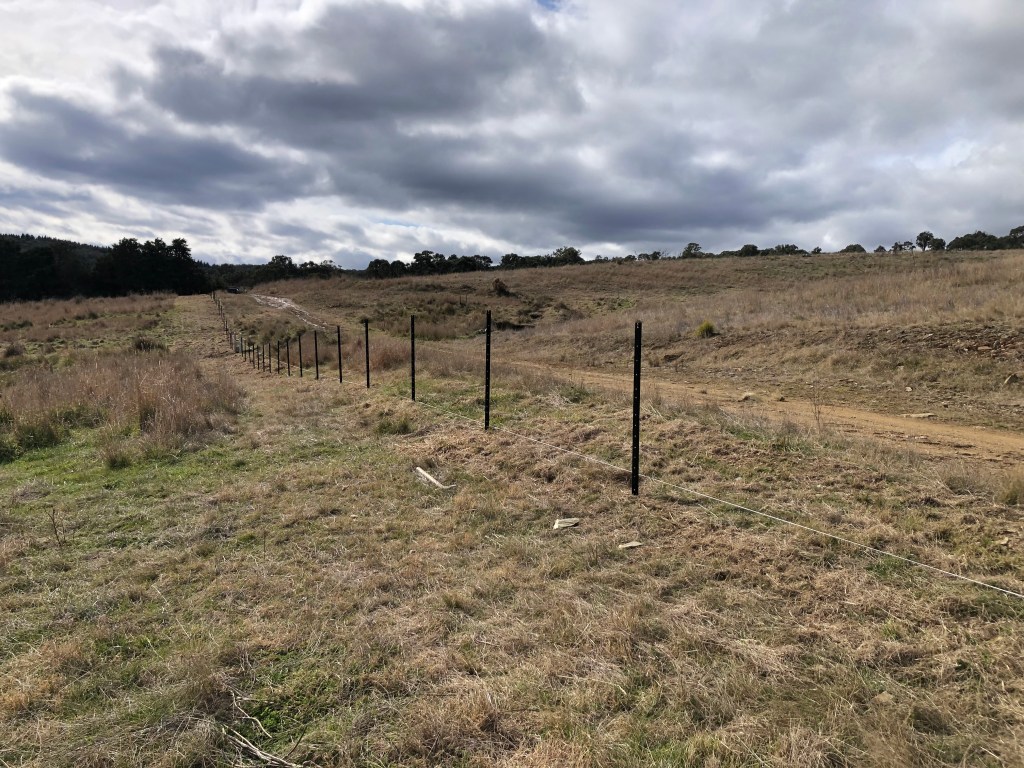
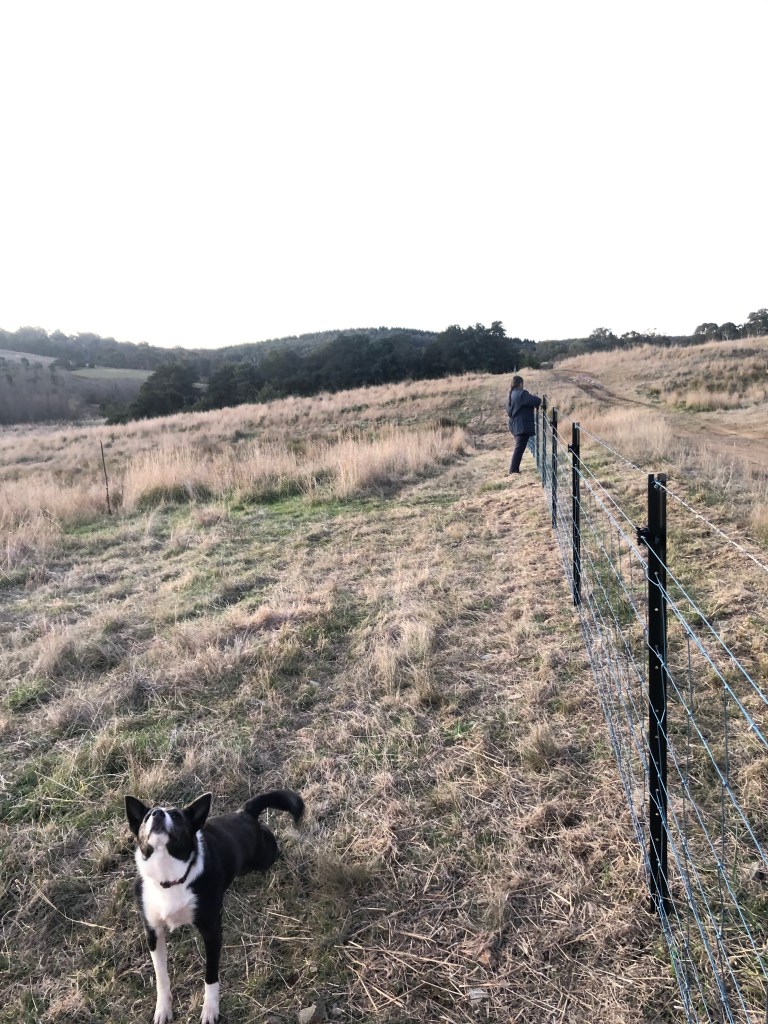
One other project we worked on was replacing a 200 metre section of fence. We have planted dozens of trees in our ‘back’ paddock and have decided to keep the stock off that paddock for a number of years until the trees get established. This has also meant we haven’t been able to use a smaller paddock on the lower slopes as the original fence was in terrible condition. In order to utilise this ten acre paddock, we decided to replace the fence with a new one. The old timber posts literally fell over when we pulled the wire down. We replaced the fence with a new section of stock mesh. This means that effectively we will have a ‘new’ paddock of around ten acres in our rotation, which is fantastic.

I have a little more work to do before this paddock can be used again, and we will put in a new gate to make moving the cattle through this paddock easier. It will make a significant addition to our rotation, as it has good pasture, good shelter and good water.

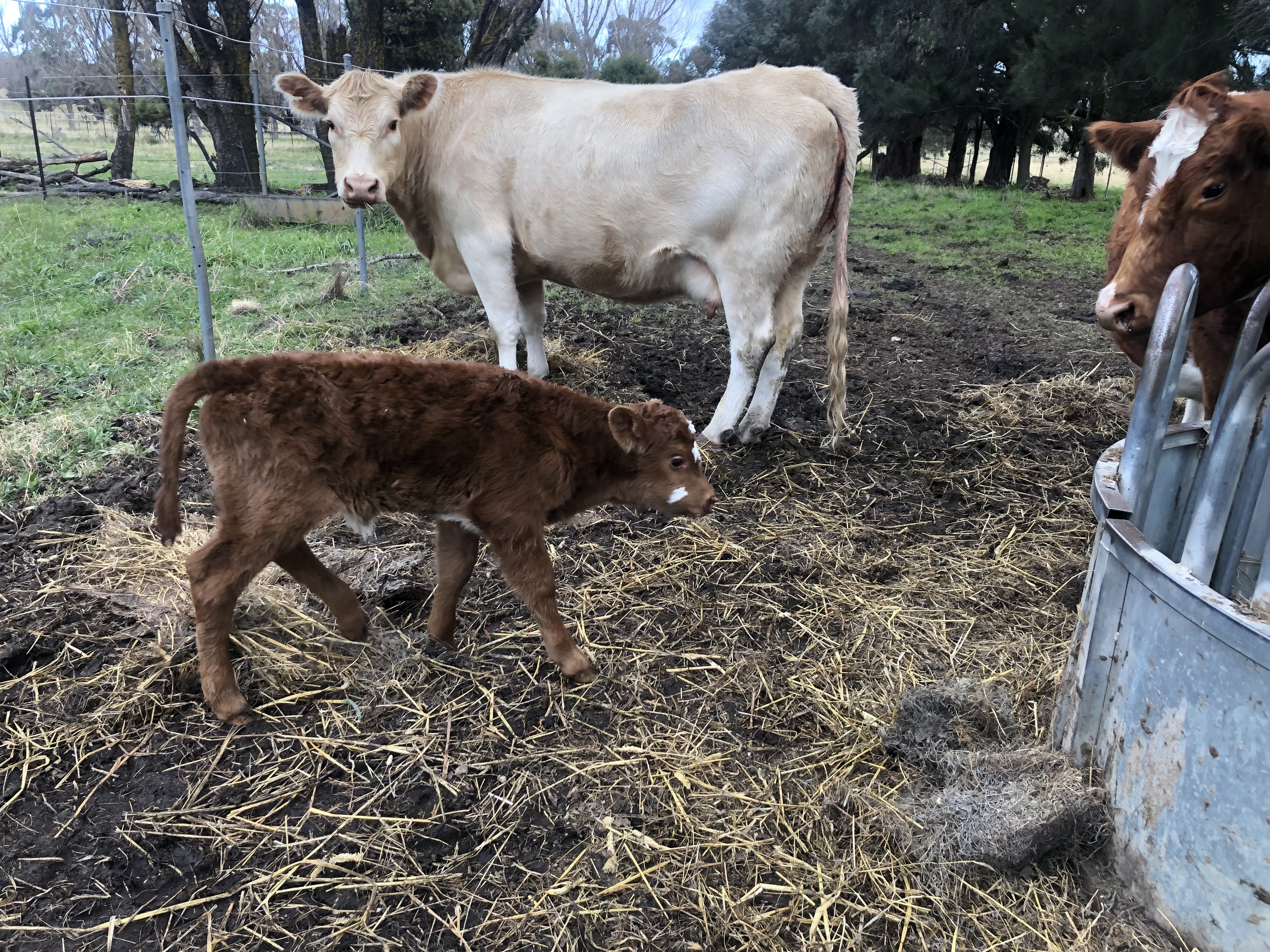
But the most exciting news of all came on our evening stroll today. It was a wonderful surprise to find this beautiful healthy calf born bang on time. We hope the remaining 15 cows have healthy calves over the next few weeks. It is a wonderful time on the Rock Farm 🙂

Decision Making Tools – Farming Forecaster

James Rebanks described the importance of observation in farming. Observation informs our decisions about how we manage our farms. For thousands of years farmers have been relying on empirical knowledge passed down through generations, helping them to recognise patterns in the weather, cycles on the land and rhythms within nature. But what can you do when you don’t have that mulit-generational connection with your land?

Today we are armed with a vast array of tools to allow us to make evidence based decision making for our farming enterprises. These tools are usually expensive, difficult to use, or unable to be tailored for specific applications. In my quest to learn more about caring for the soil on the Rock Farm, I recently attended a winter update session hosted by the NSW Local Land Services. One of the sessions was on a web based tool that has enormous potential to help me make better decisions about our farm management.

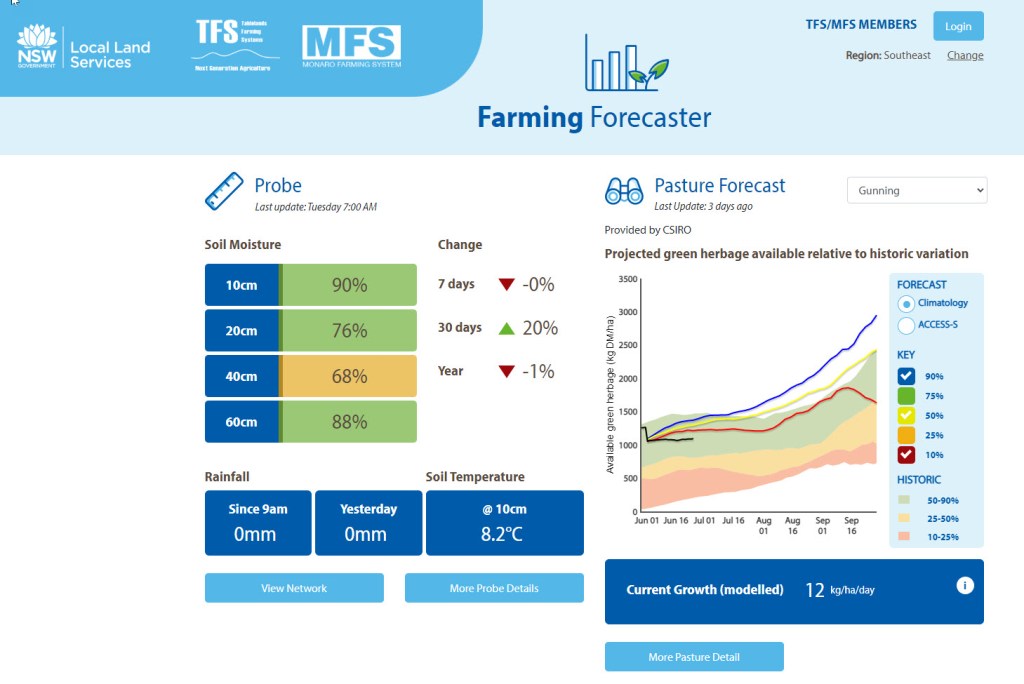
The tool is Farming Forecaster. This tool has been available in our area for a couple of years, but is rapidly expanding throughout New South Wales and Tasmania. Matt and Phil from the video below attended our session and took us through the tool, how it works, and how we can use it to make better decisions. One of the best aspects of the Local Land Service’s workshops is the calibre of people they have at the sessions, and to hear Matt and Phil explain the tool was a real privelige.

The tool uses real-time soil moisture probes in our district to predict pasture growth. Water in the soil is the largest determinator of pasture growth in our area, followed by fertility. The Farming Forecaster assumes you have appropriate fertility and uses the soil moiture profile to determine pasture growth based on either:

  • 30 years of historical data
  • Bureau of Meteorology ACCESS S long range forecast data

With accurate pasture growth data, based on 30 years of observed weather, and knowing exactly how much area is available to graze (using free GIS software QGIS) I am able to calculate with reasonable confidence how much feed will be available to my cattle for the next three months.

This information, coupled with data on the amount of feed I can expect my cattle to eat (based on tables from the Local Land Services Soil Fertility and Decision Making Workshop) allows me to make decisions on my stocking rate.

With rainfall and soil types varying across the region, it is important to look at several sites around your farm. You can do this by clicking on the ‘View Network‘ button. There are some great videos that explain the data also available. Additional information on the site can be found here: https://farmingforecaster.com.au/MemberUpdates.

From using Farming Forecaster, I am now able to confidently say that we have an appropriate stocking rate for this season – well at least for now. It is worth regularly reviewing the site as it is updated weekly. For a punter like me, who has so much to learn about animal husbandry, pasture growth and stocking rates, it really helps me to access knowledge that took generations to acquire.

Of course the ones who benefit most from it are oblivious to it – but that is ok. They’re beautiful – and now I know they should be well fed throughout the next couple of months :).

Improving water infrastructure

You may recall that I recently spoke of the difficulties in leaving the Rock Farm for a few days. The preparations to depart on a holiday can be challenging – especially with livestock who have an uncanny ability to know when they’re unsupervised! I won’t continue the similarities with livestock and children, suffice to say they both seem to know when the adults are not around!

In January we managed to get away for a week. Our holiday was wonderful, but it wasn’t all good when we got home. The Cattle had managed to destroy the float valve in the old bathtub water trough in their paddock. Whilst the backup water supply in the dam held water, it was apparent I needed to upgrade the old bath tub to something more substantial.

With another family visit to Queensland on the cards at Easter, I knew it was time to make a significant change to our water situation. It was a two part solution. Reducing demand and improving the infrastructure.

The first stage was to reduce demand through the sale of our weaners. With special weaner sales at our local yards, we sold all our steers and some of our heifers. The young steers weighed a surprising 290kg average – far exceeding my 250kg estimate. We kept four heifers to add to our herd and sold the rest. This takes our breeding cows to 20. This is well within our soil fertility envelope (next blog entry) – but close to my comfortable maximum.

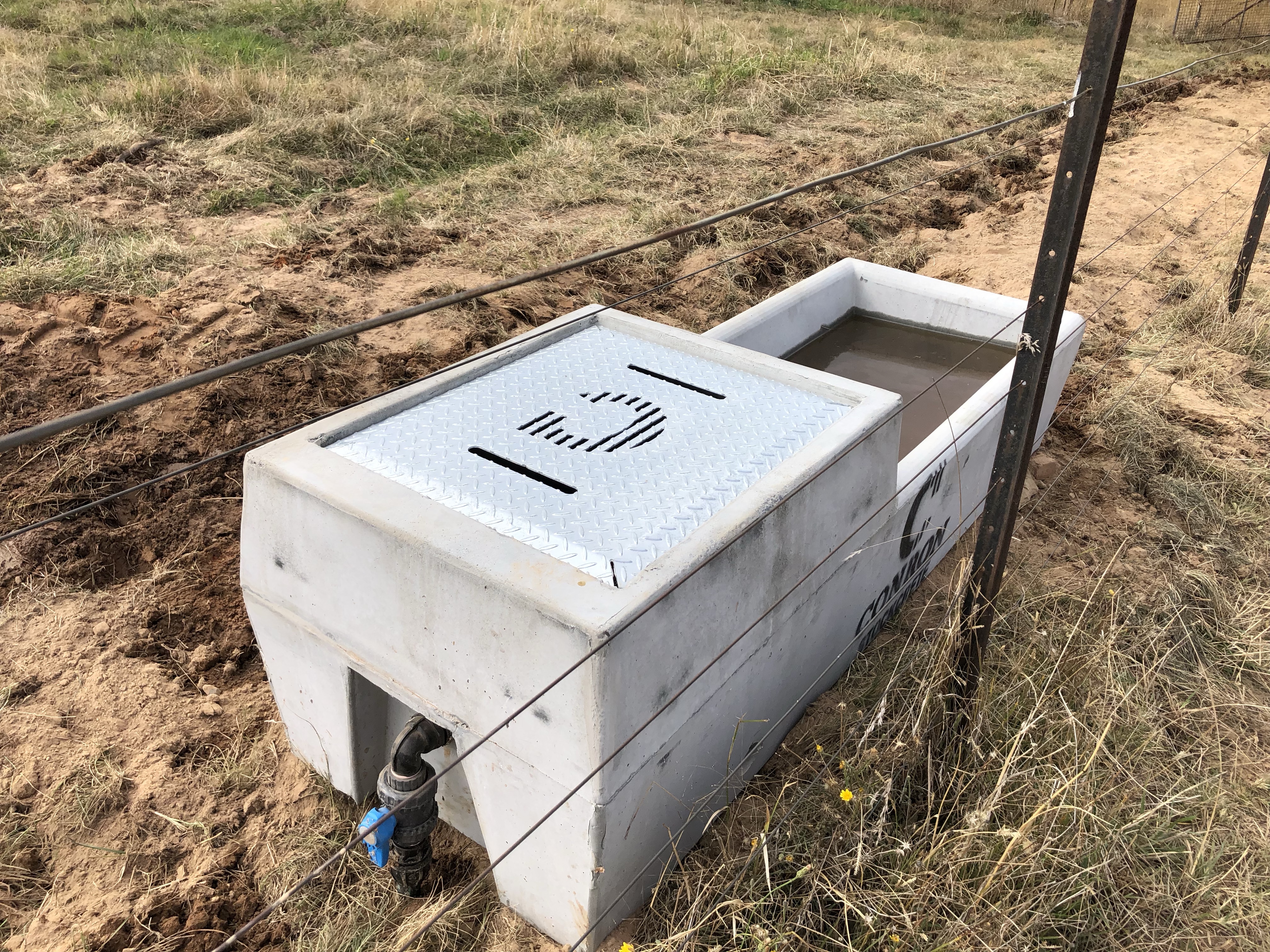
With the proceeds of the sale being, I moved to the second stage, infrastructure upgrade. My plan was to install a new concrete water trough to provide a more reliable water supply. I also wanted to move the trough down hill from the header tank – to provide better water pressure and improve reliability. I figured it would be easy to find the pipe… but how wrong I was.

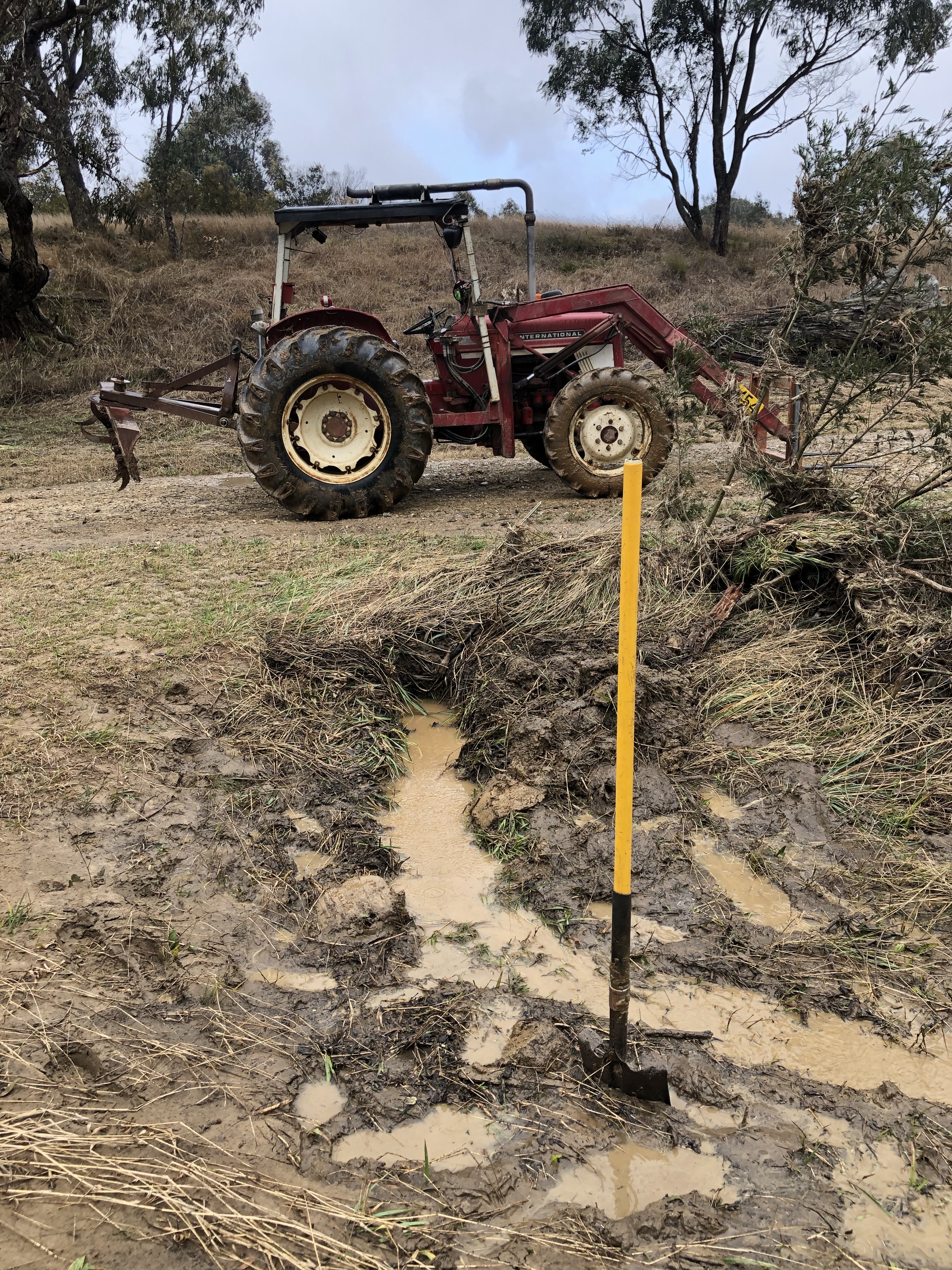
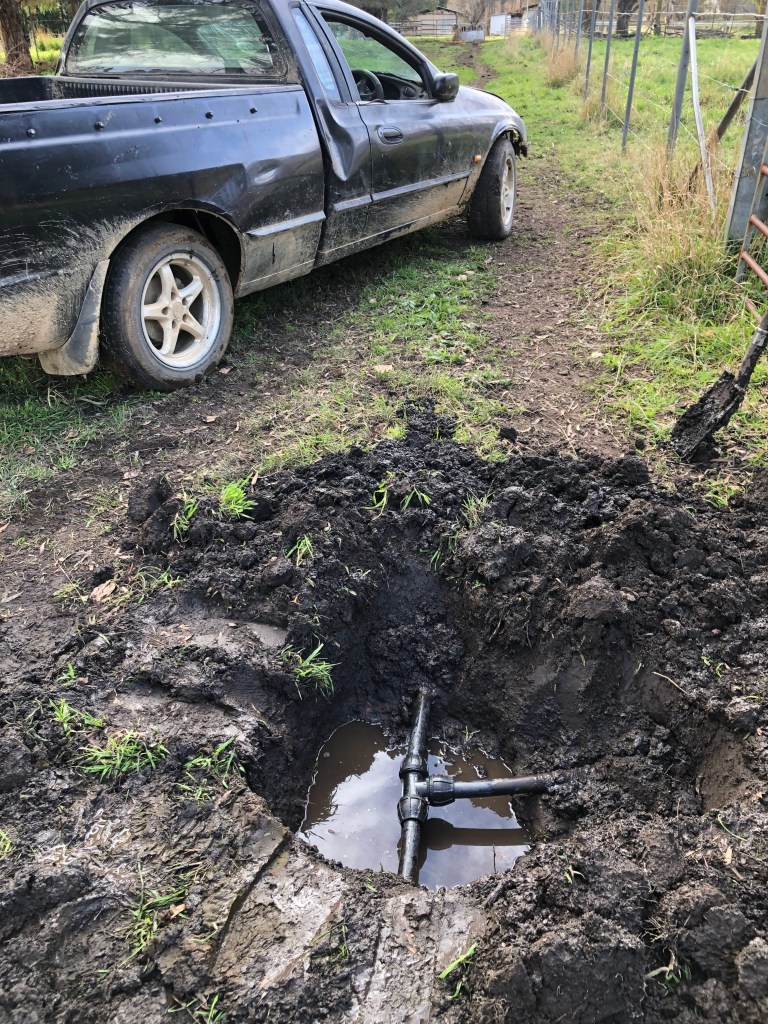
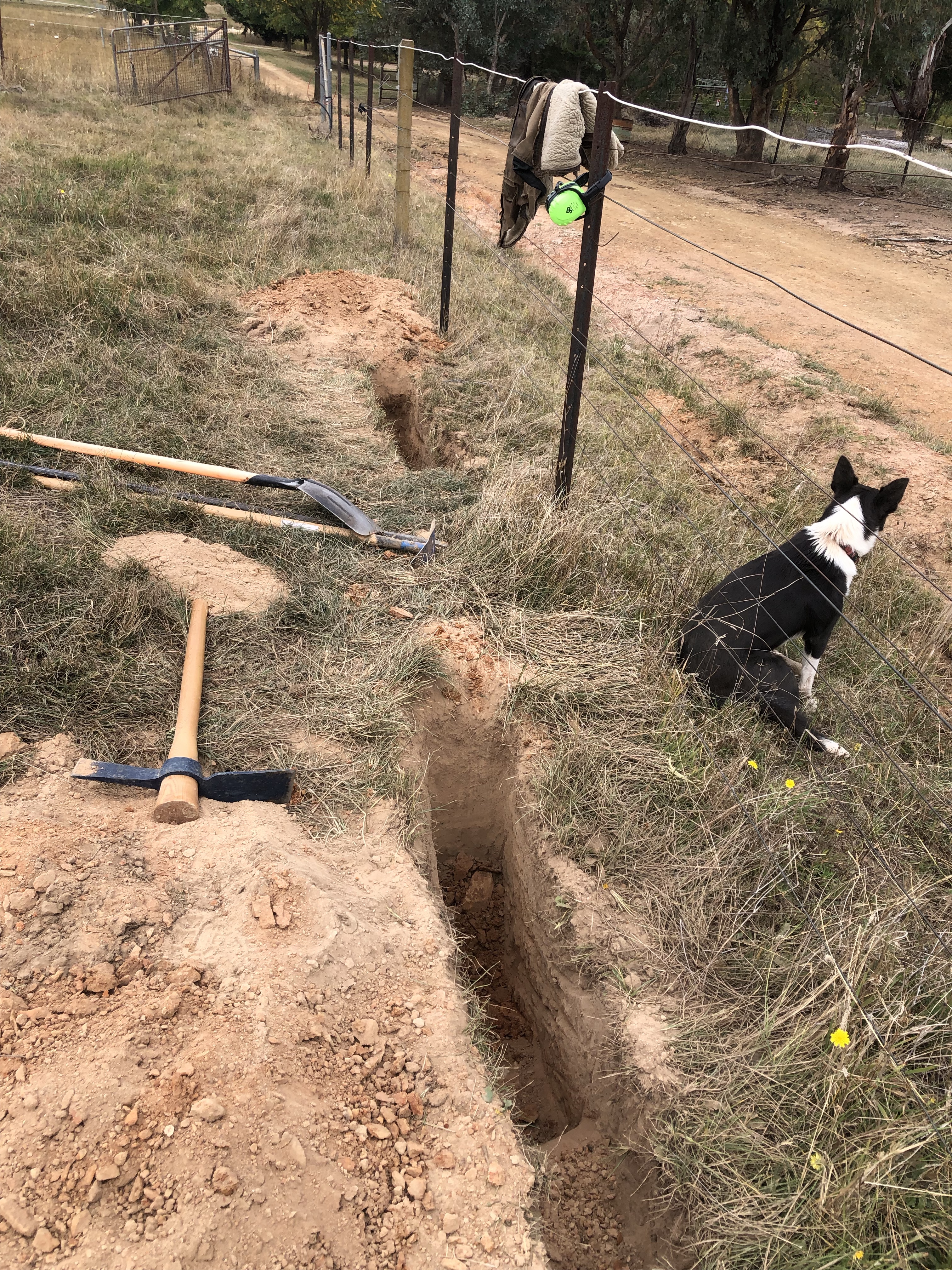
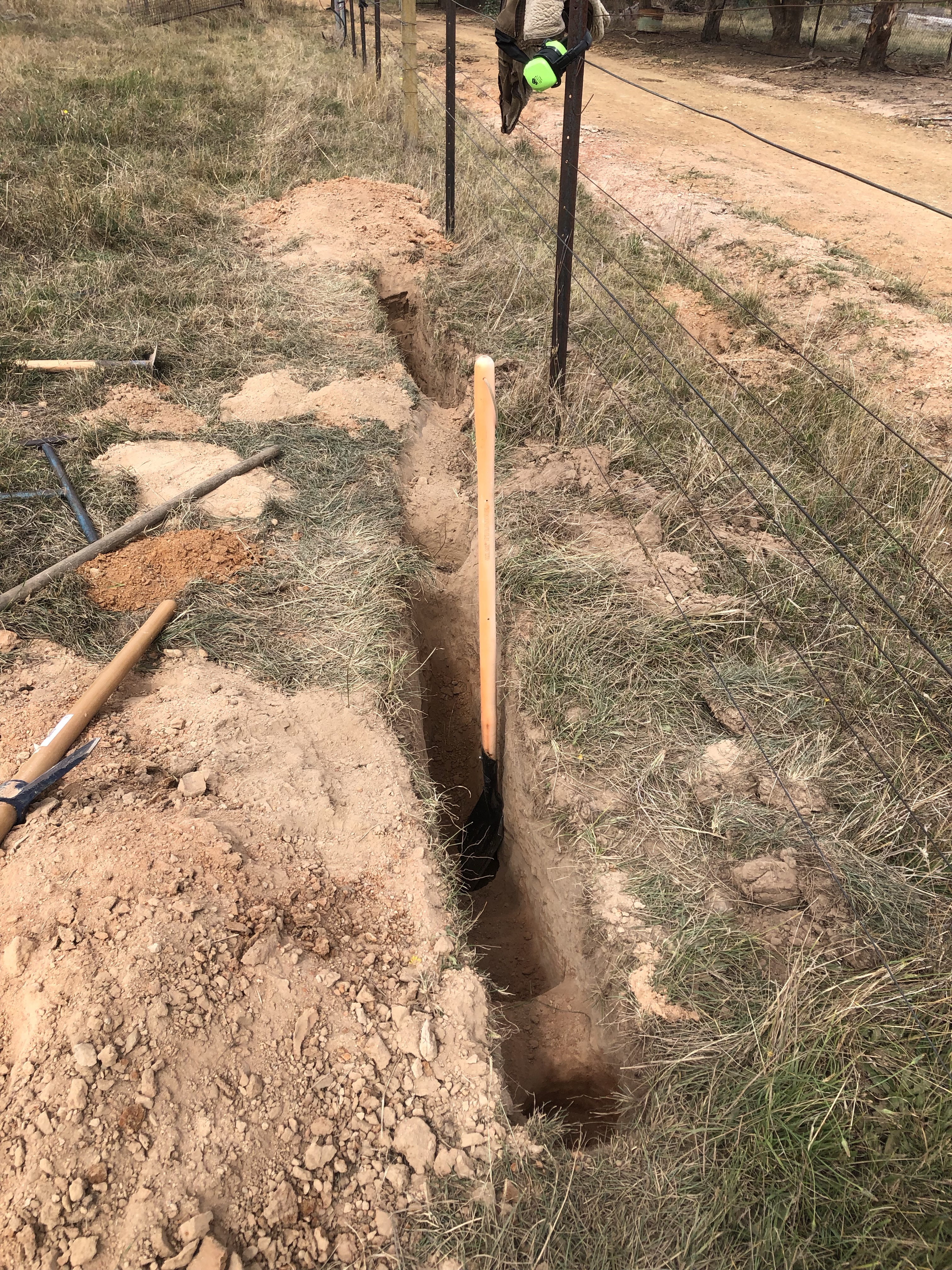
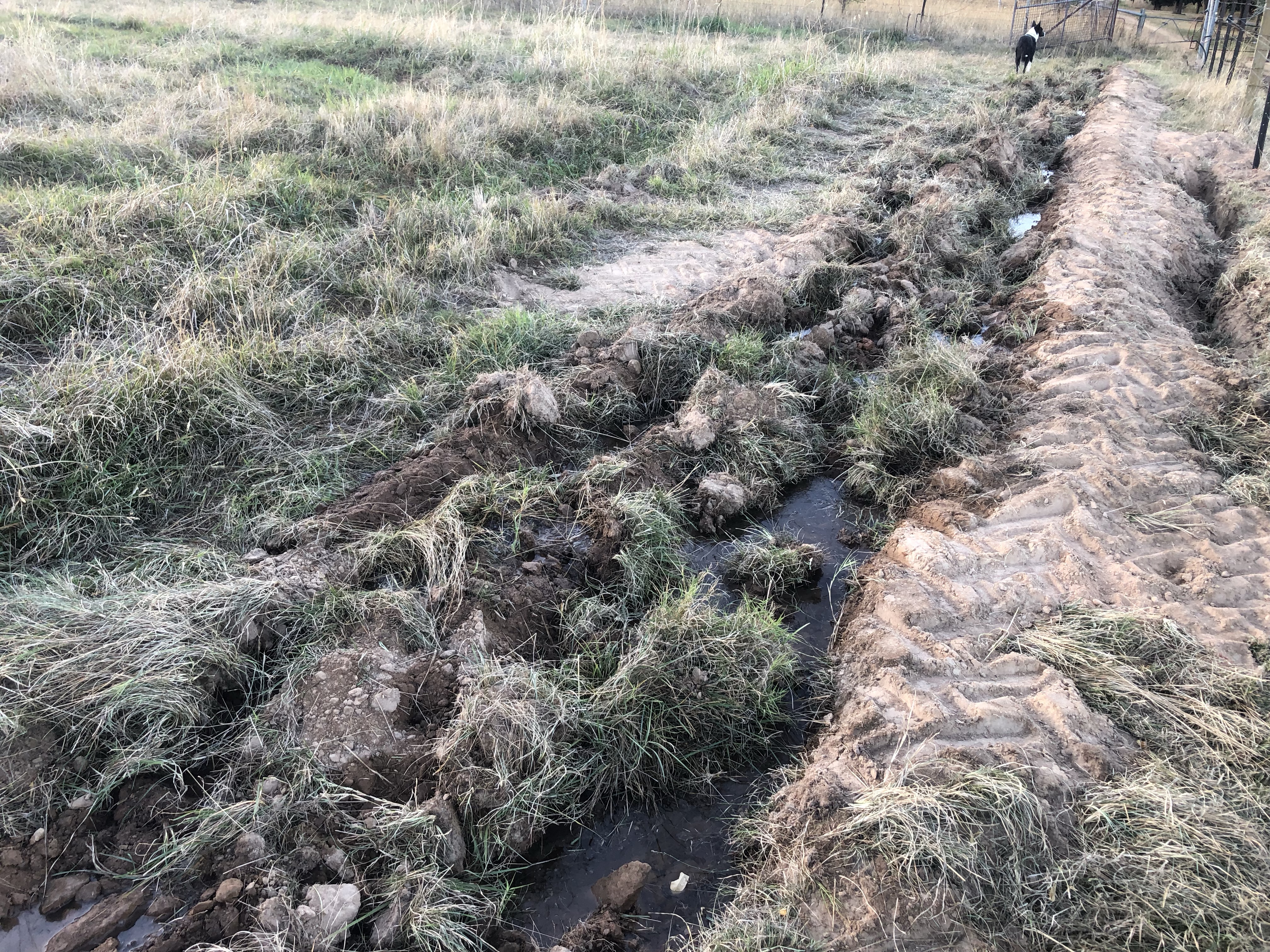
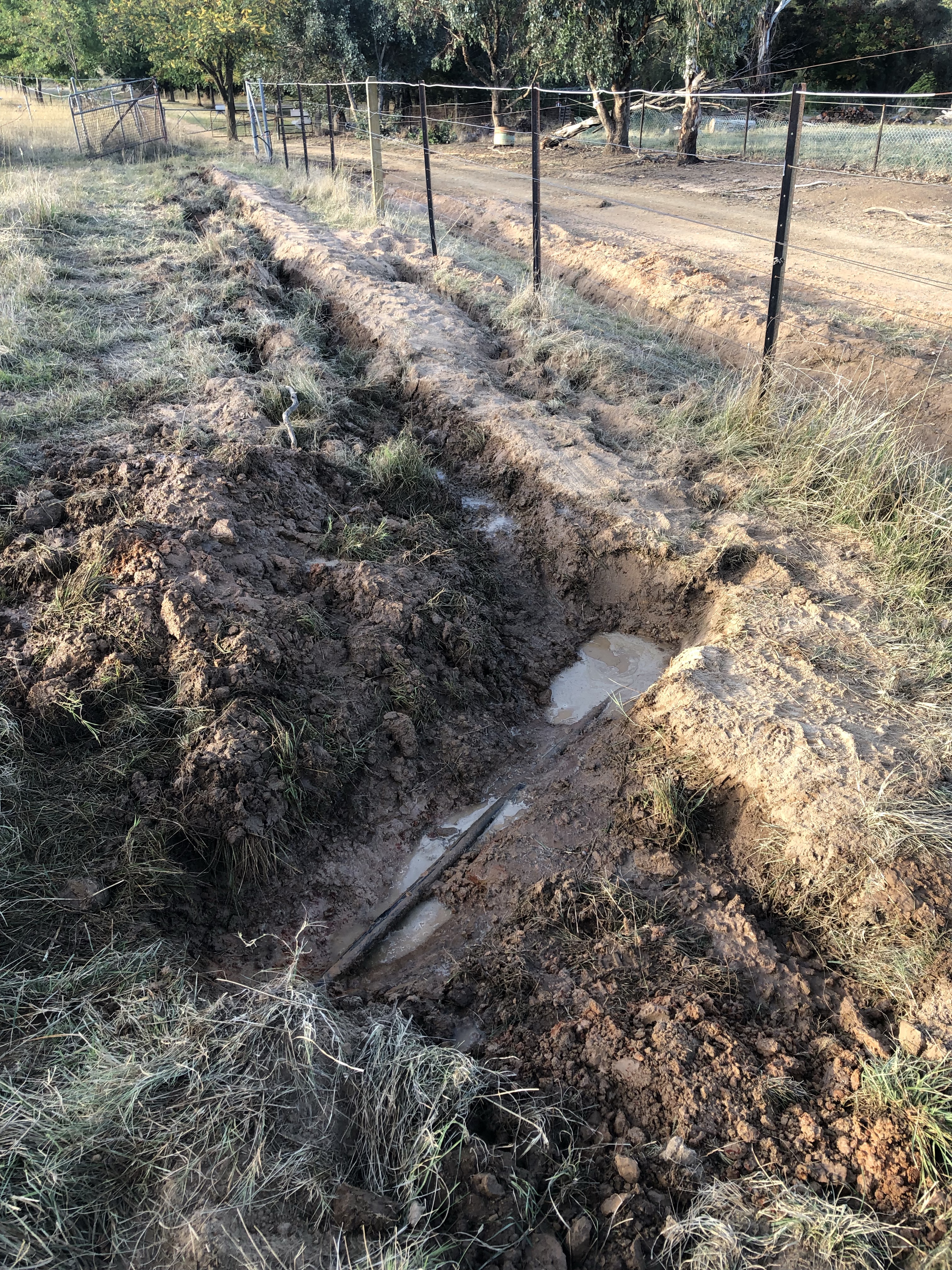
My water divining rods suggested one place to dig… and then another. By the end of it I had followed pipes all over the place and dug trenches all to no avail. I spent nearly all day digging an ever expanding trench. The dog soon realised that to get my attention, she needed to drop her stick in the hole for me to throw it… There was a very dark cloud hanging over The Rock Farm as the shadows lengthened. In desperation I ran the tractor’s ripper back and forth – but it didn’t seem to find the pipe either. In frustration, I called it a night.

The following morning, I reluctantly returned to the scene of my digging to find water everywhere! The rippers had just run across the top of the pipe! I have never been so happy to find a broken pipe. I quickly turned the pump off, and raced to the rural supply shop to pick up the new trough and fittings.

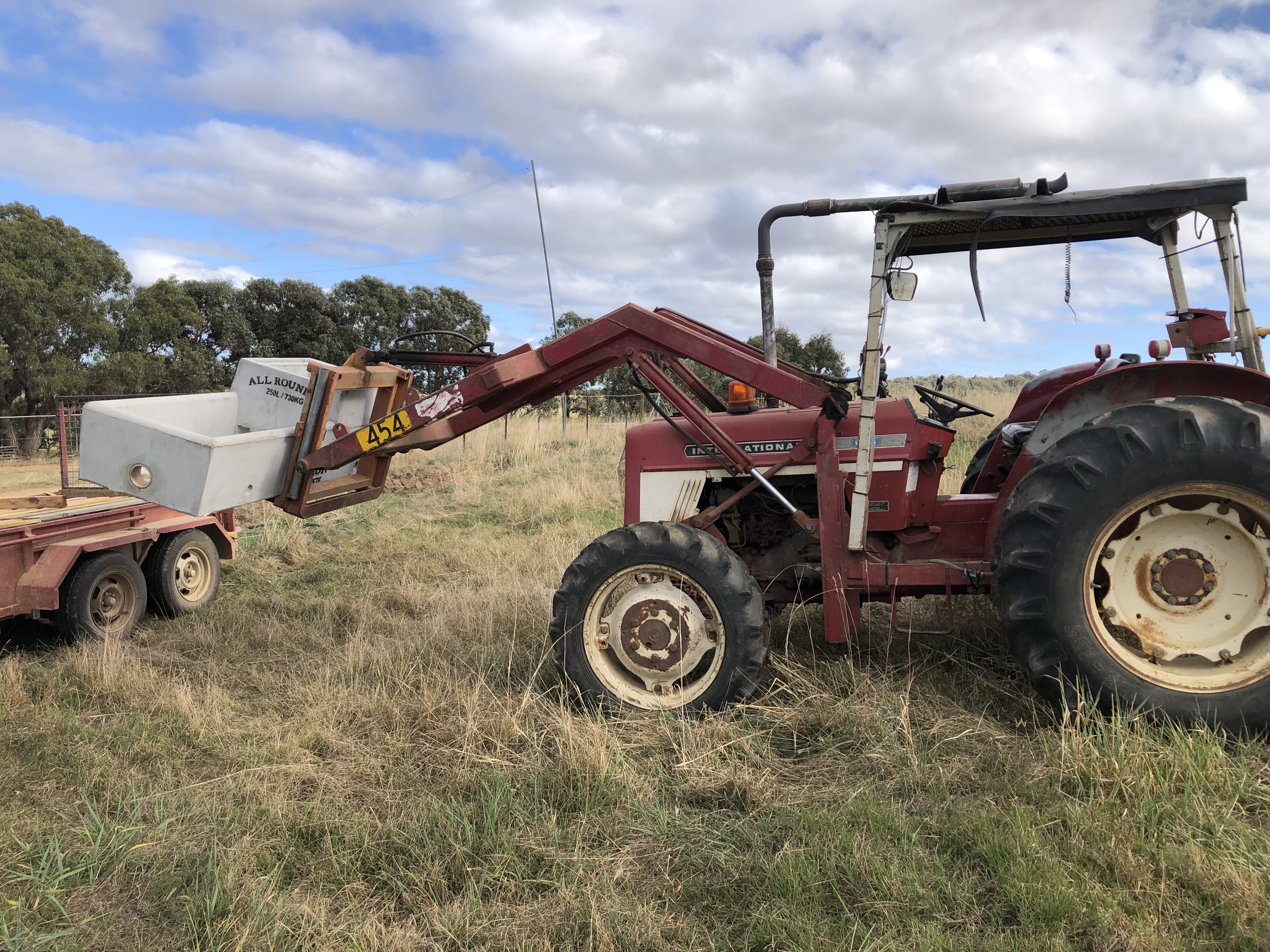
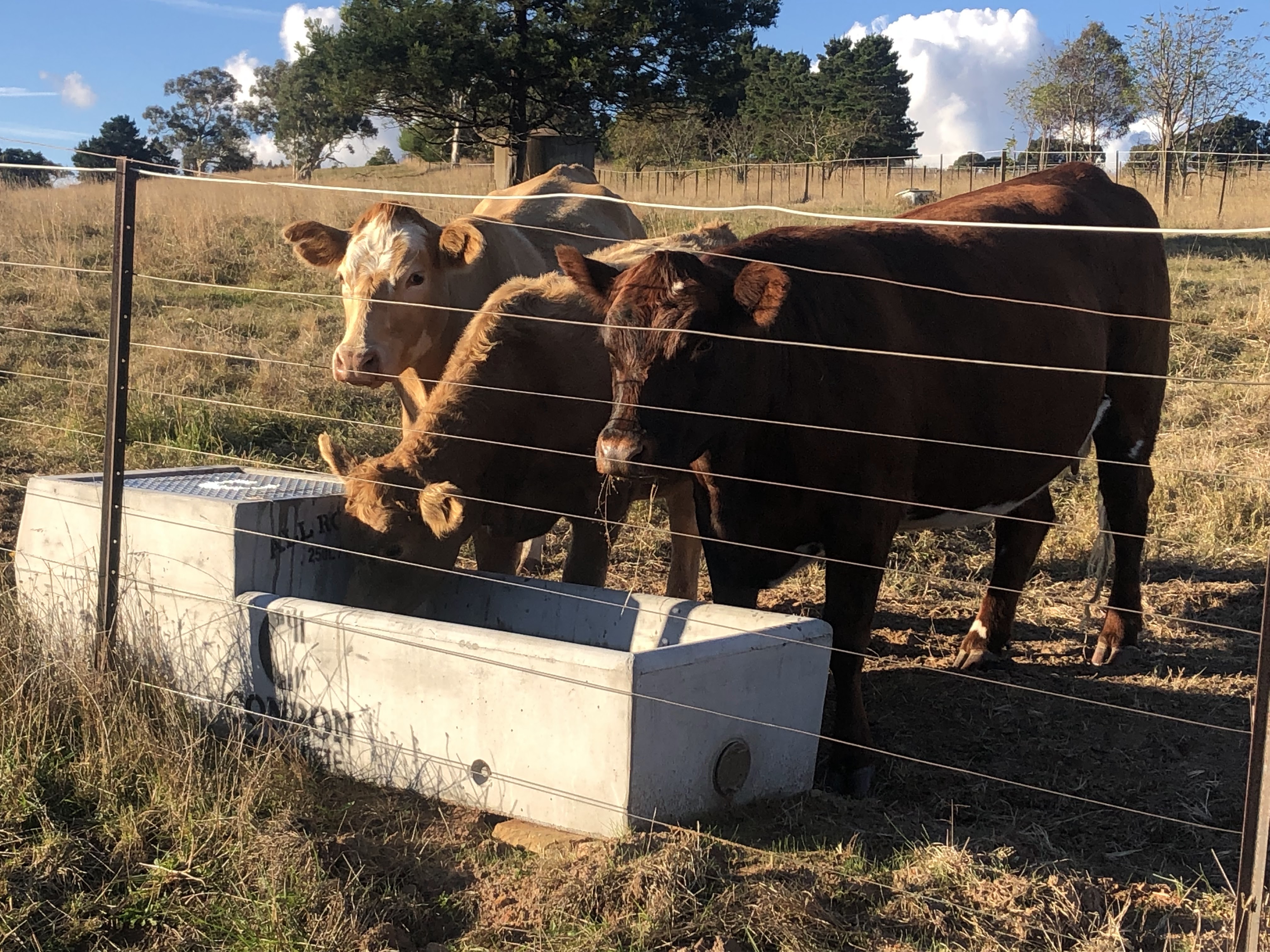
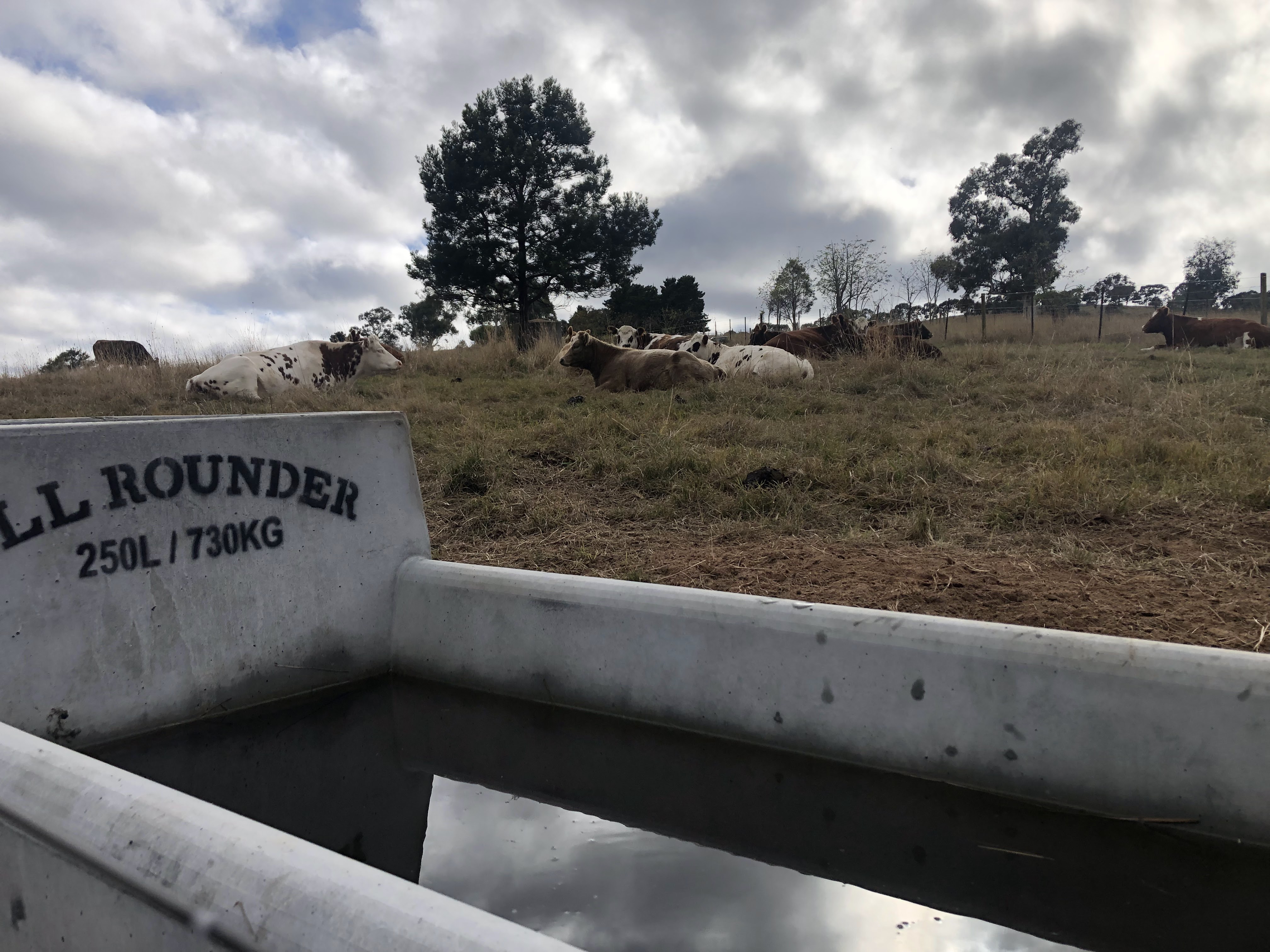
From there it was relatively easy. My biggest worry was that the tractor would struggle to lift the 730kg water trough out of the trailer, but that was no problem at all. After a bit of work with the levels (and the astute eyes will see I still have a little work to do), it was relatively easy to plumb in the new fittings, repair the leak and fill the trough.

The cattle are happy with the new arrangement. Whilst some studies suggest they perform better on clean trough water instead of water from dams, my main aim was to reduce my maintenance requirements. It was not a cheap investment – but it should last a lifetime.

Weaning Cattle – Autumn 2022

Last year we weaned our calves late, and kept them over winter due to the exceptional season we were having. We made it work, partly because of the abundance of feed, and partly because we were rebuilding our numbers to around 15 breeding cows (https://rockfarming.com/2021/06/06/weaning-on-the-rock-farm/).

This year we have chosen a slightly different tact. We have decided to wean our calves before winter, to reduce the nutrition requirements for the cows, and to reduce the pressure on our pastures. The final stimulus however came when I saw there was a special weaner sale upcoming at our local sale yards – which spurned us to action.

Always eager to continue to improve our weaning system, I consulted a couple of wiser and more experienced heads than mine. John explained that he taught the calves to eat hay, buy first putting them in the yards with their mothers. The cows feed from the hay and teach the calves to eat it too. My other mentor Mac explained that the fences have to keep the calves from getting back to their mothers. They don’t have to stop the cows getting back to their calves!

We brought all the cattle into the yards, and spent a couple of days feeding them. The cows who were with us during the drought remembered the sound of the tractor (Pavlov could just as easily have done his conditioning experiments with hungry cattle!). We gave them access to a small paddock adjoining the yards giving them plenty of space to spread out.

A couple of days later we drafted the cows back to another adjoining paddock / lane where they could feed, but come back and visit the calves when they desired. The weaners all then got the latest fashion accessory (a beautiful white NLIS ear-tag). This RFD chipped tag allows the animals and their meat products to be traced back to the Rock Farm. This helps ensure Australian Beef is internationally recognised as being fully traceable throughout the entire supply chain.

The first few hours of separation saw calves and cows happily feeding, however by evening time, the udders filled. The cows returned to the yards and bellowed at the calves, and the calves bellowed at their mothers. This process repeated morning and night for around a week or so, but the intensity reduced quickly – and I felt it didn’t take long for me to feel that the cows were more interested in the hay I was delivering and not the calves!

The hardest part then came in choosing which weaners get on the truck and go to sale. In the end we sold all seven of the steers, and four of the heifers. The steers averaged 290kg, which was a great result considering they were only 7 months old or so. We kept four heifers, bringing our total head on the Rock Farm to 20. Our present holding comprises of 15 cows, 1 maiden heifer due to calve this spring, and our latest 4 weaner heifers.

We will reassess our stock holdings in Spring, but will be likely to sell some cow and calf units before next Summer. It all depends on rainfall, which is our largest determinant of carrying capacity (despite what the fertiliser company tells me). Whilst I love our cattle, I am also very conscious of being a custodian of the soil, and I need to put the need of the soil first. Healthy soil will lead to healthy cattle.

Special thanks to John and Mac for the advice, and a shout out to Jimmy and Kylie who loaded and trucked our weaners to the sale yards in my absence.

A busy spring – marking calves on the Rock Farm and a new boy arrives.

After helping Daisy give birth to Buttercup, the rest of the cows all delivered healthy calves – with the exception of Miss Steak. Miss Steak was on notice, having missed delivering what would have been her second calf last year. Whilst normal commercial operators might have culled her immediately, we were happy to give her a second chance. It seemed our faith was misplaced. Whilst Miss Steak was in rather rotund condition, she didn’t appear to be in calf.

By the 5th of September we had 14 beautiful calves on the ground from the 14 other cows. The maths wasn’t quite that simple, with Uno loosing her calf, and Margurite having twins, but overall it was a pretty good result. After giving Miss Steak another week or so, we decided to mark the calves.

Marking the calves young serves two purposes. The calves are much easier to handle, and the boys are able to be castrated using rubber marking rings. I recruited Master 14 to help with the process. After I vaccinated the calves with a 5 in 1 vaccine, Master 14 was given the job of sliding the rubber rings over the bull calf’s testicles. He really didn’t like it, squirming and wincing and generally doing the whole thing with his eyes closed, which I found hilarious. After we had marked our calves we tallied 7 heifers and 7 steers, with Master 14 looking more cross-eyed than all the boys put together.

With steady and regular rain falling, we moved into September with the promise of solid growth in our pasture. The rain also was causing the weeds and thistles to grow. I took advantage of Master 16’s eagerness to earn money to upgrade his mountain bike by using his willing lockdown labour to chip out thistles each morning in lieu of the long bus ride into town. The Rock Farm pastures have really started to kick along and look fantastic. The good pastures have the cows cycling again.

I contacted our mentor and guide John, and arranged to lease another bull this season. I then asked our friend Jimmy if he could pick the bull up and bring him down to the Rock Farm. The truck arranged, it also made sense to send Miss Steak to the sale yards, a small diversion on the same trip. One of the more colourful characters on the Rock Farm, Miss Steak gained her notoriety with a terrible error of judgement she made as a young heifer (https://rockfarming.com/2018/11/16/a-terrible-miss-steak/). Sadly however, after not calving two years in a row, her time was up.

Then, a week before the truck was due to pick her up, her udder started filling. And filling. And filling. And one horrible cold and rainy night she delivered a gorgeous little heifer. Being the last calf calf, and born in the nick of time to Miss Steak, we named her “Minute”!

Jimmy happily accepted the change in cartage plans and we picked up our borrowed bull a couple of days later. This magnificent fellow shows is French Normande herritage with his markings and his length. He is also really quiet, and happily settled in with the girls. This year we are joining our 15 cows and 1 heifer with this fellow. They will be due to start calving late July, which is a little early for us, but with the season starting so well, we can only hope it holds.

In the mean time, we have been enjoying our daily strolls amongst the cattle. There are far worse ways to be spending lockdown! Special thanks to John for leasing the bull to us, and Jimmy for getting him here 🙂

The battle for Daisy (again) – Update

Having started work before the sun, I have been eagerly awaiting a phone call from Jo or the kids to give me an update on the condition of Daisy or her calf. I was still processing the events from the previous day, and had woken this morning with sore muscles in all sorts of unexpected places.

Overnight we had conducted a stock-take of our powdered milk supplies, and hunted around for our poddy calf bottle and teat. We were worried that either Daisy or her calf, or both would die overnight. It was a cold and bitter night, with some more rain in the mix. Jo came to the conclusion that it was foolish to name our cattle, and vowed never to name them again. We feared the worst.

It seems no one was keen to make their way to the yards to check on Daisy and her calf the following morning. Jo eventually made her way down, apparently checking everything else on her way to the yards. The rest of the cows had water, check. Their calves were all accounted for, check. The tractor and next bale of hay were ready to go in the shed, check. Finally it was time to check the yards… and initially Jo feared the worst because she couldn’t see Daisy or her calf.

Then she got closer, and found Daisy up and on her feet, with her beautiful heifer suckling at her udder. She called me in delight to give me the good news.

The Vet, Dr Jack from Bungendore arrived a short time later, and gave Daisy and her calf a thorough going over. He gave Daisy a slow acting antibiotic to treat a small tear. He checked out her calf, and gave her a clean bill of health, and a name… Buttercup.

I guess it is all in a name after-all. Welcome to the Rock Farm Buttercup. 🙂