The girls come home

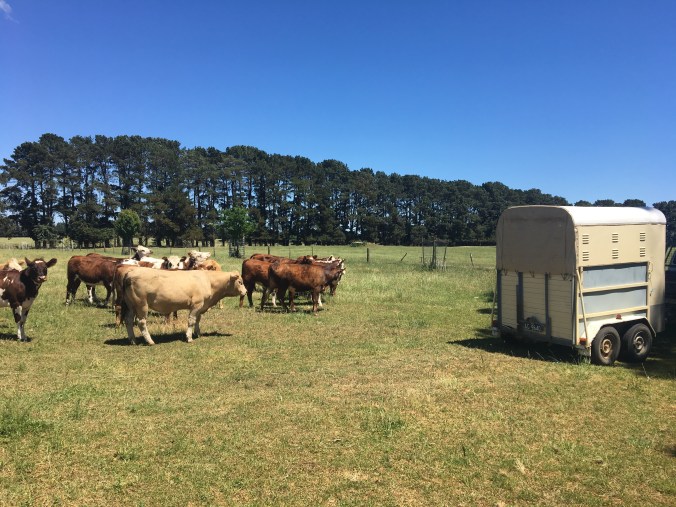
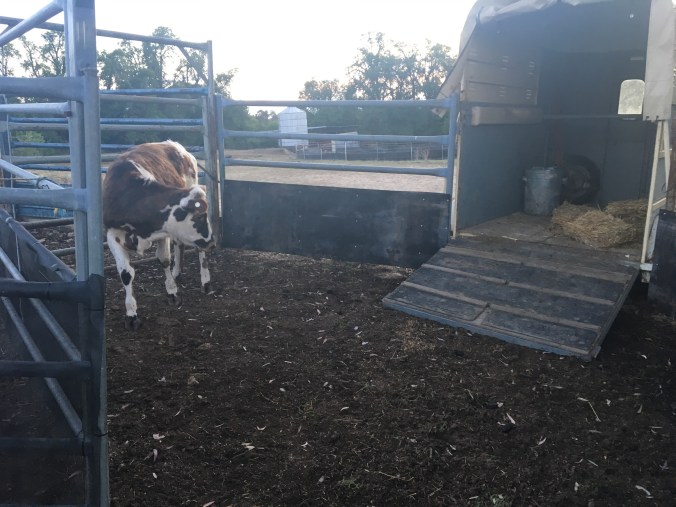
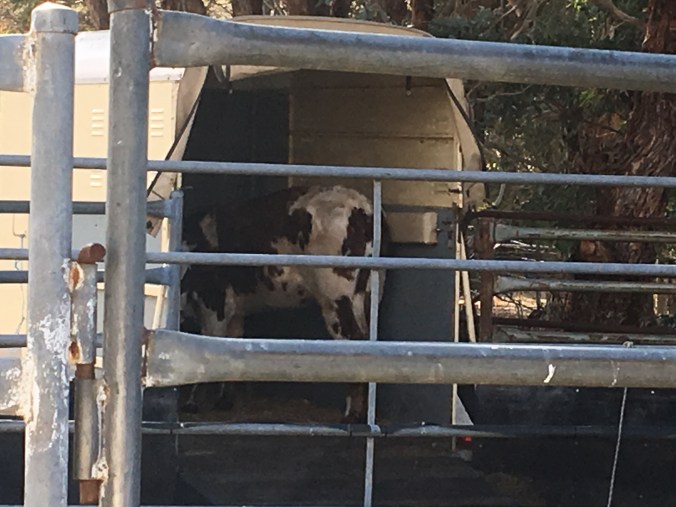
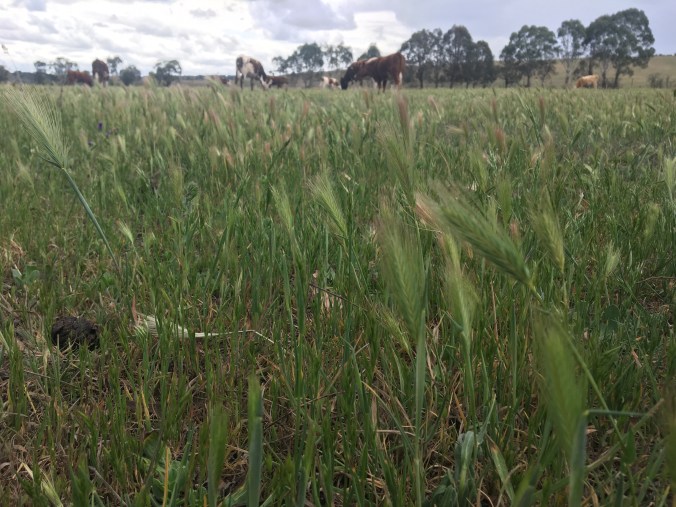
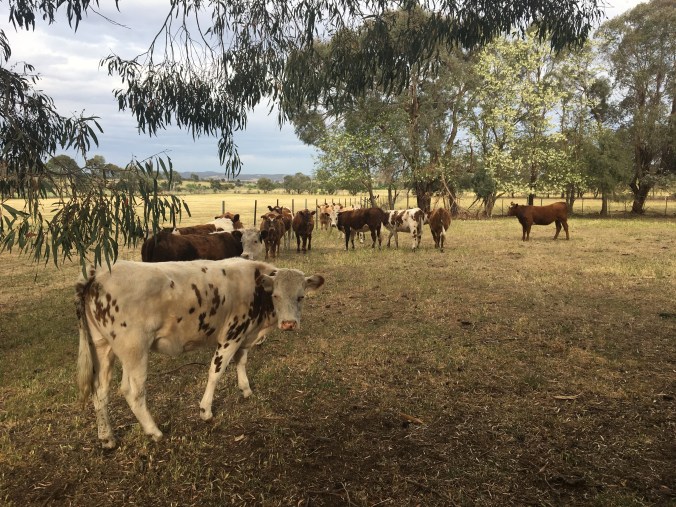
You may recall that a few weeks ago we took up the kind offer of John, our heifer’s breeder, to join our girls with one of his young bulls.  Getting the girls there proved to be a bit of a challenge, especially for one of our heifers now known as Miss Steak. She didn’t travel with her friends after getting stuck and injuring herself – see previous blog:  https://rockfarming.com/2018/11/16/a-terrible-miss-steak/. After training her to enter the horse-float, she travelled without any complaints at all.  When we arrived, I drove straight into the paddock, and she had a welcoming committee come down and greet her.

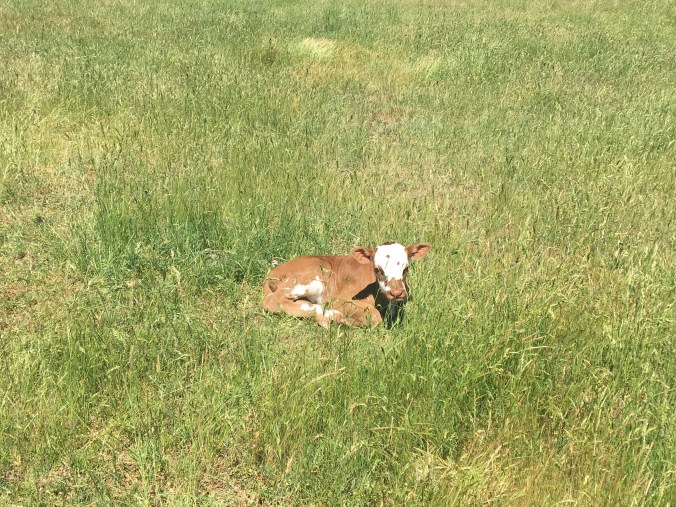
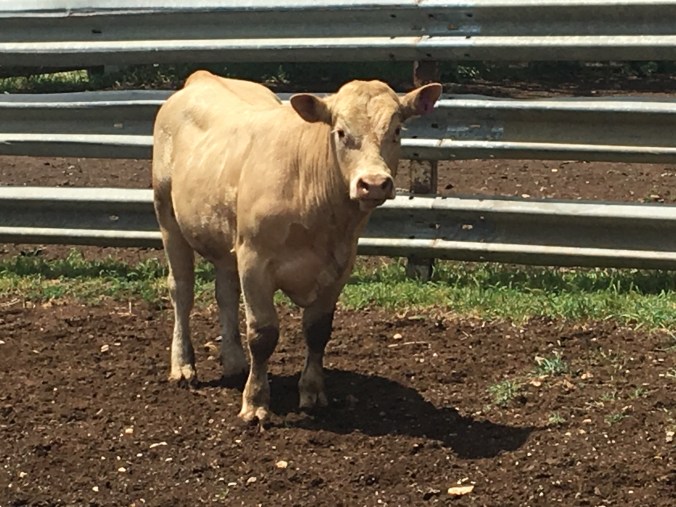
We had also been keeping a close eye on one of the heifers.  Over the previous month or two, it became apparent that she was pregnant. This can be a big problem for young heifers, especially if they have large calves.  We weren’t sure what to expect, and were worried we would lose the heifer.  Renamed “The Unchaste One”, she gave birth without incident to a  handsome bull calf.

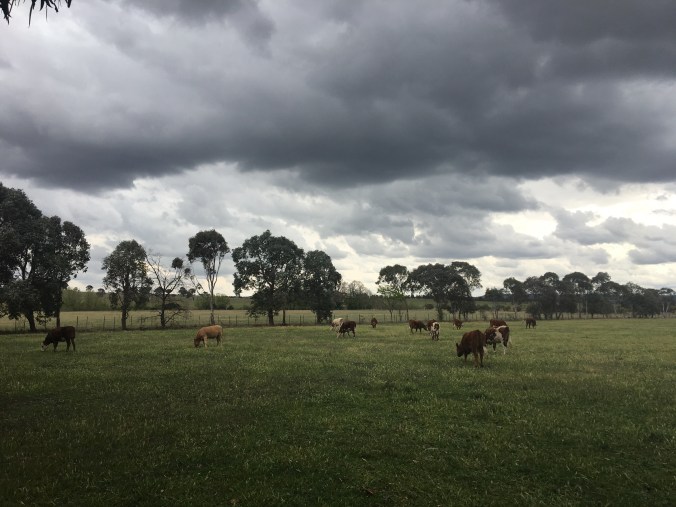
The cattle continued to grow and put on condition at John’s place.  The Crookwell area seems to have escaped the worst of the drought conditions that have caused so much devastation elsewhere.

Thankfully the rest of their time at John’s proved to be without incident, and we went to bring them home the other day..

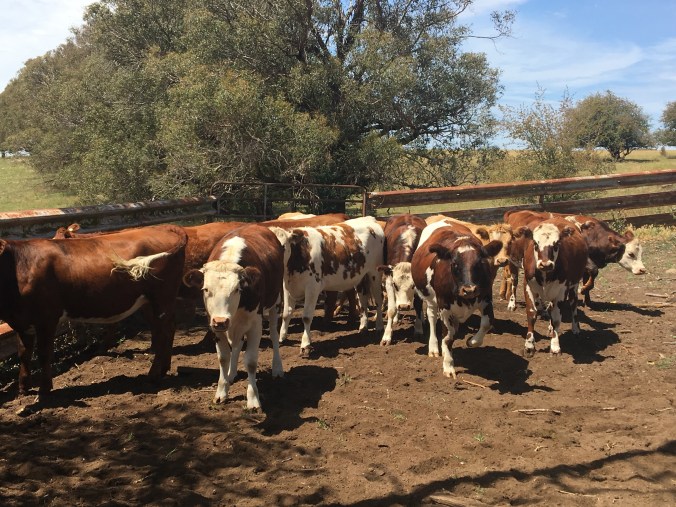
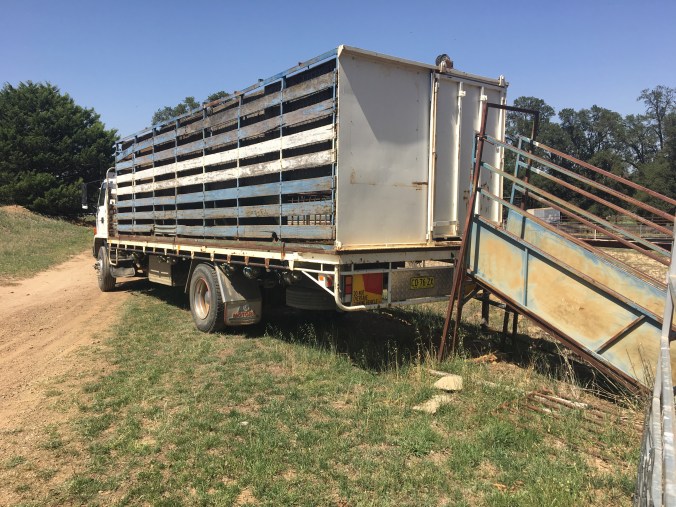
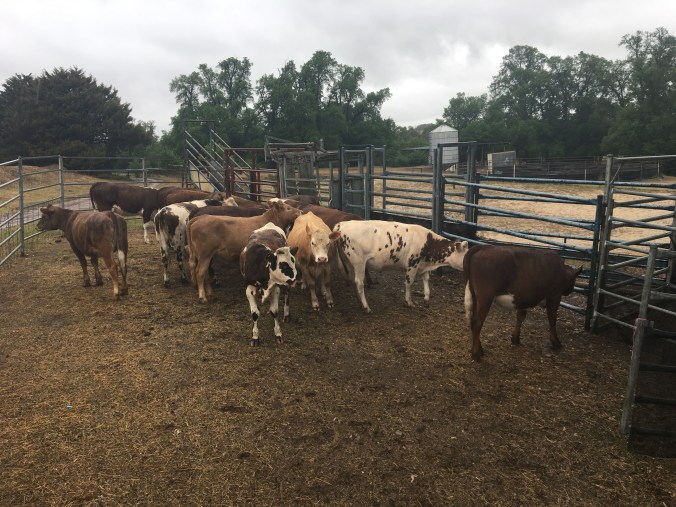
The heifers first came to our place on Jimmy’s truck as weaners.  On their first trip, they easily fitted in the front two pens.  Now they are much closer to 400kg each, several overflowed into the rear pen.

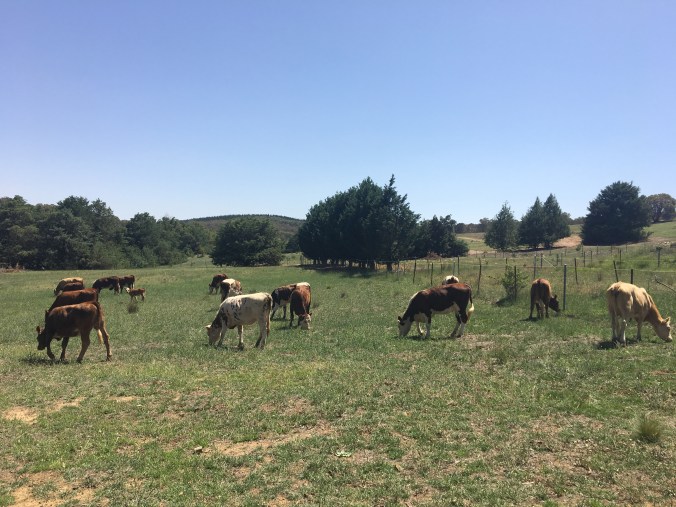
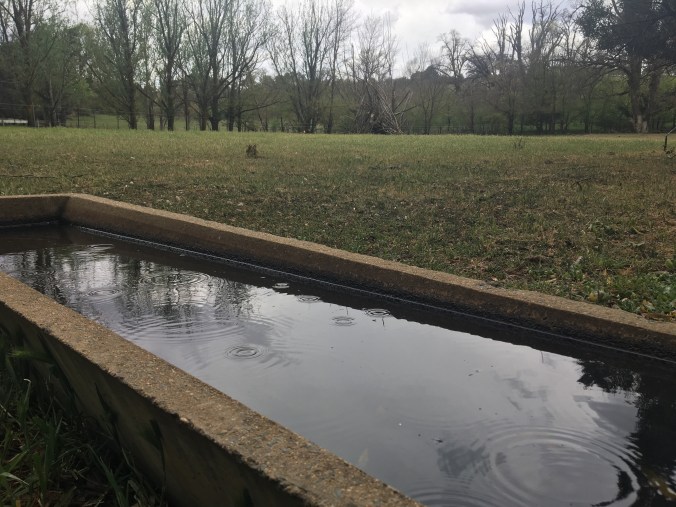
I was pleased to see how quickly they settled back at home.  I kept them in the yards for just a few minutes, letting them find the water trough.  When I let them out, they barely moved half a dozen metres before they stuck their heads down and happily commenced grazing.

We have all missed having the cattle on the place, and love having them back.  We have since moved them into a paddock with more shade – helping them through the worst of the current heatwave.

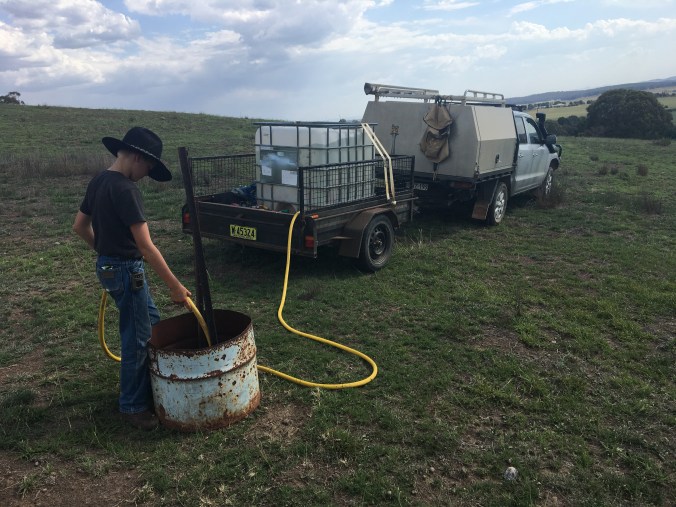
In other parts of life on the Rock Farm, the run of 40 degree days has been pretty hard on our newly planted oaks.  Some of our seedlings have clearly struggled, but others look like they are doing alright.  I think they all appreciated a drink.  Hopefully we can nurse them through the summer and give them a fighting chance at survival.

School Holidays on the Rock Farm

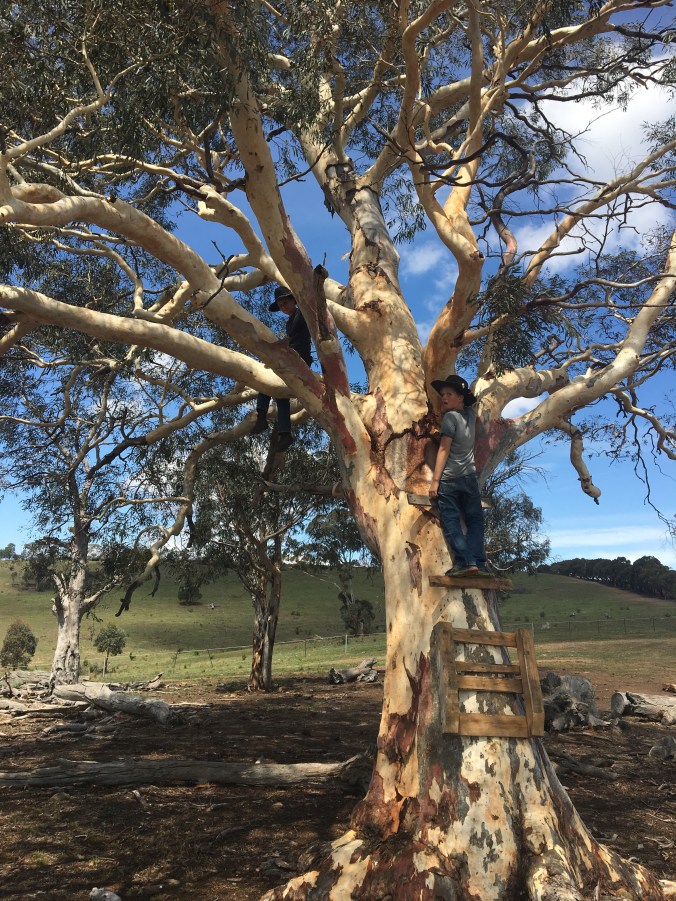
School holidays are in full swing on the Rock Farm.  The boys have been turning petrol into noise on their motorbikes, building tree houses in the gum trees, and playing in the dirt.  They have also been learning a few other skills such as fencing, planting trees, repairing said motorbikes and fixing broken water pipes.

The holidays have also been a wonderful opportunity to catch up with friends and family.  This, in conjunction with a series of extremely hot days, has slowed the normal rate of progress on the Rock Farm, and that isn’t a bad thing.  We have enjoyed the opportunity to slow down and enjoy good company, and the odd quiet afternoon, with the air conditioner on, in front of a movie with the family.

The ongoing requirement to repair our fences continues.  On one of the cooler mornings, The youngest helper and I replaced a small section of fence.  A few days later the whole family helped run hinge joint around a small 2 acre triangle paddock near the house.  This will allow us to bring the sheep into this paddock and hopefully contain them!  It was pretty hot work, and it times tempers flared due to Hangry boys.  The result will be a handy little paddock allowing us to keep a closer eye on the sheep.

We have been lucky to experience a couple of summer storms this season.  With a bit of moisture in the soil, I thought we would get away with planting out some acorns that had germinated.  These oaks are Daimyo Oaks (Quercus dentata), also known as Japanese Emperor Oak or Korean Oak.  These trees have large leaves, and are part of our plan that should see the Rock Farm renamed “Oak Park” one day.  The oaks draw nutrient from deep in the ground, provide shade thus retaining moisture, and the leaves return the nutrient and organic matter to the soil when they fall and mulch.

Then it was back onto the serious business of making tree houses in some existing trees!
The summer storms often provide short bursts of heavy rain that mostly runs off.  Any technique that increases the amount of rainfall captured into the soil is to be tried.  One technique, pioneered by P.A. Yeomans and recommended by Pat Coleby is to rip lines along contours, opening up the soil allowing moisture to penetrate deep into the ground.

Our last property (the original Rock Farm) had deep rip lines put in by the previous owner.  These lines trapped moisture and were clearly the greenest part of the property on satellite images.  Trees benefited from being planted in the rip lines, as their roots could seek out the moisture stored in the cracks of the rocks.

Unfortunately the old single tyne ripper wasn’t up to the tough Ordovician Shale that underlies our fragile slopes.  Only a few lines into it, a large rock twisted the tyne worse than before.  Despite several attempts to gain leverage, I was unable to straighten the tyne.

The good news was that leaning against a tree, forgotten by owners previous, a double tyne ripper was leaning against a tree.  It had been there so long, a tree root had grown over a tyne, vastly complicating my efforts to put the ripper on the tractor.  It took my wife and I a good hour to eventually get the ripper fitted… but it was worth the effort!

And the result was success!  Using a piece of clear pipe filled with water and threaded on the ROPS, I was able to get a reasonably accurate contour ripped across the slope of the paddock.  It took a little while for me to get the draft and raise response where I was happy with it, but the old tractor performed flawlessly.  The rip line was only 150mm deep – but that was deeper than the soil and into the rock layer.   Now I just need it to rain to test the theory.

The school holidays have also had the boys learning some other important lessons.  They are still young enough to play in the dirt – and were enthusiastically making tracks for matchbox cars when they received last call to come in and have a shower before bed.

The final throw of the digger resulted in an unmistakable gurgle and their construction rapidly filled with water.  After years of observing me, they correctly recognised that they hadn’t found a fresh water aquifer just below the surface, but rather a poly pipe.  I took some solace from the fact that the rapidly appearing water was our non-potable water supply to our garden and toilets… not our precious house supply that runs under the ground only a couple of metres away.

The good news was that it wasn’t my fault.  So I had if not enthusiastic, then certainly guilty helpers to:

  • run to the dam and isolate the pump (long way down hill)
  • run to the tank and isolate the tank (long way up hill)
  • dig a much larger hole to expose the pipe
  • measure the diameter to check if we had the right fittings (which we did – good planning Dad)
  • carefully cut the damaged section of pipe out with a hacksaw
  • replace damaged section with a joiner fitting
  • run back to pump and turn it on
  • run back to tank and turn it on
  • watch and check for leaks

It was the quickest I had ever replaced a pipe – and I barely raised a sweat… In fact I did a lot of not much except pointing, and asking for tools, most of which live in my pipe repair tub.

As the sun set and the light faded, we turned the water on and held our breath.  It worked!  All in all it was a pretty good outcome – the kids learned some important skills, and I realised how grown up they are becoming.

Of droughts and flooding rains.

Over the past few days, we have enjoyed a welcome change in the weather.  With the warm moist air in the upper atmosphere from Tropical Cyclone Owen combining with a cool low pressure system, much of the south east received heavy falls over a couple of days.

The Rock Farm was no exception.

Over the first day, we received a steady soaking 28mm.  This beautiful rain seemed to bring out the colours of the Brittle Gum (Eucalyptus Mannifera) as the mottled grey is replaced by pinks as the old bark is shed.

The rain was also a welcome opportunity to catch up on a few shed jobs.  The little buggy, now my spray rig, was overdue an oil change, and The Little Fisherman found an old alternator to pull apart.  He is on a mission at the moment to harvest as much copper as he can, which he hopes to melt down…

Before I knew it, he had done some research online, found the crucible he wanted and raided his piggy bank to give me the cash for it…  I don’t know of many 13 year old boys who are so keen to put their money into melting metal, but I am happy to support his desire to learn.  Of course we will have a few discussions about safe techniques and PPE when the time comes…

Unfortunately our enthusiasm for the rain wasn’t shared by our hound.  She disappeared, and I found her curled up on the back seat of the car in the shed…

Down it comes!

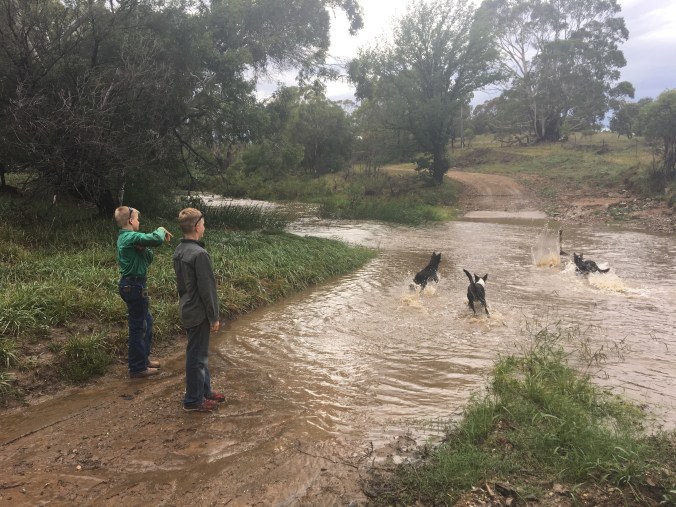
The following day we were underneath a cloud burst.  35mm of rain fell in around half an hour, turning our garden into a raging torrent.  On this occasion I was at work, but my wife was at home, and took a series of photos showing something of the water coming down the hillsides.

Our creek quickly rose to impassible.  The water was deep and quickly flowing.  Whilst the water level also fell quickly, there was a lot of debris and mud washed onto the crossing.  The next morning revealed the true extent of the damage.  The concrete base was still place, but had been covered by large rocks.  The approaches had been covered in a thick layer of mud.

It took a bit of work, but I soon cleared the approaches to the creek of most of the mud.  It made me appreciate again how having the right tool for the job is so important with the tractor and its grader blade making a reasonably neat job.

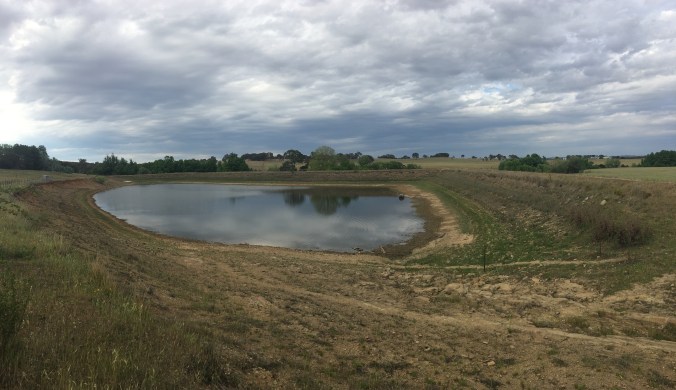
The Not-So-Little Helpers were put to work clearing some of the debris from the dam overflows.  The sheer volume of water meant a lot of the dams over-topped their walls – greatly increasing the chance of failure.  There is a lot of work still to do around the place ensuring drainage lines are cleared.

But the best part was comparing the change that had happened.  Dams that had been dry were now full.  And the creek was a whole new wonderland to explore… especially if all you want to test is how long it takes to find a hole deeper than your gumboot!

It reminds me of the immortal words of Dorothea Mackellar, in her poem My Country

Core of my heart, my country!
Her pitiless blue sky,
When sick at heart, around us,
We see the cattle die – 
But then the grey clouds gather,
And we can bless again
The drumming of an army,
The steady, soaking rain.

Fire Season Maintenance

We have a fire plan.  We hope to never use it.

Our plan is a living document we have worked through with the kids, and details what actions we should take:

  • prior to the start of the fire danger season
  • if a Catastrophic Fire Danger day is forecast
  • if a fire is detected

The critical decision point occurs if a fire is detected.  We have to make a decision to either stay or evacuate.  Our children are now mature enough to be part of this decision process and are critical to its success.  Our fire plan is complicated by the very likely possibility that if there is a fire, I will be fighting it somewhere else with the Rural Fire Service.

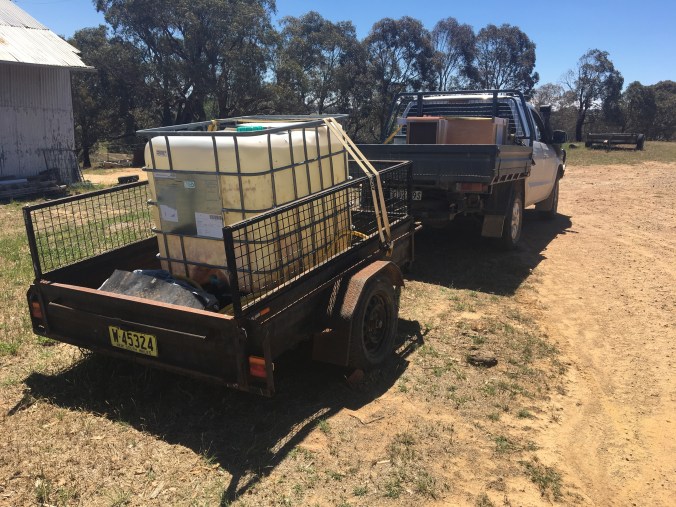
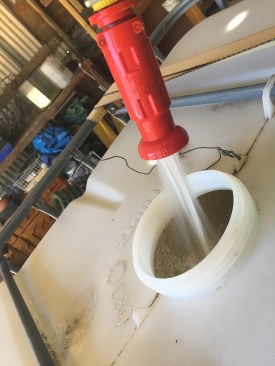
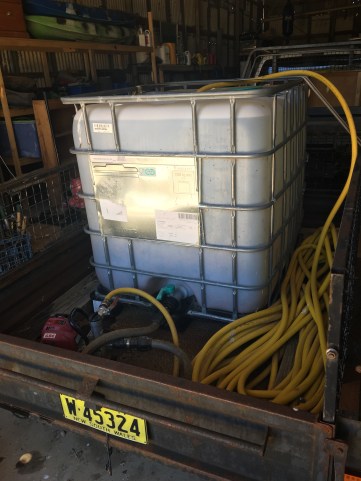
One part of our fire plan is the ability to put out small fires with our own private appliance.  To this end, we have fitted an IBC 1000 litre tank with a small Honda pump to an old trailer.

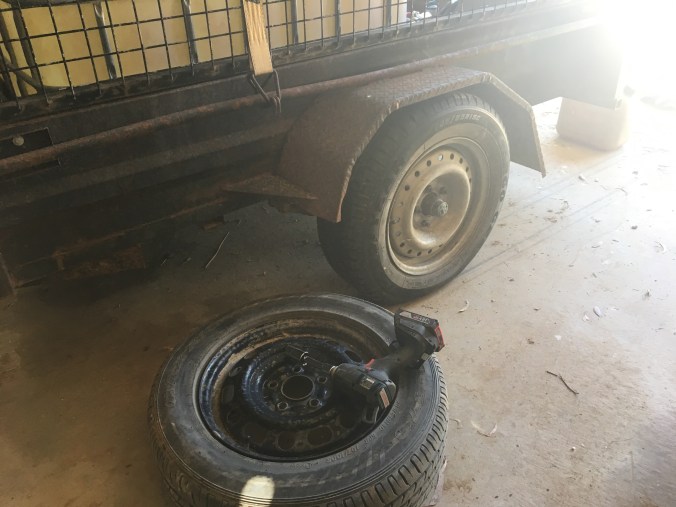
The trailer sits by the shed, easily accessible.  I gave our fire trailer a service a couple of months ago (the fire danger season starts on 1st October).  All was in order, but during my rounds the other day I noticed one of the tyres was flat.  I pumped it up, but over the course of a few days it slowly went flat again.

It was a quick job to change the tyre over, but I also took the opportunity to double check everything else still worked.

After flushing out the old petrol, it was time to pull the starter and get the pump running.  Somehow the throttle was a bit stiff, but after a bit of lubrication in the form of WD40, it was soon working as expected.

The whole job didn’t take too long, but it is nice to tick off one small little job (again) in our fire safety preparations.

I just hope we don’t have to use it.

A terrible Miss-Steak

Last week was a mixed bag on the Rock Farm.  We enjoyed a glorious 12mm of soaking rain. A fox killed all our chickens.  Our sheep disappeared and we found all them roaming the neighbour’s place. The steering arm fell off the tractor. Our ram got in a fight with an other neighbour’s ram, and in a sickening head butt, our ram killed their ram.  And one of our heifers made a terrible mistake.


The rain well worth celebrating.  Whilst it wasn’t enough to fill our parched dams – it was very much needed – even if the dog wasn’t so sure!  The little burst will hopefully allow our ryegrass and cocksfoot grass to set seed, even if it came too late for our clover.  And there is nothing like mustering recalcitrant sheep in the rain the remind you why you love this farming game!

With feed stocks dwindling, we took up the kind offer made by John, the heifer’s breeder, to return them to his farm in the Southern Highlands to make acquaintance with one of his young bulls.  The heifers are well used to the routine now of moving around the Rock Farm.  They quietly made their way into the yards for a short overnight stay before being trucked.

After all the dramas earlier in the week, this part was all going to plan.  It was almost too easy I thought.  I shouldn’t have even thought those words.

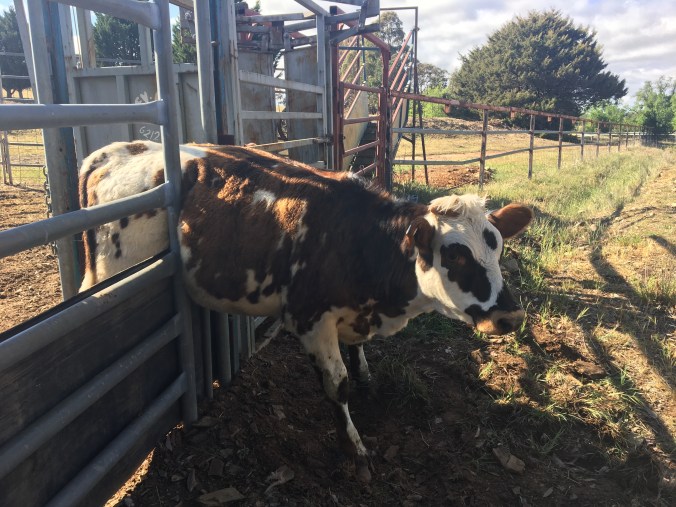
My troubles began when I moved some of the heifers into the race to drench them prior to the truck arriving.  No sooner had I turned my back, than one of the heifers tried to escape through a narrow personnel escape opening.  I still don’t know how she squeezed her shoulders through the gap, but it was immediately apparent that her hips weren’t going to follow the rest of her body.

She was stuck.  Properly stuck.  And then the audience arrived in the form of my wife Jo, and Jimmy who was carting the cattle.

After a couple of attempts to lift her back legs and pull her through, we realised we were down to only a couple of options.

  • Use the loader on the tractor to attempt to lift her and manoeuvre her hind legs through the gap.
  • Use an angle grinder to cut out the panel, however my generator is currently broken, meaning we would have to borrow a generator from someone or make an expensive trip into town.
  • Euthanize the heifer – a very much last resort – unless she became too distressed.

I raced up to the shed and grabbed a cattle sling, designed to lift cattle that are unable to stand.  It was when I tried to start the tractor, I realised I’d left the ignition on, thereby flattening the battery.  I am sure there was a very localised blue cloud forming over the Rock Farm at this time.

After eventually jump starting the tractor, we rigged the sling and started lifting.  We tried initially to lift her by the back legs, but that didn’t help.  We then put the sling under her chest and tried again.  With a lot of pushing, pulling, and twisting, combined with a good dose of luck, we eventually twisted her on her side.   Jimmy was able to wiggle her hips through the gap and she was free.

It wasn’t all good news though, the young heifer was very sore, especially in the right hip.  We made the decision that she was not fit to travel, and put her back in the yards.

I was too spent to take photos of the other girls on the truck, but the rest of the journey for them went without incident.  They were met by their new boyfriend, who was eager to make their acquaintance, a good looking young bull with plenty of Charolais breeding in him.

We kept the remaining heifer under close watch.  Thankfully she improved dramatically over the next few days.  After a week, she is walking without a limp. I hope to transport her to meet up with her herd, but it is hard to justify carting her on another truck.  I figure it is time to see if we can train her to use the old horse float.

To that end,  I brought her back in the yards, and moved her water trough and hay into the back of the float.  Her initial response was understandably wary.

But within 24 hours, when checking on her water, I spied her comfortably eating inside the float.  I will let her spend a few more days getting used to the float, before attempting to move her.  I will also fabricate a couple of bars to prevent her from jumping out over the tailgate before we move her.  That would be disastrous.

Of course you don’t get to do something this crazy without earning yourself a special place in the family’s heart.  Nor do you remain anonymous.  So the family decided to name our escaping heifer Miss, short for Terrible Miss-Steak.  I hope it is the one and only occasion she lives up to her name!

Barley Grass and other Pasture management

It has been a long Spring full of unfulfilled promises on the Rock Farm.  Weather forecasts predicting a 90 percent chance of 10 – 15mm of rain in three days time have withered to a 10 percent chance of 0 – 1mm.  Barely any rain has fallen, and the grass has been in a desperate race to set seed before it dries out completely.

The photo above captures the half dozen drops that fell a couple of weeks ago.  Whilst the sky looked promising, it failed to deliver.

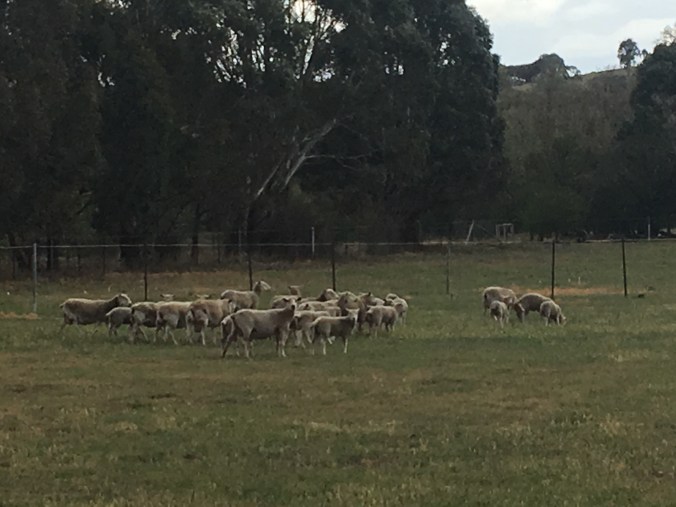
Readers may remember that I had a paddock full of thistles when we moved to the Not-So-Rocky Rock Farm.  I slashed the thistles a couple of times over the summer, with the aim of preventing the thistles going to seed.  (https://rockfarming.com/2018/01/04/managing-thistles-on-the-new-farm/)  After slashing the paddock, the sheep moved in, and kept the grass down over winter – until about three weeks ago when the took it upon themselves to move out (The fences have never held the sheep anywhere – even this paddock which is mostly fenced with hingejoint).

The culprit was Barley Grass.  Barley Grass (Hordeum Leporinum) is a soft annual grass with bristly fox-tail like seed heads.  Once the seed heads form, it is unpalatable to sheep or cattle.  The seed heads get embedded in the sheep wool, reducing their capacity to put on weight.  Given the option to move out, our sheep had done exactly that.

On the flip side, the thistles were not so prevalent, which was pleasing to see.

With a desire to use a chemical free process to control the grass, I consulted the internet and found this guide published by HerbiGuide:   http://www.herbiguide.com.au/Descriptions/hg_Barley_Grass.htm

HerbiGuide recommended heavily grazing the paddock until the seed heads turned yellow.  I brought in the cattle,  and gave them a week to reduce the seed burden in the paddock.

It was also a good chance to check out some of the serrated tussock I sprayed a month earlier.  It seemed that the fluproponate was effective, which was a relief.

After a week of grazing, the cattle had reduced the barley grass a little, however the hot dry weather had started to turn the seed heads yellow.  In a last minute effort to reduce the grass seed being viable, I removed the cattle and took the mower down to the paddock and slashed the remaining stalks.  I am not sure if I have managed to cut the heads before the seed is viable, but it may allow the sheep to move back in and graze the stubble in the lead up to the end of the year.

I hope that grazing and slashing the paddock will significantly reduce the prevalence of barley grass over the next couple of years.  I will need to heavily graze the paddock in late winter and spring before the seed heads form. The cattle and sheep will form am integral part of this process, and it is exciting to be using the livestock as a tool to improve the pastures on the Rock Farm.

We are now at the end of the grass growing season.  Whilst is rain forecast this week, it will do little to increase our feed for the stock.  What it may do is replenish some water in our dam, which is looking very low.  We are investigating options for stock feed and agistment, and will update you soon on where we are at with this.

In the meantime, we will keep our fingers crossed.  At this time, we will take any rain we can get!

A dry spring on the Rock Farm

My last post was about managing weeds during the spring growth.  Unfortunately the hoped for spring rain didn’t eventuate.  Even as parts of the State are getting some of their best rain in months, we have managed a paltry 3mm.  It is better than nothing, and might give the clover the break it needs to set seed!

Our property has an interesting arrangement where the road access comes in and past the house to the paddocks. Like all roadsides / laneways, this is rarely grazed, because of the inconvenience to traffic.  But it was the only part of the property the cattle hadn’t grazed and every bit of grass is precious at the moment.

Several fences needed to be fixed up, and water provided before I could contemplate putting the cattle in the laneway.  Even so, I still used temporary electric fence to allow the cattle right up to the garden – a treat they all enjoyed!

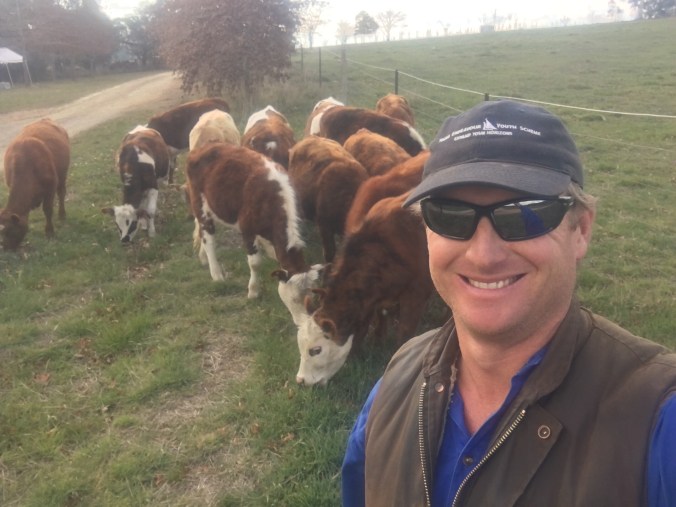
In fact the cattle were so happy to have access to the special grass near the garden, they hardly noticed me sneaking in close for a Selfie!

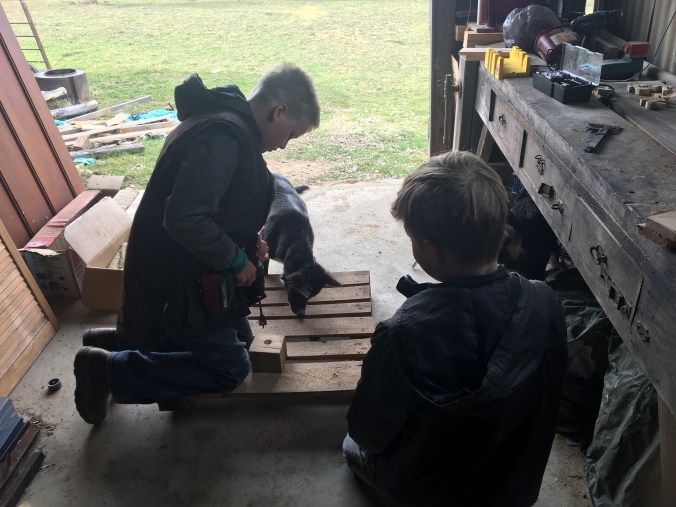
School holidays is an exciting time for the kids.  As they get bigger, their commitments grow too, with sporting camps keeping them busy for the first week.  These are fantastic opportunities for them, but I also love seeing them get creative in the shed.  Of course the dog is in the thick of it too, causing equal measures of delight and frustration at her efforts to help.

Speaking of the shed, our region is often windy in Spring.  Very windy.  And the old shed was looking a little worse for wear, with several sheets of corrugated iron roofing sheets looking like they wanted to lift off.   The shed is of unknown vintage, and in the fine tradition of most Australian farms, it has been made of second hand recycled iron and fencing wire.   It gives it a certain charm, but would be a huge inconvenience if it was actually destroyed.  A little bit of preventative maintenance was in order.

The advantage of so much sunny weather meant that I was able to replace some of the very loose nails with new roofing screws, without the risk of rain making the roof treacherous. I fabricated some brackets and purchased a harness to provide some comfort whilst working aloft.

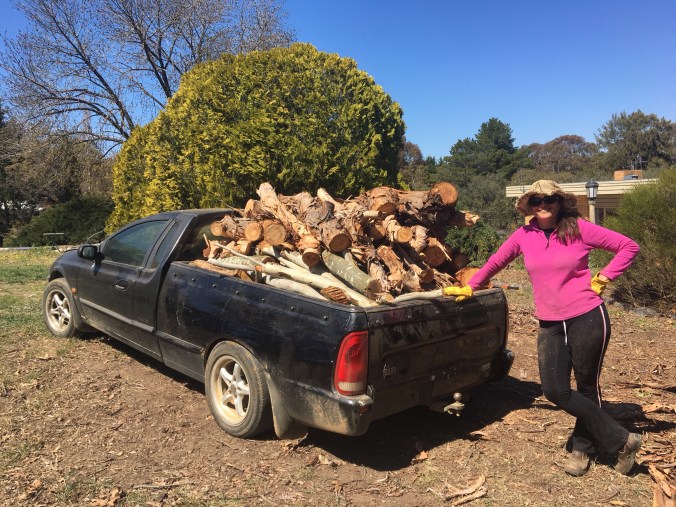
And then there was the garden.  Neglected and in need of a bit (lot) of work, it was time to get the chain saw out for some ‘pruning’.  With a garden that is around 2.5 acres, there are always trees to prune.  The black wheelbarrow made the carting of the firewood size pieces a lot more manageable.

All the other branches and lighter sticks and twigs were thrown on the back of Myrtle – the big red truck, and taken down to the paddocks.  We found a remarkable sight.  Under similar tree prunings, deposited in the paddock six months earlier, we found growing lush, green grass and clover.

I think there are three possible reasons for this (or a combination of all three).

  1. As the branches break down, they release nutrient into the soil,
  2. The branches provide a physical barrier stopping kangaroos from eating the grass (this paddock has no other stock in it), or
  3. The branches provide shade to the grass, making what little moisture there is more effective.

Thus encouraged, we will keep putting our prunings into the gullies and over bare soil.  It is great to see positive results for our efforts.

On the Rock Farm, the only place where the grass has been most prolific in its growth is the garden.  With the current season being so dry, it feels such a crime to simply cut the grass with a mower.  But, the grass was getting long, and the snakes are coming out.  So I got right onto my next job, and brought in the one horse power self propelled mower model.  Best part is, you don’t have to sit on it as it gets to work – but that can be the best bit!

Rainy day

The past few weeks I have been concentrating on fixing up my fences.  As the Rock Farm was originally set up for horses, there are lots of little paddocks, all fenced with plain wire.  These fences have been mostly cattle proof, but the sheep can (and do) wander where they like.

The small paddocks means I have been able to rotate the cattle with short bursts of intense grazing with long spells, inspired by Allan Savory.  The initial results are promising, with the pasture responding really well to being rested between short bursts of grazing.

The problem has been that many of the fences have been in such poor state of repair that the cattle have been able to push through to other paddocks, undoing any gains made.

Many of the wires were broken where kangaroos have pushed their way through over the years.  In repairing and straining these wires, I found I needed to improve my fencing skills.  I learnt an excellent knot which I have put to good use.  As I am no expert, you’re best watching the video by Time Thompson yourself:

My fencing has been going well, getting a little bit done here and there when I had the time, until last Friday when we had the unexpected pleasure of 10mm of glorious rain.  Light showers fell on-and-off during the day, making the wire extremely slippery.  After slipping and having a piece of wire flick up and cut my cheek, I looked at the dog, and decided to follow her lead.  It was time to do something else.

Inside jobs are many and varied.  I contemplated sorting out the shed… for just a bit.


And then decided that I really needed to sit down with a hot cup of coffee by the fire inside and take a Naval “Make and Mend” day…  It was quite pleasant to sit and repair my favourite oilskin vest.

The fences are still there, and I am still working away at getting them back in order.  The cattle are mostly contained now, with a few paddocks still to go.  Of course it is a never ending task, and I am sure I will still be working on fences as long as we have livestock, kangaroos and wombats…  but there are fewer more satisfying things than spending a day outside working on the Rock Farm 🙂

A cold winter

Winter is a lovely time on the Rock Farm.  The frosty mornings are an absolute delight to behold, and curling up with a good book in front of a slow combustion fire is a wonderful way to end the day.  It is also usually a chance for the soil moisture to rebuild and provide a good basis for spring growth.  Sadly thus far, this winter has been far drier than normal.

The drier weather has seen our night time temperatures plummet, with consecutive nights down below minus 5 degrees.  Very cold, especially when our new home doesn’t have any insulation!  So our best management plan was to take a lead from nature and migrate north… well at least for the school holidays! After a couple of lovely weeks catching up with family, it was great to come home to the Rock Farm.

img_3122

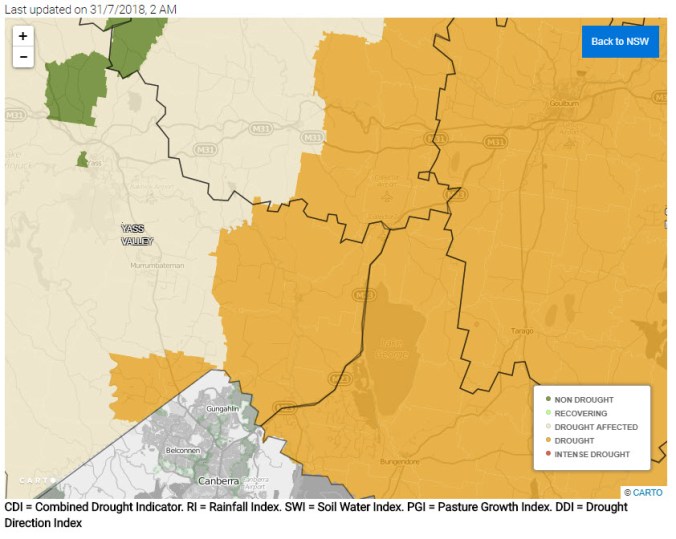
We have been doing better than most, but the Rock Farm is now officially in drought (Source: https://edis.dpi.nsw.gov.au/) .  The long range forecast is also looking grim, with the Bureau of Meteorology predicting that we have an 80 percent chance of a drier than average season  (Source: http://www.bom.gov.au/climate/outlooks/#/rainfall/summary).  We will soon need to make some hard decisions as to our stock, especially as we want to maintain a good ground cover of grasses.

DPI Drought Areas 31 Jul 18

That doesn’t mean we have been without water entirely!  We came home from our holidays to several new ‘freshwater springs’ around the Rock Farm.  The cold mornings, coupled with old pipes had caused several fittings to fail.  The water might have made the ground a little softer and easier digging, but it was so cold!  We cleaned and replaced the old fittings with new good quality fittings.  Hopefully they will last longer than the old ones did!

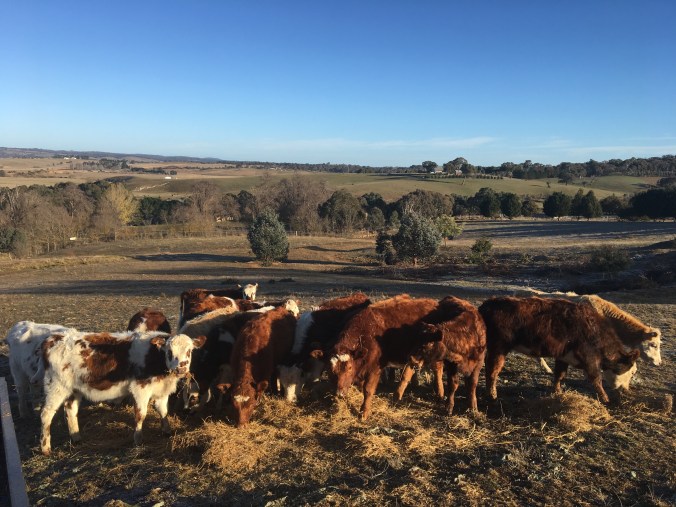
The stock have been slowly making their way through our remaining grass.  We have a little bit of old hay in the shed that they consider a treat.  It is great for keeping them quiet and happy to see me, but has little nutritional value.  Fodder prices are soaring in NSW as the drought hits, and we hope to have enough rain to give strong spring growth.

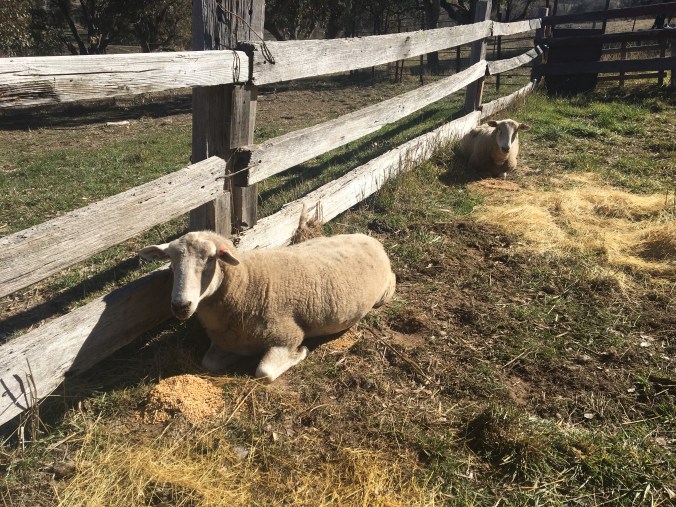
The ewes have been taking the pick of the grass.  Unfortunately a couple of them have come down with Lambing Sickness or Pregnancy Toxaemia.  I have since learnt (from the excellent NSW DPI web page: https://www.dpi.nsw.gov.au/animals-and-livestock/sheep/health/other/pregnancy-toxaemia-in-breeding-ewes) that this is likely to have been caused by the ewes carrying twins, and being over-fat.  We are nursing these girls through, and whilst I don’t hold much hope we can save their lambs, hopefully we can get them through.  I will make sure they’re not so heavy next year.

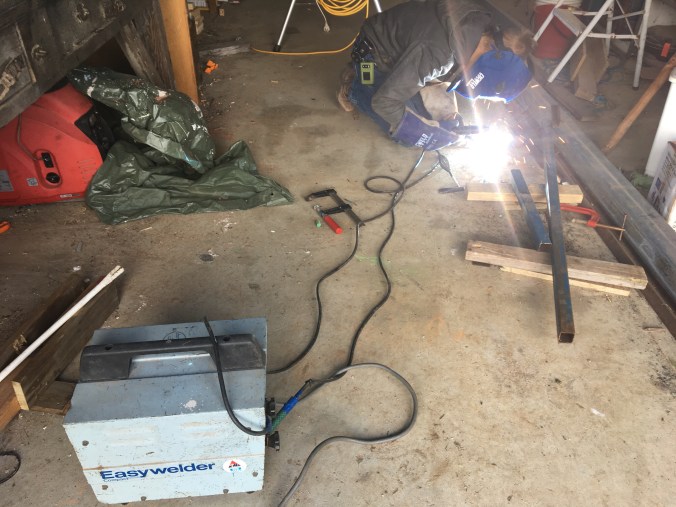
In other happenings, the Little Fisherman has been at me for a while to teach him how to weld.  After a couple of You-Tube videos, he figured he had enough of an idea to hit the tools.  A couple of bits of scrap metal and some clamps and he was away.  I explained to him that welding is one of those skills that anyone can do, but it takes a lifetime to master.  He now understands why – and I freely admit he has already surpassed my skills!

And so life continues on the Rock Farm.  It is great to be back 🙂

Stockyards Rebuild – Part II

Work has continued on our improved stock yards, albeit a little slower after my father returned home.  I was really happy with the new layout, but had a bit of work to finish the yards, and make them suitable for handling sheep as well as cattle.

The design of cattle yards world wide was revolutionised by Temple Grandin.  She recognised that cattle move much more effectively along a curved chute.  She also realised that if the yards are visually solid, the cattle are far more likely to move towards open areas.  It is hard to incorporate all her ideas in such a small set of yards, but we tried as much as possible to follow her philosophy in our design.

The yards are a mixture of panels, with various shapes and sizes bought at different times.  We were able to re-use all the panels – although at times we had to get a bit creative to get the joining pins in place.  My main focus was to ensure the exterior sections of the yards were stock proof, and in the areas that would receive the most pressure, I fixed the conveyor belt to the panels.

Fortunately I had an old length of conveyor belt in the ‘resource centre’ that could serve two purposes.  It will provide a visual barrier for the cattle and a physical barrier to keep the sheep, especially lambs, in the yards.  Unfortunately the belt is extremely heavy to work, but once it is unwound, it becomes a little more manageable.

The supervisor wasn’t much help!  Although to be fair, the afternoon sunshine was rather soporific.

The holding yard was another story.  We created a large yard using panels and weld-mesh.  Weld-mesh is not ideal for yards.  Horned stock can get their horns caught in it, and younger cattle and sheep can get their feet and legs tangled also.   But in this yard, the stock will not be subject to the same pressure they are in the holding yard, and again we used curved lines as much as possible to encourage the stock into the forcing yard with minimal fuss.  The mesh was fixed to the panels using tie-wire.

It is a lot better than the gates held together with bailing twine that were used to form this yard originally.

img_2850-1

And so, what do the stock think of it?  The Little Helper and I only rammed in the last anchor a couple of days ago, so we haven’t got around to testing the improved yards yet.  I have continued to move the cattle every week or so to a new area, and they are really responding well to a gentle nudge – but it will be a few more weeks until I have them back in that part of the farm.

It is a relief to know that if we do need to bring the sheep or cattle into the yards for any reason, we now have a safe and secure place to work them.