Some more on weeds

It has been a hot few days on the new Rock Farm.   I will talk about our fire-plan in the near future, but in the mean time I have been researching some of the weeds that I have identified on the property, and developing strategies on how we will deal with them.

The best place to learn about weeds in our area is the NSW DPI (Department of Primary Industries) WeedWise website http://weeds.dpi.nsw.gov.au/.  The NSW WeedWise page is a wealth of information about what plants are listed as declared weeds in NSW, including priority weeds for different regions.

They also have a handy WeedWise App, which I have downloaded onto my pocket brain.  This means I have access to the full weed database and recommended treatment options all the time.

http://weeds.dpi.nsw.gov.au/

Managing weeds is the responsibility of the land owner.  Sadly infestations of certain weeds can render arable farmland next to useless.  It is also the source of much frustrations between neighbours particularly given the way most weeds spread with no regard to fences or boundaries.

Whilst I would love to ensure our weed management practice is chemical free, I don’t believe this will be achieved in a timely or cost effective manner.  The WeedWise site and app provide information on chemical free, mechanical and selective grazing weed removal techniques, as well as methods using chemicals.

But no matter what technique you use, the best time to start is the present!

Tree of heaven

Tree of Heaven – source http://weeds.dpi.nsw.gov.au/Weeds/Details/142

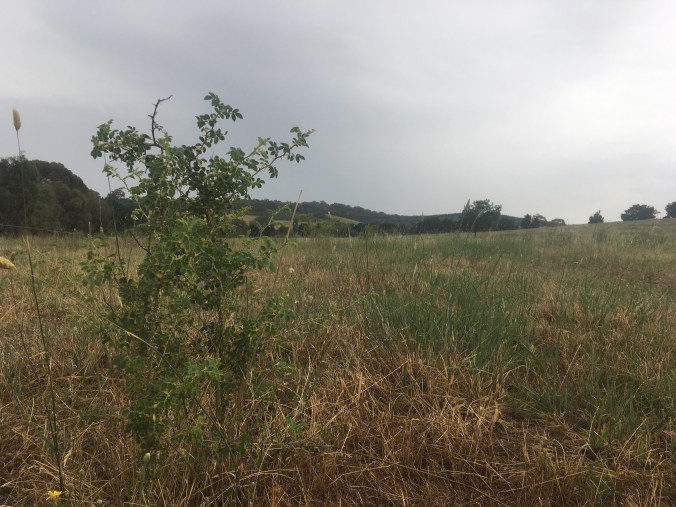
Tree of Heaven (Ailanthus Altissima) is a plant of Chinese origin that is highly invasive and quickly chokes an area.  I have found one large plant and dozens of suckers in one of the old horse holding paddocks.  Mechanical removal requires the removal of all root matter as it will readily shoot from the smallest remaining root.  This will take concerted effort to get rid of, and will be best approached with a combination of mechanical and chemical methods.

Sweet Briar – (Rosa Rubiginosa) Is common in a lot of our paddocks.  Sheep eat young plants whilst goats will defoliate and ringbark the plants, killing it.  I have slashed a number of these plants in the paddock the sheep are in, hoping that the sheep will eat the young shoots as it re-sprouts.  Apparently cattle don’t eat Sweet Briar – meaning sheep stay part of the wholistic management process for this weed.
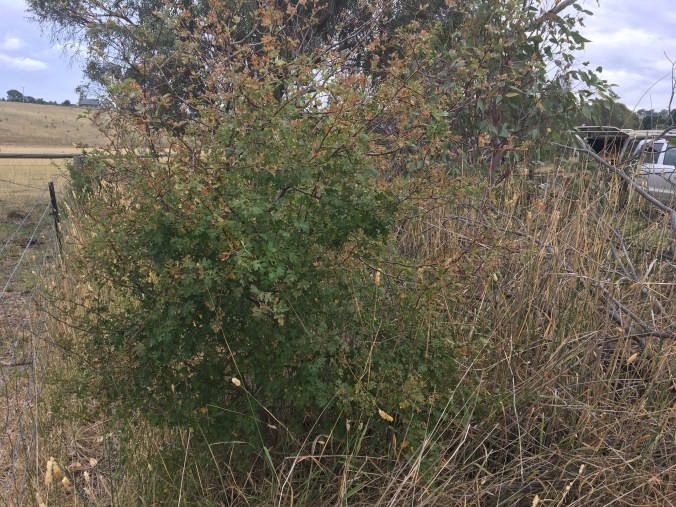
Hawthorn (Crataegus Monogyna) is also present but thankfully in only small numbers.  I will try to keep on top of the Hawthorn thickets and ensure they are mechanically slashed and see if the sheep will keep on top of the suckers.  The only catch to all this is I need to ensure my paddocks are sheep proof – and this will take additional work!
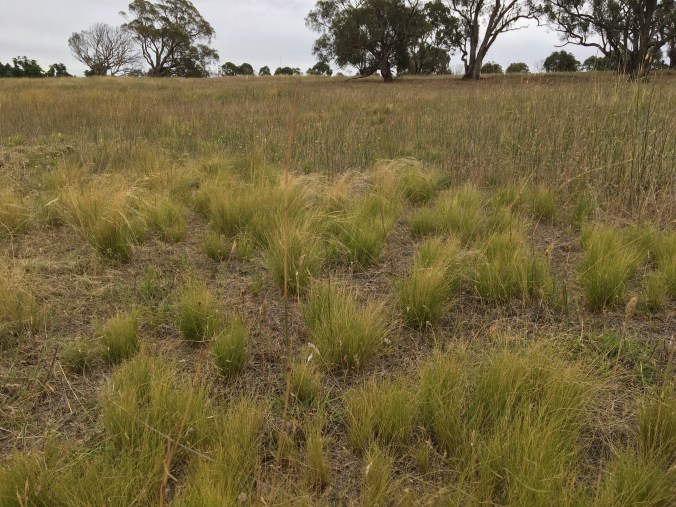
Serrated Tussock (Nassella Trichotoma) is common on our property.  It made its way to Australia during the Gold Rush of the 1850s where it was used as stuffing in saddles.  Not palatable for stock, it is most cost effectively controlled by spot spraying individual plants.  The main chemical, flupropanate can also be applied in a granular form using a device similar to a salt shaker.  The granules will activate in rain and provide a long term herbicide against re-germination of the plant, with minimal effect on other pasture, or it can be sprayed in a solution form.
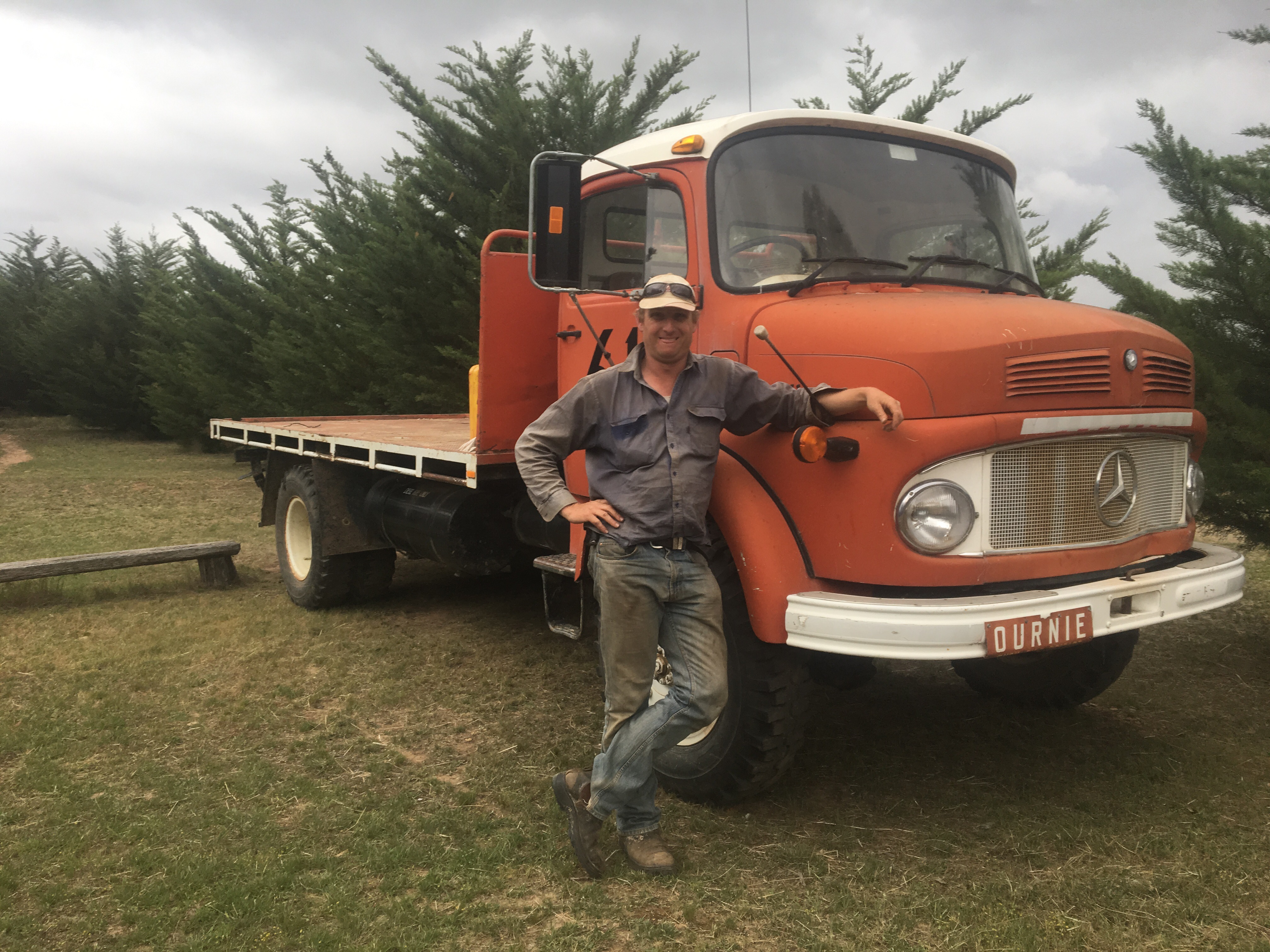
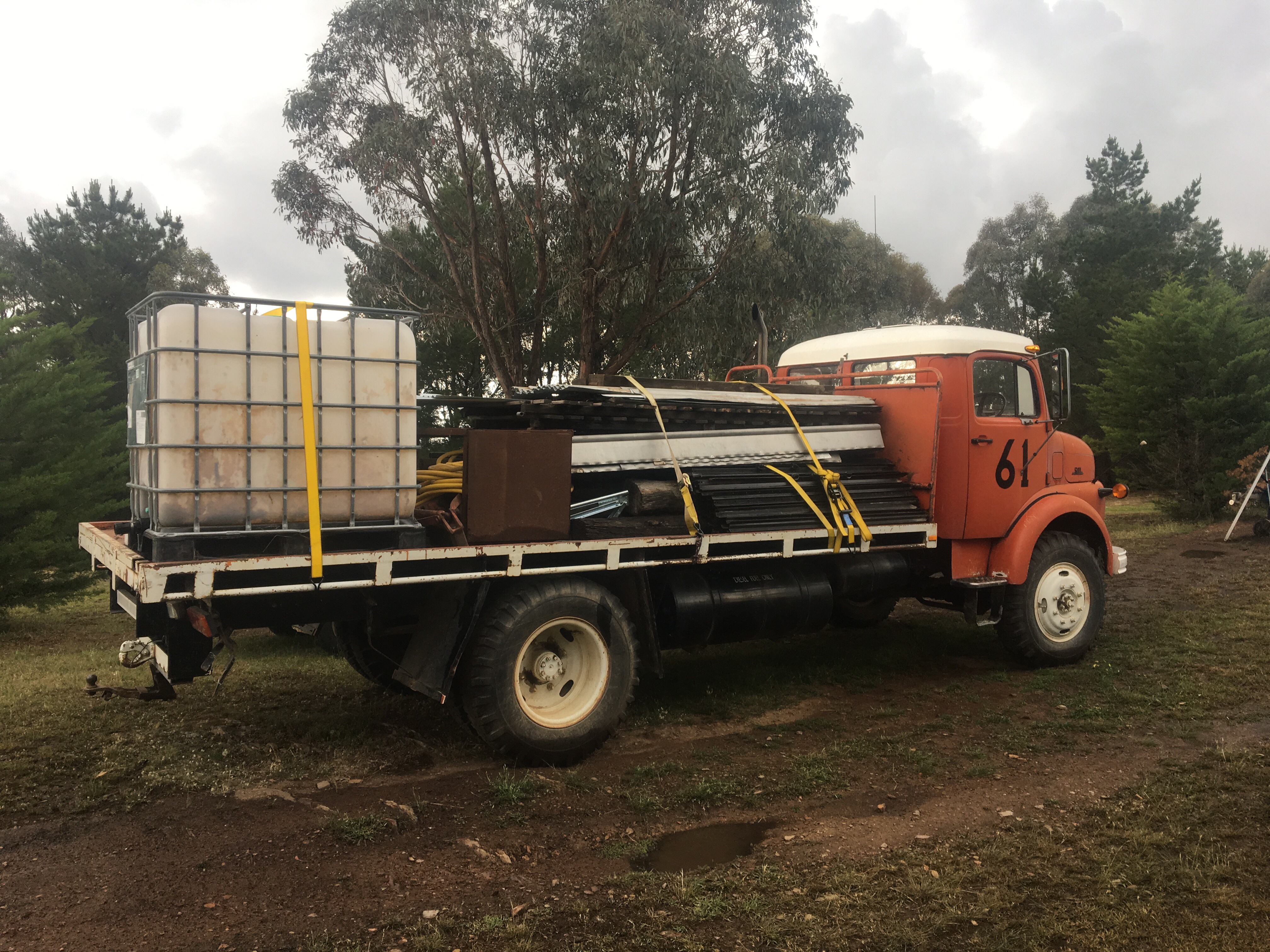
Weed control is one of many competing demands on my time at the new Rock Farm – but I hope to have these plants under control and better managed within a year or so.  If anyone is keen to come and help me chip out some weeds, I’ll gladly shout you lunch!

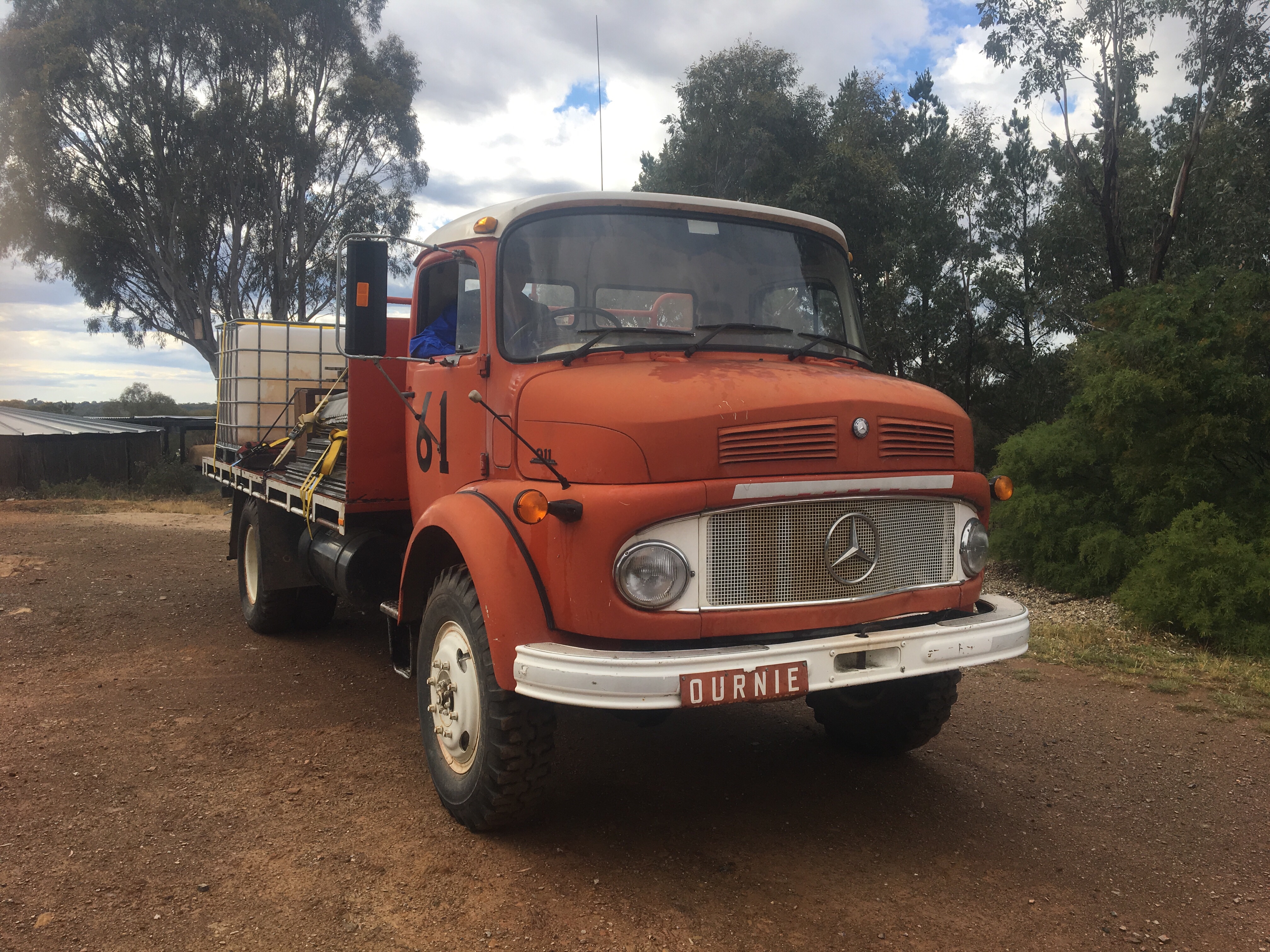
Myrtle – The Mercedes-Benz LA911

Every man is allowed a mid-life crisis car, aren’t they?  Usually these are red, have two doors and are made by one of the great marques.

Of course, the picture in your mind might not exactly match what we ended up getting, but when I took the family to Ournie to meet the red, two door, all wheel drive Mercedez-Benz, it was simply love at first sight.

img_1722

When we turned up to look at the big red truck, we met a real character in its owner, Michael.  Michael’s first question was almost impossible to answer.  “Whaddaya want to use it for?” he asked…

I didn’t really know what to say.  I mumbled something about using it for a horse truck.

“Nah.  Too slow for that.”

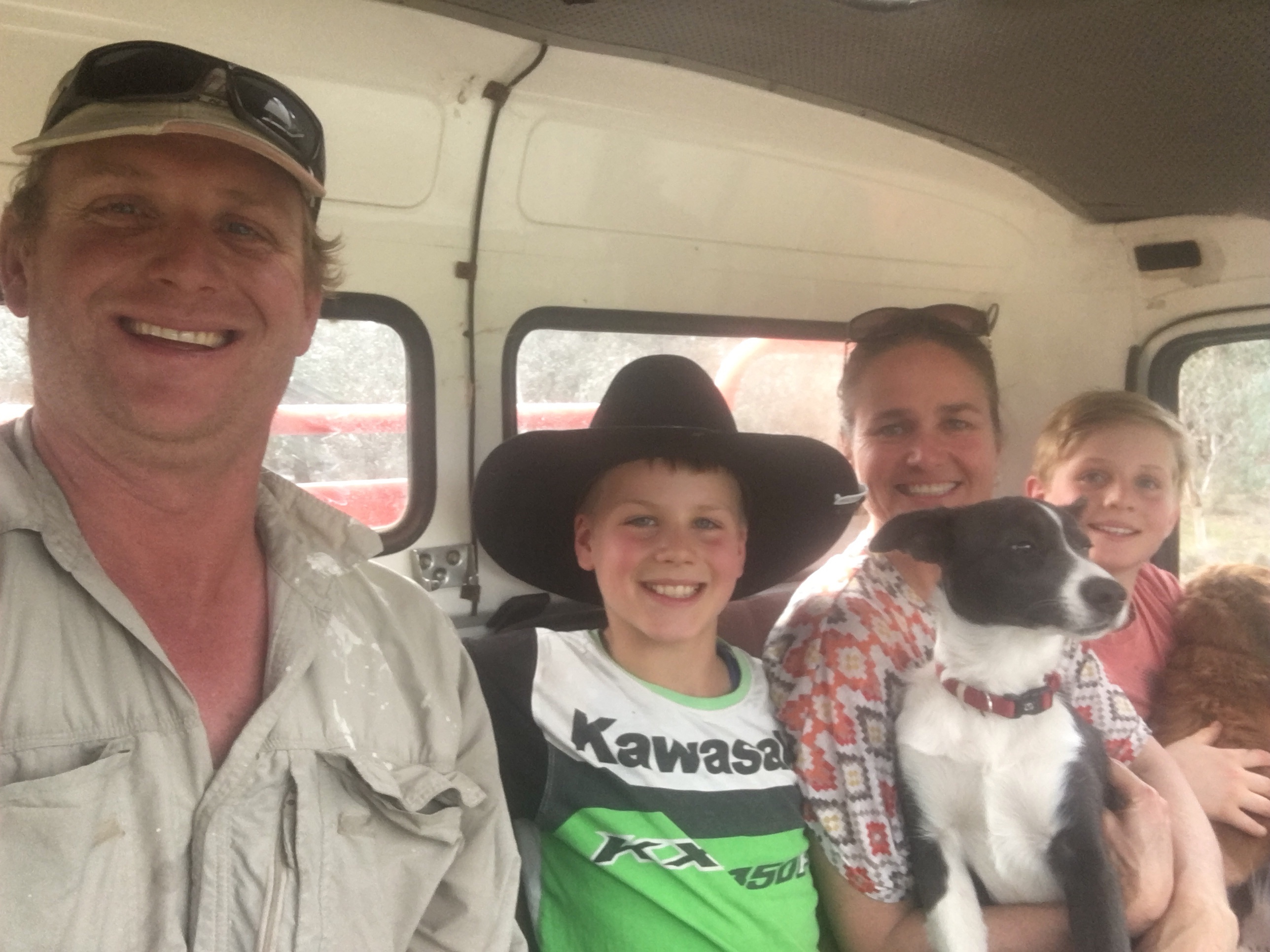
“Um…  I don’t really know.” I confessed.  Michael look at me curiously.  I think he thought I was just a little mad.  But nonetheless he let me take the take the family for a spin.  And we were hooked.  Slow it might be, but it was so much fun.

With the move coming up, I could see a real benefit in being able to load up all our farm equipment onto the truck – and so it didn’t take much for me to say yes.

And Myrtle?  The name came from a story dating back to its RFS days.  The truck was going flat out to a fire near Ournie, with a full load of water and a crew onboard.  One of the crew looked out the window and said over the roar of the engine “Oh look, we’ve been overtaken by a turtle”.

img_1820-1

This is one of the last LA911 trucks made in Stuttgart Germany.  It rolled off the production line in 1983, and was initially delivered to Telecom, before being transferred to the Ournie Rural Fire Service sometime there after.  It has traveled a mere 38,000km making it barely run in.  That said, the hills around Ournie are pretty steep, and given this truck gets along at around 70km on the flat, it would have plenty of hours on the clock.  These trucks have been known to put up with years of abuse and hard work, opening up large parts of Africa and South America where the term ‘roads’ is an euphemism.

img_1881

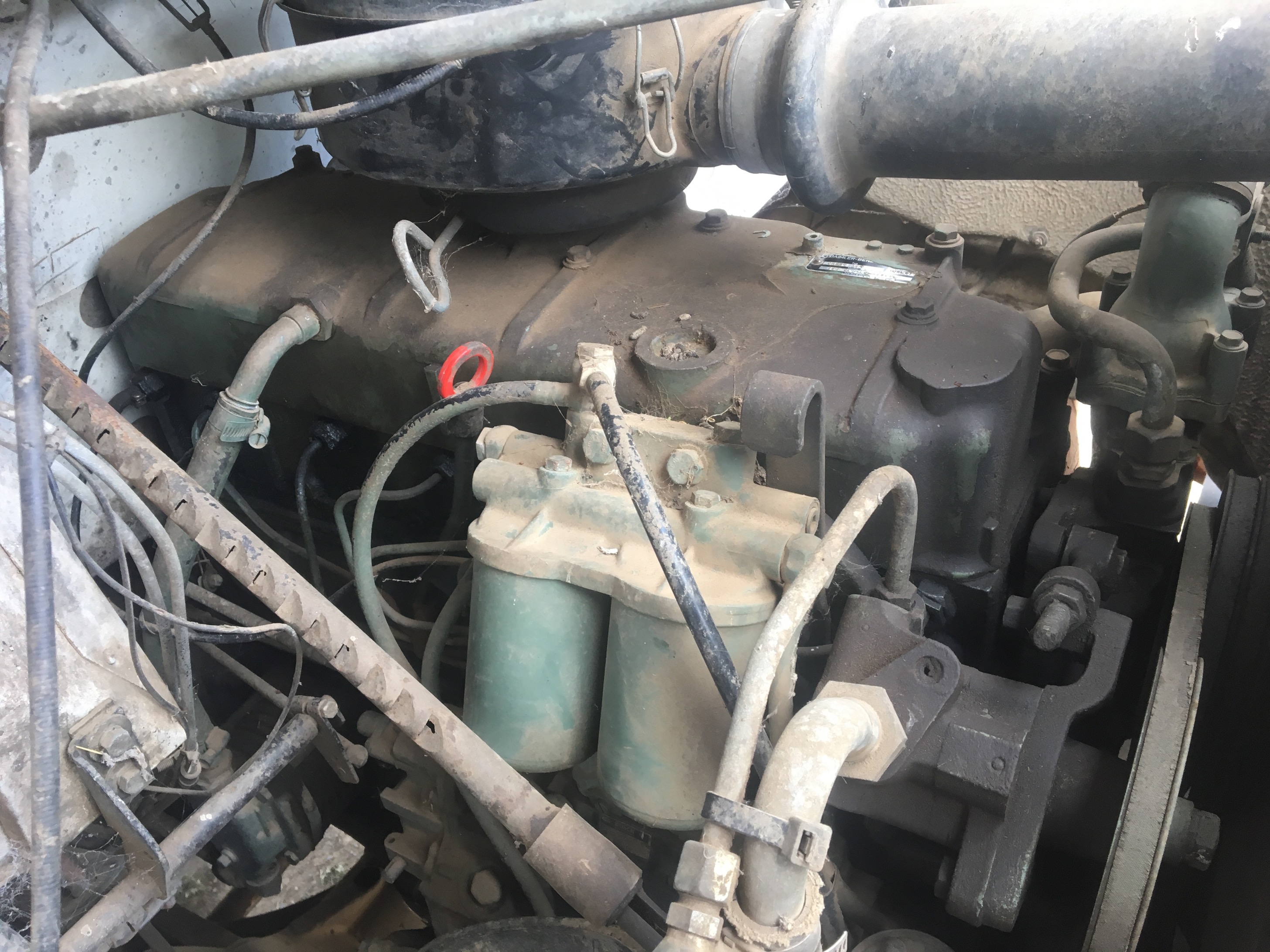
The engine is the venerable OM352, a 5.7 litre direct injection 6 cylinder diesel renowned for its longevity and simplicity.  The OM352 commenced production in 1964, and is found in trucks, tractors and boats the world over.  Later models were turbo-charged, however this one is naturally aspirated.

OM352

I feared parts were going to be an issue, however Donaldson Motors in Melbourne has a full parts catalogue online – and most parts in stock.  The truck does need a new hand throttle fitted (as this also shuts the engine down), and a new one was delivered from Singapore within a week.  Impressive service indeed.

Nearly everyone who has seen the truck reckons it is fantastic, and loves it.  Except for one, who reckons I’m crazy.  But he’s a diesel mechanic.  What would he know?

So what are we going to use it for?  Well I do have a couple of ideas, but I reckon it would make a great camper.  With a coffee machine so I can sell coffee in remote areas and fund our travels.  In the mean time, it might haul firewood on the new not-so-rocky farm.  And i reckon it makes me look pretty cool too.  After all, isn’t that what a mid-life crisis car is supposed to do?

The new ‘not-so-rocky farm’

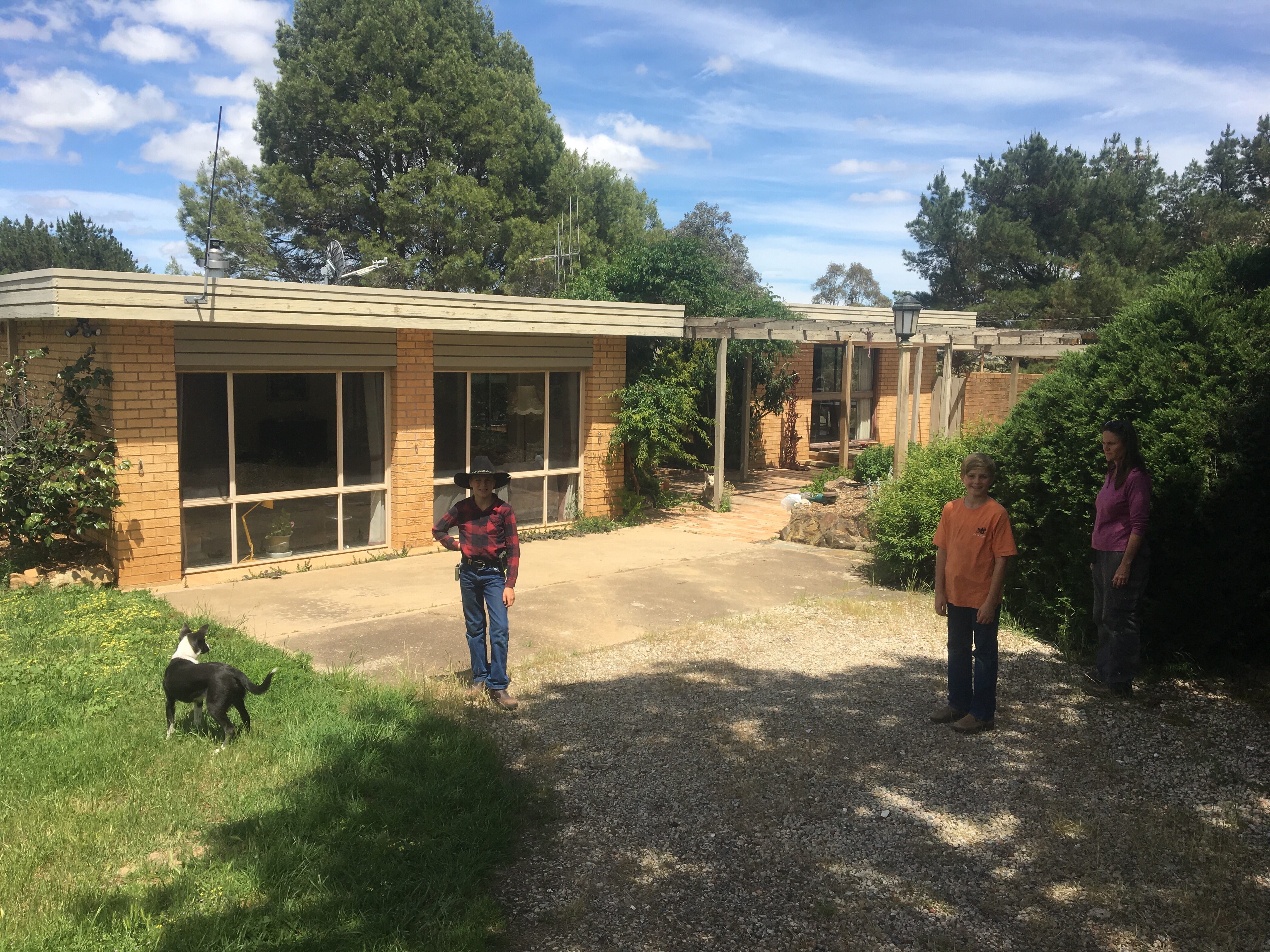
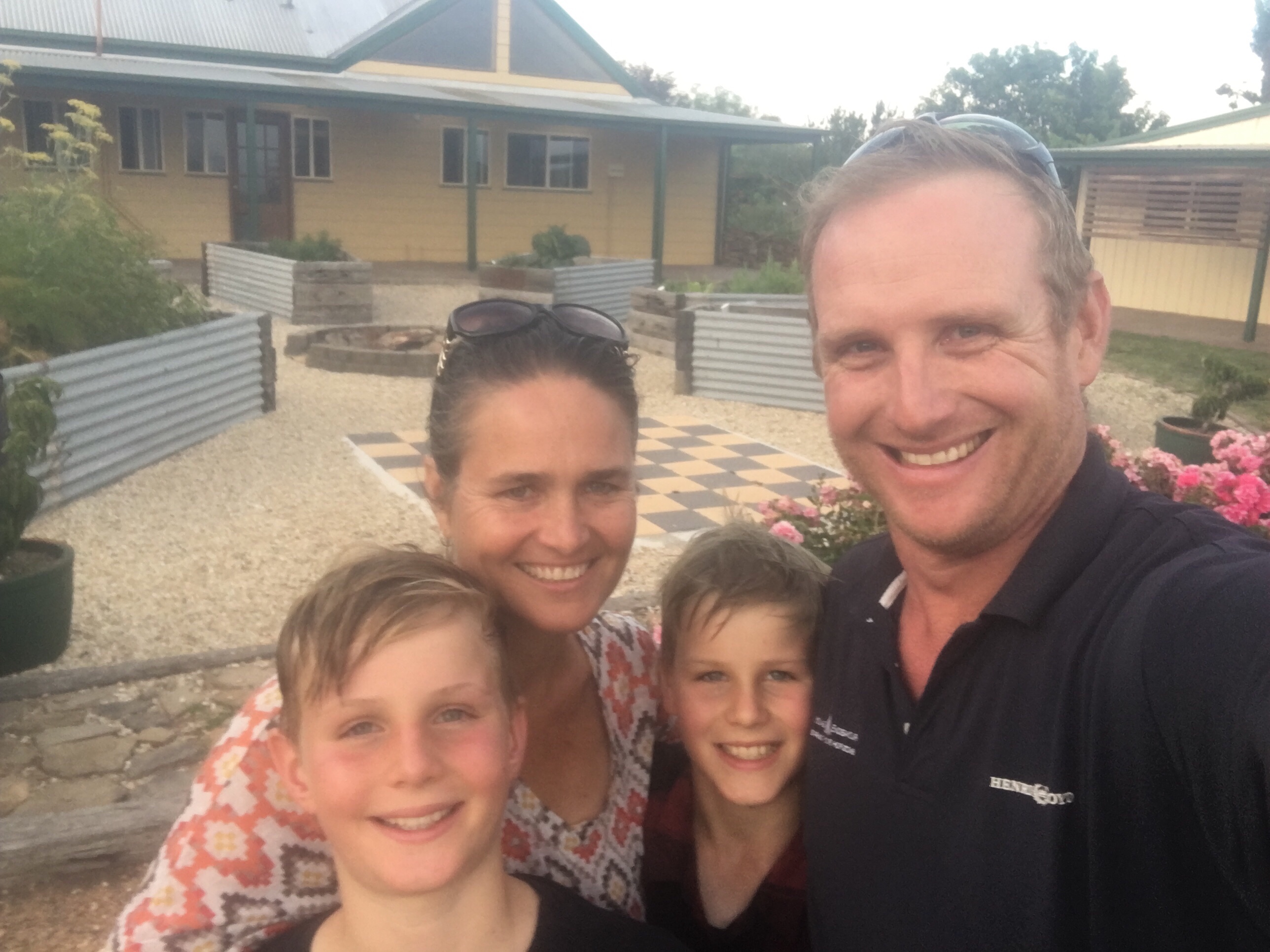
After the whirlwind of the last three months, we are excited to be finally settling into our new home.  We have started unpacking boxes, the shed is slowly coming to order and we are starting to realise that Christmas is only a couple of days away.  It has taken a lot of ducks to line up in order to pull off the move, and more people than I could ever imagine to thank, but here we are.

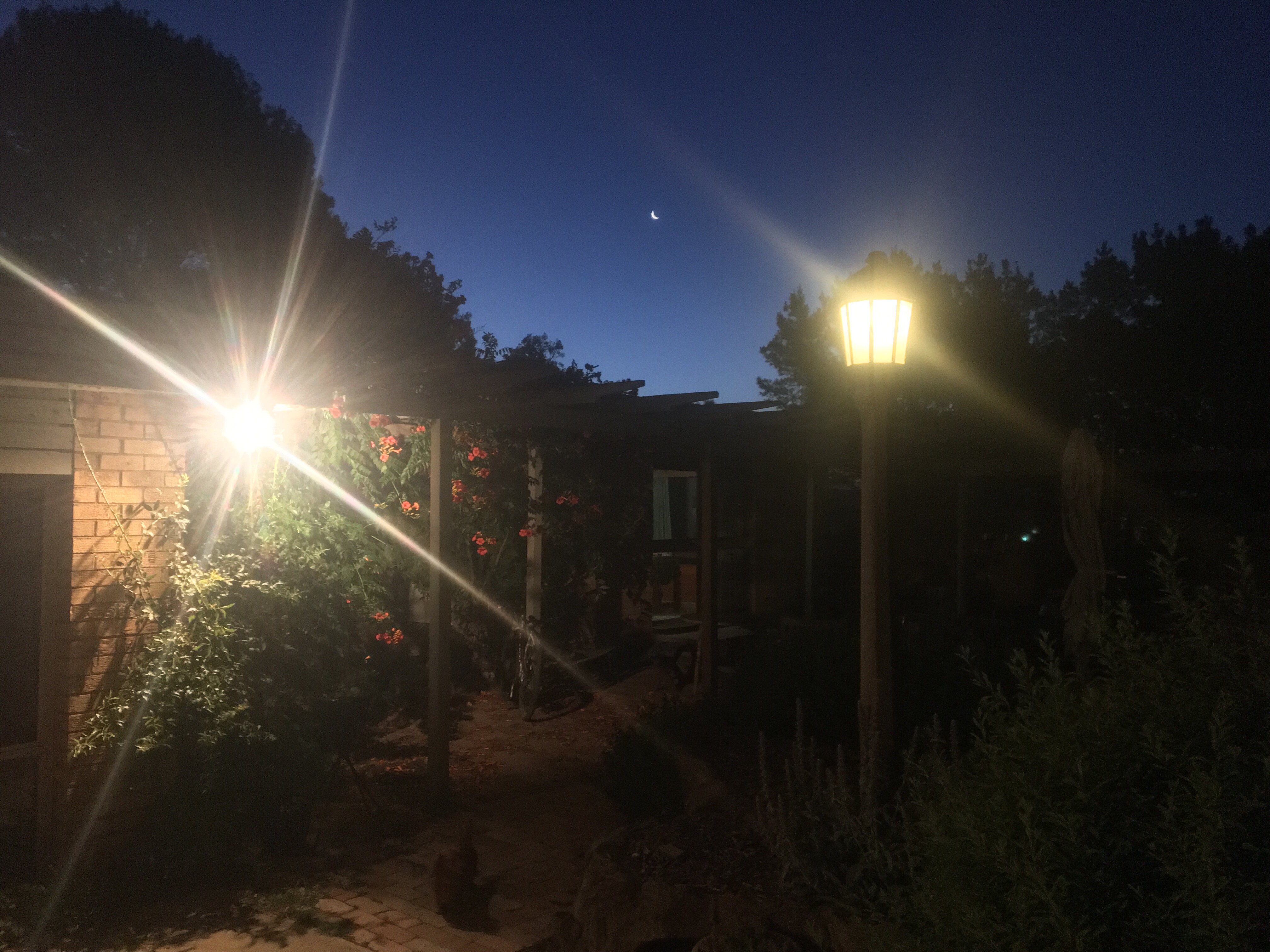
The house was built in the mid 1980s – and is in original condition.  Whilst we have ideas about how to renovate it, we are making sure we live in it for 12 months first to get a full appreciation of how the house functions during the seasons.  I have joked that I am looking forward to 12 months off… but in reality it means I have a year to get the farm in order before my time will be taken up renovating!

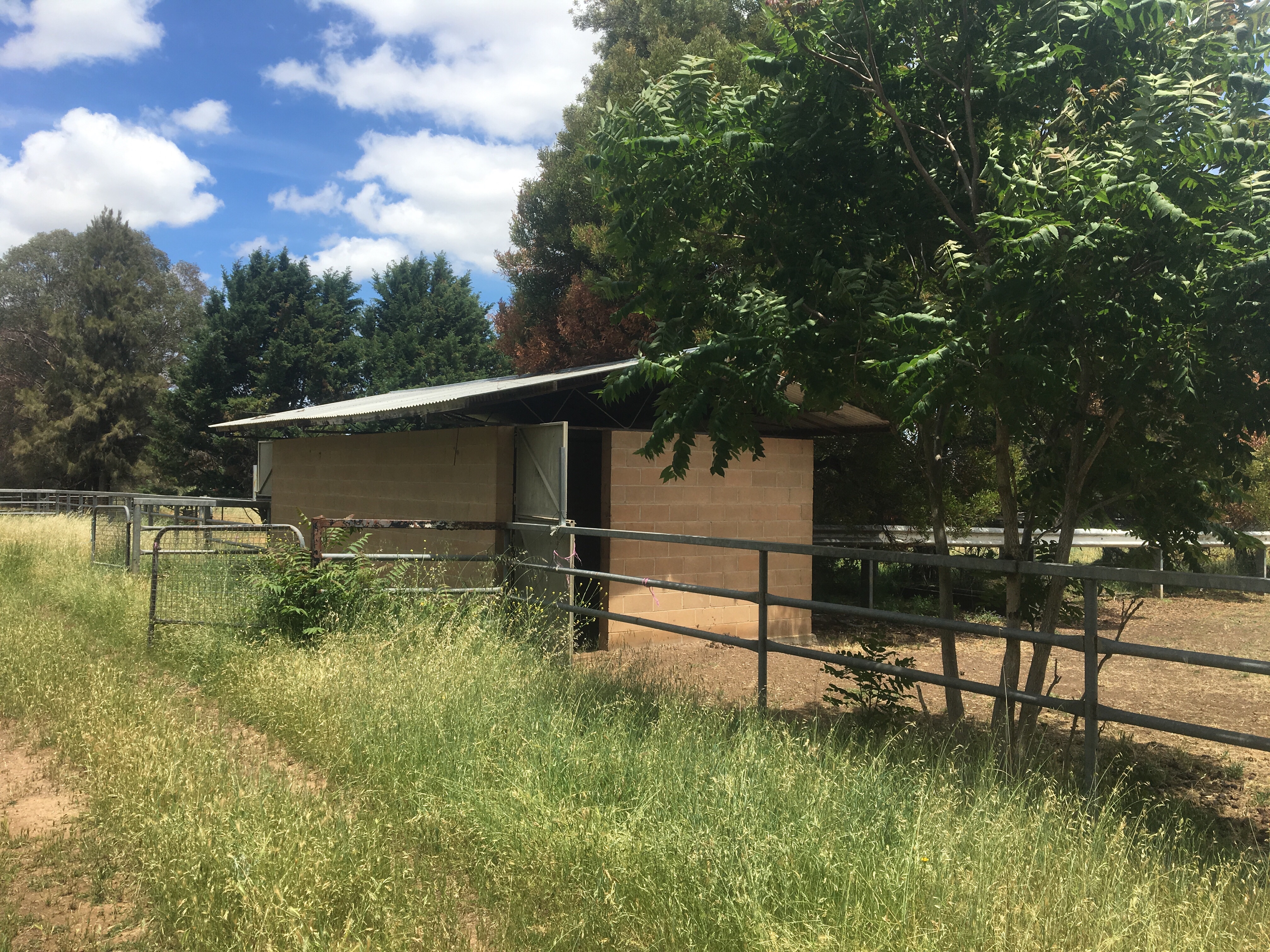
In a former life, the property was used as a horse stud.  It has a collection of old stables, shelters, hay sheds and small paddocks.  In fact we have gone from three large paddocks at the Rock Farm to over 20 smaller paddocks.  This will work well for our plans of soil improvement through cell grazing, and I am really excited with this prospect, however there is lots of work to be done to tidy up the day paddocks and sheds.

The infrastructure is best described as ‘tired’.  Some of the solid fences will not take much work to bring into order, however there are kilometres of plain wire fences that need a lot of work.  The sheep are not contained by these fences, and I will have my work cut out ensuring our fences are stock proof.

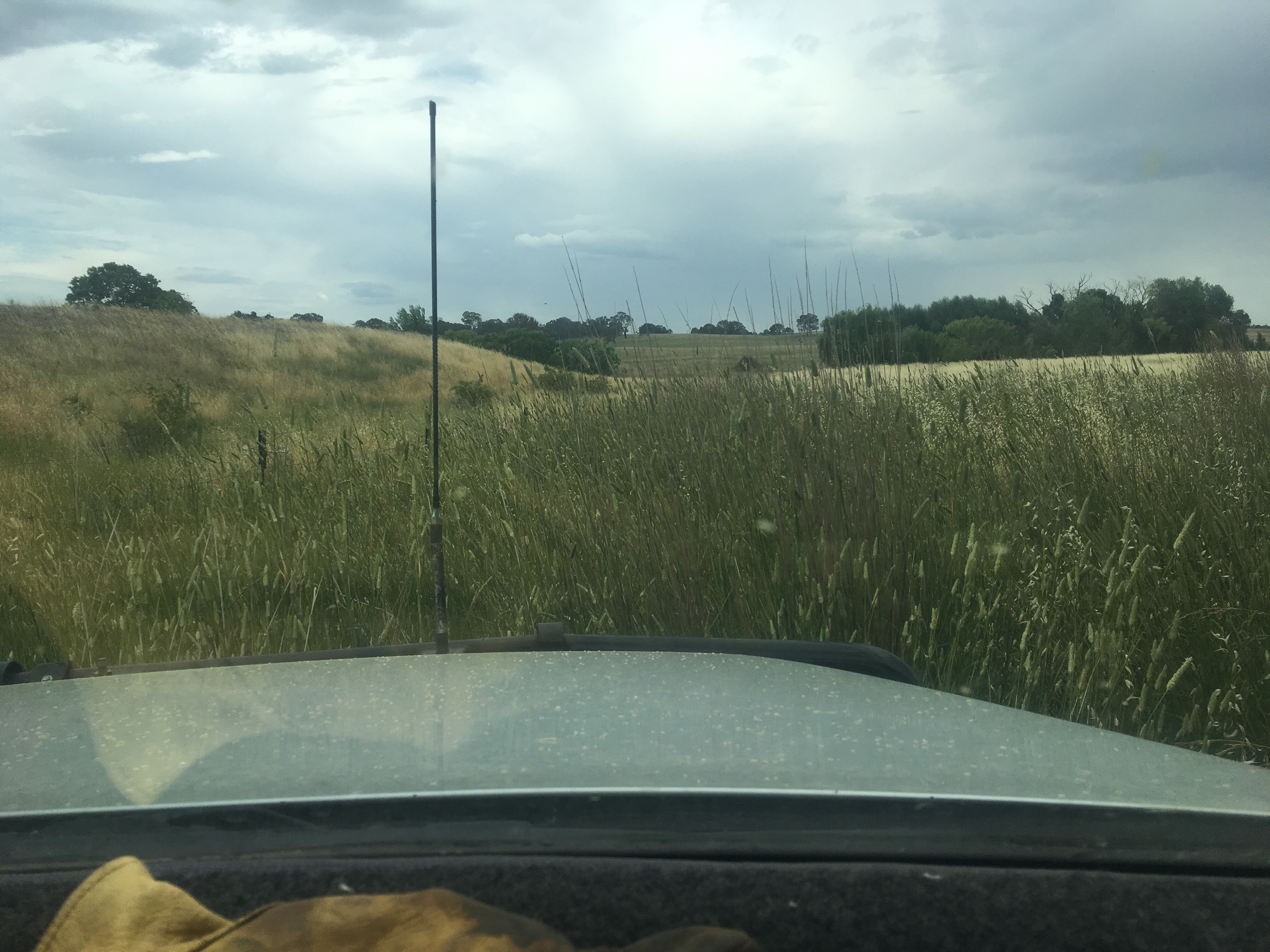
But the property has grass.  Lots of grass.  And we will be looking for some cattle to help us manage the pasture.  I am really looking forward to experimenting with holistic pasture management through the use of livestock, and this property has real potential.  In the past, 20 acres or so has been sown to lucerne.  We may use this paddock to cut meadow hay, which we will use for our own stock / soil improvement projects.

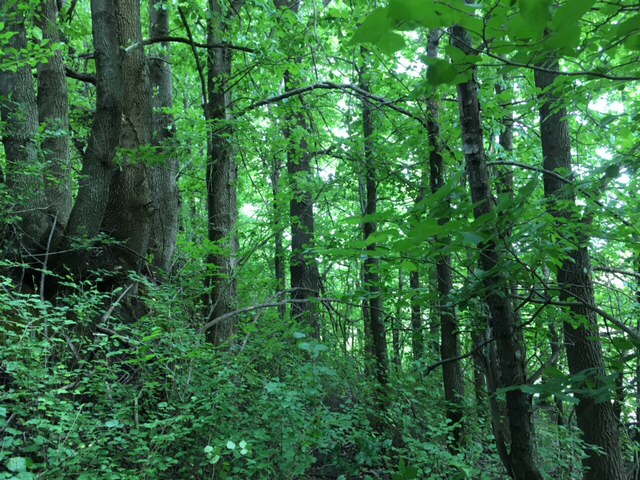
The boy’s love the new fantasy land they have discovered.  The new place has a creek running along one boundary.  This will create lots of challenges with flood gates to repair and causeways to cross – but it also provides a beautiful cool haven to escape the hot days. The deciduous elm trees also do their part in creating a nutrient rich, moist soil, but I will have to manage their tendency to spread by suckers..

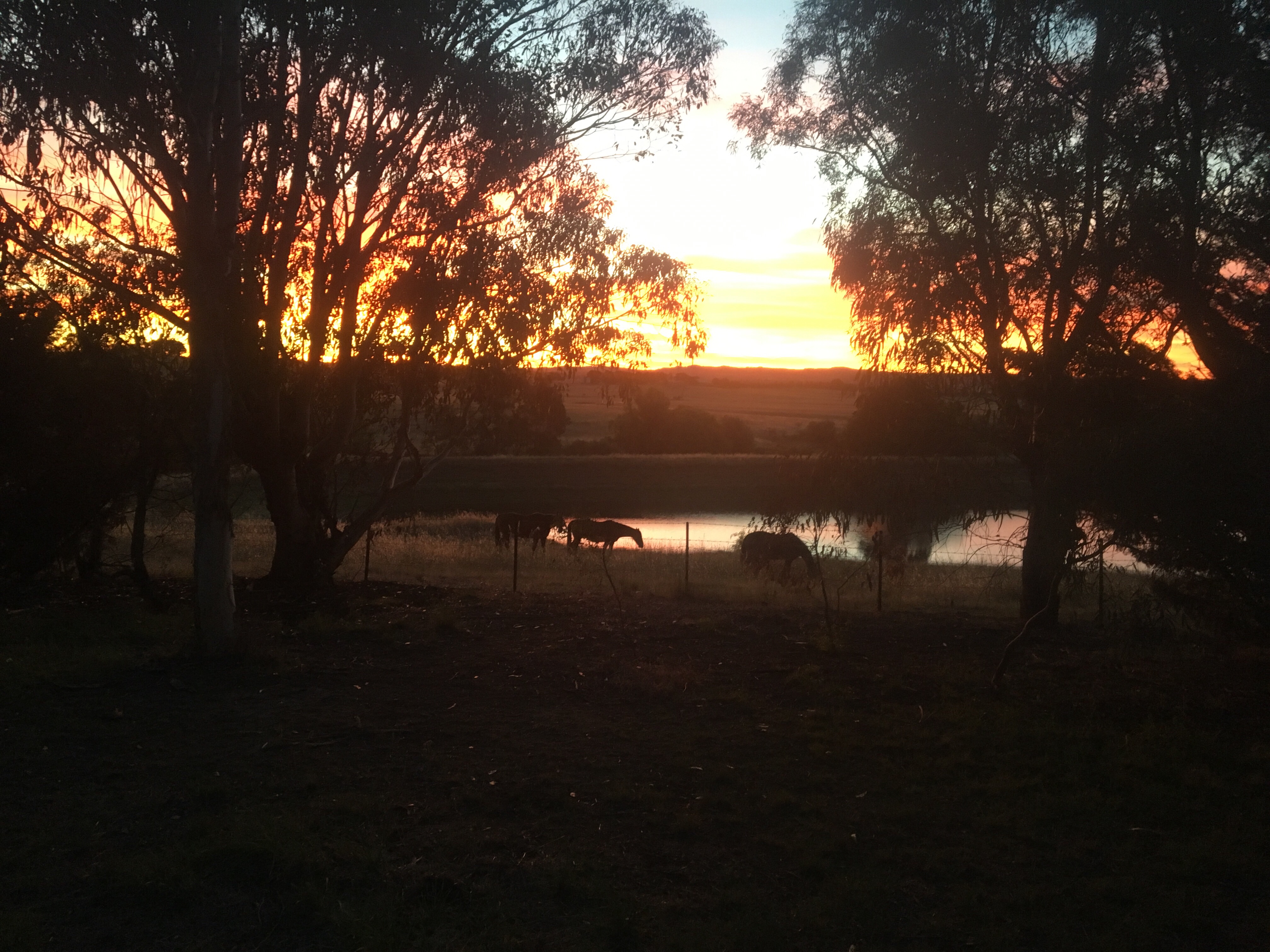
We had many ducks to line up with the purchase of this property.  Friends of ours bought the adjoining 200 acre block, and are looking forward to building a house on their block.  In the meantime their beautiful horses will spend time between both our properties… and I have no problem with that.

I think we will like living here 🙂

Rock Farm Sold

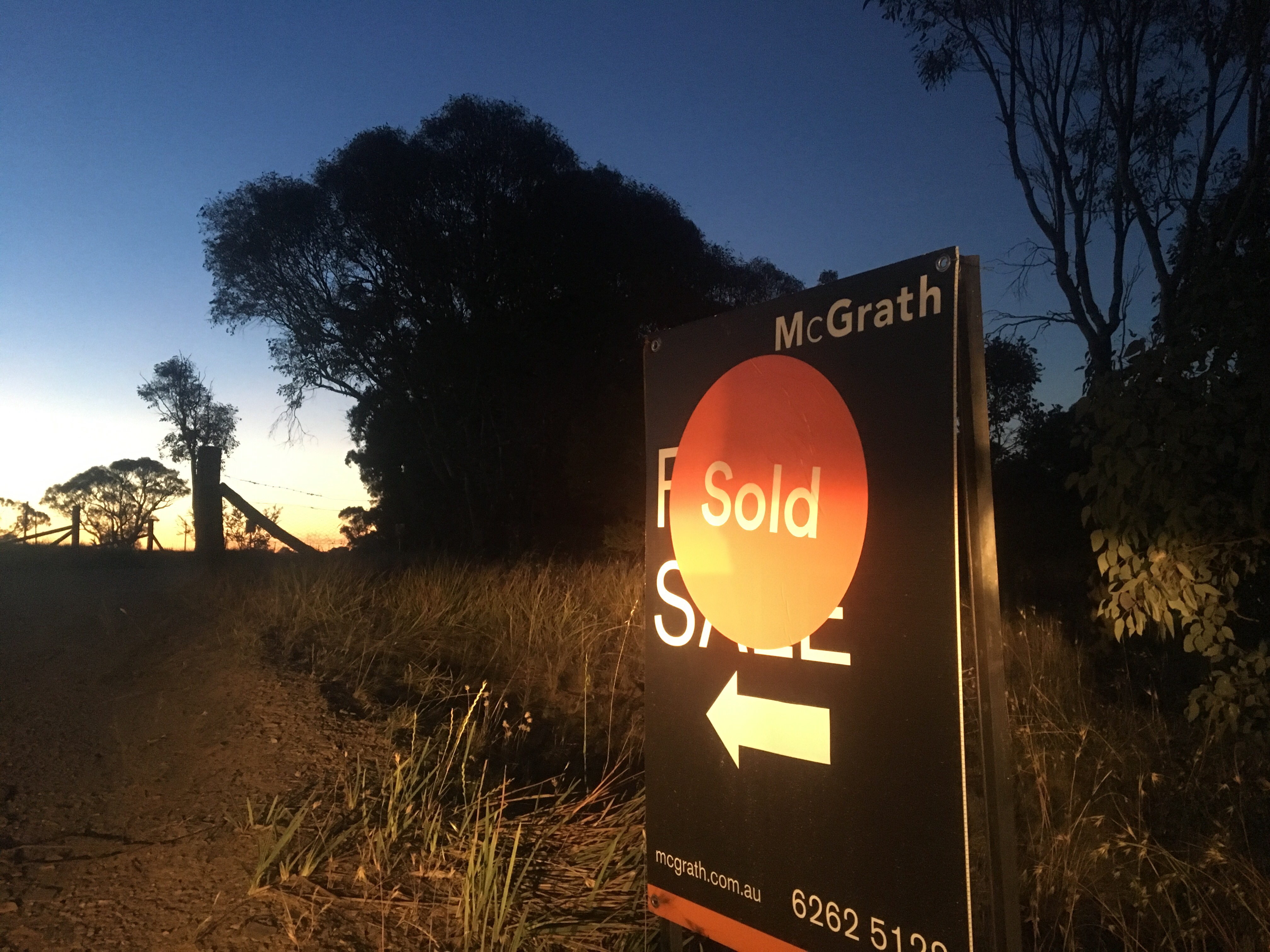
To say it has been a turbulent few months would be an understatement, but it is with mixed feelings that I can finally confirm that the Rock Farm is sold.

We have been honoured to be custodians of the Rock Farm for the past five years.  This beautiful property has taken us on a wonderful journey.  Whilst this blog has largely been about our trials and tribulations as we learn how to raise stock and rehabilitate our soil, there has been so much more to our time on the Rock Farm.

Less than three months ago, selling the Rock Farm was the last thing on our minds.  Our new lambs were growing into sheep, our soil was healing, our trees were growing and our boys were turning into young men.  We had built on the amazing legacy the previous owners had created and felt we were on the cusp of realising our own dreams for the property.

But you have to keep your mind open to new opportunities.  And when one knocked oh so softly, we knew it was worth investigating.  Once we decided it was worth going for, we gave it everything we had.

Getting the Rock Farm on the market was a huge challenge.  We decluttered the house and tidied up the sheds.  Then I disappeared to sea for a couple of weeks for work before coming home just in time for the first open home.  Jo had worked tirelessly in my absence and transformed our home into a magazine shoot.  Our agent, Chris Dixon did an excellent job and found a buyer for our home almost straight away.

I think we were all a little surprised how quickly we had found a new owner for the Rock Farm, but the realisation that we had a huge amount of work ahead of us soon set in.  Moving is an arduous task at the best of times, but in the lead up to Christmas, it has been particularly trying.

Looking back, we have been extremely fortunate to be custodians of our little patch of paradise for a brief moment in time.  Our gorgeous boys have thrived in the environment, learning all sorts of invaluable skills from raising livestock to repairing motorbikes and cars.

Not all the lessons have been easy.  Some have been physically demanding – learning to shear a sheep or mark lambs has challenged the lads.  Some have been emotionally draining, such as when a poddy lamb dies.  But these lessons have given the boys a good grounding in the cycle of life, and our part in it.

But they have loved it.  As have we.

So, where are we off to?

All will be revealed soon, but I can confirm that we have moved down the road, to another 40 hectare (100 acre) property…   The good news is that there will be so many more lessons to be shared on this blog as we start our new adventure on the new not-so-rocky Rock Farm!

But we will miss the original Rock Farm 🙂

Cockatoos – Yellow Tailed and Glossy Black

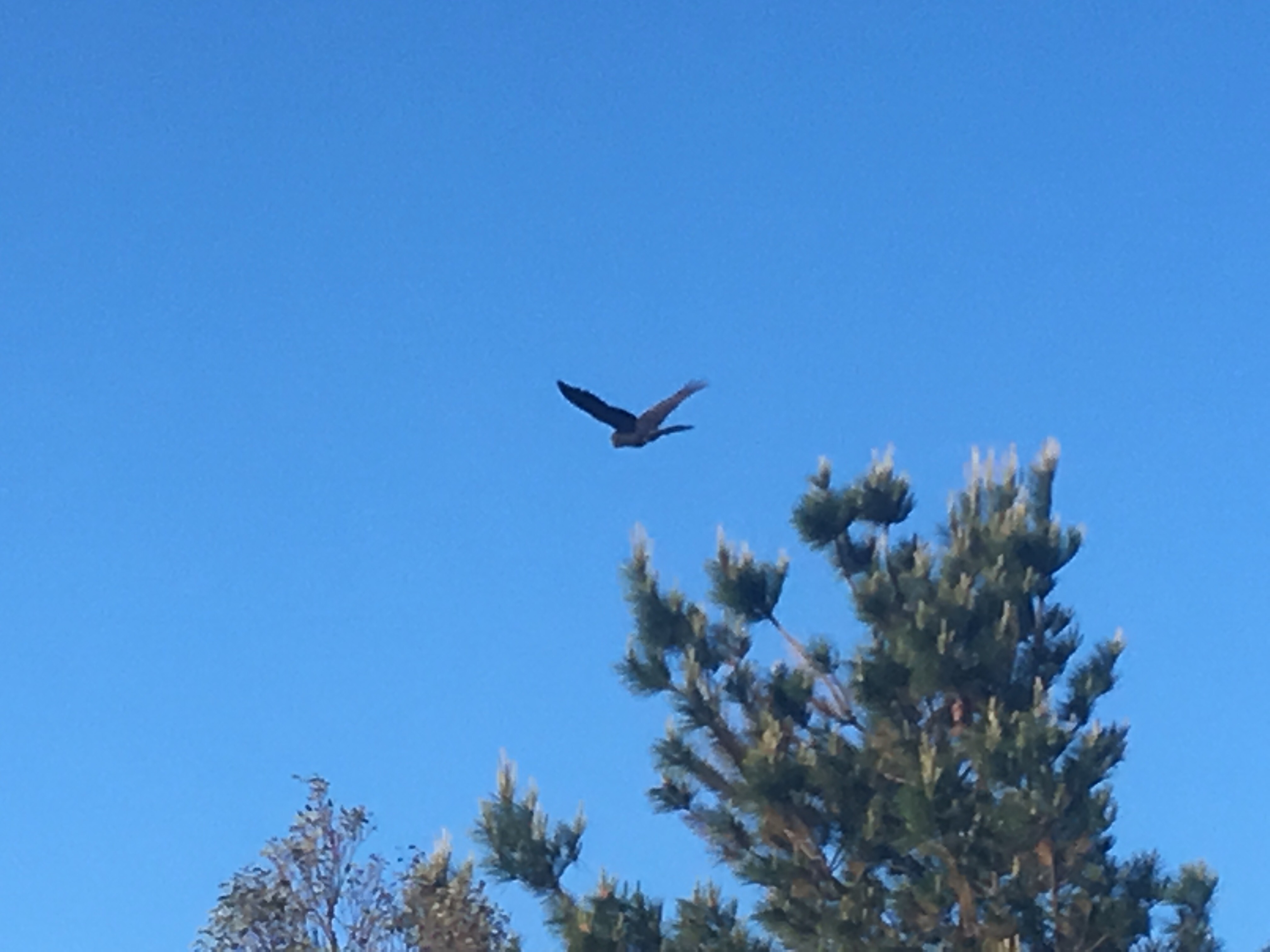
A couple of days ago I head the unmistakable call of the Yellow-tailed black Cockatoo (Calyptorhynchus funereus).  These magnificent birds are one of the largest of the cockatoo family, and are relatively widespread in eastern Australia.  They are also occasional visitors to the Rock Farm.

Their diet is varied, and available from a range of habitats.  Whilst they mostly eat native seeds, especially She-Oaks (Casuarina), the also are partial to pine cones, hence why they made a temporary stay in our pine trees.

Flying Bolt Cutters

They also enjoy larvae of wood-boring beetles, using their strong beak to peel bark and gouge into the tree to extract the tunneling grubs.  This strong beak, and tendency to rip and shred trees is the despair of many homeowners, as they frequently attack pool solar heating piping, electrical conduit and a whole manner of household fittings.

Whilst these birds are relatively common and not under threat, we have taken steps to assist in the survival of one of their cousins, the Glossy Black Cockatoo (Calyptorhynchus lathami).

Glossy Black Cockatoo

The Glossy Black Cockatoo is the smallest member of the black cockatoo family.  Unlike it’s larger cousin, the Glossy Black prefers to feed on the seeds of mature She-Oak trees, and very little else.  Most people associate She-Oaks with rivers, where these majestic trees line creeks and rivers in eastern Australia, but there are many species that favour more hardy areas such as the Desert She-Oak (allocasuarina decaisneana) from central Australia.

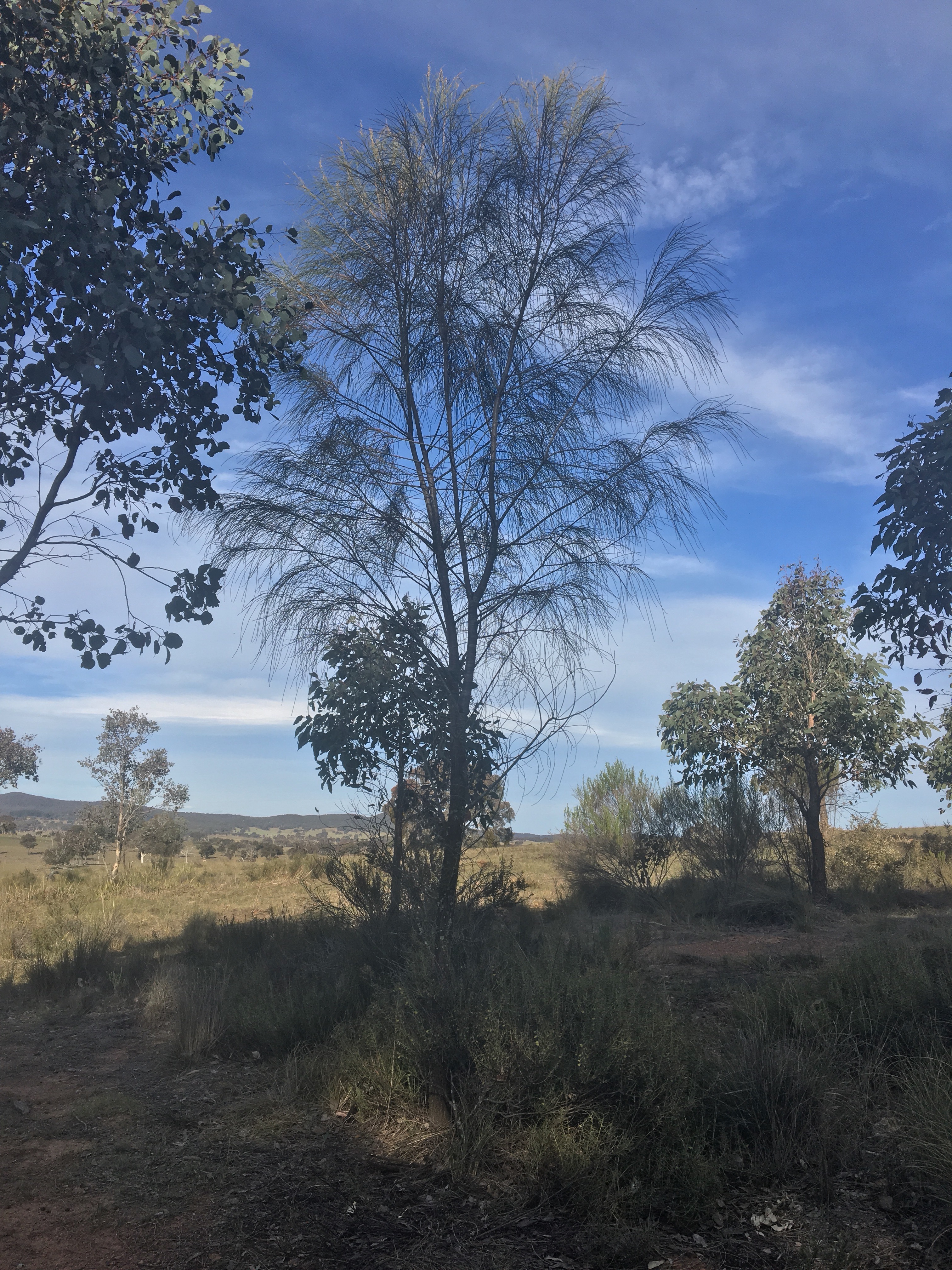
There is even one species which grows on the Rock Farm – The Drooping She-Oak (allocasuarina verticillata).  This nitrogen fixing tree likes growing on the rocky slopes of our home.  We have about half a dozen young trees that we are coaxing and encouraging as best we can.

We have also planted several of these trees in our bottom paddock through the Greening Australia Whole of Paddock Rehabilitation program.  Whilst we haven’t seen any Glossy Black Cockatoos on the Rock Farm yet, I hope that in the future our stand of Drooping She-Oaks help to extend their habitat.

And if I do see one, it will be a little bit exciting! 🙂

Marking Spring Lambs

Spring is a glorious time on the Rock Farm.  Blossoms are on the trees, the slow combustion stove is finally allowed to go out and is laid up for summer, and lambs are frolicking in the paddocks.

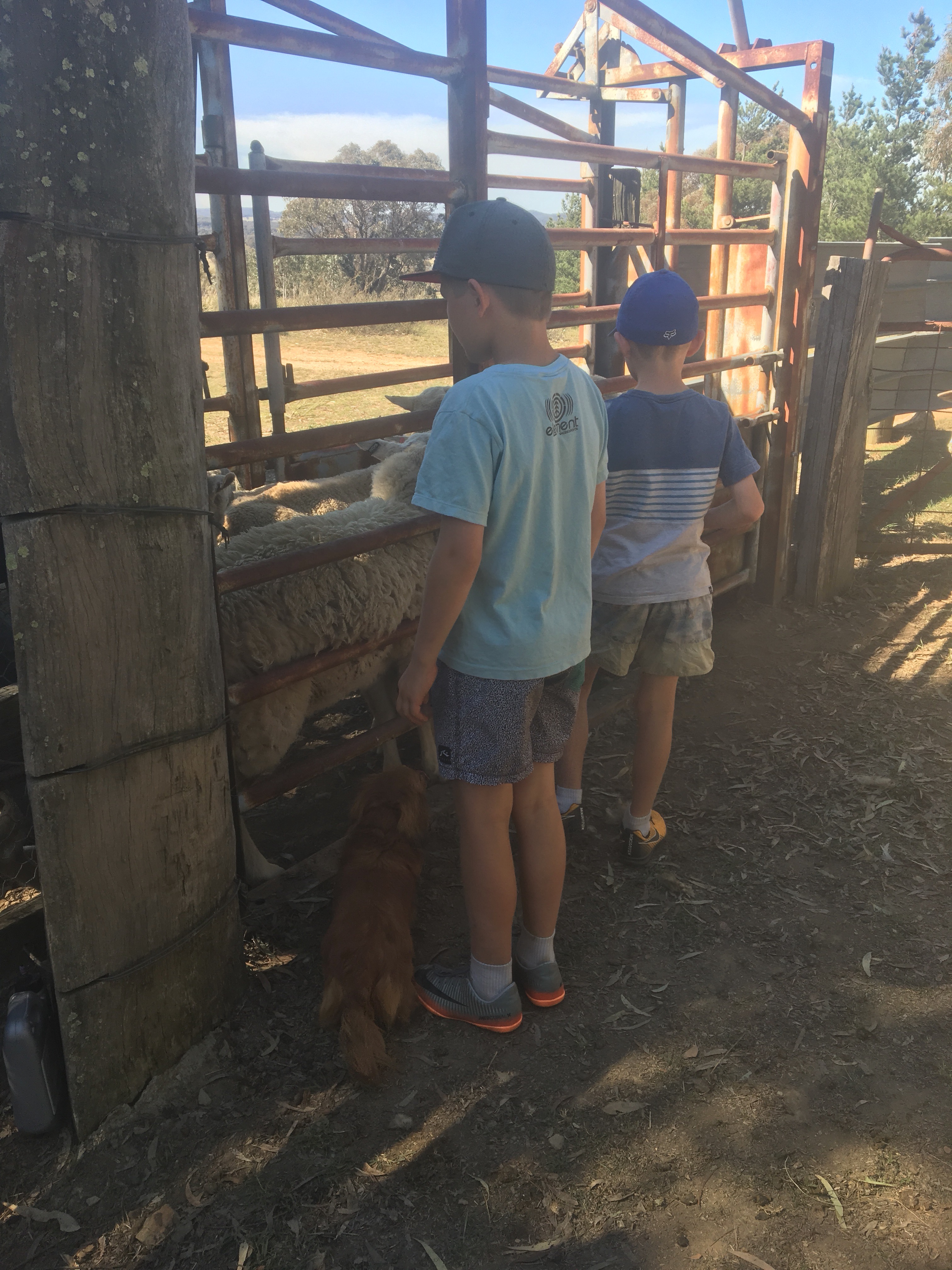
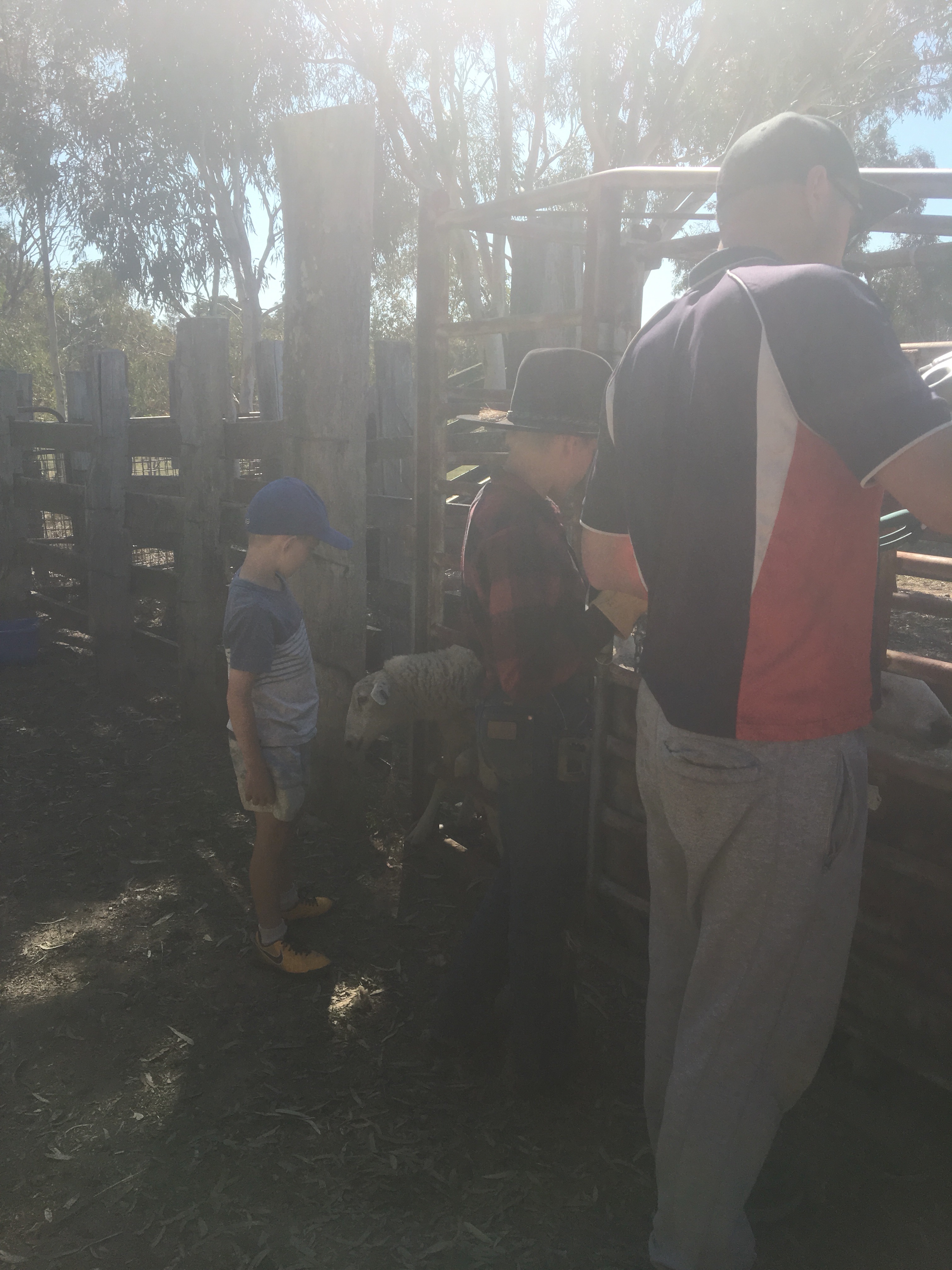
These gorgeous animals require little in the way of health and welfare checks – but even such low maintenance sheep as Wiltipolls require some intervention.  And when the city cousins come to stay, it provides the perfect opportunity to bring in the lambs.

It is always a good idea to stay abreast of best practice – particularly for something we only do once a year.  After a quick brush up on the animal welfare standards, we were ready to go.  The standards are available online at:   http://www.animalwelfarestandards.net.au/sheep/

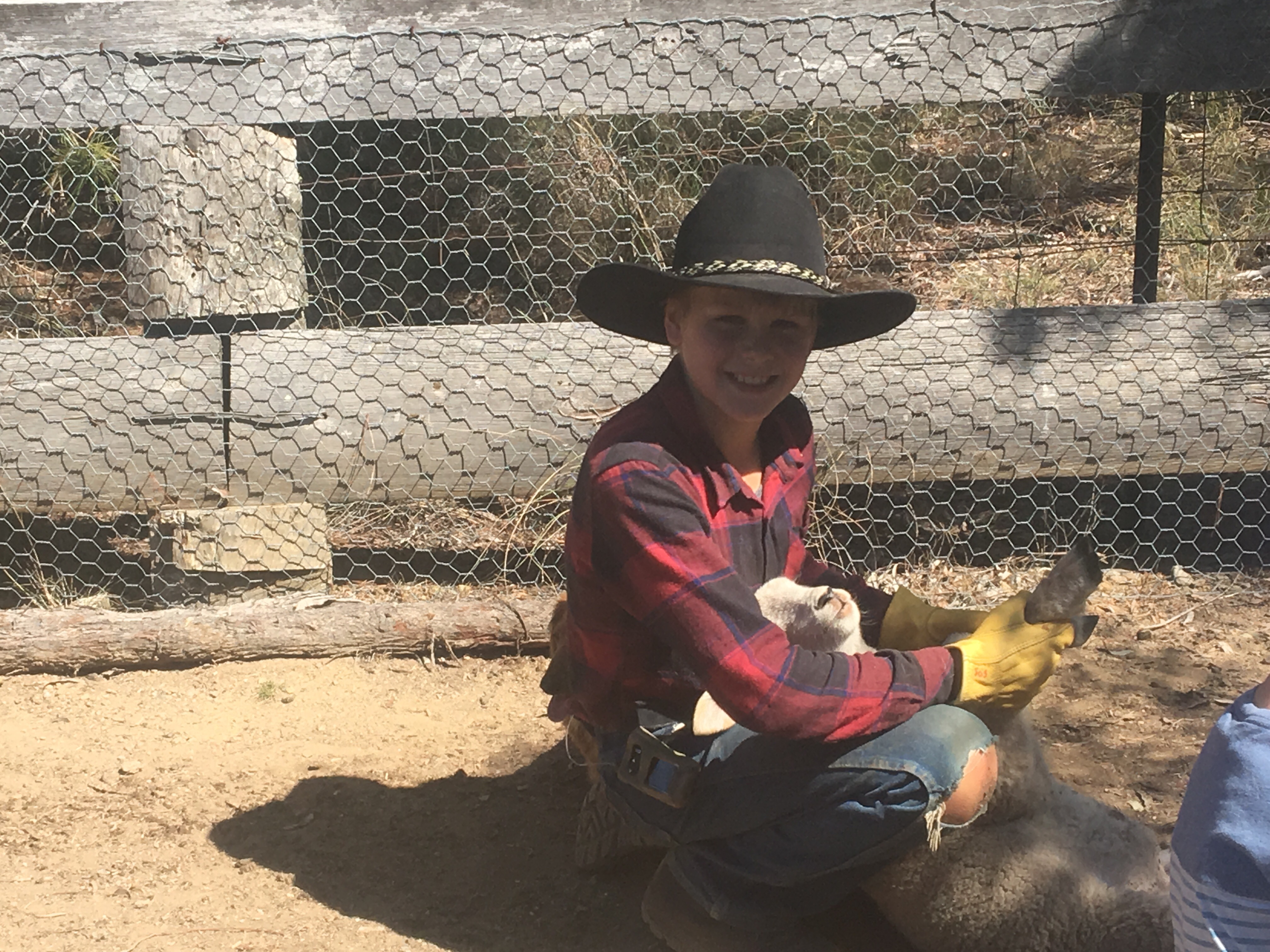
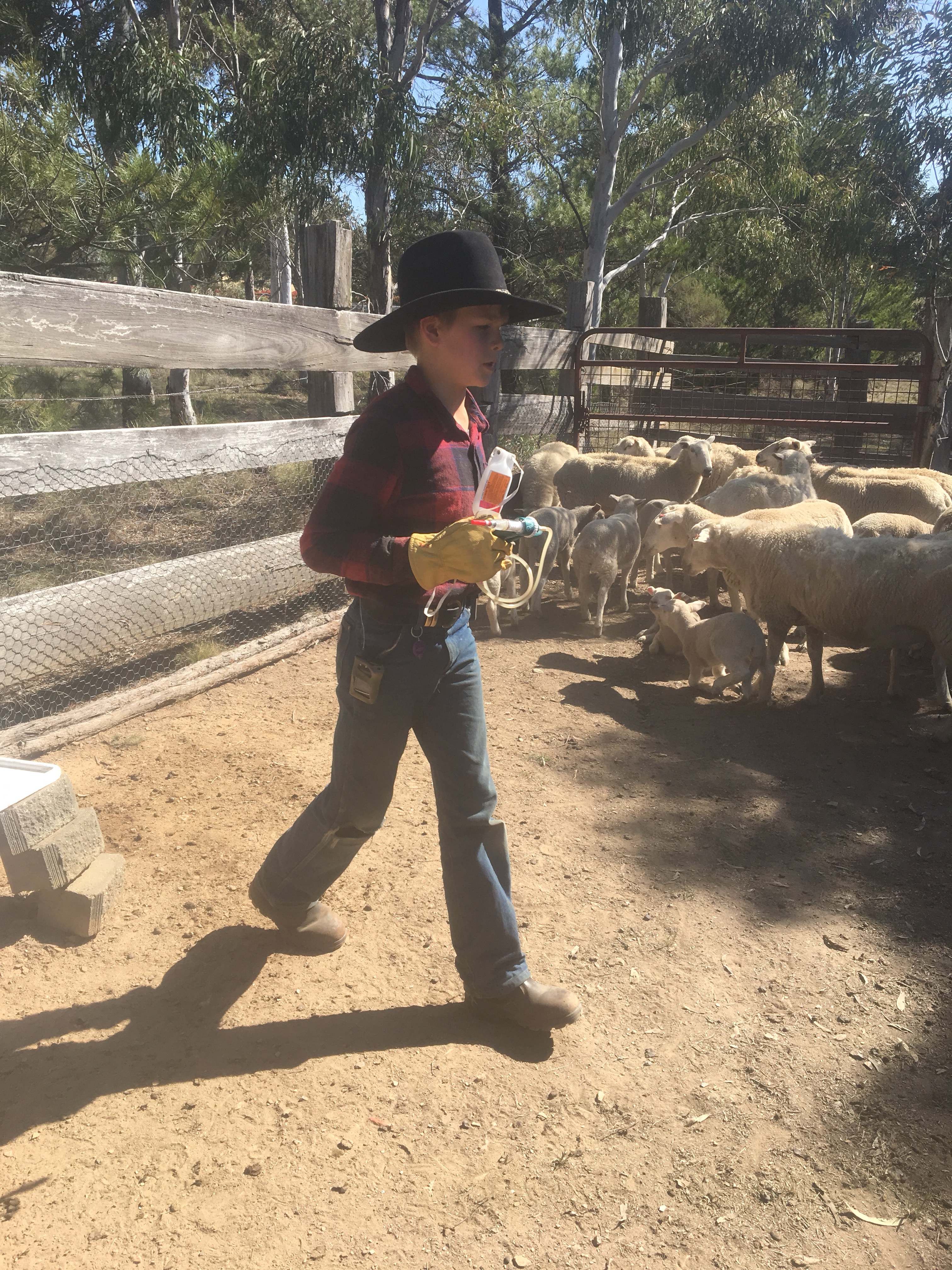
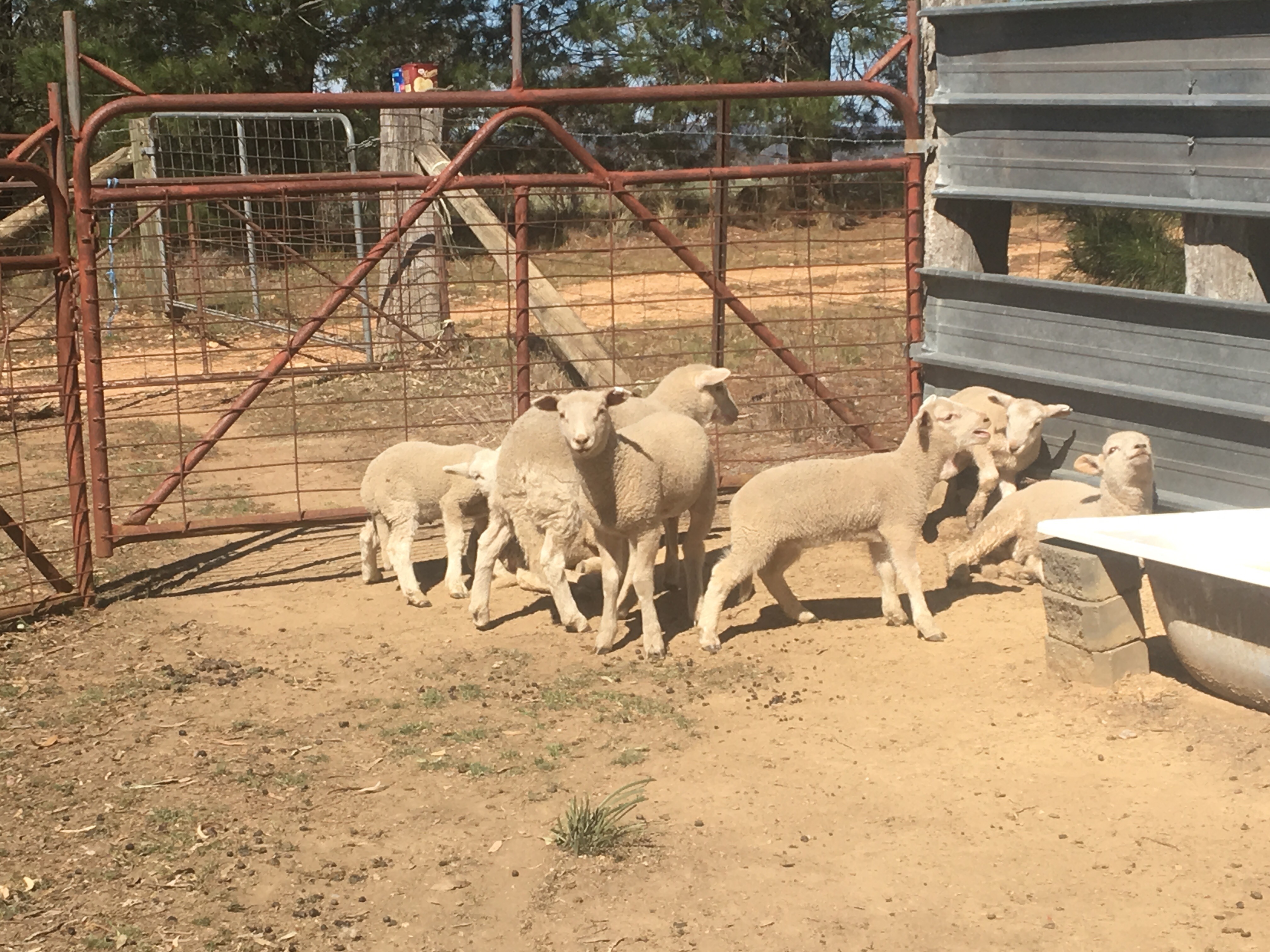
Marking lambs is a necessary part of raising sheep.  The lambs receive important vaccinations and are drenched.  The males are castrated, and all lambs have their tails docked.  All the other sheep receive vaccination boosters and are drenched too.

We use rubber bands to castrate the males and dock the tails.  This is the most humane and cost effective option available to hobby farmers.

The vaccine we chose prevents clostridial diseases in cattle and sheep such as Tetanus.  These diseases are frequently fatal.  They are caused by anaerobic bacteria and are widespread in the environment – especially in the soil.  Protection is provided when all the herd is vaccinated.

We also drenched the sheep with a triple combination drench.  The product we chose provides protection against gastro-intestinal roundworms, lungworm, Nasal Bot and Itch Mite.  It also provides important trace minerals such as selenium and cobalt, often deficient in Australian spoil.

Cell grazing is another technique to reduce the worm burden in sheep or other livestock.  Whilst I would love to develop a cell grazing system on the Rock Farm, this requires a significant investment in fencing and is still a few years away at this stage.

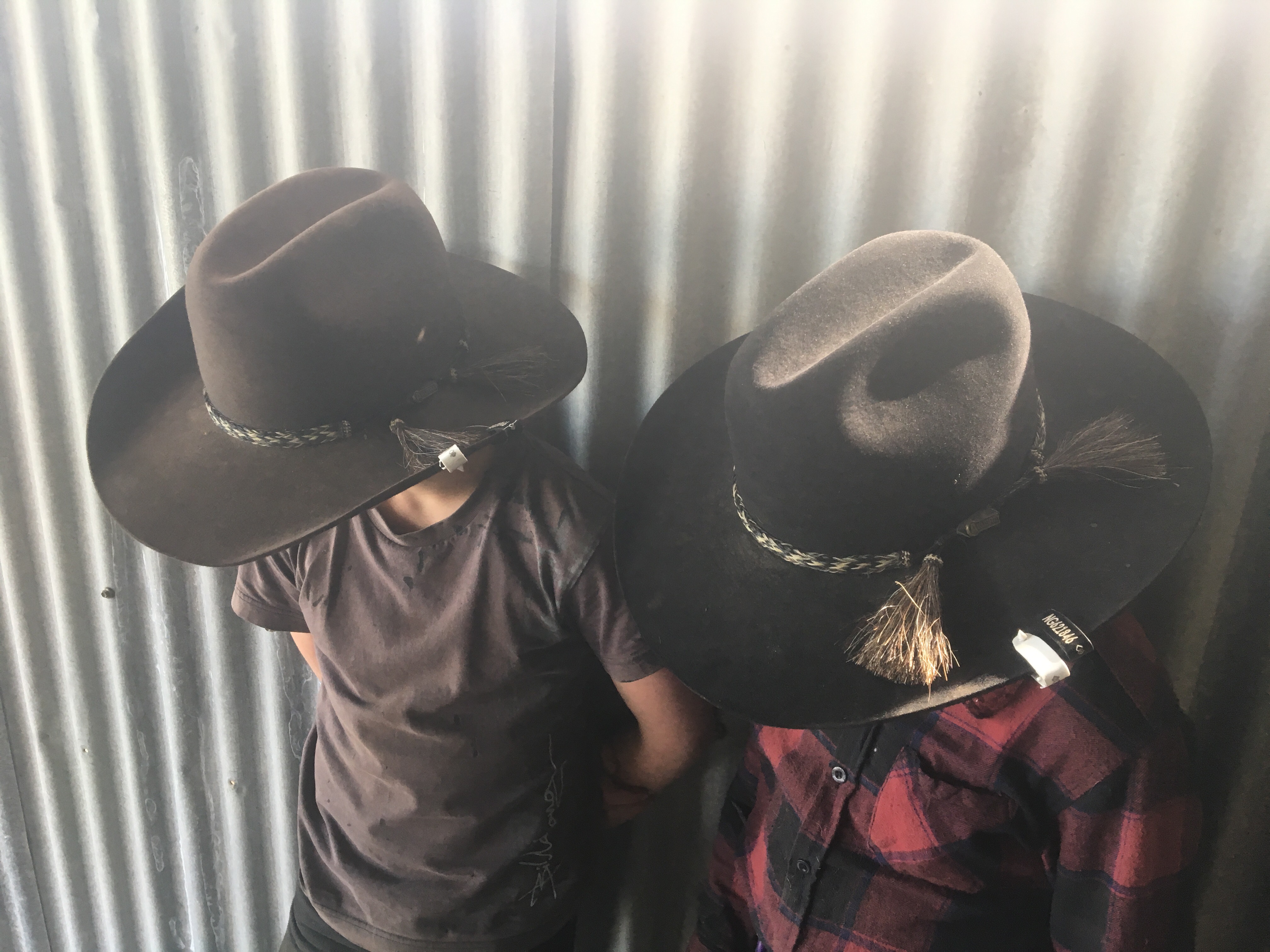
The final job was to put an ear tag in our lambs.  These tags are marked with our unique Property Identification Code (PIC), and will stay on these lambs for life.  This, in combination with movement declarations, ensures a full audit trail for livestock movements in Australia.  The ear tags are also colour coded, and 2017 lambs will wear a white ear tag, allowing easy identification and sorting of stock based on age.

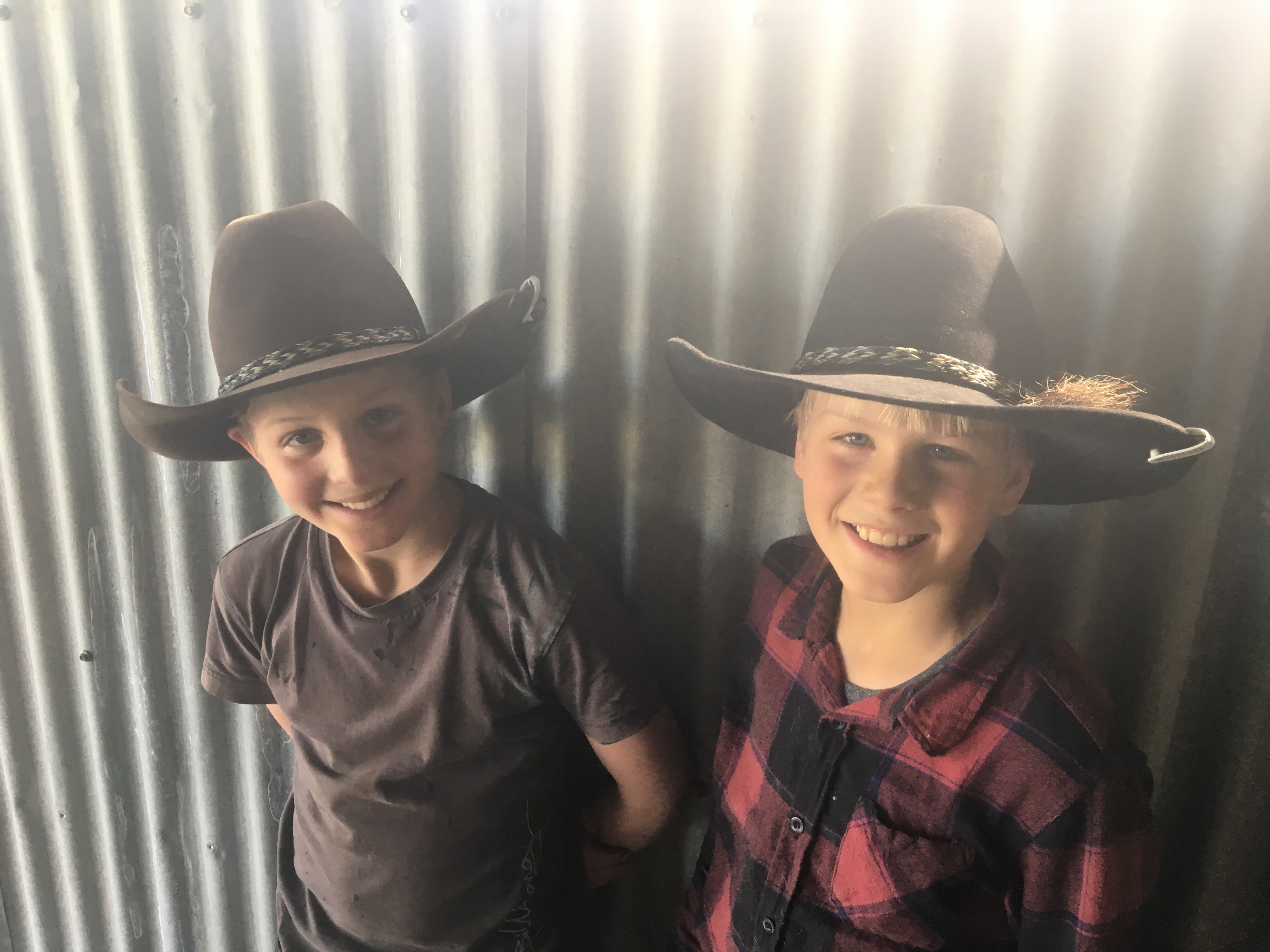
A couple of likely lads also decided to take a couple of tags.  They politely declined my offer to put a tag in their ears, but did agree to marking their hats!

And so our marking was quickly over.  We let the sheep settle in the yards for a couple of hours with some delicious oats before we released them back into their paddock.  All done – until next year 🙂

Biosecurity Plan

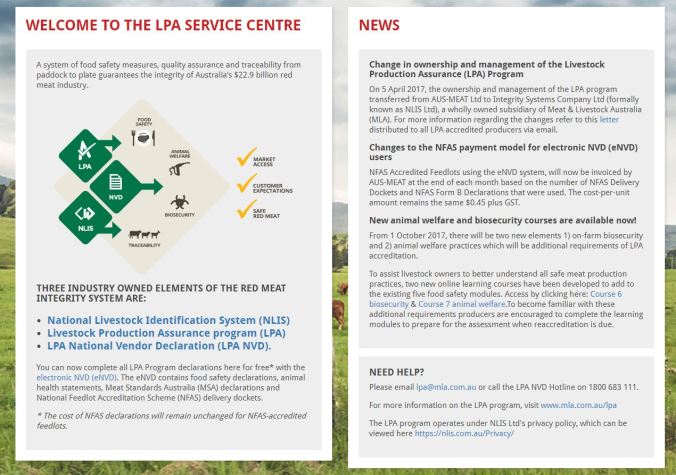
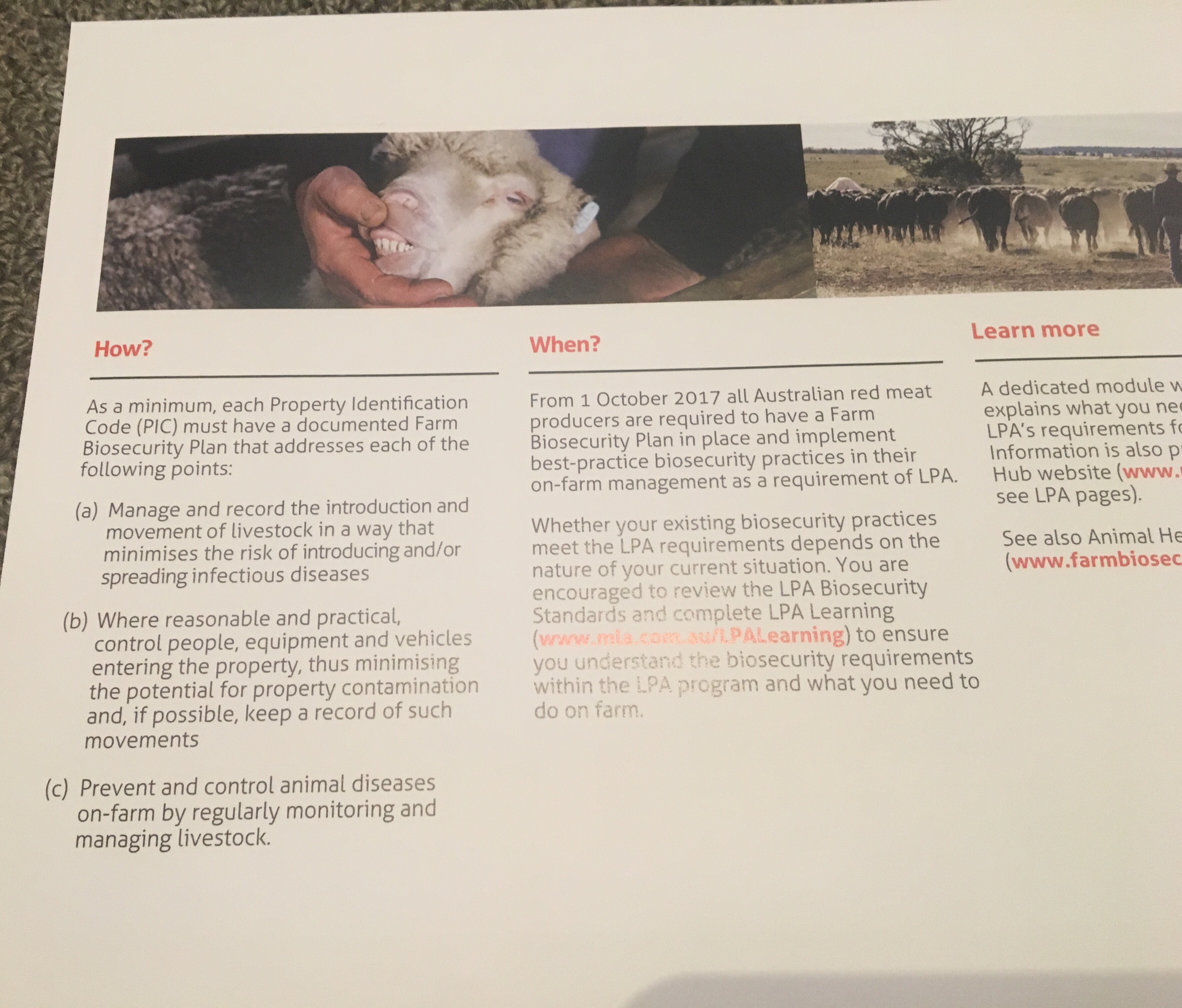
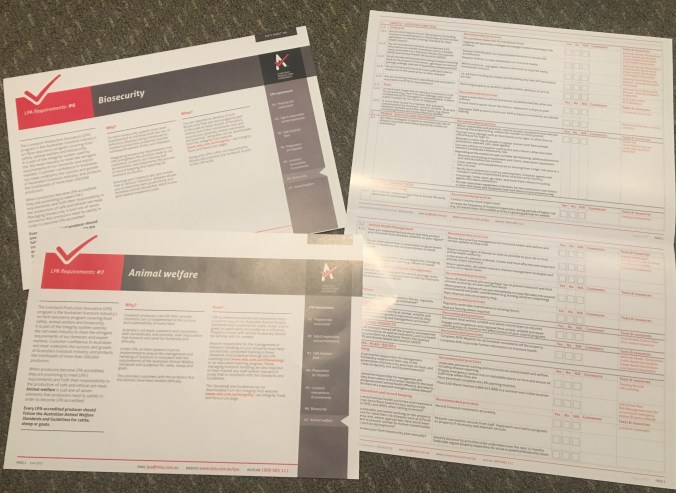
I recently received in the mail a letter informing me that I was required to develop a biosecurity plan for the Rock Farm.  This is part of the Livestock Production Assurance (LPA) program, which Australian meat producers are encouraged to participate in.

Whilst at first glance, it looks like a huge administrative burden (and cost) to be an accredited supplier, it really is little more than common sense and good practice wrapped up in a simple form.
Under the Livestock Assurance Program, each property has a unique Property Identification Code (PIC).  The Rock Farm is no exception.  All animals born on The Rock Farm are tagged with a special tag that contains our PIC.  When they are sold, or transferred to another property, we must fill out a National Vendor Declaration.  This allows a full audit trail of livestock movements across the country.

LPA service centre snapshot

Producers who choose to become LPA accredited agree to carry out on farm practices that feed into and support the integrity of the entire system. There are seven requirements:

  • Property risk assessments
  • Safe and responsible animal treatments
  • Stock foods, fodder crops, grain and pasture treatments
  • Preparation for dispatch of livestock
  • Livestock transactions and movements
  • Biosecurity
  • Animal Welfare

It can all seem a little overwhelming to a small scale producer like me, but there is an excellent online training package put together by the PLA.  It is also supported by templates and other reference material to help ensure that all requirements are met.

I am pleased to be a part of this process that helps me improve our farm practices, enhances animal welfare and supports and strengthens the industry as a whole.

More new arrivals on the Rock Farm

The last few months have been a little busy on the Rock Farm – mostly the hectic wholesome crazy of raising kids who stick their hands up for every opportunity that passes their way.  This is no bad thing at all, and the Little Helpers continue to amaze and inspire me.  I am extremely proud of them.

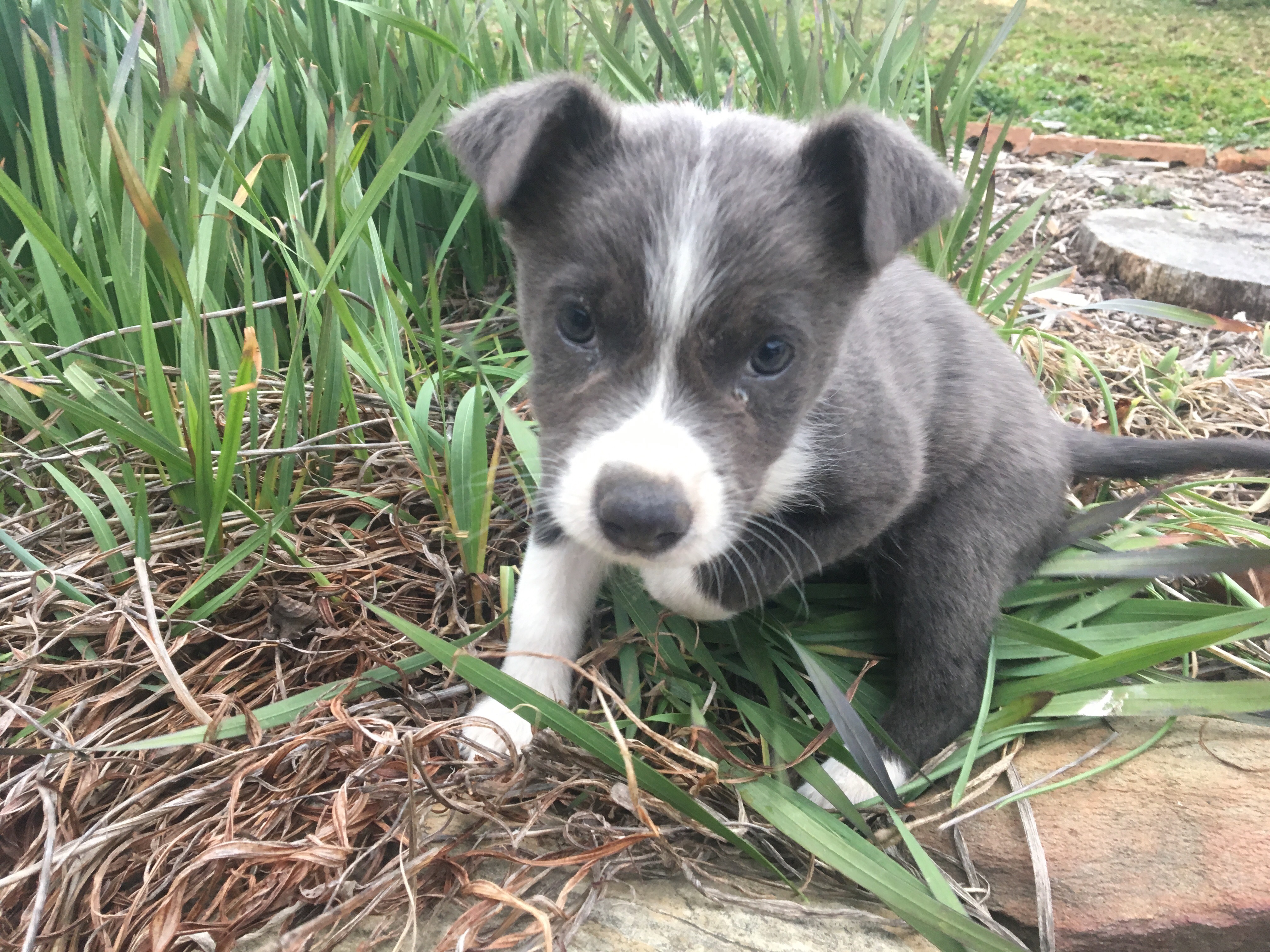
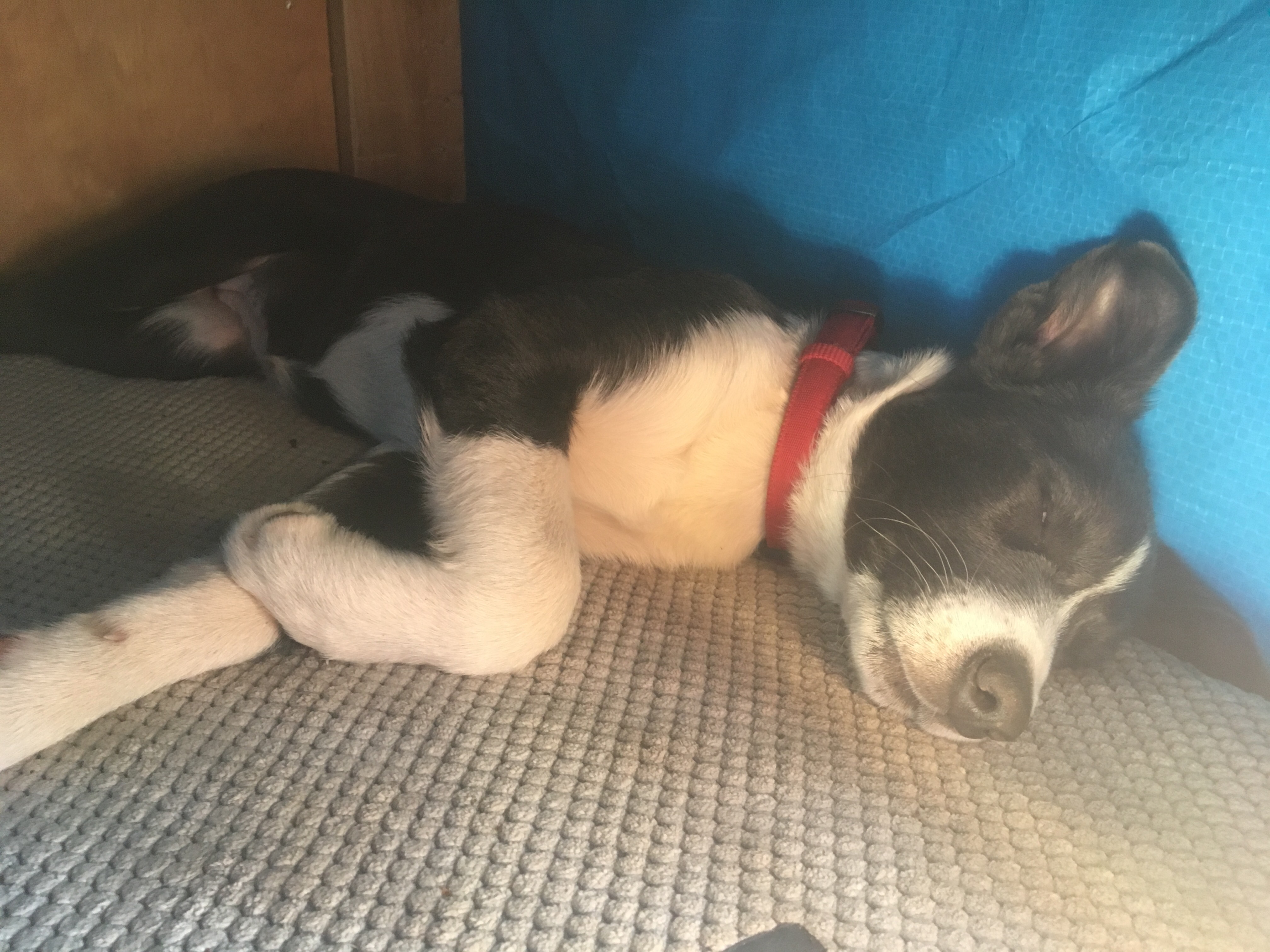
With so many things going on, the last thing on my mind was a new pet, but somehow we were introduced to a gorgeous blue border collie cross pup that stole our hearts.

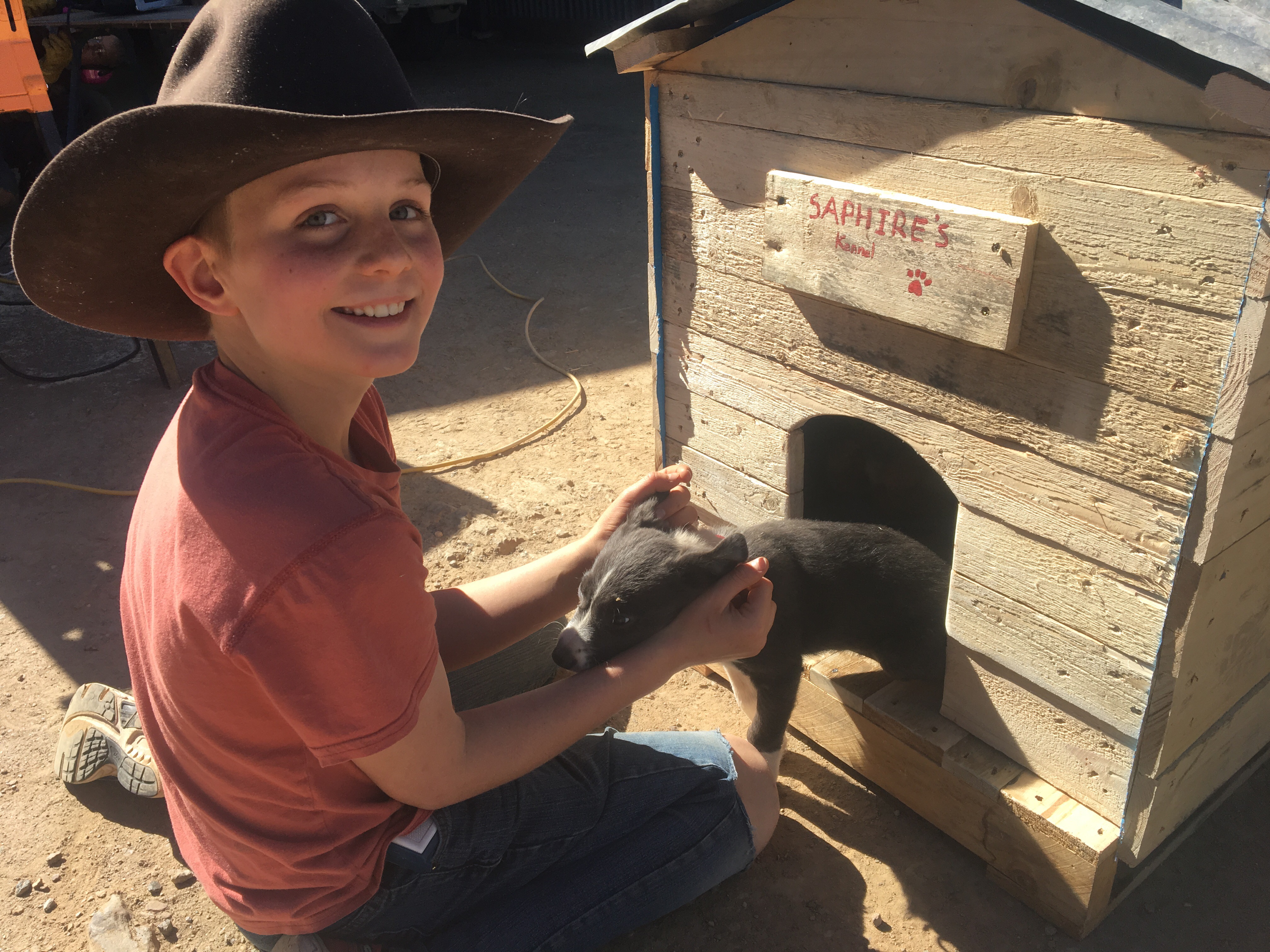
And so Sapphire joined our family.

This little bundle of happiness has come into our lives – and reminded us of all the things you forget about puppies.  The house training, constant chewing, and ceaseless curiosity has at times tested all our patience.  But not unexpected, and we have all fallen for this sweet little girl.

The whole family has been involved in Sapphire’s training program, trying to ensure our approach is both consistent and positive.  And she is a quick learner.  We have one smart dog on our hands.

But a new puppy also needs a new house!

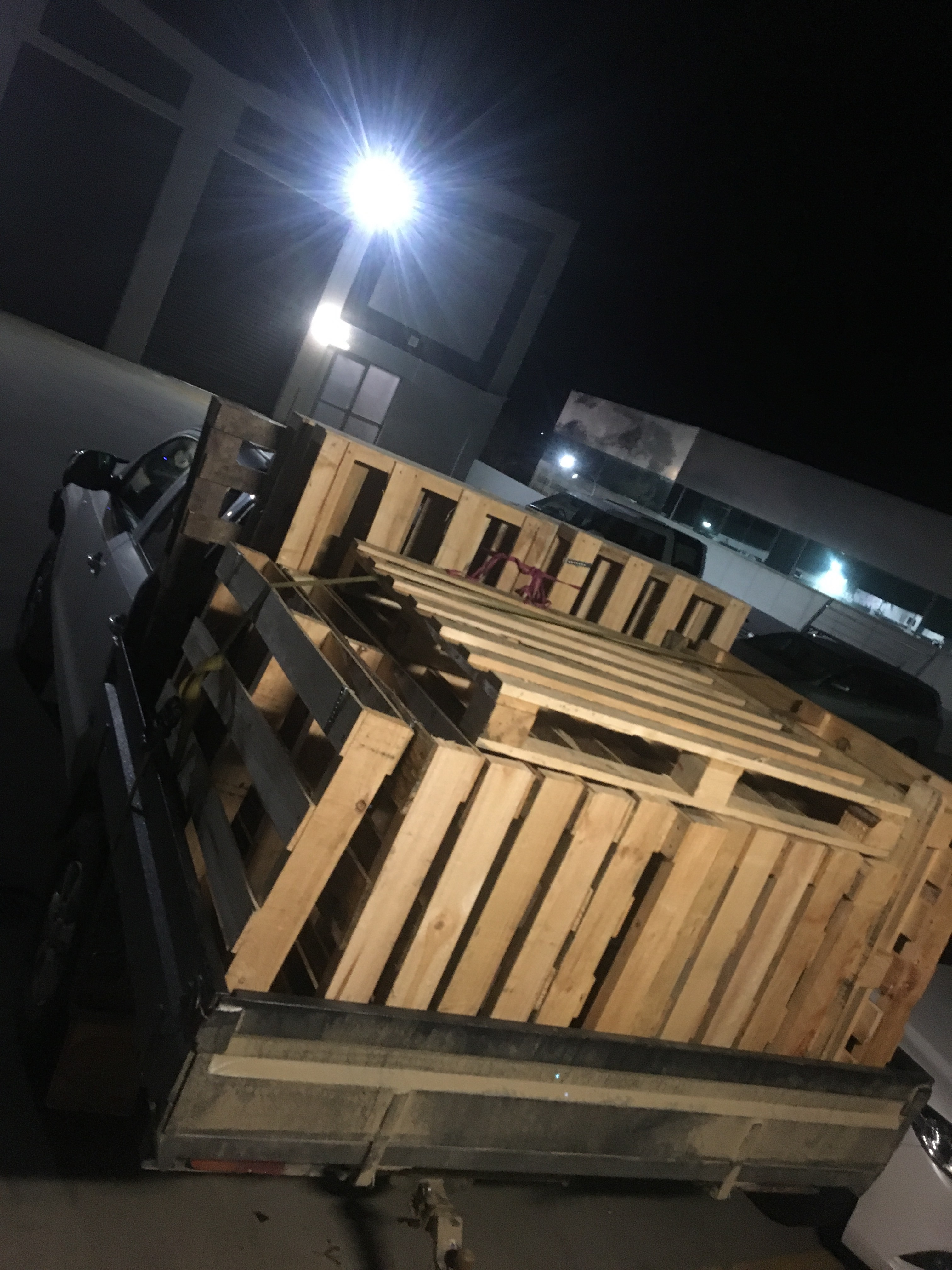
I had started collecting the odd pallet or two on the way home from work.  A local courier company offered free pallets to anyone willing to pick them up from the footpath.  The stack(s) at home were starting to grow, and we needed a new project.  Sapphire was the perfect excuse to get the Little Helpers involved in a new project.

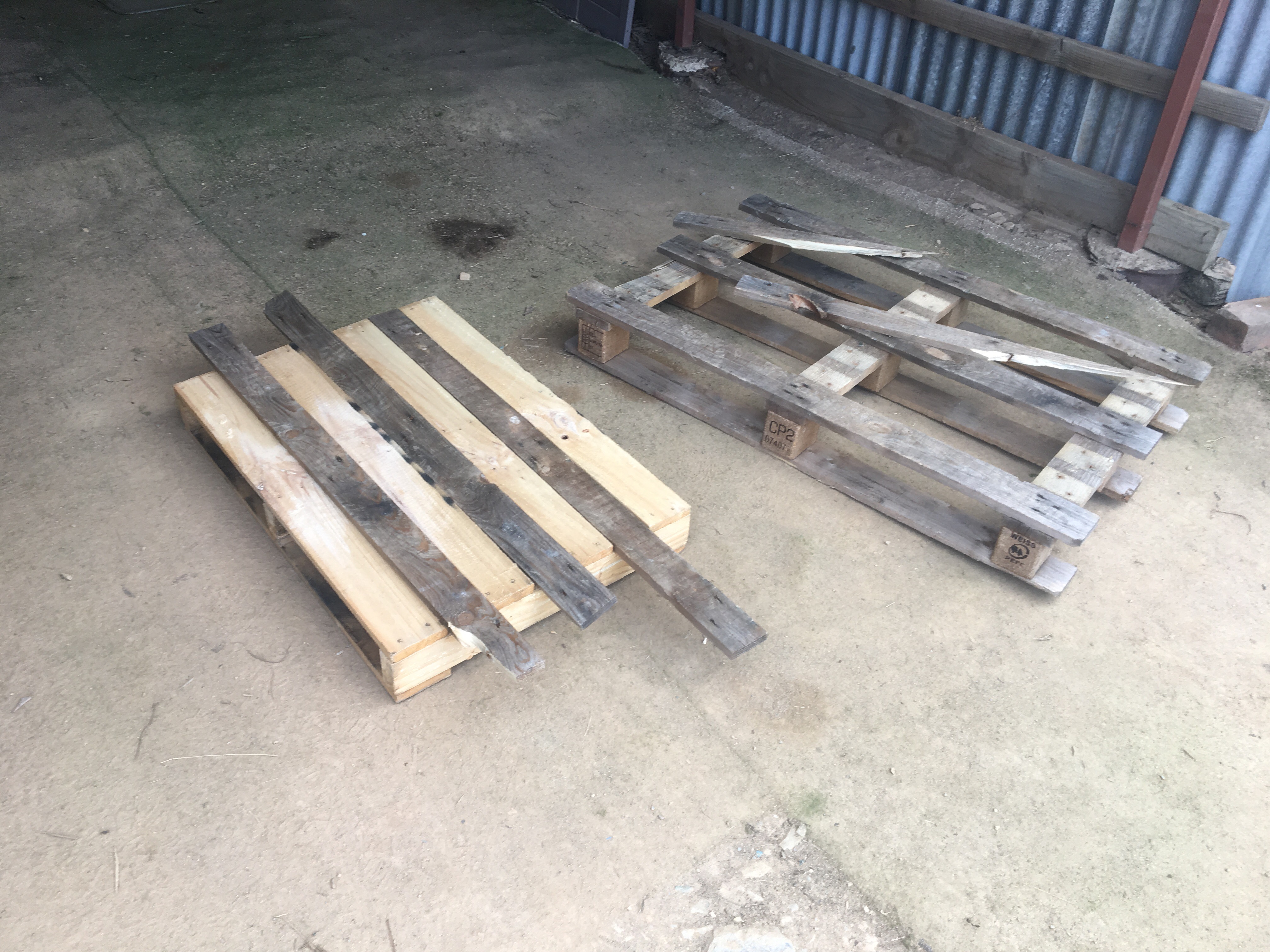
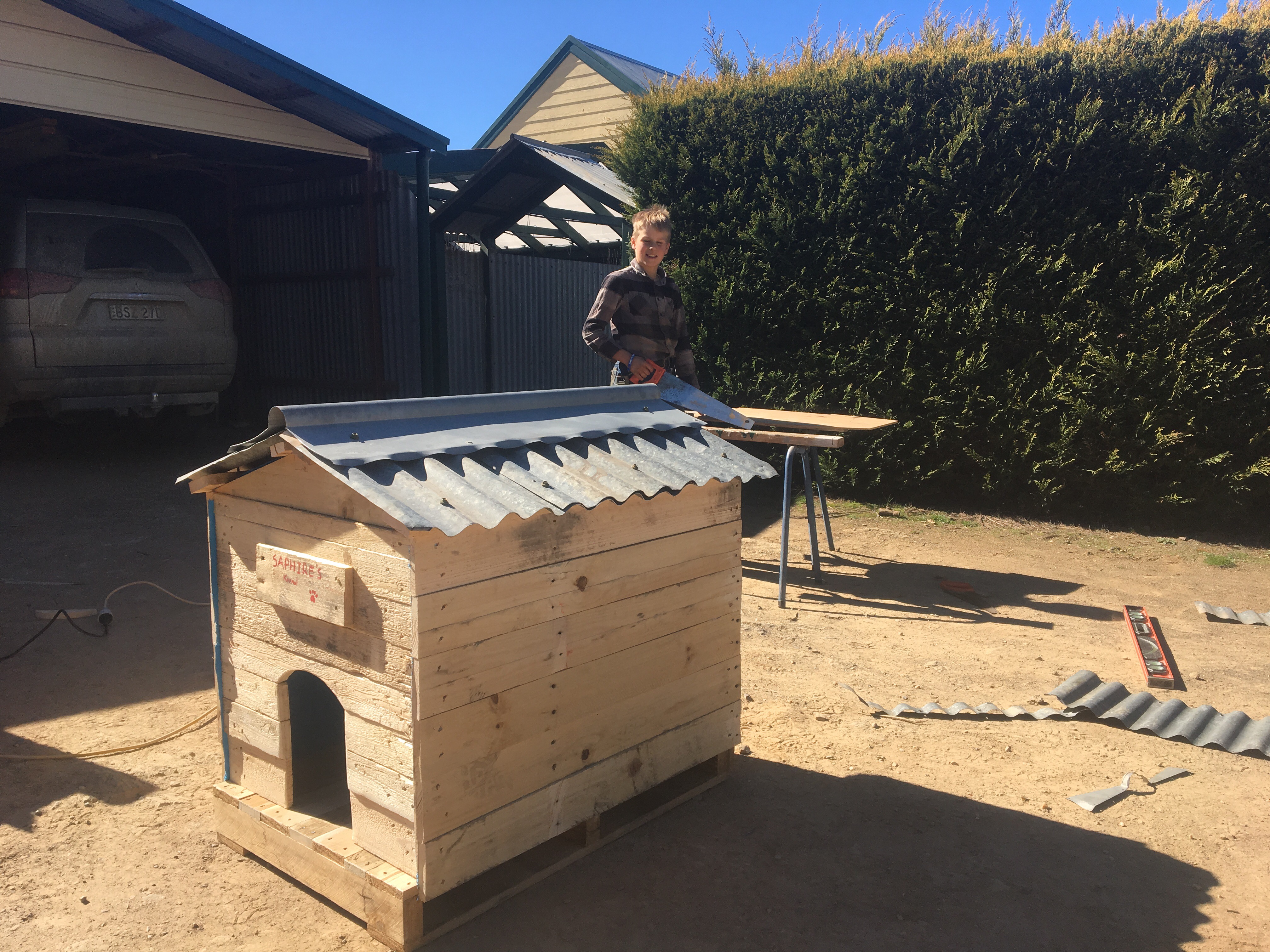
Over the course of a day we carefully removed boards from some old pallets and re-purposed a small pallet to be the base of the new kennel.  After sealing the cracks, we had a sturdy floor.

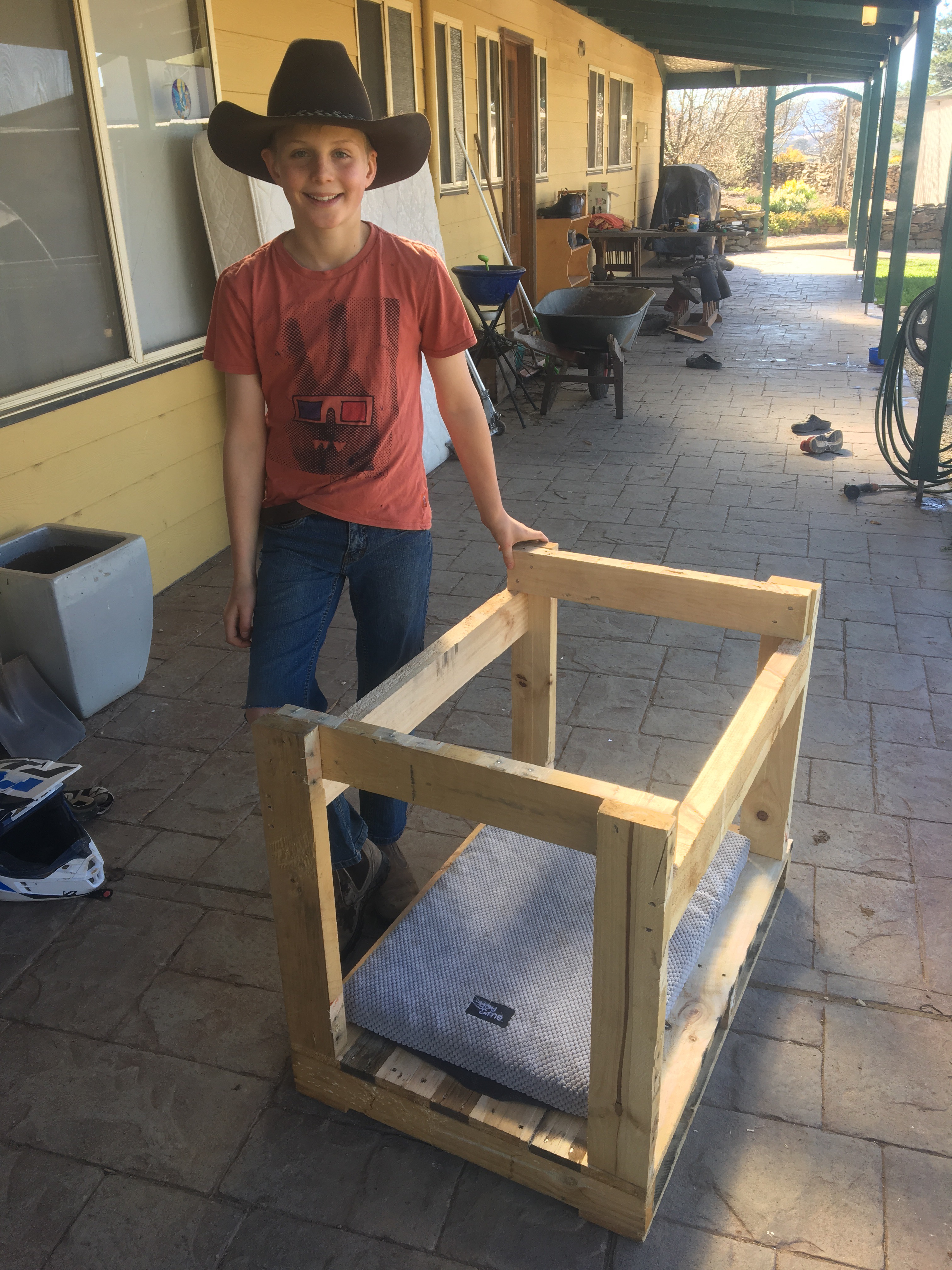
A frame was made using some of the pallet bearers.  Dimensions were largely based on the existing timber lengths.  We had minimal cutting to build this frame.

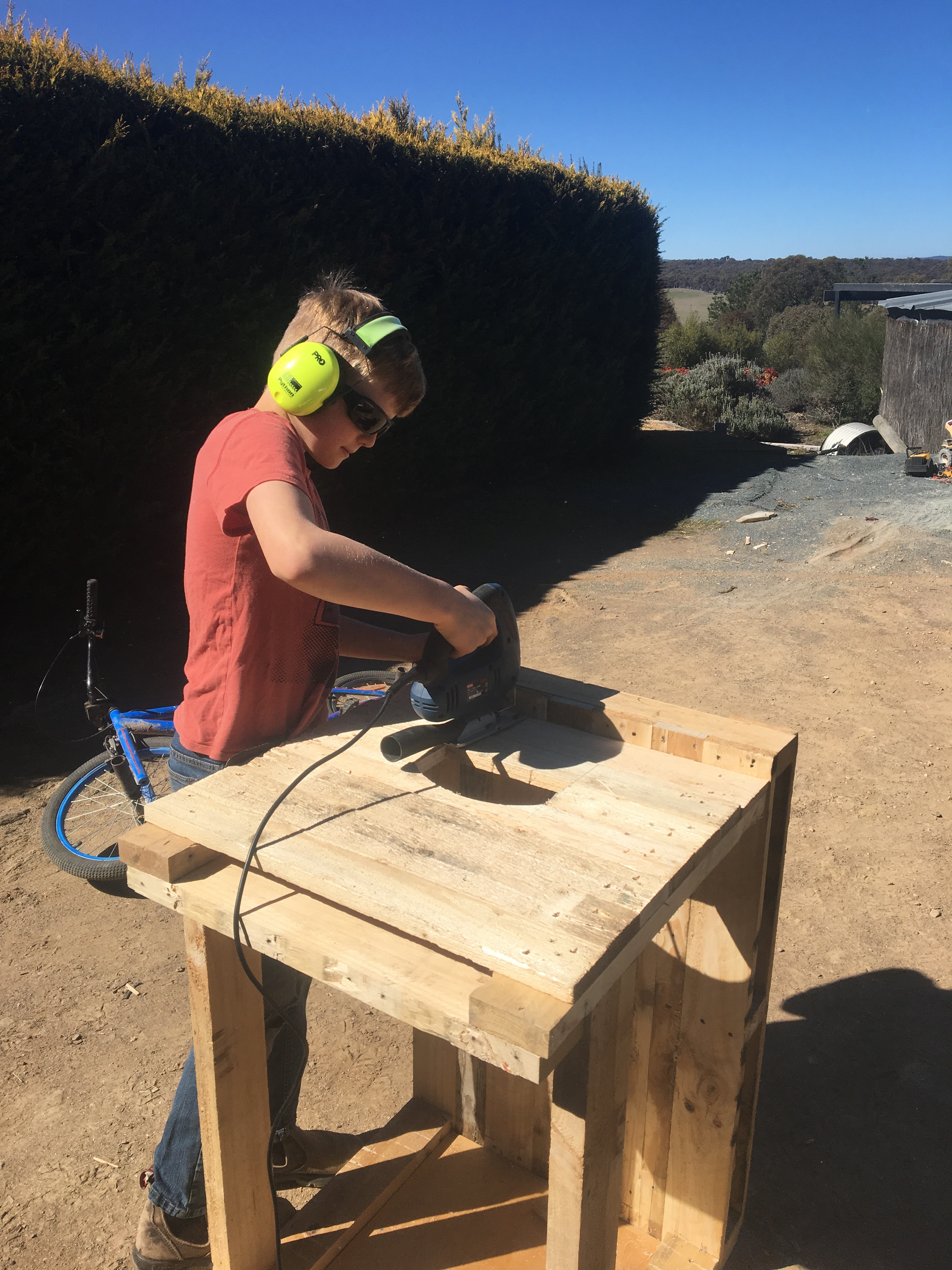
Pallet boards were carefully de-nailed, cut to length and then nailed to the frame.  The Little Helper cut an entrance carefully into the front with the jigsaw.

A sheet of old iron was carefully trimmed and formed the roof.  I used the angle-grinder to cut this – not quite ready to let the Little Helper’s play with this tool.

And before long, our 99 percent recycled dog house was complete.  Poor Sapphire didn’t really seem too keen on the kennel at the start.

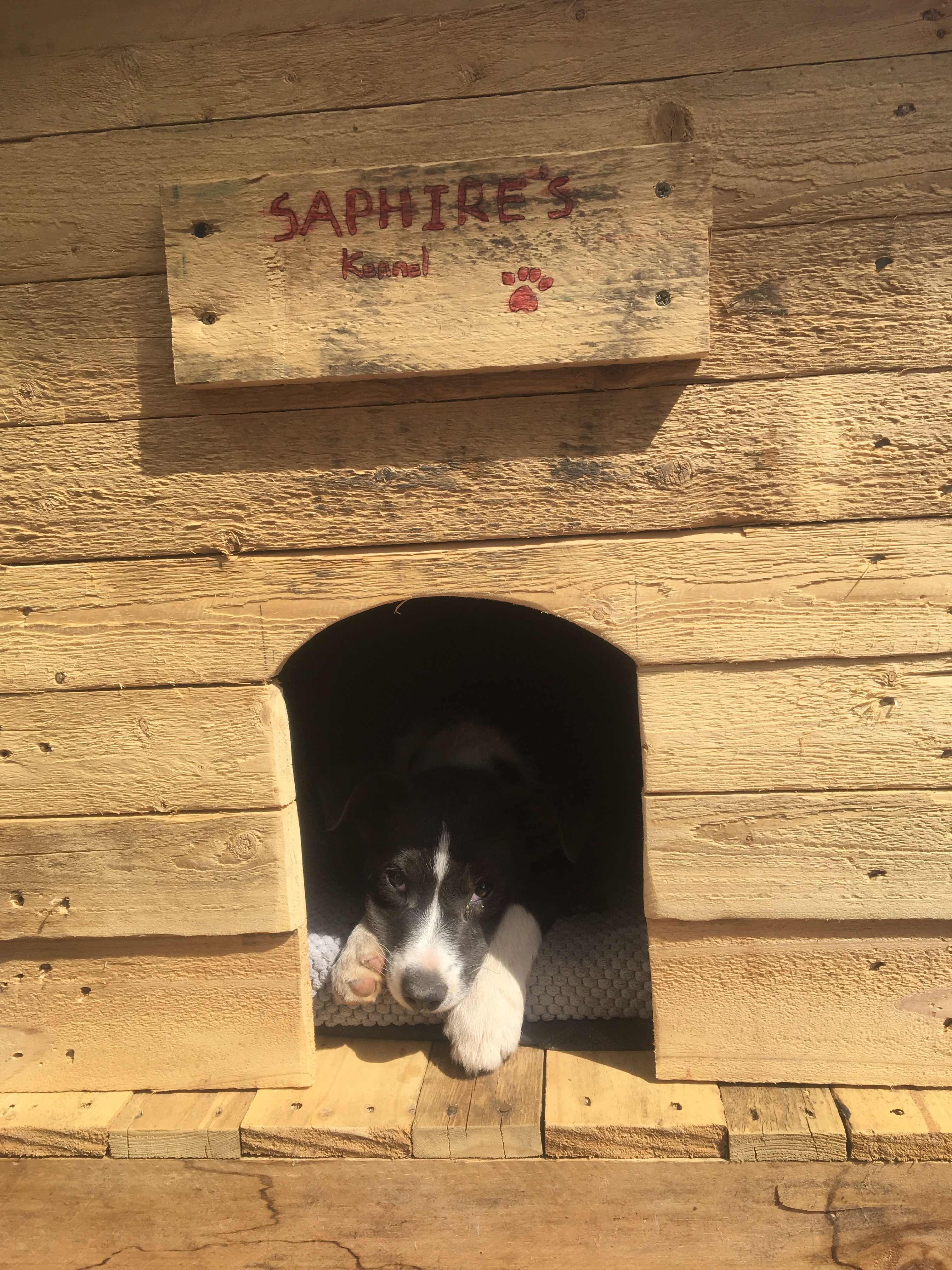
But it didn’t take too long for her to fully appreciate the comforts of her new home.

And there are times it is darn hard to get her out of it!

The best part about this project is that every scrap of timber and the roofing iron in this project was recycled.  The sarking was left over from our barn renovation.  The only thing that was new was the nails!

The boys are really excited about finding a project they can make – with minimal supervision.  After a quick check of Gumtree, they figure there is a market for recycled pallet dog kennels.  They hope to make another kennel or two in the school holidays – but if you’re really nice to them, they might even make one to order!

That is unless they turn all the pallets into cubby houses or forts…

Serrated Tussock 

One of the responsibilities that comes with ownership of ‘lifestyle blocks’ is weed control.  The Rock Farm is no exception – and whilst growing lush pasture is difficult here, it seems that weeds take particular pleasure in growing on our farm.
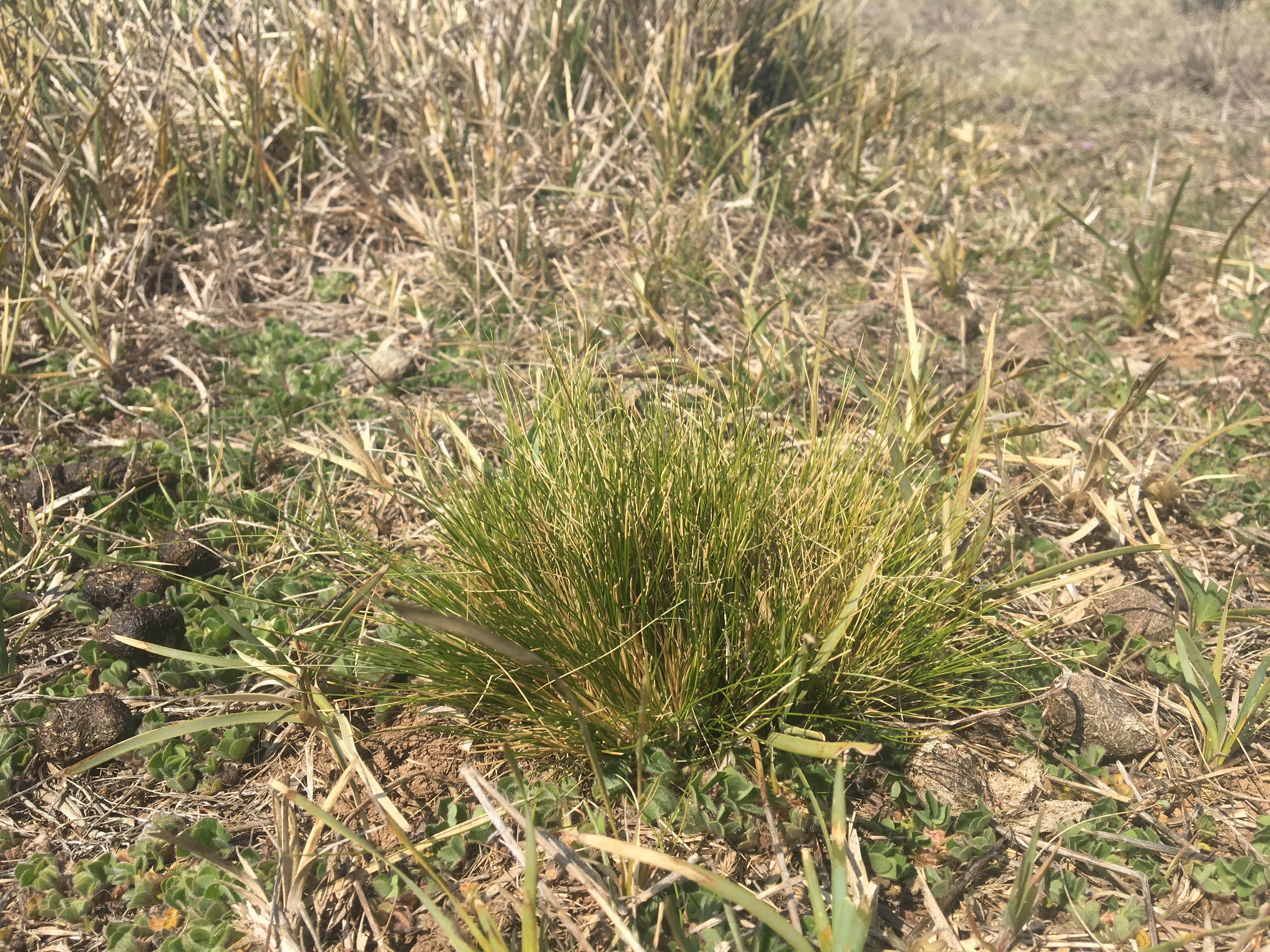
One of the weeds we have to control is serrated tussock (nassella trichotoma).  This is a weed of national significance.  It is not palatable to stock and large amounts can significantly reduce carrying capacity.

Serrated tussock came to Australia from South America in the 1850’s.  With no other commercial use, it was used as a stuffing in horse saddles.  During the gold rush, Australia received a huge influx of new immigrants, and one of the unintended by products of this mass immigration was the introduction of many pests.

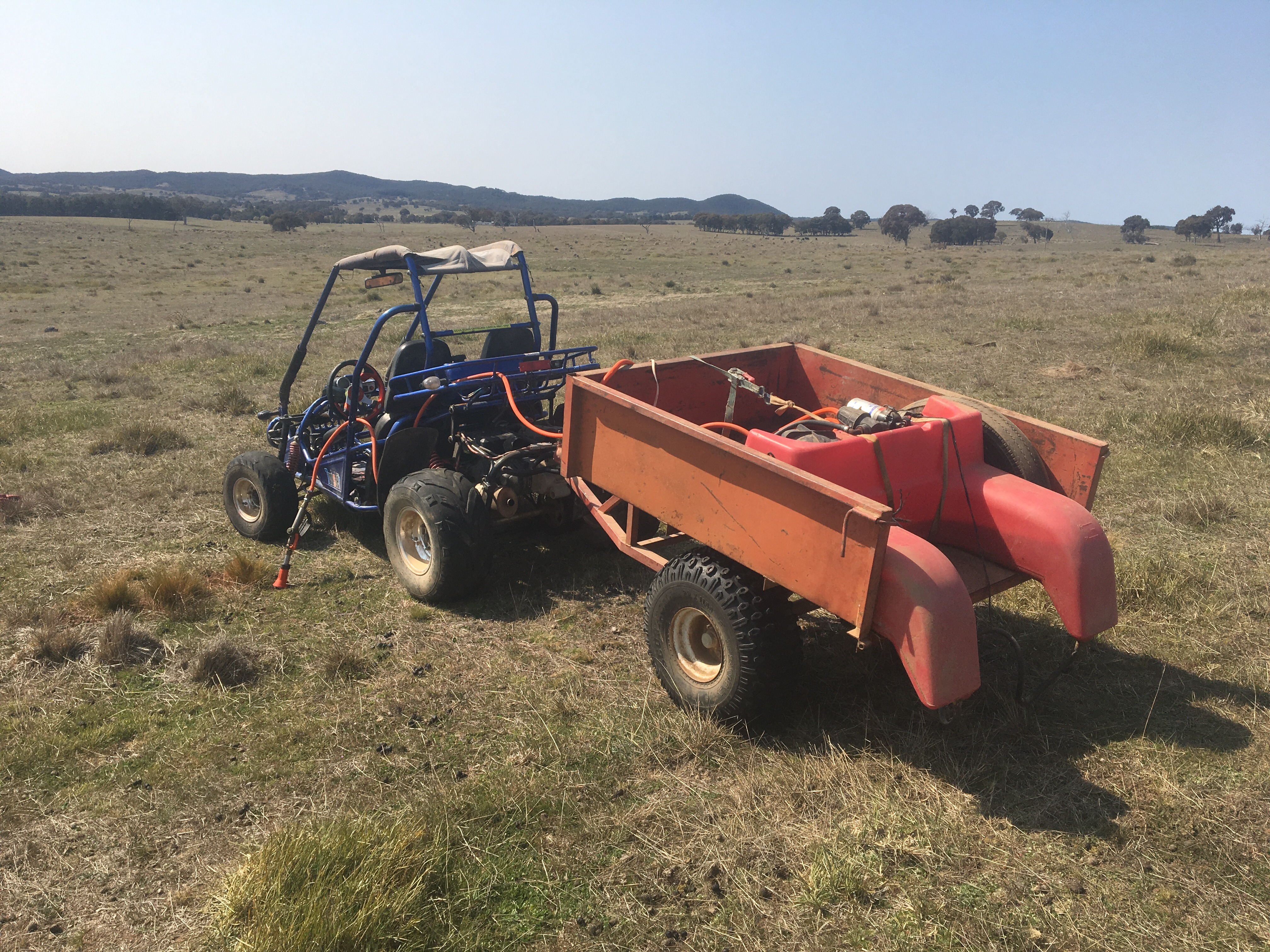
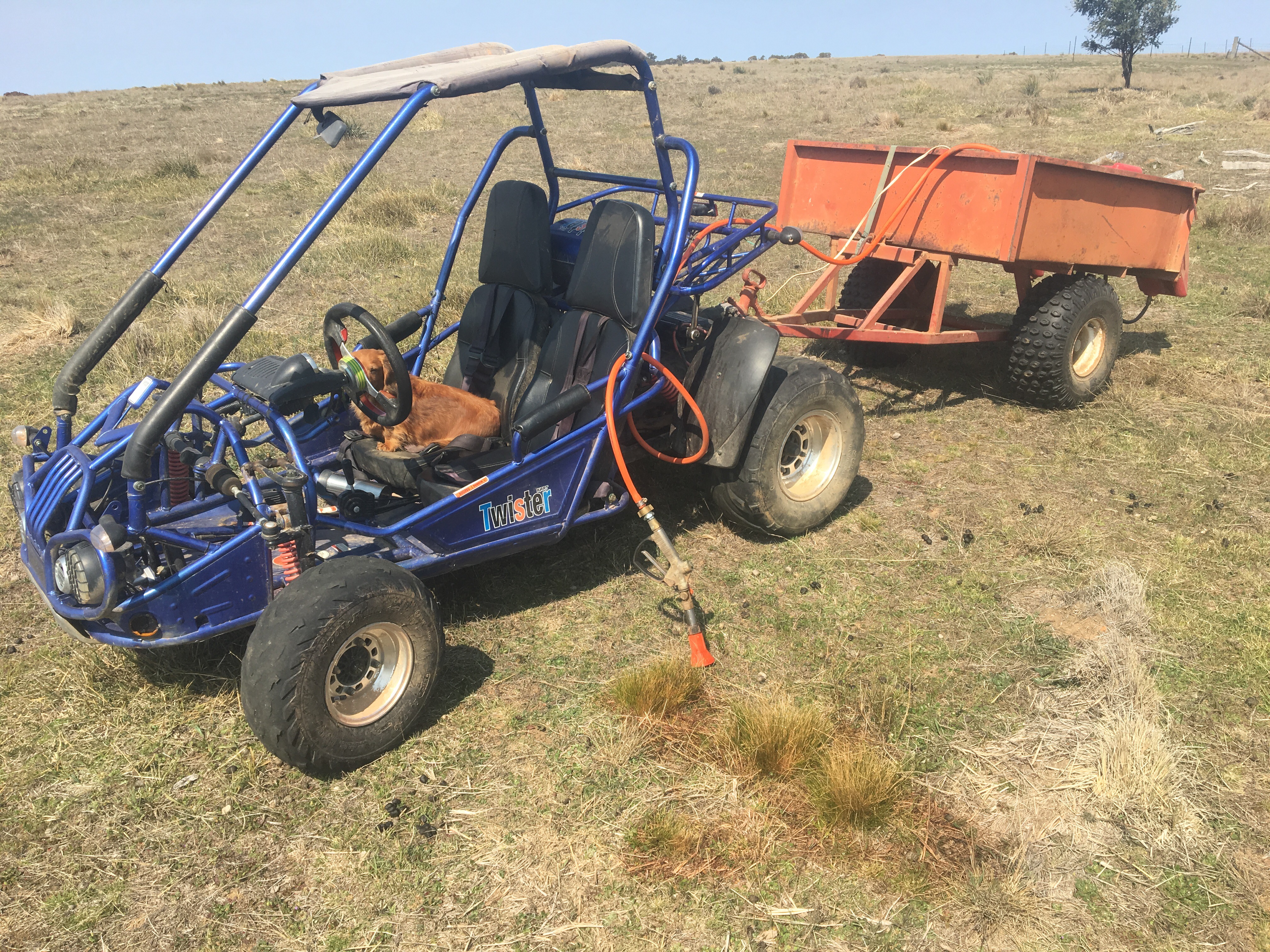
A couple of years ago, we learnt how quickly it spreads.  What I thought was a small patch rapidly grew, and it took a local contractor, with a specialised spot spay set up four days to spray.  It is now a much simpler job, and a quick run through the paddock gets most of the tussock.  My spraying rig is a combination of several contraptions, but it is effective for these smaller jobs.

Whilst I would love to control the tussock without the use of chemicals, it simply isn’t cost effective.  The cost of spraying per hour is roughly equivalent to the return made from selling one lamb.  Chipping out the weeds is cheaper per hour, but takes around 4 times as long.  With consumers willing to pay generally only a small price premium for organic lamb over the regular product, it is not effective for our business.

For someone with limited time, spraying is definitely the way to go.  Even with my cobbled together arrangement, I can cover a far greater area than if I was chipping out the tussock.  The chemical burden is also very small considering the land area it is dispersed over.

The supervisor also enjoyed the ride, however was far more interested in the passing kangaroos than pointing out the tussocks I’d missed!

One of the greatest defences against serrated tussock is good ground cover.  The seed is dispersed mostly by wind, the seed itself is not very competitive.  Part of the large reduction in tussock numbers in this paddock has been, I think, our efforts in establishing a good pasture in the paddock and removing the stock.  The planting of trees will further reduce the wind borne seed entering from the neighbour’s place (I hope).

In the mean time, we continue to celebrate the arrival of spring on the Rock Farm.
More excellent information on serrated tussock can be found on the NSW Weedwise website here: http://weeds.dpi.nsw.gov.au/Weeds/Details/123

Mineral supplement update 

A few weeks in and the Pat Coleby inspired mineral supplement station is working well at the Rock Farm.  The sheep have been nibbling away at the mineral salt and copper supplements, but have completely devoured the sea-weed meal.
Through this process, I am slowly identifying which minerals the Rock Farm is deficient in.  By providing minerals for the sheep, I am relying on them to select what they need and distribute the mineral wealth of the supplements throughout the paddock, thereby slowly improving the soil on the Rock Farm.

Seaweed is naturally rich in Iodine, but it also contains so many other minerals.  It is also not available at my local rural supplier.  So in desperation, I selected a different product, to get the sheep through until I can find some more sea-weed meal.

Whilst it wasn’t as popular as the seaweed meal, the sheep did seem to nibble it and continue to seek the mineralised salt.

img_1250

So things continue on the Rock Farm.  The sheep are looking forward to some fresh spring grass, new lambs continue to drop and life is good.