Slashing Weeds (or is that tyres?) – Changing a Tractor Tyre

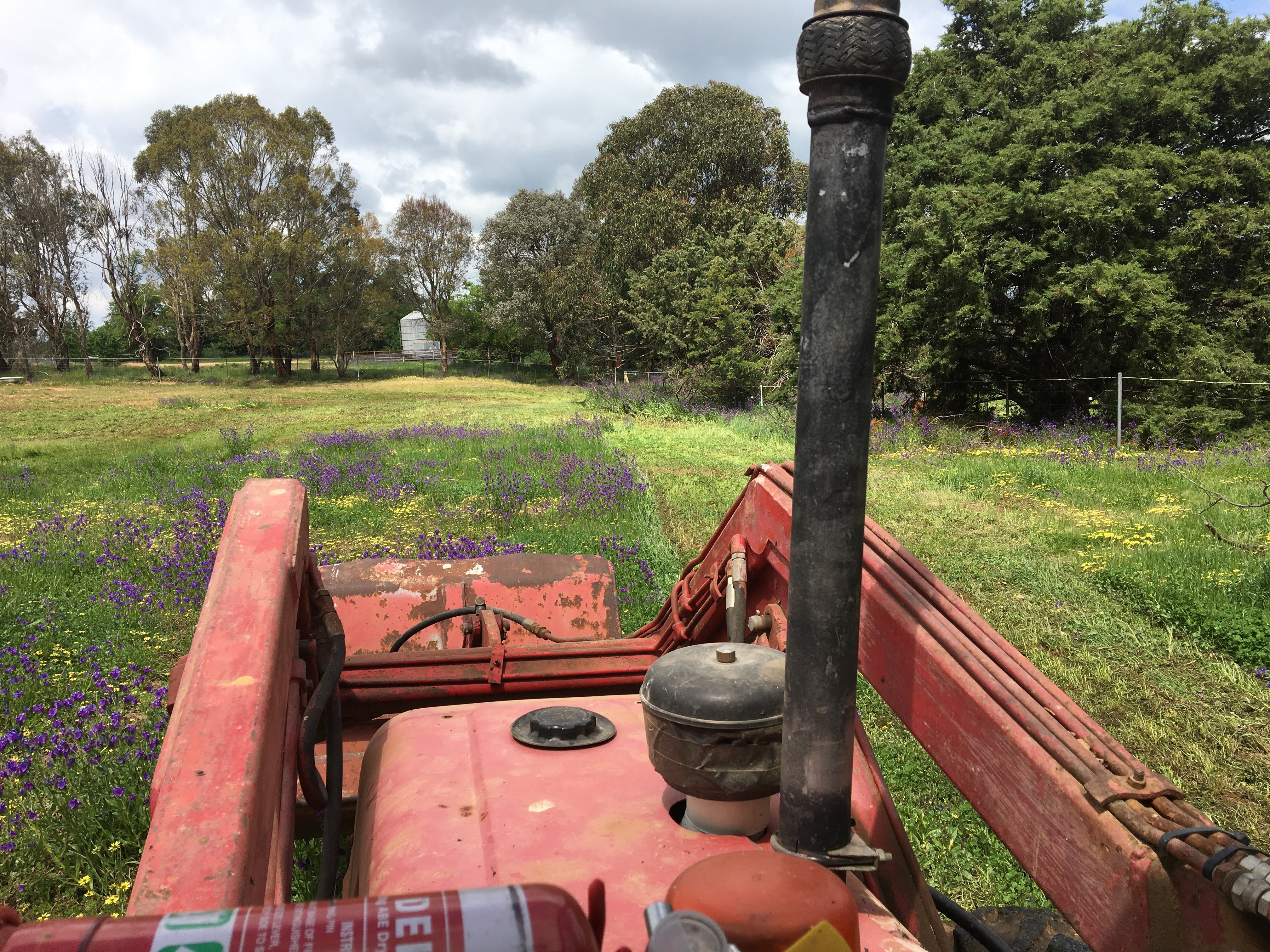
With the prodigious and welcome explosion of grass this season, We have been running machines that have done very little work in the past few years. And for old machines, especially old tractors, the maintenance requirements are a little higher. I have had to replace pins, stabilising chains on the three point linkage, and a tube in one of the front tyres. But I had been watching the right rear tyre of our old tractor with increasing dread.

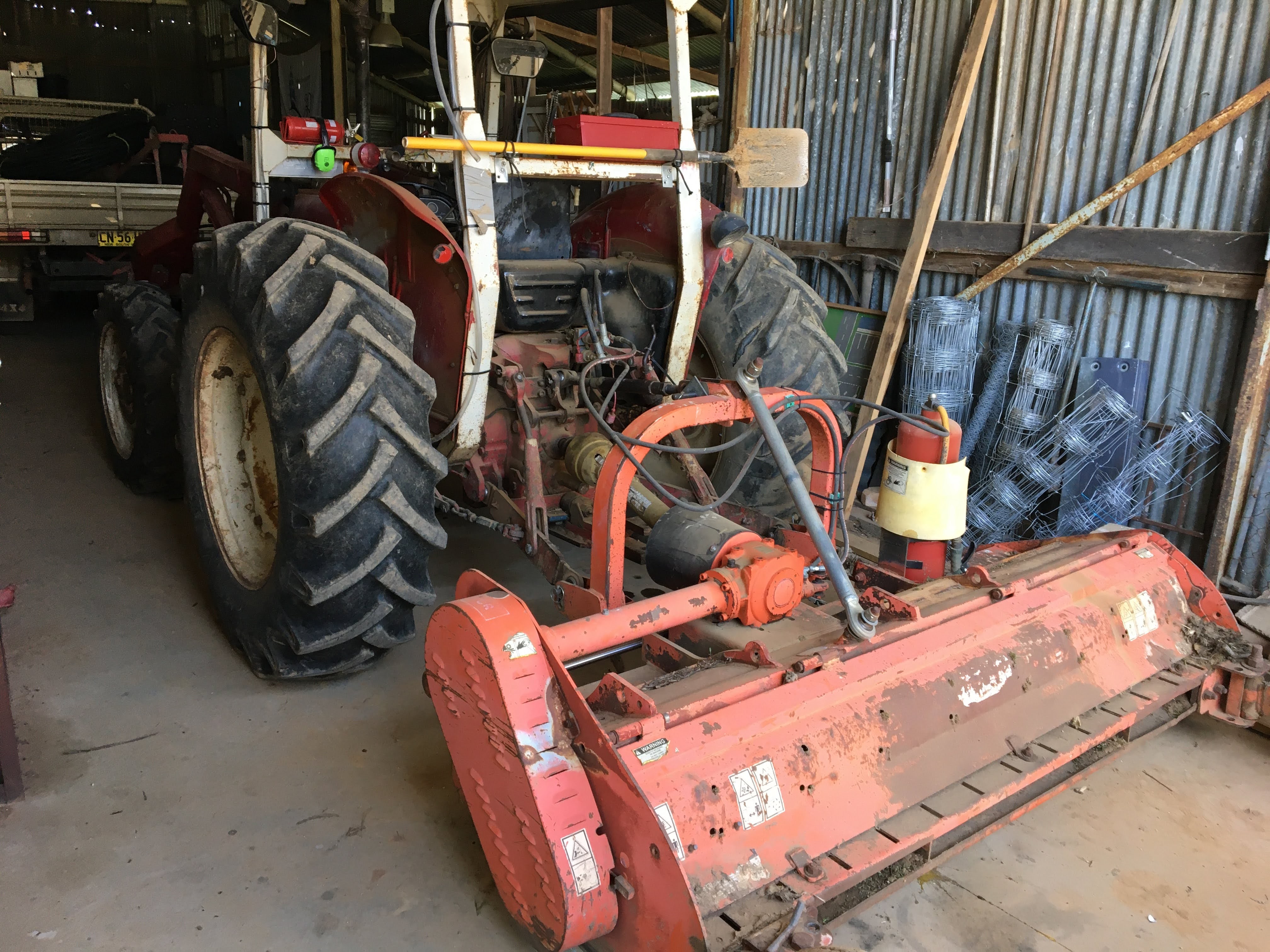
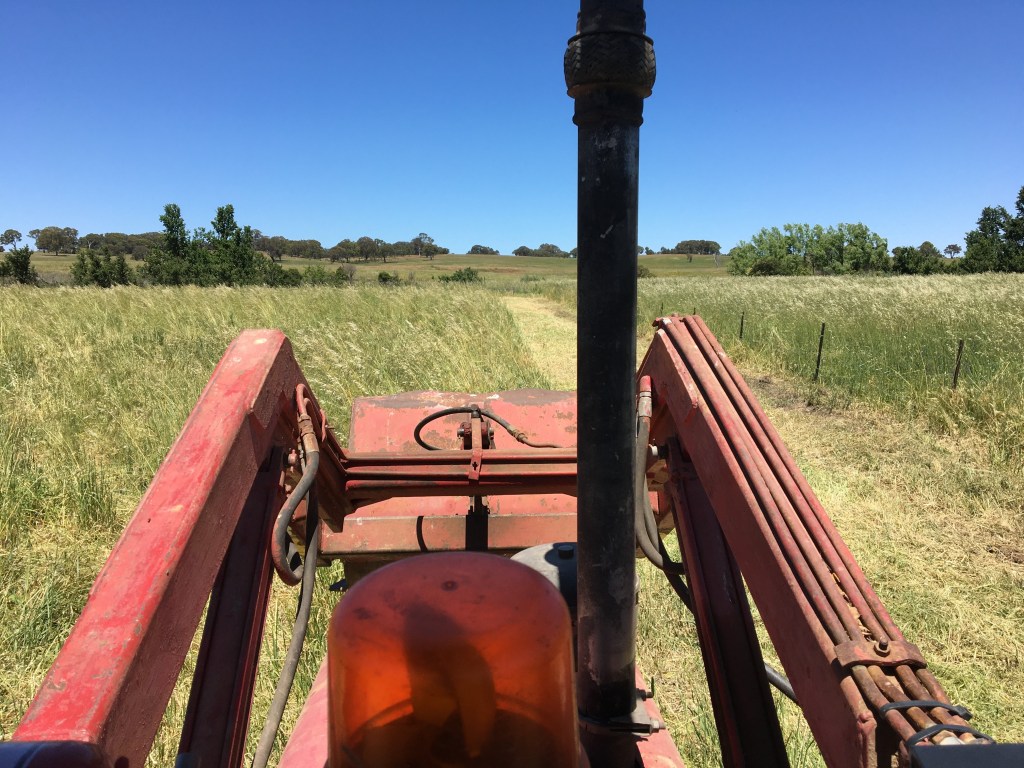
In my a recent post, I explained how we had been using an old mulching or flail mower behind the tractor to knock down Paterson Curse and other weeds. We had put new tyres on the mower this year, which has allowed me to manage the height the mower works at more precisely and reduce the load on the top pin.

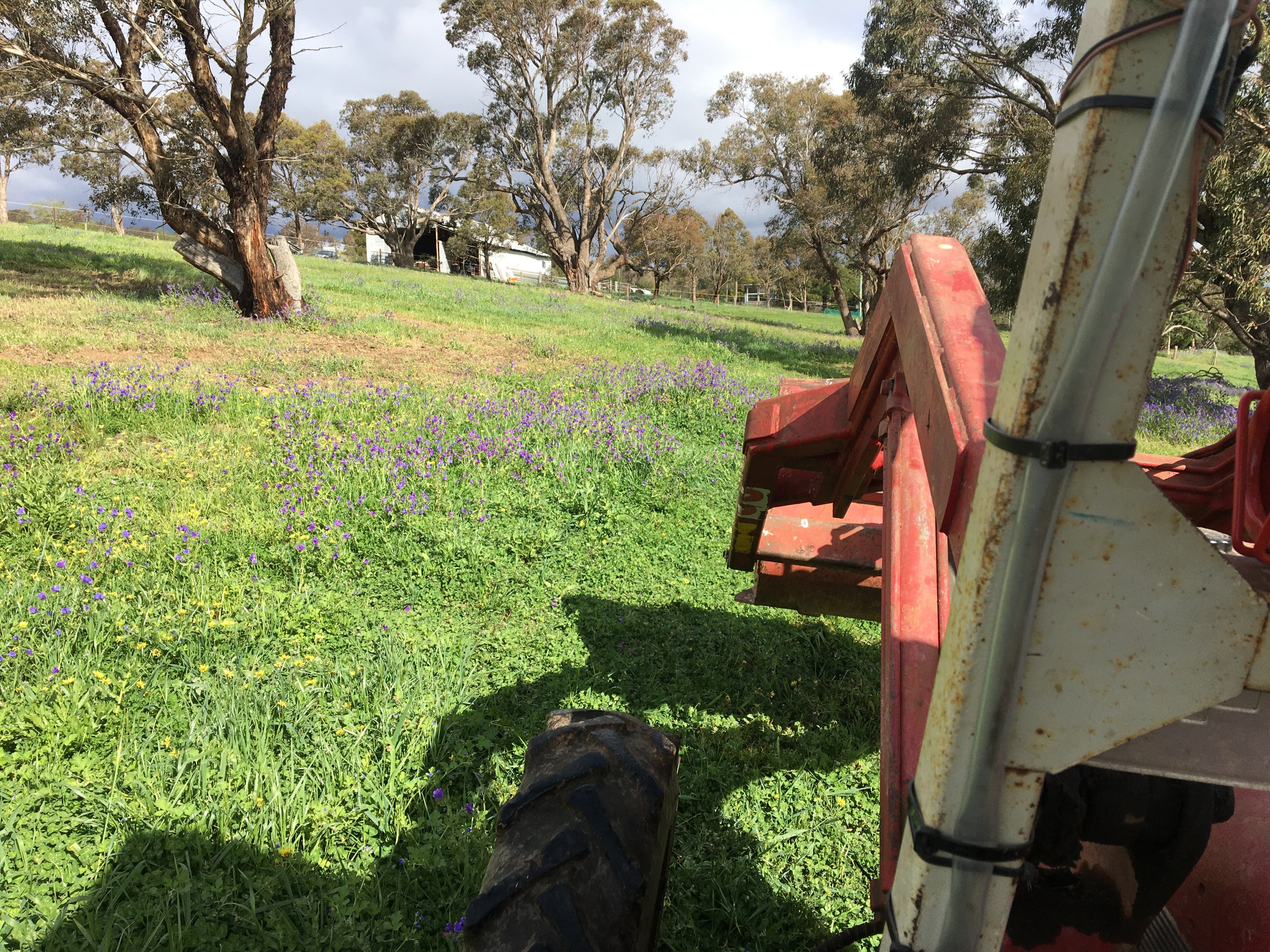
I have also been using the mulcher to create firebreaks around the house. The grass is still green at the base, but with the heat of the last few weeks, it has browned off and stopped growing. By slashing it now, I hope to maintain a zone of safety around our house and shed for this year’s fire season.

I had been watching the right rear tyre closely for a while. It was probably original fit to the tractor, making it over 45 years old, and was in much poorer condition than the left rear, an obviously much newer tyre. The tyre in question had several tears along the lugs, including one that had opened up and had the tube protruding.
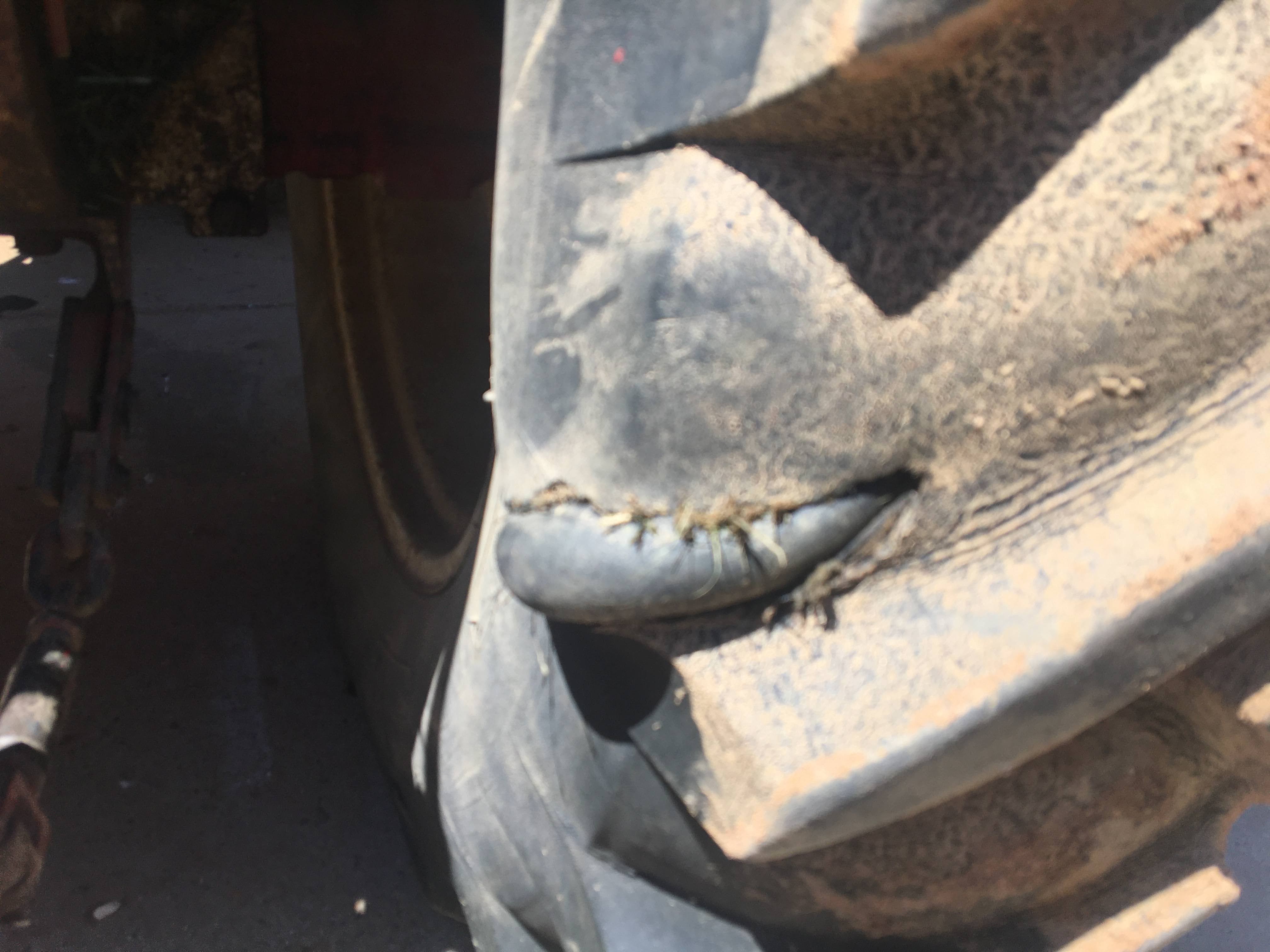
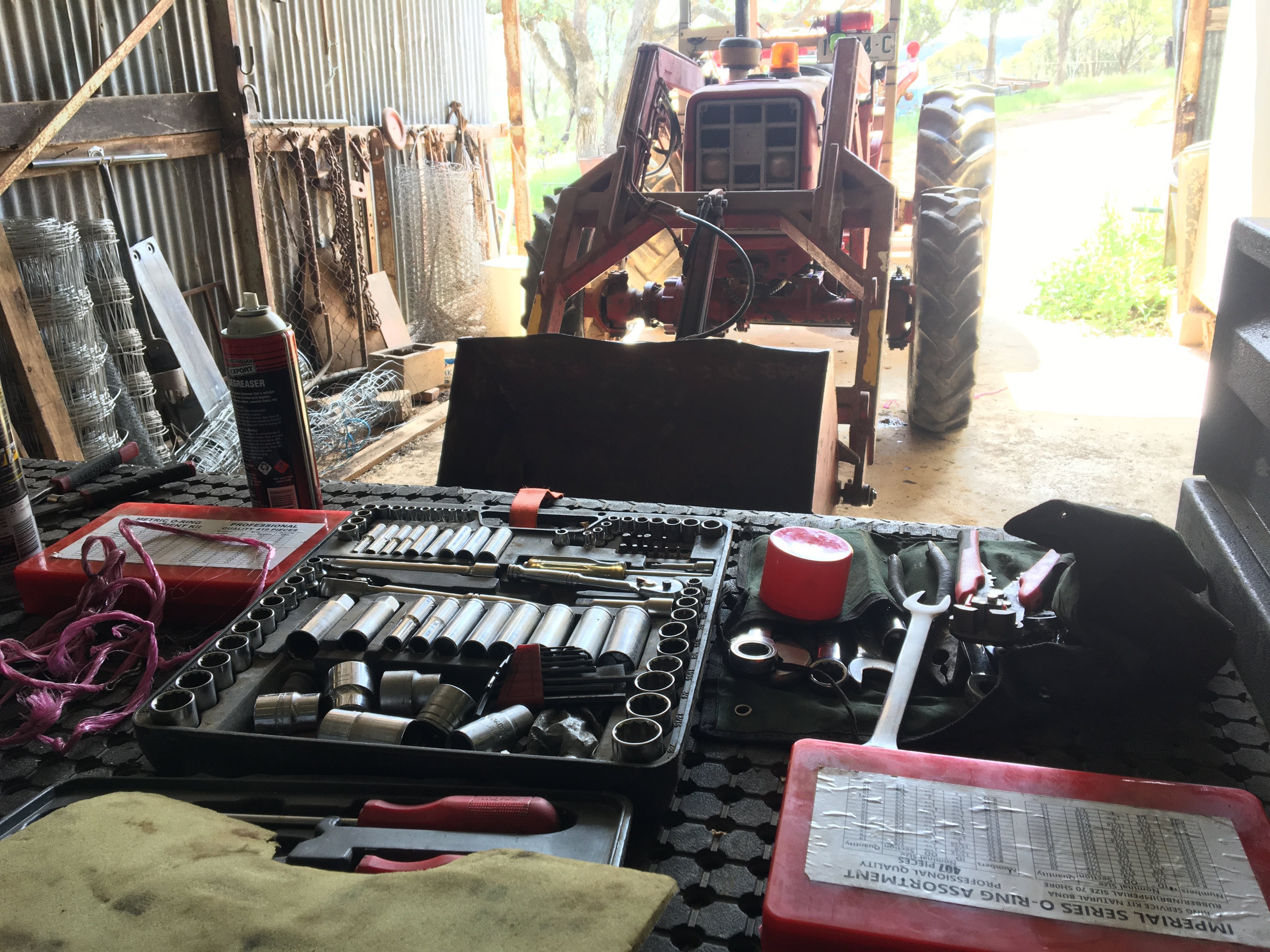
I decided to err on the side of caution, and relocate the tractor to the shed to remove the wheel before it punctured. The main reason for this is I find it much easier to work in the shade and on a concrete floor at my convenience rather than in the paddock on a terrible slope at the worst possible time.
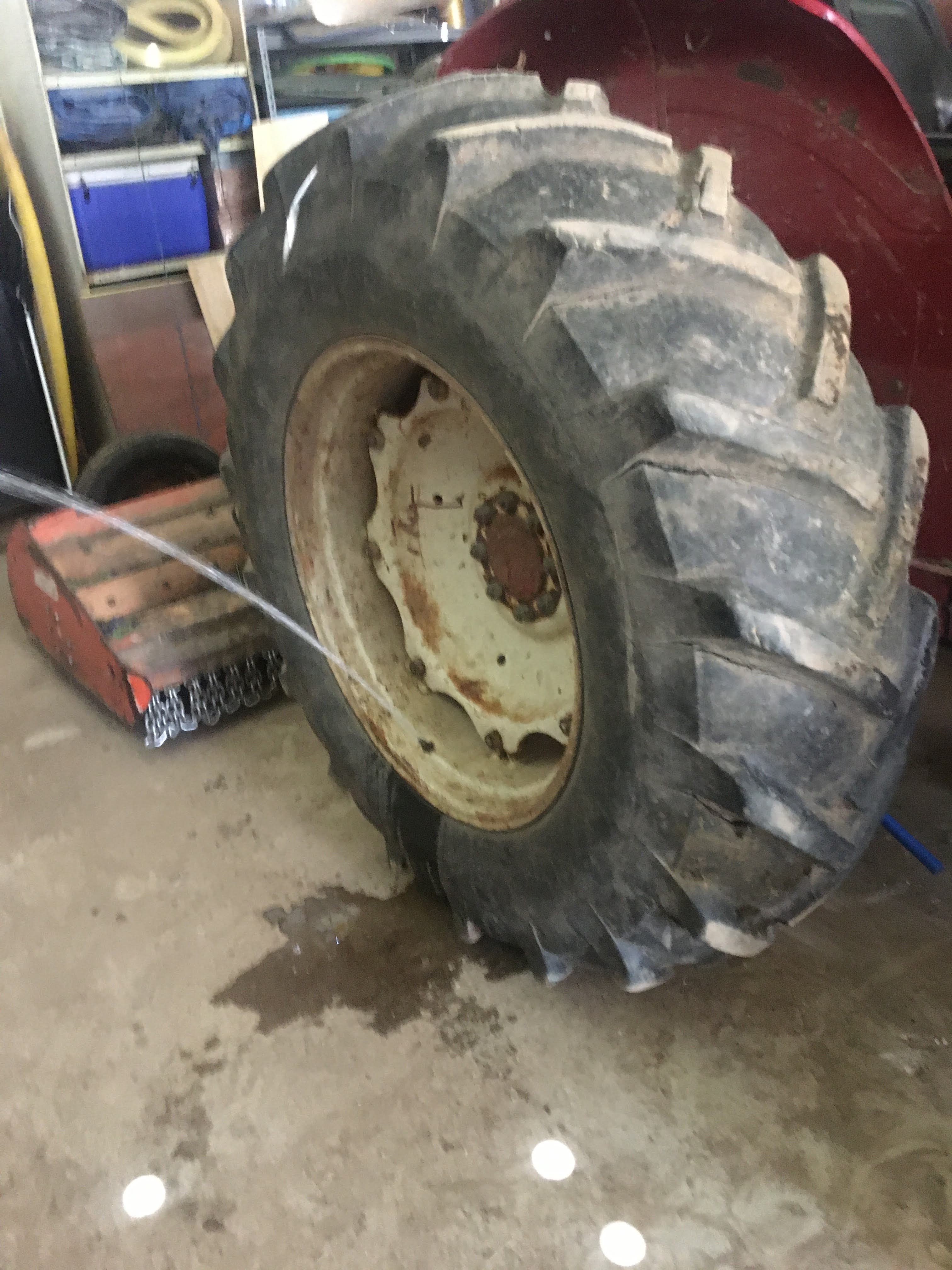
I was concerned the tyre would be too heavy for me to move. As feared, it was filled with ballast water. Before I undid the wheel nuts, I removed the valve stem, and admired the jet stream of water pouring out of the tyre onto the shelves in my shed. Once the water was mostly drained out of it, I found I was able to roll the tyre about easily enough. The boy’s trailer came into its own, with a handy tail ramp that I could roll the tyre up and into the trailer.

Even better, the local tyre shop was able to source a new tyre – the same brand and size as the one on the left hand side. They refilled the tube with air, and explained to me how to ballast it with water. On their advice, I parked the tractor with the valve at 10 o’clock, supported the axle with the jack and removed the valve stem. I then clamped a hose to the valve and started filling with water. Every minute or so I removed the hose, to allow the pressure to release. Once the tyre was full to the mark with water, I replaced the valve stem, rotated the tyre so the valve was at 12 o’clock and topped it up with air.

A huge thank you to the team at Douglas Tyre Service who had the tractor back in service, slashing weeds and clearing fire breaks two days later.
It’s not just weeds that are growing on the Rock Farm

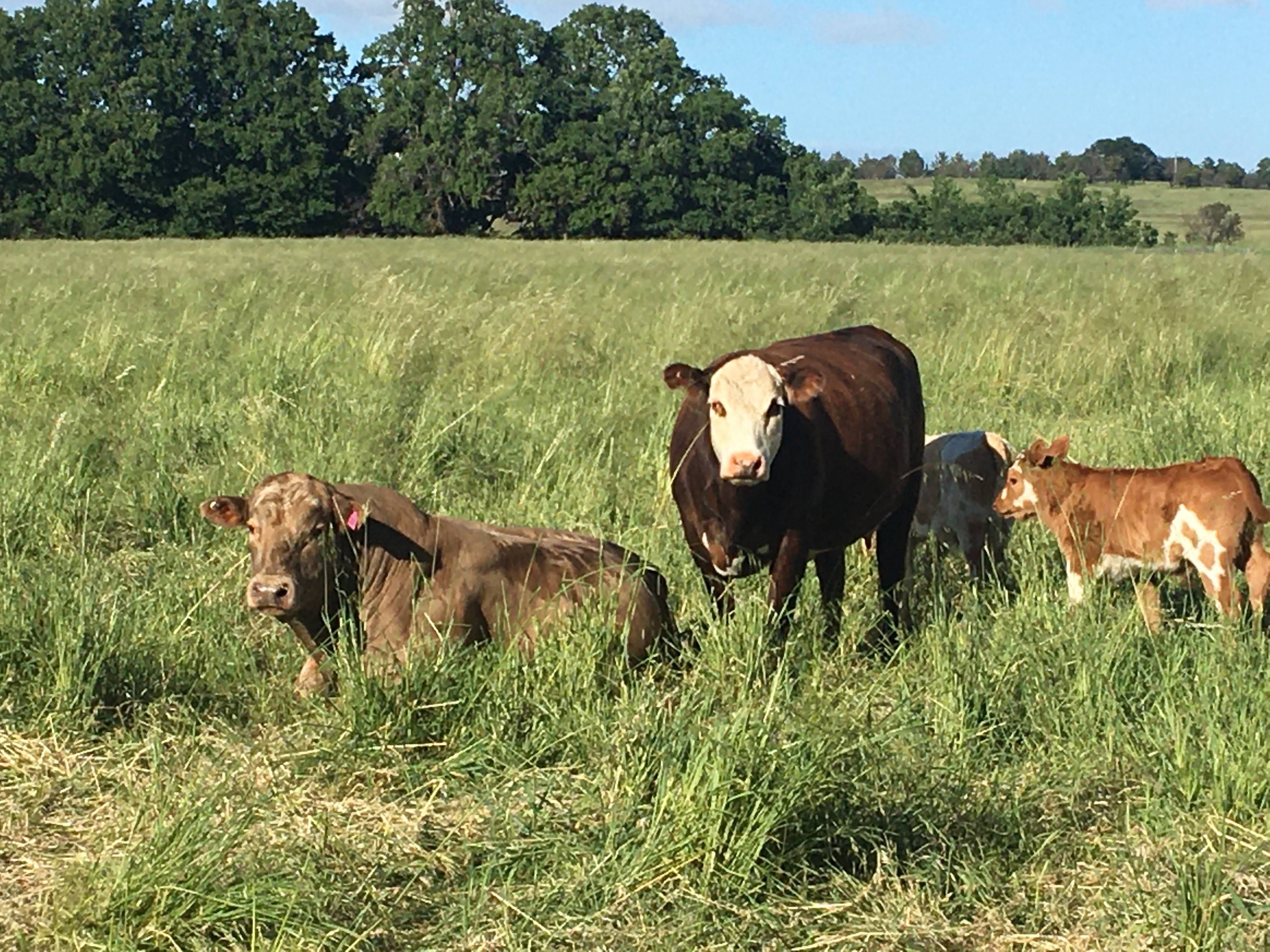
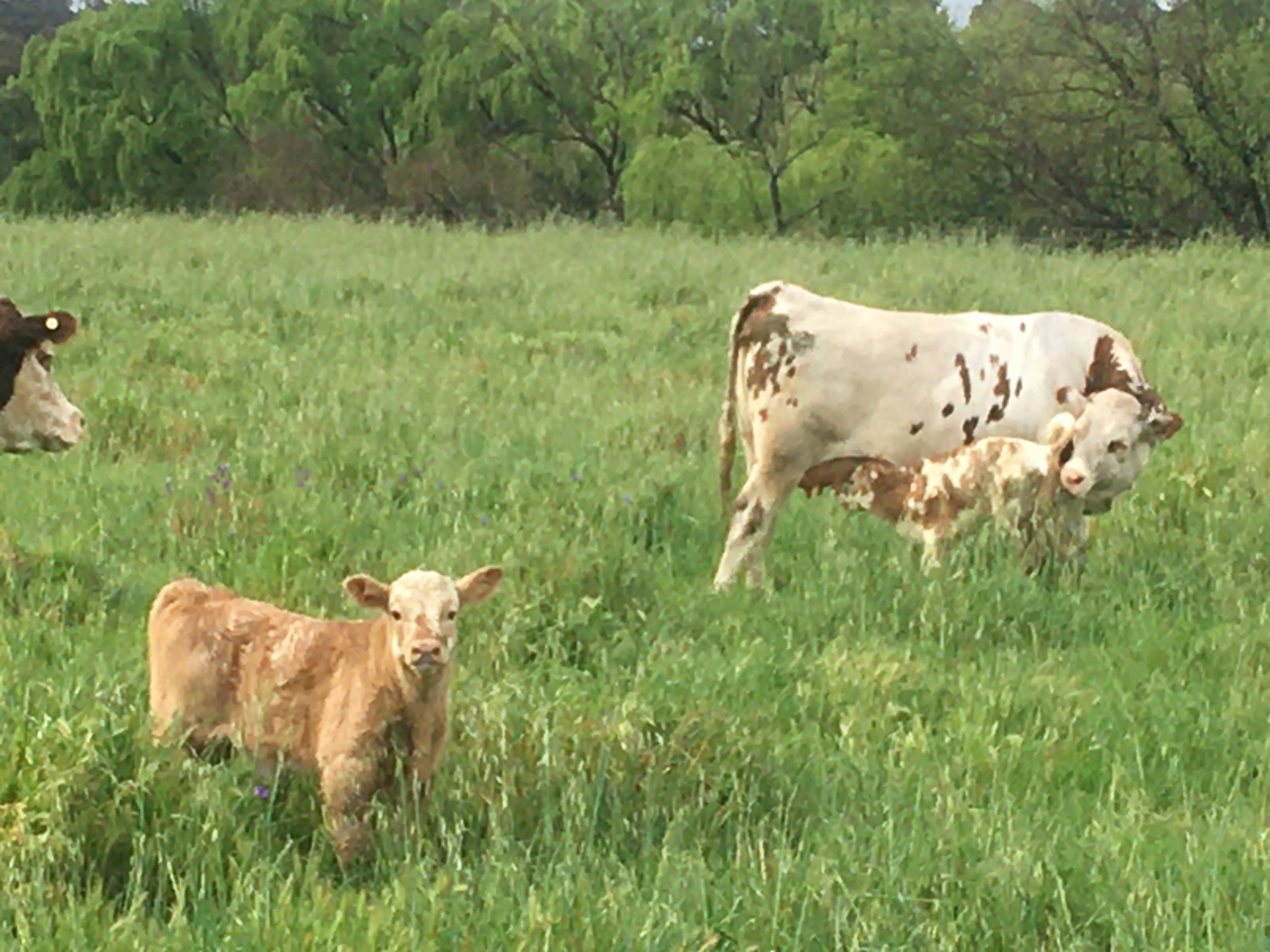
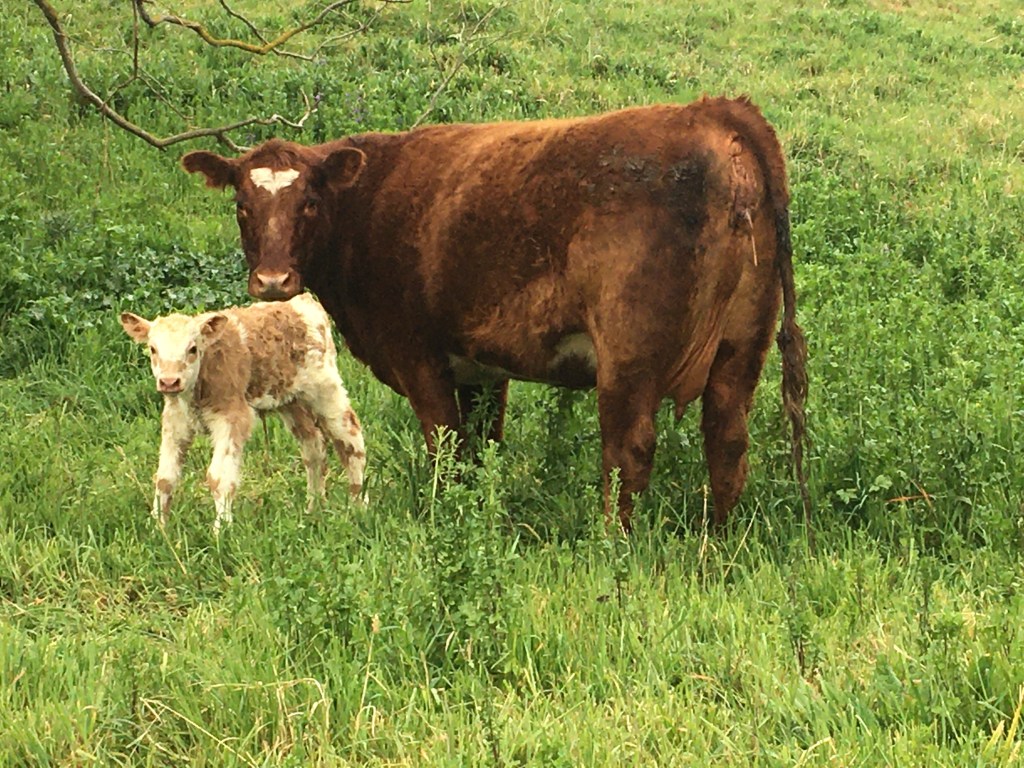
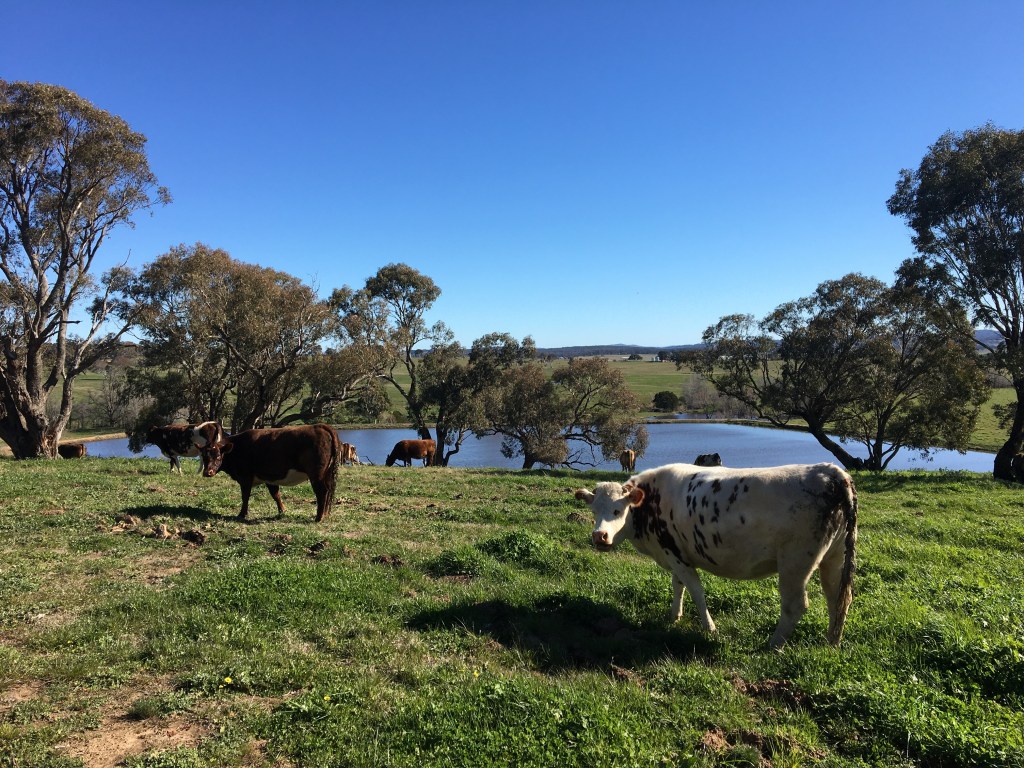
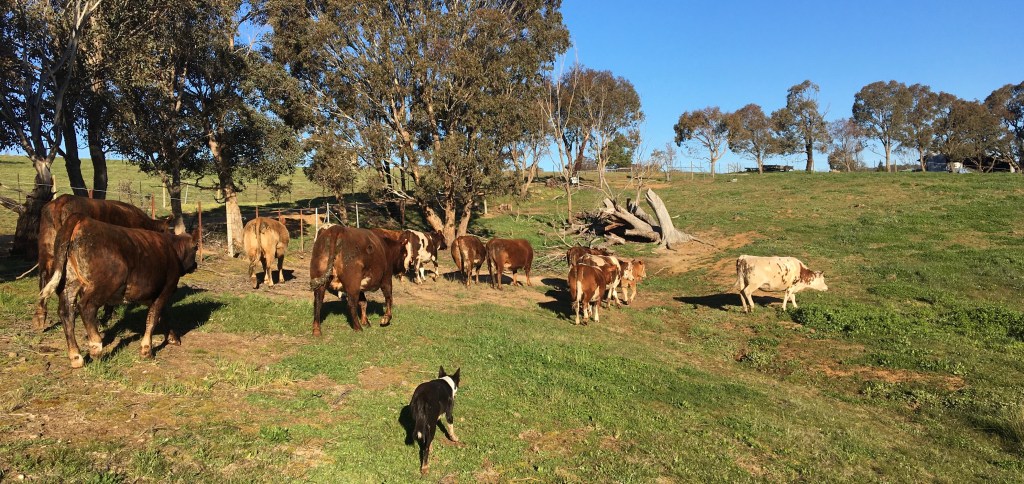
There is no doubt that this is one of the best spring season’s this district has seen in recent memory. Our cattle are in remarkable condition, with the calves growing quickly.

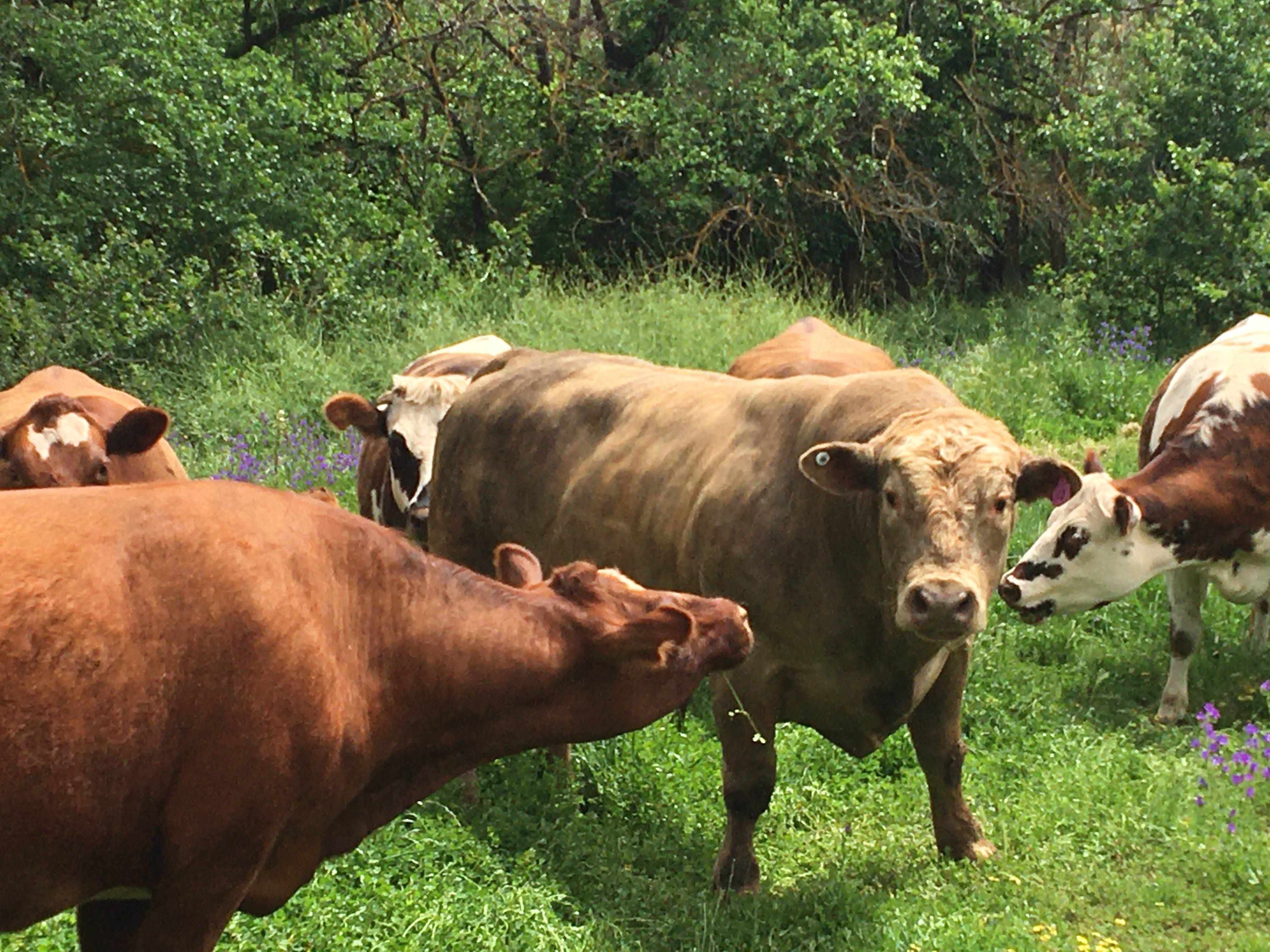
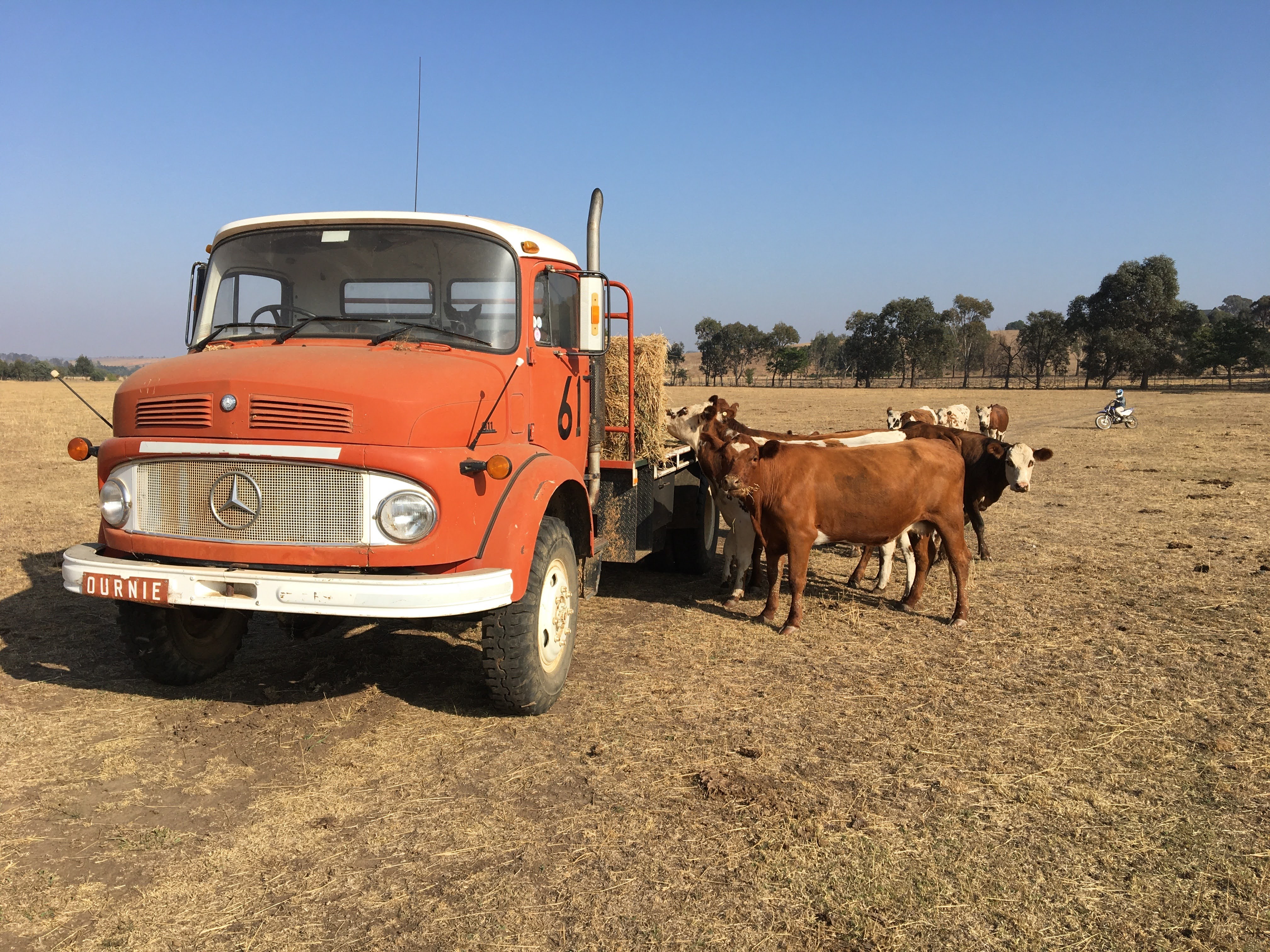
With so much condition on the cows, they have already started cycling. We decided to go with nature and bring forward our leased bull. Ferdinand, as he has been named by the family took a little encouragement to get off the truck, but once he made it down the ramp, he was welcomed quickly into the herd. A magnificent Charolais Cross, his sire was a top performing bull in the United States, especially bred using artificial insemination by our mentor, John. We are extremely fortunate to be able to use some of the world’s best bloodlines in our humble herd.

With the cattle doing extremely well, and requiring little more than a daily water check, I have had time to turn my attention back to more domestic matters. The garden has exploded, and I have been spending quite a bit of time either pruning excess growth or removing branches and trees that died in the drought and haven’t recovered. Unfortunately Jo and I have slightly different objectives with our pruning. I want the area under the trees clear of obstructions so I can mow easily up to the trunk with our mower. Jo would rather I leave the branches down to the ground to make a wind break.

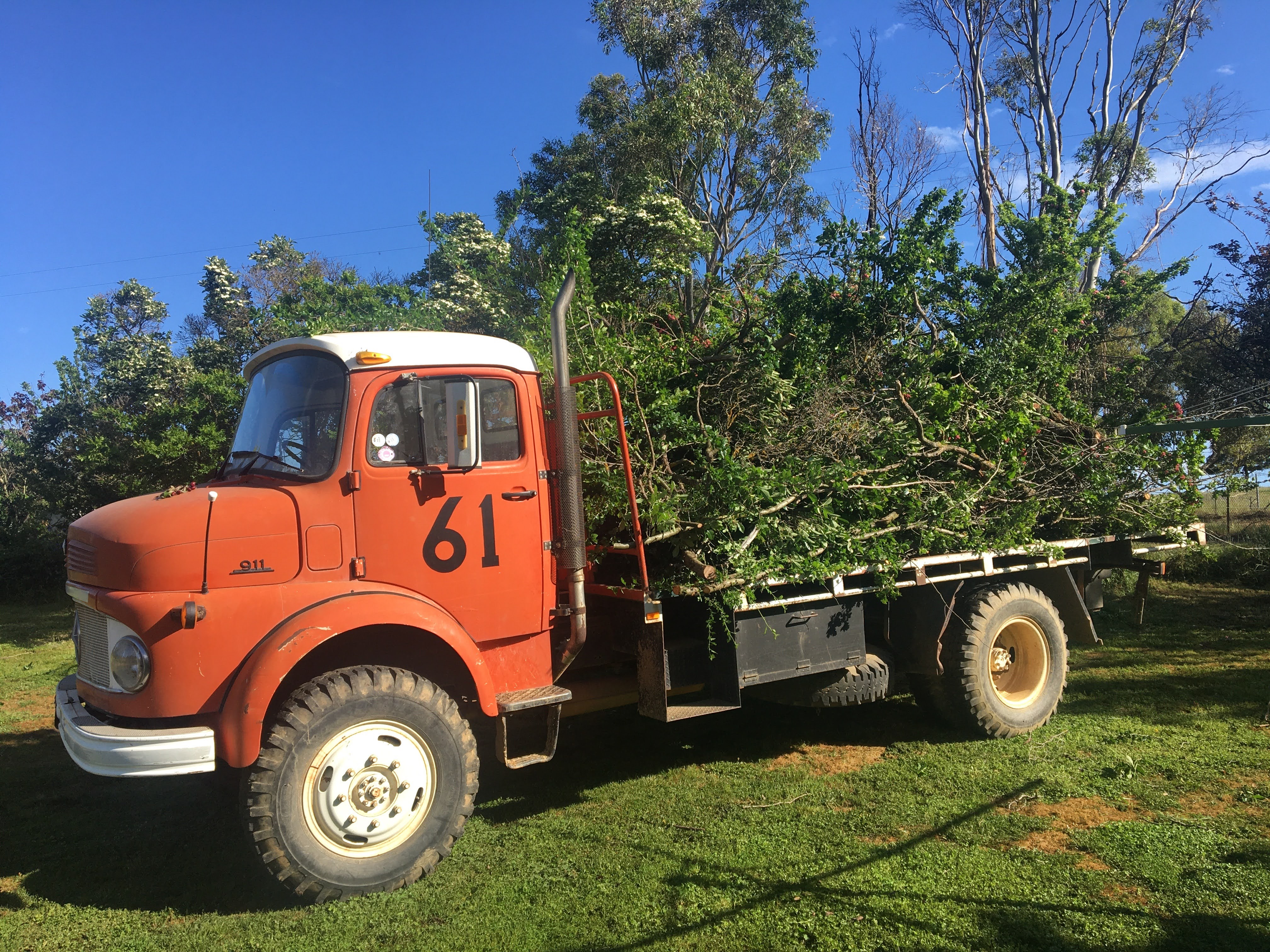
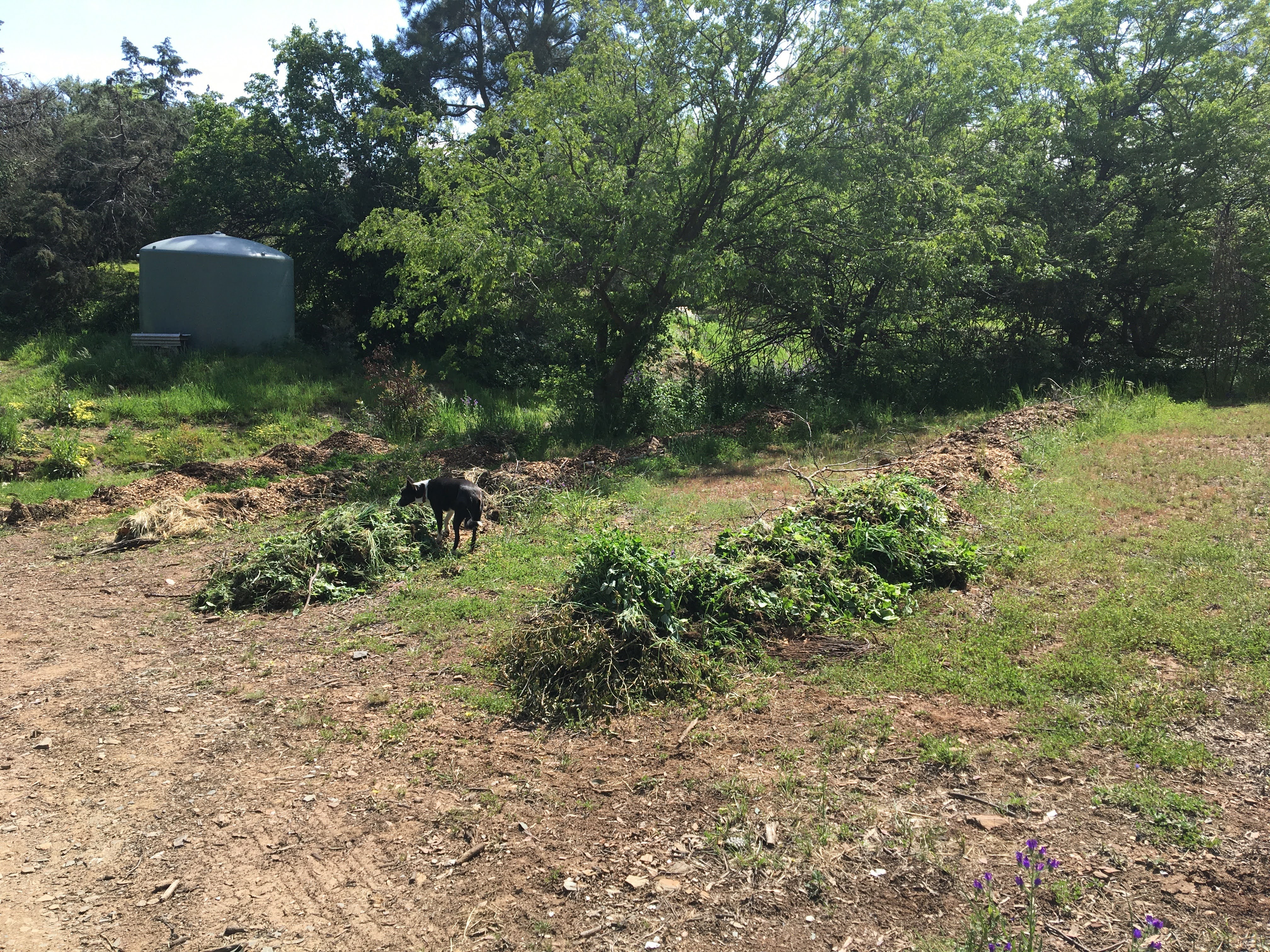
The best thing about a little battery powered chain saw is that you can do a whole heap of pruning before you get caught… It is also the worst thing. I think the shock of seeing the truck laden with clippings caused a moment, but once Jo realised how neater the trees looked I was almost forgiven… almost. The clippings, along with some weeds from garden beds, have been used to make swales in the bottom of the garden to better capture water in the previously dry area.

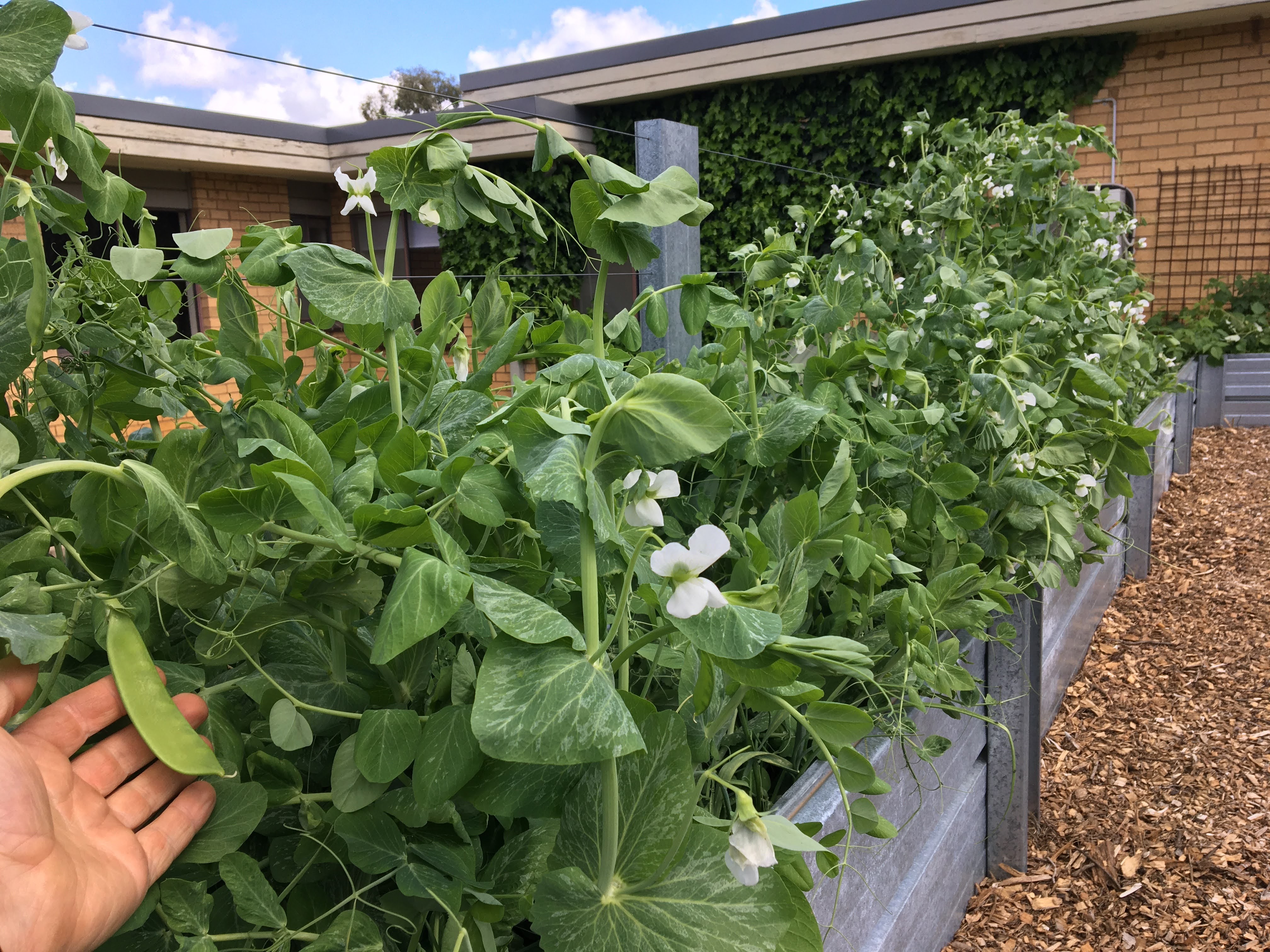
All Jo’s work in the vegetable garden is starting to really pay off. We have harvested our crop of garlic, and the snow peas and green salad leaves are in fantastic condition. We even enjoyed some broccoli before it shot to seed.

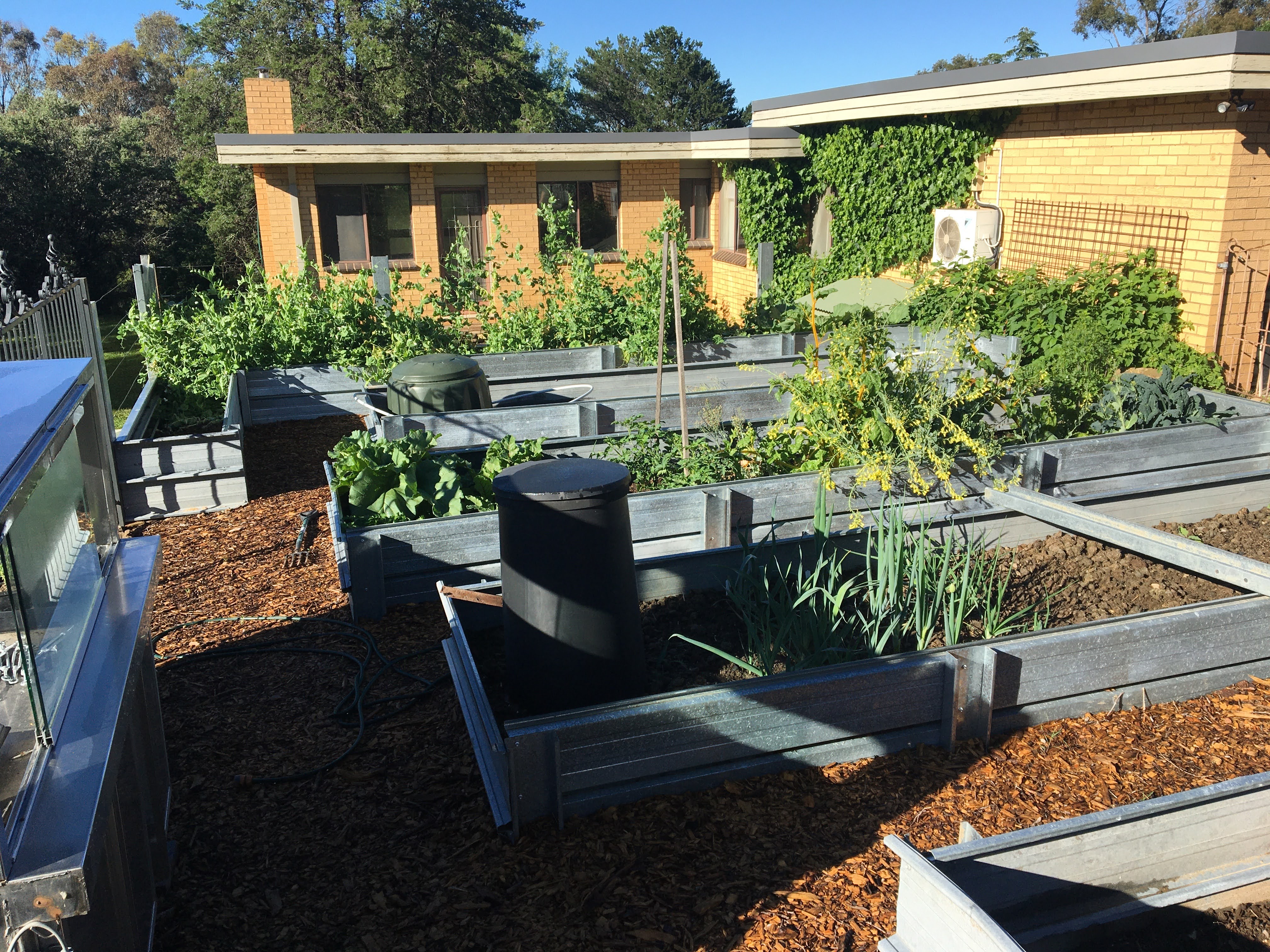
I admit I was skeptical about using the old roofing iron to make vegetable beds, but Jo did a great job. The garden looks really impressive, and is a pleasure to work in. There is also something completely wonderful about the taste you get with fresh vegetables and salad leaves picked straight from the garden. I once heard it described that you can taste the sunshine – and I think it is true!

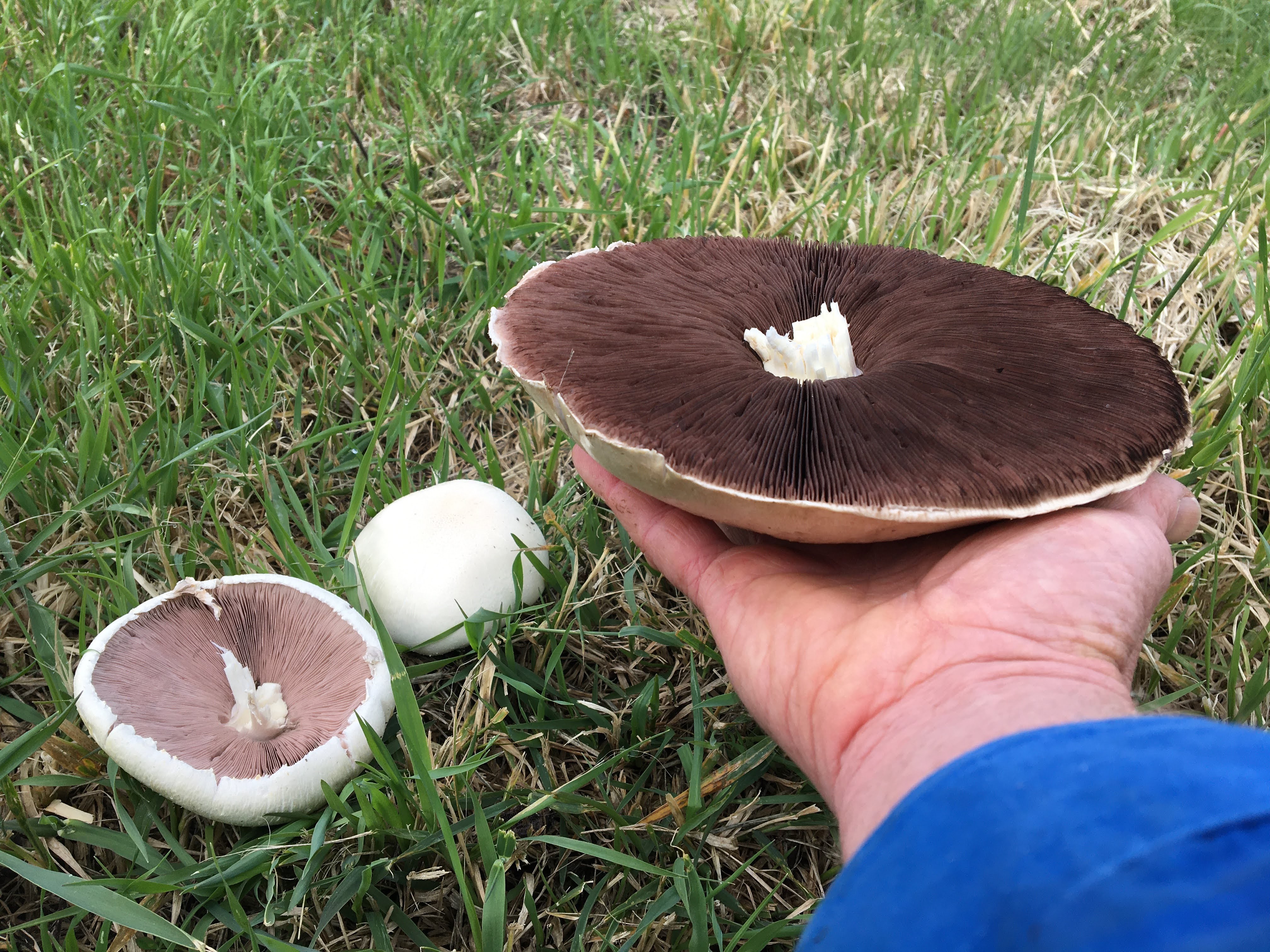
But it is not just the vegetable garden that is putting food on our plate. We are finding magnificent field mushrooms in the paddock. Each mushroom could be a meal in itself, and we have dried some of our excess mushrooms to use in the future.

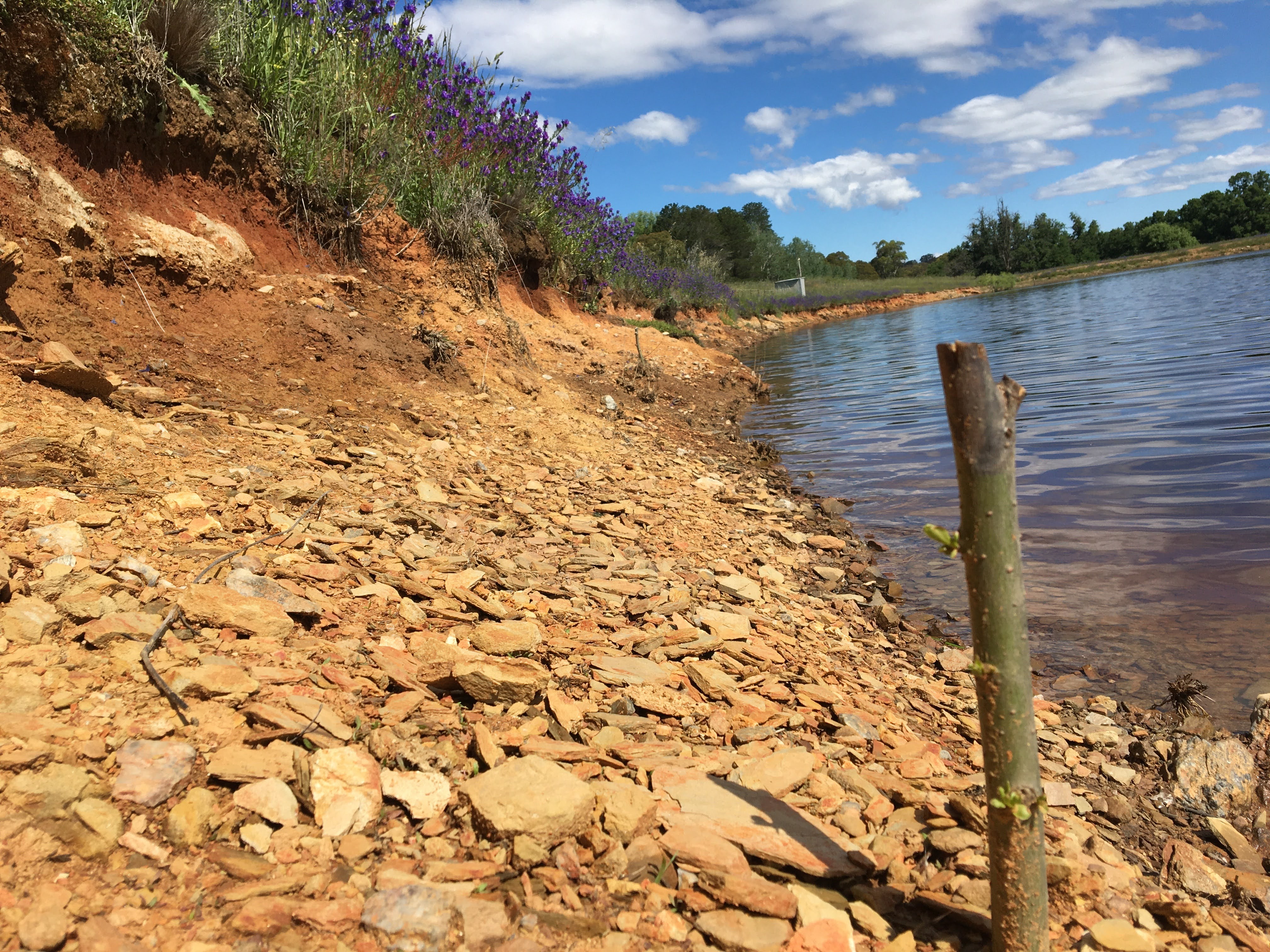
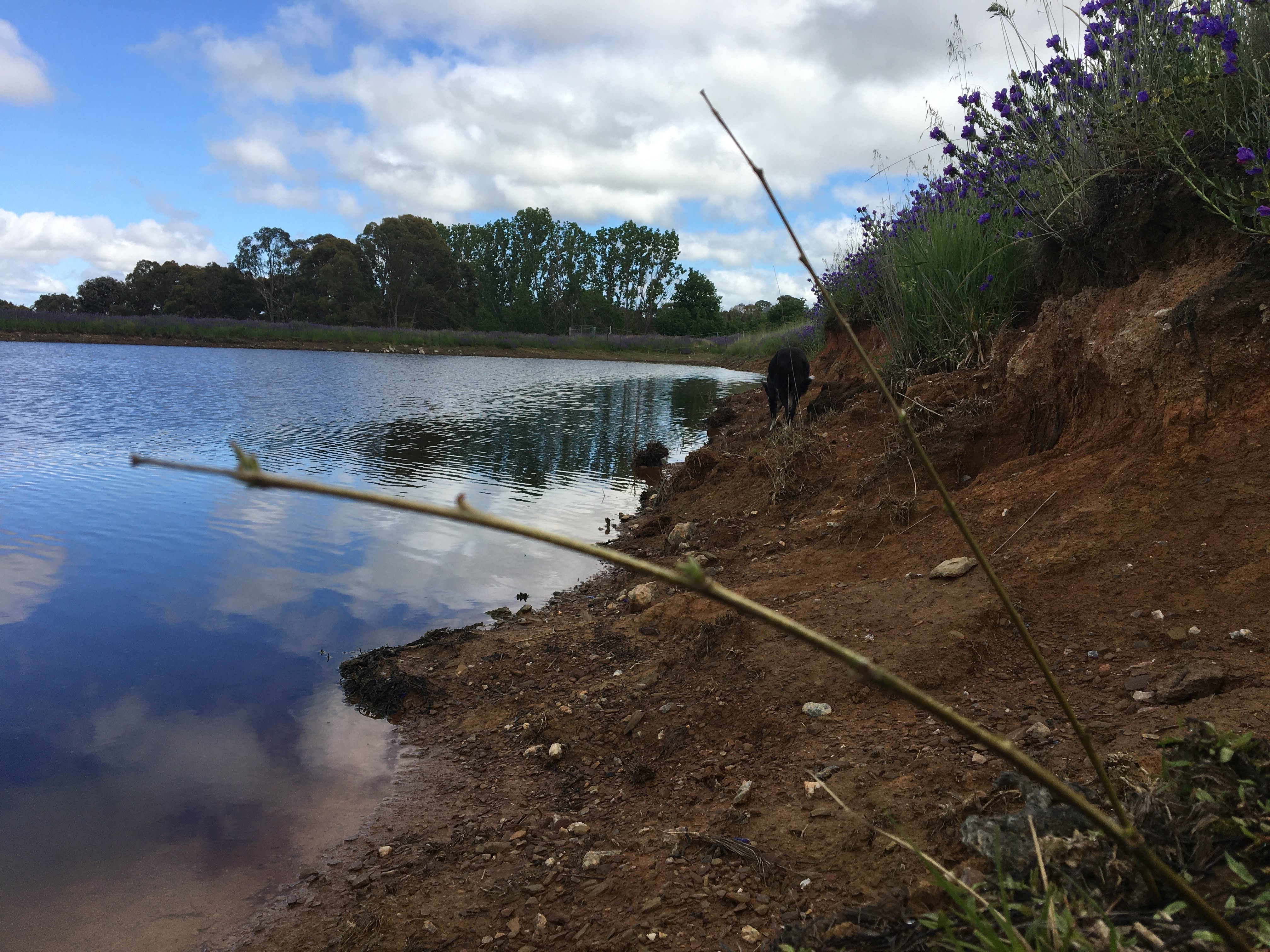
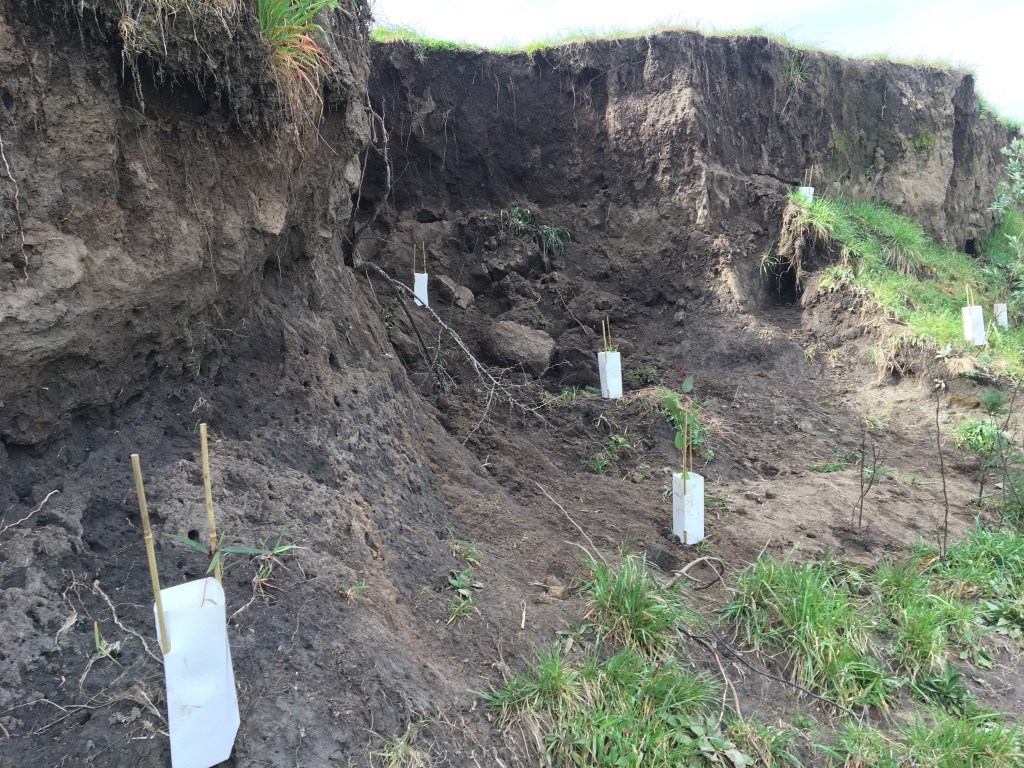
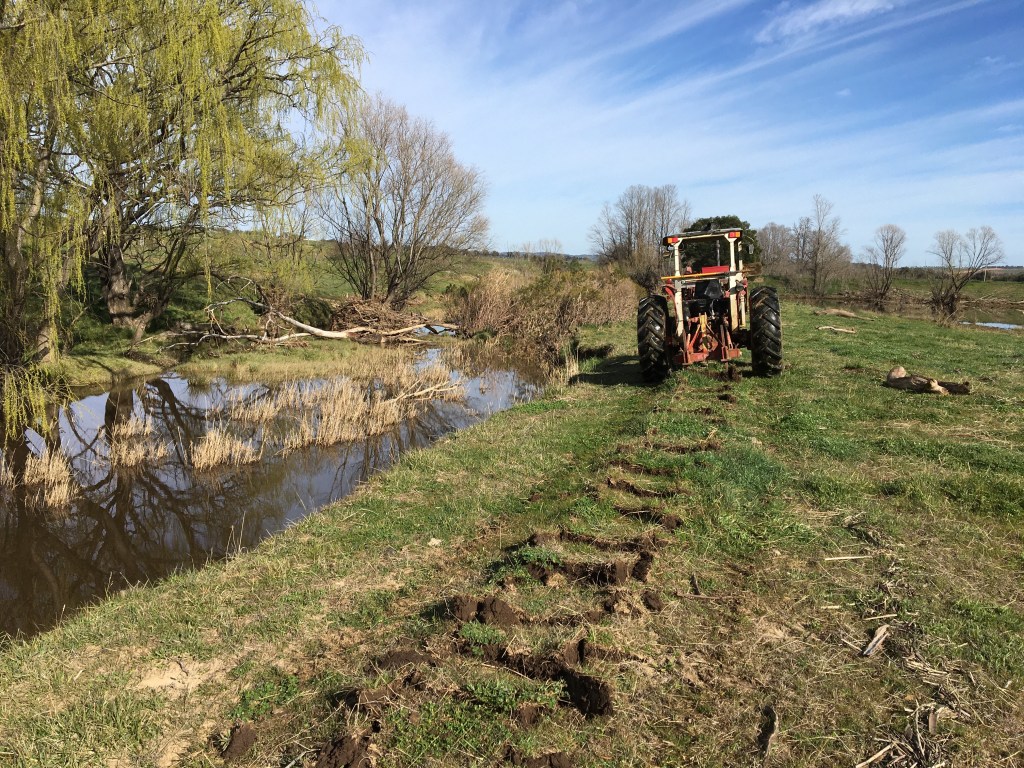
Other things are growing too. I have planted fifty willow cuttings along the leading (and eroding) edge of our dam. It seems most of them have taken and are sprouting green leaves. This is a great result. Some people have queried why I have planted willows along the dam, fearing they use a lot of water. My counter is that they only use water for half the year when they have leaves on them. They will \stabilise the bank, which is their primary purpose. They will give shade when they are bigger, and also provide an emergency stock feed in drought. Being on a dam, they will not enter the catchment either. I hope they continue to grow through the summer and add to the trees on the Rock Farm.

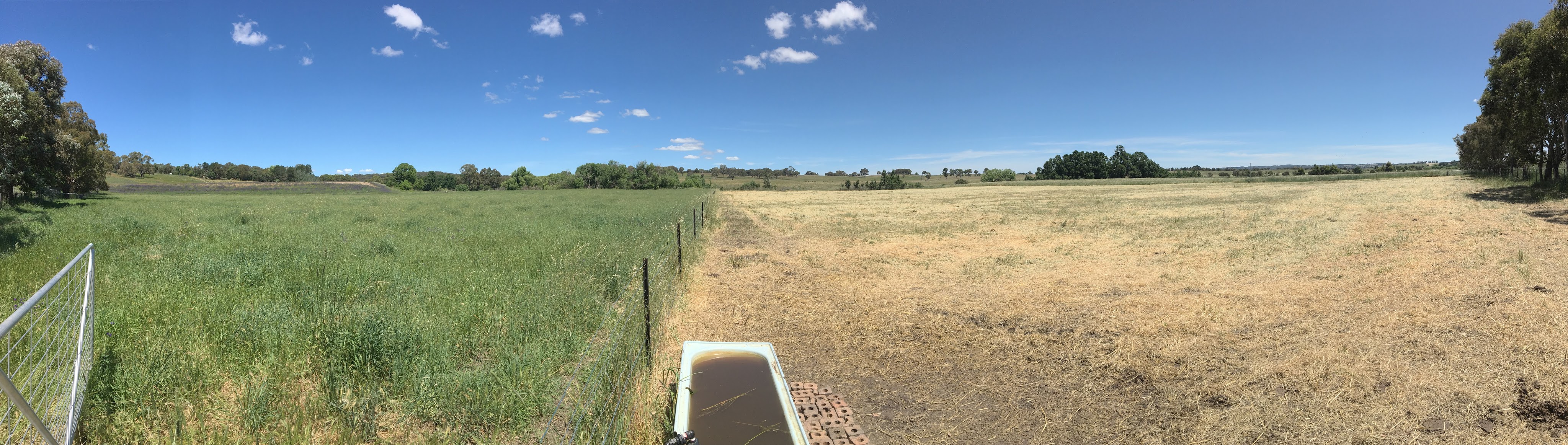
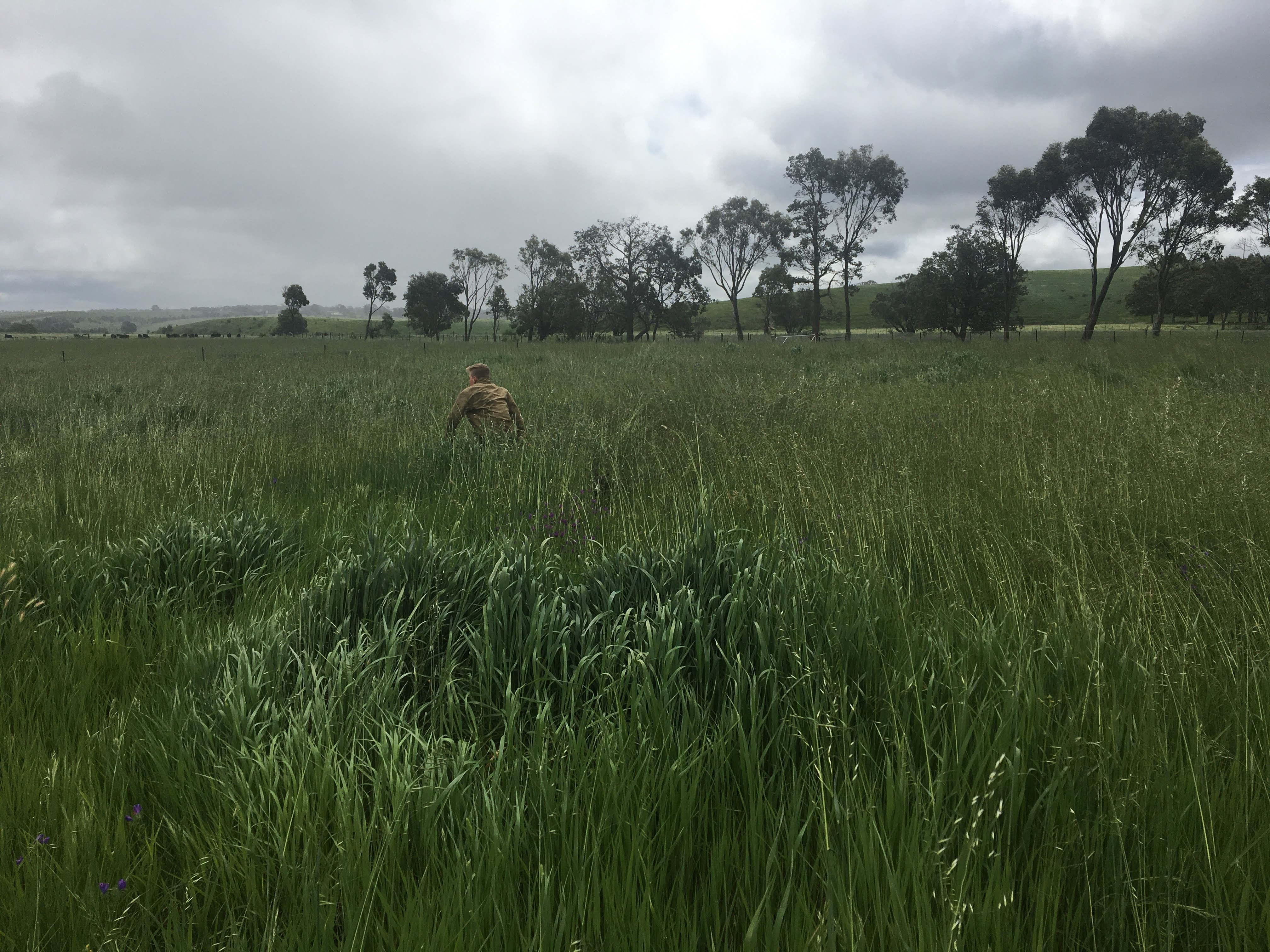
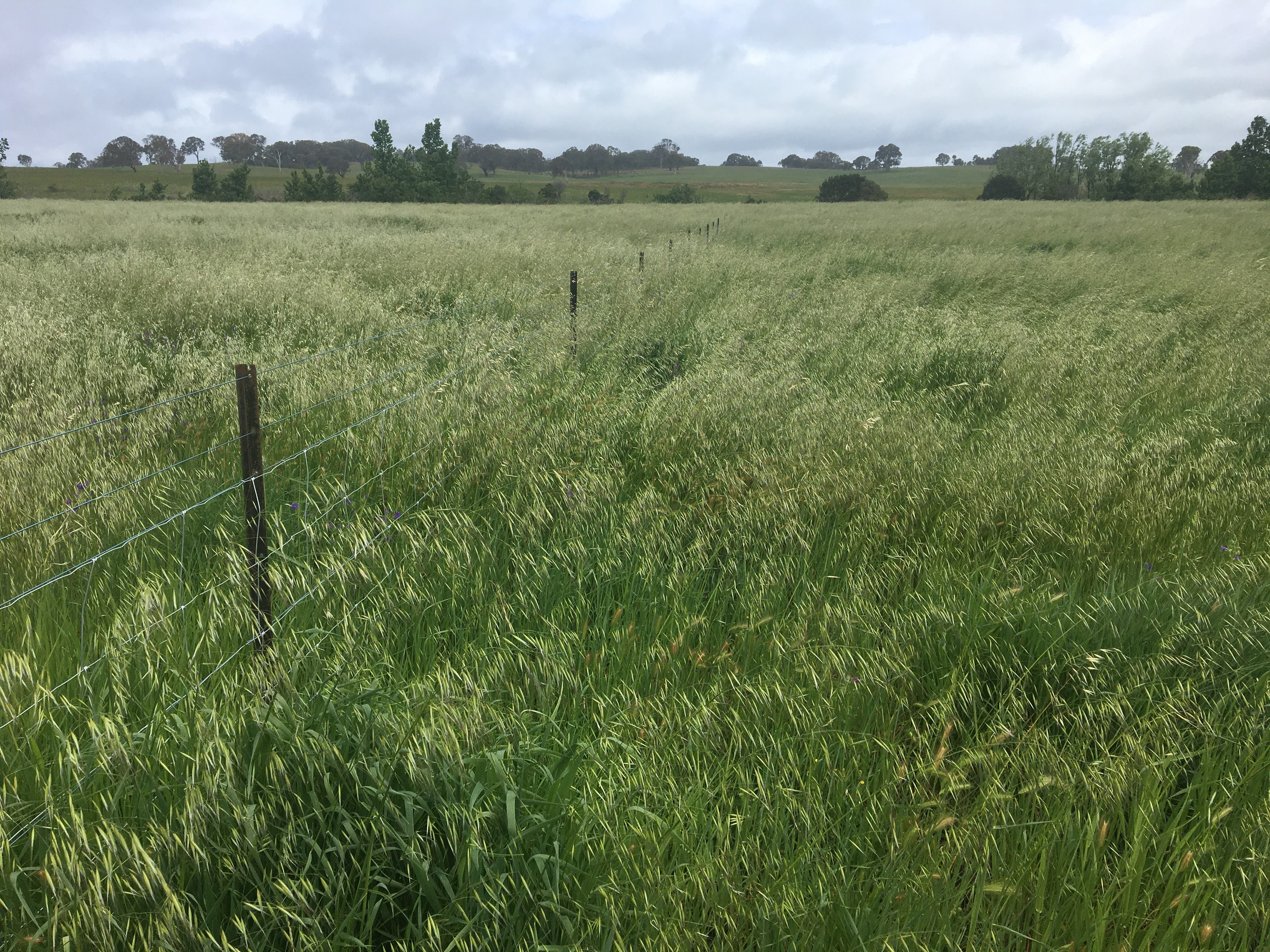
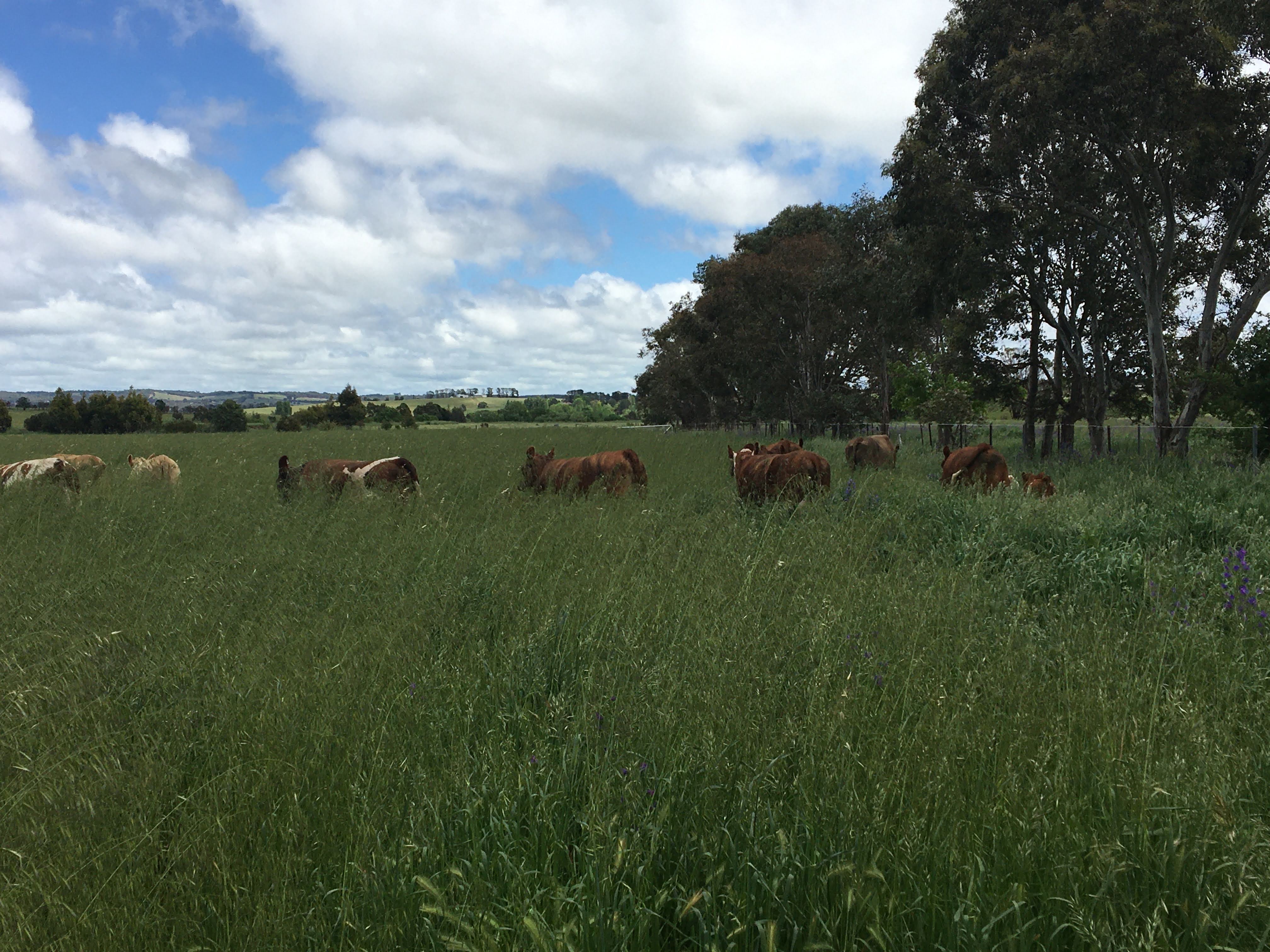
But really the most magnificent change has been the grass. From a paddock that was bare six months ago, there is now chest high grass. You could have seen an ant walk across this paddock at Christmas time (if you could have seen through the smoke haze)….

Last week the kids played hide and seek in this paddock.. All you had to do was run like crazy when the other one was counting and then flatten yourself. With the grass swaying in the breeze, it was really hard to even know where to start looking It was hilarious fun.

It is incredible to see photos of what we went through in the last few years. This is what the same area looked like in January. It is truly amazing what happens when you just add water, lots of water 🙂

The miracle of birth and a purple curse.

The past month has seen some changes on the Rock Farm. Most are due to the addition of a remarkable ingredient – water. Good steady rains have seen the grass continue to leap out of the ground, but it has come at a cost, as we shall see later.
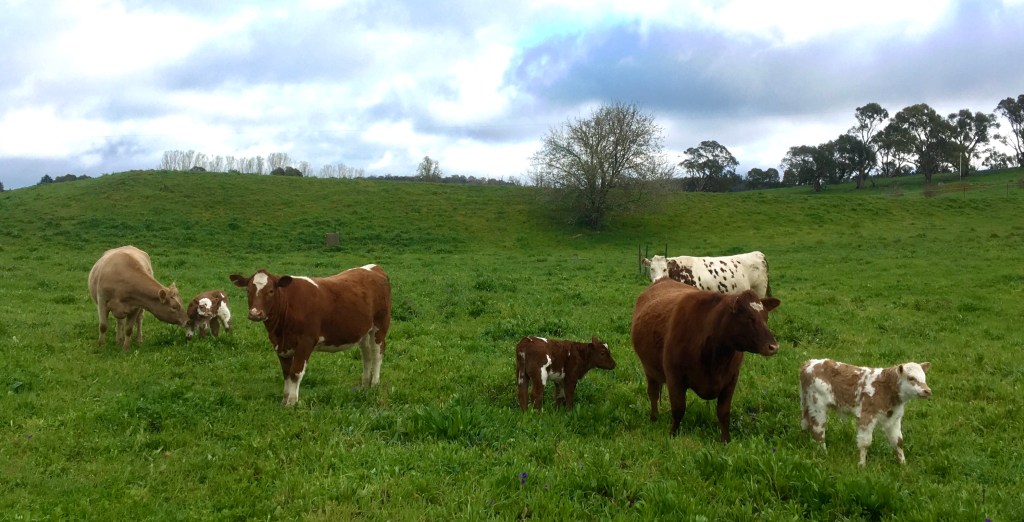
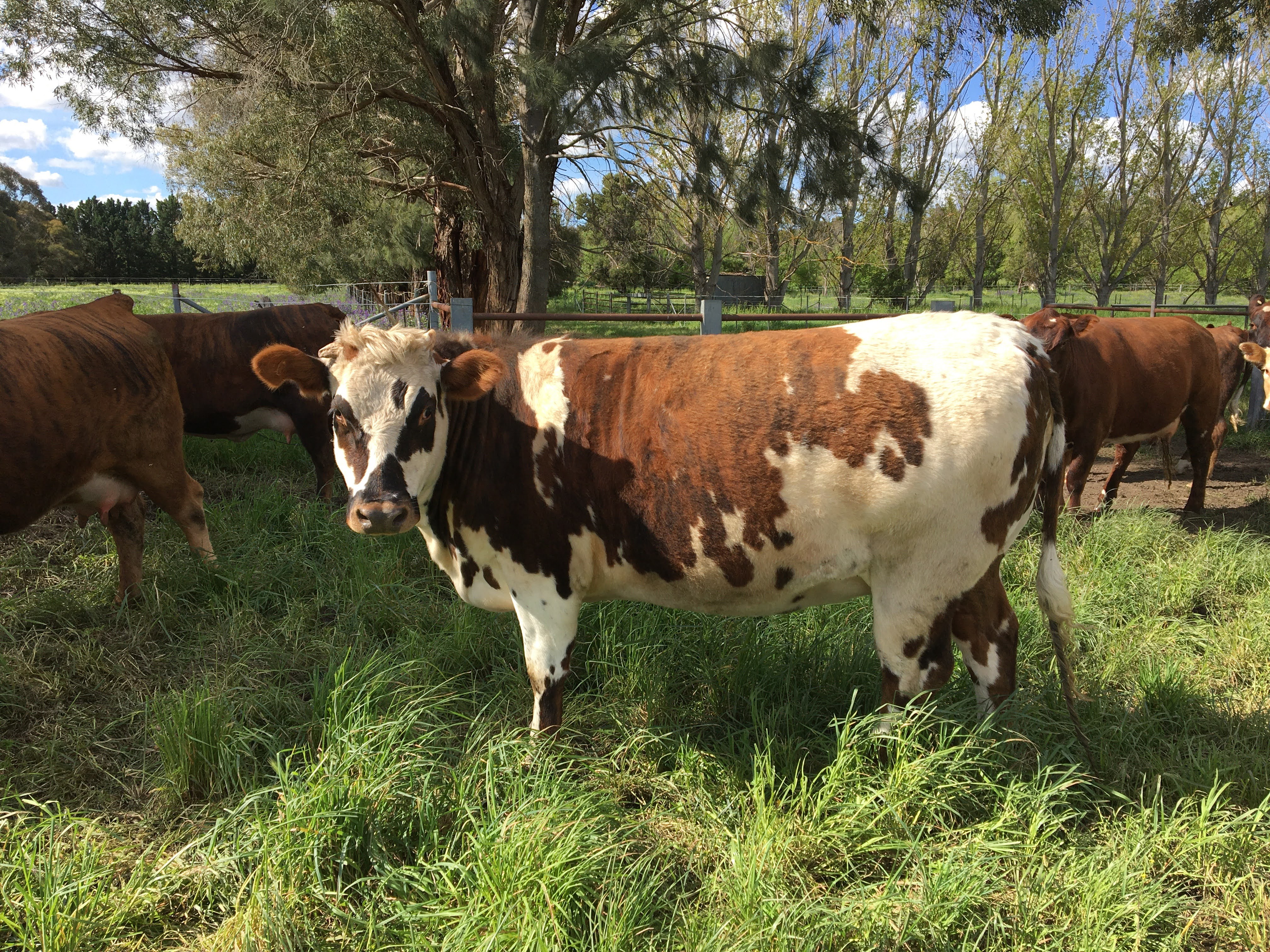
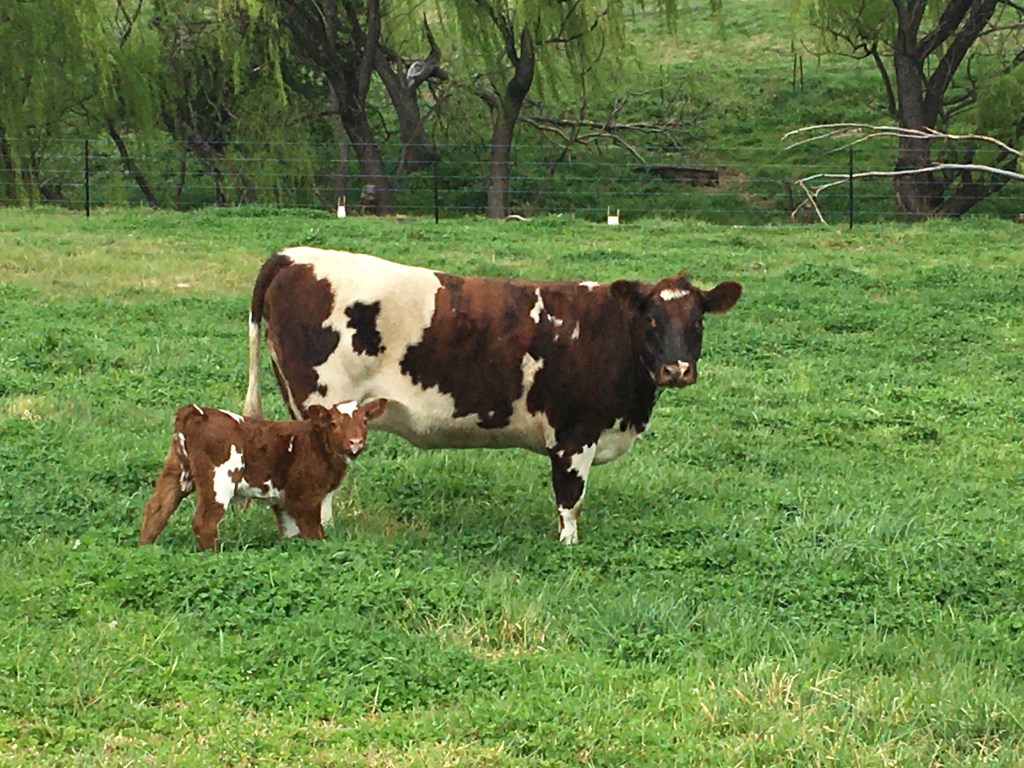
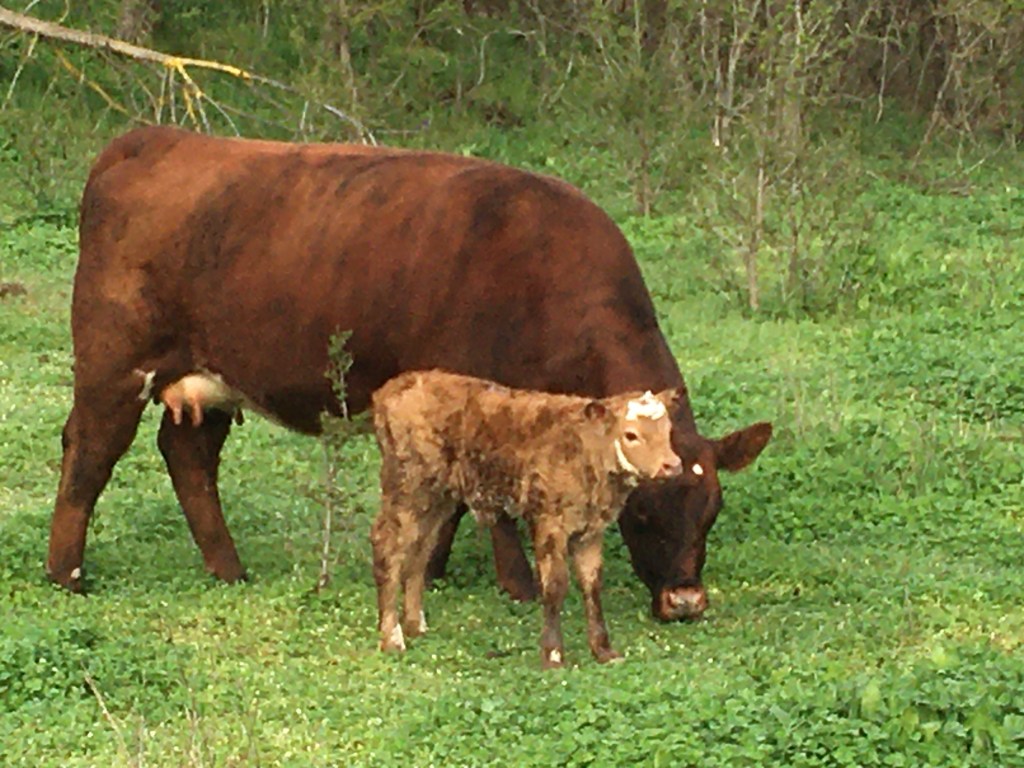
Out of our 11 beautiful cows, we welcomed 10 calves into the world. Miss-Steak was our one cow who didn’t calve, but after the shocking season we had last year, I couldn’t hold it against her. We have a soft sport for Miss Steak after an unfortunate incident a couple of years ago (https://rockfarming.com/2018/11/16/a-terrible-miss-steak/). Miss Steak is, as you’d expect this season, in rotund condition 🙂

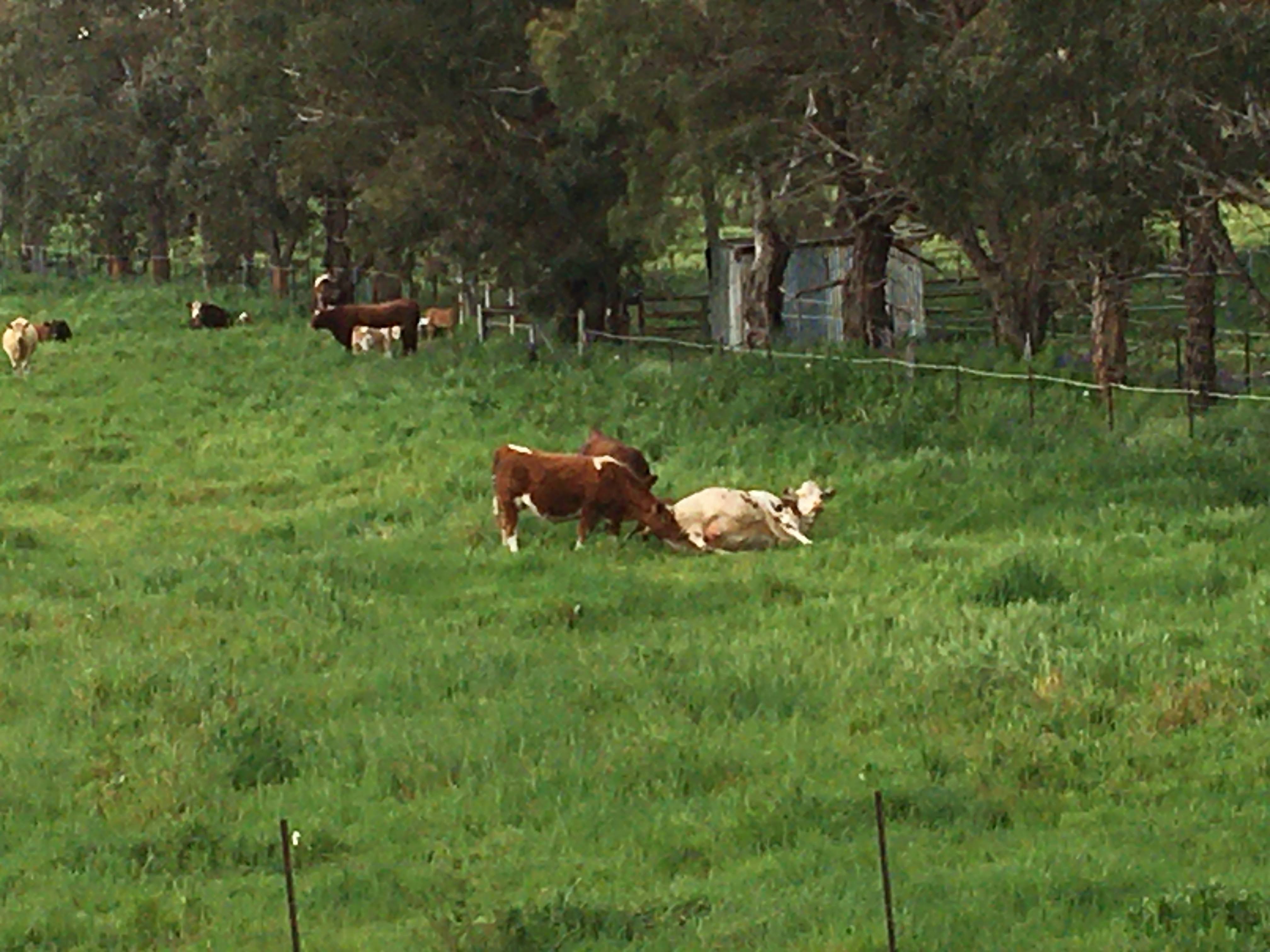
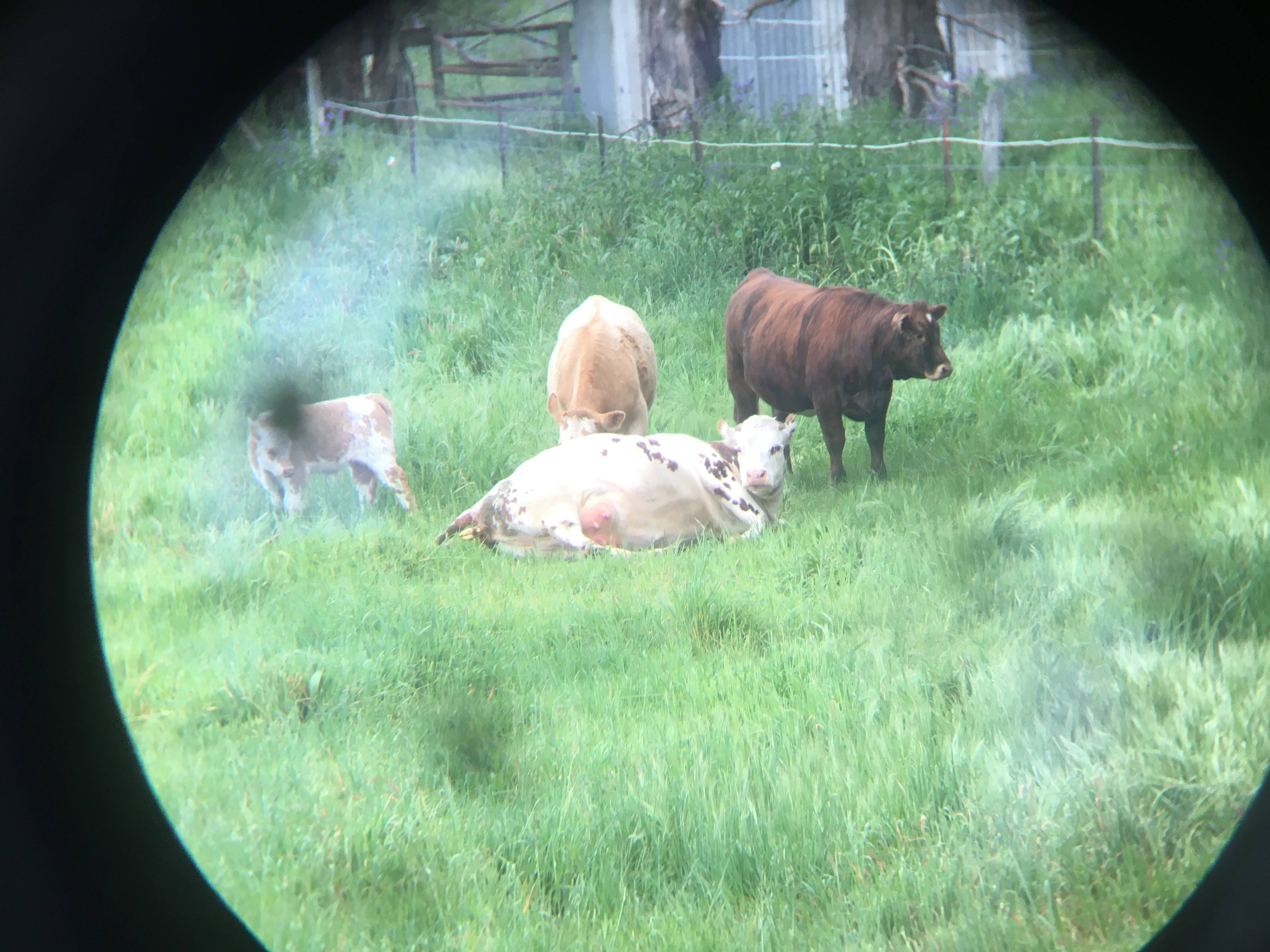
Thankfully all the other cows calved without incident. The Not-So-Little-Helpers got a whole heap more than they bargained for on one of our daily check ups during the school holidays. Ice-Cream was down and in labour. We sat down and watched proceedings from the dam wall. The 13 year old had the binoculars at the critical moment when Ice-Cream gave a tremendous heave, and the calf appeared with a woosh… he was more than a little horrified to witness the miracle of life in such close up detail.

We marked and vaccinated the calves, and were thrilled with five heifers and five bull calves. We used rubber rings to mark the boys, who left the yards a little cross eyed. They were soon reconnected with their mothers and on their way to a fresh paddock.

The regular rain has been most welcome. We have been spared destructive storms, with steady small amounts of rain falling regularly. This has led to a prodigious amount of grass. But with the grass has come weeds.

We are attempting to use the cattle to eat firebreaks around the house. When the grass dries out, we will be at risk of grass fires. The cattle do a fantastic job, but they’re not such great fans of Paterson Curse.

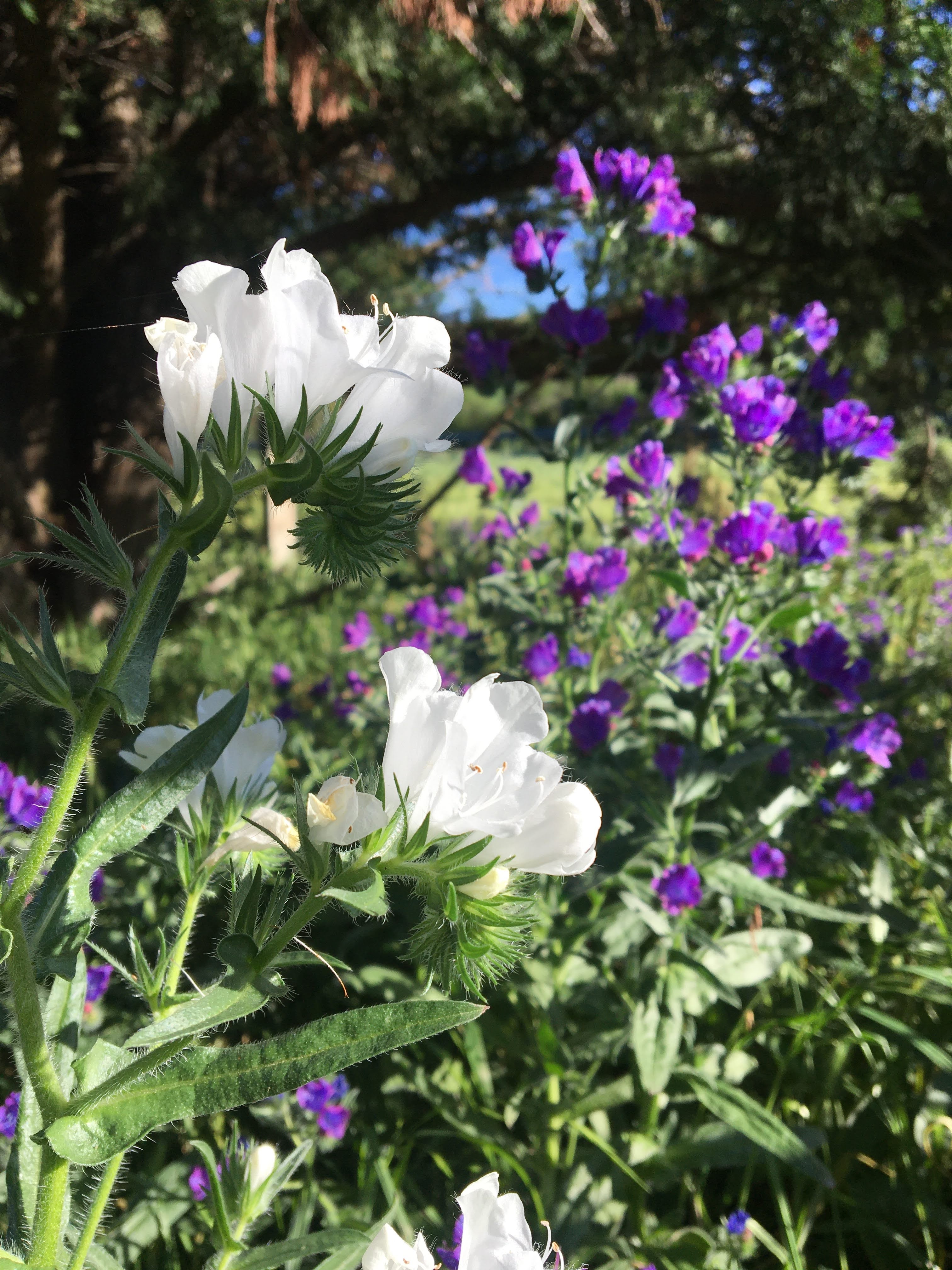
This purple (and occasional white) flower (echium plantagineum) has come up in abundance this year on our place. Whilst a weevil has been introduced as a biological control, it takes a while to build up numbers sufficient to tackle it in a meaningful way. A short term solution to reduce the seed bank is to slash the flowers. Our old mulching mower is extremely effective at knocking down the weed. A good grease, new tyres and some fresh oil in the gear box and it was pressed back into service.

The mulcher is also extremely effective at finding any wire in a paddock. I thought our paddocks were pretty clean, but I still managed to find a section that wrapped itself around the drum. Thankfully it was all pretty easy to sort out and get back on the job.

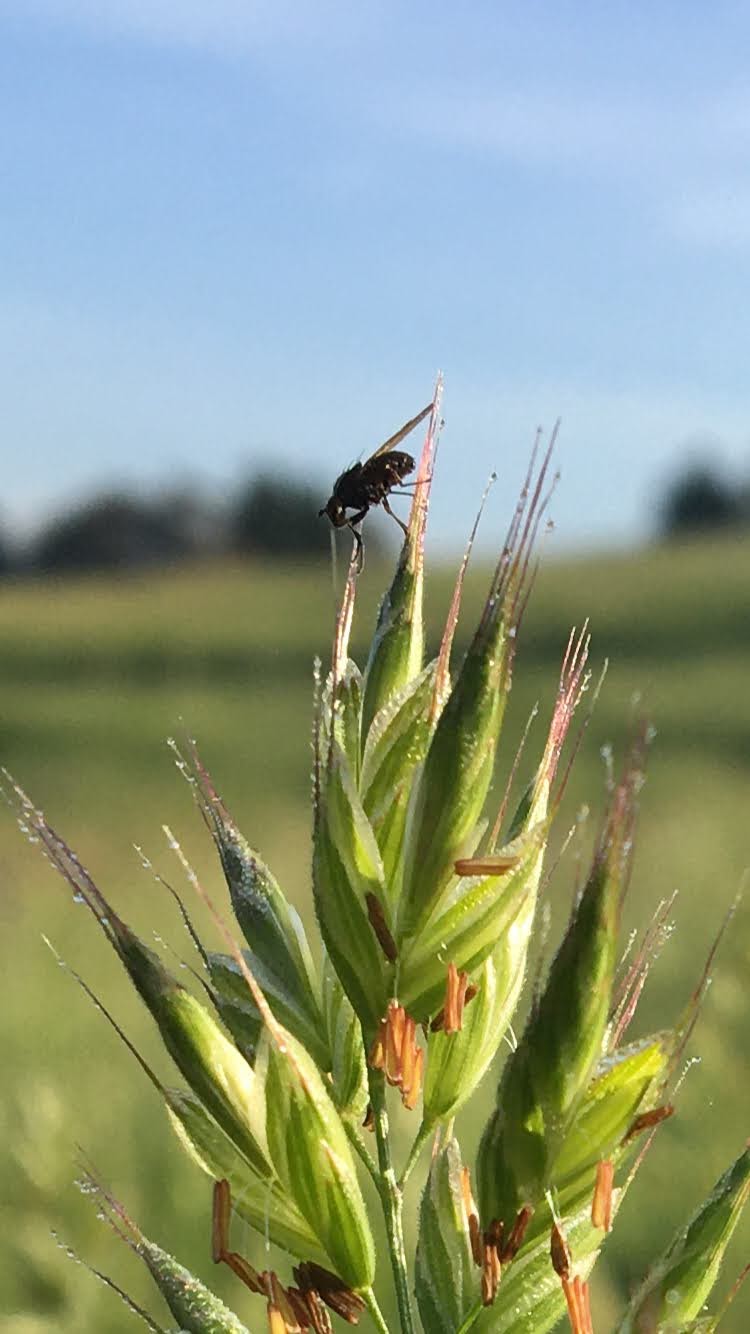
The good news is that other grasses are in full flower, with Brome, Rye and Cocksfoot grass and legumes such as clover all developing seed. I feel at times completely ignorant with such a vast variety of forbs, grasses and legumes growing on our property, but there is some pleasure in taking the time to get up close and observe the beauty of nature.

My assumption is that all plants (weeds included) are filling a niche. The trick I have to understand is what niche that is, and how to manage the grazing, slashing and resting regime to best encourage the useful plants and reduce the competition from weeds. Allan Savory is convinced that good management is the key to a successful regenerative farming operation. I just have to learn to observe closely and learn from experience. I won’t get it right all the time, but I hope we can slowly turn the tide and increase the productivity and beauty of our property.

At the very least, I can take pleasure in the small beautiful details. I hope you agree. 🙂

Spring and Calving

Spring is a wonderful time on the Rock Farm. The return of warmer weather is appreciated by all of us, plants, animals and humans. This year has been such a change on previous years, with good steady rain falling regularly since March. This means as the ground warms up, we have great soil moisture leading into the growing season.

But it isn’t just the grass that is growing. Our beautiful cow’s bellies have been steadily growing bigger all winter. It was a wonderful morning indeed when we welcomed our first calf for 2020.

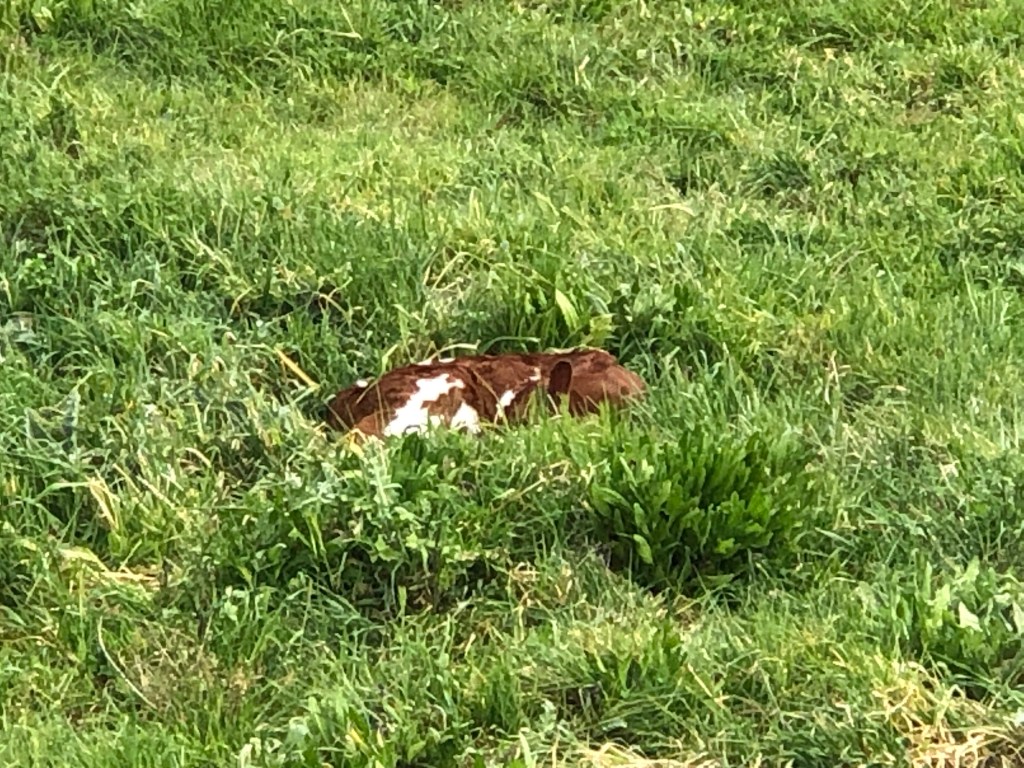
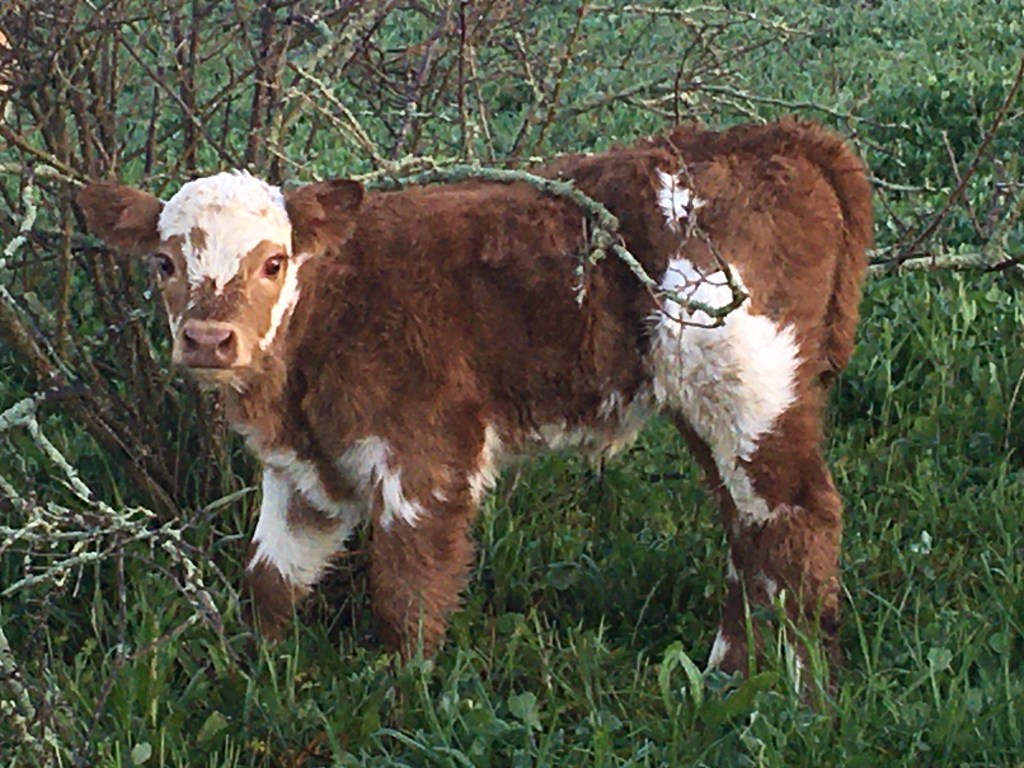
Within a few days we had three more calves on the ground. They are a real delight at this age. They love sleeping in the sun, nestled behind a shrub or even a deep patch of clover.

These cattle have become really quiet over the past couple of years. The mother’s are understandably cautious of us, especially when we go wandering among them and their new babies with Sapphire. One incident a couple of days ago I found particularly touching.

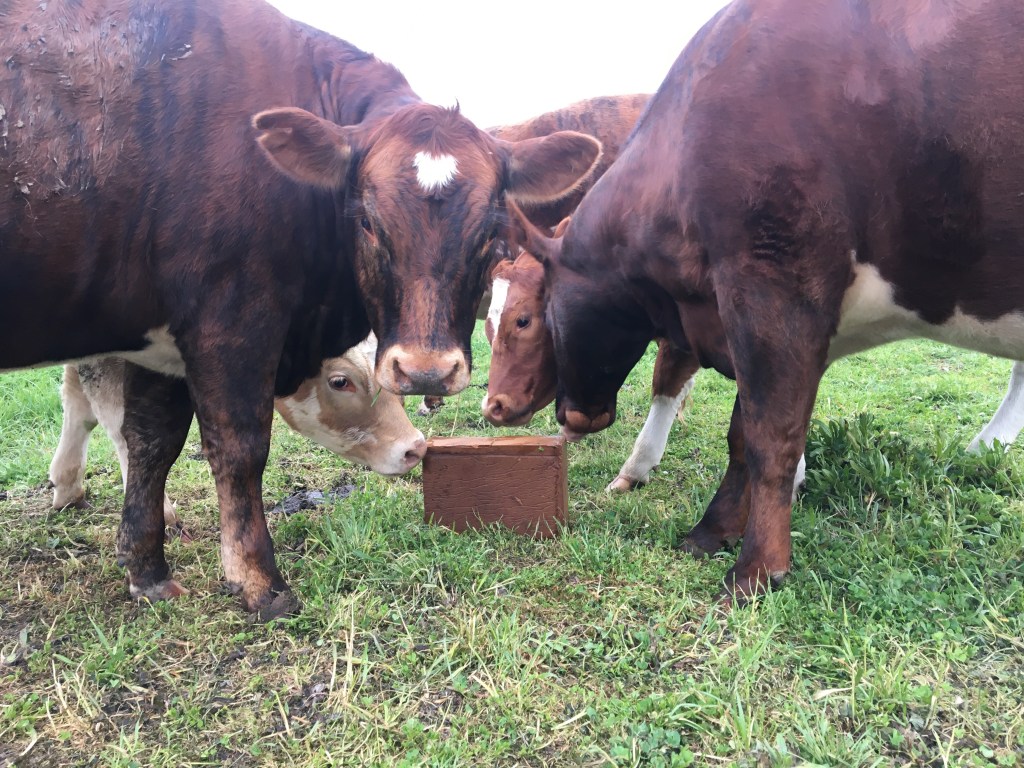
After putting out some bloat lick, all the herd came over for a taste. One poor cow, Latte, left her calf behind. The best thing I could do was make myself scarce, so I departed as quickly as I could. Latte then commenced a desperate search for her calf, trotting around the paddock, calling for her calf. After five long minutes of desperate searching, she hadn’t found the calf and was becoming more distressed.

I returned to the paddock and found the calf, fast asleep in a bunch of saplings. Carefully I positioned myself behind the calf, and gently started talking to it. As expected, it woke with a jolt, leapt to its feet, let out a blood curdling bellow and ran directly away from me and straight into Mum who was very pleased to be reunited.

The bellow created a very different reaction with the herd. The rest of the cattle all came running at their best speed (it would be unfair to call it a gallop, especially for the heavy cows yet to calve). Their protective instincts were strong. As they cleared the dam wall and found that all was well, they gratefully settled down to a walk. The mother Latte and her calf were reunited, everyone was happy and a few minutes later were all grazing peacefully as if non of the adventure had ever happened.

So why was I putting out bloat lick? Clover is a wonderful nitrogen fixing, drought hardy grass. This year it has grown rapidly in some of our paddocks. Cattle love it, however if they eat too much it forms a foamy gas in their rumen, which they are unable to belch. In extreme cases it is fatal, and several cattle in the district have died due to bloat this year.

The bloat lick we use has a molasses base, but the active ingredient is Alcohol Ethoxylate Teric 12A 23. I don’t know how it works to reduce the foaming in the rumen, but so far, we haven’t lost any cattle on our clover rich pastures. They do seem to know what it does though, and actively seek it out. As they eat through the clover in the paddock, the demand for it reduces – until I put them in the next paddock. More information on the bloat lick we are using can be found here: https://www.olssons.com.au/uploads/7/9/6/4/79645424/bloat-liq_brochure.pdf

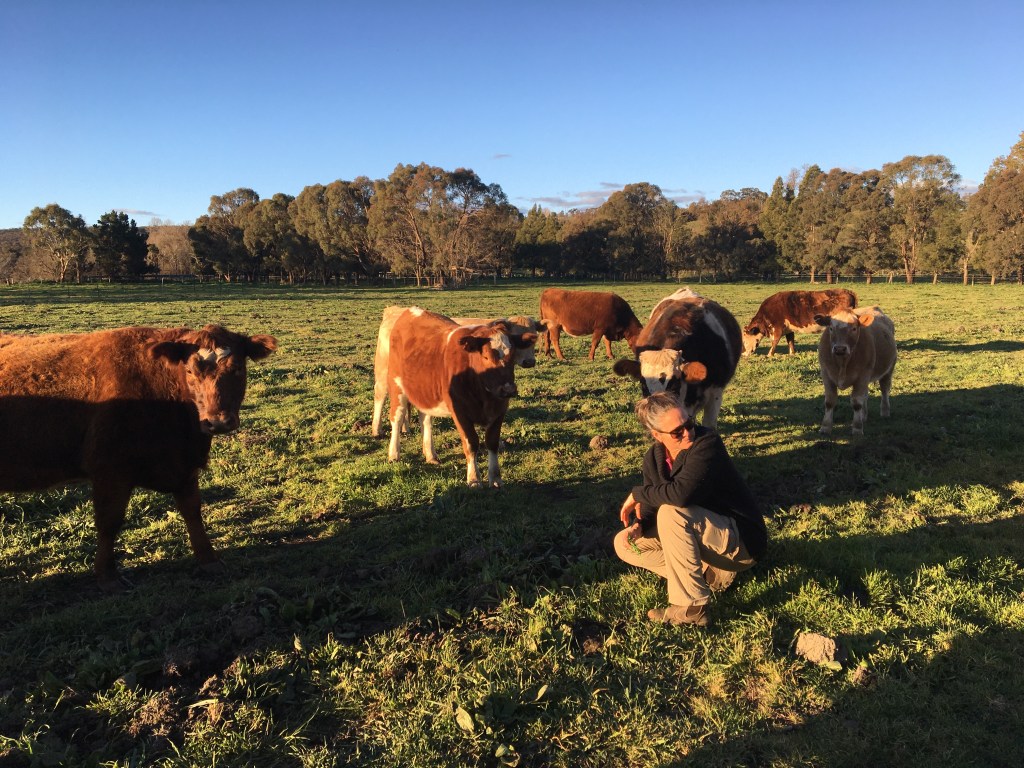
With things all settled back down Jo and I were able to take a few moments to relax with the cattle. I was a little surprised when ‘Uno’, our first born heifer from last year came right up to me…. if only I hadn’t laughed just as she was getting bold!

Can’t see the wood for the trees

The past week has been a little hectic on the Rock Farm – for all the right reasons. We have had a most fortunate set of circumstances, that created a flurry of activity, and led to aching muscles and blisters.

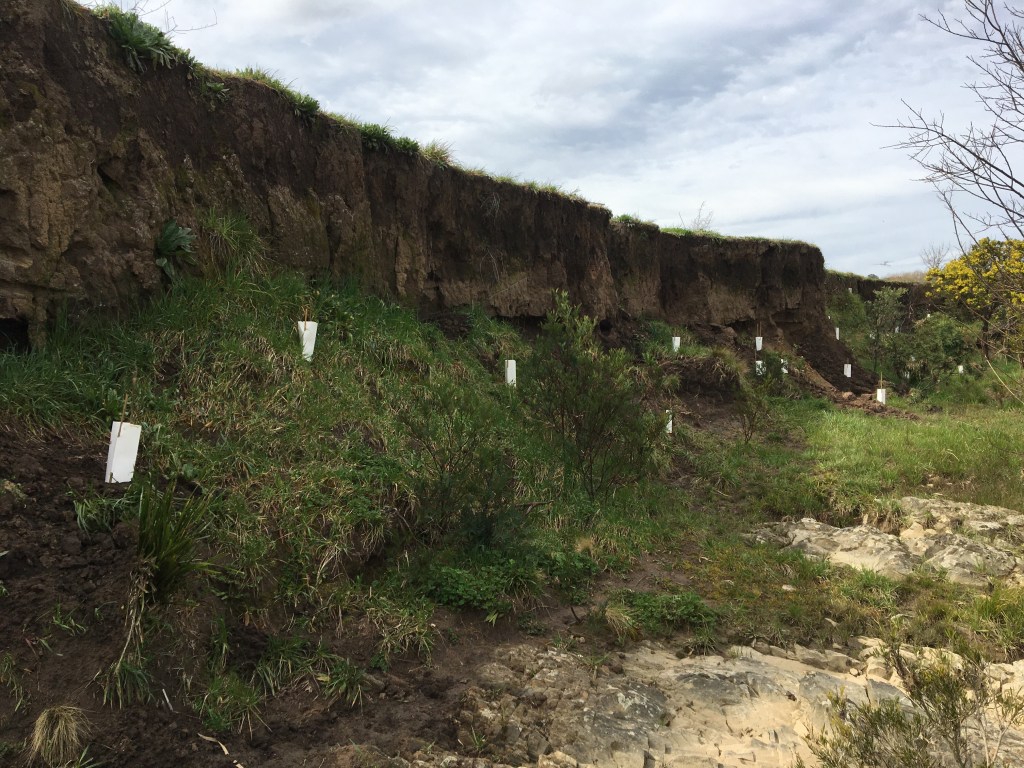
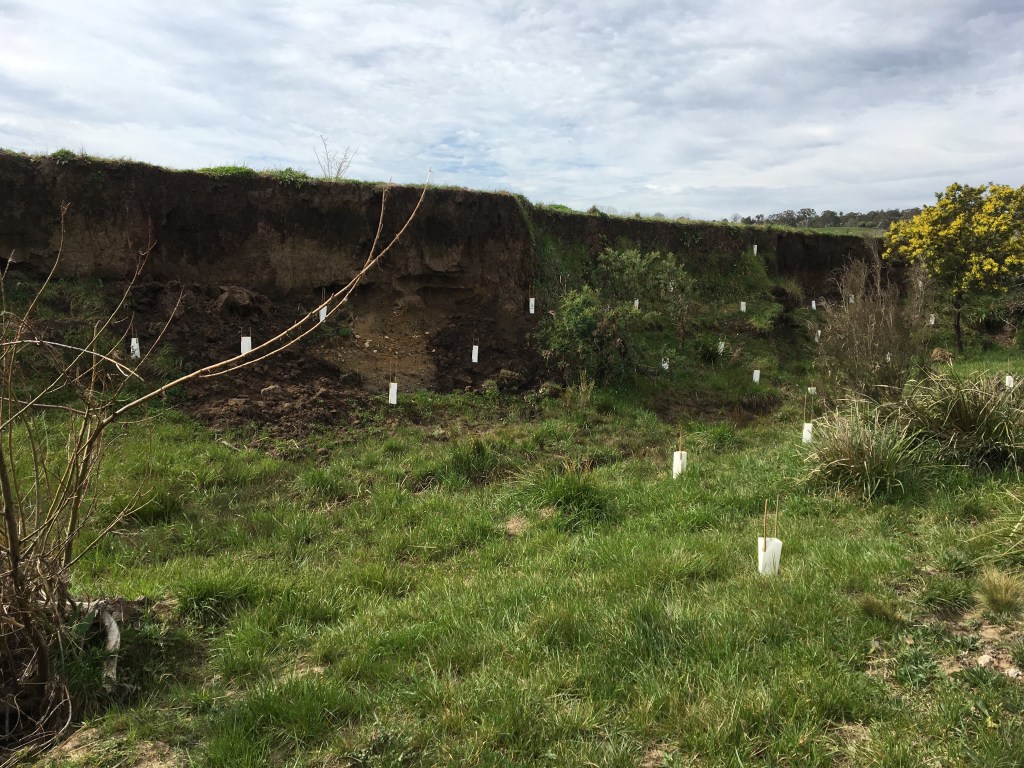
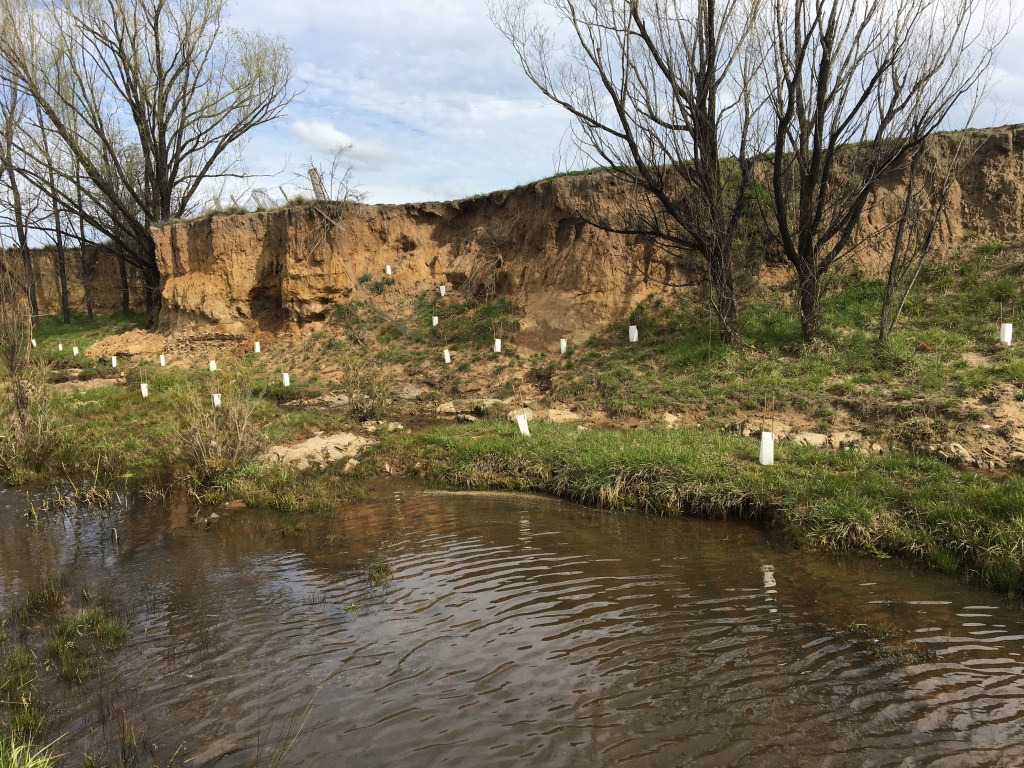
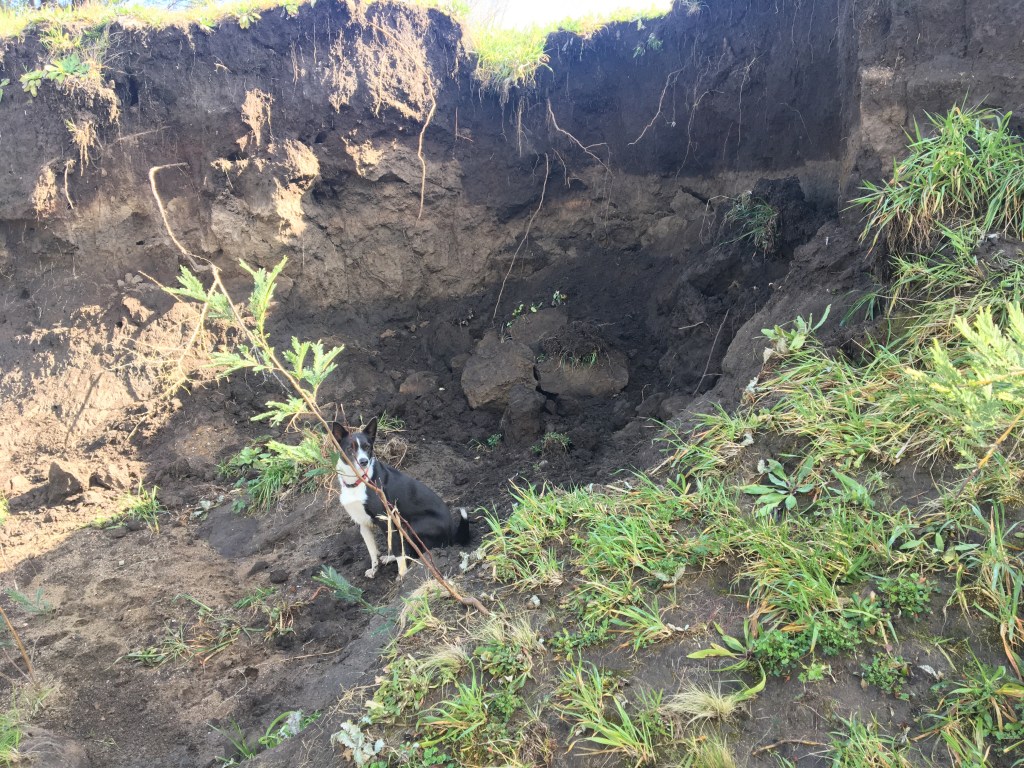
After our recent massive downpour, it was evident that some areas of our creek bank had collapsed. This loss of productive soil into our waterways is less than ideal, for both the water ways and our farm. What was evident through walking along the length of the creek that runs through our place is that trees, whether exotic or native, all helped stop the erosion. We needed trees.

Long term readers may recall that Greening Australia planted thousands of trees at the original Rock Farm, see post here. That paddock was directly seeded along contours, and as far as I can tell from recent google earth images, the trees are doing remarkably well. I put in a call to Greening Australia and spoke to Ben Hanrahan about what were the best trees to plant along our creek and options were available to us.

It seemed my timing was perfect. Due to COVID restrictions, a property that had planned to plant 5000 trees was unable to arrange volunteer labour to plant them. After discussing the options with Ben, we applied for a grant of 300 trees, which were sitting ready to go at the nursery.

Greening Australia provided us with an incredibly diverse list of species. I looked up each to determine the best habitat. A list of the species is below for those interested.

The only problem was, we needed to get them in the ground quickly, and then build a fence to keep the cattle off them. But the first priority was to get them planted before a forecast 5mm of rain was due to fall.

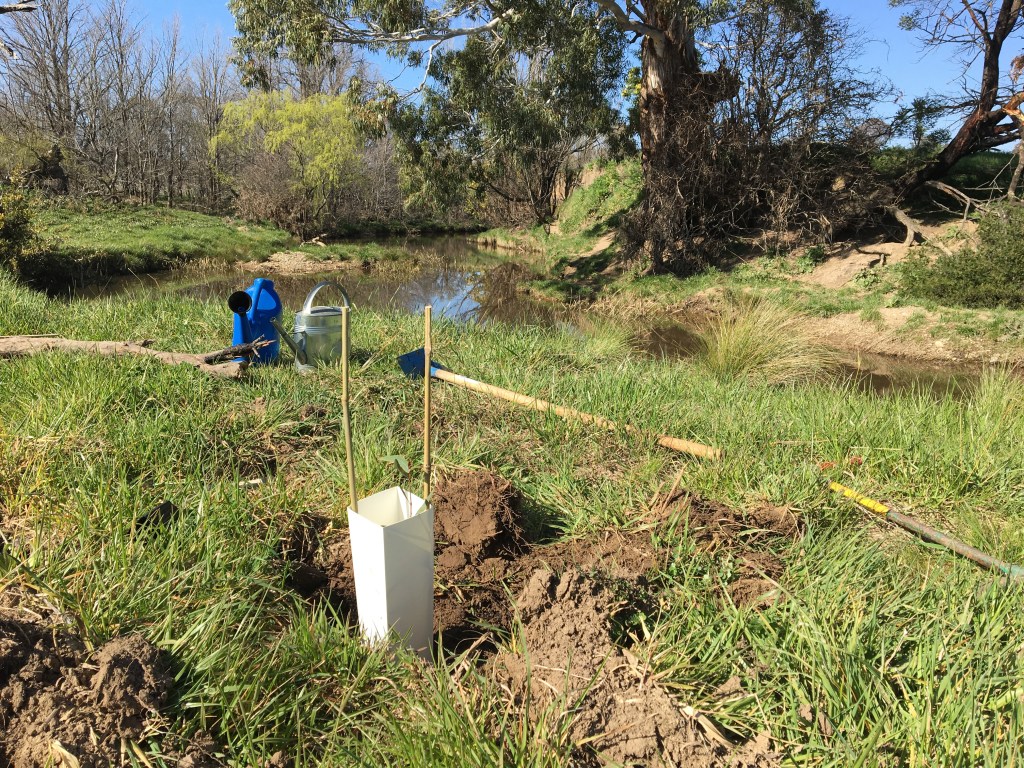
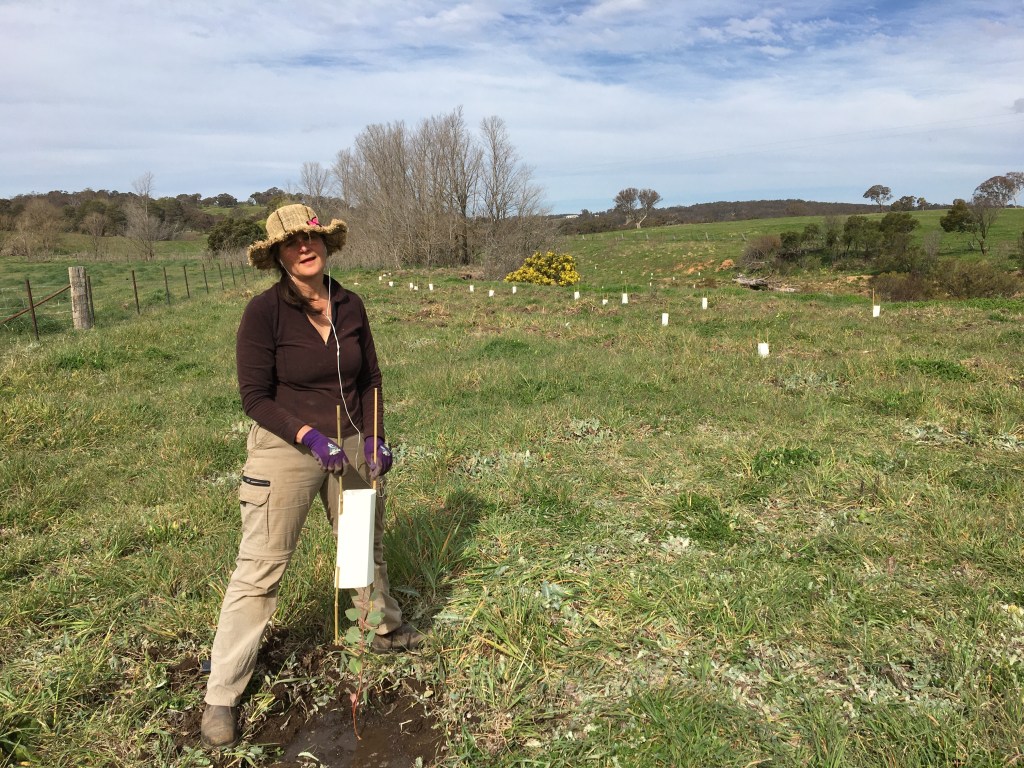
I managed to get 115 trees planted on the first day. Jo and I managed to knock over the rest the following day. We averaged 3.6 minutes a tree – which was by all accounts a cracking pace to clear a patch, plant the tree, install the guard and give them a quick drink. The Hamilton Tree Planter was worth its weight in gold. Some areas such as where we had vehicle access were much easier than areas on the far side of the creek, which required lugging everything over the stream – crossed by delicate leaps in strategic places, or finding holes that were just over gum boot depth!

We managed to get all the trees in the ground before a wonderful 3mm of rain fell overnight to help settle them into their new homes.

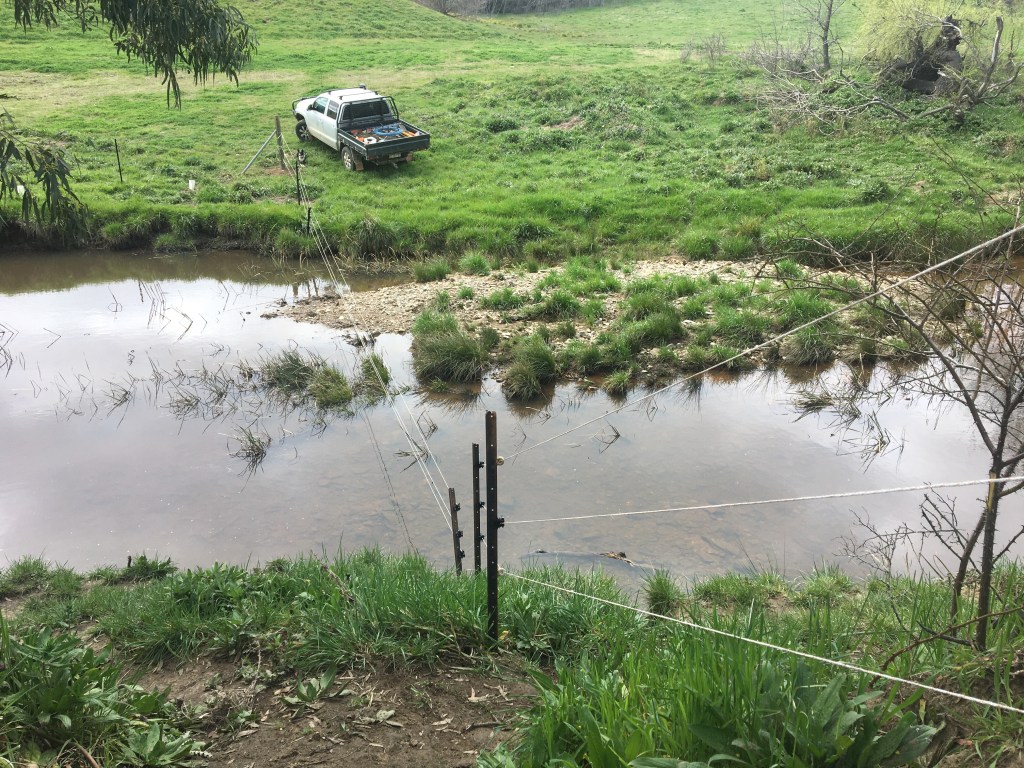
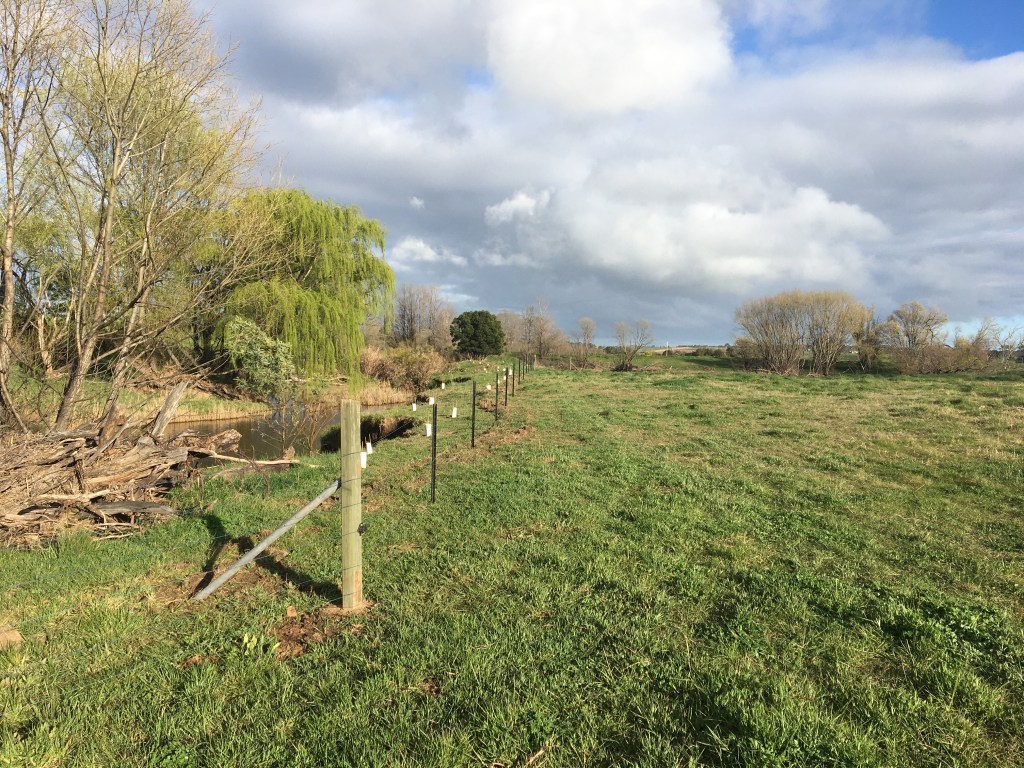
But that was only part of the battle won. The next part was the construction of a new fence. A new fence was required to isolate around four hectares (10 acres) along the creek. This will hopefully allow the new shrubs and trees to get established without the pressure of cattle. Wombats and kangaroos are another story.

It took me another day and a half to get the fence built – around 180 metres with a gate and two flood gates. I included a hot wire on the fence to discourage the cattle from pushing on it – as a lot of the posts are in pretty soft soil.

And then, after four pretty solid days (110 000 steps according to my fitbit) it was time to sit back and invite the cattle into their ‘new’ paddock, secure in the knowledge the new trees were safe.

A huge thank you to Ben and the team at Greening Australia for supporting our request for assistance. We hope that these trees will be part of the legacy we leave here at the Rock Farm. The species provided by Greening Australia were:

  • Acacia mearnsii – Black Wattle
  • Dodonaea viscosa subsp. Spatulata – Narrow Leafed Hop Bush
  • Eucalyptus blakelyi – Blakelyi Red Gum
  • Eucalyptus bridgesiana – Apple Box
  • Eucalyptus camaldulensis – River Red Gum
  • Eucalyptus viminalis – Mana or Ribbon Gum
  • Leptospermum lanigerum – Woolly Tea Tree
  • Leptospermum obovatum – River Tea Tree

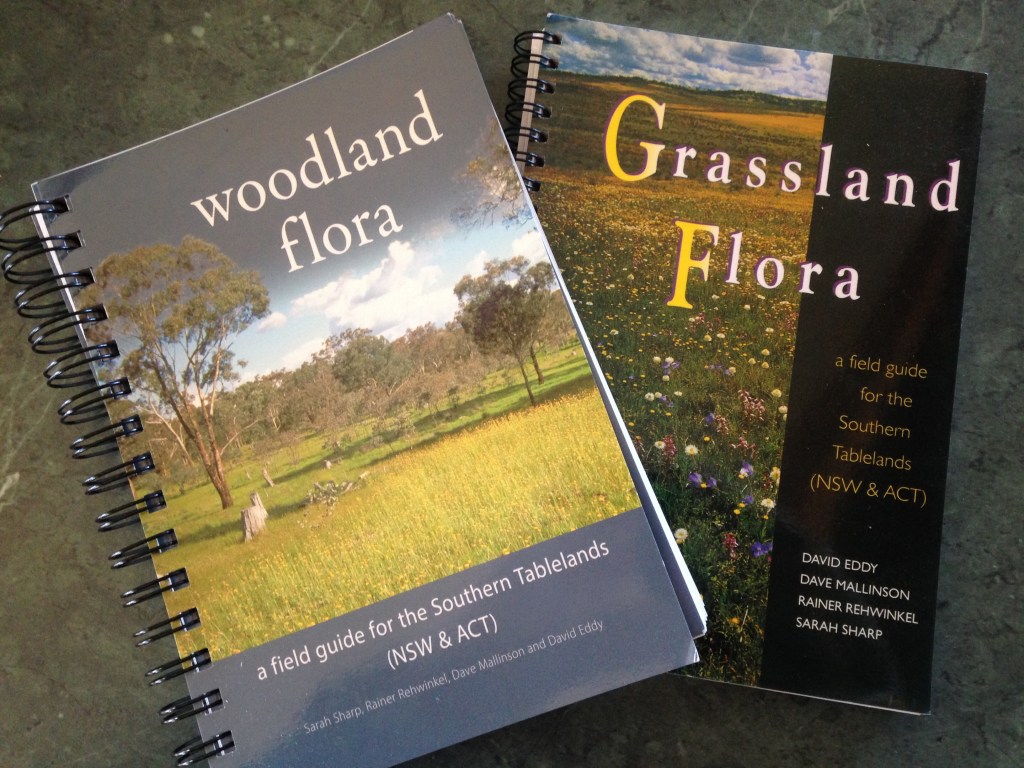
And the excellent book that helped me work out the best places to plant the trees was Woodland Flora – A field guide for the Southern Tablelands, by Sarah Sharp, Rainer Rehwinkel, Dave Mallinson and David Eddy. (2015)  It is available here: http://www.publish.csiro.au/pid/7609.htm

Drainage, Trees, Cattle and Some Sad News

The magical rain of a couple of weeks ago has continued the transformation of the Rock Farm. The rain has continued, mostly on weekends, with occasional bursts of hail and sleet, usually when the kids are in the middle of their weekend sport!

The ground is literally oozing water. Where I have put rip lines on the hillsides, the ground is soft. The cattle are sinking to their knees where the ground has been opened up, showing how effective the ripping has been in getting the moisture into the soil.
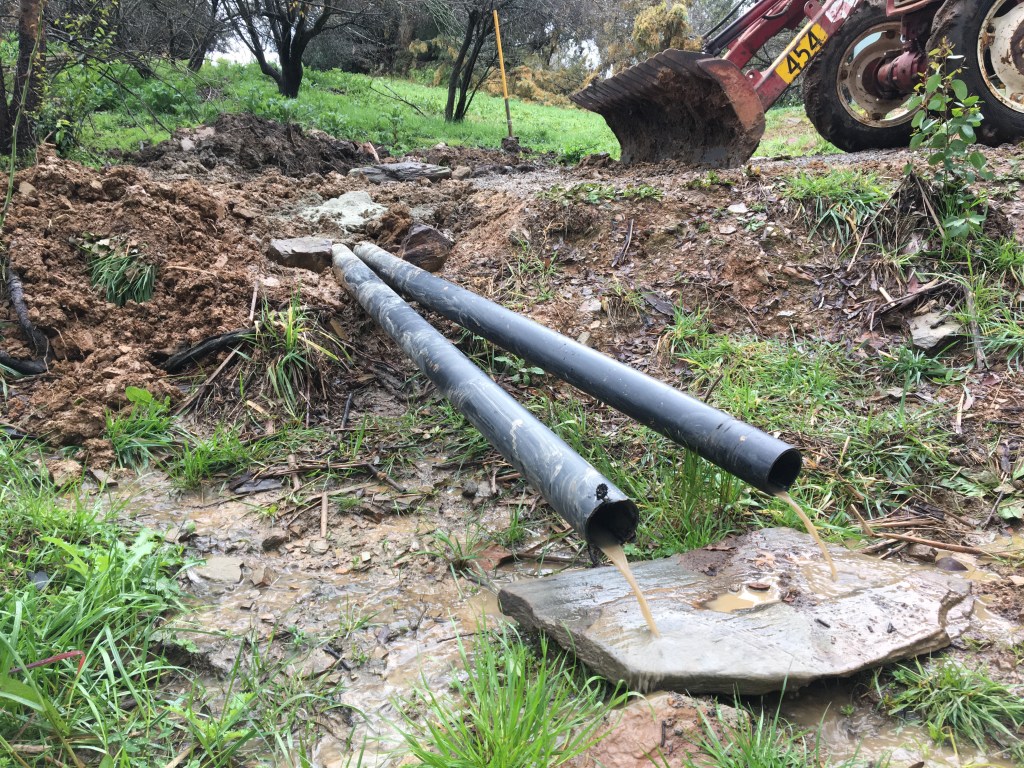
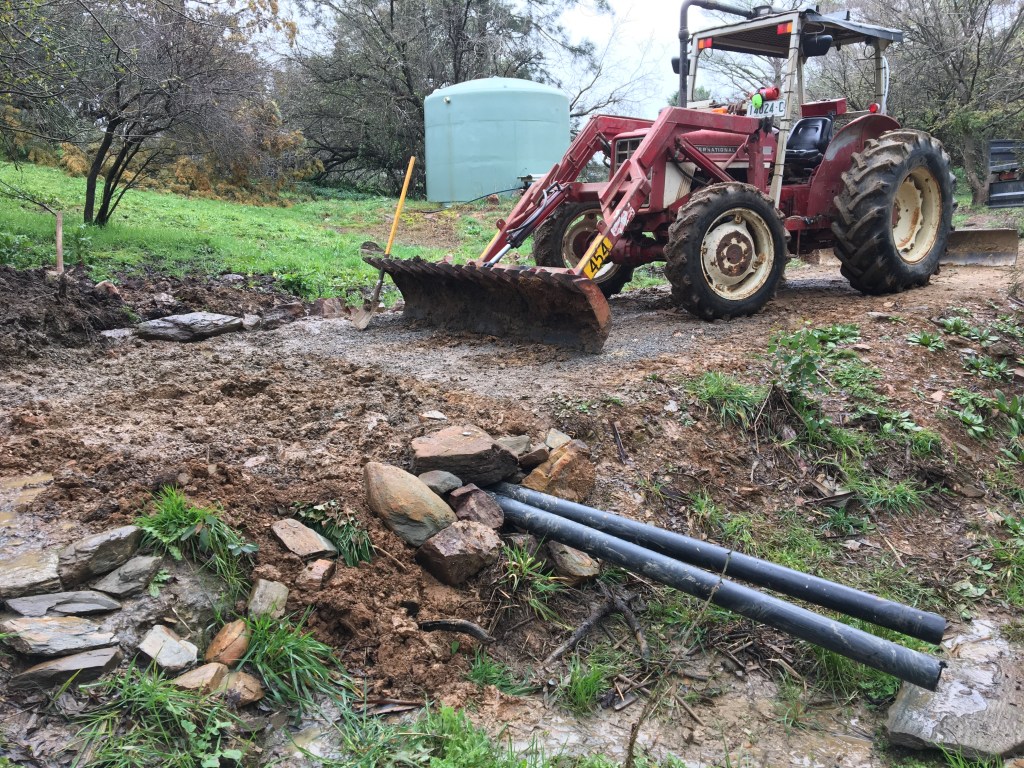
All the ground moisture is great in the paddocks, but not so great when the water is oozing over the driveway. A little section of our drive had become very boggy, and with no natural drainage, I needed to take some action. The tractor allowed me to easily dig a trench, and put some large poly-pipe under the road. Some hours with a mattock to dig a spoon drain has diverted much of the surface water off the drive, and through the pipes. The drive still hasn’t dried out enough for me to drive a car along this part of the drive. I’m not complaining though, I’m far happier stuck in mud than eating dust!

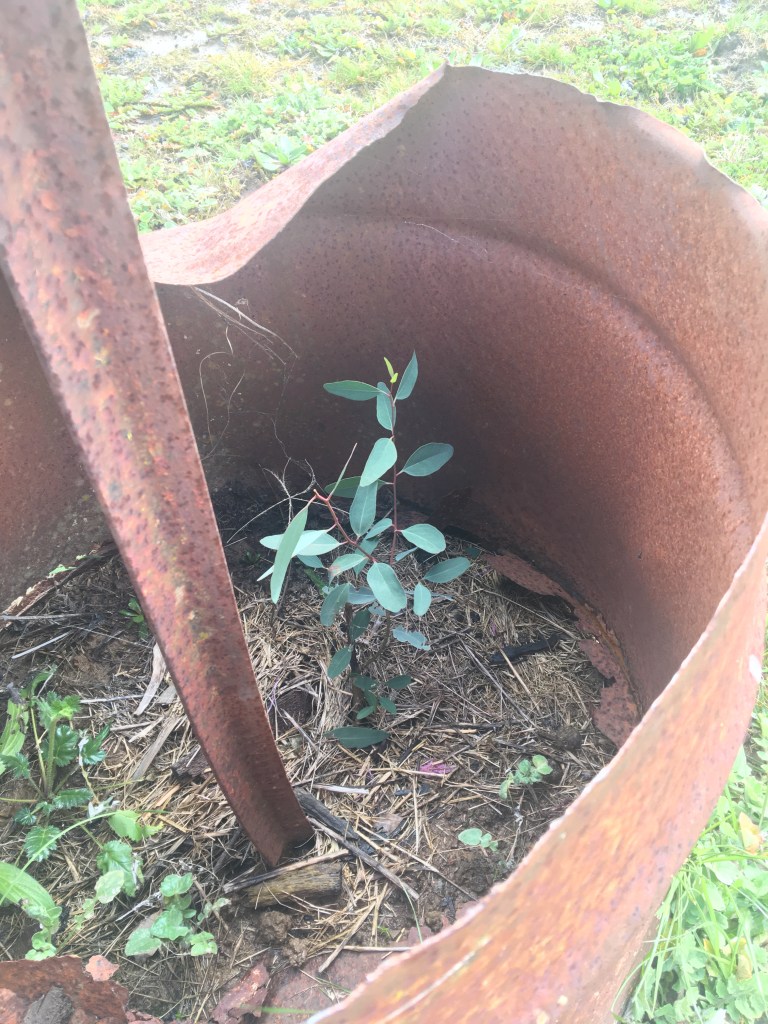
The ideal conditions have increased our determination to plant more trees this season. The yellow box (eucalyptus melliodora) trees we planted last year are doing well as are the Daimyo Oaks (quercus dentata) we planted along our driveway.

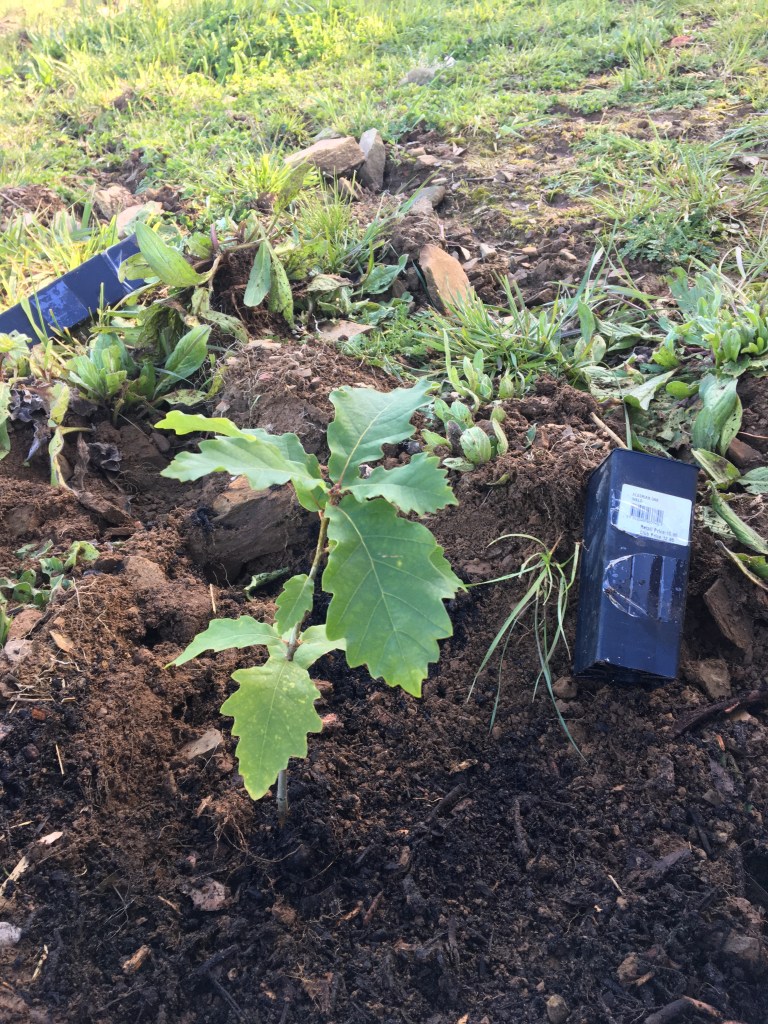
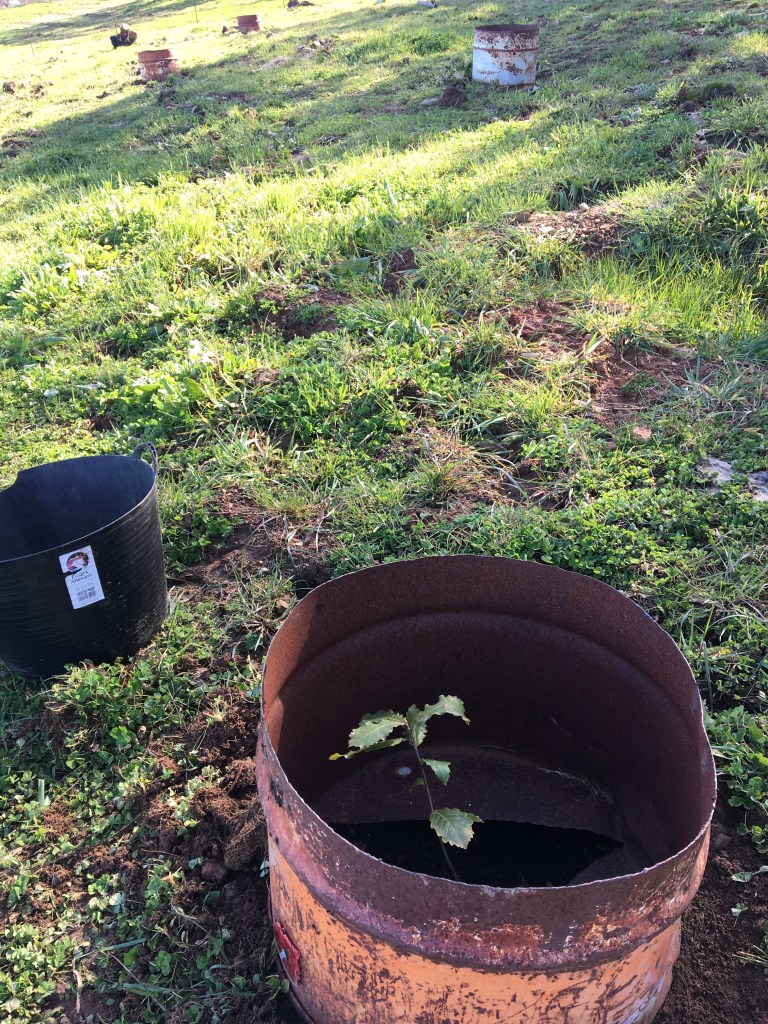
We took the chance to plant some Algerian Oak (quercus canariensis) and Californian White Oak (quercus lobata) to form a wind break west of the house. These magnificent trees grow well in local conditions once established. We bought half a dozen seedlings from the Digger’s Club to get going as our normal source trees didn’t have any acorns this year because of the drought.

In the meantime, the cattle’s bellies continue to grow. They will start calving in the next few weeks, so we are keeping a close eye on them. With the paddocks being so lush, I have some dolomite (magnesium) available for them, in an attempt to reduce the likelihood of bloat and grass tetany. We have been allowing them to graze the rich clover paddocks only for a few hours at a time, but they don’t appreciate being moved at the end of their session. Sapphire the Border Collie is mostly helpful, but remains a work in progress!

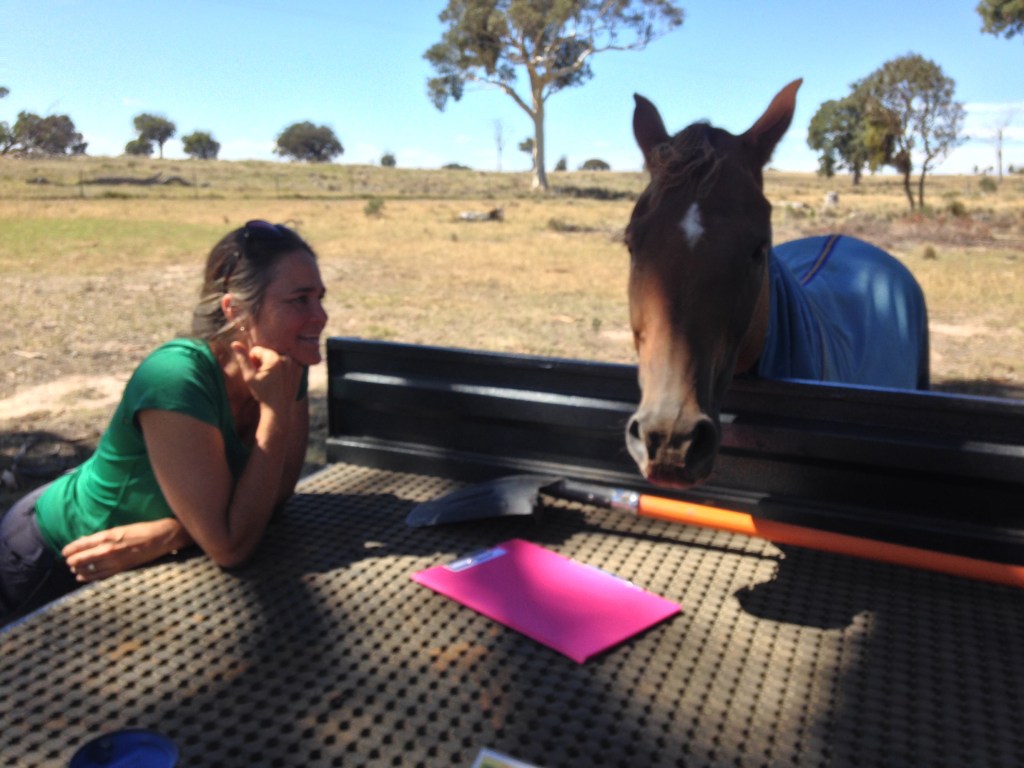
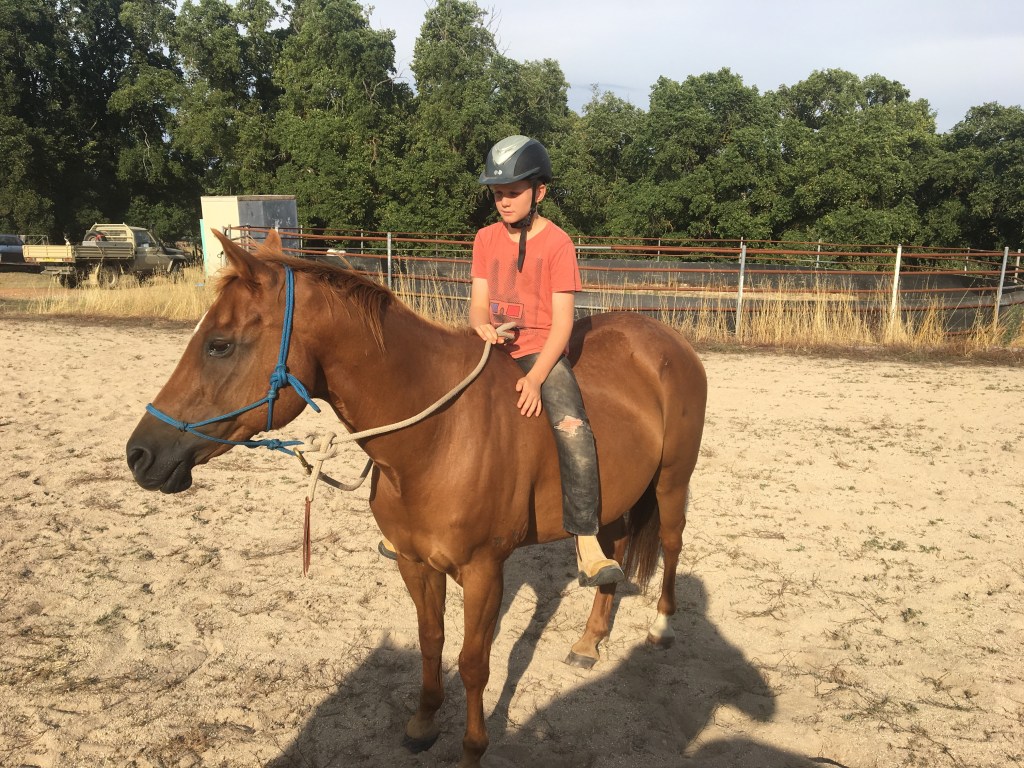
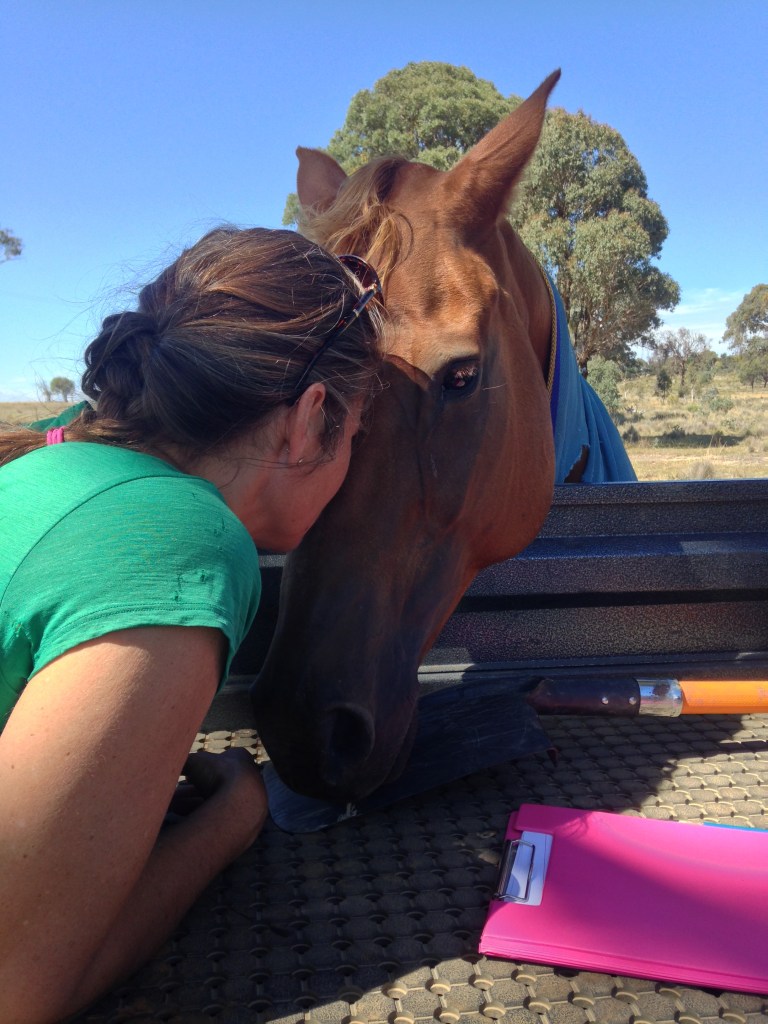
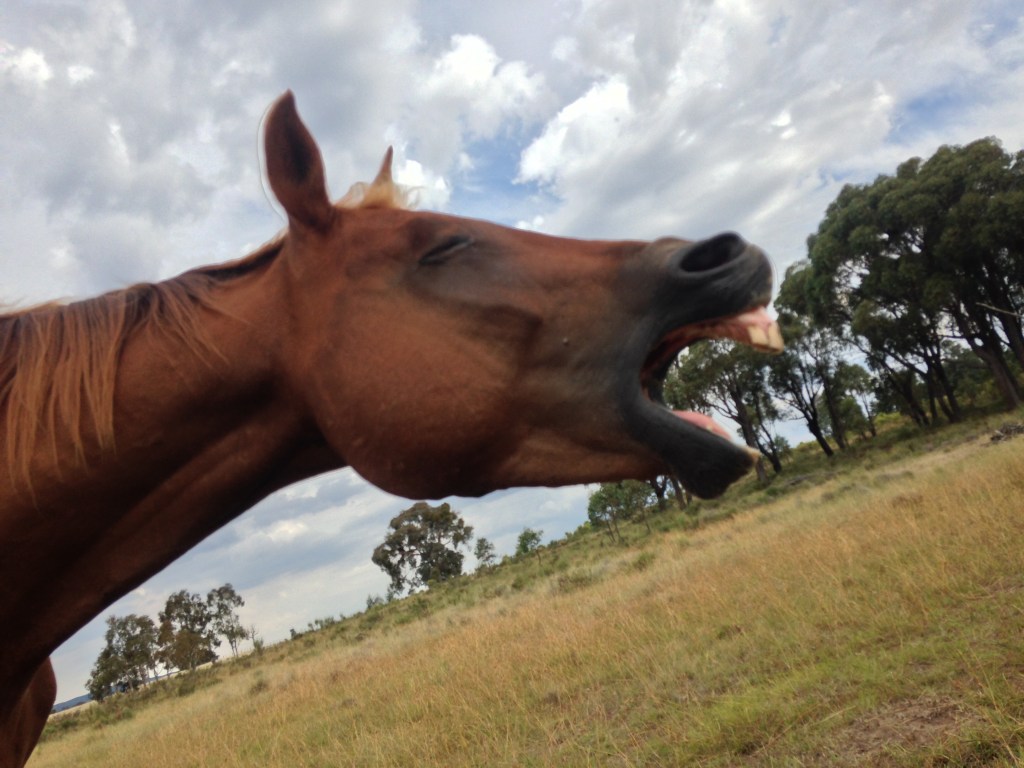
In some sad news, we bade farewell to Mater, the little quarter-horse with a heart of gold who lived next door. This fellow not only taught The-Now-Not-So-Little Helper the basics of riding, but reminded us all about what it means to love a horse. This little horse had defied all predictions and trekked the Bicentennial National Trail from Cooktown to Healsville a few years ago with his owners, Kathryn and Preston. This is where he (and Kathryn and Preston) came into our lives on their way south. With Kathryn and Preston away, I had been checking on their horses with even more enthusiasm than normal. Finding him dead in the paddock with his old friend Laurie watching over him was devastating.

Whilst he might have lived next door, we felt he was part of our family too. Over the years, this little fellow and his mates have received countless carrots and cuddles from all of us. He will be sorely missed. Rest in peace old friend.

Little Achievements Make a Big Difference

With soaking rain falling over much of the eastern sea-board, I have enjoyed the opportunity to sit back and reflect on some of the little projects that have been happening on the Rock Farm over the past few weeks. Each little project in isolation doesn’t make a big difference, but when we do step back from our immediate tasks, we can see progress, which is incredibly rewarding.

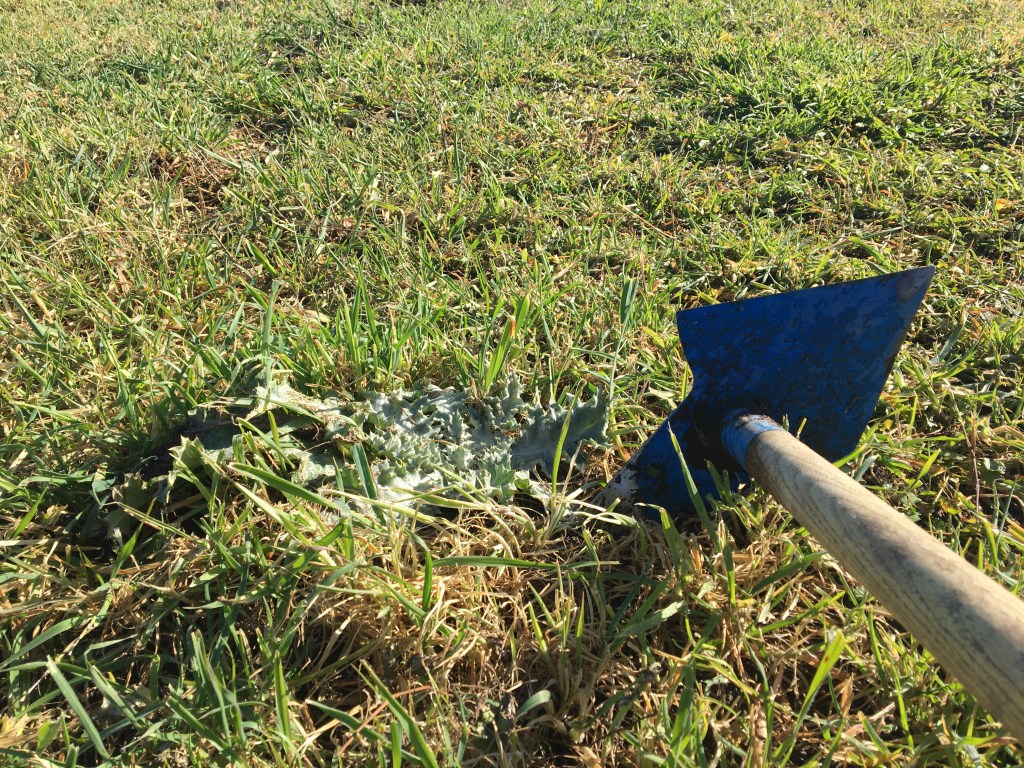
One thing any gardener or farmer knows is that like rust, weeds never sleep. I try to get out every few days with the chipper and spend an hour or so enjoying the great outdoors. I tend to work on the isolated thistles or tussocks, as I figure the big patches are easier to come back to.

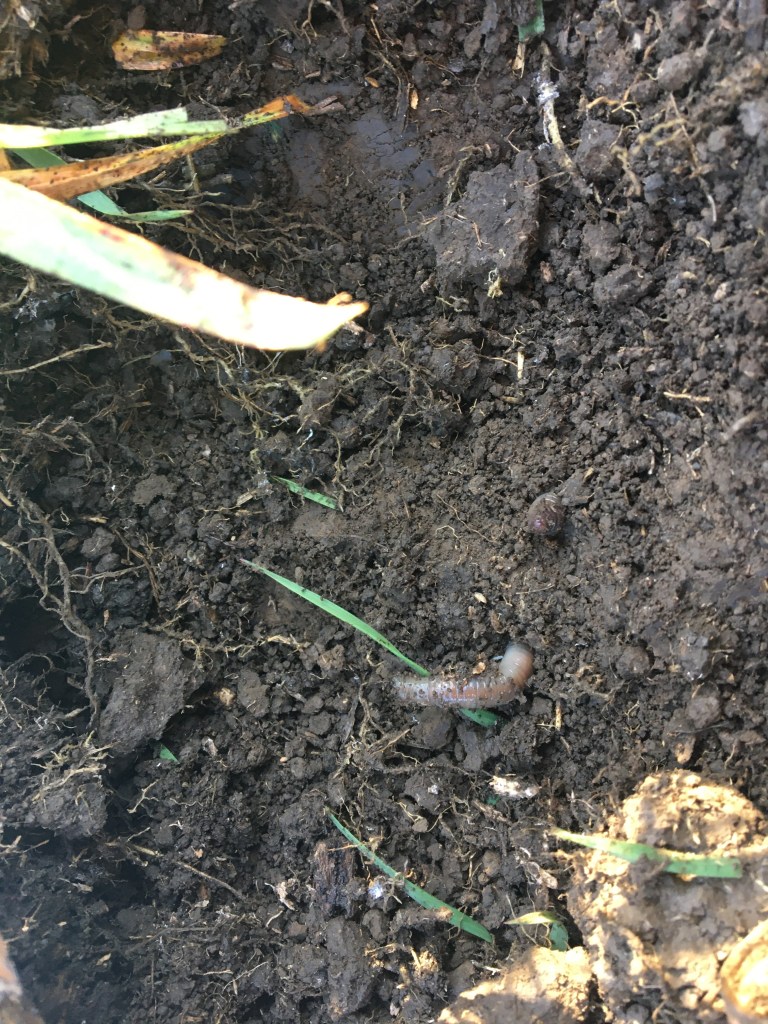
Occasionally I think that it would be far easier to spot spray the weeds, however when I find healthy earth worms under the sods, I quickly regain my motivation to use the manual chipper. Lately nearly every sod I turn over has an earthworm scurrying for cover. Earthworms are especially susceptible to chemicals, like the canary in the coal mine, and to find so many in the paddocks is heartening.

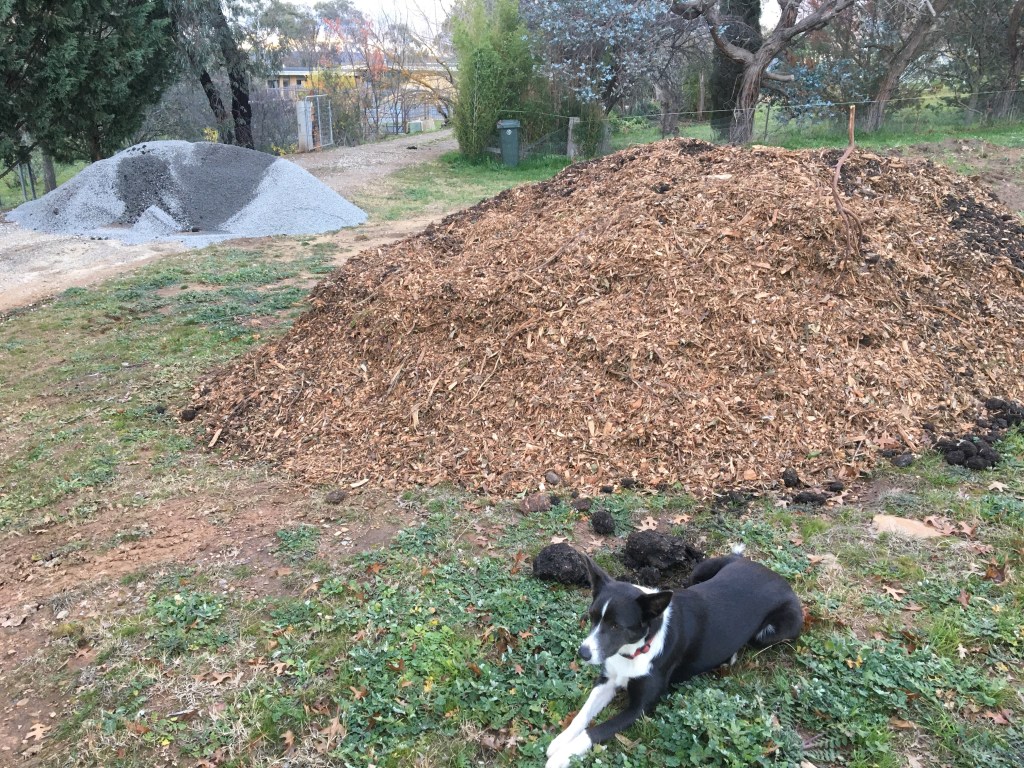
In other areas around the place we have been busy too. We finally got around to putting some blue metal under our carport. Later Jo put in a nice brick edge, which makes the whole area far more attractive, and I will take a photo of it soon. The worksite supervisor approved of the tractor relocating the gravel, making the whole job a lot easier than I planned.

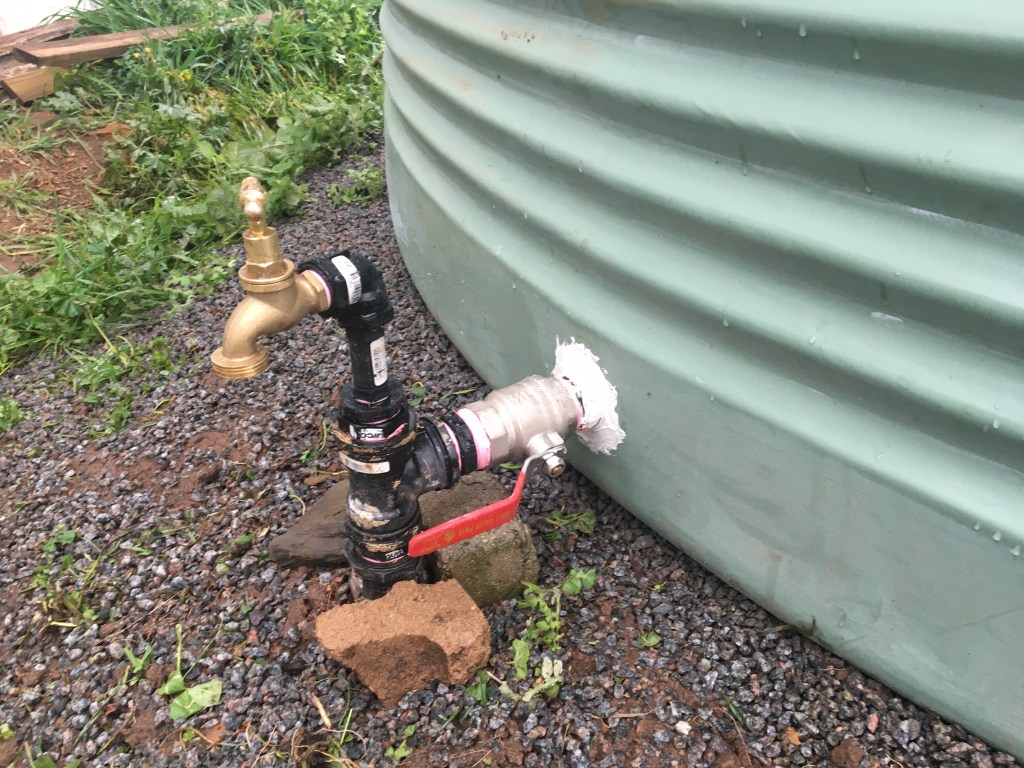
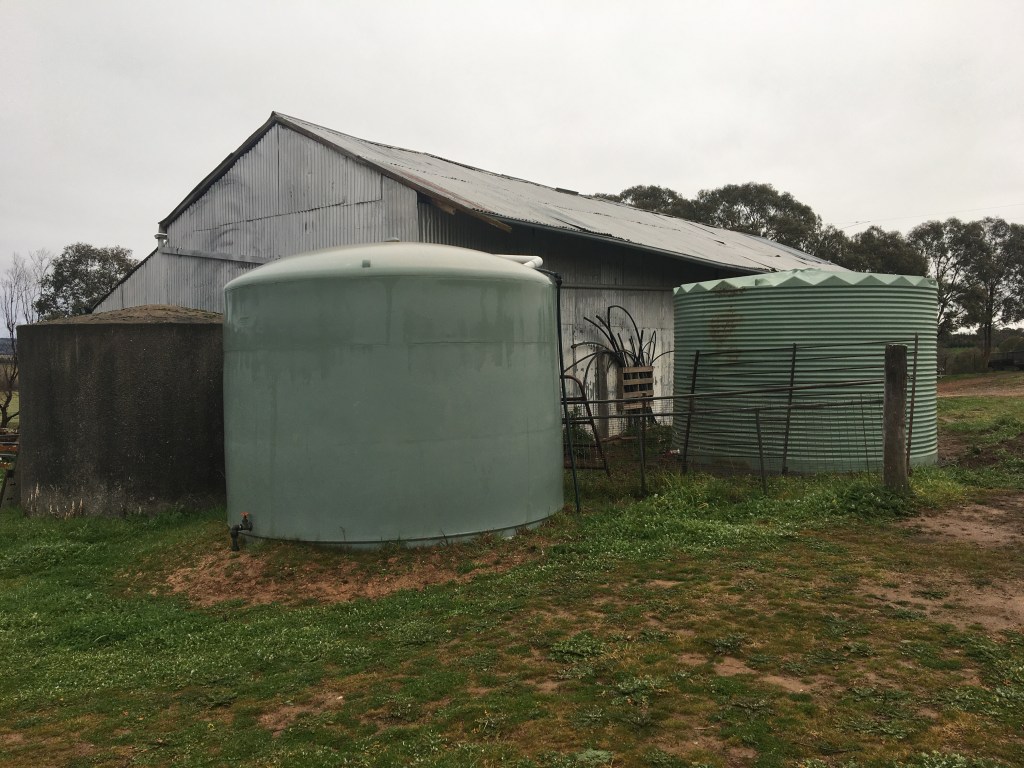
Not all the gravel went to the carport. We decided it was better to get another rain water tank to better mitigate our water risk next drought by increasing our storage capacity to around 90 000 litres. The tank needs to sit on a bed of gravel. Thankfully the family were able to help me move the 22 500 litre tank into the perfect position and we soon connected the tank, increasing our capacity by 25%. My favourite addition was a little tap, allowing me to get some potable water up at the shed when I need!

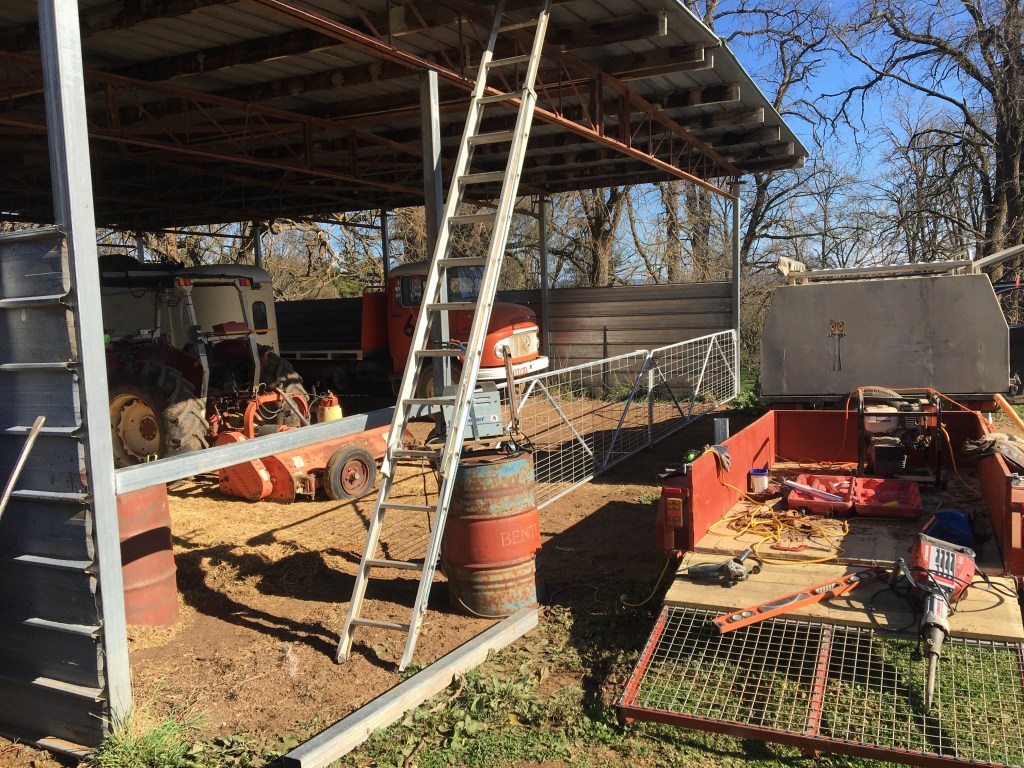
Another job on the list since we moved in was to replace the gates at the hay-shed. Or at the very least make the gates swing open and closed. Our local rural supplier had a pair of 16ft (4.8 metre) gates in stock – and they looked a whole heap smarter than the existing bent and wired together gates. I put in a new post, and swung the new gates in position. We used a bit of left over roofing iron to clad the remaining gap to fit the rest of the shed, and we now have a much smarter and more functional hay shed.

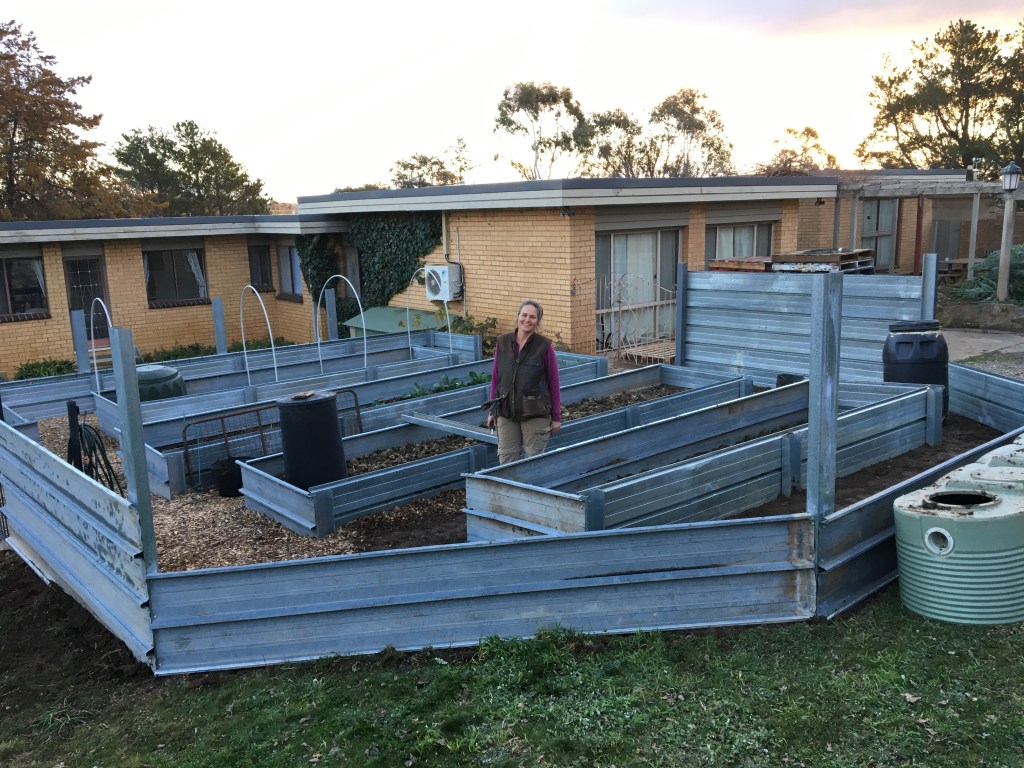
Our quest to harvest food from our land also continues in our garden. For the past few months, Jo has been steadily plugging away at her vegetable garden. Keen to recycle as much material as possible, we have been using old heavy gauge steel from our roof. Our first garden beds have healthy rows of garlic and peas growing, with cauliflowers and broccoli coming along nicely. The latest beds will be ready in time for spring planting, and we hope to increase our production once the threat of frosts reduce. I must admit I was sceptical about how the garden would look when Jo first proposed using the old roofing iron, but I am converted. I can’t wait to get the new beds full of vegetables and see what we can do with it now.

None of these projects have been particularly large, but they have all taken a bit of time to come together. And when they do come together, they combine to make our little patch more useful and enjoyable for us.

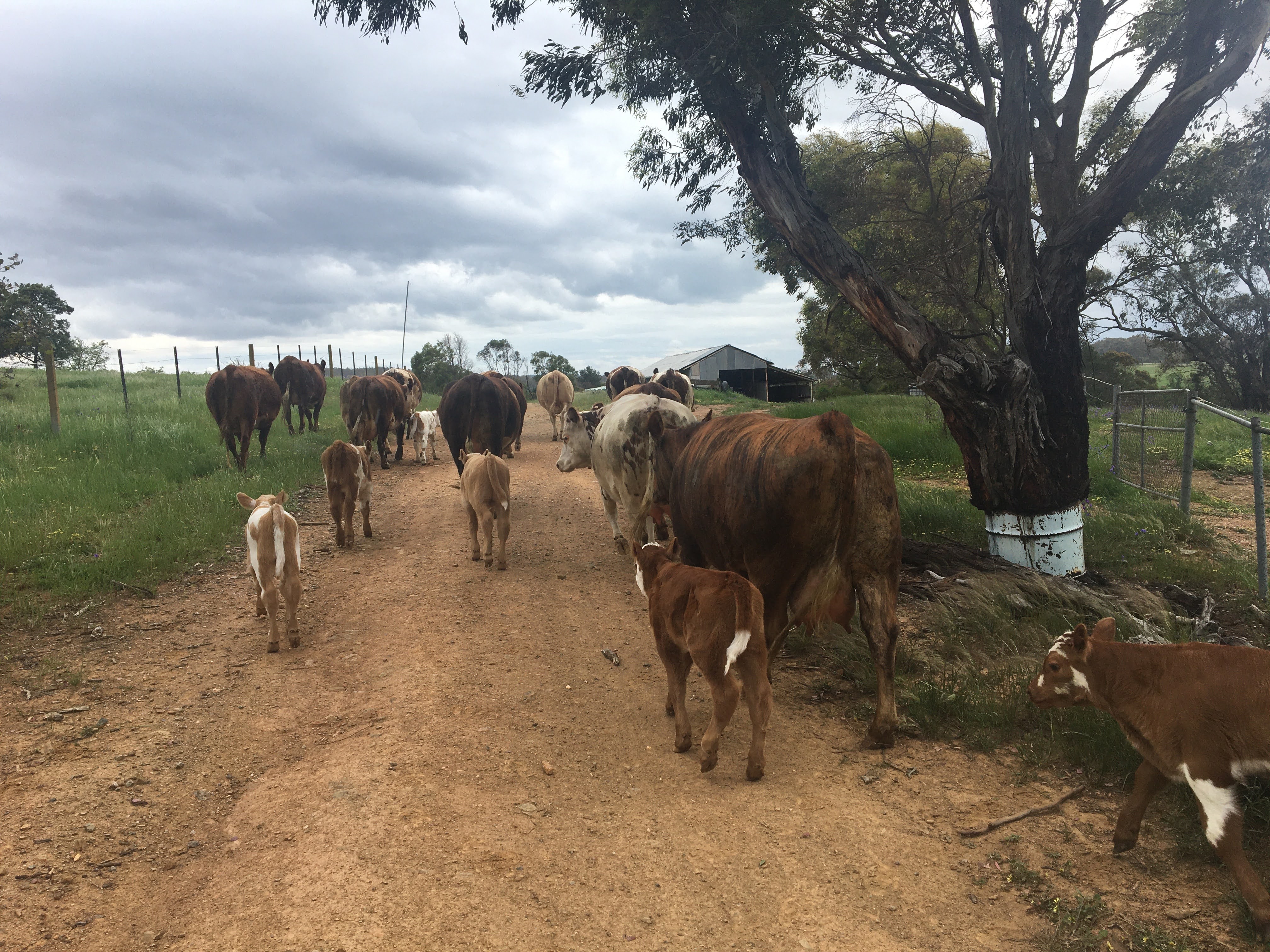
In amongst it all, we have still found time to go and check on the girls. They are all in excellent condition, and I cannot believe I haven’t had to start hand feeding them yet. The paddock rotation system I have in place is working really well, and they follow me from one paddock to the next now. Whilst not quiet enough to pat, they are inquisitive and will come right up to you if you’re quiet and move slowly.

Whilst we might have got some of these little jobs finished, there are still plenty more ideas we have for the Rock Farm. The best part of a rainy weekend is being able to sit and dream and keep putting new ones on the list….

Lifting Heavy Things

My wonderful wife often describes me as ‘Not a smart man, but he can lift heavy things’… Be that as it may, I am finding that as I get older, and the eyesight more blurry, all the things I am asked to move also get heavier. I am sure this has something to do with the increase in gravitational force as we fill the world with more useless noise, or something like that. But it has become apparent that I needed a better way of lifting heavy things.

For the really heavy stuff, I have the tractor. Old Lucie with the front end loader has routinely lifted very heavy objects for me, and since I replaced the hydraulic bypass valve and filter, it is performing exceptionally well.

But then there is everything else. I have plenty of bits and pieces in the shed, that are getting heavier year by year. And so I decided to do something about it.

My concept was that I needed something to lift around 150kg from the ground into the back of the ute. I also wanted something simple and low maintenance, with as few moving parts as possible. I initially looked at electric hoists, but quickly decided against them.

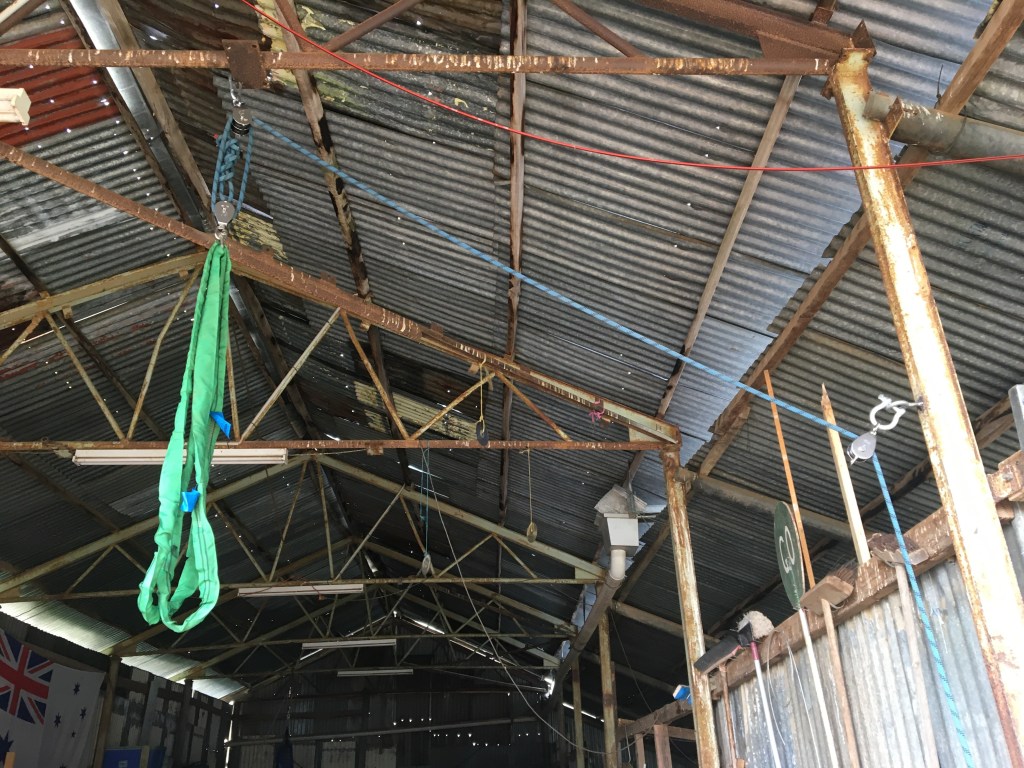
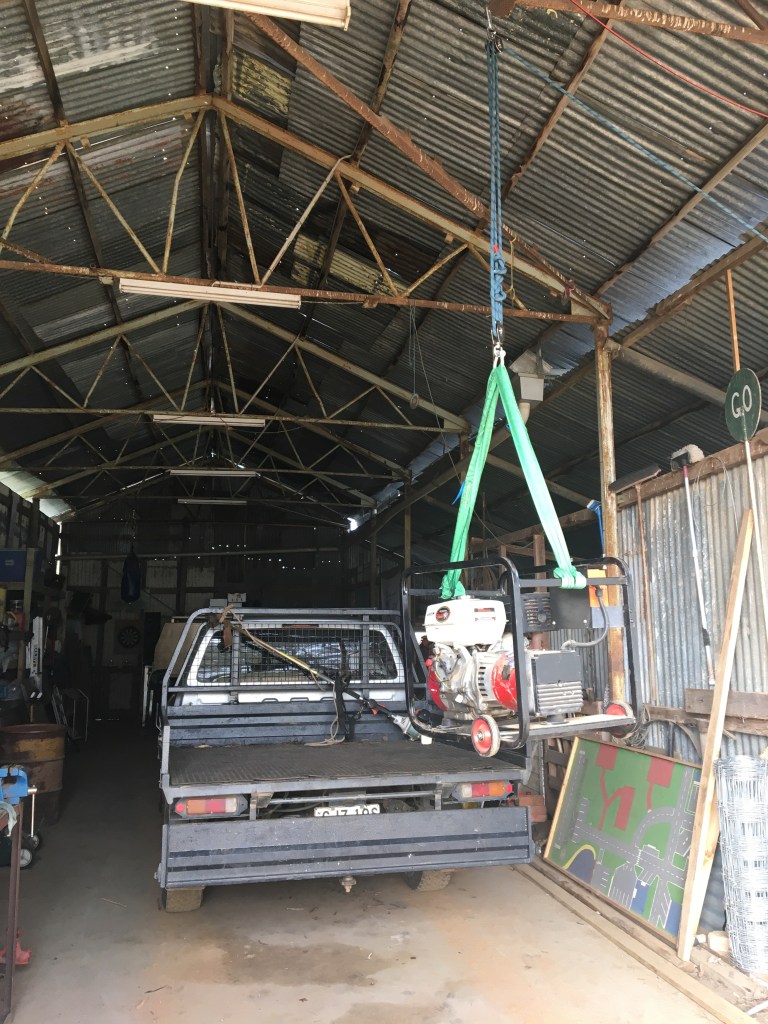
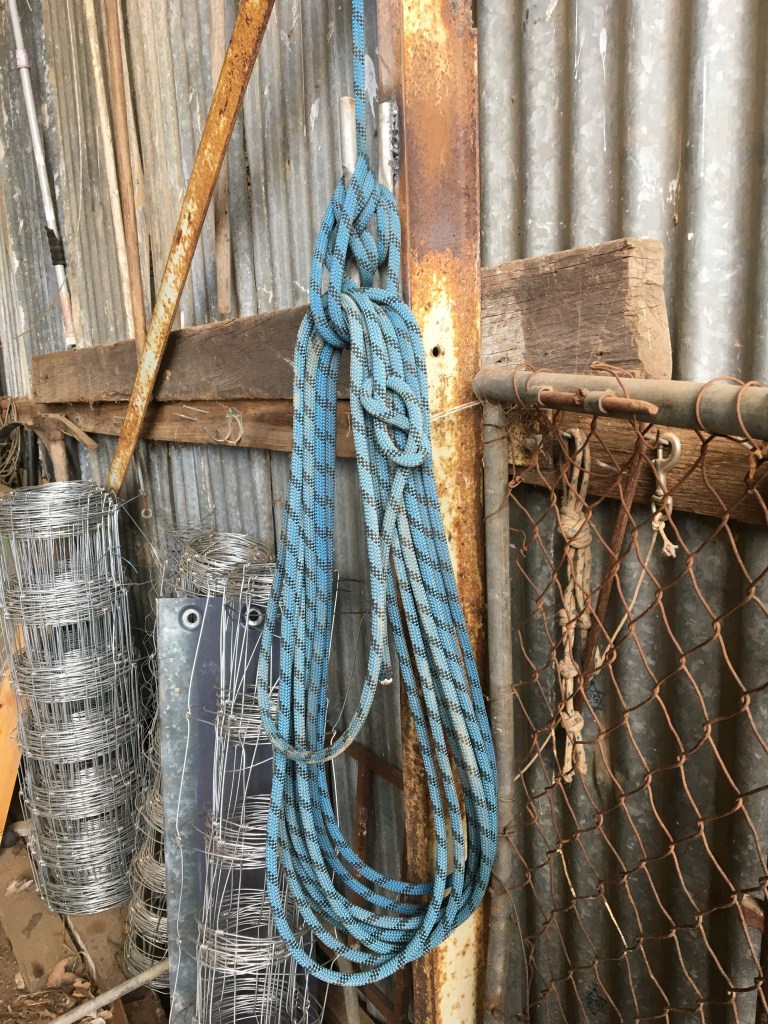
I settled on a simple mechanical pulley design. I had some old climbing rope, and figured with a couple of new blocks (pulleys), I could rig up a system that would allow me to lift heavy items such as generators into the back of the ute.

After being horrified at the quality of the blocks at a certain hardware store, I decided that the best option would be to buy some blocks from a place that specialises in such things. A yacht chandlery.

I put in a call to an old friend Ian who owns Franklin Marine down in Tasmania. Ian has years of experience sailing, including working on some beautiful tall ships, and has a background farming. He knew exactly what I wanted and sent me up a box of goodies in no time.

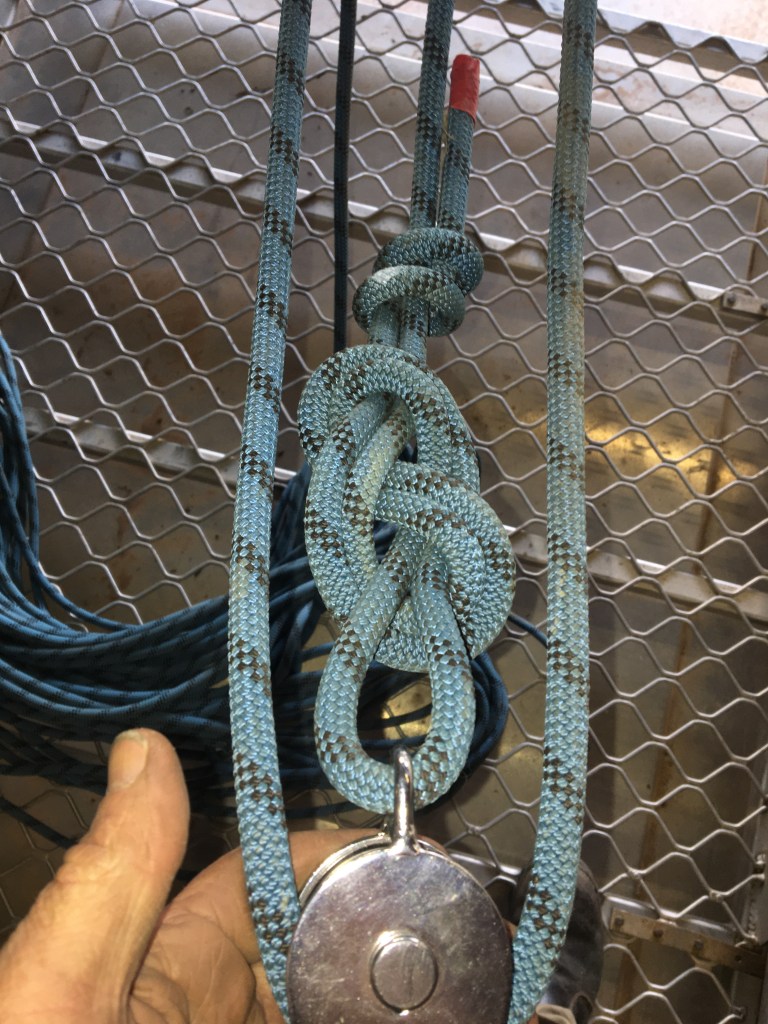
I had a great time running the line through the new blocks. Being stainless steel and designed for years of use in the harsh salt air, the blocks are excellent quality. With a becket on the single block, I was able to anchor the load line, effectively increasing my mechanical advantage. I welded a couple of gate hinges to the shed frame to form a cleat, and used an extra block to redirect the line. It was soon time to load test the new lifting hoist.

The becket allows the line to be anchored on the block with a ‘figure eight on a bight’

I asked the boys the million dollar question. If their combined weight is 120kg, how much effort do I need to put into pulling them skyward? The answers were wild and without reason.

From my memory, you simply add up the number of lines doing the work (not counting the line you are pulling). By counting three lines under load between the blocks, I should pull 3 metres of line to make the load move 1 metre. And if they weigh 120kg, then I will need to pull around 40kg to lift them up. Of course there is friction to take into consideration, and stretch of the line, which I usually add around 10% to, giving me a 44kg pull. The engineers in the family will be horrified by my rough assumptions, but I figure it is near enough for something you can work out at a glance.

If you’re interested in the load ratings.

  • 2000kg – the 13mm kernmatle line
  • 2000kg – the green strops
  • 2000kg – the quality sailing blocks
  • 450kg – the Mallion mounting the block to the rafters
  • ?????? – the rafters!

Good job I figure the best I could lift is only a fraction of the system’s design – it would be a little embarrassing to pull the shed roof down on me!!

Special thanks to Ian at Franklin Marine for all his help and excellent products. You can find his details on their webpage here: Franklin Marine

Pushing Water Up Hill

My last post was regarding some of the challenges I face on the Rock Farm. Mostly I love problem solving, however, every now and then it can feel a bit much. I’m lucky in that these feelings don’t last too long. Whether it’s kids or animals, there are so many wonderful opportunities to pick you up.

The belt on the lawnmower was easily replaced (once I selected the right one). The refrigerator was at the repair shop and beyond my control. I was confident I had fixed the car , even though it hadn’t been on a test drive further than the local post office, and the water pump was still not fixed.

So we did the best thing in the circumstances and disappeared for a few days of the school holidays. Nothing like bundling the family up in the as-yet-unproven car for a five hour drive to the coast to catch up with sun, warmth and family. Thankfully the car performed faultlessly. We were lucky the COVID-19 situation was stable enough for us to enjoy a couple of days in the school holidays catching up with the cousins.

Returning home and the white-good repair shop claimed the fridge was working perfectly with no sign of fault. The only thing remaing outstanding was the pump.

That pump…

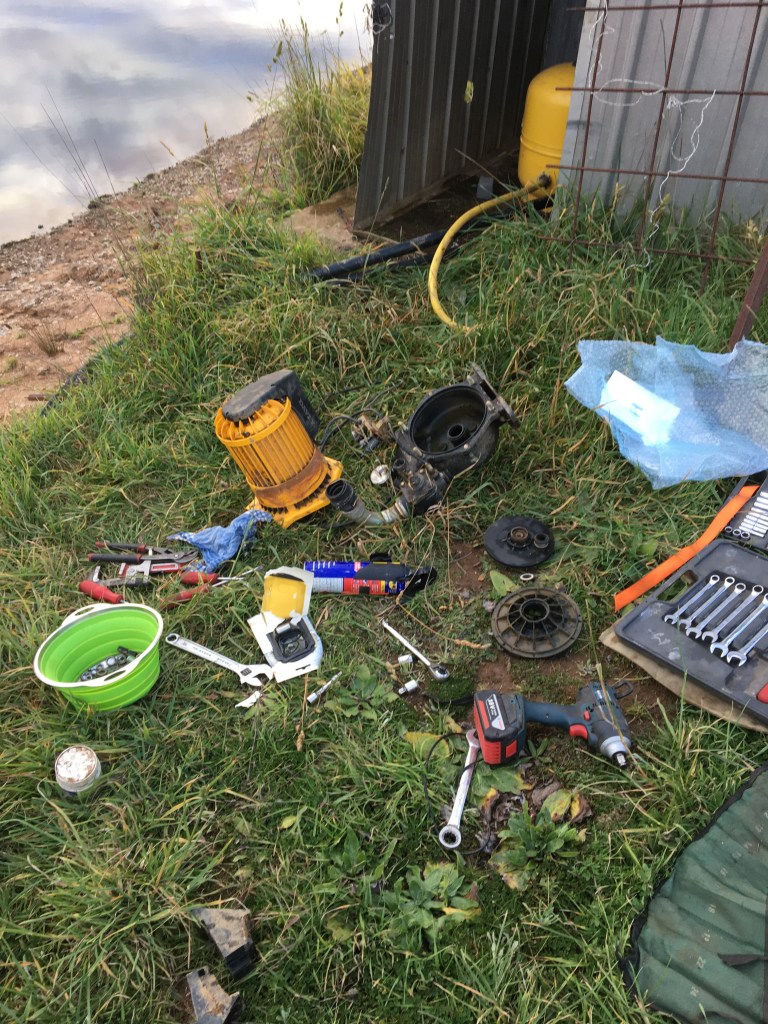
Parts for the pump arrived in our absence, so I set to work the next morning, following the troubleshooting sequence from the owner’s manual. It took a while to figure out how to pull the old impeller out (it looked fine). I replaced the bearings and seals and put it all back together. It seemed to make all the right noises – but I still had the same problem – the pump couldn’t raise enough head (pressure) to reach the house.

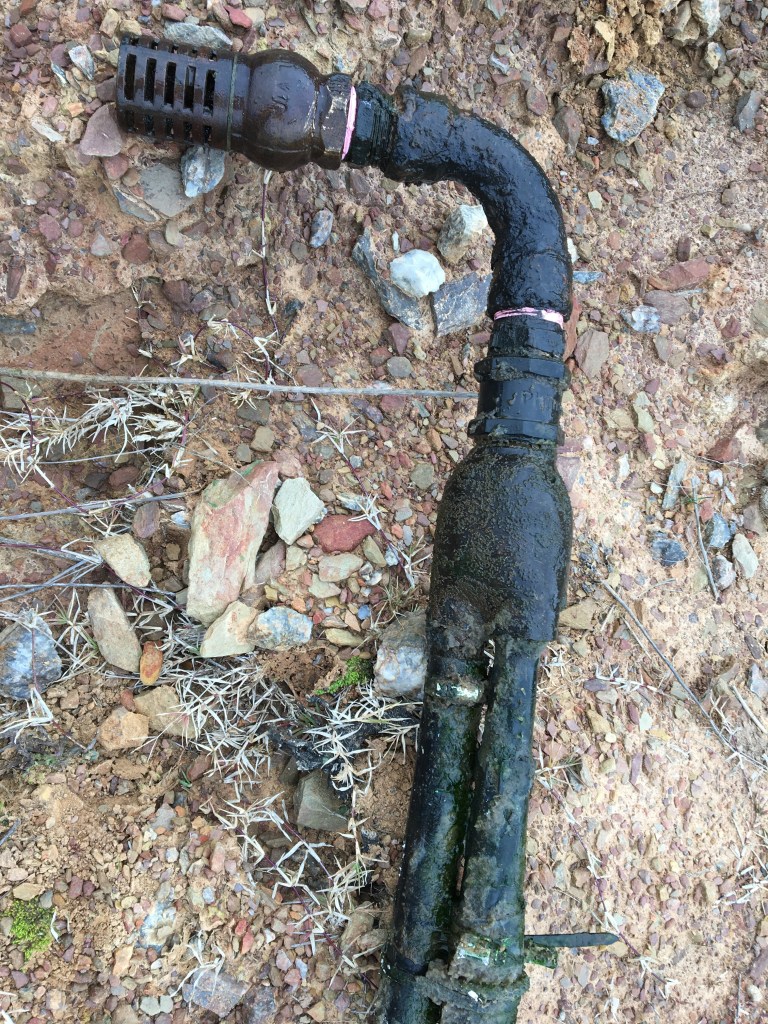
The water jet passes through the venturi to help the pump draw water from a deep well (or low dam). It was slimy and cold. Oh so cold.

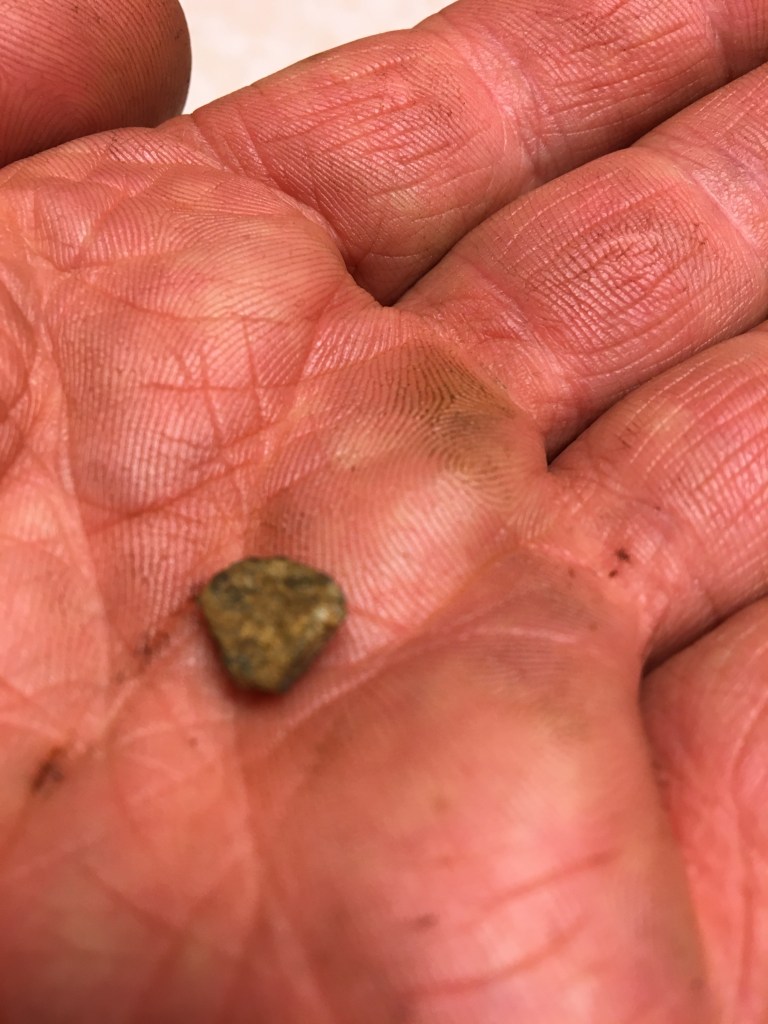
Next item to check from the owners manual was the the water jet at the intake. We pulled in the intake again, pulled it all apart and found a tiny stone wedged in the venturi. Ah ha, I thought and put it all back together – but the pump was still not pushing water up to the house.

That little stone was wedged in the venturi part of the jet… I had hoped this would fix the pump…

I pulled the pump apart again. Pulled the intake apart again. Had to bring down the old falcon ute with the tank to re-prime the line. I was out of ideas, cold, wet and hangry. It was time to take a break.

I can’t believe I am doing this again….

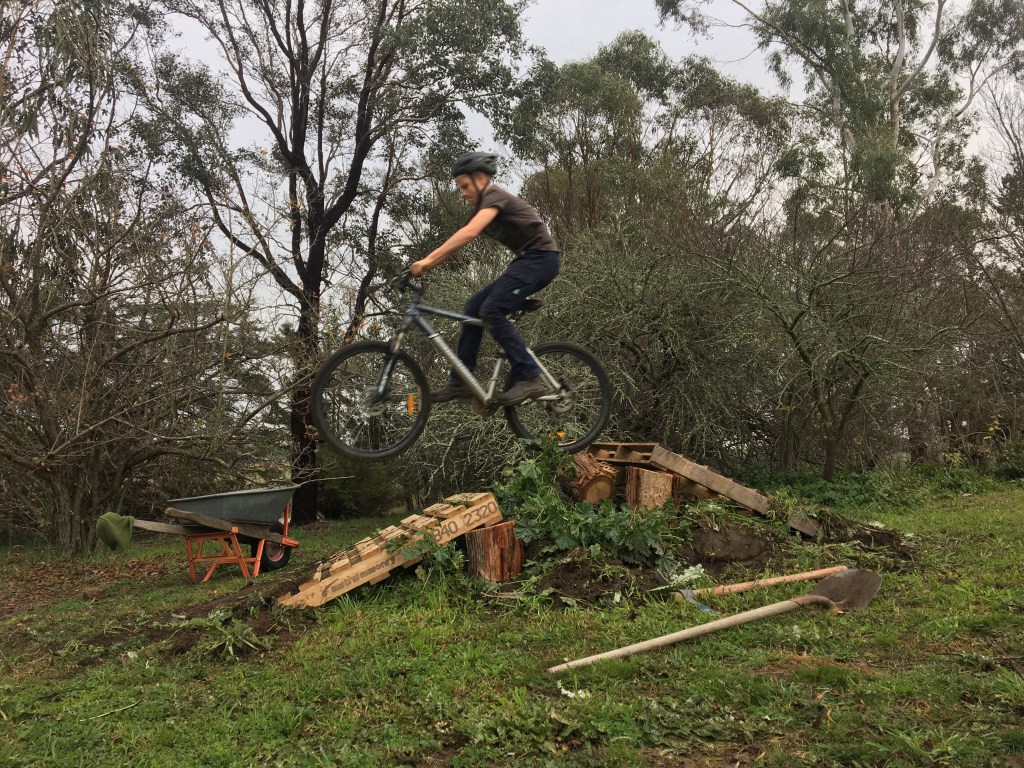
Around this time, the boy’s asked Mum to come and film them taking leaps on their newly constructed mountain bike track in the garden. And it was then Jo heard running water…

They’re crazy – and our garden looks like a disaster zone, but they’re having a blast. And they inadvertently led to a great discovery!

In a forgotten corner of the garden at the end of a spur line we found the leak. The pipe end plug fitting had come away, and the water was pouring down a natural drain, into the garden dam and then cycling back into the big dam…. I might have said EUREKA!!! But I think the actual record would reflect some other word with two less letters.

We set the pump running, celebrated the fact our toilets flushed, and moved the cattle back into their paddock to re-commence our cell grazing experiment. The good news is that through this process we seem to have fixed several minor problems. It used to take a couple of days to fill the header tank, but by the following morning the tank was full. The float valve in the tank at last seems to be working properly and at this particular moment in time, everything seems to be in order. I am sure this moment will pass quickly, but for now, it was a chance to breathe a sigh of relief and focus on the next project…. lifting heavy things.

Little Helper’s Holiday Project Part Five and Final!

At last the boy’s part of this project has been completed. I have insisted that I will only pay them for the trailer once their paperwork is submitted… this blog being their final requirement. To say I am super proud of them is an understatement. This is their words.

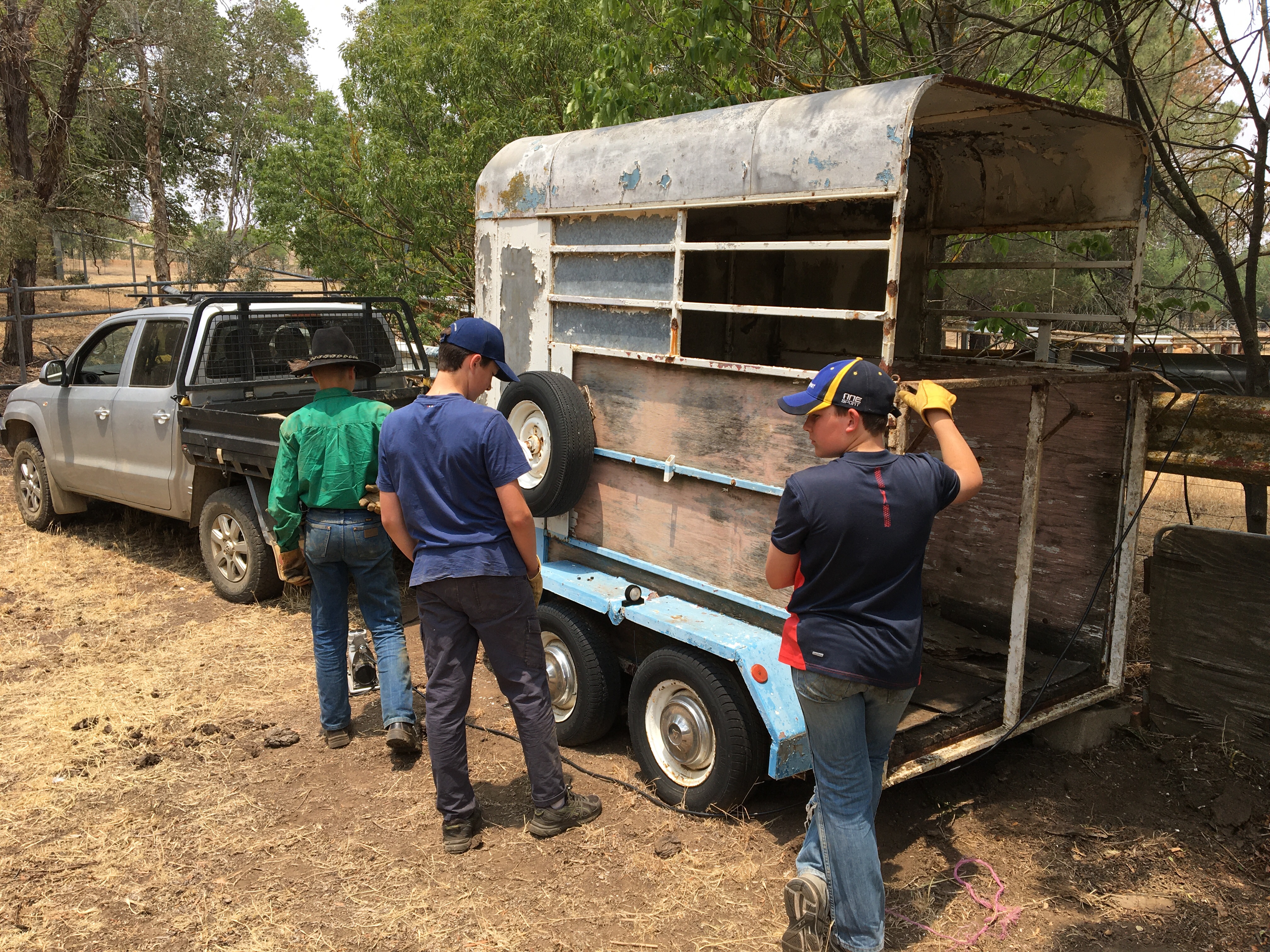
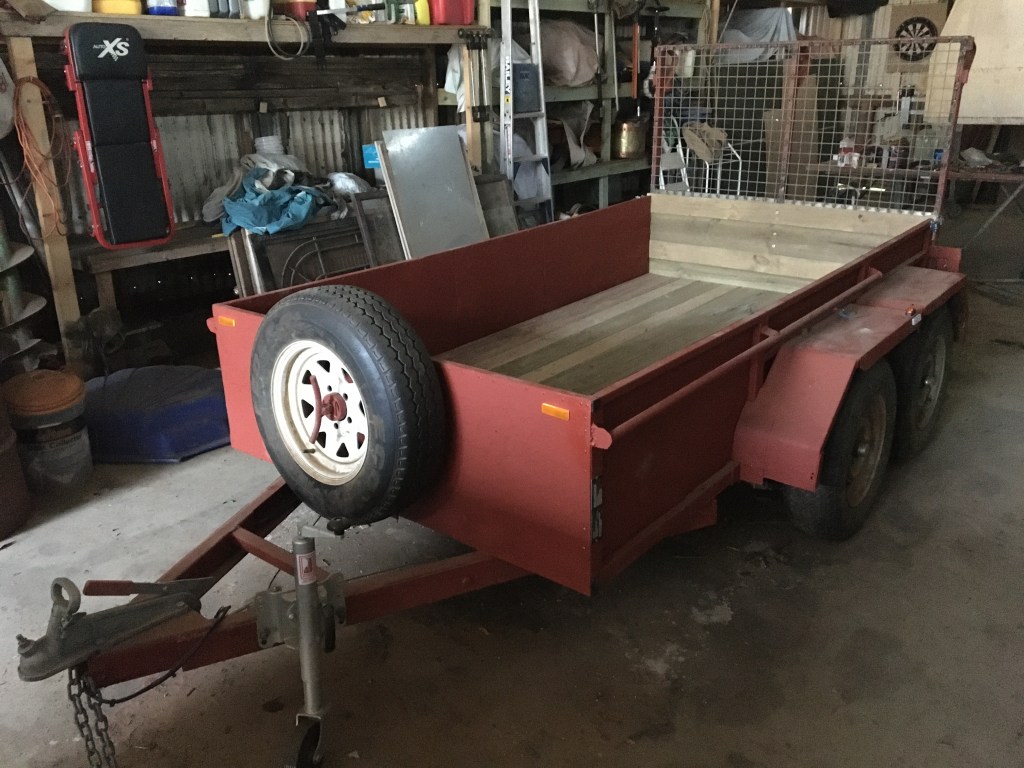
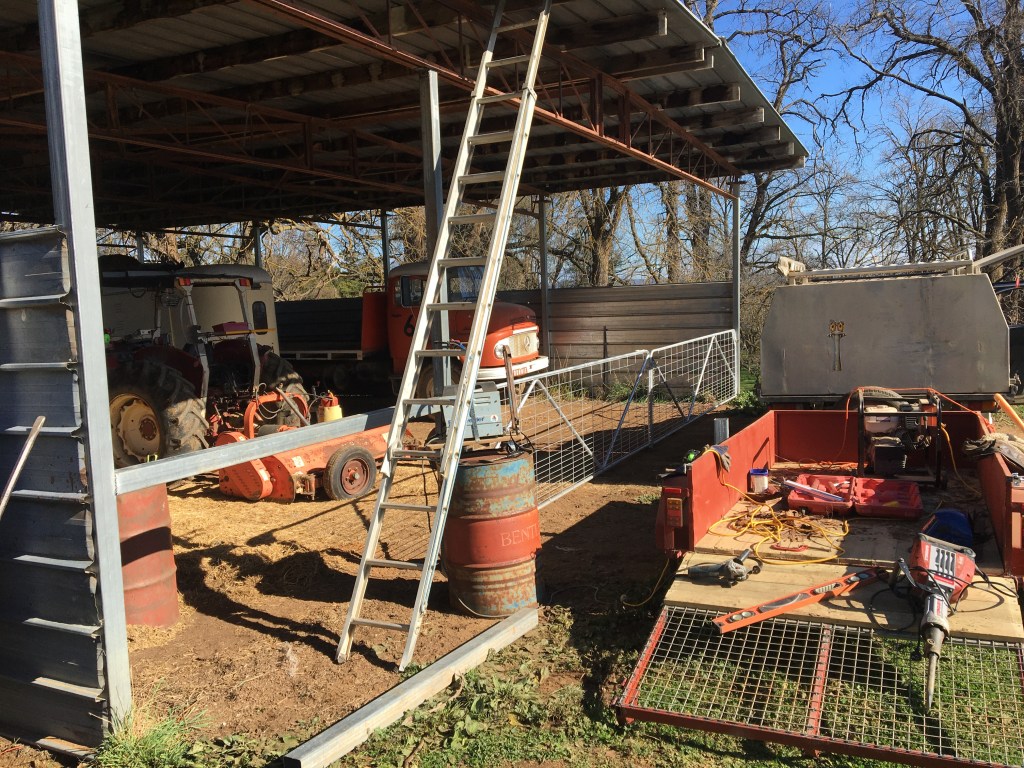
It’s time to get paid!  After a long pause on the project due to school assignments and assessments, we have finally got around to finishing the trailer!  Despite the fear of been charged rent by Dad, we didn’t do much work on the trailer.  Well that is not entirely true, we finished riveting on the sides and then re-painted every surface in sight.

Five weeks after the end of the holidays, losing a significant portion of our potential earnings to Dad’s rent, we got around to the wiring.  On one wet weekend, we put the wiring through the underside of the trailer, connected up the brakes, side lights, rear lights and number plate light to the plug.  Which in turn meant that we could now connect the trailer to the car.

We were all very excited. Dad drove the car into the shed and plugged in the trailer.  Voila!  The side lights and tail lights instantly came on, when Dad turned on the headlights! Dad put the blinkers on, and one after another they worked.  The last thing we needed to do was check that the brakes worked.  Since they are electric, to check if they work, you put your ear close to the wheel and as someone steps on the brake pedal, you should hear the magnet ‘clang’ onto the brakes.  The little Helper and I sat down and listened carefully as Dad stomped on the brakes… and nothing. Not one sound.

What was going on? We were pretty certain that we had wired them correctly, and we could not think of anything else.  My brother and I stood there out of ideas staring numbly at what was turning out to be a disaster. Then Dad sheepishly called out for us to listen again.  Humouring Dad, we did as he said.  “Clunk”. What was that ….. the brake magnet?  Surely not?  As it turns out, the brakes had worked all along, but SOMEBODY had disconnected the electric brake controller in the car.

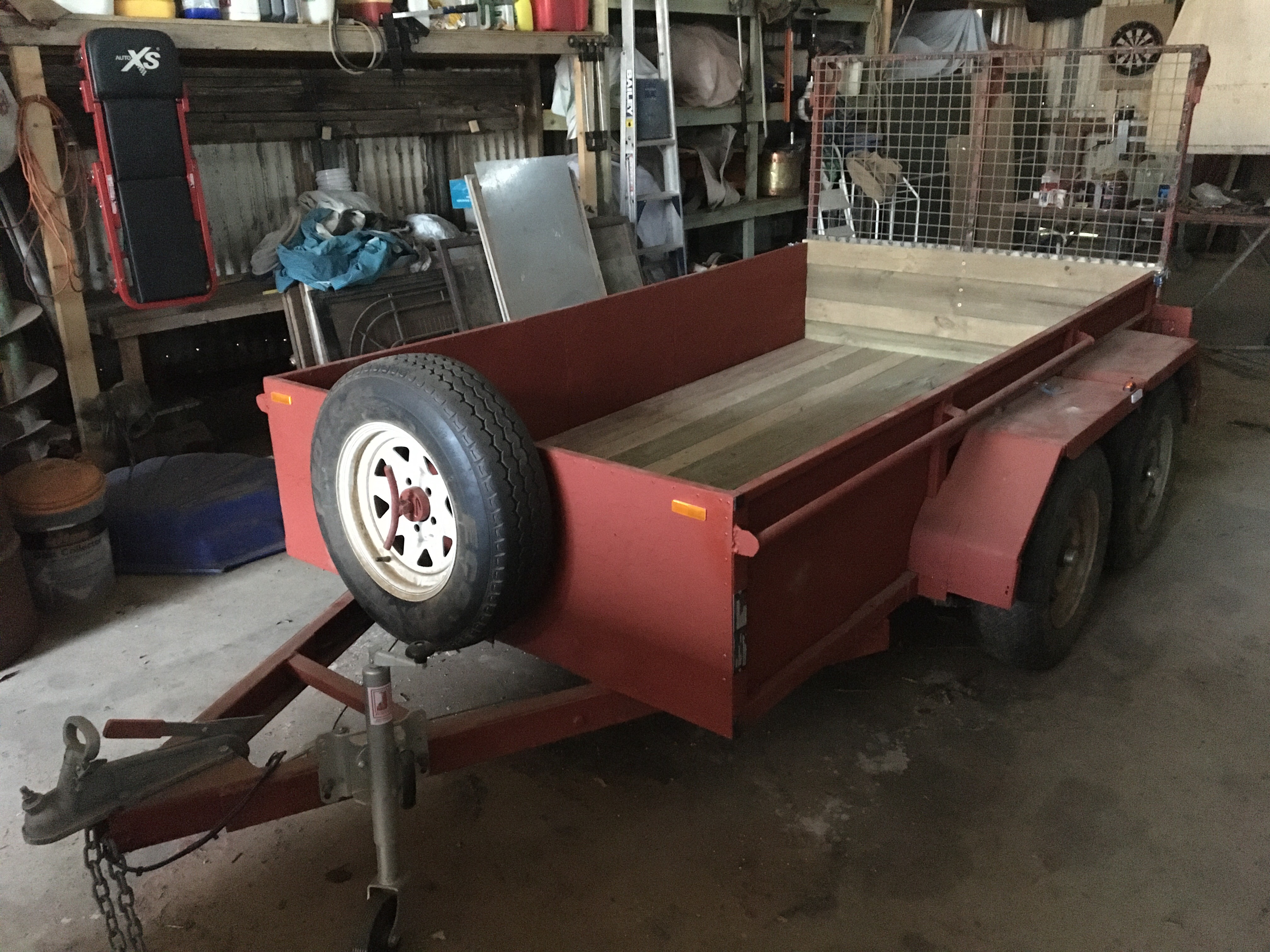
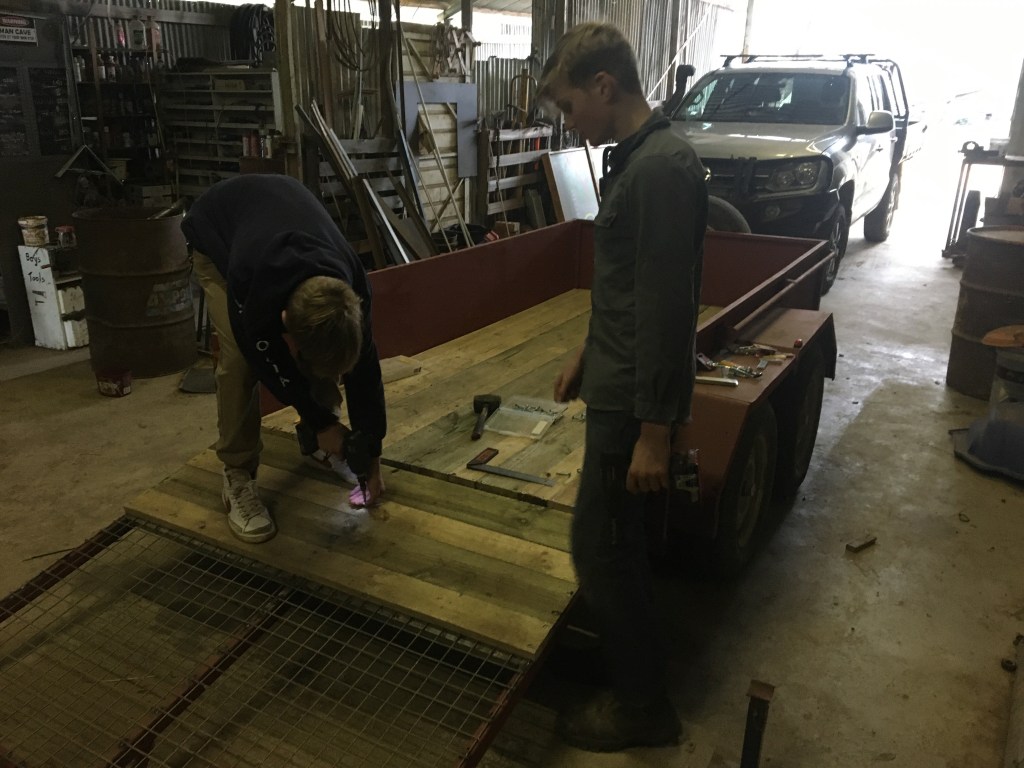
With the wiring in order, it was time to start on the floor.  The floor was relatively straight forward. All we had to do was cut the timber boards to size and then use clamps to push them hard up against the edge. We pre-drilled holes in the timber for the self tapping bugle head screws. We used Dad’s impact driver to drill the screws into the steel chassis. Then we removed the clamps, got the next piece of timber and repeated.  Simple.

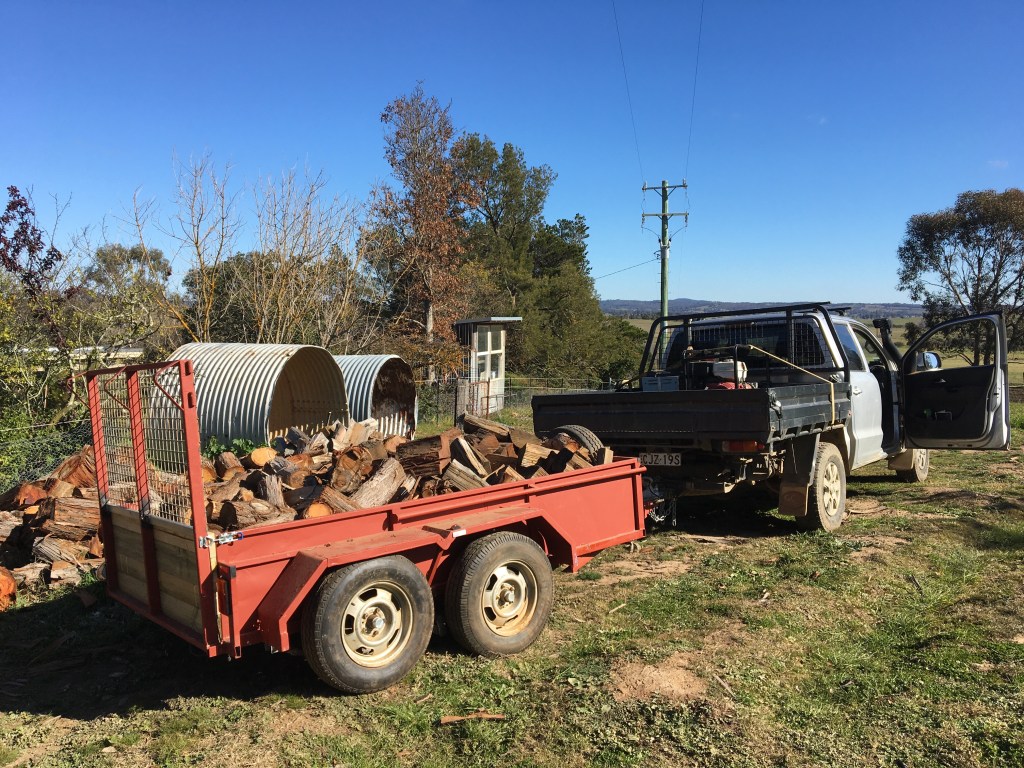
Once the floor was in place, Dad was eager to test out the capabilities of the trailer. He took the opportunity to fill the trailer with tonnes of lovely firewood… twice.  
The trailer turned out to be a big success, but there were still two problems.  The first problem was getting the trailer registered.  Since this is the first time that we are registering this trailer, it needs a blue slip.  Normally this is a simple process but as this is an old trailer manufactured before 1989 we have no paperwork for it. We could not find a chassis number anywhere, so it needs the RTA to issue a VIN. We are not sure whether the RTA will agree to issue us a chassis number at all!

The second problem was with the front wheels of the trailer. They wobble.  This is a very big issue as it means that the bearings overheat. If you want to know why Dad is so sensitive to bearings overheating, take a look at this blog post from our 2014 trip around the country.  After taking the wheels off multiple times, we have concluded that the problem may be with the backing plates for the brake hubs. The trailer’s original backing plates did not fit our new electric brake ones so we had to replace them. We might not have got the new plates on square, which would explain the wobble… Or it could just be down to the very cheap brakes that we bought.  (The brake pads are already showing signs of wear that should not be on brakes that are only hours old.)
Despite the wobble, Dad and I took the trailer to our local weighbridge.  If you are registering a trailer for the first time, it is mandatory that you have a weighbridge certificate.  The weighing was a success with the total weight of the trailer coming out at 460kg.

With the weighbridge certificate in hand, we then drove to a Mechanic who will see if he can sort out the issue with the front axle, and issue a Blue Slip, ultimately allowing us to register the trailer.  Currently, the only thing standing between us and getting paid is this blog.  So with the completion of this sentence, I might just be able to get enough money to buy myself a new mountain bike 😊.

I am extremely proud of their efforts and the skills they have learnt or being exposed to during this little project. If nothing else, it has taught them that these things often take longer than you think. Regardless of the RTA’s decision, I am sure this trailer will be an extremely useful addition to the Rock Farm!