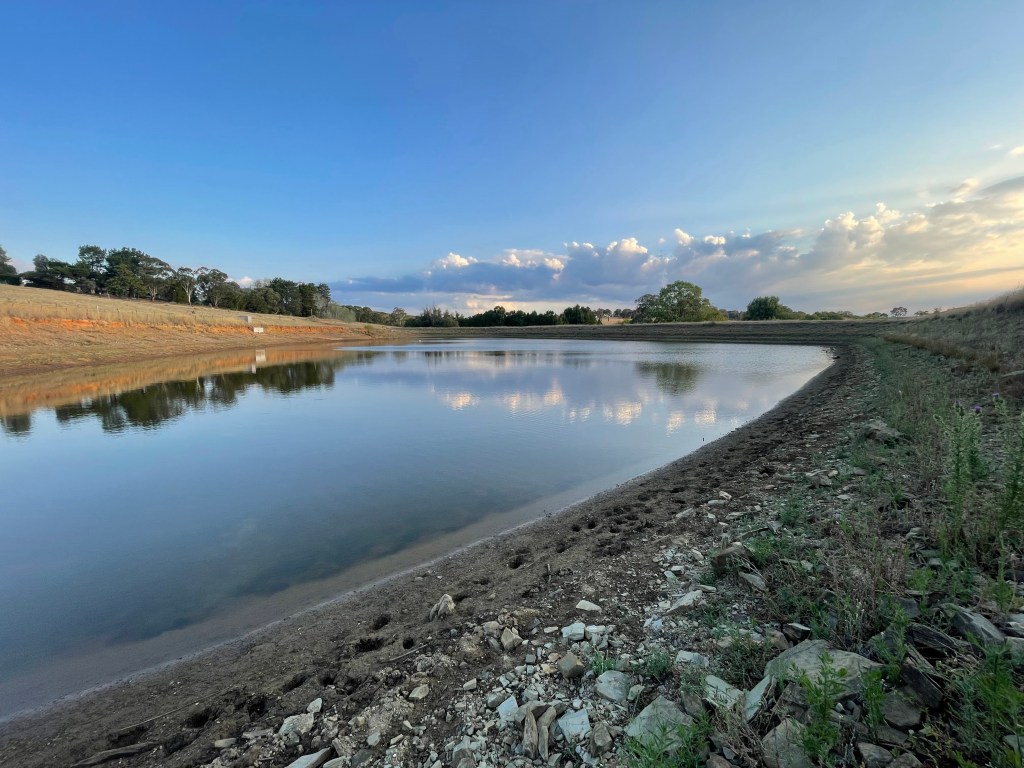
It is dry. Bone dry. Fairly typical for this time of year, yet still confronting. Even hardy old trees that survived the lead‑up to the 2019/2020 summer are now giving up. We’ve been fortunate so far to avoid bushfires in our immediate area. Our brigade – and neighbouring ones – have been busy supporting firefighting efforts across the district. We’re not out of the woods by any stretch.
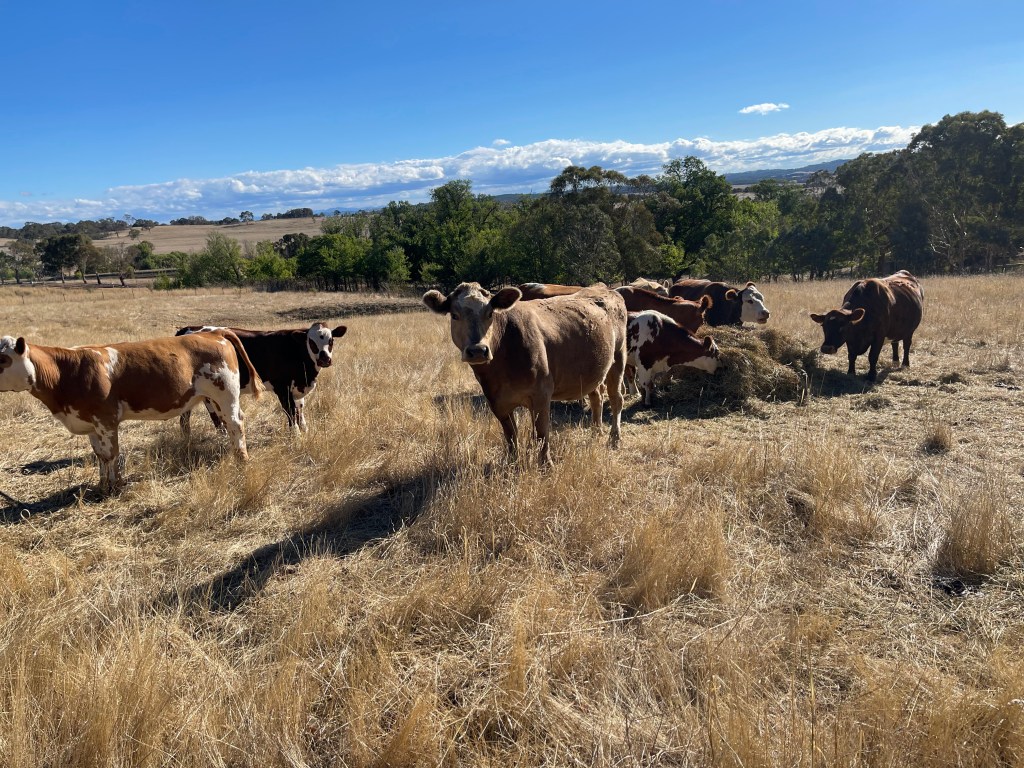
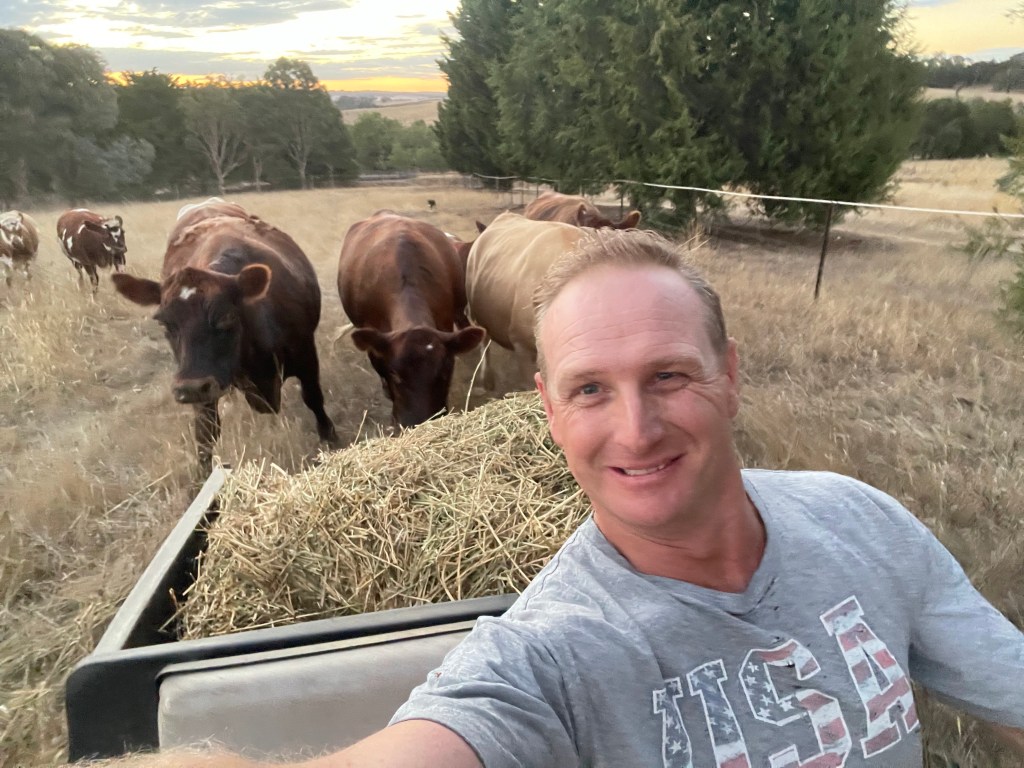
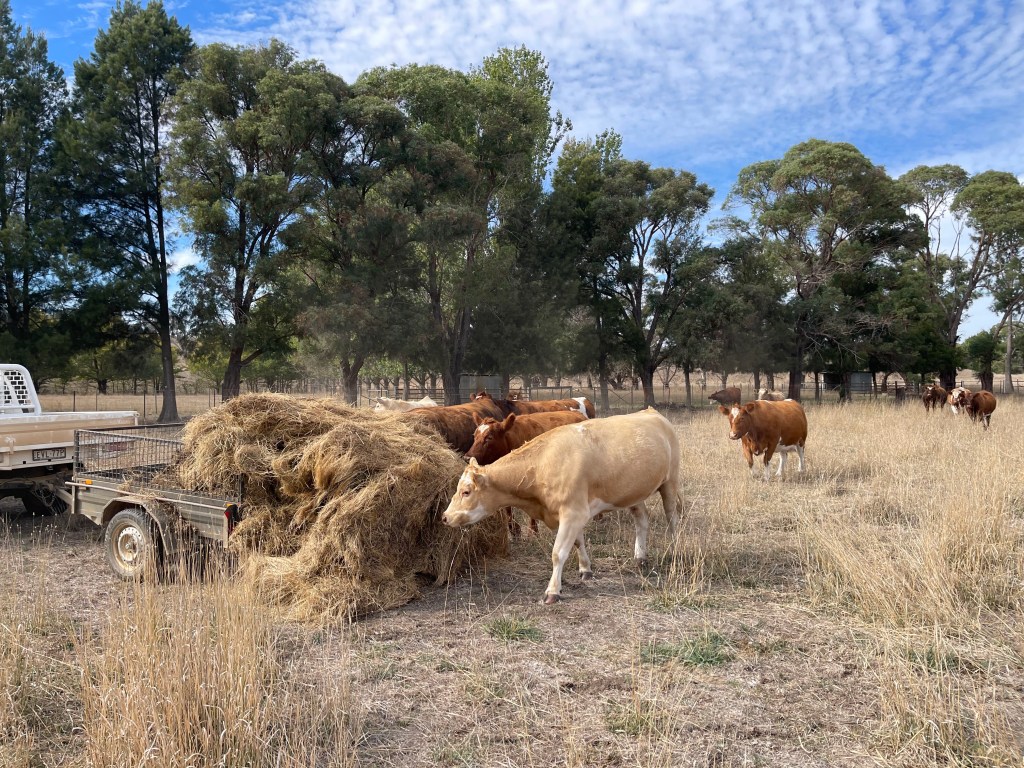
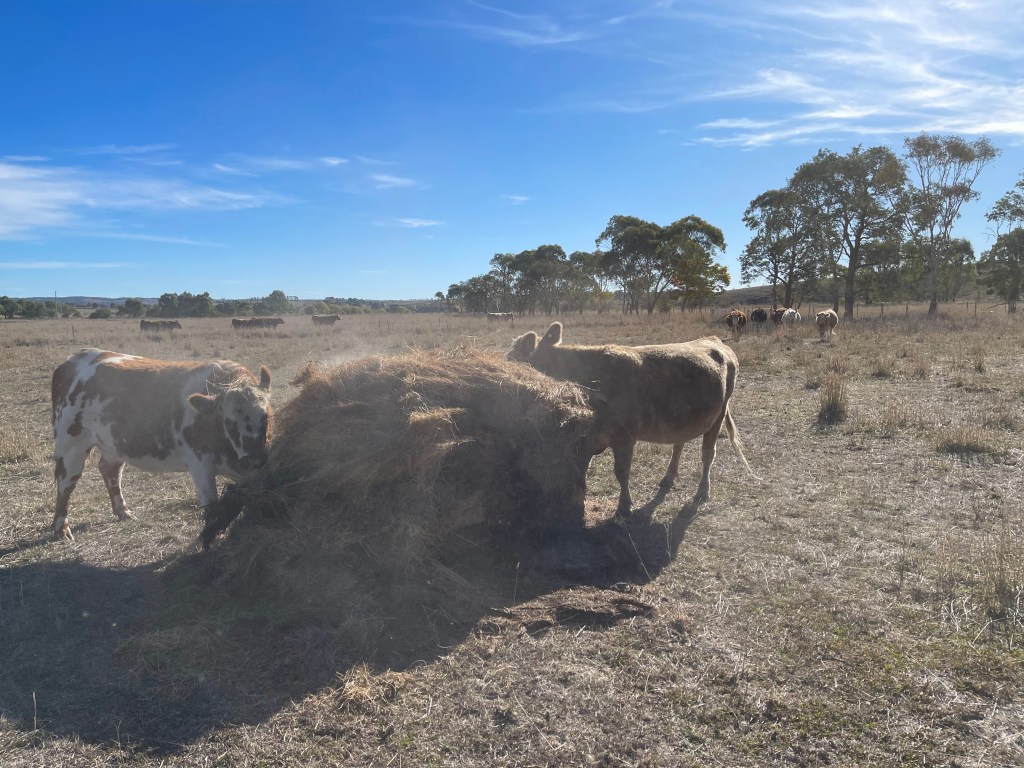
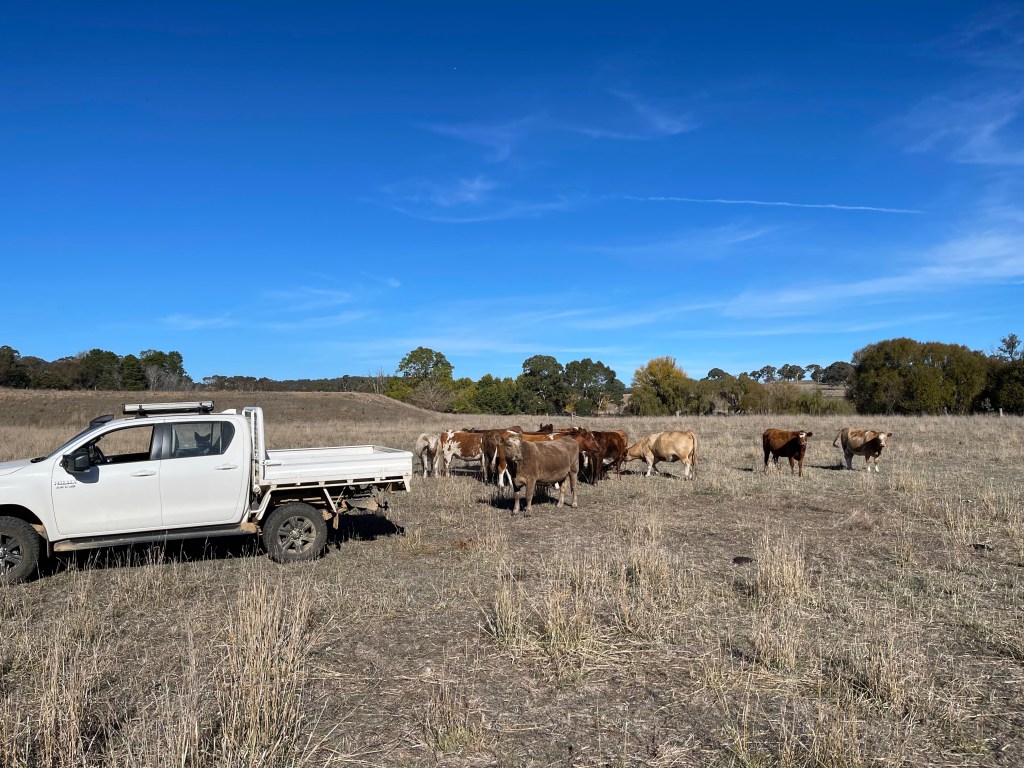
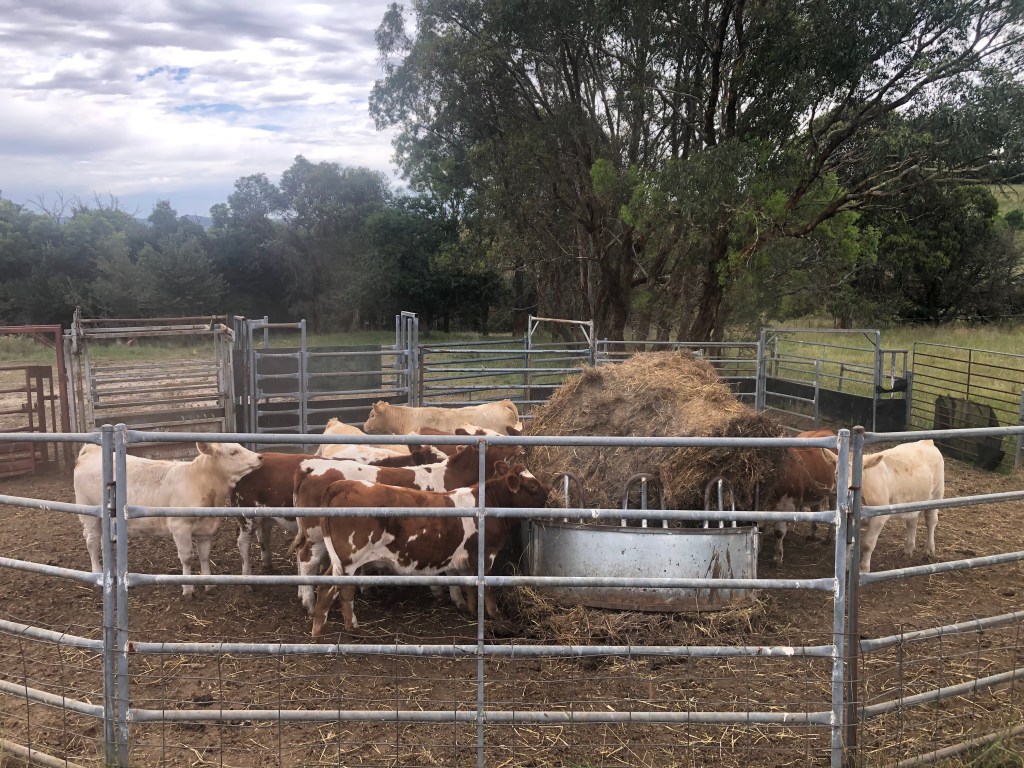
The cattle remain in good health, though they’ve naturally lost a bit of condition. We’ve started hand‑feeding again to supplement their diet. The paddocks have now had two light grazes since the last meaningful rain. There’s plenty of ground cover, but its nutritional value is poor.
We are on the waiting list for electronic collars to create virtual fences. This will be a game changer for us. As the cattle get hungry, they lean on our soft built-for-horses fences. The electronic collars will help me not only manage the paddocks better, but reduce the load on existing fences. As a bonus they will also allow me to plant replacement paddock trees without building special tree guards.
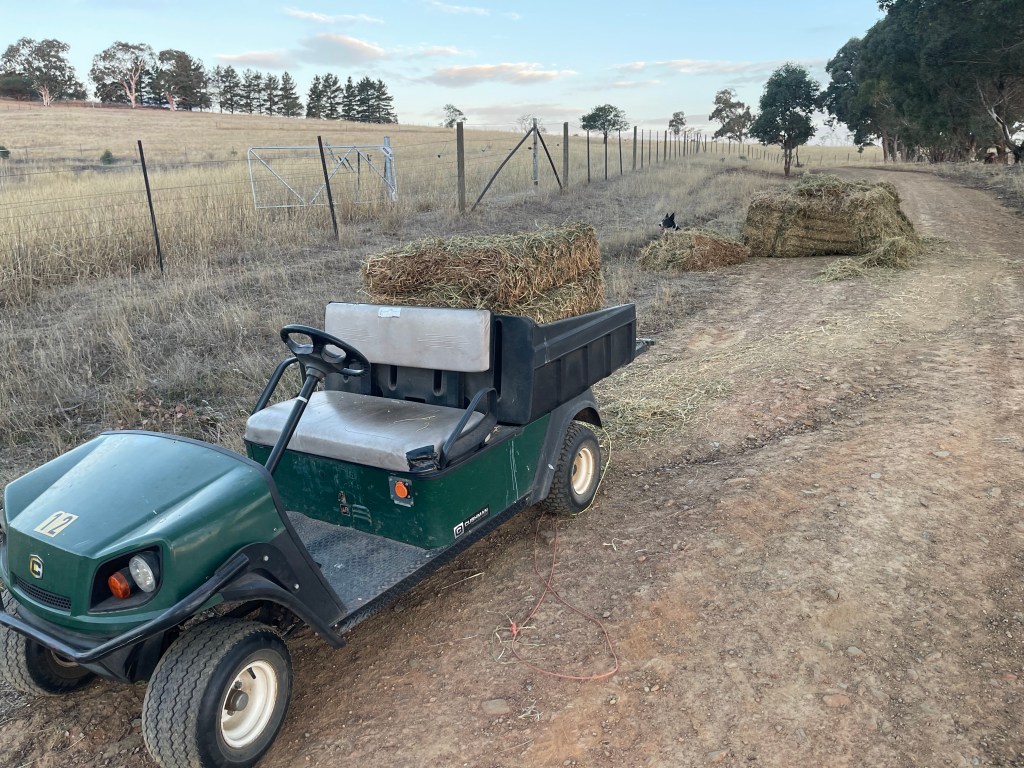
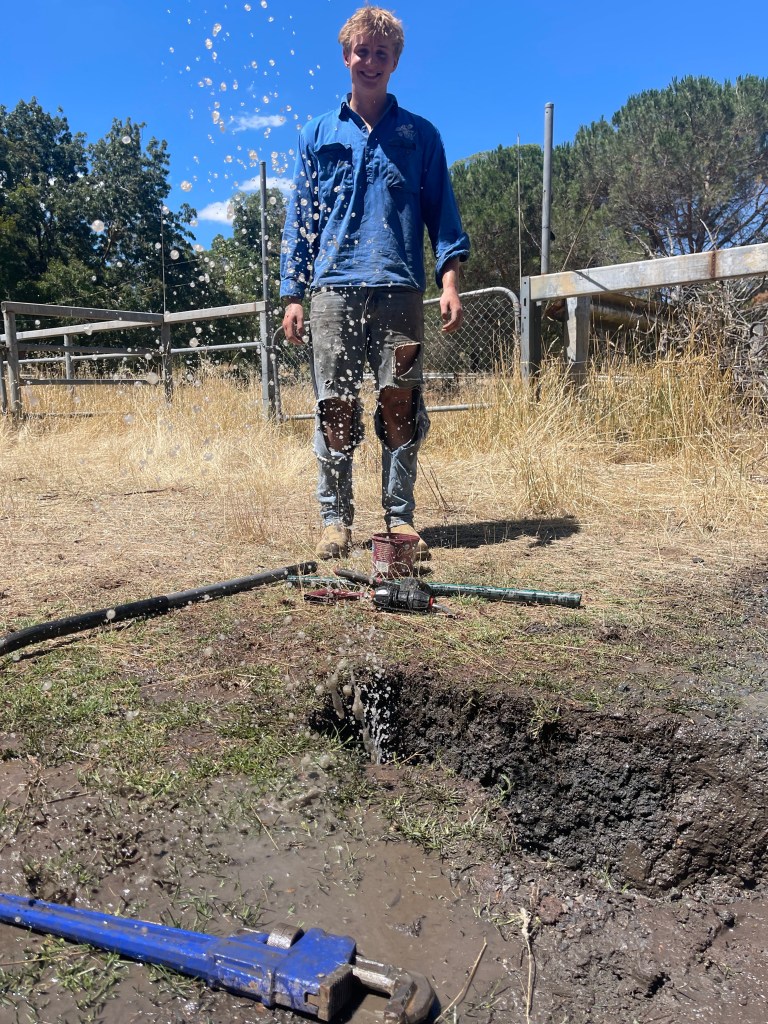
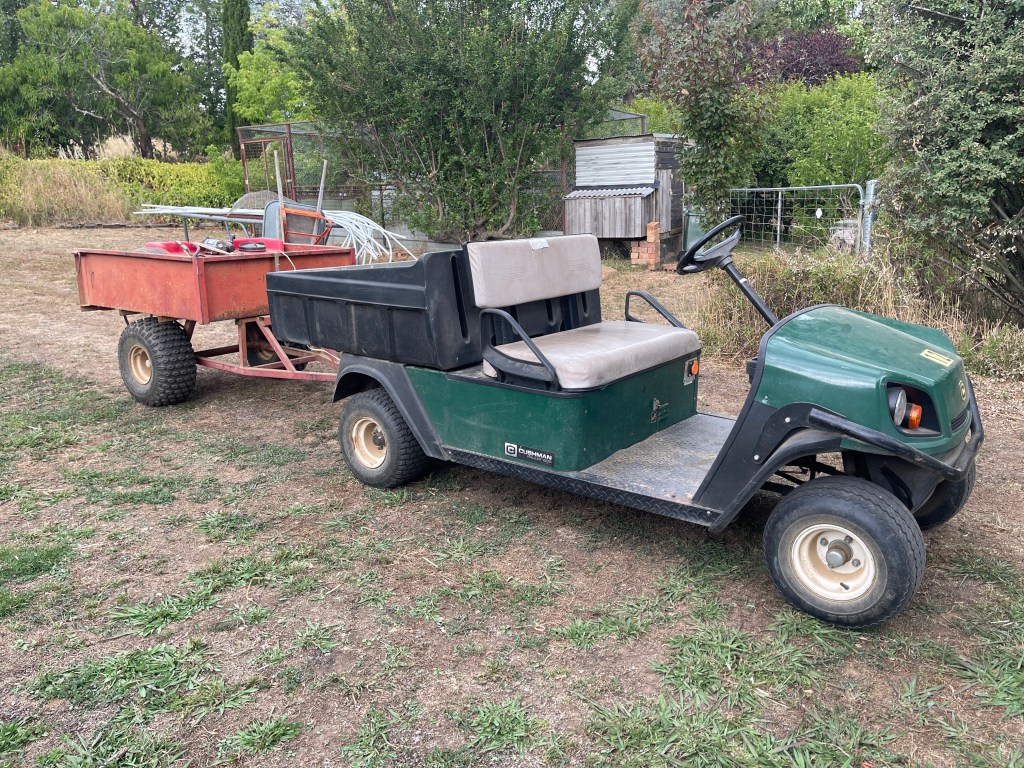
This summer also saw the arrival of a new tool on the farm: our little utility buggy. I found it late last year in need of batteries and a bit of TLC. After it sat in the shed for a while, I finally committed to upgrading the old lead‑acid system to lithium. Chris at HBPlus Battery Specialists recommended a universal upgrade, and we had it installed just in time for Christmas. It has already proven its worth—hauling garden materials, ferrying tools to leaking pipes, and, thanks to a 12‑volt reducer, towing the weed‑spraying trailer. I’m rapidly running out of excuses for not staying on top of the weeds.
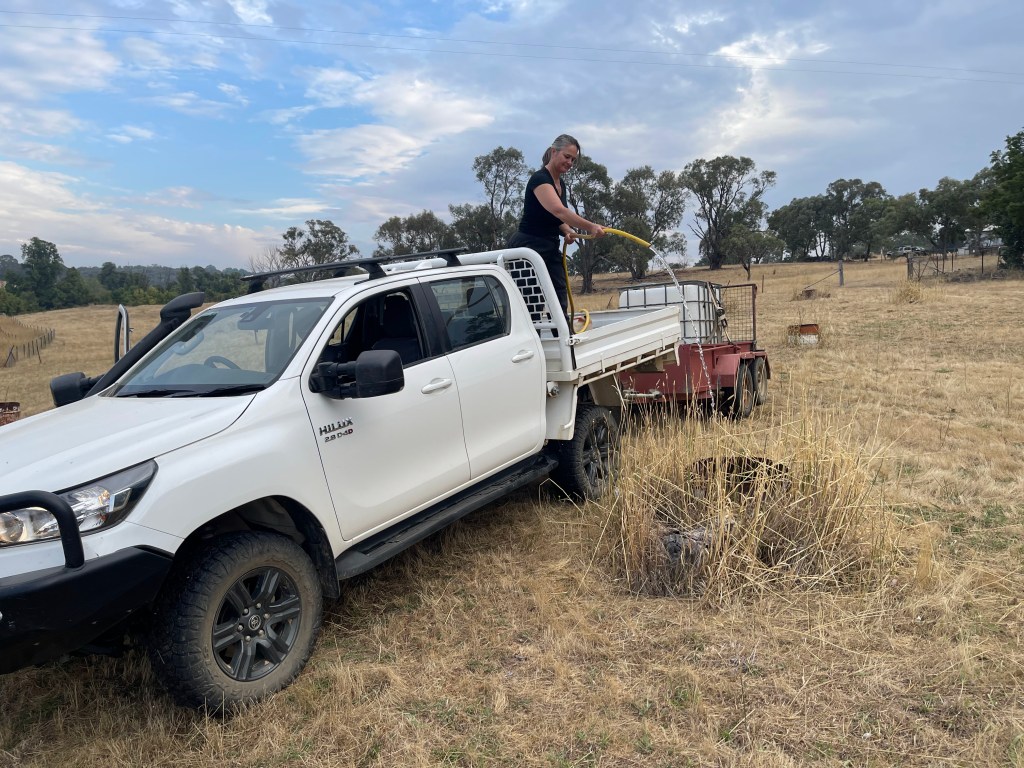
Our days revolve around work, the cattle and keeping the place ticking along. We’re watering some of our most vulnerable trees, which means certain paddocks are off‑limits while we try to establish young plantings. Kangaroos are once again becoming a significant pressure on the pastures, though managing native wildlife is never straightforward.
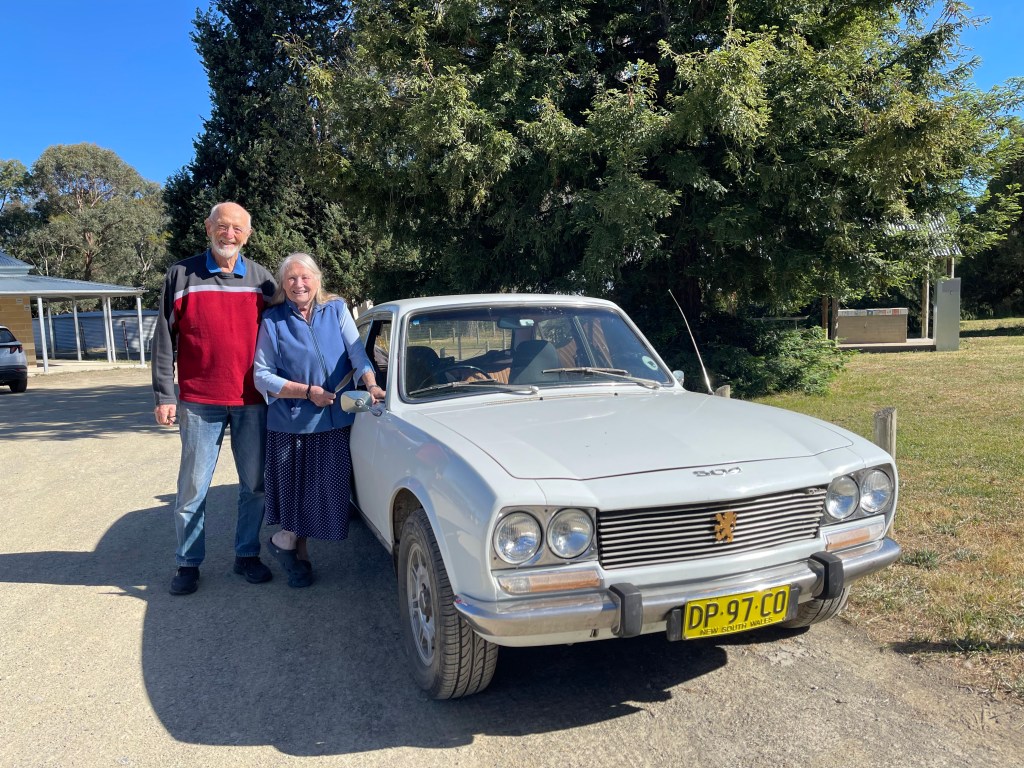
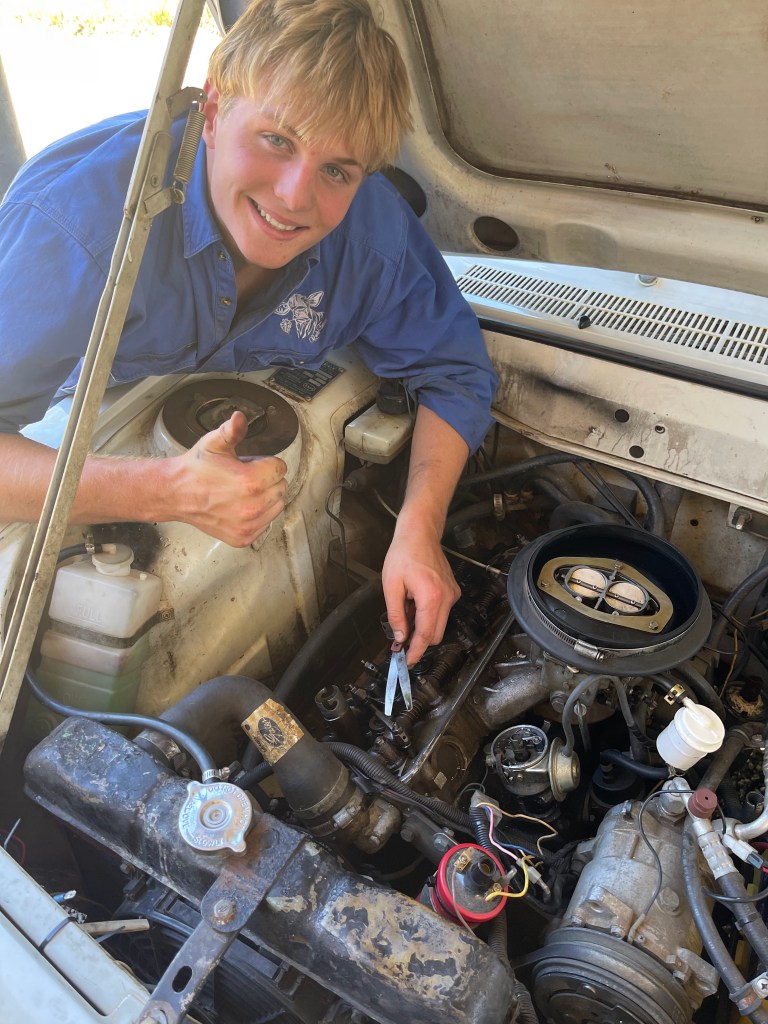
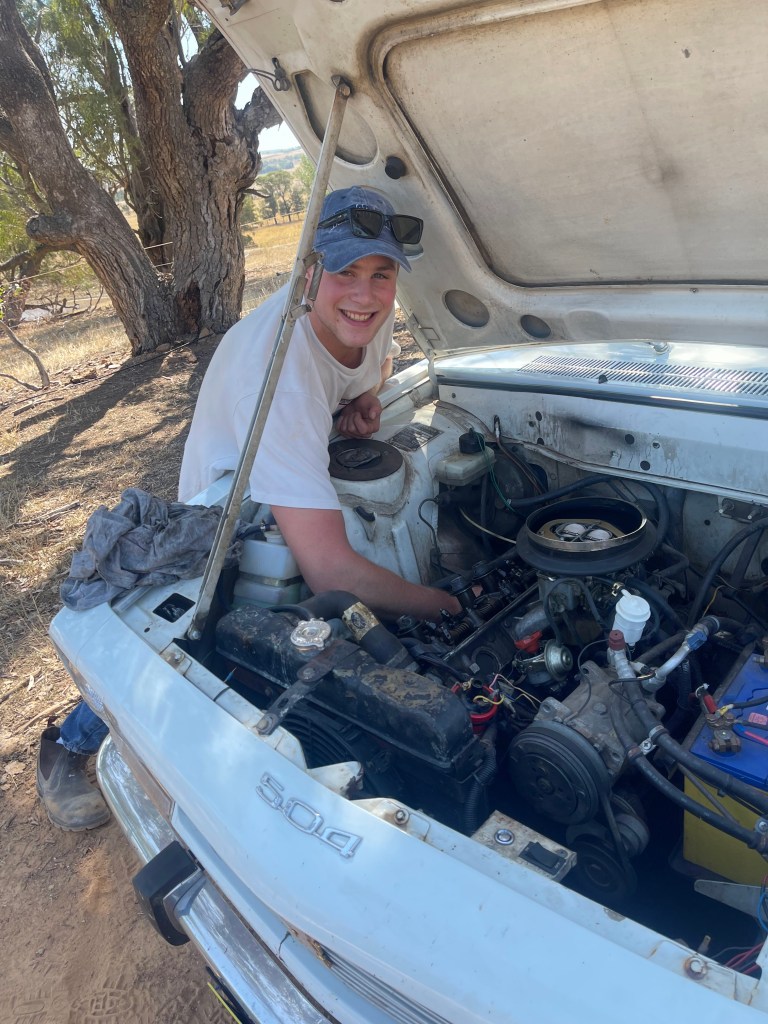
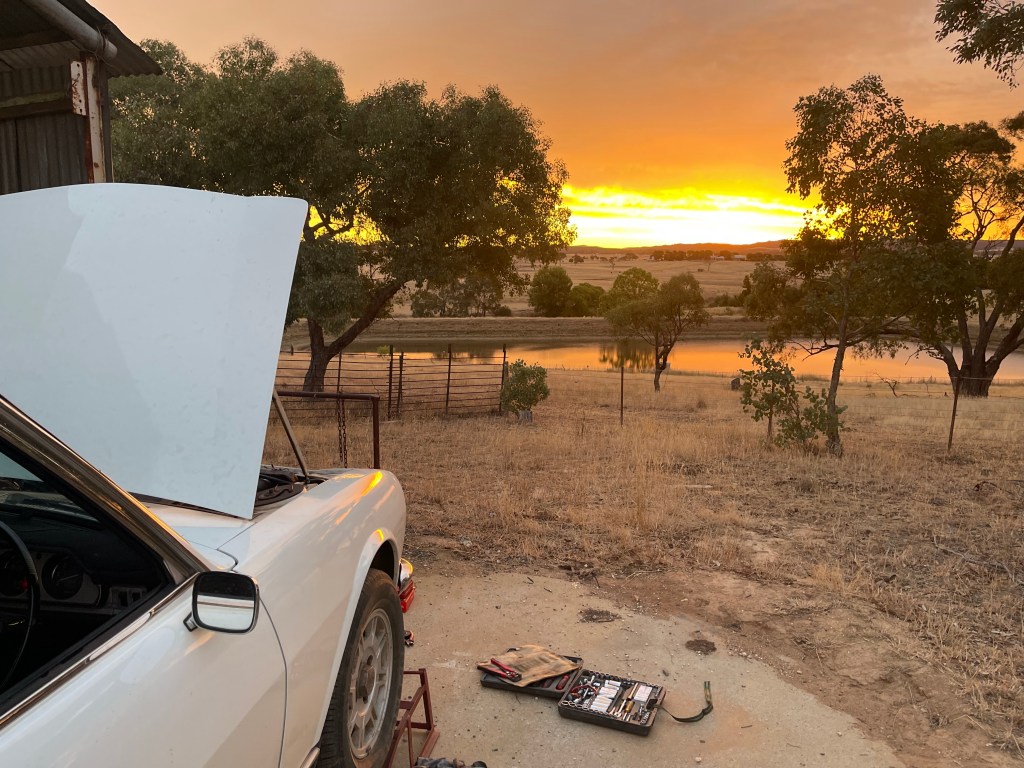
We had the boys home over the silly season. Between long hours in the shed working on their vehicles, I introduced them to the joys of true classic motoring in the form of a 1974 Peugeot 504. This one was lurking just down the road and looking for a new owner. It’s the same make, model, and year my parents bought new. We did countless family road trips in that car, and I drove it myself until the wheels practically fell off. Taking Mum and Dad with me to register this one was just fabulous. It is now my preferred daily drive. Teaching the lads how to service a car without the luxury of an OBDII port has also been an absolute delight.
With work continuing through summer, farm jobs, new ideas taking shape, ongoing projects still demanding attention (the house and horse float among them), and even some unexpected news from the local council, life has been full. Yet through it all, family and community remain at the centre.
My next post will be an update on community and some of the amazing people who live in our area.
Living on the Rock Farm remains an extraordinary experience.
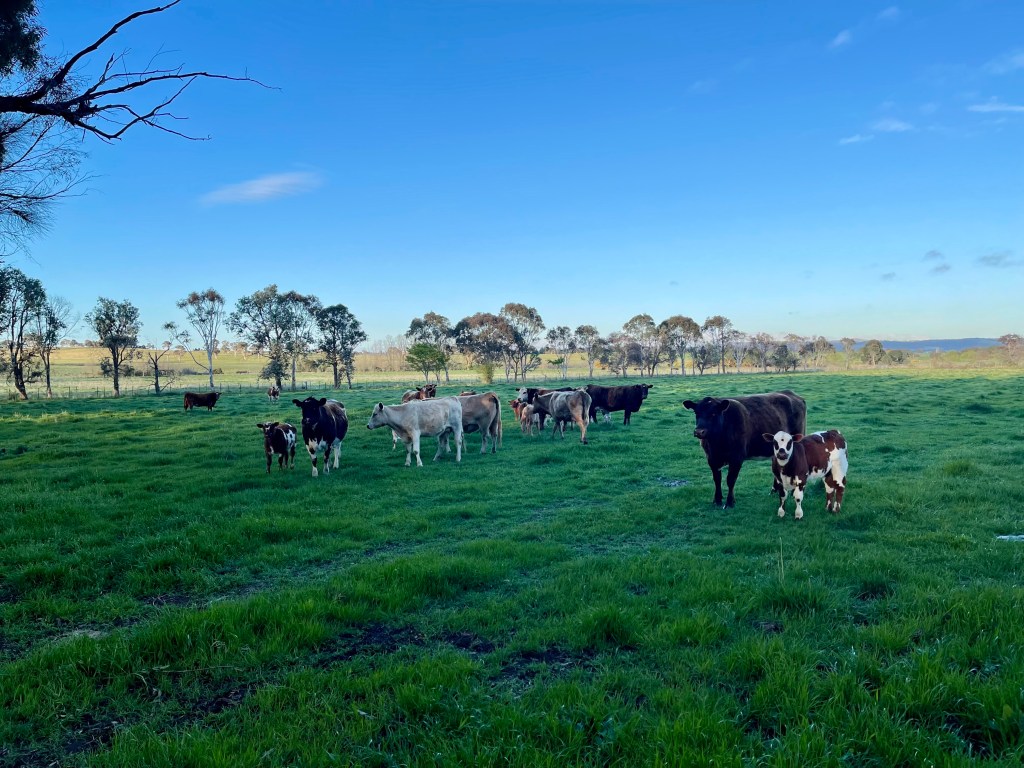
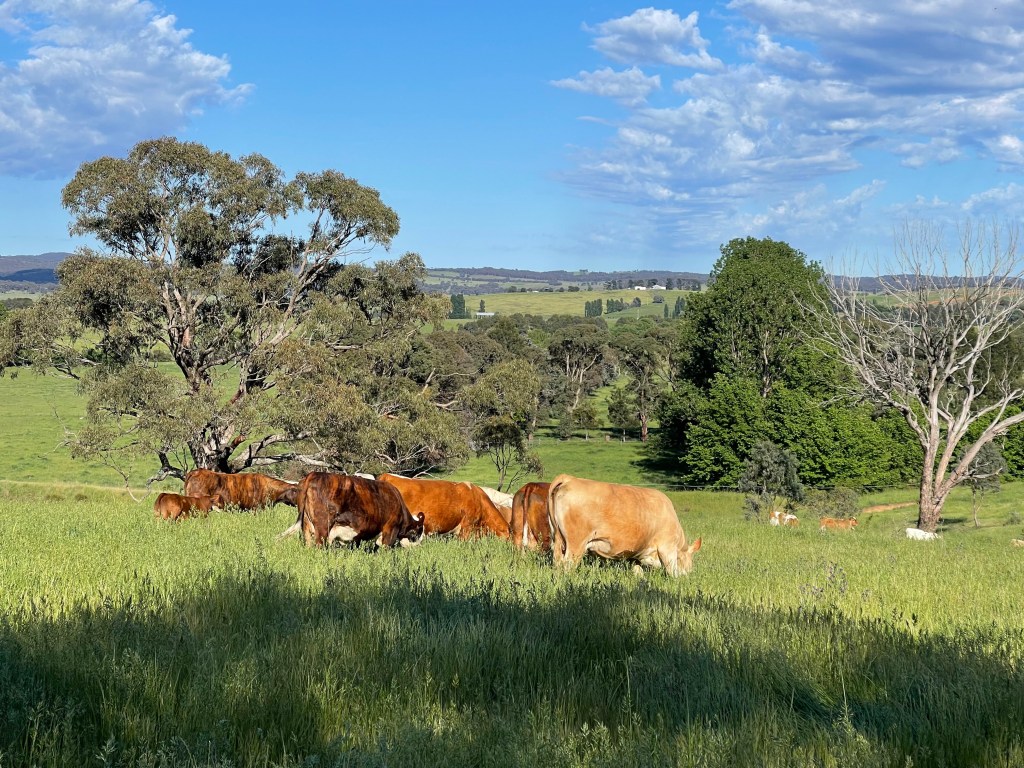
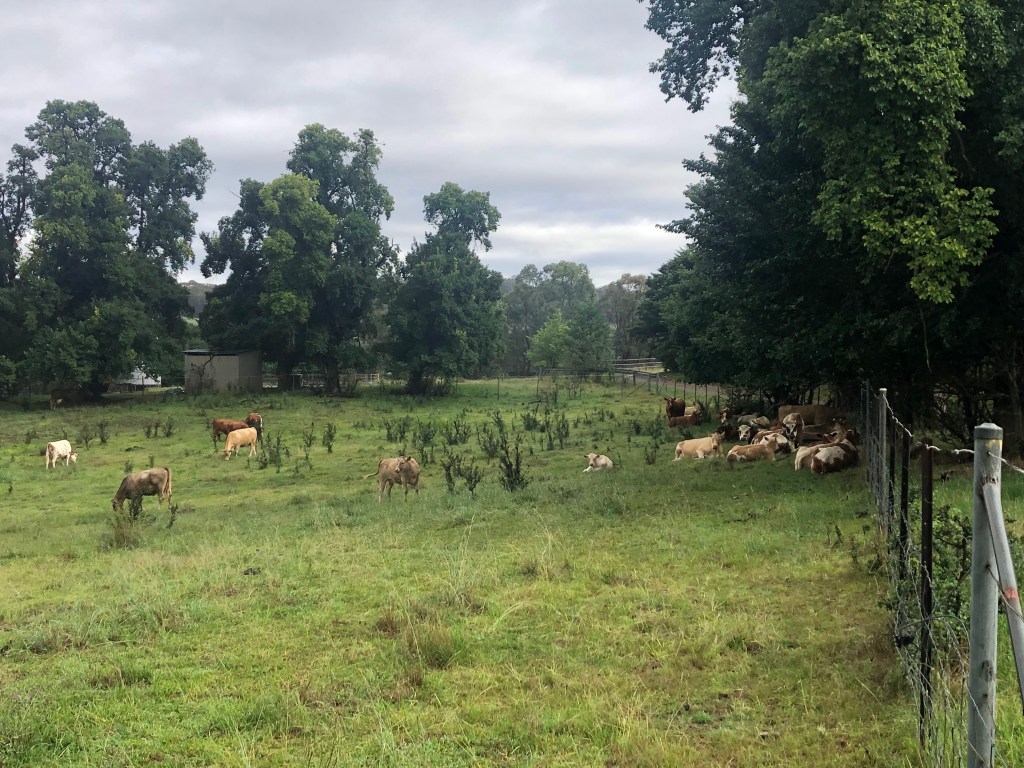
After a long, bitter winter of feeding out cattle daily, the growing season is finally upon us. Spared the ferocious storms that battered regions further north, we’ve been blessed with regular light showers and glorious sunny days. These have transformed the Rock Farm into a lush green paradise. The paddocks are thriving, and the cattle are loving it.
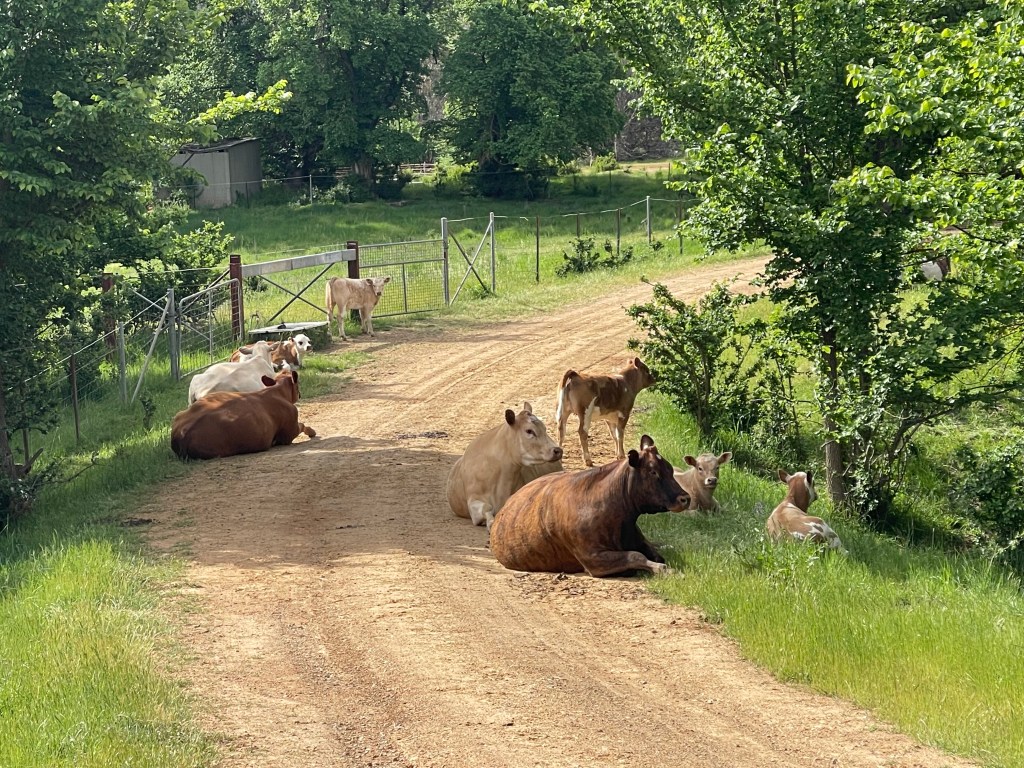
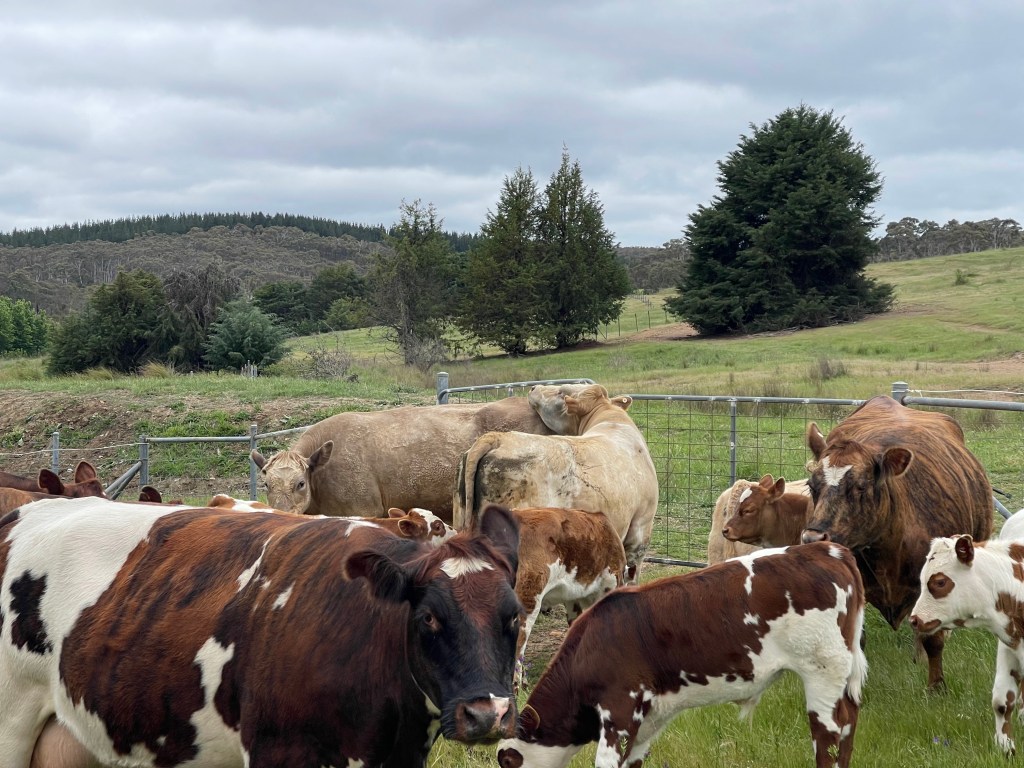
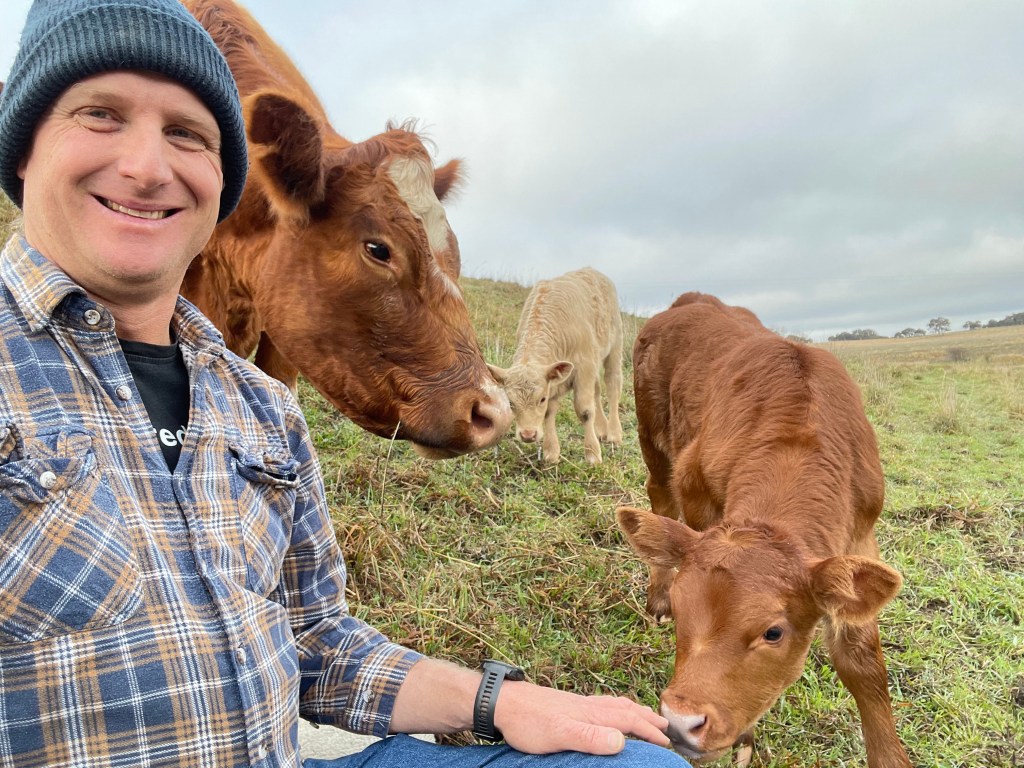
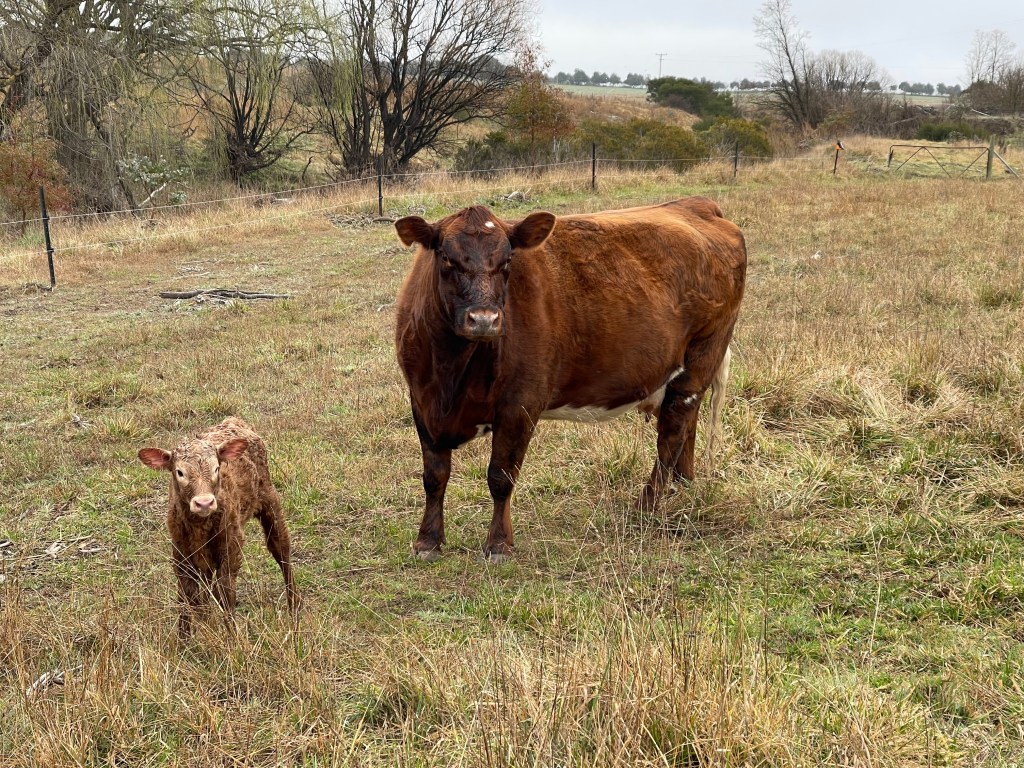
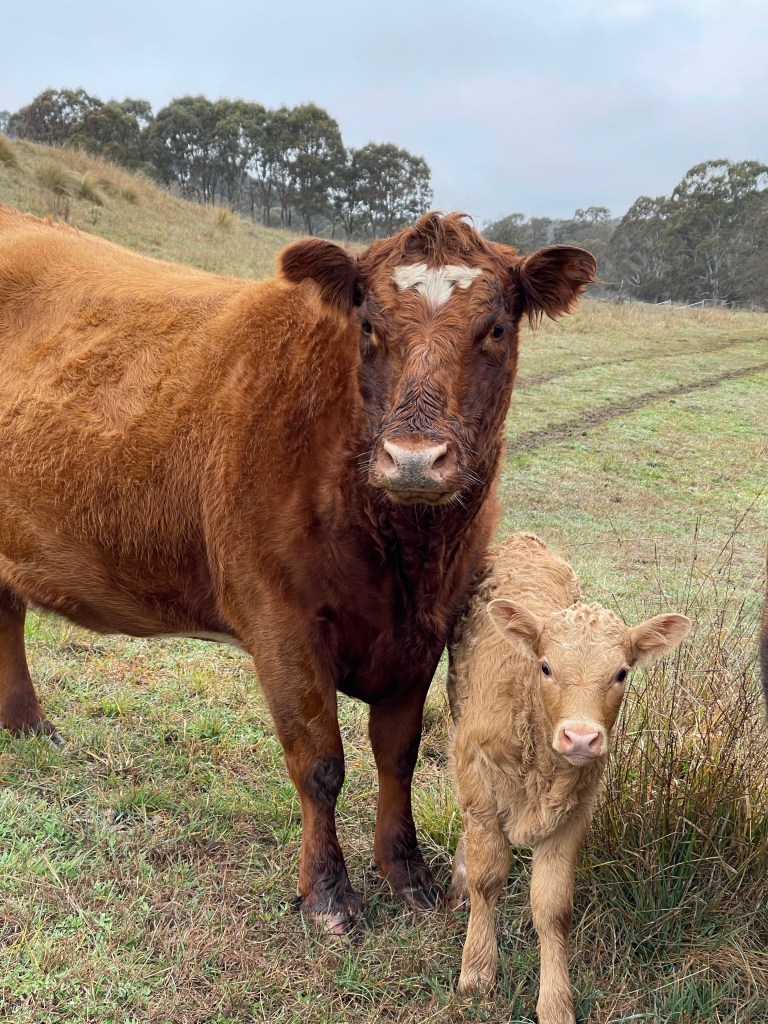
Our calves are growing quickly—ten in total this year. With their attentive mothers looking on, marking and vaccinating was swiftly attended to. We had an even split: five bull calves (now steers) and five heifers.
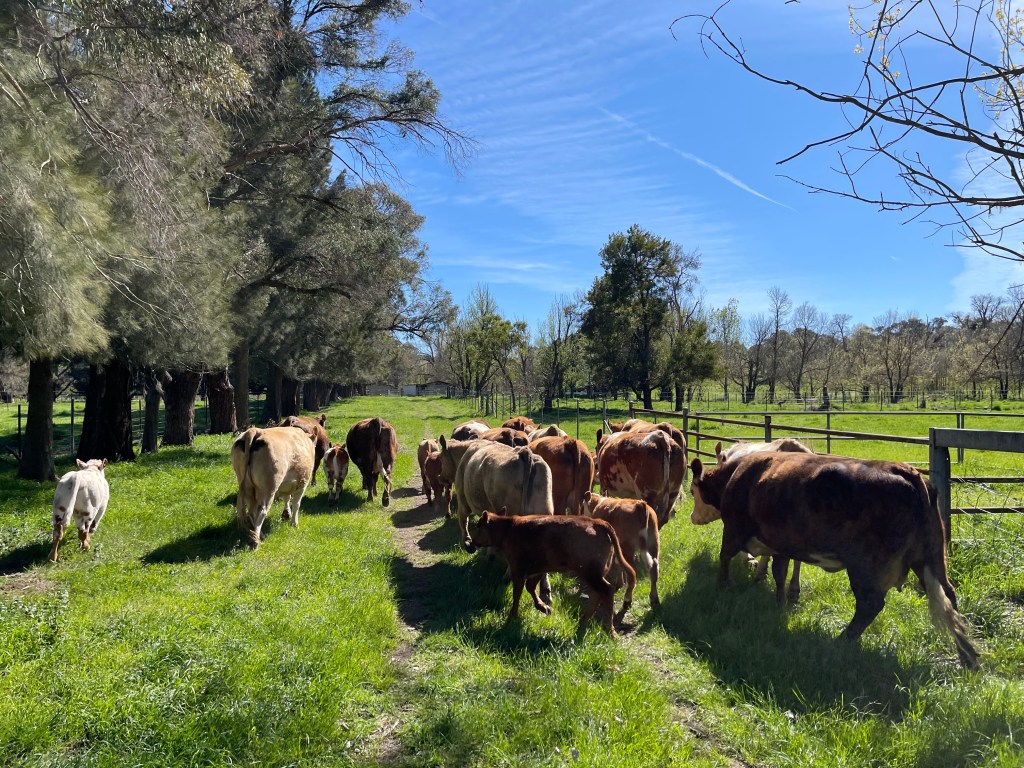
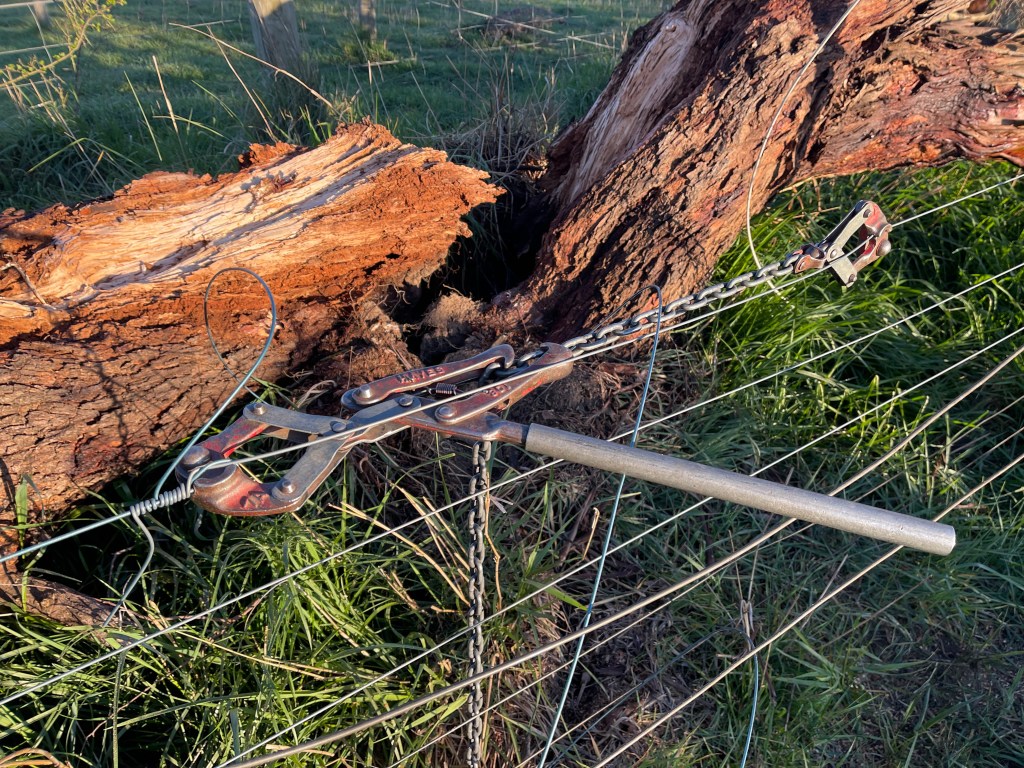
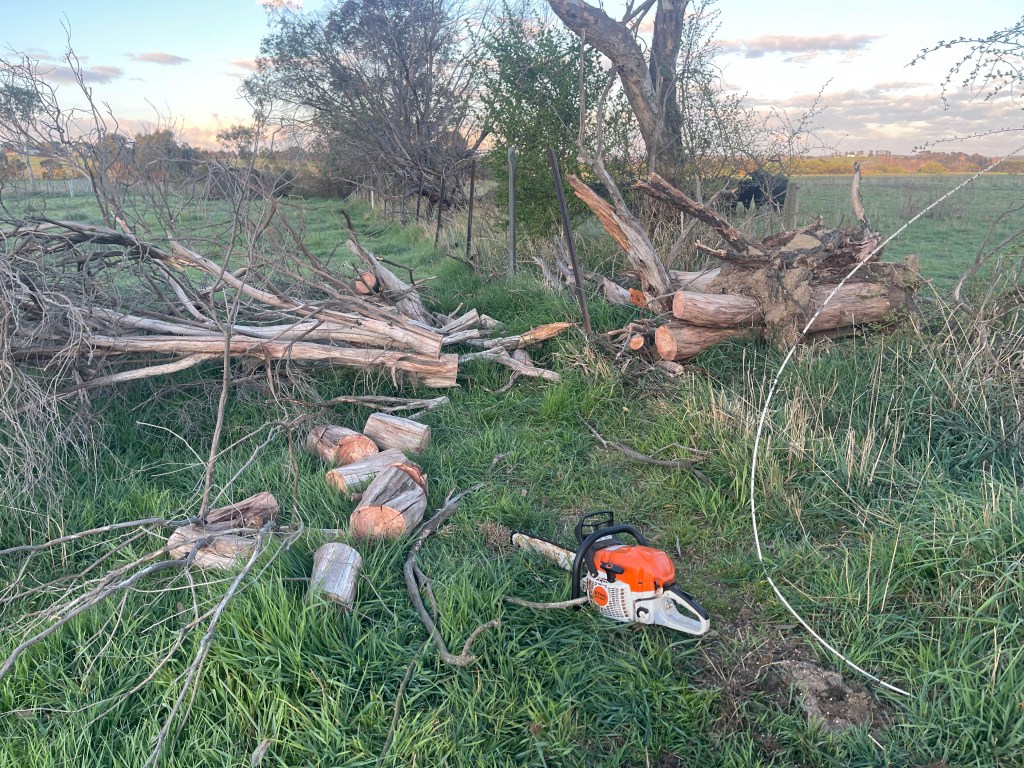
General maintenance on the Rock Farm has slipped a little this year. Our weekends are focused on renovating the house and catching up with the kids, friends, and each other. I still move the cattle frequently to fresh paddocks, which is usually a simple morning task. Occasionally, urgent jobs crop up—like when a tree falls on a fence and I’m out early to make it stock-proof again.
We have a saying on the Rock Farm: “There are jobs that have to be done now, and there are jobs that can wait.”
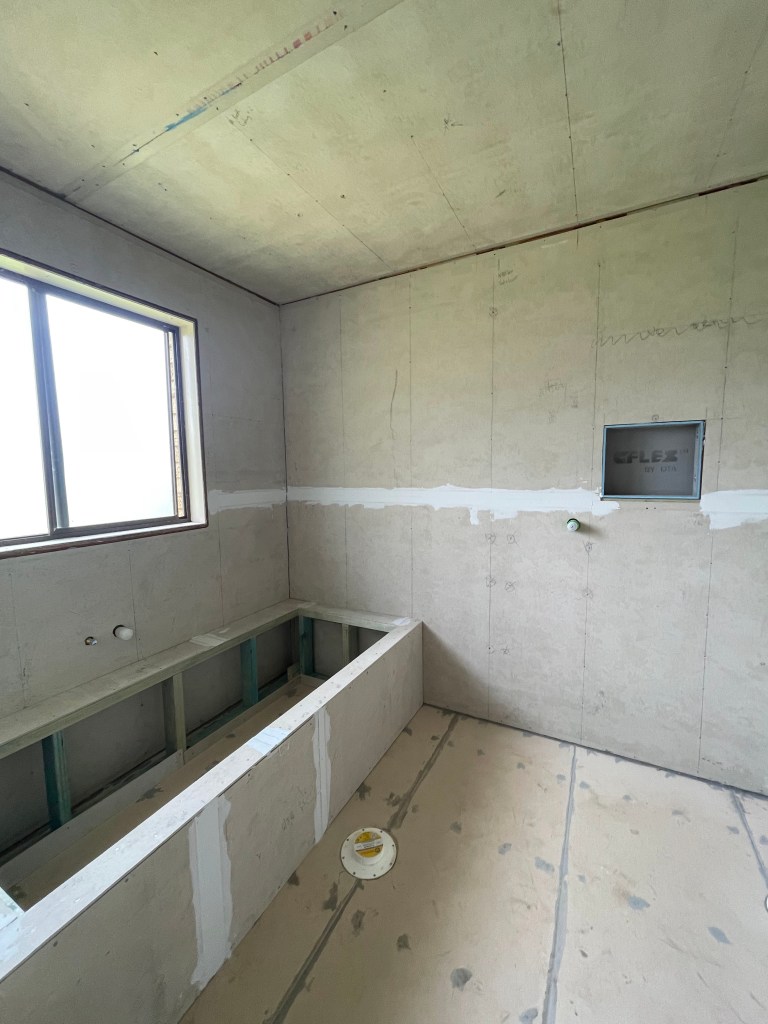
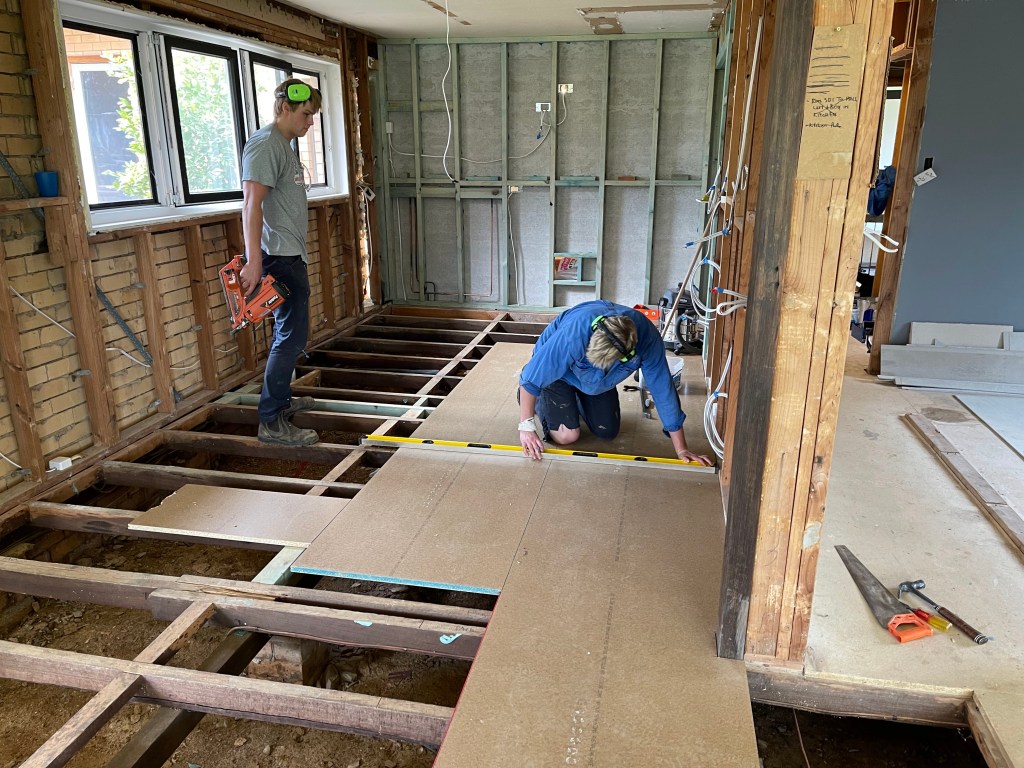
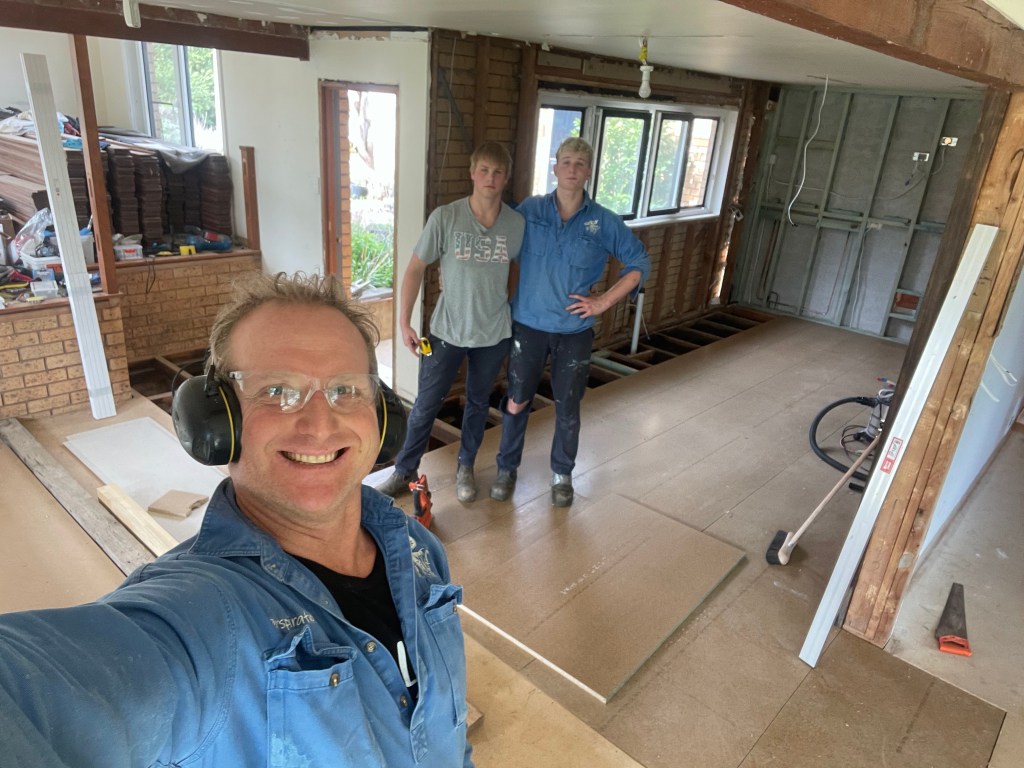
The house renovation continues, albeit slower than the project manager would prefer. I gratefully accept help from the lads when their play money runs low. Progress comes in fits and spurts. Thanks to their efforts, we now have a sub-floor in most of the house. The bathrooms just need the villa-board set and cornice installed before tiling can commence—hopefully before Christmas.
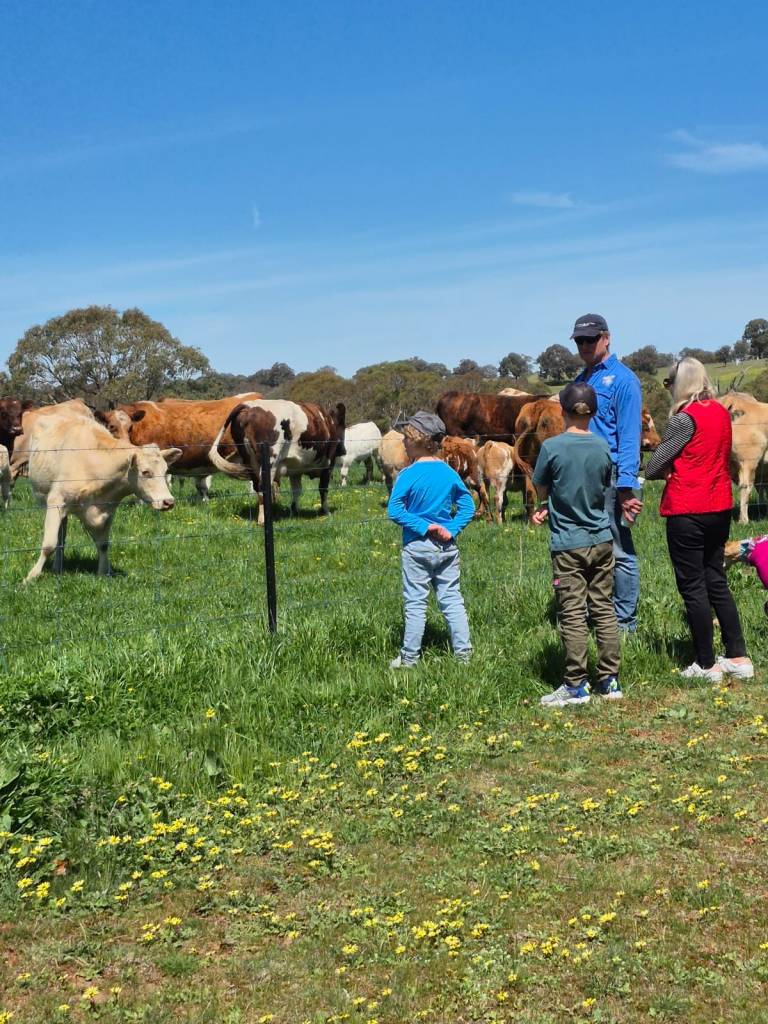
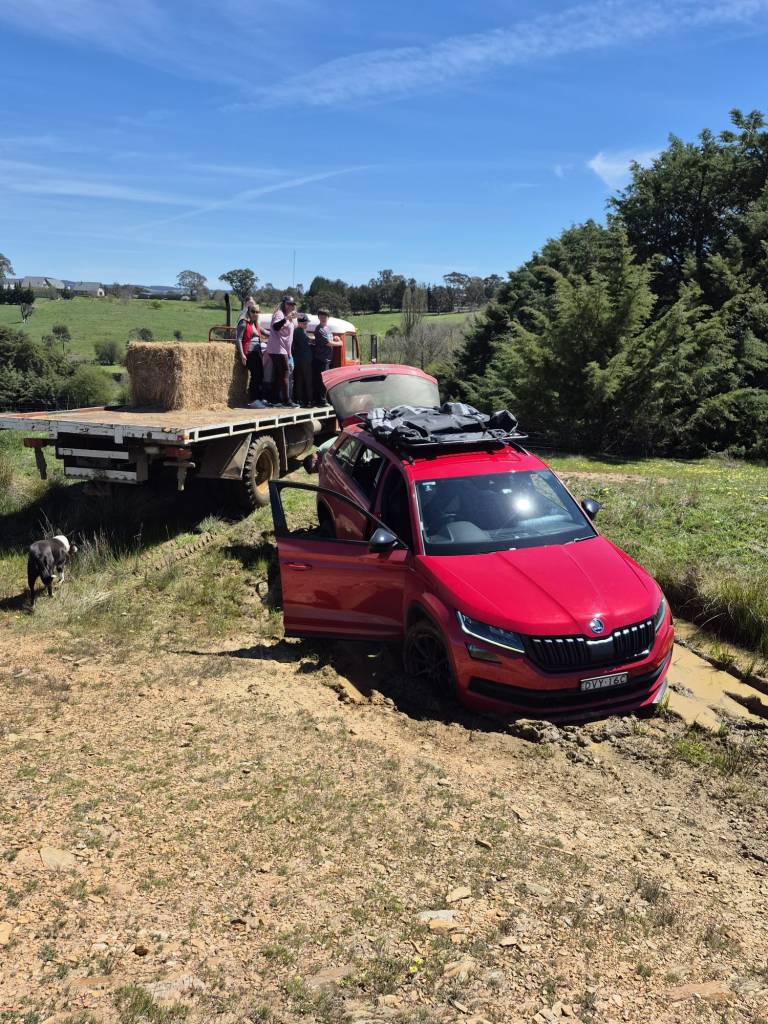
But it’s the moments in between that make the Rock Farm truly special. We had a ball hosting my city cousin Kath and her family. Dave was a great sport—he managed to get his car stuck on one of the tracks, which caused great mirth among the kids. It reminded me how precious family time is, and how important it is to share farm experiences with children. Not just for the fresh air, but for the smells, sounds, and rhythm of country life.
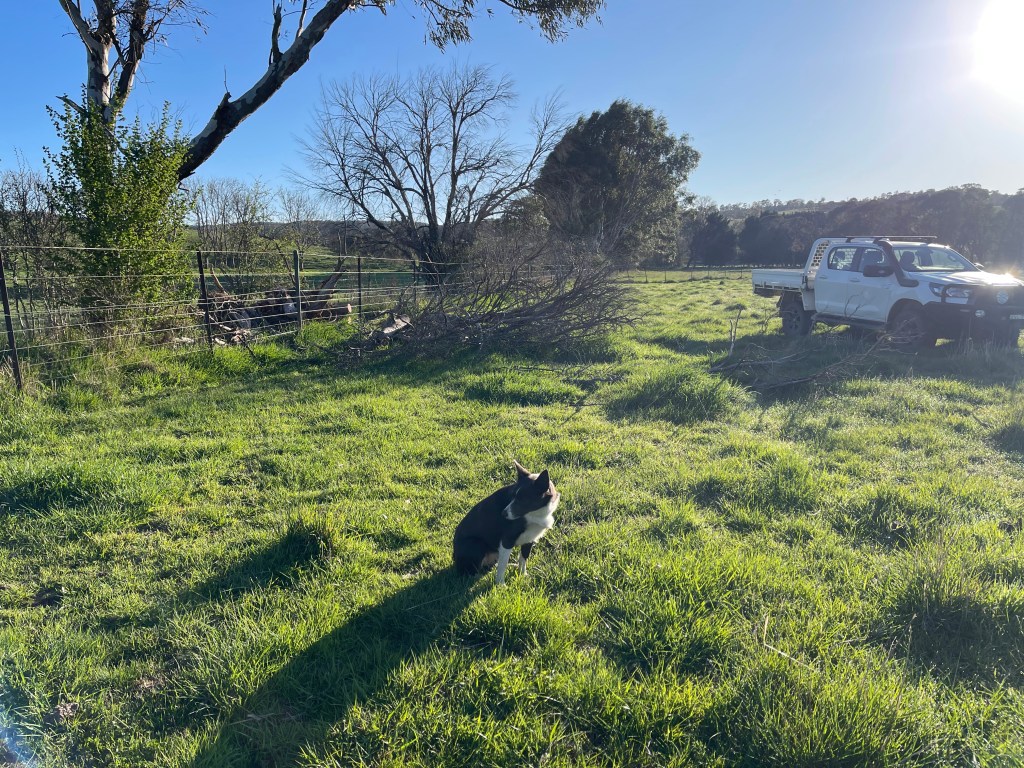
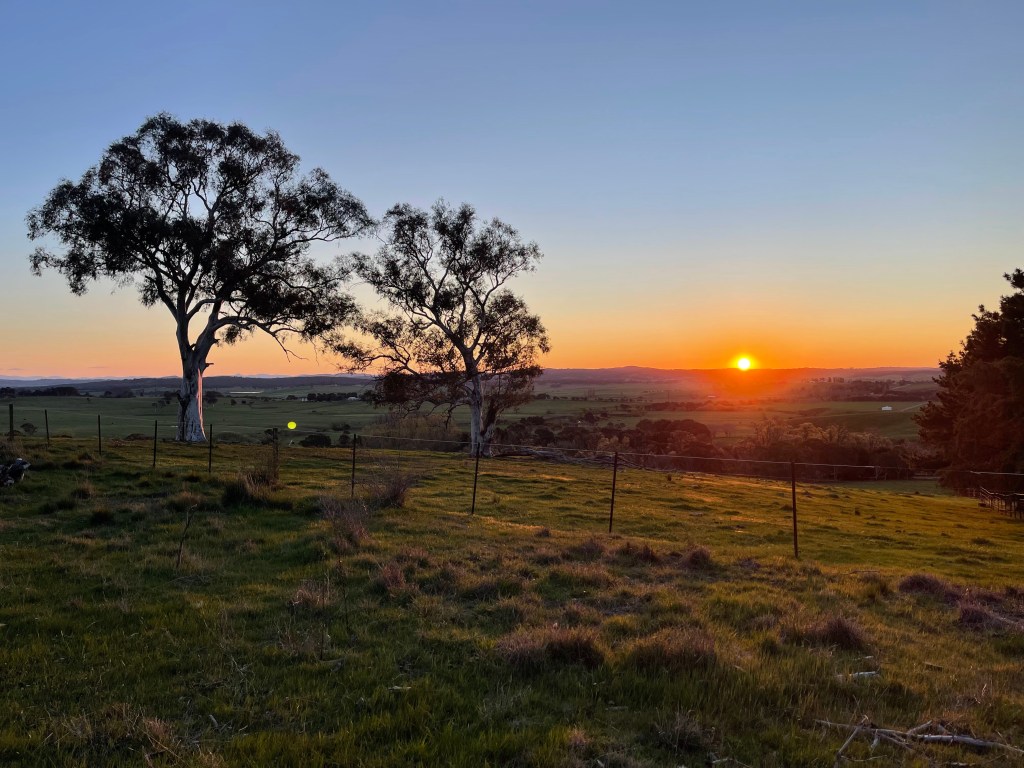
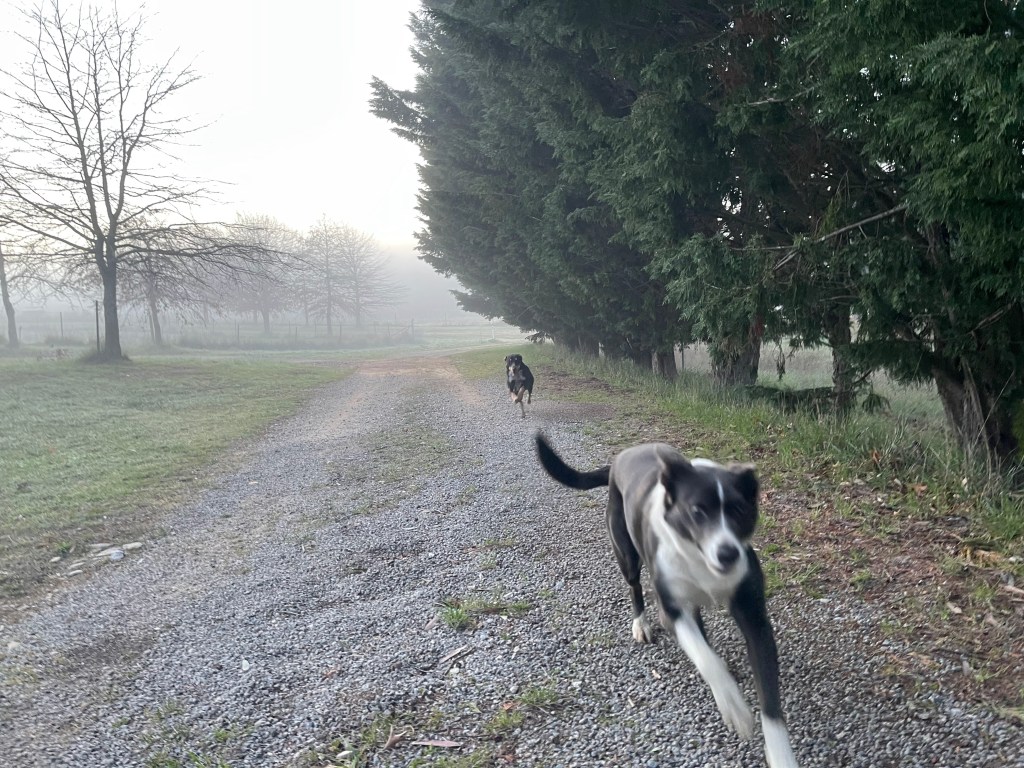
Through winter and into spring, I was working regular weekday hours—a big change for us. The routine was handy when we were feeding every morning. As the season shifted, so did our mornings—Jo and I now take peaceful sunrise walks around the farm. I’ll miss these early starts when I return to shift work in late October… though probably not as much as Sapphire, who relishes the chance for an early morning run!
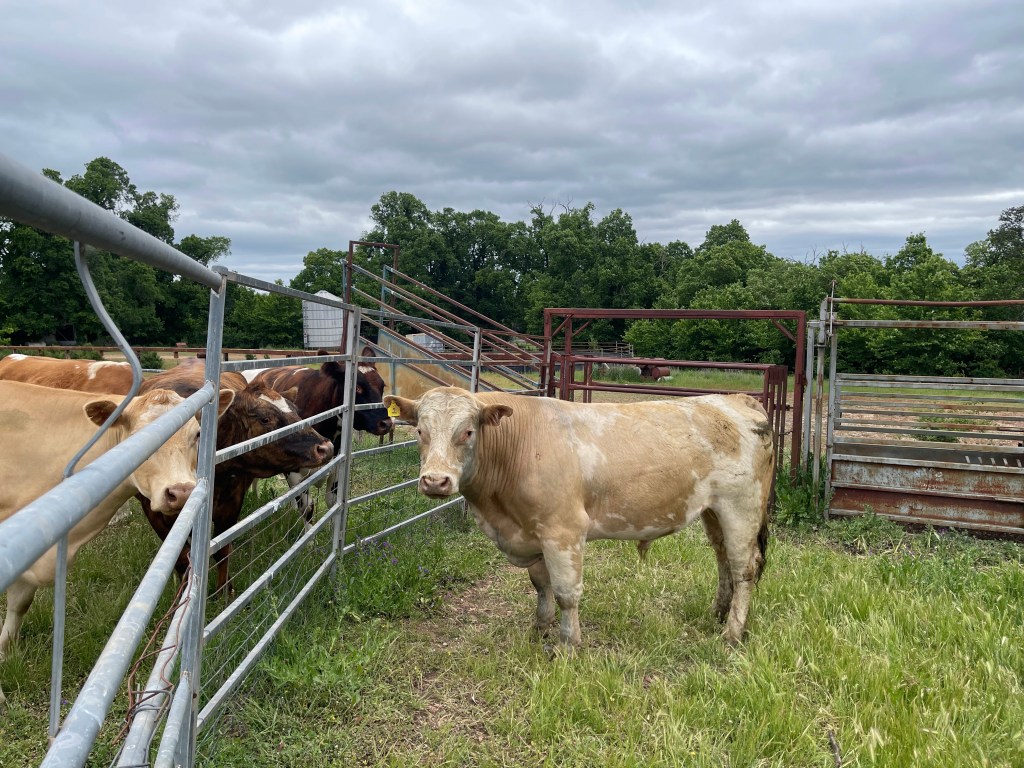
Spring also means it’s time to lease a bull again. This handsome fellow came down from Crookwell and wasted no time getting to know his new herd. He’s settled in quickly and seems quiet—which, as far as I’m concerned, is the most important trait for any animal weighing over 600kg!
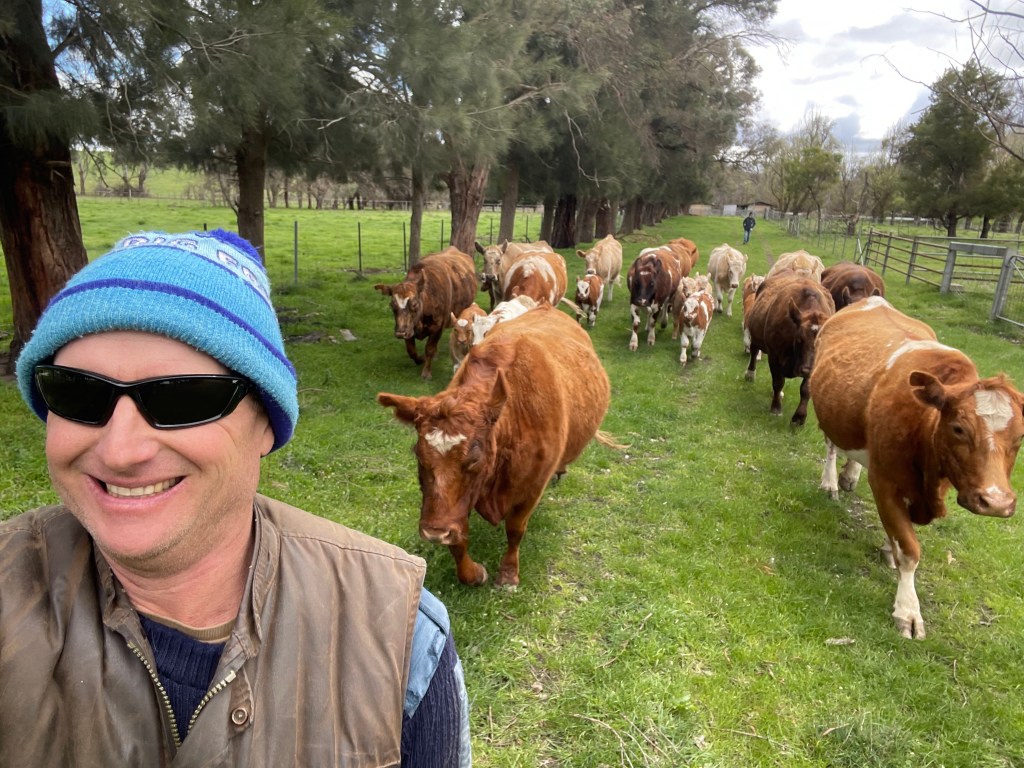
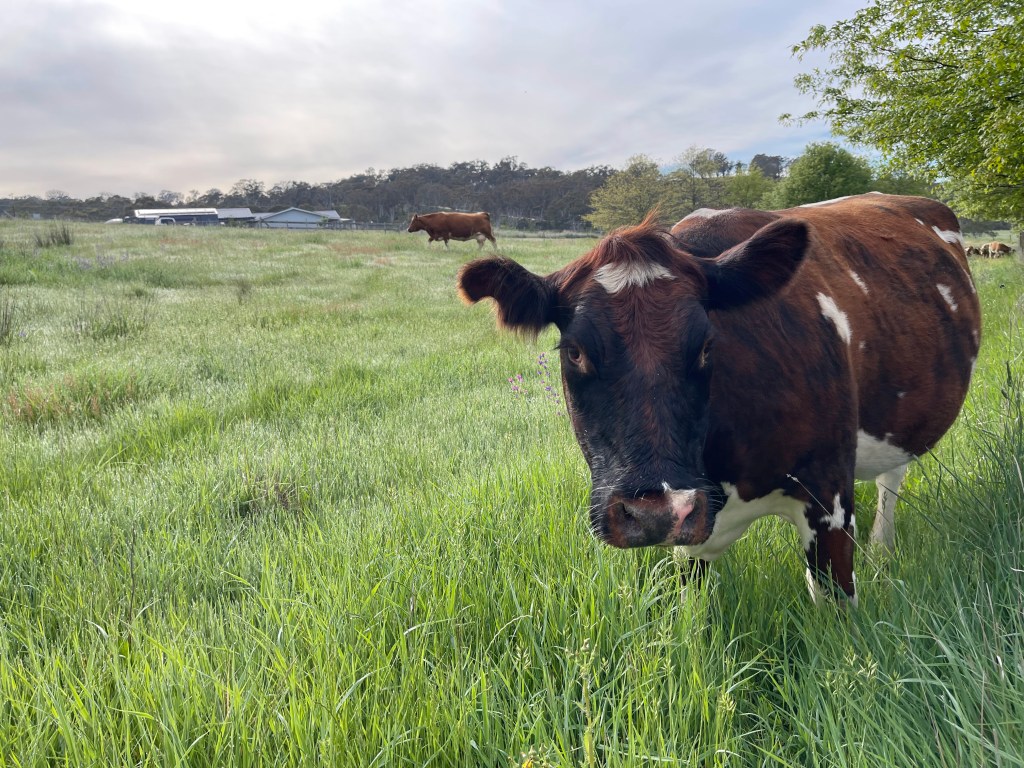
It’s a wonderful time to wander around the farm. The cows are content, with grass reaching to their bellies. The changing of the seasons brings constant delight—and makes me so happy to call this place home.
As we have slid into autumn, our hopes for an autumn break didn’t eventuate. Passing storms missed our property by literally hundreds of meters. Driving through puddles just a short distance from home, with wipers on, turned into not-quite-damp dust on our driveway. It was almost worse to find not even a trace of rain in the gauge. We are by no means alone—much of the south-eastern part of the country is desperately dry, despite the record rains and floods that affected Queensland just a few weeks ago.
Any chance of the grass growing this winter has all but gone. The first frost signals the end of the growing season. With little grass remaining, we have commenced feeding our remaining cattle.
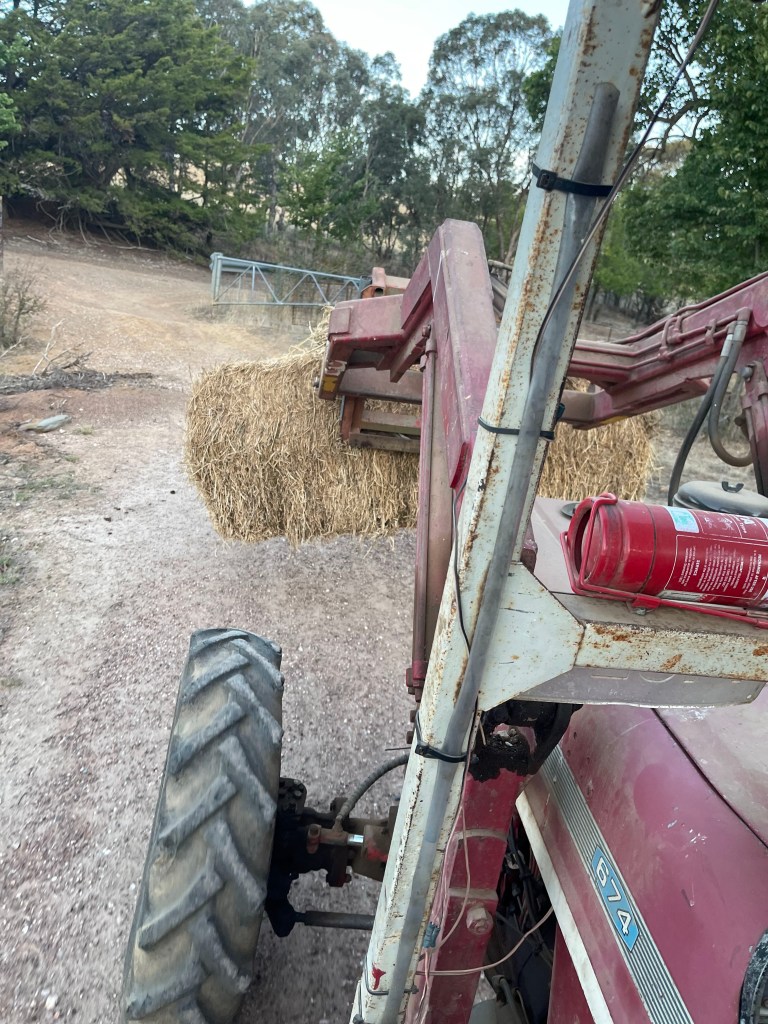
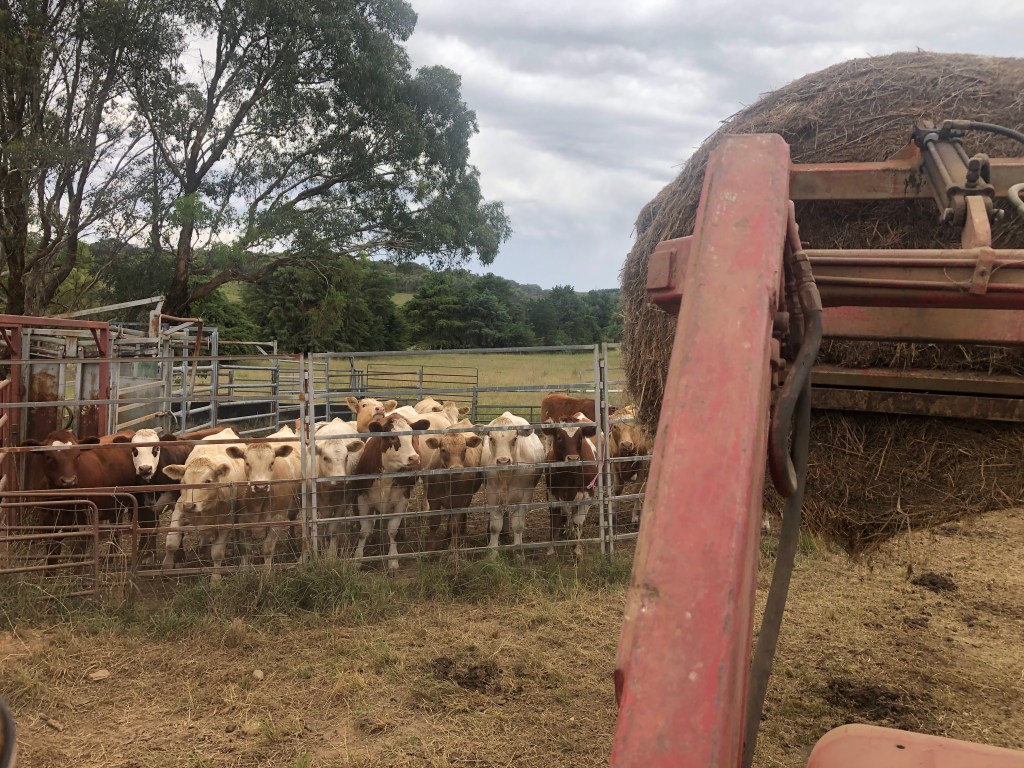
Feeding has been a little more difficult with the tractor still out of action. Thankfully the Not-So-Little Helpers still turn up occasionally. They get press ganged into helping me roll the remaining round bales into the trailer for feeding out.
We delayed purchasing hay with the tractor broken, but eventually had to order a truckload. It should arrive by the end of the week. In the two weeks since ordering, prices for hay delivered on-farm have gone up another 25%. Thankfully, our wonderful neighbours will bring their tractor over to help us unload. This should see us through until spring.
The good news is that, according to local folklore, as Kati Thanda-Lake Eyre fills with water, it brings wetter weather. This should set us up for a reasonable spring. Watch this space!
Our decision to sell the weaners early seems to have been sound. Cattle prices in the local area have dropped dramatically as producers seek to reduce numbers. Apparently, there is strong demand further north to replace losses from the floods and take advantage of the good rainfalls. The money from the sale of our heifers didn’t last long—it went on the hay!
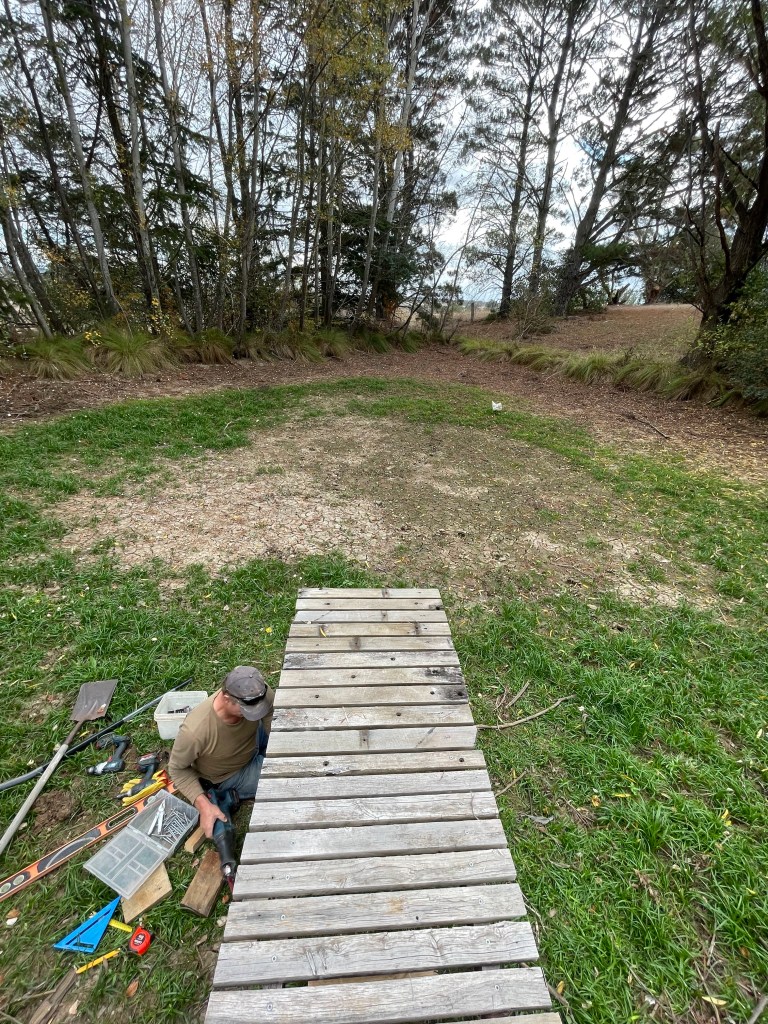
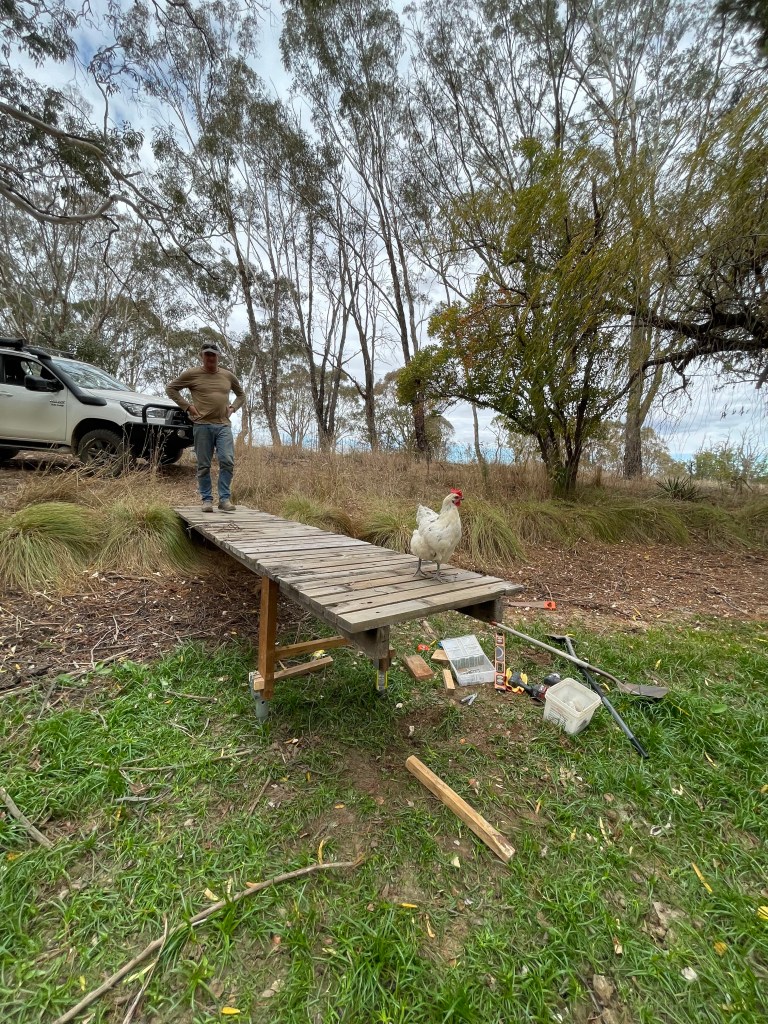
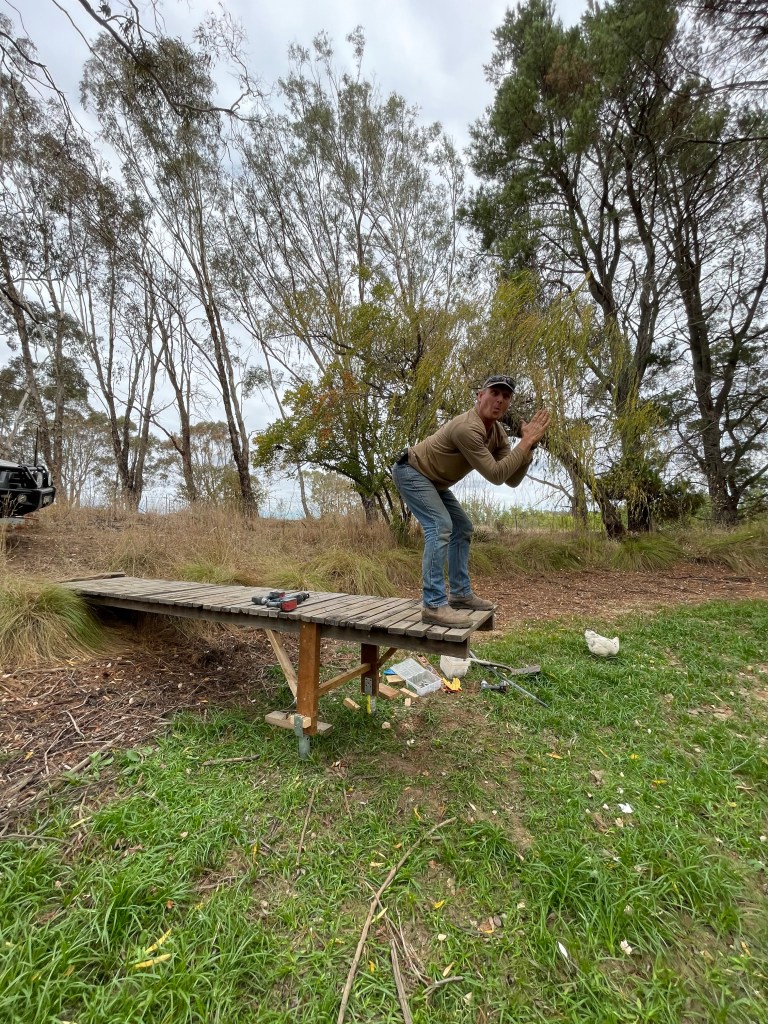
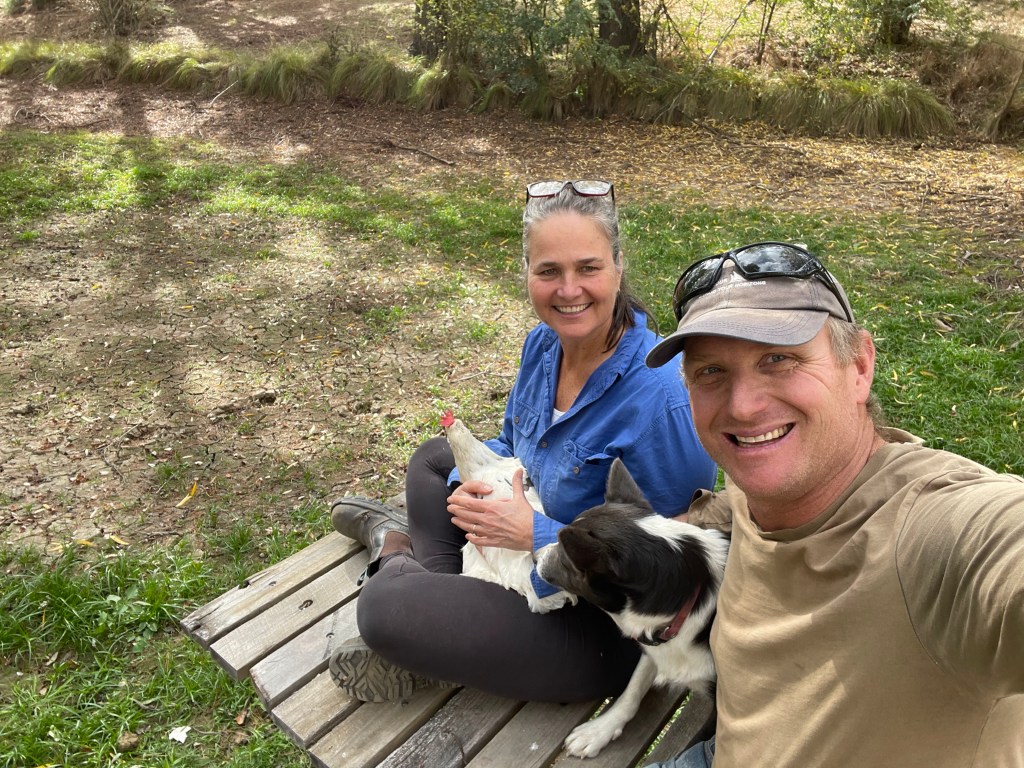
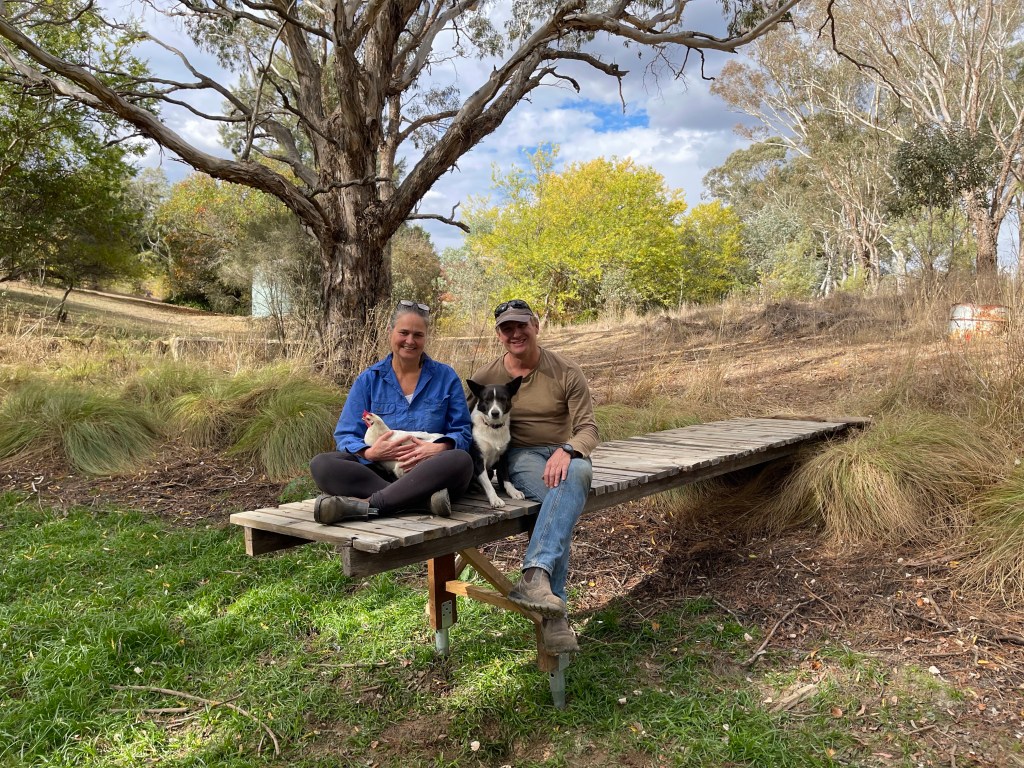
One advantage of the dry weather is that the little dam in our garden dried out. For many years, I’d promised Jo a jetty. I even managed to construct the deck a while back. Running fast out of excuses—and with the youngest Helper back from university—we got it installed, much to the one remaining chicken’s satisfaction. Result: one happy wife… and chicken!
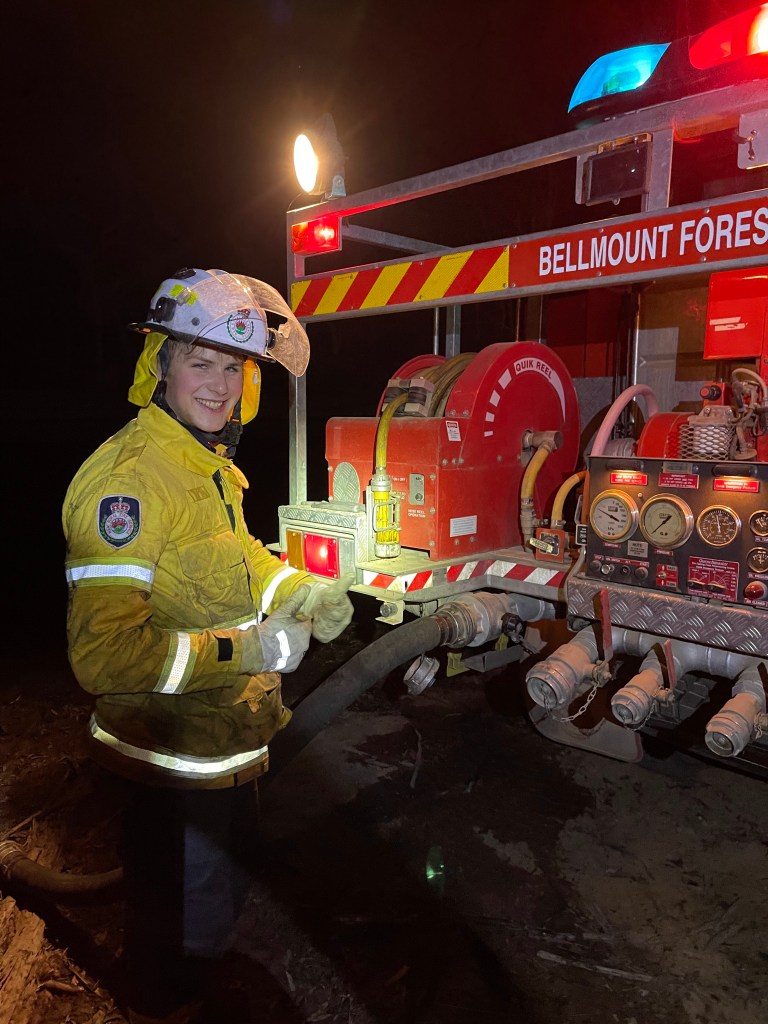
Thankfully, the fire danger period ended without any major fires in the district. That said, there were a few smaller fires that threatened houses later in the season. With the eldest Helper now a fully fledged member of our local brigade, we went to a couple of these fires. Despite the serious nature of the work, it was a lot of fun working with this chap!
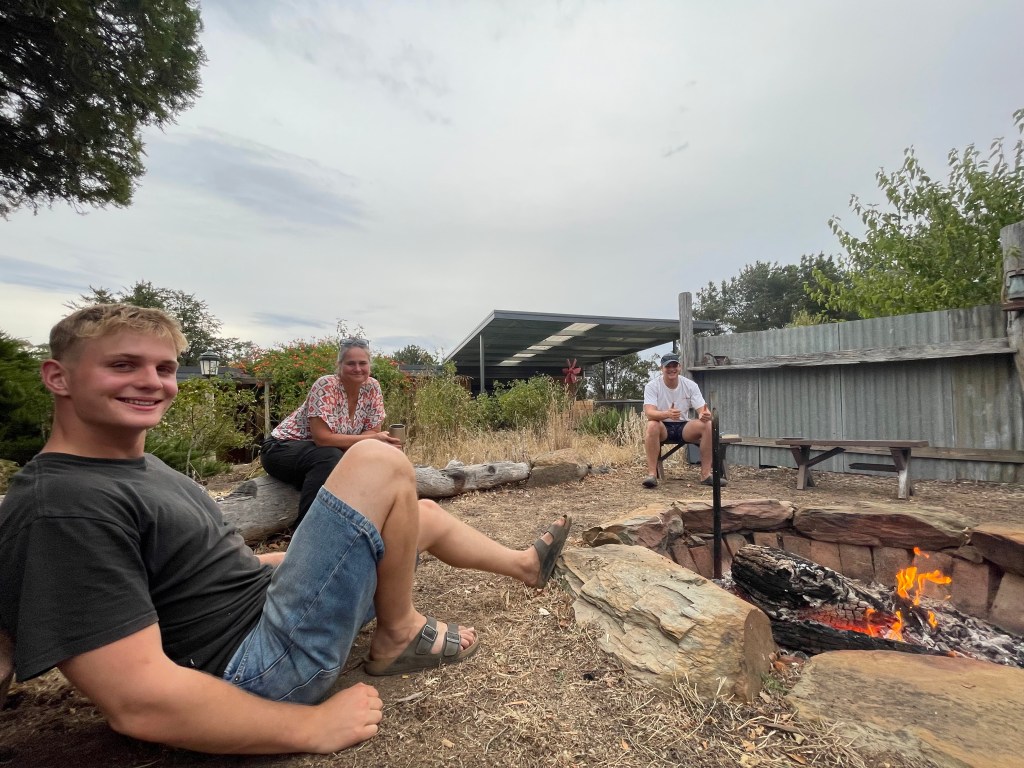
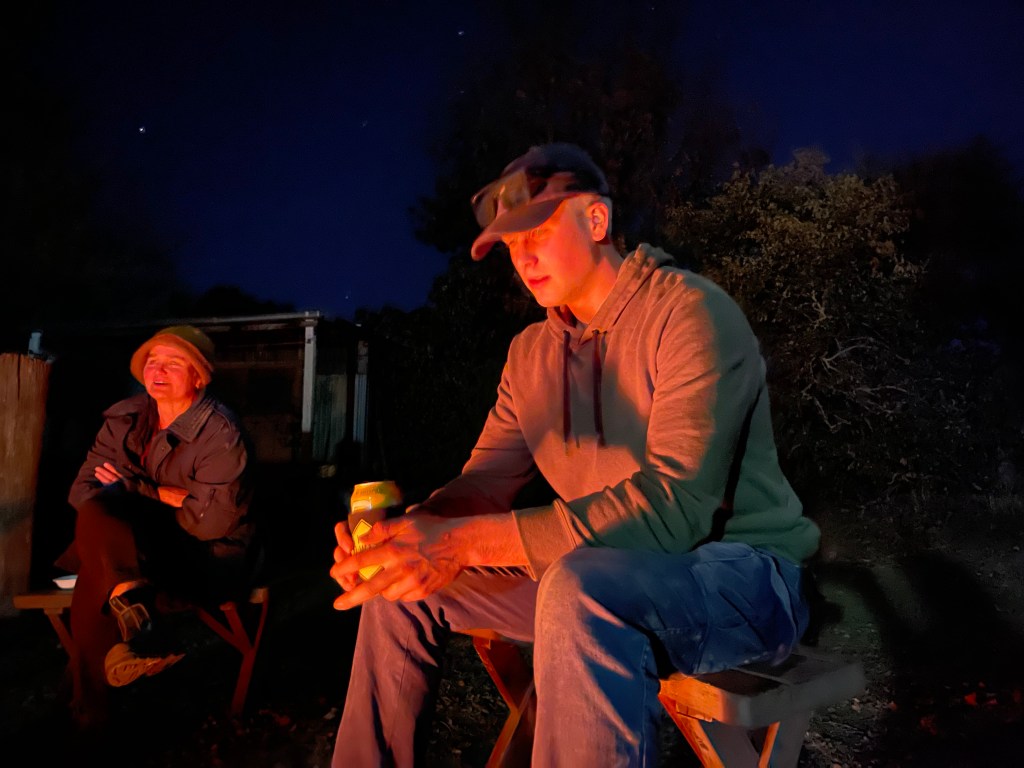
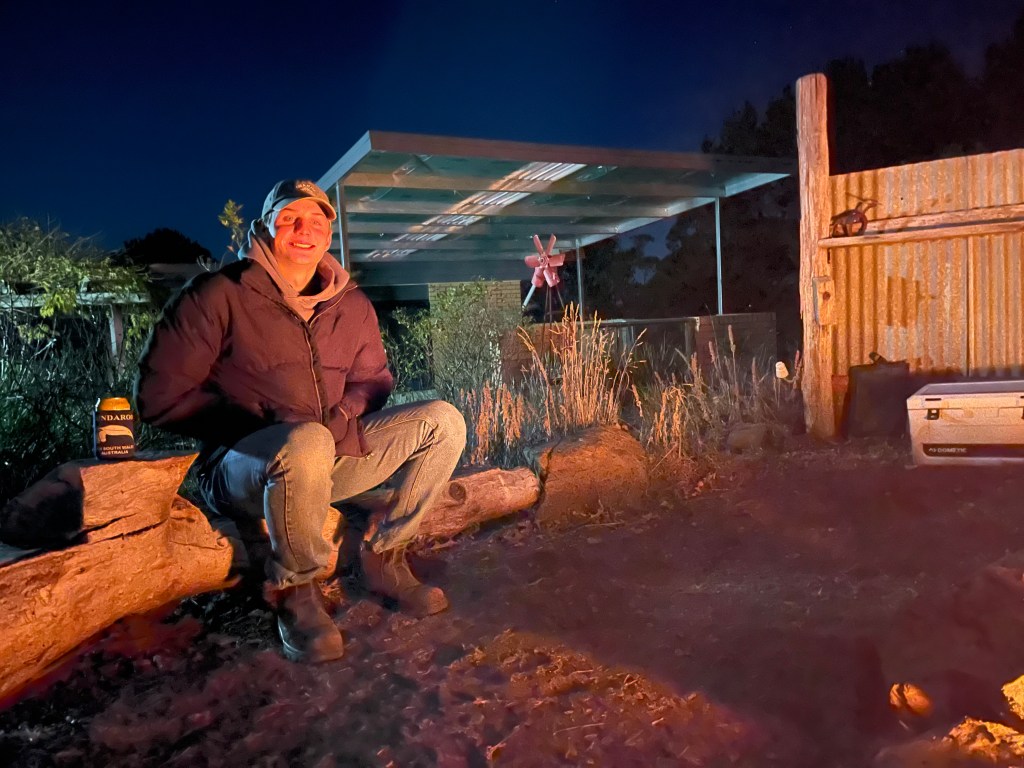
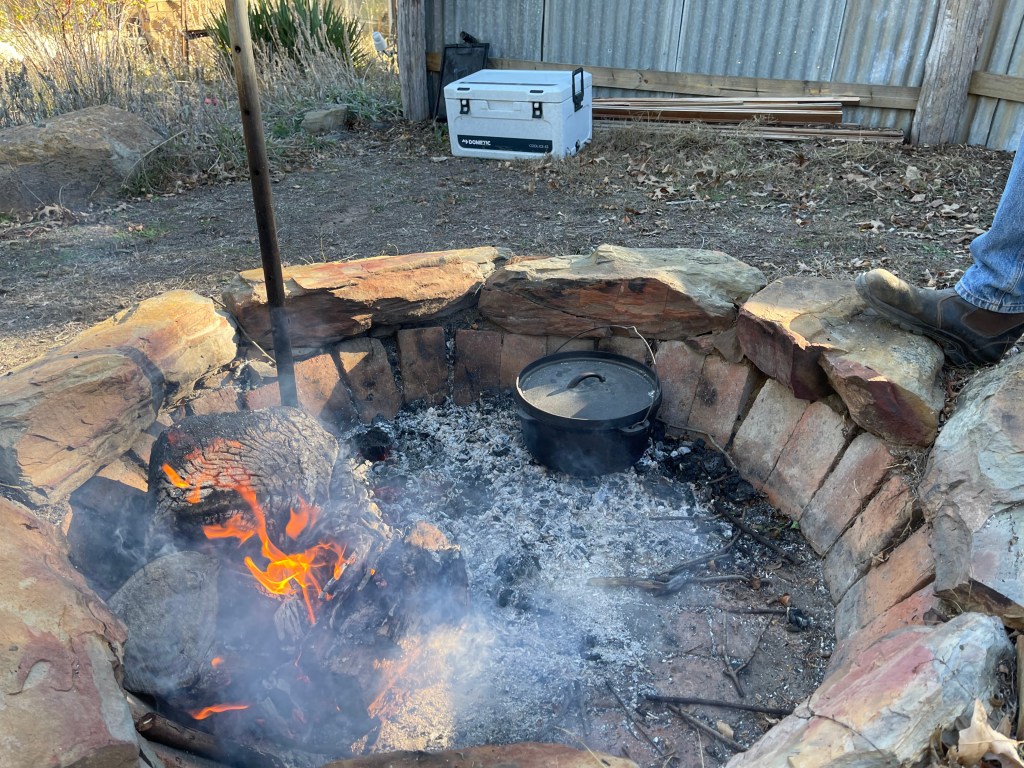
It was great to have both boys home to celebrate Mother’s Day. The youngest Helper came back from university in Sydney for the occasion. We slow-cooked a lamb shoulder in the camp oven, which was delicious. Dinner was followed by a wonderful night catching up over a few beers. These moments are all too precious now that both these fine young men are making their way in the world.
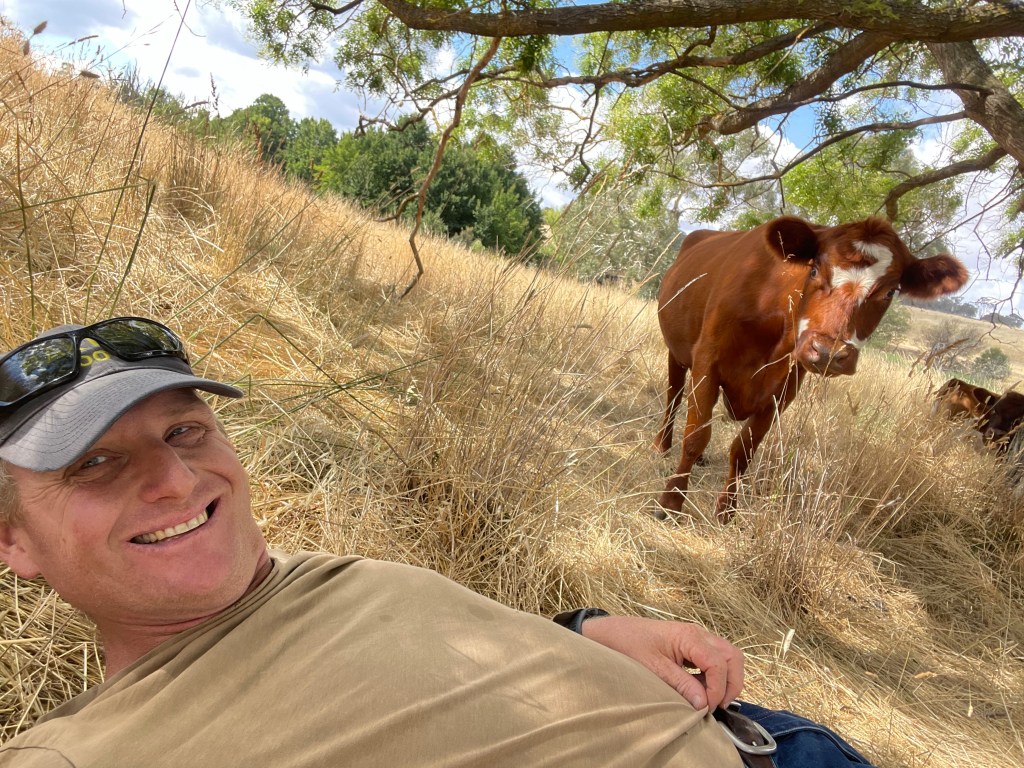
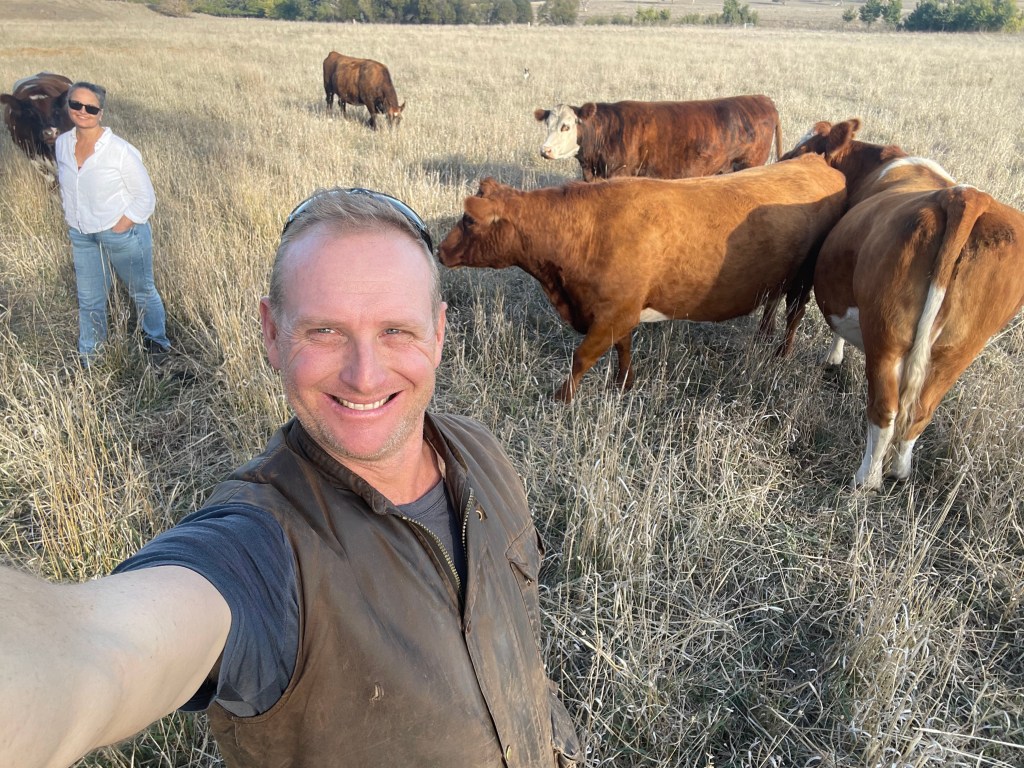
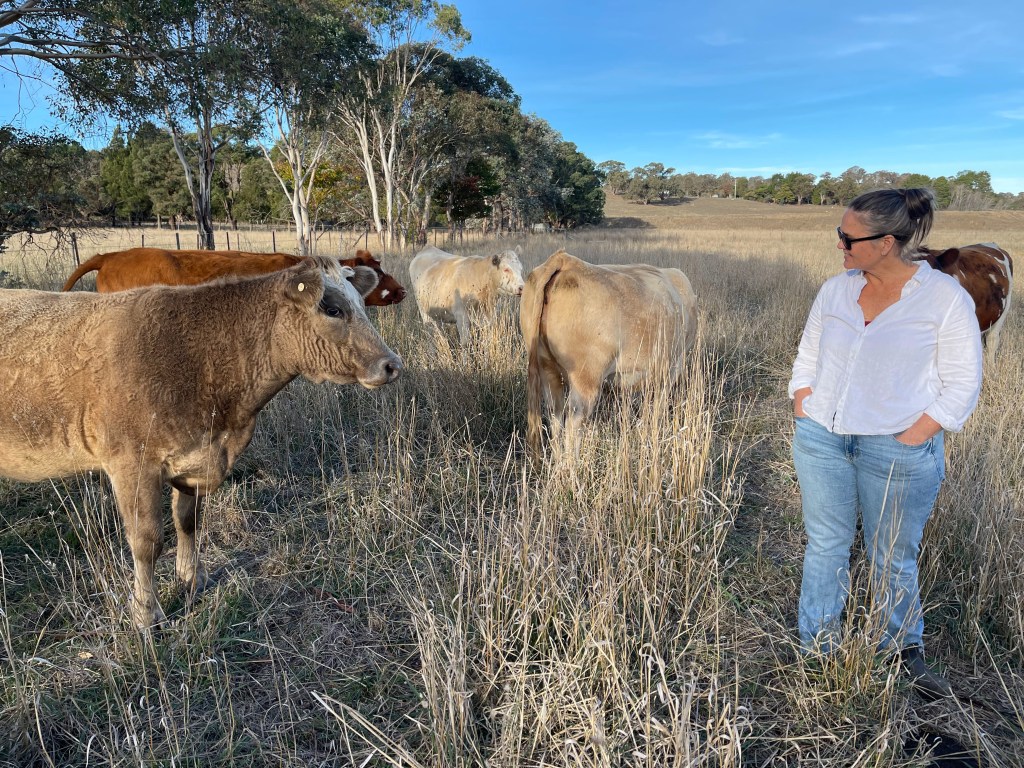
The farm has taken a back seat this year as we continue to renovate our home. Sadly, my updates on the blog have also fallen behind. The house is progressing (slowly). We’ve moved on from demolition and are now rebuilding subfloors and getting our plumbing repaired and roughed in. Between feeding the cattle and working on the house, I’ve also taken on a new project at work. It’s filling my days—and my cup. But it doesn’t stop us from taking time to just pause and hang out with the cattle to re-set every now and then.
All in all, it’s been a busy few months, but we’re getting through it—one job at a time. The support of family, neighbours, and the Helpers has made all the difference. With a bit of luck and some rain, we’re hopeful the season ahead will be a little easier.
Calving is one of my favourite times on the Rock Farm. We started a little earlier than normal this year – driven by our desire to have a holiday late last year. Thankfully with the unseasonably warm August, we are getting through it ok. After losing a maiden heifer to bloat a couple of months ago, we are down to 11 cows, but we suspect two are dry.
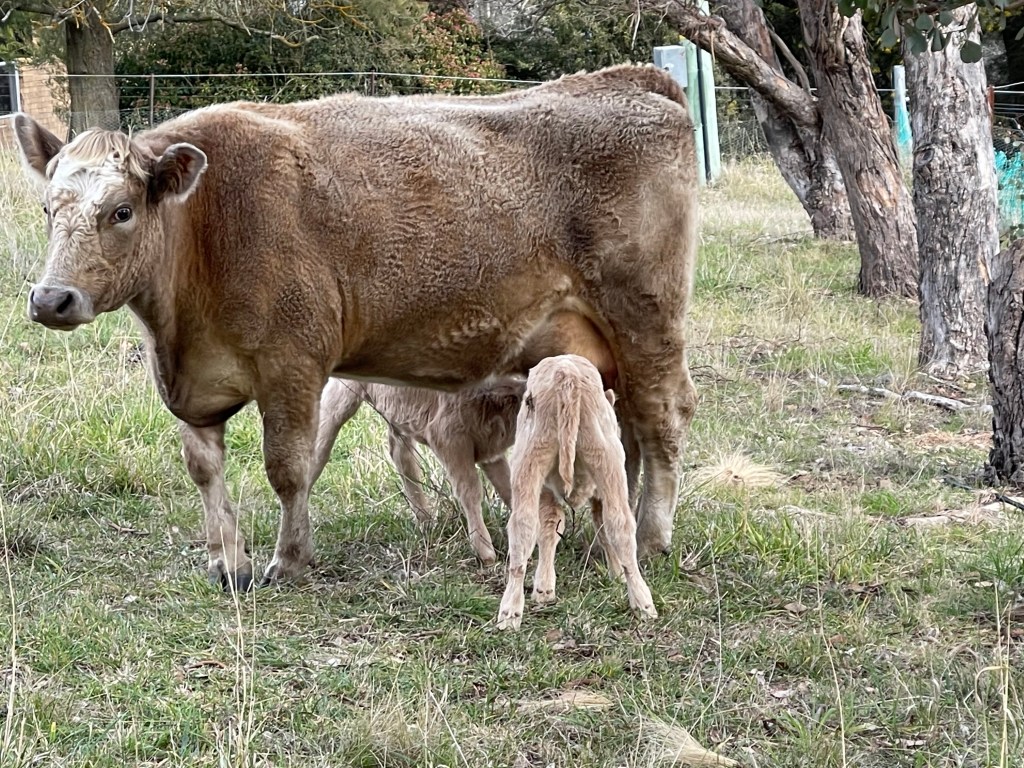
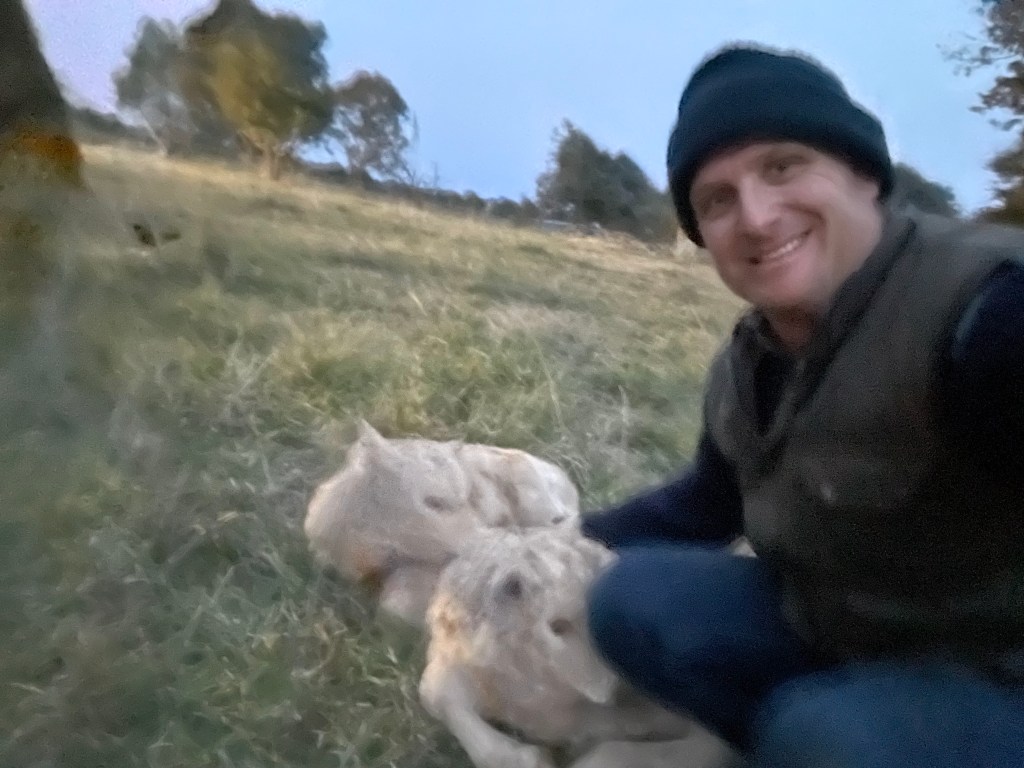
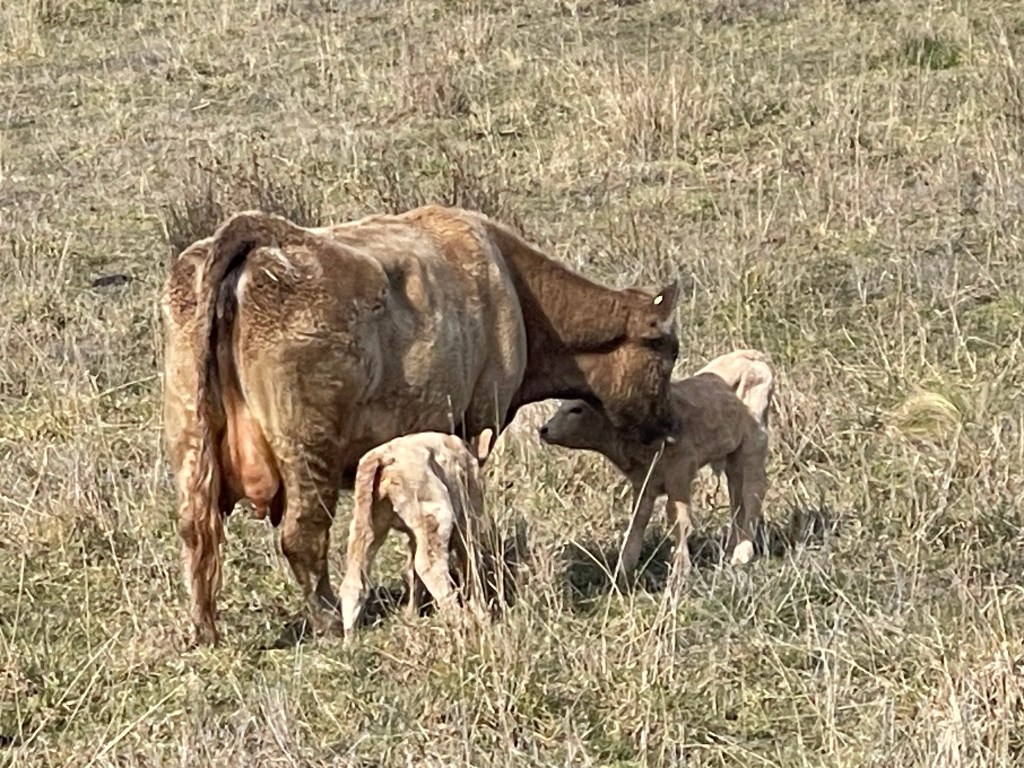
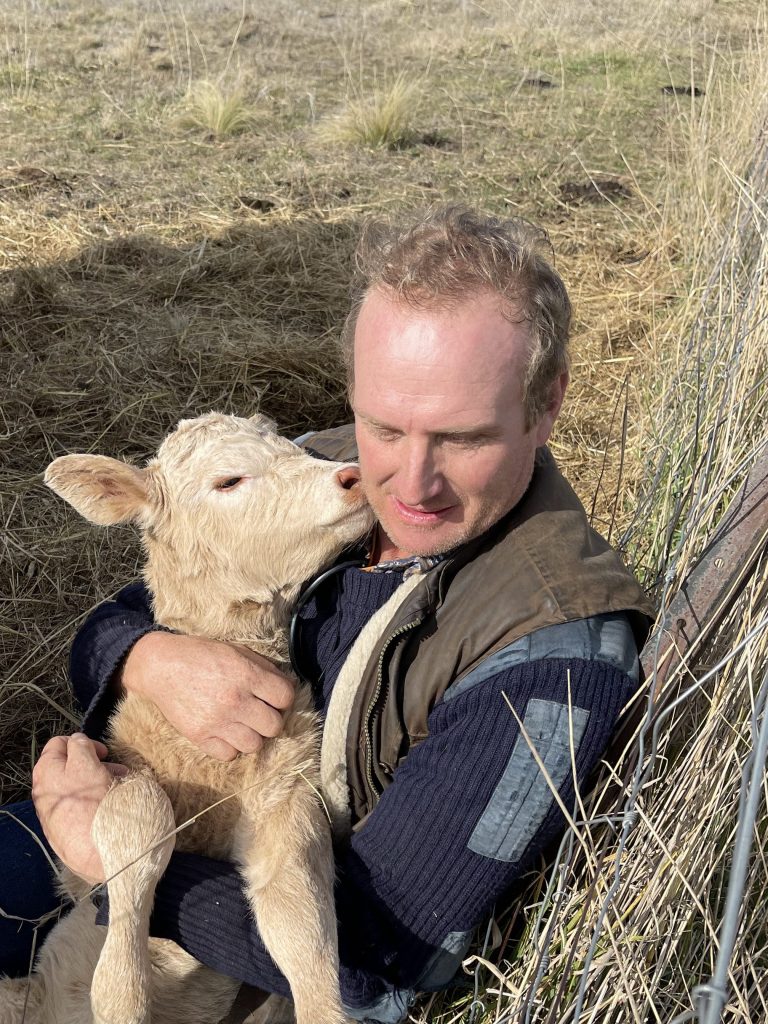
Calving hasn’t all been smooth sailing. It never is. One of our cows had twins. Relatively unusual in cattle, survival of the second calf is extremely rare. And we learnt why. It’s because cows can’t count!
Twins were born to cow Grey Girl. I swear she didn’t realise she had two calves to look after. She seemed surprised to find her calf in front of her, and then, by the time she turned around it appeared behind her again. What started comically almost ended in tragedy. The first morning following their birth, we could only find one calf – pushed through a hinge-joint the fence into the neighbour’s. After quickly reuniting this calf with mum grazing nearby, so commenced a desperate search for the other – with no success. We feared the calf had either frozen overnight, or had been taken by wild pigs.
With downcast hearts, we eventually returned towards the house, only to find at the opposite end of the paddock, tucked into a sunny spot the other twin.
We separated Grey Girl and her twins from the herd and put them in a small paddock for the next couple of days. This allowed the calves to gain strength enough to follow mum around and fight for their own supper. The strategy worked, and a week later Grey Girl and her twins returned to the herd where they continue to prosper.
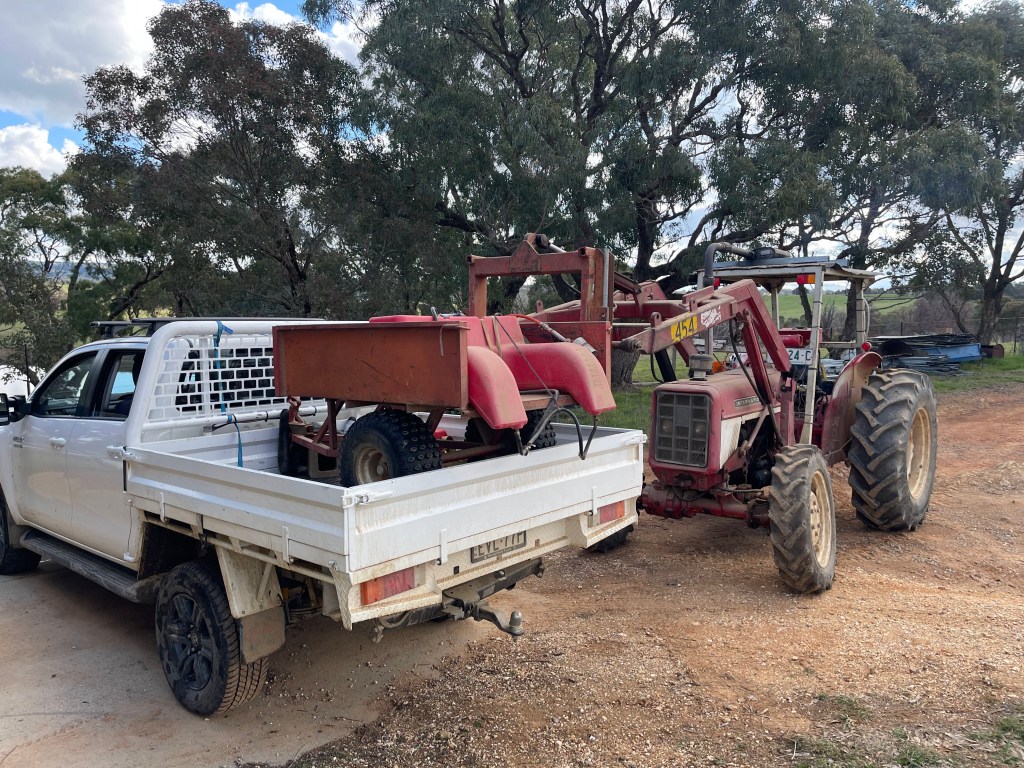
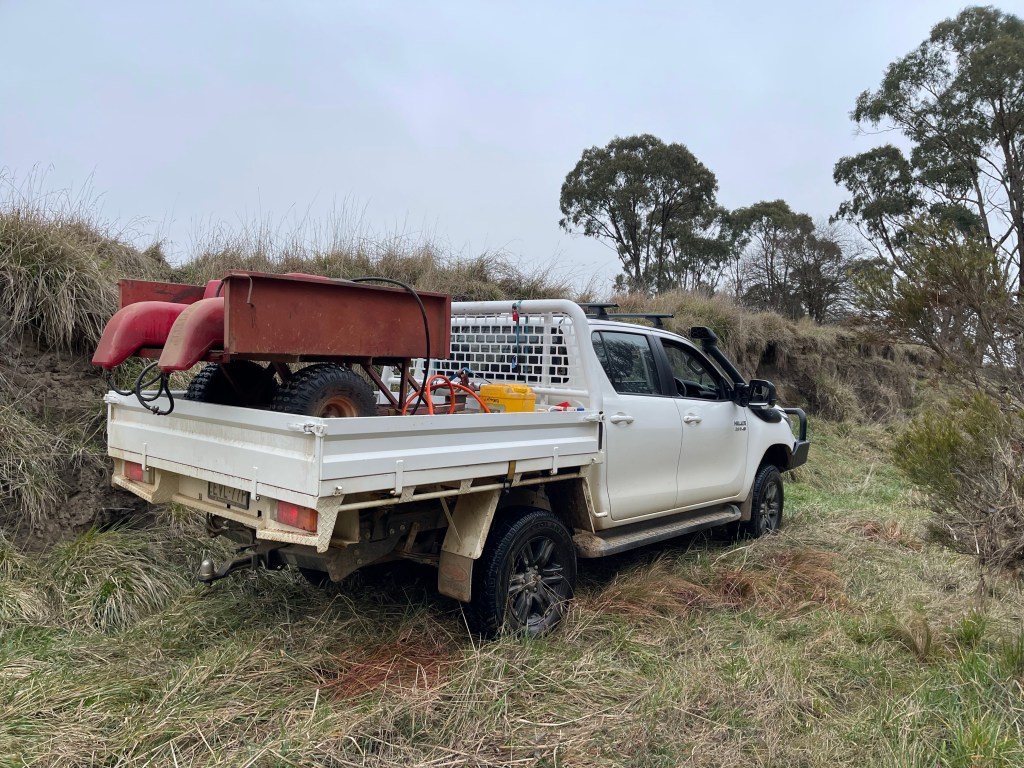
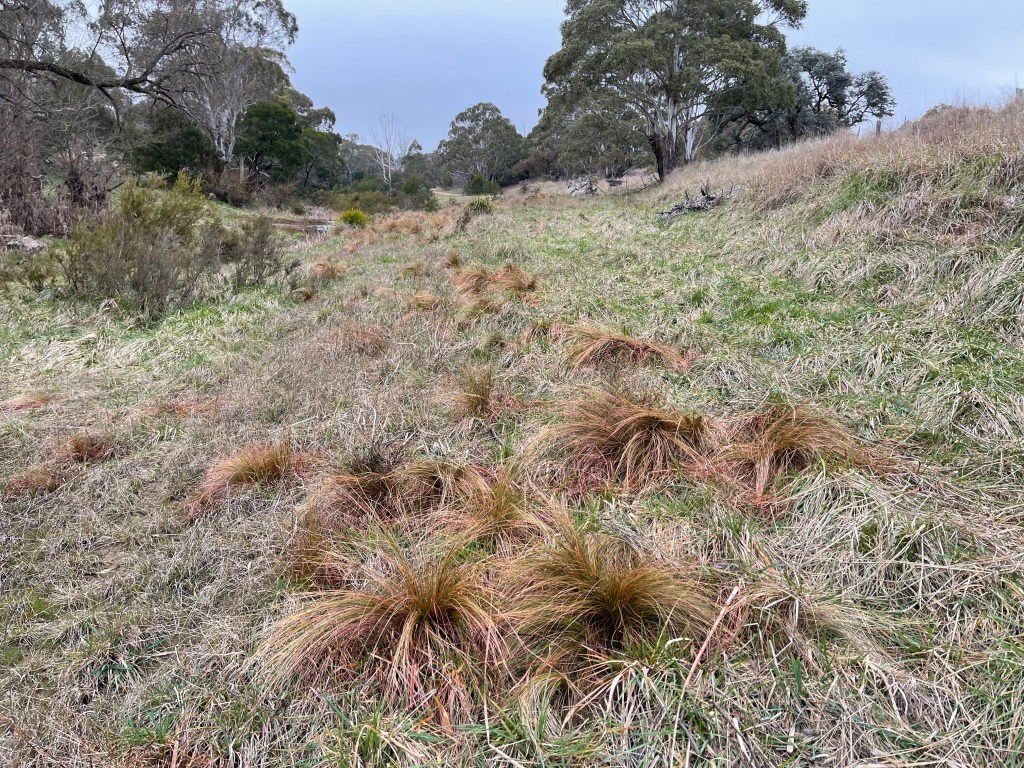
Whilst it is easy to waste so much time just hanging out with the cows, Spring is also a busy time on the Rock Farm. Sadly in some areas the serrated tussock has got established. Whilst I have been madly chipping out isolated little patches of it, in some areas it was far more effective to use chemical spray. This is my least desired strategy, but it is effective. I had a couple of tight areas, where I knew I wouldn’t be able to reverse a trailer, so I lashed the spray trailer to the ute bed, and got onto the task.
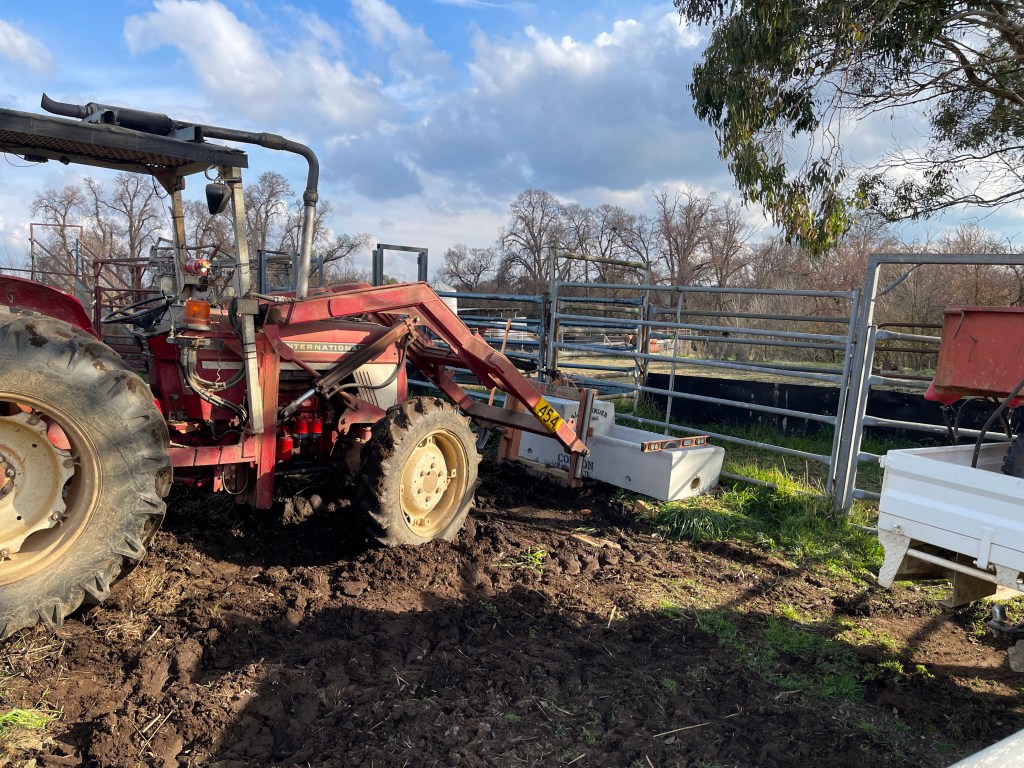
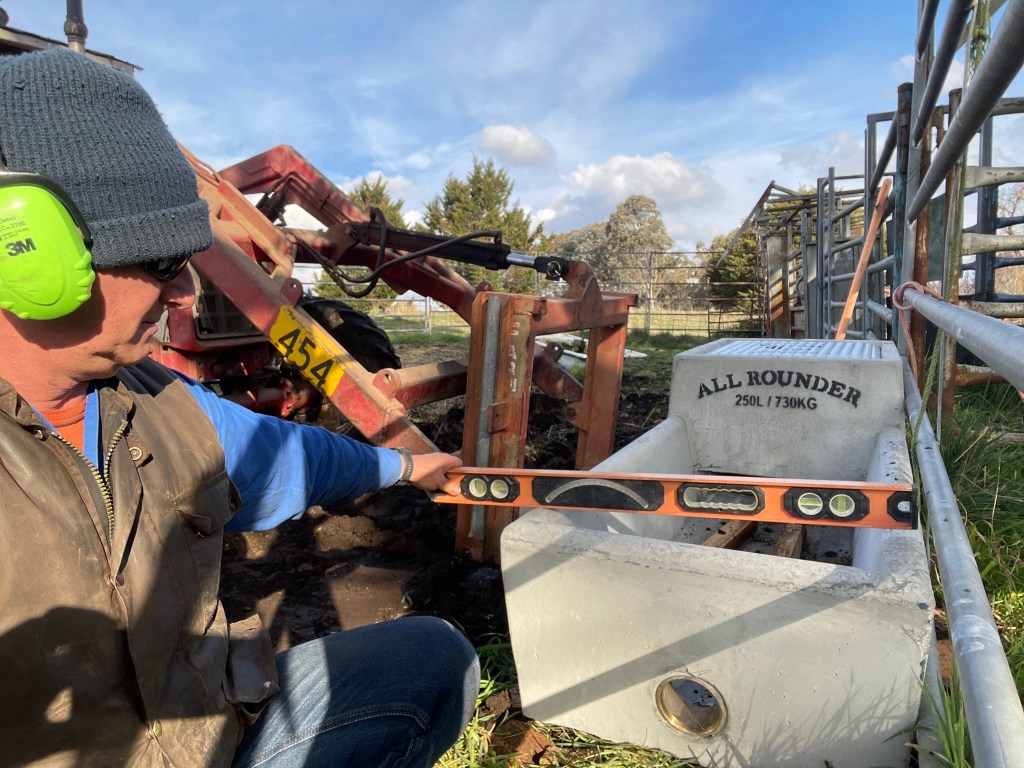
Little (and not so little) projects abound on the Rock Farm. One that had been sitting on my to-do list for a while was to replace the leaky unreliable bathtub water trough in the yards with a new concrete tank. It took a bit of fiddling to get the levels right (after nearly getting tractor well and truly wedged in the yards), but I was happy with the result.
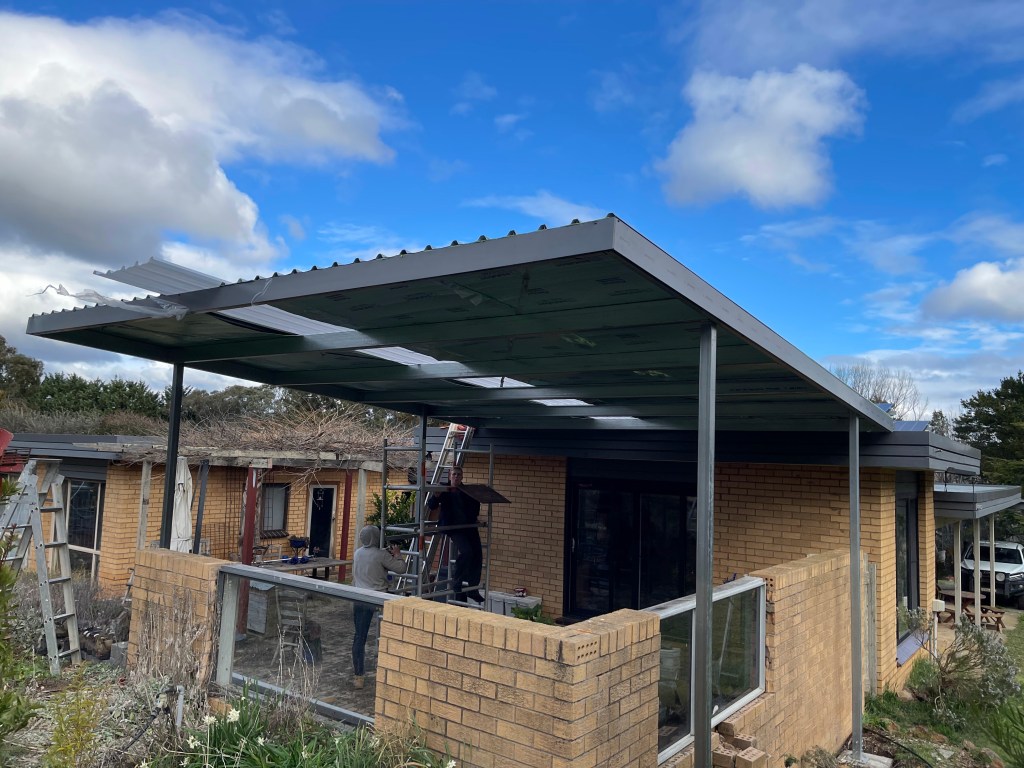
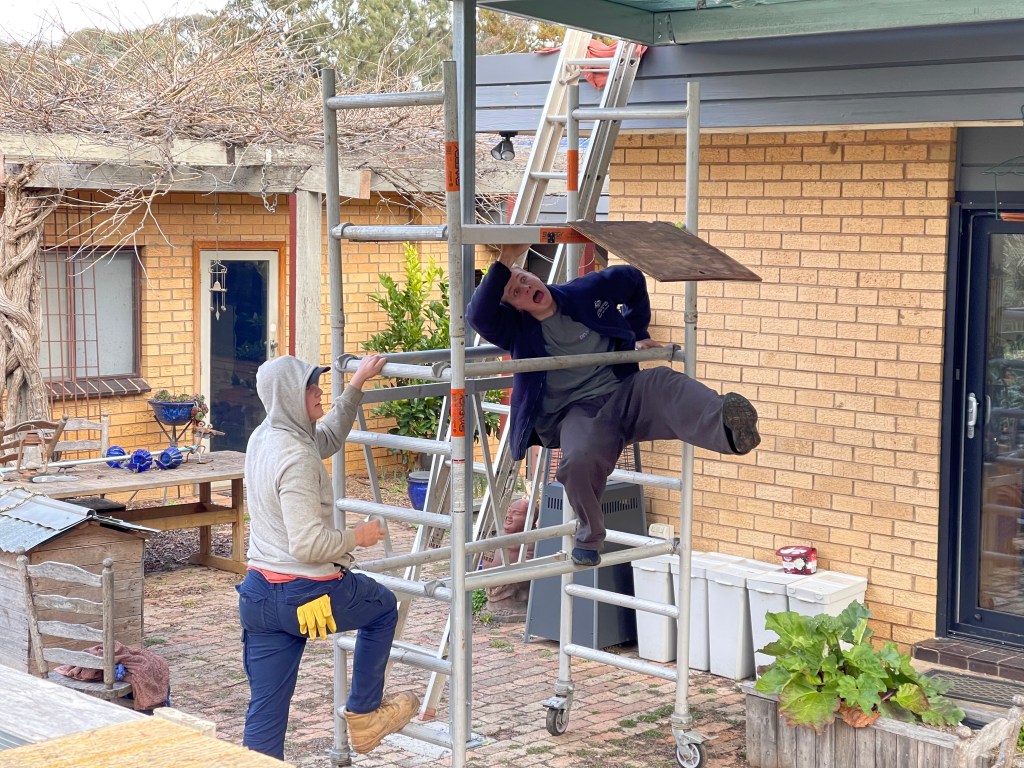
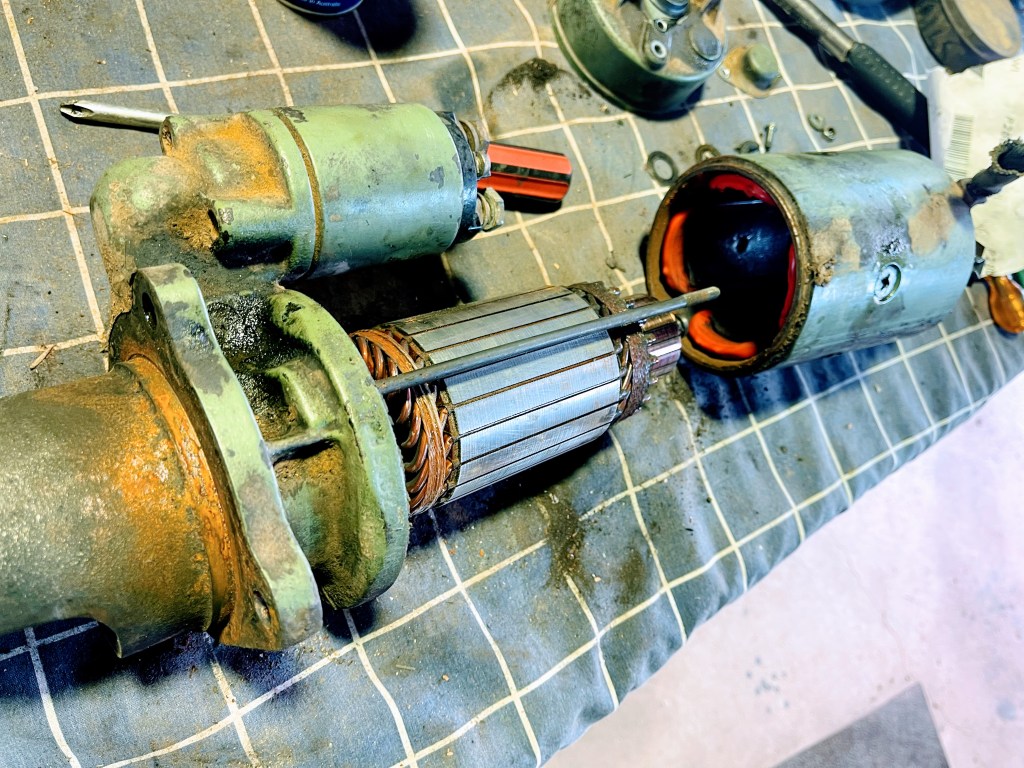
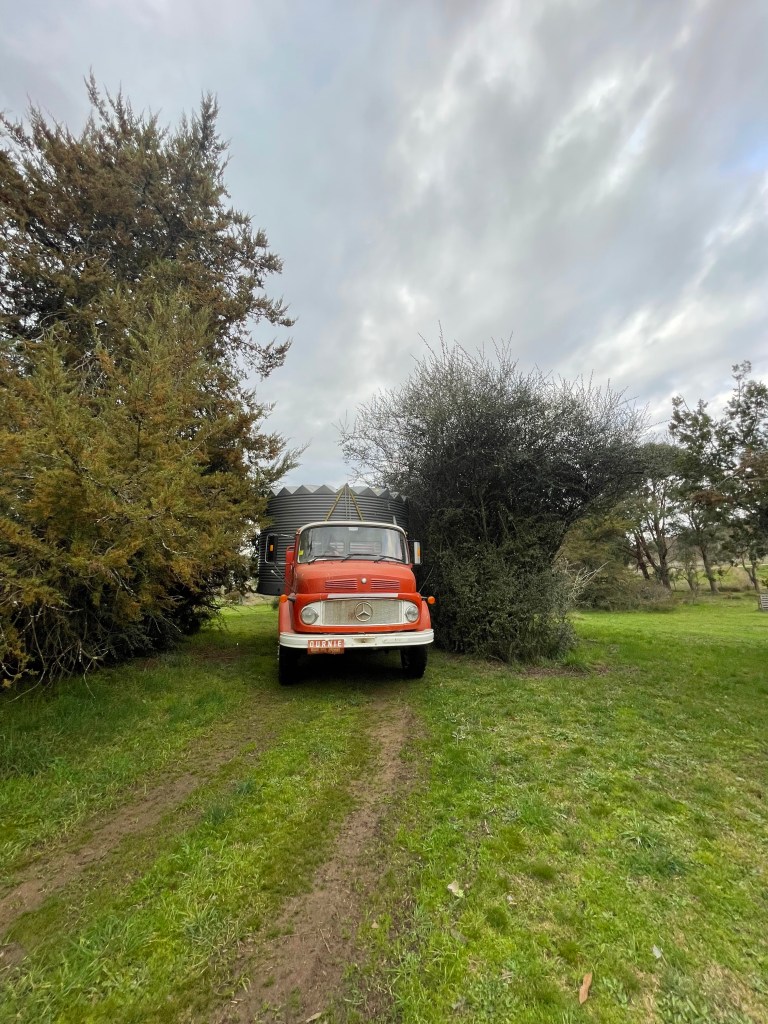
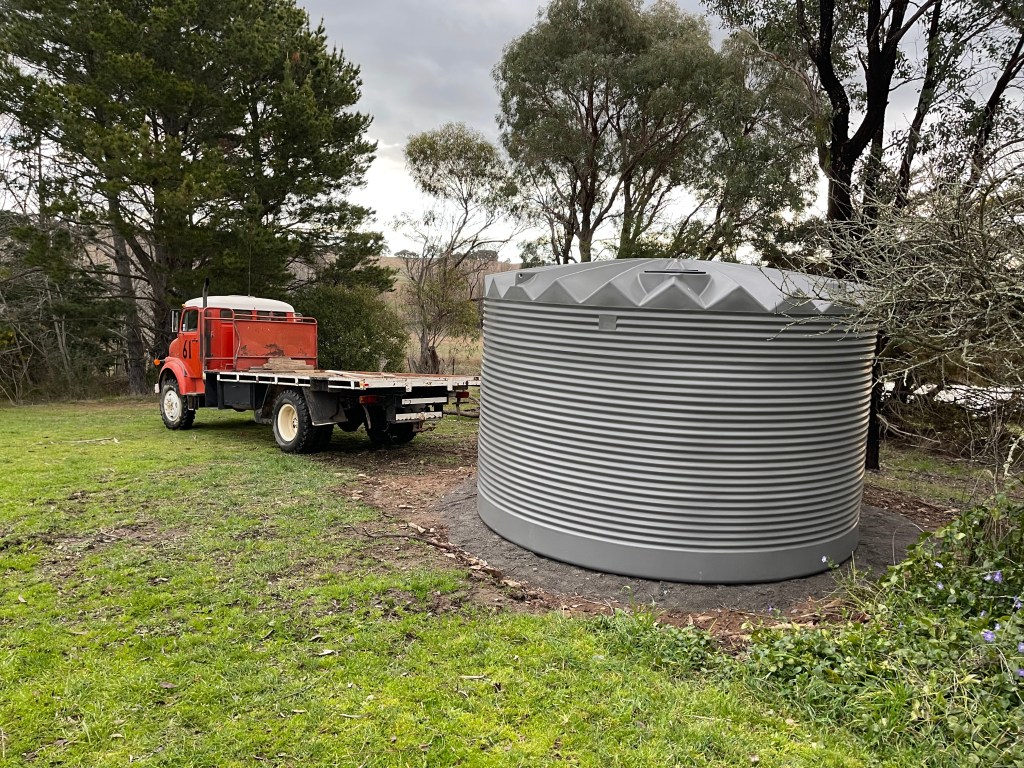
Most projects aren’t wrapped up so quickly and are best described as continuing. We pulled down our existing patio in January. Pulled down is really an euphemism for pulling out a couple of nails and watching it fall down! A new steel carport is slowly taking shape to provide shelter over the BBQ. I was lucky to get the help of a couple of key assistants coinciding with a reduction in wind to get the roof sheeting on. And with any new roof area comes an opportunity to store more water. A new tank arrived, but the delivery driver baulked at taking his shiny new truck to the prepared site. Thankfully Myrtle (sporting a refurbished starter motor – nothing is ever simple) had no problem in taking to the task at hand.
The next challenge is to hook up the down pipes and be ready for the rain if it should ever fall again. We are now almost two months since our last rainfall and things are rapidly changing from being unseasonably warm and growing to stunted growth and grass bolting to seed. The next couple of weeks will be critical in determining what season we will have and we will keep our fingers crossed.
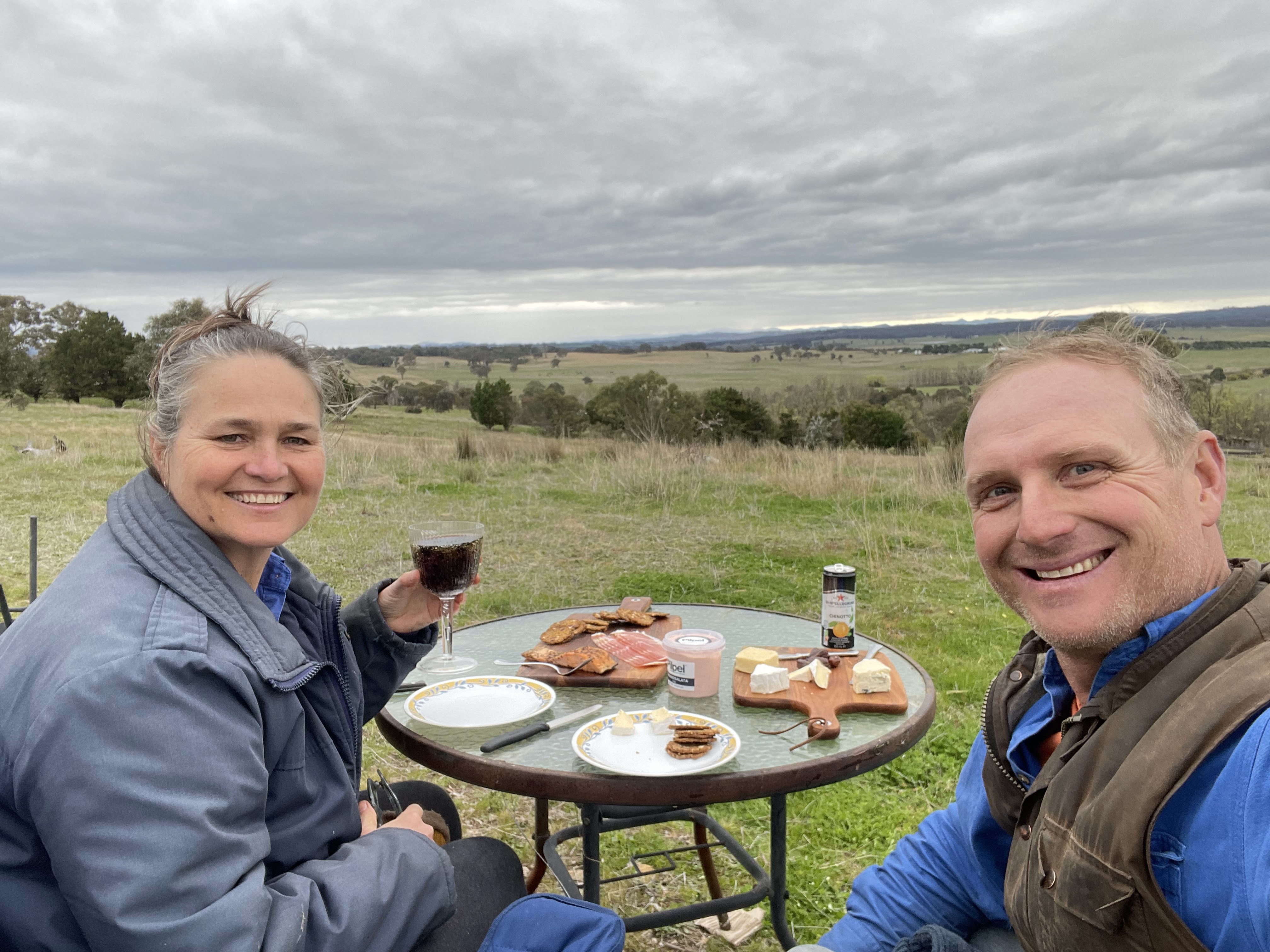
In the meantime it is important to celebrate little milestones like birthdays and wedding anniversaries with the people who matter. After a morning planting bare rooted fruit trees into the orchard, we took a few moments to enjoy lunch on Bee Hill. Sometimes the simple life isn’t that simple, but I sure am lucky to be sharing the adventure with this lovely lady 🙂
Of course I am not the only one with projects! It is great to see the boy’s really getting into their own interests now, but of course, that is a story for another time.
Last October you may recall we were making decisions that would affect our production for the next couple of years (see here:https://rockfarming.com/2023/10/19/a-strategy-emerges/). We had tried to arm ourselves with the best information available about the cattle market, soil moisture and predicted dry weather patterns, with the aim of protecting our soil health and welfare of our stock. The end result was a decision that we would not join 10 of our cows, with the aim of reducing our herd size leading into forecast drought conditions.
All through November and into December, I felt that we had made a sound decision. The weather dried out, and we used it to our advantage to de-silt an old dam. Towards the end of December we went away for a fortnight and came back to an entirely different property. The forecast dry summer had turned into something else entirely, and frequent summer rains continued through to February.
We considered our options, which included bringing the bull back for a late summer calving – but ultimately decided to let our decision to cull the cows stand. Come weaning, we would split our herd and cull 10 dry cows, keeping the remainder 10 cows and 2 maiden heifers (hopefully all in calf) on the Rock Farm.
Two weeks ago we weaned.
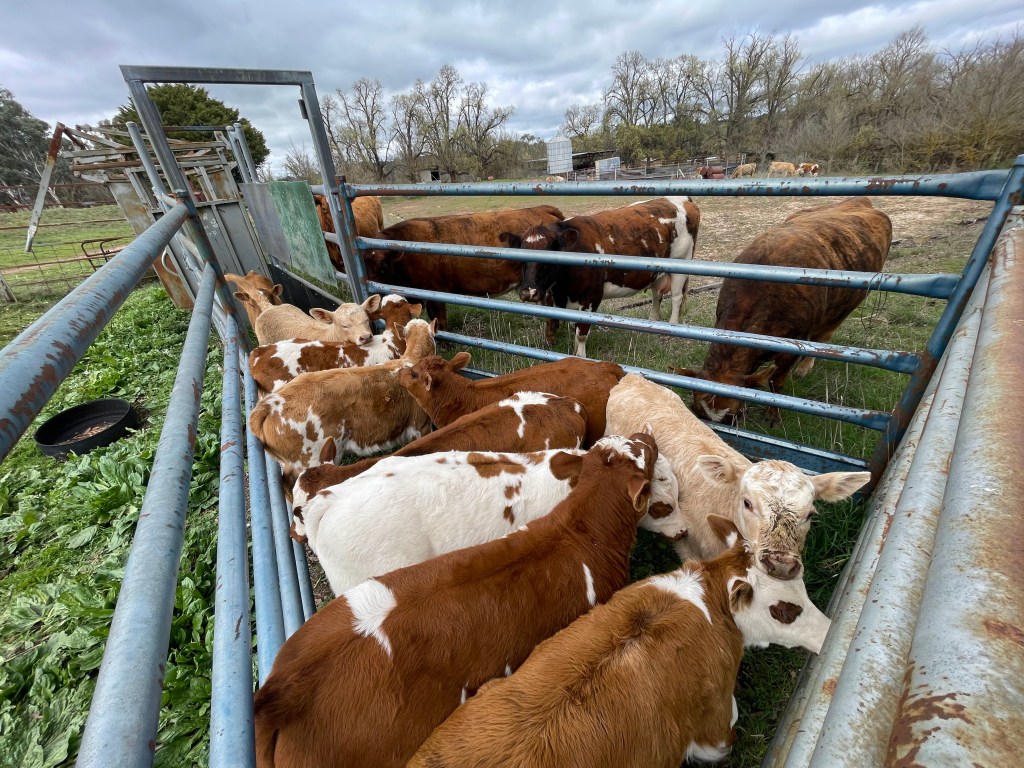
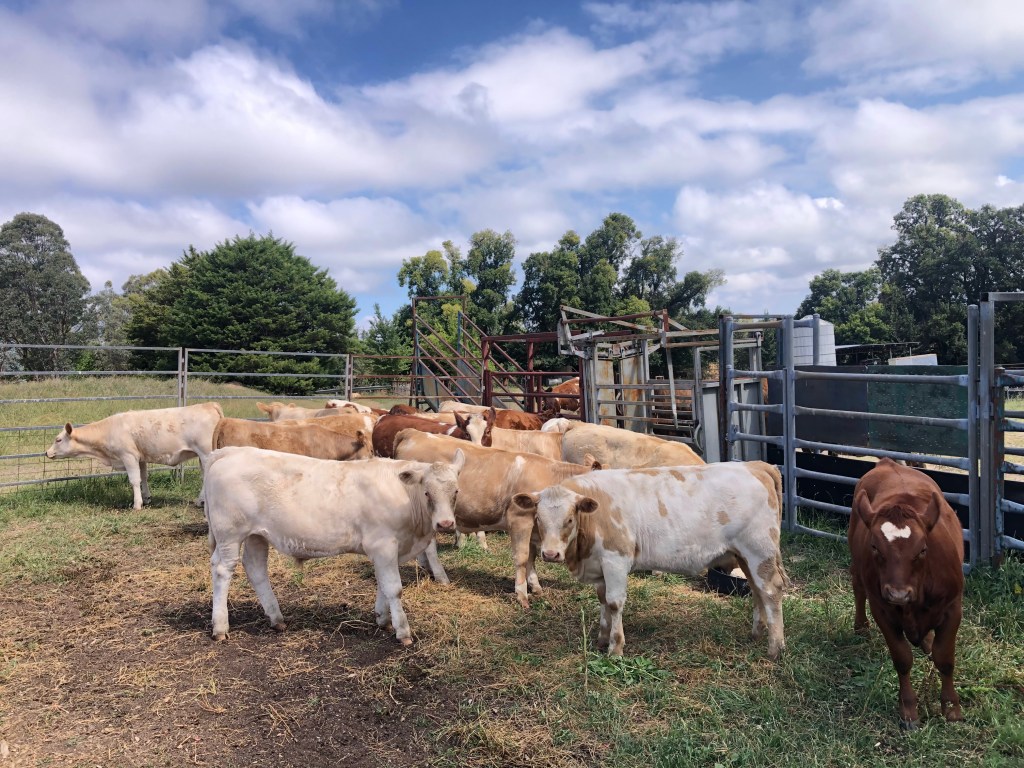
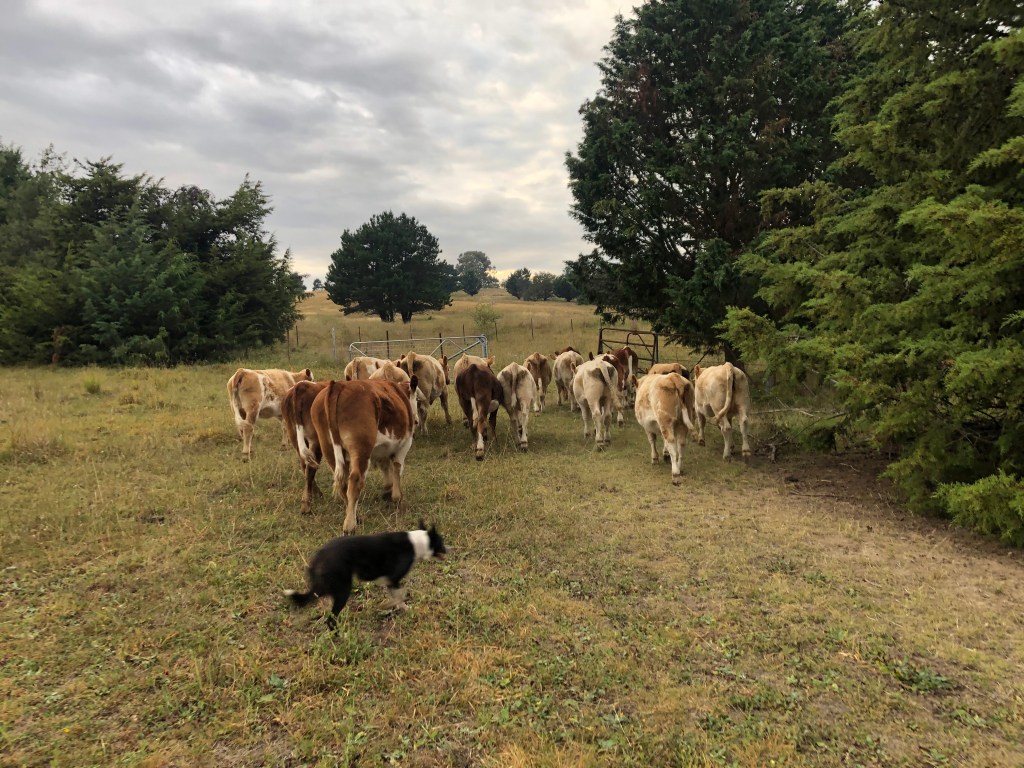
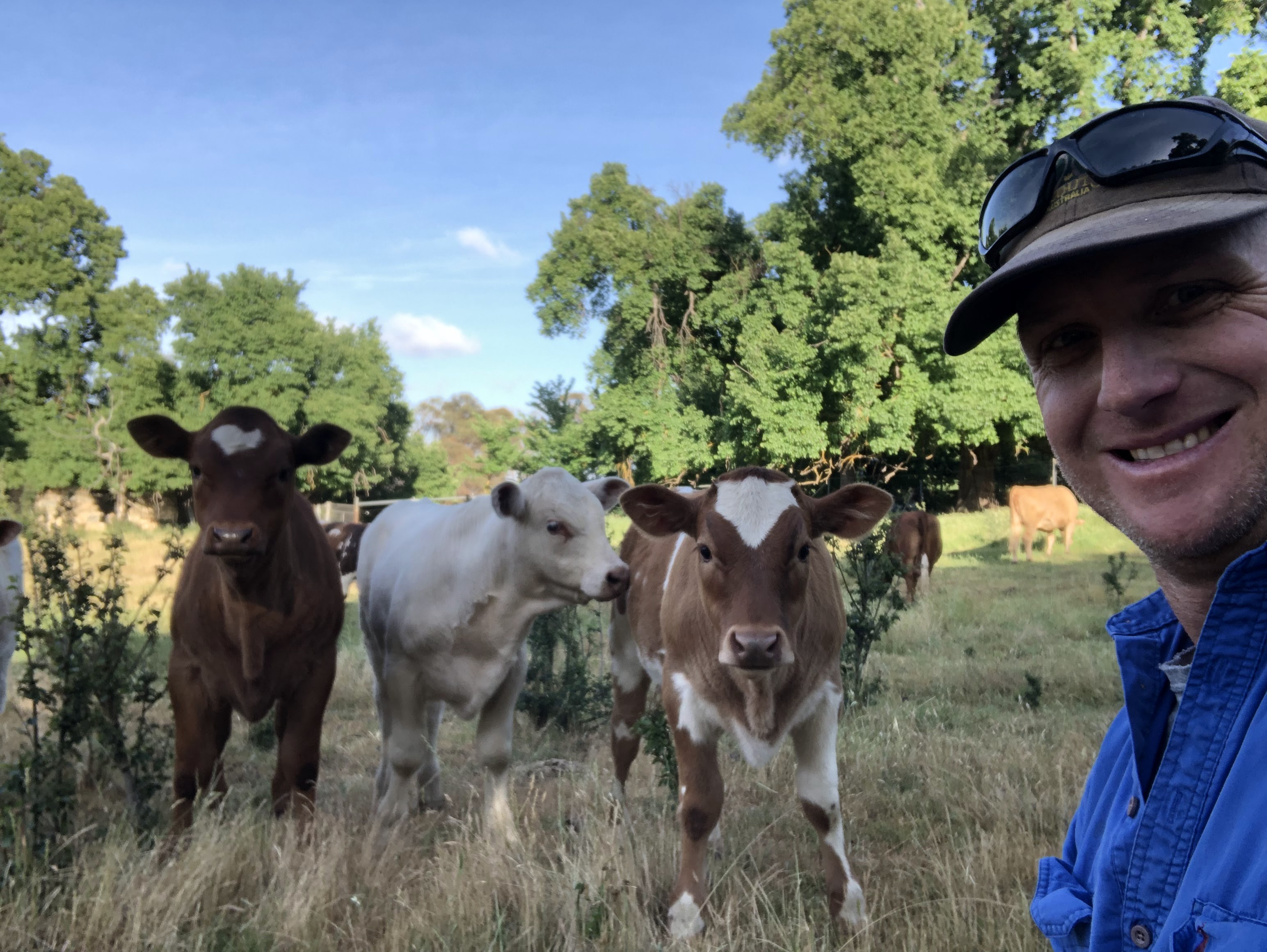
Weaning is always an interesting time. I allow the cows access to the lane leading down to the yards. For the first couple of days, there is lots of bellowing in an evening as the calves call for their supper, and the cows seek relief from full udders. But it doesn’t take long, and the cows are happy to wander off to greener pastures, and the calves settle down and learn that the tractor now brings them supper. Once they are happily independent, I move the cows to the other side of the farm, and let the calves into the paddocks behind the yards, to graze.
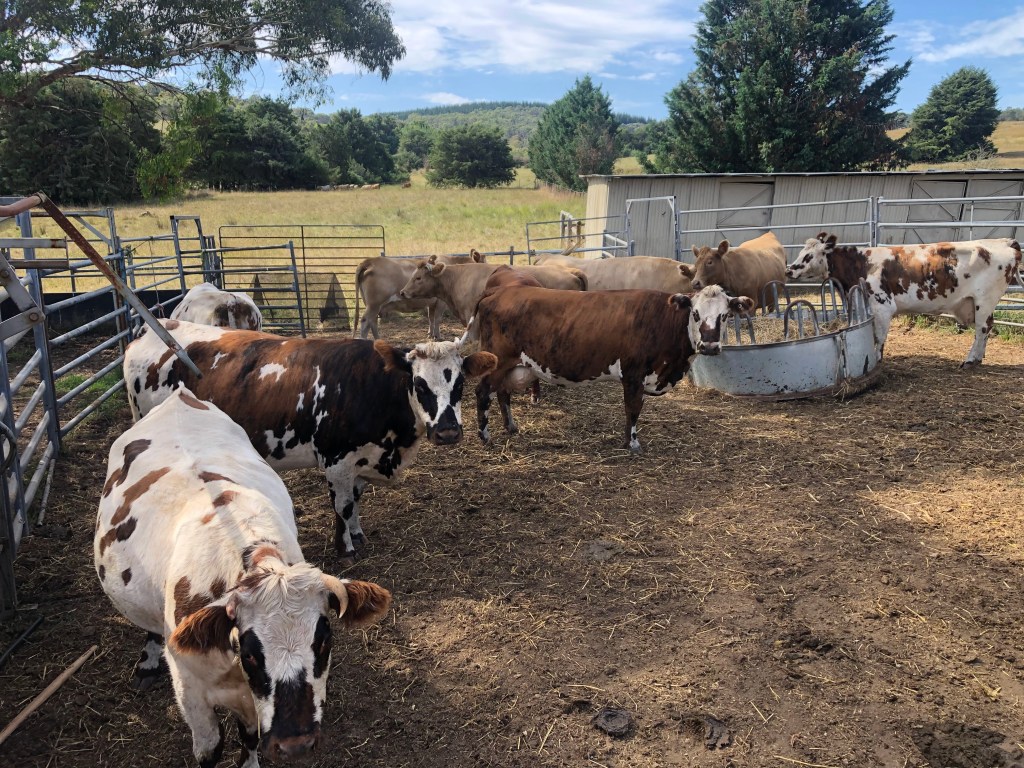
I handle the calves frequently during this time. Sapphy and I make it our morning routine to bring the calves into the yards, and as soon as they are there, we take the pressure off and leave them to return to the paddock. Two weeks into weaning, we brought the cows back to the yards, and split them into the two groups, those staying and those going.
We used some simple rules to determine which cows we would cull from the herd.
Any cow that had ever tossed or shaken her head at me or anyone else,
Any cows who had ever had any difficulty calving, and
Any cows with horns.
At the sale yards, our Agent split the cows into five lots. They made between $1.78 and $1.96 per kilogram live weight and weighed between 495kg and 675kg. Transport, agent’s fees and selling fees will take a fair chunk out of the cheque which is part of the cost of doing business, especially as a small producer.
Most importantly though we have removed ten hungry mouths from the Rock Farm, which will allow our wearers more opportunity to put on weight and value here for a few more weeks. With less mouths and more grass (with the possibility of rain in the next few days), we will assess our winter feed and possibly defer selling the wearers until next Spring.
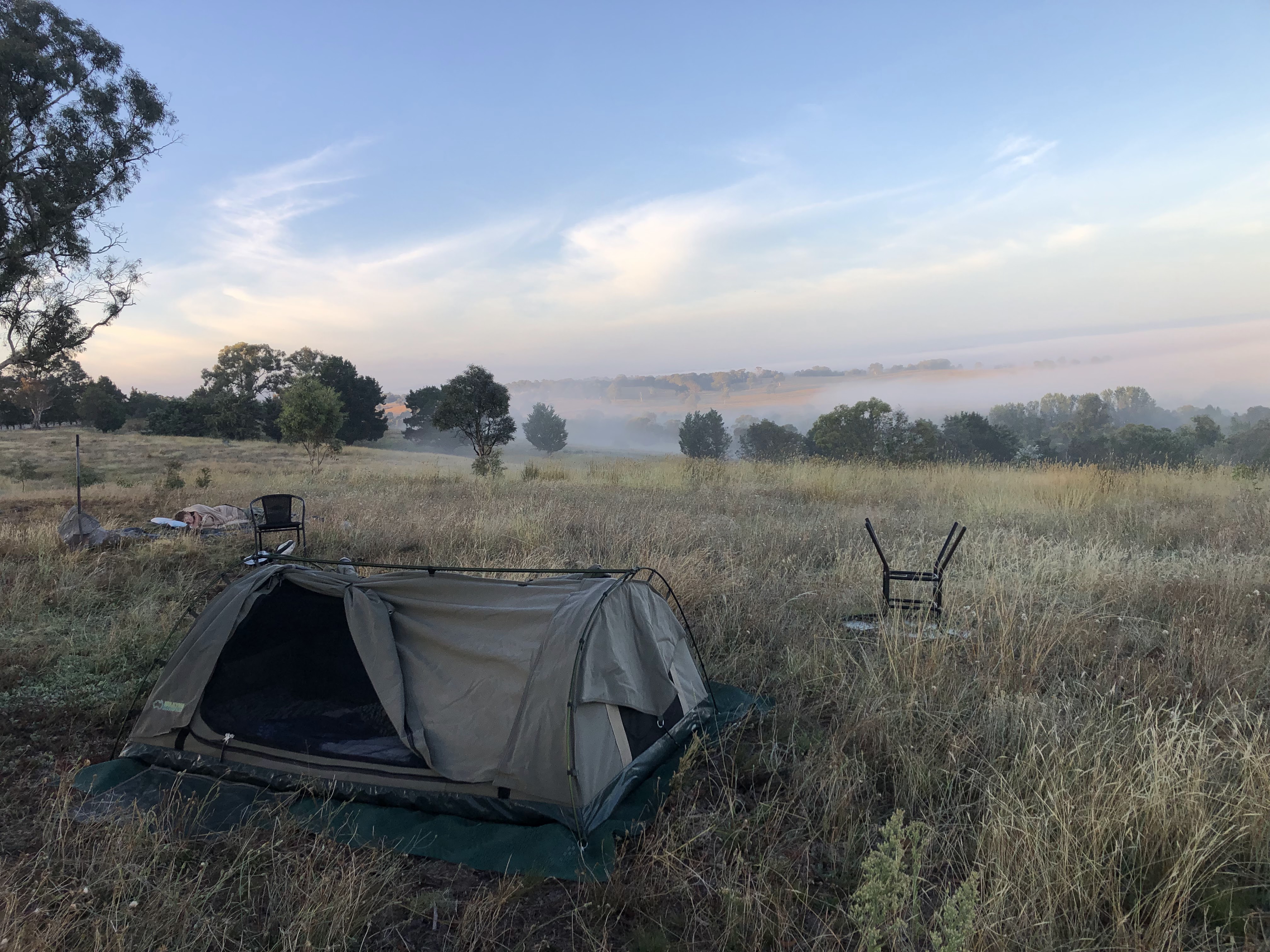
Until then, we will continue to enjoy the cooler evenings and make the most of living (and camping) at our beautiful farm.
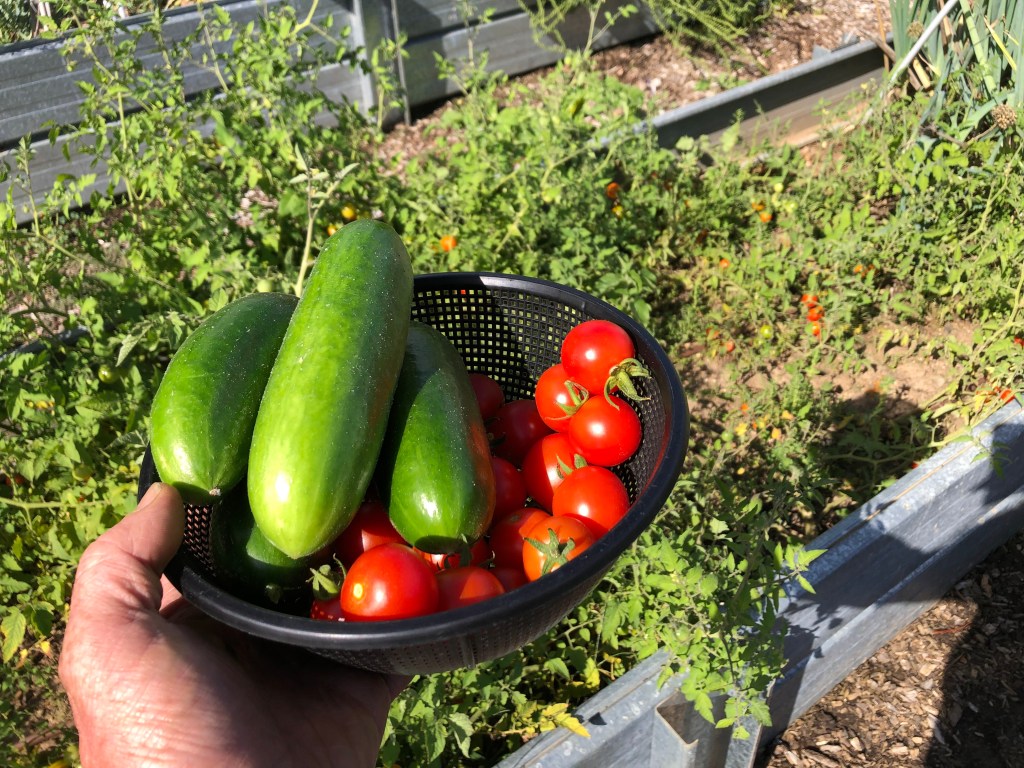
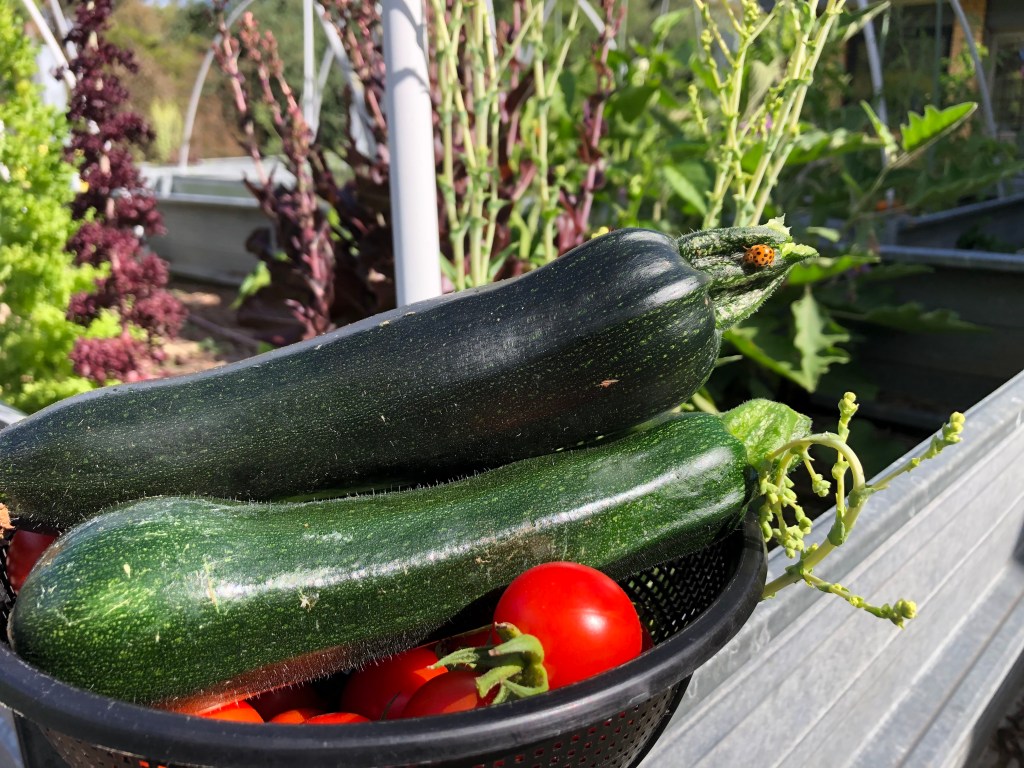
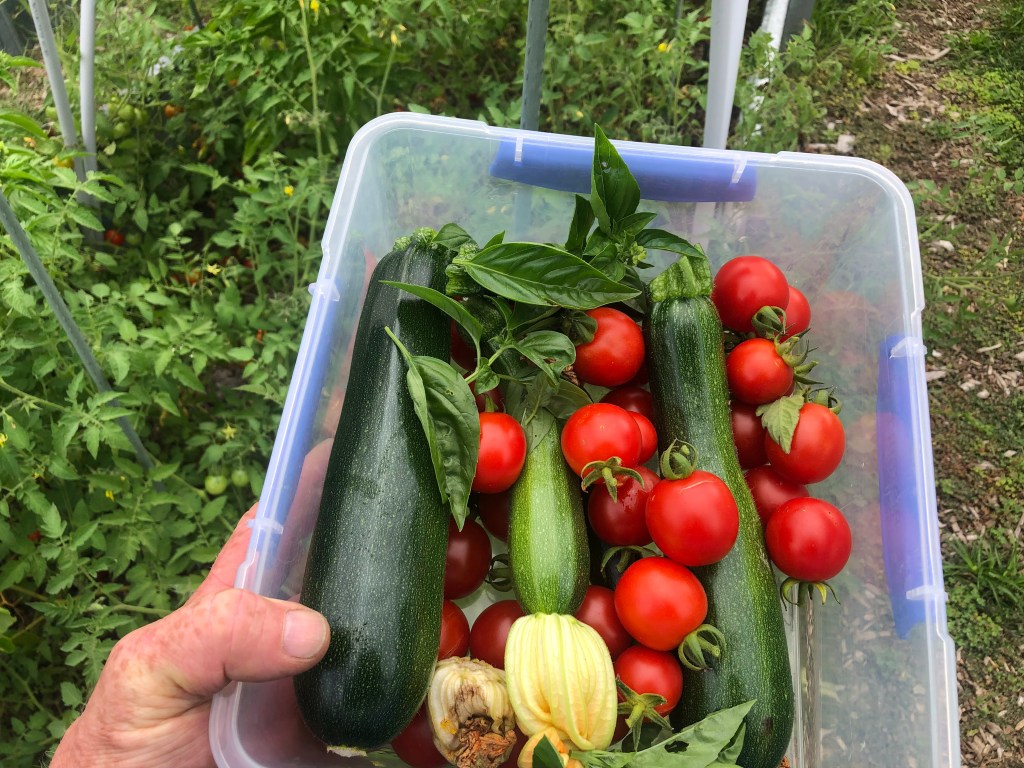
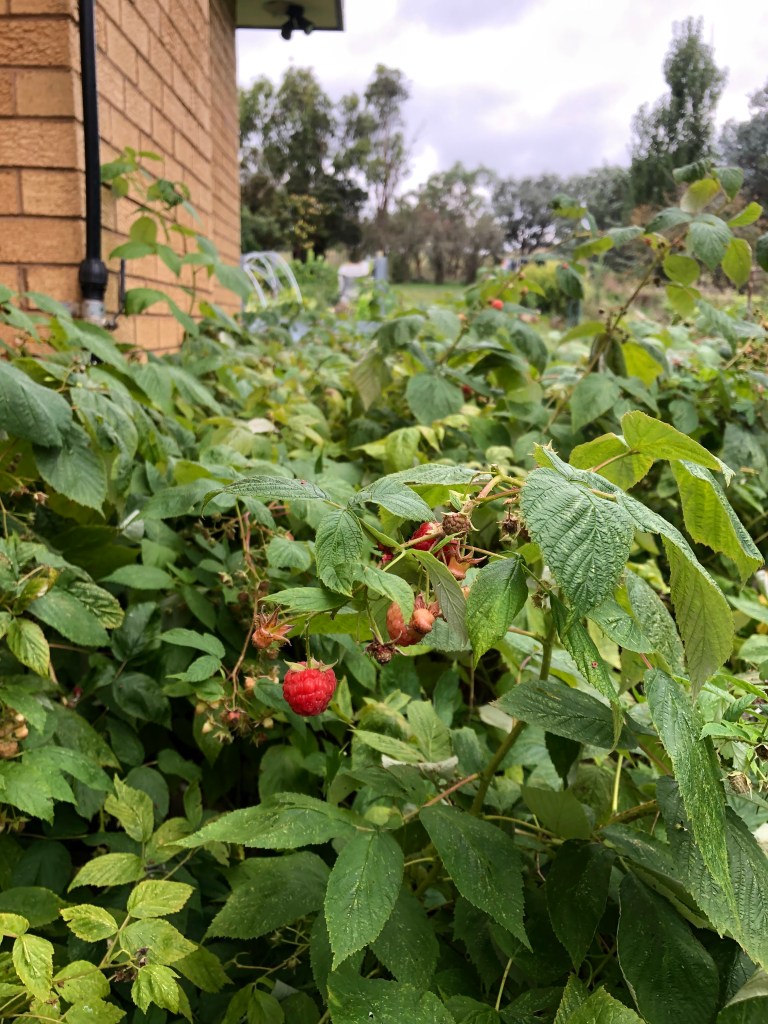
If you thought the Rock Farm was all about our cattle and trees, you’d be perhaps surprised to see some of the other things that we try to grow here. The return of a relatively wet summer has allowed our vegetable garden to thrive, and we have been enjoying regular harvests of cucumber, tomatoes, zucchini eggplant, capsicum, lettuces, and raspberries. There is nothing quite like picking fresh vegetables just before you cook them – the flavours are just so delightful. As my Italian colleague says, you can taste the sunshine 🙂
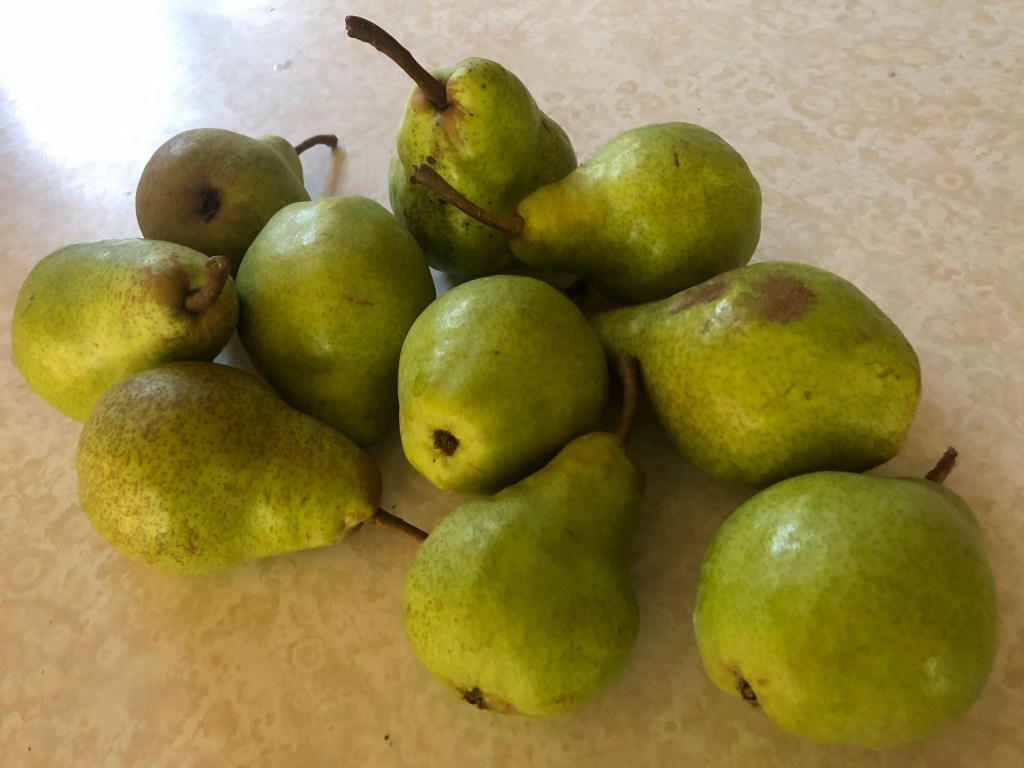
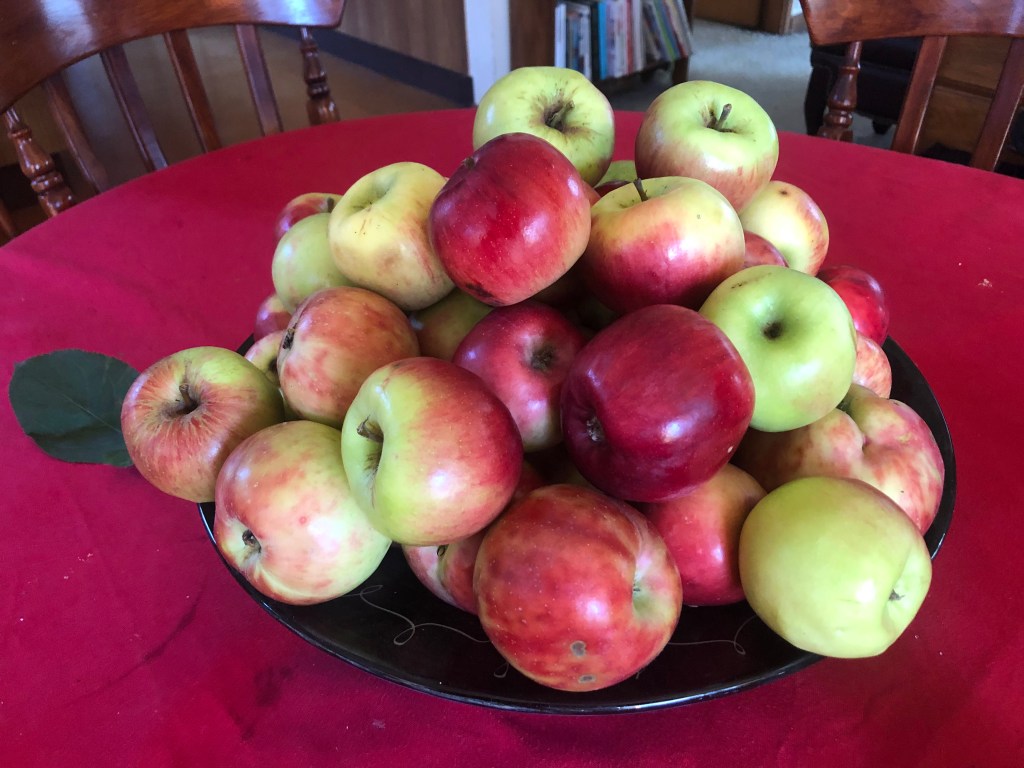
I can’t take any credit for the hard work that established our garden this year – except for hauling up some cow manure from the yards last year. We are even more fortunate to have lovely neighbours who let me pick some apples and pears from their orchid. If you think vegetables taste great just out of the garden, the fruit takes it to another level!
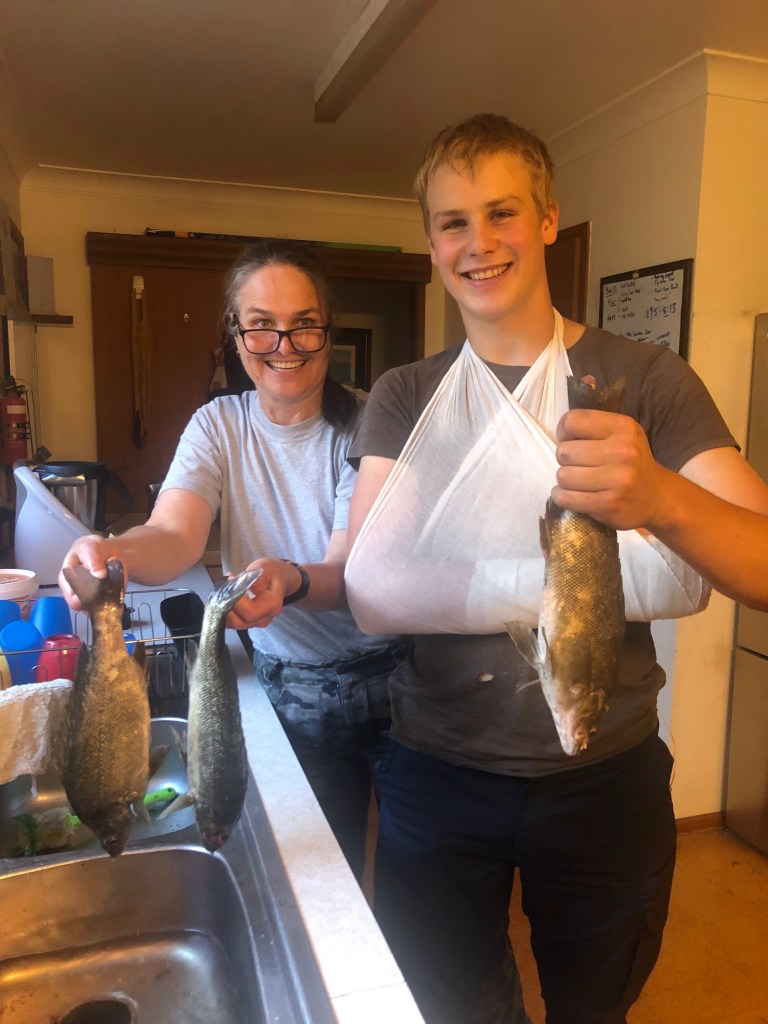
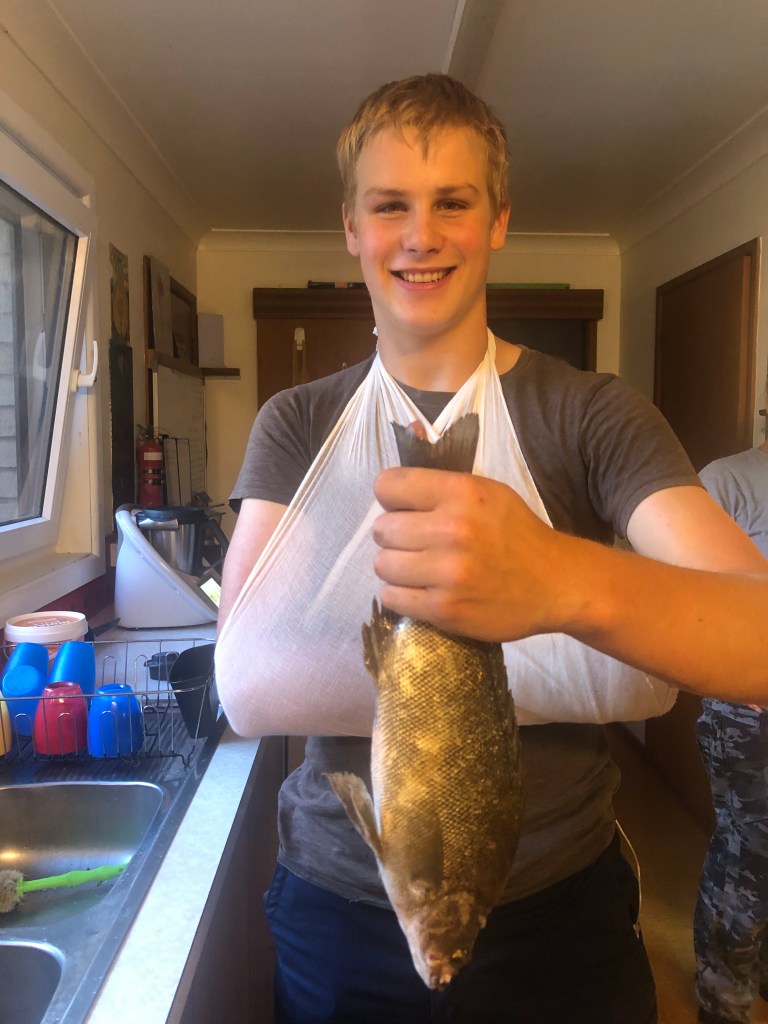
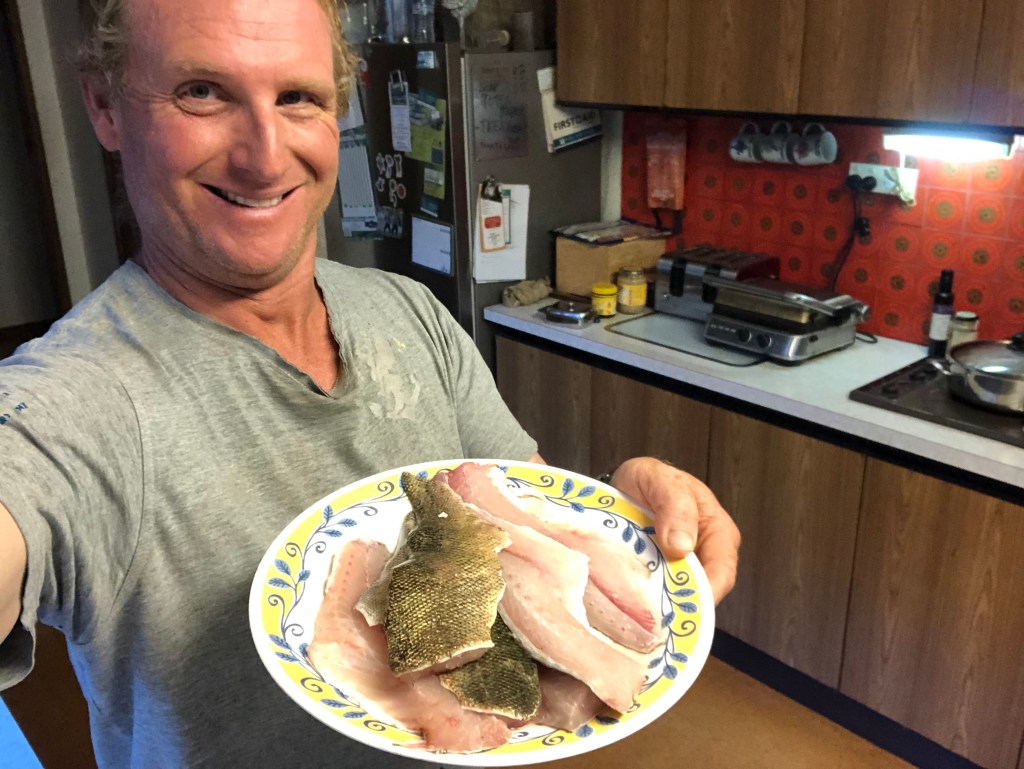
Perhaps the biggest surprise was what we found in our dam. After the crazy mountain-biker managed to crack a finger, he was laid up at home causing as much frustration to himself as the rest of us. In an effort to save all our sanity, I suggested he might try to see if the Silver Perch we had released in the dam as fingerlings in November 2021 had grown (https://rockfarming.com/2021/11/25/making-the-most-of-the-season/). The short answer is they certainly had. After about ten minutes with a rod using nothing but some bread as bait, he returned with three handy sized fish, which we enjoyed for dinner.
It is great to feel the evenings start to cool down, with the last throw of summer upon us. It is time now to start weaning the calves and get the farm ready for winter. There is lots going on, but that is half the adventure!
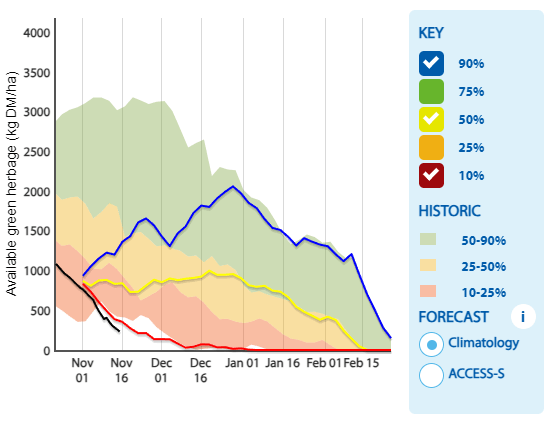
It is amazing how quickly the dry times have returned, with a blistering hot and dry end to spring. The rain literally just stopped coming, and the ground has dried out quickly. The wild oats and barley grass have all set seed, and the landscape is taking on the sunburnt brown hues loved by Dorothea Mackellar. The nearby soil moisture probes at Gunning and Murrumbateman both show a very dry soil profile, with available herbage below the lowest 10th percentile, and based on the graphs, it is unlikely to improve before autumn.
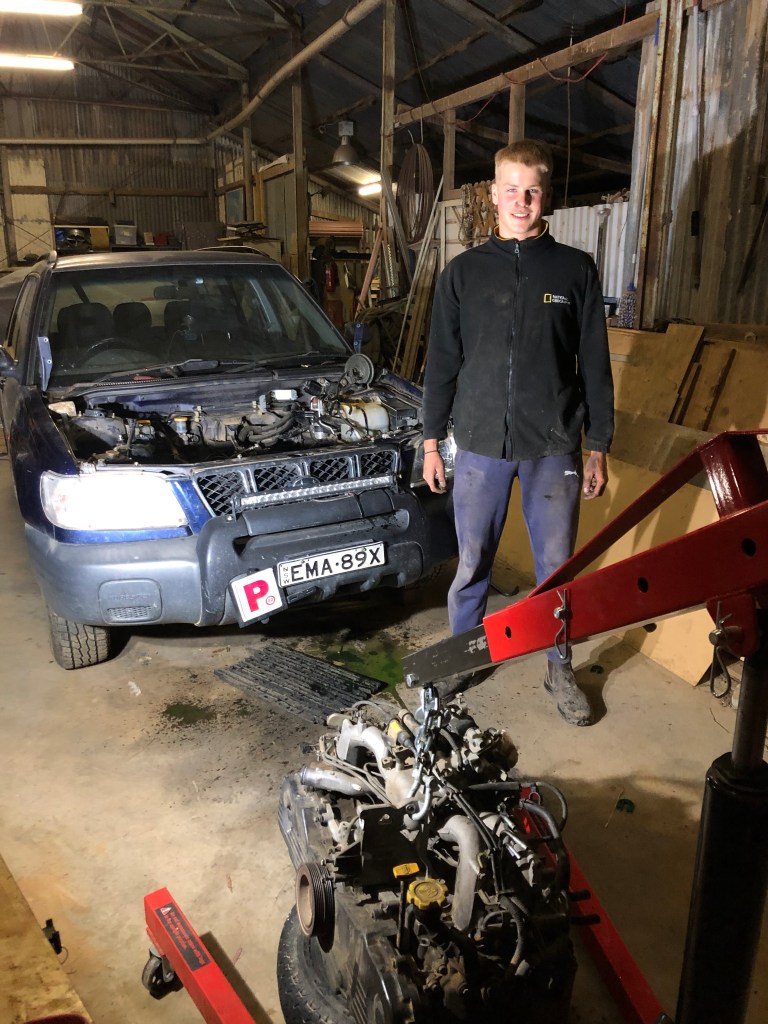
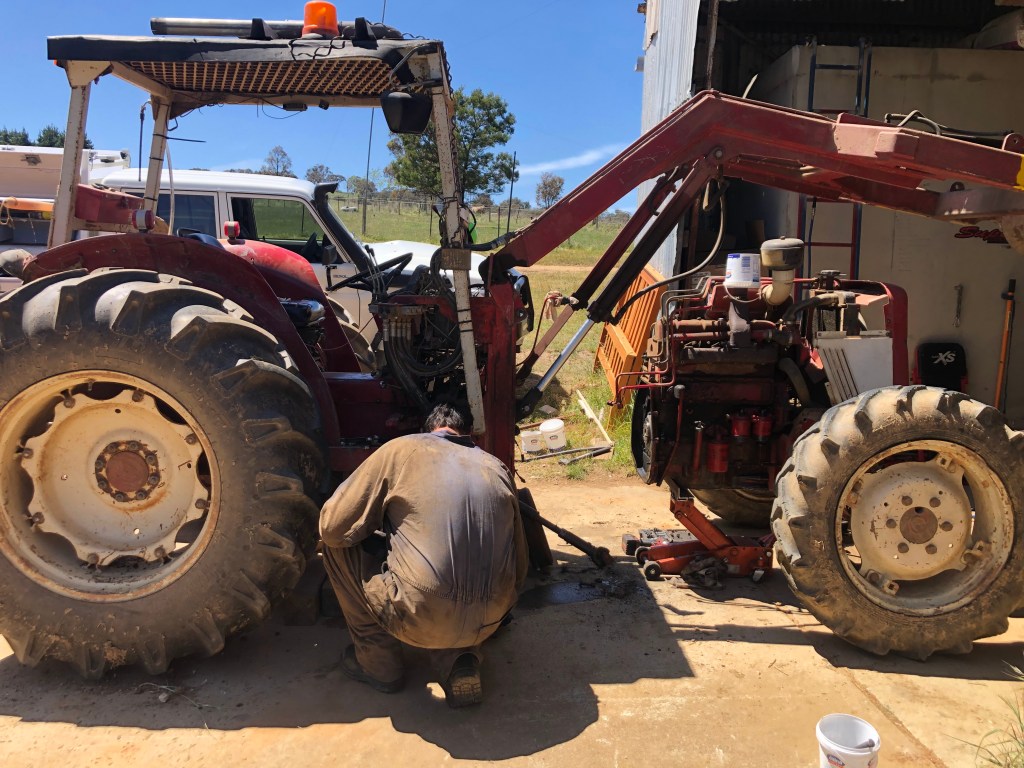
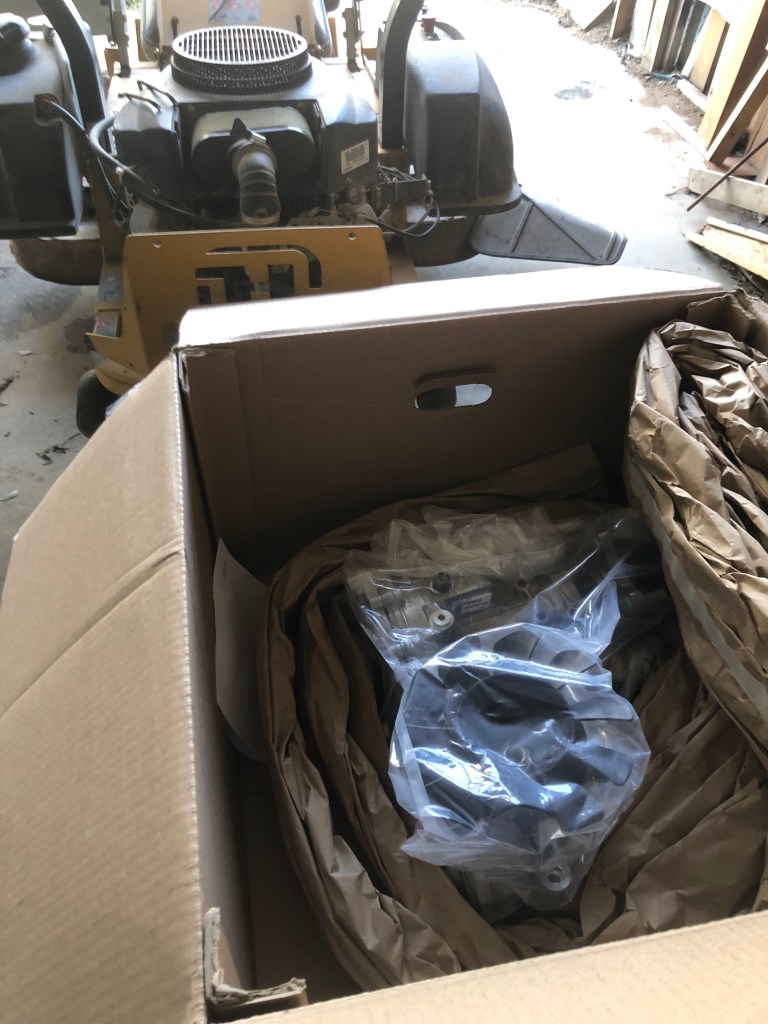
The dry has some advantages, and I have been able to get on top of a few of the mechanical issues we faced a few weeks ago (https://rockfarming.com/2023/10/05/fencing-malfunctions-fires-and-family/). The mower’s transmission units arrived in record time, and in no time I had it back on task knocking the daisy heads off. Local mechanic Dan installed a new clutch in the tractor (so glad he was able to fit me in and get the tractor back on the road in a couple of days). We put a new radiator in the big red truck Myrtle (someone wants to go to his school formal in a certain red, two door Mercedes-Benz) and the same certain someone has managed to replace the head gaskets in his little Subaru, install a new clutch and put the engine back in his car successfully! Talk about a handy run!
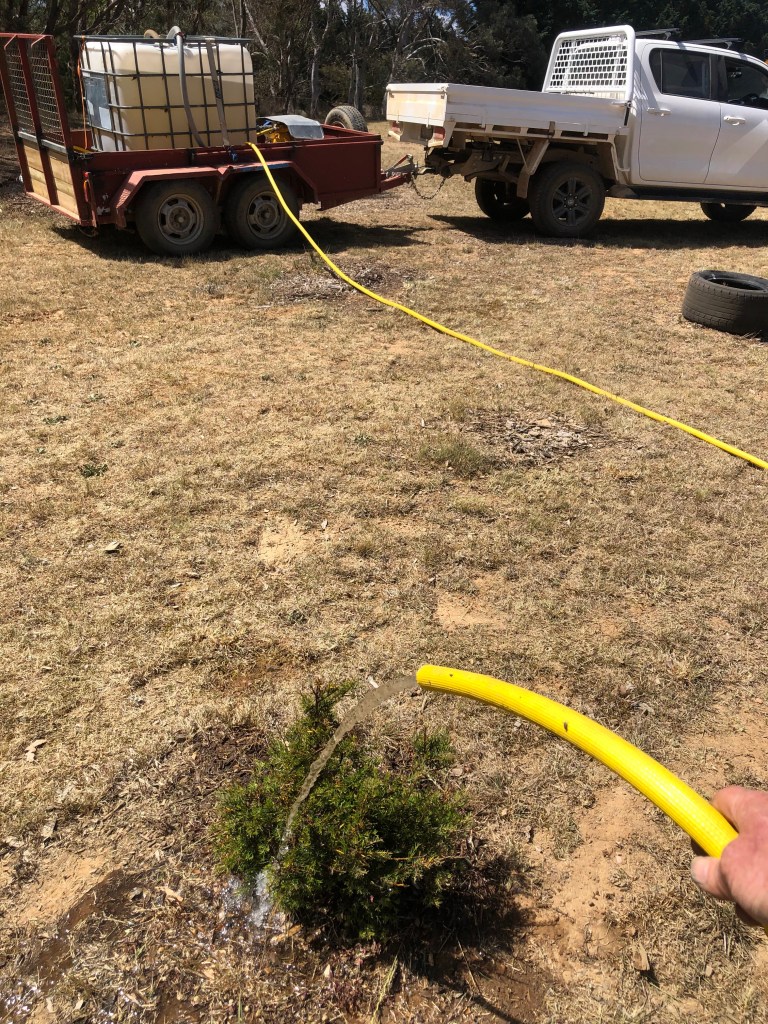
But the dry has also created a couple of other new jobs we need to pay attention to. We have started watering our young trees again – something we haven’t done since January 2020. The old re-purposed horse float is perfectly suited to its new task with the IBC container and fire pump.
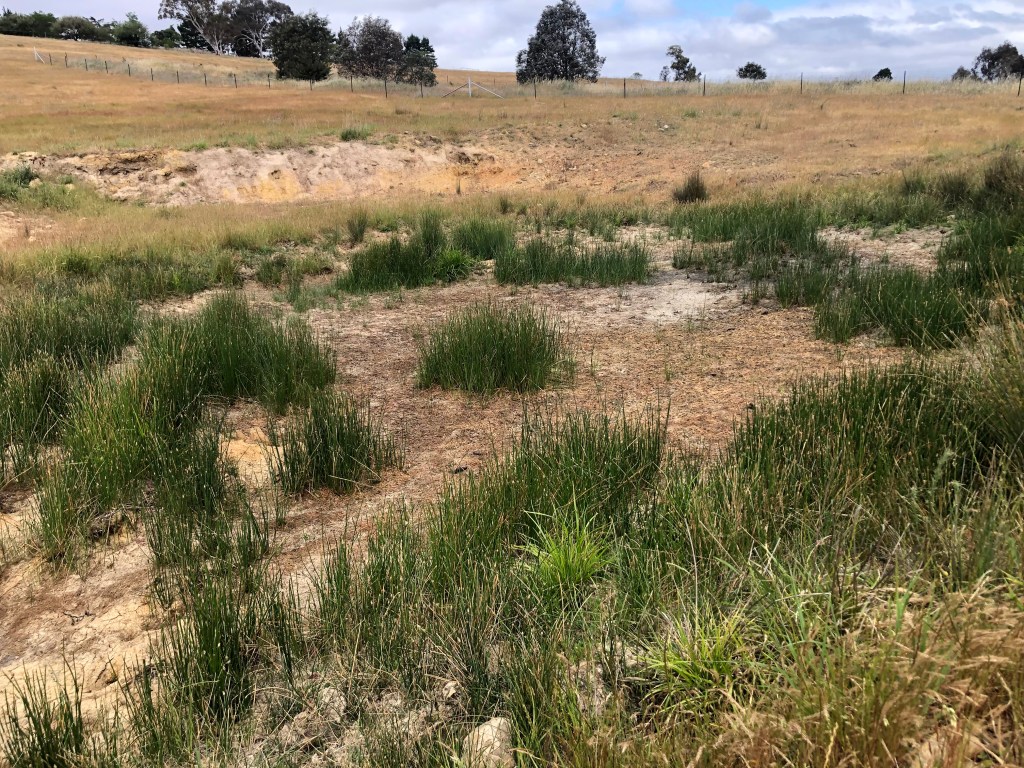
The other main job I have managed to get ticked off is cleaning out one of our small paddock dams. Most of the Rock Farm’s paddocks are watered via troughs, meaning daily inspections of water points are a necessity. Our main large dam is close to our creek which floods, and can take out our flood gates. This means I have nowhere I can leave the cattle for more than a day or two without someone being around to check on them. By cleaning this dam up, hopefully it will hold a little more water a little longer, meaning I have a paddock we can leave the cattle in for up to a week or so at a time, reducing the burden on our neighbours or my parents should we ask for someone to ‘keep an eye on the place’ while we take a break.
Lou and his little digger spent most of the day and made have hopefully our little dam a lot more useful!
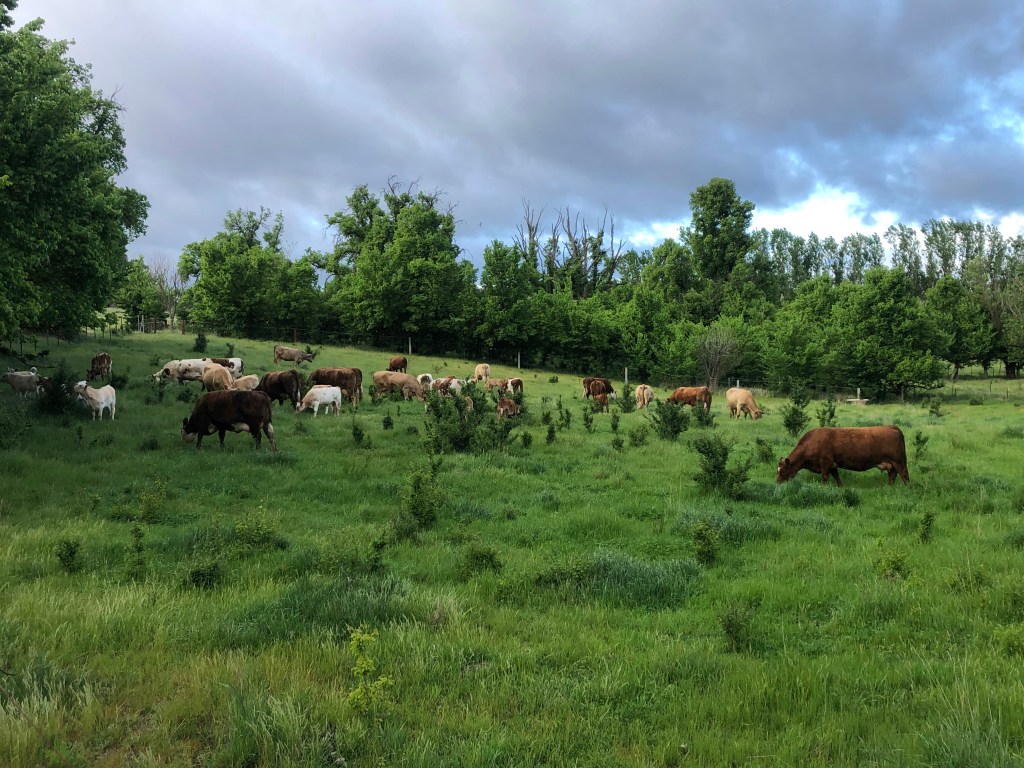
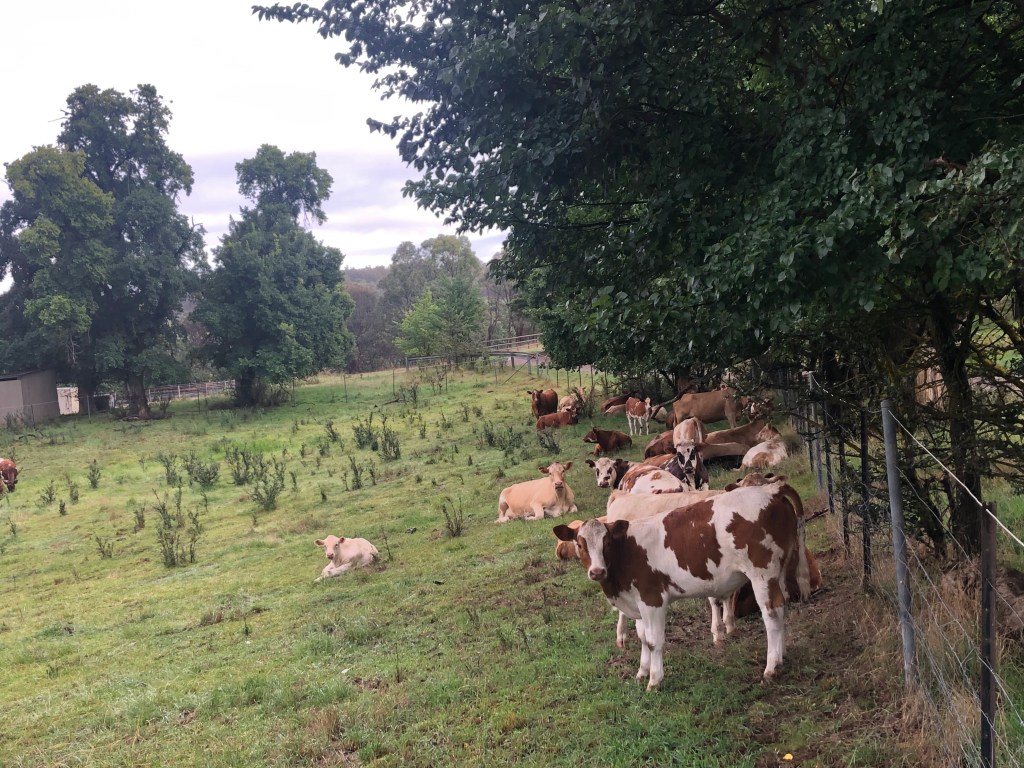
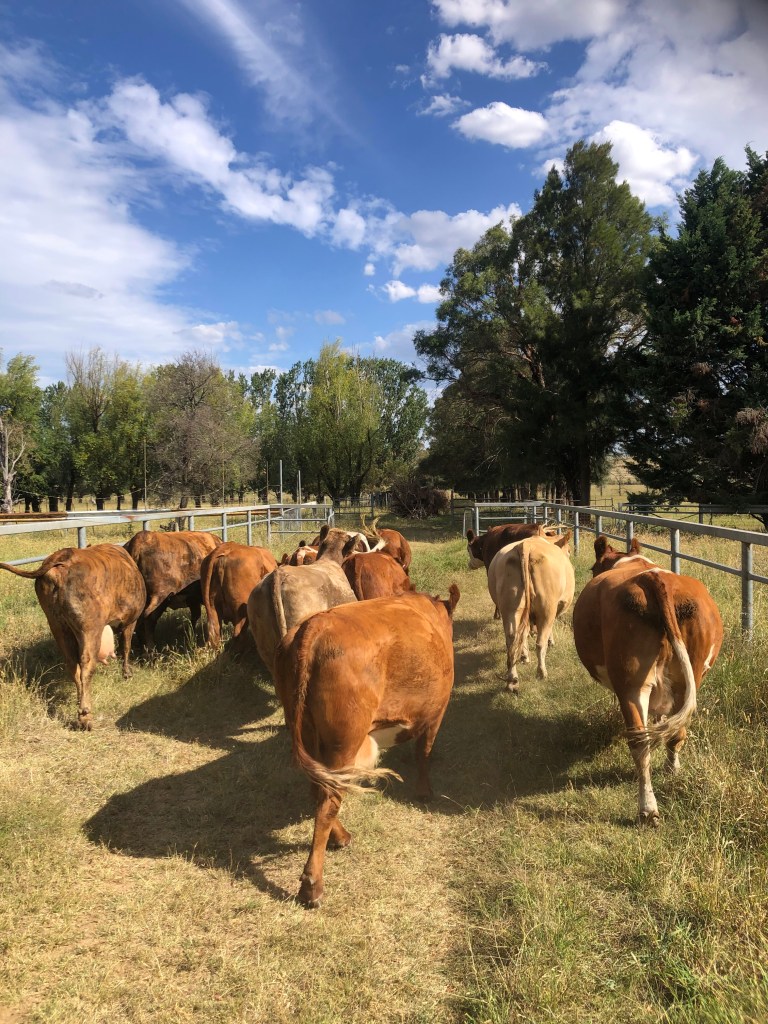
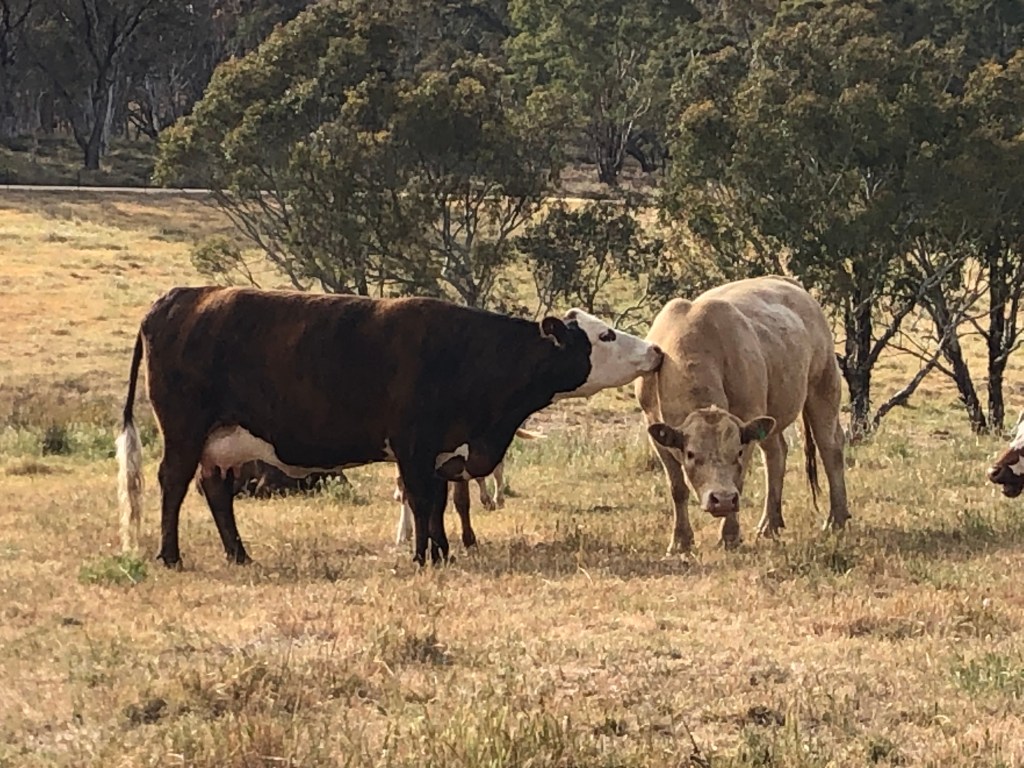
Around all these comings and goings, the cattle have steadily munched their way through the standing grass. It has been a bit of a handful running them in two herds, with the bull settling in quickly with his girls in the joining herd.
He is a lovely quiet fellow, and we will be sorry to see him return home in a few weeks as will Spectacle Sue it appears.
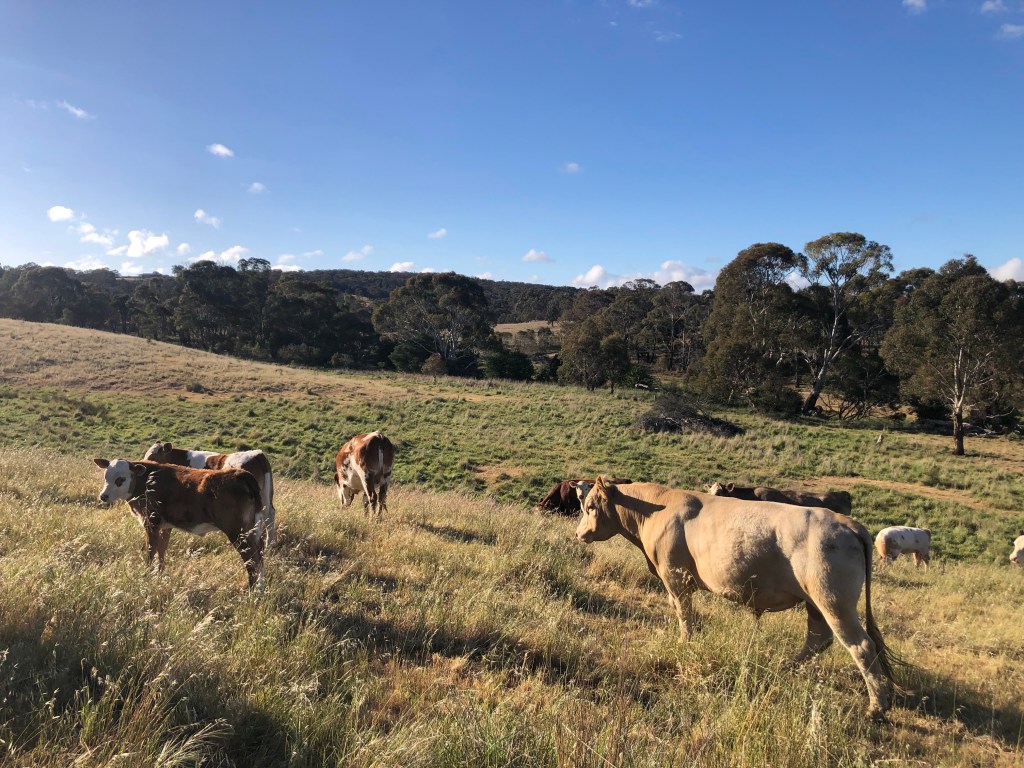
We have a good amount of standing feed at the moment which is keeping the cattle in good condition. Recent storms have missed our place, which is a mixed blessing. Storms may fill our newly cleaned dam and our dwindling water tanks, but they will degrade the quality of the standing grass on the Rock Farm.
Should we get a good couple of storms, we will be ok. We have a good store of hay in the shed, and now the tractor is back in working order, we have the means to move the large round hay bales (each weigh around 400-450kg) and supplementary feed the cattle when the time comes.
In the mean time, it is good fun hanging out with this bunch! Big shout out to Dan for his great work on the tractor, Lou for his awesome work on the dam, and Kathie for the loan of her mower whilst we waited for our parts to arrive! We are so lucky to live in such a great community 🙂
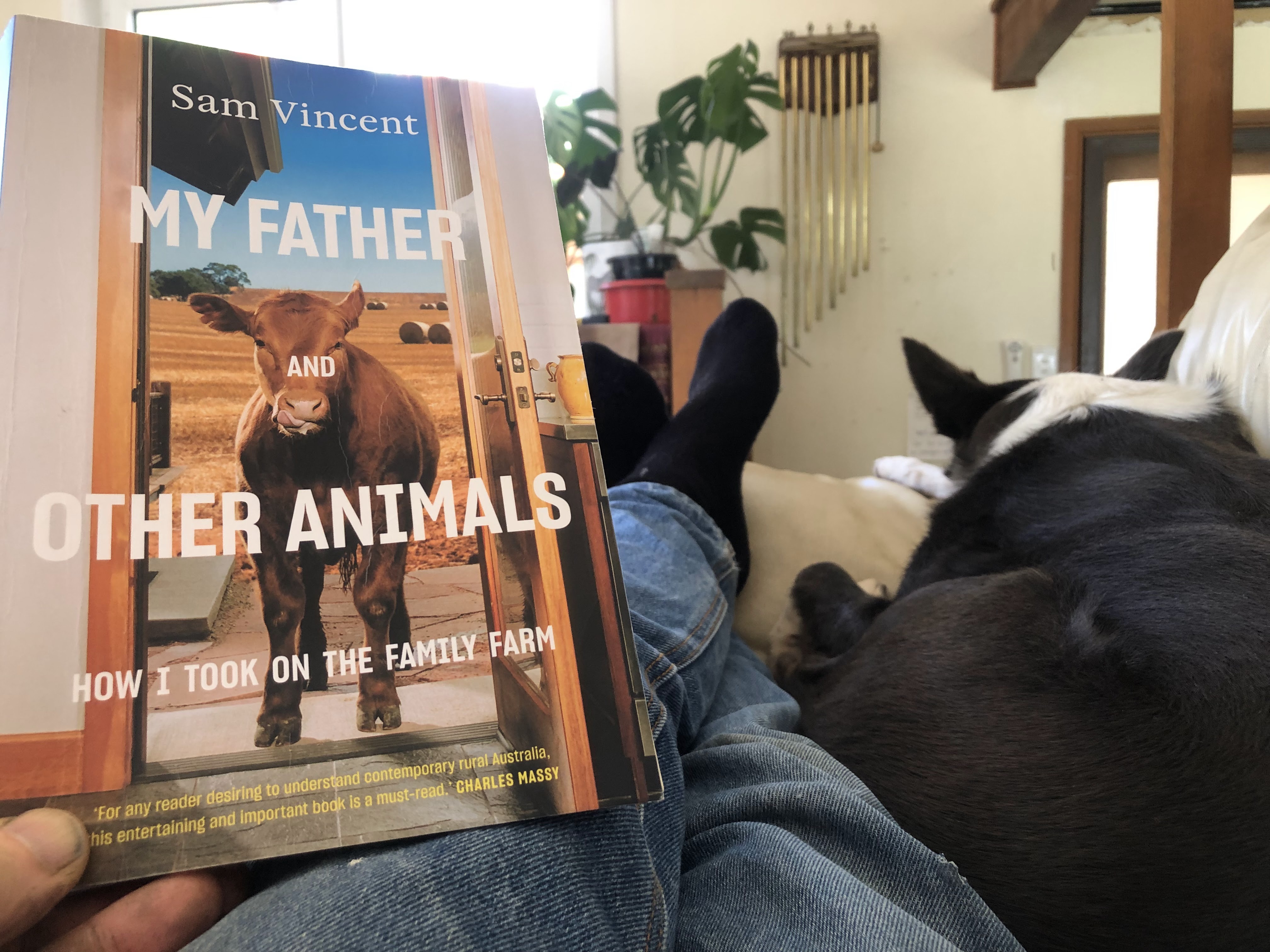
Over the summer, I had the great pleasure of reading Sam Vincent’s heart-warming memoir, My Father and Other Animals: How I took on the Family Farm. Sam, a twenty something millennial returned to the family farm to help his father who was becoming increasingly accident prone. Part apprenticeship, part journey, part discovery, Sam’s account of his time learning the rhythm of the farm is touching, hilarious and brutally honest. Of course I wasn’t the only one who enjoyed taking some time out of the heat of the day to turn some pages before nodding off!
Sam might have grown up on the farm Gollion, and his memories as a child recall a magical place with dams to swim in, trees to climb and gullies to explore. Returning as an adult, it is an entirely different proposition. Sam shares his apprenticeship building fences, managing livestock and growing fruit through the eyes of a total newbie. Sam relates how we gains a deeper connection to not only the farm but also his father,
Sam’s journey is far more than a book about his relationship with his father. Sam shares many of the challenges facing contemporary farming in Australia, especially the responsibility that a custodian bears. He shares some of his philosophies gleaned form his holistic management courses developed by Allan Savory, lessons from Peter Andrew’s Natural Sequence Farming and some of the ethical and moral issues facing small farmers like us in finding markets for respectfully grown and cared for livestock in a mechanised feedlot based industry. Many of these stories are shared through humourous anecdotes with his father as the unwitting star,.
Through our local Regenerative Land Managers Network and nearby Landcare group, not only did I have the opportunity to meet Sam, but also get a tour of his beautiful property Gollion late last year. Gollion is kind-of-famous in a way regenerative agriculturalists will understand. Charles Massey visited Gollion in 2016 after receiving an invitation from Sam’s father to address their local Landcare Group. Touring Gollion, Massey was impressed with a gully filled with rock that had formed a leaky weir. In the reeds growing in the pool of now-permanent water, Massey heard the call of a Reed Warbler bird, not seen (or heard) in the area for 130 years. Inspired, Massey concluded that the reed warbler could only be a talisman of a watercourse and landscape function on the path to regeneration – and named his seminal work “Call of the Reed Warbler” after this experience. I reviewed Massey’s amazing work last year: https://rockfarming.com/2021/05/05/book-review-call-of-the-reed-warbler-by-charles-massey/.
I connected with Sam’s book on so many levels. I felt many parallels with Sam’s experience growing up on Gollion as I felt growing up on Saltersgate, a small farm owned by my parents. Sam articulates many of the feelings I felt about the farm, however he is able to share them with a gentle humour that I cannot hope to posses. My father with his cattle and sheep, and my mother with her horses were inadvertently the main influence on my journey that led me to the Rock Farm after a career forged at sea. Sam’s is a beautiful story, and I loved every page.
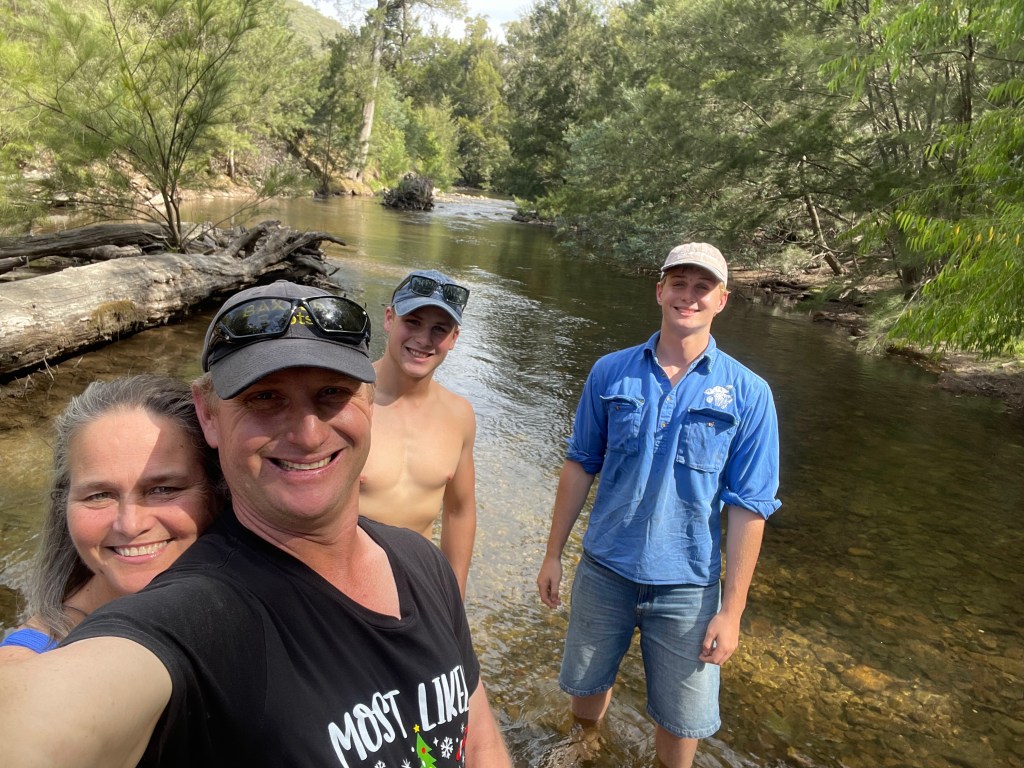
My Father and Other Animals has helped me reconsider how I encourage my boy’s to interact with the Rock Farm. Sam reminds me that the Rock Farm is not their dream, it is mine. Secretly I am happy my boys have already lived some of Sam’s apprenticeship. They have helped me build fences, mark lambs and calves and repair cantankerous farm machinery. But I am also glad that they have also made their own happy memories on the farm, exploring gullies, swimming in the dam, testing their courage on motorbikes and cuddling horses or cattle.
I cannot recommend My Father and Other Animals enough for anyone interested in pursuing a tree-change, or adopting regenerative practices. It is a book for anyone who cares about the future of Agriculture in the world. It is also a book about families and the special relationship between a father and his son.
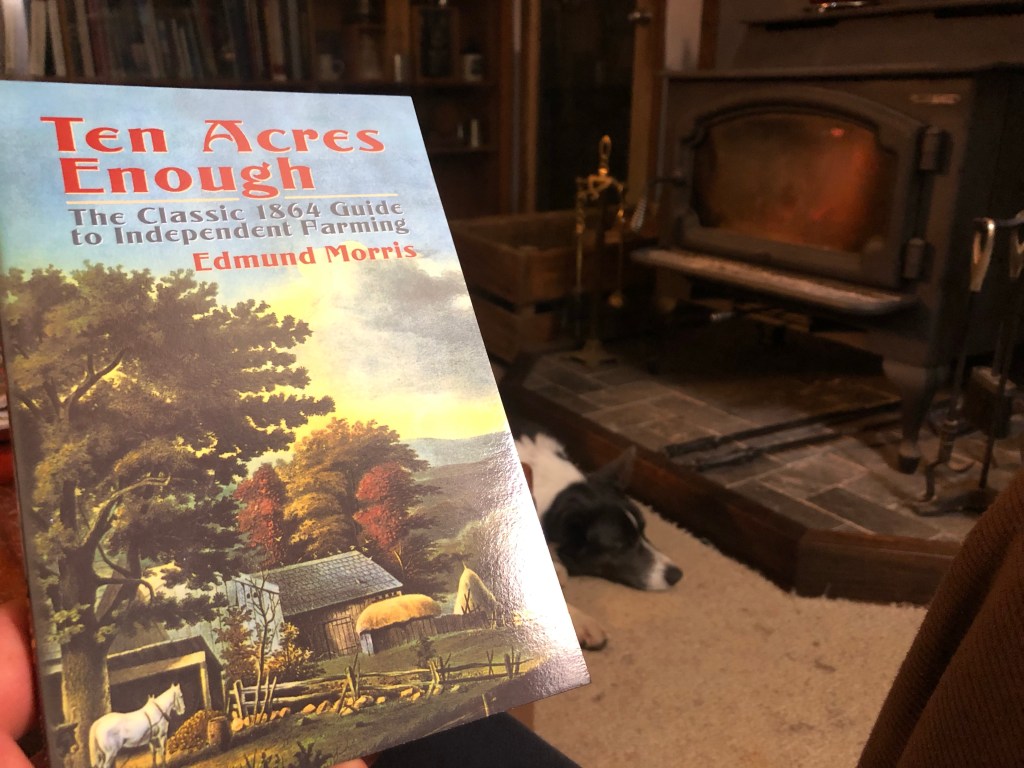
I suspect Edmund Morris never expected his little volume published in 1864 to remain in print and popular 150 years later.
On one read, it a delightful autobiographical account of how one family moved to the country and became financially secure. On the other, it is a well reasoned and explained approach to managing a small farm with diverse production whilst creating a healthy lifestyle, in an era before the use of chemicals.
Nothing better on a dreary winter night than to curl up in front of the fire… whilst my humans read books!
I see echoes of Morris’ approach to farming his ten acres in modern permaculture, regenerative agriculture and the homesteading movement. Indeed that is perhaps what makes it such an important work. Morris has inspired countless farmers over the years, who have found his account inspirational, and I see echoes of his work everywhere.
Morris opens the book by sharing with readers the reason he chose to leave city life, and also hints at the research he undertook prior to selling his business and purchasing ten acres in New York State. His wife and large family feature large in this account, especially their influence in the purchase of a milking cow, managing the vegetable garden and preservation of foods.
Morris carefully catalogues his expenses and income, including his initial outlay and capital expenditure. The location of the farm is important, as it needed to be near to a large city for a market for his produce. Morris’ farm, between Philadelphia and New York City also took advantage of the new railway, which meant he was able to deliver his fresh produce to consumers in under 24 hours.
What I found fascinating was how Morris was able to generate so much production on his small plot, with the land carefully tilled and vertically managed. His main production was an apricot orchid, but he also produced tomatoes, strawberries, blackberries and also ran a cow for fresh milk, some pigs and hens. Morris’ astute observation allowed him to recognise the importance of birds in management of weevils and other insect pests against the small losses to his orchids and other crops.
Here now were six acres of ground pretty well crowded up, at least on paper. But the strawberries would never grow higher than six inches, the raspberries would be kept down to three or four feet while the peaches would overtop all. Each would be certain to keep out of the other’s way. Then look at the succession. The strawberries would be in market first, the raspberries would follow, and then fthe peaches, for of the latter I had planted the earliest sorts, so that, unlike a farm devoted wholly to the raising of grain, which comes into market only once a year, I should have one cash-producing crop succeeding to another during most of the summer.
Morris and his large family obviously relished in the change of lifestyle to farming. However between the lines, his success is down to a lot of hard work. I am amazed at the physical labour required to create the profitable business of his farm, but that is through a 21st century lens full of labour saving innovations.
If you find the phraseology dated and difficult to follow, there are updated editions that have been edited to assist the reader in understanding the intent of the original work. I found the original text easy to follow, if a little quaint, but I think that adds to the charm of what is such a wonderful little book.
Morris’ work is especially relevant today as the movement back to chemical free farming methods continues to grow. It seems to me that we will not be learning new lessons in this process, rather we will be relearning old lessons. Morris gives a us a great resource for us to draw on. I can’t recommend it enough.
Recently many people have chosen to leave the cities and move to the country. The ‘tree change’ phenomenon is nothing new, and many people relish the new lifestyle and opportunities that come from moving to acreage. For some, it is returning to their roots, however for many it is a new experience living on acres. They quickly find that there is so much more to it than ‘buying a few sheep to keep the grass down’. It can feel confusing and overwhelming, but it is great to know that there is support available for newbies.
The most important thing to understand is your ‘why?’. If you are able to understand why you want to live on acres and what you want to achieve on your block, then you are half way there.
If you haven’t yet made the decision to move out to acres, you may like my previous posts about some of the benefits and drawbacks of living on a hobby farm. Whilst my kids have grown since these posts, the issues haven’t changed – except perhaps fuel now takes up an even larger part of our budget. If you have already moved to acres, you may find some of the following information useful.
Firstly there is nothing wrong with being a total newbie. Nearly all of us have been there, and can remember how it felt the first time we realised that small farms doesn’t necessarily mean small problems…
What support is available?
Neighbours are a great source of information. They may have years of experience living in the area, or may be newbies like you. If you’re able to establish and maintain good relationships with your neighbours, it will help you feel comfortable in your new home – especially in times of crisis. It is worth investing in building this relationship – and you might find you share ideas, knowledge, labour, equipment and friendship.
Local Land Services is a NSW government agency, funded through landholder’s rates. Their aim is to help people make better decisions about the land they manage, to ensure profitable and sustainable rural and regional communities. I have found them to be a wealth of knowledge, with some great resources available online and through workshops. The LLS information is easy to digest and applicable for the largest landowners down to small hobby farms. (Edit: A great guide specifically for small land owners that I found particularly useful is the Rural Living Handbook available here: https://www.lls.nsw.gov.au/__data/assets/pdf_file/0007/1147804/Rural-Living-Handbook-2020.pdf)
Specifically the LLS provide help and advice dealing with:
Livestock health and production
Biosecurity
Pests, weeds and diseases
Emergencies such as natural disasters
Native vegetation
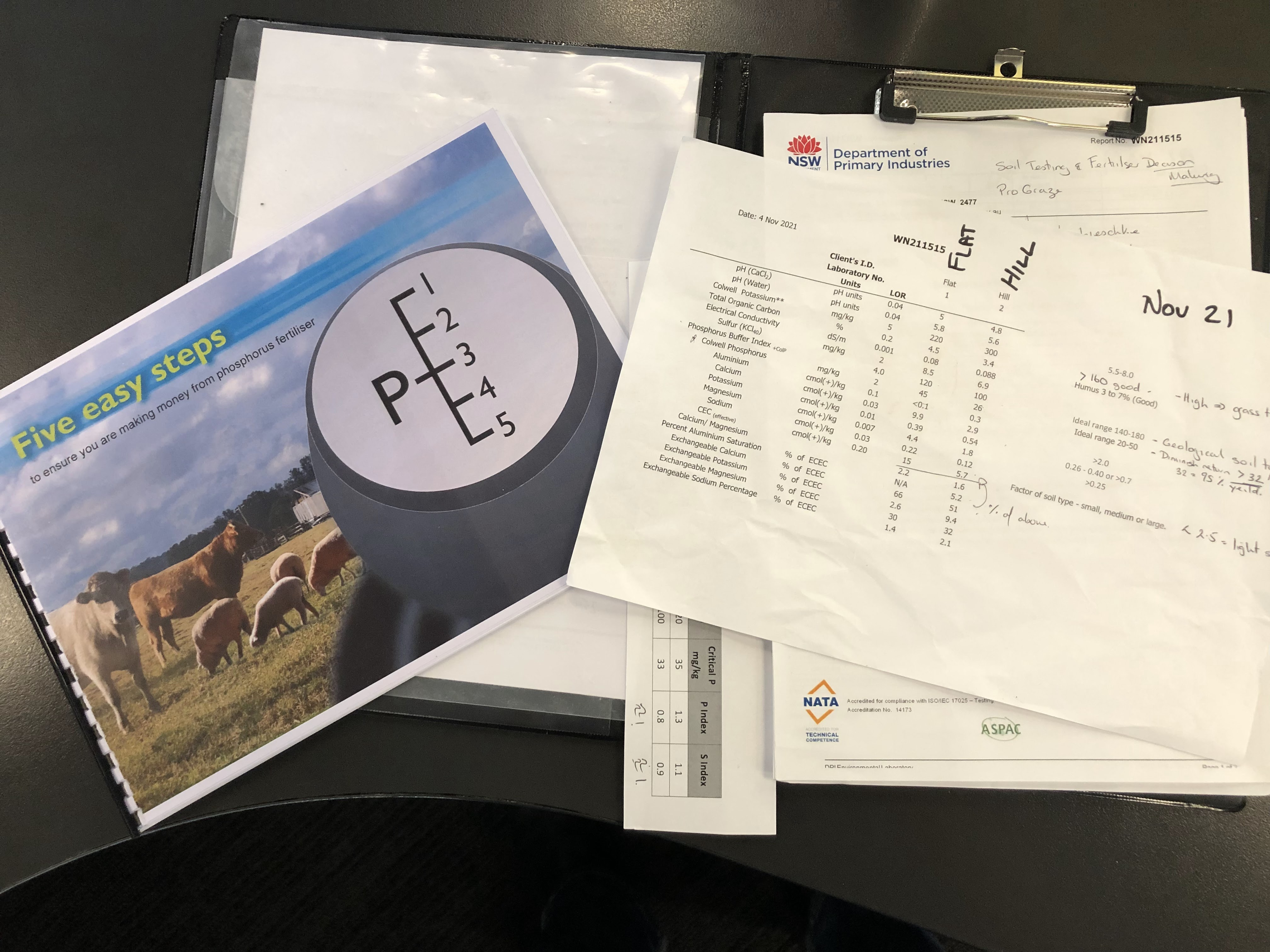
Each LLS region publish a quarterly newsletter with relevant local information and workshops. Through a LLS program, I arranged for free soil tests, and am currently half way through a two day workshop on how to interpret my soil test results and what they mean.
Small Farm Networksis a network of small farm landowners and provides advice and support for people who live on or manage rural and -peri-urban land for primary production, biodiversity or lifestyle goals. They host a number of really useful workshops and webinars, from preparing your property for bushfire threat, to grass identification field days. What I really like about their program is that it particularly relevant for people like us who only have small herds of animals. I also find they host some really innovative and interesting guests. A lot of the presentations are now held online via zoom, and this flexibility has allowed me to attend far more meetings that I could previously.
Another great community organisation is Landcare. Landcare aims to demonstrate best practices that improve soil and water health whilst maintaining of increasing biodiversity. There are many local groups around Australia who can provide advise and support. Our local chapter hosts regular meetings dealing with topics ranging from invasive weeds to salinity. I have always found the guest speakers informative and engaging.
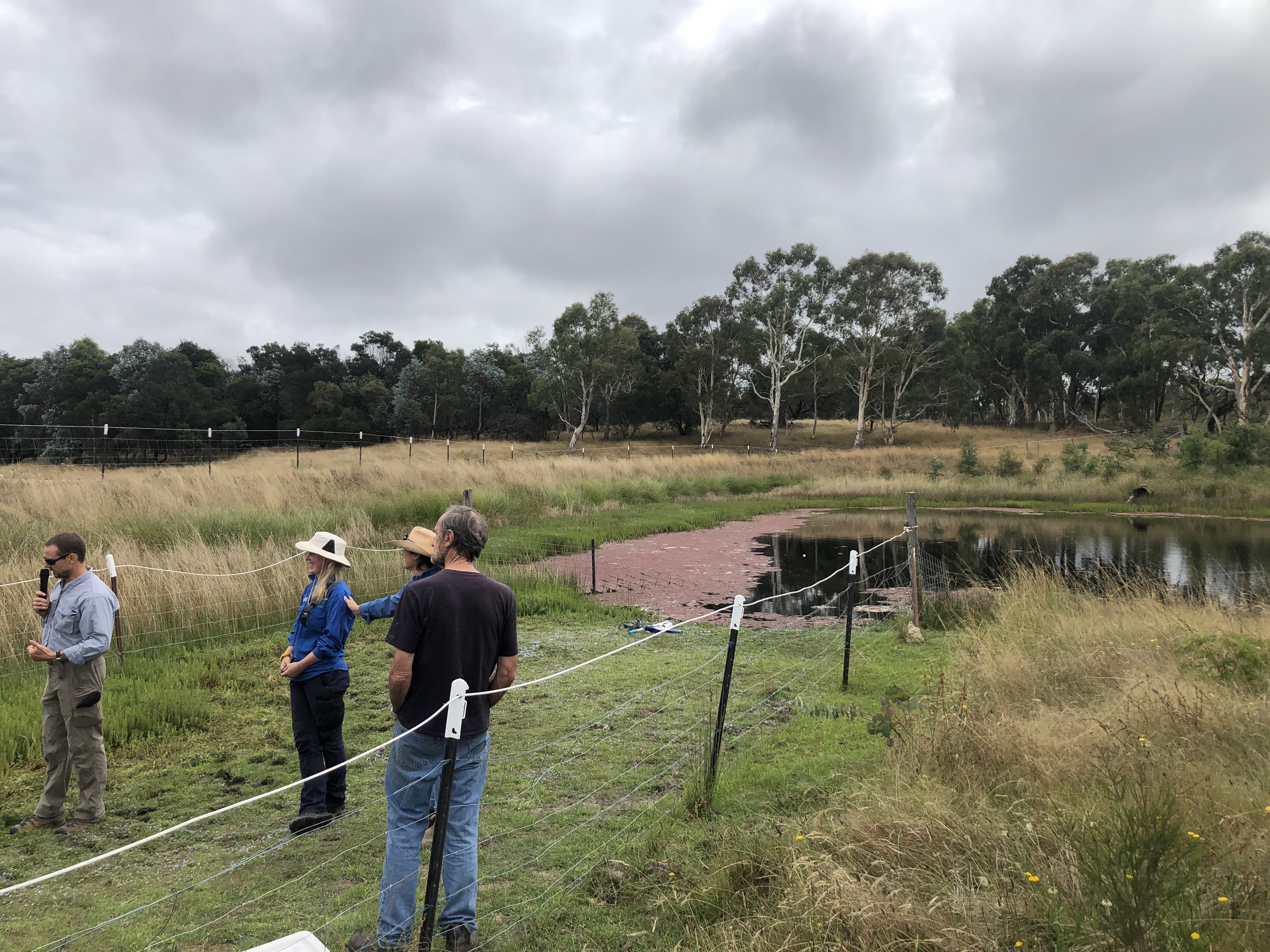
Sustainable Farms is an initiative of the Australian National University (ANU). This organisation employs a team of ecologists who conduct long-term biodiversity surveys on farms to understand the role of natural assets. I recently attended a field day about enhancing farm dams for biodiversity and water quality outcomes near Goulburn. Hosted by Landcare in conjunction with Sustainable Farms I found the day inspiring, with practical solutions that improve outcomes for farm production and biodiversity outcomes.
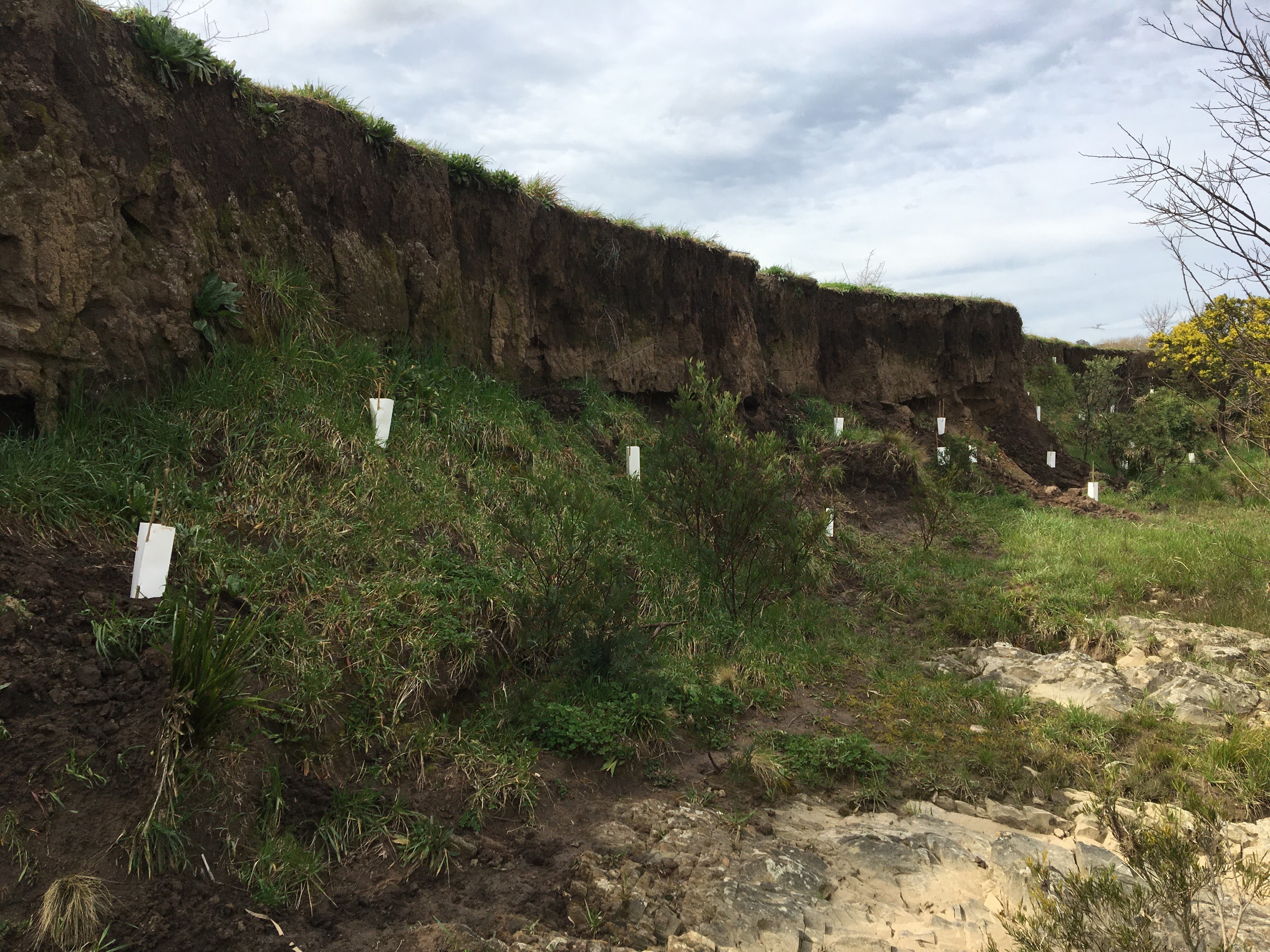
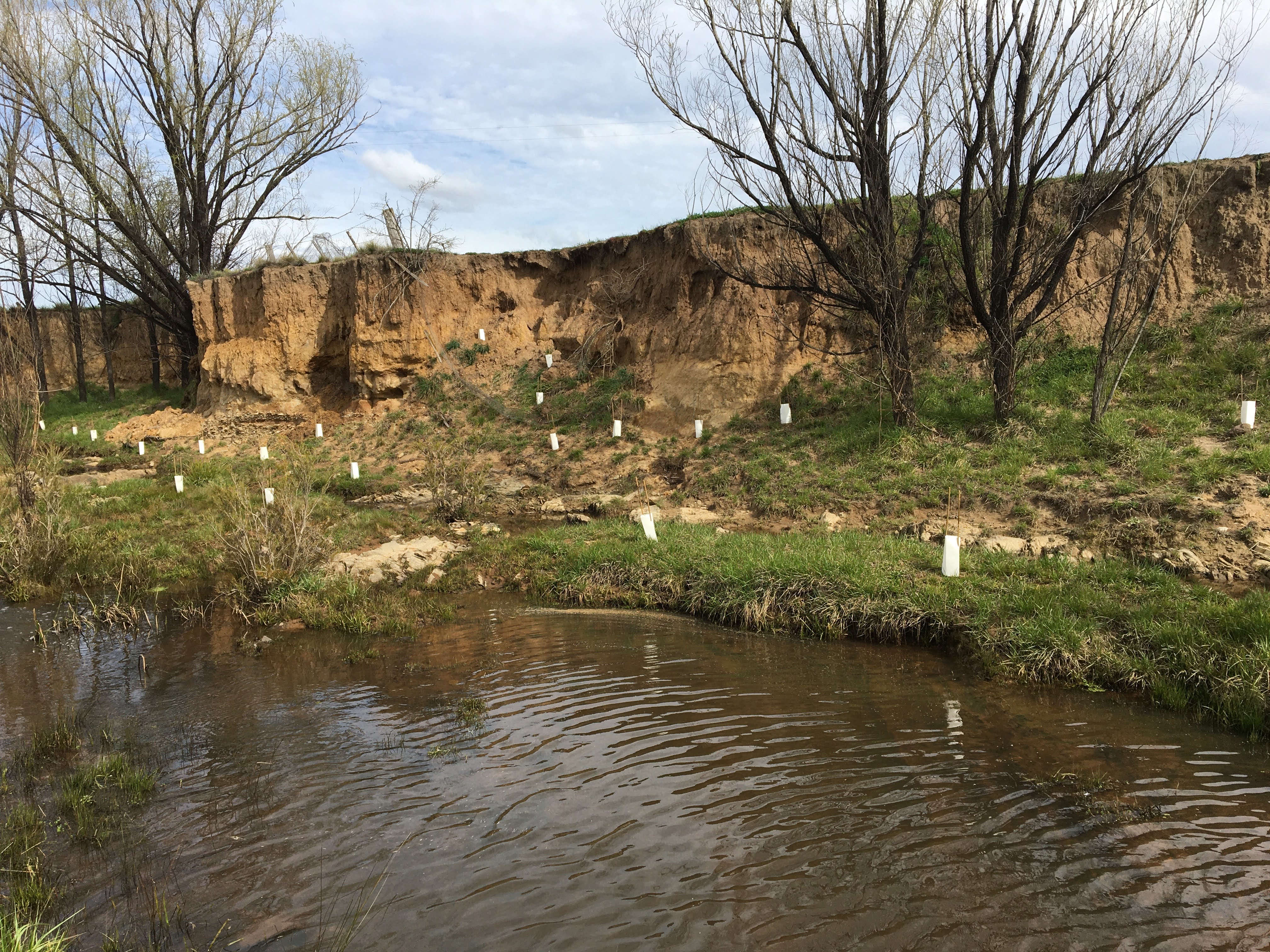
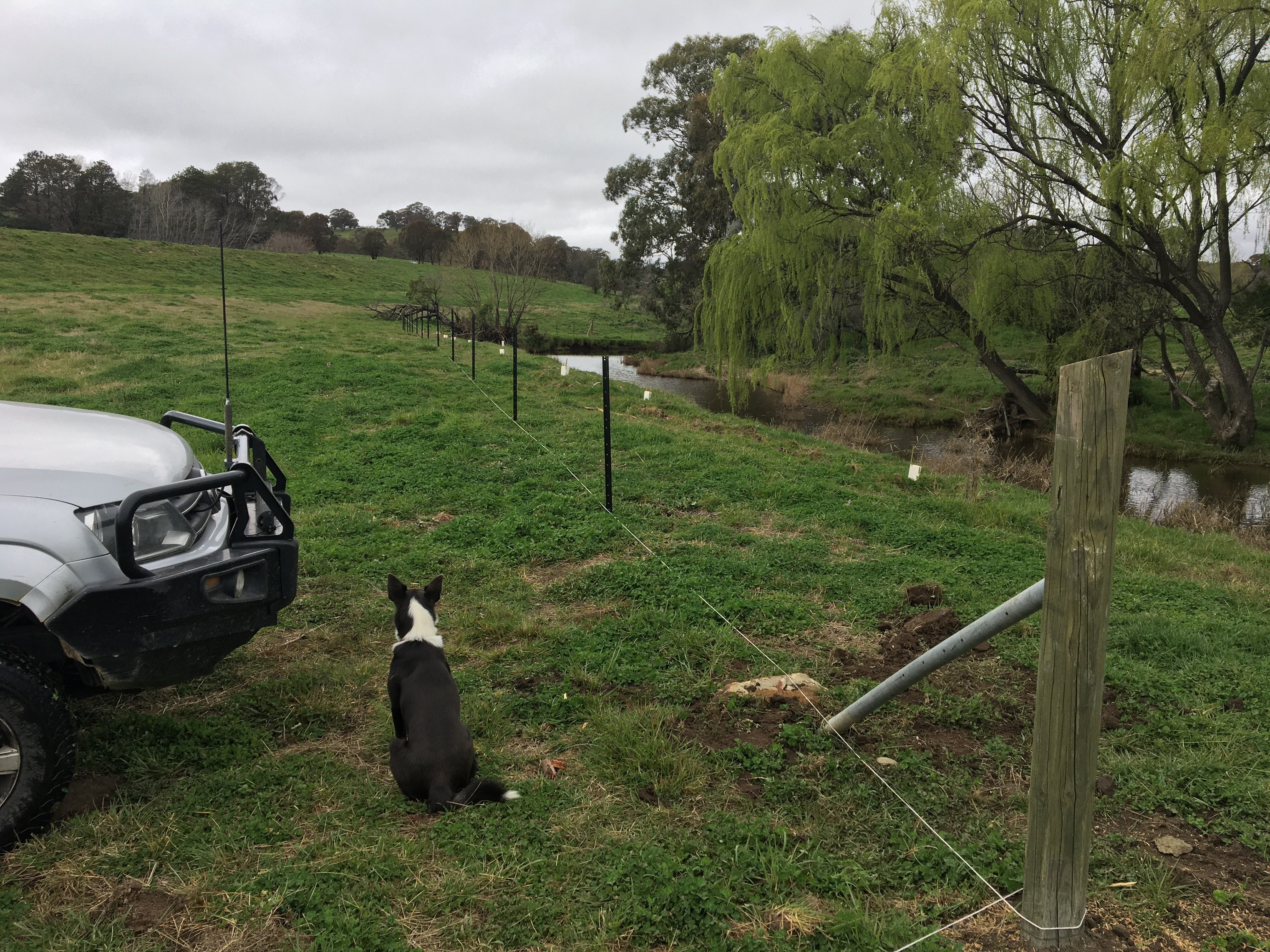
Greening Australia is a non for profit organisation committed to restoring Australia’s diverse landscapes and protecting biodiversity and ways that benefit communities, economies and nature. We have found them to be extremely supportive of our attempts to improve biodiversity outcomes through various programs, most recently with the donation of tube-stock to stabilise our creek banks and improve water quality – see my post here.
Each town or village has a range of other community groups and associations. Our village has a population of just over 1000 people in the 2016 census, however proudly supports over 30 community groups. From the Film Society that screens movies monthly in the village hall, to the Men’s Shed, Historical Society and various sporting teams, each group represents an opportunity to meet other people in the area. We are exceptionally proud of our community, but I know our village is not unique. All across Australia each town and village has networks of people who are proud of their community and the people in it. Being involved in these groups encourages me to associate with people from different walks of life. Their perspectives provide a fresh lens to view my situation and I welcome the new ideas.
One group that has developed is an informal group of around 50 landowners in our area interested in Regenerative Land Management. Social media allows us to share ideas and organise visits at each other’s properties. We were humbled to host the group recently at the Rock Farm. We had some great conversations and this has led to us harnessing some other skill sets within to group to help us develop farm plans.
What I have learnt is that some of the best ideas come from people who are unshackled by convention and follow their passion. By reaching out to as many groups as you can, you will find the support you need to help you achieve your goals. Don’t be afraid to ask lots of questions. Take what resonates with your ‘why’. It is a glorious wonderful journey and you won’t regret it for a moment.


 rockfarming