Spring on the Rock Farm: A Seasonal Transformation

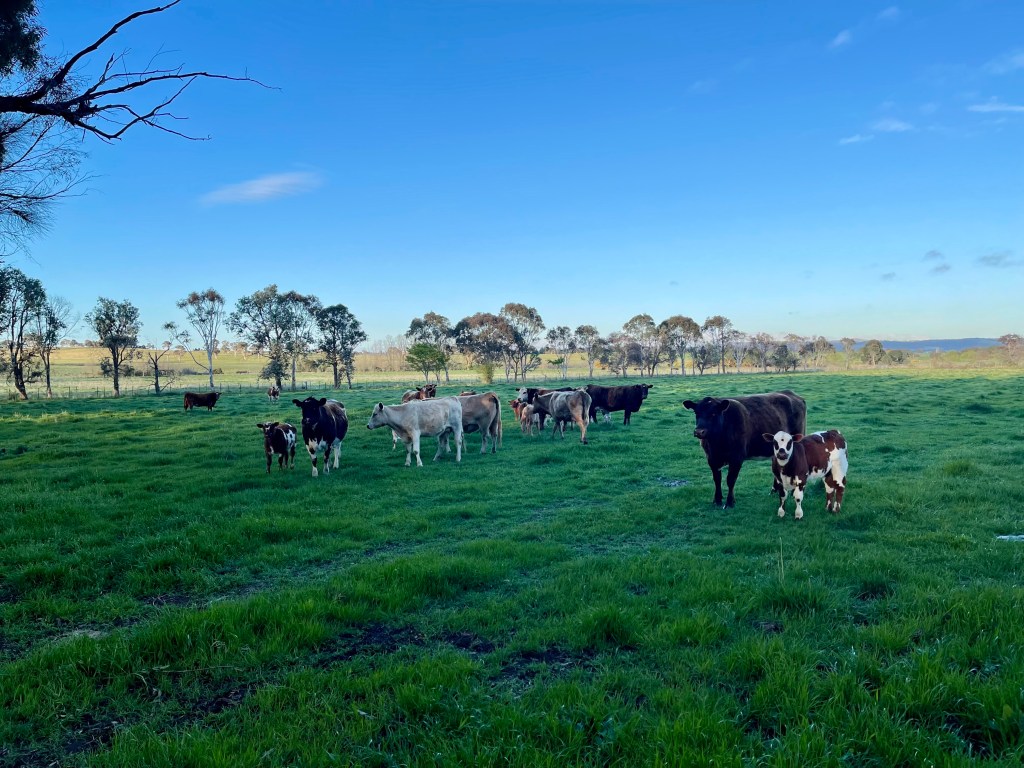
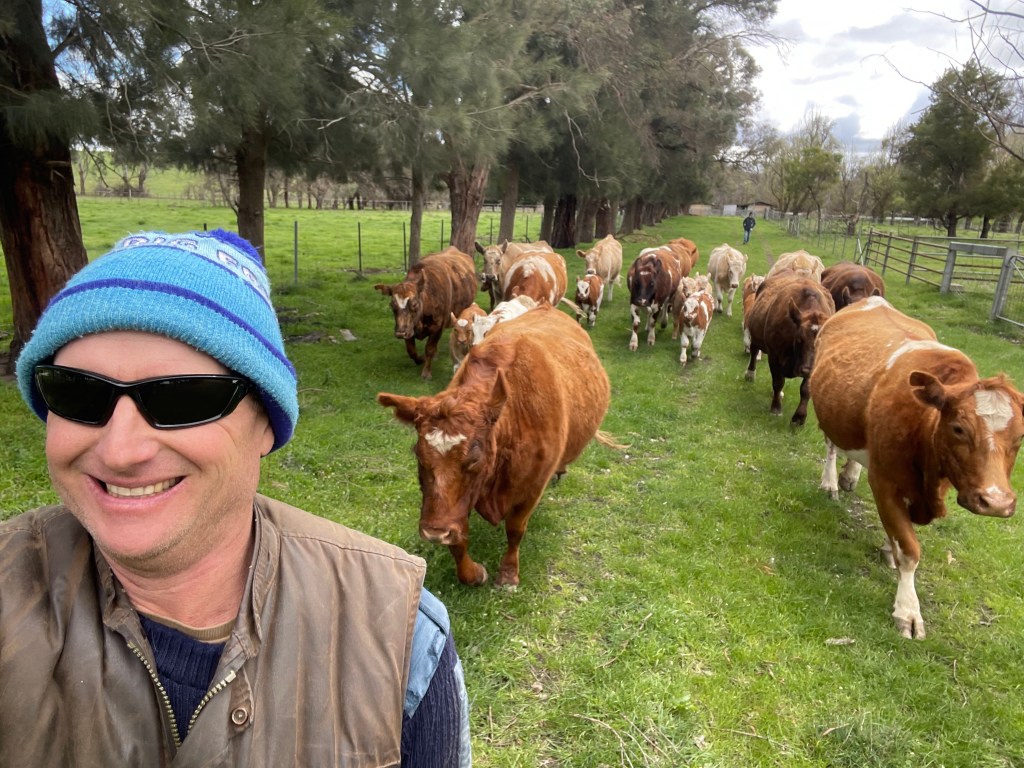
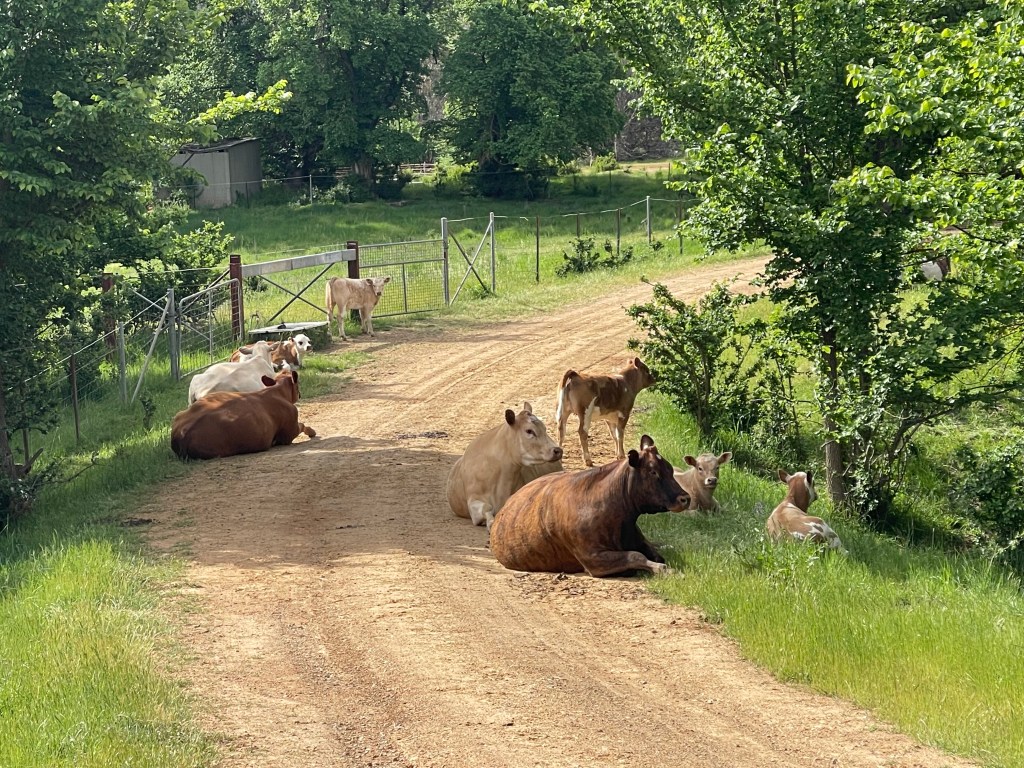
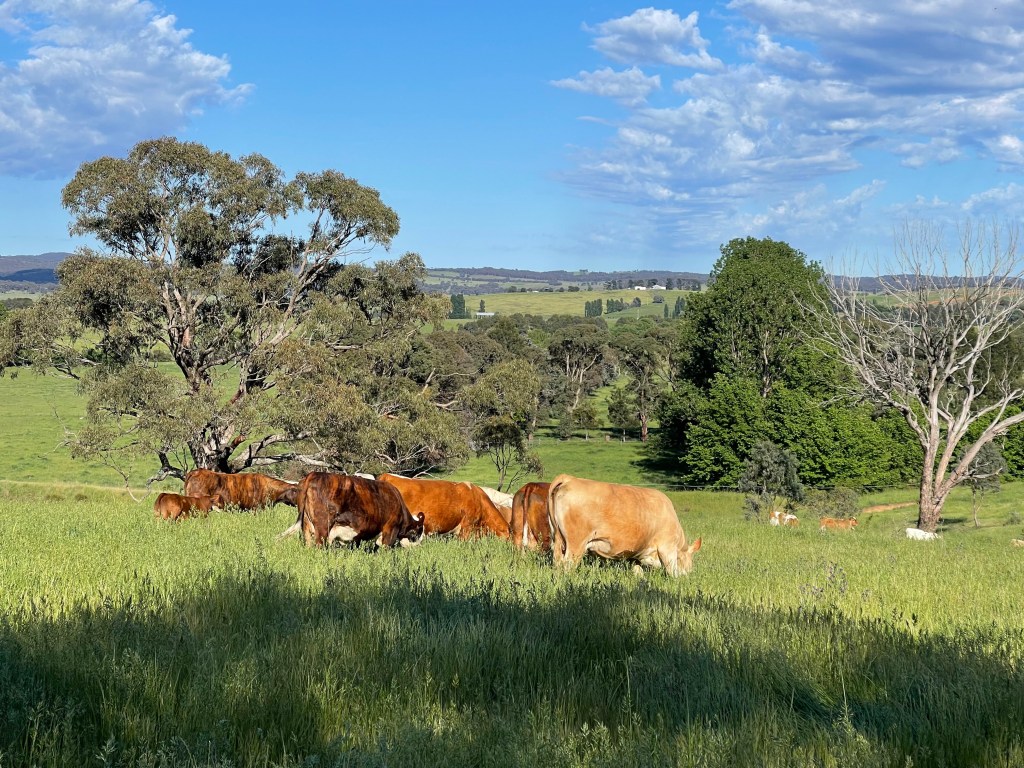
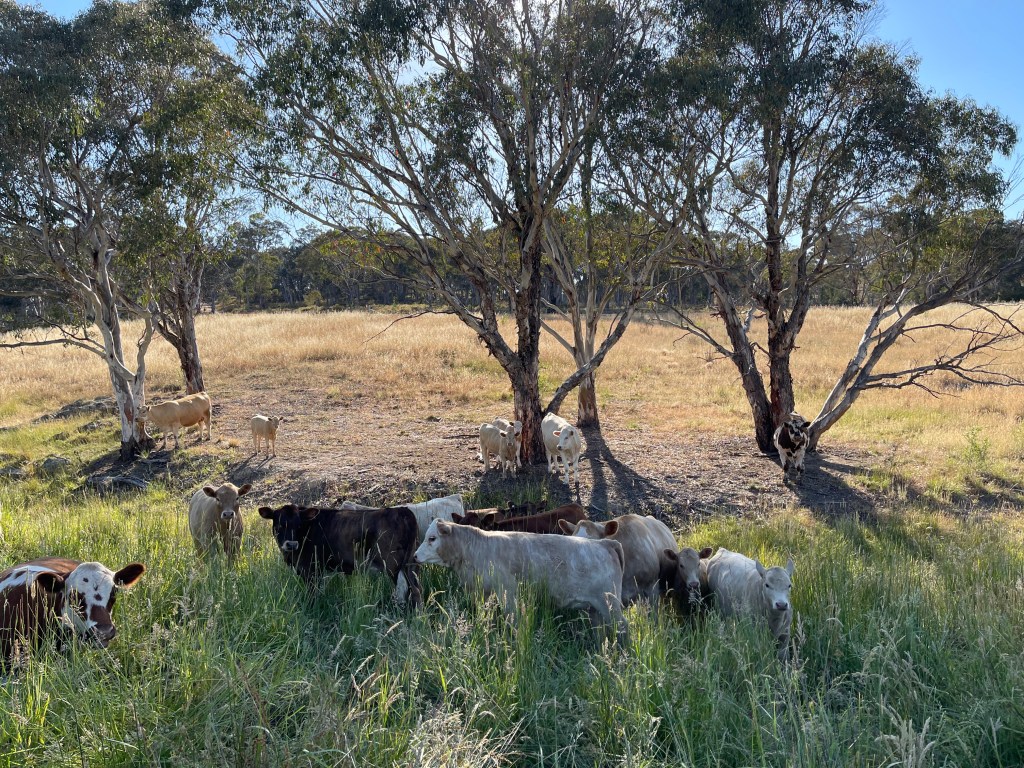
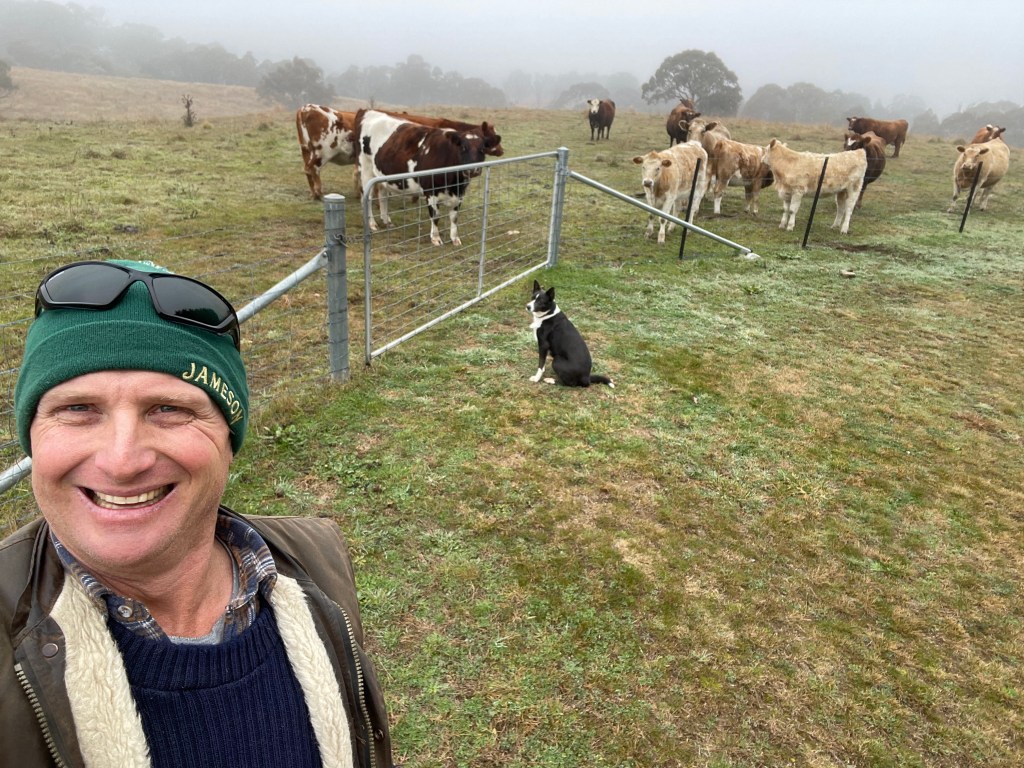
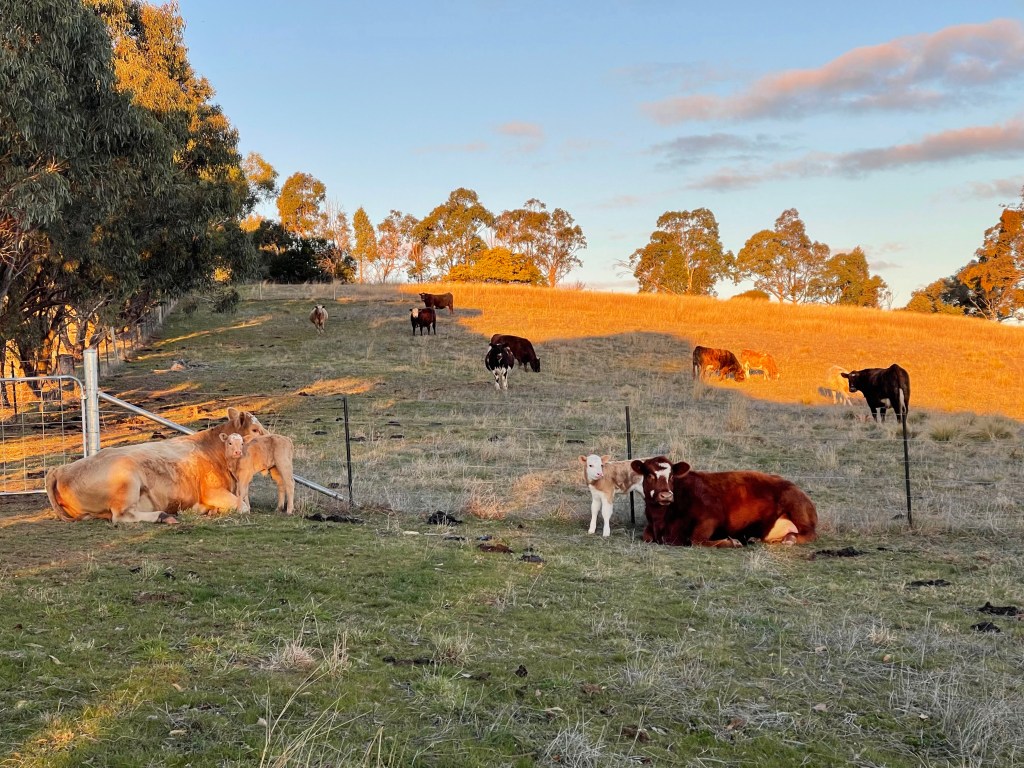
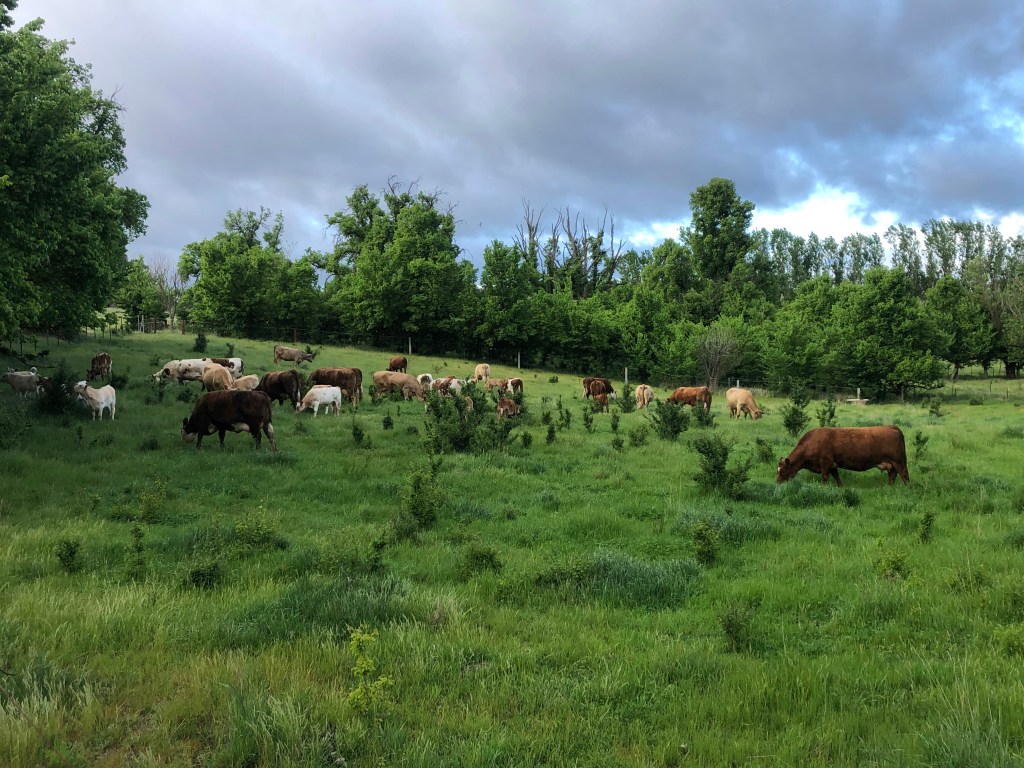
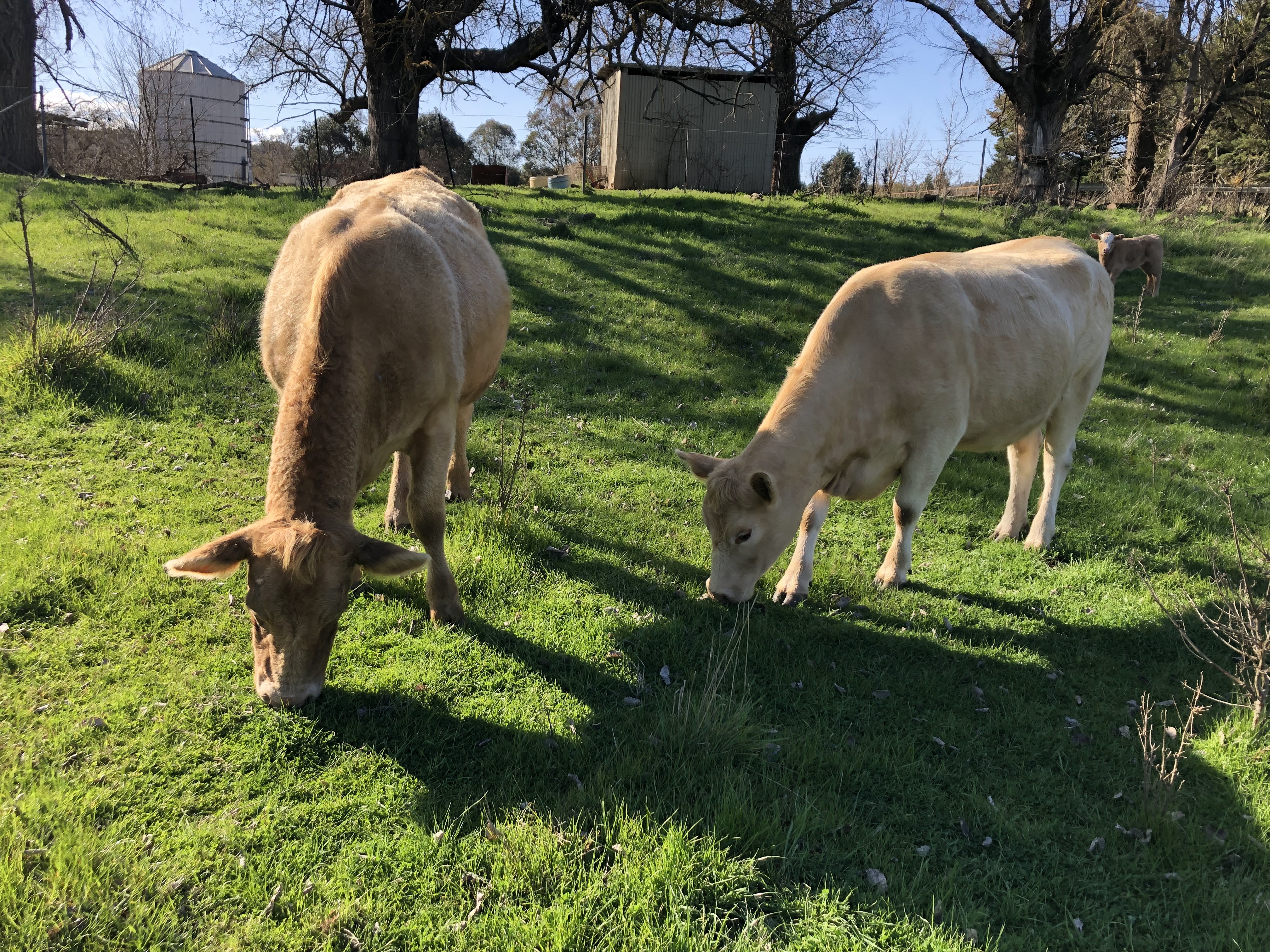
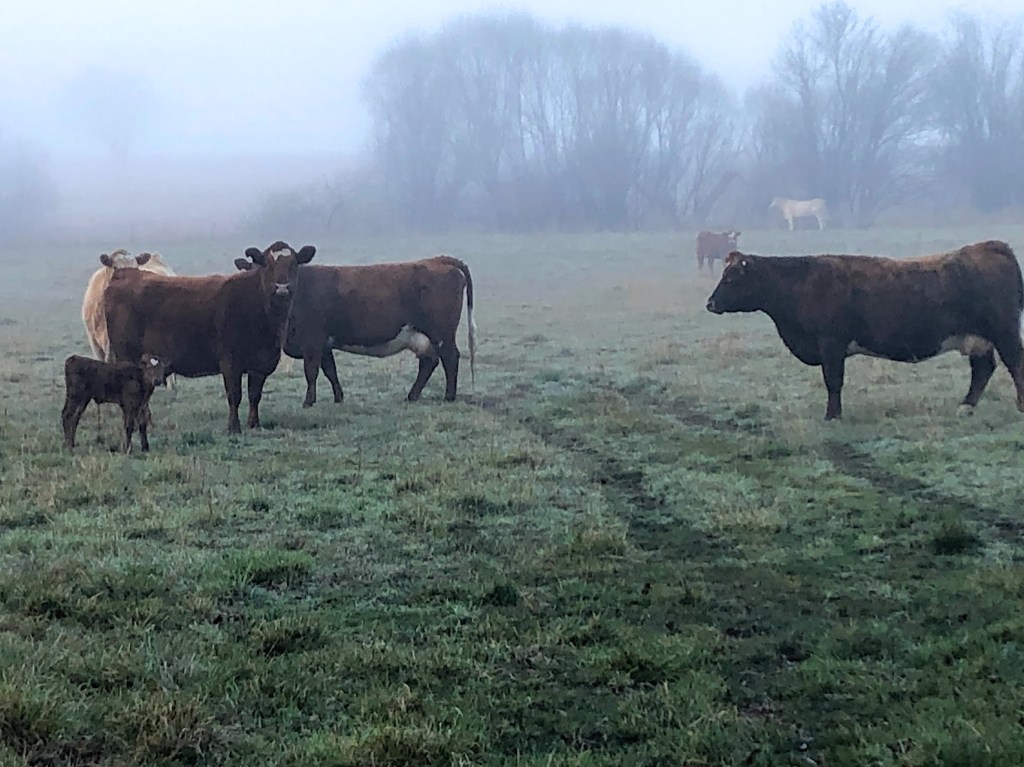
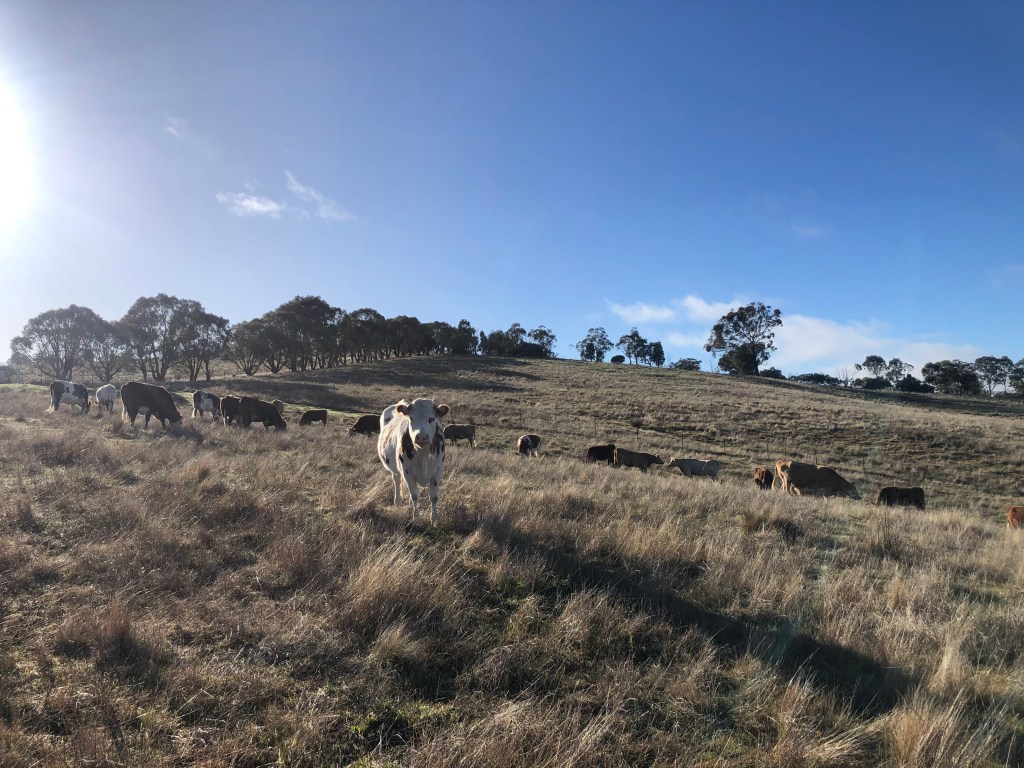
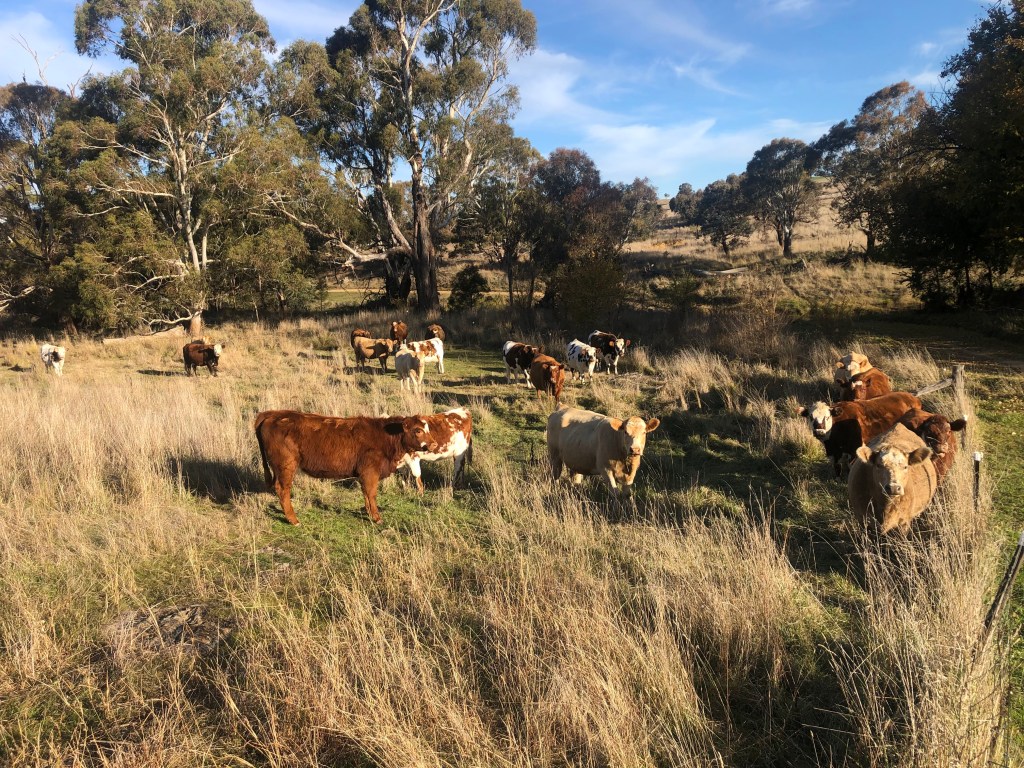
After a long, bitter winter of feeding out cattle daily, the growing season is finally upon us. Spared the ferocious storms that battered regions further north, we’ve been blessed with regular light showers and glorious sunny days. These have transformed the Rock Farm into a lush green paradise. The paddocks are thriving, and the cattle are loving it.

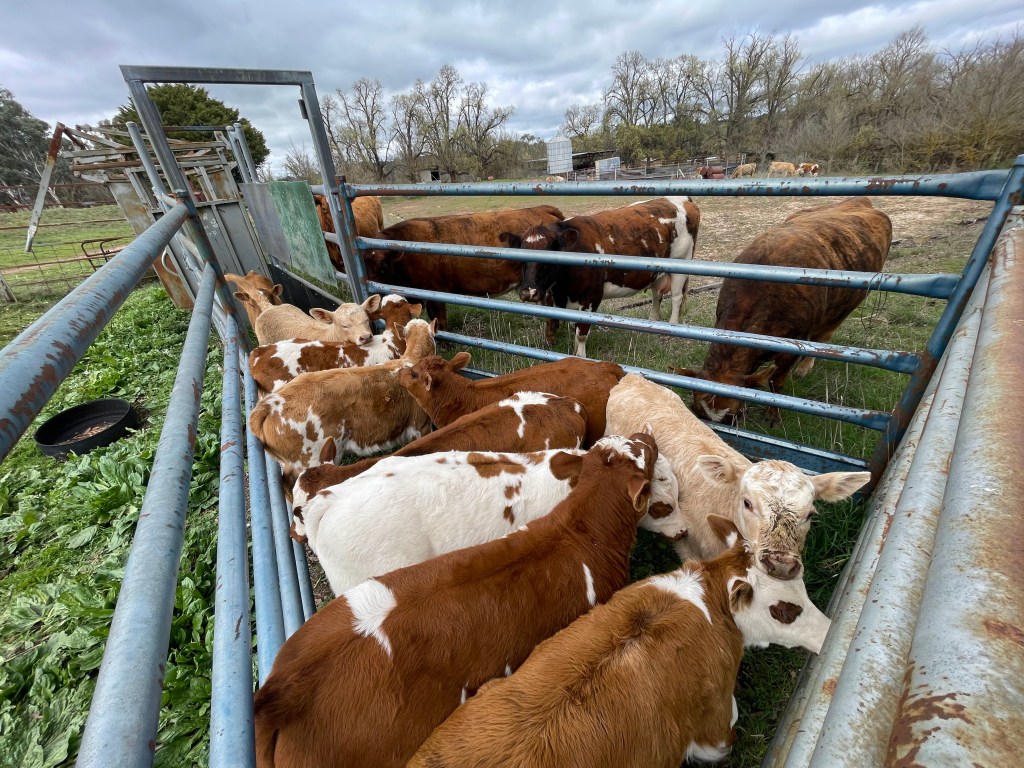
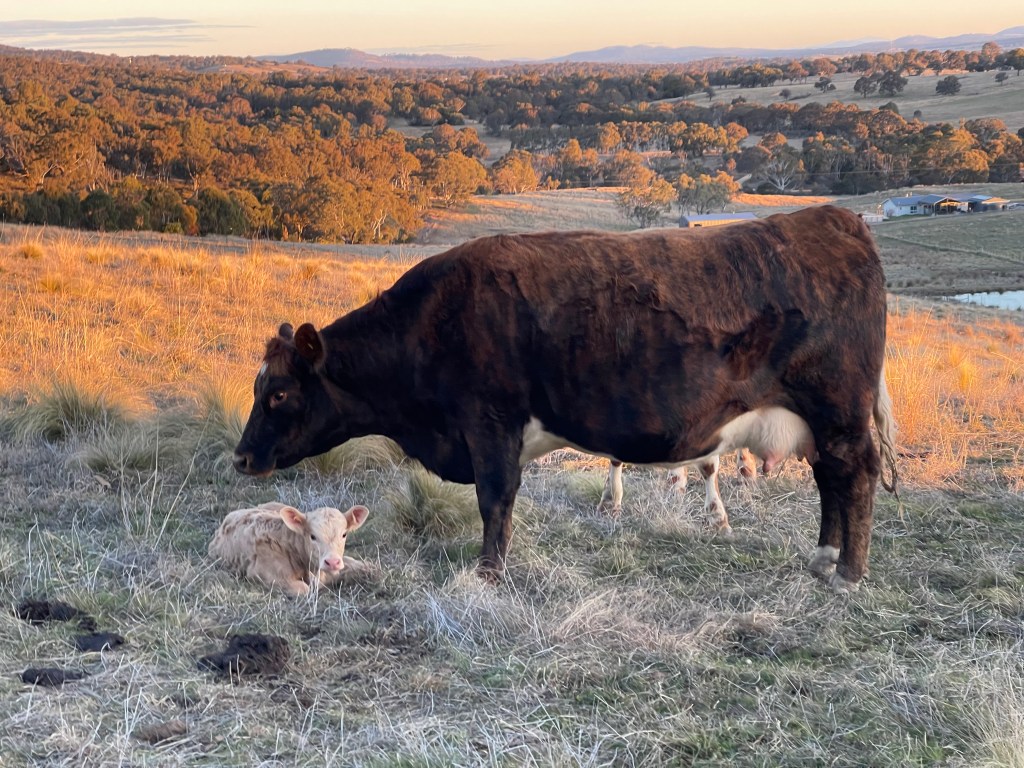
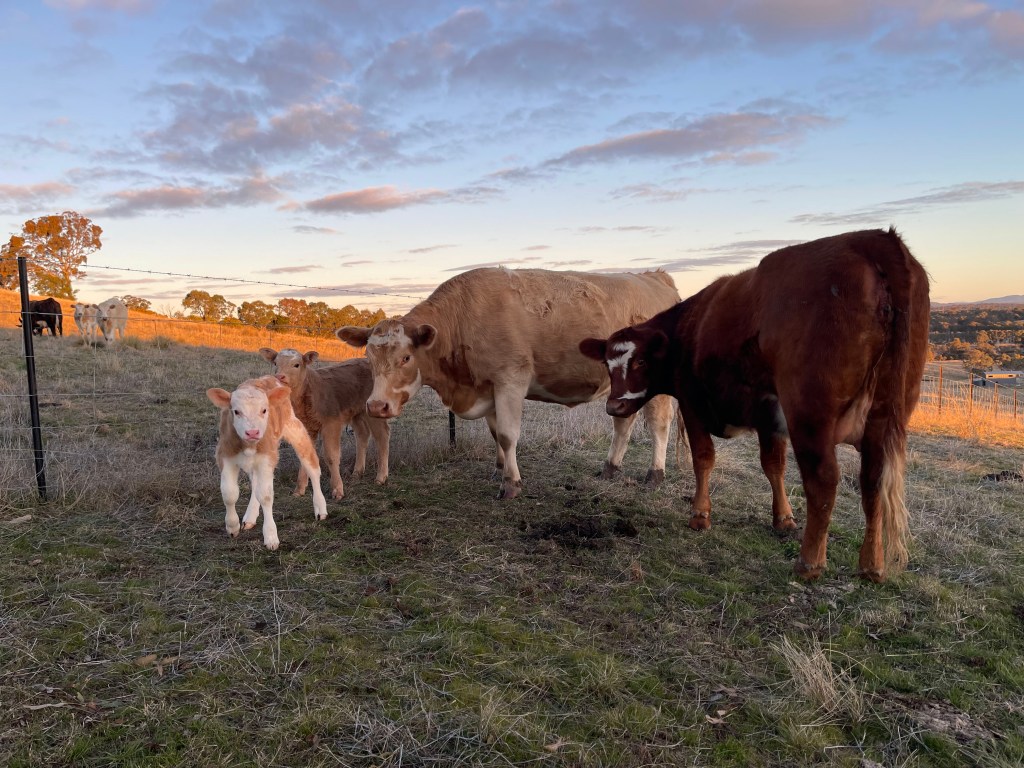
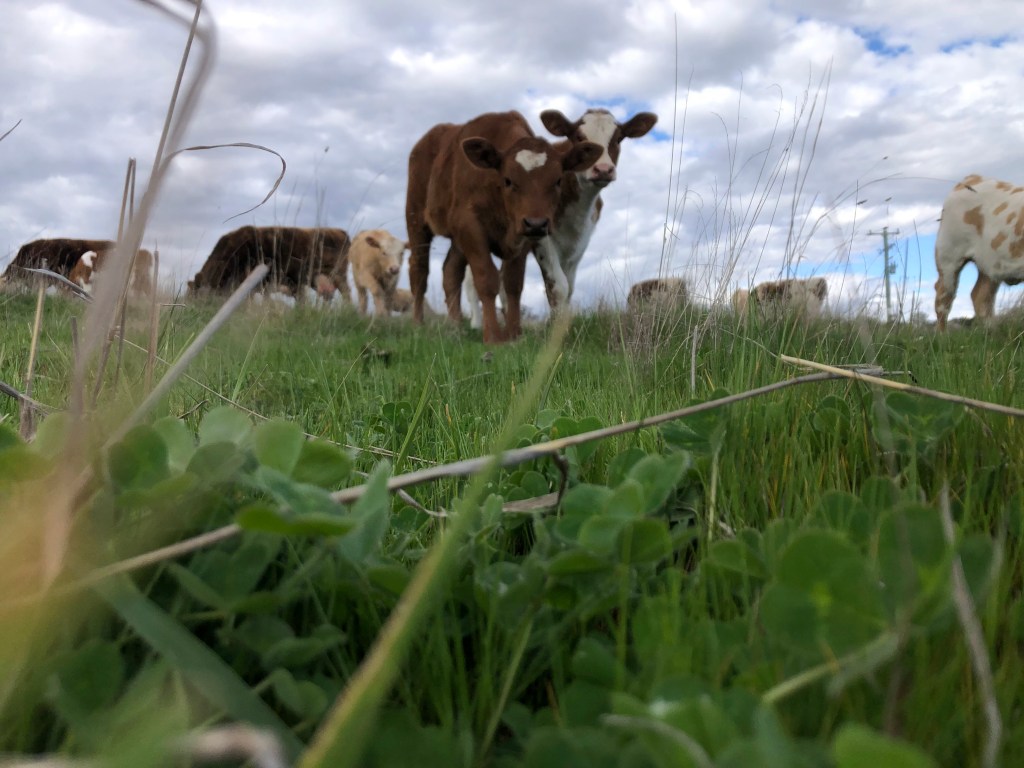
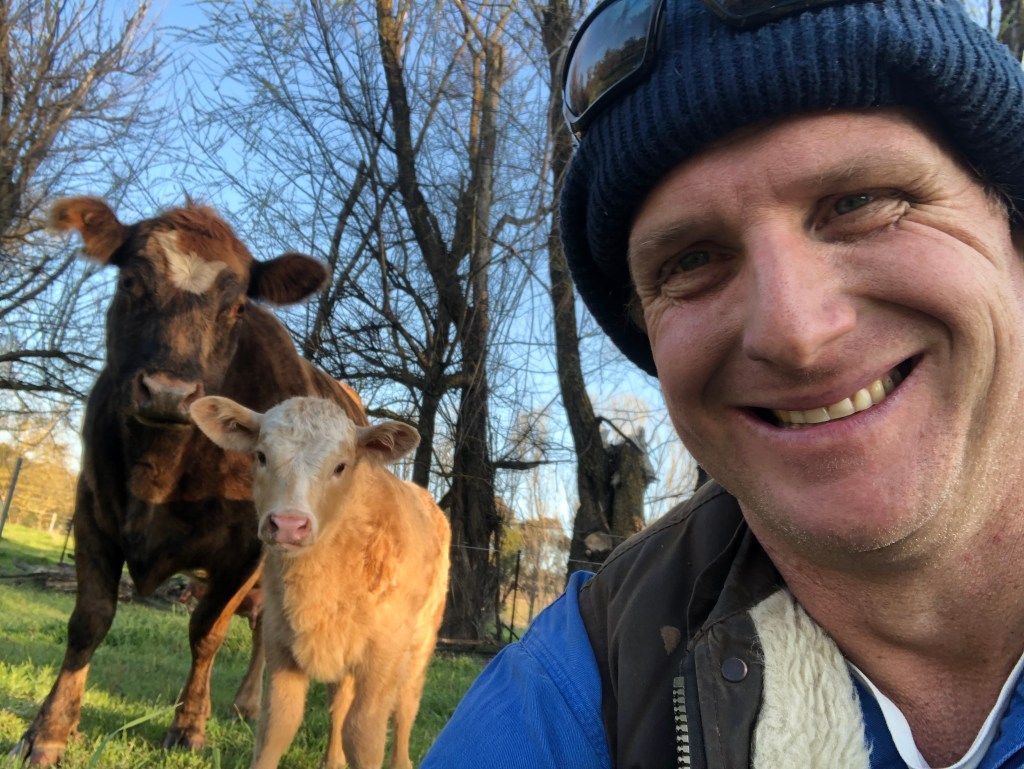
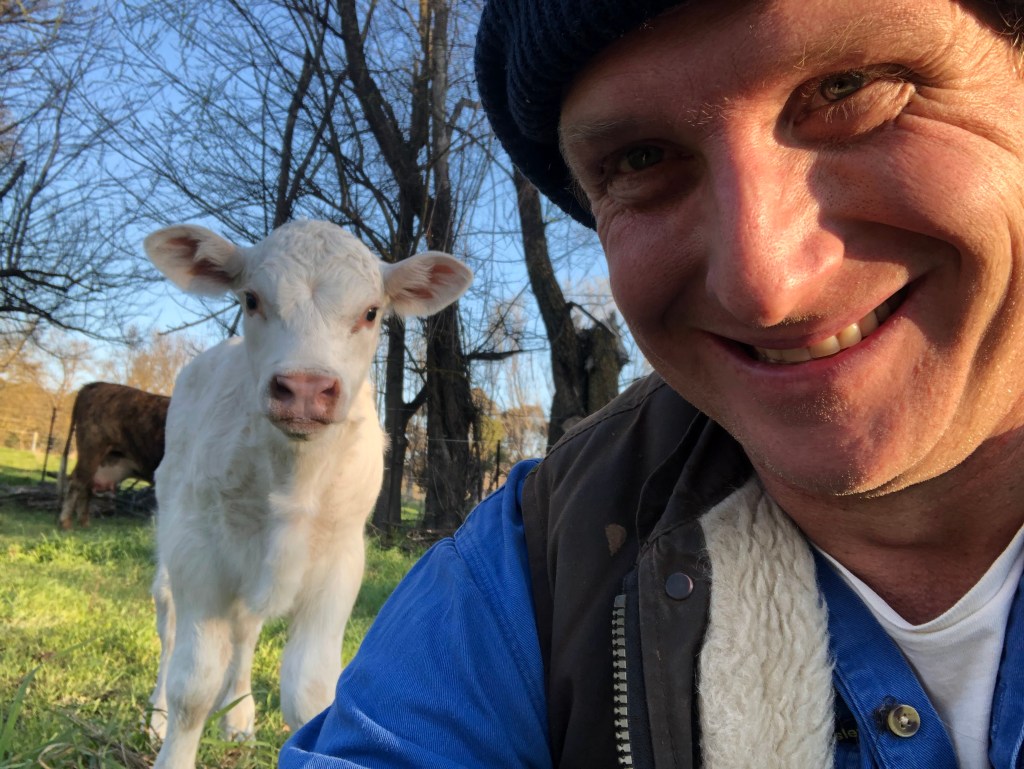
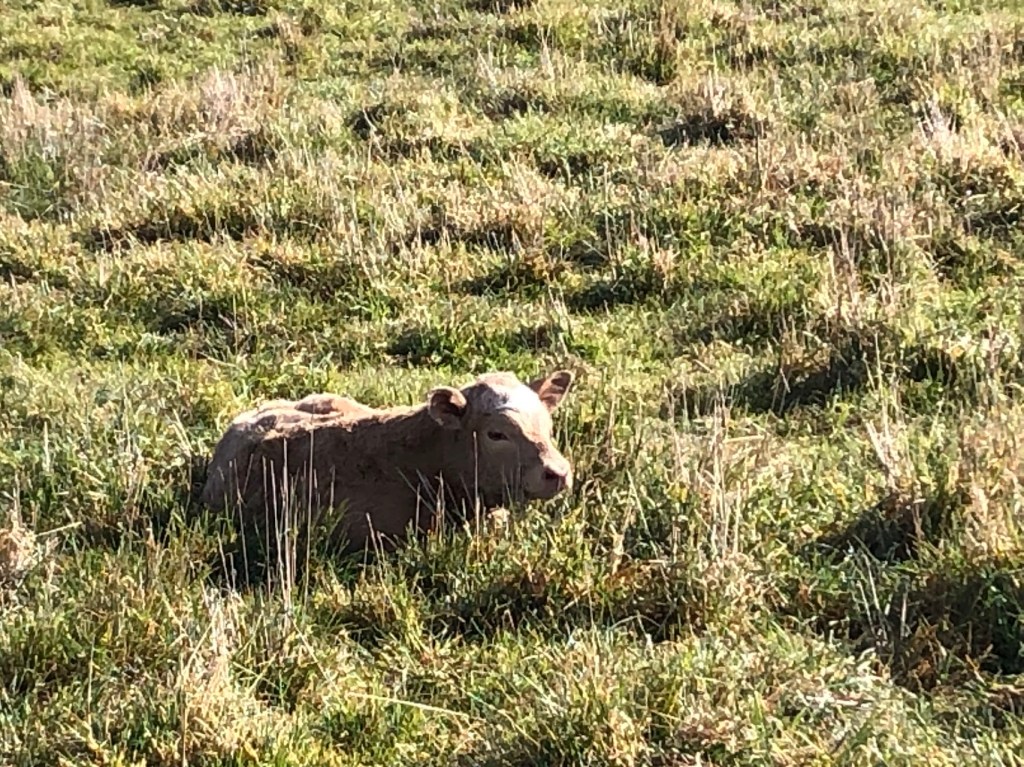
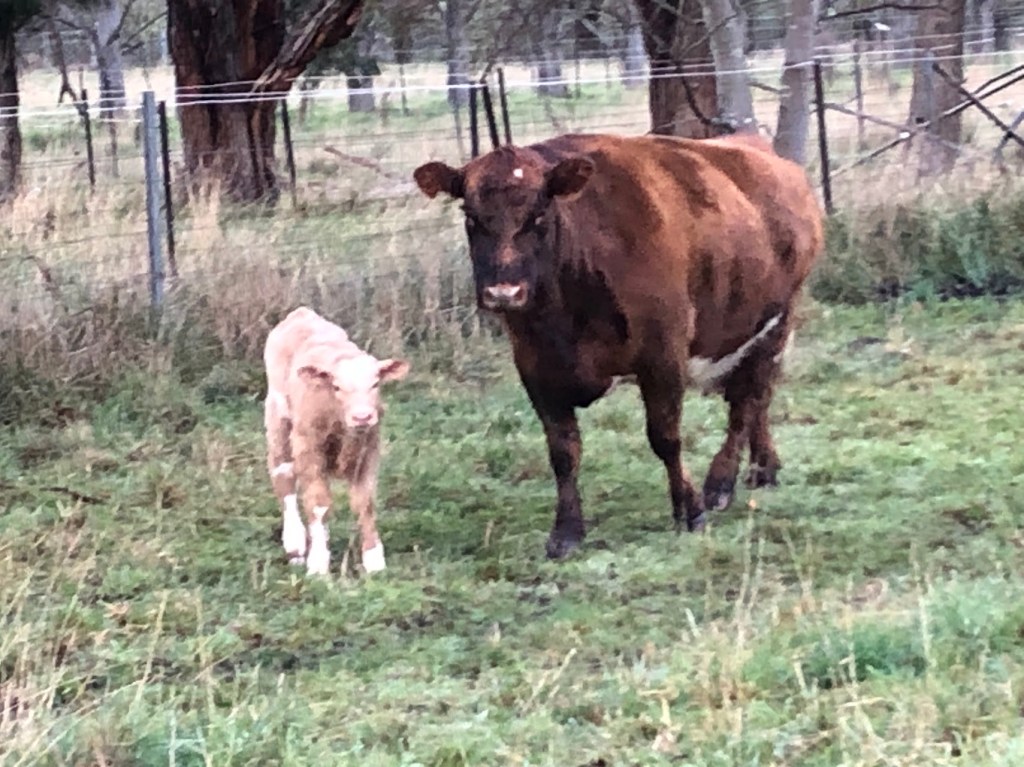
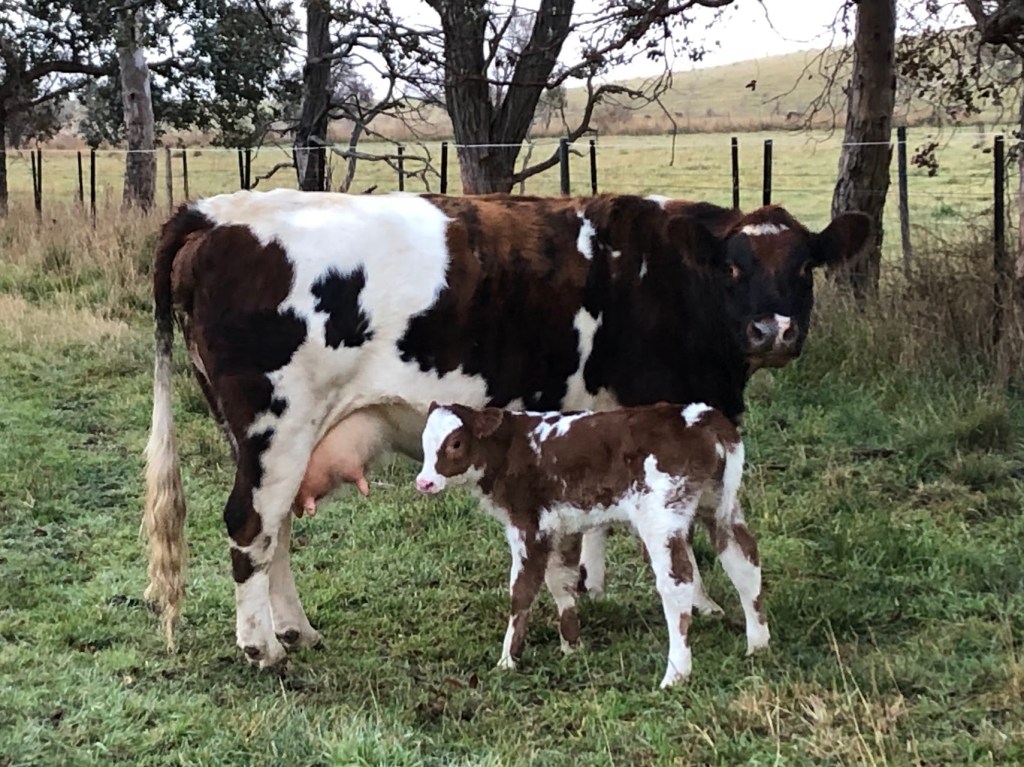
Our calves are growing quickly—ten in total this year. With their attentive mothers looking on, marking and vaccinating was swiftly attended to. We had an even split: five bull calves (now steers) and five heifers.

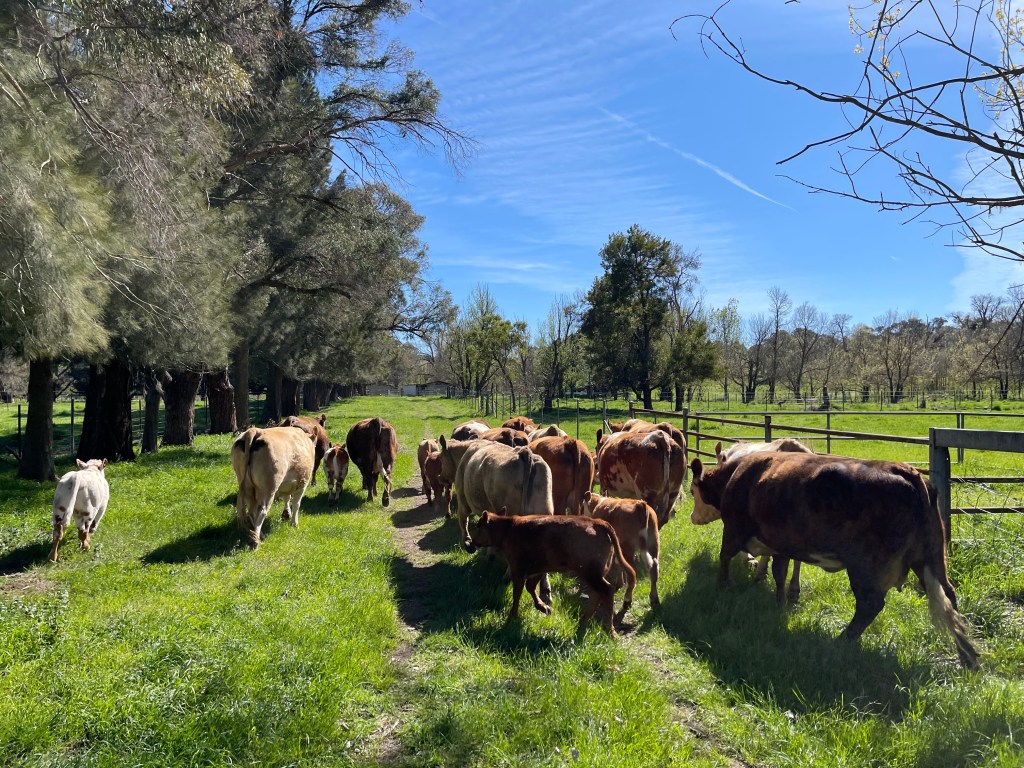
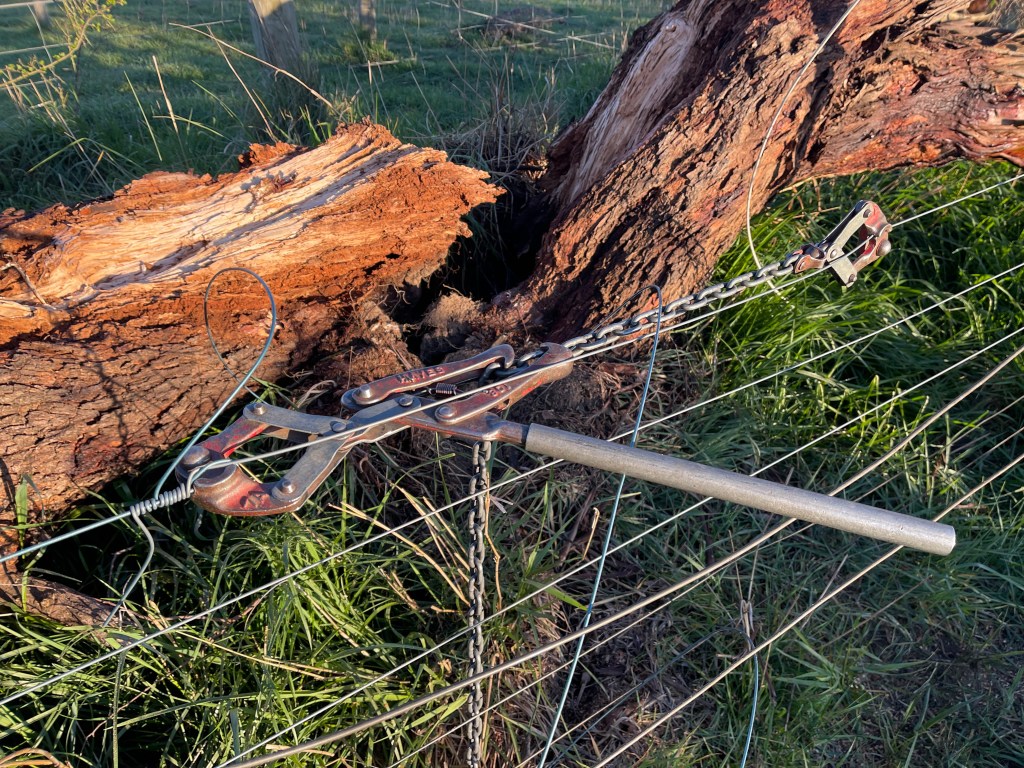
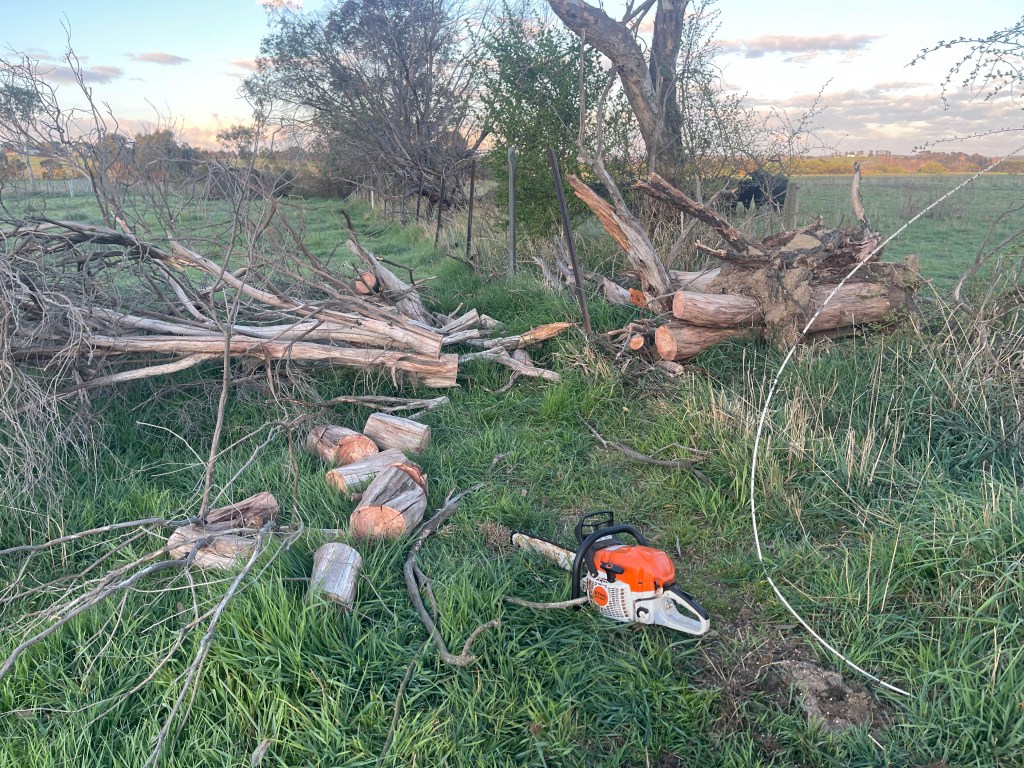
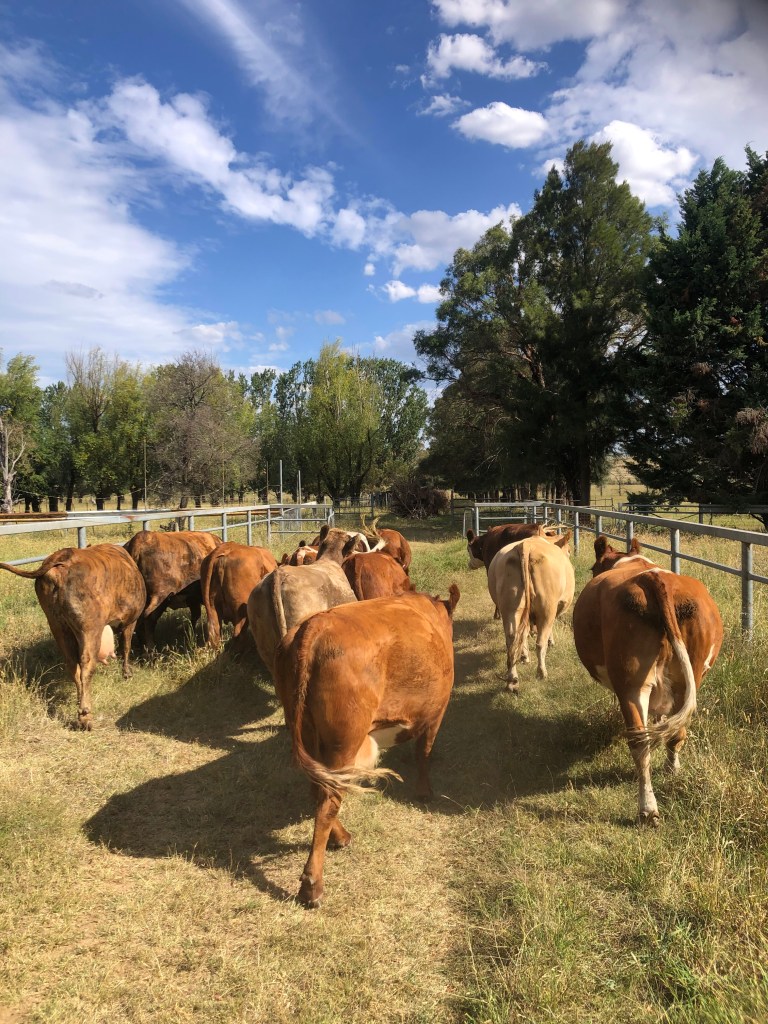
General maintenance on the Rock Farm has slipped a little this year. Our weekends are focused on renovating the house and catching up with the kids, friends, and each other. I still move the cattle frequently to fresh paddocks, which is usually a simple morning task. Occasionally, urgent jobs crop up—like when a tree falls on a fence and I’m out early to make it stock-proof again.

We have a saying on the Rock Farm: “There are jobs that have to be done now, and there are jobs that can wait.”

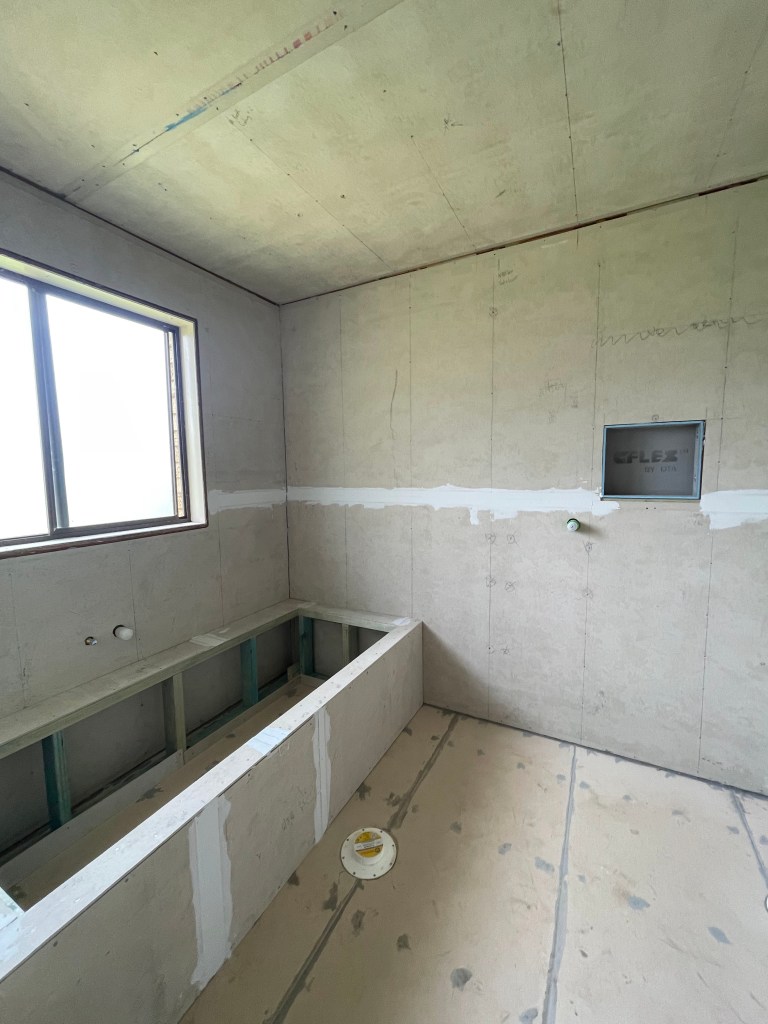
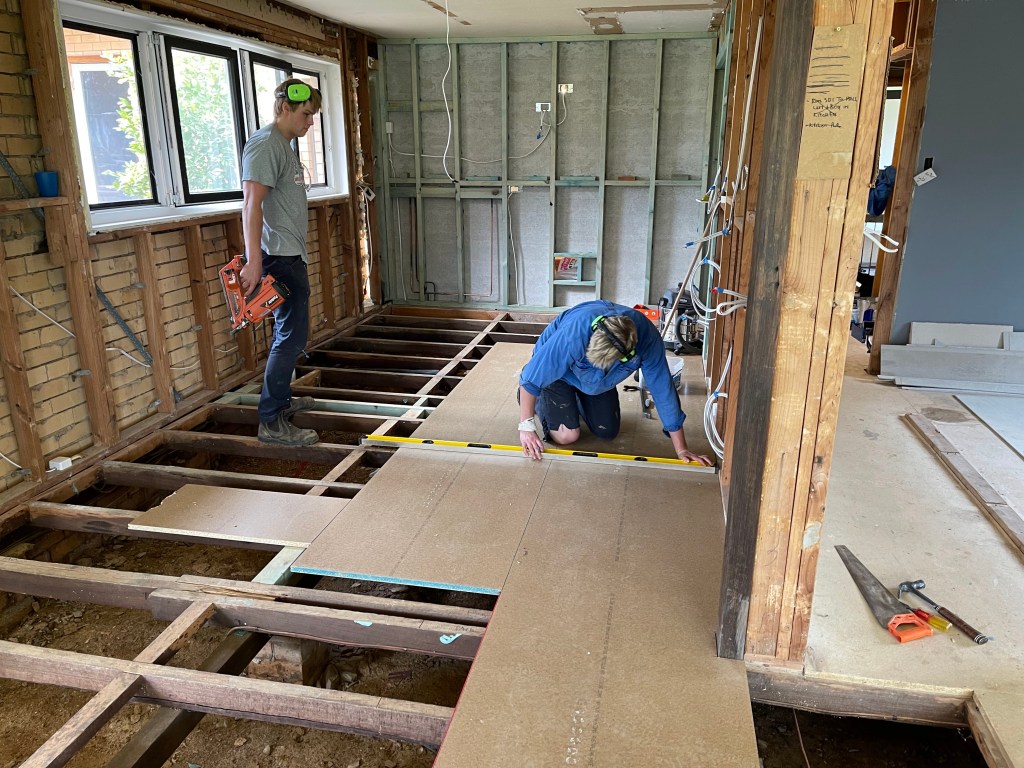
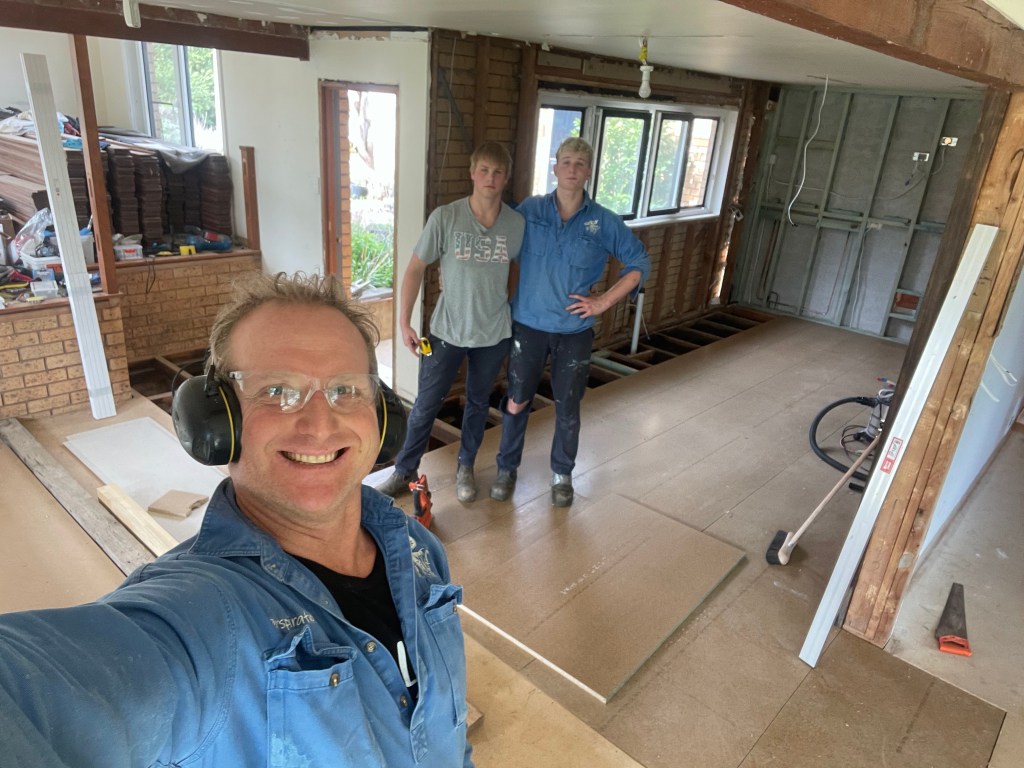
The house renovation continues, albeit slower than the project manager would prefer. I gratefully accept help from the lads when their play money runs low. Progress comes in fits and spurts. Thanks to their efforts, we now have a sub-floor in most of the house. The bathrooms just need the villa-board set and cornice installed before tiling can commence—hopefully before Christmas.

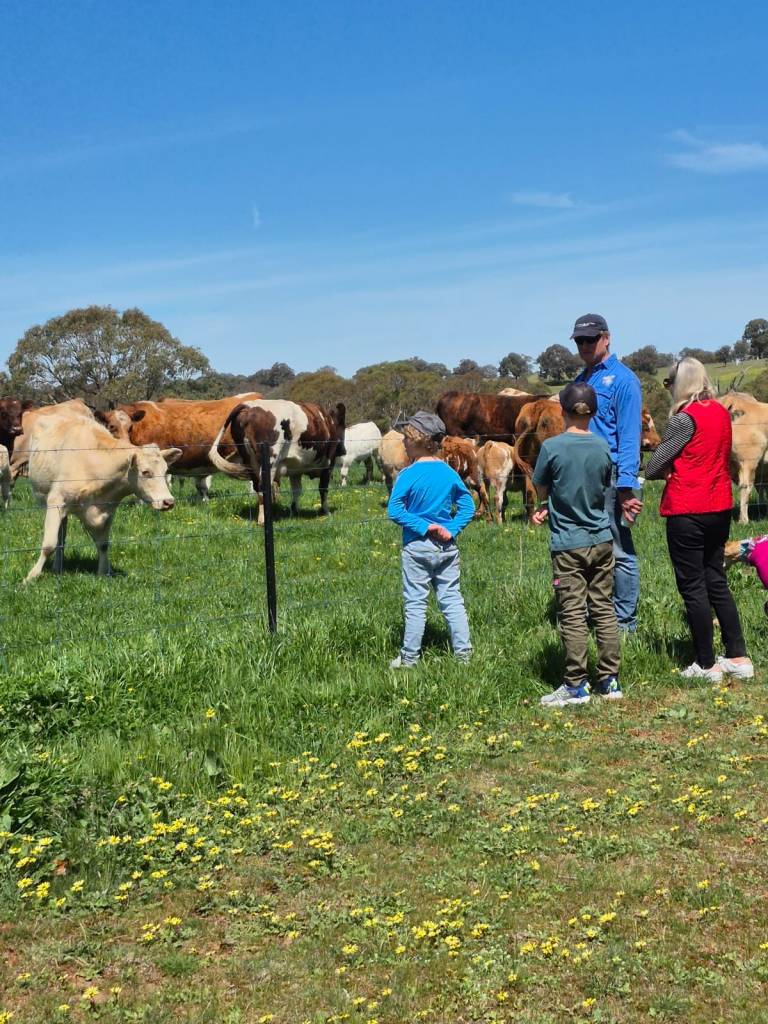
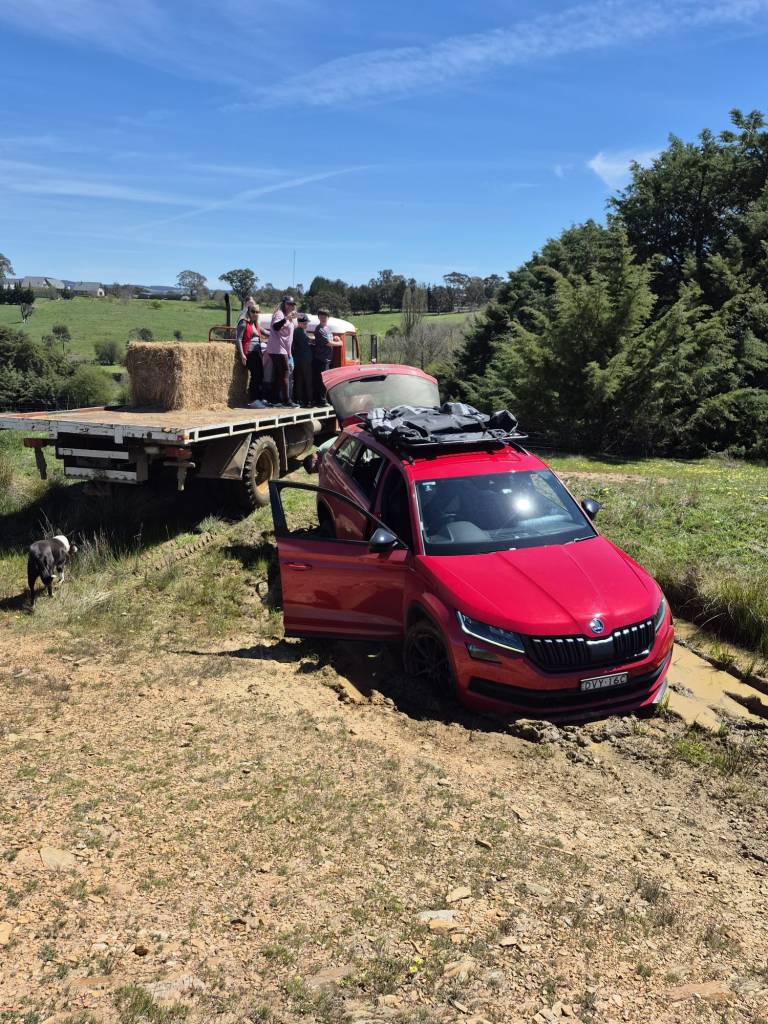
But it’s the moments in between that make the Rock Farm truly special. We had a ball hosting my city cousin Kath and her family. Dave was a great sport—he managed to get his car stuck on one of the tracks, which caused great mirth among the kids. It reminded me how precious family time is, and how important it is to share farm experiences with children. Not just for the fresh air, but for the smells, sounds, and rhythm of country life.

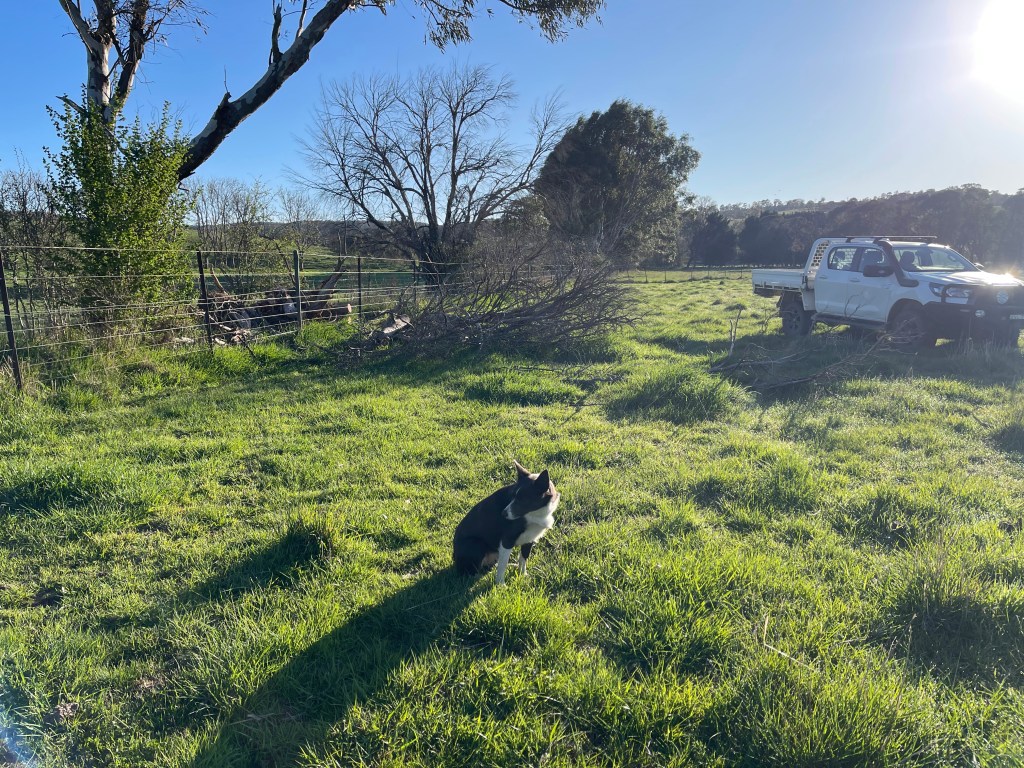
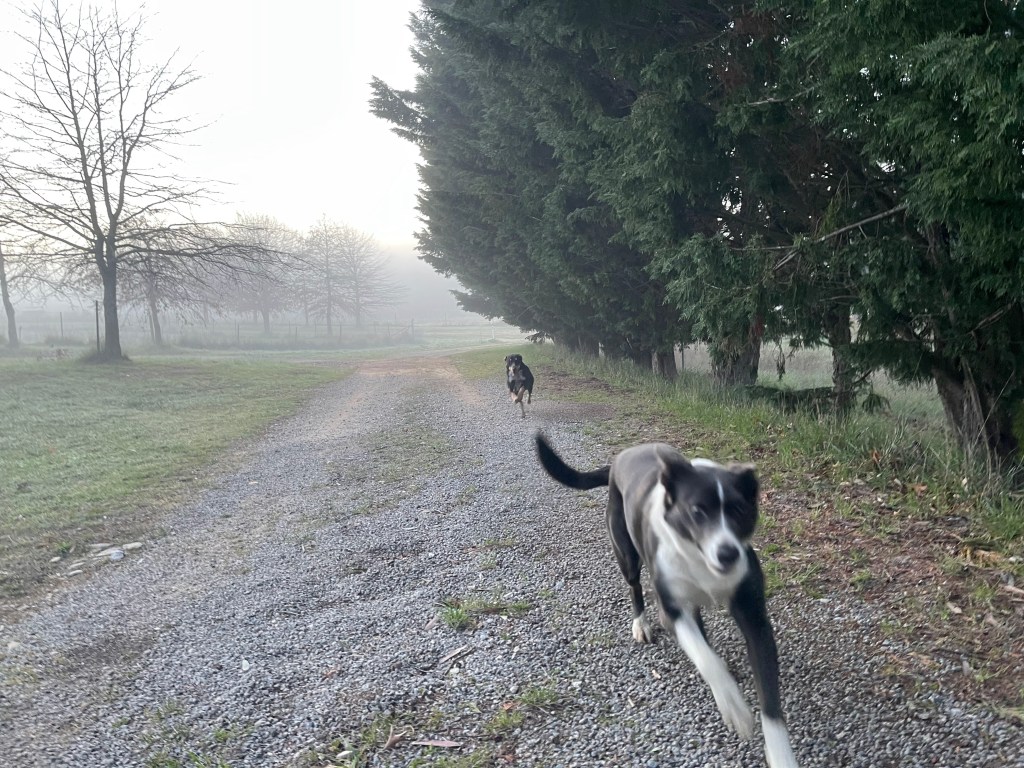
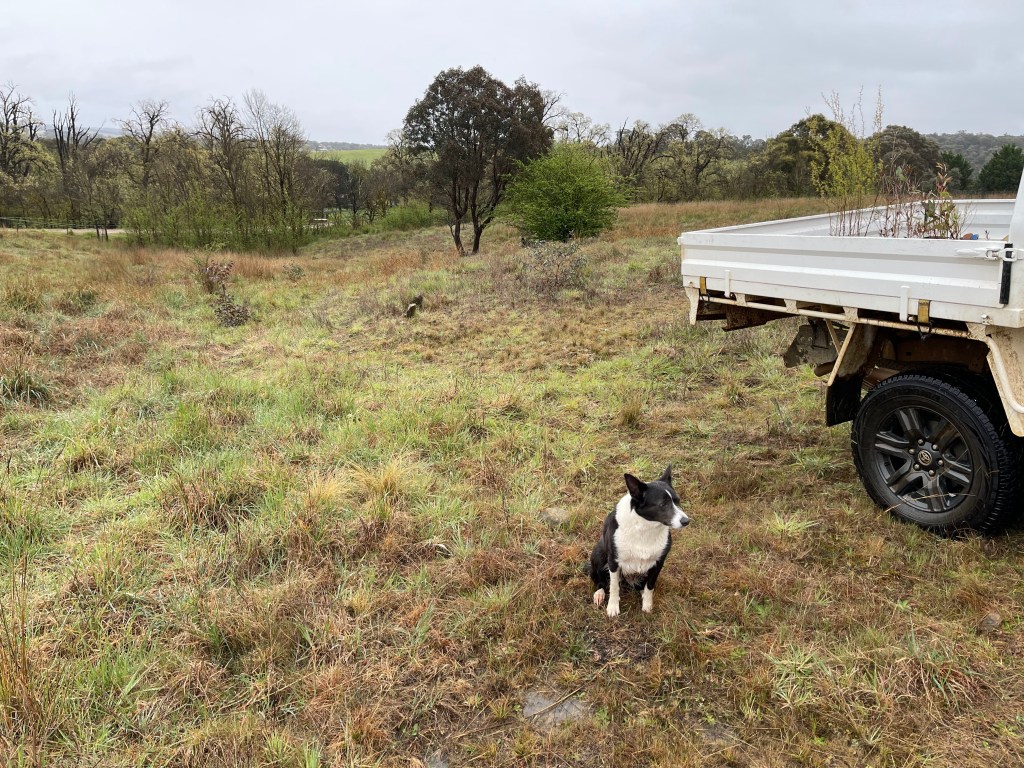
Through winter and into spring, I was working regular weekday hours—a big change for us. The routine was handy when we were feeding every morning. As the season shifted, so did our mornings—Jo and I now take peaceful sunrise walks around the farm. I’ll miss these early starts when I return to shift work in late October… though probably not as much as Sapphire, who relishes the chance for an early morning run!

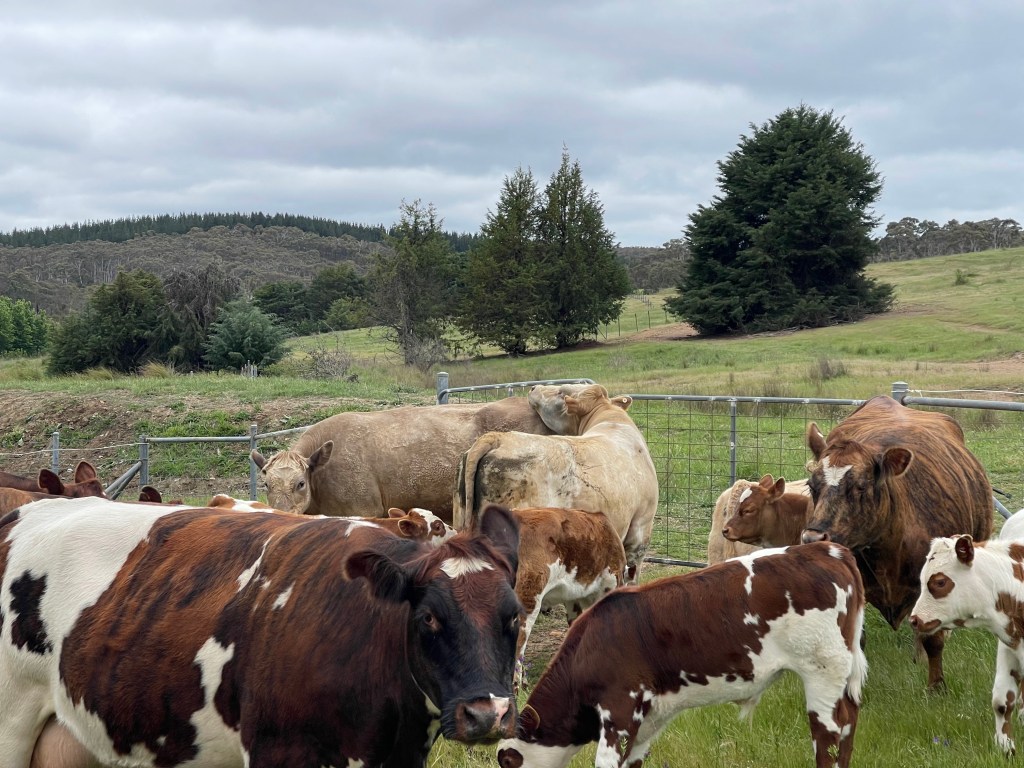
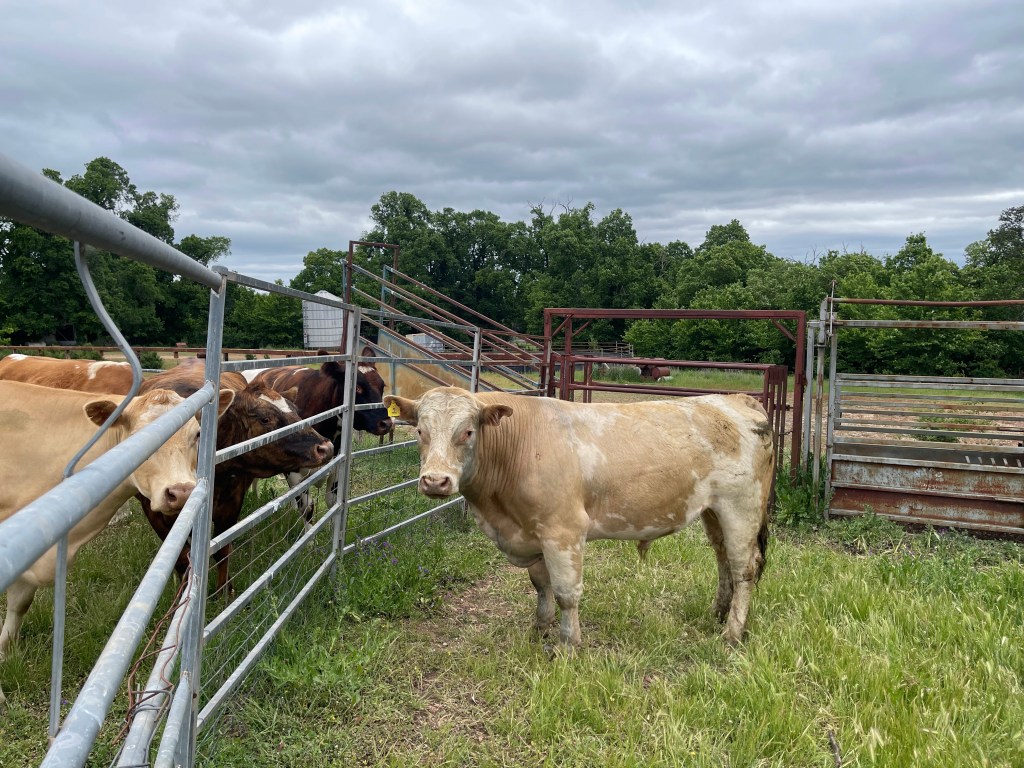
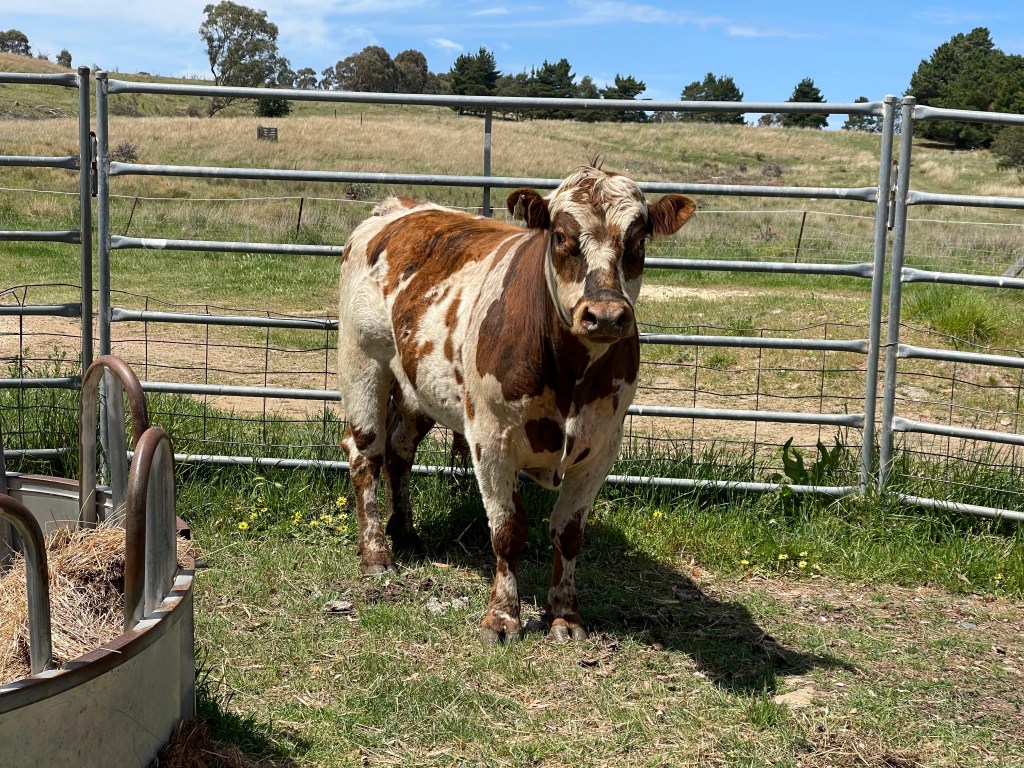
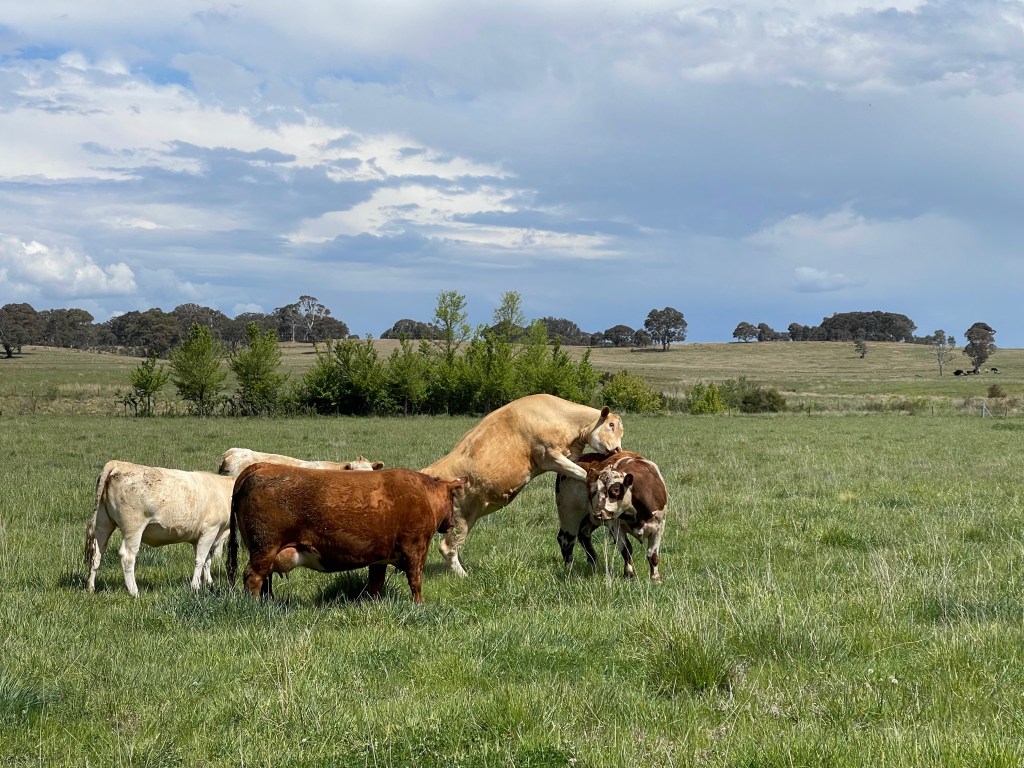
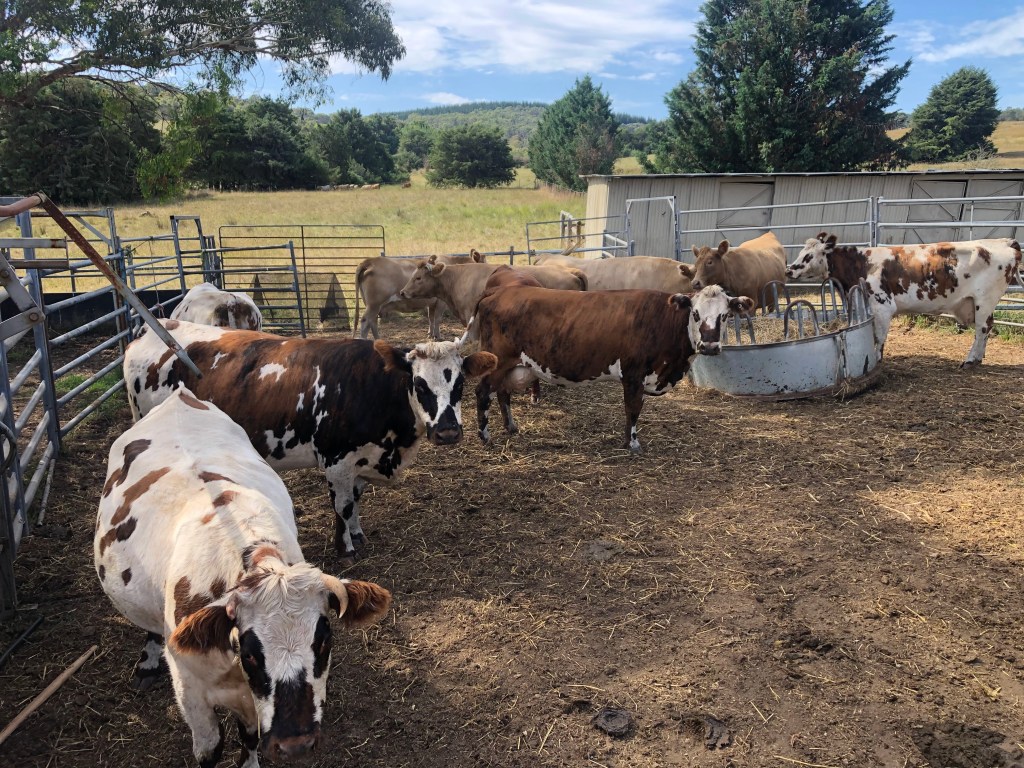
Spring also means it’s time to lease a bull again. This handsome fellow came down from Crookwell and wasted no time getting to know his new herd. He’s settled in quickly and seems quiet—which, as far as I’m concerned, is the most important trait for any animal weighing over 600kg!

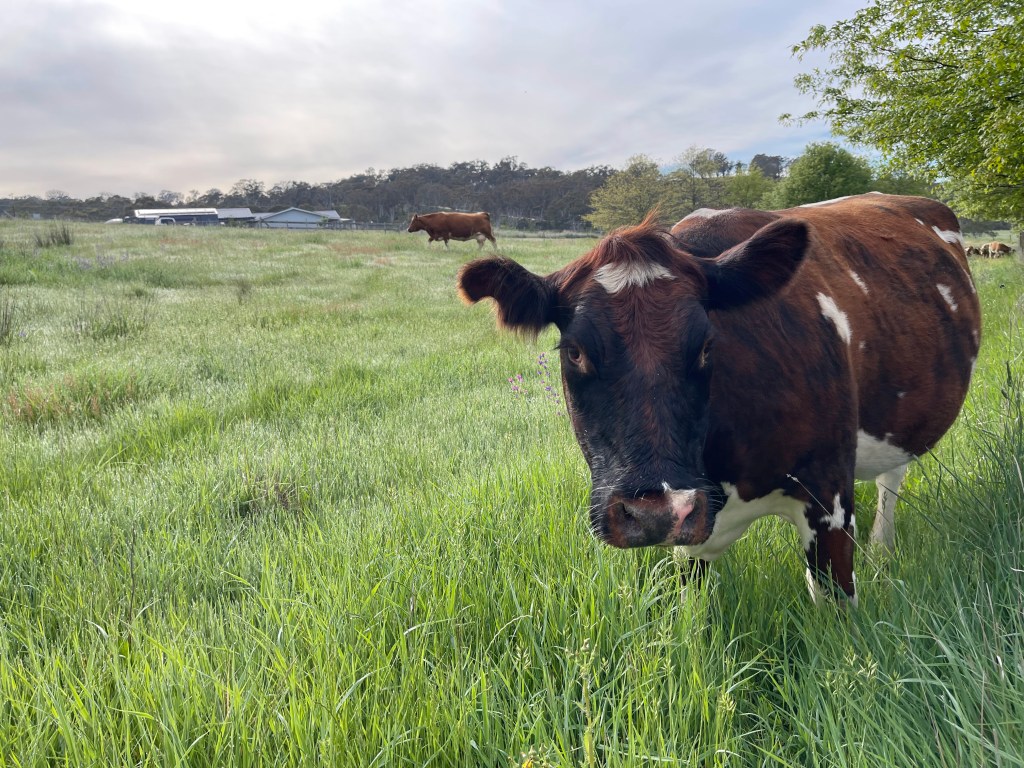
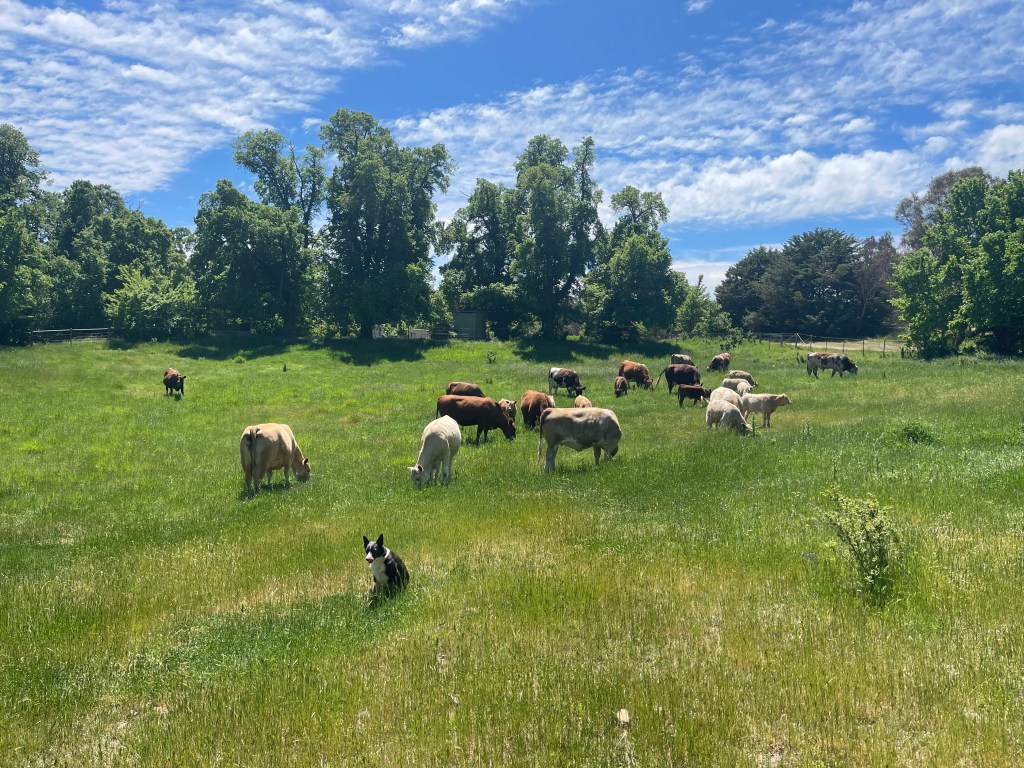
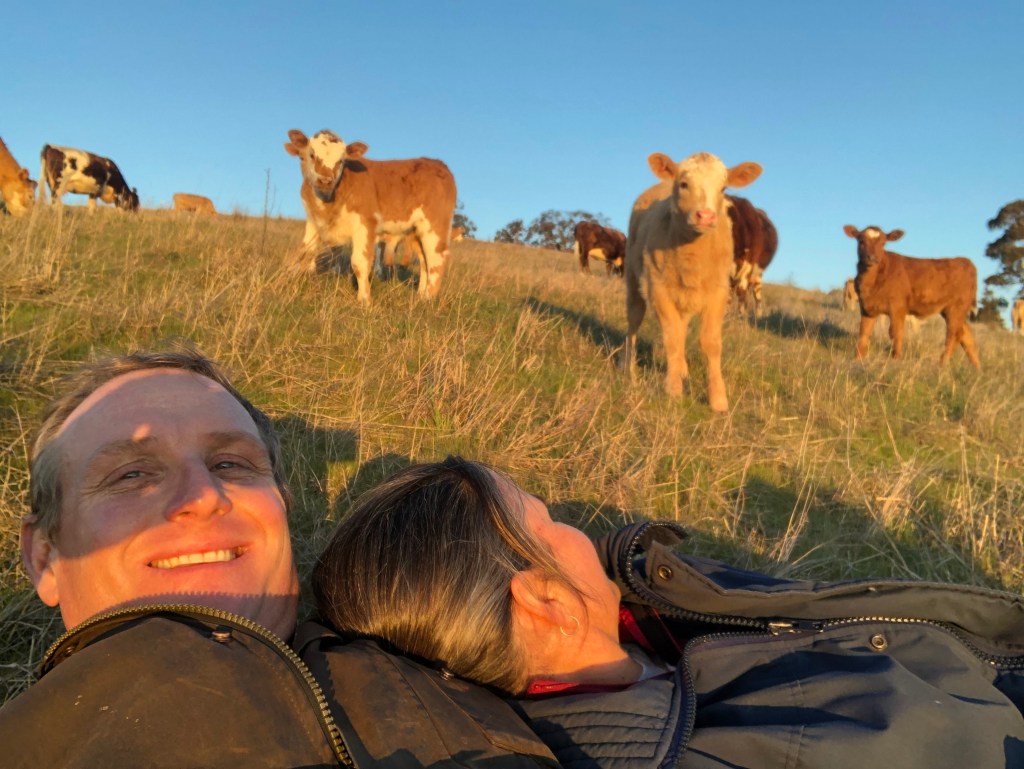
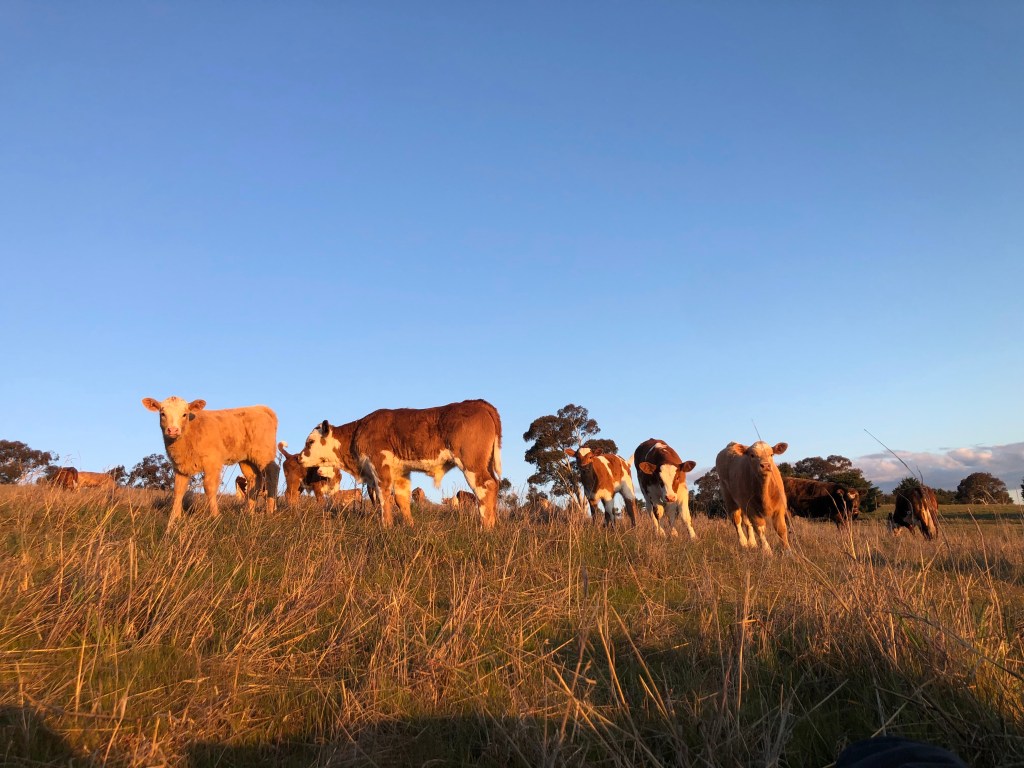
It’s a wonderful time to wander around the farm. The cows are content, with grass reaching to their bellies. The changing of the seasons brings constant delight—and makes me so happy to call this place home.

Navigating Farm Life: New Calves and Family Milestones

The past couple of months have been bustling both on and off the Rock Farm.

Our beautiful calves, now approaching three months old, are thriving—including our delightful twins. To my surprise, all ten calves turned out to be heifers, a rare occurrence. While steers typically fetch higher prices at the sale yards, having heifers opens up more future options for us. About a month ago, they received their first round of vaccinations and will soon be due for their second. I use a 7-in-1 vaccine to protect them against various clostridial diseases and common leptospirosis strains, which can affect both cattle and humans.
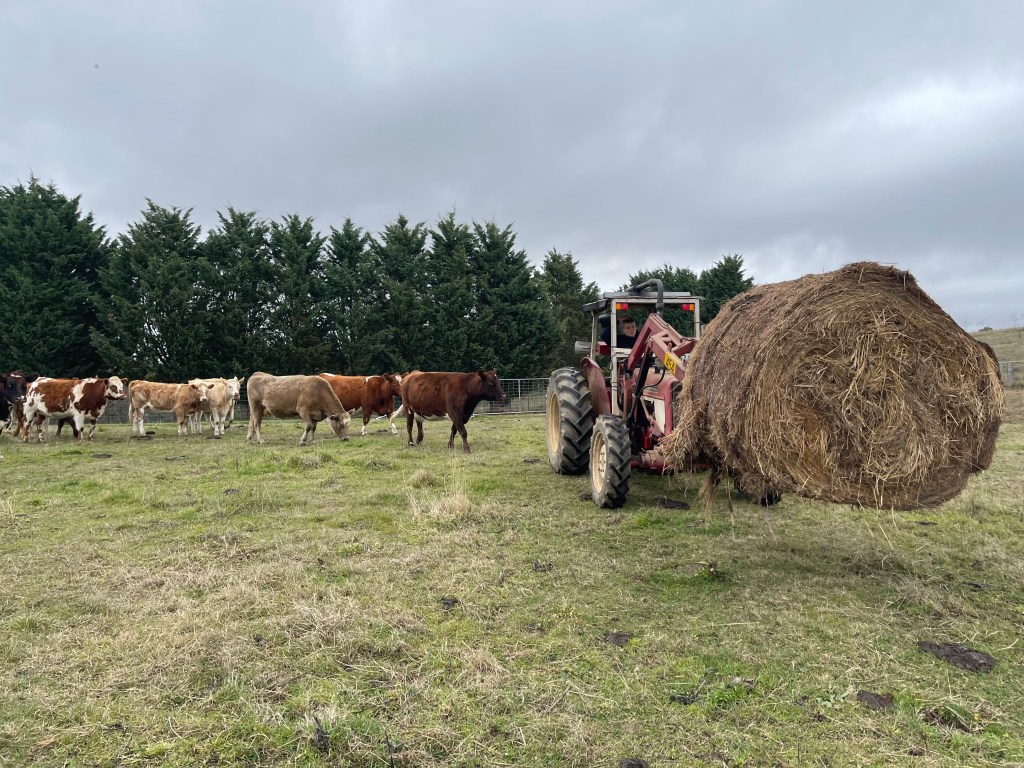
As in previous years, we’ve leased a bull from John at Crookwell. This handsome fellow shows off his Normande ancestry—a dual-purpose dairy and beef breed originating from Normandy, France. Renowned for producing rich milk prized in the cheese industry and for their fast-growing progeny, Normandes are also celebrated for their exceptional carcass quality and marbling potential. In France, Normande beef is branded much like Angus beef is in Australia. (For more information about the breed, visit: https://www.thecattlesite.com/breeds/dairy/68/normande.)
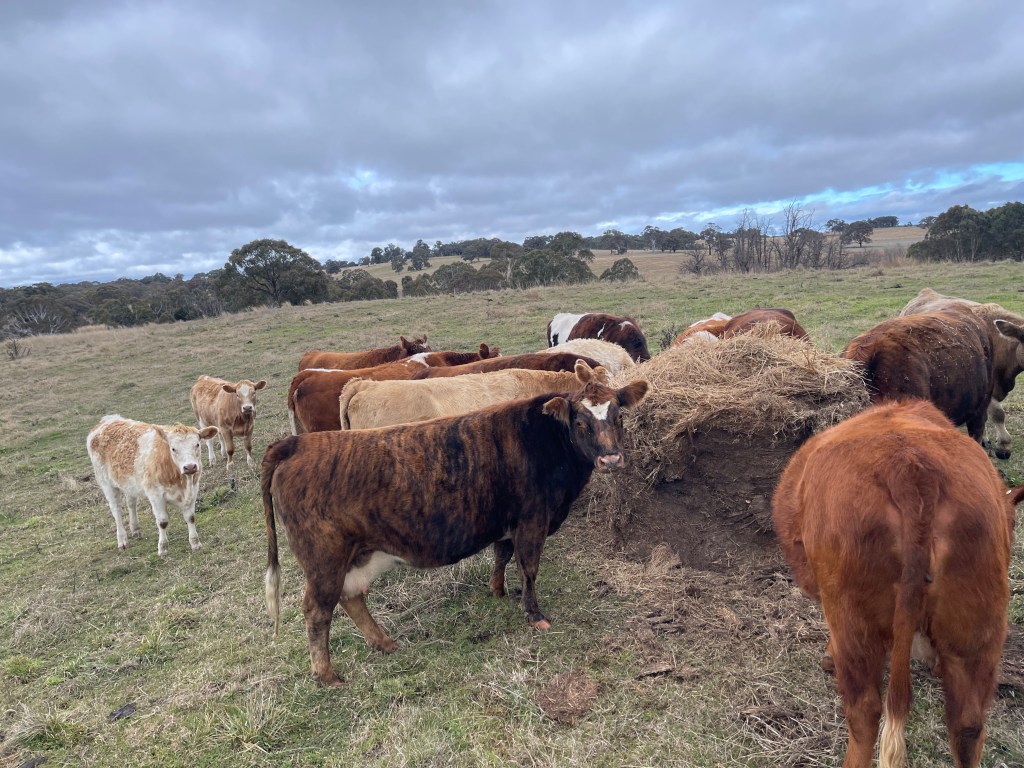
The bull made quite an impression on our girls when they first met, though he seemed a bit unsure of how to handle a group of established, mature cows. Thankfully, he settled in quickly. He’s a gentle, quiet chap, and we’ll miss him when he returns home next week.

Our pastures shifted quickly from lush green to golden brown, as is typical for November. But an unexpected 50mm of rain last weekend soaked the land. While it turned the pasture into mush temporarily, it promises fresh growth that will benefit us through summer. For now, we’ll rotate the cattle through paddocks to manage the short-term feed shortage until the grass catches up.

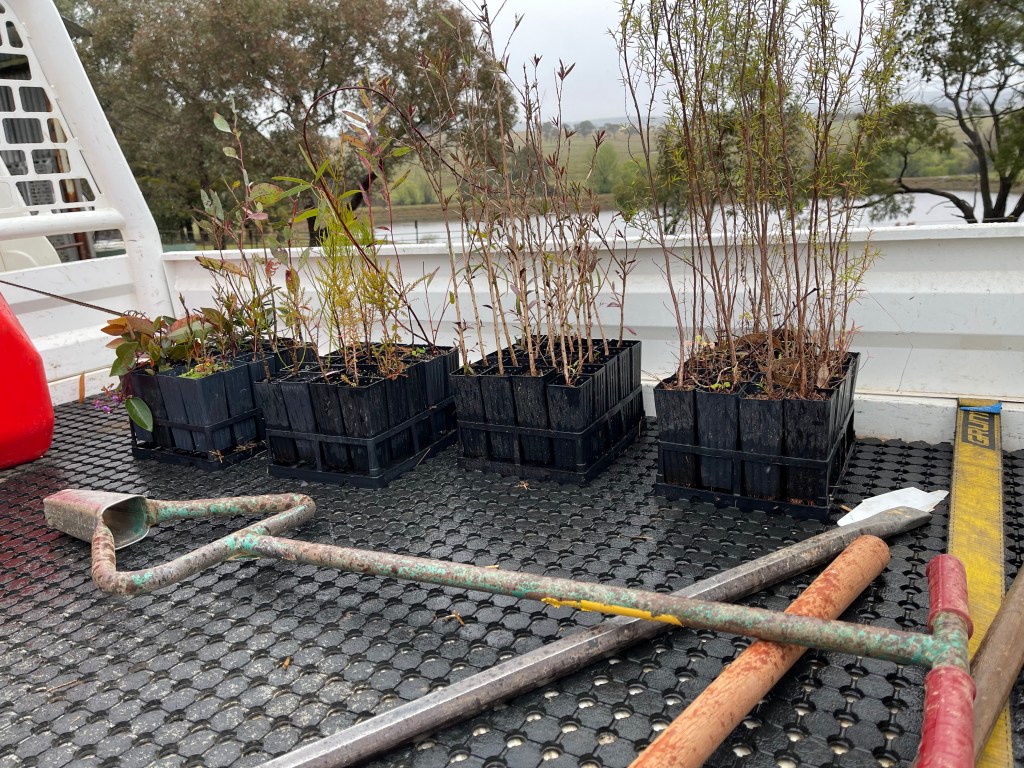
In other news, we’ve planted another hundred or so native tubestock across the farm, purchased from the local Greening Australia plant sale. These will help restore areas around the Rock Farm. I’m particularly excited about the drooping she-oak (Allocasuarina verticillata), one of my favorite trees and a primary food source for the Glossy Black Cockatoo.

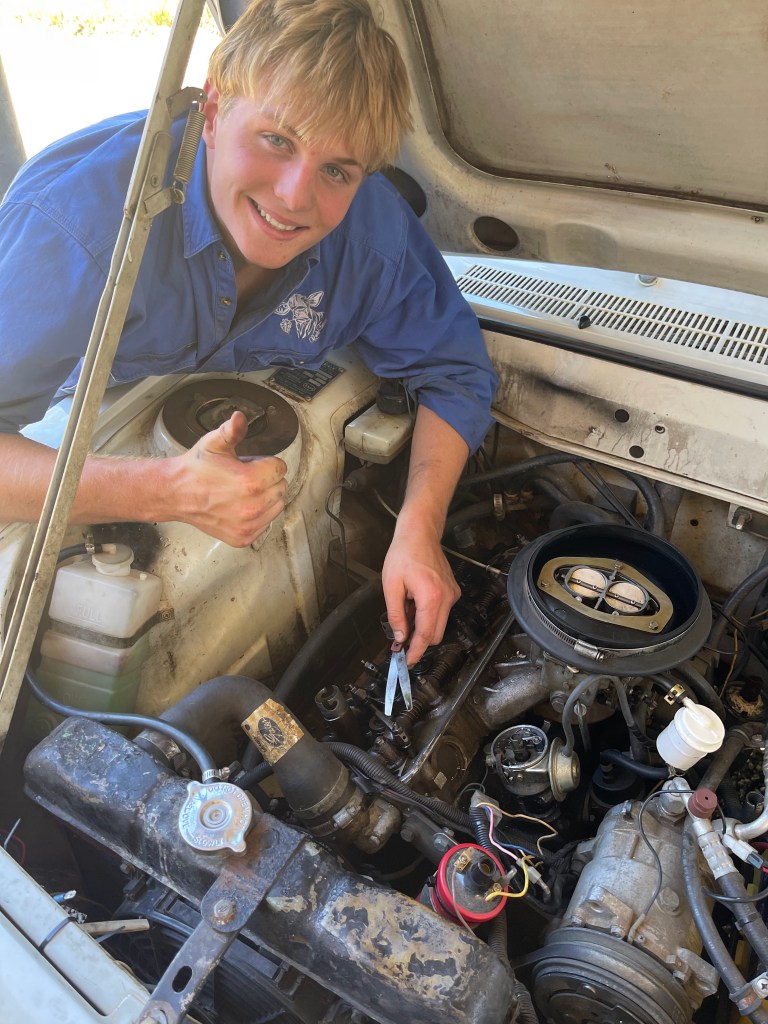
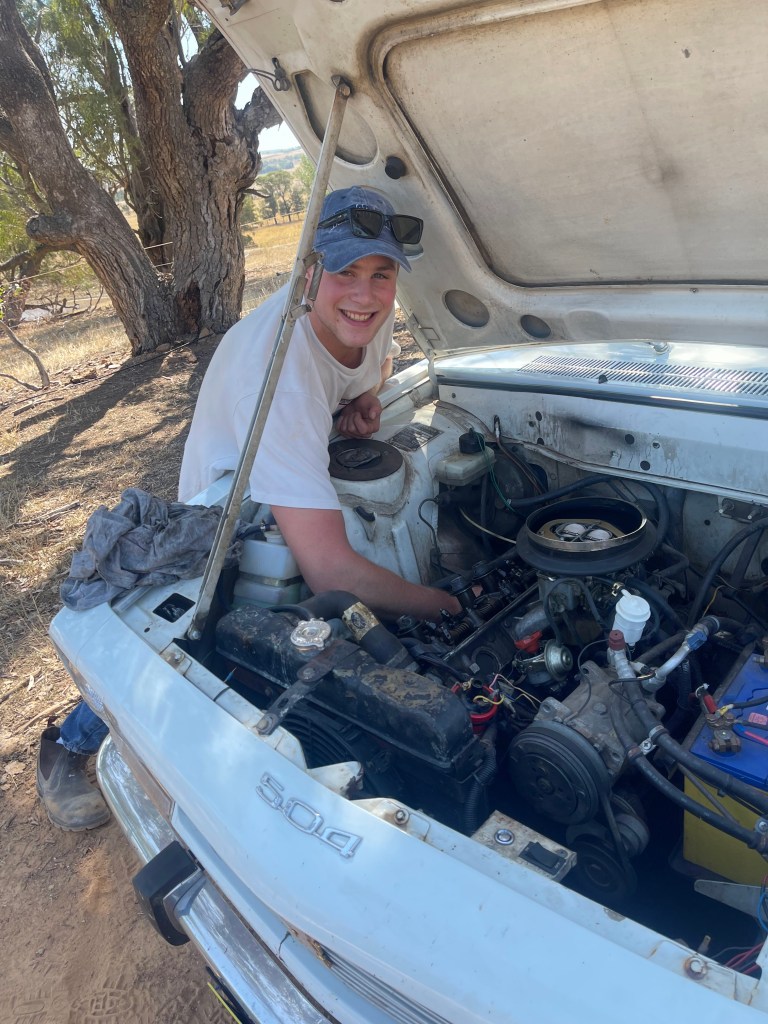
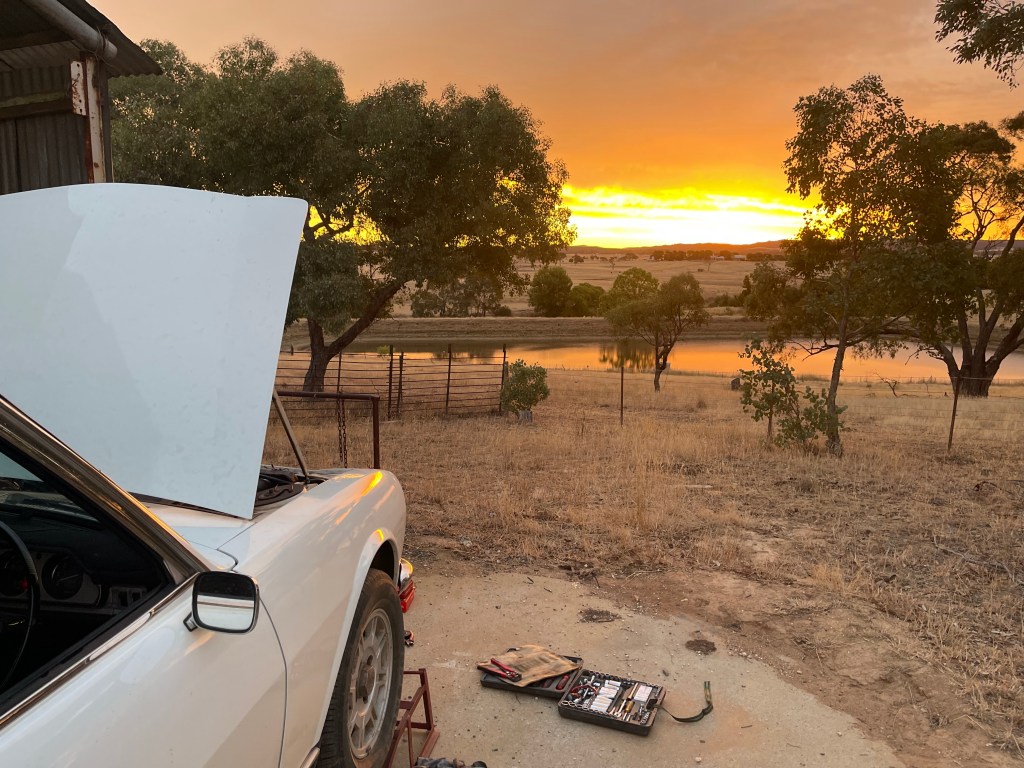
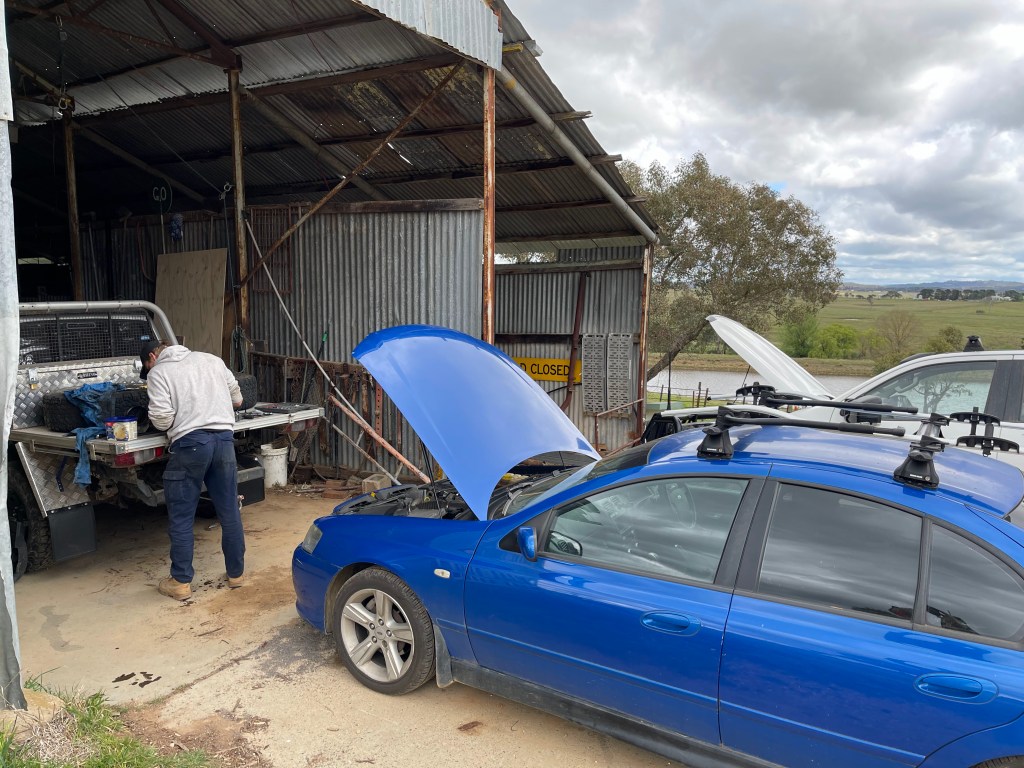
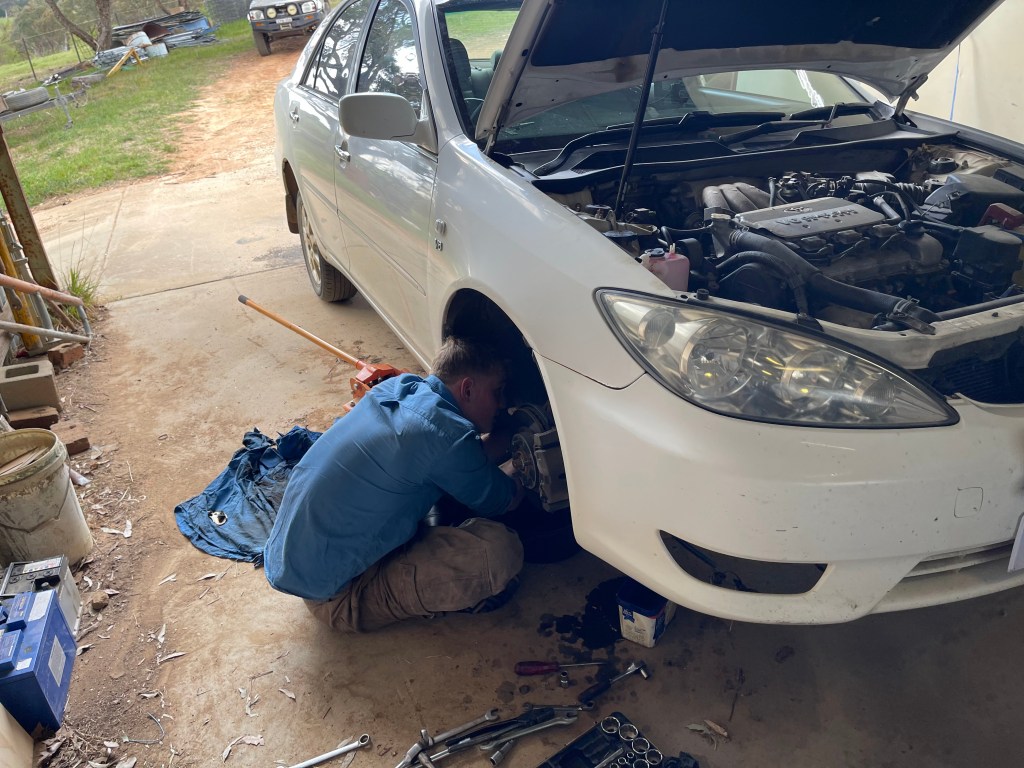
On the family front, the boys are becoming impressively independent. Recently, both tackled replacing power steering pumps on their cars—an easier task on the blue Falcon than the white Camry. It’s been great to see their confidence and skills grow, enabling them to handle such projects and get their vehicles back on the road. The older one is also working on re-registering a 4WD ute. Though the project proved more ambitious than he initially thought, he’s nearly there—a fantastic achievement.

Life hasn’t been all about the farm. We had a couple of family reunions in Warwick and Goondiwindi, which took us north for a few nights. I also managed to squeeze in a couple of stints at sea—just enough to get some salt in my hair and make time fly.

A big milestone for our family was celebrating the youngest helper finishing high school, marking the end of that chapter for us. While the boys aren’t as keen on photos these days, we’re incredibly proud of the young men they’re becoming.

The farm has provided them with so many different opportunities to explore what they want to become. They have made all sorts of crazy contraptions, getting more complex (and expensive) as they have got older. Living out of town brought challenges too, with long drives for school and sports, and the farm occasionally felt more like a burden than a solace, especially when planning long holidays.

But overall, the Rock Farm has been a tremendous gift. It’s built their confidence and equipped them with a range of skills—from handling livestock, riding motorbikes, fixing fences, and welding steel to identifying weeds, handling a rifle safely, and turning timber into art. They can repair machinery, split pipes, and even navigate the digital world with ease—leaving their old man in the dust when it comes to Fortnite, modern mathematics, 3D printing, and design.

Reflecting on these past months, it’s clear how much life on the Rock Farm continues to shape and enrich our lives. Whether it’s nurturing our cattle, restoring the land, or watching the boys tackle new challenges, every moment reinforces the value of this lifestyle. While it’s not without its trials, the farm has been a place of growth, learning, and countless memories. As we look ahead, I’m reminded that it’s these simple, meaningful experiences—shared with family and rooted in purpose—that truly make the journey worthwhile.

The Coldest Week of the Year and Some New Arrivals :)

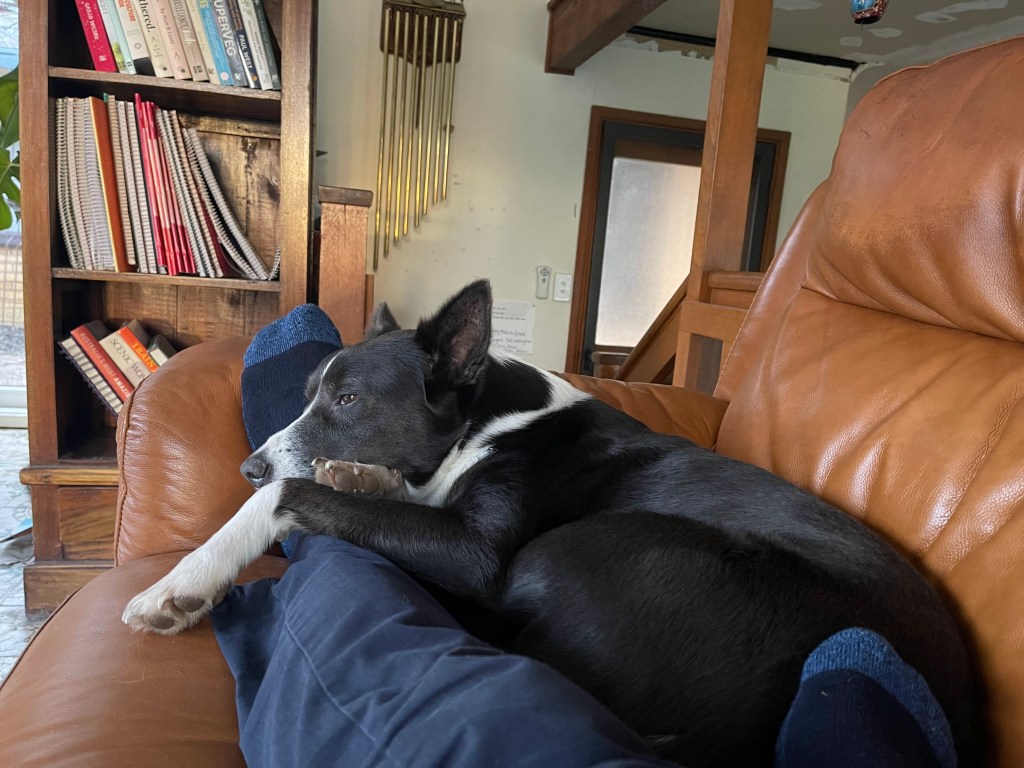
In this part of the world, the second week in July is historically the coldest week of the year for air temperature. The soil temperature continues to cool until the first week in August before it starts to warm, encouraging pasture growth. There is some variance, of course, but overall, it is a good time of year to bunker down in front of the fire and plan out the next few months. Sapphire agrees, especially when the wind and sleet are coming in sideways.

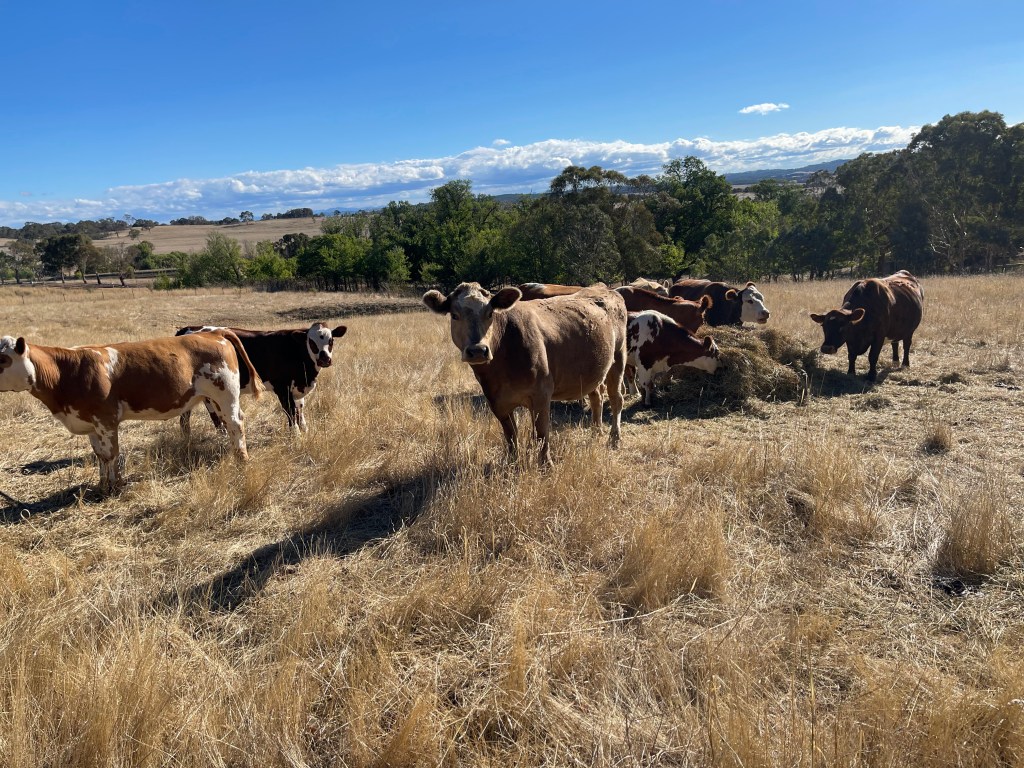
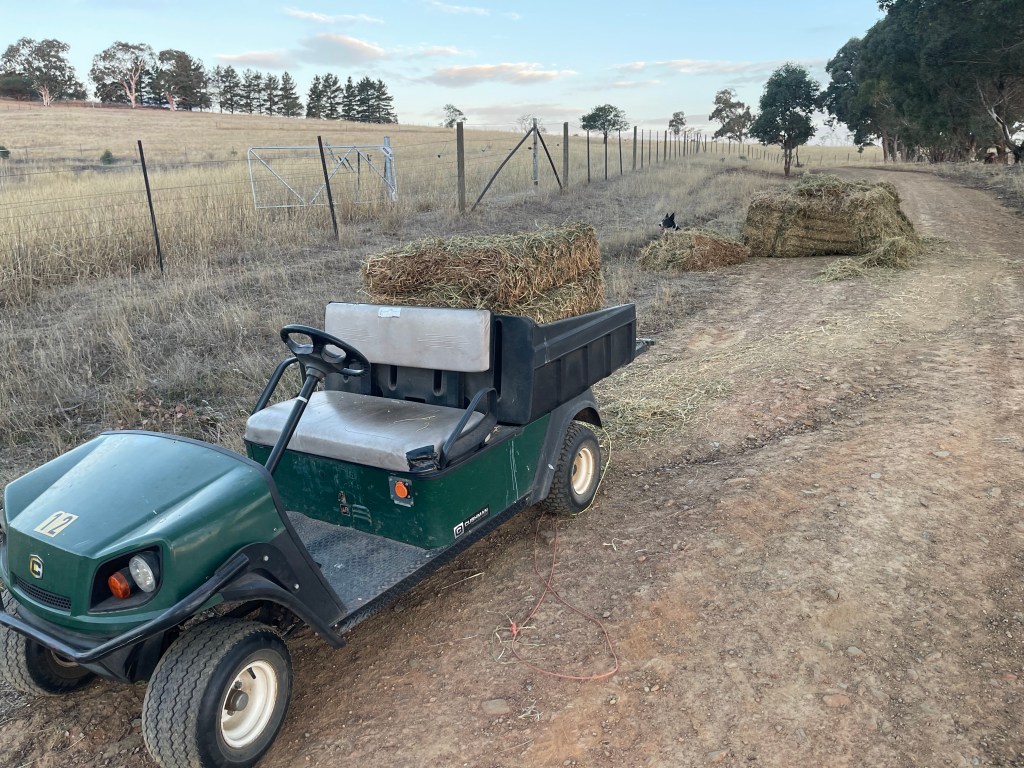
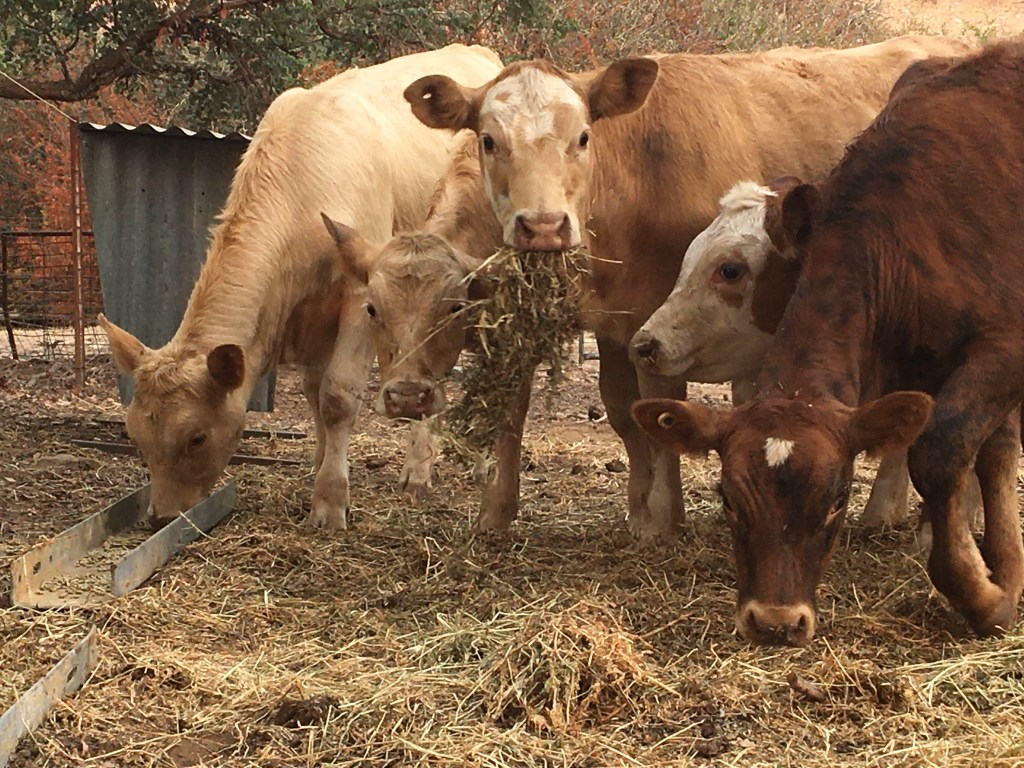
The paddocks are looking typical for winter. Short green grass and some standing dry matter makes for slim pickings for the cattle. Despite reducing our numbers heavily, we have chosen to supplement the cattle’s feed with the odd bale of hay.

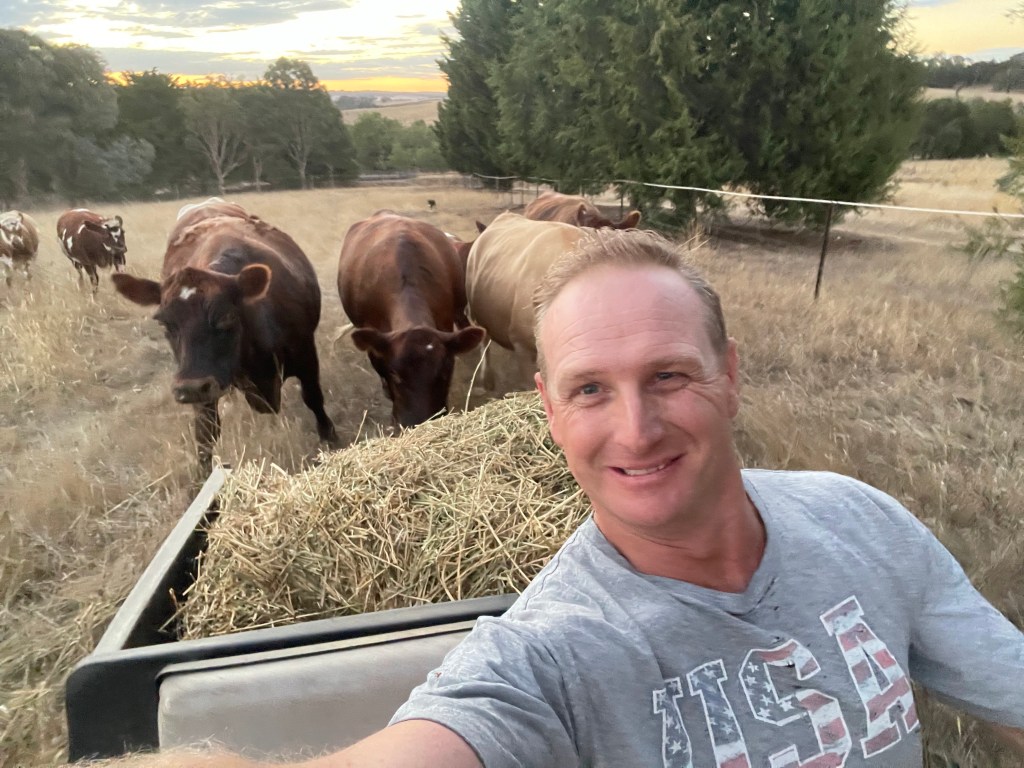
The older cows remember the sound of the tractor well and were very happy to see me, despite them all being in good condition. They will need every ounce of condition once they calve and start producing milk.

We have spent a fair amount of time inside this winter planning, dreaming, measuring, and pacing out a long-overdue renovation of the house. The Rock Farm homestead was built in the 1970s and is in almost original condition. We have done a few things to the house to make it warmer since we moved in (insulation in the roof, a new fireplace, and some new windows), but the majority of the house is very much as it was when it was completed (we think – our local council has a distinct absence of records relating to our home). We are enjoying planning what it might become.

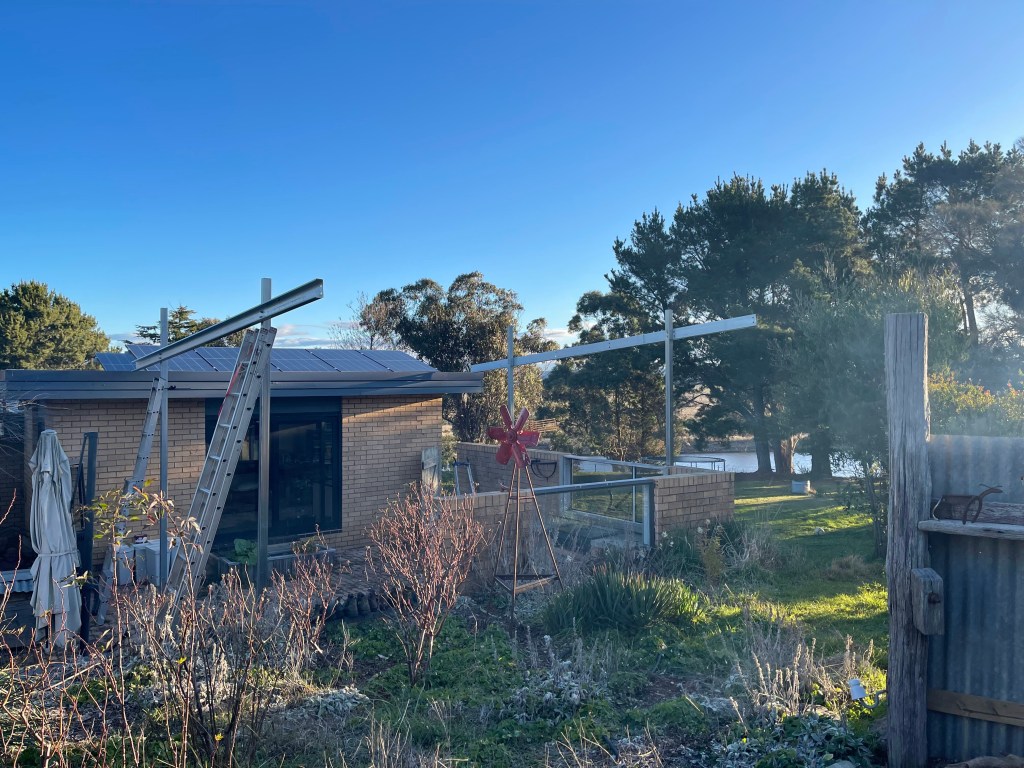
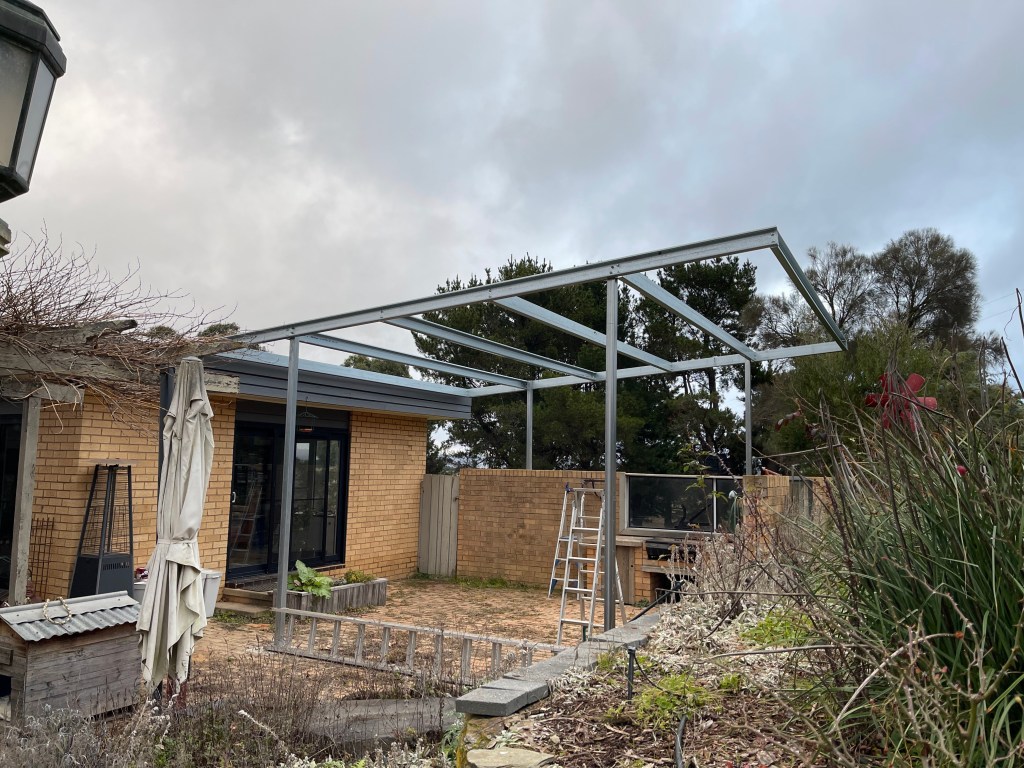
Despite the impending renovation, those who know us well know we have a long list of projects already on the go. The latest one is the construction of a new patio above our BBQ area, to be followed (one day) by a homemade pizza oven and new BBQ. It has been a whole family affair, with a fantastic day’s work from my brother, which saw us get the rafters up, and Jo and the still-at-home helper lending a hand getting the purlins and fascia ready for the new sheets.

But everything stops on that special day when the first calf arrives! Two calves arrived on their due date, and another one arrived the next afternoon. I can now see us finding many more excuses to go and sit with these beautiful animals.

With lots of things happening on the Rock Farm, it is great to take a moment every now and then to reflect on what we have accomplished. Sometimes Nature creates those moments for you.

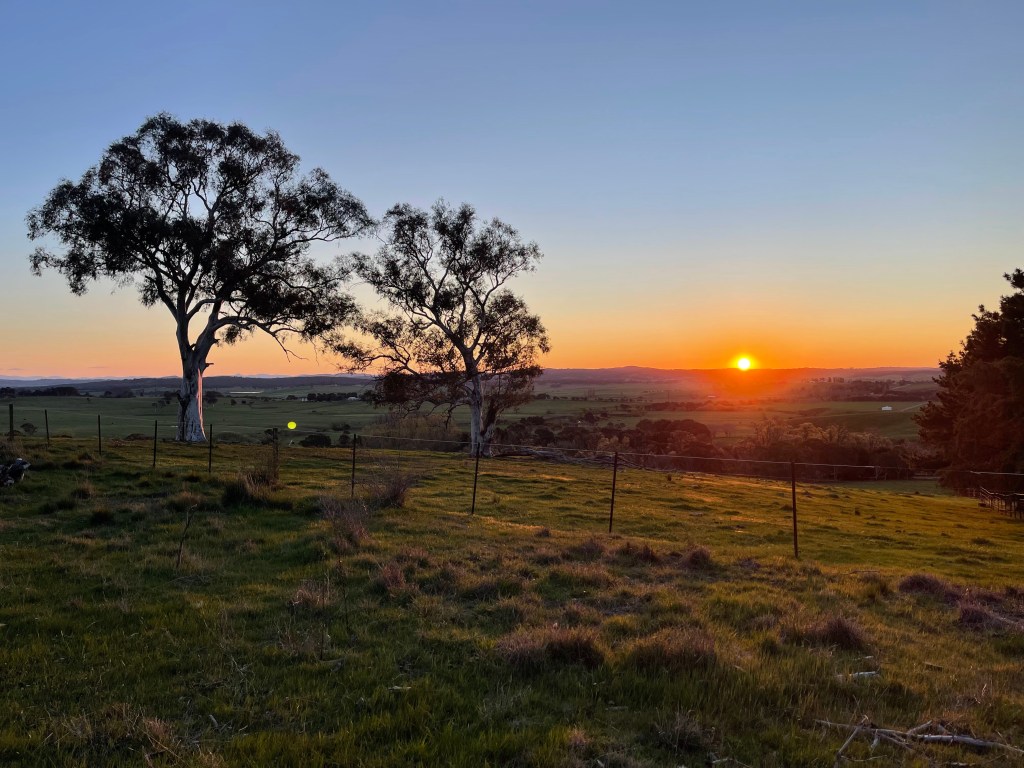
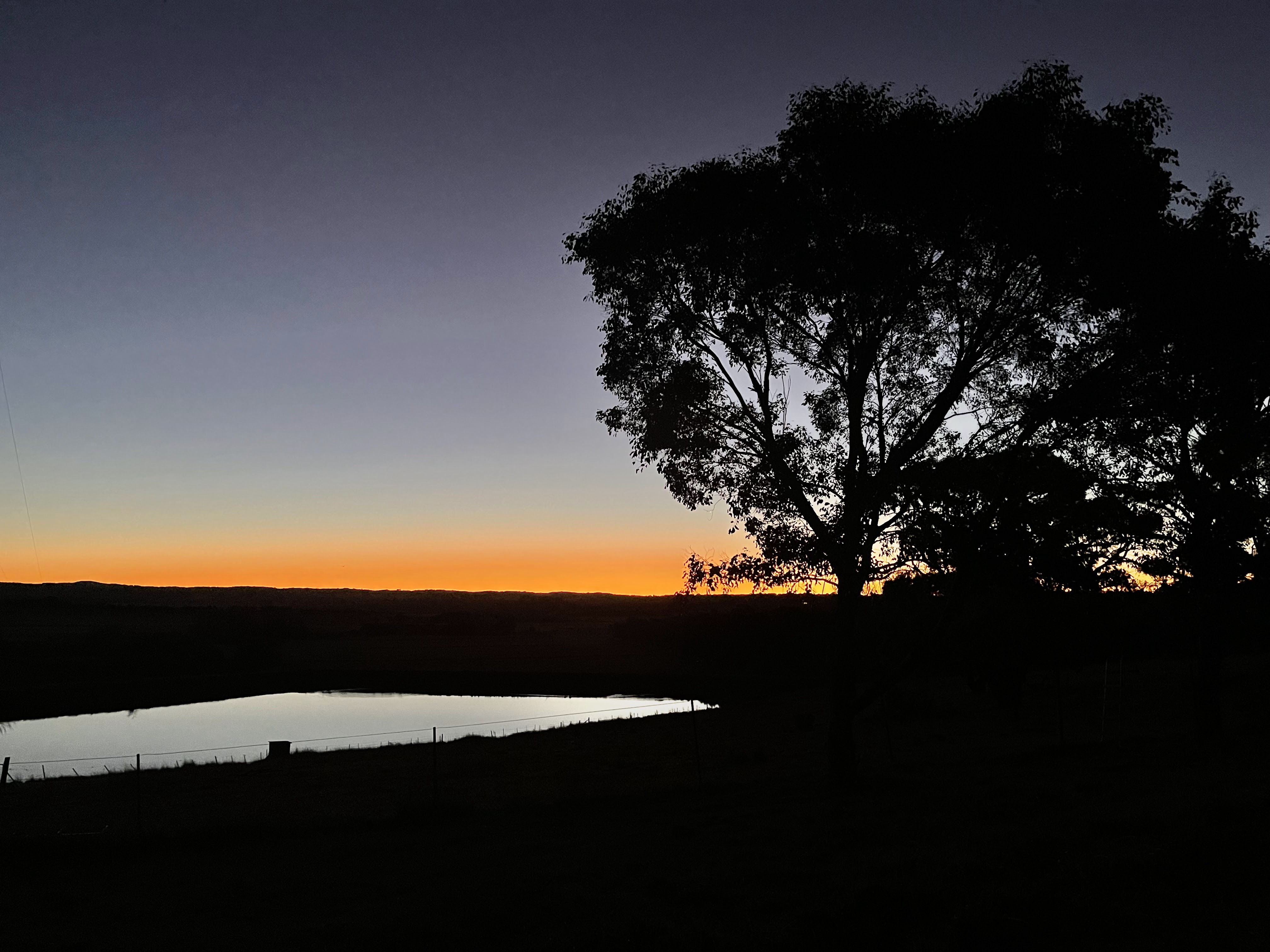
When the wind stops and the sun comes out, there is nothing like watching the sun sink below the horizon and seeing the stars appear in the night sky. The cold, clear air allows us to witness the magnificent glory of the stars, reminding me of how fortunate we are to be here.

Comings and goings in an unusual season

Last October you may recall we were making decisions that would affect our production for the next couple of years (see here:https://rockfarming.com/2023/10/19/a-strategy-emerges/). We had tried to arm ourselves with the best information available about the cattle market, soil moisture and predicted dry weather patterns, with the aim of protecting our soil health and welfare of our stock. The end result was a decision that we would not join 10 of our cows, with the aim of reducing our herd size leading into forecast drought conditions.

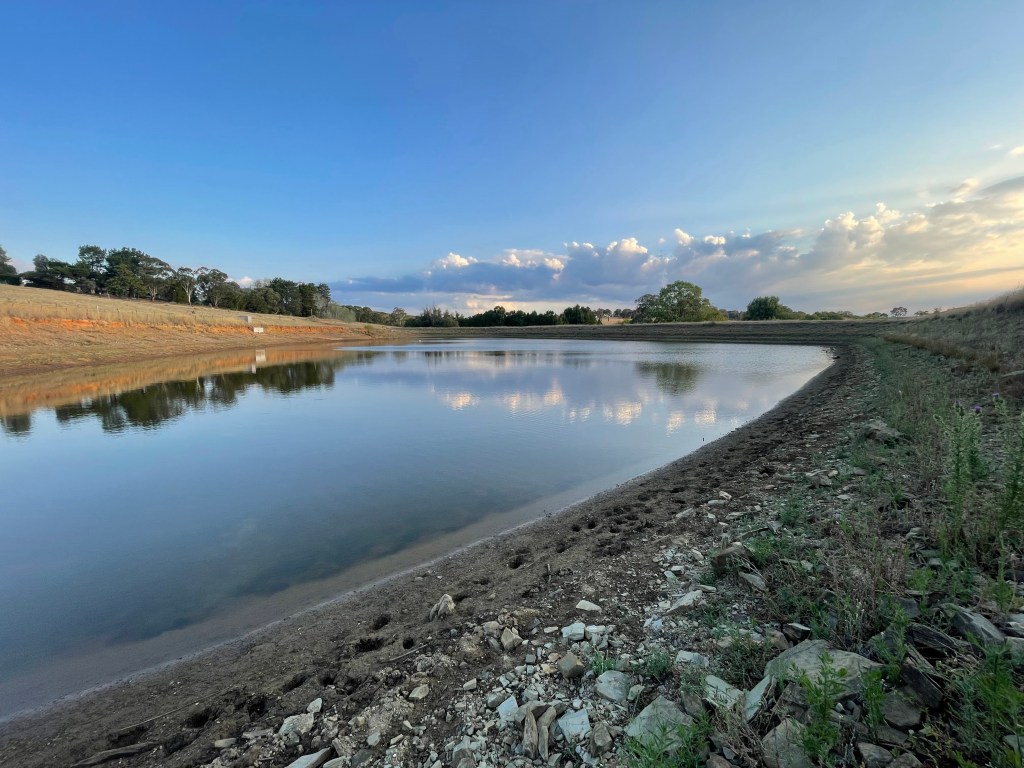
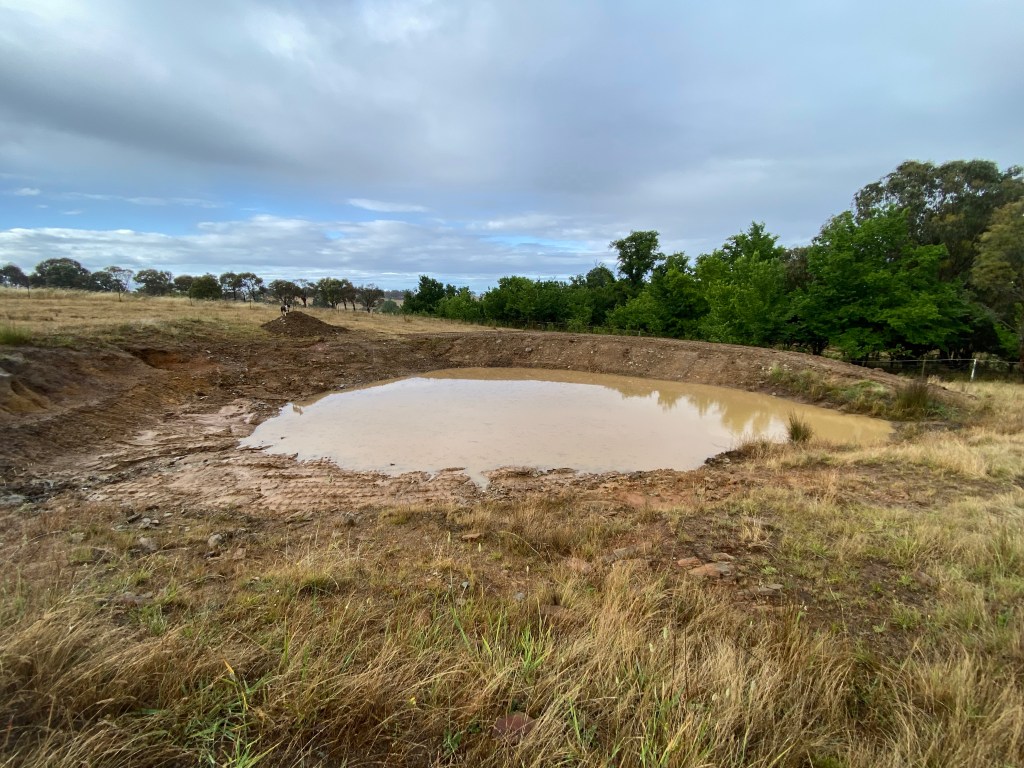
All through November and into December, I felt that we had made a sound decision. The weather dried out, and we used it to our advantage to de-silt an old dam. Towards the end of December we went away for a fortnight and came back to an entirely different property. The forecast dry summer had turned into something else entirely, and frequent summer rains continued through to February.

We considered our options, which included bringing the bull back for a late summer calving – but ultimately decided to let our decision to cull the cows stand. Come weaning, we would split our herd and cull 10 dry cows, keeping the remainder 10 cows and 2 maiden heifers (hopefully all in calf) on the Rock Farm.

Two weeks ago we weaned.

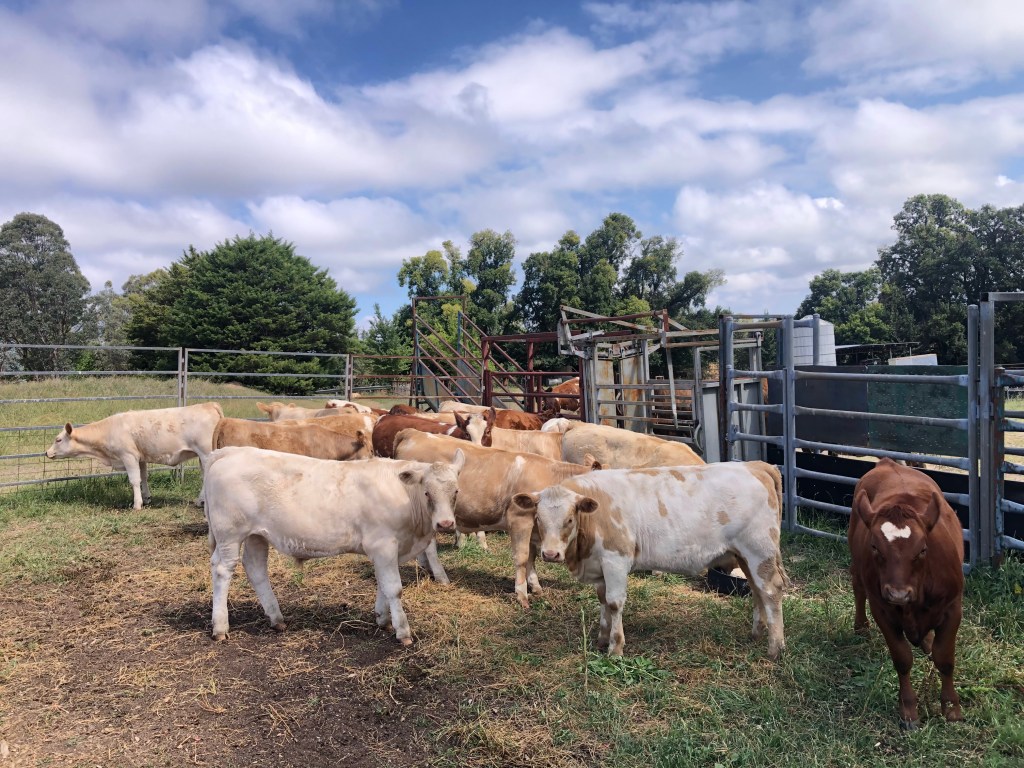
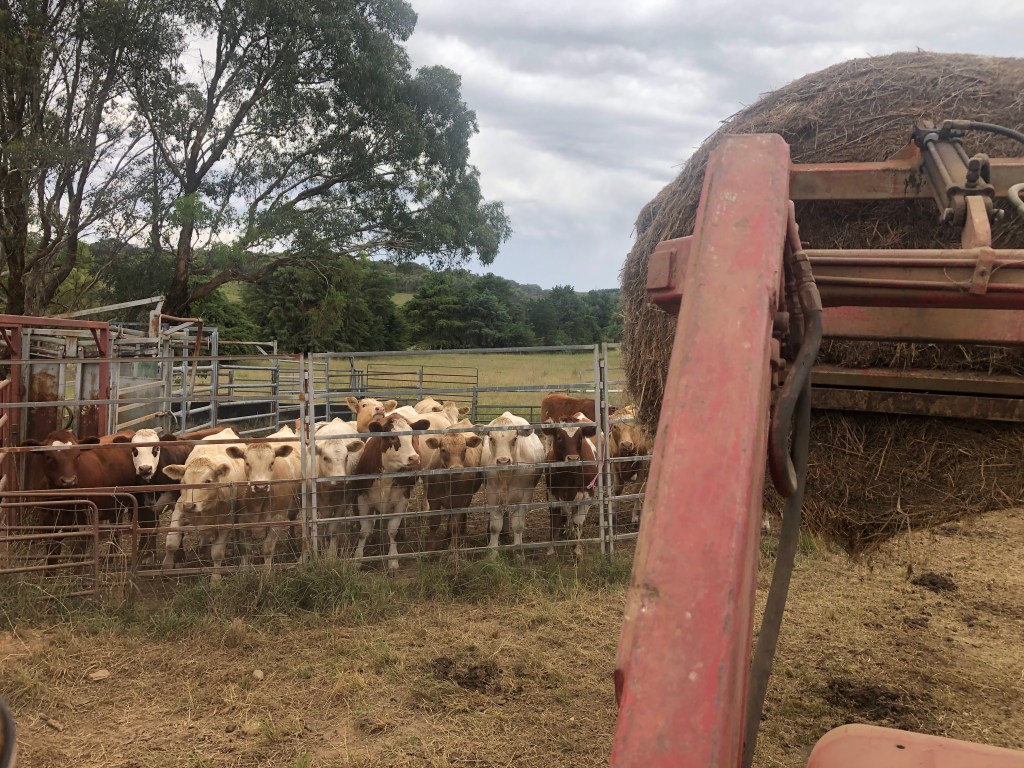
Weaning is always an interesting time. I allow the cows access to the lane leading down to the yards. For the first couple of days, there is lots of bellowing in an evening as the calves call for their supper, and the cows seek relief from full udders. But it doesn’t take long, and the cows are happy to wander off to greener pastures, and the calves settle down and learn that the tractor now brings them supper. Once they are happily independent, I move the cows to the other side of the farm, and let the calves into the paddocks behind the yards, to graze.

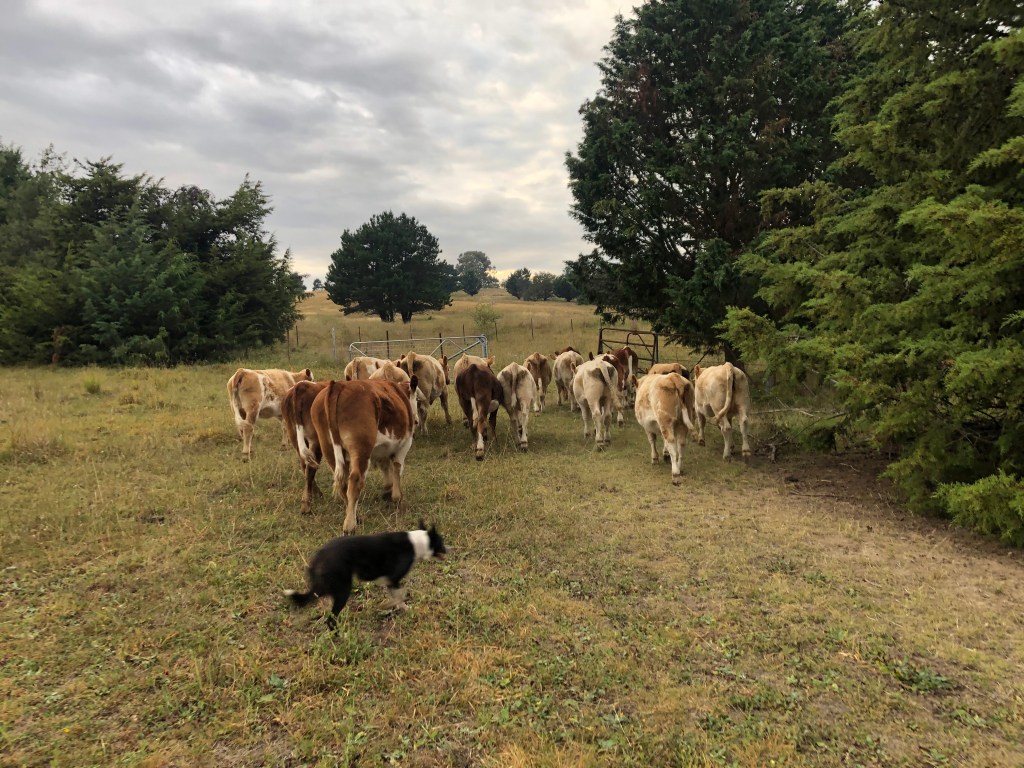
I handle the calves frequently during this time. Sapphy and I make it our morning routine to bring the calves into the yards, and as soon as they are there, we take the pressure off and leave them to return to the paddock. Two weeks into weaning, we brought the cows back to the yards, and split them into the two groups, those staying and those going.

We used some simple rules to determine which cows we would cull from the herd.

  • Any cow that had ever tossed or shaken her head at me or anyone else,
  • Any cows who had ever had any difficulty calving, and
  • Any cows with horns.

At the sale yards, our Agent split the cows into five lots. They made between $1.78 and $1.96 per kilogram live weight and weighed between 495kg and 675kg. Transport, agent’s fees and selling fees will take a fair chunk out of the cheque which is part of the cost of doing business, especially as a small producer.

Most importantly though we have removed ten hungry mouths from the Rock Farm, which will allow our wearers more opportunity to put on weight and value here for a few more weeks. With less mouths and more grass (with the possibility of rain in the next few days), we will assess our winter feed and possibly defer selling the wearers until next Spring.

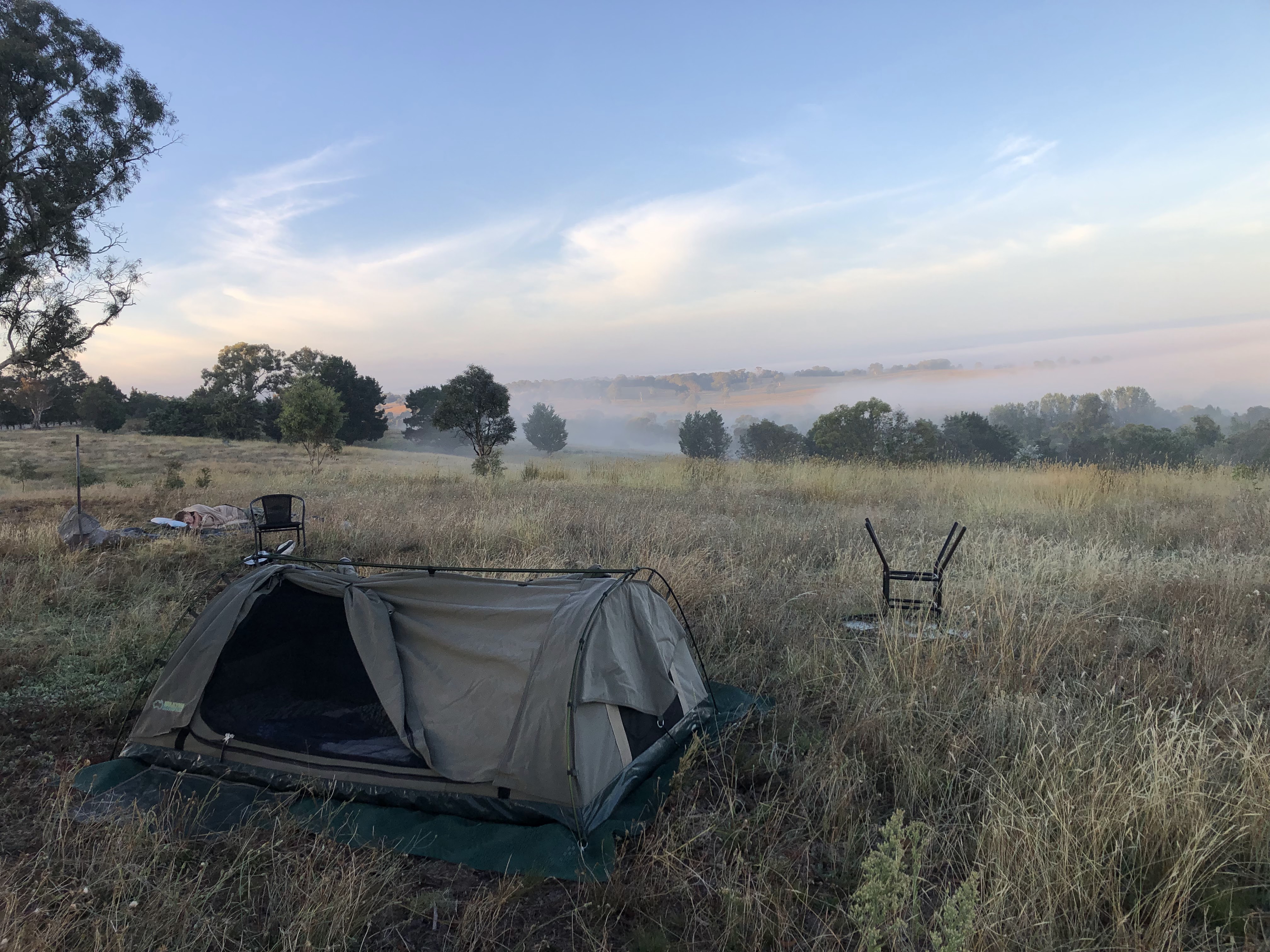
Until then, we will continue to enjoy the cooler evenings and make the most of living (and camping) at our beautiful farm.

The Summer Haul

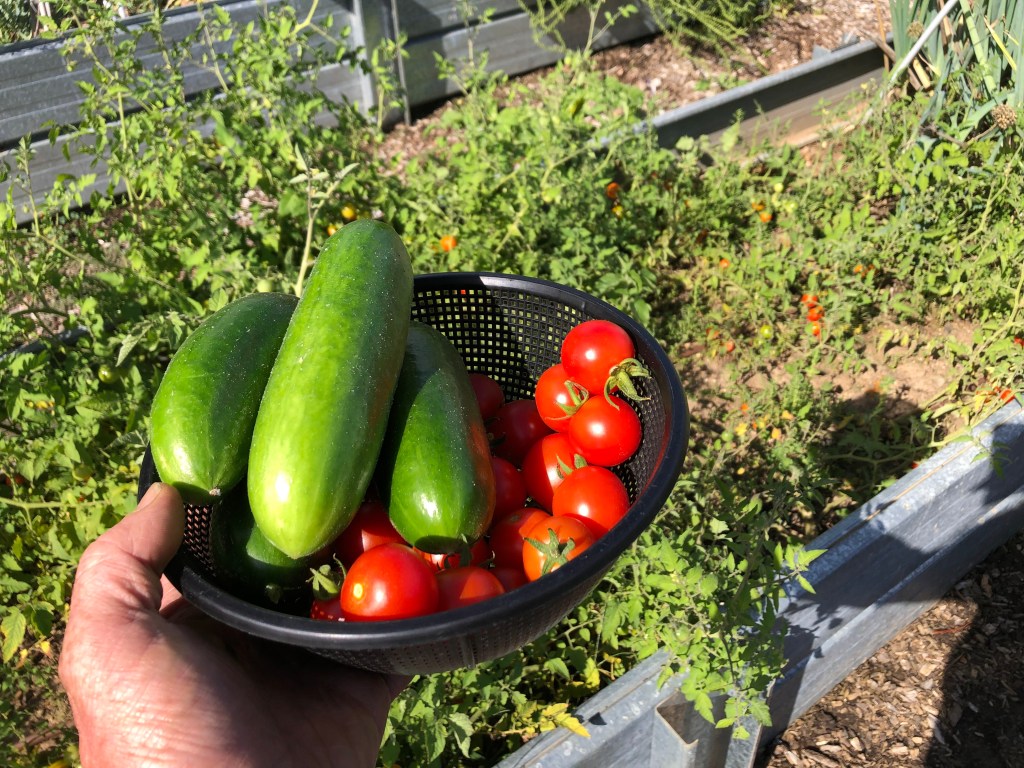
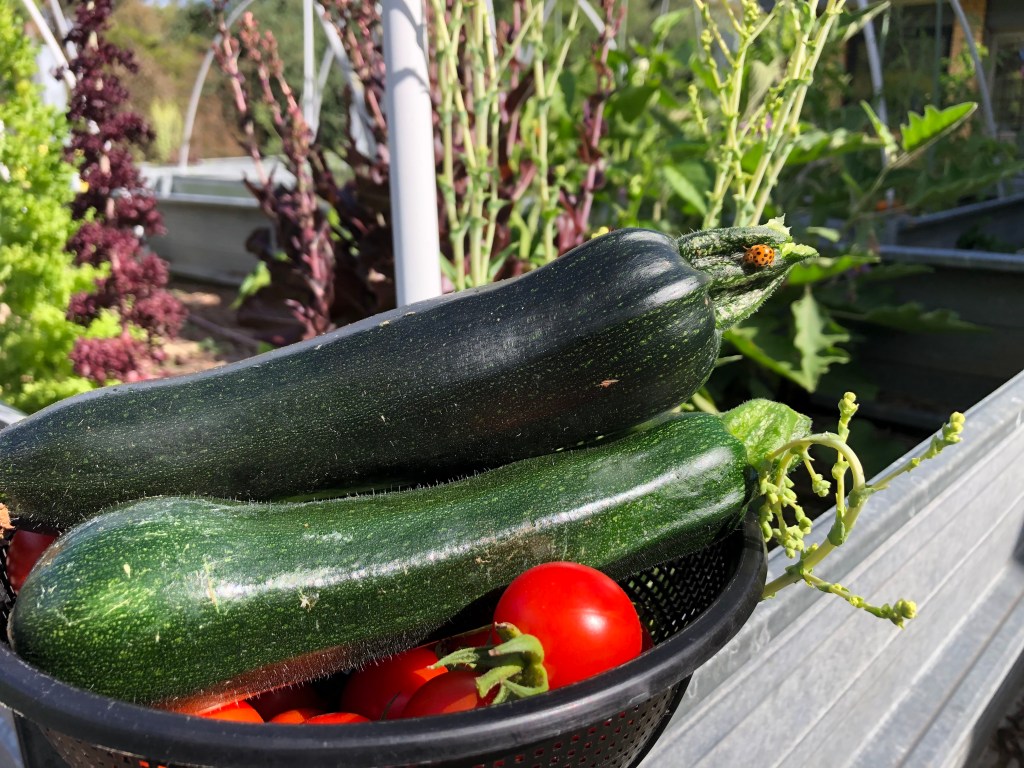
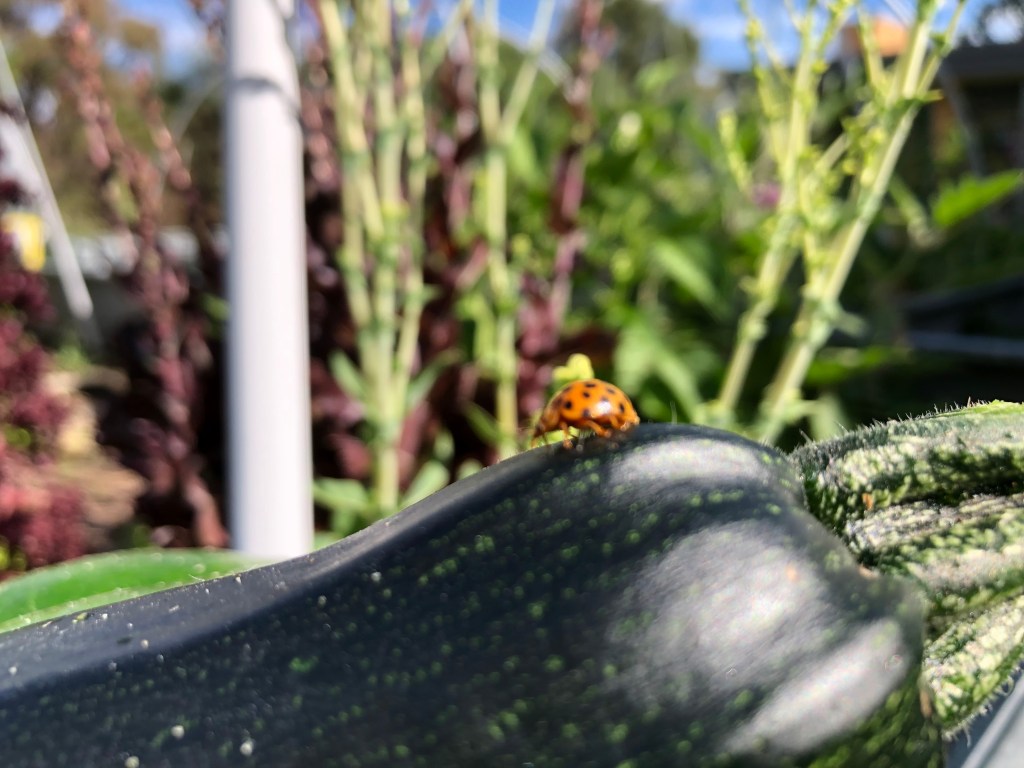
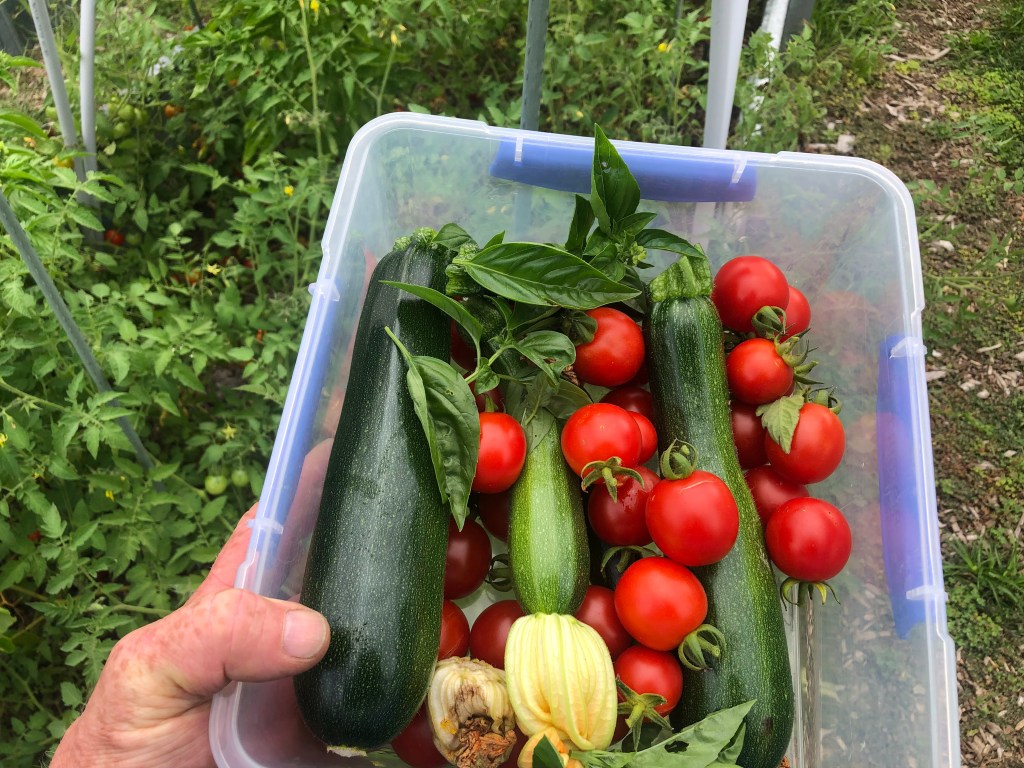
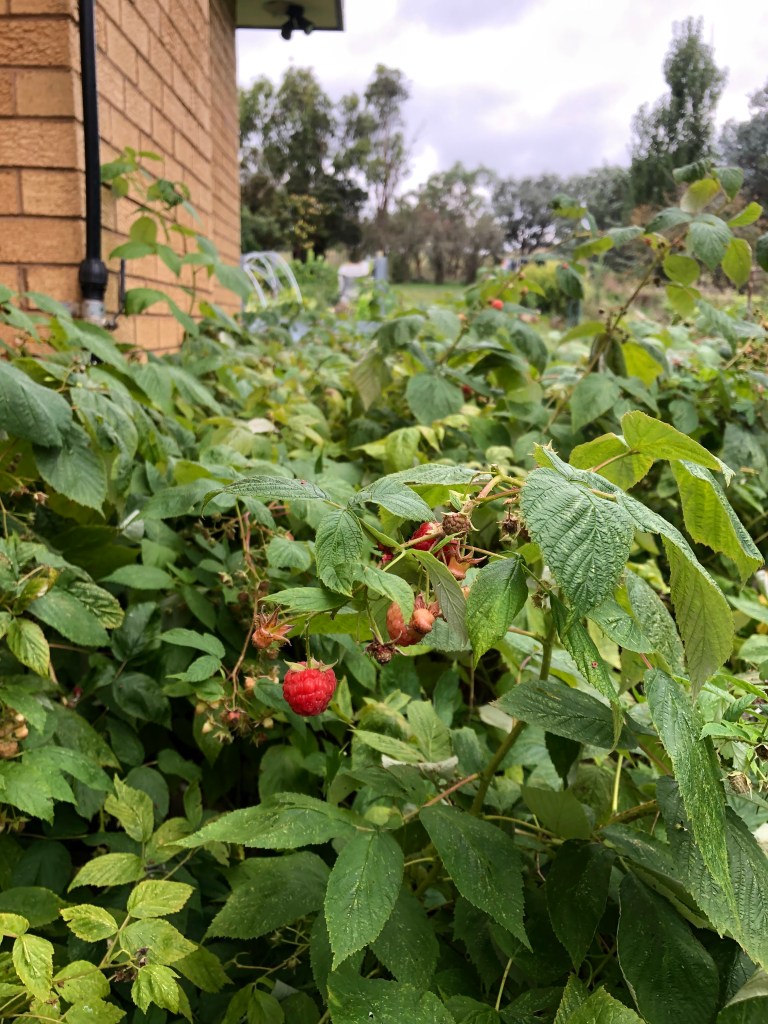
If you thought the Rock Farm was all about our cattle and trees, you’d be perhaps surprised to see some of the other things that we try to grow here. The return of a relatively wet summer has allowed our vegetable garden to thrive, and we have been enjoying regular harvests of cucumber, tomatoes, zucchini eggplant, capsicum, lettuces, and raspberries. There is nothing quite like picking fresh vegetables just before you cook them – the flavours are just so delightful. As my Italian colleague says, you can taste the sunshine 🙂

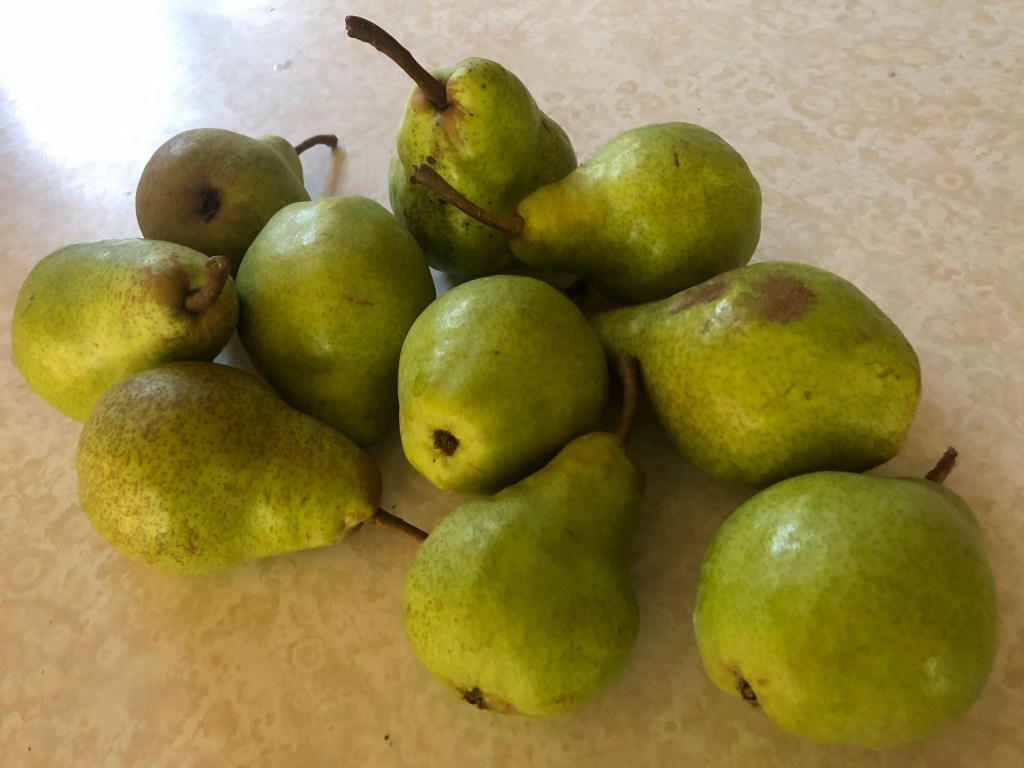
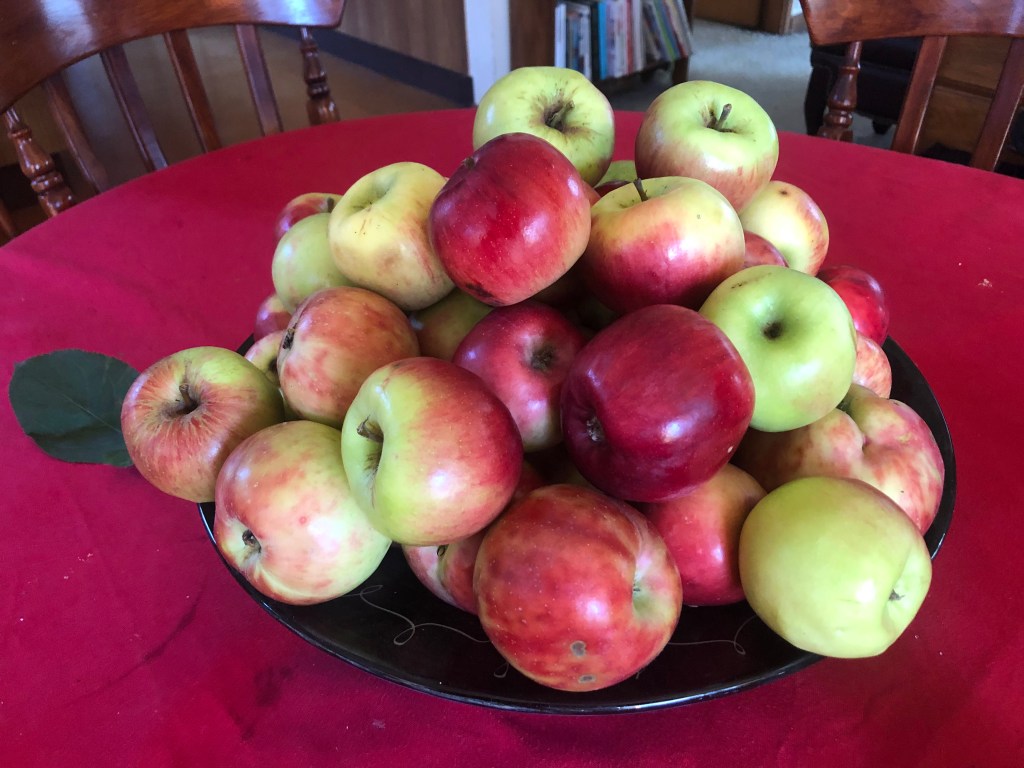
I can’t take any credit for the hard work that established our garden this year – except for hauling up some cow manure from the yards last year. We are even more fortunate to have lovely neighbours who let me pick some apples and pears from their orchid. If you think vegetables taste great just out of the garden, the fruit takes it to another level!

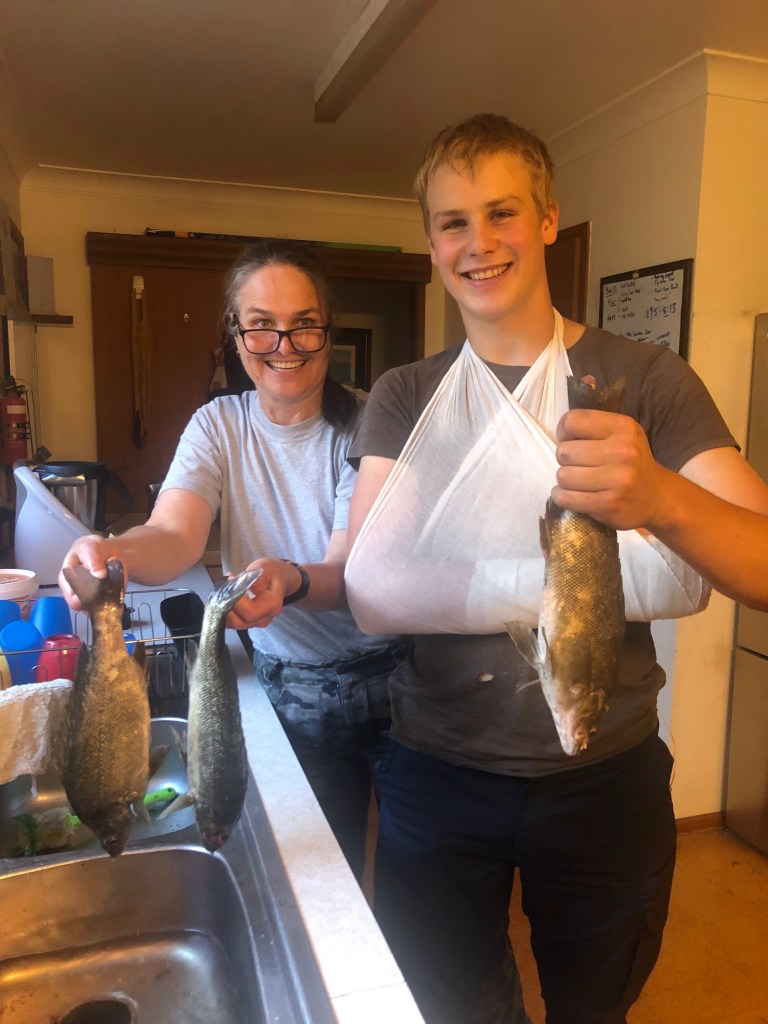
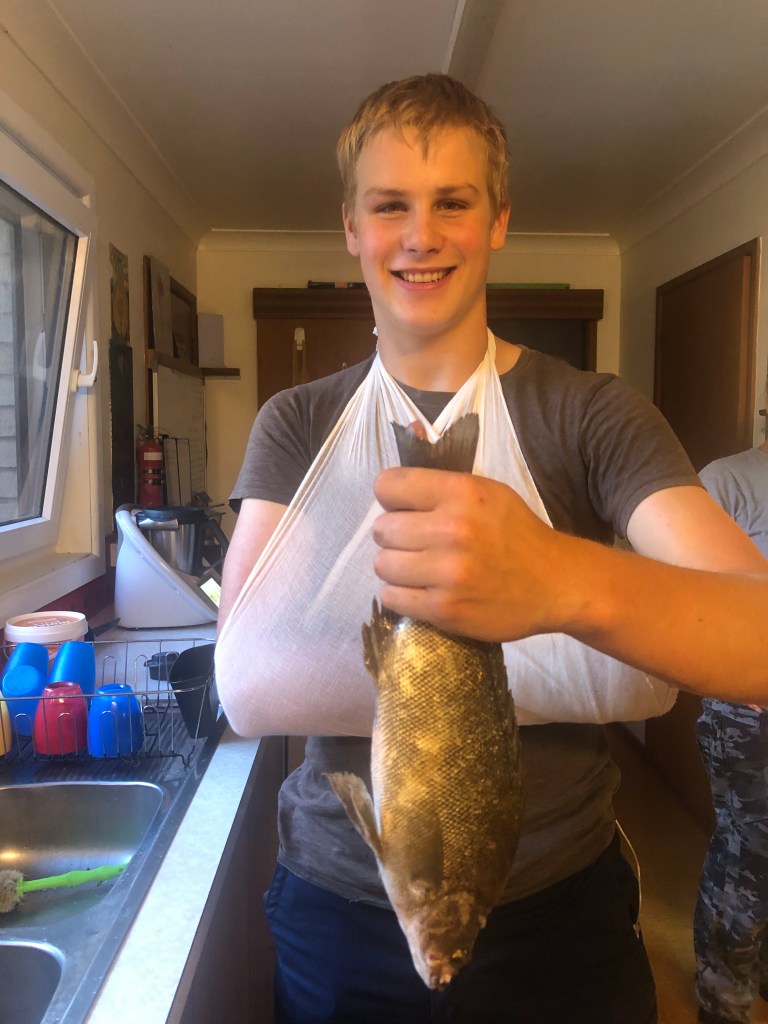
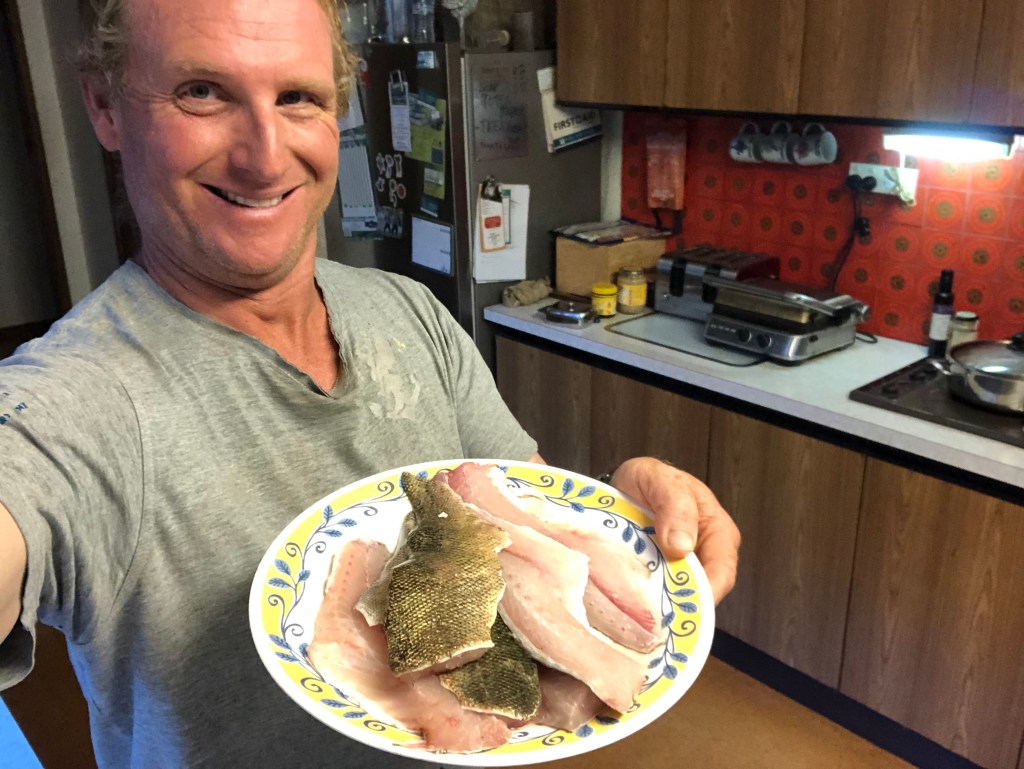
Perhaps the biggest surprise was what we found in our dam. After the crazy mountain-biker managed to crack a finger, he was laid up at home causing as much frustration to himself as the rest of us. In an effort to save all our sanity, I suggested he might try to see if the Silver Perch we had released in the dam as fingerlings in November 2021 had grown (https://rockfarming.com/2021/11/25/making-the-most-of-the-season/). The short answer is they certainly had. After about ten minutes with a rod using nothing but some bread as bait, he returned with three handy sized fish, which we enjoyed for dinner.

It is great to feel the evenings start to cool down, with the last throw of summer upon us. It is time now to start weaning the calves and get the farm ready for winter. There is lots going on, but that is half the adventure!

A most interesting season – Summer… er no Spring again!

On my last Rock Farm update, we were making preparations for drought. We decided not to join half of our cows, had started watering trees and arranged for a local contractor to de-silt a dry dam (https://rockfarming.com/2023/11/21/dry-times-present-a-new-opportunity/. The cattle prices had bottomed out and things were looking pretty grim, but we had a plan.

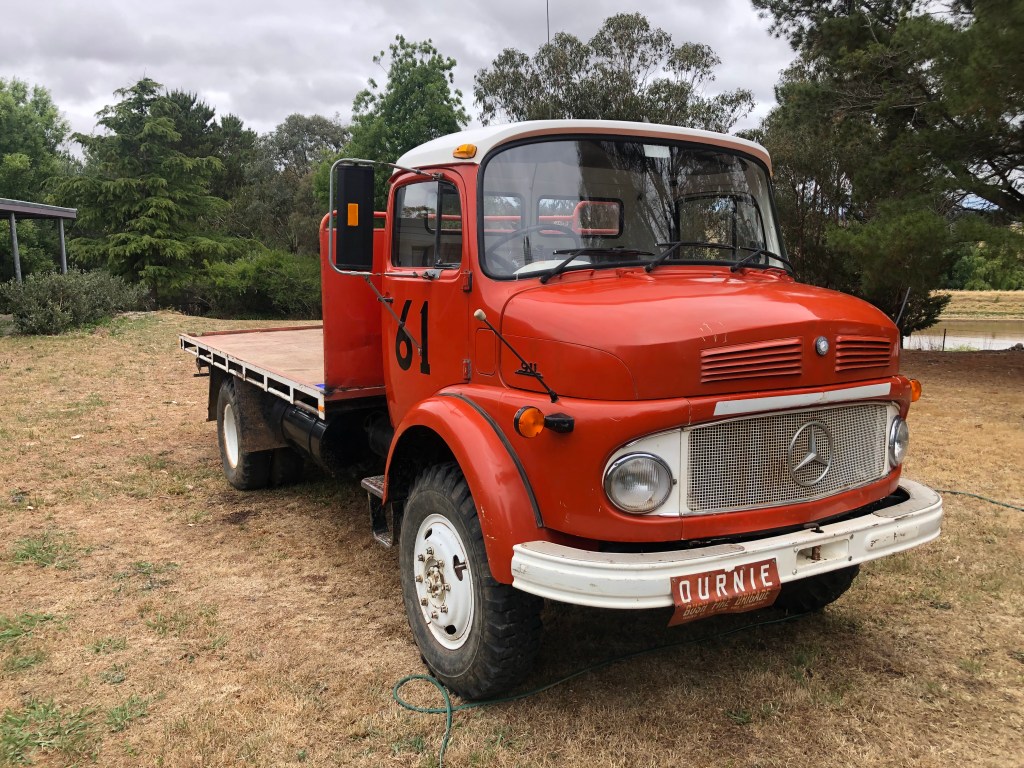
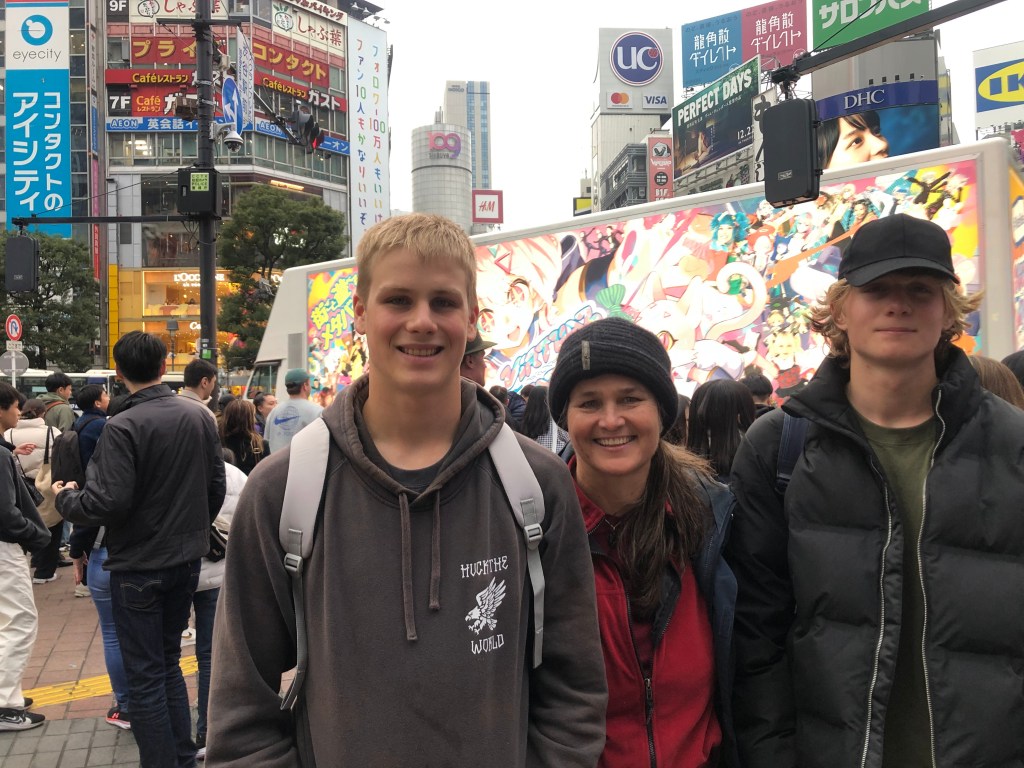
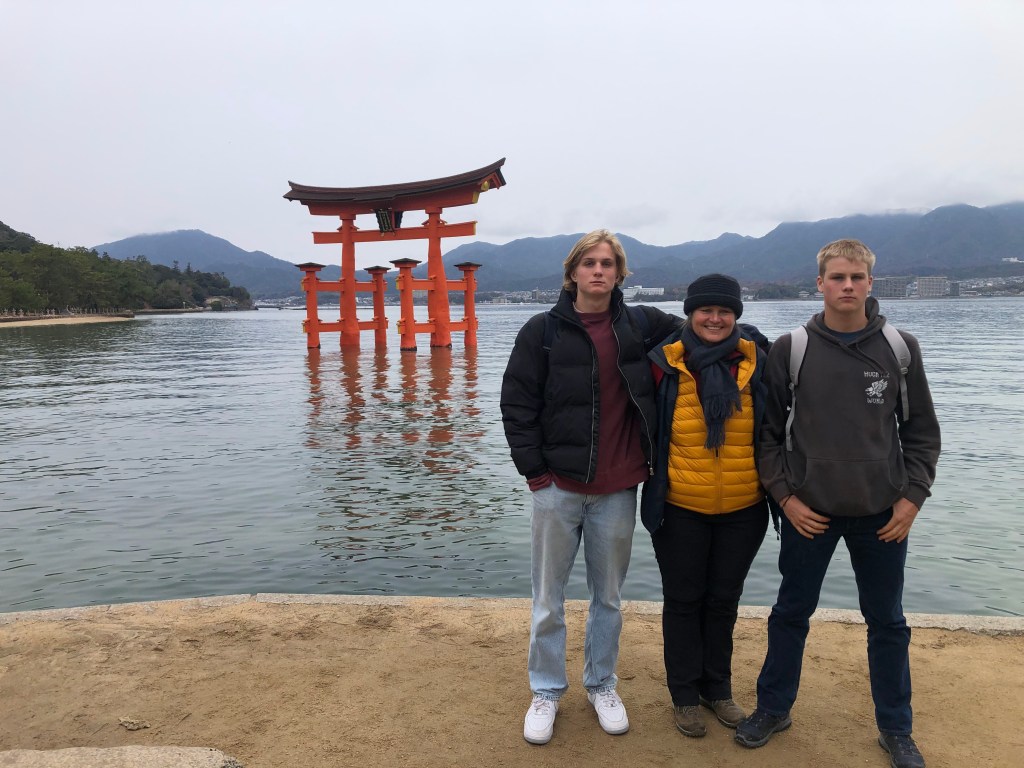
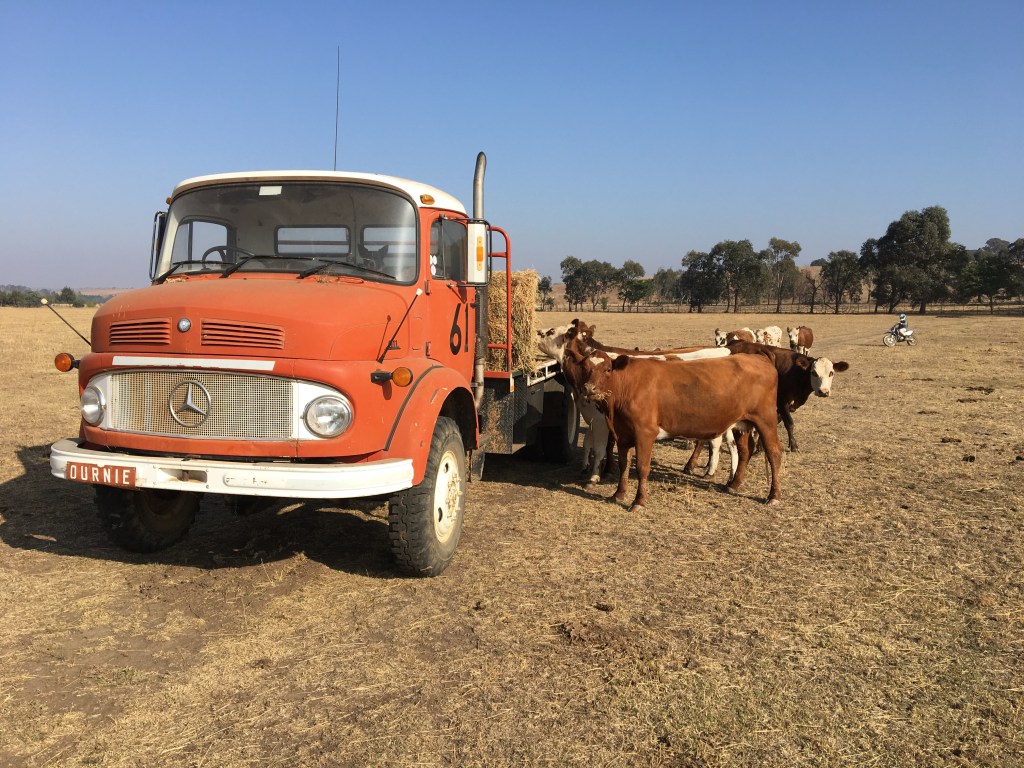
We careered towards the end of the year at a frantic pace. The big red truck was indeed made ready for the school formal (and performed admirably). Tractors, mowers and cars were set to work. School finished for the year and then we took a much anticipated holiday. To Japan.
My parents kindly became caretakers whilst we were away, moving stock, chipping weeds and keeping the place from descending into chaos.  And how lucky we were. The cattle all behaved themselves, the pump provided water to the troughs as designed. There were no catastrophic pipe leaks. But the most amazing thing happened whilst we were away. It rained.
So we left in Summer – and came back from our holiday two weeks later in Spring. The recently dug out dam was full, the grass green and growing and the cattle in excellent condition. Our drought plan has gone out the window…. or has it?

I am still cautious about what our rainfall will be like heading into winter. As such, our plan really won’t change. We will wean the calves in late March or so, and send the unjoined cows into the sale yards, followed by the weaners a few weeks later. This will reduce the feed pressure on the farm over winter – and hopefully make the most of the uptick in cattle prices. The rain has allowed us to delay weaning, but it won’t fundamentally alter our plan.
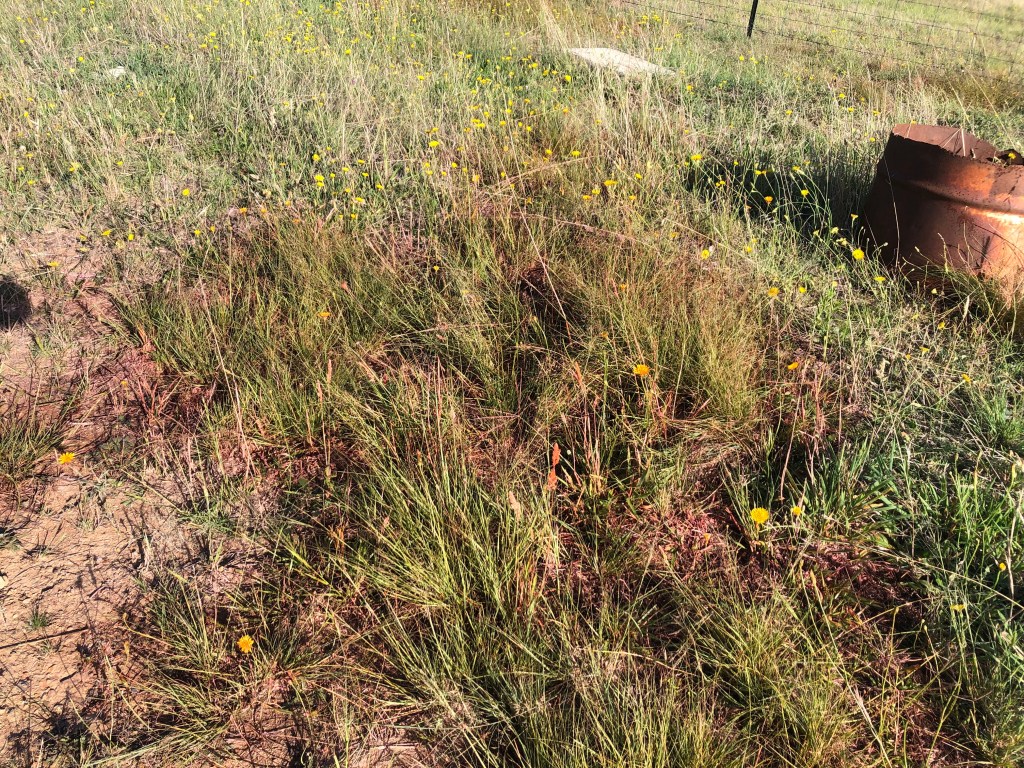
In the meantime, the weeds have leapt out of the ground. Despite my reluctance to use chemicals, I have relented, and spot sprayed some of our worst weeds – Tree of Heaven, St John’s Wort, Serrated Tussock and two patches of dreaded African Lovegrass. I hope that my small amount of spot spraying this year, will allow me to keep on top of the re-growth with nothing more than my chipper.

It is great to be home. Our family holiday was all the more special now our elder son has finished school and is about to embark on his own journey. It was an amazing gift my parents gave us, the opportunity to have our holiday knowing everything at home was in safe hands. Thank you Mum and Dad!!

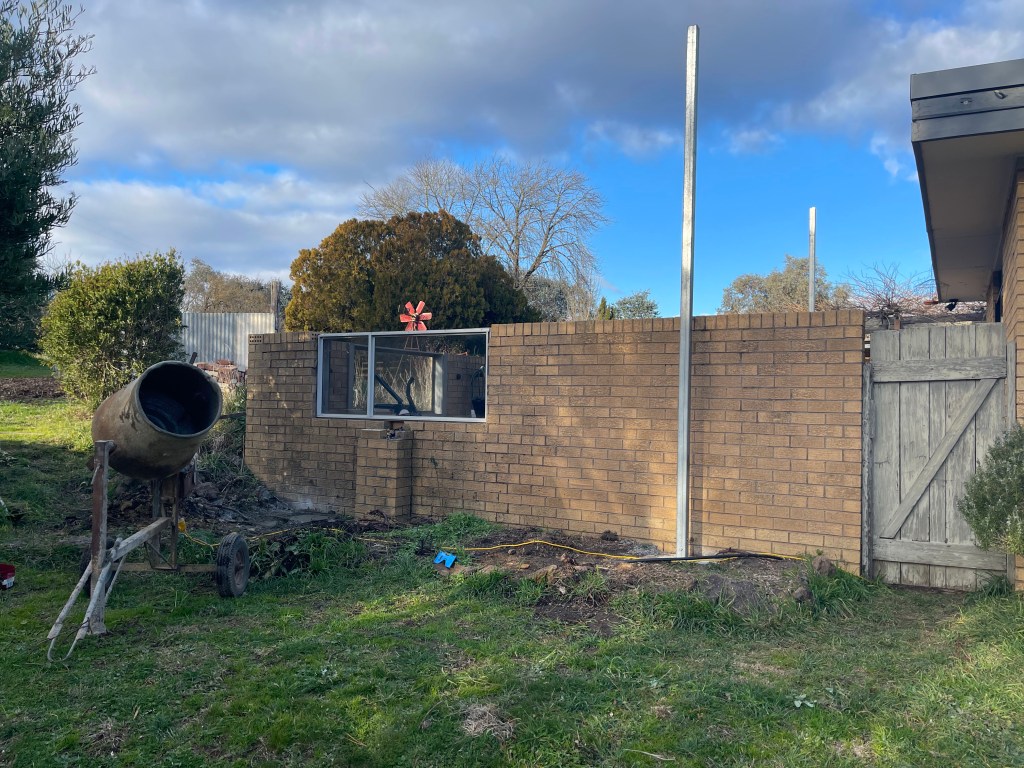
This year will be one of consolidation. We have spent the last six years on the Rock Farm repairing and establishing fences, planting trees and building our herd. This year we will start to turn our attention to our house. We have leaking gutters and an ancient patio that is about to collapse that demand our immediate attention outside. We will also plan a long overdue kitchen and bathroom renovation that we will commence in 2025. 

We hope that wherever you are, you had a lovely break over the silly season and hope that 2024 is a prosperous and happy year for you. 

Calves – beautiful calves – and a lesson

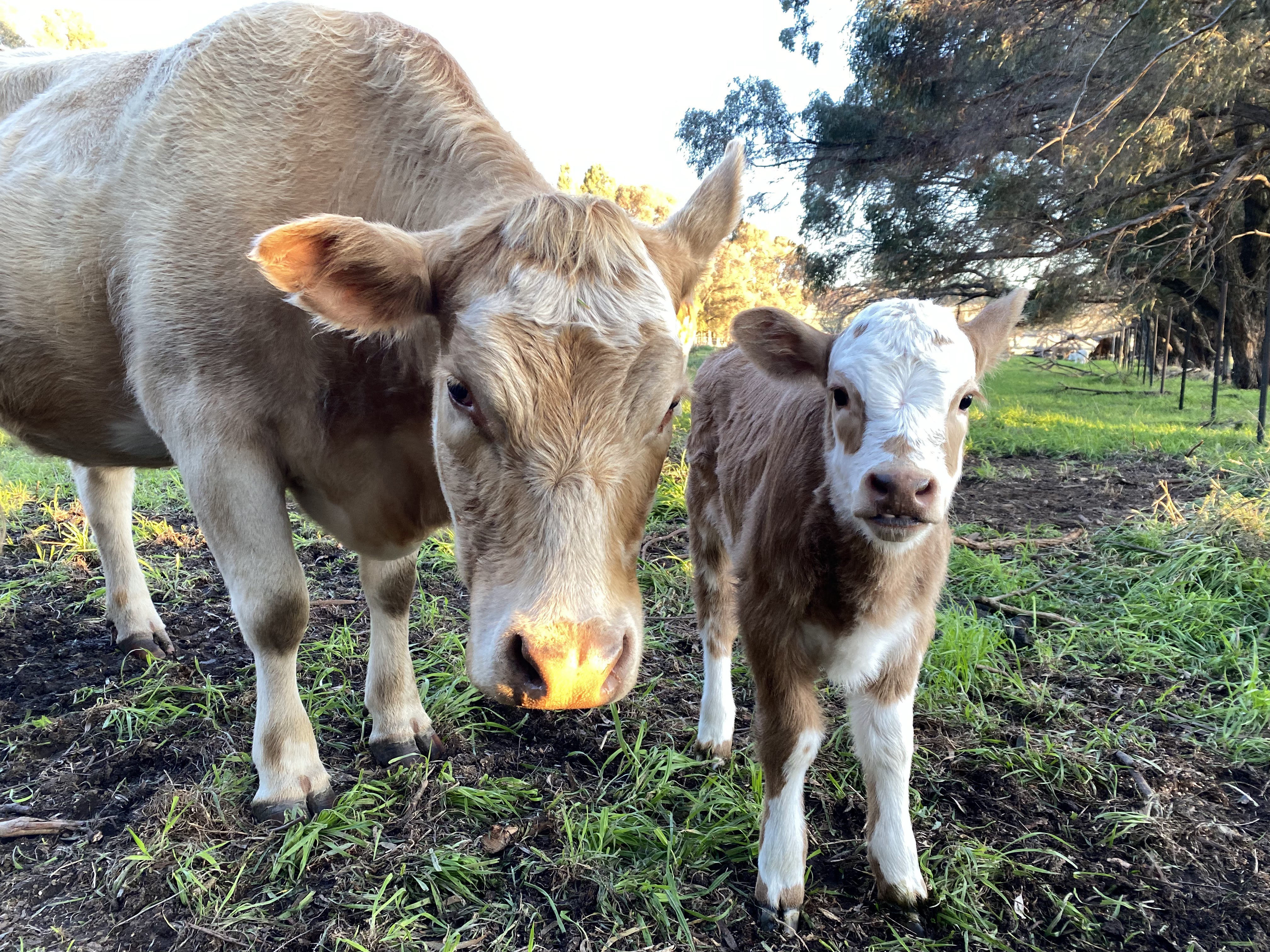
Over the past four weeks we have been welcoming new calves to the Rock Farm. We have now finished calving and have 18 beautiful little calves on the ground. Sadly one died during calving and one cow wasn’t in calf, bringing our calving percentage to 90% from our 20 head. The calves are simply the most delightful creatures, and one of our favourite pastimes is to just sit quietly in the paddock and let them pluck up the courage to sneak up on us.

This is a great outcome, but it has come at the price of a valuable lesson.

You may recall four years ago, we rescued one calf from almost certain death (see here). Somehow Mum (called Bomb) and the new calf Daisy both survived. Daisy has since gone on to became a favourite part of the Rock Farm. However Daisy also had her own challenges when it came to her first calf, Buttercup (see part 1 and part 2 here).

Buttercup has also become a favourite on the Rock Farm – earning her place with gentle nuzzles looking for apples. She is a lovely quiet cow, but sadly she is the one who lost her first calf this spring.

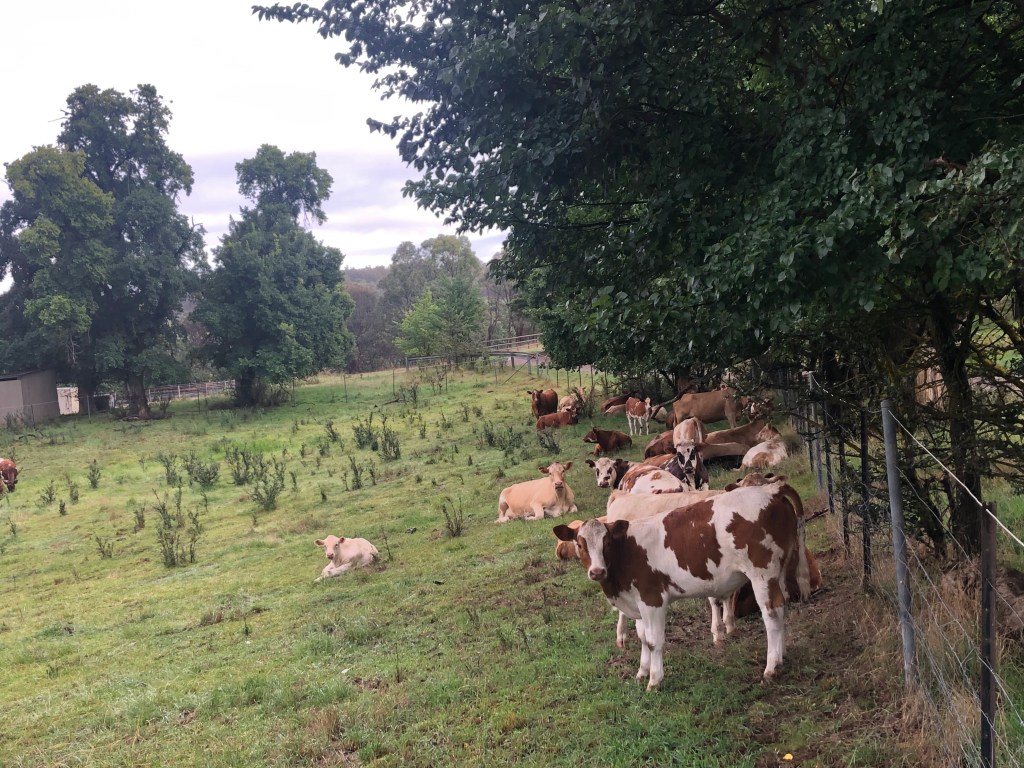
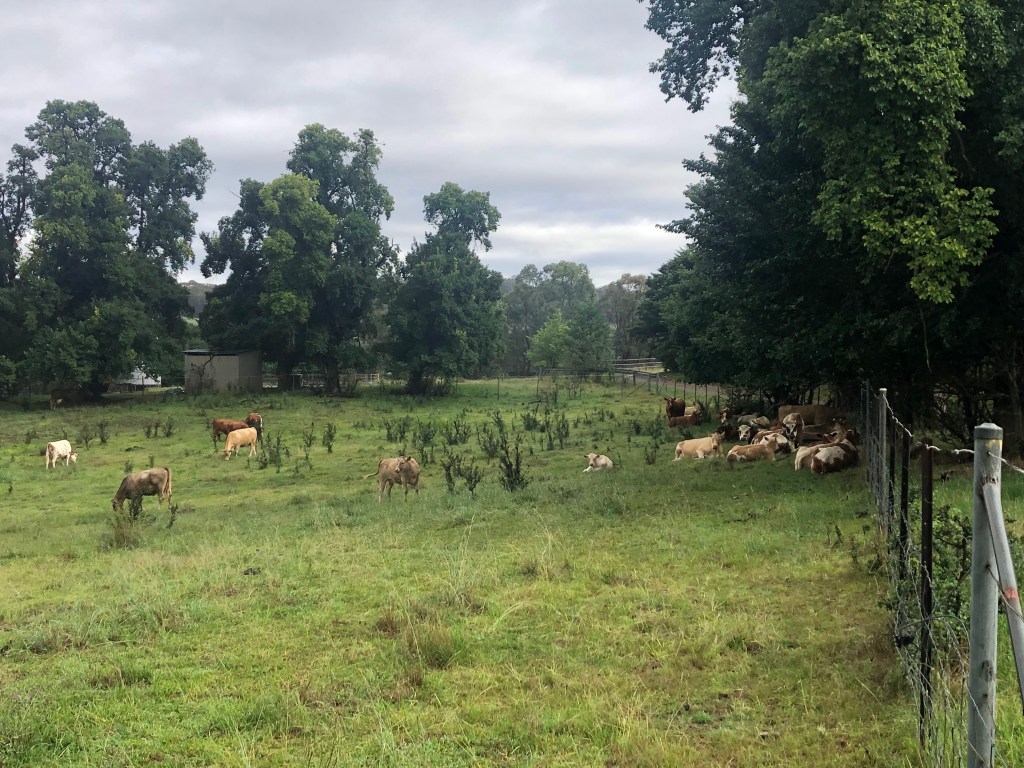
Buttercup has recovered well and his happily grazing (left) alongside the other dry cow. Both will leave us this season.

All this means that we have learnt a harsh reality of running livestock. Sometimes we have to be ruthless in our decision making, especially when it comes to breeding. So this year the family have agreed that we will cull this line of cattle from our herd – something I should have done right at the start.

The hard part now is working on the logistics and timing when we will sell them. The market is looking grim, with a combination of factors seeing a crash in prices at the sale yards. An oversupply and the forecast dry spring and summer have seen prices plummet to between a quarter and a third of what they were 12 months ago, and sheep prices are even worse. At least our spring started relatively well, and our cattle still have feed ahead of them, but I feel conditions are about to dry out quickly.

At the end of the last drought, we were down to 10 breeding cows, and had weaned our calves early. This year we have 20 cows with two maiden heifers ready to join. With our new calves, we have 40 head in total on the Rock Farm. I haven’t made a final decision yet on our numbers, but we will start to reduce numbers soon.

We have been down this path before – a quick look back at our photos from 2019 reminds me how dry it was at the end of three years of very little rain. As we head into this summer, our cattle are in excellent condition, and our hay shed is well stocked. There is still moisture in the soil, but it is fast disappearing and the grass is starting to shoot to seed. If we are fortunate, with a few summer thunderstorms, we may just have enough feed to get through until autumn. Time will tell.

In the meantime, we are enjoying the warm weather… and our beautiful calves 🙂

Rock Farm – Winter 2023

Regular readers will know that my lack of recent updates doesn’t equate with lack of action on the Rock Farm. There have been plenty of activities both on and off the farm with different challenges keeping me away from the blog.

First the most exciting news. Precisely 283 days after the bull joined our cows, we welcomed not one but two calves to the Rock Farm. For the next six weeks or so we will be keeping an extra close eye on the girls, especially the two maiden heifers with the herd, in case there are any difficulties. The little calves are so cute, and it feels extra special that their mothers allow me to get so close to them. Two days later we have four on the ground. It is a magical time indeed.

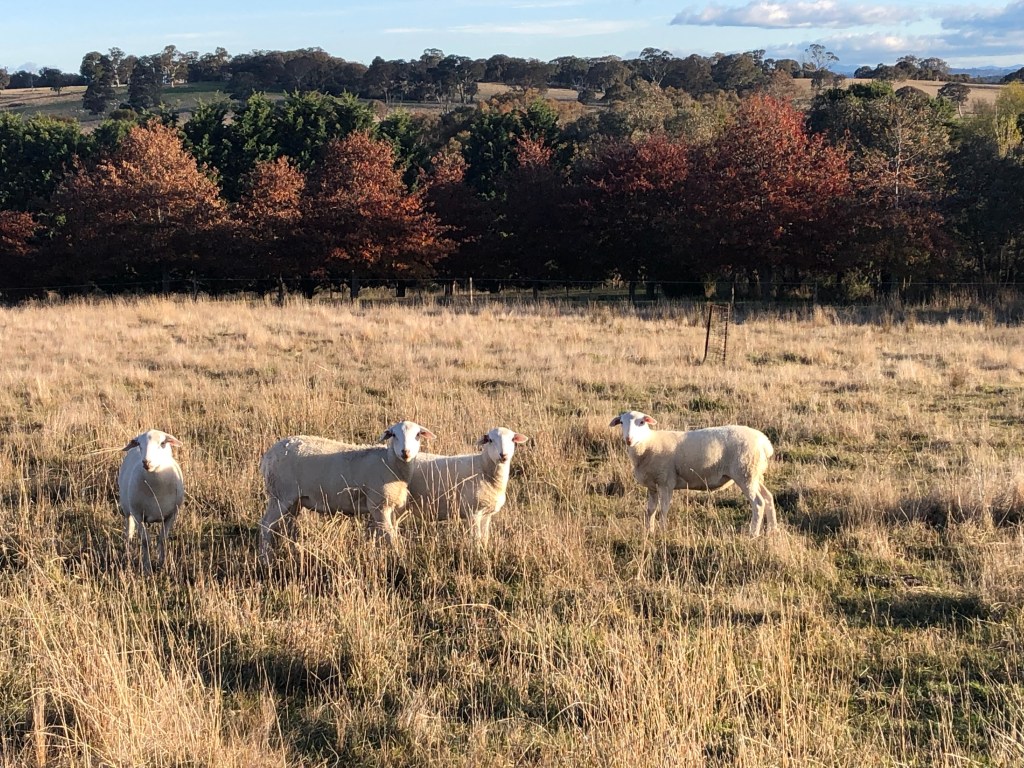
Our lambs enjoyed their time on the Rock Farm, and I enjoyed having sheep back on the place – albeit for a little while. They reminded me that our fences are not set up for sheep after they moved themselves down to our flat, and then through a tree guard fence where they proceeded to nibble the tops of my two year old oak trees.

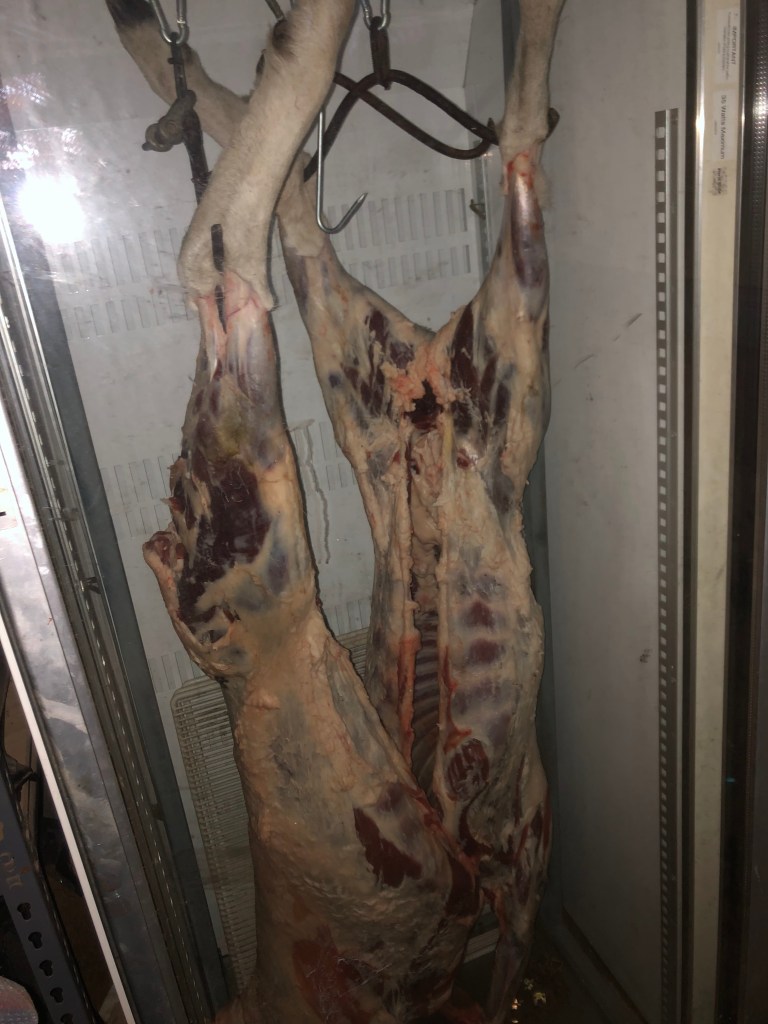
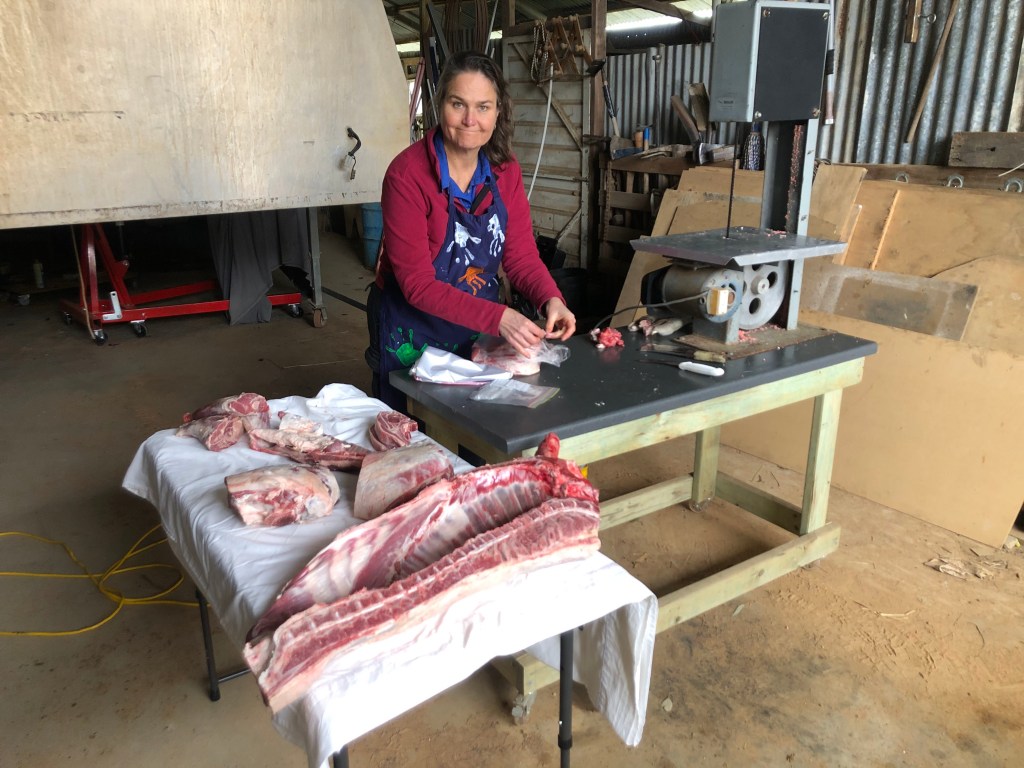
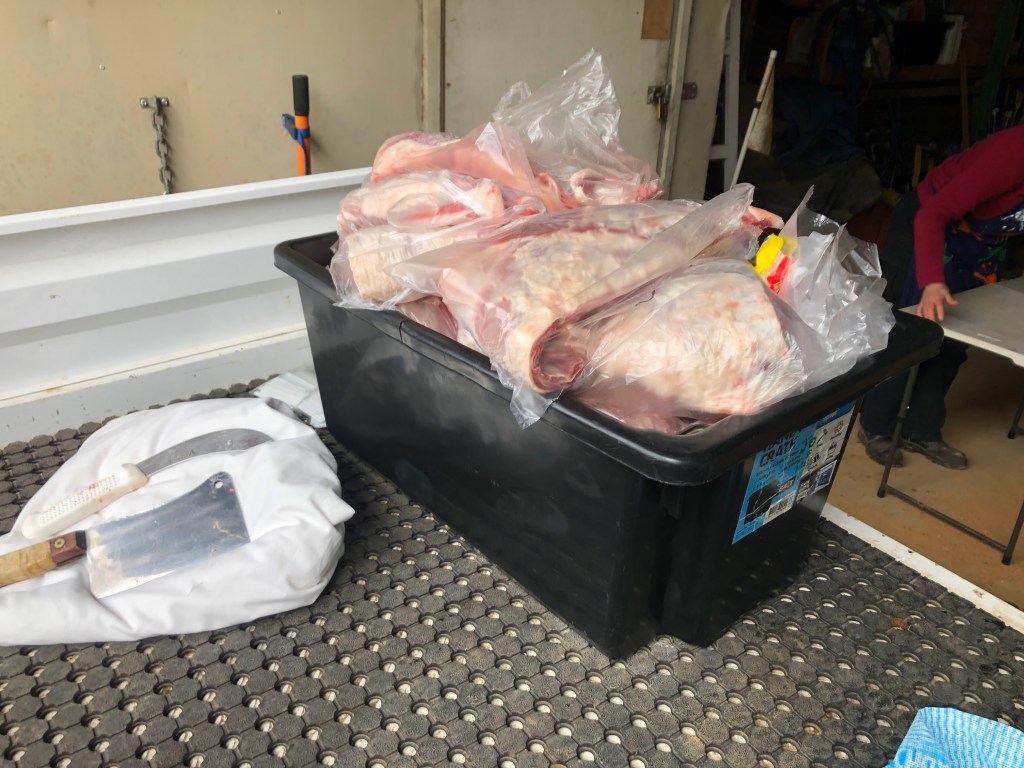
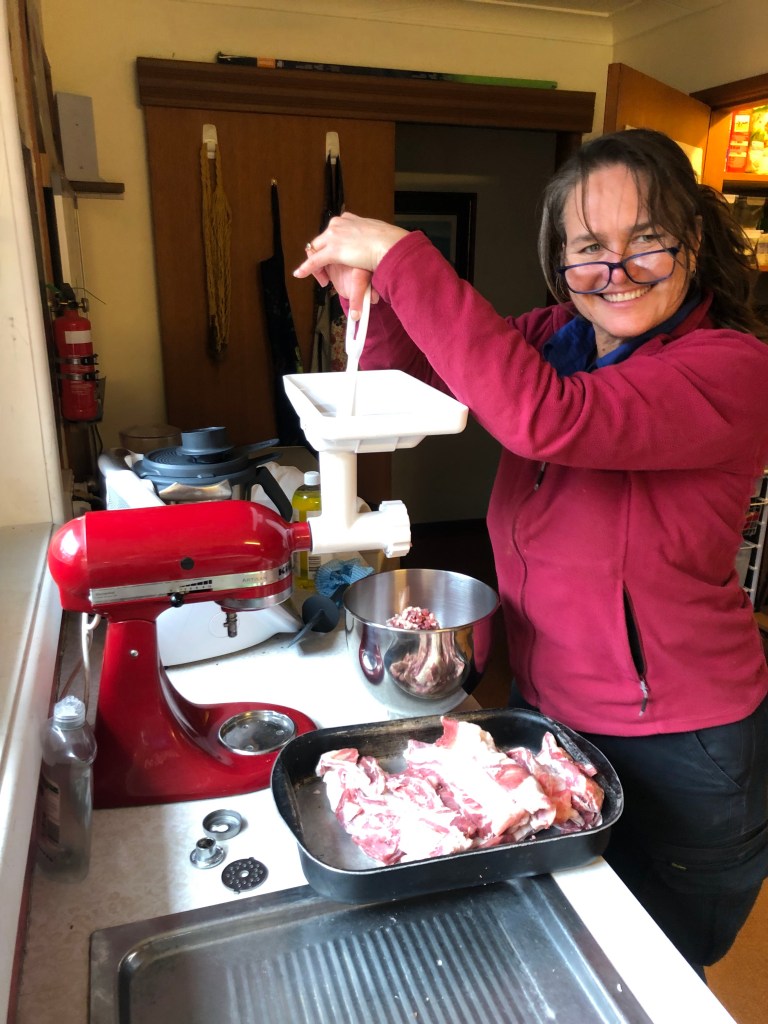
We processed the lambs in pairs, and they taste delicious. The combination of healthy pasture coupled with no stress on the animals leading up to slaughter meant there was no lactic acid build up in the meat. We chilled them for a week or more before running them through the band saw and freezing the meat. We averaged 24kg dressed from each lamb, which filled the freezer nicely. Whilst slaughtering the lambs is not a pleasant task, I take comfort in the fact these animals had a good life with us on the farm, and were shot dead in the paddock without the usual stress of being sold through sale yards, taken to an abattior and slaughtered some 48hours after leaving the farm.

The paddock rotation has been going well, and I haven’t needed to put out any feed for the cattle this winter. When I go for my regular walks around the farm, I often pause to pull out serrated tussock (Nassella Trichotoma) underneath which I am pleased to frequently find earth worms. It reaffirms my determination to not use chemicals if at all possible.

Our local Regenerative Agriculture group has continued to meet regularly, and I am continually inspired by the wonderful people who seek to restore the health of the soil and biodiversity of their land. We have been able to help in a small way by storing some native Kangaroo Grass (Themeda Triandra) Hay for the group. The hay was cut with the full seed heads still on the plant. Horses don’t like eating it (the seed head is a little spikey), but it makes excellent seed bound mulch for re-vegetation projects. The hay has been exceptionally popular with Landcare and other restoration projects, and I have been happy to support this project in a little way.

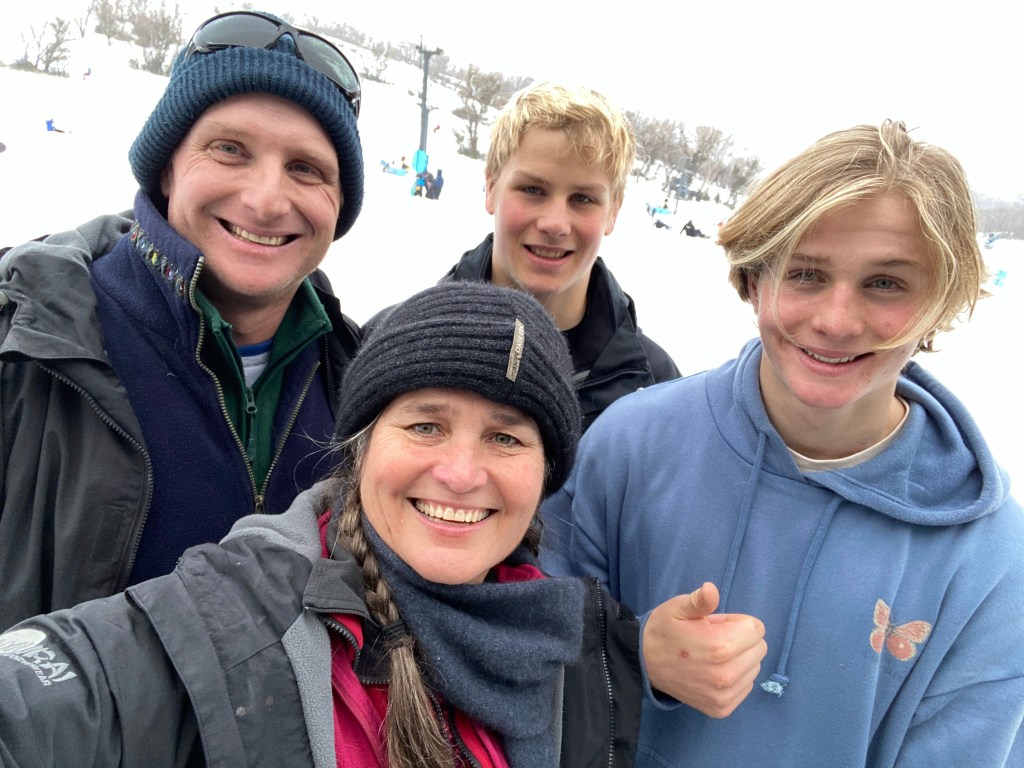
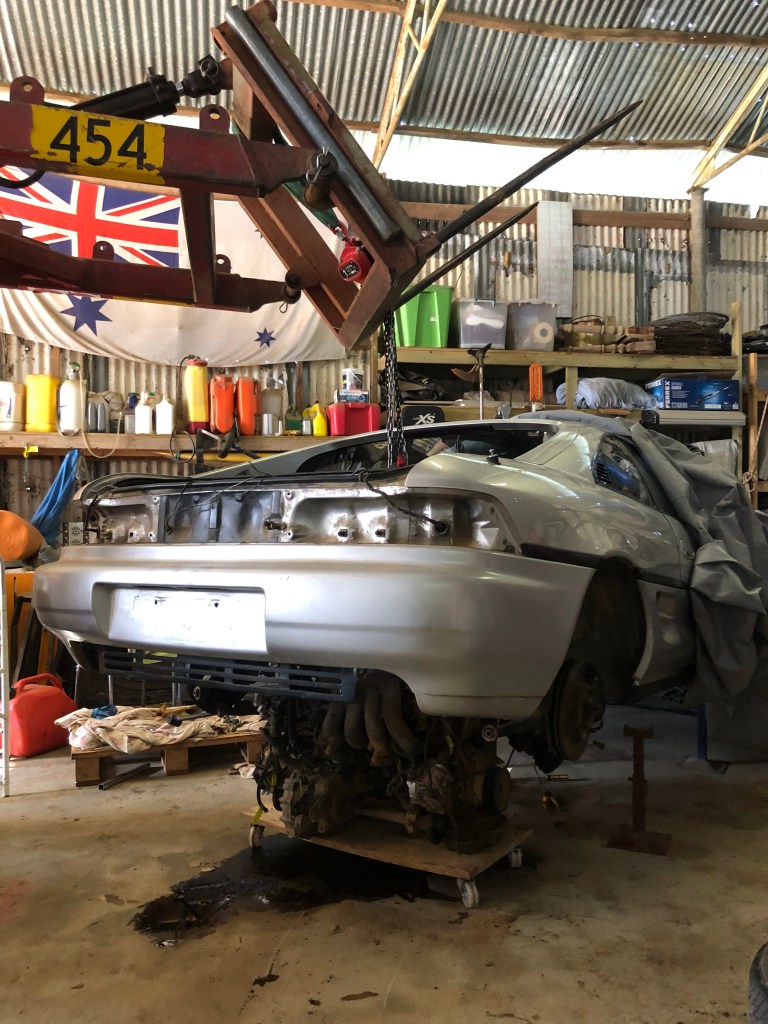
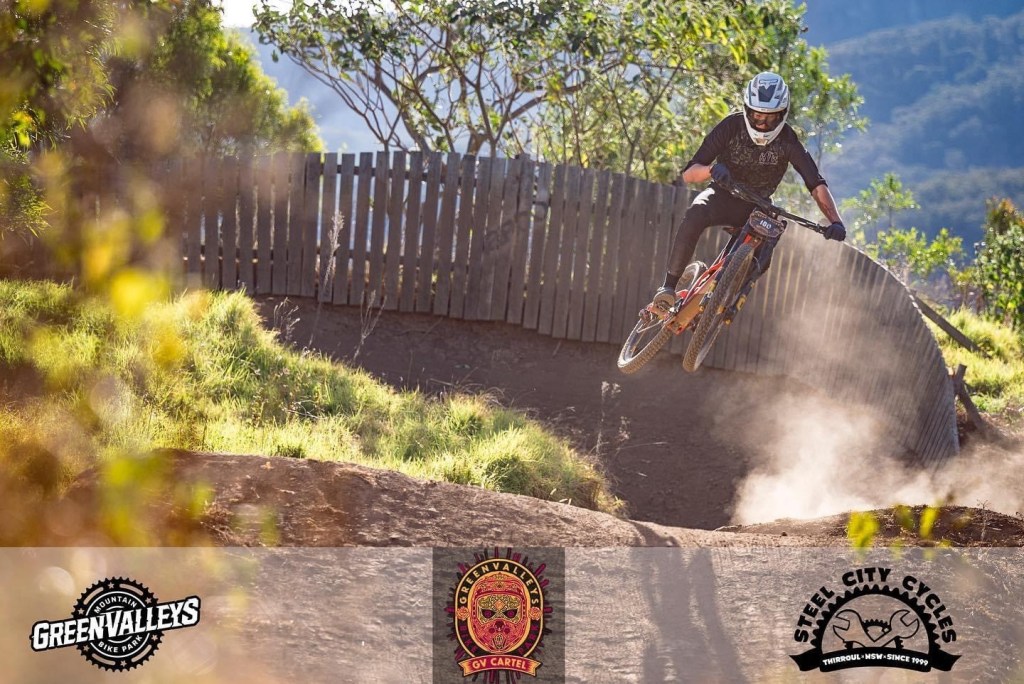
It hasn’t all been about the farm this winter. It is also important to spend time doing other activities that are good for the soul. As the kids get older though, it is harder to pin them down for family activities. We took them skiing at Mount Selwyn which was a heap of fun. The older helper has continued pursuing his love of mountain biking, and spends most weekend carving up the tracks. The younger helper has been tinkering with an old Toyota MR2, which needed a new alternator. Unfortunately we couldn’t get the retaining bolt out, so ended up removing the engine. Thank goodness the tractor could lift the car up, so the engine could come out the bottom!

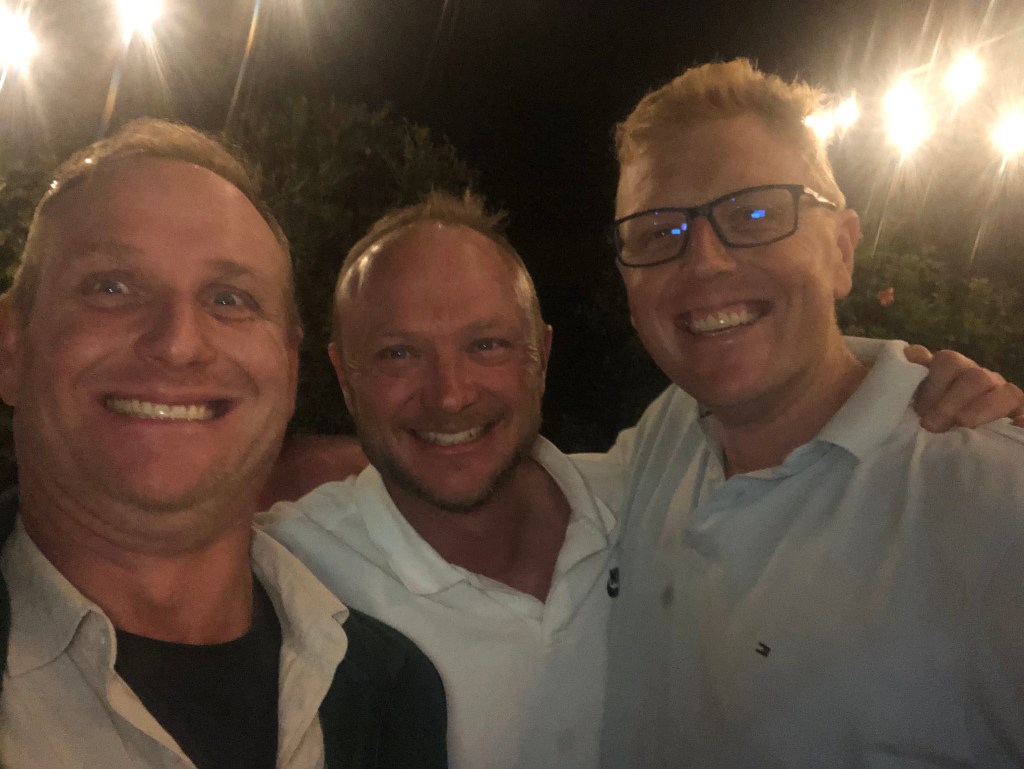
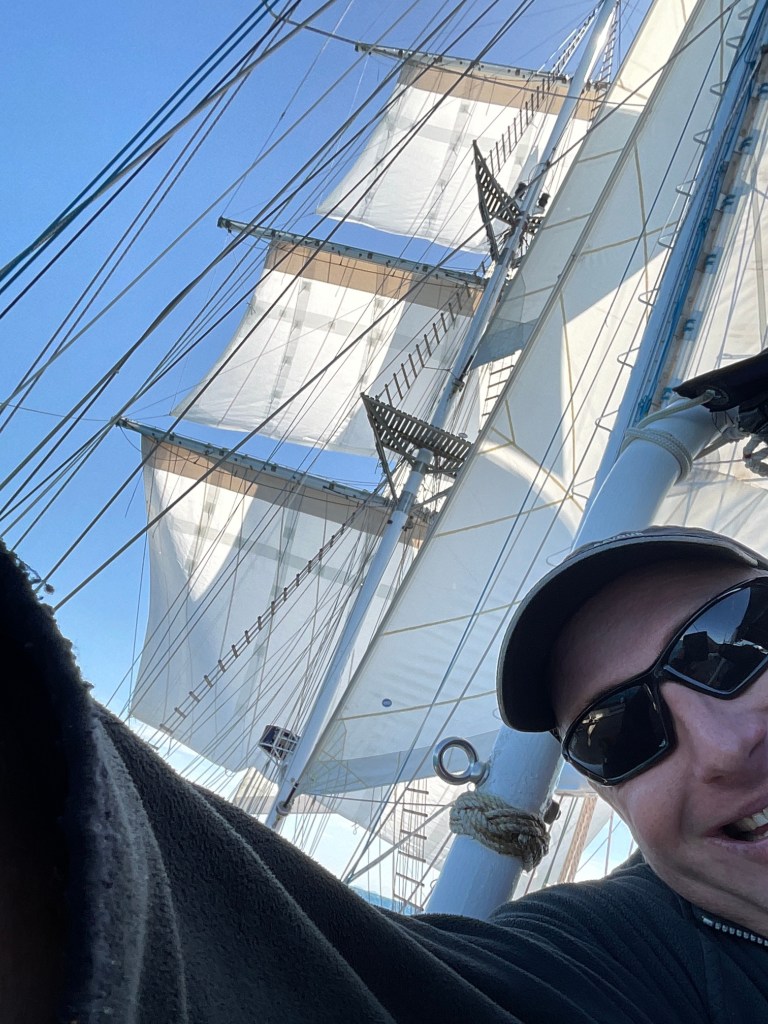
I returned back to sea for an 11 day voyage in northern waters. The voyage was a heap of fun, with some fantastic and inspirational ship-mates. Being at sea reminds you of the power of nature and can remind you how alive you are. On the way, it was great to make a diversion to catch up with my brothers – an all too infrequent occurrence these days.

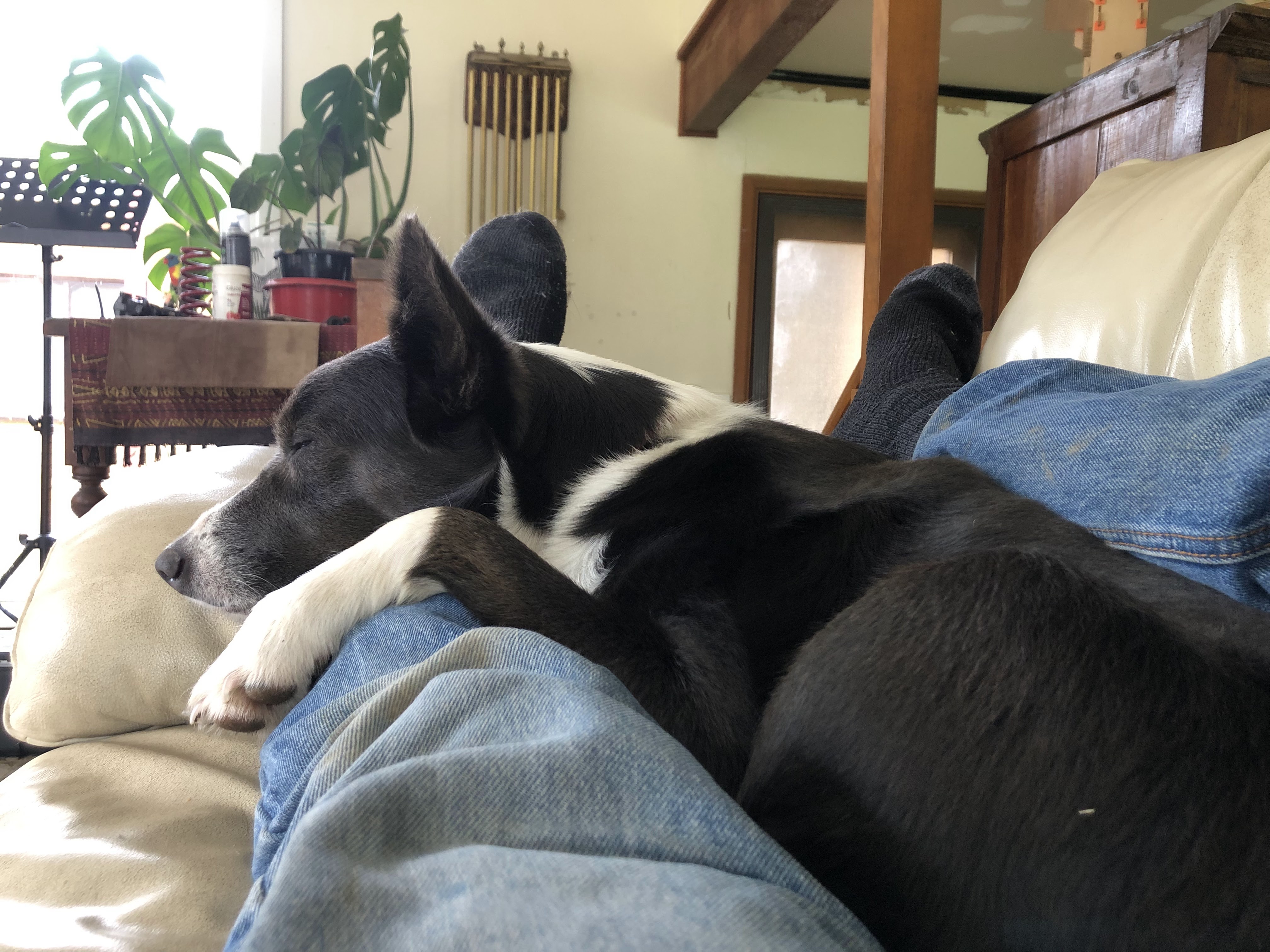
But that is not all. We have been working steadily on another project for the past three years or so. It is nearing completion and I can’t wait to share it with you soon! In the meantime, as it is too miserable and cold to head outside today, it is time to pour a hot cuppa and stick my feet up… I think Sapphire agrees!

Autumn 2023 on the Rock Farm – with a pleasant visit!

There is nothing like the joy of listening to the rain gently falling on a tin roof. First and foremost it brings life to the pasture, allowing it to continue to grow. It creates an opportunity to catch up on machinery and equipment maintenance, and even housework. Which is why I am doing none of that. I have boiled the kettle and am sitting down with a steaming cuppa in front of the fire and have decided to provide an Autumn update 🙂 I am taking a leaf from Sam Vincent; “there are jobs that have to be done now, and there are those that don’t”.

Our weaner calves went to the sale yards at a recent special weaner sale. They weighed a healthy 255kg on average. Like all these things, timing is everything. Our price was around two thirds the price per kg we received last year. Friends who sent cattle in a month later were lucky to receive around half the price they received the year before. We were lucky as the further drop in prices would have negated any weight gains the cattle would have made by going in a month later.

Our cattle mentor John, has often equated the price of cattle to how many Sydney Morning Herald Newspapers the sale of an animal would purchase. By his reckoning, things are almost as bad in the cattle industry as they were during the 1974-1978 cattle slump when cattle were cheaper to slaughter on farm than send for processing (https://www.beefcentral.com/weekly-grill/episode-35-remembering-australias-1974-78-beef-cattle-slump/). Again I consider myself fortunate that I am using the cattle to improve the soil on the Rock Farm (whilst bringing me great joy), and I am not trying to support my family on the (meagre) income they provide.

The Rock Farm received some beautiful rain for our ‘autumn break’. This has transformed the pastures with lush green grass growing under the yellow stalks from summer. The cows have put on weight after weaning, which means they are in great shape heading into winter. I am carrying 20 cows with two replacement heifers, bring the number of cattle on the Rock Farm to 22. It is no large herd, but we will be watching them closely over winter and into spring to see if we can sustain those numbers. For now, Farming Forecaster is predicting pasture growth of around 30-40kg dry matter per hectare per day, which is fantastic. If a cow eats around 12kg dry matter per day, I am happy the pasture bank is being replenished faster than they are eating it, which will help us in the future.

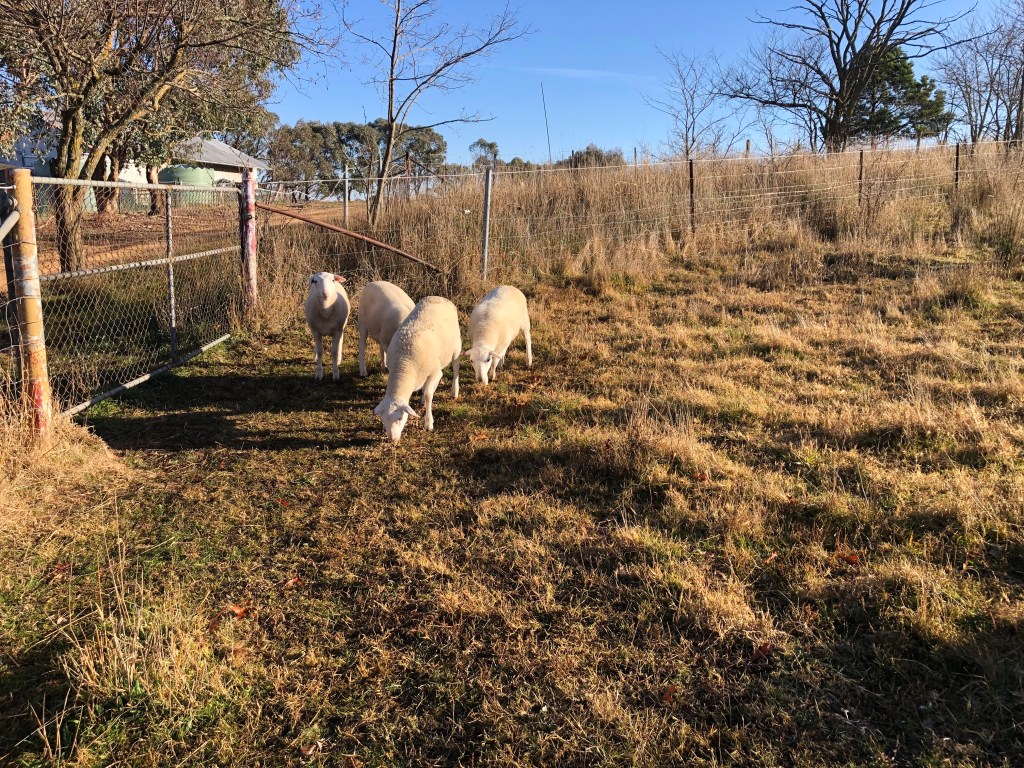
Our little lambs are continuing to grow and I have just started handling them. They are quickly learning that a bucket means a nice treat, and I am able to gently push them to the gate where they are rewarded with some sheep nuts. It is important that I am able to move them safely around the farm. The Rock Farm is mostly fenced with plain wire, meaning the sheep will almost have free reign should they get out of their current paddock and I want to be able to move them should the need arise.

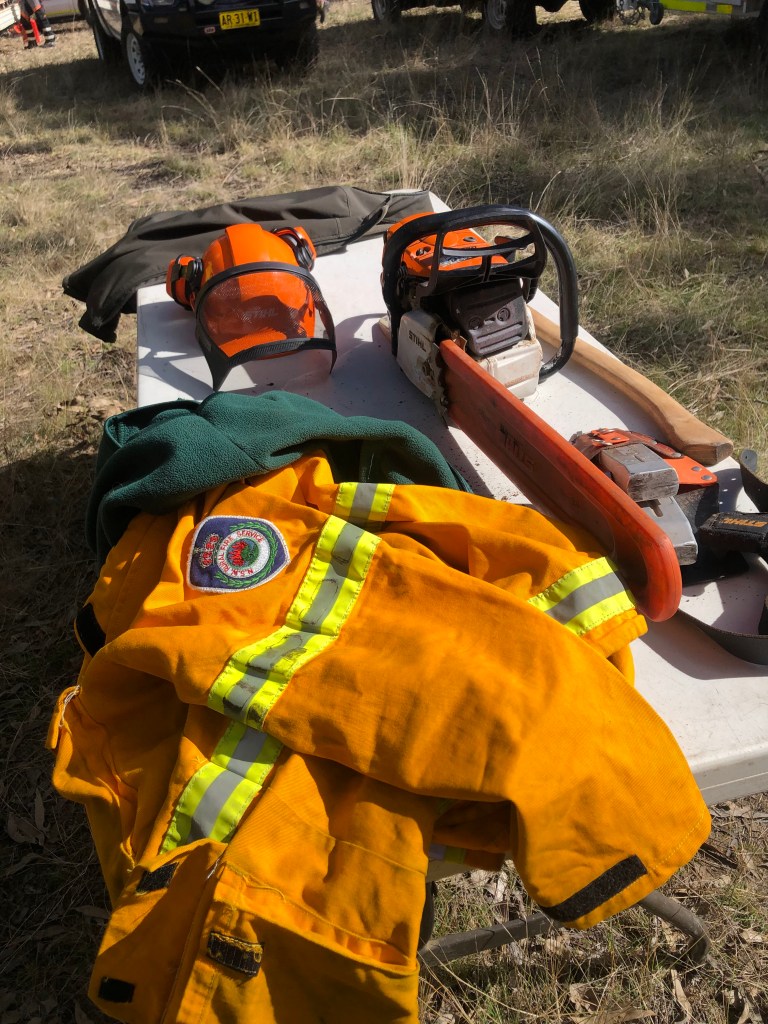
Of course there is always something else to do on and off the Rock Farm. I did finally get the opportunity to attend a chainsaw course with the RFS (Clear Felled Timber). I have been trying to get on this course for years, and finally this year the stars and moons all aligned. It was in a word fantastic. The instructors all had a wealth of experience they willingly shared, with an emphasis on professional attitude and safety. It is not often that people fail RFS courses, but we had several students who didn’t make it through. It is also a course that I am sure has potentially saved lives – including mine. Several bad habits were picked up, and now I am much more aware of my use of a chain saw.

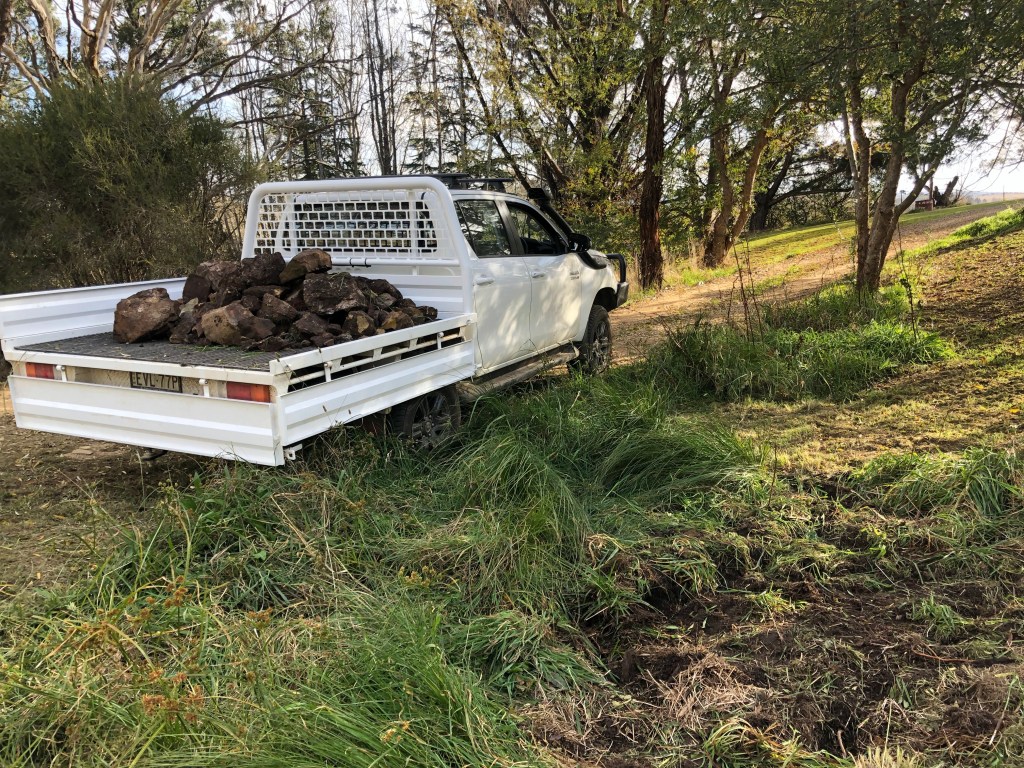
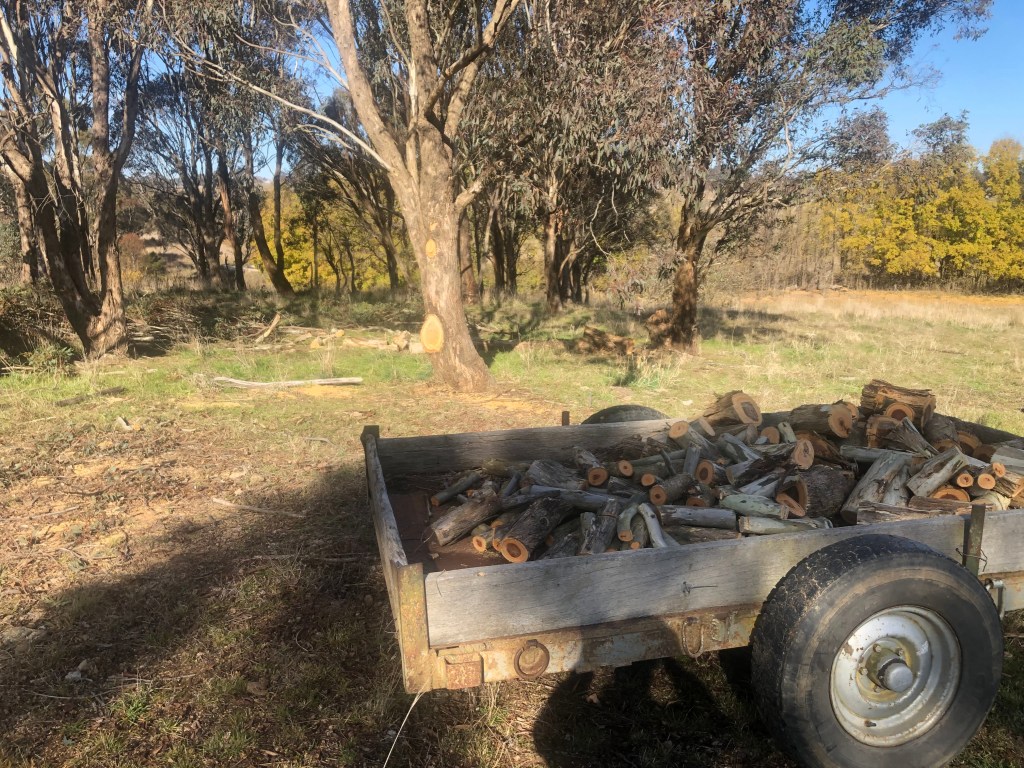
Other little jobs have kept me busy such as moving rocks out of the garden (despite many attempts using the lawnmower to grind them to a lower level), and collecting firewood. It has its own beauty working outside in the cool of autumn.

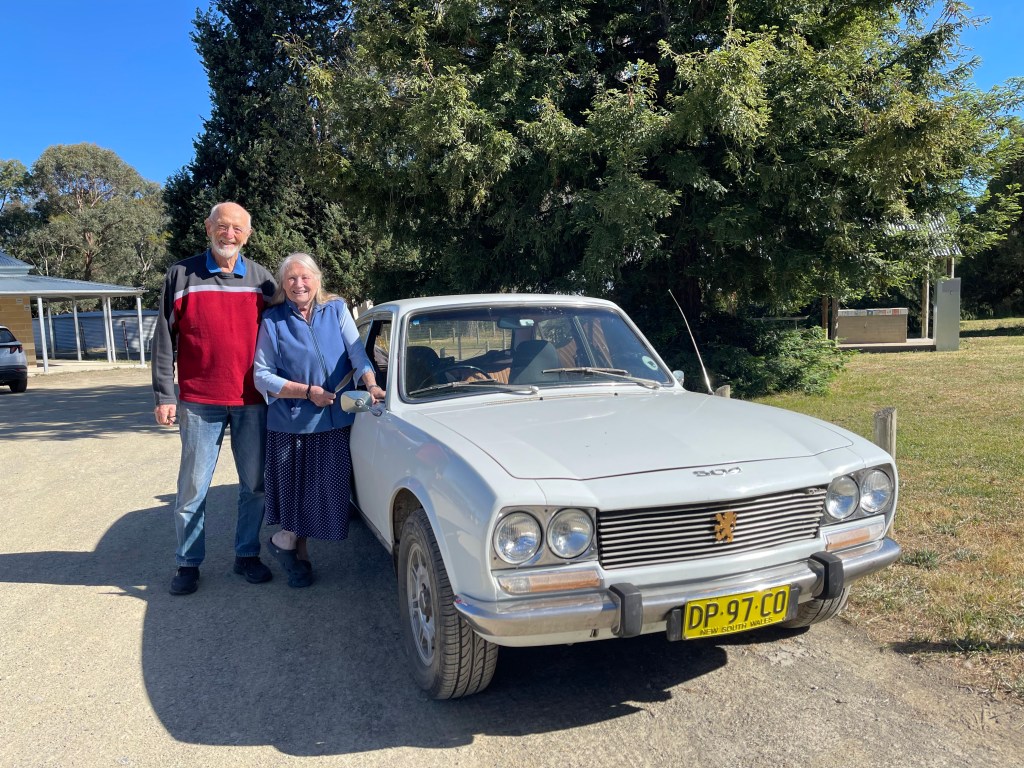
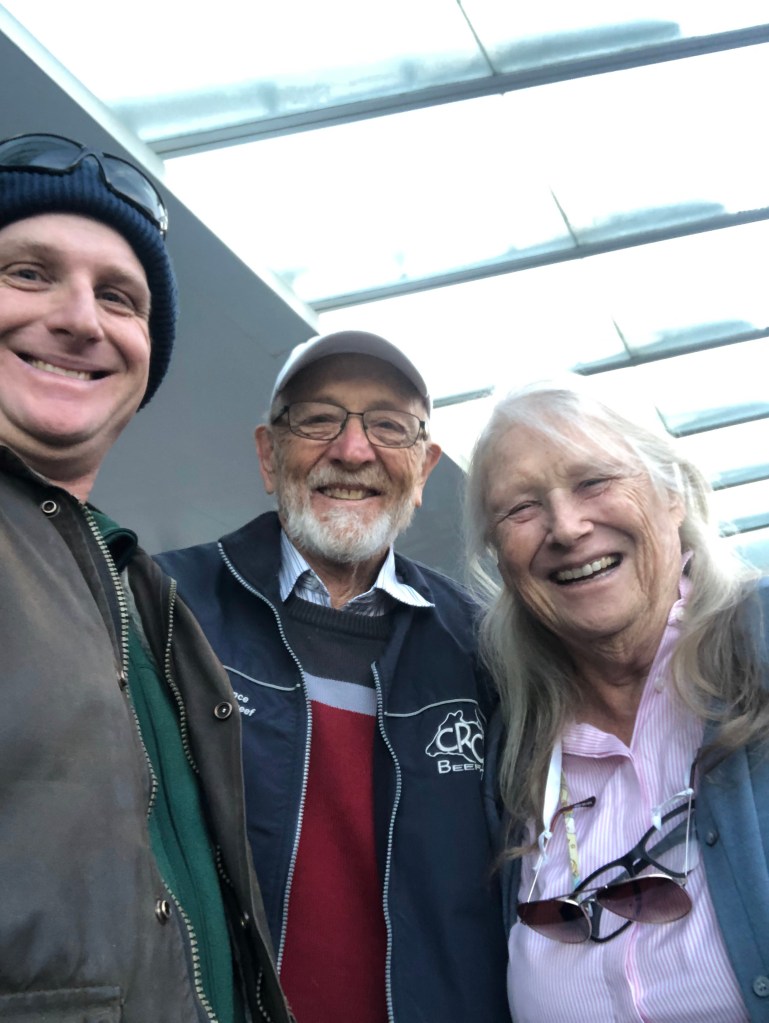
In the middle of it all we had a lovely visit from the two people who inadvertently sowed the seed for my own dream of what became the Rock Farm – my parents. My mum gave me my love of horses, and my dad gave me my love of cattle. We had a wonderful few days catching up with old friends in the district, feeding apples to the cows and sharing cuppas in front of the fire (concession for the North Queenslanders).

As we head into winter, it is a good time to pause and take stock on where we are at on the Rock Farm. I am becoming more attuned to the rhythms of the land and livestock. I am paying more attention to the birds and what they are feeding on. As I write, half a dozen eastern rosellas and a couple of crimson rosellas are picking at our lawn seeking. The burden of looking after the RockFarm is a responsibility that I find rejuvenates my soul. And it is good.

Weaning on the Rock Farm – 2023

Weaning is a bittersweet time on the Rock Farm. It means winter is coming, and it is time to reduce the number of mouths feeding on our pastures. Without the capacity to keep our young cattle until they are finished for slaughter, it means we are at the mercy of the market when it comes to selling them.

The first stage was to separate the calves from their mothers. This was quickly achieved, and the cows were put in the lane adjoining the yards. This seems to cause the least stress as the cows can go and feed, but come back and check on their calves frequently. We kept one cow in with the young calves to provide some guidance, especially when moving the calves. She had lost her calf to a possible snake bite a couple of months earlier.

The calves quickly settled into their new routine, and the cows also seemed to appreciate a little less demand on their nutrition. After a week or so, I moved the cows to the opposite end of the Rock Farm, and let the calves into a holding paddock behind the yards. To educate the calves, I moved them back into the yards daily with the help of our faithful wanna-be cattle dog Sapphire. It proved to be excellent education for both Sapphire and the calves. After a week or so, the calves would see me arrive with Sapphire and just about trot straight into the yards… although there were exceptions to this rule.

After five weeks, we sent the weaners into the local sale yards where they weighed an average of 255kg. And this is the bit that is hardest. After raising these cattle with care and compassion, we have lost all control of their destiny with the exception of two heifers which returned to our herd. They may return to someone’s paddock for a period of time before being finished in a feedlot, I really don’t know. As a small producer, it is really hard to make a market for small scale, ethically raised grass fed animals. And it is especially difficult when most people are struggling with the cost of living. There are a few options emerging, but in the short term, we rely on the local sale yards. The good news is the cattle sold, and whilst prices were better than the weaner sale the previous month, they were still well down on the prices we received last year.

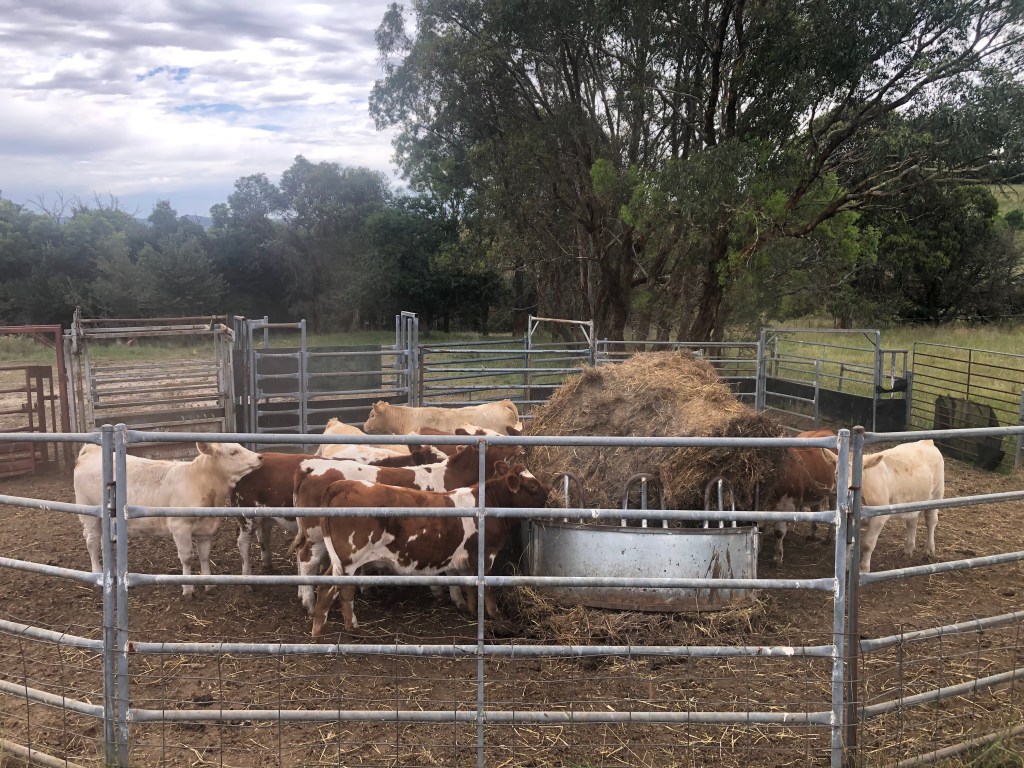
On the other hand, the cattle continue to help me improve the health of the soil on the Rock Farm. I recently trialled some bale feeding on one of our slopes (read about it here) . After resting the paddock for around a month (and some welcome rain), there is a ring of green grass where the cattle trampled heaviest. I will likely resume feeding the cows sometime in winter and will continue this way of feeding the cows, as it seems to be an effective way of returning nutrient to the soil.

Perhaps the highlight of the whole process however was perhaps my offer to collect a “wheelbarrow” of manure for the vegetable garden. The weaners had left concentrated manure/straw in the yards where they had spent a lot of time over the past month. After 45 minutes or so of concentrated effort, I had filled our black falcon “wheelbarrow”. Another half an hour and the manure mix was spread in the vegetable garden. It should be great for our winter vegetable crop!

One day I will keep a steer for us to finish. I haven’t finished a steer before, but it is something I intend to do. It is one of my goals to provide grassfed beef for our family (it is hard with such a great butcher nearby who delivers top quality meat to our kitchen table). Sheep are another story, and we recently bought four wether lambs from a neighbour. These are currently enjoying roaming in a paddock that is fully fenced for sheep. It has been a long time since we have had sheep on the Rock Farm, and I am enjoying having them back.