From Spring’s Green to Summer’s Gold

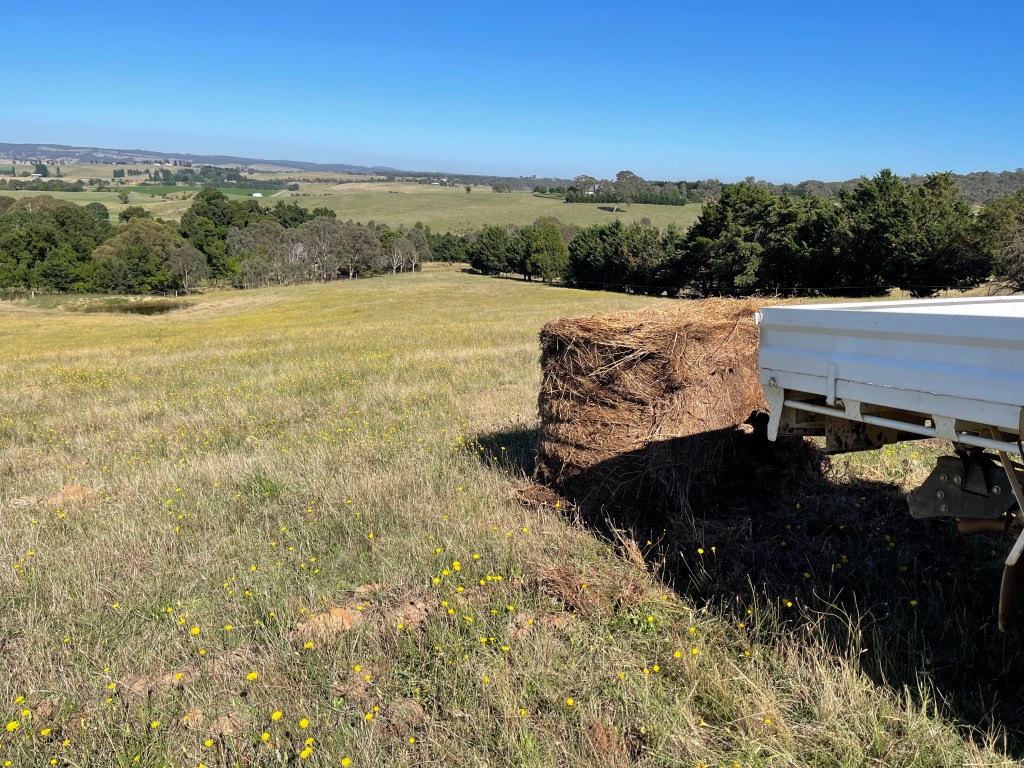
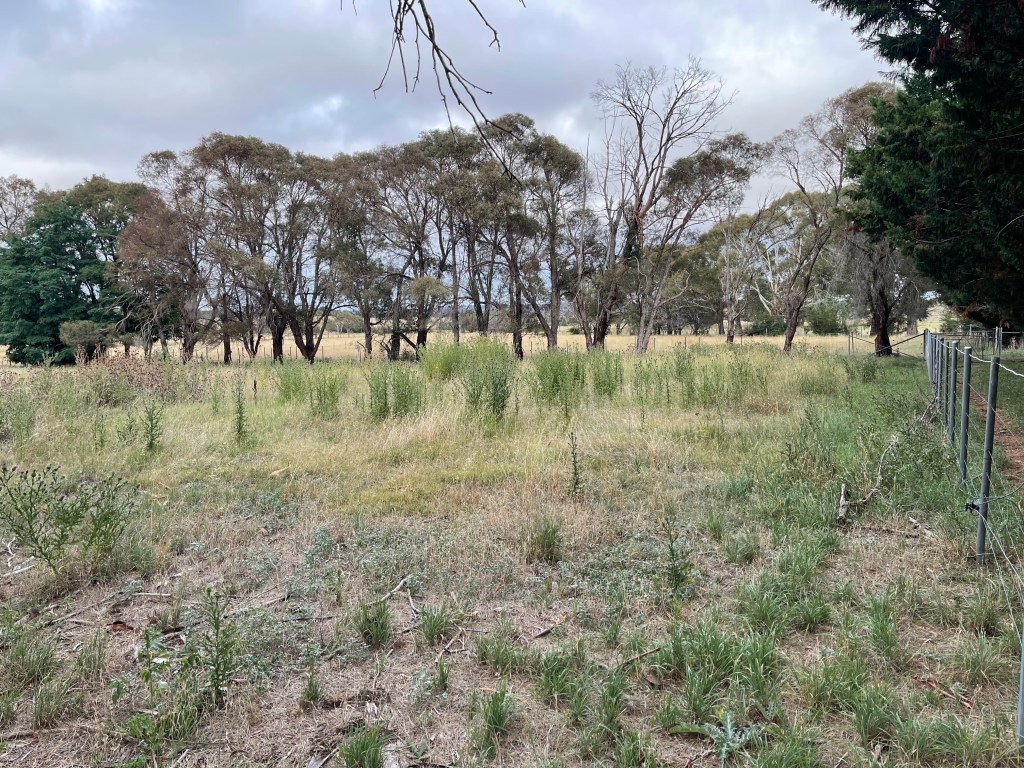
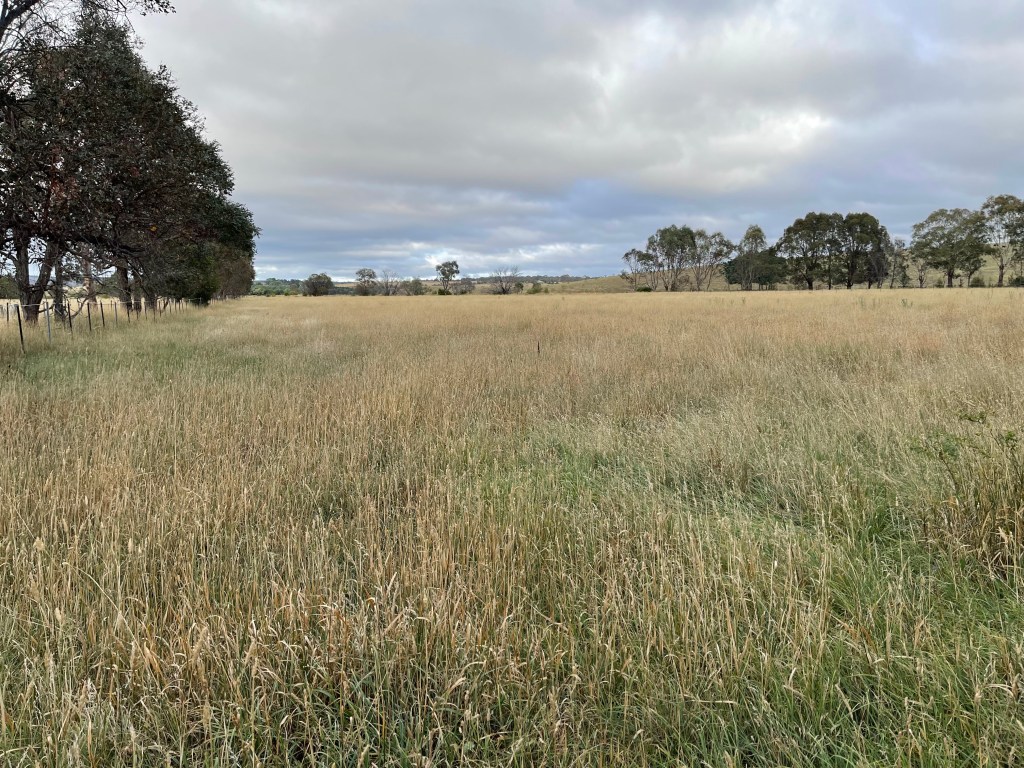
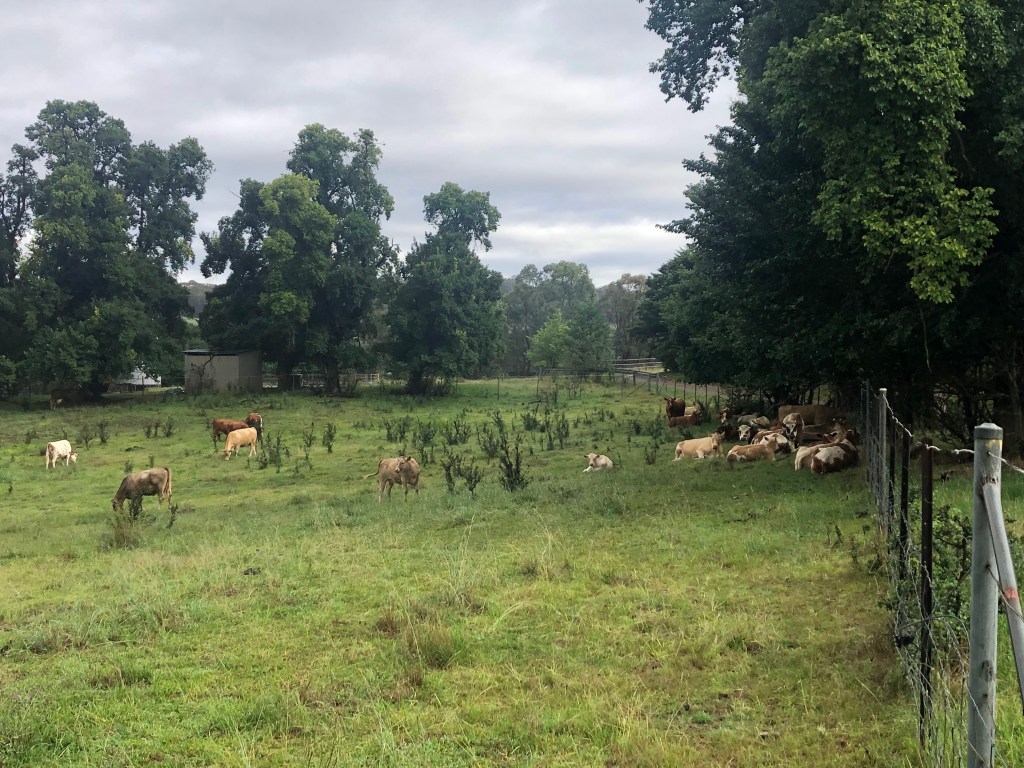
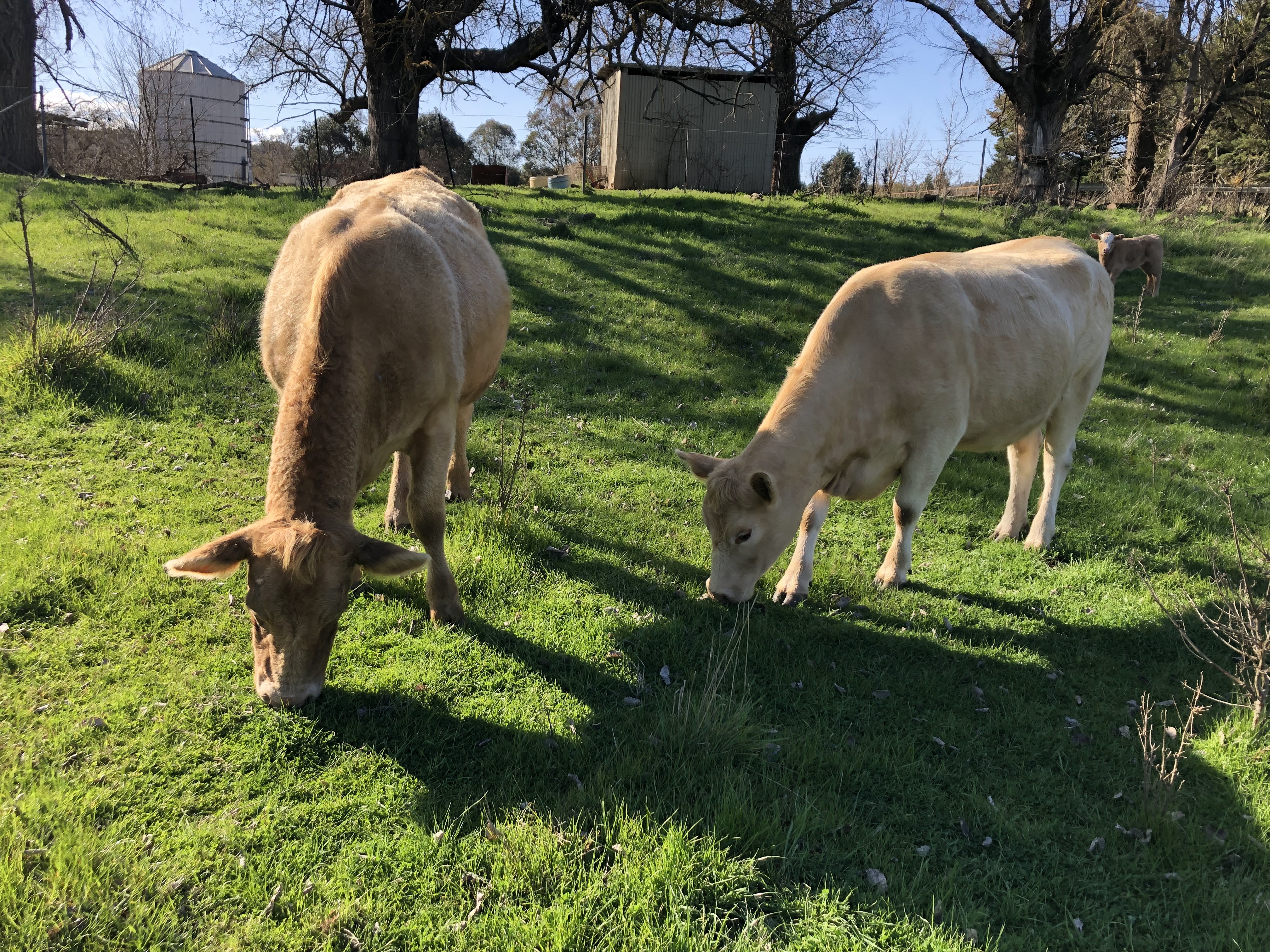
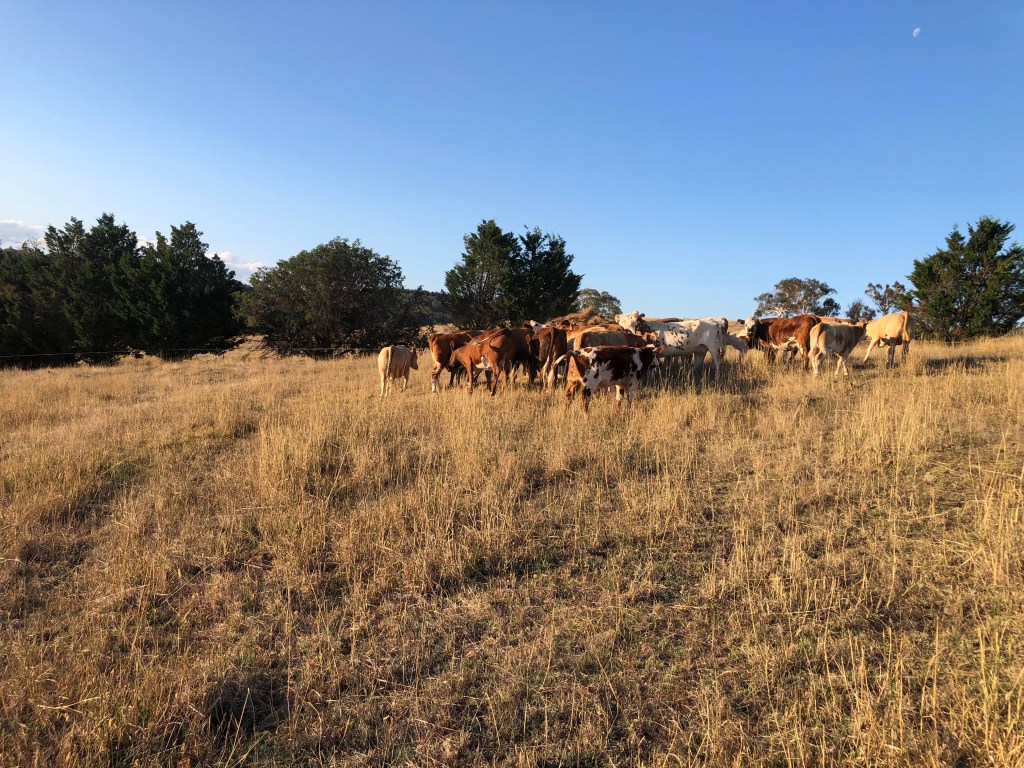
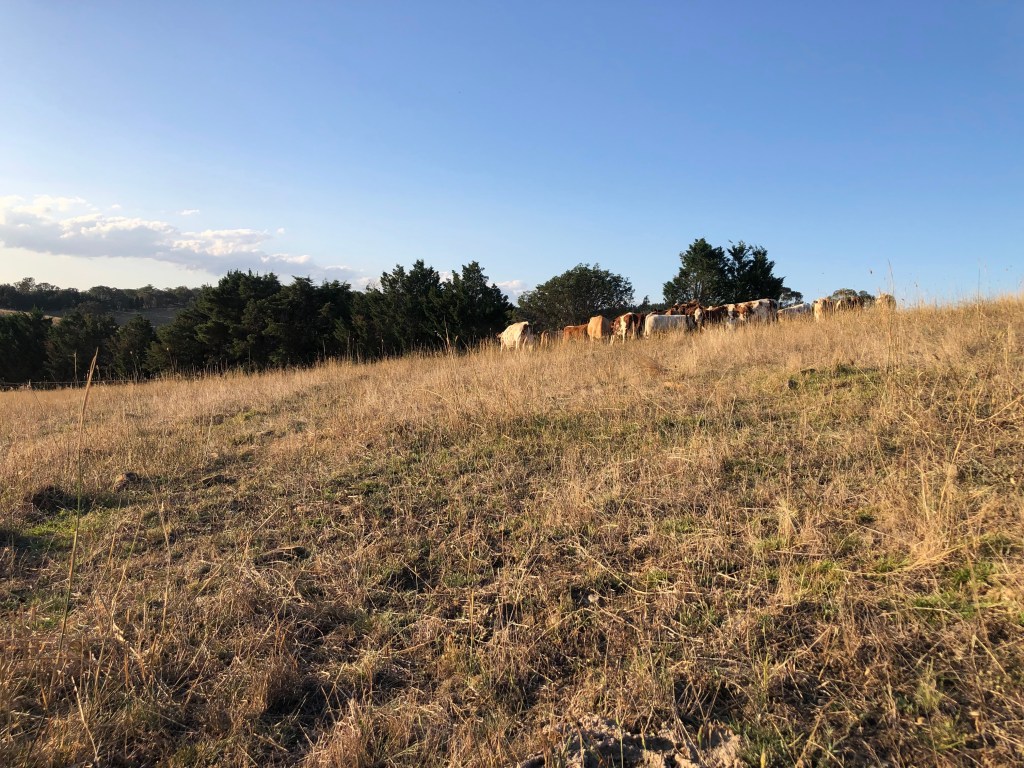
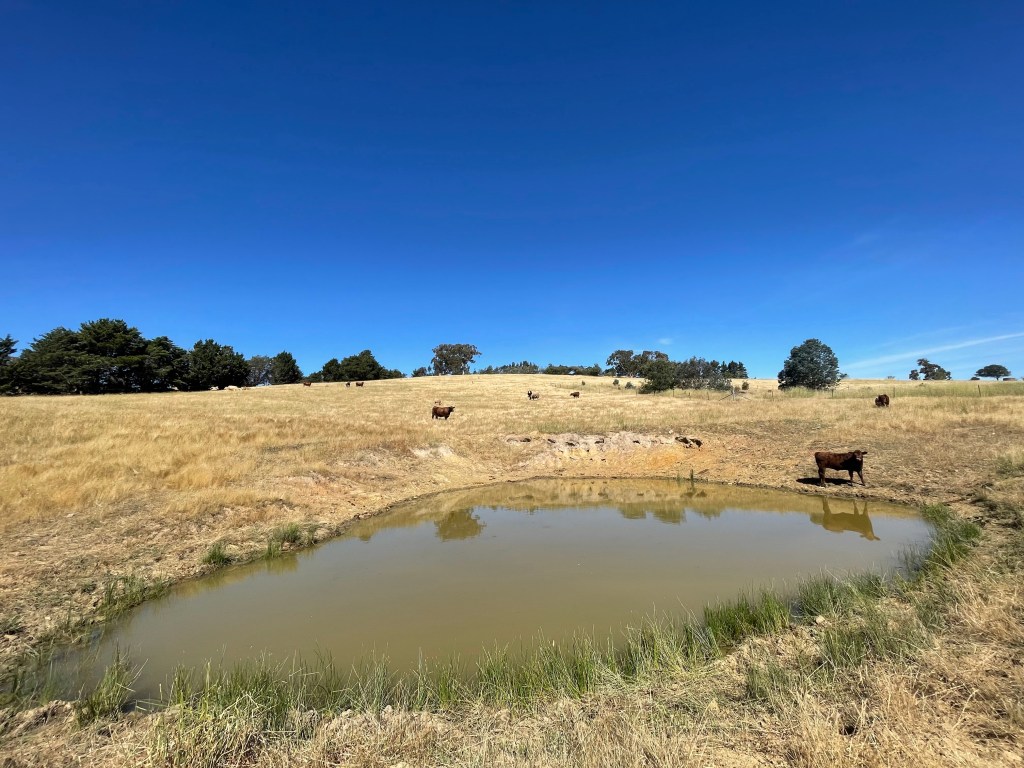
As surely as the sun rises in the morning, spring slips to summer. The flush of green has turned golden, with the grass rapidly setting seed and going off. The paddocks feel different now—still beautiful, but carrying that familiar hint of dryness that reminds us the hot months are here.
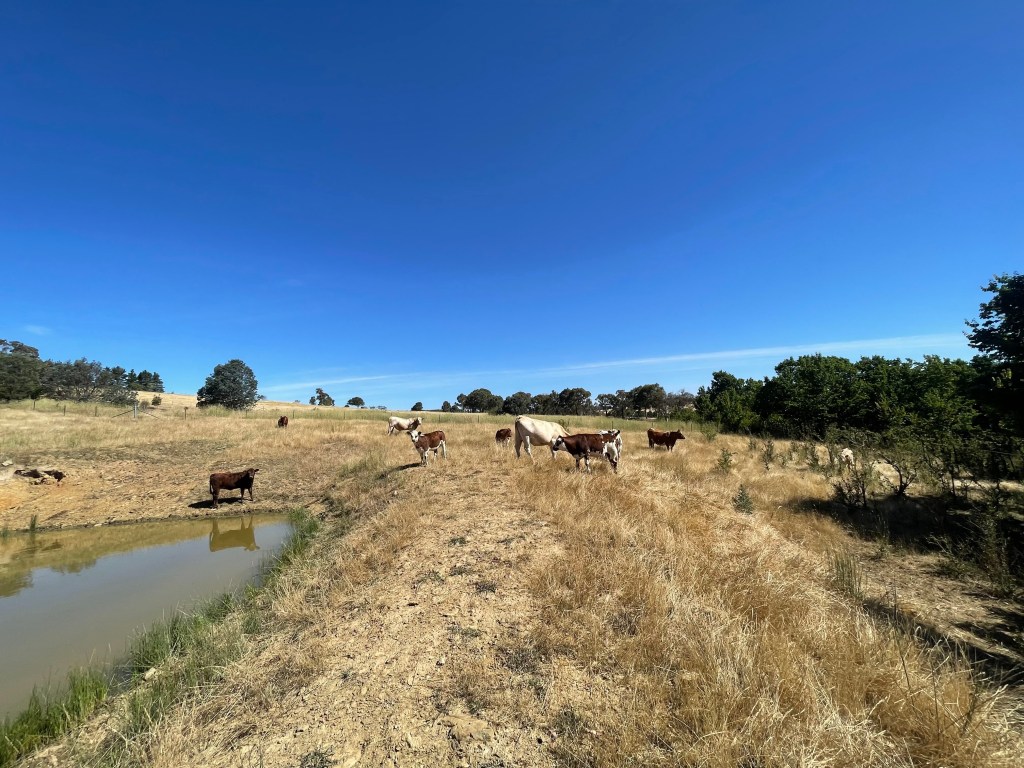
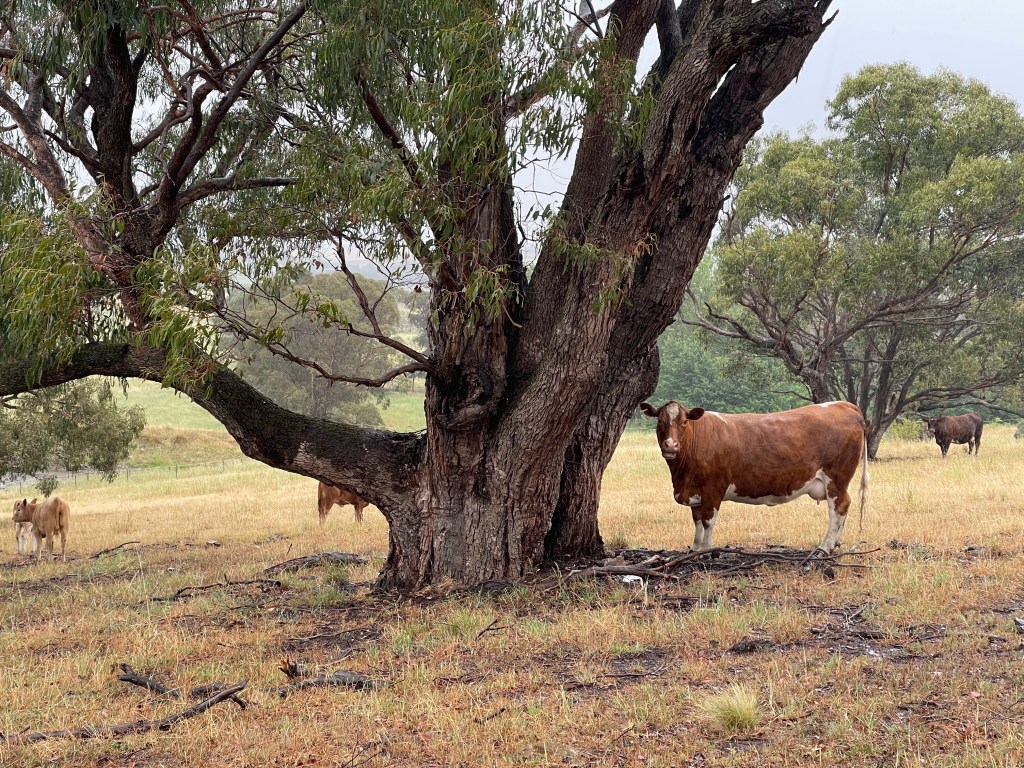
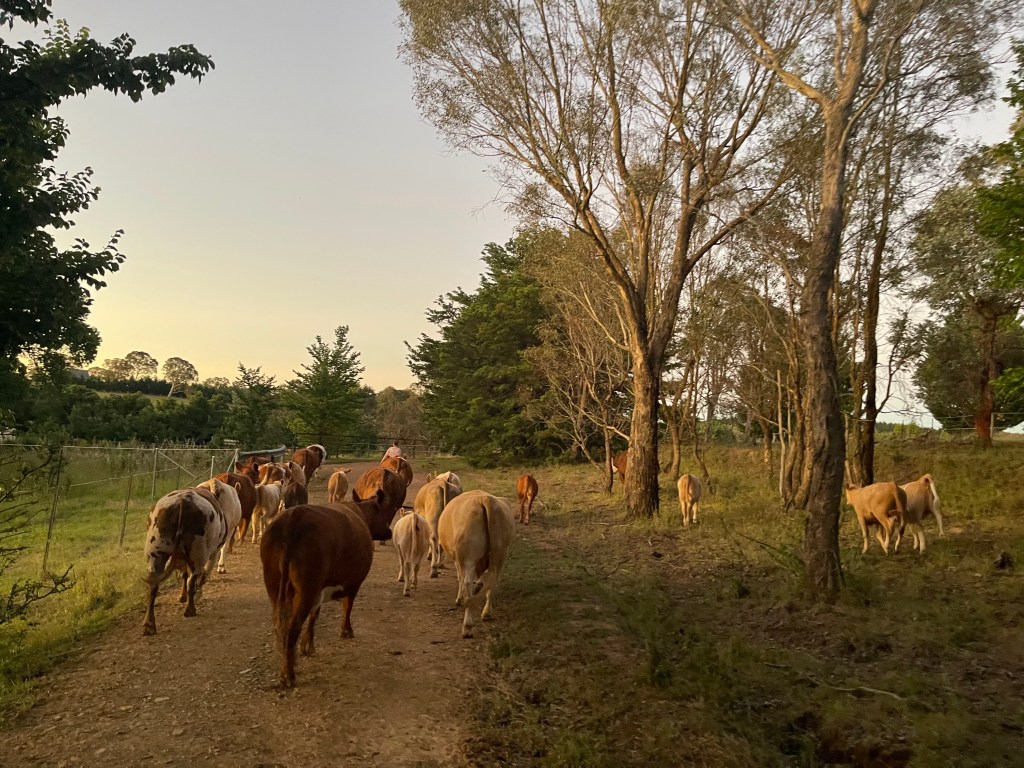
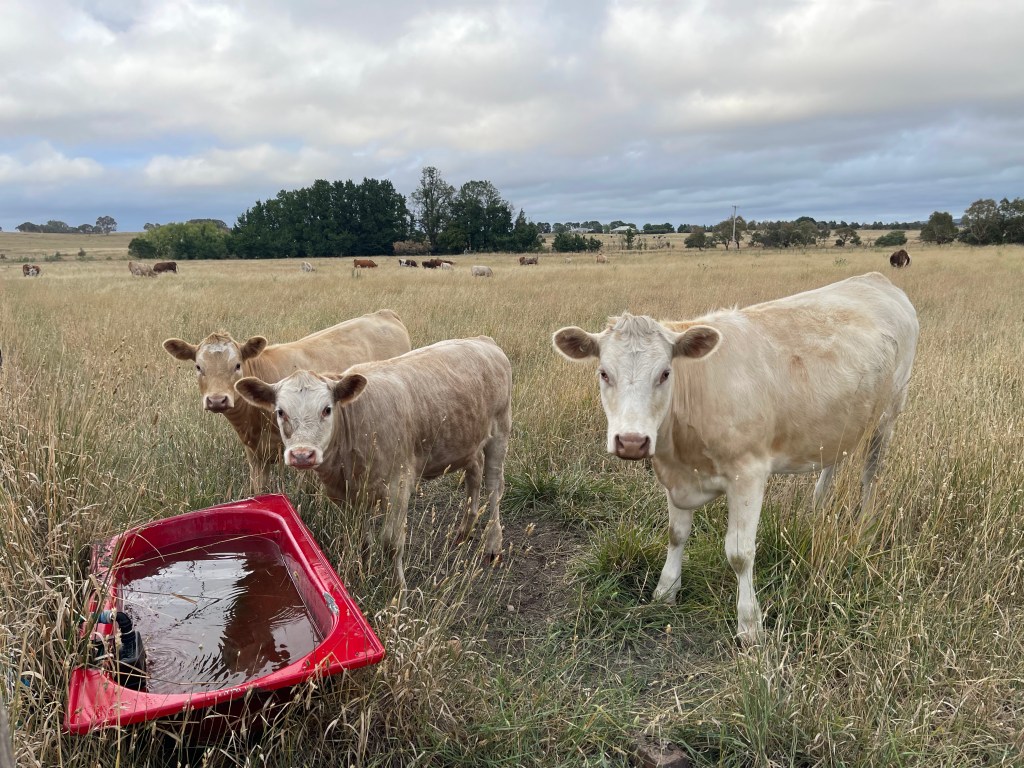
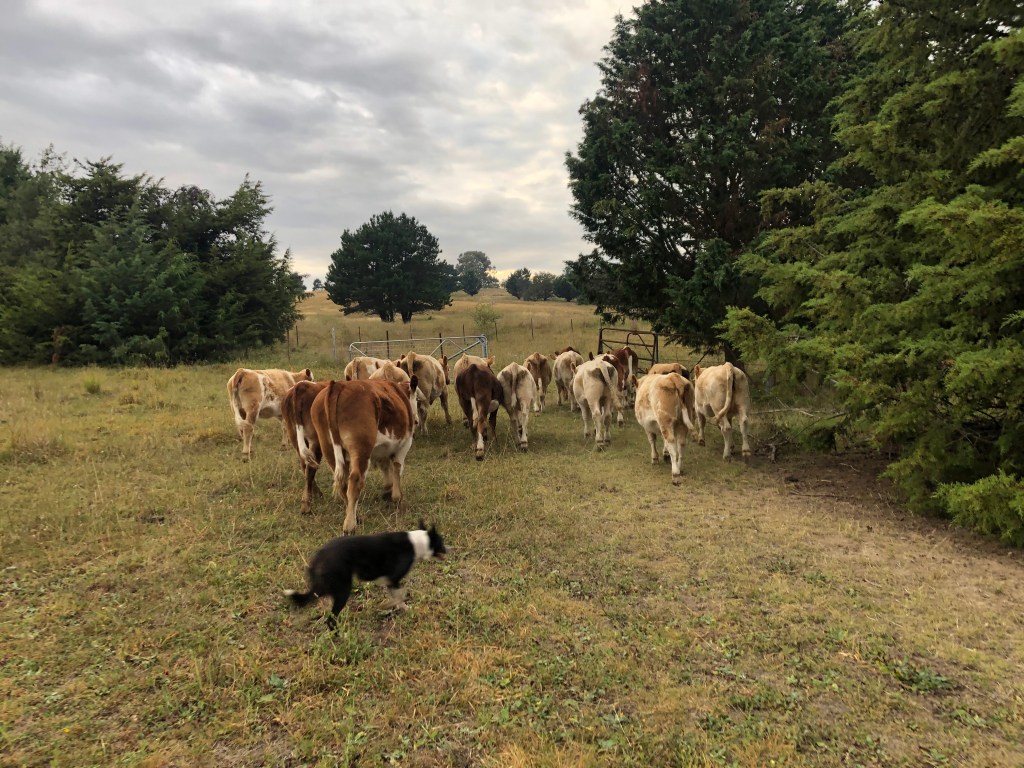
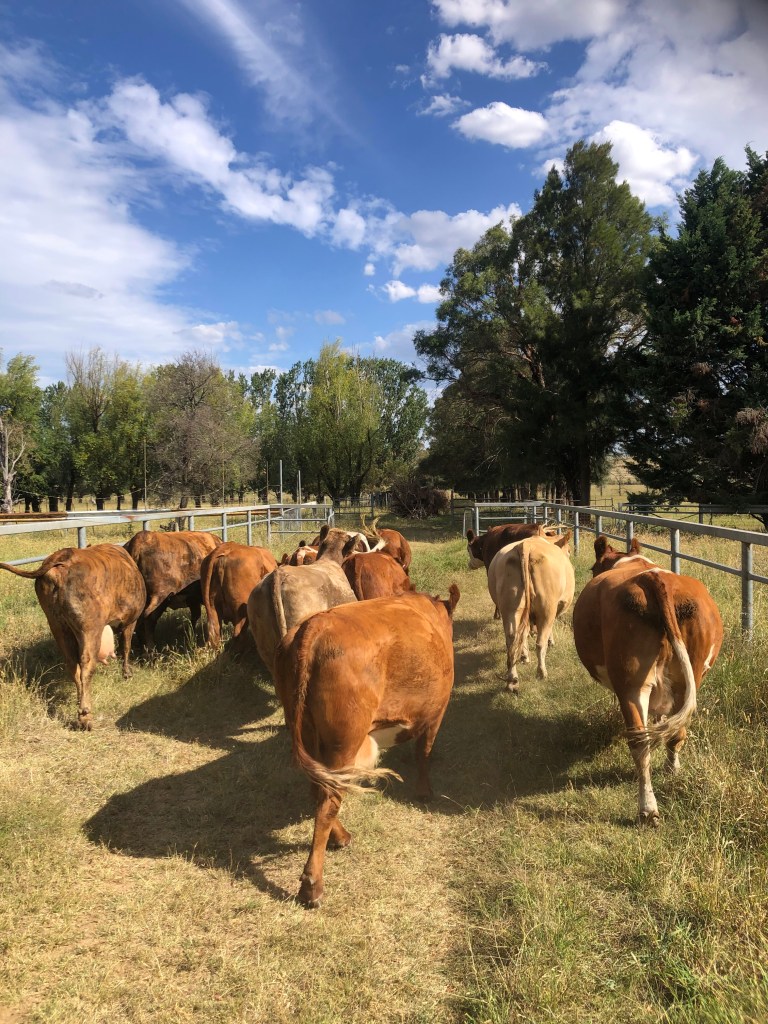
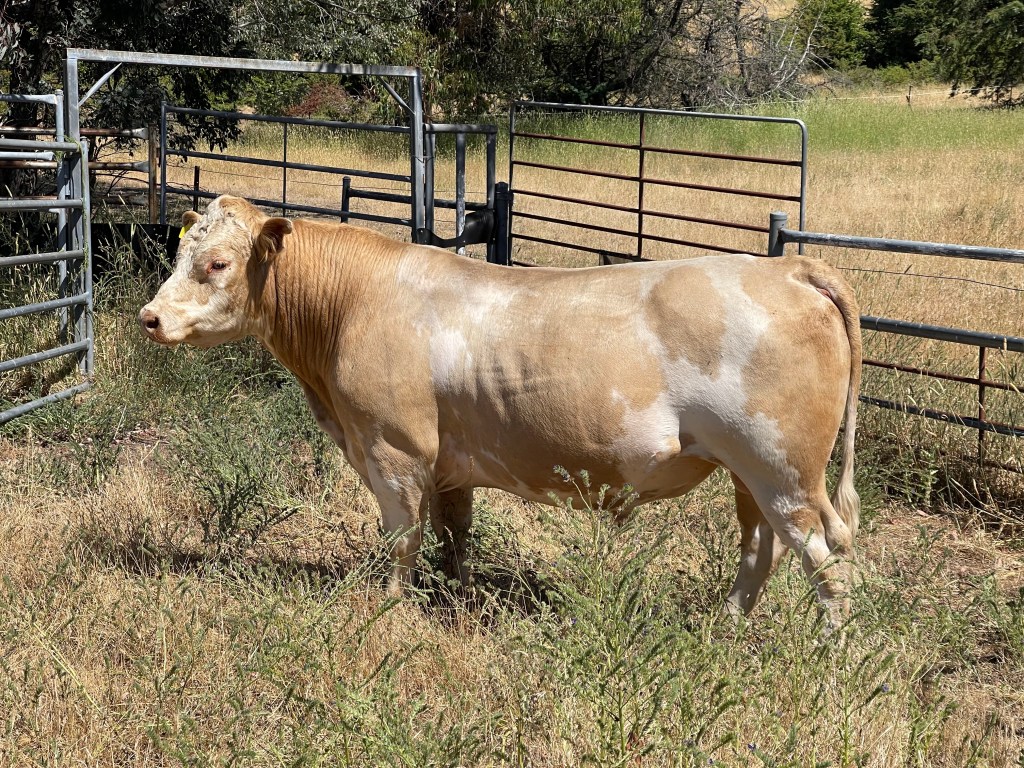
The bull has enjoyed his time on the Rock Farm. He bonded well with the girls, and even though it took him a little while to get used to the layout of the farm, he happily followed the cows through the gates. Watching him settle in has been a quiet pleasure, one of those small farm moments that mark the rhythm of the year.
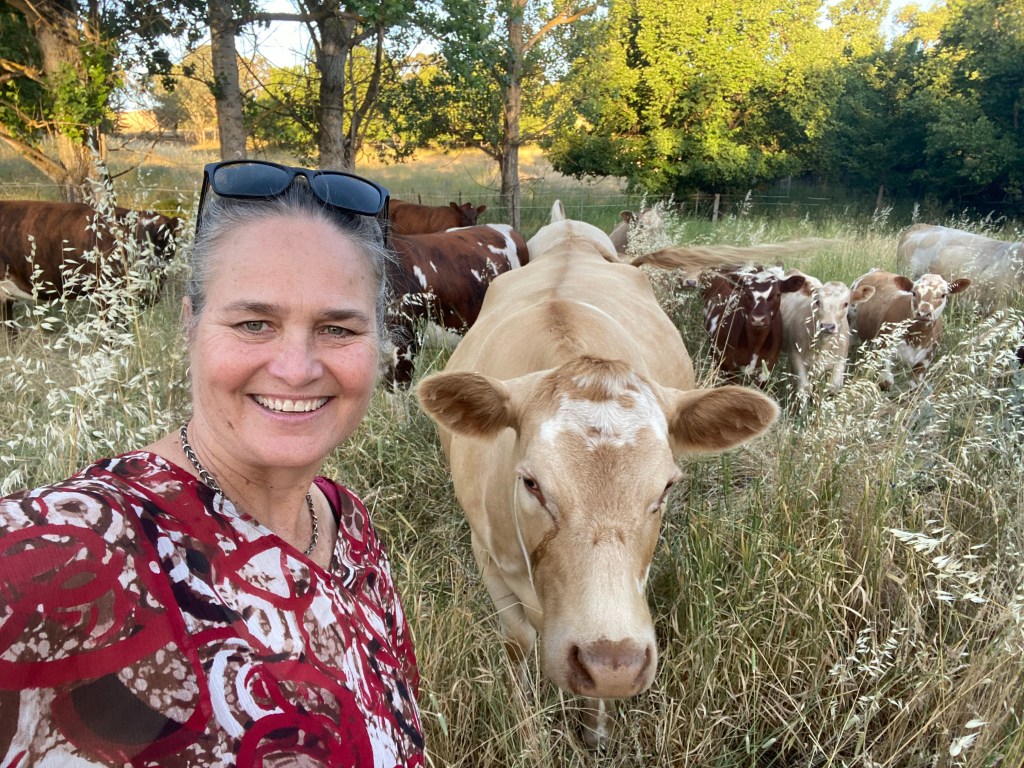
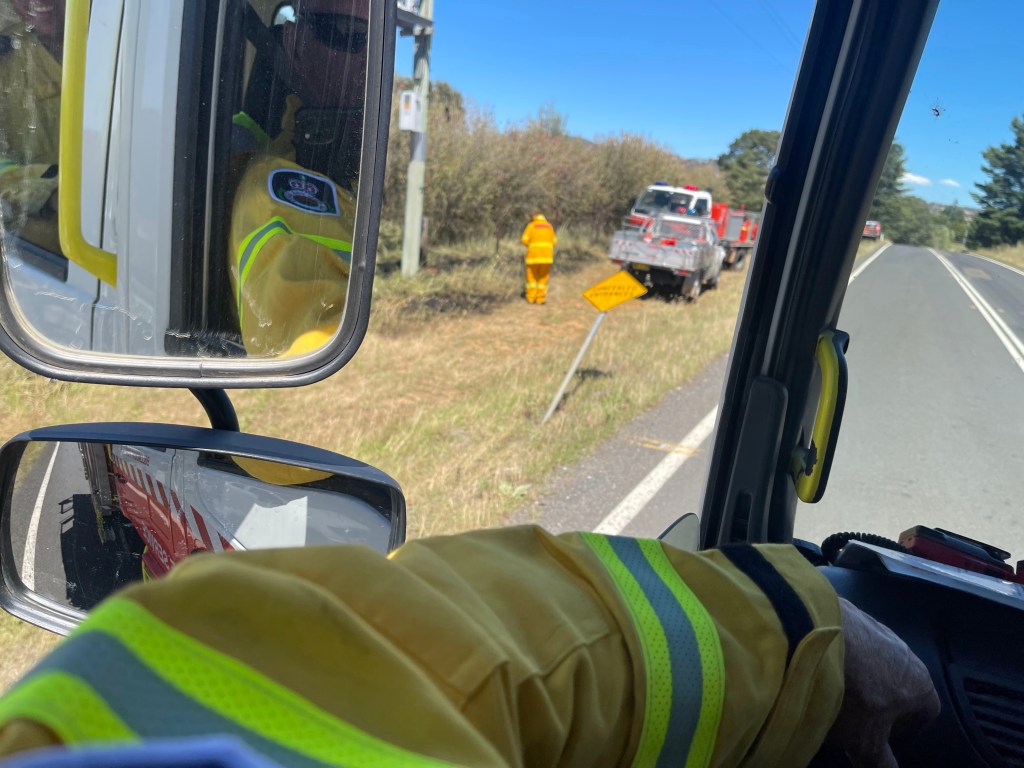
Our minds have now turned to summer preparedness. We’ve tested the fire pumps, refreshed ourselves with training at the RFS, and even attended our first fire of the season. It was a stark reminder that the landscape is shifting quickly. We’ll keep our fingers crossed, stay alert, and hope for a gentle summer. That balance between readiness and optimism is part of life out here, and it shapes our seasonal routines.
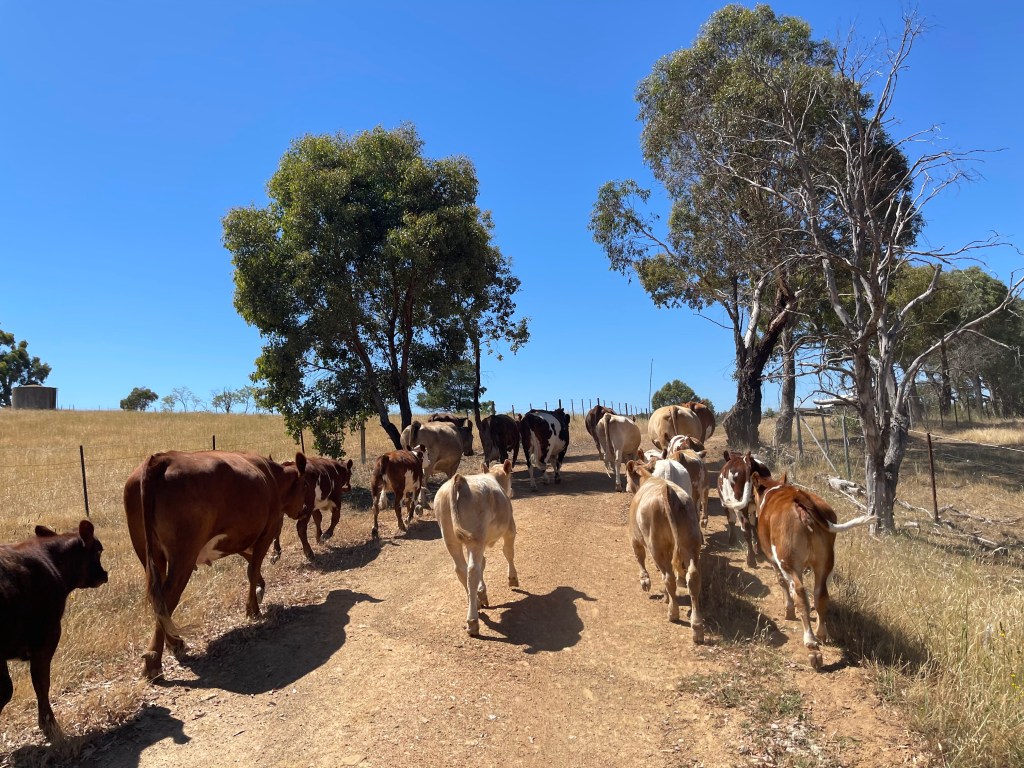
Some genuinely exciting news hit the cattle industry in NSW this week with the approval of virtual fencing technology. Described as a smart watch for cows, it uses GPS and audio cues to guide stock without the need for physical fences. For producers, it opens the door to new grazing strategies, improved pasture management, and far more flexibility in how we move animals across the landscape. It’s early days, but the potential is enormous, and it’s encouraging to see innovation that supports both animal welfare and land stewardship. More details can be found here: https://www.abc.net.au/news/2025-12-14/virtual-fencing-legalised-nsw/106128536

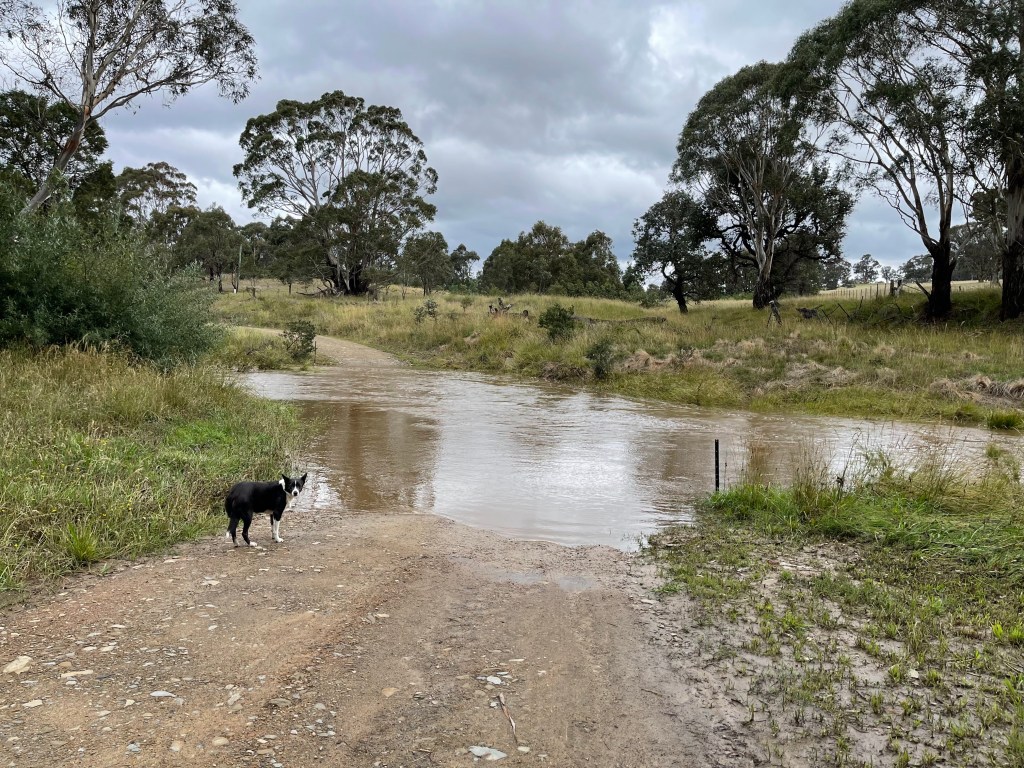
We will be looking at purchasing a virtual fencing system in the new year. Whilst our place has lots of small paddocks, this will allow us to managing our grazing more precisely, establish more trees without the need to construct expensive tree guards, and more effectively manage severe weather events such as flash flooding.

Summer may be settling in, but there’s always something new to learn, something to prepare for, and something to look forward to on the Rock Farm. As we wrap up another busy year on the Rock Farm, we’re grateful for the small wins, the lessons learned, and the steady rhythm of life on the land. From our family to yours, we wish you a peaceful Christmas and a safe, gentle start to the New Year. May the season bring good rain, good company, and plenty of reasons to smile.
A Cold Winter Settles In On The Rock Farm

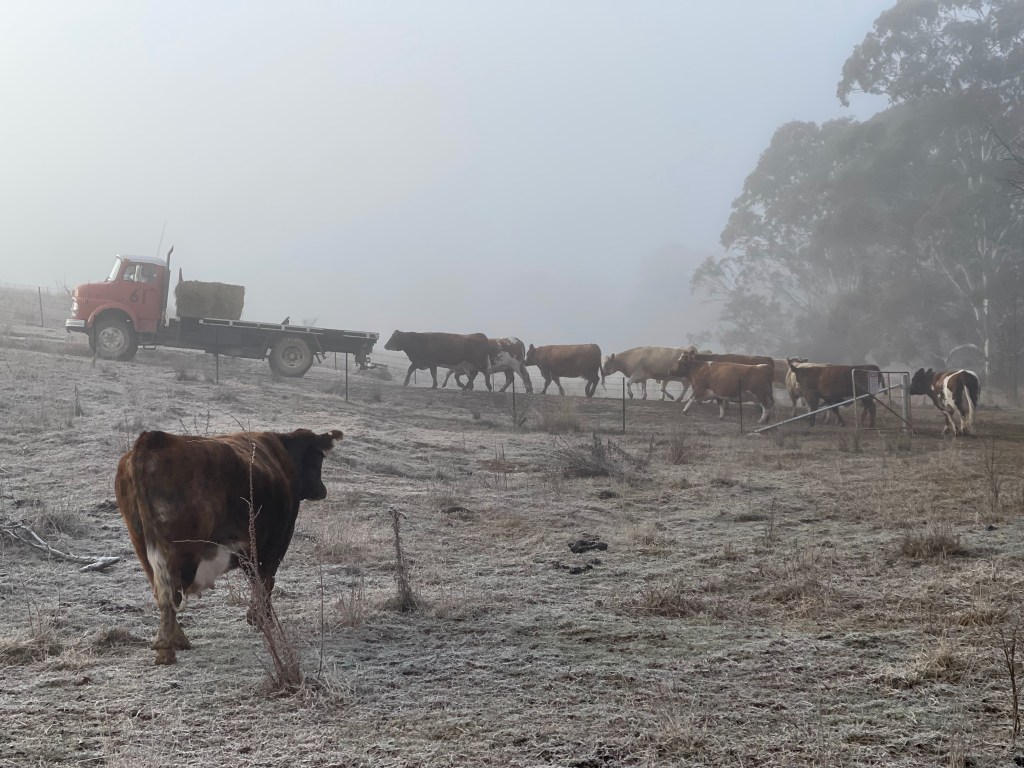
Life on the Rock Farm has well and truly settled into winter. With no meaningful pasture growth during autumn, we knew it was going to be a long season of feeding our cows. Sporadic rainfall hasn’t done much to improve the soil moisture profile around the district—and with a run of spectacularly beautiful, but bitterly cold frosts, whatever warmth remained in the soil has now disappeared. The grass may have turned green, but it’s yet to start growing.

Pastures in our district remain in the bottom 10th percentile for growth this year. (See: https://www.farmingforecaster.com.au/southeast).

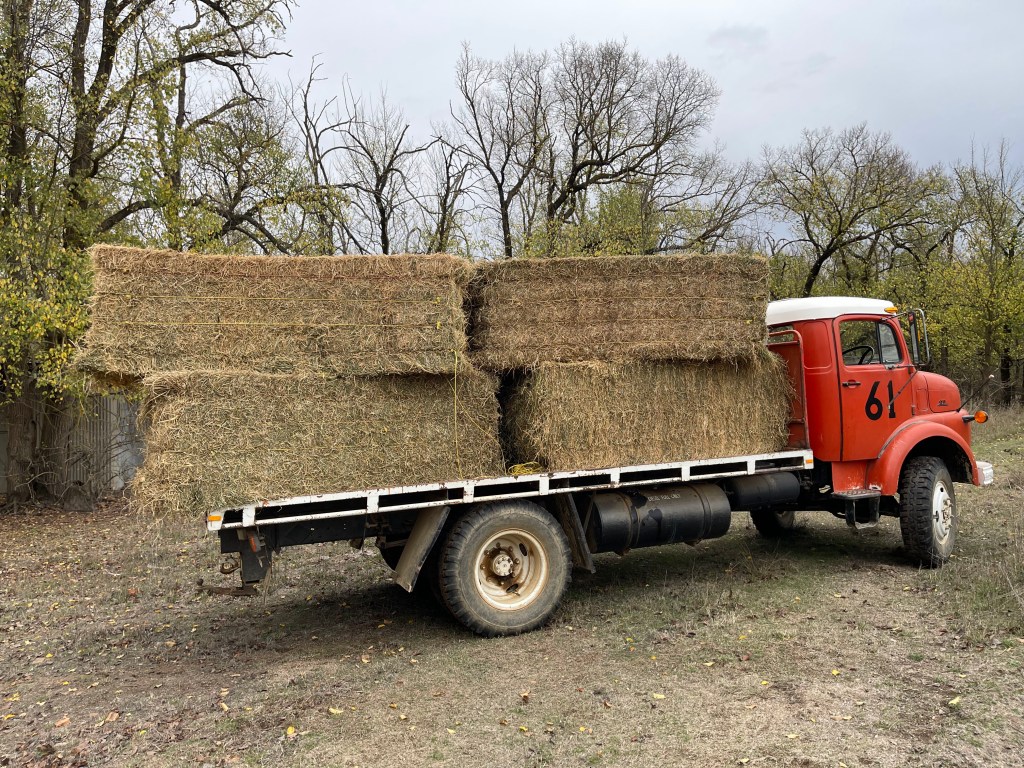
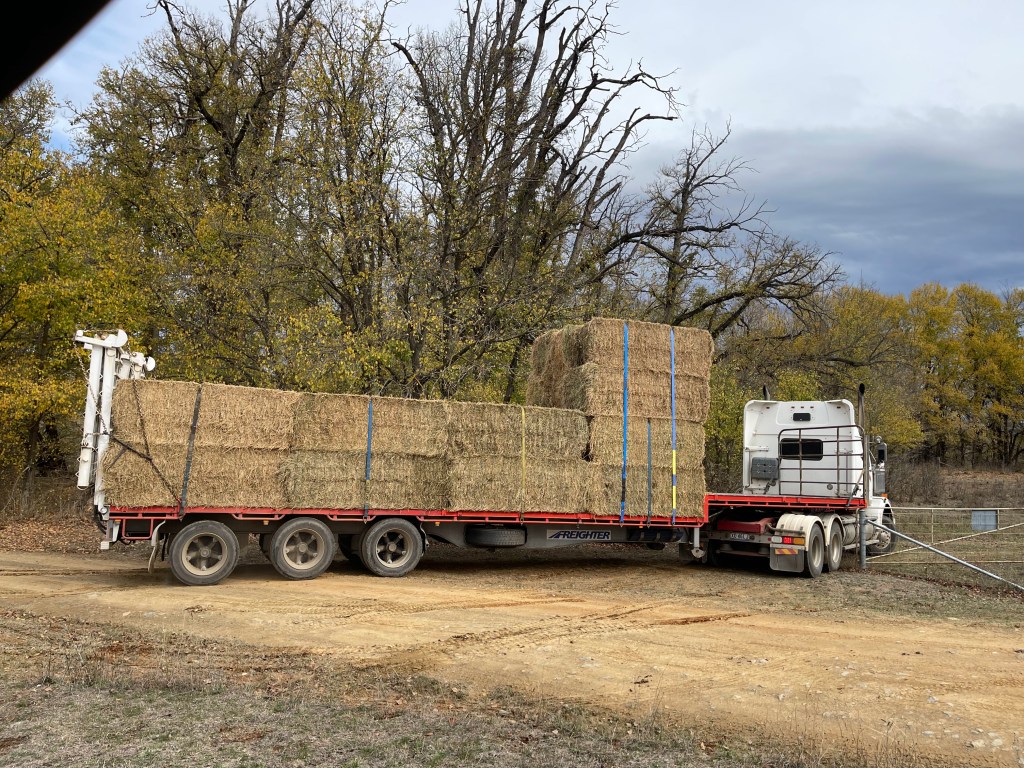
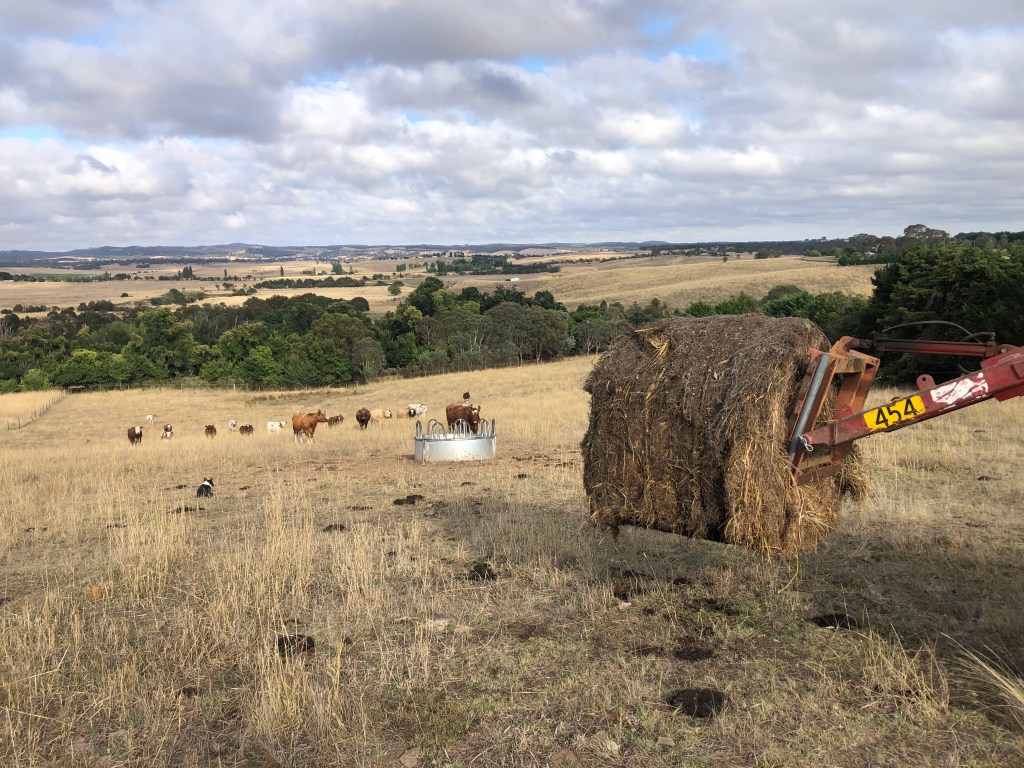
We quickly used up the last of our pasture hay and had to buy a truckload from irrigated country north of here. With our tractor still out of action at the time, our challenges mounted when the carrier also experienced mechanical breakdowns. On the very last day before we completely ran out, the new lucerne finally arrived—and our wonderful neighbours came to the rescue. A massive thank you to Jeff, who brought his tractor and saved the day!

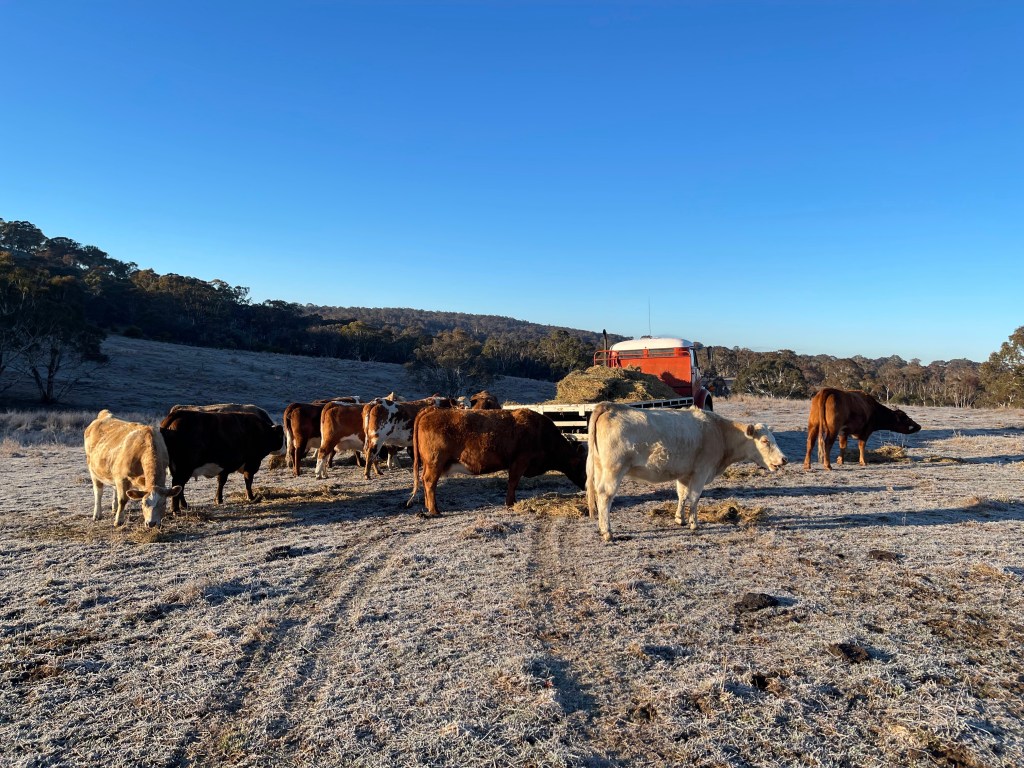
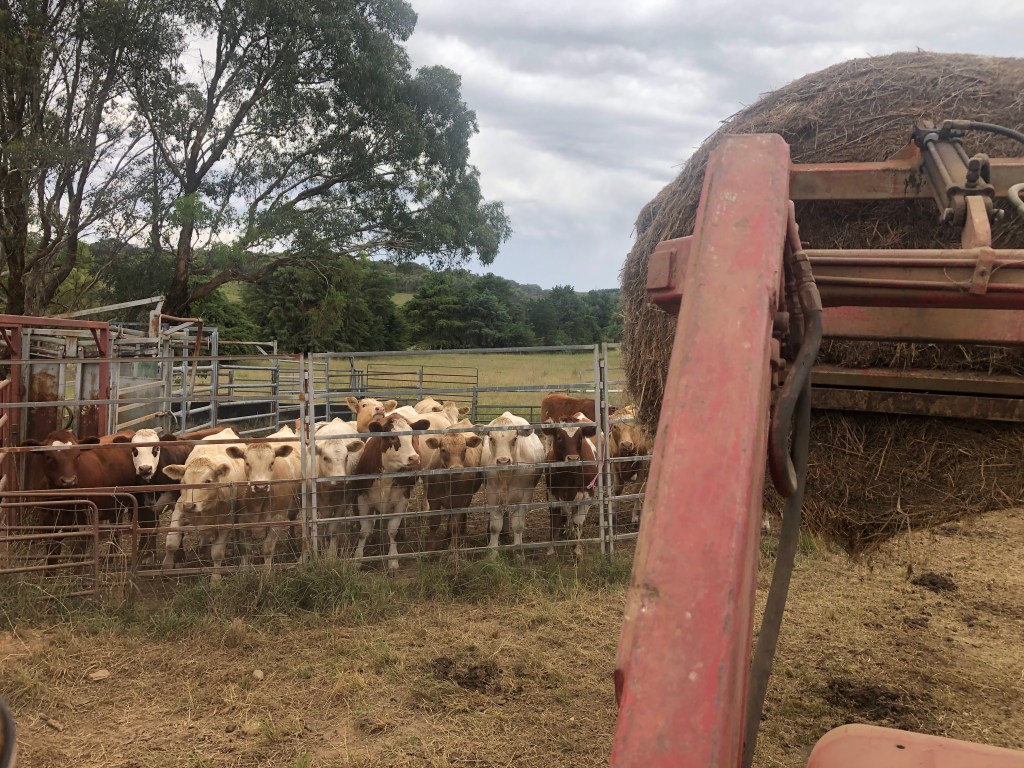
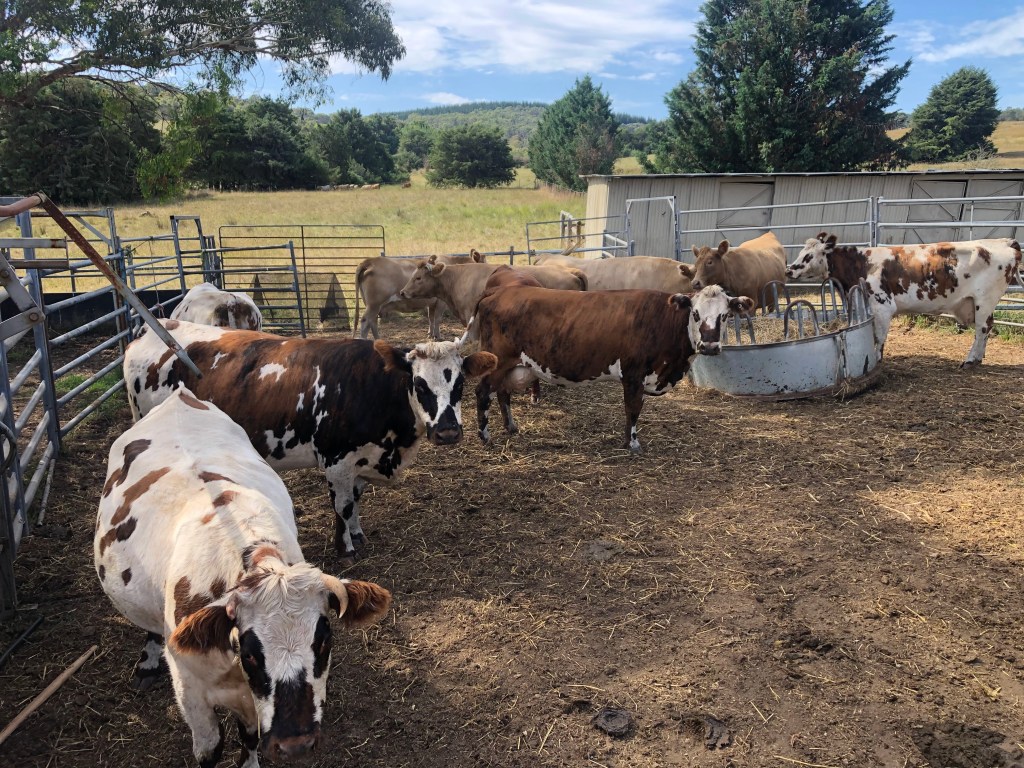
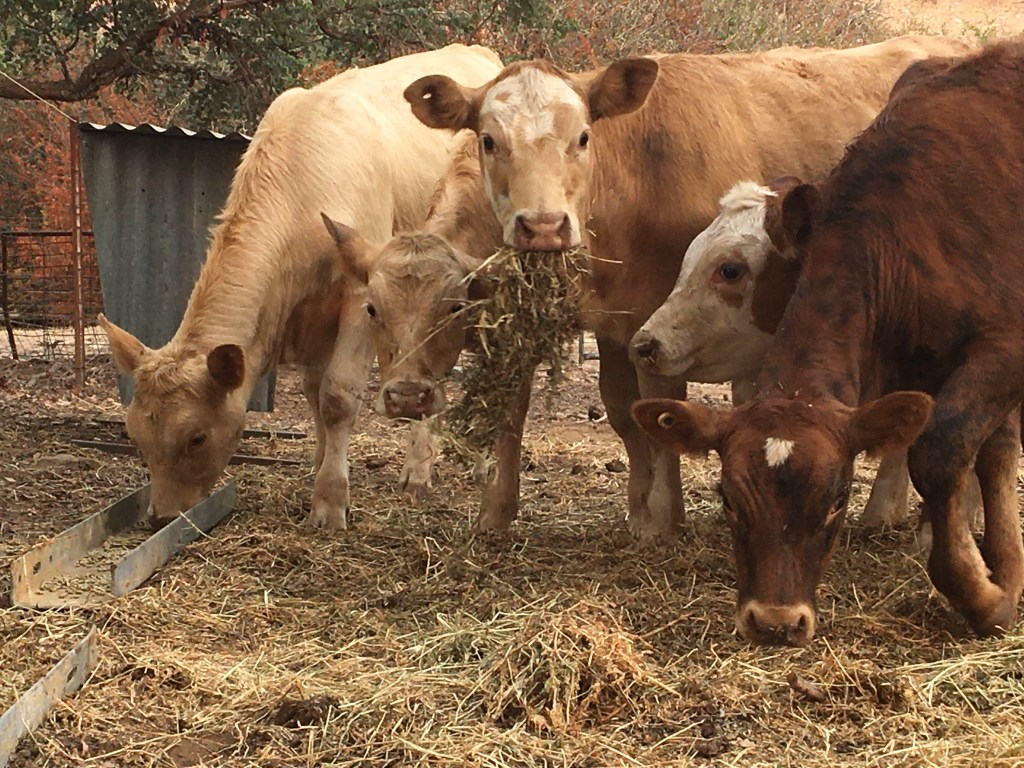
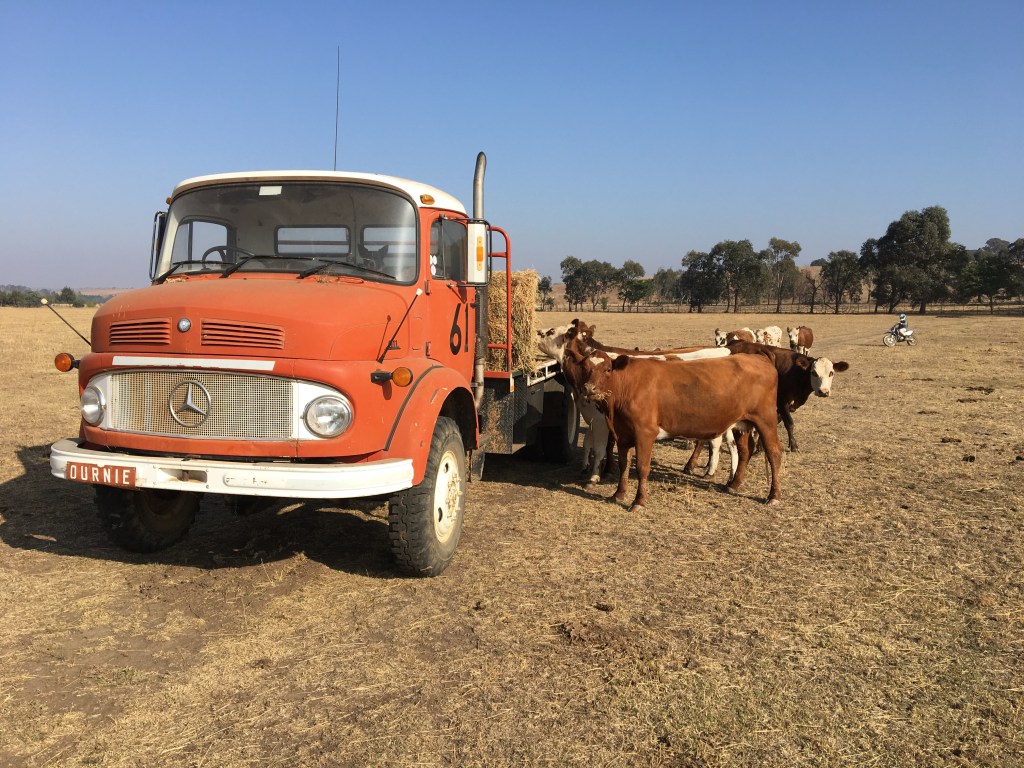
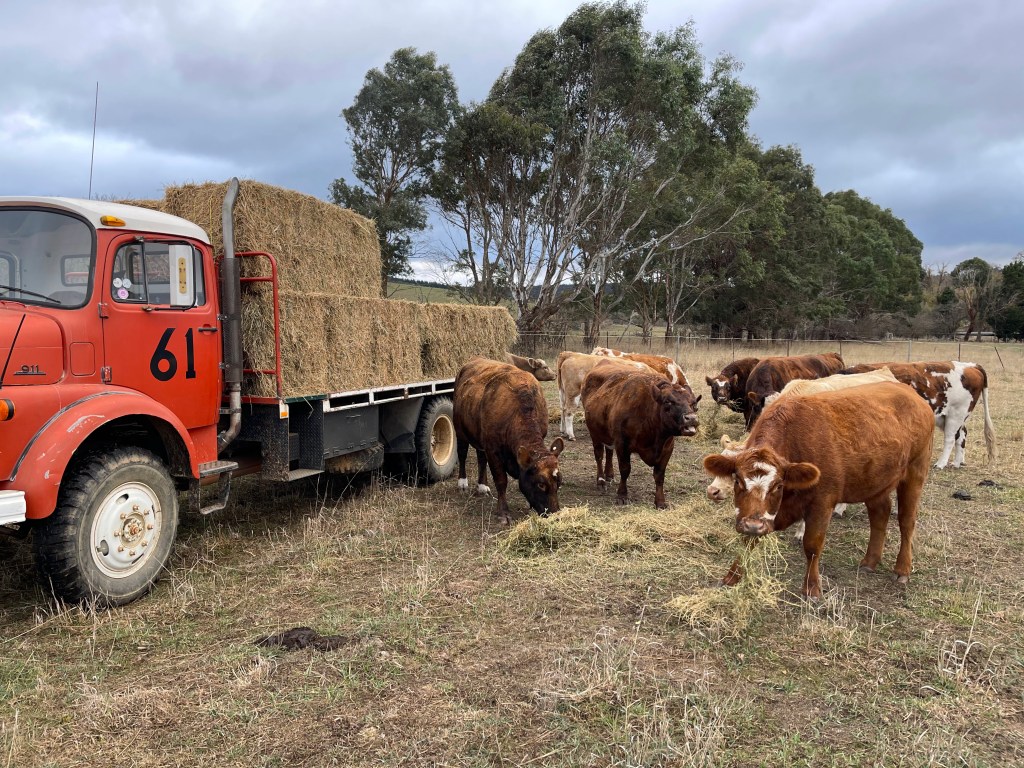
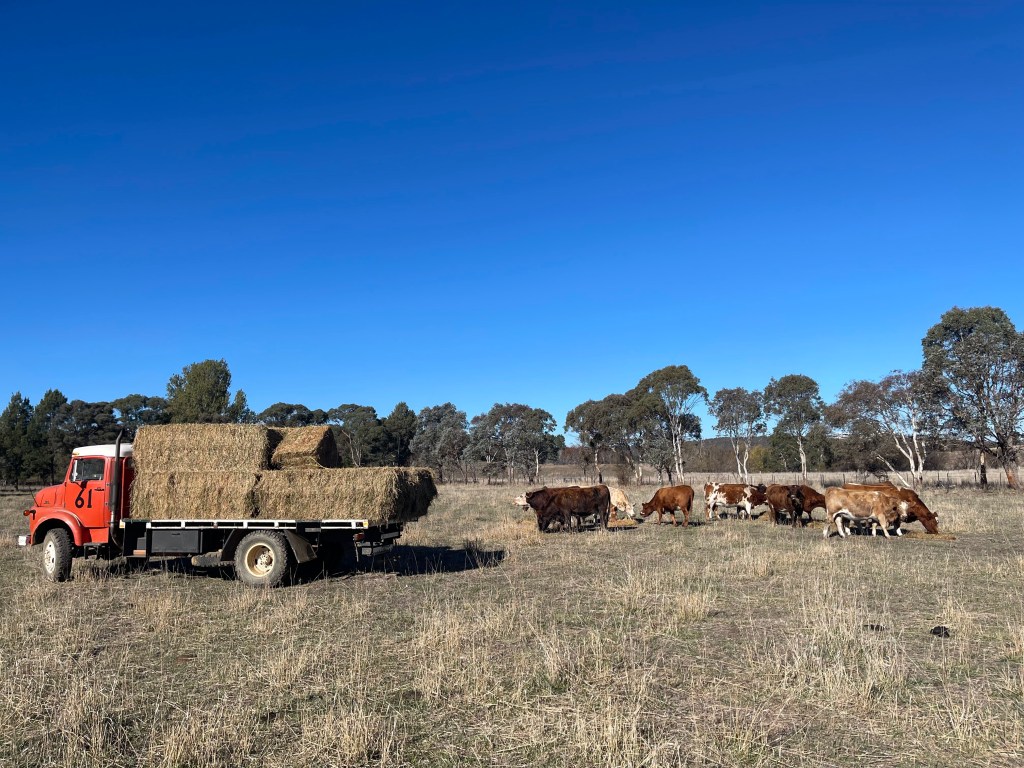
Jeff helped load a few of the large square bales onto the back of our BRT Myrtle, making it much easier to feed out. It didn’t take long for the cows to associate Myrtle with breakfast! I now have a new appreciation for how an ice-cream van driver must feel pulling up to a beach on a hot summer day—the cows come running, kicking their heels in the air at the sound of the truck.

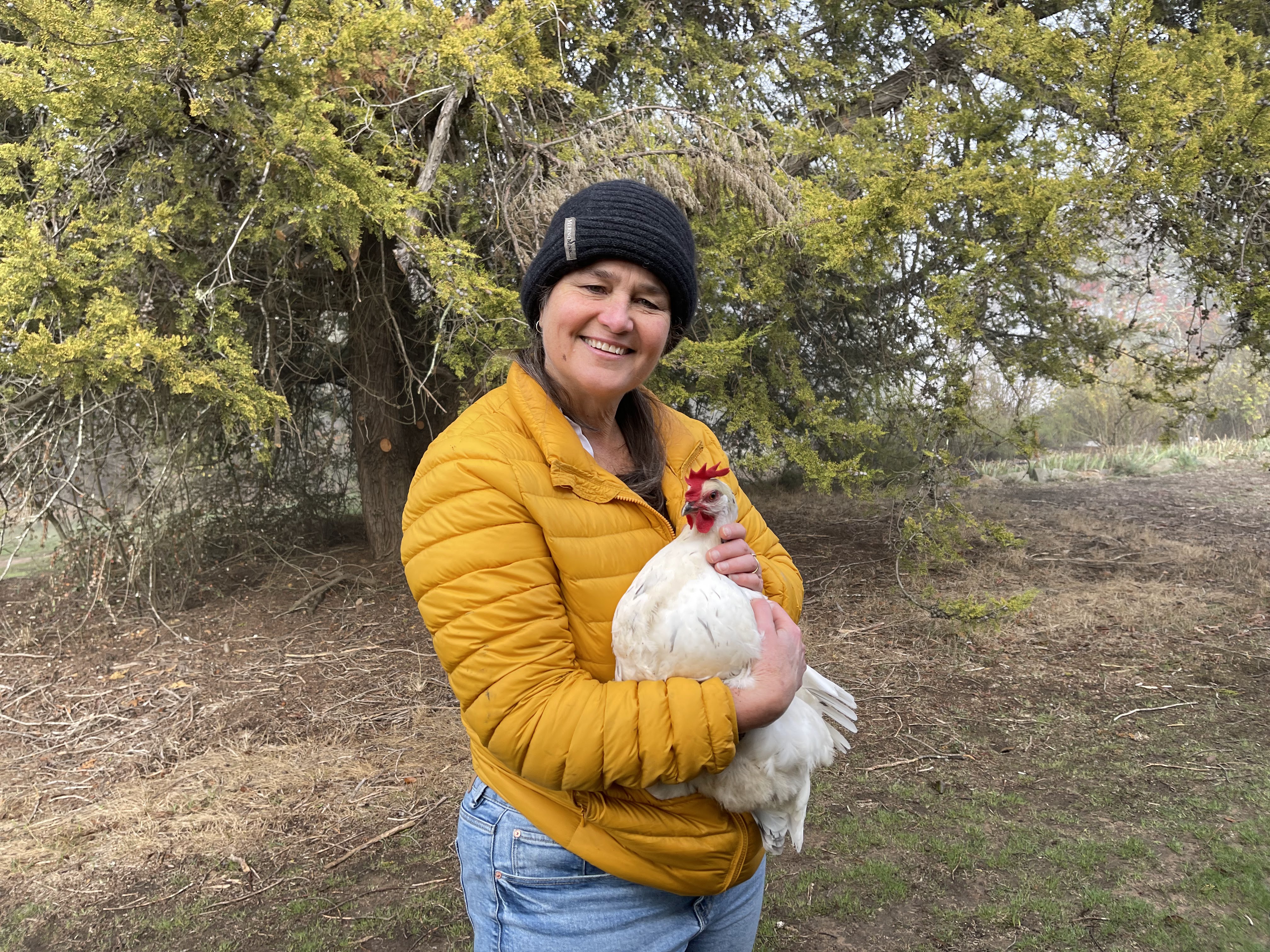
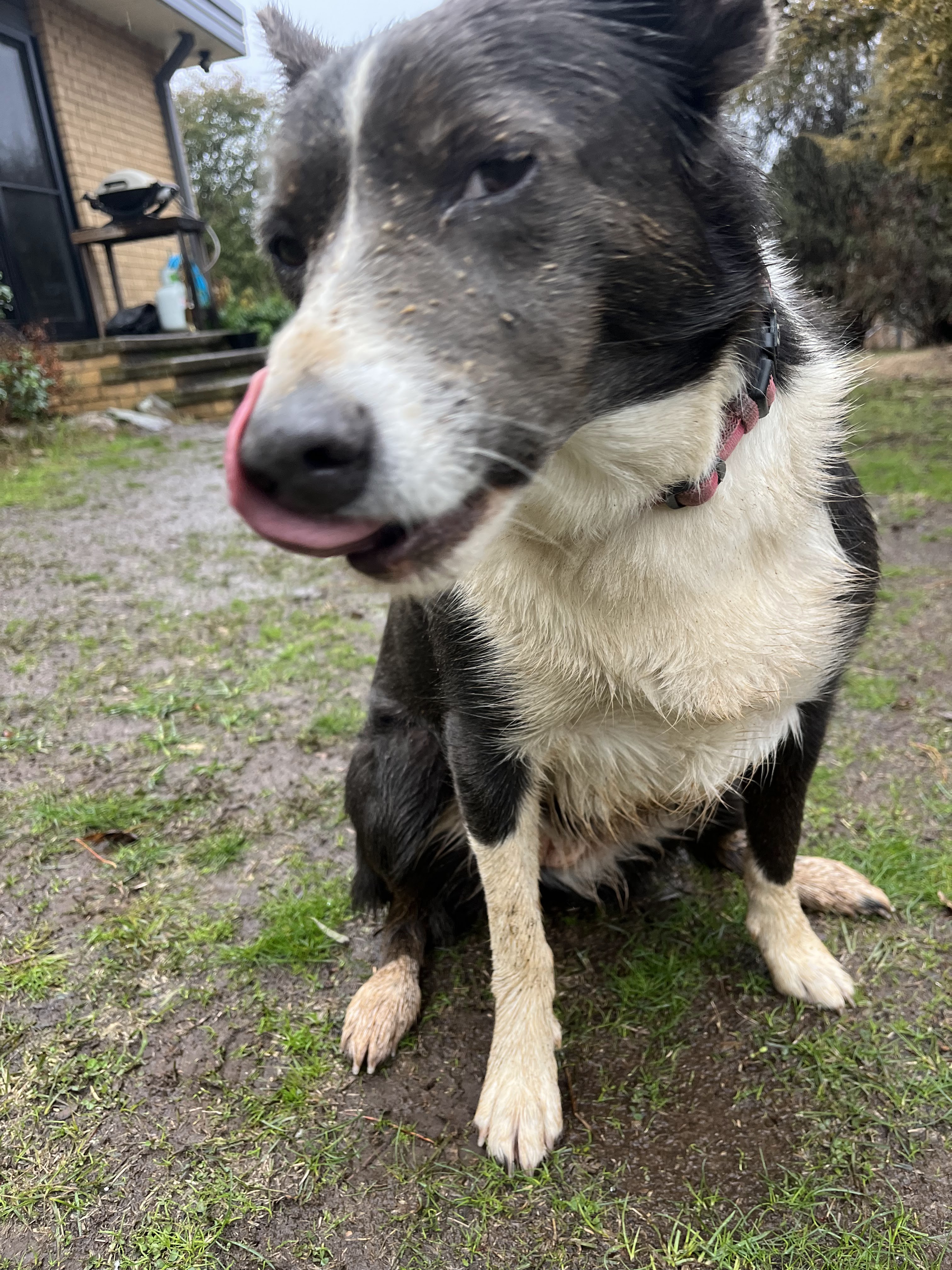
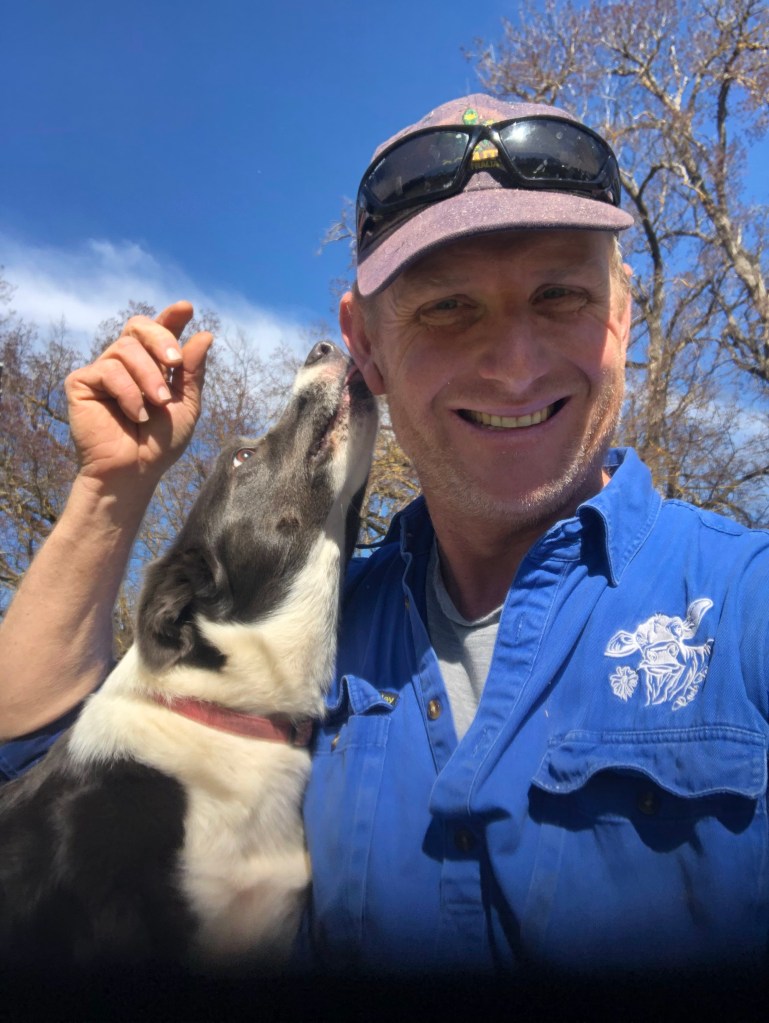
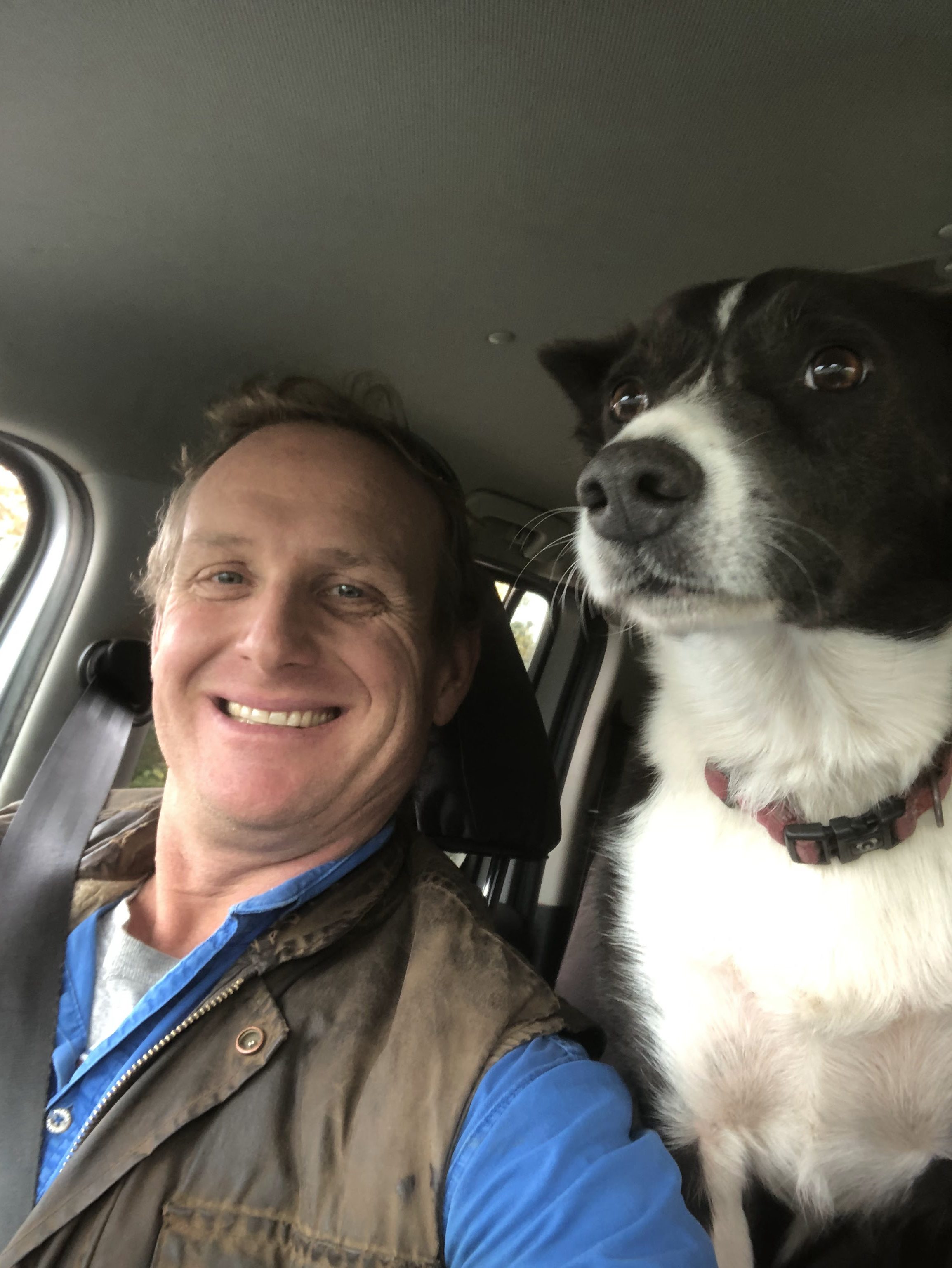
We’re now feeding daily, which has become a very early morning ritual, as I’m currently working regular Monday to Friday hours. It’s actually one of my favourite parts of the day—and the dog agrees, especially enjoying the early starts.

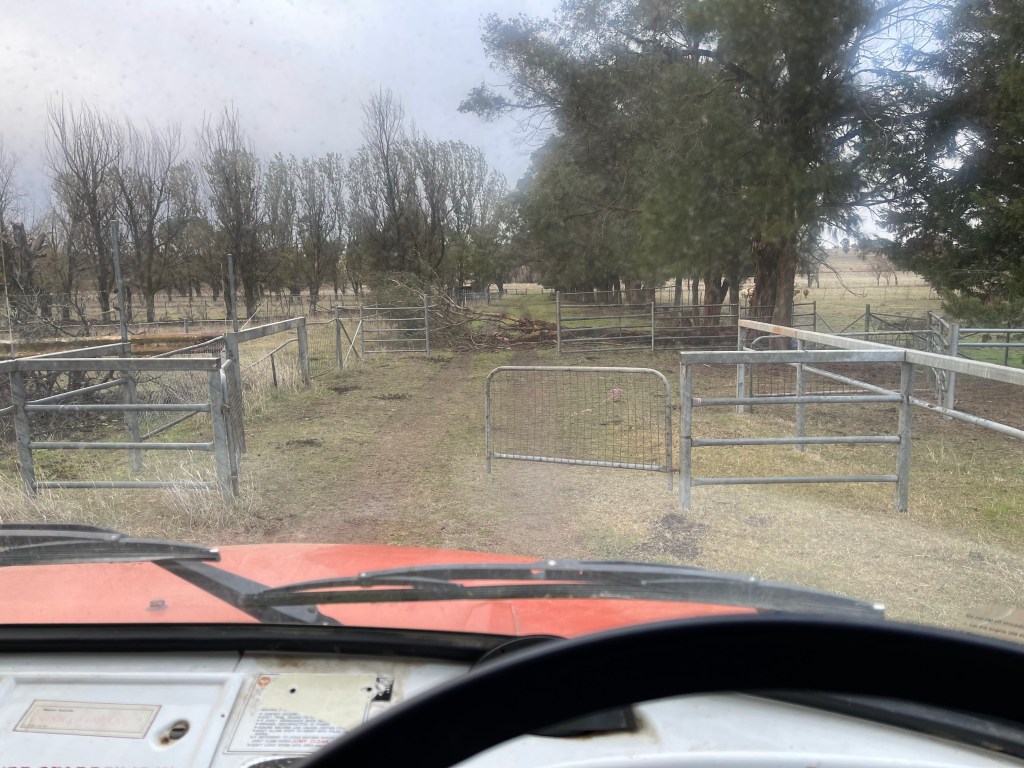
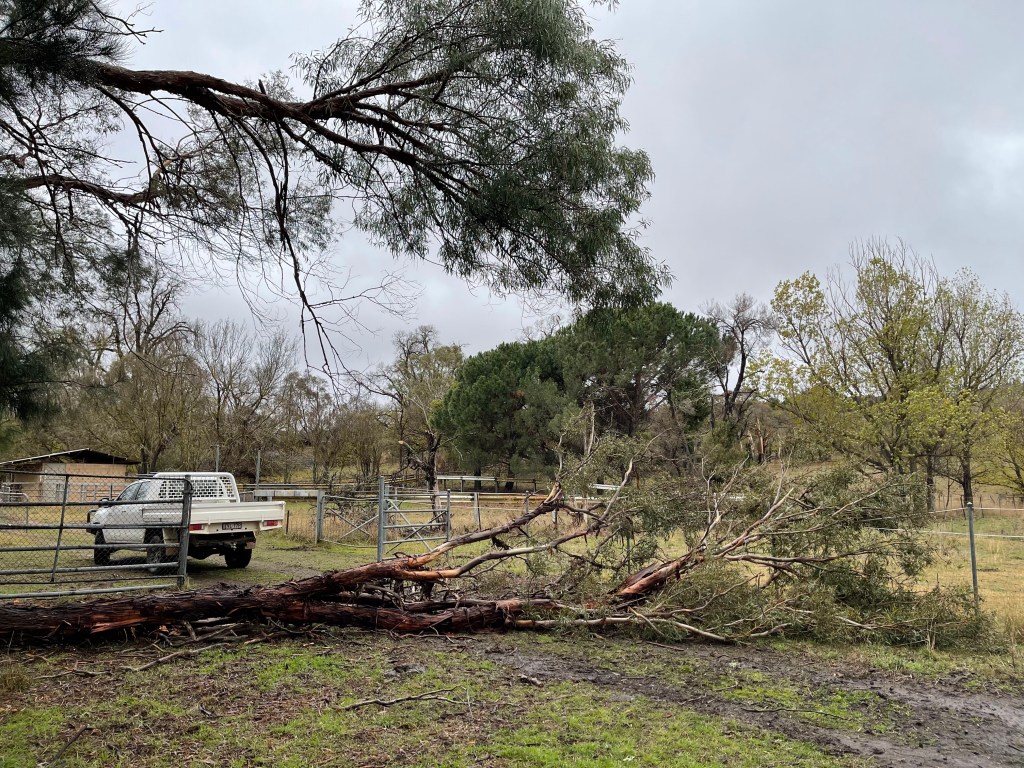
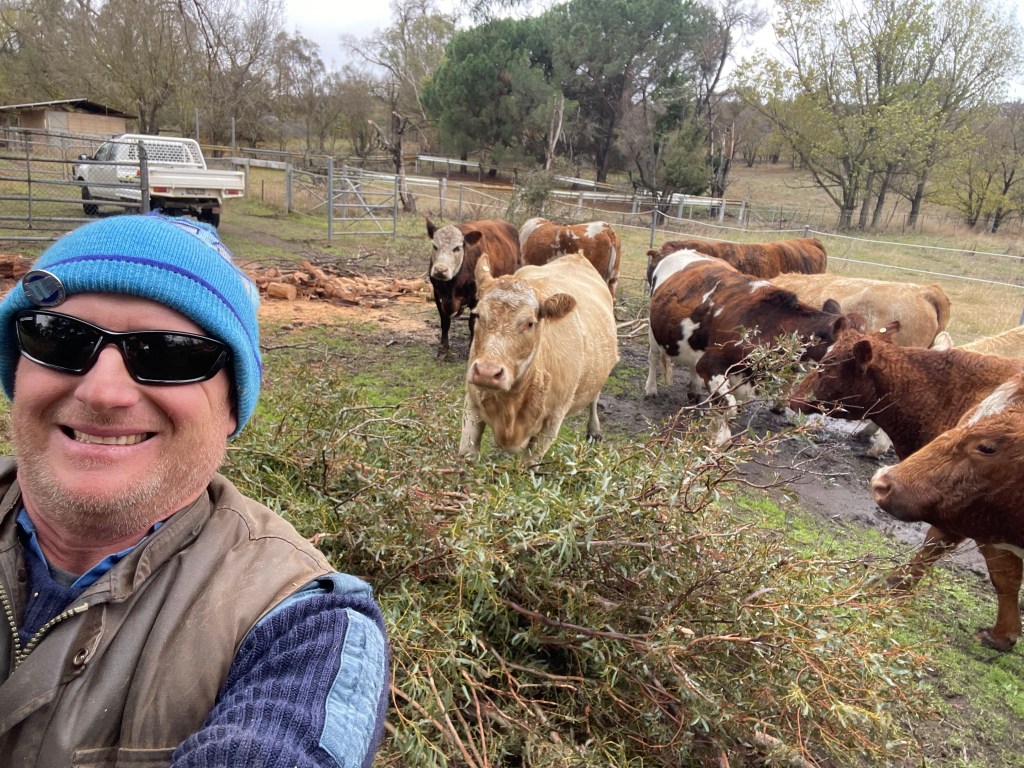
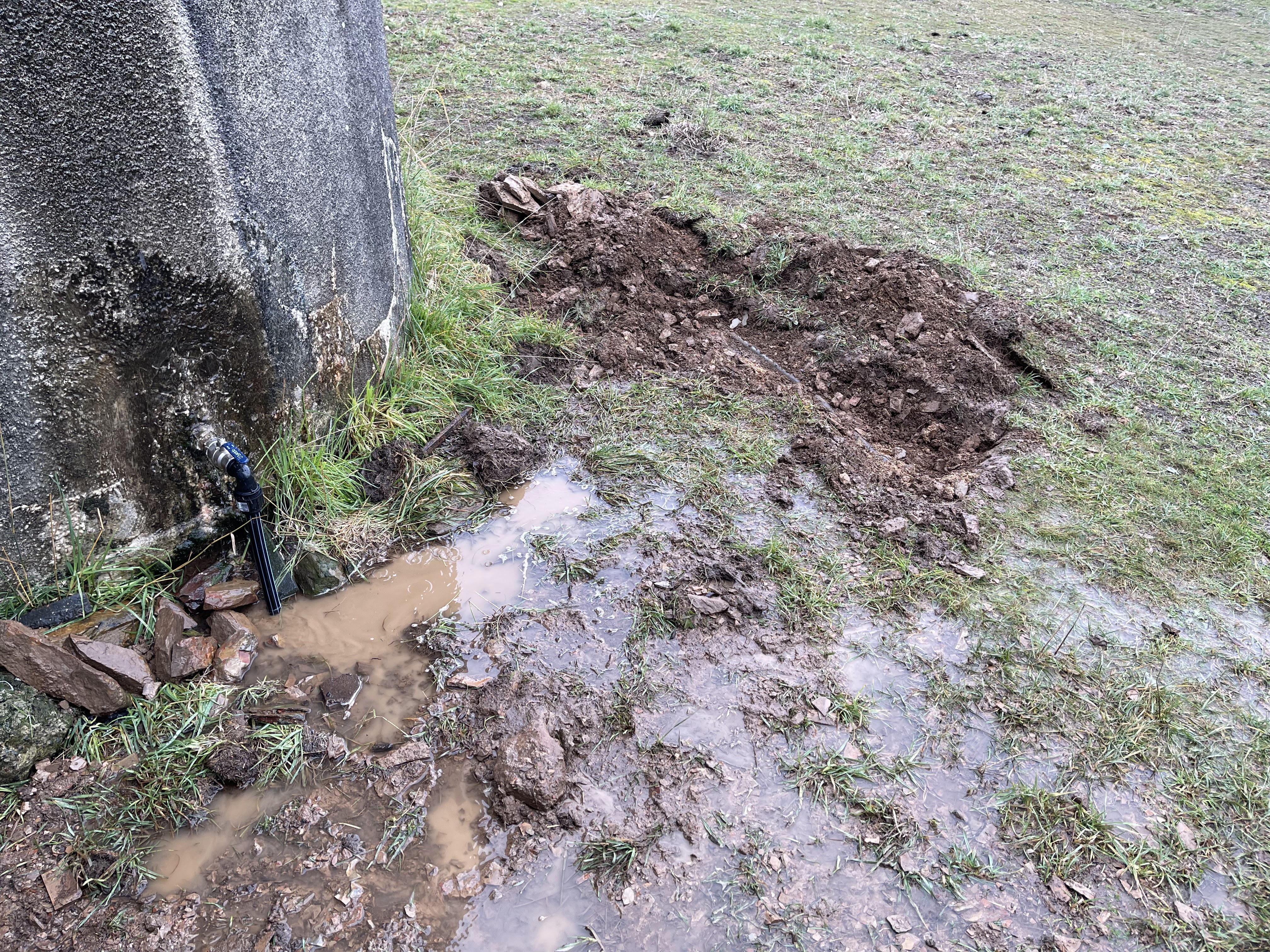
The Rock Farm has become part of the backdrop to a busy schedule. I’m reminded that some jobs must be done immediately, while others can wait. Leaks in the water trough system need urgent attention, as do trees fallen across tracks. Other tasks have taken a back seat—waiting either for warmer weather or for me to return to shift work.

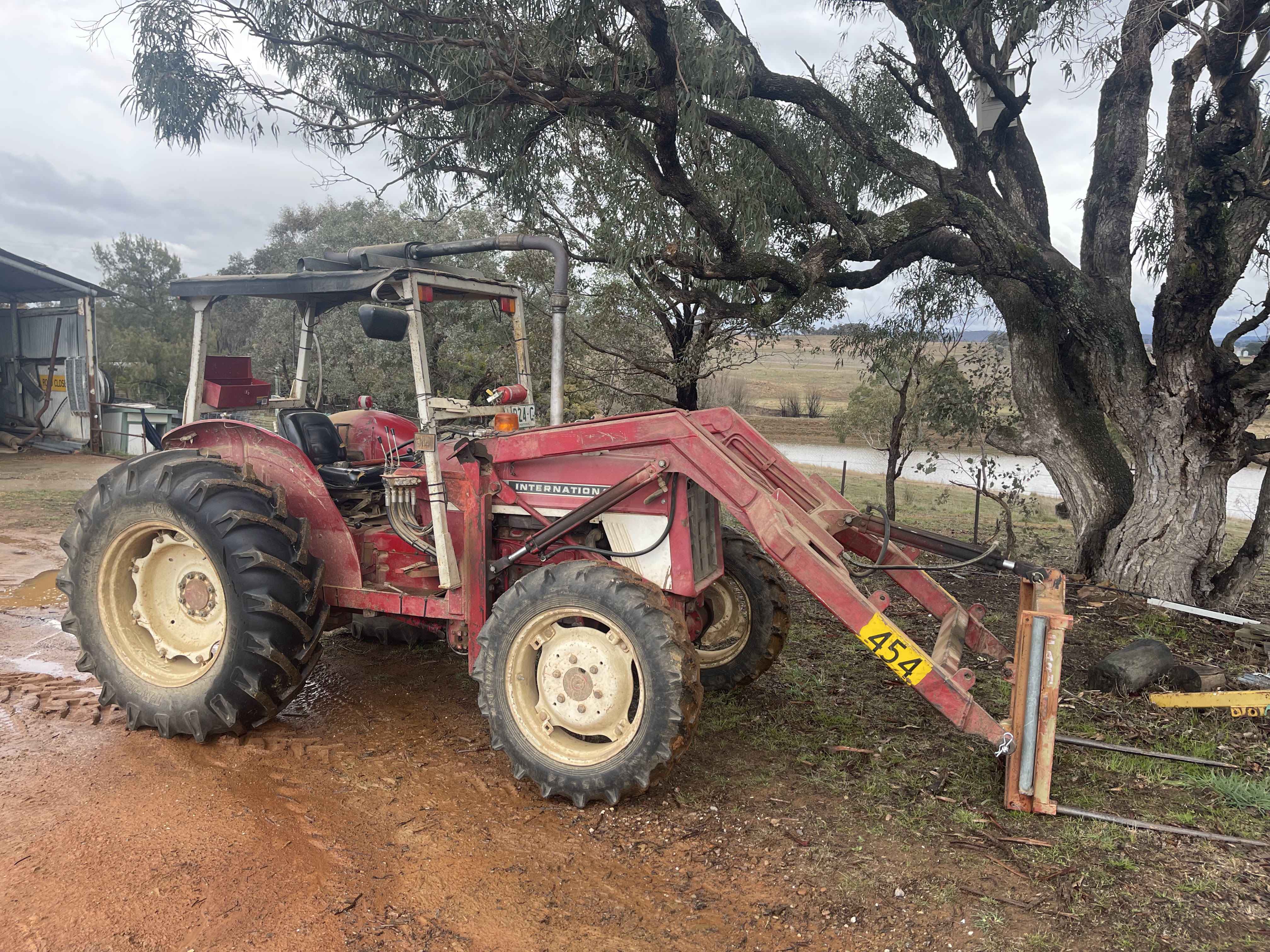
We’re thrilled to have our tractor back after a full engine rebuild. Dan from Direct Diesel Truck and Tractor Repair sourced a rebuild kit—including new pistons and liners—after the head gasket failure. It’s amazing how indispensable an old tractor can be. I hadn’t realised just how much I missed having it available until it was gone. Dan’s work was absolutely top-notch, and I couldn’t be happier.

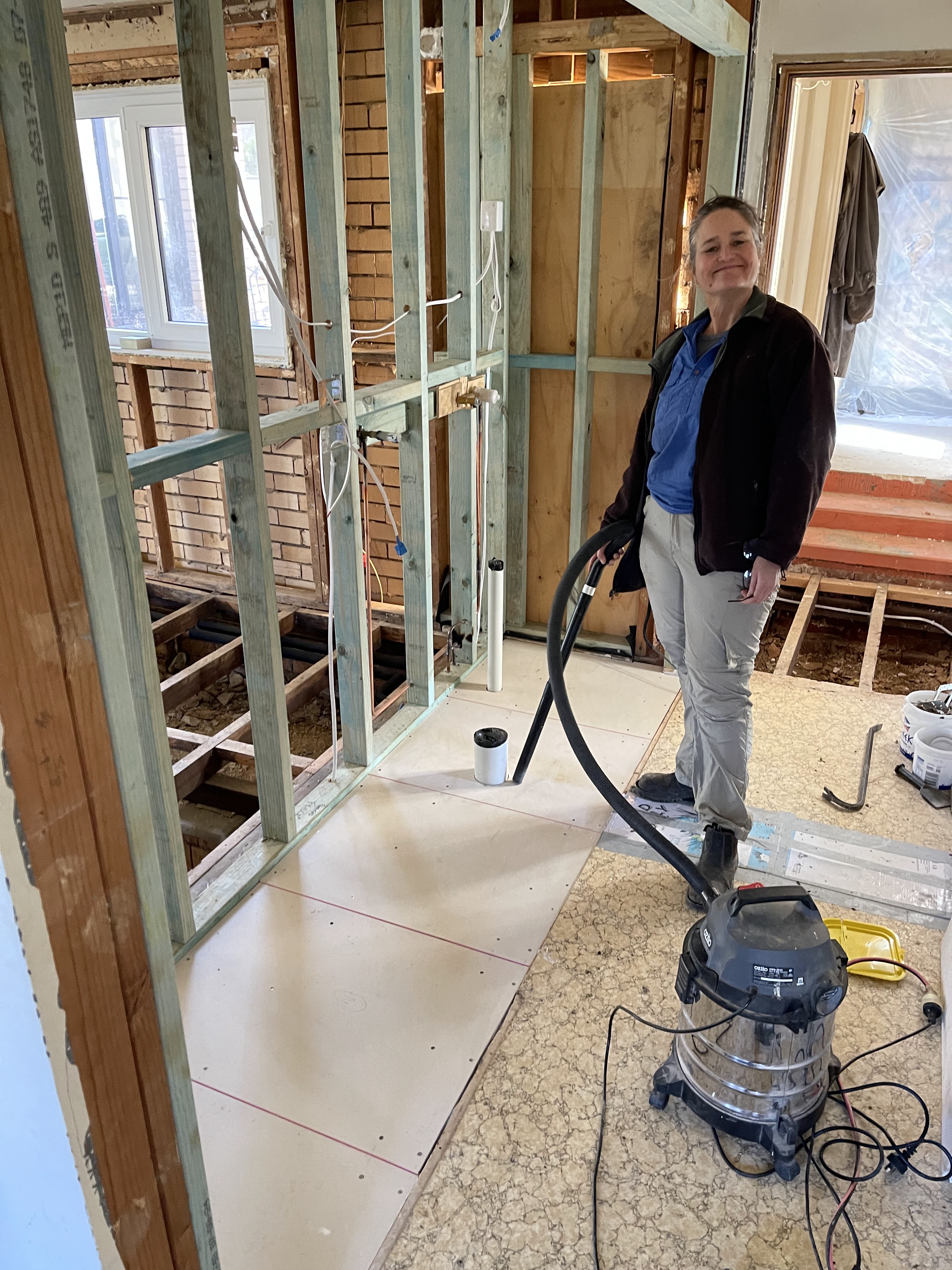
Meanwhile, our house renovation continues to inch forward. The support from local plumbing and electrical services has kept the momentum going. Huge shout-out to Sam from Prime Plumbing Yass and Andrew from APL Electrical, who’ve helped keep the build ticking along while I’ve been tied up with work.

As winter rolls on, we’re reminded that life on the land is full of challenges, but also full of community, resilience, and moments of quiet joy. Whether it’s the early morning feed runs, the clatter of hooves chasing Myrtle, or the steady progress on the house, there’s always something to be grateful for. With spring on the horizon, we’re looking forward to warmer days, greener paddocks, and whatever the next chapter brings for the Rock Farm.

Oh and calves… hopefully lots of calves!

Thanks for following along with our journey — stay warm, and take care until next time.

Summer on and off the Rock Farm

One of the things I love most about the Rock Farm is how much the landscape changes from week to week. This summer has been particularly dynamic—starting with dry, poor conditions but transforming into a green-tinted vista after a few refreshing summer storms. Sadly the green is fast turning back to brown as we have missed follow up rains.

Our cows and their calves are all in excellent condition. As January comes to a close, we’re fortunate to still have plenty of ground cover and grass in the paddocks. Many of our neighbours, both to the north and south, have had to destock due to a lack of feed. I’m relieved we made the decision 12 months ago to significantly reduce our herd size (see here: Comings and Goings in an Unusual Season). That choice has eased the strain on our pastures and made this season much more manageable for both us and the cattle.

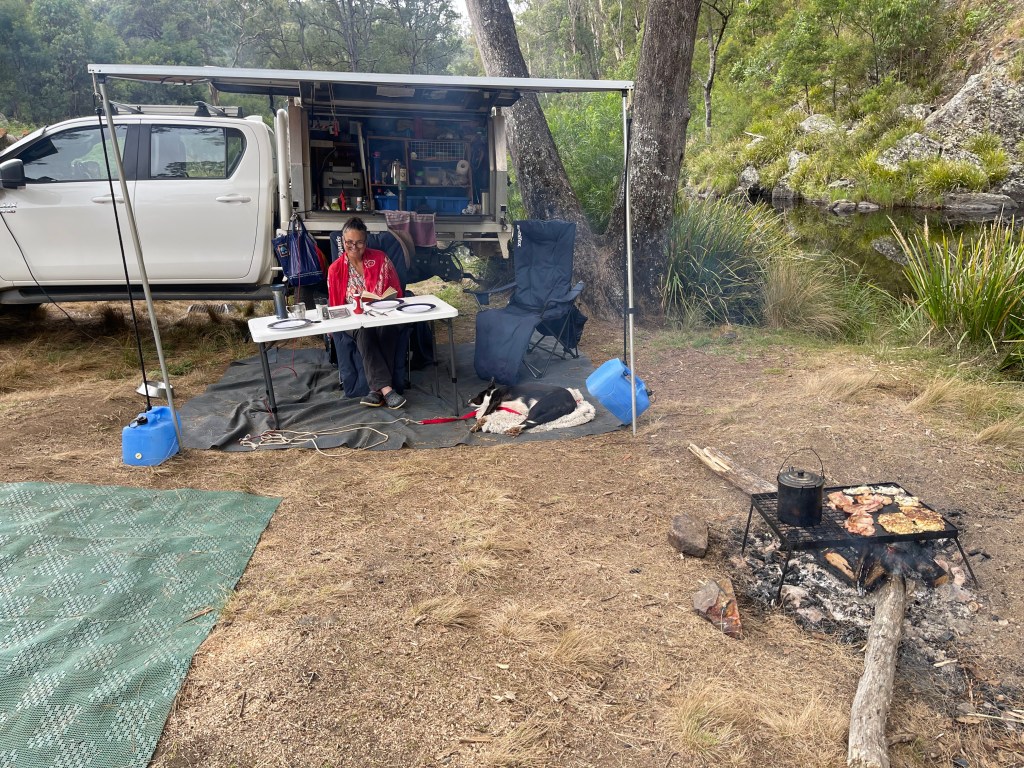
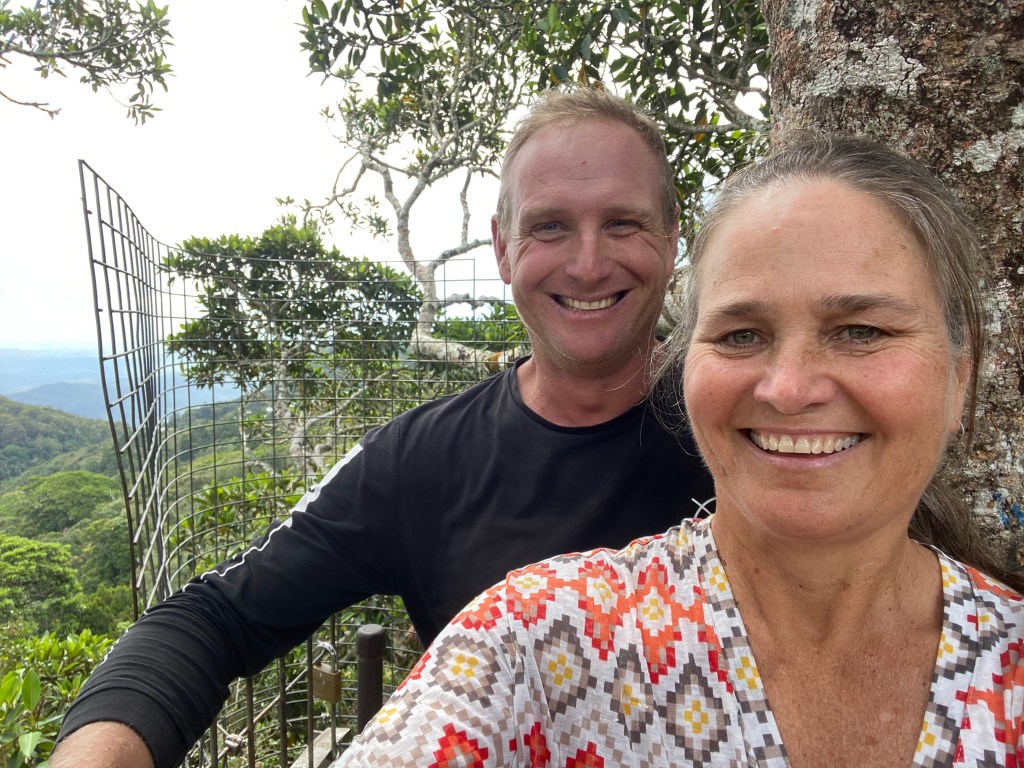
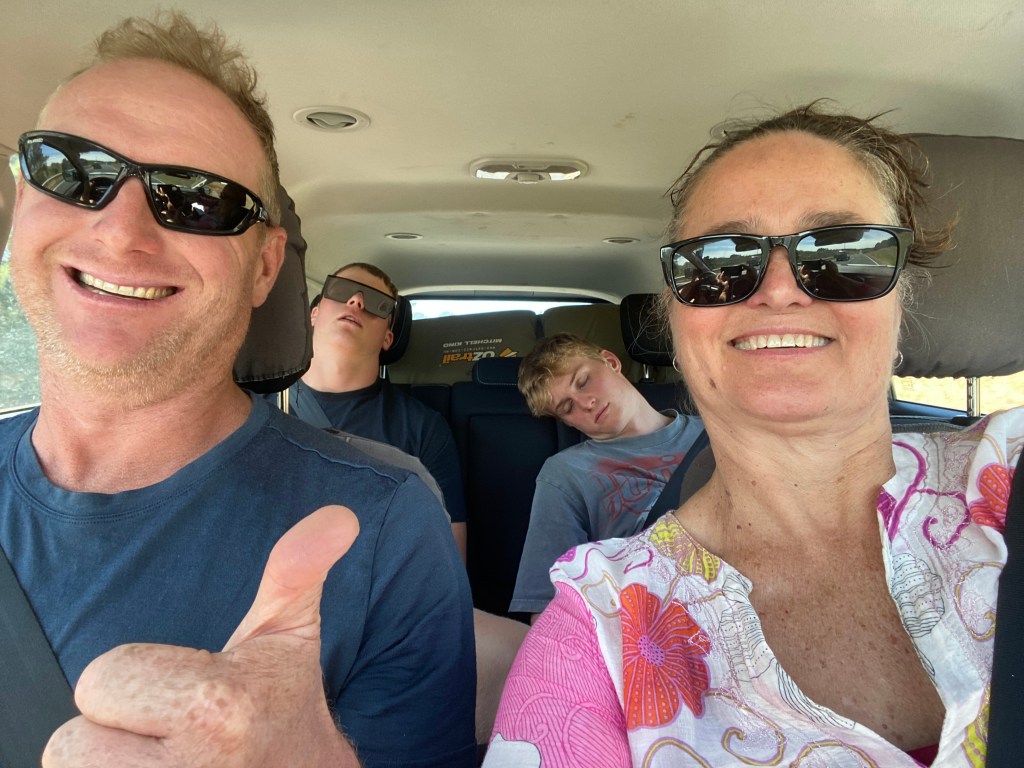
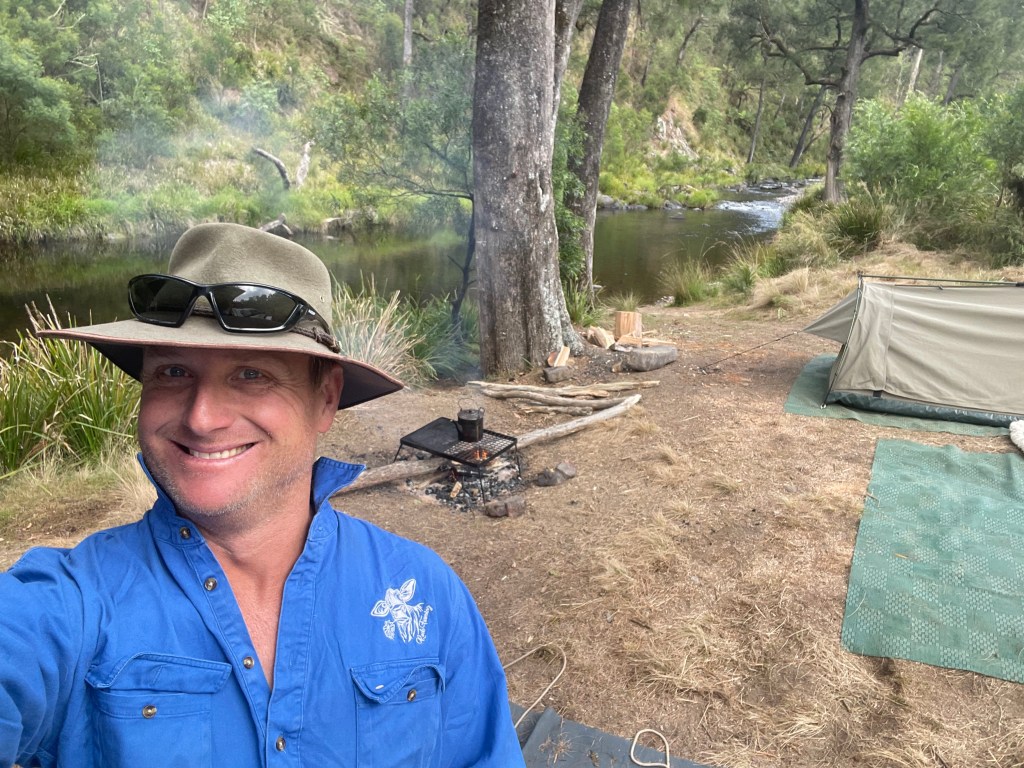
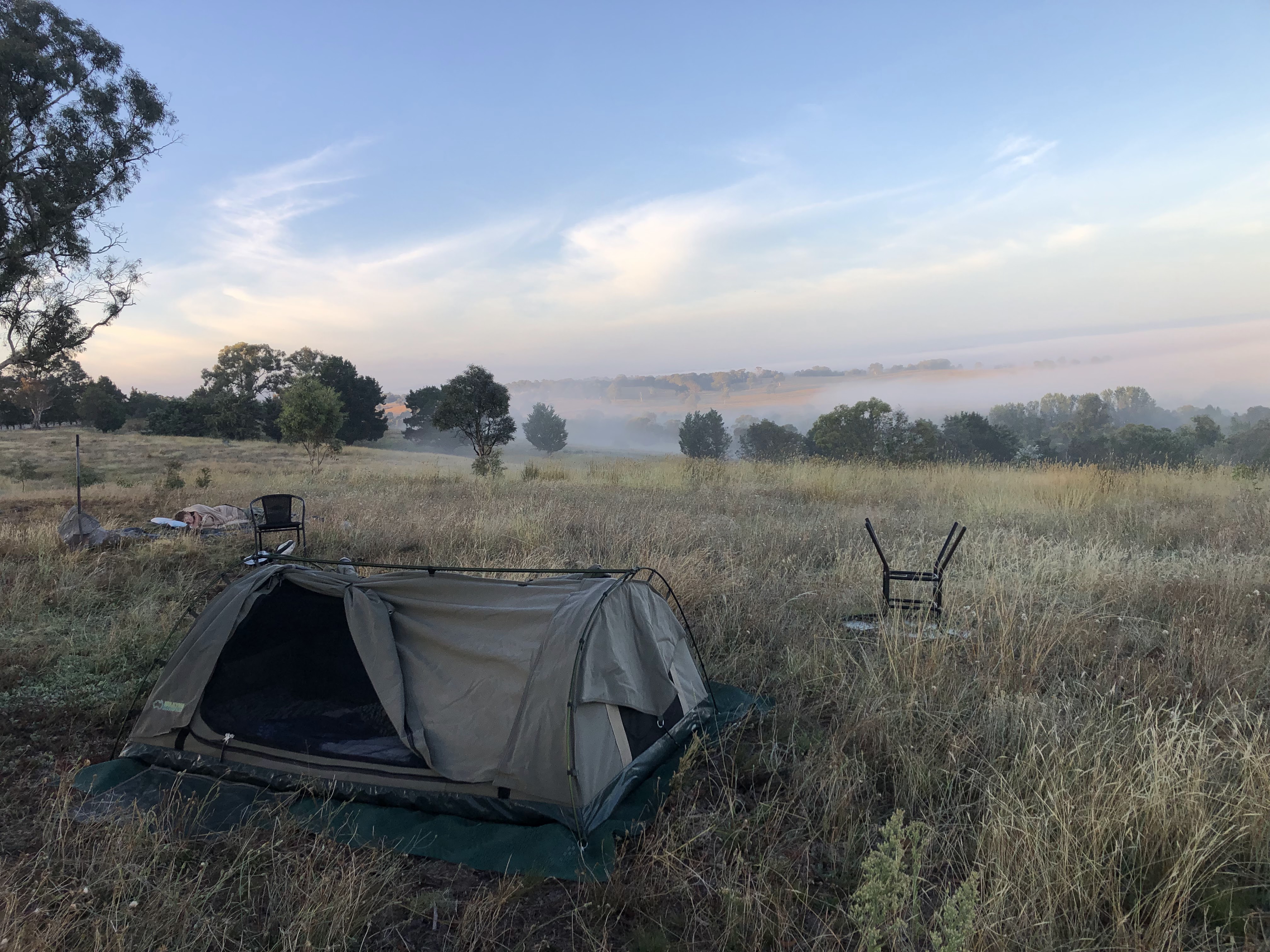
One unexpected benefit of downsizing the herd was the chance to take a short Christmas break. With an extra bale of hay in the paddock and a full dam of water (thanks to Lou’s help: Dry Times Present a New Opportunity), we headed north to spend Christmas with family. The road trip was great fun, made bittersweet as the boys start forging their own paths as young adults. The boys flew home early from the Gold Coast, leaving Jo and me a few days to ourselves. We camped by a swimming hole east of Armidale which were lucky enough to share with a pair of platypus. We had three relaxing nights in our swag before slowly making our way back home.

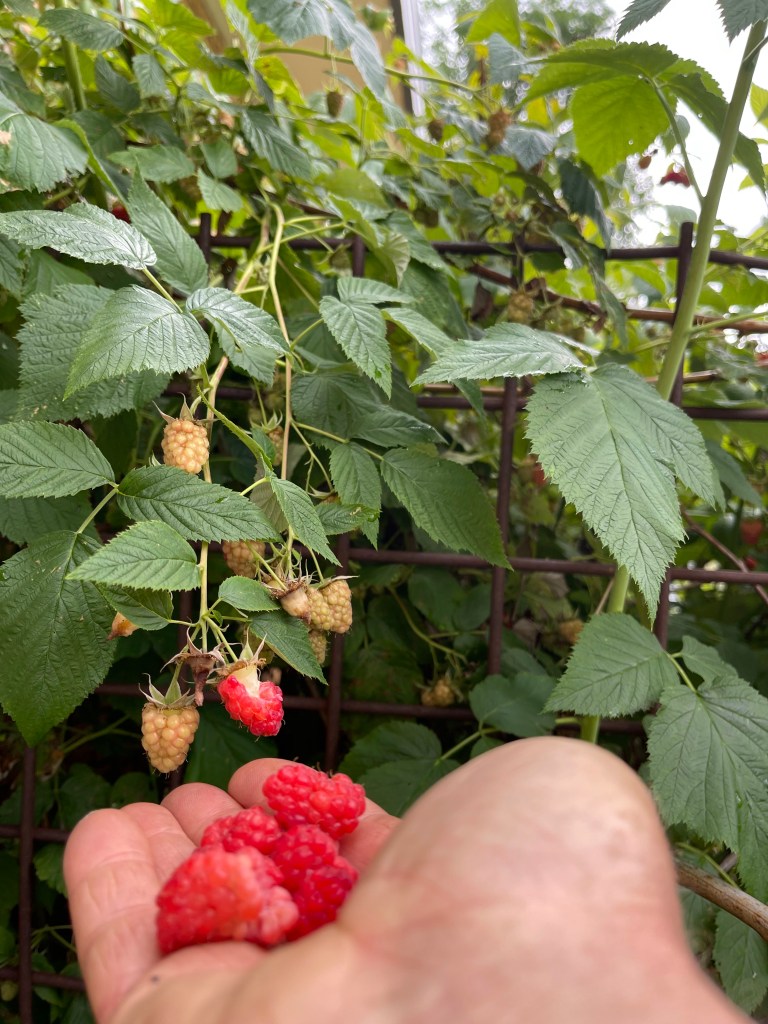
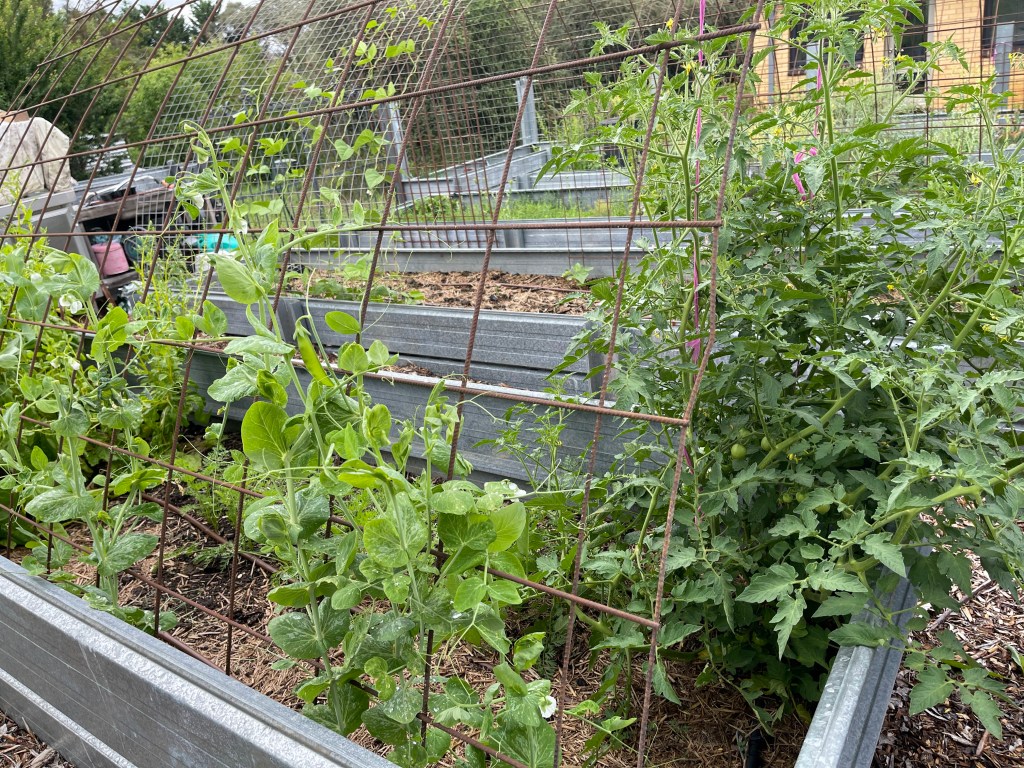
Meanwhile, our vegetable garden has adapted to the season’s changes. The raspberry season was short but delicious. Luckily, our peas, beans, tomatoes, red cabbage, and cauliflowers survived our holiday, and we’re now enjoying the fresh bounty in our kitchen.

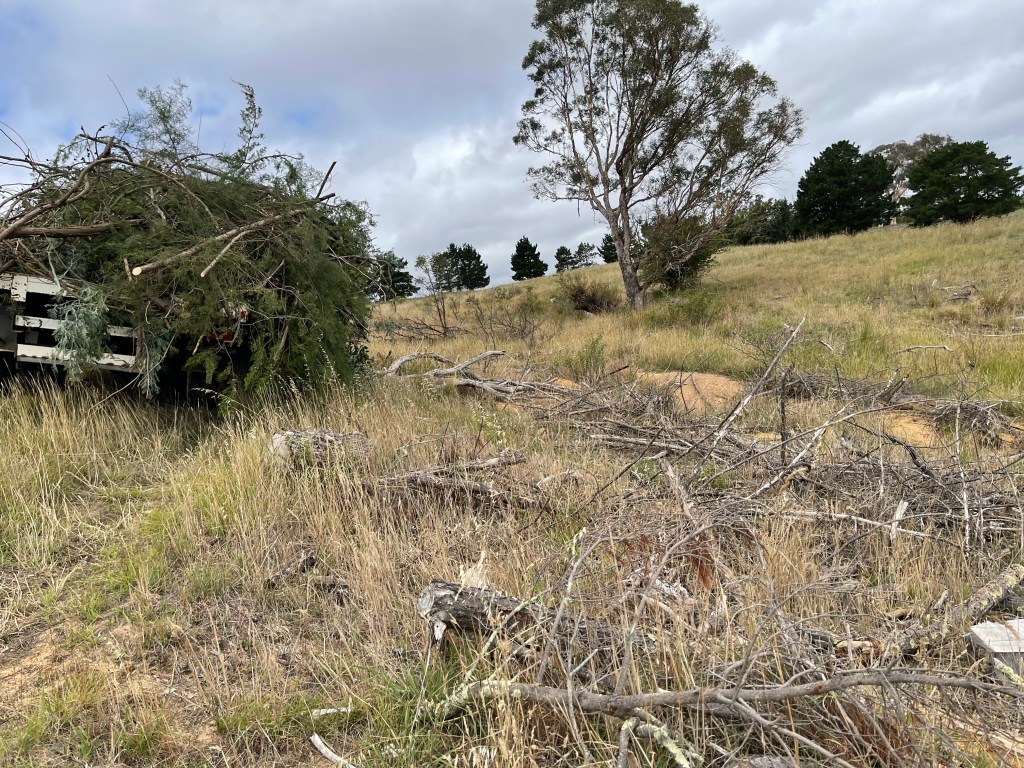
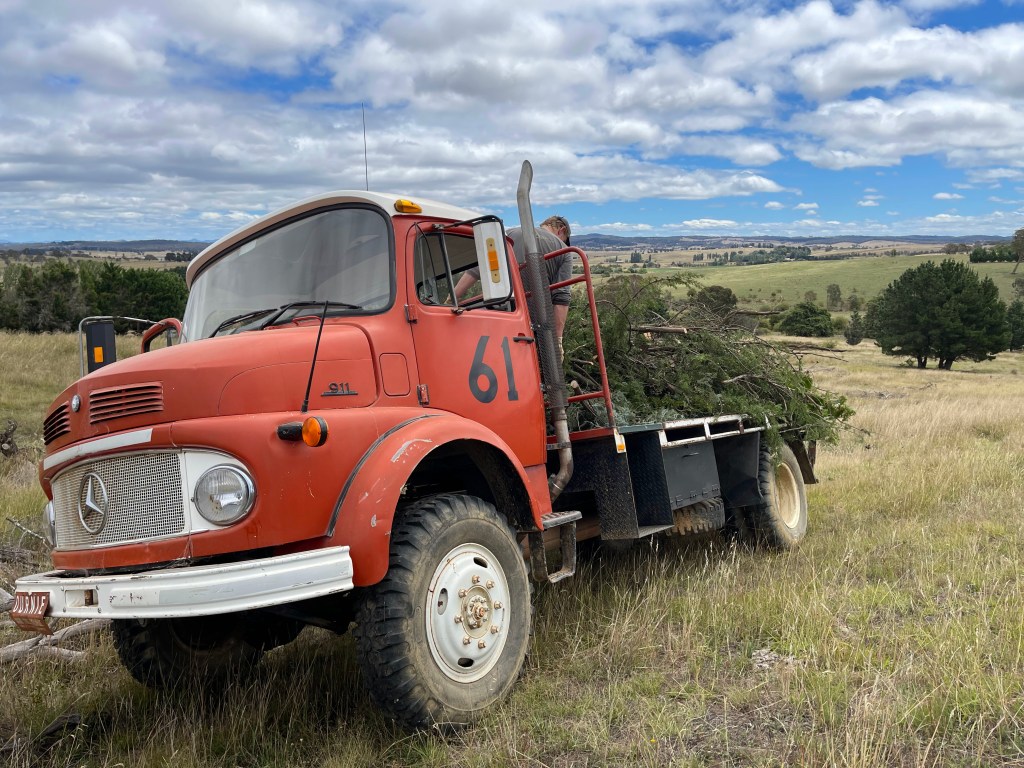
The weather has brought its challenges. While the Bureau of Meteorology hasn’t officially declared a La Niña, the conditions feel markedly different since Christmas. Summer storms have delivered patchy rain and strong winds. Our nearby village lost several trees, but we escaped the worst and we’ve only had some minor clean-up tasks. Myrtle, our big red truck, continues to prove her worth, helping me spread green waste in old gullies. It’s rewarding to see the soil stabilizing and vegetation returning to once-bare patches.

Managing weeds remains a constant challenge on the farm—a timeless battle for farmers. I have a great chipper that is my primary tool for dealing with isolated thistles. A few hours of work (who needs a gym?) allows me to stay on top of most areas.

Slashing has been my go-to method for controlling large areas of thistles. Unfortunately, my tractor is currently out of action. (A whole other story). This means I am falling behind on my thistle control.

Walking the paddocks with a chipper offers more than just weed control; it’s an opportunity to inspect the pastures closely, clear my mind, and get some exercise. I’ve been especially pleased to see dung beetles at work, rapidly breaking down manure. Their activity is a promising sign of healthy soil—and healthy soil means healthy cattle.

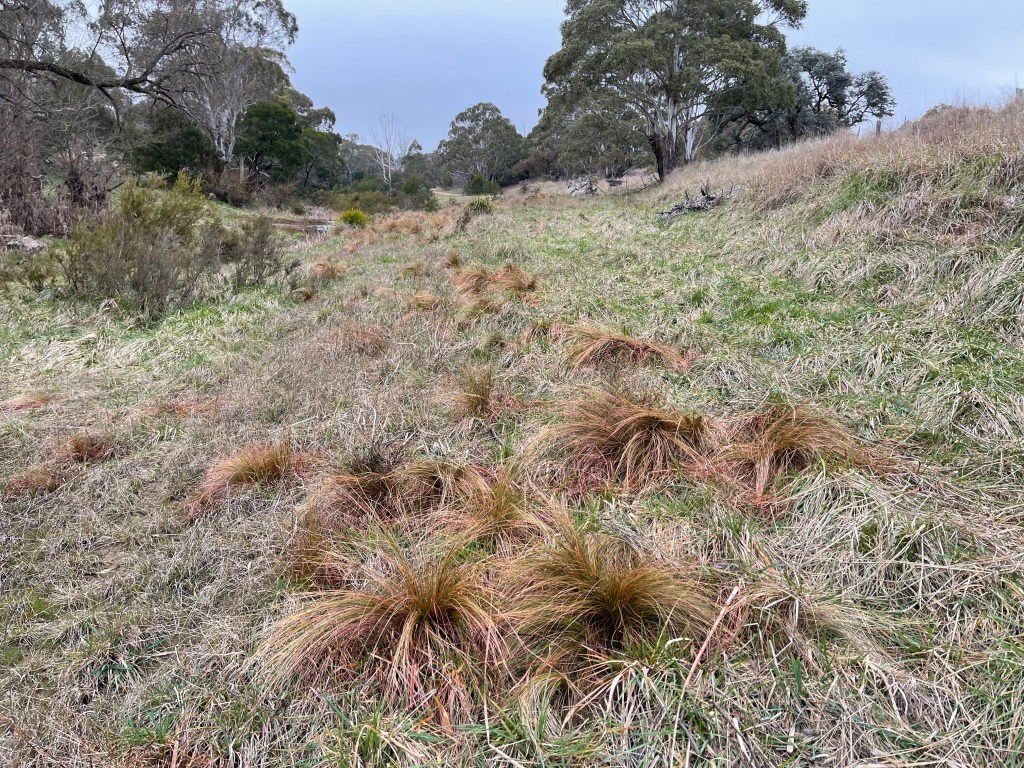
I prefer mechanical methods for weed management over chemical solutions, though my approach often depends on the time I have available. Large areas of thistles. are easily managed by slashing, but more persistent weeds like Serrated Tussock and African Lovegrass need to be chipped out by hand. Unfortunately, I also have to contend with St John’s Wort and Sweet Briar—neither of which respond well to slashing, pulling, or chipping, despite my best efforts and experiments.

The real challenge lies in staying on top of these weeds to avoid using poisons altogether. While herbicides might be effective against the weeds, I can’t help but worry about their potential effects on my health and the health of the soil biota around the sprayed plants. For me, maintaining a balance between effective management and preserving the integrity of the land is an ongoing—and deeply personal—commitment.

As each season brings its challenges and rewards, life on the Rock Farm continues to teach me resilience, adaptability, and gratitude. From managing livestock and nurturing the soil to tackling weeds and adapting to shifting weather patterns, every task reinforces our connection to the land and my responsibility to care for it. The journey isn’t always easy, but the satisfaction of seeing healthy pastures, thriving cattle, and the fruits of our labor makes it deeply fulfilling. With each passing week, the landscape reminds us of its power to change and renew. I love it.

Spring Calving Challenges on the Rock Farm

Calving is one of my favourite times on the Rock Farm. We started a little earlier than normal this year – driven by our desire to have a holiday late last year. Thankfully with the unseasonably warm August, we are getting through it ok. After losing a maiden heifer to bloat a couple of months ago, we are down to 11 cows, but we suspect two are dry.

Calving hasn’t all been smooth sailing. It never is. One of our cows had twins. Relatively unusual in cattle, survival of the second calf is extremely rare. And we learnt why. It’s because cows can’t count!

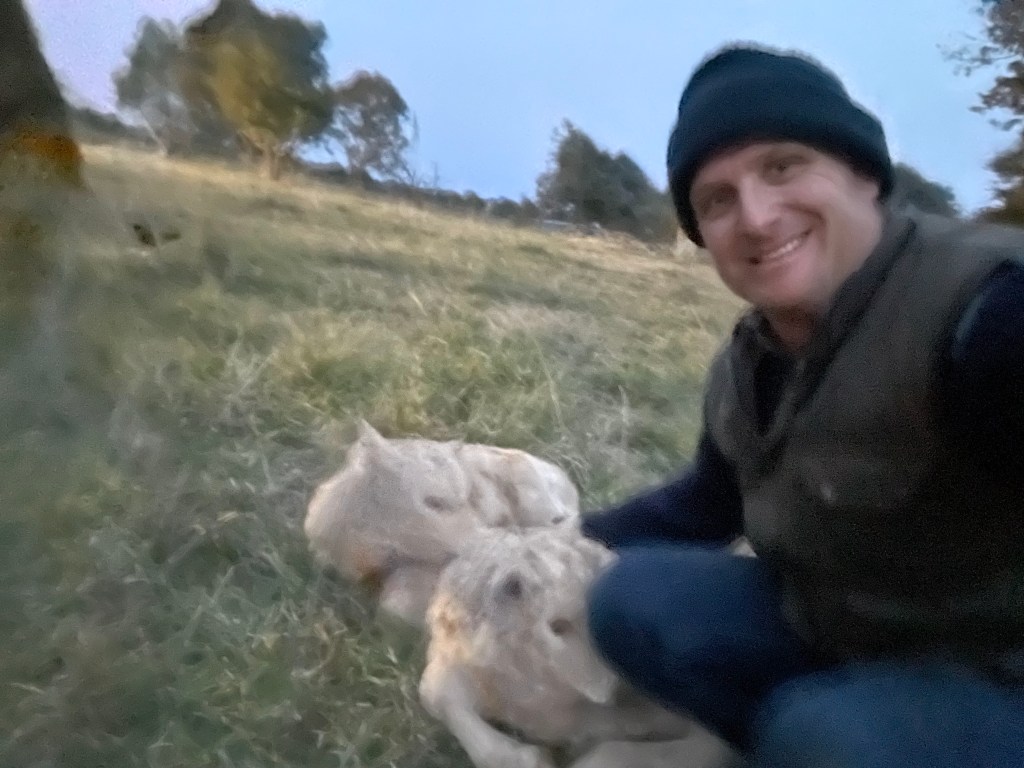
Twins were born to cow Grey Girl. I swear she didn’t realise she had two calves to look after. She seemed surprised to find her calf in front of her, and then, by the time she turned around it appeared behind her again. What started comically almost ended in tragedy. The first morning following their birth, we could only find one calf – pushed through a hinge-joint the fence into the neighbour’s. After quickly reuniting this calf with mum grazing nearby, so commenced a desperate search for the other – with no success. We feared the calf had either frozen overnight, or had been taken by wild pigs.

With downcast hearts, we eventually returned towards the house, only to find at the opposite end of the paddock, tucked into a sunny spot the other twin.

We separated Grey Girl and her twins from the herd and put them in a small paddock for the next couple of days. This allowed the calves to gain strength enough to follow mum around and fight for their own supper. The strategy worked, and a week later Grey Girl and her twins returned to the herd where they continue to prosper.

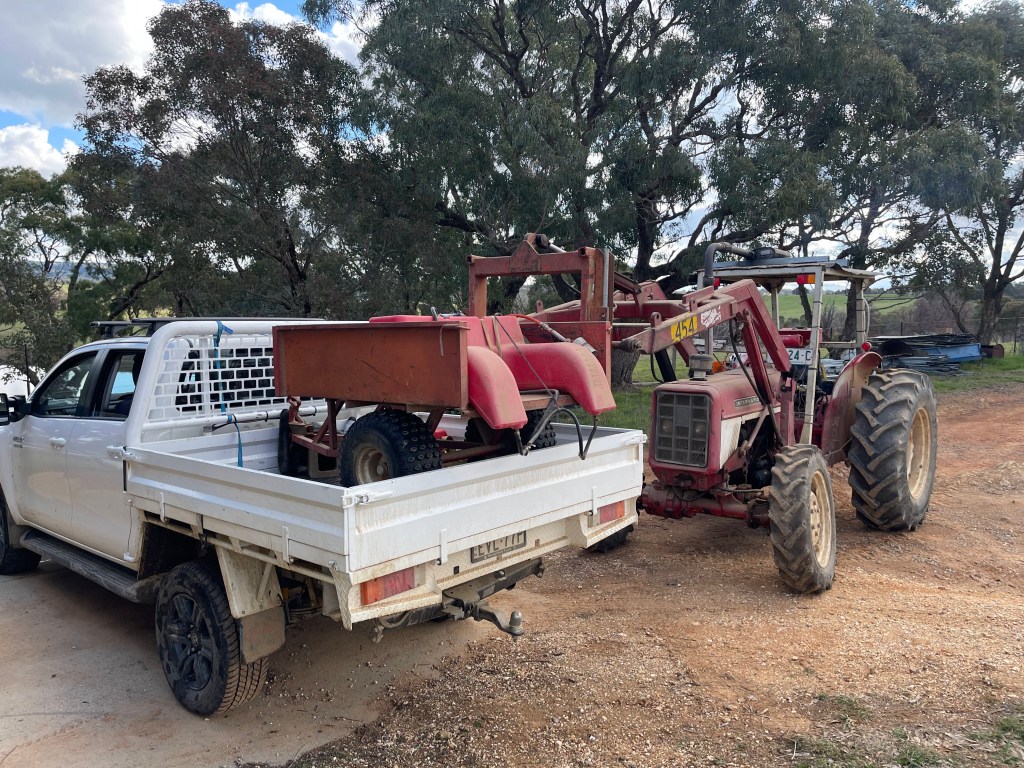
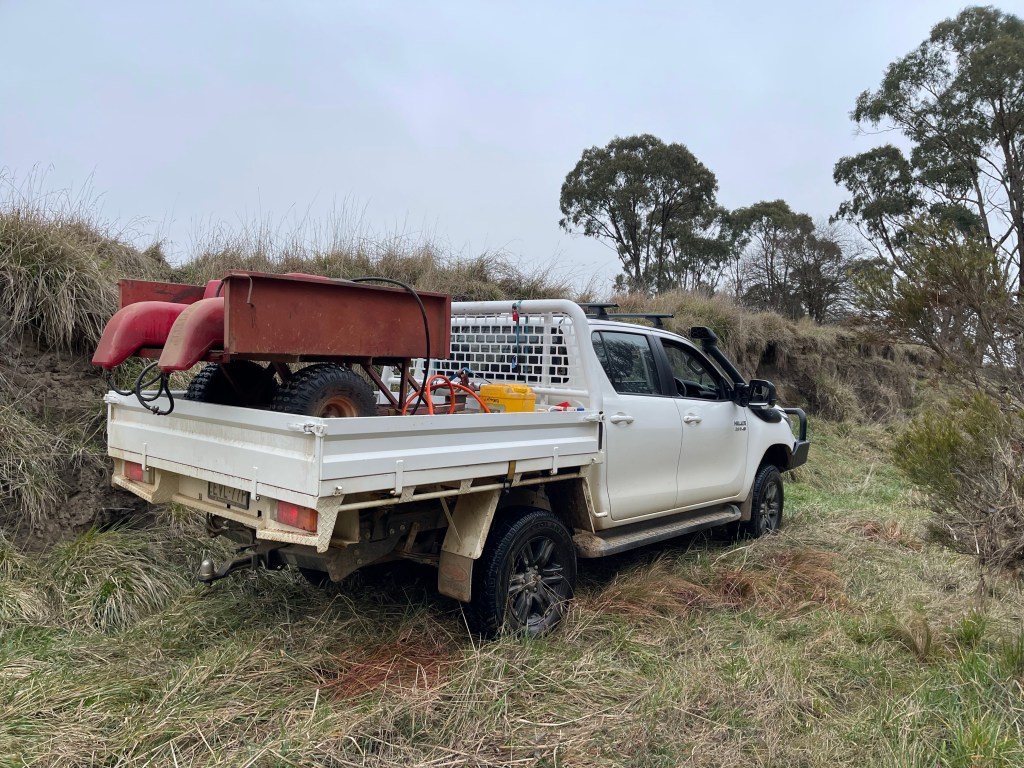
Whilst it is easy to waste so much time just hanging out with the cows, Spring is also a busy time on the Rock Farm. Sadly in some areas the serrated tussock has got established. Whilst I have been madly chipping out isolated little patches of it, in some areas it was far more effective to use chemical spray. This is my least desired strategy, but it is effective. I had a couple of tight areas, where I knew I wouldn’t be able to reverse a trailer, so I lashed the spray trailer to the ute bed, and got onto the task.

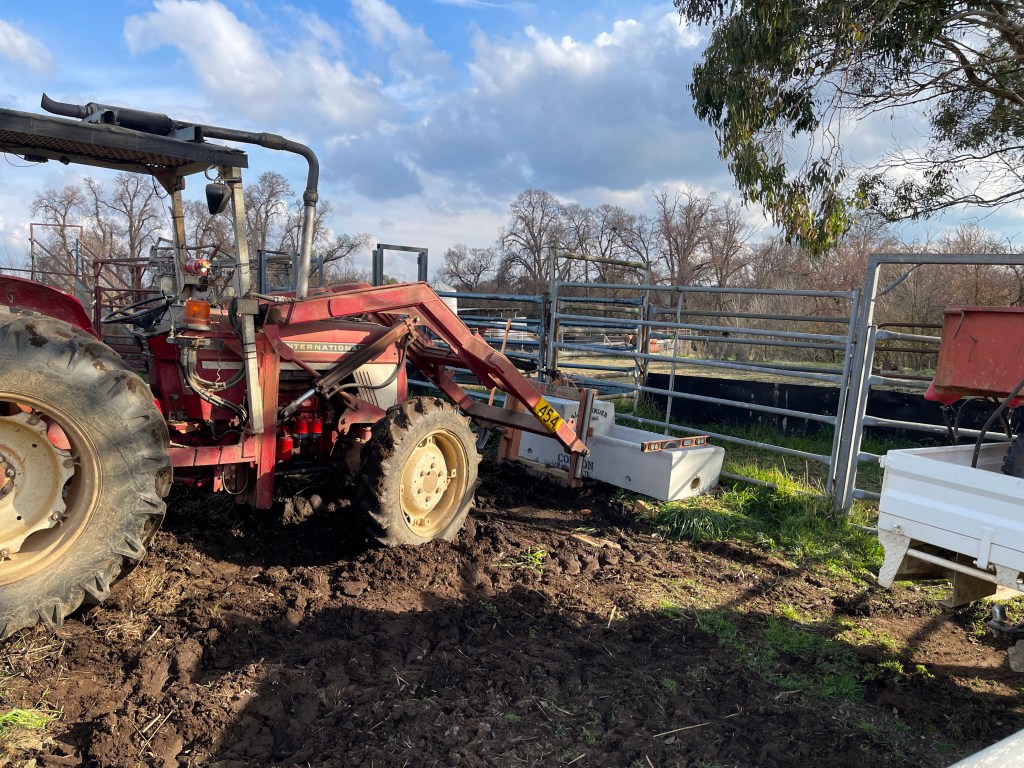
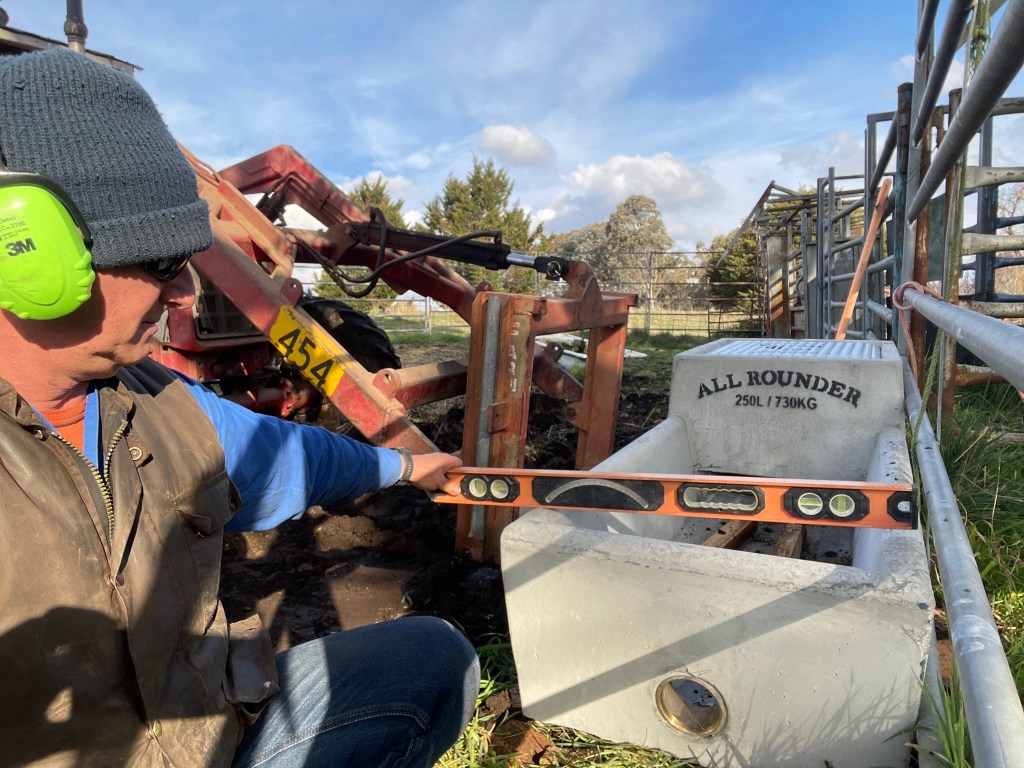
Little (and not so little) projects abound on the Rock Farm. One that had been sitting on my to-do list for a while was to replace the leaky unreliable bathtub water trough in the yards with a new concrete tank. It took a bit of fiddling to get the levels right (after nearly getting tractor well and truly wedged in the yards), but I was happy with the result.

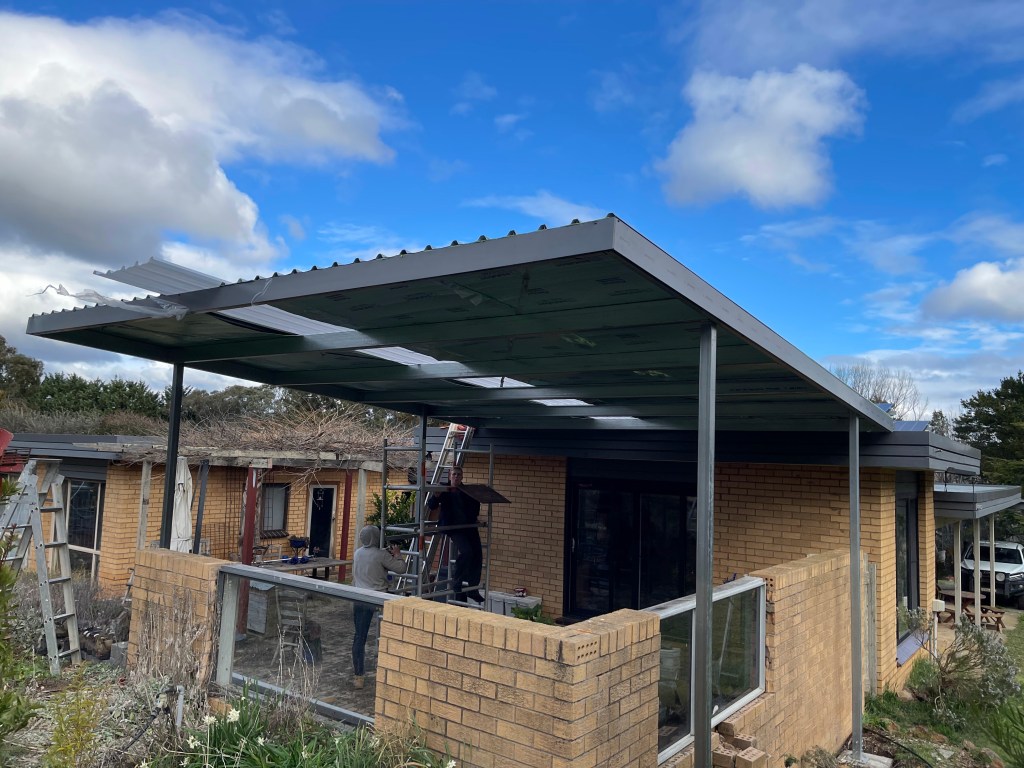
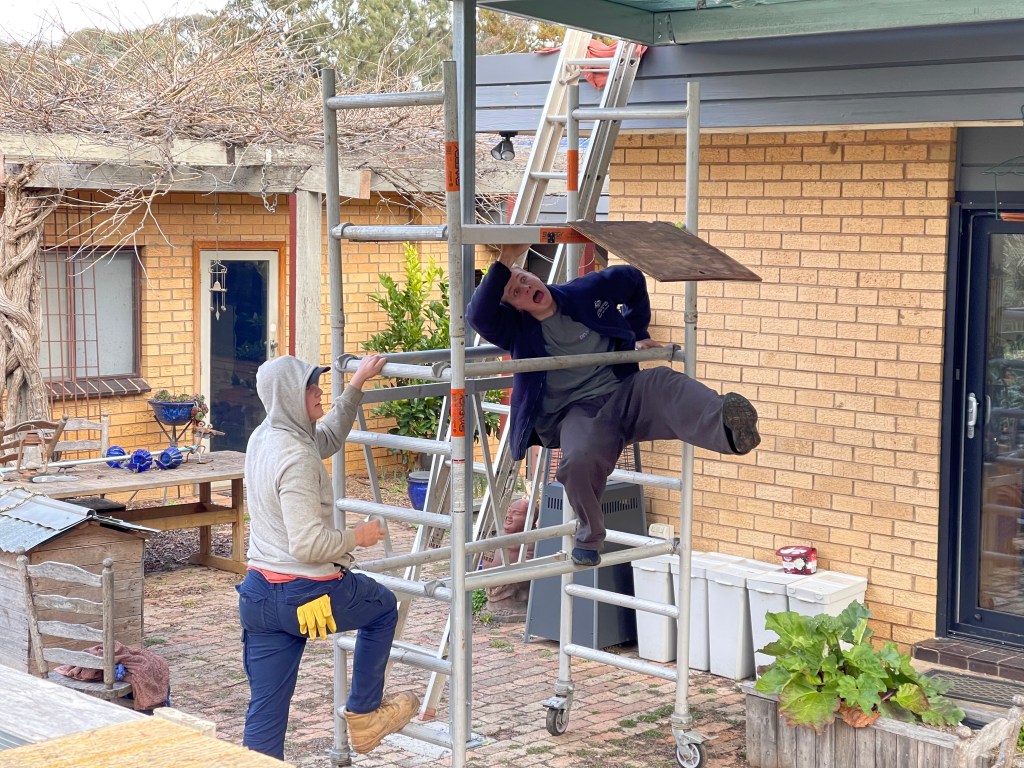
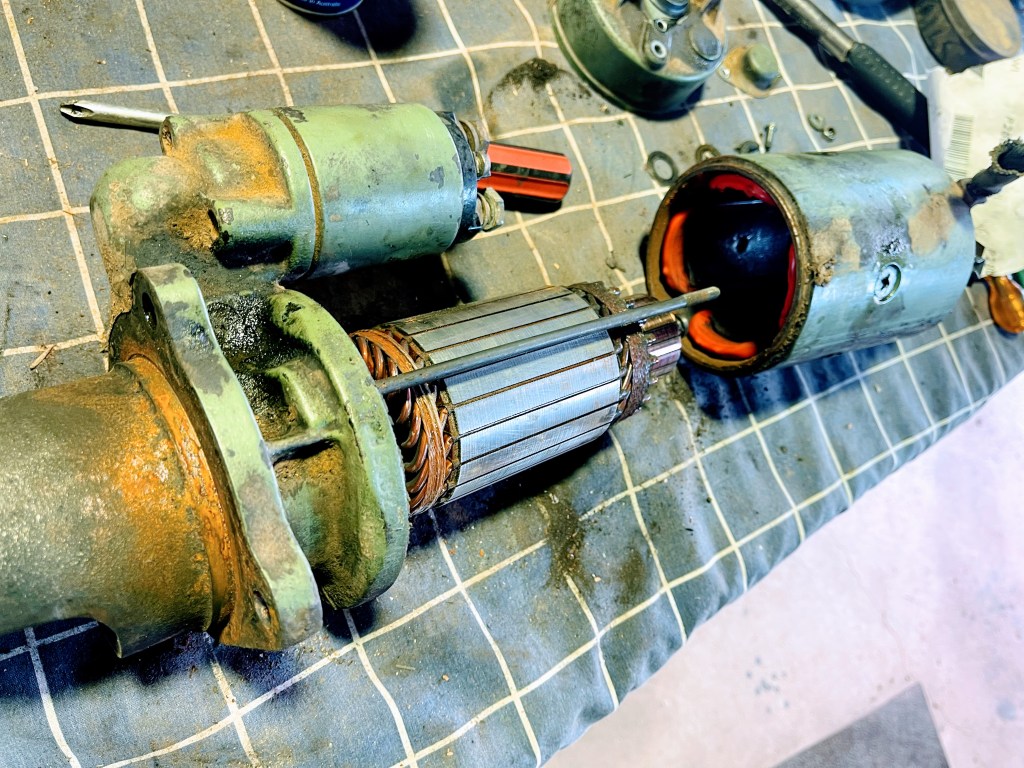
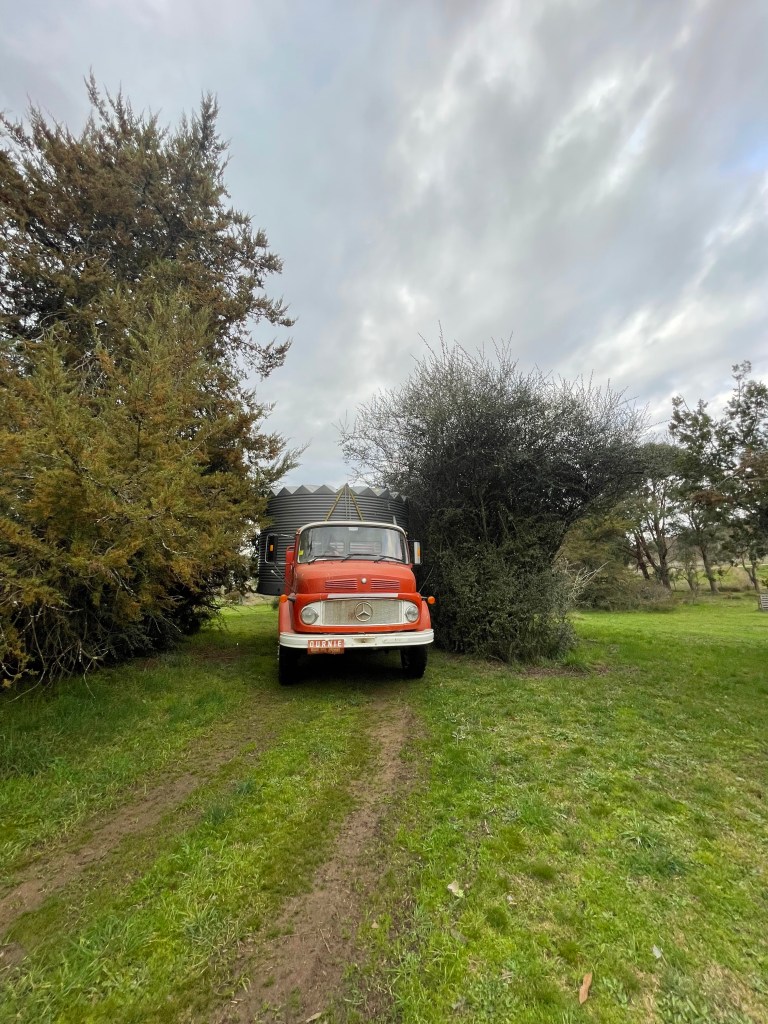
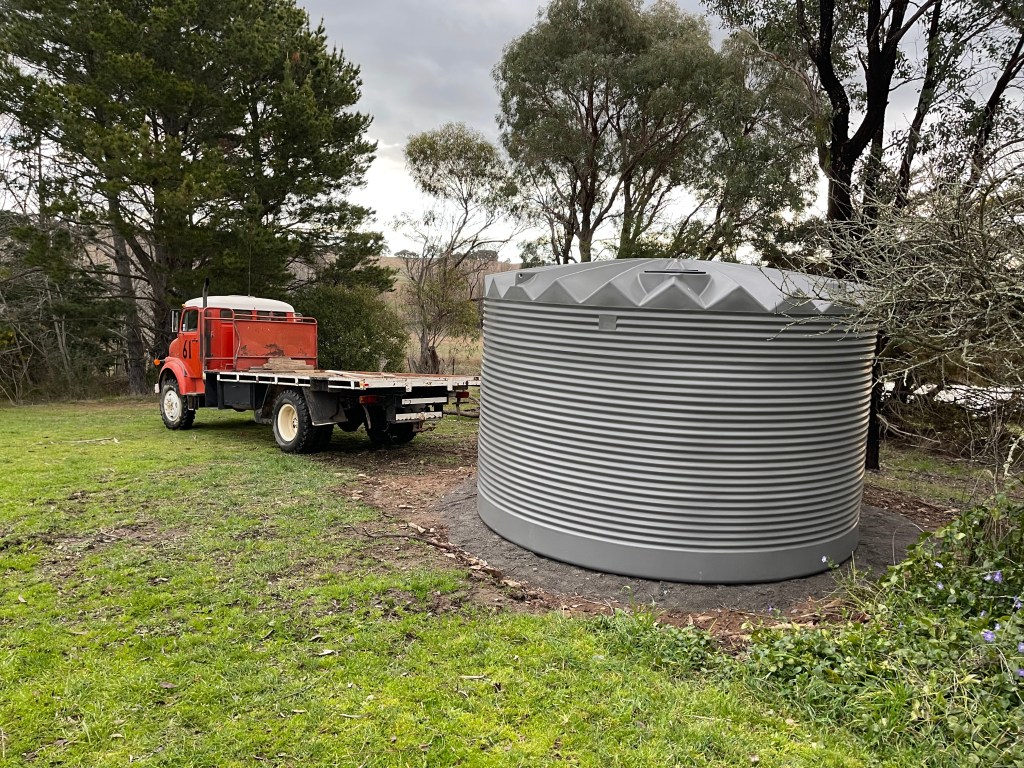
Most projects aren’t wrapped up so quickly and are best described as continuing. We pulled down our existing patio in January. Pulled down is really an euphemism for pulling out a couple of nails and watching it fall down! A new steel carport is slowly taking shape to provide shelter over the BBQ. I was lucky to get the help of a couple of key assistants coinciding with a reduction in wind to get the roof sheeting on. And with any new roof area comes an opportunity to store more water. A new tank arrived, but the delivery driver baulked at taking his shiny new truck to the prepared site. Thankfully Myrtle (sporting a refurbished starter motor – nothing is ever simple) had no problem in taking to the task at hand.

The next challenge is to hook up the down pipes and be ready for the rain if it should ever fall again. We are now almost two months since our last rainfall and things are rapidly changing from being unseasonably warm and growing to stunted growth and grass bolting to seed. The next couple of weeks will be critical in determining what season we will have and we will keep our fingers crossed.

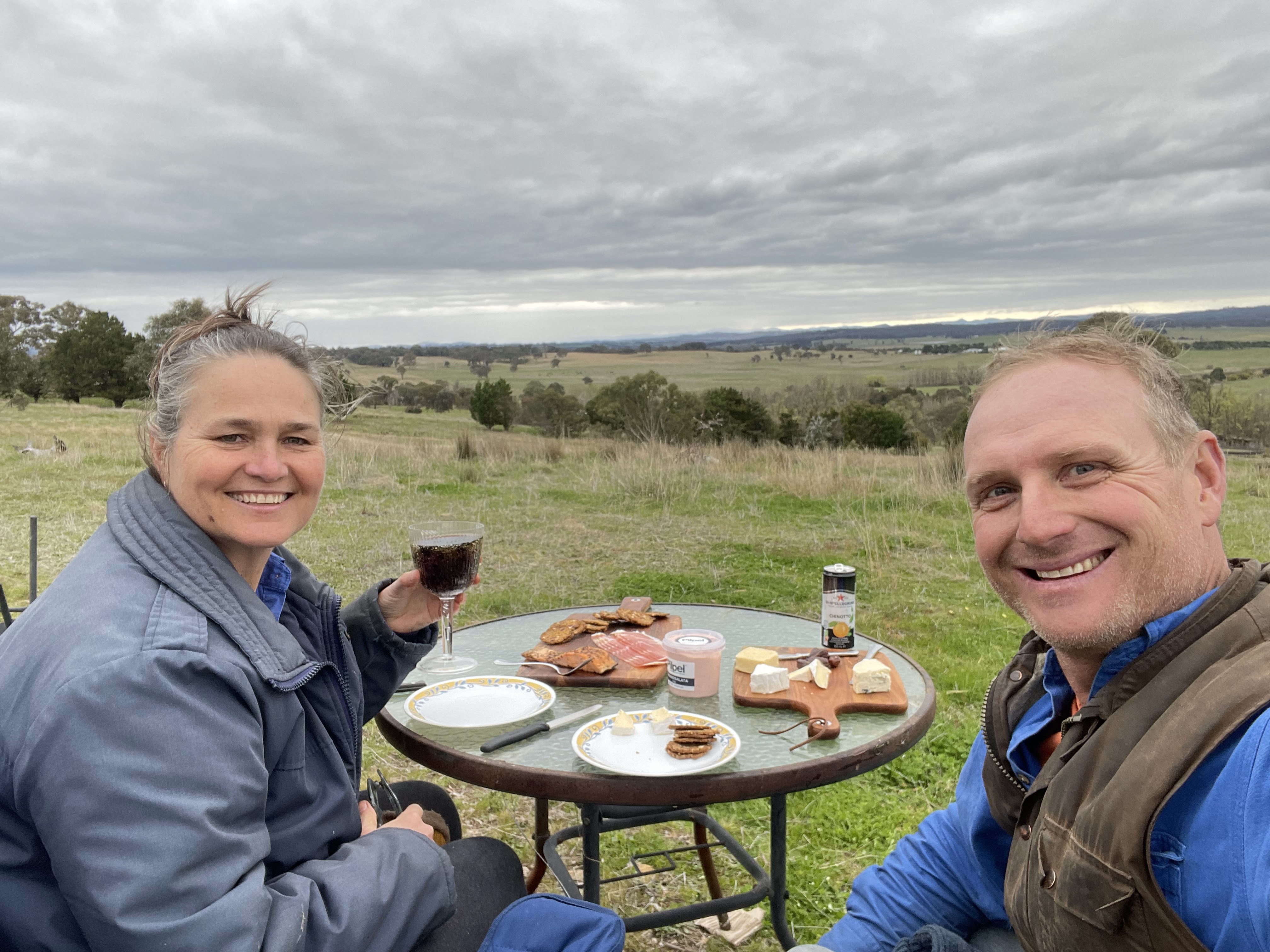
In the meantime it is important to celebrate little milestones like birthdays and wedding anniversaries with the people who matter. After a morning planting bare rooted fruit trees into the orchard, we took a few moments to enjoy lunch on Bee Hill. Sometimes the simple life isn’t that simple, but I sure am lucky to be sharing the adventure with this lovely lady 🙂

Of course I am not the only one with projects! It is great to see the boy’s really getting into their own interests now, but of course, that is a story for another time.

Comings and goings in an unusual season

Last October you may recall we were making decisions that would affect our production for the next couple of years (see here:https://rockfarming.com/2023/10/19/a-strategy-emerges/). We had tried to arm ourselves with the best information available about the cattle market, soil moisture and predicted dry weather patterns, with the aim of protecting our soil health and welfare of our stock. The end result was a decision that we would not join 10 of our cows, with the aim of reducing our herd size leading into forecast drought conditions.

All through November and into December, I felt that we had made a sound decision. The weather dried out, and we used it to our advantage to de-silt an old dam. Towards the end of December we went away for a fortnight and came back to an entirely different property. The forecast dry summer had turned into something else entirely, and frequent summer rains continued through to February.

We considered our options, which included bringing the bull back for a late summer calving – but ultimately decided to let our decision to cull the cows stand. Come weaning, we would split our herd and cull 10 dry cows, keeping the remainder 10 cows and 2 maiden heifers (hopefully all in calf) on the Rock Farm.

Two weeks ago we weaned.

Weaning is always an interesting time. I allow the cows access to the lane leading down to the yards. For the first couple of days, there is lots of bellowing in an evening as the calves call for their supper, and the cows seek relief from full udders. But it doesn’t take long, and the cows are happy to wander off to greener pastures, and the calves settle down and learn that the tractor now brings them supper. Once they are happily independent, I move the cows to the other side of the farm, and let the calves into the paddocks behind the yards, to graze.

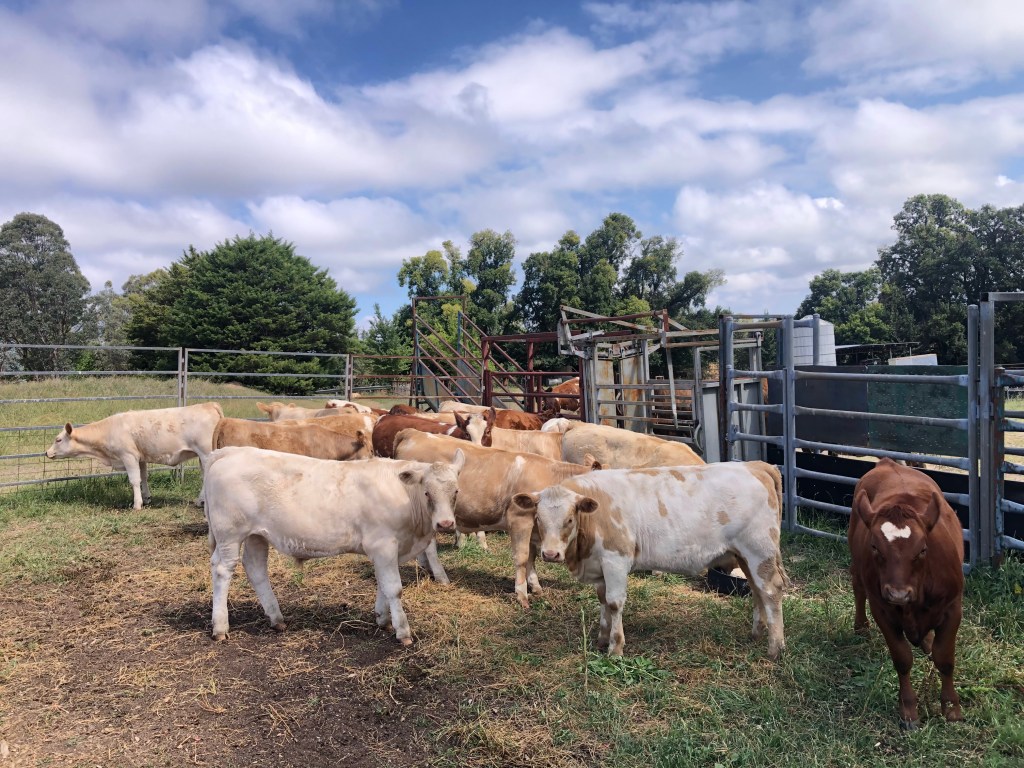
I handle the calves frequently during this time. Sapphy and I make it our morning routine to bring the calves into the yards, and as soon as they are there, we take the pressure off and leave them to return to the paddock. Two weeks into weaning, we brought the cows back to the yards, and split them into the two groups, those staying and those going.

We used some simple rules to determine which cows we would cull from the herd.

  • Any cow that had ever tossed or shaken her head at me or anyone else,
  • Any cows who had ever had any difficulty calving, and
  • Any cows with horns.

At the sale yards, our Agent split the cows into five lots. They made between $1.78 and $1.96 per kilogram live weight and weighed between 495kg and 675kg. Transport, agent’s fees and selling fees will take a fair chunk out of the cheque which is part of the cost of doing business, especially as a small producer.

Most importantly though we have removed ten hungry mouths from the Rock Farm, which will allow our wearers more opportunity to put on weight and value here for a few more weeks. With less mouths and more grass (with the possibility of rain in the next few days), we will assess our winter feed and possibly defer selling the wearers until next Spring.

Until then, we will continue to enjoy the cooler evenings and make the most of living (and camping) at our beautiful farm.

Calves – beautiful calves – and a lesson

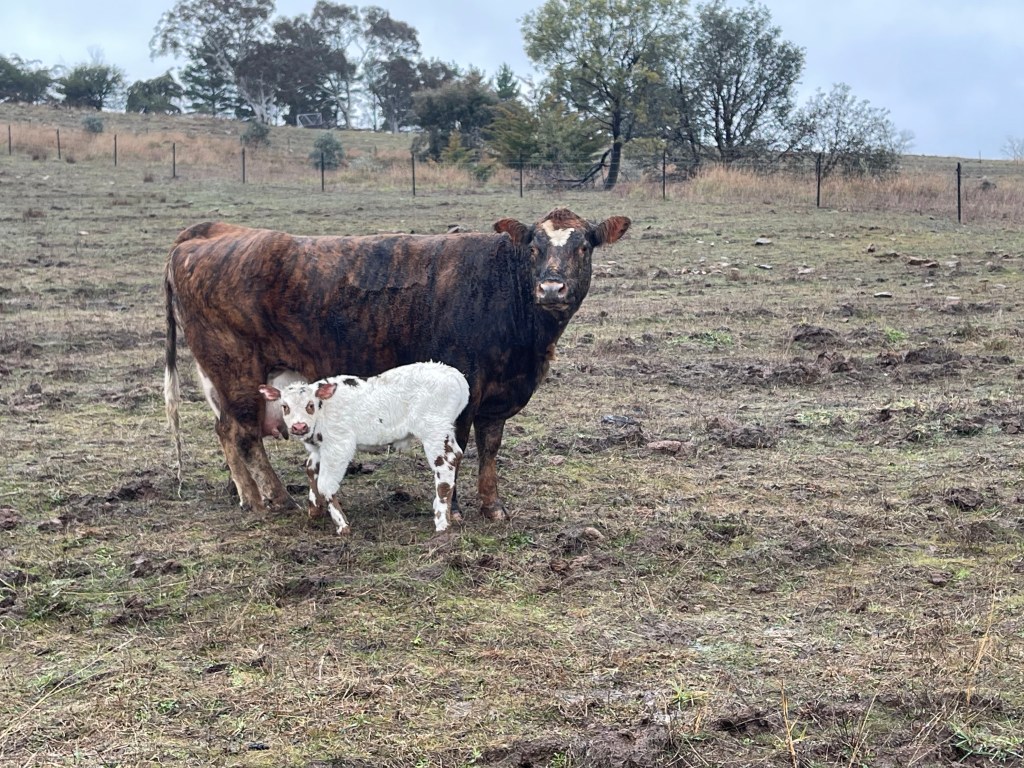
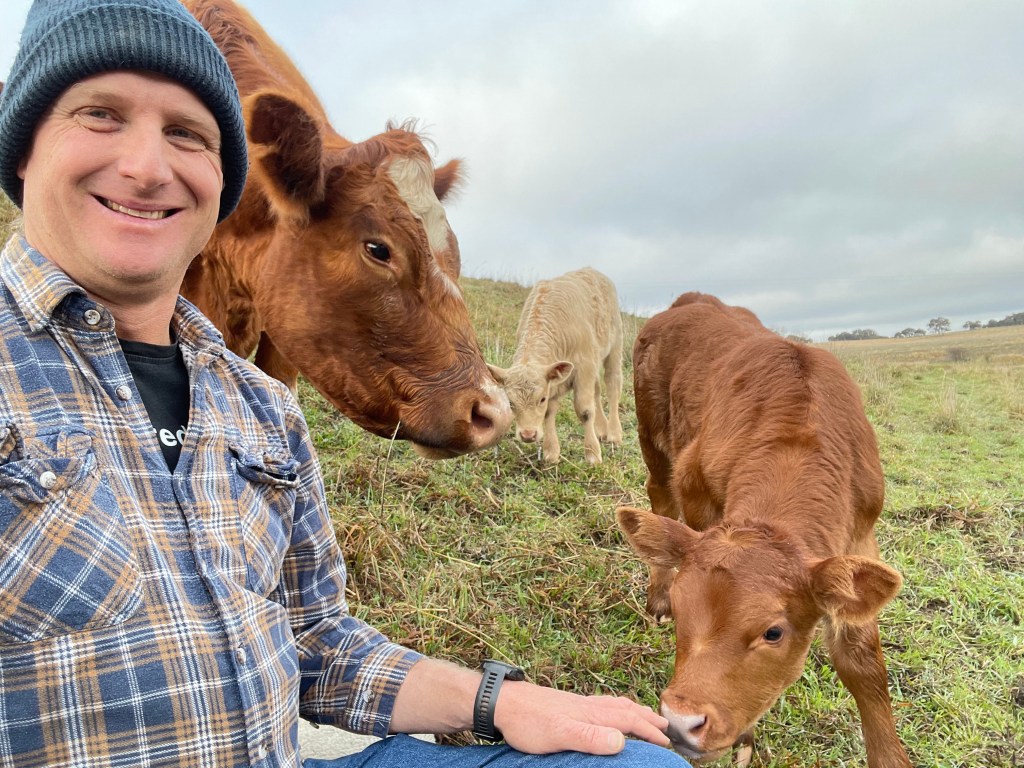
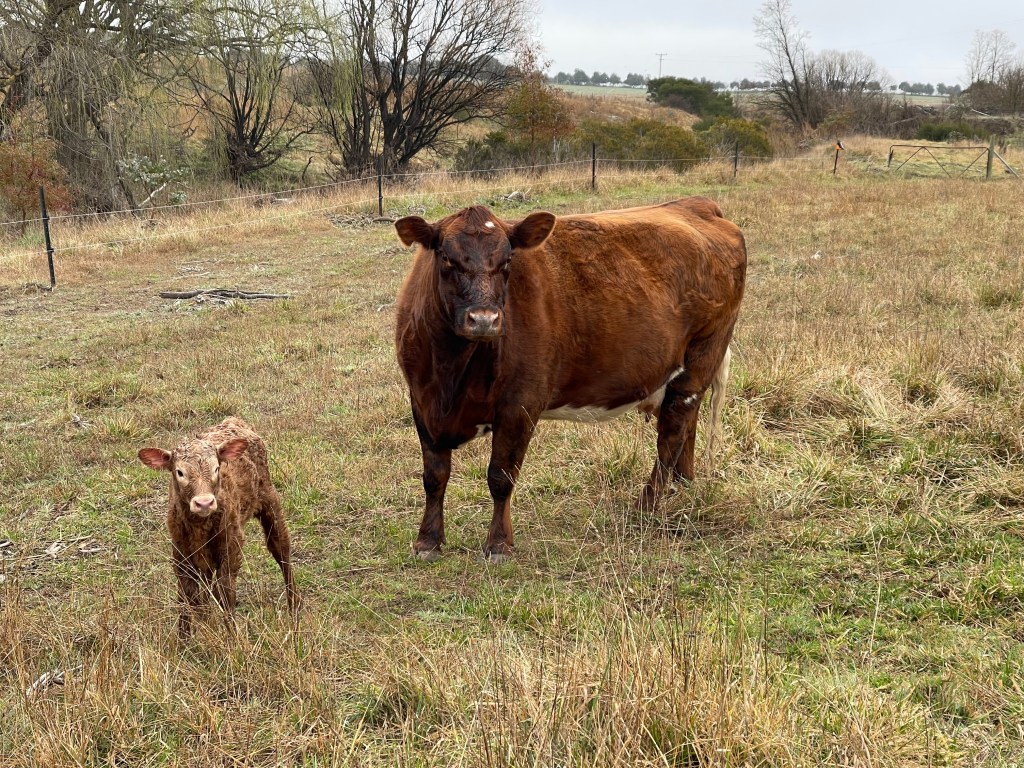
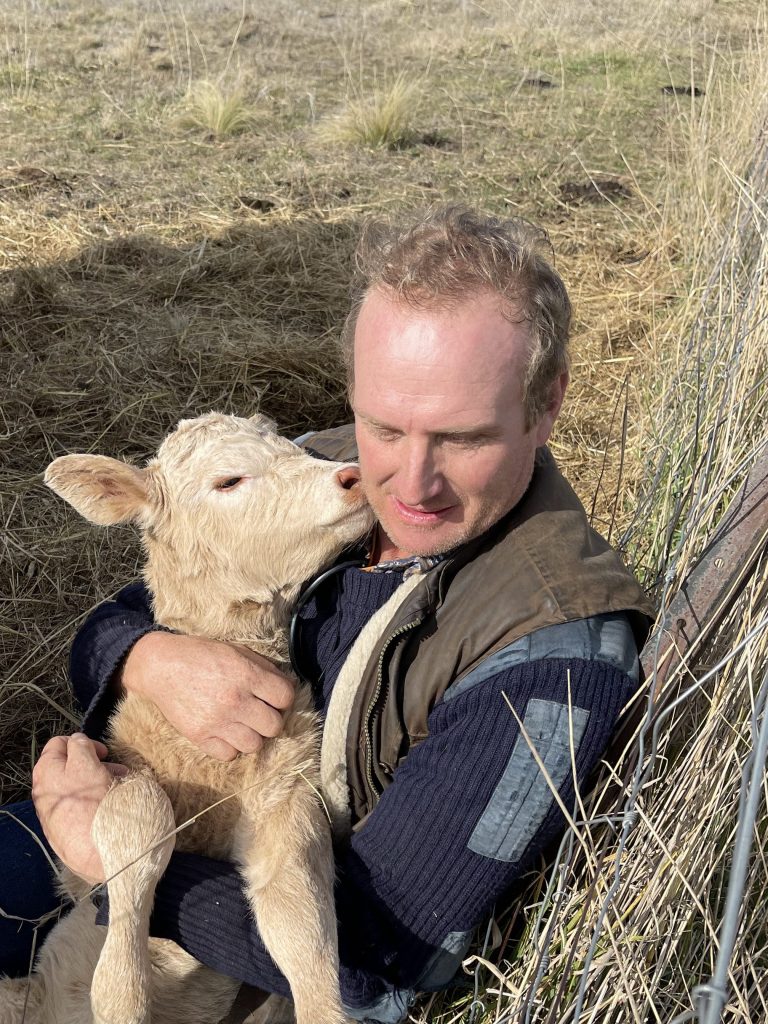
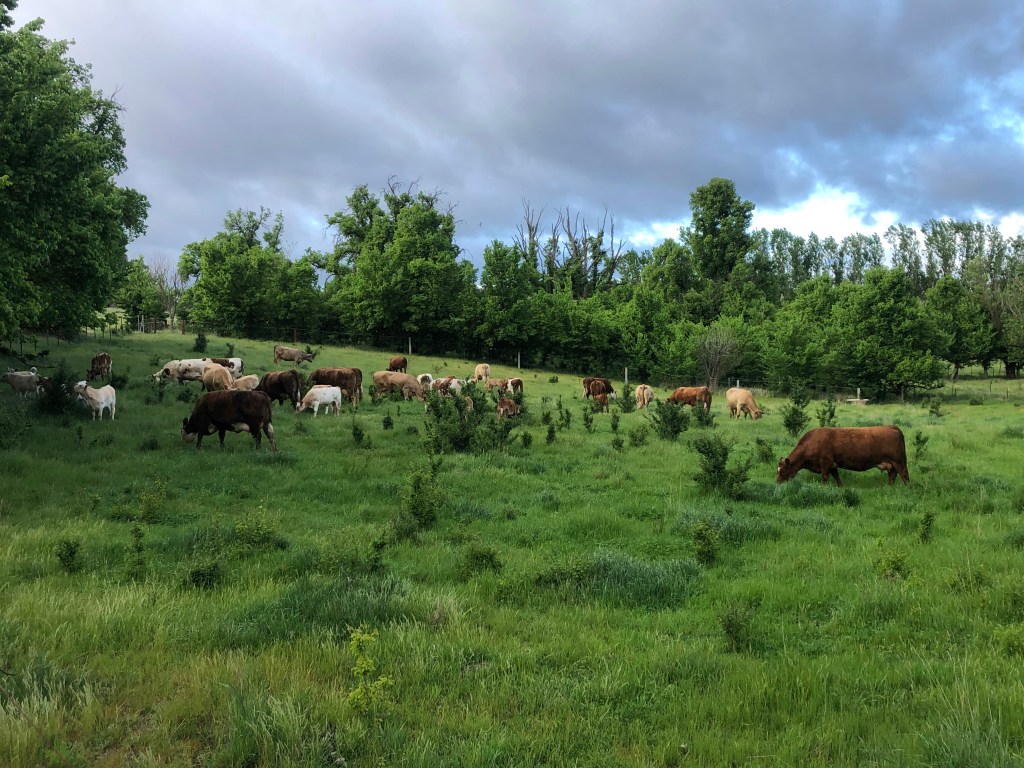
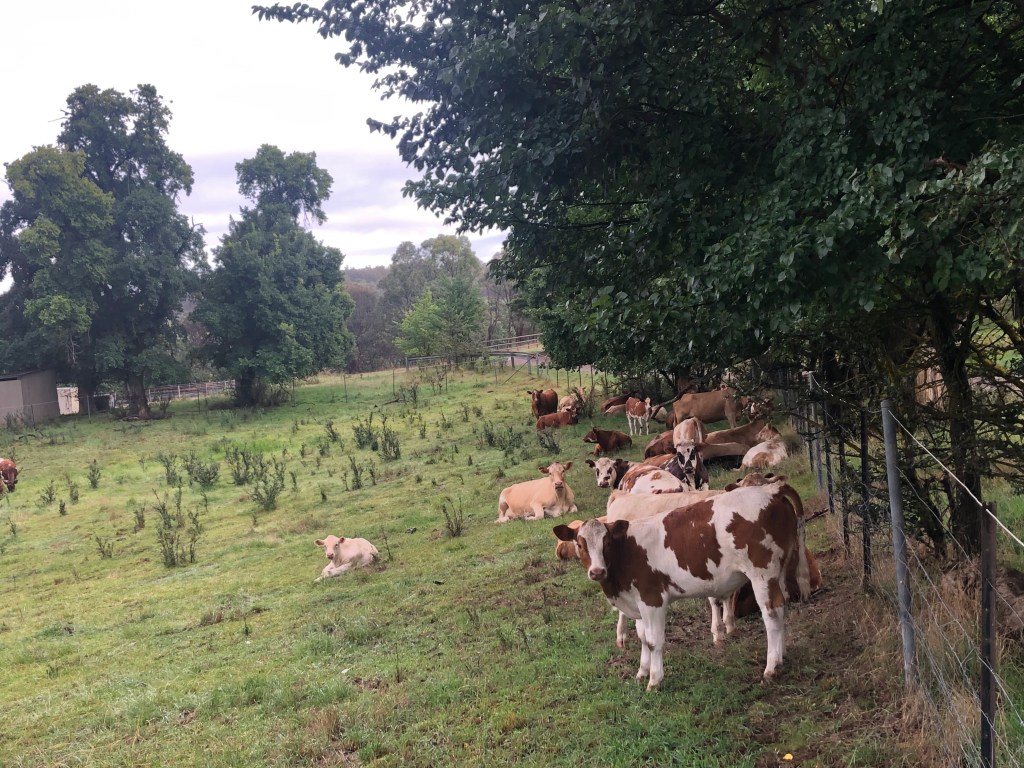
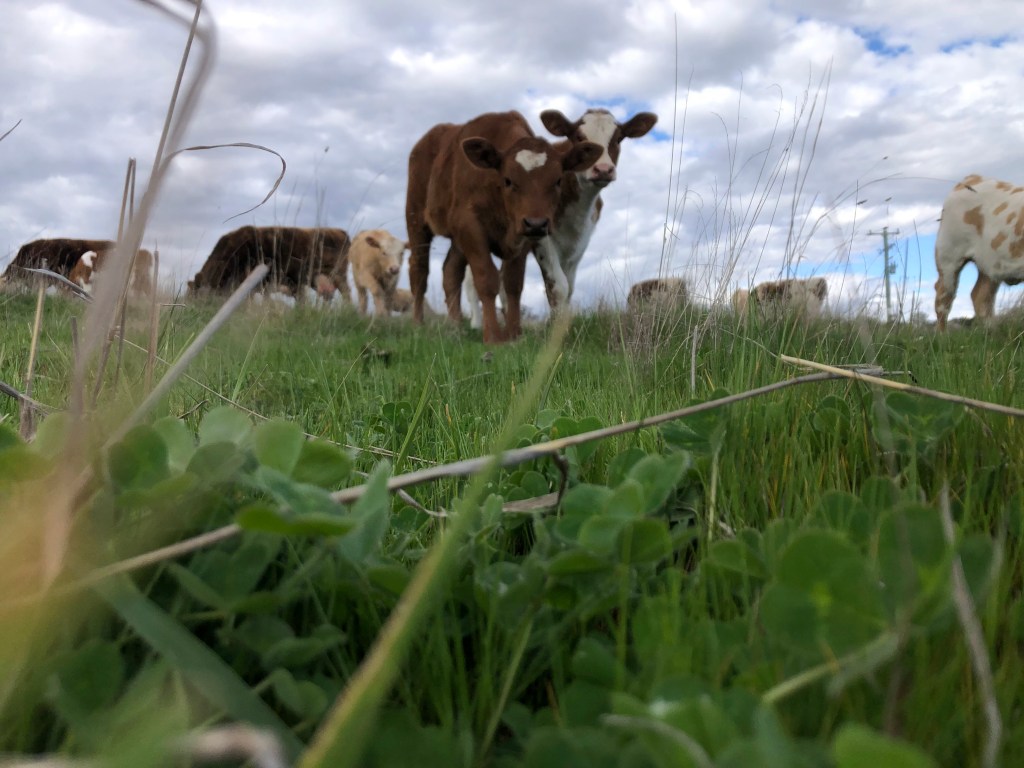
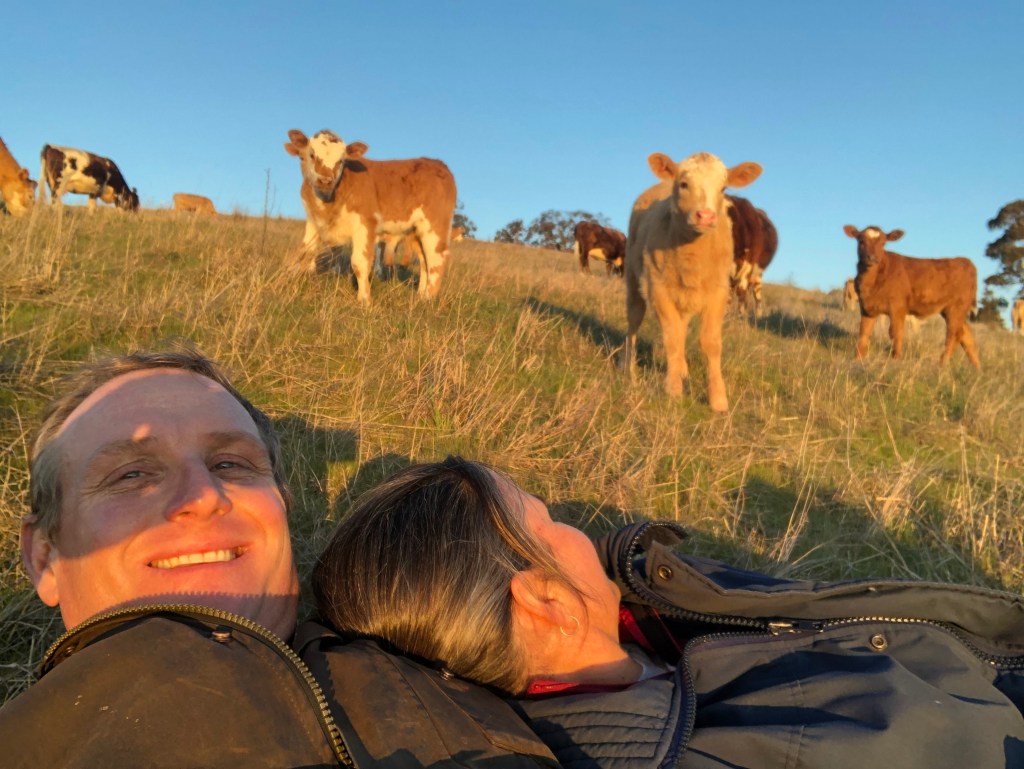
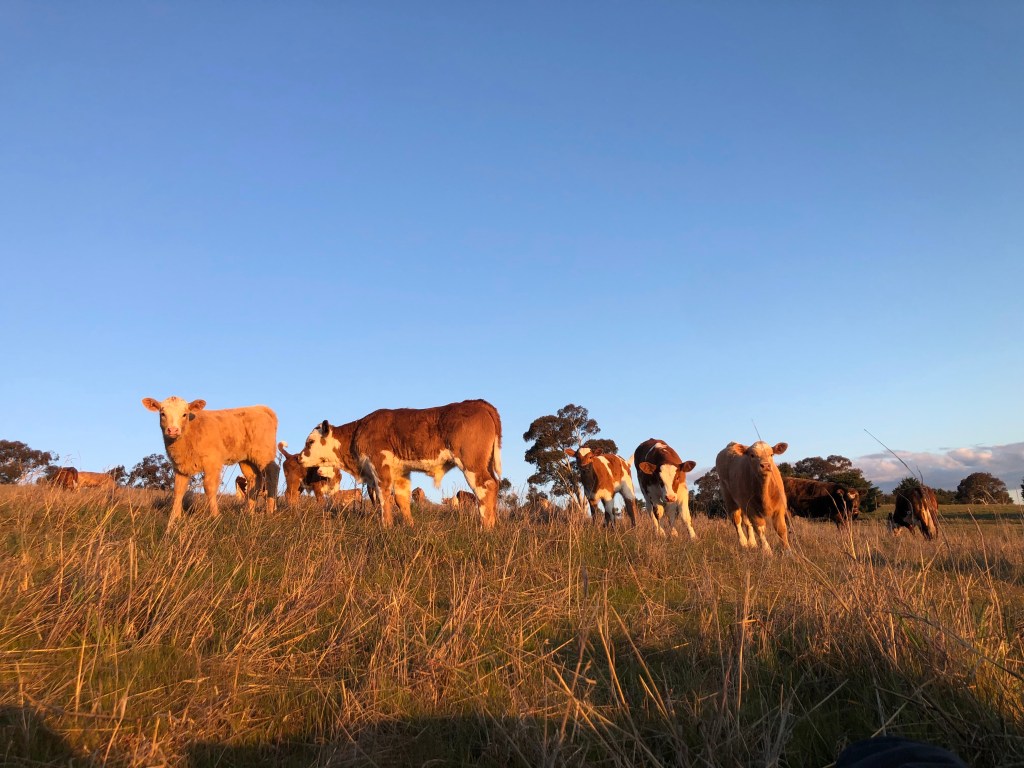
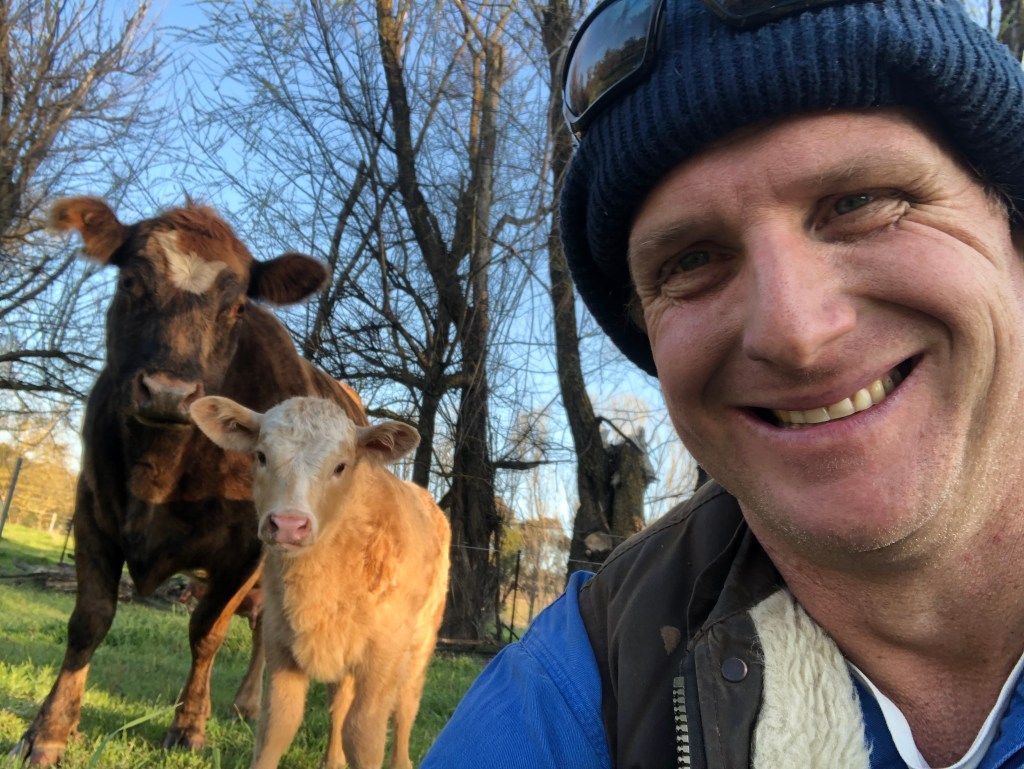
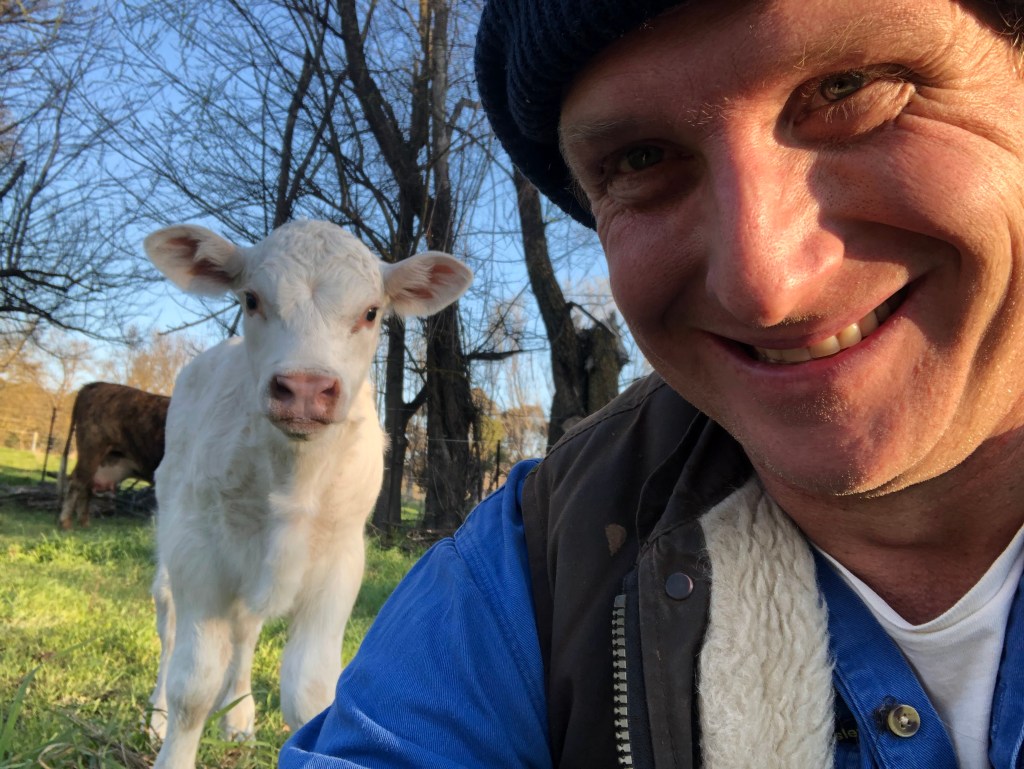
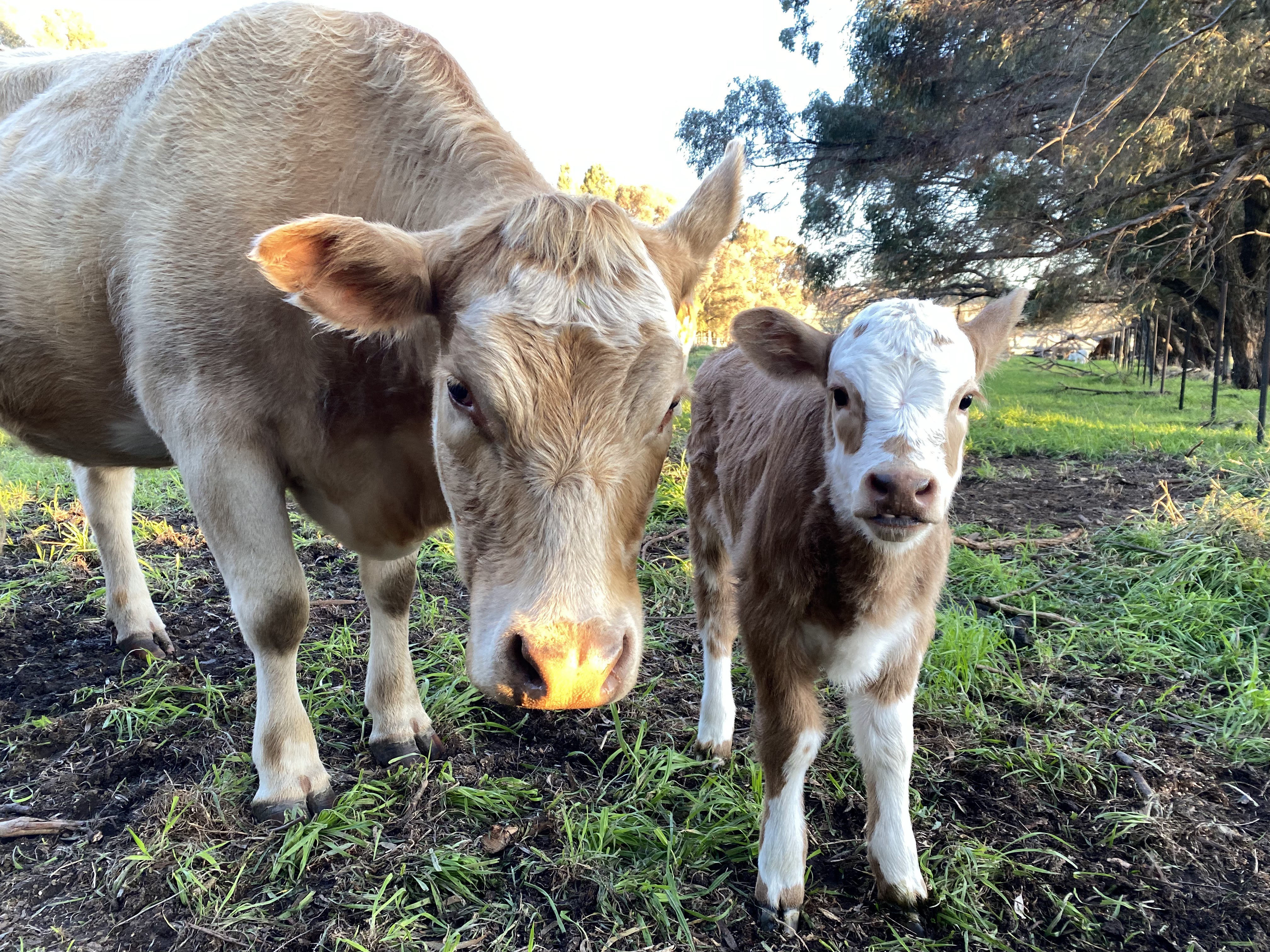
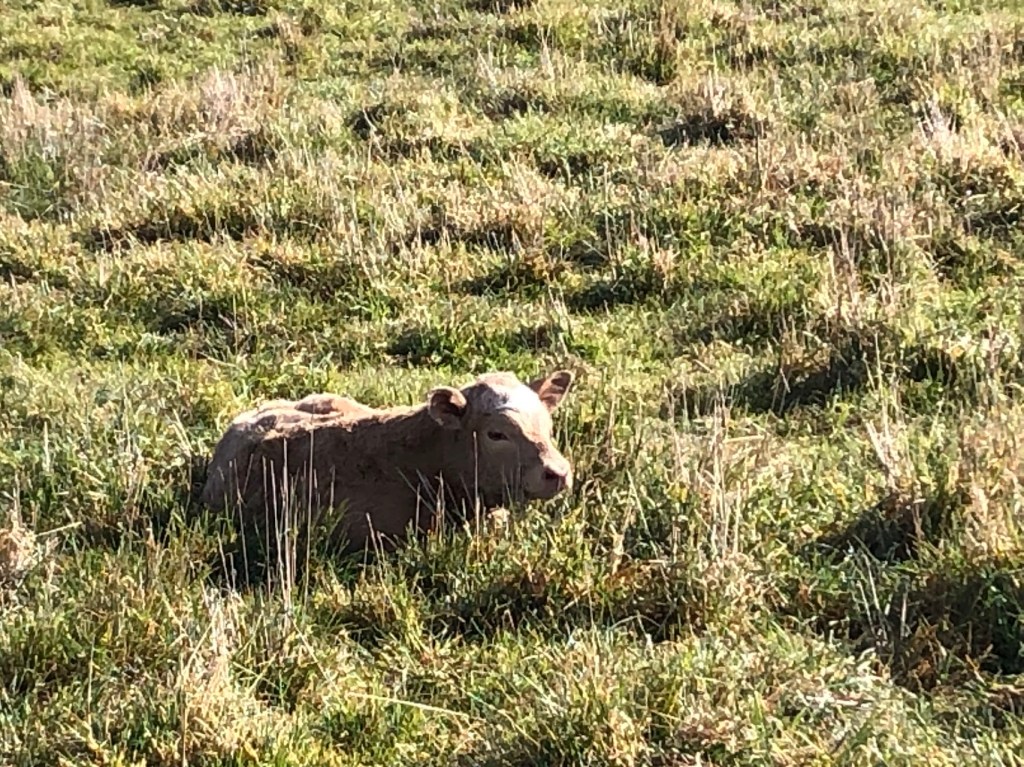
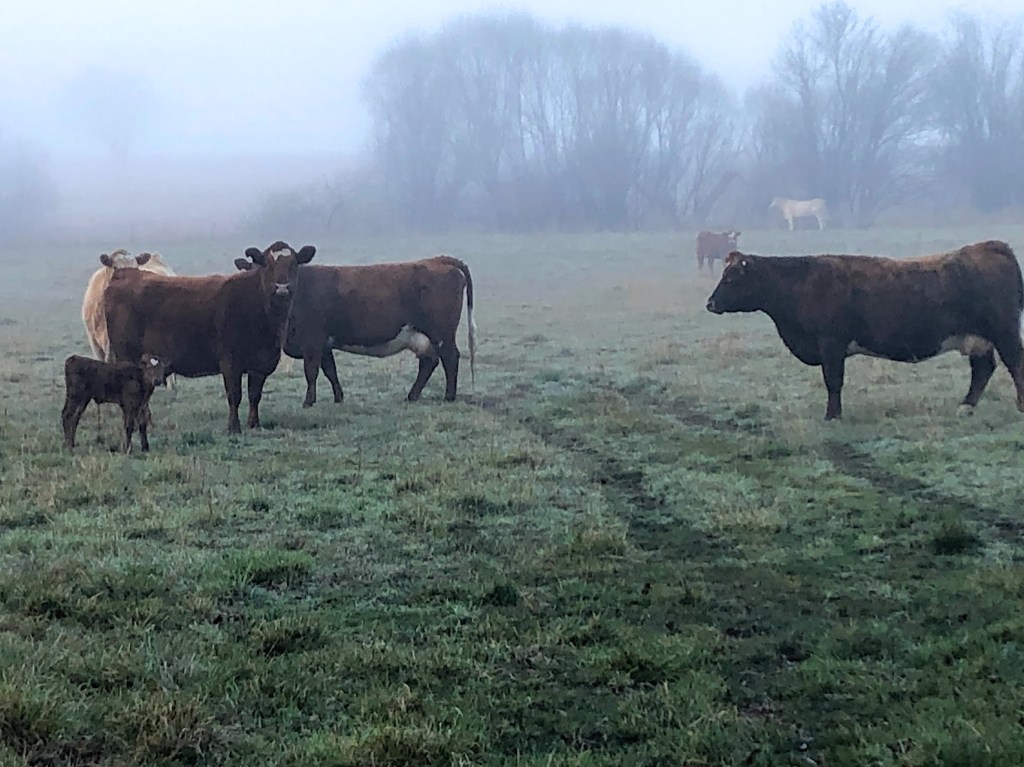
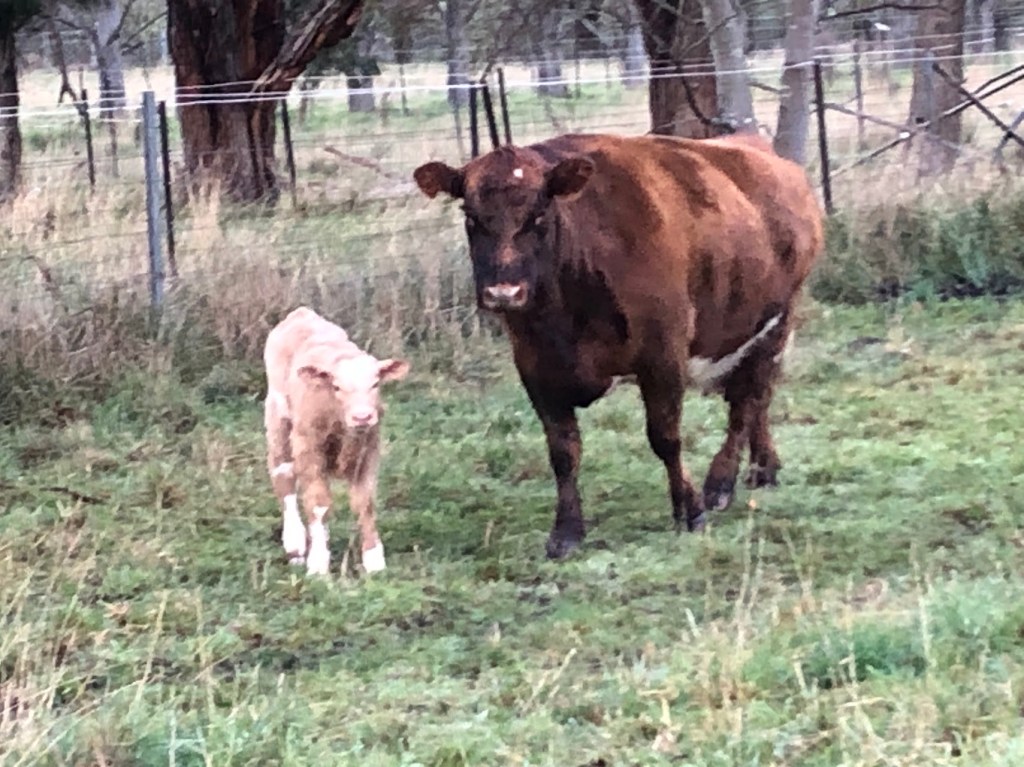
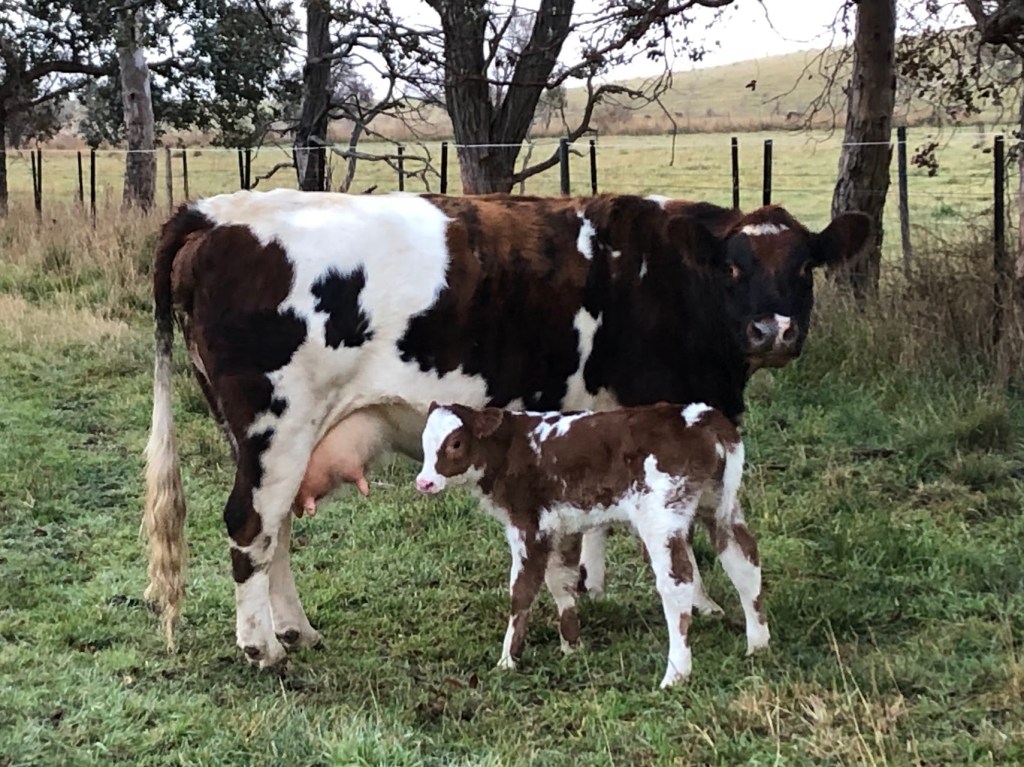
Over the past four weeks we have been welcoming new calves to the Rock Farm. We have now finished calving and have 18 beautiful little calves on the ground. Sadly one died during calving and one cow wasn’t in calf, bringing our calving percentage to 90% from our 20 head. The calves are simply the most delightful creatures, and one of our favourite pastimes is to just sit quietly in the paddock and let them pluck up the courage to sneak up on us.

This is a great outcome, but it has come at the price of a valuable lesson.

You may recall four years ago, we rescued one calf from almost certain death (see here). Somehow Mum (called Bomb) and the new calf Daisy both survived. Daisy has since gone on to became a favourite part of the Rock Farm. However Daisy also had her own challenges when it came to her first calf, Buttercup (see part 1 and part 2 here).

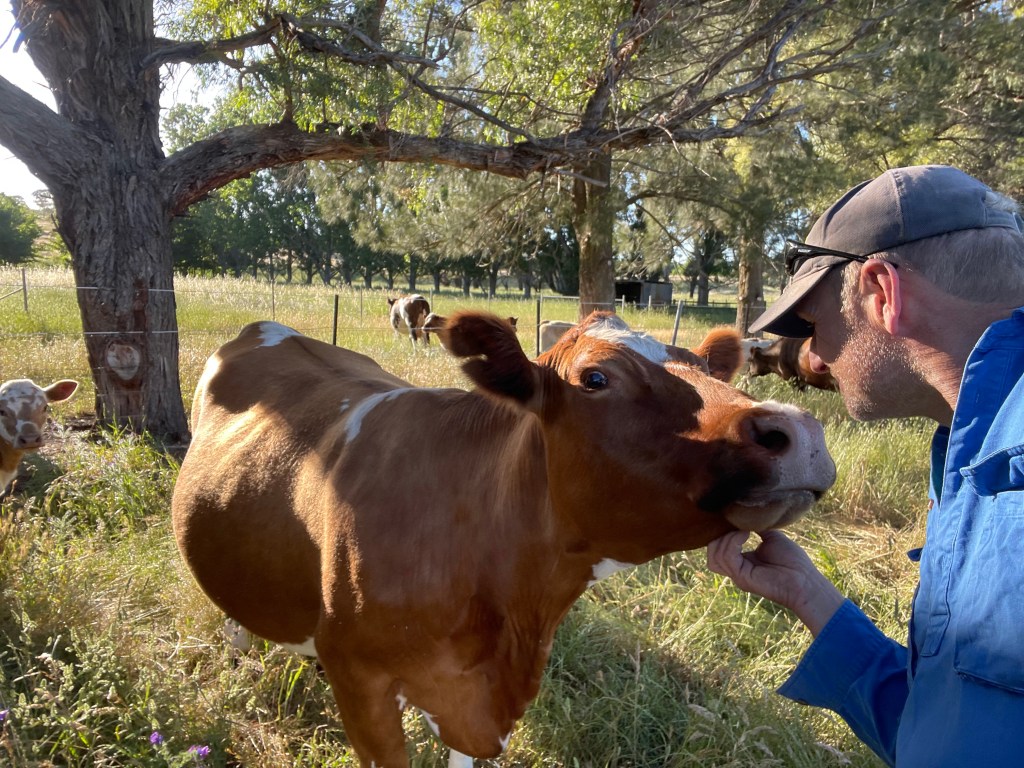
Buttercup has also become a favourite on the Rock Farm – earning her place with gentle nuzzles looking for apples. She is a lovely quiet cow, but sadly she is the one who lost her first calf this spring.

Buttercup has recovered well and his happily grazing (left) alongside the other dry cow. Both will leave us this season.

All this means that we have learnt a harsh reality of running livestock. Sometimes we have to be ruthless in our decision making, especially when it comes to breeding. So this year the family have agreed that we will cull this line of cattle from our herd – something I should have done right at the start.

The hard part now is working on the logistics and timing when we will sell them. The market is looking grim, with a combination of factors seeing a crash in prices at the sale yards. An oversupply and the forecast dry spring and summer have seen prices plummet to between a quarter and a third of what they were 12 months ago, and sheep prices are even worse. At least our spring started relatively well, and our cattle still have feed ahead of them, but I feel conditions are about to dry out quickly.

At the end of the last drought, we were down to 10 breeding cows, and had weaned our calves early. This year we have 20 cows with two maiden heifers ready to join. With our new calves, we have 40 head in total on the Rock Farm. I haven’t made a final decision yet on our numbers, but we will start to reduce numbers soon.

We have been down this path before – a quick look back at our photos from 2019 reminds me how dry it was at the end of three years of very little rain. As we head into this summer, our cattle are in excellent condition, and our hay shed is well stocked. There is still moisture in the soil, but it is fast disappearing and the grass is starting to shoot to seed. If we are fortunate, with a few summer thunderstorms, we may just have enough feed to get through until autumn. Time will tell.

In the meantime, we are enjoying the warm weather… and our beautiful calves 🙂

Rock Farm – Winter 2023

Regular readers will know that my lack of recent updates doesn’t equate with lack of action on the Rock Farm. There have been plenty of activities both on and off the farm with different challenges keeping me away from the blog.

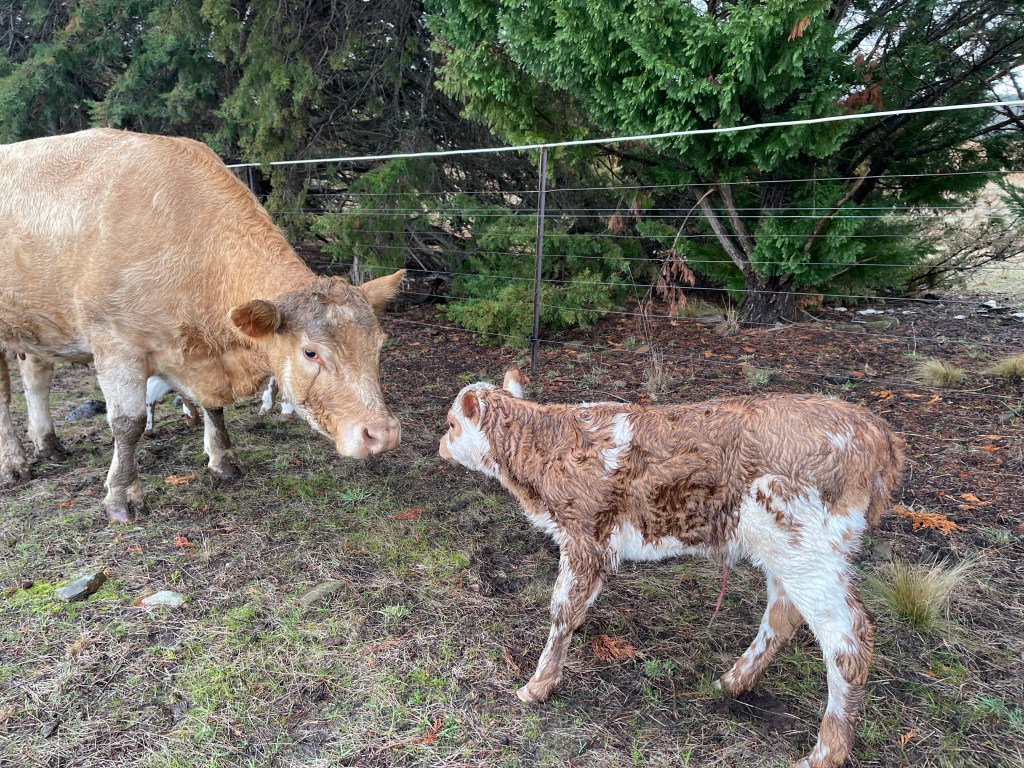
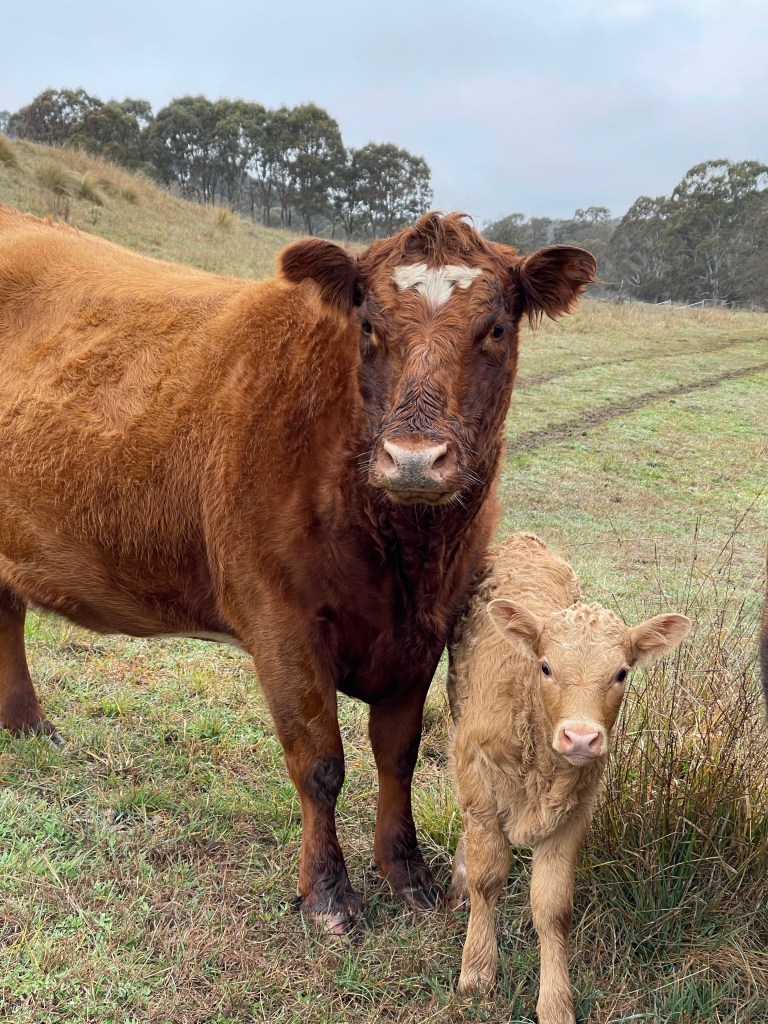
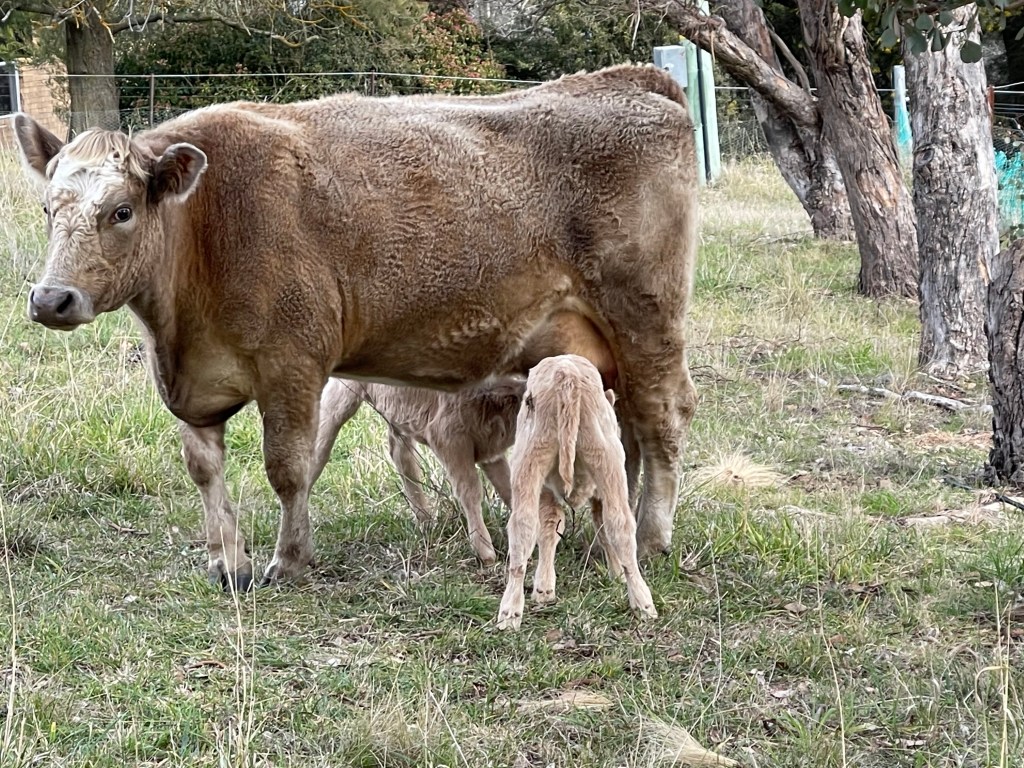
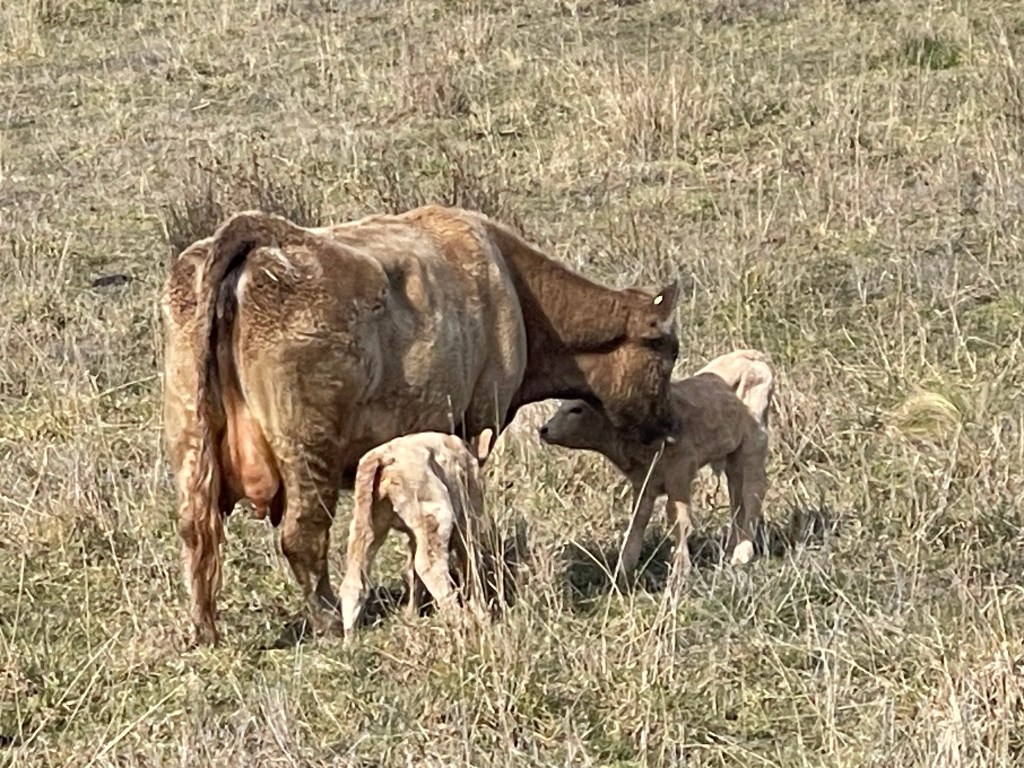
First the most exciting news. Precisely 283 days after the bull joined our cows, we welcomed not one but two calves to the Rock Farm. For the next six weeks or so we will be keeping an extra close eye on the girls, especially the two maiden heifers with the herd, in case there are any difficulties. The little calves are so cute, and it feels extra special that their mothers allow me to get so close to them. Two days later we have four on the ground. It is a magical time indeed.

Our lambs enjoyed their time on the Rock Farm, and I enjoyed having sheep back on the place – albeit for a little while. They reminded me that our fences are not set up for sheep after they moved themselves down to our flat, and then through a tree guard fence where they proceeded to nibble the tops of my two year old oak trees.
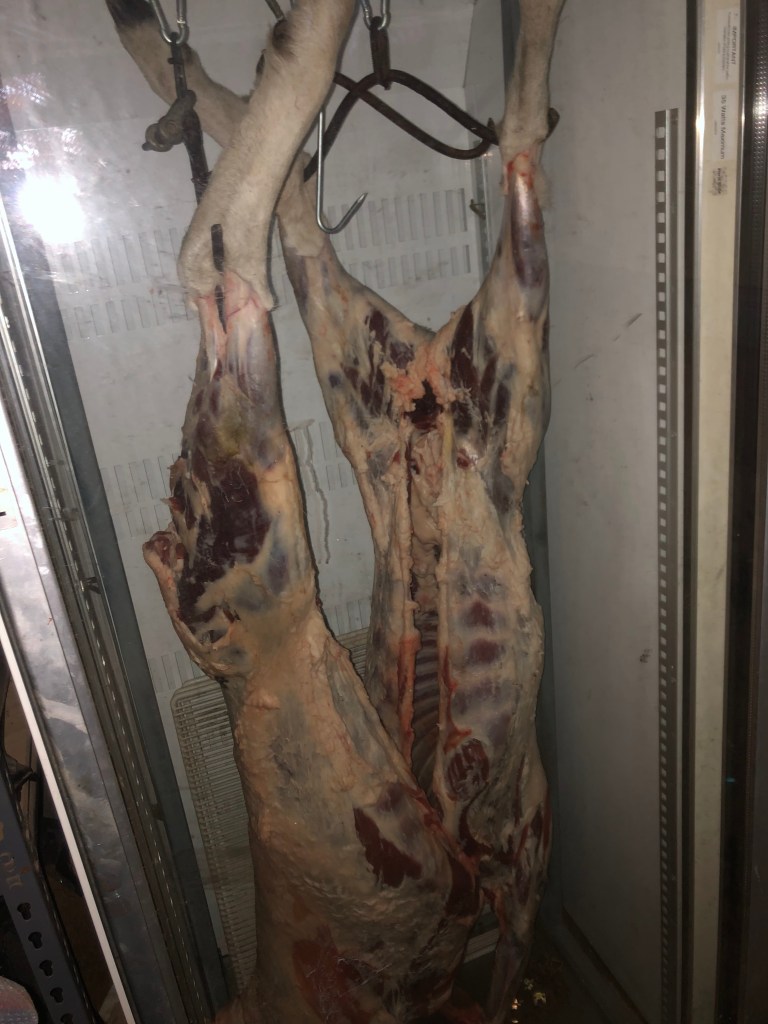
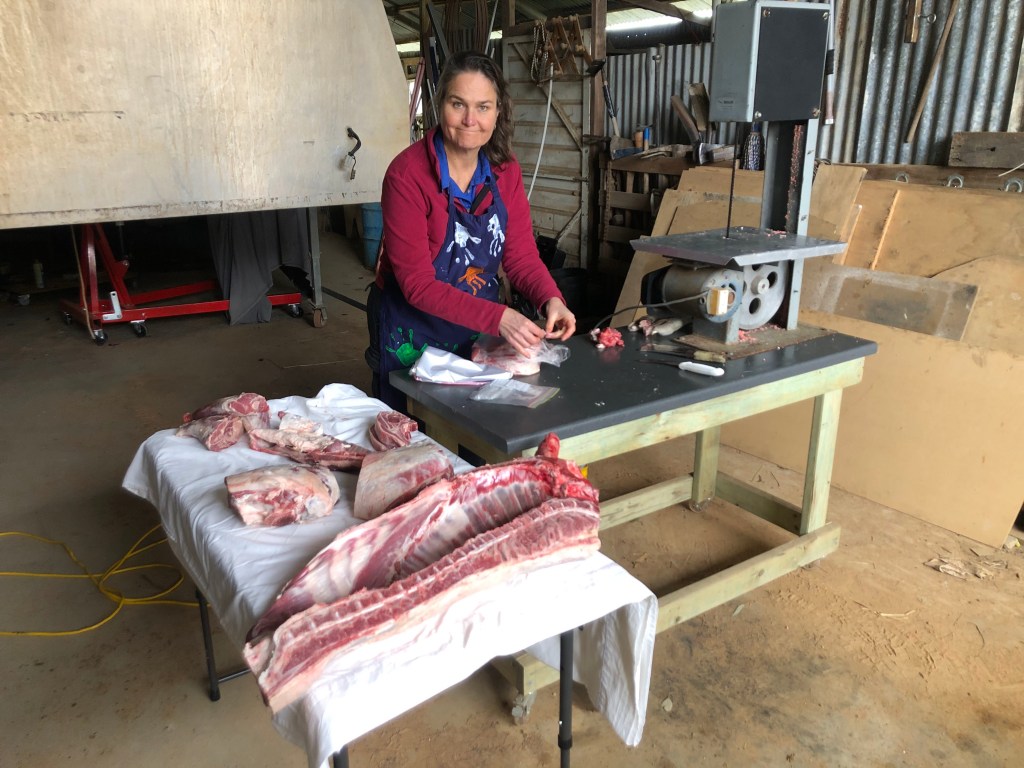
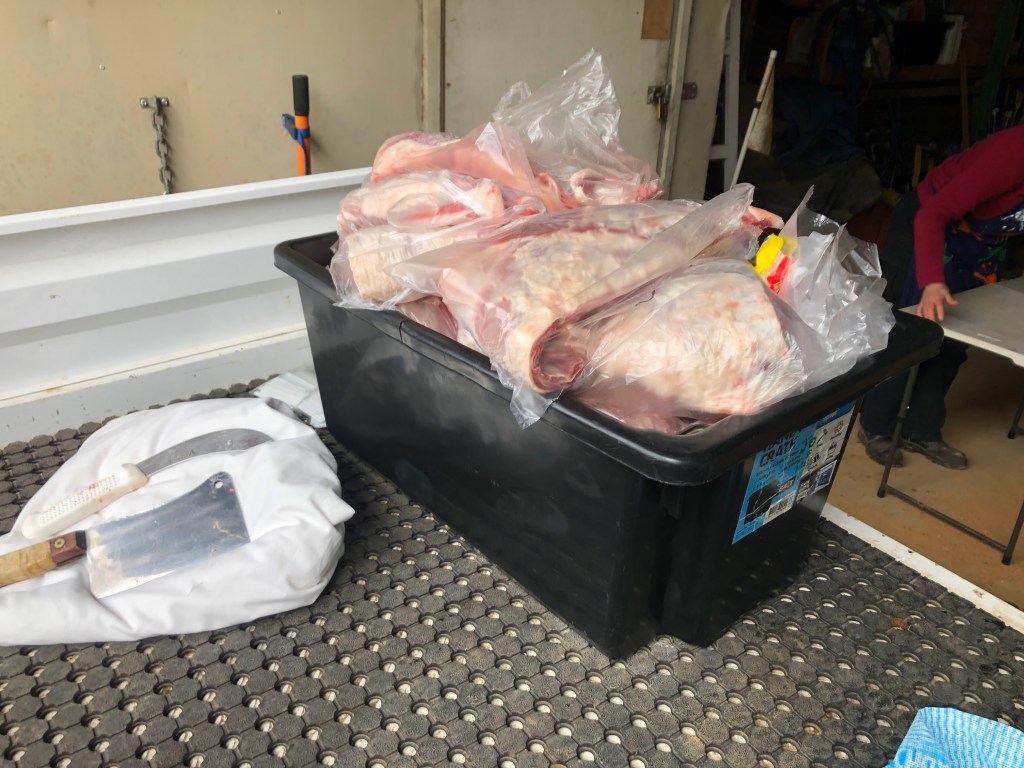
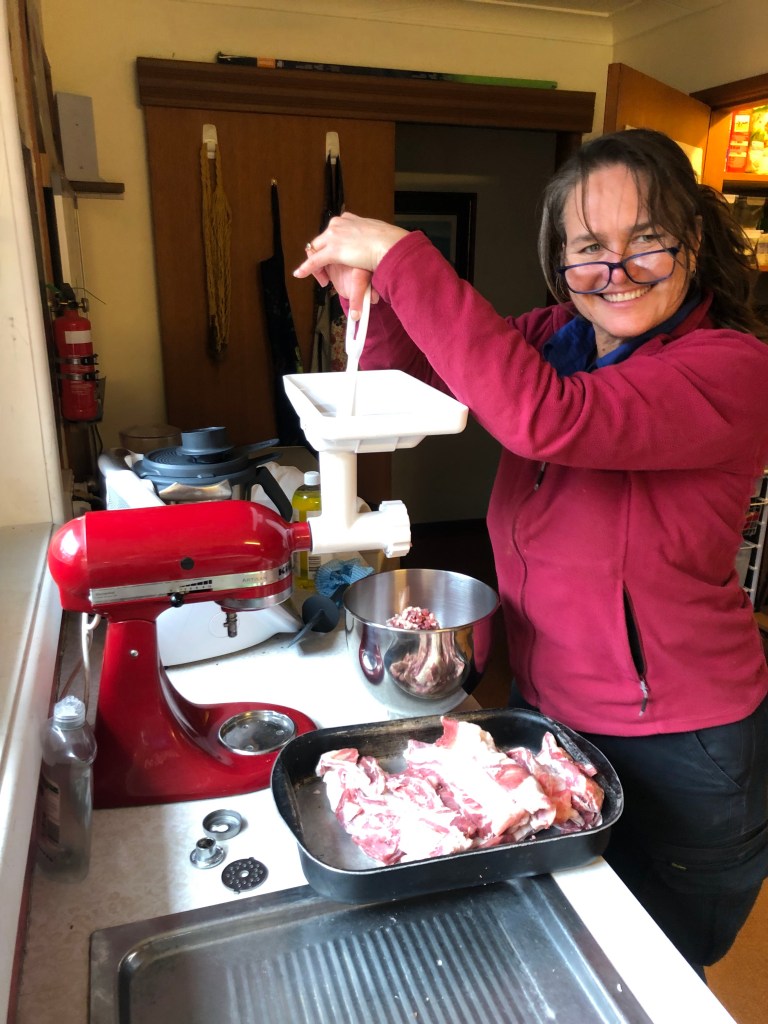
We processed the lambs in pairs, and they taste delicious. The combination of healthy pasture coupled with no stress on the animals leading up to slaughter meant there was no lactic acid build up in the meat. We chilled them for a week or more before running them through the band saw and freezing the meat. We averaged 24kg dressed from each lamb, which filled the freezer nicely. Whilst slaughtering the lambs is not a pleasant task, I take comfort in the fact these animals had a good life with us on the farm, and were shot dead in the paddock without the usual stress of being sold through sale yards, taken to an abattior and slaughtered some 48hours after leaving the farm.

The paddock rotation has been going well, and I haven’t needed to put out any feed for the cattle this winter. When I go for my regular walks around the farm, I often pause to pull out serrated tussock (Nassella Trichotoma) underneath which I am pleased to frequently find earth worms. It reaffirms my determination to not use chemicals if at all possible.
Our local Regenerative Agriculture group has continued to meet regularly, and I am continually inspired by the wonderful people who seek to restore the health of the soil and biodiversity of their land. We have been able to help in a small way by storing some native Kangaroo Grass (Themeda Triandra) Hay for the group. The hay was cut with the full seed heads still on the plant. Horses don’t like eating it (the seed head is a little spikey), but it makes excellent seed bound mulch for re-vegetation projects. The hay has been exceptionally popular with Landcare and other restoration projects, and I have been happy to support this project in a little way.

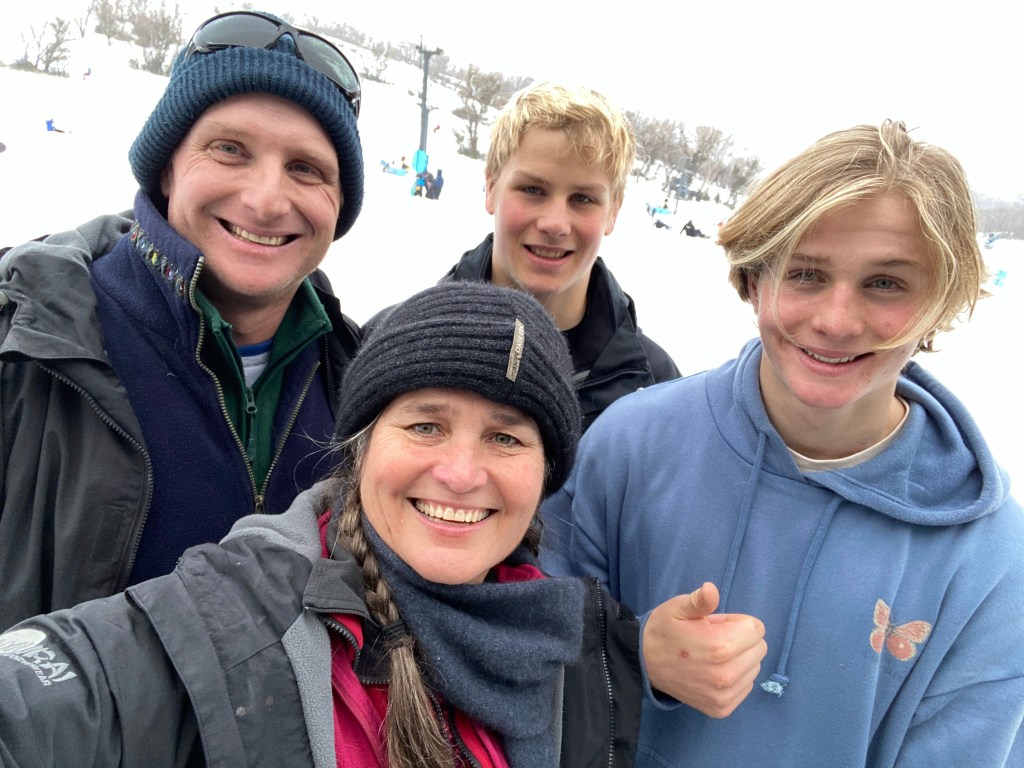
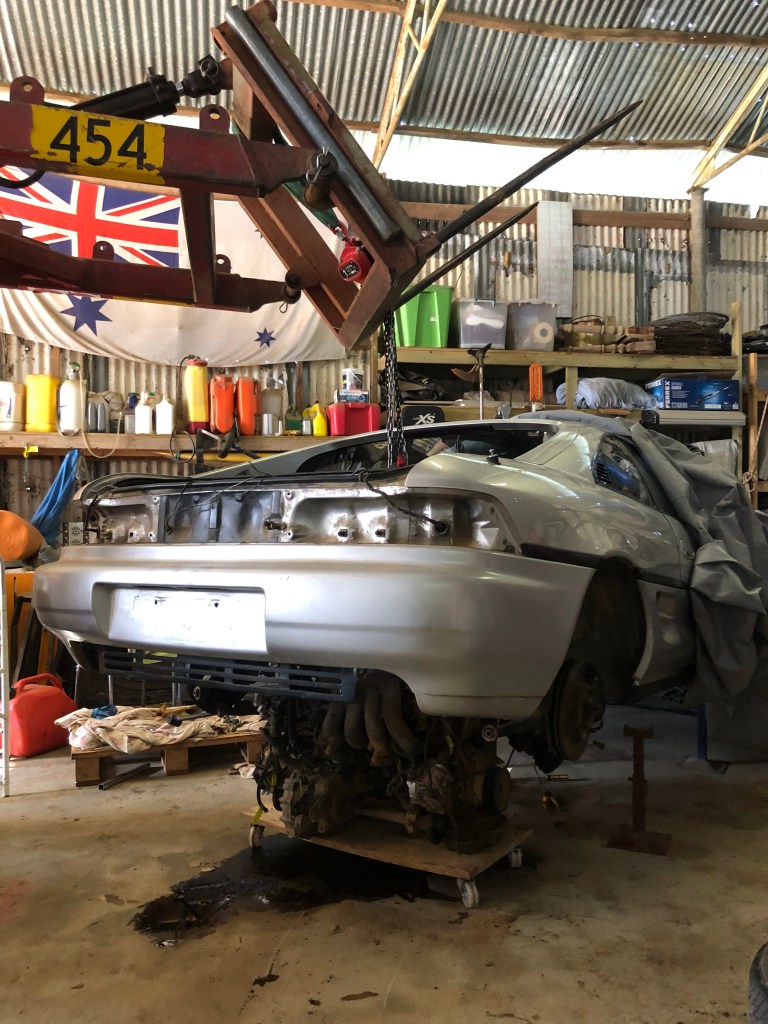
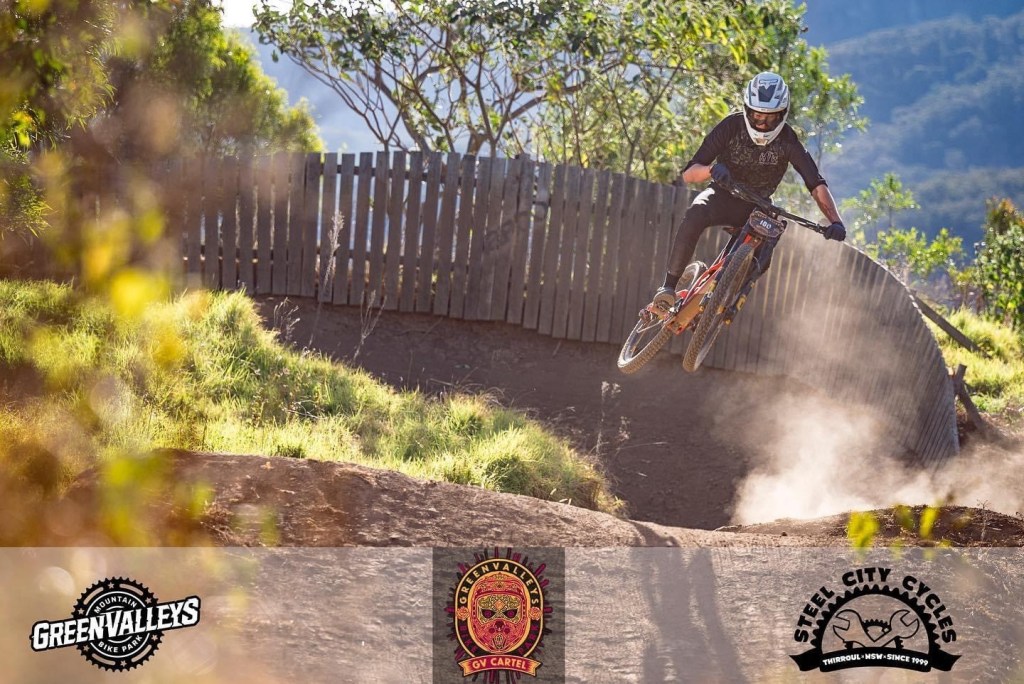
It hasn’t all been about the farm this winter. It is also important to spend time doing other activities that are good for the soul. As the kids get older though, it is harder to pin them down for family activities. We took them skiing at Mount Selwyn which was a heap of fun. The older helper has continued pursuing his love of mountain biking, and spends most weekend carving up the tracks. The younger helper has been tinkering with an old Toyota MR2, which needed a new alternator. Unfortunately we couldn’t get the retaining bolt out, so ended up removing the engine. Thank goodness the tractor could lift the car up, so the engine could come out the bottom!
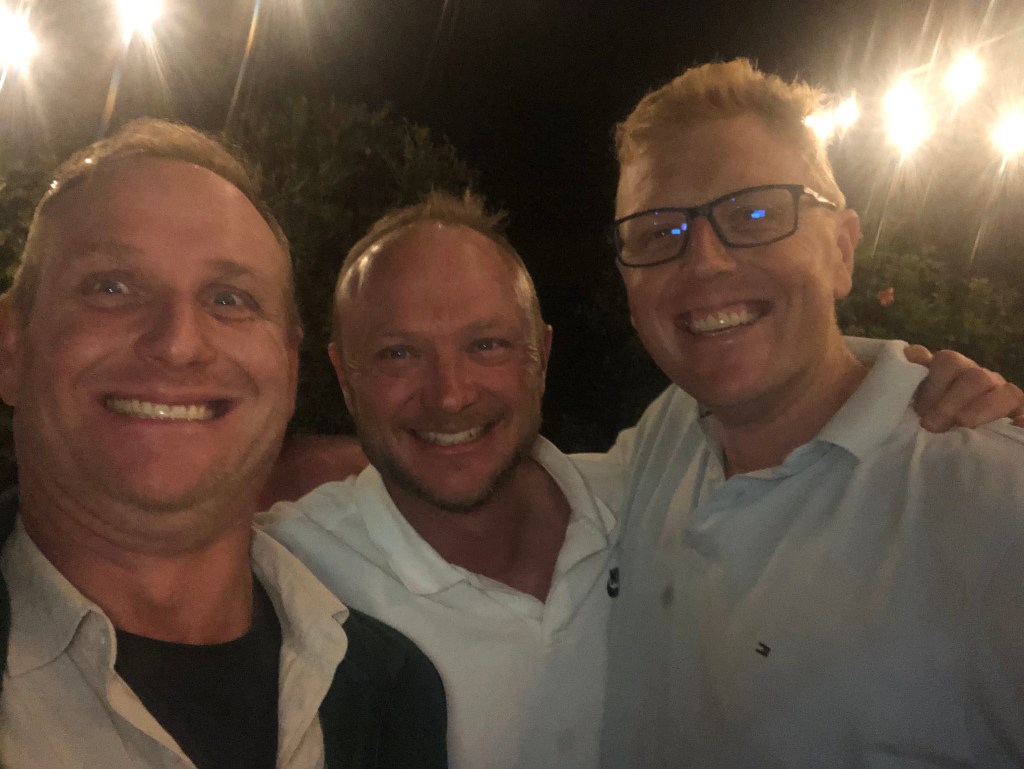
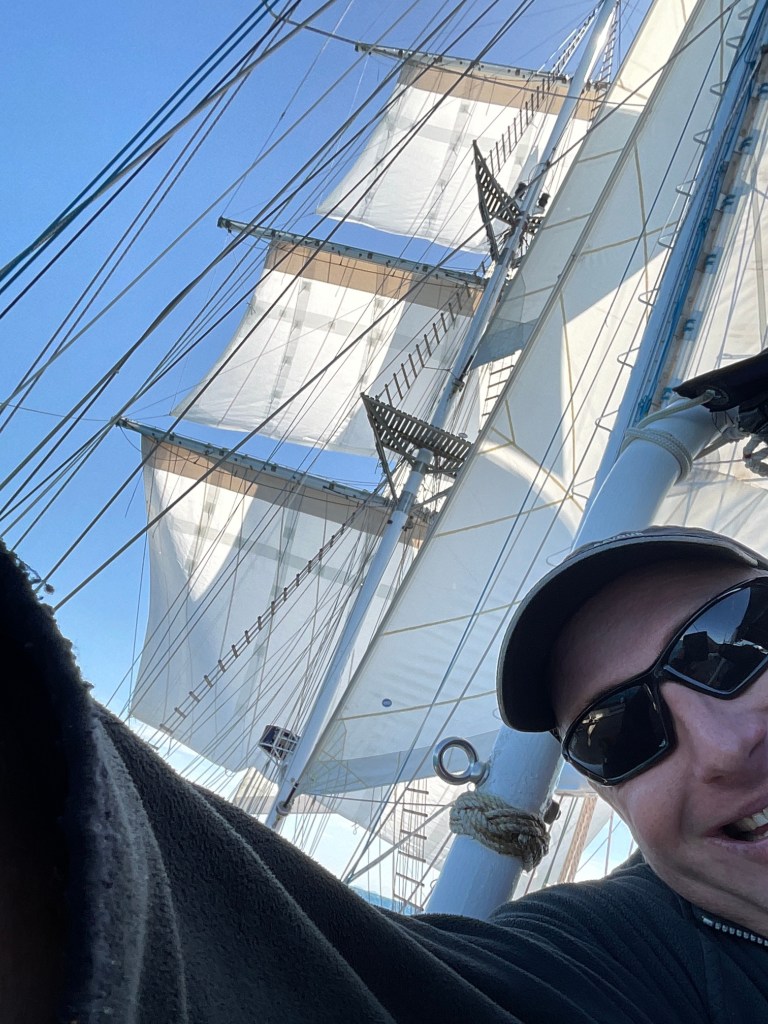
I returned back to sea for an 11 day voyage in northern waters. The voyage was a heap of fun, with some fantastic and inspirational ship-mates. Being at sea reminds you of the power of nature and can remind you how alive you are. On the way, it was great to make a diversion to catch up with my brothers – an all too infrequent occurrence these days.
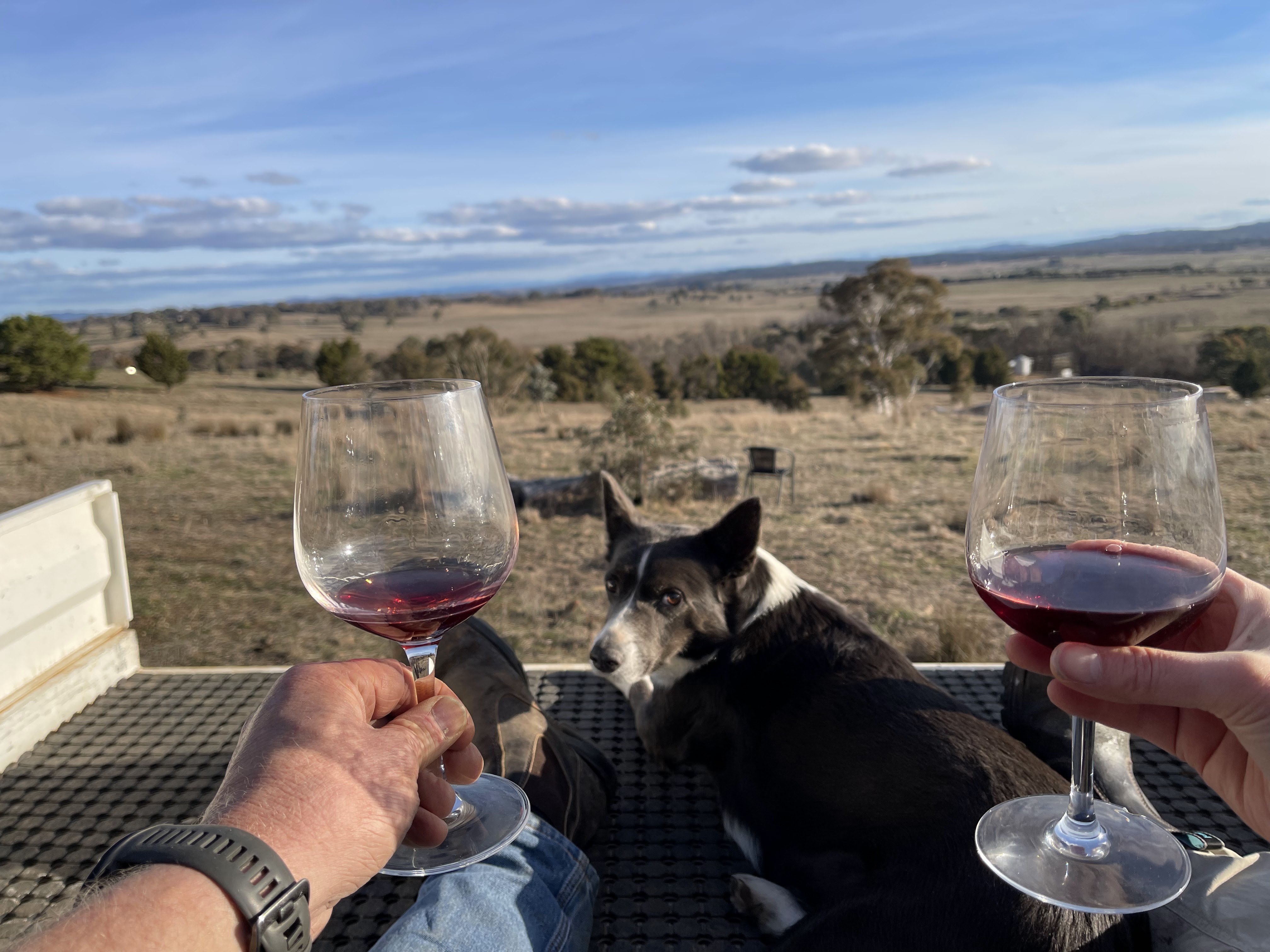
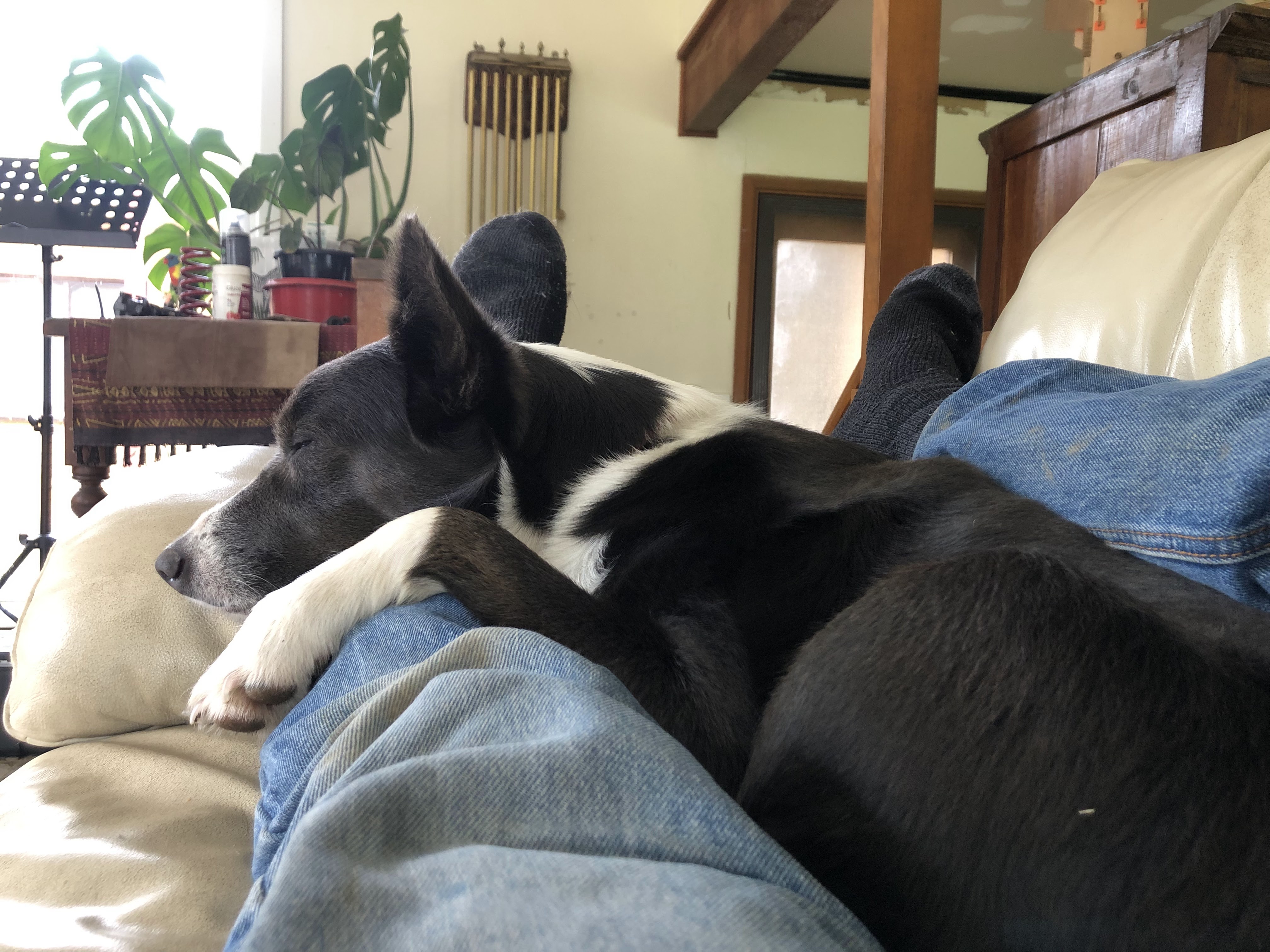
But that is not all. We have been working steadily on another project for the past three years or so. It is nearing completion and I can’t wait to share it with you soon! In the meantime, as it is too miserable and cold to head outside today, it is time to pour a hot cuppa and stick my feet up… I think Sapphire agrees!

Decision Making on the Rock Farm – and a handy tool

One of the most challenging elements of farming – even on a small hobby farm like ours – is decision making. Decisions range in complexity and scope, the outcomes are not always known, and mistakes are a given. The self-help section of any bookstore is full of books that purport to make you a better manager / leader / thinker… but ultimately many are simply helping you become a better decision maker.

Allan Savory developed holistic grazing management. My basic understanding of holistic management is that it is about making decisions. Broadly you need to properly identify the problem. Start taking action towards addressing your intended outcome and then monitor your feedback loops closely to ensure you’re on track. Savory’s holistic principles can be applied to all kinds of decisions. The principles holistic management help guide our decisions on the Rock Farm.

As custodians of the Rock Farm, our aim is to leave the soil of our property in better health than when we arrived. One of the tools we use to do this is our cattle. Our cattle are used to help control our weeds and undesirable grasses, process grass and turn it into fertiliser to feed the microbes in the soil. The past three years of wet years have given us plenty of flexibility, and have been very forgiving if we have made a mistake – especially with our stocking rate. When it is dry – it is critical that we keep making decisions for the health of our soil – and by default our cattle.
So when the long range forecast is for a dry autumn, I knew it was time to have a good look at the tools available to helps us plan our decisions for winter.

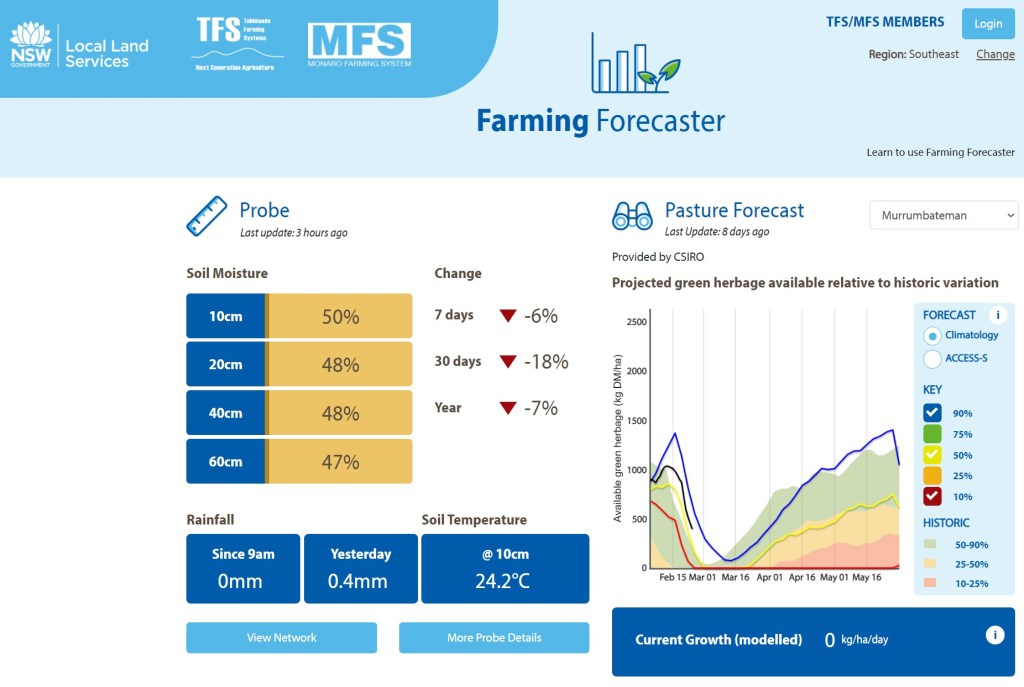
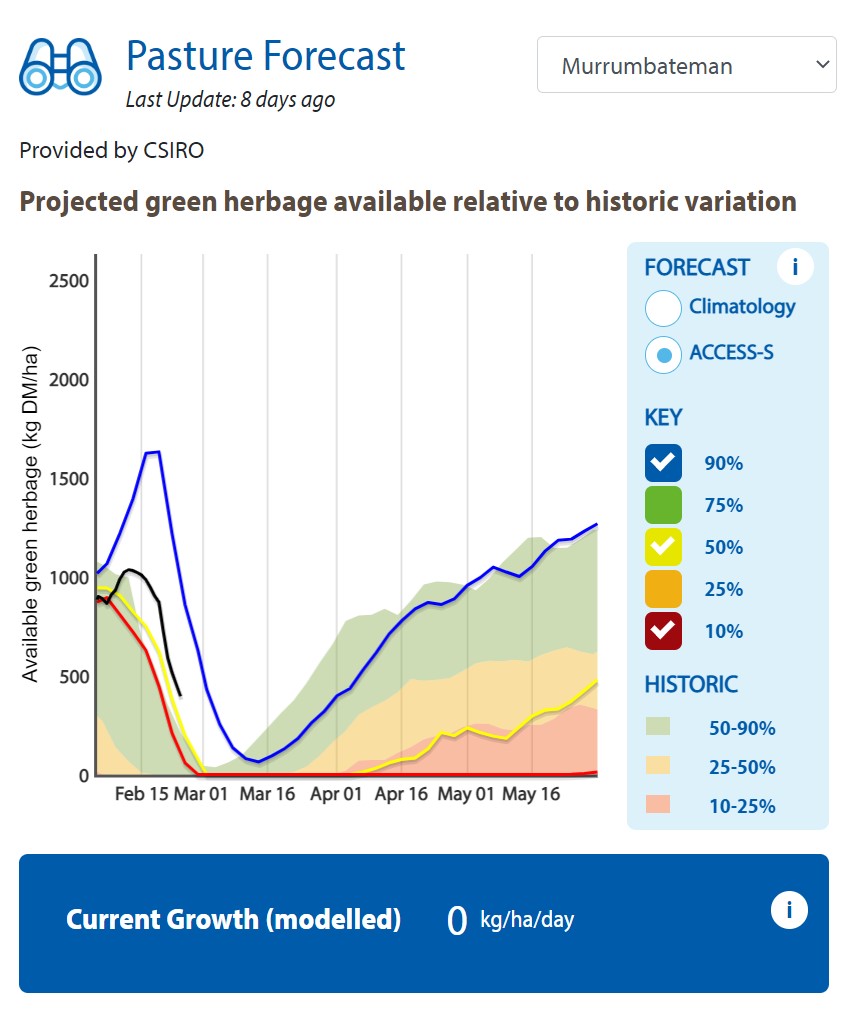
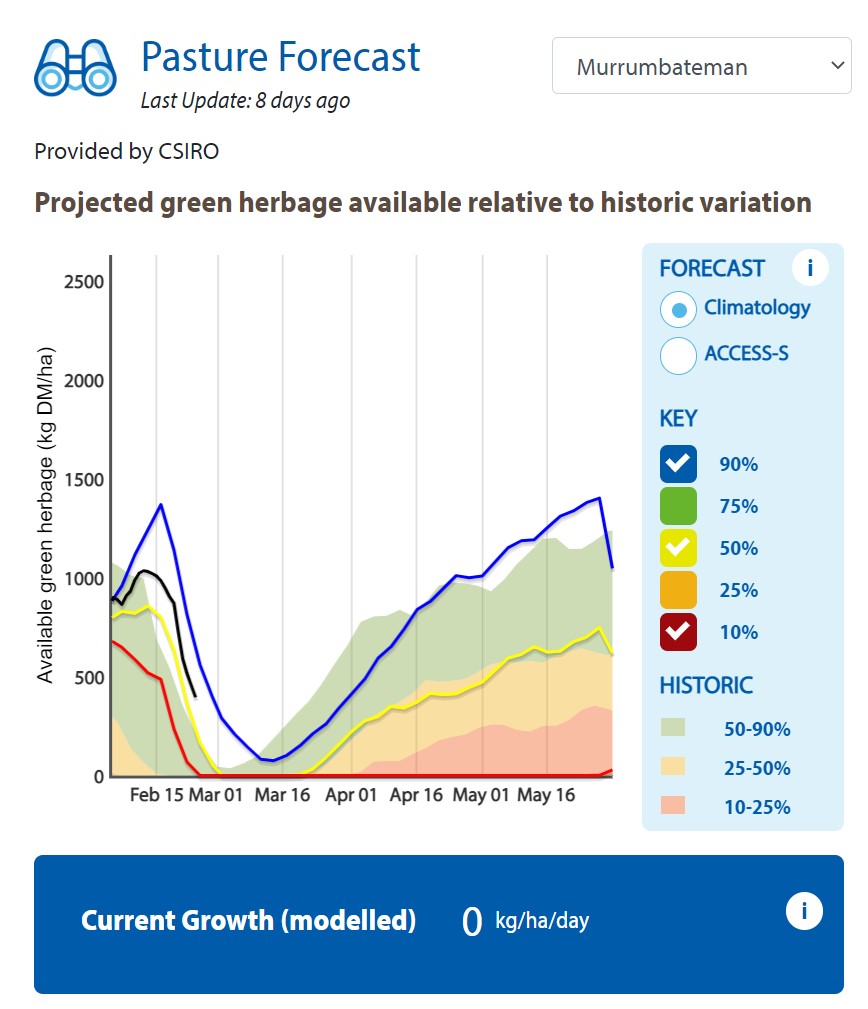
One of the tools I find really useful is Farming Forecaster (https://farmingforecaster.com.au/). It collates 30 years of past soil moisture and helps predict the pasture growth over the next three months. It is really useful for someone like me who doesn’t have a lifetime of accumulated knowledge on seasonal variation on our farm. Below are some screenshots of a nearby soil mositure probe. In reality there are about three probes in our region I look at to help me make a decision on how much pasture I will expect to grow in the next three months.

From the graphs and the long range forecast, we decided we will reduce our stocking pressure this winter. We will make our final decision on numbers based on the pasture growth we will see by 1st of April. This is the logical step of course. The decision process becomes really hard when it comes to deciding which cattle we will sell, especially knowing that we lose all control of their destiny once they are on the truck to the sale yards.

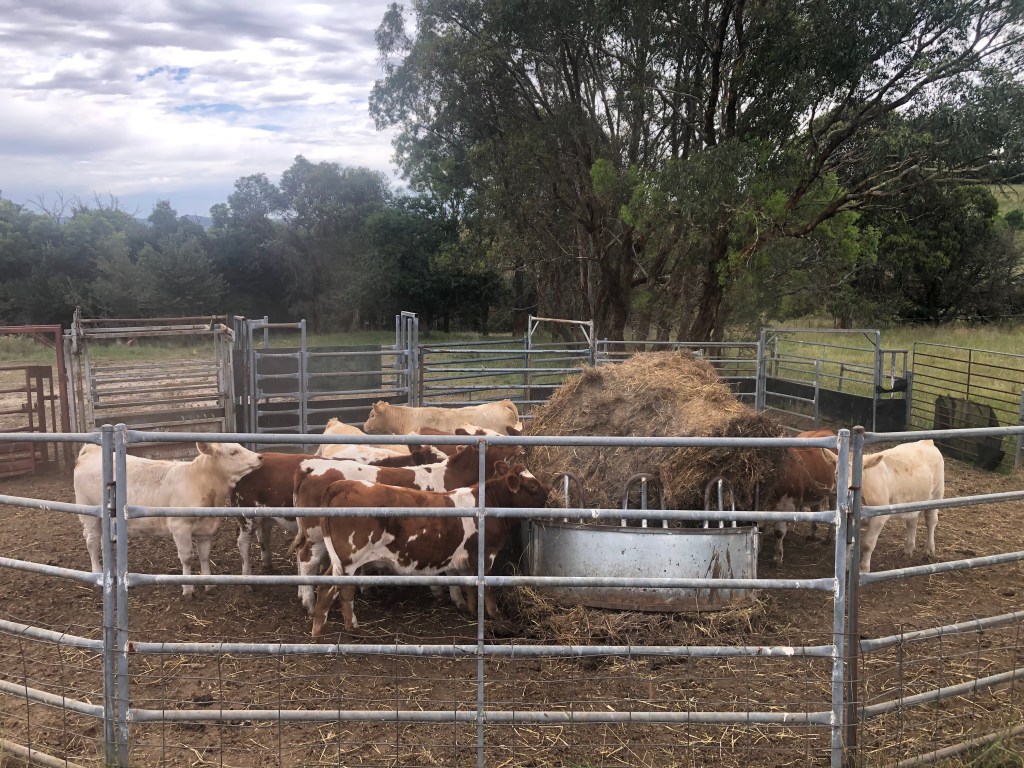
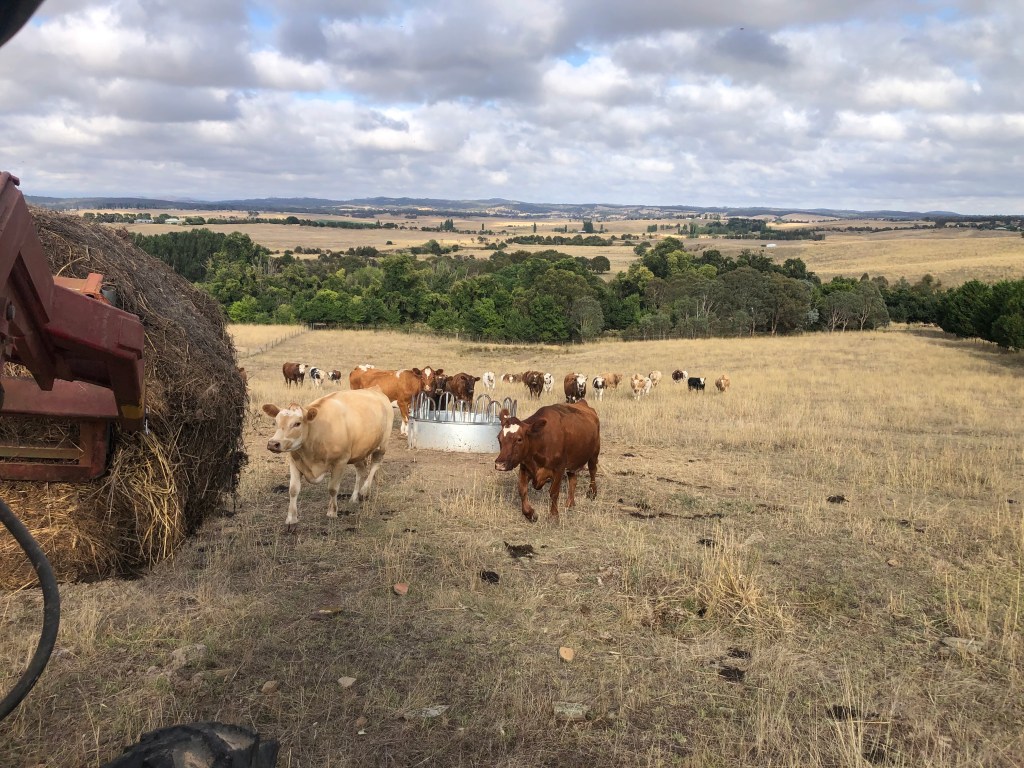
In order to set the calves up for weaning, and to allow other paddocks a longer time to rest before we rotate through the paddocks again, we decided to put some hay out for the cattle. I now know this as a form of bale grazing. Bale grazing is a method of feeding, where hay is fed to stock on the paddock it was cut rather than in a feedlot, thereby keeping nutrients in the system.

We don’t cut hay – and I have long felt that I would rather import fodder (and its nutrient) instead of fertiliser. The cattle and their rumen are the ideal first stage processers to turn fodder into fertiliser for our soil.

We put the bale feeder near the top of a hill, on a patch of wiregrass. Wiregrass is a native grass of little nutritional value – however it is particularly nasty to sheep with seed heads working through the wool and into the skin of the animals. Wiregrass doesn’t like fertile soil, so I hope to improve the soil here and allow other grasses such as microlaena (another native grass) a better chance to grow.

By putting the bale feeder high in the farm, any nutrient that does wash down the hill, remains on the farm and will help feed the soil in the lower slopes.

The other advantage in putting out a couple of bales of hay prior to weaning is that it also will make it less stressful for the calves as they will be comfortable eating hay, and familiar with the feeder. Weaning is always a hard time on the Rock Farm – but it is important. It allows the cows an opportunity to put on some weight before winter. It also familiarises the calves with being handled in yards, being fed and moved around. We will sell our steers and some of our heifers, and this training will help make our cattle quiet and safe for their future owners.

It is always hard selling our cattle, but it is one of the many decisions we have to make in the interests of our soil and farm enterprise. It is part of the responsibility of owning livestock and is inseparable from owning the farm, I generally love it, but it can at times feel overwhelming. As one of the LLS Directors reminded me a few years ago during the height of the last drought. We were talking about some high profile animal welfare cases (with starving stock) in the district. He said it was a mental health issue that led to an animal welfare issue. His words stuck with me, and reminded me how important it is to look after ourselves first, so we are fit and able to make decisions in the best interests of our stock.

If you or someone you care about feels overwhelmed and isn’t making decisions, there are many support options available. The National Centre for Farmer Health is a great place to start: https://farmerhealth.org.au/support

It all starts with ‘why?’

There are some fantastic workshops, courses and field visits open to landowners in New South Wales for people to develop their skills and knowledge to help make their farming enterprises more healthy, and profitable. To get the most out of these opportunities it is important to understand your vision, or your ‘why’. I am in the middle of a Farm Planning Workshop hosted by the Local Land Services. This was the very first question we were asked to consider – and perhaps the most difficult to answer.

I was thankful for the reason to re-examine our vision for the Rock Farm. We haven’t updated our vision statement since I commenced this blog back in 2016. From casting my eyes back over it as we started our farm planning workshop, it was clear our vision needs updating.

Our vision is for sustainable and ecologically sound stewardship of our property, that creates an income and food source for us in an environment that encourages our beautiful boys to grow into gorgeous men. We hope to share this knowledge with others interested in creating a sustainable and healthy future.

The first thing that struck me in re-visiting our vision is that we have moved from sustainable to regenerative in our approach. We don’t just want to maintain our land in its current state, but we want to improve it during our stewardship and set the property up for continual improvement into the future. We want to improve our soil health and fertility. We also want to increase the biodiversity of the plants and animals that live here through creating areas of habitat. We have also come to understand that community and social responsibility are also a key elements of our vision. Oh and you might have guessed, I love managing livestock and Jo loves growing vegetables.

We haven’t got the words yet for our new vision but we have most of the elements of it identified. Through creating a vision statement, we will have a lens through which we can approach all the wonderful learning opportunities that are available to us. It allows us to identify which elements of the books, courses and workshops are relevant to our enterprise, and which aren’t. Perhaps more importantly, it allows us to acknowledge other people’s visions. We can respect that their visions may be different to ours, and this will therefore shape the approach they take to their land management.

I have just discovered a fantastic podcast by Charlie Arnott which will help us define our vision. Charlie interviews some amazing people interested in regenerative agriculture, healthy soils and healthy food from around the world. We have found inspiration in many of his guest’s books or stories. Sometimes it is hard to find the words that best fit what we are trying to achieve on our small farm. To hear Charlie and his guests explain their stories helps us understand that our journey is far from unique. I cannot recommend this podcast enough – especially when he interviews one of our neighbours in episode 15. Please check out Charlie Arnott’s excellent podcast here: https://charliearnott.com.au/podcast/

Of course Sapphire knows her ‘why’. It is her job to make sure the fire doesn’t go out, keep rabbits out of the garden, occasionally ask the cattle to hurry up through a gate and make sure Dad doesn’t run into a tree whilst checking the fences!

More trees for the Rock Farm

My first lockdown project was addressing an immediate need for nesting sites for birds that naturally nest in hollows. The second lockdown project has a much longer timeframe before we will see the rewards. Instead of building nesting boxes for trees, we were planting tube-stock trees to restore native habitat and control erosion on the Rock Farm. With a nearby nursery specialising in local species, and a forecast wet spring, the conditions seemed ideal for us to continue our efforts in planting trees.

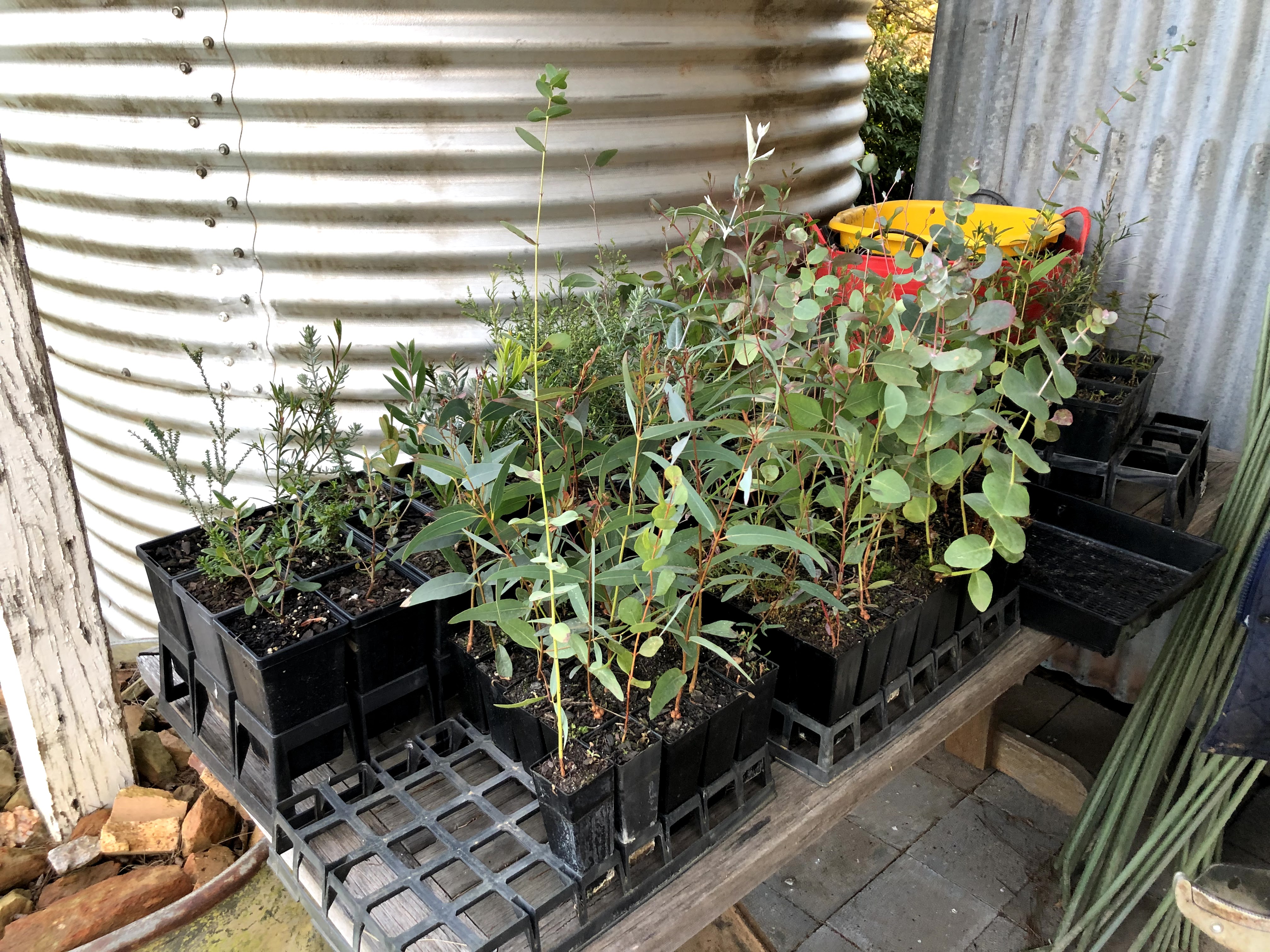
We were fortunate to secure 110 native tube stock plants from Damien at ACT and Southern Tablelands Nursery (https://windbreaktrees.com.au/). Our plants ranged from Red Box (E. polyanthemos) and Yellow Box (E. melliodora), to others such as Grey Box (E. microcarpa), Apple Box (E. bridgesiana) and other native trees that are being trialed in our area. Given our short notice, we sadly didn’t get any Drooping Sheoak (Allocasuarina verticillata), one of the key food sources for the Glossy Black Cockatoo.

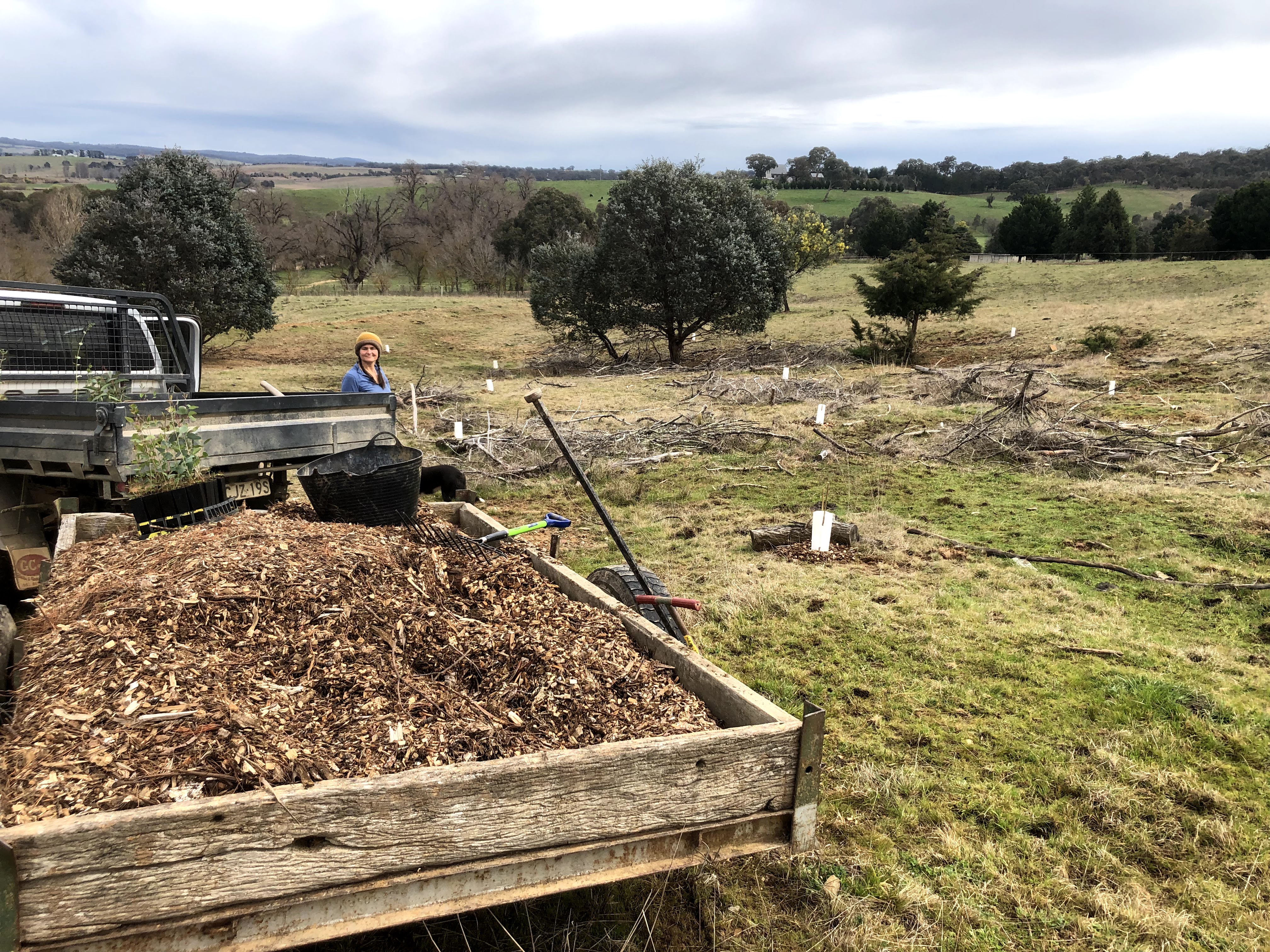
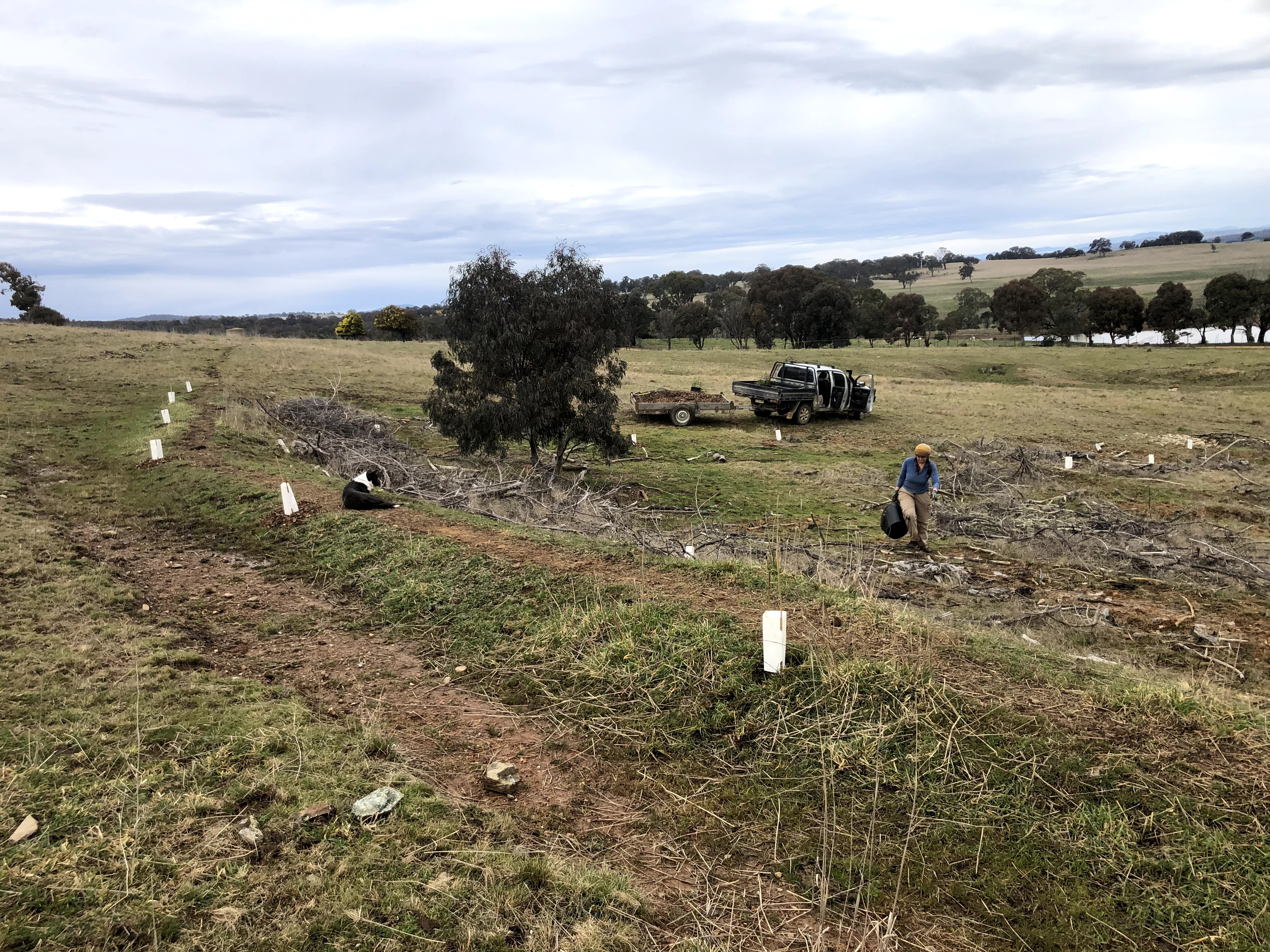
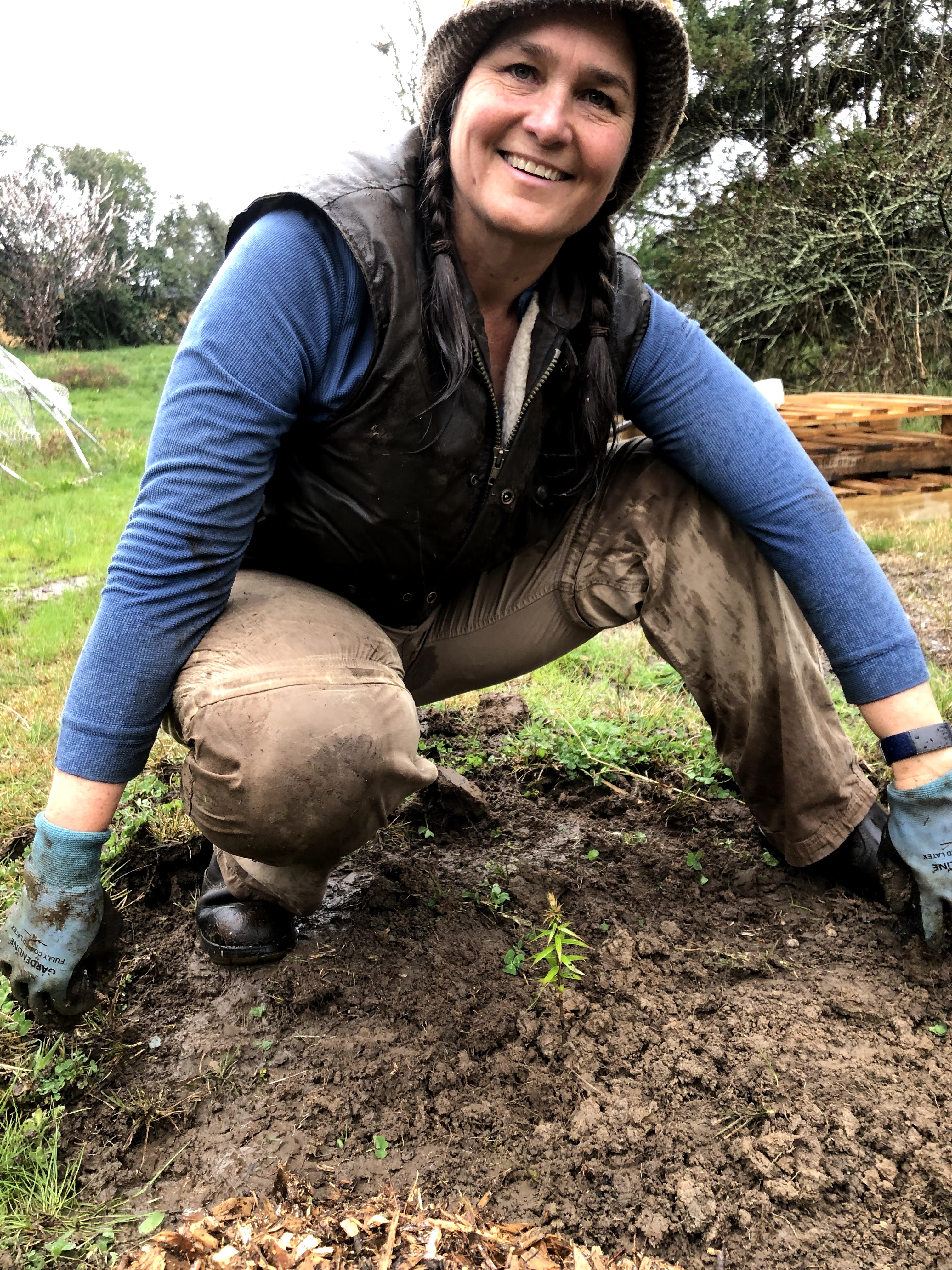
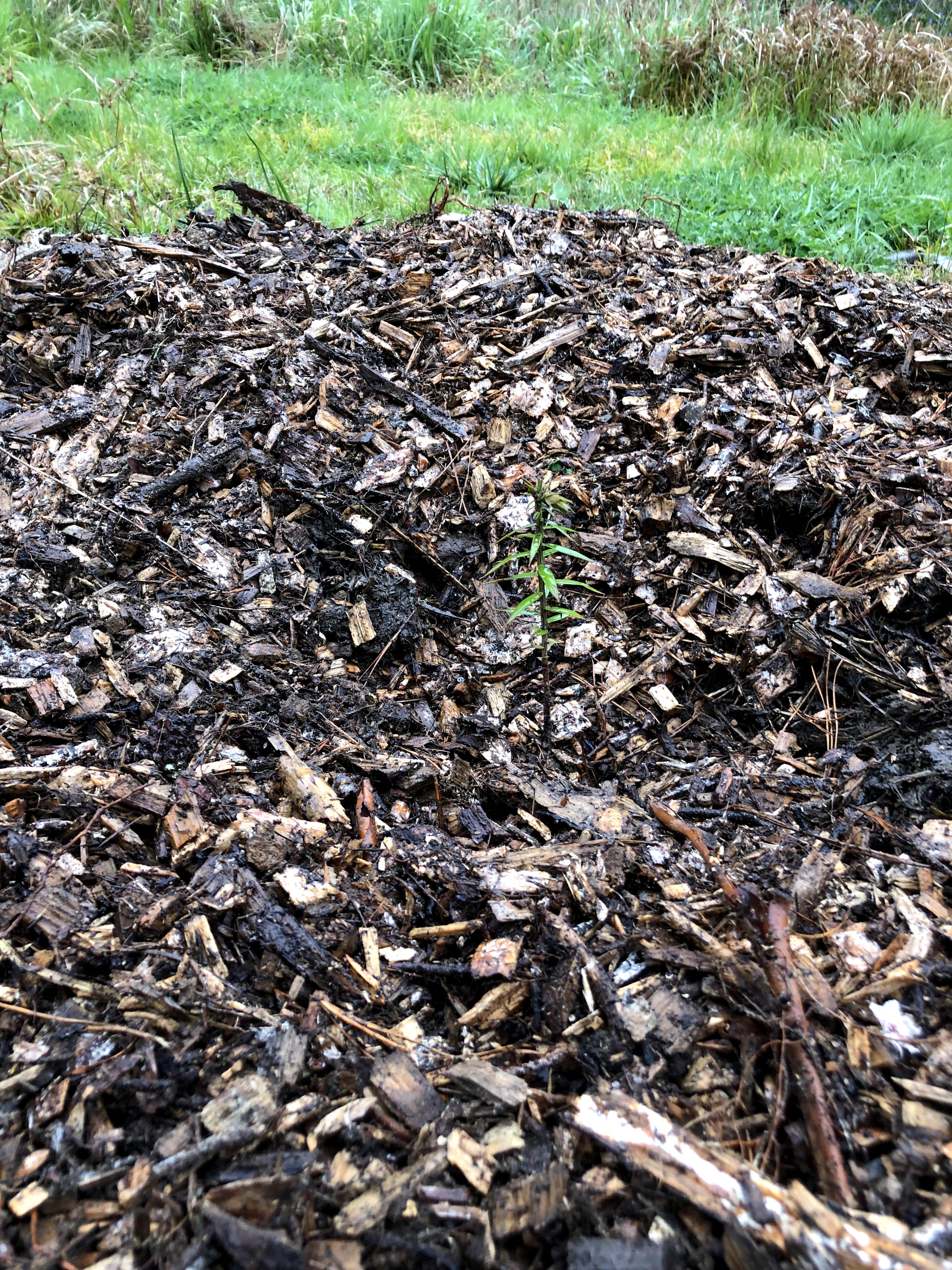
Over the next couple of days Jo and I put our tubestock in the ground. We again found the Hamilton Tree Planter invaluable, however many holes also needed a good working over with the crow-bar to open up the ground for the tap roots to penetrate. Each tree was then provided a scoop or two of mulch, and then protected, either with a tree guard or with cut branches. It was exhausting work, and whilst there are easier ways to plant trees en-masse, we were able to get them placed where we wanted for best effect.

The last couple of trees we planted we learnt about on a lap around the country a few years ago. We planted three Bunya Pines (Araucaria bidwillii) as the rain came down. Whilst they occur naturally in the Bunya Mountains in SE Queensland, there are some magnificent specimens of this tree in our region that pre-date European settlement. The Bunya Mountains was a site of many great meetings of the indigenous people for thousands of years. At these corroborees, held when the trees bore nuts every three years or so, law was made, disputes settled, marriages arranged and the seeds from the tree dispersed. It seemed that the weather wanted these trees to have the best possible start with a good shower of rain falling as we put the last ones in the ground. We might have been cold and wet, but my heart was singing.

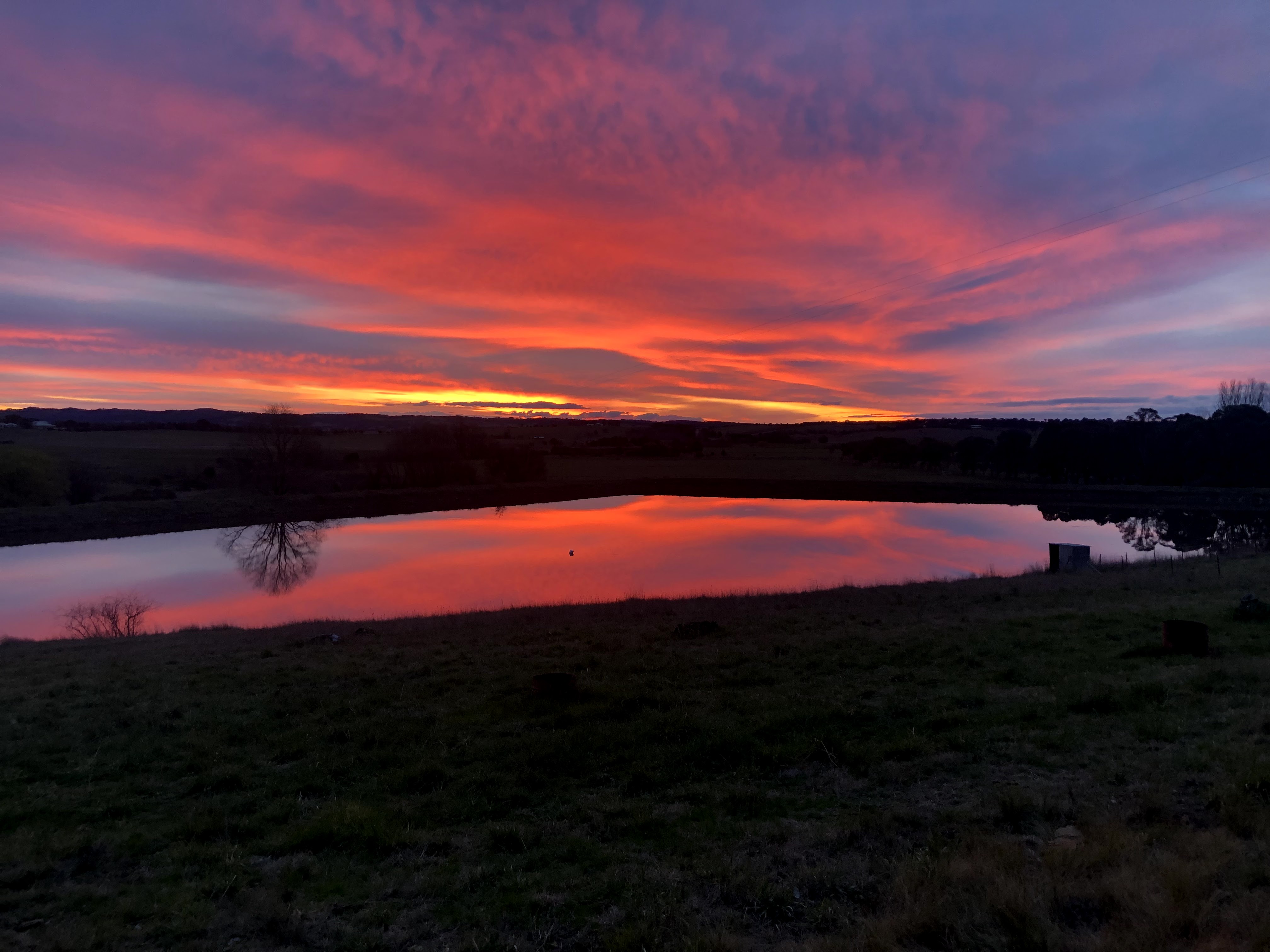
It was extremely rewarding work, and whilst my back and shoulders were sore, I know my aches will be temporary. I hope that these trees will grow and provide shade, shelter and habitat for our native friends on the Rock Farm, whilst protecting our soil. As I sat back watching the sun set after the last tree was planted, nature put on a spectacular light show. I am sure it is a good omen.

A huge thank you to Damien at ACT and Southern Tablelands Nursery (https://windbreaktrees.com.au/) for his excellent quality tube-stock and advice. If you want one tree, or a hundred, Damien will be able to help you pick the one you need.