Support for total newbies on small farms

Recently many people have chosen to leave the cities and move to the country. The ‘tree change’ phenomenon is nothing new, and many people relish the new lifestyle and opportunities that come from moving to acreage. For some, it is returning to their roots, however for many it is a new experience living on acres. They quickly find that there is so much more to it than ‘buying a few sheep to keep the grass down’. It can feel confusing and overwhelming, but it is great to know that there is support available for newbies.

The most important thing to understand is your ‘why?’. If you are able to understand why you want to live on acres and what you want to achieve on your block, then you are half way there.

If you haven’t yet made the decision to move out to acres, you may like my previous posts about some of the benefits and drawbacks of living on a hobby farm. Whilst my kids have grown since these posts, the issues haven’t changed – except perhaps fuel now takes up an even larger part of our budget. If you have already moved to acres, you may find some of the following information useful.

Firstly there is nothing wrong with being a total newbie. Nearly all of us have been there, and can remember how it felt the first time we realised that small farms doesn’t necessarily mean small problems…

What support is available?

Neighbours are a great source of information. They may have years of experience living in the area, or may be newbies like you. If you’re able to establish and maintain good relationships with your neighbours, it will help you feel comfortable in your new home – especially in times of crisis. It is worth investing in building this relationship – and you might find you share ideas, knowledge, labour, equipment and friendship.

Local Land Services is a NSW government agency, funded through landholder’s rates. Their aim is to help people make better decisions about the land they manage, to ensure profitable and sustainable rural and regional communities. I have found them to be a wealth of knowledge, with some great resources available online and through workshops. The LLS information is easy to digest and applicable for the largest landowners down to small hobby farms. (Edit: A great guide specifically for small land owners that I found particularly useful is the Rural Living Handbook available here: https://www.lls.nsw.gov.au/__data/assets/pdf_file/0007/1147804/Rural-Living-Handbook-2020.pdf)

Specifically the LLS provide help and advice dealing with:

  • Livestock health and production
  • Biosecurity
  • Pests, weeds and diseases
  • Emergencies such as natural disasters
  • Native vegetation

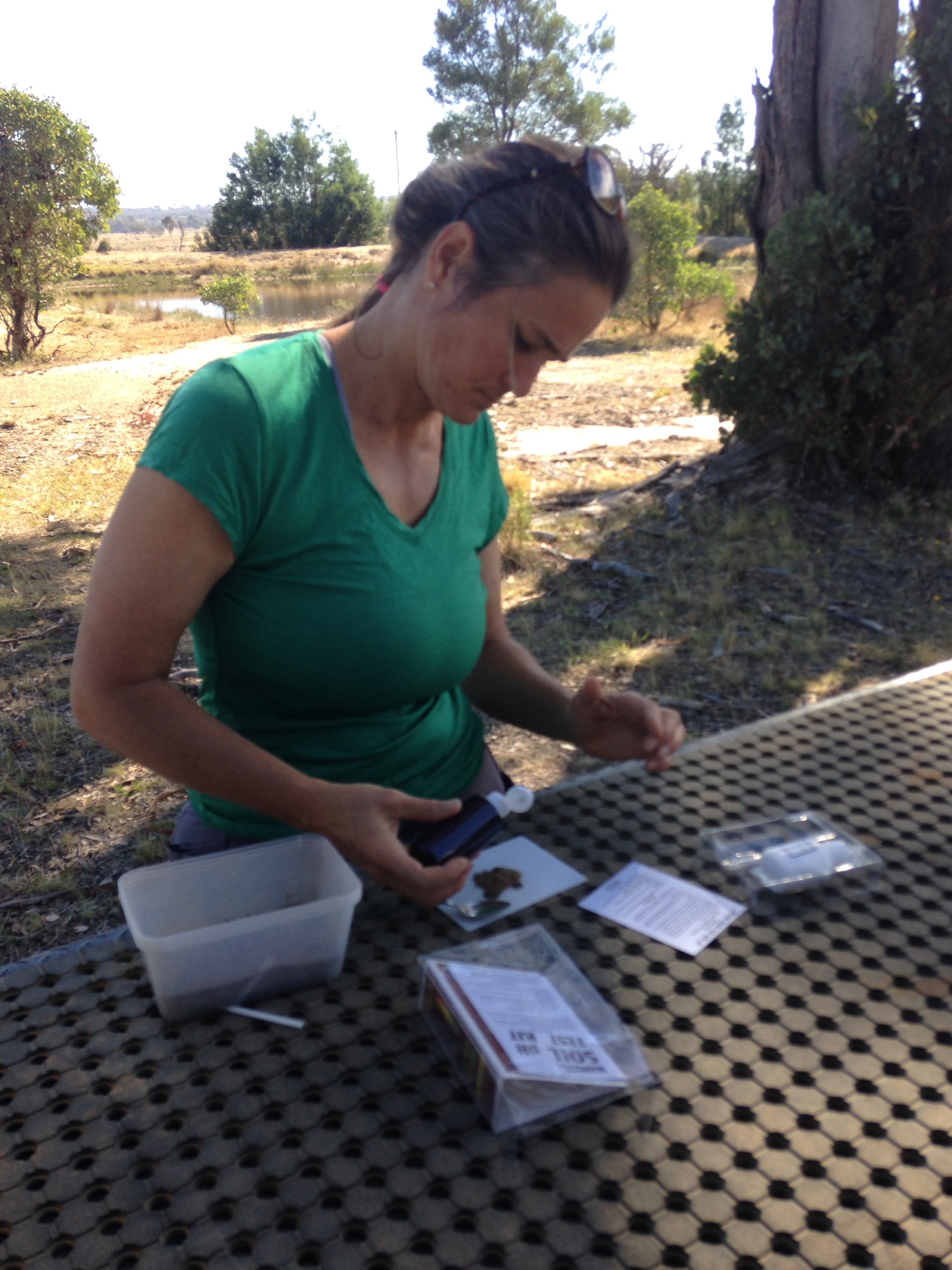
Each LLS region publish a quarterly newsletter with relevant local information and workshops. Through a LLS program, I arranged for free soil tests, and am currently half way through a two day workshop on how to interpret my soil test results and what they mean.
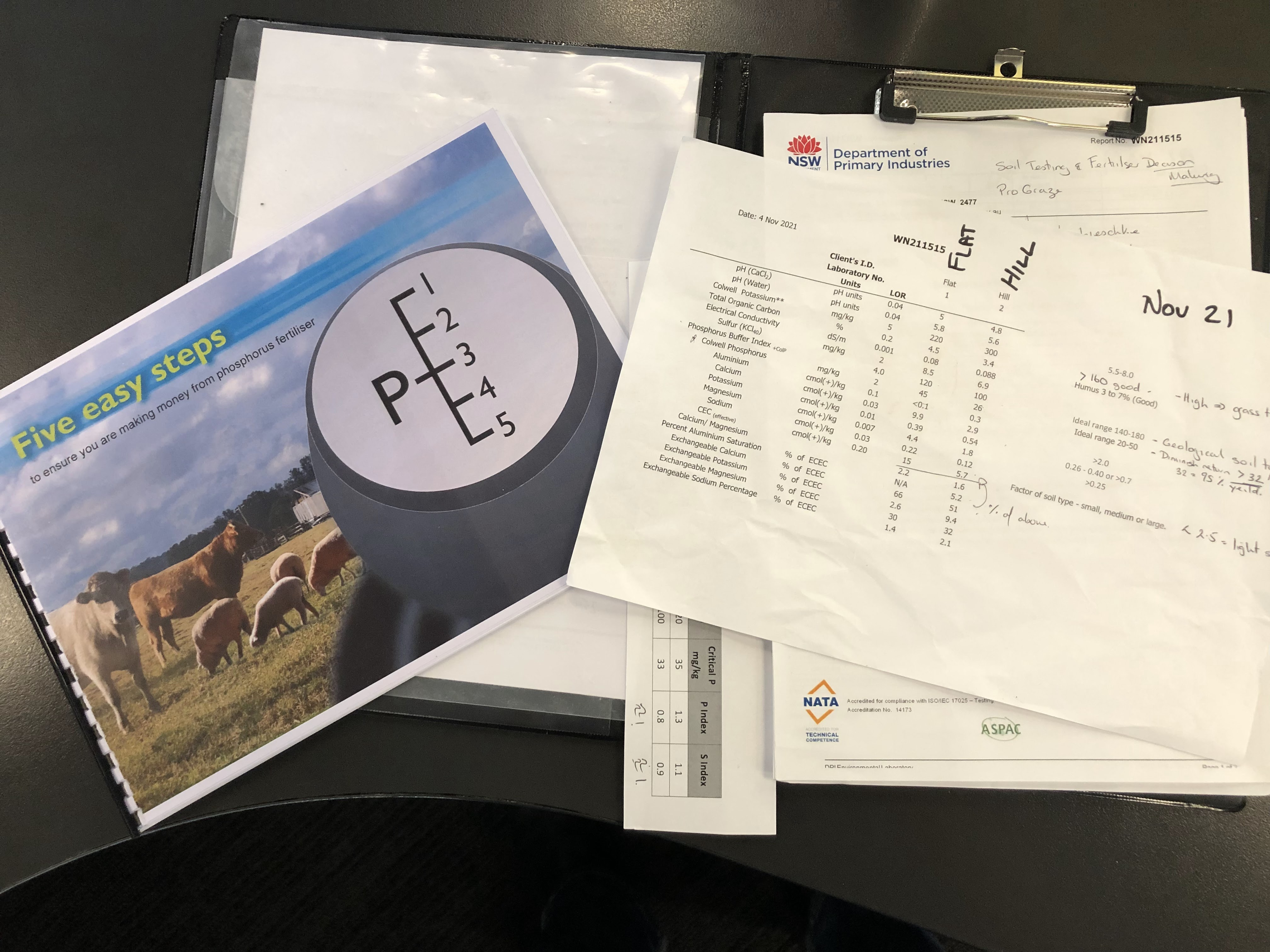
Small Farm Networks is a network of small farm landowners and provides advice and support for people who live on or manage rural and -peri-urban land for primary production, biodiversity or lifestyle goals. They host a number of really useful workshops and webinars, from preparing your property for bushfire threat, to grass identification field days. What I really like about their program is that it particularly relevant for people like us who only have small herds of animals. I also find they host some really innovative and interesting guests. A lot of the presentations are now held online via zoom, and this flexibility has allowed me to attend far more meetings that I could previously.

Another great community organisation is Landcare. Landcare aims to demonstrate best practices that improve soil and water health whilst maintaining of increasing biodiversity. There are many local groups around Australia who can provide advise and support. Our local chapter hosts regular meetings dealing with topics ranging from invasive weeds to salinity. I have always found the guest speakers informative and engaging.

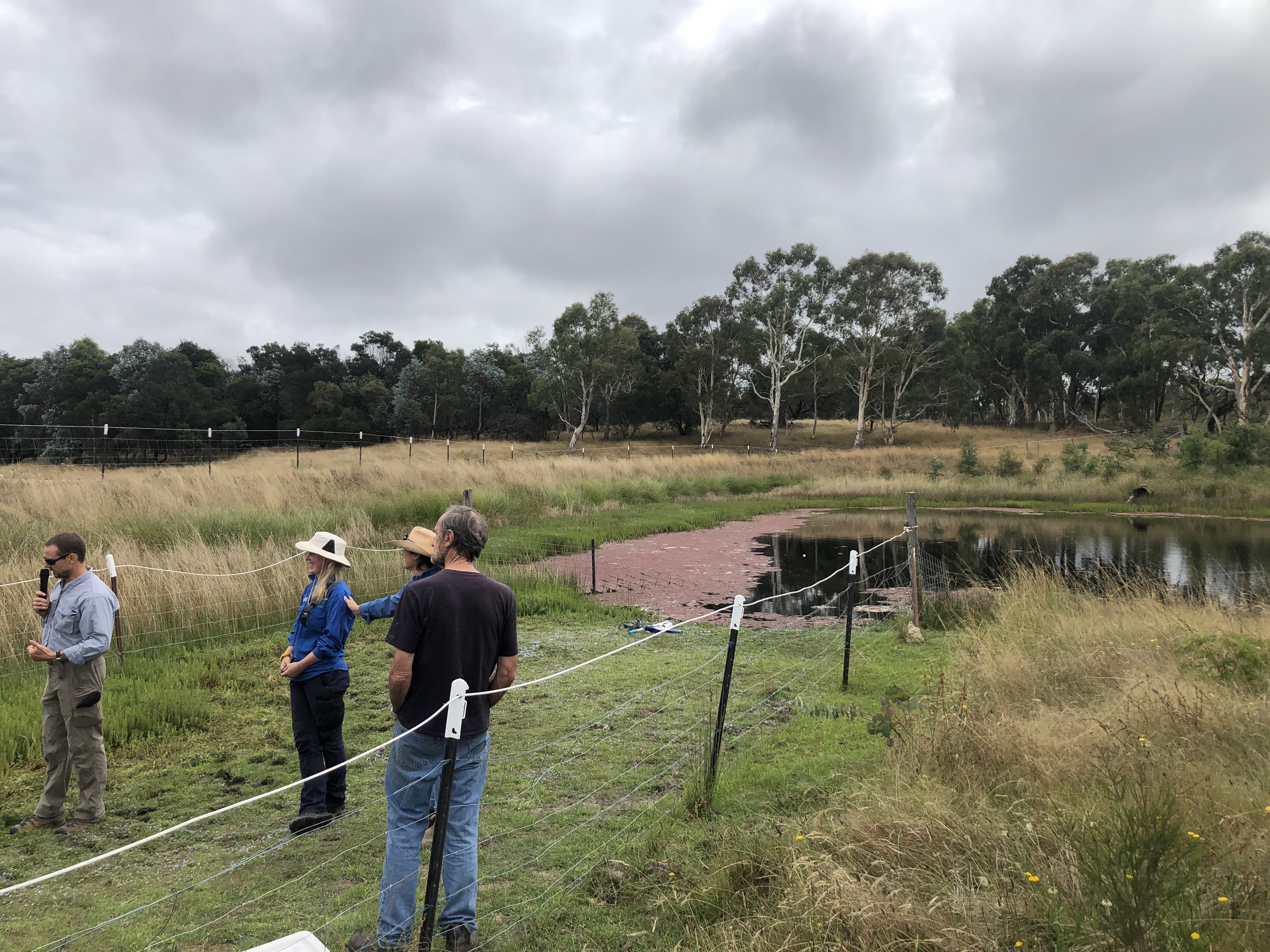
Sustainable Farms is an initiative of the Australian National University (ANU). This organisation employs a team of ecologists who conduct long-term biodiversity surveys on farms to understand the role of natural assets. I recently attended a field day about enhancing farm dams for biodiversity and water quality outcomes near Goulburn. Hosted by Landcare in conjunction with Sustainable Farms I found the day inspiring, with practical solutions that improve outcomes for farm production and biodiversity outcomes.
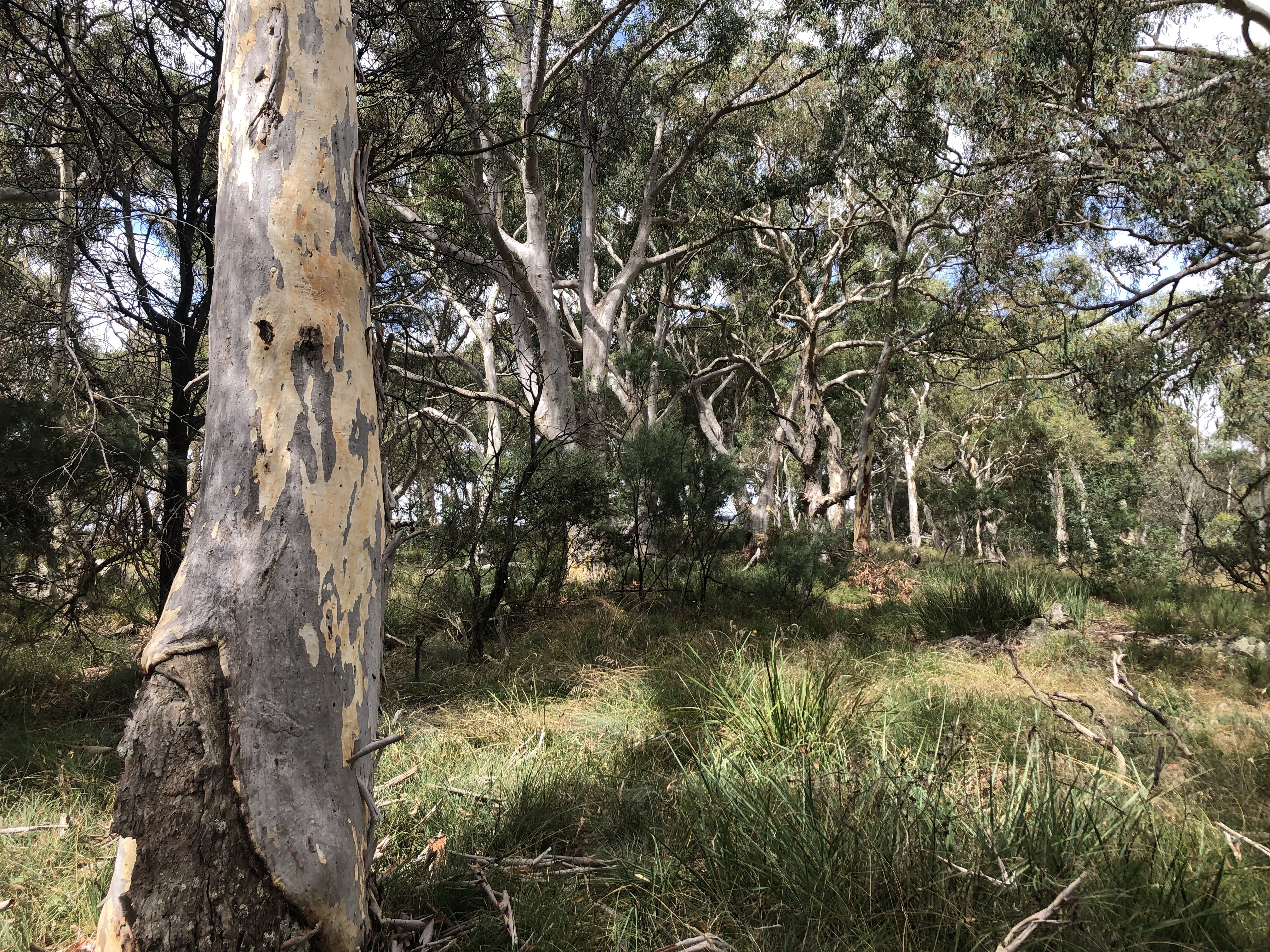
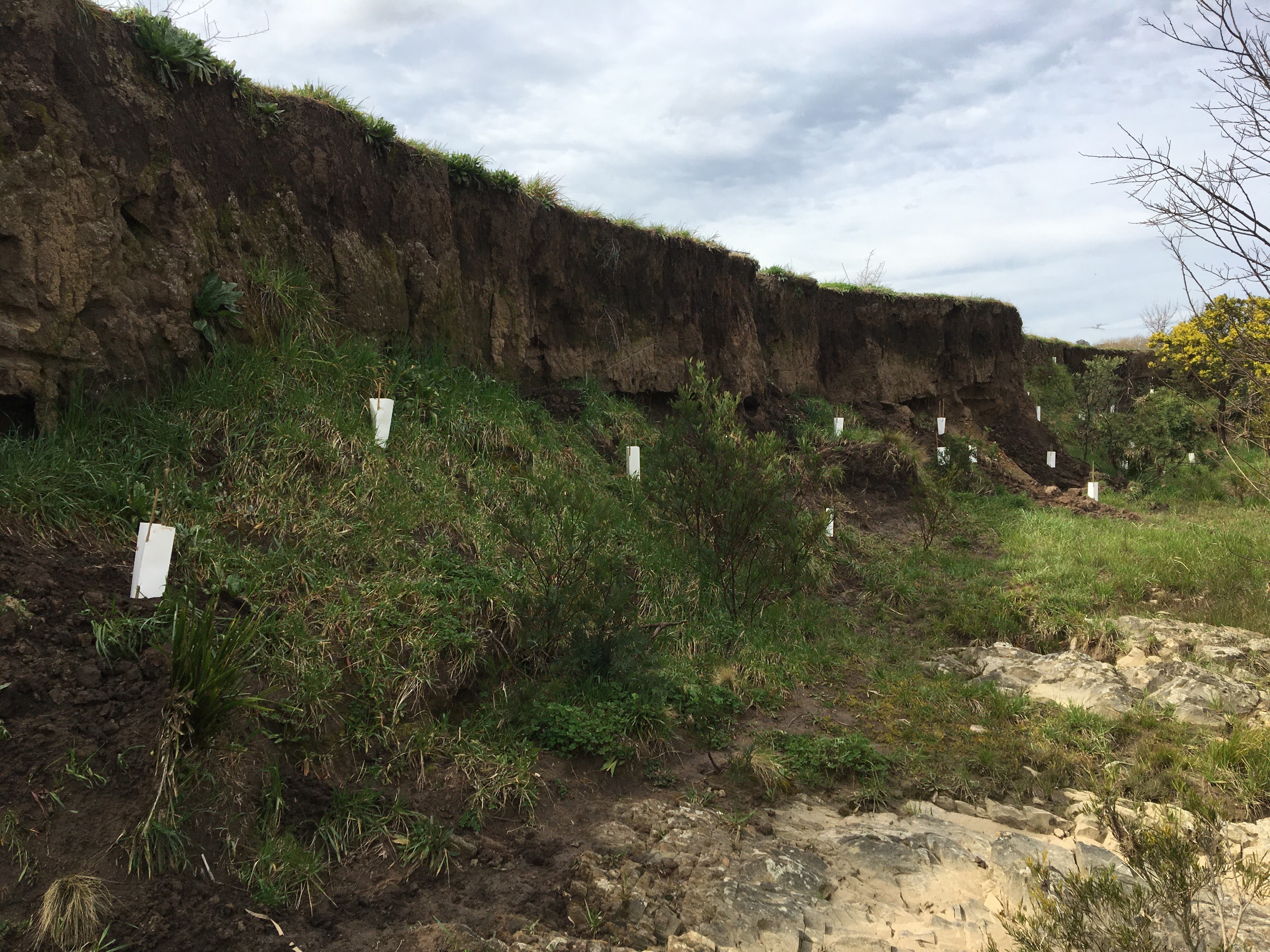
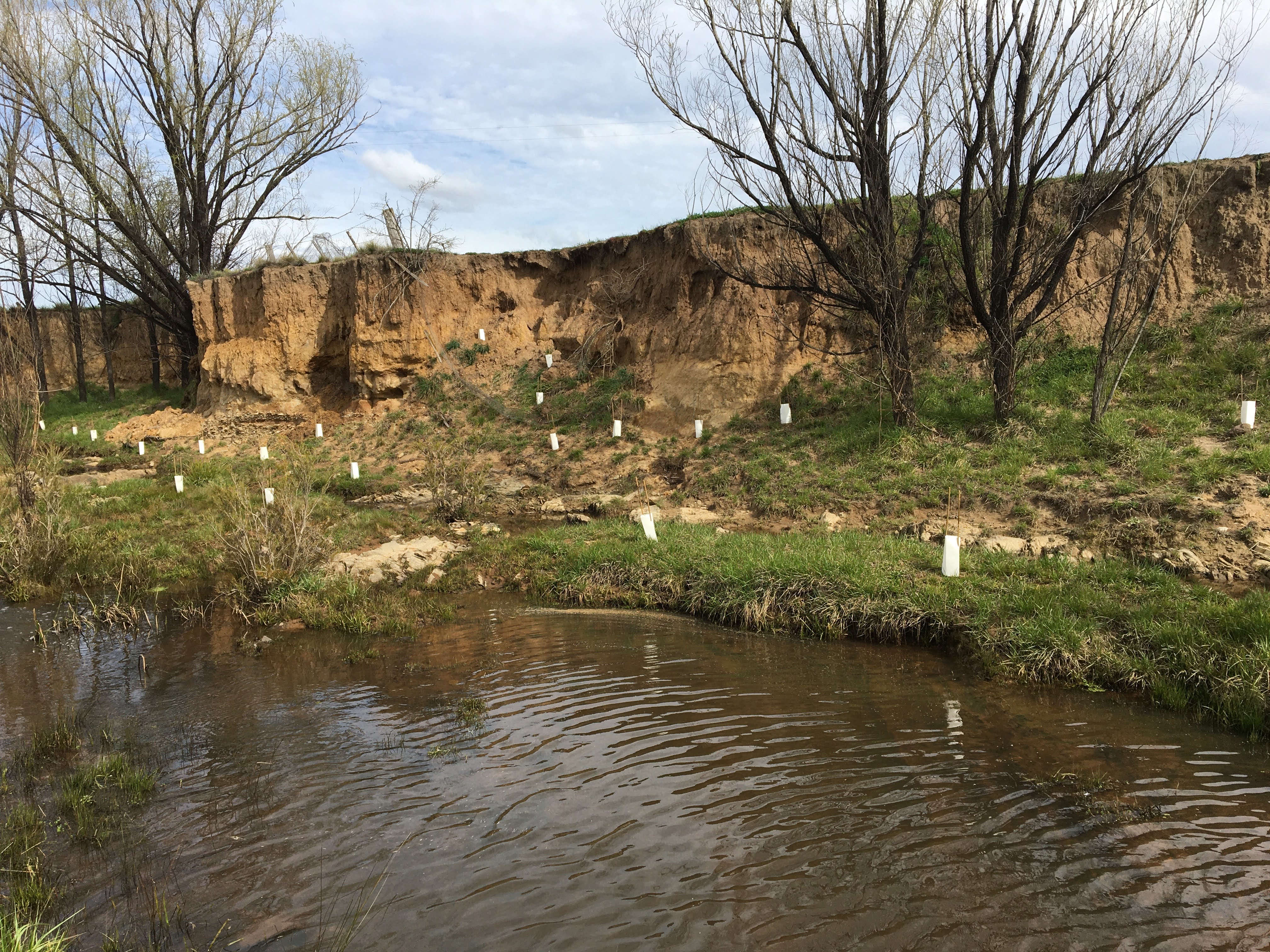
Greening Australia is a non for profit organisation committed to restoring Australia’s diverse landscapes and protecting biodiversity and ways that benefit communities, economies and nature. We have found them to be extremely supportive of our attempts to improve biodiversity outcomes through various programs, most recently with the donation of tube-stock to stabilise our creek banks and improve water quality – see my post here.
Each town or village has a range of other community groups and associations. Our village has a population of just over 1000 people in the 2016 census, however proudly supports over 30 community groups. From the Film Society that screens movies monthly in the village hall, to the Men’s Shed, Historical Society and various sporting teams, each group represents an opportunity to meet other people in the area. We are exceptionally proud of our community, but I know our village is not unique. All across Australia each town and village has networks of people who are proud of their community and the people in it. Being involved in these groups encourages me to associate with people from different walks of life. Their perspectives provide a fresh lens to view my situation and I welcome the new ideas.

One group that has developed is an informal group of around 50 landowners in our area interested in Regenerative Land Management. Social media allows us to share ideas and organise visits at each other’s properties. We were humbled to host the group recently at the Rock Farm. We had some great conversations and this has led to us harnessing some other skill sets within to group to help us develop farm plans.

What I have learnt is that some of the best ideas come from people who are unshackled by convention and follow their passion. By reaching out to as many groups as you can, you will find the support you need to help you achieve your goals. Don’t be afraid to ask lots of questions. Take what resonates with your ‘why’. It is a glorious wonderful journey and you won’t regret it for a moment.

Drawbacks of living on a hobby farm

Just as we discussed some of the great things about living on a hobby farm (here), it must be said that there are some disadvantages to living on a farm.  Whilst I love every minute on the Rock Farm, I can freely admit that living out of town is not for everyone.  If you find any of these drawbacks sound like they might apply to you, then perhaps you should visit a farm for a weekend at a time.  If you think you’re ready to take the plunge and take a tree change, these are somethings that you might consider before leaping in!

Distance from facilities

Hobby farms by their nature are out of town.  This means that if you forgot to buy the milk or bread, you have to make up your mind whether it is worth returning to town for a little shop, or go without until your next trip into town.  You can’t roll out of bed and stroll down to the cafe on the corner for a cup of coffee…

drawbacks of living on hobby farms.

You may spend more time looking at this view than you’d like

This means that we tend to buy extra food.  We have a stash of long life milk in a cupboard.  We own a chest freezer that rarely gets below half full.  When I visit a hardware store, I tend to buy extra – to make sure I have enough to finish whatever job I am doing.  Yet despite this, occasionally we do run out of stuff, and we have to make a decision.  Is it worth travelling all the way back into town for – or can we wait until our next trip.

With no public transport other than the school bus, owning two cars is an essential part of living out of town.  The cars provide an important safety link, particularly important as we are a long way from Ambulance services.  Both of these vehicles do a lot of kilometres each year.  There is also the added risk of stray animal strike – meaning both our cars are fitted with bull-bars, and the option of a small runabout as the second car is not very appealing.

drawbacks of living on a hobby farm

Keeping the cars running is essential – especially if you need to conduct running repairs after a kangaroo strike

There is always something to do

Be it feeding the animals, watering trees, repairing fences or mowing the lawn, there is always something to do, and always an unfinished task.  Whilst we love this active lifestyle on the Rock Farm, we have plenty of friends who love coming to visit, but acknowledge that ours isn’t the lifestyle for them.  It is easy to get overwhelmed with all the things you want to do on the hobby farm, but by setting a long term plan, and prioritising your efforts, you can make it a lot less stressful.

drawbacks to living on a hobby farm

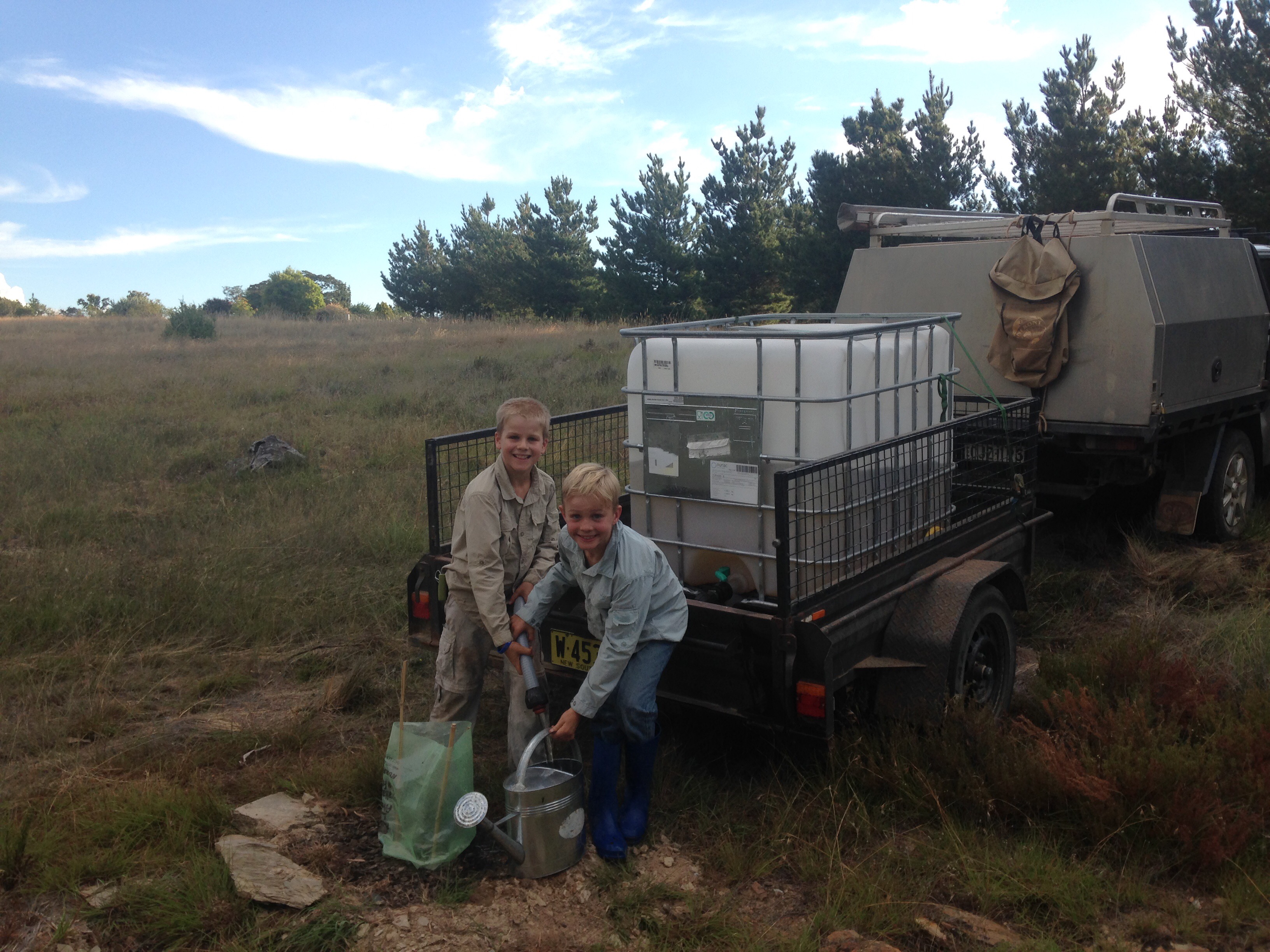
There are always little jobs to do on a hobby farm

Going away requires lots of planning and sometimes cashing in on favours

Going away for the weekend is easy enough, but leaving for more than a night or two requires a bit of planning.  We need to ensure the dog and the chooks are cared for, and the stock are in a paddock with plenty of feed and water.  If there are neighbours with teenage kids eager to earn a few dollars, then you may be able to arrange for someone to keep an eye on things for a nominal rate.

If you have house-sitters, you find yourself worrying about how much water they will use, if they understand how to reset the pump if the power goes out and they myriad of other little things you quickly learn to live with on the farm.  Sometimes they can be more stress and heartache than not having them at all.

Access to services

Most hobby farms don’t have access to services such as town water or sewage.  With water storage tanks and septic tank systems widely available, it isn’t really a problem for many of us – and the bonus is you don’t pay water rates.  That said, you have to make your own arrangements for water.  If you have a small roof area, or small water tanks, you may find you need to purchase water – particularly in hot dry spells.

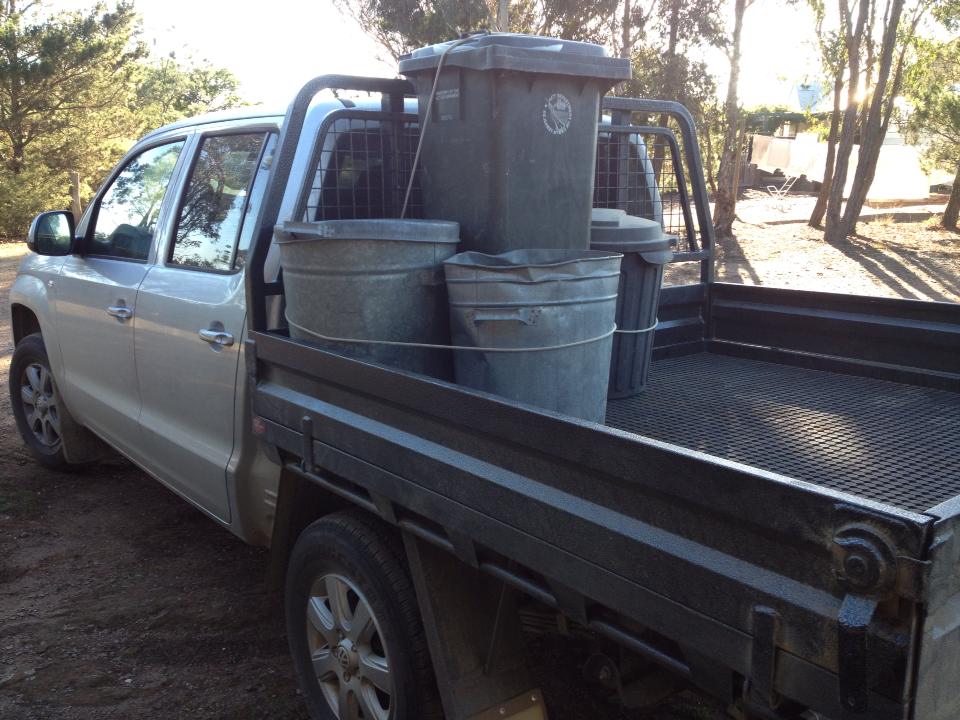
Many hobby farms don’t have a weekly rubbish collection service.  We carefully sort our rubbish, and store it.  Once a month or so, we take it to the local tip.   It is messy, dirty work, but it does remind us exactly how much landfill we create.  This means we recycle and reuse as many items as possible.

drawbacks of living on a hobby farm

Garbage Truck

The Internet is another service we struggle with.  When Telstra politely advised us that ADSL2 would be connected to our home on 15 December 2028, we really felt as if we were being left behind in the digital age.  Thankfully we are able to access a 4 G signal form a special antenna on our roof, meaning we can still get high speed data access from a 4G dongle, albeit at great expense.  We are presently investigating the Sky Muster satellite based NBN to see if we can improve our internet plan.

Cost of living

There is an increased cost of living when you live on a hobby farm.  You might be able to offset some costs if you qualify as a primary producer, or if you’re able to supplement your income by selling your produce.  But if you’re like most hobby farmers, you have chosen to live on your piece or paradise because of the lifestyle it provides, not the income it generates.

Despite the obvious larger mortgage required for a hobby farm compared to the regular house,  you may find the standard mortgage lending criteria don’t apply.  Depending on the size of your hobby farm, you may require a 20% deposit.  Check with your mortgage provider before you have your heart set on that nice little 40 hectare block!

You will also find the cost of insurance is more expensive on a farm.  In many instances you will require business insurance.  Again this will be determined by the size of your farm, where it is located and the stock you run.

Having to run two cars, and drive large distances, we spend a lot of money on fuel and time in our vehicles.   Whilst most of our driving is easy country miles, we still have to maintain our vehicles, and service intervals seem to come around all too frequently.

Cost of upkeep

As a responsible landowner, you will have additional costs that come with looking after a block of land.  Some of these include:

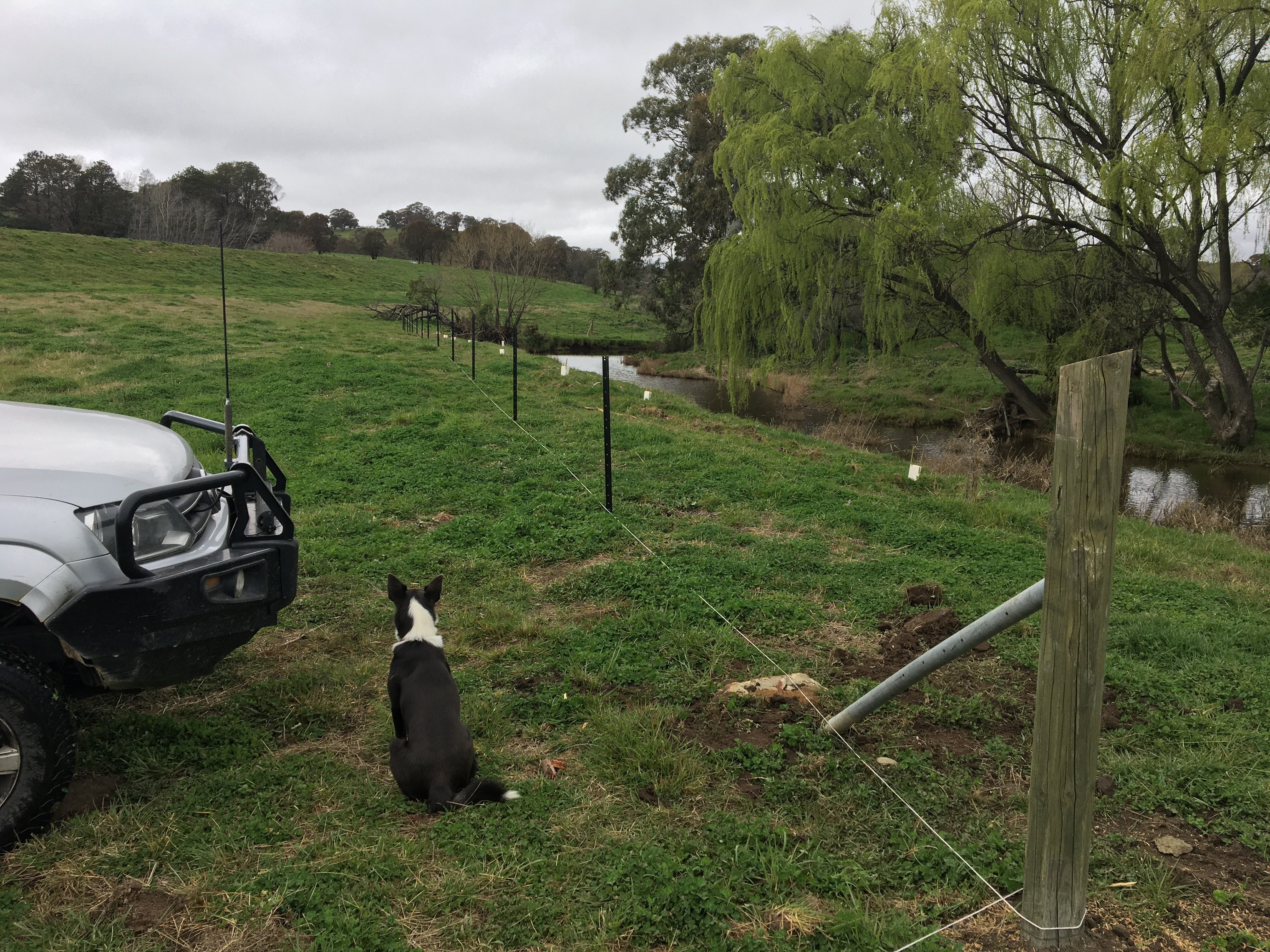
  • Fencing.  Steel wire and fence posts are inordinately expensive.  Getting someone to install fencing generally doubles the cost per metre.  The old adage that good fences keep good neighbours certainly runs true.  Your neighbour will not take kindly to your wool shedding ram covering his prize winning fine wool merino ewes!
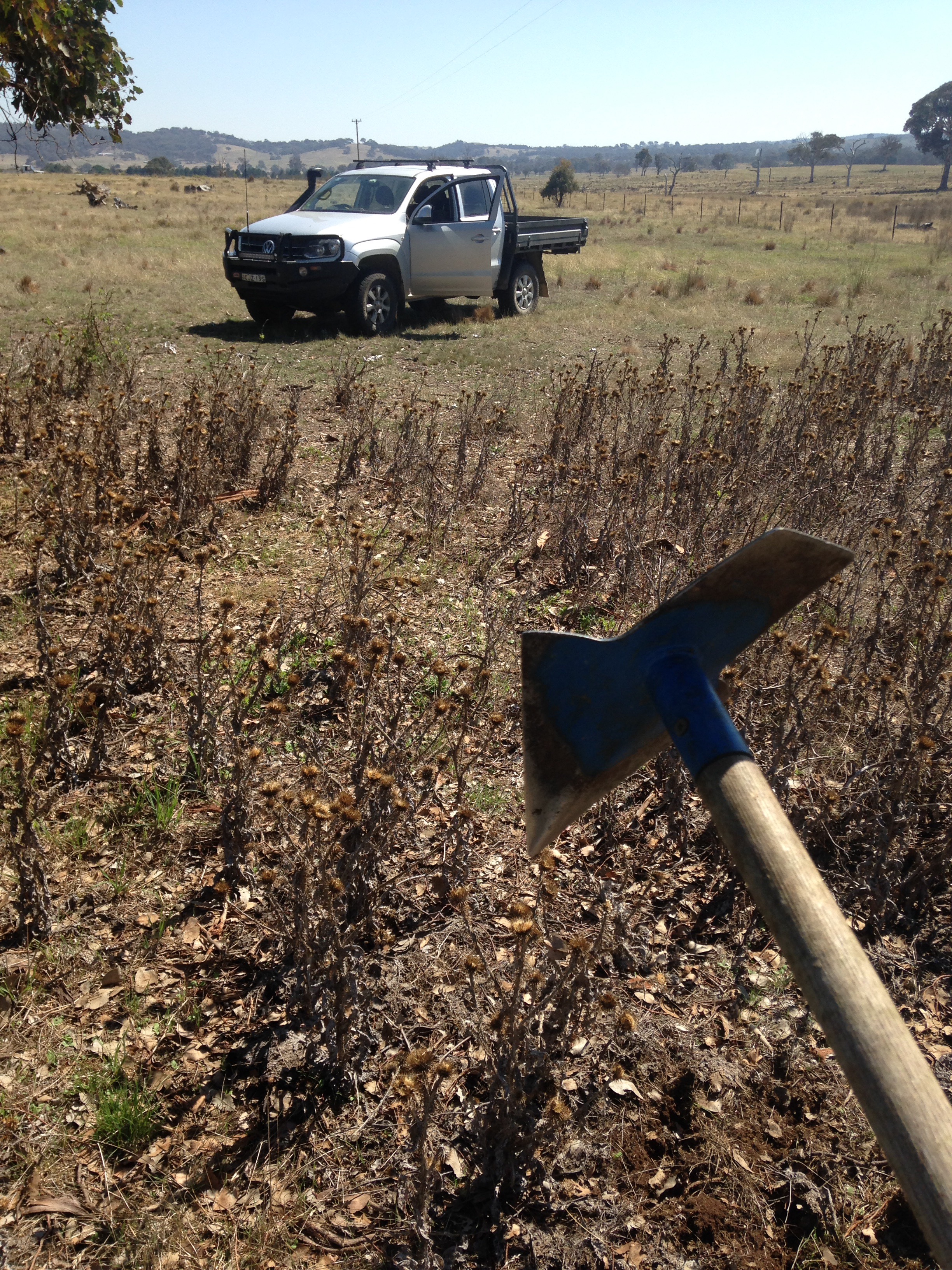
  • Weed control.  There are many noxious weeds that can be found on rural blocks.  If you leave them, they multiply at an alarming rate, reducing the carrying capacity of your land.  You may also receive a fine from the Local Land Services department for not managing your weeds.  Spraying or mechanical control (digging them out or mulching) is expensive too.

drawbacks of owning a hobby farm

Weed control can be hard work, expensive or both!

Time Wasters

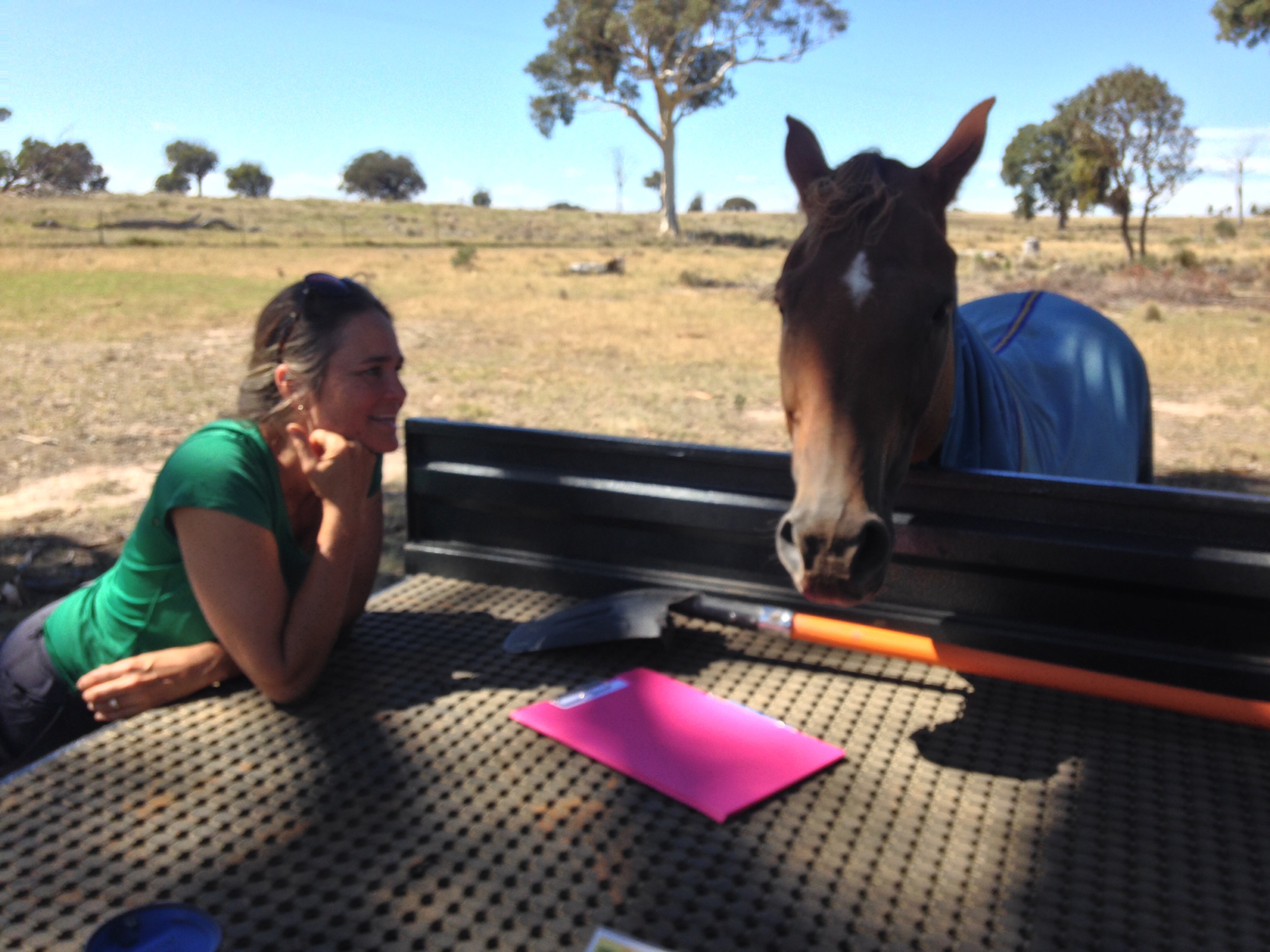
Little jobs take longer than you plan when you have lots of helpers on the farm.  Even simple stuff like testing the PH of the soil can take longer when you are visited by a gorgeous four legged friend who is after a cuddle (the two legged variety is gorgeous too!).  It is easy to get distracted, and finishing the task at hand can require a concerted effort to stay on track.

Of course I am biased – we love living on the Rock Farm.  We think that the benefits from living out here far outweigh the disadvantages.  It is very much a lifestyle choice but it does come with disadvantages.  We don’t have the trendy cafe just at the end of the street.  Our school is a 15 minute drive, work is 45 minutes.  Every trip into town is considered and if we can avoid it, we do.  Holidays require a little more planning, but really no more than anyone with pets.  Like all things, you make your choice, and live with the consequences of it,

Good luck with your decision.  If I have missed any thing, please let me know.  🙂