Spring on the Rock Farm: A Seasonal Transformation

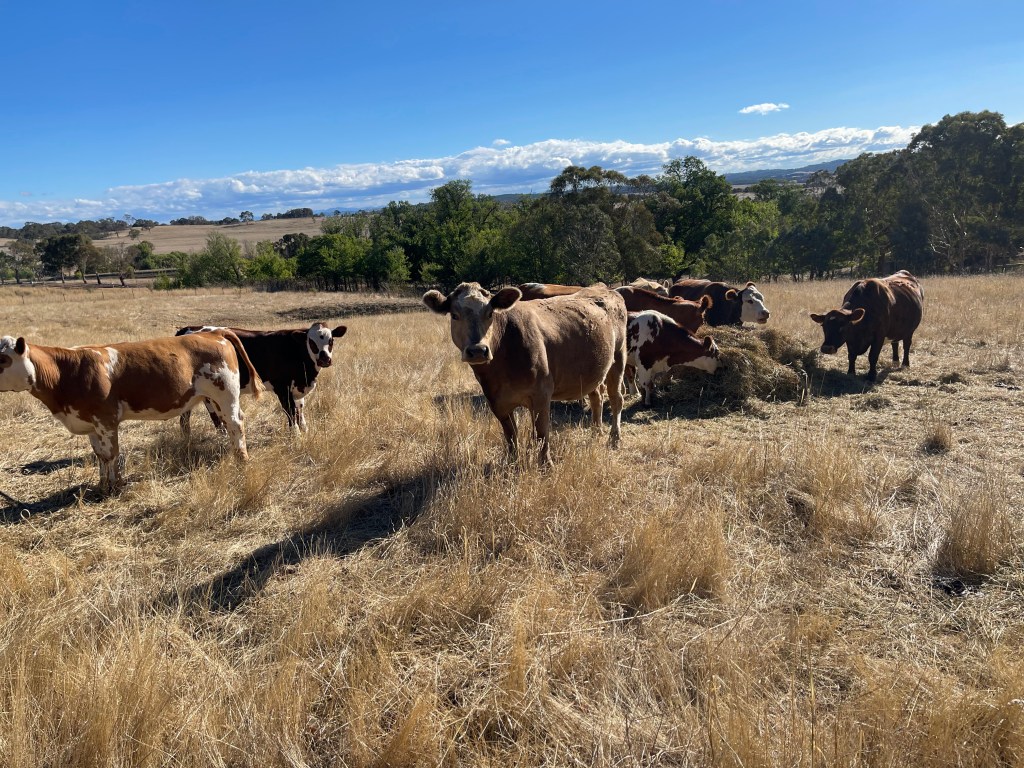
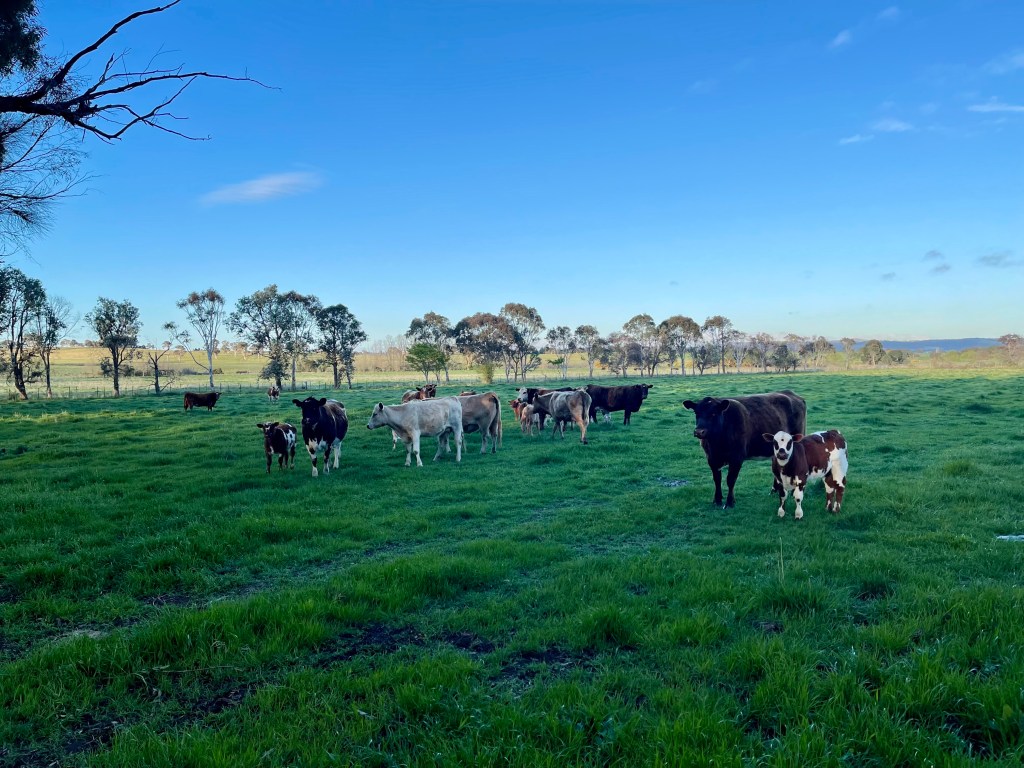
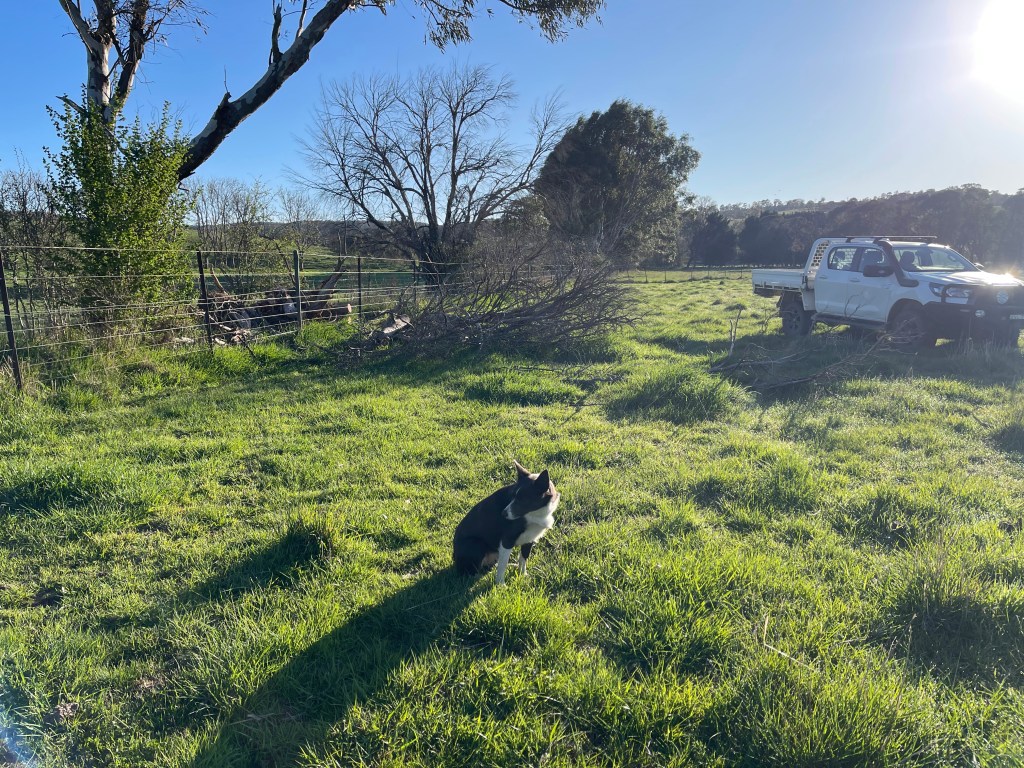
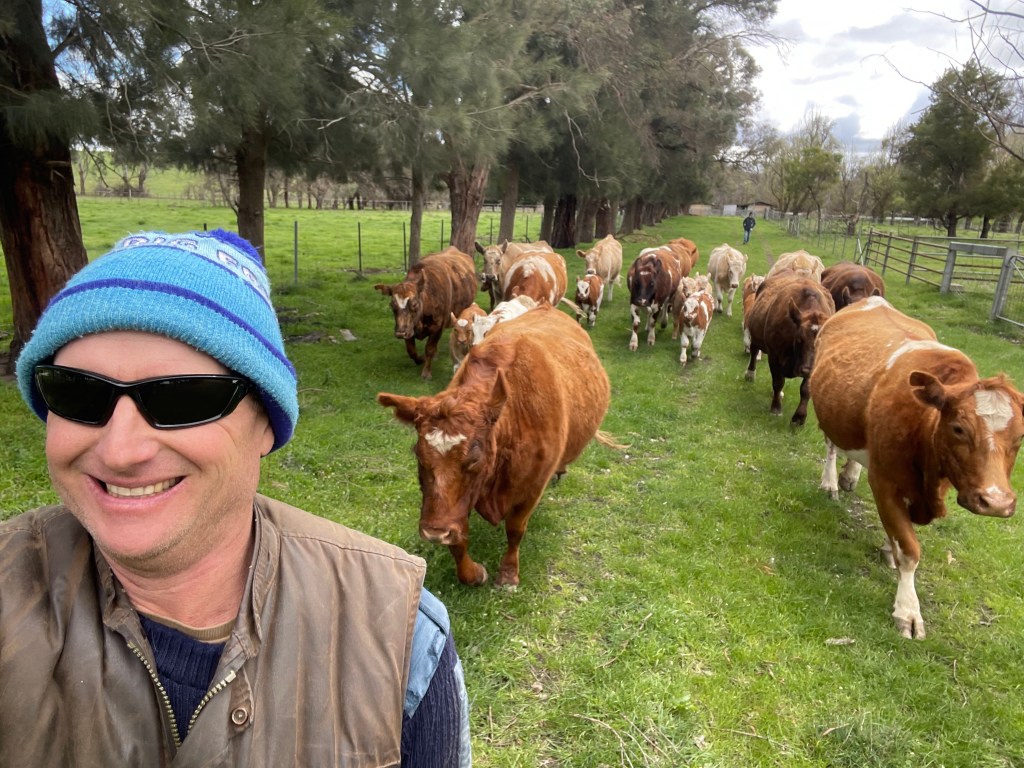
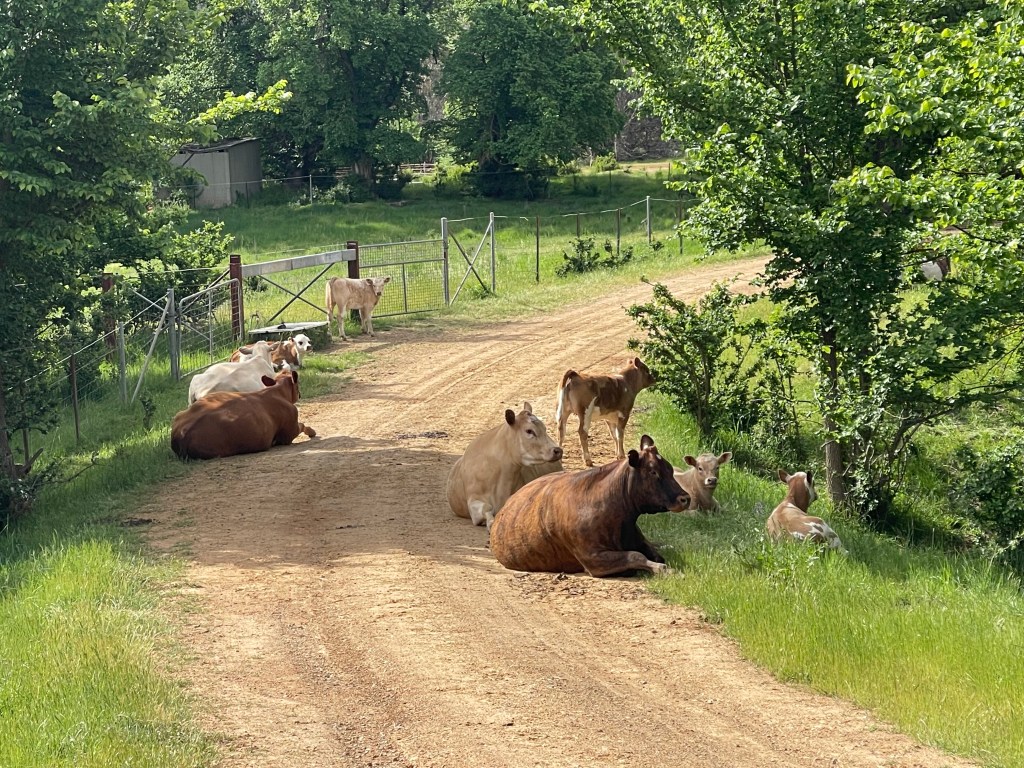
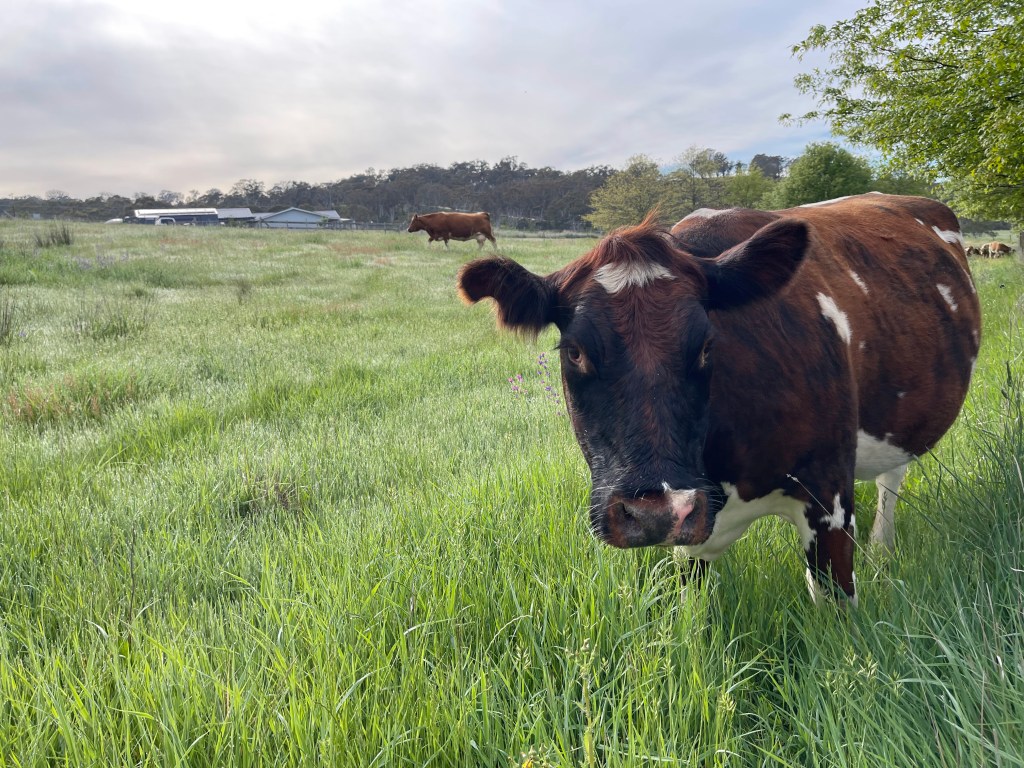
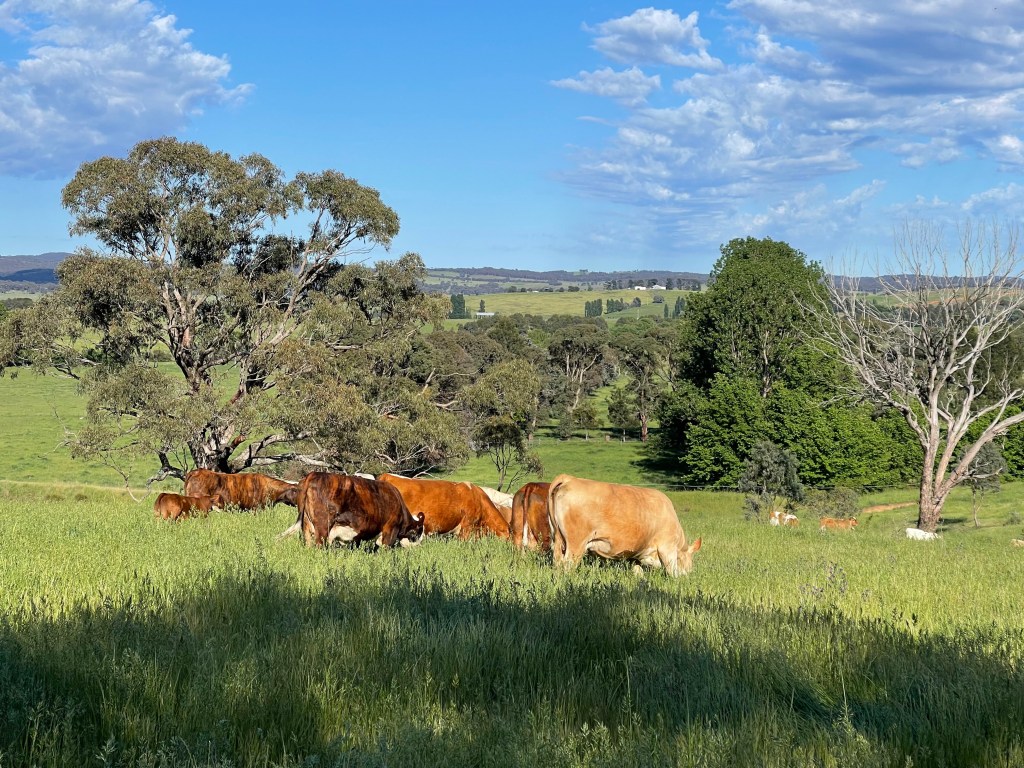
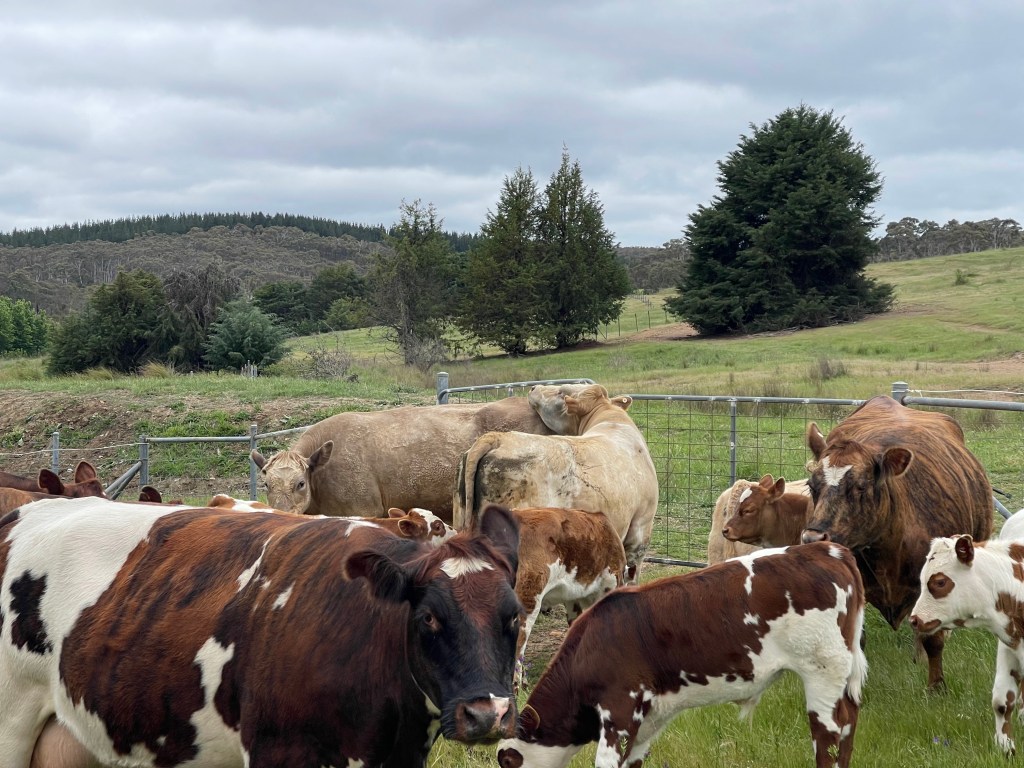
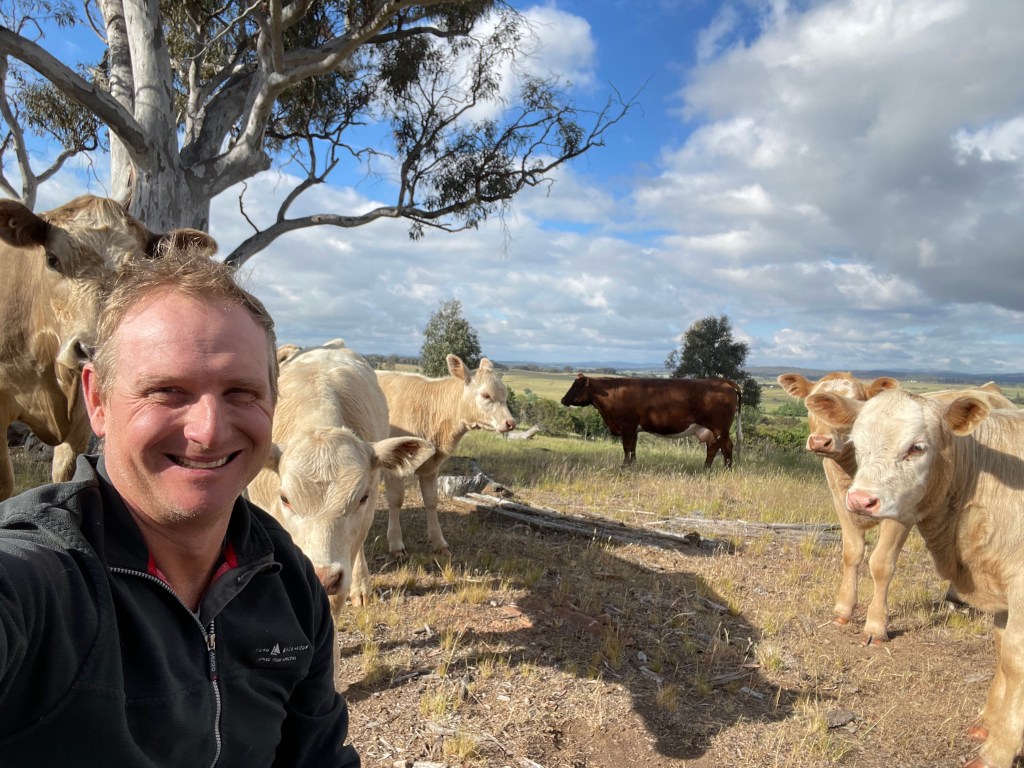
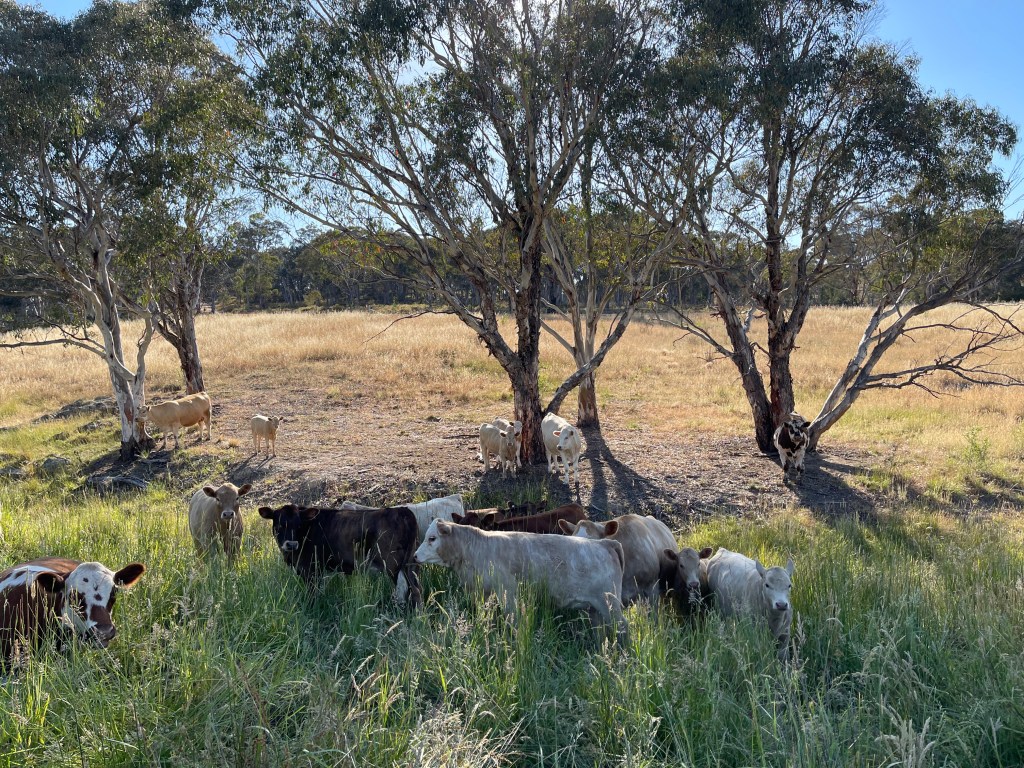
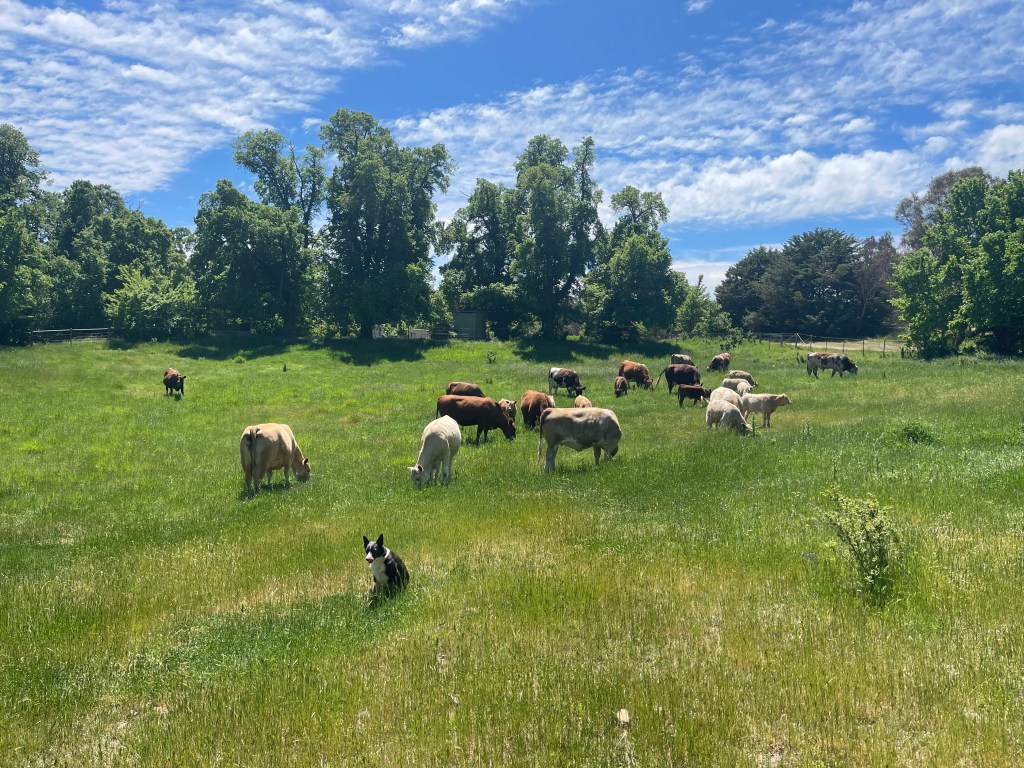
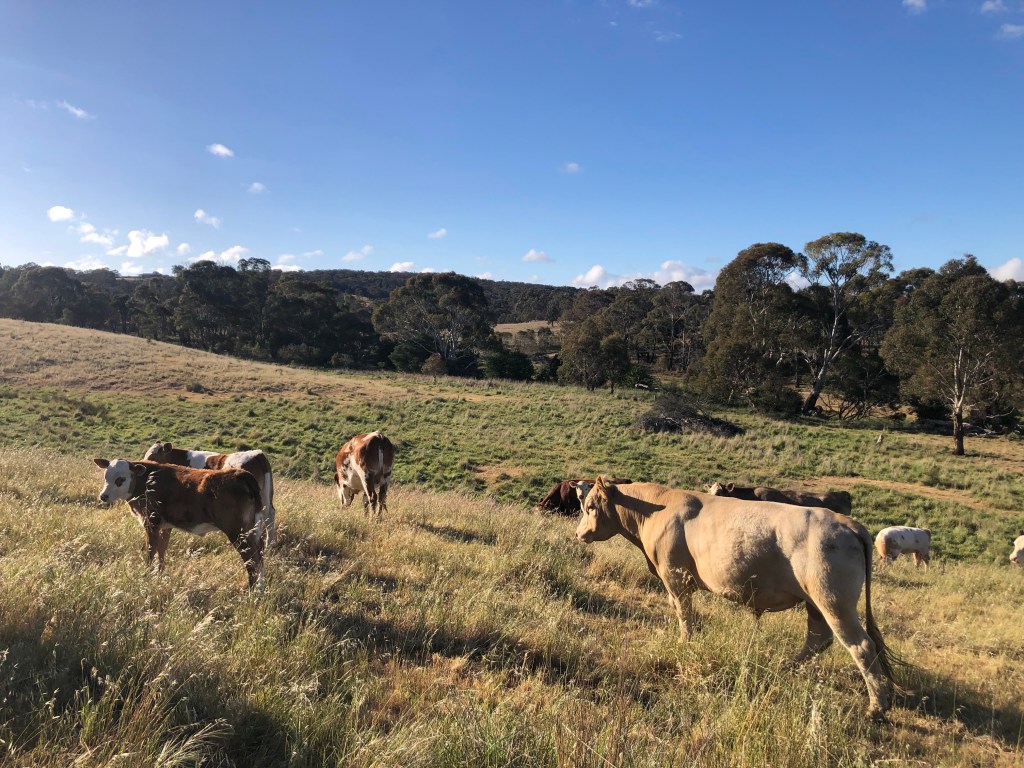
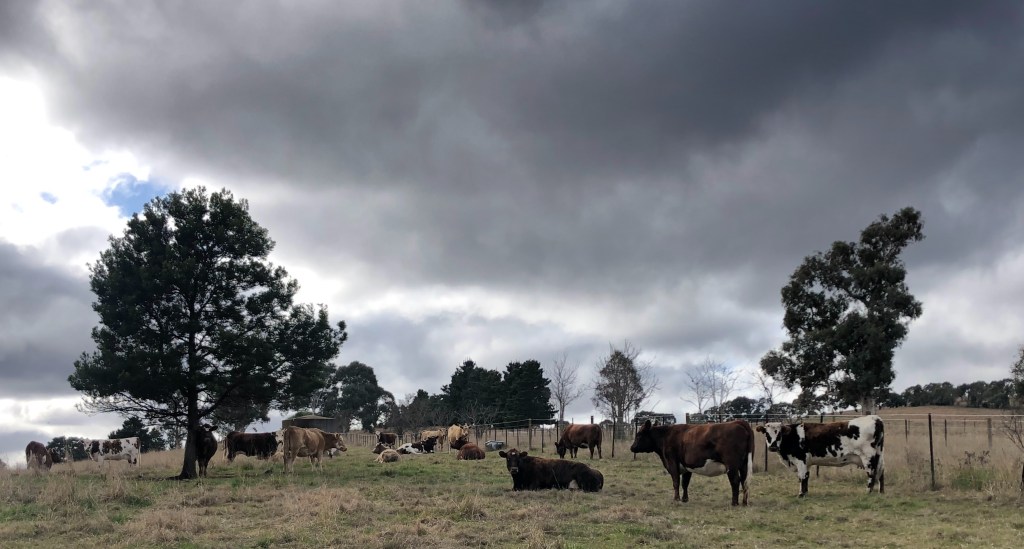
After a long, bitter winter of feeding out cattle daily, the growing season is finally upon us. Spared the ferocious storms that battered regions further north, we’ve been blessed with regular light showers and glorious sunny days. These have transformed the Rock Farm into a lush green paradise. The paddocks are thriving, and the cattle are loving it.

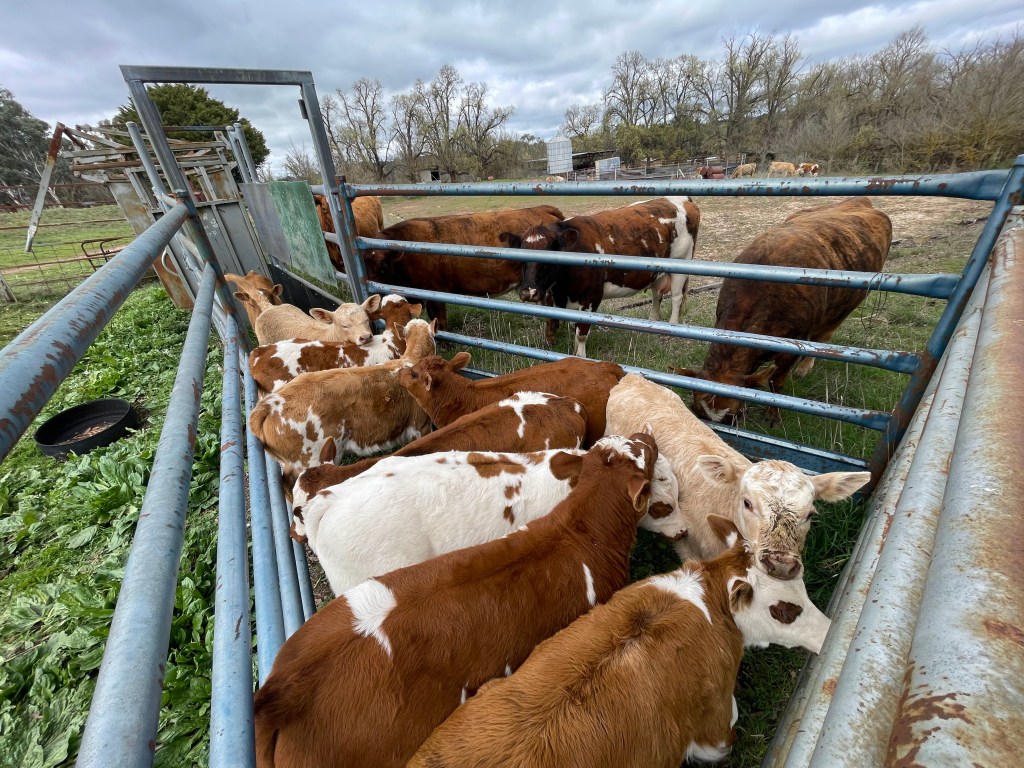
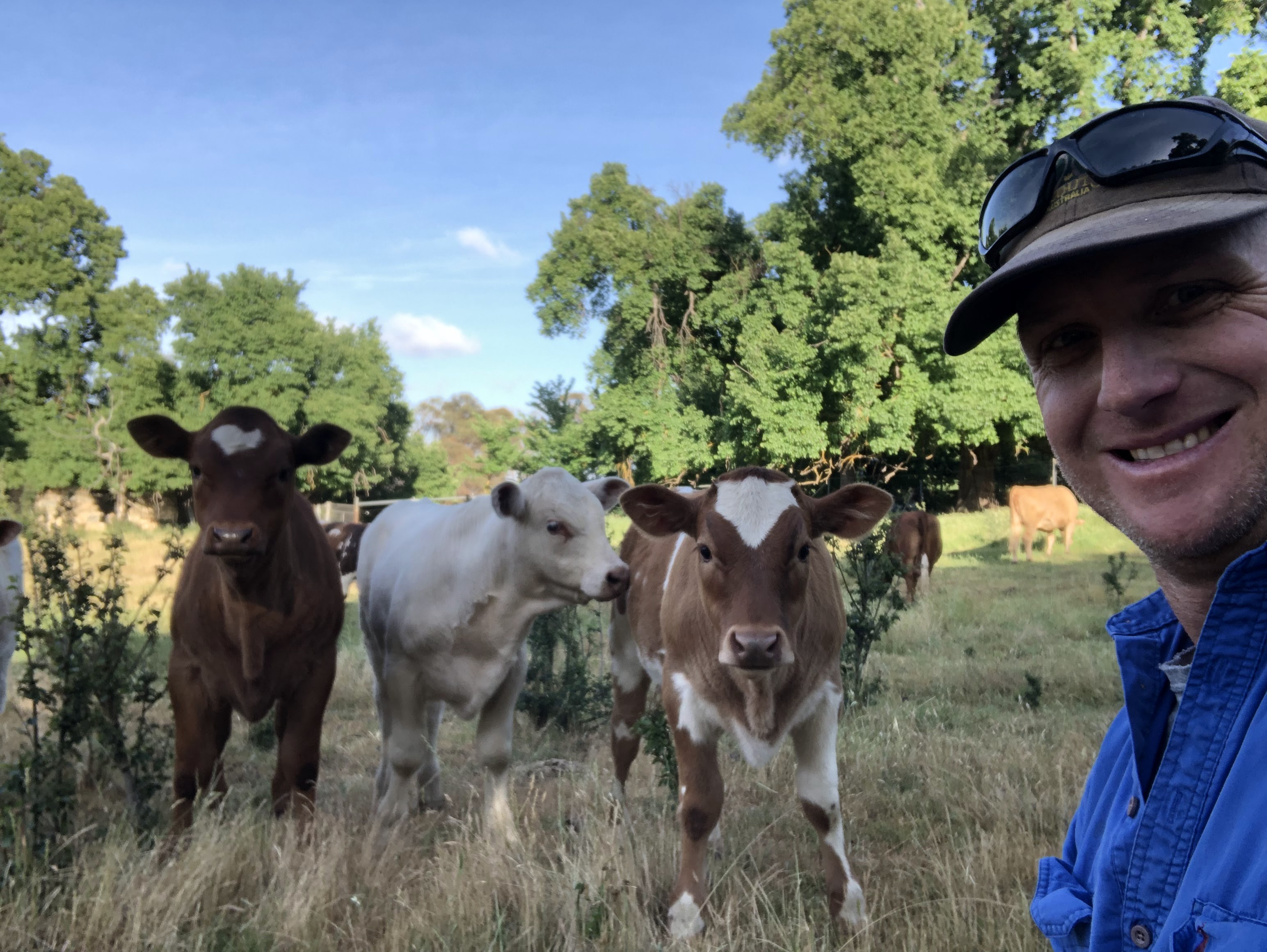
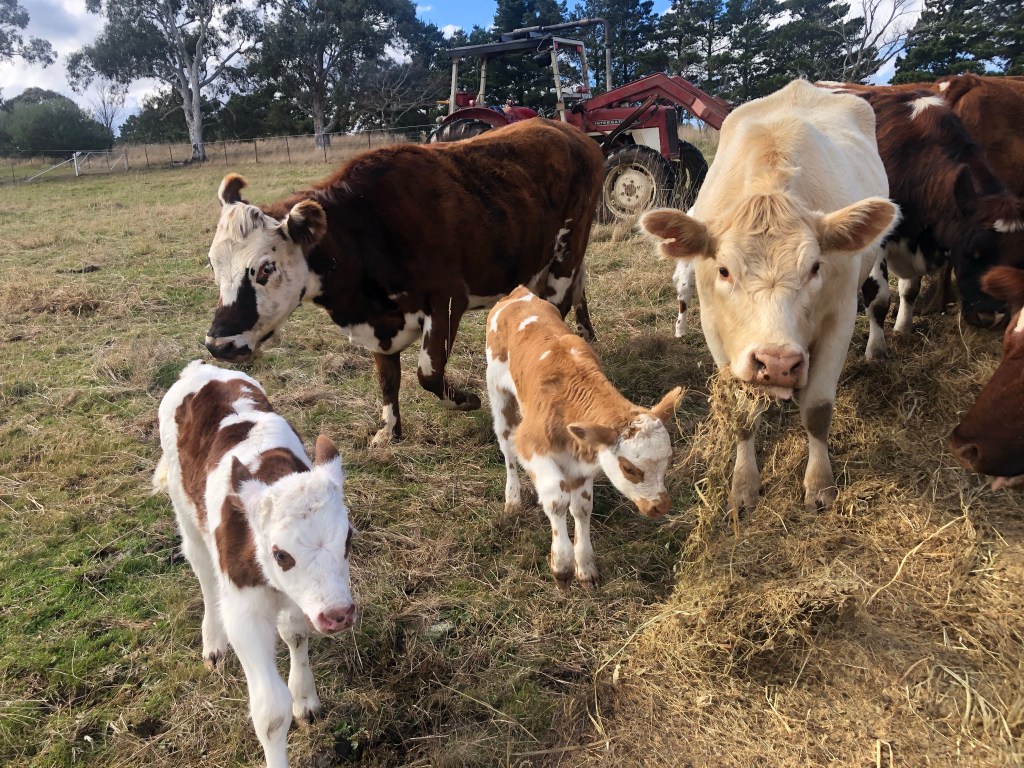
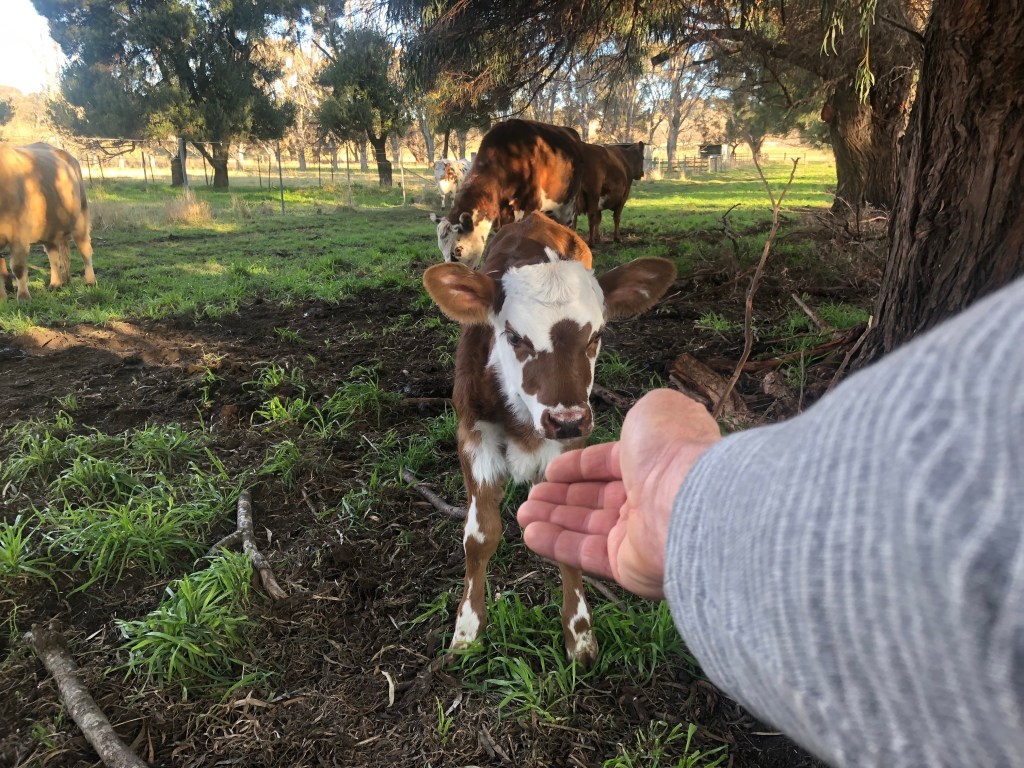
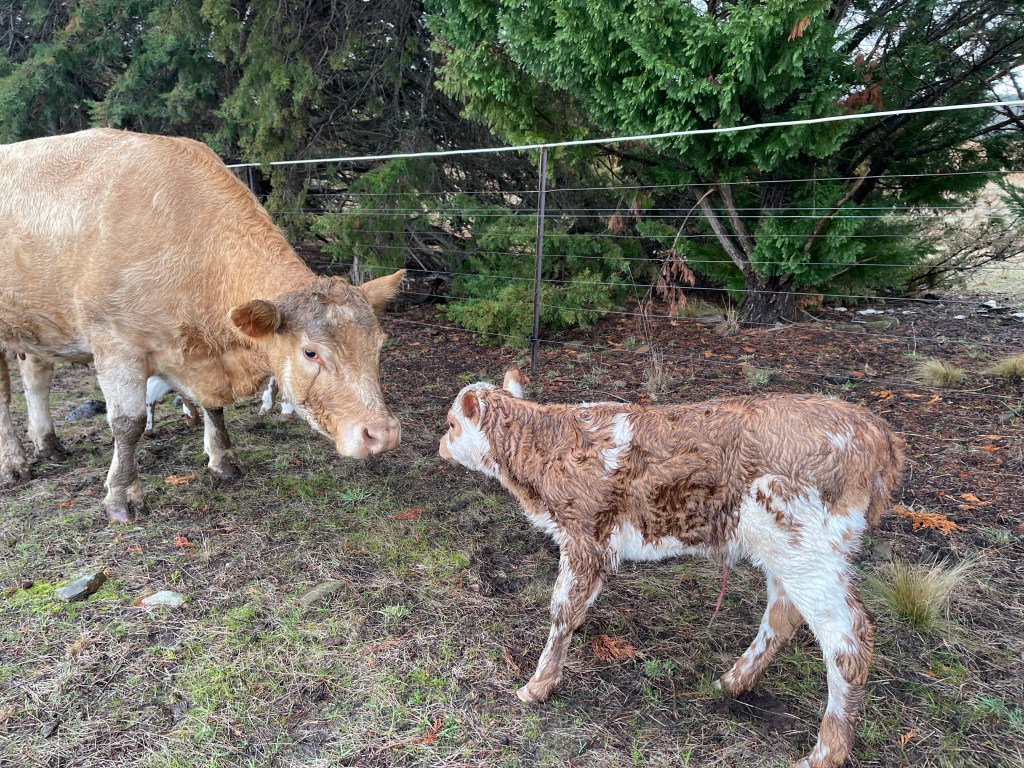
Our calves are growing quickly—ten in total this year. With their attentive mothers looking on, marking and vaccinating was swiftly attended to. We had an even split: five bull calves (now steers) and five heifers.

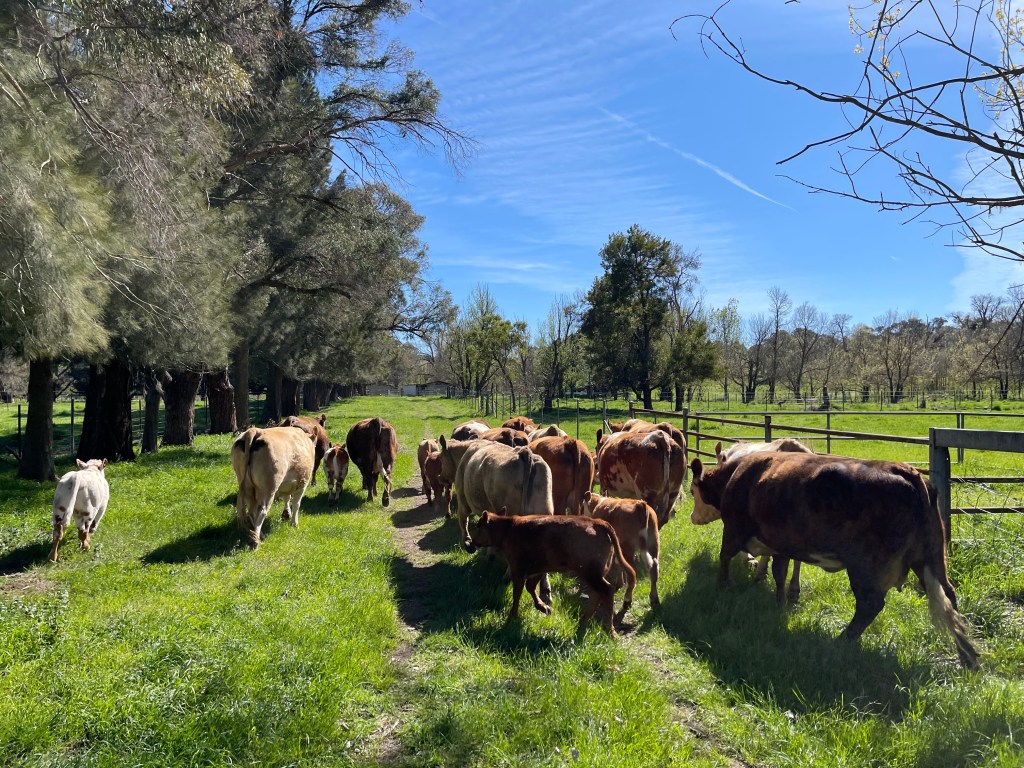
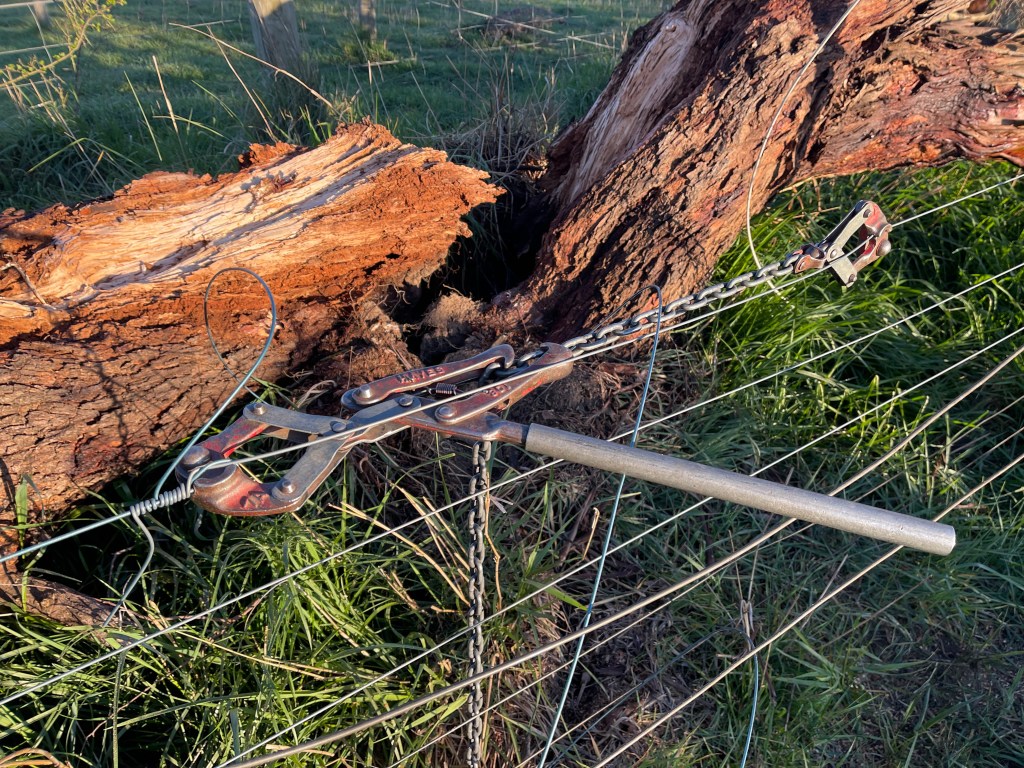
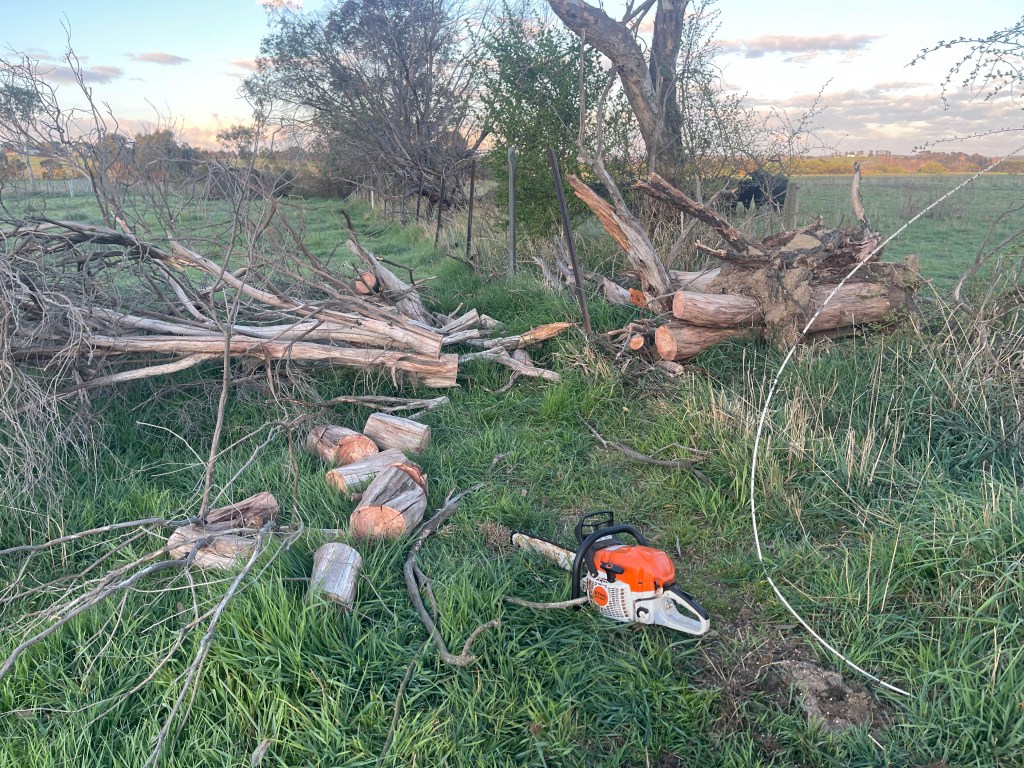
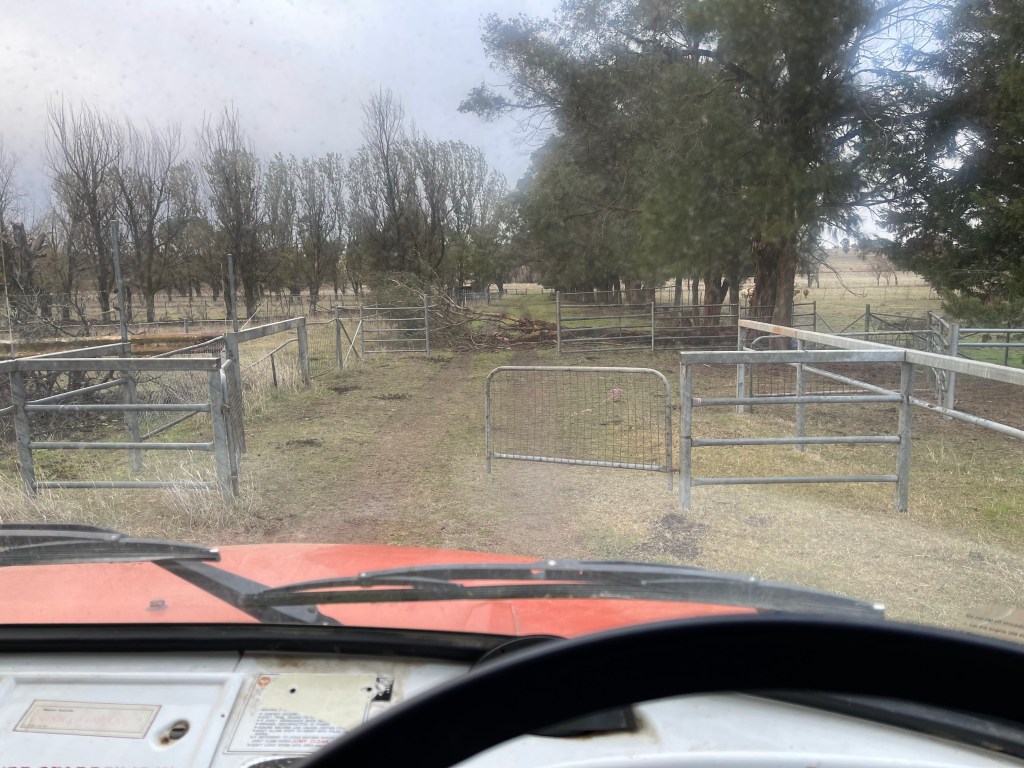
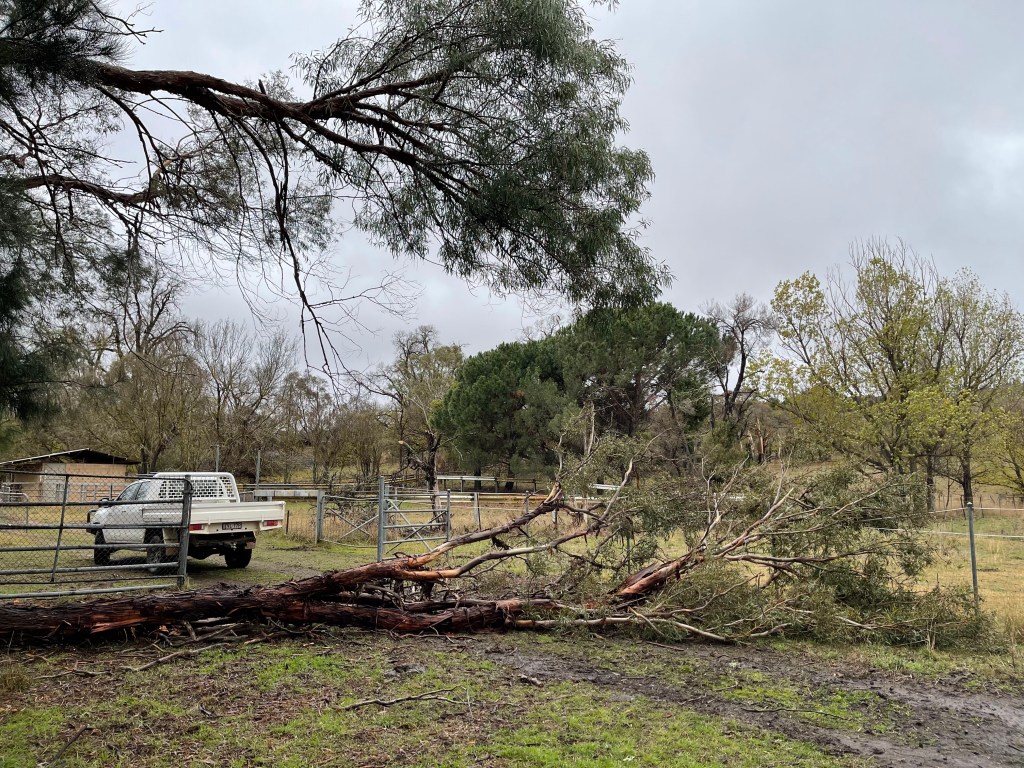
General maintenance on the Rock Farm has slipped a little this year. Our weekends are focused on renovating the house and catching up with the kids, friends, and each other. I still move the cattle frequently to fresh paddocks, which is usually a simple morning task. Occasionally, urgent jobs crop up—like when a tree falls on a fence and I’m out early to make it stock-proof again.

We have a saying on the Rock Farm: “There are jobs that have to be done now, and there are jobs that can wait.”

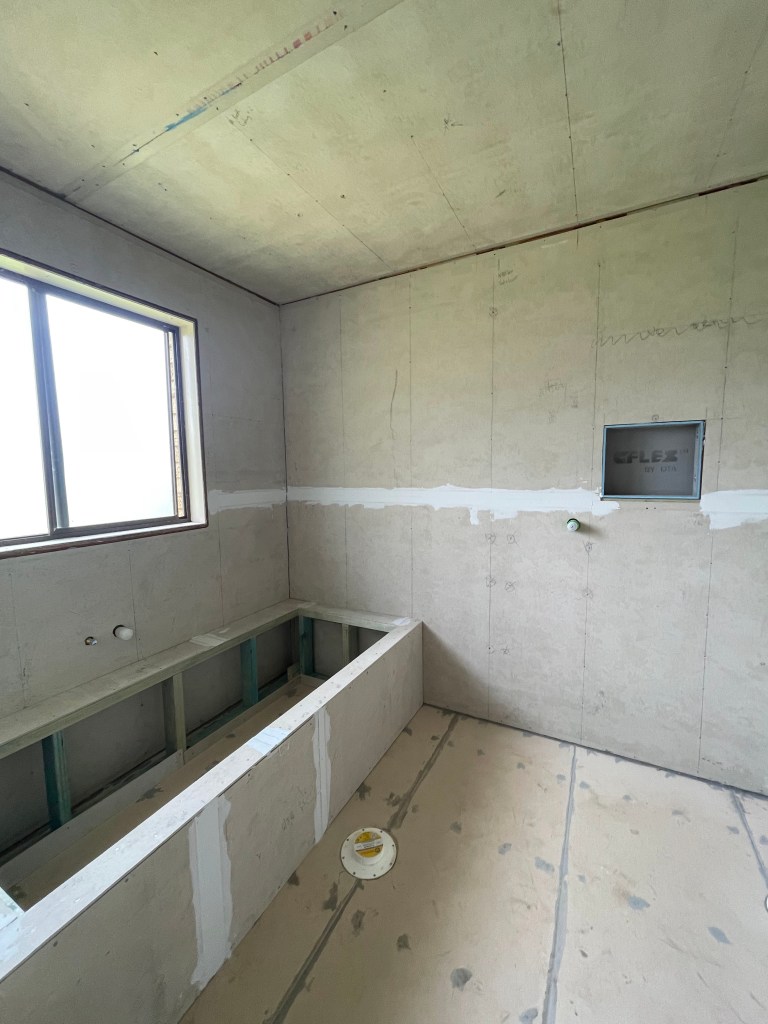
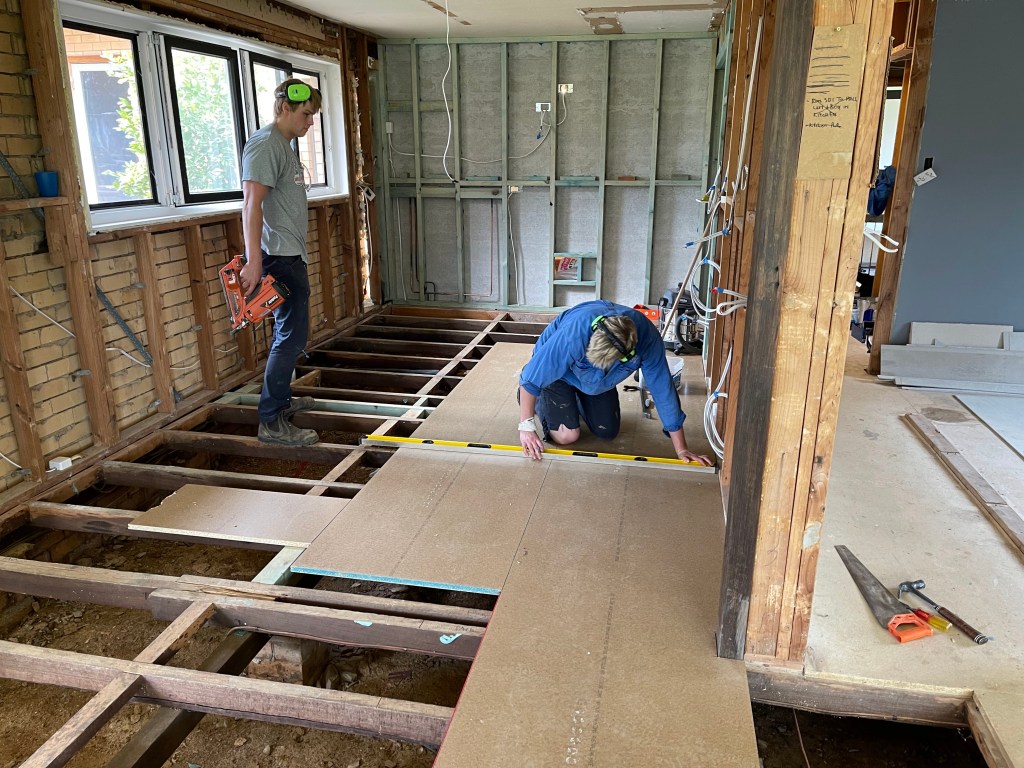
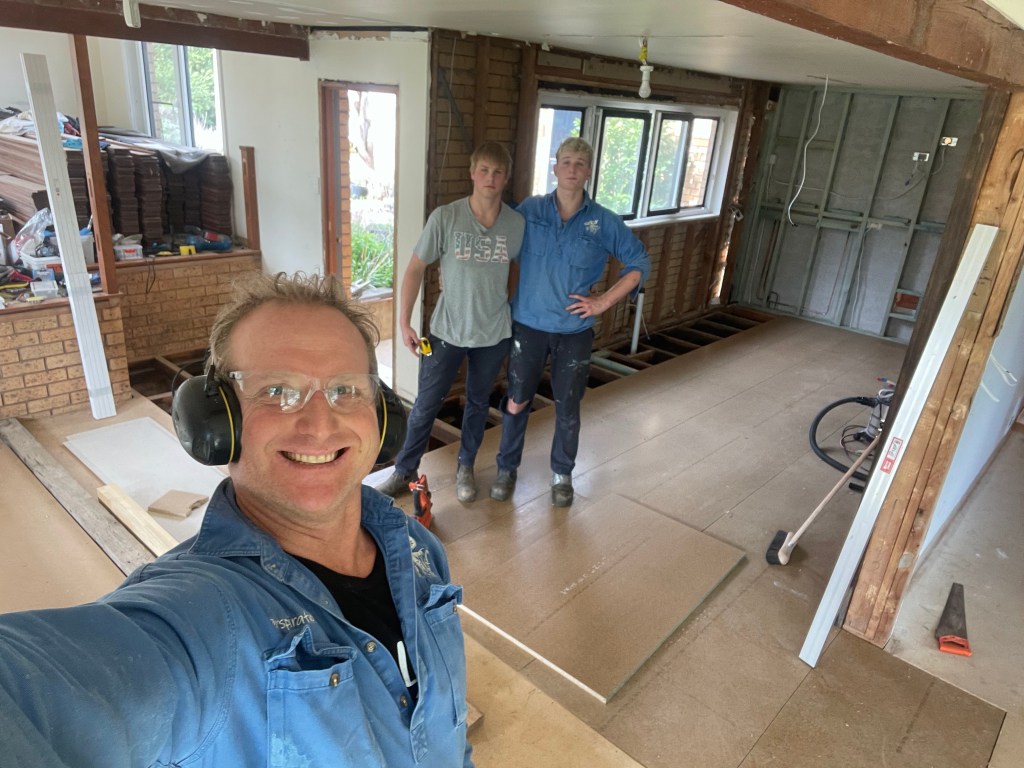
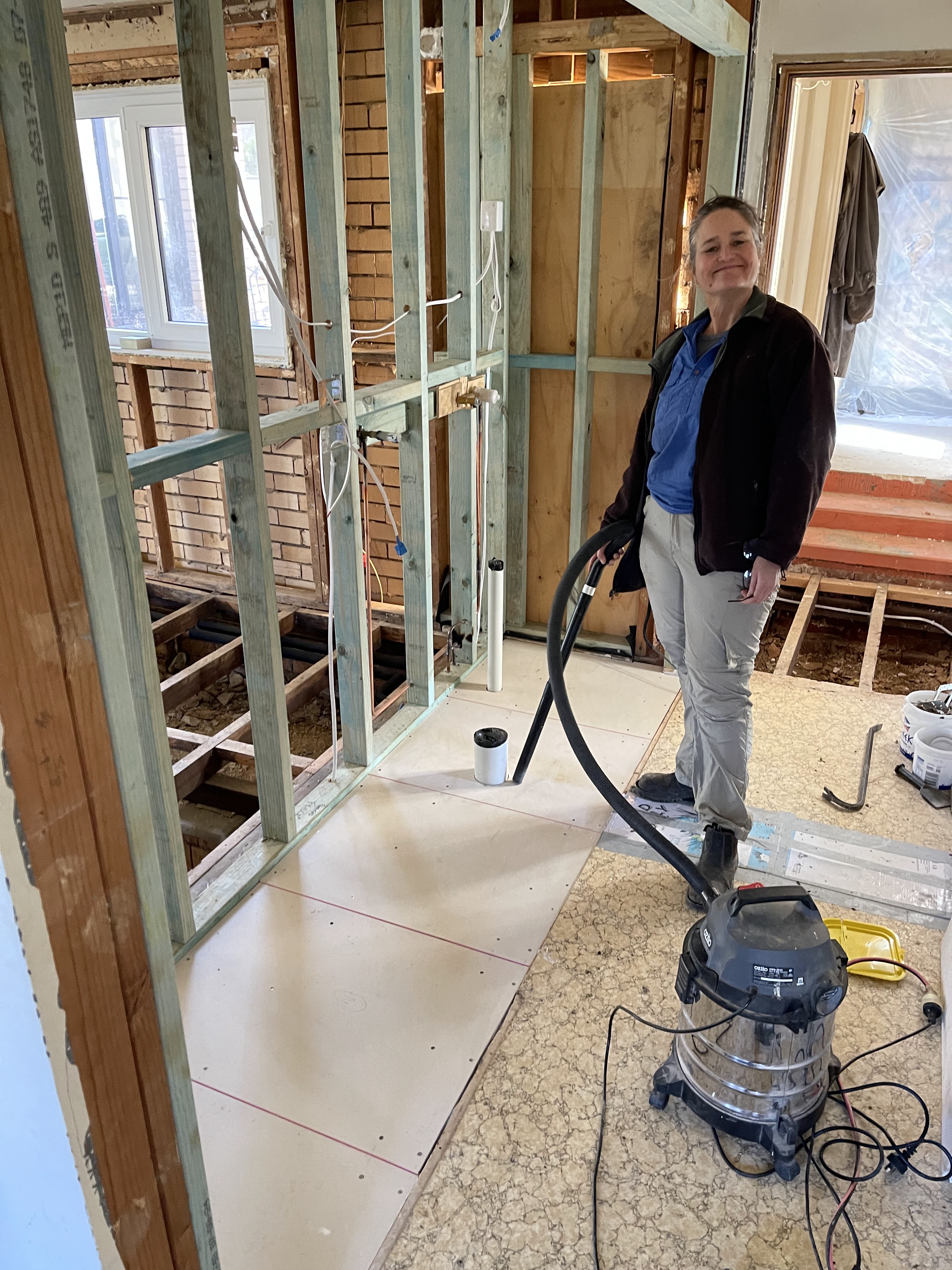
The house renovation continues, albeit slower than the project manager would prefer. I gratefully accept help from the lads when their play money runs low. Progress comes in fits and spurts. Thanks to their efforts, we now have a sub-floor in most of the house. The bathrooms just need the villa-board set and cornice installed before tiling can commence—hopefully before Christmas.

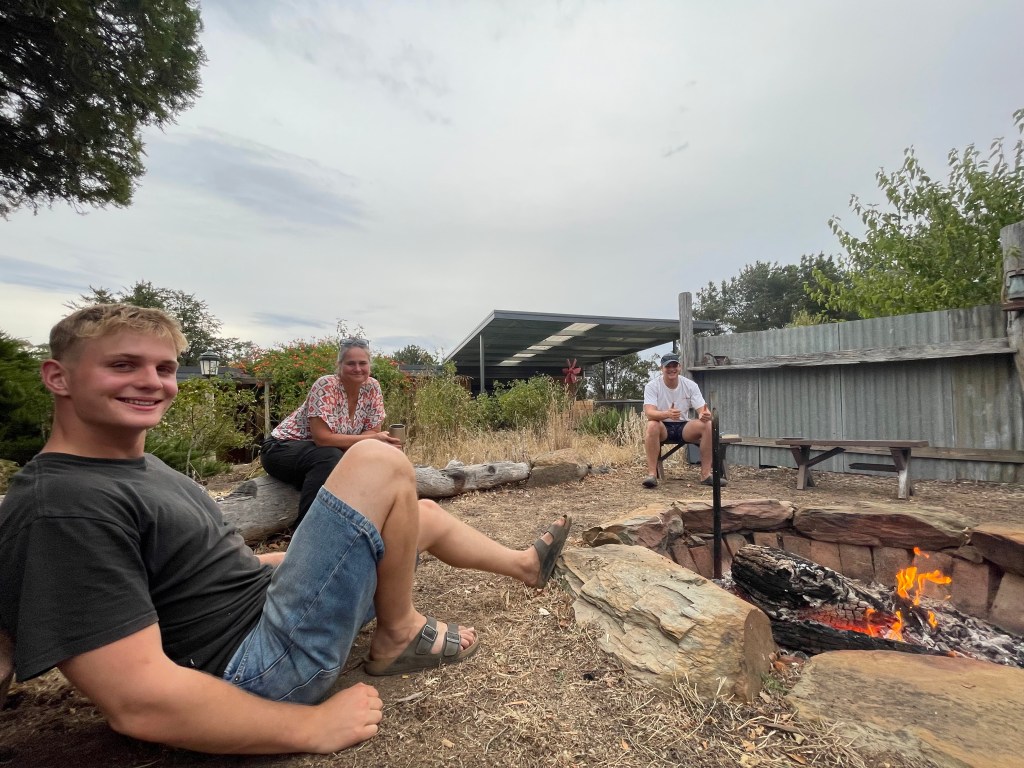
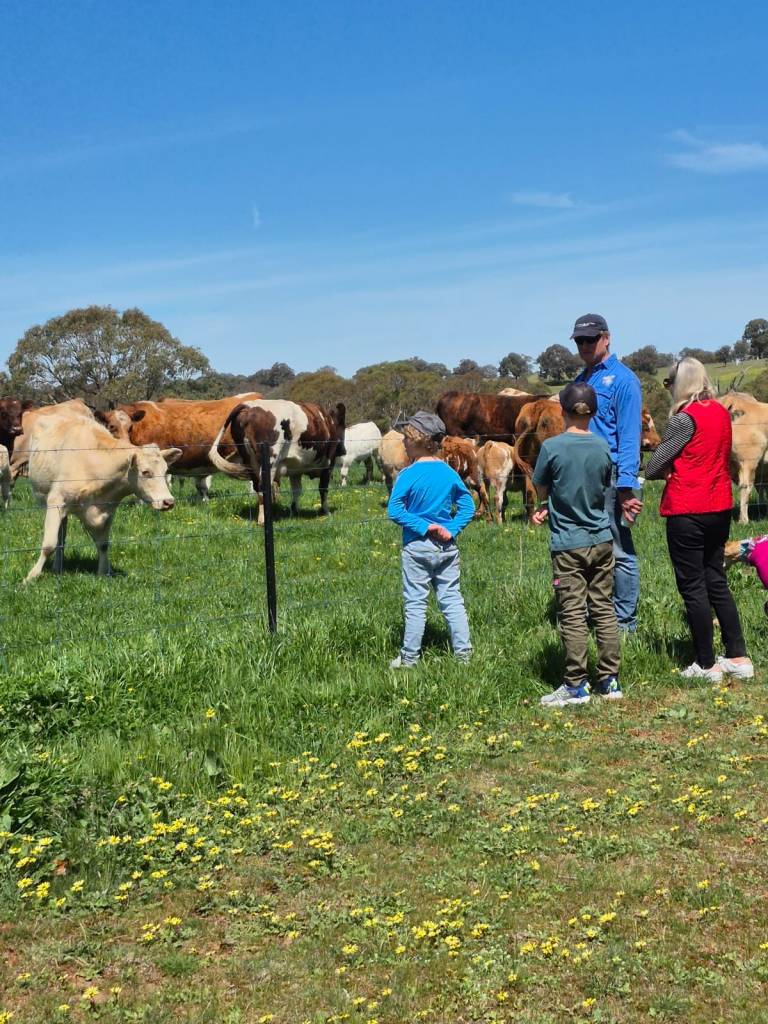
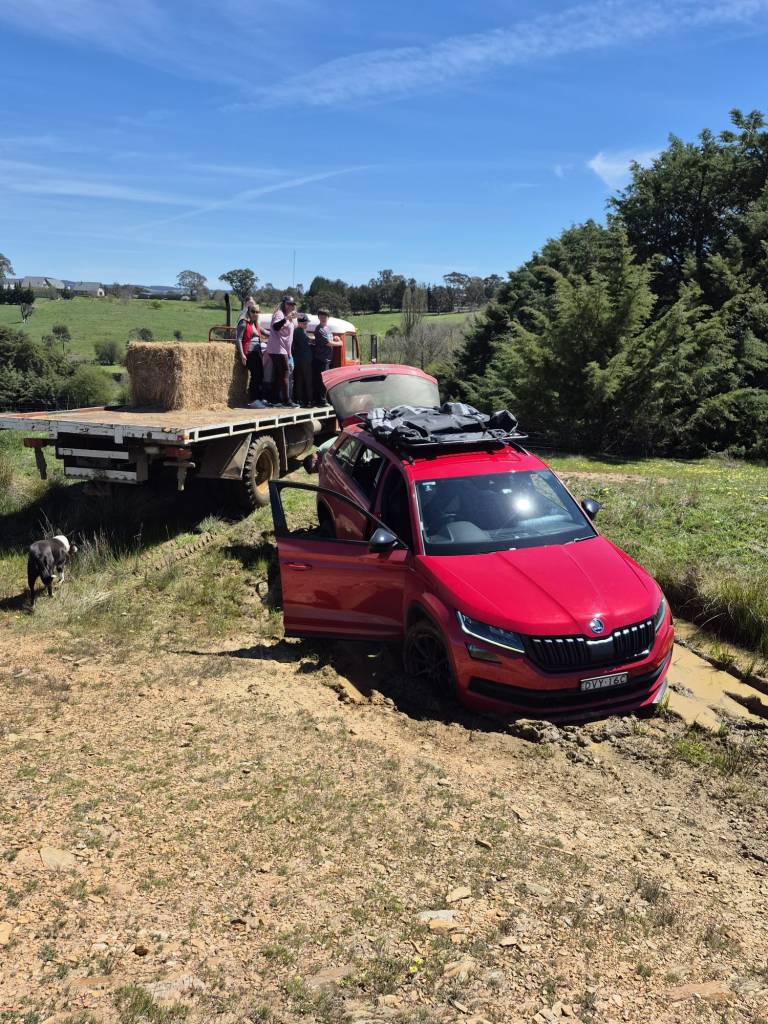
But it’s the moments in between that make the Rock Farm truly special. We had a ball hosting my city cousin Kath and her family. Dave was a great sport—he managed to get his car stuck on one of the tracks, which caused great mirth among the kids. It reminded me how precious family time is, and how important it is to share farm experiences with children. Not just for the fresh air, but for the smells, sounds, and rhythm of country life.

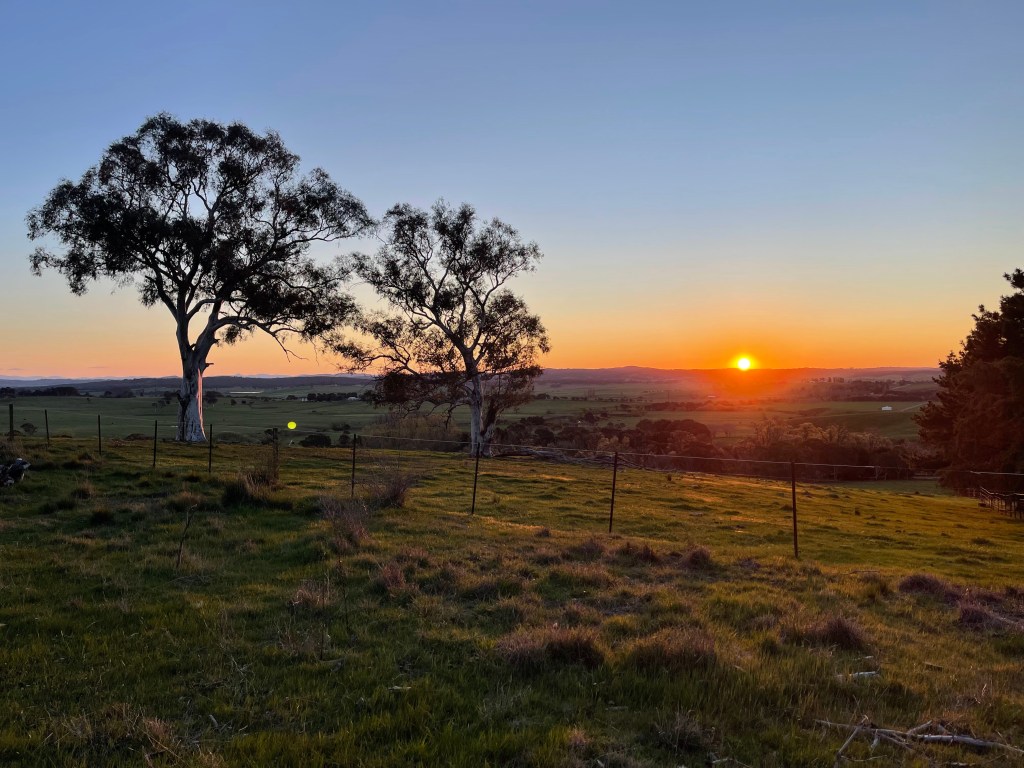
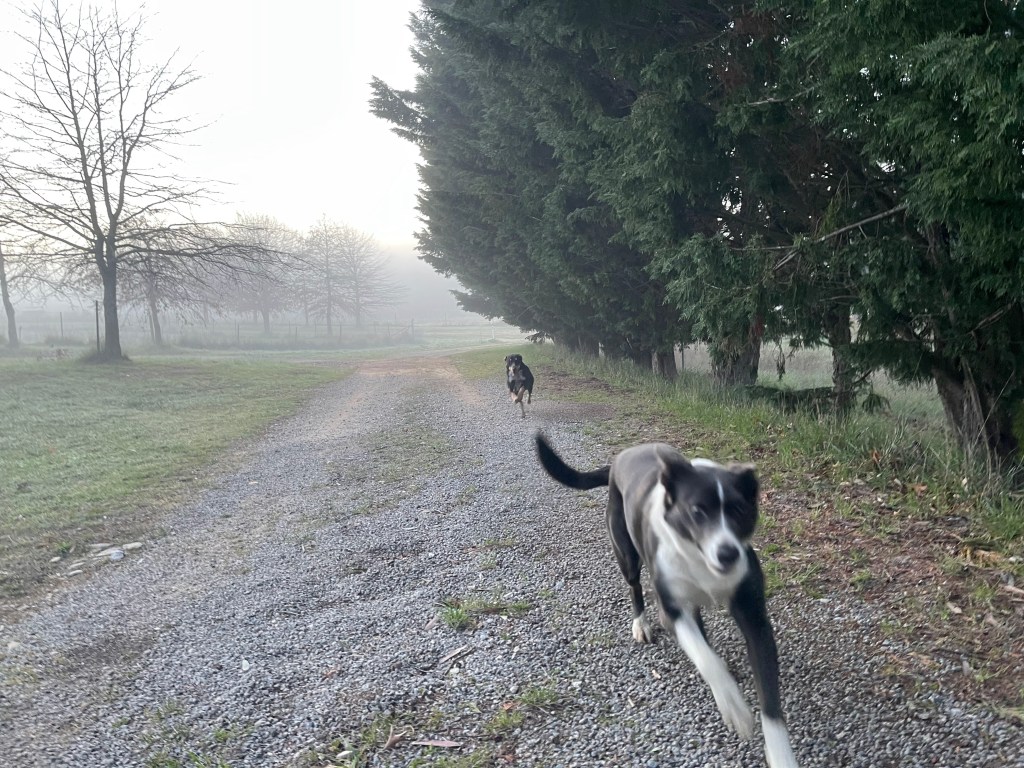
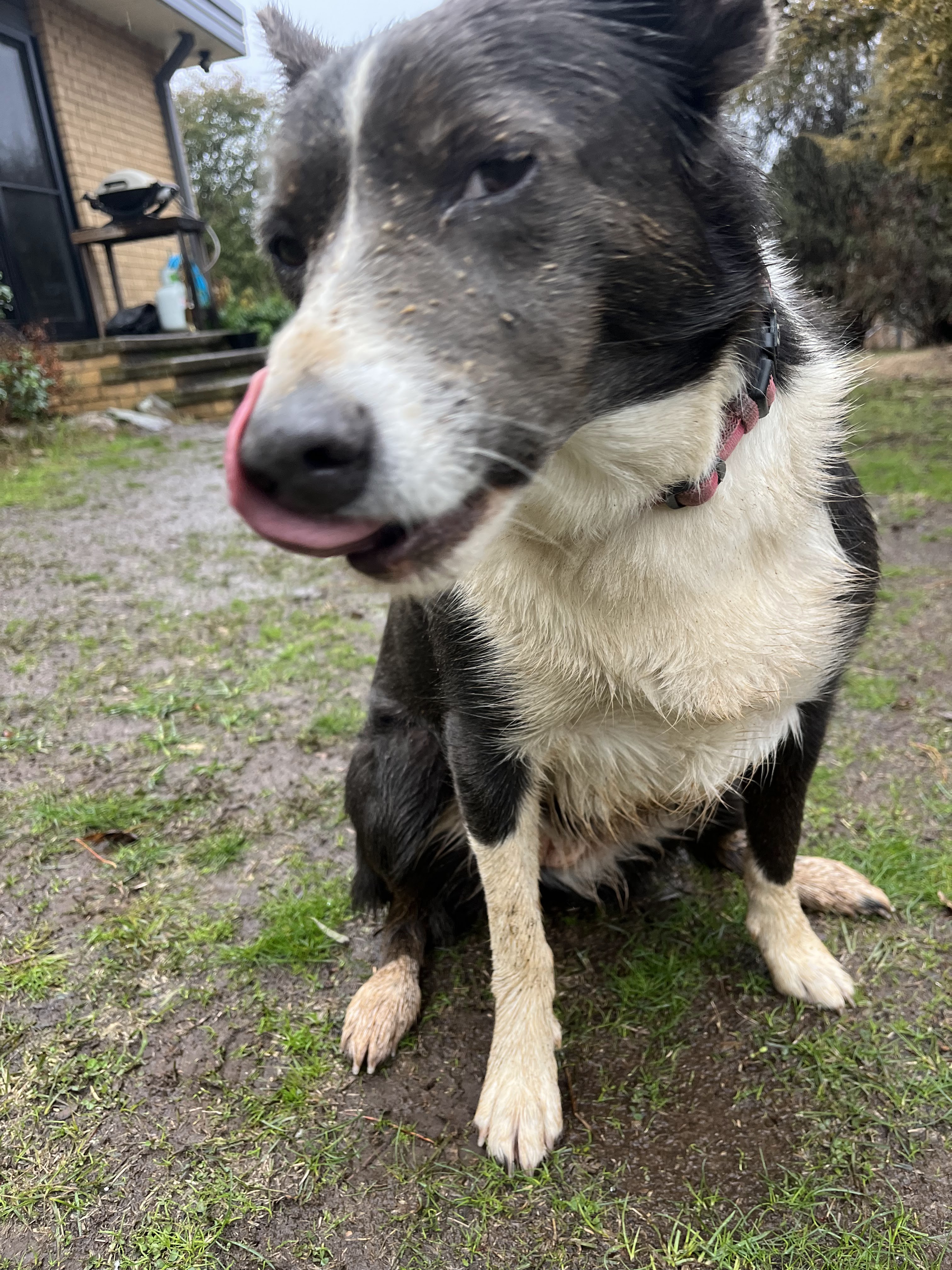
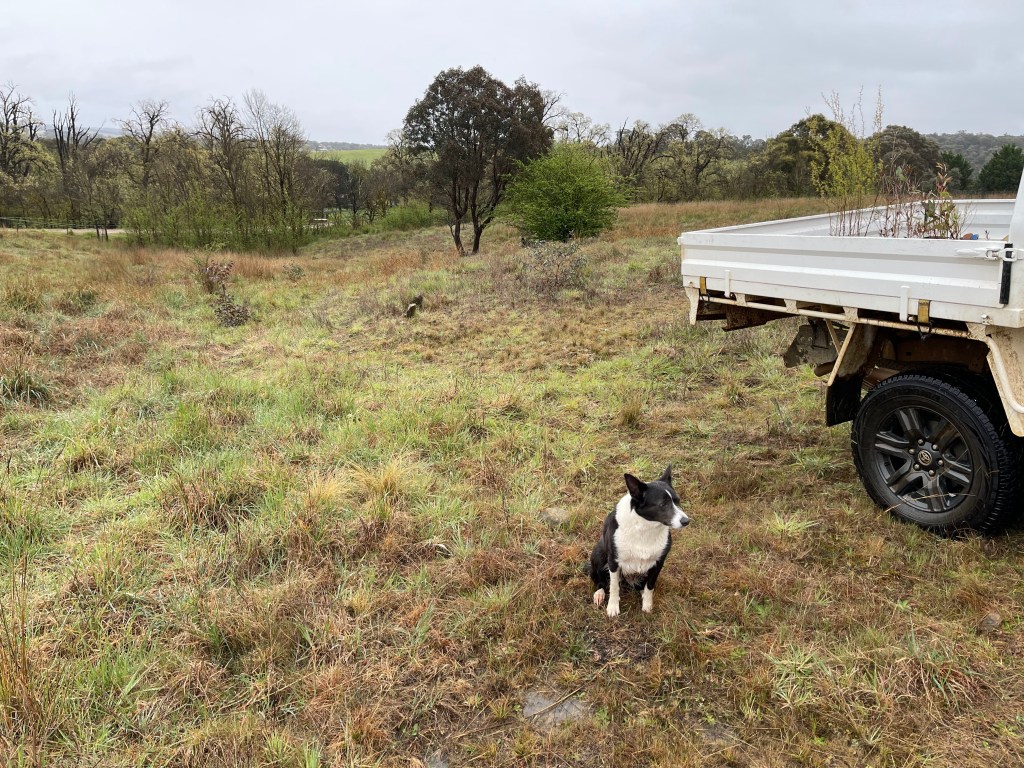
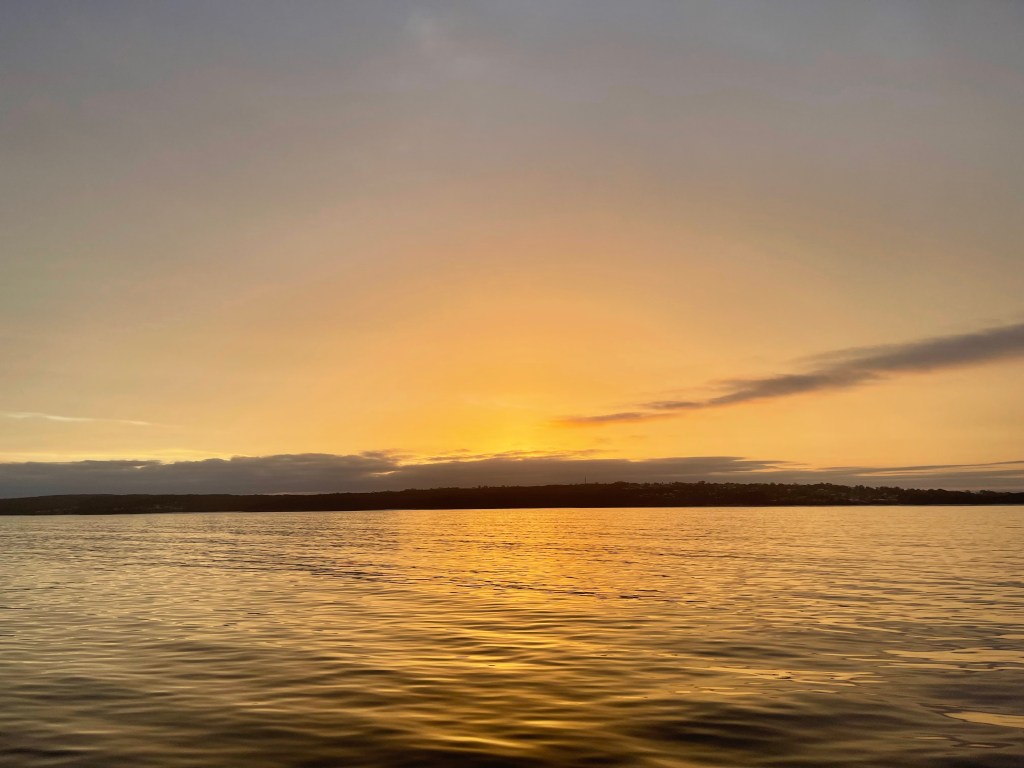
Through winter and into spring, I was working regular weekday hours—a big change for us. The routine was handy when we were feeding every morning. As the season shifted, so did our mornings—Jo and I now take peaceful sunrise walks around the farm. I’ll miss these early starts when I return to shift work in late October… though probably not as much as Sapphire, who relishes the chance for an early morning run!

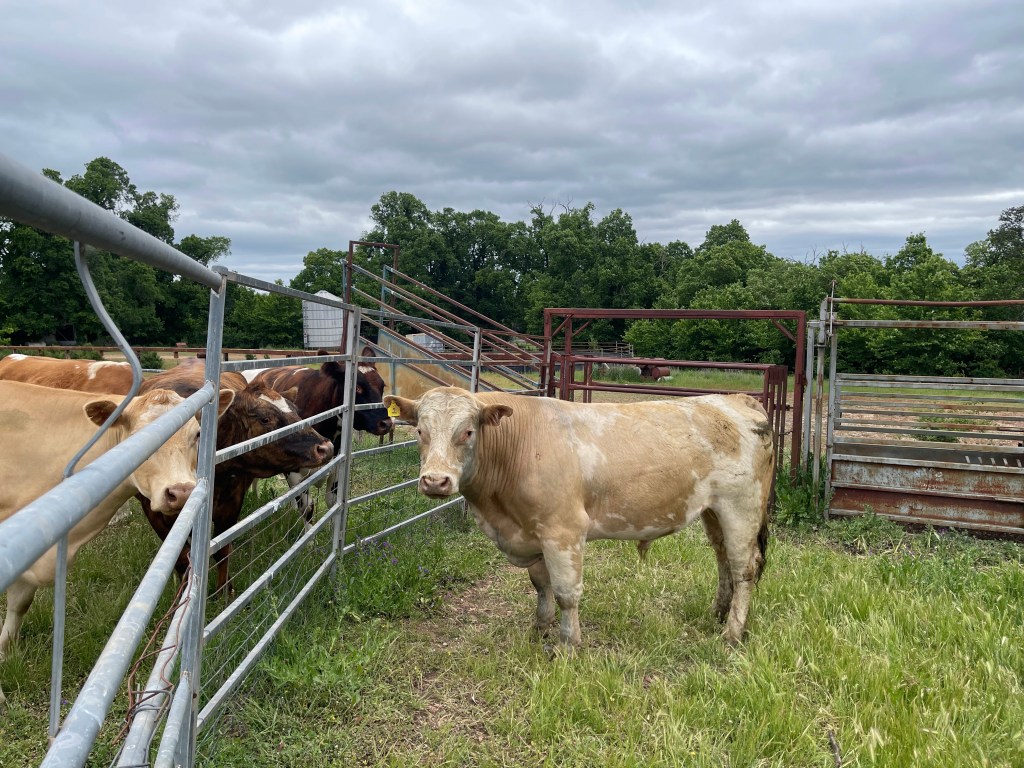
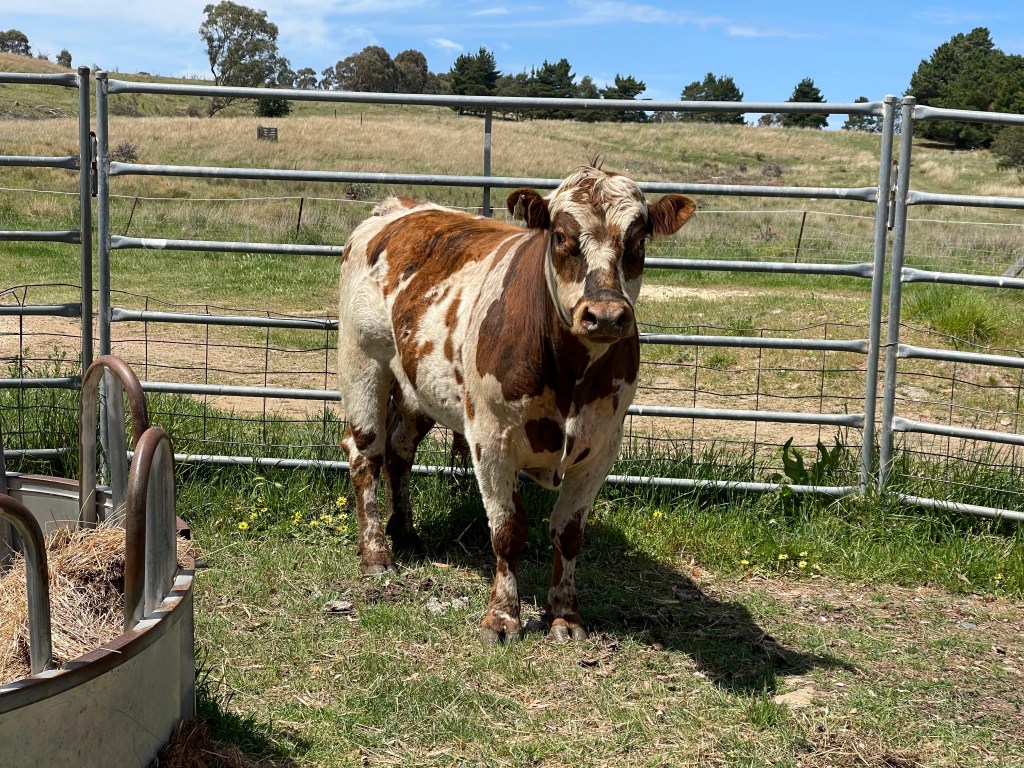
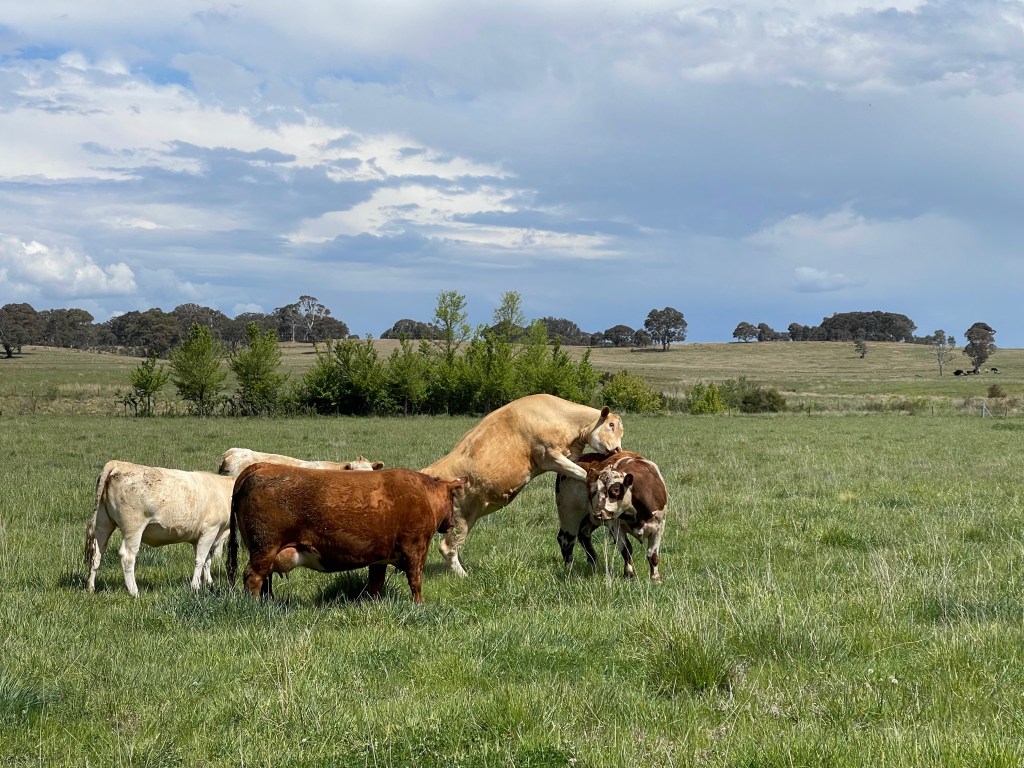
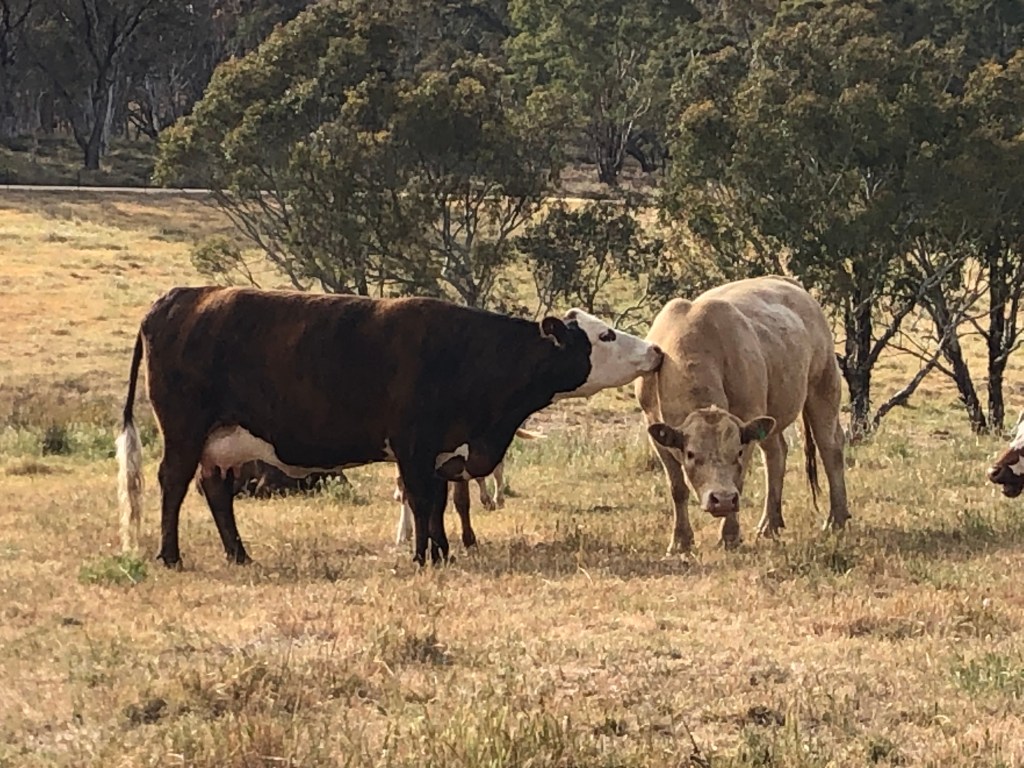
Spring also means it’s time to lease a bull again. This handsome fellow came down from Crookwell and wasted no time getting to know his new herd. He’s settled in quickly and seems quiet—which, as far as I’m concerned, is the most important trait for any animal weighing over 600kg!

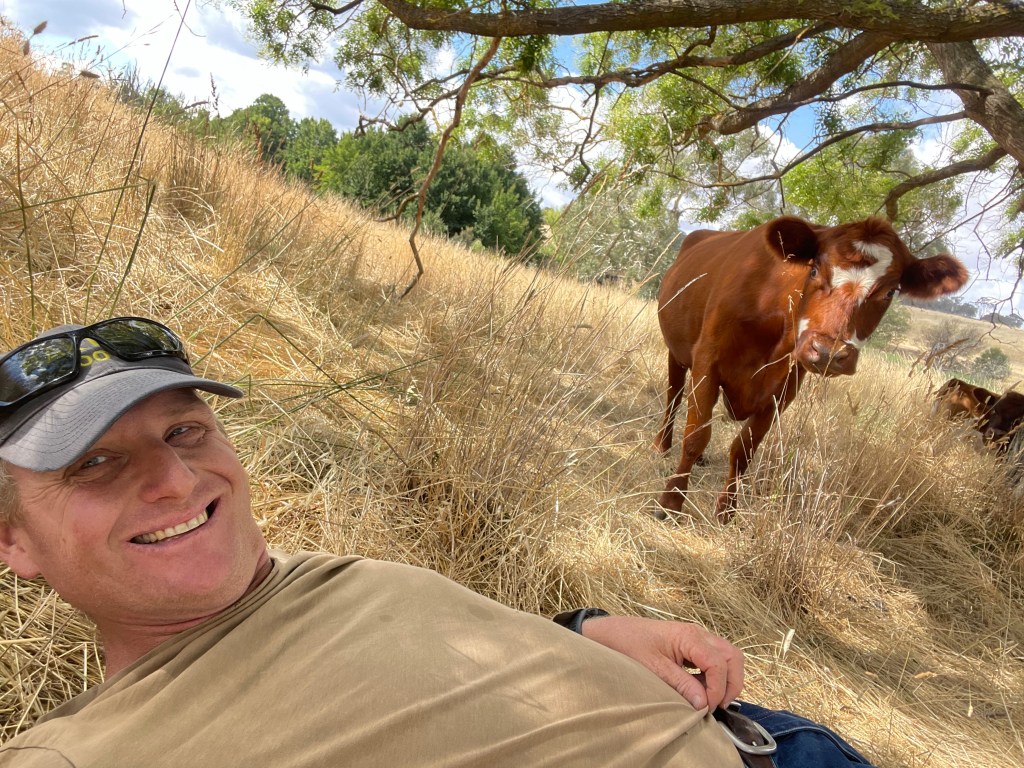
It’s a wonderful time to wander around the farm. The cows are content, with grass reaching to their bellies. The changing of the seasons brings constant delight—and makes me so happy to call this place home.

A Cold Winter Settles In On The Rock Farm

Life on the Rock Farm has well and truly settled into winter. With no meaningful pasture growth during autumn, we knew it was going to be a long season of feeding our cows. Sporadic rainfall hasn’t done much to improve the soil moisture profile around the district—and with a run of spectacularly beautiful, but bitterly cold frosts, whatever warmth remained in the soil has now disappeared. The grass may have turned green, but it’s yet to start growing.

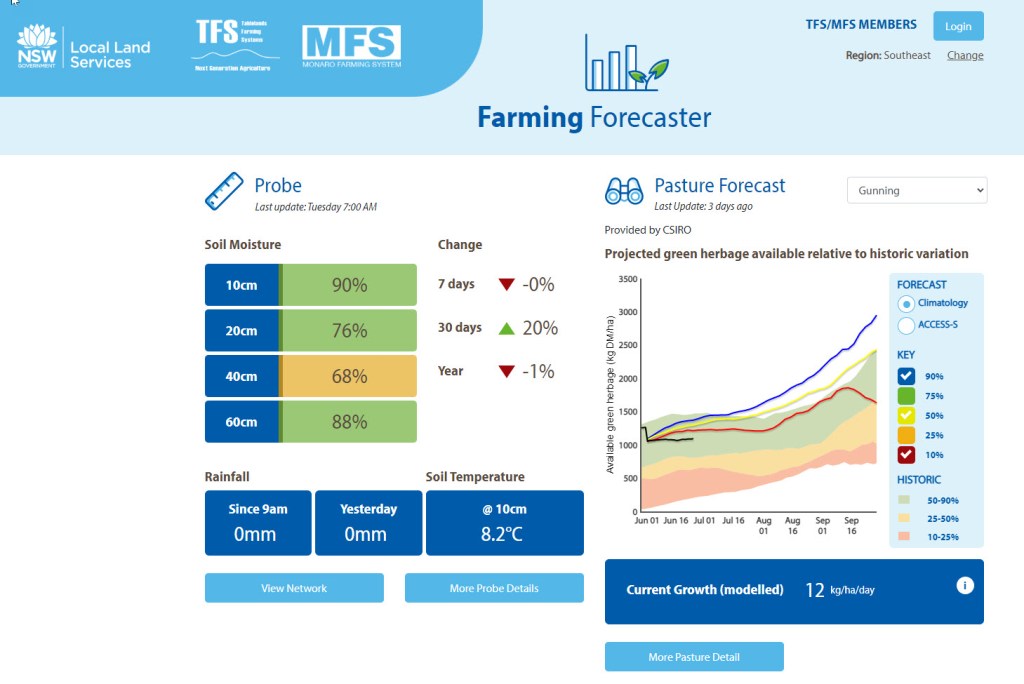
Pastures in our district remain in the bottom 10th percentile for growth this year. (See: https://www.farmingforecaster.com.au/southeast).

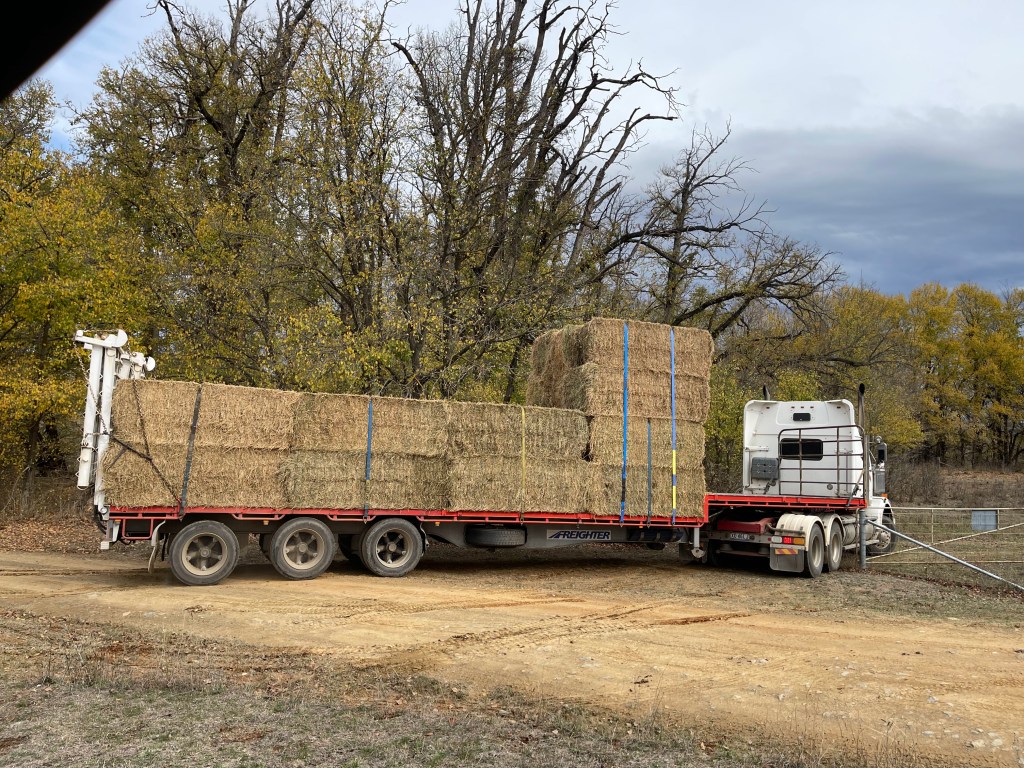
We quickly used up the last of our pasture hay and had to buy a truckload from irrigated country north of here. With our tractor still out of action at the time, our challenges mounted when the carrier also experienced mechanical breakdowns. On the very last day before we completely ran out, the new lucerne finally arrived—and our wonderful neighbours came to the rescue. A massive thank you to Jeff, who brought his tractor and saved the day!

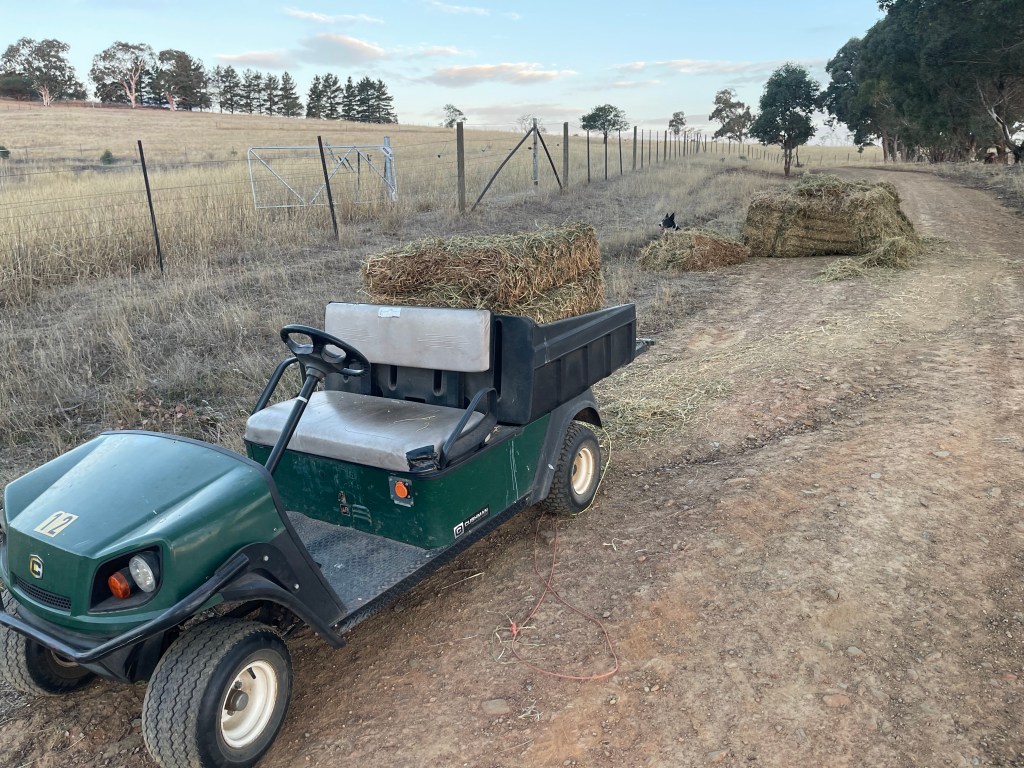
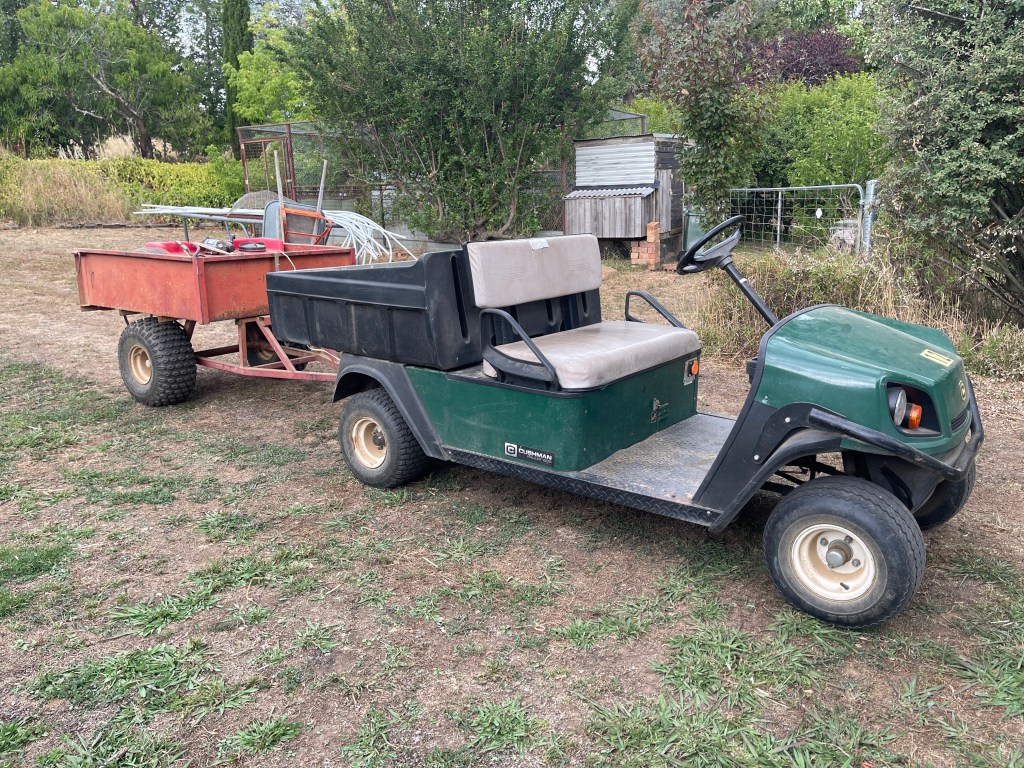
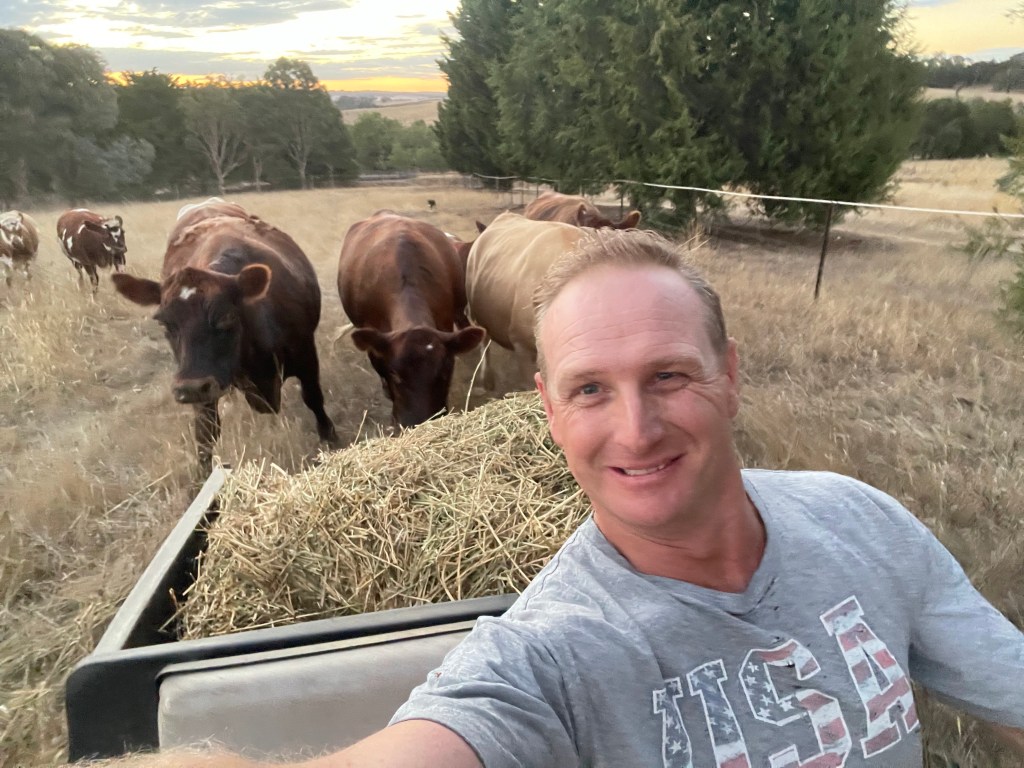
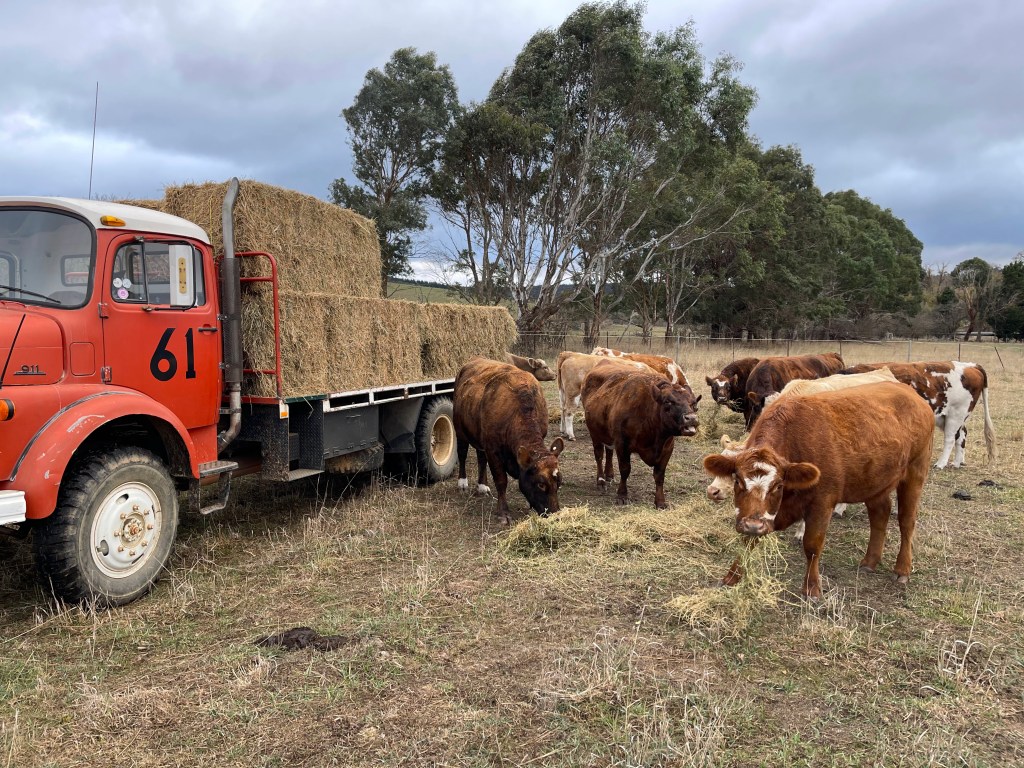
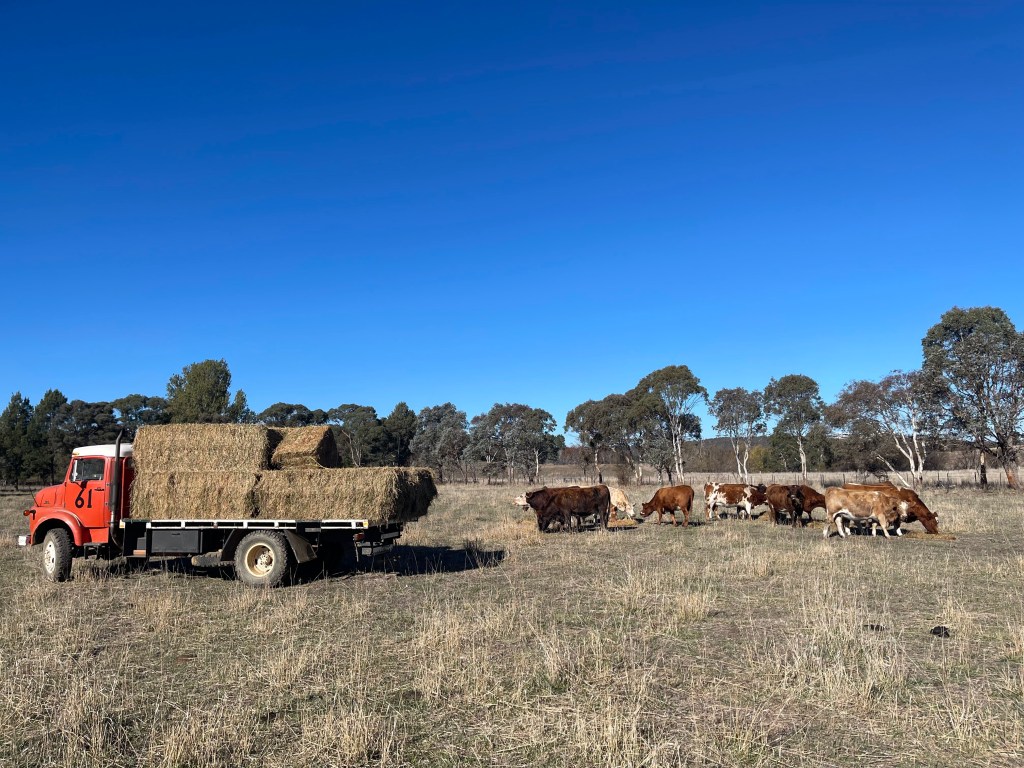
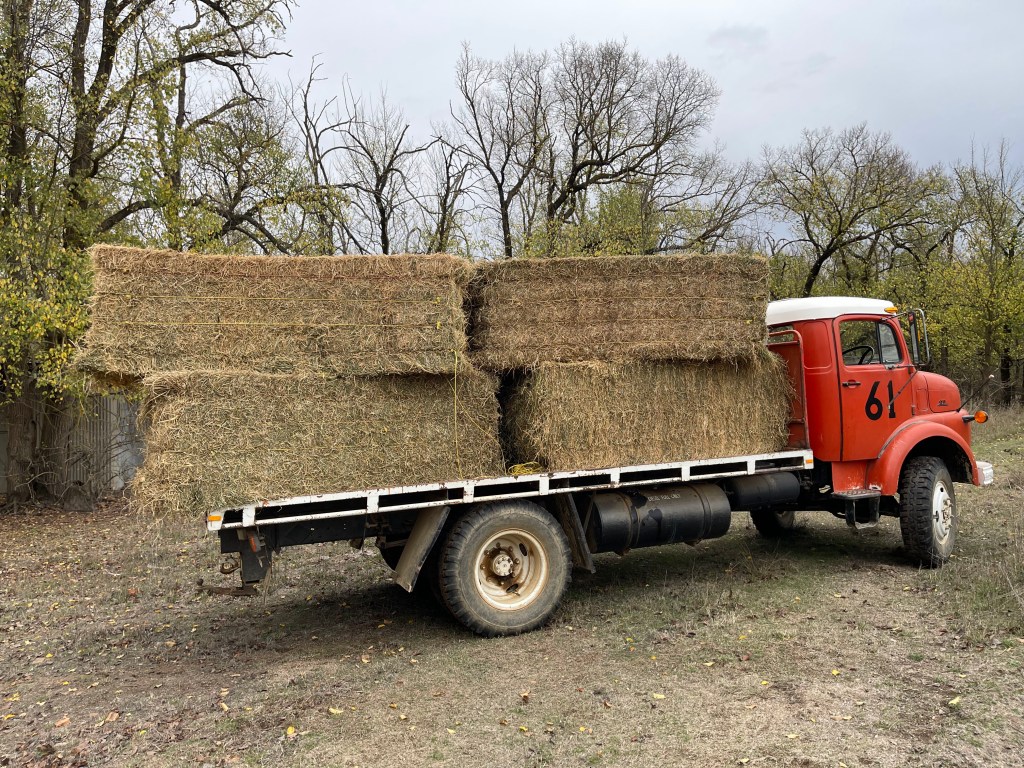
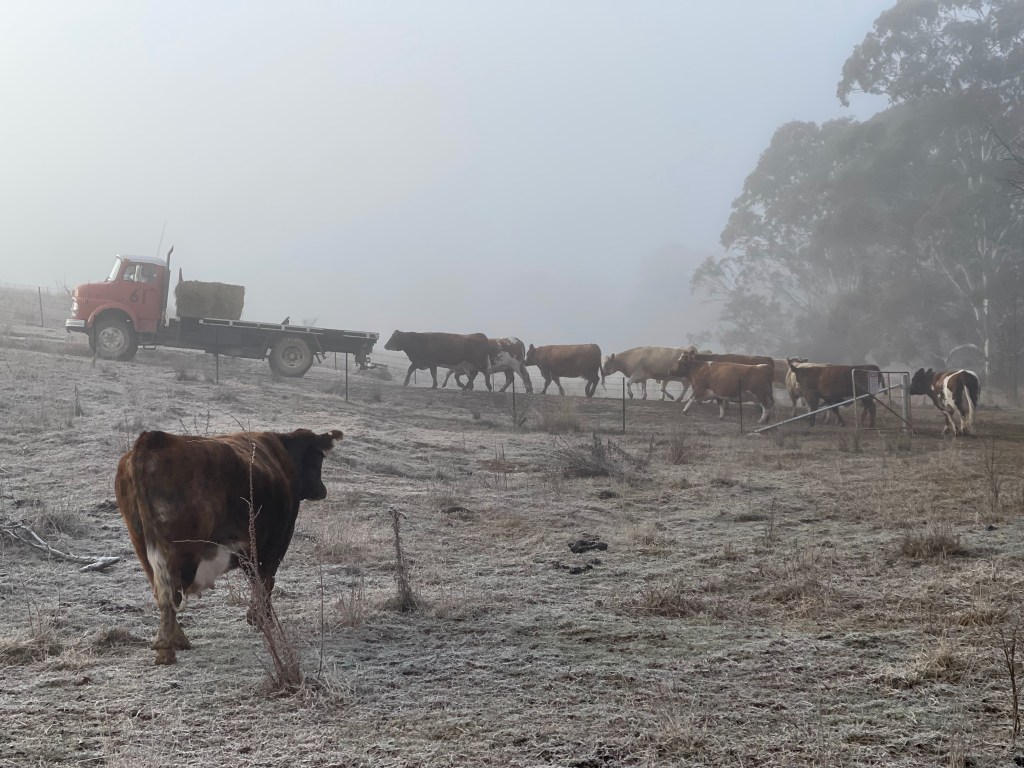
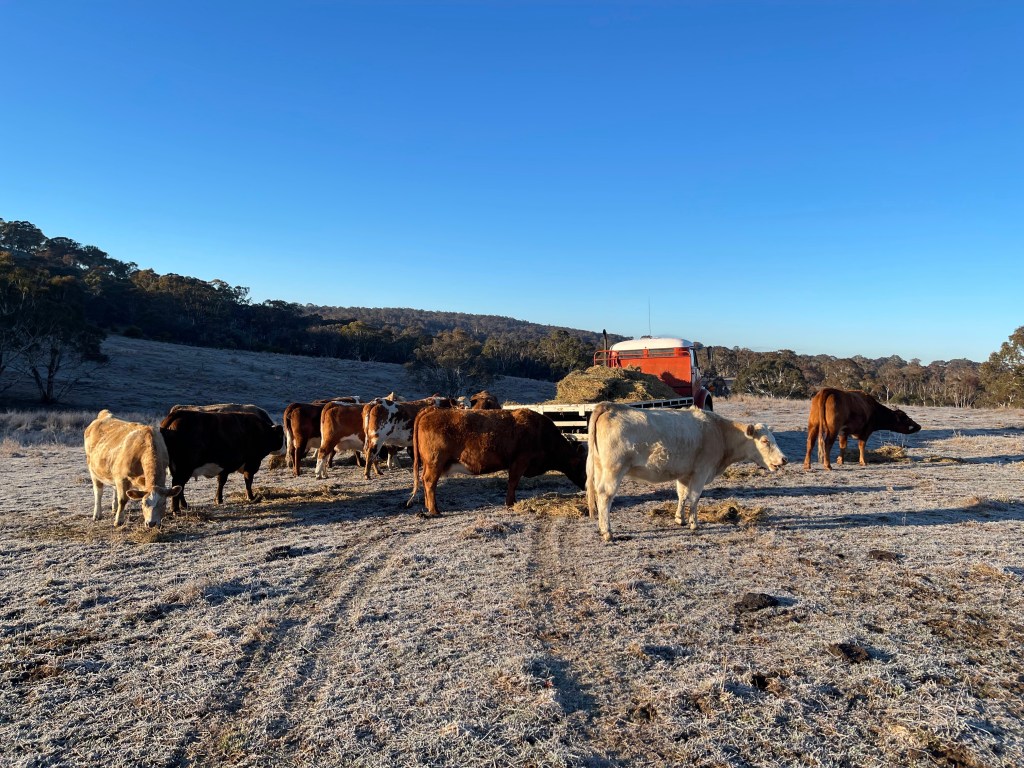
Jeff helped load a few of the large square bales onto the back of our BRT Myrtle, making it much easier to feed out. It didn’t take long for the cows to associate Myrtle with breakfast! I now have a new appreciation for how an ice-cream van driver must feel pulling up to a beach on a hot summer day—the cows come running, kicking their heels in the air at the sound of the truck.

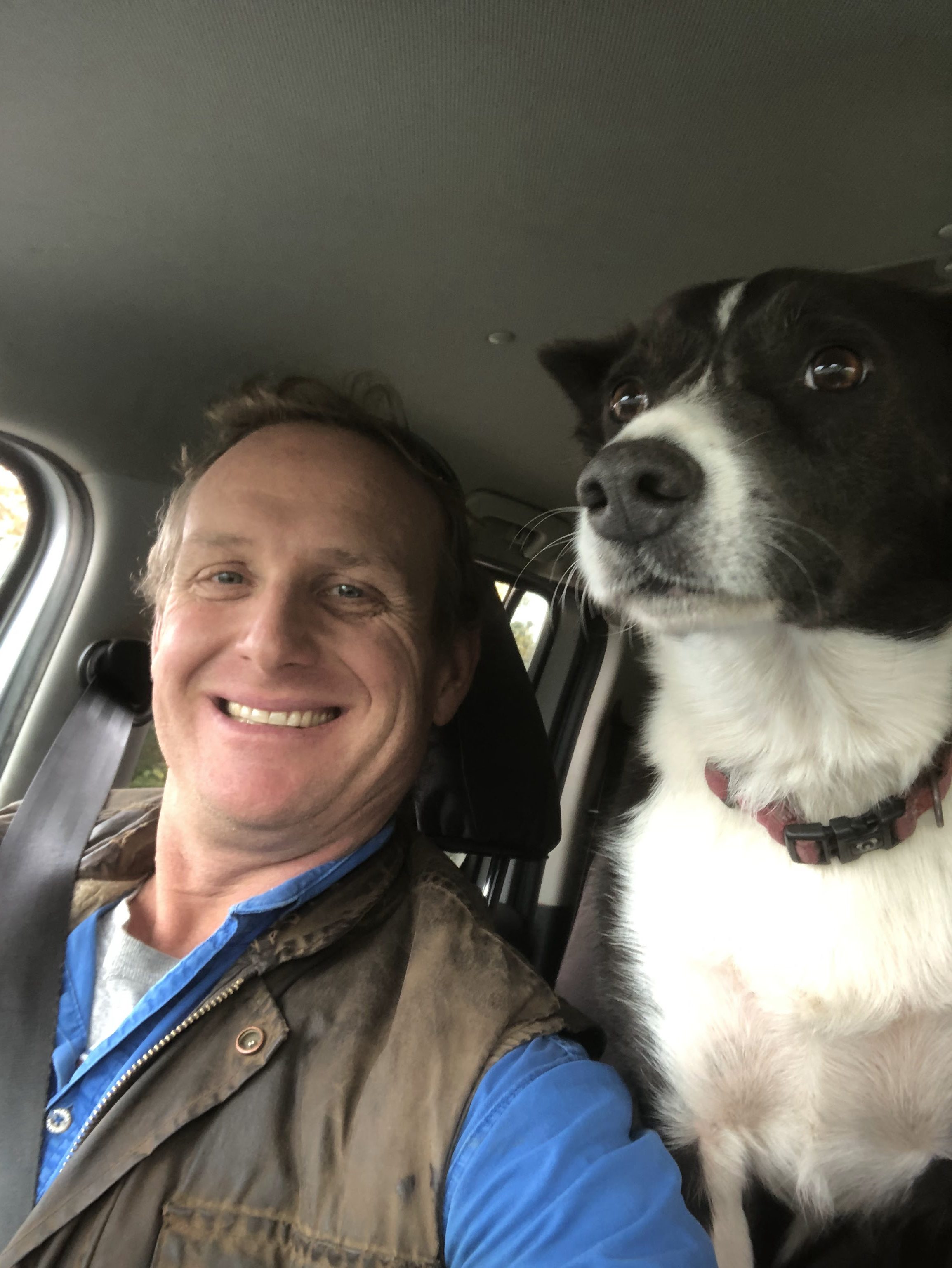
We’re now feeding daily, which has become a very early morning ritual, as I’m currently working regular Monday to Friday hours. It’s actually one of my favourite parts of the day—and the dog agrees, especially enjoying the early starts.

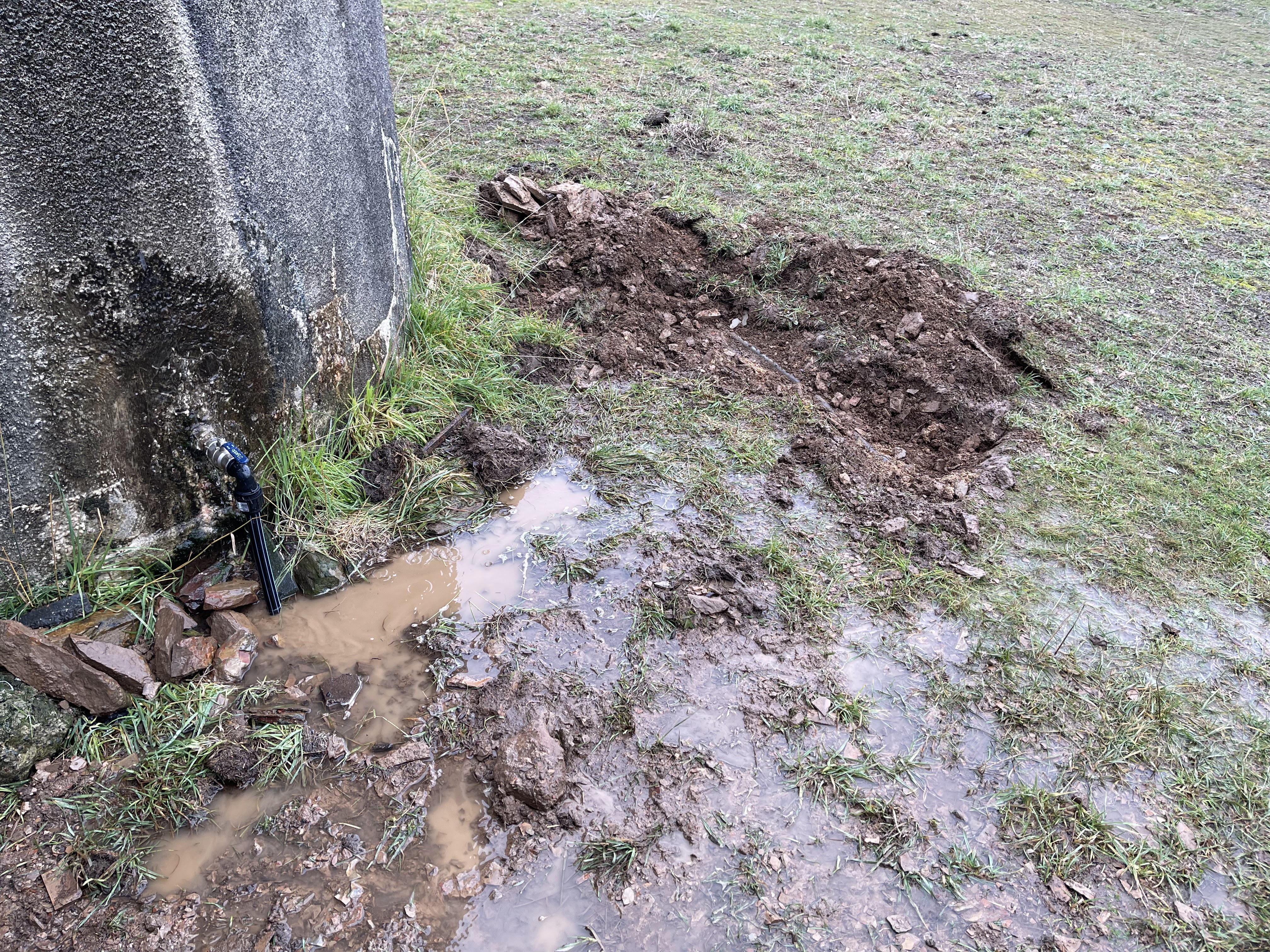
The Rock Farm has become part of the backdrop to a busy schedule. I’m reminded that some jobs must be done immediately, while others can wait. Leaks in the water trough system need urgent attention, as do trees fallen across tracks. Other tasks have taken a back seat—waiting either for warmer weather or for me to return to shift work.

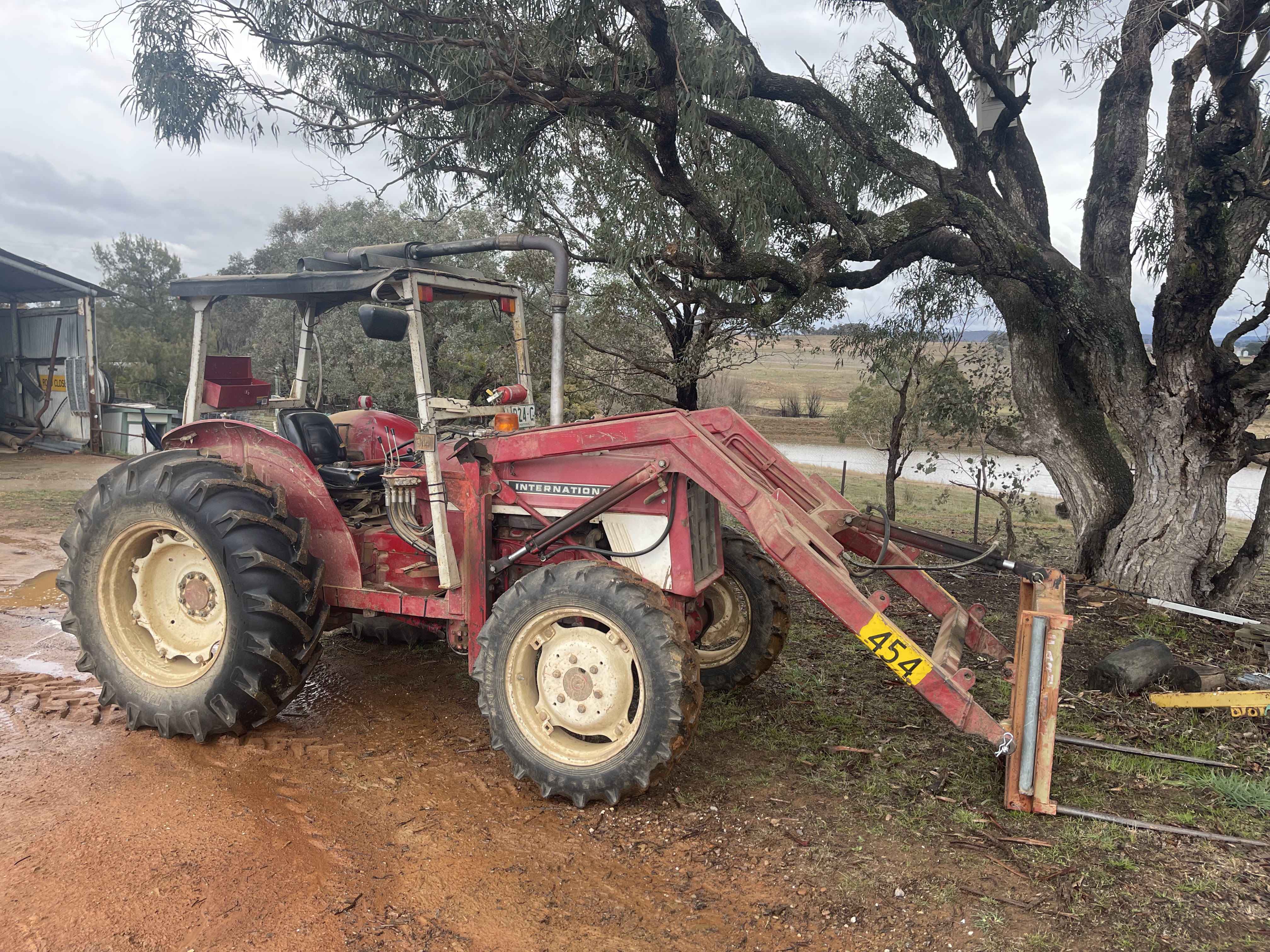
We’re thrilled to have our tractor back after a full engine rebuild. Dan from Direct Diesel Truck and Tractor Repair sourced a rebuild kit—including new pistons and liners—after the head gasket failure. It’s amazing how indispensable an old tractor can be. I hadn’t realised just how much I missed having it available until it was gone. Dan’s work was absolutely top-notch, and I couldn’t be happier.

Meanwhile, our house renovation continues to inch forward. The support from local plumbing and electrical services has kept the momentum going. Huge shout-out to Sam from Prime Plumbing Yass and Andrew from APL Electrical, who’ve helped keep the build ticking along while I’ve been tied up with work.

As winter rolls on, we’re reminded that life on the land is full of challenges, but also full of community, resilience, and moments of quiet joy. Whether it’s the early morning feed runs, the clatter of hooves chasing Myrtle, or the steady progress on the house, there’s always something to be grateful for. With spring on the horizon, we’re looking forward to warmer days, greener paddocks, and whatever the next chapter brings for the Rock Farm.

Oh and calves… hopefully lots of calves!

Thanks for following along with our journey — stay warm, and take care until next time.

Navigating Farm Life: New Calves and Family Milestones

The past couple of months have been bustling both on and off the Rock Farm.

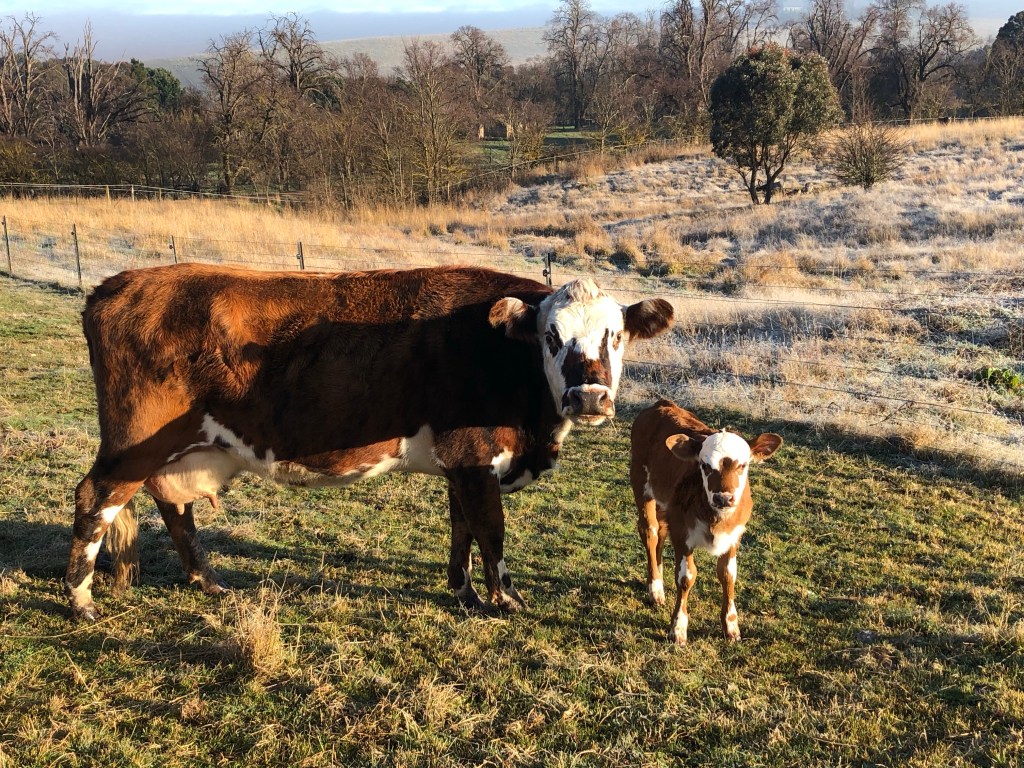
Our beautiful calves, now approaching three months old, are thriving—including our delightful twins. To my surprise, all ten calves turned out to be heifers, a rare occurrence. While steers typically fetch higher prices at the sale yards, having heifers opens up more future options for us. About a month ago, they received their first round of vaccinations and will soon be due for their second. I use a 7-in-1 vaccine to protect them against various clostridial diseases and common leptospirosis strains, which can affect both cattle and humans.

As in previous years, we’ve leased a bull from John at Crookwell. This handsome fellow shows off his Normande ancestry—a dual-purpose dairy and beef breed originating from Normandy, France. Renowned for producing rich milk prized in the cheese industry and for their fast-growing progeny, Normandes are also celebrated for their exceptional carcass quality and marbling potential. In France, Normande beef is branded much like Angus beef is in Australia. (For more information about the breed, visit: https://www.thecattlesite.com/breeds/dairy/68/normande.)

The bull made quite an impression on our girls when they first met, though he seemed a bit unsure of how to handle a group of established, mature cows. Thankfully, he settled in quickly. He’s a gentle, quiet chap, and we’ll miss him when he returns home next week.

Our pastures shifted quickly from lush green to golden brown, as is typical for November. But an unexpected 50mm of rain last weekend soaked the land. While it turned the pasture into mush temporarily, it promises fresh growth that will benefit us through summer. For now, we’ll rotate the cattle through paddocks to manage the short-term feed shortage until the grass catches up.

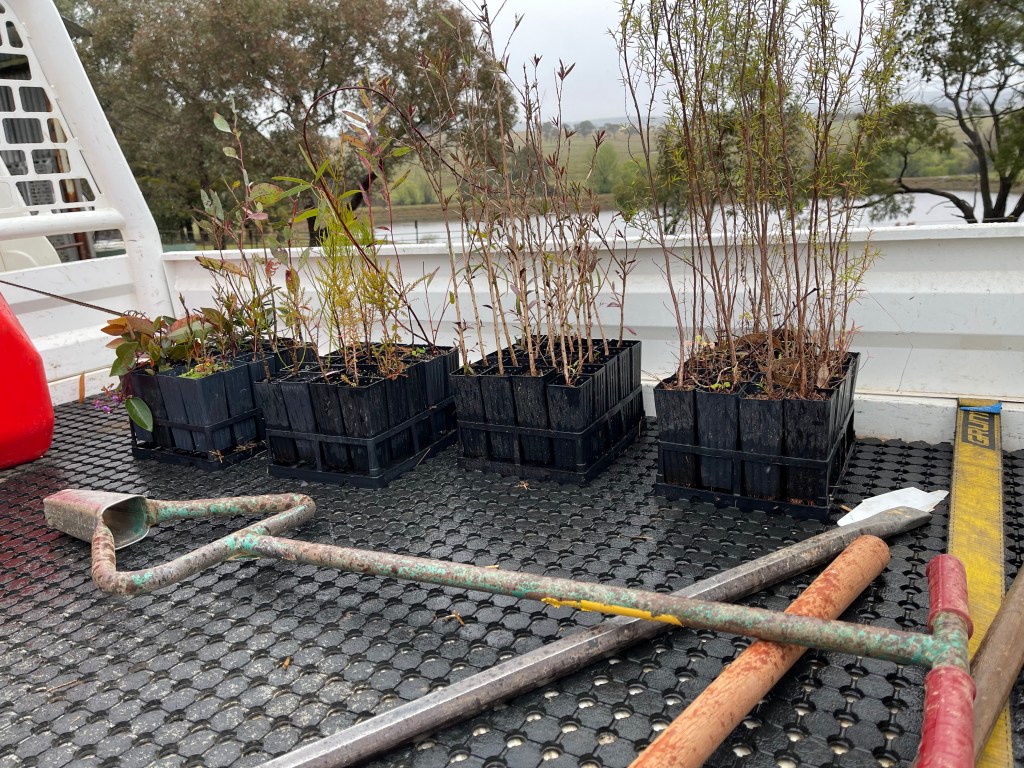
In other news, we’ve planted another hundred or so native tubestock across the farm, purchased from the local Greening Australia plant sale. These will help restore areas around the Rock Farm. I’m particularly excited about the drooping she-oak (Allocasuarina verticillata), one of my favorite trees and a primary food source for the Glossy Black Cockatoo.

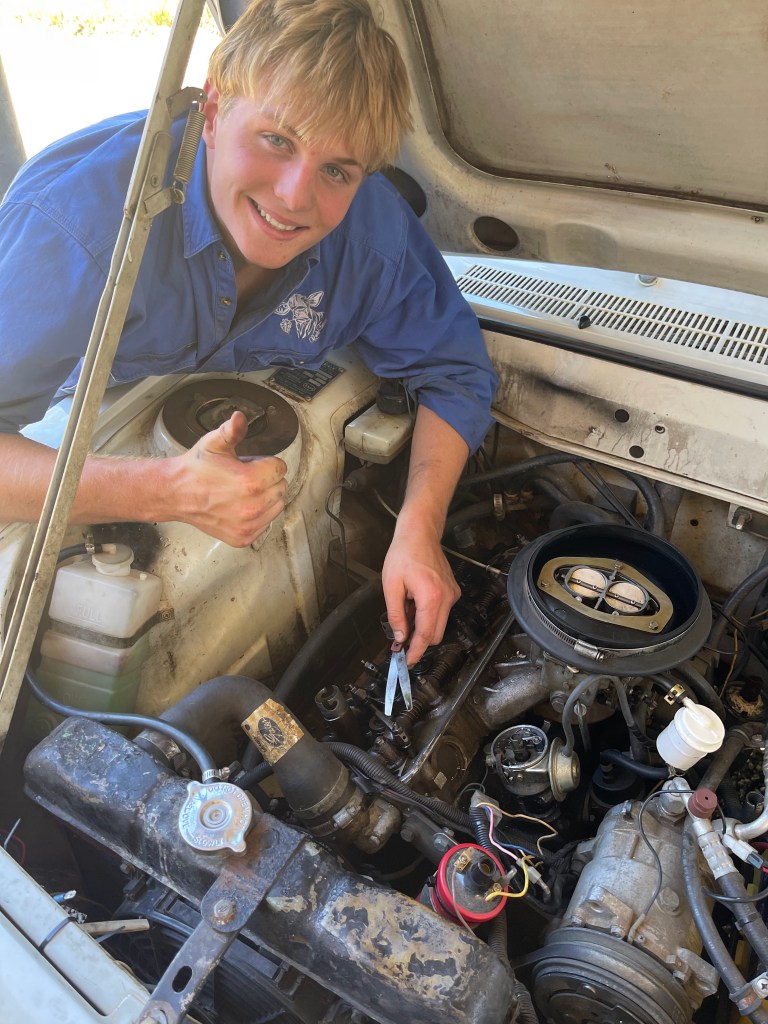
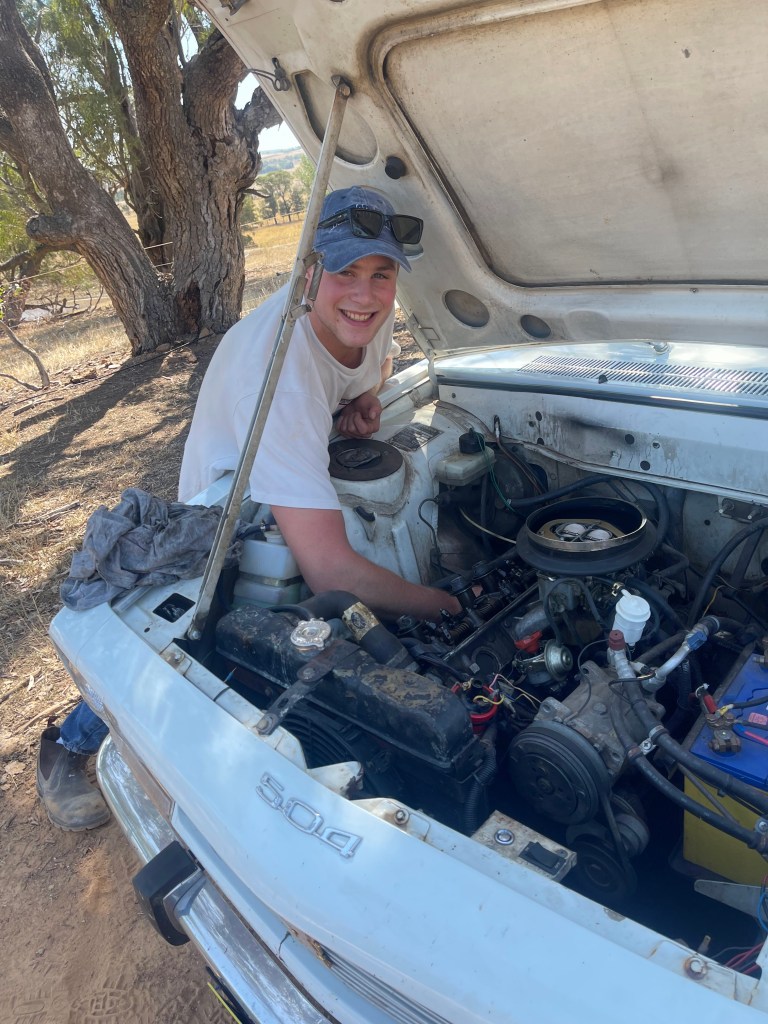
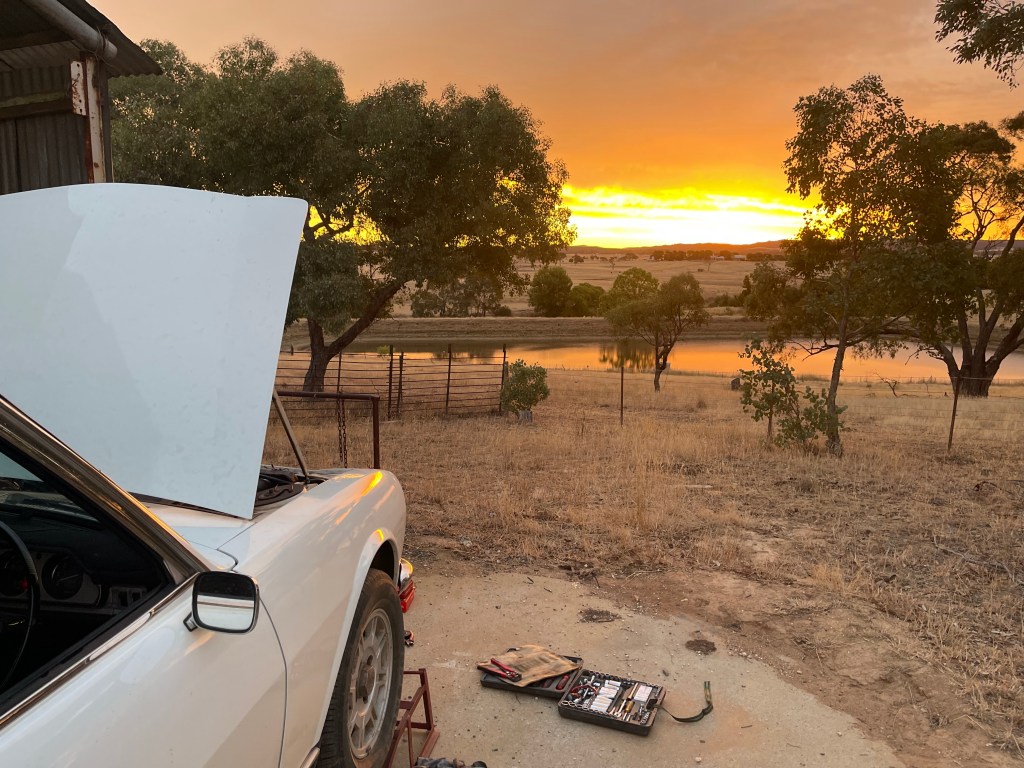
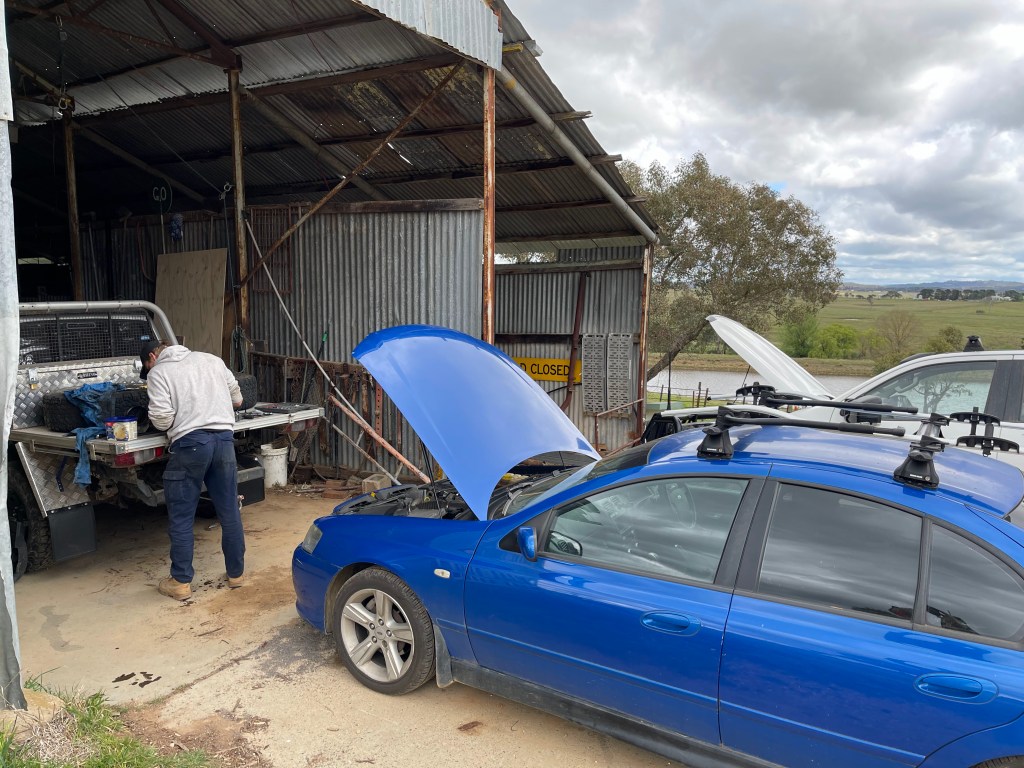
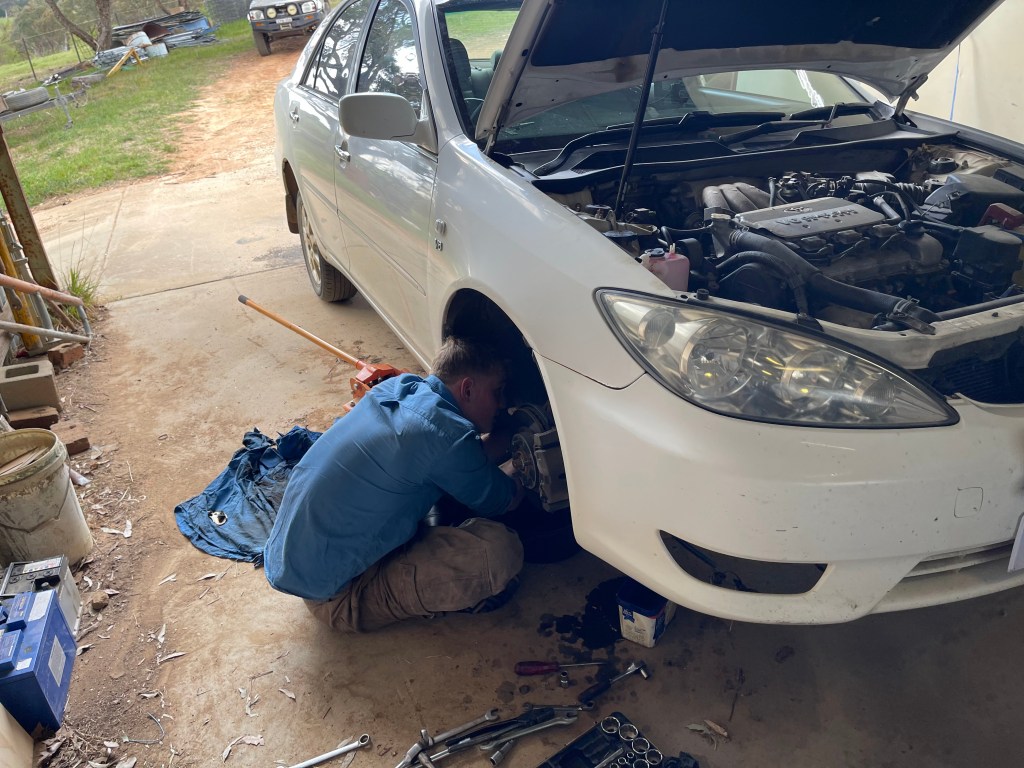
On the family front, the boys are becoming impressively independent. Recently, both tackled replacing power steering pumps on their cars—an easier task on the blue Falcon than the white Camry. It’s been great to see their confidence and skills grow, enabling them to handle such projects and get their vehicles back on the road. The older one is also working on re-registering a 4WD ute. Though the project proved more ambitious than he initially thought, he’s nearly there—a fantastic achievement.

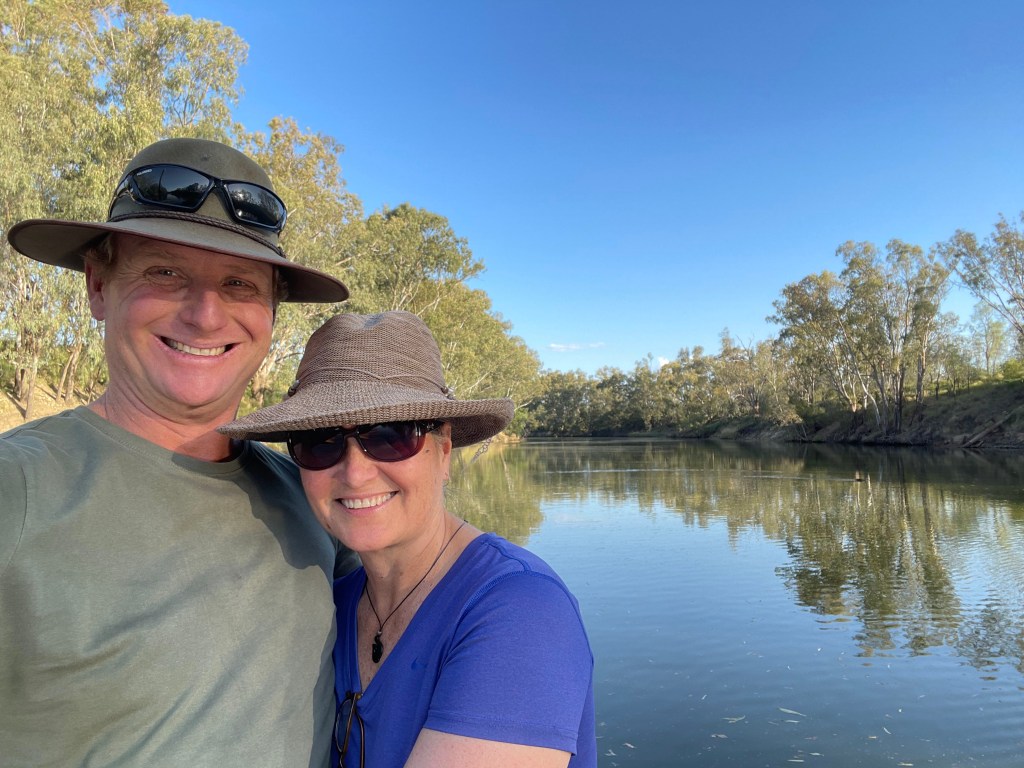
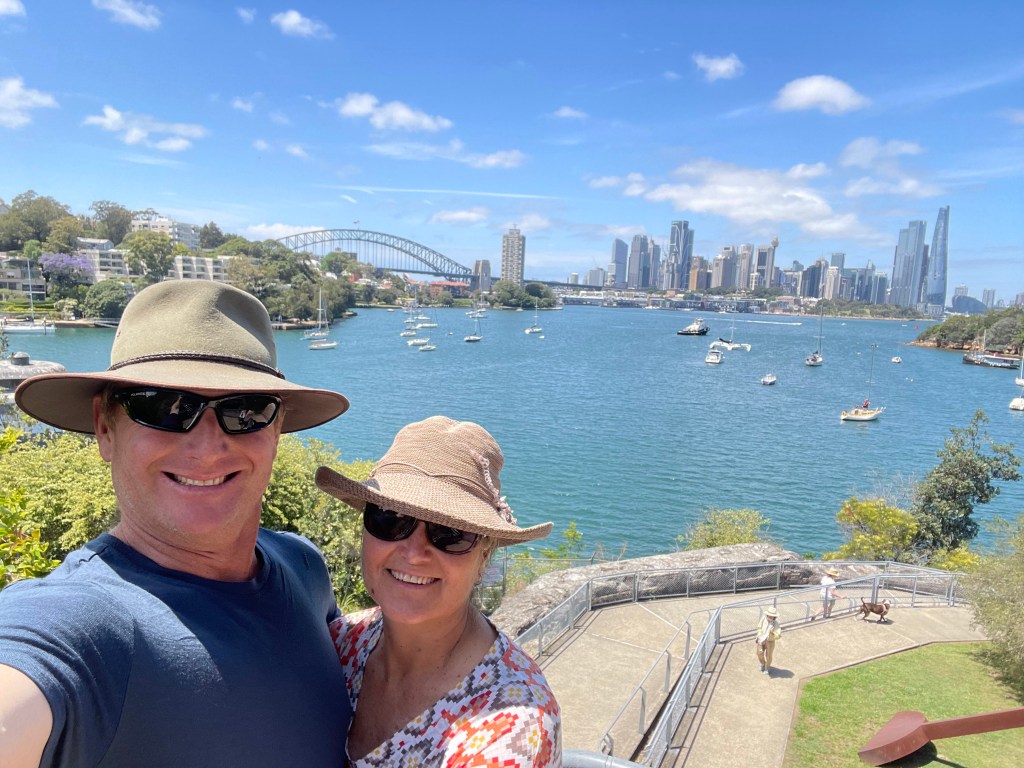
Life hasn’t been all about the farm. We had a couple of family reunions in Warwick and Goondiwindi, which took us north for a few nights. I also managed to squeeze in a couple of stints at sea—just enough to get some salt in my hair and make time fly.

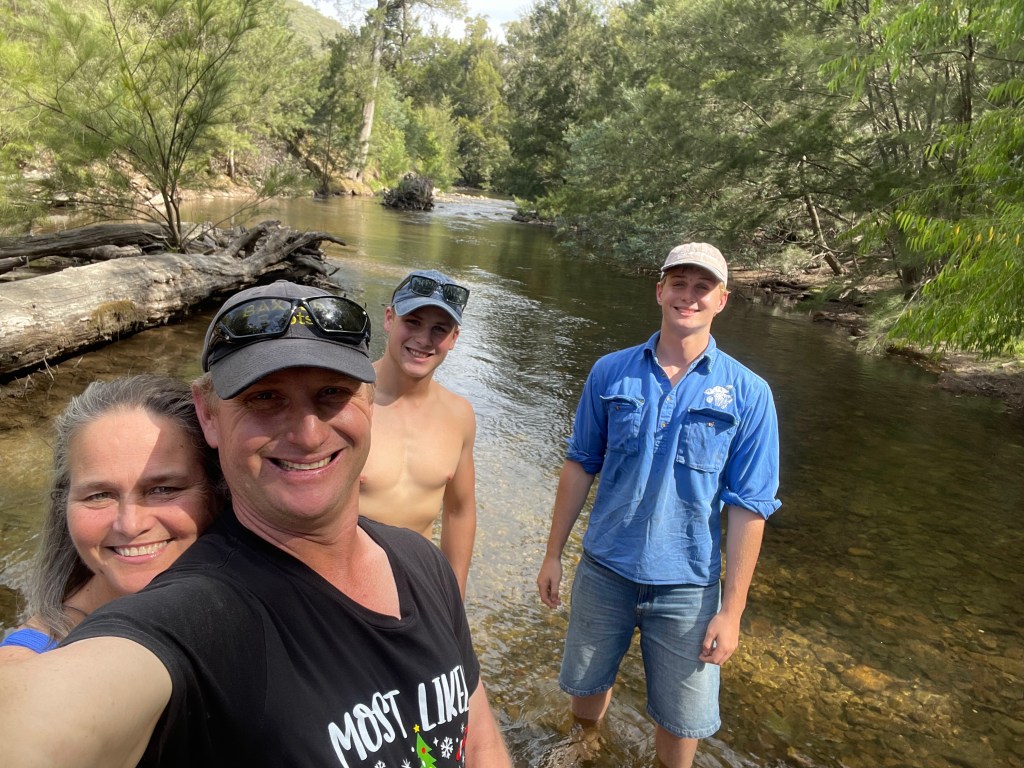
A big milestone for our family was celebrating the youngest helper finishing high school, marking the end of that chapter for us. While the boys aren’t as keen on photos these days, we’re incredibly proud of the young men they’re becoming.

The farm has provided them with so many different opportunities to explore what they want to become. They have made all sorts of crazy contraptions, getting more complex (and expensive) as they have got older. Living out of town brought challenges too, with long drives for school and sports, and the farm occasionally felt more like a burden than a solace, especially when planning long holidays.

But overall, the Rock Farm has been a tremendous gift. It’s built their confidence and equipped them with a range of skills—from handling livestock, riding motorbikes, fixing fences, and welding steel to identifying weeds, handling a rifle safely, and turning timber into art. They can repair machinery, split pipes, and even navigate the digital world with ease—leaving their old man in the dust when it comes to Fortnite, modern mathematics, 3D printing, and design.

Reflecting on these past months, it’s clear how much life on the Rock Farm continues to shape and enrich our lives. Whether it’s nurturing our cattle, restoring the land, or watching the boys tackle new challenges, every moment reinforces the value of this lifestyle. While it’s not without its trials, the farm has been a place of growth, learning, and countless memories. As we look ahead, I’m reminded that it’s these simple, meaningful experiences—shared with family and rooted in purpose—that truly make the journey worthwhile.

The Summer Haul

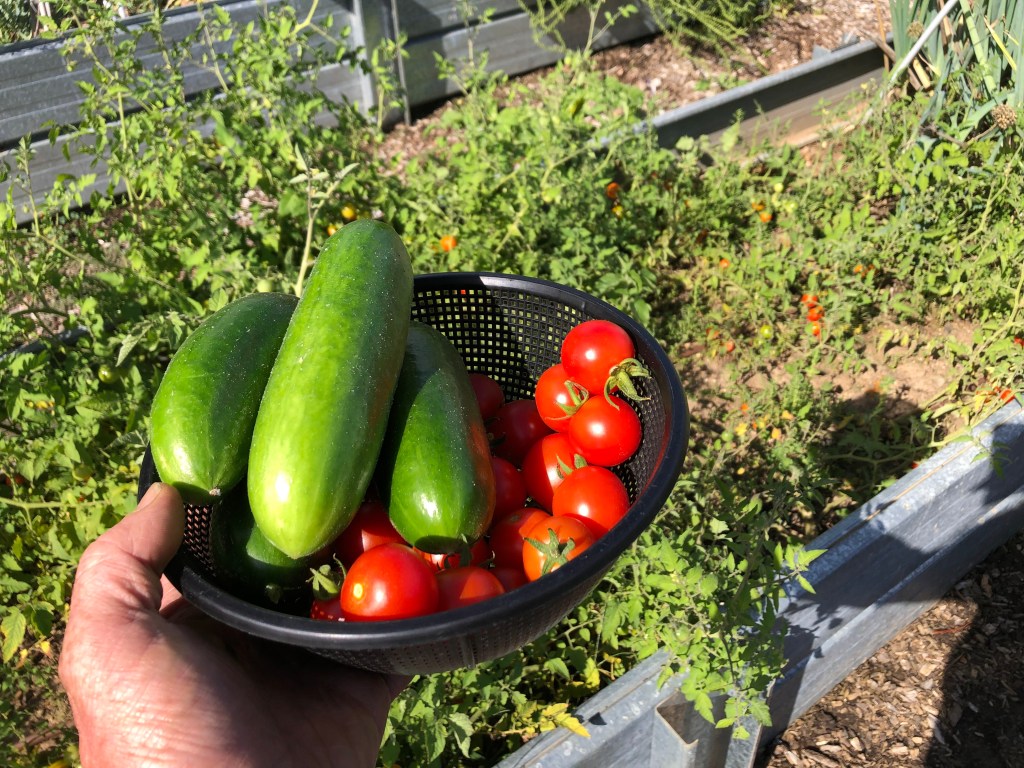
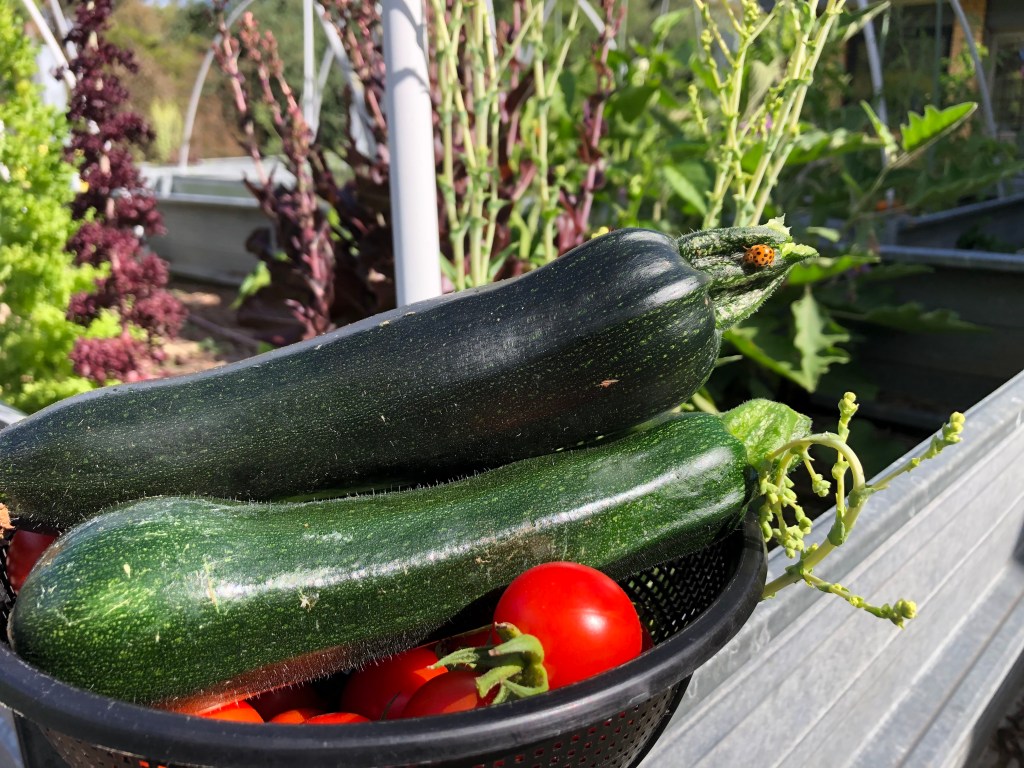
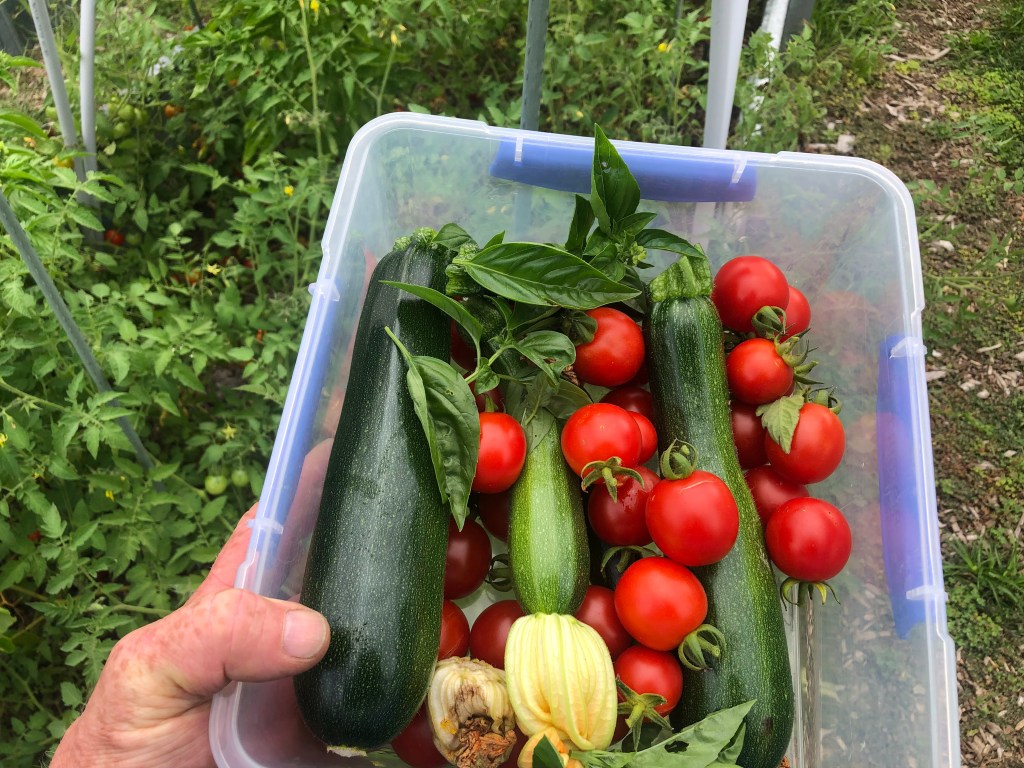
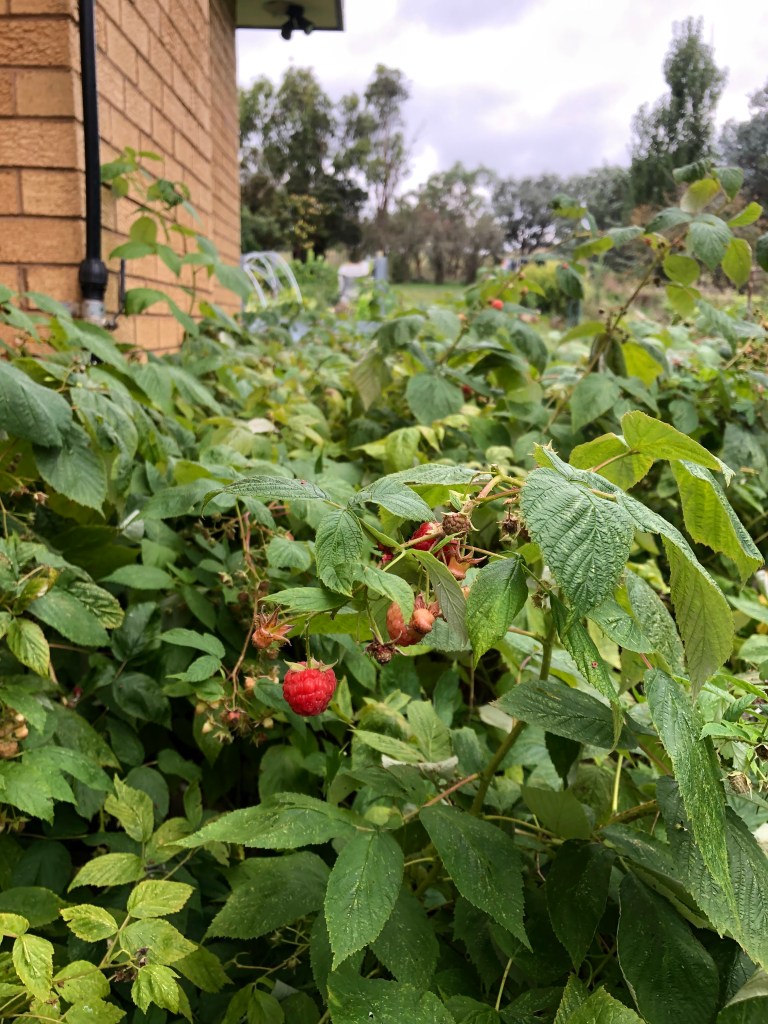
If you thought the Rock Farm was all about our cattle and trees, you’d be perhaps surprised to see some of the other things that we try to grow here. The return of a relatively wet summer has allowed our vegetable garden to thrive, and we have been enjoying regular harvests of cucumber, tomatoes, zucchini eggplant, capsicum, lettuces, and raspberries. There is nothing quite like picking fresh vegetables just before you cook them – the flavours are just so delightful. As my Italian colleague says, you can taste the sunshine 🙂

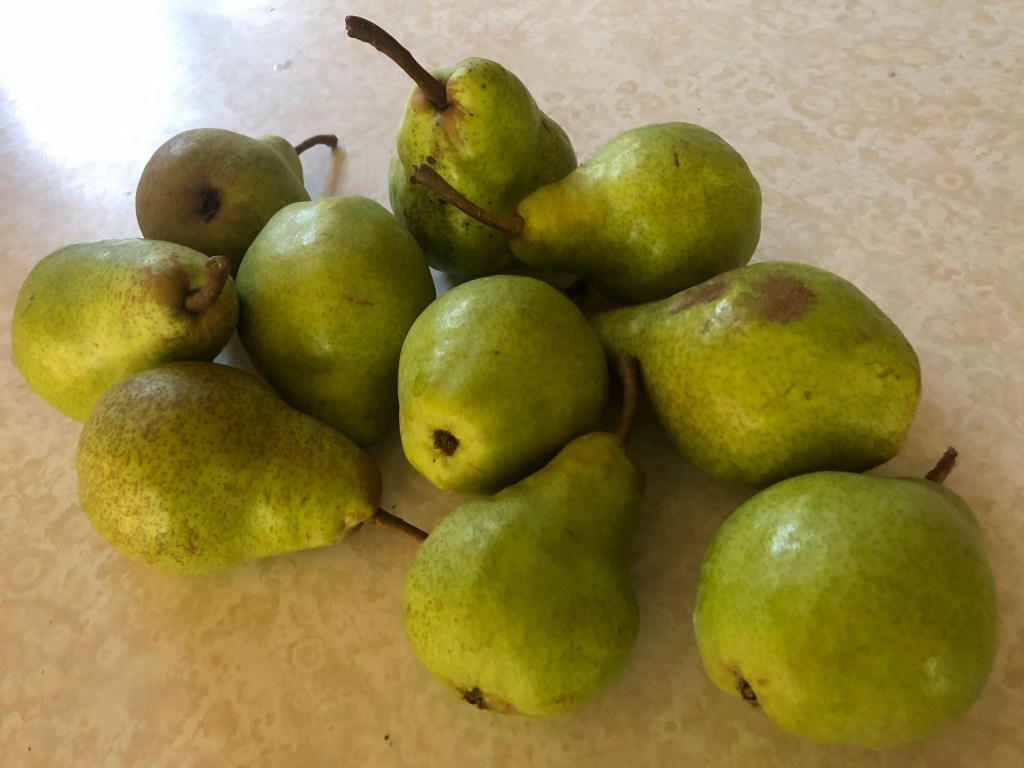
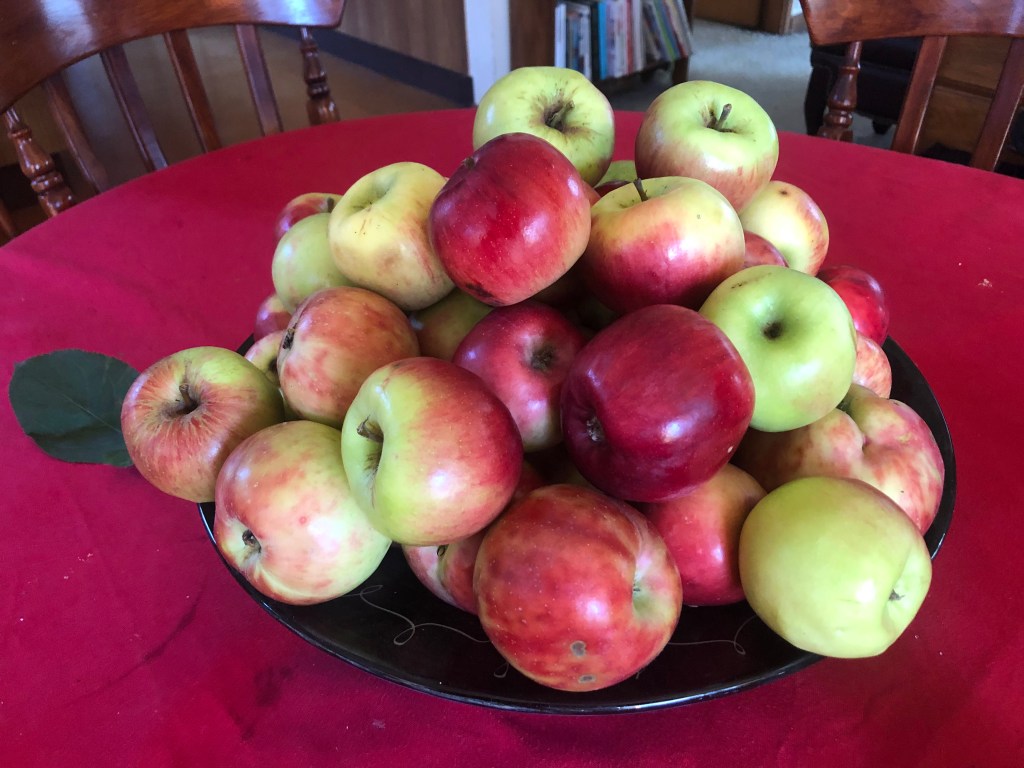
I can’t take any credit for the hard work that established our garden this year – except for hauling up some cow manure from the yards last year. We are even more fortunate to have lovely neighbours who let me pick some apples and pears from their orchid. If you think vegetables taste great just out of the garden, the fruit takes it to another level!

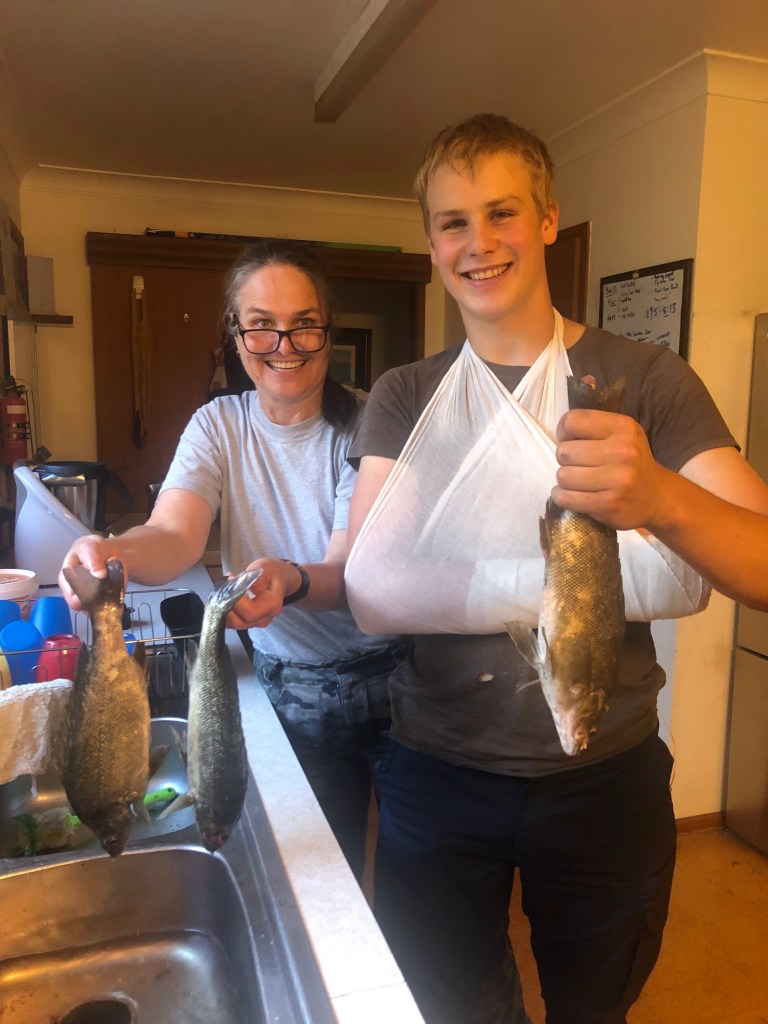
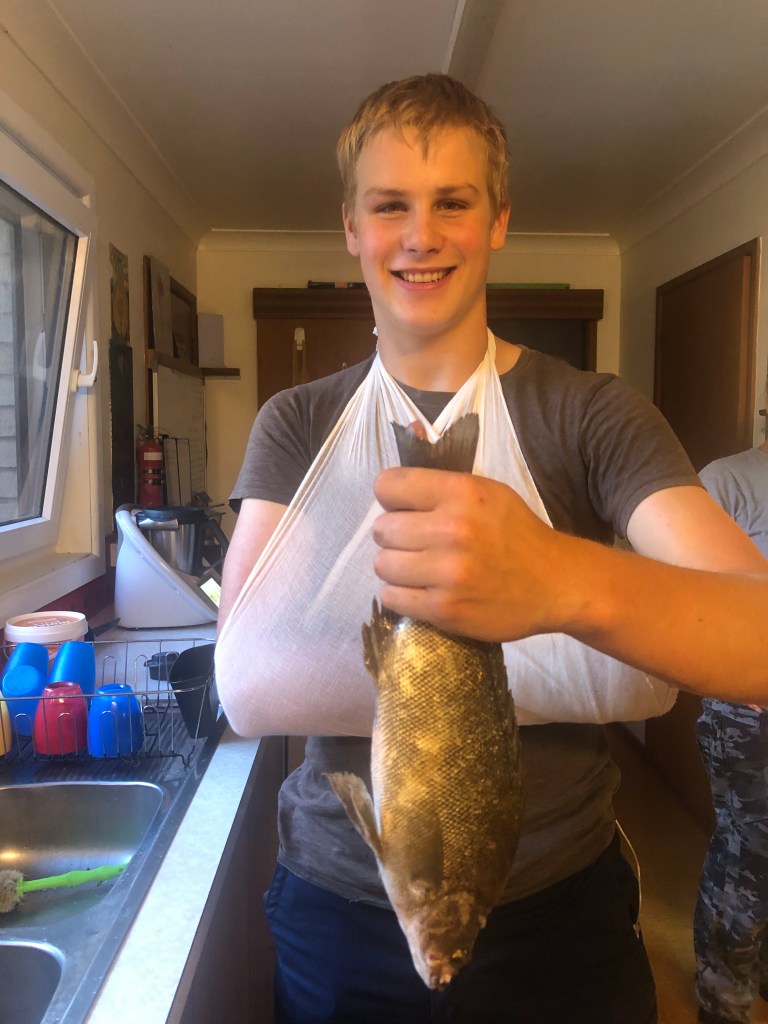
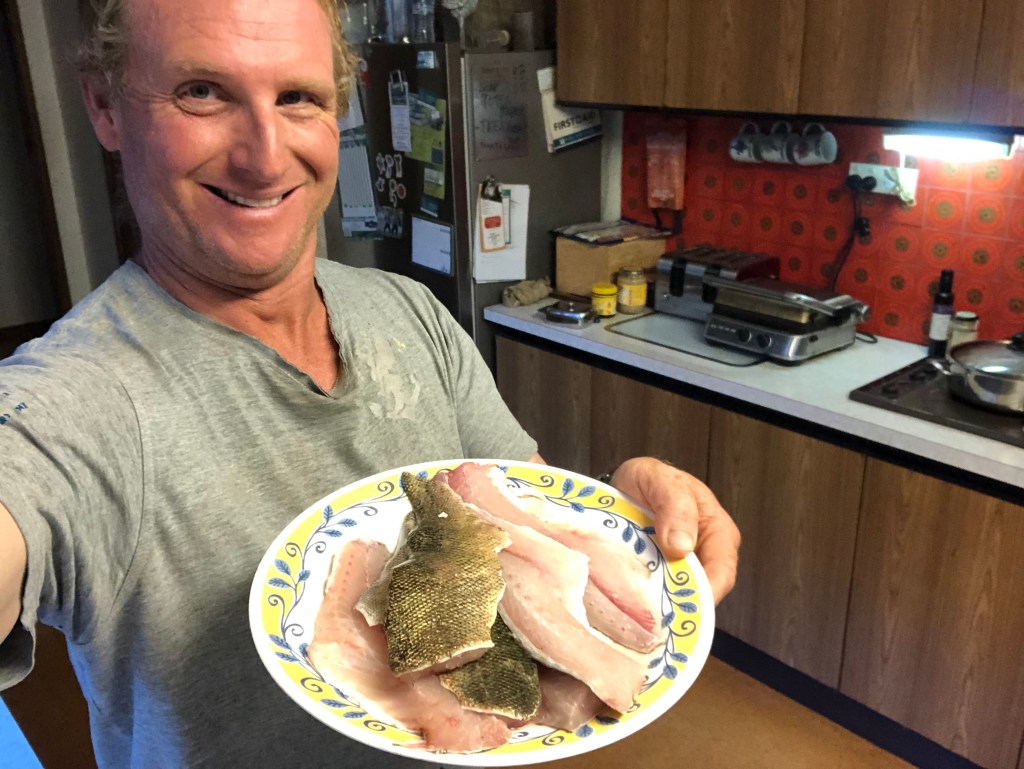
Perhaps the biggest surprise was what we found in our dam. After the crazy mountain-biker managed to crack a finger, he was laid up at home causing as much frustration to himself as the rest of us. In an effort to save all our sanity, I suggested he might try to see if the Silver Perch we had released in the dam as fingerlings in November 2021 had grown (https://rockfarming.com/2021/11/25/making-the-most-of-the-season/). The short answer is they certainly had. After about ten minutes with a rod using nothing but some bread as bait, he returned with three handy sized fish, which we enjoyed for dinner.

It is great to feel the evenings start to cool down, with the last throw of summer upon us. It is time now to start weaning the calves and get the farm ready for winter. There is lots going on, but that is half the adventure!

Dry times present a new opportunity

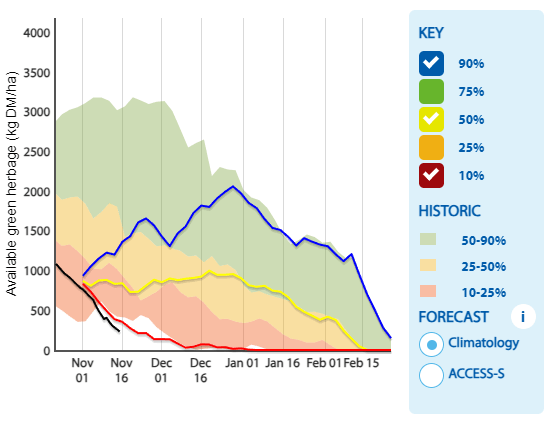
It is amazing how quickly the dry times have returned, with a blistering hot and dry end to spring. The rain literally just stopped coming, and the ground has dried out quickly. The wild oats and barley grass have all set seed, and the landscape is taking on the sunburnt brown hues loved by Dorothea Mackellar. The nearby soil moisture probes at Gunning and Murrumbateman both show a very dry soil profile, with available herbage below the lowest 10th percentile, and based on the graphs, it is unlikely to improve before autumn.

From https://www.farmingforecaster.com.au/index Projected green herbage available relative to historic variation – Murrumbateman. Accessed 21 November 2023

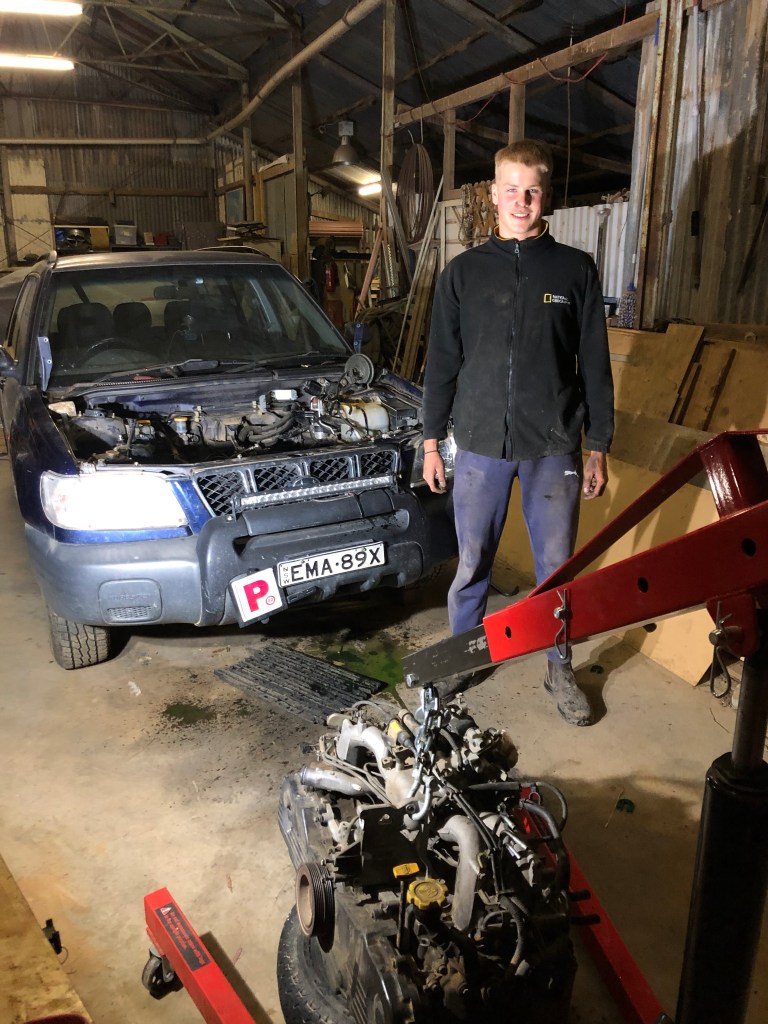
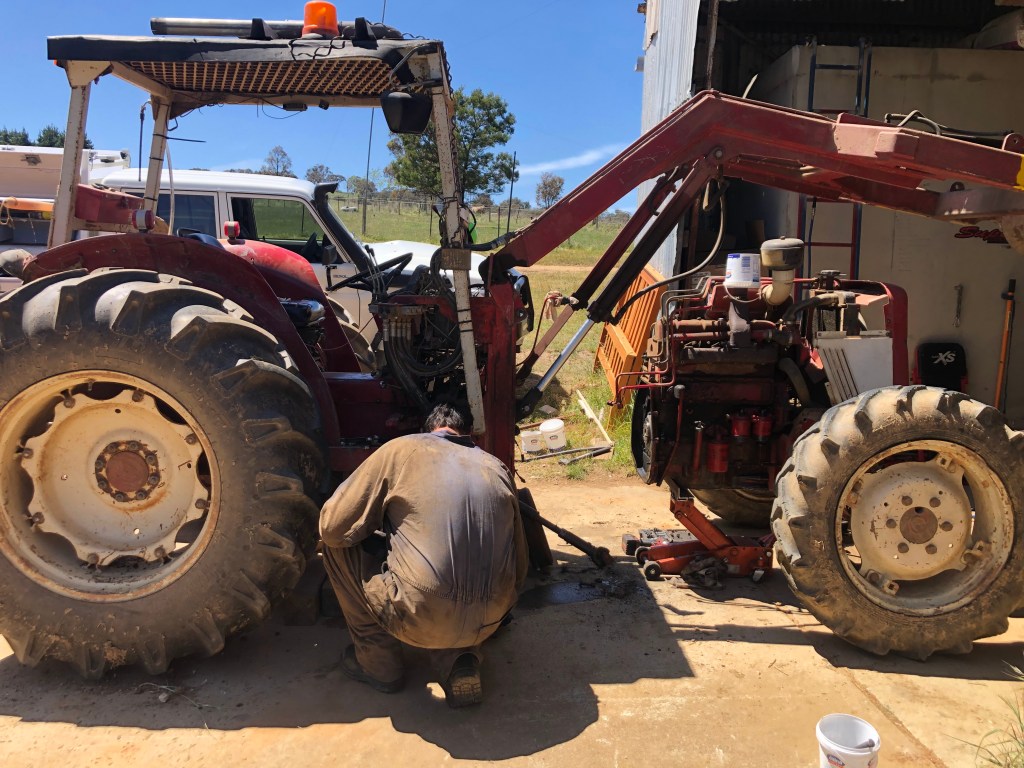
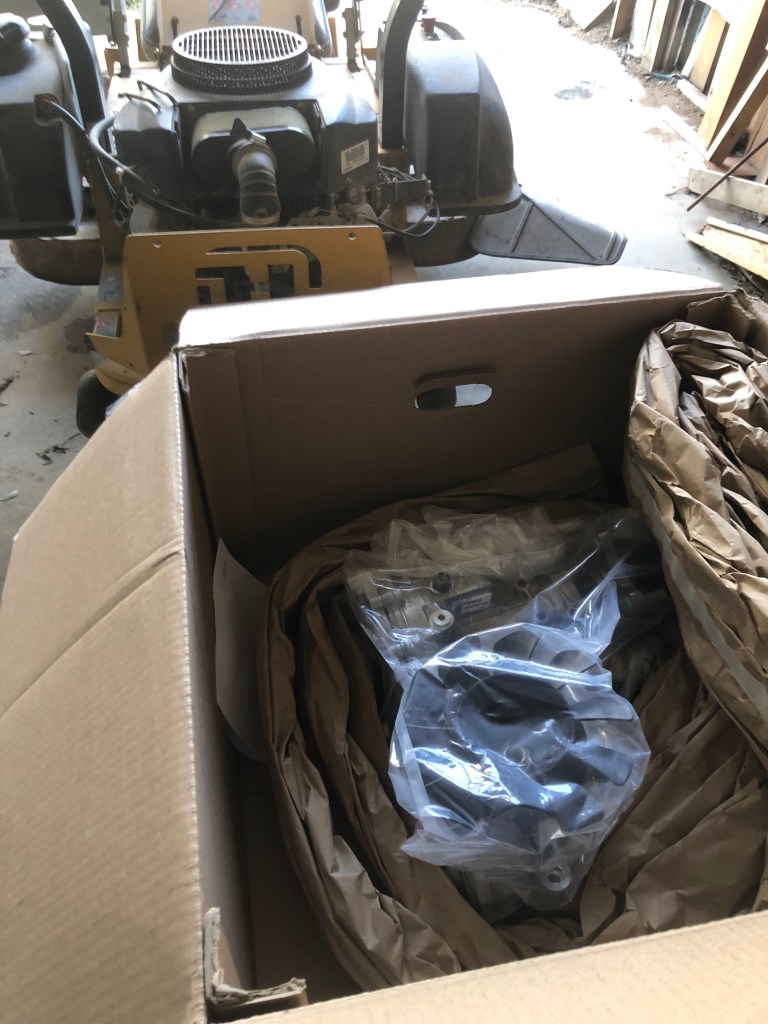
The dry has some advantages, and I have been able to get on top of a few of the mechanical issues we faced a few weeks ago (https://rockfarming.com/2023/10/05/fencing-malfunctions-fires-and-family/). The mower’s transmission units arrived in record time, and in no time I had it back on task knocking the daisy heads off. Local mechanic Dan installed a new clutch in the tractor (so glad he was able to fit me in and get the tractor back on the road in a couple of days). We put a new radiator in the big red truck Myrtle (someone wants to go to his school formal in a certain red, two door Mercedes-Benz) and the same certain someone has managed to replace the head gaskets in his little Subaru, install a new clutch and put the engine back in his car successfully! Talk about a handy run!

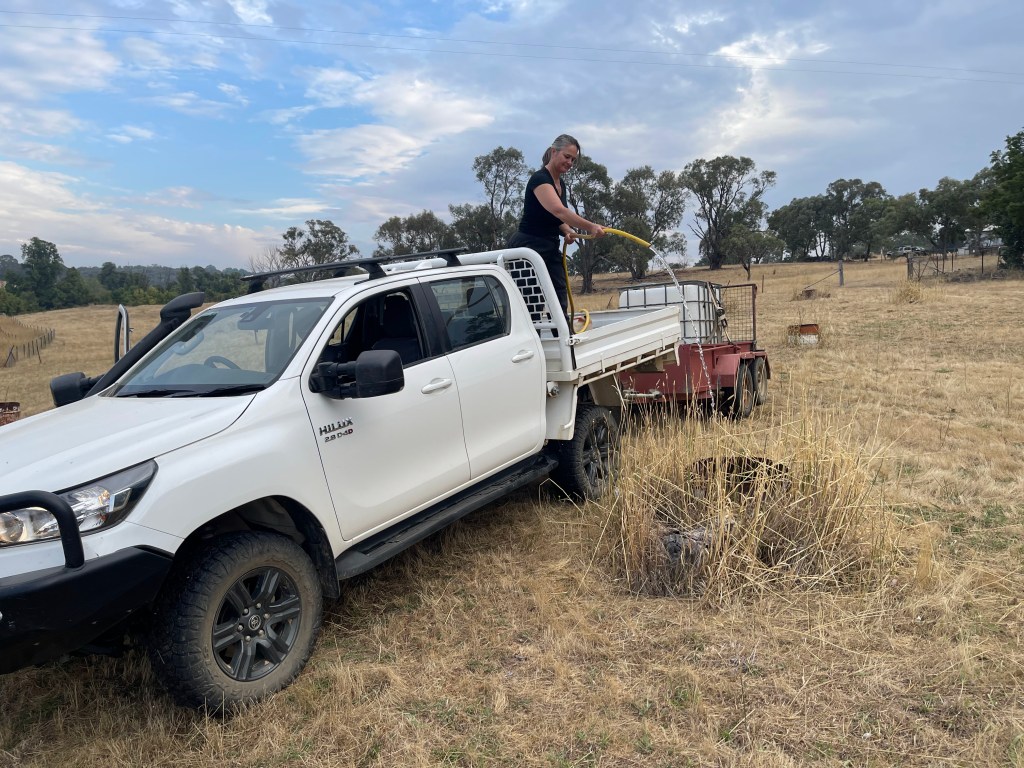
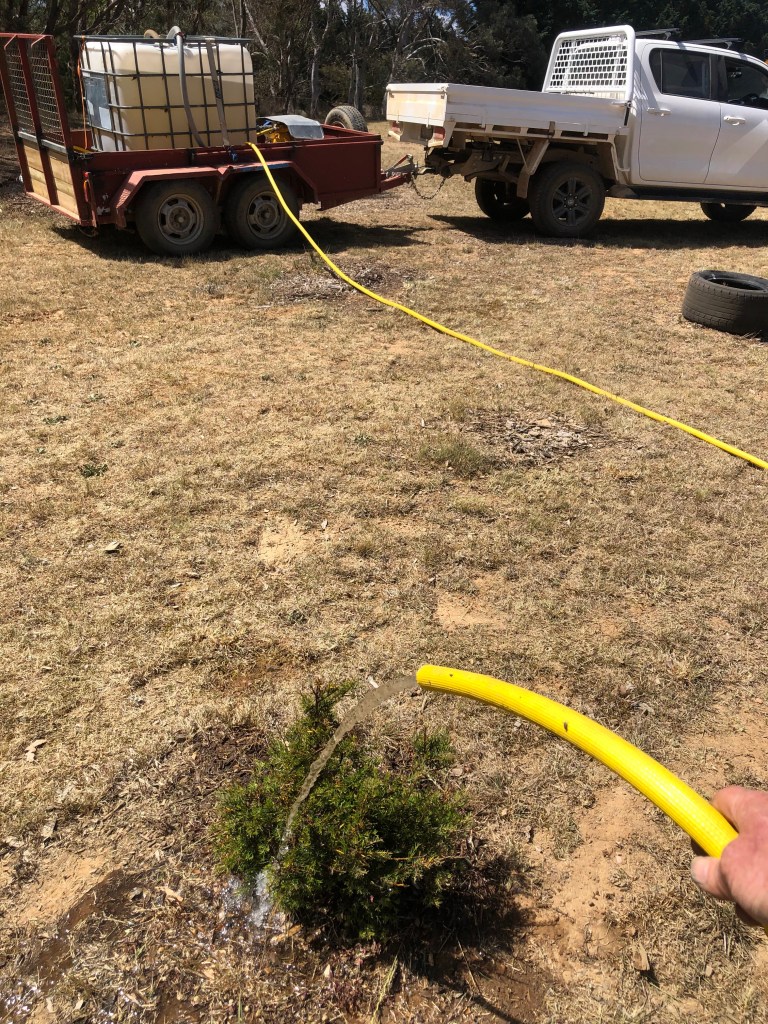
But the dry has also created a couple of other new jobs we need to pay attention to. We have started watering our young trees again – something we haven’t done since January 2020. The old re-purposed horse float is perfectly suited to its new task with the IBC container and fire pump.

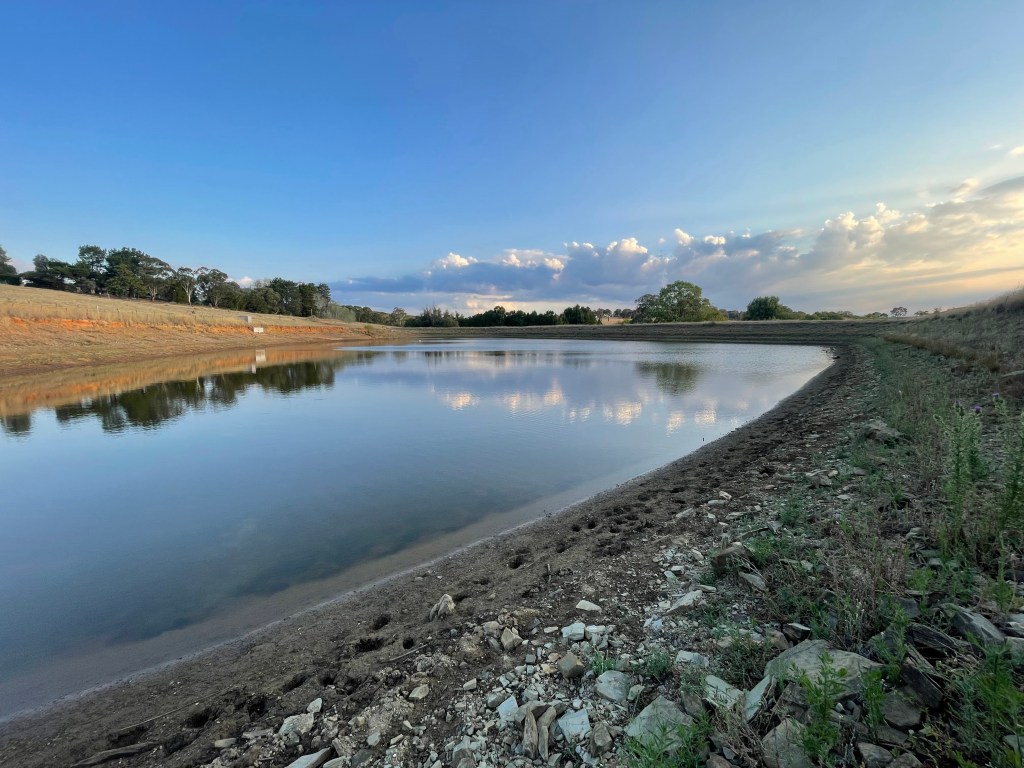
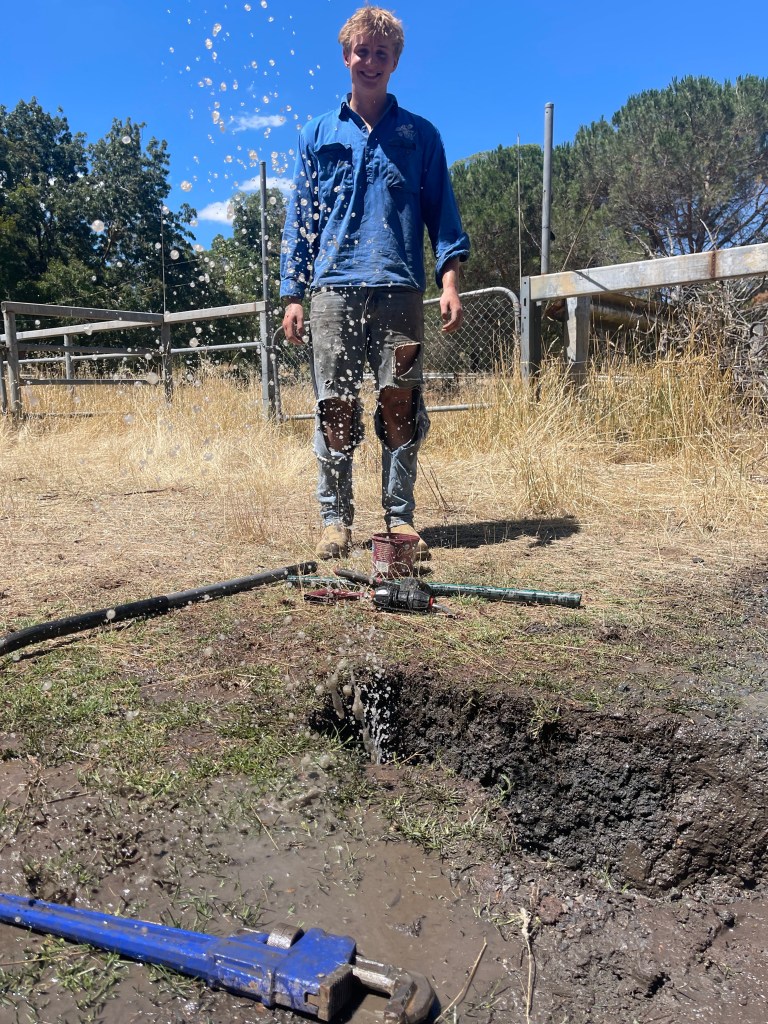
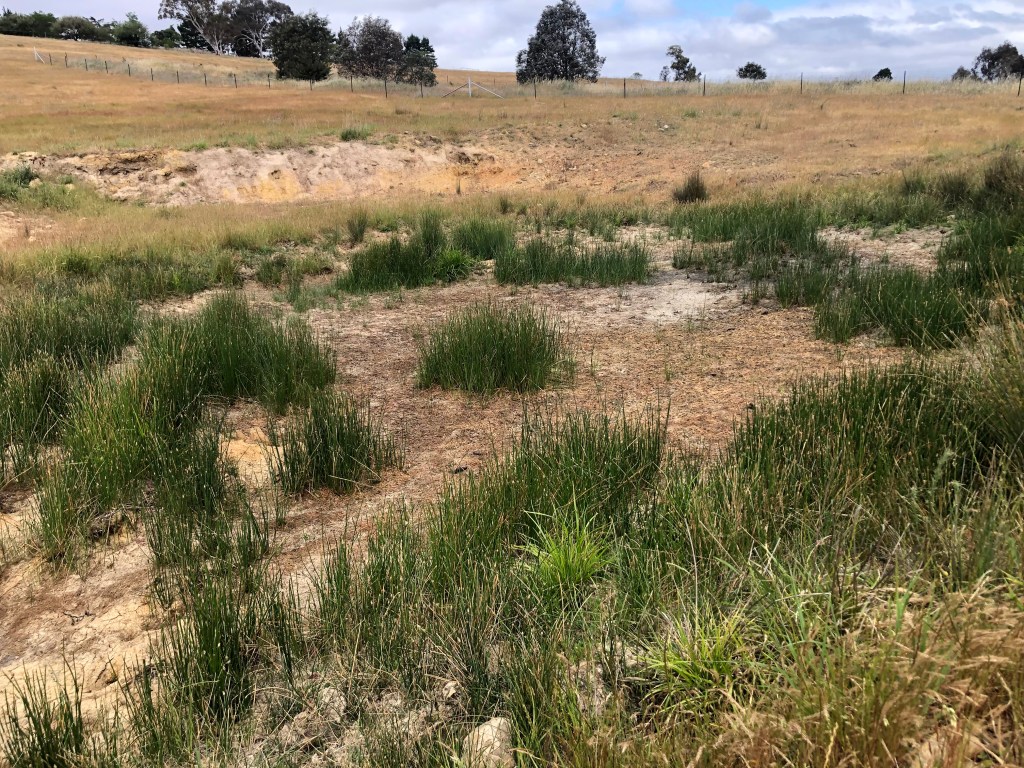
The other main job I have managed to get ticked off is cleaning out one of our small paddock dams. Most of the Rock Farm’s paddocks are watered via troughs, meaning daily inspections of water points are a necessity. Our main large dam is close to our creek which floods, and can take out our flood gates. This means I have nowhere I can leave the cattle for more than a day or two without someone being around to check on them. By cleaning this dam up, hopefully it will hold a little more water a little longer, meaning I have a paddock we can leave the cattle in for up to a week or so at a time, reducing the burden on our neighbours or my parents should we ask for someone to ‘keep an eye on the place’ while we take a break.

Lou and his little digger spent most of the day and made have hopefully our little dam a lot more useful!

Around all these comings and goings, the cattle have steadily munched their way through the standing grass. It has been a bit of a handful running them in two herds, with the bull settling in quickly with his girls in the joining herd.

He is a lovely quiet fellow, and we will be sorry to see him return home in a few weeks as will Spectacle Sue it appears.

We have a good amount of standing feed at the moment which is keeping the cattle in good condition. Recent storms have missed our place, which is a mixed blessing. Storms may fill our newly cleaned dam and our dwindling water tanks, but they will degrade the quality of the standing grass on the Rock Farm.

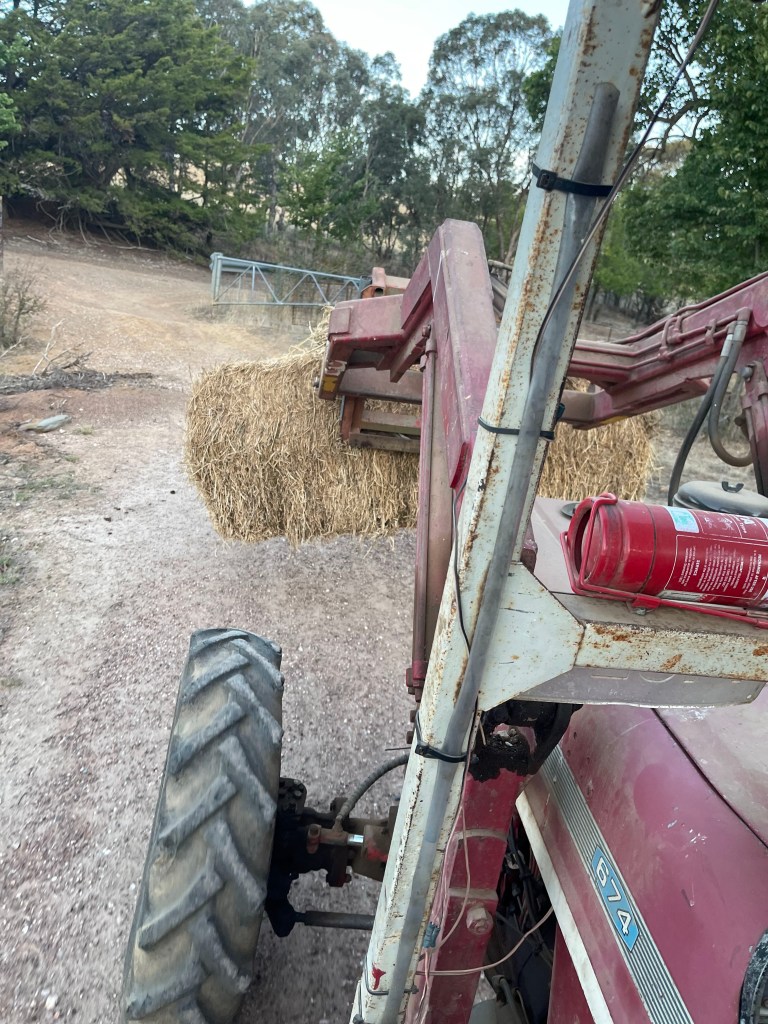
Should we get a good couple of storms, we will be ok. We have a good store of hay in the shed, and now the tractor is back in working order, we have the means to move the large round hay bales (each weigh around 400-450kg) and supplementary feed the cattle when the time comes.

In the mean time, it is good fun hanging out with this bunch! Big shout out to Dan for his great work on the tractor, Lou for his awesome work on the dam, and Kathie for the loan of her mower whilst we waited for our parts to arrive! We are so lucky to live in such a great community 🙂

Book Review – My Father and Other Animals by Sam Vincent

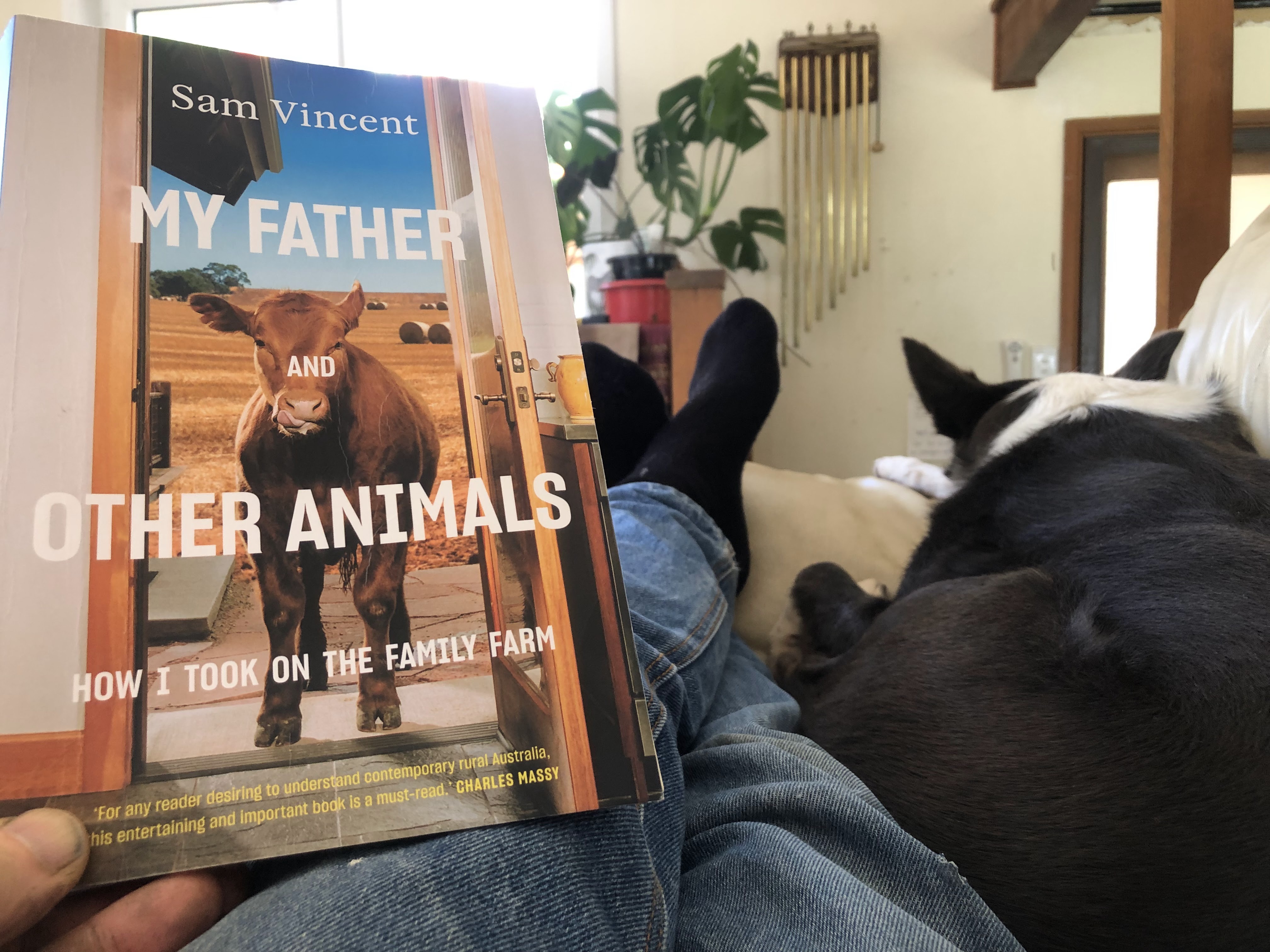
Over the summer, I had the great pleasure of reading Sam Vincent’s heart-warming memoir, My Father and Other Animals: How I took on the Family Farm. Sam, a twenty something millennial returned to the family farm to help his father who was becoming increasingly accident prone. Part apprenticeship, part journey, part discovery, Sam’s account of his time learning the rhythm of the farm is touching, hilarious and brutally honest. Of course I wasn’t the only one who enjoyed taking some time out of the heat of the day to turn some pages before nodding off!

Sam Vincent
MY FATHER
AND
OTHER ANIMALS
HOW I TOOK ON THE FAMILY FARM
For any reader desiring to understand contemporary rural Australia, his entertaining and important book is a must-read. CHARLES MASSY

Sam might have grown up on the farm Gollion, and his memories as a child recall a magical place with dams to swim in, trees to climb and gullies to explore. Returning as an adult, it is an entirely different proposition. Sam shares his apprenticeship building fences, managing livestock and growing fruit through the eyes of a total newbie. Sam relates how we gains a deeper connection to not only the farm but also his father,

Sam’s journey is far more than a book about his relationship with his father. Sam shares many of the challenges facing contemporary farming in Australia, especially the responsibility that a custodian bears. He shares some of his philosophies gleaned form his holistic management courses developed by Allan Savory, lessons from Peter Andrew’s Natural Sequence Farming and some of the ethical and moral issues facing small farmers like us in finding markets for respectfully grown and cared for livestock in a mechanised feedlot based industry. Many of these stories are shared through humourous anecdotes with his father as the unwitting star,.

Through our local Regenerative Land Managers Network and nearby Landcare group, not only did I have the opportunity to meet Sam, but also get a tour of his beautiful property Gollion late last year. Gollion is kind-of-famous in a way regenerative agriculturalists will understand. Charles Massey visited Gollion in 2016 after receiving an invitation from Sam’s father to address their local Landcare Group. Touring Gollion, Massey was impressed with a gully filled with rock that had formed a leaky weir. In the reeds growing in the pool of now-permanent water, Massey heard the call of a Reed Warbler bird, not seen (or heard) in the area for 130 years. Inspired, Massey concluded that the reed warbler could only be a talisman of a watercourse and landscape function on the path to regeneration – and named his seminal work “Call of the Reed Warbler” after this experience. I reviewed Massey’s amazing work last year: https://rockfarming.com/2021/05/05/book-review-call-of-the-reed-warbler-by-charles-massey/.
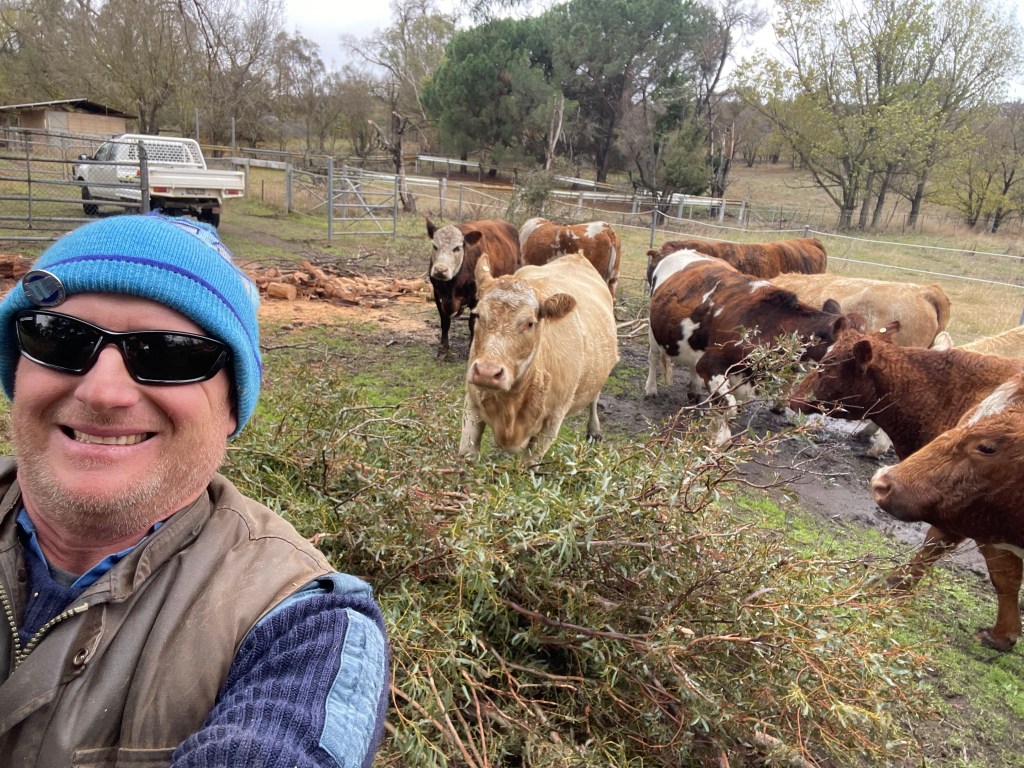
I connected with Sam’s book on so many levels. I felt many parallels with Sam’s experience growing up on Gollion as I felt growing up on Saltersgate, a small farm owned by my parents. Sam articulates many of the feelings I felt about the farm, however he is able to share them with a gentle humour that I cannot hope to posses. My father with his cattle and sheep, and my mother with her horses were inadvertently the main influence on my journey that led me to the Rock Farm after a career forged at sea. Sam’s is a beautiful story, and I loved every page.

My Father and Other Animals has helped me reconsider how I encourage my boy’s to interact with the Rock Farm. Sam reminds me that the Rock Farm is not their dream, it is mine. Secretly I am happy my boys have already lived some of Sam’s apprenticeship. They have helped me build fences, mark lambs and calves and repair cantankerous farm machinery. But I am also glad that they have also made their own happy memories on the farm, exploring gullies, swimming in the dam, testing their courage on motorbikes and cuddling horses or cattle.

I cannot recommend My Father and Other Animals enough for anyone interested in pursuing a tree-change, or adopting regenerative practices. It is a book for anyone who cares about the future of Agriculture in the world. It is also a book about families and the special relationship between a father and his son.

Calving and a big dump of rain!

Calving is without a doubt my favourite time of year. It isn’t without its challenges, and requires twice daily (or more) checks just to make sure all is going to plan. As I write we have 13 beautiful calves on the ground, with a couple more stil to calve. The cows seem to understand what we are up to with our regular checks and seem quite happy with our presence. We only have one maiden heifer, and she gave birth to a bull calf without any issues which was a great relief. Regular readers will recall that Daisy had some difficulty calving last year, and despite my misgivings, remained on the farm. She hasn’t calved yet – indeed she might not even be in calf – but we are watching her closely.
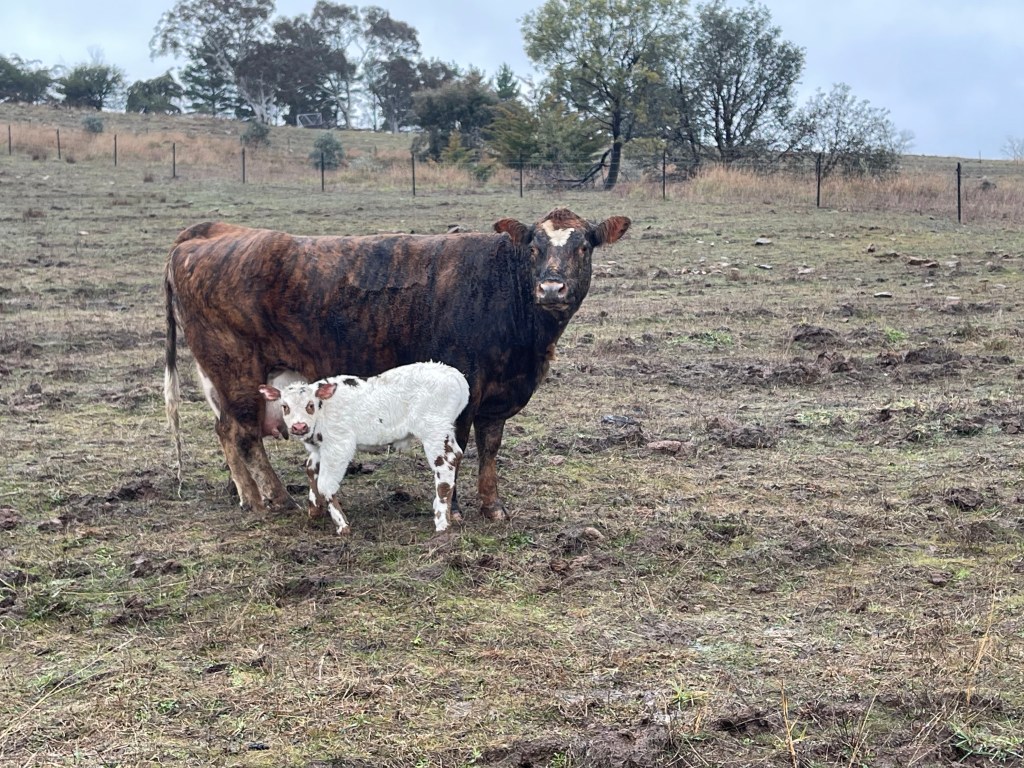
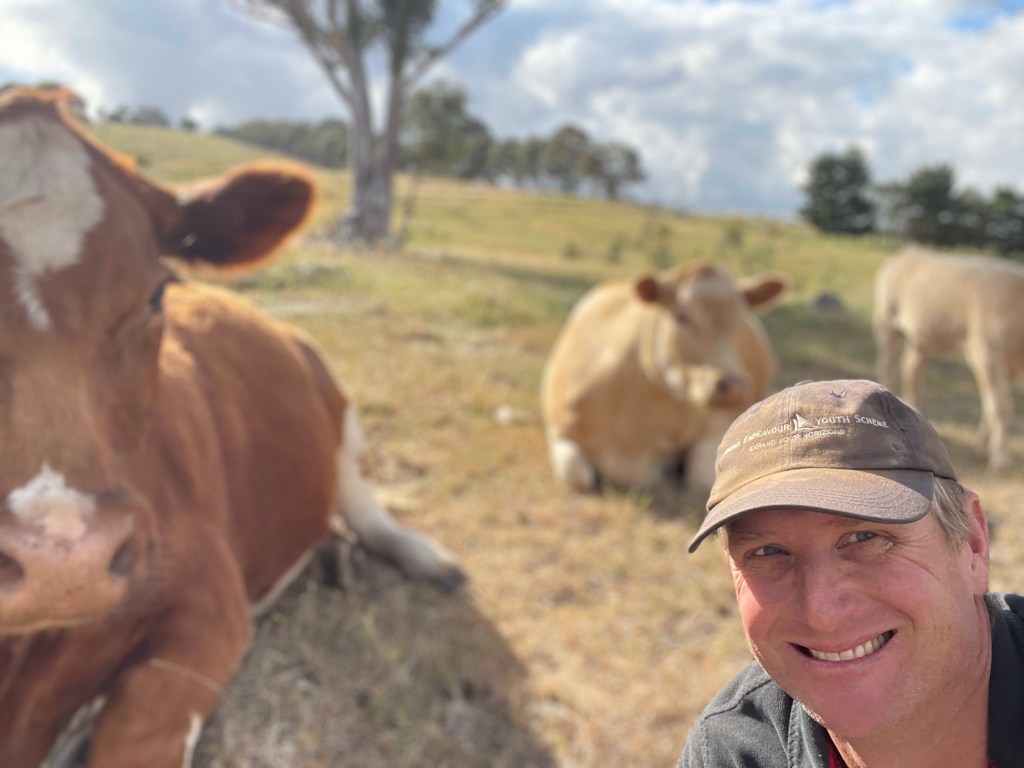
Our gorgeous cows are lovely and quiet, however the new mums can be understandably a little more cautious around us. Over the past few years, any cow that has shown any form of aggression has been sold. That said, there are a couple who quitely let us know with a gentle shake of the head that we have approached close enough. We don’t put any more pressure on them. By sitting down a short distance away, those who want to come up and say hello are able to… and they sure make us smile.

We are calving a little earlier than last year. Whilst the soil moisture is great, the rain has reduced the solar gain on the pastures and hence grass growth is a little less than we expected. We are throwing out a bit of pasture hay, and are providing a magnesium lick to the cattle to support their nutrition requirements.

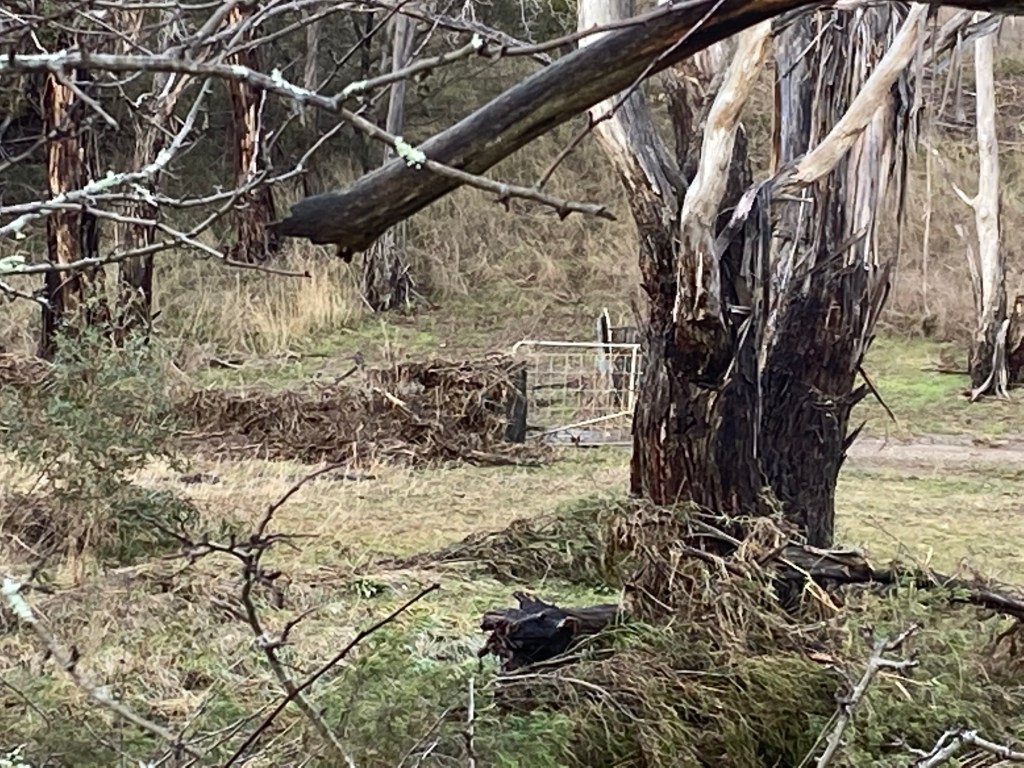
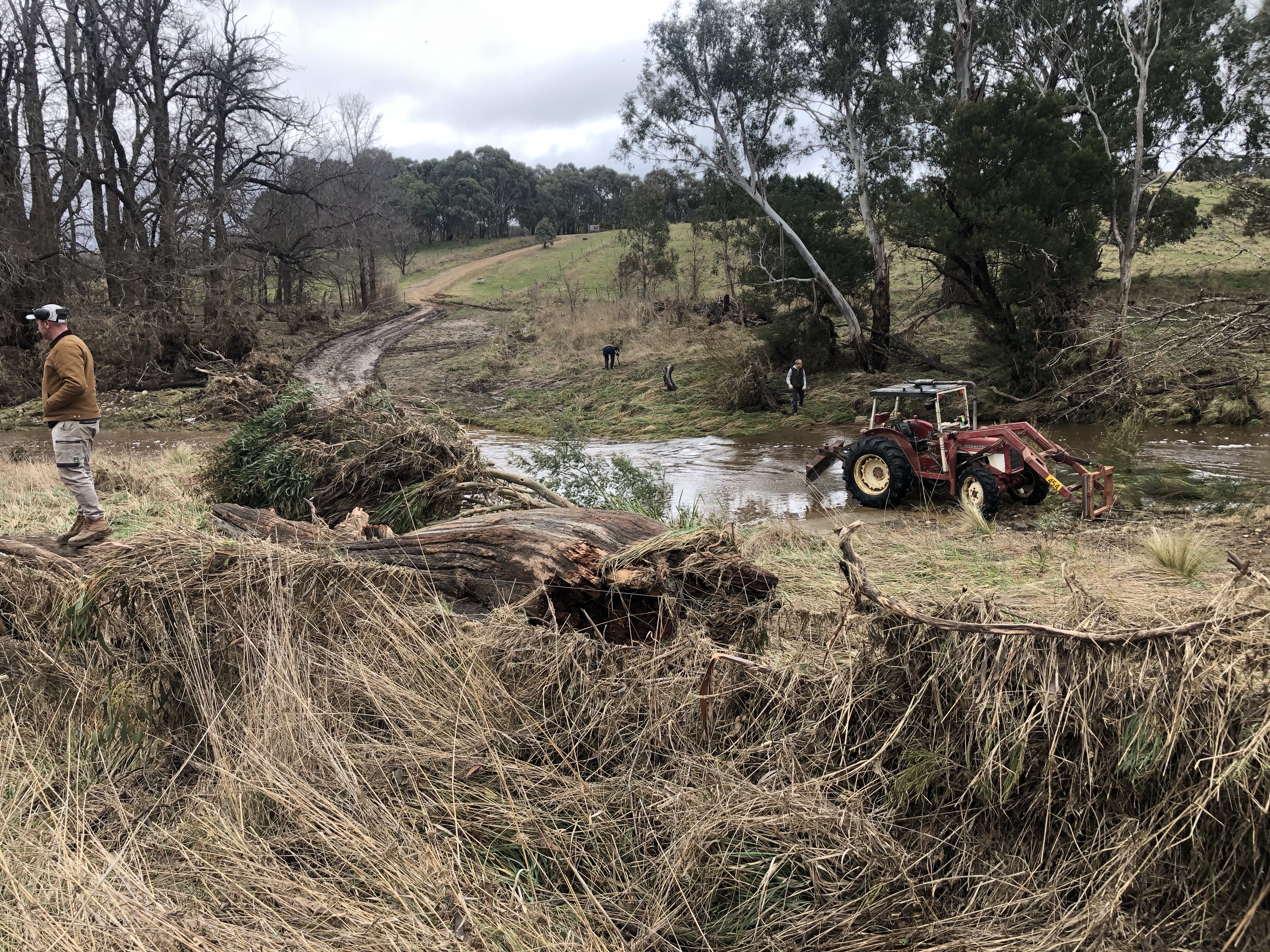
It is an unusually wet year, with the end of last week culminating in the largest flood waters we have seen on our creek since moving in. Our previous flood record was measured to the base of our front gate post. This most recent flood covered the gate and has fiven us a new height datum. A day of steady rain was followed by a sharp 30mm shower as the sun set. The resultant rise in the creek was mirrored with flooding throughout the district, with several roads cut. The family were safely marooned at home, and I ended up staying in town after work.

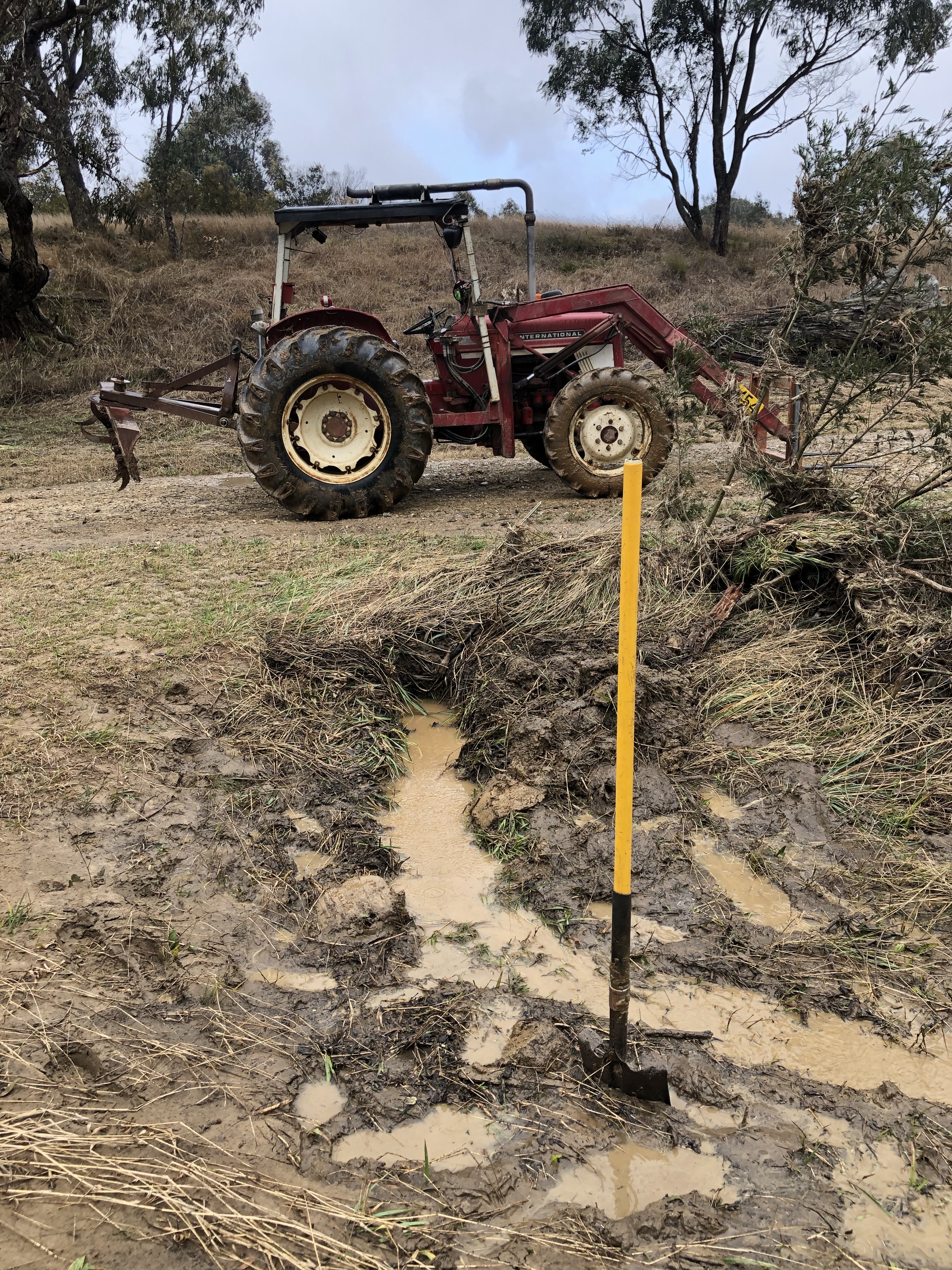
The following day the creek dropped, and required a bit of work to clear some of the debris off the crossing. Our neighbour was home and cleared the worst of it (thanks Stuart), allowing me to get home that evening. The following day, we continued to drag silt and logs off the drive way. The size of the timber moved downstream by the flood waters was phenomenal. Sadly several trees were ripped out of the creek banks. I haven’t yet established the extent of the damage, but I do know we have lost some creek bank, new trees and a temporary fence. Over the next week or two we will look rebuilding our flood gates and making the front paddock stock proof again.
It is all part of the cycle of the water way. For all the extra work the creek creates, it adds so much more to our property and we consider it an asset to the Rock Farm.

In the meantime, I will keep hanging out with the cows and enoying their company. It is good for the soul!

Special thanks to Stuart for clearing the debris so I could get home and to the Not-So-Little Helper for his amazing photos.

Decision Making Tools – Farming Forecaster

James Rebanks described the importance of observation in farming. Observation informs our decisions about how we manage our farms. For thousands of years farmers have been relying on empirical knowledge passed down through generations, helping them to recognise patterns in the weather, cycles on the land and rhythms within nature. But what can you do when you don’t have that mulit-generational connection with your land?

Today we are armed with a vast array of tools to allow us to make evidence based decision making for our farming enterprises. These tools are usually expensive, difficult to use, or unable to be tailored for specific applications. In my quest to learn more about caring for the soil on the Rock Farm, I recently attended a winter update session hosted by the NSW Local Land Services. One of the sessions was on a web based tool that has enormous potential to help me make better decisions about our farm management.

The tool is Farming Forecaster. This tool has been available in our area for a couple of years, but is rapidly expanding throughout New South Wales and Tasmania. Matt and Phil from the video below attended our session and took us through the tool, how it works, and how we can use it to make better decisions. One of the best aspects of the Local Land Service’s workshops is the calibre of people they have at the sessions, and to hear Matt and Phil explain the tool was a real privelige.

The tool uses real-time soil moisture probes in our district to predict pasture growth. Water in the soil is the largest determinator of pasture growth in our area, followed by fertility. The Farming Forecaster assumes you have appropriate fertility and uses the soil moiture profile to determine pasture growth based on either:

  • 30 years of historical data
  • Bureau of Meteorology ACCESS S long range forecast data

With accurate pasture growth data, based on 30 years of observed weather, and knowing exactly how much area is available to graze (using free GIS software QGIS) I am able to calculate with reasonable confidence how much feed will be available to my cattle for the next three months.

This information, coupled with data on the amount of feed I can expect my cattle to eat (based on tables from the Local Land Services Soil Fertility and Decision Making Workshop) allows me to make decisions on my stocking rate.

With rainfall and soil types varying across the region, it is important to look at several sites around your farm. You can do this by clicking on the ‘View Network‘ button. There are some great videos that explain the data also available. Additional information on the site can be found here: https://farmingforecaster.com.au/MemberUpdates.

From using Farming Forecaster, I am now able to confidently say that we have an appropriate stocking rate for this season – well at least for now. It is worth regularly reviewing the site as it is updated weekly. For a punter like me, who has so much to learn about animal husbandry, pasture growth and stocking rates, it really helps me to access knowledge that took generations to acquire.

Of course the ones who benefit most from it are oblivious to it – but that is ok. They’re beautiful – and now I know they should be well fed throughout the next couple of months :).

It all starts with ‘why?’

There are some fantastic workshops, courses and field visits open to landowners in New South Wales for people to develop their skills and knowledge to help make their farming enterprises more healthy, and profitable. To get the most out of these opportunities it is important to understand your vision, or your ‘why’. I am in the middle of a Farm Planning Workshop hosted by the Local Land Services. This was the very first question we were asked to consider – and perhaps the most difficult to answer.

I was thankful for the reason to re-examine our vision for the Rock Farm. We haven’t updated our vision statement since I commenced this blog back in 2016. From casting my eyes back over it as we started our farm planning workshop, it was clear our vision needs updating.

Our vision is for sustainable and ecologically sound stewardship of our property, that creates an income and food source for us in an environment that encourages our beautiful boys to grow into gorgeous men. We hope to share this knowledge with others interested in creating a sustainable and healthy future.

The first thing that struck me in re-visiting our vision is that we have moved from sustainable to regenerative in our approach. We don’t just want to maintain our land in its current state, but we want to improve it during our stewardship and set the property up for continual improvement into the future. We want to improve our soil health and fertility. We also want to increase the biodiversity of the plants and animals that live here through creating areas of habitat. We have also come to understand that community and social responsibility are also a key elements of our vision. Oh and you might have guessed, I love managing livestock and Jo loves growing vegetables.

We haven’t got the words yet for our new vision but we have most of the elements of it identified. Through creating a vision statement, we will have a lens through which we can approach all the wonderful learning opportunities that are available to us. It allows us to identify which elements of the books, courses and workshops are relevant to our enterprise, and which aren’t. Perhaps more importantly, it allows us to acknowledge other people’s visions. We can respect that their visions may be different to ours, and this will therefore shape the approach they take to their land management.

I have just discovered a fantastic podcast by Charlie Arnott which will help us define our vision. Charlie interviews some amazing people interested in regenerative agriculture, healthy soils and healthy food from around the world. We have found inspiration in many of his guest’s books or stories. Sometimes it is hard to find the words that best fit what we are trying to achieve on our small farm. To hear Charlie and his guests explain their stories helps us understand that our journey is far from unique. I cannot recommend this podcast enough – especially when he interviews one of our neighbours in episode 15. Please check out Charlie Arnott’s excellent podcast here: https://charliearnott.com.au/podcast/

Of course Sapphire knows her ‘why’. It is her job to make sure the fire doesn’t go out, keep rabbits out of the garden, occasionally ask the cattle to hurry up through a gate and make sure Dad doesn’t run into a tree whilst checking the fences!

More trees for the Rock Farm

My first lockdown project was addressing an immediate need for nesting sites for birds that naturally nest in hollows. The second lockdown project has a much longer timeframe before we will see the rewards. Instead of building nesting boxes for trees, we were planting tube-stock trees to restore native habitat and control erosion on the Rock Farm. With a nearby nursery specialising in local species, and a forecast wet spring, the conditions seemed ideal for us to continue our efforts in planting trees.

We were fortunate to secure 110 native tube stock plants from Damien at ACT and Southern Tablelands Nursery (https://windbreaktrees.com.au/). Our plants ranged from Red Box (E. polyanthemos) and Yellow Box (E. melliodora), to others such as Grey Box (E. microcarpa), Apple Box (E. bridgesiana) and other native trees that are being trialed in our area. Given our short notice, we sadly didn’t get any Drooping Sheoak (Allocasuarina verticillata), one of the key food sources for the Glossy Black Cockatoo.

Over the next couple of days Jo and I put our tubestock in the ground. We again found the Hamilton Tree Planter invaluable, however many holes also needed a good working over with the crow-bar to open up the ground for the tap roots to penetrate. Each tree was then provided a scoop or two of mulch, and then protected, either with a tree guard or with cut branches. It was exhausting work, and whilst there are easier ways to plant trees en-masse, we were able to get them placed where we wanted for best effect.

The last couple of trees we planted we learnt about on a lap around the country a few years ago. We planted three Bunya Pines (Araucaria bidwillii) as the rain came down. Whilst they occur naturally in the Bunya Mountains in SE Queensland, there are some magnificent specimens of this tree in our region that pre-date European settlement. The Bunya Mountains was a site of many great meetings of the indigenous people for thousands of years. At these corroborees, held when the trees bore nuts every three years or so, law was made, disputes settled, marriages arranged and the seeds from the tree dispersed. It seemed that the weather wanted these trees to have the best possible start with a good shower of rain falling as we put the last ones in the ground. We might have been cold and wet, but my heart was singing.

It was extremely rewarding work, and whilst my back and shoulders were sore, I know my aches will be temporary. I hope that these trees will grow and provide shade, shelter and habitat for our native friends on the Rock Farm, whilst protecting our soil. As I sat back watching the sun set after the last tree was planted, nature put on a spectacular light show. I am sure it is a good omen.

A huge thank you to Damien at ACT and Southern Tablelands Nursery (https://windbreaktrees.com.au/) for his excellent quality tube-stock and advice. If you want one tree, or a hundred, Damien will be able to help you pick the one you need.