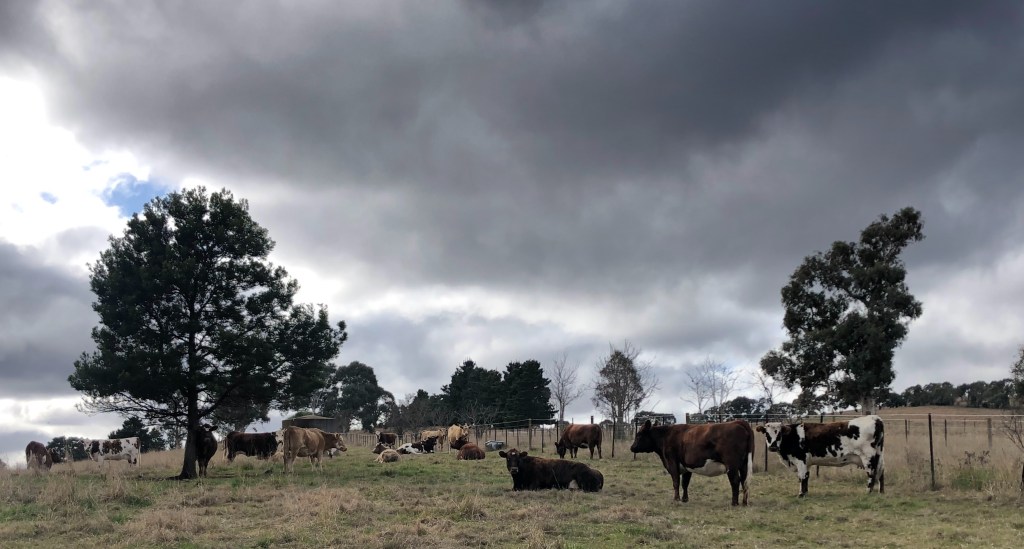
Weaning on the Rock Farm – 2023

Weaning is a bittersweet time on the Rock Farm. It means winter is coming, and it is time to reduce the number of mouths feeding on our pastures. Without the capacity to keep our young cattle until they are finished for slaughter, it means we are at the mercy of the market when it comes to selling them.

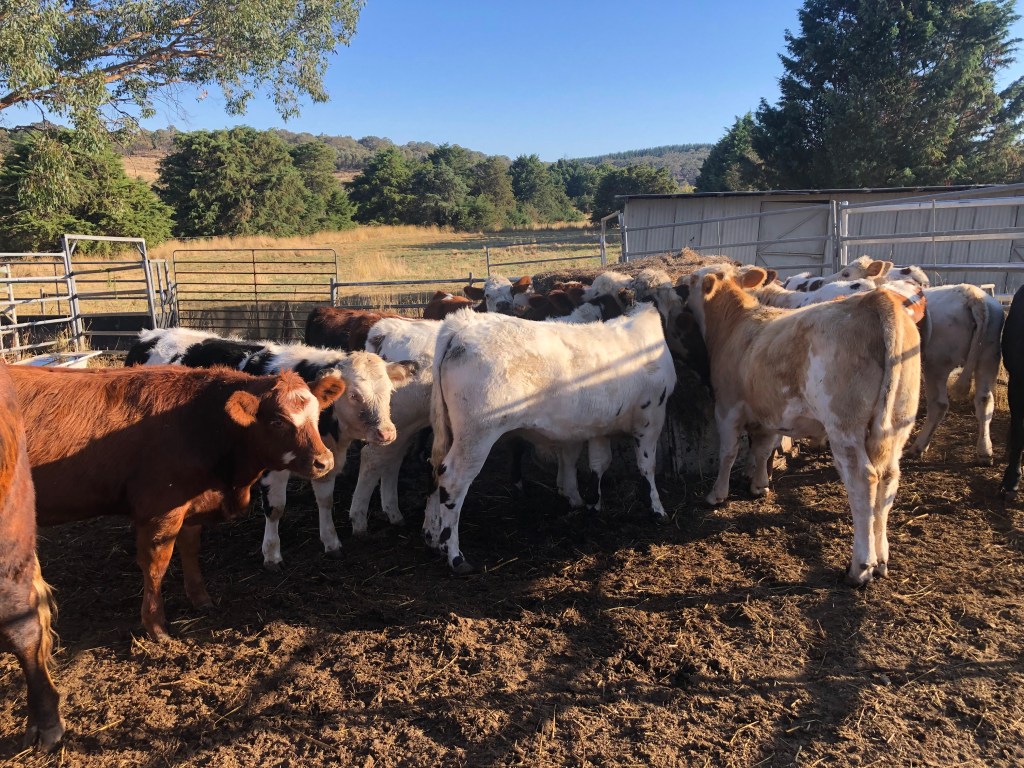
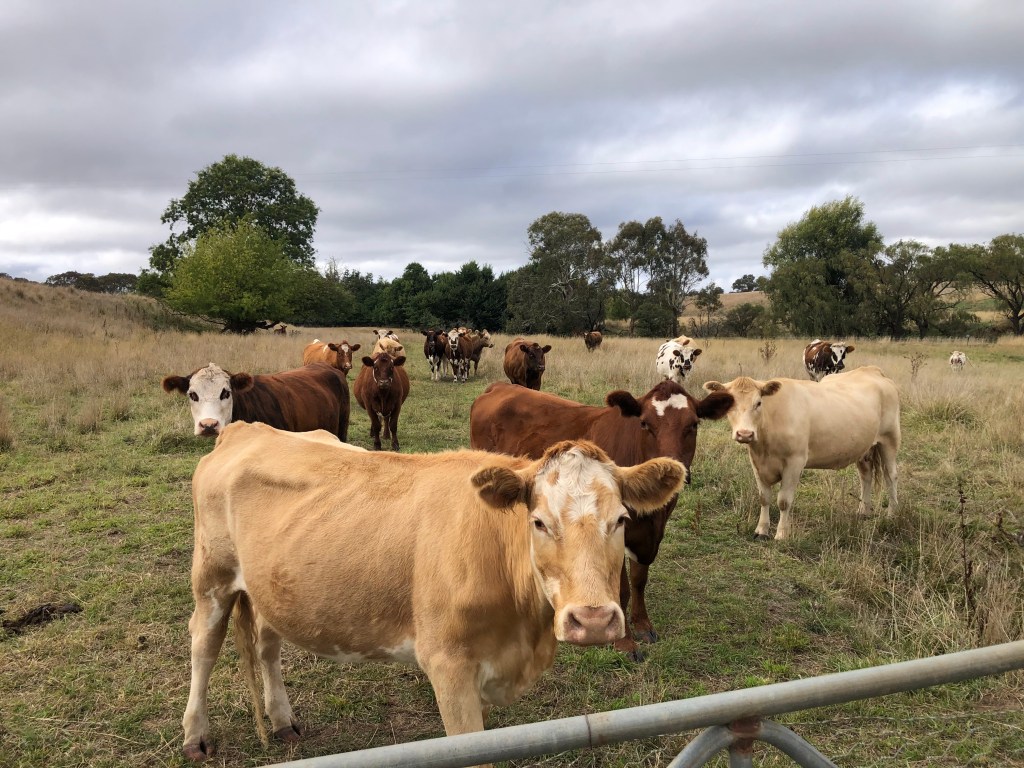
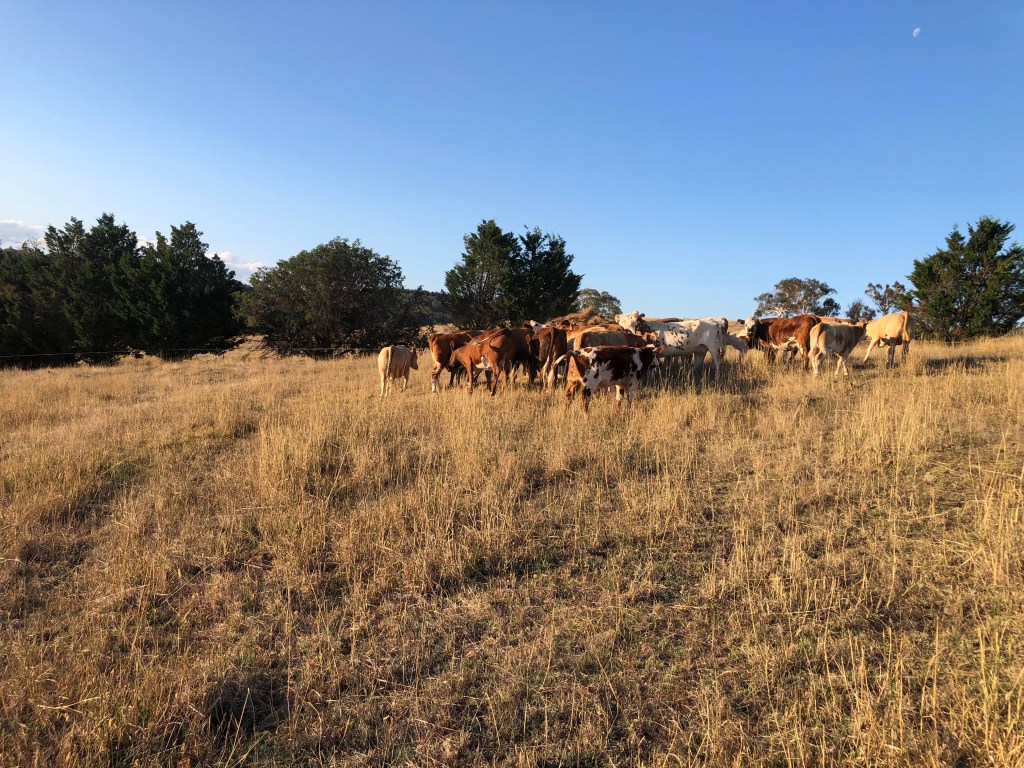
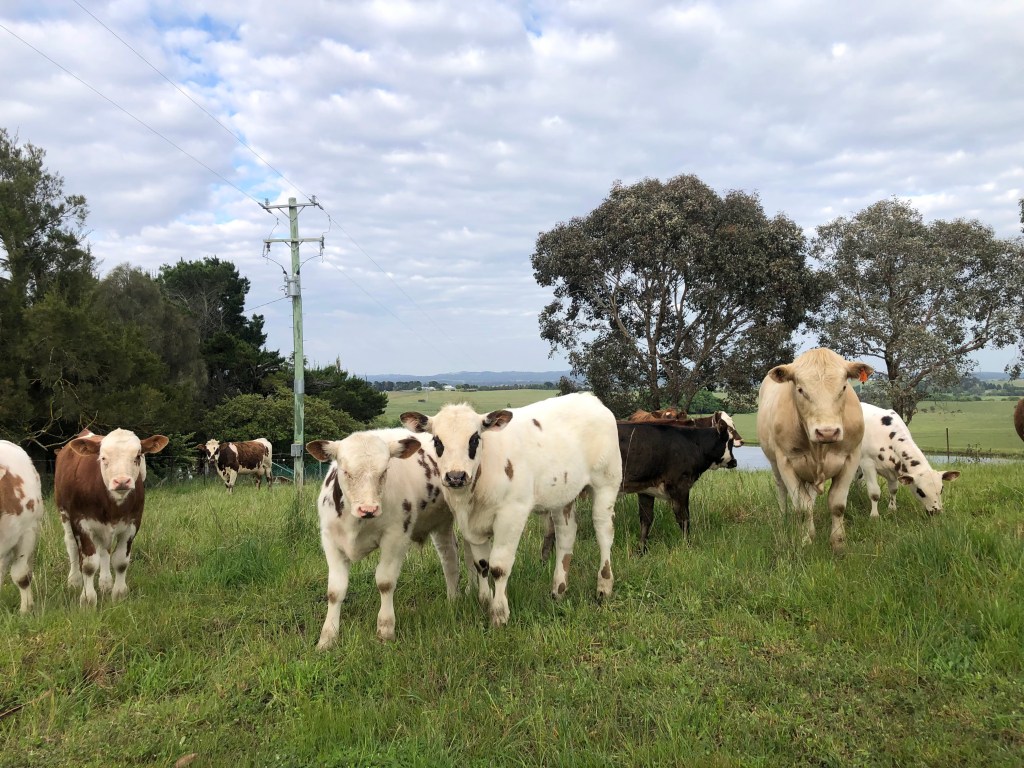
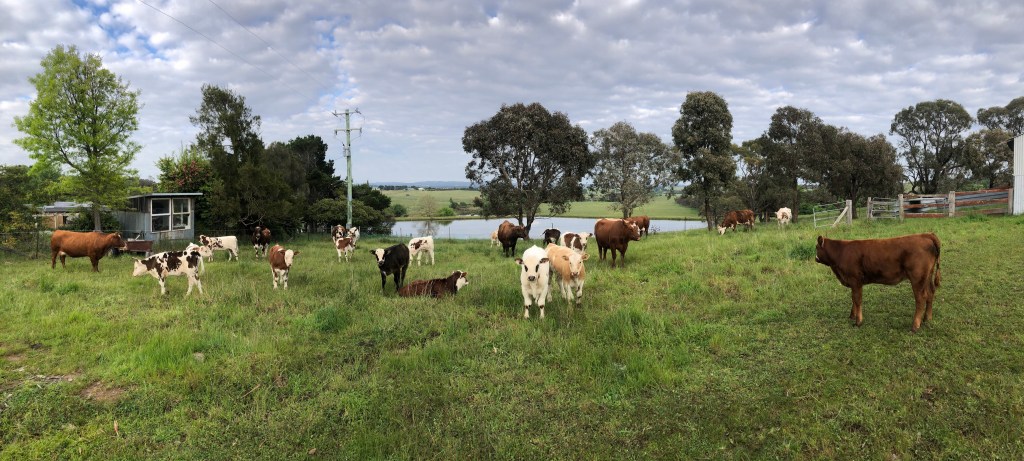
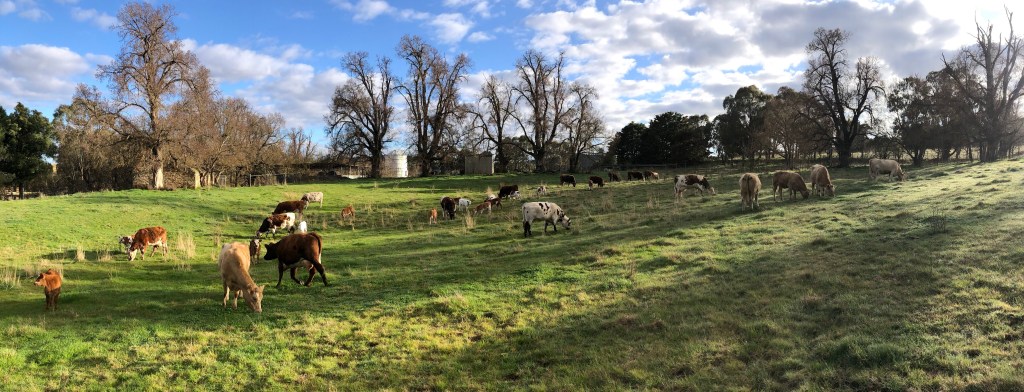
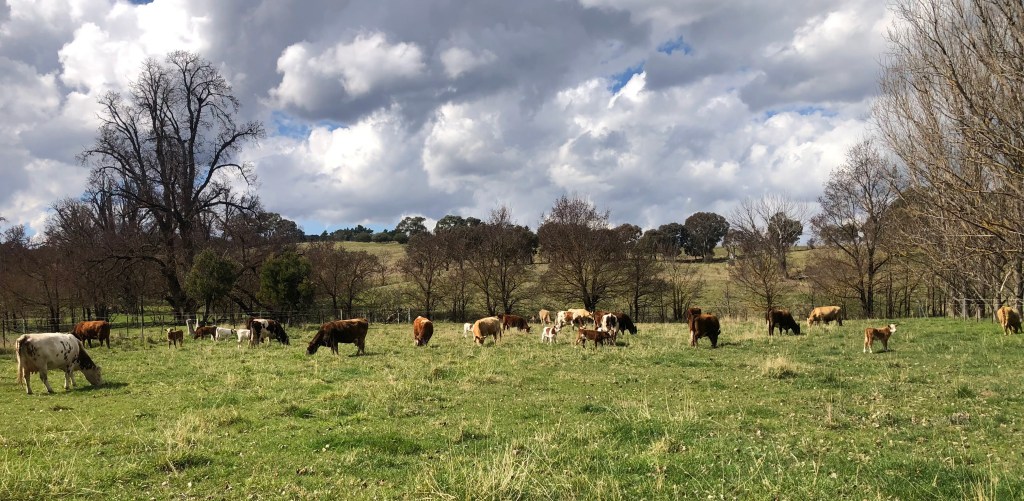
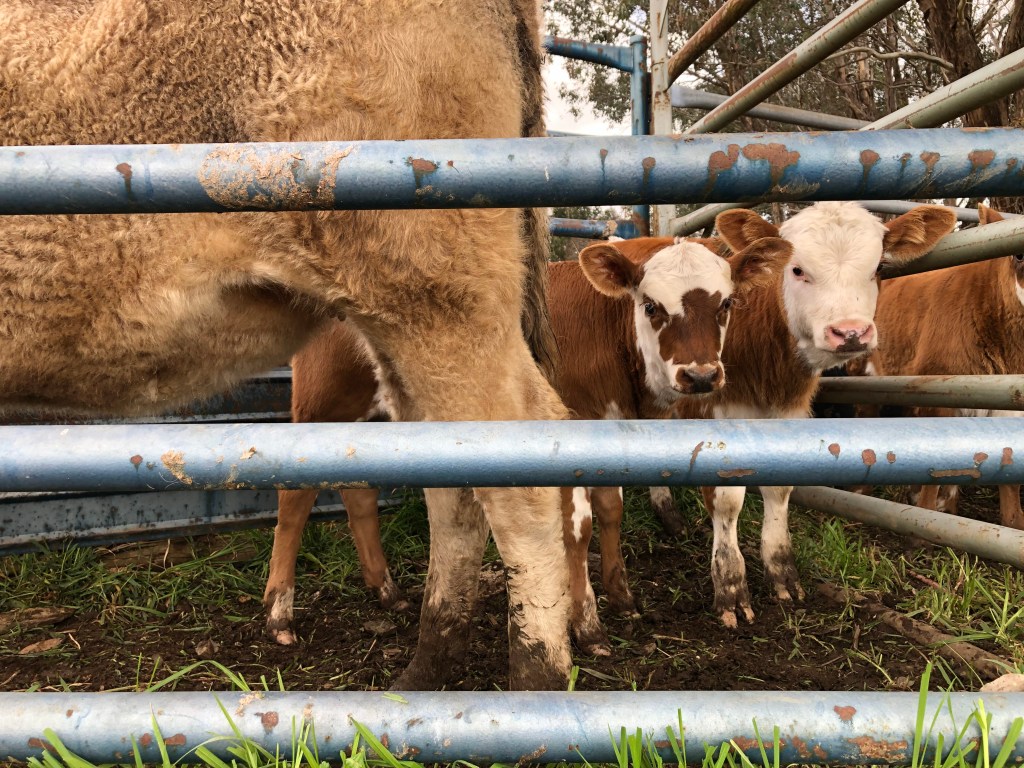
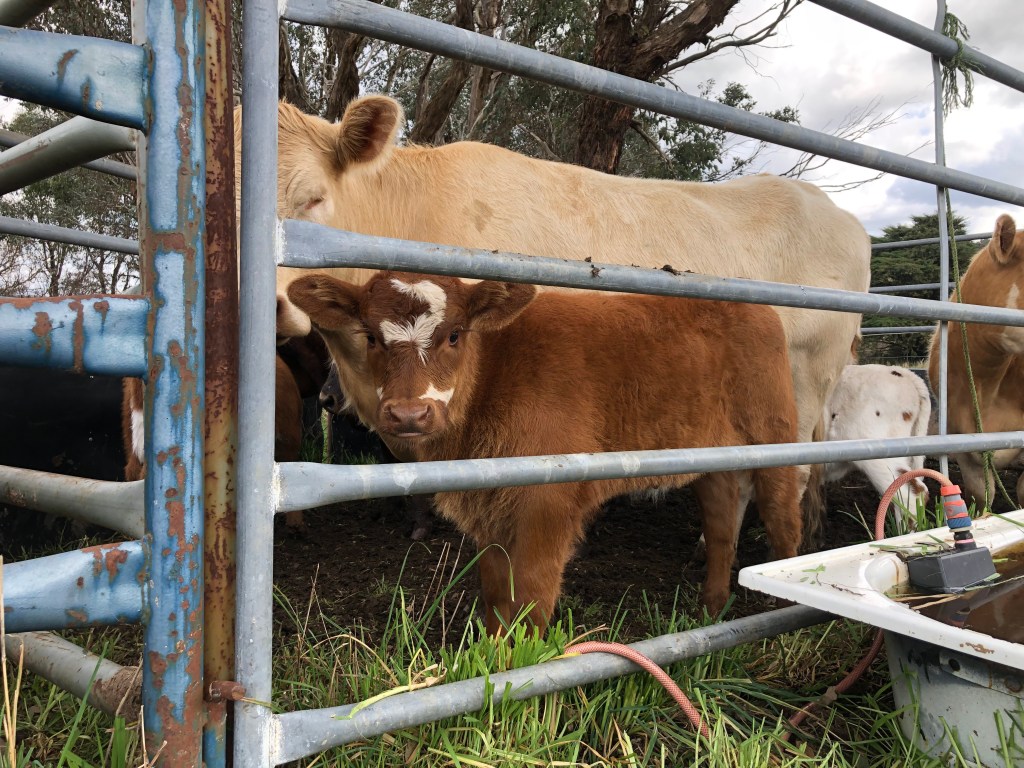
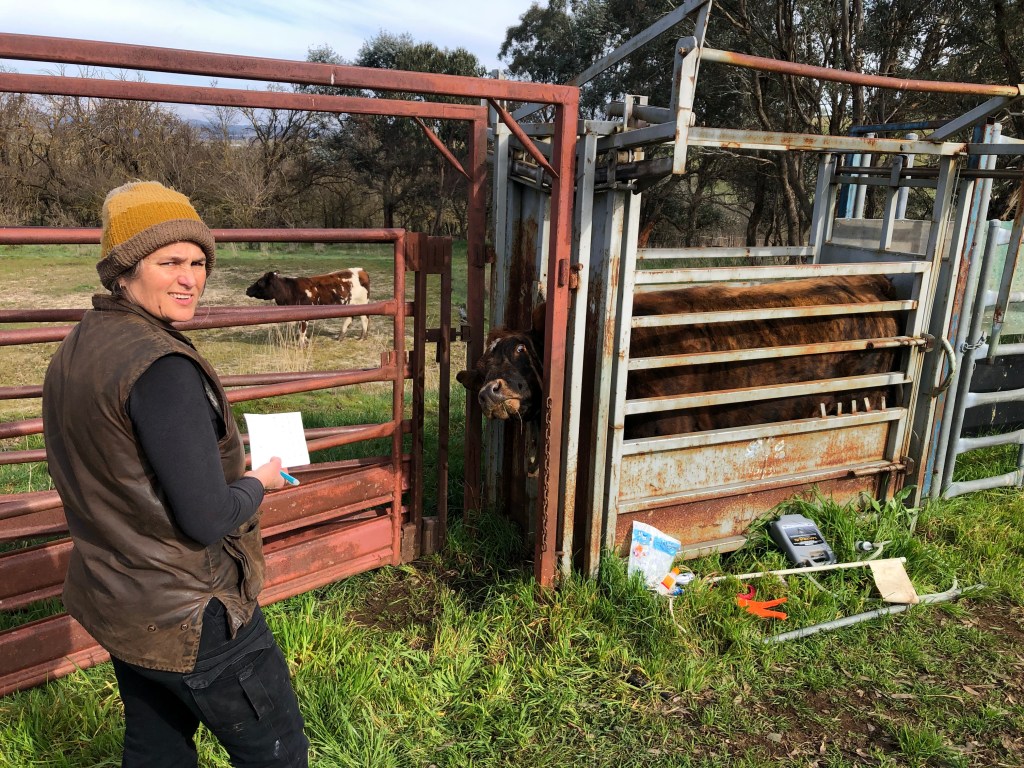
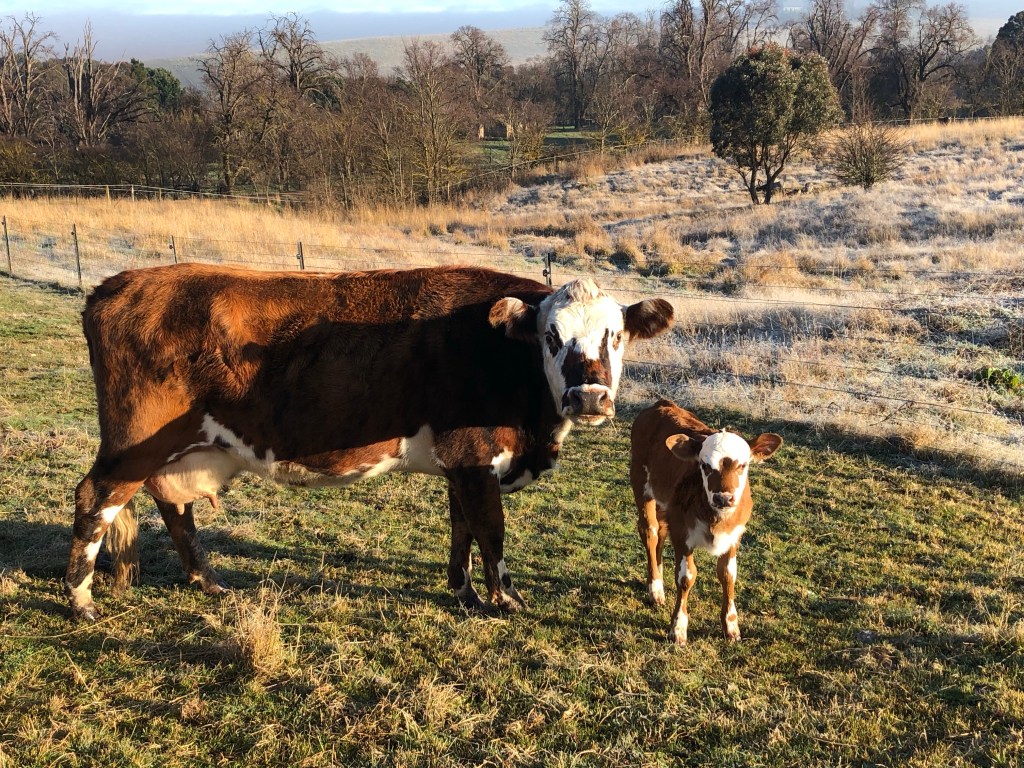
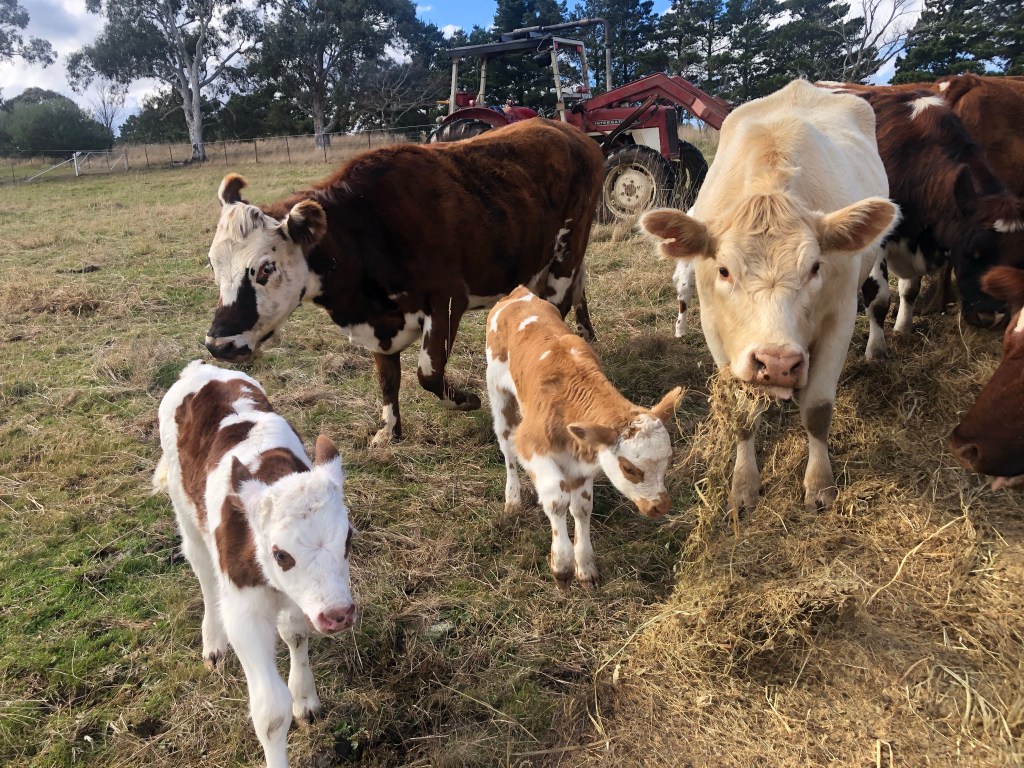
The first stage was to separate the calves from their mothers. This was quickly achieved, and the cows were put in the lane adjoining the yards. This seems to cause the least stress as the cows can go and feed, but come back and check on their calves frequently. We kept one cow in with the young calves to provide some guidance, especially when moving the calves. She had lost her calf to a possible snake bite a couple of months earlier.
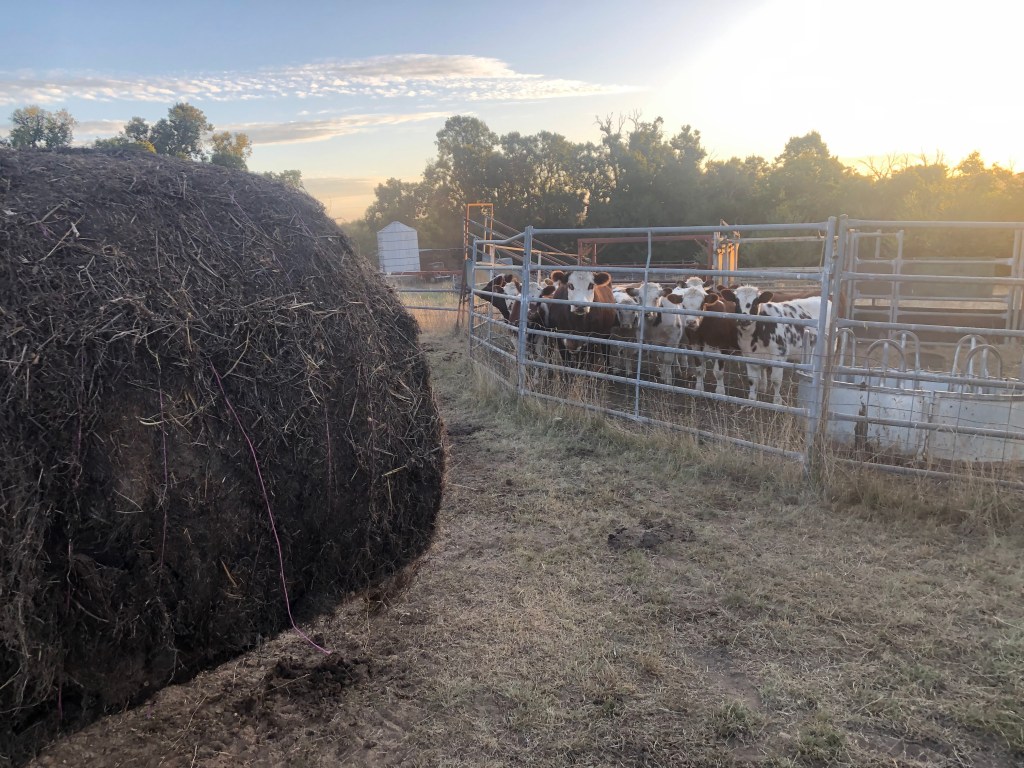
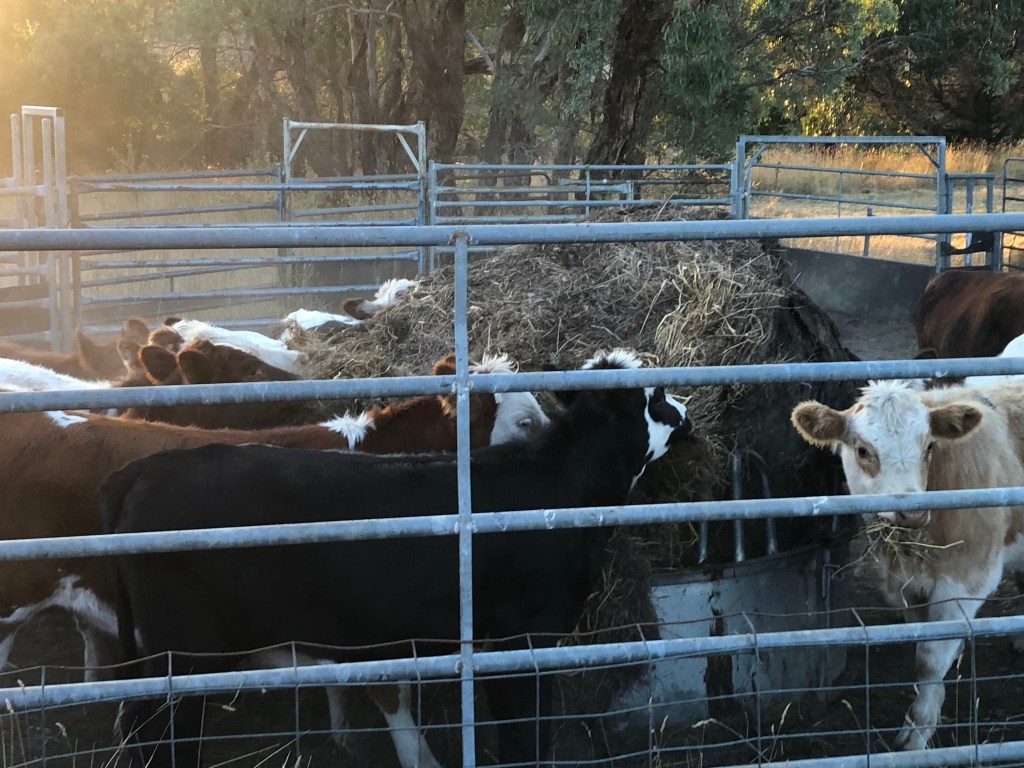
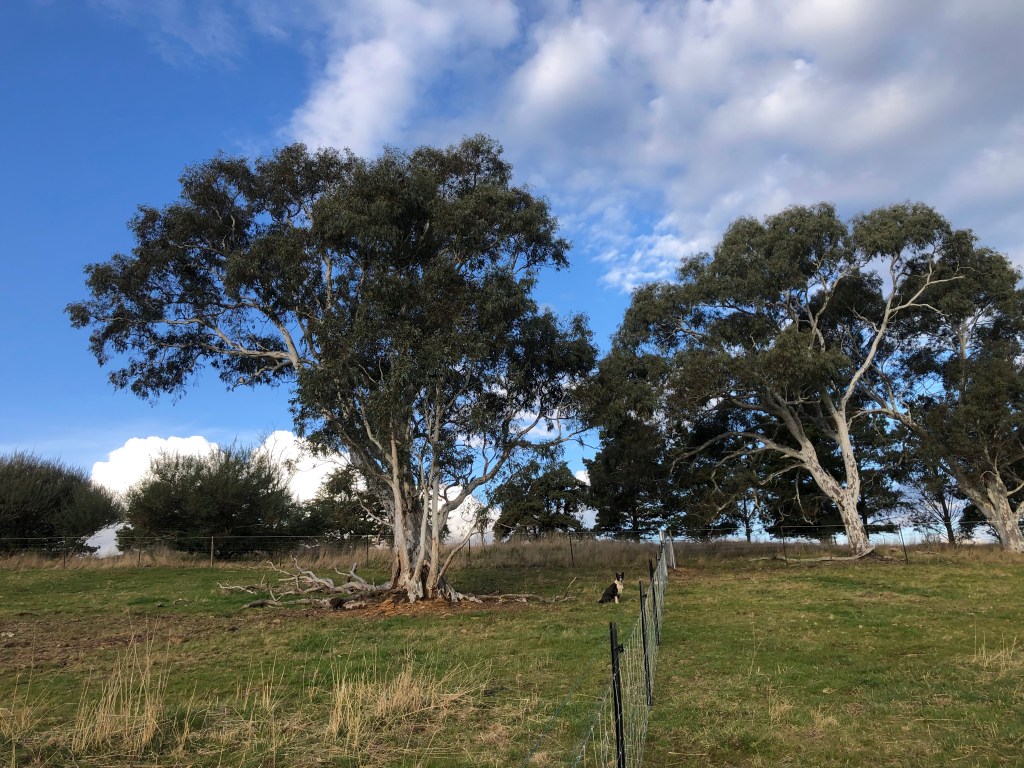
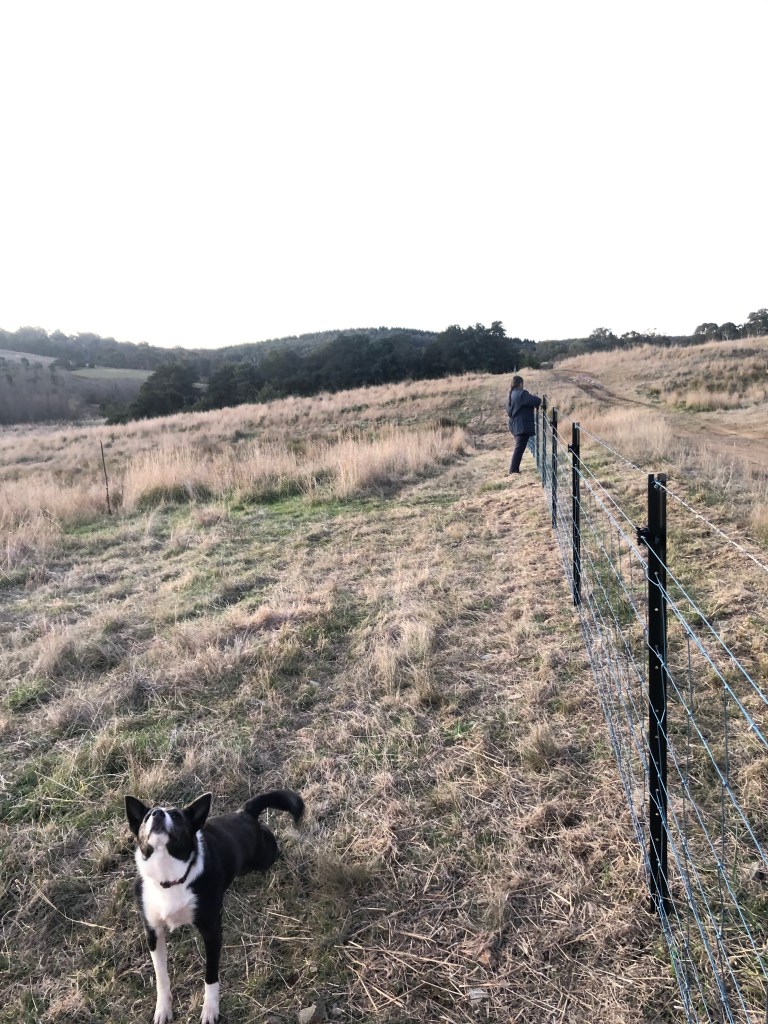
The calves quickly settled into their new routine, and the cows also seemed to appreciate a little less demand on their nutrition. After a week or so, I moved the cows to the opposite end of the Rock Farm, and let the calves into a holding paddock behind the yards. To educate the calves, I moved them back into the yards daily with the help of our faithful wanna-be cattle dog Sapphire. It proved to be excellent education for both Sapphire and the calves. After a week or so, the calves would see me arrive with Sapphire and just about trot straight into the yards… although there were exceptions to this rule.
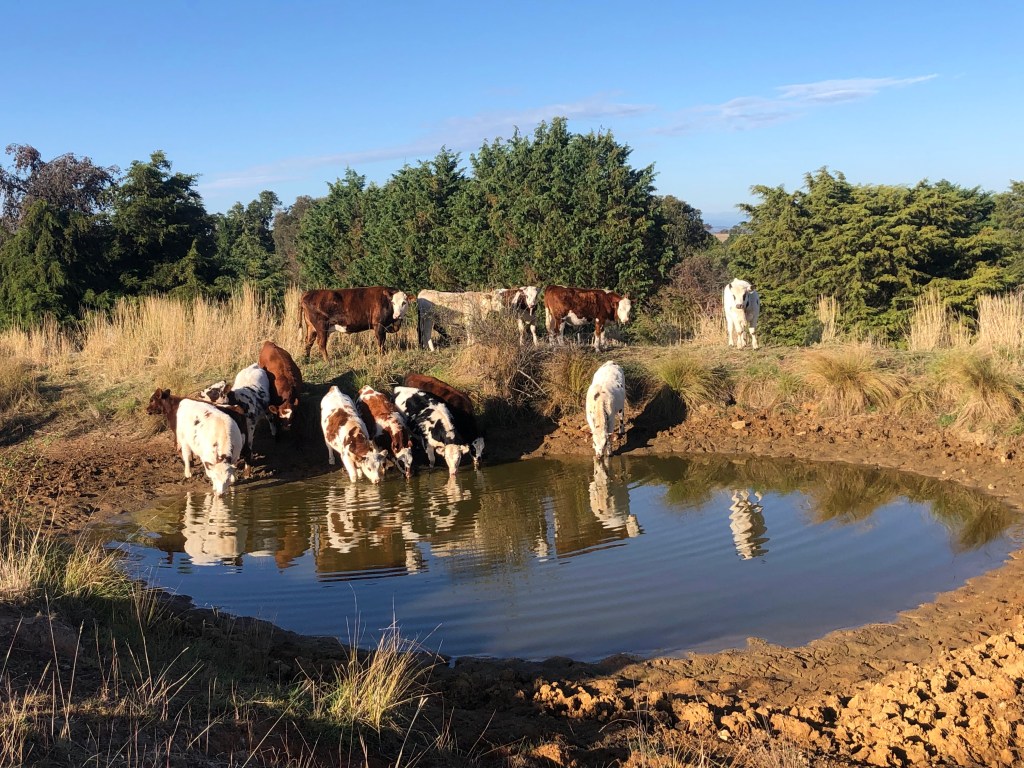
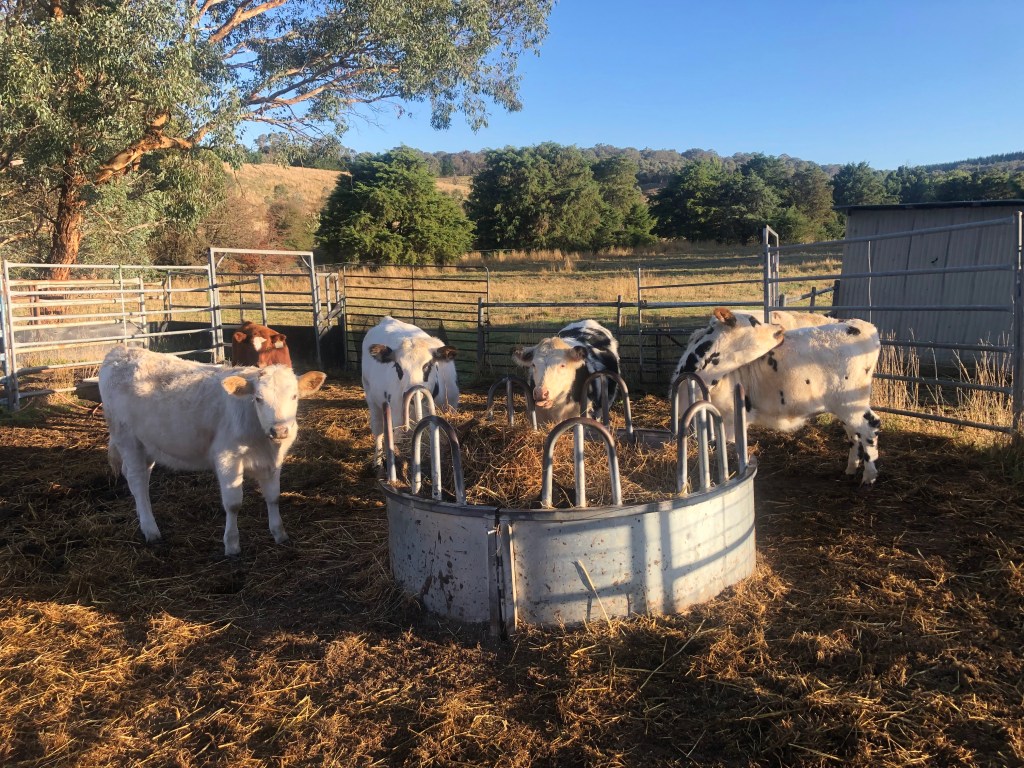
After five weeks, we sent the weaners into the local sale yards where they weighed an average of 255kg. And this is the bit that is hardest. After raising these cattle with care and compassion, we have lost all control of their destiny with the exception of two heifers which returned to our herd. They may return to someone’s paddock for a period of time before being finished in a feedlot, I really don’t know. As a small producer, it is really hard to make a market for small scale, ethically raised grass fed animals. And it is especially difficult when most people are struggling with the cost of living. There are a few options emerging, but in the short term, we rely on the local sale yards. The good news is the cattle sold, and whilst prices were better than the weaner sale the previous month, they were still well down on the prices we received last year.
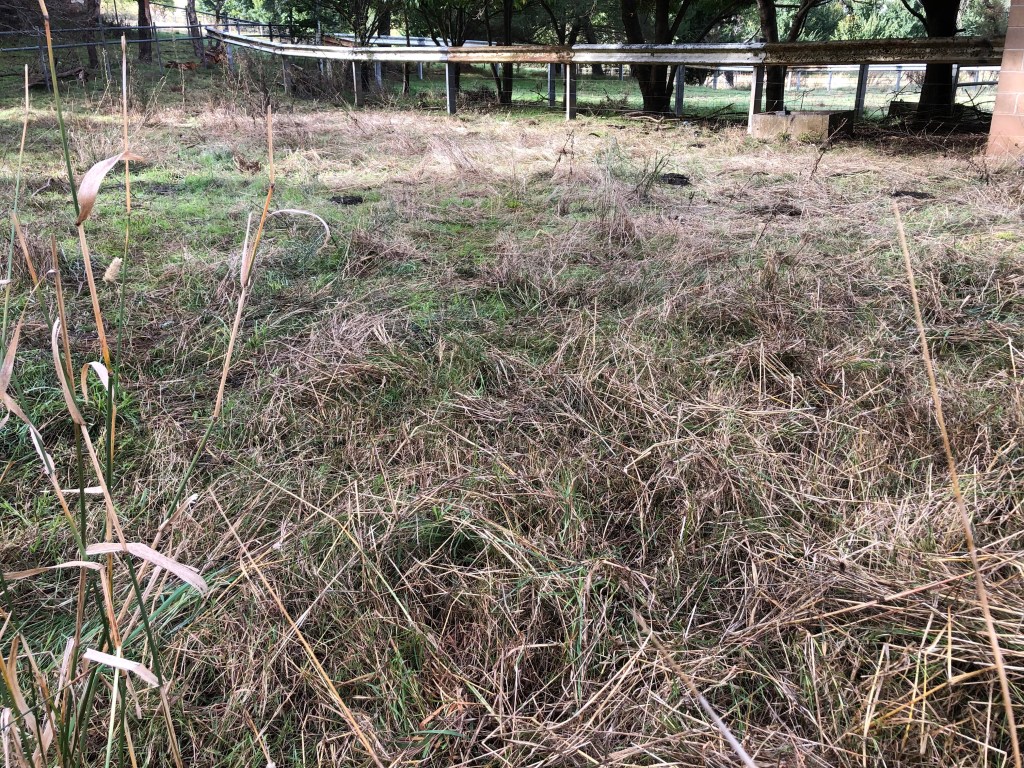
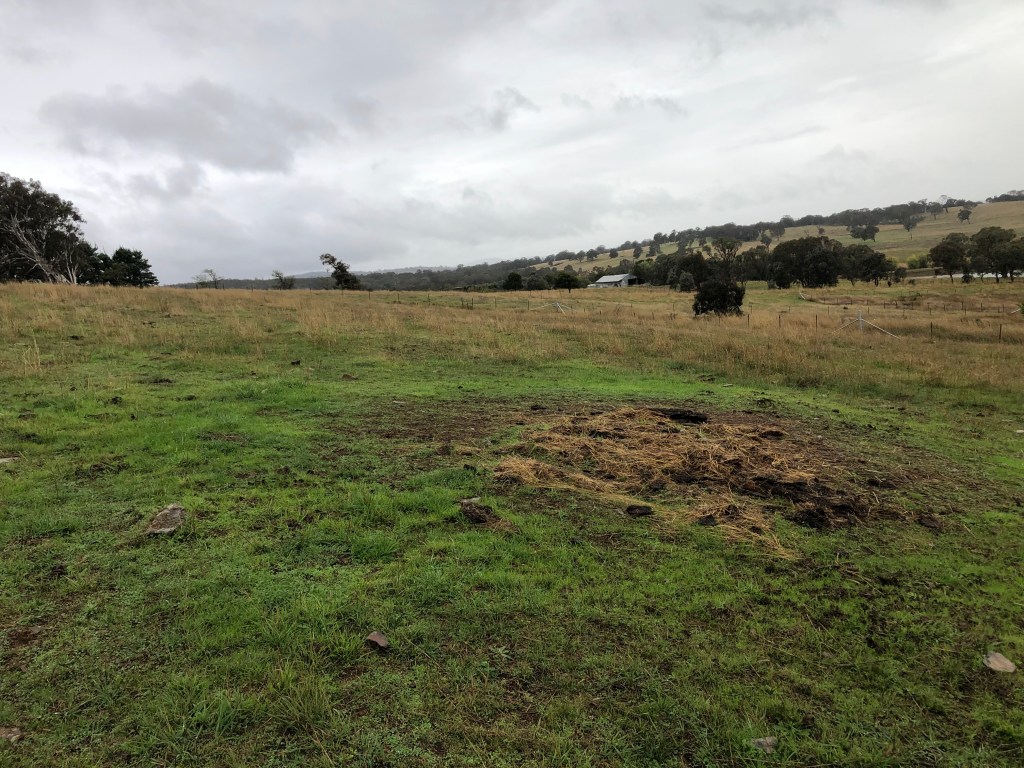
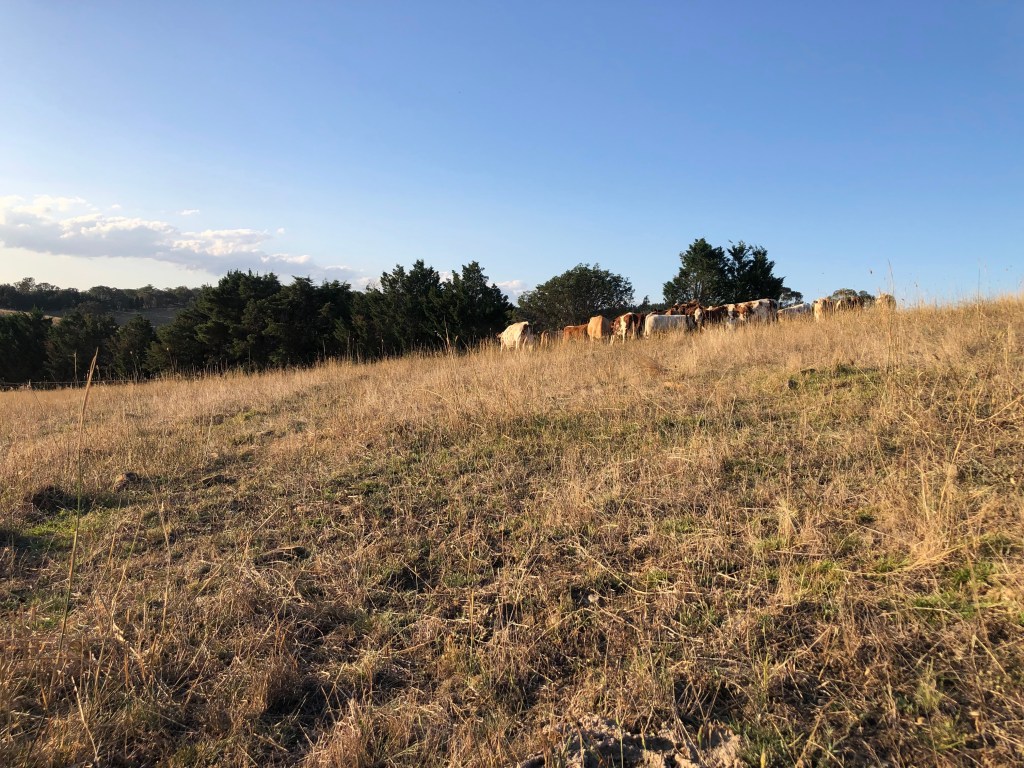
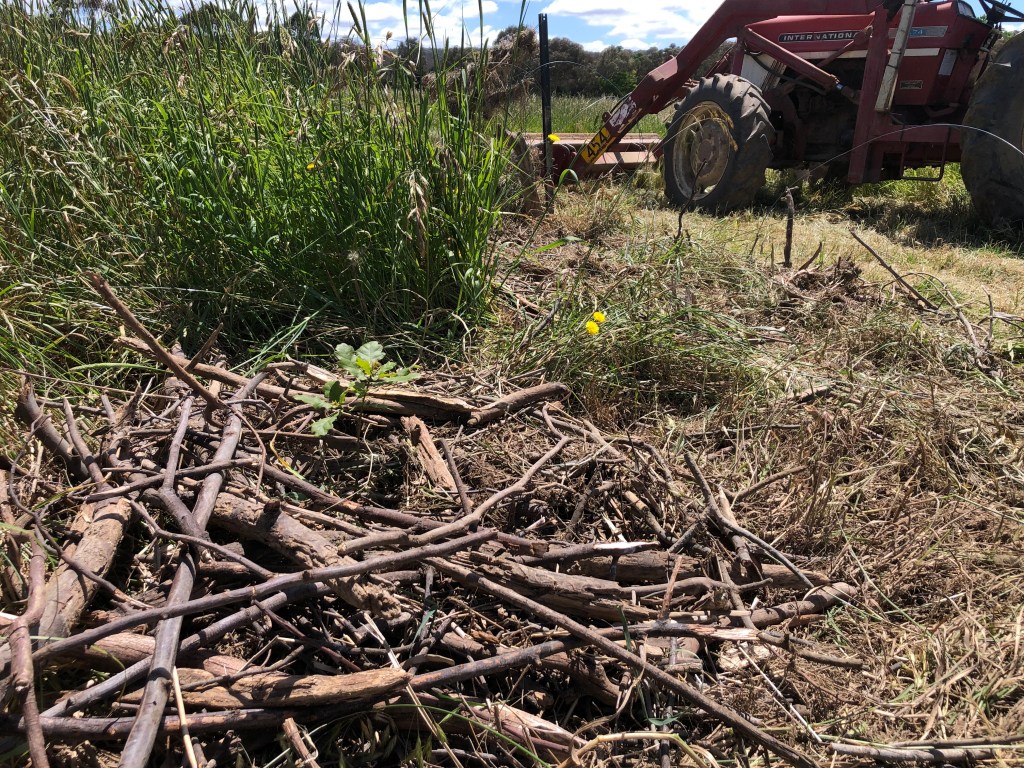
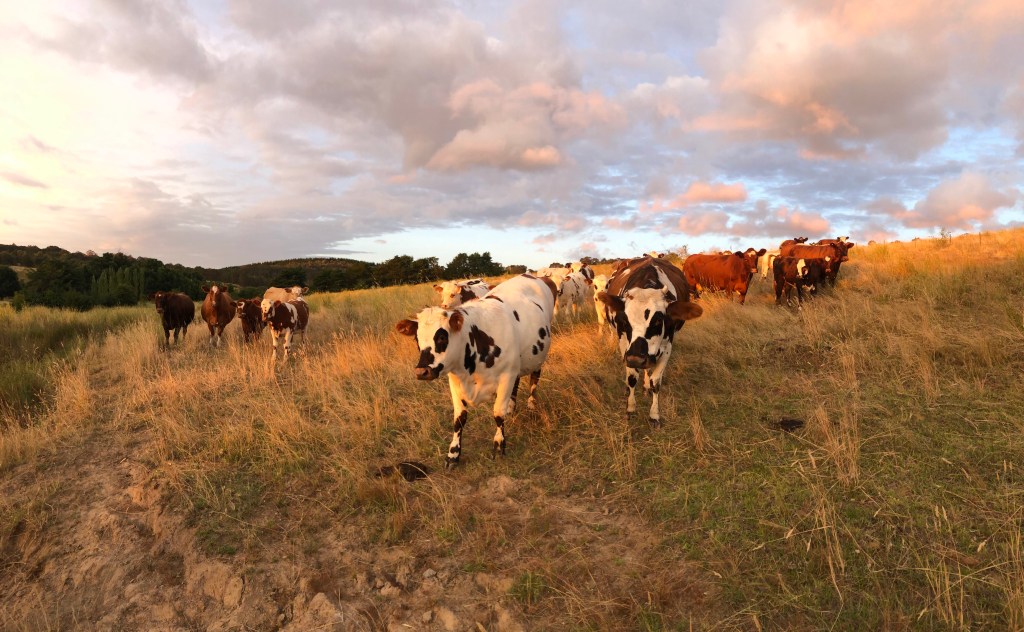
On the other hand, the cattle continue to help me improve the health of the soil on the Rock Farm. I recently trialled some bale feeding on one of our slopes (read about it here) . After resting the paddock for around a month (and some welcome rain), there is a ring of green grass where the cattle trampled heaviest. I will likely resume feeding the cows sometime in winter and will continue this way of feeding the cows, as it seems to be an effective way of returning nutrient to the soil.

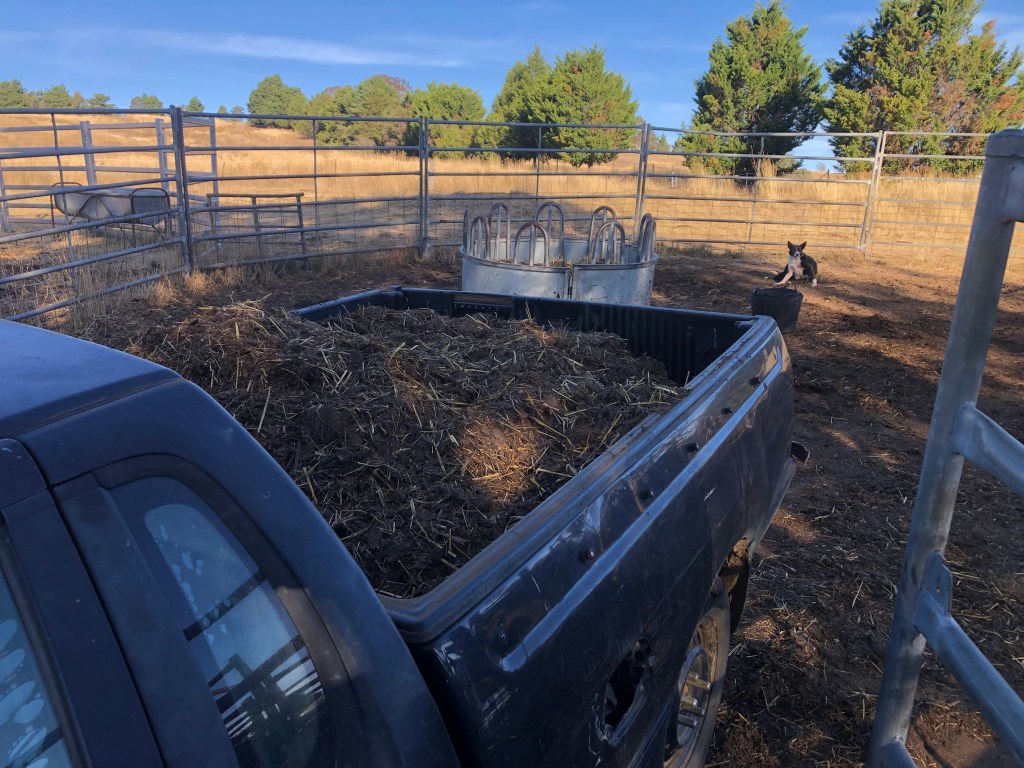
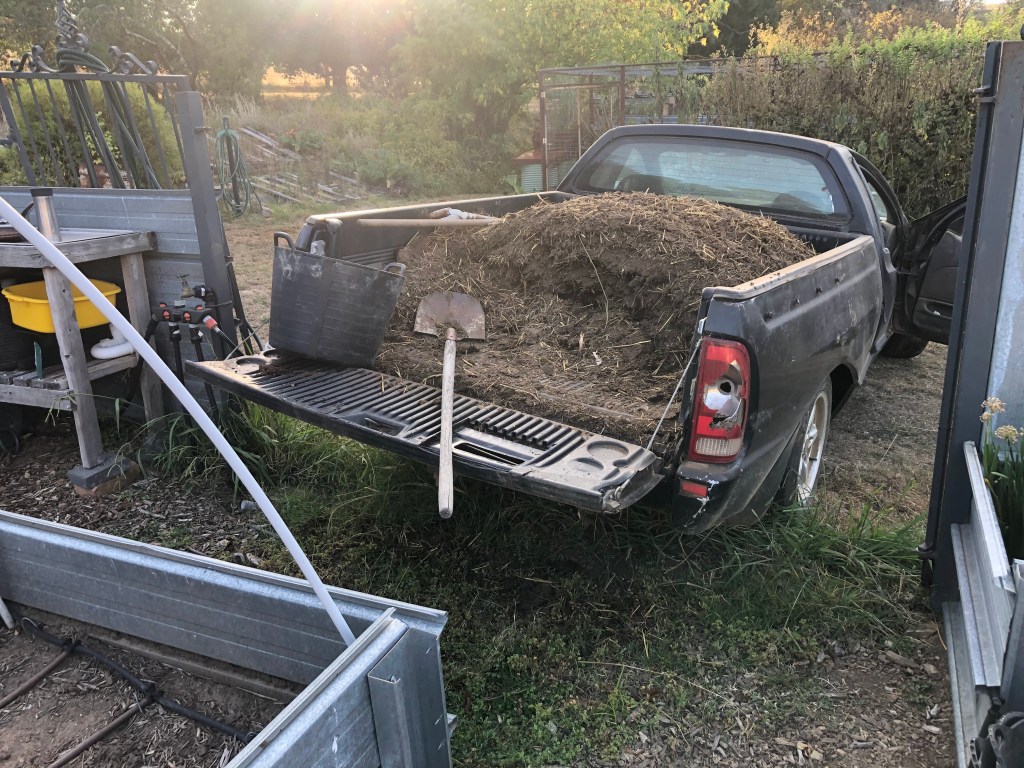
Perhaps the highlight of the whole process however was perhaps my offer to collect a “wheelbarrow” of manure for the vegetable garden. The weaners had left concentrated manure/straw in the yards where they had spent a lot of time over the past month. After 45 minutes or so of concentrated effort, I had filled our black falcon “wheelbarrow”. Another half an hour and the manure mix was spread in the vegetable garden. It should be great for our winter vegetable crop!

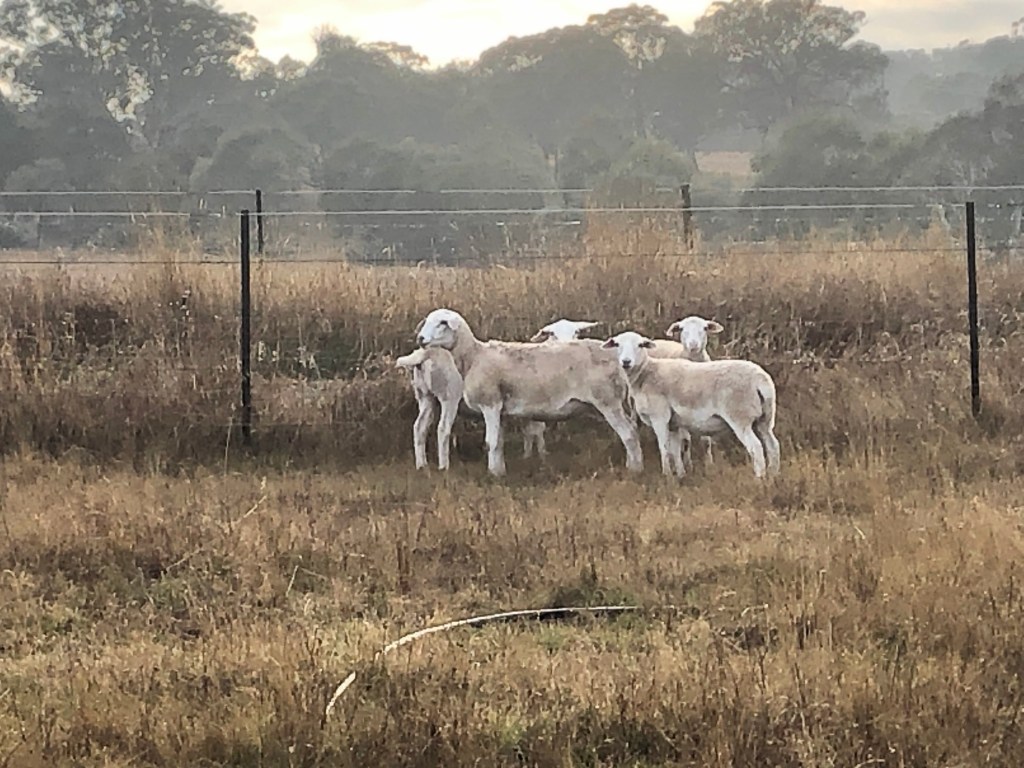
One day I will keep a steer for us to finish. I haven’t finished a steer before, but it is something I intend to do. It is one of my goals to provide grassfed beef for our family (it is hard with such a great butcher nearby who delivers top quality meat to our kitchen table). Sheep are another story, and we recently bought four wether lambs from a neighbour. These are currently enjoying roaming in a paddock that is fully fenced for sheep. It has been a long time since we have had sheep on the Rock Farm, and I am enjoying having them back.
Decision Making on the Rock Farm – and a handy tool

One of the most challenging elements of farming – even on a small hobby farm like ours – is decision making. Decisions range in complexity and scope, the outcomes are not always known, and mistakes are a given. The self-help section of any bookstore is full of books that purport to make you a better manager / leader / thinker… but ultimately many are simply helping you become a better decision maker.

Allan Savory developed holistic grazing management. My basic understanding of holistic management is that it is about making decisions. Broadly you need to properly identify the problem. Start taking action towards addressing your intended outcome and then monitor your feedback loops closely to ensure you’re on track. Savory’s holistic principles can be applied to all kinds of decisions. The principles holistic management help guide our decisions on the Rock Farm.

As custodians of the Rock Farm, our aim is to leave the soil of our property in better health than when we arrived. One of the tools we use to do this is our cattle. Our cattle are used to help control our weeds and undesirable grasses, process grass and turn it into fertiliser to feed the microbes in the soil. The past three years of wet years have given us plenty of flexibility, and have been very forgiving if we have made a mistake – especially with our stocking rate. When it is dry – it is critical that we keep making decisions for the health of our soil – and by default our cattle.

So when the long range forecast is for a dry autumn, I knew it was time to have a good look at the tools available to helps us plan our decisions for winter.

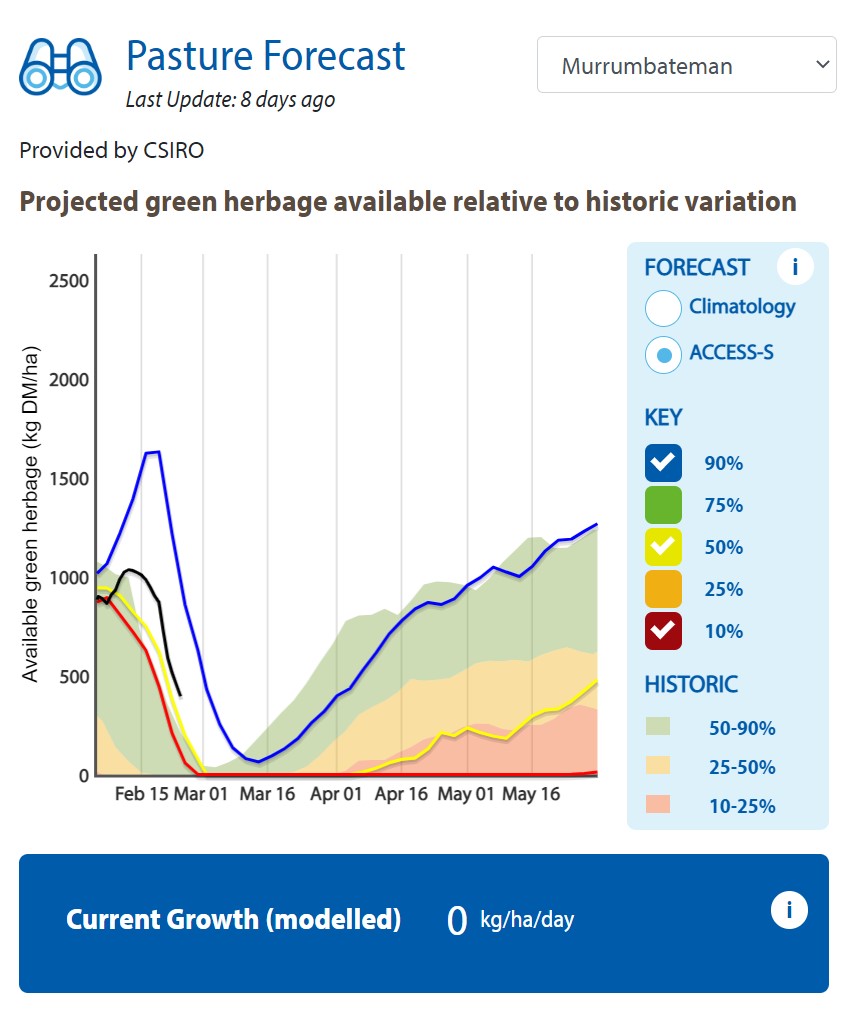
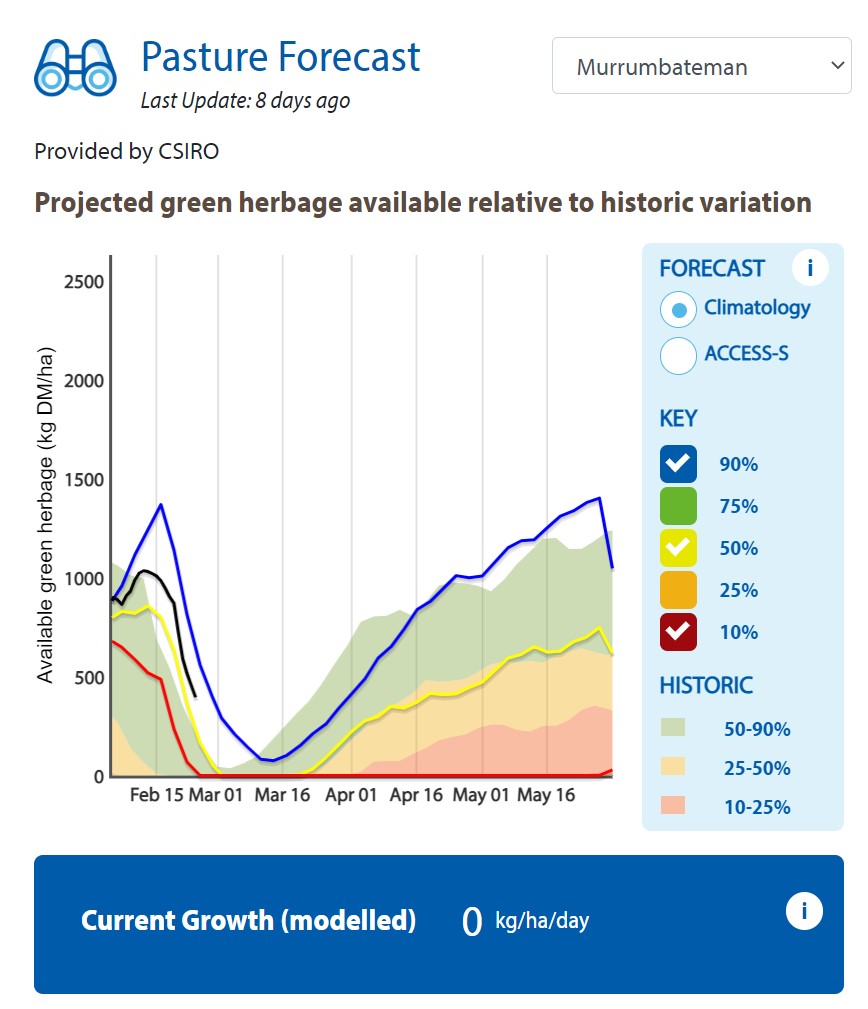
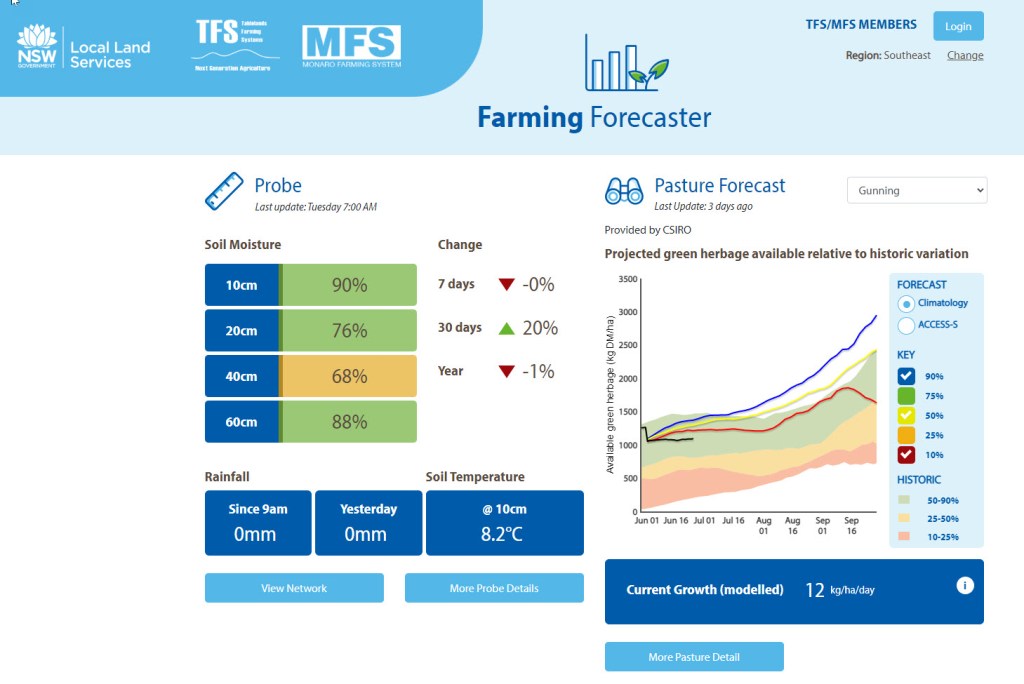
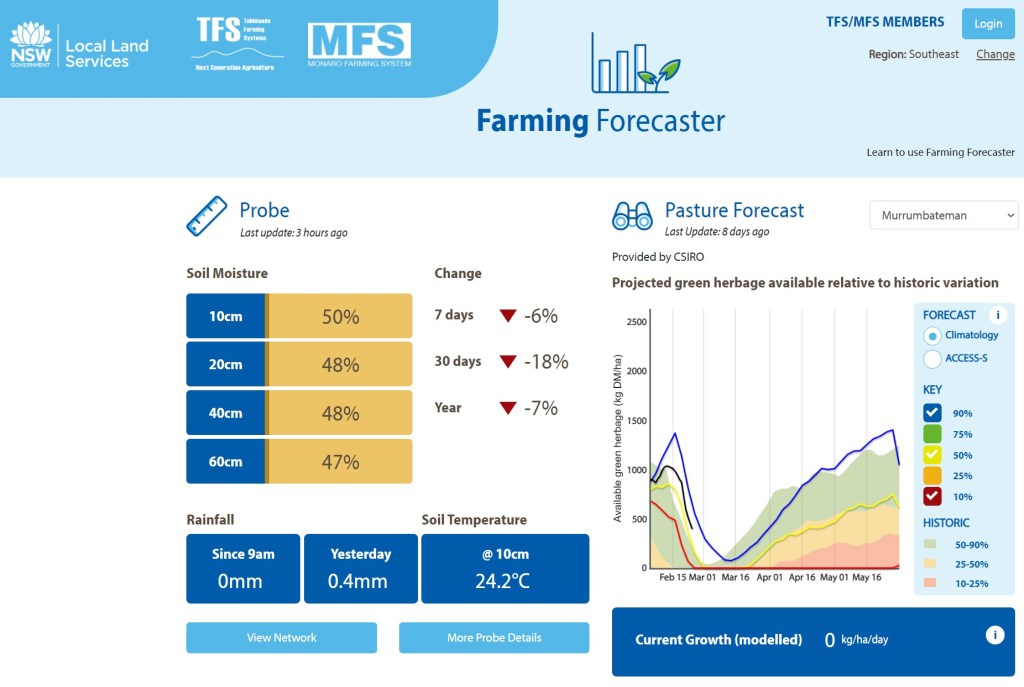
One of the tools I find really useful is Farming Forecaster (https://farmingforecaster.com.au/). It collates 30 years of past soil moisture and helps predict the pasture growth over the next three months. It is really useful for someone like me who doesn’t have a lifetime of accumulated knowledge on seasonal variation on our farm. Below are some screenshots of a nearby soil mositure probe. In reality there are about three probes in our region I look at to help me make a decision on how much pasture I will expect to grow in the next three months.

From the graphs and the long range forecast, we decided we will reduce our stocking pressure this winter. We will make our final decision on numbers based on the pasture growth we will see by 1st of April. This is the logical step of course. The decision process becomes really hard when it comes to deciding which cattle we will sell, especially knowing that we lose all control of their destiny once they are on the truck to the sale yards.

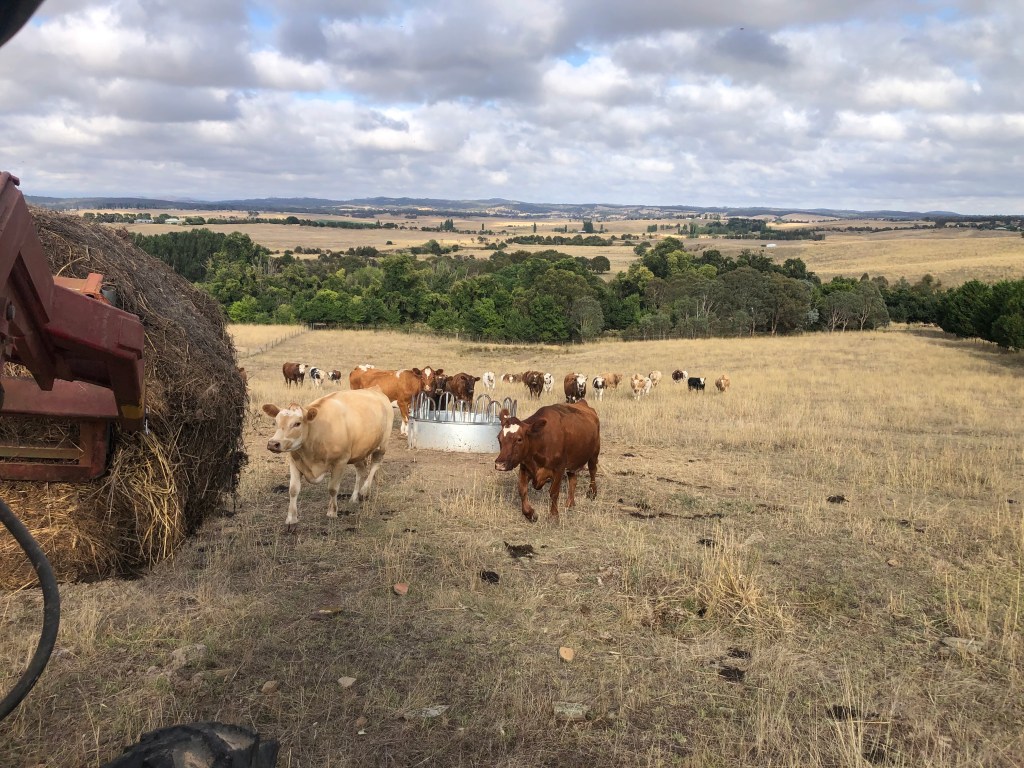
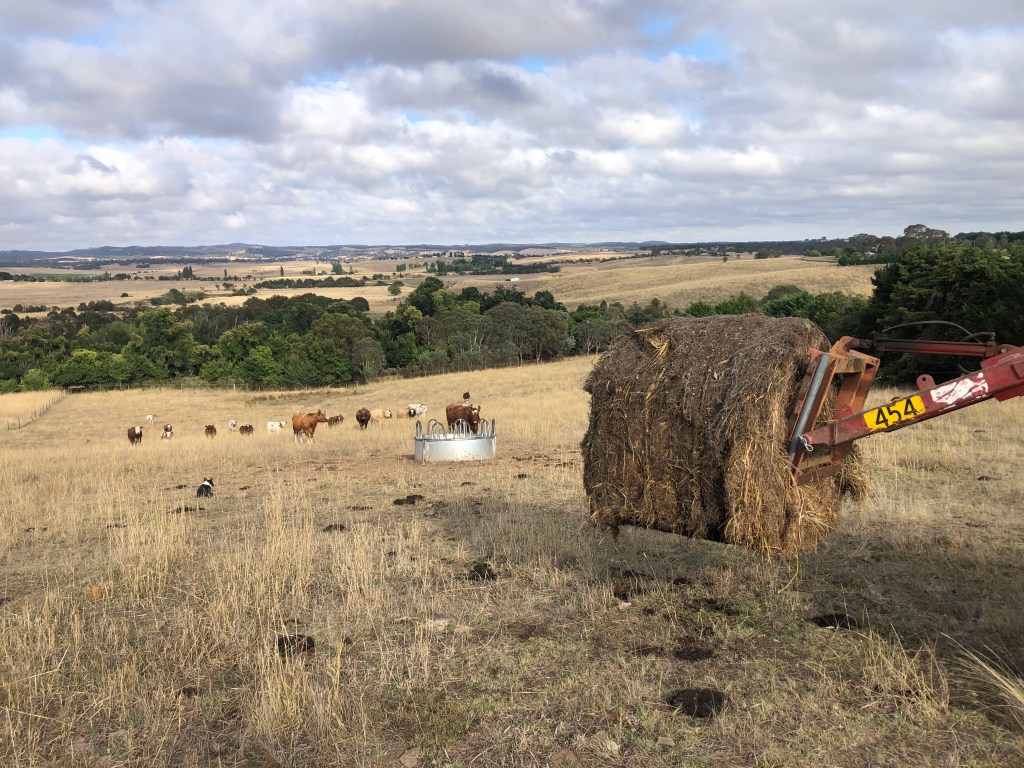
In order to set the calves up for weaning, and to allow other paddocks a longer time to rest before we rotate through the paddocks again, we decided to put some hay out for the cattle. I now know this as a form of bale grazing. Bale grazing is a method of feeding, where hay is fed to stock on the paddock it was cut rather than in a feedlot, thereby keeping nutrients in the system.

We don’t cut hay – and I have long felt that I would rather import fodder (and its nutrient) instead of fertiliser. The cattle and their rumen are the ideal first stage processers to turn fodder into fertiliser for our soil.

We put the bale feeder near the top of a hill, on a patch of wiregrass. Wiregrass is a native grass of little nutritional value – however it is particularly nasty to sheep with seed heads working through the wool and into the skin of the animals. Wiregrass doesn’t like fertile soil, so I hope to improve the soil here and allow other grasses such as microlaena (another native grass) a better chance to grow.

By putting the bale feeder high in the farm, any nutrient that does wash down the hill, remains on the farm and will help feed the soil in the lower slopes.

The other advantage in putting out a couple of bales of hay prior to weaning is that it also will make it less stressful for the calves as they will be comfortable eating hay, and familiar with the feeder. Weaning is always a hard time on the Rock Farm – but it is important. It allows the cows an opportunity to put on some weight before winter. It also familiarises the calves with being handled in yards, being fed and moved around. We will sell our steers and some of our heifers, and this training will help make our cattle quiet and safe for their future owners.

It is always hard selling our cattle, but it is one of the many decisions we have to make in the interests of our soil and farm enterprise. It is part of the responsibility of owning livestock and is inseparable from owning the farm, I generally love it, but it can at times feel overwhelming. As one of the LLS Directors reminded me a few years ago during the height of the last drought. We were talking about some high profile animal welfare cases (with starving stock) in the district. He said it was a mental health issue that led to an animal welfare issue. His words stuck with me, and reminded me how important it is to look after ourselves first, so we are fit and able to make decisions in the best interests of our stock.

If you or someone you care about feels overwhelmed and isn’t making decisions, there are many support options available. The National Centre for Farmer Health is a great place to start: https://farmerhealth.org.au/support

Flood Repairs, a new fellow and a different kind of holiday on the Rock Farm

I cannot believe three months has passed since my last update. So much has happened that it is hard to know where to start, but a few key themes spring to mind as I reflect on what we have achieved.

  • We repaired flood affected fences and driveway,
  • We built new tree-guards to protect new tree plantings,
  • A bull came to visit the girls and then went back home,
  • We managed a family holiday in a totally different environment,
  • I learnt far more about diesel engines than I ever thought I would,
  • Our local informal regenerative land managers group continued to meet and also took steps to formalise our organisation, and
  • Our calves continue to grow, however not without some heartbreaking news.

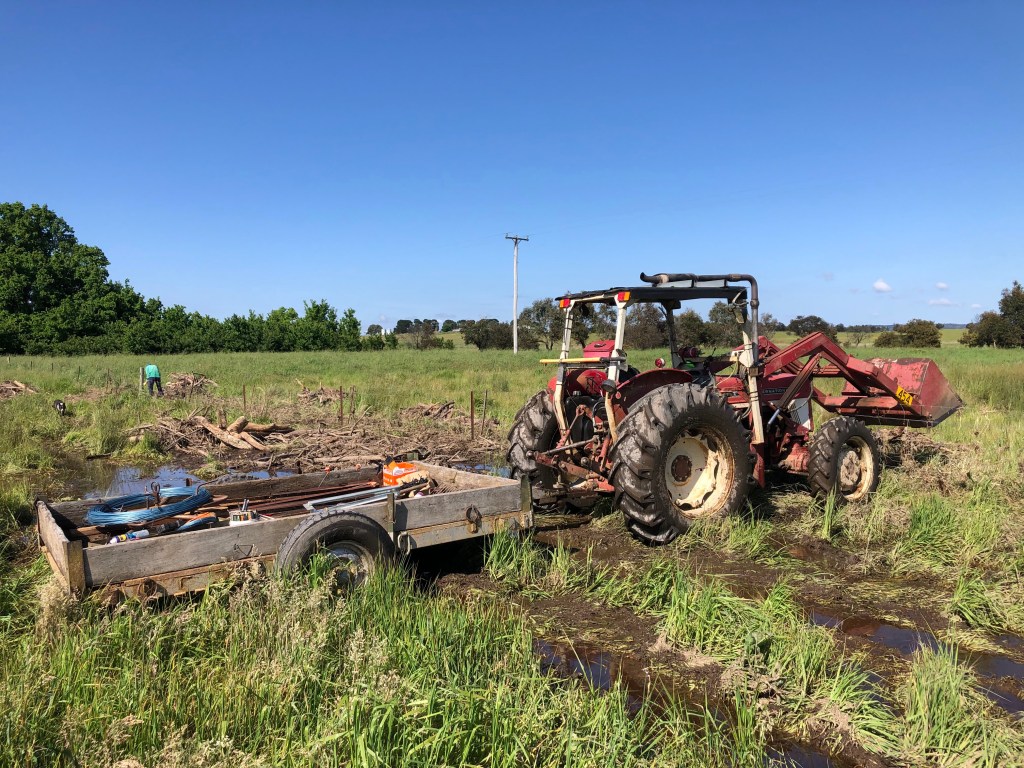
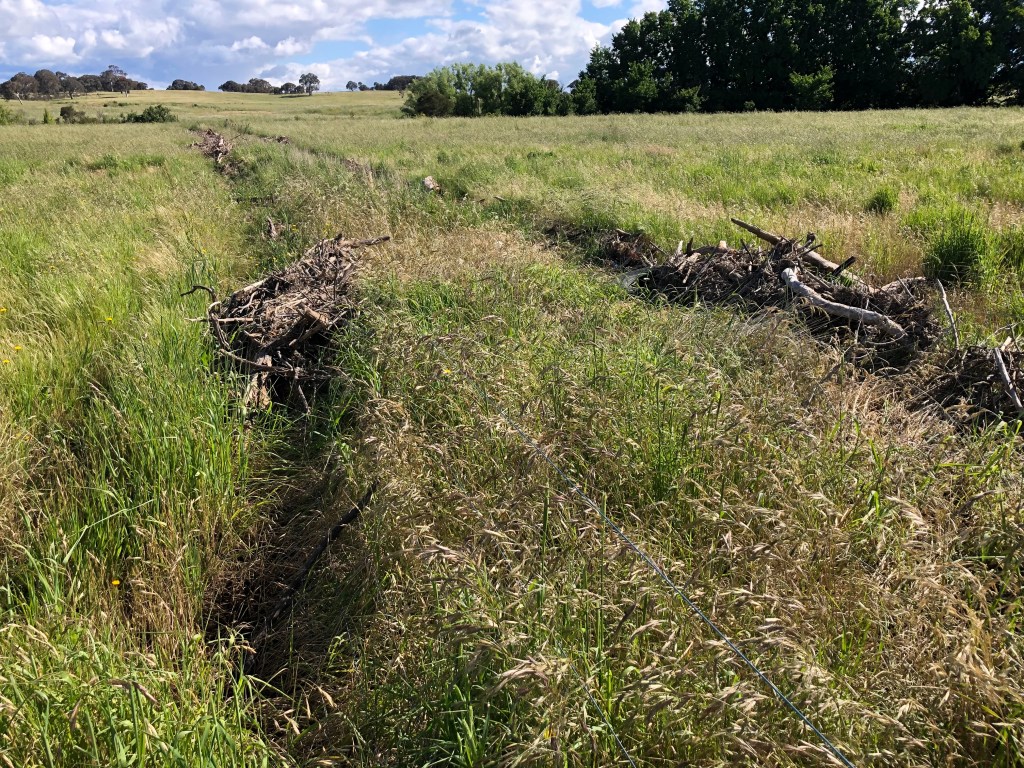
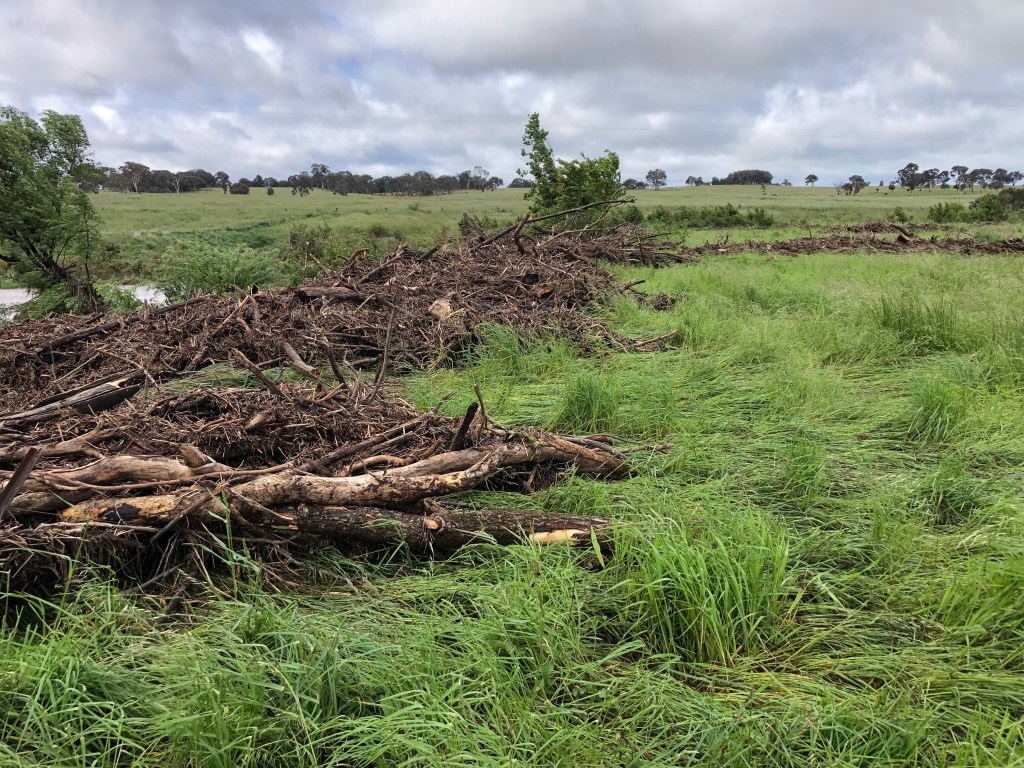
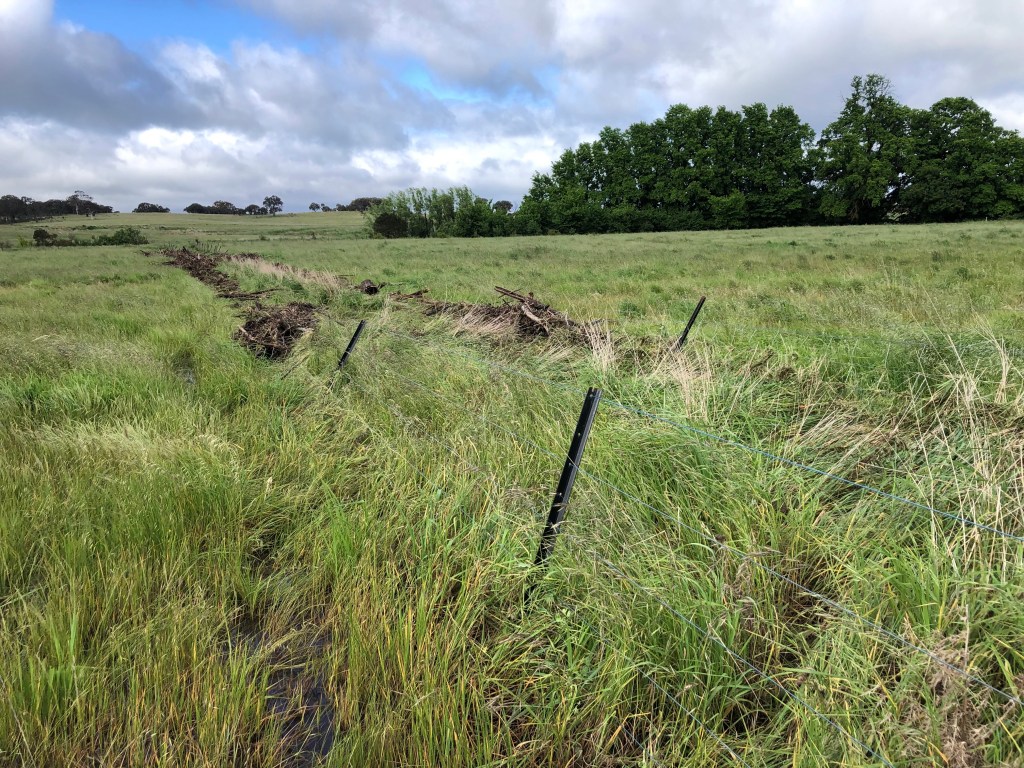
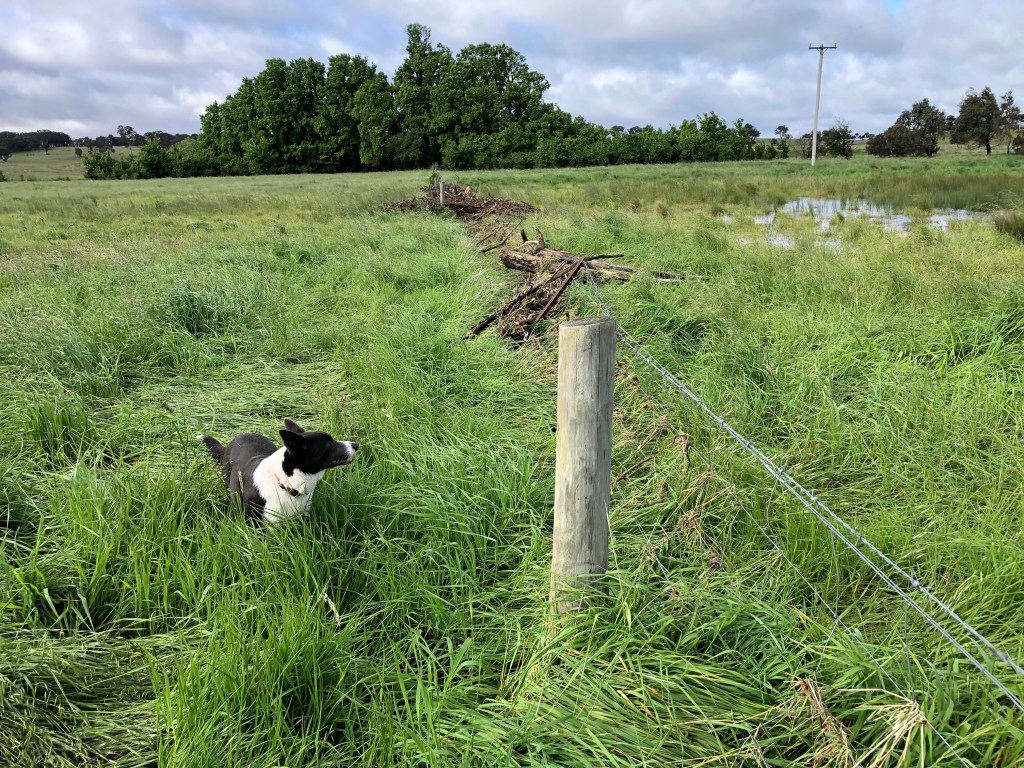
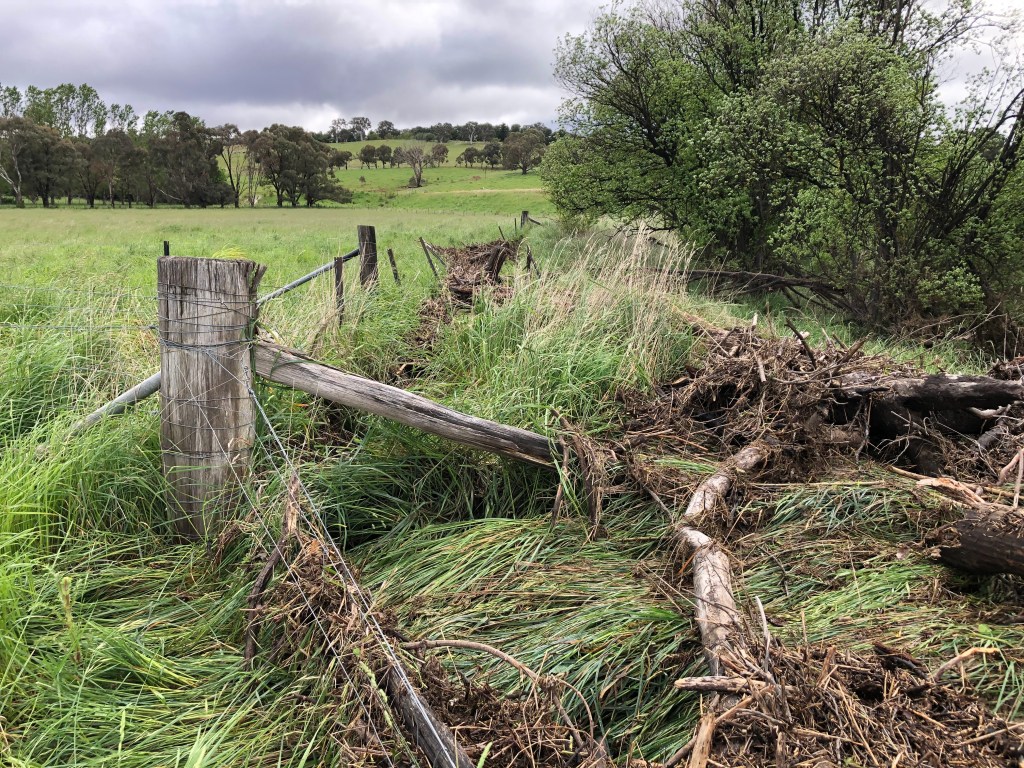
Our floods last October were spectacular – and created several weeks of work for me, clearing debris off fences, then repairing or replacing sections. My priority was to ensure our boundary fence was rebuilt – but Jo sagely asked me how many times I would rebuild it before accepting that our “flats” were actually a flood plain. After making some glib comment that it was the first flood of its kind in over 50 years (the age of the fences), her raised eyebrow caused me to pause. Any husband is wise to listen to his wife – especially when that wife is a Meteorologist and well versed in the matters of rainfall. I elected to focus my attention on repairing the boundary fence to pre-flood strength (critical). Other sections I took Jo’s advice and chose to use temporary electric fencing to keep stock in, using a portable energiser as required. This way if the creek floods again, losses to infrastructure will be minimised.

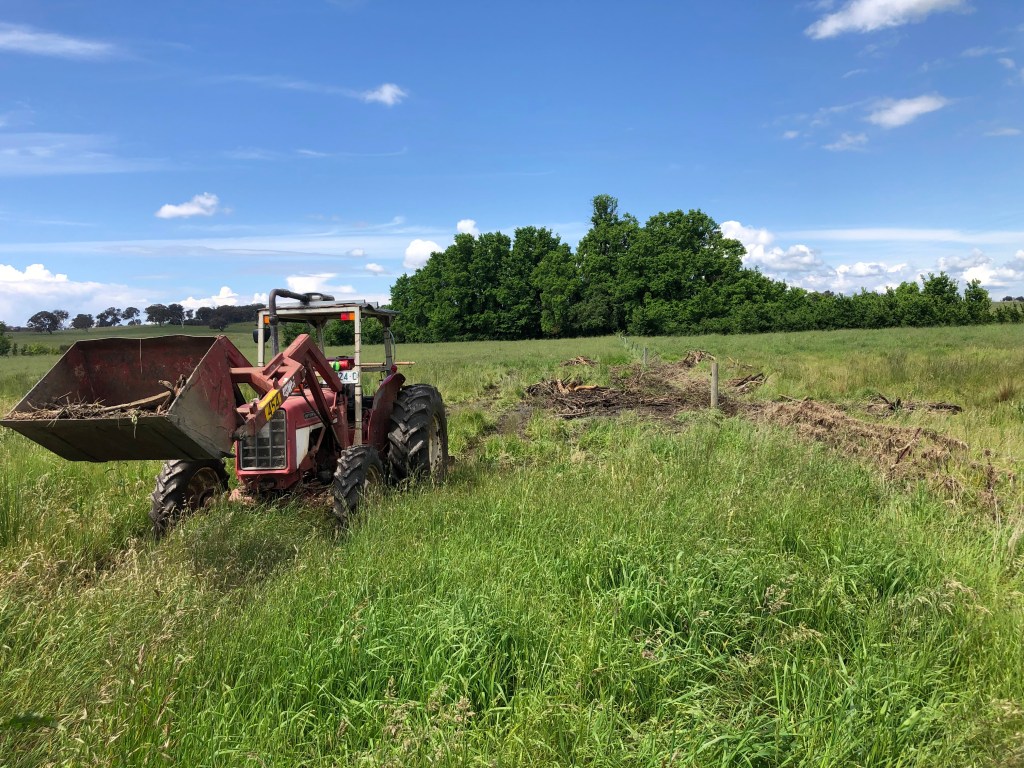
Clearing the fences (thank goodness for the tractor) allowed the opportunity to build a new tree guard around some Cork Oaks (quercus suber) that we had planted along our western boundary. Whilst I had stood up the damaged boundary fence, it wasn’t back to original strength. I took the opportunity to build the tree guard to a high standard three metres in from the boundary. It should not only protect the trees, but keep our cattle in.

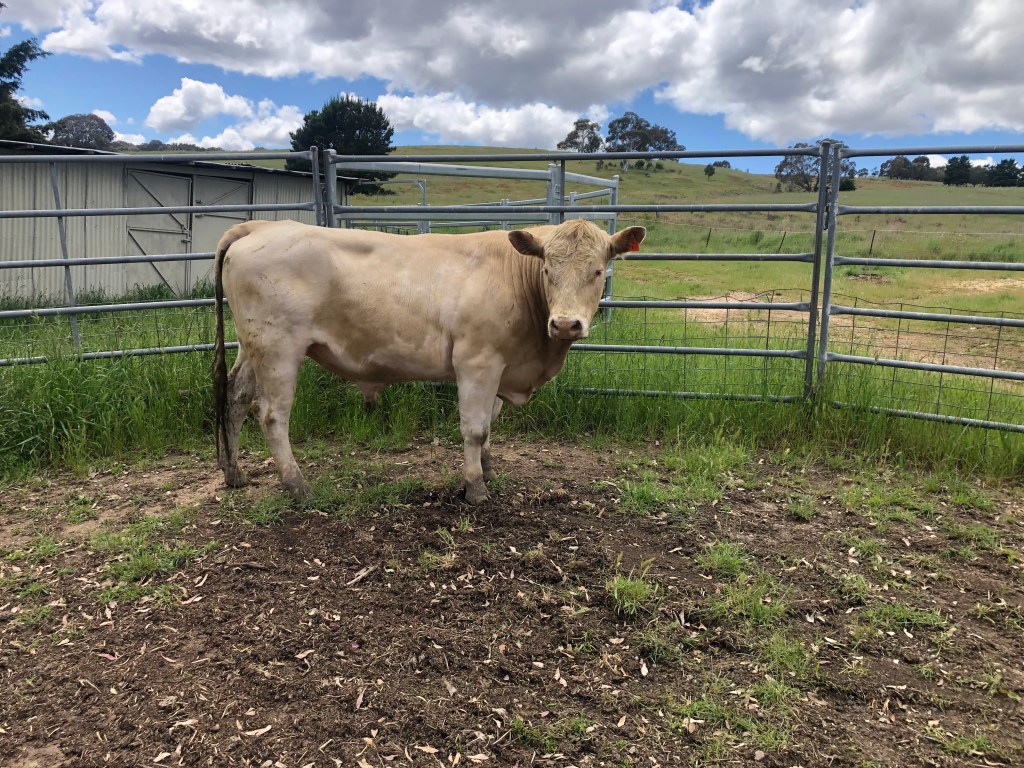
Our cattle mentor John again leased us a bull for this season. This magnificent fellow joined our girls for a couple of months. He settled in to the herd quickly, and seemed very gentle and placid (although it is always wise to exercise a degree of caution in this regard). He followed the girls around and seemed quite happy with the new surroundings for his short stay.

After the experience with our bull last year (he had a little excursion next door), we were keen to get this one home before we went away for a few days with the family before Christmas. Thankfully Jimmy our carrier was able to get the bull safely back home before he was tempted to stray.

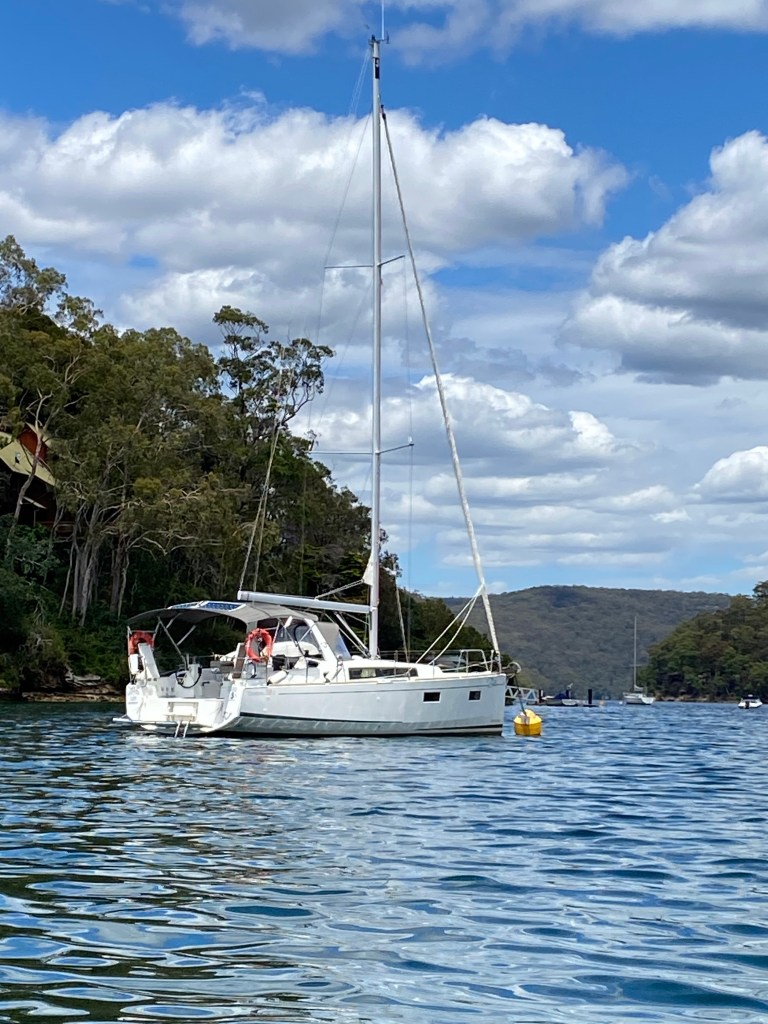
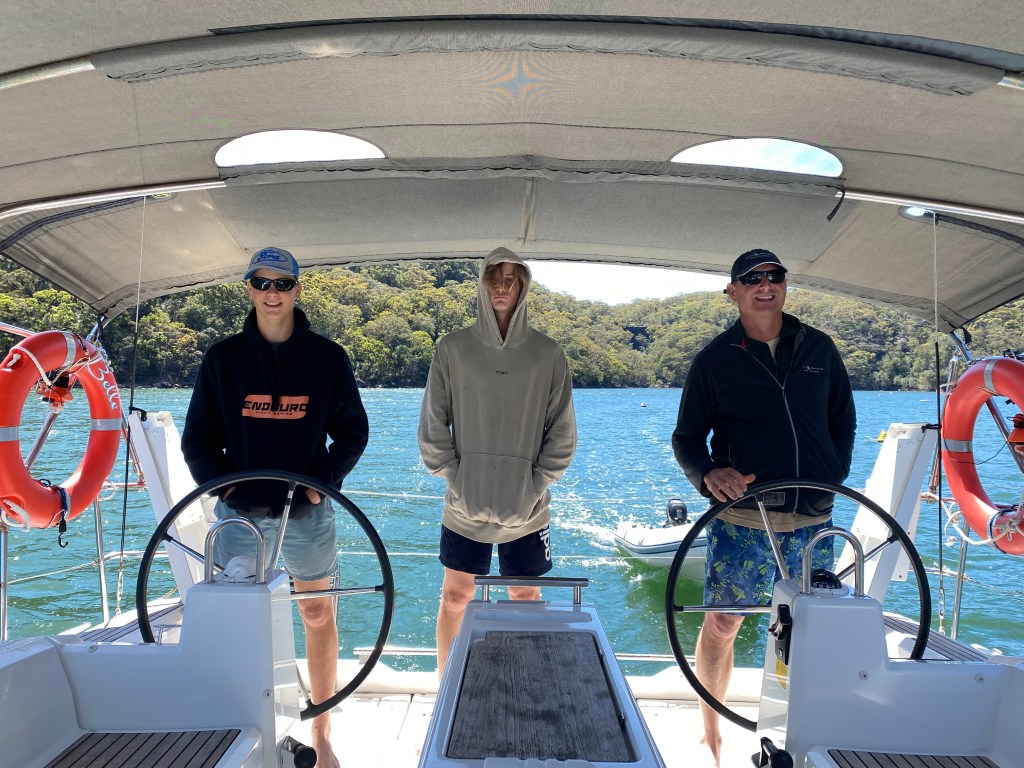
We managed to sneak away on a beautiful bareboat charter in Broken Bay, north of Sydney for three nights. With mobile phones locked away, it was a great opportunity to reconnect with each other and nature of a different kind to the Rock Farm. It also created a hilarious fish-out-of-water moment for the two teenager’s who are convinced their parents don’t know anything about anything!

After getting the run through of the yacht, the charterer politely informed us that the westerly wind blowing creates gusty conditions in Broken Bay, and keeping the sails reefed would be a wise precaution. Shortly after leaving our berth with sails duly reefed, we were barely moving, so we decided to set all our sails. Moments later we were caught in a particularly fresh gust coming down from between a couple of hills. The boy’s eyes opened wide as the yacht heeled over and took off. We decided perhaps we should reef our sails again, and after things settled back down, the boys asked us how fast we had been doing.

It was hilarious watching their faces when they calculated how fast six knots was in kilometres an hour… (about 11km/h).

Both Jo and I have worked on the water before, and we were so glad we took the boys out to enjoy the pleasure of sailing. We moored every night, and all of us loved swimming around the yacht and exploring the bays on the included paddleboard. When we returned the yacht, the charterer couldn’t believe how little fuel we had used over our four day three night charter. It was just perfect exploring the magnificent Broken Bay at the pace dictated by the rhythm of the wind and the water.

There is a kind of magic that comes from being on the water – in many ways it is similar to how it feels on the Rock Farm. There is an inner peace, whilst being acutely aware of how the weather affects each and every part of your day. It is good for the soul.

But we couldn’t stay all at sea forever. There was still extended family to catch up with and plenty to do on the Rock Farm. When we got back home, we started working on the to-do list.

Of droughts and flooding rains….

Dorothea Mackellar had it right when describing her love of Australia in her poem My Country. The Australian landscape has always been one of extremes with periods of drought followed by wet cycles. Whilst the cycle is familiar throughout Australian history, the intensity of droughts and rain events has increased. This, combined with changing land use, further compounds the effects of the climatic changes, meaning we are seeing bigger floods and longer dry periods.

Three years ago, our area was gripped in drought. Doomsayers prophesised that city water supply dams in Australia would never be full again. We anxiously watched our dam drop to a puddle, knowing if we ran out of water, we would have to sell the last of our cattle. Then in early 2020 the drought broke, and we have enjoyed a cycle of wet years, which has replenished water storages, rehydrated the land and grown pasture to feed our cattle.

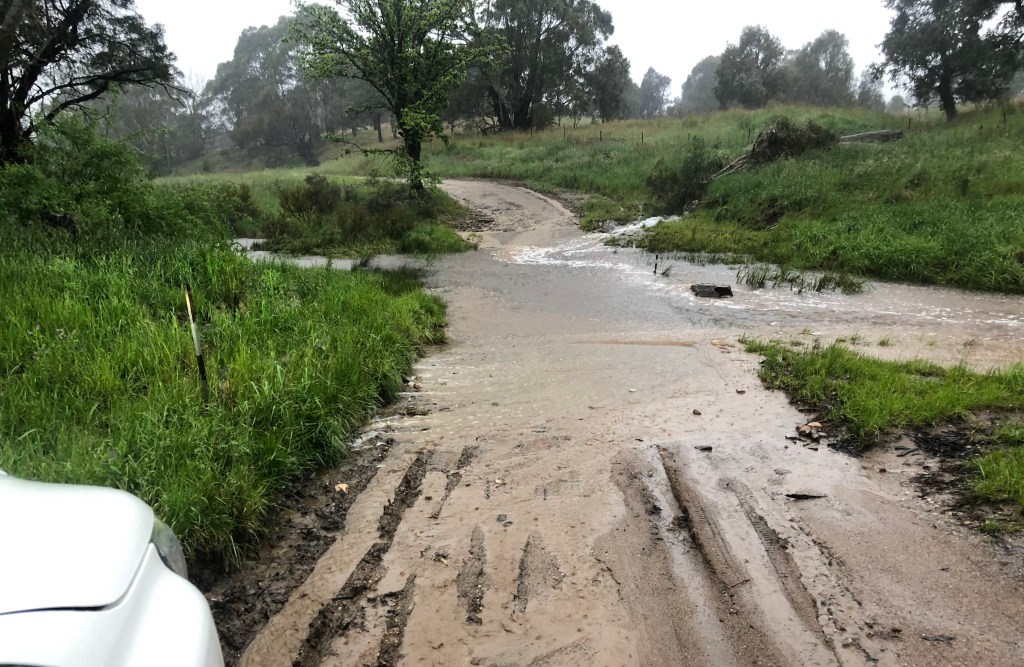
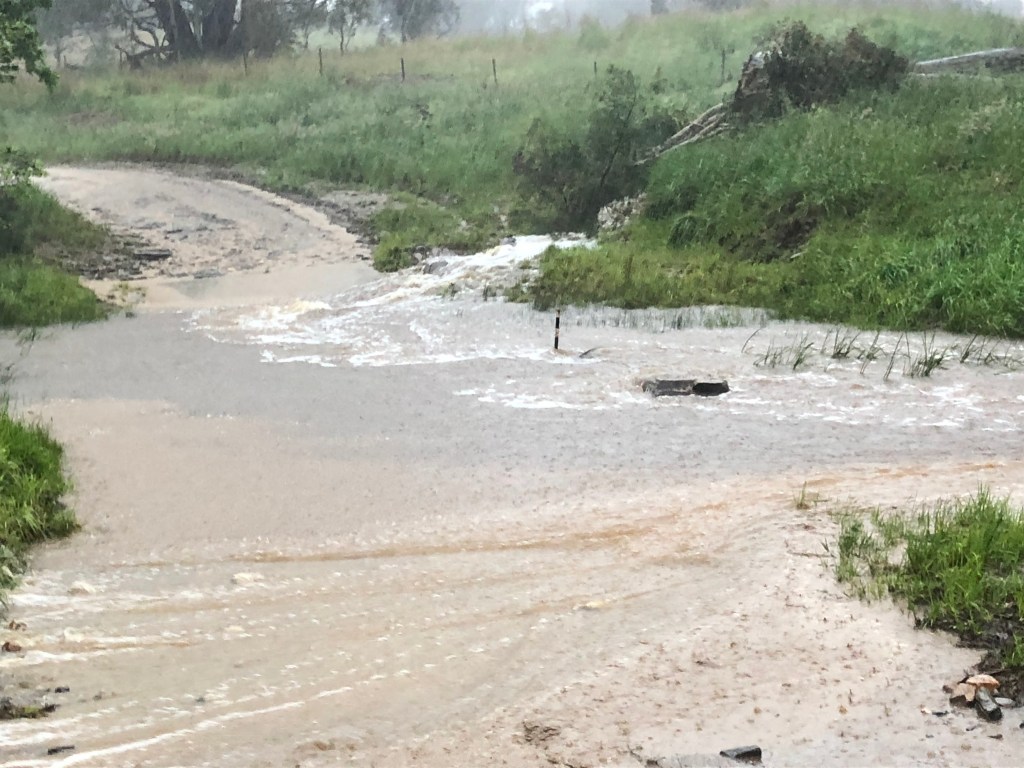
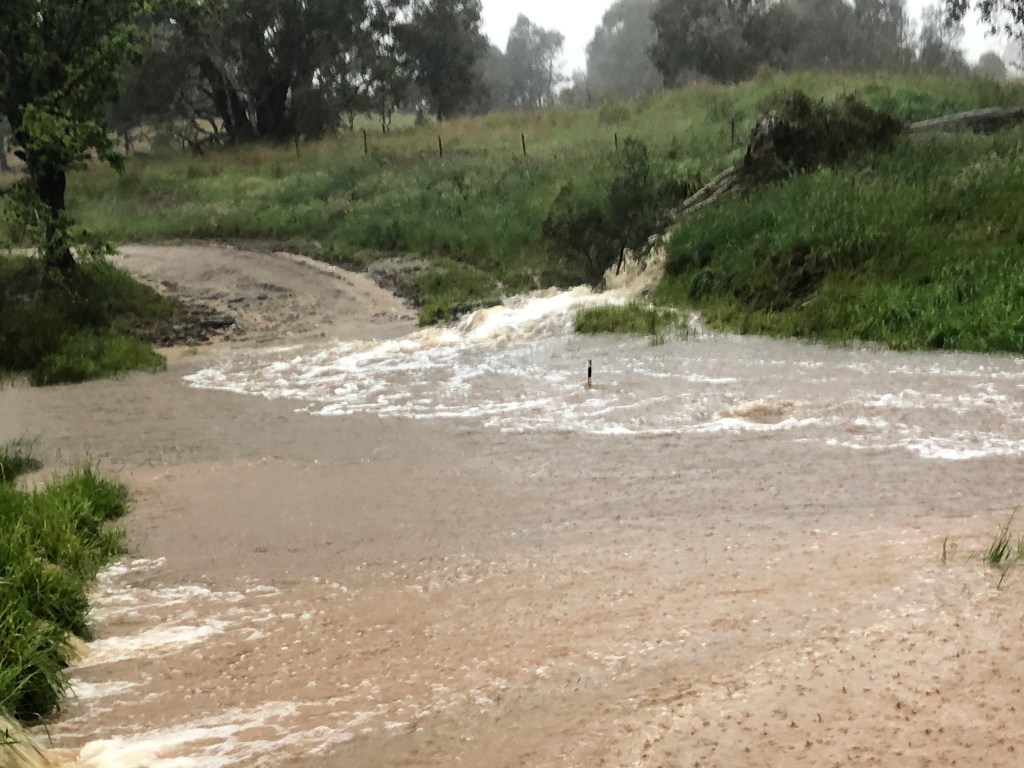
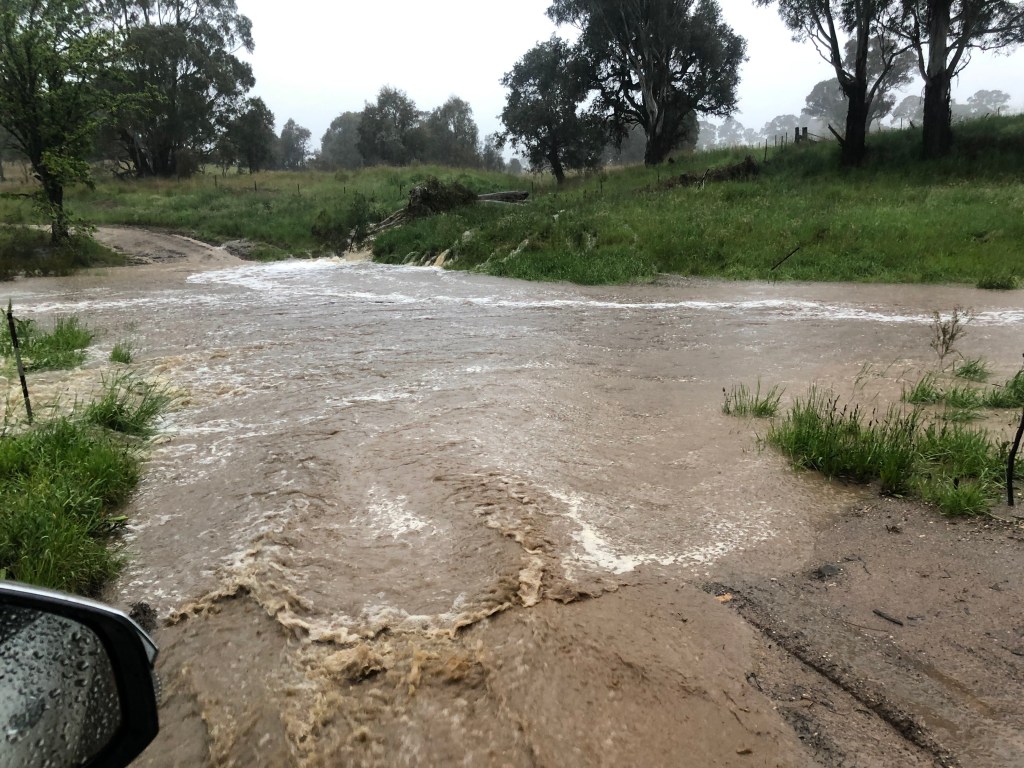
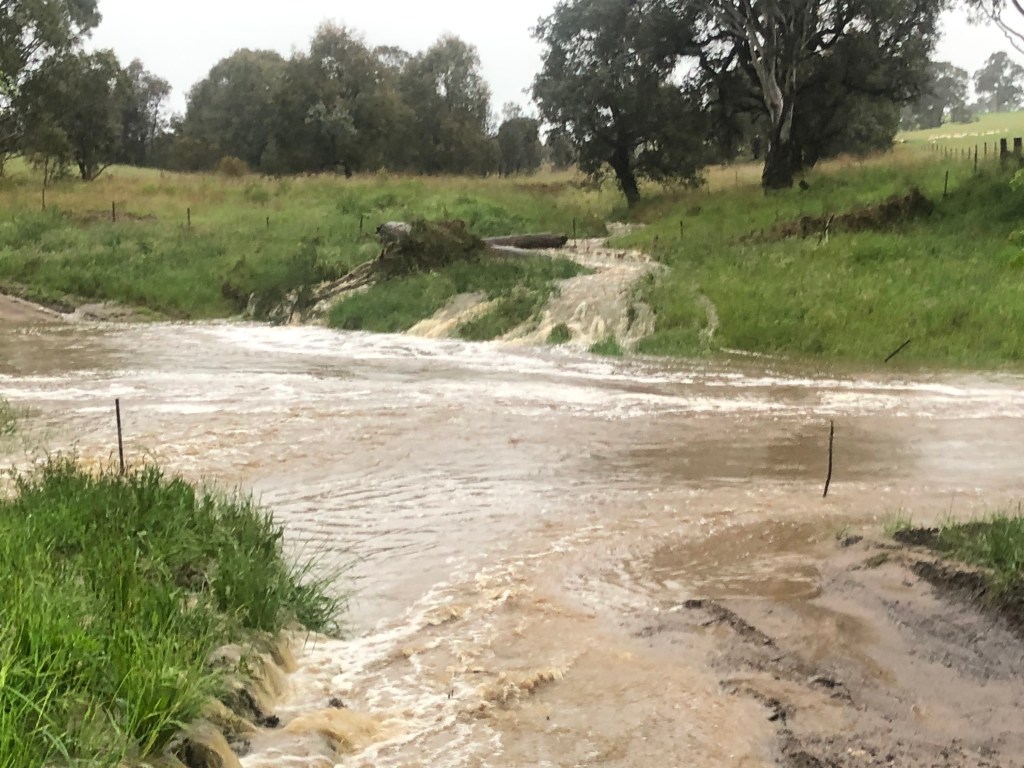
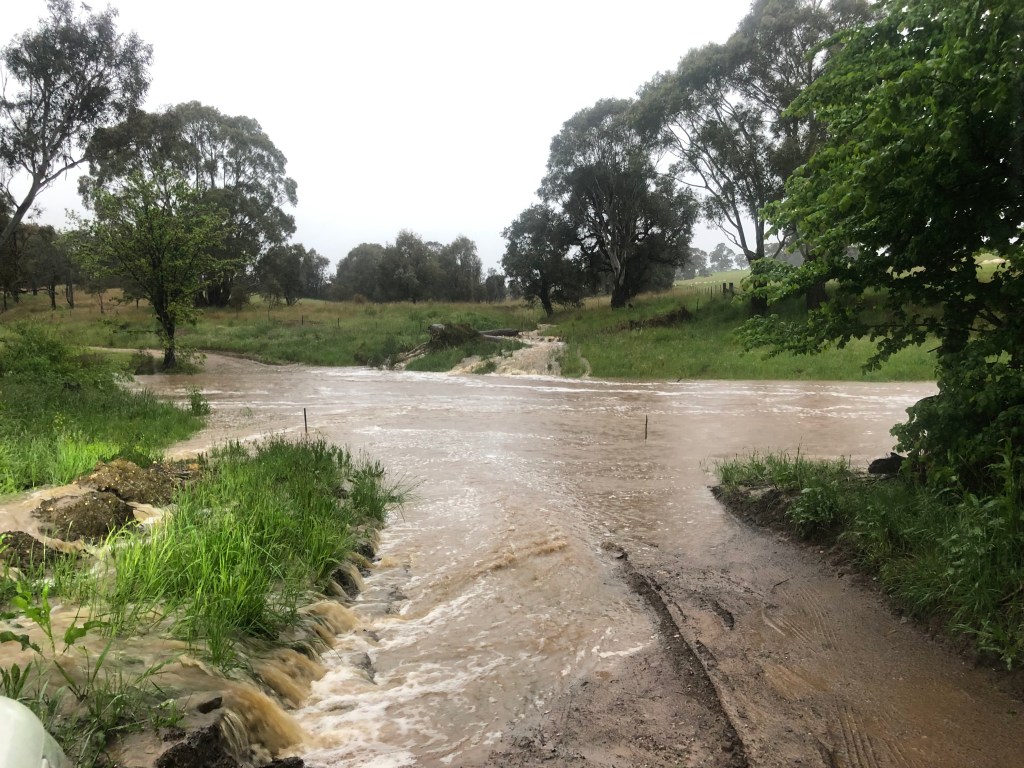
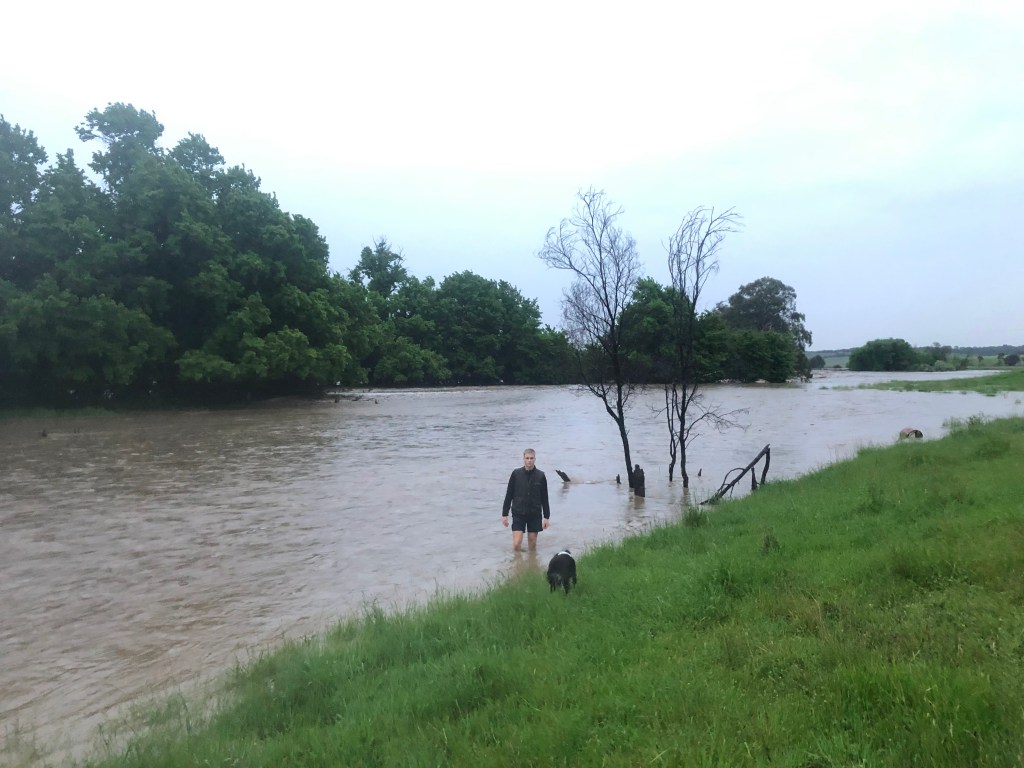
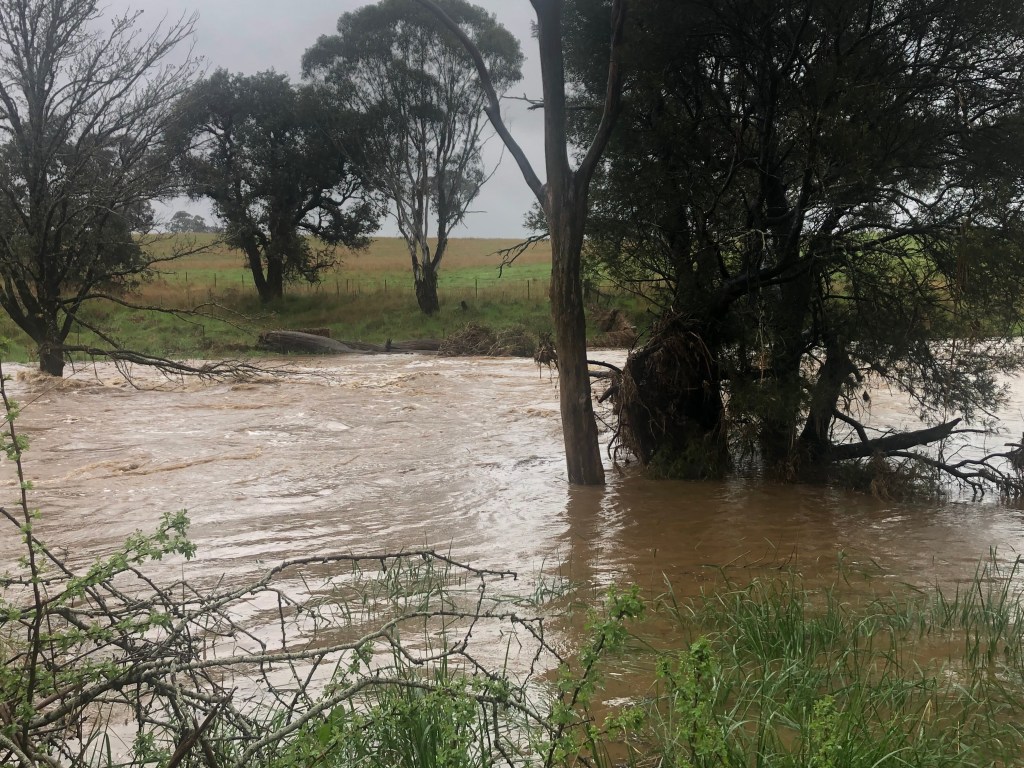
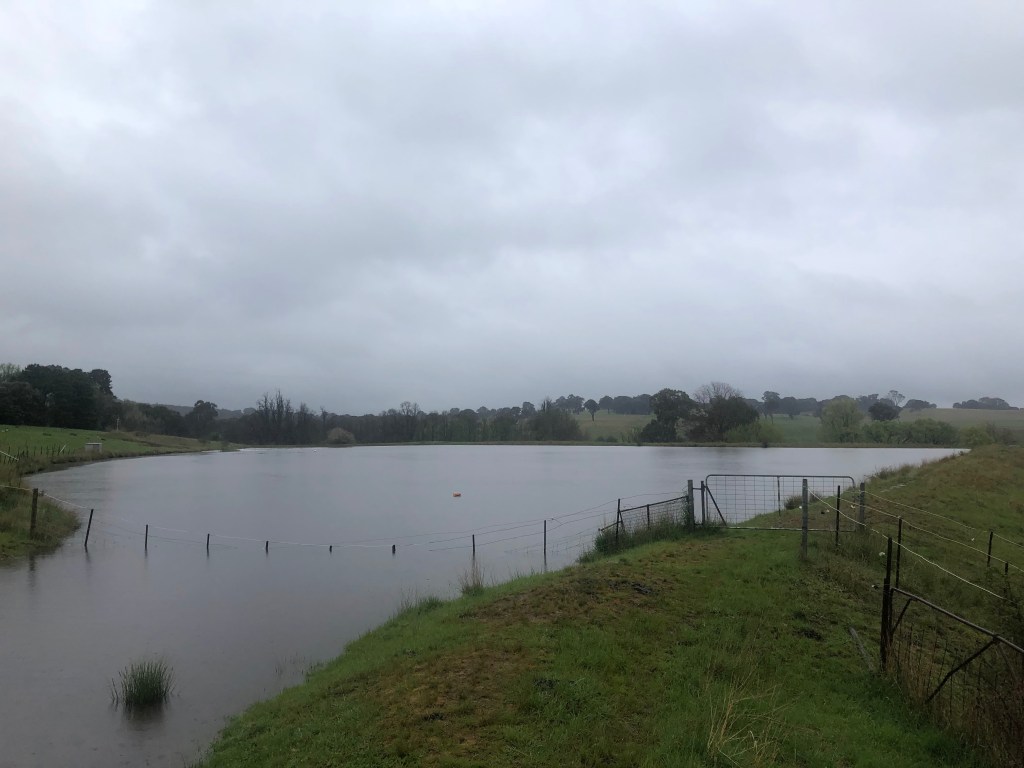
Earlier this week we experienced the highest flood of our creek for at least 50 years. Three hours after the rain started falling, our creek rose quickly from a small trickle to a raging flood that surpassed our last record height by another half a metre. Previously the damage caused by floods on the Rock Farm has been relatively minor, the clean up being an inconvenience. This one was something different again.

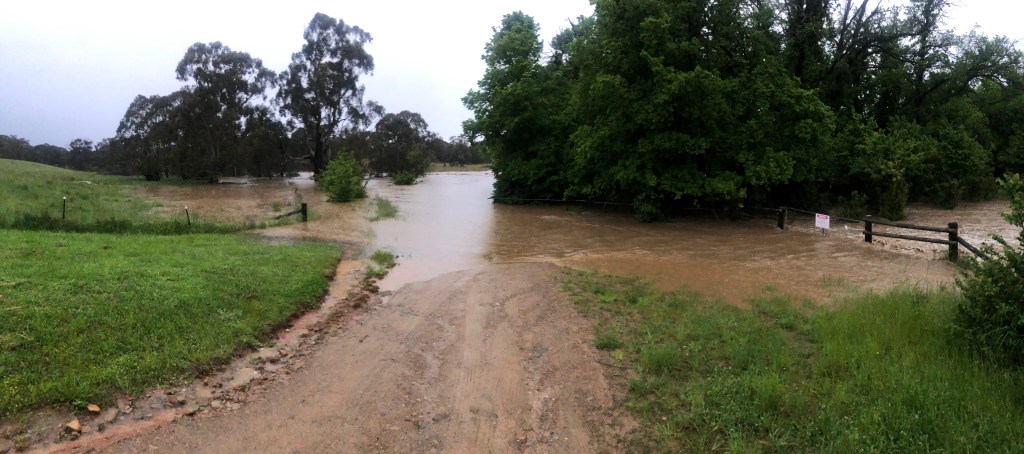
This series of photos show how quickly the creek rose during the first hour. I was anxiously waiting for the family to come home but it became apparent that they were never going to get home in time. Thankfully friends opened their doors and Jo and one of the not-so-little helpers enjoyed a night in the village. (Huge thank you to Mark and Mel).

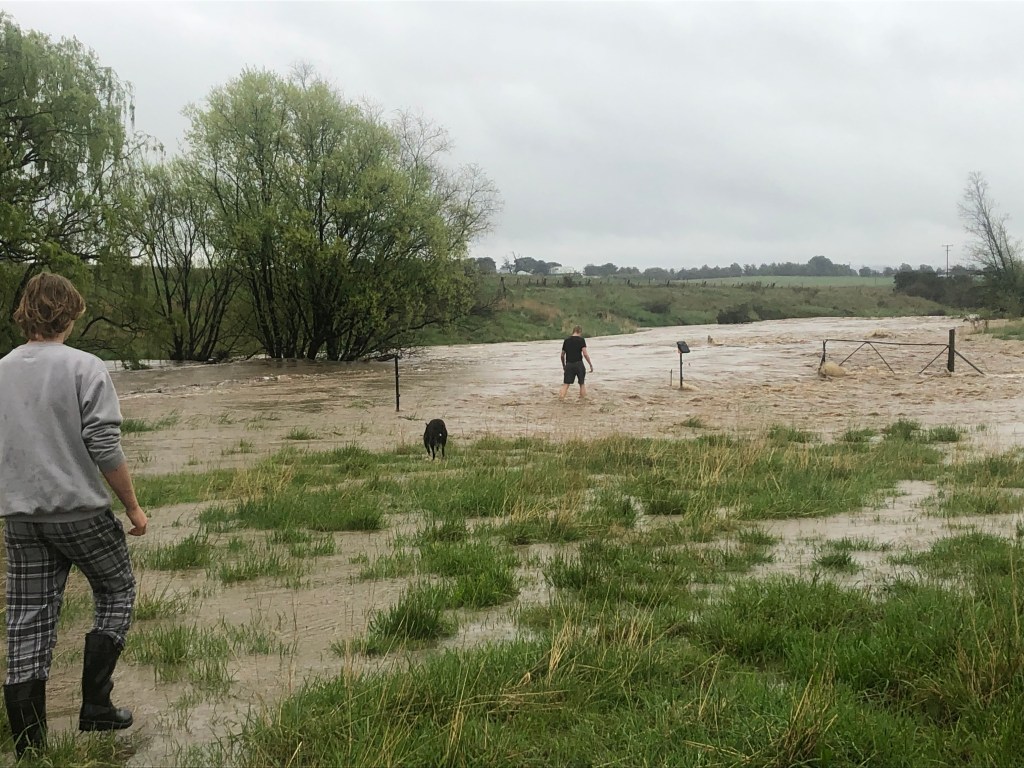
A couple of hours later the flood was in full force. The not-so-little fisherman and I went for a walk in the paddocks, and we weren’t prepared for the amount of water roaring down our creek.

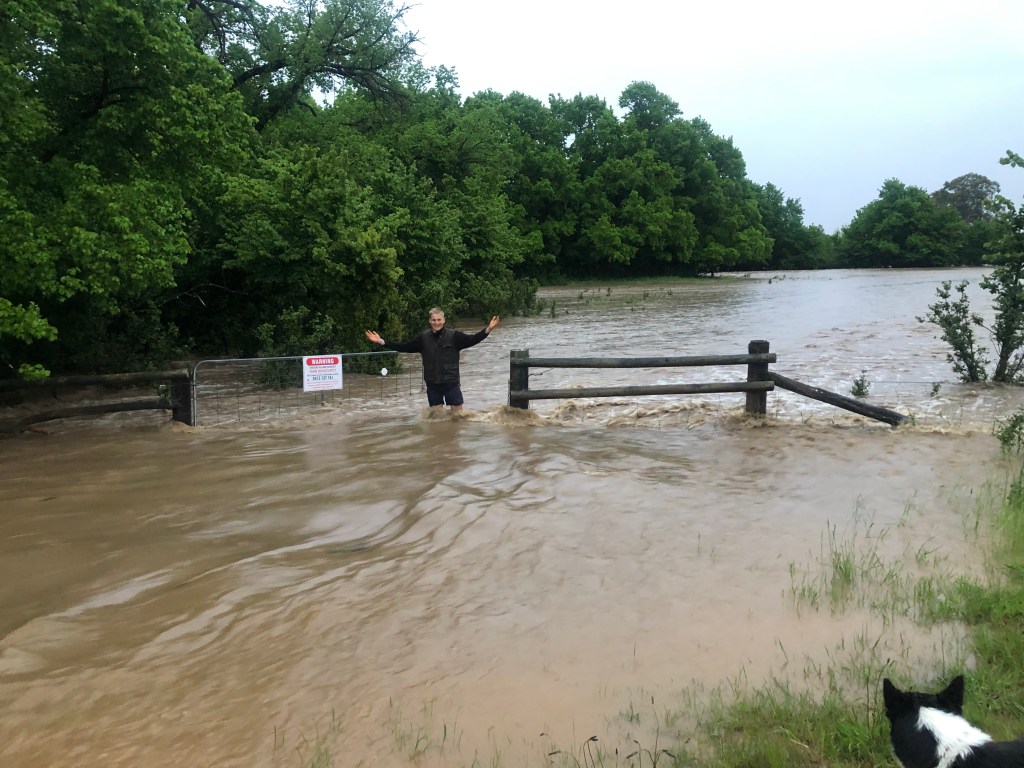
The driveway disappeared. The previous record was to the base of the gate on the right – this one came another half a metre up the gate. I sent the young fellow in to open the gate and reduce the load on the catch.

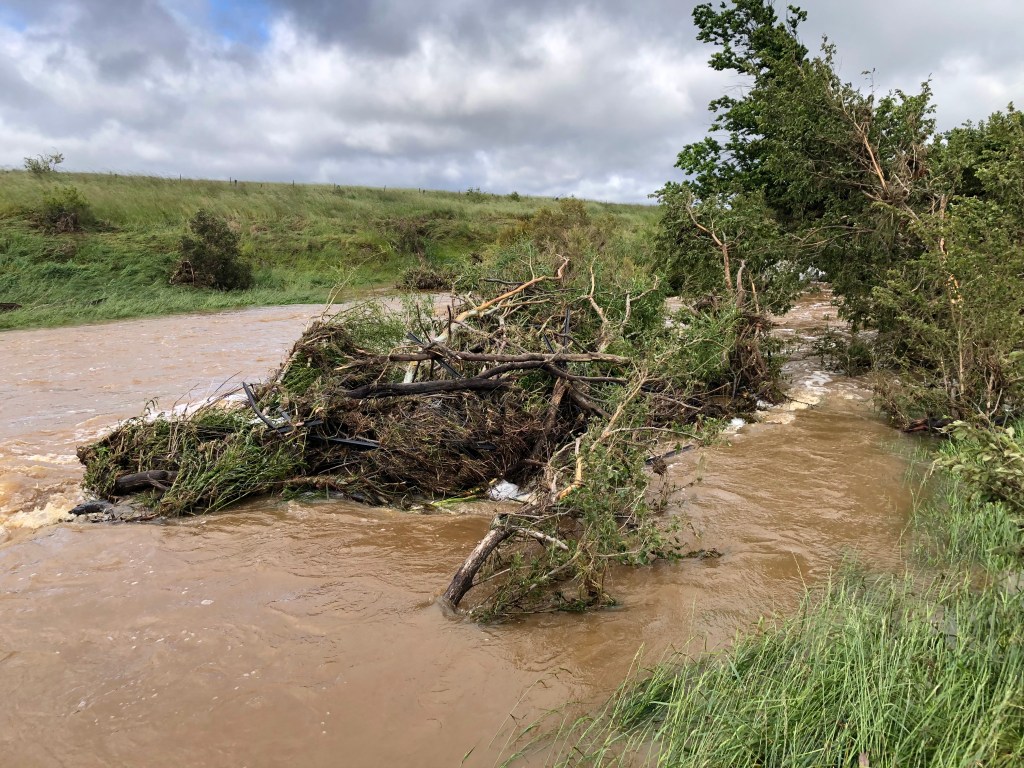
The water came up to our dam wall, and we sat and watched the water for a while. Every minute or so we heard giant Elm trees crack and shake, before seeing them appear in the middle of the flow downstream. The destruction was enormous. I have never before seen these trees break off the banks – indeed they have done a fantastic job of stabilising the bank up until now.

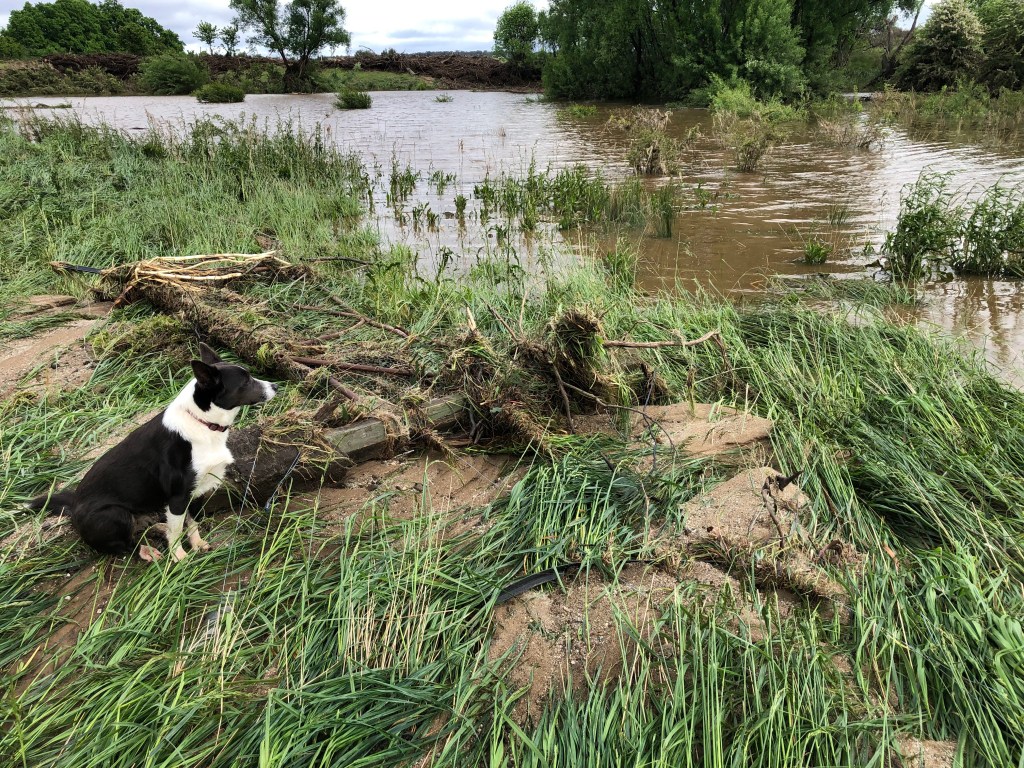
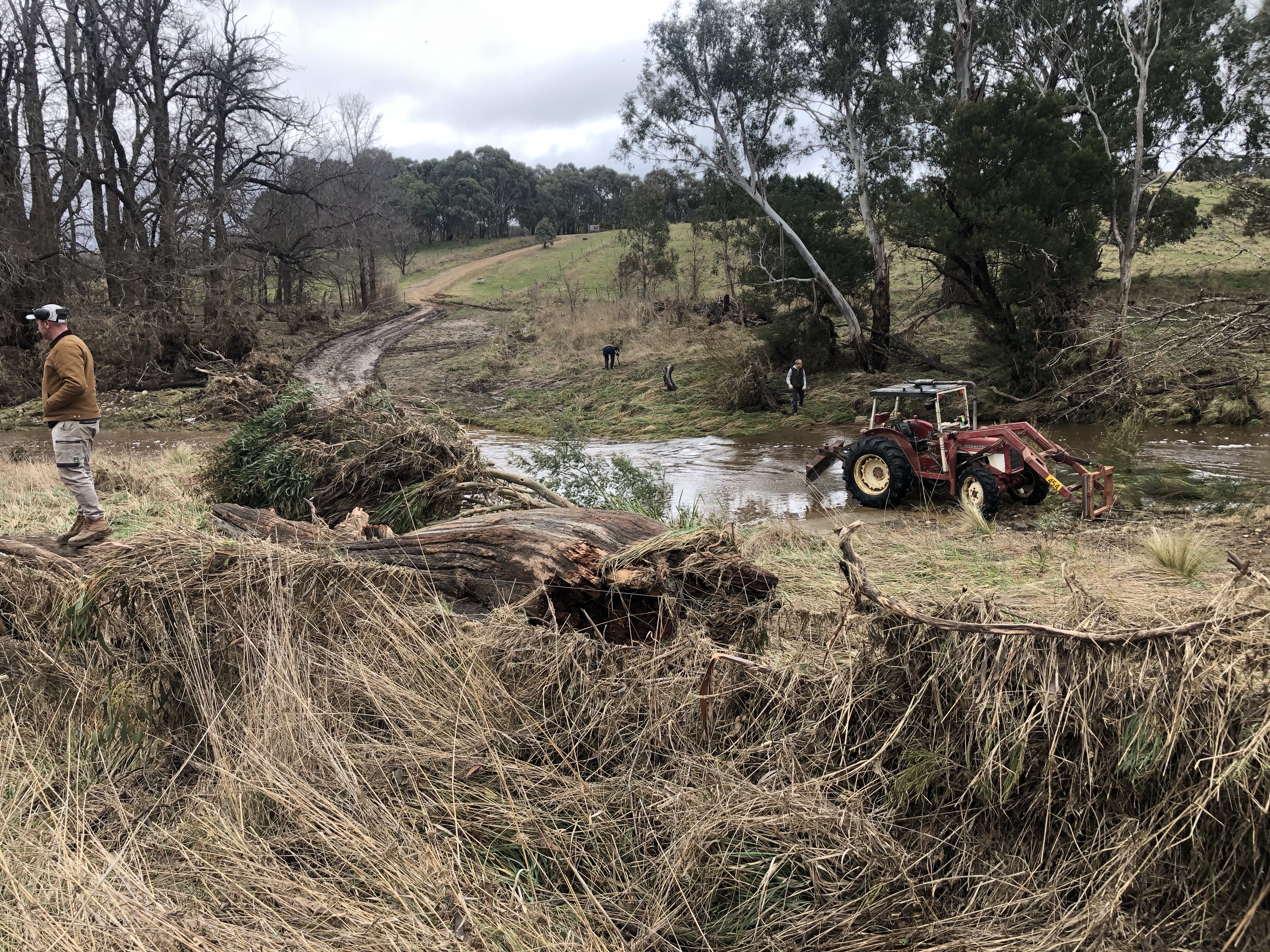
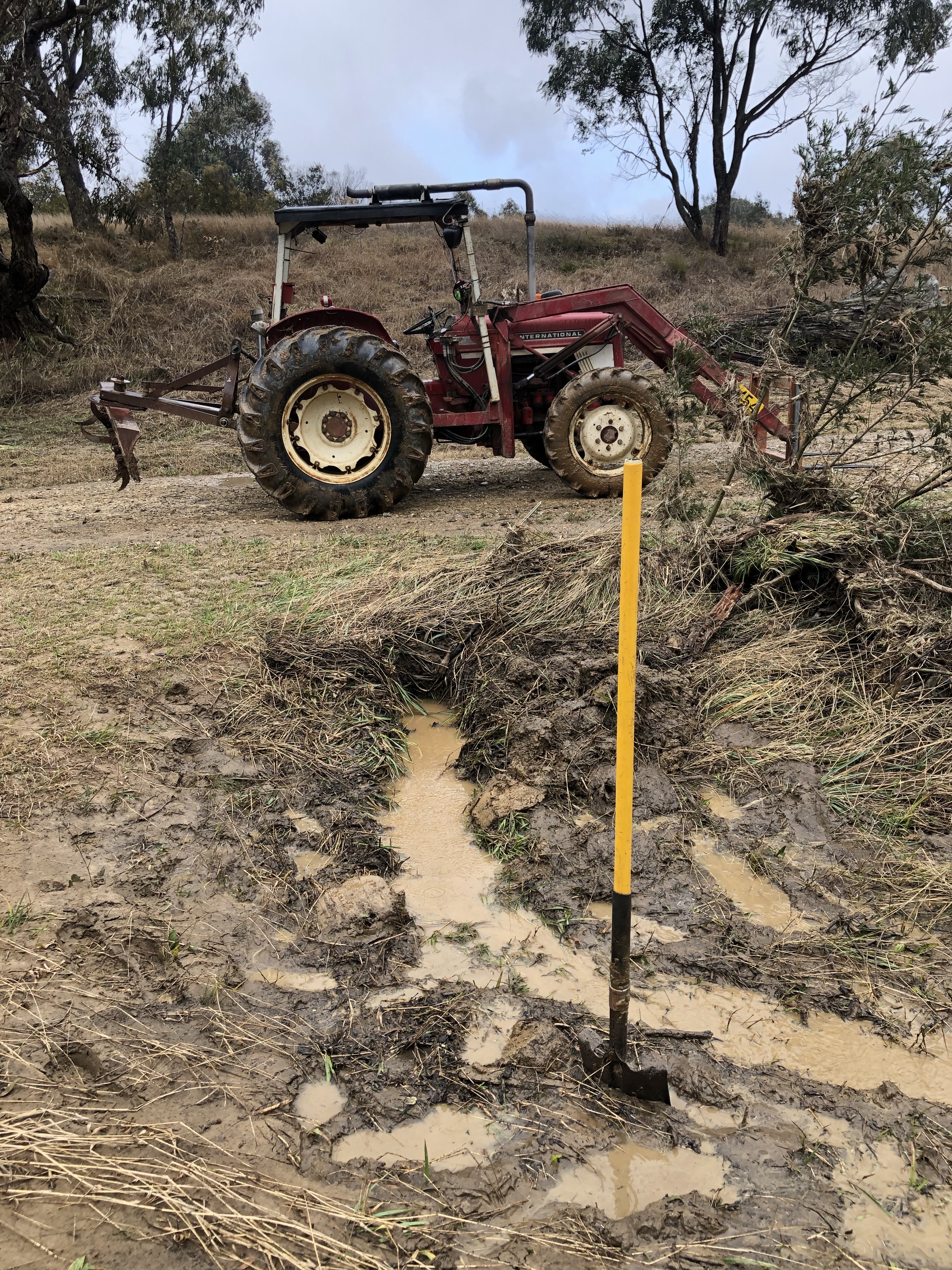
The following morning the water had receded and I went for a walk to check the damage. Debris was pushed up onto and over fences that have been standing for 50 years or so. I found the oak tree that used to stand near our crossing several hundred metres down stream. Several of the Elms that collapsed during the flood were lying in my paddocks. Sections of the creek banks had been scoured out, and areas that were previously grassed and covered in trees turned to river rocks and sand beaches. We have lost quite a large area of our paddock – but the young trees planted on the banks seem to have folded over and bounced back. We need them to grow and grow quickly to help hold the bank together in future floods.
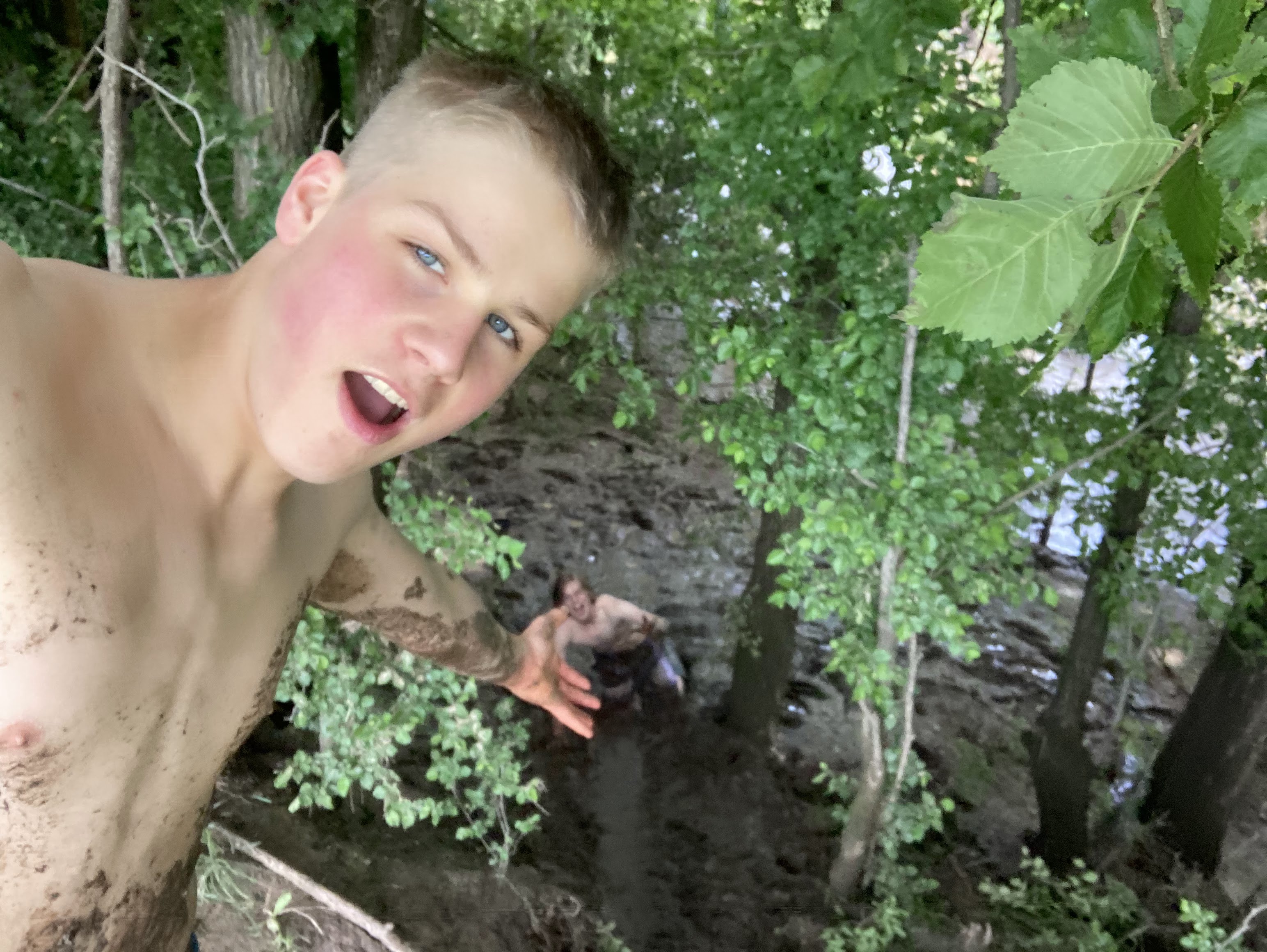
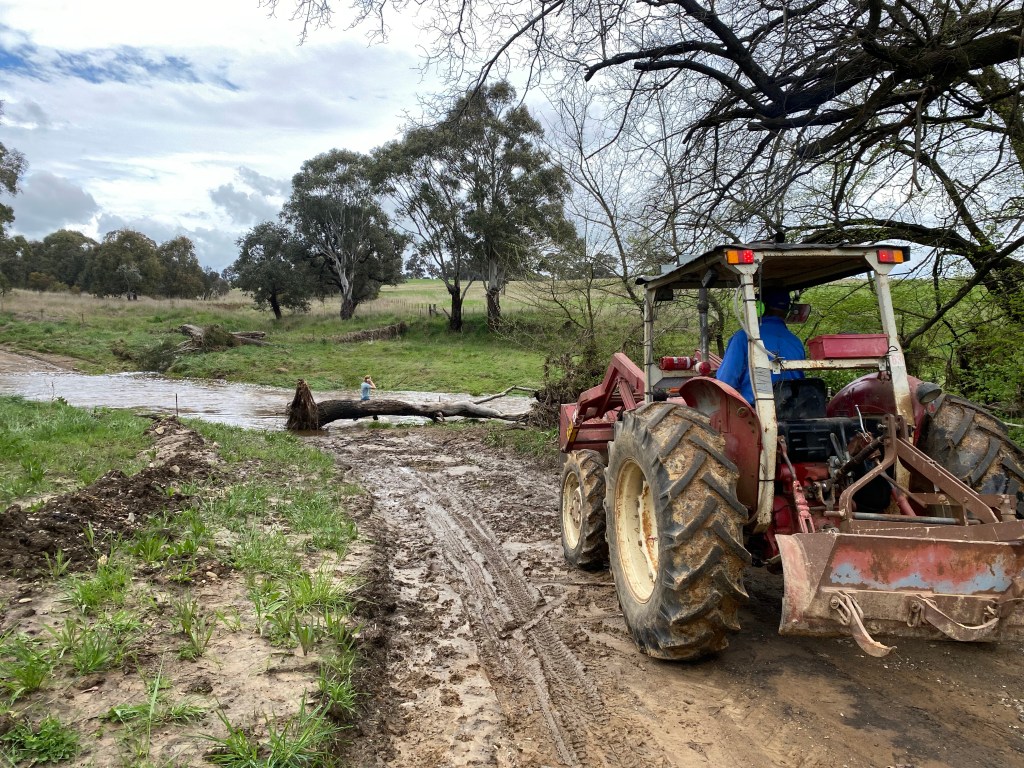
The clean up will take a while – but that is all achievable. I have written a priority list for the fence repairs, however all work is on hold whilst we wait for the paddocks to dry out. It is one thing to walk on the paddocks in calf deep water. It is something else altogether to drive on them with machinery or even just tools. After a bit of work with the tractor, the driveway is again passable

The most important thing is that we are all safe and well. The cattle likewise are all safe and now back on the slopes well above the water level. And of course – it has created a wonderful playground!

In the coming weeks I am sure we will repair our fences and get the farm functioning again. In the longer term, I hope we can lift our gaze and start working at catchment levels to slow water down. If we can slow water in the landscape, it will cause floods to rise slower, the peak to last longer but at a lower height. The landscape has changed enormously in the past couple of hundred years, and any changes we make wont happen overnight. The good news is that change is happening. One of the key organisations that has conducted years of research and is at the forefront of making changes both at a landscape and the political level is the Mulloon Institute. If you’re interested in finding out more about how we can start changing the hydrology of the landscape to reduce impacts of flood events like this, check out their webpage here: https://themullooninstitute.org/

Mechanical, aborial, bovine, fencing and climate challenges on the Rock Farm.

The Rock Farm is looking fantastic with the grass starting to leap out of the ground. The lawn mower has been brought out of the shed and pressed into service keeping the garden in check, the teenage helper’s desire for pocket money overcoming their inherent need to sleep. The first snake of the season has come out to soak in the sun. Our cattle are starting to put on weight, and we will join them with a new bull soon. The wet spring season has created some health challenges for the cattle which we are working through, whilst making access to the Rock Farm difficult. We have continued planting native shrubs. built more tree guards and are replacing boundary fences. We have also been working on a couple of mechanical challenges.

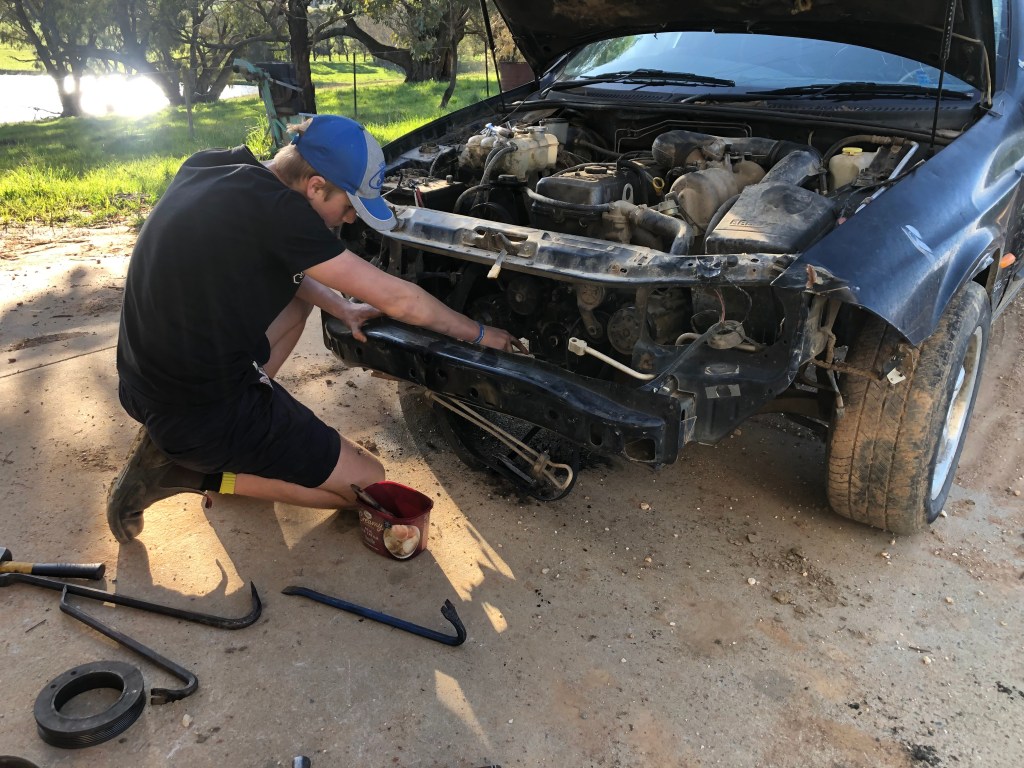
During the first week of the school holidays, our old black falcon ute kept disappearing with two boys, only to be heard from the house revving hard. The Not-So-Little Helpers discovered the fun of going in circles…. however they have also found out that when you push an old engine to the limit, things tend to break.

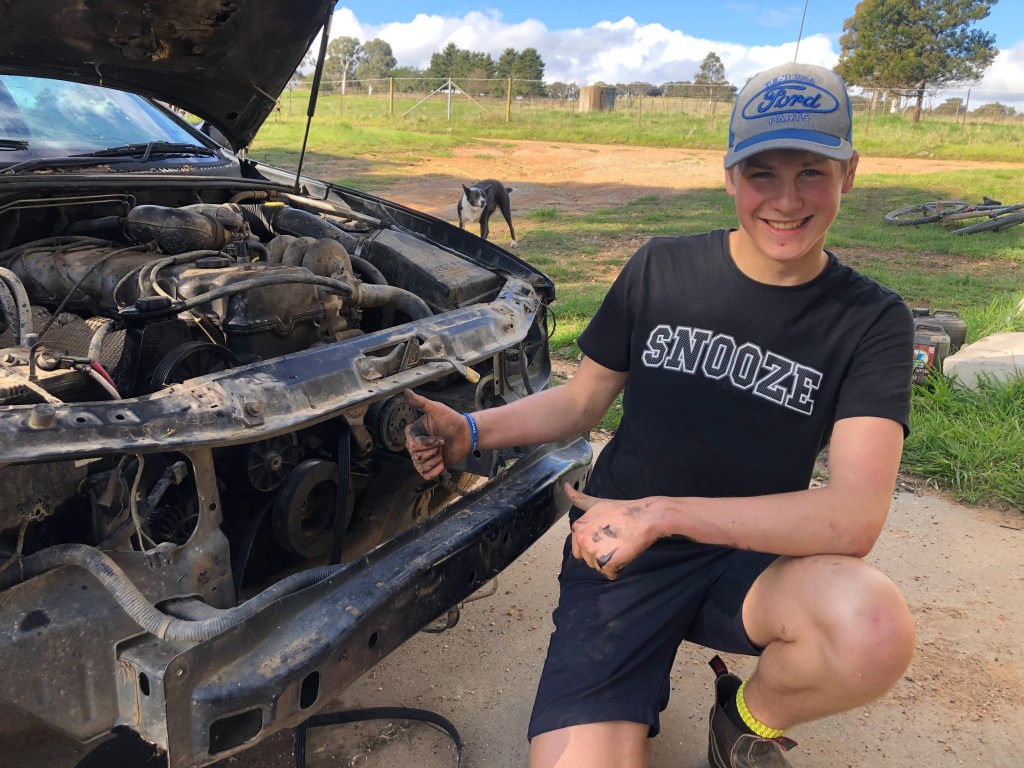
The harmonic balancer collapsed, and the boys sheepishly reported they thought a tensioner pulley had failed, as the fan belt kept coming off. Our family rule is that if you break it, you fix it (the two ‘F’ rule). I explained that I needed the capability of a farm ute – they could work out whether it was in their best interests to repair or replace the car.

They quickly realised that repair was indeed the cheapest option – even if the parts were more than the original cost of the ute. Fitting the new harmonic balancer was especially easy, as there was no grill or bumper restricting access. After an entertaining hour or so watching the boys fit the new balancer, the ute was back in service…. for a short time until they flogged our both rear tyres.

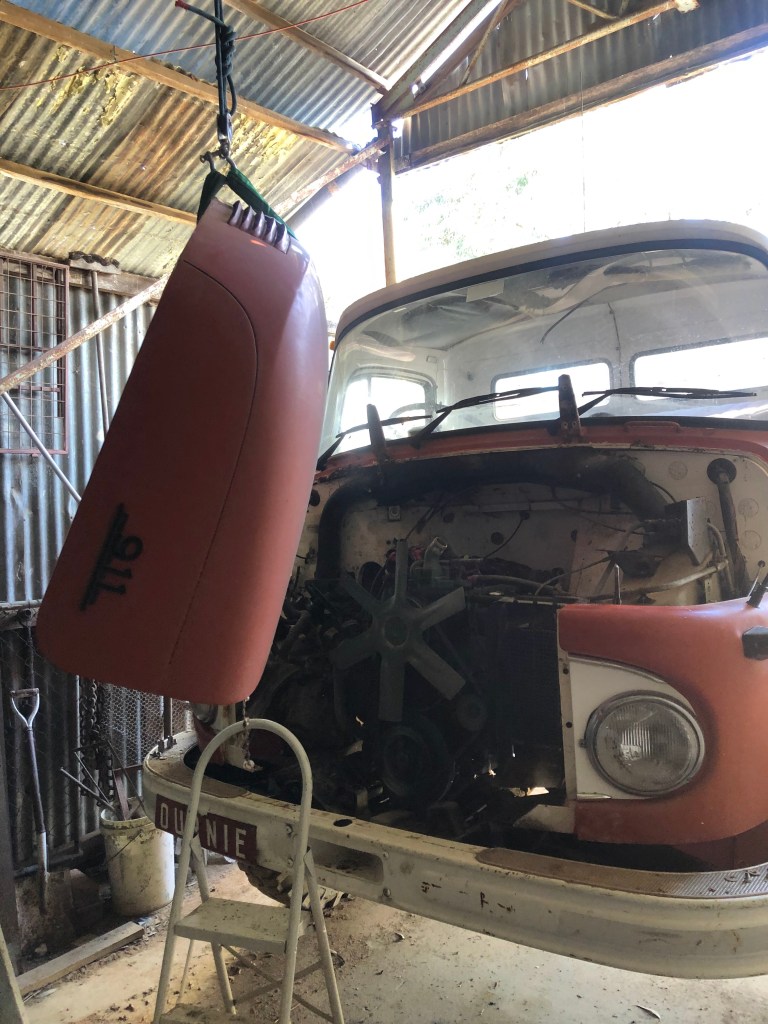
My progress with Myrtle the old Benz has been slower, but I have finally managed to remove the engine. It was straightforward, but not particularly easy. Three out of four engine mounts were easy to extract, one was nigh impossible. Seven out of eight wheel nuts were easy to undo, one was not. It was a common theme as I slowly got the engine ready to remove. I now have to remove the engine from the donor truck – which will probably be in the new year.

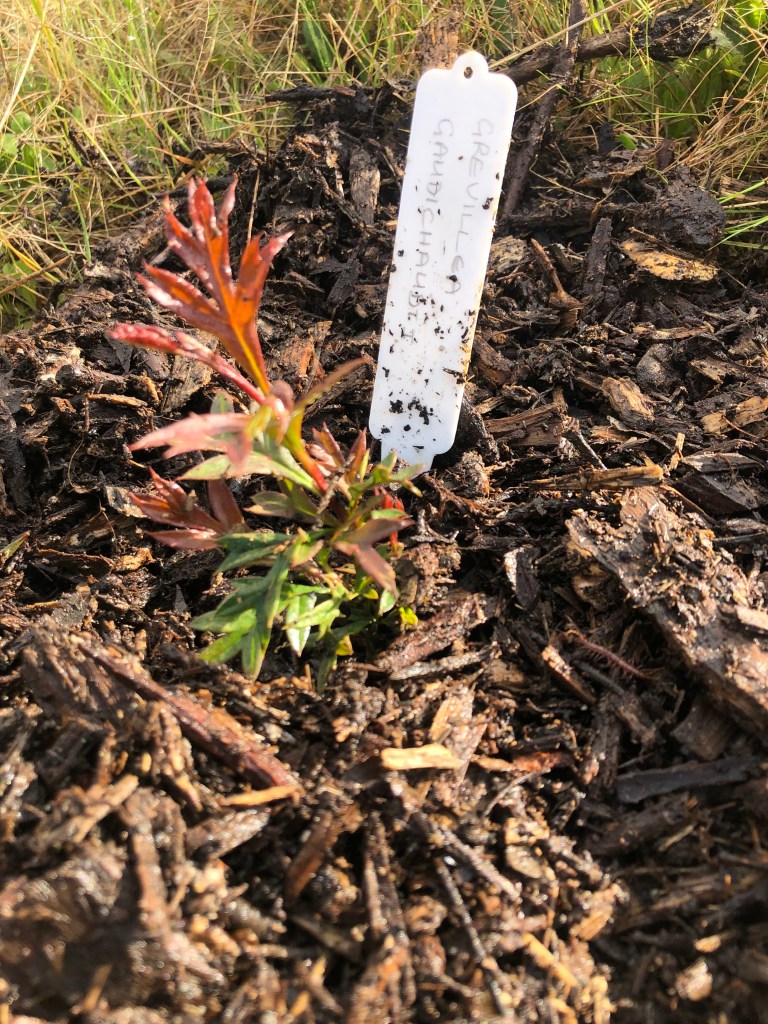
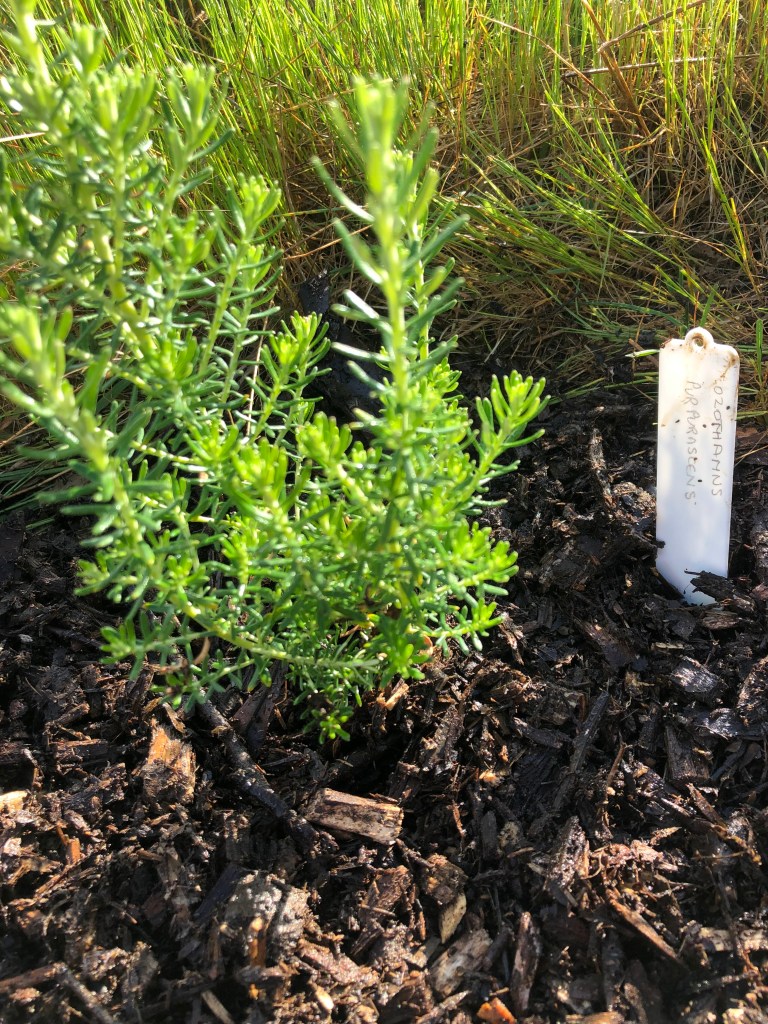
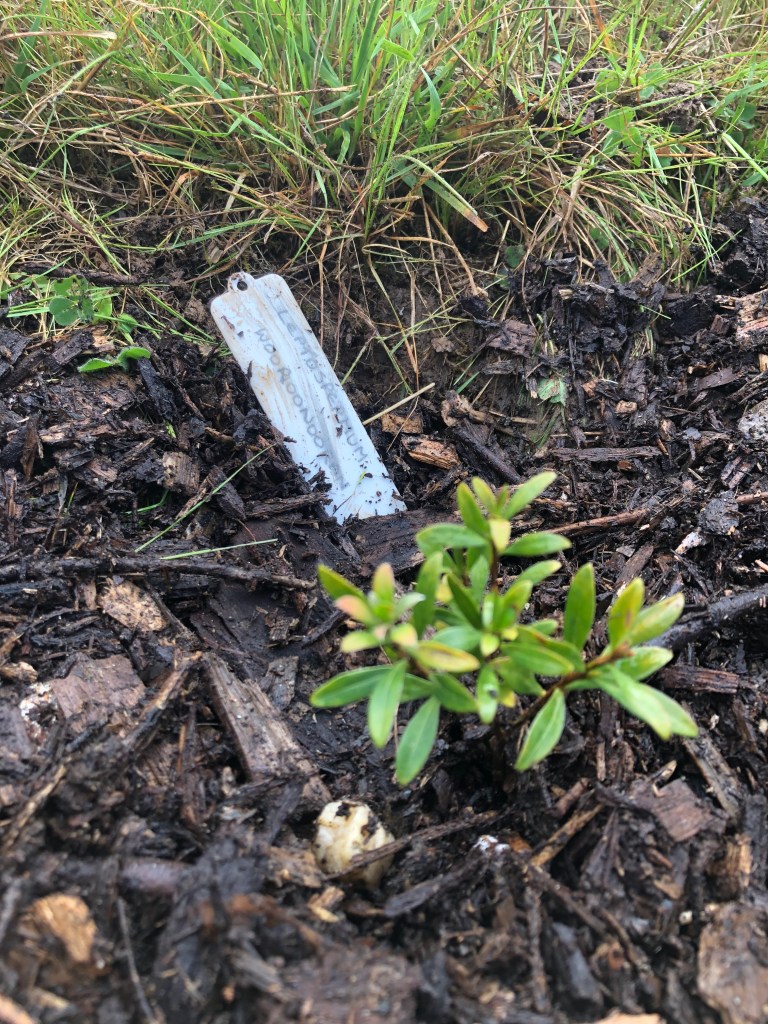
Around the farm tree planting continues, with a range of native shrubs planted in our biodiversity reserve. We hope these will grow and provide food and habitat for native bees, insects and birds. I find planting trees is not only great exercise, but it also incredibly fulfilling. I hope these little shrubs get well established this season, without too much pressure from the hares!

In other areas of the farm, we have been working at improving the infrastructure. We built a new tree guard for the Cork Oaks we planted near the dam (see last post) however I haven’t been game to drive down to fence off the other Cork Oaks on our western boundary due to the wet boggy conditions.

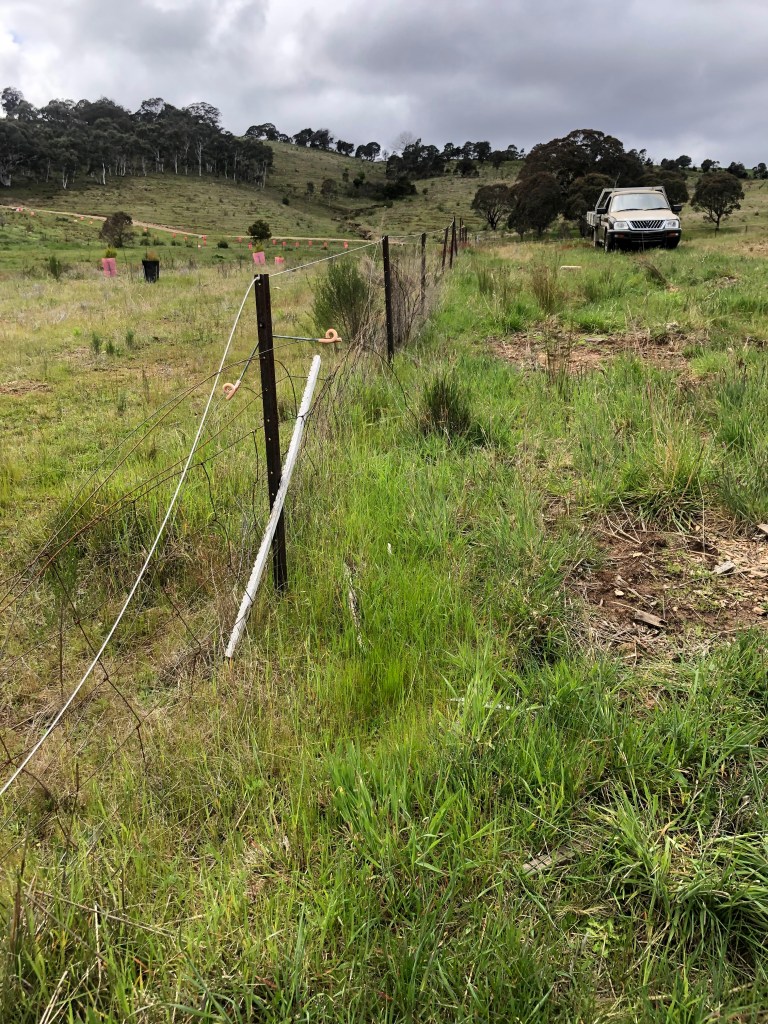
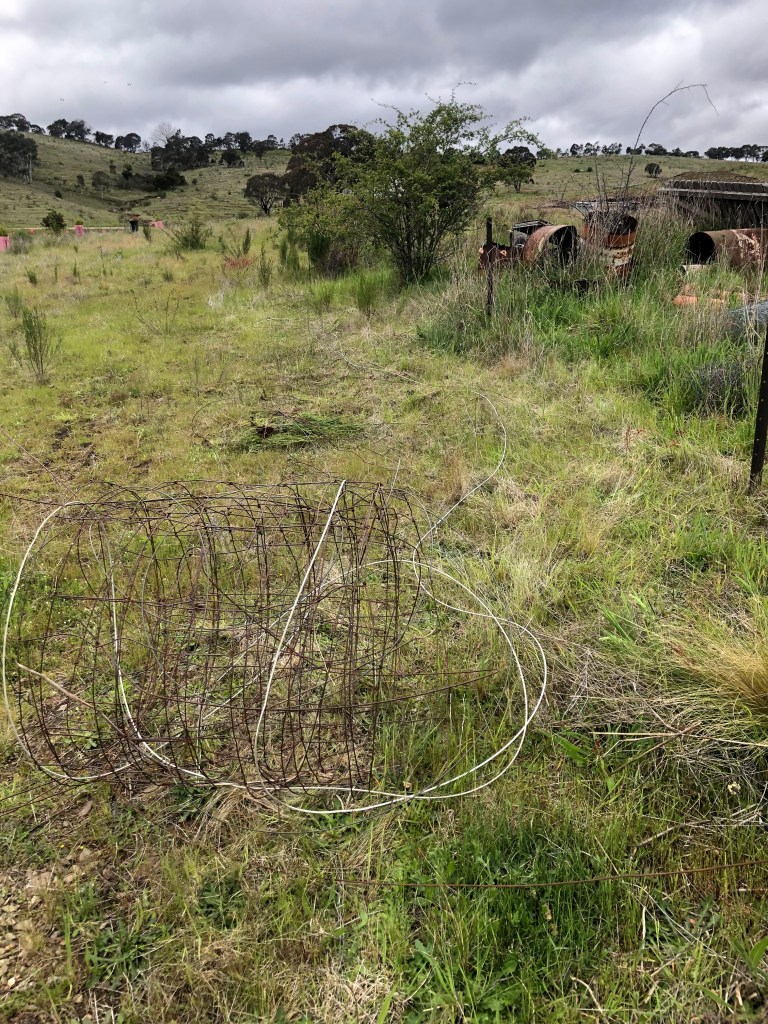
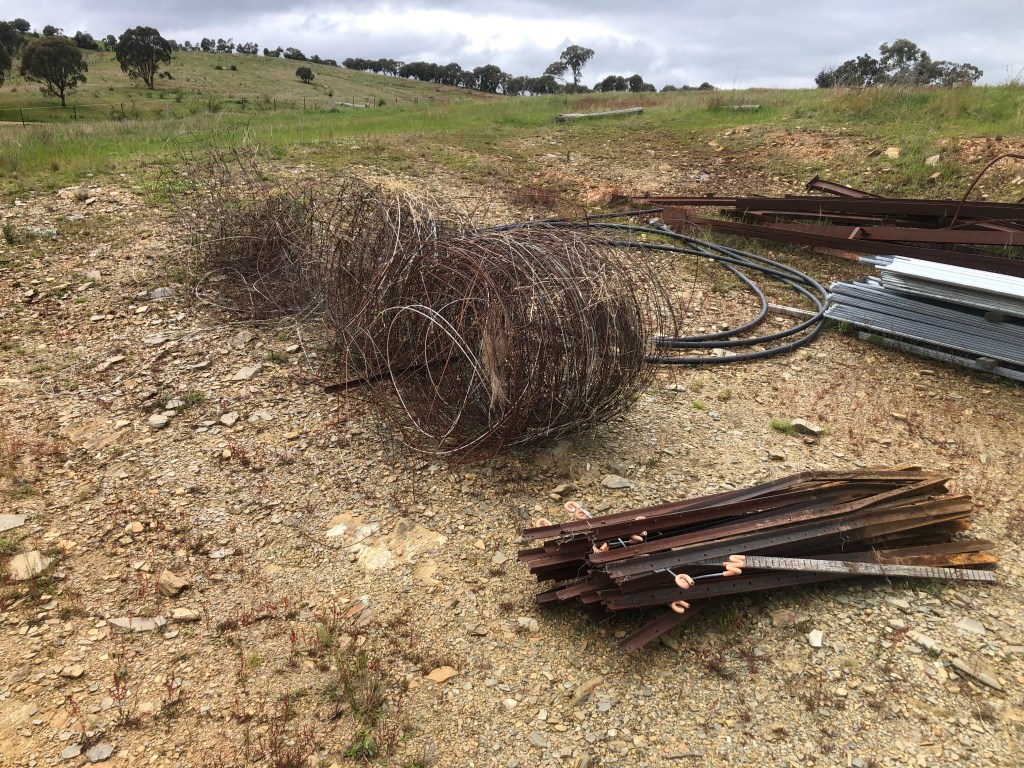
The northern boundary fence was in terrible condition, and I spent a morning removing the old fence so a contractor can replace this section. We are fortunate our neighbour supports these improvements which work for both our properties. We hope to get new posts in the ground this week before the next rain event comes.

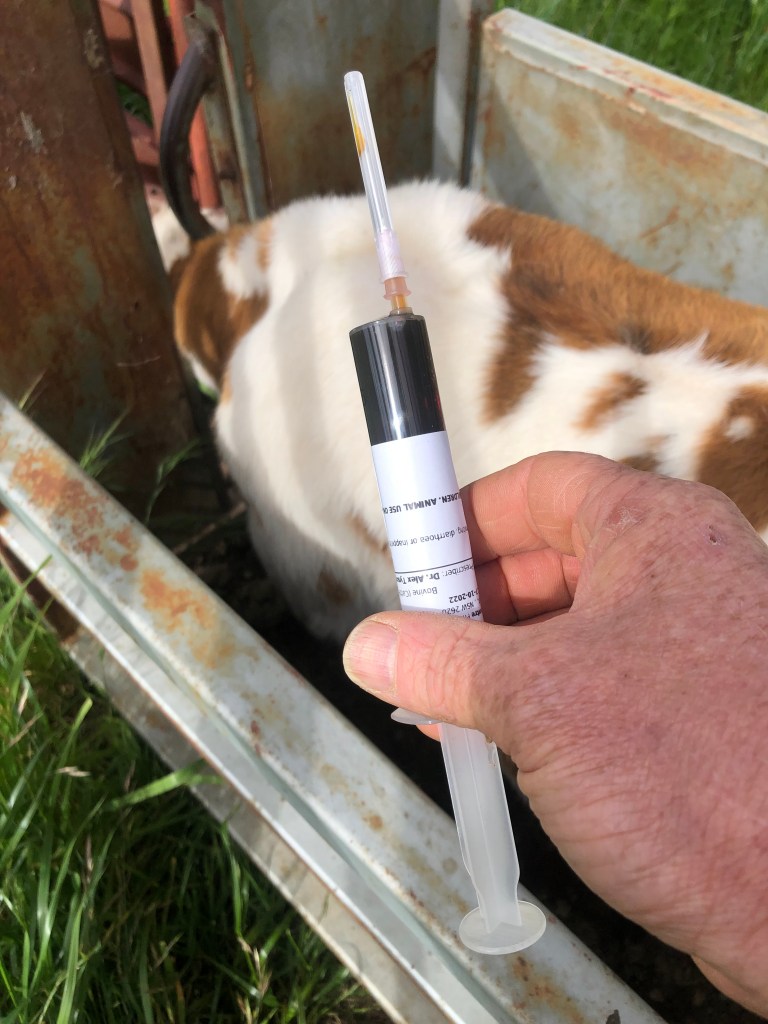
Speaking of the wet, it is having an impact on the health of our cattle. We have been keeping the cattle on the slopes, attempting to keep their feet as dry as possible. Unfortunately all our paddocks have boggy sections. Warm wet conditions increase the likelihood of the animals suffering a painful condition known as footrot (not to be confused with Foot and Mouth disease) – see here: https://www.mla.com.au/research-and-development/animal-health-welfare-and-biosecurity/diseases/infectious/footrot/. We noticed one steer with a limp, and the vet gave us a long acting treatment to help clear the likely abscess in his hoof. The vet explained the injection ‘triangle’ site for the intra muscular injection. The steer wasn’t particularly happy when the needle entered his neck, but I hope he feels better soon.

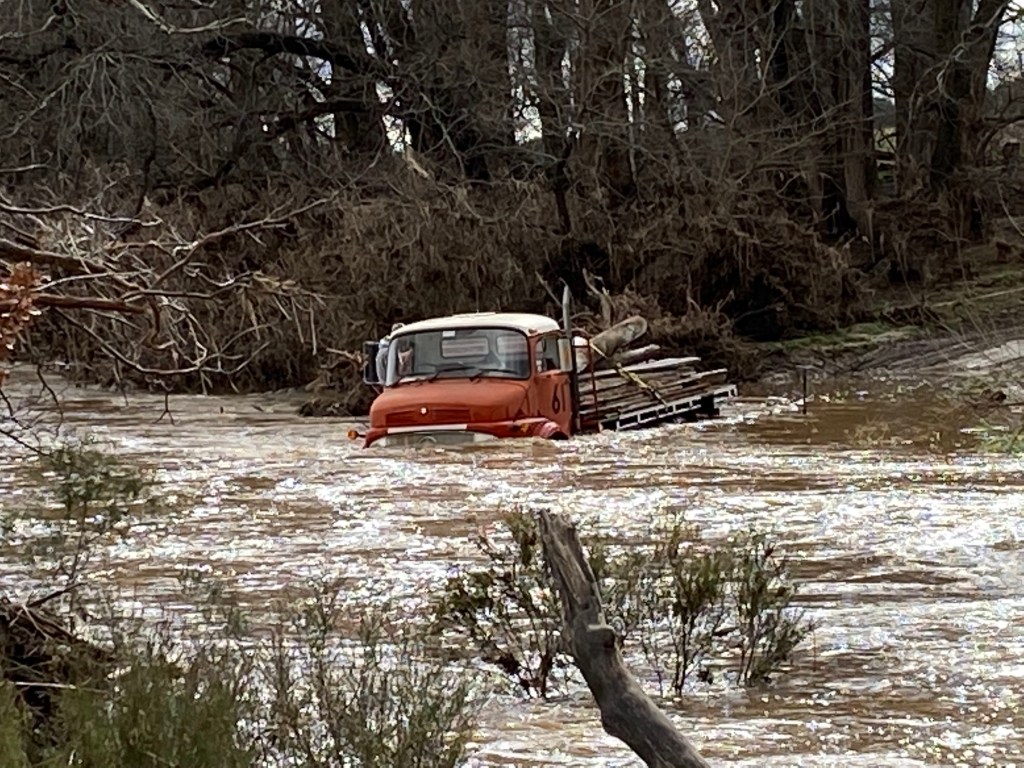
The record breaking wet is also having a wider impact on our community. Most common complaints are the condition of the roads as the substrates collapse and giant potholes form. We are fortunate that our flooding events normally affect nothing more than our property access (drowning of big red truck aside!). We have a temporary fence in our flood prone areas, from which we need to retrieve our portable electric energiser. We have spent the odd night in town, and lent on friends and neighbours for beds when access is known to be dangerous. When a neighbour got in a spot of bother, our eldest boy rose to the occasion and calmly took charge until everyone was safe and well. It was a proud Dad moment.

Of course the rain isn’t all bad news. It allows the odd excuse to sit down and relax, whilst listening to the rain on the roof. Of course I should be tidying up the shed, and don’t even mention housework!

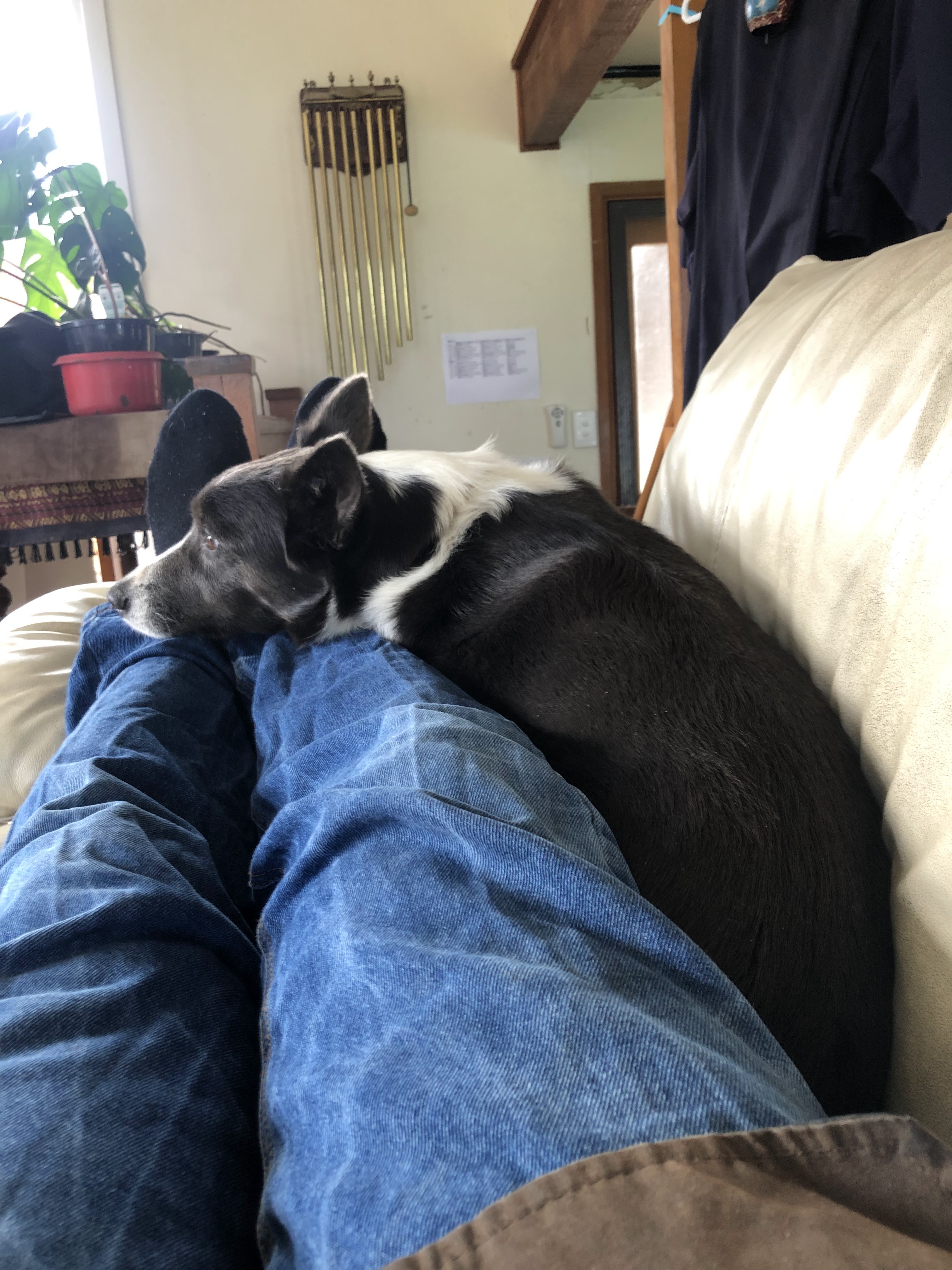
Somehow I think Sapphire agrees the housework can wait too 🙂

Spring Update – It doesn’t always go to plan….

With the Bureau officially declaring another La-Nina year, we are looking forward to another wet year here on the Rock Farm. It means our tanks and dam will be full, the grass will grow, and we will be able to carry our cattle through to autumn. It also means another great year to establish trees and keep working on improving our natural capital.

Whilst this blog may be a little slow to get updates, it doesn’t mean we have been sitting idly on the Rock Farm. There have been lots of different activities keeping us busy. Some planned, some not planned, but all keeping us busy, fit and challenged.

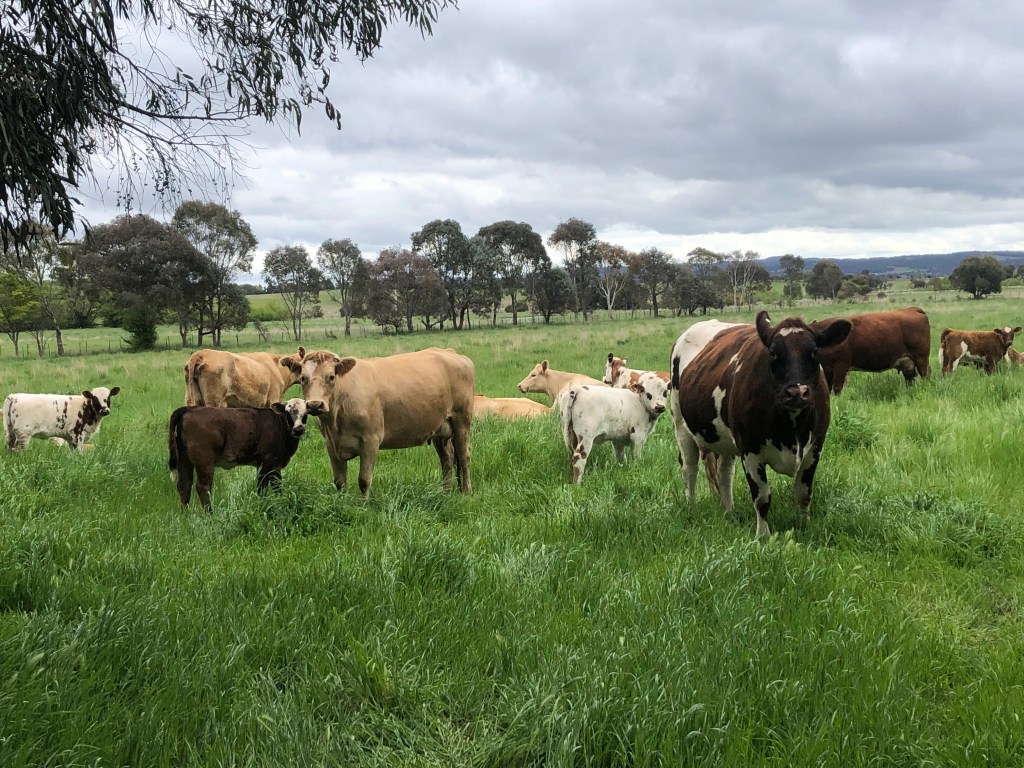
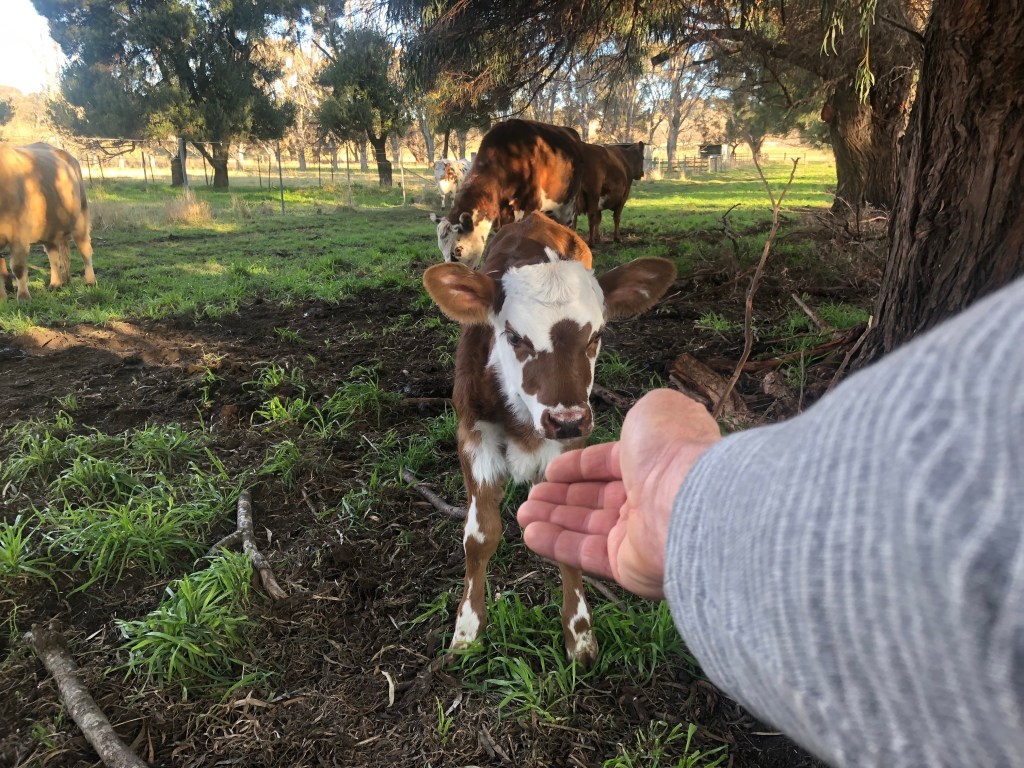
Our beautiful cows, including the four maiden heifers all calved without any difficulty this year, giving us 16 gorgeous calves. With 10 heifers, 6 bull calves, we were thrilled with the result. The antics of the calves are constantly entertaining, and I am happy to admit I spend more time than I should with these creatures. They are naturally shy, but with their quiet mums watching by, their curiosity overcomes their fears, and we have been quite close to several of them.

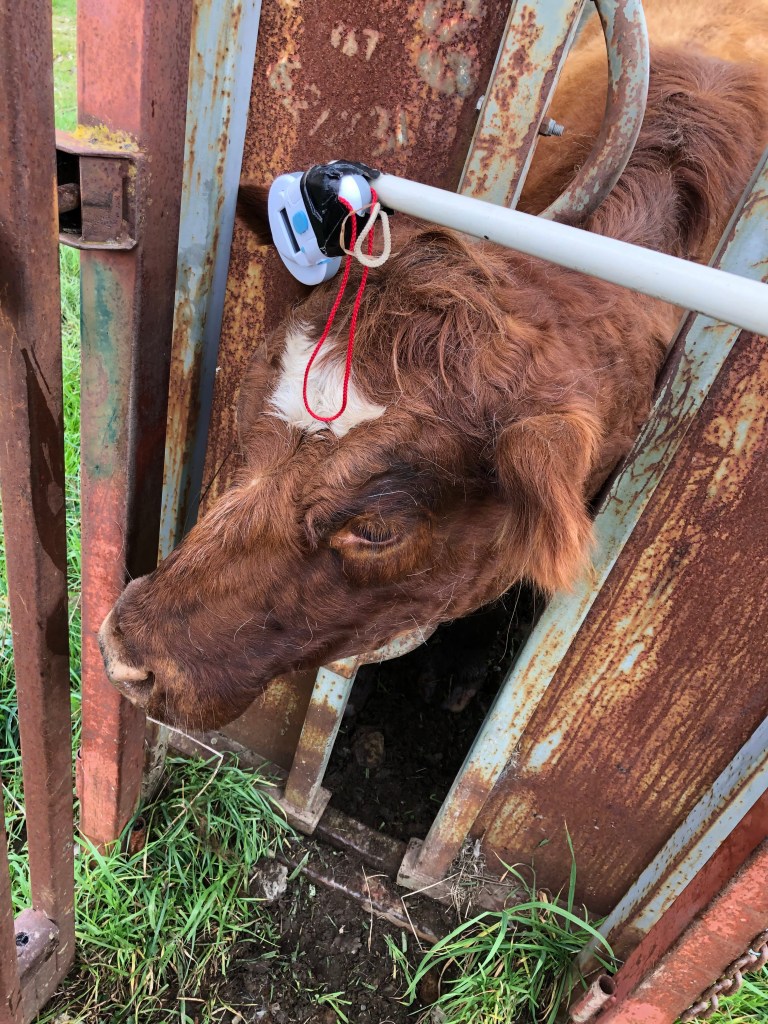
Once all the calves were on the ground, we marked them. They all received a multi-spectrum 5-in1 vaccination, and we castrated the males (with rubber rings). The good news was that all the calves were polled, meaning we don’t have to de-horn any of them (which is a job I hate). The calves will get another booster vaccine in a few weeks to protect them from the common clostridial diseases found in cattle.  We also took the opportunity to audit the NLIS ear tags in each of the cows. This ensures that our records are accurate and up to date, should a biosecurity event such as Foot and Mouth disease enter Australia.

In other news we have continued our work dividing our paddocks into smaller cells. Taking the opportunity presented by creating a nature reserve in one paddock, we completed a small section of fence to divide the paddock into two smaller paddocks. This will help us better manage grazing in this area, continuing our Savory rotational grazing system.

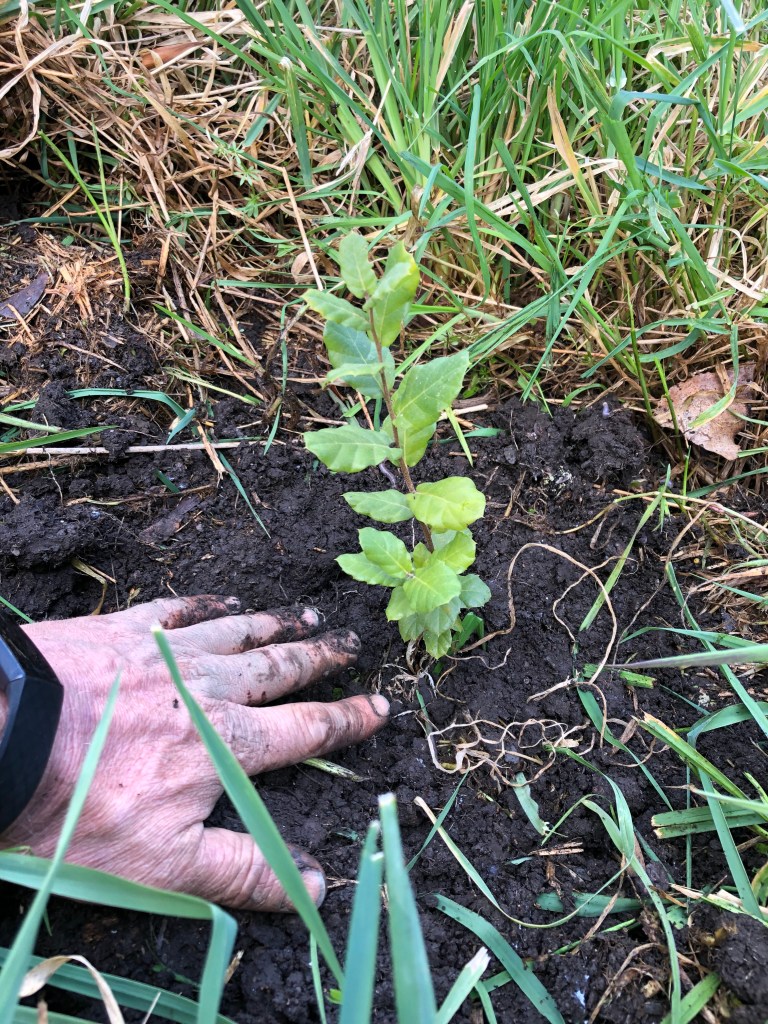
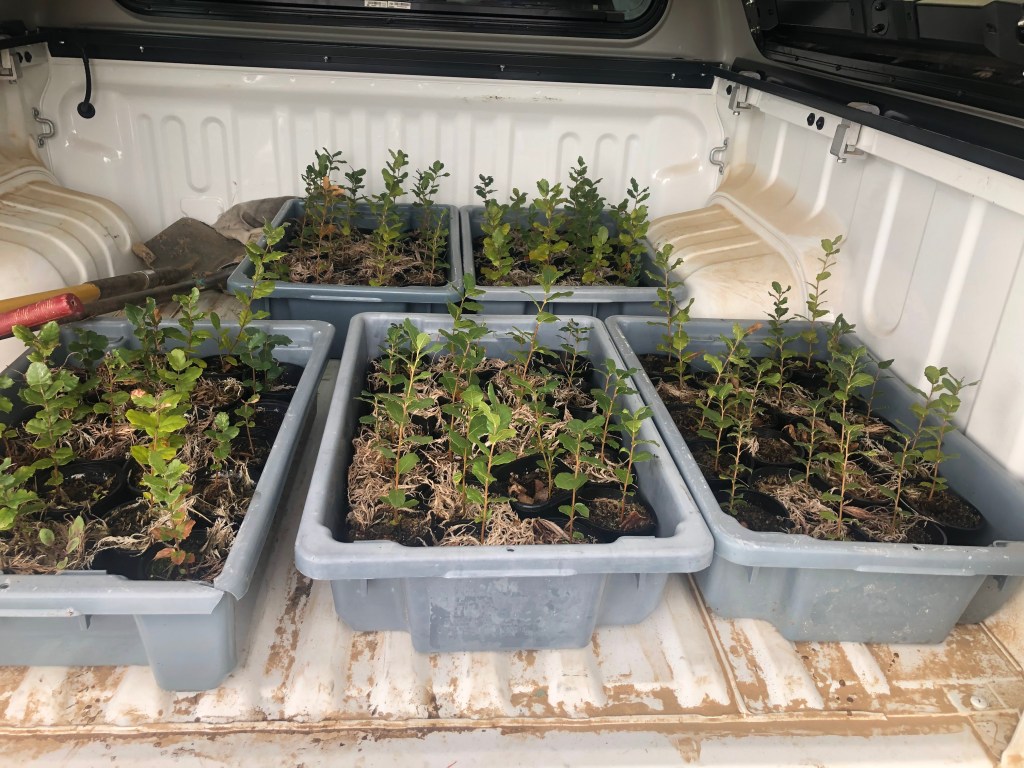
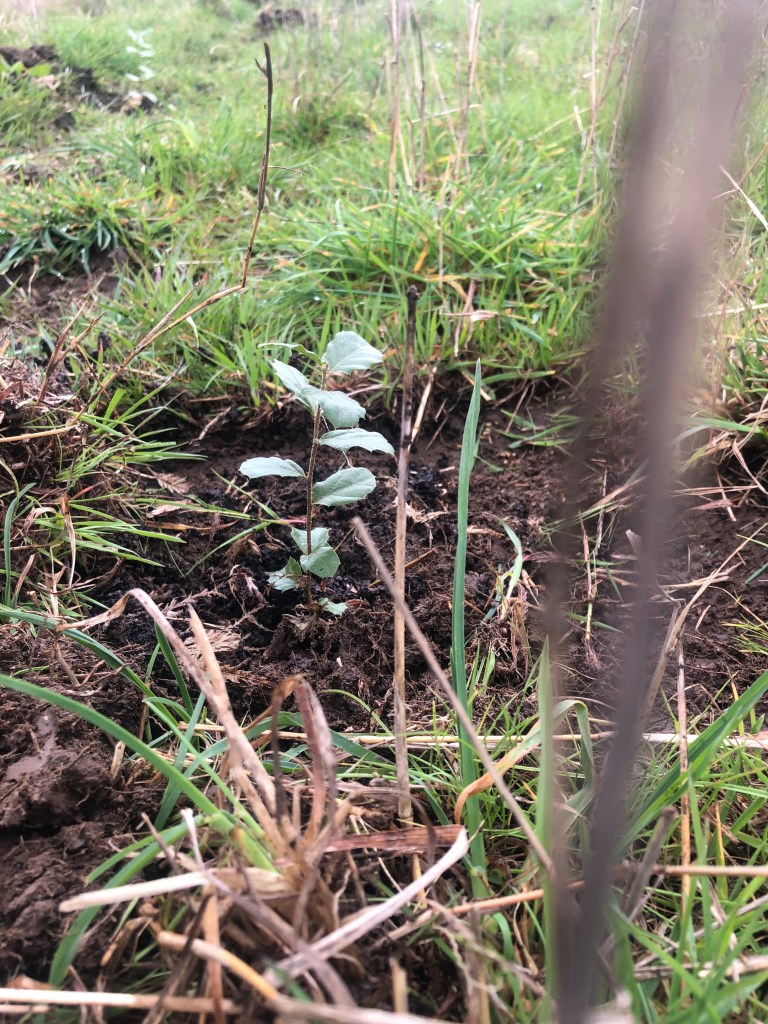
We are continuing to plant trees on the Rock Farm. A friend kindly gave us 120 Cork Oak (Quercus Suber) seedlings. We have planted these in two main areas, to create wind breaks. These medium oaks are ever green, drought hardy and long lived. They are native to the Mediterranean area, and forests are carefully managed as these oaks provide the corks in wine bottles and the centre of cricket balls. We will use temporary electric fence to protect these seedlings in the short term before we build permanent tree guards. Huge thank you to Noel for his donation of these little beauties.

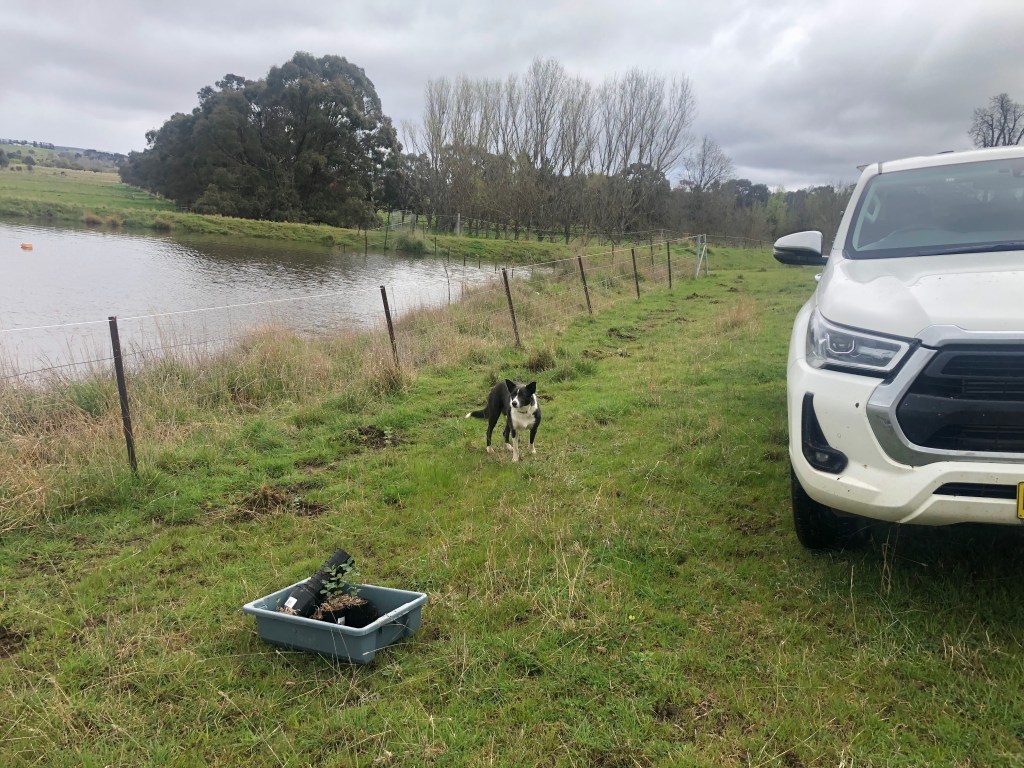
The sharp eyed among you would note in the background our Amarok ute has been replaced with white Hilux. Sadly our Amarok was written off after a particularly nasty pot hole cracked a suspension mount. Whilst our insurance company has been outstanding, they are finding it difficult to replace our ute. It was unexpected (I thought a suspension bush had failed) and whilst I am grateful for the loan of the Hilux with a tub body, it sure is a different set up to our old flat tray. I find it particularly awkward and impractical for our purposes and can’t wait for our replacement vehicle to get here.

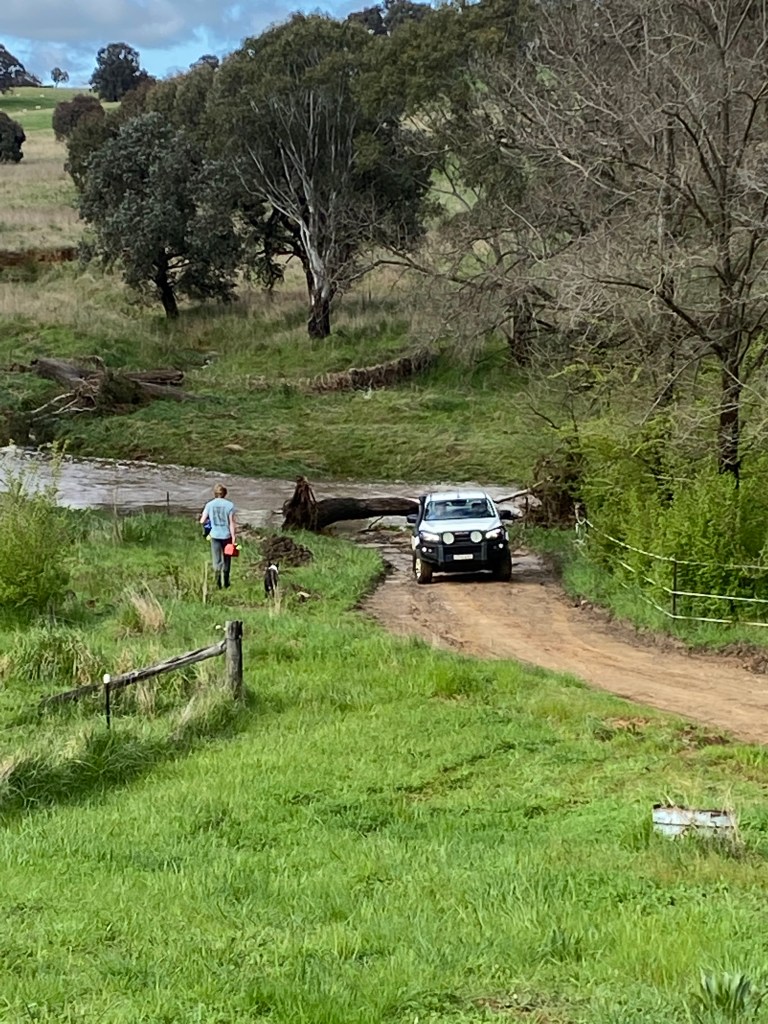
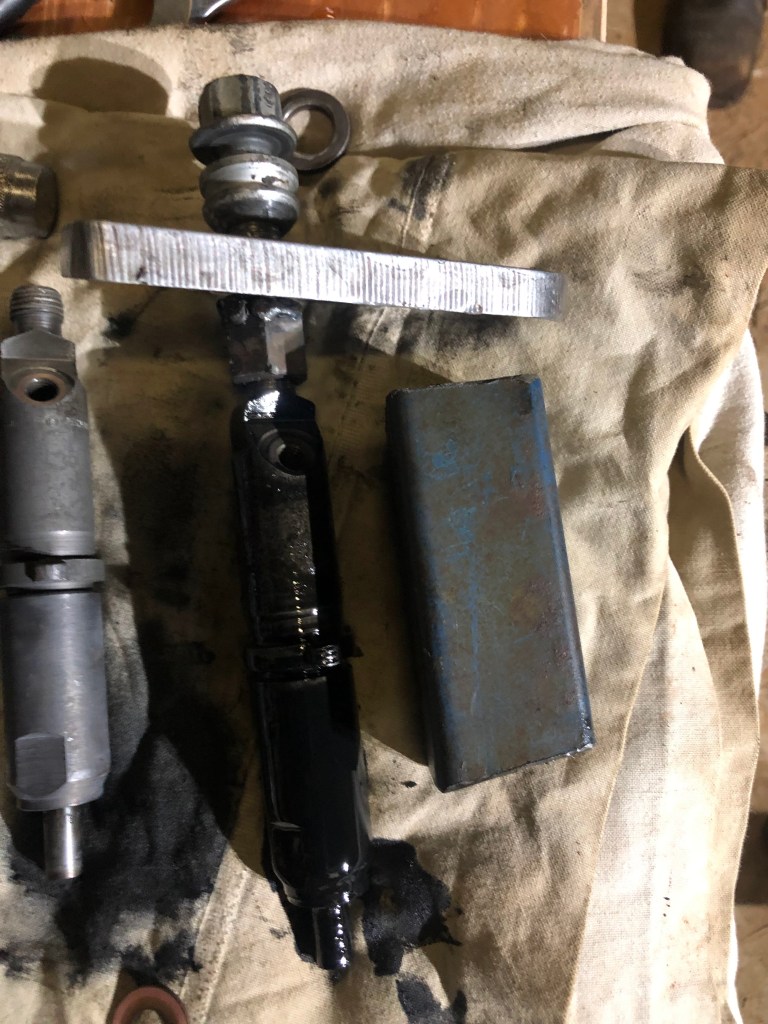
It hasn’t been our year for mechanical devices on the Rock Farm. Our dear old Benz 911 truck Myrtle, suffered a catastrophic engine failure after I took it across our creek in deep water to retrieve the family from the other side. Whilst the air intake was above the water level, I hadn’t countered on the funnel effect which forced water up to the top of the radiator and into the top of the engine. The engine came to a complete stop. After dragging it out of the creek and to the shed with the tractor my worst fears were realised when I pulled the injectors and still couldn’t get the engine to turn over. This was of course no easy process, requiring the fabrication of two Benz ‘special tools’.

Whilst the OM352 engine fitted to Myrtle is common around the world, there aren’t many in Australia. There are a couple of turbo charged variants available (OM352A) but are expensive. I happened to mention my dilemma to our neighbour and he offered an engine from a spare truck at his place. It is an OM366 – which has the same block. It won’t be a straight swap – I will have to get creative – but the engine is far more affordable – and promises 60 extra horses! It might not make Myrtle any faster, but it might not slow down as much on hills! It hadn’t run in a few years, but after hooking up some new batteries, it fired up straight away – so is the path we are pursuing for now.
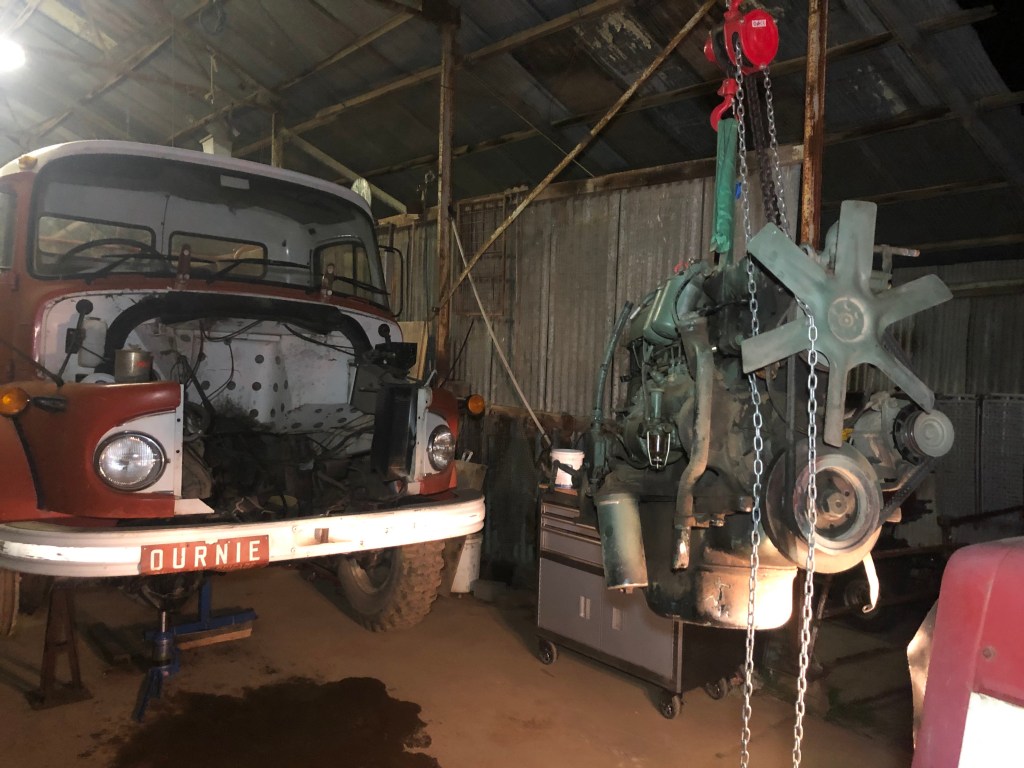
It means that any spare time I thought I had has been well and truly accounted for. I do love the challenges of the Rock Farm. From getting my hands dirty in the ground planting trees and chipping weeds, to working stock, to solving mechanical problems, it does stretch me. I might not love every minute of it all – but I wouldn’t swap it for the world…

Joining the regenerative conversation

Over the past few weeks I have been fortunate to have the opportunity to attend some inspirational field days and forums discussing the future of agriculture with some incredible innovators and communicators. Great thinkers around the world like Malcolm Gladwell and Joel Salatin have both, in their books and interviews, explained that great people don’t just do great things, they share their knowledge through excellent communication skills. I have been fortunate to attend a couple of sessions with such people who have inspired our journey to deeper understanding of our land and the responsibility we have to care for it.

A few weeks ago, I ventured to Bibbaringa near Holbrook to a field day hosted by owner Gillian Sandbrook and Soils for Life.

Soils for life’s mission is “To support Australian farmers in regenerating soil and landscapes, to build natural and social capital, and transform food and fibre systems”. It was founded in 2013 by Major General Michael Jeffery, after being asked by the Government to identify the single largest threat to national security. Major General Jeffery identified soil loss and degradation was the largest threat to Australia, and Soils for Life was founded.

Soils for Life supports the growing number for farmers and rural leaders dedicated to farming in ways that improve soil. It does this through conducting case studies uncovering the stories of farmer innovators and sharing their experiences, allowing everyone else to make their own judgements. .

Gillian is part of the 8 families group and were the subject of one of the case studies. The group met during a holistic management course, and the peer support network they established after the course led to the establishment of the 8 families group. They graciously shared their journey with us at Bibbaringa, before we went on-farm to see some of the techniques used to hydrate the landscape, audit and validate the natural capital of the property and monitor the transition to new management practices. The ‘8 families’ group Soils for Life case study can be found here: https://soilsforlife.org.au/the-8-families-group/.

Unbeknownst to me at the time, Gillian was the co founder of Earth Canvas. We had already booked tickets to the Regenerating Farmscapes Forum hosted by Earth Canvas a few weeks after the field day. The Forum was held at the National Museum of Australia, and we were lucky to get our tickets as it sold out quickly. The forum brought together farmers, artists, scientists and writers for a discussion on the shifting agricultural paradigm. Keynote speakers such as Dr Ken Henry, Dr Charles Massy, Darren Doherty, Stacey Curcio and Professor Sasha Grishin provided a fascinating perspective on the link between soil, animal and human health.

We found ourselves in good company in the audience too. We were sitting among regenerative agriculture pioneers, research scientists from the Sustainable Farms, neighbours, local leaders from our very own land managers network and other curious minds.

An element of the forum was the Earth Canvas exhibition that we also walked explored. The connection tween artists and regenerative farmers was thoughtful and insightful.

Confused about all the groups and names? I am too, but what is heartening is that the intent is broadly similar and the the conversations are being shared across the agricultural community. People generally tend to bond ourselves to a particular ‘tribe’ or group. What I have found is many of the leaders in this sphere cross many of the groups and share their message.

It is inspiring and humbling to be part of that journey. For a long time it felt that we were an isolated island doing our best to improve our little farm. It is apparent we are part of a much wider community, who are welcoming to all people with curious minds, no matter how large or small their property is.

These leaders in regenerative agriculture are bringing people together and communicating their journey. They are grass roots leaders who are influencing the highest levels of Australian Government. The conversation is growing, and it great to be a part of it.

Calving and a big dump of rain!

Calving is without a doubt my favourite time of year. It isn’t without its challenges, and requires twice daily (or more) checks just to make sure all is going to plan. As I write we have 13 beautiful calves on the ground, with a couple more stil to calve. The cows seem to understand what we are up to with our regular checks and seem quite happy with our presence. We only have one maiden heifer, and she gave birth to a bull calf without any issues which was a great relief. Regular readers will recall that Daisy had some difficulty calving last year, and despite my misgivings, remained on the farm. She hasn’t calved yet – indeed she might not even be in calf – but we are watching her closely.

Our gorgeous cows are lovely and quiet, however the new mums can be understandably a little more cautious around us. Over the past few years, any cow that has shown any form of aggression has been sold. That said, there are a couple who quitely let us know with a gentle shake of the head that we have approached close enough. We don’t put any more pressure on them. By sitting down a short distance away, those who want to come up and say hello are able to… and they sure make us smile.

We are calving a little earlier than last year. Whilst the soil moisture is great, the rain has reduced the solar gain on the pastures and hence grass growth is a little less than we expected. We are throwing out a bit of pasture hay, and are providing a magnesium lick to the cattle to support their nutrition requirements.

It is an unusually wet year, with the end of last week culminating in the largest flood waters we have seen on our creek since moving in. Our previous flood record was measured to the base of our front gate post. This most recent flood covered the gate and has fiven us a new height datum. A day of steady rain was followed by a sharp 30mm shower as the sun set. The resultant rise in the creek was mirrored with flooding throughout the district, with several roads cut. The family were safely marooned at home, and I ended up staying in town after work.

The following day the creek dropped, and required a bit of work to clear some of the debris off the crossing. Our neighbour was home and cleared the worst of it (thanks Stuart), allowing me to get home that evening. The following day, we continued to drag silt and logs off the drive way. The size of the timber moved downstream by the flood waters was phenomenal. Sadly several trees were ripped out of the creek banks. I haven’t yet established the extent of the damage, but I do know we have lost some creek bank, new trees and a temporary fence. Over the next week or two we will look rebuilding our flood gates and making the front paddock stock proof again.
It is all part of the cycle of the water way. For all the extra work the creek creates, it adds so much more to our property and we consider it an asset to the Rock Farm.

In the meantime, I will keep hanging out with the cows and enoying their company. It is good for the soul!

Special thanks to Stuart for clearing the debris so I could get home and to the Not-So-Little Helper for his amazing photos.

Winter 2022 Update

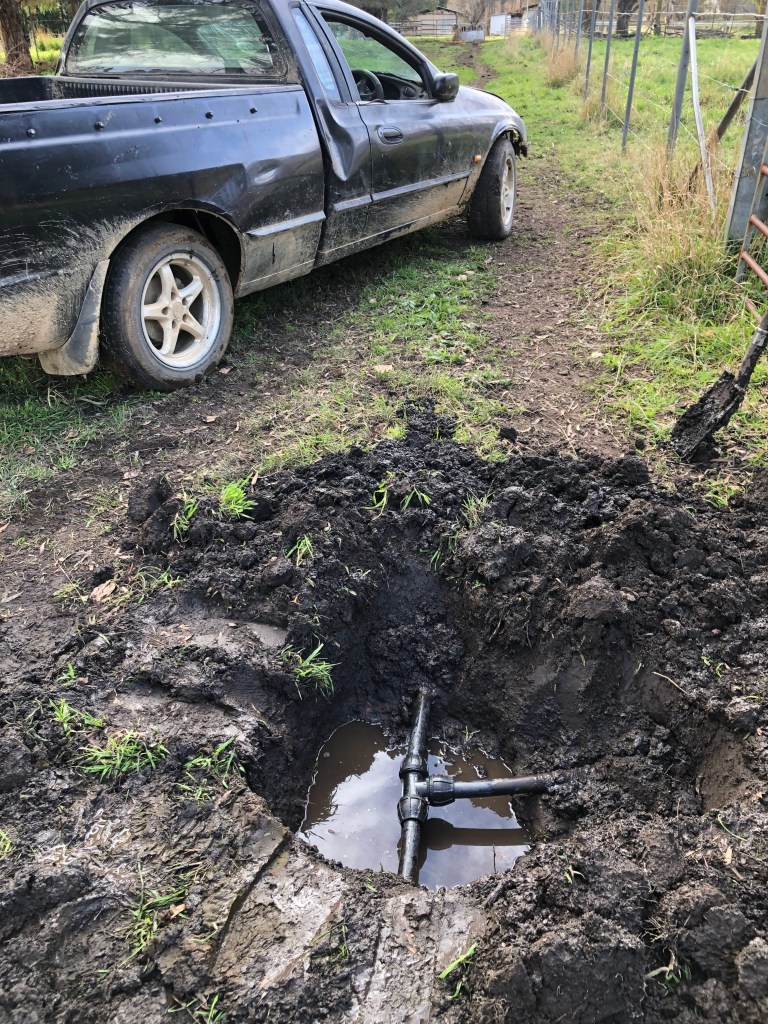
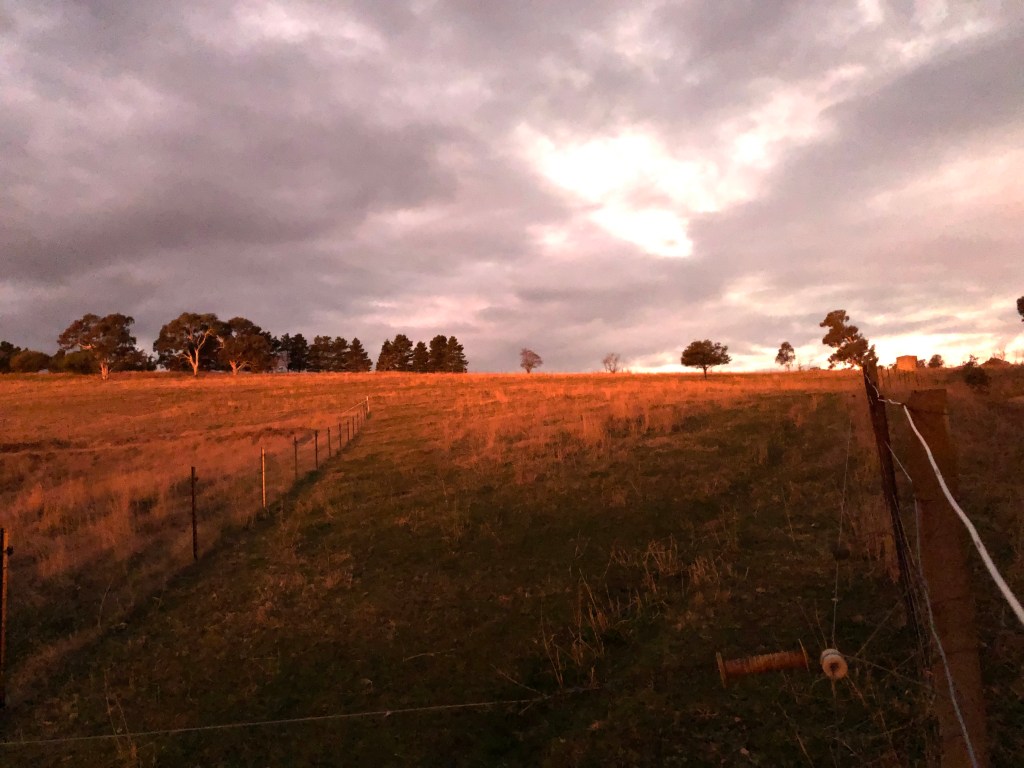
Recently I have written of some of the support and decision making tools available for small farmers like us. Over the past few years I have been actively seeking knowledge and making the most of opportunities to attend workshops and farm visits. I have found great inspiration in many of the people I have met and stories I have listened to, however there is still plenty to do on the Rock Farm. Pipes keep leaking, cattle need feeding, firewood needs carting – but there is great delight in sunset strolls around the property.

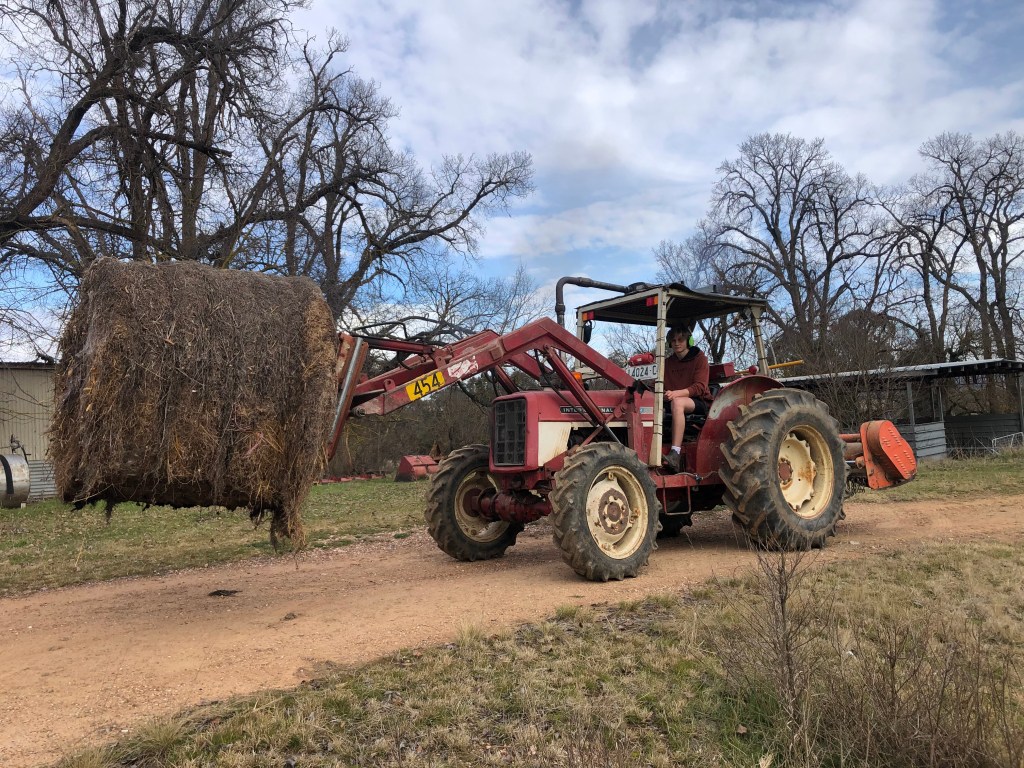
Over the past month or so we have been rotating our cattle every few days to a new paddock. I have been supplementing their feed with the odd bale of hay, just to help extend the rotations, and return some nutrients to the paddocks. The recent school holidays provided an opportunity to refresh the boy’s tractor skills, by getting them to start moving the big round bales safely to feed the cattle. It also means I don’t have to be here to feed the cattle every time.

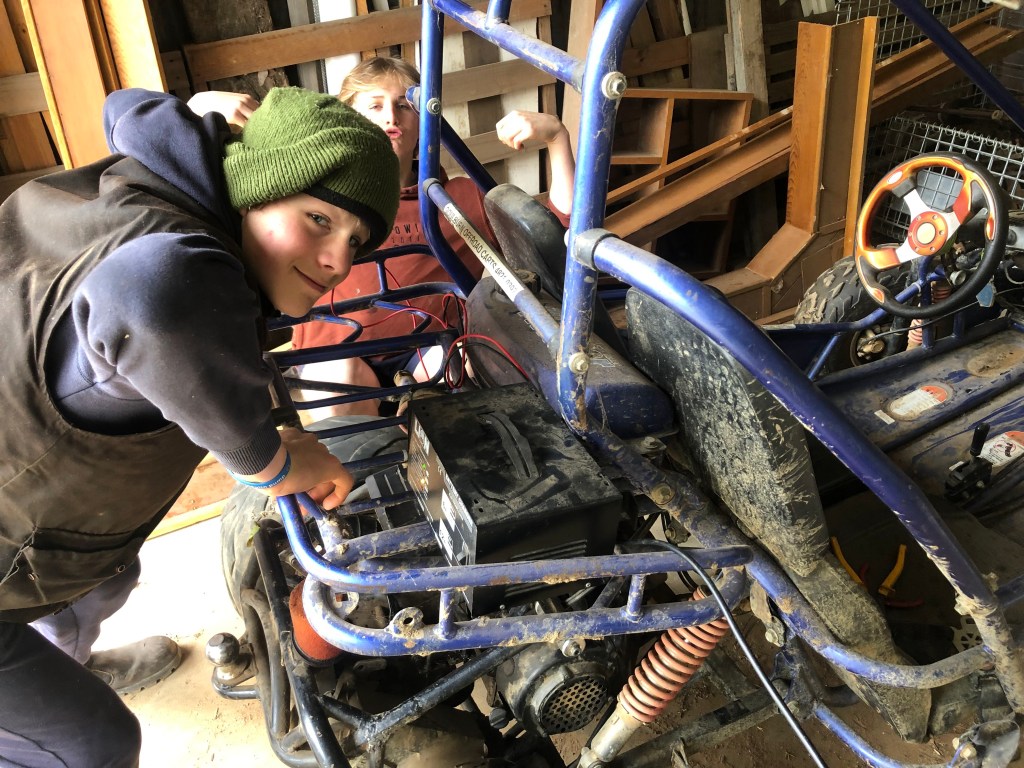
We also had a bit of school holiday fun on the Rock Farm. After sitting idle for several months with a fuel issue, we got the buggy working again. After a bit of Google and YouTube, the boys gave the carburettor jets a clean, and the buggy roared to life. With two teenage boys (and a slightly older but no less enthusiastic Dad), we decided to test our driving skills with a time trial over a set course. It was great fun – but sadly the buggy wasn’t up to the work and only lasted a couple of circuits for each of us before retiring again to the shed!

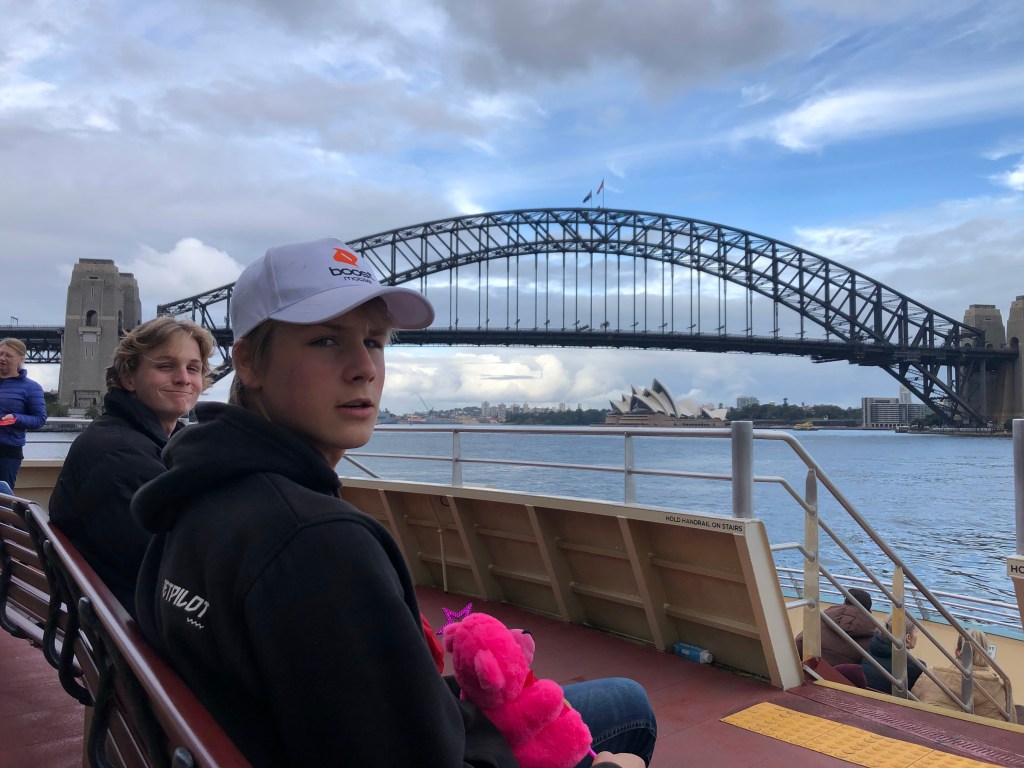
It wasn’t all about hanging about on the farm though. The boys and I did escape to Sydney for a night in the big smoke. We had a great time kicking about the city, checking out Paddy’s markets, the food of China Town, the rides of Luna Park, and a Ghost tour of the Rocks.

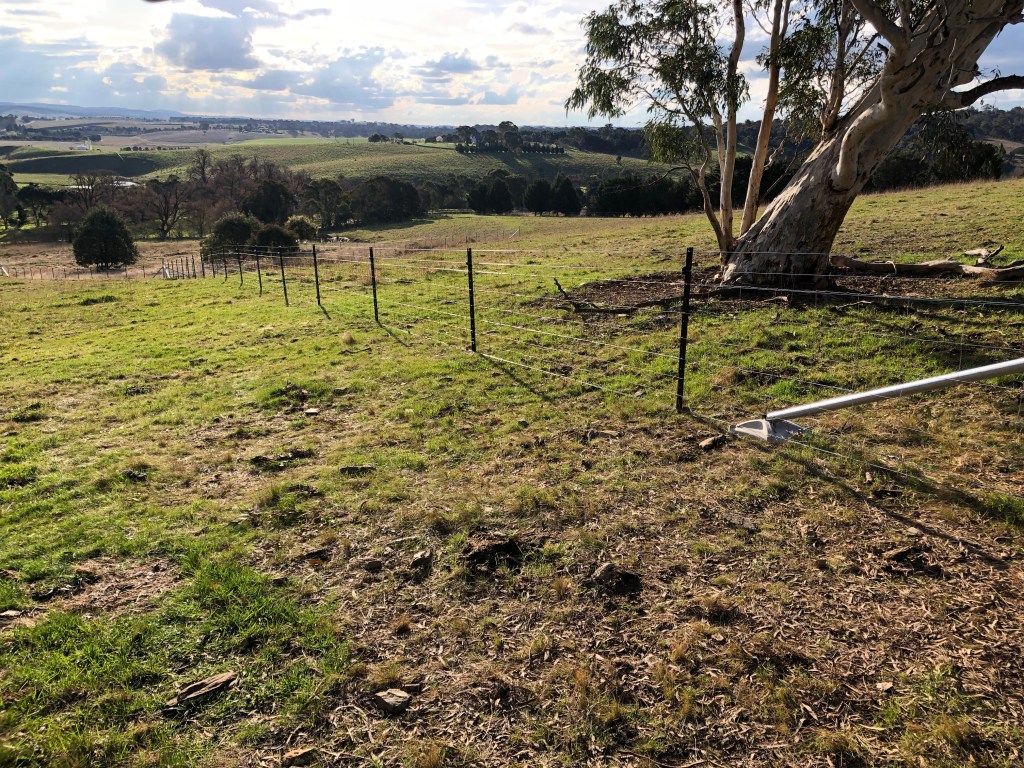
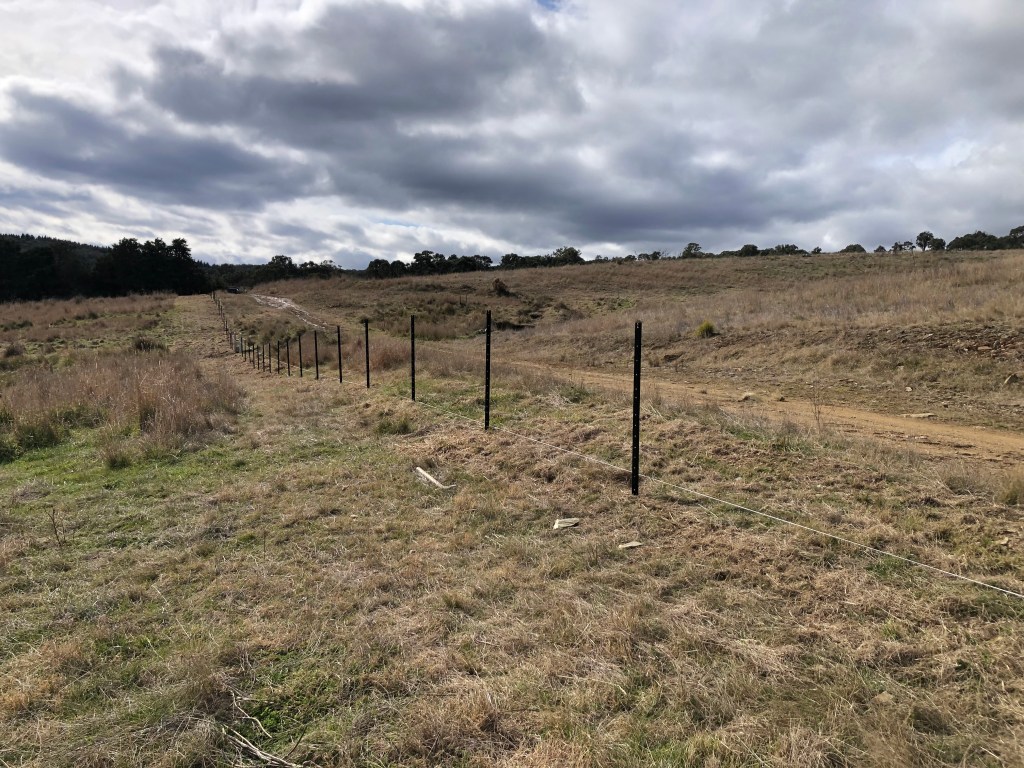
One other project we worked on was replacing a 200 metre section of fence. We have planted dozens of trees in our ‘back’ paddock and have decided to keep the stock off that paddock for a number of years until the trees get established. This has also meant we haven’t been able to use a smaller paddock on the lower slopes as the original fence was in terrible condition. In order to utilise this ten acre paddock, we decided to replace the fence with a new one. The old timber posts literally fell over when we pulled the wire down. We replaced the fence with a new section of stock mesh. This means that effectively we will have a ‘new’ paddock of around ten acres in our rotation, which is fantastic.

I have a little more work to do before this paddock can be used again, and we will put in a new gate to make moving the cattle through this paddock easier. It will make a significant addition to our rotation, as it has good pasture, good shelter and good water.

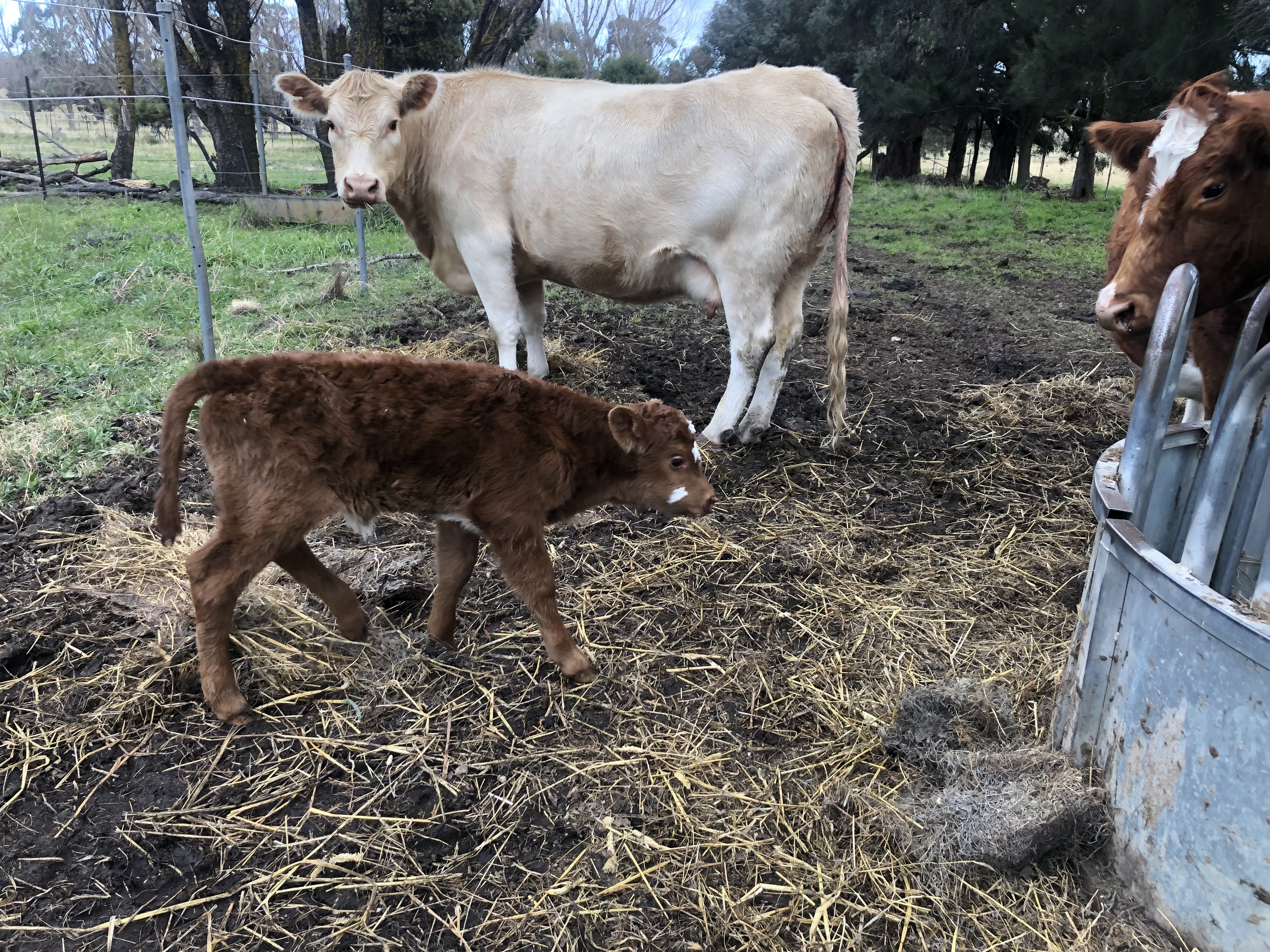
But the most exciting news of all came on our evening stroll today. It was a wonderful surprise to find this beautiful healthy calf born bang on time. We hope the remaining 15 cows have healthy calves over the next few weeks. It is a wonderful time on the Rock Farm 🙂

Decision Making Tools – Farming Forecaster

James Rebanks described the importance of observation in farming. Observation informs our decisions about how we manage our farms. For thousands of years farmers have been relying on empirical knowledge passed down through generations, helping them to recognise patterns in the weather, cycles on the land and rhythms within nature. But what can you do when you don’t have that mulit-generational connection with your land?

Today we are armed with a vast array of tools to allow us to make evidence based decision making for our farming enterprises. These tools are usually expensive, difficult to use, or unable to be tailored for specific applications. In my quest to learn more about caring for the soil on the Rock Farm, I recently attended a winter update session hosted by the NSW Local Land Services. One of the sessions was on a web based tool that has enormous potential to help me make better decisions about our farm management.

The tool is Farming Forecaster. This tool has been available in our area for a couple of years, but is rapidly expanding throughout New South Wales and Tasmania. Matt and Phil from the video below attended our session and took us through the tool, how it works, and how we can use it to make better decisions. One of the best aspects of the Local Land Service’s workshops is the calibre of people they have at the sessions, and to hear Matt and Phil explain the tool was a real privelige.

The tool uses real-time soil moisture probes in our district to predict pasture growth. Water in the soil is the largest determinator of pasture growth in our area, followed by fertility. The Farming Forecaster assumes you have appropriate fertility and uses the soil moiture profile to determine pasture growth based on either:

  • 30 years of historical data
  • Bureau of Meteorology ACCESS S long range forecast data

With accurate pasture growth data, based on 30 years of observed weather, and knowing exactly how much area is available to graze (using free GIS software QGIS) I am able to calculate with reasonable confidence how much feed will be available to my cattle for the next three months.

This information, coupled with data on the amount of feed I can expect my cattle to eat (based on tables from the Local Land Services Soil Fertility and Decision Making Workshop) allows me to make decisions on my stocking rate.

With rainfall and soil types varying across the region, it is important to look at several sites around your farm. You can do this by clicking on the ‘View Network‘ button. There are some great videos that explain the data also available. Additional information on the site can be found here: https://farmingforecaster.com.au/MemberUpdates.

From using Farming Forecaster, I am now able to confidently say that we have an appropriate stocking rate for this season – well at least for now. It is worth regularly reviewing the site as it is updated weekly. For a punter like me, who has so much to learn about animal husbandry, pasture growth and stocking rates, it really helps me to access knowledge that took generations to acquire.

Of course the ones who benefit most from it are oblivious to it – but that is ok. They’re beautiful – and now I know they should be well fed throughout the next couple of months :).