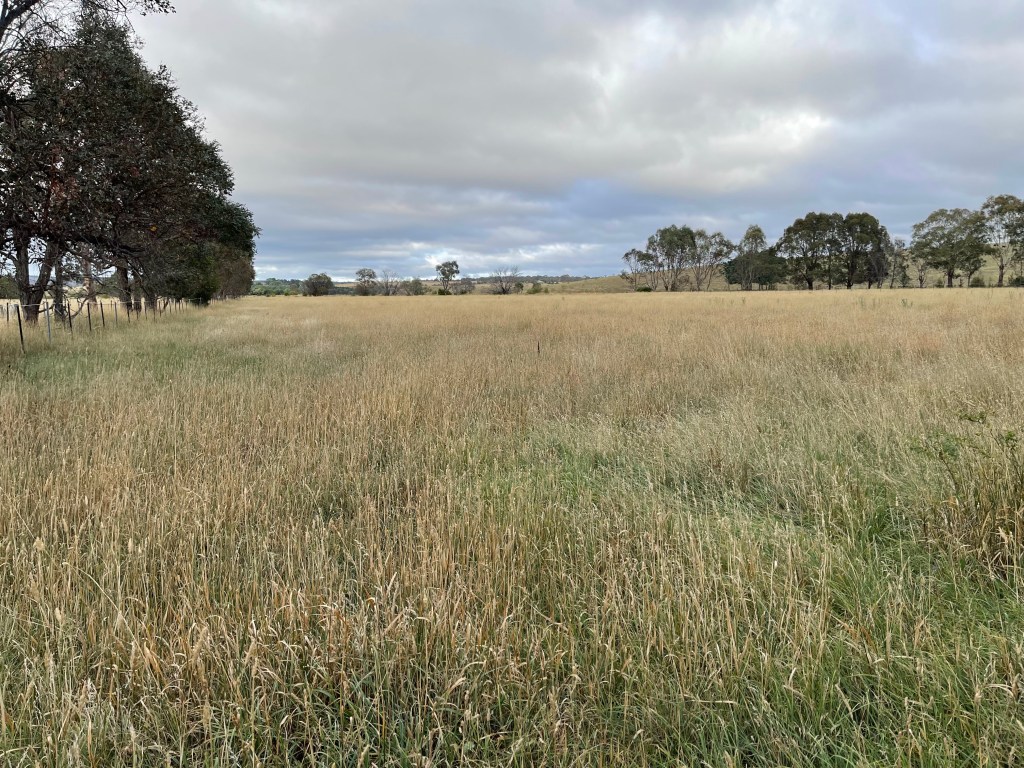
One of the things I love most about the Rock Farm is how much the landscape changes from week to week. This summer has been particularly dynamic—starting with dry, poor conditions but transforming into a green-tinted vista after a few refreshing summer storms. Sadly the green is fast turning back to brown as we have missed follow up rains.
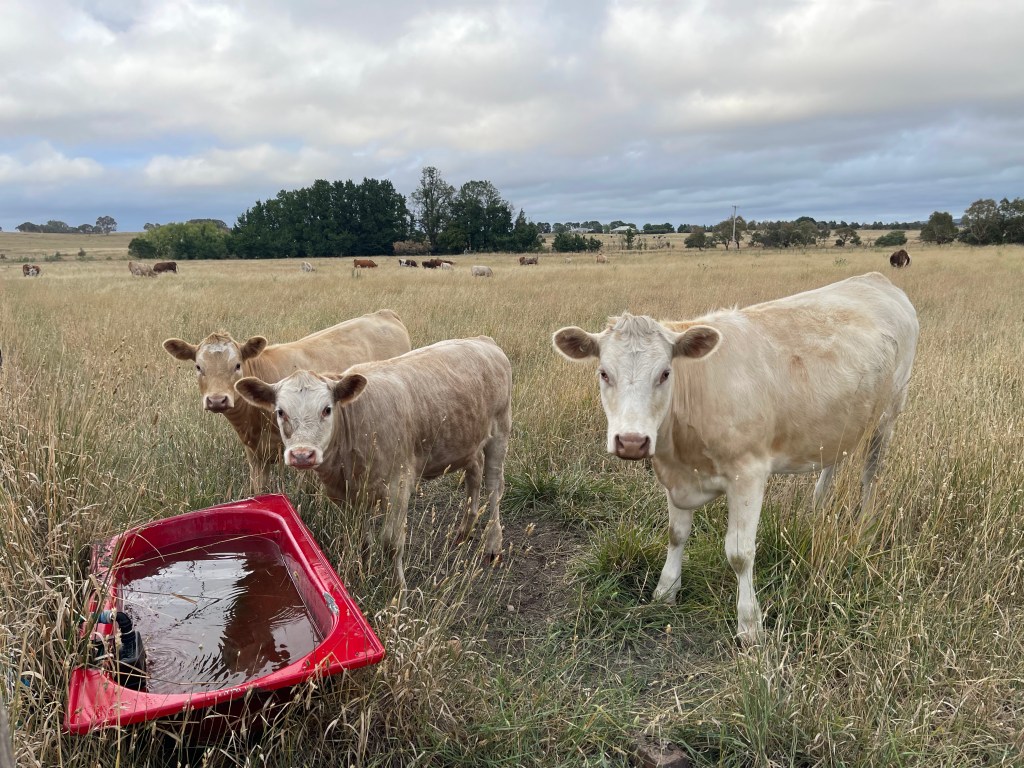
Our cows and their calves are all in excellent condition. As January comes to a close, we’re fortunate to still have plenty of ground cover and grass in the paddocks. Many of our neighbours, both to the north and south, have had to destock due to a lack of feed. I’m relieved we made the decision 12 months ago to significantly reduce our herd size (see here: Comings and Goings in an Unusual Season). That choice has eased the strain on our pastures and made this season much more manageable for both us and the cattle.
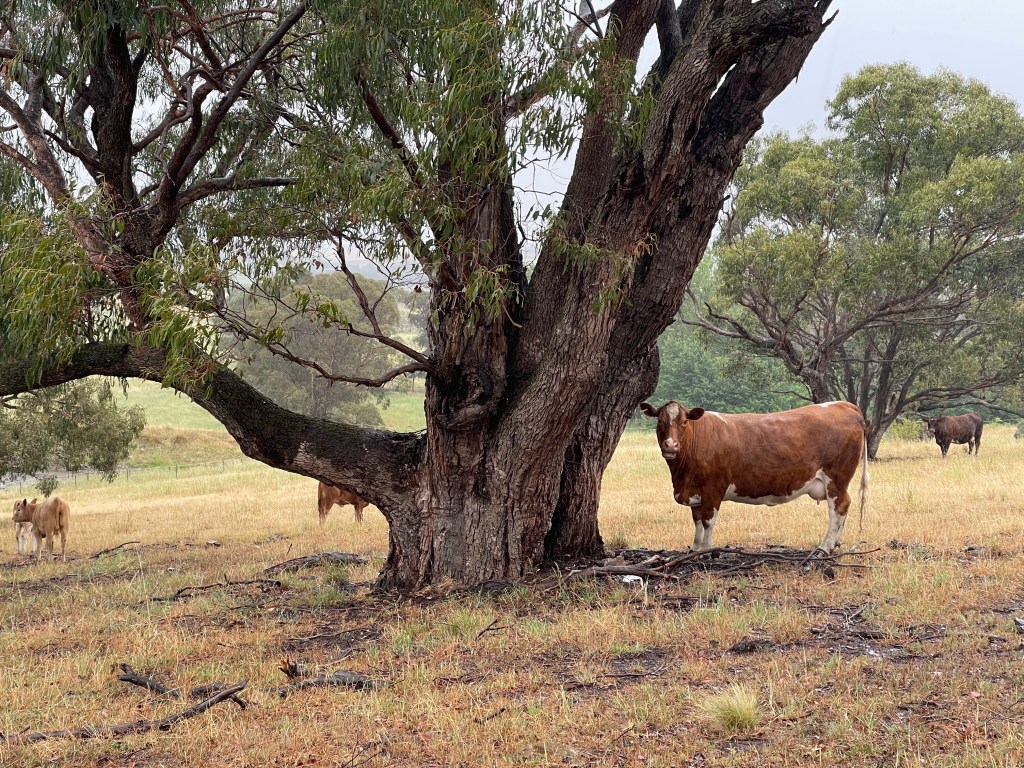
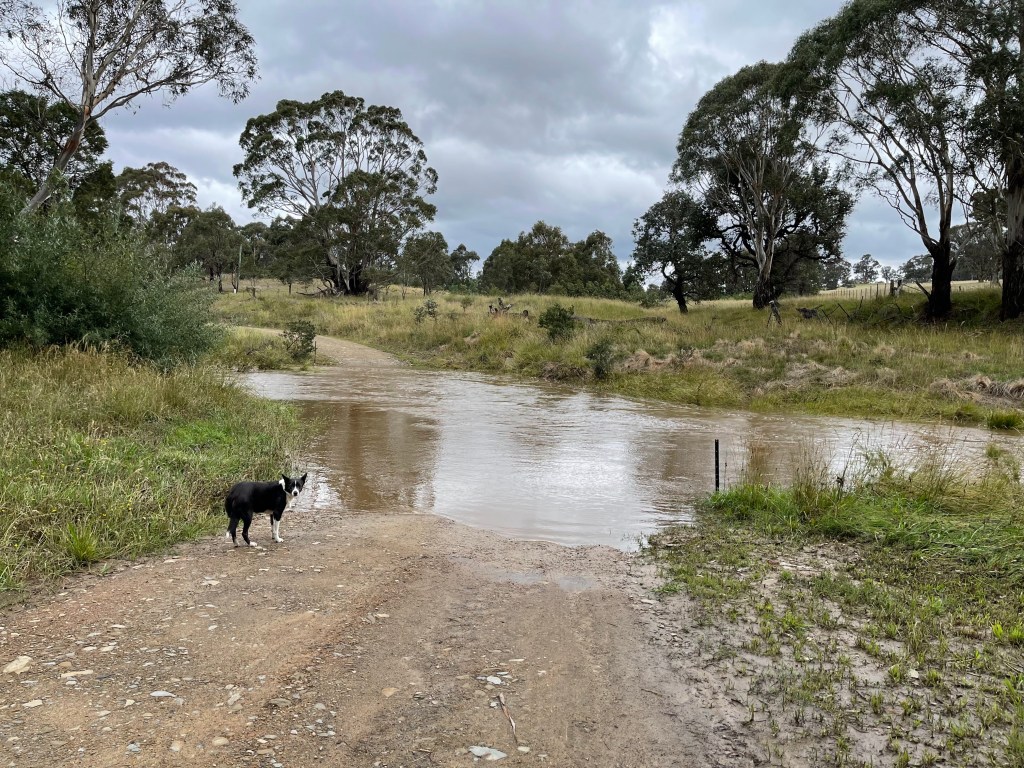
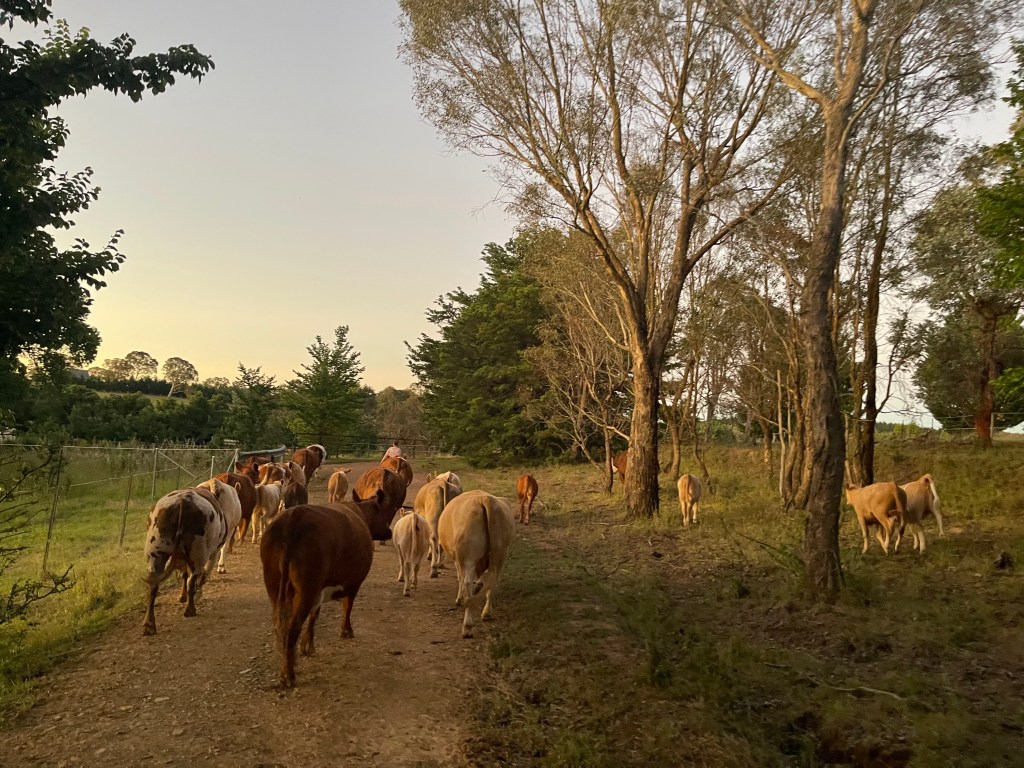
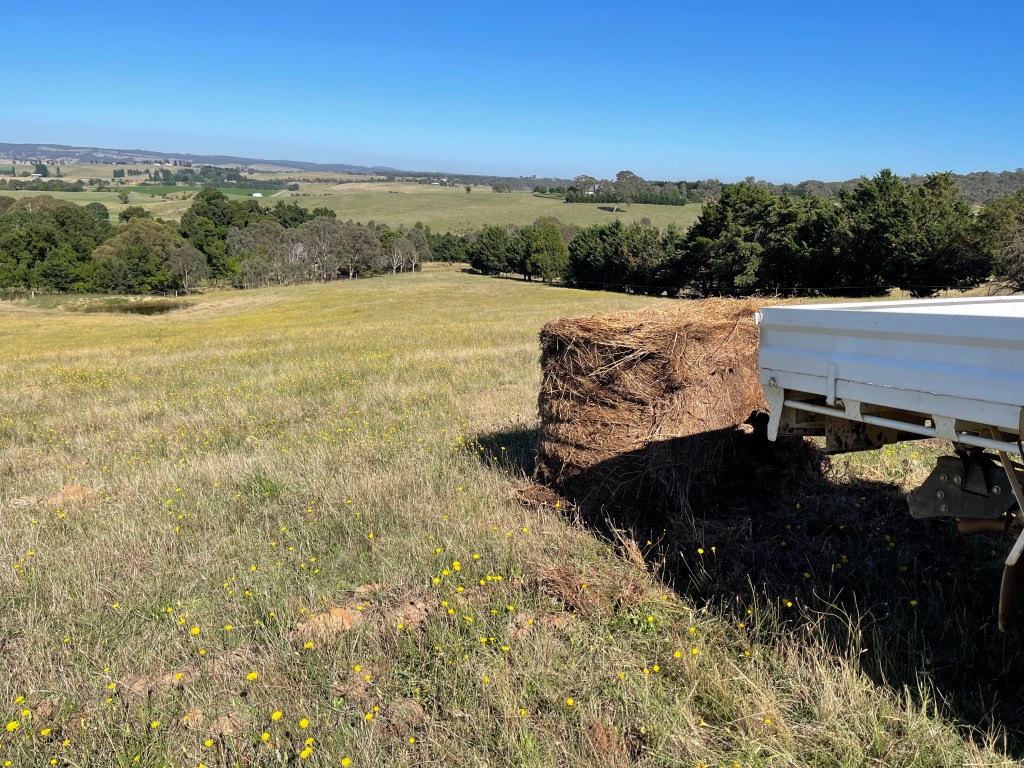
One unexpected benefit of downsizing the herd was the chance to take a short Christmas break. With an extra bale of hay in the paddock and a full dam of water (thanks to Lou’s help: Dry Times Present a New Opportunity), we headed north to spend Christmas with family. The road trip was great fun, made bittersweet as the boys start forging their own paths as young adults. The boys flew home early from the Gold Coast, leaving Jo and me a few days to ourselves. We camped by a swimming hole east of Armidale which were lucky enough to share with a pair of platypus. We had three relaxing nights in our swag before slowly making our way back home.
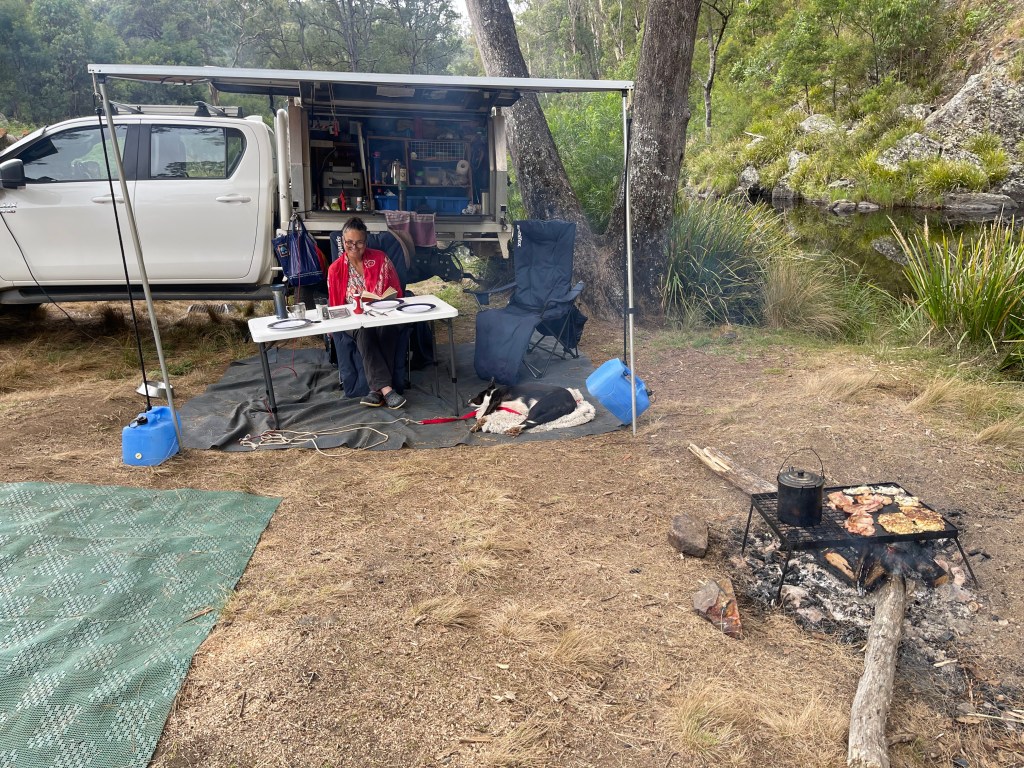
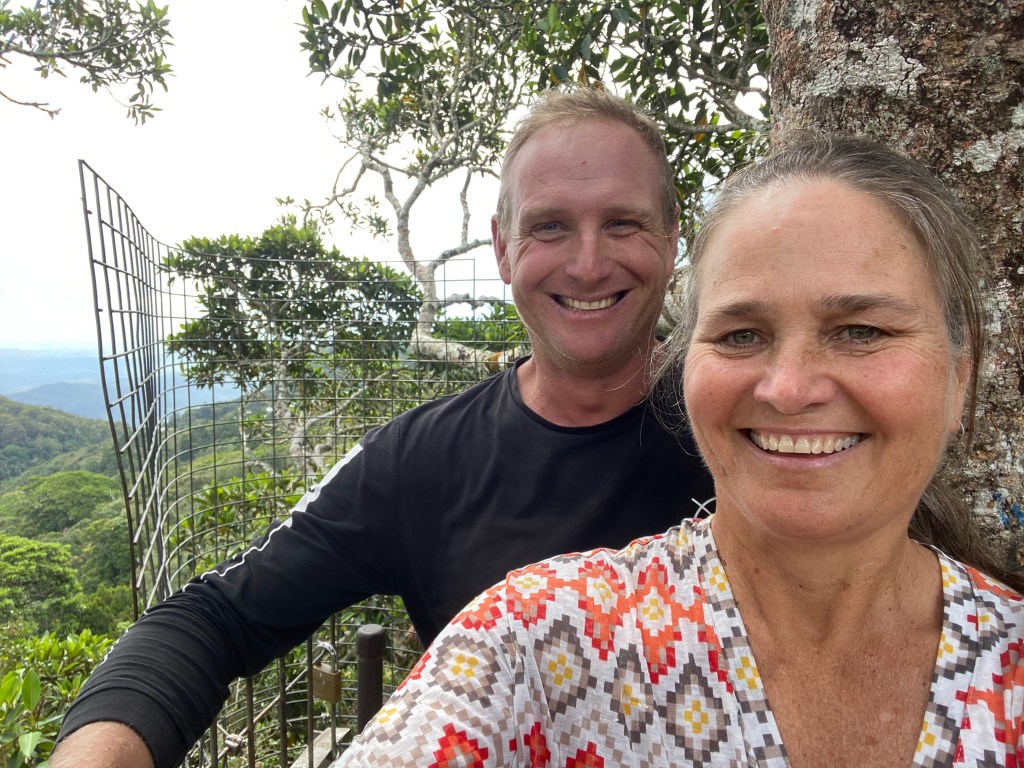
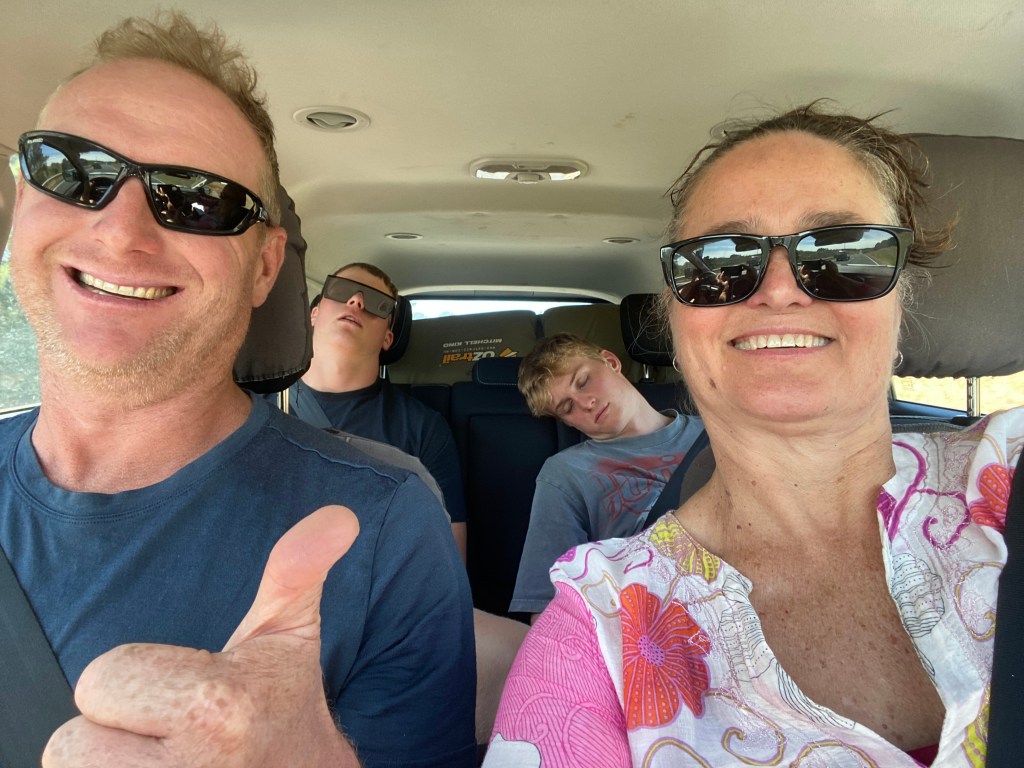
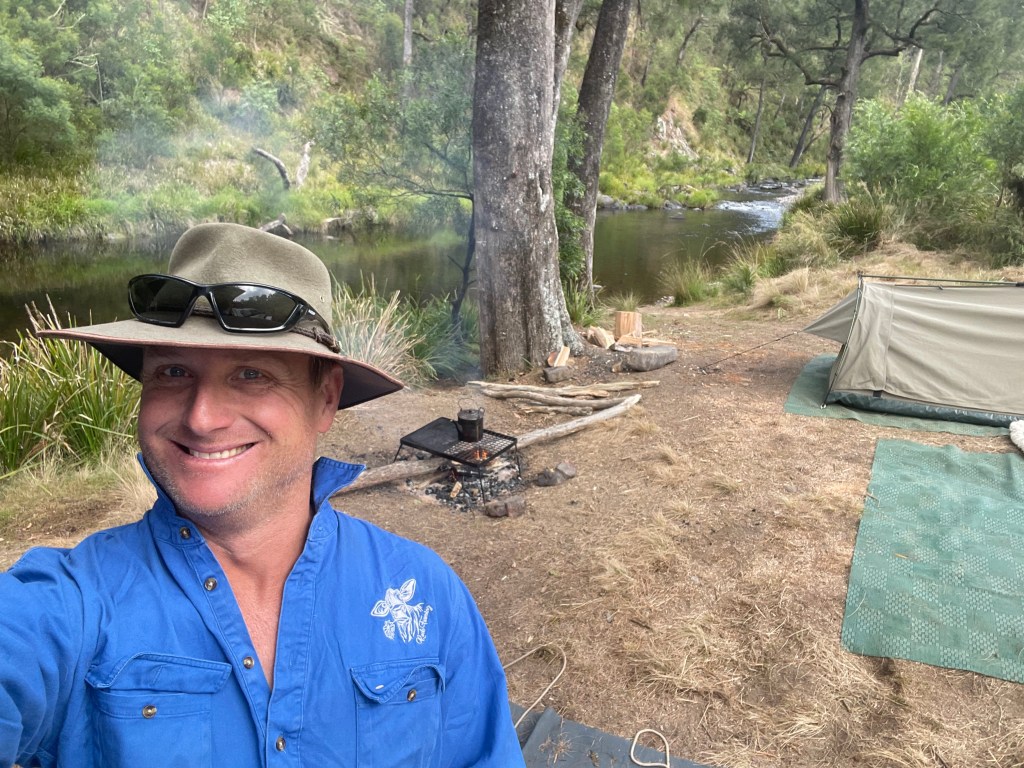
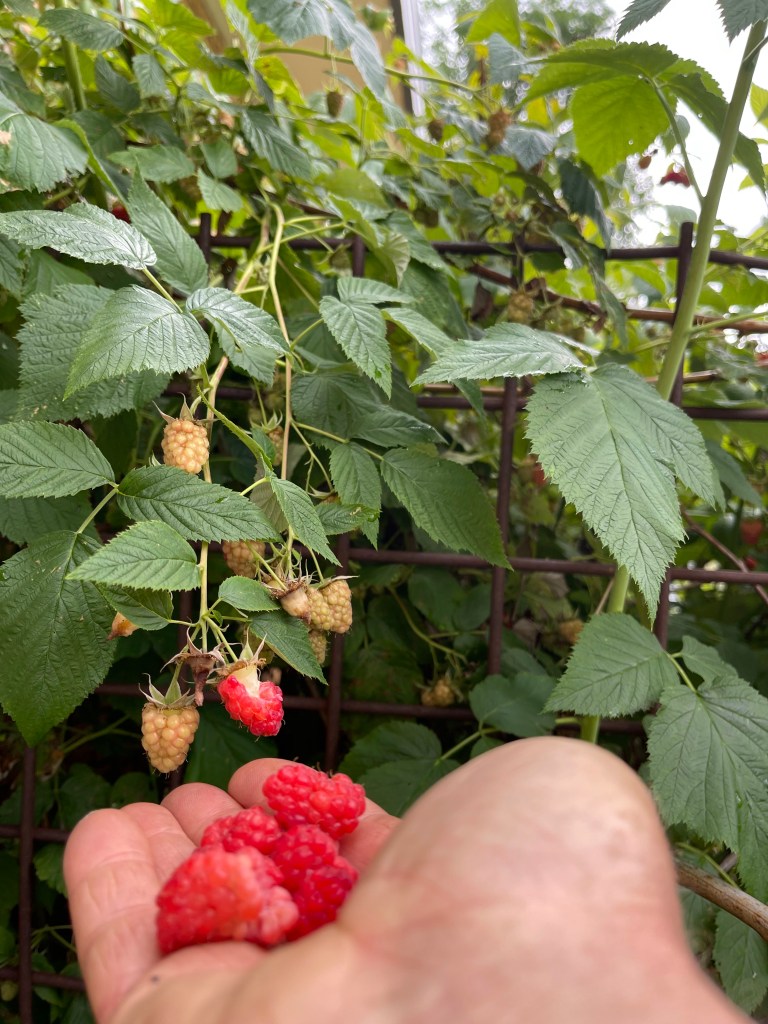
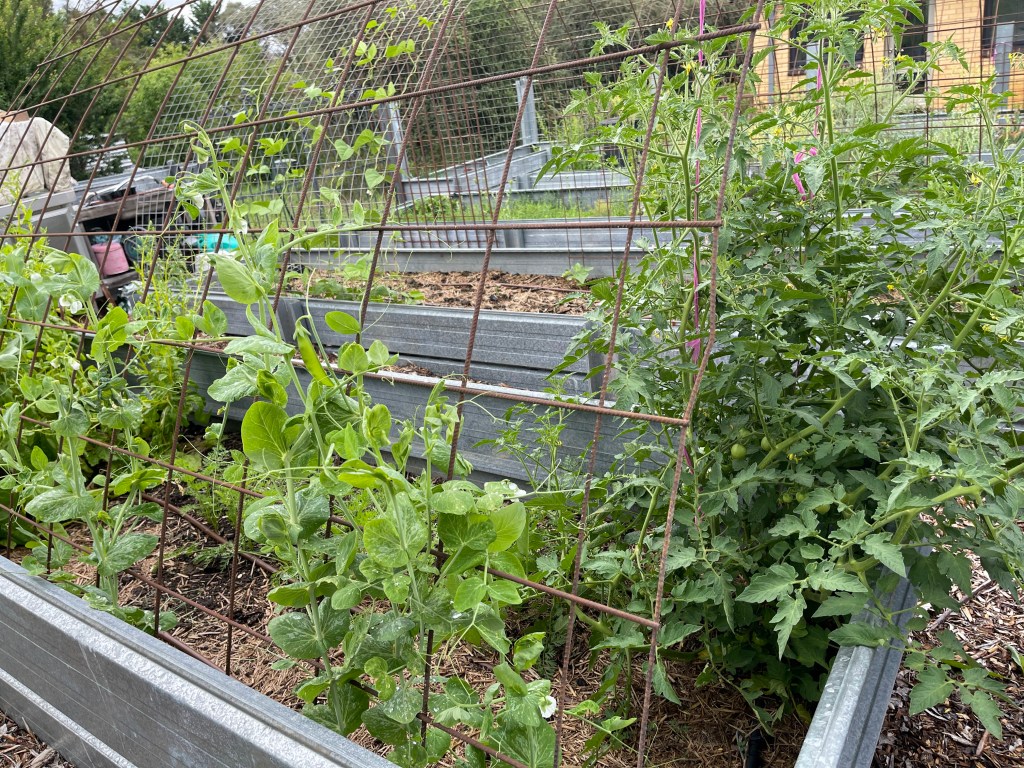
Meanwhile, our vegetable garden has adapted to the season’s changes. The raspberry season was short but delicious. Luckily, our peas, beans, tomatoes, red cabbage, and cauliflowers survived our holiday, and we’re now enjoying the fresh bounty in our kitchen.
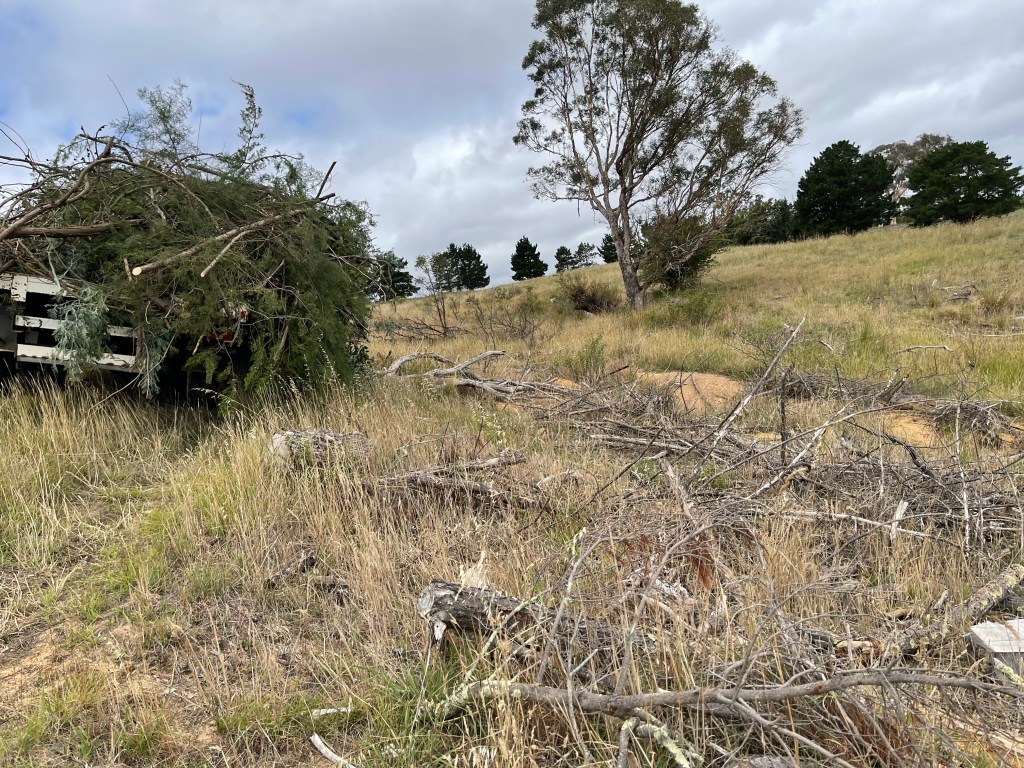
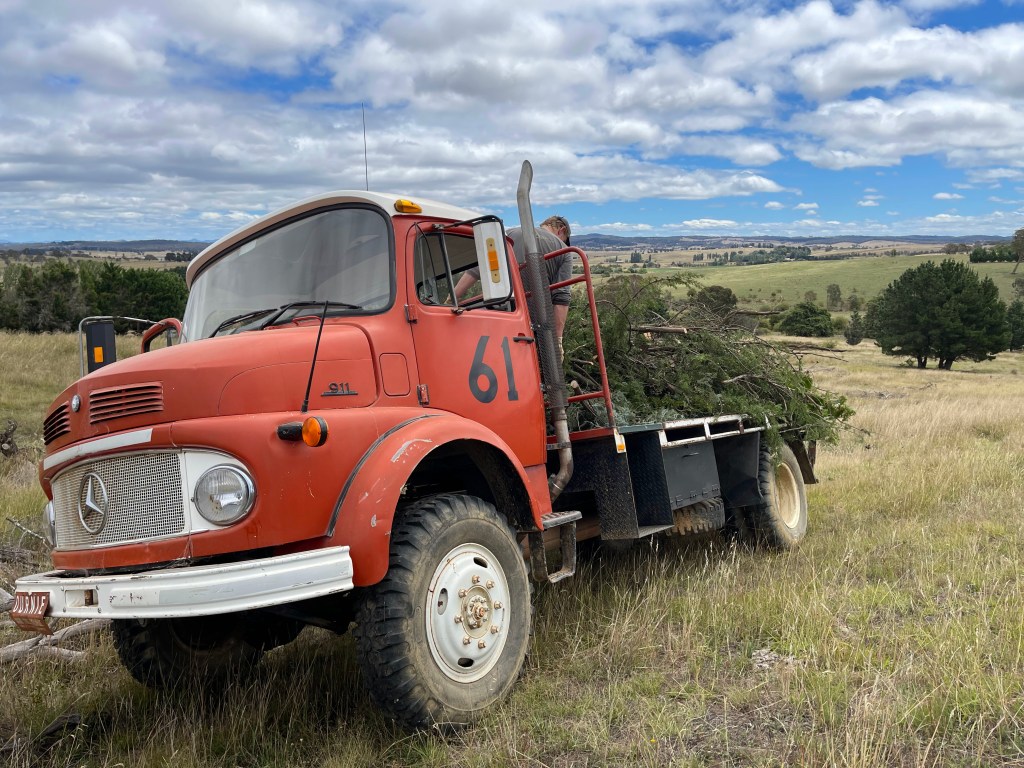
The weather has brought its challenges. While the Bureau of Meteorology hasn’t officially declared a La Niña, the conditions feel markedly different since Christmas. Summer storms have delivered patchy rain and strong winds. Our nearby village lost several trees, but we escaped the worst and we’ve only had some minor clean-up tasks. Myrtle, our big red truck, continues to prove her worth, helping me spread green waste in old gullies. It’s rewarding to see the soil stabilizing and vegetation returning to once-bare patches.
Managing weeds remains a constant challenge on the farm—a timeless battle for farmers. I have a great chipper that is my primary tool for dealing with isolated thistles. A few hours of work (who needs a gym?) allows me to stay on top of most areas.
Slashing has been my go-to method for controlling large areas of thistles. Unfortunately, my tractor is currently out of action. (A whole other story). This means I am falling behind on my thistle control.
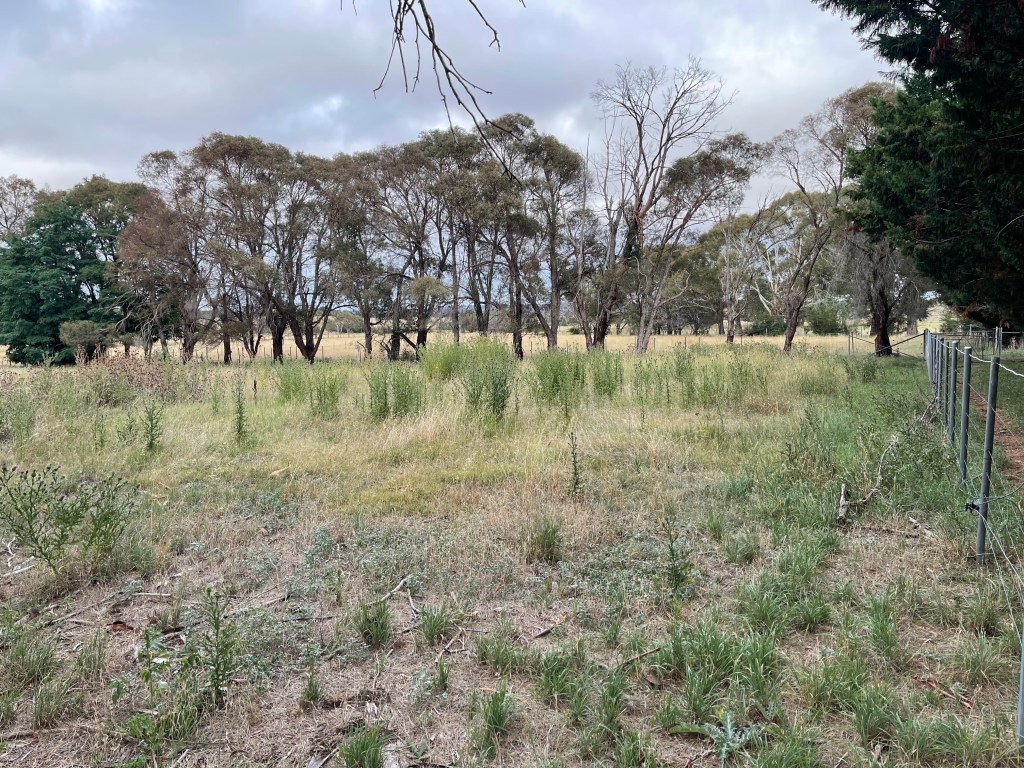
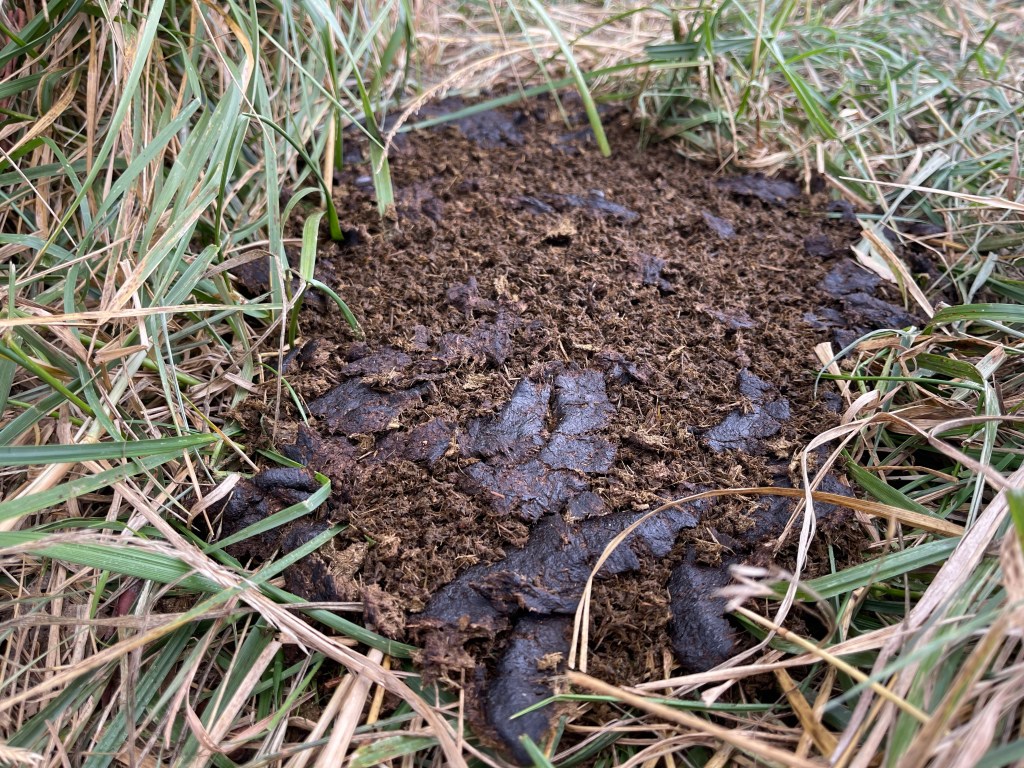
Walking the paddocks with a chipper offers more than just weed control; it’s an opportunity to inspect the pastures closely, clear my mind, and get some exercise. I’ve been especially pleased to see dung beetles at work, rapidly breaking down manure. Their activity is a promising sign of healthy soil—and healthy soil means healthy cattle.
I prefer mechanical methods for weed management over chemical solutions, though my approach often depends on the time I have available. Large areas of thistles. are easily managed by slashing, but more persistent weeds like Serrated Tussock and African Lovegrass need to be chipped out by hand. Unfortunately, I also have to contend with St John’s Wort and Sweet Briar—neither of which respond well to slashing, pulling, or chipping, despite my best efforts and experiments.
The real challenge lies in staying on top of these weeds to avoid using poisons altogether. While herbicides might be effective against the weeds, I can’t help but worry about their potential effects on my health and the health of the soil biota around the sprayed plants. For me, maintaining a balance between effective management and preserving the integrity of the land is an ongoing—and deeply personal—commitment.
As each season brings its challenges and rewards, life on the Rock Farm continues to teach me resilience, adaptability, and gratitude. From managing livestock and nurturing the soil to tackling weeds and adapting to shifting weather patterns, every task reinforces our connection to the land and my responsibility to care for it. The journey isn’t always easy, but the satisfaction of seeing healthy pastures, thriving cattle, and the fruits of our labor makes it deeply fulfilling. With each passing week, the landscape reminds us of its power to change and renew. I love it.
 rockfarming
love the update and your style of telling the story well done Phil 🤗 cheers Mandy and Dean
What a great story! The dung beetle population is a wonderful thing! i’m so far from having that kind of manure breakdown. Getting better though. Great job making the choice to spend more time with family, camping. Green waste – have not heard that term. We typically will burn that. Piles of it on pasture here simply give habitat for more weeds to grow. Although, we constantly battle locust tree sprouts in the paddocks, it’s become less as i have continued to nonselectively graze with increasing numbers of cows in one mob. (Real Wealth Ranching – Jaime Elizondo). Cows will break them off and eat leaves in the spring/summer. We continue to log out quality trees and remove undesirable trees. Forest encroachment in Midwest USA is phenomenal – losing a great deal of open deep-rooted prairie grasslands due to lack of appropriate management. Also, clean up from two back-to-back tornadoes.