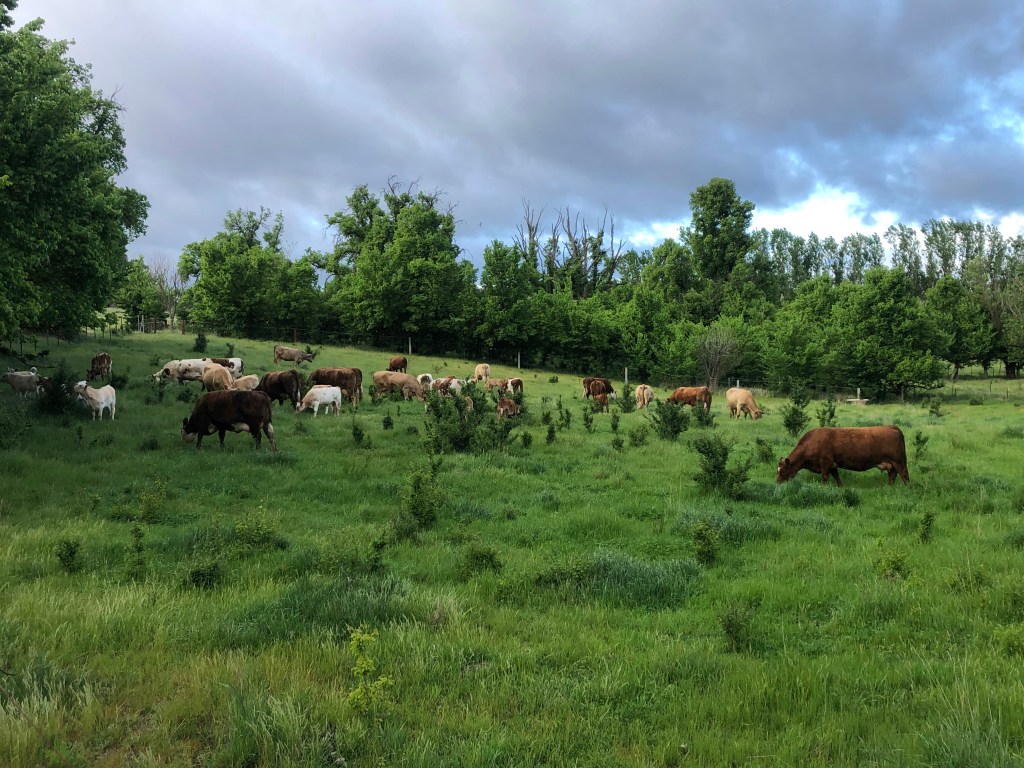
On The Rock Farm we have been struggling to finalise our strategy for this season. We have been watching the seasonal outlook forecast intense drought and cattle prices fall to extremely low levels . On the Rock Farm, we have been extremely thankful for the odd showers that have kept the grass green in our patch – staving off an immediate requirement to make a hard decision. The crystal ball has been somewhat murky, but thankfully there are some experts out there with some insights available through our the NSW Local Land Services that can help us hopefully make some better decisions.
We have signed up to a series of webinars that provide specialist advice to producers. We recently joined 400 other producers in a webinar with Simon Quilty from Global Agritrends, who gave some analysis of the the global beef market, global weather patterns and what this means for producers. Some of his information was reported a couple of months ago at online news site Beef Central here: https://www.beefcentral.com/markets/why-simon-quilty-has-a-bullish-five-year-outlook-for-cattle-prices/
The information provided by Simon in the webinar covered a broad range of global issues, such as the chilled and frozen beef stock held in stock in our primary markets, and climatic factors driving foreign herd numbers. Simon’s analysis has allowed us to focus our strategy for this season. Broadly we focused on a couple of takeaways.
- The beef market in Australia should bottom out in November, and prices will likely plateau for around 12 months before slowly rising to high levels in 2026/27.
- There is likely to be greater demand from processors for cows instead of young heifers due to the yield from each animal.
- Processors are operating at historically low levels due to a range of factors, however additional capacity will be in place around the end of the year.
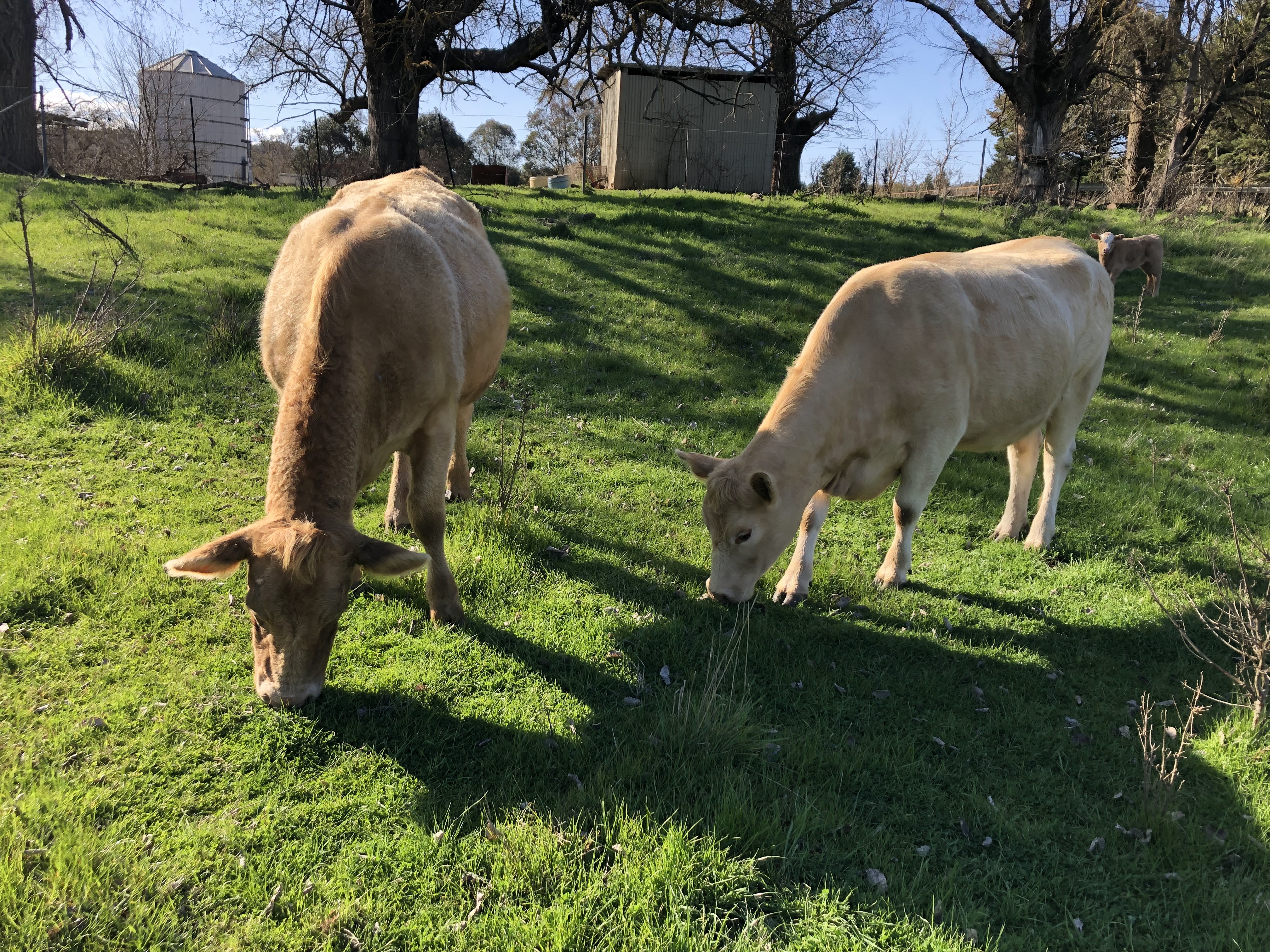
With pages of notes and a whole heap more information, Jo and I sat down and came up with our plan for this season. With the bull arriving the following afternoon, we had to make our minds up quickly. We decided we would split our herd and join 10 cows and the 2 maiden heifers we held in April this year with the bull. We decided we would hold the rest of the herd (other cows with calves at foot) until weaning in March / April. One of the advantages of small numbers is we soon had a list of names of cows to join and those cows we have decided not to join.
This plan will allow us to turn off 10 unjoined and any dry cows in April along with our 6 steers. We would then also be able to make a decision based on how much rainfall we receive as to how many of our 12 heifers we would keep for joining next September.
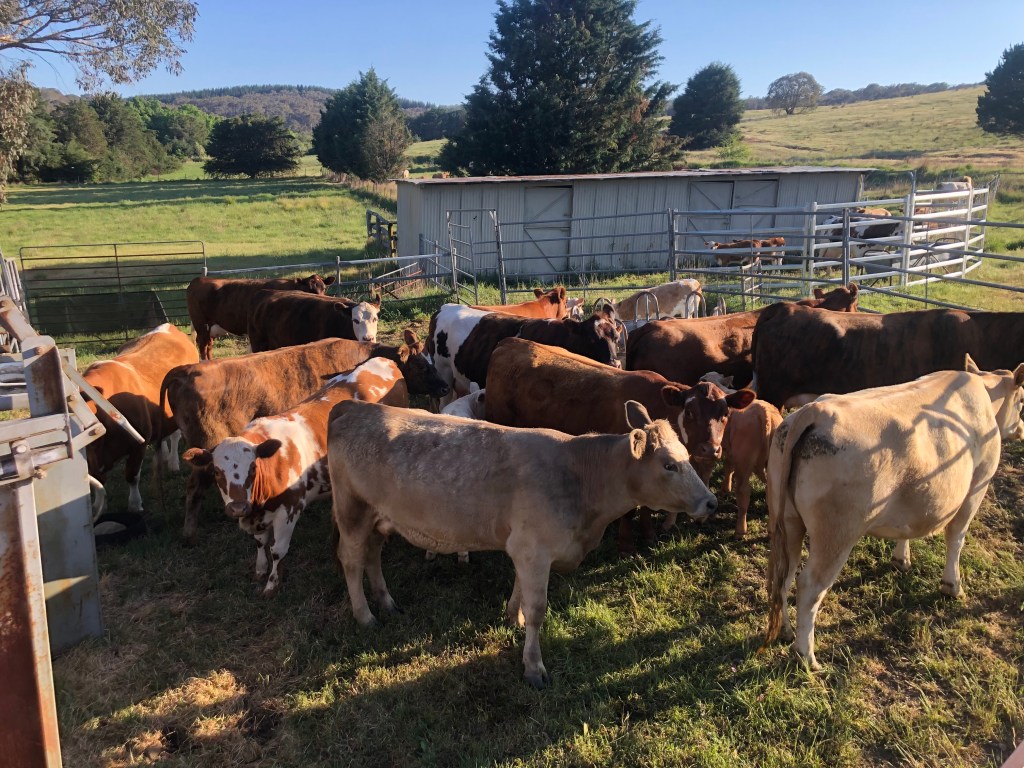
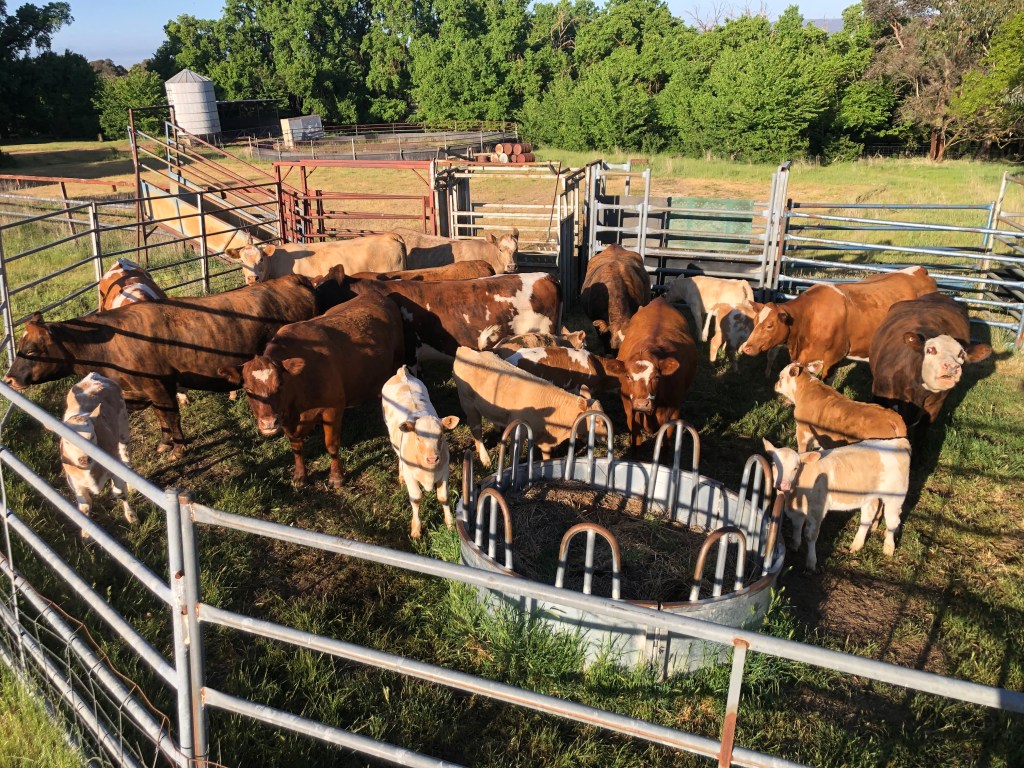
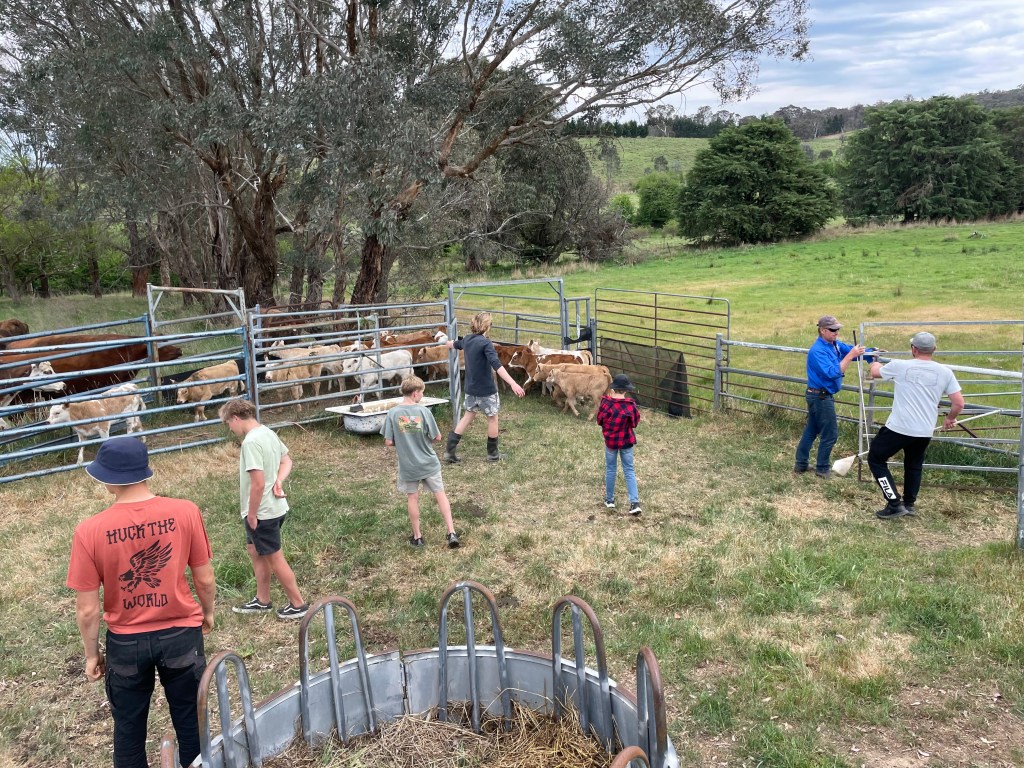
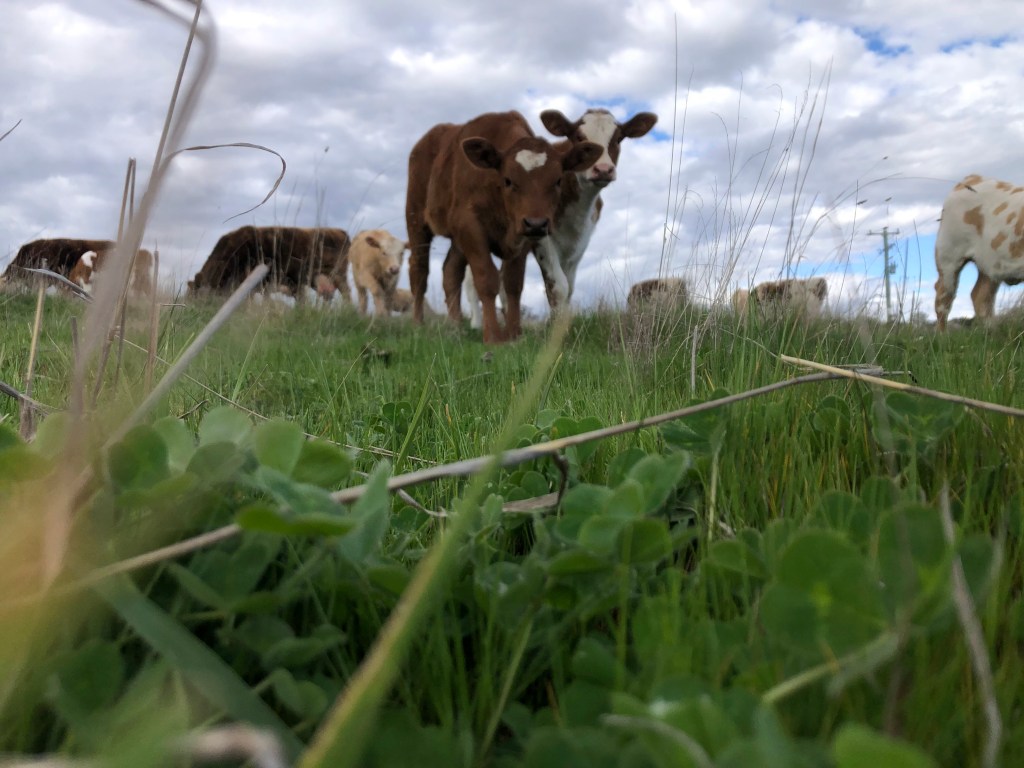
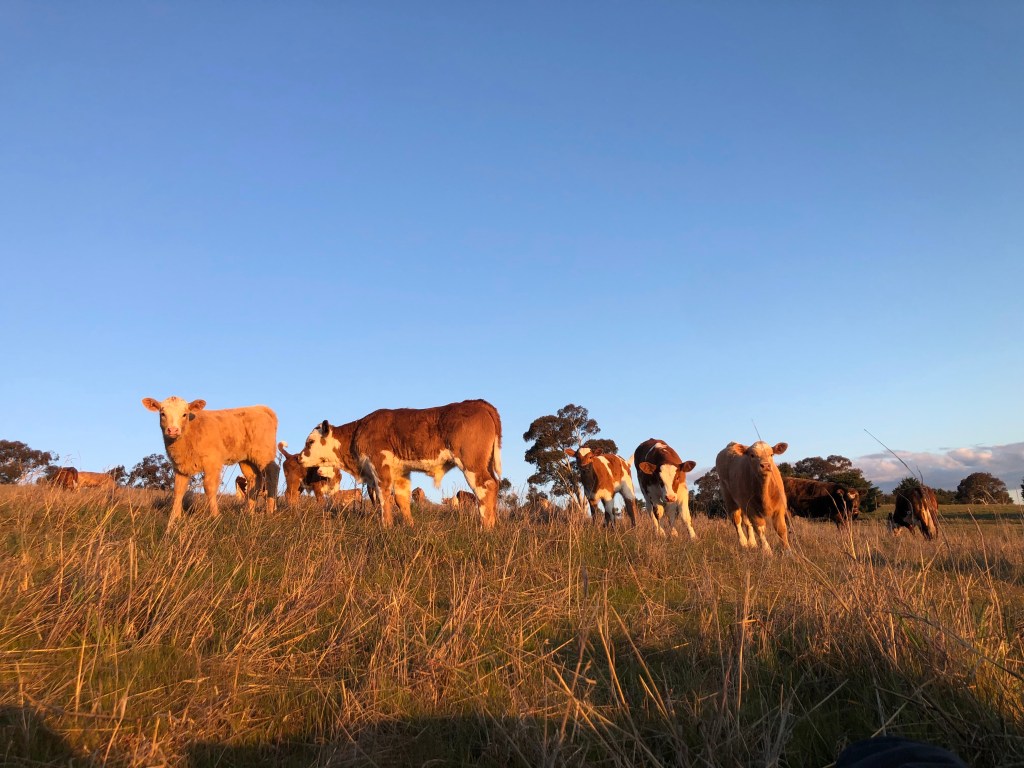
The following morning, I mustered the cattle and quickly had the cows sorted into their two groups. The cows were easily separated into their groups with little more than a roll call. However the calves were all jumbled up, and I knew I would have a challenge getting the calves to rejoin their mothers, now in seperate groups. I came up with a different plan to join the calves back to their mothers.
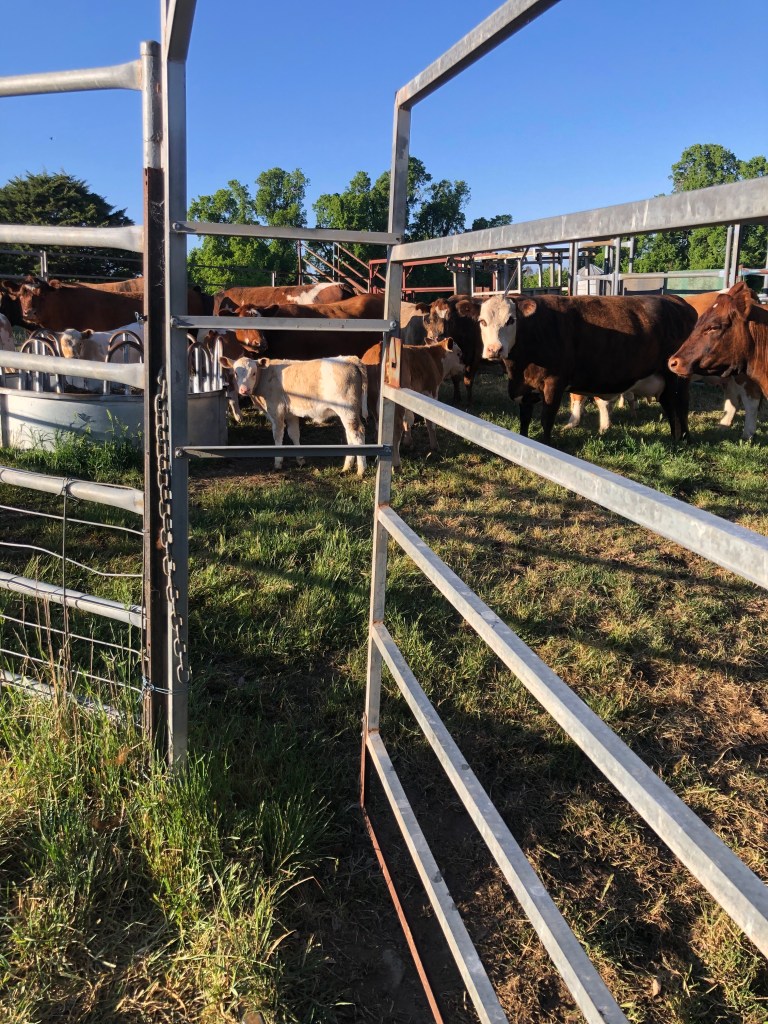
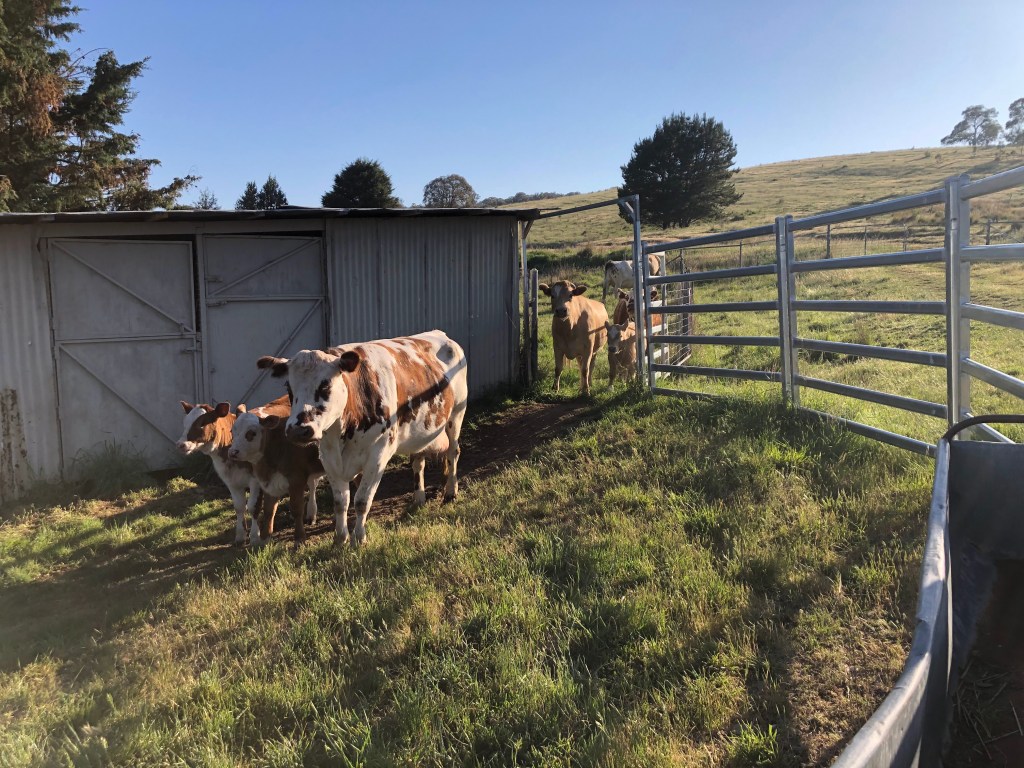
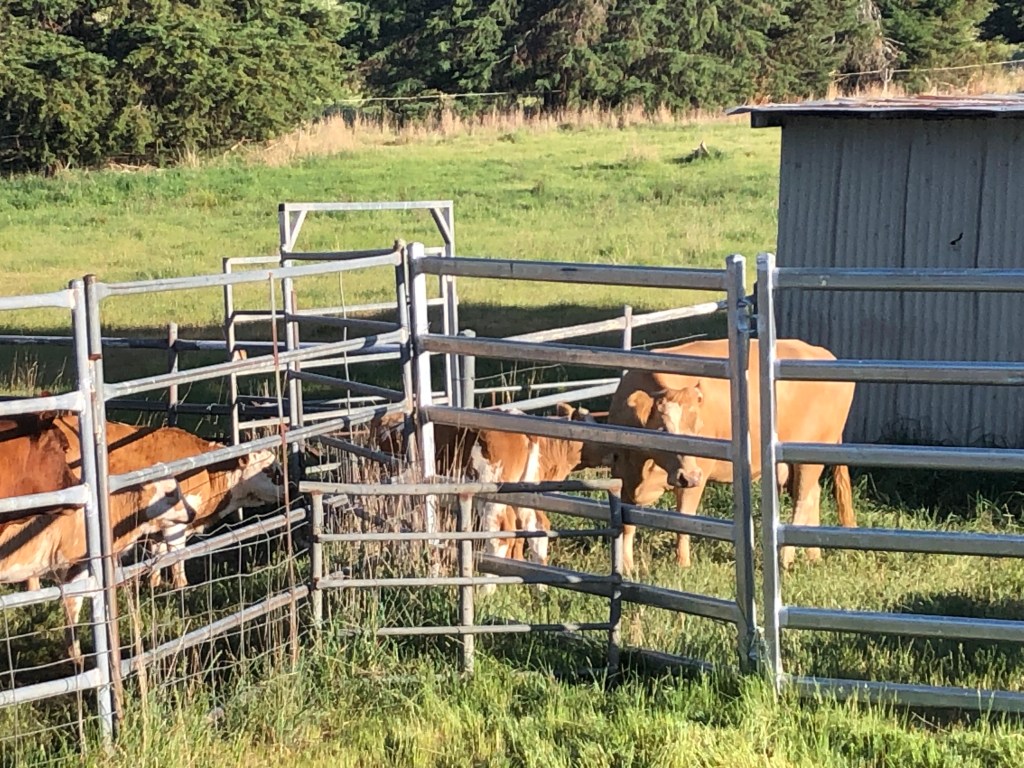
I made a little gate that only the calves could get through. After five minutes of watching them, the first calf made its way through the gate to its mother. Success!!! I left them them at it for a few hours and came back to find they had mostly sorted themselves out. Mostly. It was a far simpler and less stressful way to rejoin the calves to their mothers! Well it sounds easy, but the last couple of calves made Sapphire and I earn our stripes.
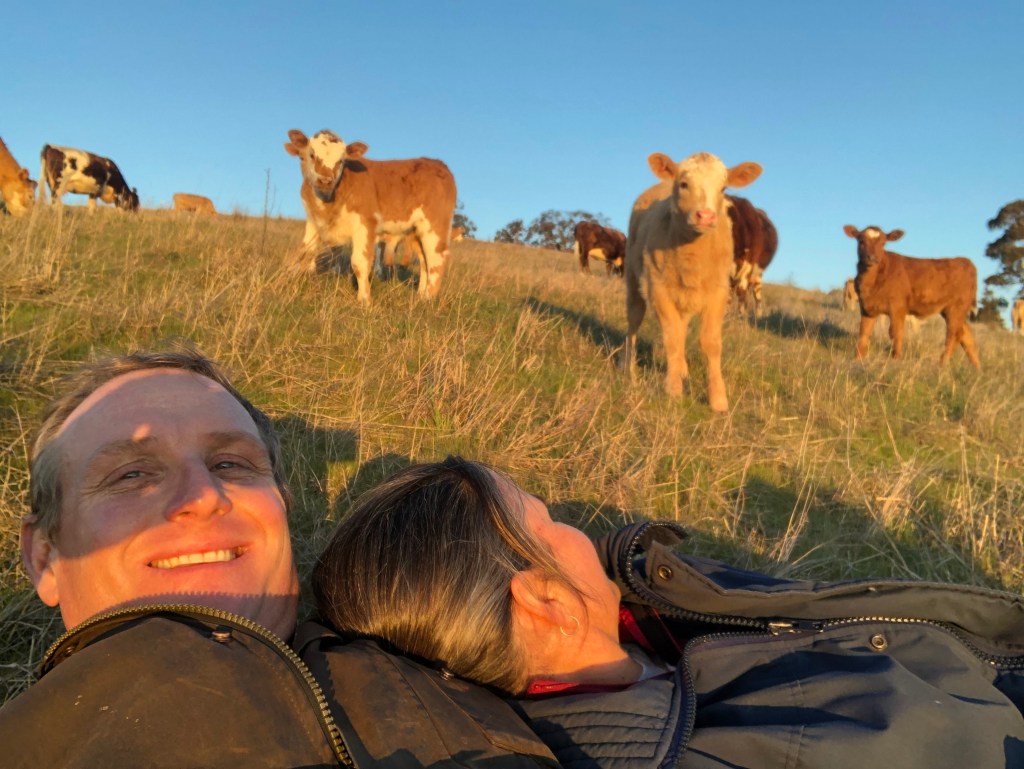
It was all sorted in time for our handsome fellow to arrive and join his new lady friends.
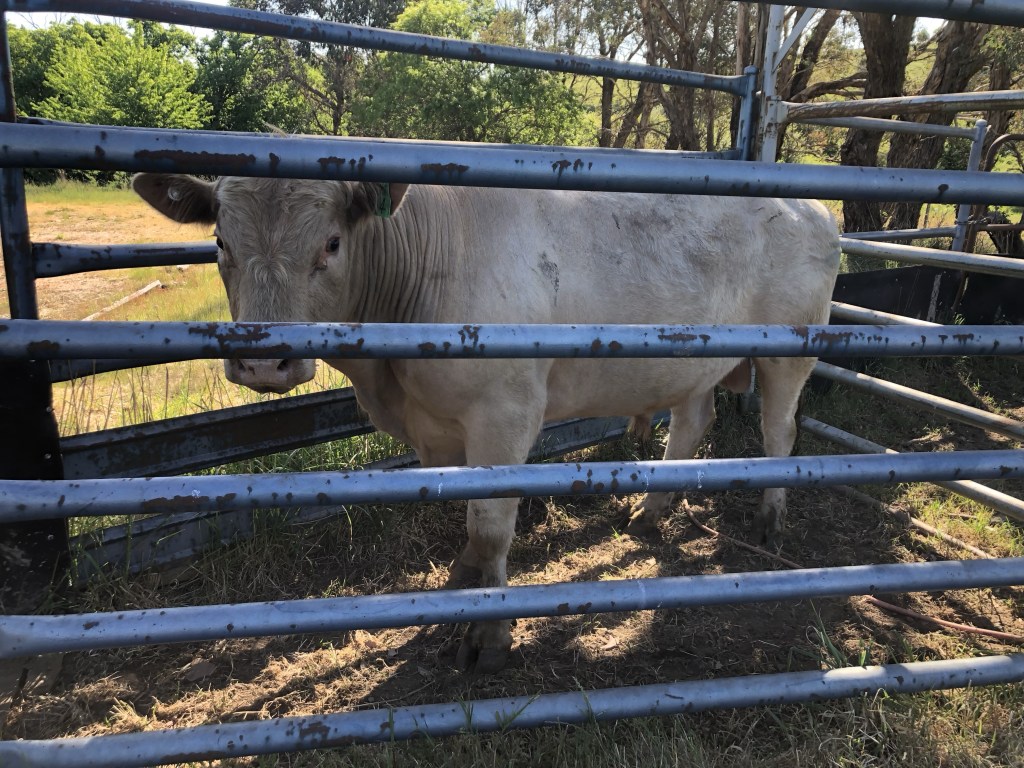
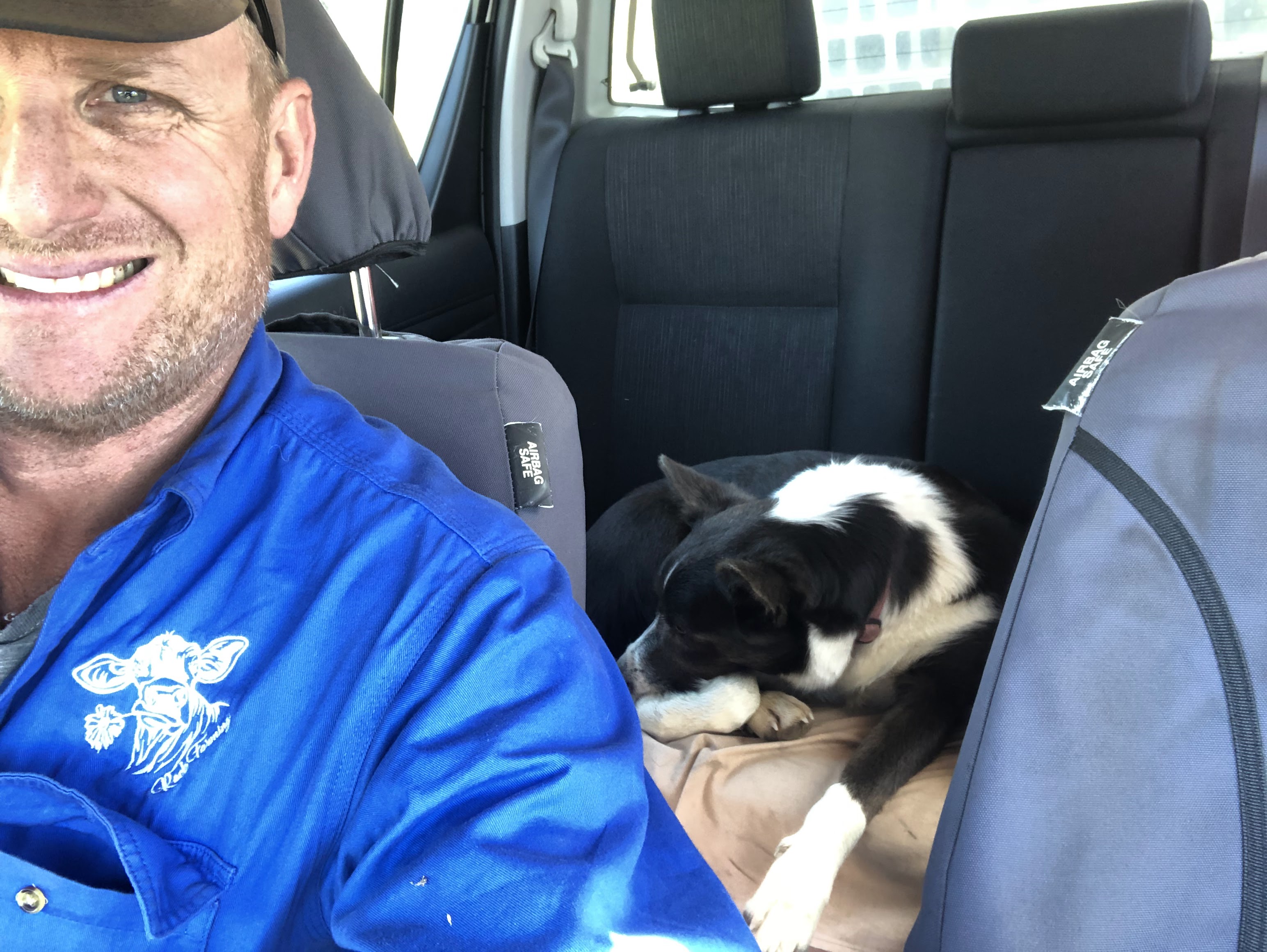
A special thank you to the Local Land Services NSW and Simon Quilty for the information in the webinar. We have signed up the to the series and look forward to learning as much as we can to enhance our decision making on the Rock Farm. And also to Sapphire – who was mostly helpful, and worked so hard she fell asleep on the short drive back home!
 rockfarming