Fence and Strainer Repair on the Rock Farm

With the weaners gone, it has been time to spend some time repairing fences and getting the farm ready for winter. One of the constant jobs is maintaining and repairing fences. If you build a fence with quality steel and wire, you can expect it to provide around 50 years of service. Most of the fences on the Rock Farm are approaching that age, meaning I have a constant list of broken wires and stays to repair. The cattle don’t help, as they tend to lean on the fences to find the best green pick, but my wires are also broken by kangaroos and wombats as they move through the Rock Farm, and branches as they fall from trees that border my paddocks.

Whilst straining wires is something that can be done year round, our steel stays can only be safely repaired after the end of the bush fire danger season as it necessitates use of the welder. I do not want to be ‘that person’ who starts a bushfire in our neighbourhood. But like all jobs on my list, it stays there until the conditions are right and my excuses are low.

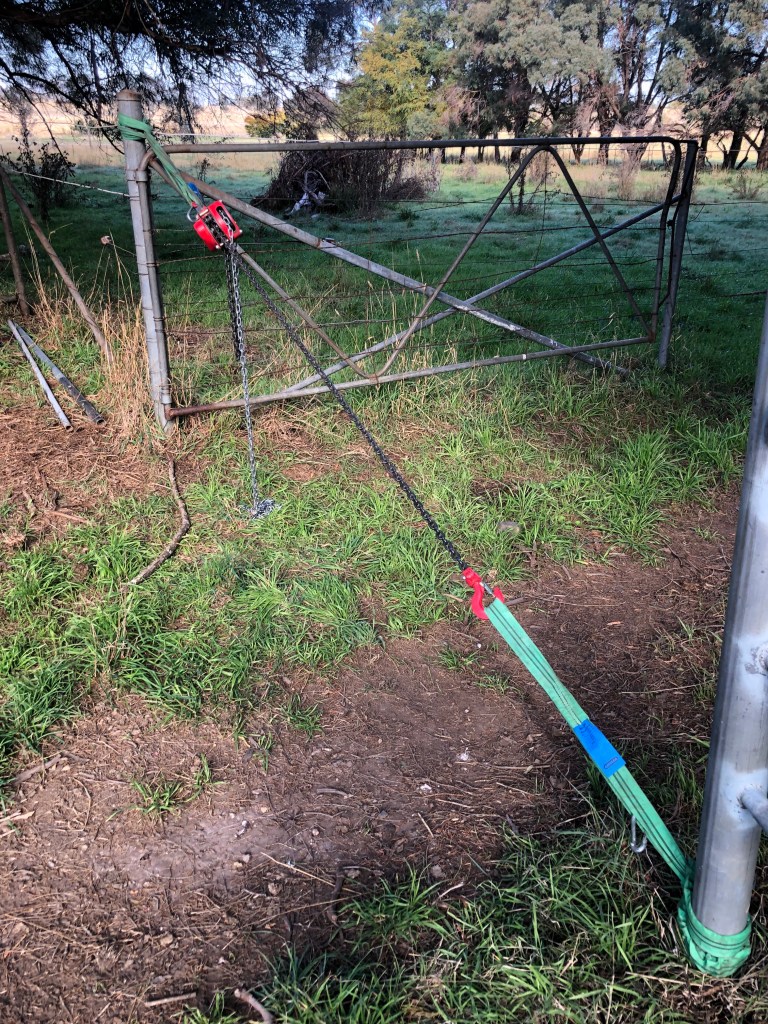
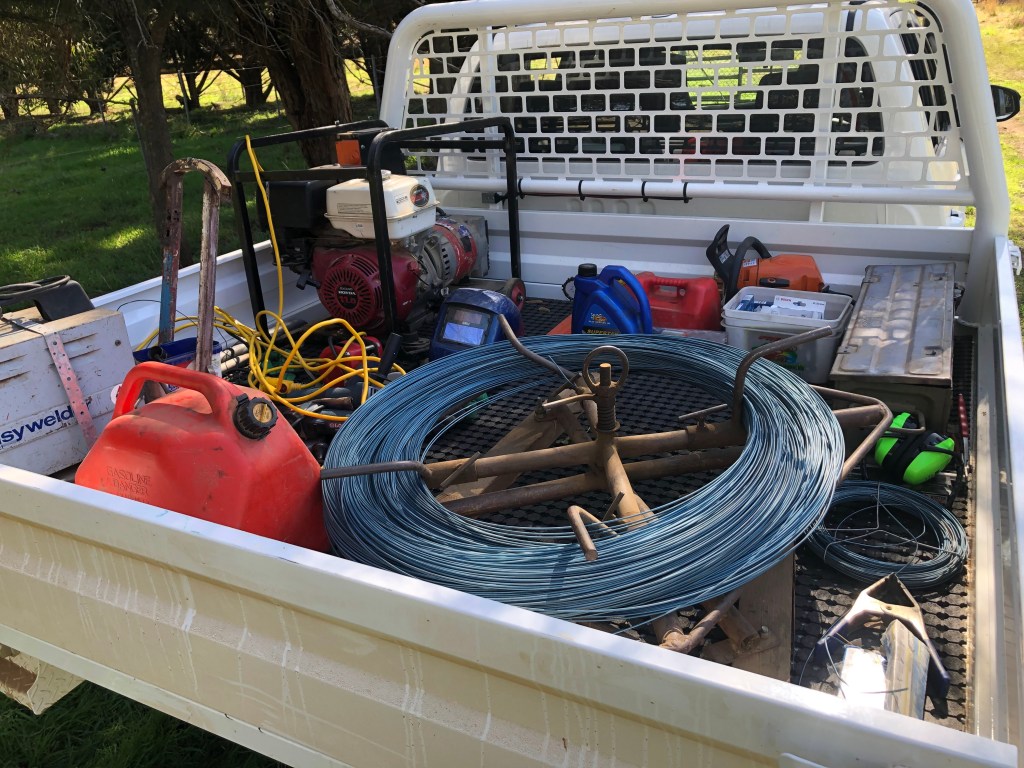
With everything aligned, I recently took time to commence repairing some broken stays on the Rock Farm. I loaded the ute with the normal fencing gear, and also the generator, welder and a chain block. The reason for the block should become clear from the pictures below.
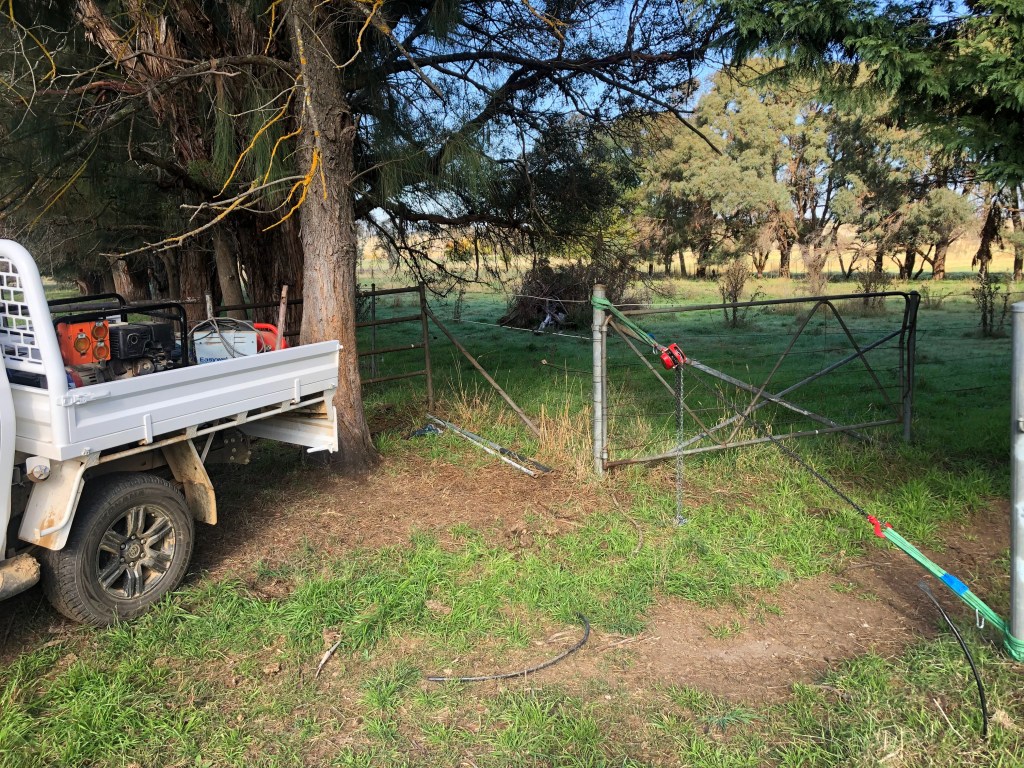
The block helped me pull the strainer posts back into position, allowing me to re-weld the broken stays into position. The block allowed me to make fine adjustments to the tension, meaning the stays could sit snugly in position prior to welding fast. The straightened posts allowed the gates to swing and close properly, and also had the added bonus of effectively re-tensioning most of the wires in the fence. This made the fences taught and smart again, making the job doubly satisfying and a little quicker than I had hoped.

What worked against me as I started moving around the Rock Farm was the number of stays that were broken. The two or three I thought I had, turned into five or six very quickly on closer inspection. And not all were conveniently placed across gate ways. On a couple of occasions, the ute or a nearby tree became the anchor to pull the posts back into position.
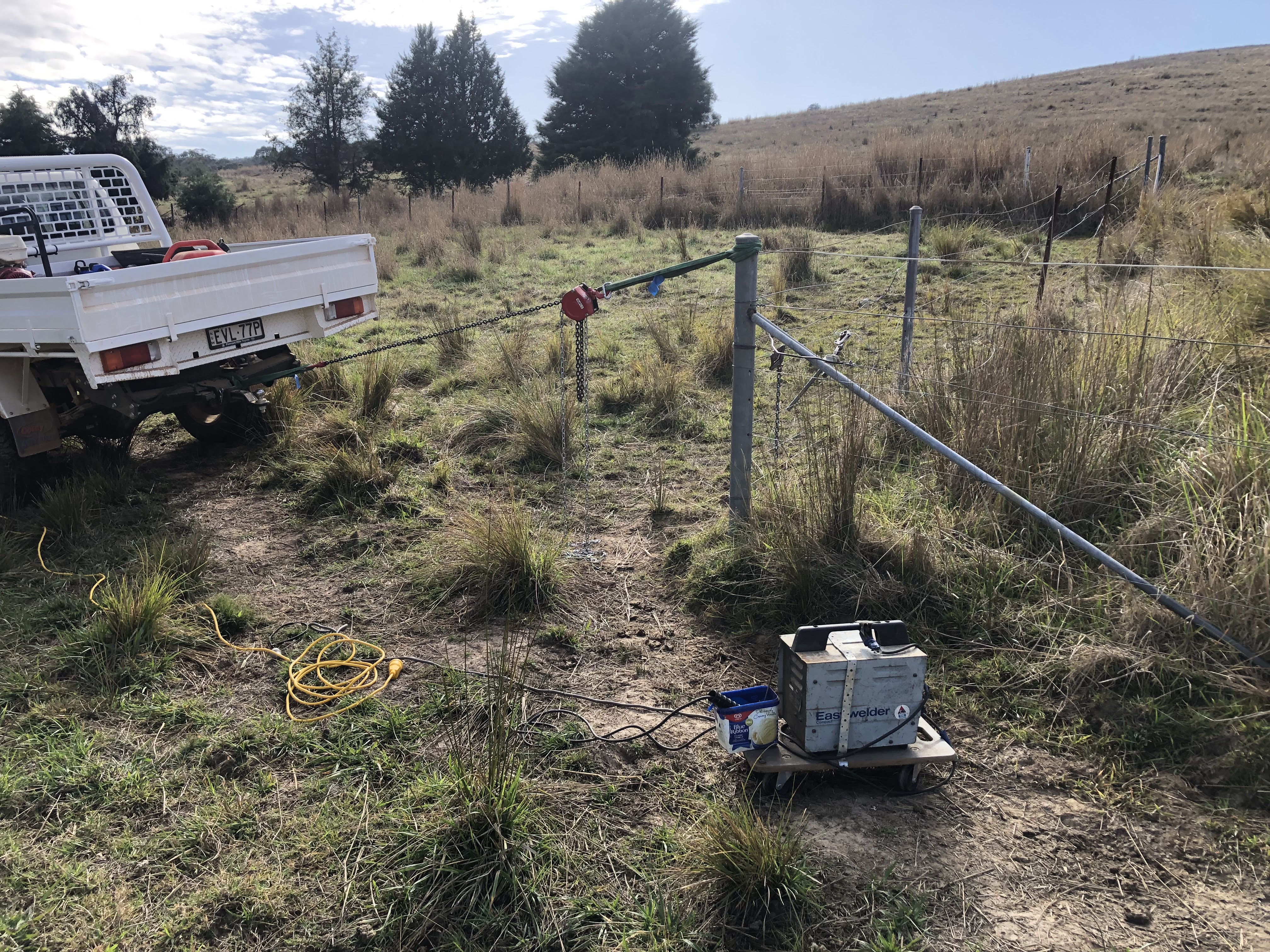
My little old stick welder proved up to the task, but my welding reminded me of the old Navy adage…. If you can’t tie knots, tie lots. My welding was definitely a case of function over form – but I hope that with a touch of paint my welds should hold for the foreseeable future.

What I really enjoyed though was the opportunity to spend a couple of days outside on the Rock Farm. I love working outside (most of the time – there are occasions when the weather can make life outside thoroughly miserable). It is rewarding when you do something that has purpose, and you can see the results of your work. The Rock Farm is now just a little bit smarter and I have one less thing to do on my job list.

Life is good.
Weaning on the Rock Farm – 2023

Weaning is a bittersweet time on the Rock Farm. It means winter is coming, and it is time to reduce the number of mouths feeding on our pastures. Without the capacity to keep our young cattle until they are finished for slaughter, it means we are at the mercy of the market when it comes to selling them.

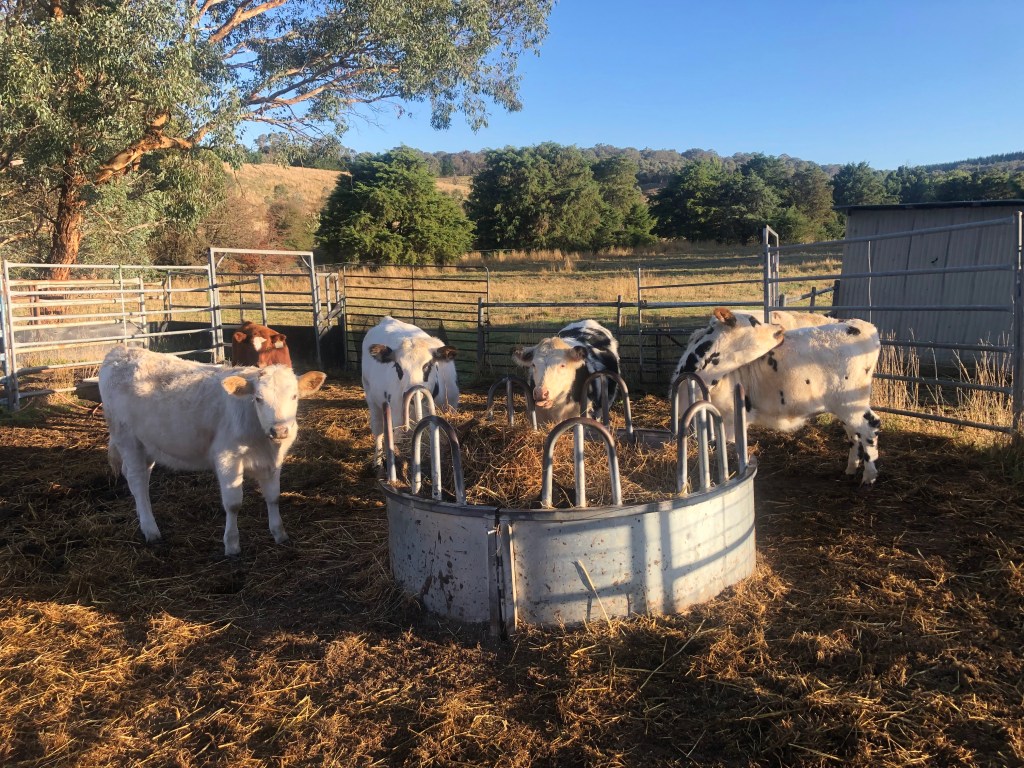
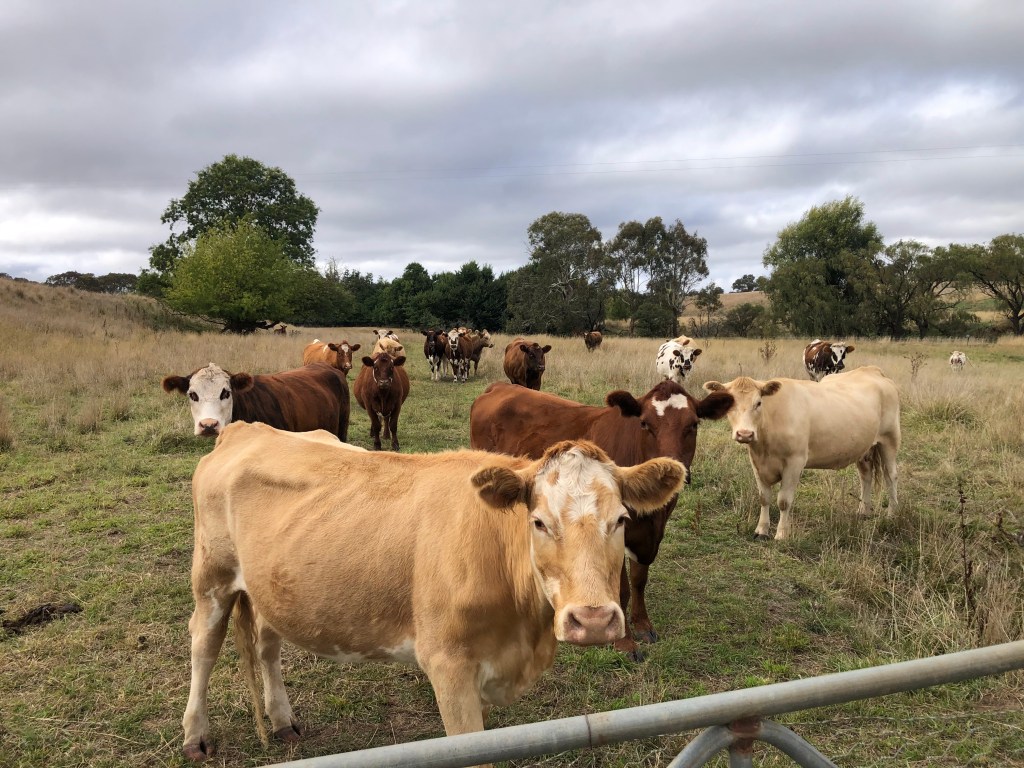
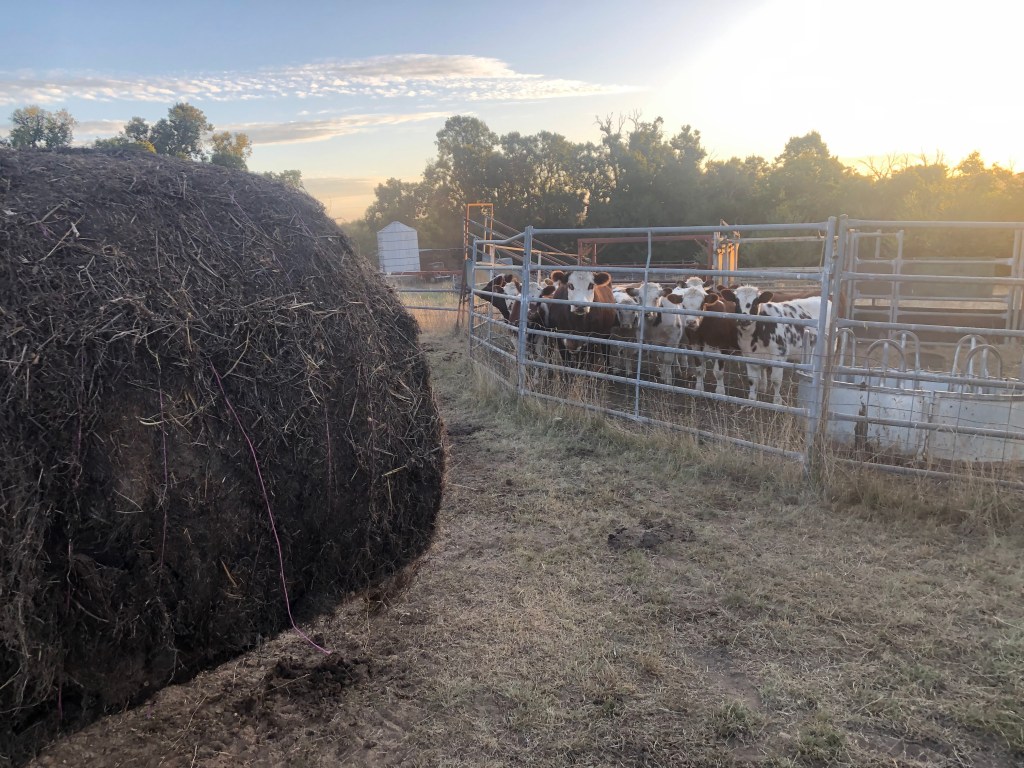
The first stage was to separate the calves from their mothers. This was quickly achieved, and the cows were put in the lane adjoining the yards. This seems to cause the least stress as the cows can go and feed, but come back and check on their calves frequently. We kept one cow in with the young calves to provide some guidance, especially when moving the calves. She had lost her calf to a possible snake bite a couple of months earlier.

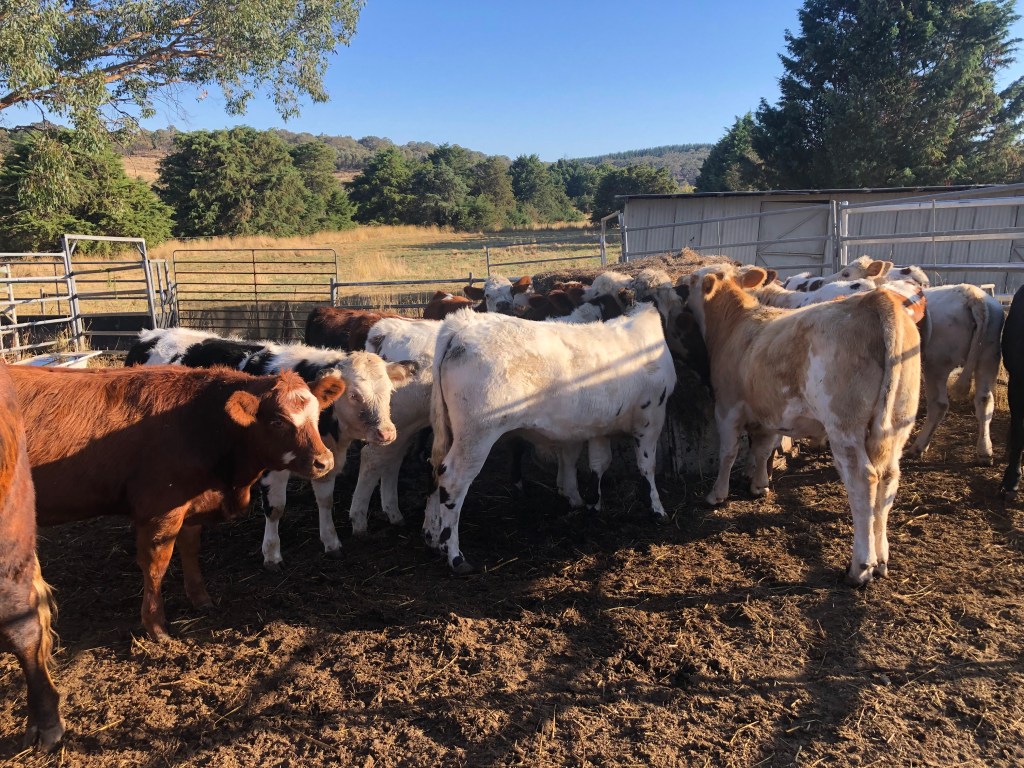
The calves quickly settled into their new routine, and the cows also seemed to appreciate a little less demand on their nutrition. After a week or so, I moved the cows to the opposite end of the Rock Farm, and let the calves into a holding paddock behind the yards. To educate the calves, I moved them back into the yards daily with the help of our faithful wanna-be cattle dog Sapphire. It proved to be excellent education for both Sapphire and the calves. After a week or so, the calves would see me arrive with Sapphire and just about trot straight into the yards… although there were exceptions to this rule.

After five weeks, we sent the weaners into the local sale yards where they weighed an average of 255kg. And this is the bit that is hardest. After raising these cattle with care and compassion, we have lost all control of their destiny with the exception of two heifers which returned to our herd. They may return to someone’s paddock for a period of time before being finished in a feedlot, I really don’t know. As a small producer, it is really hard to make a market for small scale, ethically raised grass fed animals. And it is especially difficult when most people are struggling with the cost of living. There are a few options emerging, but in the short term, we rely on the local sale yards. The good news is the cattle sold, and whilst prices were better than the weaner sale the previous month, they were still well down on the prices we received last year.

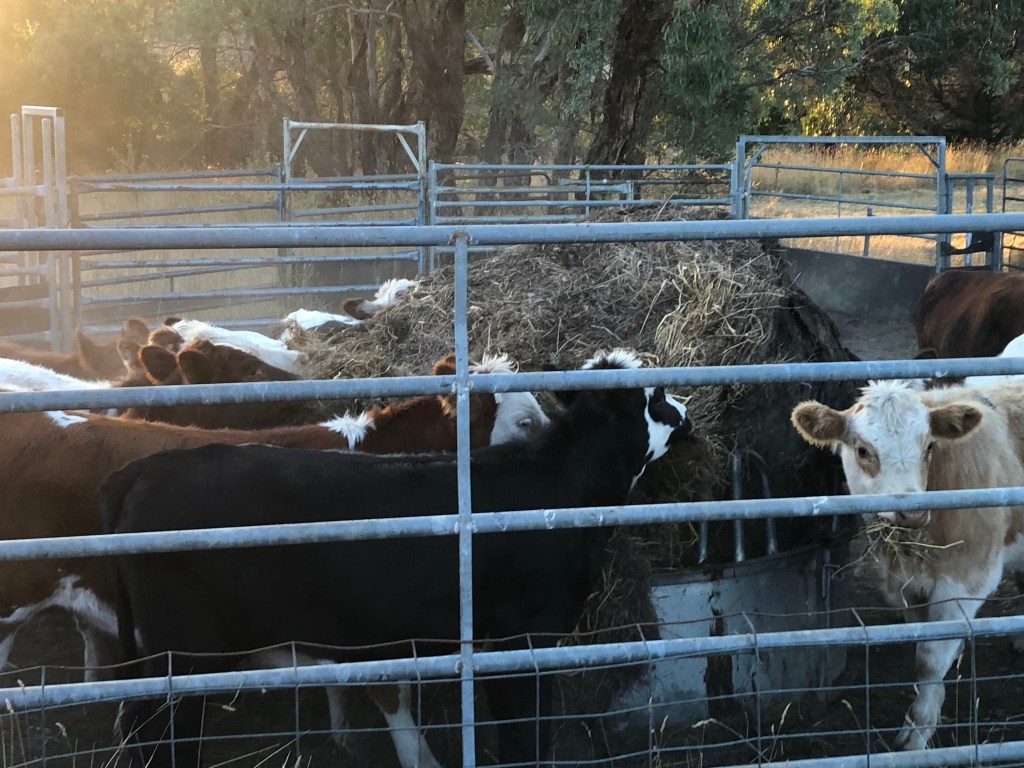
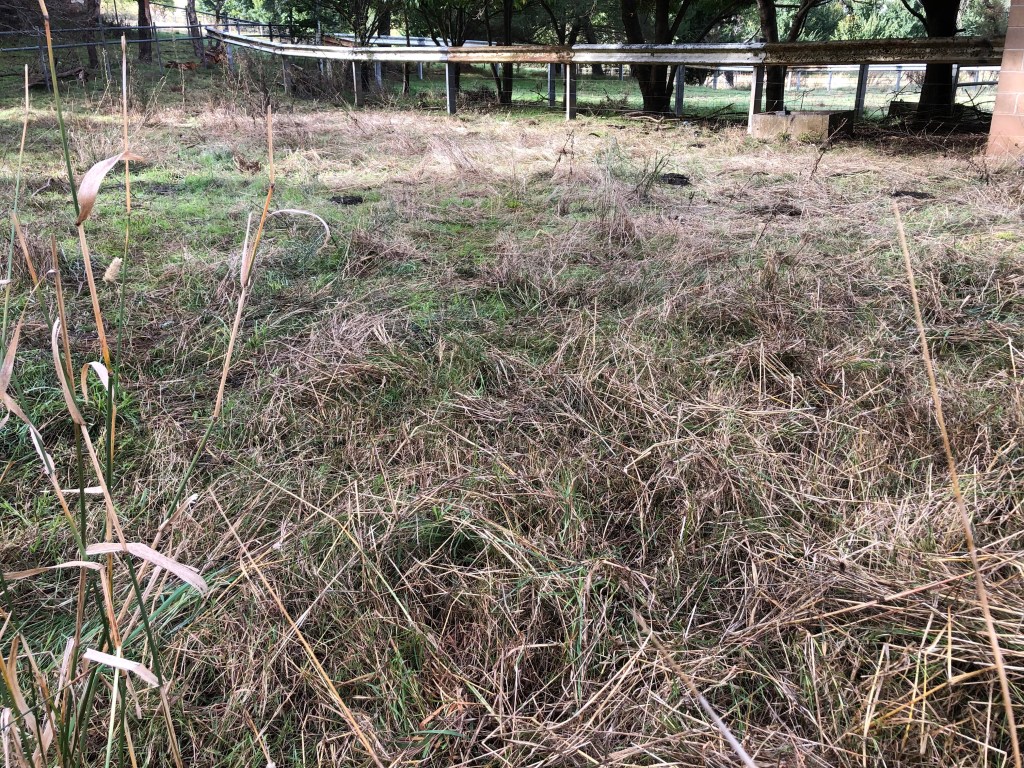
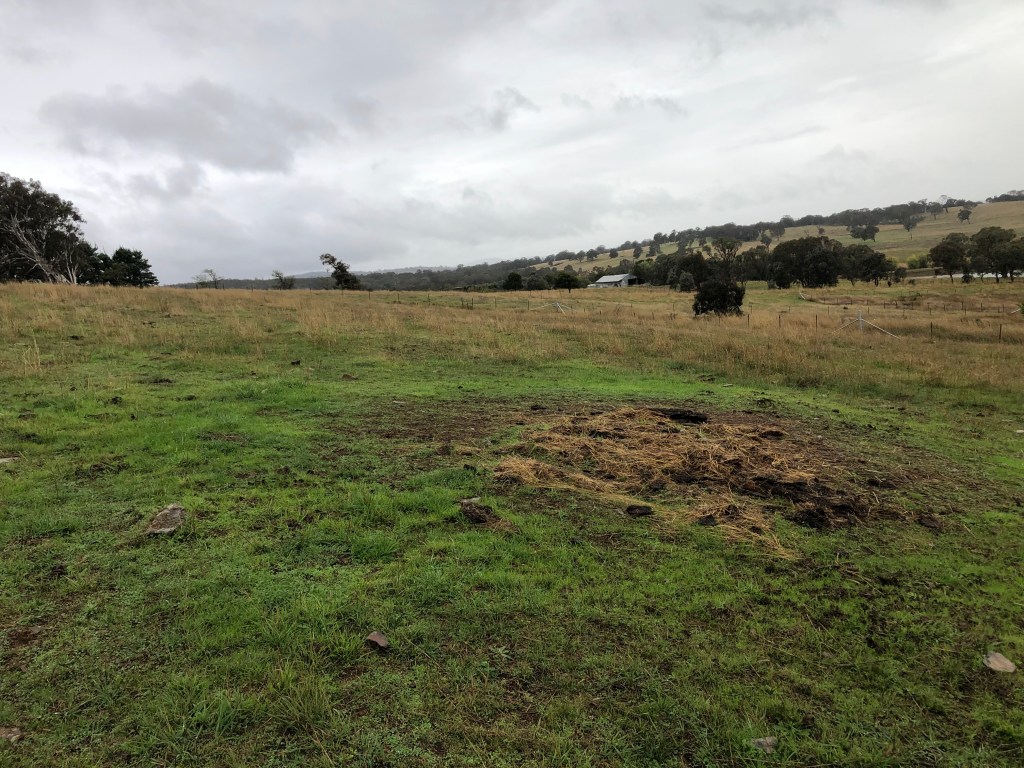
On the other hand, the cattle continue to help me improve the health of the soil on the Rock Farm. I recently trialled some bale feeding on one of our slopes (read about it here) . After resting the paddock for around a month (and some welcome rain), there is a ring of green grass where the cattle trampled heaviest. I will likely resume feeding the cows sometime in winter and will continue this way of feeding the cows, as it seems to be an effective way of returning nutrient to the soil.

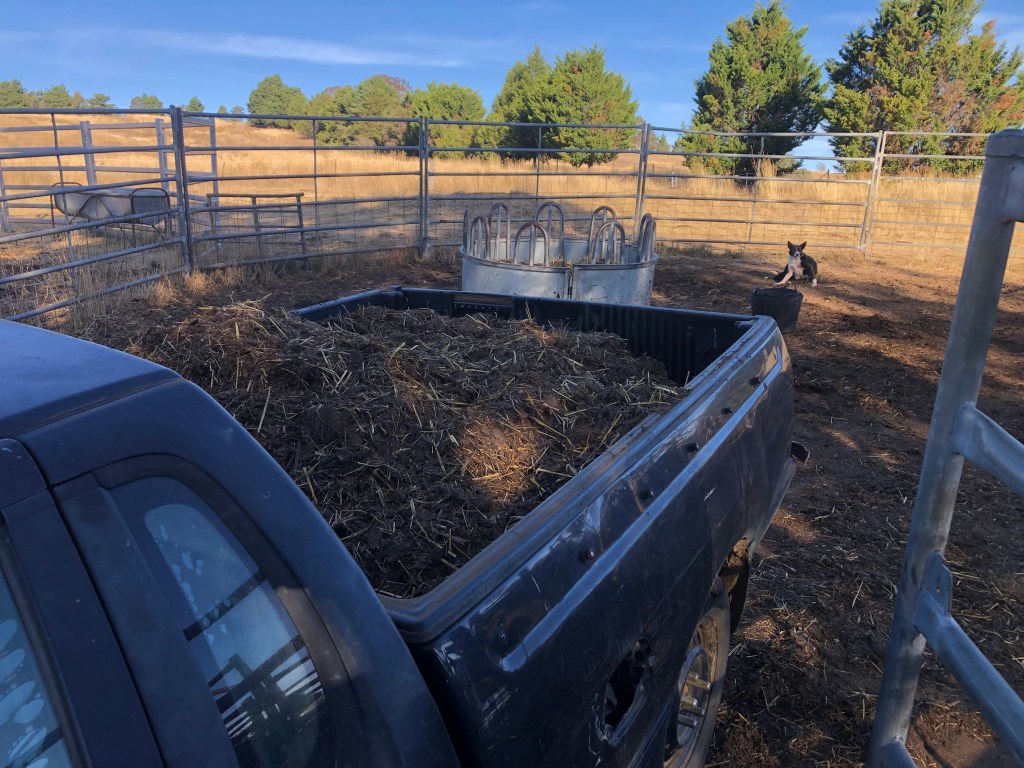
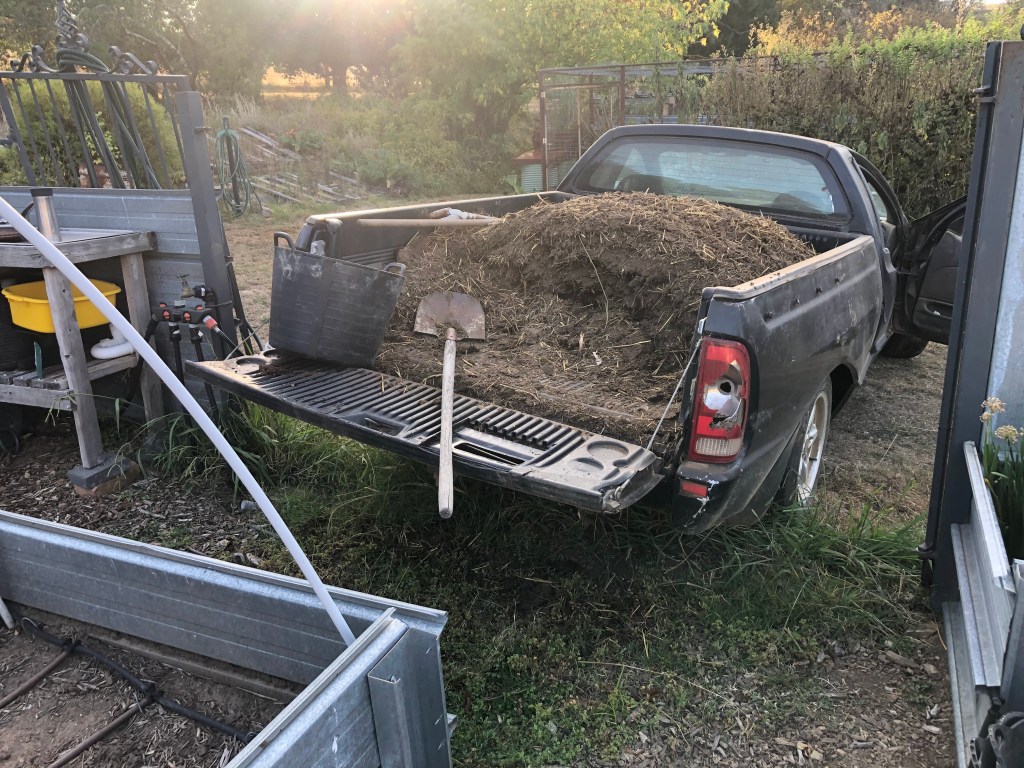
Perhaps the highlight of the whole process however was perhaps my offer to collect a “wheelbarrow” of manure for the vegetable garden. The weaners had left concentrated manure/straw in the yards where they had spent a lot of time over the past month. After 45 minutes or so of concentrated effort, I had filled our black falcon “wheelbarrow”. Another half an hour and the manure mix was spread in the vegetable garden. It should be great for our winter vegetable crop!

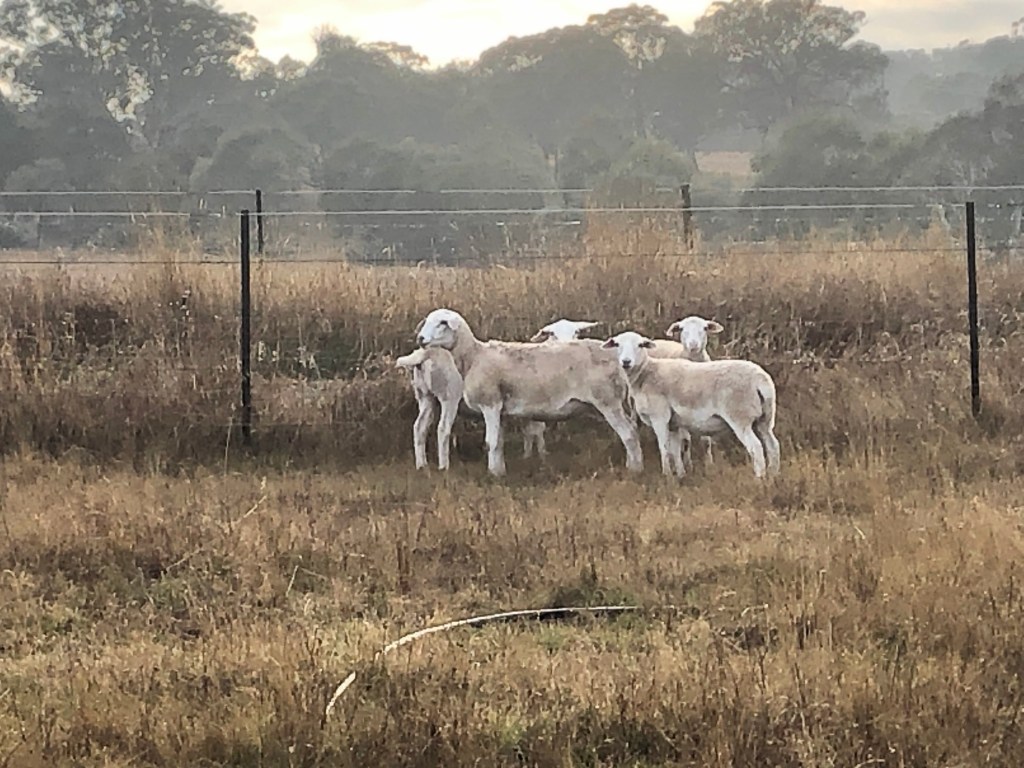
One day I will keep a steer for us to finish. I haven’t finished a steer before, but it is something I intend to do. It is one of my goals to provide grassfed beef for our family (it is hard with such a great butcher nearby who delivers top quality meat to our kitchen table). Sheep are another story, and we recently bought four wether lambs from a neighbour. These are currently enjoying roaming in a paddock that is fully fenced for sheep. It has been a long time since we have had sheep on the Rock Farm, and I am enjoying having them back.