Converting an OM366 to OM352 – or saving Myrtle from becoming an ornament.,

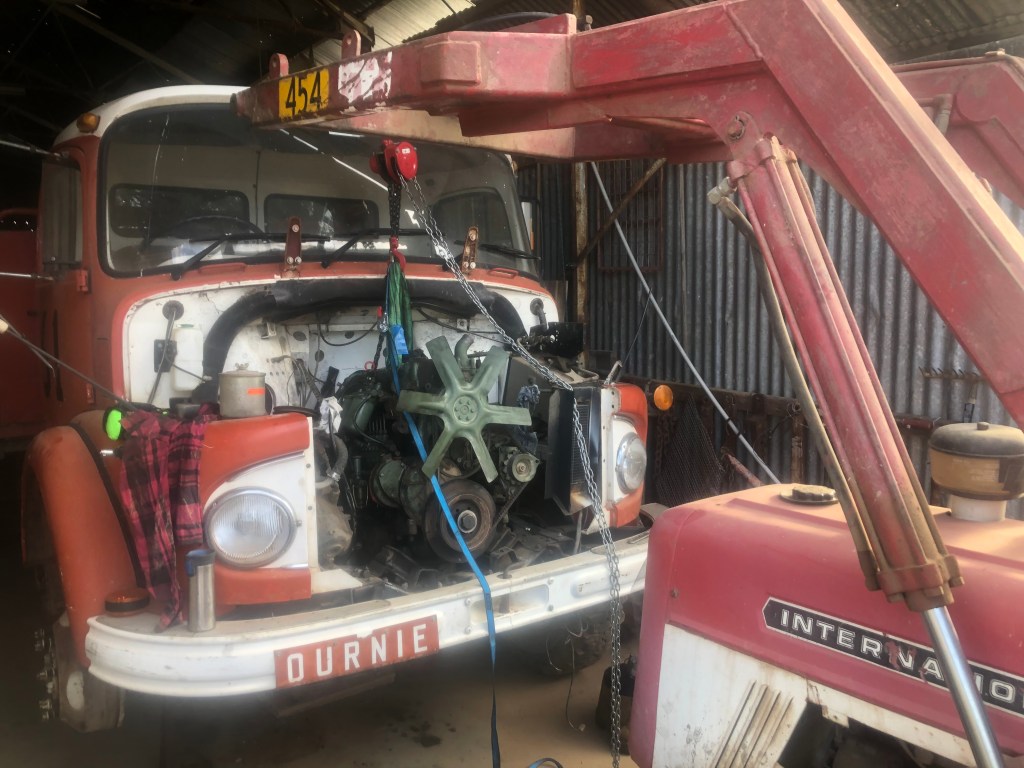
One of the things I enjoy about living on the Rock Farm is the range of problems I come across. From animal welfare and soil management, to rural plumbing and fencing repairs, I love the process of learning new skills. Regular readers will know, last August, I drowned the engine of our old LA911 Benz, Myrtle, attempting to cross our creek. With pride bent along with the conrods, I was in need of a new engine for our red ;drawbridge’. One of our neighbours collects old trucks and offered to sell me an engine out of a similar truck, a Benz 1217 Tipper.

An initial check seemed promising, however after consulting the Mercedes Kurzhauber (short bonnet) Facebook group I realised I had incorrectly identified the donor engine as a turbo charged version of the the OM352. It wasn’t. It was an OM366 – a much modified variant that shared little with my engine except the block. Perhaps with the ignorance caused through auto-translate from German Engineers active on the Facebook group, I figured that it shouldn’t be too hard to make the engine fit. After all I had nothing to lose.

I should have done more research…. but then if I had I might not have proceeded. The German Engineers were wise with their words of caution.

For the next five months I had three new items on my to do list:

  • Remove Engine from Myrtle (Our LA911)
  • Remove Engine from Donor (The 1217)
  • Install Engine into Myrtle.

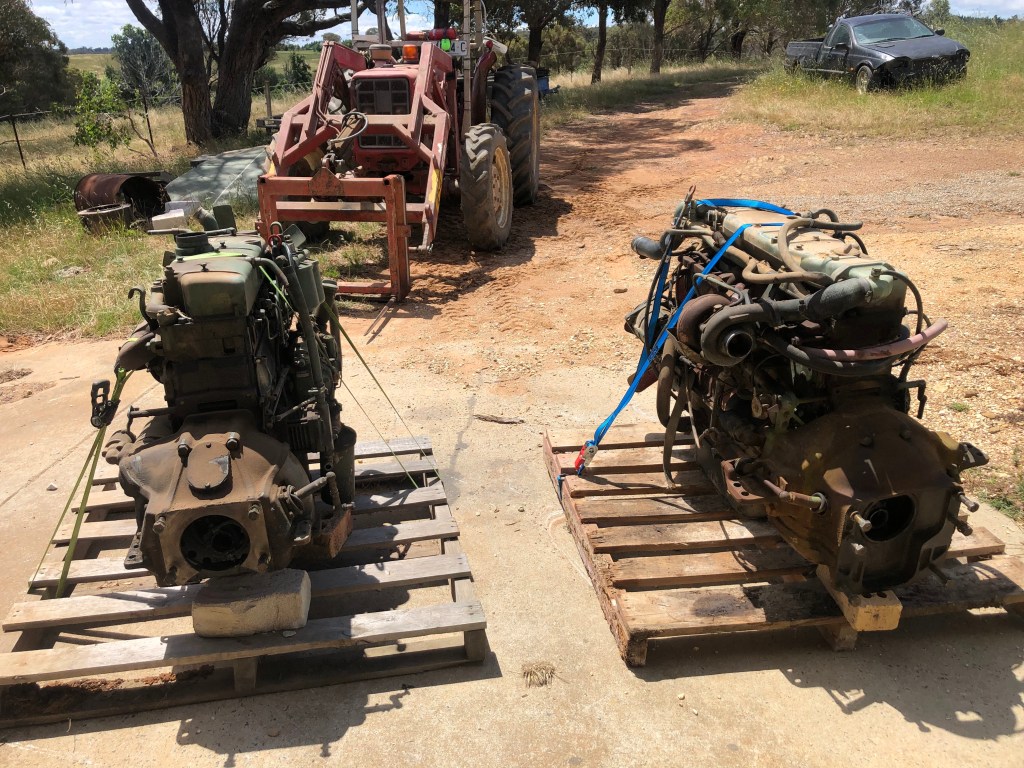
It wasn’t until I had completed the first two items on my list and placed the two engines side by side that I had some idea of the challenge ahead of me. The engines looked entirely different. There should have been one more item on the list – something along the lines of reconfiguring the new engine to look like the old one.
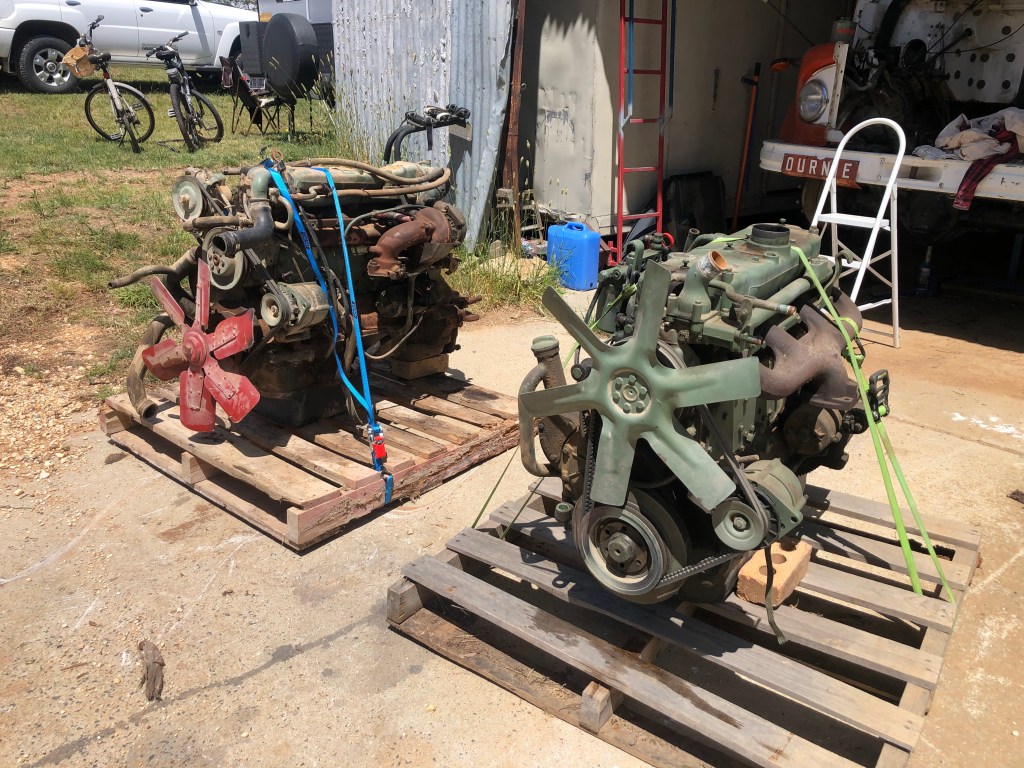
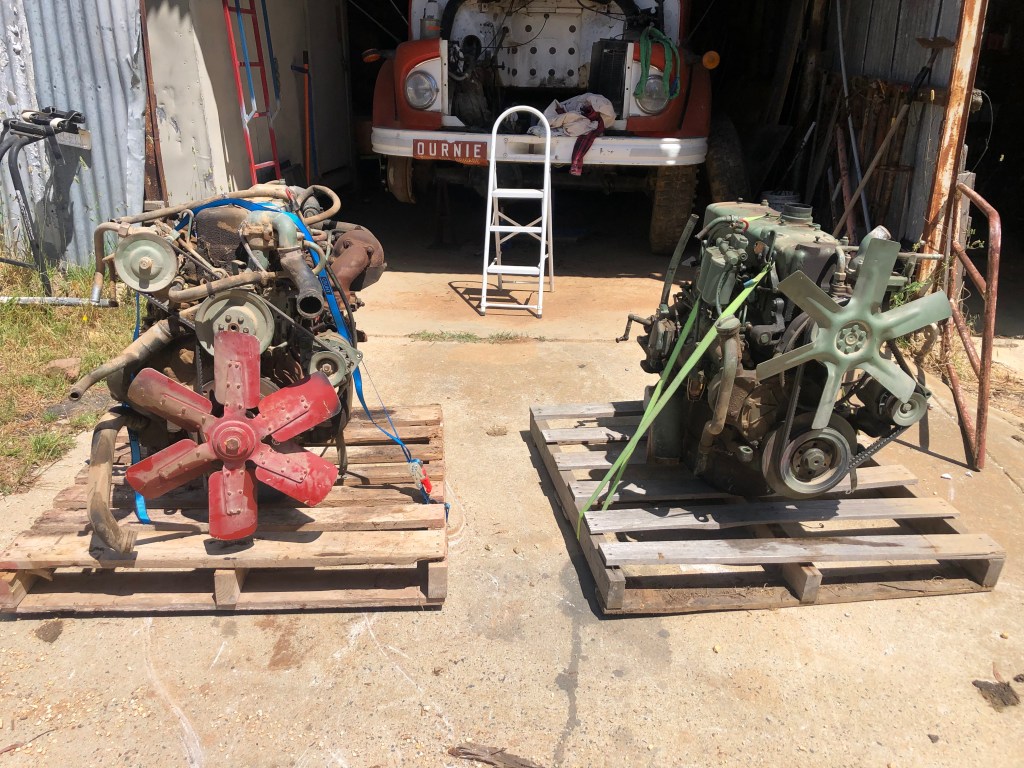
I took a deep breath and started at the front of the first engine. I thought it would be simple to swap the fans over – the most obvious difference…. but first I needed to change the water pumps…. and then the water jackets didn’t line up – and so off came the turbo and the other plumbing from the new engine. Eventually we got one side of the engine looking close – and then it was time to pull off the bellhousing / clutch at the back of the engine. This again was challenging on the old engine as I couldn’t turn it over. This meant I couldn’t reach all the bolts holding the clutch plate to the flywheel. After modifying some tools with a grinder, and some help from a smaller handed wife, this challenge was eventually overcome.

And so on and so on. Every time I thought I had sorted one problem, another five were created. Swapping the sump turned into a full day job with the cascading series of other little things that also needed to change. Literally everything short of the block and cylinder head was swapped over from one engine to the other. My dreams of gaining some extra horsepower were whittled away as the new engine was reconfigured almost exactly as per the original engine.
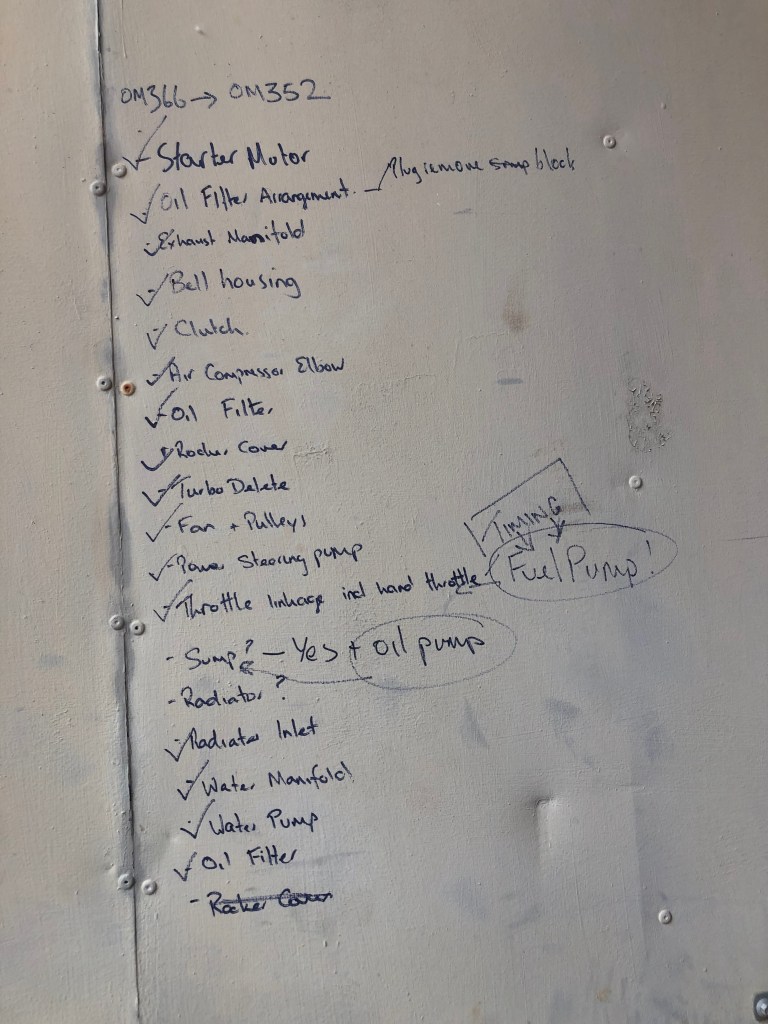
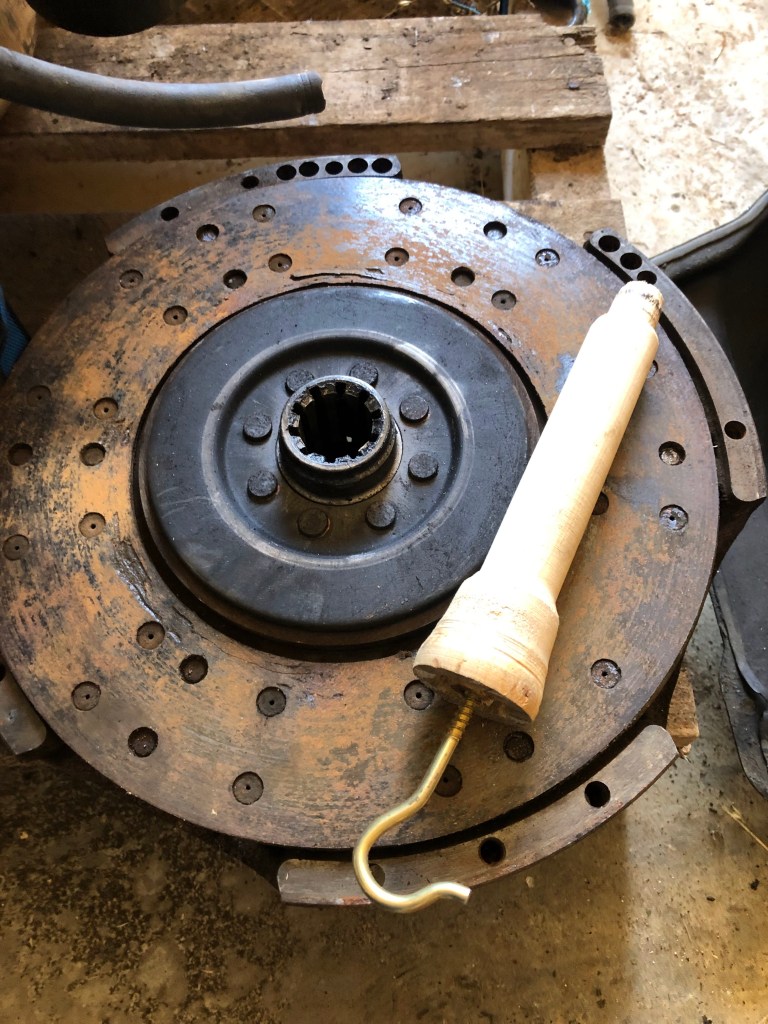
Eventually we had swapped nearly every thing over. My biggest fear was that I didn’t get the timing of the fuel pump correct, or that I had put the clutch plate in back to front (of course I reused the old one).

I also found it extremely difficult to manoeuvre the engine to align with the gearbox, no matter what tricks I tried. Eventually I opted for a different approach and disconnected the prop shaft and slid the gearbox back. After bolting the engine in position, I was able to (with the help of all the family) push the gearbox up and bolt it to the bell-housing. It was no small feeling of joy when at last everything was bolted together. But would it start.

There was only one way to see….

To say I was relieved when the new engine spluttered to life would be an understatement! And thankfully it seemed the clutch and gearbox was all aligned correctly too.
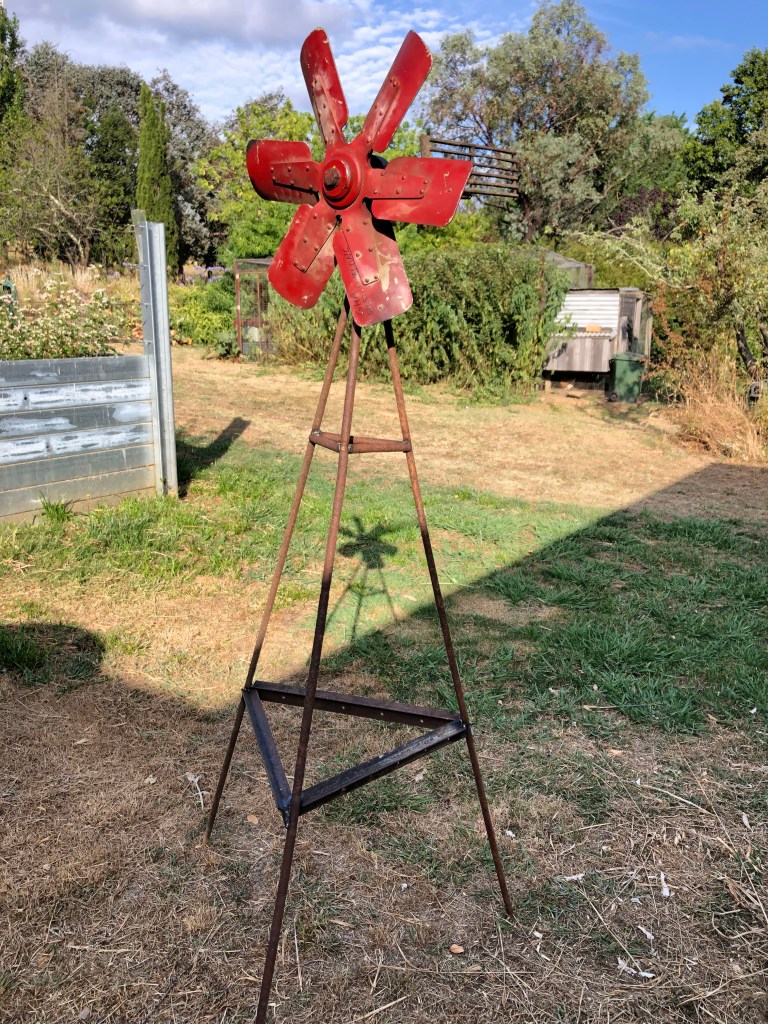
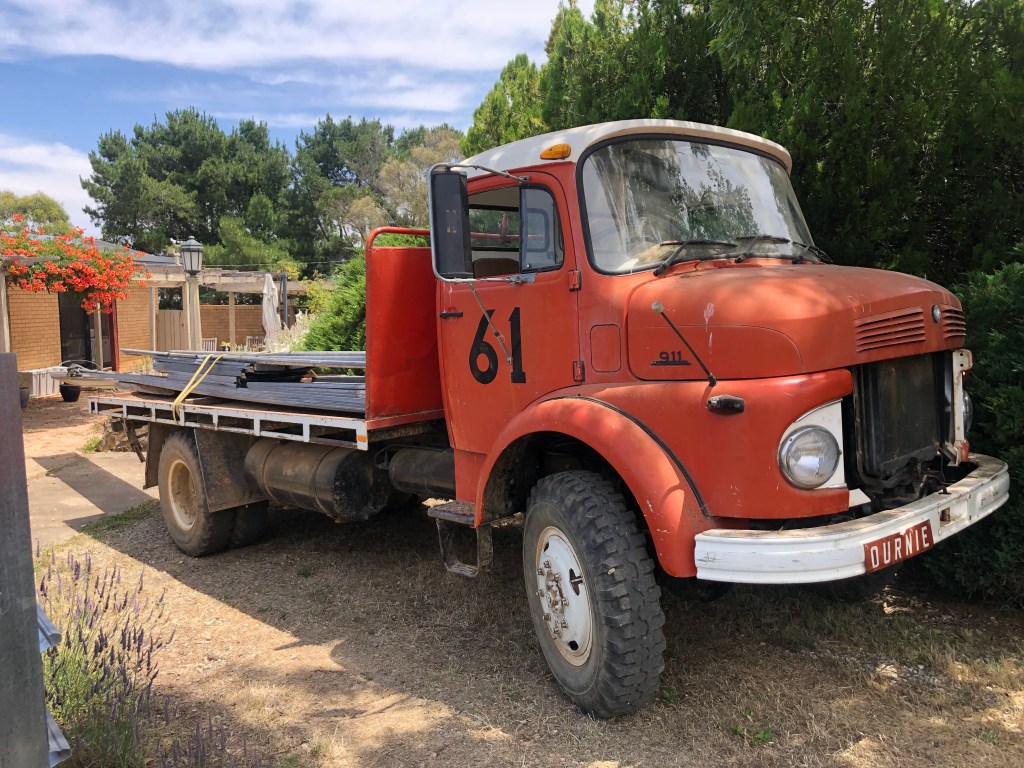
The truck was pressed straight back into service – moving old roofs of iron sheeting to make new compost bins. And the not-so-little welder was commissioned to make a feature out of the donor engine’s fan. He did a great job fashioning a windmill out of some scrap steel.
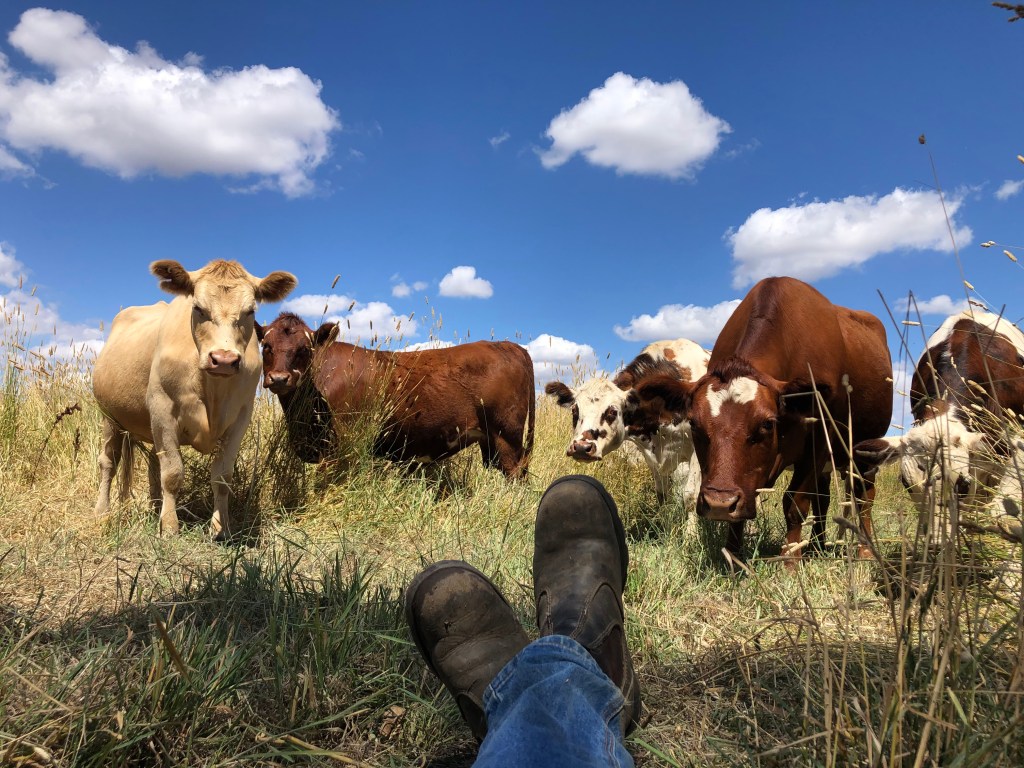
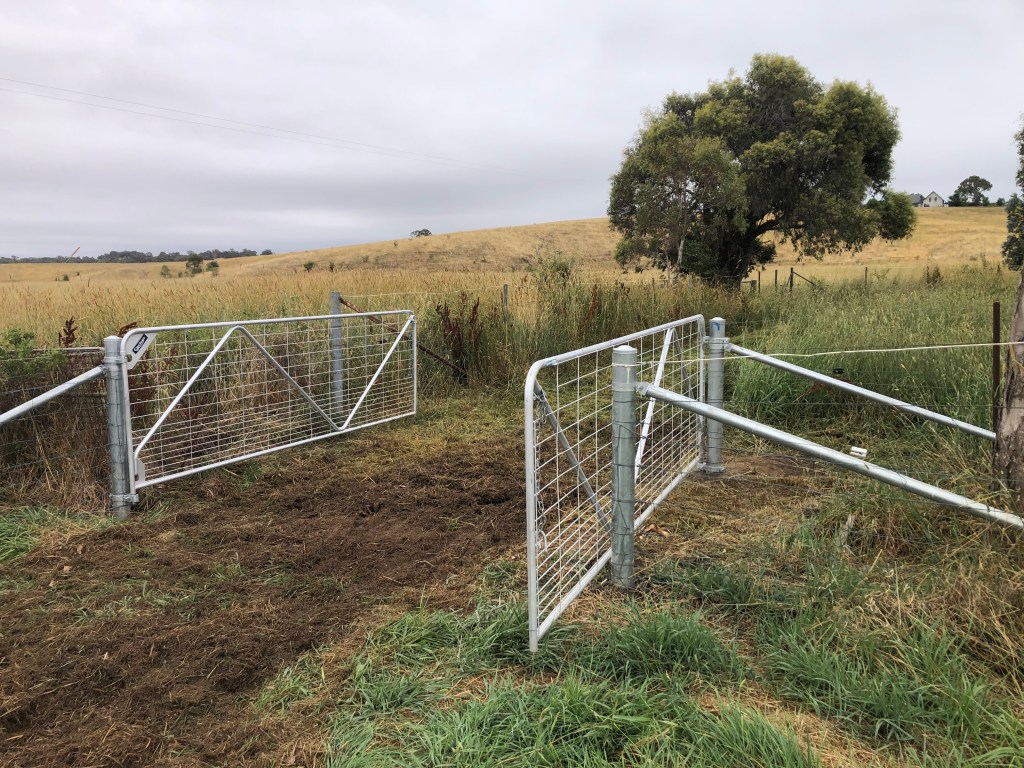
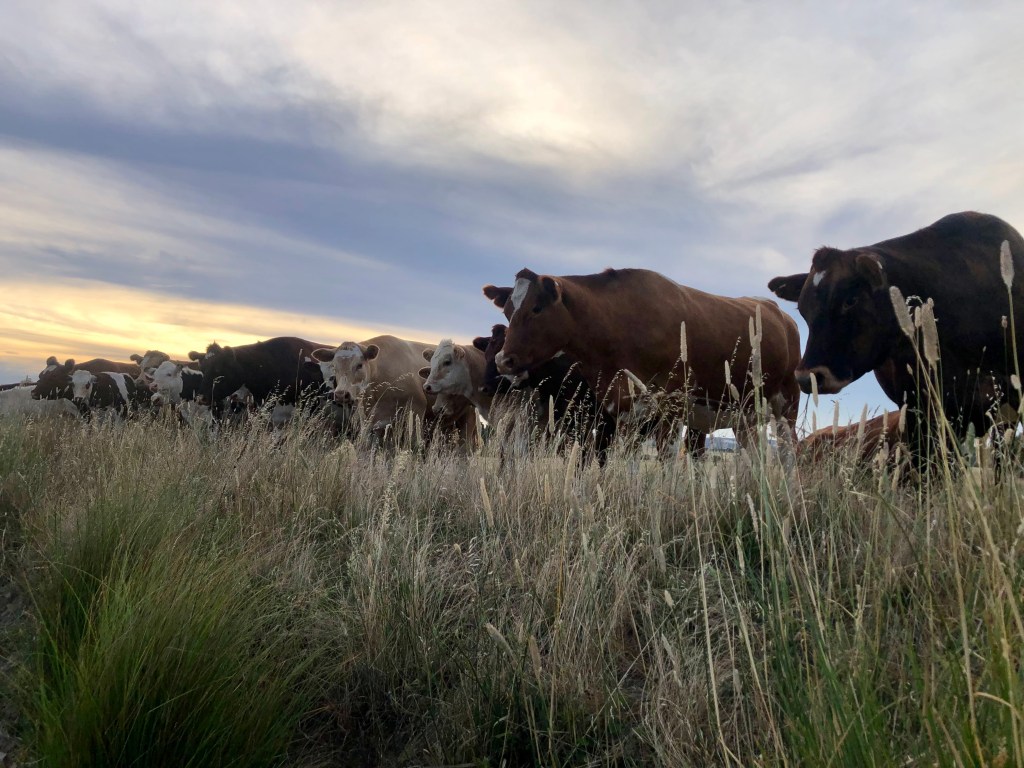
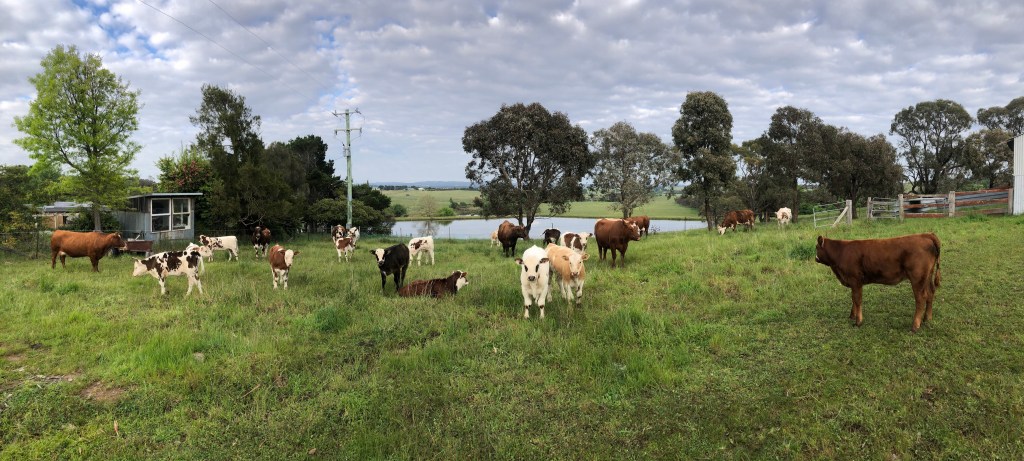
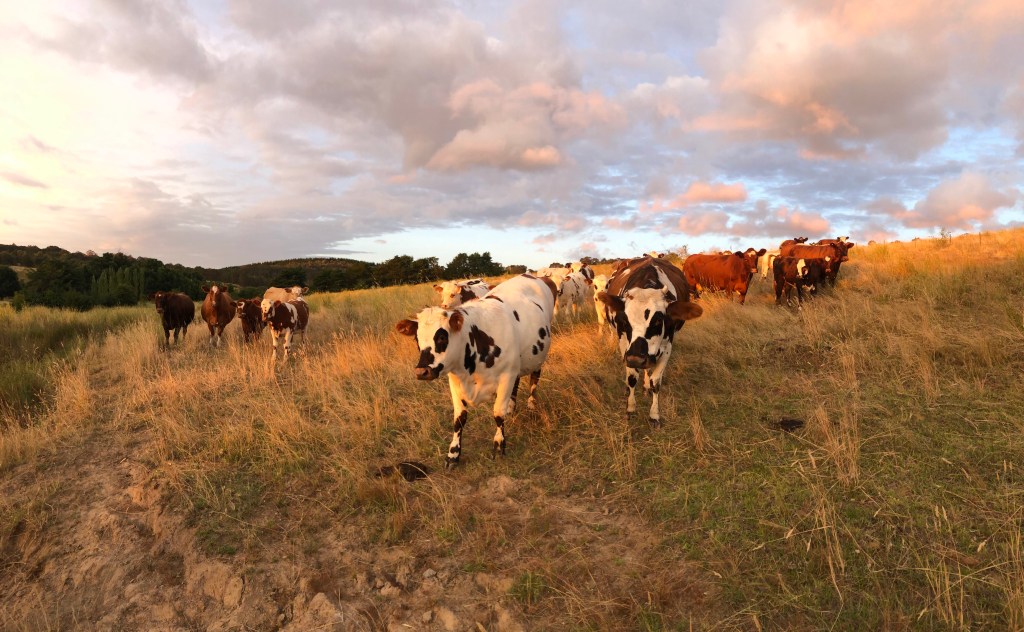
With the truck back in working order, I was able to get back to the other things I love doing on the Rock Farm. Hanging with my bovine friends, and installing new gates to facilitate my ongoing paddock rotation. I hope I don’t have to take on a mechanical challenge of that order again, but it was a good exercise in working through a problem and I am thrilled to have a working truck again on the Rock Farm.
Book Review – My Father and Other Animals by Sam Vincent

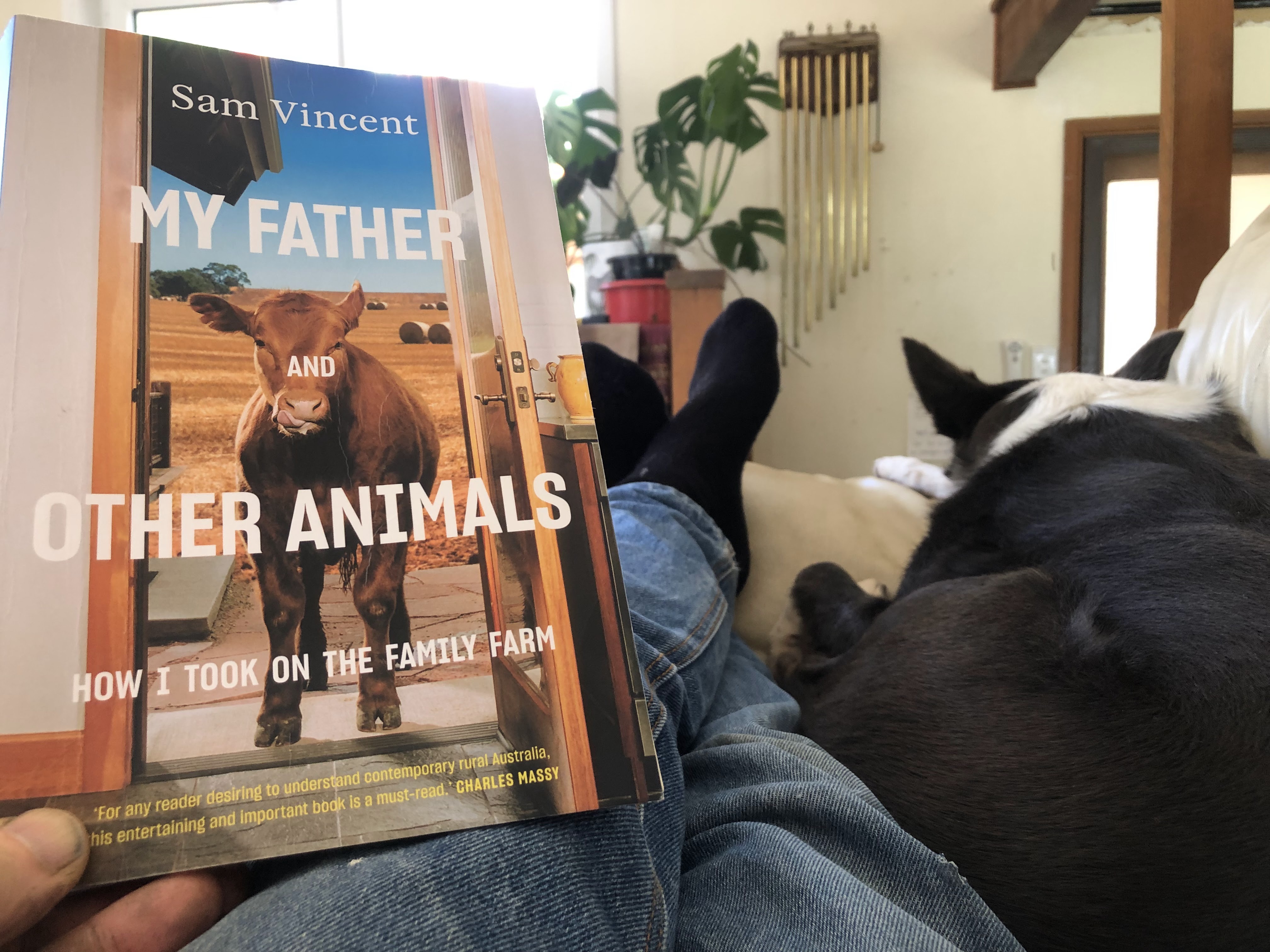
Over the summer, I had the great pleasure of reading Sam Vincent’s heart-warming memoir, My Father and Other Animals: How I took on the Family Farm. Sam, a twenty something millennial returned to the family farm to help his father who was becoming increasingly accident prone. Part apprenticeship, part journey, part discovery, Sam’s account of his time learning the rhythm of the farm is touching, hilarious and brutally honest. Of course I wasn’t the only one who enjoyed taking some time out of the heat of the day to turn some pages before nodding off!

Sam Vincent
MY FATHER
AND
OTHER ANIMALS
HOW I TOOK ON THE FAMILY FARM
For any reader desiring to understand contemporary rural Australia, his entertaining and important book is a must-read. CHARLES MASSY

Sam might have grown up on the farm Gollion, and his memories as a child recall a magical place with dams to swim in, trees to climb and gullies to explore. Returning as an adult, it is an entirely different proposition. Sam shares his apprenticeship building fences, managing livestock and growing fruit through the eyes of a total newbie. Sam relates how we gains a deeper connection to not only the farm but also his father,

Sam’s journey is far more than a book about his relationship with his father. Sam shares many of the challenges facing contemporary farming in Australia, especially the responsibility that a custodian bears. He shares some of his philosophies gleaned form his holistic management courses developed by Allan Savory, lessons from Peter Andrew’s Natural Sequence Farming and some of the ethical and moral issues facing small farmers like us in finding markets for respectfully grown and cared for livestock in a mechanised feedlot based industry. Many of these stories are shared through humourous anecdotes with his father as the unwitting star,.

Through our local Regenerative Land Managers Network and nearby Landcare group, not only did I have the opportunity to meet Sam, but also get a tour of his beautiful property Gollion late last year. Gollion is kind-of-famous in a way regenerative agriculturalists will understand. Charles Massey visited Gollion in 2016 after receiving an invitation from Sam’s father to address their local Landcare Group. Touring Gollion, Massey was impressed with a gully filled with rock that had formed a leaky weir. In the reeds growing in the pool of now-permanent water, Massey heard the call of a Reed Warbler bird, not seen (or heard) in the area for 130 years. Inspired, Massey concluded that the reed warbler could only be a talisman of a watercourse and landscape function on the path to regeneration – and named his seminal work “Call of the Reed Warbler” after this experience. I reviewed Massey’s amazing work last year: https://rockfarming.com/2021/05/05/book-review-call-of-the-reed-warbler-by-charles-massey/.

I connected with Sam’s book on so many levels. I felt many parallels with Sam’s experience growing up on Gollion as I felt growing up on Saltersgate, a small farm owned by my parents. Sam articulates many of the feelings I felt about the farm, however he is able to share them with a gentle humour that I cannot hope to posses. My father with his cattle and sheep, and my mother with her horses were inadvertently the main influence on my journey that led me to the Rock Farm after a career forged at sea. Sam’s is a beautiful story, and I loved every page.

My Father and Other Animals has helped me reconsider how I encourage my boy’s to interact with the Rock Farm. Sam reminds me that the Rock Farm is not their dream, it is mine. Secretly I am happy my boys have already lived some of Sam’s apprenticeship. They have helped me build fences, mark lambs and calves and repair cantankerous farm machinery. But I am also glad that they have also made their own happy memories on the farm, exploring gullies, swimming in the dam, testing their courage on motorbikes and cuddling horses or cattle.

I cannot recommend My Father and Other Animals enough for anyone interested in pursuing a tree-change, or adopting regenerative practices. It is a book for anyone who cares about the future of Agriculture in the world. It is also a book about families and the special relationship between a father and his son.

Flood Repairs, a new fellow and a different kind of holiday on the Rock Farm

I cannot believe three months has passed since my last update. So much has happened that it is hard to know where to start, but a few key themes spring to mind as I reflect on what we have achieved.

  • We repaired flood affected fences and driveway,
  • We built new tree-guards to protect new tree plantings,
  • A bull came to visit the girls and then went back home,
  • We managed a family holiday in a totally different environment,
  • I learnt far more about diesel engines than I ever thought I would,
  • Our local informal regenerative land managers group continued to meet and also took steps to formalise our organisation, and
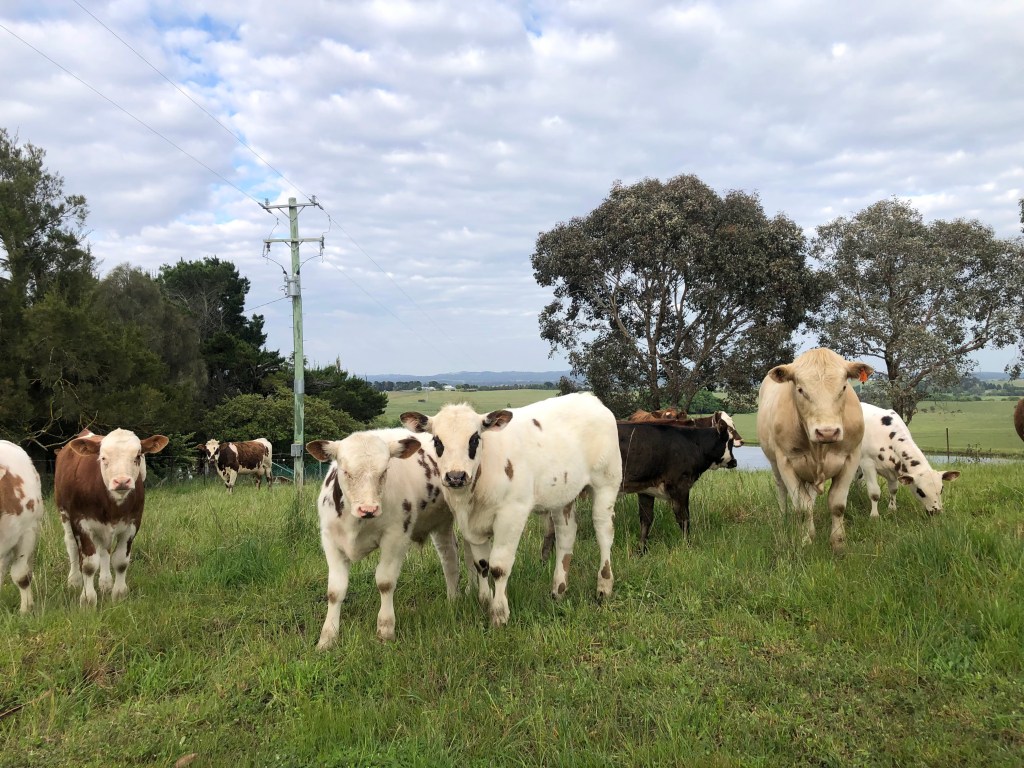
  • Our calves continue to grow, however not without some heartbreaking news.

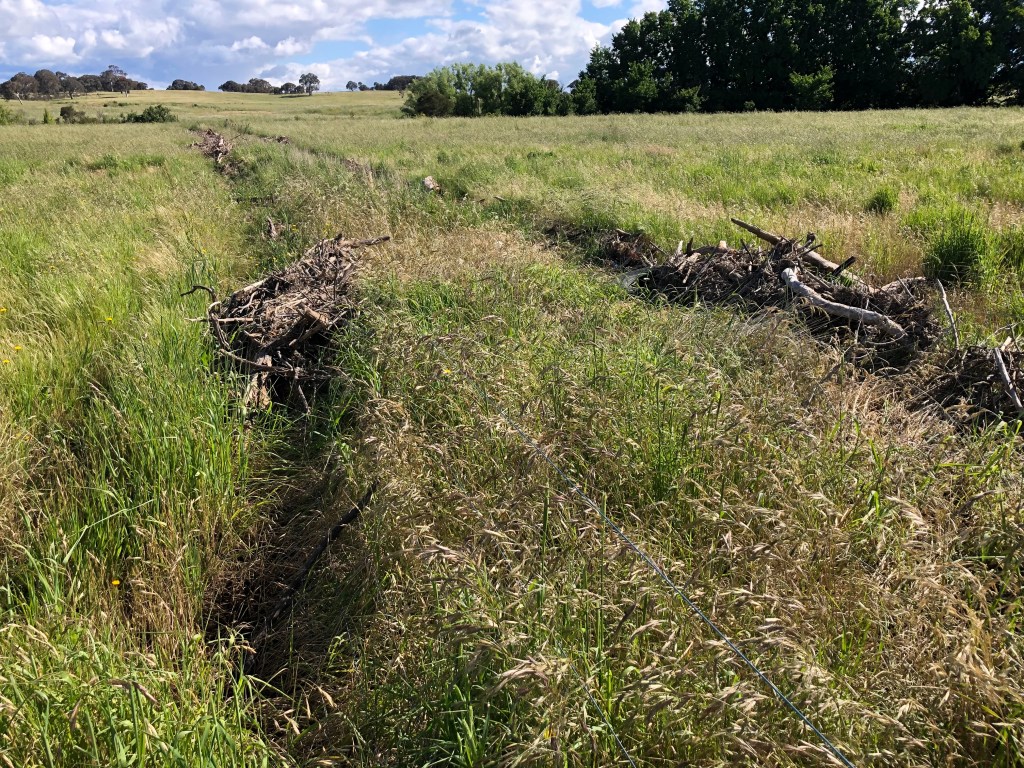
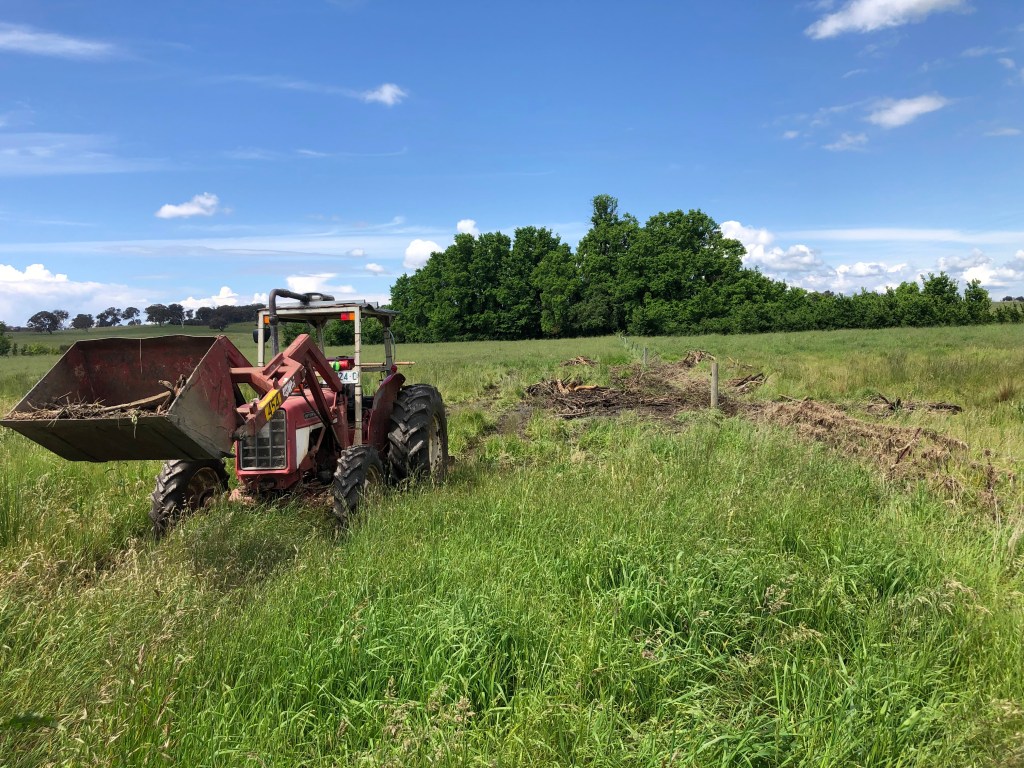
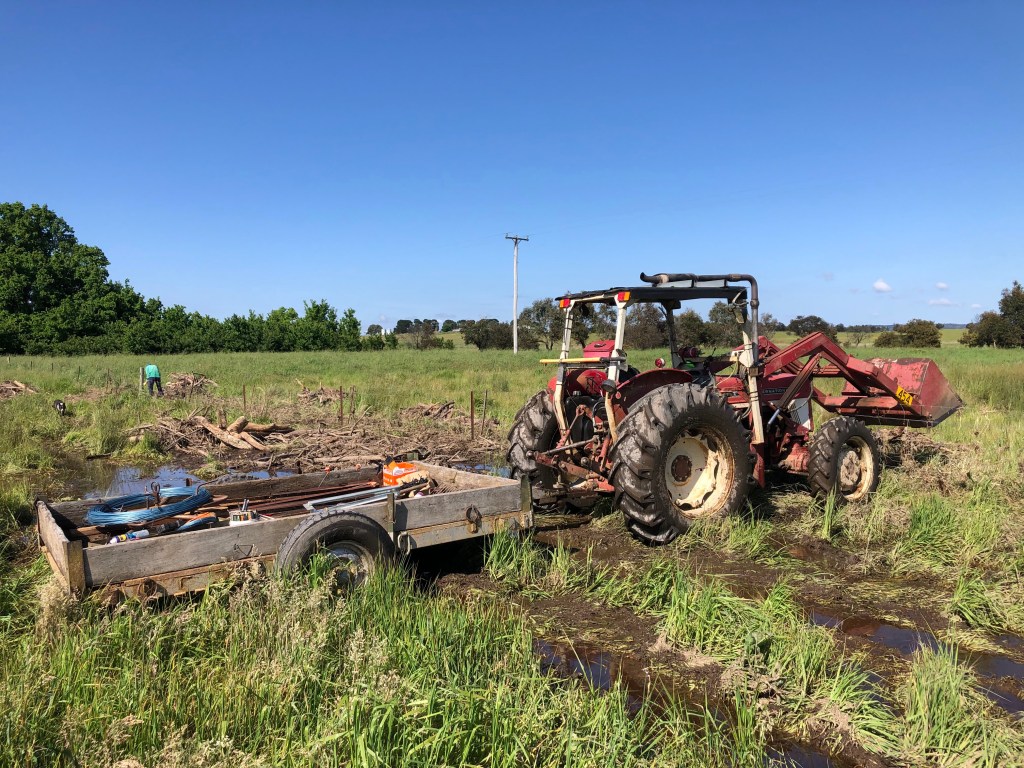
Our floods last October were spectacular – and created several weeks of work for me, clearing debris off fences, then repairing or replacing sections. My priority was to ensure our boundary fence was rebuilt – but Jo sagely asked me how many times I would rebuild it before accepting that our “flats” were actually a flood plain. After making some glib comment that it was the first flood of its kind in over 50 years (the age of the fences), her raised eyebrow caused me to pause. Any husband is wise to listen to his wife – especially when that wife is a Meteorologist and well versed in the matters of rainfall. I elected to focus my attention on repairing the boundary fence to pre-flood strength (critical). Other sections I took Jo’s advice and chose to use temporary electric fencing to keep stock in, using a portable energiser as required. This way if the creek floods again, losses to infrastructure will be minimised.

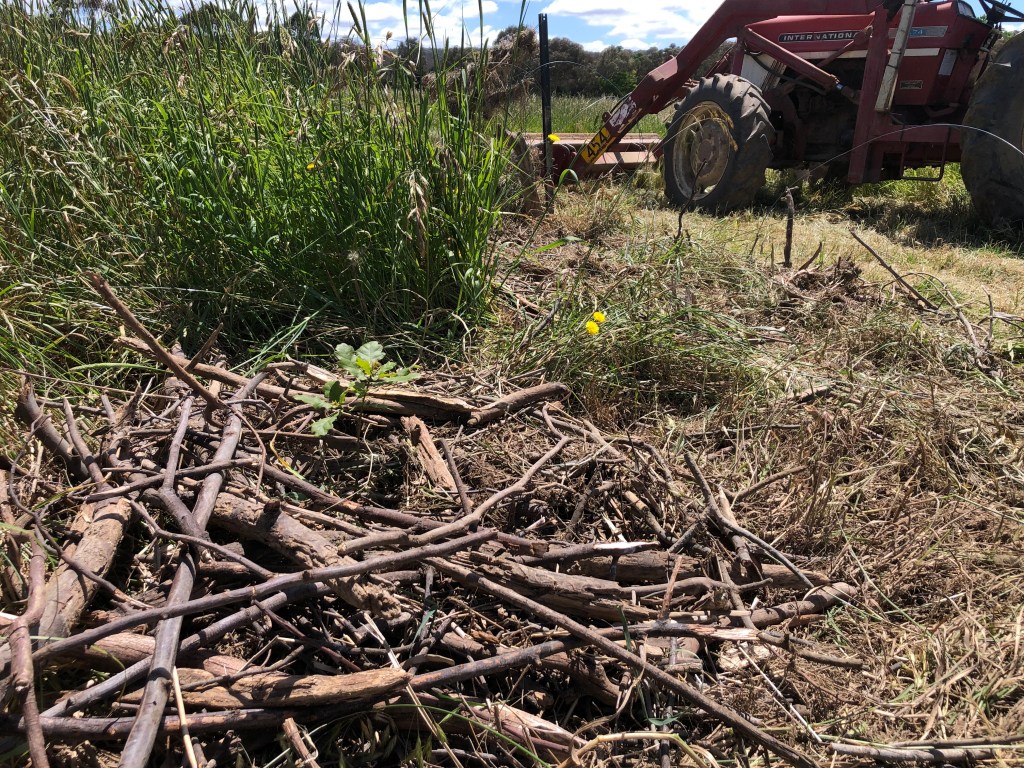
Clearing the fences (thank goodness for the tractor) allowed the opportunity to build a new tree guard around some Cork Oaks (quercus suber) that we had planted along our western boundary. Whilst I had stood up the damaged boundary fence, it wasn’t back to original strength. I took the opportunity to build the tree guard to a high standard three metres in from the boundary. It should not only protect the trees, but keep our cattle in.

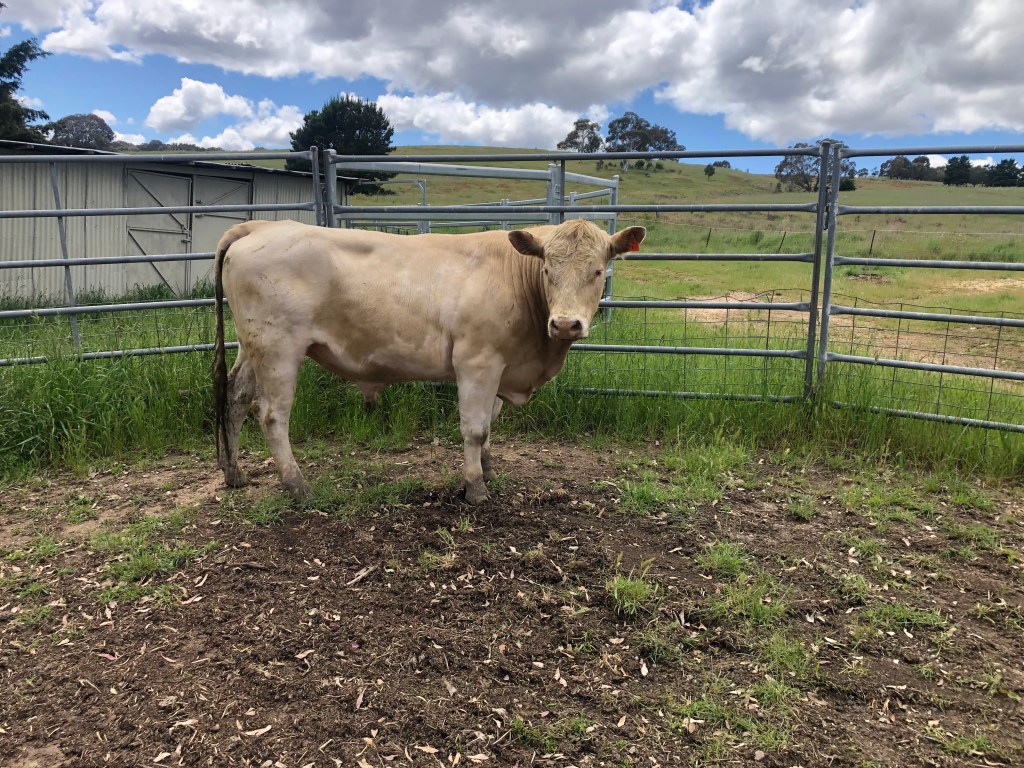
Our cattle mentor John again leased us a bull for this season. This magnificent fellow joined our girls for a couple of months. He settled in to the herd quickly, and seemed very gentle and placid (although it is always wise to exercise a degree of caution in this regard). He followed the girls around and seemed quite happy with the new surroundings for his short stay.

After the experience with our bull last year (he had a little excursion next door), we were keen to get this one home before we went away for a few days with the family before Christmas. Thankfully Jimmy our carrier was able to get the bull safely back home before he was tempted to stray.

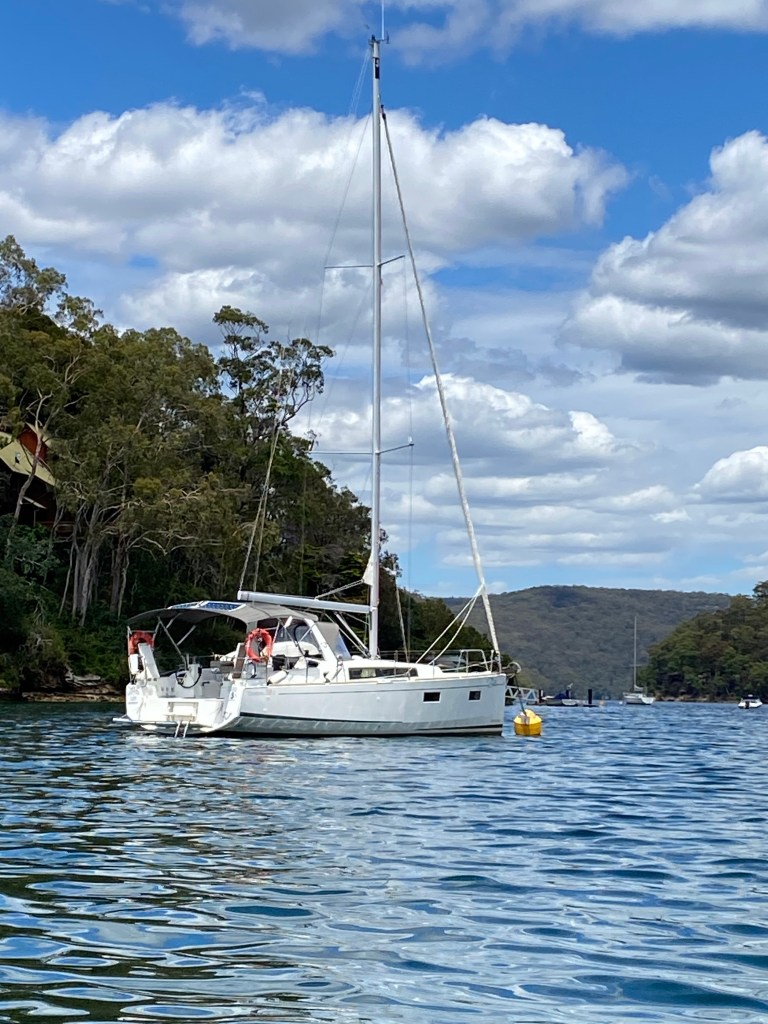
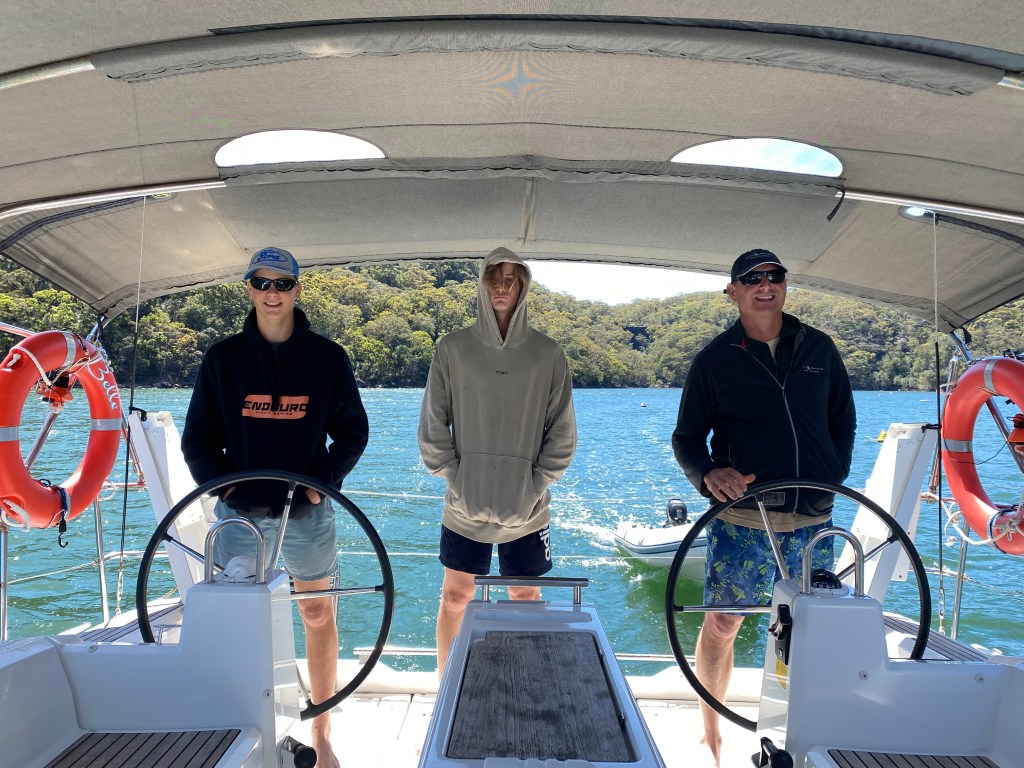
We managed to sneak away on a beautiful bareboat charter in Broken Bay, north of Sydney for three nights. With mobile phones locked away, it was a great opportunity to reconnect with each other and nature of a different kind to the Rock Farm. It also created a hilarious fish-out-of-water moment for the two teenager’s who are convinced their parents don’t know anything about anything!

After getting the run through of the yacht, the charterer politely informed us that the westerly wind blowing creates gusty conditions in Broken Bay, and keeping the sails reefed would be a wise precaution. Shortly after leaving our berth with sails duly reefed, we were barely moving, so we decided to set all our sails. Moments later we were caught in a particularly fresh gust coming down from between a couple of hills. The boy’s eyes opened wide as the yacht heeled over and took off. We decided perhaps we should reef our sails again, and after things settled back down, the boys asked us how fast we had been doing.

It was hilarious watching their faces when they calculated how fast six knots was in kilometres an hour… (about 11km/h).

Both Jo and I have worked on the water before, and we were so glad we took the boys out to enjoy the pleasure of sailing. We moored every night, and all of us loved swimming around the yacht and exploring the bays on the included paddleboard. When we returned the yacht, the charterer couldn’t believe how little fuel we had used over our four day three night charter. It was just perfect exploring the magnificent Broken Bay at the pace dictated by the rhythm of the wind and the water.

There is a kind of magic that comes from being on the water – in many ways it is similar to how it feels on the Rock Farm. There is an inner peace, whilst being acutely aware of how the weather affects each and every part of your day. It is good for the soul.

But we couldn’t stay all at sea forever. There was still extended family to catch up with and plenty to do on the Rock Farm. When we got back home, we started working on the to-do list.